






Abstract
This study explores student satisfaction with artificial intelligence chatbots in Ethiopian academia, examining their usage patterns, satisfaction levels, benefits, concerns and recommendations for improvement. A quantitative survey was conducted among 367 Ethiopian students from various educational levels and regions. The survey collected data on artificial intelligence chatbot usage, satisfaction, benefits, concerns and improvement recommendations. The findings reveal that artificial intelligence chatbots are frequently used for academic purposes, with students primarily using them for research assistance, assignment help and exam preparation. The students reported moderate to high satisfaction with chatbots, particularly regarding responsiveness, accuracy and adaptability. The benefits included time-saving, improved academic performance and 24/7 access to information. Concerns focused on access to technology, privacy and data security. The students also provided recommendations for enhancing chatbots, such as localisation, cultural sensitivity, affordability and security.
Keywords
Introduction
The rapid advancement of artificial intelligence (AI) has ushered in a new era in education, offering innovative tools and technologies to enhance learning and teaching (Alam, 2021). In Ethiopian academia, the integration of AI chatbots represents a significant development. These AI-powered conversational agents can revolutionise how students access information, receive support and engage with coursework (Kuhail et al., 2023b; Phiri and Munoriyarwa, 2023).
This study embarks on a comprehensive evaluation of AI chatbots in the Ethiopian educational landscape, focusing on students’ experiences and perceptions. Ethiopia’s diverse educational system, spanning primary, secondary and tertiary levels, provides a unique backdrop for this exploration. Understanding the frequency and extent of AI chatbot usage, assessing student satisfaction, identifying benefits, exploring concerns and gathering recommendations are the central objectives of this research.
AI chatbots are increasingly employed for various academic tasks, ranging from research assistance to exam preparation (Hannan and Liu, 2021; Yesmin, 2023). They are perceived as responsive, accurate and user-friendly, making them valuable companions on the academic journey (Goli et al., 2023). Furthermore, their 24/7 availability and role in improving time management and academic performance have garnered attention (Hew et al., 2023).
Despite the promise of AI chatbots, challenges and concerns persist (Chang et al., 2023). Technology access, data privacy and ethical considerations require thoughtful examination (Chembe et al., 2023). To harness the full potential of AI chatbots in Ethiopian education, addressing these concerns and integrating student recommendations for improvement is essential. This study explores the present and offers a guide to the future, shedding light on the transformative role of AI chatbots in Ethiopian education. It underscores the need for an inclusive and ethical approach, paving the way for technology to empower the academic experiences of Ethiopian students.
Research objectives
This study aims to investigate student satisfaction with AI chatbots in the context of Ethiopian academia. Specifically, our objectives are multifaceted. First, we seek to assess the frequency and scope of AI chatbot usage for academic purposes among students, delineating usage patterns across different subjects and areas of study. Second, we aim to evaluate student satisfaction with AI chatbots, encompassing various dimensions such as responsiveness, accuracy, user-friendliness, adaptability and overall effectiveness, while also probing their impact on academic performance and privacy concerns. Third, we endeavour to identify the benefits perceived by students when employing AI chatbots for academic tasks, including time-saving attributes, academic performance enhancements and improved access to information. Additionally, we aim to explore students’ apprehensions regarding the integration of AI in education, encompassing concerns related to technology access, privacy, content quality and regulatory frameworks. Lastly, we aim to solicit student recommendations on enhancing AI chatbots to better cater to the academic needs of Ethiopian students, emphasising aspects such as localisation, cultural sensitivity, affordability and accessibility.
Significance of the study
Understanding student perceptions of AI chatbots for academic purposes in Ethiopia holds significant importance for several reasons. First, it allows educational institutions and policymakers to gauge the readiness of Ethiopian students to embrace innovative technology in their learning processes. Like many developing countries, Ethiopia faces challenges in delivering quality education to all its citizens, and AI chatbots could bridge educational gaps. Therefore, comprehending student perceptions can effectively inform strategies to implement AI chatbots in Ethiopian academia.
Second, student perceptions can shed light on Ethiopian learners’ specific needs and preferences. These insights enable the customisation and localisation of AI chatbots to align with Ethiopian cultural and educational contexts. Tailoring chatbots to students’ expectations and learning styles can enhance their usability and effectiveness, ultimately leading to better learning outcomes. Furthermore, understanding student perceptions can address concerns related to the digital divide. Ethiopia has varying levels of technology access across urban and rural areas. By gauging student perspectives, the study can identify potential barriers to access and propose solutions to ensure that AI chatbots are inclusive and accessible to all students, regardless of their location or socio-economic background.
Lastly, student perceptions can guide efforts to maintain student privacy and data security when using AI chatbots. The need to address data protection concerns comes with the increased use of technology. By considering students’ opinions on privacy and security, educational institutions can implement appropriate safeguards to protect sensitive information and ensure students feel safe using these technologies.
Literature review
The role of AI chatbots in education
AI chatbots have emerged as valuable tools for enhancing student engagement in educational settings (Chen et al., 2023). These conversational agents create interactive and personalised learning experiences, capturing and maintaining students’ interest (Abbas et al., 2021). AI chatbots can foster an engaging learning environment by facilitating active participation, answering queries and offering dynamic content (Huang et al., 2022; Khan et al., 2023). Their ability to adapt to individual learning styles and preferences further bolsters student engagement, as they provide tailored support that resonates with each student’s unique needs (Kuhail et al., 2023a).
AI chatbots are revolutionising education by supporting personalised learning experiences (Adiguzel et al., 2023). These chatbots can assess a student’s strengths, weaknesses and learning pace, enabling the delivery of customised content and feedback (Javaid et al., 2023). By providing adaptive learning pathways and resources, AI chatbots empower students to take charge of their education. Personalised learning through AI chatbots promotes self-directed learning, which is essential for student success in an ever-evolving educational landscape (Lin, 2023).
AI chatbots enhance academic performance (Sáiz-Manzanares et al., 2023). They provide timely assistance, answer queries, and offer support with assignments, exam preparation and research. The instant access to information and academic resources helps students perform better in their coursework. Additionally, AI chatbots can contribute to time management and improve study habits, grades and academic outcomes. These outcomes underscore the transformative potential of AI chatbots in educational contexts (Kurni et al., 2023; Wang et al., 2023).
The use of ChatGPT in education has had a significant impact on a variety of aspects, including personalised learning, efficient lesson planning and task reduction (Al-Mughairi and Bhaskar, 2024). This powerful AI tool has the potential to transform education by handling tasks requiring knowledge and creative intelligence, such as grading assignments and providing student counselling (Elbanna and Armstrong, 2023). However, difficulties arise, such as the risk of students cheating in exams and homework, jeopardising their problem-solving skills, and the difficulty in detecting such dishonesty due to ChatGPT’s human-like text generation (Aydin, 2024). Concerns have been raised in the literature about the precision of AI-generated answers, potential bias in data training, privacy issues and the perceived threat of replacing teachers (Gustilo et al., 2024).
Student satisfaction with AI chatbots
Student satisfaction with AI chatbots hinges on responsiveness and accuracy (Chumkaew, 2023). A chatbot’s ability to respond quickly and accurately to student queries significantly influences their perception of the technology (Sakulwichitsintu, 2023). When AI chatbots effectively address students’ needs and provide correct information, it enhances their overall satisfaction and trust in the tool (Gill et al., 2024; Hallal et al., 2023).
User-friendliness and adaptability are vital determinants of student satisfaction with AI chatbots (Al-Emran et al., 2024). Students prefer chatbots that are easy to interact with and adapt to their learning styles (Kuhail et al., 2023b). User-friendly chatbots that offer a seamless experience and the flexibility to accommodate different learning preferences are more likely to garner positive feedback (Panda and Kaur, 2023).
The impact of AI chatbots on student learning experiences extends beyond academic performance (Lee et al., 2022). These chatbots influence the educational journey by making learning more accessible, efficient and enjoyable. When students find that AI chatbots contribute to a positive and enriching learning environment, it elevates their satisfaction with the technology and its role in education (Alshahrani, 2023; Foroughi et al., 2023; Karyotaki et al., 2022).
AI is becoming more prevalent in society, including in educational settings, where chatbots function as virtual assistants. Moral-Sánchez et al. (2023) conducted a study on AI chatbots in mathematics education and discovered students’ interest in chatbot generation, integration into social networks, improved digital competence and high satisfaction levels, indicating the potential applicability of such experiences across subjects and educational contexts. Chatbots are becoming useful resources for providing feedback and encouraging metacognitive methods in student learning (Xia et al., 2023), research found that the degree level influenced chatbot learning results and use outcomes, with students pursuing a Master’s degree performing better. While prior knowledge influences learning outcomes, it has no significant effect on student satisfaction, indicating the need for additional research based on student ideas for improvement, in line with the findings of Fauzi et al. (2023), who discovered that ChatGPT can significantly improve the quality of student production. Their study also reveals that this language model can aid students in a variety of ways, such as by providing useful information and resources, supporting language skill development, promoting cooperation, increasing effectiveness and time efficiency, and providing support and incentives.
AI adoption in academic settings: a global perspective
AI adoption in academic settings is a global phenomenon, with higher education institutions embracing AI solutions to improve administrative processes, teaching and learning (Aithal and Aithal, 2023; Antony and Ramnath, 2023; Lubinga et al., 2023). Numerous case studies demonstrate the successful integration of AI in higher education, including personalised learning platforms, chatbot-driven support services and data-driven decision-making tools. These cases provide valuable insights into AI’s potential and best practices in education (Alamri et al., 2020; Chocarro et al., 2023; Kalim and Bibi, 2023; Miranda et al., 2021; Pottle, 2019; Rong et al., 2020; Teng et al., 2023; Tlili et al., 2023; Tzavara et al., 2023).
AI adoption is not confined to higher education. It spans various educational levels, from primary and secondary to tertiary institutions. The trends in AI implementation differ across these levels, with K–12 (Kindergarten to Grade 12) institutions exploring AI-driven personalised learning and university-level institutions focusing on research support and student services. These trends showcase the adaptability of AI to cater to diverse educational needs (Bhutoria, 2022; Crompton et al., 2022; Jia et al., 2024; Ng et al., 2023).
Global AI chatbot adoption in education has witnessed notable successes and encountered challenges (Chaka, 2023; Okonkwo and Ade-Ibijola, 2021). The success stories include improved student engagement, more efficient administrative processes and enhanced learning experiences (Abbas et al., 2022; Villegas-Ch et al., 2020). However, challenges such as privacy concerns, data security and ensuring the ethical use of AI persist (Ifelebuegu et al., 2023; Kasneci et al., 2023; Michel-Villarreal et al., 2023; Ray, 2023). Understanding these global dynamics is essential when considering the implementation of AI chatbots in the Ethiopian context. User-centred design, with an emphasis on intuitive interfaces, has been highlighted as a facilitator for AI integration, addressing issues such as computer and social anxiety, which contributes to hesitancy and resistance (Tiwari et al., 2023). Students have a positive opinion towards ChatGPT’s instructional use, influenced by criteria such as utility, social presence, legitimacy, enjoyment and motivation, while perceived ease of use is not a key driver (Sabraz Nawaz et al., 2024)
Ethiopia’s unique educational landscape presents challenges and opportunities for AI chatbot implementation. The country’s diverse student population, varying access to technology and the need for content localisation are challenges that must be addressed. However, opportunities exist for leveraging AI chatbots to enhance education access and quality, especially in remote and underserved areas.
Methodology
This study employed a quantitative approach to gather data from Ethiopian students across different educational institutions. The survey instrument, designed to capture insights into AI chatbot usage, satisfaction, benefits, concerns and recommendations, underwent thorough validation by a panel of experts in educational technology.
To ensure comprehensive representation across Ethiopia’s educational levels and regions, a stratified random sampling technique was utilised. This encompassed students from diploma colleges and various university levels, including undergraduate, postgraduate and PhD scholars. The sample size, determined with a confidence level of 95% and a margin of error of 5%, aimed to gather diverse perspectives. Invitations to participate were disseminated electronically, assuring respondents of the confidentiality of their input.
The data collection was executed electronically through a secure online platform utilising Google Forms. Ethiopian researchers facilitated the distribution of the questionnaire across educational institutions, leveraging professional networks and interpersonal connections for wide-reaching dissemination. The participants received clear instructions for survey completion, with reminders employed to optimise response rates. The data collection period spanned three months to accommodate diverse response timelines, culminating in a total of 367 respondents.
The survey instrument comprised multiple-choice questions, Likert-scale items and open-ended queries, encompassing sections on demographic information, AI chatbot usage patterns, satisfaction ratings, perceived benefits, concerns and recommendations. Emphasis was placed on encouraging detailed responses in open-ended sections to enrich qualitative insights.
The quantitative data analysis was conducted utilising the statistical software SPSS. Descriptive statistics, including frequencies, percentages, means and standard deviations, were computed to summarise the data. Additionally, inferential statistics, such as t-tests, were examined to glean deeper insights.
Acknowledging the potential constraints inherent in the study is crucial for contextualising the findings. First, the electronic survey methodology might have introduced technology-access bias, potentially excluding individuals with limited technological resources, particularly from rural or lower-income backgrounds. Additionally, the study’s cross-sectional design restricts the establishment of causal relationships and might not capture the evolving nature of attitudes towards AI chatbots adequately. Future longitudinal studies could offer more nuanced insights into evolving trends. Moreover, the stratified random sampling, while ensuring diverse representation, could further benefit from stratification based on geographical regions within Ethiopia, considering potential disparities in technology access, infrastructure and cultural contexts.
Results
The survey results are presented and discussed in the following sections, providing insights into AI chatbot usage, satisfaction, benefits, concerns and recommendations in the Ethiopian educational context.
Table 1 shows the demographic analysis of the 367 respondents, revealing a diverse sample. The largest age group is 21–22 (44.7%), while 59.7% of the respondents are male and 40.3% are female. In terms of education, 62.9% have a Bachelor’s degree, 21.3% hold a Master’s degree and 10.6% have a diploma. Only 5.2% possess a PhD. The majority reside in urban areas (84.2%), with 15.8% in rural regions. This data provides insights into the characteristics of the surveyed population, offering valuable information for further analysis and decision-making.
Demographic information.
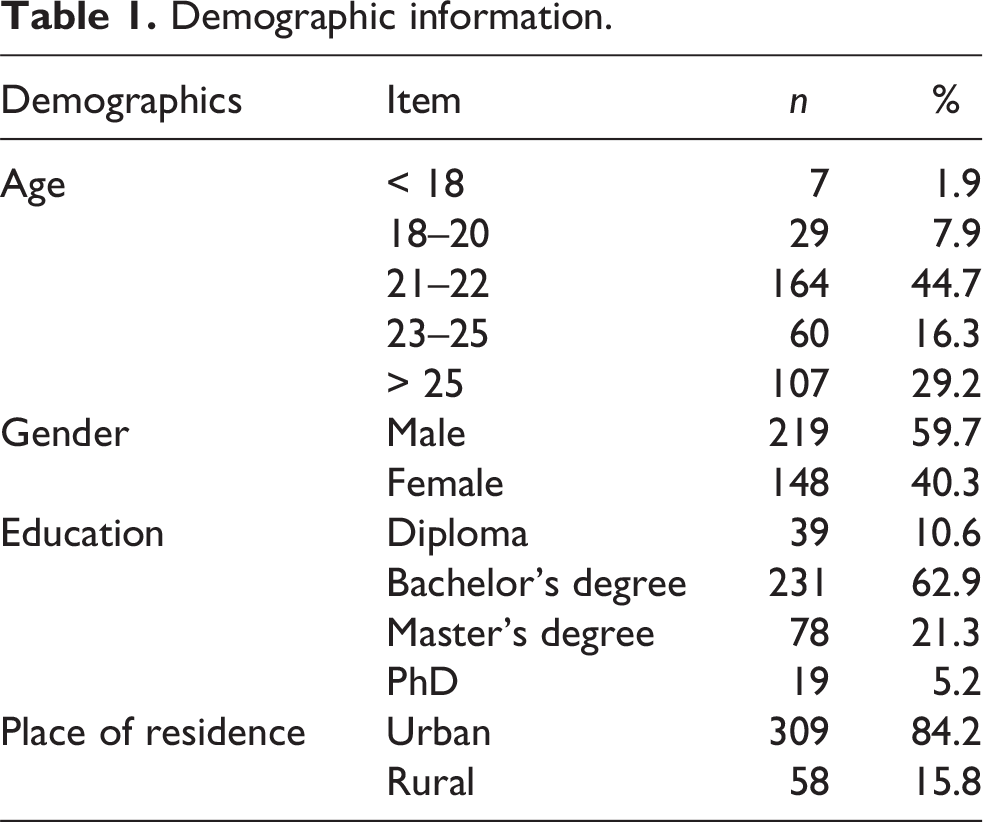
Figure 1 shows that 65.4% of the respondents use AI chatbots for academic purposes, with 25.6% using them daily and 39.8% weekly. Monthly usage accounts for 9.3%, while 19.6% use them rarely and 5.7% never use AI chatbots for academic purposes. This highlights a significant adoption of AI chatbots for educational needs, particularly on a weekly and daily basis.
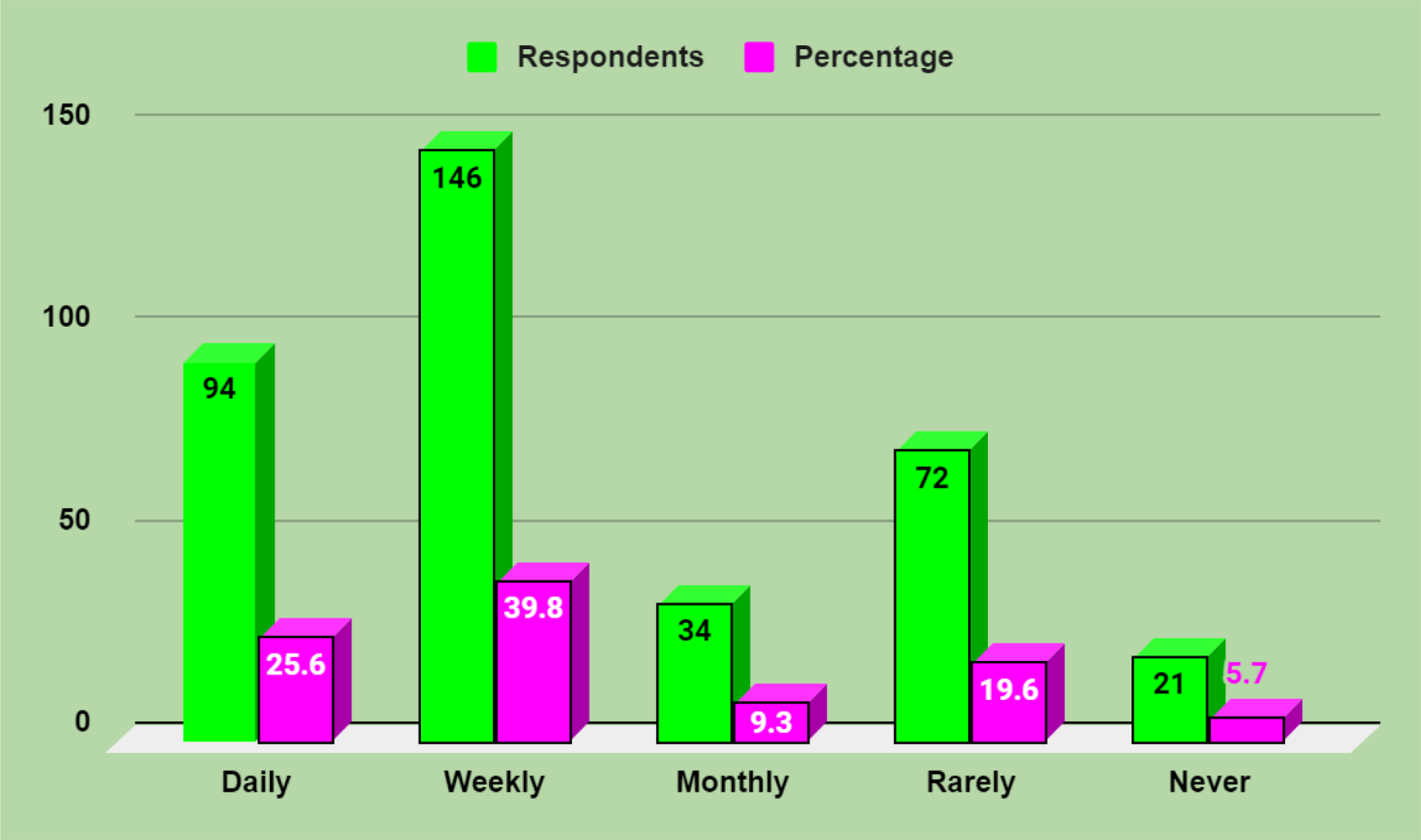
Frequency of AI chatbot usage for academic purposes.
The data in Figure 2 reveals varying levels of adoption of AI-driven information retrieval systems across different fields of study. Students of business and economics emerge as the primary users, accounting for 36.5% of the respondents, followed by those in science and technology (22.9%) and social sciences (20.7%). Conversely, students in the humanities and health sciences exhibit lower utilisation, at 7.4% and 8.4%, respectively. The ‘Others’ category represents 4.1% of the respondents. This indicates that AI-driven information retrieval systems are most widely embraced in business-related fields and the natural sciences. At the same time, their incorporation is comparatively less frequent in the humanities and health-related disciplines.
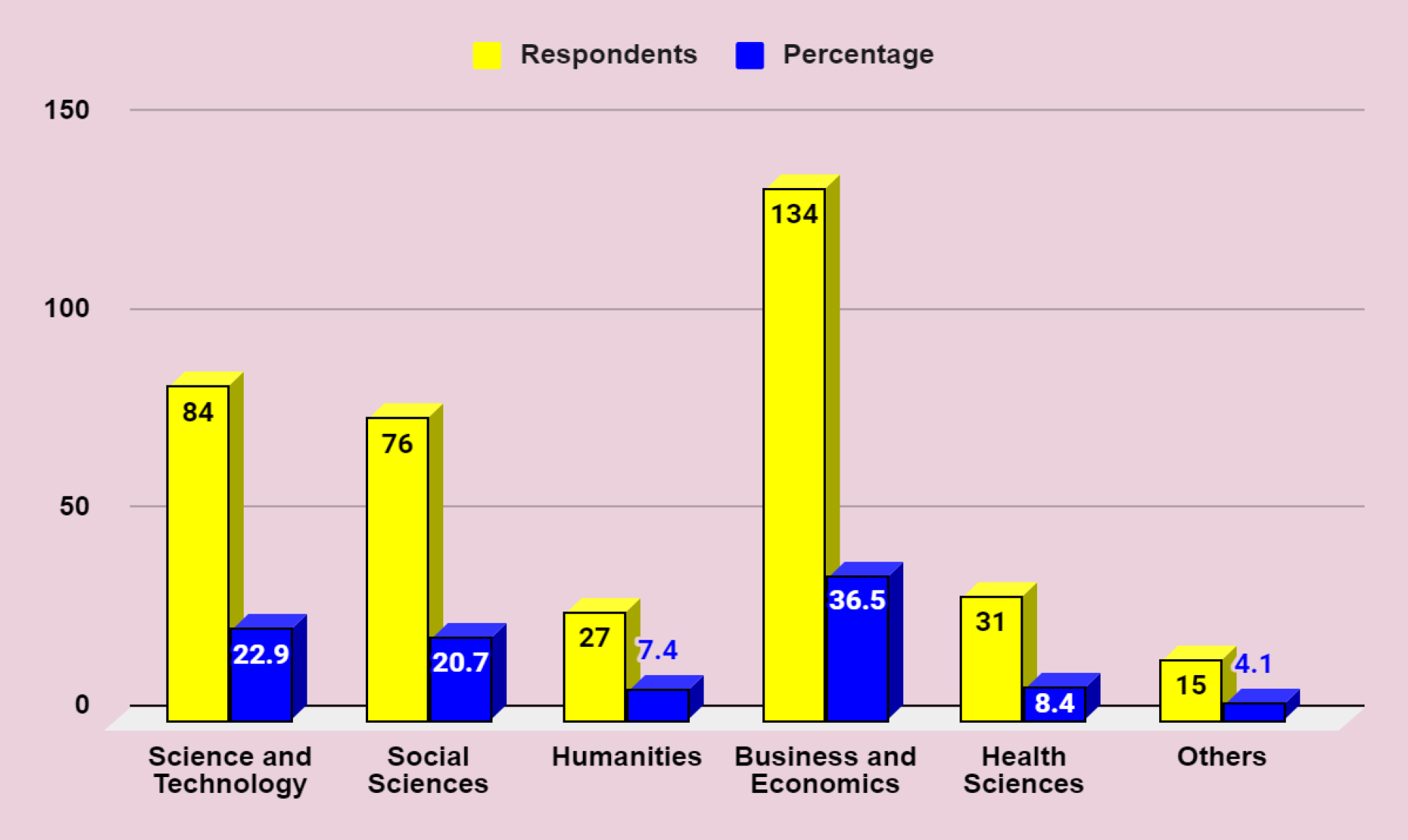
Primary usage of AI-driven information retrieval systems by field of study.
The study findings in Figure 3 reveal the diverse academic tasks supported by AI chatbots, with a focus on the number of respondents and the corresponding percentages. Notably, most respondents reported using AI chatbots for exam preparation (97.5%) and assignment help (51.8%), indicating a strong reliance on these tools for academic performance. Other common tasks included research assistance (45%), information retrieval (36.2%) and essay writing support (26.2%). Additionally, a notable proportion of the respondents utilised AI chatbots for language learning (27.5%) and personalised learning (25.6%). Less frequently, chatbots were employed for citation and bibliography assistance (10.6%), career counselling (16.9%) and plagiarism prevention (25.9%). These findings underscore the multifaceted role of AI chatbots in supporting various academic tasks, highlighting their potential to enhance the educational experience.
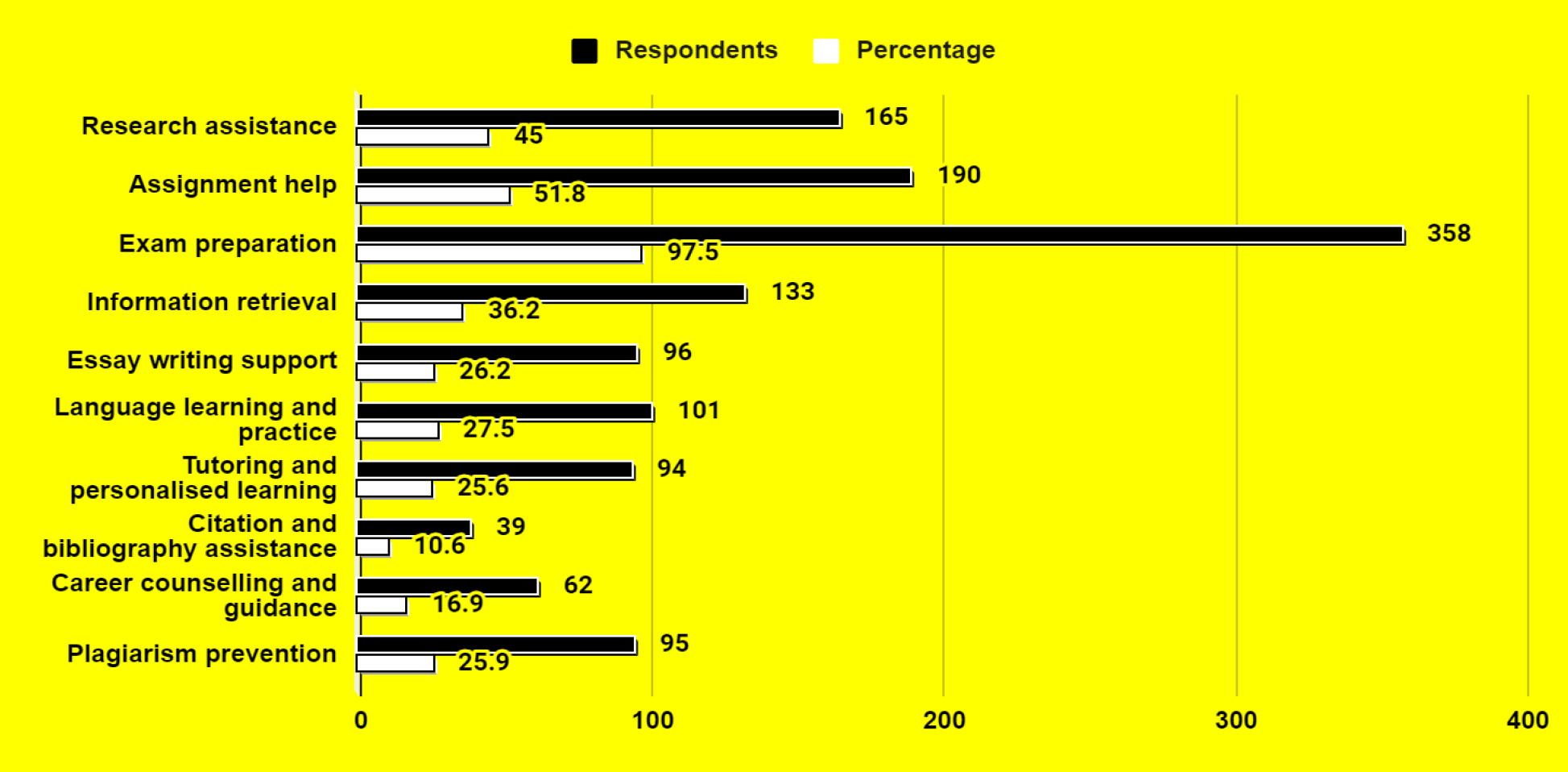
Academic tasks supported by AI chatbots.
Table 2 reveals that academic chatbots received generally positive satisfaction ratings across various dimensions. On a scale from 1 (very dissatisfied) to 5 (very satisfied), the mean satisfaction scores ranged from 3.35 to 3.57. These scores indicate that users were, on average, either satisfied or very satisfied with the chatbots’ performance.
Academic chatbot satisfaction ratings across various dimensions.

Furthermore, all of the dimensions showed statistically significant differences, as evidenced by low p-values (.00001) and t-values, ranging from −22.6 to −26.03. This suggests that the differences observed in satisfaction scores are not due to chance. Users found the chatbots highly responsive in answering academic questions, accurate in providing information, user-friendly and able to adapt to specific academic needs. They were also satisfied with the chatbots’ timeliness, ability to cover a wide range of academic topics, and potential to enhance academic performance and productivity. The chatbots’ ability to ensure privacy and data security, customisation options, and support for explaining complex concepts were well received. The study indicates that academic chatbots have effectively improved the overall academic experience and supported various aspects of learning and research while maintaining high user satisfaction.
According to Figure 4, using AI chatbots for academic purposes yields several notable benefits. An overwhelming 82.3% of the respondents reported that these chatbots save them time, while 57% noted improved academic performance. Moreover, 50.1% highlighted the accessibility of information 24/7, and 45.5% experienced enhanced productivity. The users also reported better comprehension of course materials (42.2%), increased confidence in their academic work (35.5%) and greater flexibility in studying (38.4%). Furthermore, 43.3% mentioned reduced academic stress, and 37.3% appreciated access to a wider range of learning resources. Finally, 45% found AI chatbots beneficial for exam preparation. In sum, the data underscores the significant positive impact of AI chatbots on time management, academic outcomes and overall educational experiences.
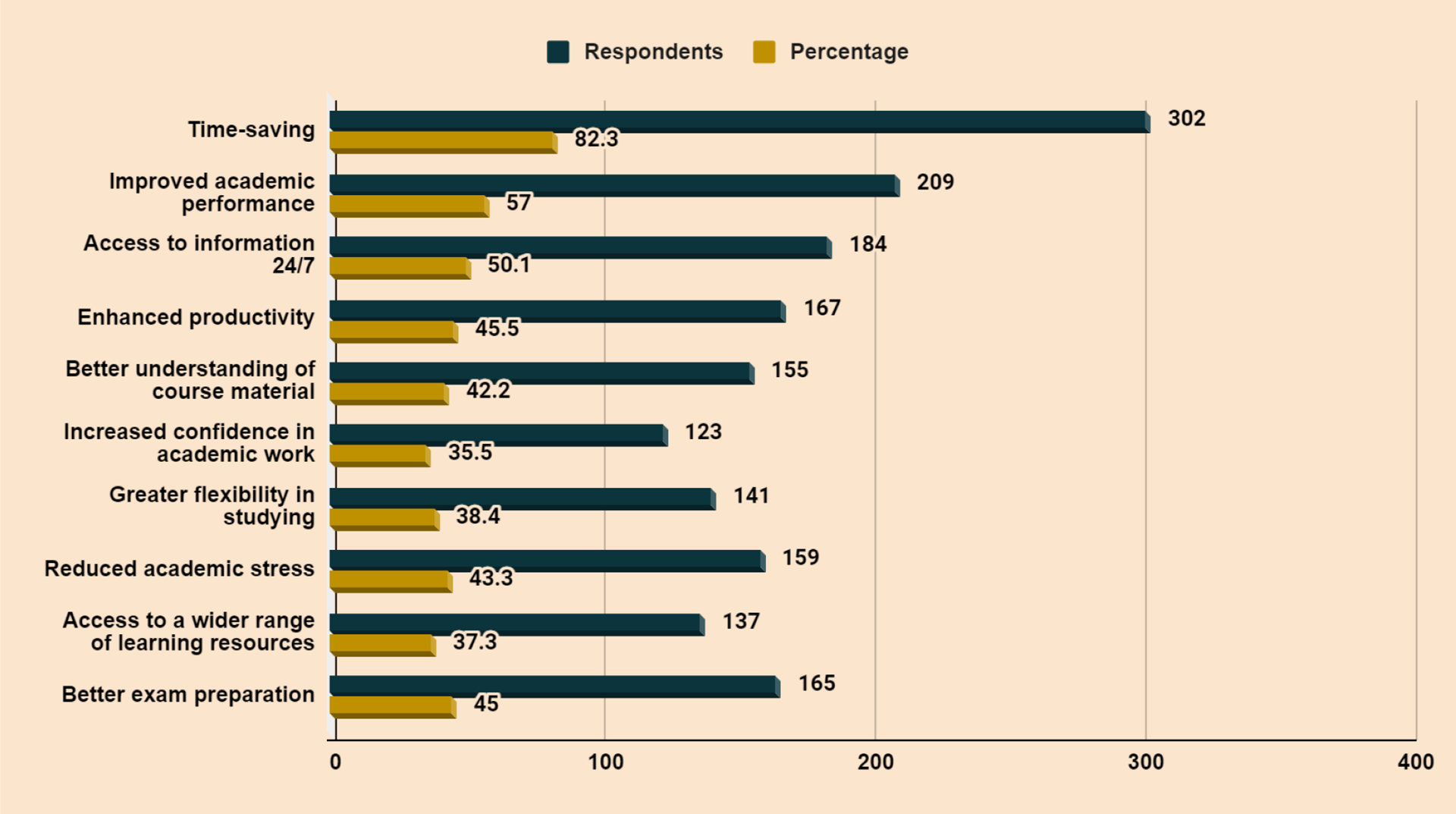
Benefits of using AI chatbots for academic purposes.
Table 3 highlights the key concerns and challenges regarding implementing AI in information access and education for Ethiopian youth, and the corresponding percentages of respondents expressing these concerns. Notable issues include the lack of access to technology, with 42.2% of the respondents not having smartphones or computers, and limited Internet connectivity, which posed a substantial challenge for 98.4% of the participants. Privacy and data security concerns were voiced by 23.4% of the respondents, while 40.3% raised ethical concerns related to AI algorithms. Worries about the quality and accuracy of AI-generated content were expressed by 44.7% of the individuals. Concerns regarding accessibility for those with disabilities (29.4%), the absence of a regulatory framework for AI in education (41.4%), and the potential loss of critical thinking skills when relying heavily on AI for learning (37.6%) were also notable. Furthermore, 33.8% expressed concerns about a lack of technical support or guidance, and 25.3% noted the need for better safeguards against misinformation and fake educational content. These findings underscore the multifaceted challenges that must be addressed to ensure the successful integration of AI in education for Ethiopian youth, including access, privacy, quality, ethics and regulatory frameworks.
Concerns about AI in information access and education for Ethiopian youth.
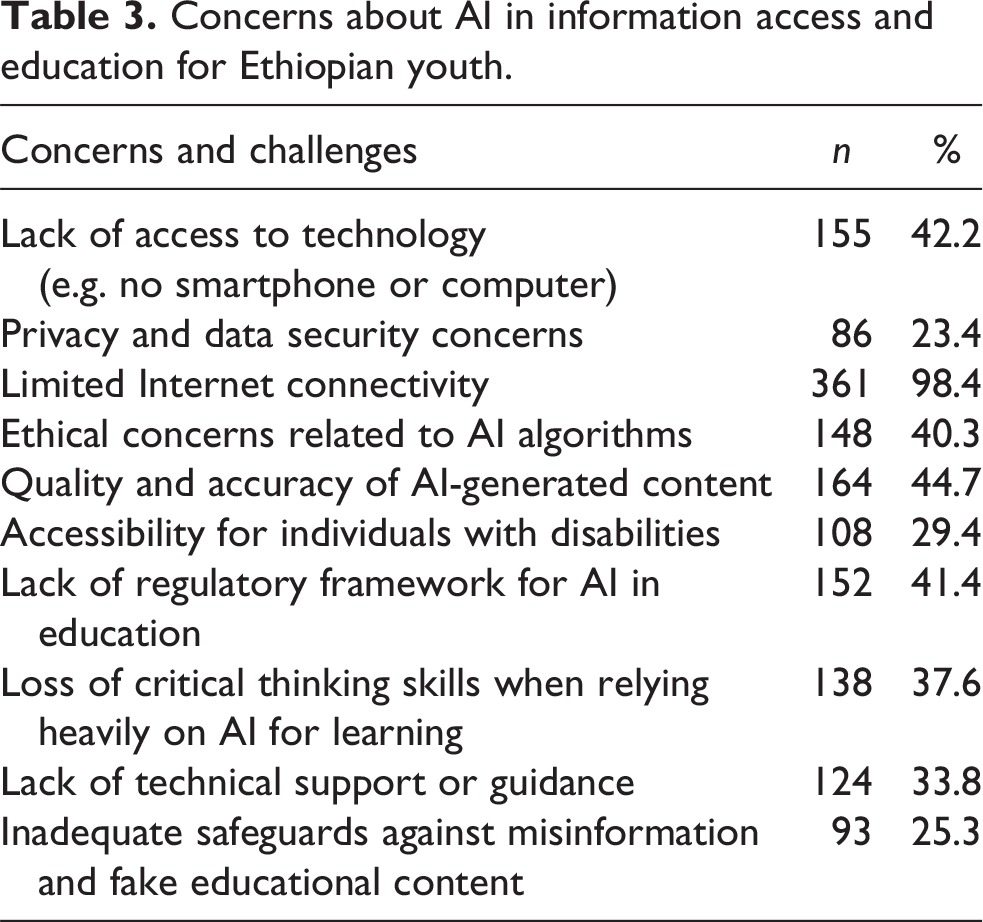
Table 4 reveals insights into beliefs and preferences regarding the integration of AI in Ethiopian education. A significant 59.4% of the respondents found AI chatbots suitable for the Ethiopian educational system, while 87.5% expressed a strong likelihood to continue using AI chatbots for academic purposes in the future. Moreover, 68.1% acknowledged the potential for AI to revolutionise how Ethiopian students conduct research, demonstrating optimism about its impact. Interest in participating in AI-related workshops or training is high, with 78.5% demonstrating enthusiasm for such opportunities.
AI in Ethiopian education: beliefs and preferences.
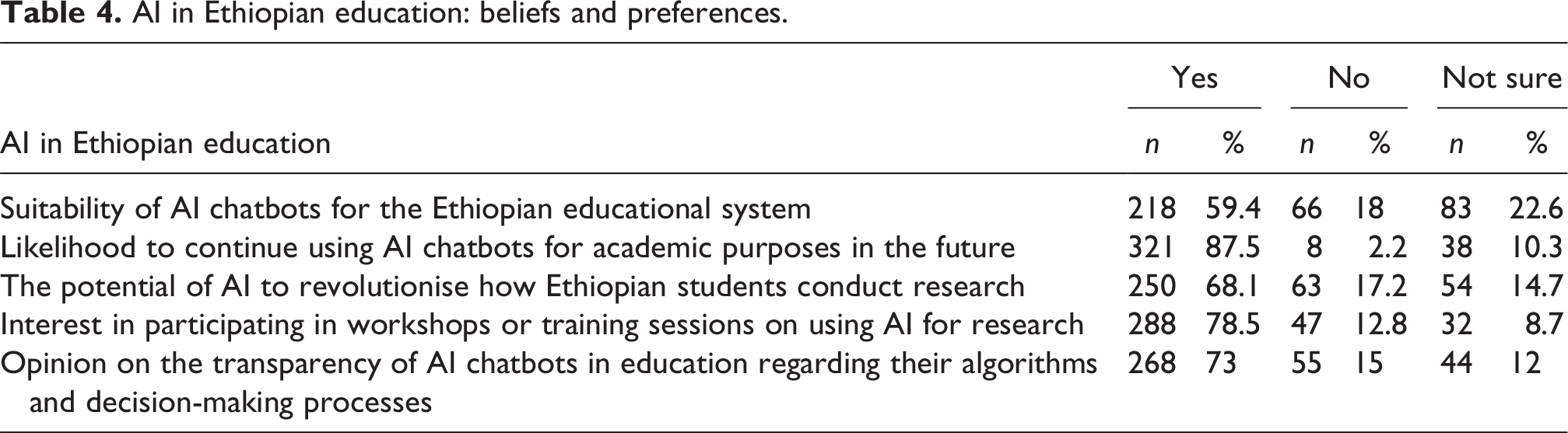
Seventy-three percent of the respondents held a positive opinion of AI chatbots’ transparency in education, indicating trust in their algorithms and decision-making processes, while only 15% expressed scepticism. Overall, the data suggests a generally positive outlook on the role of AI in Ethiopian education, with the majority of the respondents endorsing its suitability, future use and transformative potential in research. Additionally, there is a willingness to engage with AI technology through workshops and a notable trust in its transparency.
The Table 5 data analysis highlights key considerations for improving AI chatbots to meet the needs of Ethiopian students. Many of the respondents emphasised localisation, with 55.6% advocating for customisation in local languages. Cultural sensitivity and integration with the Ethiopian curriculum were also stressed, by 51.2% and 58.6% of the respondents respectively. Access to local resources (49.9%) and affordability (54%) were likewise important. An offline mode (46%), accessibility (44.4%) and teacher collaboration (39.8%) were suggested for inclusive use.
Enhancing AI chatbots for tailored academic support in Ethiopian education.
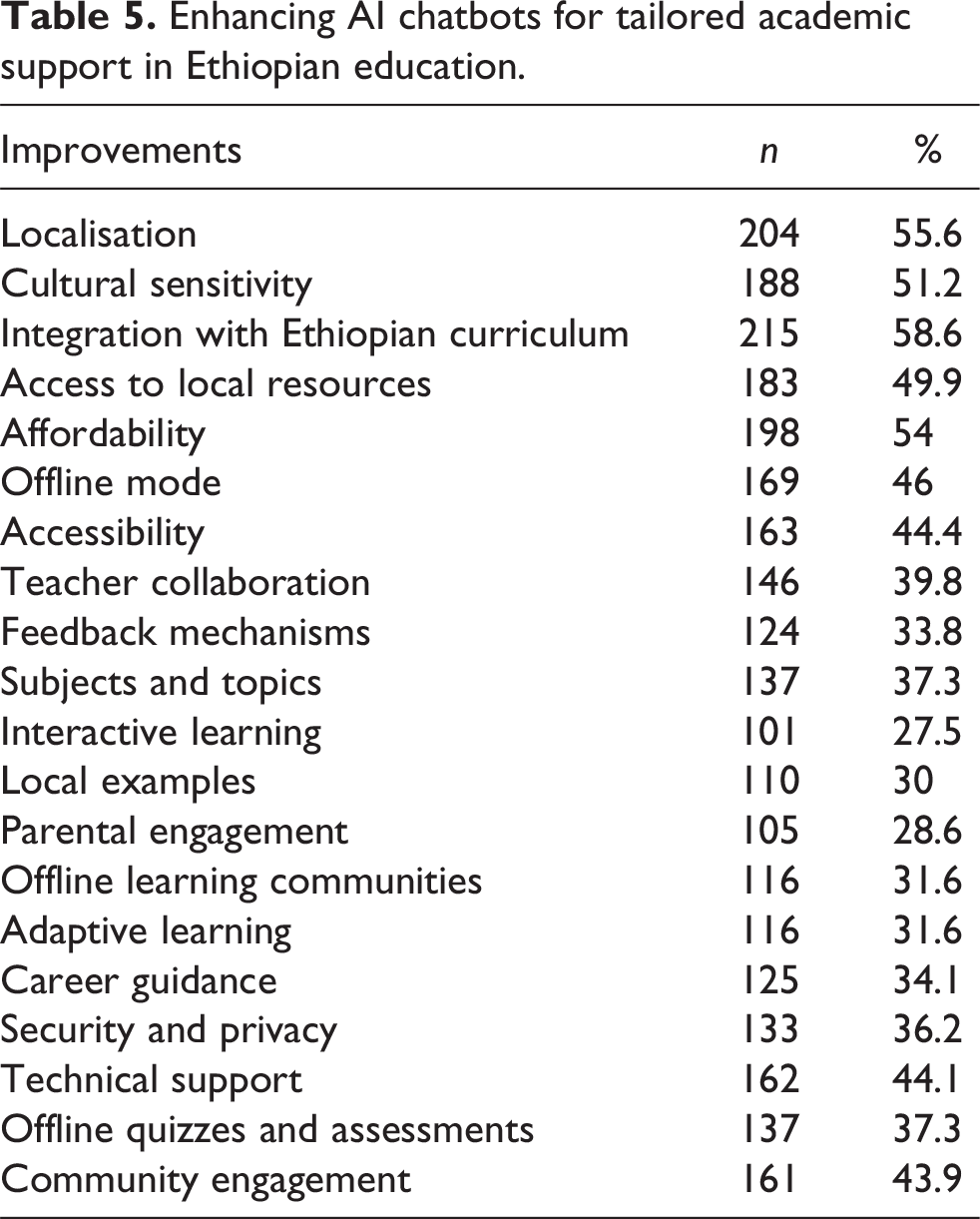
Feedback mechanisms (33.8%), broader subject coverage (37.3%), interactive learning (27.5%) and local examples (30%) were seen as vital for improved learning experiences. Parental engagement (28.6%) and offline learning communities (31.6%) were emphasised. Adaptive learning (31.6%) and career guidance (34.1%) garnered support for personalised education.
Addressing security and privacy concerns (36.2%) and providing accessible technical support (44.1%) were seen as essential. Additionally, enabling offline quizzes and assessments (37.3%) and promoting community engagement (43.9%) were highlighted for comprehensive educational development. To enhance AI chatbot effectiveness, these insights underscore the need for extensive localisation, cultural relevance, curriculum alignment, accessibility and robust support systems.
Discussion
This study was driven by five distinct research objectives aimed at comprehensively evaluating the role and impact of AI chatbots in the academic lives of Ethiopian students. Below, we discuss the key findings and implications of each objective.
AI chatbot usage patterns
The first research objective sought to understand the frequency and extent of AI chatbot usage for academic purposes among Ethiopian students. The results demonstrate a significant adoption of AI chatbots, with 65.4% of the respondents reporting usage. The majority of users engage with these chatbots on a weekly or daily basis. The data also reveals varying utilisation across different fields of study, with business and economics as well as science and technology being prominent areas of adoption. This suggests that students from diverse academic backgrounds actively integrate AI chatbots into their educational routines (Villegas-Ch et al., 2020; Wang et al., 2023).
Student satisfaction with AI chatbots
The second objective focused on assessing student satisfaction with AI chatbots. The findings indicate that students are generally satisfied with various dimensions of chatbot performance. This satisfaction extends to responsiveness, accuracy, user-friendliness, adaptability and effectiveness (Bilquise et al., 2024; Ma and Huo, 2023). The data suggests that these AI chatbots have made a positive impact on students’ academic performance and productivity, as well as their overall learning experience.
Benefits of AI chatbot usage
The third research objective explored the benefits experienced by students when using AI chatbots for academic purposes. The results indicate that students perceive AI chatbots as time-saving tools, contributing to improved academic performance (Srinivasa et al., 2022; Wu and Yu, 2024). Additionally, the accessibility of information around the clock and enhanced productivity were reported. These benefits suggest that AI chatbots can aid student learning and academic achievement (Panda and Chakravarty, 2022; Vázquez-Cano et al., 2021). Smith (2022) underscores the risk of bias in cataloguing, cautioning that while human cataloguers introduce personal biases, AI may amplify biases at an unprecedented level. Librarians are urged to be aware of these risks and establish oversight measures before fully relying on AI for resource description.
Concerns about AI in education
The fourth objective aimed to identify concerns and challenges related to using AI in education. The findings reveal various issues, including technology access, privacy, content quality, ethical considerations and regulatory matters. Limited access to technology and Internet connectivity emerged as substantial barriers to the equitable adoption of AI in education. Privacy and ethical concerns were also voiced, indicating the need for transparent and ethical AI practices (Okonkwo and Ade-Ibijola, 2021; Tlili et al., 2023; Wang et al., 2023).
Student recommendations for improvement
The fifth research objective sought student recommendations on how AI chatbots can be improved to serve their academic needs better. The data reveals that students are keen on localising AI chatbots to understand and respond in local languages such as Amharic, Tigrigna or Oromo. They also emphasised the importance of cultural sensitivity, alignment with the Ethiopian curriculum and access to locally relevant educational materials. Affordability, offline capabilities and accessibility for students with disabilities are other essential considerations. Moreover, the students emphasised the need for feedback mechanisms, customisation and improved support.
The eventual goal of requesting student feedback for AI chatbot enhancement is consistent with the global emphasis on user-centred design. The insights emphasising localisation, cultural sensitivity, cost and accessibility are consistent with Tiwari et al.’s (2023) focus on the importance of cultural context and previous technological experience in AI integration. These proposals reflect a student-centred approach that cuts across cultural divides, adding to the worldwide conversation about upgrading AI technology for varied educational settings. While general patterns exist, the Ethiopian study’s recommendations may be specific to the local situation, providing useful insights for adopting AI technologies broadly. Lo (2023) discusses the evolving role of AI in libraries, identifying key challenges such as ethical dilemmas and data privacy issues. The recommendations include developing guidelines to address biases and navigating privacy concerns, offering practical steps for libraries to adopt best practices in AI utilisation.
The study’s findings help to advance global understanding of AI chatbots in education by aligning with and expanding on international research aims. The interconnected themes emphasise the significance of a comprehensive, culturally sensitive and student-centred strategy for successfully integrating AI into educational environments worldwide. This comparative investigation broadens our understanding of the common issues, benefits, concerns and recommendations related to AI chatbots, creating a more holistic view of their usefulness in a variety of educational settings. The Ethiopian study not only coincides with worldwide trends but also provides unique cultural insights that contribute to the global discourse on AI in education.
Limitations
This study has several limitations that warrant consideration when interpreting its findings. First, the reliance on an electronic survey methodology may introduce bias by potentially excluding individuals with limited access to technology, particularly those from rural or lower-income backgrounds. This limitation could impact the generalisability of the results and may lead to under-representation of certain demographic groups. Second, the cross-sectional design of the study restricts the establishment of causal relationships between variables and may not fully capture the dynamic nature of attitudes and behaviours towards AI chatbots over time. Longitudinal studies would offer a more comprehensive understanding of how perceptions and usage patterns evolve among Ethiopian students. Additionally, while the study employed a stratified random sampling technique to ensure diverse representation across educational levels and regions in Ethiopia, further stratification based on geographical regions could enhance the study’s validity. Considering potential disparities in technology access, infrastructure and cultural contexts across different regions, stratification based on geographic diversity would provide more nuanced insights. Lastly, despite rigorous validation by experts in educational technology, the survey instrument used in this study might have inherent limitations. Future research could explore alternative data collection methods, such as interviews or focus groups, to capture a broader range of student experiences and perceptions regarding AI chatbots.
Study implications
This study highlights the significant adoption of AI chatbots among Ethiopian students for academic purposes. This underscores the need for educational institutions to integrate such technologies more comprehensively into their teaching and support systems. By embracing AI chatbots, institutions can enhance student engagement, facilitate personalised learning experiences and improve academic outcomes.
Despite concerns regarding technology access and Internet connectivity, the study reveals substantial utilisation of AI chatbots among students. This suggests that these technologies have the potential to bridge gaps in educational access and provide learning opportunities beyond traditional classroom settings. Policymakers should prioritise initiatives to ensure equitable access to technology and Internet infrastructure, particularly in rural and underserved areas.
The positive feedback on AI chatbot satisfaction and perceived benefits underscores their potential to enhance student learning experiences. Institutions can leverage AI chatbots to support students in various academic tasks, including research assistance, exam preparation and accessing learning resources. By addressing student preferences and concerns, institutions can foster a more supportive and conducive learning environment.
The study highlights concerns regarding data privacy, ethical implications and algorithm transparency associated with AI chatbots. Addressing these concerns is crucial to building trust and confidence among users. Educational institutions and developers should prioritise ethical AI practices, transparent algorithms and robust data protection measures to safeguard student privacy and ensure the responsible use of AI technologies.
The students’ recommendations emphasise the importance of localising AI chatbots and ensuring cultural sensitivity to effectively serve the Ethiopian educational context. Developers should prioritise incorporating local languages, cultural nuances and context-specific content into AI chatbots to enhance their relevance and effectiveness. By catering to local needs and preferences, AI chatbots can better support diverse student populations and promote inclusive education.
The study’s cross-sectional design provides valuable insights into current AI chatbot usage patterns and perceptions among Ethiopian students. However, longitudinal studies are needed to track the evolving nature of attitudes, behaviours and academic outcomes over time. Future research could explore the long-term impact of AI chatbots on student learning, academic performance and career trajectories to inform ongoing improvements and innovations in educational technology.
The high level of interest among students in participating in workshops or training sessions on using AI for research underscores the importance of professional development initiatives. Educational institutions should provide opportunities for students to develop the digital literacy skills, AI proficiency and critical thinking abilities necessary for navigating an increasingly technology-driven world. By investing in student training and support programmes, institutions can empower learners to harness the full potential of AI technologies for academic and professional success.
Future research
Future research directions include longitudinal studies to track changes in attitudes towards AI chatbots over time. Qualitative methods such as interviews can provide deeper insights into students’ experiences. Tailored interventions should be developed to address the identified concerns and recommendations collaboratively. Exploring AI chatbots’ potential in specific educational domains like language learning or science, technology, engineering and mathematics education is essential. Continuous monitoring of the emerging trends, innovations and challenges in AI integration in education is necessary to ensure its effective and ethical use in Ethiopian academia.
Conclusion
AI chatbots hold great promise for the future of Ethiopian education. Through this study, we have highlighted their potential and provided a road map for harnessing their capabilities. By addressing concerns and embracing student recommendations, Ethiopian education can leverage AI chatbots as powerful tools to benefit students, educators and the nation. Inclusivity, ethics and an unwavering commitment to academic excellence should characterise this journey towards embracing technology in education.
Supplemental Material
Supplemental Material, sj-pdf-1-ifl-10.1177_03400352241252974 - Student satisfaction with artificial intelligence chatbots in Ethiopian academia
Supplemental Material, sj-pdf-1-ifl-10.1177_03400352241252974 for Student satisfaction with artificial intelligence chatbots in Ethiopian academia by A Subaveerapandiyan, S Radhakrishnan, Neelam Tiwary and Sisay Mulate Guangul in IFLA Journal
Footnotes
Declaration of conflicting interests
The authors declared no potential conflicts of interest with respect to the research, authorship and/or publication of this article.
Funding
The authors received no financial support for the research, authorship and/or publication of this article.

Author biographies
His research pursuits encompass a wide array of subjects – notably, digital literacy, research data management, artificial intelligence, second-language teaching and scholarly communication. His scholarly contributions are substantial, encompassing the publication of over 50 research articles.
References
Supplementary Material
Please find the following supplemental material available below.
For Open Access articles published under a Creative Commons License, all supplemental material carries the same license as the article it is associated with.
For non-Open Access articles published, all supplemental material carries a non-exclusive license, and permission requests for re-use of supplemental material or any part of supplemental material shall be sent directly to the copyright owner as specified in the copyright notice associated with the article.
