






Abstract
This study examines the promotional efforts implemented by Vietnamese public libraries concerning cultural heritage information and explores users’ evaluations of their quality and effectiveness. Using a mixed-methods approach, the study combines in-depth interviews, content analysis, and quantitative data to assess promotional practices from both staff and user perspectives. The findings indicate that libraries employ various methods, including events, social media, and traditional materials. However, these efforts are fragmented and lack strategic coordination. Digital communication remains underutilized, and user engagement with specialized cultural heritage services is limited. While users generally appreciate staff attitudes and some collaborative initiatives, promotional activities fall short in terms of creativity, flexibility, and attractiveness. The study recommends that public libraries adopt integrated marketing strategies combining digital and traditional channels, enhance staff digital competencies, and strengthen long-term partnerships with cultural institutions to improve promotional effectiveness.
Introduction
Public libraries are increasingly recognized not only as centers of knowledge but also as vital institutions for preserving and advancing indigenous knowledge. Their responsibilities go beyond traditional services, extending to the proactive documentation and promotion of indigenous knowledge within local communities (Owolabi et al., 2022; Yahaya et al., 2025). Libraries have been instrumental in supporting indigenous communities in collecting, preserving, and sharing historical documents and cultural heritage with broader audiences (Anna, 2017; Dlamini and Ocholla, 2018; Jain and Jibril, 2016). These efforts affirm the role of public libraries in nurturing local content and fostering cultural sustainability.
Despite their efforts, public libraries face significant challenges in promoting access to and protecting indigenous knowledge. Agboola and Agbese (2018) identify issues such as a lack of legal frameworks, inadequate funding, and limited infrastructure, all of which hinder the collection and documentation of indigenous knowledge. Thus, libraries must navigate multicultural realities, responding sensitively to the diverse needs of ethnic and cultural groups in their communities (Zhou et al., 2019). Yahaya et al. (2025) note that while public libraries excel in promoting literacy and cultural awareness, their effectiveness in supporting academic research and historical documentation remains limited.
To ensure a sustainable impact, public libraries must adopt strategic approaches such as knowledge resource management, community networking, technological integration, and user education (Jain and Jibril, 2016; Yahaya et al., 2025). According to IFLA guidelines, successful multicultural library services require inclusive programming, multilingual outreach, accessible facilities, and the active participation of community members. Libraries are encouraged to organize cultural events, provide services in multiple languages, and conduct outreach for those unable to visit in person (Pestell et al., 2009). Key marketing strategies include producing promotional materials in diverse languages, maintaining multilingual websites, and advocating for cultural services to policymakers and stakeholders. By adopting these practices, public libraries can transform fragmented efforts into sustained access and meaningful engagement with indigenous and multicultural knowledge, reinforcing their role as agents of social inclusion and cultural preservation (Owolabi et al., 2022).
Vietnam's ethnic communities have preserved a rich cultural heritage—both tangible and intangible. However, the rise of technology has transformed the information environment, making cultural content more accessible yet highly personalized (Binh, 2016). This shift has reduced the appeal of traditional cultural activities, which often struggle to engage modern audiences, especially young people (Binh, 2016).
According to Article 26 of the Vietnamese Law on Cultural Heritage (No. 45/2024/QH15), activities to promote the value of historical and cultural relics encompass a wide range of efforts aimed at preserving and enhancing public access to cultural heritage. These activities include researching, collecting, documenting, and applying science and technology to highlight the value of relics; promoting, educating, and showcasing the historical, cultural, scientific, and aesthetic significance of relics both domestically and internationally; providing guided tours and interpretive services for visitors; and organizing or partnering in tourism and service activities that support public engagement, research, and education at relic sites. Additionally, the development of products and services related to relics, along with encouraging local community participation, plays a key role. Other activities include collecting, exhibiting, and introducing artifacts associated with relics; organizing cultural events and intangible heritage performances linked to relics; hosting mobile exhibitions outside relic sites; and conducting other value-promoting activities in accordance with legal regulations (National Assembly of Vietnam, 2024).
Vietnam has 63 provincial public libraries, which operate as public institutions under the Ministry of Culture, Sports, and Tourism (National Assembly of Vietnam, 2019). As stipulated in the Vietnamese Library Law (No. 46/2019/QH14) issued on 24 November 2019, public libraries play an important role in the preservation and dissemination of cultural heritage through various functions. Specifically, libraries are responsible for collecting, processing, storing, and preserving information resources of historical, cultural, and traditional value, including both printed materials and digital resources. At the same time, public libraries are encouraged to develop digital libraries and build databases to facilitate access to heritage materials for the public and researchers. Through exhibitions, displays, cultural events, and reading promotion activities, libraries contribute to raising community awareness of heritage values (National Assembly of Vietnam, 2019). In addition, in order to actively contribute to the development and implementation of the national action plan for achieving the United Nations’ Sustainable Development Goals, Vietnamese libraries need to develop specific plans for professional activities aligned with the Sustainable Development Goals to promote cultural heritage information (CHI; Do et al., 2017).
Thus, this study aims to (1) examine the various promotional efforts implemented by Vietnamese public libraries to disseminate CHI among users and (2) explore how users evaluate the quality and effectiveness of these promotional efforts in enhancing their understanding and appreciation of the cultural heritage resources provided by libraries. To facilitate the participants’ understanding of the concept of CHI, this study defined CHI as documents, materials, images, and videos related to cultural, historical, and traditional values that are stored in public libraries for the purposes of preservation and dissemination. The findings of this study are expected to contribute valuable insights for public library administrators and staff in improving promotional strategies and outreach programs. Moreover, the study will also inform users and stakeholders about the current practices and potential enhancements in accessing and engaging with CHI, thereby fostering stronger connections between communities and their cultural heritage through public library services.
Literature review
CHI in public libraries
Cultural heritage preservation provides significant social, environmental, and economic benefits. It supports cultural memory, promotes long-distance accessibility, maintains environmental diversity, and generates economic advantages through reduced construction costs and increased tourism (Isa et al., 2018; Kurniawan et al., 2011; Prompayuk and Chairattananon, 2016). It also strengthens community identity by safeguarding artifacts, fostering intergenerational knowledge transfer, and encouraging interaction between people and their environments. Cultural heritage is integral not only to tradition but also to various sectors, including tourism, security, business, and content creation. Similarly, indigenous knowledge—vital for decisions in agriculture, health care, food, and environmental management—faces the risk of loss due to memory decline, the death of elders, and a lack of documentation (Chigwada and Ngulube, 2025; Tripathi and Bhattarya, 2004). Digitally acquiring, preserving, and sharing indigenous knowledge is crucial for cultural sustainability and environmental adaptation (Cottrell, 2022; Derbile et al., 2022). Promoting cultural heritage through education, events, exhibitions, and digital platforms can enhance awareness, participation, and accessibility for all audiences (Cai and Liu, 2022; Rachman, 2024).
Public libraries serve as vital cultural institutions that go beyond traditional roles to preserve and disseminate cultural heritage and indigenous knowledge. They offer free and inclusive services that meet educational, cultural, informational, recreational, and research needs (Hegarty, 2021; Moahi, 2012; Mohammed, 2019; Rajendran and Ladan, 2020; Yahaya et al., 2025). Libraries enhance informal education, support community well-being, and promote lifelong learning by providing access to diverse resources and organizing cultural programs (Okafor, 2020). They contribute to personal development, creativity, and productivity through their educational and cultural functions (Yahaya et al., 2025). Libraries also play a crucial role in renarrating intangible cultural heritage, such as oral traditions and literature, through exhibitions and storytelling events, especially for younger generations (Seifi and Soltanabadi, 2020).
Despite their potential, public libraries face several challenges in promoting cultural heritage and indigenous knowledge. Libraries in Nigeria often rely on traditional outreach methods such as sensitization programs, newspapers, and public announcements, which may align with rural consumer habits but limit digital inclusion (Yahaya et al., 2025). Innovative services like mobile libraries, book fairs, and social media remain underutilized. Thus, libraries should expand their services to include career information, mobile book programs, and awareness campaigns that empower rural users. Embracing digital tools and social platforms can complement traditional methods and foster inclusivity. Moreover, successful indigenous knowledge preservation demands collaboration among multiple stakeholders, including governments, non-governmental organizations, researchers, technologists, and libraries (Chigwada and Ngulube, 2025).
In the Vietnamese context, public libraries play an important role in preserving and disseminating CHI by safeguarding both tangible and intangible heritage materials, developing digital databases, and organizing exhibitions and educational activities to raise community awareness (Bui et al., 2025). However, despite recognizing the importance of CHI preservation and dissemination, public library staff face significant constraints related to expertise, resources, technology, and personnel, which limit their capacity to implement effective initiatives (Bui et al., 2025). Dissemination efforts rely primarily on in-person exhibitions and social media, while publishing and educational programs remain underutilized, and collaboration beyond museums and schools, such as with experts, communities, and non-governmental organizations, remains limited (Bui et al., 2025). From a user perspective, the utilization of CHI in public libraries is generally low and infrequent, despite users recognizing its value. Limited awareness of available collections, underdeveloped digital resources, insufficient promotion, and a lack of user guidance contribute to this gap, while existing promotional activities are perceived as lacking creativity and user-centered designs (Nguyen and Bui, 2025).
Initiatives to promote CHI
Public libraries play a central role in preserving and promoting cultural heritage by acquiring, organizing, and making accessible both national and local collections. They often lead initiatives in collaboration with academic institutions and communities to acquire heritage materials and promote public contributions (Anna, 2017). In addition, libraries serve as active cultural hubs, hosting exhibitions, organizing public discussions, and offering educational events that stimulate wider community engagement. By using mass media, libraries reinforce public trust and broaden understanding of their role as cultural institutions. Activities such as cultural camps, heritage workshops, museum visits, and competitions further foster public participation, while digital outreach through brochures, online archives, and virtual exhibitions helps libraries reach audiences regardless of time or place (Seifi and Soltanabadi, 2020).
In the digital age, libraries are harnessing the power of technology to reimagine heritage preservation and engagement. Platforms like Facebook, Instagram, YouTube, and X (formerly Twitter) have emerged as powerful tools for promoting ancient manuscripts, hosting virtual script readings, and inviting real-time cultural dialogues (Gallop, 2016; Rachman, 2024). Social media also allows libraries to create dedicated accounts, share multimedia content, and respond promptly to users, aligning their services with modern user expectations (Kari and Oyeniran, 2019). Instagram, in particular, stands out for its visual appeal and global reach, enabling libraries to share visually rich content, generate community interaction, and build emotional connections with their audiences (Putranto, 2017).
Moahi (2012) highlights that many libraries still function passively, waiting for users rather than actively engaging communities. To bridge this gap, public libraries must reposition themselves as inclusive spaces that document, preserve, and share indigenous knowledge. By organizing storytelling events, intergenerational dialogues, and educational programs on traditional practices such as medicine, agriculture, and crafts, libraries can foster awareness and facilitate the documentation of oral heritage (Agboola and Agbese, 2018). Moreover, partnerships with stakeholders—extension workers, media outlets, universities, ethnobotany departments, and government ministries—enable libraries to collect indigenous knowledge in various accessible formats, such as print, audio, and video. Such collaborative efforts not only preserve cultural wisdom but also promote inclusive knowledge-sharing, which empowers communities and honors their contributions to local and national identity.
Effective communication and promotion is essential to maximizing the cultural and educational potential of libraries. As Milenia et al. (2024) explain, libraries use persuasive communication techniques to raise public awareness, attract interest, and encourage community participation. Whether a national, academic, public, or school library, institutions rely on a mix of promotional strategies—print, electronic, and digital—to reach diverse audiences. This includes advertising, sales promotions, personal selling, and digital marketing, which are all designed to inform, inspire action, and increase user satisfaction. Libraries that adopt storytelling, interactive campaigns, and community-centered events can significantly enhance their public image and relevance (Cerquetti and Ferrara, 2018; Gireesh Kumar, 2024). Instagram, for instance, offers a highly engaging platform to visually showcase collections, celebrate cultural stories, and enable two-way communication between institutions and users. This shift toward dynamic, user-focused outreach not only extends the reach of libraries but also reaffirms their evolving role as vibrant, connected, and culturally responsive institutions (Putranto, 2017).
Research method
Design
The study was conducted using a mixed-methods approach, integrating both qualitative and quantitative methodologies to ensure a comprehensive evaluation from the perspectives of both library staff and service users. The qualitative method involved in-depth interviews with staff at public libraries and content analysis of promotional channels to assess the current status, strengths, and weaknesses of CHI dissemination activities within libraries. The quantitative method involved user surveys conducted in libraries to gather data on users’ opinions regarding their use of services related to cultural heritage, the extent of information received through various media channels, and their satisfaction with each specific form of communication. The integration of these two approaches allows the study to provide a nuanced and holistic picture of the effectiveness of cultural heritage promotion in public libraries, while also offering empirical data as a foundation for policy recommendations and enhancements in marketing practices.
Sampling
The research sample comprised two primary groups: library staff and library users. The first group included nine staff members currently working in provincial-level public libraries, who were selected for in-depth interviews to gather information on promotional activities, intersectoral collaboration, and the community's role in promoting CHI. The second group consisted of 454 library users, who participated in a questionnaire-based survey reflecting on their perspectives, service usage, and satisfaction with promotional activities related to cultural heritage.
The libraries were selected on the basis of regional representativeness (north, central, south), service scale, and the extent of implementation of cultural heritage promotion programs. The selected libraries were actively engaged in cultural promotion efforts and served broad community audiences. Regarding the users, the survey sample was selected using a convenience sampling method, ensuring diversity in gender, age, occupation, and area of residence (urban or rural), and thereby providing a comprehensive representation of user experiences across different regions of the country.
Instruments
The study employed two data collection instruments: a semi-structured interview guide and a structured survey questionnaire. The interview guide consisted of 10 questions, focusing on four main areas: (1) the current status of CHI promotional activities; (2) strengths and limitations in implementation; (3) facilitating and inhibiting factors; and (4) expectations and recommendations for improvement. The survey questionnaire comprised three sections: demographic information (4 items); awareness, service use, and information reception regarding CHI (18 items, 4-point Likert scale); and satisfaction with promotional methods and quality (28 items, 5-point Likert scale). The questionnaire was reviewed by three experts in the library field in terms of content, clarity, and contextual appropriateness. Revisions were made based on their feedback prior to the official administration.
Data collection and analysis
The research team conducted interviews with nine library staff members from nine public libraries across Vietnam. Prior to the interviews, the interview guide, a participant information sheet, and an informed consent form were sent to the participants to ensure voluntary participation and transparency. The interviews were conducted either in person or online, lasted approximately 30–45 minutes, and were documented with the participants’ consent. The interview data was then analyzed using content analysis based on key themes aligned with the research objectives in order to identify prominent issues and trends in CHI promotional activities.
For the survey component, the questionnaire was distributed to library users in two formats: paper-based questionnaires and Google Forms. The survey data was entered and processed using SPSS software. Descriptive statistics, including frequencies, percentages, means, and standard deviations, were employed to assess the users’ levels of awareness, service use, and satisfaction with the libraries’ promotional activities.
Findings
Promotional activities for CHI in public libraries
Organizing events and community activities
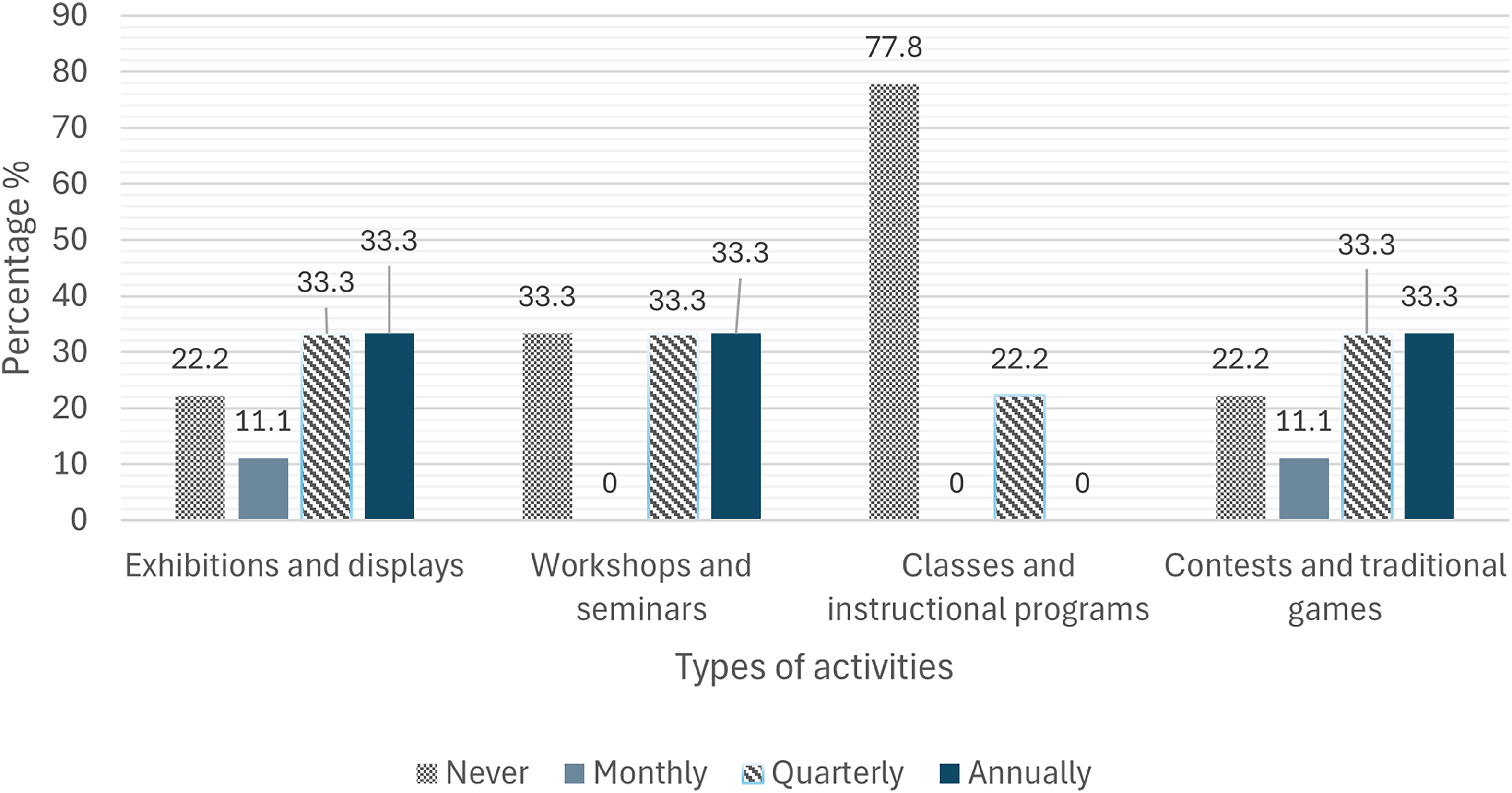
One of the most common promotional activities adopted by public libraries to promote CHI is the organization of events and community engagement activities. The results from the nine public libraries indicate relatively high diversity and frequency in the implementation of such activities (Figure 1).
Frequency of events and activities for CHI promotion.
Specifically, exhibitions, displays, and traditional cultural competitions are the activities most frequently organized by the libraries, while seminars and talks are held less often. Meanwhile, classes and instructional programs have the highest rate of never being organized (77.8%).
Library staff value the effectiveness of these activities highly due to their diverse and engaging formats, which are well suited to promoting cultural heritage among younger generations. Activities such as engaging in traditional handicrafts or exhibiting book models linked to historical events help readers access materials more easily. These initiatives also foster a passion for reading, enhance knowledge, develop life skills, and encourage lifelong learning.
Libraries can leverage their existing collections or collaborate with publishers, distributors, and other libraries to organize exhibitions; combined with fundraising, sponsorship, book donations, and gift campaigns, this can promote a library's image. The main goals are to introduce the resources available, stimulate public interest in reading, and contribute to building and developing a reading culture in society.
One library staff member remarked: “Through marketing activities such as event organization and community engagement, we have contributed to enhancing the cultural enjoyment of the public, attracting a stable number of visitors and tourists, and especially facilitating access to cultural heritage information.” However, some library staff acknowledged that event organization and promotion still faces many limitations, such as the content and themes of exhibitions not being clearly explained; limited scale, format, and prizes due to insufficient funding; inadequate promotion due to a lack of specialized knowledge; an insufficient variety of exhibition materials; events concentrated mainly in central libraries with little attention to local branches; monotonous and uncreative event formats; a reliance primarily on traditional communication channels, leading to ineffective outreach; and a lack of formal training for staff in event organization, communication, and activity design.
Social media platforms
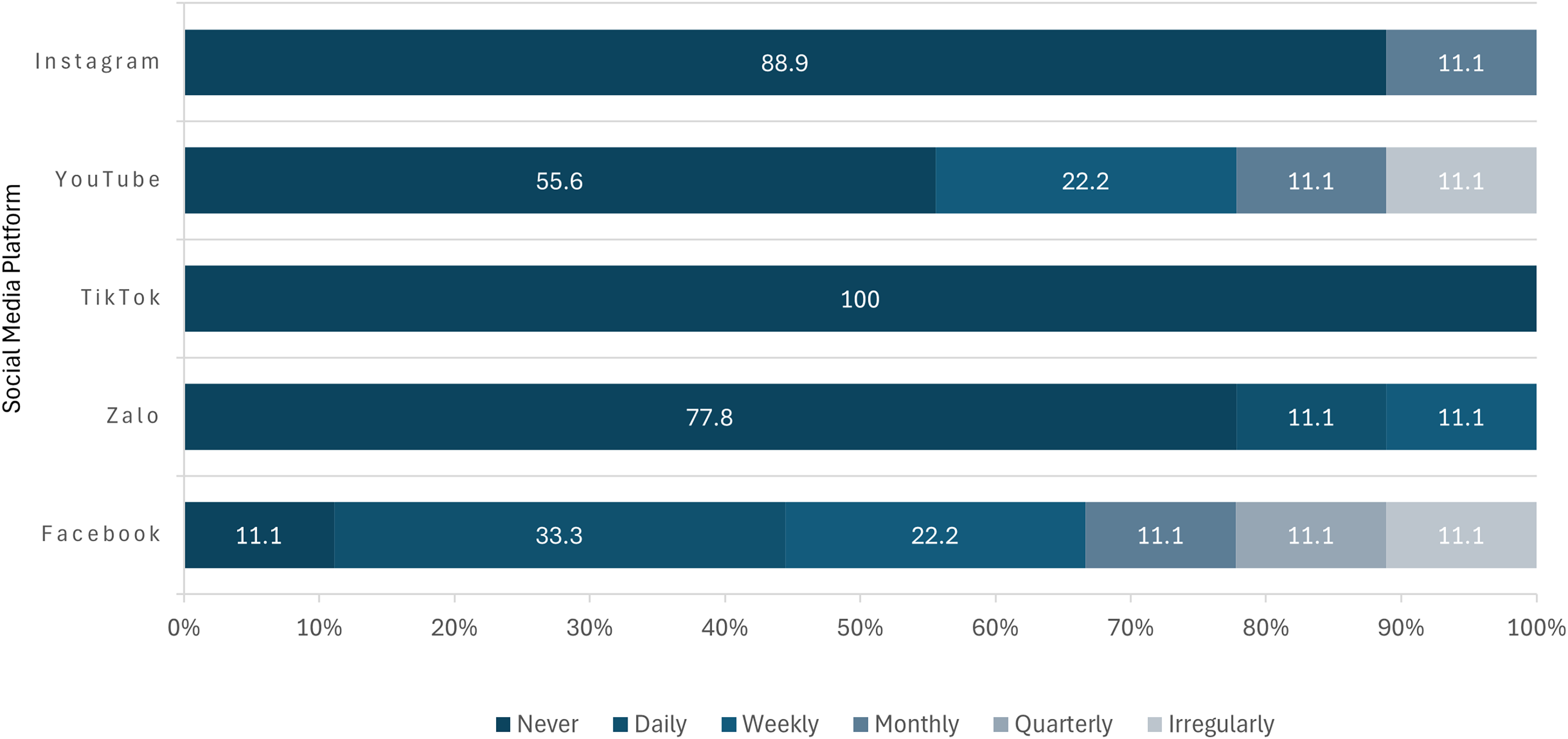
The interview results and analysis (Figure 2) show that most libraries have utilized social media, focusing on familiar platforms such as Facebook, Zalo, and YouTube. Facebook is the most popular channel, with 33.3% of libraries updating it daily and only 11.1% not using it. In contrast, Zalo (77.8% not using) and YouTube (55.6% not using) are less utilized. TikTok and Instagram are almost never used, despite their great potential for reaching young audiences.
Frequency of use of social media platforms in promoting CHI.
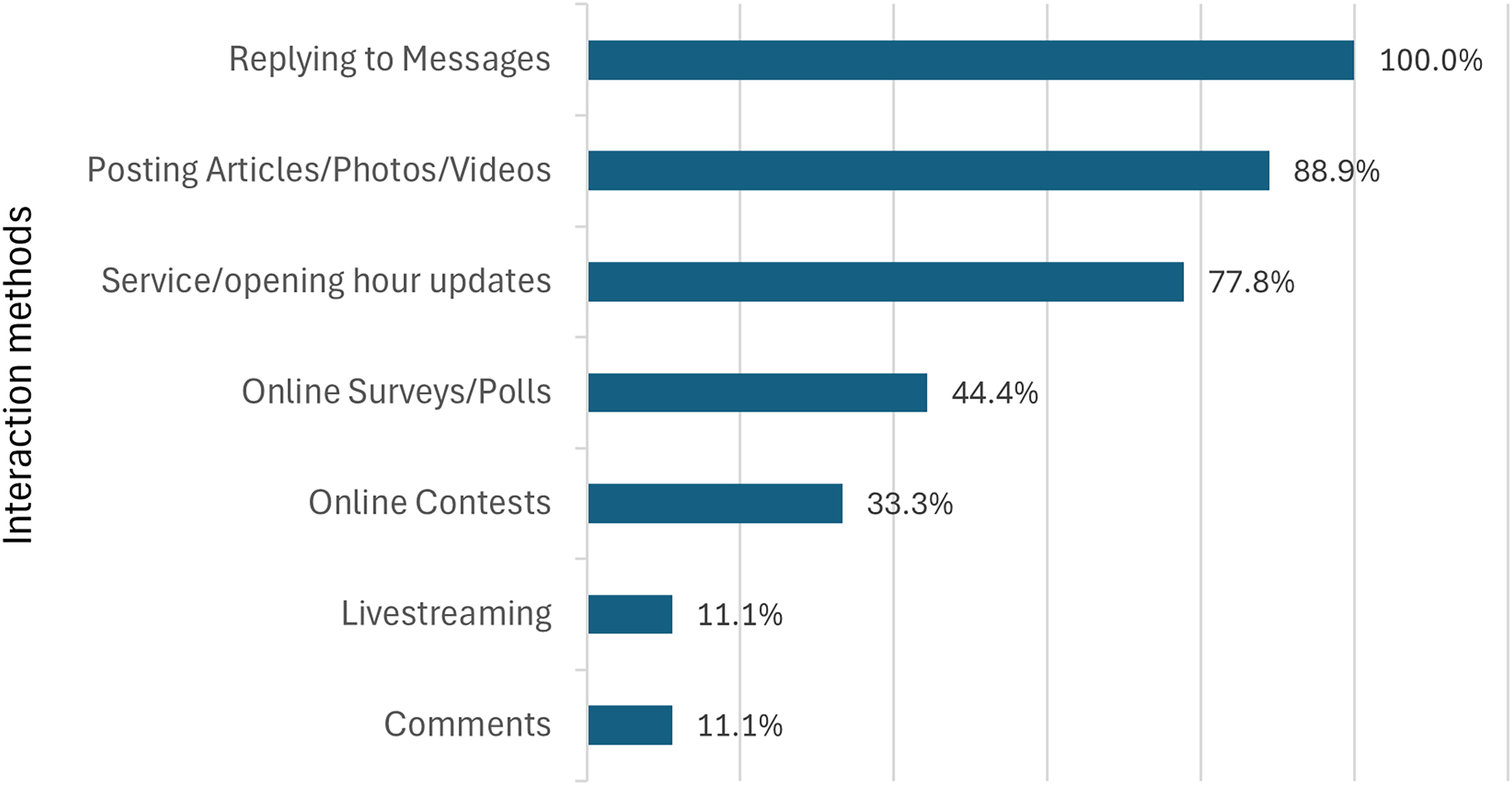
In terms of interaction (Figure 3), libraries mainly employ one-way methods such as posting content (88.9%) and responding to messages (100%). Active engagement tools, such as surveys (44.4%) or livestreaming (11.1%), are rarely used. This reduces opportunities to gather feedback and co-create content with the community.
Methods of interaction between public libraries and users on social media.
The libraries’ communication effectiveness remains limited (Table 1). While 77.8% of the libraries post articles or images related to heritage, each post receives only about 20.8 likes and 1.1 comments on average. Only 11.1% of the libraries use reels or short videos, a format that is currently popular and well suited for young audiences. This indicates that the content is either not engaging enough or has not been optimized for the characteristics of each platform.
Indicators of social media effectiveness in promoting CHI.

The library staff indicated that provincial libraries have actively utilized digital communication platforms such as Facebook, YouTube, and official websites to promote information about books, documents, and local cultural heritage. The use of social media offers several distinct advantages, allowing libraries to reach diverse reader groups swiftly, effectively, and flexibly—particularly young people, who tend to engage more actively on digital platforms. Posts, book introductions, and library activity updates can be disseminated easily without the constraints of time or location, effectively enabling libraries to “stay open” round the clock.
Moreover, promoting cultural heritage via fan pages not only minimizes costs but also attracts a large audience, enhancing visibility and interaction between users and libraries, despite ongoing limitations in the number of comments. Additionally, libraries are equipped with rooms where the Internet can be accessed with modern computer systems, providing users with convenient access to digital information. Nevertheless, library staff reported that the use of social media still faces many challenges, including high advertising costs, difficulty in reaching older users, the dependence on Internet connectivity, a lack of dedicated personnel, unattractive and outdated content, the absence of a professional team for user management and handling feedback, the risks of copyright infringement and impersonation, and monotonous promotional formats.
The use of email as a tool for promoting CHI in public libraries remains quite limited. The results show that only two of the nine libraries (22.2%) have implemented monthly email campaigns to promote information related to cultural heritage activities and resources. The email marketing campaigns at these two libraries primarily focus on introducing books and digital documents on cultural heritage. The emails typically include illustrative images, related videos, or links to the library's website to access additional content or register for events. However, neither library has established a system for sorting recipients based on their characteristics or needs. Instead, emails are sent in bulk to all users subscribed to their mailing list.
In terms of frequency, both libraries send emails on a monthly basis. This indicates that email marketing has not yet been developed as an independent promotional channel. It remains supplementary in function, lacking a clear strategy targeting specific audiences or personalized content. These libraries also do not use tools to measure the effectiveness of their email communications, such as opening or click-through rates.
Overall, while email marketing entails low costs and is capable of direct outreach, it has yet to receive adequate investment from public libraries in Vietnam for the promotion of CHI.
Website
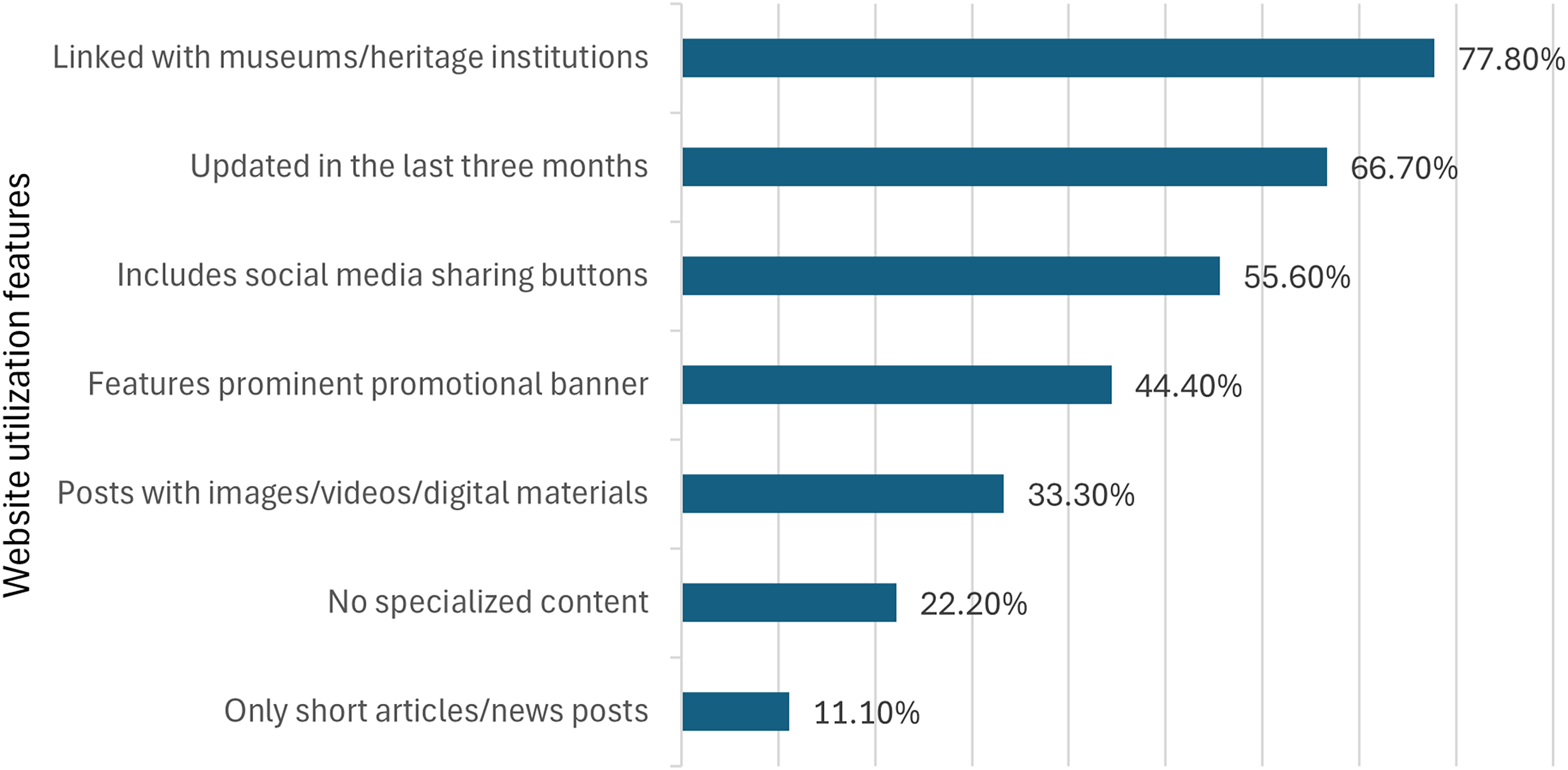
The results in Figure 4 indicate that most public libraries have yet to utilize their websites effectively for the promotion of CHI. Among the nine libraries in this study, only one has a dedicated section for cultural heritage on its website. The remaining libraries either lack a specialized heritage page or only post random articles without a structured focus. Notably, one library (11.1%) has not yet established an official website.
Website utilization in promoting CHI.
While 66.7% of the libraries have updated their website content within the past three months, only 33.3% include posts accompanied by digital materials (e.g. images, videos, e-books) and 22.2% have no specialized content on cultural heritage at all.
The current content on cultural heritage mainly focuses on history and familiar national symbols, such as Uncle Ho. Modern communication formats, such as videos, interactive maps, virtual tours, or advanced search systems, have yet to be implemented by the libraries.
A noteworthy paradox is that although most of the library websites have user-friendly interfaces and are easy to navigate, their content remains limited. Only 44.4% of the libraries feature prominent promotional banners; 55.6% integrate social media share buttons; and 77.8% maintain links to other heritage institutions. This suggests that while connections have been established, they lack depth in terms of both content and presentation.
In summary, library websites currently remain at a basic level and have not yet developed into integrated digital communication ecosystems with defined content orientation and strategic utilization.
Collaboration with other cultural organizations
The interview data revealed that five of the nine libraries (55.6%) have collaborated with institutions such as museums, schools, publishers, literature and arts associations, media agencies, social organizations, and local businesses. These activities vary in form and content and include thematic exhibitions on local history and culture, prominent figures, or national holidays; community education programs such as seminars and classes on cultural heritage; extracurricular activities at museums, libraries, or heritage sites; and campaigns such as book donations, mobile book fairs, experiential reading spaces, or reading culture weeks serving the community.
Only one library (11.1%) has implemented a series of large-scale cooperative activities, attracting several hundred to tens of thousands of participants annually. Most library collaborations are seasonal or held in conjunction with major holidays or events. The range of partners remains limited, with no expansion to non-governmental organizations. The most common challenges include limited funding, a lack of dedicated staff with communication skills and heritage knowledge, and content not specifically tailored to different user groups. One library staff member remarked: Collaboration among institutions has leveraged combined strengths in human resources, materials, funding, and, most notably, in mobilizing broad participation. This has enabled cultural heritage materials to reach diverse users across age groups … However, such collaborative activities have only been held occasionally, not regularly; financial support remains limited, and annual partnership programs still lack stability and sustainability.
To enhance the effectiveness of promoting cultural heritage to the community, the library staff proposed increasing funding to expand the scale and improve the quality of communication activities, as well as diversify promotion methods; training and developing library staff in both cultural heritage knowledge and information technology and digital communication skills; upgrading technological infrastructure, particularly Internet systems, to ensure stable and continuous communication operations; collaborating with research institutes, international information centers, and embassies to learn and apply advanced communication practices suited to the current context; and producing engaging content, prioritizing the promotion of cultural heritage recognized at the provincial, national, and international levels, and linked to practical applications and the socio-economic development of the locality.
User evaluation of library promotional activities
Demographic information
The survey results (Table 2) indicate that a total of 454 users participated in the survey, with females accounting for 59% and males for 41%. The largest age group was 18–35-year-olds (29.7%), followed by the 36–55 age group (26%) and those under 18 (24.7%). In terms of occupation, school students and office workers each represented 24.7%, while university students accounted for 19.8%. Geographically, the central region had the highest representation at 39%, followed by the northern region with 33.5% and the southern region with 27.5%.
Demographic description.

Awareness and usage of library products and services
The survey results (Figure 5) indicate that the use of CHI products and services in public libraries remains relatively limited. The circulation service (borrowing and returning materials) is the most frequently used, with 43% of the respondents using it regularly and only 8.6% having never used it. Library websites also see a relatively high level of access, with 66.3% of users engaging with them at varying frequencies. In contrast, more specialized services—such as reference assistance, information provision upon request, guidance on information retrieval, and access to cultural heritage databases—exhibit significantly higher proportions of non-users, ranging from 31.5% to 37%. Notably, interlibrary loans are the least utilized service, with 52.2% of the respondents having never requested them.
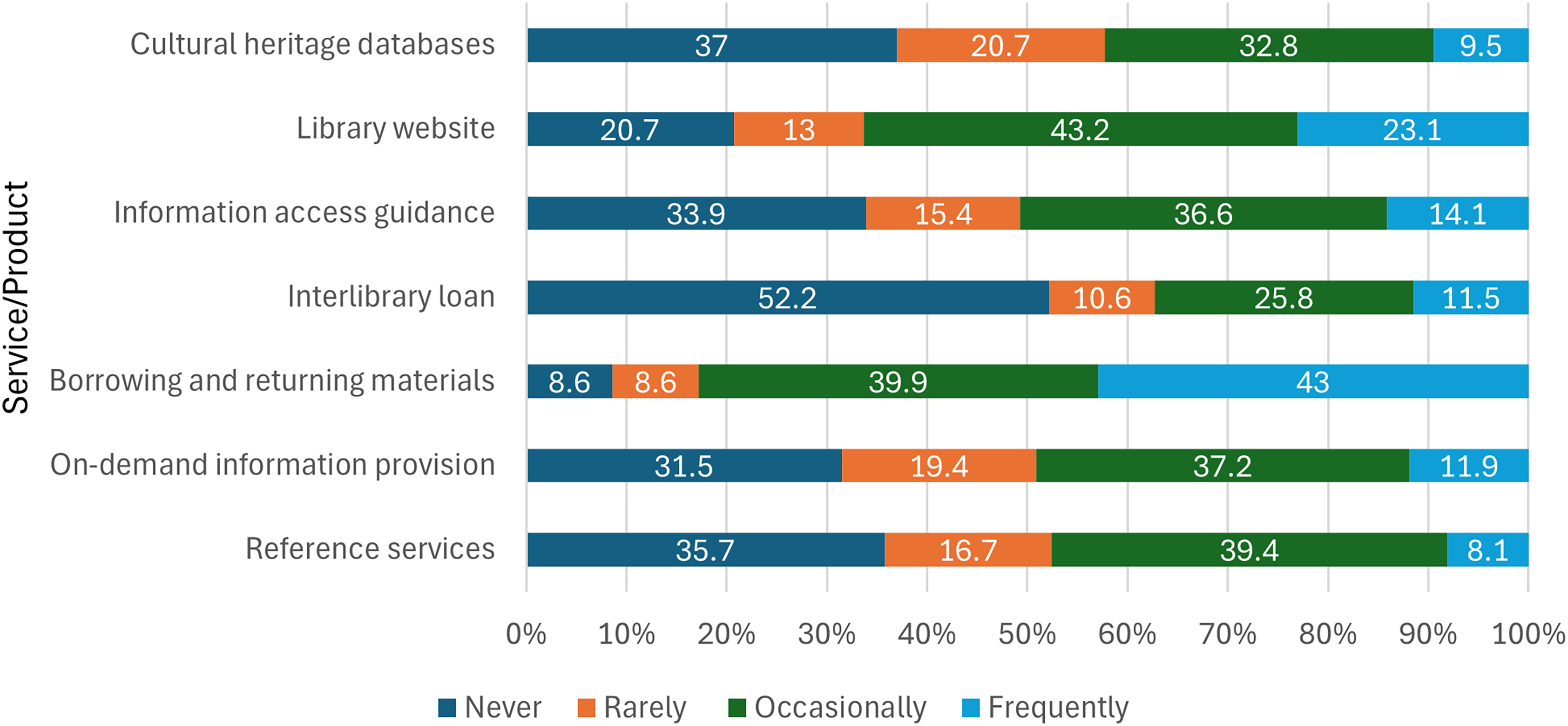
User awareness and usage of CHI products and services.
Level of information reception regarding CHI promotional programs
The survey results (Figure 6) indicate a clear differentiation in users’ levels of information reception regarding CHI promotional activities in public libraries across both promotional channels and formats.
User exposure to CHI promotion programs.
Among the digital media channels, social media and library websites had the highest proportion of users regularly receiving information, with 29.3% and 26%, respectively. These were also rated as the most effective channels for disseminating information. In contrast, emails from libraries proved to be the least effective, with 48.5% of users stating they had never received information through this channel.
Regarding traditional promotion formats, direct interaction with library staff was the most frequently accessed method (26%), followed by exhibitions and displays (21.1%), and banners, posters, or leaflets (20.7%). However, more in-depth formats such as classes (8.4%) and seminars or panel discussions (10.4%) had very low rates of regular access. Notably, the non-access rates for these formats were 34.8% and 23.1%, respectively.
A prominent feature was the predominance of the “occasionally” option being chosen by users across most forms of promotion. For instance, exhibitions and displays were selected by 53.3%; banners, posters, or leaflets by 45.8%; and promotion via library staff by 43.8%. Additionally, informal promotion channels, such as “through friends/family” (43.8%) and “through library staff” (43.8%), also recorded high “occasional” access rates.
User satisfaction with promotional methods
The survey data (Table 3) indicates that the users’ overall satisfaction with public libraries’ promotion methods is relatively positive and consistent (x̄ = 3.60).
User satisfaction with promotional programs.

Among the promotional methods assessed, direct promotion through library staff received the highest satisfaction rating (x̄ = 3.88). Exhibitions and displays followed closely with a satisfaction mean of 3.84. These traditional promotion formats continue to play a prominent role in attracting community attention. Social media (x̄ = 3.73) and library websites (x̄ = 3.71) were ranked third and fourth, respectively, reflecting the growing importance of digital platforms in disseminating information and interacting with users.
Other traditional promotion methods, such as banners, posters, or leaflets (x̄ = 3.63) and collaborative programs with cultural organizations (x̄ = 3.60), also recorded relatively positive satisfaction levels. In contrast, promotion via friends or family (x̄ = 3.58) and formats such as contests and seminars or panel discussions (both with x̄ = 3.49) appear to be underutilized. Conversely, formats such as classes and instructional programs (x̄ = 3.42), as well as seminars, events, and contests (all with x̄ = 3.49), scored lower than average. Email was rated the lowest among all programs (x̄ = 3.22), indicating that it currently falls short of user expectations. Despite being a direct and low-cost promotion tool, email remains underutilized in this context.
User satisfaction with quality of promotion
The survey results show that the overall user satisfaction with the quality of promotional activities in public libraries is relatively positive (x̄ = 3.81; Table 4).
User satisfaction with promotional quality.

The highest scores were recorded in the category of human resource capability. Specifically, the average score for staff knowledge and enthusiasm was 3.97; professional and friendly attitude scored 3.96; and the ability to facilitate user feedback also received 3.96. These factors also had low standard deviations, indicating high consistency in the user experience.
Regarding content and media presentation, the users appreciated consistency in communication style (x̄ = 3.87) and the clarity and usefulness of the information (with a mean ranging from 3.83 to 3.89). However, the level of creativity and innovation in content was rated only moderately (x̄ = 3.76).
A notable observation is that aspects related to flexibility and timeliness in promotion received the lowest scores, with a mean of 3.64. Similarly, satisfaction with the diversity of promotional channels was moderate, at a mean of 3.68. Additionally, factors such as event location (x̄ = 3.83), frequency of activities (x̄ = 3.80), and accessibility of services (x̄ = 3.73) showed stable but unremarkable satisfaction levels.
Discussion
The research findings present a multidimensional view of the current state of promotional practices adopted by public libraries in Vietnam for CHI. From the analysis of the results, several key points can be highlighted.
First, public libraries in Vietnam have implemented a range of promotional activities, including event organization, social media, email, website use, and intersectoral collaboration. However, these efforts are largely fragmented, lacking long-term planning and an overarching marketing strategy. According to Kapterev (2024), an unsystematic marketing approach leads libraries to employ individual tools in isolation, without integrating them into a cohesive strategic framework. Additionally, Bachynska and Kasian (2024) point out that many libraries have not thoroughly studied user behavior to design tailored content, resulting in low promotion effectiveness despite using social media. Thus, while the diversity of promotional activities is a positive aspect, the lack of consistency, absence of long-term strategies, and resource constraints pose significant barriers to the effective promotion of CHI in public libraries.
Second, social media platforms such as Facebook have been adopted by many public libraries to promote cultural heritage content, but this use is largely limited to isolated posts with minimal interaction and creativity. Modern platforms such as TikTok and Instagram, as well as short-form videos, remain largely untapped. Choi and Joo (2021) identified challenges such as insufficient personnel, budget constraints, lack of engaging content, and limited digital skills as key obstacles. In contrast, Lund (2019) and Joo et al. (2018) highlighted that social media can significantly boost traffic and engagement when libraries leverage visuals, videos, and community-driven content effectively. Liu et al. (2023) also emphasized the high impact of short videos when aligned with current trends. This indicates that while social media holds great potential for outreach, it has not yet been adequately invested in or strategically developed by libraries.
Third, although digital promotion is advancing rapidly, traditional promotion methods—such as displays, exhibitions, banners, posters, leaflets, and direct interaction with library staff—continue to receive high satisfaction ratings from users. Previous studies pointed out that displays and exhibitions are widely used library marketing techniques that have a significant impact on user awareness and participation (Joshua and Michael, 2020; Malekani and Benard, 2018). Onwuchekwa (2020) emphasized that modern library signage can adjust its content to suit specific times, locations, and user groups, thereby enhancing the ability to convey information in a visual and flexible manner. Thus, traditional promotion remains a vital component of public library marketing systems but becomes even more effective when flexibly integrated with modern tools such as digital signage.
Fourth, while public libraries offer a diverse range of information products and services related to cultural heritage, actual user engagement with these services remains limited. The findings reveal that a substantial proportion of users have either never used or only occasionally used specialized services such as reference services, information provision upon request, guidance on resource utilization, and access to heritage databases. This indicates a disconnect between current promotional efforts and users’ information-seeking behaviors and needs. It also reflects the limited effectiveness of public library promotions and suggests that marketing activities have not been sufficiently robust to stimulate user interest and service utilization. This situation aligns with the findings of Aloysius et al. (2019) in Nigeria, where most libraries had websites and email services but rarely used them to promote services or resources. The absence of specific content and irregular updates lead to poor promotion effectiveness, adversely affecting user awareness. In contrast, Edam-Agbor and Tanne (2025) noted that well-designed email marketing can significantly increase users’ engagement and sense of connection with the library. It is evident that websites and email marketing are potentially powerful promotion tools that remain underexploited.
Fifth, collaboration with cultural organizations such as museums, schools, and social institutions has contributed to expanding user outreach and enriching promotional content. However, most of these partnerships remain short-term, lack strategic direction, and are constrained by limited resources. This observation aligns with the findings of Moreland and Kammer (2020), who noted that organizational culture, lack of leadership support, and ineffective communication significantly impacted the sustainability of collaborations between libraries and educational or community organizations. In contrast, strategically designed collaborative initiatives, such as the public–university library project in Ireland (Kerrigan et al., 2023) or the coding club model in Canada (Kelly et al., 2023), have demonstrated substantial potential when libraries proactively build sustainable relationships and co-create value with communities. These examples underscore that collaboration with cultural organizations is not merely a trend but a critical factor in fostering co-creative promotion and enhancing libraries' social impact.
Finally, the library users generally express satisfaction with the attitude and professional competence of library staff. However, despite ongoing efforts, the desired levels of creativity, flexibility, and timeliness in promotion have not been fully realized. These findings are consistent with Xu and Du’s (2018) study, which argued that system quality and personalization strongly influence perceived usefulness and user satisfaction. Similarly, Tan et al. (2017) emphasized that service experience is a more decisive factor in user satisfaction and loyalty than perceived quality alone. Twum et al. (2022) also found that the emotional value of service and users’ perceived control over information play important roles in enhancing satisfaction and fostering loyalty. These insights suggest that libraries should not only improve their promotional content but also invest in advanced promotional skills for staff, adopt more personalized and flexible approaches, and better respond to the diverse needs of modern users.
Conclusion
Summary of key findings
This study elucidates the current status and effectiveness of promotional activities implemented by public libraries in Vietnam to disseminate CHI. Users expressed high levels of satisfaction with promotional formats such as exhibitions, displays, social media outreach, partnerships with cultural organizations, and direct promotion through library staff. However, the proportion of users utilizing in-depth information services, such as reference services, heritage databases, and on-demand information provision, remains low, indicating that the current promotional activities are not yet sufficiently effective in guiding users from awareness to deeper engagement with and use of cultural heritage resources.
In addition, the study identified several limitations: (1) a lack of coherence in promotional strategies across libraries, with limited use of modern digital platforms such as TikTok, Instagram, and interactive website tools; (2) email marketing and personalized program design have not been effectively utilized; and (3) most users have not yet developed the habit of accessing CHI services in libraries. These challenges highlight the need for innovative promotional approaches and the strengthening of user-oriented promotional activities.
Implications for practice
Based on these findings, the study offers several recommendations for public libraries and cultural management authorities:
Develop long-term, periodic marketing plans tailored to the capacities of each library. Libraries should prioritize the integration of digital promotion channels with proven community engagement formats such as exhibitions, panel discussions, and intersectoral partnerships. Expand the use of platforms such as TikTok, Instagram, and YouTube to attract younger audiences, and personalize content on Facebook and in emails to increase engagement and maintain user connection. Implement advanced training programs for staff in marketing, multimedia communication, and media analytics to help create engaging content tailored to user needs. Establish periodic evaluation systems based on indicators such as reach, engagement, dwell time, conversion rates, and satisfaction levels to adjust marketing strategies promptly. Introduce policies to encourage libraries to build collaborative networks with museums, schools, cultural and social organizations, and book enterprises. Additionally, libraries should involve collaborators, students, and young volunteers in designing and producing promotional content related to CHI.
Limitations and future research
Alongside its contributions, this study has two main limitations. First, the number of libraries surveyed was limited and did not comprehensively cover the entire public library system across Vietnam and, second, the assessment of promotional effectiveness relied largely on the users’ self-evaluation and subjective perceptions, without measuring specific behaviors, such as the depth of reading CHI or changes in cultural awareness. Future research should therefore expand the scope of the survey. Additionally, experimental studies are needed to examine the impact of individual promotional methods on users’ reception and understanding of CHI.
Footnotes

Ethical considerations
This research was approved by the ethics committee of the VNU University of Social Sciences and Humanities (ethical code: XHNV-124).
Funding
The authors received no financial support for the research, authorship, and/or publication of this article.
Declaration of conflicting interests
The authors declared no potential conflicts of interest with respect to the research, authorship, and/or publication of this article.
Data availability
The data sets used and analyzed during the study are available from the corresponding author on reasonable request.