







Abstract
The COVID-19 pandemic increased the risk of financial distress, bankruptcy, or both, in the airline industry. Whether airlines can survive or not during and/or after the pandemic is closely related to their decisions and actions which will enable their success by increasing their resilience. In crisis periods such as COVID-19, the decisions taken by airlines are strategically important for achieving sustainable success. Thus, it is critical to understand which factors are more important for airlines to shape their actions and make correct decisions. This paper investigates the sustainable success factors on which airlines should focus to provide resilience during the COVID-19 pandemic crisis. It provides a robust model using the interval type-2 fuzzy analytic hierarchy process (IT2FAHP) and interval type-2 fuzzy Decision Making Trial and Evaluation Laboratory (IT2FDEMATEL) to identify and rank success factors. The findings indicate that financial and operational factors are extremely important to ensure resilience for airlines. In addition, the results of the study reveal that operational factors and information sharing factors have an impact on financial factors and customer satisfaction.
Keywords
The COVID-19 outbreak, which began in China in late 2019, has continued to have major negative effects spanning the whole world. This crisis has dealt a deep blow to the airline industry which is a sector of strategic importance in global trade. First, the outbreak caused the closure of airspace and travel restrictions in many countries. Second, as a result, the world economy and the airline industry experienced great financial loss which is clearly revealed in financial reports. Global gross domestic product (GDP) growth is expected to fall by around 5% because of the pandemic. By way of comparison, this is around four times larger than the losses of the global financial crisis of 2008, when global GDP fell by 1.3%. Europe’s largest regional airline company, Flybe Airlines, went bankrupt, and Latin America’s three major carriers, Avianca, LATAM Airlines Group, and Aeromexico, filed for bankruptcy protection in American courts ( 1 ). This provides a clear example of the suffering felt in the airline industry from the global financial crisis. However, it is expected that the airline industry will experience the impact of COVID-19 much more severely. In 2020, revenue passenger kilometers (RPKs) were expected to decrease by around 50% compared with 2019. A return to normal conditions, the level of 2019, is not expected to occur until 2023, taking approximately two years longer than global GDP ( 2 ). In addition, scenarios for the effects of COVID-19 on civil aviation forecast potential losses for airlines in gross operating revenue of between USD 186 and 217 billion. Furthermore, a decline of total passengers globally ranging from −26% to −31% was forecast for 2022 ( 3 ).
There is widespread agreement that companies have been confronted by an environment with high levels of uncertainty, instability, and turbulence in these COVID-19 times ( 4 ). In such crisis or abnormal periods of time, how companies decide and act is of great importance for their sustainability. Companies need to take the correct strategic actions to increase their resilience by considering various decision factors during these periods when they face great challenges and suffer devastating losses. Thus, companies with a high level of resilience are able to overcome crisis periods more strongly ( 5 ). Ensuring this resilience depends on companies making decisions subject to multi-factor evaluations. Many studies have been conducted in which various factors affecting decisions of companies have been examined. In this context, companies have been evaluated for: financial factors ( 6 – 8 ) operational factors ( 9 – 11 ), customer satisfaction factors ( 12 , 13 ), information sharing factors ( 14 , 15 ), social resource factors ( 16 , 17 ), internal stakeholder factors ( 18 – 20 ), external stakeholder factors ( 21 – 23 ), and communication quality factors ( 24 , 25 ). However, it is important to determine which factors are more important in times of crisis. If companies know which factor is vital during such times, they will be able to overcome the bad situation and gain competitive advantage by taking appropriate actions.
Strategic actions consist of strategic decisions. Airline companies can only overcome the negative impacts of the COVID-19 pandemic by taking the correct strategic decisions which will maximize their resilience. These decisions will allow practical, safe, and effective actions, which will make airline companies more resilient to the pandemic. To this end, the following critical questions need to be answered to ensure the sustainability of the airline industry, which is critical to the process of global trade in the post-pandemic period.
What factors have become critical for airlines to be resilient in the COVID-19 period?
To answer the first question, the main factors and their sub-factors related to maximizing the resilience of airline companies during the pandemic were determined. Seven main factors and 65 sub-factors were found and added into the factors pool from the literature. The goal was to reveal the resilience factors for the air transportation industry.
What are the factors that decision makers should focus on to increase airline resilience in the COVID-19 era?
To answer the second question, the resilience factors in the factor pool through the IT2FAHP were determined, according to their level of importance, by taking expert opinions. In this way, it was determined which resilience factors should be considered by decision makers and investors of airlines during the COVID-19 pandemic. At the end of this stage, there were five main factors (financial factors, operational factors, customer satisfaction factors, information sharing factors, social resource factors), and 25 sub-factors.
What is the relationship between the factors that will ensure resilience in airlines in times of crisis and how do these factors affect each other?
To answer the third question, the relationships between the factors determined via the IT2FAHP from the factors pool were analyzed by using the IT2FDEMATEL method. Thus, the analysis revealed the relationship between the factors that will provide the greatest resilience to airline companies in a crisis period.
To answer these questions, the main factors and their sub-factors related to maximizing the resilience of airline companies during the pandemic were determined. First, seven main factors and 65 sub-factors were collected into the factors pool from the literature. Second, the IT2FAHP was used to determine the best factors for achieving the aim of maximizing resilience during the pandemic period. At the end of this stage, there were five main factors, (financial factors, operational factors, customer satisfaction factors, information sharing factors, social resource factors) and these had 25 sub-factors in total. Third, this study examined and found which factors are the most effective for increasing the resilience of airline companies during the pandemic period by using IT2FDEMATEL.
The remainder of this article has been organized as follows. The next section presents the literature review. The second section considers organizational resilience and success factors for airline companies. The third section explains the methodology of the study. The fourth sections presents the application of the proposed model. The findings and results of the study are discussed in the fifth section. Finally, the main conclusions and the limitations of the study are summarized, along with suggestions for future research, in the sixth section.
Literature Review
Many crises affect countries and the world negatively, such as financial crises, terrorist attacks, natural disasters, and outbreaks of disease, causing turbulent and uncertain environments. These crises lead to difficulties for individuals, policymakers, and organizations in their decision-making processes ( 26 ). Air transportation is quite sensitive to world affairs and crises. In this context, crisis management comes into prominence as a necessary topic for airline companies. Studies have been carried out on the relationship between the experiences of past crises and air transportation, a topic which has been seen as having considerable value and has gained the interest of researchers.
Financial crises are the most researched topic in the context of the relationship between crises and air transportation. Bjelicic ( 27 ) examined the effects of the financial crisis experienced between 2007 to 2008 on aviation finance and underlined that access to capital is critical for the development and sustainability of the aviation industry. The study benefited from the regression analysis conducted by Dobruszkes and Van Hamme ( 28 ), who researched the situation of air service dynamics during the financial crisis in 2008. This study concluded that low-cost carriers, such as Southwest and Ryanair, were less affected by the crisis than full service carriers. The results also show that some major airports, such as London, Paris, and Amsterdam, with some exceptions, resisted the crisis better than most other European airports. In a study investigating the impact of the 2008 financial crisis on airline passenger transportation in Romania and Europe respectively, and indirectly on tourism, Oprea ( 29 ) revealed that some Romanian and European airlines were adversely affected by the crisis, and they decreased the number of flights on some routes and destinations. Additionally, it was concluded that the tourism industry was affected negatively by this circumstance. Diaconu ( 30 ) considered the effects of economic crises on the European low-cost aviation market. The findings highlighted that big low-cost carriers, such as Ryanair and Easyjet, had successfully survived the crises by offering low prices and increasing their market shares and thus profits, but that small and medium-sized low-cost carriers suffered more in the 2007 crisis than in the 2001 crisis. Pearce ( 31 ) focused on the condition of airline transportation after the great recession of 2008. The conclusion of that study pointed out that airlines can cope with demand shocks in such crises by adjusting their fleets in various ways, and that international air travel and air cargo transportation reached pre-recession levels in less than 18 months after the recession ended.
Another type of crisis that has adversely affected air transportation is as a result of terrorist attacks. While terrorist attacks can be carried out by aircraft, they can also be carried out against the basic elements of aviation, such as aircraft or airports. Studies conducted in this area mostly focus on the 9/11 attack in 2001, which affected air transportation the most. Gittell et al. ( 32 ) revealed that Southwest Airlines, which has long-term and strong employee relationships, underwent a much faster recovery period than its competitors and managed to avoid redundancies, whereas the competitors had much slower recovery and needed to lay off parts of their workforce during the crisis. Hätty and Hollmeier ( 33 ) analyzed the strategy followed by Lufthansa Airlines during the crisis in 2001. They found that Lufthansa Airlines had deployed massive layoffs to cope with the crisis, like most U.S. carriers, and decreased its air service capacity temporarily. In a study measuring the effect of the 9/11 terrorist attack in 2001 on air passenger demand, Lai and Lu ( 34 ) examined passenger demand in the U.S. after the attack with the intervention model. The findings revealed that U.S. airline passenger demand significantly decreased both domestically and internationally, especially in the first two months after the attack. In another study, Kim and Gu ( 35 ) investigated the changes in the stocks of U.S. airlines which were quoted on the stock exchange. The study compares returns, total risks, and systematic risks on the shares by analyzing the data of the 60 weeks before and after the attack. It was concluded that the weekly stock returns did not change significantly after the attack, however, the total risk and systematic risk increased significantly regardless of the airline size.
Natural disasters are another type of crises which affect air transportation negatively. Volcanic eruptions, tsunamis, earthquakes, and hurricanes are the main examples of these which have had major impacts on the industry. Polater ( 36 ) systematically reviewed airport disaster management in his study dealing with the relationship between natural and manufactured disasters and airports. The author classified studies on non-aviation disasters as scheduling problems, stakeholder collaboration, corporate social responsibility, infrastructure planning, and medical preparedness at the end of the review. In another study on the relationship between natural disasters and airports, Smith ( 37 ) conducted interviews on regional cooperation, coordination, and communication with representatives of airports, airlines, and other stakeholders at 20 U.S. airports. The study emphasized that cooperation, communication, and coordination between airports is significantly important in ensuring the preparedness and sustainability of operations during times of disaster. Minato and Morimoto ( 38 ) underlined the cooperation between stakeholders of regional air transportation after the 2011 earthquake and tsunami in eastern Japan. The results of interviews conducted at Yamagata airport showed that the dissemination of simplified information and the sense of responsibility for transportation were preconditions of successful collaborative management in the event of disasters. Alexander ( 39 ) addressed the Icelandic Eyjafjallajökull volcanic eruption as a case study of risk management. The eruption resulted in a decrease of flights across most of Europe during the crisis after the eruption in 2010, which lasted for more than a week. In the study, the importance of considering various scenarios involving eruptions and how various stakeholders should prepare for possible eruptions was emphasized as stand-out findings after evaluating the risks related to civil aviation.
The last type of crisis examined in crisis studies related to air transportation is outbreaks of disease and there is an important point to be noted here. With the first three crisis types examined above, air transportation is simply affected by the event. However, the relationship between air transportation and outbreaks is interesting in that air transportation is critical in both the spread and immediate elimination of outbreaks. Accordingly, this relationship has been examined from both perspectives in previous studies on the Severe Acute Respiratory Syndrome (SARS), swine flu (A/H1N1), and ebola outbreaks. The first perspective is the “affecting role,” which argues that air transport triggers the geographic spread of outbreaks ( 40 – 47 ). These studies were conducted on predicting the spread of global outbreaks based on the air transport network before the outbreak occurred, measuring the impact of air transport during and after the spread of the outbreak, and dealing with several measures for the protection of passengers on long-haul flights. The second perspective is the “affected role,” which analyzes the effects of outbreaks on air transport ( 48 – 50 ). The studies here are on the strategic and operational responses of airlines to outbreaks, the effects of outbreaks on the performance and risk profile of airline stocks, and behavioral responses of airline passengers.
The COVID-19 pandemic naturally falls in this last type of crisis. Many studies were published on COVID-19 in a short time in both civil aviation and other fields since academic journals in various fields called for special issues on the future effects of the pandemic, and this subject attracted the attention of researchers. Considering the studies focusing on air transportation in the context of COVID-19, it can be seen that most of them are from the second perspective (affected by the outbreak) mentioned above. Studies have addressed the first angle (affecting the outbreak) by examining passenger screenings at airports to prevent the spread of the outbreak and the spread of the outbreak through air transport ( 51 – 56 ). The studies on the “affected role” consist of studies considering the effects of the COVID-19 pandemic on air transportation and these have revealed the effects of the pandemic on passengers, employees, airlines, and the global airline industry (26, 57– 65 ), responses to the pandemic ( 66 – 71 ), air transport recovery ( 72 – 74 ), and the future of air transport after the pandemic ( 75 – 83 ).
The main point for managing crises successfully is in making critical decisions. Crisis periods are the periods when organizations make choices critical for their survival ( 84 ). In addition, the ability to act quickly, with agility, and creativity are also required, along with holistic decisions to prevent deeper crises and achieve opportunities to use the crisis situations ( 85 ). The pandemic, caused by the spread of COVID-19, caused travel restrictions, which had a negative impact on many sectors worldwide. The airline industry especially has suffered a severe blow in this process with the weakening of demand, flight cancellations, and capacity reductions ( 26 ). In crisis management it is critical to have a vision that clearly shows how to approach the crisis before it happens. However, while discussions about the effect of the pandemic on airline companies and when the airline industry will recover remain fresh, there is still no study in the literature that clearly demonstrates success factors for the survival and recovery of airline companies and the sustainability of the industry. This study reveals the most effective factors that should be considered for increasing resilience and thus the sustainability of airline companies during the pandemic crisis. In the study, expert opinions were taken and the factors were evaluated through IT2FAHP and IT2FDEMATEL multi-criteria decision-making methods.
Organizational Resilience in the Airline Industry
Organizational resilience is one of the first concepts that comes to mind for preparedness, and the survival and sustainability of organizations against unexpected local and international disasters and outbreaks and likewise in the event of technological changes, depletion of resources, decreasing market confidence, and financial breakdown ( 85 ). Resilience is the state of organizations having the ability to give robust reactive responses after these types of significant changes and substantial crises ( 86 ). Lengnick-Hall et al. ( 87 ) stated that resilience protects organizations from devastating surprises in uncertain and complex environments that threaten their existence, and this plays a key role in their sustainability. Resilient organizations are able to maintain their stability in such environments with their flexibility ( 88 ). Resilient organizations benefit from financial, technical, and social resources in times of crisis. Financial resources are required to fulfill financial responsibilities to internal and external partners. Technical resources are important to ensure profitability by increasing the feasibility of operations, and thus to become sustainable. Finally, businesses use social resources to interact with their internal and external stakeholders, and to access financial and technical resources through stakeholders ( 85 ).
Most previous studies on organizational resilience have focused on topics such as how resilient organizations are formed, what qualities these organizations have, how organizational resilience can be developed in time, and the dimensions of organizational resilience ( 89 – 94 ). Recently, with the advent of the pandemic, some publications on mitigation strategies of supply chains of various industries against bad conditions of devastating crises such as the COVID-19 pandemic have been carried out ( 95 – 99 ). On the other hand, there are limited studies in the crisis management literature that focus on the airline industry and address the relationship between resilience and sustainability as well. Gössling ( 62 ) drew attention to how the COVID-19 pandemic has revealed that the airline industry does not have the resilience needed for its sustainability with the current system, and he underlines that countries should take radical structural steps in this sense. Bastug and Yercan ( 100 ), in their study on logistics companies, including air cargo business, examined the competitive priorities of companies that will increase their resilience by providing them with a sustainable competitive advantage in the COVID-19 period. The study states that companies make their operations more resilient so as not to weaken their supply chain performance during this time. In the research conducted on U.S. airlines after the 9/11 attacks, it was revealed that the organizations of managers who care about the reciprocal relationship between financial and relational resources before and after the crisis were the most resilient ( 32 ). One study, examining the resilience strategies of the automobile and airline industry’s supply chain to mitigate the negative impacts of COVID-19, highlighted the important role of big data analytics in providing real-time information to increase supply chain resilience of two industries against the pandemic. The study also underlined the necessity of the cooperation among supply chain stakeholders to mitigate the challenges of the COVID-19 pandemic, and to speed up the utilization of digital technologies ( 101 ). Migdadi ( 102 ) explored the effective and resilient operational strategies for airlines during the COVID-19 pandemic and revealed strategy alternatives for international and regional airlines separately. In another study, Suk and Kim ( 103 ) aimed to provide an understanding of internal and external airline response strategies comprehensively, considering the relationship between crisis management and resilience.
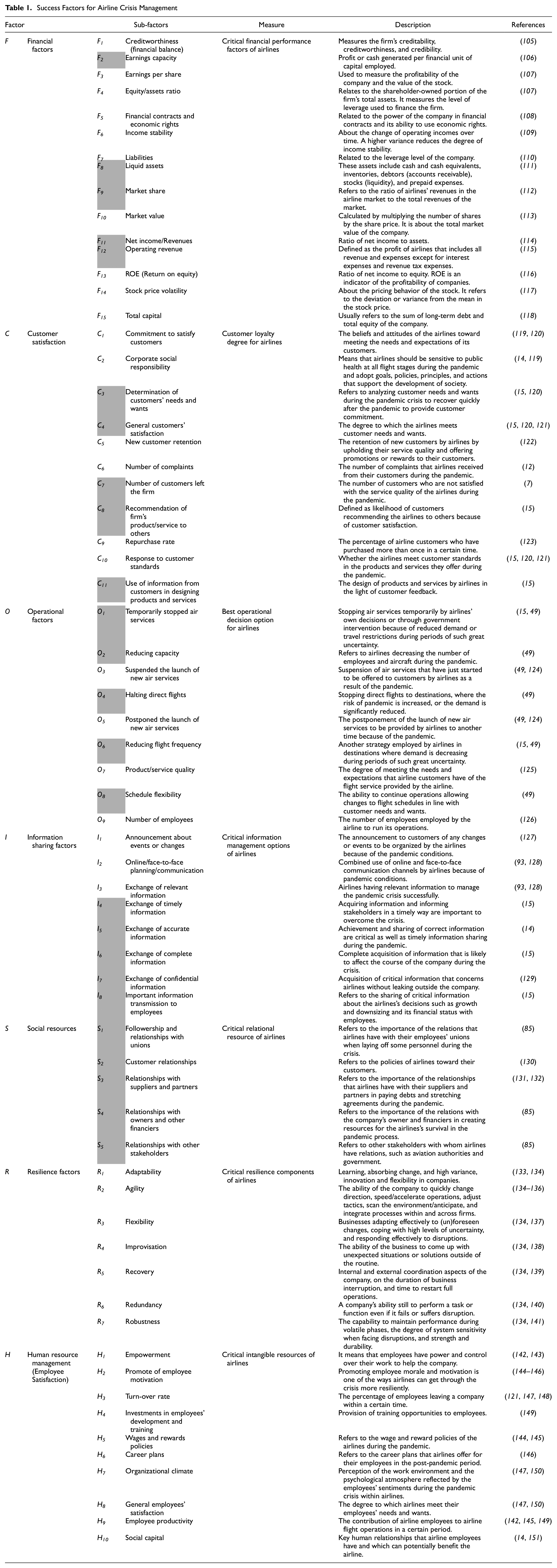
The rapid recovery of the airline industry is critical for world trade. Recovery is directly related to the level of resilience of the airline companies, which are the main stakeholder of the industry, and have been highly affected by the COVID-19 crisis. To this end, ICAO ( 104 ) suggested that national governments take an active role to provide resilience to the industry and airline companies against such crises. Of course, all stakeholders have the task of mitigating the devastating impact of the COVID-19 pandemic on the airline industry. However, airline companies are at the center of this crisis. Airlines must meticulously determine the factors necessary for them and be aware of their priorities and to take actions that will increase their resilience during the COVID-19 crisis. Therefore, this study is focused on the factors to which airline companies should give importance to be resilient and sustainable during the COVID-19 pandemic. These factors are presented in Table 1 with their references.
Success Factors for Airline Crisis Management
Methodology
In this section, IT2FAHP and IT2FDEMATEL are defined as follows.
Interval Type-2 Fuzzy Sets
This section briefly describes interval type-2 fuzzy sets. Type-2 fuzzy sets were developed by Zadeh as an extension of type-1 fuzzy sets having membership degree as type-1 fuzzy sets. A type-2 fuzzy set
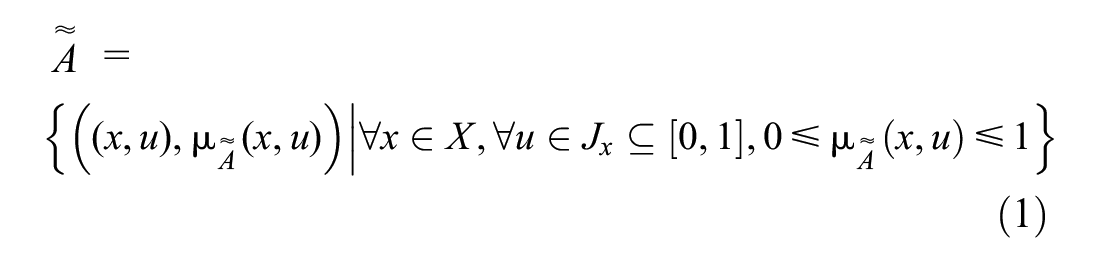
where

where

Trapezoidal interval type-2 fuzzy sets are defined as
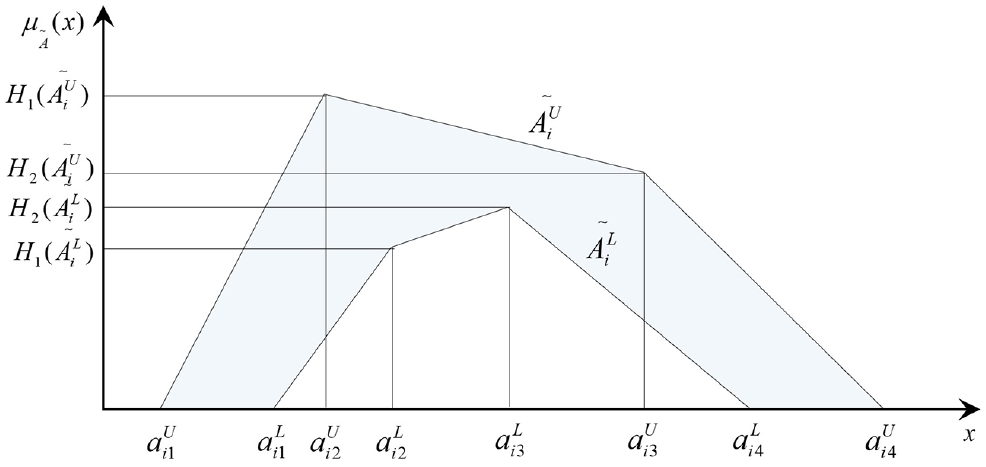
Trapezoidal interval type-2 fuzzy numbers.
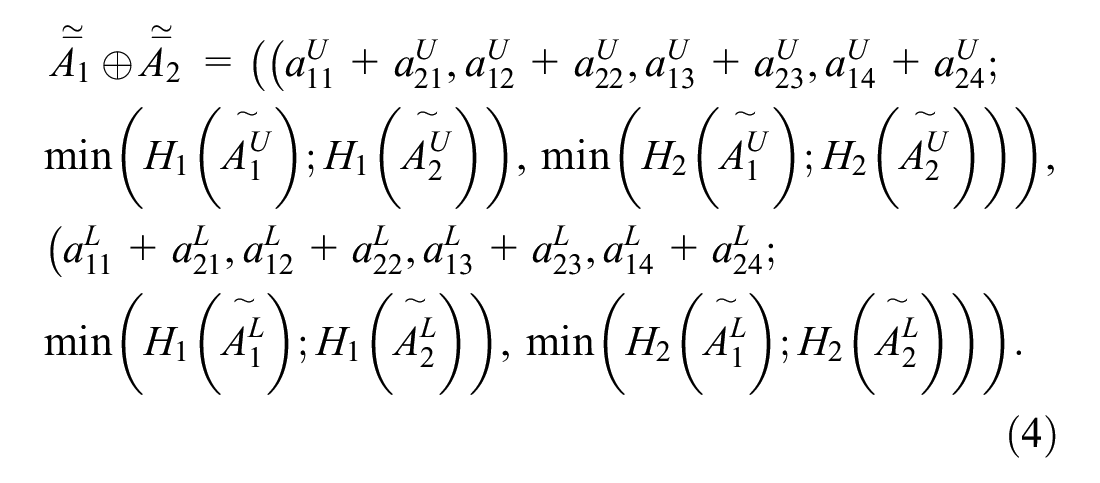
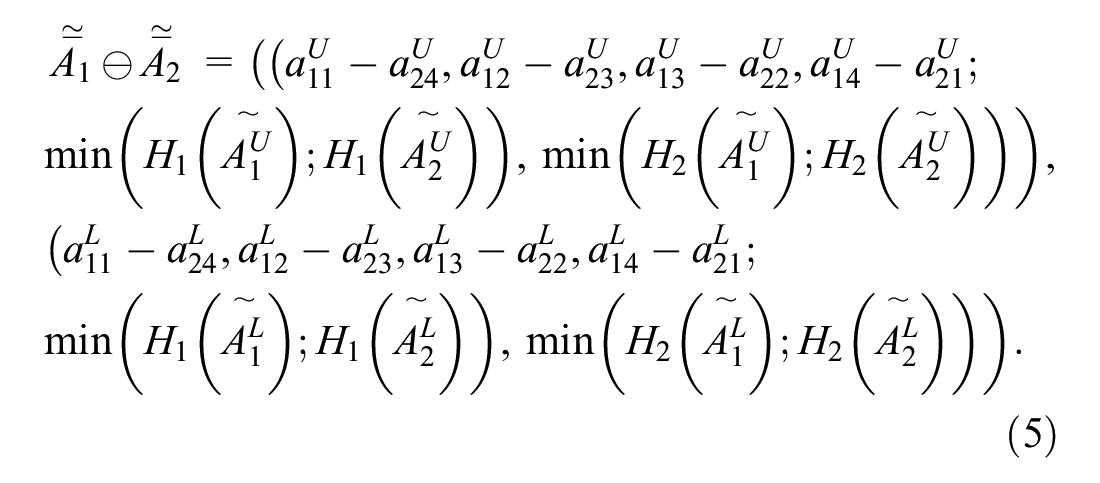
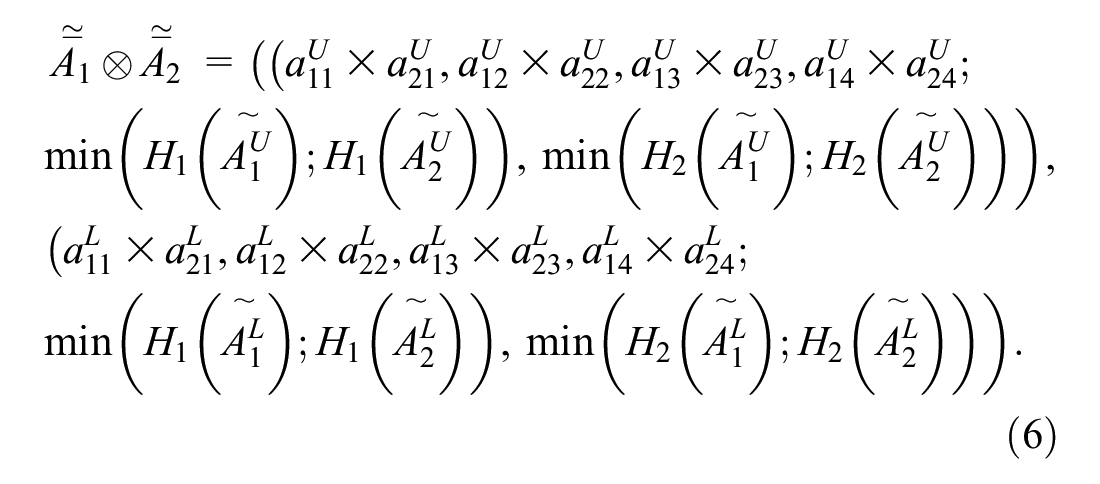
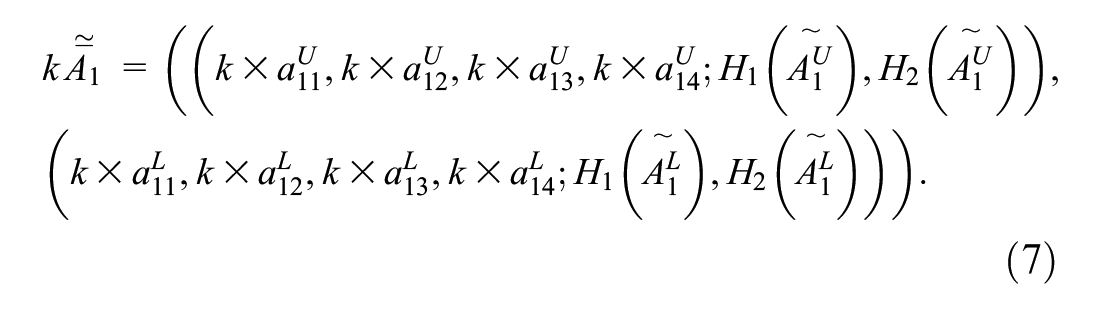
The basic arithmetic operation of interval trapezoidal type-2 fuzzy sets described as
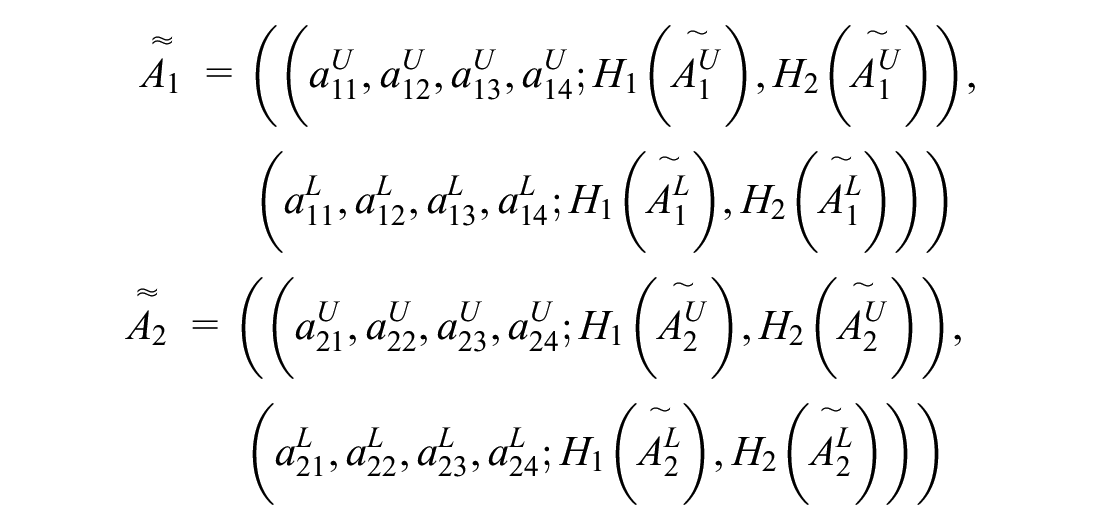
Definition 1: The addition operation for the two trapezoidal IT2FSs
Definition 2: The subtraction operation for the two trapezoidal IT2FSs
Definition 3: The multiplication operation for the two trapezoidal IT2FSs
Definition 4: The arithmetic operation for the trapezoidal IT2FSs
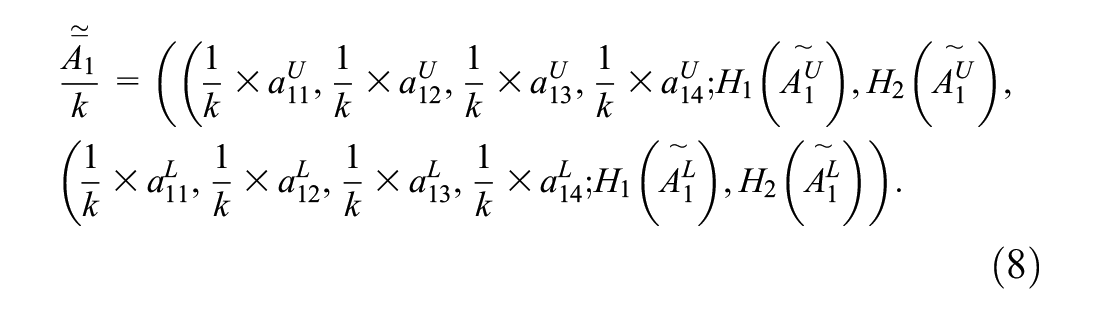
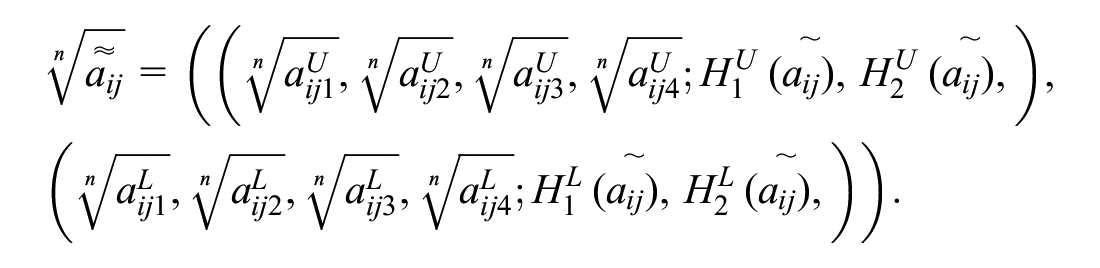
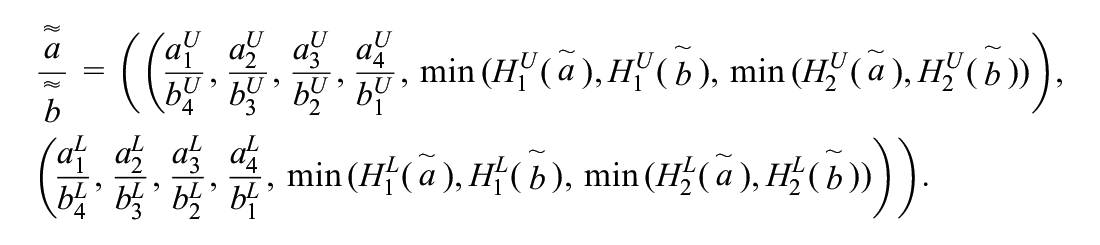
Definition 5: The division operation for the two trapezoidal IT2FSs
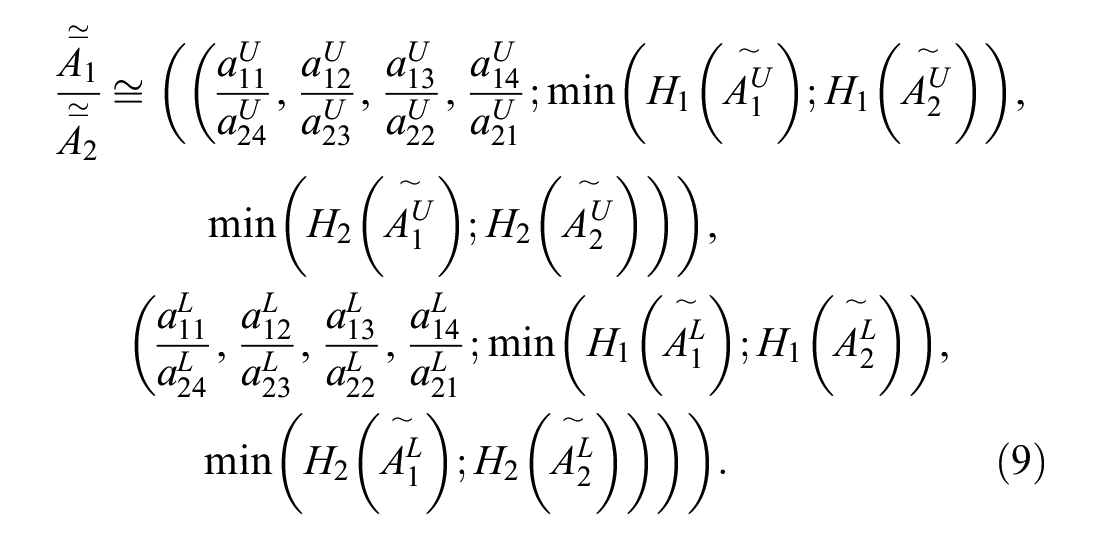
Definition 6: The inverse operation of the trapezoidal IT2FSs
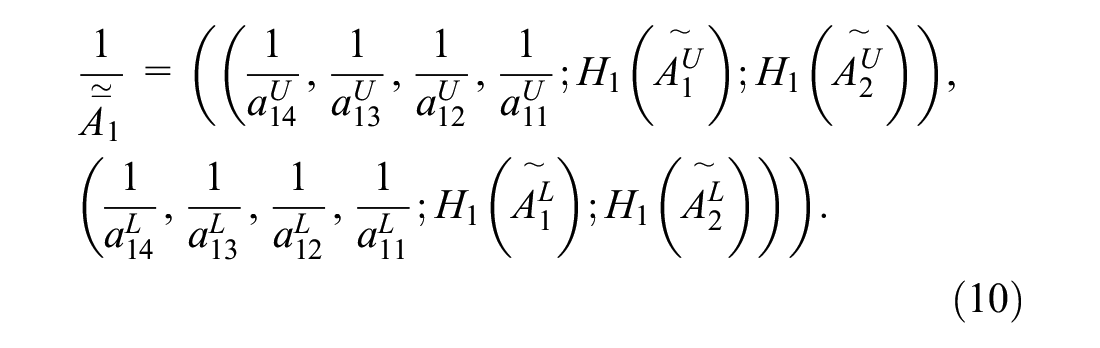
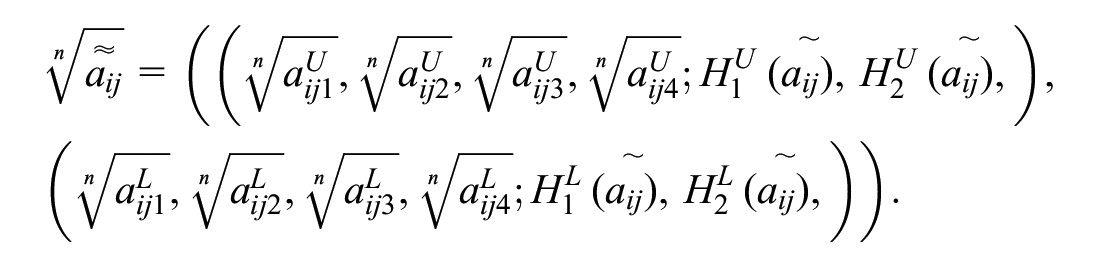
Definition 7: the nth root operation of the trapezoidal IT2FSs
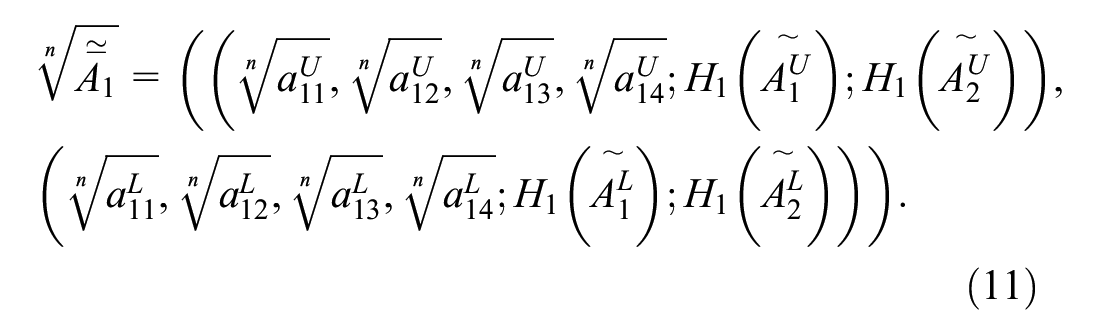
Interval Type-2 Fuzzy Analytic Hierarchy Process
The analytic hierarchy process (AHP) is a Multi Criteria Decision Making (MCDM) technique developed by Saaty ( 157 ) in the 1980s as a structured approach used for decision making for both qualitative and quantitative characteristics. The AHP method comprises an objective, alternatives, and a hierarchical structure in MCDM problems ( 157 ). The AHP evaluates a quantifying relative priority of the problem based on decision makers’ judgments with crisp numbers. AHP also stresses the consistency of the comparison of alternatives and has the ability to detect and incorporate inconsistencies inherent in the decision-making process. However, decision makers may not evaluate judgments as crisp values in real life as evaluation contains some uncertainty and subjectivity. Fuzzy sets help decision making by increasing accuracy. Furthermore, since IT2Fs were introduced, they give better solutions than IT1Fs as IT2Fs have flexible membership functions. IT2FAHP has been applied to many problems since it was introduced to the literature ( 158 ). The IT2FAHP method has been widely employed in the current literature, for instance: the aircraft selection problem ( 159 ), locating environmentally-friendly grain processing plants ( 160 ), site selection of nursing homes in the field of health ( 161 ), and portfolio selection problem in finance theory ( 162 ).
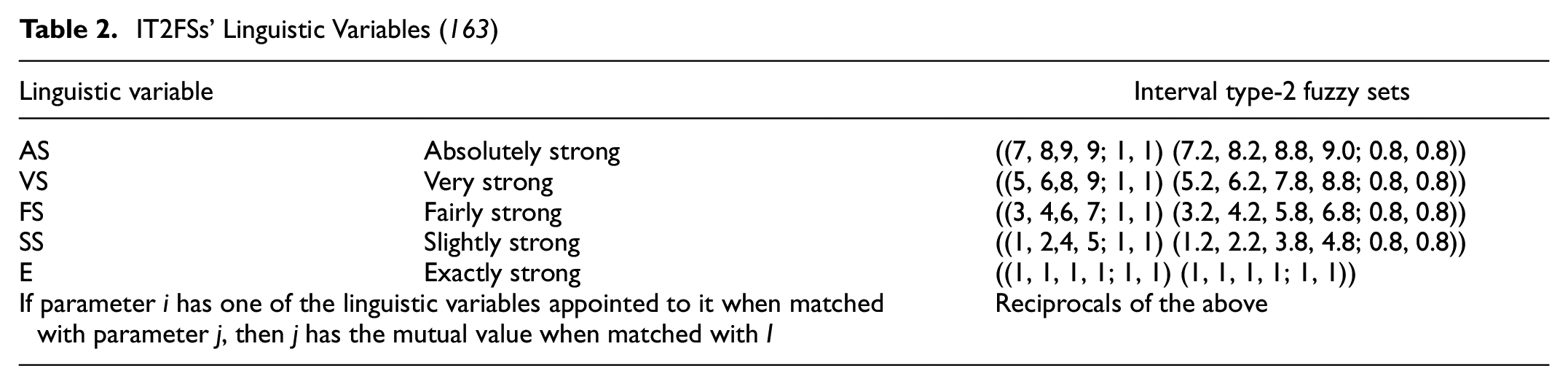
The IT2Fs’ linguistic variables are presented in Table 2.
IT2FSs’ Linguistic Variables ( 163 )
The IT2FAHP method ( 163 ) is represented step by step as follows:
Step 1: The problem is defined with a goal. The structure of the hierarchy is built up along with its main factors and sub-factors at all levels.
Step 2: Building up the IT2Fs pairwise comparison matrix as
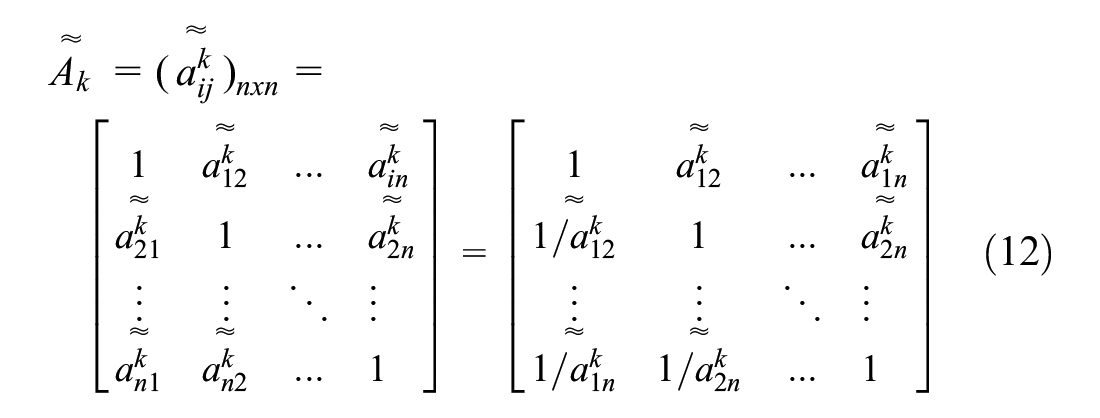

where
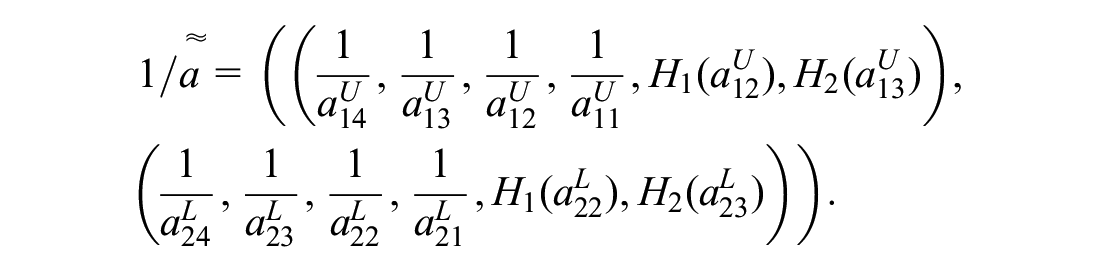
The geometric means of k IT2Fs are evaluated for kth decision makers. In Table 2, the linguistic variables are represented for evaluation. The decision makers’ decisions in the pairwise comparison matrices are aggregated by means of the geometric mean method in Equation 14.
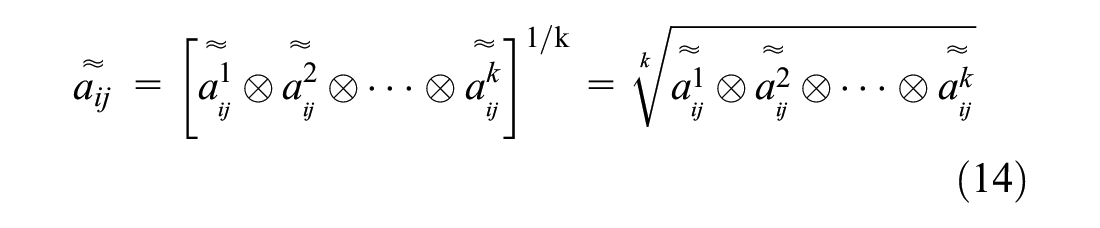
where
Step 3: Analyze the consistency of the IT2Fs pairwise comparison matrices. When considering
Step 4:

where
Step 5: The IT2Fs weight ith criterion is computed by applying Equation 16, below.

where
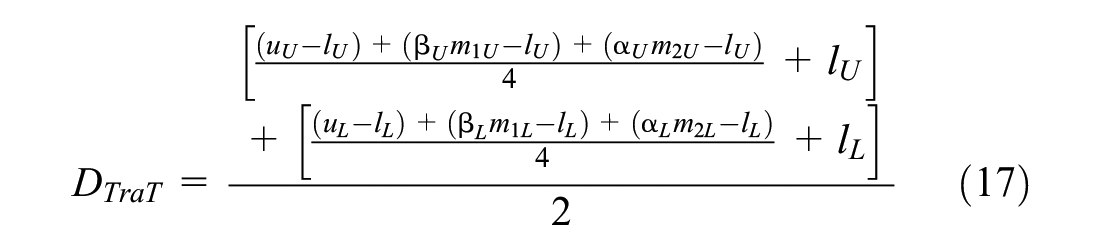
Step 6: The ranking of the results obtained through defuzzification is consistent with the expected order of trapezoidal type-2 fuzzy sets (DTraT) as in Equation 17 ( 163 ).
Interval Type-2 Fuzzy DEMATEL
The DEMATEL method is utilized for determining the cause and effect relationships among the factors, so the relationships of factors are turned into local preferences. This method is able to visualize the complex cause and effect relationships of sub-systems in an understandable way. The method can also be used to construct a structural model for analyzing complex interrelationships among criteria and confirm the relation that reflects the characteristics with an essential system. IT2FDEMATEL merits receiving more comprehensive evaluation because of the flexibility of spaces representing uncertainties, more so than they do with T1FSs. Moreover, IT2FSs can provide us with more degrees of freedom to represent the uncertainty and the vagueness of the real world. Therefore, it is impeccable to integrate the extra flexibility of IT2FSs and the unique causal relationship of DEMATEL. In this section, the IT2FDEMATEL method is briefly described step by step as follows ( 164 – 167 ).
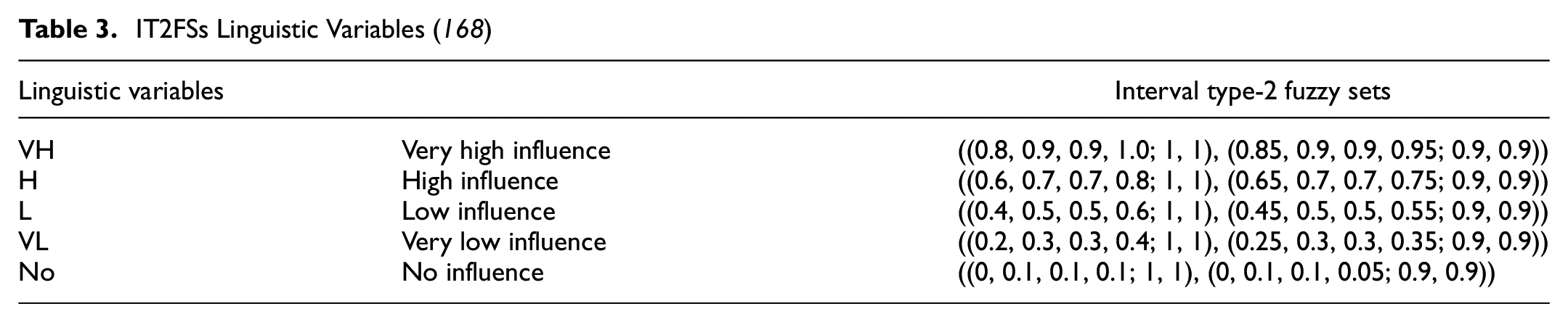
IT2FSs linguistic variables for IT2FDEMATEL are taken into consideration in Table 3 ( 168 ).
IT2FSs Linguistic Variables ( 168 )
Step 1: Obtaining the evaluation of decision makers. The group of decision makers can be needed to aggregate the IT2F influence matrices so, with a total of
Step 2: Computing the average of the IT2F influence matrices. The arithmetic mean of the IT2F influence matrices is computed as in Equation 18.

where
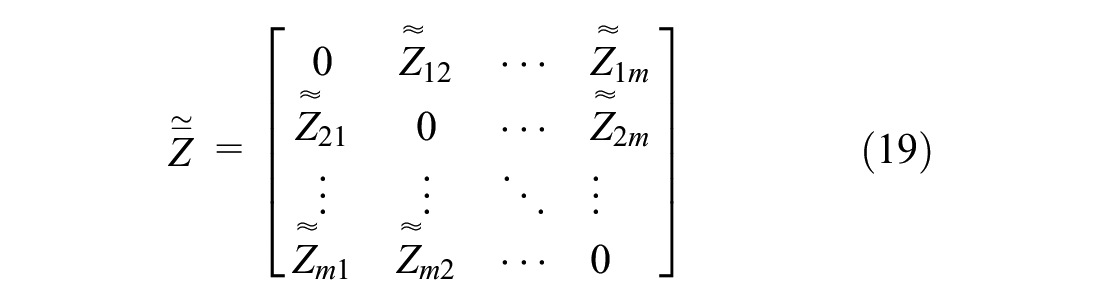
where

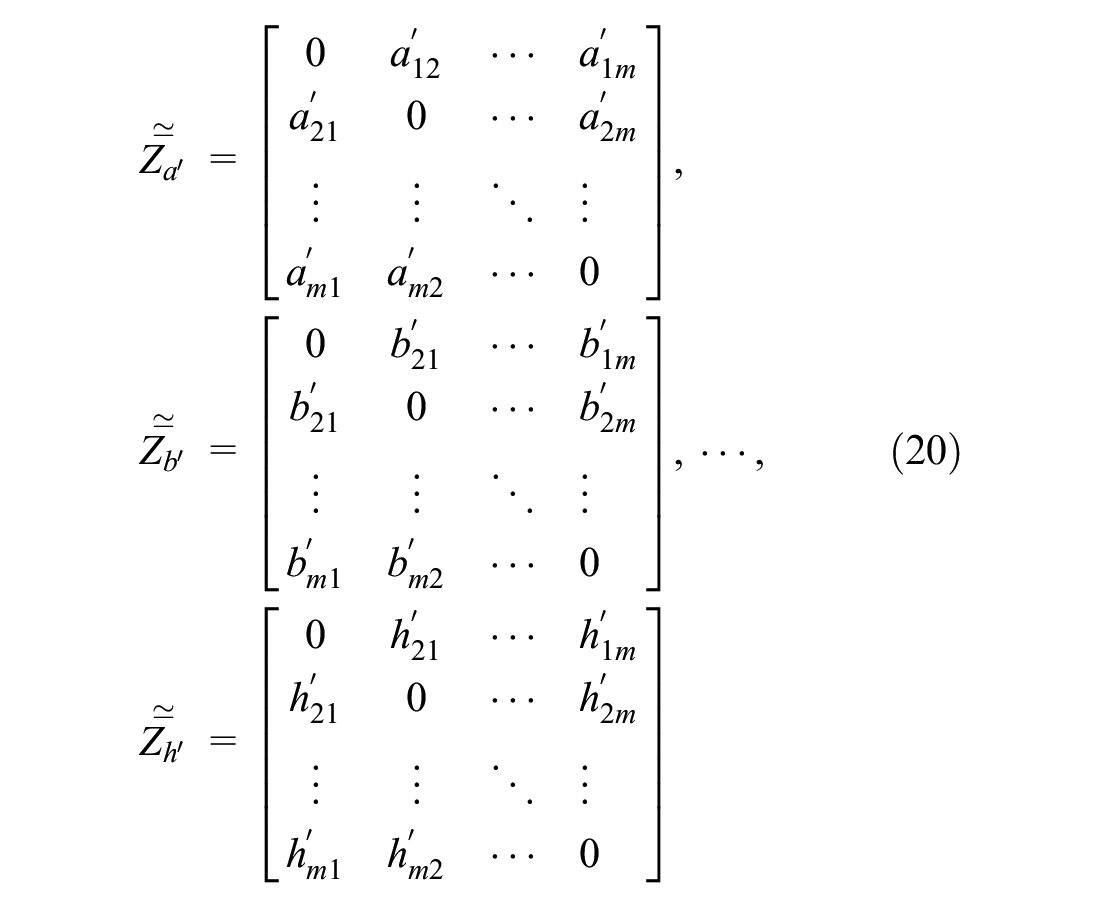
Step 3: Obtaining the normalized direct-relation matrix. According to the membership functions, the trapezoidal IT2F initial direct-relation matrix is rearranged to compute the normalized direct-relation matrix. The heights of the IT2FNs are omitted from the following representations as the calculations are not affected. A total of eight m×m matrices are therefore built up through Equation 20:
Therefore,
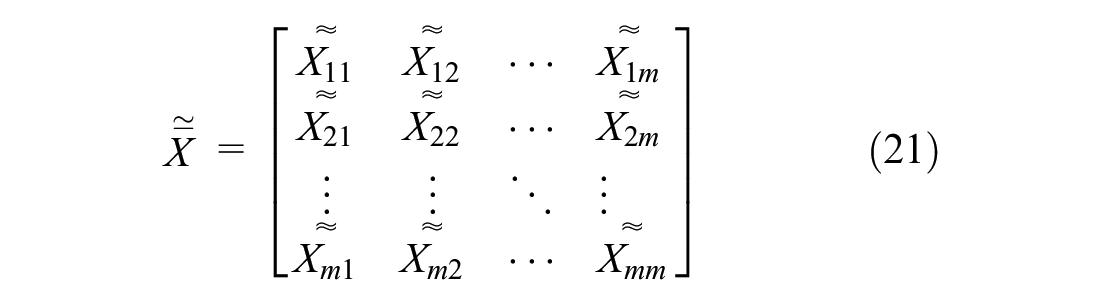
The elements of the normalized direct-relation matrix are calculated through Equation 22.
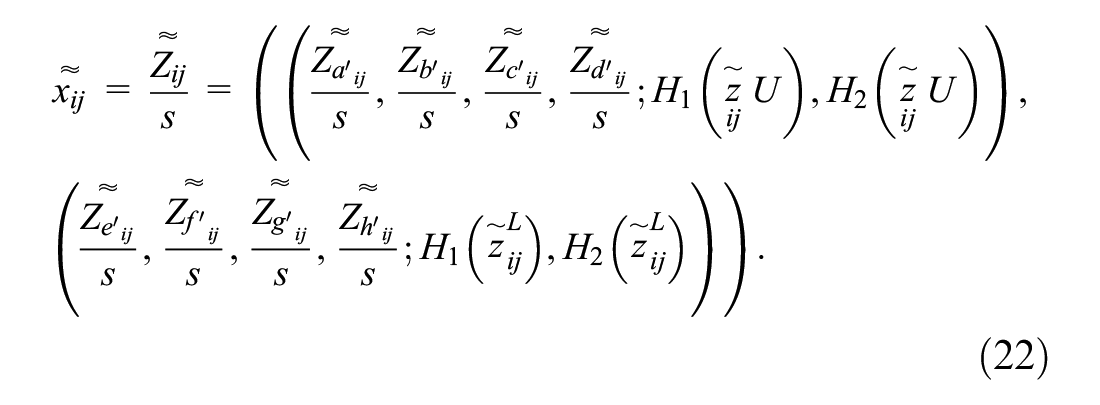
where the normalization coefficient s is computed as in Equation 23.

Step 4: Computing the total-relation matrix contains similar procedures as in Step 3, the normalized direct-relation matrix can be presented by means of eight crisp matrices as in Equation 24:
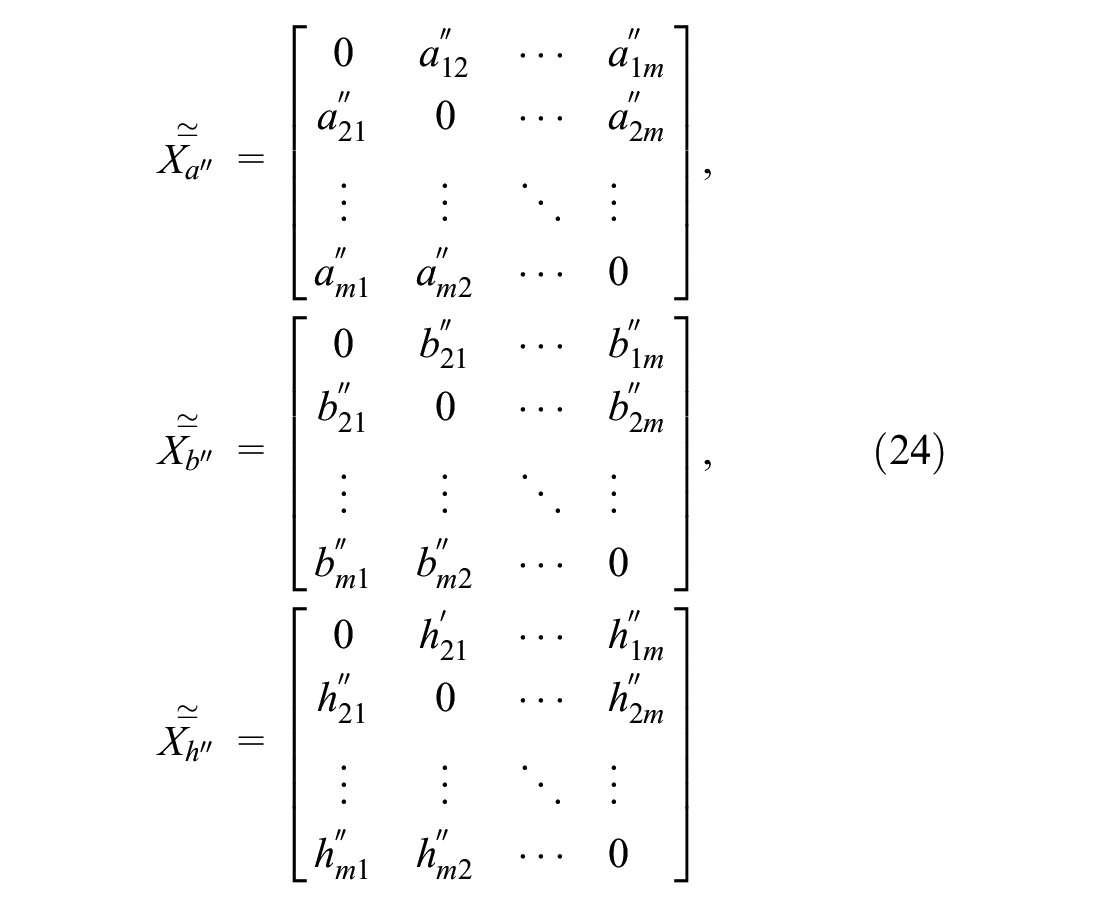
The total-relation matrix is presented by
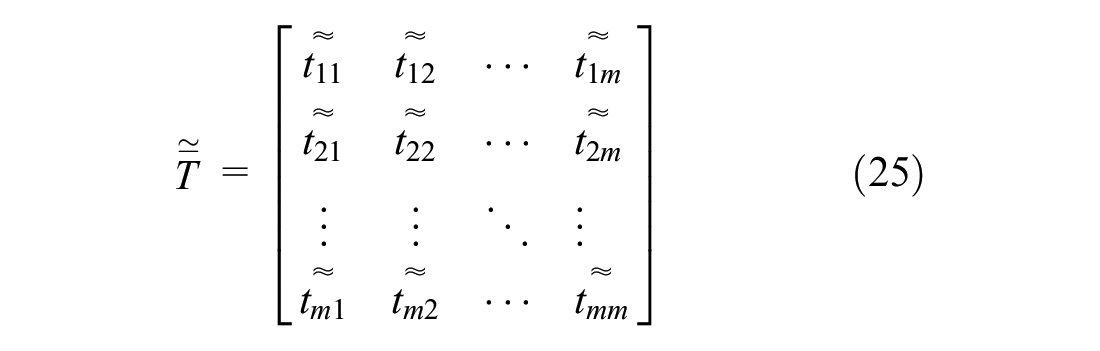
where
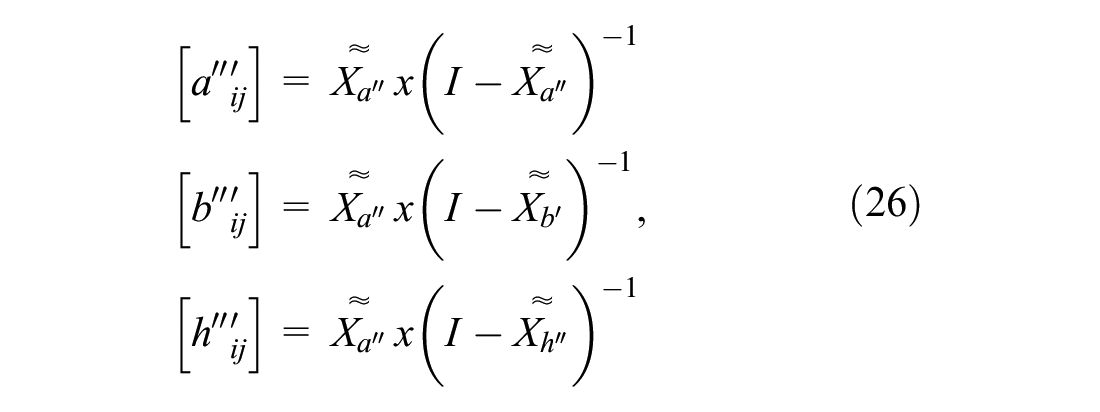
The heights of the IT2FNs are considered as the same for each entry in the total-relation matrix; that is,
Step 5: Carrying out structural correlation analysis. The elements of the total-relation matrix


To acquire a causal diagram, the expected values of the ordered pairs
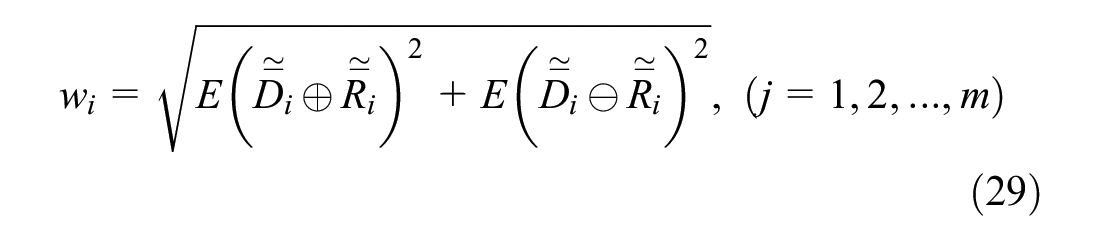
Step 6: Calculating the weights of factors. When the expected prominence and relation values are calculated, the importance of each criterion is calculated by Equation 29.
Calculating expected value as
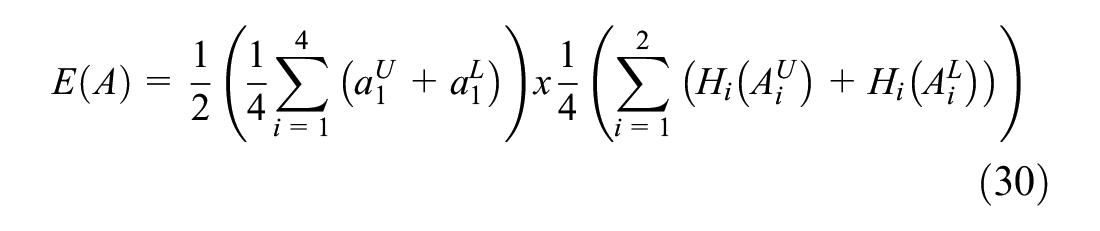
where
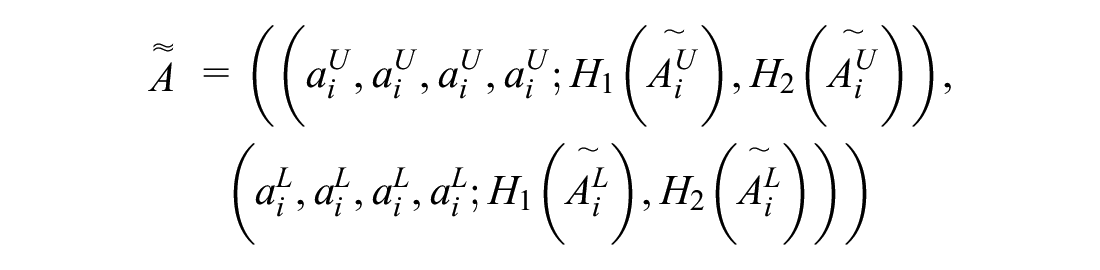
Step 7: Finally, after having calculated expected value, the normalized prominence degree of each criterion is then computed through Equation 31:

Application
This section proposes a model for the analysis of factors affecting the sustainable success of the airline industry during the COVID-19 pandemic. The model consists of IT2FAHP and IT2FDEMATEL methods. A flowchart is presented for the proposed model in Figure 2. The study consists of three analysis sections. In the first section, there are seven main factors having a total of 65 sub-factors. The main factors and sub-factors were evaluated by IT2FAHP to reduce the number of main factors to five and the number of sub-factors for each main factor to five as well. In the second section, five main factors and their total of 25 sub-factors were evaluated by IT2FAHP again, to determine the most important main and sub-factors. In the last section, IT2FDEMATEL evaluates the relationship of sub-factors to determine which factors are cause and which factors are effect.
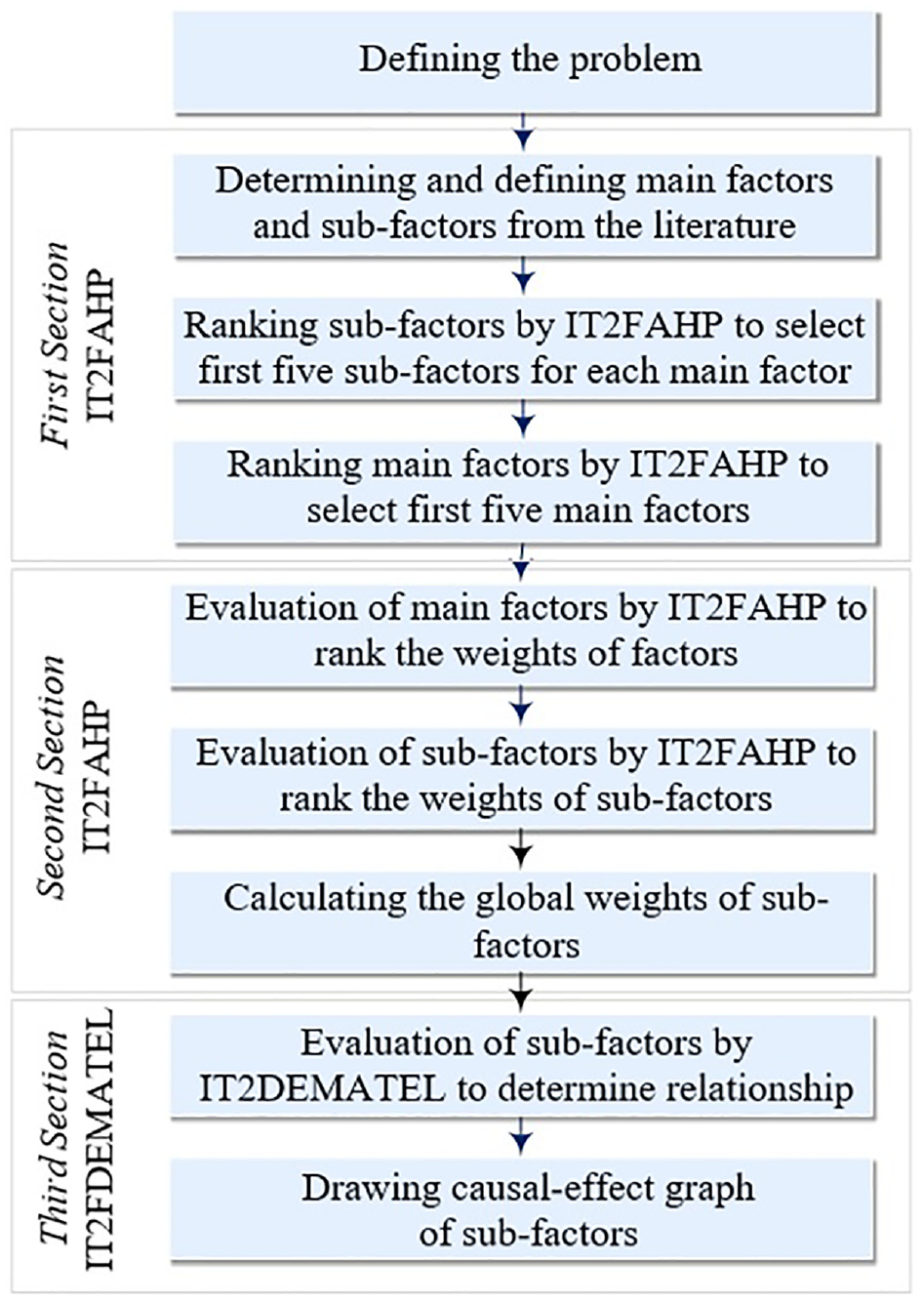
Proposed methodology.
First Stage, Determining the Problem
In the first stage, the problem was defined as factors affecting decisions of airline companies related to resilience and achieving sustainable success during the COVID-19 pandemic crisis. Second, this study aimed to determine the relationship of these factors to each other.
Determination of the importance weights and ranking of the decision factors was computed by IT2FAHP at that phase. Moreover, IT2FDEMATEL analyzed the factors and their sub-factors to determine how to they were had relationship each other as cause and effect in the final phase.
First Section
Second Stage, Determining the Factor Pool
In this stage, a comprehensive list of factors which were obtained in the scope of this study and could help airline companies to succeed in crisis environments is presented. The factors were adapted from studies dealing with the subject of measuring the performance of firms in crisis periods. First, a factor pool was created by combining the factors collected from the literature by the authors of this study. Then, some of the factors were eliminated, considering the relationship between the airline companies and the pandemic crisis. As a result of this stage, the remaining 65 sub-factors were classified into seven main factors: Financial (F) having 15 sub-factors, Operational (O) having nine sub-factors, Human Resource Management (H) having 10 sub-factors, Customer Satisfaction (C) having 11 sub-factors, Information Sharing (I) having eight sub-factors, Resilience (R) having seven sub-factors and Social Resources (S) having five sub-factors.
Third Stage, Determining the Sub-Factors
In this stage, the aim was to determine the five principal sub-factors for each main factor listed above except for S, because S already had five sub-factors. With this aim, first, five decision makers, who had at least five years’ experience in the airline industry, evaluated all sub-factors of the six main factors using IT2AHP to determine the five sub-factors of each of the main factors. There are several reasons why the decision makers involved in the study were chosen. First of all, in this study, a factor pool was created by bringing together the factors collected from the literature. In this context, seven main factors were identified and 65 sub-factors related to them were classified. The decision makers ranked the seven main criteria and 65 sub-criteria in the criteria pool according to their importance. At this stage of the study, the decision makers were asked to answer 311 questions (comparisons). In line with the answers given by the decision makers, five main criteria and 25 sub-criteria were included in the study. In the second stage of the study, the decision makers ranked the five main criteria and their 25 sub-criteria according to the level of importance. At this stage of the study, the decision makers were asked to answer 60 questions. In the third phase of the study, the decision makers answered the cause–effect relationship questionnaire for the IT2FDEMATEL analysis. At this stage of the study, the decision makers were asked 600 questions. In this long-term analysis phase, it is important for the decision makers to give consistent answers to the questions. Therefore, the authors collaborated with the decision makers who consented. One of the most important characteristics of the decision makers included in the study was their consent to long-term cooperation. The decision makers were selected from among academics who have expertise of airline management and held bachelor, master, and PhD degrees in the field of aviation management. Evaluations were made by the decision makers for the main factors. The computing process was applied by IT2FAHP.
The linguistic variables of the pairwise comparison matrix were evaluated by decision makers by applying the seven main factors of the study, as listed above. Interval type-2 fuzzy pairwise aggregated comparison matrices were evaluated by the decision makers by applying these seven main factors with Equation 14.
After building up the comparison decision matrix, IT2FAHP methodology was applied to these decision matrices by Equations 15 and 16 to determine the fuzzy weights of the factors. These results of the factors are presented for F in Table A1, O in Table A2, H in Table A3, C in Table A4, I in Table A5, and R in Table A6. Finally, defuzzification and normalization of factors were computed by Equation 17.
Fourth Stage, Determining the Main Factors
In this stage, the aim was to determine the first five main factors among the seven main factors abovementioned. Thus, with this aim, first, the linguistic variables of the pairwise comparison matrix for the seven main factors was evaluated by five decision makers to determine the five main factors. The computing process was applied by IT2FAHP.
Interval type-2 fuzzy pairwise aggregated comparison matrix was evaluated by decision makers by applying the main factors with Equation 14 for the seven main factors.
After building up the comparison decision matrix, the IT2FAHP methodology was applied to these decision matrices by Equations 15 and 16 to determine the fuzzy weights of the factors. These results of factors were presented as for the main factors in Table A7 in the Appendix. Finally, defuzzification and normalization of factors were computed by Equation 17. After the evaluation, the five main factors selected by the decision makers were: F, O, C, I and S. H and R were therefore ignored by the decision makers.
Second Section
Fifth Stage, Calculating Weights of the Main Factors
In this stage, the aim was to determine the weights of the five main factors. With this aim, first, the five decision makers evaluated the five main factors through IT2AHP to determine the five main factors. The computing process was applied by IT2FAHP.
The linguistic variables are presented Table 2. The elements of the pairwise comparison matrices are aggregated by means of the geometric mean method. A linguistic variable decision matrix is presented in Table A8. The main factors of the proposed method are calculated by Equation 14 for
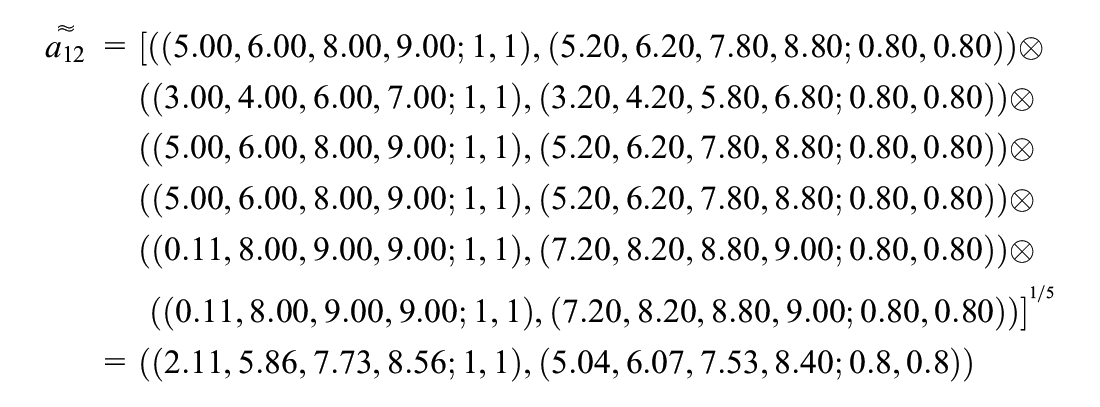
As the result of evaluation by the decision makers, the linguistic variables were aggregated through using the geometric mean method in the decision matrix, as presented in Table A9 in the Appendix. In the next stage, according to the type-2 fuzzy pairwise comparison matrix in the IT2FAHP, the type-2 fuzzy weights of factors were carried out by calculation procedures as follows:
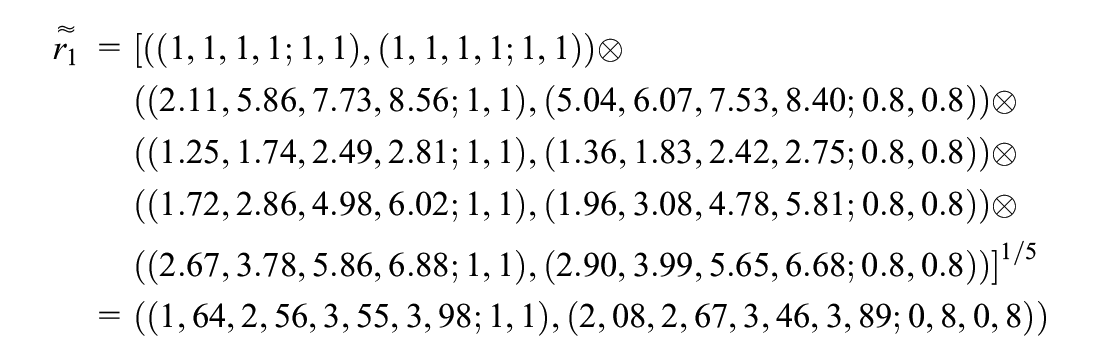
The remaining
The type-2 fuzzy weights were computed by normalization, as shown below:
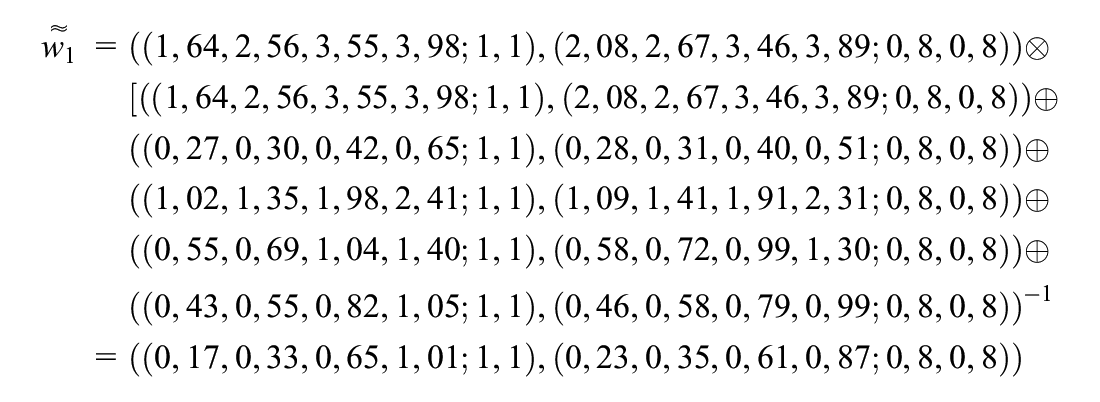
The remaining
Interval type-2 fuzzy weights were defuzzied by DTraT method as in Equation 17. This was calculated for F factors as shown below:
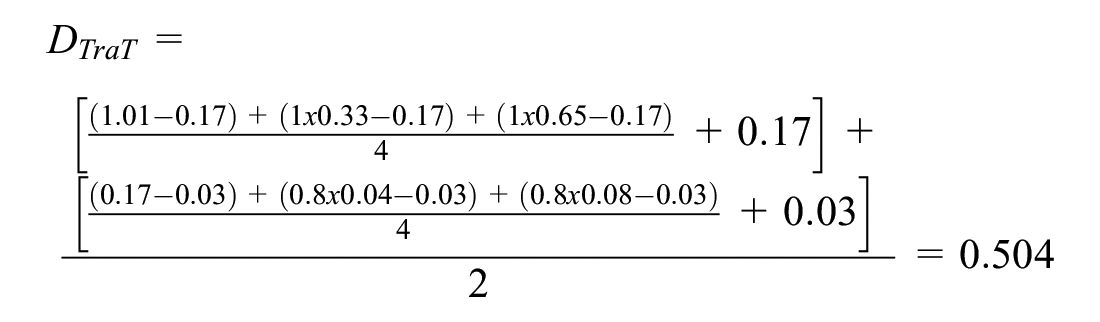
Accordingly, to calculate the remaining crisp values of weight for the remaining factors, it was applied the same way as in Table A9. The IT2FSs factor weights in Table 4 were defuzzied by DTraT method as in Equation 17 in IT2FAHP. As a result, the weights of the main factors (F, C, O, I, S) were calculated, as shown in Table A10 in the Appendix. Finally, the weights of all factors were normalized.
The same calculation with IT2FAHP was applied for the weights of all factors.
Sixth Stage, Calculating Weights of the Sub-Factors of the Main Factors
In this stage, the aim was to calculate the weights of the sub-factors of the main factors. Thus, with this aim, first, five decision makers evaluated all the sub-factors of the main factors through IT2AHP to determine the five main factors. The computing process was applied by IT2FAHP.
The linguistic variables of the pairwise comparison matrix was evaluated by the decision makers by applying the sub-factors for F, O, C, I, and S. Interval type-2 fuzzy pairwise aggregated comparison matrix was evaluated by the decision makers by applying the sub-factors of the same five factors with Equation 14.
After building up the comparison decision matrix, IT2FAHP methodology was applied to these decision matrices by Equations 15 and 16 to determine the weights of the sub-factors. These results for the sub-factors are presented in the Appendix as: F in Table A11, O in Table A12, C in Table A13, I in Table A14, and S in Table A15. Finally, defuzzification and normalization of sub-factors were computed by Equation 17.
In Table 4, the calculations for the main factors and sub-factors are presented, consisting of a total of five main factors and 25 sub-factors. The most weighted main factor is F and the most weighted sub-factor is F8, the liquid assets criterion.
Weights of Main Factors and Sub-Factors
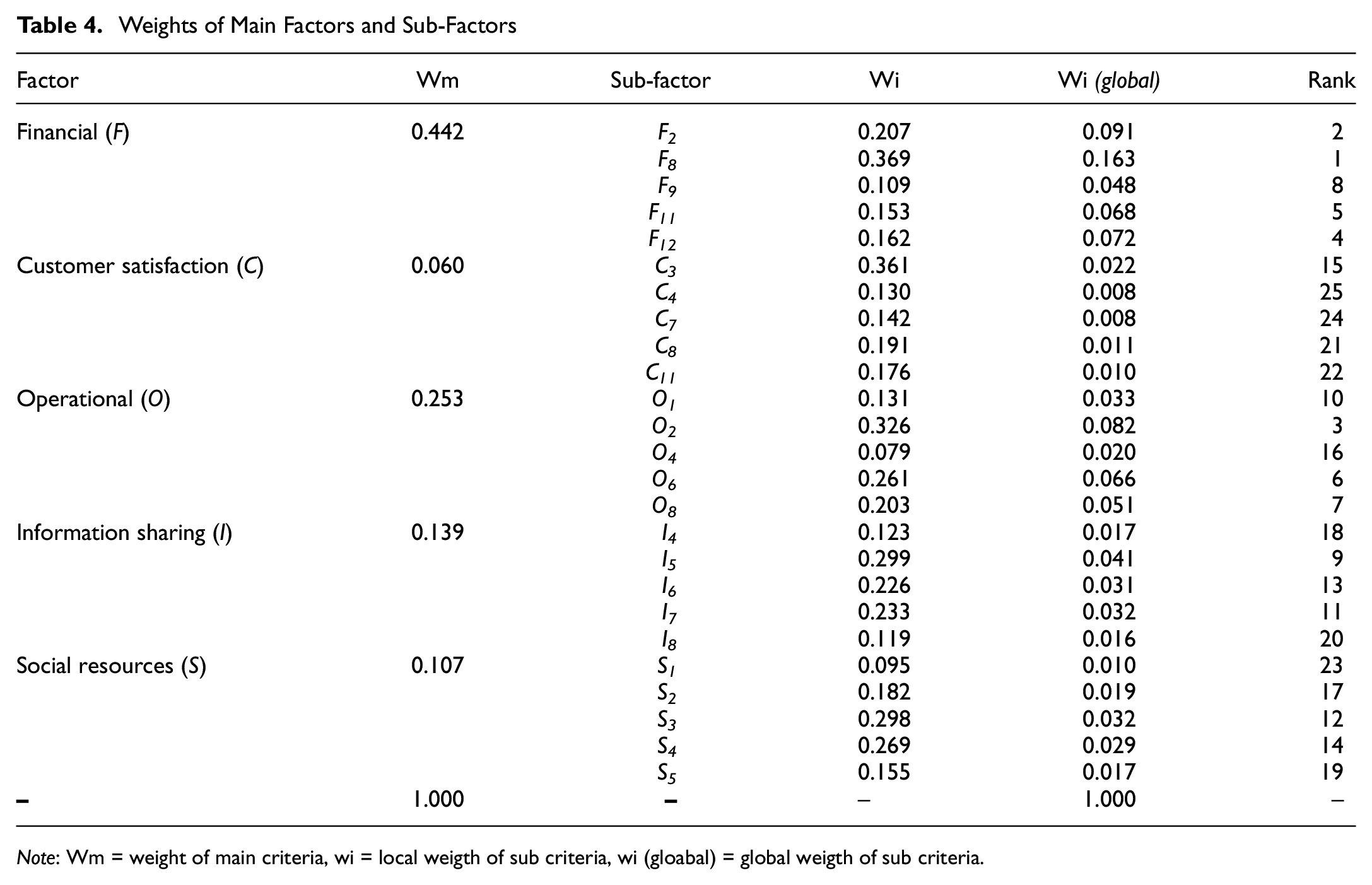
Note: Wm = weight of main criteria, wi = local weigth of sub criteria, wi (gloabal) = global weigth of sub criteria.
Third Section
Seventh Stage, Cause–Effect Relationship of Sub-Factors
In this stage, selected factors were evaluated which were evaluated in the early stages by IT2FAHP as well. They are presented in Table 4. At this stage, the aim was to analyze the factors to determine how to they have been relationship each other as cause and effect.
The degrees of causal dependencies among the selected factors are evaluated by decision makers to be solved by IT2FDEMATEL method. The evaluations by decision makers are given for DM1 in Table A16, DM2 in Table A17, DM3 in Table A18, DM4 in Table A19 and DM5 in Table A20 in the Appendix.
The degrees of causal dependencies of the matrices evaluated by decision makers to be solved by IT2FDEMATEL method, were computed by using the arithmetic mean method. The evaluations by decision makers were computed through Equation 18 for
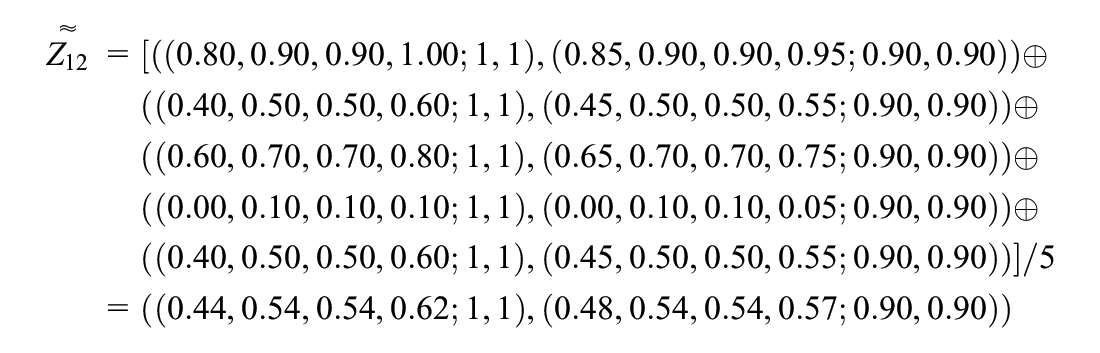
The remaining direct-relation matrices were computed by the same process as the comparison matrix shown in Table A21 in the Appendix.
The normalized initial direct-relation matrix was computed by means of Equations 21 to Equations23. The normalization coefficient was calculated through Equation 23 as
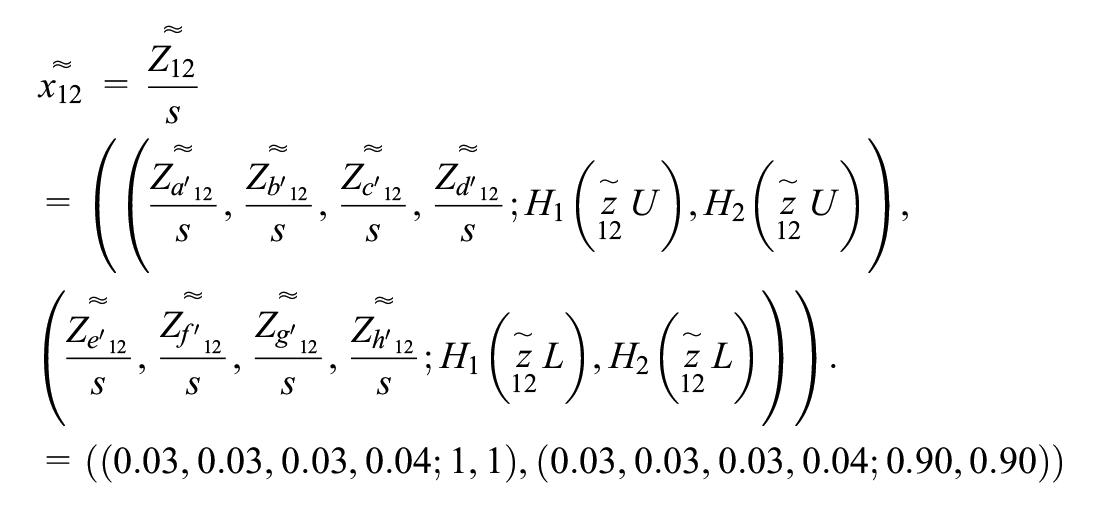
The remaining normalized direct-relation matrices are computed the same way as the comparison matrix shown in Table A22. The total-relation matrix was calculated by applying Equations 24 to 26, so the total-relation matrix has been represented in Table A23 in the Appendix.
According to the total-relation matrix acquired in the previous step, the structural correlation analysis is applied. The row and column sums in the total-relation matrix were computed by means of Equation 27 for
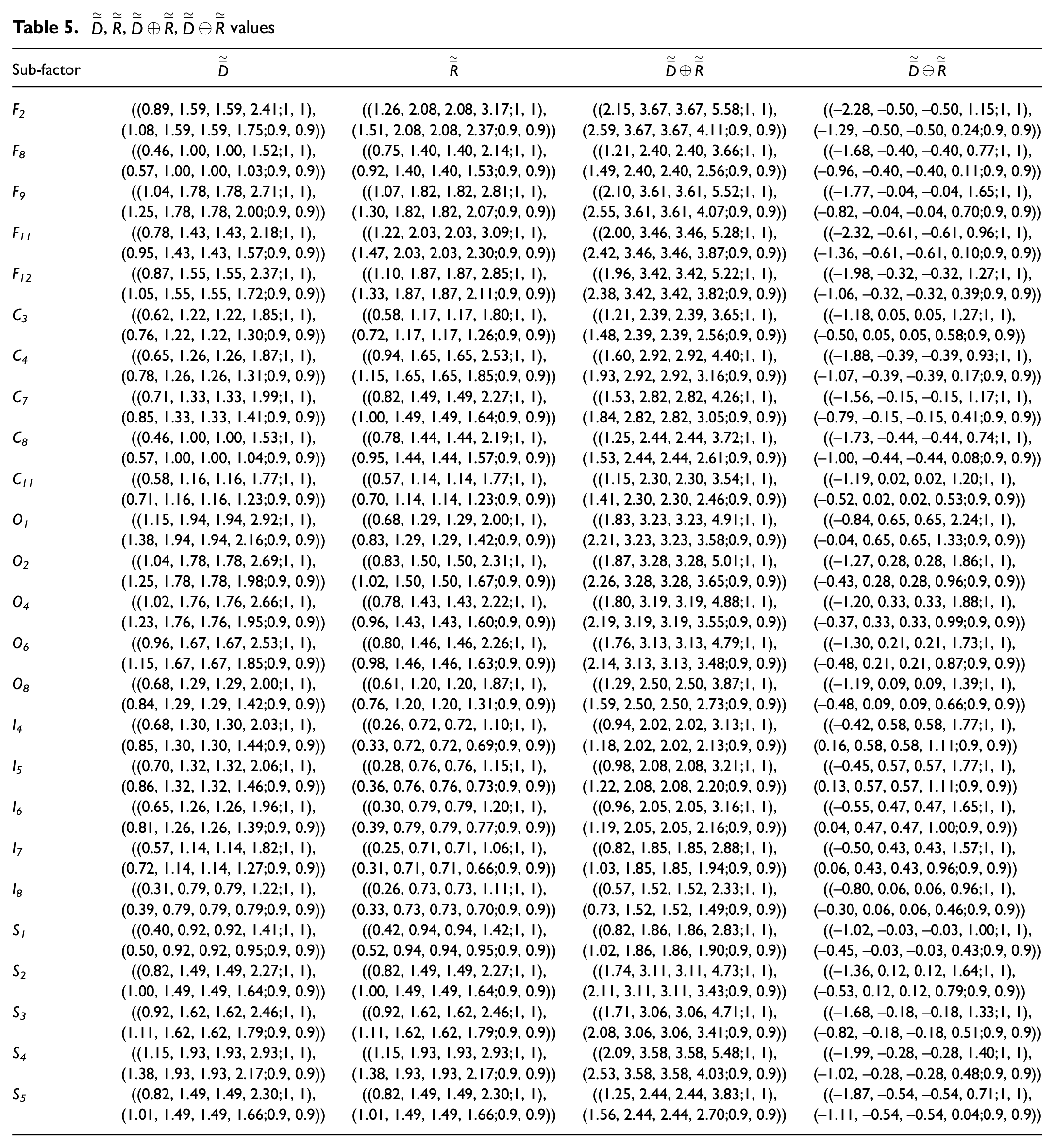
D+R, D−R, wi, Wi crisp values
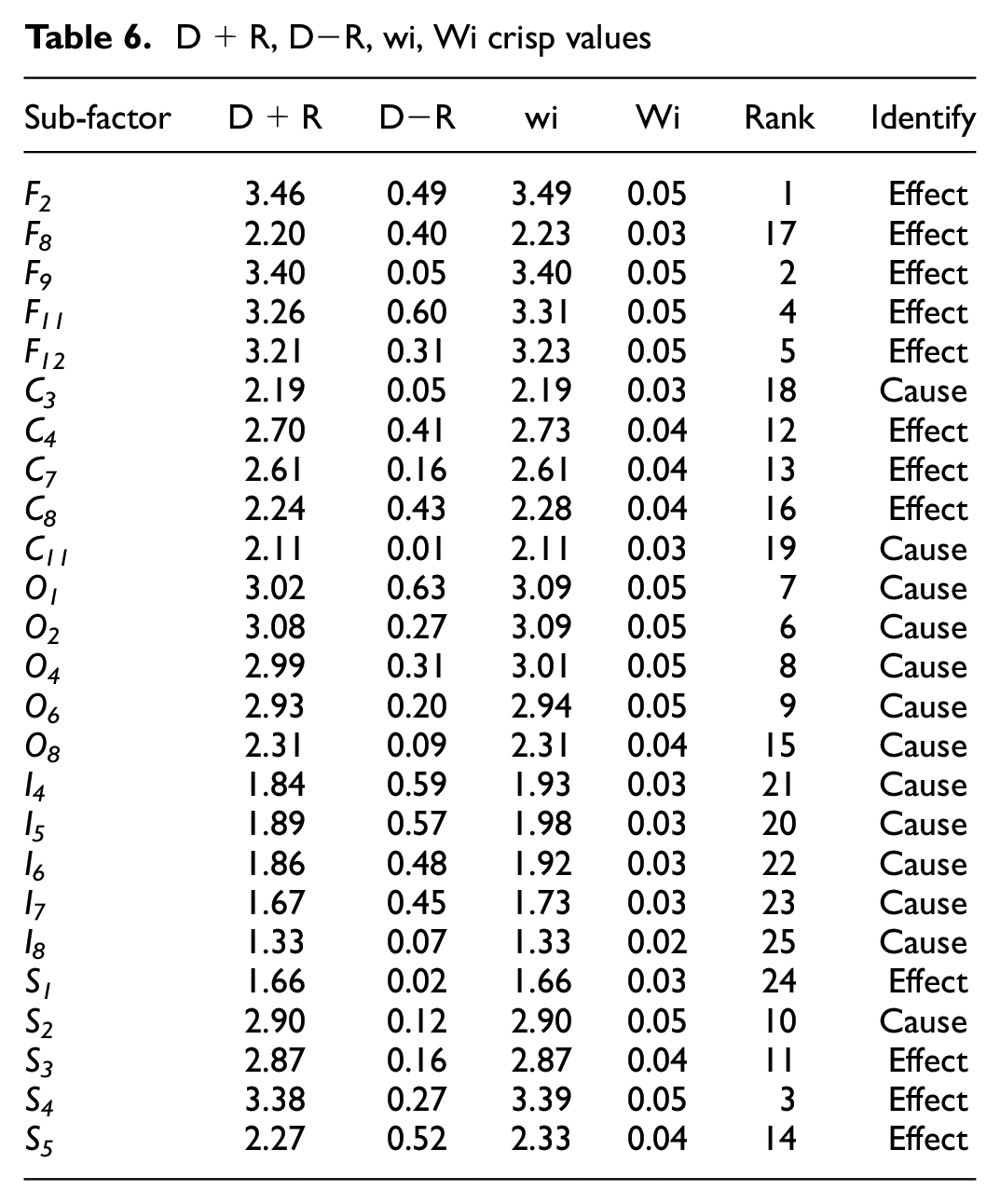
Consequently, after having calculated the expected value, the importance degree for each factor was normalized through Equation 31 in Table 6. The causal diagram of the factors is represented in Figure 3.
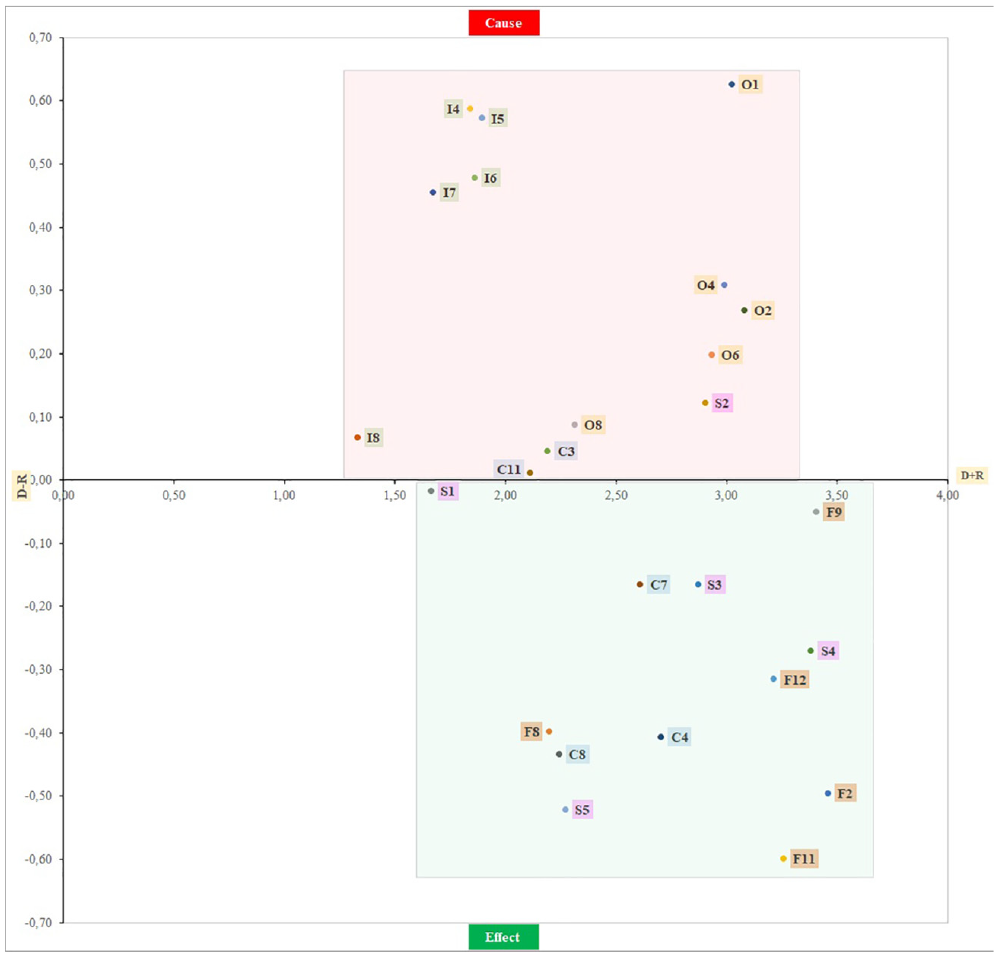
Causal diagram developed with Di + Ri and Di−Ri values.
Results and Discussion
The airline industry has experienced the biggest crisis in its history with the COVID-19 pandemic, with RPKs decreasing by over 90% ( 2 ). This study focused on the critical resilience factors for airlines during the COVID-19 period. The findings indicate that financial factors (F) are the most important criteria to maximize the resilience needed for the survival of airline companies. According to the literature, financial factors are both the most critical and the most important criteria that ensure the commercial stability of airlines ( 11 ). Accordingly, F was revealed to be the highest weighted criterion (0.442). Financial factors are important to the survival of airlines in times of crisis because commercial passenger revenues decline significantly. The level of liquidity and “daily cash burn” is closely related to how long airlines can endure the crisis, as they continue to bear various fixed costs (employee wages, leasing payments, loan payments, etc.). Therefore, during the COVID-19 pandemic, the amount of cash that airlines need to remain in operation has become critical. Airline cash holdings also show how long airlines can stay in operation with their current liquidity before running out of money ( 170 ). The findings of this study indicate that liquid assets (F8) is the most weighted sub-factor among the financial factors. Whether an airline will remain in operation in times of crisis, such as during COVID-19, depends on its level of liquid assets. Consequently, these findings demonstrate that liquid assets are the most critical variable for airline survival.
The COVID-19 pandemic led to the closure of flight operations and the depletion of income sources for airlines. This situation resulted in the capability of airlines to acquire money being decreased significantly. ICAO ( 104 ) announced airline revenue losses of approximately 372 billion USD for 2020. In the COVID-19 process, the operating revenues and cash flow of the airlines almost stopped completely. In addition, during the pandemic period, it became difficult for airlines to predict passenger demand and operating income. Airline revenue management includes specific algorithms and is based on traditional historical demand patterns for estimation. In this way, airlines determine ticket prices, estimating potential demand and revenue. However, with COVID-19 it became impossible for airlines to effectively implement revenue management systems. Therefore, the financial indicators of airlines’ earnings and revenues became important in this pandemic period. The findings indicate that earnings capacity (F2), operating revenue (F12), and net income/revenues (F11) are important factors for airlines to achieve resilience. Therefore, the financial variables about earnings and revenues will determine whether airlines will survive the COVID-19 process.
The volume of air traffic decreased because of the impact of the pandemic. Airlines departures decreased by 71.5% in May 2020 compared with May 2019 ( 171 ). During this process, it was realized that the operational skills of airlines are important in providing resilience. The findings of this study reveal that, during the COVID-19 process, the operational factors of airlines are the second most important of the main factors. The operational factors determined in this study are related to the control power of the airlines over the flight and operation activities in the pandemic period. According to the findings, operational sub-factors of reducing capacity (O2) and reducing flight frequency (O6) have become highly critical for airlines. This finding of the analysis provides significant information that airlines with more operational capabilities and flexibility will be more successful than others during the COVID-19 pandemic.
Cause and Effect Analysis
The findings of this study should be handled separately as cause factors and effect factors. Cause factors demonstrate the success factors that have a significant effect on other factors. The high D−R value indicates that the success factor has an important effect on other factors. The findings of the study reveal that operational factors are the cause of financial factors. In other words, the operational decisions taken by airlines affected their financial indicators. These findings are reasonable because operational decisions made by airlines, such as temporarily stopping air services, have an impact on financial indicators, such as operating revenue. The findings of the study also indicate that the operational decisions of airlines, such as temporarily stopping air services (O1), halting direct flights (O4), reducing capacity (O2), and reducing flight frequency (O6), significantly affect financial indicators, namely net income/revenues (F11), earnings capacity (F2), and operating revenue (F12). In addition, the operational decisions taken during the COVID-19 process have also had an impact on the general customer satisfaction (C4) and the recommendation of the firm’s products/services to others (C8). In other words, operational decisions made by airlines, such as temporarily stopping air services, had an impact on the customers’ satisfaction factor. According to the findings, operational decisions made by airlines also had an impact on the relationships with other stakeholders, and relationships with owners and other financiers.
During the COVID-19 pandemic, the communication strategy used by the airlines during the crisis has significantly affected both financial factors and customer satisfaction. The findings of this study demonstrate that the information sharing sub-factors of: exchange of timely information (I4), exchange of accurate information (I5), exchange of complete information (I6), and exchange of confidential information (I7) have an impact on net income (or revenues) (F11), earnings capacity (F2), and operating revenue (F12). This reveals that the communication mistakes made by airlines in their management of COVID-19 have had financial consequences. The findings also show that information sharing factors also influence customer satisfaction factors, such as general customer satisfaction (C4) and the recommendation of the firm’s products/services to others (C8). In other words, the communication strategy preferred by airlines about flight operations has an effect on customer satisfaction factors. Finally, the findings reveal that the information sharing factors affect the stakeholders of the airline. For example, information sharing factors, such as the exchange of timely information (I4), exchange of accurate information (I5), exchange of complete information (I6), and the exchange of confidential information (I7) affect the relationships with other stakeholders (S5), relationships with owners and other financiers (S4), and relationships with suppliers and partners (S3), which are the affected social resources factors.
Validation of Results
To ensure the robustness of the results, the authors received confirmation from a team of academics and an airline industry expert about the consistency of the factors. The confirmation from this expert team, who were not involved in the previous stages of the study, is about whether the weights of the factors were significant or not. The airline industry expert has worked in many airline companies as a senior manager at the operational level, vice president of sales and marketing, trade director, director, deputy general manager and consultant to the CEO for more than 20 years. The opinions of this expert were taken since they have long-term experience in the airline industry and the ability to analyze the airline industry in all its dimensions. In addition, the authors have taken the opinion of an expert from academia who holds bachelor, master and PhD degrees in the field of aviation management and has carried out academic studies in the field of airline management. Therefore, this expert’s opinion was sought since they have competence in the relationship between COVID-19 and the airline industry. In addition, the authors obtained opinions from the expert team on the consistency of the causal relationships between variables in the IT2FDEMATEL analysis results. The expert team agreed that the financial and operational factors have become more critical for the airline industry during the COVID-19 process. In addition, they confirmed that operational factors and information sharing factors affect both financial and customer satisfaction factors in the COVID-19 era.
During the validation meeting with the expert team, they stated that airline companies have begun a “continuous operation period” during the COVID-19 time. During the continuous operation period, airlines have focused on operational factors, such as temporarily stopping air services, reducing capacity, halting direct flights, reducing flights and flight frequency since it had become difficult to continue operations with the past routines. In addition, because of developments in the outbreak, there were last-minute changes to operational processes. Both financial and information sharing factors have become critical. Therefore, changes related to the operational process (e.g., reducing capacity) have financially affected airline companies. At the same time, sharing information accurately and in a timely manner has been effective during the COVID-19 pandemic for crisis management.
At the validation meeting, experts indicated that “early bird” reservations decreased during the COVID-19 period and this has had a significant impact on financial factors. In addition, airlines’ business and corporate traffic decreased significantly. Decreases in passenger demand have caused airlines to make various operational decisions, such as temporarily stopping air services, reducing capacity, halting direct flights, and reducing flight frequency. As a result, operational decisions have led to a decrease in the airlines’ cash flows. These decisions also affected the customer satisfaction level and social resources.
Considering the study findings, the expert team were asked what actions airline decision makers could make in the upcoming stages of the pandemic. The expert team recommended that airlines should re-evaluate their fleets to avoid overcapacity problems. They emphasized that it is critical to modify passenger aircraft to carry more cargo. In addition, they expressed that the retirement of aircraft with high maintenance and operational costs will contribute financially.
Managerial Implications
Airlines are looking for ways to be resilient, first to survive and then to be sustainable in a highly uncertain crisis environment, such as COVID-19. At this point, this study presents a robust proposed model that guides airline executives in how to direct their strategic actions for their companies to be resilient during the pandemic crisis. To achieve this aim, it would be beneficial for airline executives to consider the decision factors in the model proposed in this study.
Accordingly, this research provides several managerial implications. The findings of this study reveal that operational factors and information sharing factors affect financial and customer satisfaction factors. In addition, it can be seen that information sharing factors also affect relations with stakeholders. Financial resources/supports are the first aspects that airline companies need in times of such devastating crisis. To achieve these resources/supports, airlines should use their relationships with the owner and financiers, and other stakeholders, such as governments. At the same time, for airline companies, customer satisfaction is very important in these COVID-19 days when airline transportation has been interrupted, both to benefit from the current market share and to obtain a larger share of the market in the future. Therefore, airline executives must, on the one hand, attach importance to customer relations and, on the other hand, design a product that their customers desire to convince their customers to fly in the COVID-19 environment. Achieving this is critical for airline businesses to maintain the flow of financial resources. In addition, it is essential to use operational resources effectively and efficiently. Airlines should be able to balance customer satisfaction with profitability. To do this, low-profitability flight points should be abandoned, and flight frequency should be regulated by taking passenger circulation into consideration. In addition, it would be a good decision to design connecting flights rather than direct flights for some destinations.
Conclusion, Limitations, and Future Research
The COVID-19 pandemic has caused the airline industry to experience uncertainty and turbulence. In crises like COVID-19, airlines need an action plan that leads them to make correct decisions. Through strategic actions, airlines can better manage crisis processes and survive the crisis with minimal damage. In this context, determining the factors that will affect the success of airlines in crisis periods, and revealing the relationship between these success factors, is critical. By examining the literature in detail, this study first determined the success factors (seven main factors and 65 sub-factors) that may be effective for the maximization of airlines’ resilience during crisis periods. In the second stage, the number of main and sub-factors obtained in the literature was decreased to five main factors (financial factors, operational factors, customer satisfaction factors, information sharing factors, social resource factors) and 25 sub-factors using the IT2FAHP technique. In the third stage, these success factors were analyzed with the IT2FDEMATEL technique to determine which of these factors are significantly important for airlines in the COVID-19 period and to reveal the relationship between these success factors. Thus, a robust proposed model was created that enables an objective evaluation process and could facilitate critical decision stages for airline decision makers in times of crisis. Airlines can determine the strategic actions that will enable their success by increasing their resilience in the crisis period by comparing the factors in the proposed model, and the relationship between them, with their own values.
This study focused on the relationship between organizational resilience, crisis management, and sustainability. Some limitations of the study should be considered when interpreting the results. The study examined the decision factors that affect the strategic actions of airlines that will increase their resilience in the period after the pandemic crisis starts. Therefore, first, the work is limited to the strategic actions to be taken after the crisis period begins. Later studies may focus on how airlines should be prepared for such crises before a crisis occurs. Second, the study is limited by the factors and sub-factors that were taken from the factor pool in the context of COVID-19 by the experts who contributed to the study. Factors and sub-factors may vary in studies conducted in different contexts.
The results of the study provide valuable information on maximization survival resilience for both airline decision makers and investors. In addition, the study is expected to inspire researchers for other future studies. Research on evaluating the crisis performance of airlines by the factors in the proposed model of this study may be among these future studies. Finally, this study provides a framework for airline companies for successfully managing crisis processes that occur by catastrophic events which adversely affect their work outputs. To this end, the proposed model put forward in this study is a novel approach that can be taken into consideration by the executives of airline companies when generating solutions for, and coping with, other types of crisis times as well as outbreak crises.
Supplemental Material
sj-docx-1-trr-10.1177_03611981221104462 – Supplemental material for Analysis of Factors Affecting the Sustainable Success of Airlines During the COVID-19 Pandemic
Supplemental material, sj-docx-1-trr-10.1177_03611981221104462 for Analysis of Factors Affecting the Sustainable Success of Airlines During the COVID-19 Pandemic by Kasım Kiraci, Gökhan Tanriverdi and Ercan Akan in Transportation Research Record
Footnotes
Author Contributions
The authors confirm contribution to the paper as follows: study conception and design: K. Kiraci, G. Tanriverdi, E. Akan; data collection: K. Kiraci, G. Tanriverdi, E. Akan.; analysis and interpretation of results: K. Kiraci, G. Tanriverdi, E. Akan; draft manuscript preparation: K. Kiraci, G. Tanriverdi, E. Akan. All authors reviewed the results and approved the final version of the manuscript.
Declaration of Conflicting Interests
The author(s) declared no potential conflicts of interest with respect to the research, authorship, and/or publication of this article.
Funding
The author(s) received no financial support for the research, authorship, and/or publication of this article.

Supplemental Material
Supplemental material for this article is available online.
References
Supplementary Material
Please find the following supplemental material available below.
For Open Access articles published under a Creative Commons License, all supplemental material carries the same license as the article it is associated with.
For non-Open Access articles published, all supplemental material carries a non-exclusive license, and permission requests for re-use of supplemental material or any part of supplemental material shall be sent directly to the copyright owner as specified in the copyright notice associated with the article.
