







Abstract
The growth of the electric vehicle (EV) market is significantly influenced by the development of EV charging infrastructure. In China, the surge in private charging piles has led to the promotion of the private charging pile sharing model (PCPSM) as a strategic solution to overcome infrastructure challenges. This research develops a tripartite evolutionary game model among pile owners, property companies, and EV users to explore the promotion of the sharing model. Innovatively, it integrates prospect theory to capture the decision-making psychology of the participants. Using system dynamics and numerical simulation, an in-depth analysis is conducted on the effects of 15 key factors influencing strategic decisions, culminating in the formulation of feasible incentive mechanisms. The research reveals that: 1) Exclusive reliance on private pile sharing between pile owners and EV users is unstable, highlighting the need for greater involvement from property companies; 2) Managing crucial factors, including property management costs, charging pile usage prices, and profit-sharing ratios, within appropriate limits is essential for the sustainable growth of PCPSM; 3) Enhancing players’ awareness of potential losses and decreasing their risk preference are effective in encouraging proactive strategy adoption; and 4) The practice of pile owners contributing a specific proportion of management fees to property companies, along with dynamic government incentives, considerably elevates the propensity of property companies to engage actively in the sharing model. This study provides novel insights into enhancing PCPSM, with wide-reaching implications for the sustainability of the EV sector and urban transportation systems.
Keywords
The increasing adoption of electric vehicles (EVs) plays a pivotal role in diminishing dependence on fossil fuels and mitigating greenhouse gas emissions. As public interest in sustainable, low-carbon transport grows, EVs are becoming a vital transport choice globally, effectively replacing conventional fossil-fuel-powered vehicles ( 1 ). Nevertheless, the growth of the EV market is hindered by inadequate electric vehicle charging infrastructure (EVCI) ( 2 ). Many regions and countries have not yet achieved the international target of a 1.5:1 vehicle-to-pile ratio ( 3 , 4 ). In China, despite a leading global ratio of approximately 2:1 as of June 2022, challenges such as charging difficulties and prolonged waiting times persist, deterring prospective EV buyers ( 5 ).
Addressing environmental concerns with EVs is juxtaposed against the lag in developing EVCI, which increasingly conflicts with the burgeoning EV sector and the escalating demand for charging solutions, underscoring the intricacies of advancing comprehensive development in this area. On the one hand, constructing public charging piles involves high investment barriers and significant initial costs. The expansion of charging infrastructure, particularly public stations, is constrained by limited land availability, thus creating a “chicken or egg” conundrum concerning the concurrent growth of EVs and their infrastructure ( 6 , 7 ). This issue is especially acute in densely populated urban areas with limited parking, where fulfilling the growing demand for charging piles is increasingly problematic. On the other hand, operationally, inefficiencies in management lead to the suboptimal use of EVCI. Public stations are plagued by poor planning and uneven distribution, and the numerous existing public charging platforms lack integrated mechanisms, failing to achieve standardized procedures in information sharing and payments ( 4 , 8 ). Combined with insufficient maintenance, this results in significant variations between congested and underutilized areas. Despite the higher number and rapid development of private charging piles, their use is inconsistent—often idle during the day and active at night ( 9 ).
The swift development of a comprehensive EVCI is pivotal for the growth of the EV industry ( 10 , 11 ). Globally, governments have enacted policies to expedite advancements in this domain. Notably, China has made significant strides, as evidenced by May 2023 data from the China Electric Vehicle Charging Infrastructure Promotion Alliance (EVCIPA), which shows the country houses 63.56 million charging piles, 67% of which are privately operated, exhibiting an impressive annual growth rate of 24.5% ( 12 ). This surge in private charging piles underscores their potential to mitigate the disparity between the availability of vehicles and charging stations ( 9 , 13 ). Private charging pile owners have the option to enlist their facilities on sharing platforms, detailing aspects such as charging protocols, site locations, accessibility, and pricing, thereby facilitating access for other EV users ( 9 ). This burgeoning model has notably enhanced usage efficiency, simultaneously generating income for owners and economizing charging costs for consumers. Nevertheless, the model’s widespread implementation is impeded by issues such as safety concerns, managerial complexities, and early developmental challenges. Despite China pioneering the concept of the private charging pile sharing model (PCPSM) in 2014, EVCIPA’s data indicates that, as of May 2023, a mere 2% of these stations have embraced this model ( 12 , 13 ).
The expansion of PCPSMs involves a broad range of stakeholders, encountering a notable challenge: the reluctance of property management entities ( 14 , 15 ). This hesitation is fueled by the increased complexity in management and heightened security concerns, stemming from external vehicles accessing residential communities and the installation of charging piles. This scenario often results in lukewarm responses from property managers, who are unmotivated because of a lack of direct financial benefits. As PCPSM becomes integral to the EV industry, the Chinese government, both at central and local levels, has initiated policies providing financial support for the establishment and operation of EVCI by homeowner associations and property service companies ( 16 ). Despite these efforts, policy support is still in the preliminary stages, leaving the development of concrete business models somewhat ambiguous. There is a noticeable gap in research focusing on the dynamics of property managers’ involvement in PCPSMs. Furthermore, the majority of studies utilizing evolutionary game theory to investigate decision-making behaviors concentrate predominantly on tangible gains and losses, often overlooking the critical influence of psychological factors ( 17 ). This research seeks to fill this gap by proposing novel business models grounded in game theory, offering strategic insights for market players, and guiding policymakers in crafting effective incentives. Such an approach underscores the viability of PCPSMs, furthering the sustainable growth of the EV sector and urban mobility solutions.
This study makes contributions in the following areas:
1) While prevailing studies on EVCI predominantly concentrate on public charging piles, our study delves into the underexplored realm of private charging piles, particularly addressing the intricacies of promoting PCPSM. We have developed an evolutionary game model tailored to the operational dynamics of PCPSM, incorporating the often-neglected perspective of property companies’ support.
2) Utilizing prospect theory, our research interprets the psychological cost-benefit perceptions relative to risk and uncertainty among participants in nascent charging models. This novel approach probes into how prospect theory’s psychological constructs influence the behavioral evolution of stakeholders.
3) Through detailed analysis, our study discerns the decision-making patterns of stakeholders under diverse influencing factors, identifying property companies as key players in surmounting the hurdles of private pile sharing promotion. We have innovatively formulated a targeted and effective dynamic incentive mechanism, contributing a novel solution to this complex issue.
The structure of this paper is organized as follows. The next section provides an extensive review of the literature, examining current operational models for charging infrastructure, the role of governmental policies in their evolution, and the utilization of evolutionary game theory within this context. The section after that develops an evolutionary game model for PCPSM, integrating the aspect of collaboration with property companies, grounded in prospect theory, and performs an in-depth stability analysis of the model. The penultimate section employs the system dynamics (SD) model to conduct a detailed numerical simulation analysis, probing into the key factors influencing the model, the implementation of prospect theory, and strategies for enhancing incentive mechanisms. The final section delivers conclusions derived from the research and explores the potential policy ramifications.
Literature Review
Sharing Model of Private Charging Piles
The disparity between the supply and demand of charging infrastructure represents a significant hurdle in the widespread adoption of EVs ( 18 ). Private charging piles, typically located in residential areas, offer enhanced convenience and competitive pricing compared with public options ( 19 ). The escalating conflict between public and private charging piles is garnering significant interest ( 20 ). Therefore, leveraging underutilized private charging piles is crucial in mitigating this disparity.
PCPSM, adopting a peer-to-peer (P2P) sharing economy format, facilitates the matching of resources between supply and demand through online platforms, allowing EV users to charge at lower costs while generating additional income for charging pile owners and enhancing utilization rates, thereby promoting resource sharing ( 21 ). Although PCPSM has the potential to foster collaborative consumption and improve resource efficiency, its widespread implementation faces numerous challenges, particularly because of the complexity arising from the involvement of multiple stakeholders.
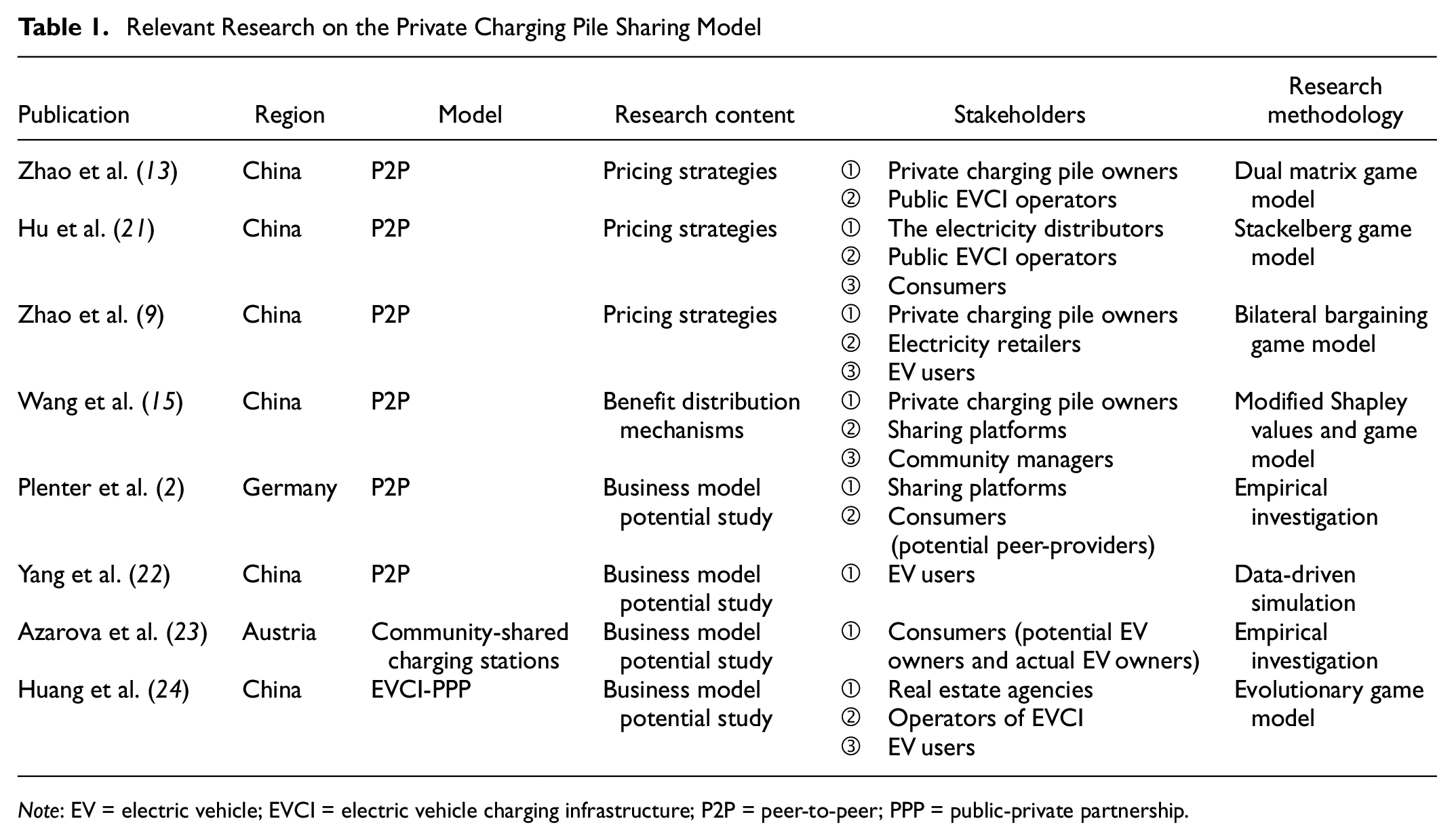
Current research focuses on pricing strategies and benefit distribution mechanisms within PCPSM, exploring the interaction between the P2P sharing model and the Business-to-Consumer (B2C) public charging model. For instance, the impact of pricing strategies has been investigated using the dual matrix game model ( 13 ) and the Stackelberg game model ( 21 ). Considering EV users as key participants, Zhao et al. ( 9 ) have extended this to a bilateral bargaining game model, more accurately reflecting the interactions among pile owners, electricity retailers, and EV users during the pricing process. Wang et al. ( 15 ) innovatively studied the benefit distribution mechanism among pile owners, sharing platforms, and community managers within PCPSM. Moreover, with the inclusion of more participants, related studies have introduced various innovative attempts. Empirical investigations ( 2 ) and data-driven approaches ( 22 ) have been utilized to explore the potential of new business models with additional participants, such as community-shared charging stations ( 23 ) and the charging infrastructure-public-private partnership (EVCI-PPP) operation model considering real estate agencies ( 24 ).
Table 1 summarizes relevant research on PCPSM, including study regions, specific models, research contents, participating entities, and research methodologies. Existing studies have considered the involvement of various stakeholders within the sharing model, with a focus primarily on economic issues between these entities, thereby providing insights for the operational aspects of PCPSM. However, these studies often fail to fully address the practical challenges encountered during the proliferation of the sharing model, particularly the insufficient support from property companies because of management difficulties and security risks, which affects the market share of the sharing model. Consequently, this research incorporates property companies as a key stakeholder, exploring new strategies to promote the development of PCPSM from the perspectives of economic benefits and psychological risks of all involved parties.
Relevant Research on the Private Charging Pile Sharing Model
Note: EV = electric vehicle; EVCI = electric vehicle charging infrastructure; P2P = peer-to-peer; PPP = public-private partnership.
Impact of Government Policies on the Development of EVCI
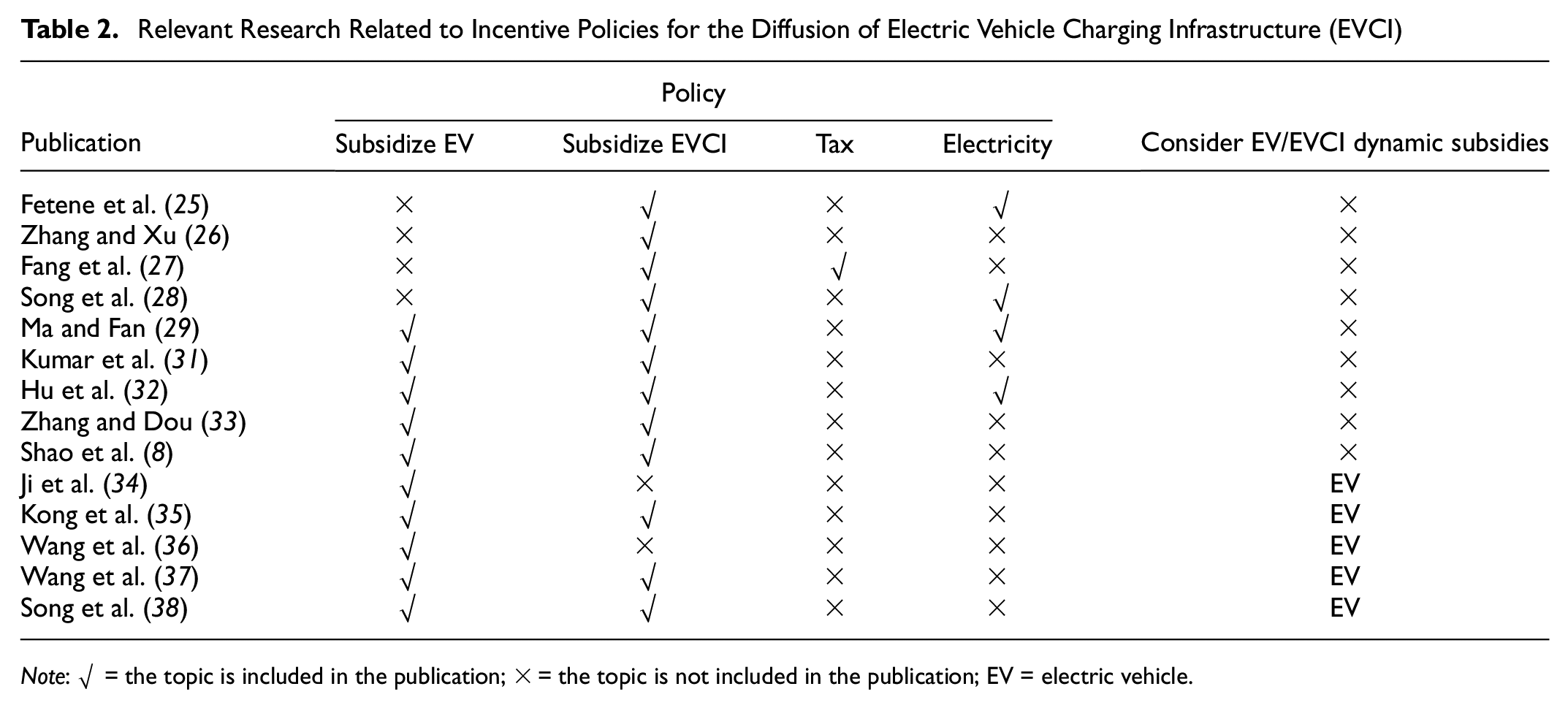
Government policies play a crucial role in promoting the development of EVCI, with existing studies primarily focusing on the impacts of subsidies, tax measures, and adjustments to electricity pricing on the construction and growth of EVCI ( 25 – 29 ). However, most research on additional policies has been conducted in conjunction with, or based on, subsidy policies. For instance, Fang et al. proposed a balanced policy of subsidies and taxes to encourage EVCI construction, while Song et al. found that a variable pricing policy for charging was more effective in increasing station revenue compared with standalone pricing reductions or subsidy policies ( 27 , 28 ). Therefore, economic subsidy policies remain a central focus of research.
The diffusion of EVCI is closely related to the adoption of EVs, prompting scholars to examine the differential impacts of subsidies on various stakeholders ( 30 ). Kumar et al. posited that, when the government subsidizes consumers who purchase EVs, the social welfare resulting from whether or not they subsidize EVCI is the same ( 31 ). However, other researchers argue that the effects of subsidizing EVCI or EVs require detailed analysis. For instance, certain studies highlight the unique advantages of EVCI subsidies in sustaining the promotion of EV adoption and addressing the spatial mismatch between EVCI supply and demand ( 32 , 33 ). Moreover, the effectiveness of subsidy approaches varies with market structures. Shao et al. demonstrated through data simulation that subsidizing EVs is more effective in the U.S. and German markets, whereas subsidizing EVCI yields greater effectiveness in the Chinese market ( 8 ). Nonetheless, as China’s EV industry gradually matures and EV subsidy policies are being phased out, some scholars have explored the development directions of the new-energy vehicle industry, suggesting that subsidizing EVCI remains a crucial supplementary strategy to ensure the widespread adoption of EVs ( 34 – 38 ). Thus, researching effective EVCI subsidy policies continues to be essential in practice.
Table 2 summarizes the research related to incentive policies for the diffusion of EVCI, highlighting important insights into the impact of various policies on the construction and operation of public charging piles. However, there is a notable scarcity of studies focusing on policy incentives for PCPSM, and among these, only a few have considered the declining subsidies for EVs. The focus has predominantly been on static subsidies with fixed amounts, without adequately considering the potential for dynamic adjustment of EVCI subsidy strategies throughout the diffusion cycle, which could lead to wasteful allocation of policy resources. Additionally, in the practice of PCPSM in China, some regions have implemented support policies involving the participation of property companies, but the theoretical foundations behind these measures remain relatively underexplored ( 39 ). There is a lack of policy-oriented research on the internal mechanisms driving differences in outcomes because of various parameters. This paper, based on the constructed PCPSM, proposes a specific incentive mechanism, including the methods of incentive and the internal mechanisms of related factors. It aims to understand the micro-level impact of government policies on the decisions of property companies, providing a better basis for decision-making to achieve efficient and stable development of the sharing model.
Relevant Research Related to Incentive Policies for the Diffusion of Electric Vehicle Charging Infrastructure (EVCI)
Note: √ = the topic is included in the publication; × = the topic is not included in the publication; EV = electric vehicle.
Application of Evolutionary Game Theory in the Field of EVCI
The evolutionary game model, diverging from traditional game models, acknowledges that participants operate with bounded rationality, are not fully rational, and make decisions through trial and error, influenced by the game’s complexity and their perceptual limitations. This approach to game theory focuses on dynamic equilibrium, and in the realm of EVCI research, it is primarily applied to assess the viability of operational models and provide policy direction. Huang et al., utilizing this model, introduced real estate developers as a new evolutionary driving force in charging infrastructure development ( 24 ). In a similar vein, Li et al. created a multi-agent stochastic evolutionary game model to evaluate the developmental trajectories of EVCI strategies from the perspectives of governments, businesses, and consumers ( 40 ). Their empirical analysis in Shanghai indicated a need for a paradigm shift in government subsidies from consumer-oriented to support for private charging operators. Cao et al.’s study, using a similar model to examine interactions between EV users and charging operators, highlighted how various pricing strategies of charging piles influence user behavior, emphasizing the significance of regional pricing strategies for the stable growth of local EVCI ( 41 ). Furthermore, various researchers have amalgamated the evolutionary game model with SD, providing a more vivid illustration of the entire system’s evolutionary patterns and tendencies, thereby increasing the method’s adaptability and practical relevance ( 42 , 43 ).
In contrast to traditional evolutionary game models, which predominantly focus on tangible gains and losses, recent approaches have started to emphasize the paramount role of psychological attributes in decision-making processes. This shift has led to the increasing incorporation of prospect theory into evolutionary game theory, a trend particularly pertinent in tackling environmental and energy issues, such as trans-jurisdictional water pollution control and energy structure transformation ( 43 , 44 ). In the realm of EVCI, however, theoretical applications integrating prospect theory remain in their infancy. Notably, a study by Wang et al. analyzes the issue of private charging pile installation through the lens of prospect theory ( 19 ). Their work considers the effects of loss aversion and risk preference, providing a depiction of the behavioral evolution of bounded rational agents. Our study differs from Wang et al. primarily in that it focuses on the sharing process of private charging piles and takes into account the decisions of EV users as demand-side participants, with property companies playing the role of a third party beyond the supply and demand sides ( 19 ).
In summary, the integration of evolutionary game theory with SD models has proven to be a highly effective framework for delineating the evolutionary processes of EVCI operational models. In practical settings, the choices and behaviors of decision-makers are in a state of constant flux, influenced by external changes and prevailing uncertainties. This dynamic is especially pronounced in emerging operational models such as PCPSM, where stakeholders’ decisions are more driven by their perceived values rather than solely by tangible benefits—a nuance that is often not adequately addressed in conventional EVCI research. By synthesizing prospect theory with SD models and evolutionary game theory, this study investigates the impact of different perceptions of gains and losses on decision-making, offering new perspectives on the intricacies of EVCI operational models.
Evolutionary Game Model
Model Description
The realization of PCPSM necessitates a confluence of efforts, transcending the capabilities of a solitary entity and demanding cooperative actions from all stakeholders within the shared service management framework. Throughout the utilization of PCPSM, seamless communication is indispensable among EV users, charging pile owners, and property companies. There are three key stages involved in using a sharing private charge pile by EV users: 1) exploring available nearby sharing private charging pile details via the operational platform; 2) rationalizing charging decisions, influenced by owner-provided pile information and individual requisites; and 3) coordinating with the property company for requisite access to residential zones for charging purposes. In this complex process of using PCPSM, significant obstacles largely arise from property companies which frequently dismiss requests from non-resident vehicles to access sharing private charging piles, attributing their refusal to augmented safety risks and managerial expenditures ( 14 , 15 ).
In the proposed model, EV users symbolize the demand facet, predominantly focusing on the advantages and economic implications of opting for sharing private charging piles versus public piles. Conversely, pile owners constitute the supply facet, concentrating mainly on the merits and financial considerations inherent to their participation in PCPSM. Property companies operate as an influential third entity, molding both supply and demand dynamics, with their principal interests revolving around the potential gains and fiscal consequences of endorsing or opposing the scheme. The interactive strategies of these three factions are continuously refined, reacting dynamically to each other’s actions and decisions, an attribute consistent with the principles of evolutionary game theory. Moreover, the operational platforms play a pivotal intermediary role in PCPSM, facilitating interactions and service connections among pile owners, property companies, and EV users. However, their role is essentially that of facilitators rather than principal decision-makers. Therefore, our evolutionary game model considers these platforms as contextual factors, with a primary focus on the direct interactions and decision-making dynamics among pile owners, property companies, and EV users.
Model Assumptions
1) The game encompasses three key stakeholders: charging pile owners, property companies, and EV users. These stakeholders make decisions based on optimizing their benefits, influenced by variables such as available information and inherent preferences. Currently, the integration of property collaboration with PCPSM emerges as an avant-garde charging model in the niche market segment. Charging pile owners, before entering the sharing model, must evaluate perceived benefits and challenges such as the complexities of liaising with property companies, potential inconveniences stemming from occupied charging piles, and diminished sharing revenues because of potential non-cooperation by property companies. Property companies weigh the managerial costs linked with supporting such sharing, alongside the unforeseen safety risks posed by consumers accessing residential premises. EV users, on the other hand, evaluate the convenience, cost-effectiveness, and potential security implications associated with utilizing the sharing private charging piles. The participants exhibit marked disparities in information assimilation and risk perception, manifesting traits of bounded rationality. Consequently, the decision-making strategies adopted by these entities are largely influenced by their psychological expectations of the value derived from potential gains and losses, rather than the direct outcomes of the strategies themselves ( 45 ).
2) Traditional evolutionary game models typically focus the decisions of agents squarely on tangible gains and losses, often omitting the intricate psychological aspects of decision-makers. However, prospect theory encapsulates the psychological perception influences experienced by decision-makers amidst uncertain returns, utilizing “bounded rationality” as an underpinning premise and reflecting subjective risk preferences, thereby making it germane to this study (
46
). Within the confines of prospect theory, agents’ decision-making unfurls in two primary stages. Initially, decision-makers determine a reference point, utilized to compute relative utility and assess the gains and losses attributed to decisions; gains are perceived when outcomes surpass the reference point, and losses are acknowledged when they do not. Subsequently, leveraging anticipated gains, a subjective probability weight function, denoted

The formulation for the weight function

where
Generally, individuals attribute a weight of 1 to events of high probability and a weight of 0 to those with minimal probabilities, leading to
The formulation for the value function

where
within
3) Charging pile owners are presented with a binary decision: to participate or abstain from PCPSM, symbolized by a set of behavioral strategies,
4) Before electing participation in PCPSM, charging pile owners incur a perceived cost, denoted as
5) Within the model, EV users, characterized by bounded rationality and heterogeneity, meticulously weigh the costs and benefits derived from various charging methods, basing their selection between sharing private charging piles and public charging piles on personal needs and external conditions. Given the current practical circumstances of PCPSM, pile owners, enjoying the residential electricity rate—which, even when supplemented by a third-party platform service fee, remains lower than public charging pile rates—reap tangible benefits on adopting the sharing model. While public charging piles offer a swifter charging rate, albeit at a higher cost, sharing private charging piles offers relatively slower charging but at a reduced expense. It is posited that users utilizing public charging piles incur a cost of
6) Regardless of whether pile owners choose to participate in sharing, property companies actively support PCPSM, accruing perceived benefits,
7) Inherently a private initiative, PCPSM operates under regulatory conditions that, at present, lack clear delineation of accident resolution. Should property companies withhold support for PCPSM, EV users, navigating through the uncertain security risks involved in opting for the sharing private charging piles, are likely to incur a perceived cost, denoted by
8) Prevailing research substantiates that a predominant number of charging pile owners, motivated by prospective benefits, manifest a propensity to participate in PCPSM (
15
). The principal deterrent for EV users and property companies in opting for PCPSM is chiefly ascribable to the ambivalence surrounding both benefits and risks (
47
). Viewed from an economic perspective, this demonstrates an absence of incentive (
19
). Consequently, this study, integrating practical aspects, propounds corresponding incentive mechanisms. The first assumption states that pile owners, who opt for PCPSM, are required to pay a management fee of
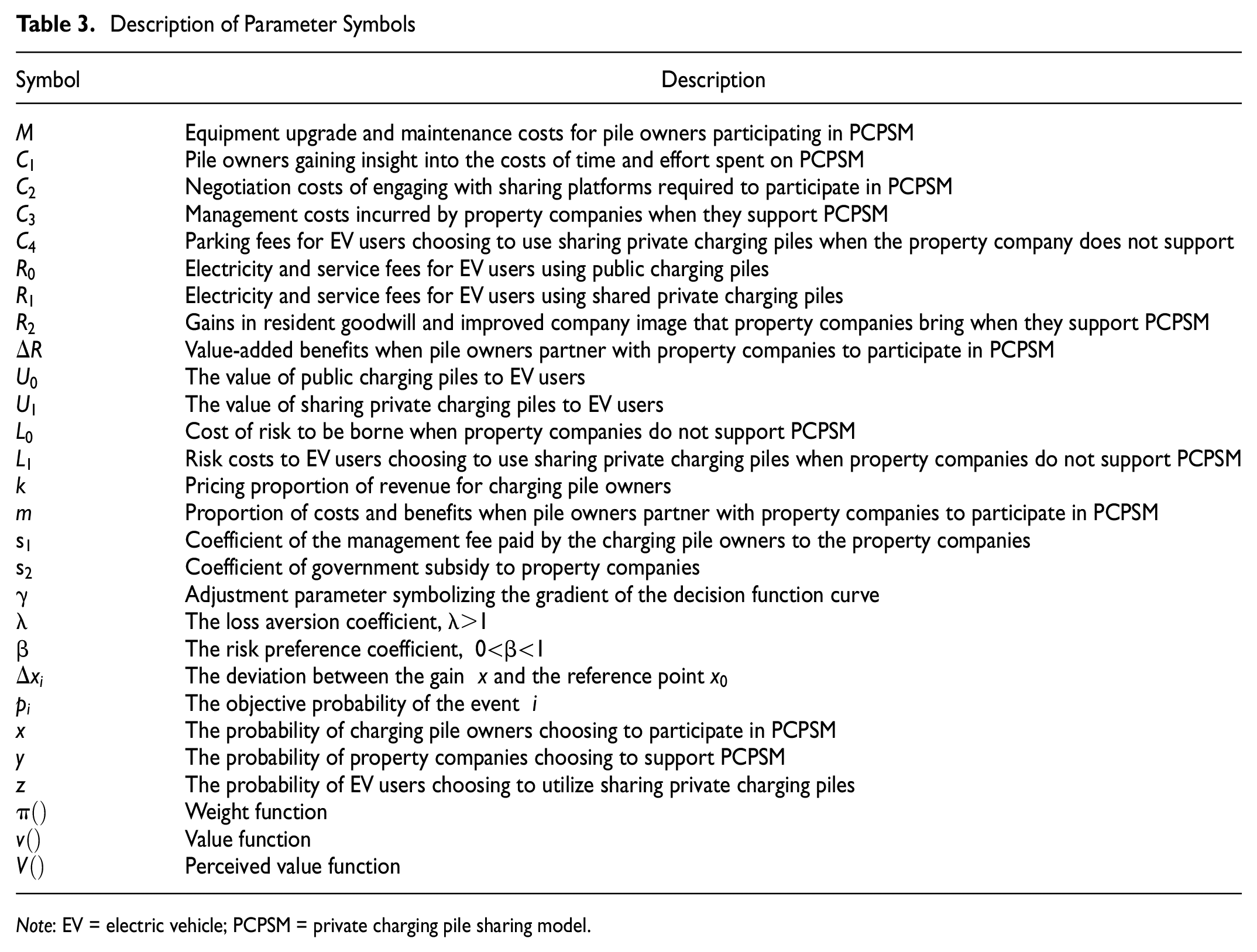
Grounded on the above assumptions, the related symbols and definitions are elaborated on in Table 3.
Description of Parameter Symbols
Note: EV = electric vehicle; PCPSM = private charging pile sharing model.
Construction of the Payoff Matrix Based on Prospect Theory
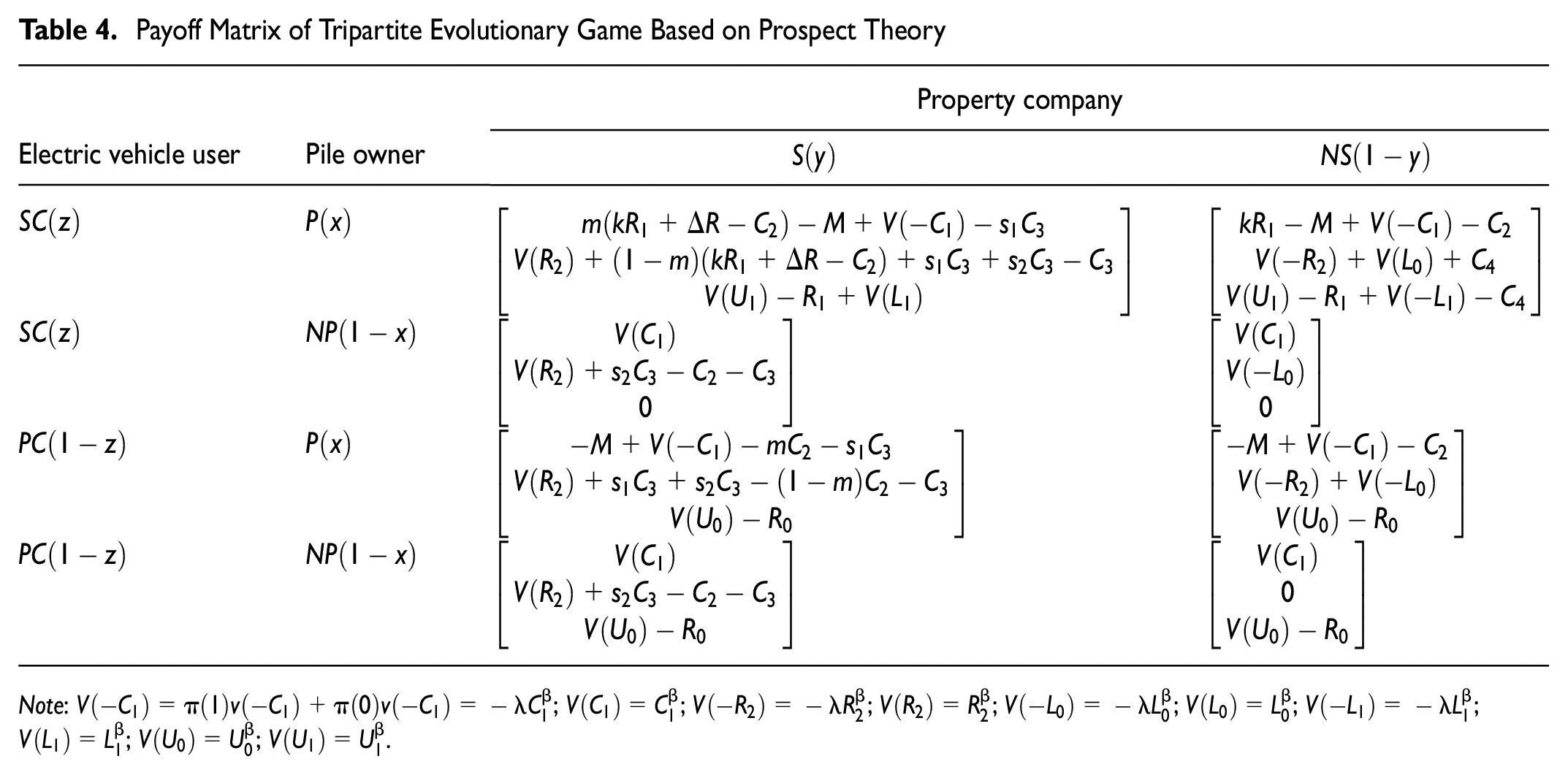
Considering the preceding assumptions, the payoff matrix—reflecting the interactions among property companies, charging pile owners, and EV users within PCPSM, as guided by prospect theory—is delineated in Table 4.
Payoff Matrix of Tripartite Evolutionary Game Based on Prospect Theory
Note:
The elements of the payoff matrix in Table 4 correspond to the payoff values under specific strategy combinations. However, this static perspective is insufficient to reveal the evolutionary trajectories of strategies over time and their ultimate impacts. To delve into this dynamic process, this paper introduces the replicator dynamics equation to dynamically describe the evolution of strategy proportions within a population. Specifically, if the average payoff of a strategy exceeds the population’s average, the proportion of the population adopting this strategy will increase over time; conversely, it will decrease. The general form is expressed as follows:

where
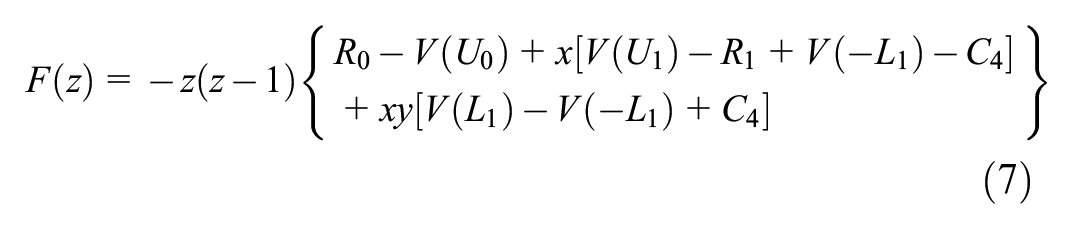
Further, incorporating the model’s assumptions, the probabilities of pile owners, property companies, and EV users adopting strategies


Stability Analysis of the Tripartite Game
Equilibrium Point Analysis in the Evolutionary Game Model
In pursuit of establishing stable strategies within a dynamic system, the replicator dynamic equations for the three participating parties in the game are equated to 0, denoted as:

On resolving the replicator dynamic equations via MATLAB R2022b, 15 equilibrium points are ascertained. Friedman’s study asserts that evolutionarily stable strategies (ESS) reside within pure strategies ( 48 ). Given that the direct solutions for mixed strategy equilibrium points in tripartite evolutionary game theory are complex, mixed strategies are initially precluded, focusing the analysis solely on the stability of eight pure strategy equilibrium points; conditions for implementing mixed strategies will be analytically addressed in subsequent local equilibrium point analyses.
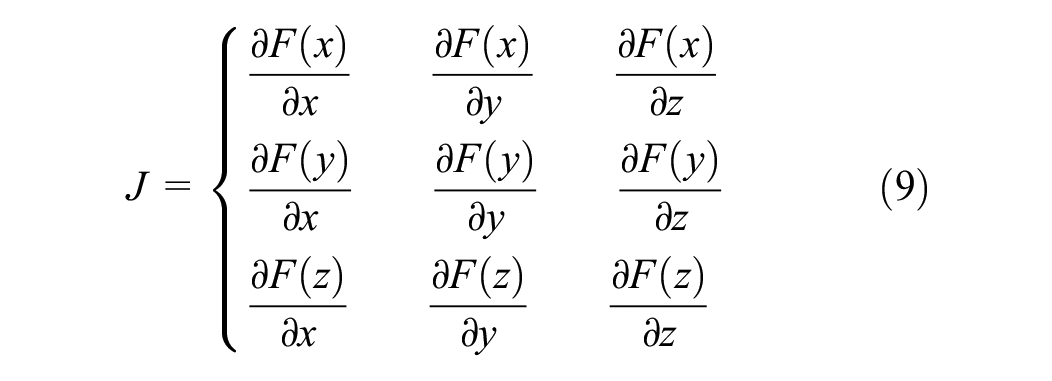
Within the context of this study, stability of equilibrium points can be obtained through the analysis of the Jacobian matrix (
49
). For the tripartite evolutionary game model, an equilibrium point is deemed ESS when the eigenvalues
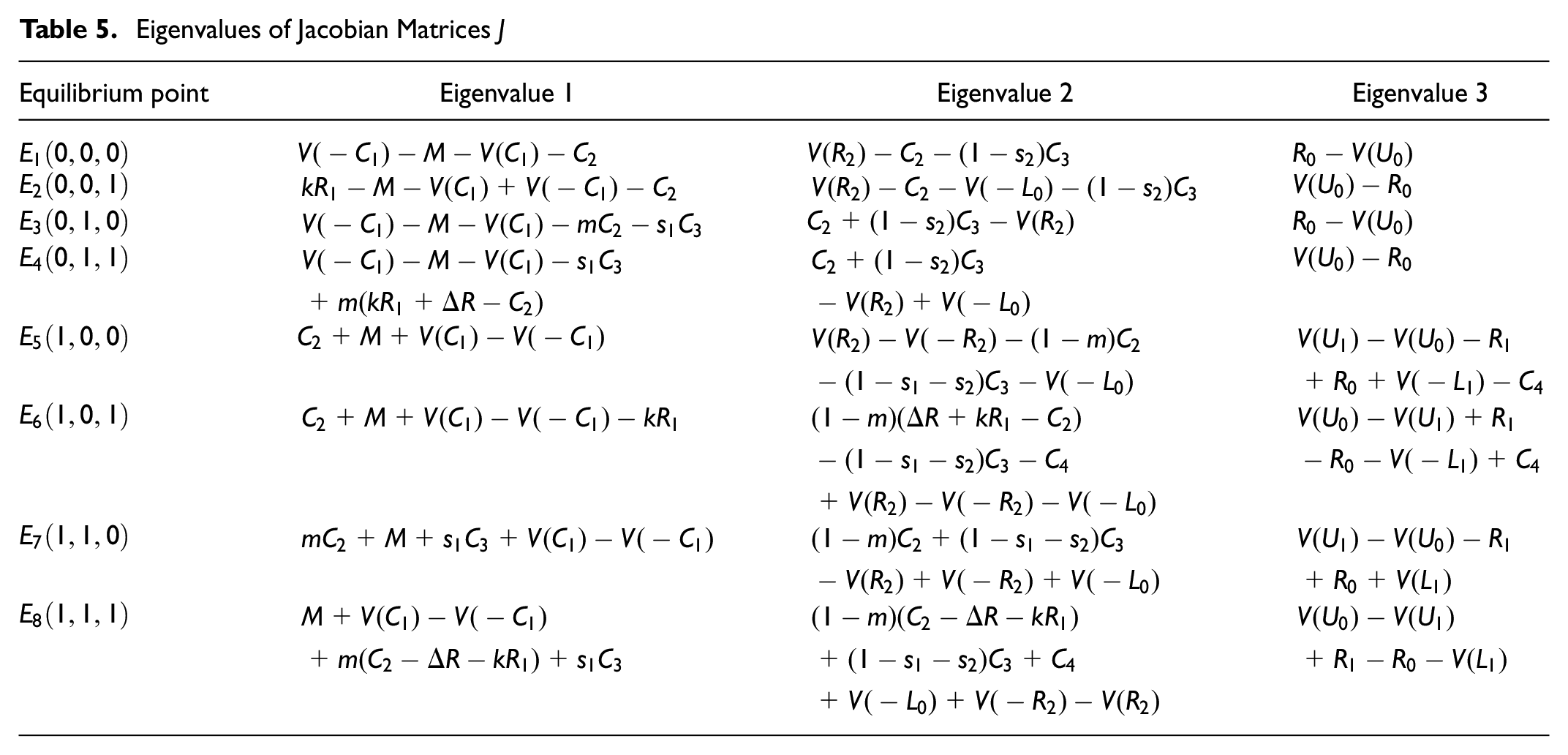
Based on the analysis of equilibrium points, it is evident that ESS will not emerge at
Eigenvalues of Jacobian Matrices
The Stability Analysis of the Equilibrium Points
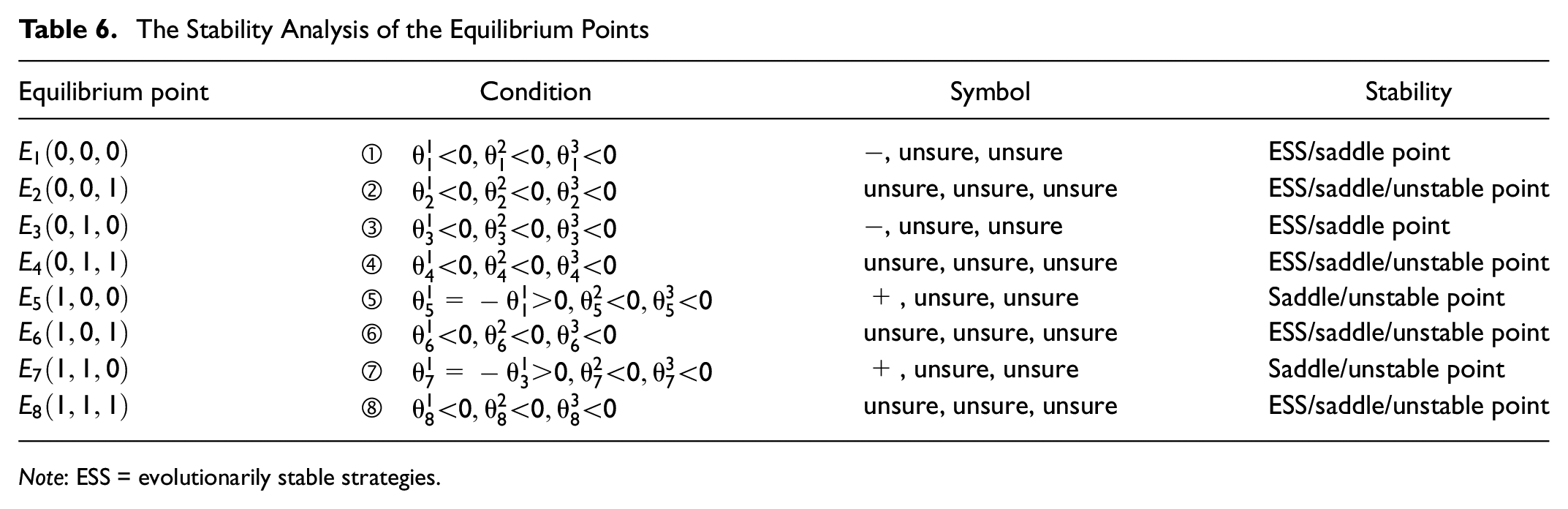
Note: ESS = evolutionarily stable strategies.
Incremental Stability Analysis of Unilateral Behavior Strategy
In accordance with the stability theorem of differential equations and the inherent properties of ESS, an ESS must exhibit robustness to minor perturbations (
51
). Specifically, when
Strategy Stability Analysis of Charging Pile Owners
By calculating
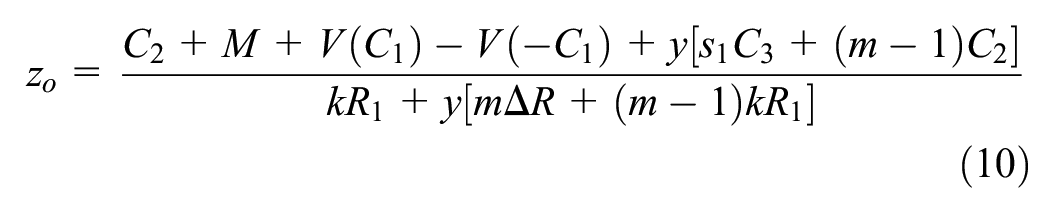
This indicates that, in determining participation in PCPSM, pile owners are more inclined to participate when there are reduced costs for equipment upgrades and maintenance (
Strategy Stability Analysis of Property Companies
By calculating

This suggests that the likelihood of property companies supporting PCPSM intensifies under several conditions: an elevation in reputational benefits from endorsing the sharing (
Strategy Stability Analysis of EV Users
By calculating

This suggests that, when EV users face increasing costs (
Based on unilateral game behavior strategy analysis, stakeholders including pile owners, property companies, and EV users consistently prioritize the maximization of their respective benefits. For fostering a collective adoption of proactive stances among these participants, it is essential to amplify the advantages of integrating into PCPSM. Nevertheless, the specific parameter, such as
Numerical Simulation of Tripartite Evolutionary Game
Evolutionary Game Model Based on System Dynamics (SD)
Evolutionary game models serve to analyze enduring game outcomes among charging pile owners, property companies, and EV users. However, these models inherently lack the capacity to portray the dynamic evolutionary trajectory of the game. Consequently, founded on the analyses presented in the section of “Evolutionary Game Model” this section introduces an SD model using Vensim_PLE, which explores the influence of varied parameter values on the strategic combinations of the three entities, and intuitively unveils the evolution path and tendencies of the entire dynamic system.
The SD model constructed by Vensim_PLE is shown in Figure 1. Within the model, the level variables represent the probabilities of players choosing a sharing strategy, denoted as
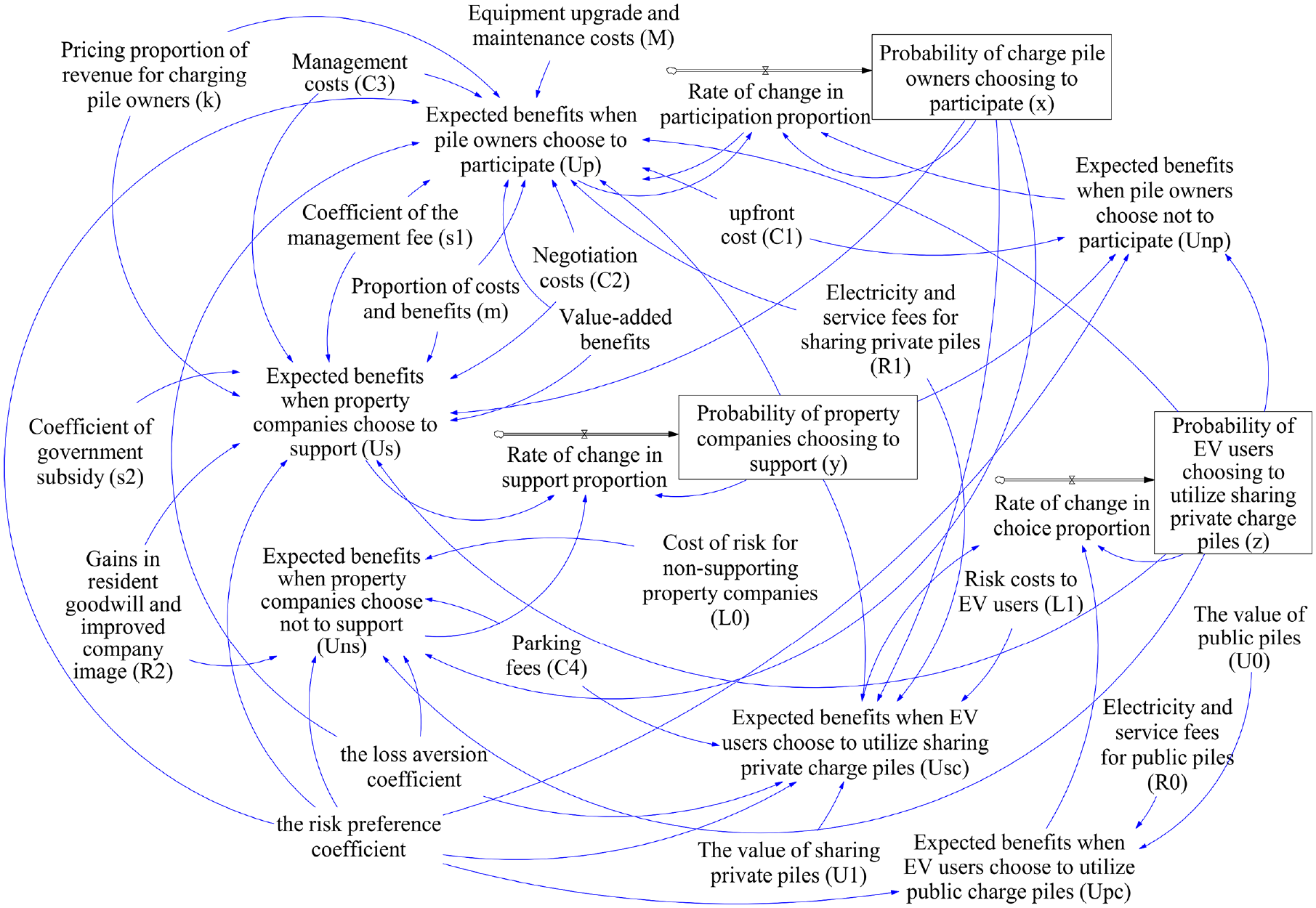
The system dynamics model of the evolutionary game.
Simulation Design and Path Evolution
In alignment with the replicator dynamics equation delineated in the section of “Evolutionary Game Model”, the probabilities of strategies
To procure initial values requisite for the evolutionary simulation and to further explore the critical success factors inherent in PCPSM under cooperative property companies, the present study utilizes relevant empirical data from China to determine values for various exogenous variables, as detailed in Table 7.
Exogenous Variables in the Case of China
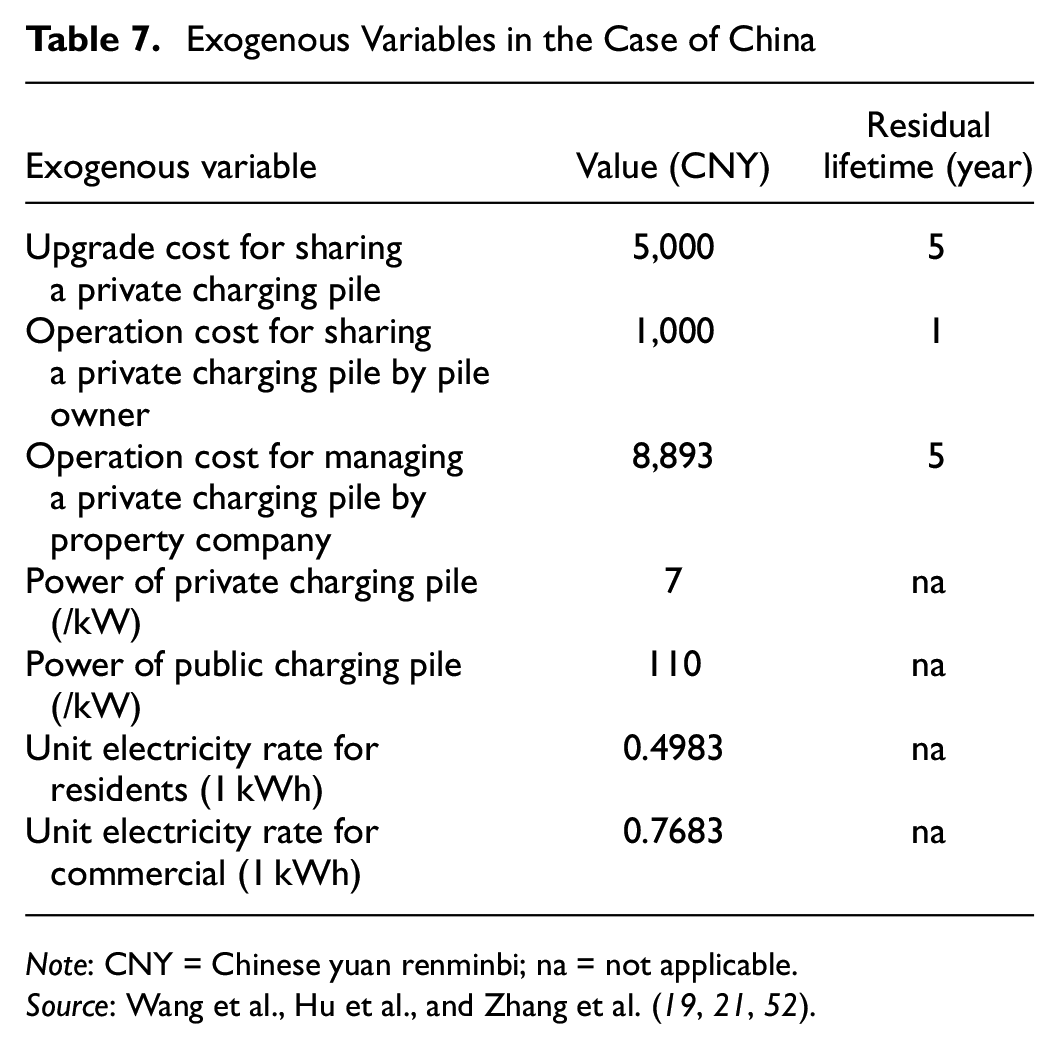
Note: CNY = Chinese yuan renminbi; na = not applicable.
Considering the extant research deficit addressing the diffusion of PCPSMs from the strategic perspectives of charging pile owners, property companies, and EV users, this research integrates actual scenarios with online surveys to derive initial values for strategy evolution. Data on PCPSM were retrieved from sources including relevant research and websites and were adjusted based on their average levels to formulate the simulation data; the resulting parameter values are compiled as shown in the corresponding Table 8. It is crucial to acknowledge that the data do not represent actual values but are simulation parameters, proportionally downsized based on particular average values to depict the relative magnitude of each parameter. The simulation is configured to run for 50 months with a time step of 1 month.
Parameters related to the Private Charging Pile Sharing Model
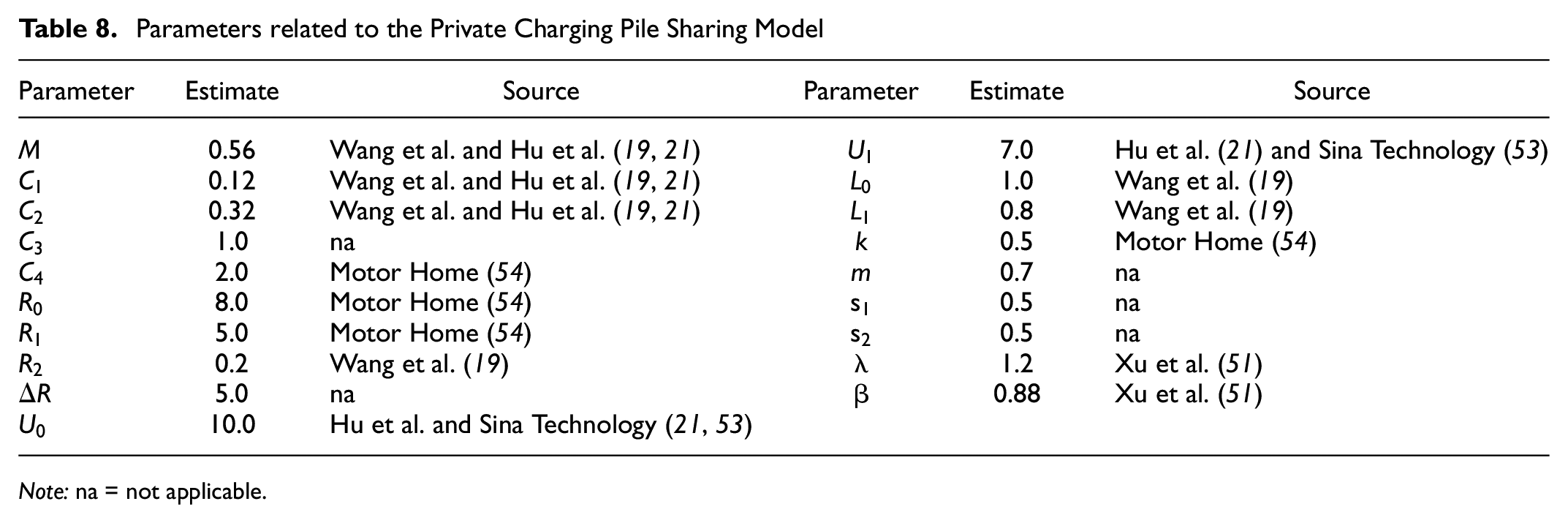
Note: na = not applicable.
Since the initial probabilities of the three parties are randomly distributed within
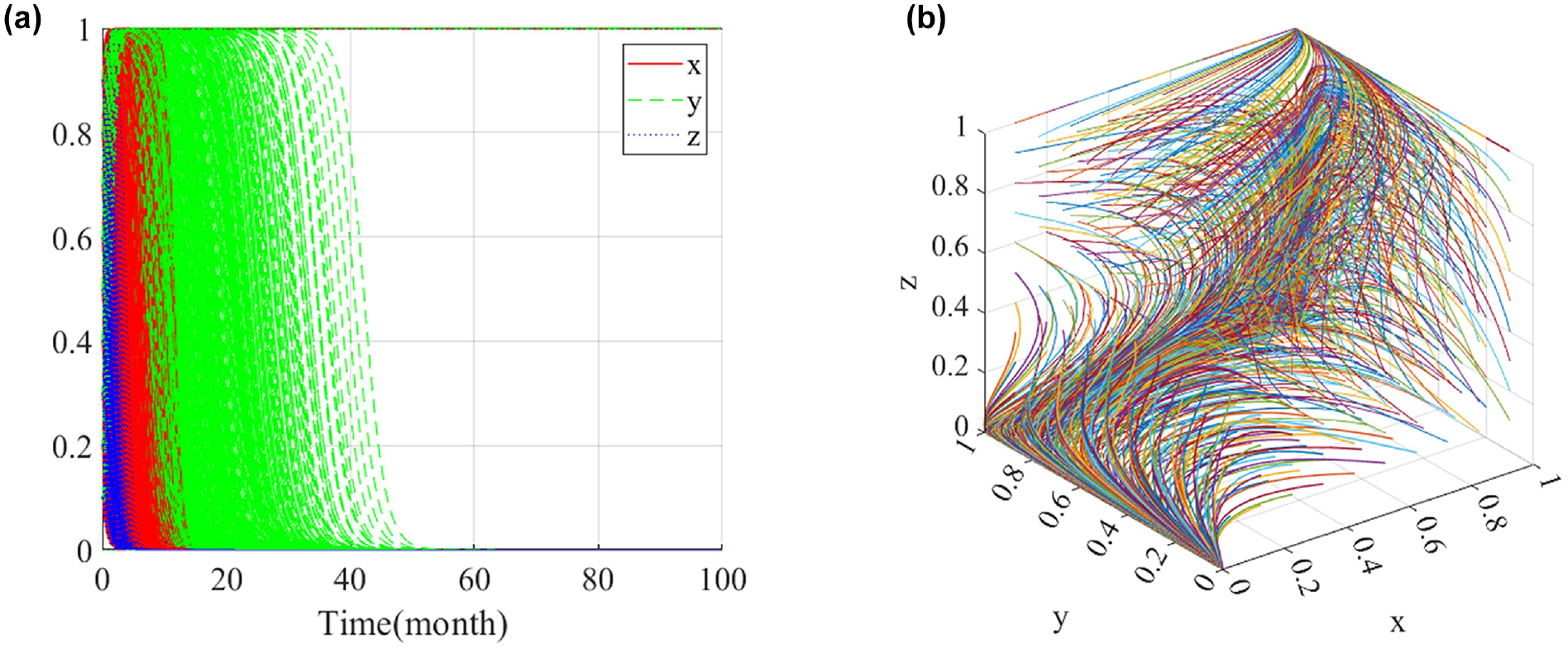
The evolution path diagram of the tripartite game system under different initial probabilities: (a) two-dimensional diagram and (b) three-dimensional diagram.
Figure 2b shows that, despite differing initial probabilities, many trajectories converge to two equilibrium points: (0,0,0) and (1,1,1). Lower initial probabilities tend to drive the system toward ESS (0,0,0), while higher probabilities push it toward ESS (1,1,1). In practical EV charging contexts, property companies confront multifaceted challenges, such as revenue distribution, managerial expenditures, and risk-related costs. Consequently, equilibrating expenses, anchored only on sharing revenues, proves arduous, leading some companies to eschew the sharing framework. Confronted by the compounded challenges of high costs and risks, both pile owners and EV users could potentially abstain from joining the sharing mechanism.
Ideally, the envisioned model entails property companies and pile owners adjusting their respective decisions to actualize collaborative sharing and mutual benefits. Concurrently, consumers should actively engage with this sharing paradigm, optimizing the utilization of idle resources. Given this backdrop, forthcoming analyses will focus on gauging the impact of parameter fluctuations on the evolutionary game’s stability, seeking configurations that bolster the progression of PCPSM. This exploration is intended to proffer actionable recommendations for the efficacious deployment of PCPSM.
Parameter Sensitivity Analysis
To identify the factors that significantly influence the decisions of stakeholders in the game, a sensitivity analysis was conducted. This involved adjusting each factor within its actual range of values while keeping other factors constant, and setting the simulation observation period to 50 months. Furthermore, considering that PCPSM is still in its early stages of development, all initial probabilities in this section were set to 0.1, that is,
Risk Preference Coefficient (
)
To investigate the sensitivity of parameters within the context of the prospect theory, we assigned
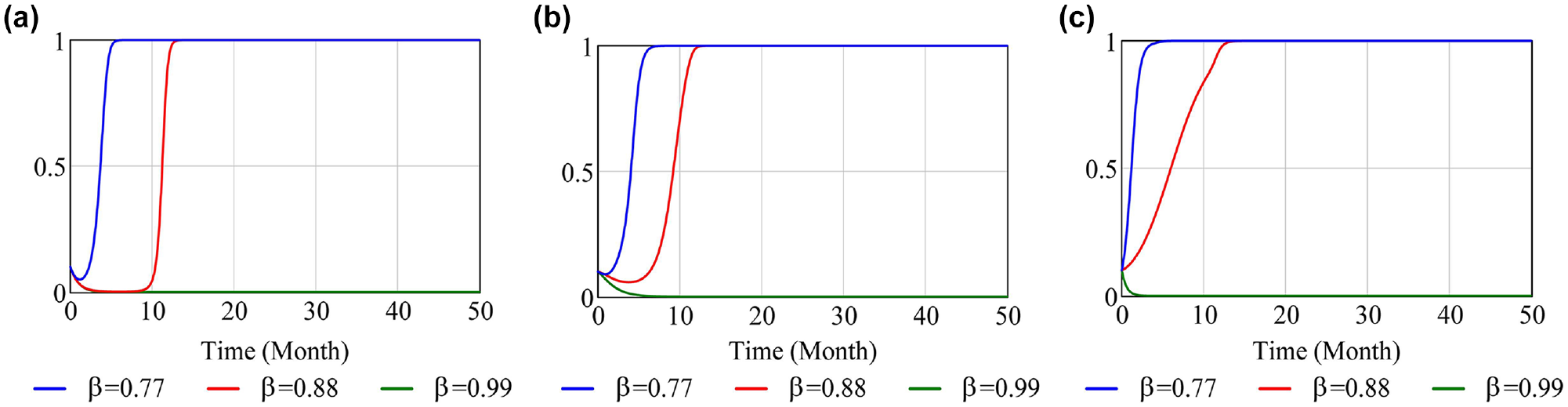
The evolution of tripartite behavior under different risk preference coefficient (
In prospect theory, the risk preference coefficient signifies the marginal decline in the value function, reflecting decision-makers’ psychological expectations of gains and losses. A higher
Loss Aversion Coefficient (
)
Considering
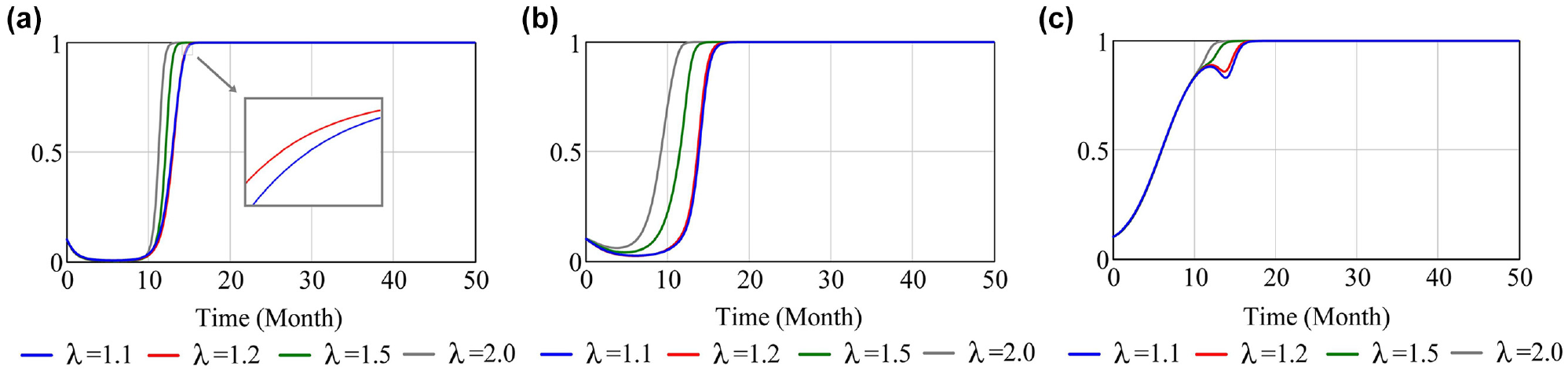
The evolution of tripartite behavior under different loss aversion coefficient (
From a strategic standpoint, to facilitate the widespread adoption of PCPSM, measures can be undertaken to amplify the tripartite game participants’ perceived value of losses, thereby accelerating their alignment with the sharing model.
Equipment Upgrade and Maintenance Costs (
)
In this section,
The evolution of tripartite behavior under different equipment upgrade and maintenance costs (
Thus, it is observed that pile owners, directly affected by
Negotiation Costs of Engaging with Sharing Platforms (C2)
The parameter
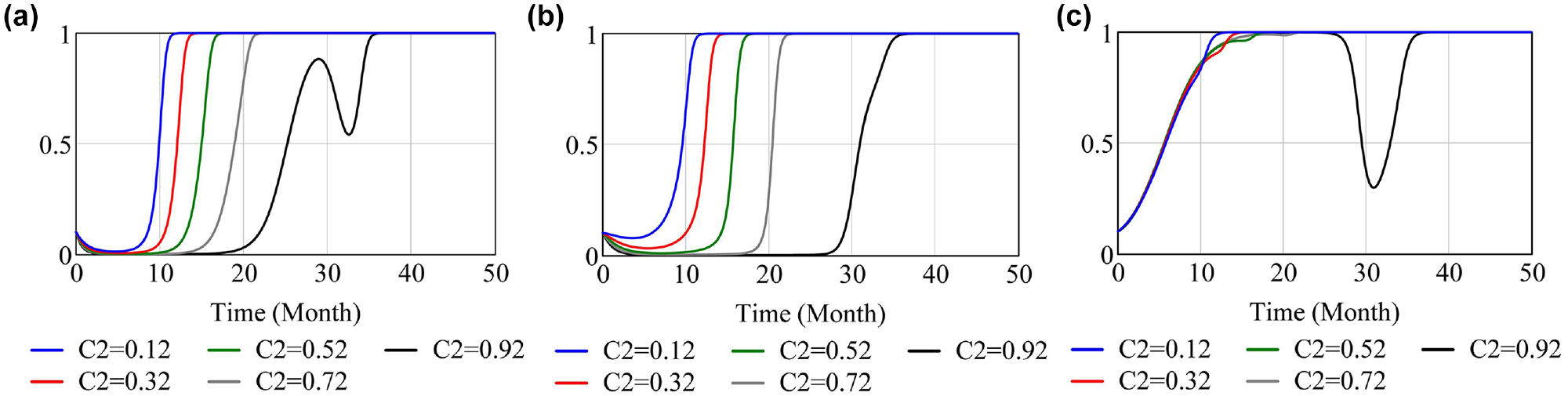
The evolution of tripartite behavior under different negotiation costs of engaging with sharing platforms (
This observation underscores the profound influence of negotiation costs on strategic decision-making within PCPSM. These costs, shared by pile owners and property companies, disproportionately affect property companies because of their typically lower profit margins in the sharing arrangement. Elevated negotiation costs may reduce property companies’ profitability or, in some cases, lead to financial losses, prompting a more cautious approach toward supporting the sharing model. This hesitancy, in turn, affects the likelihood of EV users opting for private charging piles, thereby emphasizing the pivotal role of property company support in influencing EV user behavior. A lack of collaboration from property companies may lead to instability in the market. Therefore, to foster the development of PCPSM, strategies to negotiation contact costs or provide other incentives to stakeholders are necessary.
Management Costs Incurred by Property Companies (C3)
The parameter
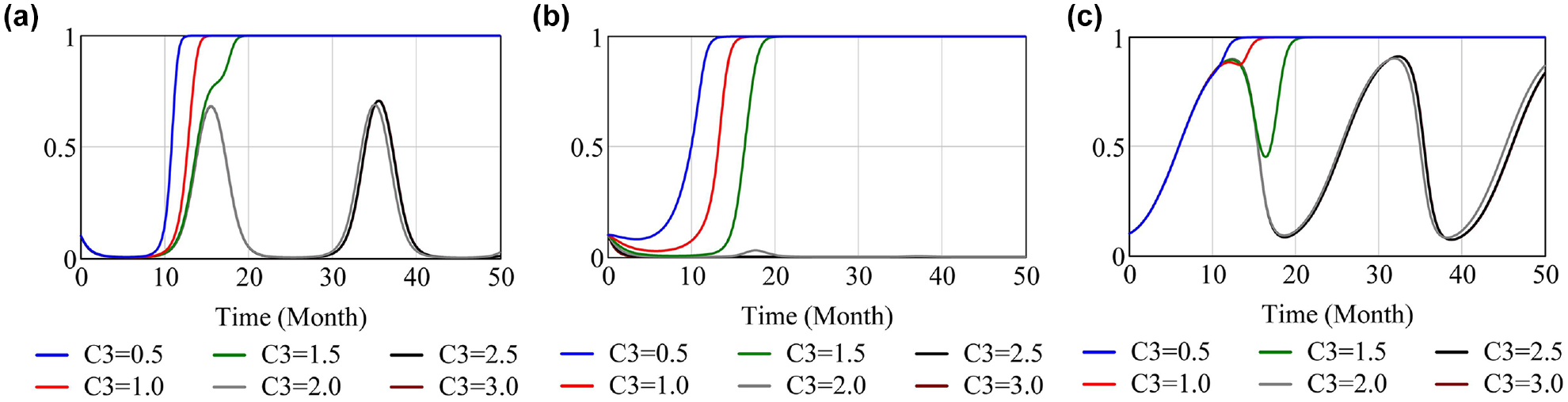
The evolution of tripartite behavior under different management costs incurred by property companies (
This data posits that, during the embryonic phase of PCPSM, the augmented management costs linked to the sharing model could dissuade ambivalent property companies. Furthermore, the inclination of pile owners and EV users to participate in this model profoundly correlates with the endorsement from property companies. As the value of
Parking Fees (C4)
The parameter
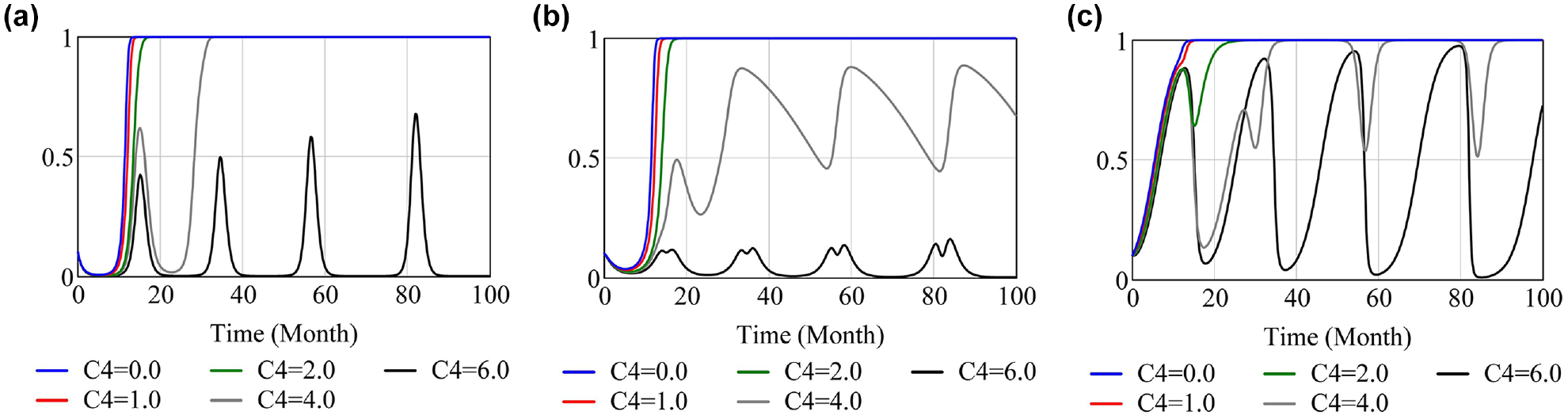
The evolution of tripartite behavior under different parking fees (
Considering practical implications, parking fees directly affect property companies and EV users, thereby magnifying the magnitude of their responses to changes in
Electricity and Service Fees for EV Users Using Public Charging Piles (R0)
This subsection varied
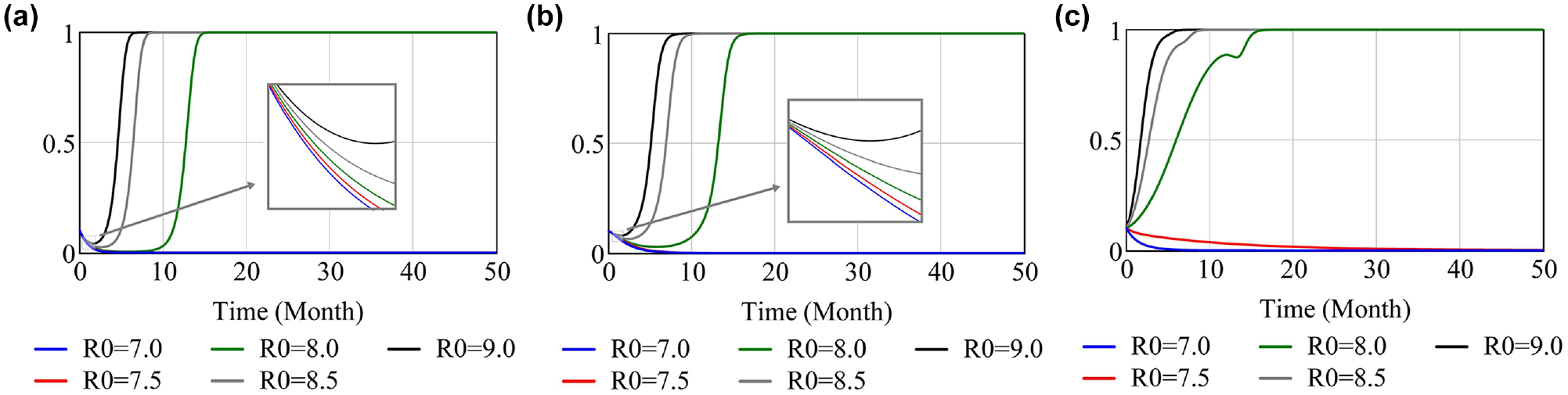
The evolution of tripartite behavior under different electricity and service fees for electric vehicle users using public charging piles (
The study delineates the critical role of public charging pile pricing in shaping the competitive landscape of PCPSM. Competitive pricing at public charging piles, when set below a certain low threshold, undermines the market position of private sharing alternatives. This necessitates that the sharing model implements enhancements in service quality and convenience to maintain user interest. Conversely, higher public pricing enhances the relative appeal of the sharing model, resulting in increased user engagement. Therefore, when formulating policies, it is essential to fully consider the impact of public charging pile pricing on the market competitiveness of PCPSM. A reasonable pricing strategy should strike a balance between ensuring the rational use of public resources and fostering the healthy development of PCPSM.
Electricity and Service Fees for EV Users Using Shared Private Charging Piles (R1)
In this section,
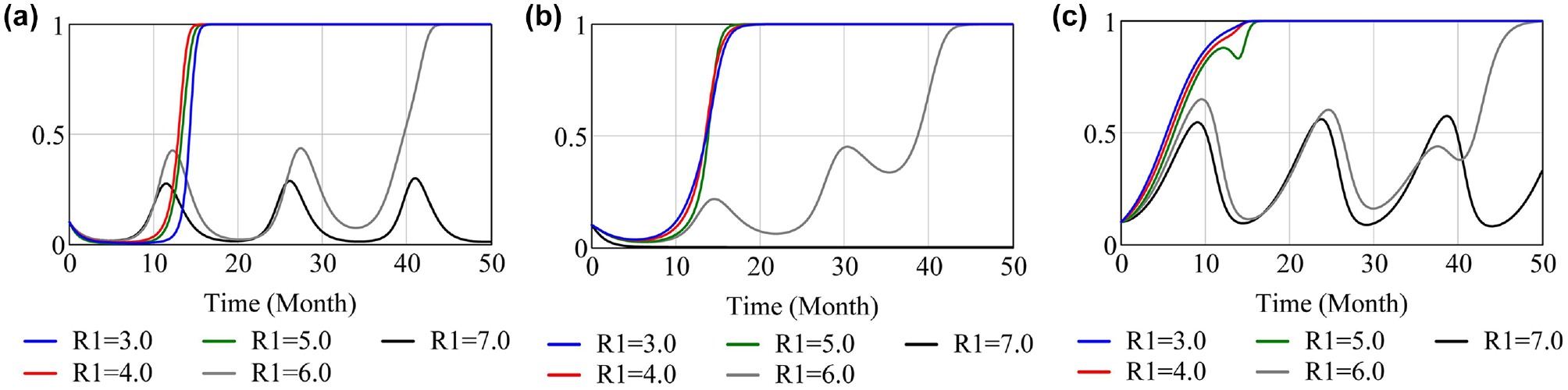
The evolution of tripartite behavior under different electricity and service fees for electric vehicle users using shared private charging piles (
It becomes apparent that
Cost of Risk When Property Companies Do Not Support Sharing (L0)
In this section, we designate
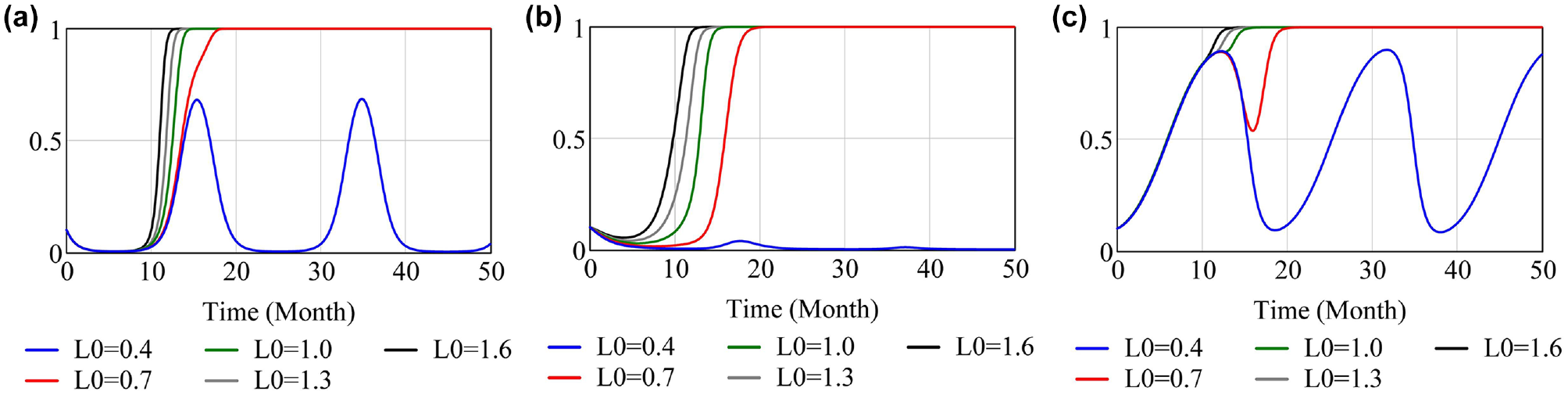
The evolution of tripartite behavior under different cost of risk when property companies do not support sharing (
It can be deduced that, as the perceived risk cost for property companies increases, they become more amenable to PCPSM, even when considering the associated managerial costs
The Value of Public Charging Piles to EV Users (U0)
The parameter
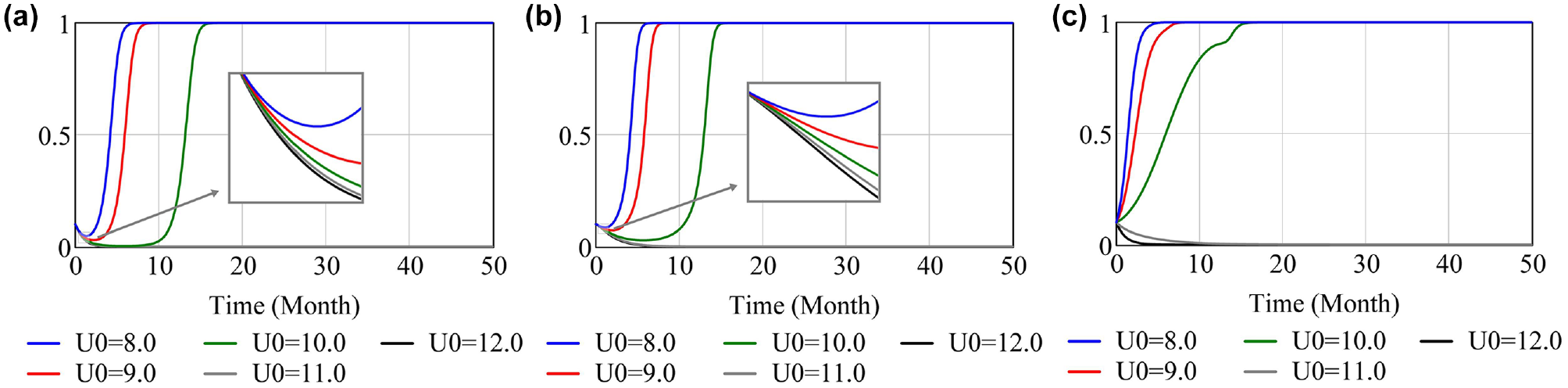
The evolution of tripartite behavior under different values of public charging piles to electric vehicle users (
In conclusion,
The Value of Sharing Private Charging Piles to EV Users (U1)
Based on empirical observations, EV users generally perceive the value of sharing private charging piles to be inferior to public charging piles. Assuming
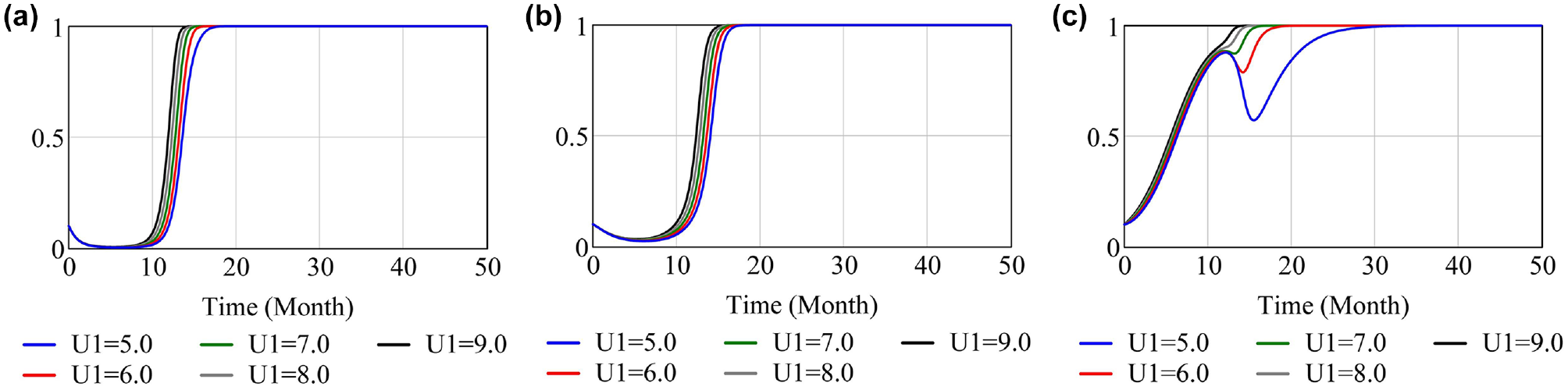
The evolution of tripartite behavior under different values of sharing private charging piles to electric vehicle users (
With an incremental increase in
Therefore, by amplifying the perceived utility of private piles for EV users, via technological enhancements and strategic promotions, the proliferation of PCPSM can be fostered, enriching the array of options and augmenting convenience in the EV landscape.
Coefficient of the Management Fee Paid by the Charging Pile Owners to the Property Companies (s1)
This section builds on the earlier sensitivity analysis related to the management fee, designating
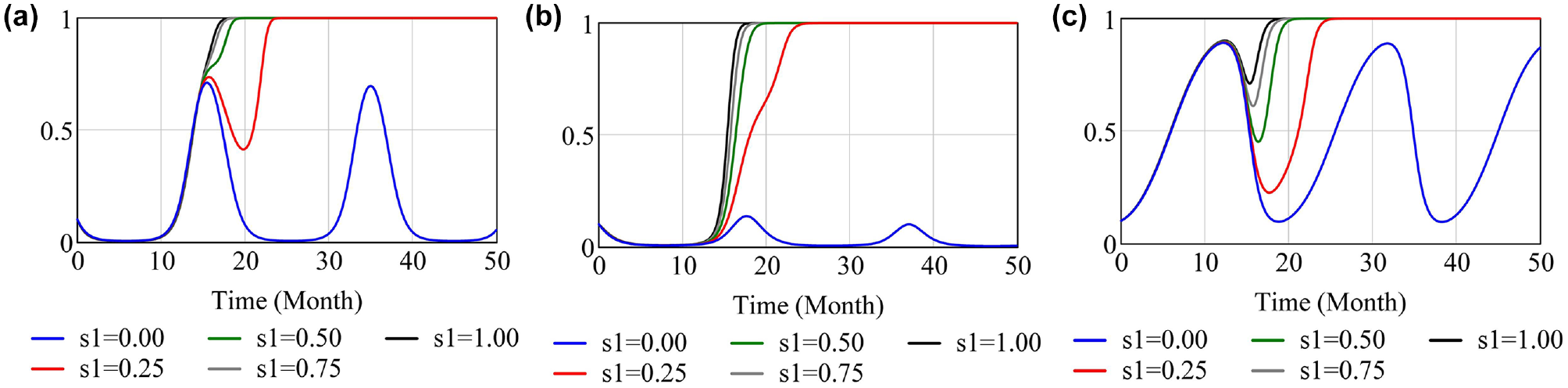
The evolution of tripartite behavior under different coefficients of the management fee paid by the charging pile owners to the property companies (
In summary, economic incentives have played a positive role in encouraging pile owners to participate in the sharing model, with the effective management fee coefficient for pile owners suggested to be between 0.5 and 1. By collecting appropriate management fees, property companies can ensure the normal operation of charging piles, enhance the attractiveness of PCPSM to both EV users and pile owners, and achieve a win-win situation as far as economic and social benefits are concerned.
Coefficient of Government Subsidy to Property Companies (s 2)
Similarly, to investigate the influence of governmental subsidies to property companies within the incentive mechanism on system evolution,
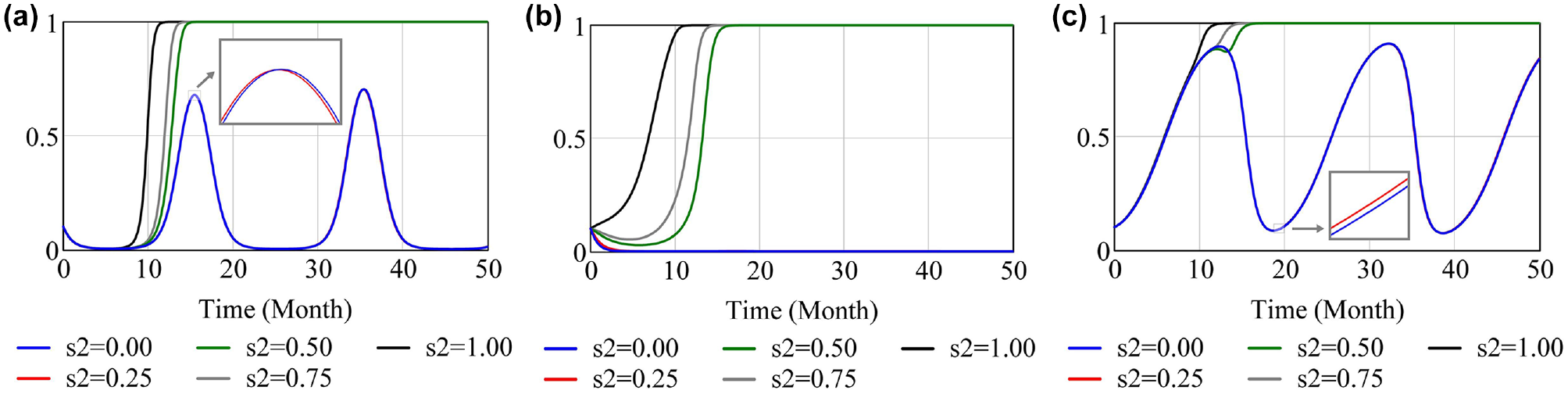
The evolution of tripartite behavior under different coefficients of government subsidy to property companies (
The analysis shows that the impact of
In conclusion, both
Pricing Proportion of Revenue for Charging Pile Owners (k)
In the context of PCPSM, not all fees paid by EV users for using shared private piles translate directly into profits for pile owners. These fees also cover electricity costs paid to power companies and service fees to the sharing platform. Therefore, this models the actual revenue of pile owners as
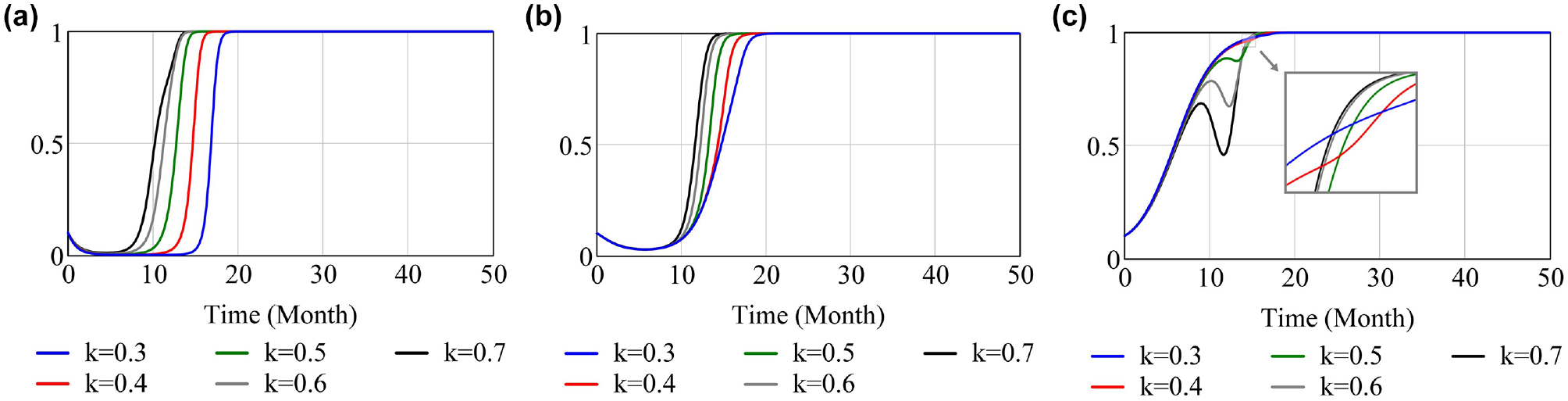
The evolution of tripartite behavior under different pricing proportions of revenue for charging pile owners (
Data analysis indicates that, as
Overall, an optimal pricing profit ratio lies between 0.3 and 0.5. To maintain the stability of the private pile sharing market, policies guiding stakeholders, such as pile owners and sharing platforms to set reasonable pricing profit ratios, are necessary.
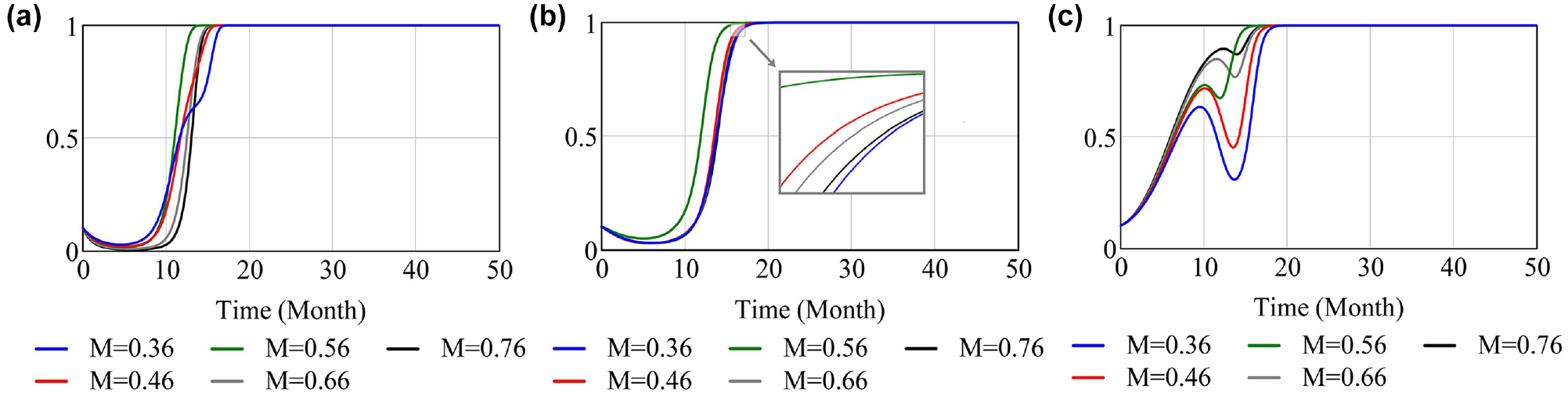
Proportion of Costs and Benefits (m)
When both pile owners and property companies participate in sharing, the cost and revenue are distributed in a
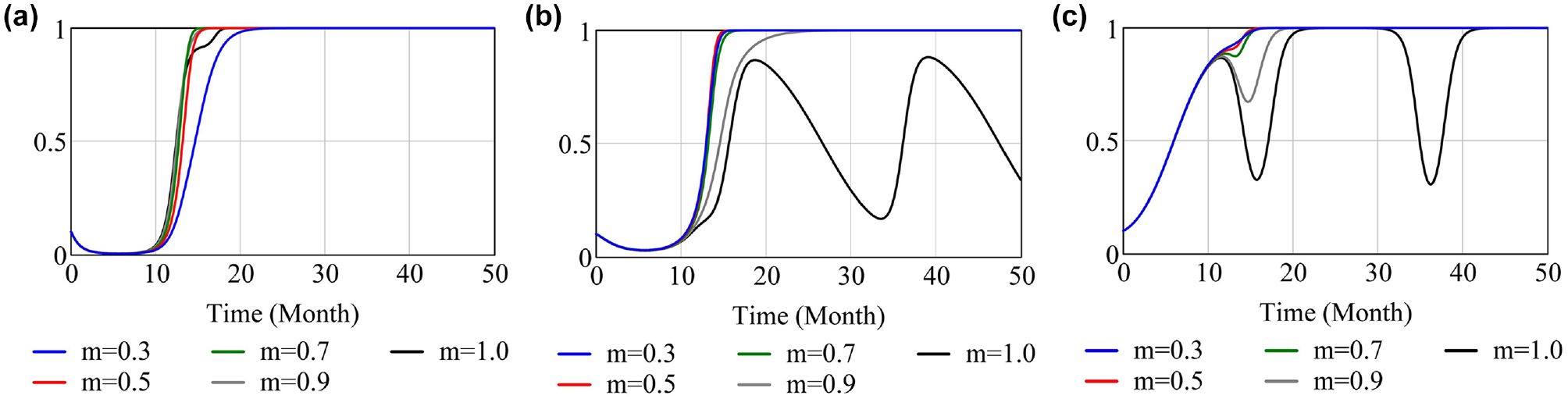
The evolution of tripartite behavior under different proportions of costs and benefits (
These results highlight that the profit and cost distribution coefficient significantly influences the system’s evolutionary speed and stability. An increase in
The summary of the sensitivity analysis results for the aforementioned parameters is presented in Table 9.
Analysis of Influencing Parameters of the Game Model
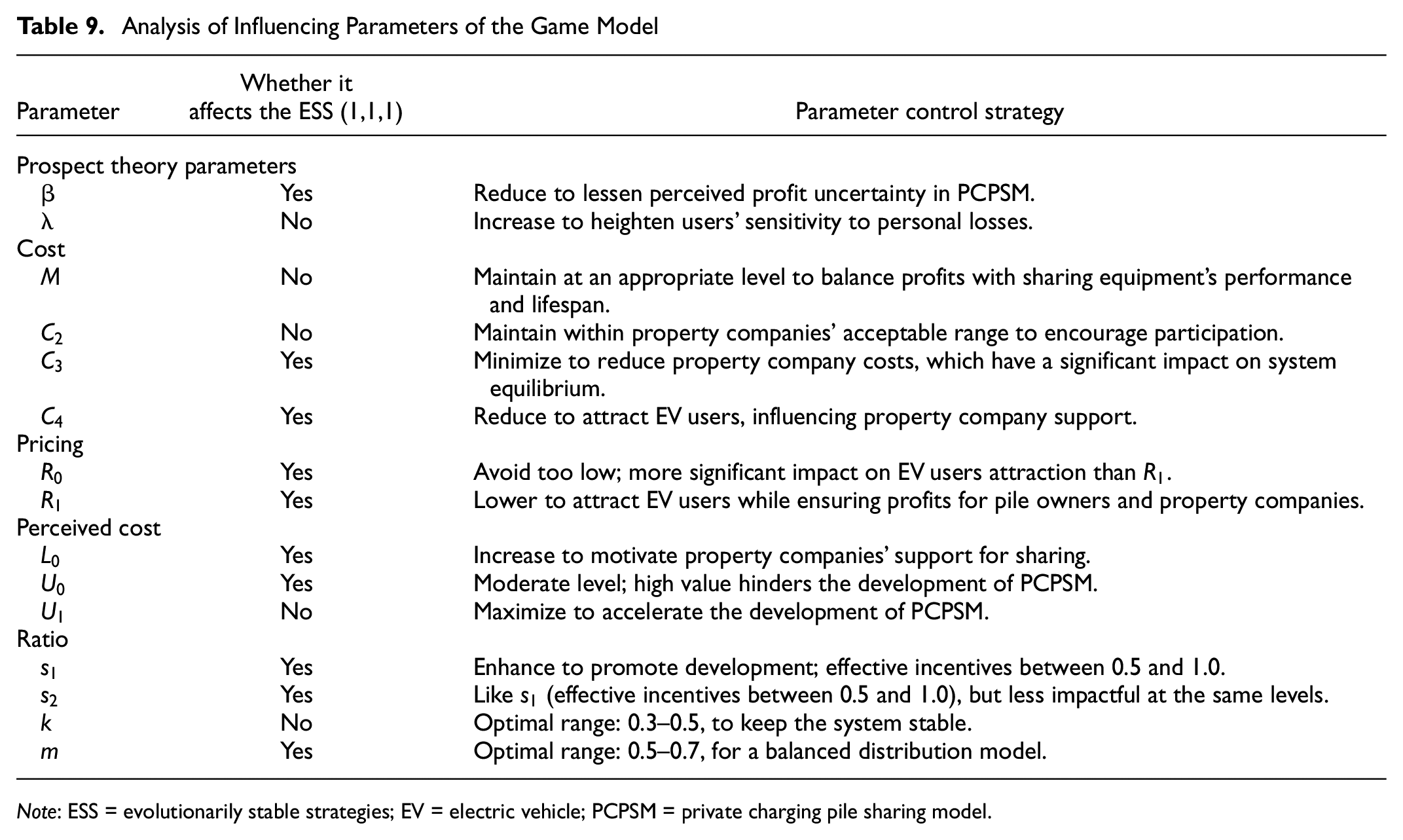
Note: ESS = evolutionarily stable strategies; EV = electric vehicle; PCPSM = private charging pile sharing model.
Impact of Prospect Theory Applications on Parameters
In this research, prospect theory was employed to assess how perceived costs influence the robustness of the system. Comparative analyses of scenarios, both inclusive and exclusive of prospect theory, facilitated an exploration of evolutionary dynamics across diverse psychological frameworks, as depicted in Figure 18.
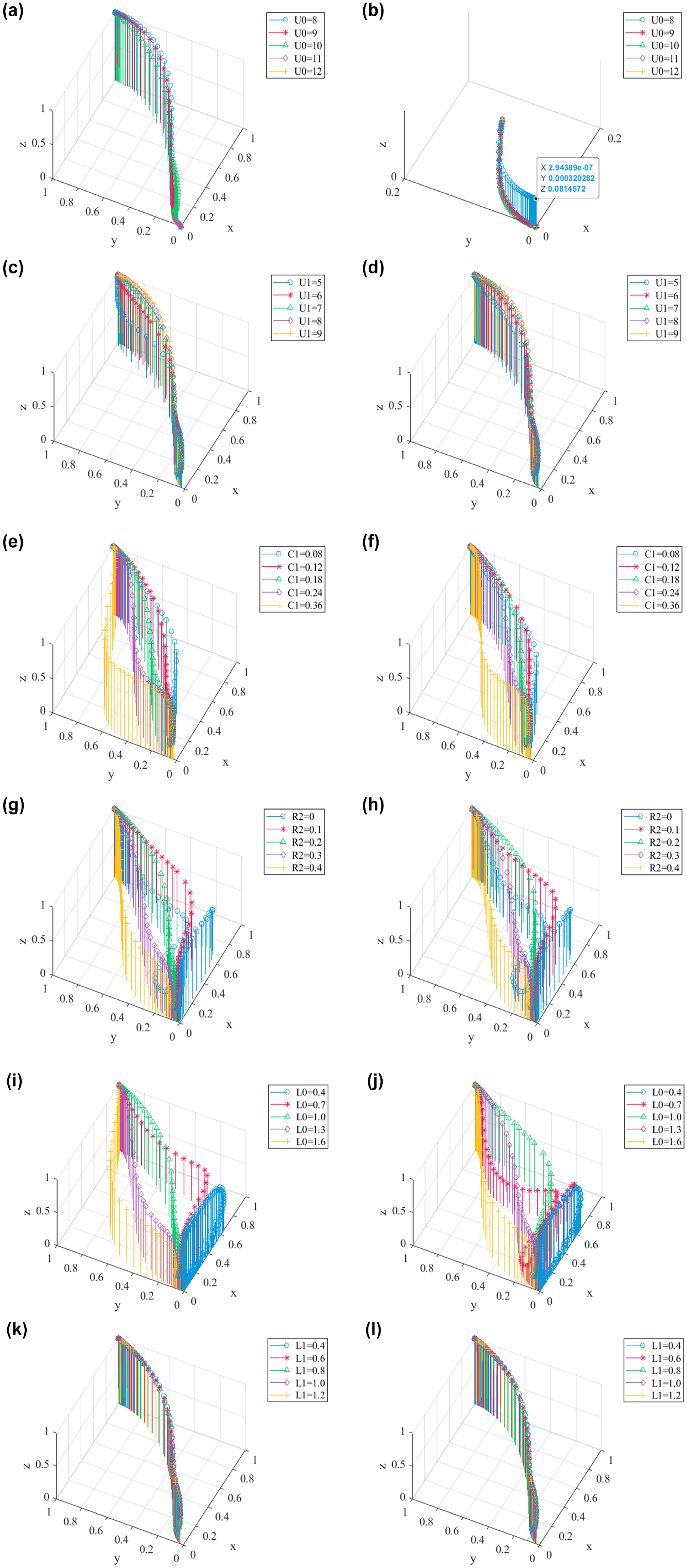
The evolution of tripartite behavior under different parameter levels with and without the incorporation of prospect theory: (a) prospect theory in the value of public charging piles to electric vehicle (EV) users (
Simulations assessing the perceived value (
For pile owners, understanding the time and effort cost (
Prospect theory asserts that individuals exhibit an increased sensitivity to losses over gains, especially when evaluating substantial costs or benefits. The study further demonstrates the considerable influence of this behavioral trait on the decision-making of EV users. Simulation results indicate a higher
The extent of prospect theory’s impact varies with the actual value level of parameters and their significance in decision-makers’ cost strategies. A greater sensitivity to losses can foster the development of PCPSM. Therefore, policymaking should comprehensively account for the psychological reactions elicited by various parameters across different value levels, as well as how these reactions influence the entire system’s evolutionary stability. A thorough comprehension of these psychological and behavioral traits can facilitate the formulation of more efficacious strategies to guide the system toward the desired evolutionary stable state.
The Optimization Plan of the Incentive Mechanism
Sensitivity analysis of parameters underscores that the incentive mechanisms proposed within our model framework have a favorable impact on the stable evolution of PCPSM. Nevertheless, the effectiveness of these incentives is contingent on the management costs levied by property companies; high expenses can undermine system stability. This research, therefore, recommends an optimized approach to the extant incentive structures, advocating for a management fee from pile owners to property companies that is inversely correlated with the degree of support for the sharing initiative. When support, denoted by
Consequently, on the existing framework of subsidy factors, we propose phase-out rates,


The optimized SD model, incorporating revised incentive mechanisms, is depicted in Figure 19. This illustration expands on the SD model from Figure 1 by introducing two external variables:
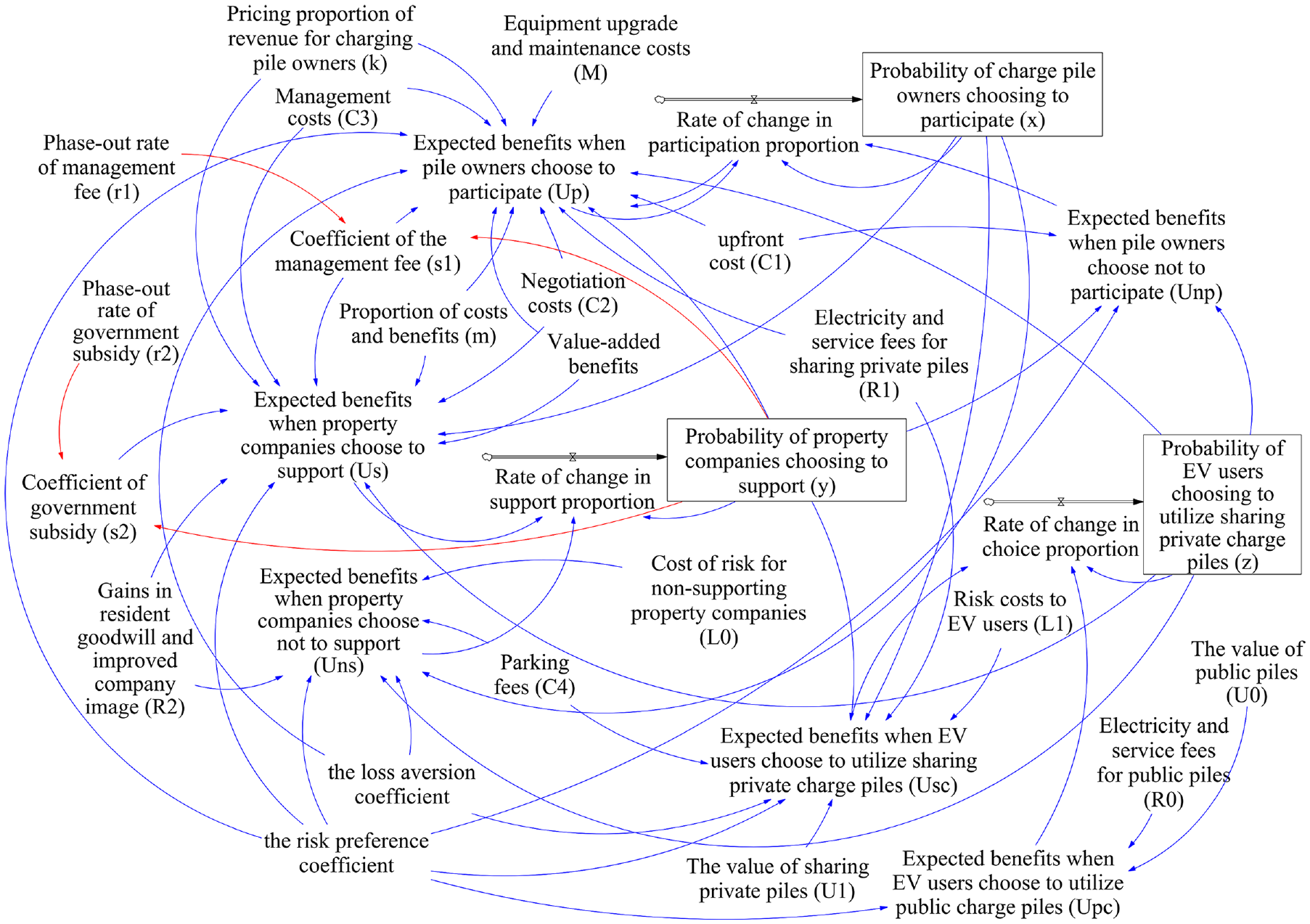
The system dynamics model under the optimized incentive mechanism.
Stability of the Evolutionary System After Optimizing the Incentive Mechanism
Sensitivity analysis of the parameters suggests that the stability of the system is critically dependent on the variability of subsidy incentives, particularly as property management costs, denoted as
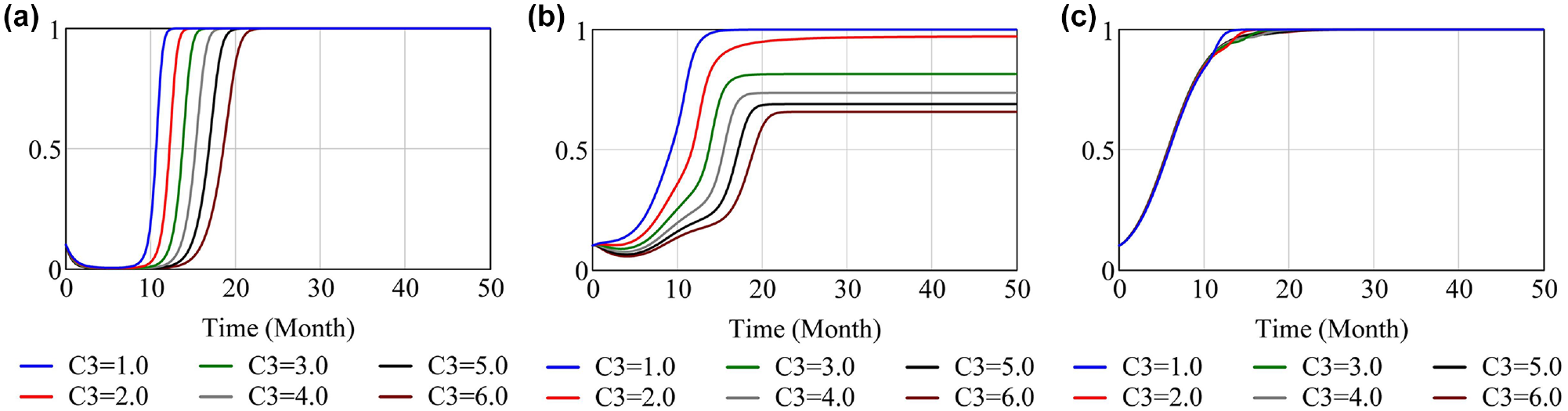
The evolution of tripartite behavior under optimal incentive mechanism and different management costs incurred by property companies when they support the private charging pile sharing model (
Contrasting the findings with Figure 7, the pre-optimization model, with static subsidy factors, demonstrates heightened sensitivity to cost-induced perturbations at higher
The data affirm that the refined incentive mechanisms markedly fortify the system’s evolutionary stability, showing resilience even amidst the strain of elevated property management fees. This resilience is indicative of the mechanisms’ capacity to reflect the dynamic economic realities of PCPSM. It facilitates more engaged participation across all stakeholders, particularly incentivizing property companies to support the sharing model, thereby fostering the sustainability and growth of the system as a whole.
Impact of Different Incentives on the System
The involvement of diverse stakeholders in the dual incentive mechanisms necessitates a nuanced understanding of their impacts on the system. Our analysis indicates that, when the management fee subsidy from pile owners to property companies, denoted as
To enhance the observation of evolutionary trends, the observation period was extended to 100 months, with the property management cost variable
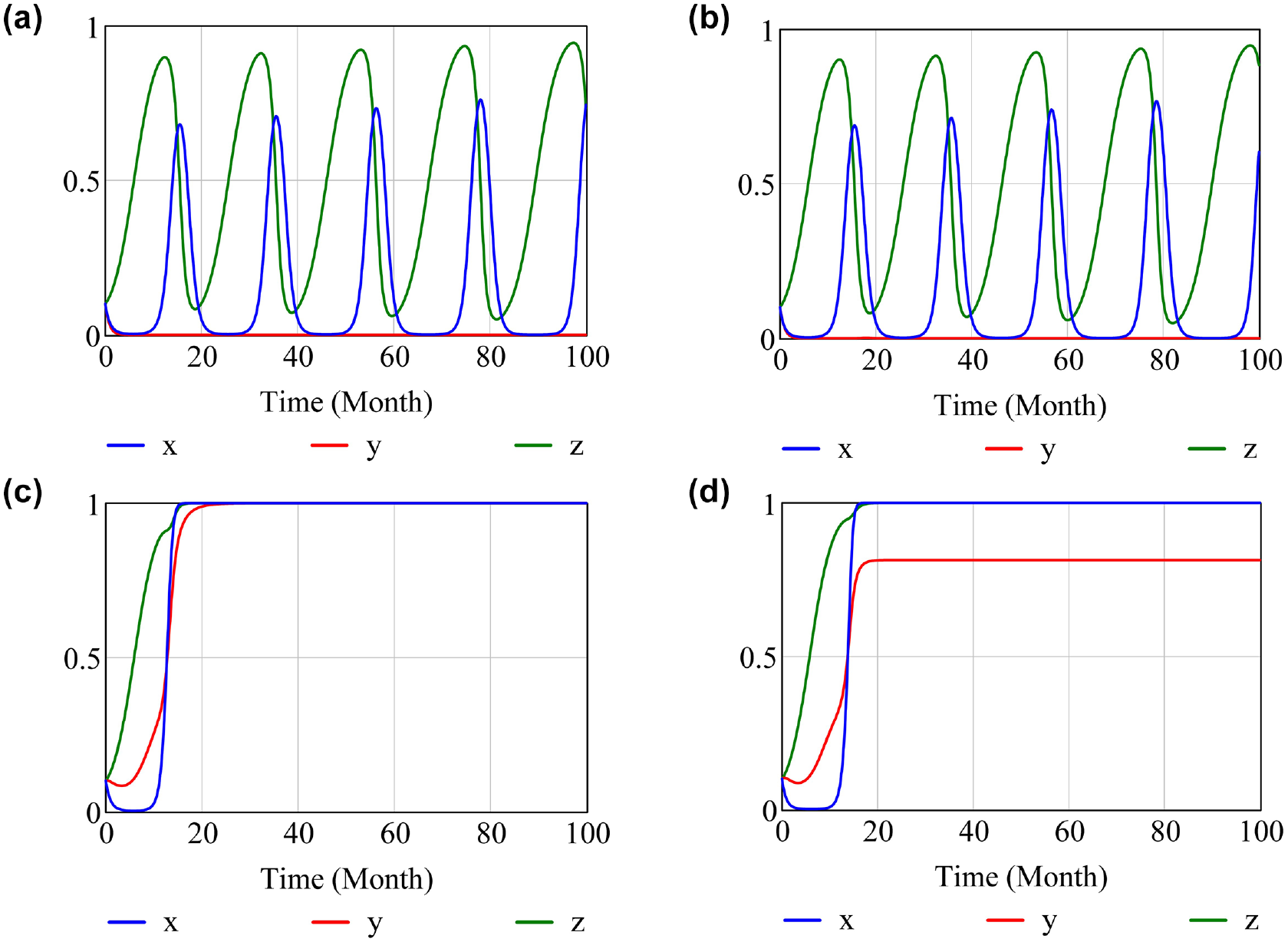
Simulation results for various optimization scenarios: (a) pre-optimization, (b) optimization of the coefficient of the management fee paid by the charging pile owners to the property companies (
The optimized incentive mechanism demonstrates a direct correlation with the probability of property companies adopting proactive strategies. In light of actual operational dynamics, the research assessed how the system evolved when the three participating entities—pile owners, property companies, and EV users—were subjected to various initial strategic probabilities, categorized as low, medium, high, and mixed. This assessment entailed setting initial probabilities at (0.1, 0.1, 0.1), (0.4, 0.4, 0.4), (0.7, 0.7, 0.7), and (0.7, 0.3, 0.4), to discern the effect of diverse initial conditions on the system’s evolution, as depicted in Figure 22. The results conclusively show that, independent of the participants’ initial strategic choices, with the implementation of the optimal incentive mechanism, the system invariably gravitates toward the ESS of (1,1,1). Comparing these findings with the system evolution outcomes under fixed incentives with varying initial probabilities in Figure 2, it further confirms the effectiveness of the optimized incentive mechanism.
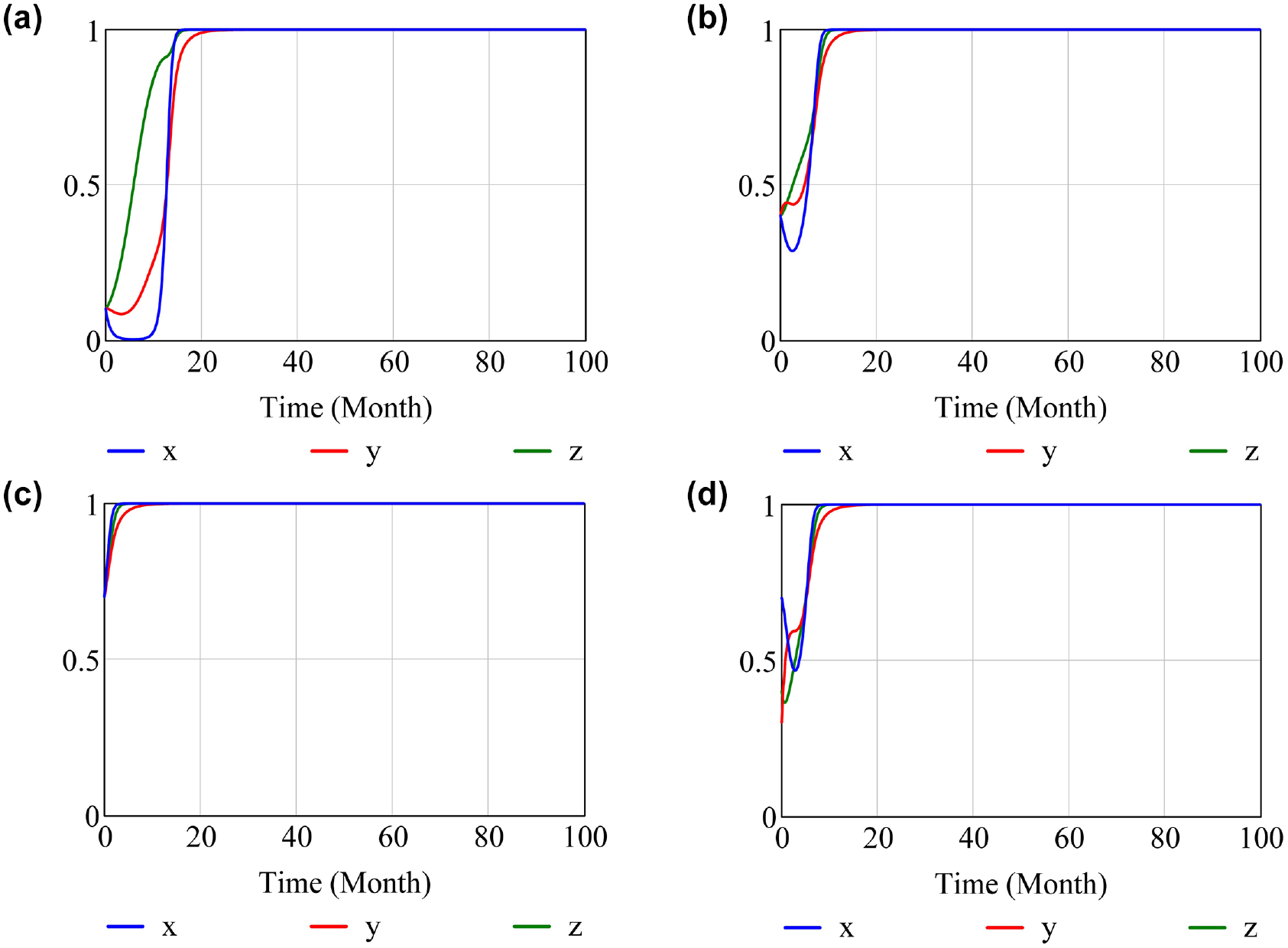
Simulation results for the most effective optimization scenarios of different initial probability: (a) low, (b) medium, (c) high, and (d) mixed.
To delve into the specific impact of the gradual phase-out of government subsidies on the evolutionary stability of PCPSM, this study designed a range of experimental parameters based on real-world conditions, as shown in Table 3. Specifically, we adjusted the phase-out rates (
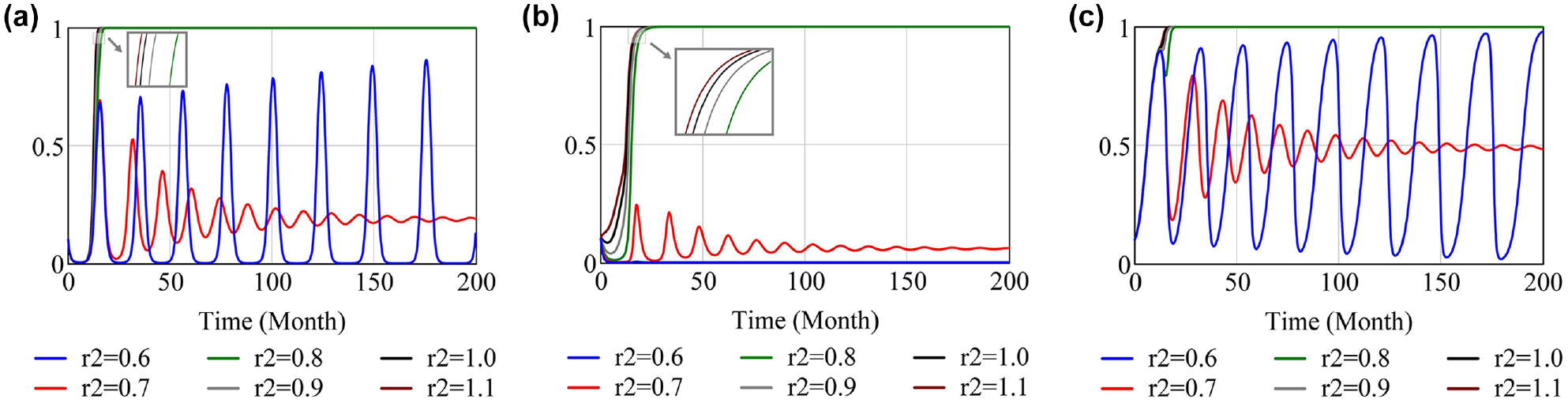
The evolution of tripartite behavior under different phase-out rates (
Findings indicate that at lower phase-out rates (
Results and Discussion
This research adopts an innovative approach centered on the collaborative dynamics of property companies, employing evolutionary game theory and incorporating psychological aspects. This involves a comprehensive analysis of path evolution and sensitivity, with the objective of identifying effective incentives to tackle the diffusion challenges of PCPSM.
1) Initial probabilities indicate the preferences of the three key stakeholders. When these initial probabilities are distributed randomly, in scenarios of localized stability, stakeholders demonstrate a propensity toward two distinct strategy combinations: {participate in sharing, support sharing, opt for sharing} and {not participate in sharing, not support sharing, not opt for sharing}. Observations indicate that higher initial probabilities among the three entities tend to lead the system toward a positive stable state, whereas lower initial probabilities predispose the system to evolve into a negative stable state. Therefore, it is necessary to reinforce the collaborative intent between pile owners and property companies, as well as foster an innovation-oriented mindset among EV users, to facilitate rapid and sustained development of PCPSM, thus more effectively tackling the challenges in the EV charging market.
2) The integration of prospect theory provides a new lens, facilitating the observation of the behavior of the three parties in the game and their nuanced responses to alterations in risk preferences. The simulations reveal that, with increasing risk preferences coefficient (
3) Effective management of key parameters is vital for attaining an optimal level in this study. Firstly, concerning cost control, keeping equipment upgrade and maintenance costs (
4) In the context of PCPSM, the influence of perceived cost parameters varies, influenced by behavioral characteristics delineated in prospect theory. Empirical simulations reveal that high-value parameters, such as the perceived value of public charging piles (
5) This research underscores the inadequacy of existing incentive policies in bolstering the system’s robustness. With the escalation of property management fees, there is a marked trend of property companies disengaging from PCPSM, resulting in perturbations in market supply and demand dynamics. To mitigate this issue, the study delved into the ramifications of dynamic subsidies on the behavioral evolution of the three key stakeholders involved in the game-theoretic framework. It was discerned that establishing a constant subsidy factor (
This research applies an evolutionary game theory framework to extensively analyze the behavioral evolution of key stakeholders in PCPSM: pile owners, property companies, and EV users. The study employs simulation analysis, grounded in psychological behavior, to augment our comprehension of stakeholder responses under varying incentive mechanisms, thereby offering a foundation for governmental and market entities to craft efficacious policies. It highlights the critical role of property companies’ support in ensuring the stable expansion of the pile-sharing market. To this end, the study proposes an innovative economic incentive strategy to foster engagement from property companies, contributing novel insights to the new-energy-charging market’s theoretical discourse and establishing the groundwork for future empirical investigations.
Nevertheless, the research presents limitations. Firstly, it predominantly addresses the interactions among three primary groups, overlooking the broader spectrum of stakeholders involved in PCPSM. Subsequent research should delve into the broader stakeholder impact to holistically evaluate the model’s viability and efficacy. Additionally, the study also examines parameters linked to individual psychological perceptions, such as the effort and time costs (
Conclusions and Policy Recommendations
Conclusions
This research, centered on the pivotal role of property companies’ support, explores the critical challenges in the dissemination of PCPSM, to advance the proliferation of EVs and contribute to the realization of carbon peaking and carbon neutrality goals. By applying prospect theory and incorporating an evolutionary game model along with SD analysis, this study offers novel insights into the stability of equilibrium points and the robustness of the system under existing incentive structures. Such an analytical approach enables the formulation of targeted and efficacious incentive policies to overcome obstacles in the promotion of PCPSM. Key findings include:
1) During the expansion of PCPSM, conflicting interests among pile owners, EV users, and property companies create barriers to market stability. Our findings underscore the crucial role of property companies’ active engagement in resolving this deadlock. An increase in the support ratio from property companies correlates with a heightened preference among EV users for PCPSM, which in turn amplifies the involvement of pile owners. Therefore, the focus of future policy incentives should be on influencing the conduct of property companies.
2) This research underscores several pivotal factors that influence the behavioral evolution of the three key players in the game of PCPSM. Parameters such as equipment upgrade and maintenance costs (
3) This research meticulously examines the complexities involved in advancing PCPSM, focusing on the role of psychological factors under uncertainty in shaping the strategic choices of game participants. Employing prospect theory as a framework, we found that different degrees of risk preference and loss aversion considerably influence both the behavioral steadiness and the pace of evolution among participants. Notably, in high-risk preference scenarios, participants are likely to alter their decision-making approaches. A diminished extent of loss aversion leads to an increased diversity and dynamism in behavior patterns, which is particularly evident in how it tempers the enthusiasm of property companies for proactive strategy adoption, thereby delaying the collective shift toward an ESS. Consequently, attenuating risk preferences through educational initiatives and adopting standardized management practices to mitigate the intrinsic risks associated with PCPSM are pivotal in steering the system evolution toward an optimal state. Further, enhancing property companies’ awareness of potential losses is crucial for accelerating their engagement in proactive strategies. The study also underscores the role of PCPSM as an innovative model in the EV-charging market, characterized by significant uncertainty among stakeholders. Our comparative analysis reveals that prospect theory exerts a profound influence on decision-making in contexts involving high-cost or high-value parameters. In situations where perceived value is high, the effect of loss aversion critically shapes EV users’ receptiveness toward PCPSM. These findings lay the groundwork for the development of effective incentive mechanisms for PCPSM. Policymaking going forward should integrate psychological and behavioral considerations to promote the sustainable evolution of EV charging infrastructure.
4) Reliance solely on static subsidy incentives is inadequate for ensuring the stable progression of PCPSM, particularly under elevated management cost scenarios. The dynamic subsidy model introduced in this study, which sustains system equilibrium at (1,1,1) even amidst rising property management fees, demonstrates its efficacy in fostering property company engagement and market stability. It is imperative for governments to carefully weigh the subsidy amounts against system robustness, aiming to minimize the risks of market volatility. Moreover, as the sole dynamic adjustment of the subsidy factor
Policy Recommendations
This study, through analysis of behavioral dynamics and response to incentive mechanisms within PCPSM, proposes specific policy recommendations to foster the development and shape future policies of the sharing model:
1) Effective incentives cannot be achieved through stable subsidies when property companies face high management costs (
2) Governments should fully consider the implications of prospect theory, including risk preference and loss aversion, as well as nonlinear value perception on decision-making, and guide the public at a psychological level to promote the diffusion of PCPSM. Our research indicates that lower risk preferences coefficient (
3) It is crucial to control the factors affecting the revenue of property companies to prevent them from impeding the spread of PCPSM. This study identifies the costs of property companies associated with supporting the sharing model as a key factor influencing their strategic choices, particularly the liaison costs (
4) Pricing strategies and benefit distribution mechanisms are crucial components of PCPSM that require further optimization. Our research indicates that the pricing of public charging piles (
5) To enhance the enthusiasm of both supply and demand sides for PCPSM, it is critical to control factors that affect the interests of pile owners and EV users. Factors related to the interests of pile owners have a minimal impact on the ultimate stability level of PCPSM, but measures can be taken to control these factors and expedite the adoption process by pile owners. For instance, providing operational training for pile owners can alleviate their burden on the sharing platform, while increasing the social awareness of the sharing model through media and public campaigns. For EV users, their perceived value of different charging options significantly influences system stability. The government can regulate this perception through the lens of prospect theory, for example, by increasing the cost of using public charging piles during peak times to decrease their perceived value (
Supplemental Material
sj-docx-1-trr-10.1177_03611981241265846 – Supplemental material for Insights for Sustainable Urban Transport via Private Charging Pile Sharing in the Electric Vehicle Sector
Supplemental material, sj-docx-1-trr-10.1177_03611981241265846 for Insights for Sustainable Urban Transport via Private Charging Pile Sharing in the Electric Vehicle Sector by Jianming Cai, Zixin Zhou, Zhiqiang Zhao and Yaxin Wang in Transportation Research Record
Footnotes
Author Contributions
The authors confirm contribution to the paper as follows: study conception and design: J. Cai, Z. Zhou; data collection: Z. Zhou, Z. Zhao, Y. Wang; analysis and interpretation of results: J. Cai, Z. Zhou; draft manuscript preparation: J. Cai, Z. Zhou, Z. Zhao, Y. Wang. All authors reviewed the results and approved the final version of the manuscript.
Declaration of Conflicting Interests
The author(s) declared no potential conflicts of interest with respect to the research, authorship, and/or publication of this article.
Funding
The author(s) disclosed receipt of the following financial support for the research, authorship, and/or publication of this article: This work was supported by the Natural Science Foundation of Hunan Province (2022JJ30763).

Supplemental Material
Supplemental material for this article is available online.
References
Supplementary Material
Please find the following supplemental material available below.
For Open Access articles published under a Creative Commons License, all supplemental material carries the same license as the article it is associated with.
For non-Open Access articles published, all supplemental material carries a non-exclusive license, and permission requests for re-use of supplemental material or any part of supplemental material shall be sent directly to the copyright owner as specified in the copyright notice associated with the article.
