







Abstract
Bridges are vital connections within transport networks, but scour-induced failures can severely disrupt network connectivity, increase user travel delays, and reduce reliability. The goal of this paper is to prioritize bridge scour management actions to improve transport network performance, defined here by connectivity and delay. This paper introduces a novel risk-informed decision-support framework that aids long-term programming and real-time operational decision processes. This framework couples bridge-level monitoring with network-level prioritization based on predicted transport-user impacts and early-warning triggers. It quantifies expected travel delays and network connectivity under different flood scenarios, guiding maintenance and protection investments toward bridges with the largest performance consequences. The framework is applied to a case study on UK railway bridges where warning times to failure are estimated and proactive bridge closures are simulated to assess operational impacts. The results inform the risk-aware prioritization of bridges for operational measures. This risk-informed approach extends traditional scour management by explicitly tying asset interventions to user-oriented performance outcomes and by supporting long-term programming and real-time operational decisions under uncertainty.
Introduction
Bridges are critical links in transport networks, the connectivity and operational integrity of which are essential for mobility. However, many bridges are vulnerable to scour, which is a leading cause of bridge collapse globally ( 1 ). “Bridge scour” refers to the removal of soil from around bridge foundations and abutments, which in turn can lead to reduction in support capacity; often exacerbated by peak river and/or turbulent flows ( 2 ). Recent flood events have led to 10 total and 30 partial scour-related bridge collapses in the UK, severing key routes and imposing lengthy travel delays ( 3 ). The loss of even a single bridge can severely degrade network performance. In this paper, transport network performance is defined in terms of impact on user travel time caused by disruptions and the ability of the network to maintain or quickly restore service. Managing scour effectively is, therefore, crucial to safeguarding these performance objectives.
Infrastructure authorities have recently committed to developing and publishing climate change adaptation plans for their infrastructure, encouraging asset managers to adopt such practices ( 4 ). In support of this, technical changes have been introduced to bridge design and management manuals, incorporating climate change allowances and guidelines for scour risk assessment and protection ( 5 ). The growing body of academic research that analyses the risk of scour at either individual bridges or network scale reports that current scour assessment and management processes tends to be heuristic (6–10). They often rely on infrequent inspections and limited hydraulic modeling, with no standardization in data collection. Monitoring networks (river gauges and sensors) are also sparse and unevenly distributed, limiting early warning capabilities at individual bridges ( 11 ). Bridge scour is not only a site-specific hazard but also a network-level threat. Recent research has formulated network-level adaptation schedule and integrated network models to compute flood damage costs ( 12 , 13 ). Prior studies also note that indirect losses, such as re-routing delays, can dominate total loss ( 14 ). In practice, asset managers lack a structured framework to couple long-term planning with operational responses such as closures or traffic re-routing based on site-specific warnings.
This study proposes a comprehensive risk-informed framework for bridge scour management that explicitly targets transport performance. The framework conceptualizes decision-making at two interconnected levels: network-level planning and bridge-level operations. At the network level (strategic and programming functions), probabilistic scour risk models and network analysis can be employed to compute expected connectivity losses for each bridge under various flood scenarios. These metrics guide the prioritization of monitoring, maintenance, and mitigation projects toward bridges with the greatest impact on network performance. At the bridge level (preparation and operations functions), real-time river flow monitoring from flow gauges can be used to estimate warning times to potential failure, triggering proactive interventions such as controlled closures ( 15 ). The proposed framework builds on international asset management principles set out in ISO 55000, which emphasis achieving value-for-money through whole-life planning, risk-based prioritization, and performance-driven investment ( 16 ). It also aligns with ISO 31000 on risk management by linking asset-level monitoring to system-level outcomes under uncertainty ( 17 ). In this sense, value-for-money extends beyond minimizing cost to maximizing the resilience of transport services delivered to users. The framework operationalizes these concepts by integrating user-impact metrics and early-warning triggers into both planning and real-time control. A case study on UK railway bridges demonstrates how warning times to scour failure are estimated and can be used to inform timely bridge closures on a selected route.
In summary, the main contributions of this paper are: 1) development of a novel risk-informed decision framework for bridge scour management that is explicitly geared toward enhancing transport network performance; 2) integration of real-time hydrological monitoring and early-warning triggers to enable proactive operational responses; 3) explicit incorporation of transport-user impact metrics (travel delays and connectivity loss) to prioritize interventions by their network consequences; and 4) a dual-level decision structure linking network-scale programming with bridge-scale operations, coordinating long-term planning and real-time management. These innovations differentiate our framework from prior risk-based bridge management approaches, which generally lack integrated user-oriented performance metrics, real-time warning systems, and dual-level decision linkage.
Bridge Scour Management
Bridge management in the UK is distributed across several authorities: National Highways (NH) manages motorways and major roads bridges in England, Transport Scotland performs a similar role in Scotland, the Welsh Assembly in Wales, and the Department for Infrastructure in Northern Ireland. Local authorities (LAs) are responsible for county-level road bridges, while Network Rail (NR) oversees railway bridges. Bridge inspections are typically conducted every 2 years (general inspections) and 6 years (detailed inspections). These inspections are guided by the Design Manual for Roads and Bridges (DMRB), which includes scour risk assessment standard BD97/12 (now updated as CS 469) and the design standard CD 356 for bridges over watercourses ( 18 ). BD97/12 accounts for road type, traffic flow, and observed scour conditions within the scour assessment. CS 469 explicitly incorporates climate change allowances, while CD 356 addresses hydraulic considerations for bridge design over watercourses ( 5 ).
NR follows the EX2502 standard for railway bridges, prioritizing structures based on hydrological and hydraulic assessments ( 19 ). Additional guidance, such as CIRIA C742, provides comprehensive strategies for scour risk management ( 20 ). Despite the availability of these standards and guidelines, current practices remain largely reactive, addressing scour only after significant damage has occurred or when risk thresholds are exceeded. This reactive approach can be attributed to considerable variation in the methodologies across different infrastructure authorities for identifying and prioritizing at-risk structures ( 2 ). Furthermore, many current approaches fail to fully consider the broader impacts of disruptions or failures resulting from scour (e.g., network delays or socio-economic impacts) ( 21 ).
Interviews with seven UK infrastructure authorities—NR, and six LAs (referred to as LA1–6)—revealed widely varying practices in bridge scour management. Table 1 provides a comparative overview of key scour management practices across these authorities, indicating whether each practice or guideline is fully implemented or only partially/not formally implemented. This comparison highlights that the uptake of recommended scour guidance is inconsistent. For instance, not all LAs carry out the full two-stage BD97/12 risk assessment process for all their bridges, and some rely on informal methods or past incident history instead. Similarly, proactive measures such as strategic planning for scour, dedicated scour monitoring, or climate change adaptation in design and maintenance are often only partially adopted (or not at all) by many authorities. In general, scour management practices in the UK appear fragmented and predominantly reactive, with each agency interpreting and applying guidance to different extents. The following subsections review these practices in more detail and examine relevant academic research on bridge scour management.
Bridge Scour Management Practices in the UK
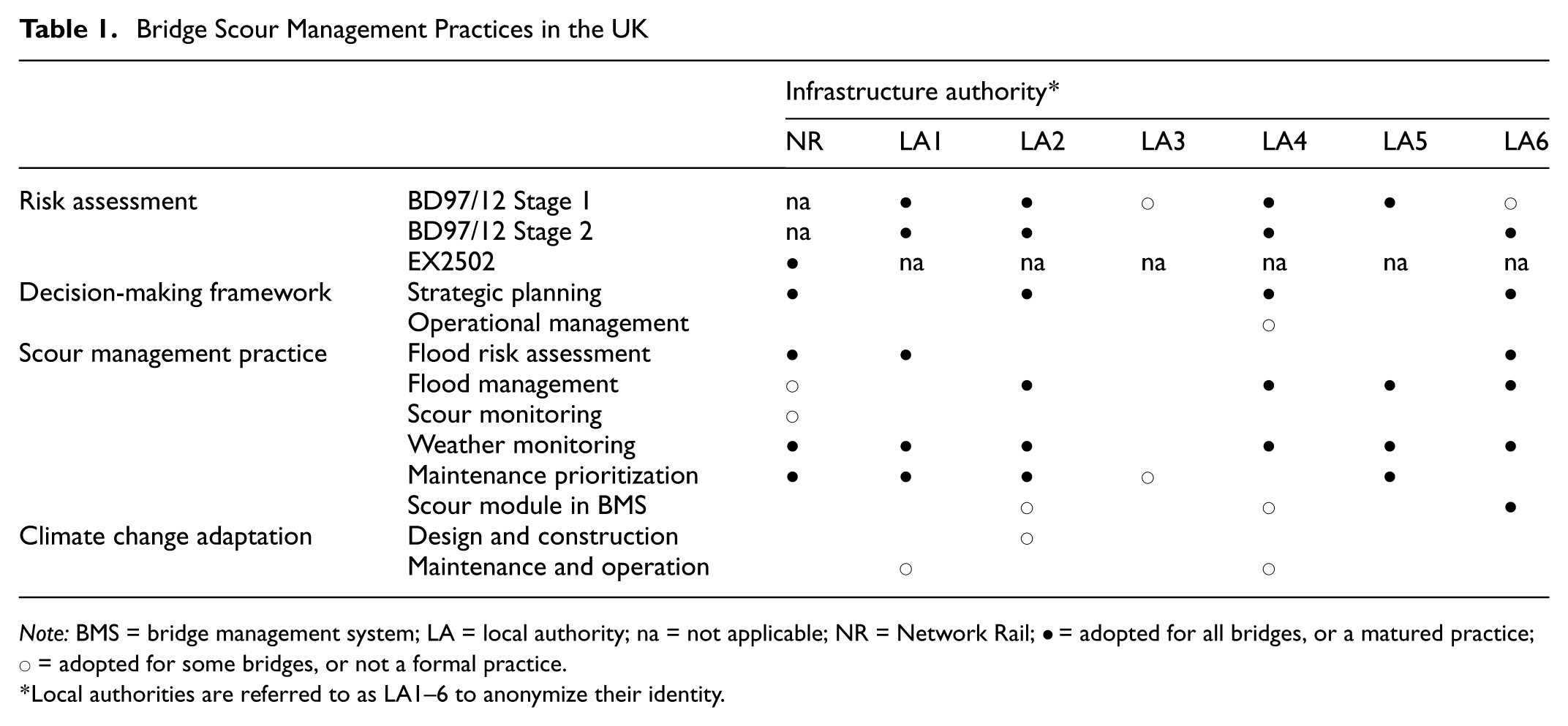
Note: BMS = bridge management system; LA = local authority; na = not applicable; NR = Network Rail; • = adopted for all bridges, or a matured practice; ○ = adopted for some bridges, or not a formal practice.
*Local authorities are referred to as LA1–6 to anonymize their identity.
Scour Risk Identification
The first step in effective scour management is identifying which bridges in the network are susceptible to scour. The standards mentioned above provide guidance for this task ( 6 ). In practice, most of the interviewed LAs use the DMRB BD97/12 Level 1 screening to flag potential scour issues ( 18 ). However, not all authorities have fully operationalized this process. For example, LA3 relies primarily on historical incident information (e.g., past scour-related failures or flood damage) to identify vulnerable bridges, rather than routinely applying the formal Stage 1 screening criteria. In contrast, NR employs a bespoke approach: it prioritizes bridges for scour vulnerability assessment by considering site-specific factors such as river type, flow depth, foundation characteristics, and predicted scour depth (as determined by the EX2502 methodology).
A range of factors contribute to bridge scour susceptibility, which can be broadly categorized into hydraulic, geotechnical, and structural factors ( 22 , 23 ). Variations in these factors (e.g., extreme flow velocity, erodible bed materials, shallow foundations, or pier shape and orientation) influence the likelihood and severity of scour. Consequently, it is crucial for bridge managers to focus on bridges and locations that are especially vulnerable—those where user safety and network serviceability could be compromised during flooding or peak river flow events ( 24 ). In practice, authorities may also enlist specialist hydrological services to conduct flood profiling or analyze climate trends, thereby identifying areas likely to experience extreme conditions. Bridges located in channels underlain by easily erodible sediments or in regions prone to ground movement or bank erosion are at particularly high risk of scour-related damage or failure ( 24 ). Academic research supports and complements these practical insights: for example, multi-criteria decision-making frameworks have been proposed to rank scour susceptibility by weighting various risk factors, and GIS-based screening tools have been developed for high-level identification of scour-prone bridge sites across large networks ( 7 , 25 ).
Scour Risk Assessment
Once scour-susceptible bridges have been identified, the next step is to assess their level of risk by evaluating both the likelihood of scour occurrence and the potential consequences. Assigning a risk level or ranking to each bridge enables authorities to prioritize interventions (such as detailed inspections, maintenance, or strengthening) for those structures that need it most. In the interviewed sample of LAs, this prioritization is typically informed by general network criticality ratings and customized scoring systems. For instance, LA2 combines multiple criteria—a maintenance needs score (on a scale from 1 to 12), the route type or hierarchy (categorized into four levels), and historical flood alert frequencies—to determine which bridges merit higher priority for scour mitigation. Similarly, LA6 incorporates considerations of resilience into its assessment: it evaluates current deterioration and predicts future degradation rates for each bridge, then gauges how these factors might affect the structure’s robustness, effectively estimating how a scour event could affect the bridge, given its condition.
Unlike other types of infrastructure (such as pavements or rail tracks) where well-established deterioration models inform long-term maintenance planning, the progressive development of scour over time is seldom explicitly included in routine bridge management ( 26 , 27 ). Nevertheless, various predictive models exist that can estimate potential scour depth and its evolution under different flow conditions ( 28 – 30 ). Comprehensive reviews comparing the accuracy and applicability of these scour prediction models are provided by Pizarro et al., Dikanski et al., and Sasidharan et al. ( 23 , 31 , 32 ). Importantly, incorporating changing environmental conditions into scour risk assessment is increasingly recommended ( 33 ). This means accounting for trends such as rising peak river flows or more frequent extreme rainfall events that may result from climate change. Some probabilistic and time-dependent models, such as the SRICOS-EFA method, have been used to estimate the progression of scour and the time-to-failure of a bridge foundation during severe flood events, which can inform how much warning time might be available before a bridge becomes unsafe ( 34 , 35 ).
Researchers have also investigated how factors such as long-term climate change and debris accumulation against piers influence scour risk and progression ( 15 , 31 , 36 – 38 ). A challenge in applying these insights is the lack of standardization in data collection across different infrastructure authorities, particularly with regard to hydraulic and geotechnical parameters. Table 2 (adapted from Sasidharan et al. and Moretti et al. and augmented with information from our authority interviews) illustrates the types of data currently collected by various UK authorities for scour risk assessment ( 32 , 39 , 40 ). While certain basic structural details (e.g., bridge location, span, material) are recorded by all, there is considerable variability in the collection of hydraulic data (e.g., river flow rates, flood return periods, or riverbed material) and geotechnical information (e.g., foundation depth or soil type). Key factors such as channel geology and morphology play a critical role in scour: they govern the river’s erosive power and the erodibility of the bed and banks ( 35 ). A bridge founded on non-cohesive alluvium or weathered rock, for example, will have a different risk profile than one on intact bedrock, especially under extreme flood conditions. Recognizing this, some LAs (e.g., LA2 and LA4) have started to gather additional data such as the wetted perimeter or cross-sectional profiles of rivers at their bridge sites, aiming to better understand how extreme flows could lead to out-of-bank flooding or increased scour around their structures.
Scour-Related Data Employed or Collected by UK Infrastructure Authorities
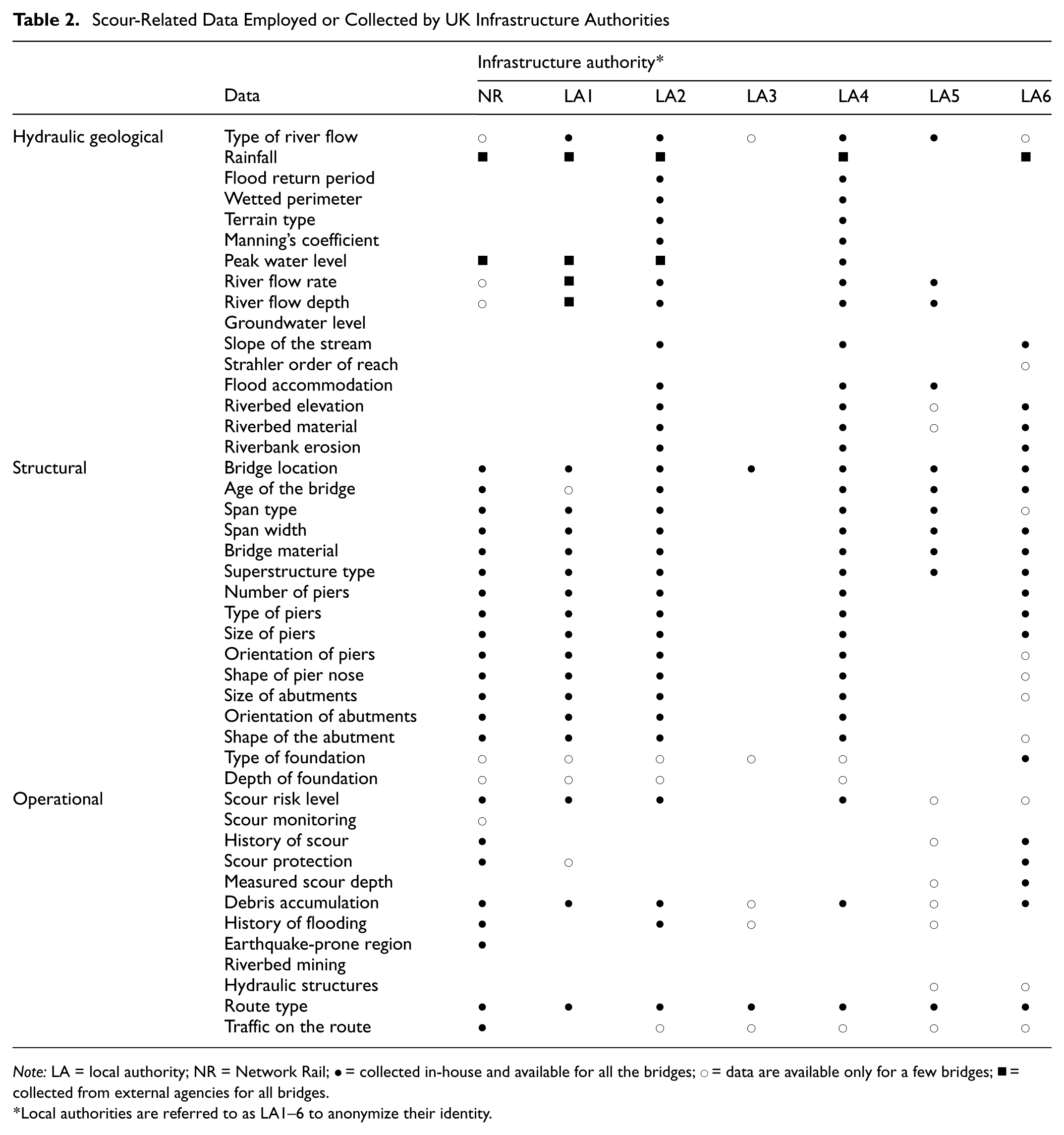
Note: LA = local authority; NR = Network Rail; • = collected in-house and available for all the bridges; ○ = data are available only for a few bridges; ▪ = collected from external agencies for all bridges.
*Local authorities are referred to as LA1–6 to anonymize their identity.
Despite the increasing risks posed by climate change, most interviewed authorities have not yet formally integrated climate adaptation into their scour management policies (see the last rows of Table 1). This gap is concerning, given the consensus that changing weather patterns—more intense rainfall, higher river flows, and more frequent flooding—are likely to exacerbate scour risk if not planned for. Recognizing this, the latest highway engineering guidance (CD 356) was updated to emphasize climate change considerations in hydraulic design ( 5 ). Notably, while the highway standard BD97/12 (and its successor CS 469) include provisions for climate adaptation in scour risk assessment, the railway standard EX2502 does not explicitly account for future increases in flow.
There is significant variation in how prepared different bridge authorities are for climate change impacts. For example, one LA in England is considering the use of higher design flood return periods (i.e., assuming more extreme flood events) when evaluating bridge scour susceptibility, to provide an added margin of safety under future conditions. In Scotland, one of the surveyed LAs plans to gather near-real-time data on localized heavy rainfall and prolonged wet weather, which can feed into operational decision-making (e.g., issuing warnings or inspections before a flood peak arrives). Another LA has developed an internal flood risk management plan that not only outlines strategies for dealing with flood emergencies but also mandates post-flood assessment of the entire bridge stock, including targeted scour inspections after major flood events. These examples illustrate a growing awareness of climate-related scour risks, but such practices are not yet standard across all agencies.
Beyond assessing risk, authorities must consider the potential consequences of scour-induced failures or closures on the wider network and public. The disruption caused by a bridge closure can vary greatly depending on the bridge’s importance (route criticality), traffic levels, and the availability of alternative routes. Life-cycle cost analysis (LCCA) models provide a way to estimate both direct and indirect costs associated with scour. Recent studies have extended LCCA to capture various impacts: the direct repair or mitigation costs borne by the authority, the economic and time costs experienced by users because of detours and delays, and even environmental costs (e.g., additional vehicle emissions resulting from longer travel routes) ( 41 – 43 ). On a broader level, researchers have applied network analysis techniques to evaluate the resilience of transportation networks to bridge failures. Some approaches use connectivity or accessibility indices to quantify how the loss of a bridge affects overall network performance, while others explicitly model traffic re-routing and calculate increased travel times or vehicle operating costs resulting from a bridge outage ( 44 – 46 ). Incorporating such consequence-based analyses into scour management can help infrastructure owners prioritize investments not only by the likelihood of scour, but also by the potential impact of a worst-case scenario at each site.
Scour Risk Mitigation and Monitoring
Common mitigation strategies include the installation of physical scour protections (e.g., rip-rap blankets, gabion, or concrete aprons around piers and abutments) and river training works (e.g., guide banks or spur dikes to alter flow patterns and reduce erosion). In addition, agencies conduct targeted inspections for high-risk bridges—often after major flood events or as part of more frequent inspection cycles. In some cases, detailed underwater inspections or subsurface investigations (e.g., drilling or probing around foundations) are carried out to assess the extent of scour or to verify foundation depths ( 47 ).
Despite a general consensus on the importance of addressing scour risk proactively, the specific operational practices and thresholds vary between authorities ( 3 ). Approaches to flood-event monitoring, for example, range from manual to high-tech. LA4 relies on dispatching inspection teams to observe bridge conditions on the ground during heavy rainfall or flood events; these teams help identify bridges that may need immediate inspection or closure, effectively guiding post-flood response. By contrast, some Scottish authorities have installed fixed cameras that continuously monitor water levels (photographing every 20 s) at vulnerable bridge sites, allowing remote real-time observation of rising rivers. Several LAs (notably LA5 and LA6) integrate near-real-time hydrological data from national environmental agencies and river gauge networks, as well as meteorological forecasts from third-party services, into their decision-making. When rainfall intensity or river levels approach predefined thresholds, these authorities can enact operational interventions such as closing a lane or an entire bridge, or issuing advance warnings and diversions to traffic.
On the other hand, not all authorities have adopted such proactive monitoring tools. LA2’s protocol during extreme weather is largely limited to visual checks for debris accumulation around bridge piers (since debris dams can exacerbate scour) and ensuring channels are clear, whereas LA3 does not yet utilize any real-time weather or flow data to inform its scour management actions ( 37 ). Tolerance for risk also differs: for instance, LA6 will preemptively close a bridge to traffic if rainfall or river flow measurements exceed certain safety thresholds (accepting short-term disruption to avoid potential failure), whereas other LAs in England only resort to bridge closures under immediate safety concerns or for planned maintenance work, but generally not purely as a precaution during floods.
For longer-term measures, most authorities implement scour countermeasures at sites known to be high-risk. These include installing revetments, collars, or underpinning foundations, and they often coincide with major maintenance projects or after an incident has occurred. Regular inspection cycles (biennial general inspections and more detailed inspections typically every 6 years, or more frequently for known scour-critical bridges) remain a cornerstone of scour management, as they can detect early signs of scour or changes in river conditions. Various specialized monitoring technologies have been explored in both research and practice to provide early warning of scour. These range from fixed instruments such as magnetic sliding collars and float-out devices that indicate when a certain depth of scour has occurred, to advanced sensor systems such as fiber Bragg gratings and sonar- or radar-based devices that continuously measure water levels and scour depth ( 48 – 50 ). Even satellite remote sensing and crowd-sourced data have been investigated as means to monitor bridge conditions during floods ( 51 ). Each method comes with trade-offs in accuracy, durability, cost, and ease of installation, as reviewed by Prendergast and Gavin, and Sasidharan et al. ( 32 , 49 ). Ultimately, the choice of whether and what to monitor is influenced by budget constraints and the criticality of the bridge: high-value or highly vulnerable bridges are more likely to be monitored, whereas, at lower-risk sites, periodic inspections and simpler measures might be relied on.
Risk-Informed Bridge Management
Bridge infrastructure owners and managers must address a variety of risks, including floods, structural deterioration, and budget constraints. Effective risk mitigation plans require consideration of both the susceptibility of bridges to defects and the associated impacts. While significant variability exists among different asset owners in their approaches to managing bridge scour, there is a consensus on the appropriateness of risk-based methods. Academic research has developed conceptual frameworks and approaches for risk-based bridge management ( 12 , 15 , 32 ). Interviews with infrastructure authorities in Bridge Scour Management have highlighted the lack of a standardized framework to aid asset management at both the network and bridge levels, informing strategic and operational decisions. Additionally, there is a need to integrate various stakeholders and their interests into the decision-making process.
A conceptual bridge management framework is presented in Figure 1. This framework can serve as a basis for developing asset management plans and their implementation, enabling the organization, its technology, and its processes. The framework identifies the relationships between asset management, policy influence, budget, and performance. The asset management planning components and enablers are informed by Taggart et al., while the four management functions and associated activities are defined as per Robinson et al. and Sasidharan et al. ( 15 , 32 , 52 , 53 ). Key components of asset management planning and their enablers are shown in Figure 1.
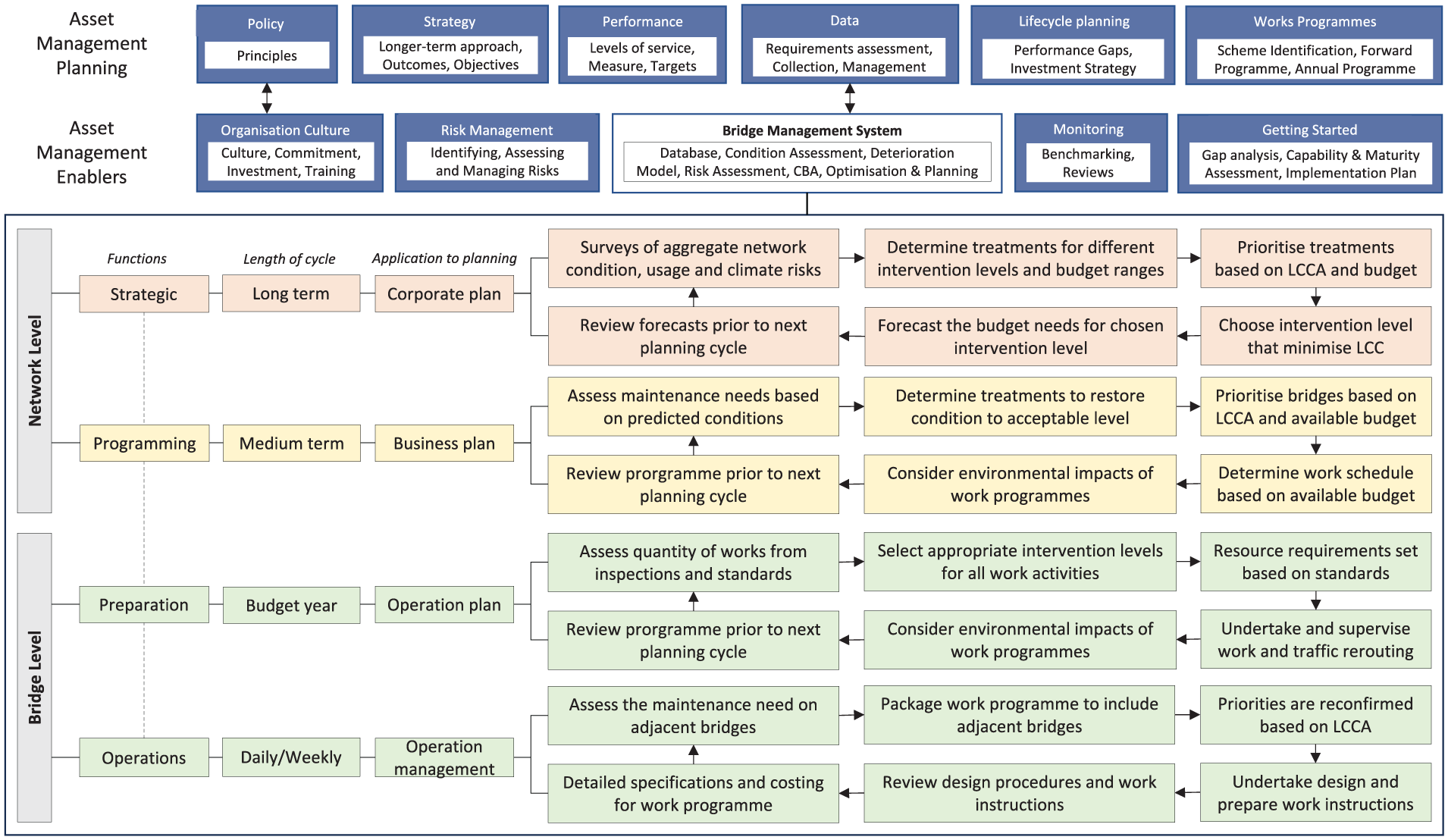
The proposed approach (see Figure 1) frames the role of bridge management systems (BMS) for risk-based decision-making at the network and bridge levels through four management functions: strategic planning, programming, preparations, and operations management. These functions relate to decisions ranging from individual bridges to the entire network, establishing the asset management framework and service levels required to achieve strategic objectives and performance targets. Risk assessments at the network level identify critical structures for prioritized interventions, which inform budget and risk mitigation plans. At the bridge level, structural integrity inspections guide maintenance and repair requirements, optimized for monitoring and maintenance options. These are prioritized based on budget, scheduling, disruption probability, and broader impacts. Activities within each management function, along with relevant models and approaches from the literature, are briefly outlined below:
The policy outlines the principles guiding asset management to achieve the infrastructure authority’s strategic objectives. These principles include risk-based approaches, whole-life value, sustainability, and user-centric methods ( 2 , 26 , 54 , 55 ).
The asset management strategy details the approach to meeting long-term objectives, encompassing statutory obligations, stakeholder needs, and infrastructure performance within budget constraints. It establishes the foundation for adopting asset management principles to achieve value-for-money and describes the socioeconomic benefits of investment. This strategy compares the benefits of investment across different assets, routes, or regions managed by the infrastructure authority ( 56 ). Additionally, it outlines the implementation, measurement, and continuous improvement of asset management activities and work programs.
The infrastructure authority defines levels of service (e.g., safety, serviceability, sustainability, accessibility, financial performance) and performance targets to audit and monitor the asset management strategy’s delivery ( 57 ). Performance measures and targets, often set using the SMART (specific, measurable, attainable, relevant, time-bound) framework, are applied at strategic, tactical, and operational levels. These measures can be weighted to reflect their importance and contribution to the overall level of service.
Effective asset management relies on data that are available, appropriate, reliable, and accurate. Asset data include information on the number, location, condition, performance, traffic flows, maintenance history, accident records, public satisfaction, environmental impact, unit maintenance rates, and the financial value of physical infrastructure assets ( 32 , 40 , 52 ). Comprehensive data collection programs, though requiring significant investment, are essential. When costs are prohibitive, a risk-based approach may focus on critical parts of the network, safety, and long-term maintenance costs where data are insufficient.
Life-cycle planning involves maintaining an asset from construction to decommissioning. It predicts future asset performance based on investment, maintenance strategies, climate risks, and usage. Maintenance strategies consider treatment options, balancing renewal with routine maintenance, and addressing different levels of service. Strategies may include a do-minimum approach, reducing or sustaining service levels, and prioritizing specific assets, routes, or regions. Maintenance strategies account for deterioration modes, whole-life costs, and risk-based evaluations, using cost-benefit analyses to compare treatment costs against benefits and impacts, including safety, delays, traffic re-routing, and environmental considerations ( 58 ).
Risk management is integral to asset management planning, following the ISO 31000 standard. This process involves identifying, assessing, mitigating, and monitoring risks (i.e., uncertain events), aiming to minimize risk at minimal cost ( 59 ).
BMS of varying sophistication are employed by infrastructure authorities to maintain desired service levels and bridge network conditions. BMS typically include input modules (e.g., inventory, inspection, prioritization, condition prediction, planning, financing) and output modules (e.g., maintenance, repair works, monitoring). BMS manage the lifecycle of bridges, from design to maintenance. Data mining techniques are proposed to explore deterioration factors of different bridge members ( 60 ). Various BMS aid decision-makers in maintaining acceptable service levels, such as AASHTOWare Bridge Management and BRIDGIT in the U.S., and others such as BAUT (Austria), QBMS (Canada), CBMS (China), DANBRO (Denmark), FBMS (Finland), SIB-Bauwerke (Germany), RPIBMS (Japan), KHBMS (South Korea), SZOK (Poland), BaTMan (Sweden), BridgeWatch (U.S.), and HiSMIS (UK) (32, 61). Most BMS are inventory management platforms with limited decision-making outputs, often lacking optimized management planning and emphasizing structural issues over bridge scour (62–64).
The infrastructure authority establishes the asset management framework and service levels at the network level to deliver strategic objectives and performance targets. These targets provide a means of measuring how bridge inspection and maintenance activities affect the performance of transport networks (e.g., connectivity, costs, safety, delays). Risk assessment is typically conducted at the network level to identify critical structures requiring prioritized interventions and to assess risks associated with operational activities ( 7 ). This process informs budgeting and risk mitigation plans.
At the bridge level, each structure is inspected to assess its structural integrity and to determine maintenance and repair needs. These bridge-level decisions must be optimized to offer a range of monitoring and maintenance options, which are then prioritized at the network level based on budget constraints, scheduling, the likelihood of disruptions, and their broader impacts. These decisions are implemented across the four management functions: strategic, programming, preparation, and operations.
A brief overview of the activities involved in each function and the relevant models or approaches from the literature that can be applied is provided below.
Dealing with uncertainty is crucial in decision-making processes. It often arises because of inadequate data, requiring decisions to be made under imperfect information, randomness, and potential inaccuracies in predicting future responses. Strategies for managing uncertainty include the use of probabilistic models, adaptive planning, scenario development, and incorporating uncertainty into LCCA ( 77 – 79 ). These approaches help optimize bridge management decisions under uncertain conditions.
Case Study
This case study illustrates the applicability of the proposed bridge management framework (see Figure 1) for decision-making at the programming level to manage bridge scour on the Ashford International to Canterbury West railway route in Southeast England. This route, part of the South Eastern Main Line, includes three masonry arch bridges (B1863, B1879, B1890) and one steel arch bridge (B1900), all crossing the River Great Stour (see Figure 2 and Table 3). It plays a vital role in regional and national connectivity, linking the historic city of Canterbury with Ashford, a major transport hub providing international connections via the Eurostar and high-speed rail services to London St Pancras. The route also supports commuter and leisure travel within Kent, connecting towns such as Wye and Chartham, and facilitates economic activity by serving local industries and tourism in this historically significant area.
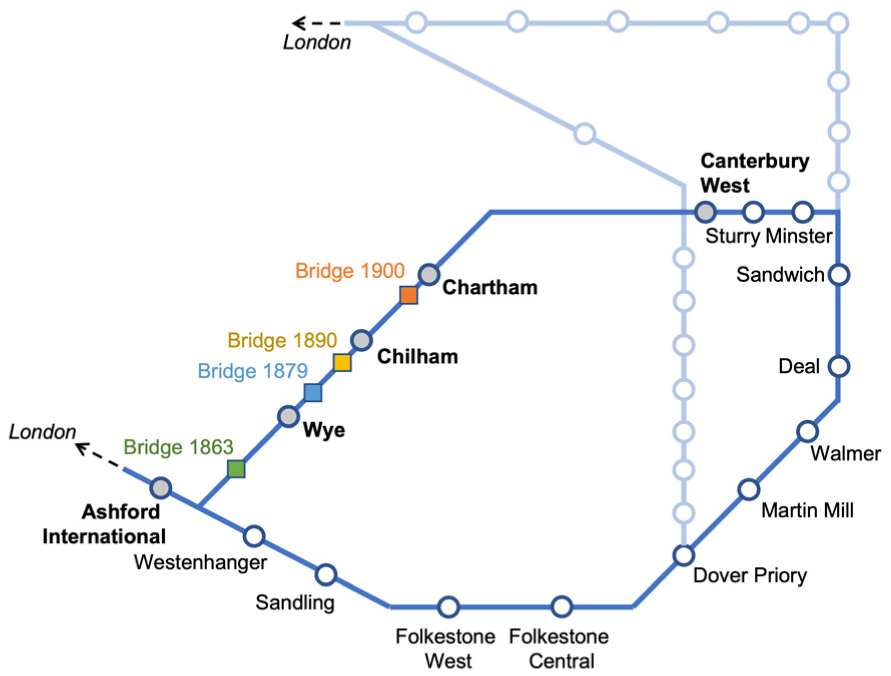
The map of the railway route used for the case study.
Characteristics of Bridges Used for Scour Risk Modeling

Decision-making at the programming level (shown in Figure 1) involves identifying vulnerable bridges on a route-by-route basis by 1) calculating the warning-time-to-failure for each bridge and 2) estimating the operational impacts of bridge closures. The warning-time-to-failure because of scour during a peak flow event determines the intervention levels for enforcing closures at each bridge. This was estimated using Equation 1 based on the SRICOS method (
34
) to calculate the time-dependent local scour (

where




where

where
The warning-time-to-failure results for the investigated bridges on the selected route are adapted from the authors’ previously published work ( 15 ). It was reported that the most vulnerable bridge on the route is Bridge 1900, as it could become highly risky within 8 h of a peak river flow event. While Bridges 1879 and 1890 become vulnerable if the flood lasts half a day, a peak river flow event lasting 24 h could make Bridge 1863 highly vulnerable. The closure of Bridge 1863 would result in disruption to passenger journeys originating at Ashford International and terminating at Canterbury West. Conversely, the closure of the other three bridges on the route would disrupt direct railway journeys between Wye and Canterbury West. Under NR’s current operational rules, a significant flood alert at a high-risk scour site triggers an immediate speed restriction (typically 20 mph) and, if visual or sensor evidence confirms scour, full closure ( 81 ). Bridges equipped with tilt-meters and sonar and stage sensors can remain open longer because decisions are based on live structural response rather than precaution alone. The Lamington Viaduct failure during Storm Frank (Dec 31, 2015) is illustrative; 7 weeks of closure that resulted in tens of millions of passenger-delay minutes prompted wholesale adoption of scour-monitoring packages ( 82 ).
The operational impacts of closure to a given bridge (b) within a subset of bridges (B) under investigation are associated with re-routing the traffic through different travel modes (M) (i.e., alternative railway routes, bus replacement services and private vehicles) and are estimated using Equation 7 ( 26 ).

where

where
The duration of scour-related railway bridge disruptions (both short- and long-term closures) depends on the extent of the damage caused ( 83 ). While the current NR policy requires designs to accommodate 200-year flood events, the implications of climate change predictions from UKCP18 suggest a higher likelihood of reduced return periods for such events ( 84 ). The alternative travel modes considered in this case study are bus replacements and the re-routing of passengers via the comparatively longer route through Folkestone Central and Sandwich (see Figure 2). These operational impacts are evaluated under a series of “what-if” scenarios:
1) Short-term bridge closures triggered by intervention thresholds associated with 1-in-100, 1-in-50, and 1-in-20-year flood events
2) Long-term bridge closures necessitated by repair works following structural failures induced by 1-in-100, 1-in-50, and 1-in-20-year flood events
Monte Carlo simulations were performed for 100,000 iterations using @RISK™ to address the uncertainties associated with data on the length of bridge closures, delays because of re-routing, passengers’ travel mode choices, and the value of travel time. In each case, a normal distribution was assumed, following the approach suggested by Elcheikh and Burrow, and Sasidharan et al. for calculating the operational impact of railway disruptions ( 26 , 85 ). This study employs data from Shires et al. on the representative behavior of UK rail passengers’ travel mode choices when faced with engineering-related disruptions to their journeys ( 86 ). It was reported that approximately 46% of passengers preferred bus replacements, while 21% diverted their journeys via longer railway routes. The remaining passengers preferred to cancel their trips.
Data on passenger usage of the route were provided by NR, while historical data on short- and long-term closures of railway bridges because of scour-related incidents were informed by Lamb et al. ( 83 ). The value of time, reflecting the amount of money a passenger is willing to pay to save time, was adopted from the UK’s Department for Transport’s recommended values ( 87 ).
The estimated operational impacts for the aforementioned scenarios are presented in Figures 3 and 4. It can be observed that the closure of Bridge 1863 will have a greater impact on the route’s operations than other three bridges. The short-term (see Figures 5 and 6) and long-term (see Figures 7 and 8) impacts associated with bus replacements and rail diversions for both routes are also presented. The impact costs of rail diversions are significantly higher than those of bus replacements for both routes across different flood return periods. The high operational impact costs associated with a 1-in-20-year flood, compared with other scenarios, highlight the effects of climate change on railway operations. The 1-in-20-year flood, being more frequent, incurs the highest costs because of cumulative disruptions from service interruptions, re-routing, and reduced passenger confidence. In contrast, the 1-in-50 and 1-in-100-year floods, though rarer, can result in more severe physical damage, requiring costly long-term repairs and extended closures. While the annualized costs of these rarer events are lower because of their infrequency, their impact is amplified by the extensive recovery and rehabilitation needed when they occur. Resilience on railways is not just about saving maintenance and repair bills; it is also about controlling the cascade of operational costs that arise the moment a timetable is disrupted.
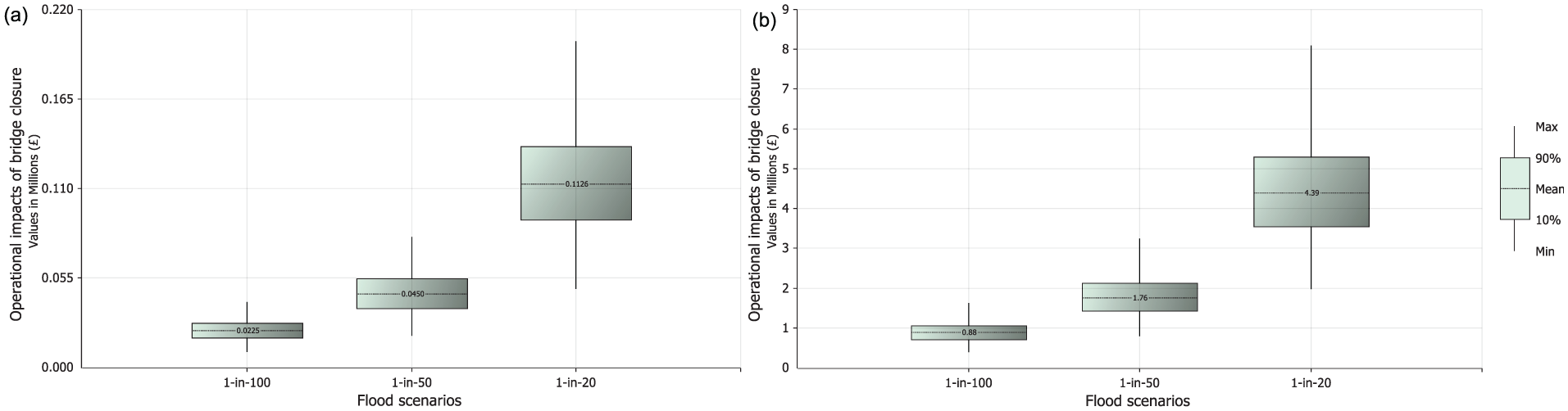
Operational impacts on Ashford International to Canterbury West route resulting from bridge closure: (a) short-term bridge closures, and (b) long-term bridge closures.
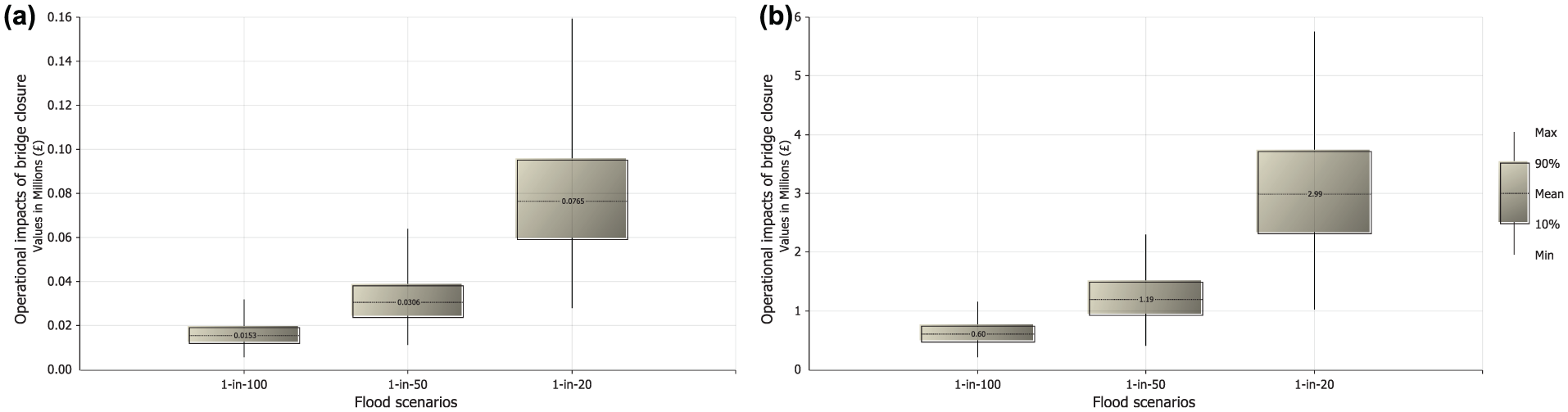
Operational impacts on Wye to Canterbury West route resulting from bridge closure: (a) short-term bridge closures, and (b) long-term bridge closures.
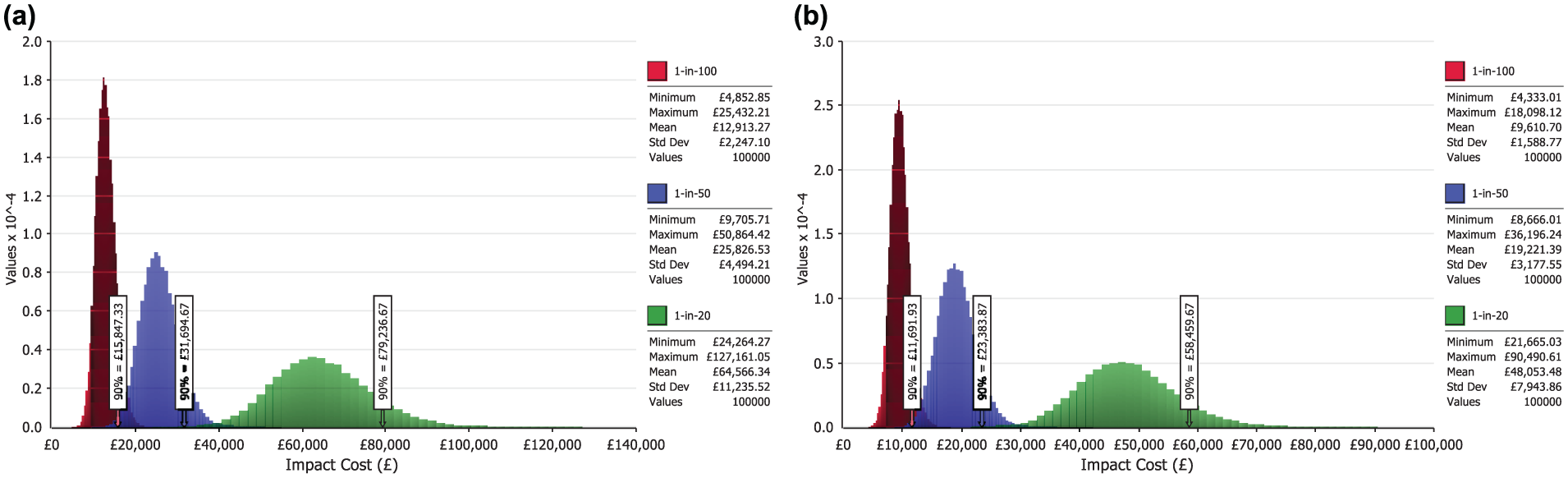
Short-term operational impacts on Ashford International to Canterbury West route resulting from bridge closure: (a) bus replacements, and (b) rail diversions.
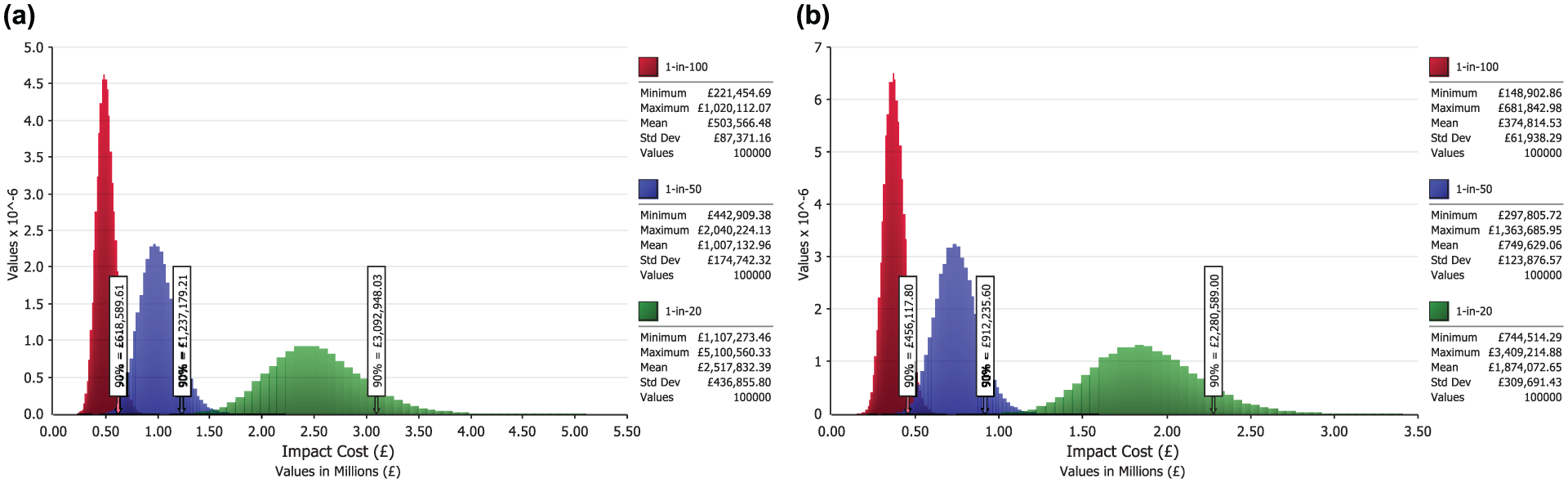
Long-term operational impacts on Ashford International to Canterbury West route resulting from bridge closure: (a) bus replacements, and (b) rail diversions.
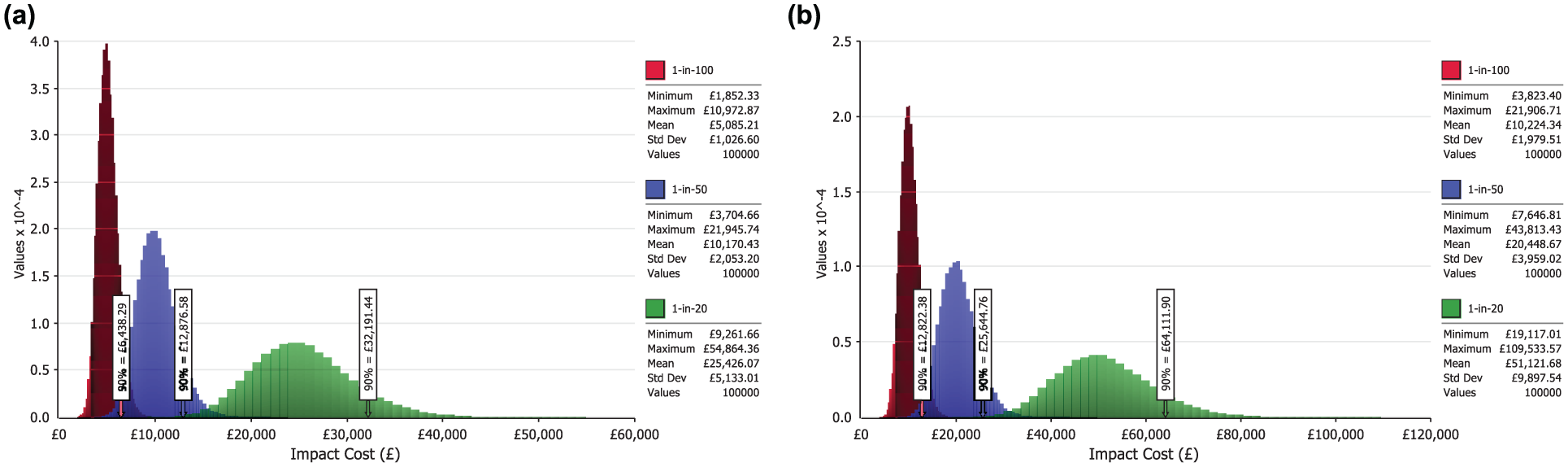
Short-term operational impacts on Wye to Canterbury West route resulting from bridge closure: (a) bus replacements, and (b) rail diversions.
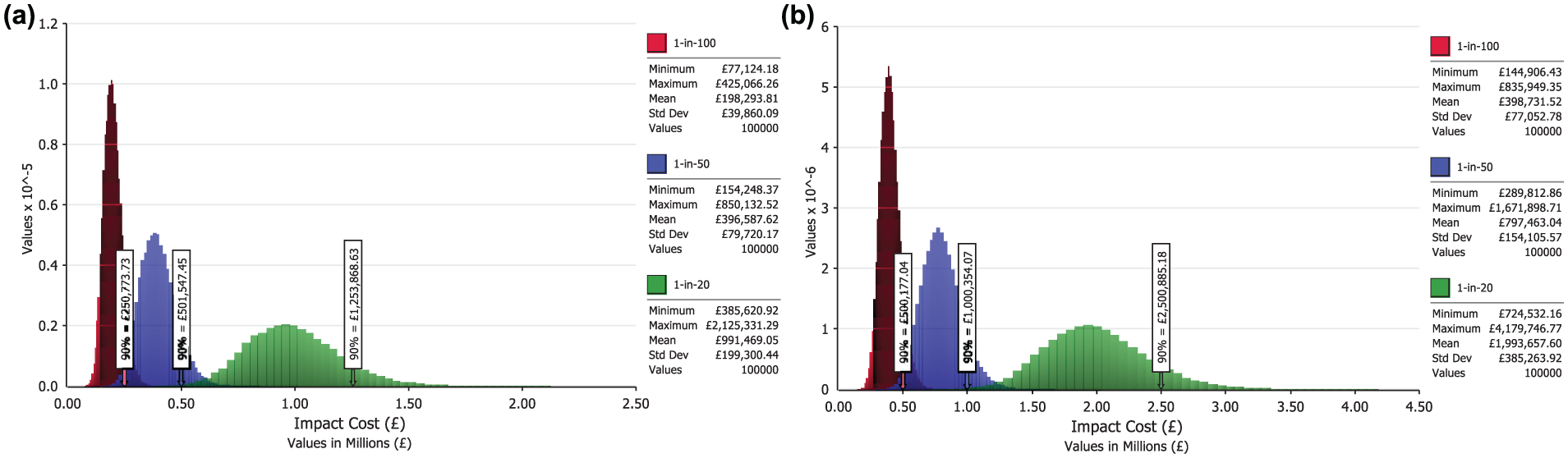
Long-term operational impacts on Wye to Canterbury West route resulting from bridge closure: (a) bus replacements, and (b) rail diversions.
The substantial costs across all scenarios highlight vulnerabilities in existing infrastructure and the urgent need for adaptation. Short-term measures, such as early warning systems, are essential to mitigate frequent disruptions, while long-term investments in flood and scour protection measures are necessary to address the risks of rarer but catastrophic events. A risk-based approach is crucial to prioritize resources effectively, balancing immediate needs with long-term resilience. The results of this analysis can also inform other management functions beyond the demonstrated programming level. For example, at the strategic level, the insights gained can be used to forecast long-term budget requirements and develop high-level risk mitigation plans across the entire network. During the preparation stage, the prioritization list of bridges helps in planning and scheduling maintenance activities efficiently, while ensuring minimal disruption to traffic. Additionally, in operational management, real-time monitoring of bridges identified as critical can be enhanced to support timely interventions and ensure resilience against unforeseen events. Overall, integrating the results across various management functions allows for a coordinated approach to maintaining bridge infrastructure and mitigating risks effectively.
Discussion
The proposed framework for bridge scour management offers a pragmatic approach for infrastructure authorities, emphasizing resilience and sustainable asset longevity. This framework integrates a strategic layer that underpins corporate planning with comprehensive condition and climate risk assessments, ensuring that long-term interventions are prioritized through cost-effective life-cycle considerations. For instance, NR could employ this framework to proactively address scour-related vulnerabilities, thereby preempting disruptions and enhancing the reliability of rail services. Concurrently, at the programming and preparation stages, incorporating environmental impact assessments and establishing adaptive maintenance schedules align with business plans, providing a road map for anticipatory and reactive measures against scour. This is particularly pertinent for LAs and NH, where the maintenance of bridge assets is crucial for the uninterrupted flow of road traffic. At the operational level, the framework’s emphasis on inspections and agile decision-making enables real-time management and immediate mitigation strategies during adverse weather conditions.
The resilience cycle is central to the framework, ensuring that network operations are not only designed to withstand disruptions but also to recover functionality quickly and adapt to evolving risks. Preparedness is emphasized through early warning systems and real-time monitoring, enabling timely responses during peak river flow events. Recovery and adaptation are informed by the analysis of disruption impacts, prioritizing interventions such as scour mitigation and flood protection to enhance long-term resilience.
Fit-for-purpose information is crucial for developing appropriate bridge scour management strategies and for identifying and implementing suitable protection and operational plans. It is key to quantifying the costs of bridge management strategies and the associated impacts on users, safety, the environment, and society. A database allows for storing various sources and types of information, such as bridge drawings, inspection records, rehabilitation activities, condition states of elements, sensor records, and decision histories with timestamps and references. Building information modeling is significant for creating an environment that amalgamates structured and unstructured data from multiple sources (e.g., sensors, inspection and maintenance records, bridge drawings) ( 88 ). For instance, bridge information modeling has been augmented with GIS, creating a central database on a server for storing location information alongside operation, maintenance, and inspection data, and providing visualizations based on these data through web-based user interfaces ( 55 ). It is evident from Table 2 that the existing bridge scour database in the UK needs to be augmented with hydraulic and geological data to improve scour risk assessments. Information about river flow, extreme weather alerts, and flood risks can be obtained from river monitoring stations, environmental agencies, and climate models ( 89 ). Approaches such as “line-of-sight” can systematically identify the data and information requirements ( 90 ).
The case study on the railway route in southeast England illustrates how the operational impacts of scour-related bridge closures on network operations can be estimated and employed for prioritizing operation-critical bridges for interventions. For example, while Bridge 1900 is the most vulnerable on the route, the disruption to Bridge 1863 would result in the highest operational impact despite its lower vulnerability. Thus, Bridge 1900 could be prioritized for scour and/or flood protection measures, followed by Bridges 1879 and 1890 to reduce scour vulnerability on the route. Meanwhile, Bridge 1863 can be prioritized for river-level monitoring to better inform closure/reopening decisions. In the absence of direct measurements of scour and its temporal changes, hydrogeological inputs and foundation depth are utilized. From a resilience and planning perspective, the higher costs of the 1-in-20-year flood scenario highlight the immediate vulnerabilities of railway infrastructure to climate change-induced extreme events. The increasing frequency of what were once considered low-probability floods suggests that the 1-in-20-year scenario may soon represent a “new normal,” demanding urgent adaptive measures. Conversely, the 1-in-50 and 1-in-100-year scenarios underscore the need for long-term investments in infrastructure robustness, as the severity of these less frequent events can cause catastrophic impacts if systems are unprepared.
Overall, these findings illustrate the dual challenge of addressing both short-term operational resilience and long-term infrastructure adaptation in the face of climate change. The data suggest that while preparing for rarer, high-severity floods is essential, the immediate focus should also be on mitigating the higher-frequency 1-in-20-year events, as these are likely to exert the greatest economic and societal toll in the near future. The results from the case study and proposed recommendations were presented to NR’s bridge scour management working group, which includes bridge managers from across the country. During these interactions, the expert team highlighted the need to update NR’s scour risk assessment practices by estimating the warning-time-to-failure, as demonstrated in this case study and Sasidharan et al. ( 15 ). NR’s current mitigation strategies are based on structural information and route criticality without formally estimating operational impact or warning-time-to-failure. Bridge closures are currently enforced when water levels reach maximum acceptable levels indicated by closure markers, the accuracy of which is debatable. Alternatively, flow and water level data from over 1,500 flow gauges and 3,700 monitoring stations across the UK, available online, provide both historical and real-time measurements. These data, accessible via APIs with a lag of approximately 2 hours, can be fed into hydrological models to estimate scour risk progression and warning-time-to-failure at a given bridge, and to estimate associated operational impacts, as illustrated in the case study.
The level of analysis required to estimate the time-to-failure is time-consuming, making it practical for selected bridges but challenging to apply on a larger scale, such as an entire agency inventory. A strategic susceptibility assessment, in which bridges are prioritized for further detailed evaluations based on their susceptibility scores and/or the potential severity of disruptions they may face, informs subsequent detailed inspections and assessments aimed at identifying specific risks and vulnerabilities associated with scour for each prioritized bridge ( 7 ).
Conclusion
This study highlights the critical importance of bridges in maintaining the functionality of transportation networks and emphasizes the need for a standardized approach to managing bridge scour risks across infrastructure authorities in the UK. The proposed bridge management framework, outlined in Figure 1, guides decision-making from strategic, long-term planning at the network level, to operational, daily, or weekly tasks at the individual-bridge level. This framework considers various aspects of bridge management, including condition assessments, environmental impacts, budgeting, prioritization based on cost analysis, and the actual execution and supervision of maintenance and repair work. Designed to be both systematic and dynamic, the framework recommends regular reviews to ensure bridge management is responsive to changing conditions of different defects.
The case study presented in this study demonstrates the application of the proposed framework, showing how operational impacts resulting from bridge closures can inform intervention prioritization. The prioritization strategy considers not only vulnerability but also operational impacts on users, providing a nuanced approach to scour risk management. However, the risk assessment in the case study relies on predictions because of the absence of direct scour measurements, hydrogeological inputs, and foundation depth data.
Engaging with NR’s Bridge Scour Management Working Group, which includes bridge managers from across the organization, provided a valuable forum for presenting the case study findings and yielded critical insights into the framework’s practical implications and effectiveness. NR emphasized the significance of incorporating warning-time-to-failure in decision-making within their scour risk assessment. The current practice, based on structural information and route criticality, lacks a formal estimation of operational impacts and warning-time-to-failure. The study suggests utilizing real-time flow and water level data from a network of monitoring stations, accessible through APIs, to enhance risk assessment models.
The proposed operational impact modeling approach from the case study offers potential extensions to consider impacts on safety, environment, and social consequences. Such a holistic approach becomes crucial in evaluating climate adaptation schemes, especially given predictions of increased flood events in the UK because of climate change ( 84 ). This study advocates for a more proactive and data-driven approach, aligning with evolving climate patterns, and emphasizes the importance of incorporating various impacts into decision-making processes for effective and adaptive risk management. The results demonstrate how a risk-informed and performance-based approach can translate the principles of ISO 55000 into actionable practice. By coupling scour risk assessment with user-oriented performance indicators, the framework advances the notion of value-for-money from cost efficiency alone to enhanced service delivery.
While this study assumed that re-routed trips would be accommodated within the existing transport schedules, future research should explore the impact of disruptions in greater detail. This includes evaluating the potential need for additional buses on detour routes and examining whether increased train frequencies would be required to accommodate shifting passenger demand. Incorporating these factors into future economic analyses would provide a more comprehensive understanding of the operational and financial implications of transport disruptions. Future research could also focus on a cost-benefit analysis of scour mitigation strategies, incorporating LCC and the effectiveness of scour risk mitigation measures.
Footnotes
Author Contributions
The authors confirm contribution to the paper as follows: study conception and design: M. Sasidharan, M. Herrera, A. Parlikad; data collection: M. Sasidharan; analysis and interpretation of results: M. Sasidharan, M. Herrera; draft manuscript preparation: M. Sasidharan, M. Herrera, G. Yilmaz, A. Parlikad, J. Schooling. All authors reviewed the results and approved the final version of the manuscript.
Declaration of Conflicting Interests
The authors declared no potential conflicts of interest with respect to the research, authorship, and/or publication of this article.
Funding
The authors disclosed receipt of the following financial support for the research, authorship, and/or publication of this article: This work was supported by the Engineering and Physical Science Research Council (EPSRC) (Grant Nos. EP/N021614/1—CSIC Innovation and Knowledge Centre Phase 2; EP/Y024257/1—Research Hub for Decarbonized Adaptable and Resilient Transport Infrastructure; EP/T022566/1—DIGITLab - Next Stage Digital Economy Research Centre; and Innovate UK (Grant No. 920035—Centre for Smart Infrastructure and Construction).

Data Availability
The data used for this paper has been provided by Network Rail.