






Abstract
Water damage and limited nighttime visibility are critical challenges for asphalt pavements, often leading to reduced durability and safety hazards. This study introduces a novel multifunctional coating combining superhydrophobic and luminescent properties, achieved through integrating innovative additive materials. The coating, designed to be applied over an emulsified asphalt, aims to enhance water repellency, minimize ice formation, and improve nighttime visibility without additional energy consumption. A factorial design approach was employed to evaluate the effects of additive dosage rates and spray duration on the coatings’ hydrophobicity, luminescence, and anti-icing performance. Results demonstrate significant improvements in hydrophobicity, with contact angles exceeding 150°, achieving superhydrophobicity in most cases. Work-of-adhesion values were substantially reduced, indicating superior ice repellency compared with the control. The luminescent properties of the coatings were optimized, with effective-luminescent-area ratios reaching 66.5%, enhancing visibility under low-light conditions. Anti-icing tests showed extended freezing times for coated surfaces, providing additional safety benefits during snowy or icy conditions. These findings indicate the potential of the modified coating as a sustainable, multifunctional solution for modern road infrastructure, particularly in regions prone to heavy rainfall, ice formation, and low visibility.
Introduction
Water damage remains prevalent in asphalt pavements because of prolonged exposure to natural elements such as rain and snow. The persistent water accumulation on the pavement surface leads to structural deterioration, including rutting, potholes, and moisture-induced alligator cracking, significantly shortening the pavement’s lifespan and escalating maintenance costs. This phenomenon is intensified by ice swelling within the voids of asphalt mixtures, which induces tensile stress, loosens aggregates, and causes erosion and raveling ( 1 , 2 ). Current mitigation strategies primarily focus on improving waterproofing and drainage capacities or enhancing adhesion between asphalt binder and aggregate. Between these two, optimizing drainage and waterproofing performance is considered the most effective approach, as it directly minimizes water infiltration and damage to the pavement structure ( 3 , 4 ).
Recent advancements in materials science have introduced superhydrophobic surfaces, offering exceptional self-cleaning capabilities and rapid water removal. These surfaces, characterized by contact angles exceeding 150°, provide superior anti-icing and deicing functionalities compared with traditional methods, offering advantages such as low energy consumption and eco-friendliness (5–7). While widely explored in the aerospace, marine, and medical fields, the application of superhydrophobic coatings in pavements is still in its early stages. Research on superhydrophobic coatings for asphalt pavements has demonstrated their potential to improve performance and extend service life. Still, applications remain limited to laboratory settings and require further exploration for real-world implementation. Similarly, self-luminescent materials have emerged as a promising solution to improve nighttime road visibility, in response to increasing functional demands on roadways driven by advancements in highway construction (8–11). These materials can store energy during the day and emit light at night, enhancing driving safety and reducing highway power consumption without increasing energy demands ( 12 , 13 ).
While superhydrophobic materials have been widely studied for enhancing water repellency, their combination with luminescent materials in a multifunctional coating for asphalt pavements remains unexplored. This study proposes a novel coating applied on asphalt-emulsion-coated surfaces, where the emulsion acts as a foundation for the multifunctional coating. Superhydrophobic properties can minimize water and snow accumulation, reducing the risk of skidding and preventing moisture-related damage. At the same time, luminescent materials can enhance nighttime visibility without excessive energy use or light pollution. This dual-function coating could be particularly beneficial in the southern regions of the U.S., which are prone to heavy rainfall, and in cold areas of the northern regions, which are prone to ice formation, offering improved safety and durability.
Objectives and Scope
This study aims to develop and evaluate a novel multifunctional coating for asphalt pavements, designed to address critical challenges related to water damage, snow accumulation, and nighttime visibility. The coating aims to enhance water repellency, minimize ice formation, and improve road visibility without additional energy consumption by combining superhydrophobic and luminescent properties. This innovative system, applied over asphalt-emulsion-coated pavements, can ensure strong adhesion, durability, and compatibility. To validate these characteristics, a series of laboratory tests was conducted. Contact-angle measurements assessed the hydrophobicity of the coatings, while work-of-adhesion calculations evaluated their resistance to ice and snow formation. Luminescent properties were examined to determine the effective-luminescent-area ratio and afterglow performance. Anti-icing tests measured the coatings’ ability to delay ice formation on asphalt surfaces under controlled freezing conditions. Additionally, scanning electron microscopy (SEM) was employed to analyze the surface morphology and particle distribution of the coating materials, providing insights into their structural and functional properties. Through this investigation, the study sought to optimize the coating’s formulation and application across diverse climatic conditions, offering a sustainable, multifunctional solution for modern road infrastructure.
Background
The development of superhydrophobic surfaces for pavement applications has drawn significant attention because of their ability to repel water and reduce moisture-related damage. These surfaces are typically created using sol–gel processes, vapor deposition, electrochemical techniques, and template-based approaches. For asphalt pavements, superhydrophobic coatings have been developed by incorporating materials such as polytetrafluoroethylene (PTFE), room-temperature-vulcanized (RTV) silicone rubber, and hydrophobic nanoparticles ( 14 , 15 ). Studies have demonstrated the effectiveness of these coatings in enhancing the hydrophobicity of asphalt surfaces (16–21). For instance, using PTFE-based coatings, contact angles on asphalt surfaces increased from 75° to over 156°, achieving superhydrophobicity and significantly reducing water infiltration ( 16 , 17 ). Another approach involved using acrylic superhydrophobic coatings (ASC) with carbon nanotubes, resulting in increased water repellency because of the formation of micro- and nanostructures on the asphalt surface ( 18 ). Nanoparticles such as titanium dioxide (TiO2), silicon dioxide (SiO2), and zinc oxide (ZnO) are frequently incorporated into superhydrophobic coatings to create hierarchical surface roughness, which is essential for water repellency (19–21). For example, TiO2 nanoparticles combined with polydimethylsiloxane (PDMS) yield coatings with high physical and chemical stability ( 22 ). These advancements improve the pavement’s resistance to water damage and enhance its durability under varying environmental conditions. However, challenges remain in respect of the wear resistance and long-term durability of superhydrophobic coatings under traffic loads. Continuous research focuses on developing coatings that maintain hydrophobic properties while enduring mechanical stresses and environmental wear.
On the other hand, incorporating luminescent materials into asphalt pavements aims to enhance nighttime visibility and reduce reliance on traditional road-lighting systems. Luminescent materials, such as sulfide-, aluminate-, and silicate-based compounds, exhibit high brightness, long afterglow durations, and stable chemical properties. Among these, strontium aluminate doped with europium and dysprosium (SrAl2O4: Eu2+, Dy3+) stands out for its high brightness, long afterglow time, and chemical stability, providing visible light for up to 8 h. These materials can be categorized by application method, including self-luminescent coatings, embedded luminescent aggregates, and cement-based luminescent materials (23–25). For instance, Wang et al. ( 26 ) incorporated artificial fluorite into cement mortar, creating a luminescent pavement with high afterglow brightness, long service life, and low maintenance costs. He et al. ( 27 ) developed a self-luminescent cement-based composite by mixing luminescent powder with reflective powder in a cement binder. Furthermore, epoxy-resin-based luminescent coatings have been applied to asphalt surfaces, demonstrating significant improvements in nighttime visibility. Transparent asphalt mixtures containing artificial luminescent stones have also been developed, offering afterglow effects visible for up to 8 h ( 28 ). These innovations enhance safety and provide aesthetic benefits, making them suitable for urban and scenic applications. Despite their advantages, luminescent materials in pavements face several limitations. For instance, transparent asphalt binders, commonly employed in luminescent mixtures, often compromise the mechanical properties of the pavement. To mitigate these issues, researchers have explored semi-flexible pavement structures by integrating luminescent materials into the voids of porous asphalt mixtures, thereby protecting the luminescent components from wear and preserving the pavement’s structural integrity. Studies have further optimized the composition and grouting parameters of epoxy-resin-based long-afterglow materials, achieving a balance between mechanical performance and luminescence ( 27 ).
Despite these notable advancements, integrating superhydrophobic and luminescent properties into a single system for asphalt pavements represents a groundbreaking approach to simultaneously addressing water damage and nighttime visibility challenges. Despite the evident benefits of these dual functionalities, no prior research has examined their combination, particularly in a coating system applied to asphalt pavements. This study introduces an innovative solution by developing a PTFE- and SrAl2O4:Eu2+-modified multifunctional coating that combines superhydrophobic and luminescent properties. Ideally, this coating is applied over an asphalt emulsion, which binds the asphalt mix and the advanced coating, ensuring strong adhesion, durability, and compatibility. This novel approach might enhance pavements’ functional performance under diverse environmental conditions and address critical safety concerns, offering a sustainable, durable, and multifunctional solution for modern road infrastructure.
Methodology
A factorial experimental design was employed to investigate the effects of various factors on the superhydrophobic and luminescent performance of the newly developed coating. The study considered three primary variables: spray duration (3, 6, 9, and 12 s), PTFE dosage rate (5%, 10%, 15%, and 20%), and SrAl2O4:Eu2+ dosage rate (2%, 4%, 6%, and 8%). For the superhydrophobic-coating performance evaluation, 16 coating samples were prepared using combinations of four spray durations and four PTFE dosage rates; see Table 1. Although some concentration–spray duration combinations may yield similar PTFE surface loading, both variables were varied to examine their combined influence on coating formation and performance during spray deposition.
Description of Coatings Evaluated in the Experimental Program
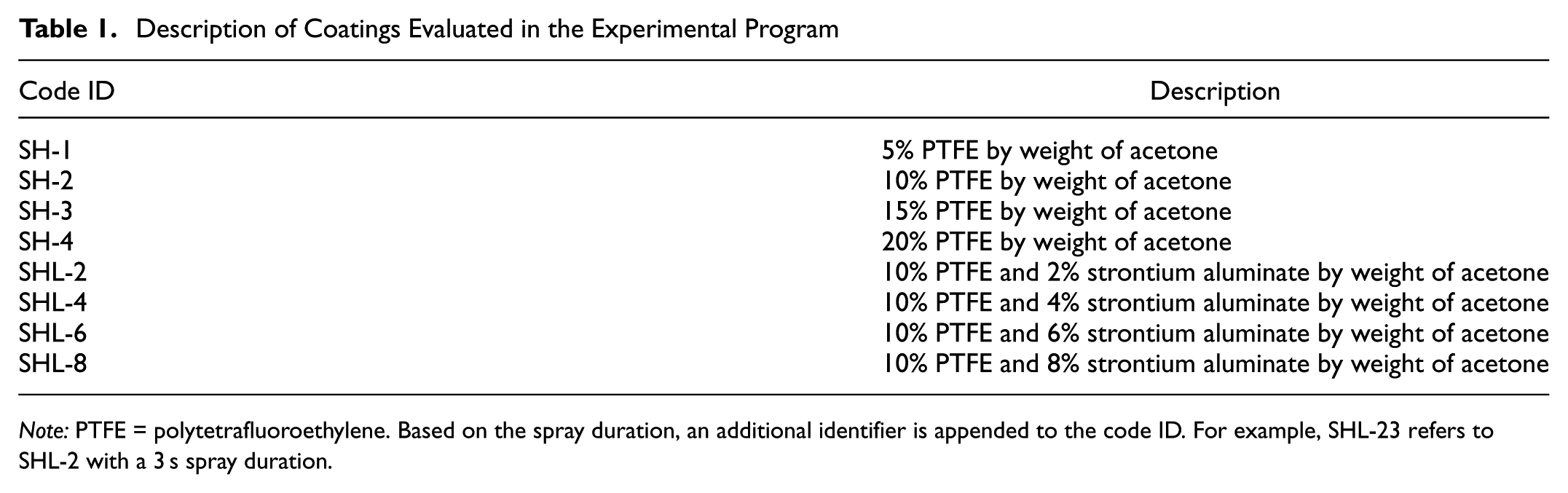
Note: PTFE = polytetrafluoroethylene. Based on the spray duration, an additional identifier is appended to the code ID. For example, SHL-23 refers to SHL-2 with a 3 s spray duration.
For multifunctional coatings, an additional 16 samples were prepared with a fixed PTFE dosage rate of 10% and varying SrAl2O4:Eu2+ dosage rates (2%, 4%, 6%, and 8%) across the four spray durations (Table 1). To evaluate luminescent and anti-icing properties, nine stone mastic asphalt (SMA) mix samples, including one control, were coated with BC-1HT emulsion, sprayed with functional coatings of varying particle dosages and spray durations, and subsequently evaluated.
Preparation of PTFE and SrAl2O4:Eu2+ Modified Coatings
Four separate superhydrophobic coatings were prepared in this study with PTFE concentrations of 5%, 10%, 15%, and 20% by weight in acetone, resulting in coatings labeled SH-1, SH-2, SH-3, and SH-4; see Table 1. First, 100 g of acetone was added to a mixing can. Then, PTFE was added in the desired quantity and was stirred for 10 min at 500 rpm at room temperature to ensure homogeneity, as illustrated in Figure 1. Acetone was used as a dispersing medium because it provides fast evaporation and easy processing for laboratory-scale coating preparation. Further, to prepare the multifunctional coating, a specialized particle-dispersion system was prepared using PTFE at a fixed concentration of 10% by weight of acetone, into which strontium aluminate was introduced at concentrations of 2%, 4%, 6%, and 8% by weight of the solvent, denoted by SHL-2, SHL-4, SHL-6, and SHL-8, respectively. These mixtures were stirred for 5 min at 500 rpm to fully integrate the luminescent particles into the PTFE matrix. It should be noted that PTFE was fixed at 10% by weight of acetone in the multifunctional coatings; the addition of strontium aluminate changed the overall formulation. The physical and chemical properties of the additives (PTFE and SrAl2O4:Eu2+) and emulsion (BC-1HT) used in this study are detailed in Table 2.
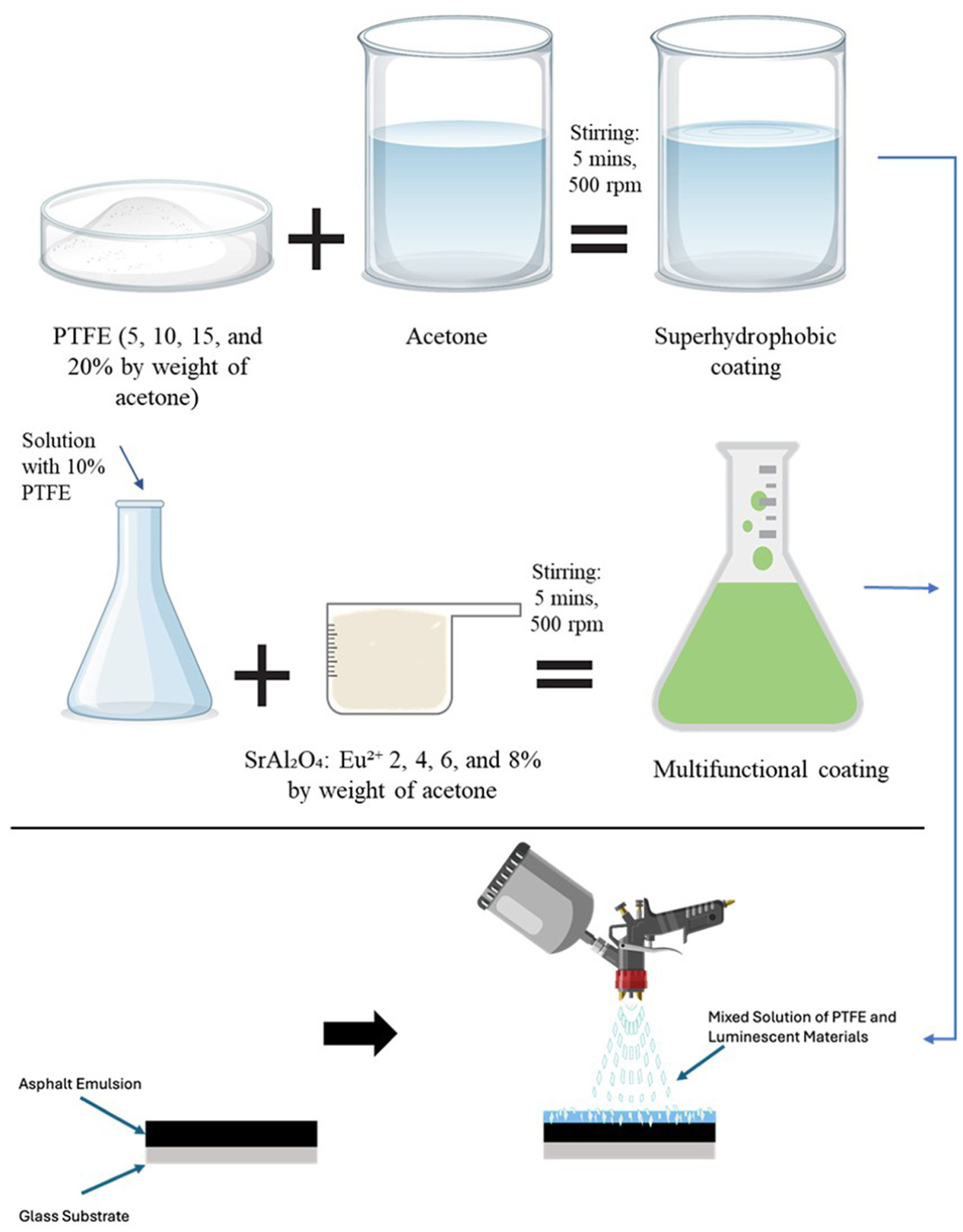
A schematic illustrating the preparation and application of superhydrophobic and luminescent asphalt coating.
Physical and Chemical Properties of the Additives and Emulsion Used
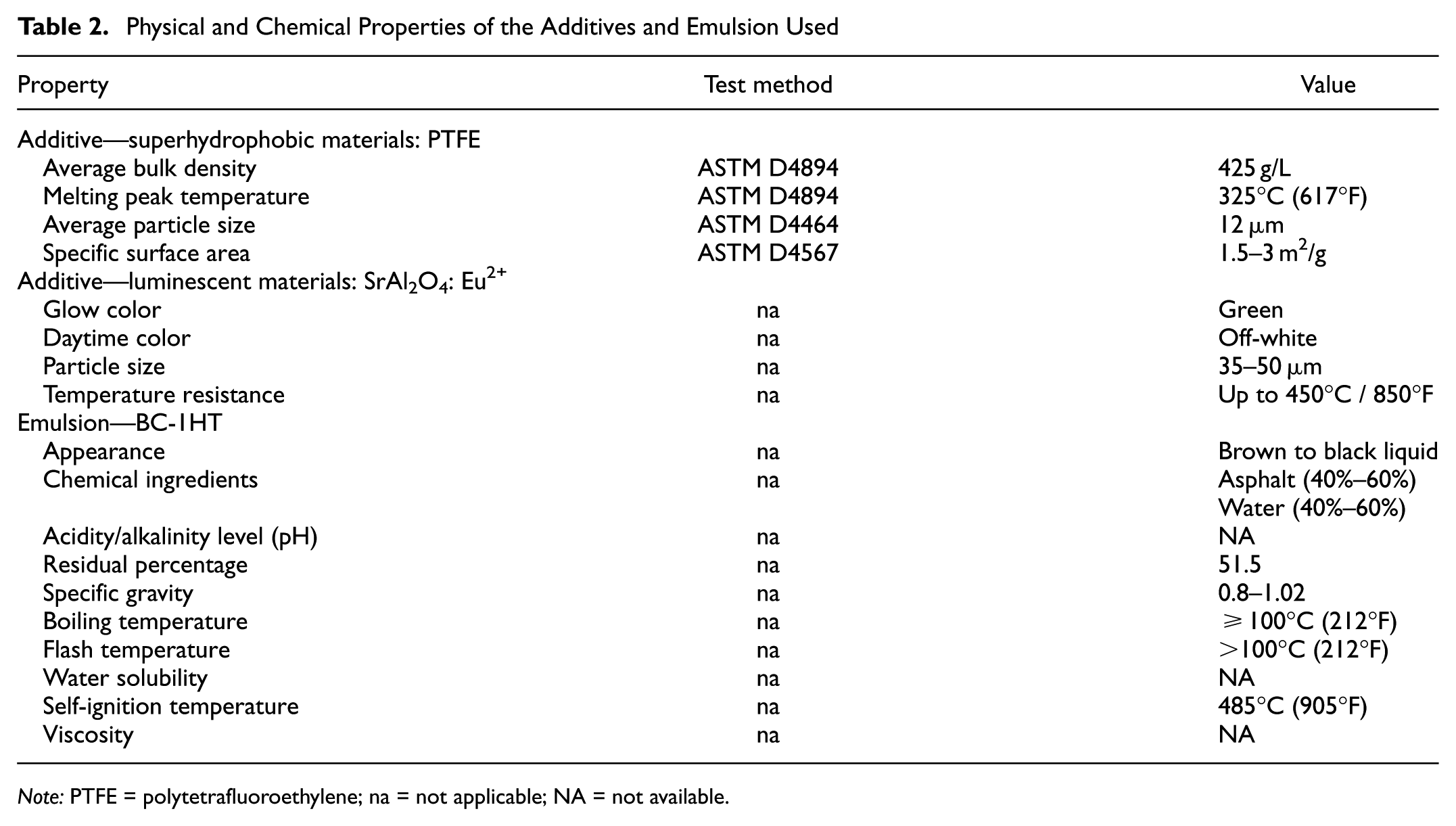
Note: PTFE = polytetrafluoroethylene; na = not applicable; NA = not available.
Fabrication of Superhydrophobic and Luminescent Asphalt-Emulsion Coating for Contact-Angle Measurements
Multiple techniques can be used to prepare superhydrophobic surfaces. This investigation employed a layer-by-layer method to prepare the superhydrophobic coating. First, a uniform layer of preheated (60°C for 10 min) BC-1HT asphalt emulsion was applied over a 25 mm × 50 mm glass plate; see Figure 1. Subsequently, the prepared superhydrophobic coatings were applied to the glass plate substrates pretreated with emulsified asphalt using a spray gun equipped with a 1.4 mm tip nozzle. Spraying was conducted at an operating pressure of 30 psi from a vertical distance of 20 cm. Each coating combination was applied over four distinct spraying durations: 3, 6, 9, and 12 s, corresponding to coating application rates of approximately 30, 60, 90, and 120 g/m2, respectively.
To prevent the PTFE from hardening prematurely in the spray device, a new batch of the PTFE mixture was prepared for each test condition. In addition, to minimize changes in suspension consistency caused by acetone evaporation, each formulation was freshly prepared and immediately sprayed onto the substrate. Like the superhydrophobic coatings, the multifunctional coatings were sprayed onto the substrate using the same time increments. This process was meticulously carried out by thoroughly cleaning the spray gun designated for superhydrophobic coatings with water several times, then once with acetone, before adding the combined superhydrophobic-luminescent coatings into the spray cup to prevent cross-contamination. The application of these coatings was carefully monitored to ensure a consistent and uniform layer on all specimens. After spraying, the substrates were left to cure for 24 h at room temperature, after which their hydrophobic properties were fully evaluated.
Preparation of Asphalt-Concrete Substrates
This study prepared the asphalt-concrete substrates using an SMA mix with a 12.5 mm nominal maximum aggregate size (NMAS). The aggregate blend included coarse limestone, fine limestone, and fine river sand, conforming to Louisiana specifications, and used styrene-butadiene-styrene (SBS) polymer-modified PG 76-22 asphalt binder. A Level 2 SMA mix design, following AASHTO M 325 and R 35 standards, was used to compact 150 mm diameter by 60 mm height asphalt-concrete specimens with 7% air voids. A trackless anionic BC-1HT asphalt emulsion was then uniformly applied to the compacted specimens’ surface and was used as the base for the superhydrophobic and luminescent coatings. The coatings were applied after the emulsion layer on the compacted samples had adequately cured, the emulsion being maintained at 35°C for 4 h. Subsequently, the multifunctional coatings were sprayed onto the surface to ensure sufficient bonding with the asphalt-concrete specimen. The coated samples were then allowed to cure for an additional 24 h before the testing procedure began. Figure 2 shows the SMA mixture gradation design used in this study.
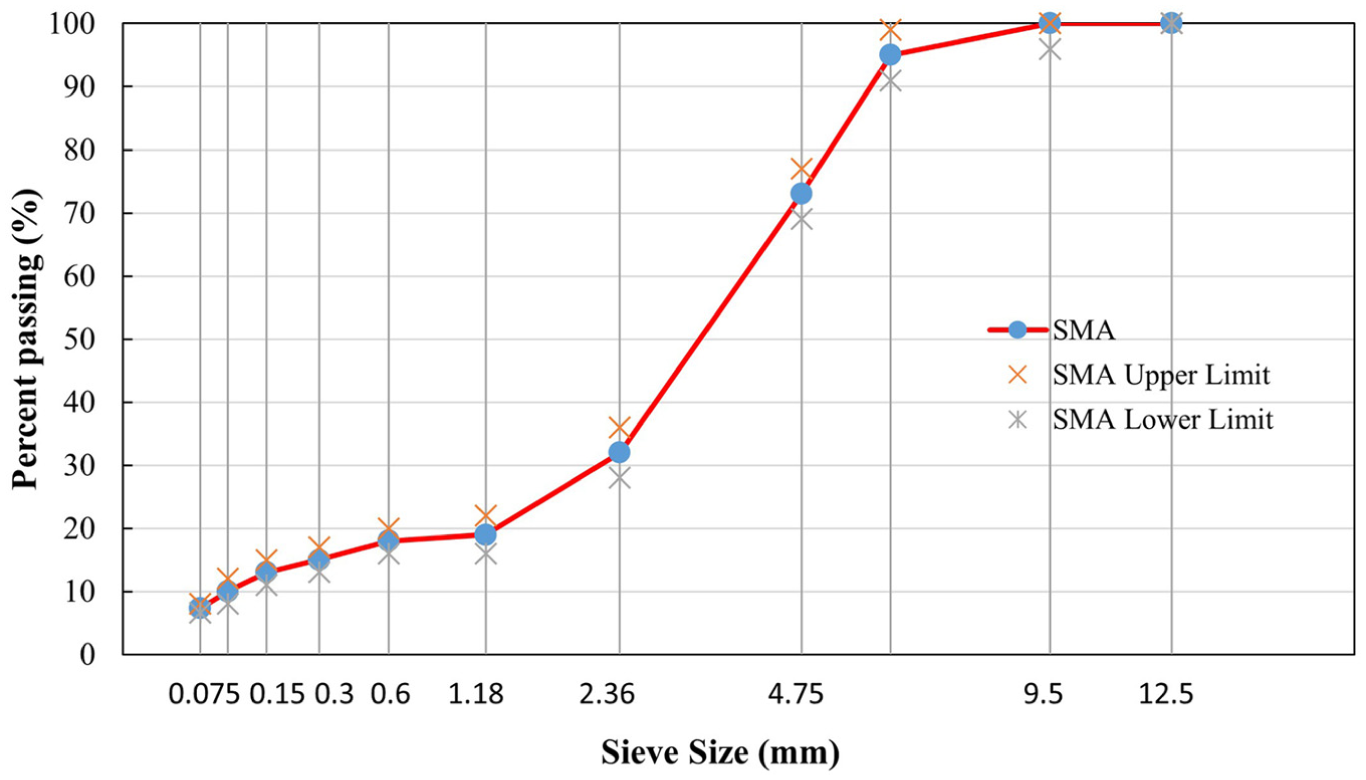
SMA mixture gradation design.
Laboratory Test Methods
Contact-Angle Measurements
A precise, controlled methodology was implemented to accurately assess the contact angles of water droplets on the surfaces of the different coatings, following the general principles of ASTM D7334. The process began with depositing a 4 μL water droplet onto three designated areas of each specimen using a syringe. This specific volume was chosen to ensure that droplets were large enough for stable deposition yet small enough to minimize gravitational deformation of their shape. After deposition, the droplets were allowed to rest for 30 s to reach equilibrium before imaging. For imaging, a tripod-mounted iPhone 15 Pro Max in macro mode was used to capture detailed images of the droplets. To ensure high-quality images, lighting conditions around the camera lens were carefully optimized to provide sufficient illumination, enhancing contrast and clearly delineating the solid–liquid and liquid–gas interfaces.
Once high-contrast images were obtained, ImageJ with the drop-shape-analysis plugin was used to measure contact angles accurately (see Figure 3). The drop-shape-analysis tool uses the low-bond axisymmetric drop-shape-analysis (LB-ADSA) model, which is based on a first-order perturbation solution of the Laplace equation for axisymmetric drops. This model considers the entire drop profile to accurately determine contact angles. It is computationally efficient and integrates seamlessly with image-analysis software, avoiding complications and inaccuracies associated with smaller droplets. The procedure was conducted under controlled laboratory conditions, with the temperature maintained at 25°C and relative humidity at 65%. These conditions were carefully regulated to prevent external variables from affecting droplet stability and subsequent contact-angle measurements. This systematic approach ensured that the measured contact angles accurately represent the wetting characteristics of the coated asphalt specimens, providing reliable data for analyzing their surface properties.
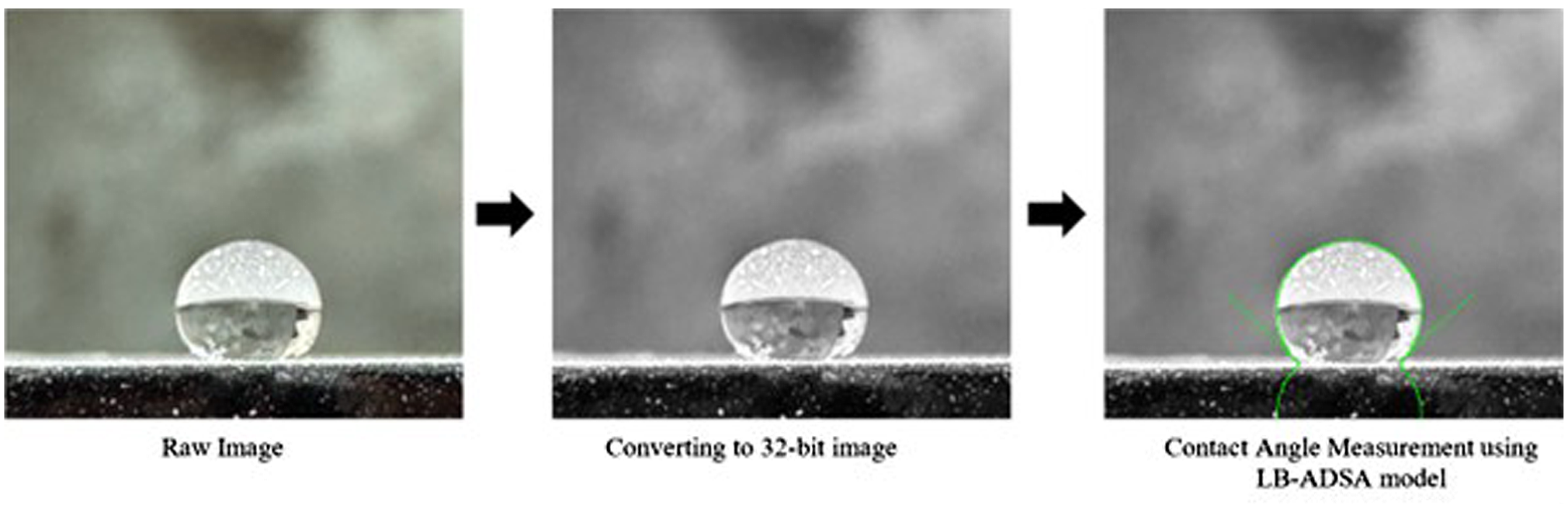
Measurement procedure of water contact angle.
Luminescent Properties Test
In this study, the effects of PTFE and strontium-aluminate concentrations and spray duration on the superhydrophobic properties of the coating were investigated by producing multifunctional specimens. Uniform spraying of SHL-2 and SHL-4 coatings with spray durations of 3 s and 9 s, respectively, was performed on four SMA mix samples, designated as SHL-23, SHL-29, SHL-43, and SHL-49. Initially, the BC-1HT emulsion was preheated to 60°C and applied to the surface of the mix samples at a rate of 0.31 gallons per square yard, as specified by the Louisiana Department of Transportation and Development (LaDOTD). The coatings were then evenly sprayed onto the asphalt-mix surfaces to produce multifunctional asphalt samples. These samples were cured at room temperature for 24 h and subsequently conditioned in darkness for 24 h to stabilize their luminescent properties.
Before luminescence measurements, the samples were exposed to natural daylight for 8 h under ambient conditions (approximately 10,000–25,000 lx), representing real-world excitation of the luminescent materials. The luminescence intensity of the samples was measured using a Konica Minolta LS-100 Handheld Luminance Meter. Additionally, afterglow performance was evaluated through digital image analysis conducted with a Sony A6000 camera (see Figure 4). This systematic approach provided valuable insights into the luminescent performance and practical applicability of the coatings, highlighting their multifunctional potential.
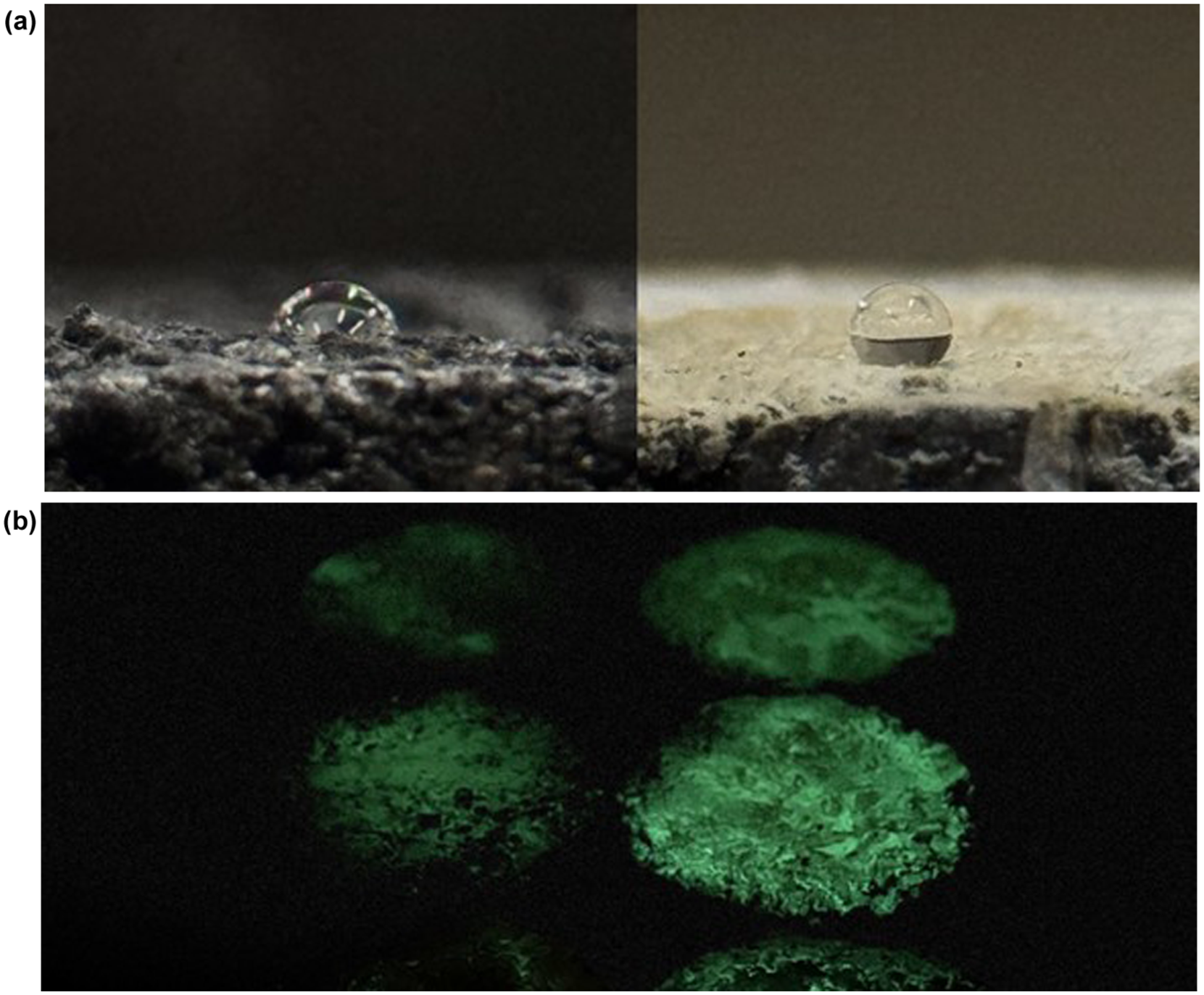
Multifunctional asphalt-emulsion coatings: (a) interaction of water droplets with asphalt-emulsion-coated mix specimens, comparing uncoated (left) and coated (right) surfaces; and (b) luminescent behavior of coated specimens under dark conditions.
SEM Measurements
In addition to analyzing the water contact angle and luminescent properties, the particle-size distribution and surface morphology of PTFE and strontium-aluminate materials were examined using SEM. In this study, particle morphology was observed using a Quanta 3D DualBeam™ FEG FIB-SEM, equipped with a Focused Ion Beam (FIB) and a high-resolution Field Emission Gun Scanning Electron Microscope (FEG-SEM). This advanced equipment provided detailed SEM images of the PTFE and luminescent particles, enabling a comprehensive evaluation of their structural and morphological characteristics.
Anti-Icing Properties Test
Nine SMA mix samples, including one control, were prepared. Four samples were sprayed with superhydrophobic coatings, varying PTFE concentrations (10% and 20%) and spray durations (3 and 9 s), designated as SH-23, SH-29, SH-43, and SH-49, respectively. The remaining four samples were sprayed with multifunctional coatings containing 10% PTFE, with luminescent-material concentrations of 2% and 4%, and the same spray durations (3 and 9 s), designated SHL-23, SHL-29, SHL-43, and SHL-49, respectively. All SMA samples were precoated with BC-1HT emulsion to ensure proper adhesion before applying the functional coatings. For the freezing-time test, 1 mL of water was placed on each sample surface and allowed to freeze completely at −18°C, with the freezing time recorded for performance evaluation.
Mean-Texture-Depth Measurements
The sand-patch test was conducted to assess the impact of newly developed superhydrophobic and luminescent coatings on the macrotexture depth and skid resistance of asphalt pavement. The test followed ASTM E 965 and was performed on SMA specimens measuring 150 mm in diameter and 60 mm in height, with an air void content of 7%. Dried, debris-free samples coated with the multifunctional coatings were used for texture measurements. A cylindrical container with a volumetric scale was filled with Ottawa sand and carefully poured onto the cleaned surface. To ensure uniform distribution, a standard 75 mm-diameter hockey puck was moved in a circular motion to create a smooth, even layer. The sample weight before and after sand spreading was recorded to calculate the volume of sand used. Additionally, the diameter of the sand patch was measured at four equally spaced points around its perimeter, and the average diameter was determined. Three measurements were taken for each sample, and the mean value was calculated to determine the surface texture depth.
Statistical Analysis
The laboratory data derived from contact-angle measurements of superhydrophobic and superhydrophobic-luminescent coatings were analyzed using analysis of variance (ANOVA) at a 95% confidence level (α = 0.05). This analysis aimed to determine whether variations in dosage rates, spray times, and coating types led to statistically significant differences in contact-angle outcomes. Before conducting ANOVA, the necessary assumptions were verified using the Statistical Analysis System (SAS) 9.4 software. Following the ANOVA, a pairwise t-test was conducted between the control sample and all the coatings investigated in this study to see if they were statistically significantly different.
Results and Analysis
Water Contact-Angle Test Results
Effects of Superhydrophobic Materials Dosage Rate on Contact-Angle Measurements
During the measurement process, an exact volume of water was carefully deposited onto each specimen’s surface. ImageJ software was utilized to accurately determine the points of intersection at the solid–liquid and liquid–gas interfaces, enabling precise measurement of the contact angles. Each experimental condition was rigorously tested, with three individual contact-angle measurements recorded for each replicate. Table 3 and Figure 5 present the results, detailing the contact-angle measurements for the control group and for PTFE materials at various dosage rates and spray durations, with error bars indicating the standard deviation (±SD). In these measurements, the coefficient of variation (COV) ranged from 0.56% to 4.98% across all samples, indicating consistent sample preparation and measurement.
Contact-Angle Test Results for the Control Sample

Note: COV = coefficient of variation.
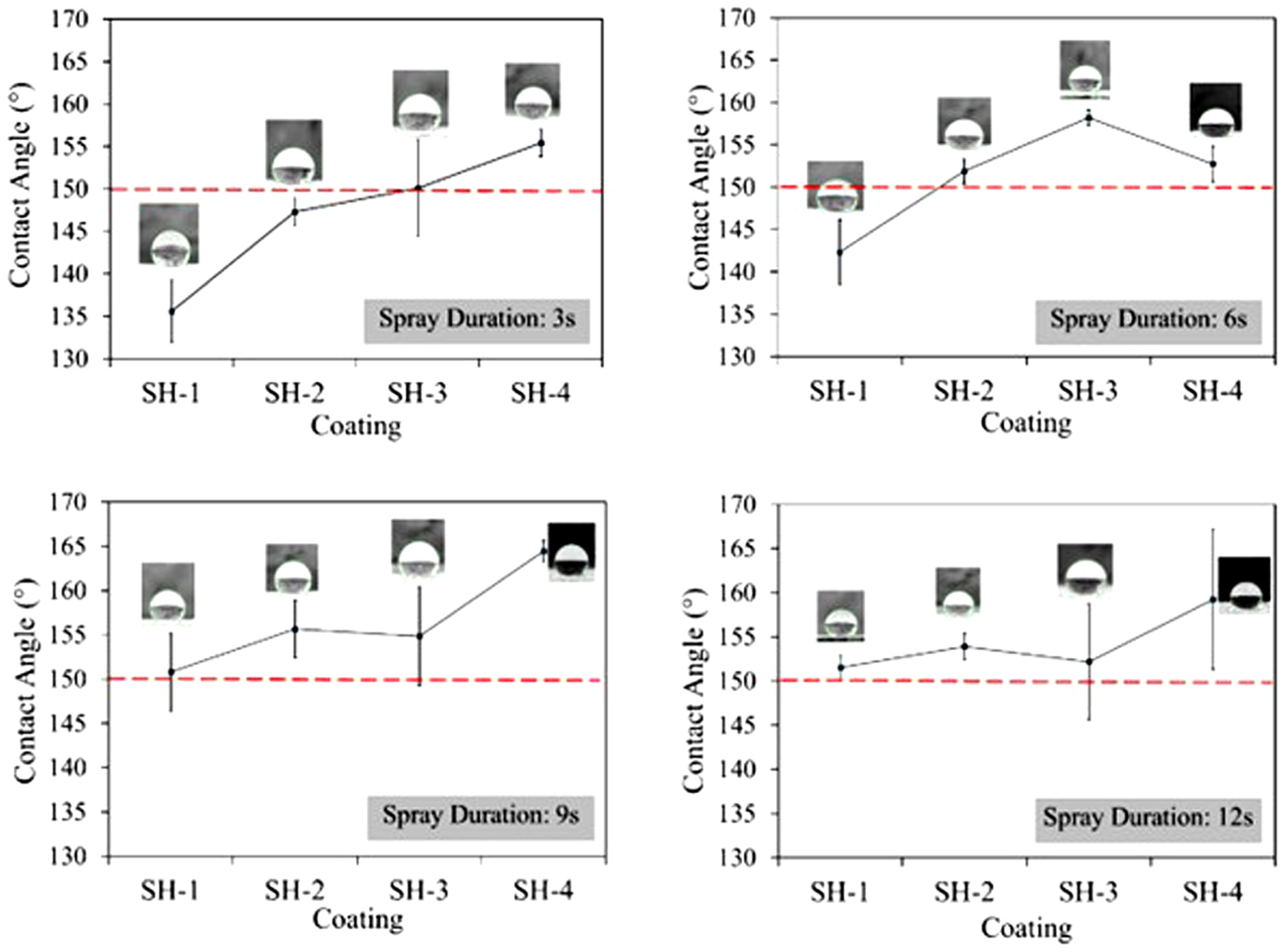
Water contact-angle results of PTFE-modified asphalt-emulsion coating under different concentration–spray duration combinations.
Results shown in Figure 5 across different spray durations reveal a clear enhancement in the hydrophobic properties of asphalt coatings with increasing application times, peaking at 9 s. Starting with a 3 s spray, the coatings significantly improved the hydrophobicity compared with the control group (see Table 3), achieving an average contact angle of 147.1°. This angle further increased to 151.3° at 6 s, indicating a steady improvement in performance. The optimal hydrophobic effect was reached at 9 s, with the highest recorded contact angle of 164.5° for SH-4, suggesting this duration maximized effectiveness without oversaturation. However, it should be noted that, except for SH-1, all other coatings reached superhydrophobicity (contact angle ≥ 150°) at a spray duration of 6 s, indicating that the optimal spray duration could be between 6 and 9 s. On the other hand, extending the spray time to 12 s slightly reduced the contact angle for all coatings with PTFE concentrations of 10% or more by weight of acetone, thereby reducing the overall average contact angle to 154.2° and increasing variability, indicating potential oversaturation that undermined efficiency. This finding suggests that longer application times may not be economically or technically advantageous, as they do not proportionately improve hydrophobicity and may result in inconsistent coatings.
Likewise, a higher concentration of superhydrophobic materials may not be necessary to achieve superhydrophobic surfaces. To qualify as superhydrophobic, a surface must exhibit a contact angle of 150° or higher. It is evident from the results that the water contact-angle trends may not always follow the trend of increasing hydrophobicity with increasing PTFE concentration. While SH-4, which had the highest PTFE concentration (20%), generally exhibited the highest water contact angle across all spray durations, SH-3 showed the best hydrophobic properties at 6 s.
A statistical analysis conducted using ANOVA at a 95% confidence level (α = 0.05) indicated that both the additive dosage rate and the spray time were significant factors (F-values of 22.57 and 12.74, respectively) affecting the water-repellency performance of the test samples. Across all PTFE concentrations and spray durations, the superhydrophobic-coating groups showed statistically significant differences from the control group, as indicated by the adjusted p-values (all <0.0001) and simultaneous 95% confidence limits. Table 4 presents the details of the statistical analysis using one-way ANOVA followed by Tukey’s Honestly Significant Difference (HSD) test. The Tukey HSD test revealed statistically significant differences between the control and most treatment groups, while accounting for the increased risk of Type-I error from multiple comparisons. These results confirm that both the concentration of superhydrophobic material and the application duration are key variables in optimizing functional coating performance.
Summary of the Tukey HSD Statistical Results of the Superhydrophobic-Coating Groups
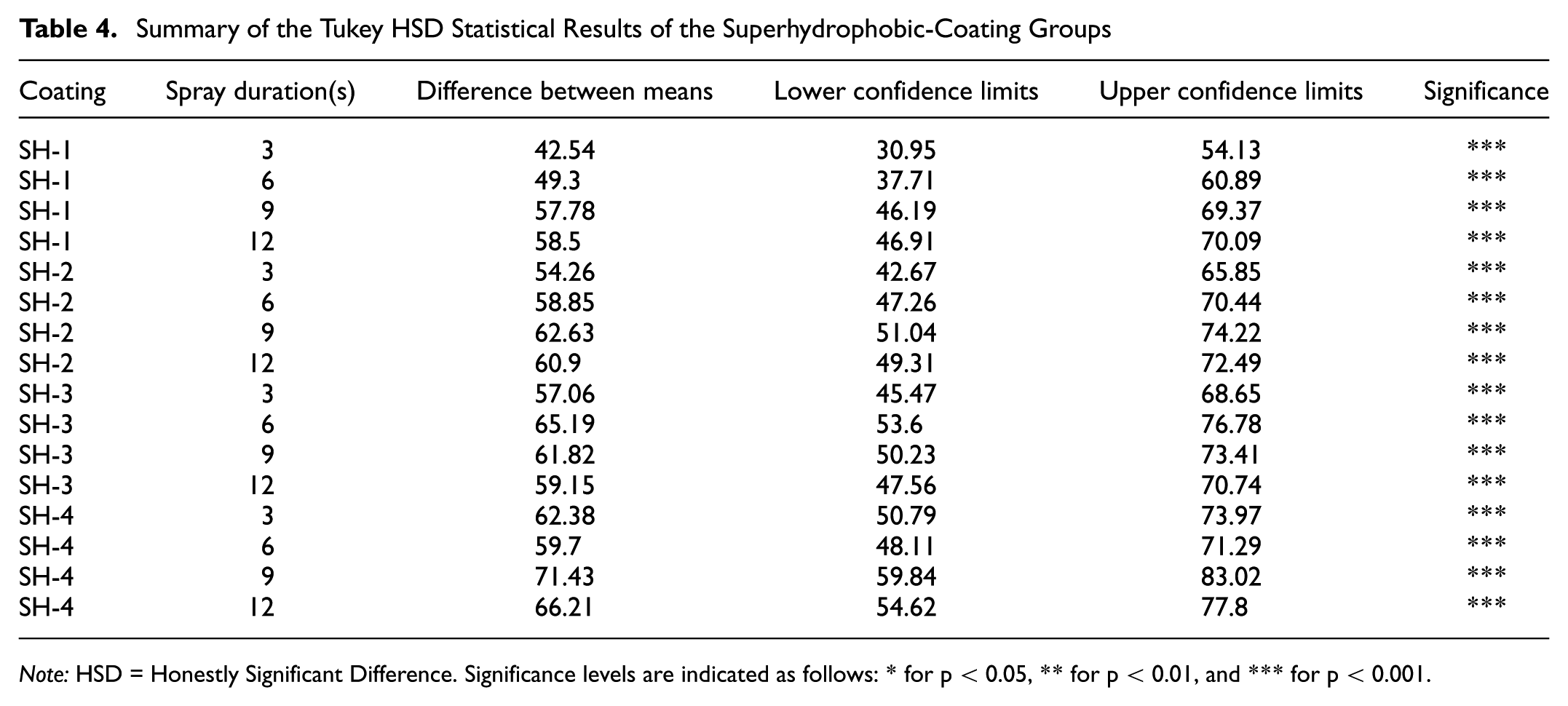
Note: HSD = Honestly Significant Difference. Significance levels are indicated as follows: * for p < 0.05, ** for p < 0.01, and *** for p < 0.001.
Effects of Luminescent-Additive Dosage Rates on Contact-Angle Measurements
Figure 6 shows that the contact angles of multifunctional coatings ranged from 121.1° to 151.1°, with COV between 0.53% and 9.28%, indicating consistent sample preparation and superior hydrophobic properties compared with the control samples shown in Table 3. The error bars in the figure indicate the standard deviation (±SD) of the replicates’ results. As shown, the contact angles generally increased across all sample groups for spray durations of 3–6 s, except for SHL-8, which showed a decrease. Beyond 6 s, the contact angle typically decreased, except for SHL-4, which continued to rise, likely a result of an optimal dosage rate that enabled uniform coverage.
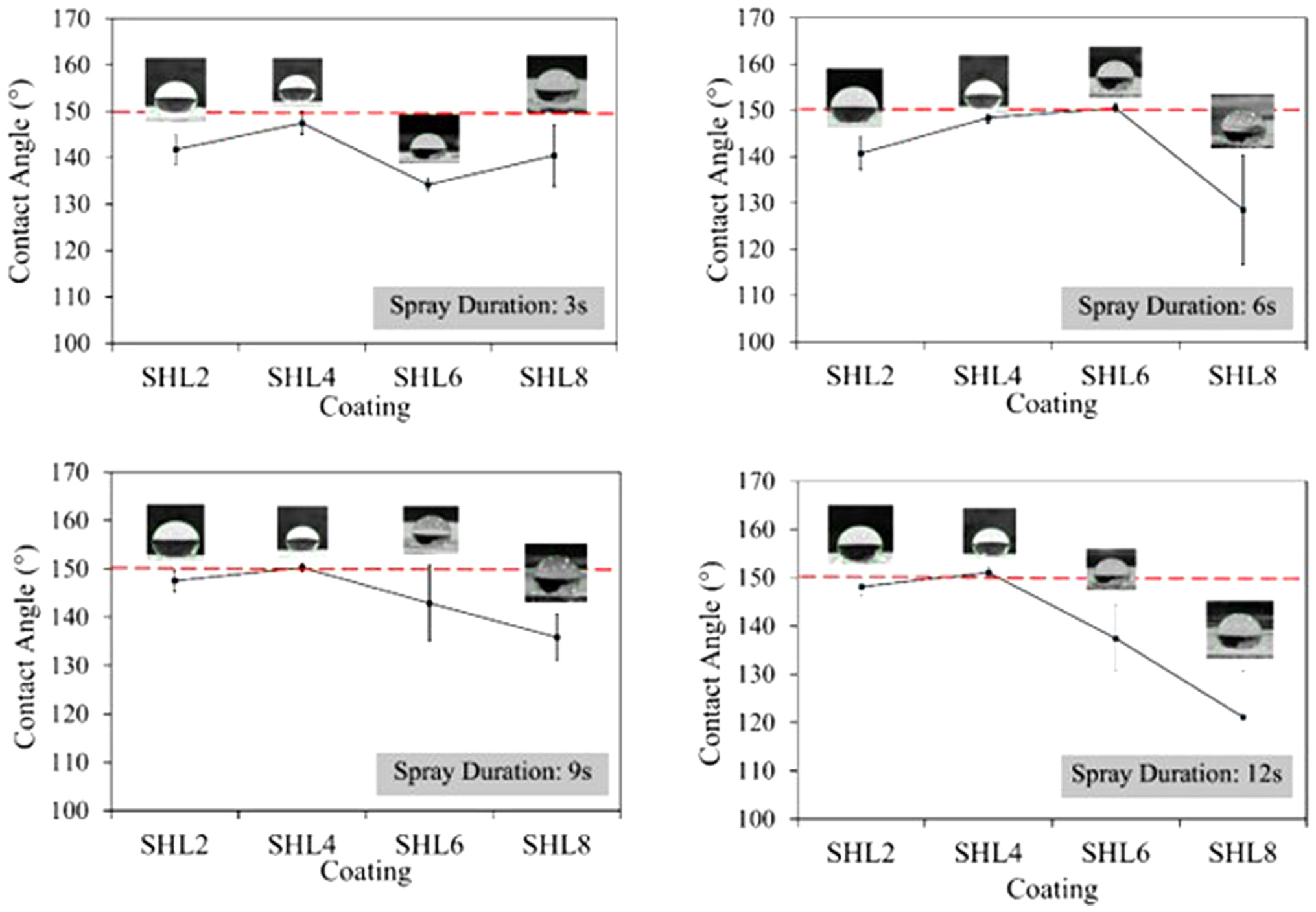
Water contact-angle results of PTFE- and SrAl2O4:Eu2+- modified multifunctional asphalt-emulsion coating under different concentration–spray duration combinations.
As shown in Figure 6, with increasing luminescent-material content, the water contact angle of the multifunctional coating decreased, reaching its lowest value for SHL-8 at a 12 s spray duration. This suggests a negative impact on hydrophobicity, likely a result of the larger strontium-aluminate particle size interfering with the uniform distribution of PTFE at the surface. Compared with the superhydrophobic-coating group modified with only 10% PTFE by weight of acetone, most multifunctional-coating samples exhibited slightly lower hydrophobicity. This reduction was expected, as the addition of luminescent materials lowered the effective PTFE concentration in the formulation, slightly compromising superhydrophobic performance. Despite this, SHL-4 achieved the superhydrophobicity benchmark (contact angle ≥ 150°) at 9 s and 12 -s spray durations, demonstrating its potential as a multifunctional coating that combines excellent water repellency with enhanced nighttime visibility. Overall, the water contact angle of the coatings varied with changes in spray duration and the percentage of luminescent materials.
A statistical analysis (ANOVA, α = 0.05) revealed that both the luminescent-material dosage rate and the interaction between dosage rate and spray duration significantly influenced the water contact-angle performance of the multifunctional coatings, with F-values of 24.11 and 4.41, respectively. However, the effect of spray duration alone was not statistically significant (F-value = 1.66, p-value = 0.1959). To control for multiple comparisons and reduce the risk of Type-I error inflation, post-hoc analyses were conducted using Tukey’s HSD test. The Tukey HSD results in Table 5 showed that most coatings across spray durations were significantly different from the control group (adjusted p-value < 0.05). Specifically, SHL-4 coatings at 6 s and 9 s spray durations showed the most pronounced differences, highlighting the critical role of optimizing luminescent-material dosage and spray duration to achieve the desired multifunctional-coating performance.
Summary of the Tukey HSD Statistical Results of the Multifunctional-Coating Groups
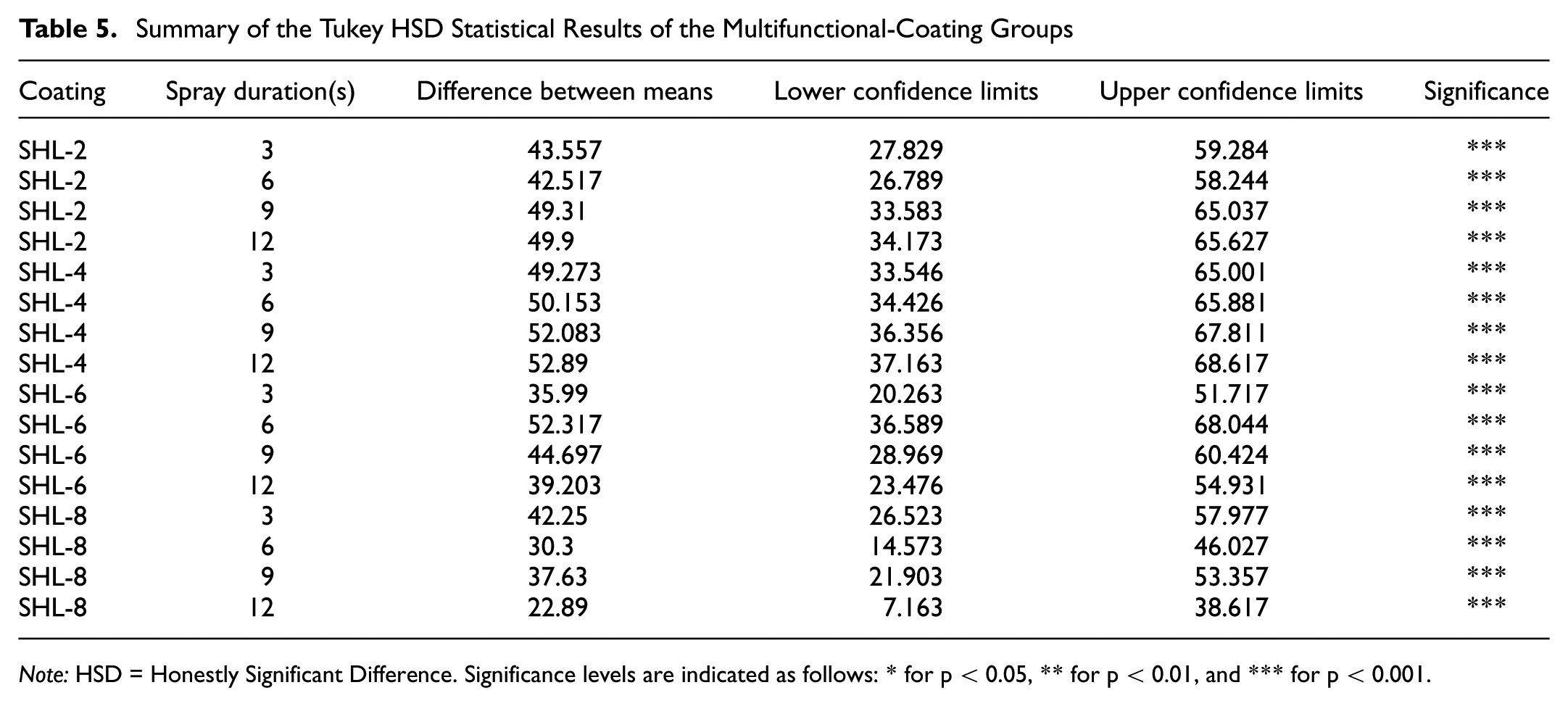
Note: HSD = Honestly Significant Difference. Significance levels are indicated as follows: * for p < 0.05, ** for p < 0.01, and *** for p < 0.001.
Work of Adhesion
Effects of Superhydrophobic Materials Dosage Rate on Work of Adhesion
The analysis evaluated the work of adhesion (WA) for all the developed superhydrophobic and multifunctional asphalt coatings. The WA is a key criterion for assessing a surface’s tendency to repel ice or snow, with lower values generally indicating greater repellency. It was calculated using the following equation:

where WA represents the work of adhesion at contact angle θ, and γLV denotes the surface tension of water, valued at 72.8 mN/m. Table 6 presents the calculated WA values (mN/m) for the superhydrophobic-material-modified asphalt-emulsion coatings and the control sample (unmodified asphalt-emulsion coating).
Work-of-Adhesion Values for Control and Superhydrophobic-Coating Groups
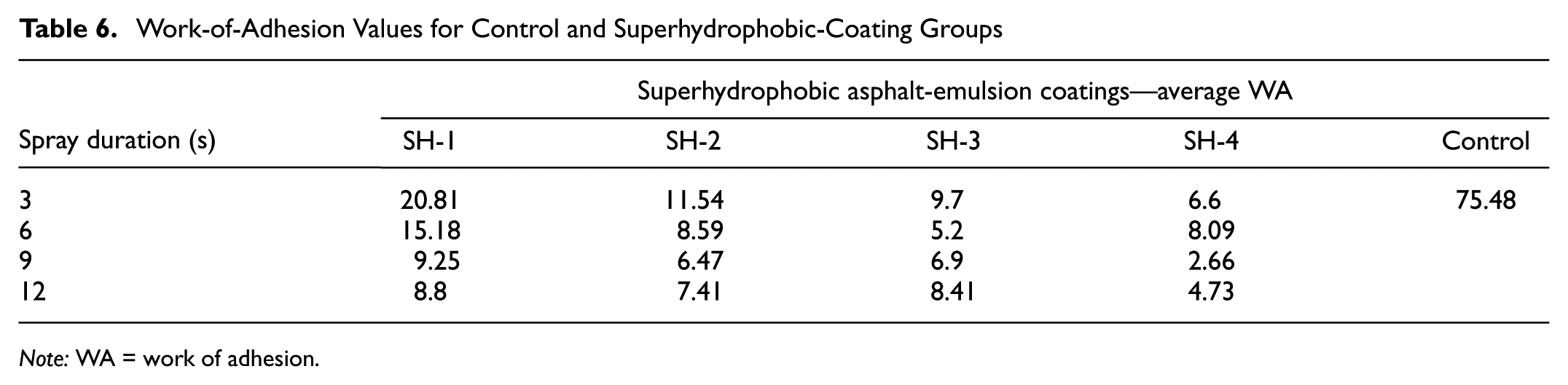
Note: WA = work of adhesion.
The results indicated that all modified coatings exhibited significantly lower WA values than the control (75.48 mN/m), highlighting their superior snow and ice repellency. The sensitivity of the equation should be noted, as even small changes in contact angle can lead to significant differences in calculated WA. This sensitivity explains the variation observed across different PTFE concentration levels and spray durations.
As expected from the contact-angle test results, coating SH-1 with a spray duration of 3 s showed the highest WA value (20.81 mN/m), indicating lower ice-repellency performance. In contrast, coating SH-4 with a 9 s spray duration yielded the lowest WA (2.66 mN/m), indicating the best ice-repellency performance. These findings underscore the importance of optimizing both the PTFE concentration and spray duration to enhance the coating’s ice-repellent properties.
Effects of Luminescent Materials on WA
The WA (measured in mN/m) was also calculated from the contact angles measured for the multifunctional asphalt-emulsion coatings; see Table 7. The results show that all multifunctional coatings exhibited significantly lower WA values than the control, indicating enhanced snow and ice repellency. However, the WA values for the multifunctional coatings were higher than those for PTFE-modified coatings, indicating reduced ice-repellency performance compared with the superhydrophobic coatings. Among the multifunctional coatings, SHL-8 exhibited the highest WA values, with an average of 24.47 mN/m and a range of 16.66–35.19 mN/m, followed by SHL-6 (average = 16.35 mN/m; range = 9.42–22.04 mN/m), SHL-2 (average = 13.61 mN/m; range = 10.99–16.44 mN/m), and SHL-4 (average = 10.72 mN/m; range = 9.06–11.41 mN/m), ranking them from worst to best for ice repellency.
Work-of-Adhesion Values for Control and Multifunctional-Coating Groups
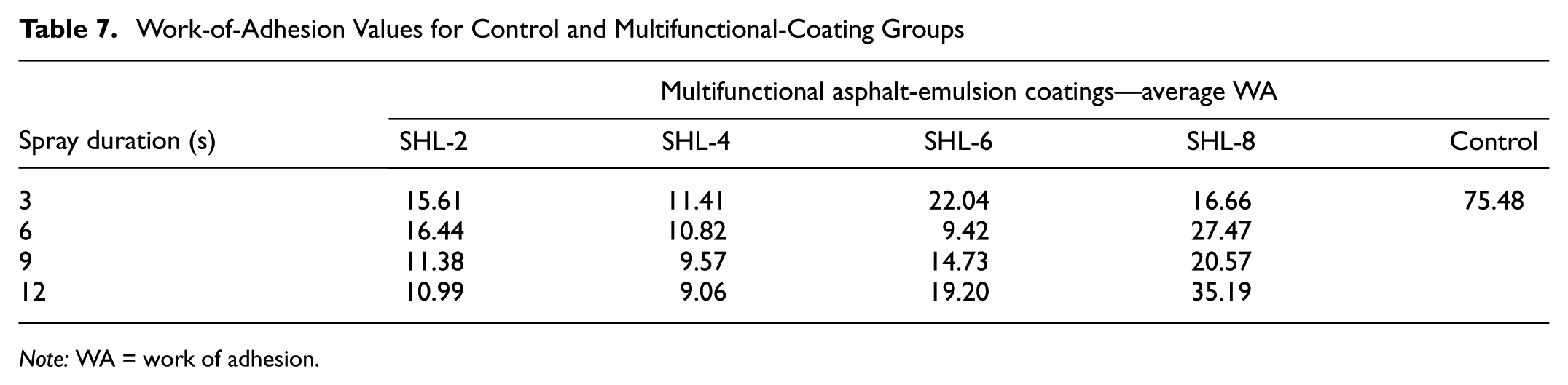
Note: WA = work of adhesion.
Luminescent Properties Test Results
Figure 7 illustrates the luminescent properties of PTFE- and strontium-aluminate-modified multifunctional coatings applied to BC-1HT asphalt-emulsion-coated SMA mix surfaces. The luminescence tests were conducted on coatings prepared with two strontium-aluminate concentrations (2% and 4% by weight of acetone) and applied using two spray durations (3 s and 9 s). The results demonstrate that the highest effective luminescence area ratio (ELAR)—defined as the ratio of luminescent areas to the total surface area of the specimen—was achieved in coatings with higher strontium-aluminate concentrations and longer spray durations. This trend suggests that increasing the concentration of luminescent material and extending the spray application time can significantly enhance the luminescent performance of the coatings on asphalt-emulsion-coated surfaces.
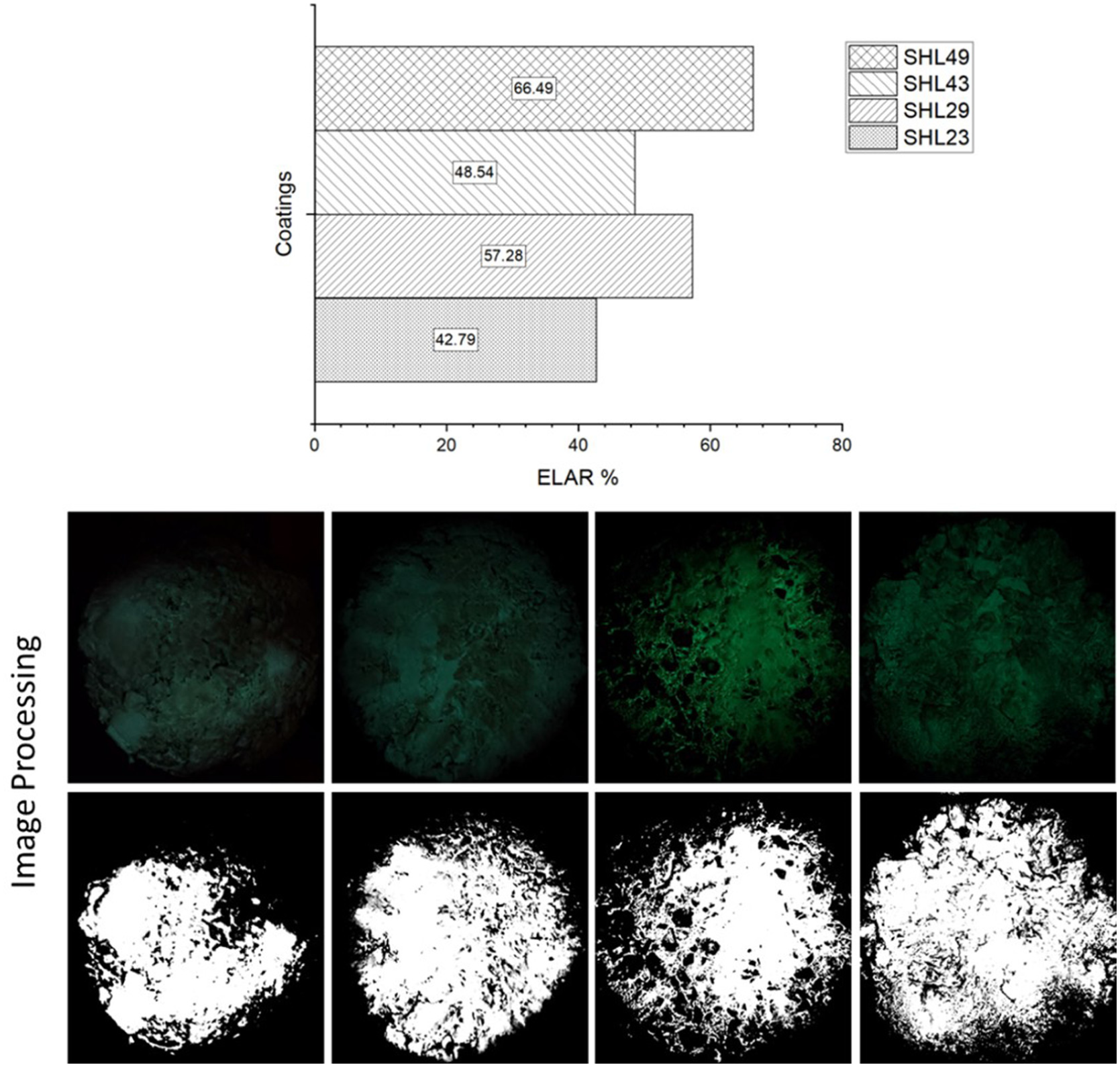
Luminescent properties of PTFE and SrAl2O4:Eu2+ modified multifunctional asphalt-emulsion coatings: effective-luminescent-area ratio (ELAR) of different coatings (top) and processed images (bottom).
Among the tested specimens, SHL-49 (4% strontium aluminate with a 9 s spray duration) exhibited the highest ELAR at 66.5%, followed by SHL-29 (57.3%), SHL-43 (48.5%), and SHL-23 (42.8%). These results indicate the ranking of the specimens by luminescence properties, with SHL-49 the highest performer and SHL-23 the lowest.
SEM Test Results
The SEM analysis provided valuable insights into the structural and surface morphological characteristics of PTFE and strontium-aluminate particles. As shown in Figure 8, PTFE particles at a magnification of 3500× exhibited irregular nano- and microscale structures, including elongated and porous formations. These hierarchical surface features enhance hydrophobicity by trapping air within the surface texture, which reduces the effective contact area between the water droplet and the solid surface. In this way, the droplet partially rests on surface asperities and partially on entrapped air pockets, resulting in a higher apparent water contact angle. The low-surface-energy characteristic is provided by PTFE itself, while the combined surface roughness and porosity amplify this effect and further improve water repellency. Particle-size analysis revealed that most PTFE particles ranged between 5.89 µm and 12.90 µm, with a mean size of 9.94 µm. This relatively small size ensures their uniform distribution on the surface, facilitating the formation of a superhydrophobic microstructure. Conversely, strontium-aluminate particles at 1000× magnification exhibited a larger, more uniform size distribution, averaging 114.43 µm with a standard deviation of 20.56 µm. These luminescent particles feature rugged, clumped surfaces, which enhance light scattering but may compromise hydrophobicity, as observed in the water contact-angle tests of the multifunctional coatings. The larger size and rigidity of strontium-aluminate particles reduced the effective surface coverage of PTFE, disrupting the micro- and nanostructures essential for superhydrophobicity. Additionally, their presence introduced hydrophilic zones or uneven surface textures, which led to faster deformation of water droplets, causing them to lose their superhydrophobic circular shape more quickly than on coatings with PTFE alone.
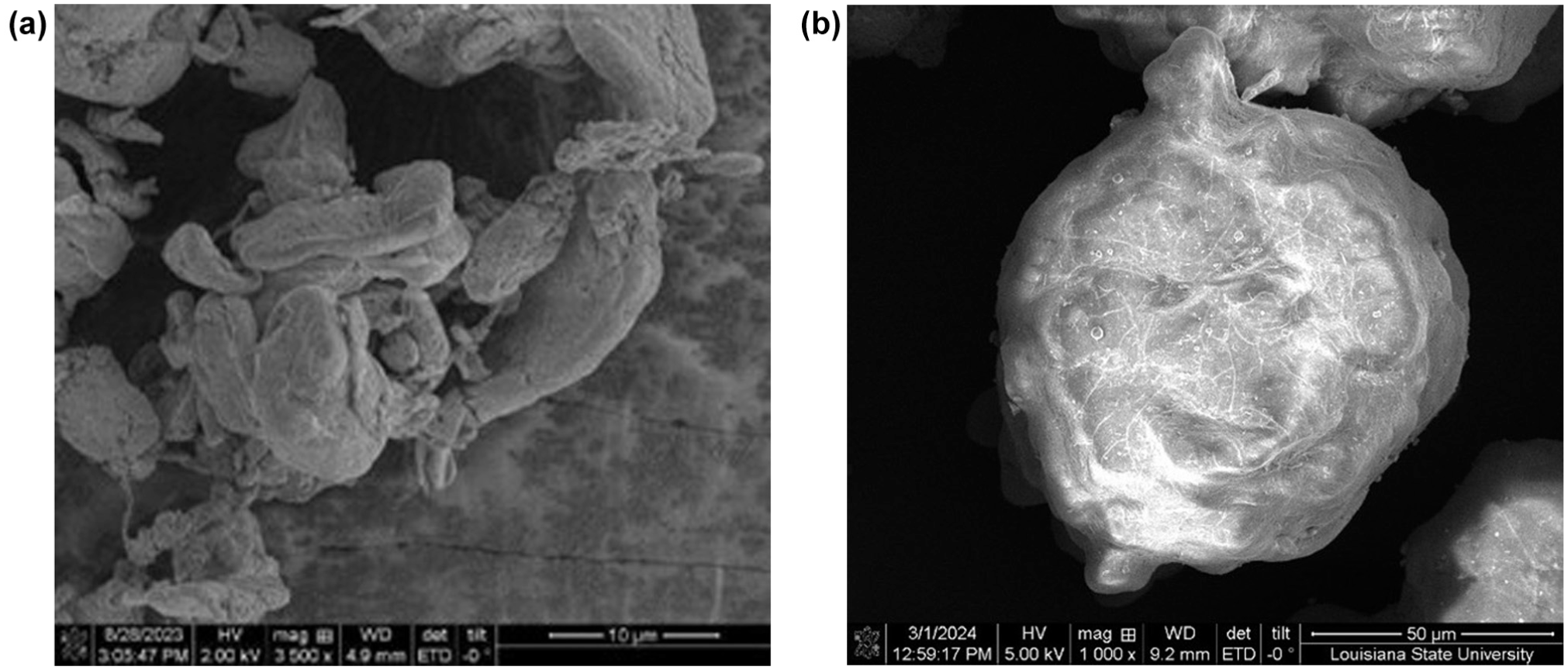
SEM images of (a) superhydrophobic additive (PTFE) (magnification: 3500×, scale: 10 µm) and (b) SrAl2O4:Eu2+ luminescent material (magnification: 1000×, scale: 50 µm).
Increased spray duration and higher strontium-aluminate content further exacerbated these effects, likely because of uneven distribution or agglomeration. At higher PTFE and strontium-aluminate particle concentration (i.e., 20% PTFE and 8% luminescent material, SEM images revealed a modest broadening of the particle domain size, consistent with the onset of particle agglomeration. Although no large, discrete clusters were present, the surface texture became marginally coarser at higher dosage rates and longer spray durations than it was with 10% or 15% PTFE. This early-stage coalescence correlates with the plateau (or slight decline) in water contact angle observed at these loadings. These findings highlight the challenge of balancing hydrophobic and luminescent properties in multifunctional coatings, underscoring the need to optimize particle size, concentration, and application parameters.
Anti-Icing Performance Results
The freezing-time results presented in Figure 9 show that both superhydrophobic and multifunctional coatings significantly delayed the complete freezing of water on SMA samples compared with the control, underscoring their effectiveness in enhancing anti-icing properties. “Complete freezing” is defined as the elapsed time from droplet deposition to the point at which the water droplet becomes fully opaque, forming a continuous white ice layer across the contact area, thereby signifying full solidification. For the control sample coated with unmodified asphalt emulsion, the complete freezing time was only 18 min. In contrast, the superhydrophobic coatings extended the freezing time to 44–98 min, and the multifunctional coatings extended it to 42–58 min. These results demonstrate that both coating types can provide longer water discharge during icy or snowy conditions.
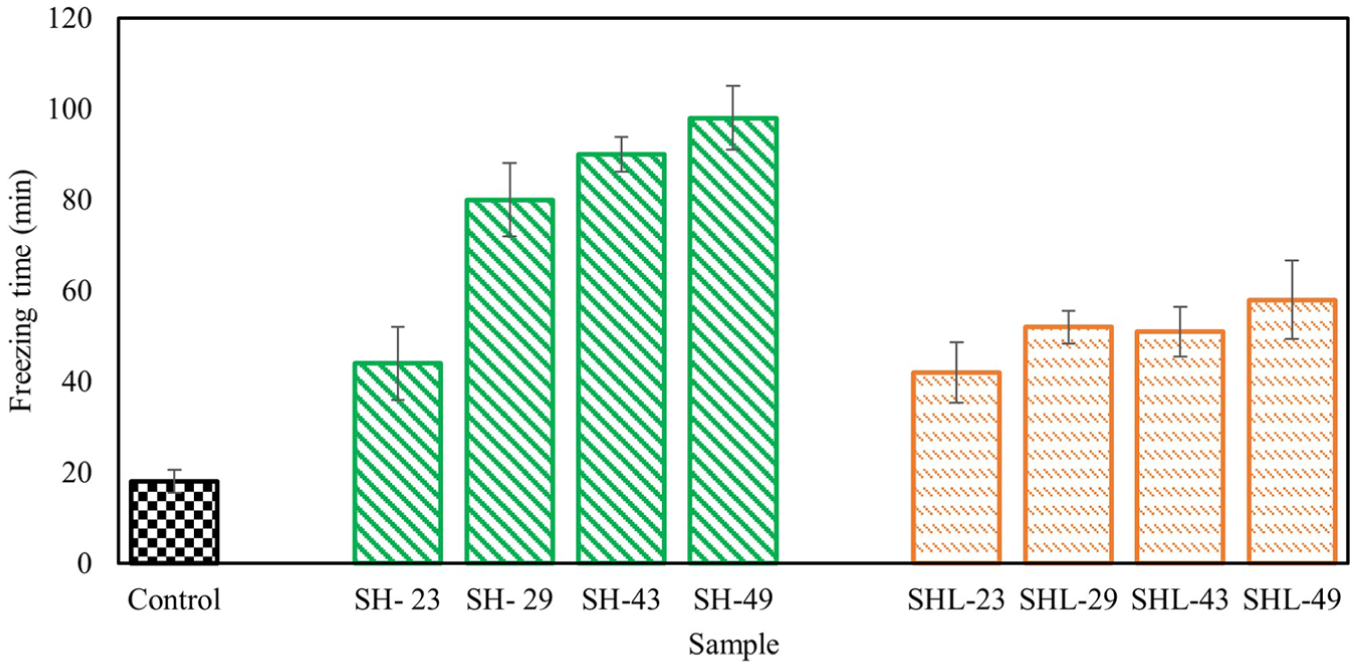
Freezing time of water on different superhydrophobic- and multifunctional-coatings-modified sample under -18°C temperature condition.
As shown in Figure 9, the multifunctional coatings, which integrate superhydrophobic and luminescent properties, also exhibited substantial freezing-time delays, although they slightly underperformed compared with the superhydrophobic-only coatings. This discrepancy may be a result of the luminescent material’s thermal properties or the particles’ shape and size, which could affect the coating’s uniformity and repellency. Among the multifunctional samples, SHL-49 (10% PTFE, 4% strontium aluminate, 9 s spray duration) achieved the highest freezing-time delay at 58 min, while SHL-23 (10% PTFE, 2% strontium aluminate, 3 s spray duration) achieved the lowest delay at 42 min. Nevertheless, all multifunctional coatings provided significant delays in freezing time, offering the dual benefits of anti-icing performance and nighttime visibility. These findings suggest that while superhydrophobic coatings are optimal for extreme anti-icing conditions, multifunctional coatings balance functionality and safety, making them promising solutions for real-world applications.
Mean-Texture-Depth Results
Applying superhydrophobic and luminescent coatings to asphalt surfaces can alter pavement texture by potentially penetrating surface pores, which may affect skid resistance. A sand-patch test was conducted to evaluate these effects and measure the texture depth (TD) of coated SMA specimens. As shown in Figure 10, control specimens prepared with unmodified BC-1HT emulsion had a TD of 0.77 mm. Specimens treated with superhydrophobic coatings showed a slight reduction, averaging approximately 0.71 mm. In contrast, specimens with multifunctional coatings exhibited a negligible increase, averaging 0.78 mm, with the SHL-49 sample reaching a maximum TD of 0.99 mm, indicating minimal impact on skid resistance.
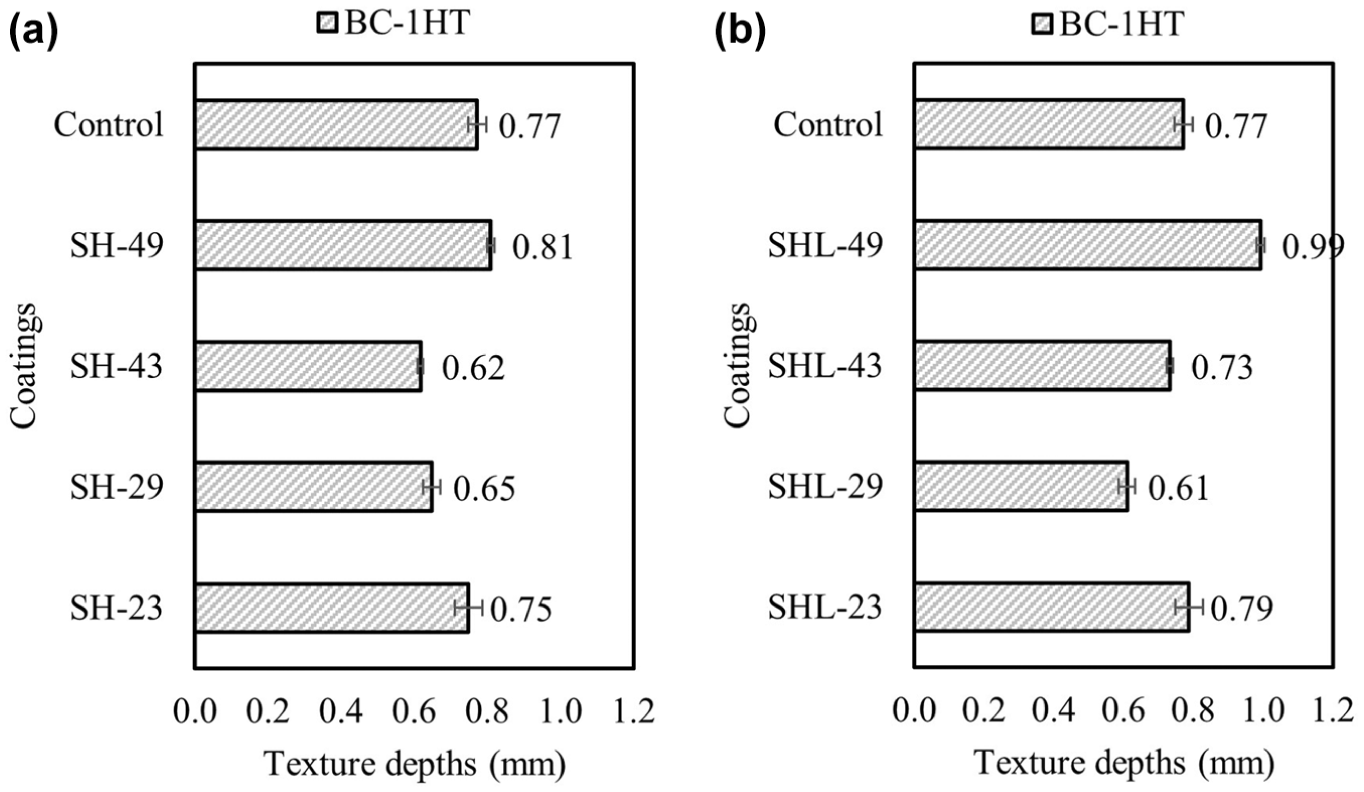
The effect of functional coatings on texture depths of the SMA mixture: (a) superhydrophobic coatings, (b) multifunctional coatings.
Summary and Conclusion
This study aimed to develop a new generation of multifunctional coatings for asphalt pavements, integrating superhydrophobic and luminescent properties to address critical challenges such as water damage, ice accumulation, and limited nighttime visibility. To achieve this objective, PTFE and strontium aluminate were incorporated into a surface coating, and their performance was evaluated through a comprehensive laboratory test factorial. Based on the results of the experimental program, the following conclusions may be drawn:
The incorporation of PTFE significantly enhanced the hydrophobicity of asphalt surfaces, achieving superhydrophobicity with contact angles exceeding 150° in most cases. Optimal performance was observed with PTFE concentrations of 10% to 15% and spray durations of 6 to 9 s, demonstrating the coating’s effectiveness in water repellency, thus minimizing water infiltration and promoting rapid runoff.
While multifunctional coatings showed good water-repellency performance, they underperformed compared with superhydrophobic coatings, likely because of the inclusion of luminescent materials, which may have altered the thermal and surface characteristics.
The coatings exhibited significantly reduced WA values compared with the control, indicating superior ice repellency. Among all coatings, SH-4 with a 9 s spray duration and 20% PTFE showed the best performance, providing enhanced ice-formation resistance and adhesion resistance.
The inclusion of strontium aluminate provided effective luminescence, with the highest ELAR of 66.5% achieved for a 4% dosage rate and a 9 s spray duration. This functionality improves nighttime visibility, enhancing road safety without additional energy consumption.
Both superhydrophobic and multifunctional coatings significantly delayed freezing times on asphalt surfaces, with freezing times extended from 18 min for the control to up to 98 min for superhydrophobic coatings and 58 min for multifunctional coatings. This demonstrates the coatings’ ability to reduce ice accumulation and improve road safety during cold weather.
The study highlights that superhydrophobic and multifunctional coatings can achieve optimal performance at moderate PTFE concentrations (10% to 15%) and spray durations (6 to 9 s), offering a cost-effective and practical solution for real-world applications.
Mean-texture-depth results showed a minimal impact on skid resistance as compared with the unmodified surface for both superhydrophobic- and multifunctional-coating groups.
This study demonstrates that PTFE- and strontium-aluminate-based superhydrophobic and luminescent surface coatings can significantly enhance the durability, safety, and functionality of asphalt pavements. By effectively balancing water repellency and nighttime visibility, these coatings offer a sustainable solution for modern infrastructure. However, the current formulation should be considered a laboratory-scale proof-of-concept. Although acetone was effective as a dispersion medium during laboratory preparation, its high flammability and volatility may limit its practicality for field deployment. Accordingly, safer and less volatile dispersion media should be explored in future work. Future research should also explore field applications, long-term durability under traffic loads, and optimization for diverse climates. Additional studies are recommended to investigate SrAl2O4 concentrations in the intermediate range (4%–8%) to better understand the trade-off between hydrophobic performance and luminescent properties.
Footnotes
Acknowledgements
The authors would like to acknowledge Paragon Inc. for providing the emulsions used in this study. The aid of the School of Renewable Resources at LSU is also acknowledged.
Author Contributions
The authors confirm their contribution to the paper as follows: study conception and design: Mostafa Elseifi; data collection: Md. T. Sarkar; analysis and interpretation of results: Mostafa Elseifi and Md. T. Sarkar; draft manuscript preparation: Mostafa Elseifi and Md. T. Sarkar. All authors reviewed the results and approved the final version of the manuscript.
Declaration of Conflicting Interests
The authors declared the following potential conflicts of interest with respect to the research, authorship, and/or publication of this article: Mostafa A. Elseifi is a member of the Transportation Research Record’s Editorial Board.
Funding
The authors disclosed receipt of the following financial support for the research, authorship, and/or publication of this article: The authors appreciate Tran-SET’s financial support through the grant 22ALSU27.
