







Abstract
In present manuscript, Cannabis indica L. fibers were graft copolymerized in air with acrylonitrile using redox initiator system in order to improve the mechanical properties of Cannabis indica L/unsaturated polyester composites. The various reaction parameters such as time, temperature, pH, concentration of initiator, nitric acid and monomer were optimized to get maximum graft yield. The kinetics of the graft copolymerization of acrylonitrile was also studied. The physical, chemical and thermal properties of grafted fibers have also been investigated. Further, both raw and grafted fibers in particle form with different loading (10, 20, 30 and 40%) were used as reinforcement to prepare unsaturated polyester matrix-based green polymer composites. Effects of particles loading on mechanical properties like tensile, compressive and flexural strength have been determined and were found to affect significantly by percent loading. A considerable increase in mechanical properties has been observed after reinforcing the neat resin with grafted particles. Further scanning electron microscopic, thermogravimetric analysis, differential scanning calorimetric and chemical resistance measurements were used as characterization techniques to evaluate different behavior of these polymer composites.
Keywords
Introduction
Nowadays, the whole world has focused its attention towards renewable and sustainable resources because of environment and health concerns. The development of polymer composites from renewable raw materials in comparison to artificial fibers has been increased during last few years. 1 – 5 Natural fiber-reinforced composites are renewable, cheap, completely or partially recyclable and biodegradable. Natural fibers have different origins such as wood, pulp, cotton bark, nut shells, bagasse, corncobs, bamboo, cereal straw and vegetable (e.g., flax, jute, hemp, sisal and ramie). 6 – 8 Low cost, availability and required properties (viz. low density, mechanical properties) make them attractive in place of glass, carbon and other synthetic fibers.9,10 The constituents of natural fibers are cellulose, hemicelluloses, lignin and pectins with a small quantity of the extractives. The properties of biofibers mainly depend upon their origin, age, climatic conditions and extraction techniques. The presence of hydroxyl groups (polar group) in various constituents of lignocellulosic fiber causes poor interfacial adhesion with non-polar matrix and thus reduces the utilities in many applications.11,12 In order to improve the fiber-matrix adhesion, various techniques like graft copolymerization, chemical treatment (viz. mercerization, acetylation, benzoylation etc.) and treatment with various coupling agent can be used.5,13– 15 All these chemical treatments reduce the moisture absorption process and increase the surface roughness in order to increase the interfacial adhesion between the fiber and matrix. Various researchers have used raw and surface-modified fibers as reinforcements to synthesize natural fiber-reinforced composites and studied their effect on mechanical properties of the resulted composite. 16 – 18 Among the various thermosetting resins, unsaturated polyester resin has been preferably used by many workers as a matrix to synthesize biocomposites because of its low cost, good corrosion resistance and light weight. 19 – 21
Graft copolymerization is an efficient technique to impart desirable properties to backbone polymers. Various workers have carried out the graft copolymerization onto different cellulosic backbone using vinyl monomers through various chemical and radiation techniques.13,22– 24 Kaith et al. reported grafting of methylmethacrylate (MMA) onto Saccharum spontaneum L by chemical technique using FAS/KPS as initiator. 25 Okieman and Idehen have carried out graft copolymerization of MA onto cellulose and thiolated holocellulose and reported decrease in incorporation of graft in latter. 26 Graft copolymerization can be initiated by using chemical, ionic and radical initiator systems. Among these initiation systems, the chemical initiation by grafting involving oxidizing agents such as potassium permanganate, potassium bromate, ceric ammonium nitrate (CAN), ozone hydroxyl radicals etc are promising from economic point of view. 27 – 30 Different workers have studied the kinetics of graft copolymerization of vinyl monomers onto the starch and synthetic copolymers, but few attempts seem to have been made to study kinetics of graft copolymerization of vinyl monomers onto natural fibers. 31 – 33
Cannabis fiber containing about 68% cellulose is a natural fiber obtained from stem branches of Cannabis indica, an annual herb abundantly found in Himalayas. Traditionally, this fibrous material has been used by local people for making low-cost articles like ropes, bags, socks, boots, mats, etc. Literature survey has revealed that not much work has been done on surface modification of the Cannabis indica L. fiber and its utility in the synthesis of biocomposites.34,35 Chauhan et al. have used CAN as a redox initiator for the graft copolymerization of MMA onto Cannabis indica L fibers. 34
In the present investigation, the graft copolymerization of acrylonitrile (AN) onto Cannabis indica L. and their physico-chemical properties has been studied. Both raw and grafted fibers were further used to fabricate fiber-reinforced unsaturated polyester resin matrix-based biocomposites. The kinetics of graft copolymerization of AN onto Cannabis indica L. fiber has been studied with the aim to determine the relation between the rate of grafting and the concentration of monomer and initiator during grafting reaction.
Experimental
Cannabis indica L. fiber preparation
Cannabis indica L. fibers were collected from higher reaches of ‘Himachal Pradesh, India’. These fibers were initially washed thoroughly with 2% detergent solution and then dried in a hot-air oven at 70°C for 24 h. The dried fibers were designated as raw fibers. Then Cannabis indica L. fibers were subjected to soxhlet extraction with acetone for 72 h at 50°C followed by washing with double distilled water and air-drying to remove waxes and other water soluble impurities prior to graft copolymerization.
Materials
AN was purified initially by washing with 5% sodium hydroxide and then drying over anhydrous Na2SO4. Finally, it was subjected to distillation and the middle fraction of distillate was used for further studies. CAN obtained from Merck chemicals was used as initiator. Weighing of the samples was done on Libror AEG-220 (Shimadzu, Japan) electronic balance. Humidity chamber of Swastika make was used to study the moisture absorbance behavior of the graft copolymers. Unsaturated polyester resin supplied from Crystic India Pvt. Ltd has been used for synthesis of biocomposites.
Graft copolymerization of AN onto Cannabis indica fiber
A definite amount of Cannabis indica L. fiber was immersed in 100 ml of distilled water, taken in a reaction kettle at the room temperature for 24 h prior to carrying out graft copolymerization. A known amount of CAN and nitric acid was added to the reaction flask followed by drop-wise addition of monomer with continuous stirring to the reaction mixture. Optimum conditions of time, temperature, pH, concentration of CAN, nitric acid and monomer were worked out for maximum graft yield. Homo-polymer formed during graft copolymerization was removed by extraction with dimethylformamide (DMF). After drying grafted samples in a hot-air oven at 60°C to a constant weight, the amount of graft added onto the fiber was determined gravimetrically. The percent grafting (Pg), percent efficiency (Pe) and rate of grafting (Rg) were calculated as per the methods reported earlier. 36
Evaluation of physical and chemical properties of Cannabis indica L-g-poly(AN) fiber
Swelling behavior
The swelling behavior of grafted fibers in different solvents such as water, butanol, dimethyl formamide and carbon tetra chloride was studied as per the procedure reported earlier. 36
Chemical resistance behavior
The chemical resistance of the grafted fiber against definite volume of hydrochloric acid and sodium hydroxide of different strengths over a time interval of 24 h was studied as per the procedure reported earlier. 36
Moisture absorbance
The moisture absorbance study of the grafted and raw fiber was performed at different humidity levels ranging from 20 to 80% in humidity chamber and was calculated as per the method reported earlier. 36
Infra red spectroscopy
IR spectra of raw and grafted Cannabis indica L. fibers were recorded with KBr pellets on Perkin Elmer RXI Spectrophotometer.
Scanning electron microscopy
Scanning electron microscopic (SEM) studies of raw and grafted Cannabis indica L. fibers were carried out on a LEO 435 VP electron microscope. Prior to effecting SEM studies all the samples were gold plated in order to make them conducting. All the images were taken at a resolution of × 1000.
Thermal analysis
Thermogravimetric analysis (TGA) of Cannabis indica L. fiber and Cannabis indica–g-poly (AN) were carried in nitrogen atmosphere at a heating rate of 15°C/min on a TGA with auto sampler (Mettler Toledo) analyzer. Thermograms were recorded over a temperature range of 0°C to 900°C with nitrogen flow rate of 20 ml/min.
X-ray diffraction study
X-ray diffraction studies were performed on X-ray diffractometer (Brucker D8 Advance), using Cu Kα (1.5418 Å) radiation, a Ni-Filter and a scintillation counter as a detector at 40 KV and 40 m A on rotation from 5° to 80° at 2θ scale.
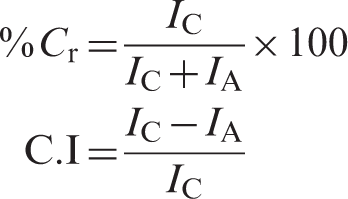
Crystallinity index (C.I.) was determined by using the wide angle X-ray diffraction counts at 2θ angle close to 22° and 15°. The counter reading of peak intensity close to 22° and 15° is said to represent the crystalline material and amorphous material in cellulose, respectively. Percent crystallinity and C.I. were calculated using the following formula.
37
Fabrication of unsaturated polyester resin matrix-based composites
A combination of hand lay-up and compression moulding method was used to prepare Cannabis indica L. reinforced unsaturated polyester composites. This unsaturated polyester resin consists of maleic anhydride, isophthalic acid and propylene glycol mixed in styrene monomer solution and has number average molecular weight ∼3000. Both resin and styrene were used as received without removal of inhibitor. Cannabis indica L. fibers were grafted in bulk at the optimized parameters for purpose of fabrication of biocomposites. Both raw and grafted Cannabis indica L. fibers were grinded to powder form (90 microns) and dried at 90°C to remove moisture before reinforcement. Prior to reinforcement, 2% (w/w) of cobalt nephthalate (as accelerator) was mixed thoroughly with unsaturated polyester resin followed by addition of 2% methyl ethyl ketone peroxide hardener to mixture (resin + styrene + accelerator). Composites of different fiber loadings (0, 10, 20, 30 and 40%) in terms of weight both with raw and grafted fiber have been fabricated by proper mixing of particle form of fibers with resin. The castings were put at 35°C for proper curing under load of 100 kg/cm 2 for 12 h. Specimens of suitable dimension were cut for further characterization by using a Diamond cutter.
Tensile, compressive and flexural testing
Tensile, compressive and flexural strength tests were performed on Computerized Universal Testing Machine (HOUNSFIELD H25KS). Five specimens of each sample were used for the measurement for above mechanical properties at ambient laboratory environment and average measurements have been reported. For tensile strength, the specimens of dimension 100 mm × 10 mm × 5 mm were used for analysis and test was conducted according with ASTM D3039 method. Constant strain rate of 10 mm/min were applied for testing the samples. The compression test was conducted in accordance with ASTM D3410. Composites samples were held between two platforms, and strain was fixed at 10 mm/min, whereas total compression range was 7.5 mm. For the flexural strength, three bend flexural tests were conducted with ASTM D790 method.
TGA and DSC analysis of biocomposites materials
Thermogravimetric (TGA) and differential scanning calorimetric (DSC) studies of the raw and AN graft copolymerized Cannabis indica L. particle-reinforced UPE composites were conducted on a TGA/DSC with auto sampler (Mettler Toledo) analyzer. TGA and DSC was conducted at a heating rate of 15°C/min and 10°C/min between temperature range from 20°C to 500°C and 20°C to 1000°C, respectively, in the nitrogen atmosphere.
Morphological studies of biocomposite materials
Morphological analysis of different samples was carried out by studying SEM micrographs, which were captured by a LEO 435 VP electron microscope at a resolution of × 1000. These SEM micrographs give us information about the morphology of the resin and its respective biocomposite. These micrographs clearly show the difference between loaded and unloaded matrix.
Chemical resistance behavior of biocomposites materials
For studying the chemical resistance behavior of polymer composites, the dried specimens were immersed in 100 ml of 1 and 3 N solutions of NaOH and HCl for different intervals of time (240–720 h). After this, the samples were filtered out, dried and weighed. The percent chemical resistance (Pcr) was calculated in term of weight loss in following manner:

Results and discussion
Effect of reaction time and temperature
The graft copolymerization was carried out at different timings ranging from 60 to 180 min at 45°C temperature, pH 7 and under known concentration of CAN (1.82 × 10⁻² mol L−1), AN (3.05 × 10⁻¹ mol L−1) and nitric acid (2.88 × 10⁻² mol L−1) (Figure 1). Initially, with increase in polymerization time, Pg increased rapidly up to time of 120 min and then decreased with further increase in the reaction time. This happens because as the reaction time increases, more and more monomer radicals are generated in reaction medium which get sufficient time to interact with the active sites on the polymeric backbone resulting in increased Pg, but beyond 120 min homopolymerization reaction exceeds over graft copolymerization reaction.36,38
Shows the variation of grafting with time.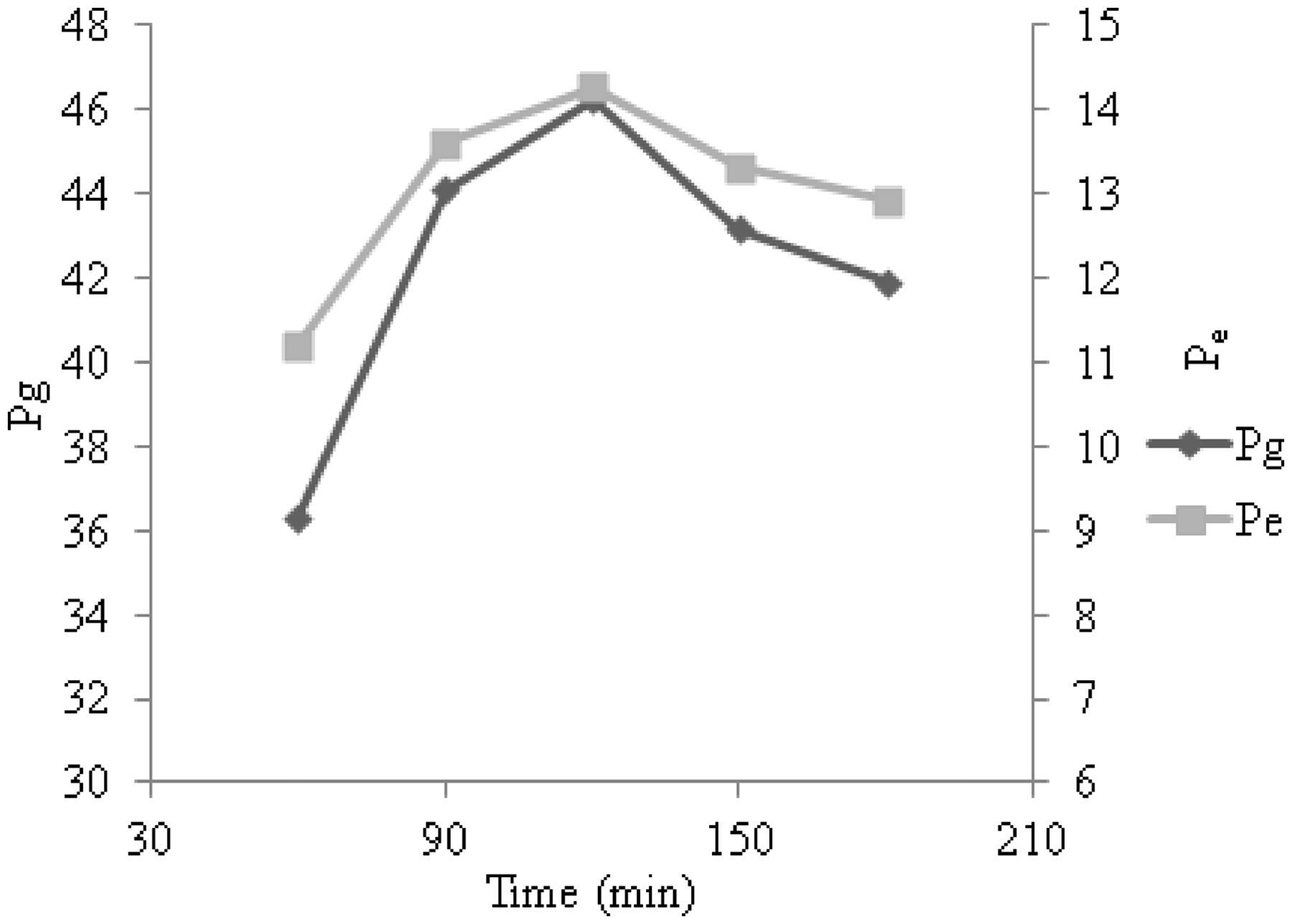
The effect of reaction temperature on the graft copolymerization at optimized time under known concentration of CAN (1.82 × 10⁻² mol L−1), AN (3.05 × 10⁻¹ mol L−1) and nitric acid (2.88 × 10⁻² mol L−1) at pH 7 has been depicted in Figure 2. It can be seen that Pg showed an increasing trend up to 35°C as raised temperature can enhance the dynamic energy of the monomer molecules, which leads to the increase in the diffusion rate of monomer molecules onto the polymeric backbone hence resulting in increased Pg. But beyond 35°C, Pg has been found to decrease due to increase in the rate of chain transfer and chain termination reactions between monomer molecules and grafted chains.36,38
Shows the variation of grafting with temperature.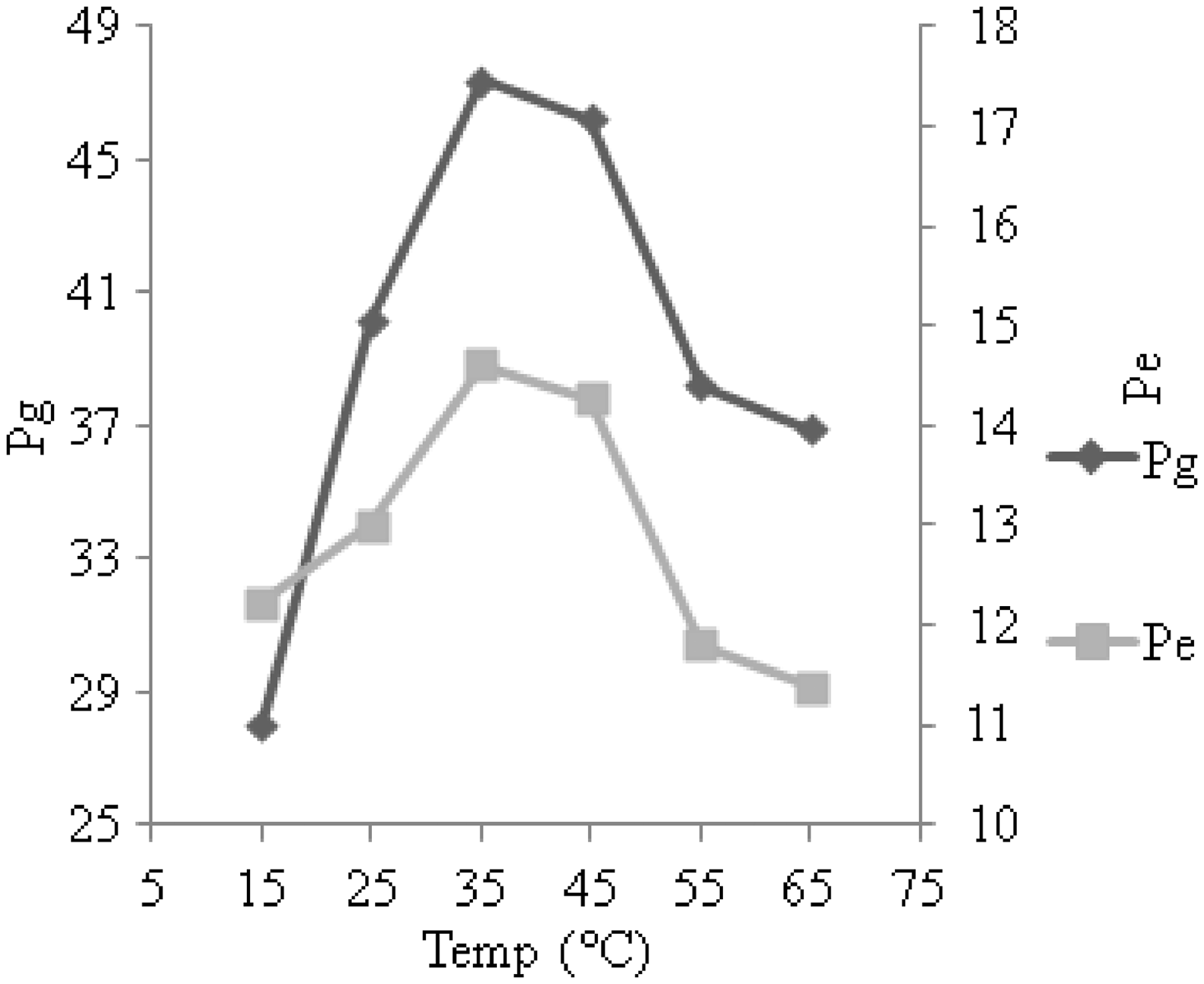
Effect of initiator
Variation of initiator concentration on the graft copolymerization at optimized time and temperature onto polymeric backbone under known concentration of AN (3.05 × 10⁻¹ mol L−1) and nitric acid (2.88 × 10⁻² mol L−1) at pH 7 has been depicted in the Figure 3. It can be established from the Figure that initially Pg increases with increase in CAN concentration up to 1.82 × 10⁻² mol L−1 and after that Pg showed a decreasing trend. This behavior can be easily understood as increase in CAN concentration will result in an increase of free radical active sites on the polymeric backbone, which lead to increased Pg. However, further increase in CAN concentration beyond optimum concentration accelerates the dissociation rate of Ce (IV), which reduces the concentration of CAN participating in graft copolymerization.36,38
Shows the variation of grafting with ceric ammonium nitrate (CAN) concentration.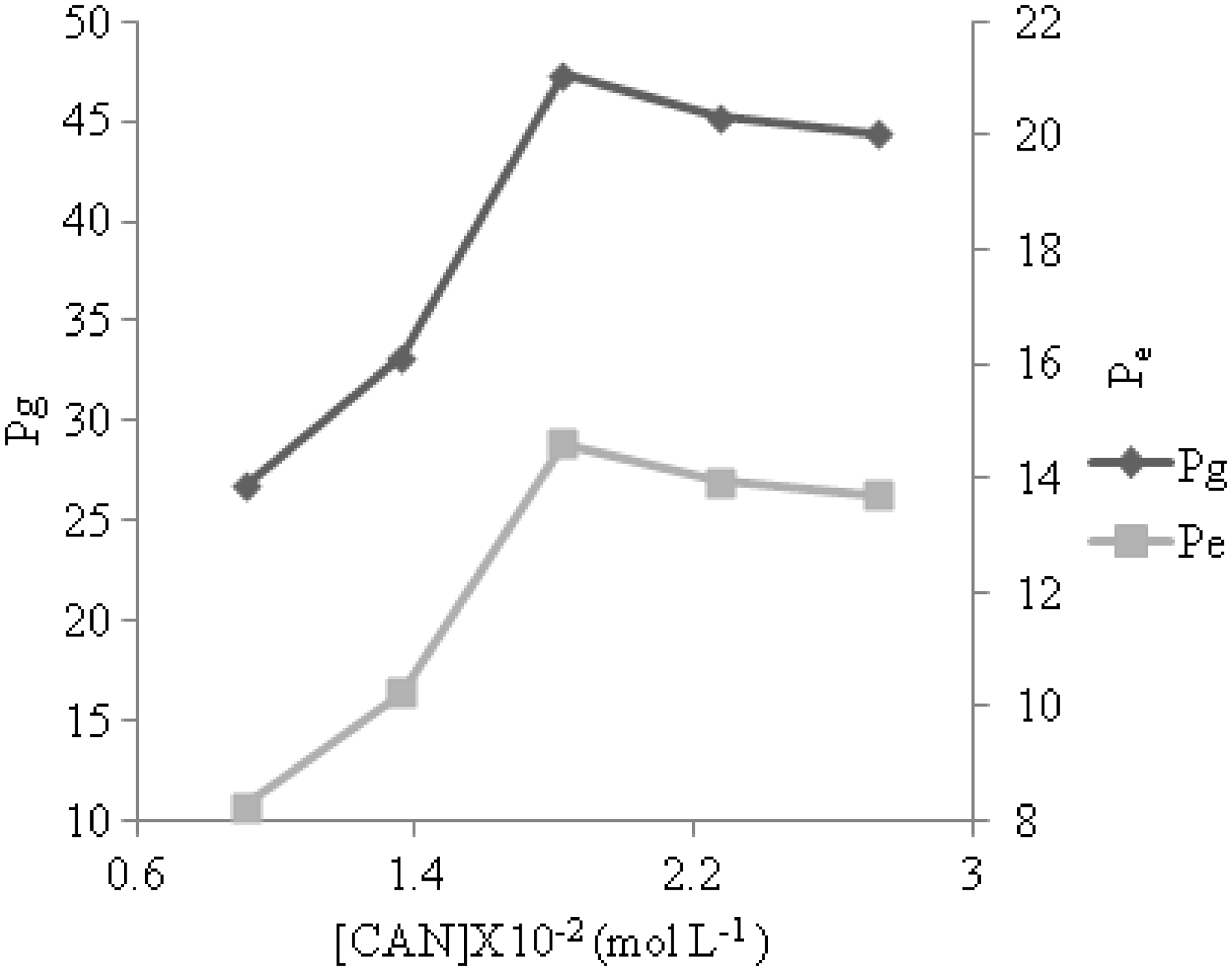
Effect of nitric acid
Figure 4 shows the effect of nitric acid concentration on graft copolymerization at optimized time, temperature and CAN concentration onto polymeric backbone at known concentration of AN (3.05 × 10⁻¹ mol L−1). It can be seen from figure that Pg increases initially with increase in nitric acid concentration. In aqueous medium, CAN exists as Ce4+, [Ce(OH)]3+, and [Ce−O−Ce]6+ ions (equations 1 and 2). Due to the large size, these ions are not able to form complexes with polymer backbone. However, in the presence of HNO3, equilibrium shifts more and more towards Ce4+ ions, therefore graft copolymerization increases with increase in nitric acid concentration.
Shows the variation of grafting with nitric acid concentration.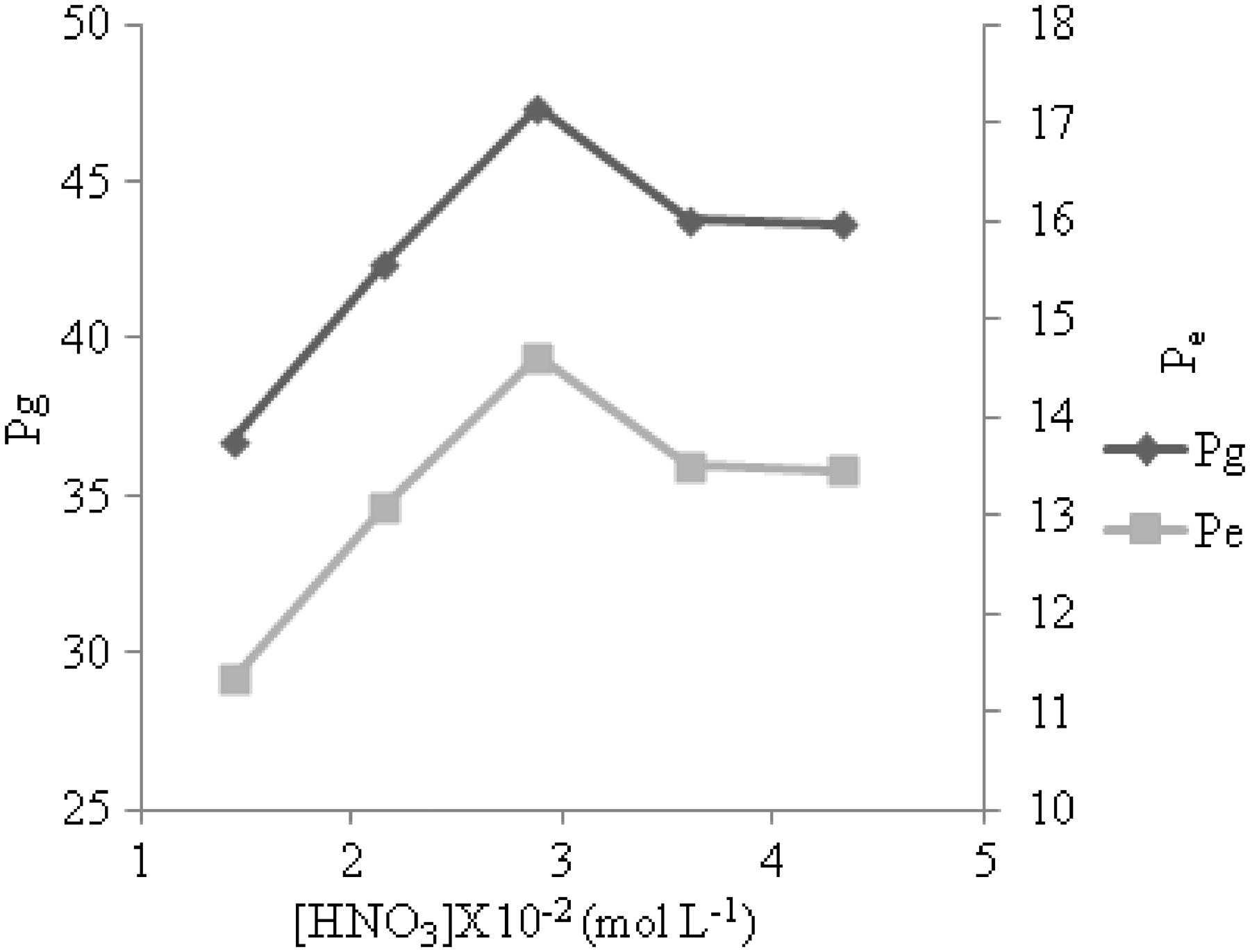


However, beyond an optimum concentration further, Pg decreases.36,38
Effect of pH
With increase in pH of the reaction medium Pg increases up to pH 7, but beyond pH 7 there is decrease in the graft yield as depicted in Figure 5.
36
Shows the variation of grafting with pH.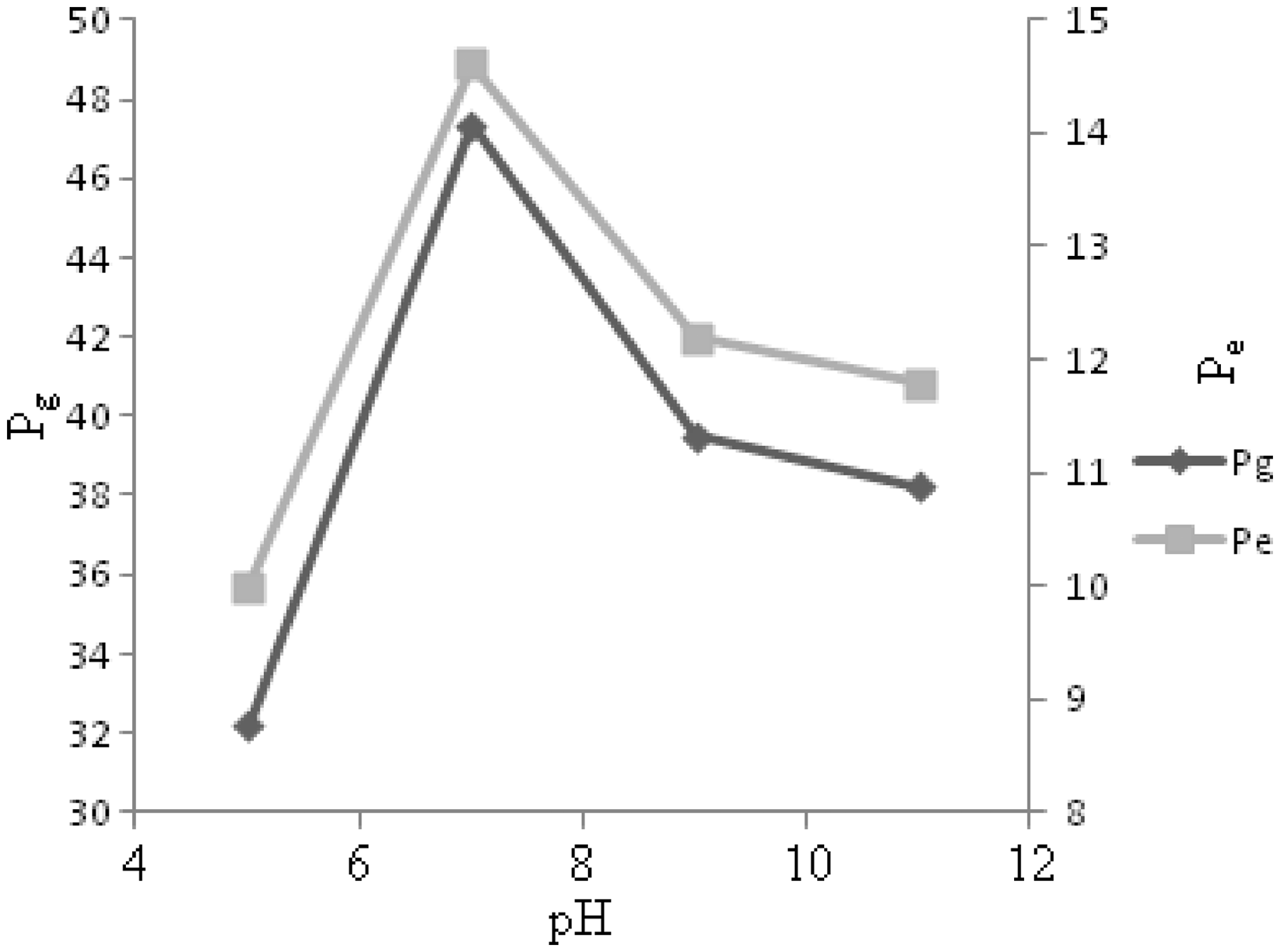
Effect of monomer
The effect of increase in monomer concentration on % graft copolymerization on the polymeric backbone at optimized time (120 min), temperature (35°C), pH, CAN and nitric acid concentration has been depicted in Figure 6. It has been observed from the figure that initially with increase in AN concentration, Pg increases and reaches maximum value of 47.36% at a monomer concentration of 3.05 × 10⁻¹ mol L−1, however further increase in the monomer concentration beyond 3.05 × 10⁻¹ mol L−1 causes decrease in Pg. The initial increase in Pg is because of availability of more and more monomer free radicals which reaches onto the polymeric backbone, however further increase in the monomer concentration beyond 3.05 × 10⁻¹ mol L−1 causes homopolymerization of monomer at the expense of graft copolymerization.36,38,39
Shows the variation of grafting with acrylonitrile concentration.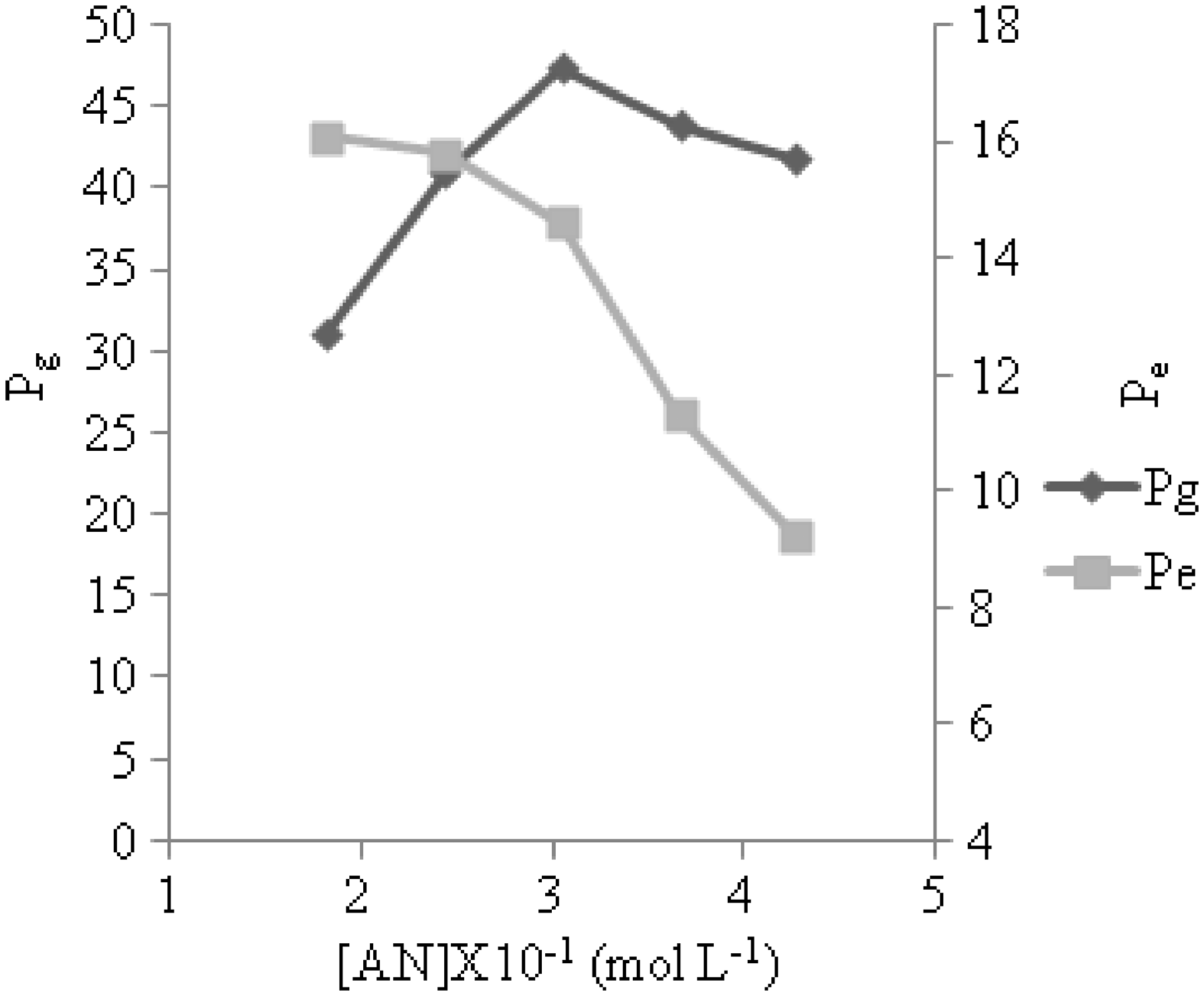
Reaction mechanism
Grafting reaction proceeds through redox mechanism in which Ce(IV) ions are reduced Ce(III) ions by the transfer of electron from the cellulose molecules, hence active sites are generated on the polymeric backbone at which monomer radicals attack to form graft copolymers. Homopolymer is also formed by combination of the free radicals in the reaction medium. Breaking of the bonds at C2 and C3 carbon of glucose molecule of cellulose chain results in the formation of free-radical sites. The grafting of AN onto Cannabis indica L. (CI) backbone is supposed to take place through the following mechanism
40
(Scheme 1).
A suggested mechanism for the graft copolymerization of the acrylonitrile onto Cannabis indica L. fiber.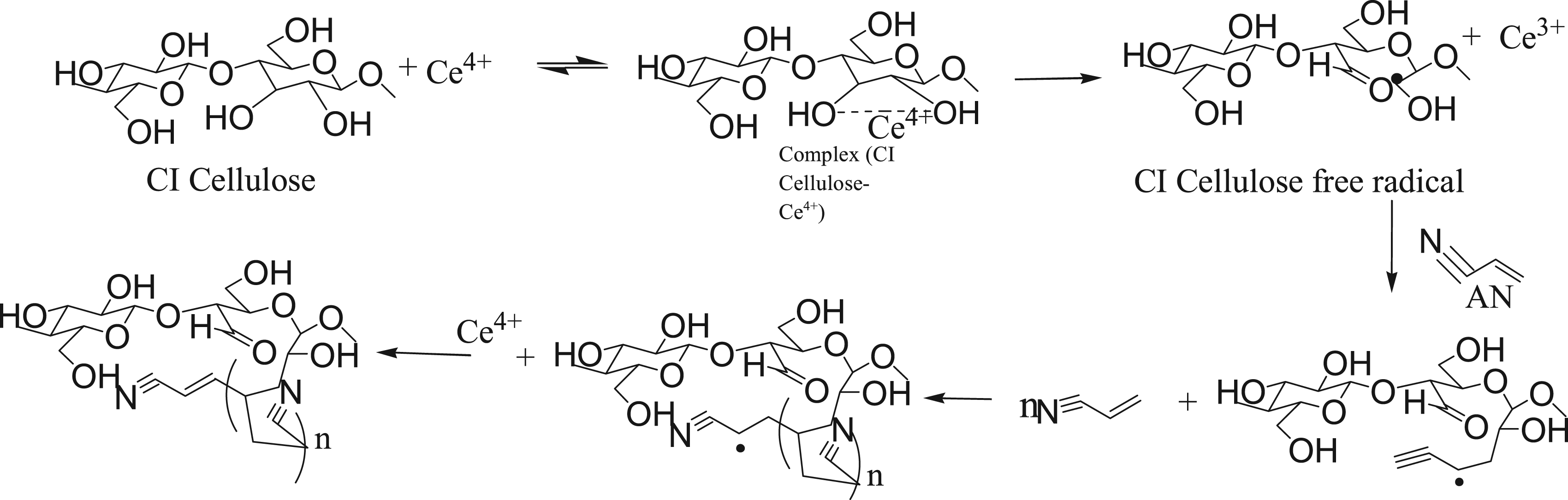
Kinetics of graft copolymerization
The mechanism of the graft copolymerization is quite complex that involves various stages like propagation, termination, homopolymerization and copolymerization reactions. However, kinetically, the rate of the graft copolymerization (Rg) with respect to monomer and initiator concentrations can be written as follows.
41

Here m and n can be experimentally determined by the logarithmic form of the equation given above:

Kinetic data showing the change of initial rate of grafting with CAN concentration

CAN: ceric ammonium nitrate; AN: acrylonitrile; [AN]: 3.05 × 10⁻¹ mol L−1; T: 35°C; t: 120 min; HNO3: 2.88 × 10⁻² mol L−1; pH: 7.0.
The slop of the log Rg vs. log [CAN] graph plotted using the data given in Table 1 showed that the rate of grafting was proportional to the 0.80 power of CAN concentration.
Dependence of rate of grafting (Rg) on acrylonitrile concentration
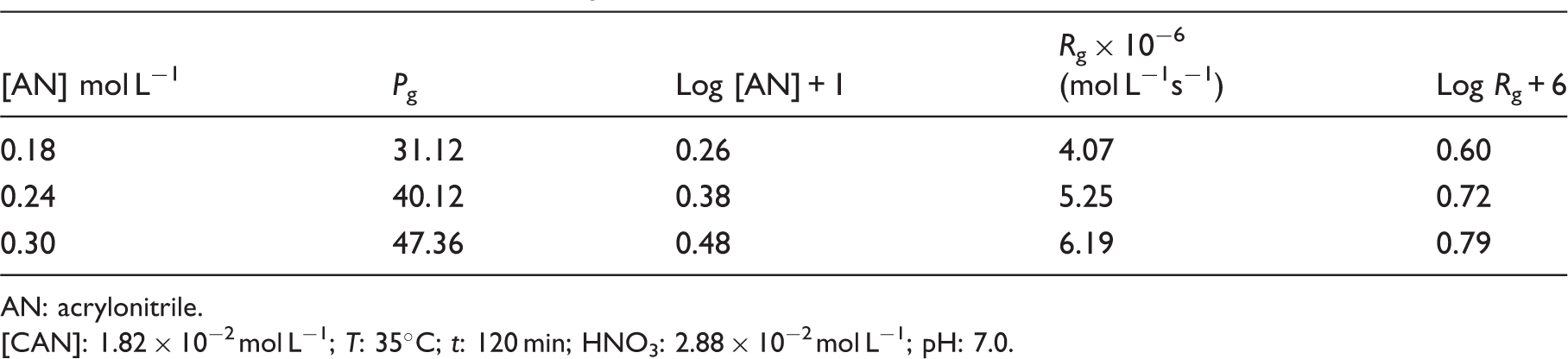
AN: acrylonitrile.
[CAN]: 1.82 × 10⁻² mol L−1; T: 35°C; t: 120 min; HNO3: 2.88 × 10⁻² mol L−1; pH: 7.0.
The slope of the Log Rg vs. log [AN] graph plotted using the data in Table 2 showed that the rate of grafting was proportional to the 0.82 power of the AN concentration.
Therefore:

Since grafting reaction was carried out at different temperatures with other conditions remaining constant, we may equalize the reaction rate to grafting rate. Substitution of the Arrhenius relation in general rate equation we get the equation: Rg = A[CAN]
m
[AN]
n
e−Ea/RT, where A, Ea and T indicate collision parameter in the Arrhenius equation, activation energies and absolute temperature, respectively. Recent equation may be written as:

It means that if plot of log Rg vs. 1/T (K−1) values is a straight line, then activation energies of the reaction can be evaluated from plot. The result is depicted in the Figure 7, which shows that plot of Log Rg vs. 1/T is a straight line. The overall activation energy for the graft copolymerization of AN onto Cannabis indica fiber was found to be 19.43 kJ/mol.
Arrhenius plot of log Rg vs. 1/T (k) for grafting of acrylonitrile (AN) onto Cannabis indica L. fiber.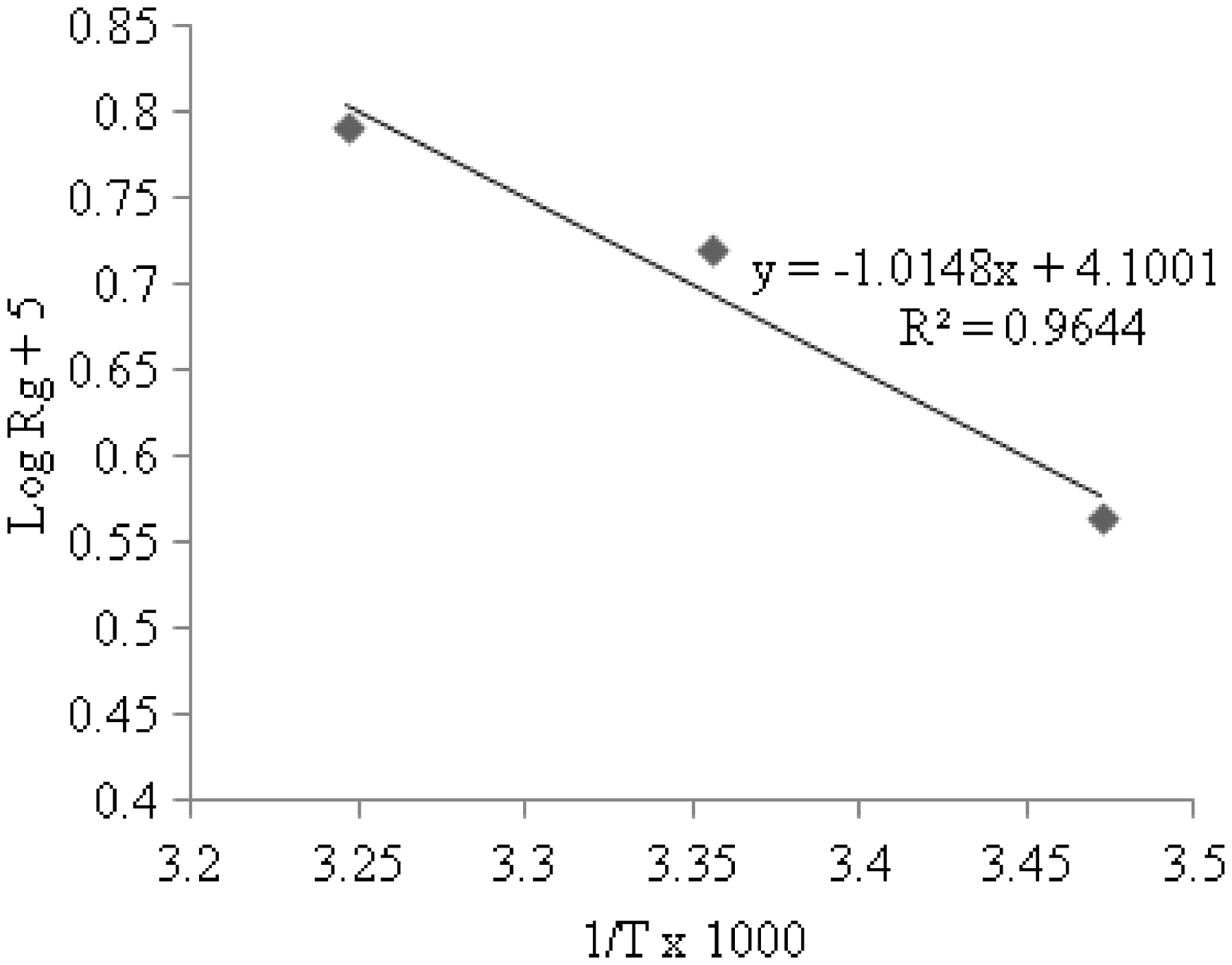
Physical and chemical properties of raw and Cannabis indica L-g-poly(AN) fiber
Swelling behavior
Grafted and raw fiber show different swelling behaviors in different solvents (Figure 8). The swelling behavior of raw fiber in different solvents follows the trend: H2O > C2H5OH > DMF > CCl4. A high percent swelling of raw fiber with water is expected because water enters into the hydrogen bonding with the hydroxyl groups in amorphous region of the Cannabis indica L. fiber. The percent swelling of the Cannabis indica L-g-poly(AN) in different solvents varies as a function of Pg follows the trend: DMF > CCl4 > H2O > C2H5OH. In case of the grafted fiber, water and alcohol cannot interact with same extent as with raw fiber because of the blockage of the hydroxyls groups (active sites) by poly AN chains. While percent swelling in DMF, which is dipolar aprotic solvent is higher as the poly AN chain on the grafted fiber gets solvolysed more with DMF as compared to water and ethanol. Further percent swelling of the Cannabis indica L-g-poly (AN) with carbon tetrachloride increases with the increase in Pg because of the development of more hydrophobic character on the polymeric backbone due to incorporation of polyacrylonitrile chains onto it.
Effect of Pg on swelling behavior against different solvents.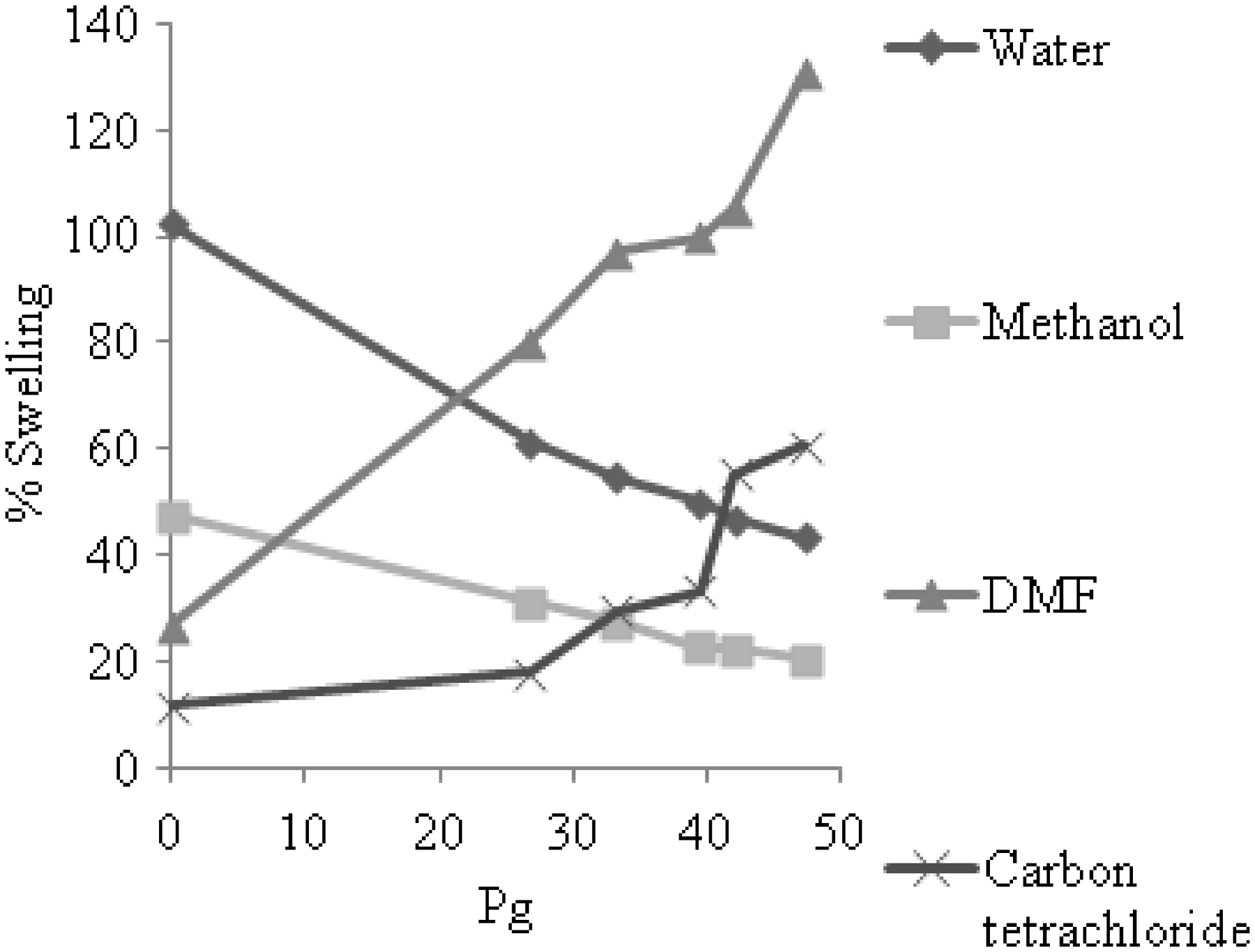
Chemical resistance behavior
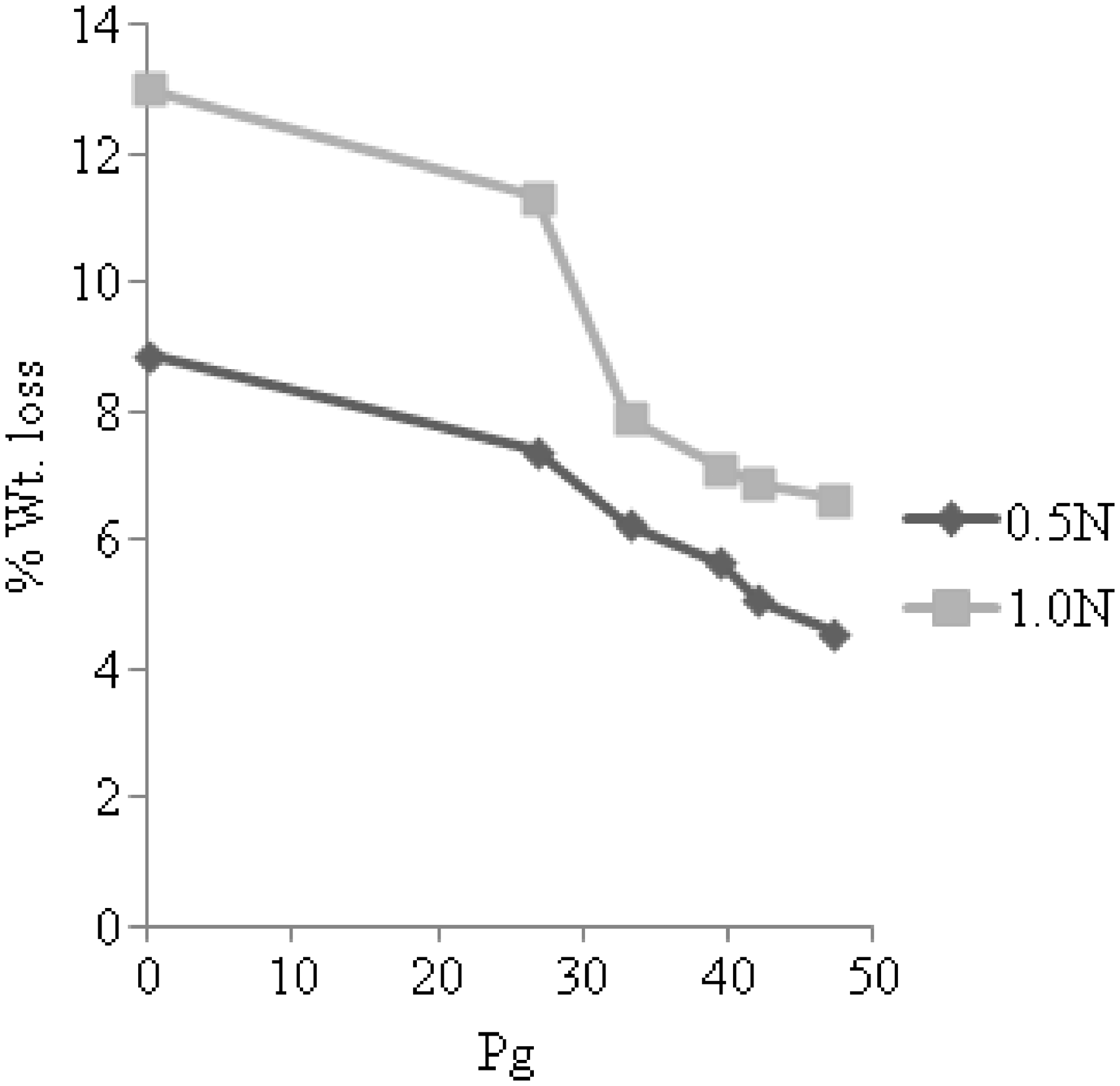
The chemical resistance has been studied in terms of a weight loss by fibers after treating with dilute solutions of strong acids and bases. It is clear from the Figures 9 and 10 that with increase in Pg the weight loss of the fiber decrease and the minimum weight loss was found at high Pg (47.36%), because with increase in the Pg the active sites which are prone to attack on the fiber backbone got blocked and hence showed maximum resistance.
Effect of Pg on resistance to acid. Effect of Pg on resistance to base.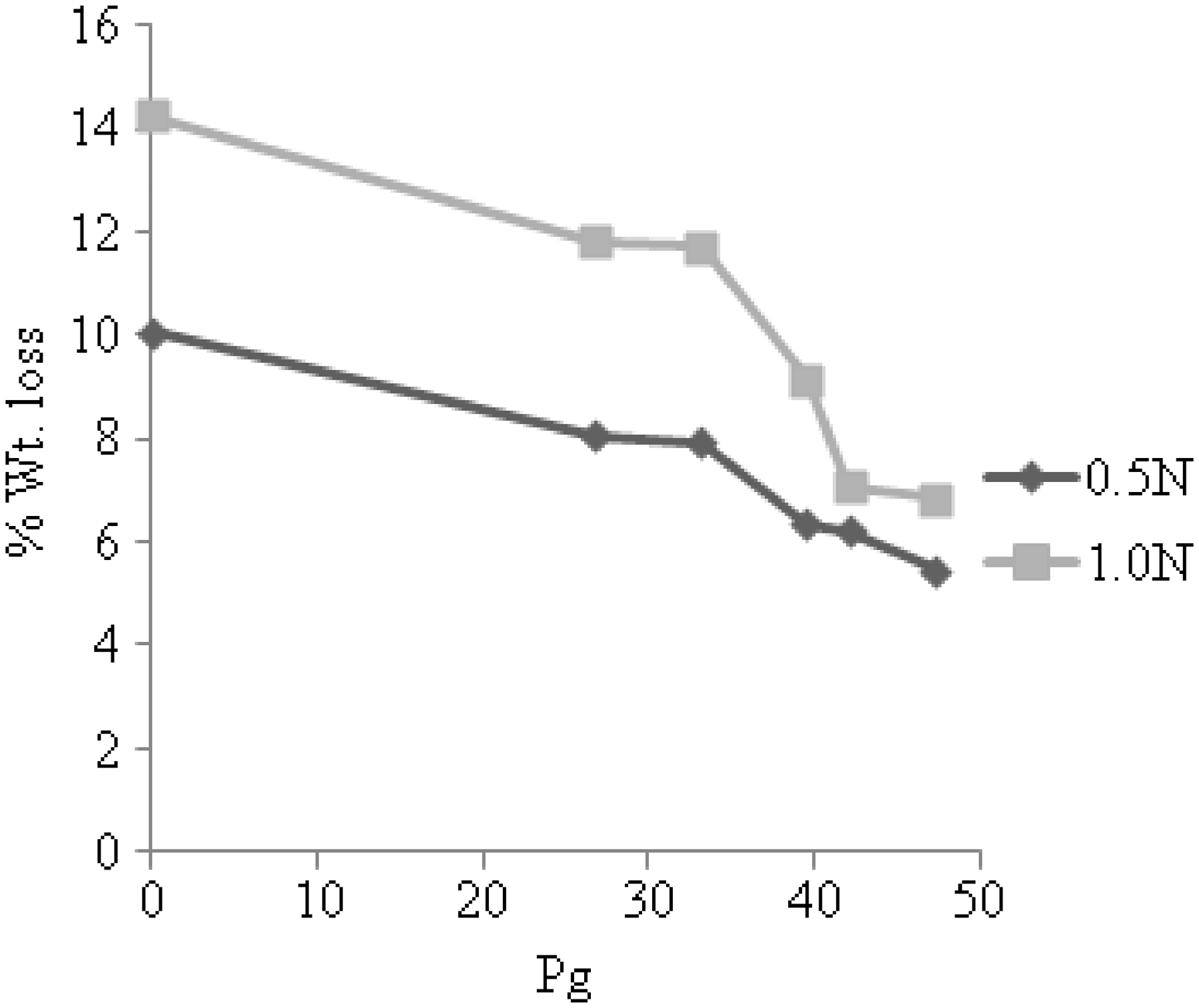
Moisture absorption study
From the Figure 11, it is clear that the Cannabis indica L-g-poly (AN) fiber showed lower moisture absorption. And this percent moisture absorbance decreases with increase in Pg. This is due to the fact that with the increase in graft yield, the sites vulnerable for the moisture absorbance get blocked with hydrophobic poly (AN) chains, thereby making fiber less sensitive towards the moisture.
Effect of Pg on moisture sorption behavior.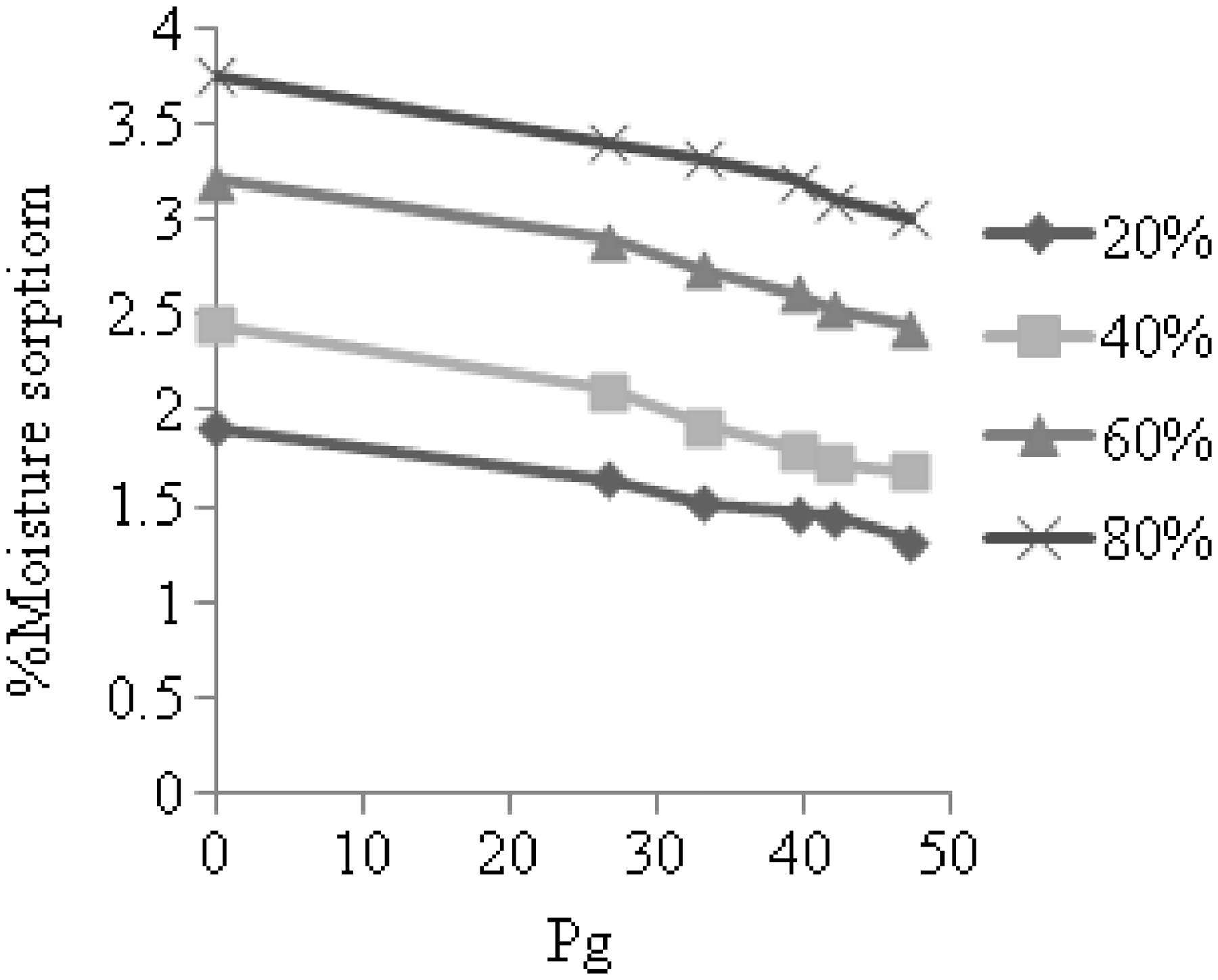
FT-IR analysis
FT-IR spectrum of raw Cannabis indica L. fiber (Figure 12(a)) showed a broad peak ranging from 3024 to 3691 cm−1 due to the hydrogen-bonded –OH groups and at 2922.3, 1429.3, 1376.2, 1252.1 and 897.6 cm−1 due to −CH2 stretching, −CH2 bending, –CH3 bending, –C–O–C– stretching and β-glycosidic linkage, respectively. Whereas in the case of Cannabis indica L-g-poly (AN), characteristic absorption bands at 2244.1 cm−1 for the nitrile group and 2921.4 cm−1 (characteristic for –CH2 group) with increased intensity has been observed (Figure 12(b)).
FTIR spectrum of (a) raw Cannabis indica L. and (b) Cannabis indica L-g-poly(AN) fiber.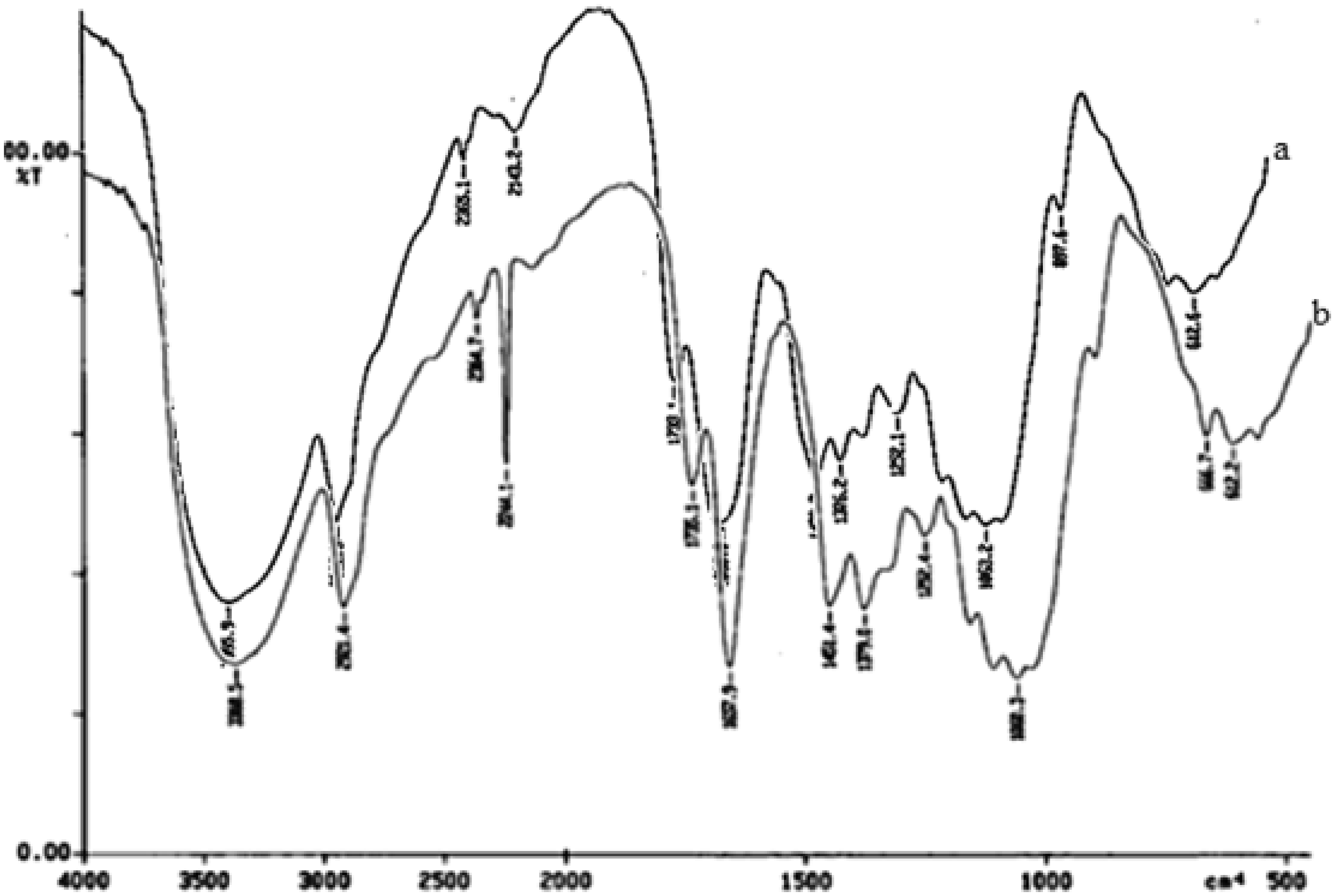
Morphological studies
Surface morphology of both grafted and raw Cannabis indica L. fiber was studied with the help of SEM and the results are shown in Figure 13(a) and (b). The comparison of the scanning electron micrographs of the raw and AN-grafted Cannabis indica L. fiber shows that the morphology of the fiber changes upon grafting, indicating that the chain of polymeric AN have been grafted on Cannabis indica L. fiber.
Surface morphology of raw and Cannabis indica L-g-poly(AN) fibers, (a) raw and (b) Cannabis indica L-g-poly(AN) fiber.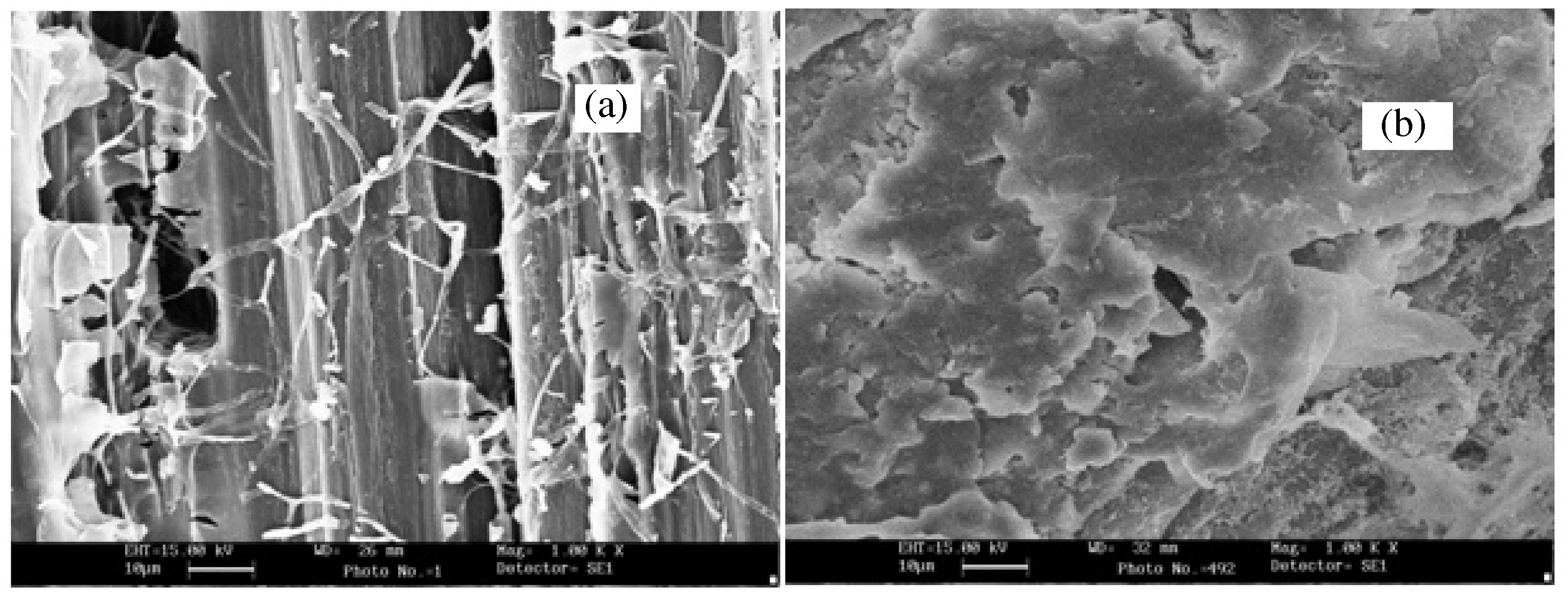
Thermal analysis
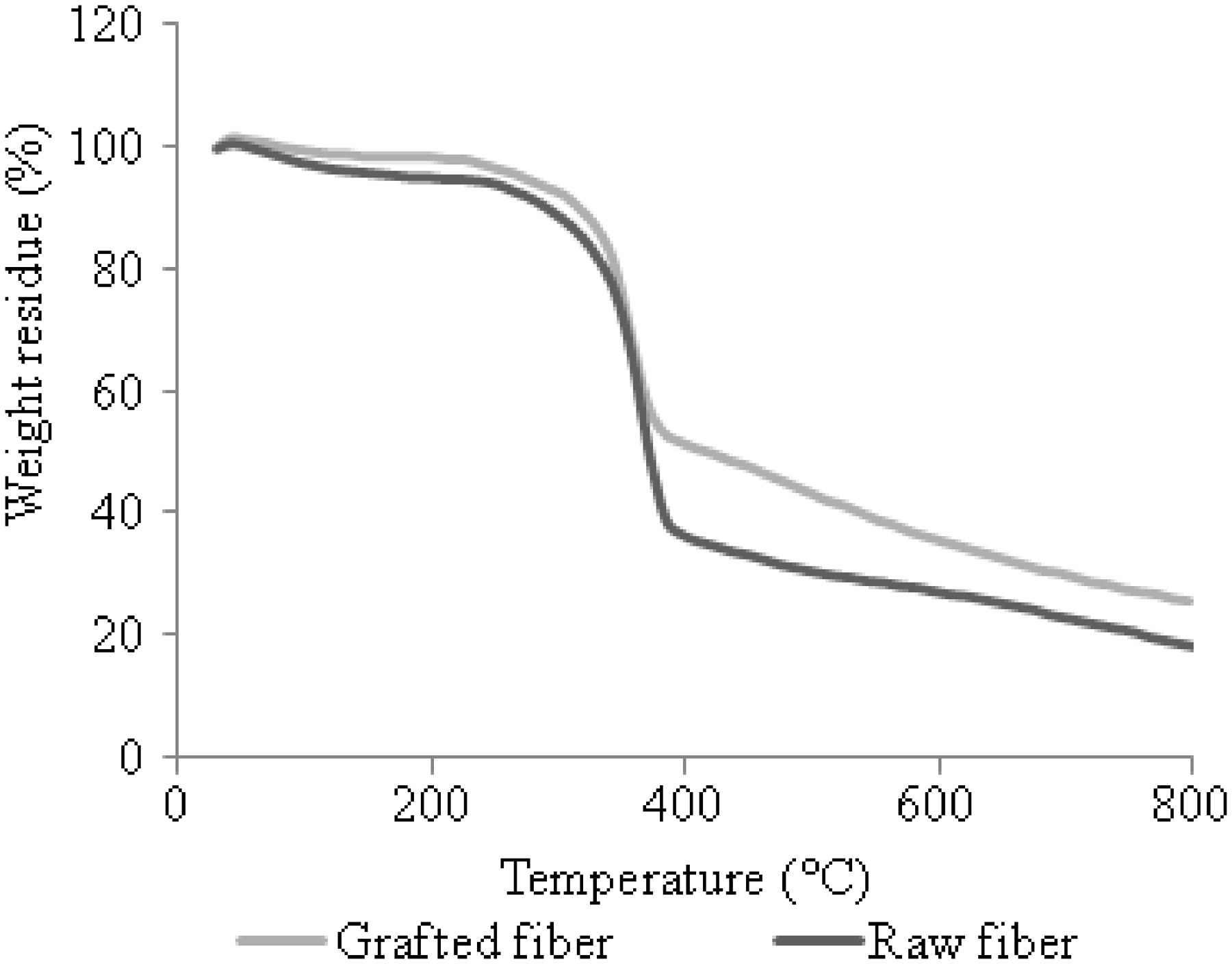
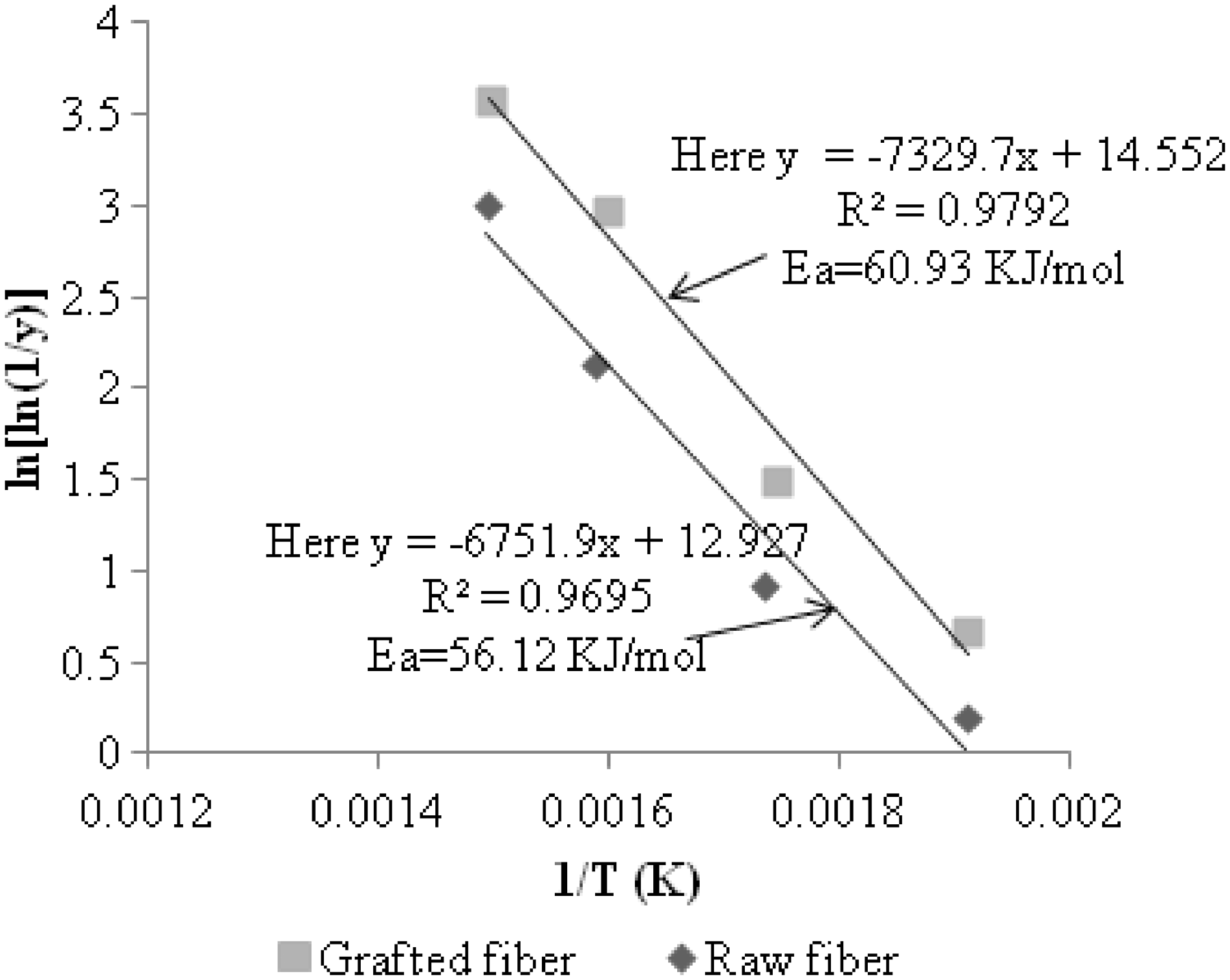
The TGA curve of the raw and Cannabis indica L-g-poly(AN) fiber are shown in the Figure 14. Thermal behavior of both raw fibers and grafted fibers was studied as a function of % weight residue with increase in temperature. In case of raw Cannabis indica L. fibers, in the beginning, depolymerization, dehydration and glucosan formation took place between the temperature ranges of 25.0°C and 250.0°C followed by the cleavage of C–H, C–C, C–O bonds.10,23 For raw fibers, the initial decomposition (IDT) and final decomposition temperature (FDT) has been found to be 256.33°C (6.91% weight loss) and 383.25°C (61.12% weight loss), respectively. In case of AN-grafted Cannabis indica fibers, the IDT has been found to 290.11°C (6.31% weight loss) and FDT to be 370.03°C (41.63% weight loss). Also, if we take decomposition temperature at 20% and 60% weight loss as a standard of comparison, it is observed that Cannabis indica L-g-poly (AN) fibers are thermally more stable than the raw fibers. Analysis of the activation energy support thermal stability trends of the fibers. The present calculation is based on the Broido equation and measured TGA thermograms of the raw and grafted fiber samples considering the temperature range 250°C–400°C.
42
The equation is given below
Thermogravimetric analysis of the raw and Cannabis indica L-g-poly(AN) fiber. Variation of ln[ln(1/y)] for raw and grafted Cannabis indica L. fiber.
X-ray diffraction study
Percentage crystallinity (%Cr) and crystallinity index (C.I.) of raw and Cannabis indica L-g-poly(AN) fiber
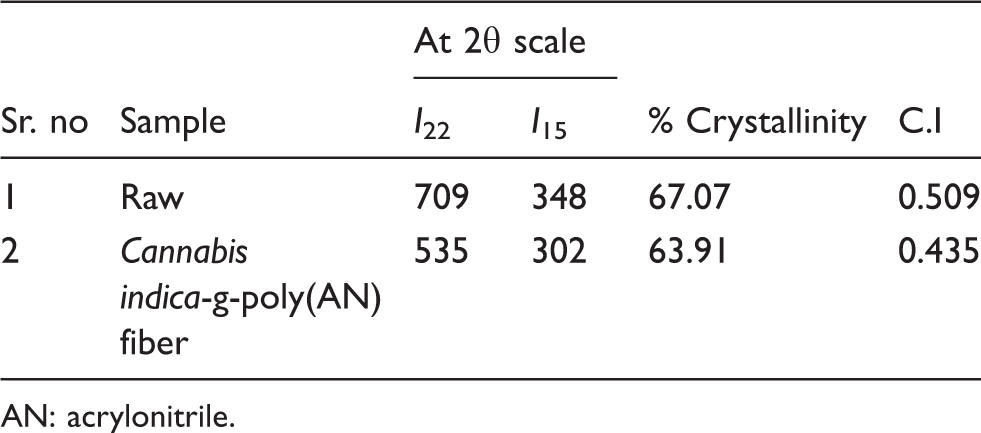
AN: acrylonitrile.
Mechanical properties of composites materials
Mechanical properties of raw and grafted particle-reinforced polyester matrix-based composites were studied by three different tests: tensile, compressive and flexural. The fundamental differences between these tests are the type of force that was applied on specimen. In tensile test, load was applied along the longitudinal direction of specimen till the failure of specimen. Compressive test could show the response by composite material to axially directed pooling force. On the other hand, in flexural tests, load was applied perpendicular to longitudinal axis of specimen, causing deformations of compression inside specimen and tension outside it.
It has been observed from Figure 16 that raw particle-reinforced UPE composite show maximum tensile strength at 20% loading, while grafted particle-reinforced UPE composites show maximum strength at 30% of loading. The increase in tensile strength with increase in particle-reinforcement was due to transfer of load between fiber and matrix interface. However composites showed a deep decline in tensile properties beyond optimum values because of poor wettability of particle reinforcement with resin and also due to high particle to particle contact. It has also been observed that AN graft copolymerized particle significantly increases the tensile strength of resulting composites as compared to raw particle-reinforced UPE composites and maximum tensile strength (25.16 MPa) was found at 30% loading. The better performance of raw particle-reinforced composites at 20% of loading as compared to 30% loading is because of hydrophilic nature of raw particle which at high loading causes agglomeration of particles and also leads to poor disperseability of reinforcement with matrix. The improved tensile strength of vinyl-grafted particle-reinforced composites may be due to improved compatibility between polymer matrix and grafted particle reinforcement through vinyl moieties deposited on the particle surface during graft copolymerization. This results in improved wettability and adhesion between grafted particle and matrix polymer.
Tensile strength of raw and acrylonitrile (AN) grafted particle reinforced unsaturated polyester (UPE) composites.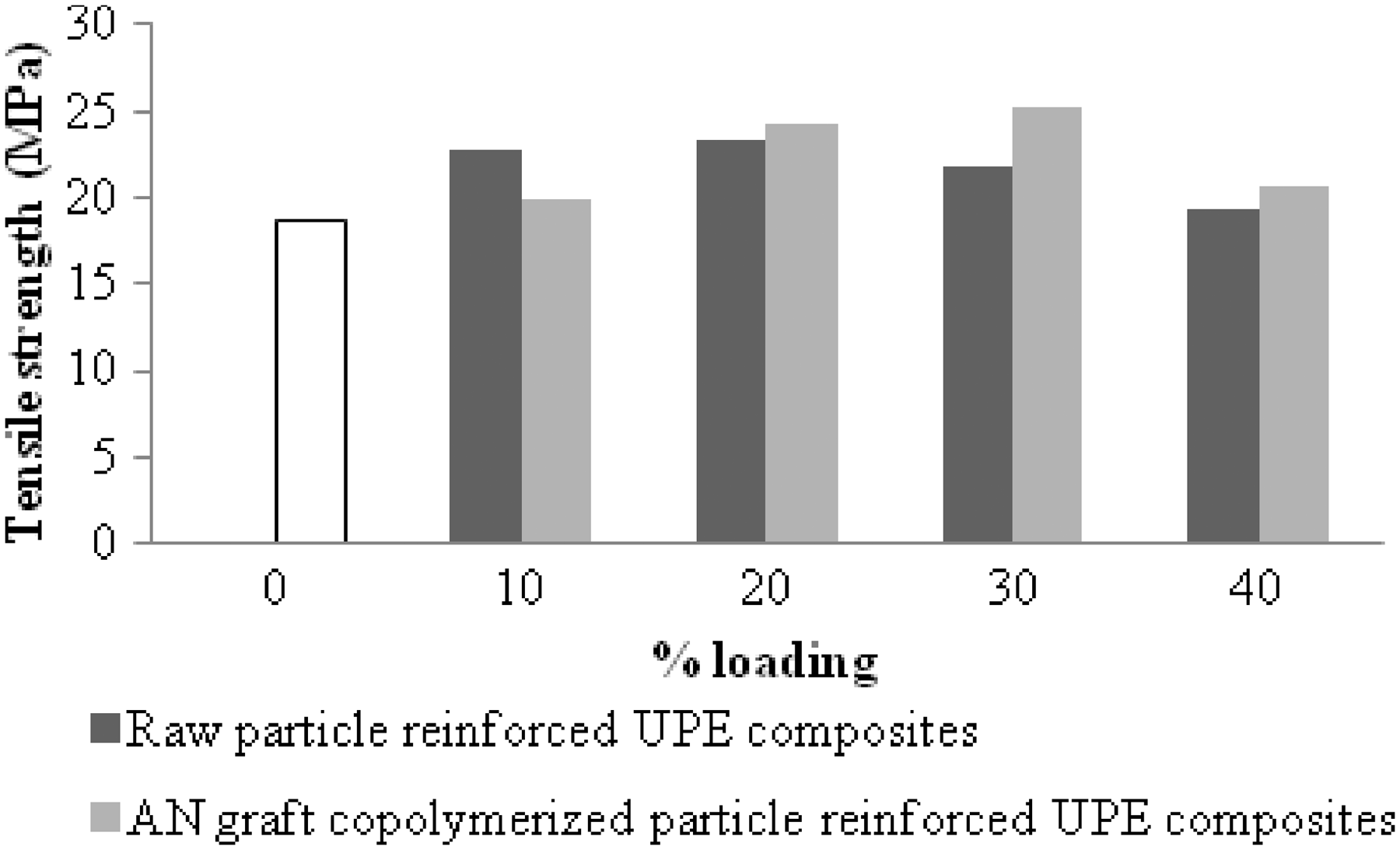
Compressive strength data of composites fabricated from raw and graft copolymerized particle has been depicted in Figure 17. Like the enhancement in tensile strength, similar trend for compressive strength enhancement of composites prepared from grafted particle has been observed. Further raw and graft copolymerized particle-reinforced UPE composites showed maximum strength at 20% and 30% loading, respectively, and among these grafted particle-reinforced showed higher compressive strength (46.05 MPa) as compared to raw fiber particle-induced reinforcement. Flexural strength was also influenced by different loading of particle and their surface modification. Besides the tensile and compressive properties, chemically modified fiber through graft copolymerization also contributed positively for the improvement of flexural strength of the composite. From Figure 18, it is clear that the trend for flexural strength has been found similar to trend obtained with tensile and compressive strength results. Optimum particle contents in order to obtain highest flexural strength in case of raw and grafted particle-reinforced UPE composites have also been found to be 20% and 30%, respectively. Further the highest flexural strength (63.9 MPa) was obtained at 30% loading of grafted particle-reinforced UPE composites.
Compressive strength of raw and acrylonitrile (AN) grafted particle reinforced unsaturated polyester (UPE) composites. Flexural strength of raw and acrylonitrile (AN) grafted particle reinforced unsaturated polyester (UPE) composites.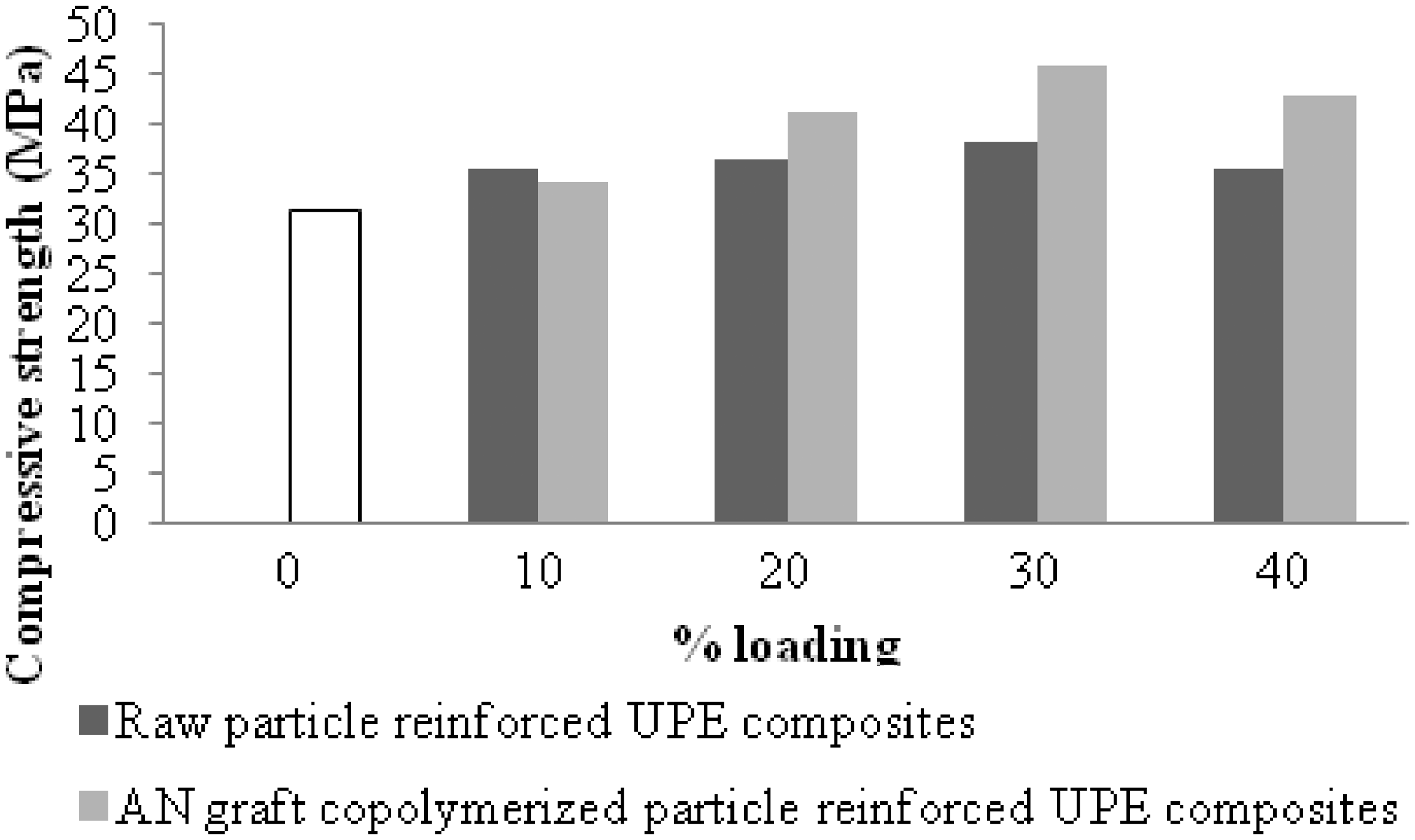
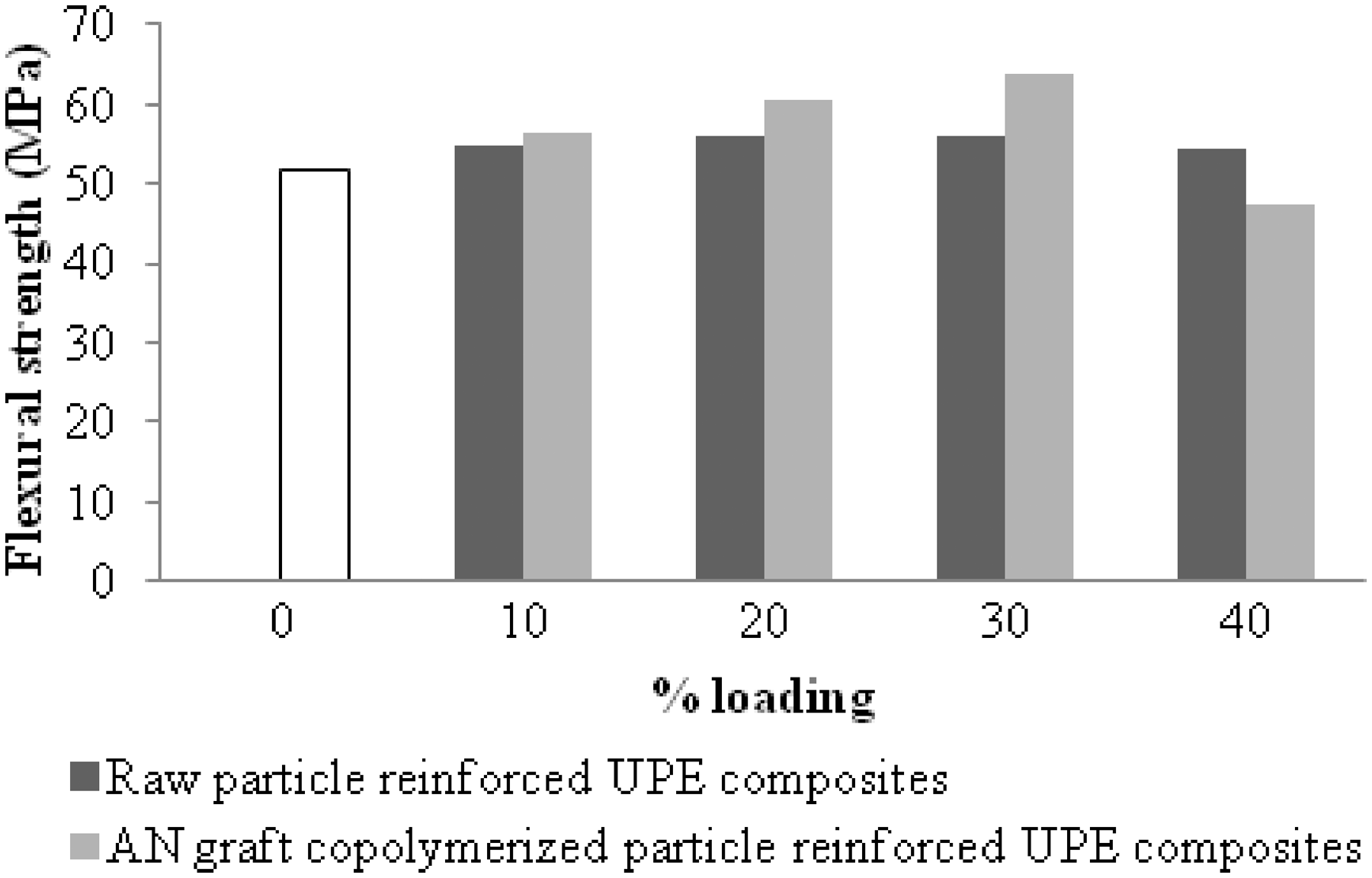
Figure 19 depicts the percent elongation of both raw and grafted particles-reinforced UPE composites. It is clearly observed from the figure that addition of particles in both raw and grafted fiber result in decreased percent elongation. And this percent elongation decreases with increase in loading.
Percentage elongation of raw and acrylonitrile (AN) grafted particle reinforced unsaturated polyester (UPE) composites.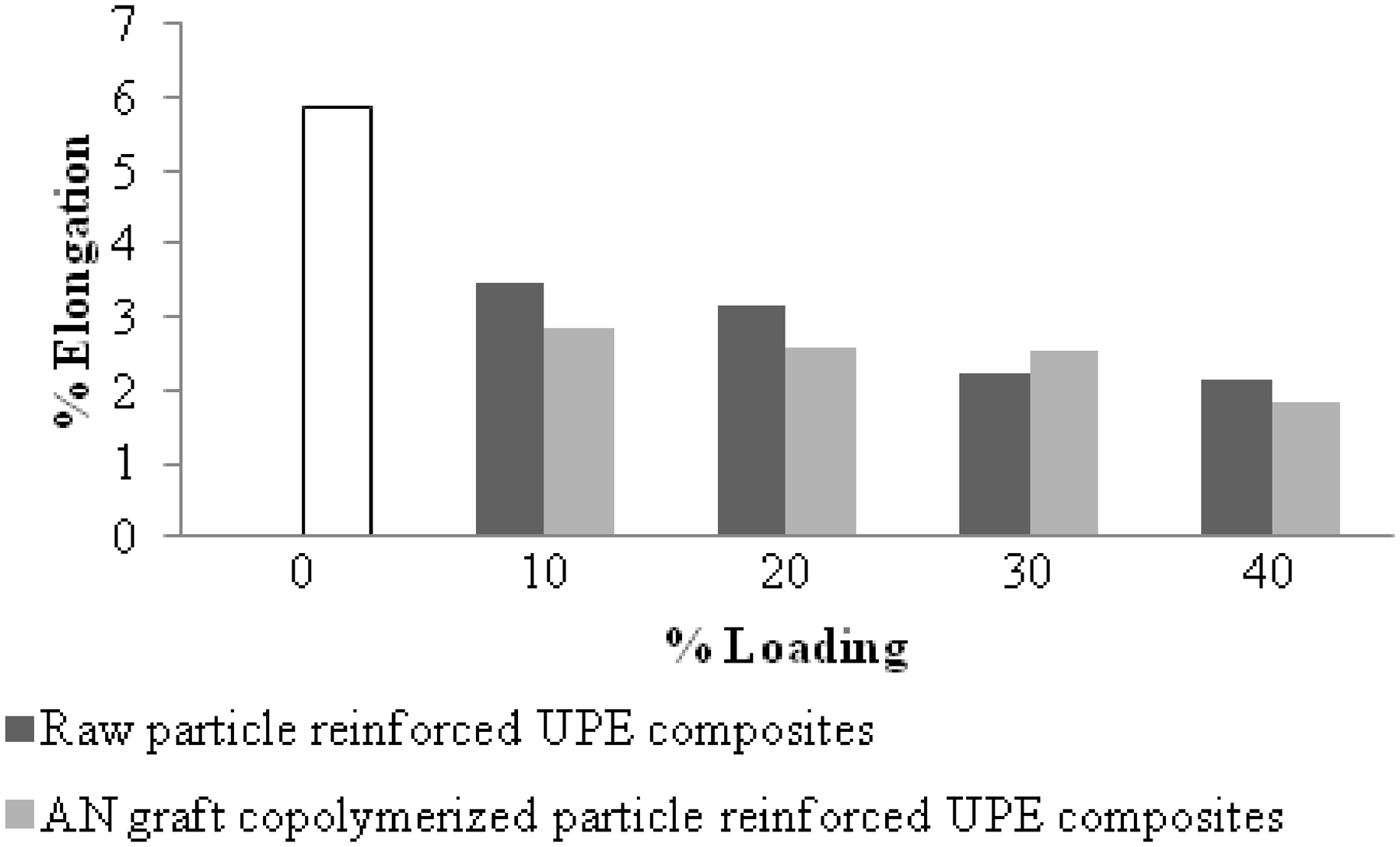
Thermal and DSC analysis of composites materials
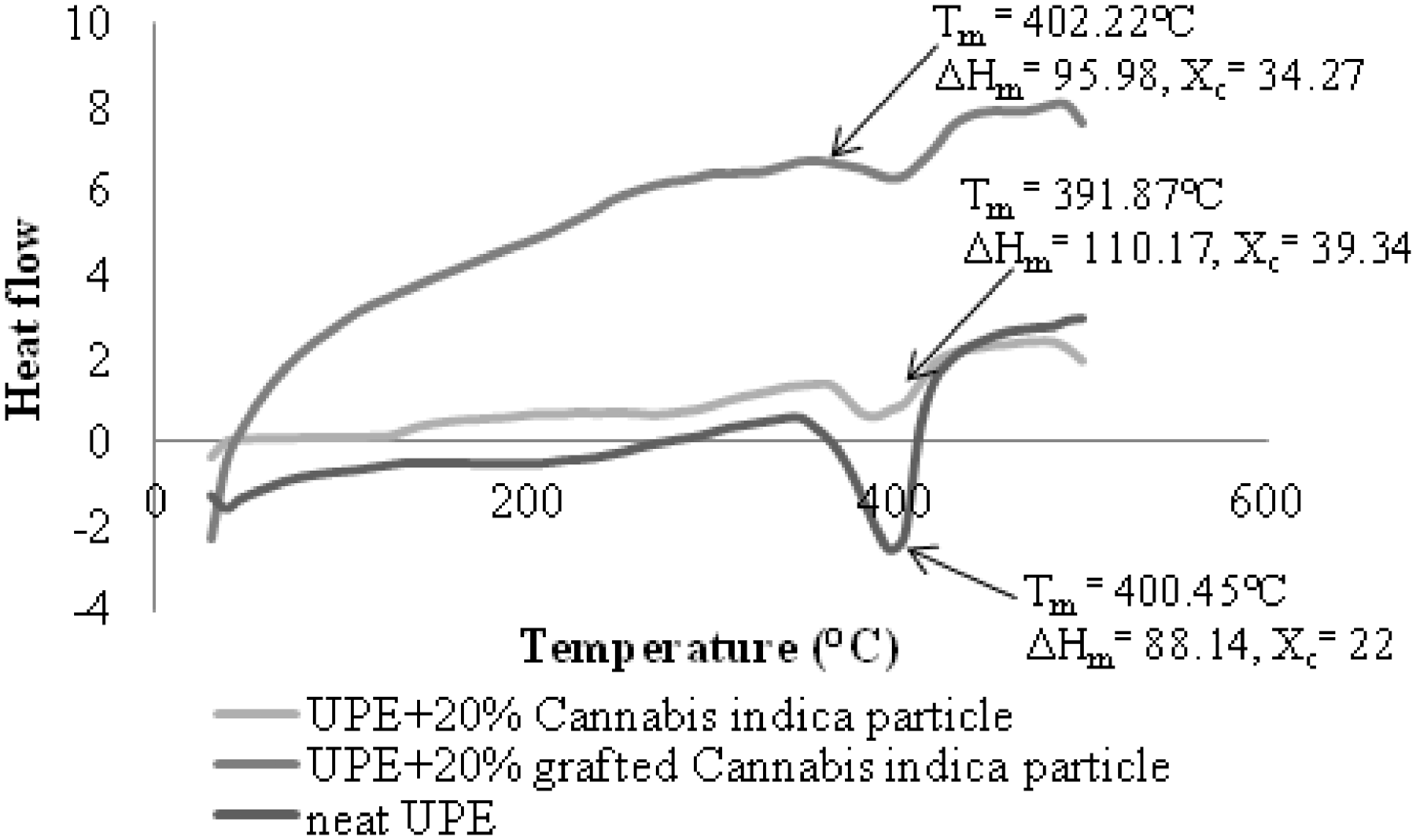
Thermal properties such as melting temperature (Tm), heat of melting (ΔHm) and degree of crystallinity of biocomposites obtained from DSC studies are shown in Figure 20. The percentage crystallinity of raw and grafted particle-reinforced UPE was calculated according to formula as given below
Differential scanning calorimetric (DSC) curve for melting raw and grafted particle reinforced unsaturated polyester (UPE) composites.
Here, w was the mass fraction of UPE resin in the composite and
On comparing the melting point of raw and grafted particle-reinforced composites, it has been observed that grafted particle-reinforced UPE composites had high melting point and thus high thermal strength. However, a decrease in melting point of raw particle-reinforced UPE composites as compared to neat UPE has been observed because of interaction of added particle with matrix. Addition of raw and grafted particles in UPE also influences ΔHm and ultimately degree of crystallinity. Data in figure clearly shows that addition of fiber to UPE result in an increase in degree of crystallinity of biocomposites. This could be due to nucleating ability of raw and grafted particle reinforcement for crystallization of UPE.
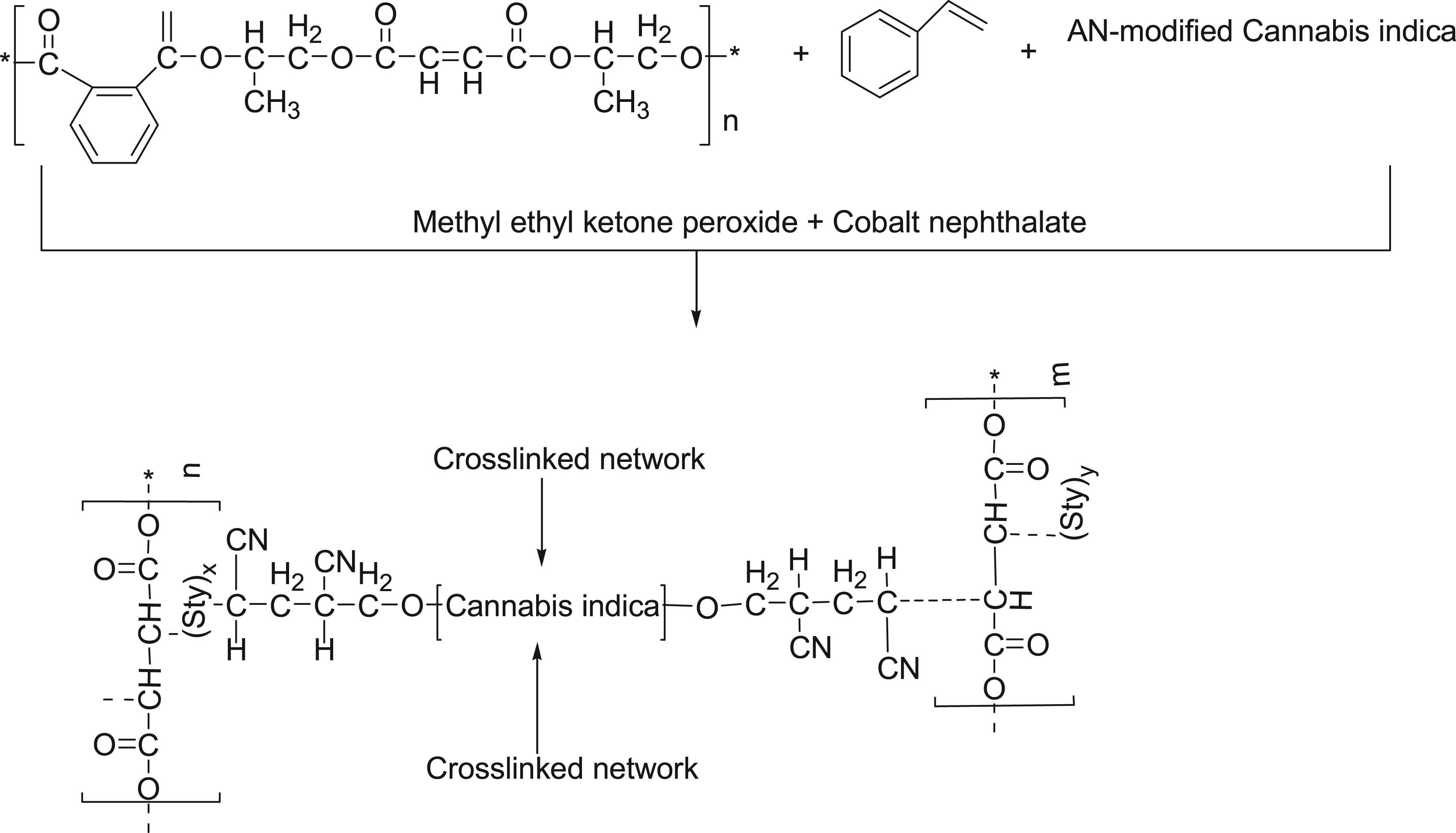
TGA analysis of neat, raw particle-reinforced and grafted particle-reinforced UPE composites is given in Figure 21. If we consider temperature at 25% or 90% weight loss as a standard of comparison, then it is found that grafted particles-reinforced UPE composites have higher thermal stability as compared to neat and raw particles-reinforced UPE composites, which further supports the DSC studies. The improvement in all mechanical and thermal properties of the biocomposites based on AN graft copolymerization is because of possible structure (Scheme 2) that results during reaction. In this structure, polystyrene chains are joined to polyacrylonitrile chains, which in turn is connected to a highly cross-linked network.
45
Thermogravimetric (TGA) analysis curve for pure, raw and grafted particles-reinforced unsaturated polyester (UPE) composites. Scheme showing probable cross-linking reaction between unsaturated polyester resin, styrene and acrylonitrile graft copolymerized Cannabis indica L. fiber.45.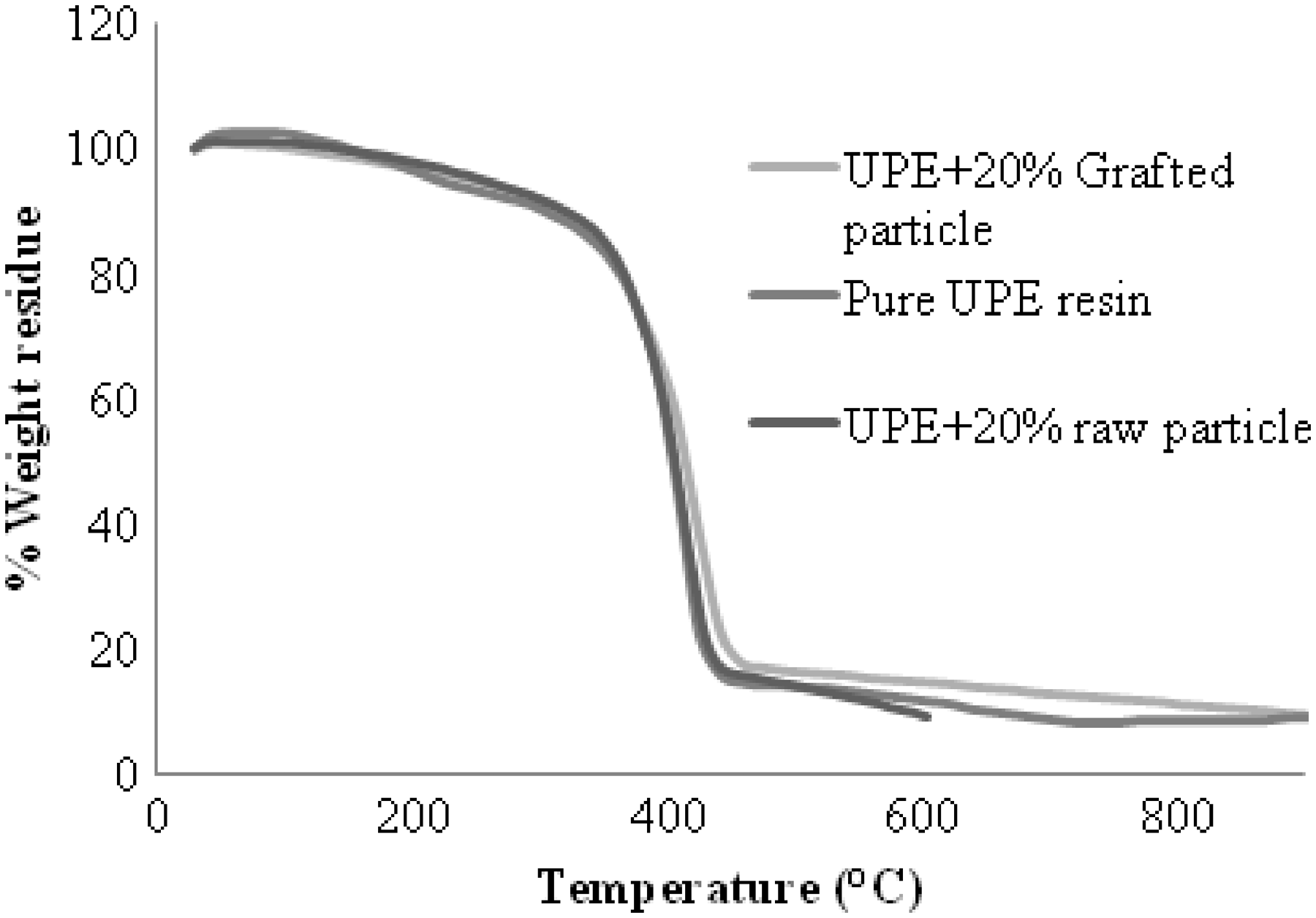
Morphological studies of composites
Morphological results (Figure 22 b & c) clearly show the difference in the morphology of the polymer composites when compared with the morphology of the fiber (Figure 13) and polymer matrix separately (Figure 22(a)). Morphological results clearly show that when polymer resin matrix was reinforced with raw and grafted particulate, morphological changes took place, depending upon the bonding between the particulate and the polymer resin matrix.
Scanning electron microscopy (SEM) images of (a) neat UPE, (b) UPE + 20% loaded raw particles, and (c) UPE + 30% grafted particle.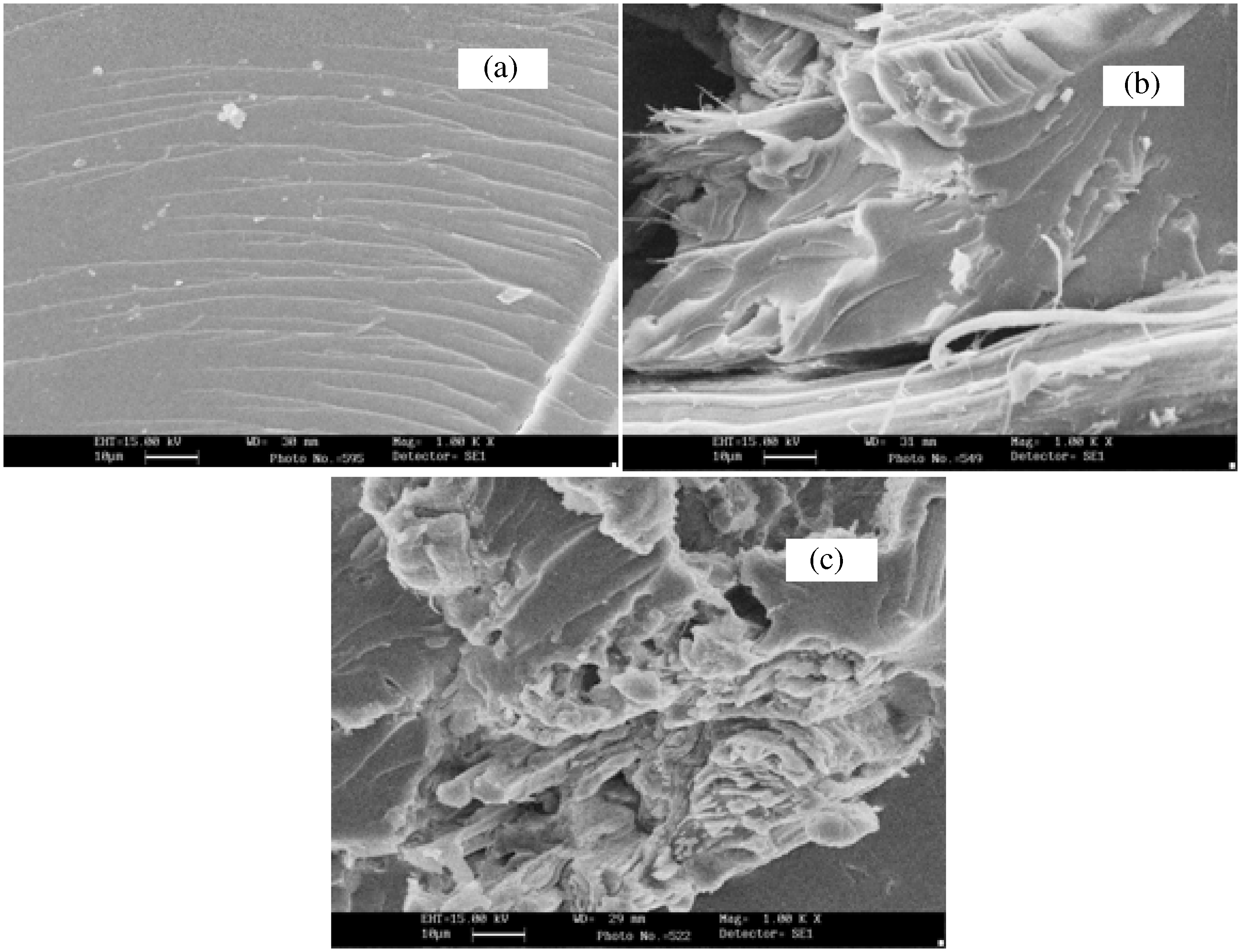
Chemical resistance
Percentage weight loss of raw and AN grafted fiber-reinforced unsaturated polyester (UPE) composites against NaOH
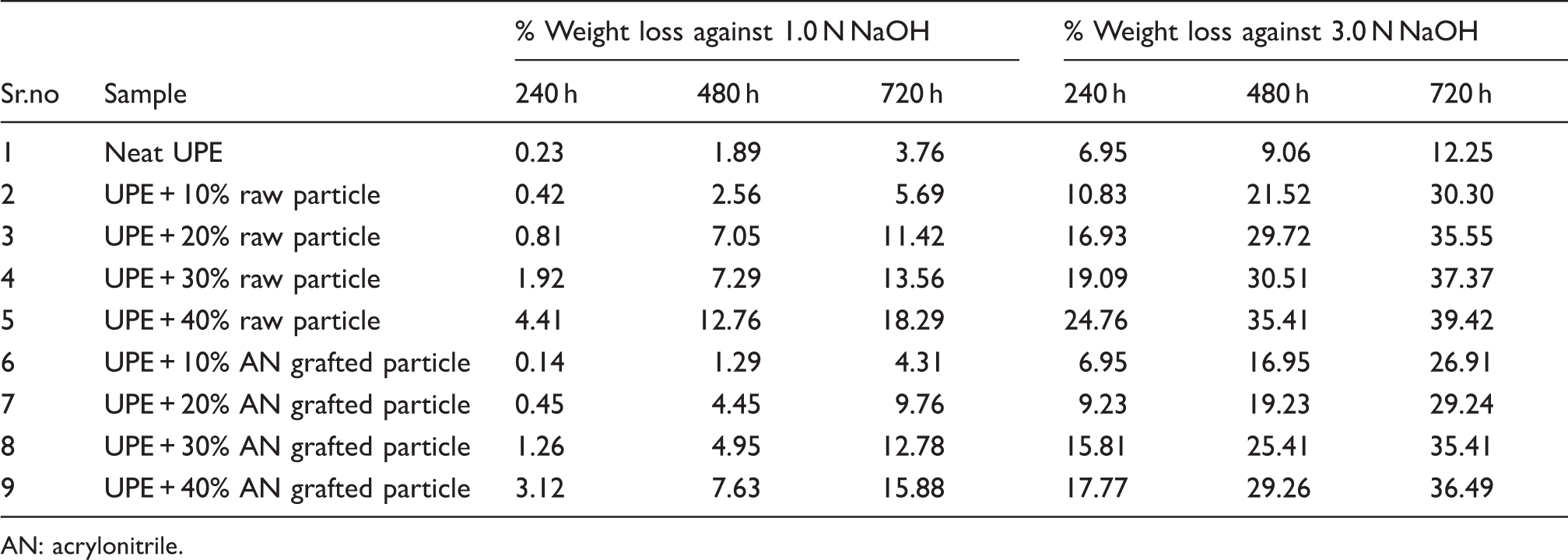
AN: acrylonitrile.
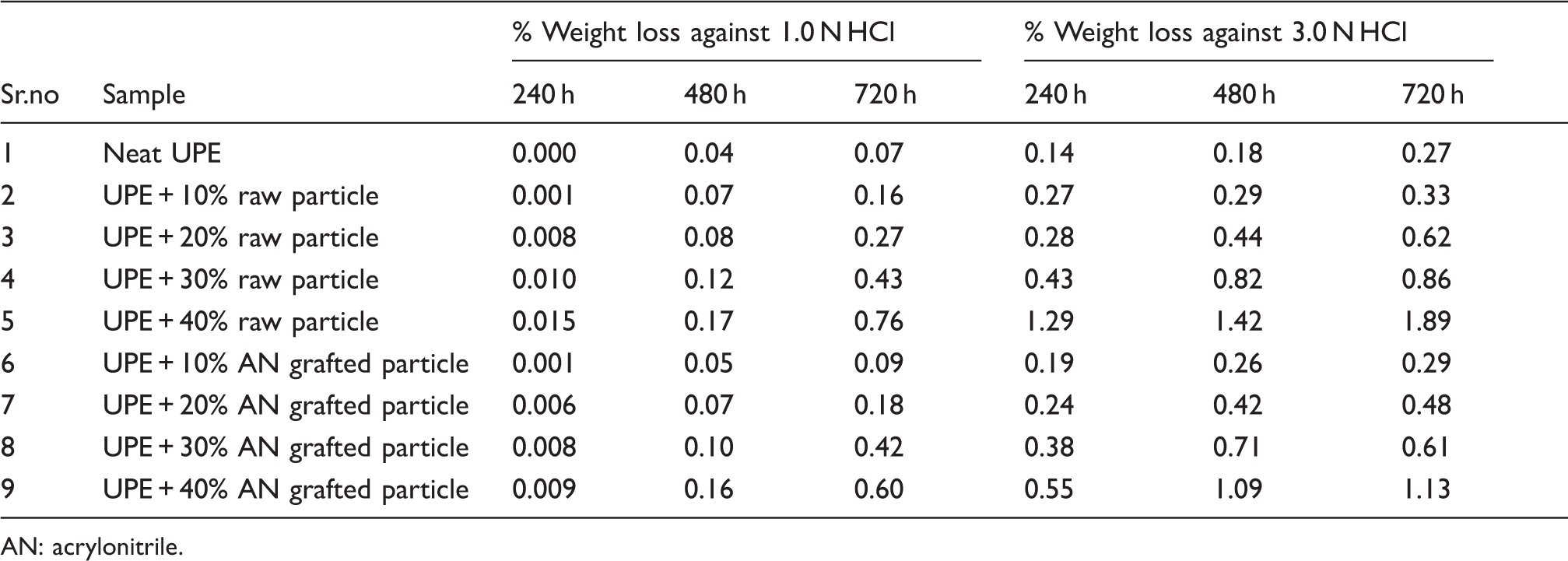
Percentage weight loss of raw and AN grafted fiber-reinforced unsaturated polyester (UPE) composites against HCl
AN: acrylonitrile.
Conclusions
Cannabis indica L. fibers have been successfully modified through graft copolymerization of AN in air using CAN/HNO3 as redox initiation system and were found to have high thermal stability, low crystallinitty and better swelling, chemical resistance and moisture absorbance properties as compared to raw fiber. Various optimized reaction parameters are; Time: 120 min; pH: 7; Temperature: 35°C; [CAN]: 1.82 × 10⁻² mol L−1; [HNO3]: 2.88 × 10⁻² mol L−1 and [AN]: 3.05 × 10⁻¹ mol L−1. Composites reinforced with raw and grafted particle were found to have better mechanical properties than that of neat UPE. Optimum particles content for maximum mechanical strength in case of raw and grafted particles-reinforced UPE composites have been found to be 20% and 30%, respectively. Further increase in tensile, compressive and flexural strength from 23.29 to 25.16 MPa, 36.48 to 46.05 MPa and 56.2 to 63.9 MPa, respectively, have been observed in case of 30% grafted particle-reinforced UPE composites as compared to 20% raw particle-reinforced UPE composites. Various thermal studies revealed that grafted particles-reinforced UPE resin was slightly more thermally stable than neat and raw particles-reinforced composites.
Footnotes
Acknowledgement
Authors are highly thankful to the Director, National institute of Technology Hamirpur (H.P), India, for providing the laboratory facilities and Ministry of Human Resources and Development for financial support.