







Abstract
This work presents the enforcement performance of recent Haulien County, Taiwan municipal solid waste (MSW) recycling management programs. These programs include: Mandatory Refuse Sorting and Recycling, Diverse Bulk Waste Reuse, Pay-as-you-Discharge, Total Food Waste Recycling, Restricted Use on Plastic Shopping Bags & Plastic Tableware, Recycling Fund Management, and Ash Reuse. These programs provide incentives to reduce the MSW quantity growth rate. It was found that the recycled material fraction of MSW generated in 2001 was from 6.8%, but was 32.4% in 2010 and will increase stably by 2–5% yearly in the near future. Survey data for the last few years show that only 2.68% (based on total MSW generated) of food waste was collected in 2001. However, food waste was up to 9.7 % in 2010 after the Total Food Waste Recycling program was implemented. The reutilization rate of bottom ash was 20% in 2005 and up to 65% in 2010 owing to Ash Reuse Program enforcement. A quantified index, the Total Recycle Index, was proposed to evaluate MSW management program performance. The demonstrated county will move toward a zero waste society in 2015 if the Total Recycle Index approaches 1.00. Exact management with available programs can lead to slow-growing waste volume and recovery of all MSW.
Introduction
Municipal solid waste (MSW) management is an important issue worldwide. A quick computer search shows that hundreds of articles dealing with MSW management and the associated disposal problems have been published over the past few years (Agarwal et al., 2005; Kirkeby et al., 2006). Most of this research has indicated basic MSW management principles, including prevention, reduction, reuse, recovery and the polluter-pay principle. They also present a brief history of legislative trends in waste management, provided as the background for current waste management and recycling activities. Kanat (2010) recently assessed the municipal solid waste management situation in Istanbul. He discussed the current requirements and challenges in relation to MSW collection and management system optimization. Chen et al. (2010) identified four major challenges and barriers related to China’s MSW management and proposed an integrated management framework to improve the overall eco-efficiency of MSW management. Feo and Gisi (2010) studied public opinion and awareness toward MSW management and separate collection programs by defining and applying a procedure based on a structured questionnaire survey of environmental knowledge. In spite of numerous MSW management works, few studies practised total MSW resource recycling management using an evaluation index.
Taiwan is an island in Asia, which is 361,000 km2 in size and has a population of 23 million. During the last few decades MSW management in Taiwan could be separated into stages, as indicated by Lu et al. (2006). Generally speaking, there were no exact policies for MSW reduction in Taiwan from 1981 to 1989. The initial MSW recycling policy began in 1990. However, the daily per capita production of MSW increased rapidly owing to economic growth. Lu et al (2006) evaluated the municipal solid waste management system in Taiwan over the past two decades. They indicated that the amount of MSW began to decline after 1997 when the government enforced aggressive MSW management policies. Following the early Waste Disposal Act (WDA, instituted in 1974), Taiwan promulgated the Resource Recycling and Reuse Act (RRRA) in July 2002 to promote efficient use of recycled material. This Act was built on the product life cycle concept and comprehensive planning starting from the initial design, manufacture and use, and extended to recovery. The RRRA is comprised of six parts starting with the guiding principles, source management, operations management, guidance and incentive measures, and penalties. After the Act was promulgated the Taiwan Environment Protection Administration (EPA) Renewable Resource Recycling and Reuse Promotion Committee (RRPC) was established in 2003. The RRPC, along with domestic ministries, enforced a ‘Resource Recycling and Reuse Promotion Plan’ based on the Act’s goals for source management, operations management, guidance and incentive measures.
Because Taiwan faced a rapid increase in MSW quantity, disposal problems occurred during the years 1980–2000. Waste management today is different from the past, focusing on end-of-pipe management. Taiwan moved to a resource recycling and reuse system by adopting concepts and methods based on zero waste. In an effort to put the RRRA into full play, the Taiwan EPA will continue to divide work among various government agencies and promote efficient reuse of resources in all fields. Full cooperation by the citizenry will help ensure timely implementation of various measures to achieve the goal of zero waste. A number of environmental management strategies have been instituted in Taiwan. The waste reduction and recycling management work has relied on these strategies to achieve the goal of MSW reduction (Wu et al., 2006). In tandem with the global trend toward achieving a zero waste society, the Taiwanese government has carried out Total Recycle Management (TRM) programs with a planned timeline that began in the last decade. The municipal solid waste clearance and treatment work will continue to be based on zero waste, source reductions and resource recycling. This article presents a demonstrative site case, Haulien (HL) County, to study the enforcement performance of recent management programs to meet the total MSW recycling policy. Because the county is now the best one in TRM performance, resulting from local government enforcement and citizen action in concert with management programs, it has been designated a rural site to fulfill the zero waste society goal. The recycling performance and problems faced by HL County, such as the public role in the decision-making process, are also discussed. The findings in this case study are believed to be representative of other cities in Taiwan.
Methods
Study area and MSW definition
This study was conducted in HL County, which is located in Eastern Taiwan. A map of HL County is shown in Figure 1. The HL County municipality is divided into 13 districts. The number of inhabitants in the county was 339,000 in 2010. The total area of the county is 4628 km2. The county is relatively sparsely populated, with a population density of 73 people km2 in 2010. This population density is lower than the average population density of 638 people km2 in Taiwan (Haulien EPB, 2012). All MSW discharged from the county is classified into major categories, as shown in Figure 2. The waste generated from municipalities (including household, streets) and commerce (including companies, restaurants and hotels) is disposed of by the county government. These wastes, such as residential refuse, are collected and sorted into four categories: recyclable/reusable, food waste, combustible and non-combustible. However, the MSW addressed in this article does not include sewage and the wastes discharged from hospitals and construction activities (including dolomite), which are not collected by the county government but collected responsibly by their dischargers according to Taiwanese legislation. Table 1 lists the generation and recycling distribution for the MSW studied from 2001 to 2010.
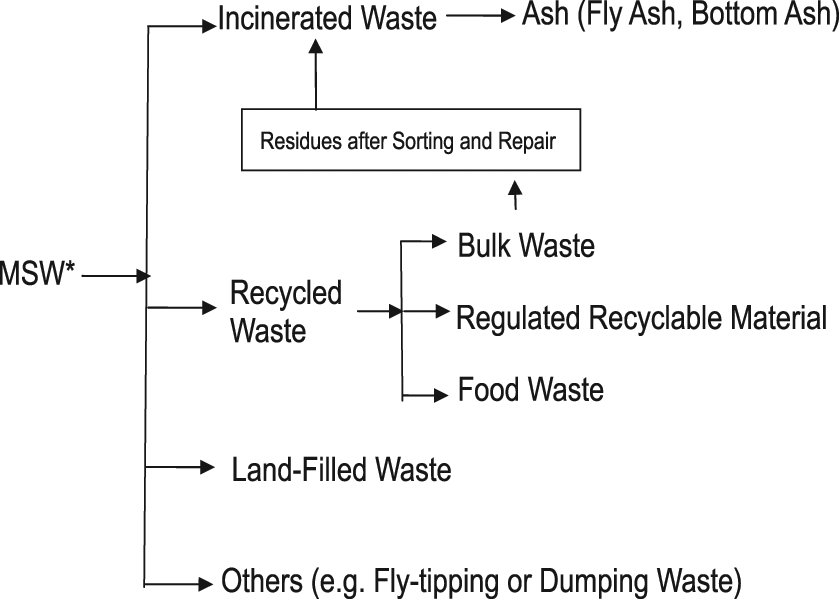
Categories of municipal solid waste (MSW) based on disposal methods in Taiwan.
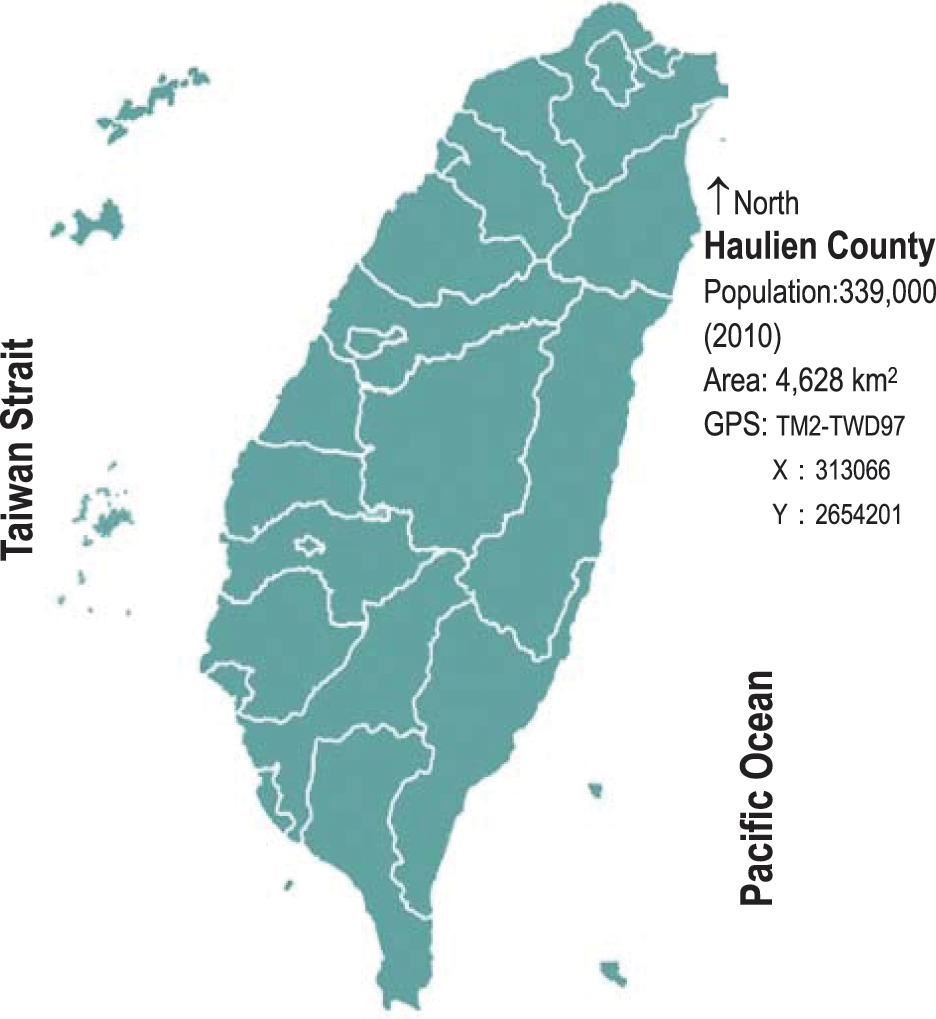
A map of Haulien County, Taiwan.
Generation and recycling distribution for MSW in Haulien County from 2001 to 2010
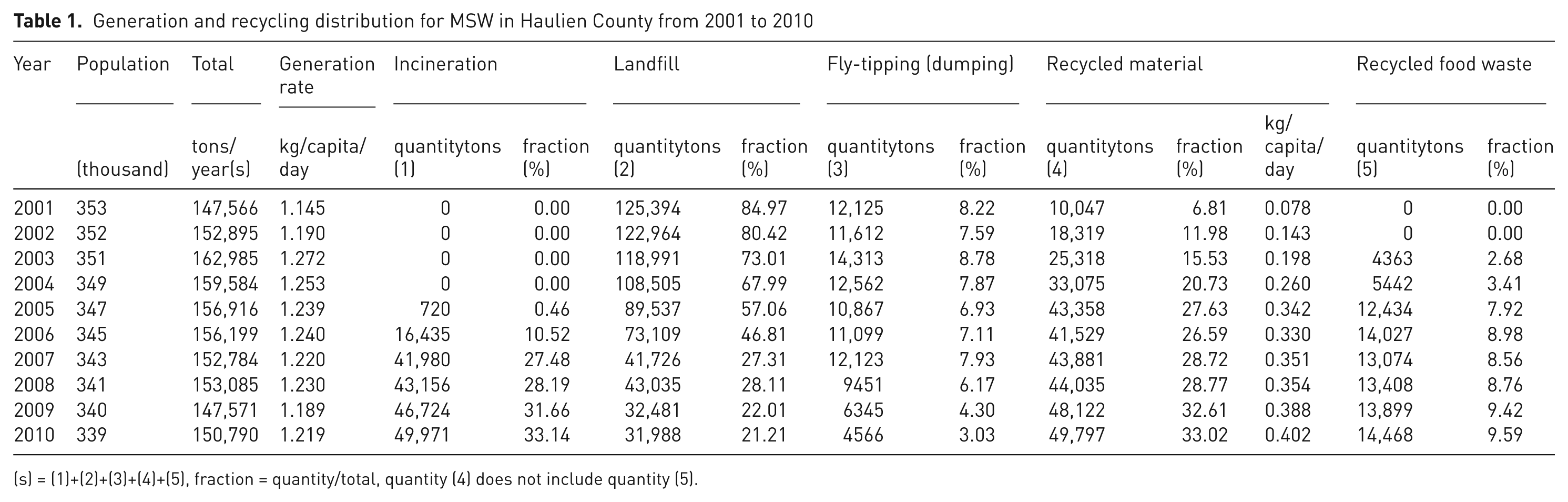
(s) = (1)+(2)+(3)+(4)+(5), fraction = quantity/total, quantity (4) does not include quantity (5).
Regulated items of containers and commodities recycled from municipal solid waste in Taiwan
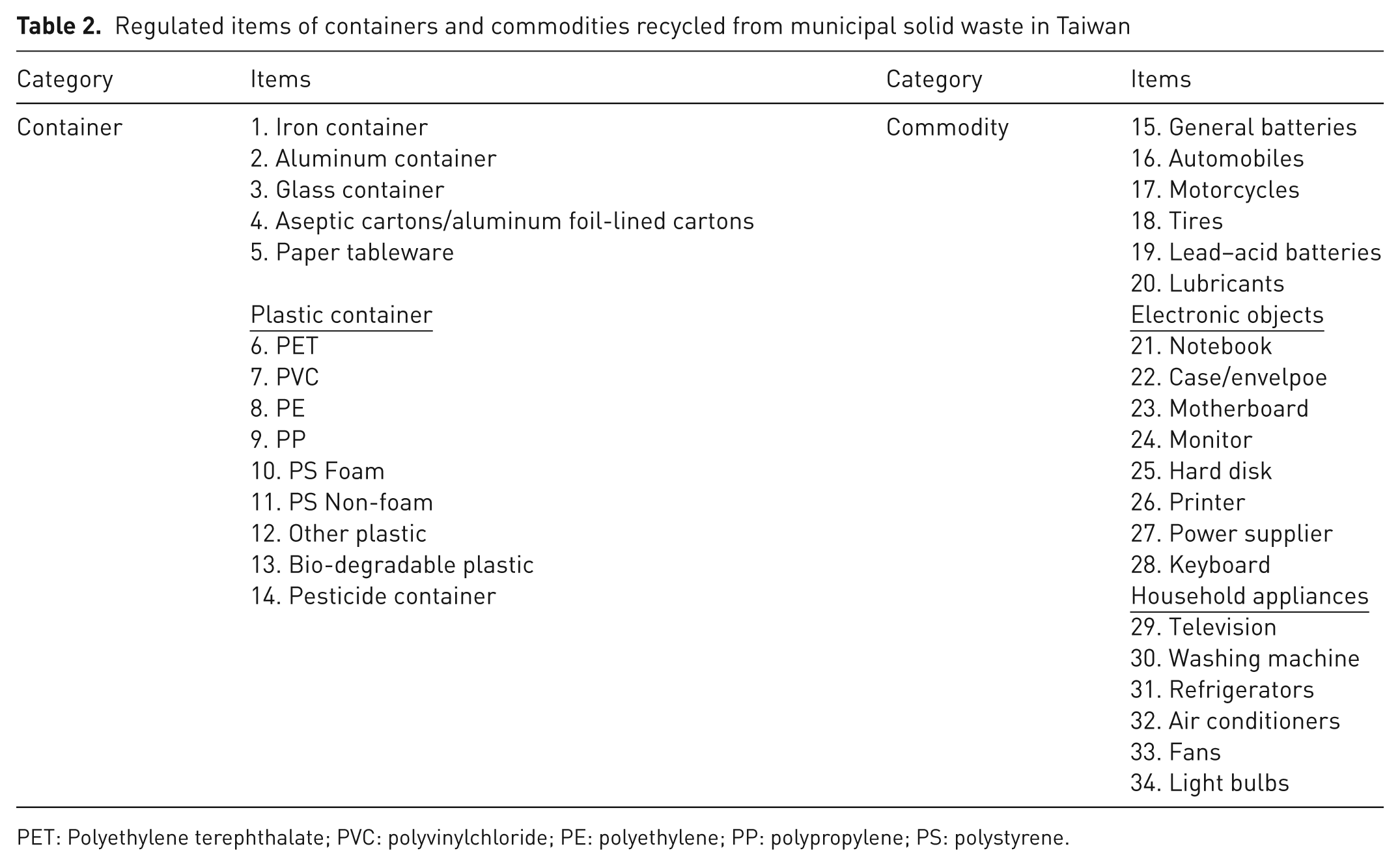
PET: Polyethylene terephthalate; PVC: polyvinylchloride; PE: polyethylene; PP: polypropylene; PS: polystyrene.
Data collection
The data describing the MSW quantities and population cover from 2001 to 2010. The waste generation data were surveyed in this work and collected from three available sources: the Taiwan EPA, Taiwan International Cooperation Agency (TICA) and domestic published reports (e.g. Lu et al., 2006). The population data were collected from the National Institute of Statistics. Other related information, such as environmental law and solid waste regulations and announcements, were collected from the Taiwan EPA and the Environmental Protection Bureau of HL County. Information about the overall technical MSW management arrangement was obtained through interviews with key informants from the Waste Management Office, the responsible authority for MSW in HL County. The required degree of accuracy of these collected data was more than 90% according to the Taiwan EPA quality assurance/quality control (NIEA PA101, PA102 and PA104).
Management programs
Since 2001 total recycling management has been followed by acts and programs enforced by HL County government and citizen organizations/foundations as follows.
Total Food Waste Recycling
A trial food waste recycling program was started in 2000. The Total Food Waste Recycling (TRF) program was implemented throughout HL County in 2004. The program involves certain physical pretreatments, including physical separation and dewatering, before kitchen waste is disposed. It focuses on the food waste discharged from residential areas, restaurants and hotels. The program encourages householders to separate food waste from kitchen garbage before discharge. The food wastes discharged from restaurants and hotels are also sorted and collected by city crews or permitted private companies. Food waste with high moisture is regulated to be recovered by a localized collection system. The collection system for the food waste is different from that adopted in most American and European areas. The food waste collected in Taiwan is not shredded on site and dumped into sewage; it is usually separated into two parts—one for pig food using in situ manual segregation and the rest is turned into fertilizer by composting. The HL County aims to reuse all food waste either as pig food or fertilizer by composting, thus eliminating the need for incineration.
Diverse Reuse of Bulk Waste
Since the Taiwan EPA started promoting diverse bulk waste reuse in 2003, the HL County government has recycled or repaired the bulk waste generated in the city. In 2004 the county government announced a diverse bulk waste reuse program to solve the landfill site problem. Bulk waste includes old sofas, beds, tables and chairs, cabinets, bicycles and garden waste, such as clipped tree branches. Because of the size of bulk waste, it cannot be collected at set times and set locations, as is the case with ordinary refuse. In the past there was no comprehensive system for recycling and reusing bulk waste, which meant that much of it ended up as refuse. The bulk waste is classified and segregated into recyclable and non-recyclable materials. The non-recyclable material is incinerated because most of the materials are combustible. The common methods for dealing with it in the past were incineration or burial, neither of which were effective ways of maximizing resources.
Old furniture accounted for the majority of this waste, followed by tree clippings. Plastics and metals accounted for only a small fraction of the reusable resources collected. The local government has provided grants to municipalities to improve their handling of bulk waste through auction figures. Auction figures show demand, particularly for reconditioned furniture and bicycles. This furniture is viewed by neighborhood citizens every month at fixed sites. Some of it is donated to disadvantaged groups and low-income households. Unconditioned wood furniture will be crushed into wood chips. As a result of high oil prices in recent years more factories are turning to wood chips as a source of fuel. However, old furniture that contains paint or varnish is not permitted to be turned into wood chips as a source of fuel. In most cases in Taiwan, useless furniture that contains paint or varnish is treated by privately permitted companies, who adopt a recycling method, such as solvent dissolution, extraction treatment and other final disposal methods (Shon-Yi Chemical Co., Taiwan, 2012). Manufacturers interested in buying this economical and eco-friendly fuel can contact the environmental protection division of the local government.
Restricted Use on Plastic Shopping Bags & Plastic Tableware
The Restricted Use on Plastic Shopping Bags & Plastic Tableware (RUP) program restricts the use of plastic shopping bags and plastic tableware that results in a final disposal problem. With gradual enforcement methods that stipulate the scheduled stages to restrict the quantities of plastic shopping bags and plastic tableware used and disposed of, the program adopts incentives and funding to encourage voluntary vendor observation of the restricted use of plastics. The targets in the first stage of restricted use are government agencies on all levels, government-run enterprises, military units, national military general stores, public and private schools, and public hospitals. The first stage was scheduled to commence in July 2002; however, because of a prolonged drought and water rationing in some areas, the restricted use of plastic tableware was extended to January 2003. The targets in the second stage of restricted use were department stores, large-scale markets, supermarkets, chain stores and fast food chain stores plus food and beverage stores with a shop front. The second stage commenced in January 2004.
The main enforcement method is that restricted targets are not allowed to offer plastic bags containing PE (polyethylene), PP (polypropylene), PS (polystyrene) and polyvinylchloride (PVC) processed through blow molding, rolling and extruding, with a bag thickness less than 0.06 mm (Taiwan EPA, 2009). The program demands that the cost of the plastic bags not be included in the price of merchandise and that consumers must pay for the plastic bags. However, the program does not include those plastic bags in the form of merchandise packaging and exhibited on the shelves for sale, such as those used for packing fish, meats, vegetables, fruits, and other raw merchandise or foods. Also not included are packaging plastic materials (such as PE, PP, PS, PVC, etc.) adopted in factories and those used as packaging plastic materials that contain medicine for use in hospitals.
Mandatory Refuse Sorting and Recycling
The county government issued official announcements to promulgate a mandatory refuse sorting and recycling program on 2005. The program required the public to take recyclable waste to waste collection crews or scrap processors. Table 2 lists the MSW regulated recyclable materials in Taiwan. From previous management experience the county government once more revised the mandatory recycling system by increasing recycling collection stops in shopping malls or bus stations. New amendments made it mandatory for waste collection crews to recycle 34 general waste items. The waste collection crews were required to sort these recyclable items and were prohibited from disposing of these items with other refuse wastes. The earnings from recycling were then used to reward the organization groups, communities and collection crews who promoted the recycling program. The principle of rewards and punishment was to encourage the public to participate in MSW sorting and recycling activities. As the waste collection crews from the local government were responsible for the collection, transportation and recycling of MSW, the county government used its recycling fund to subsidize the recycling work. The government has set up about 60 storage sites for recyclable waste and dispatched the crews to pick up the recyclable waste twice a week (Dioxin and Langer 2006).
Quality standard for bottom ash reutilization a
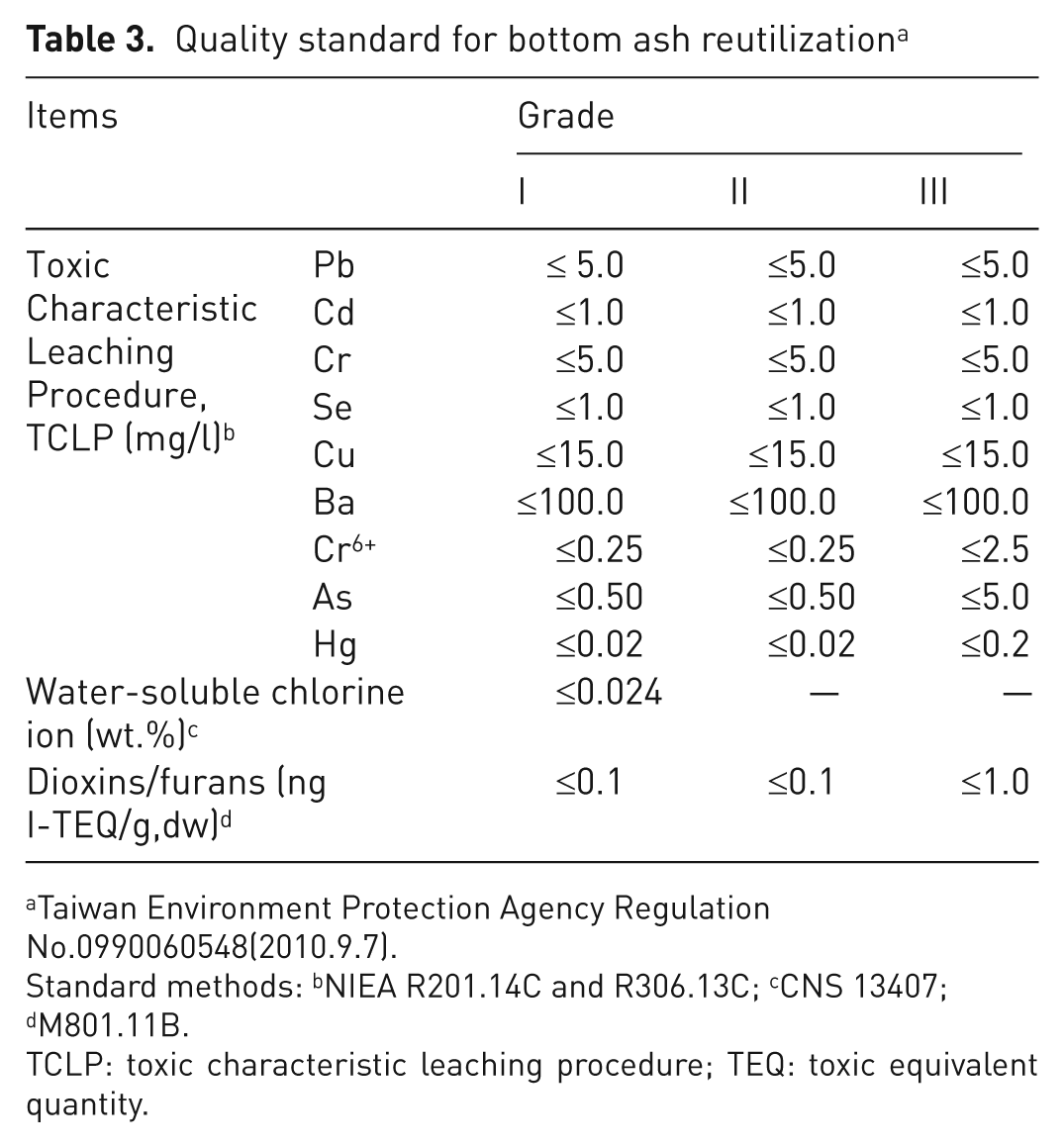
Taiwan Environment Protection Agency Regulation No.0990060548(2010.9.7).
Standard methods: bNIEA R201.14C and R306.13C; cCNS 13407; dM801.11B.
TCLP: toxic characteristic leaching procedure; TEQ: toxic equivalent quantity.
Recycling Fund Management
The scope of the Recycling Fund Management (RFM) program is that recycling fees paid by manufacturers/importers are distributed to the RMF, which comprises a segment of the EPA’s budget administered by the RFM Committee. Currently, the RFM, established under the Waste Disposal Act and administered by the Taiwan EPA, asks the manufacturers or importers of listed items, including containers, batteries, cars, motorcycles (scooter), tires, oil, televisions, refrigerators, air conditioners, washing machines, computers and printers to pay recycling fees to the government recycling funds. Local governments, such as the HL government, then use the recycling funds to subsidize collection and recycling management. About 70 percent of the funds are distributed to trust funds, which are used to subsidize the collection or treatment of regulated items based on certified collection or treatment volumes. The remaining 30 percent is distributed to non-enterprise revolving funds.
Pay-as-you-Discharge
Prior to July 2006 the trash collection and treatment fees levied by the Taiwanese government were calculated according to the volume of water consumed by a household. Most cities or counties, including HL County, in Taiwan still adopt this method to collect the trash and treatment fees. However, some cities, like Taipei City, now collect the fees according to the actual volume of trash discharged (Hallas-Burt and Halstead, 2004; Snyman and Vorster, 2011). In this regard, HL County tried to promulgate a ‘Municipal Waste Cleaning Fee Collection Ordinance’ in some demonstrated districts in this county on August 2006. According to this Ordinance, the local government decided on levying a heavy tax on MSW discharge. Citizens pay more at a special rate for monthly increases in trash and a discounted rate for decreasing the monthly volume of trash discharged. This means more trash tax if more trash volume is discharged. The program is also being tried out in other areas of Taiwan, which is leading to more recyclables being reused or separated from the trash discharged because recyclables separated by citizens are collected free-of-charge by the local government.
Ash Reuse Program
Incineration ash is usually categorized into fly ash and bottom ash. The Ash Reuse Program (ARP) program was a trial that began in September 2002 and which was implemented formally in January 2006. It governs relative recovery businesses to reutilize the incineration ash discharged from three city incineration plants. As listed in Table 3, the quality guidelines for bottom ash reutilization were announced by the Taiwan EPA in 2009. The guidelines identify the quality of treated bottom ash, which should be regulated to decrease the content of certain hazardous compounds, such as heavy metals. The county government is responsible for handling registration, revocation and promotion of ash recovery businesses, as well as stipulating that they adhere to related measures. This ensures the effective management of industries engaged in the recovery and treatment of ash, and prevents environmental pollution during the ash recovery and treatment processes. Reutilization projects for fly ash are reviewed as needed and permitted by the city government and Taiwan EPA.
Results and discussion
MSW generation quantity
The Taiwanese economy has grown significantly since the 1980s with greatly increased per capita income. The quantity of MSW generated has risen considerably with the increased economic activity. The average annual growth rate in the quantity of MSW generated in HL County was more than 4.78% during 1980–2000 (Taiwan EPA, 2009). The result derived from recent MSW management programs found that the quantity generated in the county was 147,000 T/y in 2001 and 151,000 T/y in 2010. This was equivalent to an increase in daily per capita MSW production from 1.14 kg in 2001 to 1.22 kg in 2010, as shown in Figure 3. MSW has increased by only 0.27% annually over this period (Taiwan EPA, 2011). The annual growth rate of MSW quantity is not only lower than before 2001, but is also lower than that of other cities, such as Mexico City (Wismer and Gomez, 2011), and Phnorm Phenh City (the capital city) of Cambodia (Seng et al., 2011). The reduction in MSW quantity growth stems from a combination of the Diverse Reuse of Bulk Waste (DBW), RUP, Mandatory Refuse Sorting and Recycling (MRS) and TRF programs. For example, using the DBW program, a total of 2500 tons of bulk waste was collected, of which 2100 tons were reused or reutilized in 2010. The composition and characteristics of MSW have also changed significantly as a result of these programs (Soka et al., 2007). Chang et al. (2008) indicated that plastic waste in refuse changed obviously by comparing the monthly variation in chemical elements. This would result from food waste reduction due to the TRF program and the usage reduction in PVC plastic due to the RUP program, which promotes source point reuse of plastic merchandise. Summarizing the successful experience of MSW reduction in HL County, one of important factors is the integral MSW collection management system with reuse/recycling programs, such as MRS and DBW. Another factor is the extended producer responsibility policy, which laid a foundation for recycling by producers and retailers in the RFM program.
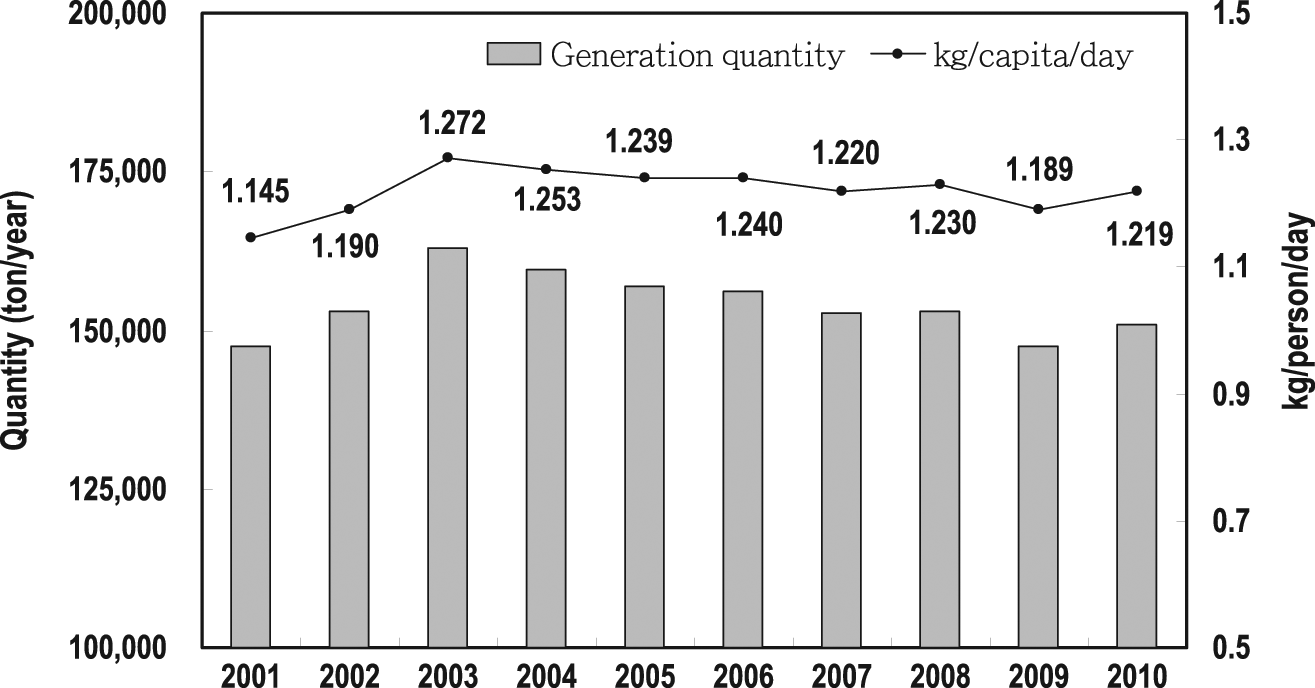
Total quantity and capita quantity of MSW generated in Haulien (HL) County.
Statistics on MSW collected over these past years revealed that the MSW quantity generated in the county would increase yearly if no MSW reduction management was enacted. The county government carried out these programs, followed by a plan developed with a timeline lasting from 2001 to 2010. However, this work also found that the growth rate trend in total refuse generation quantity per capita would likely increase more slowly in recent years. This results from lifestyle changes in material utilization in the county. It is believed that the daily refuse generation will remain stable at 1.22 kg/capita or so in the near future. Therefore, advanced, or better, programs are needed for source point reuse in the coming years.
Recycled material
As shown in Figure 4 , the quantity of recycled material (excluding food waste) collected by both citizens and waste-collection crews was about 50,000 tons in 2010 (Taiwan EPA, 2011). Owing to programs including MRS, DBW and Pay-as-you-Discharge (PYD), the recycled material quantity obviously increased yearly. The change in per capita recycling rate was obvious from 0.342 in 2005 to 0.402 kg/day in 2010, as shown in Table 1. The MRS program induced citizens to change their living habits to segregate refuse at the waste source point (Gallardo, et al. 2010). The PYD program incentivized refuse reduction and the DBW program increased the quantity of reconditioned furniture or merchandise for reuse. The results show that the quantity of recycled materials increased rapidly in 2002 when the PYD program was carried out, and increased obviously again in 2005 due to the DBM and MRS programs. Unfortunately, the rate of increase reduced slowly in the past few years because most MSW recyclable materials were collected as a result of the successfully implemented management programs, particularly the MRS program.
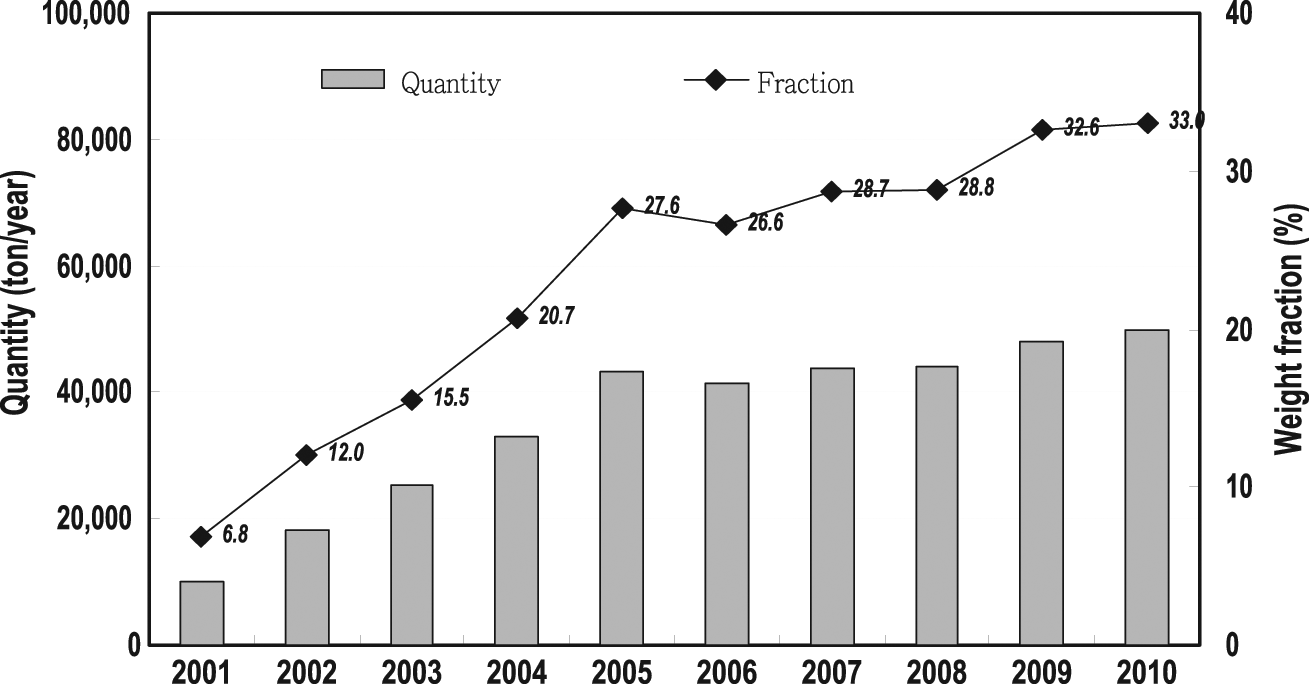
Quantity and fraction of recycled material in the municipal solid waste (MSW) generated.
The RUP program began try-on stage targets in July 2002 for restricted use. The yearly elimination rate of plastic shopping bags was only 5% and the yearly reduction rate of plastic tableware was only 3%. On January 2004 the government began the second stage targets for restricted use. Following the Taiwan EPA’s strategy, the HL County government asked that the yearly reduction rate of plastic shopping bags and plastic tableware be increased by 7% and 6% respectively. In summary, the fraction of recycled material in the MSW generated was only 6.8% in 2001 and increased to 33.1% in 2010. It will increase stably by ~2–5% yearly in the near future. The county government aims for a target value of 45% for this fraction at in 2015.
The experience from the RFM program found that both subsidization and market channels were very important points for MSW recovery. To promote this program, which increases the recovery market and thus increases the quantity of recycled material, the RFM program employs a method for managing the related information that allows the user to enter basic information just once, which the system then recalls automatically at every stage of the application process. This method prevents errors arising from repeated keying in of the same information, leading to quicker application analysis, ensuring that auditing and certification data are correct and guarantees that subsidies are issued correctly. In addition, the subsidized recycling operators, auditing and certification agencies will all have more efficient online access to auditing, certification, evaluation, inspection and follow-up inspection information for each application. Recycling applications are digitized through a computer-and-web system as a part of the EPA’s ongoing work to systemize and raise the efficiency of resource recycling in Taiwan. To eliminate the material and labor costs of time-consuming paperwork, this work assisted the county government to establish an online system for subsidiary applications for regulated material recovery, doing away with the need for more labor-intensive filling and mailing of paper forms.
Recycled food waste
Money savings as a result of the the PYD program are an incentive to citizens to separate food waste from kitchen waste. The TRF program can collect and reuse the food waste as pig food and composting fertilizer. One of the troubles found in the trial food waste recycling program was incomplete separation; thus, parts of food waste remain in the wastes to be incinerated. These food wastes have high moisture contents, which affects incineration performance. Another issue is that the food waste to be used as pig food could cause a potential infectious risk to pigs; thus, some pig-farmers could reject the food waste. A public paper reported a risk of hepatitis due to public sanitation in Taiwan. The pig farmers rejected the food waste discharged from some districts in the county affected by a hepatitis epidemic in 2009 (Taiwan DOH, 2011). After trouble-shooting these problems through a trial food waste recycling program test-run in 2000, the TRF program was implemented in 2004 in HL County. With 20 townships participating in this program, the amount of food waste collected reached about 4363 tons in 2003. As shown in Figure 5, the statistical data for the last 2 years shows that the recycled food waste comprised roughly 9.5% of the average 150,000 tons of MSW collected in the county (Taiwan EPA, 2011). Reuse of this food waste includes pig feed (accounting for 68% of collected food waste) and composting (accounting for 32%). Because a successful TRF program was demonstrated in HL County with the incineration benefits of not having a high moisture load, it is expected to be implemented throughout all of Taiwan in the near future.
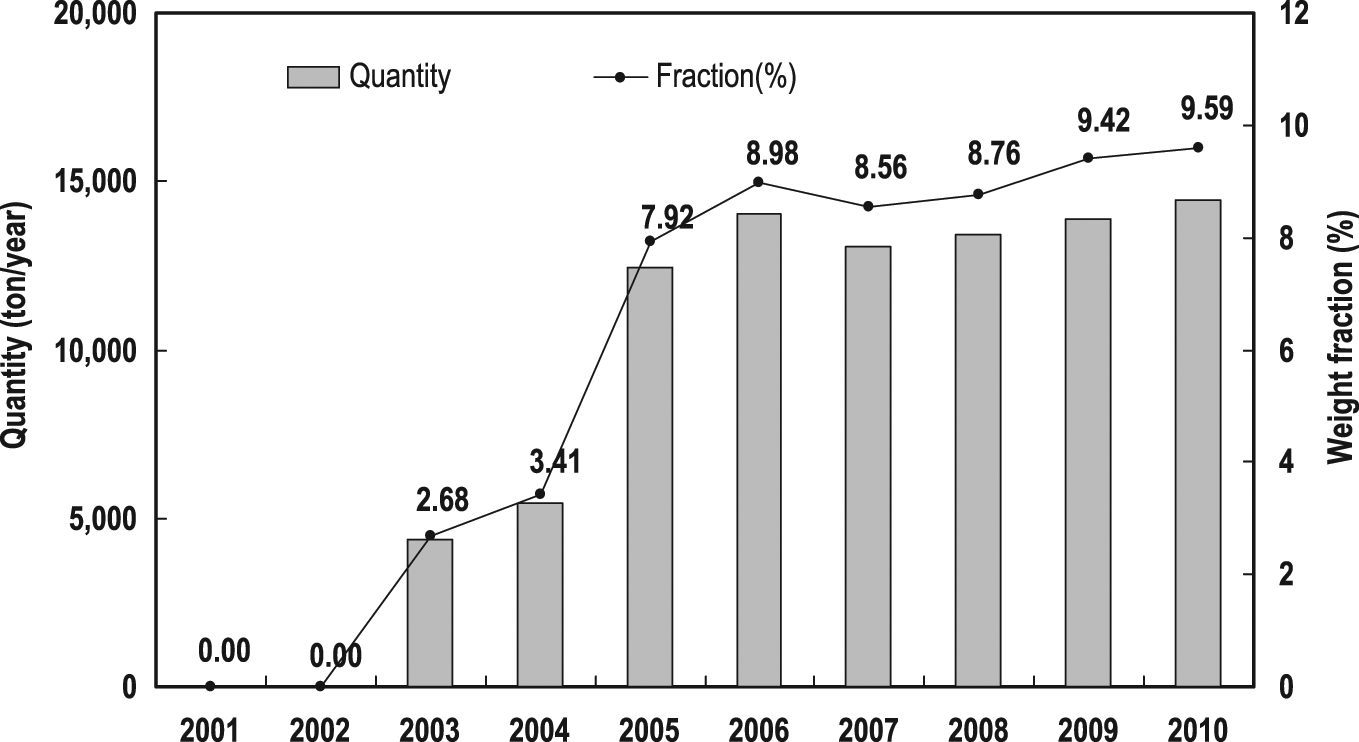
Quantity and weight fraction of recycled food waste in the municipal solid waste (MSW) generated.
However, the quantity of food waste recovered has not increased easily in the last few years, as citizens have found the food waste collection system to be inconvenient. One of the problems is the heinous fermentation odor that comes from food waste stored in the kitchen because food waste is collected only once every two days by the waste collection crews. According to physical composition through monthly periodical sampling and analysis in this work, the maximum fraction of all food waste in MSW was estimated to be about 12% in HL County. It was found that the quantity of food waste was only about 14,000 tons per year in recent years. This is equivalent to 9.5% of the fraction of recycled food waste in MSW generated. If not strengthening TRF program execution or other more aggressive programs, the fraction of recycled food waste will remain stable at about 9–10% in the coming years. The county government still expects it to be 12% by 2015.
Energy recovery
Under energy crisis awareness, heat recovery with electricity cogeneration can be considered a resource from MSW by incineration through public consensus in HL County. Most recyclable and non-combustible materials are segregated and recovered. The remaining MSW is combustible and burned in the Litzer incineration plant. Energy recovery from MSW incineration is an auxiliary item used to evaluate the management performance of the TRM programs. As shown in Figure 6, electricity generation was from 378 kw/hr in 2001 to 445 kw/hr per ton of incinerated waste in 2010 (Taiwan EPA, 2011; Haulien EPB, 2009). These values are lower than those generated in new MSW incineration plants. Electricity generation increased year by year because the MSW heating value increased in the last few years. The lowest heating value (LHV) from MSW generated in the city was from 1750 to 2100 kcal kg-1 for the last 10 years. Inspecting the physical composition of MSW generated in the city, the heating value was contributed from plastic, paper and wood wastes. This resulted from the successful TRF program, which decreased the percentage of high moisture food waste in MSW and thus inversely increased the heating value of the MSW incinerated. This increase in heating value promoted more heat recovery, as well as resource recovery. In other words, the MSW heating value is a parameter used to evaluate the heat recovery potential. The county government therefore increased effort on food waste recovery and source segregation, reducing the volume of non-combustible materials in the MSW as much as possible.
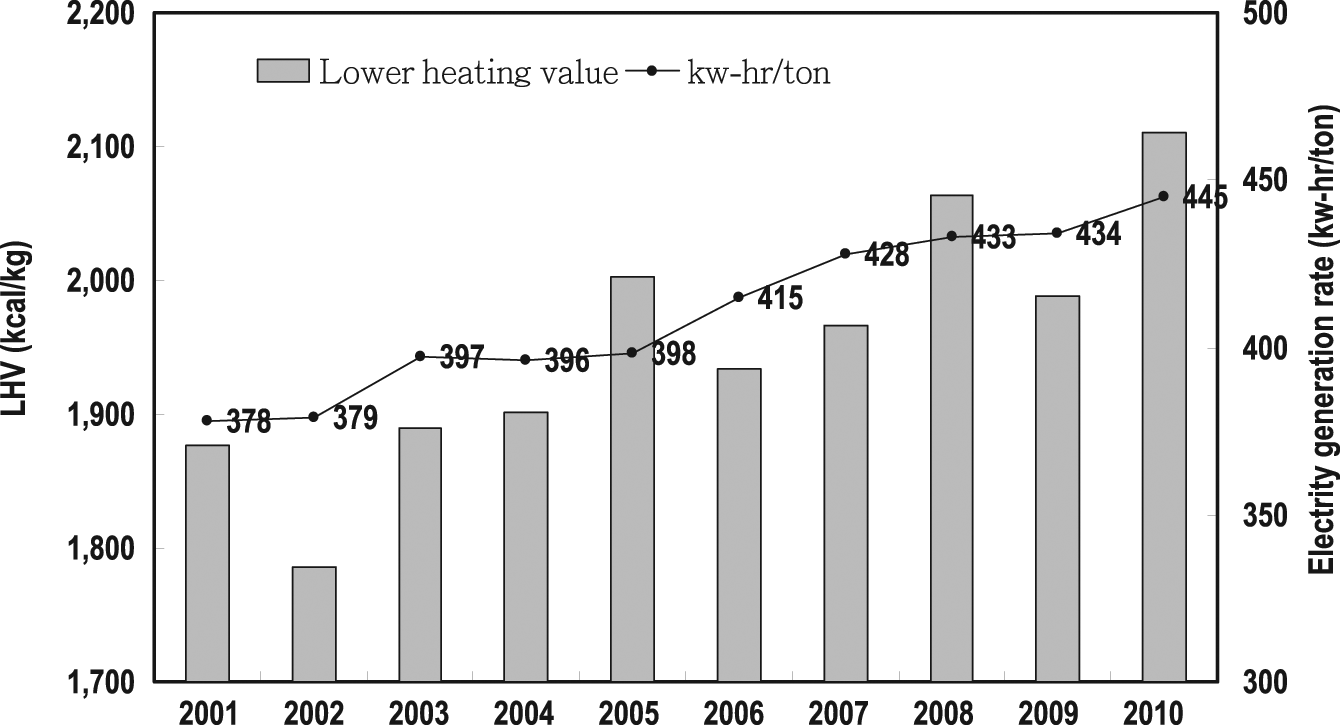
Lower heating value of incinerated municipal solid waste (MSW) and electricity generation rate.
Another finding is that the incinerated refuse quantity decreased gradually over the past 10 years. This occurred because the MRS, PYD and TRF programs make citizens segregate refuse at the source point, leading to more recyclable material and thus reducing the refuse quantity to the incineration site. The RFM program provides some incentives for private waste disposal companies in HL County. The RUP program reduces dirty plastic waste, which is difficult to recycle, through penalties for illegal action by citizens. These management programs will promote recycling, and hence reduce the MSW incineration quantity.
Ash reutilization
To solve the insufficient capacity problem at landfill sites in HL County, the reutilization of ash discharged from MSW incineration is considered material conservation. At the beginning of the ARP program the un-pretreated bottom ash was used only as low strength cement material (LSCM) additives in construction activities. The reutilization quantity of bottom ash was only 592 tons in 2006. The bottom ash pretreated by screening, washing or sintering is reused as civil and building construction additives, as dictated by the regulations listed in Table 3. The reutilization quantity was up to 6764 tons in 2010. Figure 7 shows the reutilization rate for bottom ash as only 20% in 2006, but had increased to 72% in 2010. The experience gained from the ARP program indicated that all bottom ash is non-hazardous waste and it can be recycled completely and reused as paved road material additive or other civil engineering material. Not burying the ash helps extend the working life of existing limited landfill sites in HL County. It is estimated that a few hundred tons of iron and other metals can be recovered every year from the bottom ash.
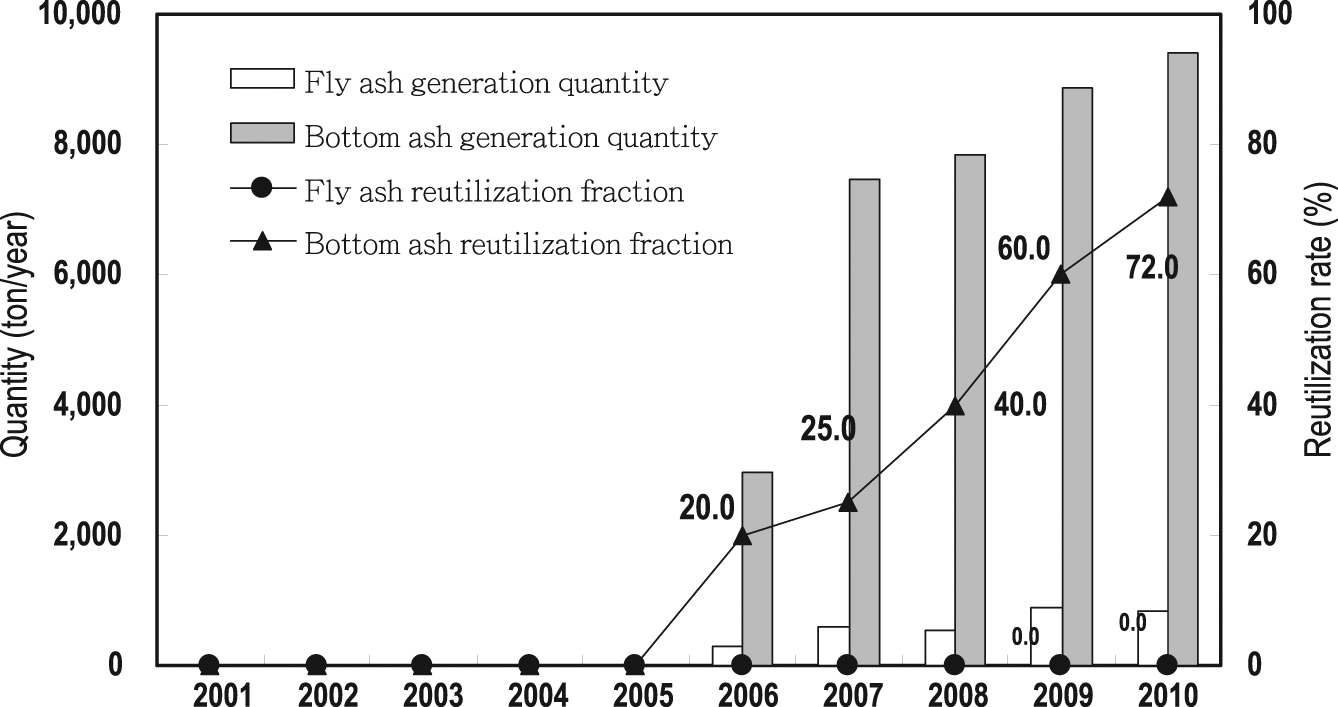
Generation quantity and reutilization rate of ash.
Unfortunately, unlike bottom ash, the fly ash discharged from MSW incinerators in Taiwan is regulated as a hazardous waste because the dioxin/furan or lead content in fly ash is usually over Taiwanese standards. Because advanced treatment technologies were not available, all fly ash was treated by solidification or stabilization and buried in landfills before 2007. In 2008, in association with research funded by the government and ARP program enforcement, the fly ash was recycled and pretreated using detoxifying technologies (e.g. high thermal melting treatment or microwave digestion treatment). The treated fly ash is non- hazardous waste that meets Taiwanese regulations and can be used as an additive in cement material or road aggregate. The reutilization rate for fly ash was zero before 2009, but increased in 2010. Because the engineering reliability of advanced fly ash treatment has been accepted by both the local government and citizens in the county, a rapid increase in the reutilization rate is expected in the near future. All fly ash generated will be completely reutilized by 2015.
Evaluation on total recycle performance
Assessment of optimal waste recycling systems should utilize a number of standard indicators (Hasome et al., 2001; Pattnaik and Reddy, 2010). For example, Wilson (2002) evaluated the strategies, systems, operations and economic factors of MSW management systems in some countries. He adopted the life cycle inventory assessment (LCIA) to compare environmental loads for different regulations proposed for MSW management. The Taiwanese government annually announces National Sustainable Development Indicators (NSDIs) to measure the current status of sustainable development and effort performance. Similarly, this study proposes a simpler quantified index, Total Recycle Index (ξTRI ), to evaluate the performance of management programs aforesaid. The index is defined as the following:
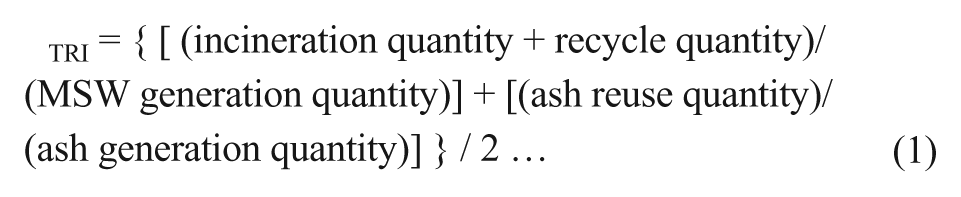
where ash includes bottom and fly ash. The index is based on both MSW recycling and ash recycling ratios. It is assumed that MS recycling and ash recycling are given the same weighting effect in the index. This implies that they are equally important in recycling management in the case of HL County. Based on equation (1), ξTRI is useful to evaluate the MSW recycling performance in HL County. In the early period (i.e. 2000–2005), the ξTRI was far away from 1.00 because landfills were still used as the disposal method for MSW in the county, but it has been gradually increasing in recent years. As shown in Figure 8, the total recycling index, ξTRI, was approximately zero when no appropriate management programs were implemented, but it increased year by year after the management programs were promulgated. Because of different management program commencement times it was found that the ξTRI rose from 0.03 up to 0.12 owing to the DBW program, and up to 0.32 as a result of the TRF and RUP programs. It recently increased to 0.71 because the MRS, RFM, PYD and ARP programs were enforced aggressively. In the early period before 2006, the increase in the recycling index is attributed to increasing incineration or recycling quantity, but now it must bebecause of increasing ash (both fly and bottom ash) recycling and reuse quantity. From the execution experience viewpoint it is now difficult to recycle more materials from MSW. Therefore, the incineration and recycle quantity weight in the ξTRI value will remain stable. The promotion for total MSW recycling should focus on ash reutilization in the coming few years.
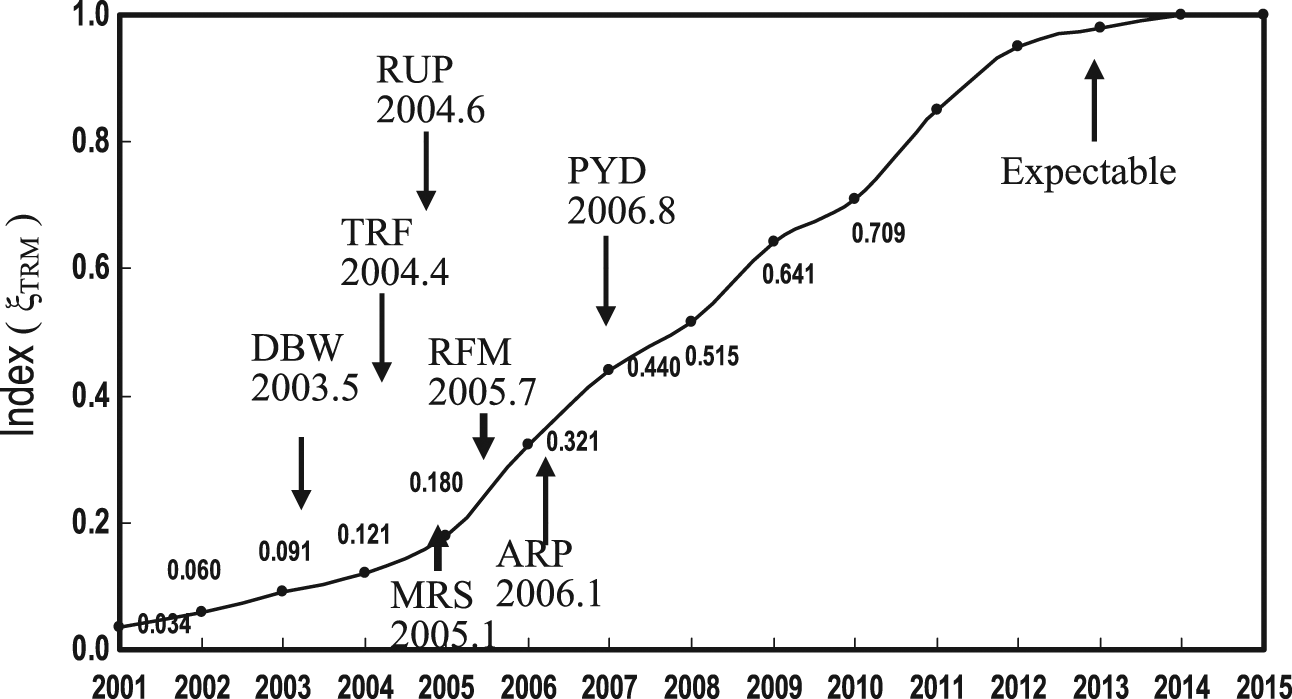
Index of total recycle management in 2001–2015.
It is believed that the ξTRI will approach 1.00 by 2015 when the MSW generated in the county is all recycled and reused. In other words, exact management with good and available programs can reduce the growth rate of waste volume and reuse or recover all MSW. This will lead the county toward being a zero waste society.
Discussion
Any new programs must consider the possible affect on relative existing programs or objectives. A softer approach or step-by-step implementation is needed. From the management experiences with the results described earlier, it was essentially found that the recent management strategies provide some benefits, such as profit from recycling material and lowered operation and maintenance cost in final disposal. However, certain troublesome aspects were encountered during program promulgation. One of these problems was how best to handle the changing waste stream efficiently and economically. This is a key question facing decision-makers. The role of the public in the decision-making process has also become a key concern in the handling of wastes. Given the increasing public interest in activities that affect the environment and regulatory support for public involvement in environmental decision-making, the public has taken on the role of a ‘shadow regulator’. Secondarily, for consolidating these programs, auditing and penalties are necessary for the public to prohibit illegal activities. For instance, the HL County government enforces mandatory sorting schemes whereby citizens face penalties if they don’t separate recyclables from the trash before pick up. Another point worthy of mention is that the county government stimulates the domestic market for recycled products through these programs. However, the current bleak macro-economic situation has decreased the raw material demand for manufacturers, which has led to a collapse in the wholesale price of recycled materials, such as scrap plastics, paper, iron and aluminum. This collapse has had a negative knock-on effect on the sales stability of recycled materials. Responsive measures are needed in order to maintain the smooth running of the entire recycling system over these hard times.
Appropriate MSW management with resources recycling is an important issue linked intrinsically to everyone’s lives. Through enforcement of these programs, such as the PYD or RUP program, citizens in HL County will develop the habit of using eco-products and be socially and environmentally more aware. The government will further review the living patterns of citizens involved in recycling disposal articles during consumption and actively strive to establish more concrete policies and objectives to maintain the support of the general public, cooperation by the private sector, as well as the open-mindedness of the public sector. In the future the county government will continue to work through all government agencies and divide the recycling tasks among all fields, as well as seeking the cooperation of citizens to help put measures into practice. With everyone’s help, HL County will soon be able to realize its zero waste goals, enhance environmental quality and establish a sustainable society.
Conclusion
To proceed in tandem with the global trend toward a zero waste society, this study presented the performance results from integral MSW management with an evaluation index using 10 years of survey data. The integrated management with seven programs provides incentives to slow down the growth rate of MSW. Using a county located in Eastern Taiwan, it was found that the fraction of recycled material was around 6.8% in 2001 and up to 33% in 2010. This will increase stably by ~2–5% yearly in the near future. Statistical data shows that only 2.68% (based on total MSW generated) of food waste was collected in 2003. This was up to 9.6% in 2010 after the TRF program was implemented. Owing to the ARP program, the reutilization rate for bottom ash discharged from MSW incineration was only 20% in 2006 and achieved up to 72% in 2010. This study proposes a quantified index, the Total Recycle Index (ξTRI) to evaluate the performance of management programs. The total recycling index was approximately zero without appropriate management programs implemented. It increased year by year after these management programs were enforced. It is believed that the ξTRI will approach 1.00 by 2015 when the MSW generated in HL County is all recycled and reused. Appropriate management with good programs can slow down the waste volume growth rate and also recycle almost all MSW. This will lead the city toward a zero waste society. However, certain troublesome human social aspects were encountered and must be solved for these management programs to provide maximum benefit.
Footnotes
Funding
The authors are grateful to the National Science Council, ROC for the partial financial support of this work (Grant No. NSC-99-2211-E027-002) and to the EPB, Haulien County, for the partial financial and information supports (Grant No.EPB-098-1214003).