







Abstract
A feasibility study was performed to assess the technical and economic merits of retrofitting biogas-based cogeneration systems to district heating networks. Three district heating plants were selected as candidates for accommodating heat recovery from nearby waste treatment stations, where a massive amount of biogas can be produced on a regular basis. The scenario involves constructing cogeneration systems in each waste treatment station and producing electricity and heat. The amounts of biogas production for each station are estimated based on the monthly treatment capacities surveyed over the most recent years. Heat produced by the cogeneration system is first consumed on site by the waste treatment system to keep the operating temperature at a proper level. If surplus heat is available, it will be transported to the nearest district heating plant. The year-round operation of the cogeneration system was simulated to estimate the electricity and heat production. We considered cost associated with the installation of the cogeneration system and piping as initial investments. Profits from selling electricity and recovering heat are counted as income, while costs associated with buying biogas are expenses. Simple payback periods of 2–10 years were projected under the current economic conditions of South Korea. We found that most of the proposed scenarios can contribute to both energy savings and environmental protection.
Introduction
Since 2012, the South Korean government has enforced Renewable Portfolio Standards (RPS) for the major power and thermal energy producers to prevent excessive consumption of fossil fuels. Most major power plants, district heating companies, and water management corporations are subject to the regulation. Renewable technologies include photovoltaics, integrated coal-gasification combined (IGCC) power systems, landfill gas, hydropower, wind power, bioenergy, refuse-derived fuel (RDF), wood chips, fuel cells, and tidal energy. The Korea District Heating Corporation (KDHC, 2015) is the leading company specializing in district cooling and heating, community energy systems, electricity, and new and renewable energy business, and it supplies more than 50,000 TJ of energy each year. The company is obligated to produce a substantial amount of energy by renewable means according to the RPS.
In this study, we looked at the possibility of employing gas-engine-based cogeneration systems in the KDHC branches (which are scattered throughout the country) with biogas produced from the nearest wastewater treatment plants. The idea of using biogas from wastewater treatment systems for power generation has been around for a long time due to its technological and economical merits plus climate change mitigation potential. Opportunities for combined heat and power (CHP) at wastewater treatment facilities (WWTFs) were well documented in a pair of US government reports (US EPA, 2007, 2011). As noted in the reports, employing CHP systems at WWTFs can offer many benefits because they:
Produce electrical power at a cost below the market price.
Displace purchased fuels for thermal needs.
Qualify as an RPS contribution.
Contribute to reduction of greenhouse gas and other emissions.
When it comes to a decision problem, a long chain of information is needed to answer a series of questions. The main questions include:
How much biogas is available from the WWTF?
What kind of CHP engine is best suited for the gas produced?
What is a technologically sound method to consume the produced electricity and thermal energy?
How much profit is obtainable?
We can find numerous publications that deal with the issues related to the first question. Hublin et al. (2014) investigated the economic and environmental effects of biogas derived from the anaerobic digestion of agro-industrial waste and Calabrò et al. (2011) modeled biogas extraction from an Italian landfill. Biogas production from common sources, such as digested manure (Uemura et al., 2008), biomass waste (Adelard et al., 2015; Gunaseelan, 2014), food waste (Schott et al., 2013), and municipal solid waste (Adani et al., 2000; Gerassimidou et al., 2013), has been studied actively by many researchers throughout the world. The effects of key parameters on biogas production are another topic of interest. Operational and meteorological influences on the biogas composition (Meres et al., 2004), system integration (Edwards et al., 1988; Polprasert et al., 1986), leachate blending and recirculation (Nair et al., 2014) are among the rich sources of information found in the literature.
We can spot numerous publications on the utilization of biogas in CHP systems focused on the engineering point of view. System performance of biogas-fueled fuel cells (Farhad et al., 2010; Van Herlea et al., 2004) was evaluated for different configurations of solid oxide fuel cell (SOFC) micro-CHP systems for residential applications. The performance and efficiency of a biogas CHP system with a Stirling engine was investigated (Pourmovahed et al., 2011) and results of bench mark tests for micro-CHP units were reported (Thomas, 2008). For policy and decision makers, information on a broader scope is useful. Life cycle assessment (LCA) and optimization are typical decision support tools in this case. Lantz (2012) reported Swedish experience on the economic performance of CHP from biogas produced from manure and Rehl and Müller (2011) performed an LCA on German biogas digestate processing technologies. Grosso et al. (2012) reported the LCA evaluation results of the implementation of anaerobic digestion of food waste in a highly populated urban area. Environmental effects (Chevalier and Meunier, 2005; Graebig et al., 2010; Murphy and McKeogh, 2004; Murphy et al., 2004), greenhouse gas reduction (Bachmaier et al., 2012) through biogas utilization, and future perspectives of biogas (Pöschl et al., 2010a) have been investigated by many authors as they are important social issues. Optimal issues around biogas technology include diverse topics such as sizing of the plant (Walla and Schneeberger, 2008), energy efficiency (Pöschl et al., 2010b), and the quantity of production (Murphy and McCarthy, 2005).
In this feasibility study, we tried to find the amount of energy recovery and economic merits of the proposed project to aid decision makers of a large scale CHP project based on biogas from WWTFs. There are numerous examples of utilization of biogas recovered from wastewater treatment plants to district heating systems, especially in Europe (Simoës and Veldman, 2007) and the US (Melinger-Cohen et al., 2014). Our problem shares common aspects with those applications to a certain extent. One salient difference is that the consumer of biogas is a large district heating company (KDHC) with strong infrastructure that enables transportation of a large quantity of thermal energy. The KDHC boasts a network of 1850 km (supply and return each) of pipelines, the best in the world. Our study involved the following:
searching for wastewater treatment plants suitably located near a branch of KDHC;
estimating the amount of energy production from the wastewater treatment plant;
determining the size and length of the pipes to connect the KDHC branch and the treatment plant;
estimating profit obtained from CHP engine operation and initial cost associated with the construction of the CHP system and pipes;
finding the simple payback periods for each candidate CHP plant-wastewater treatment plant combination.
The results will serve as data for supporting decisions in the early stage of project planning.
Methods
Site selection
First, combinations of district heating plants and wastewater treatment plants must be chosen. The KDHC branches and their heat producing capacities are shown in Figure 1.
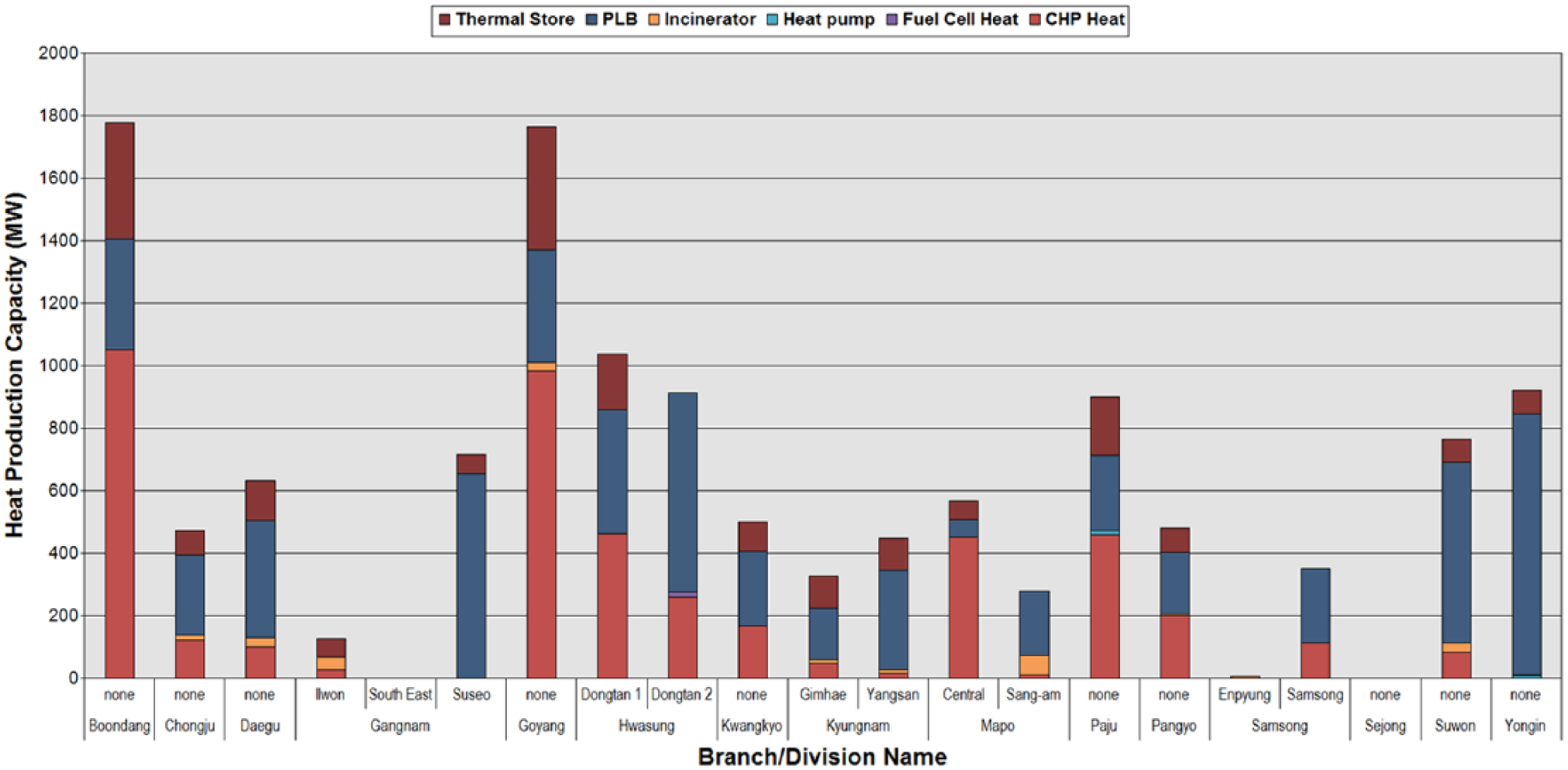
Heat production capacity of KDHC branches.
Thermal energy is produced by various types of devices, such as incinerators, boilers, heat pumps, fuel cells, and CHP plants. In Figure 1, PLB stands for peak load boilers, which are usually used to cope with temporary increases in demand. The average heat producing capacities are around 1200 MW, covering 20,000–200,000 houses. We searched for potential partner wastewater treatment plants within circles centered at KDHC branches, as shown in Figure 2. The search radius was limited to 50 km to avoid excessive pipe installation.
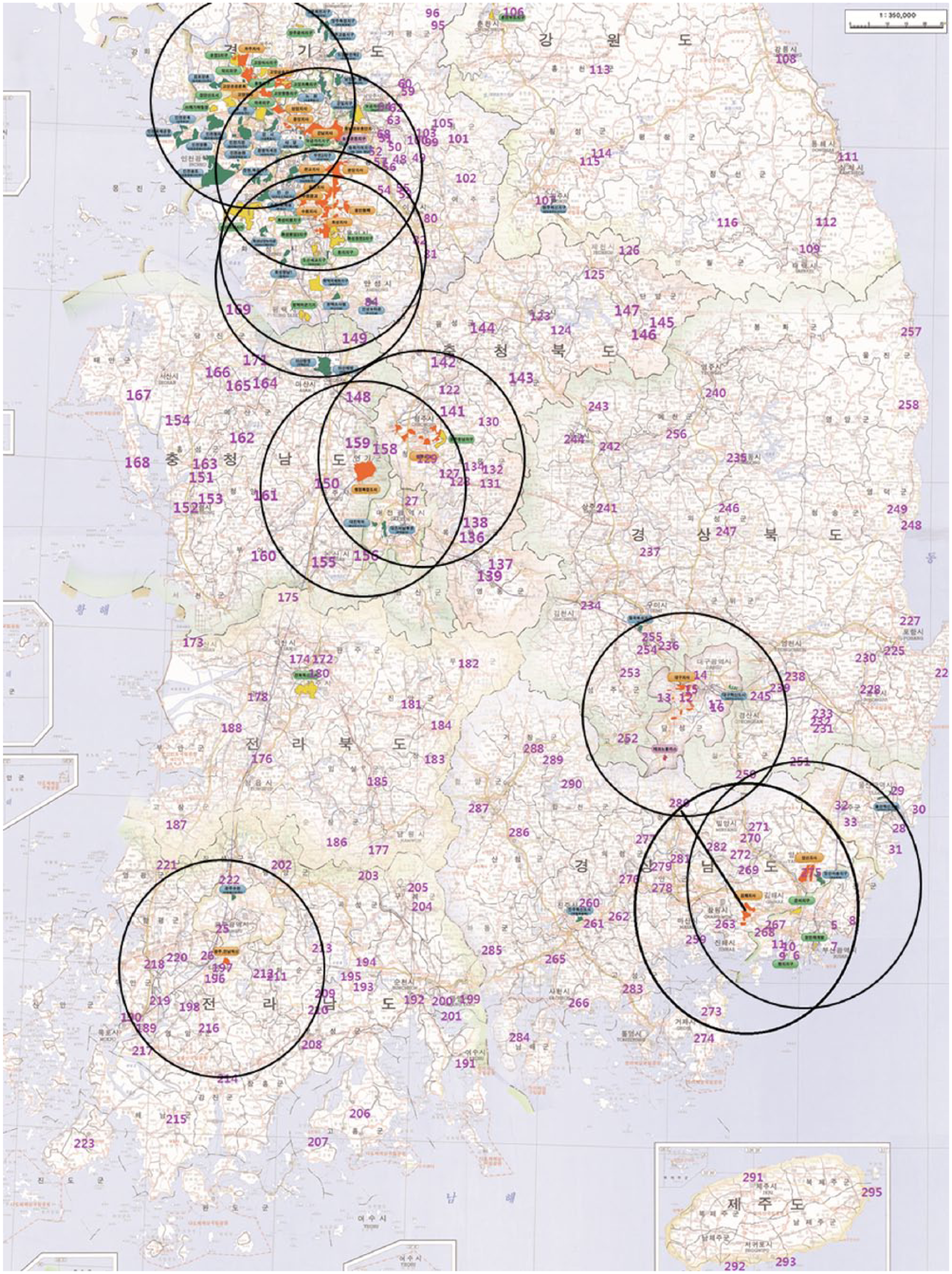
Wastewater plant sites in South Korea.
There are 268 wastewater treatment plants in Korea and 68 of them are equipped with digester reactors. According to a government report (Korea Ministry of Environment, 2011a), the average BOD level of the raw wastewater is 100–150 mg L−1, which is about half that of the US. Even though most of the digesters operate at the optimal temperature range of 33–37°C, the average biogas production rate is estimated to be only 68% of the original plant design values. Currently, no plant in Korea actively produces biogas for energy crop purposes. Only a limited number of plants produce biogas on a pilot scale for experimental purposes. In many cases, the biogas is used as a fuel for boilers. The boilers provide heat to keep the digester reactors at optimal temperature ranges during cold seasons, to dry sludge cakes, or to supply warm air and hot water to the plant buildings. In rare cases, the biogas is sold to nearby consumers such as district heating companies.
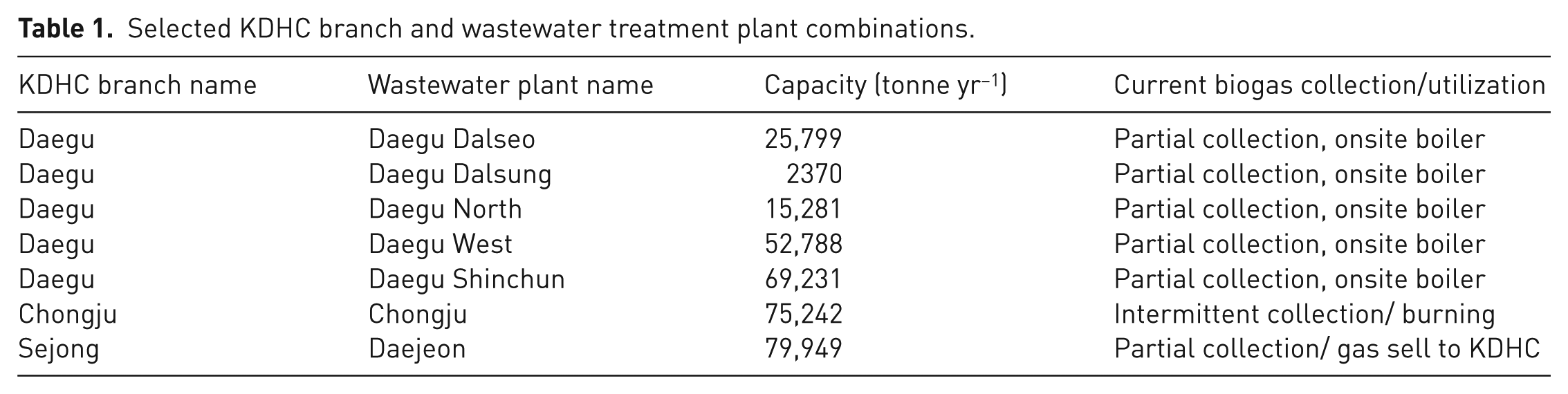
As the main purpose is to utilize the biogas in conjunction with district heating, site selection is severely limited by the distance between the two plants. The final selection of combinations of KDHC plants and wastewater treatment sites was made after a series of screening processes, and the results are summarized in Table 1. We found that most of the selected wastewater treatment plants collect only a small part of biogas and the collected gas is mostly used for onsite heating, as indicated in Table 1. The selected plants only keep operational data directly related to the operation of the system. This data includes the amount of wastewater and sludge treated for each month in recent years. One of the key types of data missing from the datasets is the amount of biogas production. However, as the digester operation is a well-managed stable process, biogas production from the selected sites can be calculated with reasonable accuracy based on the measured quantities following procedures explained in the next section. The treatment capacity of the candidate plants ranges from 2000 to 80,000 tonnes of wet sludge and is sufficient for medium- to large-scale CHP plants.
Selected KDHC branch and wastewater treatment plant combinations.
Energy system configuration and operation strategy
Figure 3 describes the configuration of the energy recovery system.
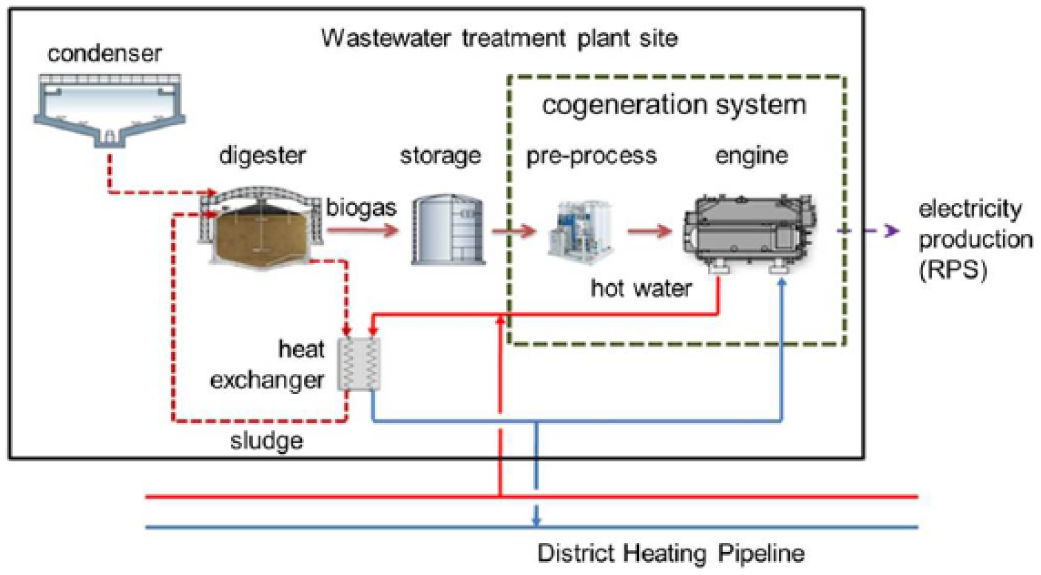
Energy utilization system installed in the wastewater treatment site.
The following are the key features of the system:
The CHP system is installed in wastewater treatment plants.
The heat recovered from the CHP system is firstly used to maintain the digester of the treatment system. If excess heat is available, it is transported to the nearest district heating plant. If additional heat is needed by the treatment system to maintain the reactor temperature at optimal conditions, the district heating plant will supplement it.
KDHC will provide all the necessary pipelines to accomplish bi-directional thermal energy transportation.
The wastewater treatment plant will provide on-site ancillary devices and equipment to support efficient operation of the system.
Results and discussions
Estimation of biogas production
The first step in estimating the available energy is finding out how much biogas will be produced. As mentioned, directly measured data are not available from any treatment plants. The amount of biogas production depends strongly on the type of wastes. As field data on production levels and biogas yields are not available for the selected plants, we tried to obtain key numbers from reliable sources such as the government standards and published research results. A standard enacted by Korea Ministry of Environment (2011b) recommends use of 1.0 Nm3 biogas per kg primary wet sludge and 0.75 for excess wet sludge (without VSS) as design values for the ideal operation of digesters. This value is based on ideal cases with high BOD and significantly smaller values are reported from field measurements and estimations. Bae (2006) investigated the national average value of biogas production per unit tonne of wet sludge by examining over 60 waste treatment sites in Korea. He found the average yield of our nation to be around 60 Nm3 per unit tonne of wet sludge with a large statistical variance.
This value is much lower than other countries (for example, only 27% of that in the state of Wisconsin). Korean wastewater intrinsically contains lower concentration of organic contents (about half of the US) and inferior reactor technologies and poor operation practice further degrade the biogas yield rate. In our study, we assumed a 50% increase in biogas production through improved digester technology and plant management in the retrofitted system. This means that we are assuming a biogas production rate of 90 Nm3 per tonne of wet sludge for our study. We will uniformly apply this value to all the selected plants listed in Table 1. As each wastewater treatment plant provided the monthly amount of wet sludge, we can predict biogas production for the individual treatment sites.
Estimation of power generation by cogeneration engine
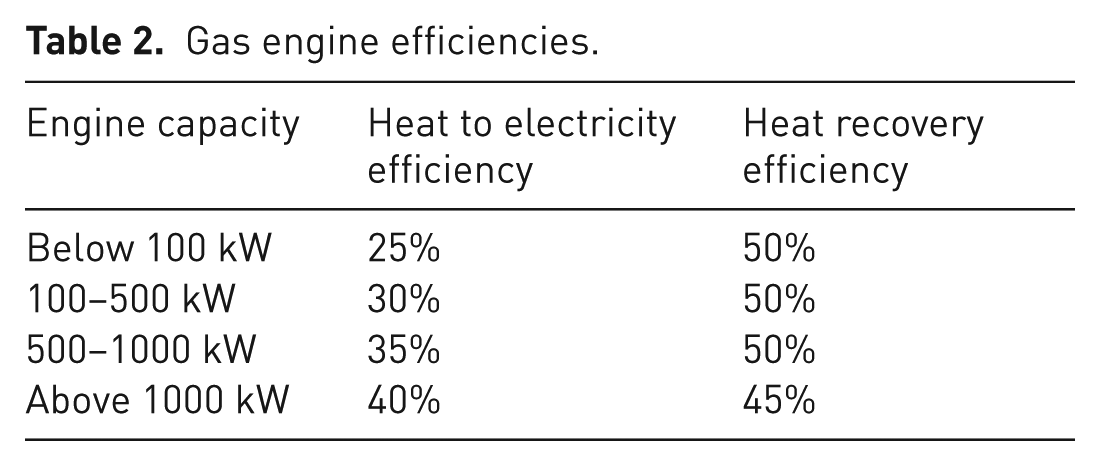
Once the available energy form the biogas is known, we can estimate the electricity and thermal energy output from the CHP systems. Gas engines are assumed to be used for power production, and their performance characteristics are summarized in Table 2. The figures in Table 2 are based on previous experience with similar projects and should not be regarded as universal.
Gas engine efficiencies.
The monthly variation of electricity production is calculated using the heat to electricity conversion efficiency of the engine, and the results are plotted in Figure 4. Interestingly, the monthly variation of the predicted gas production is relatively small for all of the sites. The power production is roughly proportional to the biogas production.
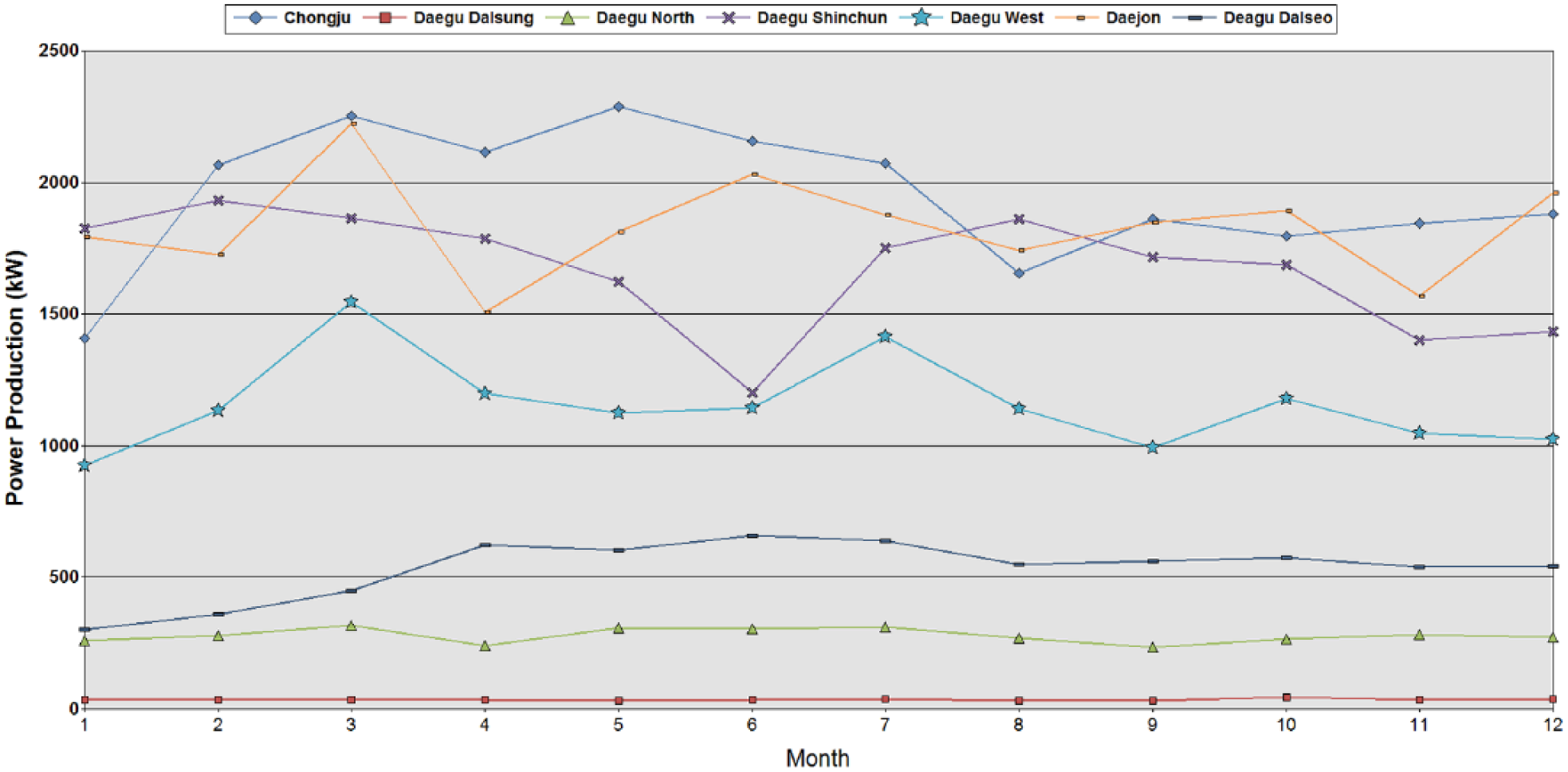
Estimated biogas electricity production by candidate plants.
Thermal energy utilization
Biogas utilization
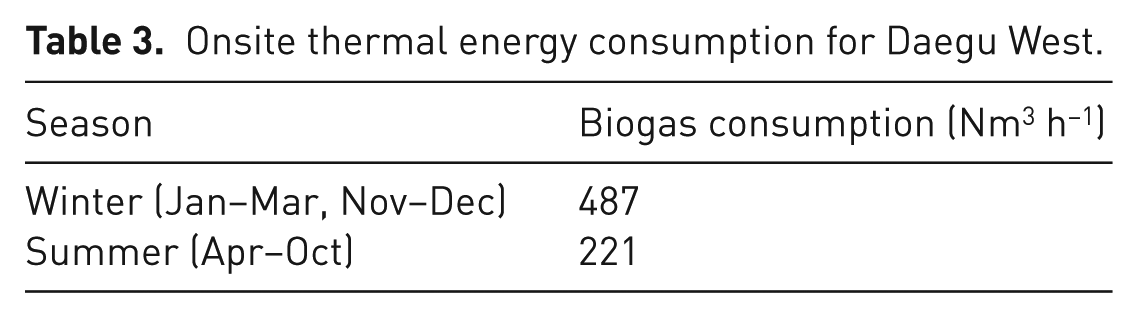
Depending on the time of the year, the CHP system will produce heat according to the heat recovery efficiency shown in Table 2. The recovered heat can either be used as an energy source to heat the digester to maintain the bioreactor at optimal conditions or transported to the district heating system. For this reason, the amount of thermal energy necessary on site to maintain the reactor operation must be known. However, the needed field data are not readily available. The only data associated with the on-site operation of the reactors is from Daegu West, which is summarized in Table 3.
Onsite thermal energy consumption for Daegu West.
The biogas excess ratio can be defined as:

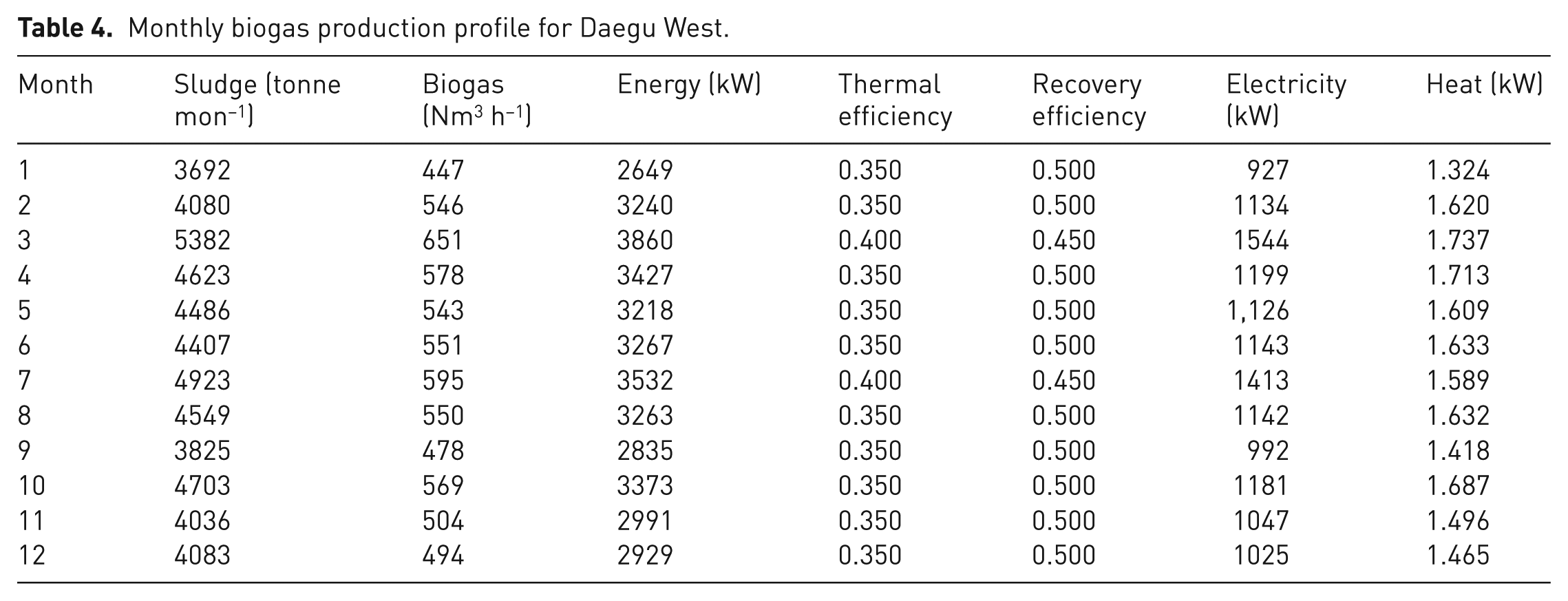
This definition can produce a negative number if the amount of biogas consumed on site exceeds the produced amount. Combining the information given in Table 3 with the biogas production from the Daegu West plant (Table 4) yields the biogas excess ratio shown in Figure 5. The result reveals that the ratio is negative during the months of January, November, and December, meaning additional heat is necessary for healthy operation of the reactor.
Monthly biogas production profile for Daegu West.
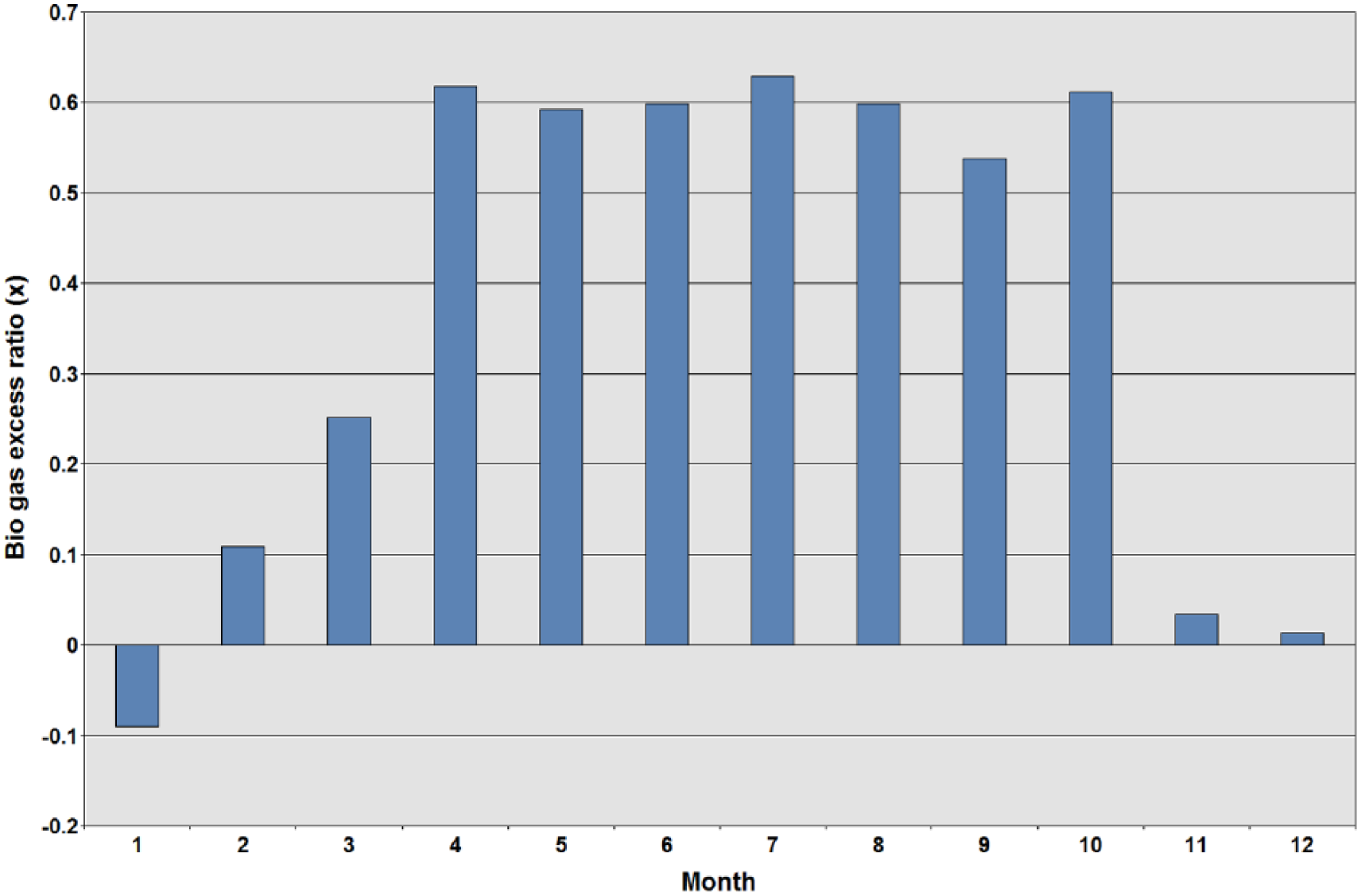
Monthly biogas excess ratio (x) variation for Daegu West plant.
Thermal energy transport
The amount of thermal energy to be transported to the district heating plants through the pipelines provided by KDHC can be estimated if the biogas production and the excess ratio are known. As the excess ratios for other sites are not available, we assume that the monthly variation of the ratio is the same for the rest of the treatment plants. With this assumption, the amounts of the heat to be transported were calculated, and the results are plotted in Figure 6. We found that a sizeable amount of heat needs to be supplied from the district heating system to the waste treatment system only during the month of January.
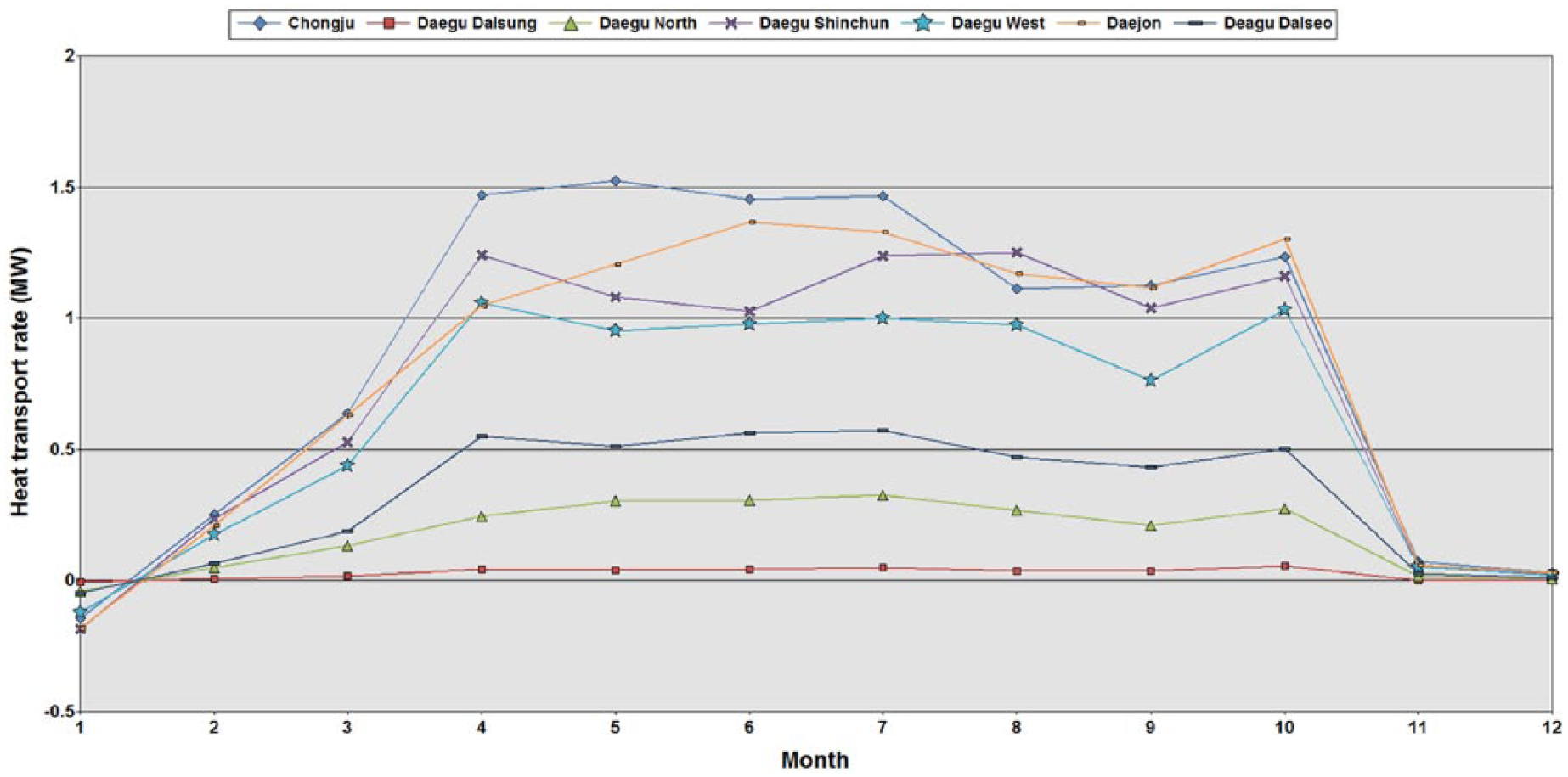
Estimated heat transport by candidate plants.
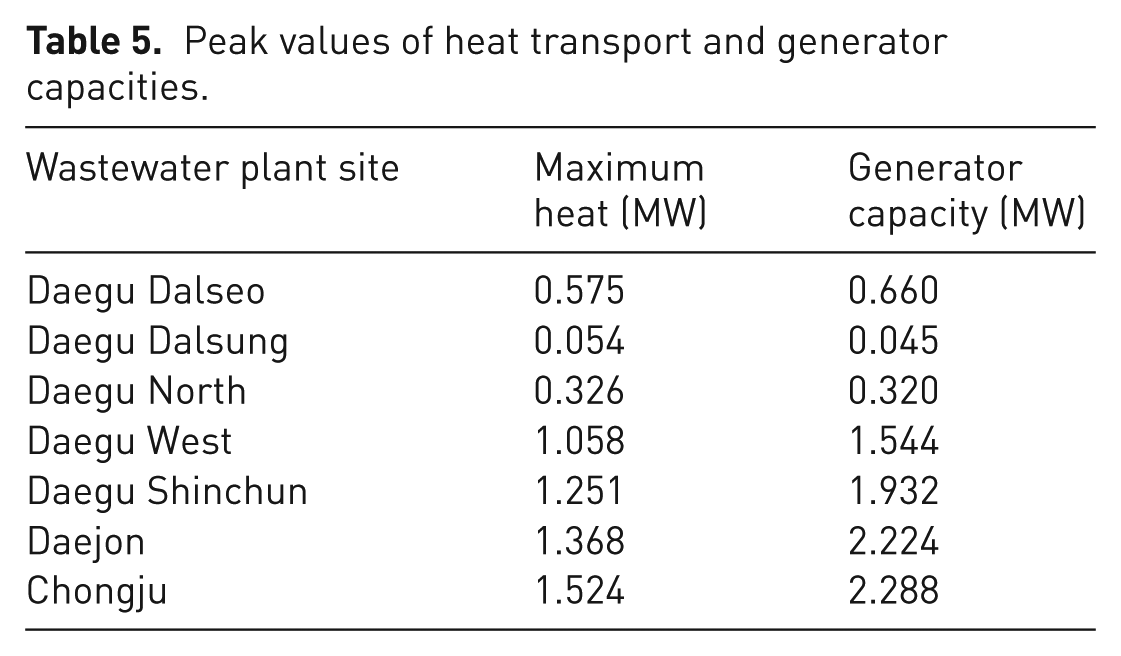
In Table 5, the peak values of thermal energy transportation are summarized. The generator capacities selected in accordance with the guidelines in Table 2 are also presented.
Peak values of heat transport and generator capacities.
Pipe sizing
Pipe diameter
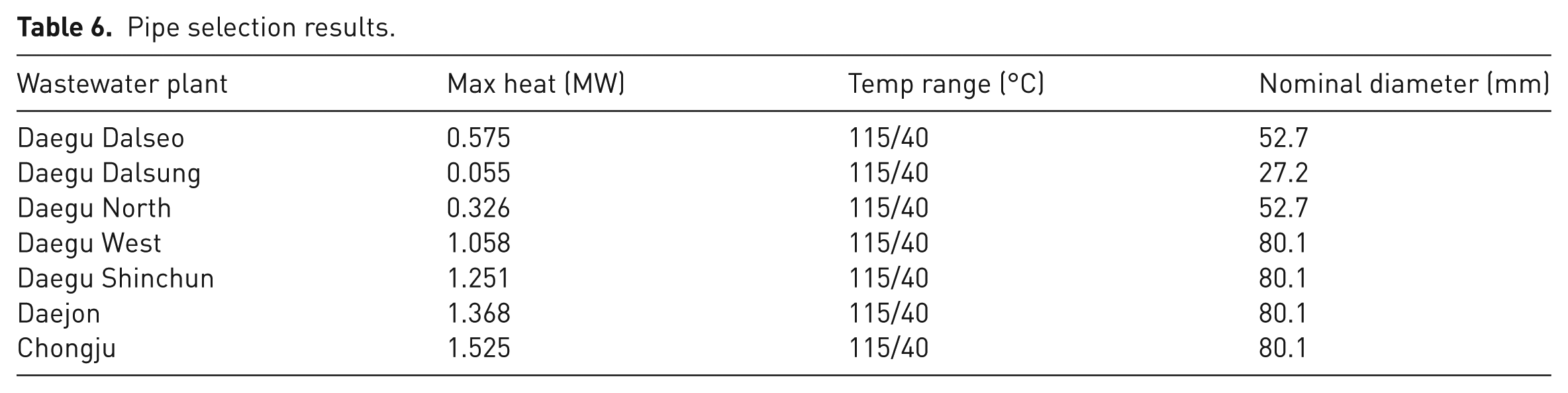
The mass flow rate can be determined from the maximum energy to be transported (Table 5). Based on the maximum mass flow rates we can determine the diameter of the pipeline. KDHC has its own standard for selecting pipe diameters. The selected pipe diameters for each site are summarized in Table 6.
Pipe selection results.
Pipe Length
The distance between the district heating plant and the water treatment plant determines the pipe length. As the installation cost varies depending on the installation environment and construction method, we carefully measured assorted pipe distances for each combination of wastewater treatment sites and district heating plants. Figure 7 shows the results of measurements for sections along streets and rivers and across streets (intrusion) and rivers.
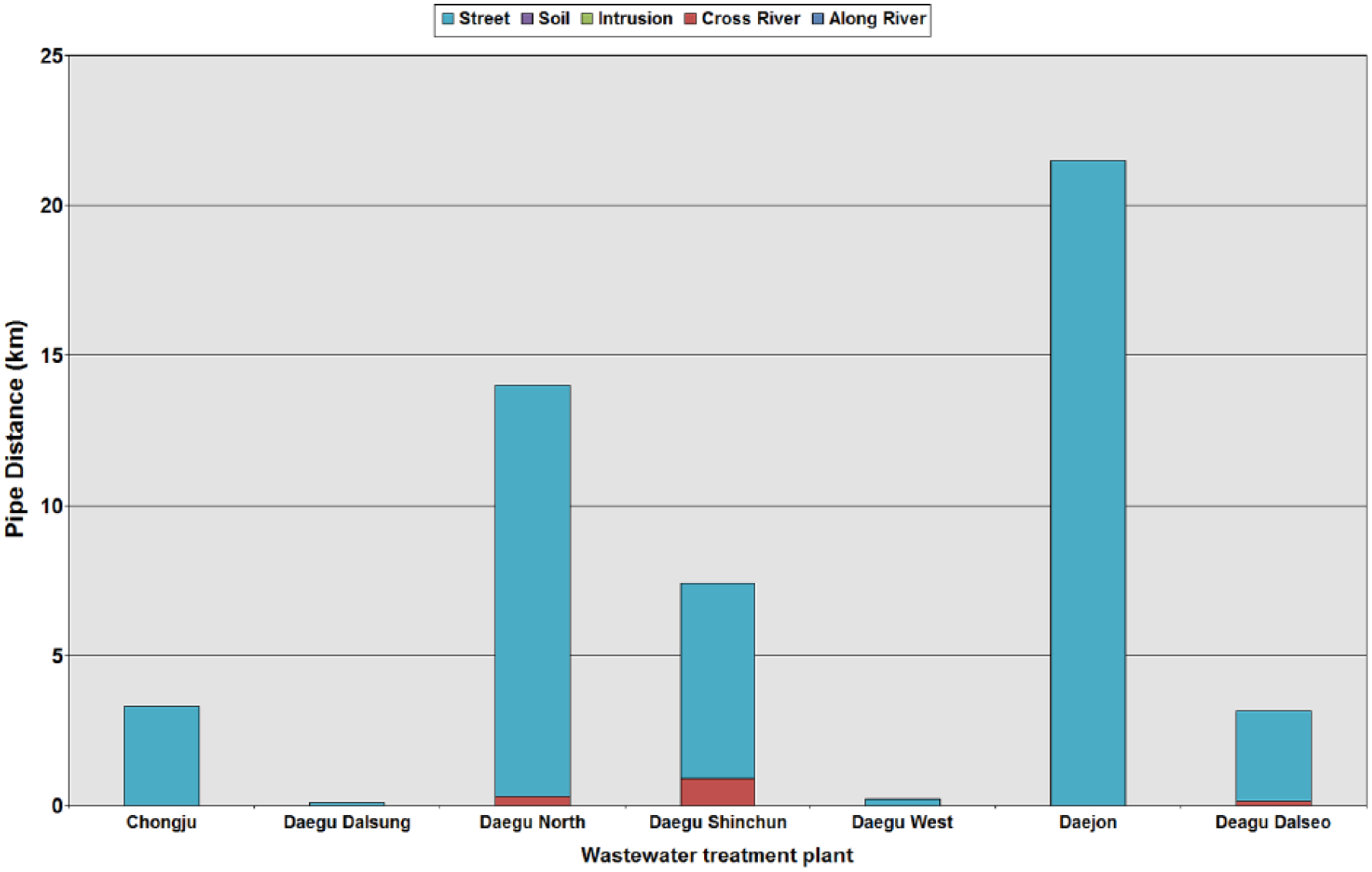
Pipe distance between water treatment site and district heating plant.
Loss from pipeline
Two forms of energy losses are considered: pumping power and heat loss from pipelines. The pressure drop is estimated with:

where f is the friction factor, L is the length, D is the hydraulic diameter of the pipe,

The heat loss from the pipe is calculated from single-stream heat-exchanger theory. The calculation results are shown in Figures 8 and 9.
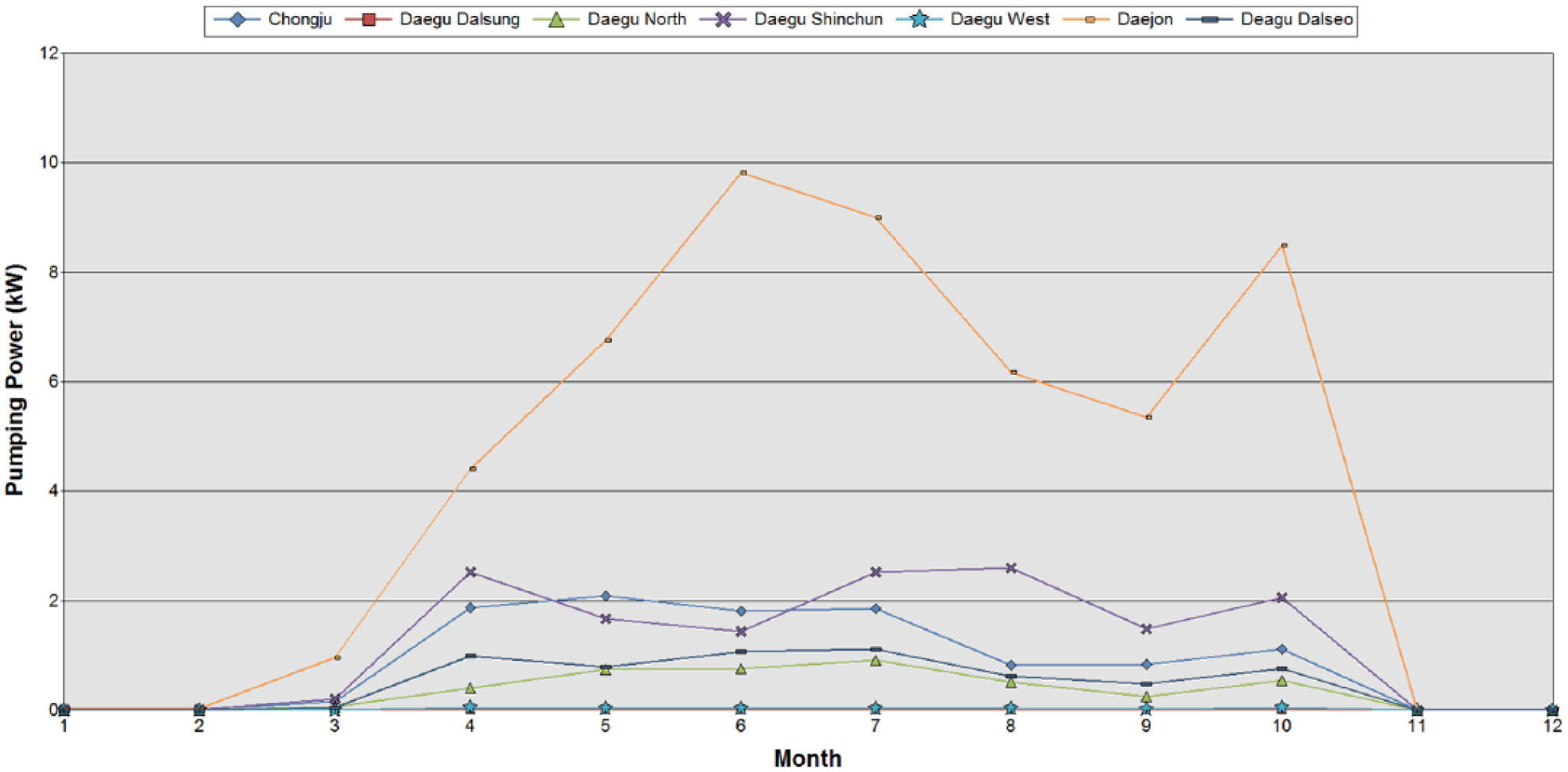
Calculation results for pumping power.
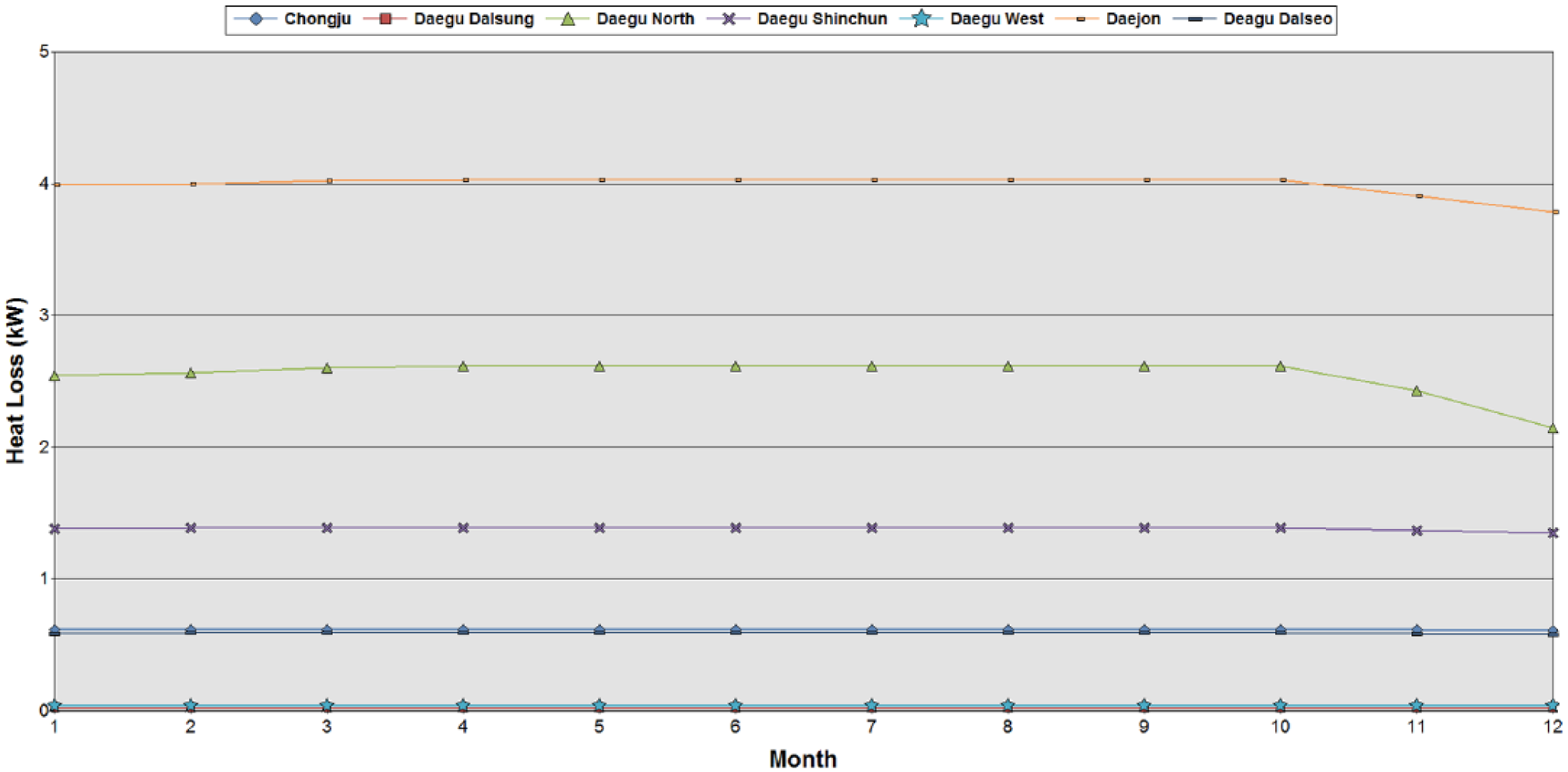
Calculation results for heat loss.
Costing and economic assessment
Initial costs
Two types of initial costs are considered: piping and engine procurement. KDHC has its own price system that depends on the pipe material and size and the installation method (see Figure 8). As the engine cost is strongly market dependent and difficult to quantify, we applied an empirical relation shown in Figure 10 for the gas-engine-based CHP systems selected in Table 5. The results for initial costs for each plant are summarized in Figure 11. The Korean won–US dollar exchange rate is assumed to be 1100 won per dollar throughout this study.
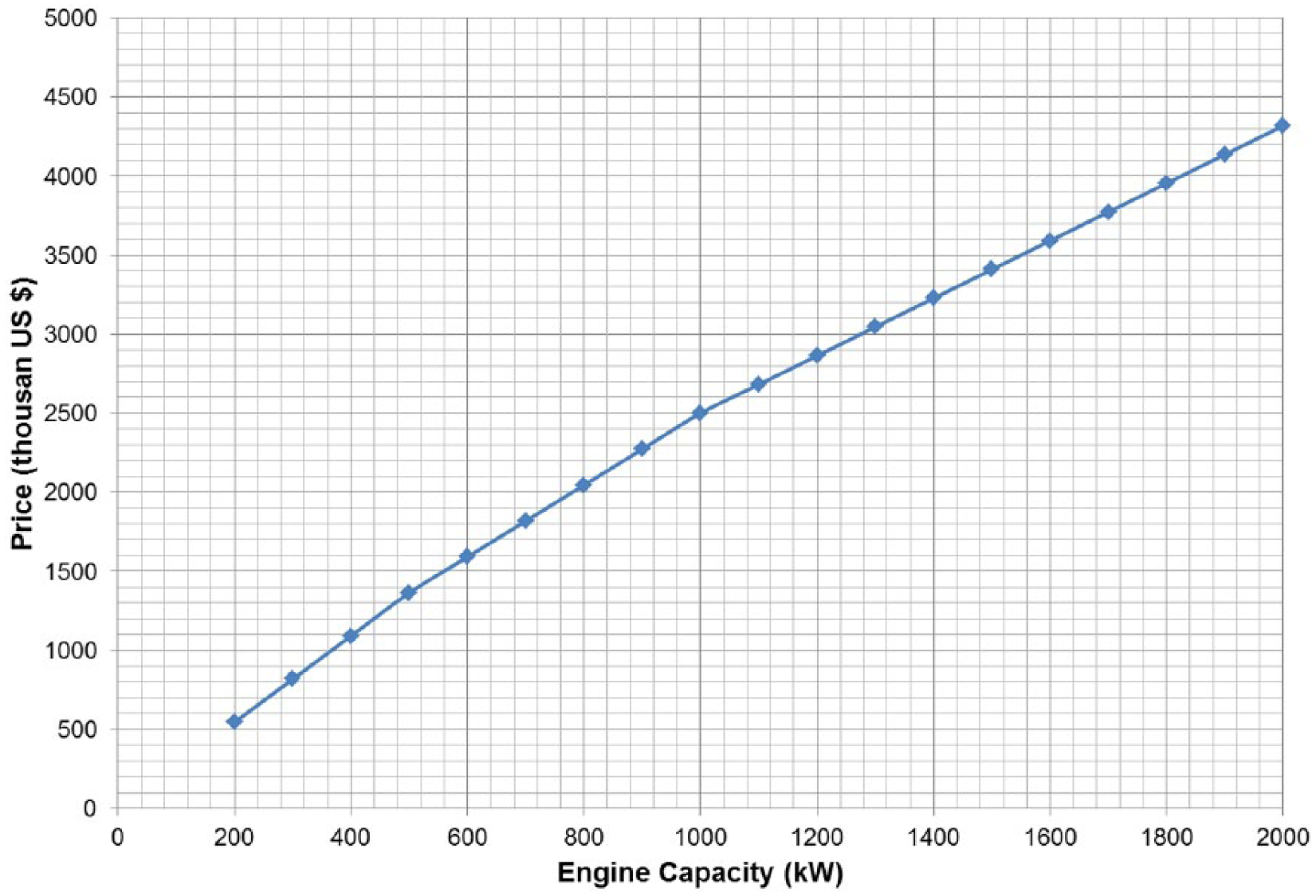
Empirical relation for gas engine CHP.
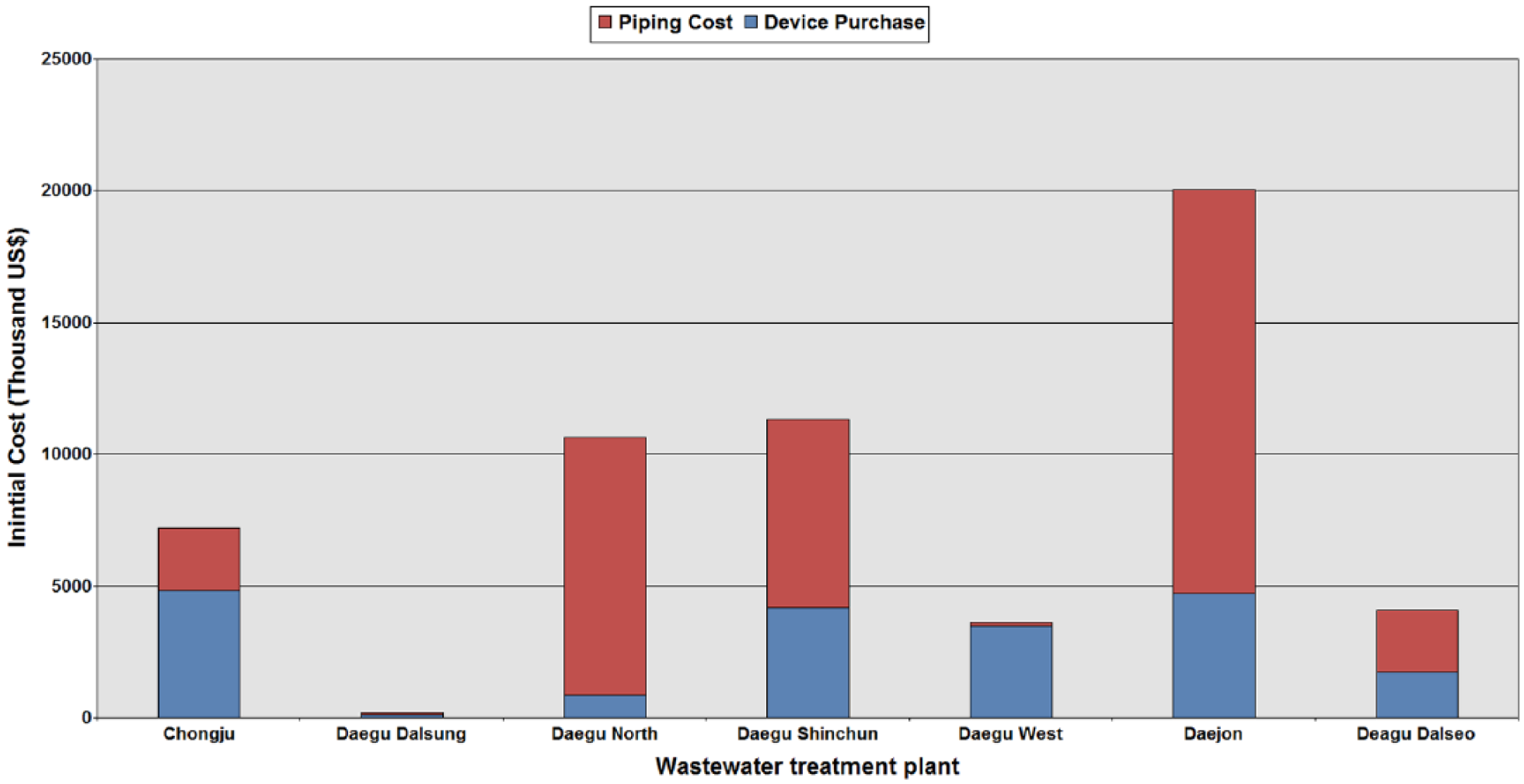
Estimated initial costs.
Economic merits
Costing rule
We applied the rule summarized in Table 7 to calculate the expenses and the profits associated with the operation of the CHP systems.
Costing rules.
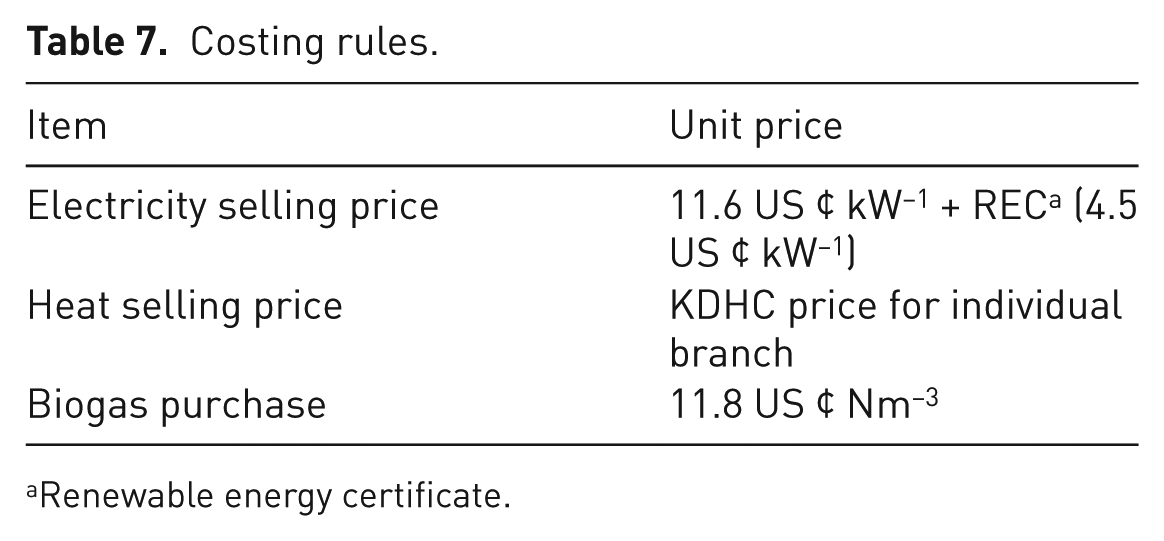
Renewable energy certificate.
Operation profit
The operation produces physical quantities of interest that include electricity production and heat recovery from the biogas-based CHP plant. The profit generated from the CHP system can be estimated by applying the costing rules to the physical quantities. A sample result of profits from the perspective of KDHC is shown in Figure 12 for the Daegu West plant. In Figure 12, the heat recovery and electricity production from the plant are counted as positive, while the biogas purchase from the wastewater treatment plant is accounted for as negative. The wastewater treatment plant sells biogas when it produces a surplus. The deficit of thermal energy during winter will be supplemented by heat supply from the partner district heating company. Results for other sites were calculated and showed similar monthly trends. The annual sums of profits for the candidate plants are summarized in Figure 13.
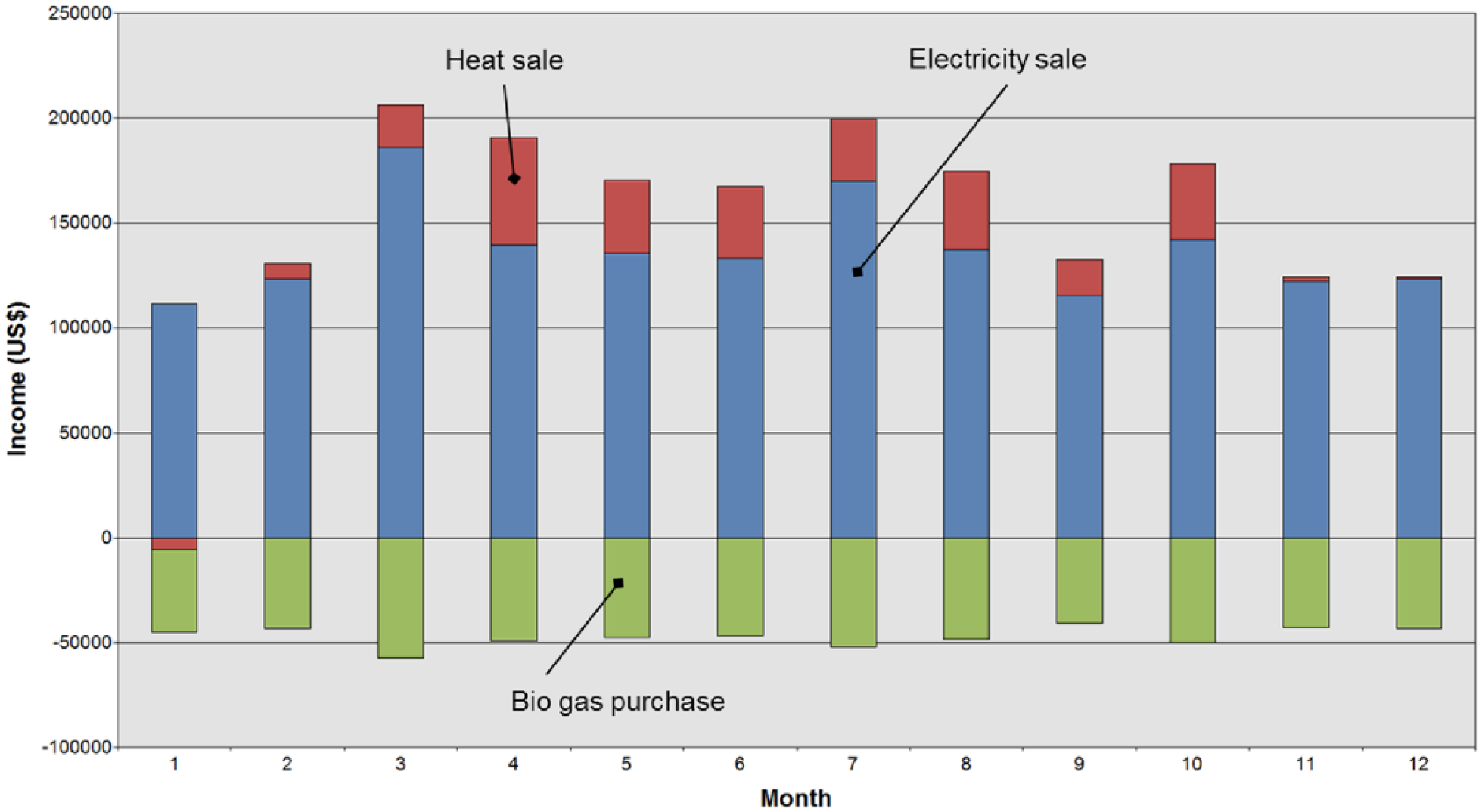
Operation profit for Daegu West.
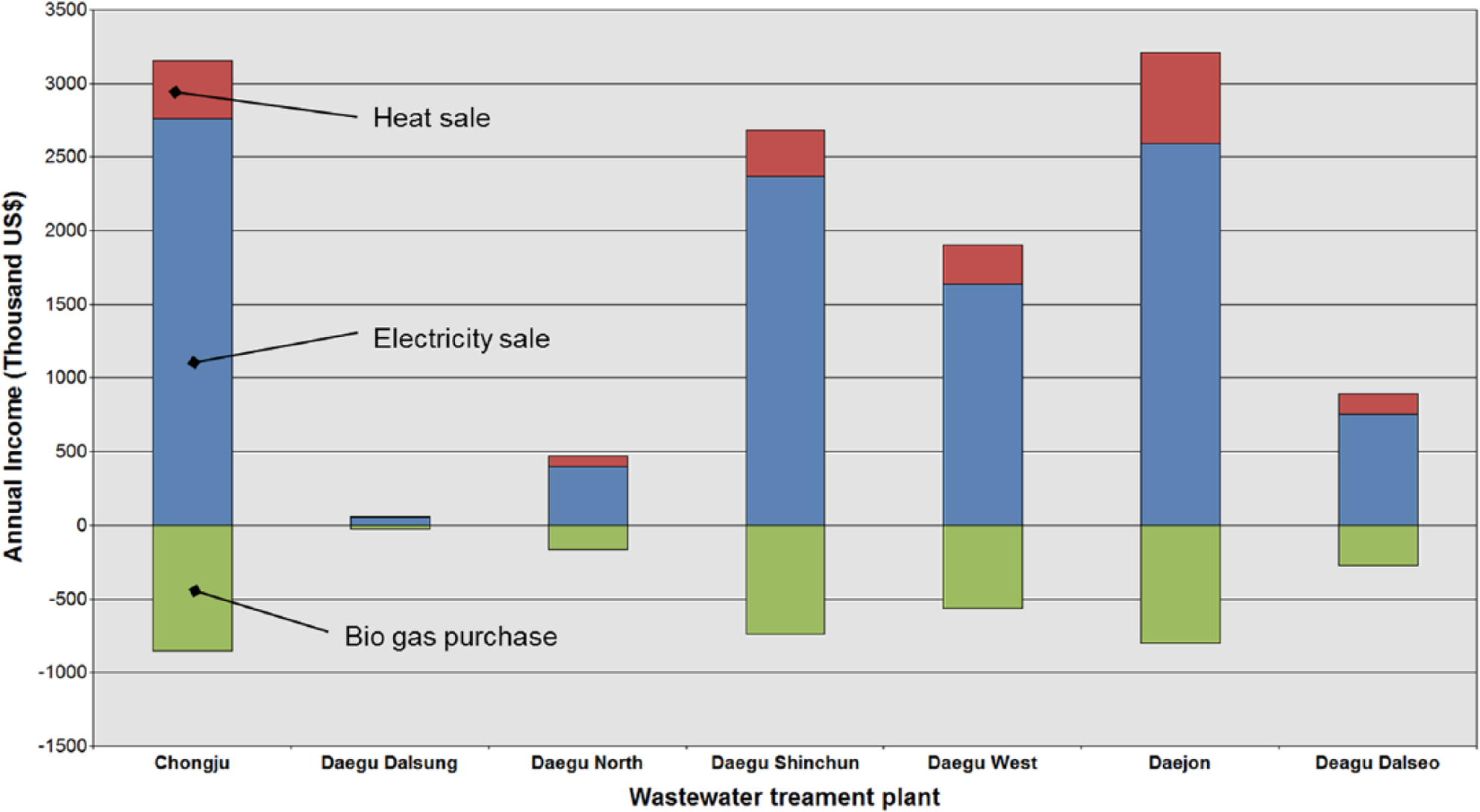
Comparison of annual operation profit.
Simple payback periods
One of the key figures of economic merit is the simple payback period, which can be found by dividing the total initial cost by the annual net profit.
The payback periods for the individual sites looked at are compared in Figure 14.
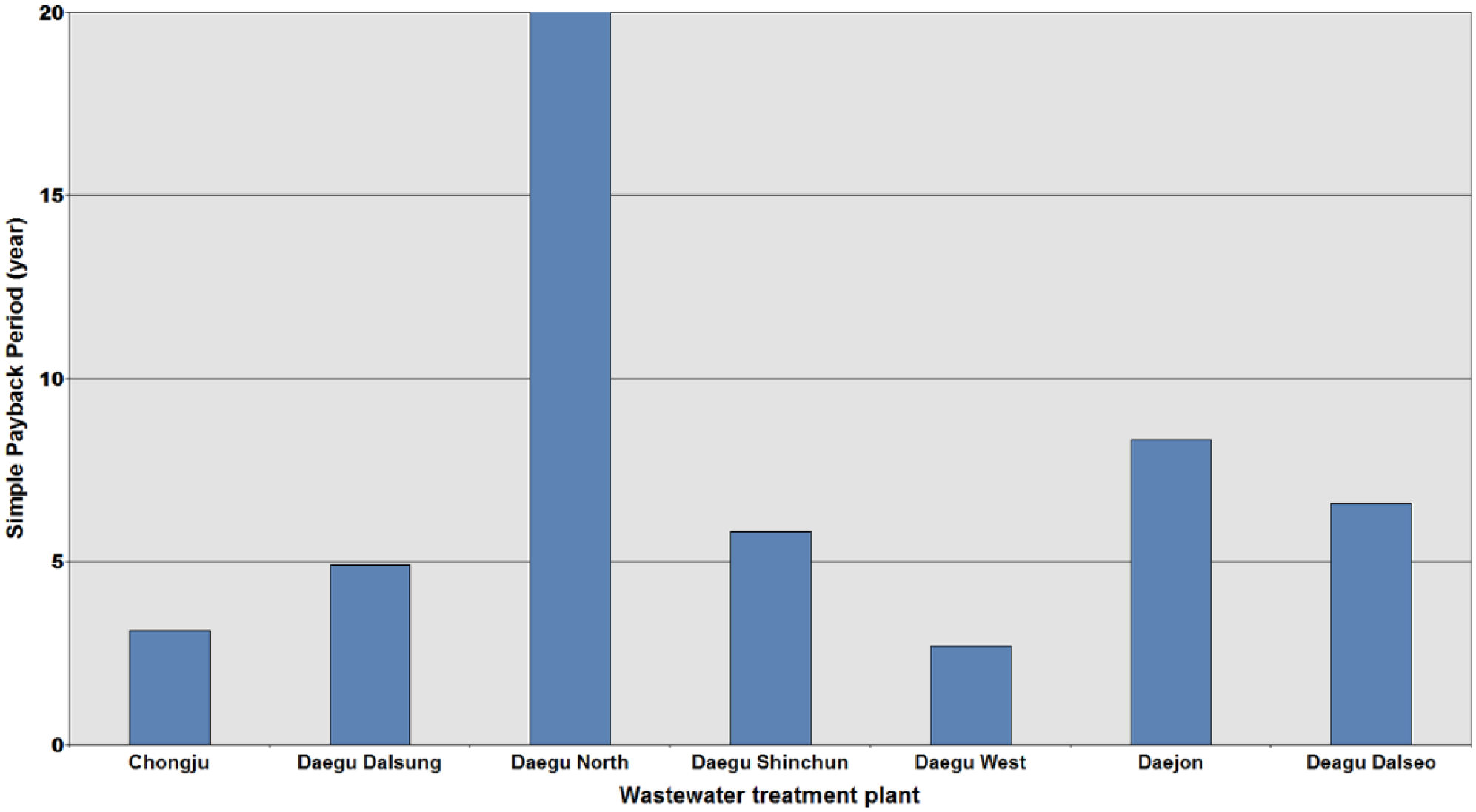
Comparison of simple payback period.
As shown in Figure 14, most of the proposed projects turned out to be very promising in terms of both profitability and payback periods under current market conditions.
Conclusions
We investigated the possibilities of utilizing energy produced from biogas originating from large-scale wastewater treatment plants in conjunction with district heating plants. We searched for candidate district heating plants and wastewater treatment sites based on geographical considerations. Then, the amount of biogas production was estimated based on field data provided by the sites. Appropriate CHP systems were selected, and the operation was simulated to calculate the thermal energy recovery and electricity production. The physical quantiles were converted to economic values with costing rules based on the local economic conditions. The results reveal that the proposal is promising in the sense that:
The district heating company will obtain renewable heat at a very affordable price and substantial profit by selling electricity. Moreover, KDHC will fulfil part of its RPS obligation.
The wastewater treatment plant will secure a steady and reliable heat source on site backed up by the reliable district heating pipeline.
Substantial greenhouse gas emissions (CO2 equivalent) will be reduced by burning methane with advanced equipment. Since the methane from the waste was originally meant to be released naturally, we can count methane burning as CO2 reduction, even if some CO2 will be released as a result of combustion in the CHP system. Since two institutes are involved in the proposal, and there are many other options for each party, contract timing is critical. If any of the two parties engages with other parties, a golden opportunity may be lost.
According to the Korea Ministry of Environment report (2011a), 80% of biogas is consumed for the heating of the onsite digester reactors and additional 5% for sludge drying. Only 8% is utilized for electricity generation and up to 7% is burned away. This means that there are ample opportunities for energy crop from the wastewater treatment plants. In spite of our optimistic calculation results there are serval barriers we need to overcome to utilize biogas from wastewater plants to the full potential in Korea. Many wastewater treatment plants are located near large cities with limited land space. This severely limits technology deployment. We need reliable digester technology with high efficiency. Complete deodorization is particularly important because small leakage of gases can invite massive public complaints. Huge financial burden is another problem from the point of the plant owners. Government role in policy making and financial support is crucial. Actually, KDHC initiated this feasibility study to meet the RPS imposed by the Korean government. It is important to establish a win–win success model to induce multi-party investment for a sustained energy utilization form a truly wasted source.
Footnotes
Declaration of conflicting interests
The author(s) declared no potential conflicts of interest with respect to the research, authorship, and/or publication of this article.
Funding
The author(s) disclosed receipt of the following financial support for the research, authorship, and/or publication of this article: This work was supported by the 2012 Yeungnam University Research Grant.