







Abstract
With the increase in the number of patients and activity of hospitals, the issue of hospital waste management (HWM) is becoming more and more challenging and worrying. In addition to financial losses, there will be irreparable damage to the ecosystem and environment which will create many problems for people (because the job of some people in the area is livestock and agriculture and they have a lot to do with their surroundings). It also doubles the need to pay attention to the issue of sustainable development (simultaneous attention to social, economic and environmental dimensions) in waste management. Moreover, the climatic and geographical conditions and lack of proper waste management in this area lead to major problems. Therefore, in this research, by developing a novel multi-objective mixed integer linear programming model, HWM is addressed in the hospitals of Sari, Iran. The aim is to design an HWM network considering sustainability, resiliency and uncertainty. In order to deal with uncertainty, a robust fuzzy programming approach is employed, and then an improved goal programming technique and Lp-metric method is proposed to solve the model. It was revealed that goal programming outperforms the Lp-metric method in terms of all objectives. Furthermore, the obtained results demonstrate the applicability and efficiency of the proposed methodology to design an efficient sustainable HWM network.
Introduction
In recent years, with the increase in the world population and the rapid development of industry and technology, the amount of waste produced by different occupations and individuals has been increasingly growing. One of the types of municipal waste that can threaten the health of citizens is hospital waste. The waste generated by health centres is allocated a much smaller share than other wastes but it has the highest risk among all waste groups. Hospital waste is particularly sensitive due to its dangerous, toxic and pathogenic agents such as pathological, radioactive, pharmaceutical and chemical wastes, infectious and medical utensils; they should be landfilled in safe areas and in appropriate ways (Askarian et al., 2004; Kim et al., 1990). Allocation and management of proper space and optimal landfills for hospital waste using quantitative models can perform an important role in environmental health. As a result, how to manage, reduce and deal with them in a way that is both economically and environmentally optimal is a basic issue at various global, regional and urban levels (Caniato et al., 2015; Tsakona et al., 2007).
The purpose of this study is to design a sustainable hospital waste management (HWM) network considering resiliency under uncertainty. The proposed model considers four aspects of economic, environmental, social and resiliency. The main contributions are given as follows:
The resiliency concept is studied, which has not been examined enough in other works in HWM systems.
Most studies have just considered the economic aspect and ignored the profitability issue, which is investigated in this research.
Environmental and social aspects are studied along with profitability and resiliency issues.
A novel mathematical model is developed to address the above-mentioned aspects of HWM systems.
A real case study is examined in order to validate the applicability of the proposed methodology.
The remaining sections of this paper are organized as follows. Section ‘Literature review’ reviews the most relevant studies in the literature. The proposed problem and the developed mathematical model are presented in section ‘Problem definition’. The proposed uncertainty modelling technique is discussed in section ‘Uncertainty modelling’. Section ‘Solution methodology’ explains the applied solution methodologies. The case study problem is described in section ‘Case study’. Section ‘Computational results’ represents the computational results of the study, and finally, the concluding remarks and future research directions are discussed in section ‘Conclusion and outlook’.
Literature review
In this section, the most relevant studies in the literature are reviewed in order to highlight the main novelties of this research. Shi et al. (2009) indicated that HWM is an important issue because of the health and environmental risks. As a result, producers are obliged to collect, recover and dispose of medical waste. They proposed a mixed integer linear programming (MILP) model to minimize the total cost of medical waste reverse logistics network (e.g. transportation costs, fixed costs of setting up collection centres, treatment centres and operating costs). Almeida (2010) concluded that the management of hazardous medical waste is one of the most important branches of solid waste management, which requires special laws for proper disposal. They investigated the issue in Portugal and divided it into two groups. In the first group, the waste is incinerated directly, and in the second group, it must be treated and then transferred to the waste disposal centre. Hazardous HWM companies operate simultaneously with both groups, so the hazardous HWM system operates as a total system instead of two separate systems. They tackle the problem by developing an MILP model to optimize the total cost, location of facilities and allocation of waste flow between points, and to provide an appropriate decision in a reasonable time.
According to Nolz et al. (2014), waste is generated by patients, stored in health centres and collected for disposal by municipal officials. This is a routing problem that involves random aspects. They conducted a study on the proper organization and collection of medical waste to design a logistics system. Optimizing social effects and reducing risk was one of the objectives of this study. In order to optimize the planning process in a given time horizon, radio frequency identification (RFID) technology was considered. For achieving the optimum result, they applied a sampling method along with a metaheuristic algorithm. Kumar et al. (2014) tried to minimize the environmental impact and costs of healthcare centres in a closed-loop supply chain in the Singapore healthcare industry using re-engineering methods and RFID technology.
Liu et al. (2015) evaluated various types of medical waste treatment from both quantitative and qualitative perspectives and modelled the problem using multi-criteria decision making (MCDM) methods. The aim was to prioritize different waste decontamination options for autoclave, incinerator, microwave and landfill.
Makajic-Nikolic et al. (2016) used fault tree analysis (FTA) to identify and assess the risk of infectious hospital waste from the stage of production, separation and collection to disposal in health centres of Serbia. The results of this study showed that the highest possible risk in dealing with infectious waste is the improper separation of waste and collection by hand. Moreover, after examining various risk factors, the most important factor in the transmission and spread of infection was known as the injury at work.
Mantzaras and Voudrias (2017) presented a nonlinear optimization model for infectious HWM in Greece with the aim of minimizing total cost including the costs of transportation, collection, decontamination and disposal. Alshraideh et al. (2017) suggested a routing model for HWM in Jordan in order to minimize the transportation costs and environmental effects (greenhouse gas emissions) using a genetic algorithm (GA). According to the proposed model, the number of visits per week, the timing between visits, the capacity of trucks and the service level of hospitals were regarded as the most important factors. Asgari et al. (2017) investigated the application of location routing problem (LRP) in HWM by considering different types of waste and several treatment technologies. The distribution network included three channels of production nodes, treatment facilities and disposal centres of flammable waste.
In the study of Sakti et al. (2018), optimal route construction was taken into account to design a waste supply chain network in Indonesia. They considered two types of fleets to determine the location of the warehouse as well as waste-based sites, service allocation and related routes. The objective was to minimize the total cost including facility related costs (construction of warehouses and power plants), fixed vehicle costs and transportation costs. Rabbani et al. (2018) presented a three-level multi-period non-linear optimization model to formulate a location routing inventory problem (LRIP) for hazardous waste management under uncertainty. They employed several multi-objective metaheuristic algorithms to treat the problem. Osaba et al. (2019) modelled a pharmacological waste collection problem as a multi-attribute or rich vehicle routing problem (VRP). In the routing phase, cost constraints, asymmetric cost variables, prohibited routes, delivery and receipt decisions were considered. They developed a Discrete and Improved Bat Algorithm (DaIBA) to tackle the complexity of the problem and evaluated its efficiency against other metaheuristic algorithms using statistical tests. Other routing studies with the help of metaheuristic algorithms can be found in Babaee Tirkolaee et al. (2019, 2020).
Zamparas et al. (2019) developed an MCDM model for examining the procedures, techniques and methods of dealing with infectious waste in hospitals in Greece. The results represented high priorities for environmental management criteria (according to the values obtained) for commitment to environmental policy standards and waste management practices. However, it was revealed that further improvements in staff awareness (including development programs to increase sensitivity) and suppliers (hospitals) should be noted.
Mardani et al. (2019) investigated the ranking of educational hospitals by evaluating the reduction of hospital waste using MCDM techniques. By reviewing the previous studies, 12 criteria and 30 sub-criteria were selected to be analysed in six hospitals. The findings showed that effective measures in reducing the amount of hospital waste production and improving the HWM system include proper resource management, appropriate service delivery model, quality of equipment and separation and sorting of waste. Gergin et al. (2019) proposed a clustering method based on artificial bee colony (ABC) optimization algorithm to deal with locational decisions for HWM. Geographical coordinates and the amount of hospital waste in Istanbul hospitals were regarded to decide on the location of disposal facilities for reducing the amount of medical waste generated. Other similar research works in HWM were performed by Çetinkaya et al. (2020), Torkashvand et al. (2020) and Yazdani et al. (2020). Rai et al. (2020) evaluated traditional methods of waste management, including free burning, liquid disposal and waste disposal without treatment. The challenges related to traditional methods of HWM and modern techniques for general management and communication with human society were investigated in this study.
Markov et al. (2020) investigated a routing problem for the collection of recyclable pharmaceutical waste in a finite planning horizon using real-life examples in Switzerland. They developed a cost model based on the sustainable probability of container flows and route failure on the planning horizon. They implemented an Adaptive Large Neighborhood Search (ALNS) algorithm to solve the problem. Recently, Tirkolaee et al. (2021) developed a novel model to formulate a multi-trip LRP for HWM during the COVID-19 pandemic. They applied fuzzy chance-constrained programming and weighted goal programming methods to deal with the uncertainty and multi-objectiveness of the problem. A real case study was finally investigated to evaluate the applicability of their proposed methodology.
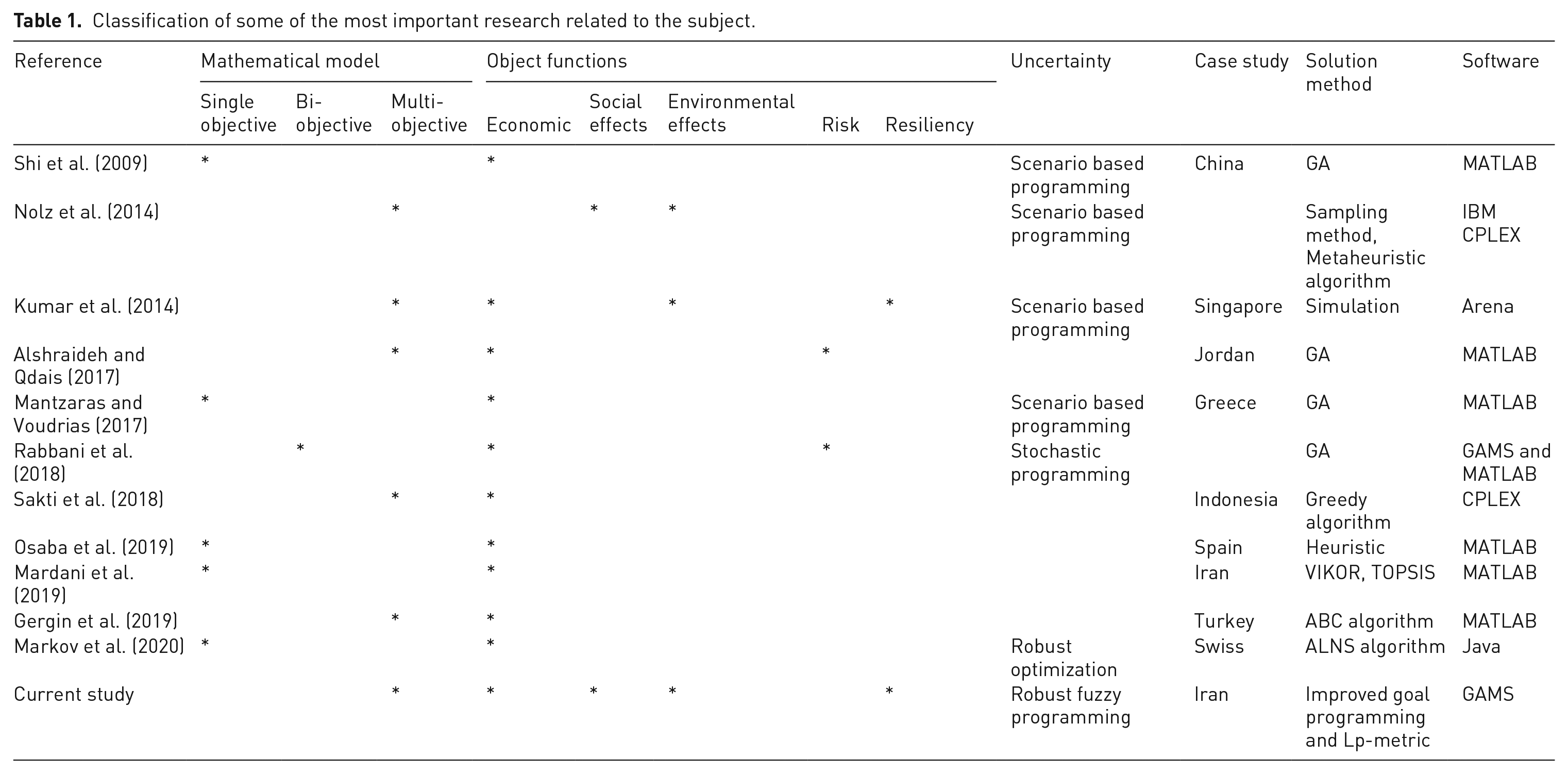
Table 1 shows some of the relevant research written by researchers in recent years.
Classification of some of the most important research related to the subject.
Problem definition
This research seeks to address the issue of sustainable HWM. Accordingly, three main components are considered as descriptions of waste production centres (hospitals), separation centres, a set of processing (processing) facilities and waste landfills. The proposed network is illustrated in Figure 1.
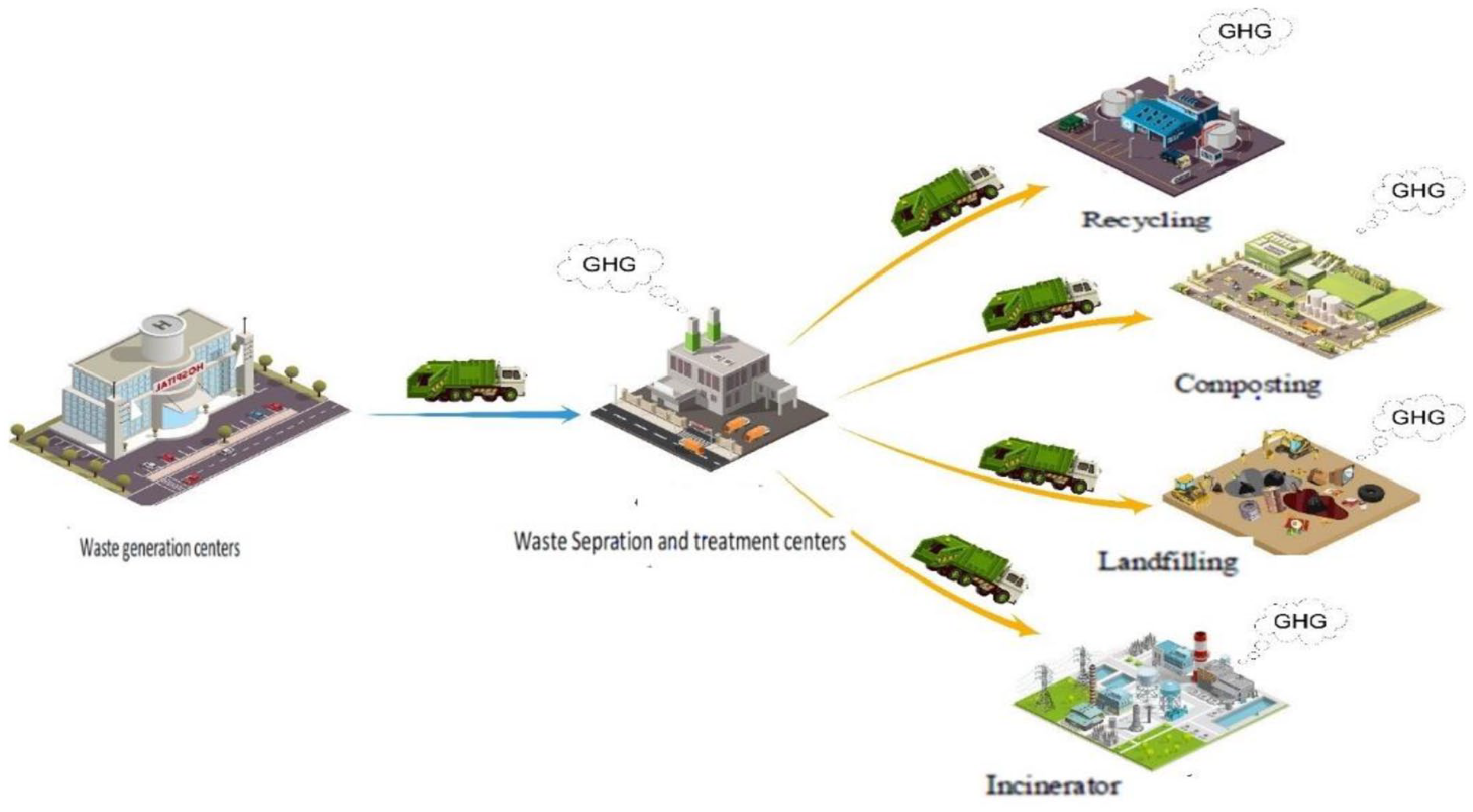
Proposed HWM network.
As shown in Figure 1, waste is first collected from hospitals and then sent to separation centres. Here, waste is divided into five different types as described in paper, plastic, glass, organic and others. After separating and sorting waste, there are several ways to treat it. On the other hand, due to the heterogeneous nature of the waste flow, when allocating any type of waste to processing technologies, restrictions on compatibility with waste technology should be considered. In other words, there are some types of waste that are incompatible with special types of processing technologies. For example, recyclable waste such as paper cannot be composted. This is an important point to consider when modelling a problem.
Main assumptions
In this study, the following assumptions are followed.
– Recyclable waste includes paper, plastic and glass.
– Decision-making system is based on daily operations.
– Considering that some processes and technologies, such as waste disposal, do not require a separation process. For this reason, in addition to the mentioned grouping, a combination of waste is also considered.
– The parameters including the amount of waste generated, transportation costs are uncertain. Moreover, the suggested mathematical model has the ability to make decisions in the following cases: Locating waste treatment facilities Allocation of waste to the relevant departments Determining the capacity of each waste treatment facility Waste routing between waste centres Allocating manpower to waste treatment centres
Notations
In this section, our suggested multi-objective MILP model is described. For this purpose, first, the elements of the mathematical model are introduced and then the problem is formulated.
Sets
Parameters
Decision variables
Model formulation




subject to













Equation (1) is the first objective function, which maximizes the total profitability of the network. The second objective function minimizes the total amount of pollution generated within the network (equation (2)). The third objective function maximizes the total employment; that is, social impact of the network (equation (3)). The fourth objective function maximizes the network resiliency (equation (4)). Equation (5) indicates that collected waste should be only allocated to a separation and treatment centre. Equation (6) shows the capacity limit of the separation and treatment centre q. Equation (7) ensures that any potential location for creating a separation centre, can be established to the maximum with a treatment technology with a particular capacity level. Equation (8) states that for the waste treated in each unit, the separators must be allocated to their own equipment. Equation (9) indicates the capacity of the waste treatment centre t. Equations (10) and (11) examine the possibility of creating different waste processing technologies in potential facilities. Equation (12) is the limitation of the material flow equilibrium (balance). Equation (13) determines the amount of products generated in each processing centre. Equations (14)−(17) determine the required number of operational workforce.
Linearization
In order to make a final MILP model, we need to linearize the non-linear terms in the first and second objective functions. Due to this, the following formulas are taken into account to be replaced with the non-linear terms.




By considering equation (18),
Uncertainty modelling
Undoubtedly, conditions are constantly changing (especially in today’s competitive world). Therefore, accurate estimation of system parameters is usually not possible and uncertainty is in the nature of system. In the literature, various approaches have been proposed by researchers to deal with uncertainty, including fuzzy programming (Goli et al., 2021), robust optimization (Tirkolaee et al., 2020b), scenario-based programming (Özmen et al., 2011) and so on. In this study, the robust fuzzy programming method is utilized to deal with uncertainty. The relevant definitions and relationships are described as follows.
To deal with uncertainty in objective functions and constraints, some fuzzy models have been developed. Chance Constraint Fuzzy Programming (CCFP) is one of the most important techniques that is used to build the basic model. An efficient approach that relies on deep mathematical concepts as the expected value of a fuzzy number, and it includes criteria such as possibility (Pos) and necessity (Nec), and enables the decision maker to control conservative levels to overcome constraints. It also fully supports various forms of fuzzy numbers such as triangles and trapezoids. In order to better understand, suppose a mathematical programming model as follows.

subject to




Assume that the vector f (fixed cost) is a definite parameter and the vectors c (variable costs), S and D (amount of waste collected) are the uncertain parameters and the coefficient B is the technical coefficient of the constraints. To build up the basic CCFP model, we use the ‘expected value’ operator to modelling the uncertain parameters of the objective functions, and the Nec criterion to modelling the chance constraints. The Nec criterion can be used directly to convert fuzzy chance constraints to their definite equivalents. It should be noted that the use of Nec is more significant than the elimination of chance constraints. In this study, uncertain parameters are considered as fuzzy trapezoids that can be defined with four sensitive points (as
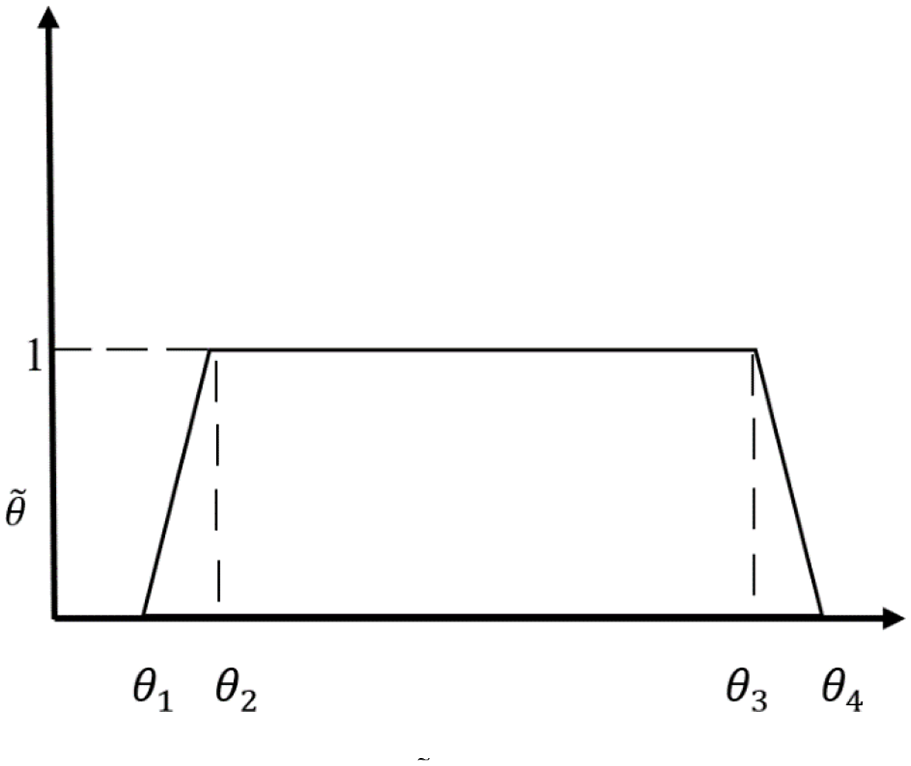
Fuzzy parameter
The membership function of these fuzzy numbers is as follows:
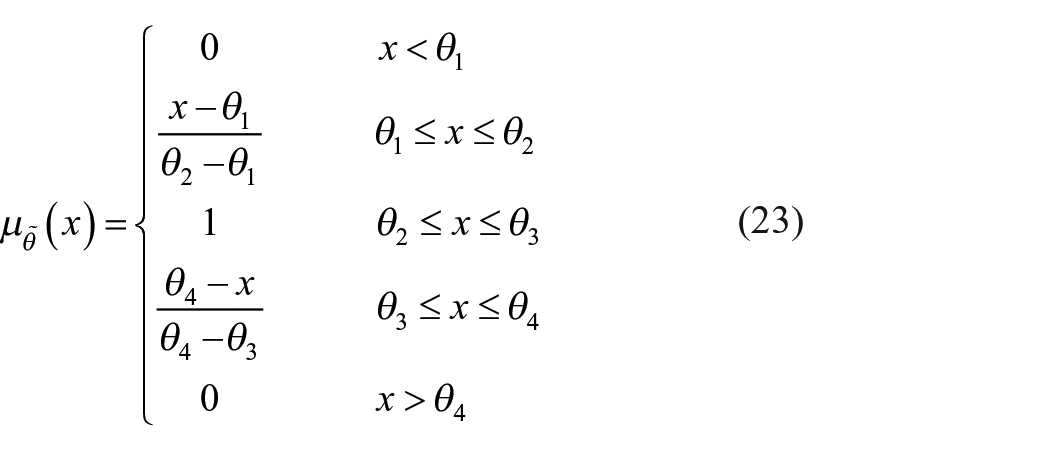
According to the above, the equivalent model using fuzzy chance constraints will be as follows which α is equal to the satisfaction level of the constraint.
The objective function and the first and third constraints are modelled by fuzzy distributions. Knowing that constraints with uncertain parameters must be formed with a minimum level of

subject to



Using the penalty coefficients of

subject to



According to the above definitions and relationships, the robust fuzzy equivalence model for the research problem is as follows:
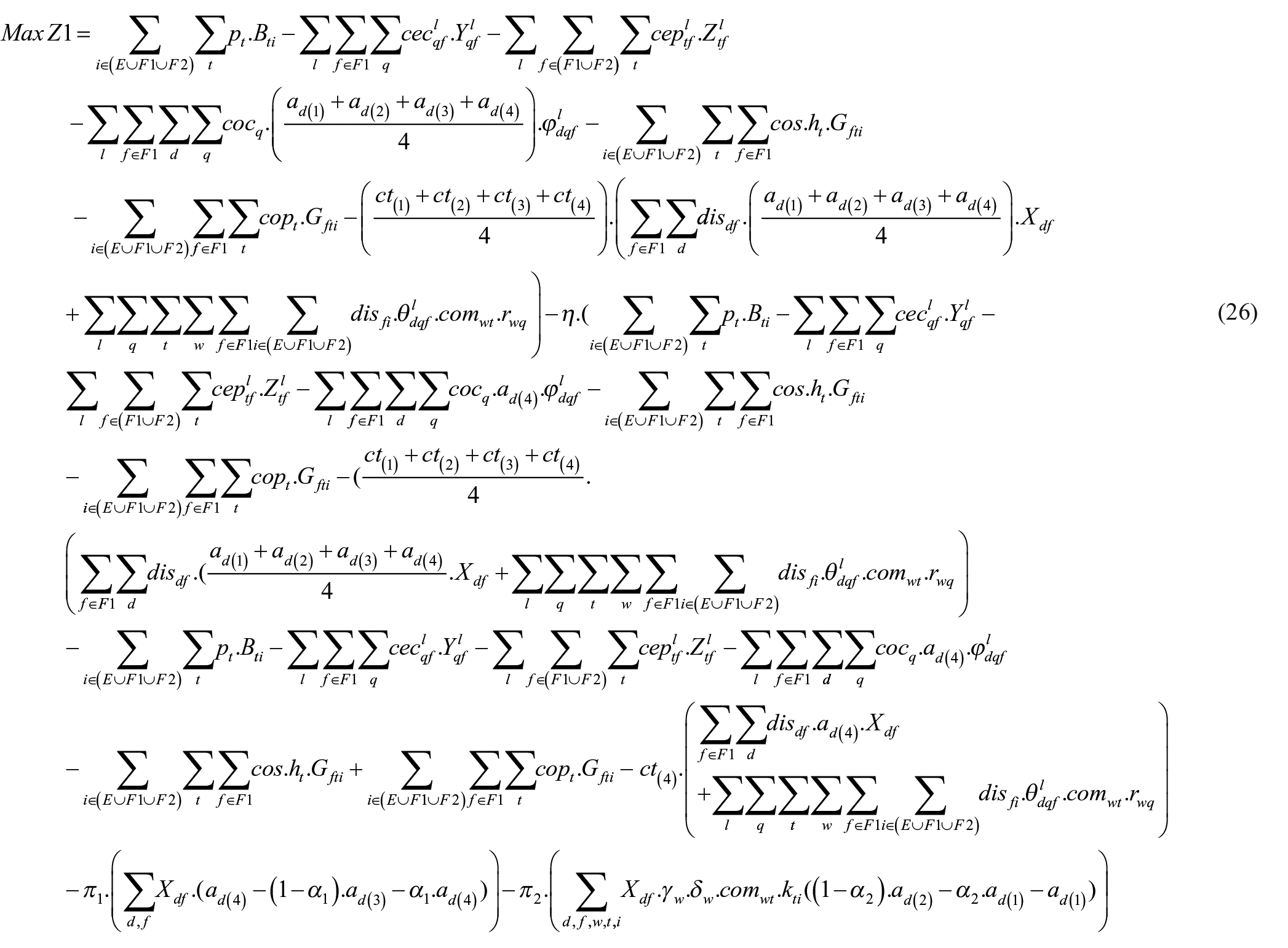
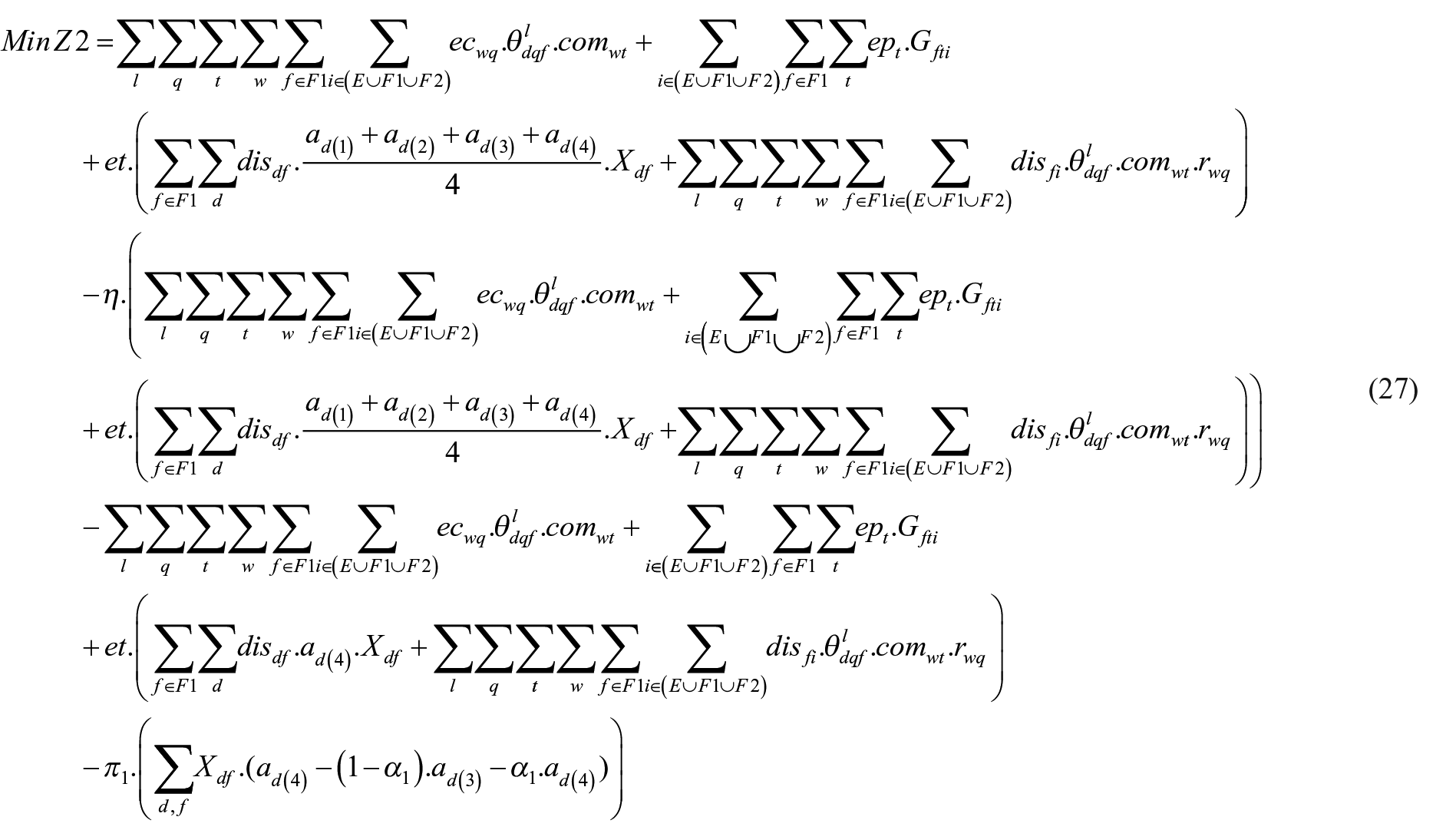



From equations (5), (7), (9), (10), (11), (13)−(17) and (19)−(21), it should be noted that
Solution methodology
Here, two solution methodologies of improved goal programming (IGP) and Lp-metric are proposed to be applied to our proposed MILP model, which are known as the most applicable and efficient methods in the literature (Golpîra and Tirkolaee, 2019; Isaloo and Paydar, 2020; Tirkolaee et al., 2020c, 2021). The main advantages of IGP are the explicit consideration of goals (objectives) and the various priorities associated with different goals, in which the deviations of a compromise solution from ideal values are minimized (Prišenk et al., 2014). Moreover, it keeps the linearity of the model. On the other hand, the Lp-metric, as a rival for IGP, is a rigorous multi-objective technique for making a combined dimensionless objective function by keeping the linearity of the model (Aryanezhad et al., 2009).
Improved goal programming
Goal programming (GP) method was first introduced by Charnes and Cooper (1957) as one of the most important multi-objective programming models (see Tirkolaee et al., 2020b, 2021). Since then, researchers have been working on this technique and proposed some modifications. Jadidi et al. (2015) developed a model that proposes an IGP method considering the priority function with a goal range instead of a single goal. They stated that, in some cases, the value of the objective function may exceed our expectations, which is not the case in previous models, which will result in a penalty for the model. Finally, the proposed model is constructed as follows:

subject to






where
Lp-metric
The Lp-metric technique is another solution method to deal with the multi-objectiveness of the model. Its execution process is simple and at the same time efficient. First, we solve the model with each objective function individually and obtain the goal (ideal) values of
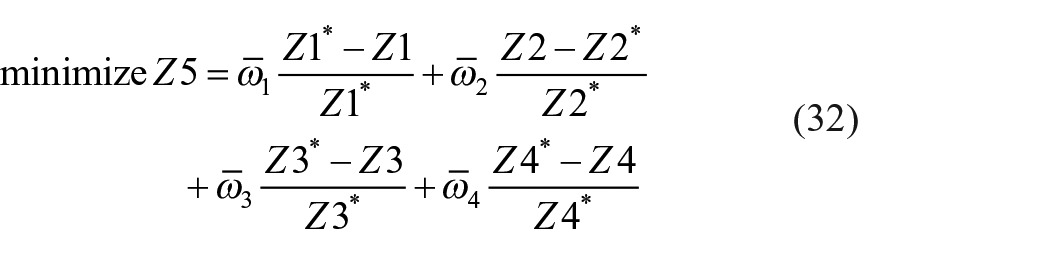
Here, 0 ⩽
Case study
To validate and evaluate the efficiency of the model, a case study of HWM system is investigated in Sari, Iran. The hospitals of Nimeh Shaban, Bu Ali Sina, Fatemeh Zahra, Imam Khomeini, Amir Mazandarani, Hekmat, Shafa, Mehr and Shahid Zare Burn in Sari are considered as the waste points. On average, 500 units of waste are collected daily from these hospitals. At present, waste is sent to landfill every day after collection without special treatment. Landfilling waste, especially hospital waste without special treatment, in addition to losing potential resources, can cause irreparable problems such as environmental damage and dangerous diseases for the residents of the area. According to experts, about 15% of the total waste collected is organic waste that is used to produce compost, about 30% of it is recyclable, about 30% is combustible and less than 25% include wastes for which no method is efficient, and should be disposed after treatment. Moreover, four candidate locations for processing facilities were identified. The geographical locations of hospitals and candidate points are shown in Figure 3.
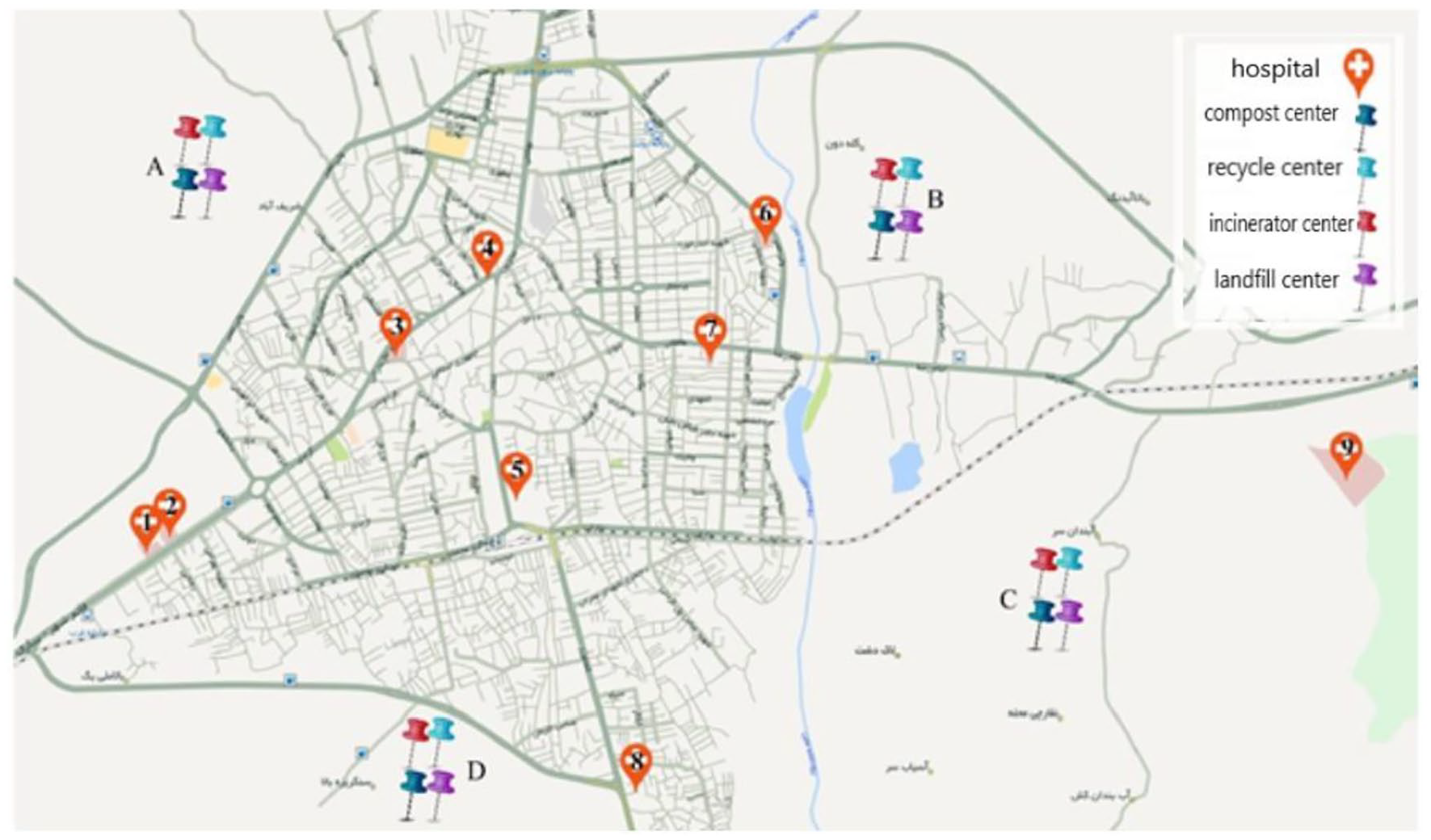
Locations of hospitals and potential points to establish facilities.
Problem data
This section is dedicated to expressing how we can estimate the parameters of the mathematical model. It should be noted that these parameters have been estimated according to the opinion of experts and similar research. First, the deterministic parameters are given and then the non-deterministic parameters are estimated. Table 2 shows the distance from hospitals to potential points of waste processing centres.
Distance of hospitals to potential points of waste processing centres.
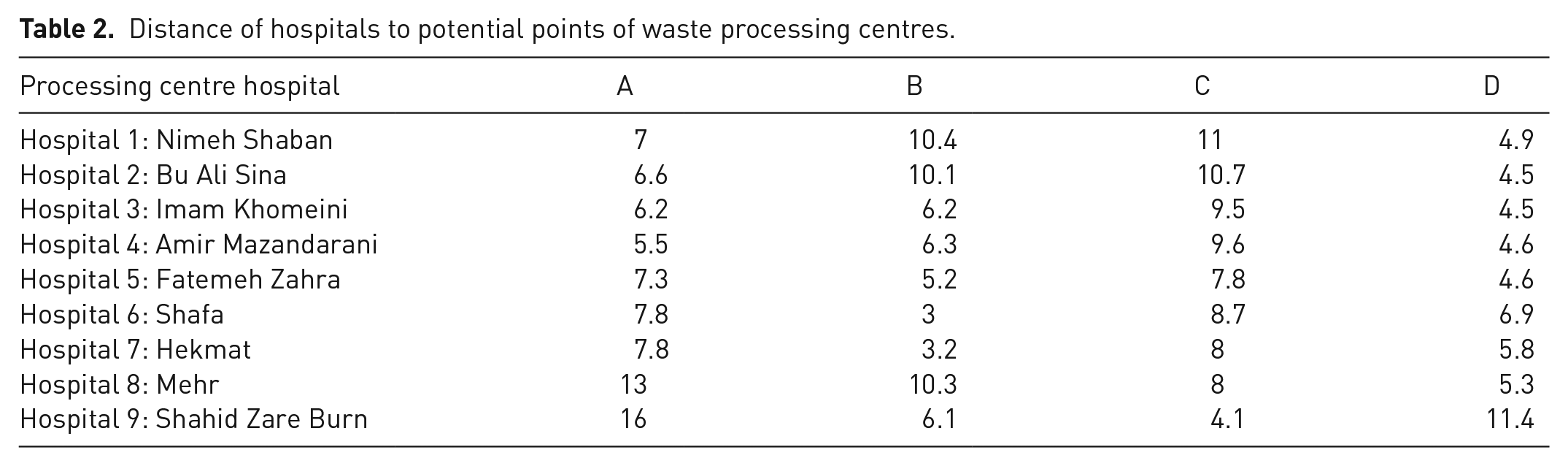
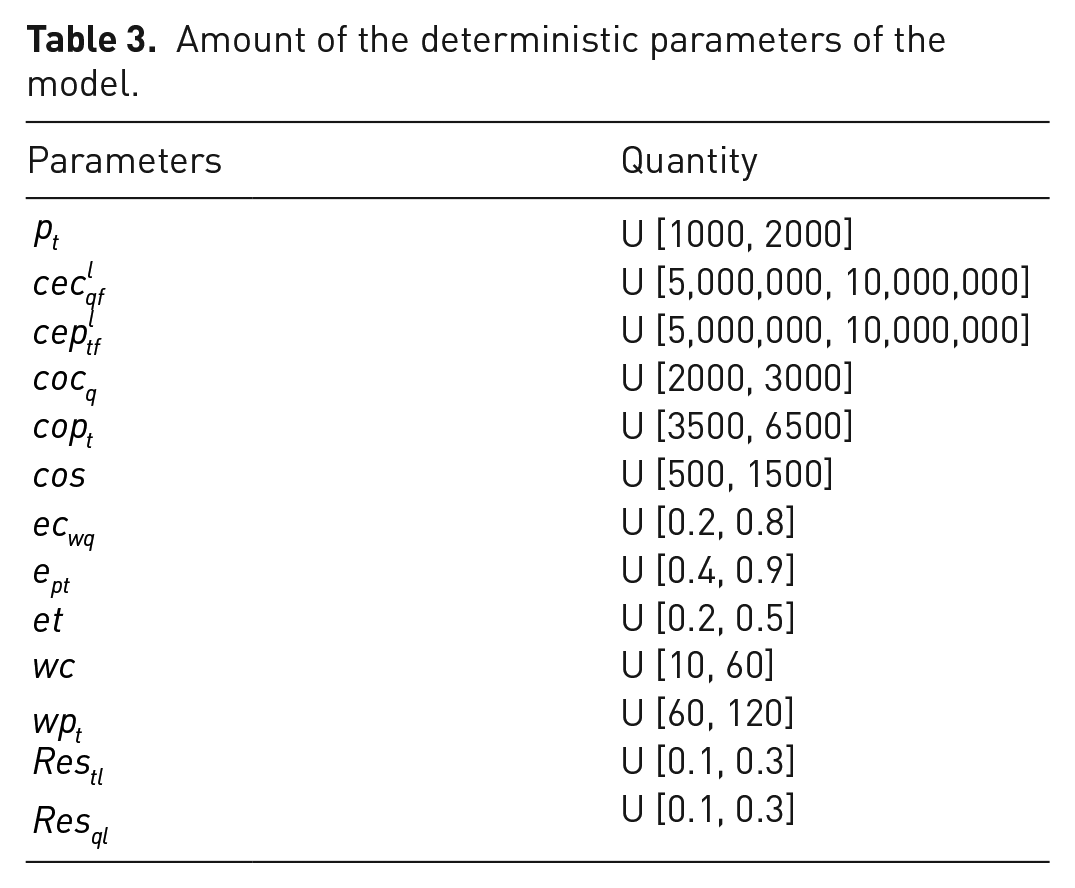
Table 3 shows how to generate the deterministic parameters of the mathematical model using uniform distributions.
Amount of the deterministic parameters of the model.
In Table 4, the values of the non-deterministic parameters are reported. These non-deterministic parameters of the problem are considered as fuzzy trapezoidal.
Fuzzy parameter values of the problem.

Computational results
In this section, the results obtained from solving the mathematical model are represented. For this purpose, the problem is solved in different dimensions and the values obtained for the objective functions and the Central Processing Unit (CPU) times are examined.
IGP versus Lp-metric
Here, in order to test the efficiency of the proposed IGP, a comparison is made between IGP and Lp-metric (as a rival) in terms of the values of objective functions and CPU time. Table 5 represents the output results for a small-sized example. In this table, POV, SOV, TOV and FOV represent the values of the first objective function, second objective function, third objective function, fourth objective function and computational time, respectively.
Comparing the performance of the proposed IGP versus Lp-metric.

As can be seen in Table 5, IGP outperforms the Lp-metric method in terms of POV, SOV, TOC and FOV. However, Lp-metric is superior in terms of CPU time that could be ignored by considering a CPU time limitation of 3600 seconds. Finally, IGP is considered as the best solution methodology to investigate the case study problem.
Case study investigation
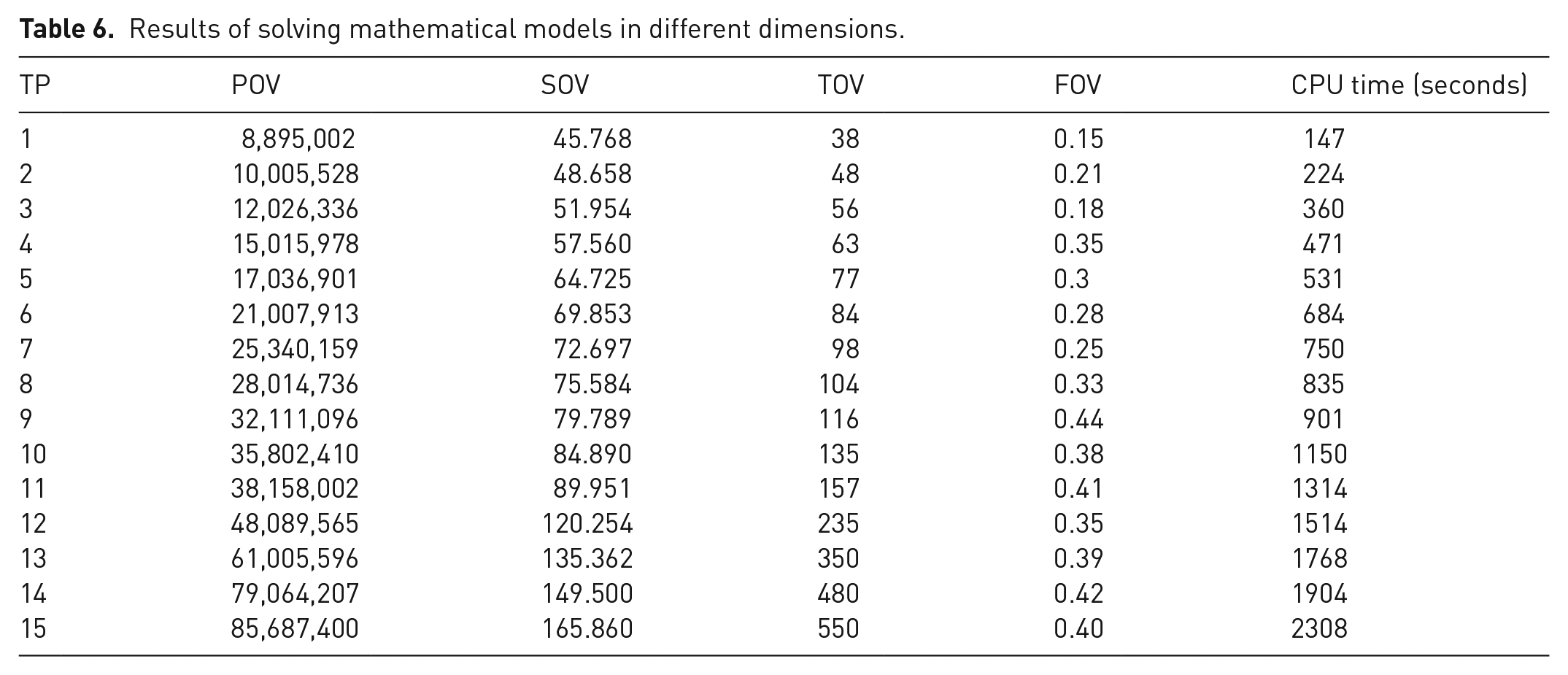
Table 5 shows the obtained results. The first column of this table shows the test problem number. As can be seen in Table 6, as the size of the problem increases, the solution time also increases. For a better understanding, Figure 4 illustrates the CPU time of different dimensions. Also, the trend of changes in the objective functions of the problem is shown in Figures 5–8.
Results of solving mathematical models in different dimensions.
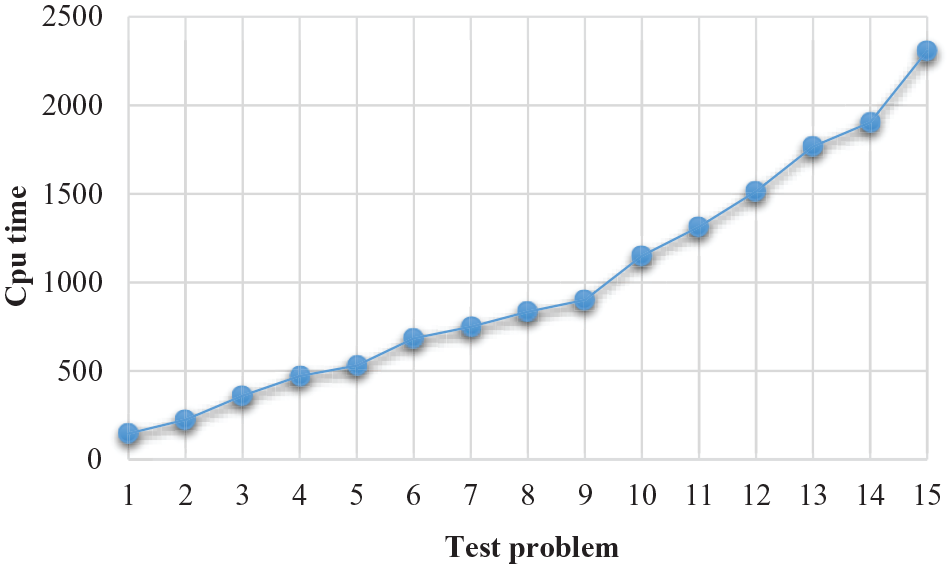
Changes in solution time over different test problems.
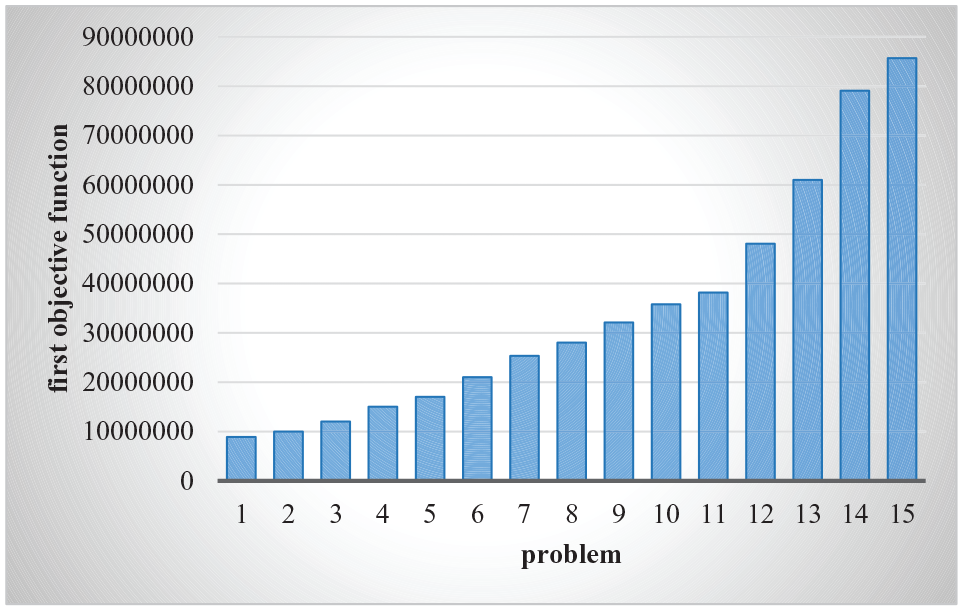
Changes the first objective function over different test problems.
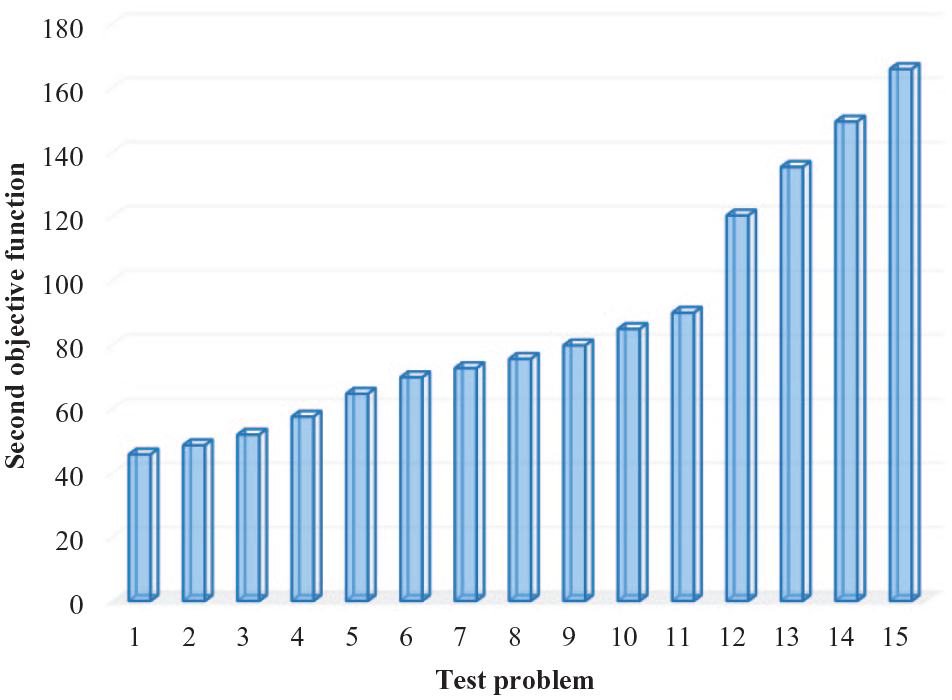
Changes the second objective function over different test problems.
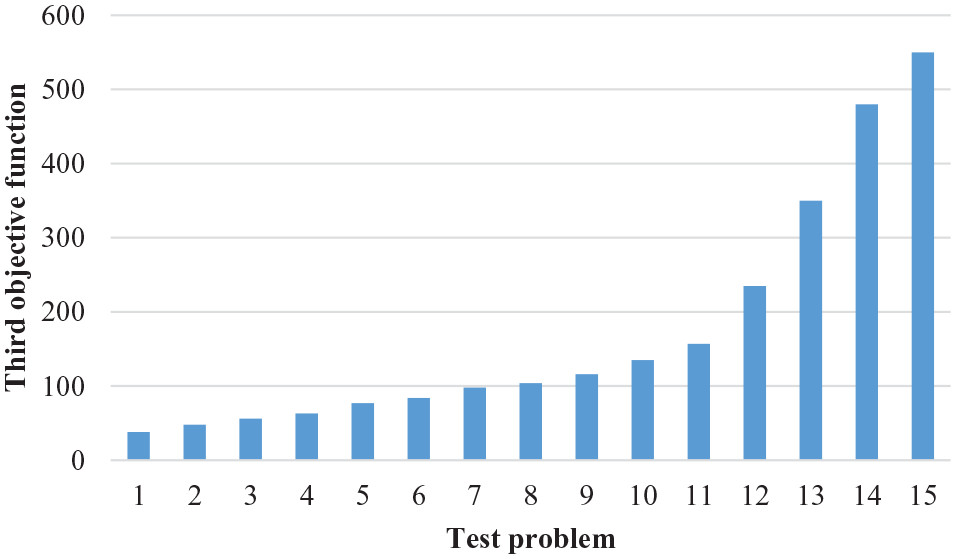
Changes the third objective function over different test problems.
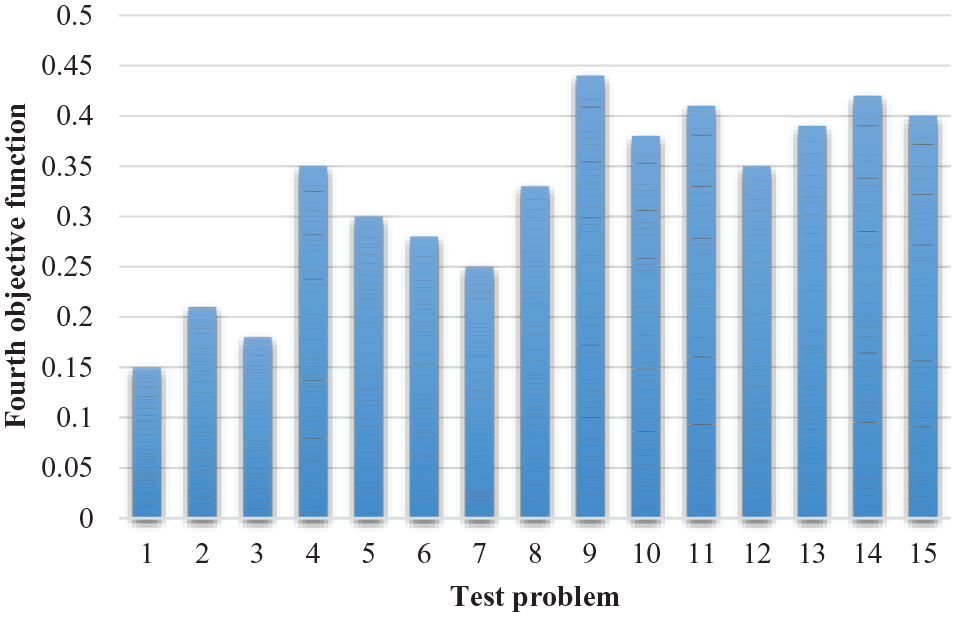
Changes the fourth objective function over different test problems.
Table 7 reports the optimal point for the construction of waste processing facility centres. The results suggest the construction of an incineration centre, two recycling centres, two compost production centres and two sanitary landfills. Figures 9–12 also show the optimal points and the optimal route for each facility.
Optimal point of facility construction.

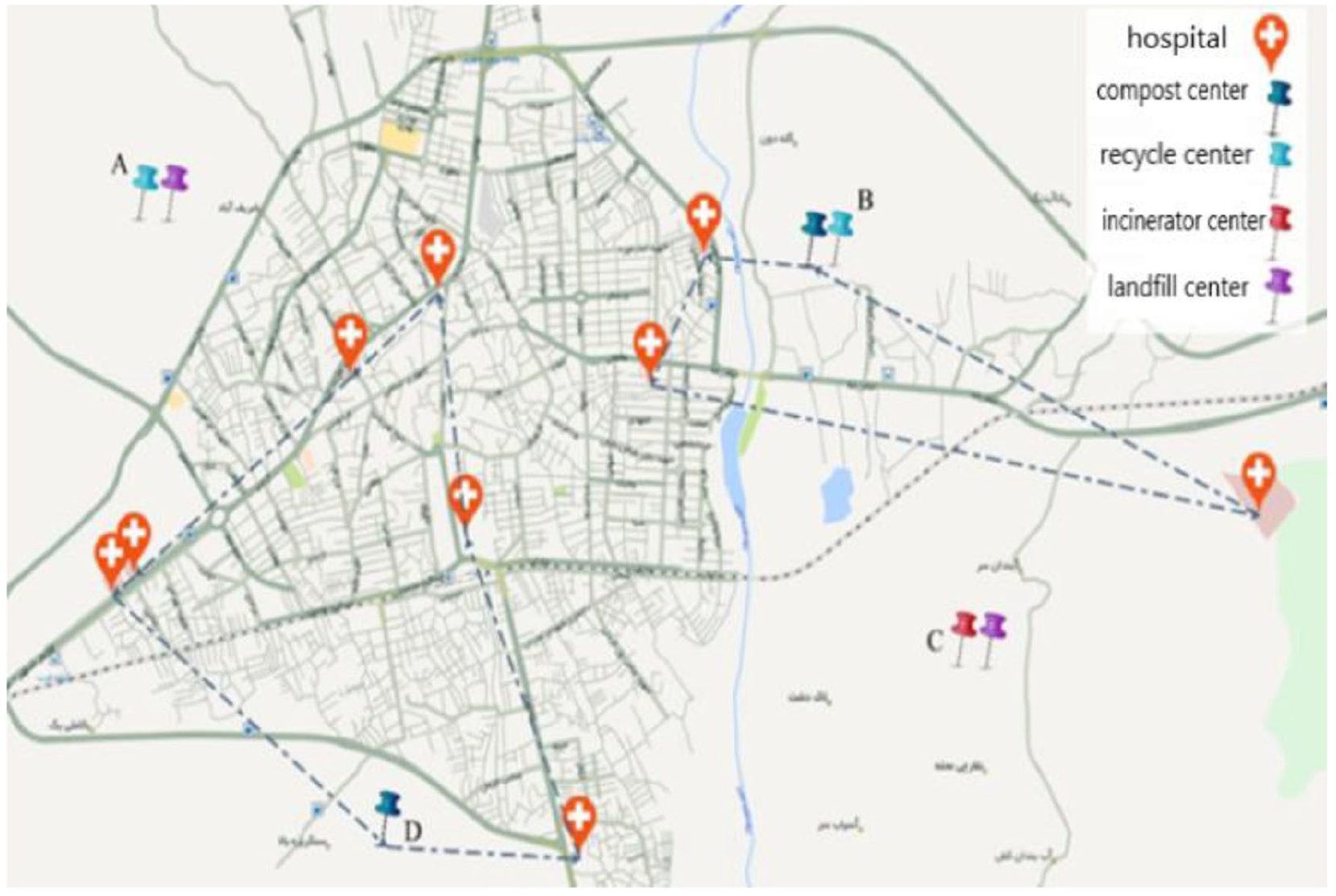
Optimal location and route for the compost centre.
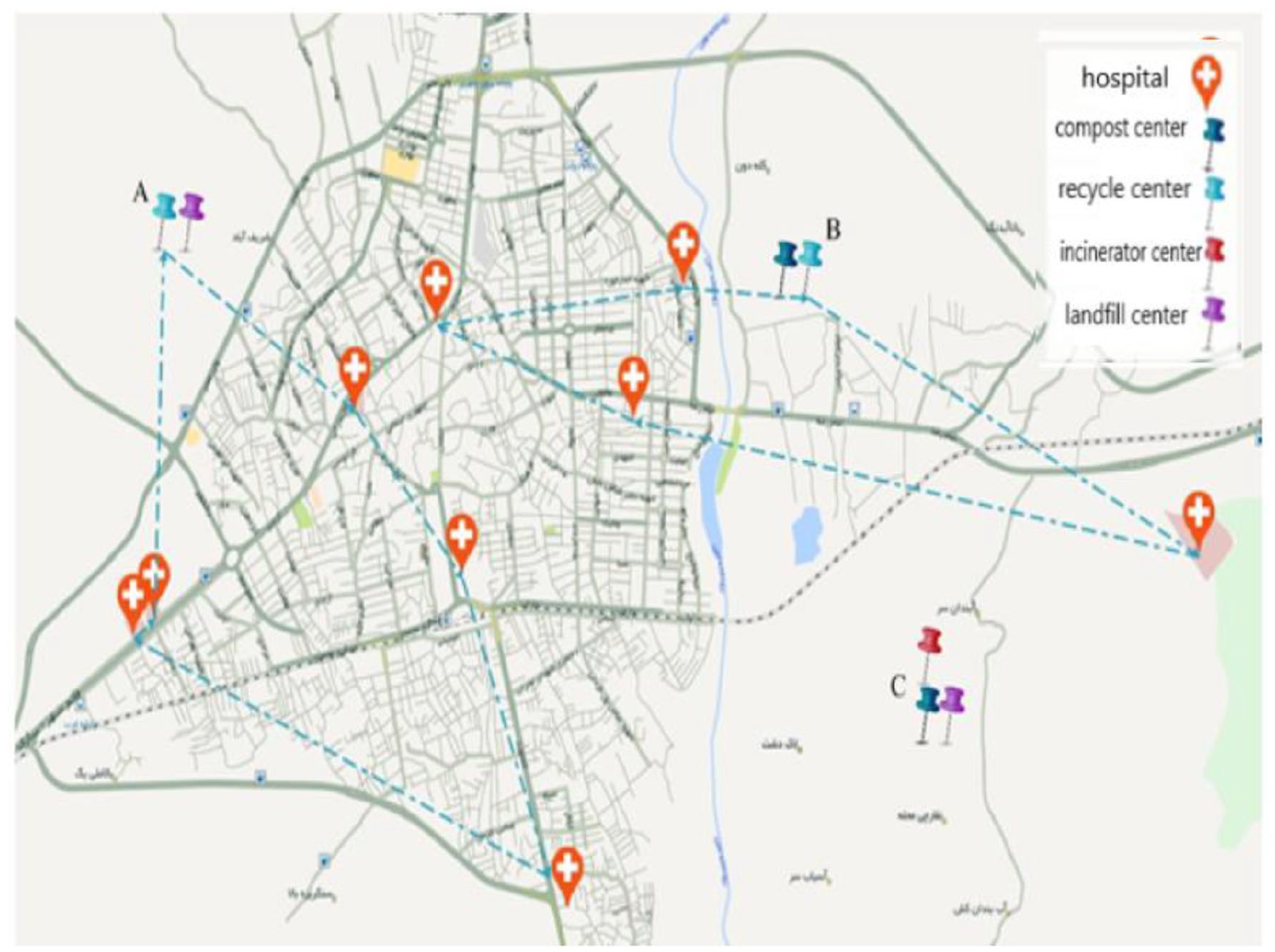
Optimal location and route for the recycling centre.
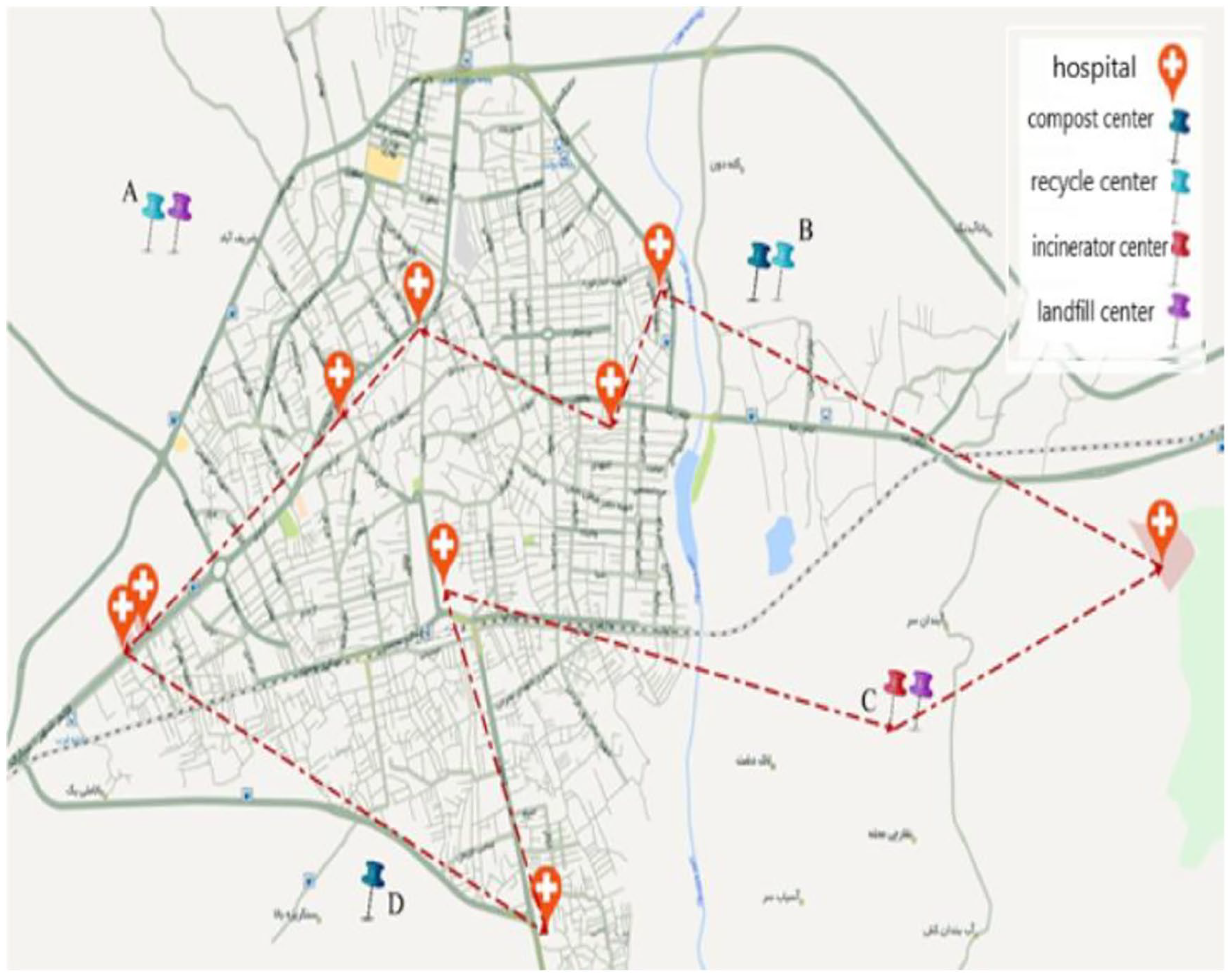
Optimal location and route for the incineration centre.
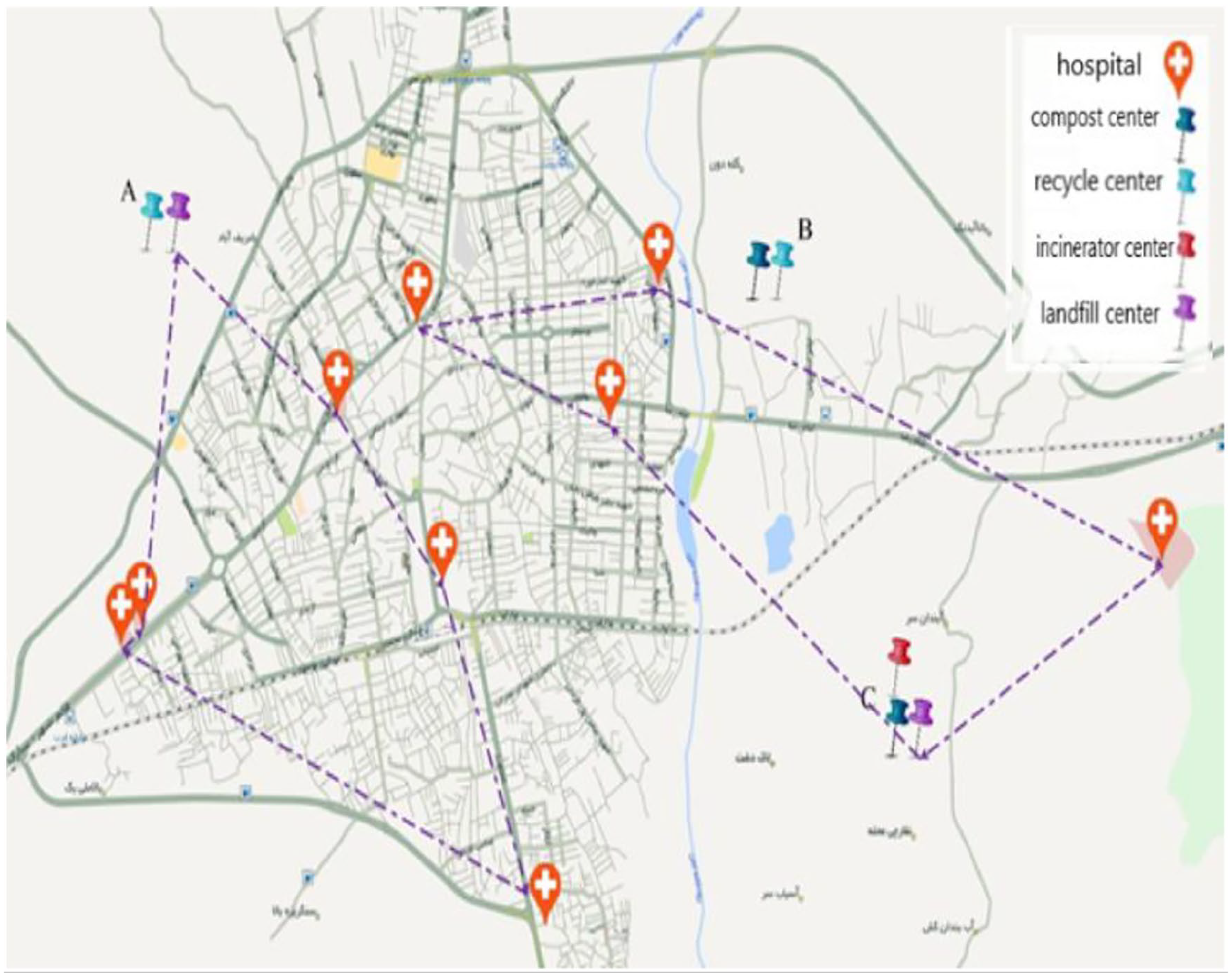
Optimal location and route for sanitary landfill.
Sensitivity analysis
In this section, the effects of parameters on the objective functions of the model are investigated. For this purpose, an experimental problem is designed, the problem is solved in different cases, and the results are investigated.
Sensitivity analysis for amount of waste collected
We examine the values of the first objective function in five different modes for the amount of waste collected (based case, −20%, −10%, +10% and +20%). The sensitivity analysis results are illustrated in Figure 13.
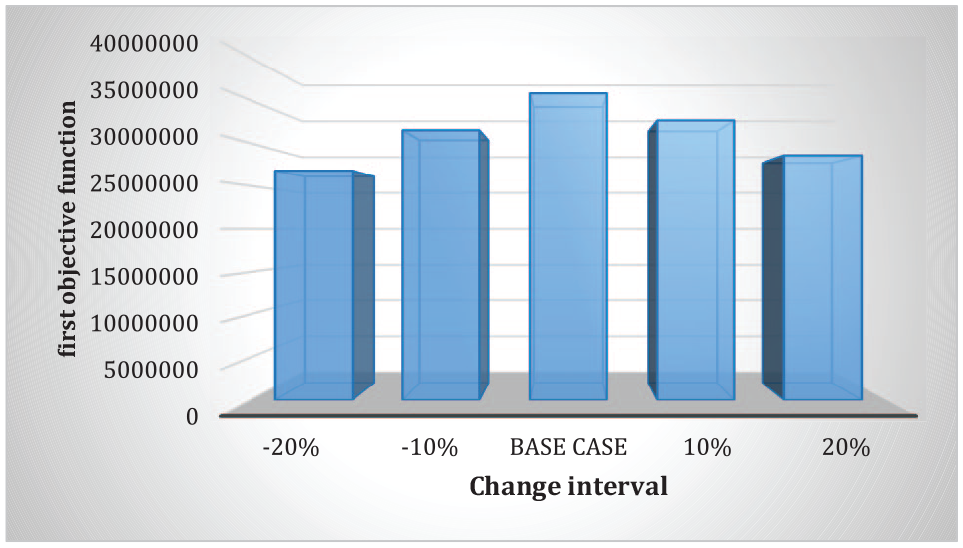
Sensitivity analysis of the first objective function.
By reducing the amount of primary waste by 20% compared to the base case, it leads to a 24% decrease in the first objective function of the problem, and also a 20% increase in the amount of primary waste compared to the base case leads to a 21% decrease in the amount of the first objective function.
Here, fluctuations in the second and third objective functions according to the change in the amount of waste collected are investigated. For this purpose, the problem is solved for different amounts of this parameter and the results are reported in Figure 14. According to this figure, as the amount of waste collected increases, the amount of the second objective function and the third objective functions increases simultaneously.
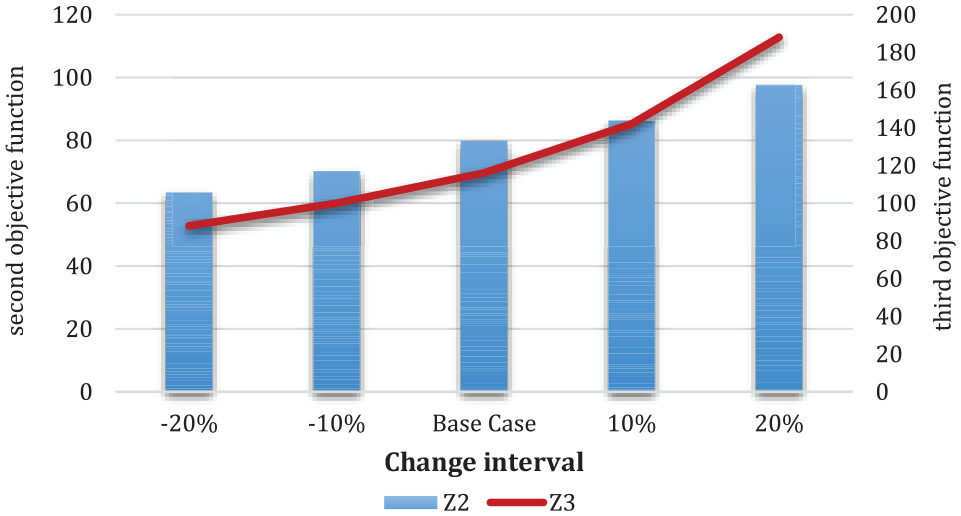
Sensitivity analysis of the second objective function.
In the following, the changes of the fourth objective function to the parameter of the amount of waste collected are measured.
Figure 15 shows the results of the analysis of the sensitivity of the fourth objective function to the collected waste parameter. As shown in Figure 15, a 10% increase or decrease ratio to the base case has no effect on the amount of the fourth objective function but a decrease of more than 10% leads to an increase, and an increase of more than 10% leads to a decrease of the fourth objective function.
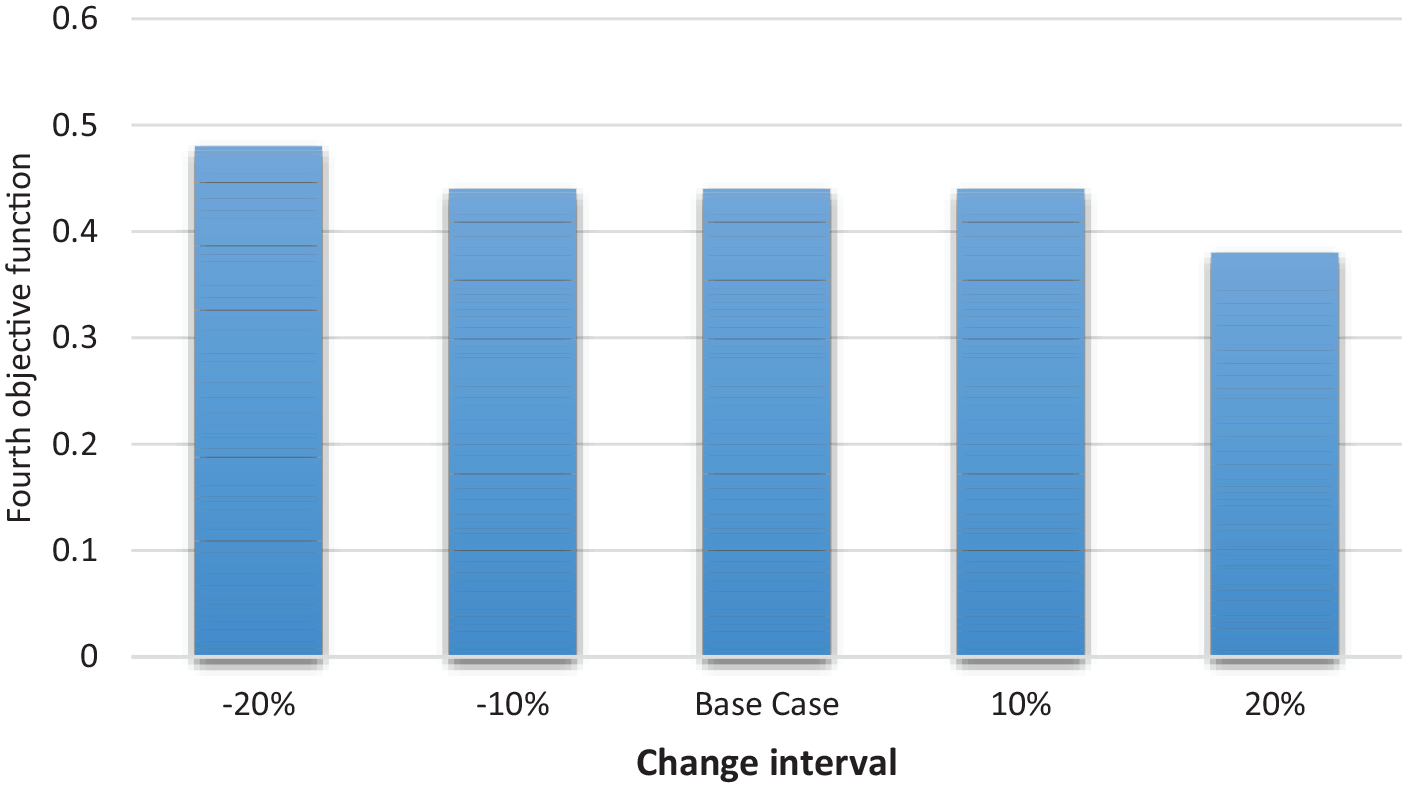
Sensitivity analysis of the third objective function.
Sensitivity analysis for facility capacity
This section examines changes in the first objective function according to changes in the facility capacity parameter. Figure 16 shows the sensitivity analysis of the first objective function ratio to the facility capacity. According to Figure 16, a 20% increase in the amount of capacity ratio to the base case leads to a 27% increase in the value of the first objective function. On the other hand, a 20% reduction in capacity ratio to the base case has led to a 30% reduction in the value of the first objective function.
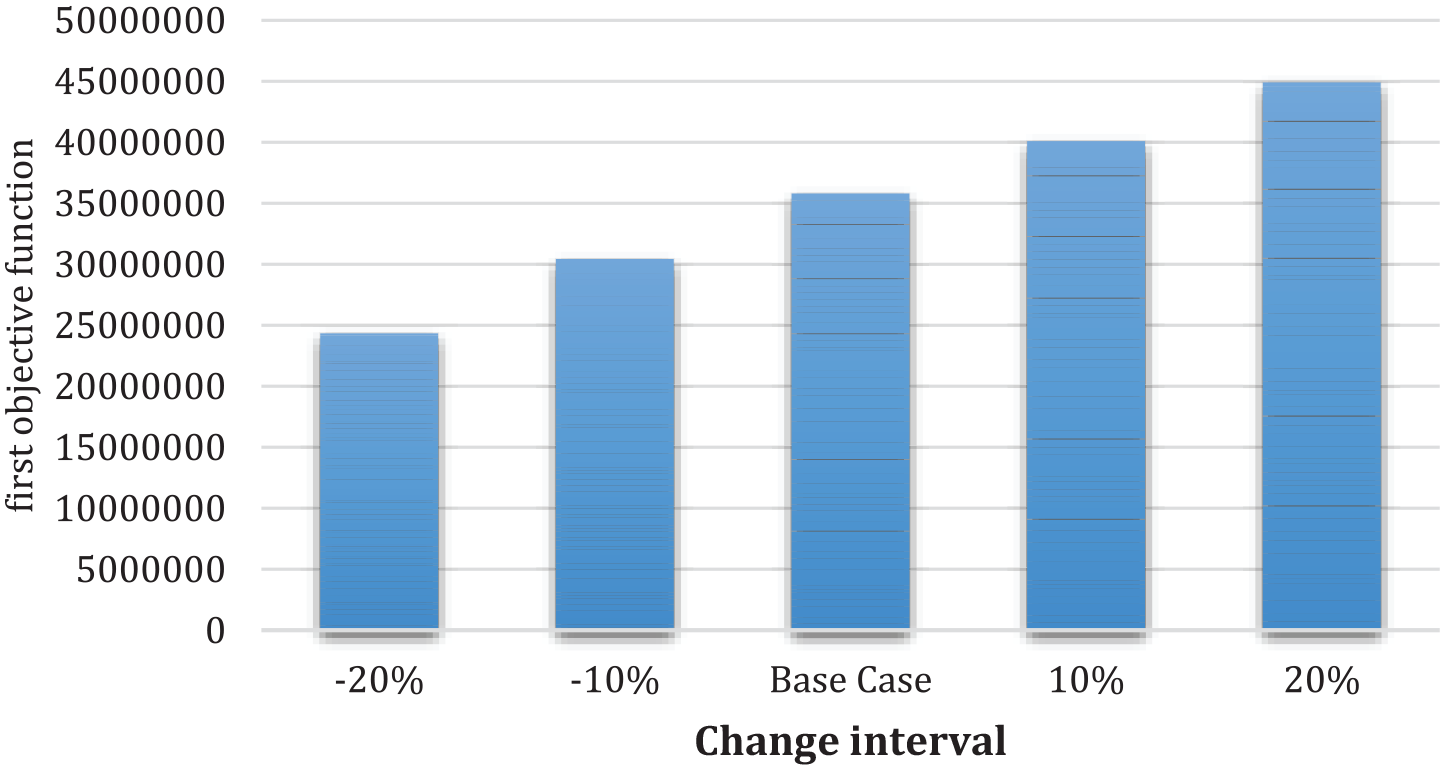
Sensitivity analysis of the first objective function.
In the following, the behaviour of the second and third objective functions concerning changes in the facility capacity parameter function is discussed. Figure 17 shows the sensitivity analysis of the second and third objective functions in ratio to the facility capacity.
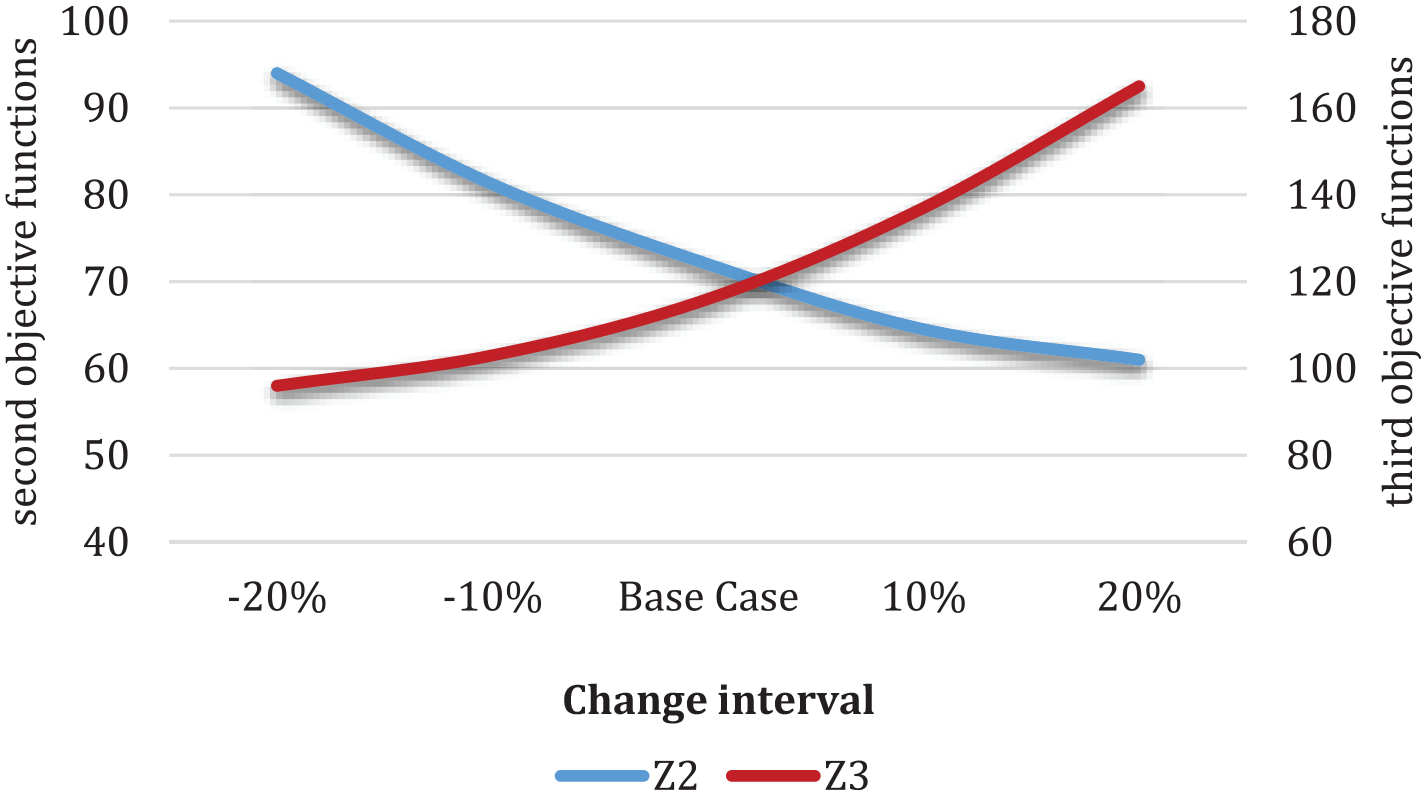
Sensitivity analysis of the second objective function.
According to Figure 17, the second and third objective functions have different behavioural facilities about the change in the amount of capacity, so that increasing the amount of capacity leads to decreasing the second objective function but increasing the third objective function.
In the following, the sensitivity analysis of the fourth objective function according to changes in the facility capacity parameter is discussed. The results are illustrated in Figure 18. As can be seen in this figure, increasing the capacity leads to increasing the fourth objective function.
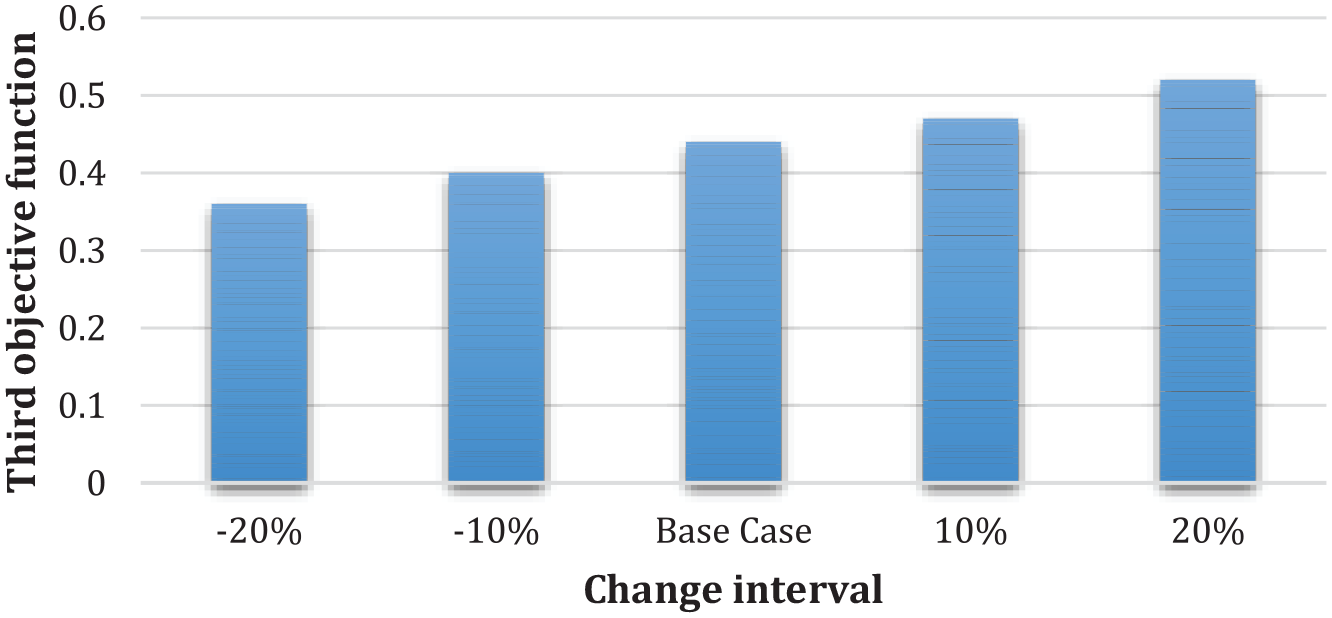
Sensitivity analysis of the third objective function.
Robustness optimality penalty cost
This section is dedicated to examining the effect of robustness optimality penalty cost on the solution of the problem. For this purpose, the problem is solved for different values for the penalty cost and the results are reported in Figure 19. As shown in Figure 19, increasing the penalty cost linearly leads to increasing the amount of the penalty and decreasing the amount of the first objective function.
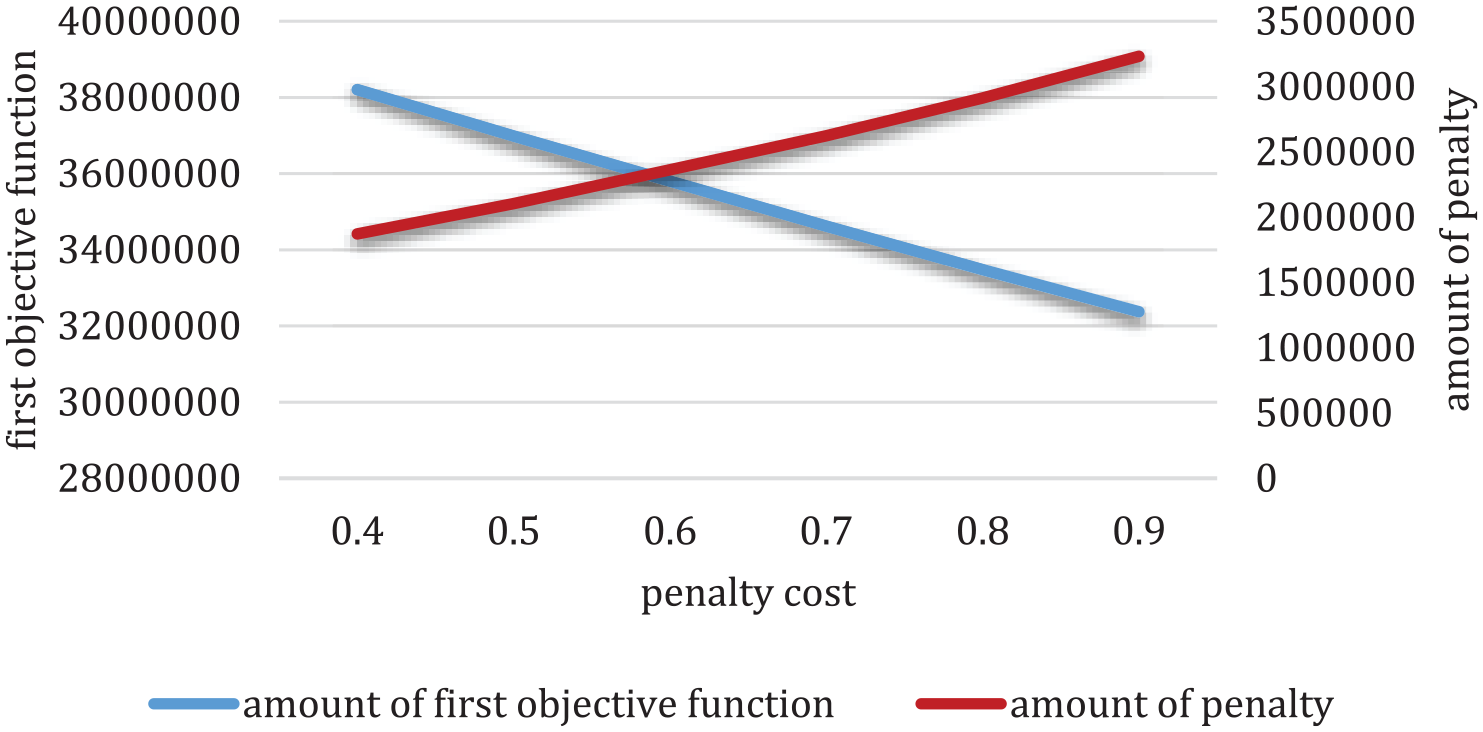
Sensitivity analysis of the robustness optimality penalty cost.
Robustness feasibility penalty cost
In this section, the sensitivity of the model in ratio to the robustness feasibility penalty cost parameter is investigated. The problem is solved under different values for the mentioned parameter, and the results are reported in Figure 20. As can be seen in this figure, increasing this penalty cost reduces the amount of the penalty and increases the amount of the first objective function.
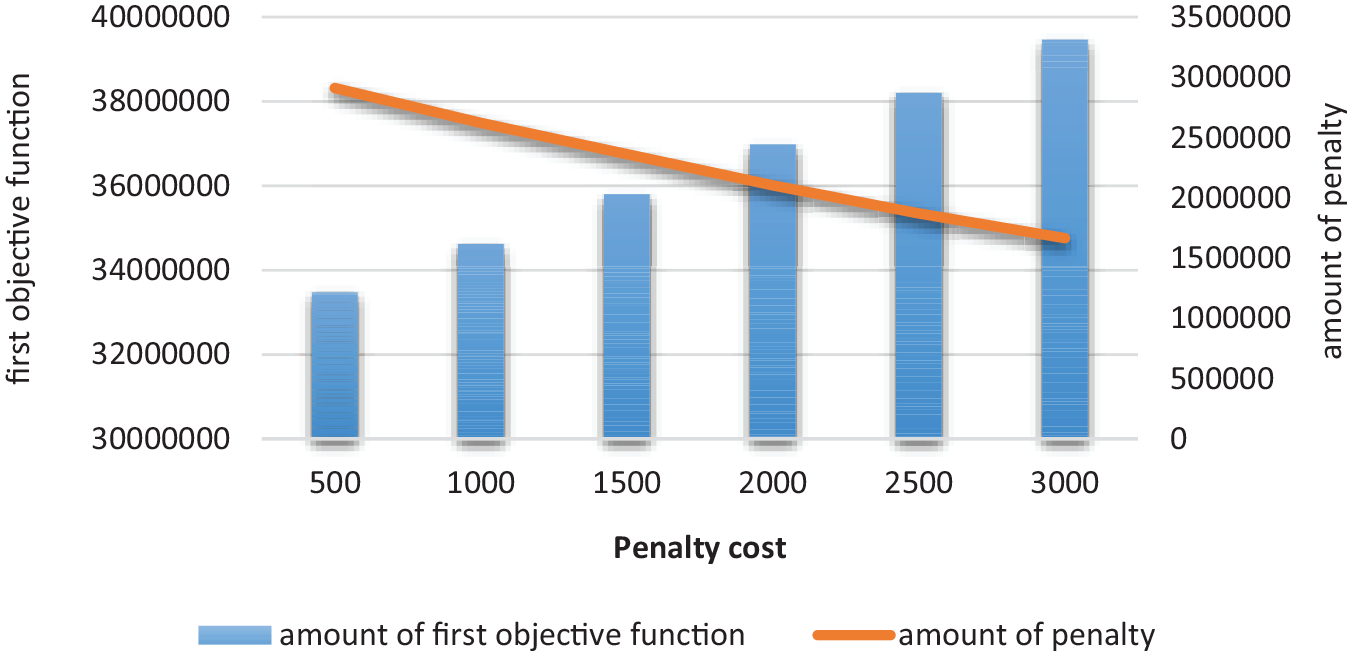
Sensitivity analysis of the robustness feasibility penalty cost.
Statistical comparison of robust fuzzy model with deterministic model
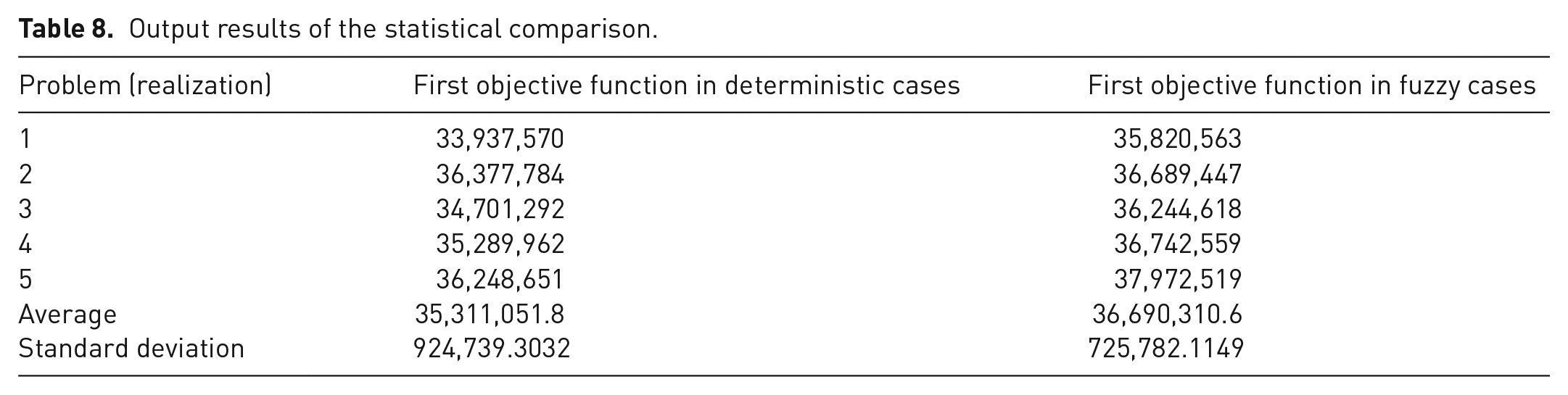
This section is dedicated to the statistical comparison of the results obtained from the robust fuzzy and deterministic models. To do so, a problem of constant size is solved five times with random data. This means that the data is generated five times randomly, and the problem is solved with the relevant data. Then the mean and standard deviation for these five problems are calculated and compared for non-deterministic and deterministic cases. The results are shown in Table 8. According to Table 8, the robust fuzzy model has a higher average than the deterministic model and also has a lower standard deviation, which indicates the proper efficiency and performance of the proposed robust fuzzy model.
Output results of the statistical comparison.
Conclusion and outlook
One of the most important fields in which the issue of sustainable development is reflected is the design of logistics networks. Waste management is regarded as one of the most critical applications of such logistics networks, which has been highly regarded by researchers in recent years. It can be stated that almost all organizations that perform production or service activities also generate waste during their daily activities, and improper management of this waste can lead to a lot of financial and environmental damage. In this regard, hospitals are one of the most important service sectors, and hospital waste, in addition to financial and environmental issues, may also cause harm to public health. Therefore, due to the importance and high sensitivity of the issue, this research examined the HWM network design. Accordingly, the factors of sustainable development and resiliency were considered simultaneously in the problem. We developed a novel multi-objective MILP model such that the first objective function maximized the total profit of the network, the second objective function minimized the environmental effects, the third objective function maximized the social impacts and the fourth objective function maximized the resiliency in the network. Due to the fact that the uncertainty can directly affect the outputs of the model implementation, in this research, the problem was studied under uncertainty, and in order to deal with uncertainty, a fuzzy robust programming approach was employed. Furthermore, to solve the multi-objective mathematical model, the IGP and Lp-metric approaches were applied. Based on the evaluation result, IGP could provide more efficient solutions and was regarded as the best tool to investigate a real case study in Sari, Iran. Finally, a set of sensitivity analyses were performed to study the behaviour of the objective functions against the changes of parameters.
As future research directions, other solution techniques such as weighted sum method, Lexicographic or Pareto-based methods (e.g. epsilon-constraint method) can be implemented and compared to the current solution methods. Metaheuristic algorithms (Alinaghian et al., 2021) can be employed to efficiently tackle the problem in large scales. Other uncertainty modelling techniques such as stochastic programming (Alshraideh and Qdais, 2017) and artificial intelligence techniques (Xu et al., 2020), can be employed to make the methodology more applicable. Moreover, other objective functions, such as reliability maximization (Tirkolaee et al., 2020a), can be considered along with other ones.
Footnotes
Declaration of conflicting interests
The authors declared no potential conflicts of interest with respect to the research, authorship, and/or publication of this article.
Funding
The authors received no financial support for the research, authorship, and/or publication of this article.
