







Abstract
Cognitive load is fundamental to learning success, but most mobile learning studies address it only at a surface level. This approach limits understanding of how instructional designs manage complexity, reduce mental burdens, and create space for deeper processing. This paper addresses this gap by reviewing 53 studies published between 2016 and 2025. Results include the identification of prevalent strategies such as autonomy, scaffolding, and practical scenarios. These practices’ associations with intrinsic and extraneous load were examined using epistemic network analysis, while germane-aligned strategies were thematically analyzed for cognitive purposes and challenges. Findings revealed that intrinsic load is primarily addressed through the structuring and sequencing of task complexity, while extraneous load emerges from how multiple instructional features are integrated within learning designs. Although germane load was excluded from most measurements, the reviewed studies consistently embedded designs aimed at promoting deeper learning. This reflects germane processing as a guiding principle for instructional design rather than a directly measured outcome. Learning achievement in mobile learning should be interpreted in relation to instructional coherence that supports germane processing and manages cognitive burdens rather than technology use alone. Alignment across technology, pedagogy, and learner agency emerges as a key design consideration that requires early decisions.
Keywords
Introduction
The integration of mobile-assisted technology into education has increasingly attracted attention. This trend can be attributed to the affordances of mobile learning, including multimedia support, learner interaction, and learner autonomy, as well as its capacity to enrich learning experiences through higher engagement, motivation, and enjoyment (Fang, 2025; Garzón et al., 2025). Since mobile learning represents a well-established and growing focus in educational research (Garzón et al., 2025; Qiang et al., 2025), unresolved questions in this area are likely to be consequential for both research and practice.
Early research showed that learners’ working memory is limited, which underscores the importance of instructional design for learning elements and instructional delivery (Paas & van Merriënboer, 1994; Sweller, 2005). This concern is particularly significant in mobile learning environments, where multiple information sources and dynamic, self-paced learning conditions would easily overwhelm learners. Consequently, cognitive load has emerged as a key determinant of successful learning. However, the management of cognitive load constructs and the mechanisms through which they influence cognitive processing for learning achievement remain under-researched.
Cognitive Load Theory distinguishes among intrinsic, extraneous, and germane load – the three constituents widely recognized in the literature for interpreting the overall cognitive load experienced by learners during the learning process. These load types function differently and have distinct implications for instructional design: intrinsic and extraneous load primarily constrain learning, whereas germane load is linked to productive cognitive engagement for schema construction and deeper learning. Indeed, instruction is most effective when extraneous load, which arises from poor instructional design, is reduced, and germane load is maximized (Paas & van Merriënboer, 2020; Sweller, 2005).
In mobile learning environments, the management of cognitive load becomes particularly critical. Features such as multimedia integration and high levels of interactivity can increase cognitive demands by introducing additional extraneous load while simultaneously activating germane processing (Skulmowski & Xu, 2021), thereby complicating the relationships among different components of cognitive load. This challenge is further amplified by the need for learners to manage physical and digital information sources. Without careful design, cognitive demands may lead to elevated extraneous load and learner distraction, negatively impacting learning outcomes (Hsu & Lee, 2026; Parong & Mayer, 2021). Conversely, effective instructional design frees cognitive resources that can be allocated for germane processing, which in turn supports schema construction and deep learning (Sweller et al., 1998; van Merriënboer & Ayres, 2005).
Despite the widespread application of Cognitive Load Theory, mobile learning studies have often treated cognitive load as an outcome measure without systematically analyzing how instructional design choices relate to intrinsic and extraneous load, or how design features are intentionally structured to promote germane processing goals that underpin deeper learning. While intrinsic and extraneous load have been extensively examined, they are often reported as cognitive load outcomes rather than being analyzed in relation to specific instructional design decisions. More problematic is the limited extent to which germane processing has been empirically examined or theorized in mobile learning contexts, despite its central role in promoting meaningful cognitive processing. This gap is notable given that mobile learning affordances, such as learner autonomy, personalized learning, and interactive engagement (Garzón et al., 2025), are theoretically supportive of germane cognitive processing (Skulmowski & Xu, 2021). This raises important questions regarding how instructional design in mobile environments influences different types of cognitive load, and how design features are intended to support germane processing. At the same time, mobile learning has often been linked with effective load management, with many studies reporting equal or reduced cognitive load compared to traditional settings across educational contexts (Koong et al., 2025; Wei et al., 2025). In some cases, increased cognitive demands are observed when designs involve complex technologies, including multimedia systems or context-aware platforms (He & Wu, 2023; Kuhn et al., 2016). Notably, mobile technologies are employed in varying ways within instructional designs across these interventions to serve different functions in learning activities. However, even when such outcomes are reported as being effective for learning achievement, the underlying instructional mechanisms remain largely unexplained. Prior research has tended to report cognitive load outcomes without examining how specific mobile practices, design features, or technological roles contribute to intrinsic and extraneous load. Without a clear understanding of instructional designs and the roles that mobile technologies play in learning activities, it remains difficult to inform mobile learning design or to explain and replicate successful interventions, particularly in relation to these cognitive load components.
To fill the gaps in mobile learning designs grounded in Cognitive Load Theory, this paper focuses on instructional design and its associations with intrinsic and extraneous load as non-productive cognitive load components, while paying particular attention to the cognitive purposes reflected in mobile learning designs and the challenges encountered in supporting germane processing. Addressing this limitation is essential for research replicability in mobile contexts and the intentional design of mobile learning environments that support deeper learning.
Literature Review
Cognitive Load Constructs and Instructional Design for Deeper Learning
Cognitive Load Theory (CLT) (van Merriënboer & Sweller, 2005) centers on the limits of working memory when processing novel information and the role of instructional design in learning effectiveness. Cognitive load is typically measured through subjective ratings across three identified constructs (Sweller et al., 1998; van Merriënboer & Sweller, 2005):
Intrinsic load (IL) concerns the volume and inherent complexity of learning materials. The more elements of interactivity that are present, the higher the IL is. Extraneous load (EL) is imposed by instructional design. It can be modified to either increase or decrease task difficulty depending on delivery strategies. Germane load (GL) is dedicated to processing, understanding, and integrating new knowledge into existing schemas. Unlike the first two, GL positively correlates with learning because it reflects cognitive resources allocated for schema acquisition (de Jong, 2010). These load types together constitute the total mental strain. Managing them is especially important in mobile learning, where hindered processing impacts instructional efficiency and learning experience (Krull & Duart, 2017). While IL depends on content complexity, instruction becomes more effective when EL is minimized and GL is maximized (Sweller, 2005).
There are arguments about the distinction between IL and GL (Kalyuga, 2011; Sweller, 2010), which suggests that since GL relates to schema construction, it refers to the cognitive resources allocated to managing IL. Consequently, multiple studies have only used IL and EL to measure cognitive load. Among the measurement tools commonly used, one common scale (Hwang et al., 2013; Paas, 1992; Sweller et al., 1998) distinguishes between mental load and mental effort, two constructs corresponding to IL and EL. Despite support for approaches measuring only IL and EL, the distinct role of GL remains advocated by researchers including Klepsch and Seufert (2020), who found that deeper learning processes are reflected in GL measures.
CLT posits that an instructional design does not activate germane processing directly but influences how unused cognitive resources are allocated during learning activities. While a common interpretation in CLT research assumes that reducing EL automatically frees resources for deeper learning, foundational CLT accounts emphasize that such capacity release is a necessary but insufficient condition: whether available resources are directed to schema construction depends on learners’ cognitive engagement and task demands. As illustrated in CLT-based work on modality use in immersive environments (e.g., Albus & Seufert, 2023), GL only emerges when learners actively engage in integrative and self-regulatory processes. In this sense, mobile learning affordances should be understood as conditions that may prompt germane processing when they elicit active schema construction rather than as a mechanism that directly generates productive cognitive load.
In mobile learning contexts, affordances, including but not limited to learner-controlled pacing and choice, embedded self-regulatory prompts or feedback, and context-aware or location-sensitive functionalities, influence germane processing not by increasing task complexity, but by guiding how resources of the working memory are allocated toward learning-relevant processing rather than toward extraneous demands. The process relevant to learning can be giving attention, self-regulating effort, and integrating information. Such germane processing involves learners’ active regulation of attention and effort as well as the integration of information necessary for schema construction.
Given the emphasis on personalized learning in mobile environments, instructional design is therefore critical in creating conditions for germane processing. Well-designed strategies may support schema construction by fostering cognitive engagement and facilitating the integration of new knowledge. However, whether and how mobile learning designs effectively prompt germane processing, and what challenges constrain this process, are not consistently specified in the literature.
Mobile Technology Roles in Germane Processing
Mobile technologies generally play two roles in germane processing with distinct implications for promoting deeper processing. The primary and supporting roles are explained as follows.
Primary role: Technologies function as main learning tools for knowledge construction. For instance, Chin et al. (2019) used a mobile augmented reality (AR) system for exploring historical architecture, supporting GL through self-paced exploration and multimodal comparison of real and virtual objects. Turan et al. (2018) applied AR in geography lessons by transforming abstract concepts into concrete visuals via 2D/3D models, enhancing conceptual understanding, motivation, and attention. Lin and Yu (2017) engaged learners of vocabulary in multimedia input modes, supporting GL by reducing extraneous demands from missing auditory cues.
Supporting role: Technologies complement teaching strategies. Zhang et al. (2025) used AR in the interaction phase of learning for meaningful engagement to enhance reflective thinking. Becker et al.’s (2020) inquiry learning was leveraged using videos and motion experiments to combine multiple representations. Mobile technologies importantly complemented a range of other instructional designs, including self-regulated learning (SRL) strategies and gamified learning. Mobile tools supported SRL (Wang et al., 2025; Yang et al., 2024) through feedback, reflection prompts, and goal setting, all essential scaffolds for attention and germane processing. They also enabled gamified learning (Lee & Lai, 2024; Wang, Hsu, et al., 2025) with adaptive feedback, narrative challenges, and collaborative tasks, which supported GL by enhancing motivation, engagement, and structured meaning-making.
Recent studies have increasingly used mobile technologies to strengthen rather than replace pedagogical strategies. Although not all measured cognitive load or explicitly included GL, many incorporated design features for germane processing. This suggests that mobile learning effectiveness depends not only on managing IL and EL but also on how well designs promote deeper engagement. While studies still employ technologies as a primary role, this shift toward complementary use has not been systematically examined. Both roles therefore need closer analysis in relation to IL, EL, and GL.
From Burdened to Productive Cognitive Processing
Technical aspects such as device design, software, and usability can heighten cognitive demands since learners must process information from both physical and digital contexts.
In the earlier years of mobile-assisted learning, research often reported overload due to poor instructional alignment and unfamiliar interfaces. Chu (2014) found students overloaded when managing tasks across real and digital contexts under time pressure. Chang et al. (2017) reported higher mental effort from multimodal switching in a pervasive game, although overall load remained similar to the control group. Kuhn et al. (2016) reported cognitive burdens when students unfamiliar with Google Glass had to operate the device. Mobile technology limitations also appeared in reading tasks, with small screens increasing cognitive load, primarily for text tracking and coherence building (Yang & Hu, 2022).
Recent studies have shown how improved technology combined with instructional design addresses these constraints. Liu et al. (2023) found that a spherical video-based virtual reality (SVVR) approach via head-mounted displays produced equivalent cognitive demands as conventional SVVR for reading comprehension. Alazmi and Alemtairy (2024) reported lower load in immersive virtual reality (IVR) used for social studies. Indeed, building on emerging technologies, instructional innovation further proves contribution to cognitive load management. Wei et al. (2025) used an AI-powered agent to scaffold SRL and reduce mental processing, while Koong et al. (2025) conducted a dynamic assessment system maintaining balanced cognitive load in rhythm learning.
Overall cognitive load is increasingly reported as well-managed, but few studies have analyzed which instructional practices co-occur with high or low IL and EL. There is a need to go beyond overall scores to map instructional strategies associated with different load types. Additionally, two intersecting trends have emerged: mobile technologies are used more to support teaching strategies, and studies consistently report balanced or lower load. However, it remains unclear whether such studies consistently report stronger learning outcomes, which suggests the importance of GL-aligned features.
Research Gaps
Mobile technologies are increasingly used to complement rather than replace teaching strategies, but how often studies exclude GL from measurements remains undocumented. Defining this context will provide a foundation for deeper analysis. Specifically, it is unclear which instructional design practices are most common in mobile learning, or how they contribute to IL and EL. Among the studies that intentionally target germane processing associated with GL, little is known about the cognitive purposes emphasized or the implementation challenges encountered. Moreover, while positive results are often reported, the overall effect of complementary, GL-aligned designs on learning achievement requires systematic confirmation.
Past reviews have largely overlooked the instructional role of mobile technologies in managing cognitive load. Hwang and Wu (2014) provided a broad overview of mobile technologies and performance but did not examine cognitive load. Chandran et al. (2022) confirmed that mobile applications improved achievement in medical education but did not analyze cognitive load or instructional design. Similarly, Pedraja-Rejas et al. (2024) reviewed digital tools and their effects on learning outcomes, but without considering mental demands. Some reviews (Buchner et al., 2022; Lyu & Deng, 2024) have found that reduced cognitive load generally aligns with higher achievement, but they did not assess whether positive gains were due to technologies functioning in a supporting role that facilitated germane processing. Another limitation evident in previous reviews is the scope restriction of technologies. For example, Poupard et al. (2024) focused only on immersive technologies.
Research Questions
Building on descriptive documentation of how frequently GL measurement was excluded, the study addressed three questions:
What practices are most frequently adopted in mobile learning, and how do they co-occur with different levels of IL and EL?
What cognitive purposes attract design emphasis when GL-aligned features are incorporated, and what challenges or limitations are associated with implementation?
What roles do mobile technologies play in mobile learning designs, and to what extent do studies adopting them in a complementary role with GL-aligned features report positive academic achievement?
Methodology
An approach of mixed analyses was employed to address the three research questions. After systematic screening and quality appraisal, the included studies were analyzed through (1) Epistemic Network Analysis to examine associations between instructional practices and intrinsic and extraneous load (RQ1), (2) qualitative interpretation of design features aligned with cognitive purposes (RQ2), and (3) classification of mobile technology roles and their reported learning outcomes (RQ3). Each procedure was selected based on the nature of the research question and the data type reported in the included studies.
Data Source and Search Strategy
The Three Search Strings
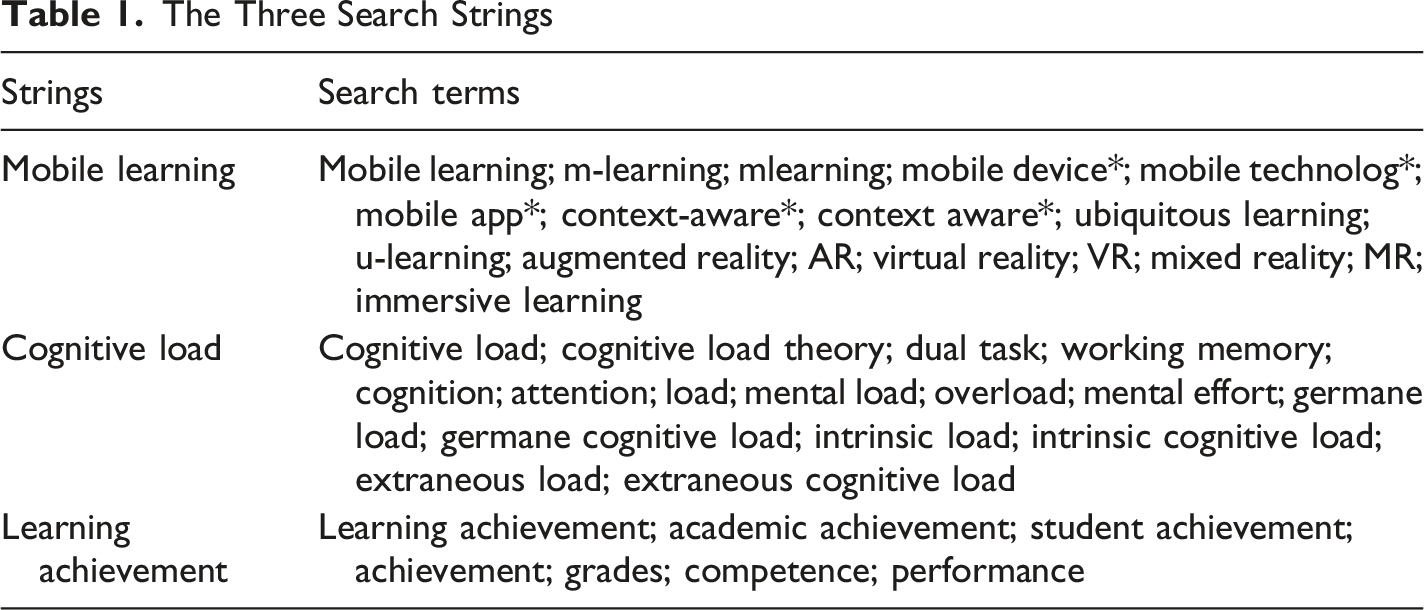
The three strings were combined with the Boolean operator AND, which yielded 6,427 records (June 30, 2025) from the WoS database. Filters applied were: (1) years 2016-2025; (2) articles only; and (3) English language.
Data Screening
Inclusion and Exclusion Criteria
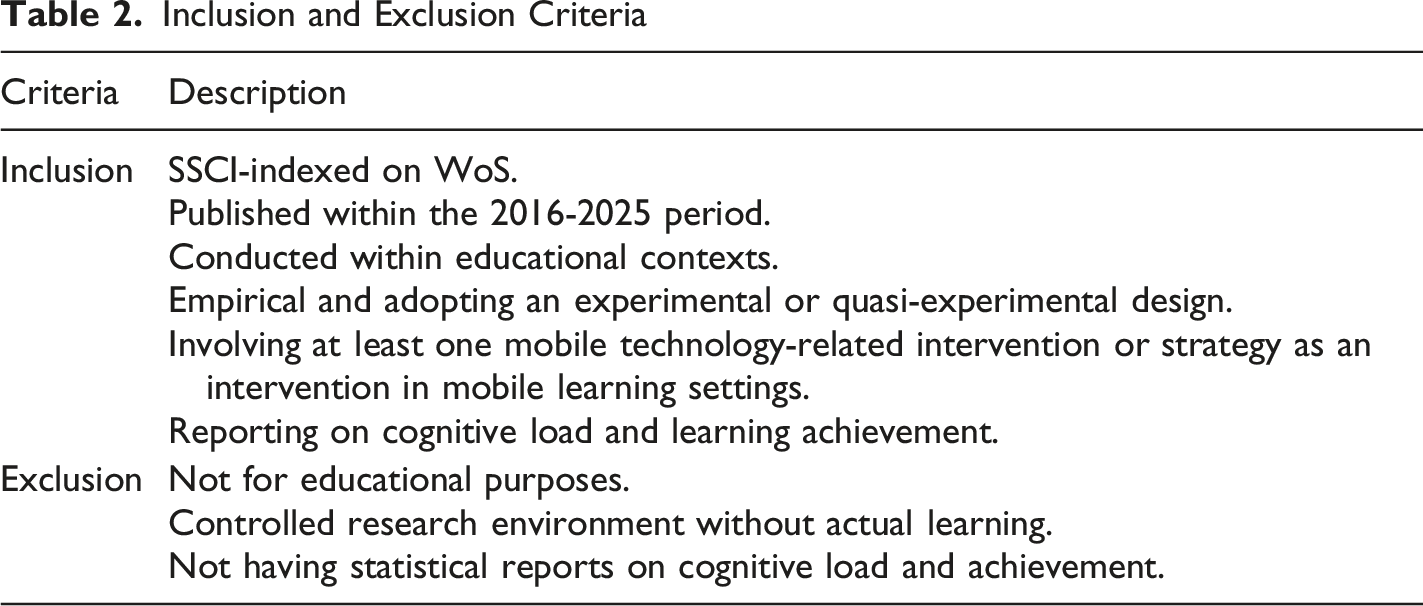
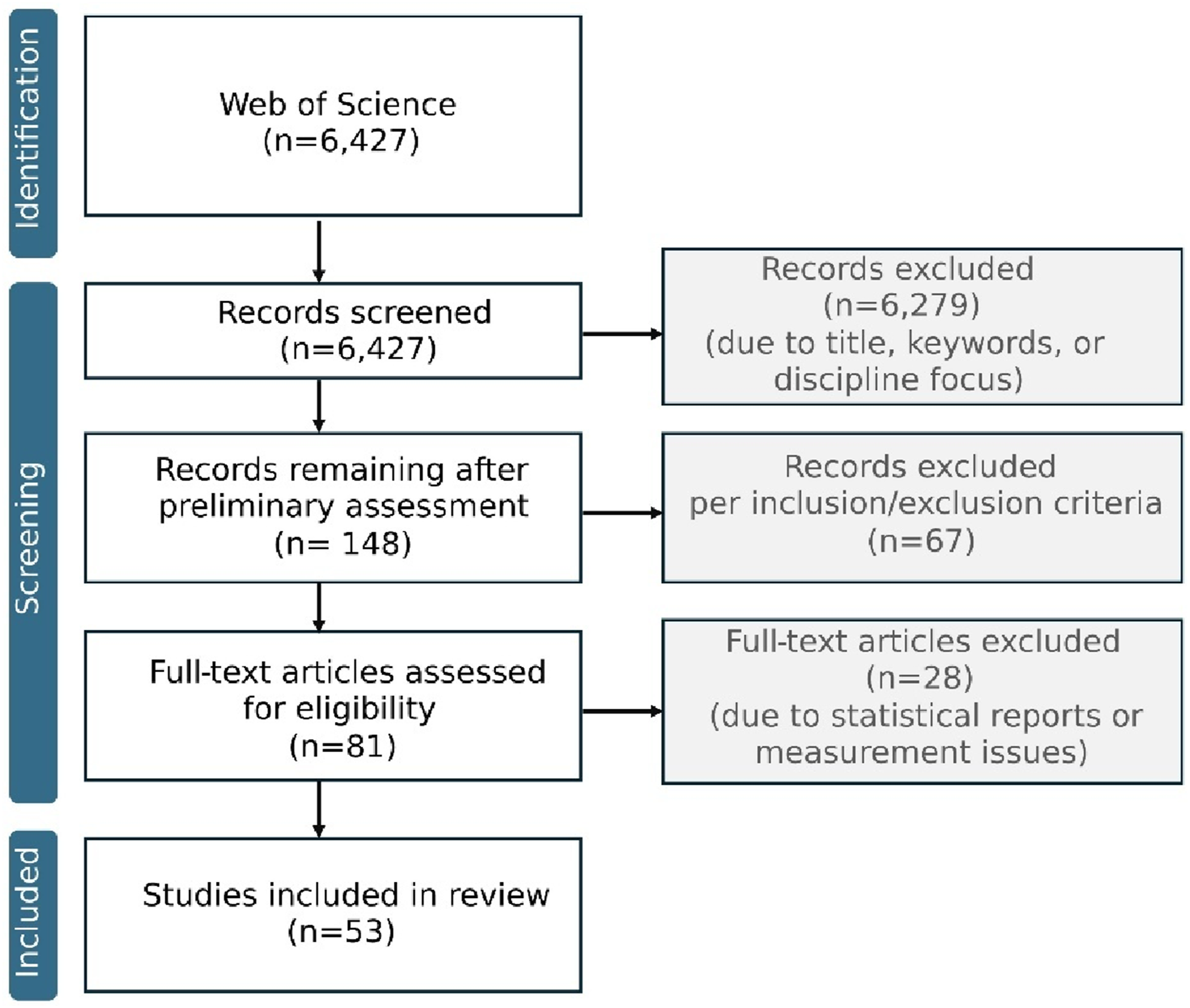
Data search and selection process
Quality Appraisal
The methodological quality of the 53 studies was assessed using the Mixed Methods Appraisal Tool (MMAT), version 2018 (Hong et al., 2018). Each study was evaluated according to the criteria relevant to its specific research design category. A percentage-based scoring system adapted from previous reviews (Asfani & Chen, 2024) was used to classify studies as very high (100%), high (75-99%), or medium (50-74%). Consequently, 23 studies were rated as very high and 30 as high.
Data Collection and Processing
Mobile Learning Practices’ Contribution to Different IL and EL Levels (RQ1)
The first step prepared the data for IL and EL analyses. While some studies adopted the full three-construct framework, others used alternative tools. For consistency, cognitive load measures from all of the studies were mapped to the three constructs, IL, EL, and GL, based on the construct labels, item descriptions, and theoretical interpretations provided in the original studies.
Next, all mobile learning practices applied across the studies were identified. Grant’s (2019) framework, which outlines six design characteristics of effective teaching in mobile learning contexts, was adapted and adopted. It was selected for its comprehensive and multidimensional perspective on mobile learning. The original seventh dimension, “data services,” was excluded as it concerns technical infrastructure.
The six dimensions: (1) Learner empowerment, (2) Device functionalities, (3) Mobile content with pedagogical impact, (4) Tutor accessibility and interaction, (5) Contextual influence, and (6) Learner engagement, served as initial broad categories. A hybrid thematic coding approach was applied, beginning with inductive coding to identify emerging patterns, followed by deductive mapping to the predefined dimensions. Inductive coding was conducted using qualitative data from each study’s descriptions of mobile technology use, instructional design, and learning activities. In vivo coding was employed to extract important words or short phrases from the original texts (Saldaña, 2015). This was followed by a focused coding phase, during which related patterns across studies were iteratively clustered and refined into researcher-generated concepts representing mobile learning practices. Finally, these synthesized practices were deductively mapped onto Grant’s predefined dimensions, consistent with the thematic categorization procedure by Auerbach and Silverstein (2003). The resulting checklist of mobile learning practices was used for two purposes: to document commonly adopted practices for RQ1 and to support the identification of cognitive purposes associated with GL-aligned strategies for RQ2.
Then, to determine the most adopted practices, the frequency of each practice across all the instructional designs of the 53 studies was recorded; some studies employed the same practice in multiple experimental groups. The high-frequency practices were then selected for subsequent analysis of their connection with IL and EL through Epistemic Network Analyses (ENA).
The process of employing ENA (provided by https://app.epistemicnetwork.org/) focused on the contrasts between high and equal/low levels of IL and EL. The effectiveness of instructional design is commonly interpreted as its potential to yield equal or improved learning outcomes with reduced or maintained cognitive load (Paas et al., 2003; Sweller et al., 1998). Therefore, for each construct, studies were categorized as reporting “higher” or “equal/lower” levels of IL/EL compared to control groups. This binary categorization was adopted also to facilitate network comparison in ENA, which requires two analytically distinct conditions.
The following protocol was adopted: - A construct was categorized as “higher” if all experimental groups in the study reported higher levels of that load compared to all control groups. - If at least one experimental group reported a “higher” level while others reported the same as the control groups, the construct was also marked as “higher.” - In cases where experimental group results were mixed (e.g., one “higher” and another “lower” compared to a control group), the comparison was marked as not available. - A construct with no measurements was also marked as not available. - All remaining cases, where experimental groups consistently showed the same or lower load levels compared to control groups, were labelled as “equal or lower.”
These categorizations, along with qualitative data from instructional design descriptions, were processed through separate ENA for IL and EL. These analyses showed contrasts in how the observed instructional practices contributed to IL and EL under two opposite conditions: burdened and unburdened mental demands. ENA requires a qualitative data set for connecting nodes, but the studies presented their designs in varying formats with examples, illustrations and repeated key terms. Thus, to ensure consistency, all instructional designs were converted into concise researcher-made versions following the same pattern: identified practices were arranged in a fixed order, with a one-sentence description based on the original version being assigned to each practice. These descriptions were derived through in vivo coding of the original study texts and prioritized authors’ original terminology, and explicitly described design features. They were intended to summarize observable instructional elements. The first author and an independent researcher independently summarized five studies. Agreement averaging 89% indicated strong inter-rater agreement (McHugh, 2012). The first author then completed the remaining coding. An example of a researcher-made version is provided in Appendix C.
Designs Reflecting Germane Processing (RQ2)
The mapping process described in RQ1 established the basis for documenting the exclusion of GL measurement. Studies that did not include any construct aligned with GL were identified as excluding GL. The subsequent analyses included all studies regardless of whether GL was directly measured.
Frameworks guiding germane processing in mobile learning emphasize schema construction and deep engagement (Crompton et al., 2018; Curum & Khedo, 2021; Grant, 2019). To investigate the design emphasis of cognitive purposes that GL-aligned designs serve, Grant’s (2019) framework was adapted for its focus on meaningful interaction and knowledge integration.
A shortened version of Grant’s checklist (see Appendix B) was applied, retaining only practices that directly support GL. Several items were excluded because they primarily managed IL or EL. For example, Instruction, Interactive learning, and Study tools in the Device functionalities dimension emphasized content delivery and navigation; Documents and databases and Evaluation and progress monitoring focused on administration and assessment; Traditional tutor and Digital tutor offered guidance that mainly reduced IL/EL; and Physical context influenced task complexity linked to IL (Sweller et al., 1998). With these eight practices removed, the checklist encompassed 19 items. While managing IL and EL can indeed foster germane processing indirectly by freeing cognitive resources (Paas & van Merriënboer, 2020; Sweller, 2005), these practices were excluded so that the analysis only focused on items with a direct intent to support germane processing.
Cognitive Purposes and Their Definitions
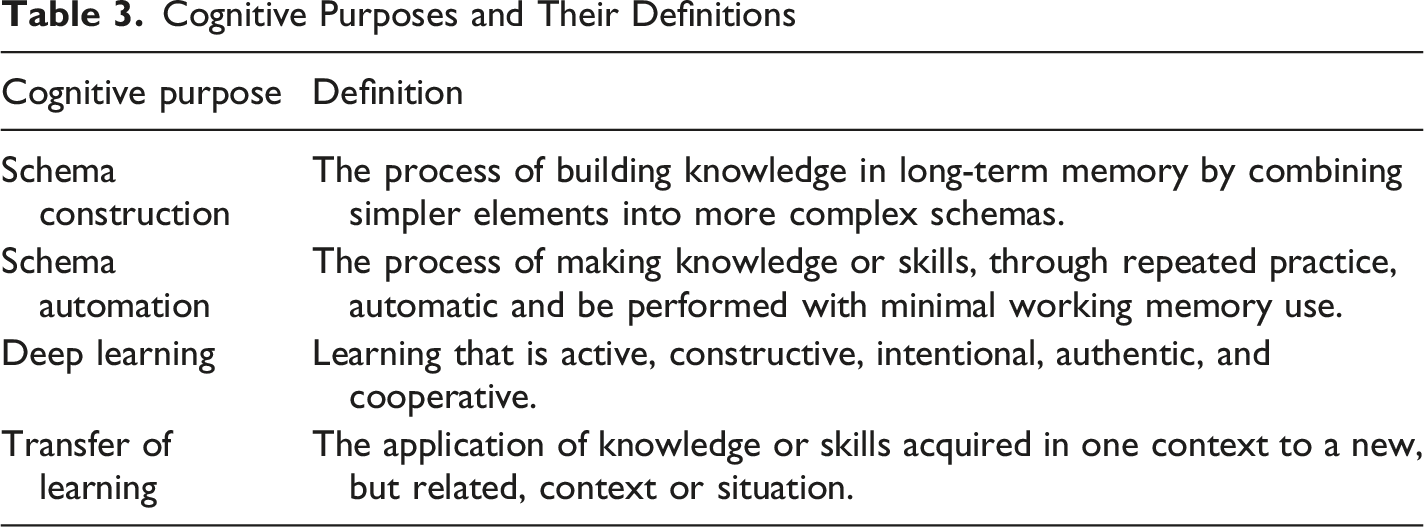
After coding the cognitive purposes associated with the mobile practices in each study, the frequency distribution was summarized across the full dataset. Frequencies for each cognitive purpose were then aggregated across the 53 studies. These aggregated frequencies were used as weighting indicators to reflect the instructional design emphasis placed on different cognitive purposes of germane processing across mobile practices.
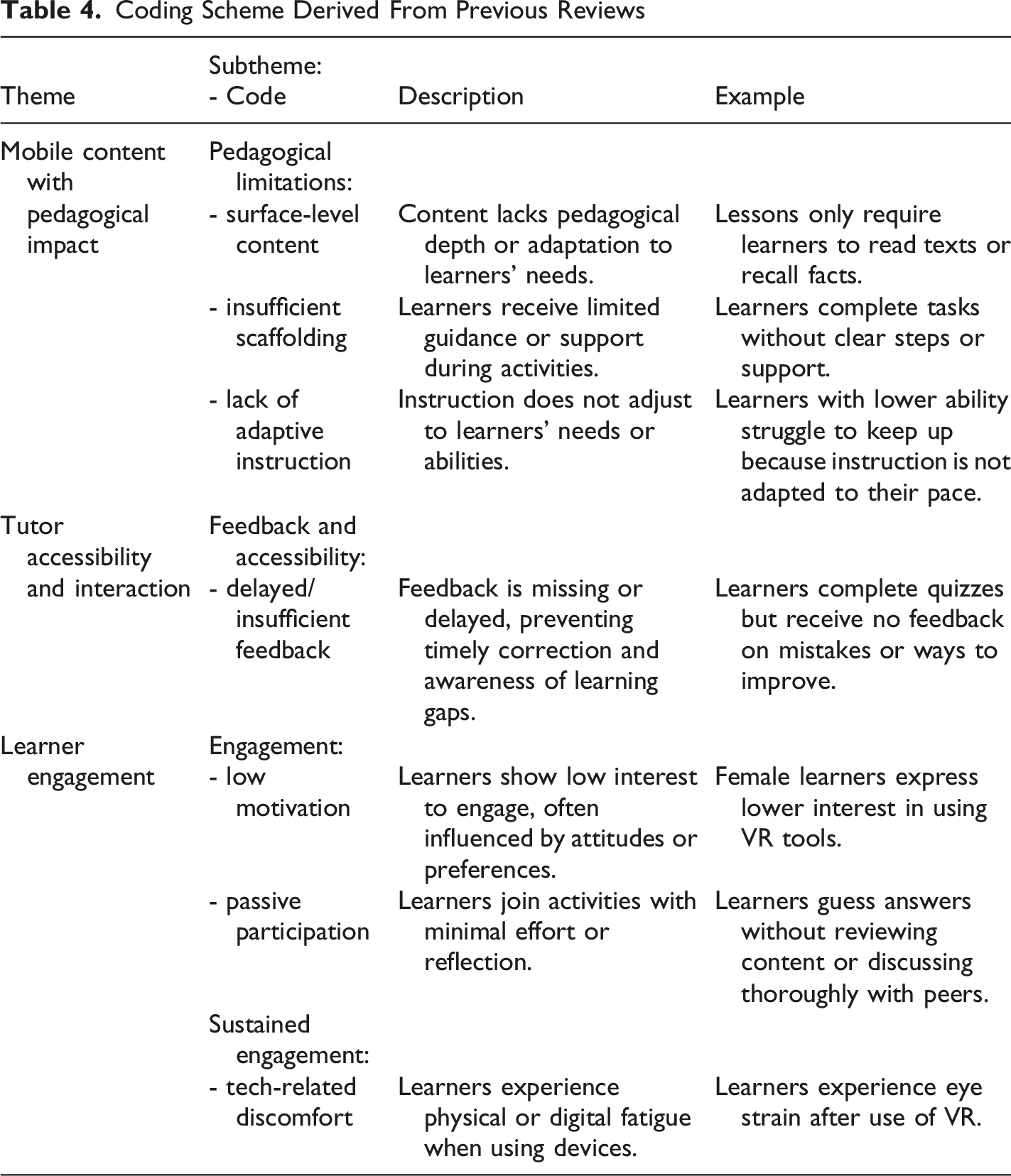
Coding Scheme Derived From Previous Reviews
Mobile Technologies’ Complementary Role and Learning Achievement (RQ3)
Mobile technologies can serve either a primary instructional role, that is, facilitating access to information, enabling knowledge construction, and offering interactive reinforcement (Domingo & Garganté, 2016), or a complementary role, where they enhance rather than replace instructional strategies (Thornton & Houser, 2002). More recently, they have been distinguished from simple content delivery by their capacity to provide adaptive prompts or scaffolds aligned with learners’ cognitive states (Breitwieser et al., 2024).
To determine the technology role, each study was screened independently twice by the first author for the abstract, research objectives, research questions/hypotheses, and instructional and tool design. Each round involved judging the role as either Role 1 (primary) or Role 2 (complementary). After both rounds, role labels were compared. If they matched, the label was assigned. If not, the study was re-reviewed for final judgement. Intra-rater reliability (Cohen’s κ = 0.73) was within the acceptable range (McHugh, 2012).
To examine achievement in studies where technologies complemented instructional strategies, reported scores for knowledge and skill gains were documented. Learning achievement refers to content-based performance (e.g., knowledge acquisition, retention) (Abuhassna et al., 2020; Ifenthaler & Yau, 2020), which is distinct from affective, behavioral or metacognitive outcomes. Results were classified as higher, equal, or lower compared to control group(s).
Results
Mobile Learning Practices’ Contribution to Different IL and EL Levels (RQ1)
The Most Adopted Practices
Twenty-seven practices across six dimensions of mobile learning were identified (Figure 2). Percentages indicate occurrence rates across all instructional designs (n = 69) rather than the number of studies. Practices are grouped into six dimensions adapted from Grant’s (2019) mobile learning framework, shown along the horizontal axis. Orange bars indicate practices identified as most employed (occurrence above 50% across all instructional designs in 53 studies). The list of all mobile practices with definitions is provided in Appendix B. Frequency of mobile learning practices across instructional designs in 53 studies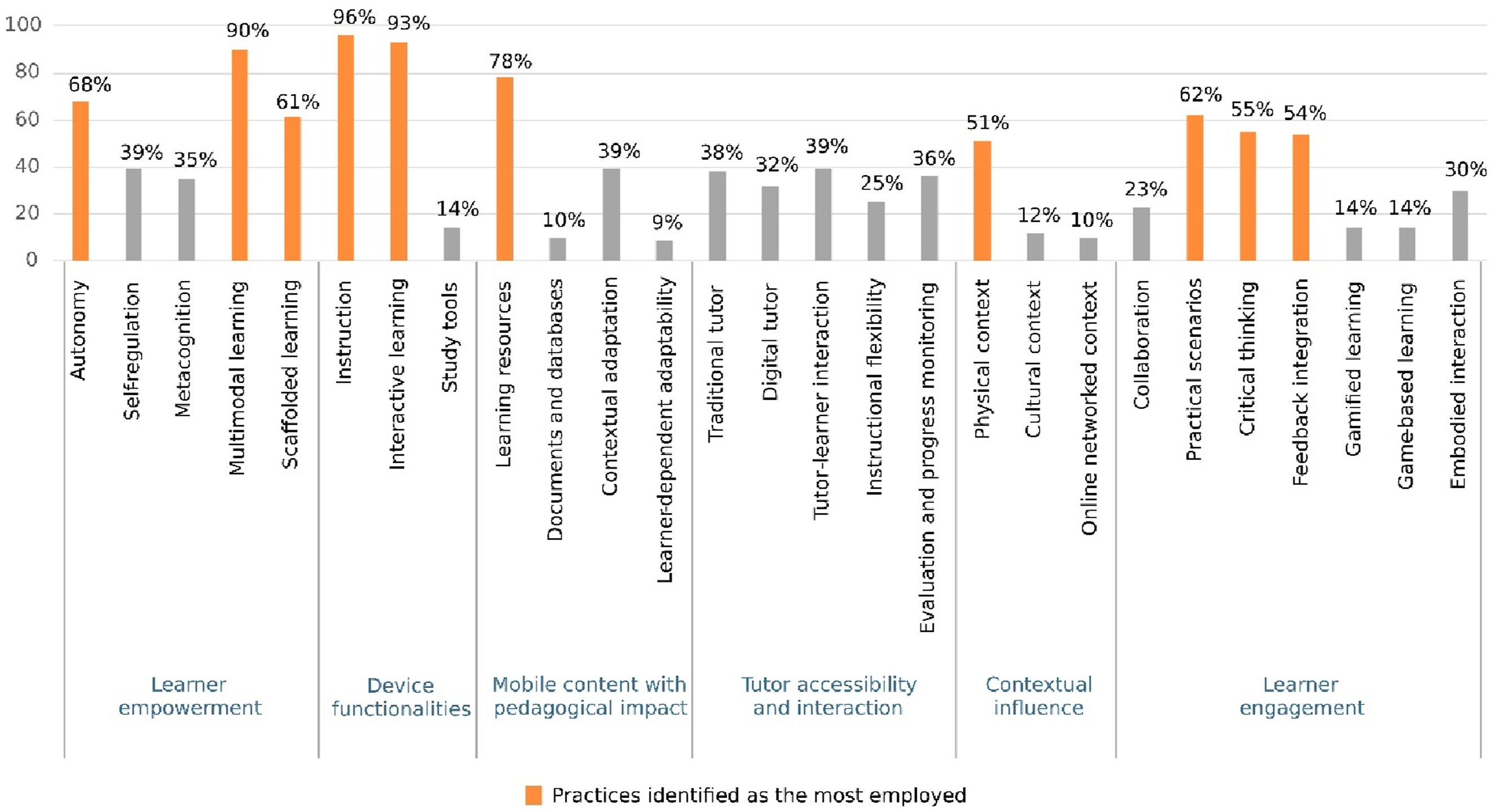
This frequency distribution shows that mobile learning designs most commonly emphasize learner empowerment (e.g., Autonomy), device-enabled interactivity (e.g., Interactive learning), and learner engagement (e.g., Feedback integration). Highly prevalent practices such as Instruction (96%), Interactive learning (93%), Scaffolded learning (61%), and Practical scenarios (62%) indicate that mobile technologies are typically integrated within structured instructional sequences rather than functioning as stand-alone delivery tools. Similarly, the frequent inclusion of Autonomy (68%) and Critical thinking (55%) reflects that many designs incorporate features associated with increased learner agency and cognitively demanding activities. Taken together, this distribution highlights the coexistence of practices associated with both instruction and learner-driven complexity, which provides the basis for examining how these commonly adopted practices co-occur under higher versus equal/lower intrinsic and extraneous load conditions in the subsequent analysis.
Practices’ Contribution to IL and EL
The left and right panels (Figure 3) present two conditions based on whether experimental groups reported higher levels of IL and EL than control groups, respectively. Node size represents the frequency with which a mobile practice appears within each condition, and line thickness represents the strength of co-occurrence between practices. Accordingly, the networks highlight practice bundles that tend to appear together when cognitive demand is higher (orange-coded) versus when it is maintained or reduced (blue-coded). ENA results for IL and EL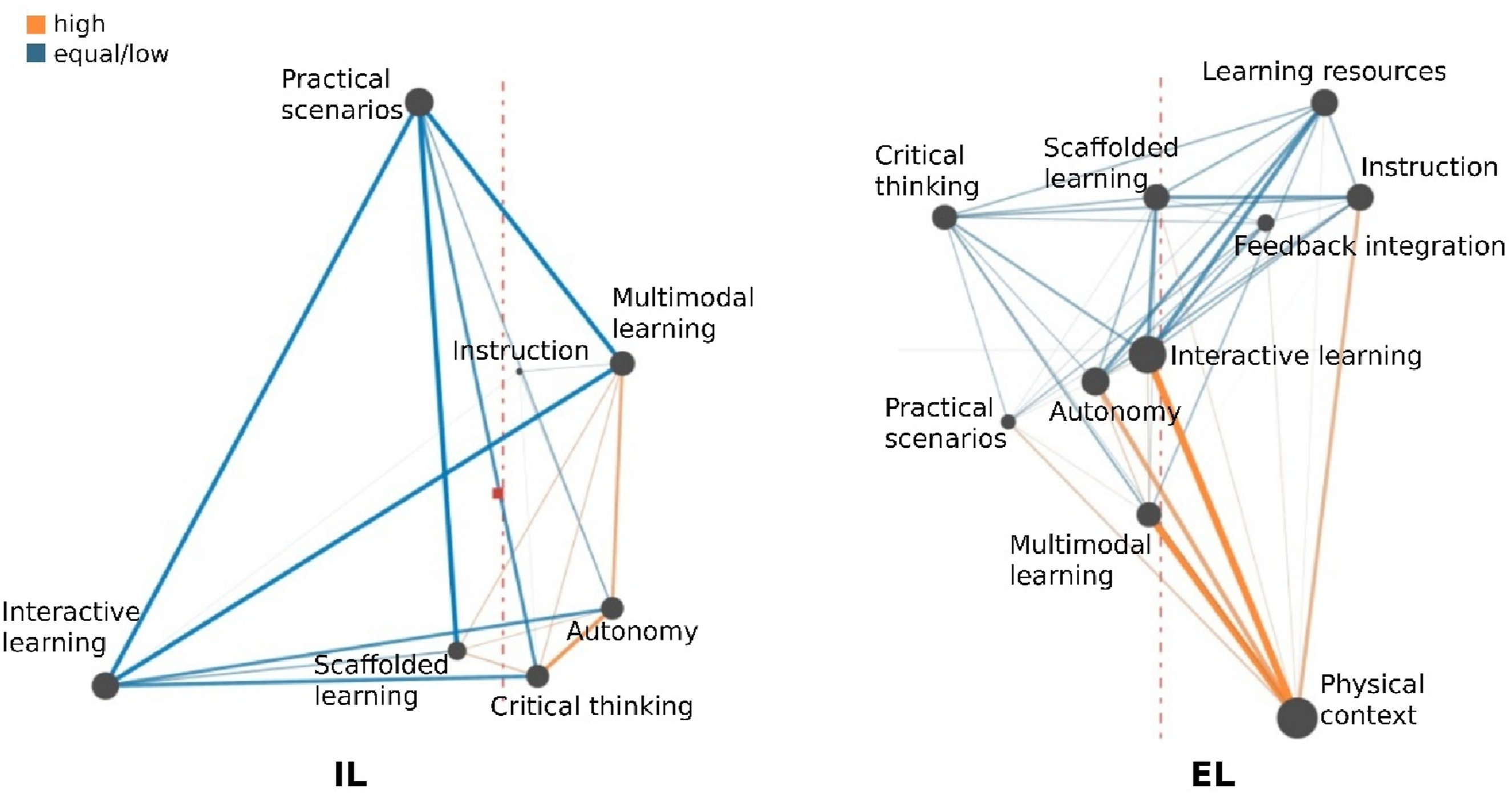
Across the IL panel, equal or lower IL conditions are more prevalent, shown in the blue-coded networks, suggesting that managing inherent complexity is common. This leaves resources for EL-related challenges, as reflected in the dominant orange-coded EL patterns.
In the high IL region, Multimodal learning was the largest node, distinctly linked to Autonomy. Autonomy also paired strongly with Critical thinking, indicating that designs that increase learner control while simultaneously expanding representational input and higher-order processing demands tend to be associated with greater inherent task complexity. In contrast, the co-occurrence of Practical scenarios and Scaffolded learning is most connected to equal/low IL, followed by strong links between Practical scenarios with Multimodal learning and with Interactive learning. This pattern shows that when contextualized tasks are paired not only with structured guidance but also with multimodal representations and interactive elements, intrinsic complexity is more often maintained at equal or lower levels. The contrast between the two networks in the IL panel suggests that learner autonomy is not lightweight by default, and that it becomes cognitively demanding when paired with multimodal inputs and cognitively complex tasks, whereas scaffolding plus contextualization is more often associated with manageable intrinsic complexity.
The network of higher EL is characterized by Physical context and Interactive learning as the largest nodes, which share the strongest co-occurrence. The second strongest link is between Physical context with Multimodal learning and with Autonomy. These patterns indicate that designs combining real-world context cues with interface actions and multiple representations are frequently linked with increased processing demands. Conversely, the reduced EL side places Interactive learning at the center when it co-occurs with Learning resources and Scaffolded learning. This suggests that interactivity reduces unnecessary burden when it is accompanied by clear guidance and well-organized support. To put it differently, interactivity is a “double-edged” design feature: it is associated with higher EL when combined with contextual integration, but it is associated with managed EL when embedded within a scaffolded and resource-rich design.
Designs Reflecting Germane Processing (RQ2)
GL in Cognitive Load Measurement (Context Setting)
Thirty-four studies excluded GL from cognitive load measurement, making up 64% of the included studies (Figure 4). GL measurement inclusion and exclusion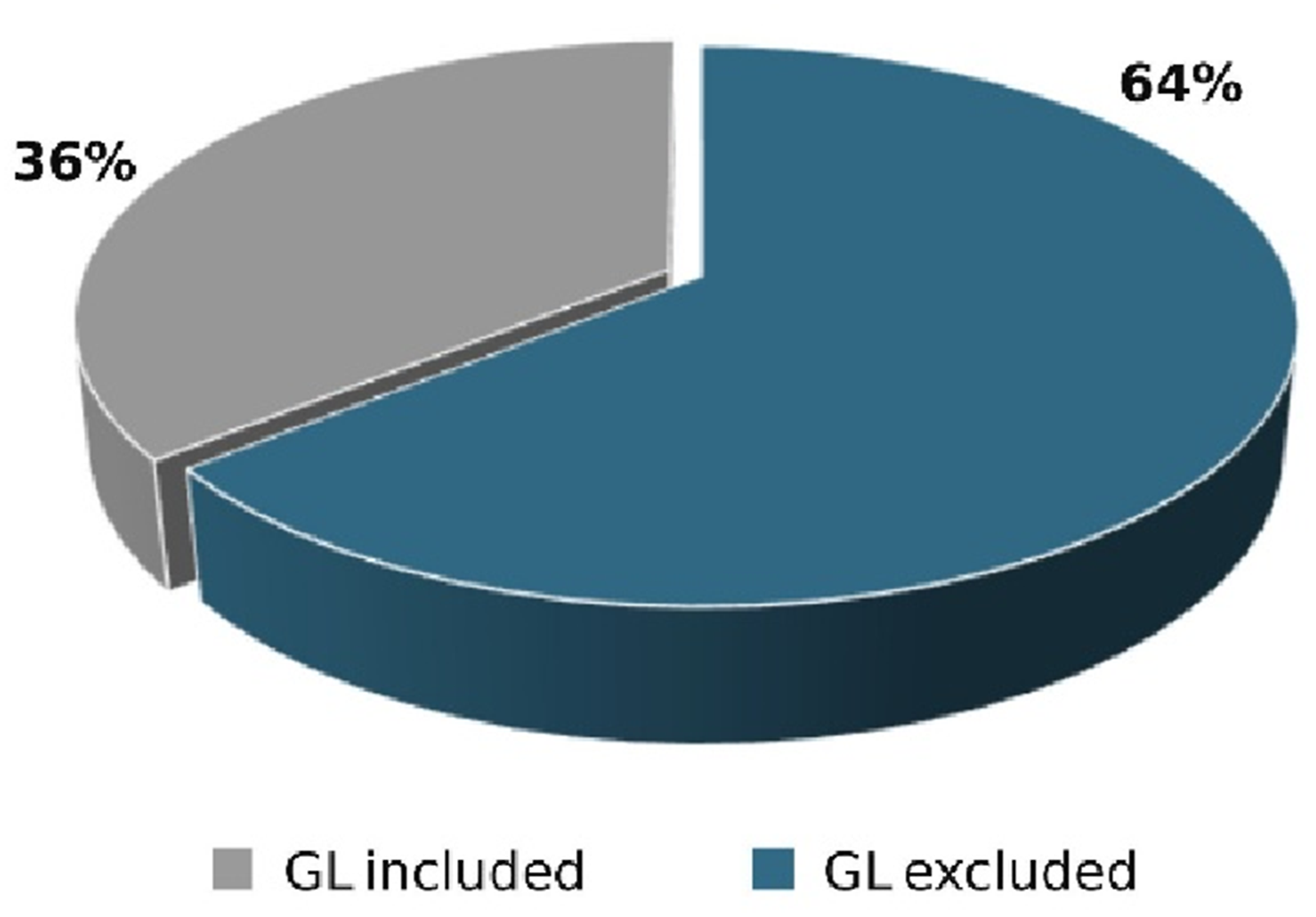
Although nearly two thirds of all studies excluded GL from the measurements, all the studies incorporated instructional design features aligned with germane processing to varying extents.
Cognitive Purposes
The Sankey diagram (Figure 5) shows how individual practices are distributed across four cognitive purposes. The link width represents the aggregated frequency to which each practice was connected with a given cognitive purpose across the included studies, thereby indicating relative design emphasis. Sankey diagram linking practices to four cognitive purposes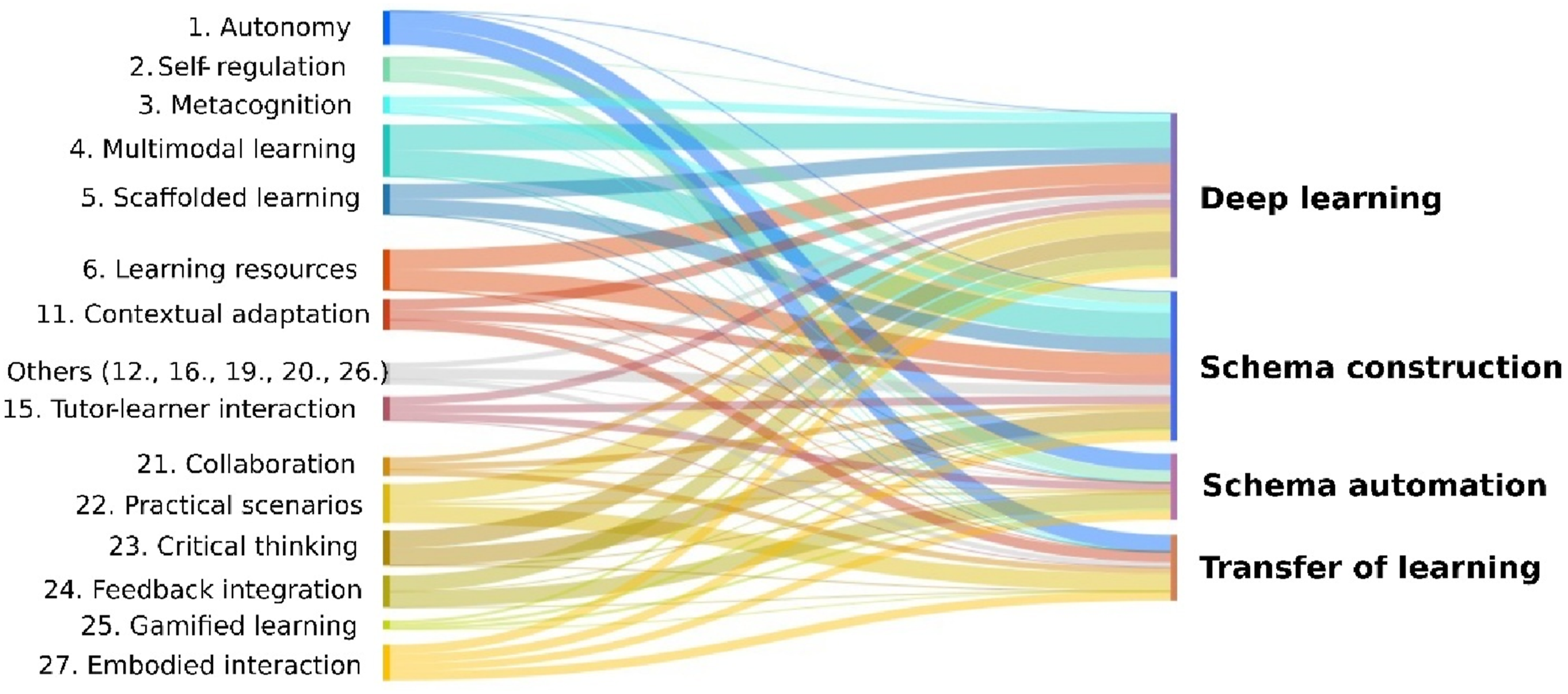
Among the four purposes, Deep Learning received the greatest attention in GL-aligned design. This cognitive purpose linked fairly evenly to multiple practices such as Metacognition, Multimodal learning, Critical thinking, and Feedback integration. This indicates that this purpose was supported through a diverse set of design strategies rather than concentrated on a single approach. Schema Construction ranked second and was strongly supported through practices including Multimodal learning, Learning resources, Collaboration, and Embodied interaction, reflecting an emphasis on knowledge integration through multiple representations and social engagement. Schema Automation came third with Self-regulation, Feedback and Autonomy as the main contributors, indicating an emphasis on regulating and refining learning processes rather than introducing additional learning content. Finally, Transfer of Learning ranked last, most often supported through Practical scenarios and Autonomy, suggesting that fewer studies explicitly targeted the application of learning beyond the immediate instructional context.
Challenges and Limitations in Implementation
As seen in Figure 6, challenges and limitations in implementing GL-aligned features were identified across three main themes. No challenges were coded under Learner Empowerment, reflecting the absence of reported issues related to learner agency in the included studies. While a range of limitations was identified, three challenges emerged most prominently across the subthemes of Pedagogical Limitations and Engagement: restricted affordances, mismatches between design and intended cognitive processes, and excessive external support. Reported challenges and limitations in implementing GL-aligned designs across 53 studies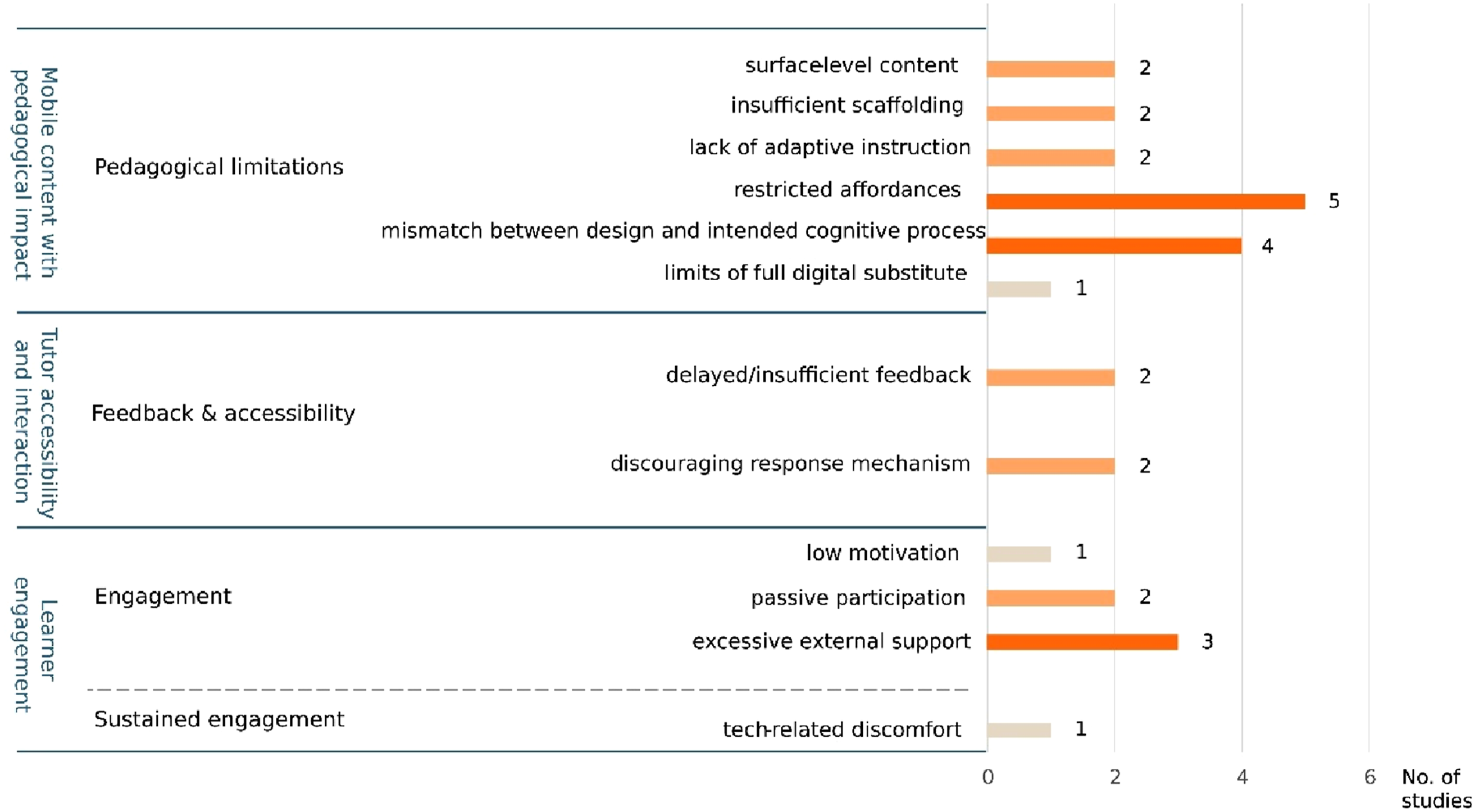
Within Mobile content with pedagogical impact, issues most frequently pointed out were restricted affordances and mismatches between design and intended cognitive processes, alongside other codes including insufficient scaffolding. These patterns indicate that challenges at this level were primarily related to how content features constrained or misaligned with intended cognitive processes. Under Tutor accessibility and interaction, challenges were delayed/insufficient feedback and the newly identified discouraging response mechanism. This points to limitations in how instructional support was provided during learning activities. For Learner engagement, the most prominent issues were excessive external support, alongside low motivation and passive participation. This suggests that obstacles to cognitive engagement cannot be attributed solely to the structure of support, but also involve learners’ willingness to engage. Sustained engagement was hindered by tech-related discomfort, although this was not a major concern across the included studies. Overall, the results indicate that limitations in GL-aligned designs were concentrated less on learner-related factors and more on how technological affordances, instructional structures, and support mechanisms were designed in relation to intended cognitive processes.
Mobile Technologies’ Complementary Role and Learning Achievement (RQ3)
Roles of Mobile Technologies
Studies with mobile technologies taking the supporting role outnumbered those having digital tools as the primary approach. The distribution is 58% (31 studies) and 42% (22 studies), respectively (Figure 7). This reflects a dominant pattern in mobile learning research toward integrating mobile technologies as supportive elements within instructional designs, rather than positioning them as primary instructional approaches. Distribution of technologies by instructional role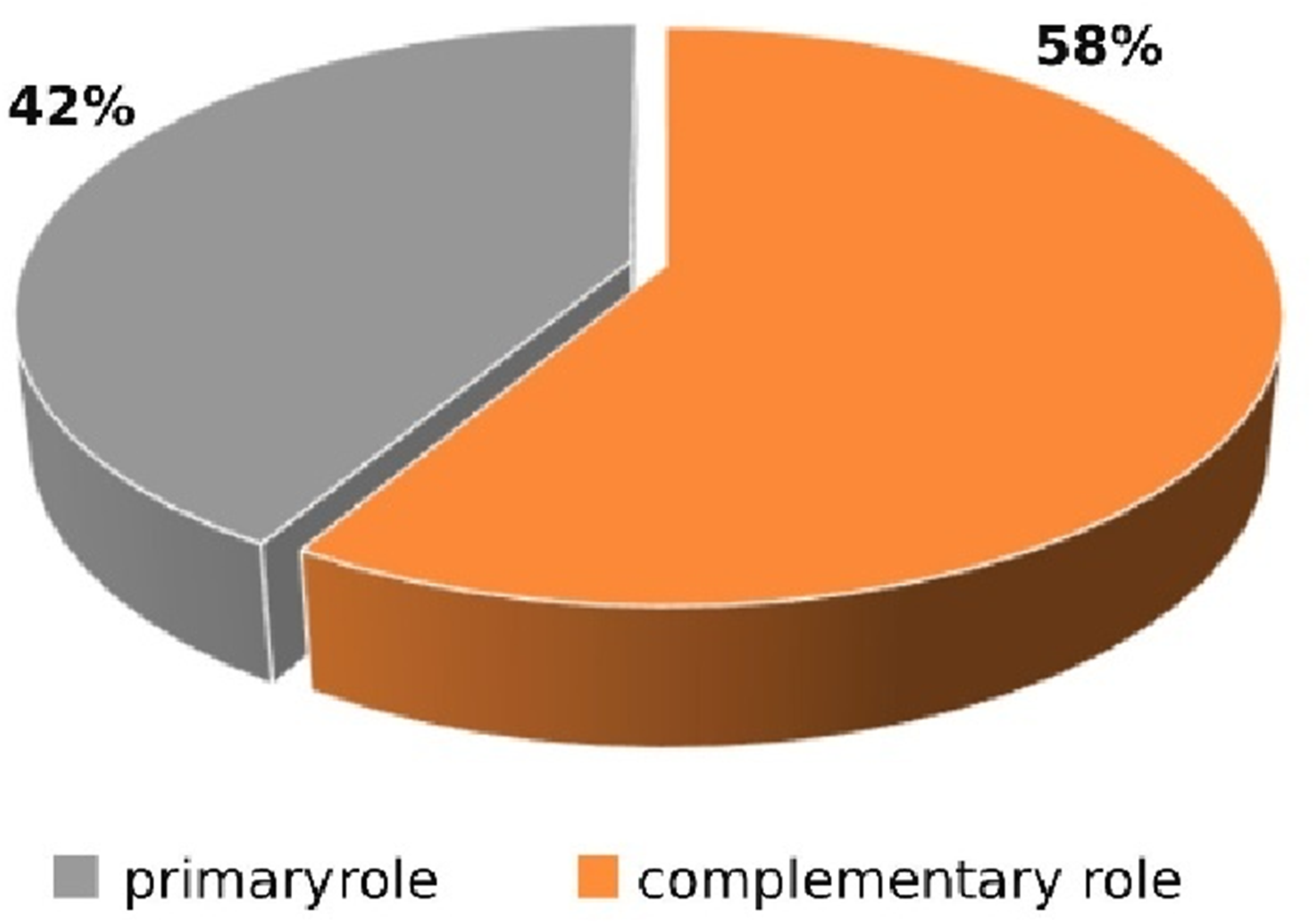
Positive Achievement
Of the 31 studies where technologies supported instructional design, 26 were analyzed; five were excluded due to lacking control groups or inconsistent subscale results. As shown in Figure 8, 22 studies (85%) reported higher scores for learning achievement, by far higher than those with equal or mixed outcomes. This concentration of positive outcomes highlights a clear pattern in which studies employing mobile technologies in a complementary role most often reported improved learning achievement. Learning outcomes in studies using mobile technologies as complementary tools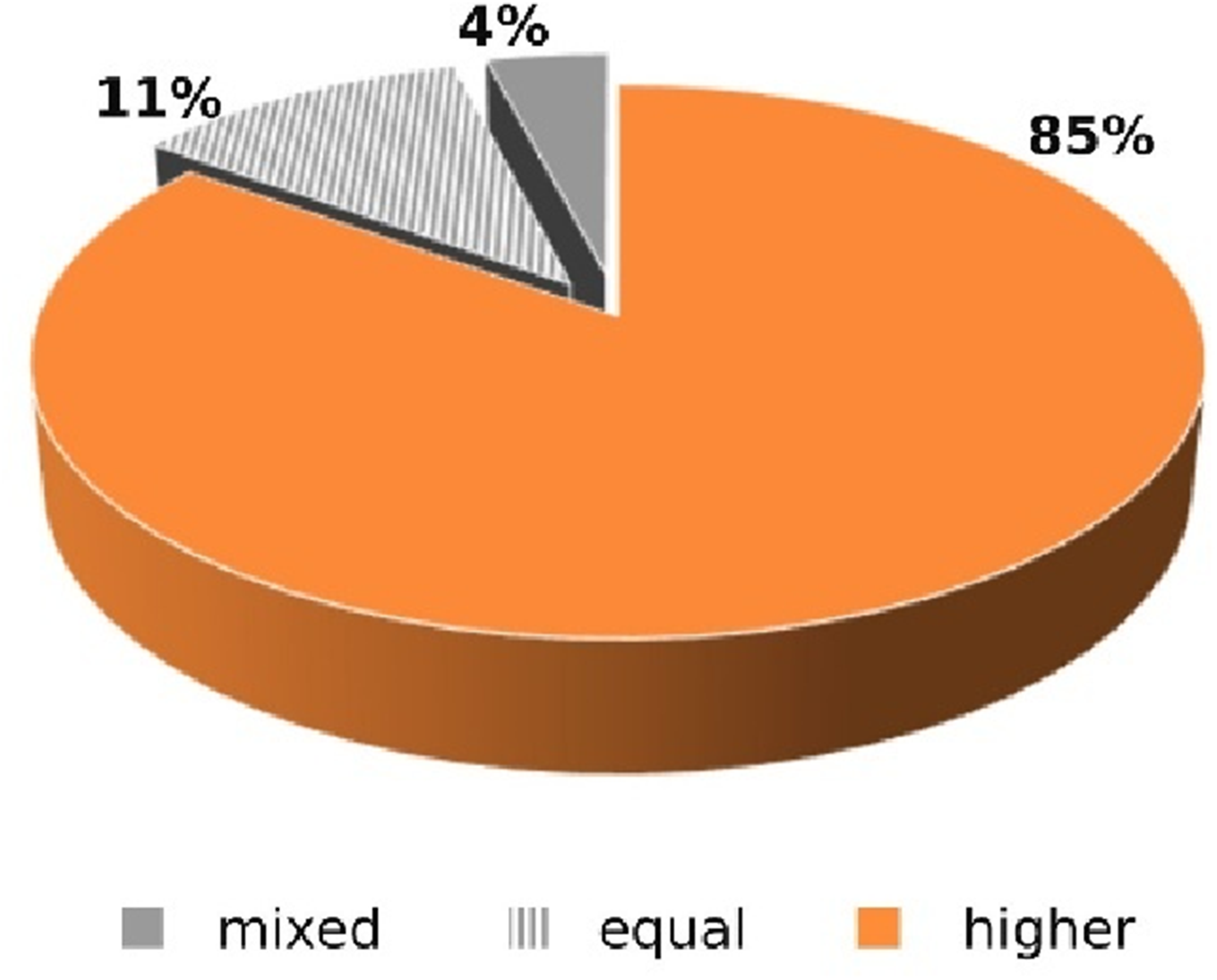
Discussion
Mobile Learning Practices’ Contribution to Different IL and EL Levels (RQ1)
The Most Adopted Practices
Across the six dimensions, Learner empowerment, Device functionalities, and Learner engagement emerged as the most emphasized areas. Within the first two, practices such as Autonomy, Multimodal learning, Scaffolded learning, and Interactive learning were most frequently employed. These findings indicate a clear focus on learner agency and interaction, consistent with the shift from tool-centric views to contextual learning interactions (Crompton, 2013; Thornton & Houser, 2002). Although mobile learning has been implemented across educational levels, the literature indicates a predominant focus on higher education contexts, where greater learner self-direction is typically expected; consequently, mobile learning practices increasingly emphasize interaction and pedagogical support rather than mere technological functionality (Fang, 2025; Garzón et al., 2025). The Learner engagement dimension further reinforces this design orientation with frequent use of Practical scenarios, Critical thinking, and Feedback integration for active participation and sustained involvement.
Within Mobile content with pedagogical impact, only Learning resources stood out, showing how mobile affordances are utilized through quizzes and tasks. Flexibility is a core principle of mobile learning, given that personal and situational contexts are essential for effective learning (Palalas & Wark, 2020). However, Contextual adaptation and Learner-dependent adaptability were not often employed.
No practices were highly adopted under Tutor accessibility and interaction, whereas in Contextual influence, only Physical context emerged. This stands in contrast to a recent study by Ariza & Hernández (2025), which positioned teacher presence and instructional guidance as central components of mobile learning design. Taken together, these patterns reflect a reduced reliance on direct instructor guidance while confirming the certain influence of the physical setting in mobile learning, where learners process information from both digital and physical sources.
Practices’ Contribution to IL and EL
The ENA showed Autonomy and Multimodal learning appeared together in high IL contexts. Without sufficient guidance, high autonomy can overwhelm inexperienced learners due to material complexity (Castro-Alonso et al., 2021), as seen in empirical VR studies where low prior-knowledge students experienced higher load (Liu et al., 2024). Integrating multiple multimedia sources also increases processing demands (Sweller, 1994), and tasks involving critical thinking are inherently complex, making guidance essential when combined with high autonomy (Curum & Khedo, 2021; Skulmowski & Xu, 2021). These links reflect the challenge of balancing self-navigation with instructional support.
In the equal/low IL zone, Practical scenarios co-occurred with Scaffolded learning and linked to Multimodal learning and Interactive learning. Real-world tasks boost relevance and motivation but can be inherently demanding. However, scaffolding helps learners handle task complexity (Könings et al., 2019), which allows IL to be managed rather than being overwhelming. When combined with interactive elements, scaffolding can lessen cognitive demands, as found in studies by Kao et al. (2017) and Sysoev et al. (2022). In both digital and mobile learning contexts, prior studies have largely conceptualized scaffolding as real-time, task-embedded support accessed during task implementation to manage learners’ cognitive load (Gong et al., 2026; Karabay & Mese, 2025). Accordingly, the present findings suggest that scaffolding should also be considered at the instructional design stage as part of IL management, particularly for structuring task complexity.
Working memory is easily burdened when learners process both real and digital sources. As physical context itself can impose EL, combining it with interactive elements, multimodal formats, or high autonomy would further increase processing demands, in line with findings from AR/VR studies where multimedia manipulations increased cognitive load (Tugtekin & Odabasi, 2022). This reflects the split-attention effect, which occurs when learners integrate different sources, and the modality effect, where multiple presentation modes overwhelm learners if poorly designed (Chandler & Sweller, 1991; Sweller, 1994). These effects likely explain strong links between Physical context and Interactive learning, Multimodal learning, and Autonomy in the high EL region.
Under equal/low EL conditions, Interactive learning was central, closely connected with Learning resources and Scaffolded learning. Learning resources here include quizzes, tasks, and games embedded in mobile systems. When combined with scaffolded support, these activities reduce unnecessary load, consistent with studies of scaffolded game- and task-based learning (Chang & Yang, 2023; Faber et al., 2024).
The ENAs indicate that for both high and low levels of IL and EL, mobile learning design should not be understood in terms of single strategies, but rather as combinations of co-occurring instructional practices. By contrast, prior mobile learning studies have predominantly examined cognitive load through either isolated design attributes or interaction complexity (Toh & Tasir, 2024). When interaction complexity was considered, these prior studies did not unpack the specific instructional practices that contribute to such complexity, or examine how these practices are combined within instructional designs (Toh & Tasir, 2024). The ENA findings suggest that while IL is primarily addressed through the structuring and sequencing of task complexity, EL in mobile learning emerges from how multiple instructional features are integrated. This highlights the importance of design coherence across physical context, interactivity, and instructional support.
Designs Reflecting Germane Processing (RQ2)
Cognitive Purposes
The strong emphasis on Deep Learning suggests the importance of cognitive engagement in mobile learning designs. Learning activities now frequently promote higher-order thinking (Crompton et al., 2018). In digital environments, deep and meaningful learning arises when activities are active, constructive, intentional, authentic, and cooperative (Howland et al., 2011). This explains why Deep Learning is consistently targeted through practices such as Self-regulation, Critical thinking, Feedback integration, Practical scenarios, and Collaboration.
Schema Construction ranked second, reflecting its central role in CLT (Sweller et al., 1998). It is supported by designs featuring personalized learning (Wang et al., 2024), multimedia enhancement (Hwang, 2024), and related strategies. This aligns with practices tied to knowledge building, including Multimodal learning, Learning resources, Scaffolded learning, and Embodied interaction.
Recent instructional design models recommend prioritizing schema activation and construction before other processes (Jung et al., 2022), explaining the third and fourth positions of Schema Automation and Transfer of Learning. Authentic learning contexts and repeated practice are key strategies for automation and transfer (Merriënboer & Paas, 1990; Sheldon et al., 2023). High autonomy, associated with greater motivation and involvement (Chen, 2022), further supports sustained engagement. This explains why Autonomy, alongside Practical scenarios and Contextual adaptation, typically supports these purposes.
To the best of our knowledge, most empirical studies do not explicitly link their designs to germane processing purposes; however, this intention can be interpreted from empirical research on higher-order thinking, conceptual understanding, practice effects, and transfer in mobile learning contexts (Chang & Hwang, 2018; Chin et al., 2019; Huang et al., 2024; Yang et al., 2024).
The overall findings indicate that mobile instructional designs prioritize germane processing for deeper learning and schema construction, while automation and transfer are more often supported as longer-term outcomes.
Challenges and Limitations in Implementation
Three prominent codes which emerged across the subthemes of Pedagogical limitations and Engagement were restricted affordances, mismatches between design and intended cognitive processes, and excessive external support.
Under the Pedagogical Limitations subtheme, Restricted affordances were most frequently reported as obstacles to germane processing, which suggests that constrained features across platforms, modalities, and interaction types limited opportunities for deeper cognitive engagement. Usability issues such as responsiveness and interface design undermined benefits (Rad, 2025). For example, Albus and Seufert (2023) found that when learners could not revisit auditory information, GL was lower than in text-based conditions that allowed rereading, while Poupard et al. (2025) noted that VR limited to simple manipulations was insufficient for deeper learning.
Mismatches between design and intended cognitive processes were the second major obstacle within the same subtheme. This issue reflects Børte and Lillejord’s (2024) view that teaching strategies and technology must be aligned from the outset, which is coupled with findings that learning outcomes depend on appropriate teaching techniques (Omeh et al., 2024) rather than on digital tools alone. For instance, Thees et al. (2020) found that although AR visualizations were provided in a physics laboratory, knowledge gains required deeper data analysis. Yu et al. (2023) reported that agency and embodiment must fit the learning topic, and rich embodiment alone did not ensure learning.
Excessive external support was the third challenge, and fell under the Engagement subtheme. Chen et al. (2022) found that high levels of sound, light, and 3D immersion in VR hindered higher-order skills such as creative thinking. Wu et al. (2021) also reported that goal setting was driven by the SV-IVR system rather than by learners themselves, which reduced opportunities for self-regulation. From a Vygotskian perspective, support beyond the “just enough” level for independence may undermine instructional effectiveness (Vygotsky, 1978).
Remaining limitations under the Pedagogical Limitations subtheme were surface-level content (e.g., Albus & Seufert, 2023), insufficient scaffolding (e.g., Albus et al., 2021), lack of adaptive instruction (e.g., Yang, 2017), and limits of full digital substitutes, pointed out in only one study; specifically, Liu et al. (2021) found that an AR-based experiment tool lacked the learning experience with real artifacts to develop deep understanding. These limitations echo findings that digital adoption is most effective when adapting to learning needs and the subject area, and when integrated with appropriate strategies (Alshammary & Alhalafawy, 2023).
Regarding Feedback and Accessibility, the only identified challenge was delayed/insufficient feedback (e.g., Hwang et al., 2020), which matters since structured feedback combined with teaching strategies can promote higher reflection (Karakas & Yükselir, 2025), and reflection supports deeper engagement (Huang et al., 2024). Under Communication Quality, only discouraging response mechanisms emerged. For instance, Lin and Lin (2016) found that the system failed to capture students’ needs. Hwang et al. (2020) noted that requiring only correct answers to progress was discouraging, while Cai et al. (2022) found that their mechanism of replies emotionally constrained learners. Together, these findings suggest that poor communication design can limit responsiveness and learner motivation.
Regarding the Engagement subtheme, beyond excessive external support, minor challenges were low motivation and passive participation. Under Sustained engagement, a minor issue of tech-related discomfort was identified. Particularly, Liu et al. (2022) reported some students with motion sickness from using IVR.
These findings extend existing research by showing that barriers to germane processing in mobile learning arise from design decisions that span three interconnected layers of technology, pedagogy, and learner engagement. This points to balance as the key to successful implementation of GL-aligned strategies. First, balance is needed between mobile technologies and their affordances. Technological affordances can both enable and constrain actions, functioning as information opportunities (Hirvonen et al., 2024), and restricted affordances may therefore significantly influence information processing at a deeper level. Second, there should be balance between affordances and intended cognitive processes. Digital tools misaligning with pedagogical aims may hinder learning. Even when technological environments provide foundational support, additional design features are often needed to ensure engagement in the intended cognitive processes (Pan et al., 2025). Third, balance is needed between external support and autonomy; excessive support may hamper learners’ autonomous cognitive engagement (Dever et al., 2024; Giacumo & Savenye, 2020).
Mobile Technologies’ Complementary Role and Learning Achievement (RQ3)
As established in RQ2, all the reviewed studies included features supporting germane processing. More than half of these studies positioned mobile technologies in a supporting role, showing a clear trend toward integrating digital tools with existing instructional strategies rather than replacing them. Also, positive outcomes were found in a large proportion of the studies using technologies as complements to teaching strategies. This is in line with the scoping review by Pagels et al. (2025), which found that combining digital and traditional methods leads to improved outcomes. Moreover, a review of systematic reviews by Noetel et al. (2022) linked cognitive load management with higher achievement. The findings combined with these two reviews suggest that learning achievement in mobile learning should be interpreted in relation to instructional designs that support germane processing and manage the mental demands of task complexity and extraneous load rather than technology use alone.
The overall findings from RQ1 to RQ3 inform ongoing discussions in educational computing in mobile learning environments. First, methodologically, it demonstrates how ENA can be used to represent instructional design in terms of co-occurring practices instead of single features, which addresses a limitation in prior mobile learning research that focused primarily on single variables or interaction complexity. Second, conceptually, the findings inform the application of Cognitive Load Theory in digital contexts by showing that IL and EL are associated with the integration of multiple instructional practices, and that germane-oriented processing can be interpreted through instructional designs aligned with specific cognitive purposes. Finally, from a design perspective, this paper highlights the importance of examining coherence across task complexity, instructional support, and learner engagement rather than focusing on technological features in isolation.
Conclusion
This review examined cognitive load from two angles: managing IL and EL, and using GL to promote cognitive engagement. Consequently, it provides three insights into cognitive load management in mobile learning. First, mobile learning has shifted from a tool-centric focus to contextual interactions supported by structured guidance, and learning practices are predominantly characterized by learner agency, interactivity, and multimodality. While IL can be managed through targeted practices that structure task complexity, EL emerges as an outcome of how multiple instructional features work together, underscoring the need for integrated instructional design rather than isolated design choices. Second, the reason GL was often excluded from cognitive burden measurement is that GL functions as a guiding principle for instructional design, as reflected in the widespread embedding of practices supporting germane processing. Indeed, rather than being treated as a measured outcome in mobile learning research, GL is enacted through designs aimed primarily at promoting deeper learning and schema construction. At the same time, implementation challenges, such as restricted affordances, misaligned pedagogy and technology, and excessive external support, show that effectively promoting GL requires careful integration of technology, pedagogy, and learner agency. Third, rather than directly confirming CLT’s “minimized EL and maximized GL” principle, the findings suggest that instructional effectiveness in mobile learning is better interpreted in relation to how mobile technologies are integrated with strategies for managing IL and EL and supporting germane purposes. In turn, mobile learning success cannot be attributed to technology use alone, but should be understood in terms of instructional designs that direct learners’ cognitive resources toward germane processing.
Implications and Recommendations
From a theoretical perspective, this review has three main implications for mobile learning. First, IL and EL follow different design principles: IL is mainly associated with task complexity and can be managed through instructional structuring, whereas EL emerges from the interaction of multiple instructional features and should be understood as an outcome of integrated design decisions. Second, GL in mobile learning is better conceptualized as a guiding principle for instructional design rather than as a directly measured outcome. Third, mobile learning research should move beyond technology-centered explanations and interpret learning outcomes in relation to instructional coherence. From a design perspective, three practical implications are proposed. First, reducing EL requires coordinating multiple learning practices rather than applying single strategies. Designers should consider how autonomy, interactivity, multimodality, and physical context interact cognitively. In addition, mobile learning designs should be planned with clear cognitive purposes at the outset to align affordances and instructional strategies with intended cognitive processes critical to meaningful learning. Finally, mobile technologies should be applied as complements to instructional strategies to minimize unnecessary cognitive demands and direct learners’ cognitive resources toward germane processing.
Limitations and Future Research Directions
These findings should be interpreted with caution due to several limitations. First, studies were retrieved only from the WoS database, which limits the coverage of relevant literature. Second, the approach towards consistency in mapping cognitive load constructs (IL, EL, and GL) and in creating research-made versions of instruction designs may have been influenced by subjective decisions. Third, while enabling clear contrasts between comparison conditions, ENA focuses on static co-occurrence patterns and therefore does not capture temporal aspects of mobile instructional design, such as the timing of scaffolding. Fourth, ENA relied on nodes from qualitative coding of mobile learning practices, some of which have not been consistently defined. Although clearer code names were applied during data entry (e.g., “Physical context or real-world setting” for “Physical context” practice), reliability was still influenced by how the web-based platform processes coded data. Lastly, cognitive load outcomes were aggregated into a binary contrast for ENA-based comparison, which supported network-level analysis but obscured distinctions between cognitive load maintenance and reduction.
Future research can extend these findings. First, studies should examine how specific practices manage IL and EL and their connection to achievement, which provides stronger evidence of effective strategies under different conditions. Second, research should analyze how combinations of strategies interact to influence EL given that the present paper suggests that EL management depends on multiple elements. Third, there is a need for literature synthesis to develop a framework for classifying germane processing purposes and evaluating GL-aligned features. Such a framework would support more consistent reporting and clearer guidance for addressing challenges in designs for deeper learning.
Footnotes

Funding
The authors disclosed receipt of the following financial support for the research, authorship, and/or publication of this article: This study was funded by the National Science and Technology Council, Taiwan [NSTC 113-2410-H-011 -003 -MY3] and the “Empower Vocational Education Research Center” of the National Taiwan University of Science and Technology (NTUST) from the Featured Areas Research Center Program within the framework of the Higher Education Sprout Project by the Ministry of Education (MOE) in Taiwan.
Declaration of Conflicting Interests
The authors declared no potential conflicts of interest with respect to the research, authorship, and/or publication of this article.
Data Availability Statement
The dataset generated during the current study is available from the corresponding author upon reasonable request.
Author Biographies
Appendix
List of the 53 Studies Included for a Systematic Review
No.
Author(s)
Year
Title
GL measured
Technology taking a complementary role
1
Kuhn et al.
2016
gPhysics – using smart glasses for head-centered, context-aware learning in physics experiments
2
Lin & Lin
2016
Effects of mental process integrated nursing training using mobile device on students’ cognitive load, learning attitudes, acceptance, and achievements
✓
3
Chang et al.
2017
A mobile instructional pervasive game method for language learning
4
Chen et al.
2017
A dynamic ubiquitous learning resource model with context and its effects on ubiquitous learning
5
Yang
2017
Effects of attention cueing on learning speech organ operation through mobile phones
✓
6
Chang et al.
2018
Performance, cognitive load, and behaviour of technology assisted English listening learning: From CALL to MALL
7
Wang et al.
2018
Learning performance and cognitive load in mobile learning: Impact of interaction complexity
8
Chu et al.
2019
Effects of formative assessment in an augmented reality approach to conducting ubiquitous learning activities for architecture courses
✓
9
Lai et al.
2019
An augmented reality-based learning approach to enhancing students’ science reading performances from the perspective of the cognitive load theory
✓
10
Lin & Hsia
2019
From social interactions to strategy and skills promotion: An ASQI-based mobile flipped billiards training approach to improving students’ learning engagement, performance and perceptions
✓
✓
11
Sung et al.
2019
Effects of embedding a problem-posing-based learning guiding strategy into interactive e-books on students’ learning performance and higher order thinking tendency
✓
12
Yang
2019
The effects of visuospatial cueing on EFL learners’ science text and picture processing through mobile phones
✓
13
Becker et al.
2020
Using mobile devices to enhance inquiry-based learning processes
✓
✓
14
Hsia & Hwang
2020
From reflective thinking to learning engagement awareness: A reflective thinking promoting approach to improve students’ dance performance, self-efficacy and task load in flipped learning
✓
✓
15
Huang et al.
2020
Learning to be a writer: A spherical video-based virtual reality approach to supporting descriptive article writing in high school Chinese courses
✓
16
Hwang et al.
2020
Effects of a multi-level concept mapping-based question-posing approach on students’ ubiquitous learning performance and perceptions
✓
17
Thees et al.
2020
Effects of augmented reality on learning and cognitive load in university physics laboratory courses
✓
18
Wang et al.
2020
Comparative learning performance and mental involvement in collaborative inquiry learning: Three modalities of using virtual lever manipulative
✓
19
Albus et al.
2021
Signaling in virtual reality influences learning outcome and cognitive load
✓
20
Chang et al.
2021
The effects of a virtual simulation-based, mobile technology application on nursing students’ learning achievement and cognitive load: Randomized controlled trial
21
Liu et al.
2021
The effects of an augmented reality based magnetic experimental tool on students’ knowledge improvement and cognitive load
22
Parong & Mayer
2021
Cognitive and affective processes for learning science in immersive virtual reality
✓
23
Wang & Yu
2021
Tablet-to-student ratio matters: Learning performance and mental experience of collaborative inquiry
✓
24
Wu et al.
2021
A spherical video-based immersive virtual reality learning system to support landscape Architecture students’ learning performance during the COVID-19 era
✓
25
Yang et al.
2021
AR learning environment integrated with EIA inquiry model: Enhancing scientific literacy and reducing cognitive load of students
✓
26
Cai et al.
2022
Effects of a BCI-based AR inquiring tool on primary students’ science learning: A quasi-experimental field study
✓
27
Chen et al.
2022
Virtual reality application influences cognitive load-mediated creativity components and creative performance in engineering design
✓
28
Chen et al.
2022
Supporting informal science learning with metacognitive scaffolding and augmented reality: Effects on science knowledge, intrinsic motivation, and cognitive load
✓
29
Elford et al.
2022
Exploring the effect of augmented reality on cognitive load, attitude, spatial ability, and stereochemical perception
✓
✓
30
Huynh et al.
2022
Learner-generated material: The effects of ubiquitous photography on foreign language speaking performance
✓
31
Liu et al.
2022
Effects of immersive virtual reality classrooms on students’ academic achievement, motivation and cognitive load in science lessons
✓
32
Sung
2022
A competition-based problem-posing approach for nursing training
✓
33
Tarng et al.
2022
Application of augmented reality for learning material structures and chemical equilibrium in high school chemistry
✓
✓
34
Albus & Seufert
2023
The modality effect reverses in a virtual reality learning environment and influences cognitive load
✓
35
Azher et al.
2023
Virtual simulation in nursing education: Headset virtual reality and screen-based virtual simulation offer a comparable experience
✓
36
Chen & Huang
2023
The effects of STEAM-based mobile learning on learning achievement and cognitive load
✓
37
Chin & Wang
2023
The effectiveness of a VR-based mobile learning system for university students to learn geological knowledge
✓
38
Huang et al.
2023
Effectiveness of AR board game on computational thinking and programming skills for elementary school students
✓
✓
39
Liu et al.
2023
Incorporating a reflective thinking promoting mechanism into artificial intelligence-supported English writing environments
✓
40
Liu et al.
2023
Effects of an article-structure strategy-based spherical video-based virtual reality approach on EFL learners’ English reading comprehension and learning conceptions
✓
41
Wang et al.
2023
How tablet-student ratio and external scripts affect knowledge acquisition and cognitive load in scientific collaborative inquiry learning? A three-round quasi-experiment
✓
42
Wu et al.
2023
Effects of the self-regulated strategy within the context of spherical video-based virtual reality on students’ learning performances in an art history class
✓
43
Xiangming et al.
2023
Longitudinal reading outcome and cognitive load in individual- and collaboration-based environments
✓
44
Yu et al.
2023
Promoting musical instrument learning in virtual reality environment: Effects of embodiment and visual cues
45
Alazmi & Alemtairy
2024
The effects of immersive virtual reality field trips upon student academic achievement, cognitive load, and multimodal presence in a social studies educational context
46
Chen & Mokmin
2024
Enhancing primary school students’ performance, flow state, and cognitive load in visual arts education through the integration of augmented reality technology in a card game
✓
47
Mokmin et al.
2024
Impact of an AR-based learning approach on the learning achievement, motivation, and cognitive load of students on a design course
48
Shakirova et al.
2024
The effects of immersive AR technology on the environmental literacy, intrinsic motivation, and cognitive load of high school students
✓
49
Koong et al.
2025
Impact of mobile technology-integrated dynamic assessment on students’ music rhythm learning
✓
✓
50
Poupard et al.
2025
Using virtual reality for enhancing neuroanatomy learning by optimizing cognitive load and intrinsic motivation
✓
51
Wei et al.
2025
Multiple generative AI pedagogical agents in augmented reality environments: A study on implementing the 5E model in science education
✓
52
Zhan et al.
2025
Exploring the effect of competing mechanism in an immersive learning game based on augmented reality
✓
53
Zhang et al.
2025
Assessing cognitive load, performance, and motivation in design history classes through an augmented reality application
✓
Twenty-Seven Mobile Learning Practices With Definitions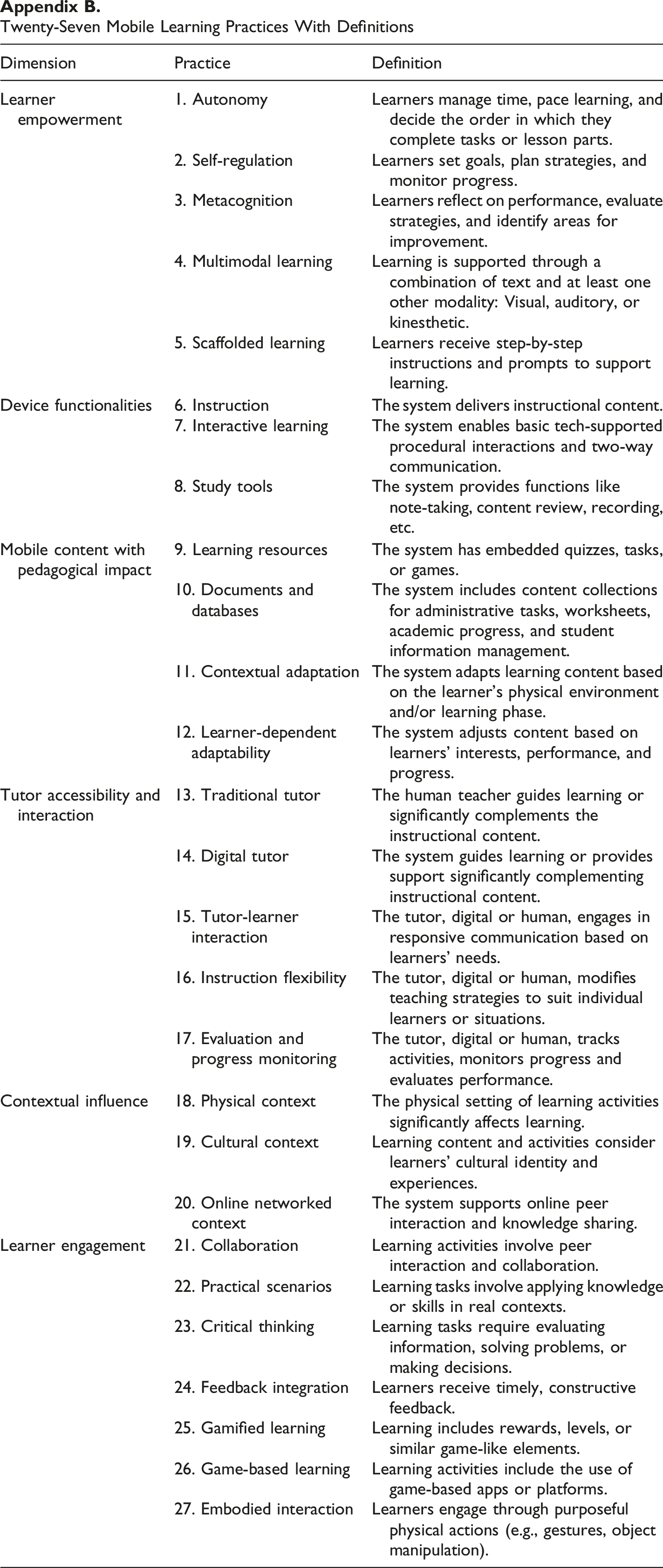
Dimension
Practice
Definition
Learner empowerment
1. Autonomy
Learners manage time, pace learning, and decide the order in which they complete tasks or lesson parts.
2. Self-regulation
Learners set goals, plan strategies, and monitor progress.
3. Metacognition
Learners reflect on performance, evaluate strategies, and identify areas for improvement.
4. Multimodal learning
Learning is supported through a combination of text and at least one other modality: Visual, auditory, or kinesthetic.
5. Scaffolded learning
Learners receive step-by-step instructions and prompts to support learning.
Device functionalities
6. Instruction
The system delivers instructional content.
7. Interactive learning
The system enables basic tech-supported procedural interactions and two-way communication.
8. Study tools
The system provides functions like note-taking, content review, recording, etc.
Mobile content with pedagogical impact
9. Learning resources
The system has embedded quizzes, tasks, or games.
10. Documents and databases
The system includes content collections for administrative tasks, worksheets, academic progress, and student information management.
11. Contextual adaptation
The system adapts learning content based on the learner’s physical environment and/or learning phase.
12. Learner-dependent adaptability
The system adjusts content based on learners’ interests, performance, and progress.
Tutor accessibility and interaction
13. Traditional tutor
The human teacher guides learning or significantly complements the instructional content.
14. Digital tutor
The system guides learning or provides support significantly complementing instructional content.
15. Tutor-learner interaction
The tutor, digital or human, engages in responsive communication based on learners’ needs.
16. Instruction flexibility
The tutor, digital or human, modifies teaching strategies to suit individual learners or situations.
17. Evaluation and progress monitoring
The tutor, digital or human, tracks activities, monitors progress and evaluates performance.
Contextual influence
18. Physical context
The physical setting of learning activities significantly affects learning.
19. Cultural context
Learning content and activities consider learners’ cultural identity and experiences.
20. Online networked context
The system supports online peer interaction and knowledge sharing.
Learner engagement
21. Collaboration
Learning activities involve peer interaction and collaboration.
22. Practical scenarios
Learning tasks involve applying knowledge or skills in real contexts.
23. Critical thinking
Learning tasks require evaluating information, solving problems, or making decisions.
24. Feedback integration
Learners receive timely, constructive feedback.
25. Gamified learning
Learning includes rewards, levels, or similar game-like elements.
26. Game-based learning
Learning activities include the use of game-based apps or platforms.
27. Embodied interaction
Learners engage through purposeful physical actions (e.g., gestures, object manipulation).
Researcher-Made Version of Instructional Design for Study 2 (Lin & Lin, 2016)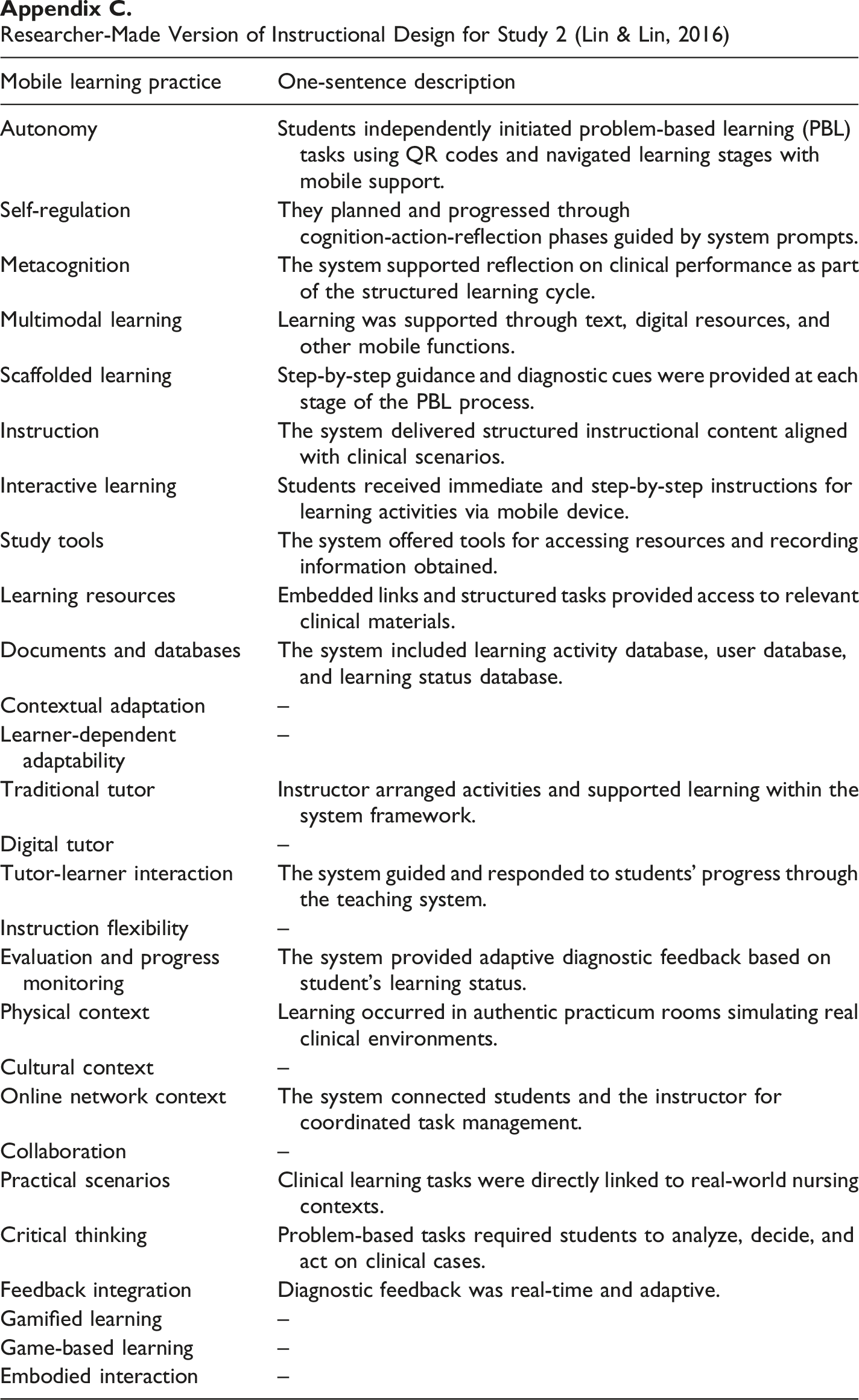
Mobile learning practice
One-sentence description
Autonomy
Students independently initiated problem-based learning (PBL) tasks using QR codes and navigated learning stages with mobile support.
Self-regulation
They planned and progressed through cognition-action-reflection phases guided by system prompts.
Metacognition
The system supported reflection on clinical performance as part of the structured learning cycle.
Multimodal learning
Learning was supported through text, digital resources, and other mobile functions.
Scaffolded learning
Step-by-step guidance and diagnostic cues were provided at each stage of the PBL process.
Instruction
The system delivered structured instructional content aligned with clinical scenarios.
Interactive learning
Students received immediate and step-by-step instructions for learning activities via mobile device.
Study tools
The system offered tools for accessing resources and recording information obtained.
Learning resources
Embedded links and structured tasks provided access to relevant clinical materials.
Documents and databases
The system included learning activity database, user database, and learning status database.
Contextual adaptation
--
Learner-dependent adaptability
--
Traditional tutor
Instructor arranged activities and supported learning within the system framework.
Digital tutor
--
Tutor-learner interaction
The system guided and responded to students’ progress through the teaching system.
Instruction flexibility
--
Evaluation and progress monitoring
The system provided adaptive diagnostic feedback based on student’s learning status.
Physical context
Learning occurred in authentic practicum rooms simulating real clinical environments.
Cultural context
--
Online network context
The system connected students and the instructor for coordinated task management.
Collaboration
--
Practical scenarios
Clinical learning tasks were directly linked to real-world nursing contexts.
Critical thinking
Problem-based tasks required students to analyze, decide, and act on clinical cases.
Feedback integration
Diagnostic feedback was real-time and adaptive.
Gamified learning
--
Game-based learning
--
Embodied interaction
--