






Abstract
This study explored how twenty Costa Rican women attending Colegios Nocturnos (Night High Schools) employed strategies to cope with stress and adversity to remain engaged in learning. We drew upon the transactional model of stress and coping and funds of knowledge frameworks. The research was grounded in three key data sources: semi-structured interviews, WhatsApp conversations, and Photovoice projects. The two research questions were drawn from women's coping strategies and the funds of knowledge frameworks. The findings revealed that to cope, the women relied on a web of interconnected supports such as their own sense of a strong self, family, friendships, and the classroom. This research calls for broader recognition of women's lived realities as essential assets in adult education.
Introduction
This study explores how socioeconomically vulnerable adult women in rural Costa Rica relied on social and cultural resources to persist as learners within marginalizing systems. It centers women's education, coping strategies, and the Costa Rican context. The research provides tools for educators and scholars to create more meaningful learning opportunities—ones that integrate women's life experiences and conditions into both the process and the environment.
Focusing on twenty participants in a nonformal English as a Foreign Language (EFL) group at a public night high school called “The Club,” it asks two questions: (1) what learning and coping strategies helped women overcome stress and persevere in learning (Lazarus & Folkman, 1984), and what funds of knowledge did they draw upon for those strategies (González et al., 2005)?
Literature Review and Theoretical Lenses
The women's stories in this study reflect broader trends within formal/nonformal, school- and non-school-based Youth and Adult Education (YAE) across Latin America and the Caribbean (LAC) (Gerónimo-López et al., 2021). Often linked to “popular education” shaped by social movements and persistent efforts to overcome systemic inequalities (Acuña Collado et al., 2021), women frequently play leading roles as participants, educators, and leaders in YAE and ongoing efforts to “depatriarchalize” education—specifically, by moving away from traditional, top-down education toward more Freire-inspired, participatory, and reflective learning that values lived experience (Camilo Recio & Cabrera Romero, 2021; Torres Rincón, 2021).
Therefore, this study adds to discussions on the “feminization of poverty” (Chant, 2009; Mata, 2018) in Costa Rica. Despite the country's high LAC gender equity, a significant proportion (68%) of Costa Rican women still live below the international poverty line (UN Women, 2024), raising concerns about the effectiveness of government educational programs such as 1998′s Creciendo Juntas (Chant, 2009) and 2023′s CreSiendo Juntas (Latina Republic, 2023, p. 15 March) to support socioeconomically vulnerable women and programs to support adolescent mothers and support services such as childcare, training, and stipends by the Instituto Mixto de Ayuda Social (known as IMAS) (NCR Noticias, 2025, p. 4). Women's limited access and uninterrupted participation remain a chronic problem (Chant, 2009).
Consequently, this study focuses on women's strategies and funds of knowledge for coping with stressors that threaten their continued participation in nonformal, night high school EFL education. The findings highlight how women's social and cultural capital serve to empower such uninterrupted participation. They also facilitate advocacy of certain types of educational and programmatic practices and policies that would affirm women's lived realities and support meaningful opportunities for learning and growth, especially for those facing systemic barriers.
Transactional Model of Stress and Coping
Lazarus and Folkman's (1984) transactional model of stress and coping highlights strategies that emerge from individuals’ assessments of situational stressors they face. Stress represents an interactional relationship between individuals and their environment. Coping strategies emerge when individuals find ways “to control, reduce or tolerate the internal or external demands” (Couderc et al., 2023, p. 132). Lazarus and Folkman's coping techniques include (1) problem-focused coping, which takes direct action to solve problems, and (2) emotion-focused coping, which involves thinking or feeling differently to find relief from stress, even if the problems persist.
Steffen and Anderson (2025) critique the initial model's separation of cognition and emotions and its attribution of cognition as the leading factor in individuals’ responses to stress. Previously, Berjot and Gillet (2011) demonstrated that stress responses are not cognitive-only but encompass the entirety of each individual. They also argue that Lazarus and Folkman (1984) leave out antecedent identity experiences; for example, strategic coping differences arise between individuals who’ve experienced or not experienced identity stigmatization previously. Steffen and Anderson (2025) also demonstrate that the primary situational response to stressors is affective, not cognitive. The findings of this study similarly suggest that primarily affective means for leveraging funds of knowledge to cope with educational stressors were effective for Costa Rican participants.
Funds of Knowledge
Learning becomes more meaningful and effective when educators actively integrate students’ funds of knowledge, characterized by their lived experiences, cultural values, and everyday practices (González et al., 2005). Adult education must align with learners’ already motivated interest to learn (Knowles, 1990; Rojas-Alfaro & Chen, 2019; Rojas-Alfaro, 2025); connecting to such learners’ interests, values, and lived experience is critical for success (Bello-Bravo & Lutomia, 2024; Lutomia & Bello-Bravo, 2024). Drawing on adult learners’ funds of knowledge also fosters more inclusive and equitable learning environments that affirm students’ diverse experiences, especially those from marginalized backgrounds (González et al., 2005).
This framework for learning draws upon Bourdieu's (1986) notion of cultural capital but without accepting the sociologist's strictures on what is and what is not valuable with regards to said capital. In this vein, Yosso (2005) proposes the alternative concept of “community cultural wealth,” which refuses to label individuals from socioeconomically disadvantaged environments as “deficient;” instead, Yosso highlights their “assets” of valuable knowledge and life experiences. More relevant to this study, we focus on the assets of socioeconomically disadvantaged women in particular, a population that has often faced the greatest systemic barriers, including invisibility, inequality, subjugation, and abuse in various spheres of life (Chant, 2009; Higgins, 2010; Lakoff, 1973; Morgan et al., 2010). Recognizing women's funds of knowledge sheds light on how they navigate these challenges to persevere toward educational goals by surfacing their lived experiences and life journeys.
Criticisms of approaches that take learners’ lived experiences into account raise concerns about lowered educational expectations, decreased skills or knowledge preparedness for college, and the threat of inadvertently perpetuating negative stereotypes about minorities (see Hogg, 2011; Oughton, 2010). Such criticisms are moot for adult learners, especially those seeking skills to improve their socioeconomic condition in the workforce (González et al., 2005); moreover, the sheer necessity within adult education to connect to the lived realities of already-motivated adult learners makes an approach like funds of knowledge indispensable (González et al., 2005).
In this way, advocacy to exclude from the adult classroom approaches like funds of knowledge that connect to (women) learners’ lived realities not only removes an essential tool that students from marginalized backgrounds use to survive and thrive but also decreases such education's efficacy or simply precludes women's access to it. For this study, that preclusion is even more harmful, as the skill in question (attaining English fluency) opens opportunities and access to a broader range of work than a single-skill education (e.g., accounting, paralegal) affords (Rojas-Alfaro & Enriquez, 2025).
Context
Night Schools in Costa Rica
Costa Rican “Night High Schools” (Colegios Académicos Nocturnos) do not fall into the categories of alternative or informal education. Although they have fewer subjects in the curriculum (i.e., music, arts, physical education, and special area subjects are excluded) and students are primarily adults, the Ministry of Public Education (MEP) categorizes them as evening-schedule regular public high schools. Established in 1950, Nocturno high schools stand as one of the last possibilities that the Costa Rican education system offers for otherwise educationally excluded populations.
Vargas (2012) considers the Nocturno population among the most vulnerable in the country. This is particularly the case for women whose situations are amplified by income gender gaps. According to the Organization for Economic Co-operation and Development (OECD, 2024), although various Costa Rican governmental agencies and institutions have joined efforts to close the income gap between men and women, women still earn much less, placing them at greater risk of poverty than men. Costa Rican women, particularly rural women, tend to have lower levels of education; hence, fewer full-time jobs are available to them. They also assume additional home management responsibilities, including caring for children, the elderly, and disabled family members (OECD, 2024), which hinders access to education if there is no support for those essential activities.
The Program
“The Club” consisted of twenty women, aged 18 to 40, enrolled in a night high school in Costa Rica's Central Valley. Participants were initially selected by asking Night High School English teachers to recommend women students who demonstrated strong academic performance, responsibility, commitment, and a distinctive interest in the English language (Ramírez-Casavolone, 2023). All participants were regular students of the Night High School. The Club was not linked to any official school subjects; however, the school administration granted permission to work with these students, and participation was voluntary.
The Club project was sponsored by the U.S. Embassy as part of its initiative to expand English language programs. In Costa Rica, English proficiency is widely recognized as a key factor for employment and social mobility, given the country's strong tourism industry and the presence of multinational corporations (Rojas-Alfaro & Chen, 2019). As a result, both national policies and international initiatives prioritize English instruction for underserved populations.
The year-long Club (2019–2020) combined online (both synchronous and asynchronous) and in-person meetings. The hybrid approach aimed to give students valuable online and technological experience—an advantage that proved crucial when COVID-19 struck. In-person sessions took place at the school and in various external locations, including parks, a dance hall, a museum, coffee shops, and a student's workplace. These venues became necessary due to frequent school closures, teacher strikes, and other unforeseen events. Its “core” consisted of weekly online activities and eight weeks of in-person meetings, organized into four intensive two-week segments.
Methodology
Participants
Twenty women participated in the study. Their identities were anonymized and all were in socioeconomically challenging circumstances in a rural location; two of the women were undocumented migrants from a neighboring Central American country; eight were single mothers. The majority either held daytime jobs or had caregiving responsibilities, leaving nighttime schooling as their only viable option. Eighteen were employed in low-wage occupations, including street vending, domestic work, food service, factory labor, and agricultural work such as picking coffee. Hourly wages ranged from $2 to $3, with daily shifts lasting 8 to 12 hours. Monthly average earnings were $305, which is less than half the Costa Rican national median income. Despite employers’ legal obligation to provide health insurance, only one participant was insured.
Data Sources and Collection
There were three data sources: interviews, Photovoice projects, and WhatsApp posts.
The study's primary data consists of semi-structured, hour-long interviews (152 pages, totaling 73,311 words) for eight of the 20 participants during and after the year-long Club project. These eight were women who volunteered to be interviewed and maintained sustained engagement with researchers for two years after the Club.
The onset of the COVID-19 pandemic and ensuing travel restrictions necessitated the use of remote interviewing via Zoom in Summer 2020, Fall 2020, and Spring 2021. In the Spring of 2022, follow-up interviews were conducted. Interview questions followed Carspecken's methods for conducting in-depth, semi-structured interviews (1996) (see Appendix), aiming to elicit data on the research's themes but not “lead the interviewees too much” (Carspecken, 1996, p. 157). Questions focused on participants’ experiences in the night school.
In-class projects using Photovoice (Wang & Burris, 1997) afforded a way to give voice to marginalized women otherwise silenced or unheard. This involved participants using a photograph to describe aspects of their lives they had been unable, or never invited, to share previously. Like the interview questions, the Photovoice projects focused on education-related themes, often poignant moments in their journey to stay in school and persevere in learning. Participants used camera phones to generate their project; fourteen gave consent to include their projects in the study, including the eight who were also interviewed.
WhatsApp conversations (159 pages of transcripts, totaling 70,597 words) were free-flowing and unguided. It provided a space (Lutomia & Bello-Bravo, 2024) where students informally shared with one another, instructors, and the researcher whatever they wanted, whenever they wanted, during two years of engagement.
Data Analysis
The researchers used a thematic analysis approach (Braun & Clarke, 2006) to identify situation-specific coping strategies. Thematic analysis allows researchers to work with the data in detail, examine it multiple times, and develop a deep understanding of, in this case, the students’ voices. The process began with organizing and repeatedly reviewing the data to uncover deeper insights, emphasizing metacognitive reflection—thinking about one's own thinking (Sunstein & Chiseri-Strater, 2012). The next step in the analysis was to conduct a first-cycle coding, using a deductive approach to identify relevant data based on the research questions and theoretical framework. Given the large amount of data, data condensation was applied to focus on the most meaningful information.
In the first-cycle coding phase (Creswell & Poth, 2018) researchers identified 70 themes using both deductive and inductive methods, including sub-codes for nuanced meanings. Interviews and WhatsApp conversations were coded using “speech segments,” which are the smallest units tied to a single theme and addressee (Henri & Rigault, 1996). Each Photovoice project was treated as a separate unit of analysis, helping to clarify and reinforce findings from the other data sources.
In the second coding cycle, to address the question of coping strategies in this study, the researchers used Lazarus and Folkman's (1984) transactional model of stress and coping. Using this lens, we grouped 13 themes into problem-focused and emotion-focused coping strategies (Table 1).
Sample Codebook for Coping Strategies.
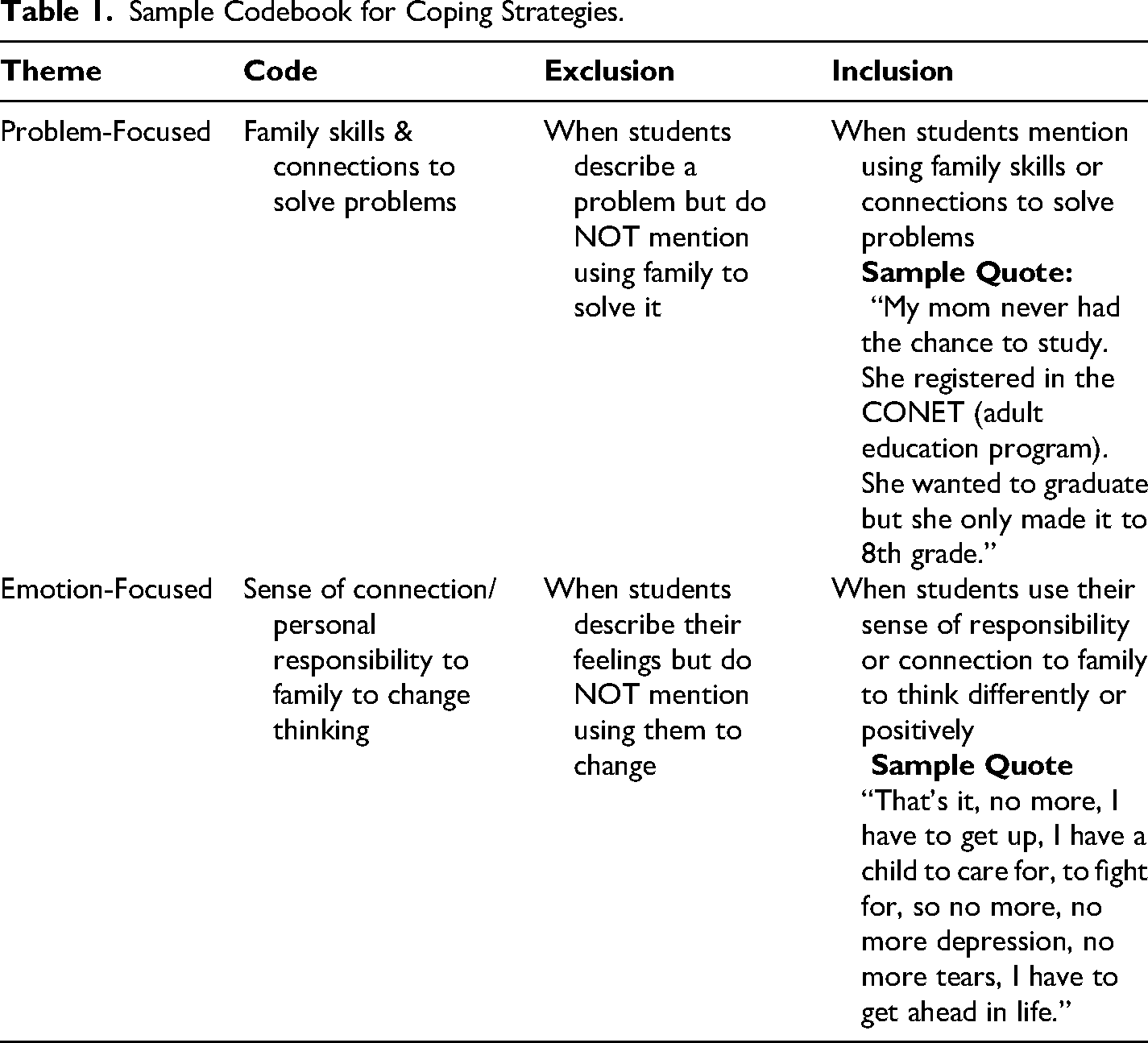
In the coding, the researchers worked closely with Catalina (pseudonym), a Costa Rican teacher and El Cerro native, who was also teaching and researching students in the night school. The codebook was shared with her, and then the team (researchers and Catalina) coded the interview together. Discussions continued until 90%–95% inter-rater agreement was achieved for each coded interview. The first author then coded WhatsApp conversations and the Photovoice projects. The procedure described served to crystallize (Ellingson, 2009) information from the interviews, a process of achieving a deeper understanding by including alternative and creative sources.
To further understand and amplify our findings, we also enlisted a focus group, in which 10 of the 20 participants joined the zoom session and the conversation lasted approximately 90 minutes. We discussed the coping strategies we identified. This step not only increased the trustworthiness of the findings but also sustained our relationship and maintained contact with the students.
Findings
Participants used coping strategies to address daily challenges impacting their well-being and that of their families. Our study, set within The Club's context in the Night High School, surfaced situation-specific problems- and emotion-focused coping strategies that they drew from their funds of knowledge.
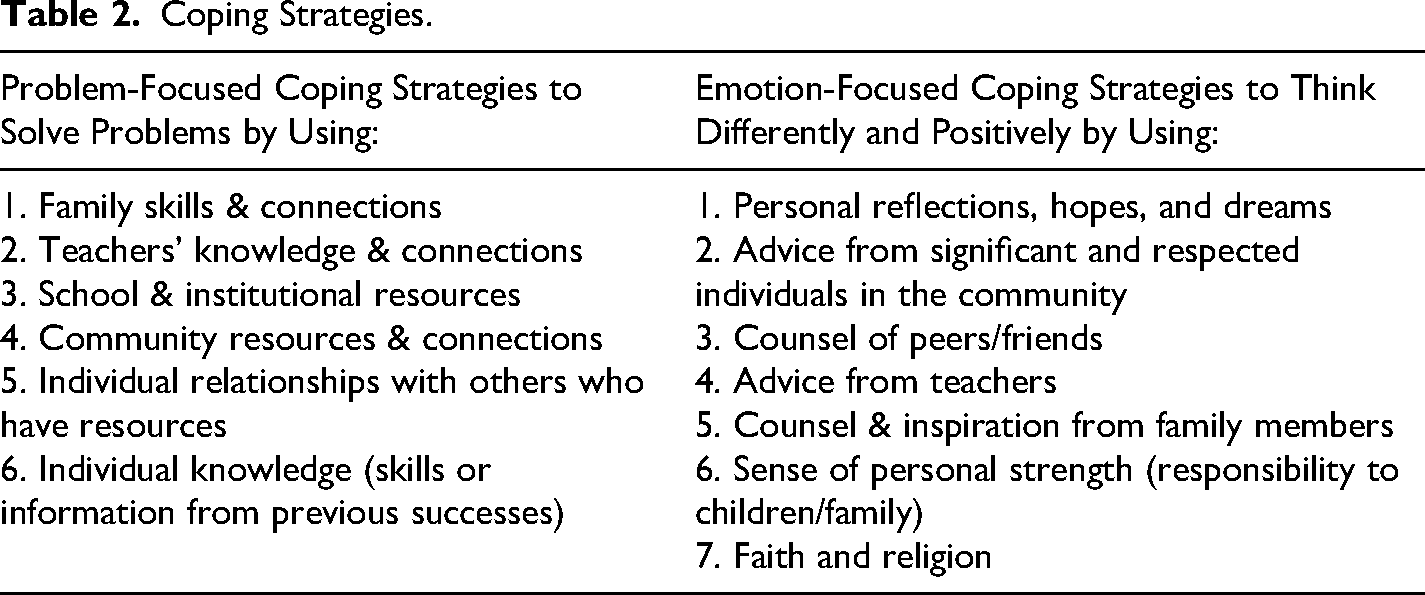
As seen in Table 2, the students’ coping strategies emerged from their access to resources and informational inputs, and their funds of knowledge drew from:
Family members Individual resources (connections & personal reflections, etc.) School personnel and resources Community members Faith
Coping Strategies.
Problem-Focused Coping Strategies
These strategies are direct actions taken to solve problems. The quotes below show that they ranged from logistical to practical problems that required ingenuity on the women's part.
Gabriela openly expressed that her family was everything to her: “Son mi vida, profe” (“They are my life, professor”). Her Photovoice project, entitled “My Decision” (Figure 1), recounted the moment when she chose to return to school alongside her family, so that, together, they could support each other. This decision was sparked by a problematic situation in which her eldest daughter needed help with math, and Gabriela, lacking the knowledge, felt helpless. Seeing herself unable to support her daughter academically deeply affected her and ultimately motivated her to go back to school.
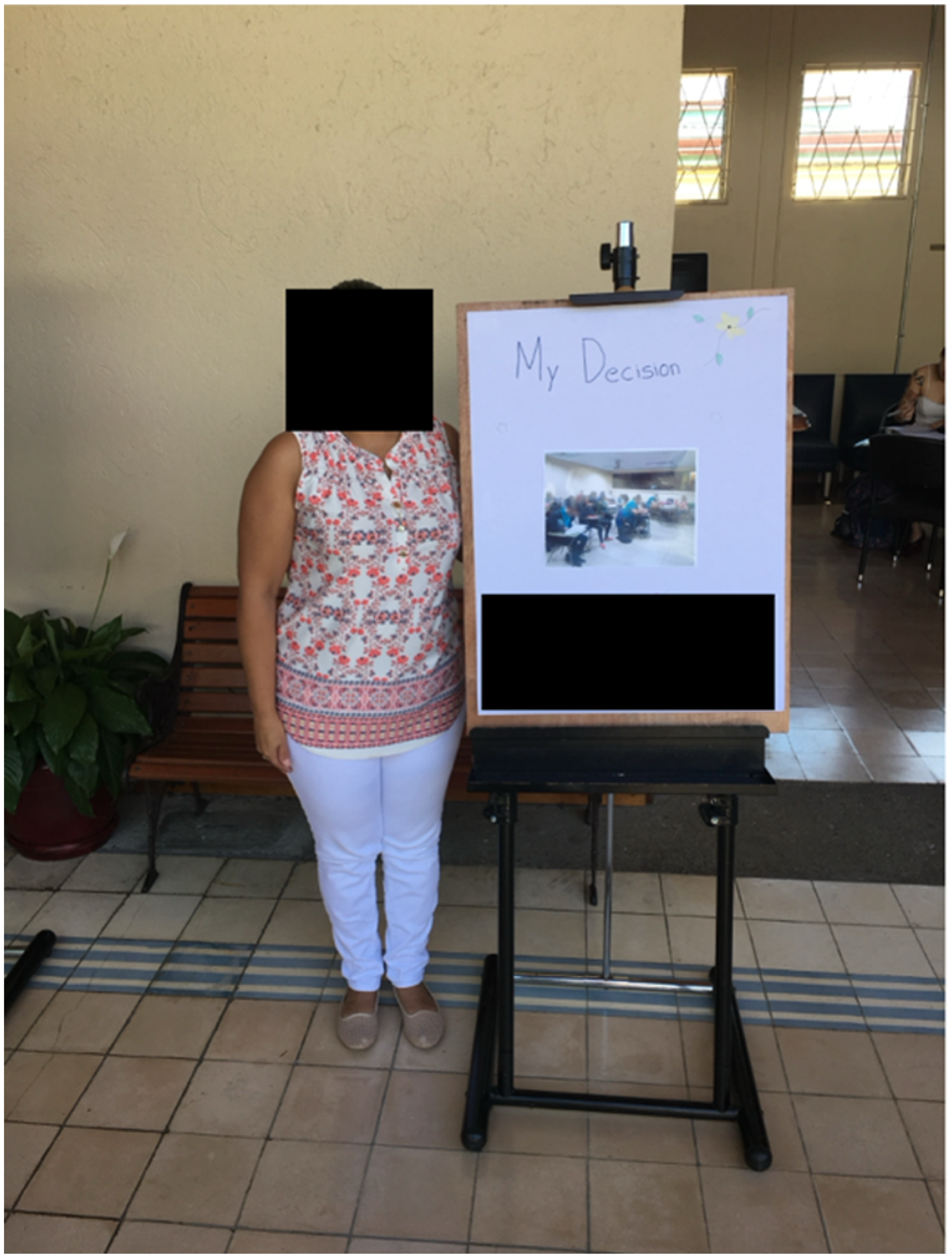
My Decision.
Gabriela also enrolled her husband. At the start of each academic year, she proactively met with school administrators to ensure they would be placed in the same class group. Gabriela felt it was essential to remain by his side as much as possible. As she explained: I can help keep him motivated because when I graduate, I want him to be there by my side as we both fulfill our dreams. If it's not like this, my dream will only be halfway.
For Gabriela, having her entire family engaged in education together was a source of motivation and comfort. As a family, they supported each other, and Gabriela, as an individual, used her abilities to convince school administrators to help her and her family. Gabriela said, “Imagine, profe, they were all in school with me—no worries about what was going on at home. I could keep my eye on them”.
Nevertheless, enrolling in the Nocturno High School presented challenges for the students. In Yessenia's case, we saw that the family was used again as a coping strategy. Her mother, who had a job at the time, could pay for school expenses and helped in other critical ways, and Yessenia was there alongside her mother: My mom works very hard, and I do too; we help each other a lot… my mom and I take care of everything according to what each can do, depending on our work schedule. I can wash, cook, clean, and take care of my brothers and my daughter… I even know how to use a machete, and I take care of our yard.
In addition to family, the students relied on the school and its personnel to provide resources to help them cope. Nancy talked about this when asked how she kept up with daily assignments and homework, particularly because, like most of the students in the study, she did not have a computer at home: Nancy Interviewer Nancy Interviewer Nancy
Colleagues and friends at their workplaces also played a role in the students’ coping with responsibilities. When Jacky, a school bus driver's assistant, was preparing for the Bachillerato examination (comparable to the SAT), her supervisors provided supportive resources and opportunities to help her progress. In addition to allowing her to bring test practice books on the bus, the supervisors asked her bus passengers to ride in complete silence and not “bother” Jacky, who needed peace and quiet to think and then focus on the examination when she was done with work. Jacky explained: “My bosses are amazing; I loved them so much; they cared for me, too. I could tell”.
The findings also demonstrated that students coped by drawing upon and utilizing skills derived from experiences outside of school. For example, when a class was overwhelming, to regain her footing, Vicky resorted to the skills of multitasking she gained from holding down multiple jobs:
When COVID started, they hired me on the weekends [too]. But I had started school, so I got very tired… the class was an oral communication class, so I always had to be prepared with a speech or a debate… Thanks to my time at the diner…, I know how to prepare almost anything. From working at the clothing store and the bar, I learned how to talk to people and how to treat people when they need something.
The examples above make it apparent that students relied on themselves, their families, other people and resources in their schools and workplaces in their community to solve and manage problems.
Emotion-Based Coping Strategies
Lazarus and Folkman (1984) explain that these strategies help individuals to alter perceptions and emotional responses to stress, enabling positive thinking and progress. The data shows that students benefitted significantly from personal reflections, counseling, and advice from various sources, as well as from their beliefs in themselves and in religion.
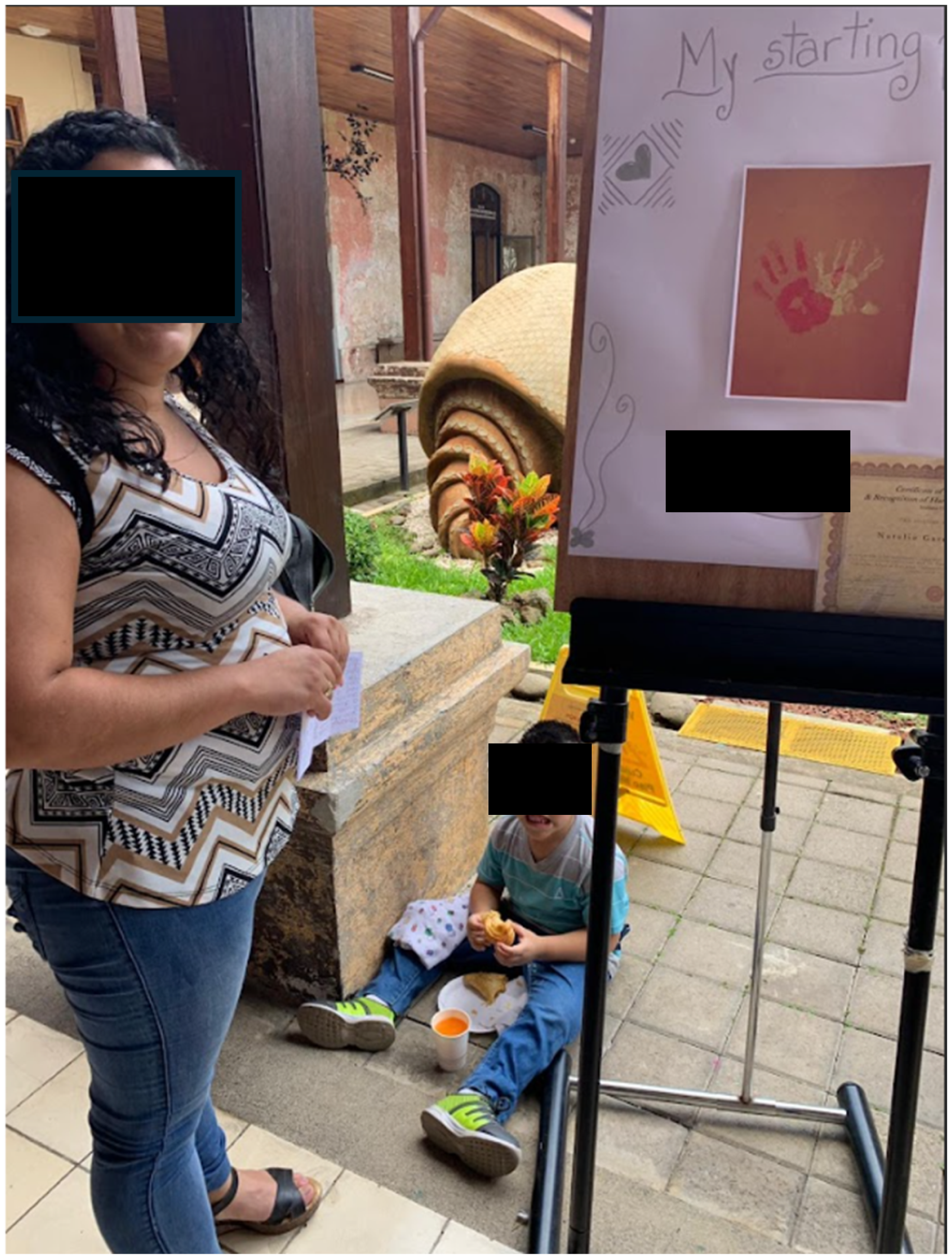
My Starting Point: Nancy and Her Son.
In Nancy's quote below, we see that personally reflecting on and recognizing the most difficult parts of life triggered by life events motivated her to move forward for herself and her family. For Nancy, the reflection and recognition happened on an emotionally painful day in her life: Profe, that was the day my son's father broke up with me. That day, I promised myself it was the last time; he had done it so many times before. I said to myself, “No more,” and I punched the wall! Nancy's Photovoice project (Figure 2) was a picture of her and her son's hands on her bedroom wall. The picture propelled Nancy to move forward, as she became fully aware of her reality and the responsibility she had to ensure her son's well-being.
At the night school, teachers, friends, and peers became trusted confidants and sources of encouragement for the students who navigated their lives within the shared space of the classroom. An example can be seen in Silvia's description of her difficulties finding employment: [W]henever I go looking for a job, ok, well… you know I clean houses, that's my job. Anyways, I have always been told that I don’t get hired, like to be cashier, because I need to have at least ninth grade. So when I had ninth grade, I wanted a better job and went to find one in cosmetics store… so you know what I was told, that they couldn’t give me the job because I was too ugly! I remember that time so well. I collapsed, my world fell apart once again. And I stopped looking for a new job. Thankfully, I told a teacher about this, and she just said, “Keep studying, Silvia; keep preparing yourself. You’ll see that one day you will compete with a very pretty girl, nice face, great body, but they won’t choose her, they will choose the smart one, the one who knows more and is better prepared.” And I now believe this. I see studying as an opportunity.
On her part, Vicky explained how her trusted group of friends helped her get through a childhood trauma so she could stay in school. She told the story of her drug-addicted, schizophrenic uncle who was often mocked in town. In the Caserio (small rural neighborhood) where she lived, everyone knew that Vicky was his niece. She described being very shy and insecure because of it. “But I’m not like that anymore,” she concluded. When we asked her what had changed, she said, “I found good friends. I guess when you meet someone you feel connected to you are able to express your true self, and that's what happened to me with my group of friends. They saw who I was and accepted me regardless of my family situation.”
The findings also demonstrated that students coped emotionally by drawing from the faith that family members had in them. For example, Jacky drew strength from her father's pride in her achievement to continue her education. During the first two weeks after the Club began meeting, Jacky's father committed suicide after losing all hope. Jacky's accounts showed how her father's earlier encouragement had helped her to cope with his passing and to strive to continue: With what happened to my dad, it was hard for me. I just wanted to give up, I wanted to do nothing, I didn’t want to keep going to the Club. But then I thought about how my dad had supported me when I told him about it. He said, “Sweetheart, that's great. I am very proud of you for joining the Club.” So I said to myself, “I have to keep going for him,” and I felt motivated, so I went back with even more strength.
The adult students in this study had life experiences that influenced their personalities, attitudes, and worldviews. They overcame negativity and self-doubt through self-belief and support from others, as well as keeping their eyes on the larger picture of overall goals and making determined decisions about them. Yessenia was a case in point. She was a 24-year-old woman from Nicaragua living at the time as an undocumented resident and working as a coffee picker. She faced many harrowing challenges, including abuse from male co-workers: “But teacher, they never raped me, I didn’t let them…”mpa#rdquo;, Yessenia told one of the researchers
Alongside the encouragement of others, Yessenia's Photovoice picture (Figure 3) and comments provided insight into how she kept her eyes on the overall goals and into her sense of persistence that carried her through emotionally difficult times. The picture of a coconut tree (Figure 3) outside her “casa piso e’ tierra” [sic] (dirt-floor house) for coffee workers inspires her to write the following: In this picture, you can see a coconut tree. The tree has fruit. Some are good and others have gone bad. Bad fruit happens usually because of the weather…But at the top of the tree, there is a bigger, stronger fruit that might yield fresh, sweet coconut water. These fruits are like humans. We can learn to be strong like the trees and their healthy fruit that adapt to different ecosystems, and to natural disasters and how they come back to life after destruction. We can decide whether to die because of this or rise regardless of everything. There is always hope and a better life.
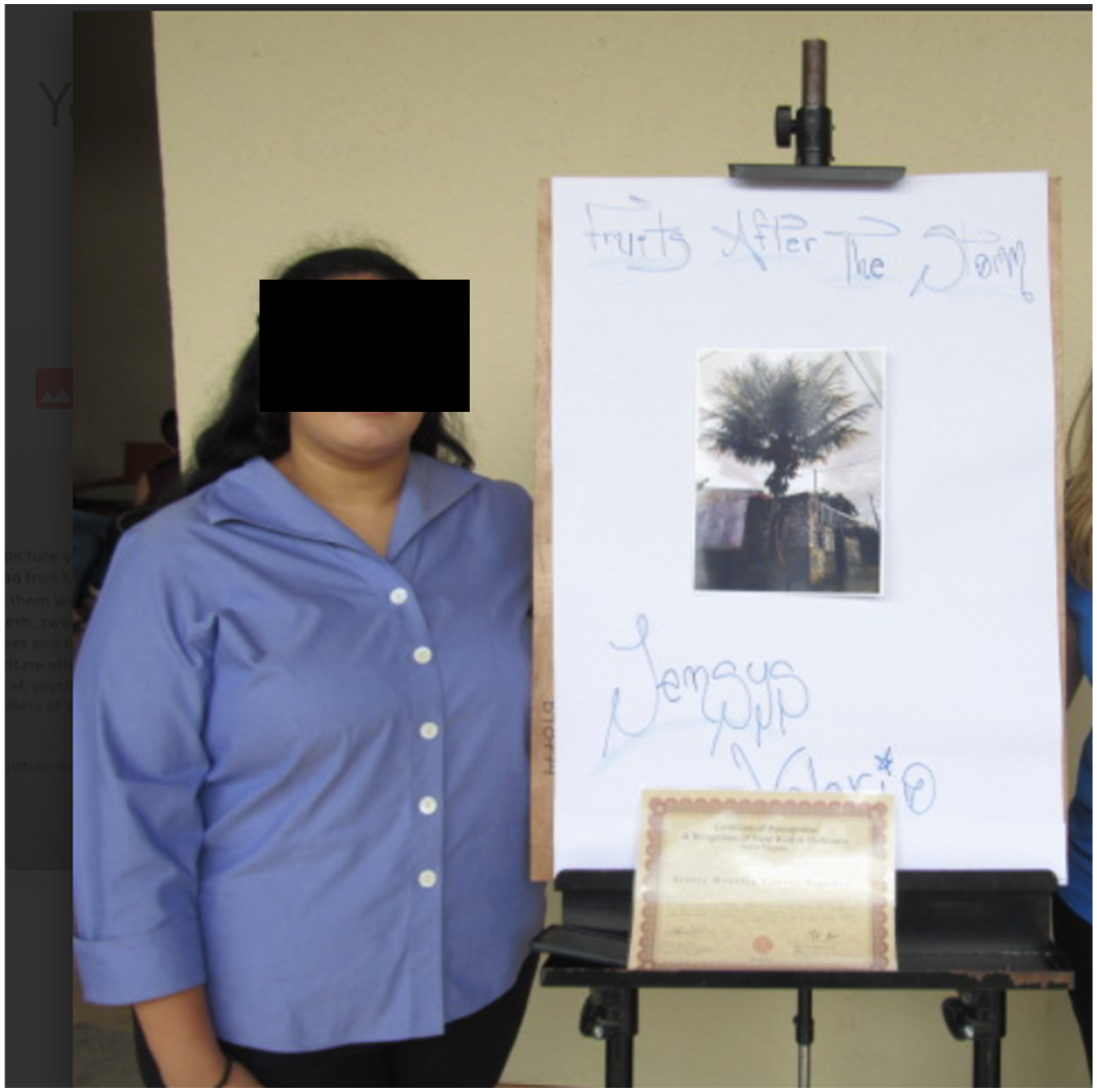
Fruits After the Storm.
Silvia's Photovoice project (Figure 4) encapsulates well the students’ emotionally-focused coping strategies. The strategies arose from a sense of determination, from the strength within themselves, from their sense of responsibility to their children and family, and from the encouragement of others. Her project was called “From Darkness to Light,” (Figure 4) and she described it in the following way: In this picture, you can see some things that mean so much to me. You see an old table, three empty dishes and a burning candle.
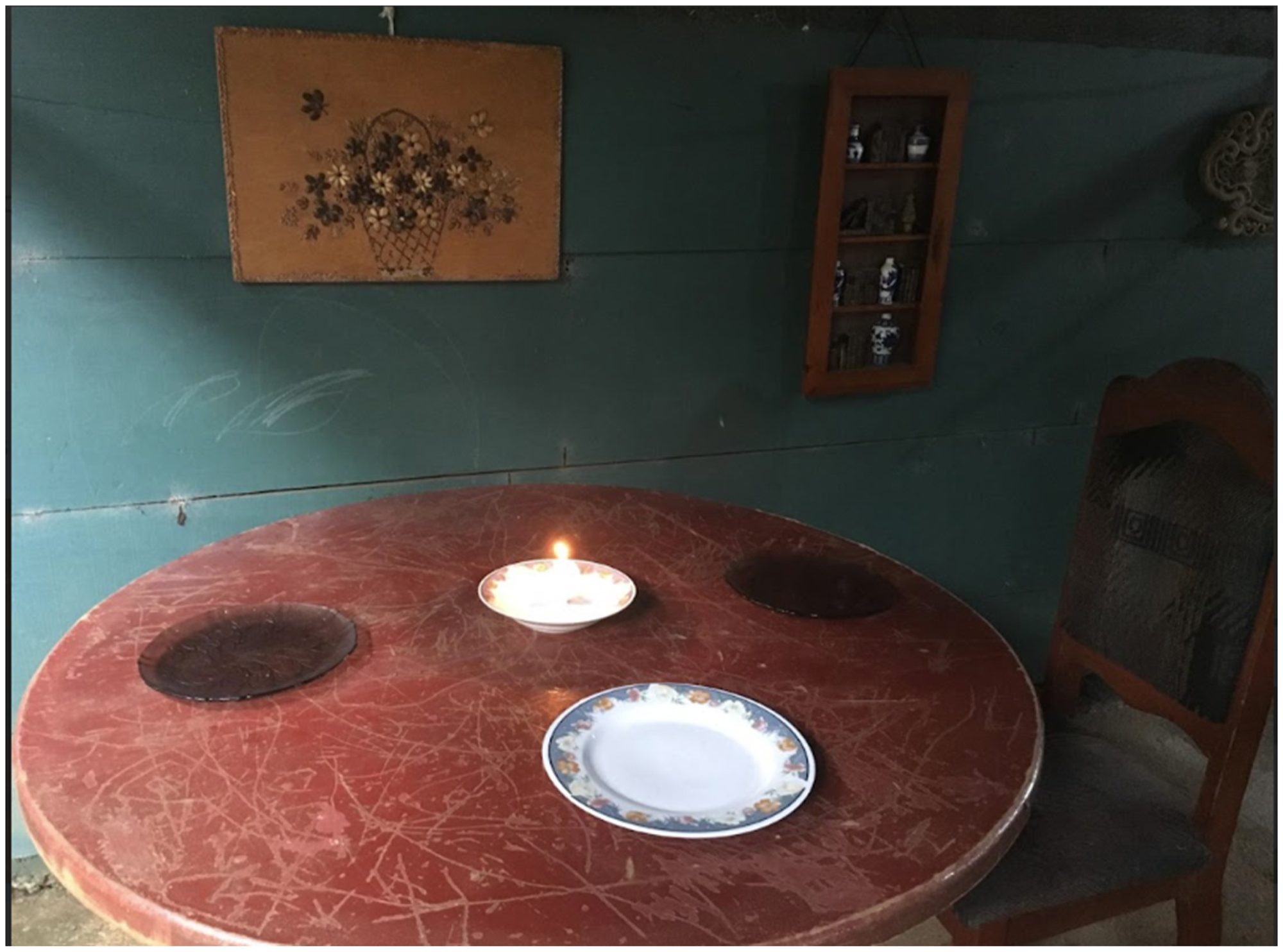
From Darkness to Light.
The old table. This is for me, pain more than anything from my past. I remember when I was crying in [sic]an old table like this, because I felt trapped by my own mind. My thoughts always said inside of me, “You’re useless, you can’t do it,” and the only way to get out is that you died. I tried to do it, but something in me made me change my mind. I realized I really needed to wake up and come up with a new perspective. It was my first step I took to change my life [sic].
Three empty dishes. One day, in the morning, I only had for breakfast three empty plates. My children came to me to tell me they were very hungry and that water could not fill them up… it caused me great pain to hear that. But more than ever, I knew I had to change my way of living.
The burning candle. At night, in the darkness without light, because power was cut off. I had not paid. I thought, “I don’t deserve this.” And a person from my community who is very important to me said to me, “Why aren’t you studying? You can do it! You’re a young and smart woman!” I understood. I enrolled in the night school.
When things spun out of control, however, we saw students delving deep into their beliefs and values to overcome these challenges. For example, Lauriza accorded divine intervention for the presence of her boyfriend during a time when she was having serious, multiple health problems and surrendered to her faith for her recovery chances: God sent him… and God will take care of cleaning up the other things that are in the way. I trust Him. I have faith in God, and I have put everything in his hands. I know I will get better.
Gabriela provided another example of drawing from and reliance on faith during a time when she perceived that there were no options left when her husband was going through depression. She was losing strength to support him and felt that only God could help her get through the challenging times: I went into the other room and I told God I couldn’t take it anymore, I told him I was letting it all go, that the load was too heavy for me, that I couldn’t take it anymore. I said this to God: “Lord Jesus, I don’t deny this cross, I am just asking you to teach me how to carry it, how you carried it. I leave this in your hands, and whatever needs to happen, it shall happen.
Relying on faith was a strategy to cope with unexplainable events and those that went beyond identified and available means of control.
Discussion and Implications
The data on coping strategies demonstrated that the students drew on multiple interlocking sources of funds of knowledge to manage problems and to find emotional footing. The strategies demonstrated that they drew strength and knowledge from within themselves, from their families, from casual and formal social networks, and from their faith. The sources for these strategies were the students’ funds of knowledge because they emerged from their daily lives and experiences. These strategies could be seen as embedded in and/or overlapping with each other.
The coping strategies highlighted significant elements of funds of knowledge, namely the wealth of knowledge that socioeconomically marginalized students bring to the classroom as well as their agency in utilizing the knowledge for survival (Rodriguez, 2013). The framework validates and expands the repository available to students and their teachers for supporting students’ achievement. For example, contrary to the deficit-thinking belief that low-income student populations lack parental support in academic matters (see Abrams & Gibbs, 2002; Epstein, 1995; Lareau, 2000; O’Connor, 2001 cited in Smith, 2006), the students in this study consistently demonstrated strong family involvement in their education and a commitment to valuing education. The family dynamics and relationships described in the study's findings demonstrated that the students relied upon and benefitted from a robust support network that significantly bolstered their interest and capacity for studying. These findings were consistent with other studies (Hedges et al., 2019; Sebolt, 2018), which emphasized the critical role of family support structures—ranging from immediate family to extended relatives and chosen networks—in academic success.
The coping strategies that emerged from this study were situation-specific and reiterated that students’ funds of knowledge in that context were both personal and communal. The students drew, for example, from the confidence they had internally. In addition, the findings in this research also showed that students’ relationships with others helped them develop higher levels of wisdom and resilience in a “process of positive adaptation, or the ability to maintain or regain mental health, despite experiencing adversity” (Herrman et al., 2011, p. 259). The value of connecting school with life experiences and situations, a central tenet in the funds of knowledge framework (Rios-Aguilar et al., 2011), was evident from the findings. For example, in this study, all participants had one or more jobs during the day while studying at night. A sense of workplace belonging, navigating workplace ethics, and developing skills (both “hard” and “soft”) generated knowledge—including coping mechanisms—that were invaluable for their achievement in the classroom.
Conceptually, the findings in this study suggested the need to expand the application of adult learning principles. Andragogy (Knowles, 1990) describes how adults are independent learners. His work highlighted that not only were the learners independent, they were also heutagogical, or interdependent learners (Hase & Kenyon, 2000). Their life circumstances led them to accept the nonlinearity of their learning paths, compelling them to be proactive in connecting with others and seeking support to stay on track.
The study thus also highlighted the saliency of marginalized women's social capital networks on their development and self-determination in learning as adults. Nanton (2009) asserted that for women in communities where the socioeconomic challenges are formidable, maintaining social capital networks as “coping mechanisms serves to sustain them” (p. 15). As the study's findings show, peers, friends, co-workers, supervisors, teachers, community members, and others were part of this social network that provided necessary shelter and support. The women thus relied on social networks to uplift themselves, as they strove to overcome challenges by strategically using and maintaining them to access vital skills, resources, and wisdom.
The literature review found that Creciendo/CreSiendo Juntas and IMAS programs in Costa Rica aim to support socioeconomically vulnerable women adult learners. However, the research identified ongoing challenges to their effectiveness. One key issue is that women bear the majority of family and domestic responsibilities while also being expected to earn income, underscoring the need to include and educate men in these programs. Additionally, participation in IMAS can be risky, as when women's jobs move them above the poverty line, they may lose access to crucial benefits like childcare, creating a “perverse incentive” (Leon-Espinoza, 2022; Mata, 2018, p. 4). To address this, the poverty line should be adjusted so women can continue pursuing education and financial stability without losing support.
These findings offered both caution and support for other Youth and Adult Education (YAE) programs in Latin America and the Caribbean. Programs that focus exclusively on women, such as La Sureña Popular Women's Movement and Caracola Educativa Espiral in Colombia (Torres Rincón, 2021), may have a greater long-term impact if men are included as partners, helping address issues such as unequal domestic burdens and the undervaluing of women's education. The reflections of women learners also affirmed the value of Puerto Rico's “sentipensante” pedagogy (Gerónimo-López & Tormos-Aponte, 2021, p. 162), which encourages students to connect deeply with their experiences through both feeling and thinking, thus empowering their personal growth. Such an approach can be seen as counter-hegemonic and can help reduce high dropout rates in traditional formal adult education in the region (Acuña Collado et al., 2021). Having it in nonformal programs such as the Club can further strengthen its impact.
Limitations
This research was undertaken in Costa Rica's cultural context, which might have affected the findings and limited their relevance. The specificity of the context might, for example, have led to repeated mentions of family ties and faith. In Costa Rica, families often live close to each other so they can support one another. Although contemporary times and mobility have impacted this tradition, family remains central. In that regard, it is unsurprising that family ties have been the subject of many studies on personal happiness in the country (Pentz et al., 2013; Xirinachs-Salazar et al., 2023).
In terms of faith, 90% of the Costa Rican population practices Roman Catholicism, which, as declared by law, is the state religion. As a matter of fact, in our study, whether as an expression of faith and/or as part of daily discourse, the phrase “Si Dios quiere” (God willing) was often heard uttered by the students or by someone else who would finish the students’ sentences for them with this ubiquitous phrase. Thus, this context might have limited the relevance of the findings to the students’ specific situations in the study.
In this light, the general applicability of this study's findings could be explored as items in a large-scale quantitative survey. Such a survey might yield information as to how these strategies are situated in the macro context of Costa Rica or in other contexts beyond the country. A “cause-and-effect” or correlational quantitative study could yield distinctions between the primary and secondary appraisals of stressors (Lazarus & Folkman, 1984). Primary appraisals involve individuals evaluating the nature and level of significance of threats and challenges. In contrast, secondary appraisals involve considering the options available to them for controlling and coping with difficulties and stressors. That knowledge can enhance advising and support for adult learners. The primary impetus for conducting this study on coping strategies was to understand and support the students in “The Club” in El Cerro Night High School. However, extensions of this study could benefit many more.
Footnotes
Acknowledgements
AI Copilot was used when doing the revisions for summarizing.

Ethical Considerations
This study received ethical approval from the KC IRB (approval # 1805748496) on 11/05/2018.
Consent to Participate
Respondents have given written consent to participate in this research study, to publish photos and images, the written consent itself is held by the authors/ investigators to fulfill confidentiality agreement.
Funding
The authors disclosed receipt of the following financial support for the research, authorship, and/or publication of this article: This work was supported by the US Embassy in Costa Rica,
Declaration of Conflicting Interests
The authors declared no potential conflicts of interest with respect to the research, authorship, and/or publication of this article.
Appendix
Interview Protocol