







Abstract
Mobile phone proliferation in developing economies has arguably affected the everyday lives of subsistence consumers and entrepreneurs like no other technology in recent times. This impact is evidenced by mobile phones’ embeddedness in everyday consumption and business practices. Surprisingly, mobile phones have only minimally been incorporated into bottom-up research approaches in subsistence marketplaces and/or ethnographic transformative research methodologies and methods. To begin addressing this important gap, the authors conducted a systematic review of the literature on mobile phones and ethnography and then gained practical experience with a new bottom-up methodology called mobile phone visual ethnography (MpVE). Using research experiences as data, the authors share micro-level details about African microentrepreneurial everyday life and highlight important methodological issues associated with conducting MpVE in subsistence marketplaces. They find that MpVE affords methodological naturalism, unpacks informant perspectives of everyday life, captures human mobility within marketplaces, and begins to democratize the research process. In doing so, this article offers a new way of giving voice to subsistence marketplace populations through more active and visible participation in research.
Keywords
For much of the world’s population, everyday life is one of subsistence. Issues such as low literacy and access can prevent them from participating in global efforts aimed at transformation. Historically, marketing research was often conducted upon and not in collaboration with these populations. However, it is widely accepted today that research and related public policy development should include direct input from and involvement of the constituents the policies are intended to serve (Kolk, Rivera-Santos, and Rufín 2014). This is particularly relevant in research dealing with subsistence marketplaces and other vulnerable populations. As such, policymakers, scholars, non-governmental organizations, and other groups increasingly seek ways to give voice to people living and working in these locales.
A “bottom-up” immersive approach is an effective and efficient means of engaging and empowering subsistence populations (Viswanathan, Venugopal, et al. 2016; Viswanathan, Sridharan, et al. 2012). Specifically, by emphasizing grounded micro-level insights based on daily, local circumstances and experiences, this approach provides a pathway for the more active and visible participation of subsistence populations in research. Its use in subsistence marketplaces also aligns with the transformative research sensitizing principles that Ozanne and Fischer (2012) describe as promoting marginalized groups’ empowerment, researcher reflexivity, and the engagement of stakeholders in the research process in ways that align with and adapt to the extant knowledge and practices of participants.
One research methodology that can be used with a bottom-up approach is transformative photography. In their analysis of literature using this methodology, Ozanne, Moscato, and Kunkel (2013) state that photovoice, in which participants capture photographs of phenomenon related to a topic of particular importance to their lives and/or communities, is the most transformative of participant photography methods. That is, photovoice has the ability to help balance power between participants and researchers by capturing emic visual data that do not require a highly reflexive participant at the time of data capture. This provides a space for participants to reflect on the data and to offer important findings to community stakeholders and policy makers. Yet, even though the methodological framework of transformative photography is lauded for these reasons, it has been applied only minimally to bottom-up research in subsistence marketplaces. This is not surprising, given that prior to the appearance of mobile phones in these marketplaces, picture taking was not an everyday practice. To this point, most if not all of the articles that Ozanne, Moscato, and Kunkel (2013) review are based on work conducted in developed countries where everyday life is quite different (e.g., higher literacy rates, greater working infrastructure). However, with the proliferation of camera-equipped mobile phones in developing economies, including subsistence marketplaces, this method presents a unique opportunity for researchers and subsistence populations. In summary, we pinpoint the need for bottom-up photographic methods that better align with informant practices in subsistence marketplaces, that enable greater geographic diversity in studies, and that, as DeBerry-Spence et al. (2013) note, afford a more comprehensive understanding of important issues that reside at the nexus of marketing and public policy.
In 2005, only 8 of 100 inhabitants of developing countries, on average, had mobile phone subscriptions (IMF 2016; ITU 2016; Murdock and Pink 2005a). In West Africa, mobile phone subscriptions were maintained by fewer than 5% of the population. By 2014, mobile phone subscription service in West Africa had increased to almost 90% of the population (ITU 2016), with 74 mobile phone subscriptions per 100 inhabitants (ITU 2016). The proliferation of mobile phones in developing countries and the accompanying shifts in consumer practices have facilitated the embeddeding of mobile phone consumption practices in everyday life (e.g., picture taking) (Murdock and Pink 2005b). Simultaneous decreasing costs of ownership and innovation in mobile phone features have enabled greater sharing of visual information, increased overall mobile phone usage, and increased reliance on mobile phones to conduct everyday consumption practices. Given such an evolution, researchers have begun using mobile phones as data collection tools to elicit detailed information about research participants (Hosoe 2005; Masten and Plowman 2003). However, the focus of these studies has been less on the empowerment and well-being of participants and more on the accuracy and quality of the data collected. Given that mobile phone usage in subsistence marketplaces has created economic development that directly enhances the quality of life for consumers (Ewing 2007), we see an opportunity to achieve the objectives of bottom-up transformative research. Such an opportunity is possible by capitalizing on the benefits that photography methods can provide, while using technology already embedded in the everyday lives of subsistence marketplace participants.
The paucity of research employing bottom-up, transformative photographic methods in subsistence marketplaces, combined with the meteoric mobile phone penetration rates cited previously, provides an opportunity to further develop work in this area (e.g., Ozanne, Moscato, and Kunkel 2013). Specifically, by extending the benefits of transformative photography to people living and working in subsistence marketplaces, along with answering the call for more naturalistic and immersive methods in such marketplaces and for better understanding of how to do so (Viswanathan, Venugopal et al. 2016), we introduce and discuss mobile phone visual ethnography (MpVE) as a bottom-up methodology that bridges transformative photography with mobile phone ethnography. In introducing this methodology, we provide marketing and public policy literature with a much-needed foundation of knowledge on mobile phone–related ethnographies through a systematic and multidisciplinary review of the literature on ethnography and mobile phones. In addition, given the lack of studies using mobile phones to collect visual data in subsistence marketplaces, we share insights from research experiences with MpVE in West Africa to provide some guidance on how this methodology works in such contexts.
The organization of this article is as follows: First, we present a summary of our systematic review of the literature on the role of mobile phones in ethnographic research across multiple disciplines, with emphasis on how informants used mobile phones during the data collection process. We highlight the need for a mobile phone methodology that can address the dynamics of subsistence marketplaces and set the stage for understanding MpVE. Second, we provide an overview of MpVE and our research context. Third, we present research experiences with MpVE and follow with a discussion of the methodological insights and lessons learned, focusing on the opportunities and challenges of using MpVE in subsistence marketplace research. We then offer concluding remarks.
Literature Review
Although interest is growing in the benefits that mobile phones in ethnographic research offer to marketing and public policy literature, research to date has provided little formal evaluation of extant scholarly literature on this topic. This dearth constitutes a significant gap in the field’s understanding of and its ability to adopt methodologies and methods that are both bottom-up (i.e., reflect the micro-level everyday practices of subsistence consumers and entrepreneurs) and transformative. We address this important unmet need by systematically reviewing literature from multiple disciplines.
We conducted a search using EBSCOhost for peer-reviewed articles that mentioned mobile phones and ethnography in their abstracts. Search terms included “mobile,” “cell,” “cellular,” “smart and phone,” and “smartphone and ethnography.” This process returned 95 unique ethnographic articles published between January 2003 and June 2016 from a breadth of disciplines (e.g., anthropology, communication and media, health and medicine). Of these articles, 77 were ethnographic studies about mobile phones, and 15 were mobile phone ethnographies. We excluded three articles because they did not fit within the scope of our research purpose. In addition, because of our interest in the application of mobile phones to a visual methodology, we searched visual anthropological journals (e.g., Visual Studies) for articles that used mobile phones to collect visual data that we might have missed in our initial search. We conducted a search of the literature for articles using transformative photography (e.g., photovoice) with mobile phones and then used snowball sampling from the references to extend the sample. These additional searches resulted in 22 articles that included mobile phones as part of a mobile phone ethnography (for an overview, see Table W1 of the Web Appendix).
Mobile Phones as the Topic of Ethnographic Research
Given our research focus on subsistence marketplace methodologies, we center our discussion on ethnographies that discuss mobile phone usage in developing countries (i.e., 40 of the 77 articles), which included 16 in Asian countries, 4 in Oceania, 5 in South American/Caribbean countries, and 15 in African countries. From our critical review of these articles, two key themes emerged that have direct bearing on the need to incorporate mobile phones into ethnographic-based research methodologies and methods used in subsistence marketplaces. First, mobile phone use is increasingly embedded within everyday social relationships and marketing exchange practices in subsistence marketplaces. For example, mobile phones help expand core networks, strengthen weak ties (Shrum et al. 2011), and alter communications among entire communities (Lipset 2013; Watson 2011; Watson and Atuick 2015). Thus, we argue that if ethnographic studies in subsistence marketplaces are truly to follow a bottom-up approach, the methodologies that ground them must reflect similar embeddedness.
The second theme is that mobile phones offer pathways to empowerment (social, economic, and political). For example, mobile phone ownership strengthens social ties that create access to jobs and business opportunities (Burrell and Oreglia 2015; Ilahiane 2011; Ilahiane and Sherry 2009; Rangaswamy and Nair 2010; Srinivasan and Burrell 2015). Similarly, mobile phones give voice to vulnerable populations, such as women (Doron 2012; Kwami 2016; Velghe 2014), migrant workers (Barber 2008; Horst and Taylor 2014; Peng and Choi 2013; Thompson 2009), and youth (Kumar 2014; Schoon 2014). While mobile phone adoption may also carry negative consequences, empowerment undoubtedly remains one of it hallmarks.
Mobile Phones as Part of Ethnographic Methods
As mentioned, we identified 22 articles that used mobile phones as part of their ethnographic methods (i.e., mobile phone ethnography). These included both conceptual and methodological articles, with only three situated in developing economies. Four used ethnographic data collected with mobile phones with marginalized populations, albeit in the United States and China, and only two used visual data captured with participants’ mobile phones. Thus, to date, mobile phone ethnographies and, in particular, studies including visual data have minimally been employed in scholarly subsistence marketplace research. However, given that mobile phones are part and parcel of everyday life, the need for their integration in scholarly subsistence marketplace research is undeniable. Therefore, we systematically disentangled two ways in which ethnographic research uses mobile phones to collect data: researchers’ and informants’ use of mobile phones.
First, researchers’ use of the mobile phone in ethnographies can offer several key benefits, including facilitating meaningful rapport with participants, providing a sense of security while in the field, increasing the likelihood of continued informant participation in longitudinal studies and fostering sustained contact with participants after the researchers leave the field (Lankenau et al. 2010; Pelckmans 2009; van Doorn 2013). However, although such benefits accrue to researchers, the need to capture more naturalistic bottom-up data than the data researchers capture alone is still warranted (Hein, O’Donohoe, and Ryan 2011).
Second, data captured using informants’ mobile phones provide the naturalism required to enhance the insights of ethnographic studies, resulting in mobile phone use that is either central or supplementary to the investigation, generating data sets using active versus passive methods, and eliciting visual or nonvisual data (for an illustration of the makeup of these studies, see Figure 1). Our study focused on visual methods because of the inclusiveness and empowerment they afford. We therefore center our discussion on visual data.
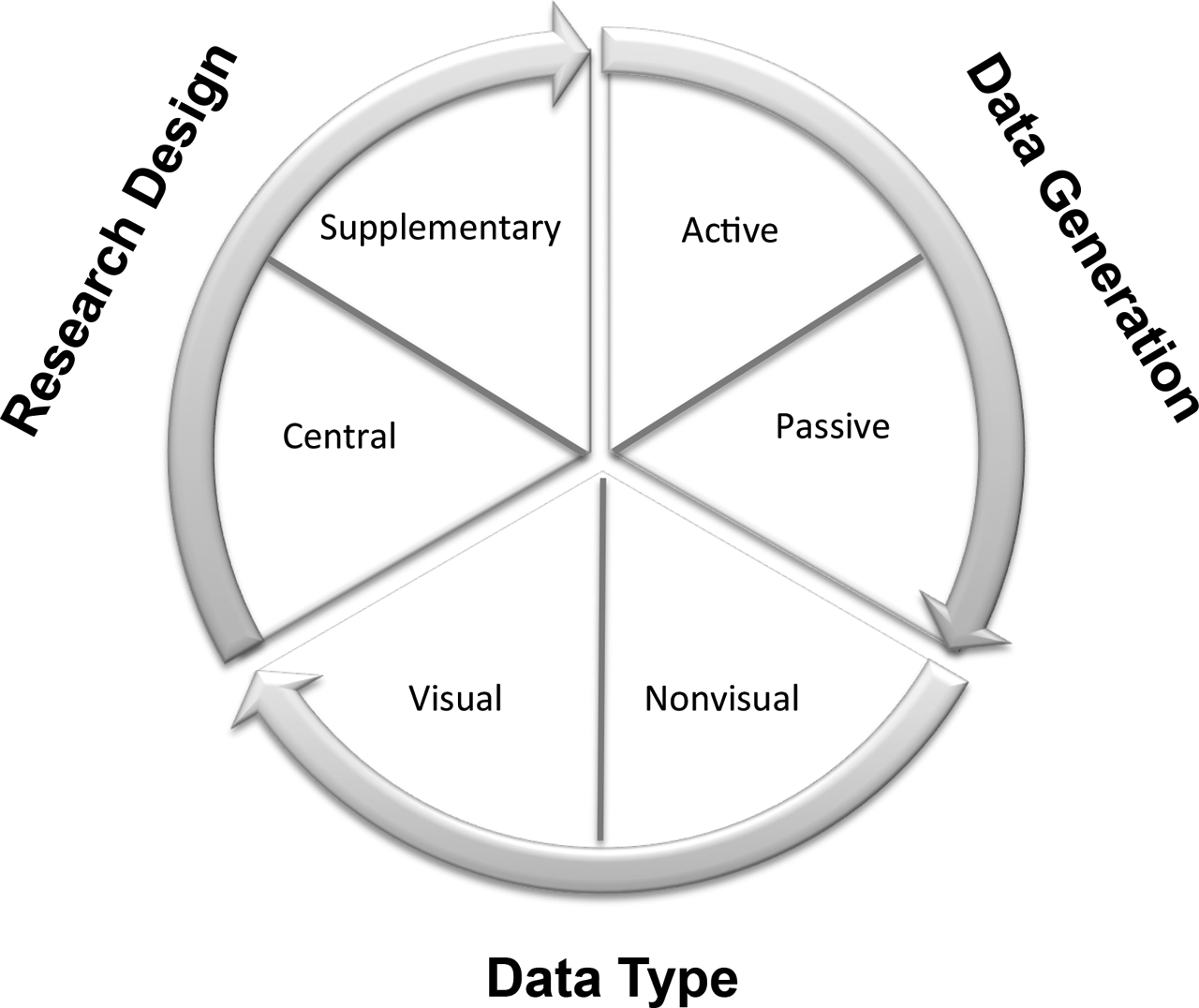
Mobile phones as part of ethnographic methods: The informant’s mobile phone.
The identified studies typically used supplementary data collected from participants’ mobile phones to complement primary data sources, such as written diaries (Okabe and Ito 2005) and interviews (Oksman 2006), and provided much-needed insight into social meaning creation (Villi and Stocchetti 2011) and the sharing of social experiences (Jacucci, Oulasvirta, and Salovaara 2007). These studies tended to focus on informant use of mobile technology, thus attending more to the technology than to the participants. By contrast, studies in which mobile phone data were the primary data source relied on participatory elicitation to generate marketable in-situ insights into attitudes toward and collaborative opportunities with the populations represented by participants (Hagen 2011). Importantly, this highlights how the use of participants’ mobile phones to capture phenomena is less conspicuous and, therefore, may better contribute to the naturalism of the research than could be provided with stand-alone cameras (Hulkko et al. 2004). However, studies focused on potentially suitable methods for subsistence marketplaces fail to capitalize on this naturalism. A notable method is transformative photography; however, before mobile phone adoption, photo-taking was inconsistent with the everyday behaviors of subsistence populations. Although, as mentioned, transformative photography works to empower participants and to help reduce power imbalances between researchers and participants, mobile phones are also an integral part of contemporary human mobility. Taken together, mobile phone use in research methodologies with subsistence populations is clearly necessary.
Overall, our review of scholarly ethnographic literature uncovers a distinct categorization of mobile phone ethnographies. These inform how mobile phones have been used in ethnographic inquiry across disciplines in myriad ways, such as assisting researchers in collecting both passive/active and nonvisual/visual data from informants in the field that is either central or supplementary to the research investigation. Our review also shows that although mobile phone ethnographies unpack important issues, such as literacy, mobility, and empowerment, subsistence marketplace research to date has minimally used mobile phone–based ethnographic methodologies. Moreover, our review suggests three points. First, statistics regarding the widespread proliferation of mobile phones in these contexts are complemented and supported qualitatively by a growing body of ethnographic literature on mobile phone adoption and use in these contexts. Second, mobile phone adoption and use can serve to empower consumers and entrepreneurs in subsistence marketplaces. Third, while there is a growing body of ethnographic literature on developing economies with mobile phones as the topic of interest, researchers have been slow to seize the opportunity to use this technology as a tool for bottom-up ethnographic data collection. In keeping these points front-of-mind, we propose that bridging mobile phone ethnography with transformative photography can leverage the ubiquity of mobile phones in subsistence marketplace contexts and engage informants in bottom-up transformative research. We refer to this new methodology as mobile phone visual ethnography (MpVE) and posit that it can help render a research agenda that is capable of encompassing the central research foci of several methodologies in ways that maintain micro-level approaches and emphasize the everyday circumstances of subsistence consumers and microentrepreneurs.
Method
Overview of MpVE
MpVE is the scientific and systematic ethnographic study of behaviors and culture in a naturalistic setting. The mobile phone is central to data generation, and visual data (i.e., photographs taken with a mobile phone) have primacy over other data forms. Consistent with a bottom-up approach, participants capture images of everyday people, places, and things as they are encountered and perceived, presenting an added degree of naturalism to the photos and empowerment to informant voices. Participants have the final say in the photos shared with the researcher. As the ethnographer is a participant-observer, MpVE also includes researcher-taken photos. We note that though MpVE may include participant interviews, the textual narratives from these are supplementary, helping clarify what is represented in the photographs and thus aiding analysis.
While MpVE closely aligns with many of the underlying tenets and practices represented in the broader domains of visual ethnography and transformative photography, it has several distinct features. These include a reliance on mobile phone camera photos, the importance of “mobility” in the research study, a desire to capture mobile consumer behavior and activities, the inclusion of both photograph “taking” and “making” (a shift from solely taking photos to planning the photograph process), a bottom-up focus on aspects of everyday life, an emphasis on transformative research and the transformative power of mobile phones, and the requisite autoethnographic nature of the methodology. With the latter, participants are collaborators in how the research process unfolds and this highlights the importance of both participant and researcher reflexivity.
Research Context
Building on our literature review, we sought a more practical understanding of MpVE in subsistence marketplaces; that is, we wanted to gain first-hand experience with this methodology and to identify valuable experiential insights for conducting bottom-up transformative research in these marketplaces. We conducted exploratory research in Accra, Ghana, at the Ghana Centre for National Culture (GCNC), one of the largest arts and crafts market in West Africa and the most well-known market in Ghana. Ghana has a population of 28.8 million and gross national income per capita of $1,490 (World Bank 2017). Although the country is currently experiencing economic growth, it continues to have significant deficiencies in capital and basic infrastructure and is presently classified as a lower middle income (World Bank 2017) and heavily indebted poor country (United Nations 2014). Ghana, therefore, is very relevant to subsistence marketplace research.
With more than 450 shops run and owned by microentrepreneurs and over 1,000 residents, the GCNC witnesses a variety of activities that range from cultural performances to buyer-seller transactions, to local marketing company promotions, and to funeral ritual celebrations. The breadth of social, cultural, and economic activity mirrors the interconnectedness of business and personal matters that characterize microentrepreneurship. Despite its large size, the GCNC is nonetheless a close-knit community. Vendors, administrators, and others working here know one another and have the final say regarding most matters that take place within the market. Having previously conducted research in the marketplace, the first author knew many vendors, and this enabled our research team to earn entrée into the field site. Taking a holistic approach to understanding the GCNC, we focused on capturing the “everyday value” of this market by visually documenting the daily activities and behaviors therein. We strived to document the breadth of market activity taking place every day, using a methodology that capitalizes on behaviors (i.e., mobile phone picture taking) embedded in everyday life.
To allow for maximum attention to the unique challenges of conducting bottom-up research in subsistence marketplaces and with a new methodology, we intentionally recruited a small sample. We were also cognizant of extant mobile phone ethnographies (See Web Appendix) suggesting that small sample sizes allow researchers to train and support informants adequately while keep data manageable. We recruited eight participants in total, two from each of the main market areas: textiles, arts and crafts, drumming, and performing arts. Our participants were men who ranged from 27 to 47 years of age and thus spanned three decades. Although not bound to Ghana’s compulsory retirement age of 60 years for civil servants, the population of the GCNC shop owners reflects a similar retirement age, with younger family members taking over businesses. With respect to gender, GCNC microentrepreneurs are predominantly men. This gender representation parallels and can perhaps be linked to both present day GCNC supplier gender representation and to historically gendered work roles, where men have traditionally done Ghanaian kente weaving (Atsutsi and Apoh 2014), woodcarving, and drum making (Luke-Boone, 2001), and women have dominated markets (e.g., commodity markets). Our sampling, then, reflects the marketplace population.
We chose participants who owned a mobile phone, expressed interest in the study, could commit a certain number of hours to the project, and whom we believed might be trusted in the marketplace. Regarding the latter, in Ghanaian markets with traders (which the GCNC closely resembles), trust is often based on one’s kinship or association with a trustworthy group in addition to one’s individual reputation acquired over time through face-to-face interactions (Overå 2006). Personal recommendation is considered the most reliable reputation mechanism (Overå 2006). With this in mind, we solicited referrals from GCNC association members and then followed a snowball sampling technique. For a six-week period between June and July 2015, participants collaborated with the first author, using their mobile phones to photograph everyday market activities as they encountered them. We used a mobile phone observational software application to collect data. At the time of our study, none of the software firms we evaluated had experience with African markets. Therefore, our field work constituted a pilot for one of them, and we thus do not include the name. The research lead and another member of our research team led MpVE software training and facilitated daily communication with participants. Researcher notes were recorded throughout the data collection period. In total, our visual data set contained more than 1,100 mobile phone photos, with 85% of the photographs taken by participants.
Research Experiences
Similar to Viswanathan, Venugopal et al. (2016), we present research experiences as data. In sharing our first-hand experience with MpVE, we aim to provide valuable experiential insights for conducting bottom-up transformative research in subsistence marketplaces. We follow a chronological sequence of the activities we engaged in (off-site pre-fieldwork, on-site pre-fieldwork, and in-situ) to uncover the emerging MpVE experiences (for a more complete list of these experiences, see Table 1).
MpVE Research Experiences.

Pre-Fieldwork (Off-Site)
Our pre-fieldwork began with suggested guidelines for conducting bottom-up research in subsistence marketplaces, such as obtaining secondary data (e.g., written materials about Ghanaian arts and crafts, microentrepreneurship, the GCNC) and undertaking logistical planning. We excluded virtual immersion exercises because the on-site researchers had years of experience in this context. Next, we identified and evaluated mobile phone ethnography software applications and platforms. The selection process made clear that a prerequisite for MpVE is a solid understanding of the context before beginning the research. Researchers should not assume that because participants are used to taking mobile phone pictures that less pre-study contextual knowledge is required; rather, the opposite is true, because commercial software varies, and thus certain features may be more or less well-suited for a particular population. For example, some software works only with smartphones, but most of our informants had basic mobile phones, capable of calling and texting only. Similarly, some mobile phone applications only permit immediate online photograph storage. However, in Ghana and other subsistence marketplaces, cellular transmission of photos can be difficult because of slow network speed and unreliability (Townsend 2005), which often necessitate storing photos offline initially; that is, photos may need to be transferred from participant phones at a centralized research hub.
Advance knowledge of participants’ reading literacy was also critical. This is because the observation software varied in the extent to which it required participants to give written descriptions of the photos they uploaded and in how much reading literacy was required to achieve this result. Ultimately, we chose observational software that we believed would be easiest for participants to learn, had a simple user interface and coding scheme that required only basic reading literacy, allowed photos to be saved for later uploading when Internet connectivity was possible, offered photo sharing/no-sharing between participants, and was the most affordable given costs for Internet access and data usage in Ghana. Next, we set up our research parameters, which involved designating the codes that would be available for participants to select upon uploading photographs. Given the low reading literacy of many microentrepreneurs in our study, in combination with our desire to capture as many market activities as possible, our initial codes mostly related to the time of day, marketplace location, and activity type.
Pre-Fieldwork (On-Site)
Our immediate on-site efforts focused on recruiting, selecting, and training participants; purchasing/setting up equipment (phones and a mobile hotspot) and software; and finalizing observational research parameters. Interdependency existed between these areas; that is, who is involved significantly implicates what can and cannot be done. This is evidenced in the following presentation of research experiences related to trust, training, and literacy.
Trust
Because MpVE involves participants taking pictures of activities that may involve others and the inextricable link among social, economic, and cultural impacts that picture taking could exacerbate, participants needed to be trusted by other marketplace actors. The GCNC marketplace is diverse and includes a large number of sub-communities based on types of products sold, religion, tribes, and clans. With this in mind, we initially recruited participants from the main market areas. However, we quickly realized that having participants who trusted one another and were trusted by others was more important. For example, although we initially recruited two participants from the drumming market area, we became aware that many GCNC microentrepreneurs and other participants did not trust one individual due to his practice of using arts and crafts microentrepreneurs-hawkers to get customers. Unlike hawkers that sell food or secondhand clothing or offer shoe-repair services, for instance, this specific type of hawker is prohibited because they sell the same arts and crafts products as sanctioned marketplace shop owners. Consequently, participants were unwilling to share their phone and/or be seen working with him (including the other drumming area participant). This made the training of this participant slow and inefficient, because he could not work with and learn from others and GCNC vendors did not agree to him taking their picture. It also reinforced how “marketplace activity often blurs with the larger social milieu” (Viswanathan et al. 2009). It became obvious then, as he would represent the research, the entire research project could be at risk if GCNC vendors mistakenly associated the research project with previous negative experiences with him. This contrasted with our experience with participants who were willing to share passwords with and/or allow other participants to access photos on their phone so they could learn how to use the application. Clearly then, trust directly played a role in opportunities for learning between participants. This was essential to researcher efforts related to software training and comprehension. It also made access to other areas of the market possible, as participants were allowed to photograph throughout the entire market.
Training
After setting up a central mobile hot spot where participants could access the software and upload their photos (free of charge), we undertook a lengthy process of setting up the observational software and conducting participant training. With respect to the latter, we conducted training on both the software and the rules of field research photo “etiquette” (e.g., only taking pictures of public activities, ceasing to take pictures when asked, not sharing study photographs with others). With respect to the former, we found that many participant phones were not compatible with the observational software (e.g., outdated phone, type of operating system), but because of the aforementioned trust issue, we chose not to start participant selection over; instead, we incurred the cost of purchasing additional phones. As part of the training, we had participants install the observational software on their phones. This process witnessed participants begin to see themselves as “technology experts” relative to other market vendors. Armed with this confidence participants felt empowered to express ideas about how the research might proceed—for example, suggesting which parts of the market should be photographed and why. Thus, in addition to helping participants learn how to upload and download content, including photos, this activity encouraged participants to take ownership and to have an active role in the research beyond picture taking. For the research team, it raised awareness of participants’ knowledge and abilities related to technology, and the potential implications of this for what would be included in the study and what changes might be made. Subsequently, based on their input, we expanded the market areas to be studied. This was important for the research and researcher–participant trust.
Literacy
Low reading literacy in the marketplace is one reason that a bottom-up, visual-centric methodology that uses an everyday technology can be advantageous. However, we did not anticipate the range in general mobile phone technology literacy and digital skills that underlie what Robinson, Cotten et al. (2015, p. 570) refer to as “second-level digital inequalities.” Some participants only knew how to make calls and send text messages, while others knew how to surf the Internet and use social media (e.g., WhatsApp). Several people were unable to perform tasks such as switching between apps and copying pictures to a folder. This lack of knowledge required additional training in conducting basic tasks with mobile phones. Thus, we encouraged “paired training” between participants to help facilitate learning, where a more knowledgeable person helped a less knowledgeable person.
In-Situ
Our MpVE began immediately upon participants feeling that they had learned the software and had set out to capture marketplace activity. Participants decided what photos to take, how many, and when, which helped shape the research throughout. The following presentation discusses experiences related to shared learning, mobility, and infrastructure.
Shared learning
A defining characteristic of subsistence marketplaces is interdependence at the relationship level (Viswanathan et al. 2012). Such is the case for many African business markets (including the GCNC), with respect for elders also a guiding principle (Darley and Blankson 2008). We were concerned about how the latter might affect participant openness to documenting the breadth and diversity of marketplace activities. For example, early on, the lead researcher overheard an older participant instructing a younger participant not to take pictures of people playing the board game drafts or partaking in kon konsa (gossip). However, social activities consume much of the microentrepreneur’s time, given that the market is not always filled with customers, and it was important to capture social and cultural values. These issues in mind, the initial software settings allowed participants to see their visual data and codes, but not those of others. We also wanted to limit coding confusion that might occur early in the study when participants were less familiar with the software. For example, a participant coded an activity as occurring at the front of the market, when it actually took place at the back. Most often, these coding errors had less to do with an emic perspective and more to do with participants’ misunderstanding of how to code. While we worked to reduce replicating errors, the trade-off was that “on-the-job” learning between participants was stifled, and the emergence of a “common” language for coding market areas was impossible. Both researchers and participants noted this during several meetings. The setting was then changed to allow participants to view others’ responses. In this way, collaboration between researchers and participants illustrates how learning was shared and how it allowed some democratization of the research process. Seeing the pictures taken by others encouraged participants to expand the scope of their picture taking in both positive (e.g., capturing additional market value beyond buyer-seller transactions) and negative ways (e.g., deciding that other areas outside the scope of this marketplace needed to be documented and then ceasing to capture our research context). There was also a much darker side—MpVE bullying, in which participants intentionally and repeatedly took pictures of the same person to annoy or bother them. Some participants complained about this. Consequently, the participant-participant viewing and sharing system feature was disabled for the remainder of the study. A downside to closing off the feature was the stifling of participant collaboration. An important implication of this for bottom-up mobile phone research centered on communities is that community empowerment may take longer and/or be minimized.
Mobility
With MpVE, it was easy for the participants to forget that taking pictures of everyday activities was part of the research. Always having a phone “in hand” created a sense of freedom and quickly facilitated an up-close and personal account of the market “from the market,” unpacking everyday vendor accounts of not only what happened but also how (e.g., mobile or nonmobile), when (e.g., time of day), with whom (e.g., GCNC vendor or other), and where (e.g., location) it happened. For example, early-morning photographs show daily sweeping and general cleaning of communal areas, the meticulous repolishing of carvings, and unpacking, ironing, and the re-hanging of cloth items inside individual shops. There were also photos of off-the-beaten-path market areas where tailors repair damaged cloth and other items. Collectively, these images make visible what is mostly invisible to visitors; that is, they show routine, often monotonous, but nonetheless significant activity required to keep the market running. Participant photographs also capture the excitement of unplanned and/or nonroutine events and activities, such as impromptu drumming performances, funeral celebrations, and various rallies. Perhaps the greatest surprise to both our participants and us was the significant scale and scope of nonresident mobile sellers (i.e., those who carry items around the market to sell but do not have a physical shop and are not formally considered part of the market). Unlike developed countries where most businesses operate within the formal sector, subsistence marketplaces are dominated by a large informal sector that includes hawkers and related mobile microentrepreneur sellers. The movement of these mobile microenterprises and microentrepreneurs featured prominently in photographs; one example includes microentrepreneurs offering freshly prepared or canned food, medicine, shoes, bath items, lights, drinks, banking services, and other products and services that GCNC microentrepreneurs need for personal or business use. We expected the presence of these sellers but not their sheer number. Consequently, the MpVE data visually brought to our attention mobility and mobile sellers as important economic market considerations; the data also documented the broader business ecosystem of suppliers, buyers, and sellers.
Infrastructure
Frequent but unwelcomed, electricity outages, weak or no telecommunications networks, and related infrastructure failures had an effect on our MpVE. Dumsor or “light off,” as it is locally referred to, often meant dead mobile phone batteries and many days when phones could not be conveniently charged. In a similar vein, a slow, unstable, or non-operative telecommunications network prevented photograph uploading. An implication of this was that photos on participants’ phones took up precious storage space. Consequently, we needed to think of ways to “manage” through these issues. Furthermore, in an effort to free up space, some participants deleted photos. The lead researcher discouraged this practice, emphasizing the need to capture the breadth of marketplace activity. As a temporary measure, other participants began using messaging apps, such as WhatsApp, to send photos to the researcher. However, we discouraged this practice for several reasons, such as the concern that it would encourage sharing photos with people outside the research. Instead, we purchased an additional, different network hot spot; on many days, however, both networks failed to function. Next, we hired a person to sit at a set location to download photos from participants’ phones to a central computer. We then realized that like subsistence microentrepreneurs our MpVE approaches to everyday marketplace challenges very much engaged an improvisational bricolage of sorts; that is, trying one thing and then another and making the best out of limited resources and available options.
Discussion
Our MpVE research experiences provide a number of important insights for conducting bottom-up research in subsistence marketplaces. We present some of these lessons learned, focusing on the methodological opportunities and challenges.
MpVE: Methodological Opportunities
Enabling methodological naturalism
In line with extant research touting methodological naturalism of informant data collection using mobile phones, we also find that MpVE is less intrusive than stand-alone cameras, which pose the risk of denaturalizing a situation (e.g., Belk and Kozinets 2005; Salminen and Pitkänen 2012). Furthermore, because people often feel less conspicuous when asked to collect photos using their mobile phones (Hein, O’Donohoe, and Ryan 2011; Hulkko et al. 2004; Sun 2012), they are able to capture important cultural rituals and phenomenon, like funeral celebrations held in the marketplace, that are often not amenable to the performative aspects that photography by stand-alone cameras begets. Yet, MpVE moves beyond the act of taking photos to facilitate the necessary comfort with and enthusiasm for being photographed, creating a secondary embedded practice. For example, in his work with rural Chinese migrants, Sun (2012, 140) notes, “Migrant workers do not want to perform for cameras, but they like to be photographed by the people they trust. To do this, one has to use a mobile phone camera…‘real’ cameras…cannot be ‘here,’ and therefore are unlikely to bear witness to life as it unfolds.” Thus, photos taken with mobile phones are more naturalistic than those captured with researcher-provided cameras (e.g., Hein, O’Donohoe, and Ryan 2011).
Capturing everyday life in real time
It is imperative that researchers use a bottom-up approach for micro-level understanding of consumers and entrepreneurs within subsistence marketplaces (Viswanathan and Venugopal 2015). Inherent in this approach is an understanding of everyday life through the eyes of individuals. Because mobile phones capture everyday life in-situ, MpVE is particularly advantageous for research geared to understanding aspects of the lived experience of people in subsistence marketplaces. For example, by visually documenting and sharing photos of human rights violations, subsistence consumers use mobile phones to resist power imbalances in their everyday lives (Kreutz 2010) and foster agency in other efforts directed at their day-to-day survival and well-being (Figueiredo et al. 2015). Thus, a common justification for the use of mobile phones in extant ethnographic research is the ability to capture aspects of everyday life from the informant’s perspective as they occur in real time. In our research, this aspect of MpVE enabled us to capture unexpected, impromptu, and disruptive experiences that permeated the daily lives of subsistence consumers and microentrepreneurs. For example, one set of informant-taken photographs captured an administratively unsanctioned, impromptu drumming concert in the marketplace (Figure 2). For many microentrepreneurs, this was an unwelcome disturbance that blocked parking, kept customers from shopping, and reduced sales opportunities.
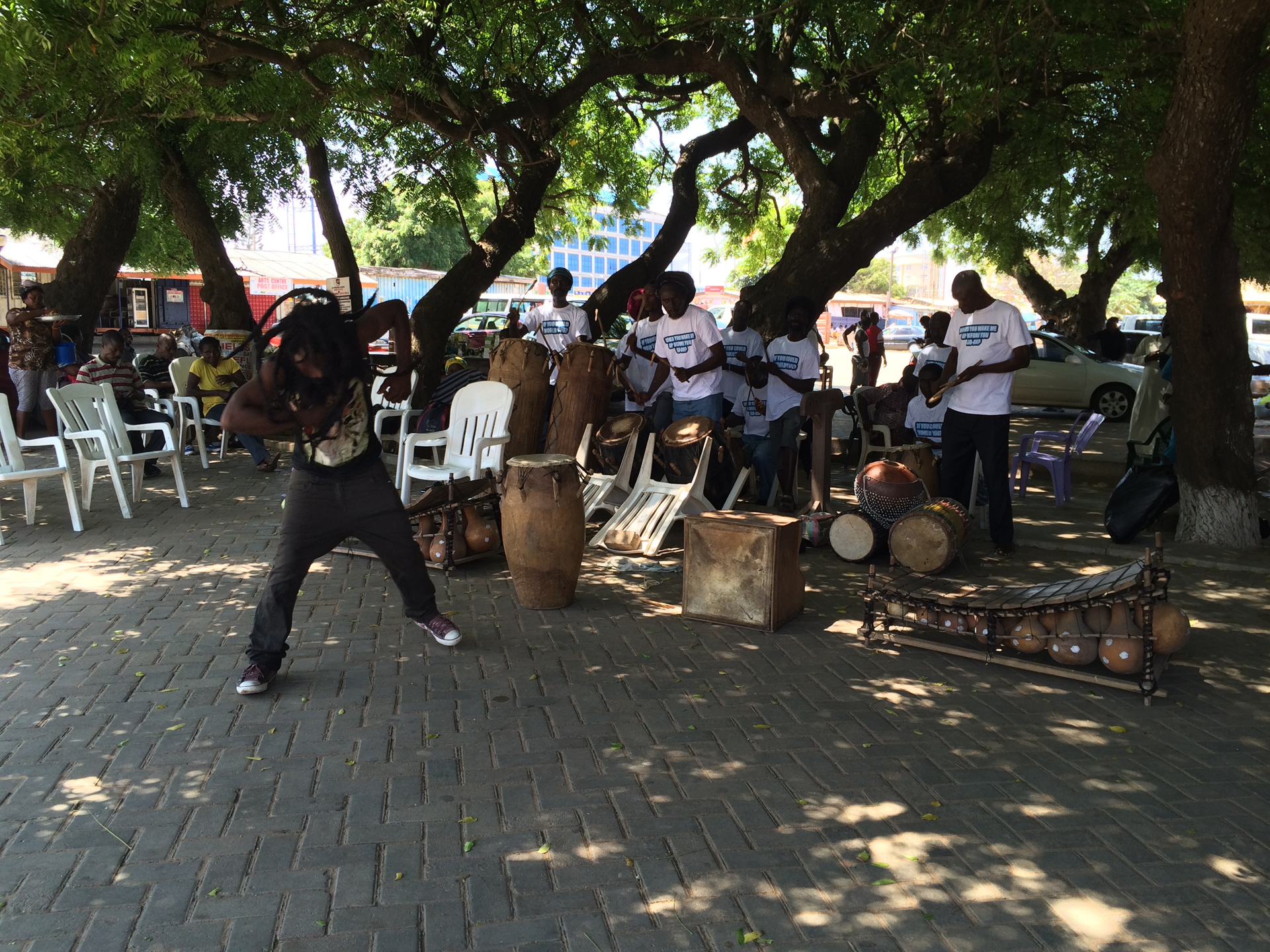
Capturing everyday life in real time: Impromptu drumming concert.
Visually evidencing market disruptions like this help to support broader microentrepreneur efforts to raise issues about marketplace design and economic viability. From a methods perspective, our MpVE also followed a similarly disruptive pattern. Rarely did a day pass that our research proceeded as initially planned. Rather it came to mirror and reflect the daily lives of participants as experienced in the marketplace. Moreover, this pattern is consistent with the disruptions and discontinuities that often characterize subsistence marketplaces (DeBerry-Spence and Elliot 2012).
Traditional methods may overlook these important aspects of participants’ daily lives. For example, retrospective methods (e.g., in-depth interviews) rely on participants’ memories to compile accounts of focal phenomena, while traditional, observational methods include the perspective of the observer. Conversely, MpVE allows participants to document focal phenomena in-situ, implicitly unpacking their perspectives in the process and thereby ensuring the capture of data relevant to their daily experiences in the process. Scholars who have employed informant mobile phones to gather data commonly suggest that as a result of its ubiquity and integration into the lives of people, the mobile phone is unique in its ability to capture informant data as they are encountered, engaged with, and experienced by informant populations (Saraneva and Sääksjärvi 2008). Bottom-up mobile phone methods allow ephemeral experiences encountered in everyday life to be documented by participants in real time, making this method advantageous than alternative, retrospective methods. Sharing data through mobile phones in-situ was more direct and less intimidating for participants than traditional ethnographic methods that rely on participants’ memories (Plowman and Stevenson 2012). Because mobile phones are the same tools that people use for multiple purposes in their daily lives (Saraneva and Sääksjärvi 2008. p. 80), they have the potential to provide more immediate and encompassing insight into informant experiences. Sun (2012) suggests that capturing informant perspectives through documentation of mobile phone photos effectively embraces the expertise bound up in participants’ perspectives: “While [participants] may not have expensive cameras or the artistic sophistication that comes from professional experience, they do have the unrivalled advantage of having a much more intimate knowledge of the subject matter—their own lives” (p. 41).
Privileging human mobility
In our MpVE, mobile sellers and photographs of mobile commerce activities featured prominently (Figure 3), so much so that it became clear that the “informal market” (street sellers and hawkers selling goods and services) nested within the larger marketplace constituted a significant portion of everyday economic activities. Similar observations have been made in subsistence marketplaces around the world, including the West African Marché Colobane, a large secondhand goods market located in Dakar (Grabski 2014). Our participants, however, were surprised about the vastness of this informal market and acknowledged it as an important consideration in the market’s overall value.

Privileging human mobility: Mobile microentrepreneurs. (A) Livestock. (B) Leather goods. (C) Head-porter services. (D) Mobile phone accessories.
Echoing Pooley, Turnbull, and Adam (2005), Christensen et al. (2011) argue that “mobility forms an integral part of everyday life, contributing significantly to how people sustain their routines and to the shaping of individual and family life…. In the social sciences people’s everyday mobility has been relatively neglected in favor of attention to large-scale and long-distance movement” (p. 228). MpVE affords the opportunity to capture and emphasize human mobility (i.e., physical movements) that takes place in everyday life. This is valuable especially in low-income countries, because human movement plays a key role in economies and development; however, traditional research methods have historically been inadequate in capturing such movement (Wesolowski et al. 2013). MpVE also complements nonvisual mobile phone data (e.g., usage data), which Wesolowski et al. (2013) note is a good source for information on short-term frequent movements. Frequent mobile behaviors seem to typify much of the everyday movements that take place in urban subsistence marketplaces, especially when considering the importance of non-digital mobile commerce (e.g., products and services sold by hawkers) in which mobile sellers engage.
In subsistence marketplaces, the mobility of both consumers and entrepreneurs is central to understanding their consumption and production activities, respectively. In this regard, the benefits associated with MpVE are both practical and principled in nature. Practically speaking, use of mobile phones to collect data allows researchers to garner understanding of multiple participants’ mobile activities simultaneously (e.g., in a single photograph) in a way that traditional mobile methods (e.g., go-alongs) cannot achieve (Christensen et al. 2011), thereby potentially providing scalability in research design. Along these lines, data can be collected without the encumbrance of natural mobile behavior that can be introduced by a researcher’s physical presence (Plowman and Stevenson 2012). Because of and in addition to these practical benefits, we suggest that the ability of mobile phones to capture visual data in situ on informant mobile behavior creates an opportunity to empower participants by further uncovering their perspectives in the collection of data.
Democratizing the research process
Because MpVE bridges mobile phone ethnography with transformative photography, we suggest that it can begin to democratize the research process, in the manner previously observed in each of these methodologies. The importance of this to bottom-up research with vulnerable populations, such as subsistence consumers, is critical. Substantiating this argument is the notion that the digital mediation of ethnography can help to reduce asymmetric power relationships between researchers and participants (Murdock and Pink 2005b). Specifically, the symbolic role of the phone as an extension of the informant’s self (Belk 1988; Hein, O’Donohoe, and Ryan 2011) and its integration into a study suggests a mechanism through which the informant is positioned to act as a research collaborator. This was especially important for our MpVE when it came to building trust between research participants and the researcher. The reciprocal nature of trust building during the on-site pre-fieldwork only heightened our awareness of and need for a more balanced relationship. For example, we found that with efforts made to balance the power relationship (e.g., research participant discussions about changes to participant viewing settings), the proclivity to introduce socially desirable photos into the study drastically decreased and eventually led to a broader set of photos that depicted the micro-level of everyday life and that were in line with the research.
The sharing of photographs represents another way MpVE can begin to democratize the research process. Extant research establishes that in addition to possessing the power to determine what photographs to take, participants are empowered to decide whether to share their photos (e.g., Jacucci, Oulasvirta, and Salovaara 2007; Plowman and Stevenson 2012). Moreover, sharing photographs increases intimacy and commonality between users (Villi and Stocchetti 2011) and can help build rapport and trust between participants and researchers (i.e., Hein, O’Donohoe, and Ryan 2011; Sun 2012). In our MpVE study, when possible, photo sharing between participants and the researcher took place almost every day. Initially, meetings were more formal, and discussions centered mostly on logistical issues (e.g., downloading photos, charging mobile phones). However, the meetings soon came to resemble informal get-togethers, with the research participants eager to share marketplace daily life through the pictures taken. This reinforced the importance of trust between researcher and participant (Viswanathan 2012), and we came to realize that trust building is bidirectional and helps to democratize the research process.
Of particular note to subsistence contexts in which participants know how to use mobile phone cameras but may lack reading literacy skills is that MpVE can be empowering. Ozanne, Moscato, and Kunkel (2013) stress that with photographs and other visual methods, participants can document their perspectives without the hindrance associated with verbal data collection methods. Such was the case for a migrant factory worker participating in Sun’s (2012) study, who noted that despite having little education and limited writing ability, he was able to use the phone to take photos of his life. Two of the participants in our MpVE study expressed similar sentiments. Yet it would be deceiving to portray MpVE as a methodology that completely overcomes research difficulties posed by informant low literacy, because most mobile phone applications used with data collection require these skills. We directly encountered this issue and, although we assisted participants as needed, MpVE by no means wholly eliminated the power imbalances associated with low literacy.
MpVE Methodological Challenges
In his remarks about smartphone technology and ethnographic research, Van Doorn (2013, p. 393) wisely notes: “Things never go as hoped or planned and accidents always occur, especially during fieldwork that traverses different complex and unfamiliar spaces (see also Kien, 2009).’” This was certainly true for our MpVE. Our learnings from these practical experiences suggest a number of methodological insights and potential best practices. To begin, we approached this research believing that digital ethnography had the potential advantage of scalability (Masten and Plowman 2003), but soon realized that participant training plays a key role in the extent to which this promising aspect can be realized in subsistence marketplaces. This is because training participants is time and labor intensive, and we suggest it is one of the most pressing challenges of conducting MpVE in subsistence marketplaces. Training efficiency can heavily depend on study sampling. Many potential GCNC study participants lacked reading and/or mobile phone literacy (e.g., the ability to download files, close or restart applications, use the zoom feature of the camera, or free up storage on the phone). However, given that transformative research generates “data from an inclusive list of persons affected by the research, with special efforts to include those who have been traditionally underrepresented” (Mertens 2003, 142) and our emphasis on a bottom-up approach, it was essential that our MpVE sample include low-literate participants.
Initially, we worked with participants to download the software and attempt to learn its features. While this empowered participants, overall training remained very slow and inefficient. Using the software as the primary means of getting low mobile phone literate participants to the necessary level of competence meant that mobile phone literate participants could not train others because they also did not know the software. Consequently, we tried an approach that seems counterintuitive, but we suggest it offers important benefits and leads to greater training efficiency. Participants with lower mobile phone literacy skills were first taught how to use an application not intended for the study (i.e., WhatsApp) as a means to develop mobile literacy and to promote paired training. Subsequent to this, they were trained on the study’s observational software. This accomplished several things. It immediately engaged participants with greater mobile phone literacy in paired training with those in need of these skills. Further, it allowed participants to “practice” their mobile phone skills at times when they were not directly working on the study (e.g., sending messages to friends). Consequently, this engagement (or lack thereof) highlighted how potential trust issues between participants was a component in the success of the study. Taken together, the engagement in paired training provides not only lays the foundation to educate participants in the research process, but also serves to enhance participants’ self-efficacy through demonstration of their mobile phone expertise.
Infrastructure and technological issues also pose problems. For example, as mentioned, power outages and poor/slow cellular networks plagued our exploratory research throughout its duration. This meant that participants were often unable to charge their phones or upload and download photos, which delayed research. We purchased a small generator and set up a mobile hotspot that our participants could access at set times each day. This helped, but did not fully alleviate, the slow cellular network issue. Most of the mobile phone applications available at the time of our research worked painstakingly slowly with the cellular networks in Ghana. On the positive side, the technical issues related to the mobile phone that can impede research may also serve to strengthen the relationship between researcher and participants (Hagen 2011).
Another technological challenge we encountered is the range of capabilities of a given sample’s mobile phones. While some researchers have addressed this challenge by providing uniform mobile phones to participants (e.g., Christensen et al. 2011; Jacucci, Oulasvirta, and Salovaara 2007), others have modified data collection plans (e.g., utilized a particular data collection software) to accommodate the capabilities of participants’ mobile phones. As previously argued, a key aspect of the value embedded in MpVE is the use of a possession (mobile phone) that is an extension of the informant. We also offer two additional technology-related best practices here. First, in designing a study using mobile phone ethnography, particularly MpVE, researchers should consider how participant-taken photos will be transferred to the researcher. If data or messaging-related costs are incurred by participants in sharing photos as part of their participation in the research, the research team should reimburse participants for these expenses. We often did this in the form of credits to mobile phone charges to offset any added costs to mobile phone usage as a result of our research. This was in addition to providing a mobile hotspot where participants could use their Wi-Fi feature rather than cellular data, especially if the network was slow or inoperable. However, in the context of subsistence marketplaces, establishing a common meeting location where participants can share photo data with researchers through a local connection (e.g., Bluetooth, USB) is highly advisable. Second, if a MpVE uses a social media platform for sharing photos, participants should be given the option to create an account on the platform specifically for their participation in the study. Yi-Frazier et al. (2015) encouraged their participants to set up separate Instagram accounts to share photos associated with living with Type 1 diabetes, though most opted to use their preexisting, personal accounts.
A final area of notable methodological challenge pertains to ethical issues. Whereas a comprehensive discussion of the ethical concerns associated with MpVE and with incorporating mobile phone visual data into ethnographic research is beyond the scope of this article, we briefly touch on an emergent concern we faced, specifically the issue of privacy. Here, we are less concerned with matters that involve data storage and related “data mobilities” (Van Doorn 2013), but instead, the challenge of collecting data that achieves the intended research objective in a manner that minimizes encroachment on participant and/or community privacy. At the heart of the issue is the ubiquity of mobile phones and their ability to unpack the social life of people (Horst and Miller 2006), which blurs boundaries between public and private spheres. In subsistence marketplace research and in our exploratory study, this blurring is perhaps amplified by three interrelated factors: (1) the context (e.g., African markets and microentrepreneurs), (2) the topic and approach (e.g., everyday life and bottom-up), and (3) the aim of our exploratory study (e.g., understanding everyday value and transformation). With respect to the first factor, the important informal networks that blend personal and business matters and characterize microentrepreneurship in Indian subsistence marketplaces (Viswanathan et al. 2009; Viswanathan, Rosa, and Ruth 2010; Viswanathan et al. 2012) also characterize African markets (Fafchamps 1996). And, marketplaces in Ghana “continue to be the principal economic, social, political, and cultural institution for traders” (Overå 2006, 1303) and many other groups. With respect to the second and third factors, achieving our research aim of developing a holistic understanding of the everyday value of the GCNC by seeking bottom-up micro-level perspectives necessitated that we include everyday behaviors and activities that are situated within intersecting spheres. An implication of this is that the translation of research intent into practical parameters for data collection that respect individual and community privacy is challenging.
We anticipated this issue and, prior to fieldwork, had discussions with both research participants and community members. There was consensus that photos of such things as nudity, bathing, illegal activities, and money transactions were not to be taken. There were also more subtle delineations. For example, photos of a preacher giving daily morning sermons in the marketplace could be taken, but not individual or collective prayer/worship (e.g., in an open-air mosque). Similarly, in some instances the same behavior (e.g., admonishing a vendor for collaborating with arts and crafts hawkers) was considered a private matter and in other instances it was not. As the research progressed, it became obvious that demarcations between public and private domains are shifting, malleable, and deeply embedded in cultural and moral codes of conduct. This suggests several action points for conducting MpVE. Firstly, researcher sensitivity to, cultural awareness of, and understanding of the study context are essential prerequisites to anticipating and planning efforts related to fieldwork and privacy. This is especially critical in subsistence contexts, where what constitutes normative everyday activities for participants may differ from that of the researcher. Viswanathan, Venugopal et al. (2016) and Viswanathan (2012) provide a few pre-field immersion guidelines (e.g., through learnings from secondary data, a virtual immersion process) that can facilitate this with subsistence marketplace research. Secondly, proactive engagement of participants in in-depth discussions about ethical concerns related to privacy is key and should occur throughout the entire research process. The former strengthens researchers’ contextual understanding of privacy, heightens participants’ sensitivity to ethical concerns that might be taken for granted and/or overlooked, and creates shared understandings between them regarding what is meant by “privacy.” The latter acknowledges that notions of privacy are not static but can evolve and/or change over the course of the research project. Lastly, practically speaking, privacy is not simply a function of what photos should and should not be taken. Rather, it is also the set of agreed upon values and ideals that reflect mutual dignity and respect.
Concluding Remarks
During the past ten years, mobile phone proliferation in developing economies has arguably affected the everyday lives of subsistence consumers and entrepreneurs beyond any other technology. Research methodologies and methods must reflect and accommodate these important changes, though the pace at which changes occur in the marketplace and the rate at which academic research progresses are often not the same. Such is the case with mobile phones and bottom-up, subsistence marketplace research. This article addresses this important shortcoming and contributes to the literature by systematically reviewing multidisciplinary research on ethnography and mobile phones, providing a much-needed foundation of knowledge on mobile phone–related ethnographies. Additionally, our practical experience using a bottom-up approach with MpVE suggests several areas for the advancement of subsistence research methodology—specifically, the opportunity to better capture the social embeddedness of mobile phones in social relationships and other aspects of everyday life, to capitalize on the empowerment that mobile phone adoption and use affords, and to leverage the inherent mobility of mobile phones and human behavior. Furthermore, we propose MpVE, a bottom-up visual methodology that bridges mobile phone ethnography with transformative photography in ways that leverage the ubiquity of mobile phones in subsistence contexts to engage participants in transformative research agendas. MpVE extends the conceptualization of transformative photography to include participant mobile phone usage in visual data collection, something that has minimally been employed to date in a developing economy or subsistence marketplace but is made possible through the widespread adoption of mobile phones in these markets. MpVE affords methodological naturalism, emphasizes and unpacks informant perspectives of everyday life, captures human mobility within marketplaces, and begins to democratize the research process. These aspects have specific benefits for subsistence marketplace research, though they are not without challenges. As such, we encourage marketing scholars to continue to explore visual research methodologies in subsistence marketplaces to advance understanding of the potential for MpVE through empirical examination.
Supplemental Material
Supplemental Material, jppm.17.001_web_appendix - Mobile Phone Visual Ethnography (MpVE): Bridging Transformative Photography and Mobile Phone Ethnography
Supplemental Material, jppm.17.001_web_appendix for Mobile Phone Visual Ethnography (MpVE): Bridging Transformative Photography and Mobile Phone Ethnography by Benét DeBerry-Spence, Akon E. Ekpo, and Daniel Hogan in Journal of Public Policy & Marketing
Footnotes
Associate Editor
Roland Gau served as associate editor for this article.
Declaration of Conflicting Interests
The authors declared no potential conflicts of interest with respect to the research, authorship, and/or publication of this article.
Funding
The authors received no financial support for the research, authorship, and/or publication of this article.

References
Supplementary Material
Please find the following supplemental material available below.
For Open Access articles published under a Creative Commons License, all supplemental material carries the same license as the article it is associated with.
For non-Open Access articles published, all supplemental material carries a non-exclusive license, and permission requests for re-use of supplemental material or any part of supplemental material shall be sent directly to the copyright owner as specified in the copyright notice associated with the article.
