






Abstract
This study was carried out to evaluate the effect of cigarette smoke (CS) on the activity of oral peroxidase (OPO) after berberine was added to the cigarette filter. Activated carbon fiber (ACF) was chosen to load berberine as a part of the cellulose acetate (CA) filter to obtain the modified B-ACF cigarette filter. Then the effects of CS from the testing cigarettes on the activity of OPO were investigated in vitro by the 2-nitrobenzoic acid assay, and the smoke chemistry was also analyzed, especially the content of hydrogen cyanide (HCN) in the CS. The results indicated that the loss of activity of OPO in B-ACF filter cigarette group decreased by 20% and 25%, compared with those of ACF and CA filter cigarette groups, respectively. The relative residual activity of OPO in B-ACF filter group was increased with the increase of berberine in the filter compared with the CA filter group. It could be observed that the reduction in HCN might be related to the berberine in the cigarette filter, reducing the inhibition of CS on the activity of OPO.
Introduction
The health hazards caused by smoking cigarettes have been well established (Hoffmann and Hoffmann, 2001; Smith et al., 1997). Besides nicotine, the major inducer of tobacco dependence, cigarette smoke (CS) also contains various toxic compounds which penetrate the human body and induce oral cancer (Allam et al., 2011; Donetti et al., 2010; Nagaraj and Zacharias, 2007; Nagler et al., 2001). Saliva is the first biological fluid to encounter the CS and plays a pivotal role in preventing oral cancer (Greabu et al., 2007, 2008; Nagler et al., 2007, 2010). Saliva is endowed with multiple defense systems including immunological and antioxidant ones. One of the most important components of the salivary antioxidant and antibacterial systems is the salivary peroxidase (SPO), which, together with myeloperoxidase, comprises oral peroxidase (OPO). OPO, the pivotal enzyme in salivary antioxidant system, has the anti-carcinogenic potential. Exposure of saliva to CS is proved to reduce the activity of OPO (Reznick et al., 2003). The CS-induced reductions in the activity of OPO might be one of the mechanisms involved in CS-related mouth morbidity (Klein et al., 2003).
In the past 40 years, great efforts have been made in the development of cigarette filter, which binds considerable amounts of unwanted components in the mainstream smoke of cigarette inhaled by smokers. However, not much research has been carried out on the herbal extract as cigarette filter additive to reduce the CS-related oral morbidity risk, which might evolve into oral cancer. A method to reduce the inhibitory effect of CS on the activity of OPO was described in this study, in which berberine extracted from Coptis chinensis was used as cigarette filter additive.
Berberine, an isoquinoline alkaloid from medicinal herbs (as shown Figure 1), has been reported with many pharmacological effects related to anti-cancer and anti-inflammation capabilities. Berberine could inhibit the metastasis and invasion of human tongue squamous cancer cells (Ho et al., 2009), the proliferation of human esophageal cancer cell lines (Iizuka et al., 2001) and the invasion of human lung cancer cells (Peng et al., 2006), which might be related to the CS inhaled (Allam et al., 2011; Miyazaki et al., 2002; Watanabe et al., 2009). Recently, berberine was reported to inhibit the rewarding effects of drug abuse such as nicotine (Bhutada et al., 2010). Consequently, berberine was selected as an additive in cigarette filter to reduce the adverse effects of CS on human health. The addition of berberine in cigarette filter might reduce the content of hydrogen cyanide (HCN) in the mainstream CS due to the quaternary ammonium hydrate structure, and HCN was likely to be the species in CS that is responsible for the loss of activity of salivary OPO (Klein et al., 2003).
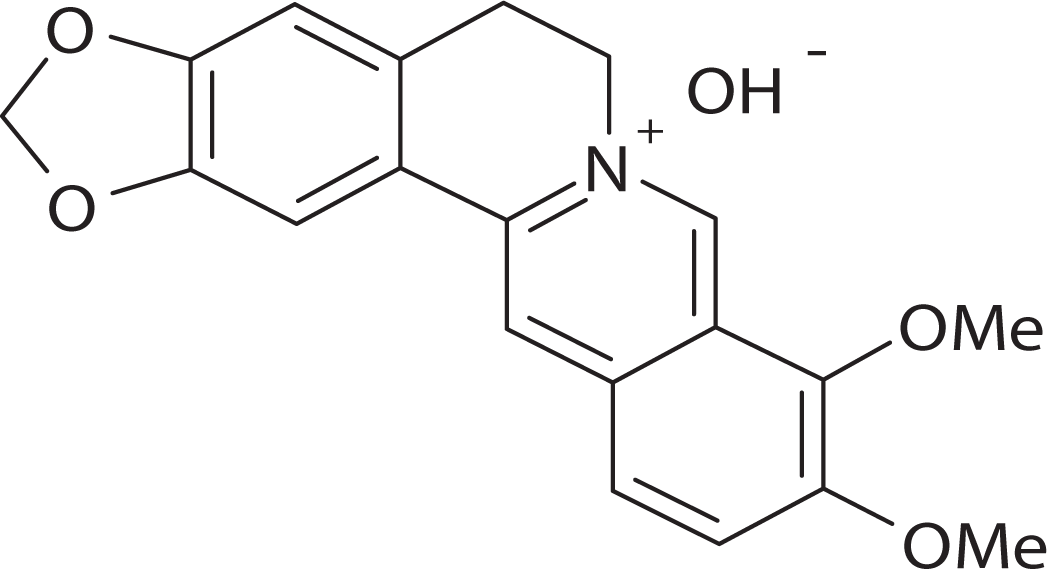
The structure of berberine.
The purpose of this study was to evaluate the influence of berberine on the loss of OPO activity caused by CS from the testing cigarettes and the differences in the smoke chemistry to develop a novel filter cigarette with low toxicity.
Materials and methods
Cigarettes and filter treatment
The cigarettes used in this study were commercially available ‘Pride’ cigarettes (Chuanyu TI, China tobacco) containing 12 mg of tar and 1.2 mg of nicotine per cigarette. The modified filters were treated as follows:
The properties of different carrier materials for loading berberine were listed in Table 1. Among them, activated carbon fiber (ACF) had an extremely large surface area and micropore structure with an extremely small diameter of 1.7–2 nm. Importantly, the property of alkali resistance has made ACF adaptable to alkalization treatment. In addition, the similar appearance of ACF compared with cellulose acetate (CA) filter tow showed the good air permeability as a part of cigarette filter (Xue et al., 2009). Consequently, ACF was chosen to load berberine based on the comparison of these properties.
Relevant parameters of the berberine carrier materials.

Berberine was dissolved in water by stirring for 30 min with a 15-mm long magnetic rod at 60°C. Then, the round ACF felts with the same shape as cigarette CA filter’s cross-section were put into the above berberine solution, and stirred for 1 h with a 15-mm long magnetic rod at 40°C to make the berberine absorb into the ACF felts sufficiently. The ACF felts loaded by berberine were dried for 1 h at 100°C. The CA part was drawn out of the filter and cut into two parts, and the ACF part was sandwiched between the two parts of CA. After this operation, the filter was reinstalled and the redundant part was cut off to keep the filter shape as original CA filter (Xu, 2007; Figure 2). Twenty milligrams of ACF carrying 3 mg of berberine and 20 mg of ACF alone were, respectively, added to each cigarette filter, namely, B-ACF filter and ACF filter that are used in this test.
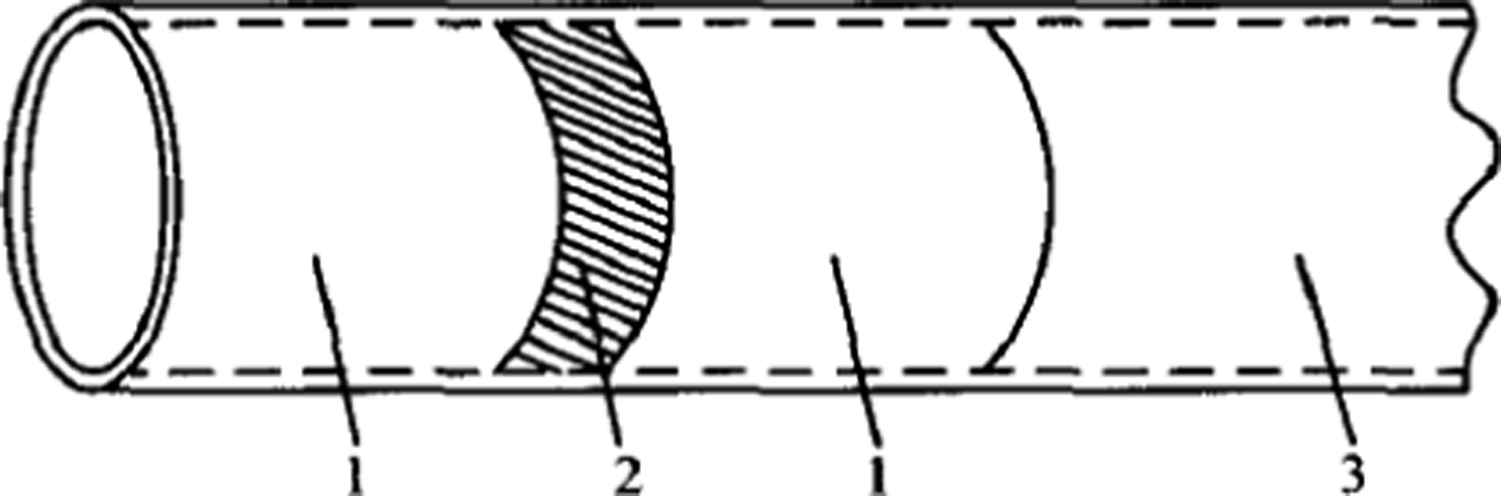
Modified filter. (1) Cellulose acetate part, (2) berberine carried by activated carbon fiber part and (3) tobacco.
The modified filter Pride cigarettes were the same as commercial ones except for B-ACF part and ACF part instead of a section of CA in filter tip. Prior to the analysis of the effect of CS on the activity of OPO, the cigarettes were conditioned at 22 ± 1°C and 60 ± 2% relative humidity for no less than 48 h (International Organisation for Standardisation, 1991).
Saliva collection
Whole saliva was collected from healthy smoking volunteers (over 20 cigarettes daily for at least 10 years) under nonstimulatory conditions, as described previously (Nagler et al., 2001). Collection was always performed between 9:00 a.m. and 10:00 a.m. to avoid circadian variations, and the smoking volunteers were asked not to smoke for 1 h prior to the experiment.
Exposure of saliva to CS in vitro study
This study was carried out using Pride cigarettes combined with a pump-down system. Saliva (4 ml) obtained from a consenting smoker was placed in a 30-ml glass tube along a side to which the cigarette was attached and another side with a 50-ml glass syringe. Smoldering cigarette was puffed for 2 s once with the volume of 35 ml/puff, with an interval of 58 s for the next puff. The CS of the whole lighted cigarette was drawn into the glass tube to penetrate the saliva. Saliva samples for the analysis of OPO were drawn before smoking (zero time) and after smoking for 10 min, 30 min and 60 min, while tubes were incubated in a metabolic shaker at 37°C. Before analysis, 1 ml of saliva were collected and immediately centrifuged at 800 g for 10 min at 4°C to remove squamous cells and cell debris (Greabu et al., 2008). The resulting supernatant was then used for determining the activity of OPO.
Activity of OPO
Activity of OPO was measured according to the 2-nitrobenzoic acid (NBS) assay (Xu, 2007). Briefly, in this assay, 5,5′-dithiobis-2-nitrobenzoic acid (DTNB) was reduced to NBS by the addition of β-mercaptoethanol. The best reaction mixture for the activity of OPO test as described previously (Wu and Liu, 2002) was 44 μM of DTNB, 63 μM of β-mercaptoethanol, 0.2 mM of H2O2, and 4 mM of potassium thiocyanate in 2.5 ml of phosphate buffer at pH 5.6 by the addition of 50 μl of saliva. The reaction started immediately while H2O2 was added in. The disappearance of NBS while reacting with OSCN
Smoke chemistry
The cigarettes were machine smoked under the standard International Organization for Standardization (ISO) machine smoking regime of one 35 ml puff of 2 s duration taken every minute to a butt length of filter length +8 mm, under ambient conditions of 22 ± 1°C and 60 ± 2% relative humidity. Total particulate matter (TPM), tar, nicotine and carbon monoxide in the mainstream smoke were all determined by the relevant ISO standard method (International Organization for Standardization, 1995, 1999, 2000a, 2000b). TPM was determined gravimetrically from smoke collection on a glass fiber (Cambridge) filter pad. Nicotine was determined by gas chromatography with flame ionization detection from a propan-2-ol extract of the TPM collected on the Cambridge filter. Carbon monoxide was determined by nondispersive infrared spectrophotometry.
There was no internationally recognized standard method for the determination of HCN in smoke, and the analytical methodology used in the present study was briefly described below. HCN was trapped in sodium hydroxide and analyzed using isonicotinic acid–barbituric acid method and continuous flow analyzer. The HCN concentration was determined by the absorbance of the resultant colored solution.
Statistical analysis
The results for statistical analysis were compared between the effect of CA filter CS and modified filter CS on the activity of OPO. Statistical analysis was performed using unpaired t test. To determine statistical significance, the ranges, means and SD were computed. Results were reported as mean ± SD. Statistical significance was set at p < 0.05.
Results
Activity of OPO
The loss of activity of OPO after exposure of saliva to one cigarette with CA filter, ACF filter and B-ACF filter was, respectively, shown in Figure 3. Activity of OPO was measured prior to smoking (time 0) and at 10, 30 and 60 min after smoking a single cigarette.
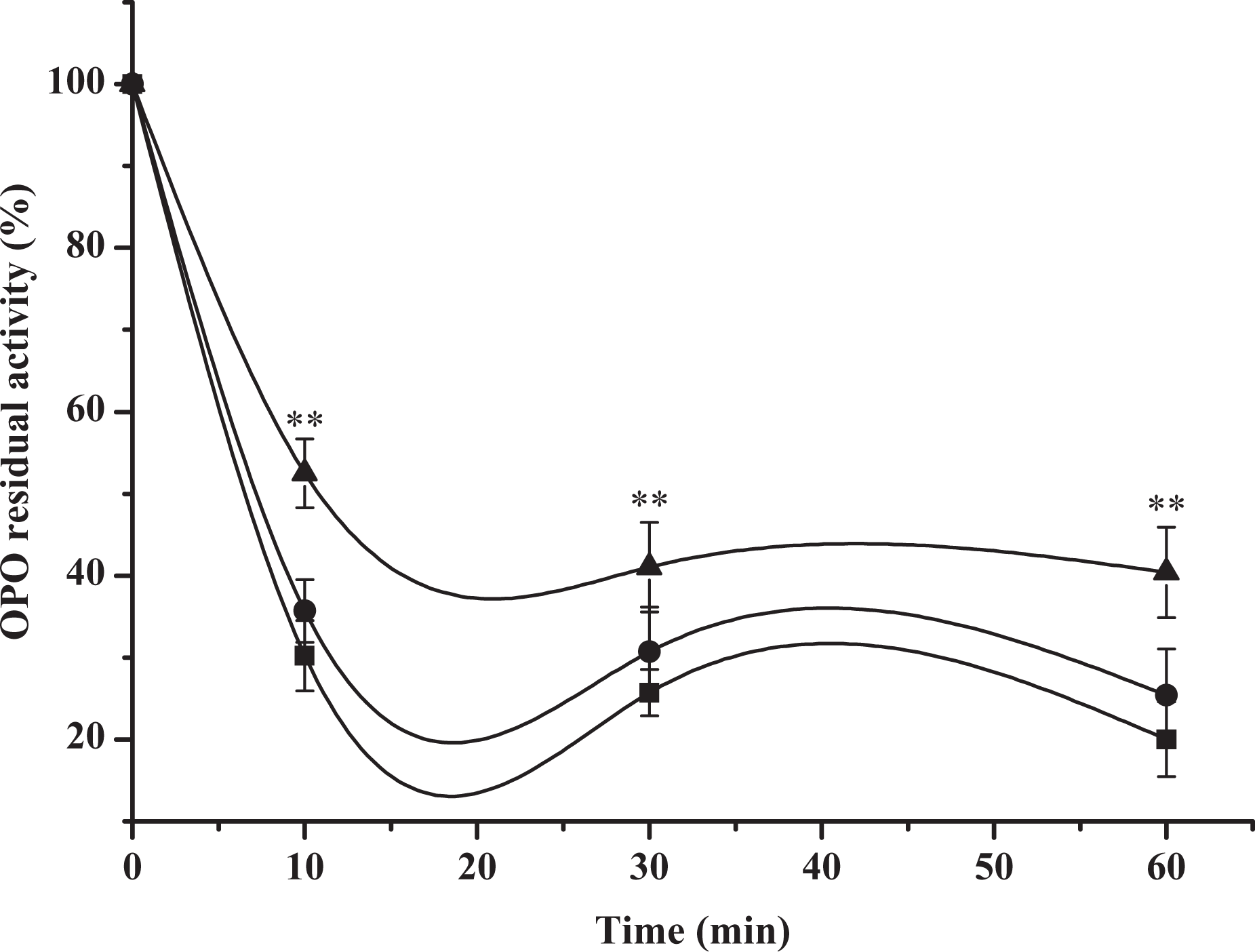
In vitro effect of smoking one cigarette with CA filter, ACF filter and B-ACF filter on the activity of OPO in saliva. (▪) exposure to CA filter CS; (•) exposure to ACF filter CS; (▴) exposure to B-ACF filter CS. Data were expressed as means ± SD (n = 6). **p < 0.01 compared with residual activity of OPO in saliva exposed to CA filter CS. CA: cellulose acetate; ACF: activated carbon fiber; B-ACF: berberine carried by activated carbon fiber; OPO: oral peroxidase; CS: cigarette smoke.
The residual activity of OPO in the saliva exposed to CS of either CA filter, ACF filter or B-ACF filter was pronouncedly dropped within 10 min after smoking one cigarette, but the residual activity of OPO in the saliva exposed to CS of B-ACF filter was significantly higher (p < 0.01) than that in the saliva exposed to CS of either CA filter or ACF filter. The residual activity of OPO affected by the smoke from ACF filter had no statistically significant difference when compared with the smoke from CA filter. The loss of activity of OPO in the saliva exposed to CS of one cigarette was not dramatic after incubating in a metabolic shaker at 37°C for 30–60 min as shown in Figure 3. Therefore, the smoked saliva for test was suggested to be tested after smoked and incubated in a metabolic shaker at 37°C for 1 h.
The loss of activity of OPO after exposure of saliva to one to four puffs of CS over 1 h was shown in Figure 4. B-ACF filter CS caused significantly less (p < 0.01) loss of OPO activity in saliva than CA filter CS did. The residual activity of OPO in saliva exposed to one or two puffs of CS from ACF filter was significantly higher than CA filter; but no statistically significant difference was observed after exposure to three or four puffs of CS. The residual activity of OPO in saliva exposed to four puffs of CS, respectively, from CA filter, ACF filter and B-ACF filter cigarettes was decreased overtime to 23.83 ± 4.01%, 27.38 ± 3.77% and 41.3 ± 4.49% of the original activity of OPO in the saliva.
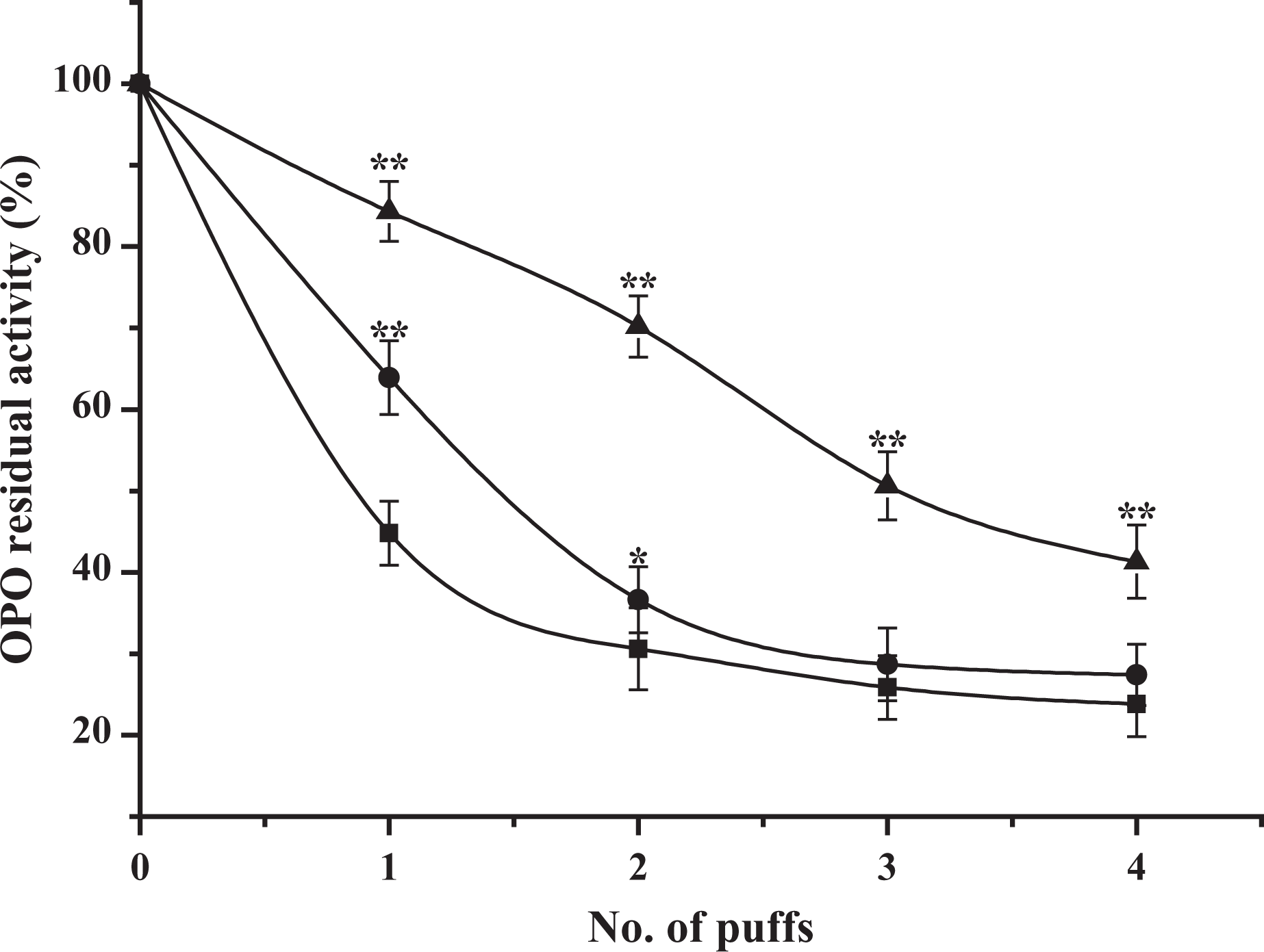
Inhibition of activity of OPO by CS from cigarettes with CA filter, ACF filter and B-ACF filter. (▪) exposure to CA filter CS; (•) exposure to ACF filter CS; (▴) exposure to B-ACF filter CS. Data were expressed as means ± SD (n = 6). *p < 0.05 compared with residual activity of OPO in saliva exposed to CA filter CS; **p < 0.01 compared with residual activity of OPO in saliva exposed to CA filter CS. CA: cellulose acetate; ACF: activated carbon fiber; B-ACF: berberine carried by activated carbon fiber; OPO: oral peroxidase; CS: cigarette smoke.
In order to elucidate the relationship between the dose of berberine in the cigarette filter and the reduction of the inhibitory effect of CS on the activity of OPO, the saliva was exposed to CS from cigarettes with filters containing different doses of berberine. Figure 5 showed that the relative residual activities of OPO had been influenced by CS from B-ACF filter containing different doses of berberine compared with CA filter group. The effect of CS on the activity of OPO was tested after the saliva was exposed to the mainstream smoke of one cigarette each time. The residual activity of OPO caused by CS from cigarette filter containing different doses of berberine exhibited significant dose–response relationships under all of the B-ACF filter cigarettes.
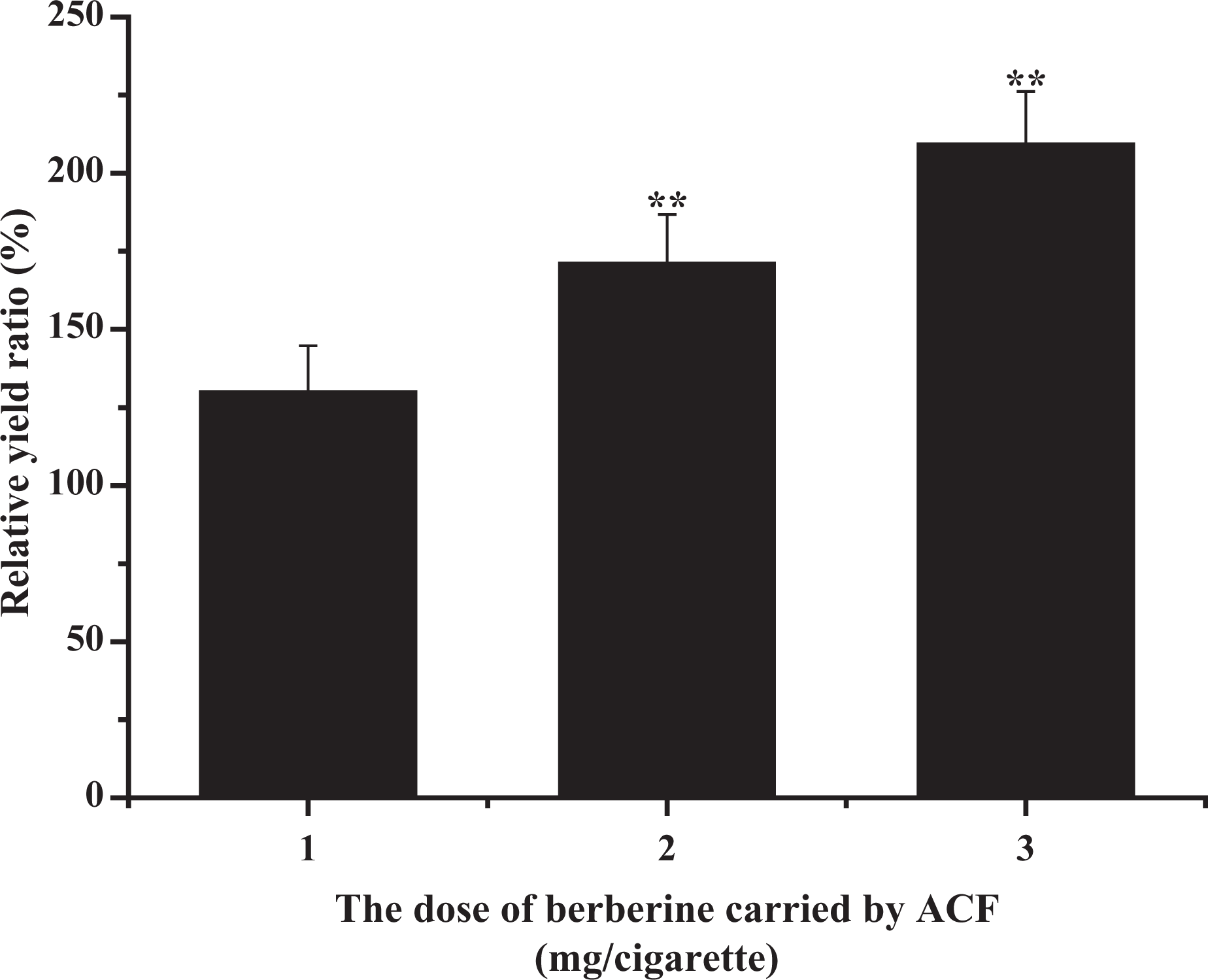
Ratios relative to the effect on the activity of OPO after exposure to CS from different doses of berberine carried by ACF filter cigarettes represent the relative percentage to the amount detected from the CA filter cigarettes. Data were expressed as means ± SD (n = 6). **p < 0.01 compared with residual activity of OPO in saliva exposed to CA filter CS. CA: cellulose acetate; ACF: activated carbon fiber; OPO: oral peroxidase; CS: cigarette smoke.
Cyanide present in CS is capable of inhibiting SPO activities (Klein et al., 2003). The saliva of smokers was incubated in the addition of potassium cyanide (KCN) at the concentrations of 50, 100, 150 and 200 μM for 1 h, in order to evaluate the degree of cyanide-related loss of activity of OPO as shown in Figure 6. The increasing concentration of KCN in saliva significantly affected the activity of OPO and caused a dramatic loss of activity of OPO from 39.67 ± 7.31% to 71.48 ± 9.18%.
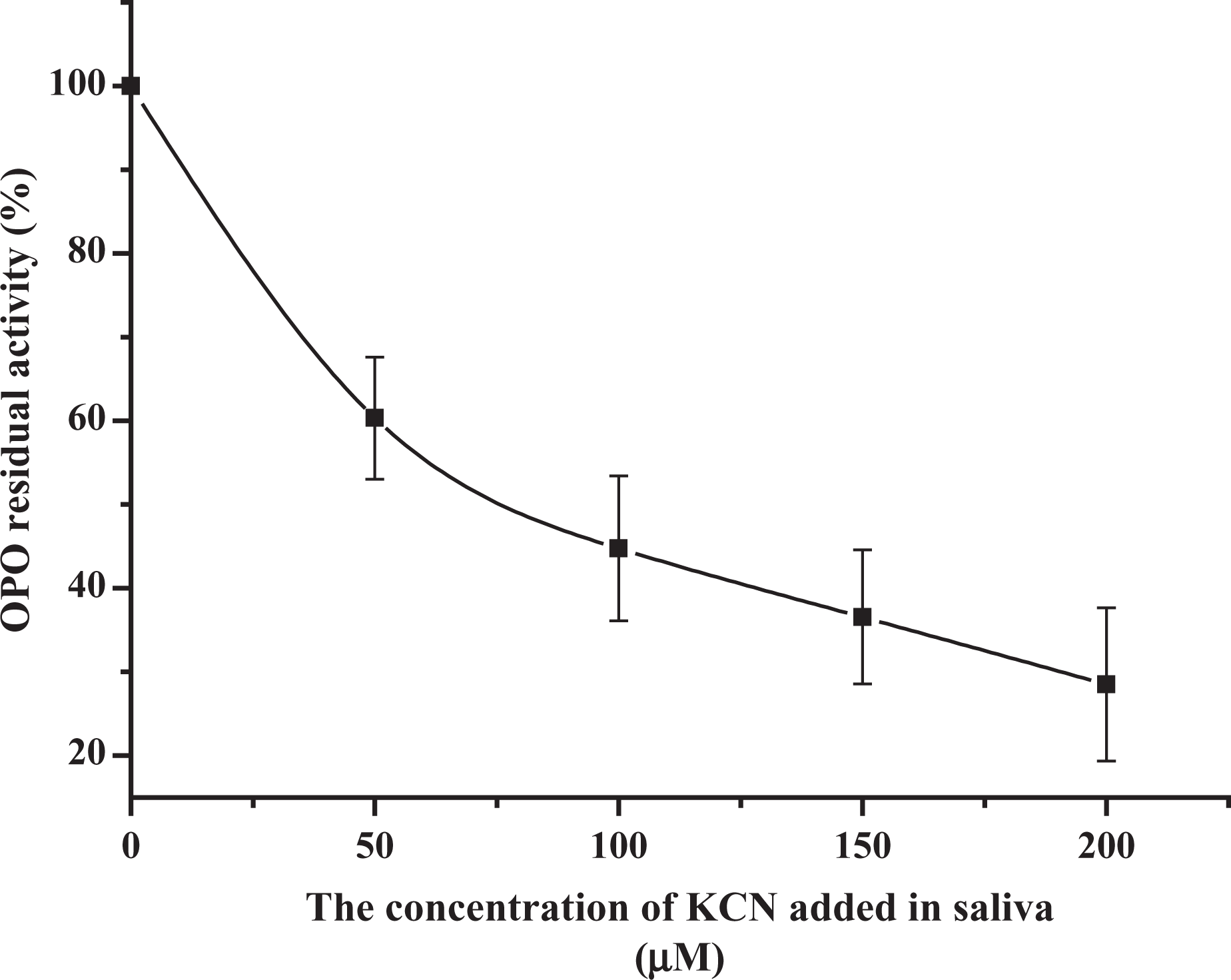
Effect of addition of potassium cyanide (KCN) incubated in saliva for 1 h on the activity of OPO. Data were expressed as means ± SD (n = 6).
Smoke chemistry
The results of the mainstream smoke analysis for the CA filter, ACF filter and B-ACF filter cigarettes were provided in Table 2. In order to facilitate the comparison of smoke composition independently from the CA filter cigarette group, the modified filter cigarette groups were calculated as the amounts relative to the CA filter cigarette group. The data were presented at the right side in Table 2 and expressed as a percentage of the amount detected in the smoke of the CA filter cigarette group.
Results of mainstream smoke constituent analysis of CA filter, ACF filter and B-ACF filter cigarettes.a
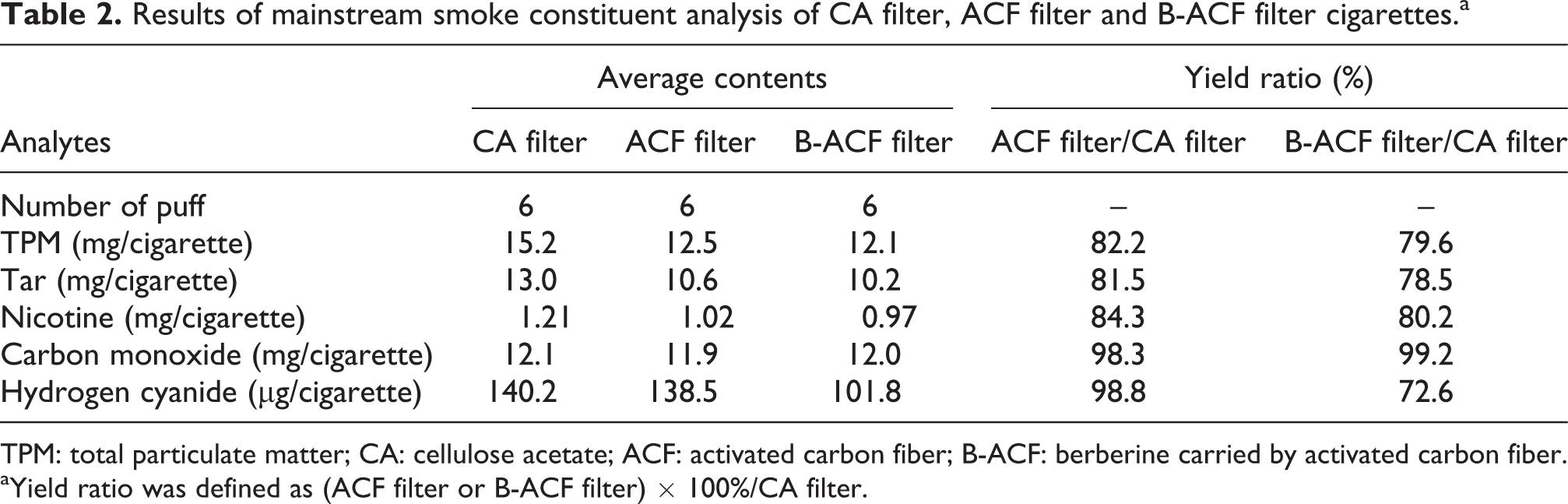
TPM: total particulate matter; CA: cellulose acetate; ACF: activated carbon fiber; B-ACF: berberine carried by activated carbon fiber.
aYield ratio was defined as (ACF filter or B-ACF filter) × 100%/CA filter.
As shown in Table 2, yields of TPM, tar and nicotine from ACF filter or B-ACF filter cigarettes were approximately 80% of those measured in the CA filter cigarettes. The content of carbon monoxide from different filter cigarettes was similar. Although the differences between the ACF filter and B-ACF filter cigarettes were fairly negligible in terms of most constituents of CS, the content of HCN was 26% lower in B-ACF filter CS than that of ACF filter. ACF was able to absorb HCN as reported previously, but trace of HCN in the mainstream smoke of cigarette was hard to be absorbed by ACF without special treatment such as catalytic oxidation (Li, 2004).
Discussion
The salivary antioxidant system, in which the peroxidase is the pivotal enzyme, has been drawing increased attention in recent years (Klein et al., 2003; Nagler et al., 2001; Reznick et al., 2003), and the activity of OPO could be inhibited by CS, which might induce oral cancer (Klein et al., 2003; Reznick et al., 2003). Mainstream CS is a complex mixture of several thousand compounds, which reflects the dynamics of the processes of combustion and pyrolysis inherent to the burning tobacco rod (Adams et al., 1987). According to the previous study, HCN, present in microgram amounts per cigarette, is likely responsible for loss of activity of salivary OPO (Klein et al., 2003). As a result, the major aim of this study was to try to find a method by the reduction of HCN in the CS to reduce the inhibition of activity of OPO by CS.
In this study, the effects of berberine carried by ACF added in the cigarette filters on the activity of OPO in vitro and chemical components in the CS were evaluated. The results showed that the loss of activity of OPO is caused by the CS from B-ACF filter cigarette was always much lower than those of ACF filter cigarette or CA filter cigarette, under the same salivary treatment, no matter the time-dependent or puffs-dependent inhibition (Figures 3 and 4). The lower loss of activity of OPO by B-ACF filter cigarette might be attributed to much more HCN in the mainstream smoke was absorbed by B-ACF filter than CA filter or ACF filter.
The slope of curve for the loss of rate of activity of OPO showed the loss in the rate of OPO activity caused by the first two puffs of CS from B-ACF filter cigarette was lower than that of CA filter cigarette and ACF filter cigarette, but that caused by the last puff of CS from B-ACF filter cigarette was approximate with the other two kinds of filter cigarettes (Figure 4). It was suggested that the absorptive amount to HCN by B-ACF filter was increased with the increasing puffs of CS, and remained constant after it reached the saturation adsorption.
Cyanide showed dose-dependent inhibition of the activity of OPO in Figure 6. Treatment of saliva with KCN for 1 h resulted in a sharp decline in the activity of OPO. These results suggested that the activity of OPO was sensitive to cyanide, which were consistent with those of the previous report (Klein et al., 2003).
The chemical analysis of CS revealed an observed reduction in HCN of CS from B-ACF filter cigarette when compared with ACF filter cigarette or CA filter cigarette. The decrease in HCN in B-ACF filter CS was in accordance with the level of the inhibition on the activity of OPO by CS. As a result, berberine carried by ACF as a part of cigarette filter was chosen to play the role of protecting the activity of OPO influenced by CS.
Berberine, extracted from Chinese traditional herbs that were used for antimicrobial therapy for thousands of years, was verified to be safe for human oral administration at a dosage of 0.5 g once, while more than 4 g of oral intake might induce nausea (Zeng et al., 1995). As a result, berberine was safe as cigarette filter additive when used as 3 mg per cigarette filter. The B-ACF part was placed in the middle of the filter as shown in Figure 2, so the mouth of smokers could not reach the additive of involatile berberine to influence the mouthfeel of smoker directly and the flavor of CS obviously.
The mechanism of cyanide-induced reductions on the activities of SPO was not clear. However, our findings suggested that the reduction of HCN in CS by the addition of berberine in cigarette filter could weaken the inhibitory effect of CS on the activity of OPO. The lesser the presence of HCN in CS, the lesser is the loss of activity of OPO caused by the CS.
The application of Chinese herbal medicine and its active substances in making less harmful Chinese cigarette had drawn much attention in recent years (Chen et al., 2006; Meng and Liu, 2006); it was the new technique to make Chinese cigarette less harmful due to the foundation of application of Chinese herb as medicine for thousands of years (Zhang et al., 2008). Especially, reducing the toxicity of cigarette was a positive tendency in cigarette technology, although we were aware that the best response to the dangers of CS is to abstain from smoking.
Footnotes
Funding
This research was supported by grants from China Tobacco Chuanyu Industrial Corporation (Grant 2010347), the National Science and Technology Pillar Program of China (2011BAI13B02-1), National Key Technologies R&D program of China during the ‘11th Five-Year Plan’ (2010ZX09401-306-10) and the Graduate School of Southwest University (kb2009017).