







Abstract
In the present study, the effect of different in vitro cultures (callus, in vitro shoots) and commercially available peppercorn extract was investigated for its activity against toxic metabolite-producing strains (Escherichia coli, Pseudomonas aeroginosa, Salmonella typhi, Bacillus subtilis, Bacillus cereus, Staphylococcus aureus, and Candida albicans). These in vitro cultures were extracted with ethanol, hexane, and chloroform, and the antipathogenic activity was determined by well-diffusion method. Hexane extract of callus showed 22 mm zone of inhibition against B. cereus, 23 mm against S. aureus, while regenerated shoots and seeds have shown 24.3 and 26 mm zones of inhibition. The ethanolic extracts of regenerated Piper shoots have shown 25 mm activity against S. aureus, 21 mm against B. cereus, and 16 mm in the case of C. albicans in comparison with standard antibiotics. Peppercorn extracts in chloroform and ethanol had shown activities against B. cereus (23.6 mm) and B. subtilis (23.5 mm). During in vitro organogenesis and morphogenesis, cells and tissues produced a comparable phytochemicals profile like mother plant. Morphogenesis is critically controlled by the application of exogenous plant-growth regulators. Such addition alters the hormonal transduction pathways, and cells under in vitro conditions regenerate tissues, which are dependant on the physiological state of cells, and finally enhance the production of secondary metabolites. To the best of our knowledge, this is the first report to compare the antimicrobial potential of in vitro regenerated tissues and peppercorn with standard antibiotics. In conclusion, most of the extracts showed pronounced activities against all the pathogenic microbes. This is a preliminary work, and the minimum inhibitory concentration values needs to be further explored. Regenerated tissues of P. nigrum are a good source of biologically active metabolites for antimicrobial activities, and callus culture presented itself as a good candidate for such activities.
Introduction
Piper nigrum L. (P. nigrum; black pepper) belonging to the family Piperaceae is considered the king of spices due to its spicy savor (Abbasi et al., 2010; Ahmad et al., 2012a, 2013). P. nigrum is cultivated throughout the world and is native to tropical and subtropical regions of India (Ahmad et al., 2010, 2012a). High pungency in black pepper fruits indicated the presence of piperine. Piperine, the most active component in the fruits of P. nigrum L., denotes the quality and value of spiciness (Ahmad et al., 2011a; Bhat et al., 1995; Philip et al., 1992). Peppercorn from P. nigrum can be used in food processing, as crude drugs, and can also be used as food additives (Srinivasan, 2007). Regarding medicinal applications, P. nigrum has pronounced antibacterial, antifungal, antiviral, antimutagenic, and antioxidant activities (Abbasi et al., 2010; Ahmad et al., 2010, 2012a; Dorman and Deans, 2000; Saxena et al., 2007). Nerolidol and β-caryophyllene isolated from P. nigrum have anesthetic activity (Santra-Mantra et al., 2005). The fruits of this species are also used to treat respiratory tract diseases and infections such as asthma, cold extremities and sore throat, digestive problems including chronic indigestion, colon toxins, colic, and diarrhea, and fevers including congestion fever and intermittent fever and also control obesity (Ahmad et al., 2011a; Ravindran, 2000). P. nigrum also claimed to possess antiapoptotic activity, antidepressant, analgesic, anti-inflammatory, antimetastatic, antispasmodic, antispermatogenesis, antithyroid, hepatoprotective, insecticidal, larvicidal, and pesticidal activities (Balkrishna, 1995; Kumar et al., 2007; Li et al., 2007; Mishra and Singh, 2009; Pathak and Khandlewal, 2006; Scott et al., 2008).
Plants produced a variety of active metabolites that act as a defense system against various pathogenic agents (Ahmad et al., 2011b, 2012b, 2012c). According to the literature cited, to our knowledge, the antimicrobial activity in regenerated tissues in this species has not been reported. The overall thrust of the present study was to investigate and compare the antimicrobial potential of regenerated tissues with piper fruits and with standard antibiotics.
Materials and methods
Plant materials
Reasonable amount of callus and regenerated shoots were taken from the experiment of Ahmad et al. (2013) and peppercorn was purchased from local markets.
Extract preparation from regenerated tissues
The extracts were prepared according to the method described by Fazal et al. (2010, 2012). Briefly, the callus, in vitro regenerated shoots, and peppercorn of P. nigrum were dried in an oven (Thermo Scientific, Germany) at 50 ± 2°C, ground, and sieved to get fine powder from which the extracts were prepared (Figure 1). An ethanol extract of the plant was obtained by taking 5 g of dried powder in a separate container. To this, 50 ml ethanol was added and kept for 1 week with periodic shaking (The soaked material was stirred every 18 h using a sterilized glass rod), filtered, and the filtrate was collected. This procedure was repeated three times with fresh volume of ethanol. The filtrates were pooled. The same procedure was used for hexane and chloroform extracts. The final extracts were passed through Whatman filter paper No 1 (Whatman Ltd, Maidstone, UK). The pooled ethanol, hexane, and chloroform extracts were concentrated separately using rotary vacuum evaporator at 40°C and stored at 4°C in an air-tight bottle. The extract obtained from each plant was dissolved in each solvent independently to get stock solutions.
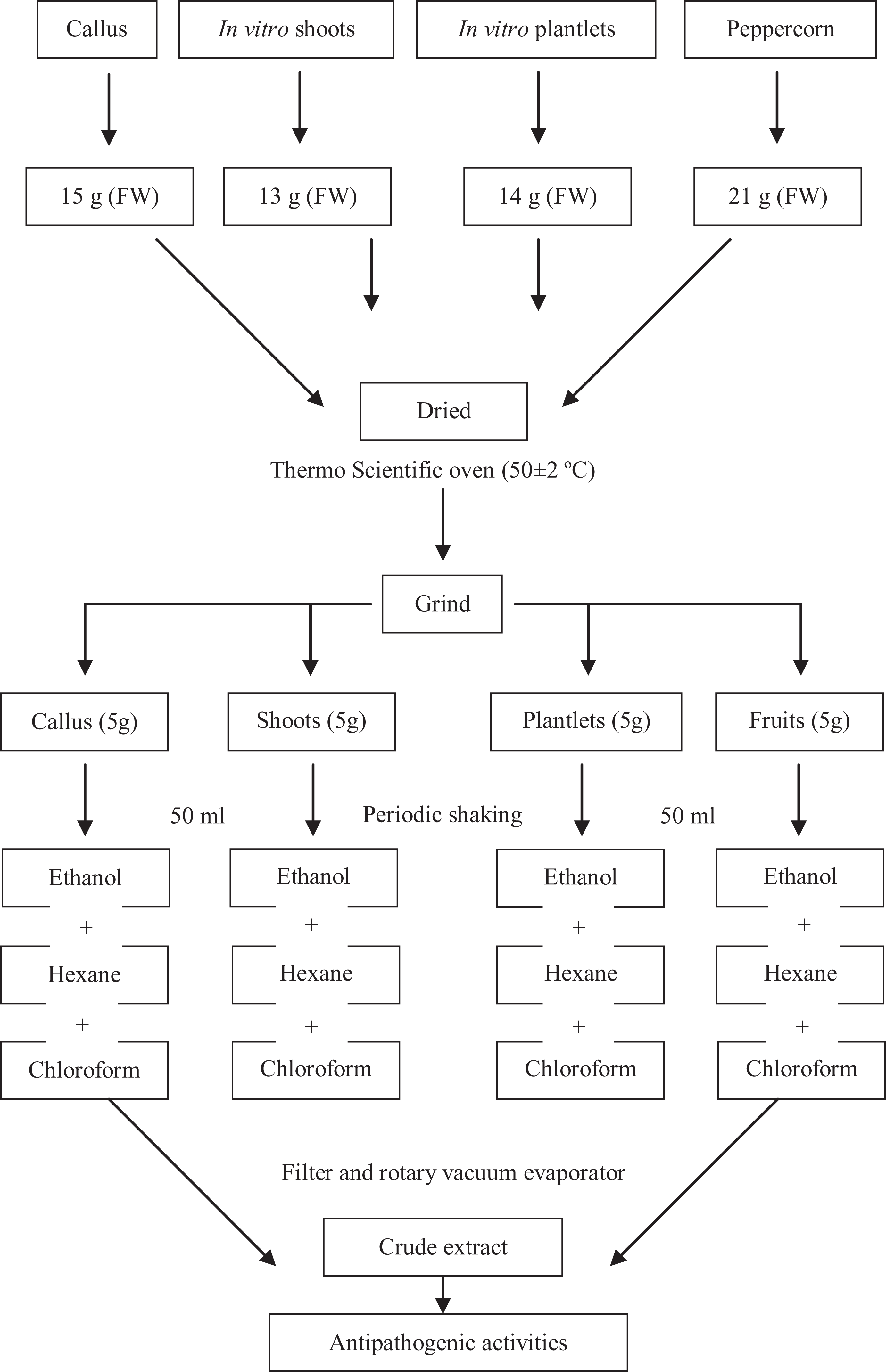
Schematic representation of extract preparation.
Microbial strains used
Bacterial strains, namely, Escherichia coli (ATCC # 25922), Pseudomonas aeroginosa (ATCC # 9721), Staphylococcus aureus (ATCC # 6538) were obtained from PCSIR Laboratories (Lahore, Pakistan). Clinical isolates of Salmonella typhi, Bacillus subtilis, and Bacillus cereus were obtained from Microbiology Laboratory, Quaid-i-Azam University, Islamabad, Pakistan, and the fungal strain Candida albicans was obtained from the Hayatabad Medical Complex (Peshawar, Pakistan). These microorganisms were procured and maintained on nutrient agar medium at 4°C.
Assay procedures
The antibacterial potential of ethanol, hexane, and chloroform extracts of various tissues of P. nigrum was determined by well-diffusion method (Fazal et al., 2010; 2012; Parekh and Chanda, 2007). Nutrient agar media plates were seeded with a sterile swab moistened with the bacterial suspension of 18- to 24-h cultures of microbial inoculums (a standardized inoculum of 1–2 × 10⁷ CFU ml−1 0.5 McFarland standard). Wells (8 mm in diameter) were boarded into the agar media with the help of sterilized cork borer. Then, 50 μl each of all solvent extracts were poured in the wells of the inoculated plates. Antibiotics (24 µl per well) and dimethyl sulfoxide (DMSO; 24 µl per well) were also poured into the wells as positive and negative controls, respectively. Inoculated plates were then incubated at 37°C for 24 h and zones of inhibition were measured in millimeter on the following day.
Results and discussion
The antimicrobial activities of the extracts of regenerated tissues and commercially available peppercorn were investigated and given in terms of diameters for the zones of inhibition (Figure 2). Samples were applied against Gram negative bacterial strains (E. coli, P. aeroginosa, and S. typhi), Gram positive bacterial strains (B. subtilis, B. cereus, and S. aureus), and a fungal strain (C. albicans). Hexane extract of callus showed 22 mm zone of inhibition against B. cereus (Figure 3), while regenerated shoots and seeds have shown 24.3 and 26 mm zones of inhibition. The peppercorn showed better activity against B. cereus when the solvent was hexane. Chloroform extracts of regenerated Piper shoots showed 16.9 mm activity against S. aureus (Figure 4). The ethanol extracts of regenerated Piper shoots have shown 25 mm inhibitory zone against S. aureus, 21 mm against B. cereus, 11.6 mm against S. typhi, and 16 mm in the case of C. albicans. Peppercorn extracts in hexane, chloroform, and ethanol had shown activities against B. cereus (inhibition zone diameter of 26 mm, 23.6 mm, and 19.3 mm, respectively) and B. subtilis (inhibition zone diameter of 11.5 mm, 17.2 mm, and 23.5 mm, respectively; Figure 5). However, hexane, ethanol, and chloroform extracts of callus had shown activities against B. cereus (22 mm, 19.7 mm, and 9.7 mm, respectively) and S. aureus (15.3 mm, 23 mm, and 14 mm, respectively). Moreover, hexane extracts of peppercorn have also shown 8.7 mm zone against fungal strain, C. albicans. It is interesting to note that extracts were more effective against bacteria than fungi. The activities of standard antibiotics are given in Table 1. However, there are no reports available regarding antimicrobial assessment of regenerated tissues in P. nigrum, but the antimicrobial activities of leaves, young berries, peppercorn extracts, and aqueous decoction are reported against different human pathogenic microbes (Chaudhry and Tariq, 2006; Ghori and Ahmad, 2009; Karsha and Lakshmi, 2010; Pundir and Jain, 2010; Sasidharan and Menan, 2010; Yasmeen et al., 2012). These results showed that in vitro culture extracts of this species possess efficient and good activities against pathogenic strains. Pathogenic agents from different sources enter into the human bodies and produce toxic metabolites causing different diseases and infections. Synthetic antibiotics are used frequently against these pathogenic strains, but nowadays, these microorganisms started resistance due to mutations and other factors. To overcome such problem, plant-based products are more effective than synthetic products and are also very ecofriendly. Under in vitro conditions, in vitro cultures produced different active compounds that are free from pathogens, safe, and that can be easily collected from containers. In this study, we have used different extracts of in vitro cultures to check their efficacy against pathogenic strains. The results showed that these extracts of in vitro cultures are nearly same in efficacy as standard antibiotics. These results suggested that such approaches should be upscaled into bioreactor for higher biomass production and commercial purposes.
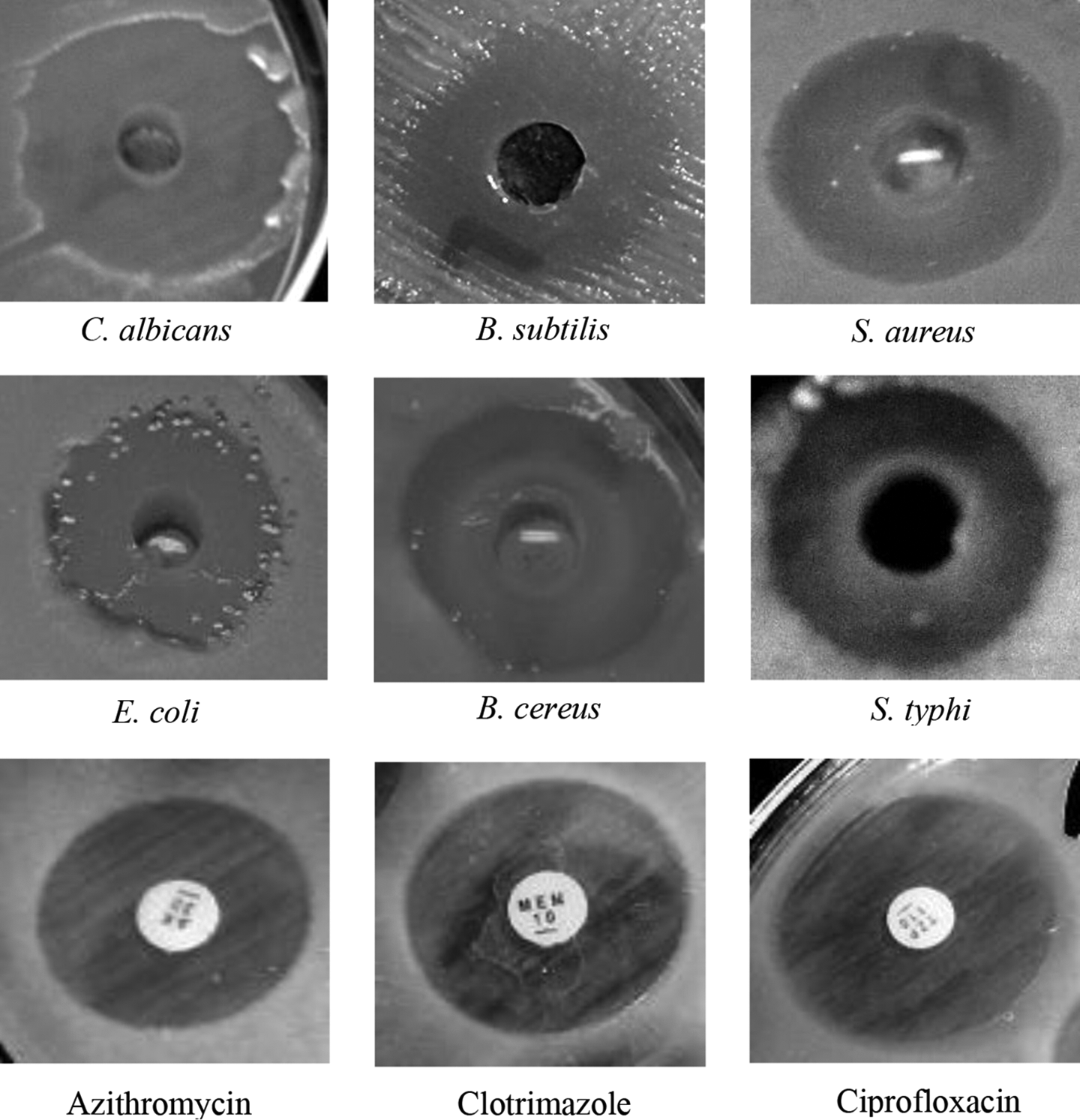
Best zones of inhibition exhibited by different extracts against selected pathogenic microorganisms.
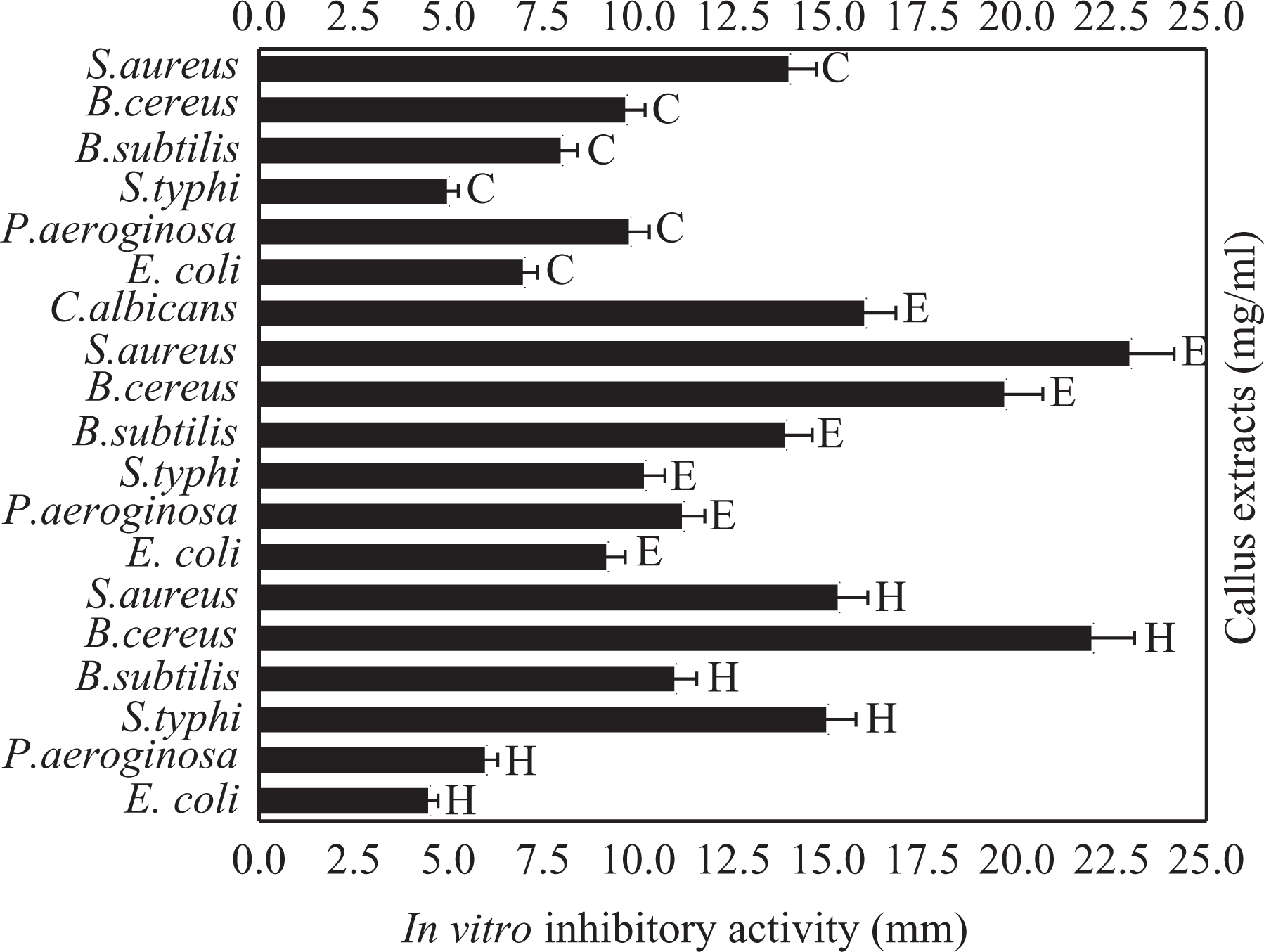
Antimicrobial activities of callus extracts (H, E, and C) against Escherichia coli, Pseudomonas aeroginosa, Salmonella typhi, Candida albicans, Bacillus subtilis, Bacillus cereus, and Staphylococcus aureus. Mean values were taken from three independent experiments. Mean values (±SD) are significantly different when p < 0.05. H: hexane; E: ethanol; C: chloroform.
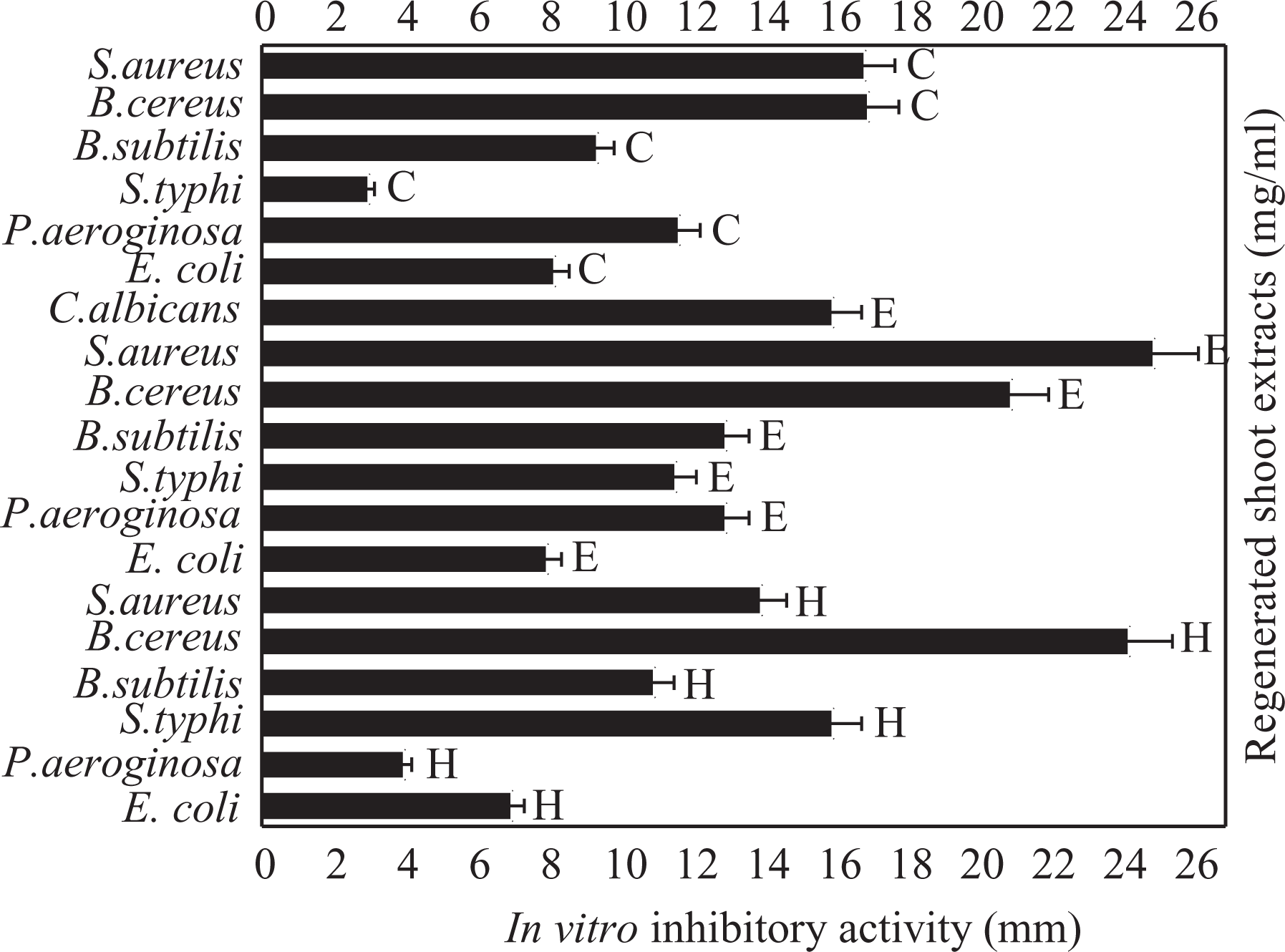
Antimicrobial activities of regenerated shoots extracts (H, E, and C) against Escherichia coli, Pseudomonas aeroginosa, Salmonella typhi, Candida albicans, Bacillus subtilis, Bacillus cereus, and Staphylococcus aureus. Values are mean of three replicates along with SD. Column with each value are significantly different at p < 0.05. H: hexane; E: ethanol; C: chloroform.
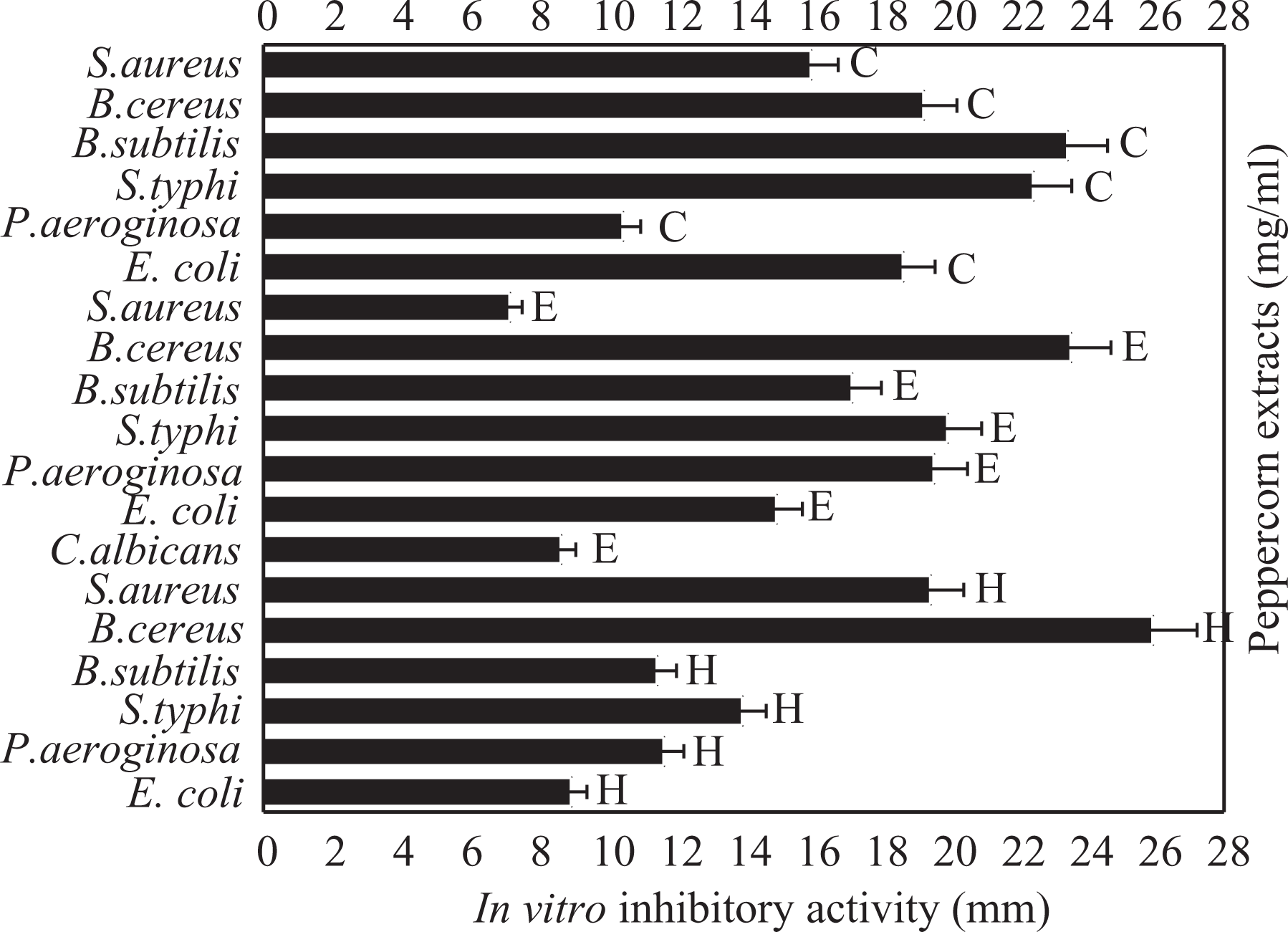
Antimicrobial activities of peppercorn extract (H, E, and C) against toxic metabolites producing species. Values are means of three replicates along with SD. Column with each value are significantly different at p < 0.05. H: hexane; E: ethanol; C: chloroform.
Standard antibiotic activities against selected microorganisms, values (mean ± SD + LSD) were taken in duplicate from three independent experiments.a
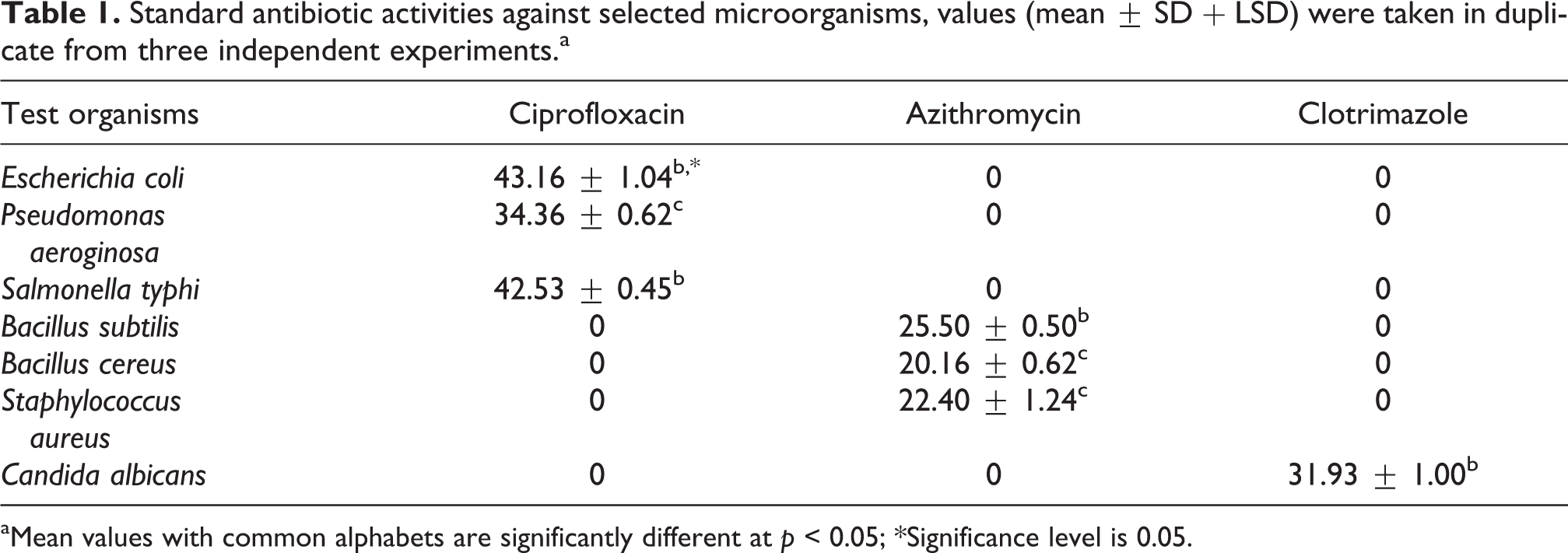
aMean values with common alphabets are significantly different at p < 0.05; *Significance level is 0.05.
Footnotes
Acknowledgement
The present work was financially supported by Higher Education Commission (HEC) of Pakistan.