







Abstract
The impact of scientific articles is proportional to the citations they have received. In this study, the most cited works (“citation classics”) related to Tourette syndrome (TS) were identified as articles with more than 100 citations according to the Web of Science. We retrieved 89 highly cited articles, which were published in 26 journals: 54 clinical studies, 27 laboratory studies, 7 reviews, and 1 classification article. Clinical studies consisted of phenomenologic evaluations of TS and comorbid behavioral problems (n = 22) and studies on pharmacotherapy (n = 16) and clinical genetics (n = 13), whereas laboratory studies covered basic genetics, cellular and molecular biology (n = 11), and neurobiology (neuroimaging, neuropathology, and neurophysiology) (n = 16). The majority (58%) of citation classics were published after 1990, when laboratory studies (especially neuroimaging, immunologic, and genetic studies) became widely cited. These articles are able to reach the highest numbers of citations in a short time span and suggest potential directions for future research.
Tourette syndrome is a neurodevelopmental disorder characterized by the presence of both physical (motor and phonic tics) and behavioral symptoms. 1,2 The past few decades have witnessed an exponential growth in the number of scientific publications of basic and applied research on Tourette syndrome, mainly across the disciplines of medicine and clinical psychology. 1 The aim of this article was to identify the core works in the scientific literature on Tourette syndrome. For the scope of the present study, the impact of an article was determined using the number of citations it received. By identifying these works, one could see how the field has developed, what types of treatments have been researched most, how basic research has shaped our understanding of Tourette syndrome, and what areas have the potential for further research and progression. 3
Methods
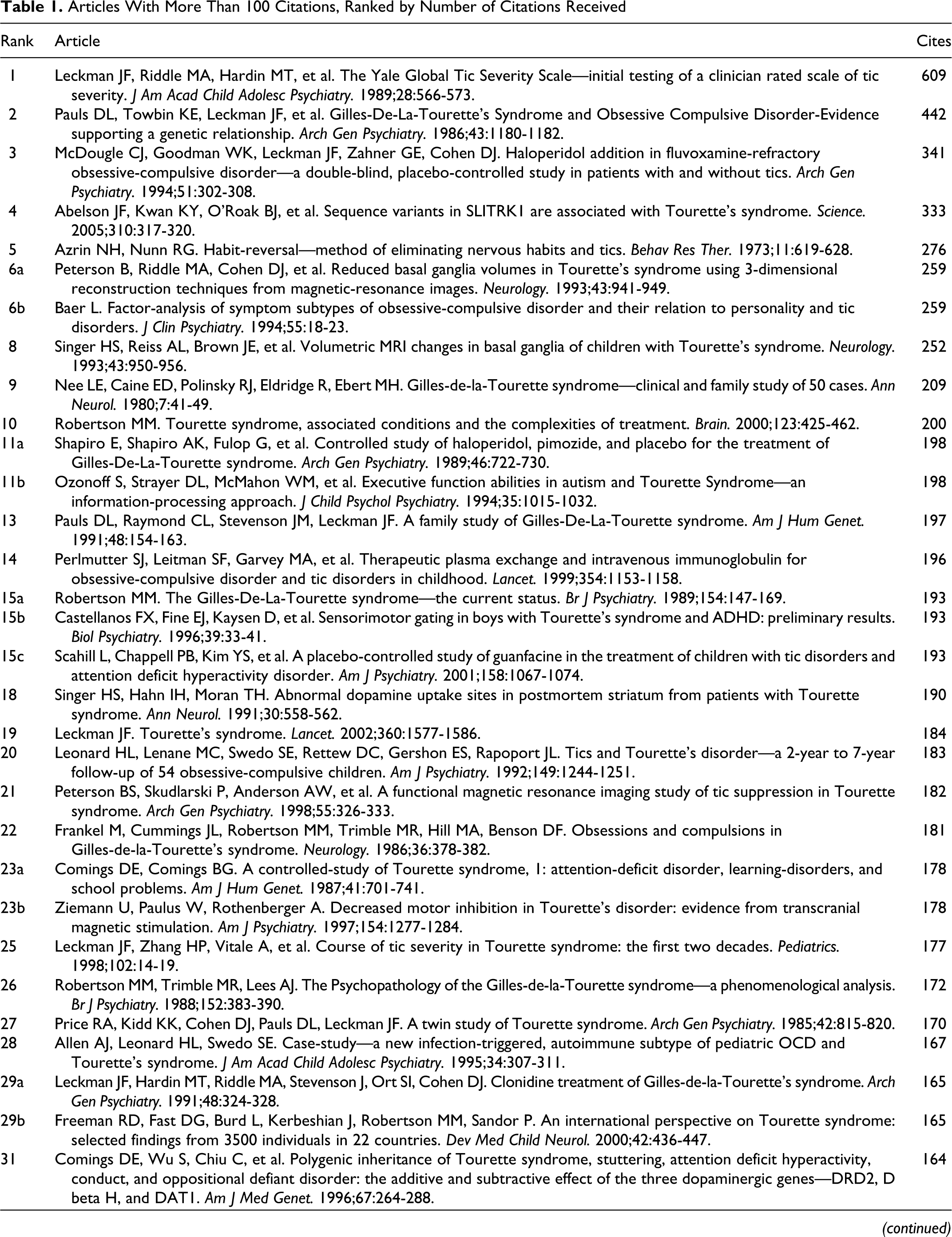
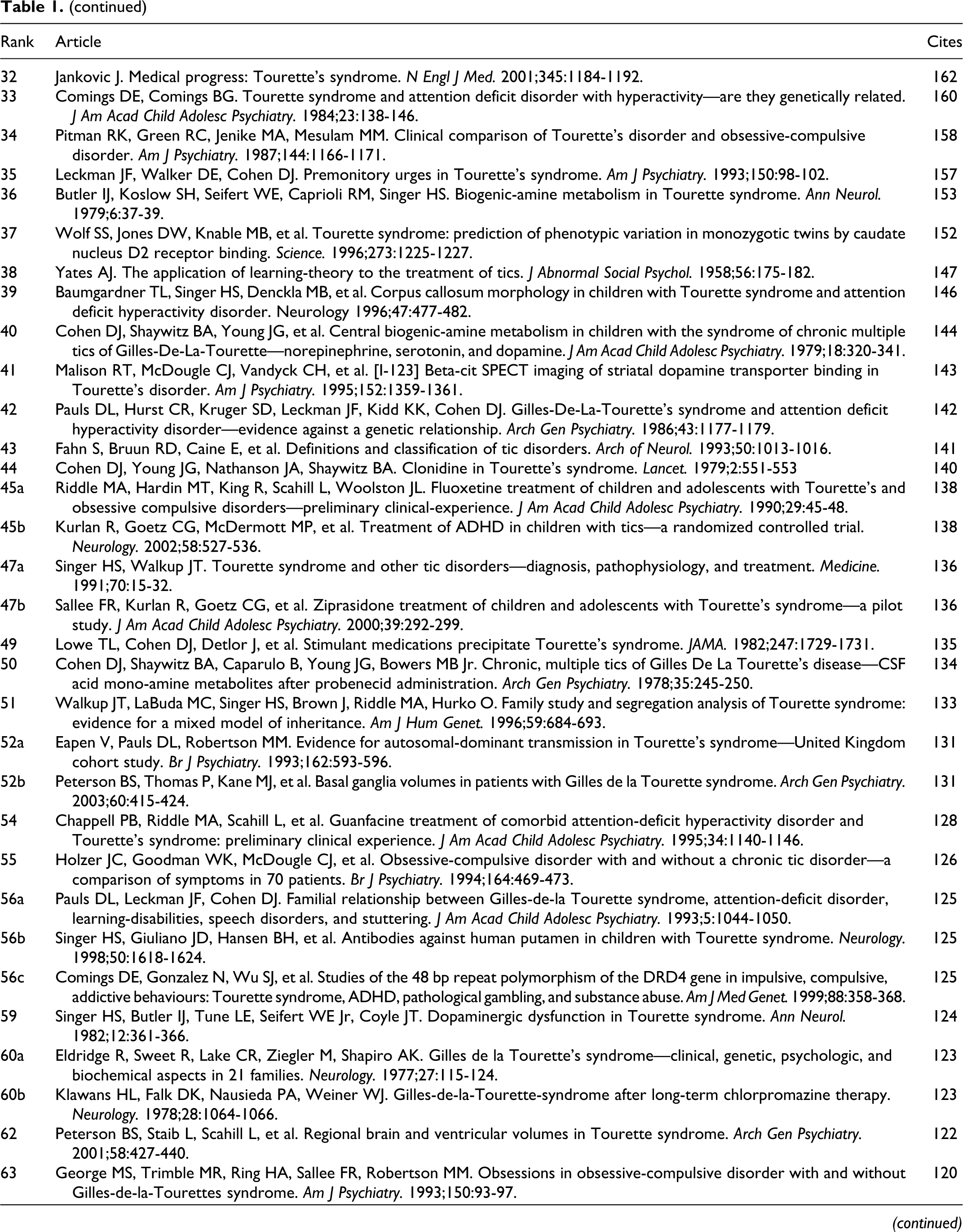
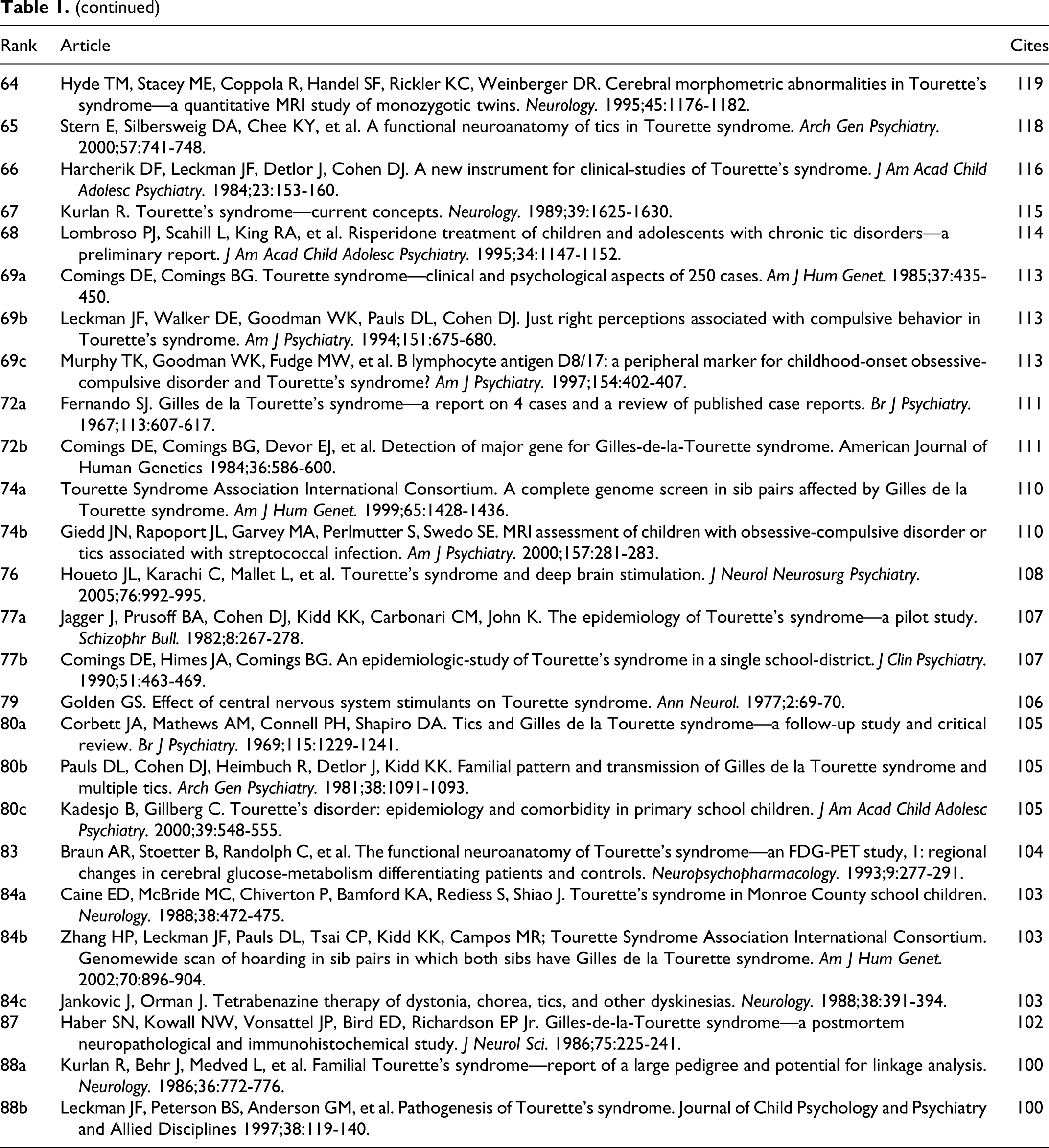
On August 1, 2011, a literary search was performed on the ISI Web of Science bibliometric database for scientific articles relevant to Tourette syndrome. We used the search string ‘Tourette*’ or ‘Tic*’ in the title, which generated 68 514 articles published between 1898 and 2011 (the asterisk was included as a wild card character). We subsequently focused our analysis to “citation classics,” which for the purpose of our study were defined as articles that received 100 or more citations. 4 Irrelevant articles (eg, articles related to “Tick-borne disease”) were identified and removed through manual screening. This search methodology was consistent with recent works conducted in the neighboring fields of Parkinson disease 5 and neurosurgery. 6 –8 In the following paragraphs, parenthetical numbers refer to the rank of the relevant articles as per Table 1.
Articles With More Than 100 Citations, Ranked by Number of Citations Received
Results
Eighty-nine citation classics in Tourette syndrome were identified, spanning the past 5 decades (1958-2005). The number of citations received by the articles ranged from 100 to 609 (Table 1).
Among the citation classics, there were 54 clinical studies, which included 22 clinical evaluations, 16 studies on pharmacotherapy, 2 on behavioral therapies, 1 on surgical therapy, and 13 on clinical genetic studies. Also captured by the search were 27 laboratory studies, including 16 articles on the neurobiology of Tourette syndrome (13 using neuroimaging techniques), 5 genetic studies, and 6 cellular and molecular biology studies. Finally, we identified 7 review papers and 1 article on the classification of tic disorders (43) (Table 2).
Breakdown by Topics of Journals, 5-Year Epochs, and Citation Counts
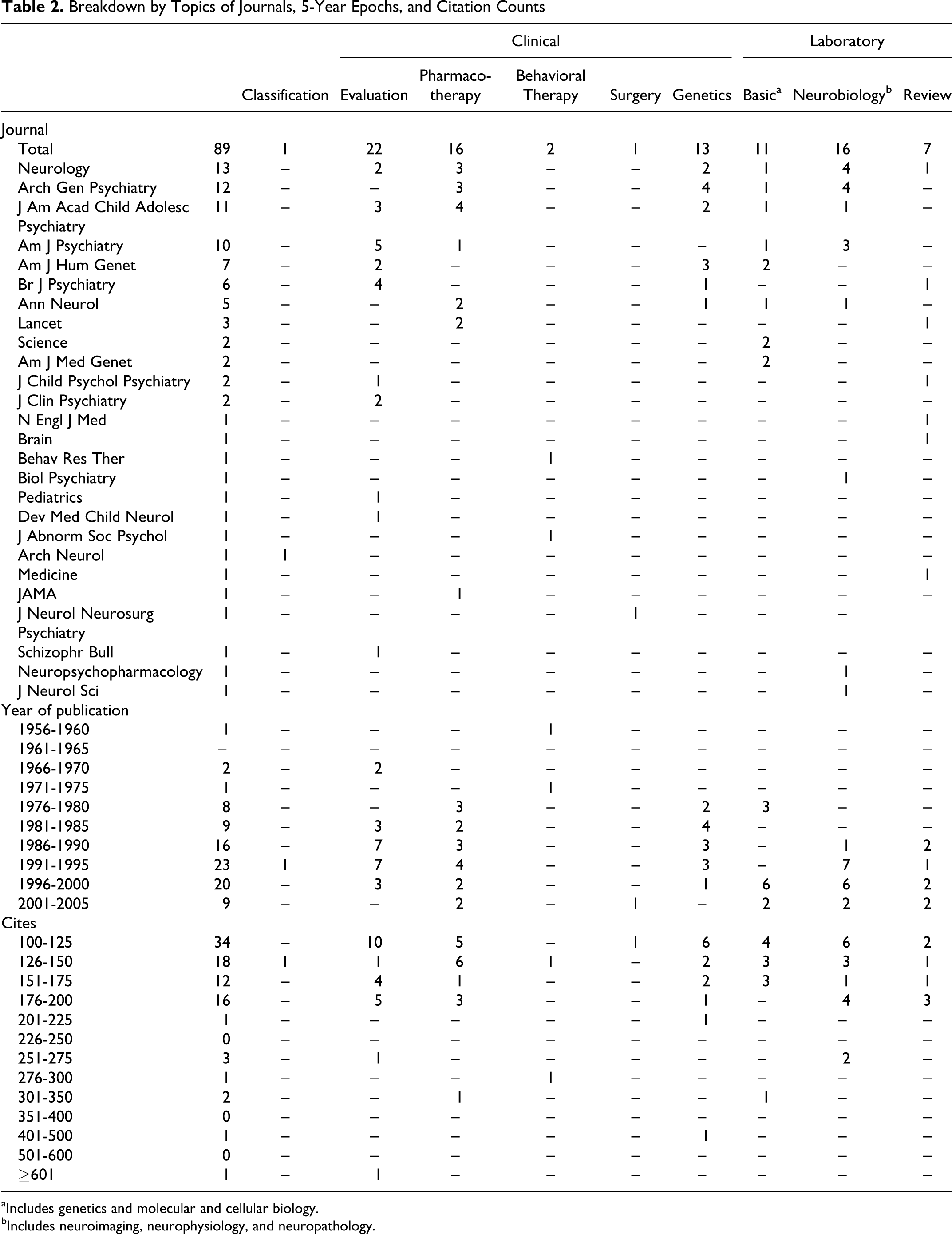
aIncludes genetics and molecular and cellular biology.
bIncludes neuroimaging, neurophysiology, and neuropathology.
Clinical Studies
Clinical Evaluations
Of the 22 articles on clinical evaluations, 13 referred to clinical characteristics, with 7 studies focusing on the relationship between Tourette syndrome and comorbid obsessive-compulsive disorder (OCD) (6b, 20, 22, 28, 45a, 51, 55) and 6 papers addressing other comorbid behavioral problems and tic-associated subjective experiences, or premonitory urges (23a, 26, 29b, 35, 69a, 72a). There were 4 epidemiologic studies of Tourette syndrome (77a, 77b, 80c, 84a), 2 studies focusing on the onset and prognosis of Tourette syndrome (25, 80a), and 1 study looking at cognitive function in autism and Tourette syndrome (11b). Finally, 2 papers, including the most widely cited article on Tourette syndrome, presented the development and validation of rating scales of clinical utility in this patient population (1, 66).
Pharmacotherapy
There were 16 articles on medical therapies: 3 studies evaluated the use of neuroleptics (3, 11a, 59), 2 focused on atypical antipsychotics (47b, 68), 4 were on alpha-2-agonists (clonidine: 29a, 44; guanfacine: 15c, 54), and 2 looked at other medications, such as selective serotonin reuptake inhibitors and tetrabenazine (45a, 84c). Other clinical studies on pharmacotherapy investigated tics as side effects of medication, including stimulants (45b, 49, 79) and chlorpromazine (60b). Finally, 1 study focused on plasma exchange and intravenous immunoglobulin treatment (14).
Surgical Therapy
There was only 1 article investigating the treatment of Tourette syndrome with deep brain stimulation of the thalamus (centromedian-parafascicular complex) and the internal pars of the globus pallidus (76).
Behavioral Therapies
There were only 2 highly cited studies of behavioral therapies for tics: habit-reversal therapy (5) and learning theory (38).
Clinical Genetics
Of the 13 articles dealing with clinical genetics, 7 were family/pedigree studies of Tourette syndrome (27, 51, 52a, 60a, 72b, 80b, 88a). The other 6 studies focused on comorbid conditions: 3 looked at the genetic relationships between Tourette syndrome and comorbid OCD (2, 9, 13) and 3 looked at genetic relationships between Tourette syndrome and comorbid attention-deficit and hyperactivity disorder (ADHD) (39, 50, 68).
Laboratory Studies
Laboratory Genetics
There were 5 laboratory genetic studies focusing on specific genetic aspects of Tourette syndrome. One highly cited recent study looked at the relationship between the SLITRK1 sequence variants and Tourette syndrome (4); 1 study addressed the additive and subtractive effect of 3 dopaminergic genes—DRD2, D beta H, and DAT1—on the polygenic inheritance of Tourette syndrome, stuttering, attention deficit hyperactivity, conduct, and oppositional defiant disorder (31); 1 study investigated the role of the DRD4 gene in Tourette syndrome, pathologic gambling, and substance abuse (56c); 1 study presented the results of the first systematic genome screen in a total of 110 sib pairs (74a) and a related one was a genome scan of the hoarding phenotype on 77 sib pairs (84b).
Cellular and Molecular Biology
Of the 6 studies that focused on the biology of Tourette syndrome and comorbid behavioral problems, 3 articles looked at the metabolism of biogenic amines (36, 40, 50) and 3 were immunologic studies presenting evidence for autoimmune processes in pediatric populations with Tourette syndrome (28, 56b, 69c).
Neurobiology
The neurobiologic bases of Tourette syndrome have been the subject of an increasing number of neuroradiologic, neuropathologic, and neurophysiological studies over the past few decades. Among the citation classics, there were 7 morphometric studies using structural magnetic resonance imaging (MRI) of the brain (6a, 8, 39, 52b, 62, 64, 74b) and 5 functional neuroimaging studies, of which 1 used functional MRI to investigate neural activity during tic suppression (21) and 4 used the neuroimaging applications of radioligands to assess cerebral metabolism changes in Tourette syndrome (37, 65, 41, 83). Finally, 2 articles were postmortem studies (18, 87), 1 investigation assessed sensorimotor gating in Tourette syndrome using neurophysiological techniques (15b), and 1 presented evidence from transcranial imaging techniques for the pathophysiology of tics as decreased motor inhibition in Tourette syndrome (23b).
Review Articles
There were 7 review papers: in addition to 4 general reviews on Tourette syndrome (15a, 19, 32, 67), 1 focused on the associated conditions and the complexities of treatment (10); 1 covered the diagnosis, pathophysiology, and treatment of all tic disorders (47a); and 1 focused on the pathogenesis of Tourette syndrome in the context of central nervous system development (88b).
Journals and Years of Publication
To explore when and where the highest cited articles on Tourette syndrome were published, and to ascertain whether there was a link between the type of article and the journals, the journals were ranked using the ISI Journal Citation Reports 2010 Journal Impact Factor (JIF), as seen in Table 3.
Journals in Which Citation Classics Were Published, With 2010 Impact Factors a
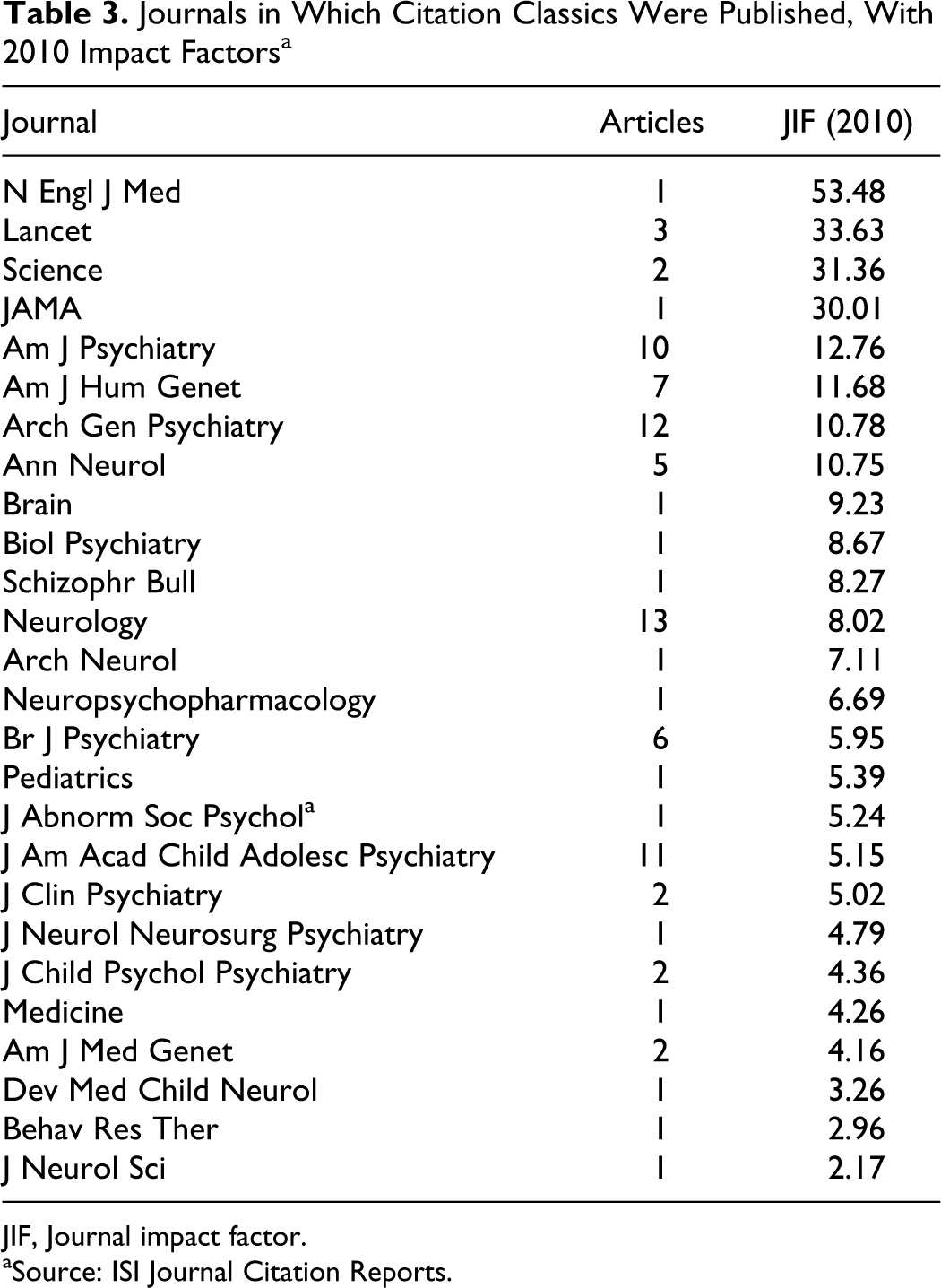
JIF, Journal impact factor. aSource: ISI Journal Citation Reports.
In Table 4, the highest impact journals are those that have a JIF >21.95, that is, are in the top 1% of a rank of 821 journals in the subject categories of Behavioral Sciences, Clinical Neurology, Medicine: General and Internal, Medicine: Research and Experimental, Multidisciplinary Sciences, Neurological Sciences, Psychiatry and Psychology. The journals in the top 10% of this rank (JIF 5.20-21.95) are classified as high impact, whereas the journals in the top 33% (JIF 2.70-5.20) are classified as medium impact. According to this classification, 7 articles appeared in the highest impact journals, 60 in the high impact journals, 21 in the medium impact journals, and only 1 (87) in a journal with JIF below 2.70. There was a broad range of publication years from 1958 to 2005, with only 3% appearing before 1976, 19% appearing from 1976 to 1985, 43% appearing from 1986 to 1995, and 33% appearing after 1996. The majority of articles (67%) were published between 1986 and 2000.
Year of Publication, Topics, and Citations as Related to Impact of Journal a

JIF, Journal impact factor. a2010 JIF, from ISI Citation Reports. JIF >21.95 corresponds to top 1%, JIF 5.20-21.95 corresponds to the top 10% excluding the top 1%, and JIF 2.70-5.20 corresponds to the top 33%, excluding the top 10%.
bIncludes genetics and molecular and cellular biology.
cIncludes neuroimaging, neurophysiology, and neuropathology.
Clinical Studies
Neurology, the Archives of General Psychiatry, the Journal of the American Academy of Child and Adolescent Psychiatry, and the American Journal of Psychiatry accounted for 54% of all clinical studies captured by the search. Of note, these 4 journals accounted for 69% of all studies on pharmacotherapy, and Neurology, the Archives of General Psychiatry, and the Journal of the American Academy of Child and Adolescent Psychiatry published 62% of all articles on clinical genetics. Of the 13 articles published in Neurology, 54% were clinical studies, with almost equal numbers of clinical evaluations, medical therapies, and clinical genetics. Fifty-eight percent of the 12 articles published in the Archives of General Psychiatry were clinical studies, with almost equal numbers of medical therapies and clinical genetics. Eighty-two percent of the 11 articles published in the Journal of the American Academy of Child and Adolescent Psychiatry were clinical studies, with 36% of medical therapies and 27% of clinical evaluations, making it the journal with the largest number of highly cited clinical articles on Tourette syndrome. The American Journal of Psychiatry published the greatest number of clinical evaluations, with 50% of its 10 articles falling under this category. With regard to the periods of publication of clinical studies, 67% of all clinical studies were published between 1981 and 1995, 64% of all clinical evaluations and 44% of studies on medical therapies were published between 1986 and 1995, whereas the vast majority of articles on clinical genetics (77%) were published between 1981 and 1995. The only journals to have published highly cited papers on behavioral therapy were Behaviour Research and Therapy and the Journal of Abnormal and Social Psychology. The Journal of Neurology, Neurosurgery and Psychiatry published the only surgical study that was captured by this search. Twelve papers in the top 20 most cited articles were clinical studies, with the majority of studies being based on clinical evaluations and pharmacology. In addition, one of the 2 studies on clinical behavioral therapies was in the top 5 most cited articles.
Laboratory Studies
Neurology, the Archives of General Psychiatry and the American Journal of Psychiatry published 69% of all laboratory studies. Neurology and the Archives of General Psychiatry were the journals that published the largest number of laboratory studies, with 4 articles each, accounting for 50% of all articles classified as neurobiological studies. Papers in the Laboratory-basic category were equally distributed between cellular and molecular biology studies (54%) and genetics (46%). Eighty-one percent of all neurobiology studies used neuroimaging techniques, such as magnetic resonance imaging (MRI) and positron emission tomography (PET). With regard to the publication years, 70% of all laboratory studies were published between 1991 and 2000. Specifically, 55% of the articles in the Laboratory-basic category were published between 1996 and 2000, and 81% of the articles in the Neurobiology category were published between 1991 and 2000, reflecting the surge in the number of neuroimaging publications in this decade. Not surprisingly, the first citation classic in the Laboratory-basic category dates back to 1976, whereas the first neurobiological articles only appeared in 1986. Although the top-cited laboratory study was a genetics study, the remaining 4 laboratory articles in the top 20 were neurobiology studies.
Discussion
According to our study, the most highly cited articles on Tourette syndrome were studies on the pathophysiology (clinical and laboratory genetics, neuroimaging) and treatment (pharmacotherapy, such as neuroleptics, and behavioral therapy), with a study on the development and validation of a tic severity scale as top article in this rank.
Sources of the Citation Classics
The 89 articles\ captured by the search appeared in 26 different journals. Four journals published more than 10 highly cited articles each, accounting for more than half of the total number of citation classics: Neurology (n = 13), the Archives of General Psychiatry (n = 12), the Journal of the American Academy of Child and Adolescent Psychiatry (n = 11), and the American Journal of Psychiatry (n = 10).
Only 8% of all articles were published in the 4 highest impact journals; however, 67% of citation classics were published in high impact journals. Medium impact journals accounted for 24% of articles published, whereas only 1 study was published in a journal with lower impact factor.
To investigate the relationship between the number of citations received by an article and the impact factor of the journal in which it was published, a graph was generated with these variables as axes (Figure 1A). Not surprisingly, there was a trend for the articles published in the journals with the highest JIF to receive a higher number of citations. However, the journals that published the greatest number of citation classics had JIFs ranging from 5.15 to 12.76, with an average of 9.30, falling into the categories of medium to high impact journals (Figure 1A, shaded area). This shows that although the JIF may be an element to consider when looking for citation classics, it may not be the most significant determinant for the number of citations an article receives. A further consideration is that the JIF of a given journal varies with time; thus articles published long ago might have originally been associated with a different JIF.
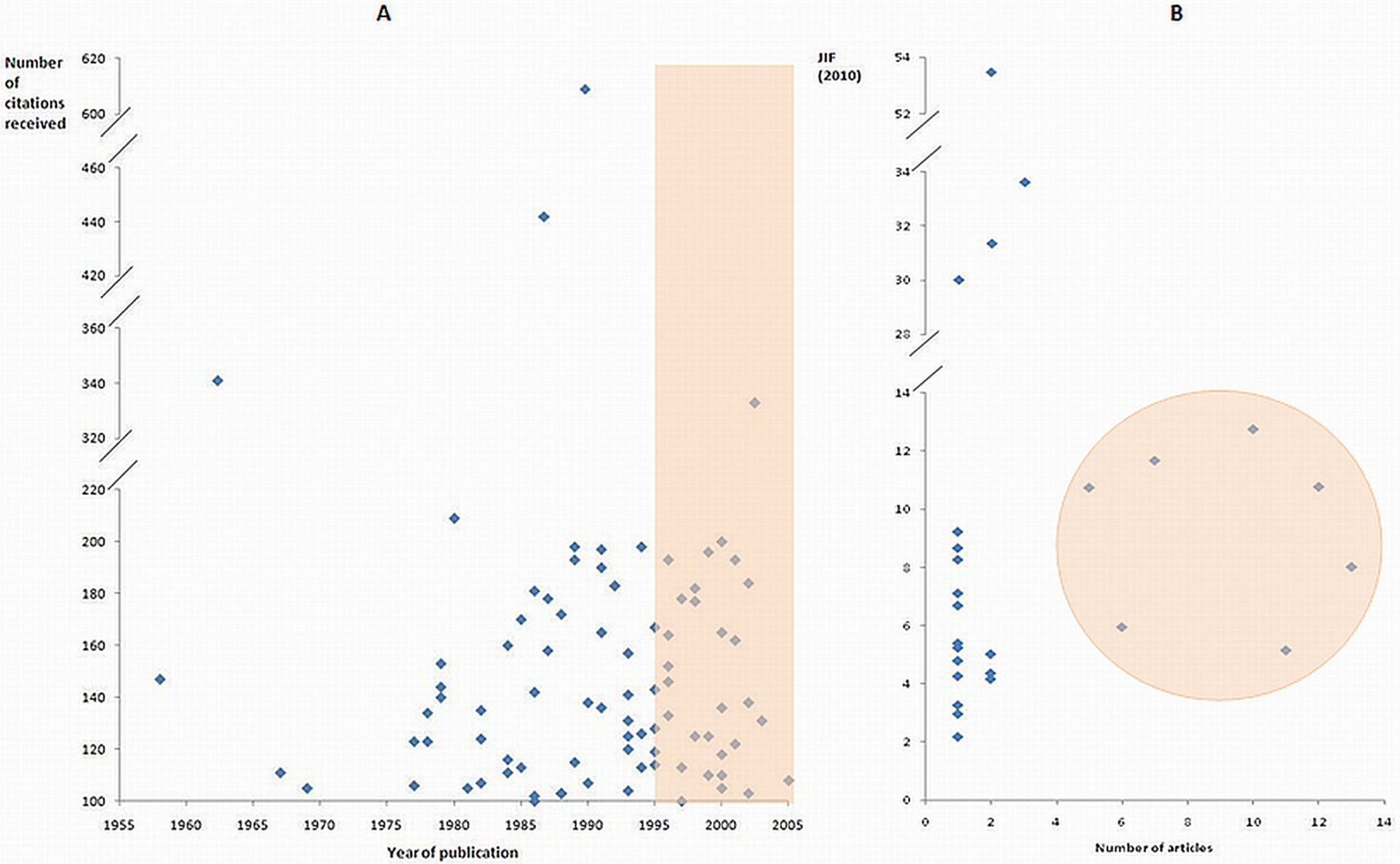
(A) Scatterplot showing the number of citations received by an article in relation to the impact factor of the journal in which it was published. The shaded area encloses the journals that have published the largest number of citation classics. (B) Scatterplot showing the publication date of an article in relation to the number of citations it has received. The shaded area encloses the citation classics published after 1995.
Highlights of High Impact Work by Publication Eras
The results of this search show the temporal progression of research into Tourette syndrome, with different areas prominent in different eras: 76% of all articles in this search were published after 1986. The greatest publication rate in any one 5-year period is seen from 1991 to 1995, when more than a quarter of all citation classics were published. The earliest study captured in the search dates back to 1958, which is an article on behavioral therapy. The only other highly cited study on this topic was published in 1973 and is among the top 5 citation classics. The earliest significant areas of publication were in pharmacotherapy and clinical genetics from 1976 onward, but although numbers of publications on pharmacotherapy have remained relatively stable until recent years, numbers of highly cited studies on clinical genetics have diminished, possibly because they have been partially replaced by laboratory genetics. With the exception of 3 studies on the metabolism of biogenic amines published in the 1970s, highly cited articles on laboratory genetics and cellular biology tend to be as recent as 1996 onward. Similarly, the past 2 decades have seen a significant number of highly cited neurobiological papers, ranging from neuroimaging to neurophysiology. The years of publication of clinical evaluation classics commence from the early 1980s, contributing to some of the highest impact articles identified by this search, such as the top-ranked tic severity measurement scale. Finally, there has been a steady rate of classic reviews since 1989, with the highest cited one appearing recently, in 2000.
Overall, the greatest number of highly influential papers on Tourette syndrome was published in the 1990s, with a considerable number of neurobiological studies using neuroimaging and neurophysiological techniques, as well as a postmortem-based study. Articles on laboratory research, including immunologic studies, also became prevalent in this time. The most recent highly influential study was published in 2005, focusing on sequence variants in SLITRK1 and their association with Tourette syndrome.
The relationship between the publication date of an article and the number of citations it has received is shown in Figure 1B. As expected, in most cases, more recent articles have received fewer citations, possibly reflecting the fact that insufficient time has elapsed for such articles to accumulate high numbers of citations. The only remarkable exception is the abovementioned laboratory genetic study published in 2005, which received 333 citations, suggesting it may have high scientific impact in the field of Tourette syndrome (Figure 1B, shaded area).
Limitations
We used a simple and reproducible methodology, following previous work on citation classics in Parkinson disease. 6 –8 We restricted our search strategy to articles that have “Tourette*” or “Tic*” in the title, thus potentially leading to omission of articles without either of these terms in the title but still relevant to Tourette syndrome. On the other hand, topic-based searches were less likely to give articles that were directly related to Tourette syndrome as opposed to a title-based search. A further limitation of this study is that the time lapse since 2005 may be too short for an article to have acquired enough readers and citations to be labeled as classic. However, this may also show that there has been no significant breakthroughs into Tourette syndrome research over the past few years.
Conclusions
We identified 89 articles on different aspects of Tourette syndrome, each with at least 100 citations. These citation classics have been published in 26 scientific journals over a time span of 5 decades. The classification and evaluation of these articles have yielded insights into the past, present, and possibly future directions of research into Tourette syndrome.
So far, the dynamic rank of the citation classics has been dominated by clinical and laboratory studies, with recent emphasis on the genetics and neurobiology of Tourette syndrome. Some areas of significant development over the past decade may have been overlooked: these include research on behavioral therapy 9,10 and functional neurosurgery with deep brain stimulation, 11 –14 the latter being relatively new to the field of Tourette syndrome. These areas, along with the pathophysiology research, have the potential to reshape the architecture of the citation classic rank for Tourette syndrome in the near future.
Footnotes
Acknowledgments
The authors are grateful to Tourettes Action UK and Tourette Syndrome Association USA for their continuing support. NM was funded by the Nuffield Foundation.
Author Contributions
AEC and NM were both responsible for the organization and execution of the research project; design, review, and critique of statistical analysis; and review and critique of the manuscript. In addition, AEC conceived the research project and NM executed the statistical analysis and wrote the first draft of the manuscript.
Declaration of Conflicting Interests
The authors declared no potential conflicts of interest with respect to the research, authorship, and/or publication of this article.
Funding
The authors disclosed receipt of the following financial support for the research, authorship, and/or publication of this article: Andrea E. Cavanna was funded by BSMHFT and University of Birmingham; Neethu Mariam was funded by the Nuffield Foundation.
Ethical Approval
This study received approval following internal review at the Department of Neuropsychiatry, BSMHFT and University of Birmingham, United Kingdom. Informed consent procedures did not apply as this study did not involve human participants.