







Abstract
Background and Objectives
Medical professionals use social media for career development, education, clinical outreach, or advocacy. Prior studies estimate that 25% to 65% of health care providers use social media professionally; however, the number of users and platforms are rapidly changing. Therefore, as part of a broader study, we set out to assess platform preferences and social media usage among neurologists.
Methods
This was a multisite cross-sectional analysis consisting of a REDCap survey of clinicians, residents, and medical students. Faculty, trainees, or clinical year medical students interested in child neurology or adult neurology residency or fellowship programs within the United States were eligible to participate. Recruitment methods were broad to encompass as diverse and extensive participation as possible. Results were analyzed using descriptive statistics. Data are presented according to the STROBE guidelines.
Results
Of the 226 neurology respondents, 55% (n = 124) were child neurology and 45% (n = 102) were adult neurology across all career stages, including students. Of the 70% who reported using social media in a professional capacity, the most commonly reported reasons were for networking and collaboration (n = 95, 60%), self-directed medical learning (n = 90, 57%), and brand building and reputation (n = 62, 39%). Twitter and Facebook were the most common and versatile platforms used by neurologists. Medical students had the highest documentation of social media scholarships on their curriculum vitae (37%, P = .016) and the most interest (33%, P = .016) in learning how to document social media scholarships if they were not already. Early faculty shared this interest more than residents, fellows, or mid–late career faculty. In all groups except for mid–late career faculty, a majority of respondents (>75%) showed interest in learning how to leverage social media for career development.
Discussion
Social media is used professionally by a majority of neurologists, most commonly for networking, self-directed learning, and building individual brands. Opportunities exist to better understand platform preferences and ways to optimize their use for various professional activities as well as to provide education on effective professional use of social media including documentation for promotion.
Medical professionals use social media in a variety of ways. Some may use social media for career development, education, clinical outreach, or advocacy. 1 Prior studies estimate that 25% to 65% of health care providers use social media in a professional capacity2–6; however, the number of users and platforms are rapidly changing. Lay social media users spent 2.5 hours per day across 7 social media platforms per month. Platform trends shift with new social media sites and generational differences. Although Facebook has the highest number of active users (2.9 billion), preferred platforms change depending on age and gender. Younger individuals favor Instagram, whereas older generations prefer Facebook and WhatsApp. 7 How does this translate to academia and medicine? More specifically, how are neurologists using social media, and on which platforms?
There has long been debate on which platform is the most used in academia. With numerous available platforms rising, developing fluency across multiple platforms is overwhelming and time-consuming. In reality, this may not be necessary. Studies show significant overlap in lay users on various platforms, and companies market on 1 or 2 of the larger platforms to reach most users. 7 The question becomes, Which platforms should societies, organizations, or associations target for a neurology audience? Alternatively, which platforms are more effective for educators to produce digital education content? To optimize digital strategy and digital education initiatives for individual neurology educators, training programs, institutions, and larger neurology societies, we need to better understand the current landscape of social media use among current and future neurologists.
Objectives
As part of a broader study, we set out to assess the social media and digital tool practices of 4 specialties integral to the training of child neurologists. This included child neurology, neurology, pediatrics, and neurodevelopmental disabilities. This analysis aimed to assess platform preferences and social media usage among neurologists. Additionally, we wanted to compare those who use social media for professional purposes to those that did not, as well as by career stage.
Methods
Study Design
This multisite study consisted of a survey of clinicians, residents, and medical students. Members of the Professors and Educators of Child Neurology (PECN) Digital Committee (J.M.M., K.X., J.G., and N.B.) initiated a series of discussions regarding how child neurologists were using social media for professional purposes across career stages. Based on educator expertise and literature review, consensus was that practice variations continue to be quite wide and that many barriers exist that negatively influence the adoption of social media and digital education tools for child neurologists.
Following a series of email exchanges between PECN Digital Committee members, this group met by video conference in October 2021 to discuss conducting a needs assessment on social media practices and barriers. The meeting was led by JMM that took place on October 21, 2021, and a strategic plan was launched for survey development. The initial survey was created in Google Documents to allow for easy revisions of multiple collaborators. Multiple revisions occurred between October and December 2021, significantly altering the survey's flow, length, and context. The survey was critically reviewed and piloted by 4 expert reviewers. Their review focused on (1) item content and clarity, (2) item wording and order, (3) survey length and flow, and (4) survey readiness. After review, expert feedback was incorporated into the survey. The finalized survey consists of 5 sections: demographics, social media use, academic rank-specific questions, teaching with technology, and learning with technology (Supplemental Material). Study data were collected and managed using REDCap electronic data capture tools hosted by Wake Forest University Health Sciences.8,9
The social media section of the survey assessed reasons for professional social media usage, platform preference by use, frequency of use, and documentation of social media use on their curriculum vitae. The survey consisted of multiple-choice, multiple-selection, and narrative comments. The full survey took 10minutes to complete.
Participants
Faculty, trainees, or clinical-year medical students interested in child neurology, adult neurology, pediatrics, or neurodevelopmental disabilities residency or fellowship programs within the United States were eligible to participate.
Recruitment methods were broad to encompass as diverse and extensive participation as possible. An animated recruitment video (https://vimeo.com/694889273?share = copy) and survey link was shared through monthly posts between April and July 2022 through the PECN accounts on Twitter and Instagram a with targeted tagging and hashtag use. Participants were incentivized with a chance to win a $50 Amazon gift card, which were chosen at random by computer to maintain anonymity. Given that the survey was about social media use, we used societal forums, emails, and REDCap invitations to reduce the bias of recruiting directly from these platforms. A list of program directors and coordinators was acquired through the Accreditation Council for Graduate Medical Education (ACGME) website. 10 Programs were contacted by REDCap invitation and asked to forward the survey to their learners and clerkship directors. Reminders were sent 6 weeks after the initial invitation. The survey invitation was also posted in the American Academy of Neurology (AAN) Synapse communities with permission and through email invitation by the Child Neurology Society (CNS). Recruitment methods were staggered to facilitate continued participation from various methods. Details of the recruitment analytics as of December 7, 2022, are included in Table 1.
Recruitment Strategy.
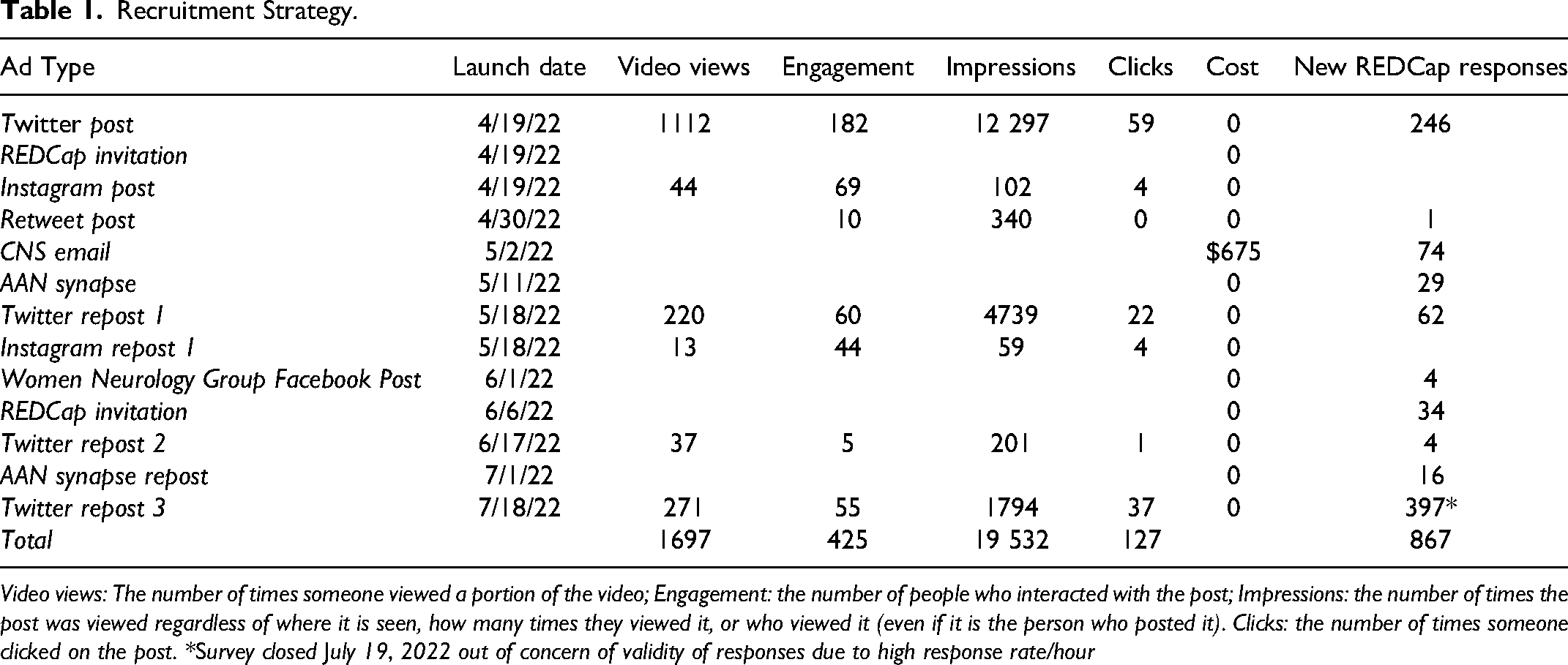
Video views: The number of times someone viewed a portion of the video; Engagement: the number of people who interacted with the post; Impressions: the number of times the post was viewed regardless of where it is seen, how many times they viewed it, or who viewed it (even if it is the person who posted it). Clicks: the number of times someone clicked on the post. *Survey closed July 19, 2022 out of concern of validity of responses due to high response rate/hour
Statistical Methods
The survey used a public link to enable sharing; however, on July 18, 2022, the results doubled within 24 hours. Reviewing the data, internet service protocol, and timestamps, it was felt to be the product of an internet bot and thus not reliable. Therefore, the survey was closed early, and all data completed on or after July 18, 2022, were excluded from the study. Only eligible and complete data were included in the analysis. For the purposes of understanding how neurologists use social media, we excluded pediatrics and neurodevelopmental disabilities from the analyses (Figure 1).
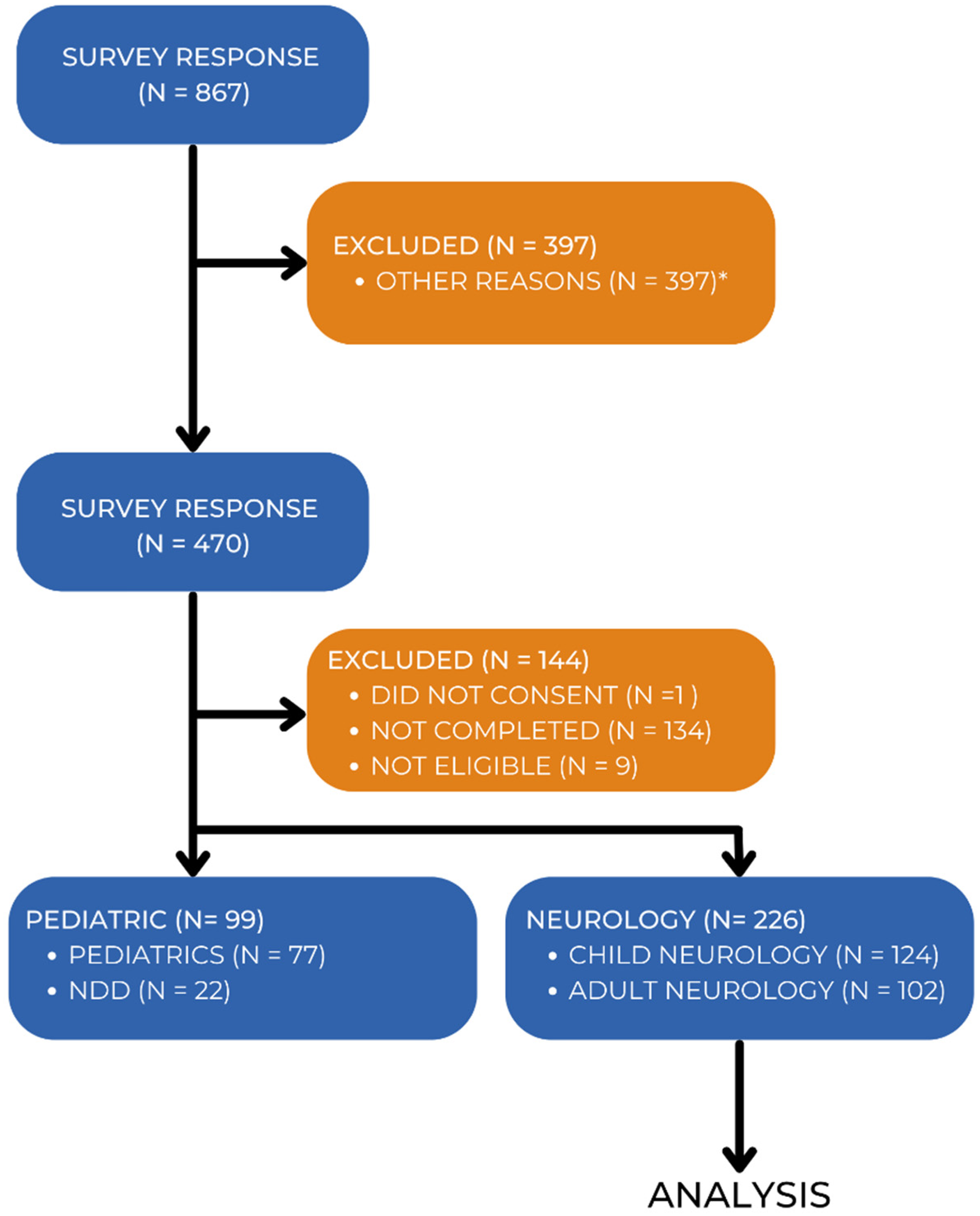
Inclusion and exclusion.
Results were analyzed using descriptive statistics. The response rates among study groups were compared using a Fisher exact test. P values <.05 were considered to be statistically significant. SAS (version 9.4, Cary, NC) was used for all analyses.
Standard Protocol Approvals, Registrations, and Patient Consents
This study was approved by the Wake Forest University Health Sciences Institutional Review Board (IRB00080719). A waiver of signed consent was approved. Data are presented according to the STROBE (Strengthening the Reporting of Observational Studies in Epidemiology) guidelines. 11
Data Availability Statement
Anonymized data not published within this article may be made available by request to the first author by a qualified investigator.
Results
Participants
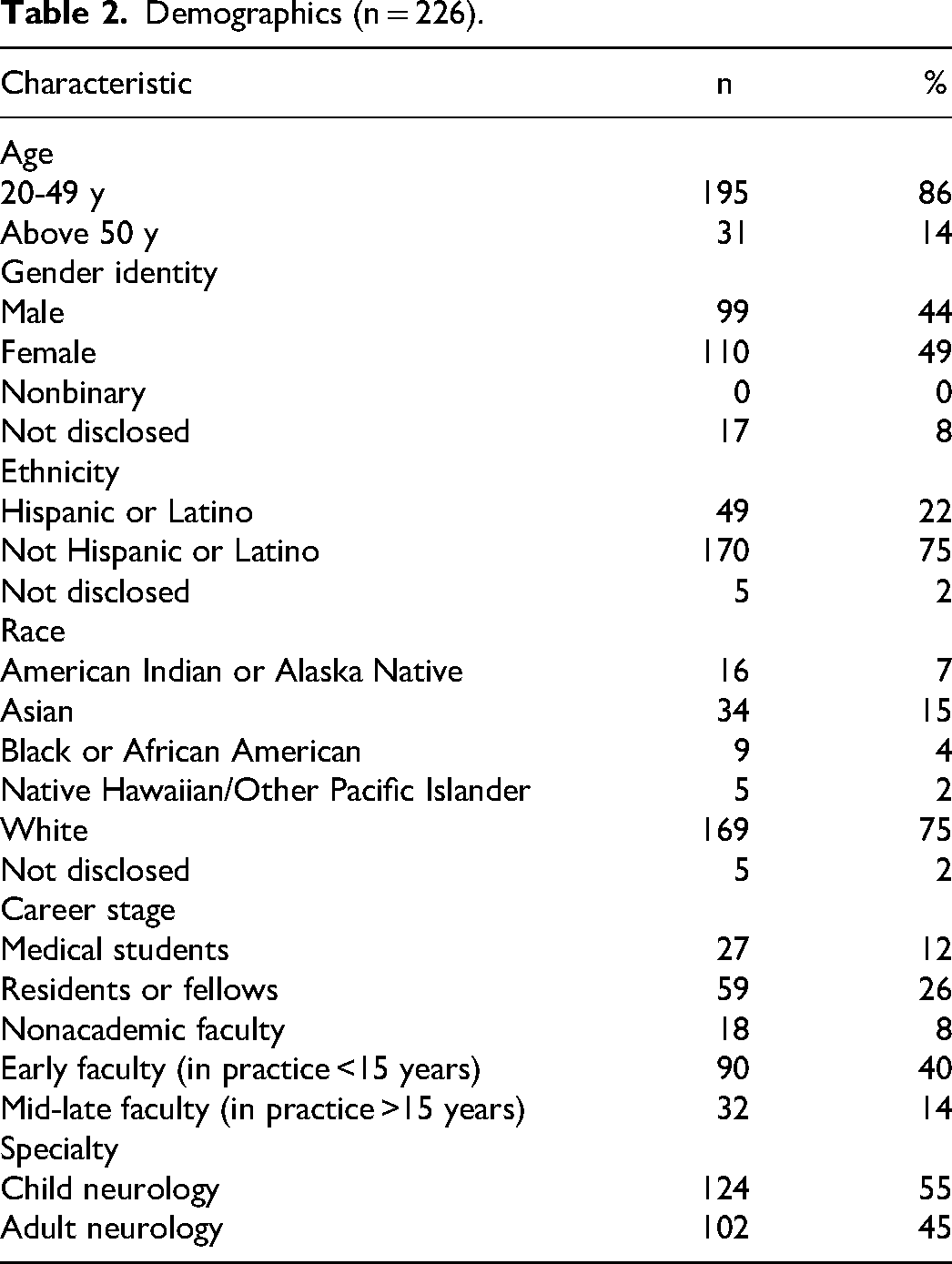
Of the 226 neurology respondents, 55% (n = 124) were child neurology, and 45% (n = 102) were adult neurology across all career stages (Table 2). The response rate could not be calculated as the survey invitation was shared publicly on social media, and through societal forums, and was forwarded to residents, fellows, and medical students by their program directors or coordinators. A total of 78 child neurology and 170 adult neurology residency programs were contacted through REDCap invitation.
Demographics (n = 226).
Current Trends in Social Media Use
Many neurologists reported using social media for personal use (n = 191, 85%) and professional use (n = 158, 70%). There are several reasons to use social media in a professional capacity, but the most commonly reported were networking and collaboration (n = 95, 60%), self-directed medical learning (n = 90, 57%), and building your brand and reputation (n = 62, 39%) (Figure 2).
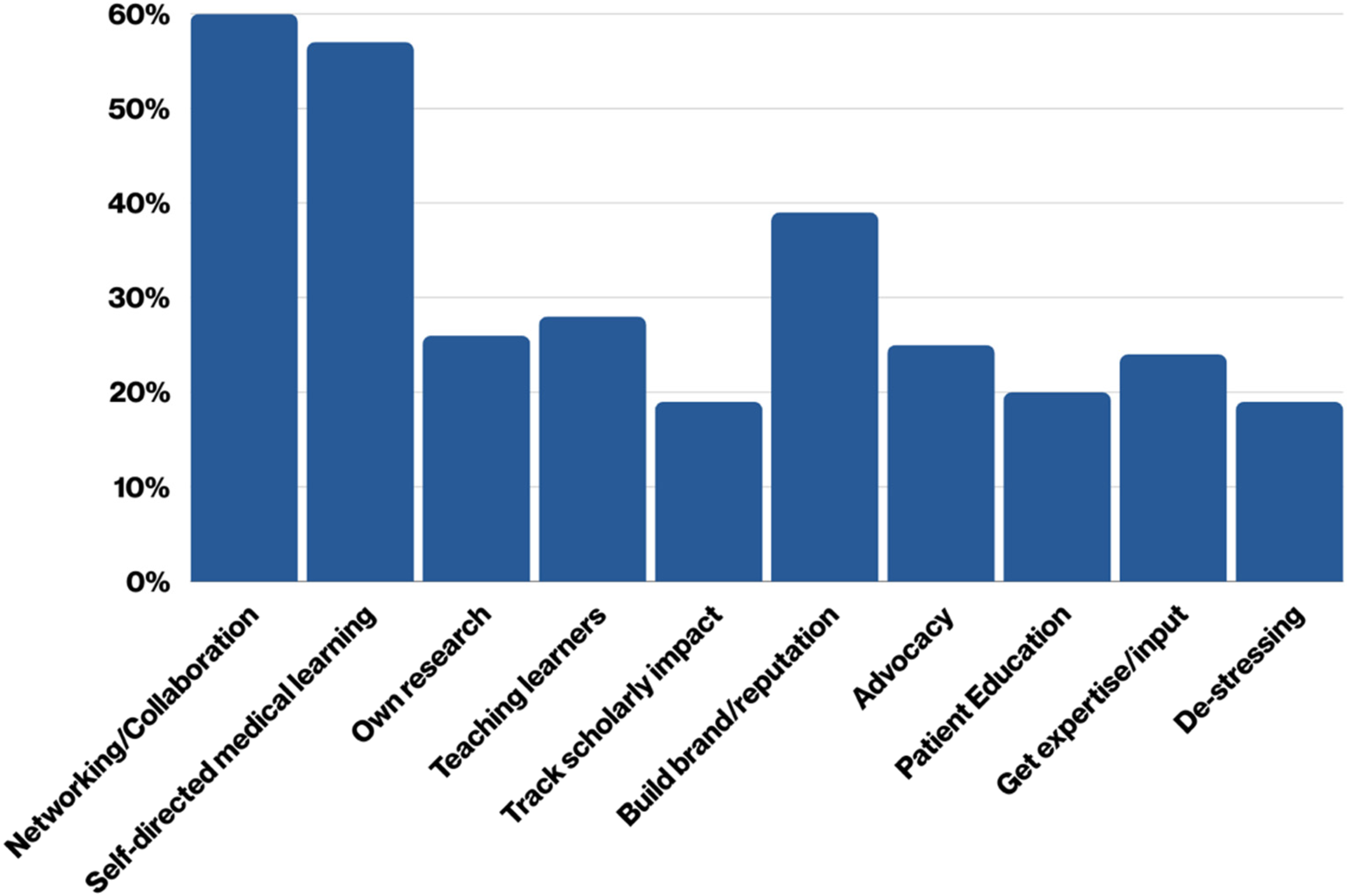
Why neurologists use social media.
Most respondents (n = 172, 76%) were interested in learning how to leverage social media for career development even though they already used it for professional purposes. Additionally, only 25% of neurologists documented social media scholarship on their curriculum vitae for promotion and tenure. However, nearly 16% of respondents were interested in incorporating such scholarship into their academic portfolio.
Platform Preferences
Platform preference did vary based on the reason for social media usage as well as career stage. For the purpose of this article, we will refer to the platform of “X” as “Twitter,” as this is the more well-known name of the platform, as well as how it was identified at the time of data collection. However, Twitter and Facebook were the most common and versatile platforms used by neurologists (Figure 3, Supplemental Table 1). Twitter was the preferred platform for networking and collaboration, self-directed medical learning, teaching learners, building brand and reputation, advocacy, and patient education. Facebook was the preferred platform for getting expertise or input and destressing. Facebook and Google Scholar were equal in tracking scholarly impact. Societal listservs or closed forums were also used.
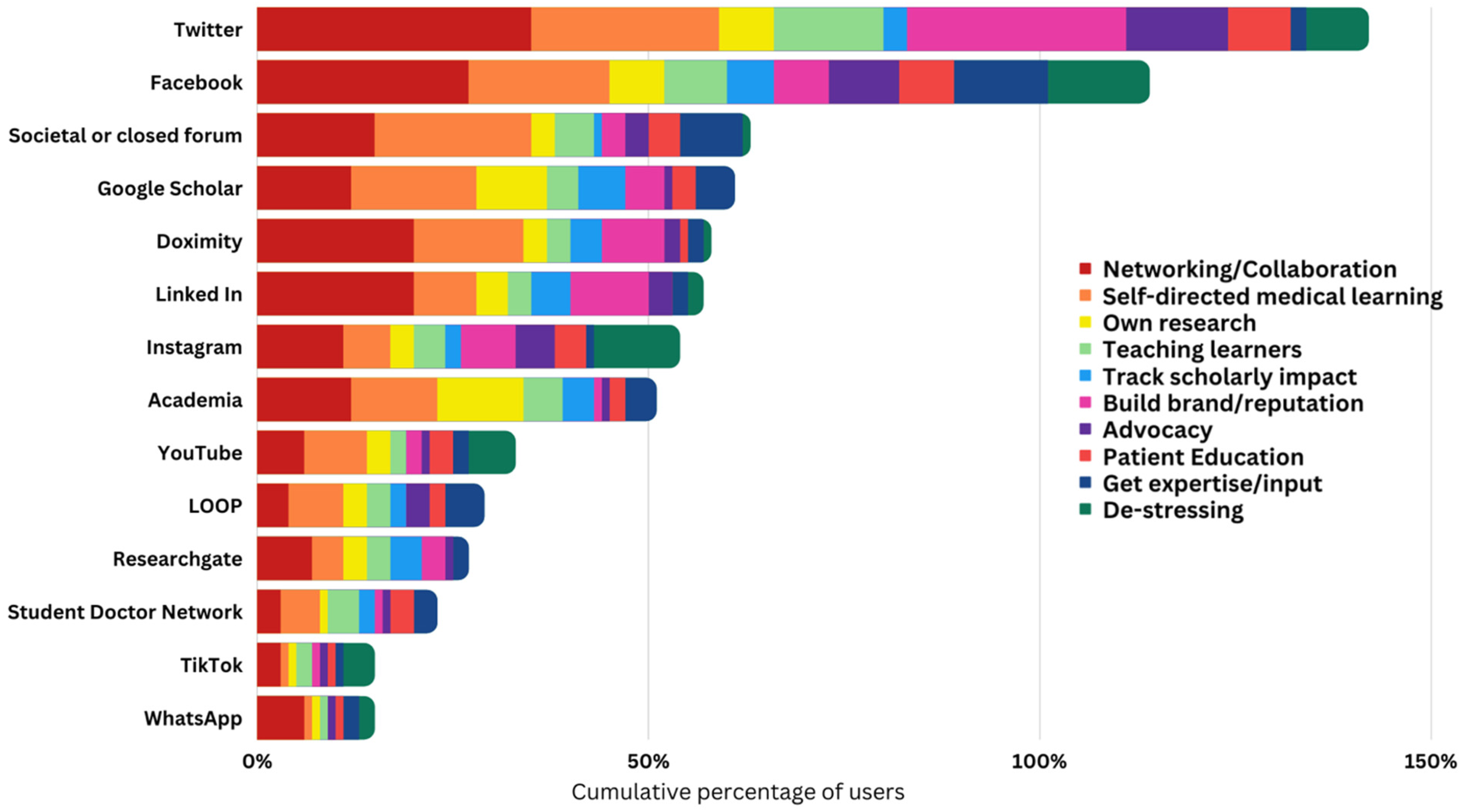
Why neurologists use social media by platform.
Career stage did influence platform preferences (Figure 4, Supplemental Table 2). Twitter followed by Facebook were preferred for building networks and collaborations. The frequency of their use in this capacity increased with advancement in career. Mid-late faculty were significantly more likely to use Twitter (P = .0001) and Facebook (P = .014). Interestingly enough, although not statistically significant residents and fellows preferred LinkedIn (26%, P = .34), which was also used by mid-late faculty. Medical students preferred Google Scholar for networking and collaboration (26%, P = .032), which was statistically significant compared to other career stages.
Who comes in first? The platform rankings of how neurologists are using social media.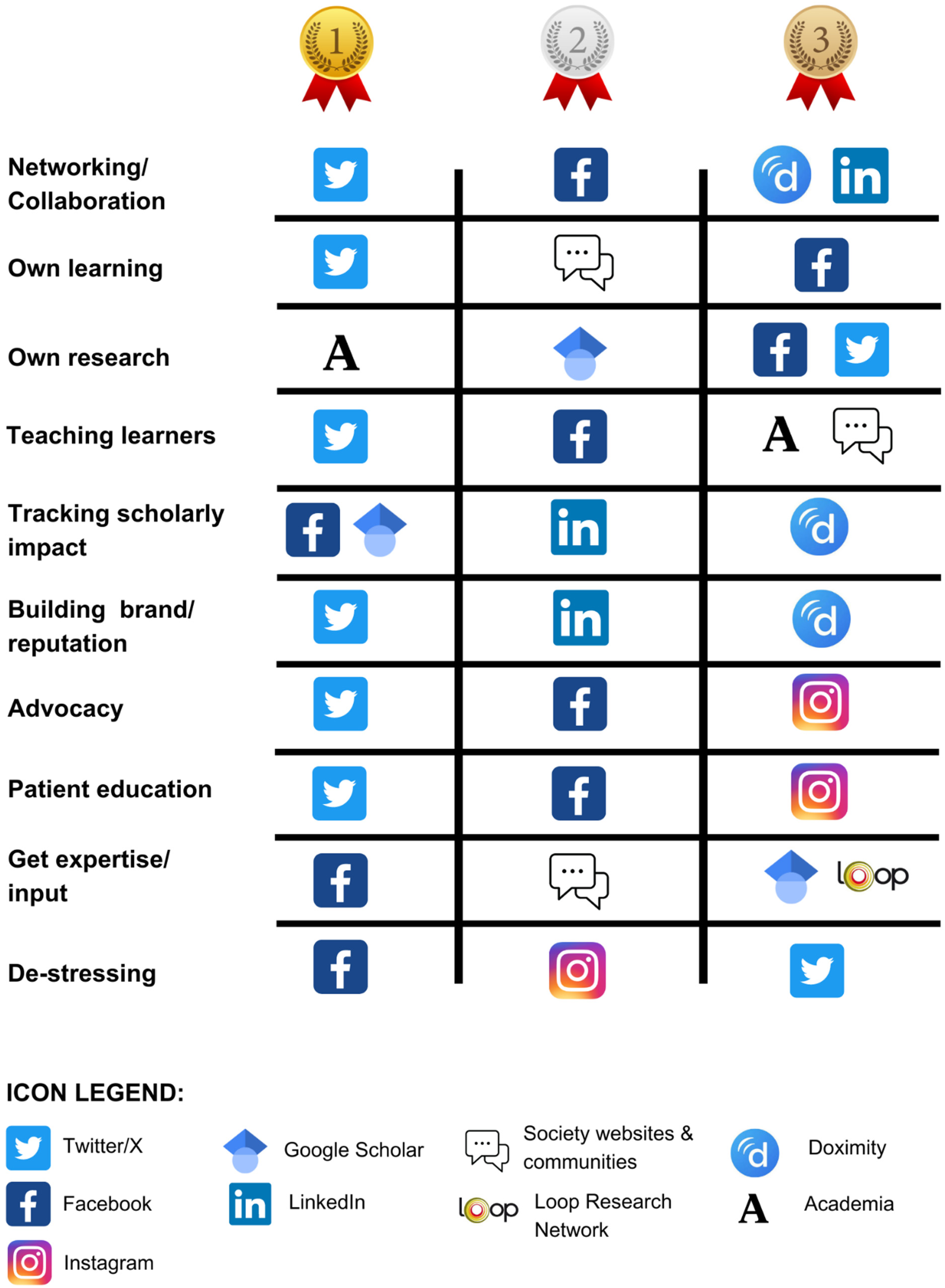
For self-directed learning, Twitter was the most commonly used among residents, fellows, and all faculty. Medical students preferred Doximity (22%, P = .16) but were significantly more likely to use Student Doctor Network (SDN) for self-directed learning than other groups (P = .006).
Additionally, Twitter was preferred by all career stages for building brand or reputation; however, it was significantly more likely to be used with advancing career stages (P = .0077).
Interestingly, medical students were most likely to use social media to track scholarly impact (37%, P = .026) and preferred Facebook to complete this task (P = .0005) compared with other groups.
Professional Social Media Abstinence
When comparing neurologists who did or did not use social media professionally, there were no significant differences between career stage, specialty, age, or gender. However, those who used social media professionally were more likely to have a medical educator role (P < .0001). The medical educator role was defined as residency program or associate program director, fellowship program or associate program director, medical student clerkship, or course director.
Unsurprisingly, those who do not use social media in their personal lives are significantly less likely to use social media professionally (P = .0045). In addition, those who were not already using social media professionally were considerably less interested in learning how to leverage social media for career development (P < .0001); however, there were still 51% who did express interest in learning these skills.
Additionally, neurologists who use social media professionally were significantly more likely to document social media scholarship in their academic portfolio (35%, P < .0001) or express interest in learning how to if they did not already do so (22%, P < .0001).
Qualitative analysis of professional social media abstinence revealed 4 main themes, including (1) unclear time commitment compared to benefit, (2) lack of interest, (3) lack of comfort or familiarity, and (4) negative views of social media (Figure 5).
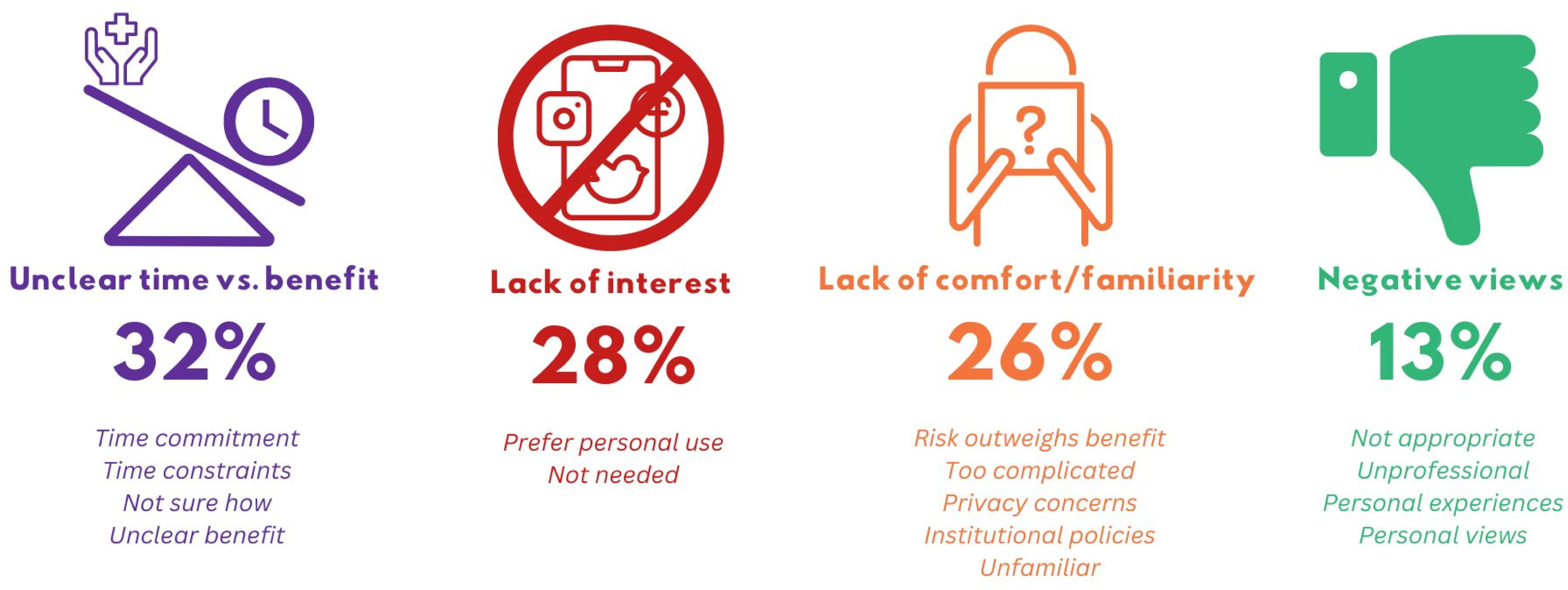
Reasons for social media abstention.
Comparison by Career Stage
All medical students reported using social media for professional purposes significantly more than other career stages, which slightly decreased further from training (Figure 6). Reasons for social media use were similar, except medical students were much less likely to use social media for advocacy (7%, P = .03) and destressing (0%, P = .014) and more likely to use it for tracking scholarly impact than residents, fellows, or faculty (37%, P = .026).
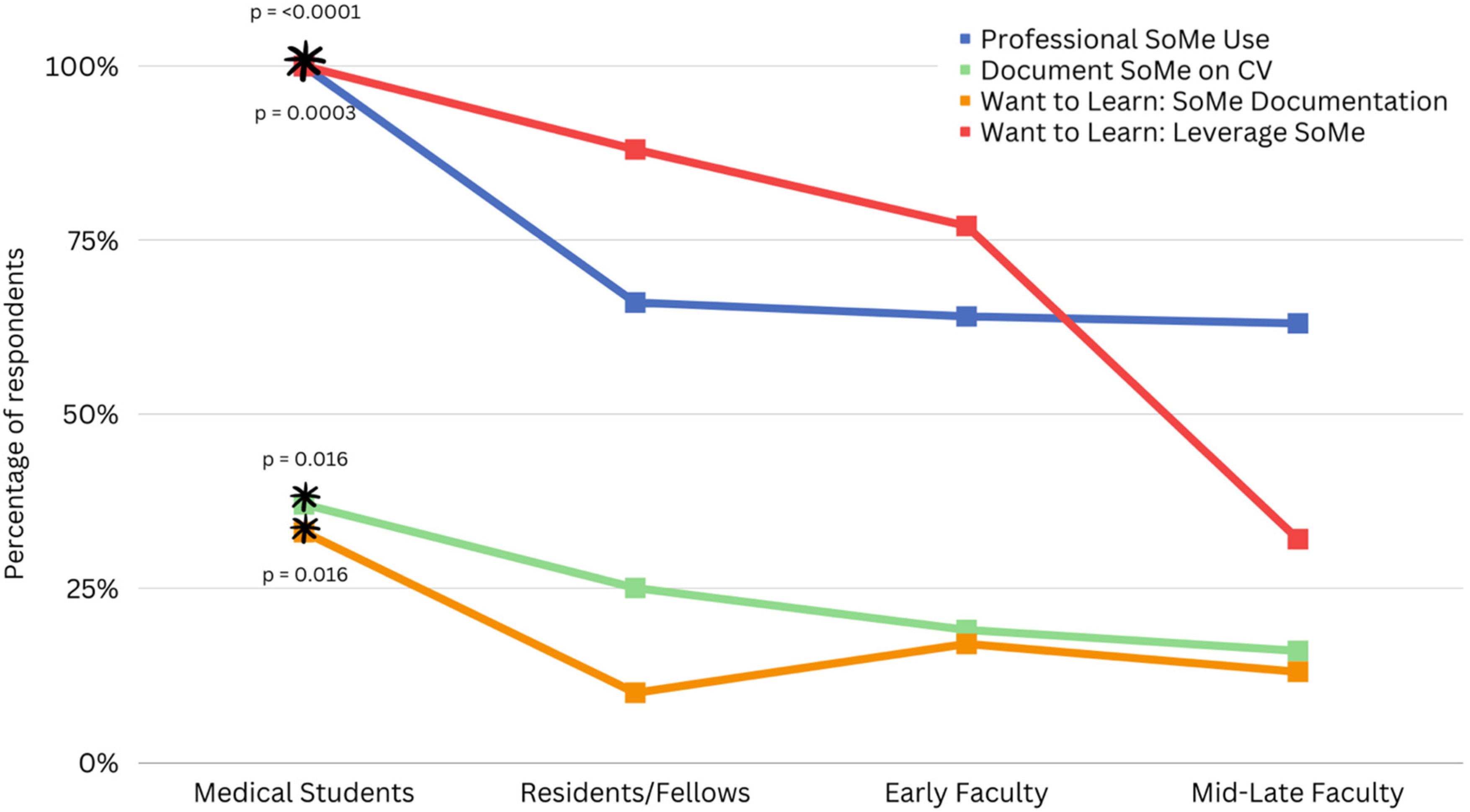
Social media use by career stage.
Medical students had the highest documentation of social media scholarship on their curriculum vitae, with 37% (P = .016) reporting they already do so. They also expressed the highest interest (33%, P = .016) in learning how to document social media scholarship. Early faculty shared this interest more than residents, fellows, or mid–late career faculty.
In all groups except for mid–late career faculty, a majority of respondents (>75%) showed interest in learning how to leverage social media for career development. Medical students were significantly more interested than other career stages (100%, P < .0001); however, 88% of residents or fellows and 77% of early faculty were still interested in learning these skills.
Discussion
In this multisite cross-sectional analysis, we identified current trends in social media use among neurologists. There were clear trends that appeared to arise from the data collected. Twitter and Facebook were the most used social media platforms and some of the oldest platforms (launched in 2006 and 2004, respectively). This suggests an increased comfort level across the career spectrum. These platforms also have already established communities for medical professionals.
More than two-thirds of neurologists reported using social media professionally, primarily using these platforms for networking purposes but secondarily for their learning and building a reputation. In addition, the earlier career stage was associated with increased involvement and usage of social media, with early faculty showing more use among early faculty and trainees than mid–late career faculty). Recent leadership changes in the Twitter platform have led many to wonder what the future holds for the #neurotwitter community; however, many skills learned through one social media platform may be adapted to a multitude of social media platforms. It also remains to be seen what the long-term impact will be of the rebranding of “Twitter” to “X.”
Despite neurologists’ regular use of social media, there are limited opportunities to develop the necessary competencies in digital skills such as graphic creation, scholarship documentation, professionalism, and best practices. Current neurologists must learn these skills independently, which creates variability in content quality and practices. Missteps in social media can alienate individuals and negatively affect a career path, increasing neurologists’ anxiety around the use of social media. Additionally, mastering new digital skills can seem overwhelming, time-consuming, and burdensome. The interest in learning to expand and leverage these skills was highest among trainees and early faculty. This may be partly because mid–late career faculty have less of a need to build their reputation and seek new collaborative opportunities.
There are ever-expanding uses for social media and the number of new platforms available. Platforms such as TikTok are relatively new, having only become available worldwide in 2018, but showed such rapid growth that it became the world's most visited website in 2021. 12 However, neurologists have not readily adopted TikTok yet. Although it is increasingly popular, fears have arisen about data harvesting because of it not being a US company. Recently Montana became the first state to ban TikTok, 13 causing some to worry about future legislation banning the platform in the United States. Additionally, content creation on TikTok can be more time-consuming and burdensome for already busy physicians.
Limitations
There are several limitations of this study. Although we used both a variety of recruitment methods to ensure a diverse sample, selection bias through social media is a consideration in respondents. Additionally, the response rate could not be calculated given the use of the public link and choice of recruitment methods. 17 Narrative comments provided some insight into why some physicians did not have interest in using social media for professional purposes; however, more in-depth qualitative analysis would provide more meaningful understanding. Addressing why mid–late career faculty have significantly lower interest in the use of social media may suggest biases in how social media is perceived among different generations of trainees. Another limitation arises in the analysis of only Neurology providers. Although data from NDD and pediatrics is available, it remains unclear whether this is generalizable to other specialties within medicine and whether there are differences between levels of engagement for each medical specialty.
Conclusion
Social media use continues to grow and expand over time, with the introduction of new platforms and updates to existing ones. There is an increasing interest on how medical professionals can use these platforms. Regardless of current use, whether personal or professional, all groups in this study expressed a desire to learn how to use these skills for teaching and learning and leverage social media for career development. Although a small percentage of respondents reported documenting their social media use within their curriculum vitae, many more expressed interest in how to document their digital education scholarship on their curriculum vitae for promotion and tenure. Many institutions have yet to adopt social media scholarship into their curriculum vitae templates; however, there is guidance on incorporating these achievements for promotion and tenure.14,15
Despite the frequently changing landscape of social media, the professional skills that promote career development in the digital space can be adapted to almost any platform. The need for champions to lead digital training initiatives with practice and personalized guidance has been previously reported. 16 Organizations and governing bodies are uniquely poised to be these champions.
Social media continues to be dynamic, and the environment is constantly changing. With the recent ownership change in Twitter, along with the rolling back of some misinformation regulations and guidelines, it is still being determined how this would affect medical providers’ use of the platforms. 19 With new social media platforms like Mastodon, there may be a migration of users or more users diversifying their social media usage. Facebook, although a popular platform among respondents in this data set, is less widely used by younger generations, and new applications like TikTok and Instagram may be on the rise. 18 However, Facebook is here to stay despite the uncertainties and changes in the social media landscape. Social media strategy for career development can be adapted to any platform, and neurologists need purposeful training to master these skills.
Supplemental Material
sj-pdf-1-jcn-10.1177_08830738241273371 - Supplemental material for We Don’t Talk About X(Twitter): A Cross-Sectional Analysis of Social Media Utilization Among Neurologists
Supplemental material, sj-pdf-1-jcn-10.1177_08830738241273371 for We Don’t Talk About X(Twitter): A Cross-Sectional Analysis of Social Media Utilization Among Neurologists by Justin Rosati, MD, Jaclyn M. Martindale, DO, Kathryn Xixis, MD, Rachel Gottlieb-Smith, MD, MHPE, Gregory Russell, MS, Nancy Bass, MD, and Jessica Goldstein, MD in Journal of Child Neurology
Supplemental Material
sj-xlsx-2-jcn-10.1177_08830738241273371 - Supplemental material for We Don’t Talk About X(Twitter): A Cross-Sectional Analysis of Social Media Utilization Among Neurologists
Supplemental material, sj-xlsx-2-jcn-10.1177_08830738241273371 for We Don’t Talk About X(Twitter): A Cross-Sectional Analysis of Social Media Utilization Among Neurologists by Justin Rosati, MD, Jaclyn M. Martindale, DO, Kathryn Xixis, MD, Rachel Gottlieb-Smith, MD, MHPE, Gregory Russell, MS, Nancy Bass, MD, and Jessica Goldstein, MD in Journal of Child Neurology
Supplemental Material
sj-xlsx-3-jcn-10.1177_08830738241273371 - Supplemental material for We Don’t Talk About X(Twitter): A Cross-Sectional Analysis of Social Media Utilization Among Neurologists
Supplemental material, sj-xlsx-3-jcn-10.1177_08830738241273371 for We Don’t Talk About X(Twitter): A Cross-Sectional Analysis of Social Media Utilization Among Neurologists by Justin Rosati, MD, Jaclyn M. Martindale, DO, Kathryn Xixis, MD, Rachel Gottlieb-Smith, MD, MHPE, Gregory Russell, MS, Nancy Bass, MD, and Jessica Goldstein, MD in Journal of Child Neurology
Footnotes
Acknowledgments
We want to acknowledge Lauren Strauss, Roy Strowd, Andrew South, and Scott Otallah for piloting and providing feedback on the survey.
Declaration of Conflicting Interests
The authors declared no potential conflicts of interest with respect to the research, authorship, and/or publication of this article.
Funding
The authors received no financial support for the research, authorship, and/or publication of this article.
Ethical Approval
This study did not require Institutional Review Board (IRB) approval because it involved an anonymous survey in which no personally identifiable information was collected. The data was gathered in a manner that ensured complete anonymity, making it impossible to trace responses back to individual participants. As such, the research posed minimal risk and adhered to ethical guidelines for the protection of human subjects.

Supplemental Material
Supplemental material for this article is available online.
Notes
References
Supplementary Material
Please find the following supplemental material available below.
For Open Access articles published under a Creative Commons License, all supplemental material carries the same license as the article it is associated with.
For non-Open Access articles published, all supplemental material carries a non-exclusive license, and permission requests for re-use of supplemental material or any part of supplemental material shall be sent directly to the copyright owner as specified in the copyright notice associated with the article.
