







Abstract
The rapid development of flexible electronic technology has led to the in-depth study of flexible wearable sensors to achieve accurate sensing under different external stimuli. However, it is still a huge challenge to develop hydrogel-based wearable skin-like sensors with super ductility, high sensitivity, and self-healing properties. Herein, the Ti3C2 type of MXene was synthesized, and the Ag/MXene nanocomplexes were incorporated into polyvinyl alcohol-borax matrix to construct a novel composite hydrogel as the multifunctional nanofillers, which could bring both improved properties and novel functionalities. The Ag/MXene-Poly (vinyl alcohol) (PVA) hydrogel displayed integrated merits of highly strain sensitive (GF = 3.26), self-healing (within 10 min, 91% healing efficiency), and excellent antibacterial activity. The hydrogel could be assembled into a wearable skin-like sensor to monitor human movement, including large deformations (finger, elbow, wrist, and knee bending) and tiny deformations (mouth’s movement and throat vocalization) in real time. Therefore, this work shed a new light on the development of flexible wearable skin-like sensors for the personalized healthcare monitoring, human–machine interfaces, and artificial intelligence.
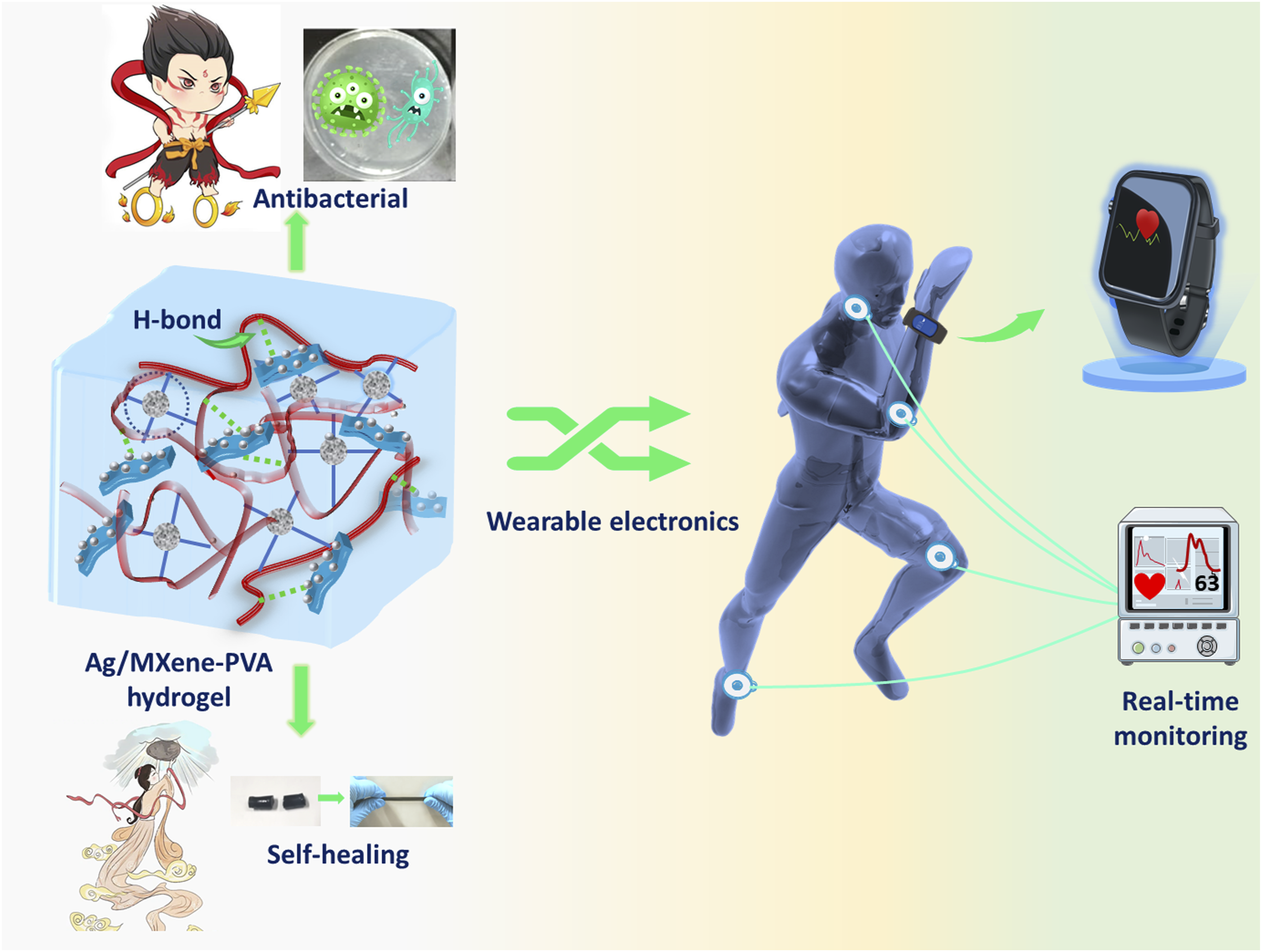
Introduction
In recent years, the application of flexible conductive materials in wearable devices, 1 soft robots, 2 artificial skin and other fields has attracted wide attention.3–5 A series of functional hydrogels with ideal mechanical, antibacterial, adhesive and conductive properties have been prepared, through the precise design of structural components, synthetic methods and fillers.6–9 Silver is a transition metal with broad-spectrum antibacterial properties and excellent conductivity of 6.3 S/m. It is widely used in biological materials, antibacterial materials, wearable devices, water purification and other fields.10–12 Nano-silver doped composite hydrogel combines the conductive and antibacterial properties of silver with the softness and biocompatibility of hydrogels, which is conducive to its application in wearable sensors and human-machine interface.13,14 Therefore, intelligent conductive materials with high ductility, flexibility, self-healing, conductivity, antimicrobial and sensing properties have been thoroughly studied.
Hydrogel is a kind of viscoelastic material, usually composed of chemical or physical cross-linked hydrophilic polymers, which has a three-dimensional network structure and can absorb and retain a large amount of water.15–17 The gelation of polymer hydrogels involves a variety of mechanisms, including physical entanglement of polymer chains, electrostatic interactions, hydrogen bonds, and dynamic covalent chemical bonds.18–20 The inherently water-rich properties of hydrogels make them widely used in many fields such as tissue engineering, 21 drug delivery, 22 flexible electronics and actuators.23–25 However, the weak mechanical strength and poor electrical conductivity of hydrogels limit the application of this flexible material to a large extent.26,27 In order to solve this problem, hydrogels with toughness, excellent stretchability and high electrical conductivity have been synthesized to meet the requirements of flexibility, load bearing and electrical conductivity. Some methods have been tried to improve the mechanical parameters and physical configurations of hydrogels, such as introducing active groups or adjusting multiscale structures in hydrogels.28,29 For example, hydrogel formulations combine permanent polymer networks with reversible energy-dissipating bond chains, demonstrating strong toughness and ductility.
MXene, a novel member of the 2D material family, is composed of transition metal carbides, nitrides, and carbonitrides. MXenes have enhanced metallic conductivity, large surface area, high stability, high strength, and inherent electrochemical properties and demonstrated significant potential for applications in supercapacitors, sensors, electronics, and catalysis.30–32 Compared with the widely used graphene oxide, MXene nanosheets have advantages of both excellent conductivity and dispersion, and endow the composite hydrogel with outstanding photothermal and conductive properties.33,34 Dong et al. realized the rapid gelation of acrylic acid by reasonably regulating the intermolecular force between MXene and crosslinking network and using MXene as dynamic crosslinking agent, and explored its application in multi-functional hydrogel flexible electronic devices. 35 Chen et al. prepared conductive organic hydrogels based on MXene, which can maintain excellent flexibility and high conductivity in the temperature range of -36–60°C. It exhibits favorable environmental stability (over 7 days), excellent tensile properties (1500%), and high strain sensitivity (GF = 8.1). 36 Therefore, considering the mechanical properties, photothermal property, and conductive property, development of MXene-based hydrogels is of significance to fabricate photothermal conductive hydrogel-based actuators and sensors in practical applications.
In this paper, a multifunctional stimulation responsive nanocomposite hydrogel with excellent electrical conductivity, skin-like Young’s modulus (∼15 KPa), self-healing, and antibacterial activity was reported. It was constructed by incorporating Ag/MXene nanocomplexes into the polyvinyl alcohol hydrogel system, named Ag/MXene-Poly (vinyl alcohol) (PVA) hydrogel. The MXene in this hydrogel was Ti3C2 type. The Ag/MXene could be used as a conductive, nano-enhancing agent, and antibacterial component to endow the hydrogel with electrical conductivity (0.26 S/m) and excellent antibacterial activity. At the same time, the dynamic borate ester bond and hydrogen bond between MXene nanohybrid and PVA chain made the Ag/MXene-PVA hydrogel with fast (within 10 min), high efficiency (91%) and repeatable self-healing mechanical. The hydrogel-based wearable skin-like sensor could also accurately respond to a variety of large deformations (such as finger, elbow, and knee bending) and tiny deformations (such as mouth’s movement and throat vocalization) in real time. Compared with previous skin-like materials, our Ag/MXene-PVA hydrogel integrated good ductility, self-healing, antibacterial activity and sensitivity, and could achieve better function of simulating natural skins. Therefore, this study provided a new perspective for the design of MXene enhanced multifunctional hydrogels, and the synthesized Ag/MXene-PVA hydrogel showed great application potential in various wearable devices and artificial intelligence fields.
Experimental section
Materials
Lithium fluoride (LiF), Ti3AlC2 (powder, 200 mesh), tannic acid (TA), silver nitrate (AgNO3), was purchased from Sigma-Aldrich. Poly(vinyl alcohol) and borax (Sodium tetraborate decahydrate, purity over 99.5%, Na2B4O7·10H2O, Mw = 381.37 g/mol), ammonia water, was purchased from Aladdin Industrial Company (Shanghai, China). All chemicals are used directly without further purification.
Preparation of Ti3C2Tx MXene Nanosheets
Ti3C2Tx MXene nanosheets were prepared by modified hydrofluoric acid etching (Figure 1(a)).
37
In brief, 2.00 g Ti3AlC2 powder and 2.00 g LiF were dissolved in 20 mL HCl solution (9 M), injected with nitrogen for deoxygenation, and sealed in an oven at 200°C for 24 h. The resulting suspension is then collected and washed. The precipitate was dispersed into 10 mL TMAOH solution, and Ti3C2 was further collected by centrifugal washing. Finally, the supernatant was dried by freeze-drying method to obtain MXene (Ti3C2) nanosheets. (a) Schematic of the synthesis of MXene (Ti3C2) nanosheets and (b) the preparation process of the Ag/MXene-PVA hydrogel.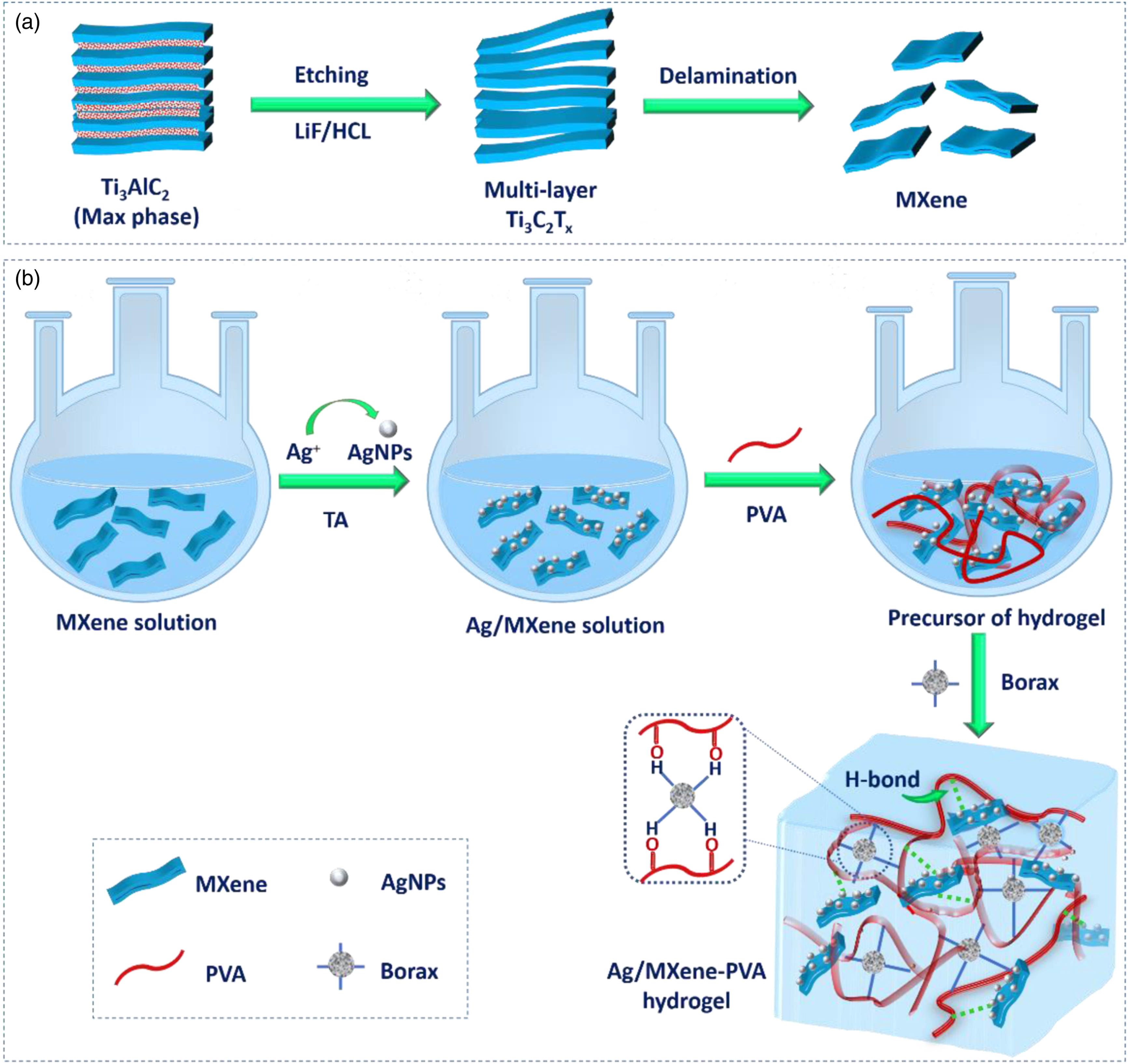
Preparation of Ag/MXene complexes
Ag/MXene nanocomplexes were synthesized by two-step method. In the first step, 0.2 g MXene was diluted with 30 mL distilled water, and 1 M tris buffer solution was added to adjust the pH value to 8.5. After the reaction, 0.1 g TA was added and the product was purified by repeated centrifugation at room temperature for 12 h. In the second step, 0.5 g AgNO3 was dissolved in 100 mL distilled water, 5.0 wt% ammonia was added until the solution was clear, and the formation of silver diamine was determined. Then 20 mL suspension (3.0 wt%) from the first step was added and stirred at room temperature for 8 h. Finally, the synthesized Ag/MXene complex was dispersed in distilled water for storage.
Preparation of Ag/MXene-PVA nanocomposite hydrogel
5.0 g PVA and a certain amount of Ag/MXene suspension (2.0 wt%) were dissolved in 45 mL distilled water and stirred continuously at 95°C until PVA was completely dissolved. Then dissolve 0.35 g borax in 5 mL distilled water and add it to the above solution. As the temperature decreases, the mixture began to exhibit viscoelasticity. When the solution was further cooled to room temperature, a uniform and stable mixed Ag/MXene-PVA hydrogel was eventually formed. For comparative study, a PVA-borax hydrogel was also prepared by the above method.
Characterization
The phase composition of MXene was analyzed by X-ray diffraction (XRD) (Japanese Ultima IV) using a Cu target and working voltage range of 20–60 kV. The sample was placed horizontally and scanned with a measuring range of 5°–80° and a speed of 20°/min. The micromorphology of MXene and Ag/MXene-PVA composite hydrogel was analyzed by FEI Inspect F50 scanning electron microscope (SEM). Hydrogel was treated with liquid nitrogen to expose the inner structure. The lyophilized hydrogel samples were mounted onto copper studs and sputter-coated with gold/palladium for 60 s. The infrared absorption spectra of the Ag/MXene-PVA hydrogels were measured using an FTIR spectrometer (Nicolet5700).
Mechanical tests
The mechanical properties of the hydrogel were measured by universal material testing machine. 38 In the compression test, a cylindrical hydrogel with a diameter of 20 mm and a height of 20 mm was placed on the lower plate and compressed by the upper plate at a strain rate of 10 mm min−1. For tensile test, the sample was made into a cylindrical strip (length 40 mm, diameter 3 mm) and stretched using a clamp attachment 50 mm for the minimum strain rate. In the continuous loading and unloading test, the strain rate is 100 mm min−1. The strain of the hydrogel sample was estimated as the length change related to the initial length of the sample, and the stress was obtained by dividing the force by the initial cross-sectional area of the hydrogel sample. The elastic modulus is calculated from the slope of the initial linear region of the stress-strain curve.
Fabrication and testing of Ag/MXene-PVA hydrogel-based wearable skin-like sensors
The electrical conductivity of the composite hydrogel was measured by a digital four-probe tester (Suzhou lattice). The strain sensing performance were measured by TongHui LCR tester. For strain sensors, the MXene composite hydrogel was cut into strips with a size of 30 mm * 12 mm (thickness of 2 mm). Then, the strain sensors are assembled by tightly fixing two layers of conductive copper sheets with copper wires at both ends of the hydrogel sample, and connected to the TH LCR tester. For human movements monitoring, the hydrogel sensor was fully encapsulated and affixed to the appropriate area. The experimental scheme was approved by the Human Experimental Ethics Committee of Sanming University (Approve No.20200015), and all participants were informed and agreed to the experiment.
Bacteria culture and the antibacterial activity of Ag/MXene-PVA hydrogel
E. coli and S. aureus were selected for antibacterial experiments to evaluate the antibacterial ability of Ag/MXene-PVA hydrogels. Individual colonies cultured on Luria-Bertani (LB) plates were inoculated into 5 mL sterile Mueller Hinton broth (MHB) at 37°C for 12 h. The experiment subjects were divided into six groups, including PBS, 3 μg/mL ampicillin, PVA hydrogel, and Ag/MXene-PVA hydrogel with 0.1wt%, 0.5wt%, and 1.0wt% Ag/MXene complexes, respectively. The bacterial count was calculated by measuring the absorbance at 600 nm using ultraviolet-visible photometer (UV-Vis).
Results and discussion
Design principles and material synthesis
In order to integrate the properties of conductivity, stretching, self-healing and antibacterial activity into a hydrogel, a novel hydrogel system was proposed based on the principle of dynamic covalency chemistry. Poly (vinyl alcohol) is a biocompatibility polymer, and PVA-borax hydrogels are usually prepared using borax as a cross-linking agent.39,40 However, it is well known that PVA-borax hydrogels have poor elasticity and unsatisfied tensile properties. Many studies have attempted to solve this problem, for example, some filling materials such as graphene, cellulose nanofibers (CNFs), and cellulose nanocrystals (CNCs) were added to hydrogels. 41 In this work, MXene (Ti3C2) was prepared by using a modified LiF/HCl etching method (Figure 1(a)). The process of synthesis of the MXene-composited hydrogel was as follows: the Ag/MXene nanocomplexes suspension with good dispersion was mixed with PVA solution at a strong stirring of 95°C, then the borax was added, and the Ag/MXene-PVA nanocomposite hydrogel was obtained after a period of reaction (Figure 1(b)). In the aqueous solution, borax was easily dissociated into boric acid (B(OH)3) and tetrahedral borate ions (B(OH)4-). The B(OH)4- ion could form complexes with cis-diol sites of PVA chains. 42 The as-formed borate ester bonds could dynamically restructure and autonomously self-heal after damage. In the Ag/MXene-PVA hydrogel preparation process, MXene could react with borax, which weakens the strength of PVA-borax crosslinked network. This network led to a sub-cross-linking of PVA chains, which makes the macrostructure of the hydrogels easy to be rearranged. At the same time, the addition of MXene strengthened the hydrogen bonds between the polymer networks and enhanced the elongation of the hydrogel (plasticization). Moreover, the Ag/MXene could be used as a conductive and antibacterial component to endow the hydrogel with excellent electrical conductivity and antibacterial activity. As a result, the obtained Ag/MXene-PVA hydrogel had remarkable stretchability, mild plasticity, self-healing, and antibacterial properties.
The X-ray diffraction patterns of the MAX phase and the resulting MXene nanosheets were shown in Figure 2(a). The diffraction peaks of TiAlC2 material corresponded well to hexagonal Ti3AlC2 (JCPDS No.52–0875). After LiF and HCl etching, intercalation and dissolution, the peak (104) of Ti3AlC2 disappeared, and the peak (002) widened and moved to 6.9°, proving that MXene (Ti3C2) was obtained.
43
In addition, a descending peak (110) at 60.5° demonstrated that the crystallinity and order of Ti3AlC2 reduced during etching, intercalation, and dissolution. Raman spectroscopy also confirms the formation of Ti3C2 with the Raman Spectra matching previous reports.44,45 The Raman spectra of Ti3AlC2 and Ti3C2 MXene nanosheets was shown in Figure 2(b). The major Raman peaks of Ti3AlC2 at 101 and 239 cm−1 were attributed to the Ti and Al related vibration mode. The Raman peaks at 596 and 1112 cm−1 were associated with the Ti-C groups. In the Ti3C2 MXene nanosheets, the peaks at 275 cm−1 and 685 cm−1 were attributed to the energy gap modes of the in-plane Ti, C and surface functional group atoms. The peak at 492 cm−1 was attributed to the energy-gap modes of the in-plane Ti-OH and Ti-O surface functional groups. SEM was used to observe the morphology of TiAlC2 and MXene nanosheets (Figure 2(c) and (d)). Compared with TiAlC2, the successfully etched Ti3C2 MXene had an accordion shaped multilayer nanosheets structure with diameters ranging from 0.5 μm to 5 μm. Furthermore, after powerful ultrasound treatment, ultrathin MXene could be easily obtained as shown in the transmission electron microscopy (TEM) (Figure 2(e)). In addition, the surface morphology of the PVA hydrogel and Ag/MXene-PVA hydrogel was characterized by SEM. As shown in Figure 2(f), PVA hydrogels had a three-dimensional (3D) interconnected porous structure. Compared with PVA hydrogel, it was easy to observe that Ag/Mxene nanocomplexes are distributed in the Ag/MXene-PVA hydrogel network structure, which made the hydrogel with more conductive channels, thus showing good conductivity (Figure 2(g)). The EDS mapping of the Ag/MXene-PVA hydrogel was shown in Figure S1. The uniform distribution of Ti and Ag element in nanosheets indicated the good dispersion of the encapsulated Ag/MXene inside the hydrogel. To further get insight into the variation of chemical structure and interactions of hydrogels with the incorporated reinforced phase Ag/MXene complexes, FT-IR analysis was performed. FTIR spectrum of the PVA and Ag/MXene-PVA hydrogel was shown in Figure S2. The characteristic peaks at 3402 cm−1 and 1565 cm−1 were attributed to the stretching and bending vibrations of hydroxyl groups in the PVA hydrogels, respectively. And the characteristic peaks at 1268 cm−1, 960 cm−1, and 683 cm−1 were related to the stretching vibration and deformation vibration of B-O-C in B-O-H, C-O-H and C-O-B in borate networks. In addition, we observed that the spectrum of the Ag/MXene-PVA hydrogel appeared to be an overlap with the spectrum of PVA hydrogel. However, the characteristic peak of hydroxyl stretching vibration of the Ag/MXene-PVA hydrogel was broadened and shifted from 3402 cm−1 to 3270 cm−1, indicating the hydrogen bond interaction between Ag/MXene complexes and PVA molecular chains. (a) The XRD pattern of MXene. (b) Raman spectra of Ti3AlC2 MAX phase and Ti3C2 MXene nanosheets. The SEM image of Max (c) and MXene nanosheets(d). (e) The TEM image of MXene. SEM images of PVA hydrogel (f) and MXene composite hydrogel (g).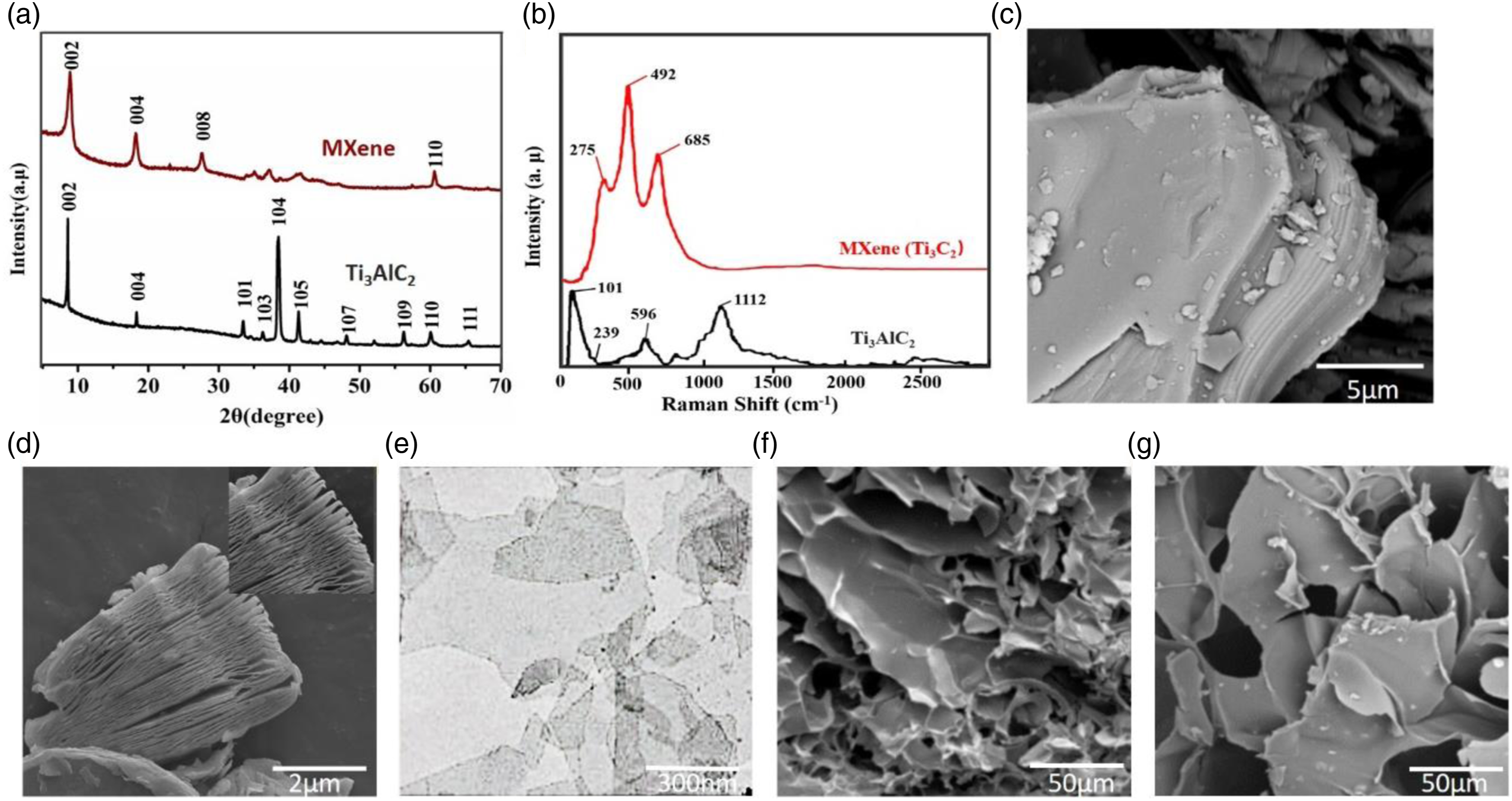
Mechanical properties
The introduction of Ag/MXene complexes could effectively improve the mechanical properties of hydrogel. The obtained Ag/MXene-PVA hydrogel could be stretched up to 600% deformation and was flexible enough to withstand large tensile deformation (Figure 3(a)). At the same time, the hydrogel ccould withstand large distortion and high strength deformation of knotting (Figure 3(b) and (c)). When the hydrogel with thickness of 1.2 mm was stretched under biaxial tension, the scissors heads could not penetrate easily, showing good puncture resistance (Figure 3(d)). In addition, the hydrogel had strong toughness and could adapt to local stress concentration. As shown in Figure 3(e), there was no cracks or even scratches were found on the surface of the hydrogel after it extruded with a sharp tool. Moreover, the hydrogel could recover quickly after the compression stress removed (Figure 3(f)). To further confirmed its excellent mechanical properties, a cylindrical hydrogel with a diameter of 3 mm was strong enough to withstand a load of 100 g without breaking (Figure 3(g)). Photographs of the mechanical performances of the Ag/MXene-PVA hydrogel. (a) stretching, (b) curly stretching, (c) knotting. The Ag/MXene-PVA hydrogel endured the sharp pressure of the scissors (d) or the edge of a knife (e). (f) rebound after pressing, (g) a sample load weight of 100 g.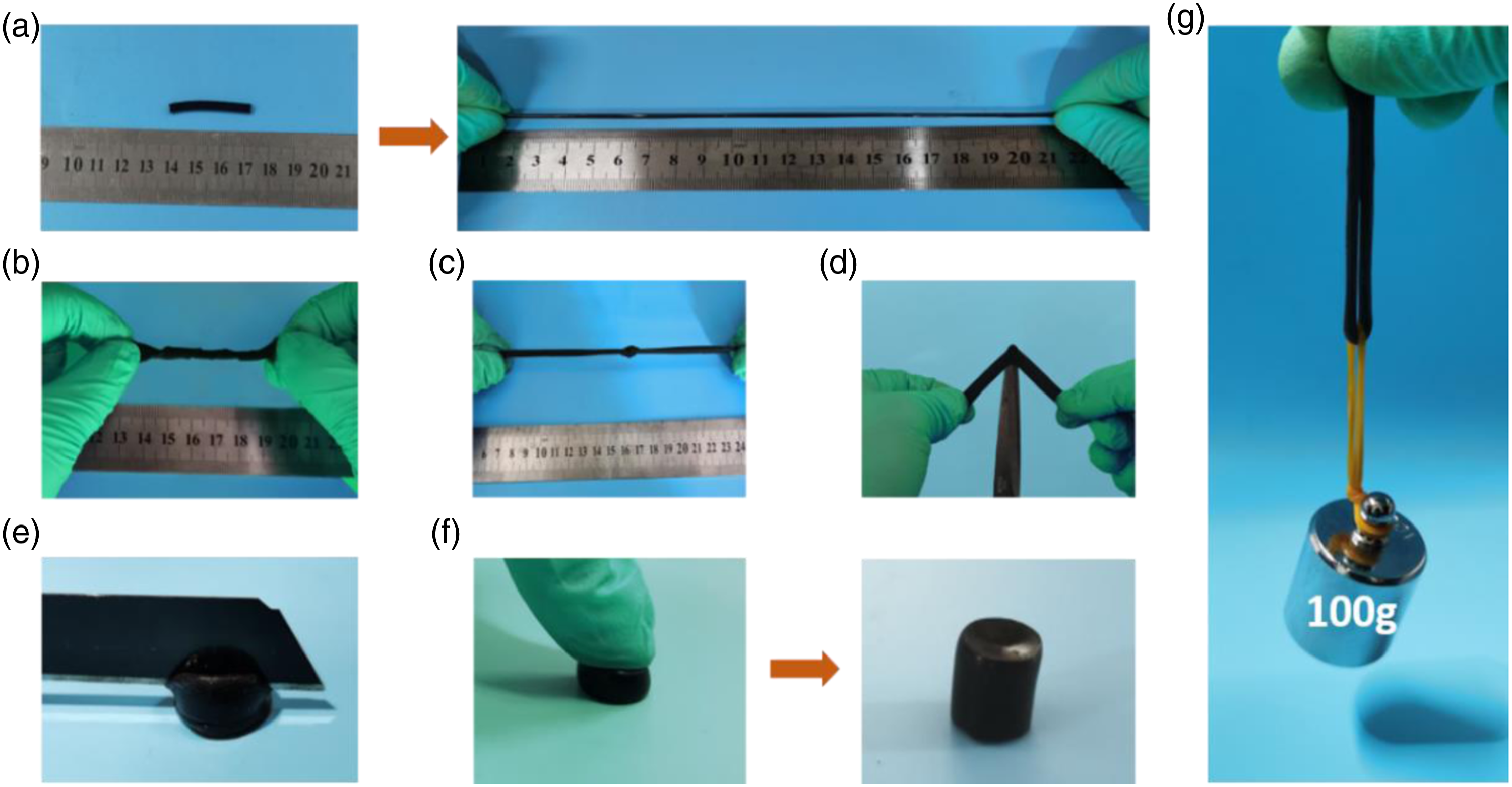
In order to evaluate the influence of Ag/MXene concentration on mechanical properties of the Ag/MXene-PVA hydrogel quantitatively, tensile and compression tests were carried out. According to the tensile parameters in Figure 4(a), the addition of Ag/MXene greatly improved the stretchability of the hydrogel. The elongation at break of hydrogel with 1wt% Ag/MXene was 580%, which was twice that of PVA hydrogel. The toughness and Young’s modulus of the Ag/MXene-PVA hydrogel were improved with the addition of Ag/MXene nanocomplexes (Figure 4(b) and (c)). This due to there were many functional groups (-OH, -O, etc.) on the surface of MXene,46,47 these functional groups could form hydrogen bonds with PVA chains, further improving the mechanical strength. It is noteworthy that the Young’s moduli of all hydrogels were lower than 20 kPa (Figure 4(c)), thus they maintained a desirable skin-like softness. Similarly, the addition of Ag/MXene nanocomplexes also improved the compression strength of the hydrogel (Figure 4(d)). To further evaluated the recoverability of the Ag/MXene-PVA hydrogels, the hydrogel (0.5wt% Ag/MXene) was selected for further cyclic mechanical tests. Figure 4(e) showed 10 successive cyclic tensile loading−unloading curves of the Ag/MXene-PVA hydrogel at 100% strain. The tensile strength decreased after the first tensile cycle due to the inevitable viscosity of the polymer matrix and some permanently broken chemical bonds.
48
The dissipation energy of the Ag/MXene-PVA hydrogel during cyclic tensile testing was shown in Figure S3. After continuous stretching cycles, the dissipation of the hydrogel remained stable except the first cycle, indicated that the reversible bond fracture and recombination could dissipate energy efficiently and endow the hydrogel with rapid recoverability and stability. By the way, the compressive mechanical properties of the hydrogels were evaluated by using a compression model. In the cyclic compression tests (Figure 4(f)), the hysteresis loops basically overlapped, which strongly proved that the hydrogel had good elasticity and fatigue resistance. Mechanical properties of the Ag/MXene-PVA hydrogels. (a) tensile strain versus stress curves of the Ag/MXene-PVA hydrogels with different MXene contents. (b) Toughness and (c) young’s modulus of the Ag/MXene-PVA hydrogels. (d) compression strain versus stress curves of the Ag/MXene-PVA hydrogels (e) 10 successive cyclic tensile loading−unloading curves of the Ag/MXene-PVA hydrogel at 100% strain. (f) 10 successive cyclic compressive tests of the Ag/MXene-PVA hydrogel at 90% strain.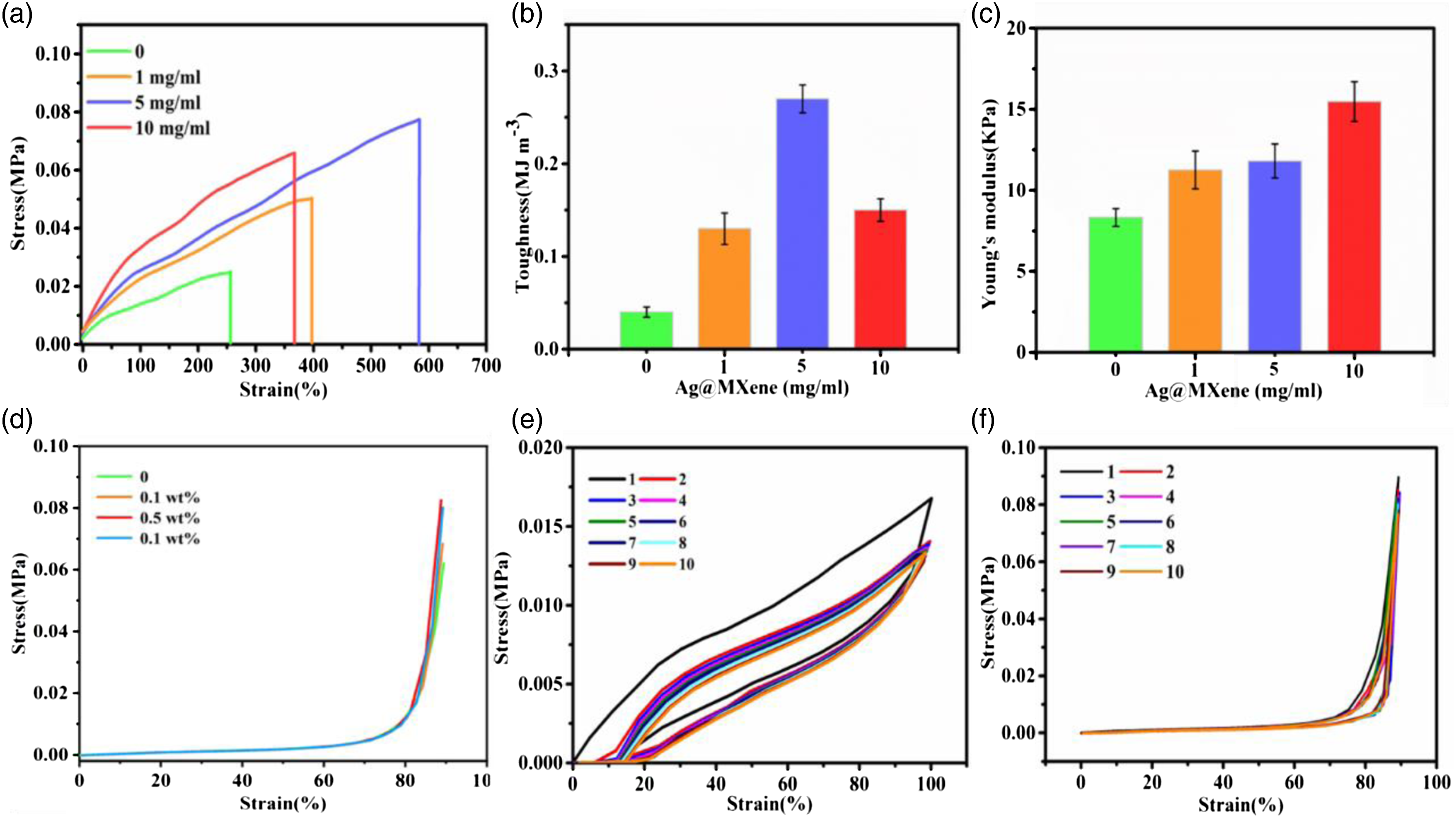
The self-healing properties of Ag/MXene-PVA hydrogels
The Ag/MXene-PVA hydrogel exhibited remarkable self-healing ability due to its dynamic borate ester bonds.49,50 As shown in Figure 5(a), the Ag/MXene-PVA hydrogel was cut in half with a razor blade and then pieced back together again. It was left at room temperature for a period of time to observe its healing. The tensile strain versus stress curves of the Ag/MXene-PVA hydrogel after self-healing was shown in Figure 5(b). The self-healing rate is defined as ε = L/L0, where L0 is the initial tensile length and L is the tensile length after self-healing. The calculation showed that the self-healing efficiency of the Ag/MXene-PVA hydrogel was 91%. In addition, we connected the Ag/MXene-PVA hydrogel to a circuit containing a 6V power supply and LED beads to evaluate the self-healing properties of the hydrogel by observing the brightness of the LED. As shown in Figure 5(c), after cutting the hydrogel into two completely separate halves with a razor blade, the LED bulb went out. The two separated parts were then combined and the LED beads were lit up again after dynamic cross-linking between the contact surfaces of the bifurcated parts was repaired. We further tested the conductivity of the Ag/MXene-PVA hydrogel after healing to evaluate the recovery of the electrical properties of the hydrogel. The conductivity of the Ag/MXene-PVA hydrogel after 1 h self-healing was 92% of the original hydrogel (Figure 5(d)). The excellent self-healing ability of the Ag/MXene-PVA hydrogel could greatly prolong the service life of the hydrogel-based wearable sensor, making it have great application advantages. (a) The self-healing behavior of the Ag/MXene-PVA hydrogel: (i) original hydrogel, (ii) completely broken hydrogel, (iii) stretched hydrogel after self-healing. (b) Tensile strain versus stress curves of the Ag/MXene-PVA hydrogel after self-healing. (c) A circuit consisting of the Ag/MXene-PVA hydrogel in series with red LED bulbs: (i) original hydrogel, (ii) completely broken hydrogel, (iii) self-healed hydrogel, and the corresponding schematic diagrams of the circuit. (d) The conductivity of the Ag/MXene-PVA hydrogel after 1 h self-healing.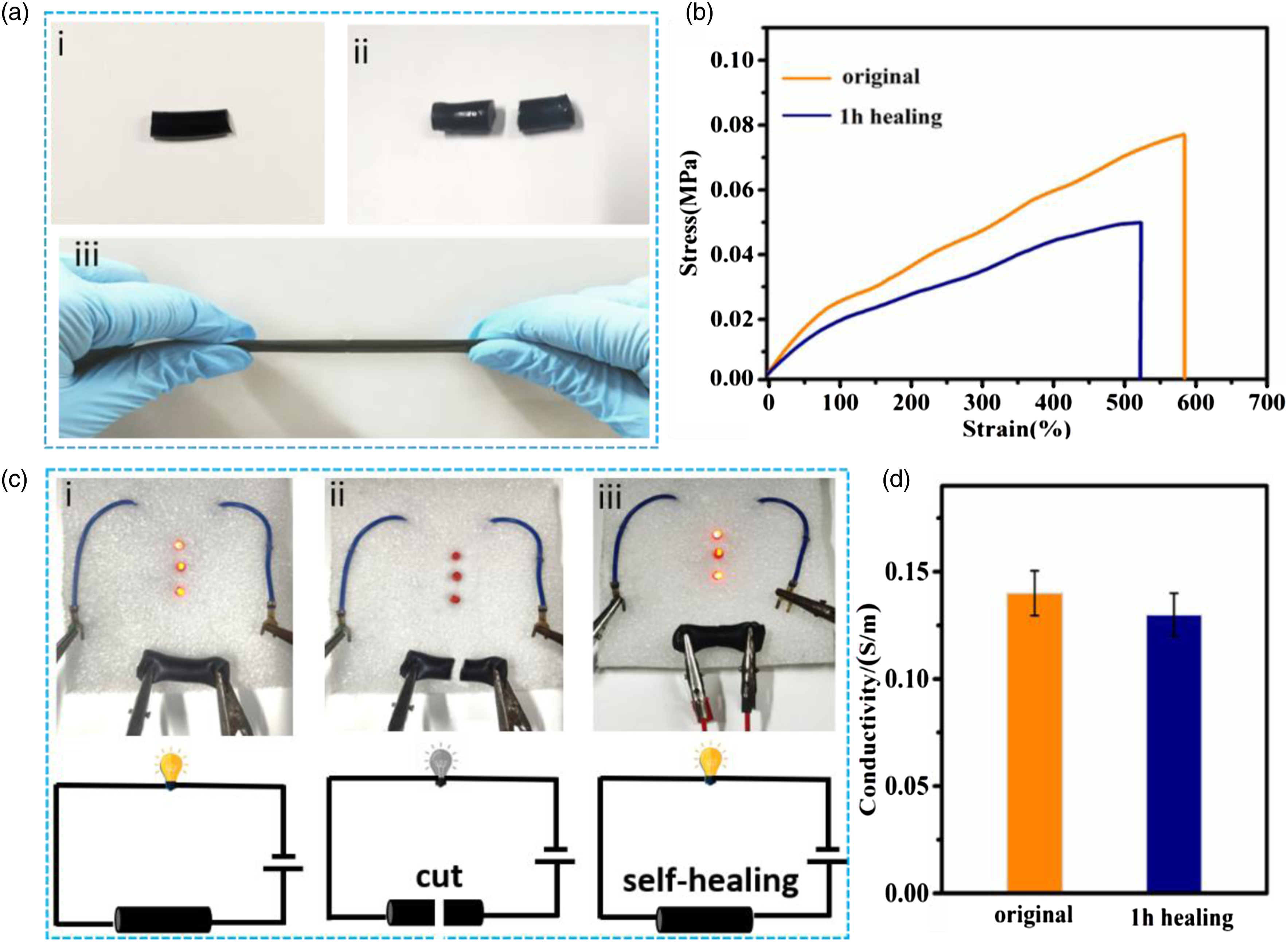
The antibacterial property of Ag/MXene-PVA hydrogel
When used as wearable devices or electronic skins that attaches to the surface of the human body, hydrogels are not expected to cause bacterial infection. Therefore, the antibacterial property of hydrogels also needs to be considered. Silver nanoparticles have small particle size and high specific surface area, and have strong adsorption ability to bacteria and virus. Silver nanoparticles can significantly change the normal physiological functions of bacteria, leading to bacterial death.
51
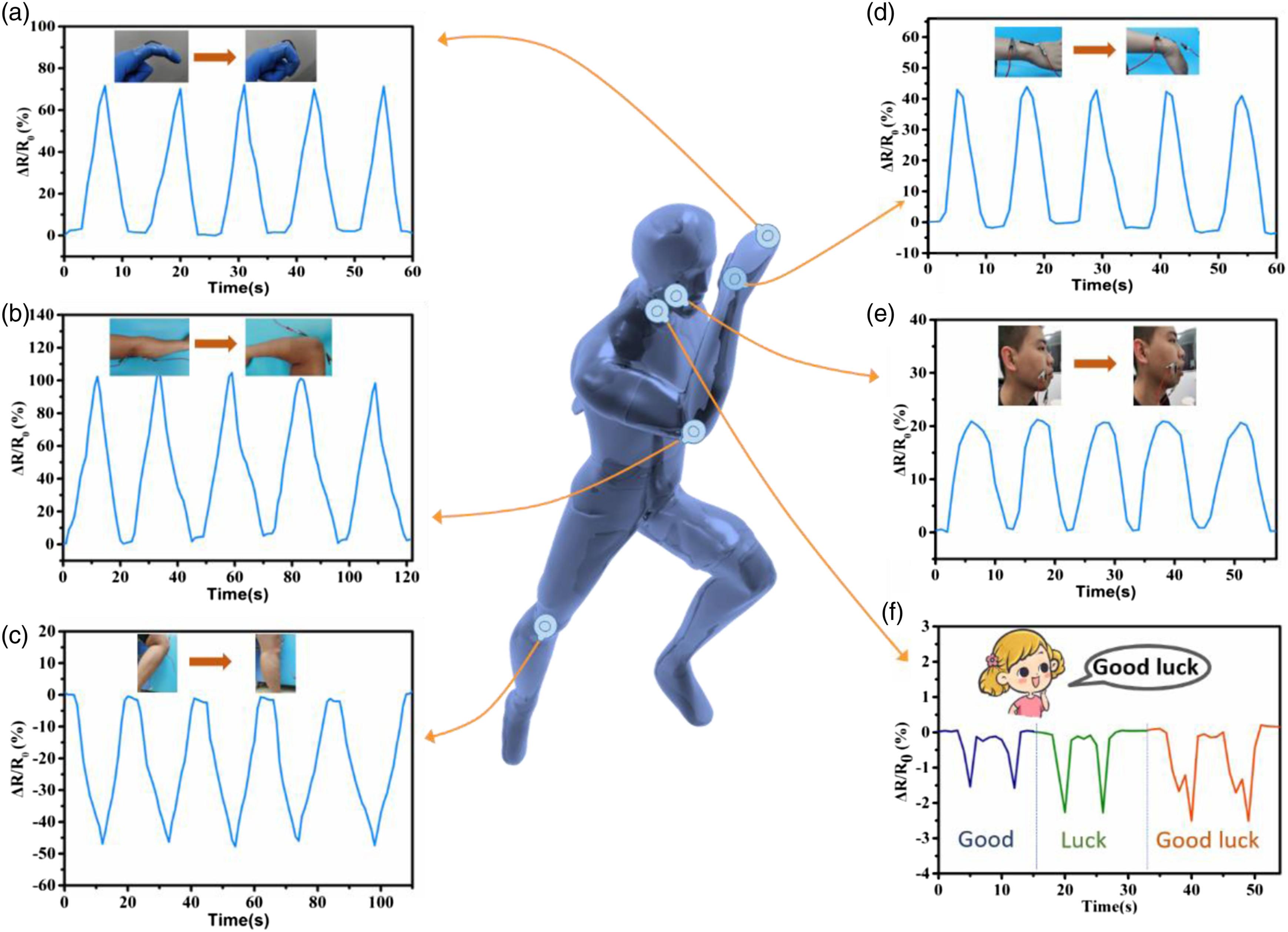
In addition, silver ions can also destroy the activity of enzymes, so that cells from the division and proliferation of disability. Representative E. coli and S. aureus were selected for antibacterial experiments to evaluate the antibacterial ability of Ag/MXene-PVA hydrogels. The results showed that compared with phosphate buffered saline (PBS) and PVA hydrogel, the Ag/MXene-PVA hydrogel had strong antibacterial activity against all the three bacteria, which was comparable to the 3 mg/mL antibiotic ampicillin. Moreover, with the increase of Ag/MXene complexes concentration, the antibacterial ability of the Ag/MXene-PVA hydrogel increased gradually. Moreover, the antibacterial activity of the Ag/MXene-PVA hydrogel increased with the increase of Ag/MXene complexes concentration, and the activity of Ag/MXene-PVA hydrogel (1wt%) was the best, with the colony decreased obviously (Figure 6(a)–8(c)). Excitingly, the Ag/MXene-PVA hydrogel even eradicated more than 93% of the S. aureus and 95% of the E. coli. The antibacterial ability of Ag/MXene-PVA hydrogel. (a) Images of survival bacteria clones on culture dishes after treated with PBS, Ampicillin, and Ag/MXene-PVA hydrogels with different Ag/MXene concentration. The qualified bacterial viability of (b) S. aureus, (c) E. coil. Electromechanical performances of the Ag/MXene-PVA hydrogel applicated as flexible strain sensor. (a) Conductivity comparison of Ag/MXene-PVA hydrogels with different MXene concentration. (b) The different brightness of LED beads when the Ag/MXene-PVA hydrogel was at tensile strain of 0% (i), 200% (ii), 400% (iii), respectively. The cyclic relative resistance changes of this hydrogel strain sensor under low strains (c) and high strains (d), respectively. (e) The relative resistance of hydrogel sensor varies with 0–500% tension strain. GF was calculated from the slope of this fitted regression line. (f) The response time and recovery time of the hydrogel strain sensor. (g) The durability test of the hydrogel sensor under 0%–100% strain. (h) Magnified signal during 91–100 cycles. The real-time monitoring of human motions by Ag/MXene-PVA hydrogel-based skin-like strain sensors. The real-time monitoring of large-range human motions with finger (a), elbow (b), knee (c) and wrist (d). and tiny human motions: mouth movement (e), and speaking “good luck” (f).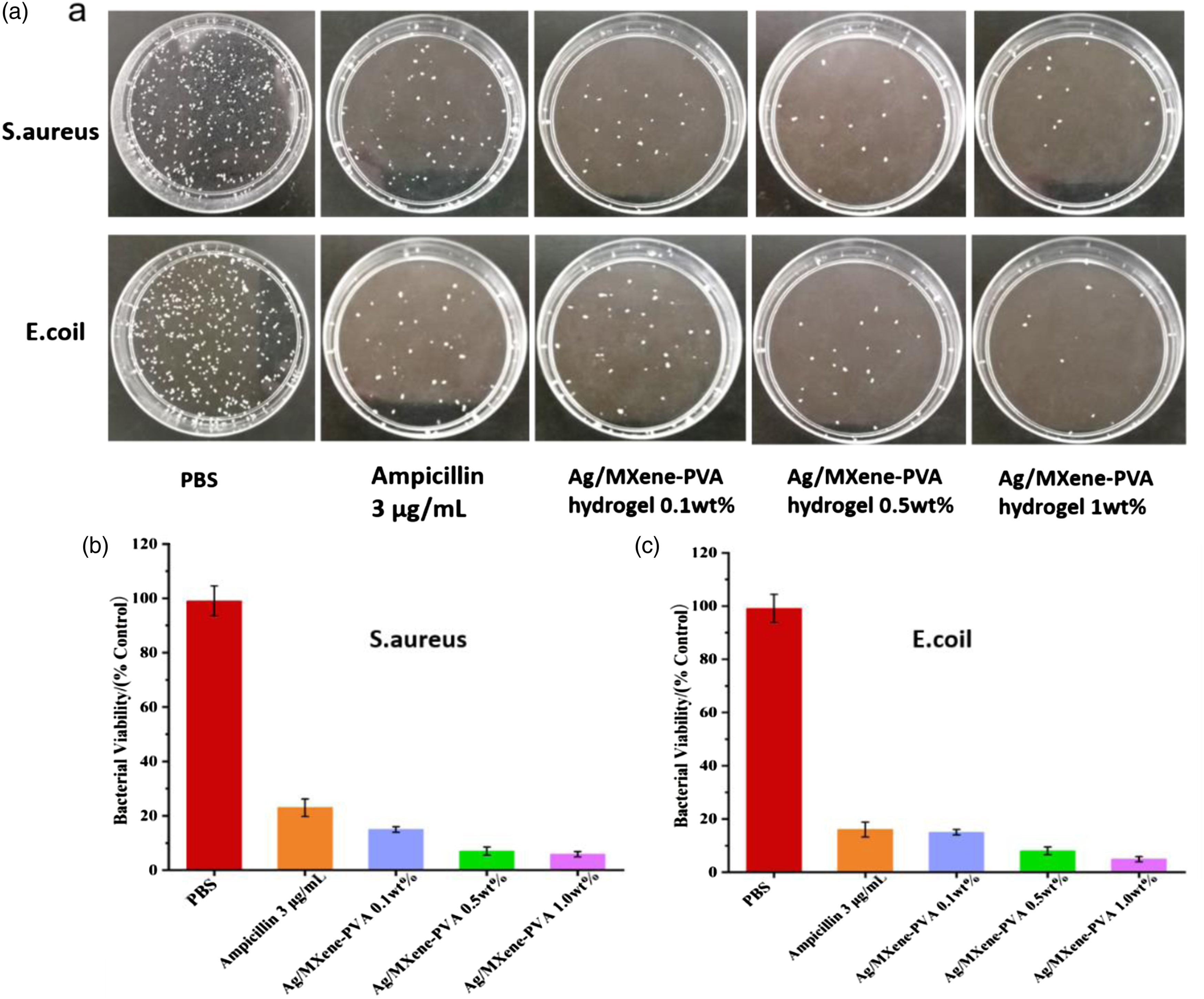
Electronic behavior of the Ag/MXene-PVA hydrogel and applications
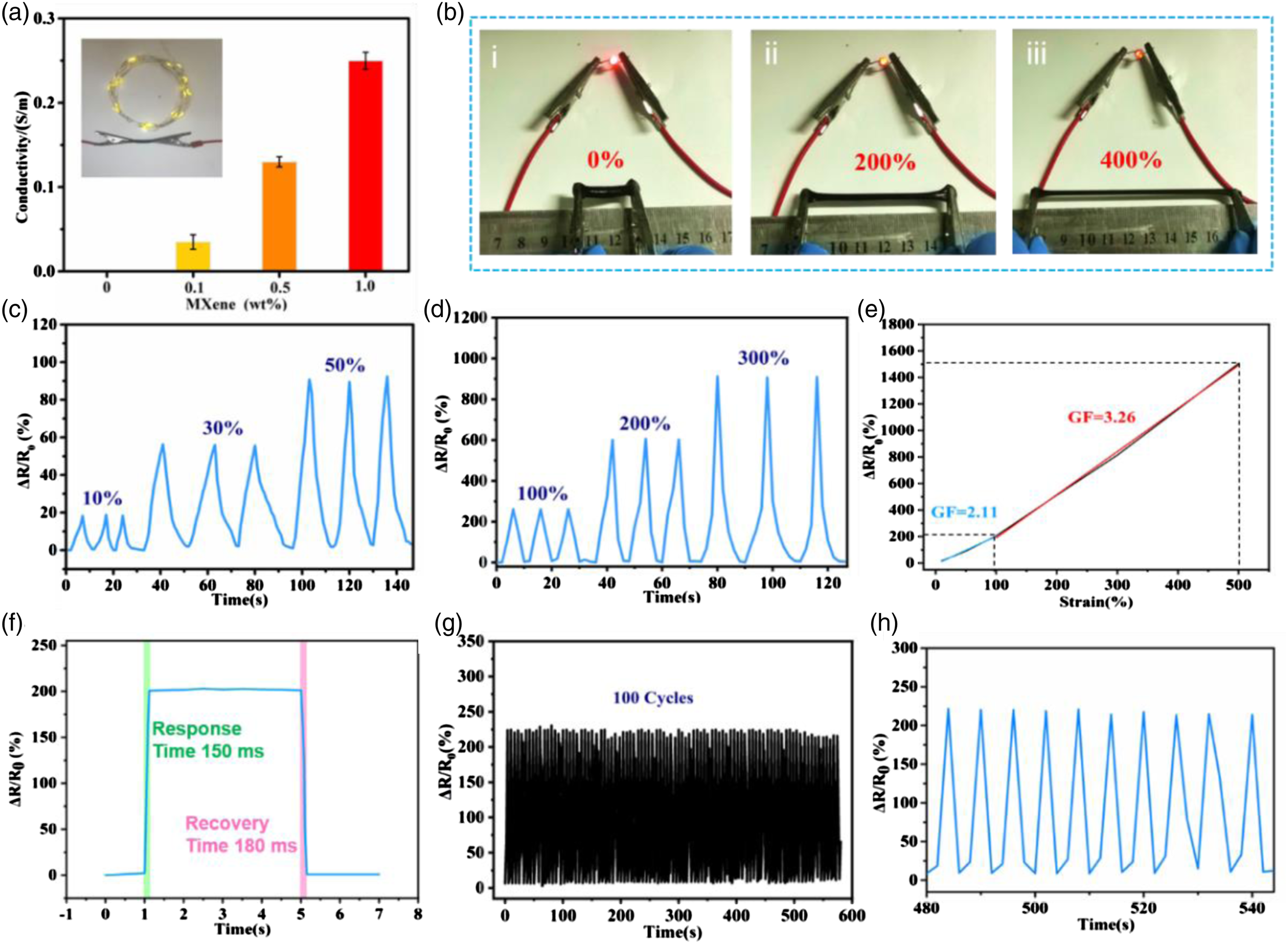
The Ag/MXene-PVA hydrogel exhibited good electrical conductivity due to the introduction of Ag/MXene nanocomplexes. As shown in Figure 7(a), the addition of Ag/MXene greatly enhanced the conductivity of the hydrogel, and all three groups of hydrogels were able to light up the LED lamp chains. The conductivity of the Ag/MXene hydrogel increased from 0.03 to 0.26 S·m−1 with the increase of MXene content from 0.1 wt% to 1wt%. This might be due to the formation of more conductive pathways in the hydrogel network as the concentration of MXene nanoplates increased. 52 Moreover, the influence of mechanical deformation on electrical conductivity of the Ag/MXene-PVA composite hydrogel was also discussed. The change of LED brightness indicated that the resistance of the hydrogel changed with the increase of tensile strain. As shown in Figure 7(b), the brightness of the LED beads gradually darkened as the tensile strain of the hydrogel increased from 0% to 400%, indicating that the electrical conductivity of hydrogel was closely related to its tensile strain.
In order to investigate the variation in the resistance of the Ag/MXene-PVA hydrogel with the tensile strain, the hydrogel was connected to the LCR to record the real-time resistance. The sensitivity of a strain sensor is defined by the gauge factor (GF), which is calculated by the formula: GF = (ΔR/R0)/ε, where, ΔR = R−R0.53,54 Here, R0 and R are the original resistance without strain and the real-time resistance, respectively, and ε is the applied strain. The changes in the resistance rate (ΔR/R0) of three cyclic stretching (unstretched-stretched-unstretched) under low strain (10%, 30%, and 50%) and high strain (100%, 200%, and 300%) were shown in Figure 7(c) and (d). It could be clearly seen that the hydrogel had excellent strain sensitivity, and the ΔR/R0 exhibited obvious cyclic changes during the three cycles of tensile process. The resistance-strain curves were shown in Figure 7(e), within the strain range of 0–100%, ΔR/R0 increased linearly with the increase of strain, and the GF remained at 2.11. As the strain was further increased to 100%–500%, the GF reached about 3.26. Compared with most reported flexible strain sensors, the MXene composite hydrogel-based sensor has higher sensitivity and stability in a wide range of strain changes. To further evaluated the response time and recovery time of the Ag/MXene-PVA hydrogel based strain sensor, the hydrogel was first immediately loaded to 100% strain and held at 100% strain for 5 s, then unloaded to 0% strain. As shown in Figure 7(f), the hydrogel strain sensor exhibited fast strain response, with response time of 150 ms and recovery time of 180 ms, respectively. To further investigated its stability, the strain sensor was tested under 100% strain for 100 consecutive cycles, as shown in Figure 7(g). The amplitude and waveform of the curves showed tiny fluctuation after 100 consecutive loading-unloading cycles, proving the high stability and reliability of the strain sensor. The magnified signal during 91–100 cycles was shown in Figure 7(h).
Due to its excellent tensile properties, sensitivity to external strain and durability, the Ag/MXene-PVA hydrogel could be constructed as a wearable skin-like sensors and applied to the detection of various human motions. Herein, the hydrogel based skin-like strain sensor was attached to the volunteer’s skin to monitor the movements of the human body from tiny deformation to vibration. This sensor could accurately respond to different body movements and had a repeatable and durable current output. The monitoring curves of large-scale human motion for finger, elbow, knee and wrist, were shown in Figure 8(a) to (d), respectively. Taking the finger bending as an example, the relative resistance increased from 0% to 69.5% with the finger bending angle increases from 0° to 90°. When the finger returned from the bent state to the straight state, the relative resistance also returned to the initial value. The changes of the relative resistance showed the characteristics of good sensitivity, repeatability and stability. In addition to detecting large body joint bending motions, the strain sensor also had good sensitivity to tiny local movements of the human body. As shown in Figure 8(e), the Ag/MXene-PVA hydrogel-based skin-like sensor could detect tiny muscle movements around the mouth. A unique and relatively consistent pattern of resistance was observed when the human subjects performed the periodic “opening-closing” movement, indicating a promising future for facial recognition. When attached to the throat, the sensor could monitor vocal cord vibration during speech (Figure 8(f)). Recognizable and repeatable signal patterns were captured when the human subject speak English words, such as “Good Luck”, indicating a promising potential in speech recognition.
Conclusion
In summary, we prepared Ag/MXene (Ti3C2) nanocomplex and integrated it into PVA-borax hydrogel system, and the Ag/MXene-PVA nanocomposite hydrogel was successfully constructed with excellent mechanical properties, electrical conductivity, and antibacterial property. The Ag/MXene-PVA hydrogel based skin-like strain sensor has high sensitivity, large sensing area and excellent self-healing and durability. And the skin-like sensors could be used in monitoring a variety of physiological stimuli in the human body such as knee flexion, finger flexion, facial sensing as well as phonetic recognition in real-time. This study provided a feasible strategy for the preparation of nano-silver composite conductive hydrogel network, which was expected to be widely used in wearable antibacterial sensors, artificial muscle actuators, electronic skins and other electronic devices.
Supplemental Material
Supplemental Material - Conductive, self-healing, and antibacterial Ag/MXene-PVA hydrogel as wearable skin-like sensors
Supplemental Material for Conductive, self-healing, and antibacterial Ag/MXene-PVA hydrogel as wearable skin-like sensors by Lumin Li, Xiaofeng Ji and Kai Chen in Journal of Biomaterials Applications
Footnotes
Declaration of conflicting interests
The author(s) declared no potential conflicts of interest with respect to the research, authorship, and/or publication of this article.
Funding
The author(s) disclosed receipt of the following financial support for the research, authorship, and/or publication of this article: This work was supported by the Natural Science Foundation of Fujian Province (Grant: 2020J05093); Fujian province young and middle-aged teacher education research project (JT180492); high-level scientific research foundation for Sanming University introduction of talent (17YG05); National Fund Cultivation Program of Sanming University (PYT2001). Key projects of scientific and technological innovation in Fujian Province (2021G02012).

Supplemental Material
Supplemental material for this article is available online
References
Supplementary Material
Please find the following supplemental material available below.
For Open Access articles published under a Creative Commons License, all supplemental material carries the same license as the article it is associated with.
For non-Open Access articles published, all supplemental material carries a non-exclusive license, and permission requests for re-use of supplemental material or any part of supplemental material shall be sent directly to the copyright owner as specified in the copyright notice associated with the article.
