






Abstract
Objectives:
This study aims to analyze the scientific literature on breastfeeding during natural hazards, using a bibliometric approach, within the IYCF-E framework.
Study Method:
Data were collected from the Web of Science Core Collection in December 2024. The search was limited to English-language articles and included keywords such as “natural hazards,” “earthquake,” “flood,” “hurricane,” and “breastfeeding.” Of the 148 identified articles, 27 met the inclusion criteria and were analyzed. Bibliometric analysis was conducted using the Biblioshiny interface in R (Version 4.2.1) and RStudio, with visualizations generated using VOSviewer.
Findings:
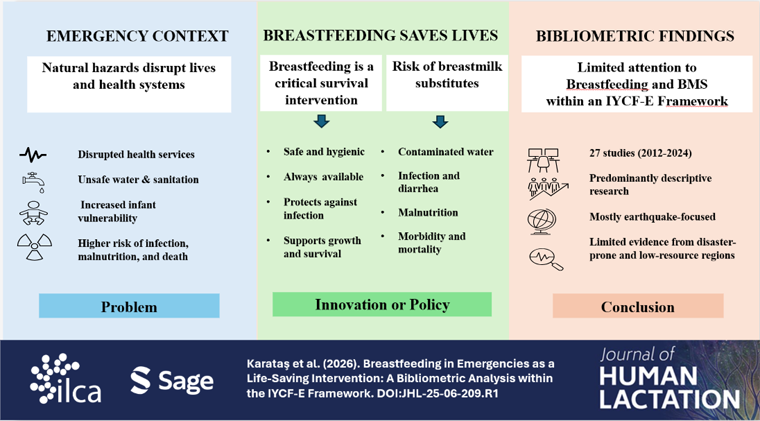
Publications in this field began in 2012, with a marked increase in recent years and the highest number in 2024. Most studies originated from the United States, Japan, and Canada. The Journal of Human Lactation published the highest number of articles. Frequently used keywords included “breastfeeding,” “earthquake,” “emergency,” and “disasters.” Thematic analysis indicated that infant health, emergencies, and breastfeeding were central themes, whereas maternal mental health, including stress and depression, emerged as growing areas of interest. However, limited attention was given to the life-saving role of breastfeeding and the risks associated with BMS within an IYCF-E framework.
Conclusion:
The scientific literature on breastfeeding in emergency contexts remains limited. Existing studies are predominantly descriptive and largely focused on earthquake settings. Future research should adopt an IYCF-E perspective, explicitly recognize breastfeeding as a life-saving intervention, and develop evidence-based strategies to protect, promote, and support breastfeeding while preventing inappropriate use of BMS in emergency preparedness and response.
Introduction
Natural hazards are extraordinary events that lead to significant humanitarian, economic, and health-related consequences worldwide (Chmutina & Von Meding, 2019). According to recent reports by the United Nations Office for Disaster Risk Reduction (UNDRR, 2023) and the World Bank, more than 7,300 large-scale natural hazards occurred globally over the past 2 decades, affecting approximately 4.2 billion people. Between 2000 and 2019, disaster-related deaths exceeded 1.23 million ((Centre for Research on the Epidemiology of Disasters [CRED] & United Nations Office for Disaster Risk Reduction [UNDRR], 2020). Earthquakes, floods, droughts, and storms are among the most frequent types of natural hazards, causing widespread damage to infrastructure, disrupting healthcare systems, and increasing the vulnerability of high-risk populations, particularly infants, young children, and women (World Bank, 2023). Beyond immediate physical destruction, these events create complex humanitarian crises characterized by loss, displacement, and profound psychosocial stress (Ünsel-Bolat et al., 2024).
Infants and young children are vulnerable in emergencies. Protecting maternal and child health during emergencies and ensuring the continuity of essential health behaviors such as breastfeeding is of vital importance. The Infant and Young Child Feeding in Emergencies (IYCF-E) framework provides guidance on supporting optimal feeding practices in crisis settings, emphasizing that breastfeeding is a life-saving intervention and that the use of breastmilk substitutes (BMS) should be strictly targeted and controlled (Gribble & Fernandes, 2018; Infant Feeding in Emergencies [IFE] Core Group, 2025; World Health Organization [WHO], 2023; United Nations Children’s Fund [UNICEF], 2021). Breast milk is safe, accessible, and immunity-supporting, making it the recommended primary source of nutrition for infants during emergencies. Breast milk is a unique and complex biological fluid containing essential macronutrients, micronutrients, and bioactive components tailored to the infant’s needs. It supports immune function and protects against infections such as diarrhea, pneumonia, and respiratory illnesses (IFE Core Group, 2025). The WHO and UNICEF recommend exclusive breastfeeding for the first 6 months of life, followed by continued breastfeeding alongside appropriate complementary feeding up to 2 years and beyond (WHO, 2023). Within the IYCF-E framework, supporting infant and young child feeding is recognized as a priority life-saving humanitarian intervention. Evidence shows that timely and appropriate IYCF-E interventions, including breastfeeding support, mother–baby spaces, and targeted support for non-breastfed infants, significantly improve child survival outcomes (IFE Core Group, 2025).
Non-breastfed infants are at substantially higher risk in such contexts. The use of breastmilk substitutes (BMS) in emergency settings carries significant risks, as inadequate access to clean water, poor sanitation, and unsafe preparation conditions increase the likelihood of contamination, leading to higher rates of diarrhea, malnutrition, and mortality. Evidence shows that the gap in health outcomes between breastfed and non-breastfed infants widens considerably during emergencies. For example, during the 2006 floods in Botswana, non-breastfed infants were up to 30 times more likely to be hospitalized for diarrhea, and the majority of infant deaths occurred among those who were not breastfed (Arvelo et al., 2010; Creek et al., 2010; IFE Core Group, 2025). These findings underscore the substantial risks associated with BMS in emergency contexts. Therefore, international guidelines recommend that BMS distribution in emergencies be strictly controlled, targeted, and aligned with established operational guidance (Gribble & Fernandes, 2018; IFE Core Group, 2025)
Natural hazards disrupt essential health services, deteriorate living conditions, and increase psychological stress, all of which can negatively influence infant feeding practices. Maternal stress and trauma, combined with limited access to social and professional support, may reduce breastfeeding confidence and hinder its continuation. However, stress does not affect the nutritional quality or safety of breast milk; rather, it impacts mothers’ ability to initiate and sustain breastfeeding (IFE Core Group, 2025; Sağlık Bakanlığı [Ministry of Health], 2023). Ensuring access to skilled breastfeeding support during emergencies is therefore critical for maintaining optimal infant feeding practices.
Evidence shows that breastfeeding practices vary depending on the type and context of the emergency. Following earthquakes, breastfeeding rates often decline due to stress, displacement, and lack of support (Kyozuka et al., 2016; Yalçın et al., 2004). In water-related hazards such as floods and hurricanes, poor hygiene conditions further increase the risks associated with artificial feeding, highlighting the protective role of breastfeeding (Carletti et al., 2016; Gribble Fernandes, 2018; Hipgrave et al., 2012). Following Hurricane Katrina in 2005 and the Kahramanmaraş Earthquake, studies reported decreased breastfeeding rates, often related to stress, limited access to clean water, and distribution of BMS (Centers for Disease Control and Prevention [CDC], 2024). Similarly, after the 2023 Kahramanmaraş-centered earthquakes in Turkey, mothers and children faced significant challenges to maintaining breastfeeding (Afet ve Acil Durum Yönetimi Başkanlığı [AFAD], 2023; Akça & Aytekin Özdemir, 2023; Karakaya Suzan et al., 2025).
Although research on the health impacts of natural hazards has increased, there remains a need for a comprehensive and systematic understanding of how breastfeeding is addressed within the scientific literature in the context of emergencies. From an IYCF-E perspective, evaluating the extent to which breastfeeding is framed as a life-saving intervention, and how risks related to BMS are addressed, is critically important. To the best of our knowledge, this study is the first to conduct a bibliometric analysis focusing specifically on breastfeeding in the context of natural hazards.
Key Messages
• Breastfeeding is a life-saving intervention in emergencies, providing safe and accessible nutrition for infants within the IYCF-E framework, while the use of breastmilk substitutes (BMS) poses significant risks.
• The scientific literature on breastfeeding in emergency contexts has increased since 2012, with most publications originating from high-income countries
• Research themes primarily focus on emergencies and infant health, while emerging topics include maternal mental health; however, the life-saving role of breastfeeding and risks of BMS remain underrepresented.
• Existing studies are predominantly descriptive and focused on earthquakes, highlighting the need for stronger evidence and integration of breastfeeding into emergency preparedness and response planning.
Aims
This study aims to map the scientific literature on breastfeeding during various types of natural hazards such as earthquakes, floods, and hurricanes, using bibliometric methods, and to identify gaps in the existing body of knowledge within the IYCF-E framework.
Method
Inclusion and Exclusion
This study was conducted to perform a bibliometric analysis of scientific publications related to breastfeeding practices of mothers during natural hazards. The data were obtained from the Web of Science Core Collection database. The search was carried out in December 2024 and was limited to studies published in 2024 in the English language, without specifying a starting date. The search strategy included the keywords: “natural hazards” OR “disasters” OR “earthquake” OR “flood” OR “tornado” OR “hurricane” OR “storm” AND “breast milk” OR “breastfeeding.” The search was limited to article-type publications only. The article data were retrieved from the Science Citation Index – Expanded (SCI-E) and the Social Sciences Citation Index (SSCI) databases on Web of Science. Only studies published in English were included. Editorials, book chapters, conference proceedings, and early access articles were excluded. As a result of the search, a total of 148 publications were identified. After removing duplicate records (n = 2) and excluding irrelevant documents, 27 original articles were selected for detailed analysis. The screening process was independently conducted by two researchers. Study selection was based on relevance to the content according to titles and abstracts; only original studies that addressed both “natural hazards” and “breastfeeding” were included. Details regarding the inclusion and exclusion of studies are presented in Figure 1. Since the study did not involve human participants, it did not require ethical approval. The data were collected and analyzed in accordance with scientific and ethical principles.
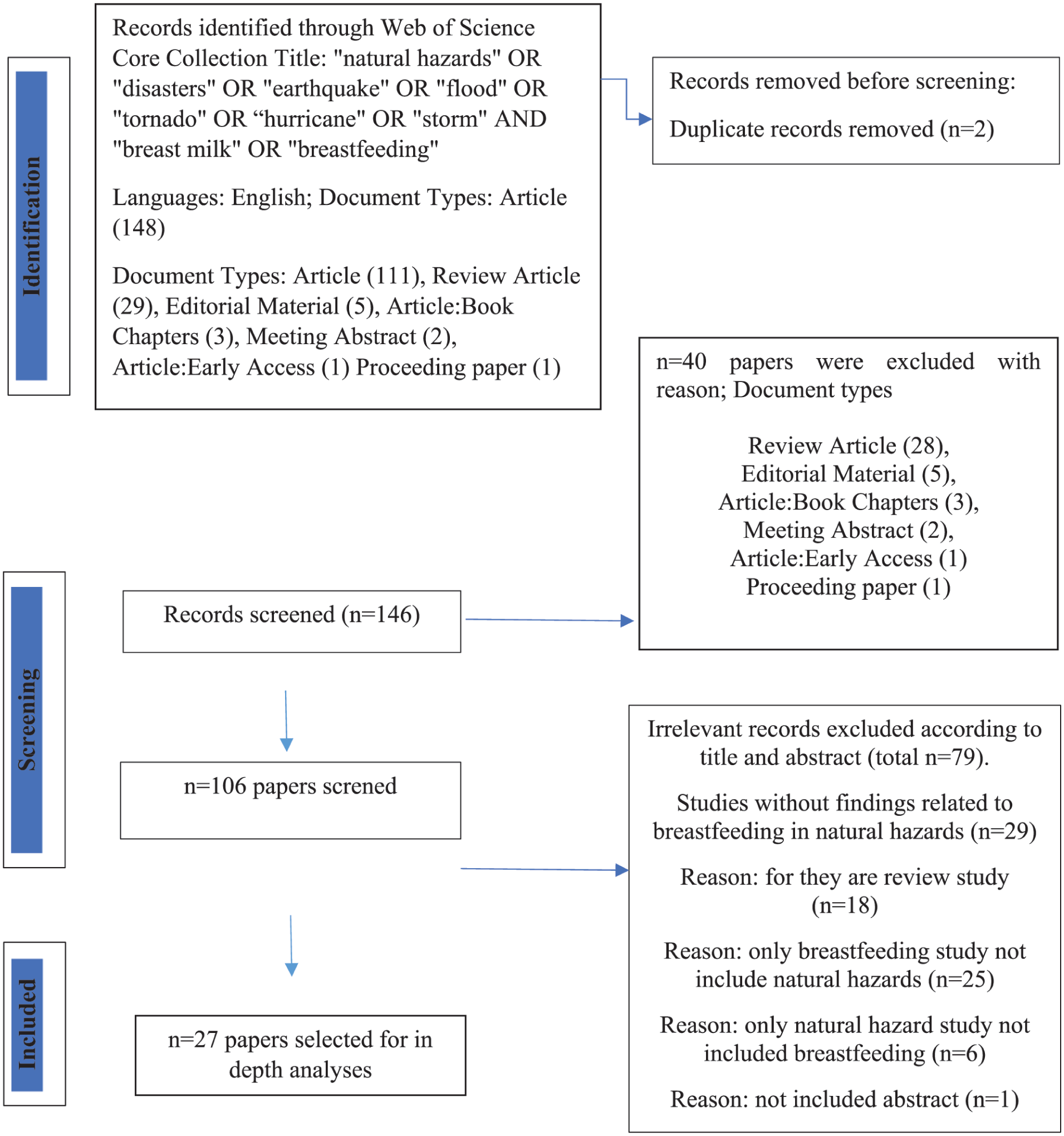
PRISMA Flowchart of Study Selection Process.
Statistics and Data Analysis
The bibliometric analysis was conducted using the Biblioshiny interface, which runs on R software (Version 4.2.1) within the RStudio environment. Additionally, VOSviewer software was used for network visualizations. The Web of Science Core Collection (WoSCC) database, based on predefined inclusion criteria, was imported into the bibliometric software for analysis.
Results
The research findings are presented under the following headings: general findings, the descriptive structure of the bibliometric literature on breastfeeding during natural hazards, articles and journals, the intellectual structure of the literature, and current thematic focuses.
Analysis of the Number and Growth Trend of Annual Publications
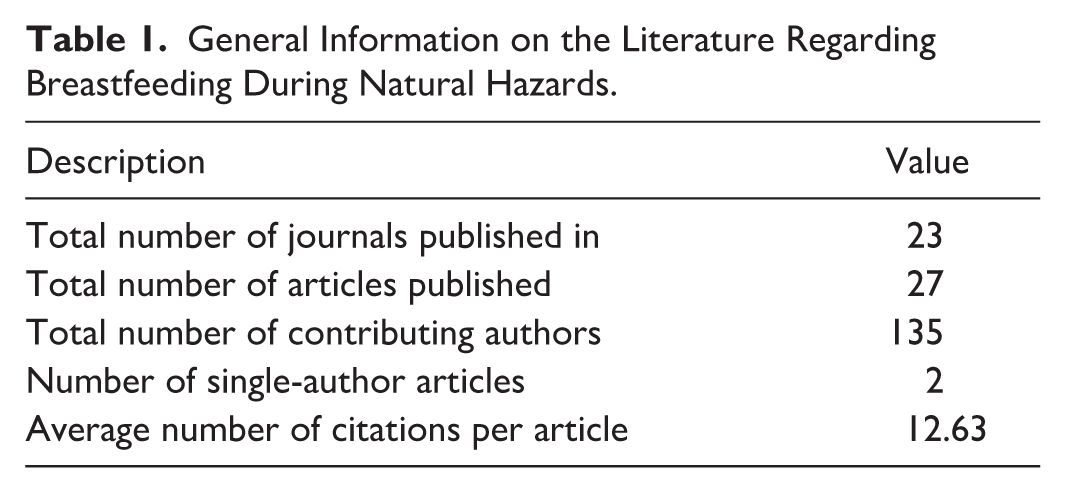
Table 1 presents the results of the bibliometric analysis conducted on studies related to breastfeeding during natural hazards between 2012 and 2024. The annual distribution of the studies published during this period is shown in Figure 2. The first publications on the subject appeared in 2012, and the highest number of articles was published in 2024. Over the 13-year period, a total of 27 articles were published by 135 authors across 23 different sources. The average number of citations per article was 12.63.
General Information on the Literature Regarding Breastfeeding During Natural Hazards.
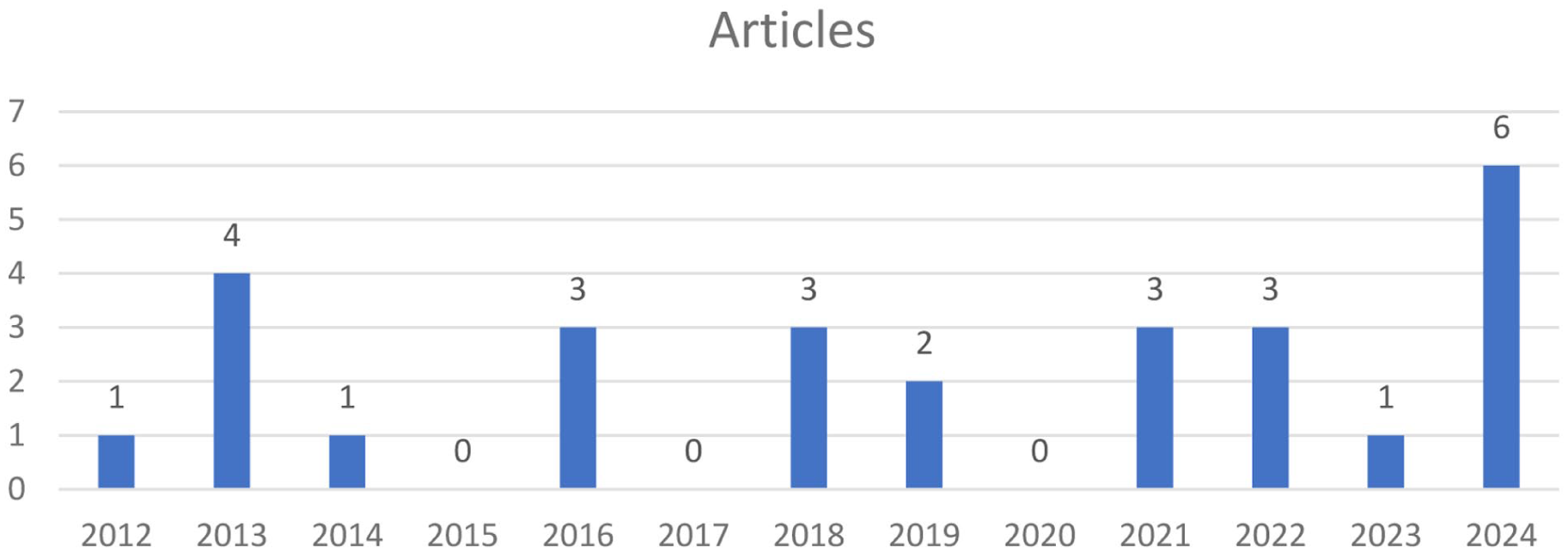
Annual distribution of publications from 2012 to 2024.
The geographical distribution of articles published between 2012 and 2024 is presented in Figure 3. The countries of affiliation of the authors were used as the reference. The highest number of publications originated from the United States, Japan, Canada, Italy, and China.
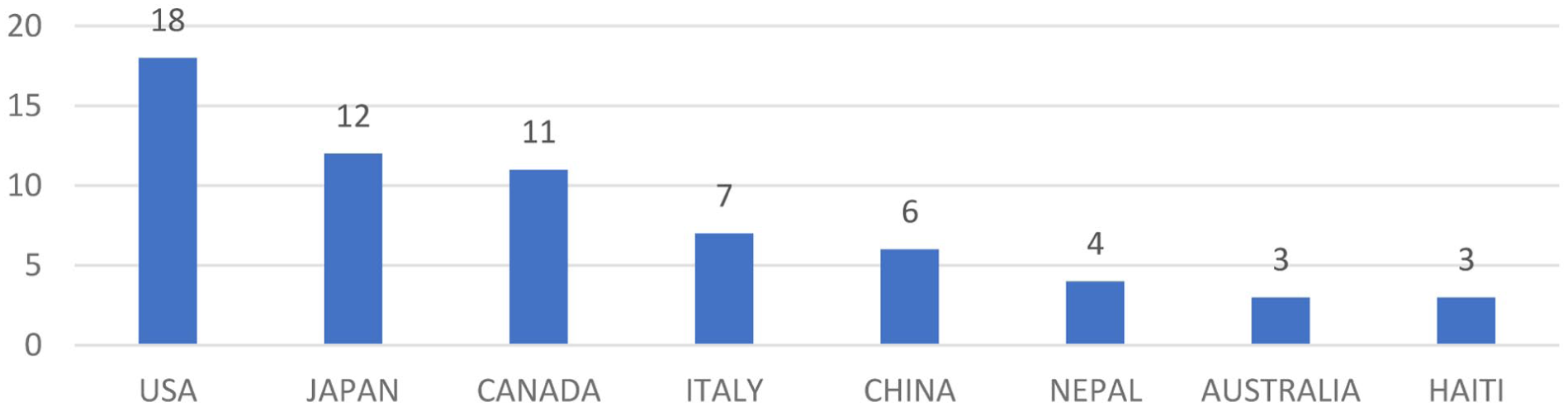
Distribution of publications by country.
Figure 4 presents the co-authorship network across countries. The analysis reveals collaborative links between the United States and the Federal Democratic Republic of Nepal, as well as among countries such as China, Germany, Haiti, Ireland, Uganda, and Norway. In terms of citation distribution, the highest number of citations (n = 106) originated from studies conducted in Canada.
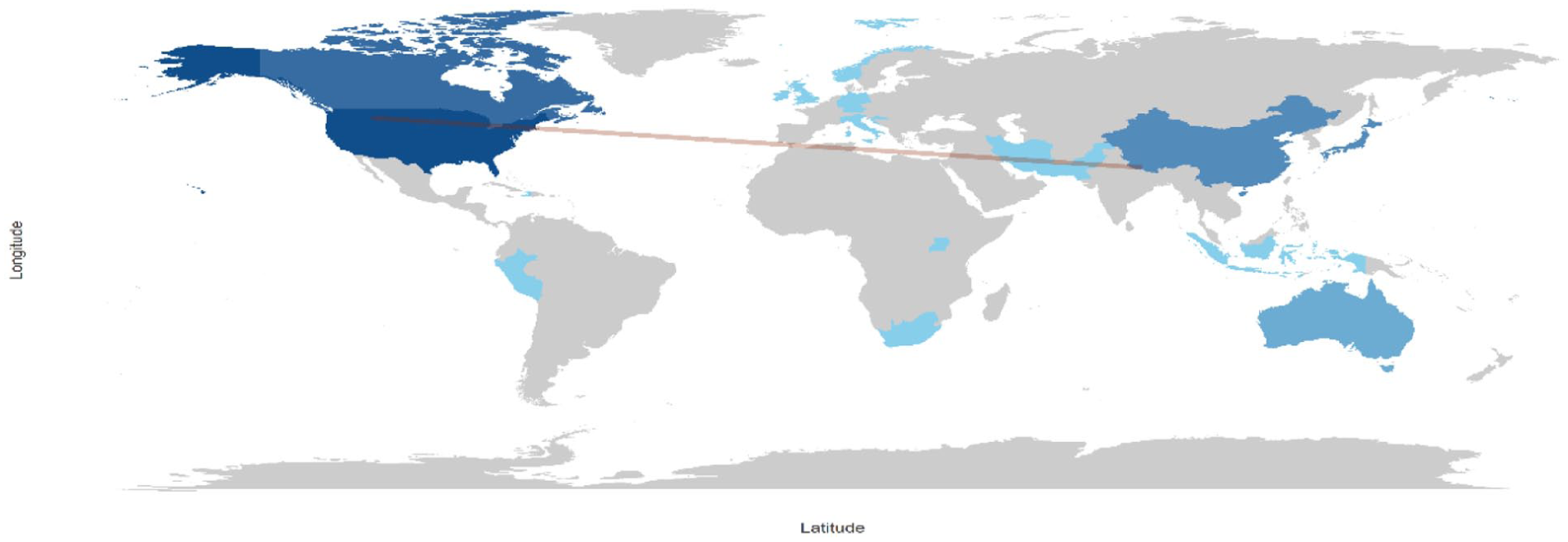
Co-author analysis (across countries).
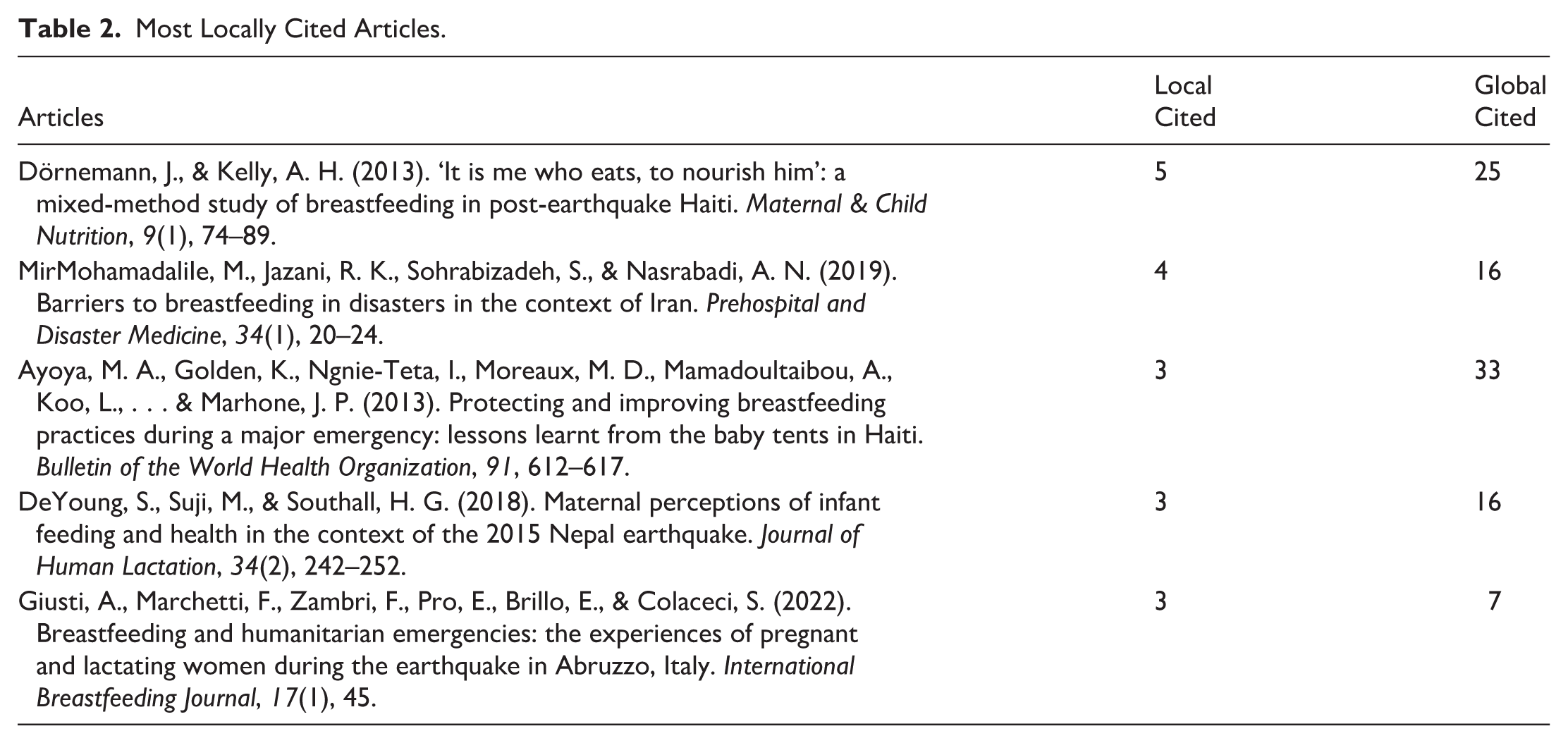
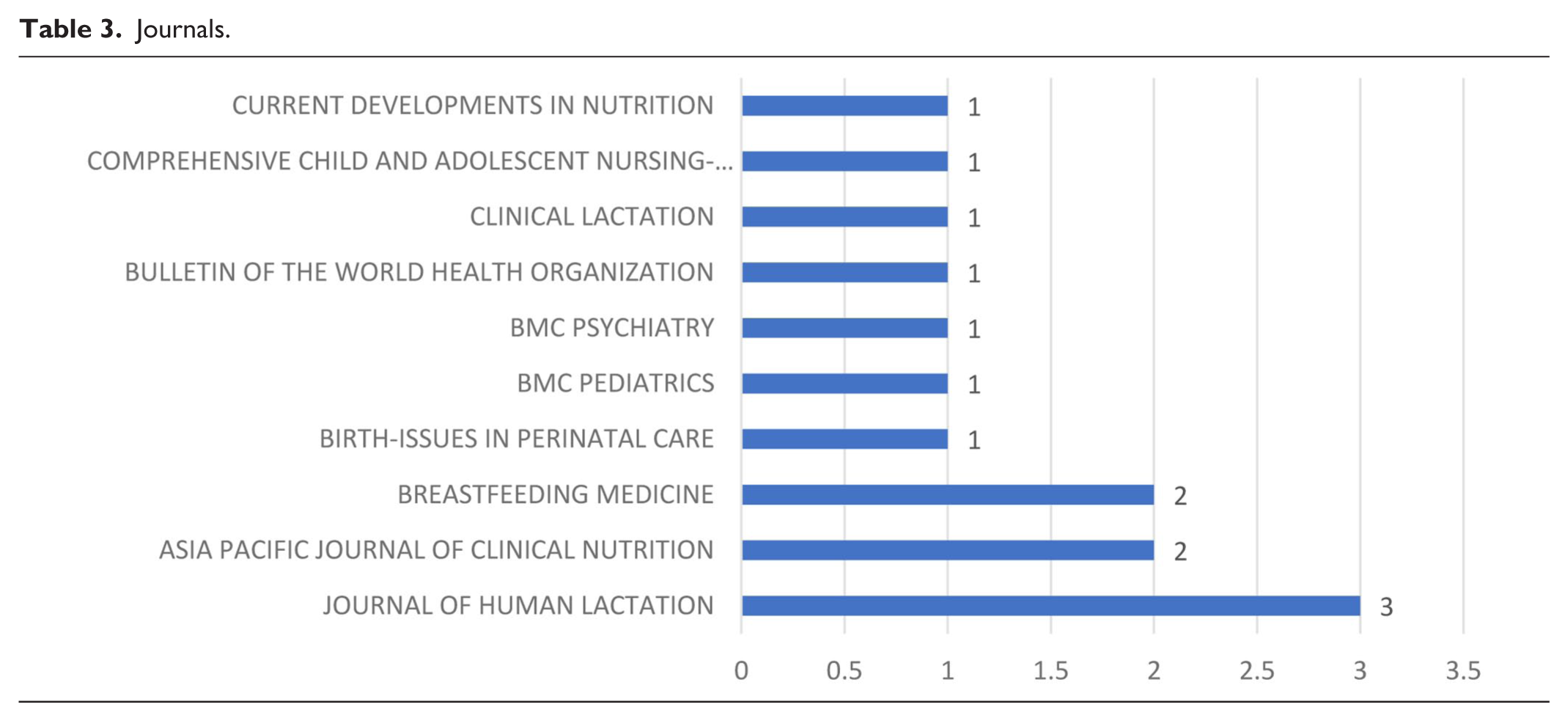
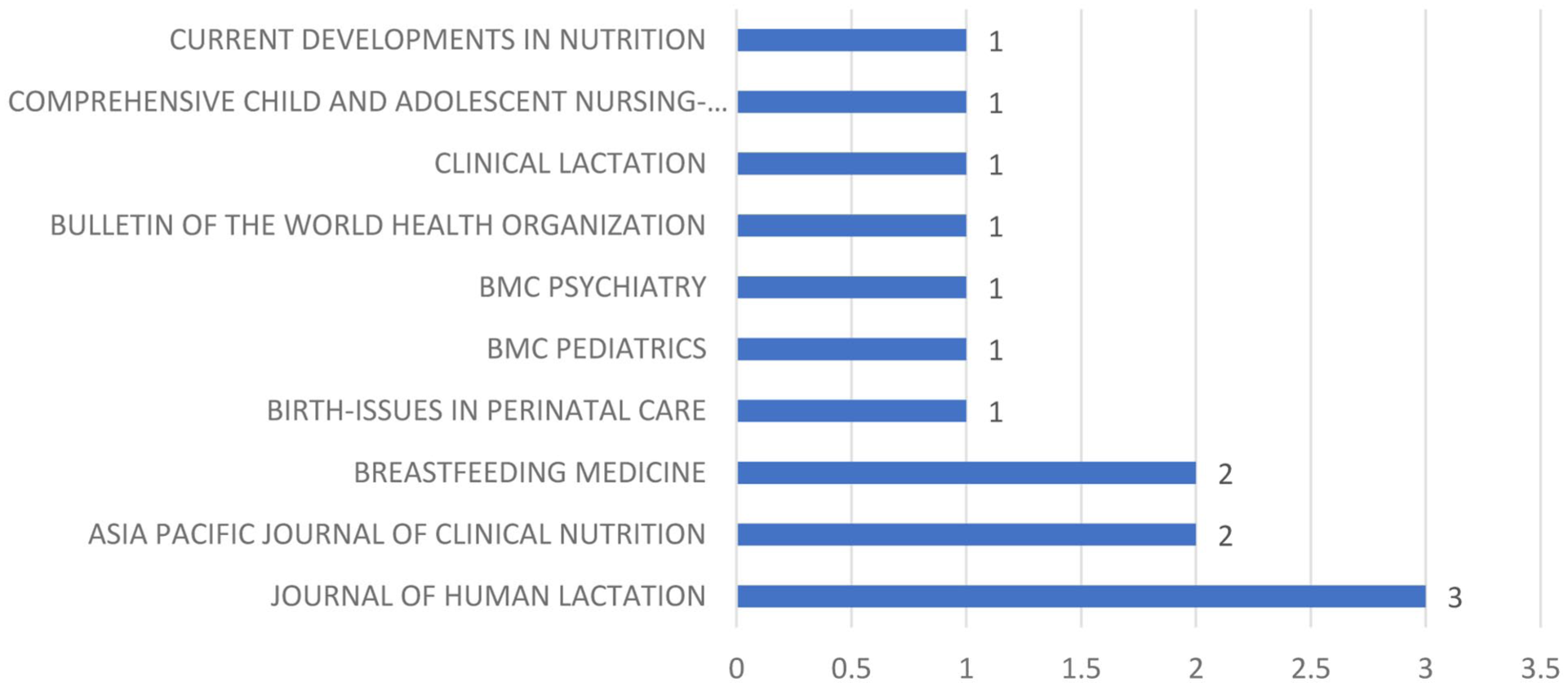
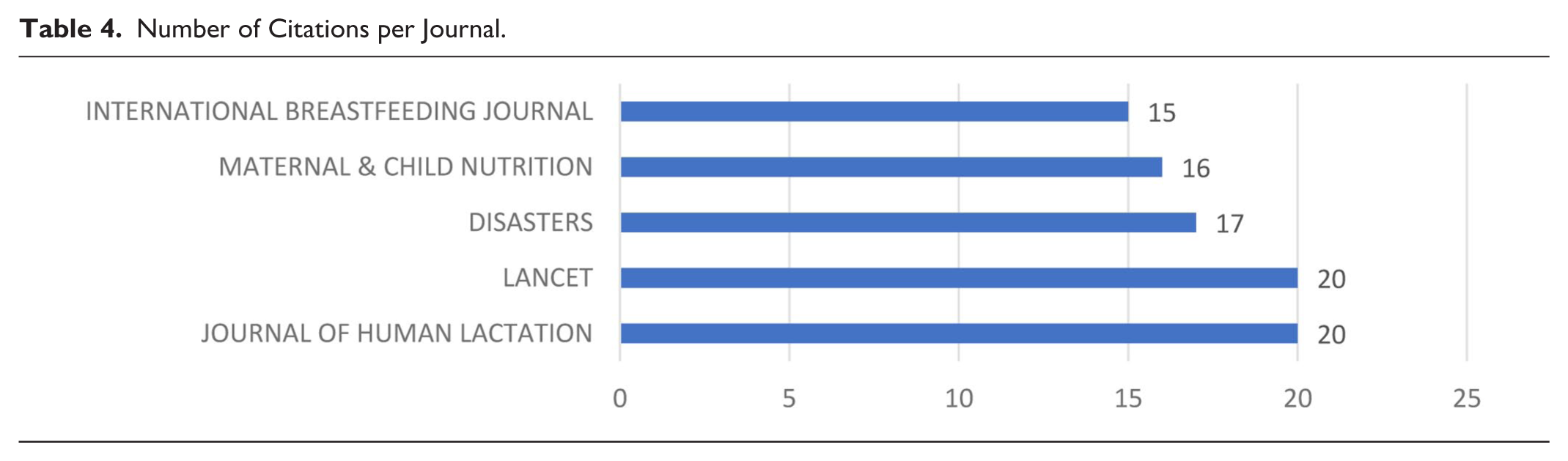
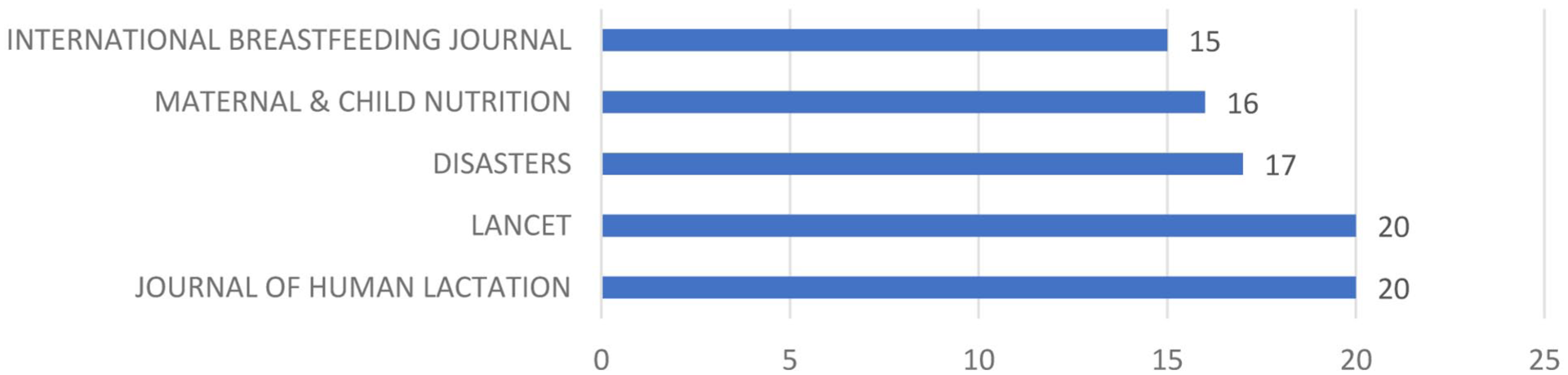
The most influential articles based on local citation analysis are presented in Table 2. The most impactful article was authored by Dörnemann and Kelly (2013). The journal with the highest number of publications is the Journal of Human Lactation (Table 3), while both The Lancet and the Journal of Human Lactation have the highest citation impact (Table 4).
Most Locally Cited Articles.
Journals.
Number of Citations per Journal.
Research Trends and Key Topics in Studies on Natural Hazards and Breastfeeding
Figure 5 presents the network visualization based on the co-occurrence of authors’ keywords. Frequently used keywords included “breastfeeding,” “earthquake,” “emergency,” and “disasters.” However, keywords explicitly reflecting breastfeeding as a life-saving intervention or highlighting the risks associated with breastmilk substitutes (BMS) were relatively limited. The trending topics related to breastfeeding during natural hazards are presented in Figure 6. The persistence of topic lines over time indicates that breastfeeding in emergency contexts remains a relevant and ongoing research area.
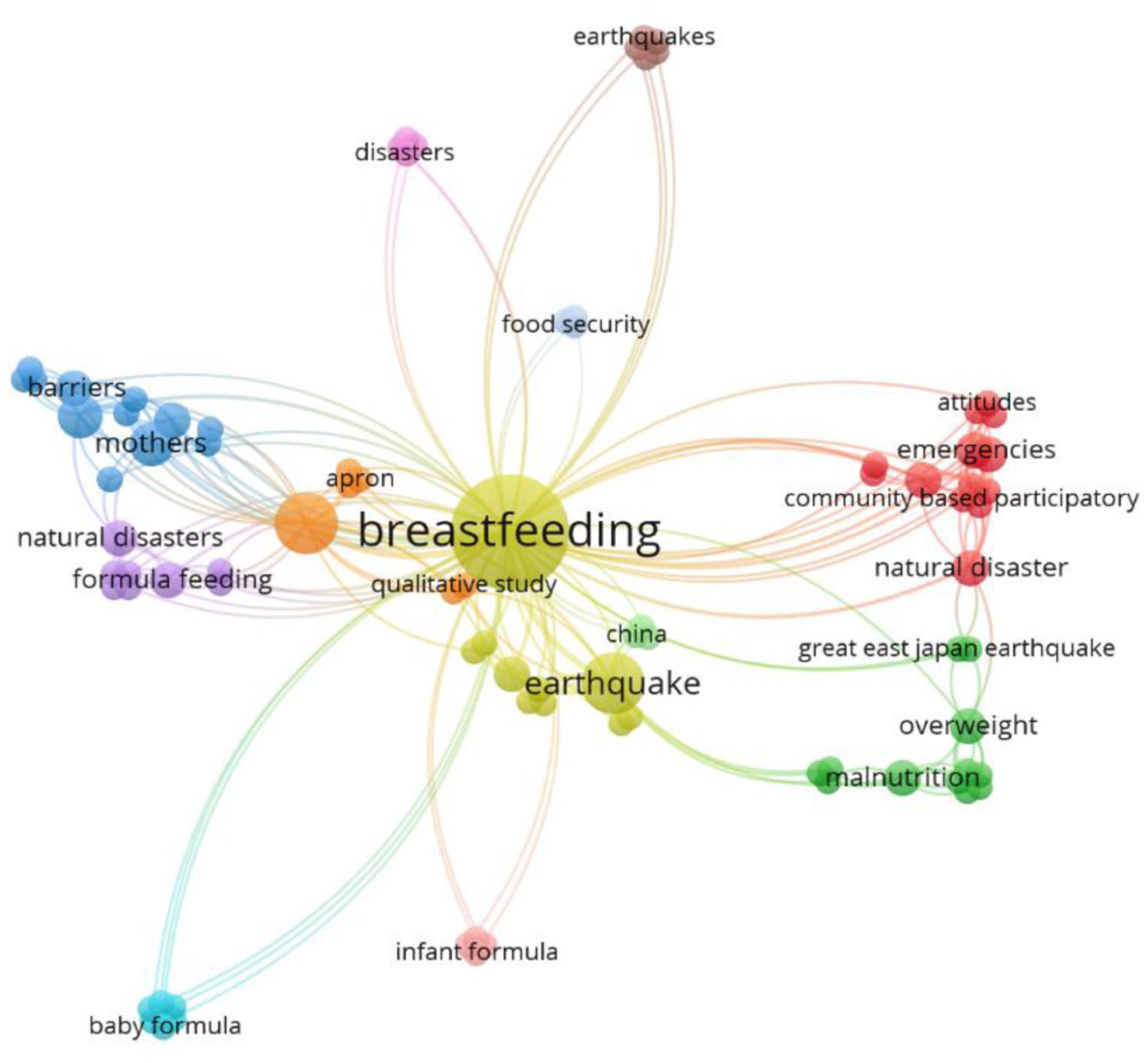
Network visualization and co-occurrence of keywords.
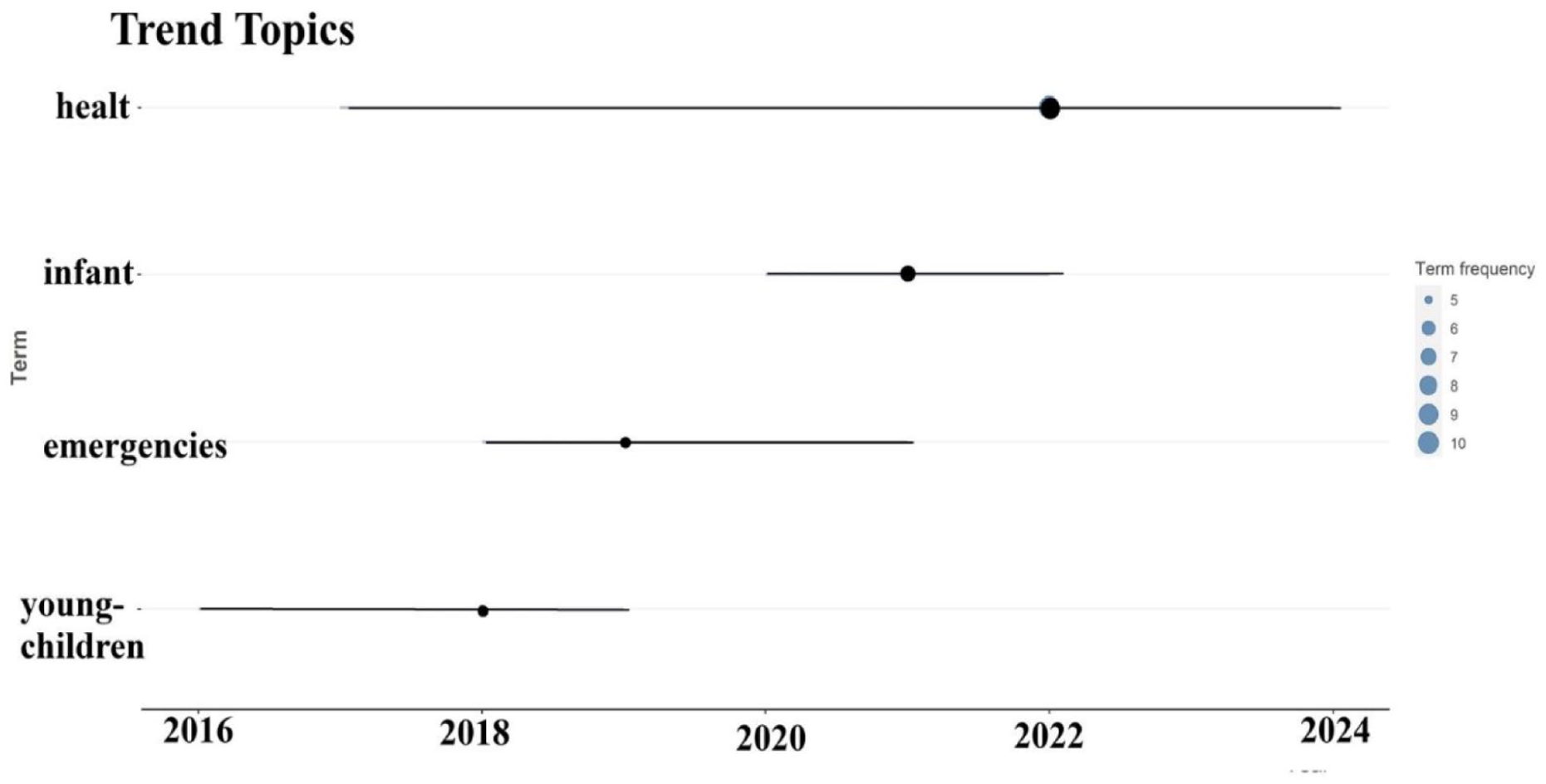
Trending topics between 2012 and 2024.
Thematic Mapping of Breastfeeding During Natural Hazards
In bibliometric analyses, strategic diagrams can be created based on keyword trends. The diagram is divided into four quadrants representing different themes. The X-axis indicates the centrality of a theme within the literature, while the Y-axis represents the density or the level of development of the theme. The upper right quadrant represents motor themes, which are important and well-developed topics in the field. Themes in the upper left quadrant are highly developed but marginally connected to the field. The lower left quadrant includes weak and underexplored or declining topics, while the lower right quadrant represents emerging or declining basic themes that are either gaining or losing importance (Aria & Cuccurullo, 2017; Zupic & Čater, 2015). Thematic mapping for studies published between 2012 and 2024 on breastfeeding during natural hazards is presented in Figure 7.
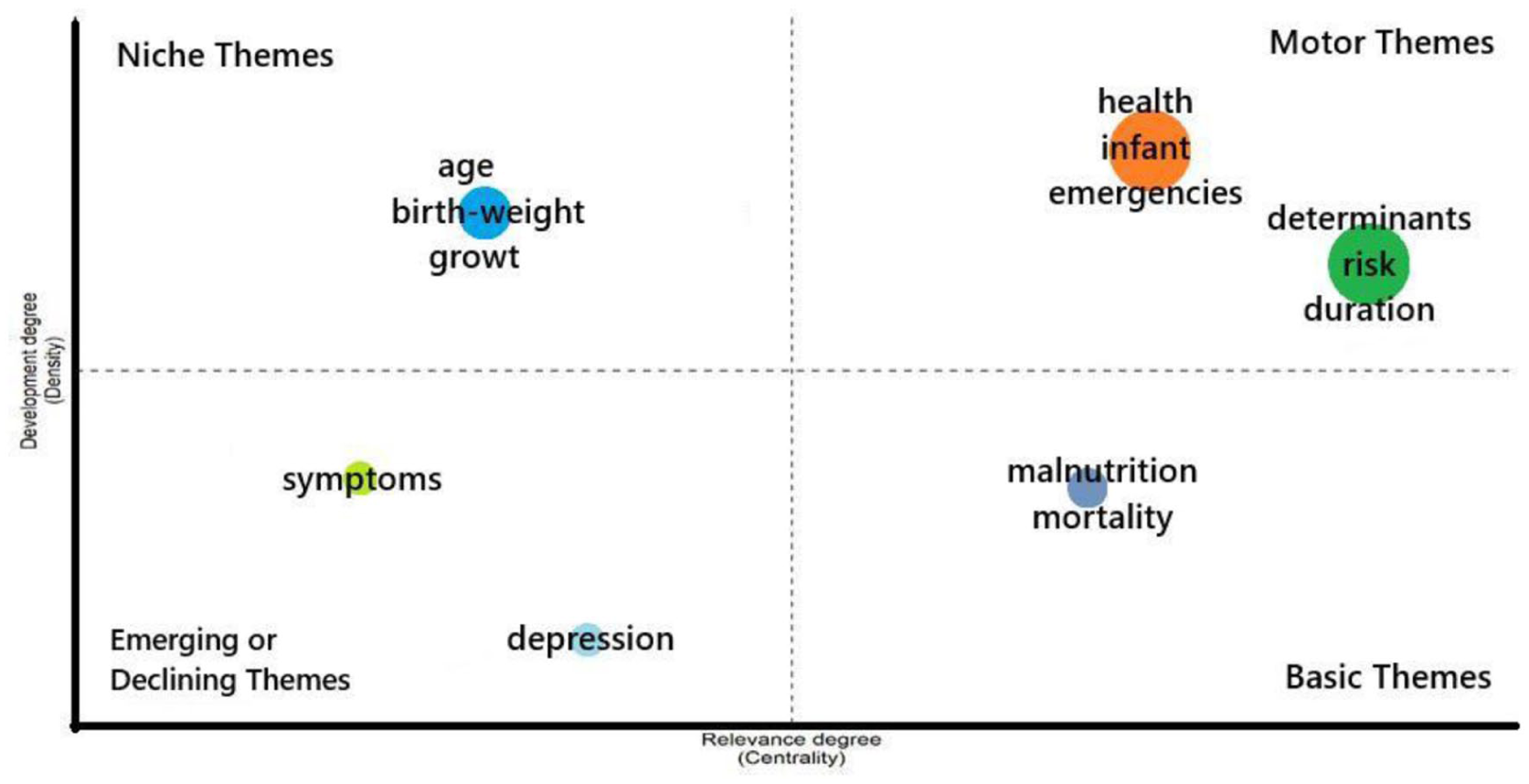
Thematic map of studies published between 2012 and 2024 on breastfeeding during natural hazards.
As seen in Figure 7, malnutrition and mortality rates appear in the bottom-right quadrant, while symptoms and depression are located in the bottom-left quadrant. In the top-right quadrant, the terms health, risk, duration, symptom, infant, and emergencies are highlighted. These themes are well-developed and essential for the field. The top-left quadrant contains isolated studies, with birth weight, age, and growth emerging as notable themes. Although breastfeeding appears as a central theme, the protective and life-saving role of breastfeeding in emergencies and the risks related to BMS use are not prominently emphasized within the thematic structure of the literature.
In bibliometric analysis, the most frequently used keywords in studies can be visualized using a word cloud. Figure 8 presents a visual representation of the most frequently used keywords by authors in studies published between 2012 and 2024, along with their findings. The most common terms were health (f = 10), infant (f = 6), emergencies (f = 5), young children (f = 5), and children (f = 5). This suggests that while breastfeeding is frequently studied, its framing as a critical survival intervention in emergencies is not sufficiently reflected in the keyword structure. However, no evidence was found suggesting equivalence between breastfeeding and alternative feeding methods in the analyzed literature.
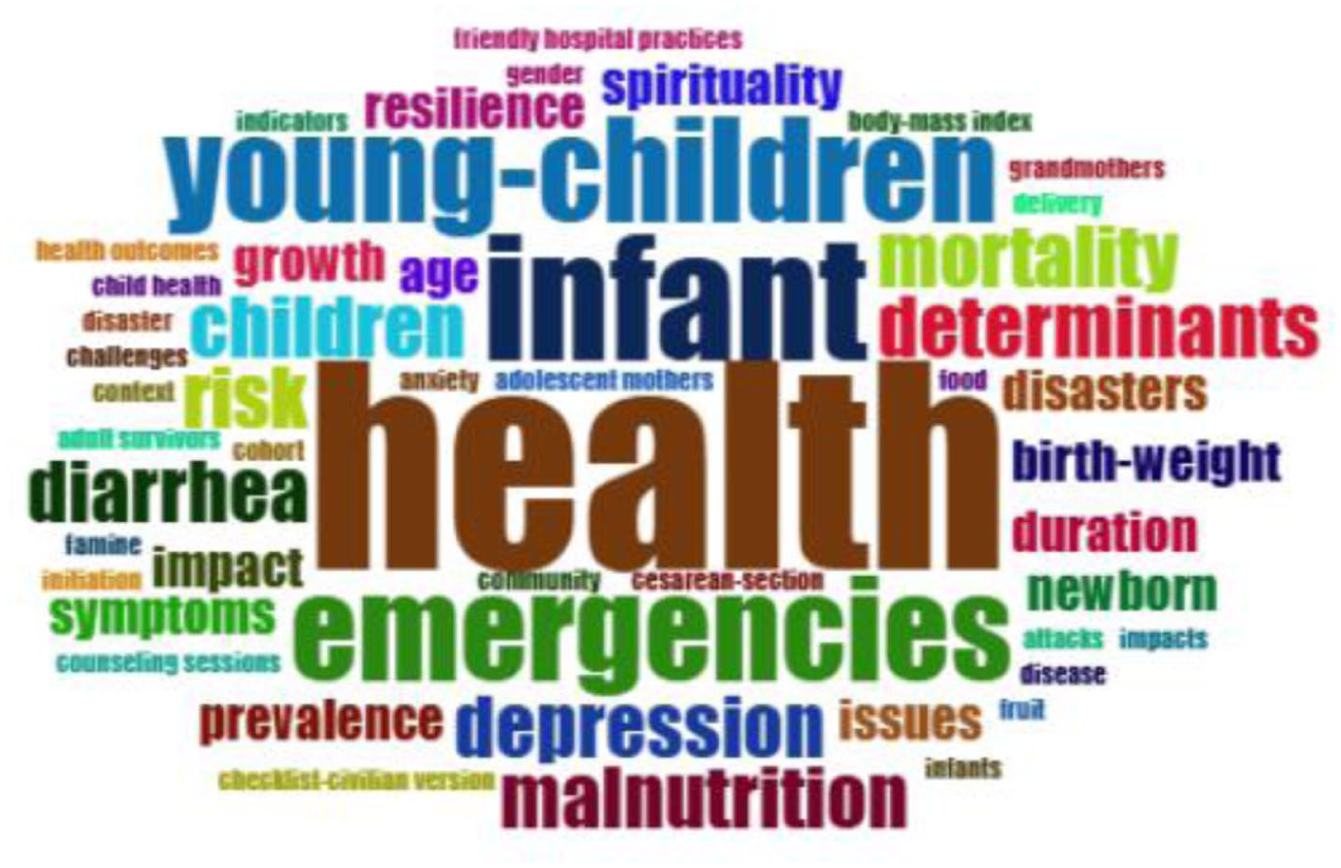
Word cloud of the most frequently used keywords in studies on breastfeeding during natural hazards published between 2012 and 2024.
Overall, the findings indicate that while breastfeeding is widely represented in the literature, its positioning as a life-saving intervention within the IYCF-E framework, and the risks associated with BMS, are not sufficiently highlighted.
Discussion
This study provides a comprehensive bibliometric analysis of the scientific literature on breastfeeding in the context of natural hazards. The findings indicate that research in this field has increased over time, with the first publication identified in 2012 and a peak observed in 2024. Despite this increase, the overall number of studies remains limited, considering the critical importance of infant feeding in emergency contexts.
The increasing number of publications in recent years may be associated with the rising frequency and impact of large-scale natural hazards, as well as increased global awareness following major crises such as the Haiti earthquake, Typhoon Haiyan, the Nepal earthquake, the COVID-19 pandemic, and the 2023 Kahramanmaraş earthquakes in Türkiye. These events have highlighted the urgent need for effective infant feeding strategies during emergencies. Global initiatives and recommendations by organizations such as the WHO, UNICEF, and the IFE Core Group have also contributed to increasing attention to this issue (IFE Core Group, 2025; UNICEF, 2021; WHO, 2023). From an IYCF-E perspective, effective emergency responses should include a comprehensive package of interventions, such as breastfeeding-friendly spaces, access to skilled breastfeeding counseling, support for relactation, and targeted assistance for non-breastfed infants. In addition, monitoring and regulating the distribution of breastmilk substitutes is essential to prevent inappropriate use. These interventions have been shown to improve child survival, whereas their absence is associated with increased morbidity, malnutrition, and preventable deaths. Therefore, aligning emergency response strategies with established IYCF-E operational guidance is critical (IFE Core Group, 2025).
The country distribution of publications indicates that most research originates from high-income countries such as the United States, Japan, and Canada, while many disaster-prone regions are underrepresented. This finding highlights a geographical imbalance in the literature, as natural hazards affect all regions globally, yet research outputs are concentrated in a limited number of countries. This imbalance highlights a critical gap in context-specific evidence from low- and middle-income countries, where the risks associated with emergencies are often greater. Strengthening research capacity and promoting international collaboration are essential to address this gap and to develop culturally and contextually appropriate interventions. In 2018, the World Health Assembly (WHA) recommended improving emergency plans for infant and young child feeding. It was reported that providing appropriate, evidence-based, and timely support to children during emergencies saves lives, supports child health and development, and benefits mothers and families. Countries were urged to take preventive measures and develop policies related to emergency child nutrition (WHA, 2018). However, some high-risk disaster countries have been reported not to have adequately implemented these plans (Pramono et al., 2025).
An important finding of this study is that the life-saving role of breastfeeding and the risks associated with breastmilk substitutes (BMS) are not sufficiently emphasized in the existing literature. In emergency contexts, the use of BMS is associated with significant health risks due to unsafe water, inadequate hygiene, disrupted supply chains, and inappropriate preparation practices (IFE Core Group, 2025; UNICEF, 2021). Uncontrolled or untargeted distribution of BMS, often observed during humanitarian responses, may undermine breastfeeding practices and increase infant morbidity and mortality. Therefore, consistent with international guidance, the provision of BMS should be strictly regulated, targeted, and accompanied by appropriate support.
This gap is particularly important given that existing evidence clearly demonstrates the risks associated with BMS in emergency contexts. Studies have shown that BMS is often preferred for infant feeding during natural hazards (Dörnemann & Kelly, 2013; Mudiyanselage et al., 2022). A systematic review conducted in 2022 identified several challenges in infant and child feeding during natural hazards, including decreased breastfeeding self-efficacy, lack of knowledge and resources, and excessive reliance on BMS (Mudiyanselage et al., 2022).
The findings also reveal that the majority of studies are descriptive and focus predominantly on earthquakes, with limited attention to other types of natural hazards such as floods, droughts, and hurricanes. This narrow focus limits the generalizability of findings and underscores the need for more diverse and intervention-based research. Additionally, thematic analyses indicate that while infant health and emergencies are central topics, emerging areas such as maternal mental health are gaining attention. It is important to note that maternal stress, although it may affect breastfeeding practices and confidence, does not compromise the quality or safety of breast milk (WHO, 2023). This distinction should be clearly communicated in both research and practice to prevent unnecessary discontinuation of breastfeeding.
Another important finding is the persistence of misconceptions regarding breastfeeding during emergencies. Evidence suggests that mothers may discontinue breastfeeding due to concerns about milk insufficiency or quality, often influenced by stress, lack of support, or misinformation (DeYoung et al., 2018; IFE Core Group, 2025). These findings highlight the critical importance of providing timely, evidence-based breastfeeding counseling and psychosocial support during emergencies. Continuous provision of breastfeeding counseling has been shown to enhance breastfeeding rates in high-risk settings (Wightman et al., 2026)
From an IYCF-E perspective, the findings of this study emphasize the need to move beyond descriptive research toward implementation-focused approaches. Integrating breastfeeding support into emergency preparedness and response plans, ensuring access to skilled lactation support, promoting relactation when necessary, and preventing inappropriate BMS distribution are essential components of effective emergency responses (IFE Core Group, 2025; WHO, 2023). Furthermore, coordination across health, nutrition, water sanitation hygiene (WASH), and mental health services is crucial to ensure a comprehensive approach to infant and young child feeding in emergencies.
Bibliometric findings of this study, including keyword co-occurrence, thematic mapping, and journal distribution analyses, provide important insights into the structure of the literature. The concentration of publications in specific journals and countries, along with the prominence of keywords such as “breastfeeding,” “emergency,” and earthquake-related terms, indicates that the field is still developing and thematically concentrated. While the literature reflects a holistic perspective on child nutrition, including food security and infant feeding practices, the predominance of qualitative and descriptive studies highlights a lack of intervention-based research. Furthermore, the limited visibility of terms related to survival, protection, and BMS risks suggests a gap between global IYCF-E priorities and the current research focus.
Limitations
In this study, only studies published in English and indexed in the WoSCC database were included in the analysis. Due to the criterion that the studies had to be published in SSCI and SCI indexes, studies from other indexes were not included in the analysis. In addition, the search strategy did not explicitly include the keyword “evacuation,” which may have limited the identification of studies focusing specifically on evacuation-related infant feeding practices.
Conclusion
This study demonstrates that the scientific literature on breastfeeding in the context of natural hazards remains limited, fragmented, and predominantly descriptive. Research is concentrated in specific geographical regions and focuses largely on certain types of hazards, particularly earthquakes. From an IYCF-E perspective, these findings reveal a critical gap between global recommendations and the current evidence base. Breastfeeding is not only a preferred feeding method but a life-saving intervention in emergencies, and must be recognized as a public health and humanitarian priority. Protecting, promoting, and supporting breastfeeding in emergency contexts is essential to reduce infant morbidity and mortality. Future research should prioritize the development of intervention-based strategies, expand evidence from underrepresented and high-risk settings, and strengthen the integration of IYCF-E into disaster preparedness and response systems. In addition, policies should ensure access to skilled breastfeeding support and establish mechanisms to prevent the inappropriate use of breastmilk substitutes.
Footnotes

Author Contributions
Funding
The authors received no financial support for the research, authorship, and/or publication of this article.
Declaration of Conflicting Interests
The authors declared no potential conflicts of interest with respect to the research, authorship, and/or publication of this article.