







Abstract
There is a growing body of literature exploring the general population’s use of social media for assistance in dealing with stigmatized health issues. This study presents novel research examining the relationship between social media use and young adults. It utilizes a therapeutic affordance (TA) framework. Quantitative results from this study are complemented by qualitative data. The relationships between distinct social media and their TA (a–b) are presented to highlight their potential to impact positively on social and emotional well-being outcomes. Evidence includes broad support for “connection,” “narration,” and “collaboration” TAs in this context and the relationship between the use of distinct social media and perceived quality of life (QOL) outcomes (a–c). TA provides an appropriate and valuable theoretical framework which is useful for the development of an evidence-base from the analysis of young adult’s social media usage. An analysis of the association between social media and their QOL outcomes is presented according to the TA relationship pathway (a–c–b). The adoption of a TA framework enables a nuanced analysis of significant associations between specific social media, TA, and improved QOL outcomes. This study demonstrates the significant association between social media and perceived QOL outcomes in young adults.
Keywords
With the ubiquity of social media and its increasing incorporation into the everyday lives of its users, increasing concerns have been raised about its impact on well-being of users, either positively or negatively (Aderet, 2009; Alao et al., 2006; Harris et al., 2014; Ma et al., 2016). To determine social media’s effects, beneficial or otherwise, the theoretical affordance (TA) framework has been useful in researching human–computer interaction (HCI), both from a conceptual standpoint and evidence-based scrutiny of these effects through analysis of reported outcomes from users (Coulson et al., 2017; Merolli et al., 2014, 2016; Moreno & D’Angelo 2018).
Mental Health and the Role of Social Media
Social media establishes the role of the Internet in its most participatory form. These environments foster interaction, participation, and collaboration at the heart of their user-experience (Carr & Hayes, 2015), allowing users to share thoughts, opinions, experiences, and information; to develop new online communities; and to experience social and emotional support (Fuse & Lanham, 2016; Lin et al., 2014; Wagner et al., 2014; Zhang, 2017). Social media allows users to interact with persons anonymously, globally, in real-time or asynchronously (DeAndrea, 2015; Robert et al., 2015). For some, this may encourage disclosure of personal and potentially stigmatizing experiences such as accessing support for mental health (DeAndrea, 2015), and young adults have demonstrated increasing willingness and acceptance of social media–based mental health support (Mar et al., 2014).
Within social media environments, tension exists between the inherent risks and the potential benefits of social media. This tension may influence the behavior of their users (Bell, 2014; Rice et al., 2014; Tam et al., 2007). Globally, mental health conditions are increasingly recognized as impacting the lives of a significant portion of the general population. Thus, the estimated global financial burden for depression and anxiety is estimated at US$1 trillion, and suicide is the second leading cause of death for young adults aged 15–29 years worldwide (World Health Organization, 2021). There are growing concerns regarding the vulnerability of a section of social media users and there are indications that some sites pose more of a risk than a benefit (Alao et al., 2006; Ma et al., 2016).
There is a substantial body of literature that has explored the help-seeking value of social media in relation to stigmatized health issues (K. Gibson & Trnka, 2019; Robinson et al., 2015; Webber & Moors, 2015; Zhang, 2017). Young adults often express suicidal thoughts on social networking sites (SNS) and blogs, sometimes seeking out information regarding methods of completing suicide or making suicide pacts (Harris et al., 2014). The TA perspective presents a unique foundation from which to explore social media’s ability to guide users toward meaningful content and to examine potential improvements in health-related patient outcomes (Merolli et al., 2013, 2014, 2016, 2018).
Affordances
Affordance theory explores the interactions of the individual actor and their environment, including their motivations, intentions, prior experience, and culture (Ben-Zeev, 1981; Norman, 1999). The first introduction of the concept of affordances into the field of ecological psychology was by J. J. Gibson (2014). The key principle is that affordances exist in latent form in the relationship between a subject and the environment. According to Merolli et al. (2013), affordances represent possibilities for action that exist in an environment. For them to occur, they must be clearly visible to the actor. Norman (1999, 2013) has developed the concept of affordances into the area of architecture and design.
The natural progression of this theoretical approach is the association to perceived therapeutic or nontherapeutic outcomes in the context of health (Merolli et al., 2015). An affordance perspective can provide insight into the ways in which an individual’s motivations and reasons for preferring some internet sites or social media platform features over others can affect their experience of social media and their ability to self-manage aspects of their health and well-being (Merolli et al., 2014). The SCENA model, as proposed by Merolli et al. (2015), in the context of chronic pain patients, conceptualizes five TAs linking to improved patient reported outcomes: self-presentation (S), connection (C), exploration (E), narration (N), and adaptation (A). The SCENA model has been supported in studies investigating TA of social media in the context of endometriosis (Shoebotham & Coulson, 2016) and self-harm (Coulson et al., 2017) online communities.
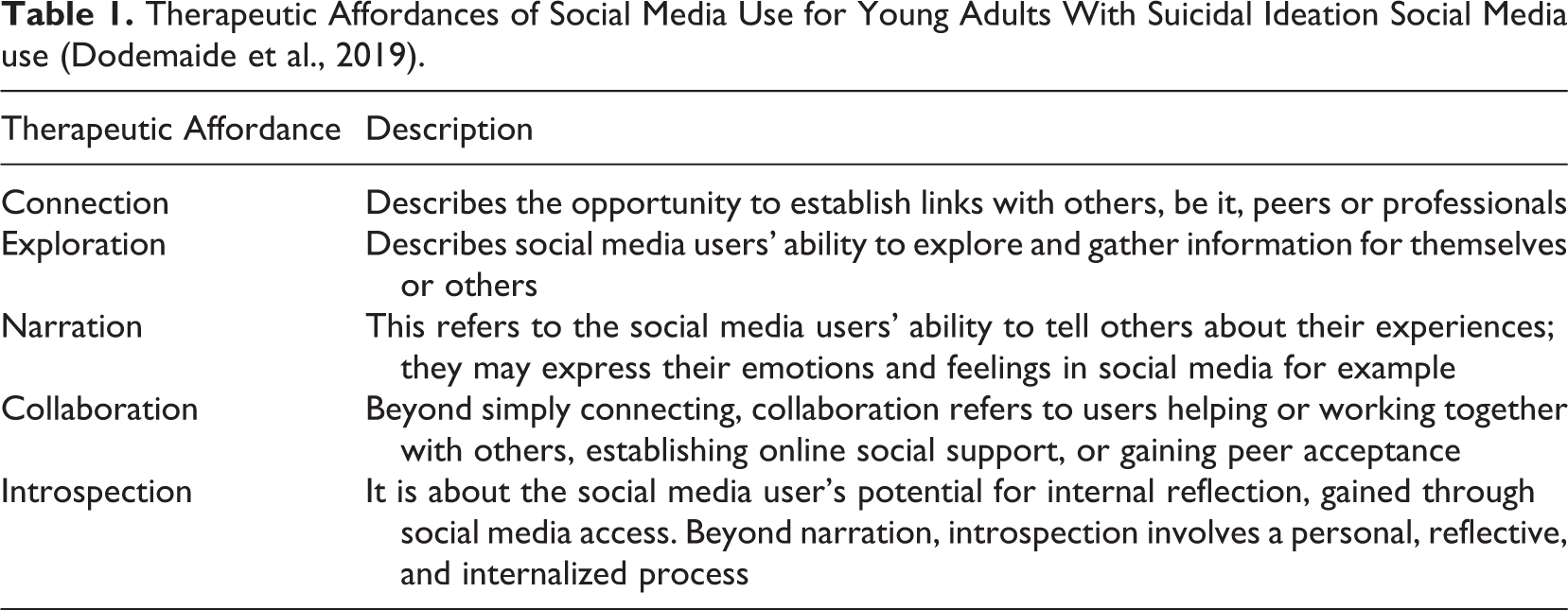
The study of HCI examines social media environments in the context of motivation, intention, experience, and cultural positioning of the individuals engaging with these platforms. HCI explores how technology facilitates social opportunities and emphasizes user motivation upon this design (Sutcliffe et al., 2011). A scoping review into the social media use of young adults has demonstrated an overall reduction in suicidal ideation for users across most studies (Dodemaide et al., 2019). The wide variety of perceived affordances remains driven by the individual’s perception and lived experience, but the precise nature of these outcomes relating to social media remains unclear. Building on the results of the scoping review which focused solely on young adults and the effect of social media use in that context (Table 1), the current study reports on the relationship between TAs and distinct social media. This relationship provides insight and the opportunity to develop interventions and/or recommendations about different social media types and how these may assist individuals to improve their perceived quality of life (QOL).
Therapeutic Affordances of Social Media Use for Young Adults With Suicidal Ideation Social Media use (Dodemaide et al., 2019).
Aims/Questions
We sought to refine the TA for 18- to 34-year-old social media users, giving primacy to their personal lived experience and wisdom, in conjunction with the affordances latent within the social media environment. This can inform the ongoing development of more tailored, personalized, and safer social media environments for their users.
Aim of study
The current study has sought to gain a more in-depth understanding of the social media users’ experience of various social media environments and their perceived QOL outcomes following their social media use.
Method
Data Collection
An online survey seeking the views of young adults who use social media was launched in February 2018. The survey was designed using the Research Electronic Data Capture (REDCap) application hosted on the University of Melbourne infrastructure (University of Melbourne, n.d.) and remained open for 8 weeks until April 2018. Ethics approval was sought through the University of Melbourne, Behavioural and Social Sciences Human Ethics Sub-Committee .
Survey Design
The survey investigated young adults’ prior use of different social media types and posed questions which were directly linked to the previously scoped TAs (Dodemaide et al., 2019), the number of hours spent per day on social media, anonymity preferences, and the perceived impact of social media use on their QOL. The survey contained a series of TA questions that were repeated across each of the 10 social media environment questions, including SNS, blogs, wikis, microblogs, augmented or virtual reality, tagging and aggregation sites, video sharing, photo sharing, chatrooms, and message boards. Details of the survey design are reported in Dodemaide et al. (2020), noting the pretesting undertaken to ensure the appropriateness of language and that the survey was perceived as intended.
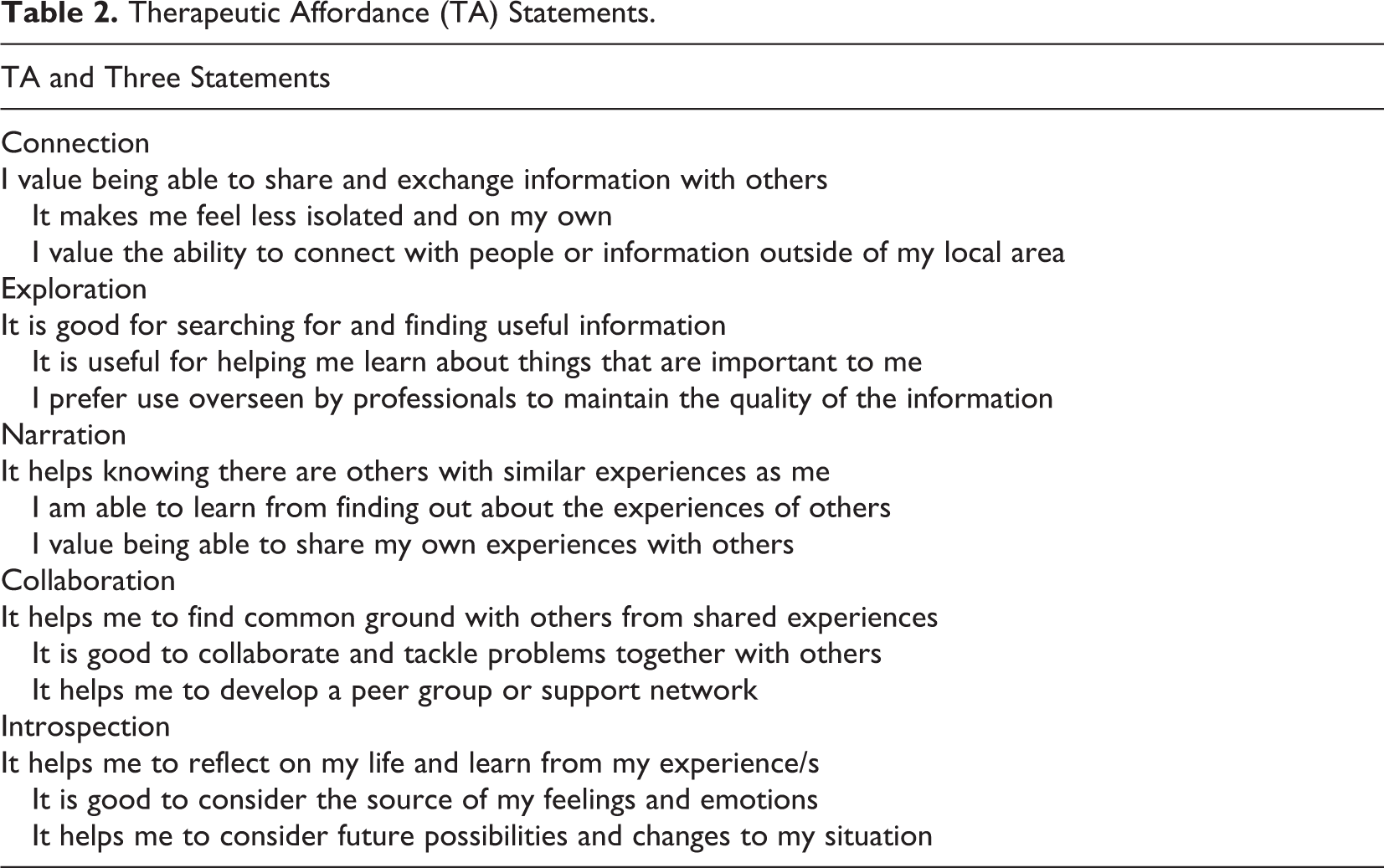
Given the dearth of TA focused research, it was not possible to adopt any validated measures for assessing the perceived TAs. However, guided by the survey design of Merolli et al. (2014) and subsequently, Shoebotham and Coulson (2016), each TA had three unique statements linked to them (Table 2). The participants were asked whether they (1) “disagree,” (2) “neither agree nor disagree,” or (3) “agree” with the statement. From these, a combined score between a range of 3 and 9 was created by each participant for each TA, but within each social media type. The overall mean TA score for each social media type was subsequently generated. This presented an overall quantified measure of perceived level of agreement as to whether or not the affordance was considered therapeutic. These scores were then compared for each social media type, creating a hierarchical list of mean TA scores.
Therapeutic Affordance (TA) Statements.
In the area related to QOL, participants were asked to complete 12 items that were adapted from the World Health Organization–Quality of Life (WHOBREF-QOL) (Skevington et al., 2004). To each item was added the words, “Using social media….” This approach focused on the users’ perception of their social media behavior influencing their QOL, rather than simply asking stand-alone questions about social media and QOL and linking these through a directionless association. Participants were – asked whether they (1) “disagree,” (2) “neither agree nor disagree,” or (3) “agree” with the statement, for example, QOL Item 8 “Using social media helps me feel more supported.” Mean QOL scores were then generated for each of the 12 items from the overall participant responses.
Participants stated their anonymity preferences, as well as if they felt their use of social media was influenced by their subjective feelings, and in turn if how they felt they themselves were influenced by their social media use. These related to two additional TAs of social media, self-presentation, and adaptation that are mentioned in research (Coulson et al., 2017; Merolli et al., 2014, 2016; Shoebotham & Coulson, 2016) but did not emerge in the results of our previously completed scoping review for this project.
Recruitment to the Study via Social Media
A challenge in conducting research within a young adult population is positioning this within the various age ranges being used in defining a young adult population data. This inconsistency is reflective of the variability in age of access to adolescent, youth, and young adult services (e.g., Babajide et al., 2020; Davis & Munson, 2018).
In our study, young adults aged between 18 and 34 years who had experience with social media were recruited through a social media strategy involving promotion, advertising, and subsequent snowballing sampling. This age-group was targeted because of their ability to consent, their familiarity and likelihood to have social media experience (Gelinas et al., 2017), and their readiness to integrate technology into their lives (Regmi et al., 2016). The anonymity of participants enabled them to confidently and freely express their insights into their lived experiences.
The survey was designed using REDCap software, which also enabled a direct link to the survey to be promoted via our social media recruitment strategy over an 8-week period. Utilizing Facebook paid advertising features, we established a dedicated Facebook page @socialmediausesurvey and spent AUD$500 promoting a “Call for Participants.” We also established a Twitter page @SMandYoungAdult to use as a foundation to then promote via tweets, use of hashtags, and direct messaging, utilizing our existing networks.
Data Analysis
Quantitative analysis of the variation in TA scores was completed utilizing a mixed-effects analysis of variance (ANOVA), and the respective comparative analysis (Tukey) specifically compared the mean TA scores between each of the social media, without the confounding influence of the variation of the differences between participants. These analytical approaches were used, given the missing and incomplete data sets—notably when participants had variable degrees of experience across different social media types, as well as evidence of some participants responding to all questions with the same response.
Further qualitative analysis was undertaken, adopting a deductive thematic coding process, whereby the questions relating to each of the social media types included, “Please use the space below to tell us anything else you think we should know about how you use <social media type>.” Within these comments, each line was considered for its potential coding within themes that would be considered within the overarching TA. Analysis of Variance (ANOVA) testing the QOL responses across each of the social media categories was done. This examined whether the responses were moderated by previous experience with social media
Finally, to explore the potential relationship between the TA scores gleaned from the initial mixed-method ANOVA and the QOL scores, a further mixed-effect analysis was completed. Here, the responses to the individual QOL statements, agree/neither agree nor disagree/disagree, were reported against the respective specific mean TA scores.
Results
The following results present the demographics of the participants and the number of participants with experience across the 10 social media types. The quantified and comparative TA results for the distinct social media types are presented alongside descriptive qualitative results to strengthen and highlight these. Further results relating to the notionally additional TAs of self-presentation and adaptation are presented.
Participants
There were N = 237 surveys initiated. Following exclusions for the ages (<18 year old, n = 1; 35 + year old , n = 7) and for those not consenting (n = 21), a final cohort of n = 208 participants completed the survey. Within this final cohort, there was an unequal distribution of age groups, and participants were largely female, from the United Kingdom or Australia, and most identified as heterosexual and single (Table 3).
Demographic Descriptors of the Final Cohort of 208 Participants.
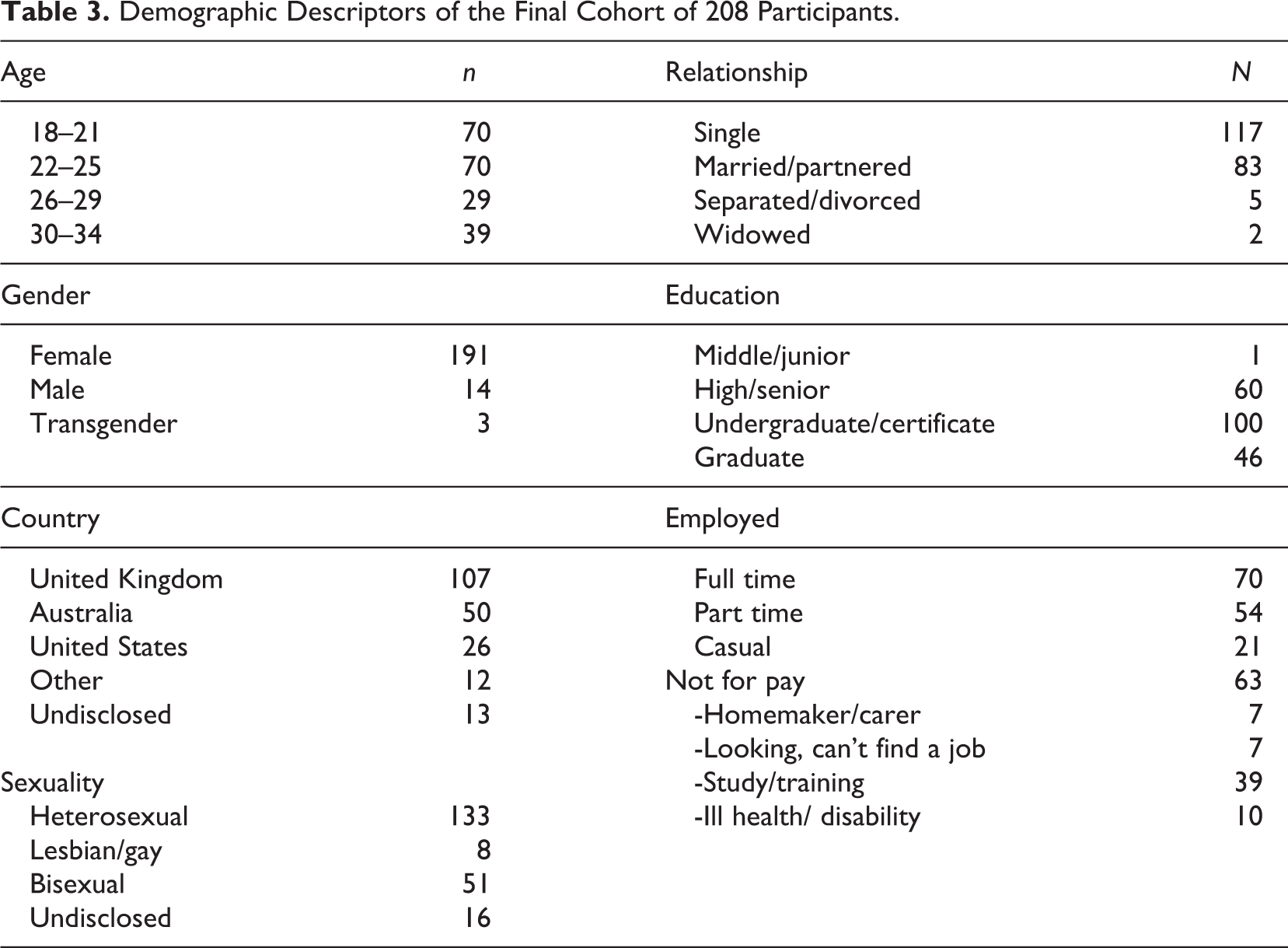
Average daily social media use was 4.2 hr (SD = 2.31), with participant age groups reporting significant different (p < .001) daily social media use, 18–21 years mean = 4.49 hr (SD = 2.73), 22–25 years mean = 3.41 hr (SD = 2.48), 26–29 years mean = 2.92 hr (SD = 2.20), and 30–34 years mean = 3.23 hr (SD = 2.45). For the 10 social media types, there was a mix of prior use and experience reported across the participants, with sample sizes adequate to allow further analysis of SNS (n = 192), blogs (n = 92), microblogs (n = 75), photo sharing (n = 78), video sharing (n = 92), and wikis (n = 110) only (Table 4).
Participant Responses to Having Used SM Types Before.
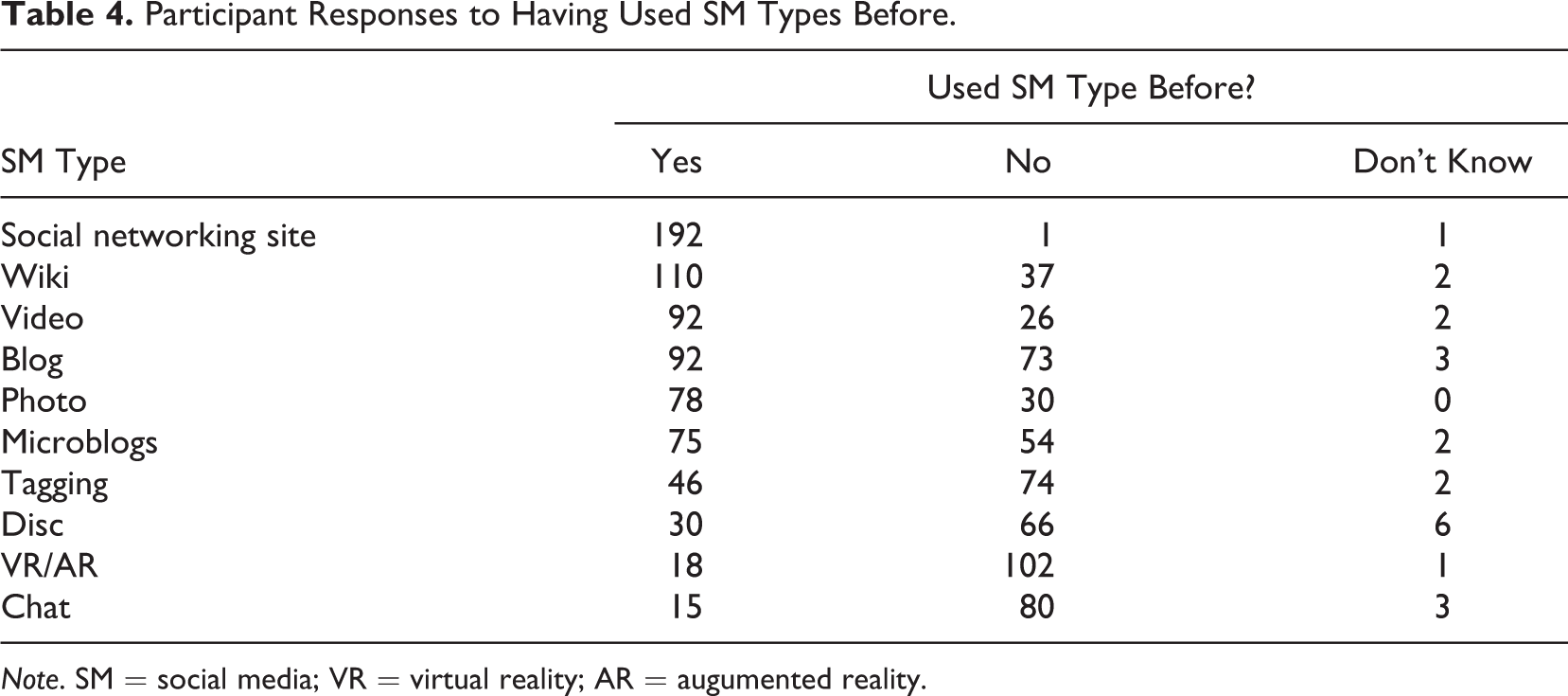
Note. SM = social media; VR = virtual reality; AR = augumented reality.
TAs
The resulting mean TA scores indicate broad support across the various social media for the TAs connection, exploration, and narration. Collaboration and introspection are endorsed by a more limited number of specific social media.
The comparative analysis within each TA is reflected in the color grouping of the columns in the tables below, where a distinct coloring between columns indicates a significantly different mean TA score with a 95% CI. This was the case for all five TAs, for example, the mean TA score for connection was significantly (p < .05) different between SNS and video sharing sites and then again for Wikis. Furthermore, when the social media share a column’s coloring, there was no statistically significant difference between the social media type and the mean TA score reported in that table, for example, the mean TA score for exploration was not significantly different between video sharing sites, blogs, and SNS.
Connection
“Connection” was supported by mean TA scores across four social media types, SNS (MTA = 8.048), photo sharing (MTA = 7.935), microblogs (MTA = 7.932), and blogs (MTA = 7.716), all indicating agreement with the presence of connection TA within these social media types. These scores were significantly higher (p < .05) than the remaining scores for video sharing (MTA = 7.105) and wikis (MTA = 6.351; Figure 1). Mean values that are significantly different (p < .05) do not share a color.
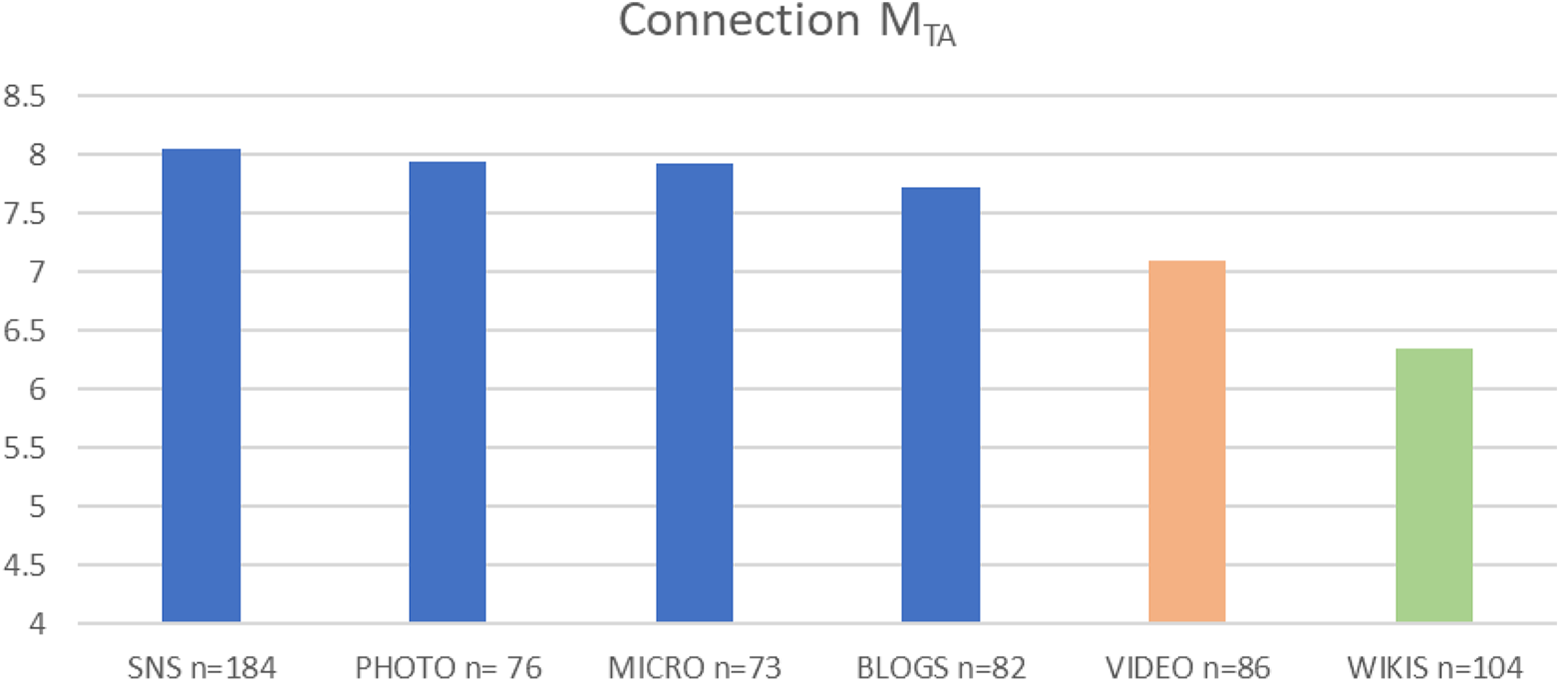
Connection therapeutic affordance scores by social media type. MTA = mean therapeutic affordance score.
Qualitative themes reported describe participants, overcoming barriers to find others with similar experiences such as living with a disability, developing professional or academic networks, complementing off-line relationships, reducing social and geographical isolation, and feeling a sense of fulfillment in connection with others. “Connection” was exemplified by the statement: I have so many friends from all over the world, and they are closer to me than people in my waking life. (P#117)
Exploration
“Exploration” was supported by mean TA scores for wikis (MTA = 8.358) and video sharing (MTA = 7.611), though these were significantly different (p < .05). The remaining social media types recorded neutral responses (Figure 2). Mean values that are significantly different (p < .05) do not share a color.
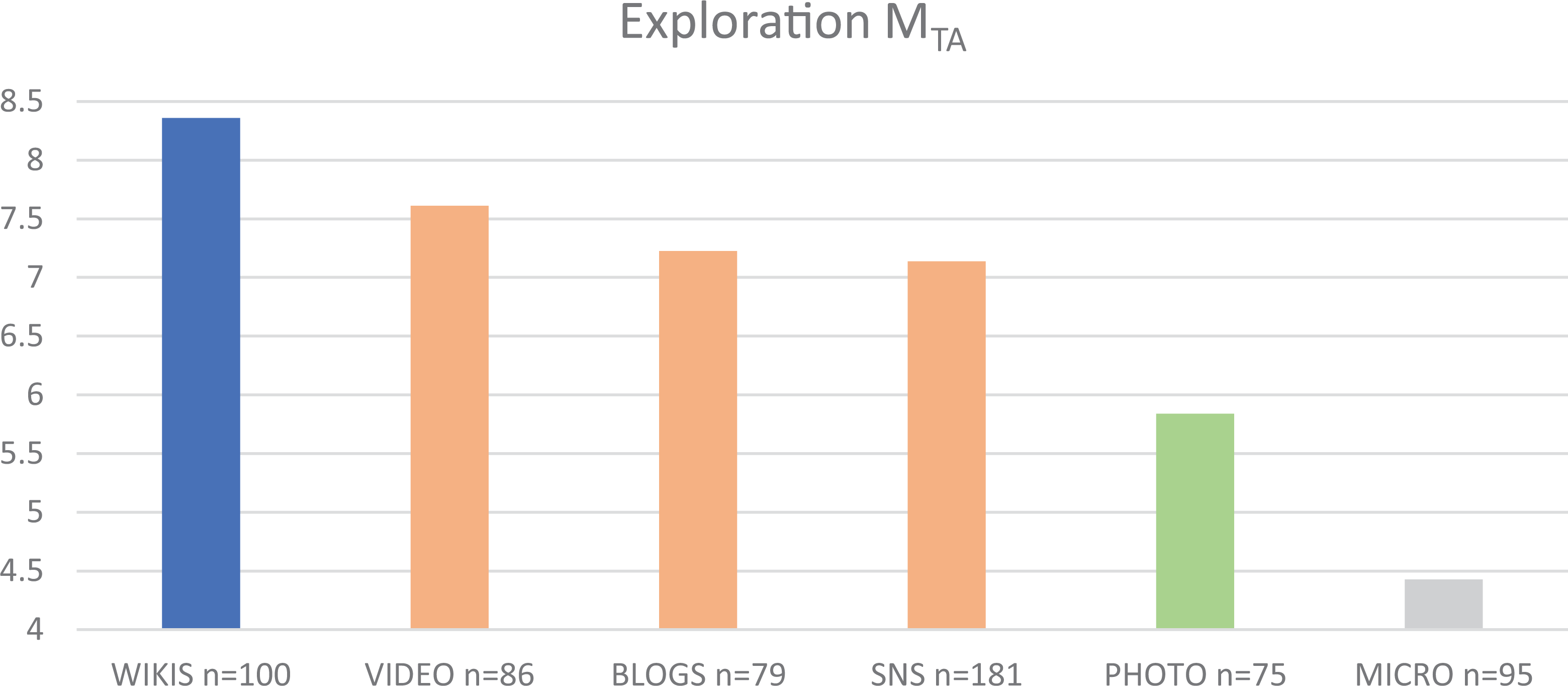
Exploration therapeutic affordance scores by social media type. MTA = mean therapeutic affordance score.
Qualitative themes described information-seeking across a whole variety of social media and brand types. “Exploration” is discussed in the context of the professional engagement of social media including its connection to participants’ self-management of mood and mental health. “Exploration” was exemplified by the statement: Wikis are for information and working on things rather than a community for me. (P#76)
Narration
“Narration” was supported by mean TA scores across four social media types, blogs (MTA = 8.113), microblogs (MTA = 8.081), SNS (MTA = 8.017), and photo sharing (MTA = 7.549). While, the mean scores for blogs, microblogs, and SNS were significantly different to that of video sharing sites (MTA = 7.302), the score for photo sharing was not. Wikis (MTA = 5.702) were significantly lower (p < 0.05) again and demonstrated a neutral response to the narration statements (Figure 3). Mean values that are significantly different (p < .05) do not share a color.
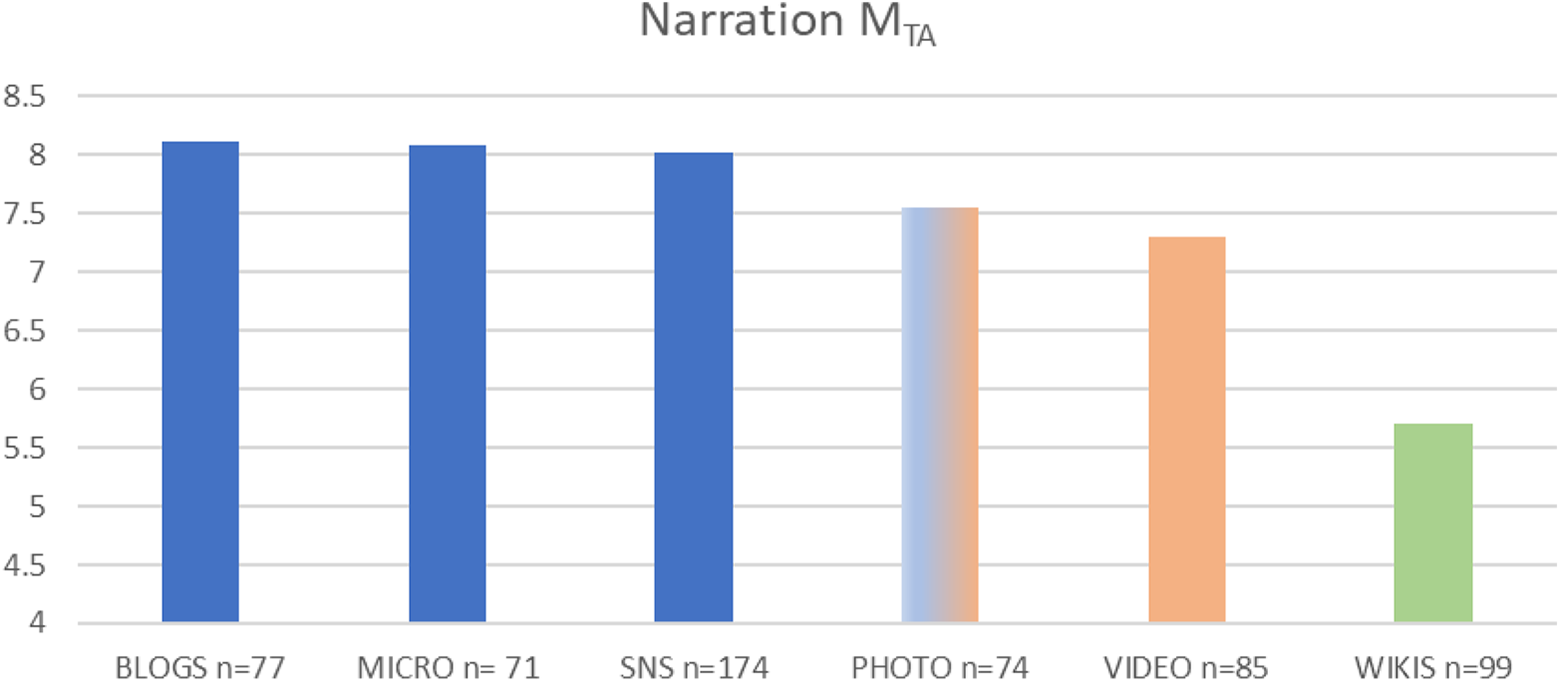
Narration therapeutic affordance scores by social media type. MTA = mean therapeutic affordance score.
Qualitatively, social media was described as being a cathartic outlet for users and enabling them to share and express their content and experiences. “Narration” was exemplified by the statement: I use them to listen to music to enhance my mood and emotions well as a distraction to watch people express their passions such as make up videos. (P#226)
Collaboration
“Collaboration” was supported by mean TA scores for SNS only (MTA = 7.633), with microblogs (MTA = 7.469) closely behind. All other social media types were significantly lower (p < .05) and aligned to the more neutral, neither agree nor disagree response (Figure 4). Mean values that are significantly different (p < .05) do not share a color.
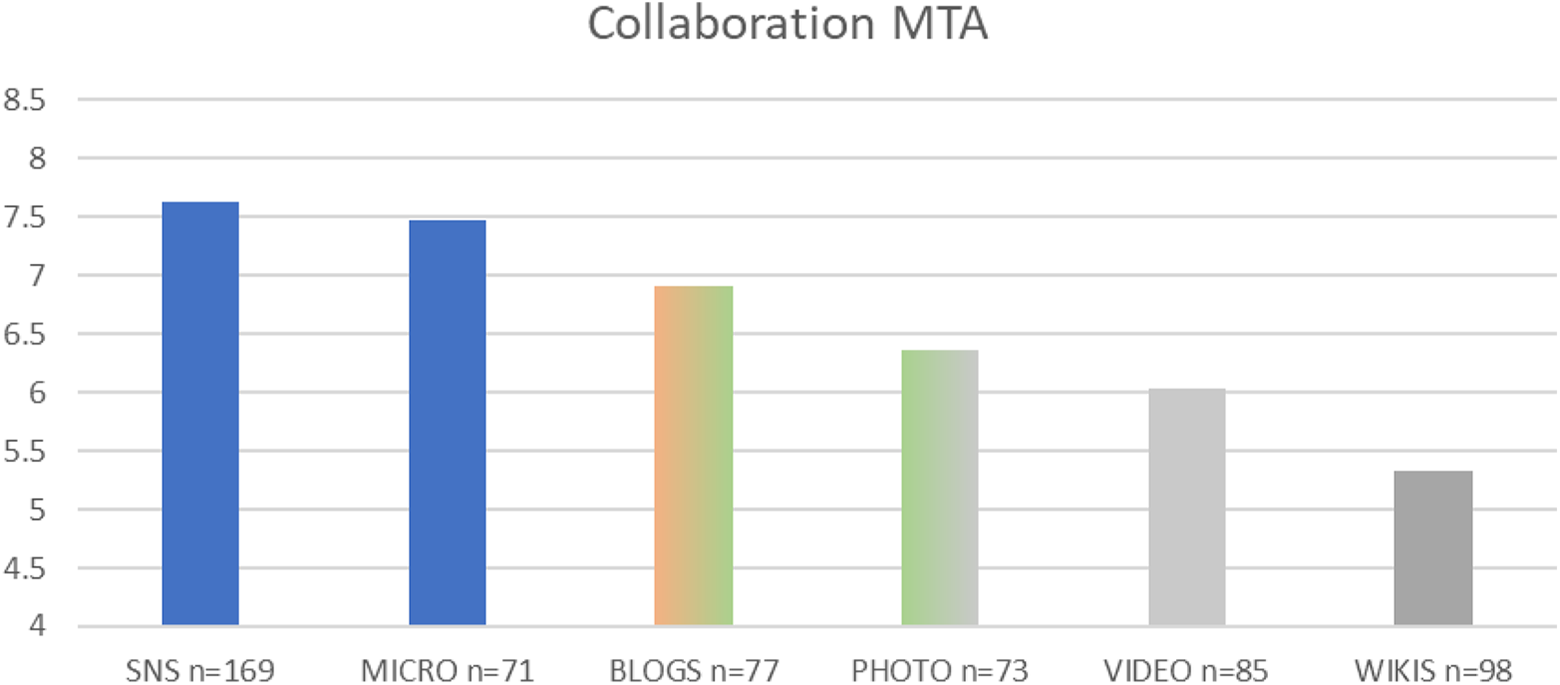
Collaboration therapeutic affordance scores by social media type. MTA = mean therapeutic affordance score.
Qualitatively, the collaborative potential within social media was discussed by participants who are involved in online support groups and those who organize events and activities with others. “Collaboration” was exemplified by the statement: Facebook is also the main platform for communicating with the wider volunteer network I am part of. (P#101)
Introspection
“Introspection” is supported by mean TA scores for blogs (MTA = 7.639). All remaining social media types were more neutral, neither agree nor disagree response aside from microblogs (MTA = 7.138), and had significantly lower scores (p < .05; Figure 5). Mean values that are significantly different (p < .05) do not share a color.
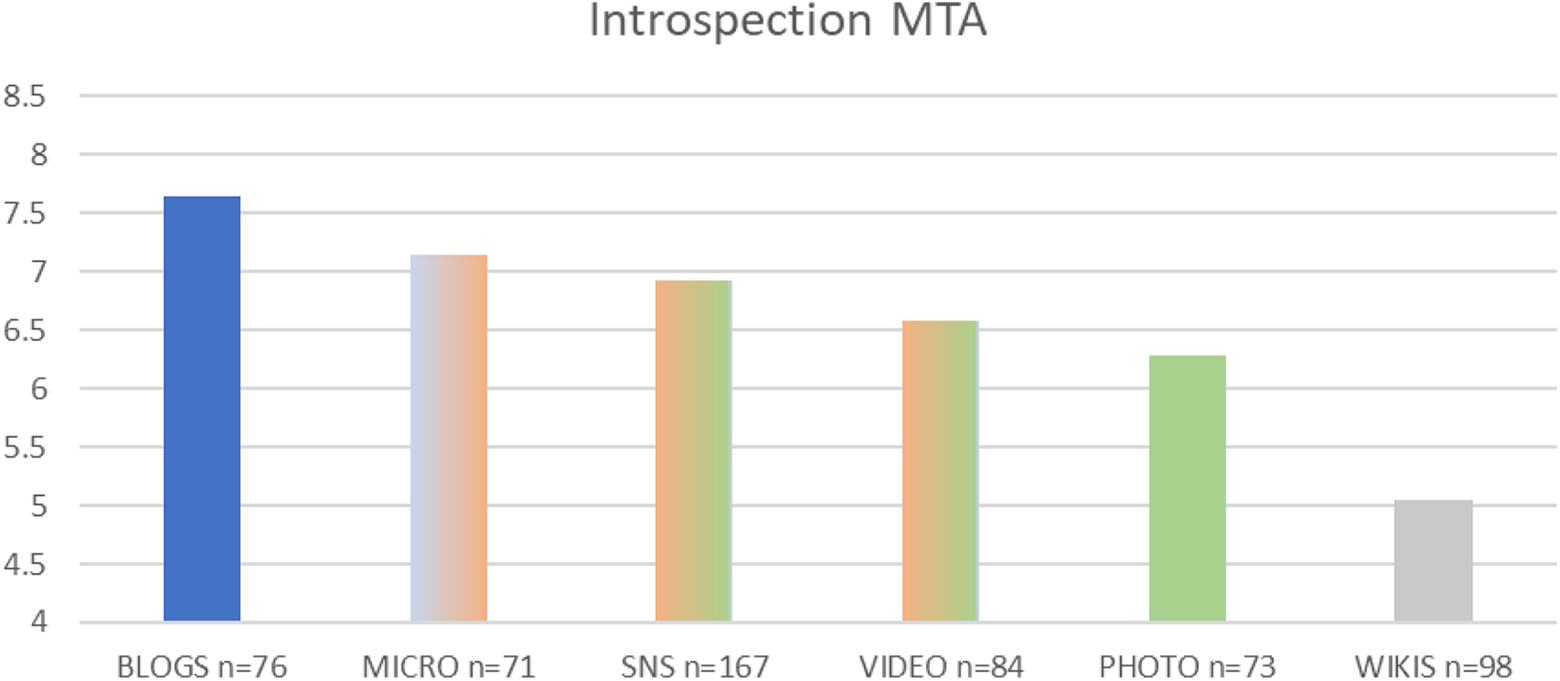
Introspection therapeutic affordance scores by social media type. MTA = mean therapeutic affordance score.
Qualitatively, there were only brief references to activity that would come under the introspection definition, including participants using social media to access meditation-videos and to pass the time. There were reports, however, of social media exposing them to the “perfect lives” of others, leaving them to reflect on their own lives. “Introspection” was exemplified by the statement: …helps me escape and takes my mind off of the bad stuff for a while. (P#112)
Self-presentation and adaptation
Only a small number of participants (n = 13) prefer consistent anonymity across all social media types, while notably over half (n = 108) report variability in their self-presentation preferences between the different social media types they use. Qualitatively, the themes of privacy, online safety, data protection, standard practice on the Internet, avoiding cyberstalking or trolls, and anonymity allowed freedom of expression in ways unique to that in real life. Self-presentation is exemplified by the statement: Free to express self without fear of being judged by people who know [me]. (P#153)
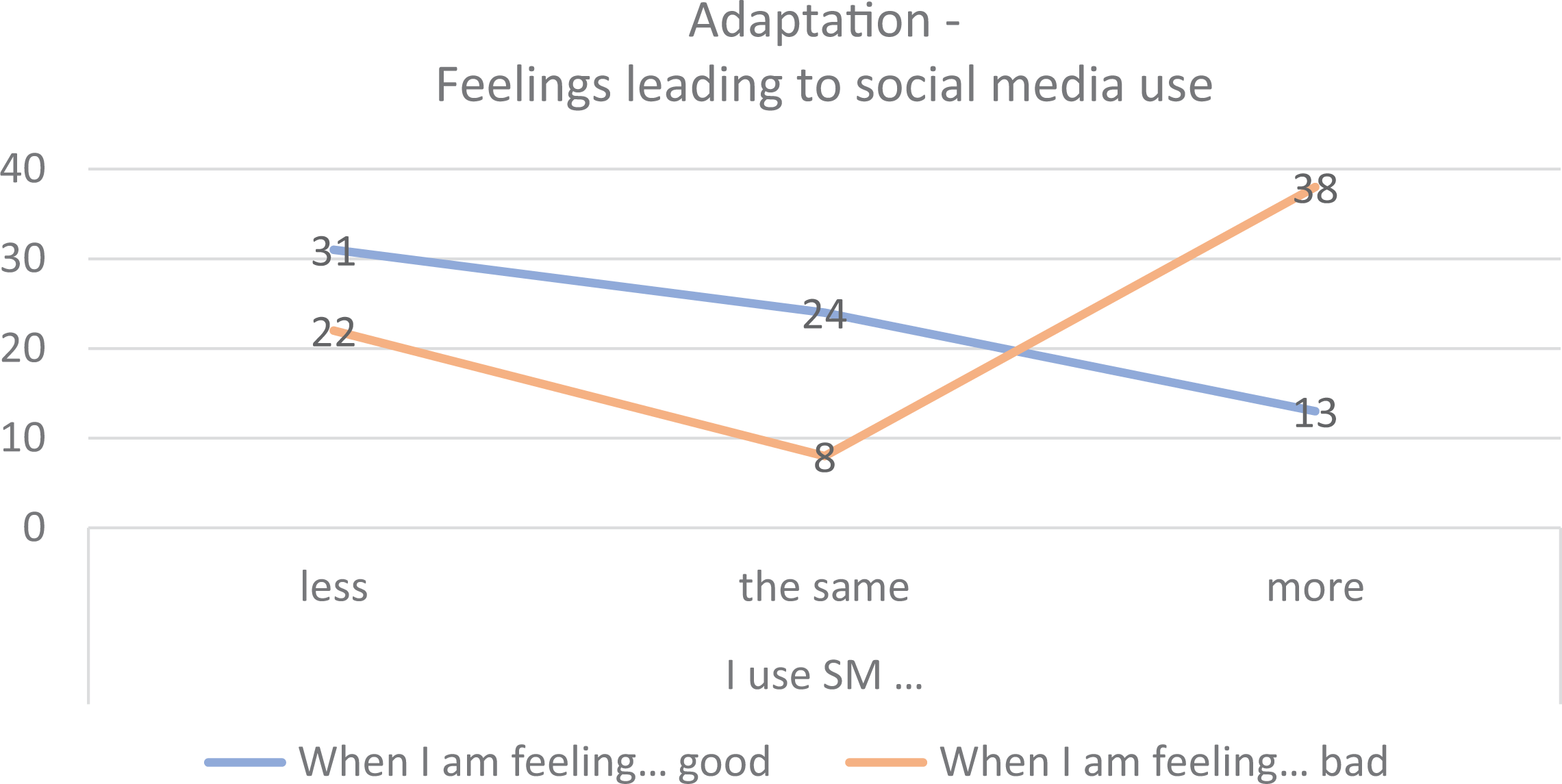
Social media use influenced by feelings.
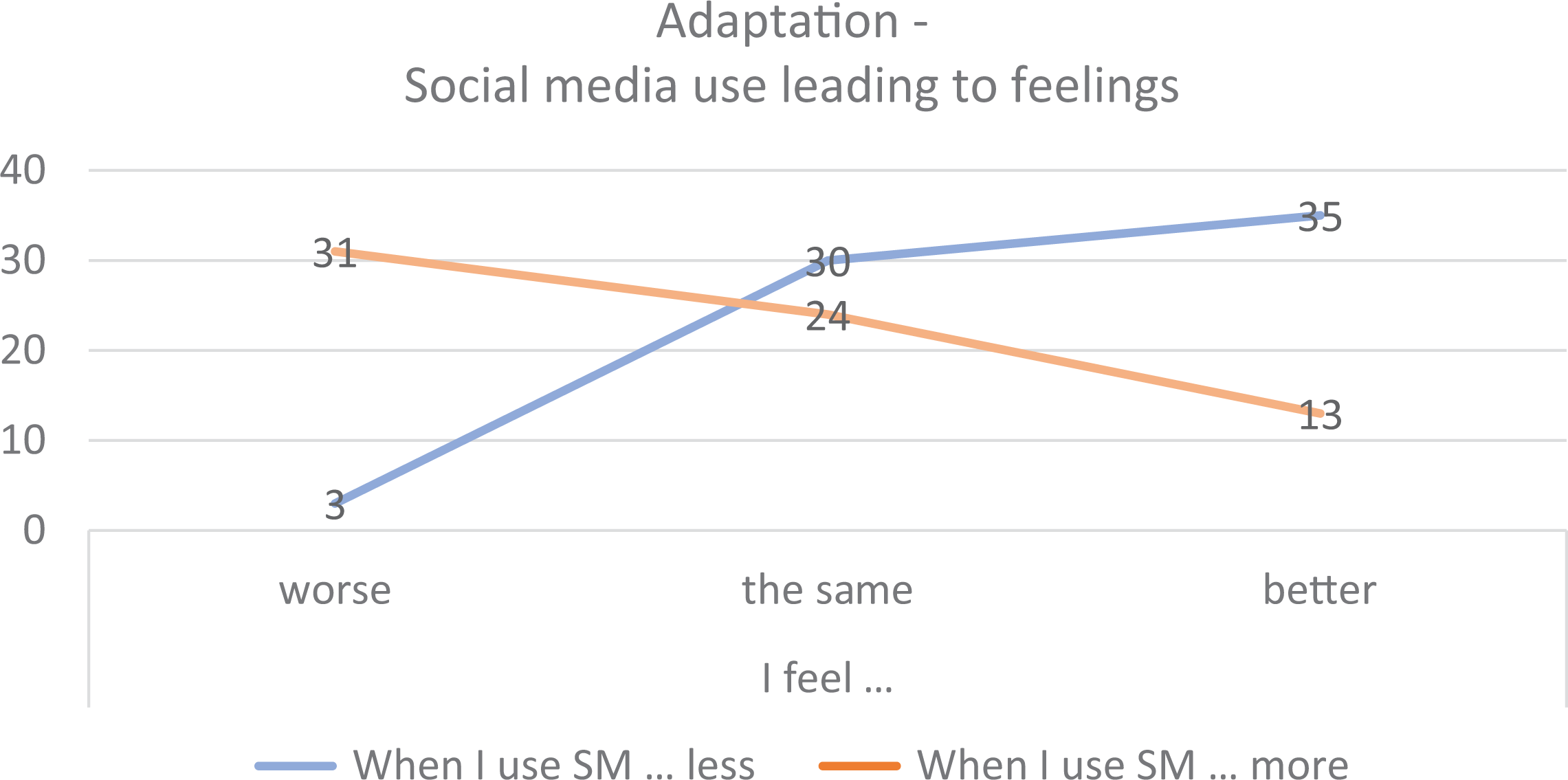
Social media use influencing feelings.
The same group of participants responded to the two questions regarding how their social media use might, in turn, make them feel. They answered the questions by completing the statements of feeling “worse,” “the same,” or “better.”
Qualitatively, there were themes of social media use changing over time, for some in terms of years. For others, the variation was depending upon the day of the week. Participant’s mood and mental health status influenced how they used social media, and for some, when they used social media. Who they followed was potentially influenced by their mood and mental health status. For some participants, their insight into this aided them to adapt their engagements and their use of social media. Adaptation is exemplified by the statement: [I] often hide the post and click “see fewer posts like this.” I hope that in actively choosing not to see posts that encourage the pursuit of physical beauty…minimises the risk social media imposes on my mental health. (P#58)
QOL
Considering the overall responses to the QOL statements, six recorded mean scores in agreement, while an equal number were neutral in their responses. None of the QOL statements had mean scores that indicated disagreement with the statement (Figure 8).
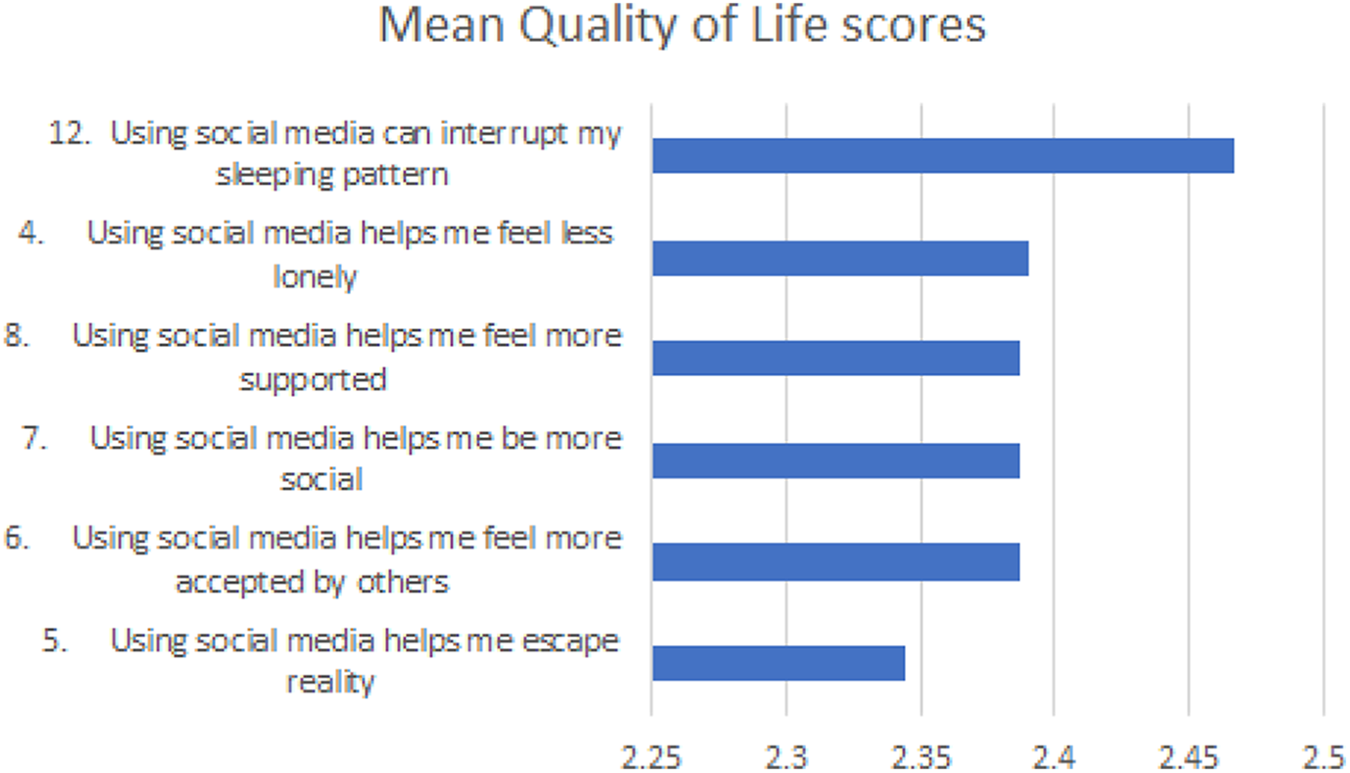
Quality of life outcomes.
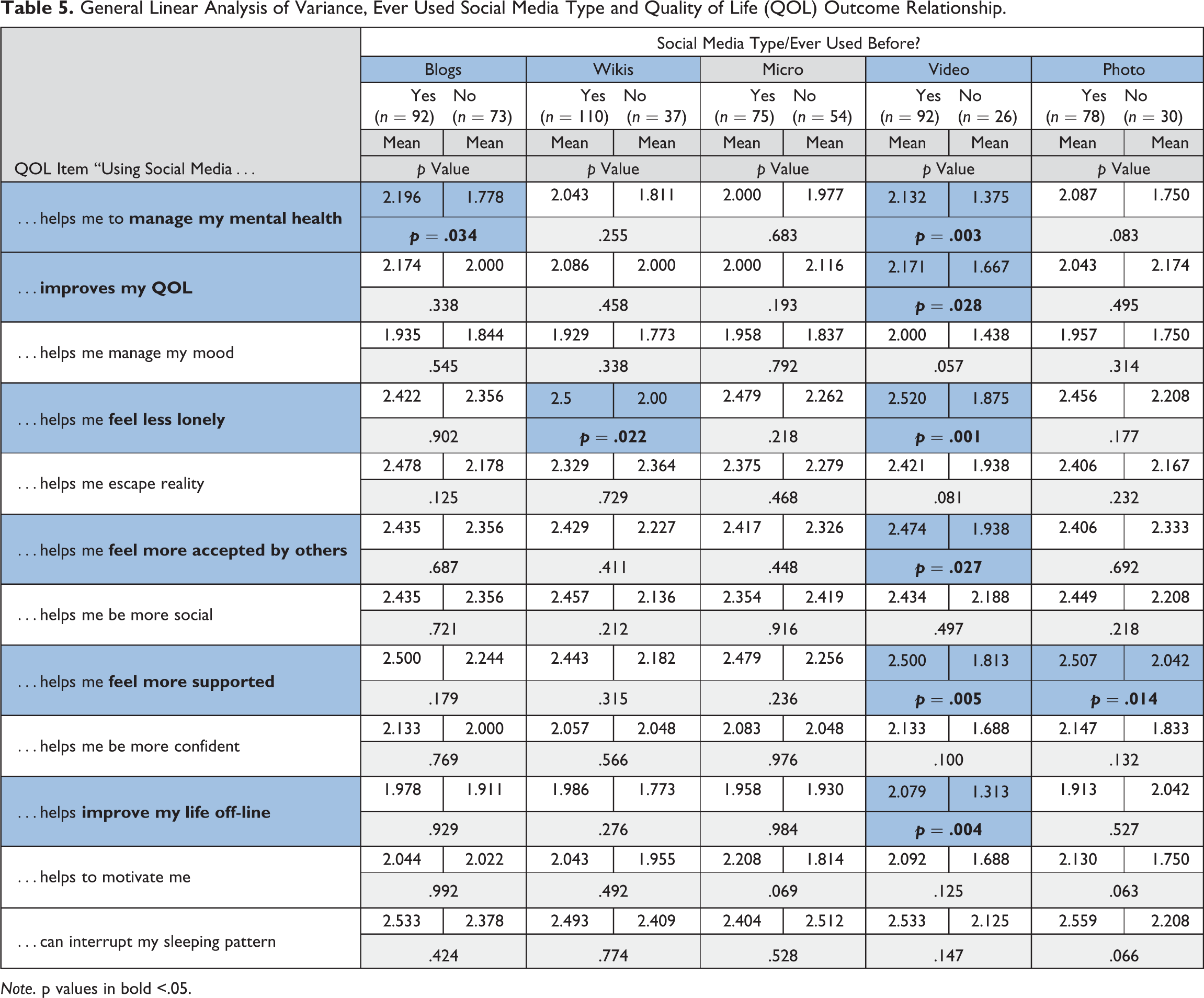
Examining each QOL item alone, the mean QOL score for those with prior use of each social media type was compared with those without such prior use. Comparisons were not possible for SNS due to only one participant reporting having not used SNS before. Comparing QOL scores for that one participant against the mean for the remaining group would therefore be statistically unreliable. Overall, there were nine of a possible 60 significant relationships between prior use of specific social media environments and an individual QOL statement (Table 5).
General Linear Analysis of Variance, Ever Used Social Media Type and Quality of Life (QOL) Outcome Relationship.
Note. p values in bold <.05.
The mean QOL score for the item, “Using social media helps to manage my mental health,” was significantly higher (p = .034) for participants with prior use of blogs (MQOL = 2.196), compared to those without blog experience (MQOL = 1.778). The mean QOL scores for the statement “Using social media helps me feel less lonely” was significantly higher (p = .22) for participants with prior use of wikis (MQOL = 2.500) compared to those without wikis experience (MQOL = 2.000). Also, mean QOL scores for the item “Using social media helps me feel supported” were significantly higher (p = .014) for participants with prior use of photo sharing sites (MQOL = 2.507), compared to those without prior photo-sharing site experience (MQOL = 2.042).
Across six QOL items, participants with prior use of video sharing sites had significantly higher mean QOL scores compared to those without prior video sharing experience. This was evident for the statements, “Using social media,…helps me manage my mental health” (MQOL = 2.132 vs. 1.375, p = .0003), “…improves my QOL” (MQOL = 2.171 vs. 1.667, p = .028), “…helps me feel less lonely” (MQOL = 2.520 vs. 1.875, p = .001), “…helps me feel more accepted by others” (MQOL = 2.474 vs. 1.938, p = .027), “…helps me feel more supported” (MQOL = 2.500 vs. 1.813, p = .005), and “…helps improve my life off-line” (MQOL = 2.079 vs. 1.313, p = .004).
TAs Relationship to QOL Outcomes
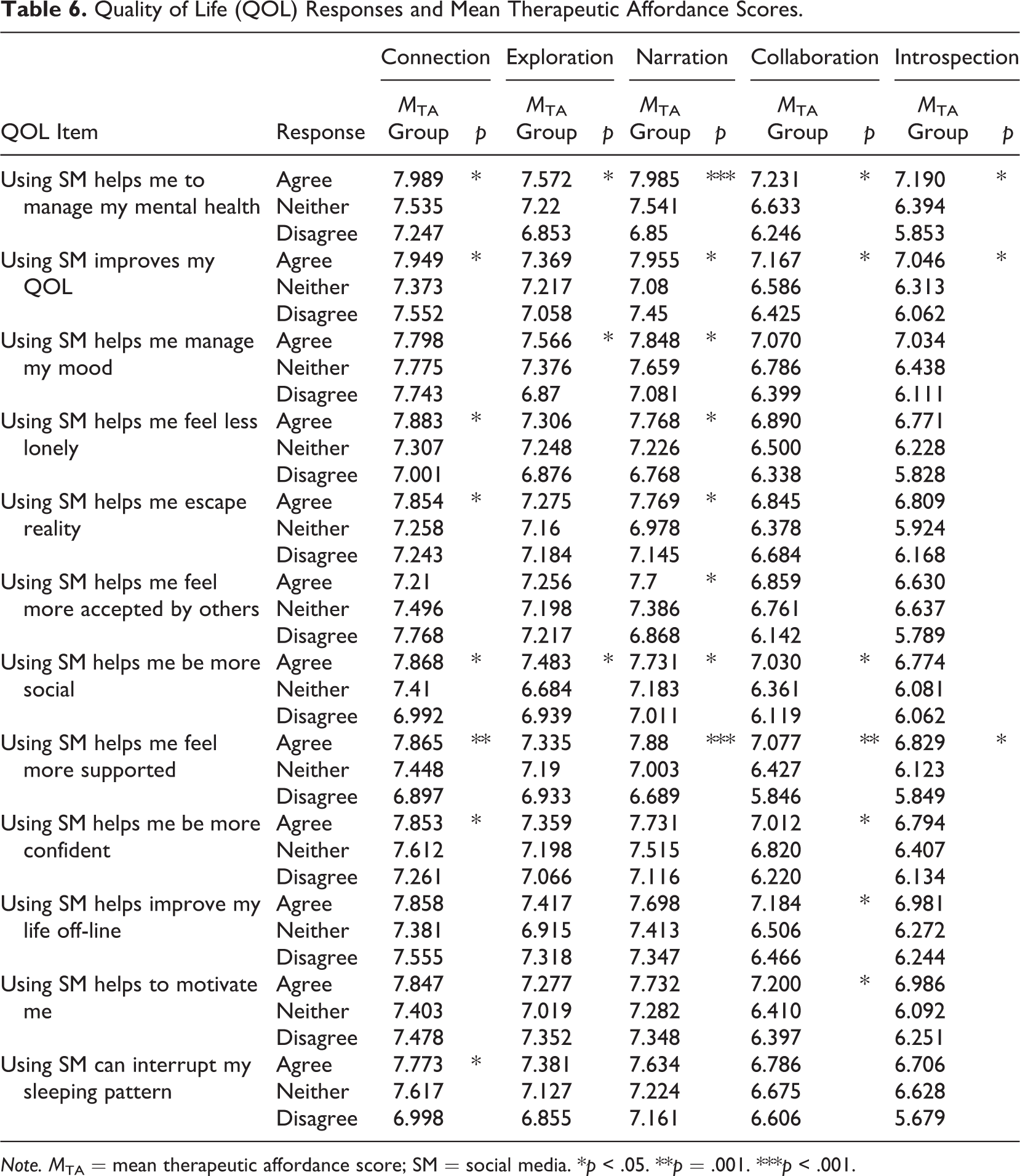
Mean TA scores for the various social media were tested against each of the QOL items, with subsequent comparisons able to be made between whether or not the social media (SM) type had been used before. In total, there were 28 significant, out of 60 possible relationships between agreement with QOL statements and higher TA scores. For the QOL item, “Using social media helps me to manage my mental health,” the relationships were significant across all five TAs, indicating endorsement of the therapeutic nature of these affordances. For the QOL item, “Using social media helps me be more social,” the relationships were significant for “connection,” “exploration,” “narration,” and “collaboration,” again indicating notable endorsement of the therapeutic nature of these affordances. Additionally, for the QOL item, “Using social media helps me feel more supported,” the relationships were significant for “connection,” “narration,” “collaboration,” and “introspection” indicating endorsement of the therapeutic nature of these affordances.
The results for the TA of connection the participants who responded “agree” with the respective QOL items reported significantly higher mean TA scores versus those who responded either “neither agree nor disagree” or “disagree” across eight of the QOL items, while seven of which imply a perceived therapeutic benefit given the perceived improved QOL. The last item relates to social media use interrupting sleep, and it is only significantly associated with the connection affordance. For exploration, the significant association was found for three of the QOL items; for “narration,” eight QOL items; for “collaboration,” seven items, and for “introspection,” three of the QOL items (Table 6).
Quality of Life (QOL) Responses and Mean Therapeutic Affordance Scores.
Note. MTA = mean therapeutic affordance score; SM = social media. *p < .05. **p = .001. ***p < .001.
Discussion
In our pursuit of informing the ongoing development of safer and personalized social media environments, this study attempted to refine the TAs for 18- to 34-year-old social media users. The study also sought to obtain a more in-depth understanding of social media users’ experiences within various social media environments and their resulting perceived QOL outcomes.
It could be argued that social media environments tailored to ensure they provide opportunities for the three core TAs, connection, exploration, and narration, have the potential to be effective in keeping these environments safer. The current survey presents similar support for collaboration (SNS and microblogs) and introspection (blogs and microblogs) eliciting agreement with only limited social media. The results provide endorsement of the five TAs that had been previously reported in the scoping review (Dodemaide et al. et al., 2019). The results from the current study support previous work of Merolli et al. (2014, 2015, 2016) and the development of the SCENA model within the social media context for a chronic pain cohort, the CEN components being connection, exploration, and narration. Coulson et al. (2017) also found support for this (CEN) within a self-harm online support group context.
In this study, there was variability in anonymity (self-presentation) preferences and also the relationship between how the person felt and how much they engaged (adaptation) with social media. Within the SCENA context, the questions considering the potential for “S” self-presentation and “A” adaptation affordances were included and were found to be relevant to the present study. Less than a third of the participants completed these questions.
Recently, Moreno and D’Angelo (2019) described five unique social media affordances; being identity, social, cognitive, emotional, and functional affordances. There was a significant degree of overlap between the affordance terminologies between the present study and that of Moreno and D’Angelo (2019), highlighting the need for cross-study consistency in defining examples of social media affordances. The notable distinction is that Moreno and D’Angelo (2019) report only on affordances, while in the present study, their therapeutic relationship for young adult social media users is investigated. We also contend it is essential that affordances whether therapeutic or not are identified as actionable.
It would thus seem that social media is associated with mixed results regarding its impact on the QOL outcomes in young people. Positive results have been a reduced sense of isolation or loneliness (Pittman & Reich, 2016). Previous research has distinguished between high and low social media use, finding that lower social media usage was associated with decreased loneliness, while higher social media usage was associated with increased levels of isolation or loneliness (Primack, Shensa, Escobar-Viera, et al., 2017; Primack, Shensa, Sidani, et al., 2017; Wang et al., 2018). Within the frame of the COVID-19 global pandemic and comparing the 18–34 year age-group to over 35 group, Lesitsa et al. (2020) found the 18–34 year age-group reported more loneliness during the pandemic and that this was mediated by increased social media use and less support seeking.
Participants who had previously used video sharing sites were noted to be reporting significantly higher QOL scores for statements of social media helping them manage their mental health and improve their QOL, and other socially focused statements about social media helping them to feel more accepted, supported, and less lonely. At this stage, the relationship is understood as linear, and no causative relationship has been established here. Further results emphasize the varying opinions from users about the influence of social media on the QOL items, noting variations between those with experience across different social media types.
To our knowledge, this is the first study to leverage the TA scores in this way and we have been able to establish associations with QOL outcomes. This provides insight and opportunities to develop interventions or recommendations about different social media types that may assist individuals to improve their perceived QOL in several distinct areas. Results linking the TAs to the perceived QOL outcomes are of significance. It was found that there were 28/60 significant relationships between the five TAs and the 12 QOL items. These results may help to establish a framework for a safer and more therapeutic engagement with social media. Although these relationships demonstrate associations but not causative relationships, this could be the subject of future research.
Limitations of This Study
The results from this survey are not generalizable to broader population groups, as they purely represent this specific participant group only. The sample was largely female, younger 18 to 21 years old, and from western countries. The sample size was potentially impacted by the timing of the survey which coincided with increased precautions about privacy more generally and coverage of social media–based data breaches around the world. This could have affected social media user confidence to participate in online surveys linked to Facebook feeds, and we noted a slowing of the response rate for the survey at this time. Using FB and Twitter may have limited responses to those who had experience in these two environment types and brands. This limited the analysis of the relationship between SNS and QOL in particular, with only one participant responding “no” to prior use of SNS. Future research should consider social media recruitment via a greater diversity of social media types.
Future Perspectives and Recommendations
Social media developers seeking to leverage the design and functionality of social media for the therapeutic benefit of young adults should therefore ensure that opportunities to connect, explore, and narrate are both available and visible to young adults.
Future research is needed to investigate the potential for stronger links between the perceived TA and the related patient outcomes for social and emotional well-being and QOL.
Future investigation should consider the refinement of the potentially therapeutic, self-presentation, and adaptation affordances.
Future research is needed to further explore the significant relationship found between prior use of video sharing sites and higher QOL scores for items relating to self-management of mental health, improved QOL, and greater feelings of acceptance, support, and less lonely.
Future research should also examine and consider the reactions and perspectives of clinicians who work with this young adult population.
To avoid any confusion caused through inconsistent use of the term affordances, whether they are therapeutic or not, future research should importantly recognize affordances as actionable.
Conclusions
We have demonstrated continued support for the therapeutic potential of social media environments. Tailored environments ensuring the opportunity for three core TAs, connection, exploration, and narration, may be effective in improving online safety in social media environments, and we have demonstrated the potential for further TAs, collaboration, introspection, self-presentation, and adaptation to also be effective, though they may have more limited scope, and further research is encouraged. Notably, prior use of video sharing sites was associated with higher scores for multiple personal and social QOL outcomes. To our knowledge, this is the first study leveraging TA of social media scores in such a way as to establish associations with QOL outcomes. These results provide insight into the development of interventions or recommendations about unique types of social media that may assist individuals to improve their perceived QOL in several distinct areas. Further research is essential to refine and further develop the evidence-base and understanding of the TAs of social media for its consumers. Future research will help refine the understanding of the relationships between social media and QOL. Input from clinicians would be useful regarding the interpretation of these results and how this might inform their work with young adults.
Footnotes
Declaration of Conflicting Interests
The authors declared no potential conflicts of interest with respect to the research, authorship, and/or publication of this article.
Funding
The authors received no financial support for the research, authorship, and/or publication of this article.