







Abstract
Background
Telepharmacy delivers pharmaceutical care services to patients at a distance using telecommunications and information technology. 1 Patients receive services without being physically present. Prescription review, pharmaceutical distribution and compounding, drug therapy monitoring, and counseling are some services provided through telepharmacy. 2 The primary concept of telepharmacy is to provide remote pharmacy operations and patient services that can be accessed easily. Telepharmacy has demonstrated its efficacy in improving pharmaceutical care by mitigating the occurrence of medication errors, reducing adverse drug events, and enhancing access to health care professionals and facilities, particularly in geographically remote areas. 3 The added accessibility to medication counseling increases its value as patients gain more awareness and discipline in complying with their medications.
Over the years, the mobile industry has seen an invasion of more advanced applications and the most up-to-date cellular network technologies. According to the 2020 Digital report, 70.45 million of the 73 million internet users access the internet via mobile devices, spending an average of 9 hours and 45 minutes online daily. 4 In 2020, mobile internet accessibility in the Philippines was estimated at approximately 72.1%. 5 The use of mobile devices to educate customers about preventative health care services is the most popular application of mobile health (mHealth). 6 mHealth, as defined by the World Health Organization (WHO), is described as a medical and public health practice that leverages mobile technologies, including mobile phones, patient monitoring devices, personal digital assistants (PDAs), and other wireless devices. 6 mHealth is becoming more secure for managing sensitive personal data in a manner equivalent to face-to-face interaction. Furthermore, patients can obtain health care information on their phones whenever needed due to the usability of mobile applications. However, due to the wide dissemination of information, misinformation may occur. 7
In the Philippines, accessing health care can be particularly challenging, especially in rural areas due to issues such as the limited availability of healthcare resources and providers, especially pharmacists, and the high cost of services. Based on the WHO Global Health Workforce statistics database, the pharmacist-to-population ratio is 5 per 10,000 people, indicating a shortage of pharmacists, which results in limited availability in some regions of the country. 8 As a result, many Filipinos may delay seeking treatment until their conditions become severe, and some may resort to self-medicating and using home remedies. 9 This issue is further complicated by the tendency of many Filipinos, especially those in rural areas, to seek health information and recommendations from family and friends rather than from healthcare professionals. 9 Without proper guidance and patient counseling from a healthcare professional, this can lead to the mismanagement of diseases, the potential for adverse effects from self-treatment, and worsening of the patient’s condition. Additionally, some healthcare providers provide limited information or do not give patients a chance to raise concerns during consultations. 10 Thus, telepharmacy services were developed and implemented to address these hindrances. Telepharmacy aims to provide reliable and accurate drug information, correct any misinformation, and guide patients in managing their conditions effectively. 11 Furthermore, noncommunicable diseases (NCDs) such as cardiovascular diseases, diabetes, cancer, and chronic respiratory disease are becoming more prevalent in the Philippines. 12 NCDs account for 68% of all deaths in the country and contribute to a 29% risk of premature death before the age of 70. 13 This highlights the growing need for effective healthcare strategies to prevent and control NCDs, including continuous medication management and adherence support that can be provided through telepharmacy. Telepharmacy allows pharmacists to provide timely medication counseling, ensuring that patients receive the necessary information and support to manage their medications properly. 14 In addition, improving medication adherence among patients with chronic disease through telepharmacy can lead to better health outcomes. 15 These benefits are further supported by a qualitative study, which suggests that telepharmacy could significantly improve the health and well-being of Filipino senior citizens by offering convenient and effective pharmaceutical care. 16
Studies have shown that the implementation of telepharmacy has improved the public’s access to accurate health and medication information, particularly for those in rural areas and those facing financial restrictions.14,17,18 In the study conducted in the Philippines by Plantado et al. (2023), patients who acquired telepharmacy services were satisfied and gave positive feedback as healthcare services were conveniently accessed online, free of cost, and obtained complete and clear health information. 11 However, the study also highlighted that the current process for patients to avail of telepharmacy services in the country utilizes a variety of existing applications or websites instead of a single application. 11 Patients employed various modes of communication, such as Facebook, messenger, text, and email, based on their individual preferences, to access telepharmacy services. Additionally, patient queries are managed through Google Forms, which is processed through Google spreadsheets linked to Google Forms. 11 This complexity may pose a barrier for patients to seamlessly and conveniently access telepharmacy services.
Therefore, we developed a telepharmacy mobile application, YourRx, to assess patient feedback on its feasibility and address the identified barriers to accessing pharmaceutical services. Specifically, the application was evaluated in terms of functionality, usability, security, and performance.
Methods
Figure 1 shows the 3 phases of the study: (1) design and development, (2) implementation, and (3) evaluation. Flowchart of the study.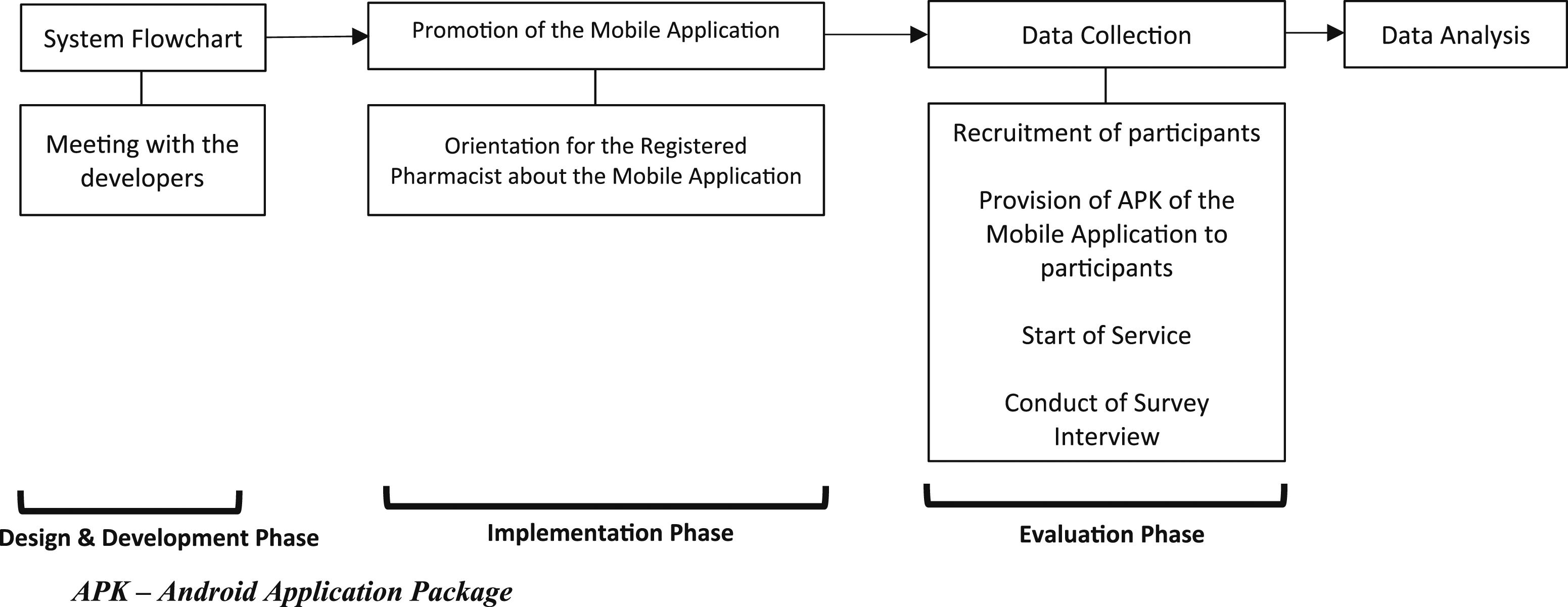
Phase 1: Design and Development
The researchers have coordinated with the developers in designing and developing the mobile application. Two system flowcharts were devised by the researchers to guide developers in creating the YourRx application, 1 for patients and another for pharmacists. These flowcharts highlighted the processes from the registration process to the consultation part from both the patients’ and pharmacists’ points of view.
Your Rx Mobile Application Features
The mobile application, YourRx has the following primary features: (1) Video call and (2) Sharing, which cover the pharmacist-patient counseling aspect. A scheduling feature is also included where users can choose their consultation schedule based on the pharmacist’s availability. All user information was securely stored in a protected cloud storage system. To protect user information, the application incorporated security measures, including password-based authentication to prevent unauthorized access to accounts, and end-to-end encryption for calls and messaging to protect the communication between the pharmacist and the patient. Role-based access control was also implemented to ensure that only authorized personnel have access to information necessary for their roles.
Phase 2: Implementation
Registered pharmacists from the Doctor of Pharmacy Program of Adamson University were initially oriented in using YourRx and subsequently served as the on-duty pharmacists responsible for providing patient counseling. An Android Application Package (APK) format of the YourRx app was provided to both the pharmacists and patients for installation on their mobile phones or tablets.
Both pharmacists and patients were required to register first within the mobile application to utilize the app. Additionally, they needed to review and agree to the terms and conditions of YourRx, which outlined the respective duties, rights, roles, and responsibilities of both patients and pharmacists. Once registered, users could then log in using their registered username and password.
Patient Process
When the patient clicks the log-in button, 2 scenarios may occur (Figure 2): 1. If the patient has no reserved appointments, they must click the “Set a New Appointment” button, which redirects them to the list of available schedules of pharmacists. The patient can select their preferred date and time for consultation with a pharmacist. After choosing the preferred schedule, the patient needs to click the “Reserve” button to confirm the appointment booking. 2. If the patient already has a reserved appointment, the app displays the reference number and scheduled appointment. User dashboard and patient’s appointment display.
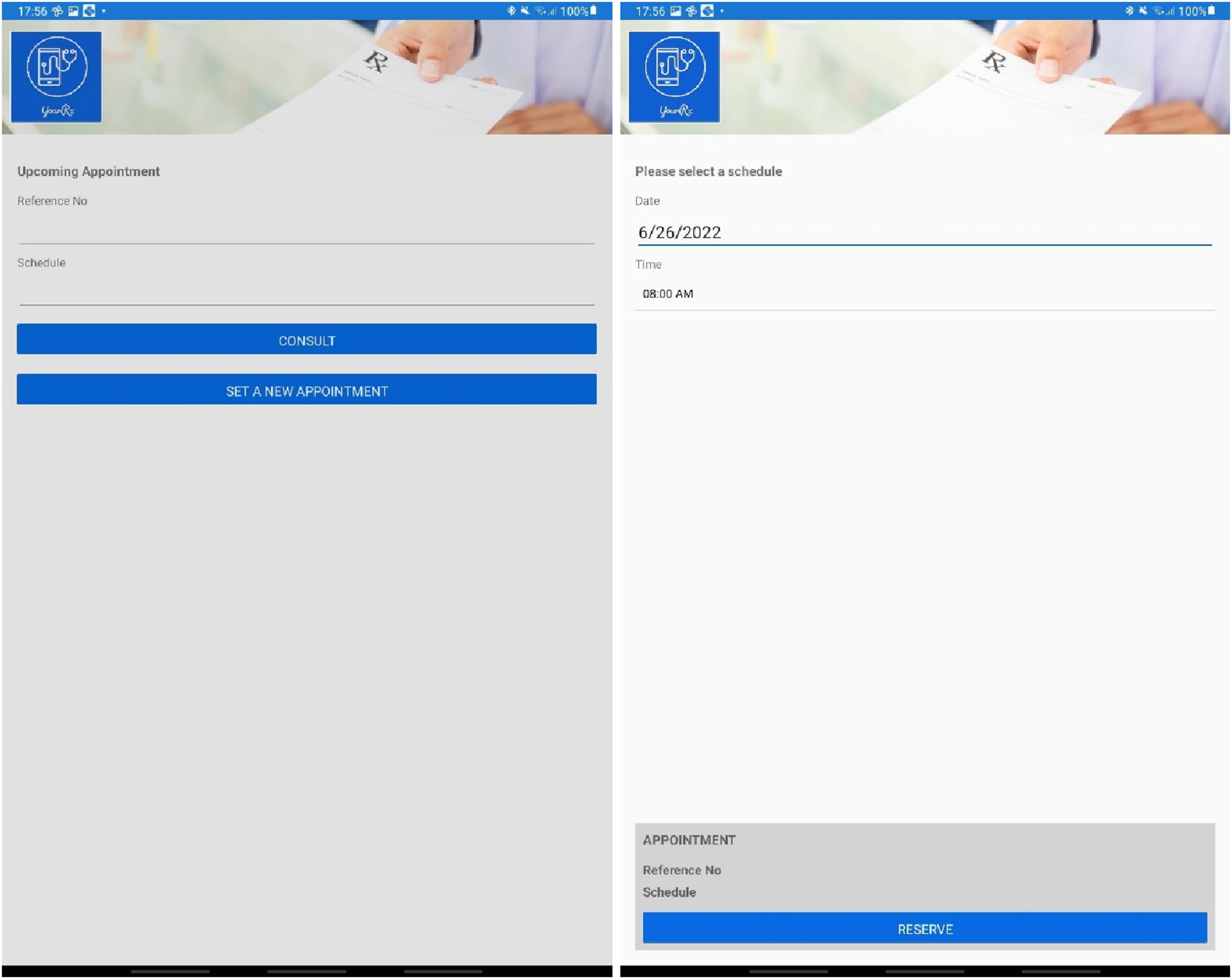
After setting an appointment, the patient may click the “Consult” button, which seamlessly redirects them to the video call feature where they can have a consultation with a pharmacist. During the video call, the patient has the option to open or close their camera and share documents needed by the pharmacist to properly evaluate the patient and give proper recommendations.
Pharmacist Process
When the pharmacist logs in, the following are shown on their screen (Figure 3): 1. A detailed overview of their schedule, showing availability status and any reserved or canceled appointments. 2. For reserved appointments, essential information such as the reference number and patient’s name is prominently displayed. Pharmacist’s appointment display.
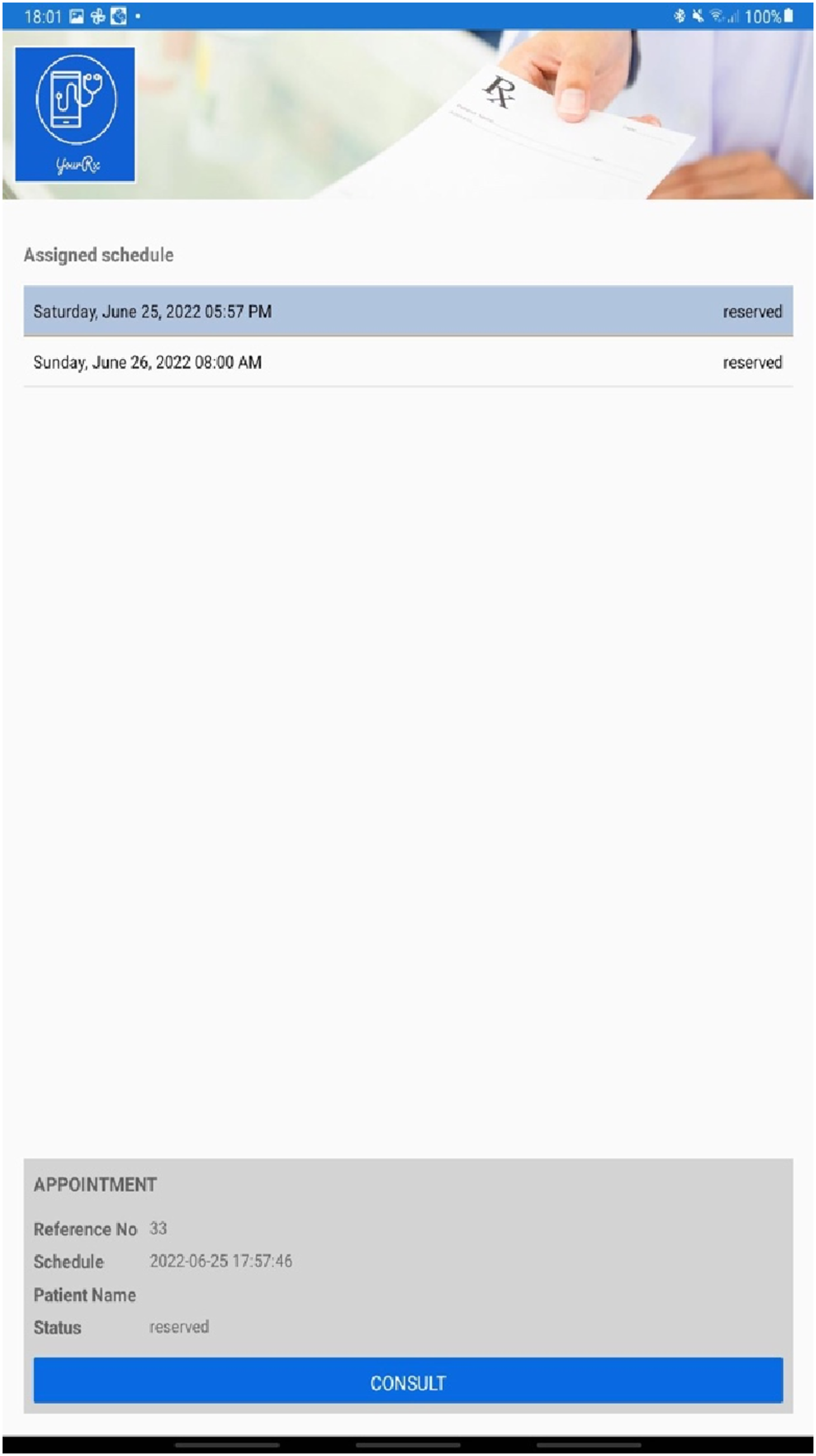
When the reserved appointment time arrives, pharmacists can click the “Consult” button to start the video call with the patient. Once both the pharmacist and patient are in the virtual meeting room, they can interact and begin medication counseling.
Each patient receives counseling sessions from a registered pharmacist. The frequency of counseling sessions was based on the availability and preference of the patient, ensuring their convenience. The duration of counseling sessions is approximately 30 minutes, depending on the patient’s queries. The topics included: • Medication information: Pharmacists provide detailed information about the patient’s medications, whether prescription, over-the-counter medicines, vitamins, and supplements. This includes information on the indication of the medication, proper administration, expected outcomes, potential side effects, precautions, drug interactions, and proper storage. • Medication adherence: Pharmacists recommend strategies to enhance adherence, and provide instructions on how to handle missed doses. • Self-management: Pharmacists recommend strategies to manage their condition such as lifestyle modifications, and recognizing symptoms that need medical attention. • Other concerns regarding the patient’s medications or condition.
Phase 3: Evaluation
The developed telepharmacy application, YourRx was evaluated by the users using a survey questionnaire and in-depth interviews.
Study Design
This study utilized a mixed-method research design to assess user satisfaction with the YourRx application, focusing on accessibility, feasibility, and overall application design. Data collection involved surveys and interviews.
Participants and Study Site
The participants of this study, herein referred to as patients, were individuals who were willing to use the YourRx application. The inclusion criteria for this study included patients residing in the City of Manila, aged 18 years and above, using Android mobile phones, with access to the internet or data services, and currently taking medications.
Content Validity
The survey questionnaire was based on the mHealth App usability questionnaire. 19 Qualified professionals validated the questionnaire before data collection, including pharmacy professors, project managers, and community pharmacists. English and Filipino grammarians conducted forward and back translations of the questionnaire. Supplemental Material S1 shows the inter-rater validation results. In the validated survey questionnaire, no questions were removed; all questions were retained based on the evaluation of the validators using the item-level content validity index (I-CVI). The I-CVI for retaining the question was >0.79. From part 1 (the socio-demographic profile) to part 4 (the overall design of the YourRx application) of the survey questionnaire, the results of I-CVI were more than 0.79, while most of the questions had an I-CVI of 1.00.
Reliability Test
After the questionnaire was validated, pretesting was conducted among 20 randomly selected patients who utilized the YourRx telepharmacy service. The collected data were analyzed through Cronbach’s alpha. A Cronbach’s alpha value of 0.70 or higher indicates acceptable internal consistency. The survey questionnaire demonstrated a Cronbach’s alpha of 0.95 in this study, indicating excellent reliability.
Data Collection
Online Survey
A standardized online survey questionnaire was used to collect data from the patients who met the inclusion criteria after they acquired the telepharmacy services using YourRx. The survey was conducted after patients consulted with the pharmacist. The survey questionnaire was divided into 2 parts: (1) sociodemographic profile (e.g., age, sex, current medical diagnosis, occupation); and (2) accessibility, functionality, and design of the YourRx application. The latter was further divided into 3 sub-categories: (a) ability to navigate, (b) ability to acquire the services (appointments, inquiries, & counseling sessions), and (c) overall design of the application. Patients were asked to assess their agreement with the statements using a 4-point Likert scale ranging from strongly disagree (1) to strongly agree (4). The survey aimed to assess the feasibility of using YourRx for delivering telepharmacy services.
Online Interview
After completing the survey questionnaire, patients could voluntarily participate in an in-depth interview. Those patients who were willing to engage in the interview were provided with the option to choose a platform accessible to them. During the interview, the researchers posed a series of questions to gather feedback and assess patients’ satisfaction with the YourRx mobile application. A semi-structured topic guide was used for the in-depth interviews (see Supplemental Material S2). All interviews were audio recorded and transcribed verbatim. Rigor in qualitative data collection was maintained through peer debriefing and member checking was done after each interview. 20
Data Analysis
This study employed a mixed-method explanatory design. Initially, quantitative data were collected through an online survey using a 4-point Likert scale. Descriptive statistics, such as mean, standard deviation, frequencies, and percentages were utilized for quantitative analysis. Patients’ level of satisfaction was calculated using the average weighted mean and interpreted as follows: 1.00-1.50 (very dissatisfied), 1.51-2.50 (dissatisfied), 2.51-3.50 (satisfied), and 3.51-4.00 (very satisfied). Subsequently, qualitative data was gathered through online interviews to provide further information.
Qualitative data underwent an inductive and thematic analysis, involving steps such as data familiarization, coding, searching for themes, reviewing, defining, and naming themes, and producing the report.21,22 Given the mixed-method nature of the study, data integration was conducted and presented as joint displays. A joint display is a visual means to combine both quantitative and qualitative data. 23
Ethical Considerations
Ethical approval for this study was obtained from the University Ethics Review Committee (UERC) (2022-02-PHA-19-057). The patients’ data and basic information collected through the survey and interview were kept confidential. These data were stored in a Google Drive account accessible only to the researchers and a statistician. The researchers will permanently delete the data stored in the Google Drive account, once future use is no longer anticipated.
Results
Design and Development of YourRx
The developed mobile application, YourRx was available only for Android. According to 2024 statistics from Statcounter Global Stats, around 81.31% of the mobile operating system market in the Philippines is Android, while 18.34% is iOS. 24
Alpha Testing
Initially, YourRx app underwent alpha testing for 2 weeks to identify and address any problems, bugs, or errors before its full implementation. During alpha testing, rigorous trials were conducted by the group that included both researchers and developers. One significant challenge encountered was the video call feature which did not perform as seamlessly as expected. Another issue was with the scheduling feature, as the administrators could not view the date and time correctly. All identified and encountered issues were compiled and forwarded to the developer to effectively resolve the issues and continuously improve the overall functionality of the YourRx app. This continuous process was crucial in ensuring that the application meets high standards of performance and usability before proceeding to beta testing.
Beta Testing
During beta testing, 46 patients used and evaluated the YourRx application. As the testing phase progressed, the researchers monitored whether the issues identified during alpha testing persisted, fortunately, these issues did not reoccur. Beta testing proceeded smoothly, with valuable feedback from patients regarding areas for improvement. A common concern among most patients was difficulty with maintaining a stable internet connection. One user suggested implementing a feature to make passwords visible, such as an eye icon for viewing. Others recommended incorporating an option for account password reset using OTP (One-Time Password) for situations where users forget their password. These insights highlighted the key areas for enhancing the application. Researchers actively considered these recommendations to further refine the YourRx application for optimal user experience.
Quantitative Data
Characteristics of Participants
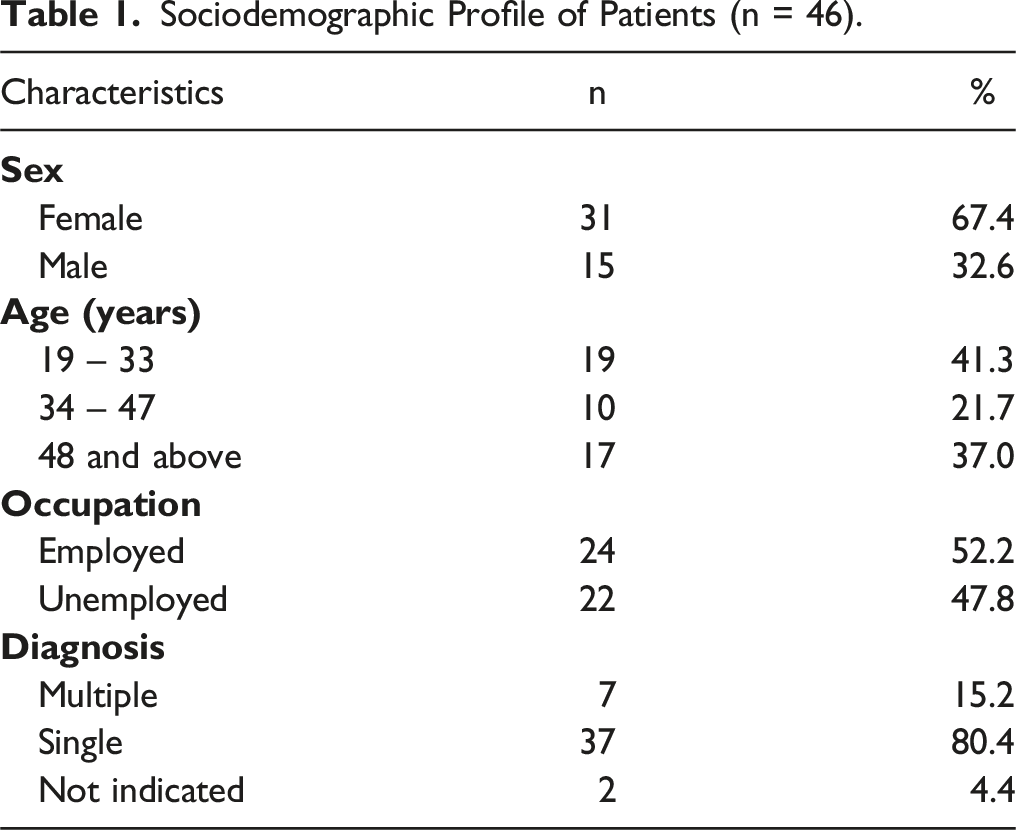
Sociodemographic Profile of Patients (n = 46).
Satisfaction Rating of Patients
Satisfaction Rating of Patients with the Use and Design of the Your Rx Application.
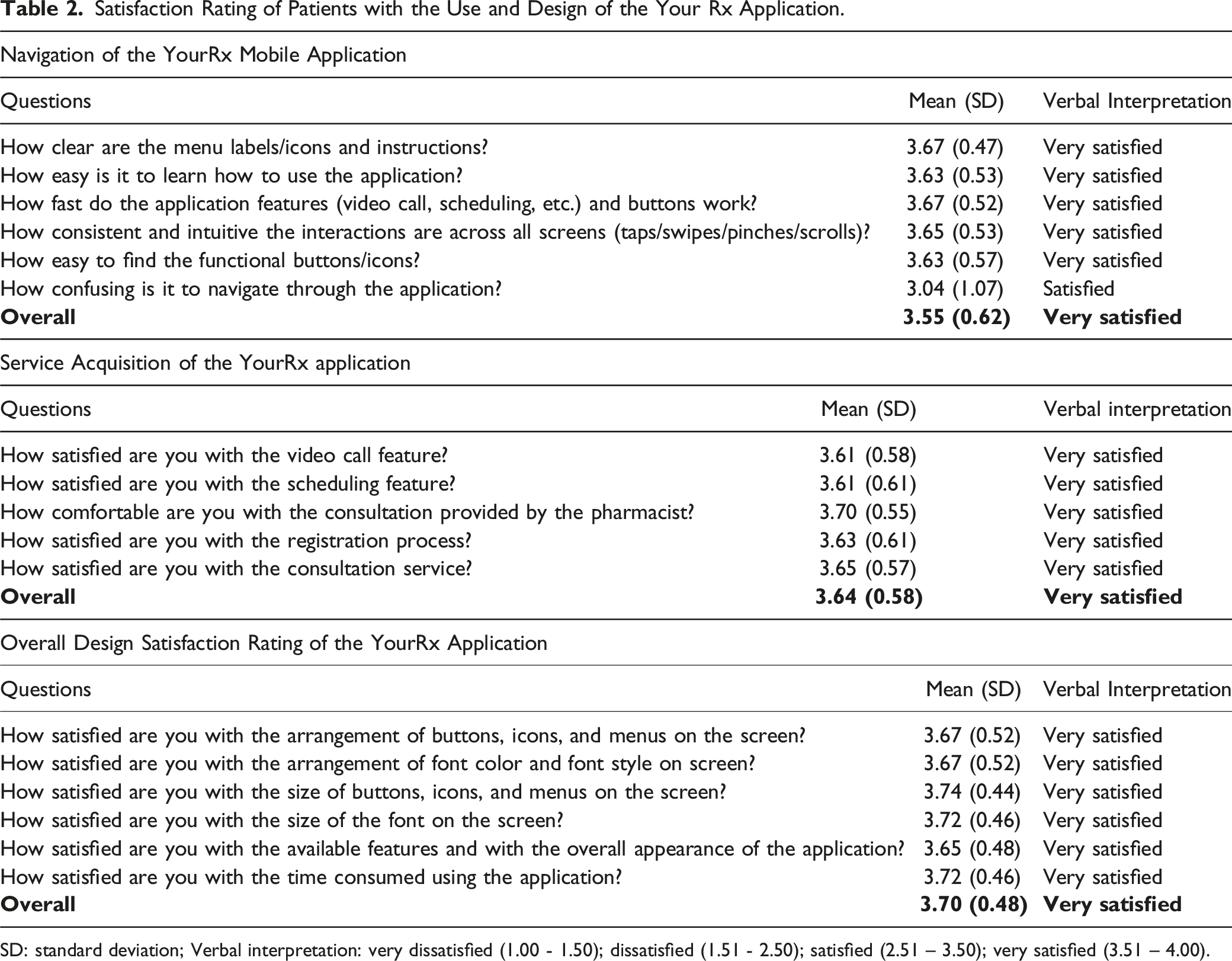
SD: standard deviation; Verbal interpretation: very dissatisfied (1.00 - 1.50); dissatisfied (1.51 - 2.50); satisfied (2.51 – 3.50); very satisfied (3.51 – 4.00).
Navigation of the YourRx Application
Most patients were satisfied with the interface, getting the highest rating (mean score = 3.67) on both menu labels and ease of using application features (eg, video call, scheduling) and buttons. However, the lowest rating (mean score = 3.04) was acquired in navigating through the application. Overall, patients were very satisfied (mean score = 3.55) regarding the navigation criterion.
Service Acquisition of the YourRx Application
Patients were satisfied with most of the features available in the application. Mainly, they felt comfortable with the consultation provided by the pharmacist (mean score = 3.70). However, both video call and scheduling features had the lowest satisfaction rating (mean score = 3.61). Nevertheless, patients were very satisfied (mean score = 3.64) with the overall application’s ability to acquire services.
Overall Design of the YourRx Application
In terms of the design of the application, the sizes of buttons, icons, and menus within YourRx’s interface acquired the highest satisfaction rating (mean score = 3.74). Conversely, the available features and the overall appearance of the mobile application obtained the lowest rating (mean score = 3.65). Nonetheless, the overall rating (mean score = 3.70) indicated that the patients were very satisfied with the design of the YourRx application.
Qualitative Data
Thematic Analysis
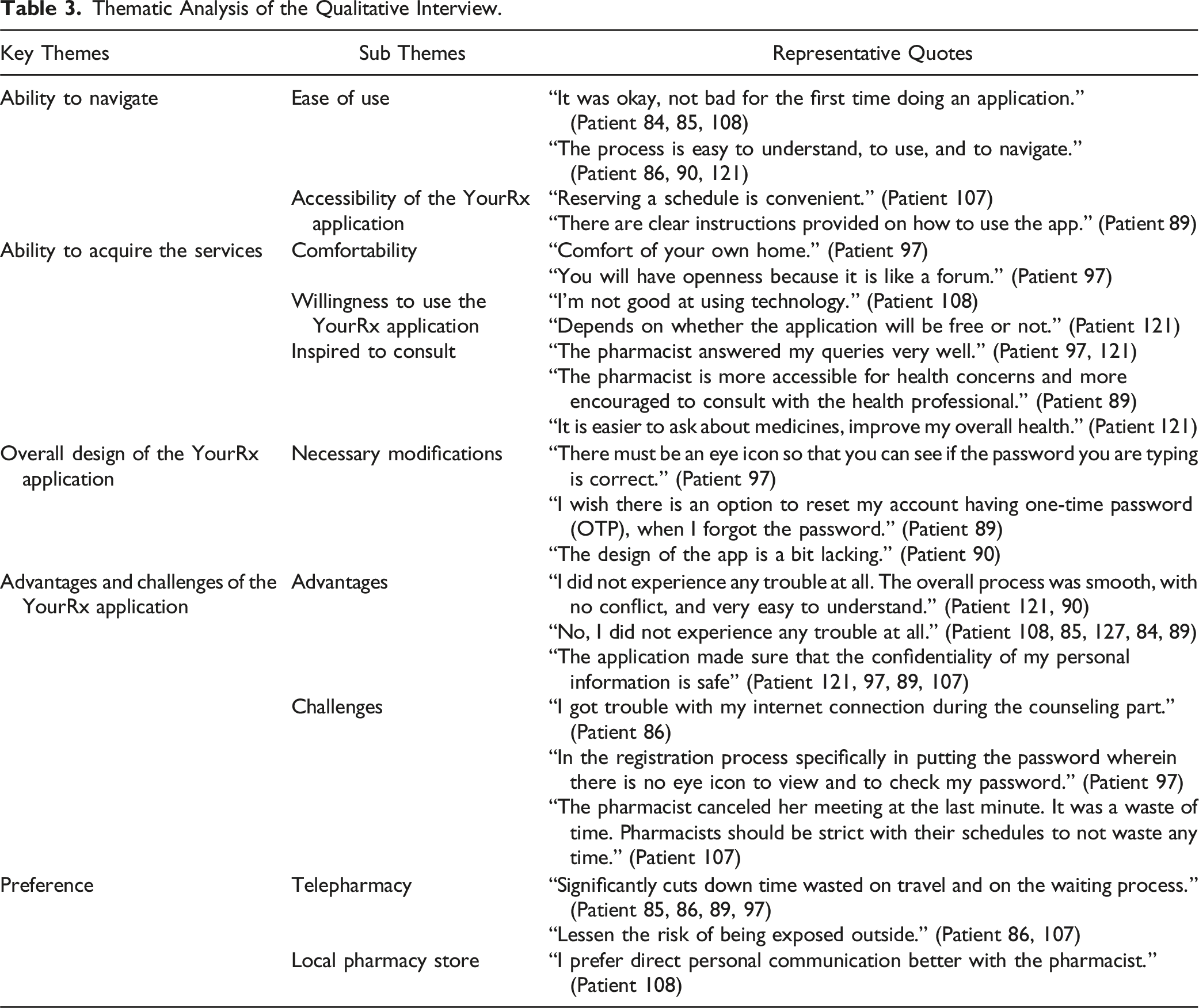
Thematic Analysis of the Qualitative Interview.
Integration
Patients’ Satisfaction in Navigating the YourRx Application.
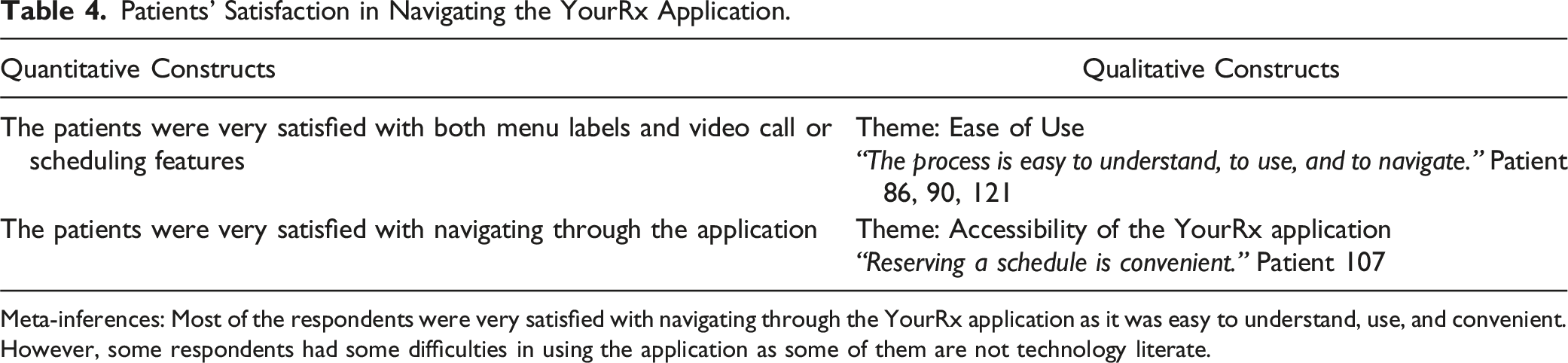
Meta-inferences: Most of the respondents were very satisfied with navigating through the YourRx application as it was easy to understand, use, and convenient. However, some respondents had some difficulties in using the application as some of them are not technology literate.
Patients’ Satisfaction in Acquiring Services Through the YourRx Application.
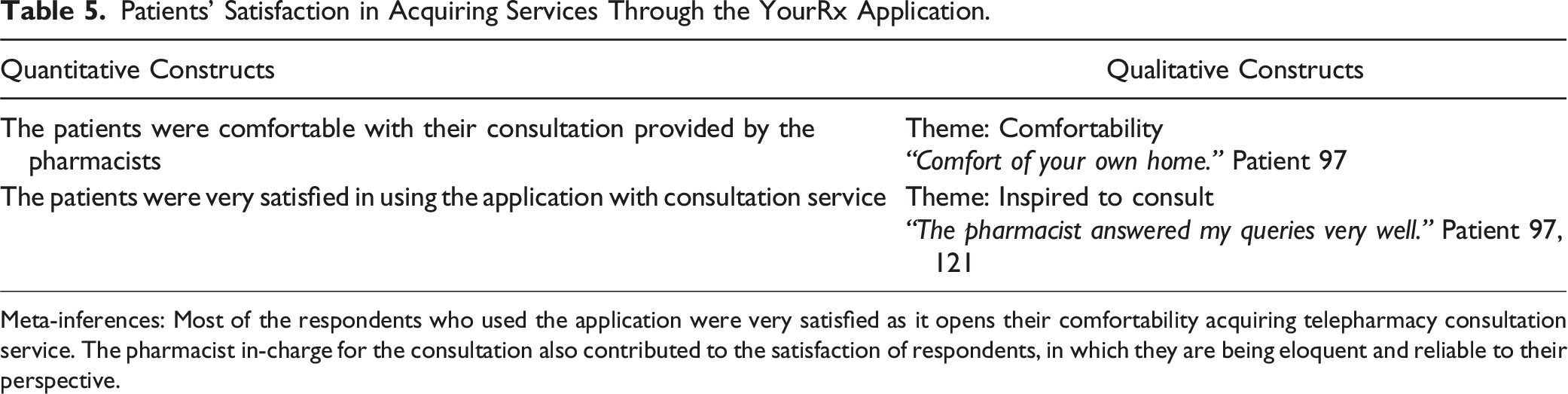
Meta-inferences: Most of the respondents who used the application were very satisfied as it opens their comfortability acquiring telepharmacy consultation service. The pharmacist in-charge for the consultation also contributed to the satisfaction of respondents, in which they are being eloquent and reliable to their perspective.
Patients’ Satisfaction in the Overall Design of the YourRx Application.

Meta-inferences: Most of the respondents were very satisfied with the overall design of the application; however, even though they are quite satisfied, there are features in the application that need to be included for them to fully use the application without inconvenience.
Discussion
The mobile application, YourRx was developed to facilitate convenient and accessible telepharmacy services. It served as the primary platform for providing telepharmacy services to the patient. YourRx was offered for free and all services provided through it were also free of charge. The findings of the study provided valuable information regarding the functionality, usability, and performance of the YourRx telepharmacy application.
Patients expressed a high level of satisfaction in navigating through the application because of its user-friendly design and the services it provided. The majority of the patients were very satisfied with the interface, getting the highest rating on both menu labels and ease of using application features (e.g., Video call, Scheduling) and buttons. The importance of understanding what the user needs is a contributing factor to the success of any information-centric system. 25 However, some patients particularly, elderly patients found it difficult to adopt in using technologies such as mobile applications. The usage of mobile phones or other technology is not limited to age, but there are recognized problems among elderly users such as (1) Cognition (Attention, Memory), (2) Motivation (Attitude, Beliefs), (3) Physical (Movement, Locomotion), and (4) Perception (Vision and Audition). 25 Cognitive performance slows down with age, and cognitive impairment is one of the most common health problems for adults aged 65 years and above.26,27 A recent case study reported that cognitive barriers such as a decline in thinking skills affect their ability to utilize the mHealth application. 28 Motivational issues within the elderly include belief, computer literacy, and acceptability. It is important to note that elderly individuals are reluctant to use modern technology. They are less accepting of new and unfamiliar technologies, and it makes them feel uncomfortable. 26 Several research found that these motivational issues lessen when they are sufficiently informed of the benefits.29,30 This suggests that providing a clear understanding of the benefits that mobile applications may offer may encourage their usage.
In this study, an orientation with patients was conducted to assist them in using the YourRx application. A combination of recognizing patients’ needs, eliminating barriers, and making the application engaging and rewarding were employed to encourage elderly individuals to utilize the application. Education and training were among the strategies used to motivate the patients, especially the elderly patients to use the application. 31 During the interview with the patients, three (3) patients expressed satisfaction, stating that the process of the YourRx app is easy to understand, use, and navigate. Moreover, seven (7) patients stated that they did not experience any trouble using the app. Overall, the process was smooth, with no conflict, and easy to understand. Physical factors such as declining vision, hearing, and joint movement, may cause negative influence on mobile application usability. 32 Mobile applications are typically created to meet the specific needs of users. 33 Elderly patients should be aware that mobile applications can also enhance their health through self-management, assisting them to monitor drug regimes, creating reminders for doctor appointments, and managing chronic diseases.34,35 YourRx was designed to provide patients, especially elderly patients a convenient way to access pharmaceutical care services. Through YourRx, patients can easily connect with pharmacists for professional assistance and expert advice such as medication counseling, reviewing prescriptions, and medication adherence support from the comfort of their homes. These findings highlight the usefulness and functionality of YourRx in providing convenient access to telepharmacy services. Thus, improving the application could further meet the needs of the patient.
Regarding the application’s security, patients expressed confidence in YourRx’s security features. This demonstrates the successful implementation of measures such as password-based authentication, end-to-end encryption, and role-based access control. Robust security features are important in reducing the risk of data breaches and maintaining confidentiality and integrity, which is crucial when handling sensitive personal data in the healthcare field. 36 Strong security features also build user trust and confidence, which is vital for the adoption and usage of the application. Studies have shown that users are more likely to trust applications with encryption technologies, as these reassure them that their data is secure, leading to increased application usage.37-39 The results of this study show that the security measures in YourRx provided a positive patient experience, thus enhancing the overall usability of the application.
In terms of acquiring pharmaceutical services using the YourRx application, most patients were very satisfied as it was convenient, which encouraged them to acquire telepharmacy services using the mobile application. When it comes to obtaining pharmaceutical services through the YourRx application, most patients expressed high satisfaction. The convenience provided by the mobile application played a crucial role in motivating patients to use telepharmacy services through the app. Those who utilized these services expressed satisfaction and responded positively. This positivity was attributed to the online accessibility of health services, the absence of costs, and the acquisition of comprehensive and accurate health information. As stated in one study, Telepharmacy can provide easy access to pharmacy services to patients without needing to go to a local pharmacy store thus reducing the costs of patient transport to pharmacies. 17 The role of pharmacists in telepharmacy is crucial to provide accurate drug information to patients and to reduce adverse drug events and medication errors through medication review remotely. 17 Mobile application services are more beneficial and effective when they present information in a language tailored to the patient, compared to information obtained directly from the internet. 40 This suggests that YourRx successfully provided its telepharmacy services, and this success is attributed to the pharmacists who were in charge of delivering these services.
Strengths and Limitations
We acknowledged several limitations in this study. First, being facility-based made the process time-consuming and less cost-effective. To avoid bias, we chose a house-to-house data collection approach, using a sampling frame provided by district health centers. Second, the availability of both pharmacists and patients was a key consideration, as pharmacists participated voluntarily. To ensure the study’s smooth operation and continuity, schedules of pharmacists and patients were carefully coordinated. Each patient had only 1 consultation, and as a result, the survey was conducted only once. Third, YourRx is a small-scale developed application that requires an internet connection to function and access all the available features. Importantly, all consultations with pharmacists were kept confidential and private, with only the pharmacist and patient in the virtual meeting room. Lastly, YourRx is currently available only on Android devices, which limits its reach to potential patients who could benefit from the application. We plan to address this by expanding YourRx to the iOS App Store once it gains official status.
Conclusion
The study described the development, implementation, and evaluation process of YourRx, a pioneering telepharmacy mobile application in the Philippines. Based on the collected and conveyed data, it can be concluded that YourRx has been a user-friendly application for accessing pharmaceutical care services through telepharmacy, as patients showed a high rate of satisfaction with regard to its navigation, service acquisition, and overall design. Through this application, patients may easily schedule an appointment, and consult with a licensed pharmacist through video call for medication counseling, prescription review, and medication adherence support, all in a single platform. This enables patients to receive professional assistance and expert advice at their preferred time and place with minimal hassle. Despite being a newly developed mobile application, YourRx presents promising potential for enhancing patient health outcomes. However, there are still opportunities for improvement including its limited reach since it is only available for Android users, and additional features to further enhance its functionality. Nevertheless, the evident benefits of YourRx underscore the importance of ongoing improvement and expansion to maximize its positive impact on patient care.
Supplemental Material
Supplemental Material - Assessing Patient Feedback on the Feasibility of the YourRx Telepharmacy Mobile Application
Supplemental Material for Assessing Patient Feedback on the Feasibility of the YourRx Telepharmacy Mobile Application by Christine Veronica Misola, Zoe Nicolette Beatrice Oreta, Radha Kaur Lal, Maan Balt, Kevin Jace Miranda, Danica Resuello, and Rogie Royce Carandang in Journal of Pharmacy Practice
Footnotes
Declaration of Conflicting Interests
The author(s) declared no potential conflicts of interest with respect to the research, authorship, and/or publication of this article.
Funding
The author(s) received no financial support for the research, authorship, and/or publication of this article.

Supplemental Material
Supplemental material for this article is available online.
References
Supplementary Material
Please find the following supplemental material available below.
For Open Access articles published under a Creative Commons License, all supplemental material carries the same license as the article it is associated with.
For non-Open Access articles published, all supplemental material carries a non-exclusive license, and permission requests for re-use of supplemental material or any part of supplemental material shall be sent directly to the copyright owner as specified in the copyright notice associated with the article.
