







Abstract
Unemployment, especially among youth, poses a significant macroeconomic challenge in Ethiopia. This study investigates the root causes of youth unemployment in the Gurage Zone using a mixed-methods approach that combines descriptive and explanatory designs with both qualitative and quantitative analyses. Data were collected from 417 youth using a multi-stage sampling technique, resulting in 400 completed questionnaires. The analysis revealed that factors such as sex, age, migration status, educational attainment, and access to credit and training influence youth unemployment. Structural factors, including inflation, declining investment, political instability, skill mismatches, and inadequate education, were also identified as key contributors. The study recommends improving education, increasing investment in agriculture, enhancing political stability, expanding access to credit, and promoting self-employment initiatives. Key sectors for youth employment include farming, cobblestone production, dairy, meat production, and irrigation. Targeted support from governmental and non-governmental organizations in these areas could reduce unemployment and foster regional development.
Introduction
Unemployment, job quality, and working poverty are pressing global challenges, especially in the context of evolving technological advancements and shifting labor market dynamics. These changes create both opportunities and uncertainties, particularly for young workers entering the labor force (ILO, 2017). Youth unemployment, defined as the lack of employment among individuals aged 15 to 29 actively seeking work, remains a critical socio-economic issue with profound implications for national development Ministry of Youth and Population Employment (MYPE, 2004). Economic fluctuations exacerbate youth unemployment, disproportionately affecting young people compared to older age groups and highlighting the need for targeted interventions to improve employment prospects (ILO, 2018).
Youth are vital to economic, social, and political development, particularly in countries where they form a significant portion of the population and labor force. Effectively integrating youth into the labor market is crucial for harnessing their potential and fostering national progress (Ayhan, 2016). However, youth unemployment remains a persistent challenge globally, particularly in developing countries, where poverty forces many young people to seek employment out of necessity (Kassa, 2012; ILO, 2011).
Globally, youth unemployment is often worsened by poor macroeconomic conditions, with young workers experiencing “super-cyclical” unemployment due to economic fluctuations (Ryan, 2001). Factors such as high real wage rigidities, insufficient aggregate demand, and high real interest rates further exacerbate the issue. In the Eurozone, youth unemployment exceeds 14%, with countries like Spain and Greece facing rates above 30% due to economic downturns and austerity measures (ILO, 2020).
In Sub-Saharan Africa, erratic economic growth and high unemployment rates pose significant barriers to development, with youth unemployment being especially severe. Ethiopia exemplifies these challenges, grappling with macroeconomic instability caused by political turmoil, which affects inflation, investment, and productivity. Periods of low economic growth correlate with rising youth unemployment rates (Broussara and Tekleselassie, 2012; Awogbenle and Iwuamadi, 2010). Between 2013/14 and 2019/20, Ethiopia faced increasing inflation, declining savings, reduced investment, and rising external debt, all of which exacerbated youth unemployment (National Bank of Ethiopia [NBE], 2020). Inflation surged from 8.1% to 21.5%, significantly eroding the purchasing power of youth (Central Statistical Agency [CSA], 2021). These economic constraints often force youth into precarious employment or financial dependence, further limiting their job prospects. Declining investment has particularly impacted sectors that traditionally employ young people, while rising external debt raises concerns about austerity measures and reduced public expenditure, potentially hindering job creation (Alemayehu, 2021).
Addressing youth unemployment in Ethiopia requires targeted government investment, especially in agriculture, which employs the majority of the population but faces significant structural challenges. The transition from an agrarian economy to industrial development, combined with political instability, has exacerbated unemployment. With over 60% of Ethiopia’s population under 30, the country faces both a challenge and an opportunity for economic growth (Central Statistical Agency [CSA]). However, fiscal and monetary constraints limit the government’s ability to implement effective job creation programs, particularly in regions like the Gurage Zone, where economic expansion has not resulted in sufficient employment opportunities.
In Ethiopia, youth unemployment is influenced by a variety of economic, demographic, and structural factors. The high population growth, with the labor force expanding at an annual rate of 3.2%, outpaces job creation, contributing to high unemployment rates among youth (Denu et al., 2007). Additionally, there is a significant skill mismatch, where many young people find that their qualifications do not align with labor market needs, especially those with higher education, exacerbating unemployment (Denu et al., 2005). Weak economic performance hampers job creation, as a sluggish economy reduces labor demand, deepening youth unemployment (Brunero, 2008). The lack of a supportive entrepreneurial environment also limits sustainable job creation, as many youths are forced into entrepreneurship out of necessity rather than opportunity, negatively impacting business stability and growth (UN-Habitat, 2011).
Moreover, rural-to-urban migration, coupled with internal urban migration, has intensified youth unemployment. Migrants face challenges such as inadequate infrastructure and limited services, which further increase unemployment rates (Kuralbayeva, 2018). Power supply instability is another contributing factor, as frequent power shortages affect business operations, thereby reducing employment opportunities for young people (International Finance Corporation [IFC] & World Bank, 2014). The neglect of agriculture, which provides livelihoods for many rural youth, limits job opportunities in the sector and drives migration to urban areas, intensifying urban unemployment (World Bank, 2018). Lastly, political and security instability discourages investment, disrupts economic activities, and increases youth unemployment. Instability also drives internal migration, raising competition for jobs in more stable regions (Dercon and Hill, 2014; Gebreeyesus and Söderbom, 2019).
The COVID-19 pandemic and internal conflicts have worsened these challenges, increasing rural-to-urban migration and deepening urban poverty (United Nations Development Programme [UNDP], 2022). High inflation, which reached 37.2% in May 2022, has strained sectors like agriculture and manufacturing (Quarterly Economic Profile, 2022).
Existing literature on youth unemployment in Ethiopia reveals critical gaps. Many studies focus narrowly on urban areas, neglecting semi-urban areas. The youth population is often treated as homogeneous, without differentiation by age, gender, or education level. Many studies also rely on small, non-representative samples and basic descriptive statistics, lacking advanced econometric methods and integrated mixed-methods approaches. There is limited evaluation of policy impacts at the zonal level and minimal attention to the informal sector and institutional and cultural barriers. Addressing these gaps is crucial for developing effective interventions and gaining a comprehensive understanding of youth unemployment in Ethiopia. This study seeks to address these gaps by analyzing the root causes of youth unemployment in the Gurage Zone, Ethiopia. By integrating demographic and socio-economic factors, it aims to provide a holistic understanding of youth causes unemployment, offering valuable insights for policymakers and stakeholders.
Objective of the study
General objective
The main objective of this study is to explore and identify the root causes of youth unemployment in the Gurage Zone, Ethiopia.
Basic research question
The research question of this article is
What are the root causes of youth unemployment in the Gurage Zone, Ethiopia?
Definition of key terms
In this section, important concepts and terms related to the study are defined to ensure a clear understanding for readers. • Youth: A person aged between 15 and 29 years, as defined by (MYPE, 2004). This category includes individuals between the ages of 15 and 29 in this study. • Youth Unemployment: Refers to the percentage of young people (aged 15–29) who are unemployed as part of the total labor force, where the labor force includes both the unemployed and the employed. • Economically Active Youths: Individuals aged 15 to 29 years who are either employed or actively seeking employment. • Unemployment: Defined as individuals aged 15 to 29 who, during the reference period, were “without work,” but are “currently available for work” and actively “seeking work.” These individuals have taken specific steps to seek paid employment or self-employment.
Literature review
Theoretical framework: Understanding the causes of youth unemployment
Youth unemployment in Ethiopia is a pressing socio-economic issue, shaped by multiple factors that can be understood through well-established economic and social theories. These factors include population growth, rural-urban migration, economic downturns, and neglect of the agricultural sector, skills mismatch, and insufficient support for SMEs, inadequate infrastructure, and political instability. By integrating these theoretical perspectives, we can explore the complex dynamics that drive youth unemployment in the Ethiopian context.
Population growth and migration
Population growth, particularly in rural areas, exacerbates youth unemployment. The Harris-Todaro Migration Model (Todaro, 1969) posits that rapid population growth in rural areas leads to increased migration to urban centers. However, the influx of job seekers often outpaces the growth of job opportunities, resulting in a labor surplus in urban areas and intensified competition for limited positions. As a result, youth unemployment rises because the demand for jobs exceeds the available opportunities in cities, where the youth typically migrate in search of employment.
Rural-urban migration and labor market segmentation
Rural-urban migration plays a central role in youth unemployment. According to Dual Labor Market Theory (Doeringer and Piore, 1971), urban labor markets are divided into two sectors: the primary sector (secure, well-paying jobs) and the secondary sector (low-wage, unstable jobs). Youth migrating from rural areas to cities often find themselves trapped in the secondary sector, where employment is characterized by poor pay, lack of job security, and limited career progression. This segmentation of the labor market leads to higher rates of youth unemployment as they are often confined to precarious work in the informal economy.
Economic downturns and youth unemployment
Economic downturns and recessions lead to reduced hiring and job losses, particularly among young workers who often lack experience. Keynesian Economic Theory (Keynes, 1936) explains that during periods of reduced aggregate demand, employers are less likely to hire new workers, especially young people who are more vulnerable in the job market. Youth unemployment is often exacerbated in times of economic recession, as the demand for labor decreases and companies cut back on hiring or even reduce their existing workforce.
Neglect of the agriculture sector
The decline of the agricultural sector contributes to youth unemployment, particularly in rural areas. Structural Change Theory (Lewis, 1954) suggests that as economies transition from agriculture to industrial and service sectors, employment opportunities in rural areas diminish. In Ethiopia, the neglect of the agricultural sector reduces job opportunities for youth in rural areas, pushing them to migrate to urban centers where they face intense competition for limited job opportunities, thereby exacerbating youth unemployment in both rural and urban settings.
Skills mismatch and education system failures
The mismatch between the education system and labor market demands is a significant driver of youth unemployment. Human Capital Theory (Becker, 1994) argues that investments in education increase labor market productivity and employability. However, in Ethiopia, many youth graduate without the skills required by the labor market, resulting in high levels of youth unemployment despite formal education. This skills mismatch occurs because the education system often fails to align with the evolving needs of the labor market, leaving young graduates unemployable and unable to find suitable jobs.
SMEs and youth employment opportunities
Small and medium-sized enterprises (SMEs) are essential for creating employment, particularly for youth. Entrepreneurship Theory (Schumpeter, 1934) emphasizes that SMEs are vital for job creation, especially in developing economies. In Ethiopia, however, SMEs face significant challenges, such as limited access to finance, poor infrastructure, and inadequate business support services, which restrict their ability to generate sustainable jobs. As a result, the lack of a robust SME sector contributes to higher rates of youth unemployment, as there are fewer opportunities for youth to either start businesses or find employment in the private sector.
Insufficient infrastructure and energy supply
The inadequate supply of infrastructure, particularly in terms of electricity, hampers industrial growth and job creation. Production Function Theory (Solow, 1956) emphasizes the importance of infrastructure in fostering economic development. In Ethiopia, unreliable power supply limits industrial expansion and the growth of energy-dependent industries, which are crucial for creating jobs. Without sufficient infrastructure, businesses struggle to expand, and job creation stalls, leaving youth with fewer employment opportunities.
Political instability and conflict
Finally, political instability and conflict play a critical role in exacerbating youth unemployment. Political Economy Theory (North, 1990) highlights the role of political stability in promoting economic development. In Ethiopia, ongoing political instability and conflict have disrupted economic activities, deterred investments, and led to inefficient markets. Youth unemployment rates tend to rise during periods of instability, as economic uncertainty and disruption reduce the availability of job opportunities, especially for young people who are already at a disadvantage in the labor market.
Conceptual framework
Youth unemployment in Ethiopia is shaped by a combination of socio-economic and political factors, including population growth, rural-urban migration, economic downturns, skills mismatches, neglect of the agriculture sector, and insufficient support for SMEs, and political instability. These factors are deeply interconnected: rapid population growth in rural areas drives migration to urban centers, where job markets cannot absorb the influx of youth, leading to increased competition and unemployment. Economic downturns further reduce job opportunities, particularly for young people with limited experience. A skills mismatch between the education system and labor market demands leaves many young graduates unemployable. Additionally, limited support for SMEs restricts job creation, while political instability disrupts economic activity and investment, worsening youth unemployment. These factors do not operate in isolation but amplify each other, requiring multifaceted policy interventions to address the root causes of youth unemployment in Ethiopia. Effective solutions must focus on aligning education with market needs; supporting SME growth, improving infrastructure, and ensuring political stability (see Figure 1). causes of youth unemployment.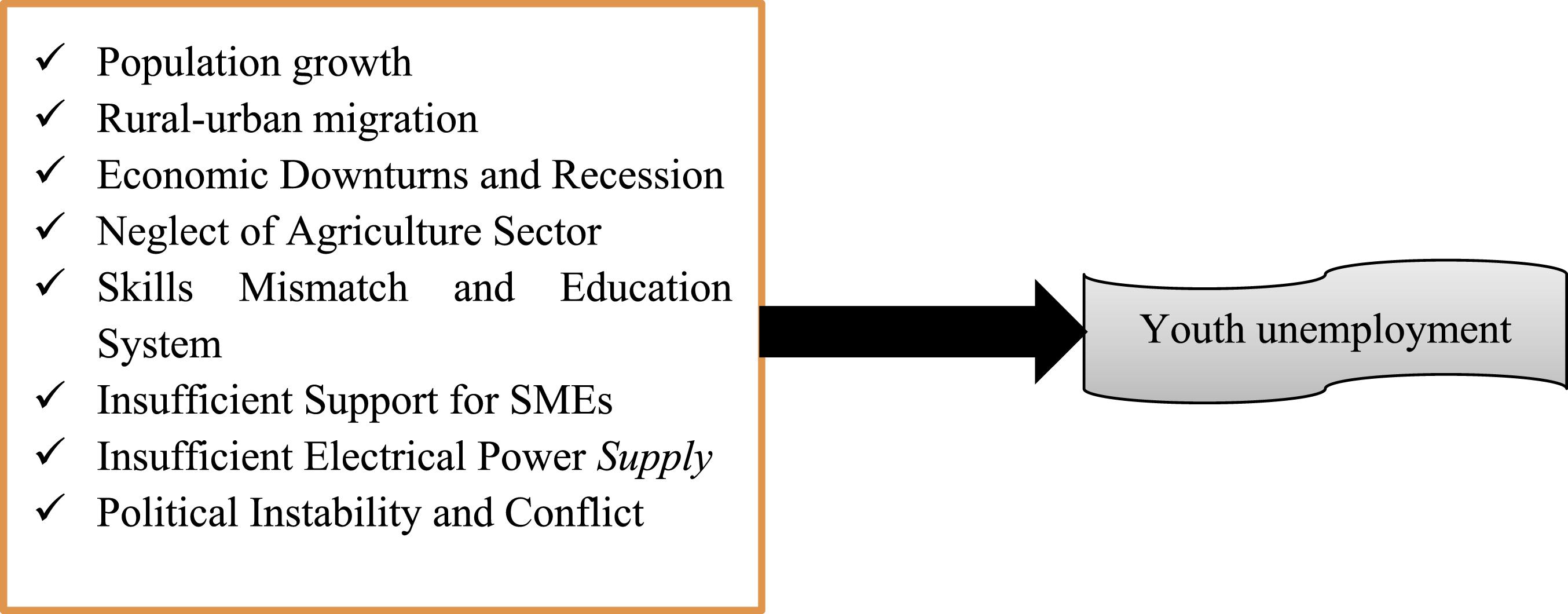
Research method and data
Study Area and contextual setting
This study was conducted in Gurage Zone, located in central Ethiopia. The zone is bordered by Hadiya, Yem Zones, Kebena Special Woreda, Oromia Region, and Silt’e Zone. Its administrative center is Wolkite, while Butajira, the largest urban center, plays a key role in trade, commerce, and employment. Gurage Zone faces significant socio-economic challenges, including high youth unemployment, poverty, and limited access to services. The region exhibits uneven unemployment rates, with Wolkite reporting 1188 unemployed individuals, and Butajira having 9359 unemployed. This highlights disparities in job opportunities across the zone (Gurage Zone Administration [GZA], 2024).
The zone is located between latitudes 7°30′N and 8°30′N and longitudes 37°00′E and 38°00′E, with elevations ranging from 1500 m to 3000 m above sea level, offering fertile land for agriculture. The zone is known for producing enset (false banana), coffee, and various vegetables and has experienced growth in small and micro enterprises (SMEs), particularly in the agricultural and non-agricultural sectors (Kidane, 2022).
The population of Gurage Zone is around 1.5 million, with 400,000 youth (ages 15–29), and approximately 85% of the population lives in rural areas (Gurage Zone Youth and Sports Office [GZA-YSO], 2024). This study explores the demographic and socio-economic factors influencing youth unemployment in the region, aiming to offer recommendations for improving youth employment prospects (GZA-YSO, 2024) (see Figure 2). Study area – Gurage Zone, Ethiopia and its administrative boundaries within Central Ethiopia.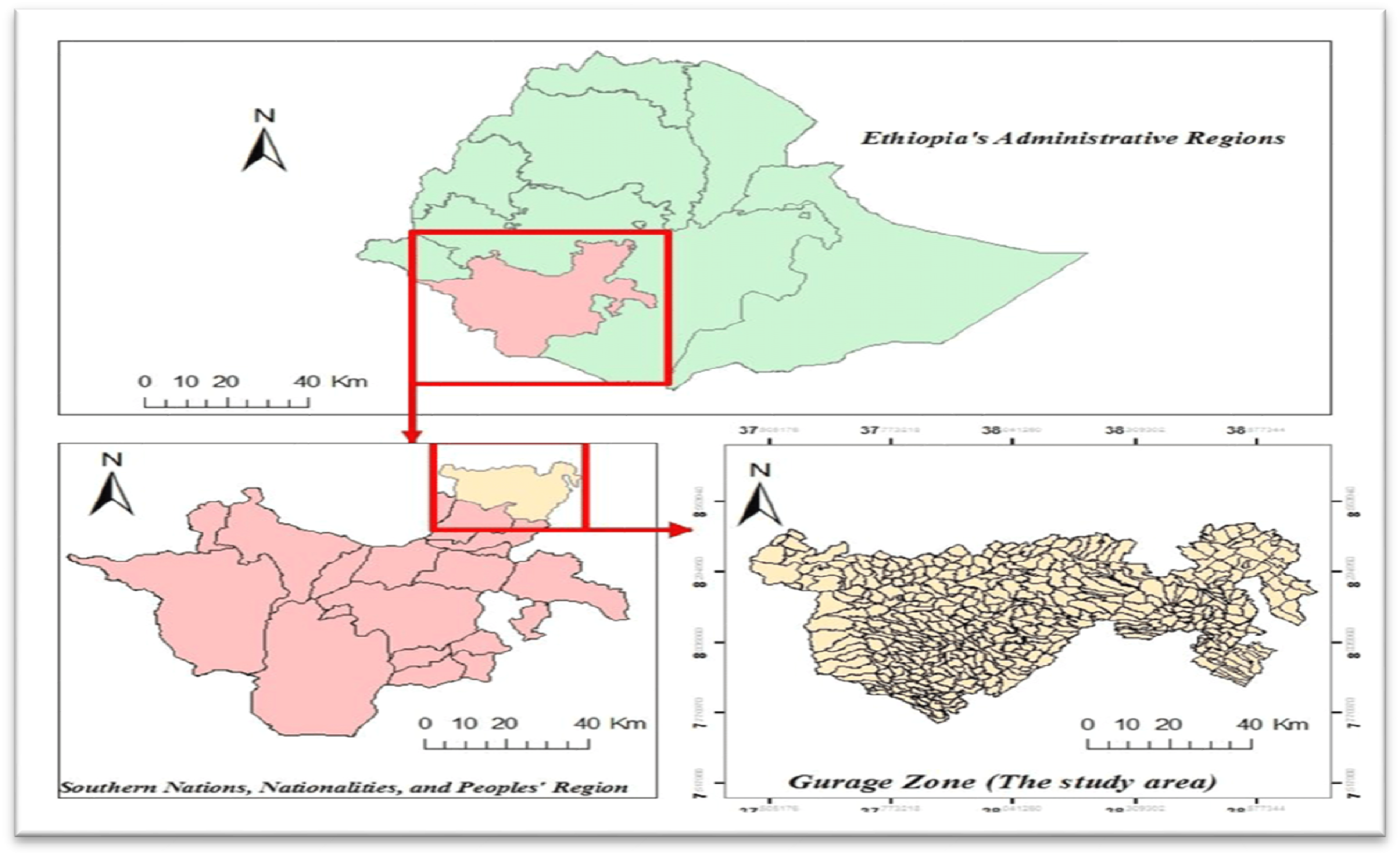
Research philosophy
This study adopts a pragmatic philosophy, integrating both positivist and interpretivist approaches. Pragmatism, as outlined by Creswell and Plano Clark (2017), focuses on practical problem-solving and allows for flexibility in using both quantitative methods (e.g., surveys) and qualitative methods (e.g., interviews, focus groups, document analysis).This approach enables a comprehensive analysis of youth unemployment in the Gurage Zone by combining multiple perspectives. The concurrent triangulation strategy further strengthens the findings by cross-validating data from various sources, enhancing the study’s validity.
Research approach
This study uses a mixed-methods approach with a concurrent triangulation design, combining quantitative and qualitative methods to provide a comprehensive understanding of youth unemployment. The quantitative component identifies key factors influencing unemployment, while the qualitative aspect explores deeper, contextual determinants and personal experiences. By collecting both types of data simultaneously, the study enhances the reliability and validity of its findings through cross-validation. This approach integrates the strengths of both positivist (objective, data-driven) and interpretivist (subjective, context-driven) research paradigms for a well-rounded analysis.
Study design
The study follows an explanatory research design with a cross-sectional method. This approach was chosen to capture a snapshot of youth unemployment and analyze its causal relationships within the Gurage Zone. The data collection period is between 01/10/2024 and 15/08/2025, during which participants will be recruited to identify key patterns and determinants of youth unemployment. The cross-sectional design is appropriate for gathering data at one specific point in time, making it cost-effective and relatively simple to perform (Kirkwood, 1988; Reaves, 1992). This design is particularly useful for studying measurable conditions and establishing foundational insights into the scope of youth unemployment.
Target population
The focus of this research was on the youth population aged 15 to 29 years who are economically active in the Gurage Zone, specifically from the towns of Buee, Butajira, Gubre, and Wolkite. These towns were selected due to their significant youth populations and the high rates of youth migration from surrounding rural areas. One town was selected from each Woreda for the study: Buee (from Sodo), Butajira (from Meskan), Wolkite (from Kebena), and Gubre (from Sebat Bet). The total youth population in these towns is 28,355, all of whom are economically active. Both employed and unemployed youth were considered as respondents for the study, and the sample size was determined using proportional allocation based on the youth populations in each town.
Sampling techniques
Sampling technique use.
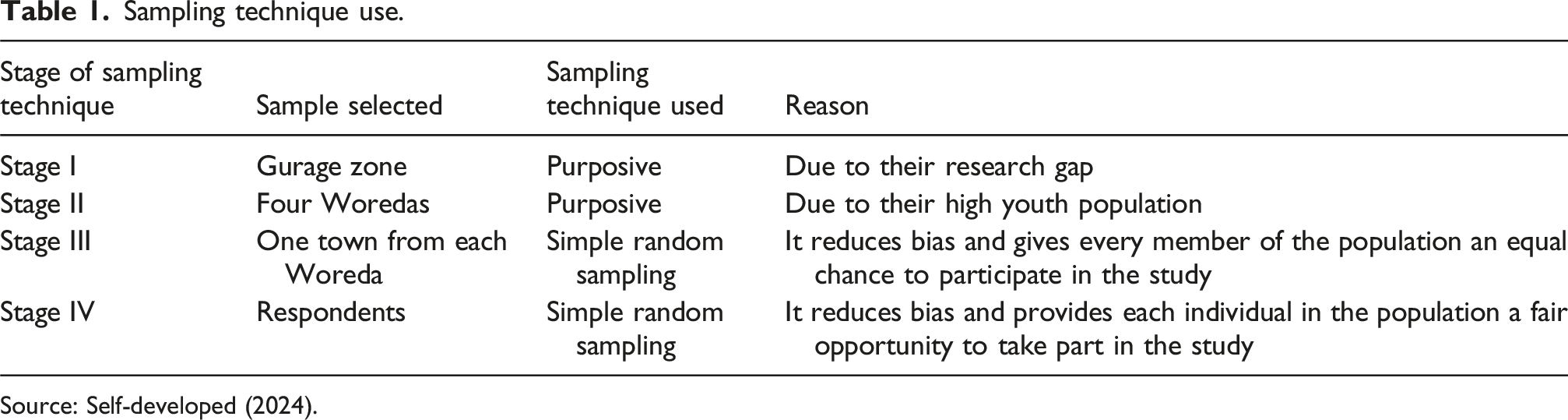
Source: Self-developed (2024).
Sample size determination
The sample size for this study was determined using Kothari’s (2004) formula for finite populations, with a 95% confidence level and a 5% margin of error. Given a target population of 28,355 economically active youth in the Gurage Zone, this approach ensured statistical reliability and allowed for accurate generalizations, enabling valid inferences about youth unemployment.
Where: • n = required sample size • Z = z-value (1.96 for 95% confidence) • p = estimated proportion (0.5) • q = 1 - p (0.5) • e = margin of error (0.05) • N = population size (28,355)
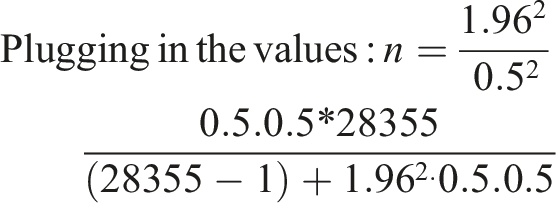
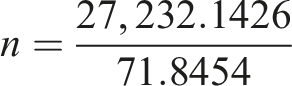

The initial sample size of 379 was adjusted for a 10% non-response rate, raising the target to 417 respondents. However, due to practical constraints, the final sample size was set at 400, slightly below the target but still statistically acceptable. This ensures the reliability, statistical power, and generalizability of the findings.
Figure 3; List of Gurage Zone Towns, Sampling Procedure, and Determining Sample Proportion. This figure outlines the towns selected for the study in the Gurage Zone, along with the sampling procedure and the methodology used to determine the sample proportion for each town. The Gurage Zone consists of several towns, each contributing to the study based on specific criteria. The sampling procedure ensures that each town’s population is adequately represented in the sample, based on their size and other relevant factors. List of Gurage Zone Towns, Sampling Procedure, and determining sample proportion.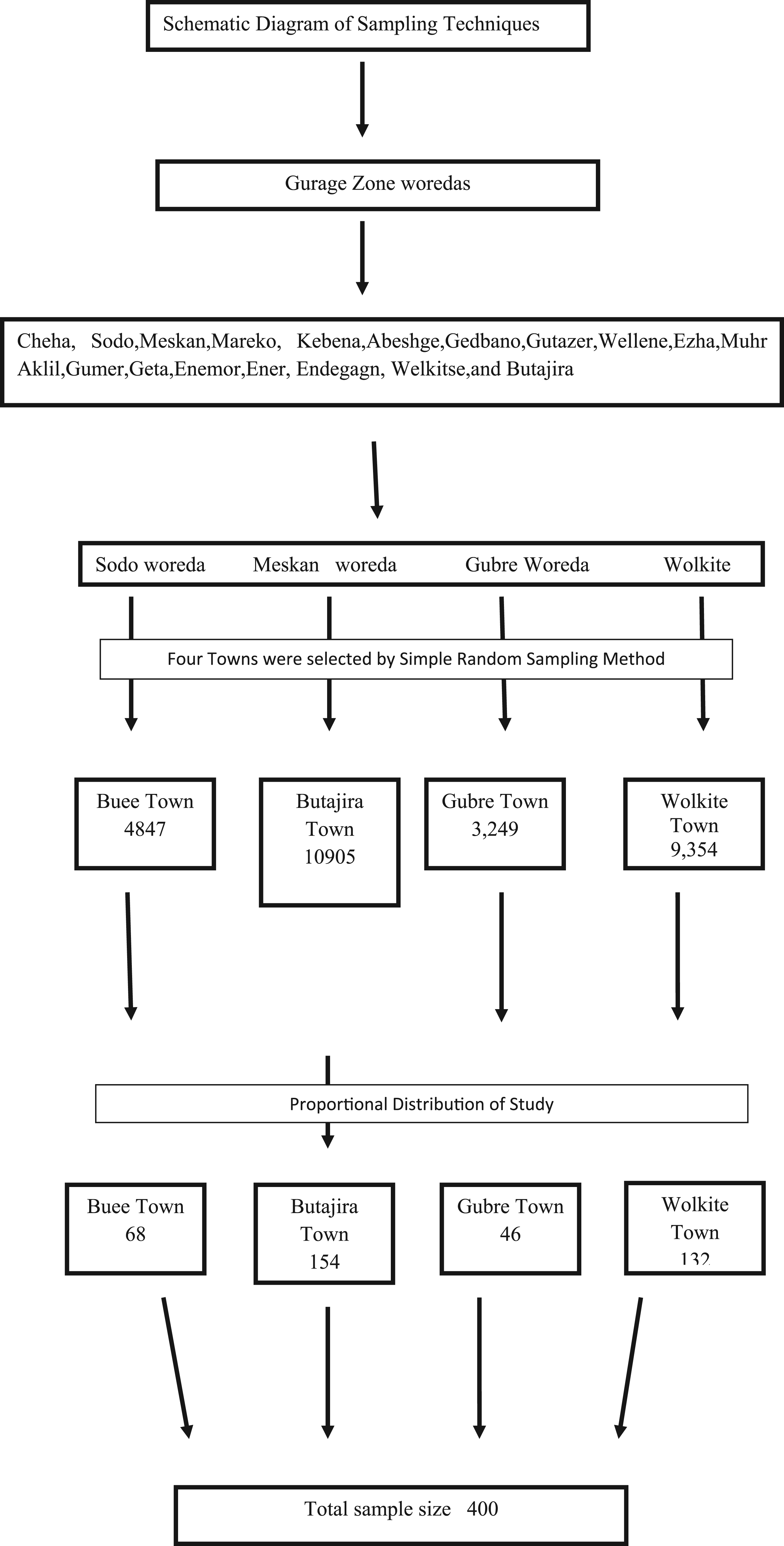
Source of data, data collection methods, and procedures
This study utilized both primary and secondary data to provide a comprehensive analysis of youth unemployment in the Gurage Zone. The combination of data sources strengthens the study by offering both statistical and contextual depth.
Data types and sources
The study integrated primary data obtained through questionnaires, interviews, and Focus Group Discussions (FGDs), with secondary data gathered from government reports, published studies, and academic journals. This integration enhances both the statistical rigor and contextual insights of the study.
Data Collection Methods
Survey design
A structured questionnaire was developed and administered to 400 respondents. The questionnaire primarily consisted of closed-ended and open-ended questions, focusing on demographic and socio-economic factors influencing youth unemployment. The standardized format allowed for robust statistical analysis and identification of key trends related to the issue.
Interviews
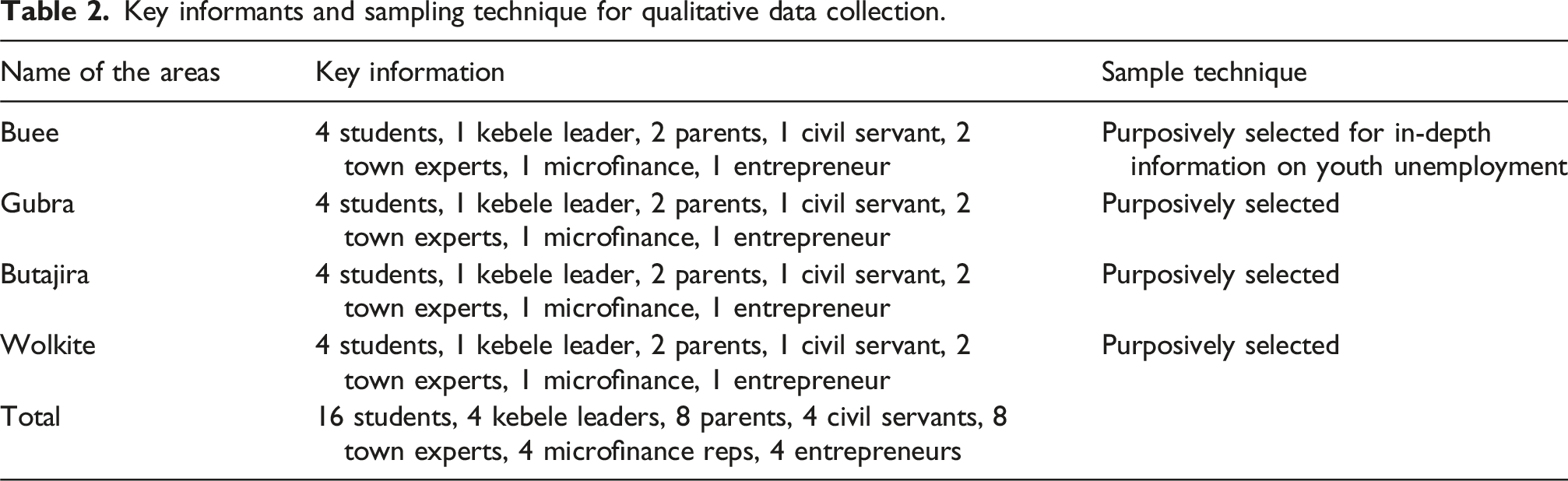
Key informants and sampling technique for qualitative data collection.
Focus Group Discussions (FGDs)
Four FGDs, each lasting between 45 minutes to 1 hour, were conducted with a total of 24 purposively selected participants. The participants were chosen based on factors such as age, gender, education, and socio-economic status. The FGDs provided qualitative data on community perceptions, social dynamics, and deeper insights the causes of youth unemployment in the region.
Data collection procedures
The research was conducted at the personal level from the sampling frame, which included economically active youth in the specified kebeles of the Gurage Zone. Primary data was gathered through semi-structured interviews and questionnaires. Secondary data was obtained from the Woreda Labour and Social Affairs Office, Woreda Youth and Sports Office, and Kebele Administration heads. This data included details on the number, gender, educational status, and unemployment rates among youth in the region. Additionally, published sources and online resources were used to support the findings. In each data collection session, a maximum of five respondents were interviewed per day, with each interview lasting approximately 30 minutes. Key data collected included gender, age, youth education status, work experience, marital status, access to credit, education status of the family head, attitudes toward self-employment, consequences of unemployment, possible solutions and opportunities for employment, reasons for lack of self-employment, and strategies for managing youth unemployment.
Pre-testing of survey questions
The survey questions were pre-tested to enhance clarity and reduce potential bias prior to full-scale data collection. A small sample of respondents was selected to complete the questionnaire, allowing the researcher to identify ambiguities and biases in the wording. Feedback from this process was analyzed to make necessary revisions, ensuring that the questions were clearing, unbiased, and effectively captured the intended data on the causes of youth unemployment in the Gurage Zone. This pre-testing phase was essential in refining the instrument to improve its validity and reliability.
Method of data analysis
Quantitative data analysis
Quantitative data analysis in this study relied on both descriptive and inferential statistical methods to provide a comprehensive understanding of youth unemployment in the Gurage Zone. Descriptive statistics, including frequencies, percentages, means, and standard deviations, were used to summarize key socio-economic variables, offering an overview of the study population’s characteristics and the scope of youth unemployment. Inferential statistics, particularly p-values, were applied to test the significance of relationships between variables, such as employment status and socio-economic factors. This combination of methods allowed for the identification of significant patterns and a deeper understanding of the determinants of youth unemployment.
Qualitative data analysis
The qualitative data analysis method was essential for exploring the contextual and experiential aspects of youth unemployment that quantitative methods alone could not capture. Thematic analysis of interviews and Focus Group Discussions (FGDs) helped identify recurring themes, enhancing the understanding of the socio-economic, political, and personal causes of youth unemployment. This systematic coding process ensured rigorous organization and analysis of the data, providing rich insights into the challenges faced by unemployed youth in the Gurage Zone. These qualitative findings were key to complementing the quantitative results and offering a more comprehensive view of the social and psychological impacts of unemployment.
Research ethics
The study adhered to strict ethical standards throughout the research process. Permissions and consent were obtained from relevant authorities and all participants prior to data collection. Confidentiality was maintained by securely storing the data and limiting access to authorized personnel only. The research followed key ethical principles of respect, beneficence, justice, and integrity. Approval was granted by an ethics committee, and the findings will be responsibly disseminated while ensuring the privacy and anonymity of participants.
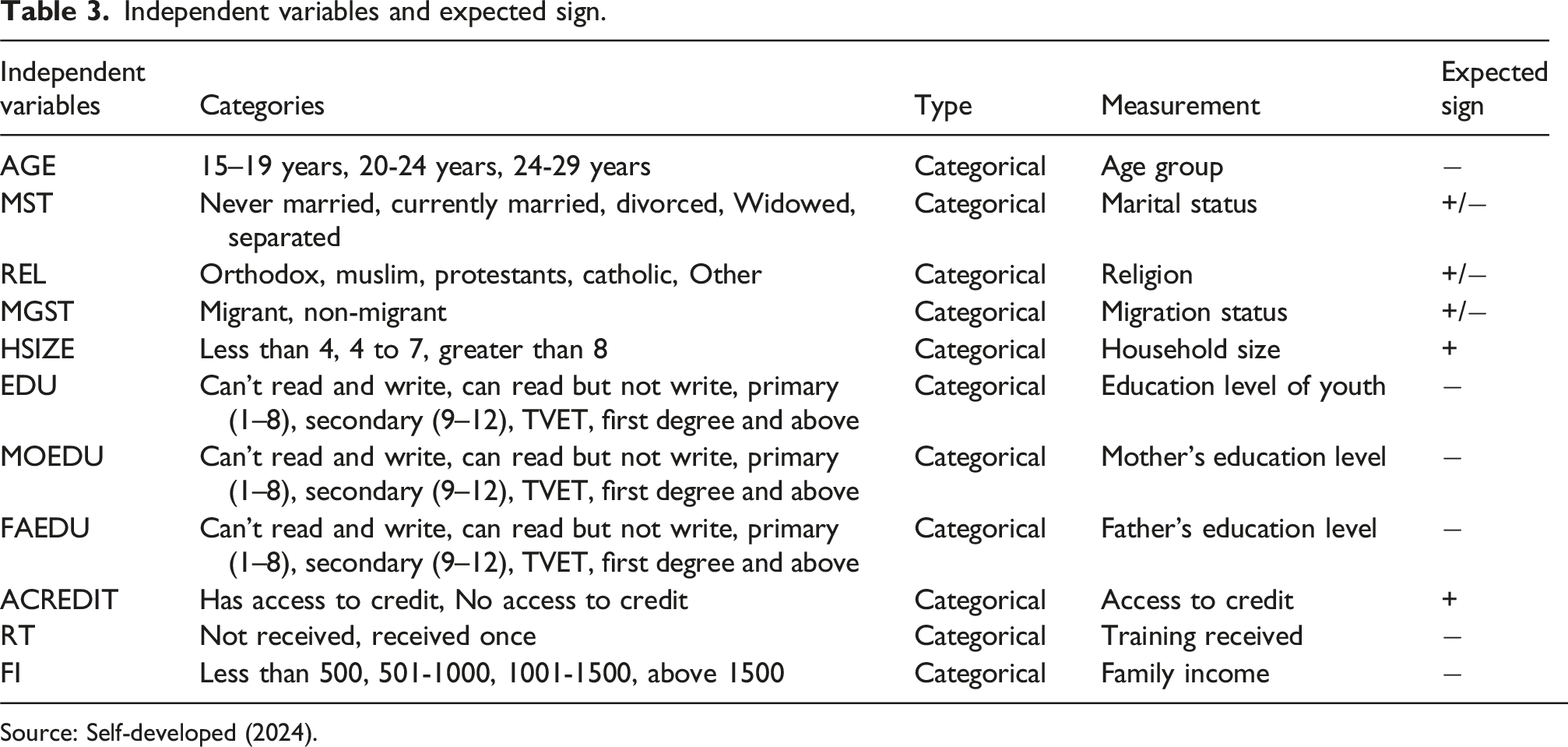
Independent variables and expected sign.
Source: Self-developed (2024).
Result and discussion
Introduction
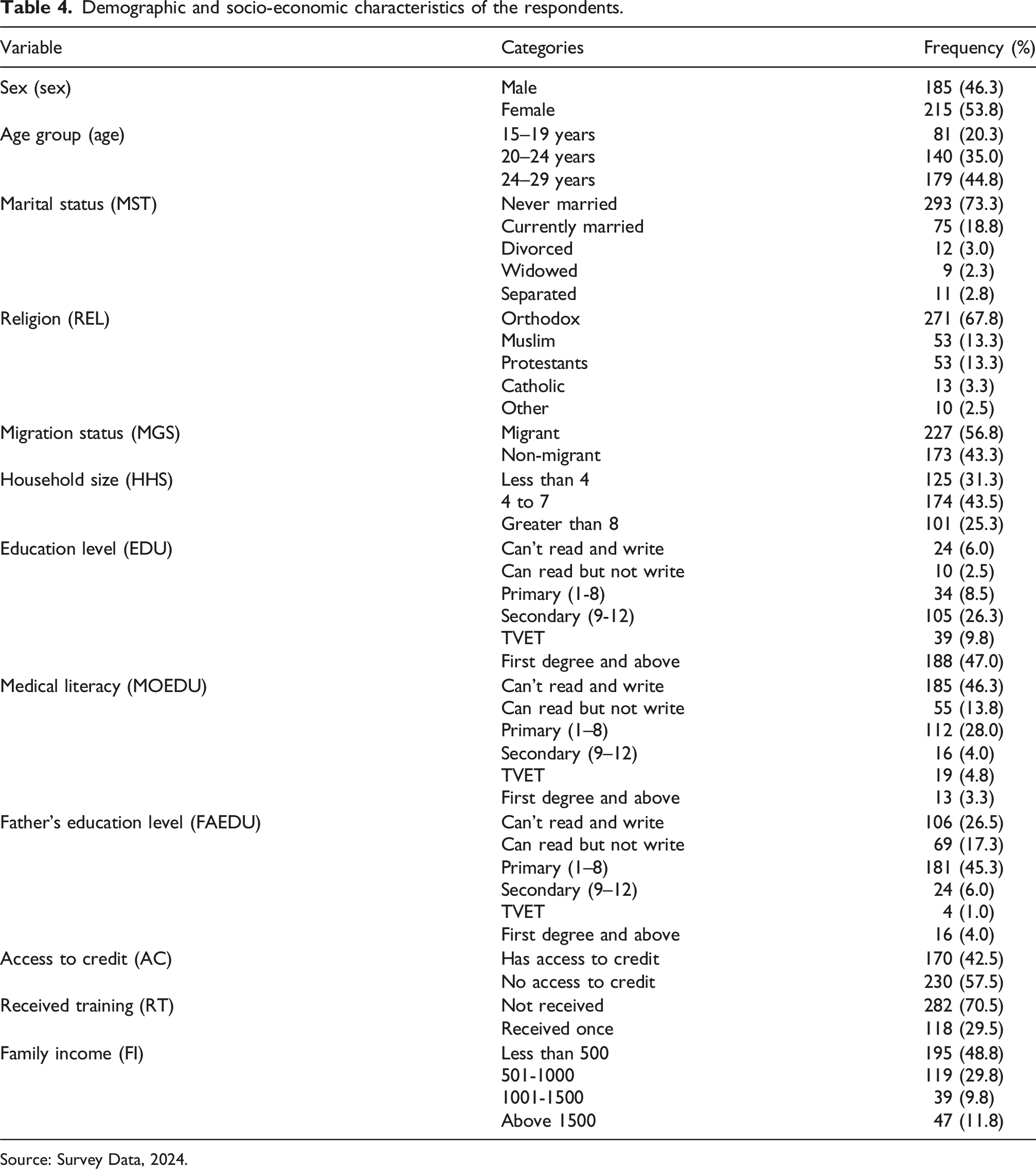
This chapter presents the research findings, organized into three sections. The first section details the demographic and socio-economic characteristics of the respondents. The second section discusses the bivariate analysis, exploring the relationship between various factors and unemployment status. The third section focuses on the multivariate analysis, identifying key determinants of youth unemployment. Data were collected through 69 questionnaires across four Woredas and towns in the Gurage Zone. A binary logistic regression and multiple regression models were employed to identify the main determinants of youth unemployment, while Pearson Chi-square statistics were used to assess the relationship between independent and dependent variables at a 95% confidence level. The study examined variables such as gender, age, marital status, religion, migration status, household size, education level, parental education levels, access to credit, received training, and family income. The findings highlight the significant factors influencing youth unemployment in the region.
Demographic and socio-economic characteristics of respondents
Demographic and socio-economic characteristics of the respondents.
Source: Survey Data, 2024.
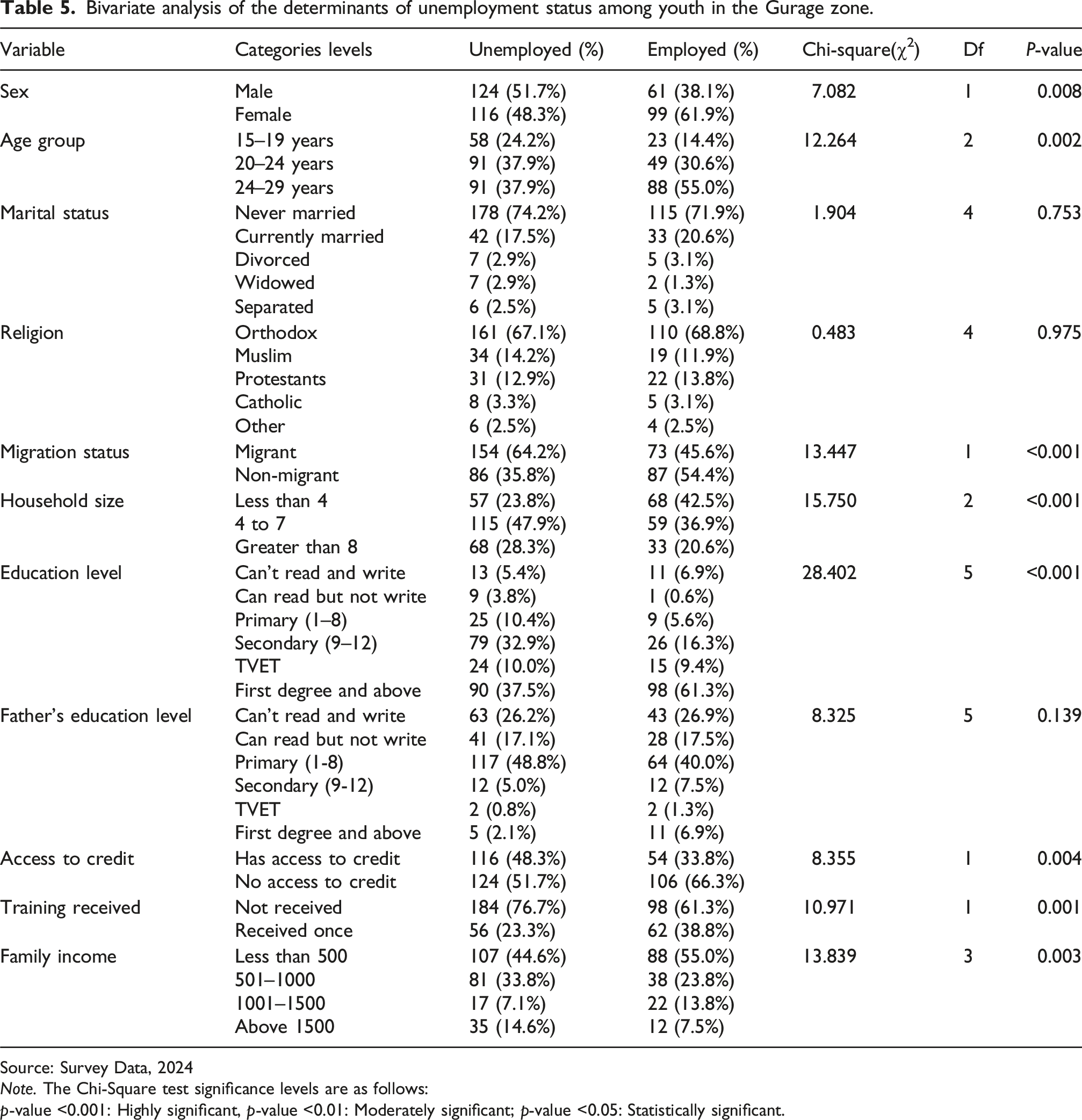
Demographic and socio-economic characteristics, bivariate analysis, and their association with youth unemployment
Bivariate analysis of the determinants of unemployment status among youth in the Gurage zone.
Source: Survey Data, 2024
Note. The Chi-Square test significance levels are as follows:
p-value <0.001: Highly significant, p-value <0.01: Moderately significant; p-value <0.05: Statistically significant.
Age was also identified as a significant factor influencing employment status (χ2 = 12.264, p = 0.002), with younger youth, particularly those aged 15–19, experiencing higher unemployment rates compared to older youth (25–29 years). This underscores the difficulties younger individuals face in securing employment, particularly due to limited work experience and fewer job opportunities. Qualitative interviews supported this finding, with younger participants citing the challenge of gaining experience when employers typically demand prior work history. One participant shared, “No one wants to hire someone without experience, but how can I gain experience if no one hires me?” This reflects the well-documented barriers to entry that young people face when entering the labor market (International Labour Organization [ILO], 2019; Tadesse and Gebre, 2016).
Marital status, however, did not show a significant relationship with employment status (χ2 = 1.904, p = 0.753). This suggests that whether youth are married or unmarried does not significantly affect their likelihood of being employed in the Gurage Zone. This finding aligns with studies indicating that marital status often has a minimal impact on employment outcomes, especially in regions where education, skills, and socio-economic factors are more influential (Kraus et al., 2017; International Labour Organization [ILO], 2019). Interviews with youth in the Gurage Zone further supported this, with many noting that skills, education, and social networks played a more critical role than marital status. One participant explained, “Whether you’re married or single, what matters most is if you have the skills and who you know to get a job.”
Religion was similarly found to have no significant impact on employment status (χ2 = 0.483, p = 0.975). This suggests that religious affiliation does not play a major role in shaping employment opportunities for youth in the region. Qualitative data from youth participants indicated that religion was not a significant factor in their employment prospects. One respondent noted, “Religion doesn’t matter in finding a job; what matters is what you know and who you know.”
In contrast, migration status exhibited a significant association with employment status (χ2 = 13.447, p < 0.001), with migrants facing higher unemployment rates compared to non-migrants. This suggests that migration may present additional barriers to employment, such as a lack of local networks, skill mismatches, or difficulties in having qualifications recognized. Interviews with migrant youth participants in the Gurage Zone highlighted these challenges, with one participant explaining, “When you move to a new area, you don’t know anyone, and it’s hard to find a job without connections or local experience.” This reinforces the view that migration can complicate access to employment (Oucho, 2007; ILO, 2019).
Household size was another significant factor influencing employment outcomes (χ2 = 15.750, p < 0.001). Youth from larger households, particularly those with more than five members, were more likely to experience unemployment. This suggests that larger households may experience resource constraints, limiting individual access to education, job training, and employment opportunities. One participant shared, “In a big family, you’re competing for everything—food, money, even the chance to get a good education or job.” This reflects the challenges youth from larger households face in securing employment (ILO, 2019; Wright, 2006).
Education level emerged as one of the strongest determinants of employment status (χ2 = 28.402, p < 0.001), with youth holding higher educational qualifications, particularly those with tertiary education, being significantly more likely to be employed. This underscores the importance of education in enhancing employability. Many youth participants reinforced this point, with one stating, “I got this job because I have a degree. Without it, I wouldn’t have been considered.” These findings are consistent with studies that highlight the positive relationship between education and employment outcomes (Psacharopoulos and Patrinos, 2018; ILO, 2019).
The education level of the mother was also found to significantly influence youth employment status (χ2 = 13.121, p = 0.022). Youth with more educated mothers were more likely to be employed, suggesting that maternal education may indirectly impact employment prospects by improving access to resources and social networks. This finding aligns with previous research that highlights the influence of parental education, especially maternal education, on youth employment outcomes (ILO, 2019; Schultz, 2004).
In terms of access to credit, a significant association was found with employment status (χ2 = 8.355, p = 0.004). Youth who had access to credit were more likely to be employed, indicating that financial resources play a crucial role in facilitating employment opportunities. Access to credit allows youth to invest in skill development or start their own businesses, thereby improving their employability. One respondent explained, “If I had the money to pay for extra courses or a job search program, I think I’d have a better chance of getting a job, but it’s hard without any support.” These findings support other studies that highlight the importance of financial resources in youth employment (Field, 2017; ILO, 2019).
Training was another key factor influencing employment outcomes (χ2 = 10.971, p = 0.001). Youth who received vocational or job-related training were more likely to secure employment, emphasizing the value of skill development in the job market. One participant noted, “I didn’t know how to use a computer before the training, but now I can work in an office, and it has made a huge difference.” This is consistent with research indicating that vocational training significantly enhances youth employability (Almeida and Bassi, 2015).
Finally, family income was found to be a strong determinant of employment status (χ2 = 13.839, p = 0.003). Youth from higher-income families were more likely to be employed, reflecting the role of socio-economic background in shaping employment opportunities. Youth from wealthier families tend to have better access to education, networks, and job opportunities. One participant explained, “If I had the money to pay for extra courses or a job search program, I think I’d have a better chance of getting a job, but it’s hard without any support.”
Major causes of youth unemployment
In the Gurage Zone, respondents were asked to rate their agreement with various statements regarding the primary factors contributing to youth unemployment. The findings reveal that rapid population growth is perceived as a major contributor to the high levels of unemployment among the youth.
Figure 4 presents participants’ perceptions regarding the relationship between rapid population growth and youth unemployment. The results show a significant consensus among respondents, with 32.5% agreeing and 38.0% strongly agreeing that rapid population growth increases job competition and contributes to higher youth unemployment. This indicates that a majority of respondents believe population growth is a major factor influencing youth employment. However, some disagreement exists, as 12.8% disagreed, 6.3% strongly disagreed, and 10.5% were neutral, reflecting a diversity of opinions. The mean score of 3.9 suggests that, on average, participants tend to agree with the statement, while the standard deviation of 1.23 indicates moderate variability in responses. Perceptions of rapid population growth as a factor in youth unemployment.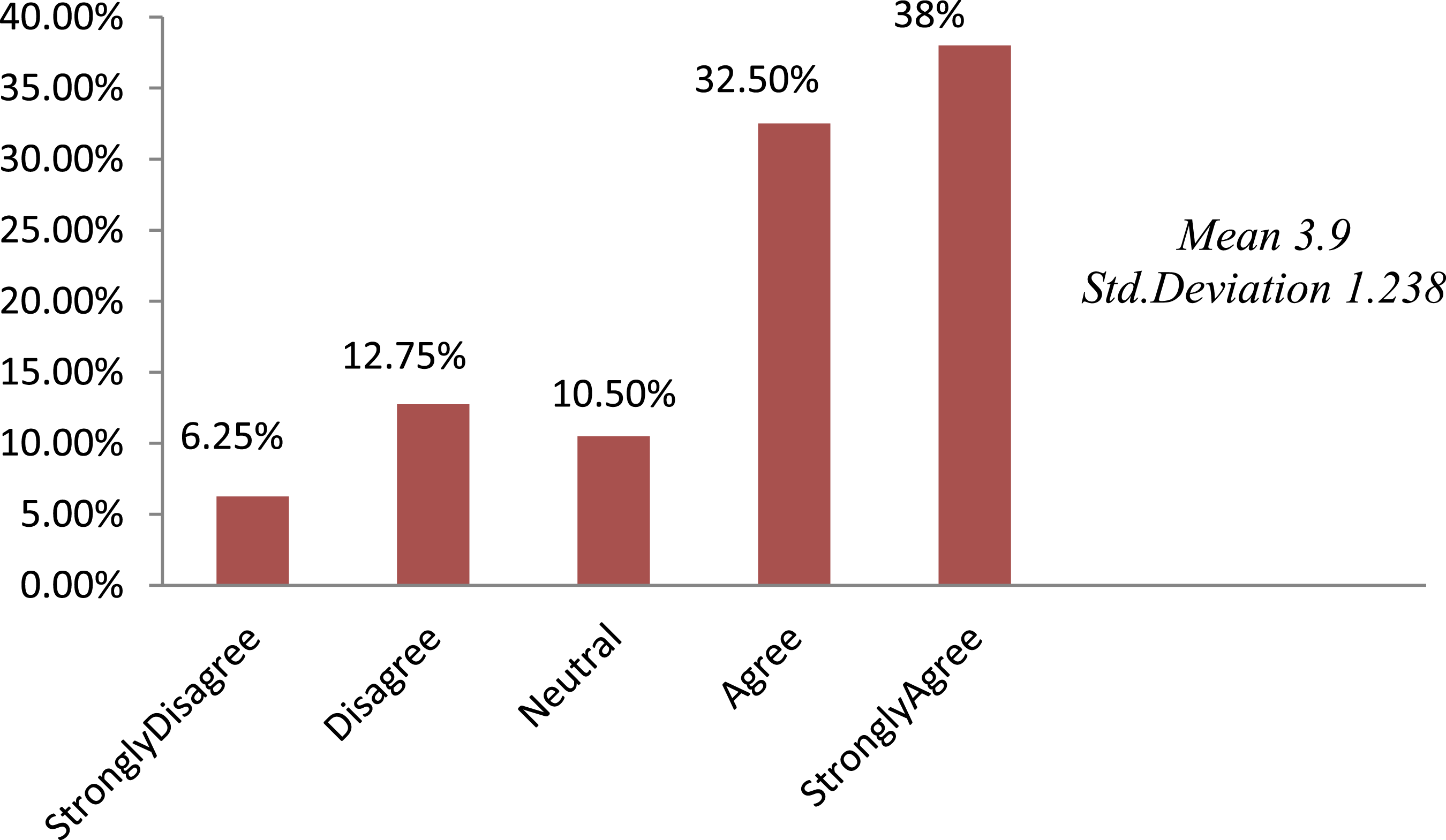
These findings are consistent with previous studies linking population growth to employment challenges (Mekonnen, 2021; Kumar, 2021). The Malthusian theory, which posits that unchecked population growth can result in socio-economic problems such as high unemployment, underpins these perceptions (Malthus, 1798). Empirical research further supports this view, demonstrating the effects of population dynamics on unemployment rates (Bloom et al., 2013; Lee and Mason, 2011). Nonetheless, alternative perspectives argue that population growth can stimulate economic development and create job opportunities (Bloom and Canning, 2008; Sachs, 2005). Therefore, the relationship between population growth and youth unemployment is complex and context-specific, requiring a nuanced analysis to fully understand its implications.
A qualitative study in the Gurage Zone identified several additional factors contributing to youth unemployment. Participants reported that corruption, infrastructural decay, and neglect of the agricultural sector were major barriers to job creation. Other challenges included unfavorable government policies, the effects of globalization, poor recruitment practices, a deficient educational system, and insecurity, negative attitudes toward employment, and weak leadership and governance. These findings highlight the multifaceted nature of youth unemployment in the region and underscore the need for comprehensive strategies that address both demographic and structural factors.
Figure 5 shows that 67.5% of respondents believe rural-to-urban migration contributes to higher youth unemployment, with 35.5% agreeing and 32.0% strongly agreeing. A smaller portion of respondents, 17.6%, disagreed, and 15.0% remained neutral, indicating some variation in opinions. The mean score of 3.76 suggests that most participants agree that migration impacts youth unemployment, while the standard deviation of 1.17 reflects moderate variability in responses. Rural-Urban migration as causes of youth unemployment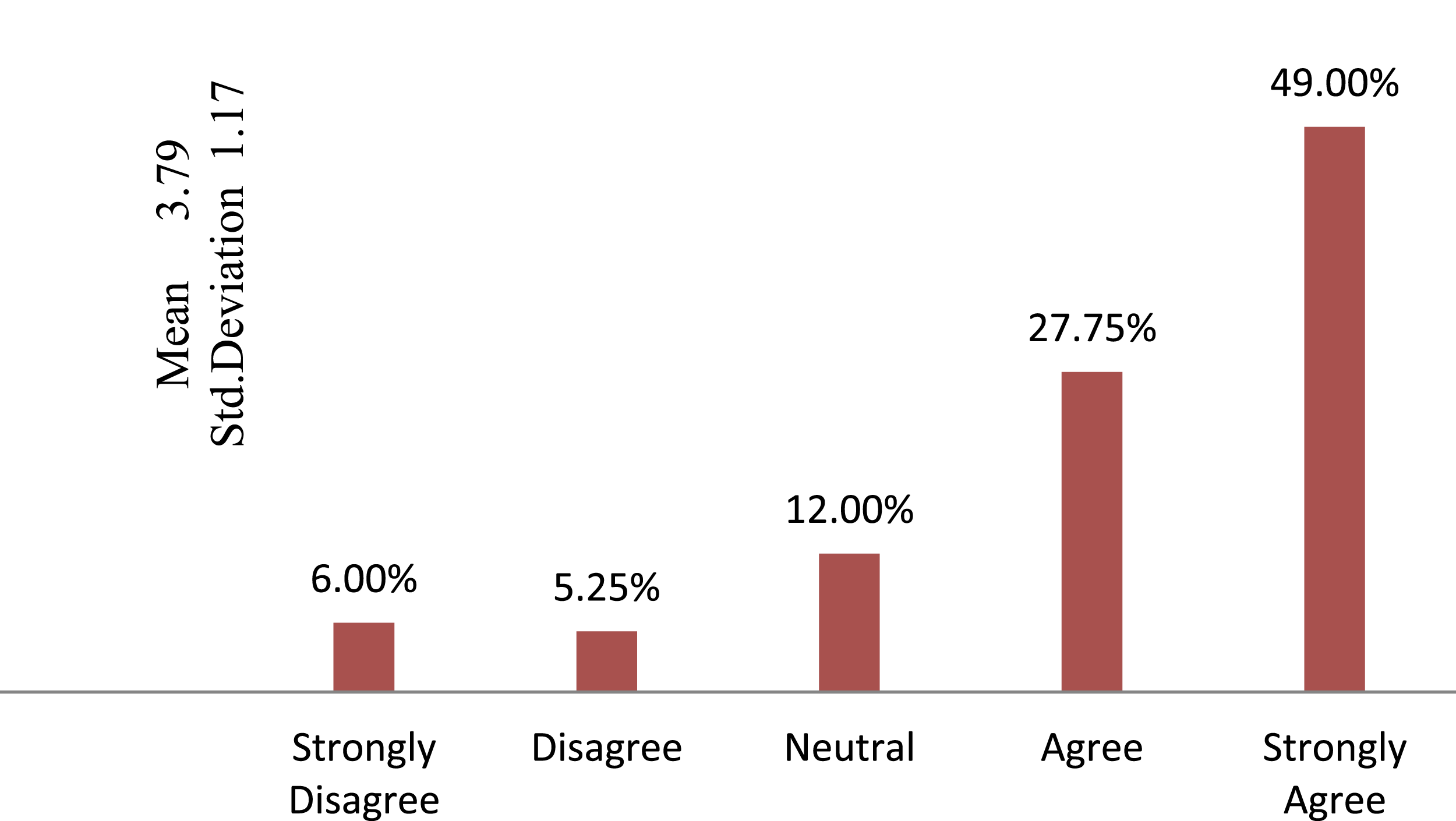
These results are consistent with previous studies, which highlight how migration increases job competition in urban areas, exacerbating unemployment among youth (Imuetinyan, 2018; Mekonnen, 2021; Mohammed Shuker and Hashim Sadik, 2024; Ongbali and Afolalu, 2019). Despite migrating in search of better opportunities, young people often encounter limited employment prospects, contributing to urban overpopulation, poverty, and inequality. Current government policies have only partially addressed these challenges, emphasizing the need for targeted interventions to manage migration and expand employment opportunities in urban areas.
Figure 6 presents respondents’ perceptions of the quality of educational policy and its impact on youth unemployment, specifically evaluating how well educational policies equip youth with essential job skills. Among the 400 respondents, 10.3% (41 individuals) strongly disagreed and 17.3% (69 individuals) disagreed with the view that current educational policies are ineffective. Additionally, 18.3% (73 respondents) took a neutral stance, suggesting uncertainty or insufficient information on the matter. In contrast, 27.3% (109 respondents) agreed, and 27.0% (108 respondents) strongly agreed that ineffective educational policies significantly contribute to the lack of job skills among youth. Overall, 54.3% of respondents perceive these policies as a major factor in youth unemployment. The mean score of 3.21 and standard deviation of 1.156 indicate moderate agreement, with some variability in responses. Quality of education policy and its impact on youth unemployment.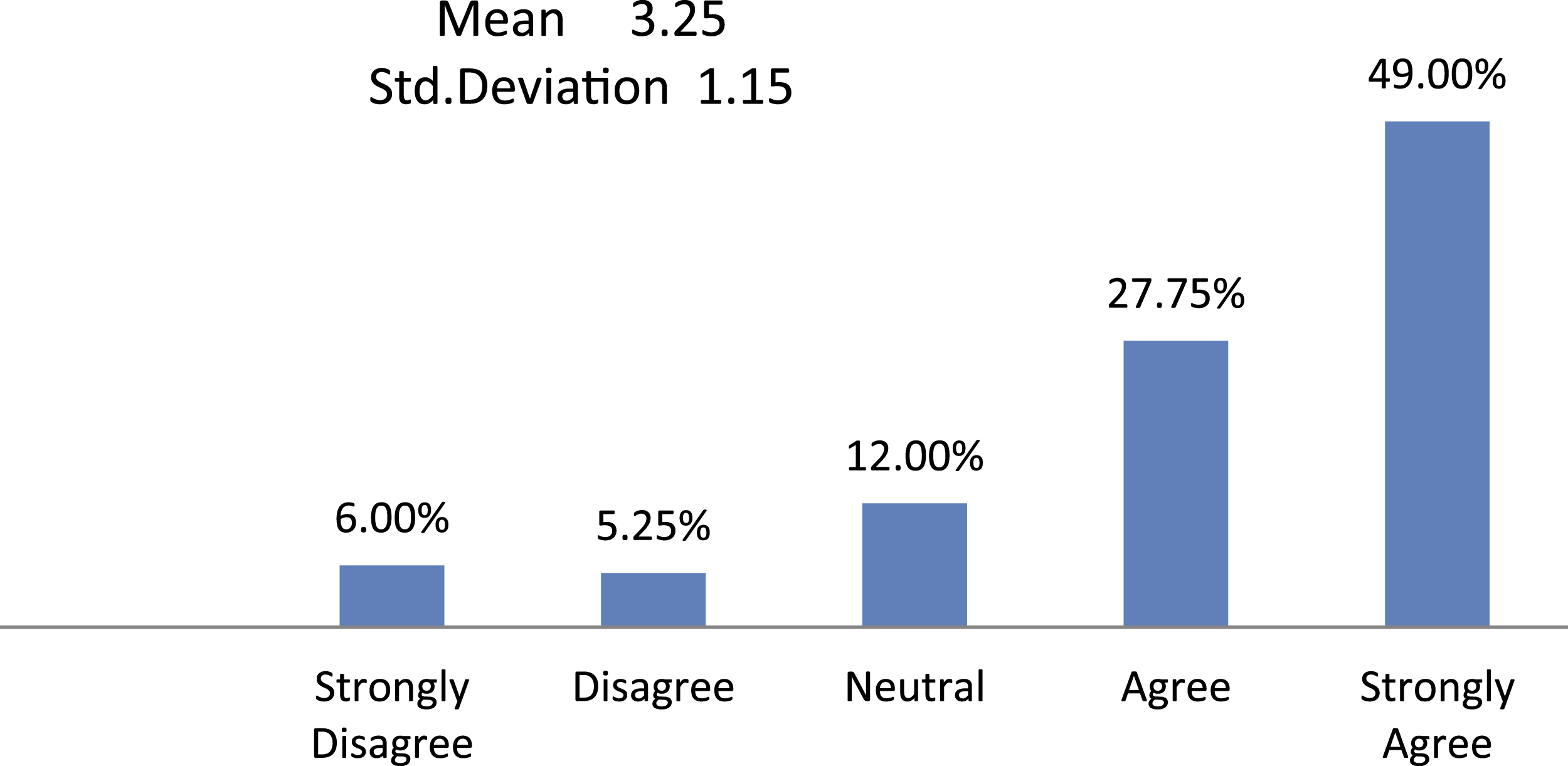
These findings are consistent with previous research emphasizing the importance of aligning educational policies with labor market demands to enhance youth employability and reduce unemployment (Refrigeri and Aleandri, 2013; Mekonnen, 2021; Nwogbo and Ishola, 2020). Improving policy effectiveness and ensuring that educational programs develop practical, market-relevant skills can play a crucial role in addressing youth unemployment challenges.
Figure 7 illustrates respondents’ perceptions regarding the relationship between skill mismatch and youth unemployment. Of the 400 participants, 6.5% (26 individuals) strongly disagreed with the notion that skill mismatch is a significant issue, suggesting satisfaction with the alignment between educational policies and labor market needs. In contrast, a substantial majority, 35.0% (140 respondents) agreed and 31.5% (126 respondents) strongly agreed that discrepancies between educational training and market demands significantly contribute to high youth unemployment rates. Overall, 66.5% (266 respondents) acknowledged that current educational frameworks inadequately prepare youth for the workforce, indicating a critical need for educational reform. The mean score of 3.21 suggests that participants generally agree that skill mismatch is a key factor in youth unemployment, while the standard deviation of 1.156 reflects moderate variability in responses, highlighting some divergence in opinions regarding the extent of the issue. Skill mismatch and its impact on youth unemployment.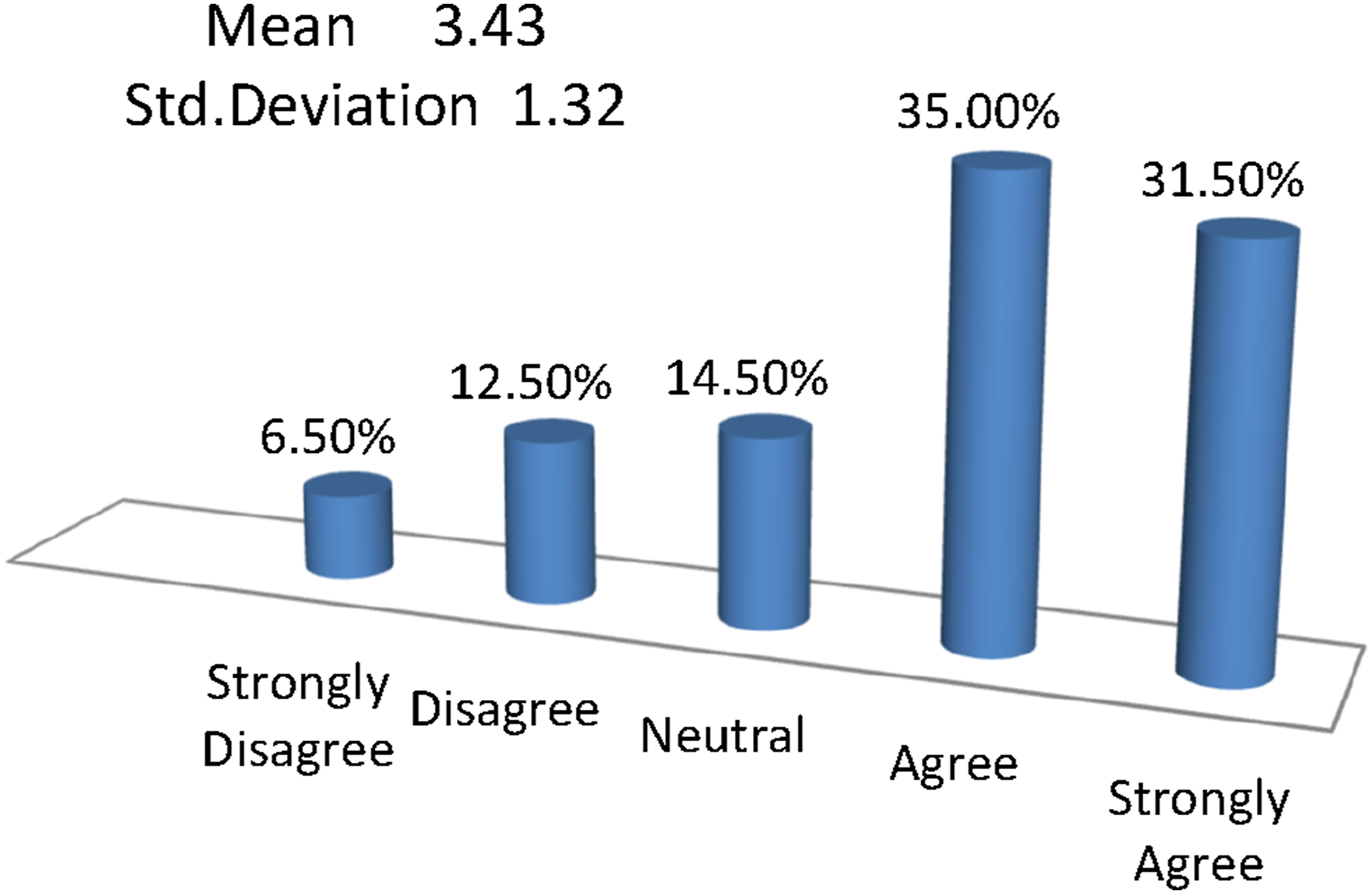
These findings align with previous research emphasizing the importance of integrating vocational training and work placement programs to enhance youth employability (Refrigeri and Aleandri, 2013; Mekonnen, 2021). Moreover, equitable access to quality education and vocational training is highlighted as a crucial strategy to reduce youth unemployment and improve labor market outcomes (Sharaf, 2023).
Figure 8 Presents respondents’ views on the impact of political instability and conflict on youth unemployment. Among the 400 respondents, a small minority—6.0% (24 individuals) who strongly disagreed and 5.3% (21 individuals) who disagreed—believed that political instability and conflict do not significantly disrupt economic conditions. Additionally, 12.0% (48 respondents) remained neutral, suggesting some uncertainty regarding the extent of these factors’ impact. In contrast, a significant majority—27.8% (111 respondents) who agreed and 49.0% (196 respondents) who strongly agreed—recognized that political instability and conflict significantly exacerbate youth unemployment. Overall, 76.8% (307 respondents) agreed that these issues profoundly influence youth employment prospects. Political instability and conflict vs. youth unemployment.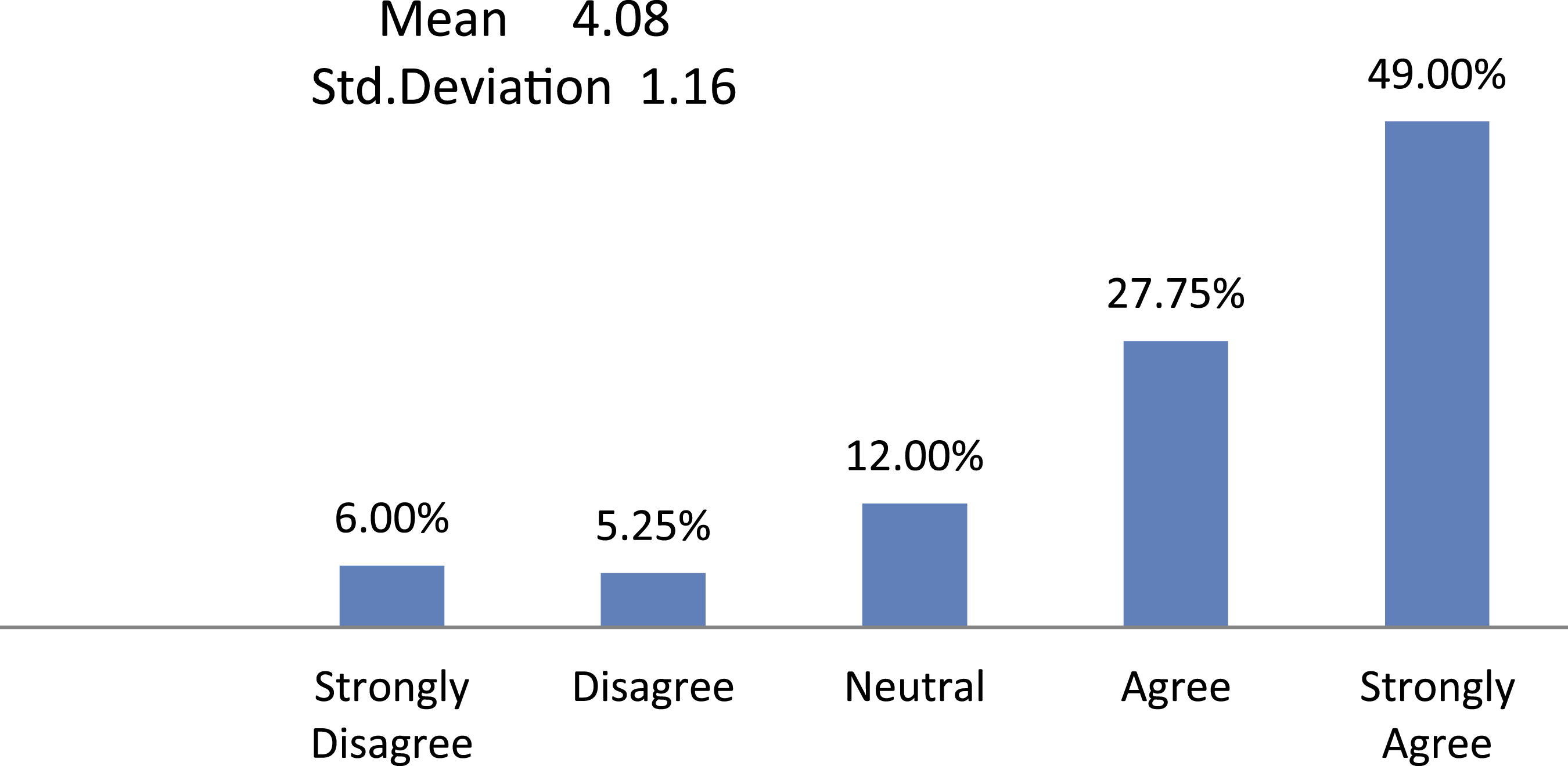
The mean score of 4.08 suggests strong agreement with the statement, while the standard deviation of 1.16 indicates moderate variability in responses. These results suggest that although the majority acknowledge the negative effects of political instability on youth employment, there is some divergence in the intensity of respondents’ perceptions.
Table 6 presents respondents’ perceptions of various factors contributing to youth unemployment. The table includes five statements, along with the corresponding frequency distributions, mean scores, and standard deviations. The following interpretation focuses on the first statement: (1) Neglect of the agricultural sector decreases job opportunities for rural youth, increasing unemployment: Percent of respondents asked to the cause of youth unemployment. Source: Survey data Gurage Zone (2024).
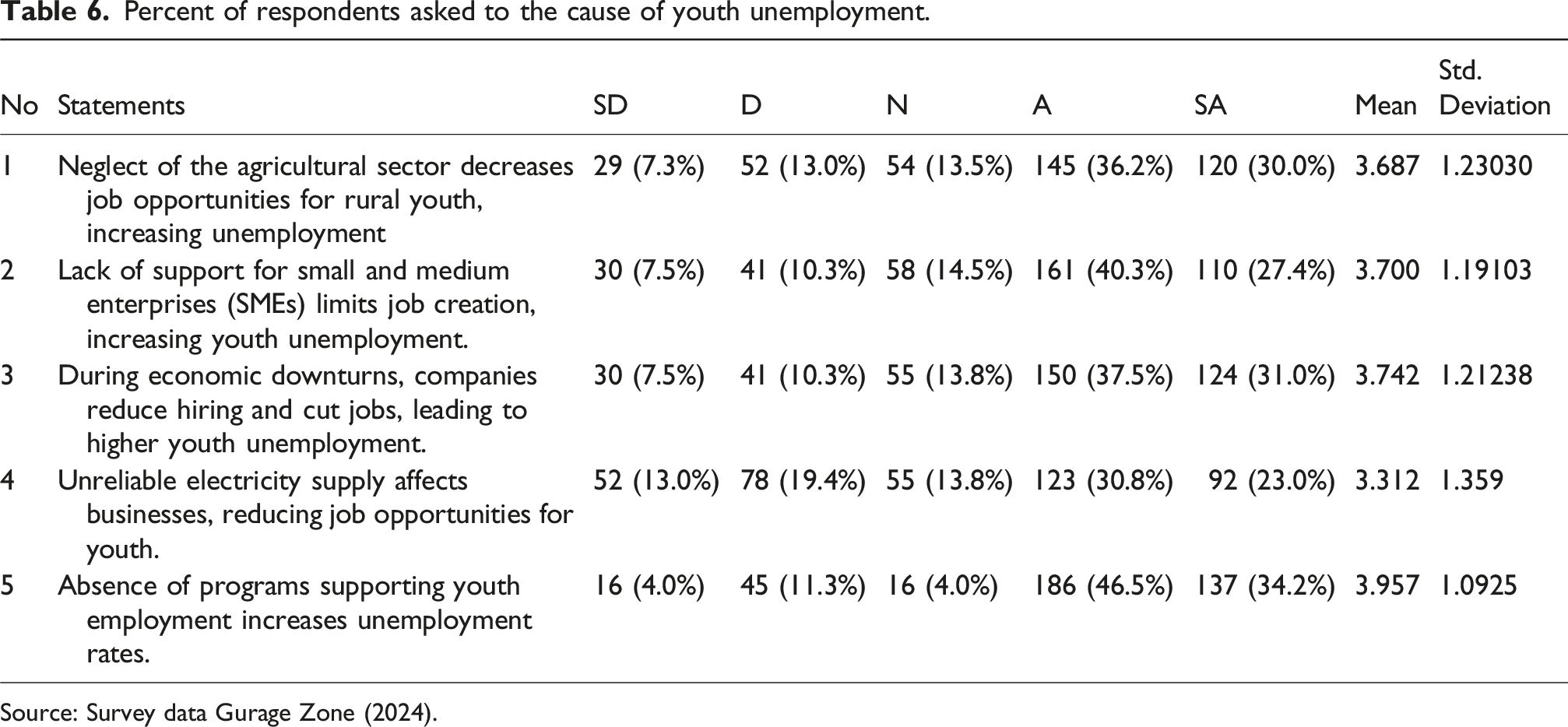
This statement received a mean score of 3.687, indicating moderate agreement among respondents. The findings suggest that a substantial proportion of participants believe that neglecting the agricultural sector contributes to higher youth unemployment, particularly in rural areas. The standard deviation of 1.230 reflects some variability in responses, although the majority of respondents (66.2%) agreed or strongly agreed with the statement. These perceptions underscore the consensus that the agricultural sector plays a critical role in providing employment opportunities for rural youth. These results are consistent with prior research, which emphasizes that neglecting agriculture negatively affects job creation in rural regions (Schmidt and Woldeyes, 2019; Wossen and Ayele, 2018). (2) Lack of support for small and medium enterprises (SMEs) limits job creation, increasing youth unemployment
The mean score of 3.700 indicates moderate agreement with this statement, suggesting that respondents perceive the lack of support for SMEs as a significant barrier to job creation and a contributor to youth unemployment. The standard deviation of 1.191 reflects relatively consistent responses, with 67.7% of participants agreeing or strongly agreeing with this view. These findings underscore the critical role of SMEs in generating employment opportunities for youth. Strengthening SME support through policy and financial incentives is therefore essential for reducing youth unemployment. These results align with prior studies highlighting the importance of supporting SMEs to enhance job creation and mitigate unemployment (Muwanga, 2023; Commission for Western Asia, 2024). (3) During economic downturns, companies reduce hiring and cut jobs, leading to higher youth unemployment
This statement received a mean score of 3.742, representing the strongest agreement among the factors listed in Table 6. The majority of respondents (68.5%) indicated that economic downturns lead to reduced hiring and job cuts, exacerbating youth unemployment. The standard deviation of 1.212 reflects moderate variability in responses, suggesting that while most respondents agree, there are some differences in the intensity of their perceptions. These findings reinforce the view that economic instability directly affects youth employment opportunities. This perception is consistent with prior research, which documents the negative impact of economic recessions on youth employment (Gould and Kassa, 2020; Ruth et al., 2014). (4) Unreliable electricity supply affects businesses, reducing job opportunities for youth
This statement received a mean score of 3.312, indicating moderate agreement among respondents, although there is a greater degree of variability compared to the other factors. The standard deviation of 1.359 reflects a wider spread of opinions, with some respondents strongly agreeing, while others disagreed or remained neutral. Despite this variability, a significant portion of respondents (54%) acknowledged that unreliable electricity negatively affects business operations, which in turn reduces youth employment opportunities. These findings highlight the critical role of reliable electricity in supporting business activities and promoting job creation. This perception is consistent with prior research emphasizing that consistent power supply is essential for industrial growth and employment generation (Now, 2016; Scott et al., 2014). (5) Absence of programs supporting youth employment increases unemployment rates
This statement received the highest mean score of 3.957, indicating strong agreement among respondents. The majority of participants (80.7%) agreed or strongly agreed that the lack of youth employment programs is a major factor contributing to youth unemployment. The relatively low standard deviation of 1.093 suggests strong consensus, with most respondents recognizing the importance of targeted programs in reducing youth unemployment. These findings underscore the critical need for well-structured youth employment initiatives to effectively address unemployment and enhance economic stability. This perception is consistent with previous research, which highlights the role of youth employment programs in mitigating unemployment and promoting sustainable economic development (Namita et al., 2018).
Discussion of results: Empirical and theoretical support
The findings of this study illustrate the multifaceted nature of youth unemployment in the Gurage Zone, highlighting demographic, educational, economic, infrastructural, and political factors that collectively contribute to high unemployment rates among youth.
A significant portion of respondents (70.5%) indicated that rapid population growth increases job competition, exacerbating youth unemployment. This perception aligns with Malthusian theory, which posits that unchecked population growth can lead to socio-economic challenges, including higher unemployment rates (Malthus, 1798). These results are consistent with previous studies demonstrating that demographic pressures negatively affect employment opportunities (Kumar, 2021; Mekonnen, 2021). However, alternative perspectives argue that managed population growth can stimulate economic development, suggesting a more nuanced relationship (Bloom and Canning, 2008; Sachs, 2005).
Rural-urban migration was acknowledged by 67.5% of respondents as contributing to youth unemployment. This aligns with dual labor market theory, which asserts that rural migration leads to urban overcrowding and increased competition for low-skilled jobs, elevating youth unemployment in cities (Piore, 1979). Similarly, neoclassical migration theory posits that skill mismatches between rural migrants and urban labor markets exacerbate unemployment (Todaro, 1969), while urbanization theory highlights how rapid urban growth without corresponding economic development can strain labor markets and create job scarcity for youth (Sassen, 2001).
Educational factors were prominent in respondents’ perceptions. A total of 54.3% of participants indicated that ineffective educational policies contribute to youth unemployment by failing to equip young people with essential job skills. This supports human capital theory (Becker, 1993), which emphasizes that education enhances employability, and signaling theory (Spence, 1973), which suggests that poor educational quality diminishes the signaling value of qualifications. Additionally, institutional theory (North, 1990) highlights that governance and misalignment between education and labor market needs exacerbate these issues. Similarly, 66.5% of respondents identified skill mismatch as a key contributor to unemployment, reinforcing the importance of aligning education with labor market demands.
Political instability and conflict were cited by 76.8% of respondents as major factors in increasing youth unemployment. These findings align with institutional theory (North, 1990), which posits that political instability disrupts economic systems and hinders job creation. Conflict theory (Collier and Hoeffler, 2004) further explains that social and political unrest destabilizes labor markets, particularly for vulnerable populations like youth, while human capital theory (Becker, 1993) suggests that instability undermines educational and economic development, reducing workforce preparedness.
In rural areas, 66.2% of respondents identified the neglect of agriculture as a contributor to youth unemployment. This supports dual economy theory (Lewis, 1954), which emphasizes that underdeveloped rural sectors, particularly agriculture, limit employment opportunities. Structural transformation theory (Chenery et al., 1974) further explains that economies transitioning from agriculture to industry without adequate rural support exacerbate unemployment among youth.
The lack of support for small and medium enterprises (SMEs), noted by 67.7% of respondents, highlights the importance of entrepreneurship for youth employment. Entrepreneurship theory (Acs and Audretsch, 1990) emphasizes SMEs’ role in innovation, economic diversification, and job creation, while economic development theory (Schumpeter, 1934) underscores the consequences of inadequate SME support for employment generation in developing economies.
Economic downturns, identified by 68.5% of respondents as limiting job opportunities, are consistent with Keynesian economic theory (Keynes, 1936), which posits that recessions reduce labor demand. Labor market theory highlights that youth, with limited experience and skills, are disproportionately affected by economic contractions.
Unreliable electricity supply, recognized by 54% of respondents, aligns with infrastructure theory (Aschauer, 1989), which emphasizes the role of reliable infrastructure in supporting business growth and employment. Supply-side economics (Barro, 1990) further notes that inadequate infrastructure increases business costs, deters investment, and reduces job opportunities for youth.
Finally, the absence of youth employment programs, noted by 80.7% of respondents, underscores the critical role of structured interventions in enhancing employability. Human capital theory (Becker, 1993) supports targeted programs to develop youth skills, while employment policy theory (Kluve, 2010) highlights government interventions as essential for addressing labor market mismatches.
Collectively, these findings demonstrate that youth unemployment in the Gurage Zone is influenced by interrelated demographic, educational, economic, infrastructural, and political factors. Addressing the issue requires integrated policy responses that target population pressures, skill development, SME support, infrastructure improvement, and political stability.
Policy implications, strengths, limitations, and conclusion
Policy implications
The findings highlight critical areas for policy intervention to reduce youth unemployment in the Gurage Zone. Policymakers should prioritize agricultural development, particularly in rural areas, as a sustainable source of employment. Supporting small and medium enterprises (SMEs) through improved financial access, tax incentives, and targeted training programs can foster local entrepreneurship and job creation. Educational reforms are necessary to align curricula with labor market needs by emphasizing vocational and technical skills. Investing in youth employment programs, including job placement services, mentorship, and career counseling, can help bridge the education-to-employment gap. Additionally, strengthening infrastructure and ensuring political stability are crucial for business growth and investment attraction. Managing rural-urban migration through decentralized economic development policies can also reduce pressure on urban labor markets.
To enhance the effectiveness of these policies, it is essential to specify job creation strategies tailored to the region. Key sectors with high employment potential include poultry, cattle, and sheep farming, block making, cobblestone production, modern farming techniques, dairy and meat production, and irrigation. Establishing modern marketplaces and ensuring access to necessary inputs can further support youth employment. Given the limited industrial activity in the zone, targeted government and non-governmental support for these sectors can significantly reduce unemployment and drive sustainable economic growth.
Strengths
One of the study’s key strengths is its large sample size of 400 participants, which increases the reliability and generalizability of the findings. The study also provides a comprehensive analysis by addressing multiple contributing factors—demographic, economic, and policy-related—providing a holistic view of youth unemployment. Furthermore, the study reveals a strong consensus among respondents about the primary factors driving unemployment, which strengthens the validity of the conclusions. The practical recommendations based on the study’s findings offer actionable solutions for policymakers and stakeholders. Finally, the multi-dimensional approach of the study, considering socio-economic and political factors, highlights the complexity of the issue and emphasizes the need for collaboration among various sectors to effectively address youth unemployment.
Limitations
Despite its strengths, the study has certain limitations. The focus on a single region, the Gurage Zone, limits the generalizability of the findings to other areas with different socio-economic or demographic characteristics. The use of cross-sectional data captures a snapshot of the situation at a single point in time but does not allow for the examination of trends over time or the establishment of causal relationships. Additionally, the reliance on self-reported data may introduce biases such as social desirability bias or inaccuracies in how participants perceive and report factors contributing to youth unemployment. The study also excludes some potential variables such as cultural attitudes and international economic factors, which could provide a more comprehensive understanding of the issue. Lastly, while the role of government policies is mentioned, the study does not delve deeply into the effectiveness or shortcomings of existing policies.
Conclusion
This study highlights the key factors contributing to youth unemployment in the Gurage Zone and underscores the need for targeted policy interventions. Our findings suggest that youth unemployment is driven by socio-economic challenges such as limited access to quality education, inadequate infrastructure, and a lack of job opportunities in both rural and urban areas. A comprehensive approach is essential, with a focus on agricultural development, SME support, education reform, and investment in youth employment programs. Evidence from similar contexts shows that these strategies have proven effective in creating sustainable job opportunities. Additionally, improving infrastructure, ensuring political stability, and managing rural-urban migration through decentralized economic policies are critical for sustainable job creation. Prioritizing sectors such as poultry, cattle, and sheep farming, block making, cobblestone production, modern farming techniques, and dairy and meat production can significantly enhance employment prospects. Establishing modern marketplaces and improving access to necessary inputs will further facilitate youth engagement in these sectors. By implementing these measures, policymakers and stakeholders can reduce youth unemployment, stimulate economic growth, and create a more inclusive and sustainable future for the youth in the Gurage Zone.
Footnotes
Acknowledgements
I would like to express my sincere gratitude to Professor Kinfe Abraha Gebre-Egziabher, my research advisor, for his continuous support, encouragement, and valuable insights throughout this study. I also extend my thanks to Dr Mekonen Kassahun for his constructive feedback and guidance during the research process. This study was supported by the Ministry of Education of Ethiopia, whose resources and guidance were instrumental in facilitating the research. I also acknowledge Raya University for providing access to essential resources and for their administrative support during the data collection phase. Additionally, I am grateful to Mekelle University for offering the academic environment and support necessary to carry out this study. Finally, I am deeply thankful to my family and friends for their unwavering support and encouragement throughout my academic journey.

Ethical considerations
The study was performed in line with the principles of the Declaration of Helsinki
Consent to participate
Informed consent was obtained from all participants prior to their involvement in the study.
Consent for publication
Participants provided consent for the anonymized findings of this study to be published. No identifying information is included in the manuscript.
Author contributions
Mule Dejene Guta (M.D.G.)
Funding
The authors disclosed receipt of the following financial support for the research, authorship, and/or publication of this article: This work was supported by the Ministry of Education of Ethiopia and Raya University, Machew, Tigray, Ethiopia.
Declaration of conflicting interests
The authors declare no competing interests.
Data Availability Statement
The data and materials used in this study are available upon reasonable request from the corresponding author. Due to privacy concerns and the nature of the collected information, access will be granted in accordance with ethical guidelines and may require a confidentiality agreement.
Clinical trial number
As this study is not a clinical trial, there is no clinical trial number.