







Abstract
Universities and small and medium-sized enterprises (SMEs) are increasingly engaging in collaborations that translate academic knowledge into practical business applications, thereby contributing to innovation, competitiveness, and development. For SMEs, which often face resource and capability constraints, partnerships with universities can provide important support for business model innovation (BMI), either as a process or an outcome central to value creation, delivery, and capture in dynamic environments. However, the role of universities in enabling the BMI of SMEs remains underexplored, with insights dispersed across fragmented studies and limited reviews addressing this intersection. This study addresses this gap through a review of 73 articles published between 2001 and 2024. Employing both descriptive and content analyses, the review examines the evolution of university–SME collaborations and identifies five categories that capture the principal mechanisms through which universities contribute to the BMI of SMEs. The findings highlight areas of development, including misalignments that may hinder collaborative effectiveness. By consolidating fragmented knowledge, this study provides a more comprehensive understanding of university–SME interactions and their role in supporting BMI. It further offers implications for academics and practitioners, while outlining promising directions for future research to enhance university contributions to SME business model innovation.
Keywords
Introduction
Universities have a principal mission to generate and disseminate knowledge, whereas enterprises focus on applying knowledge to develop products and services (Guerrero et al., 2019). Collaborations between universities and small and medium-sized enterprises (SMEs) enable the transfer of academic research into practical applications, thereby contributing to technological advancement and development (Ankrah and Al-Tabbaa, 2015; Mäkimattila et al., 2015; Pereira and Franco, 2023). The expertise of university faculty in both research and teaching fosters innovation, facilitates collaboration, and strengthens productive relationships, ultimately enhancing educational outcomes and business performance (Asplund and Bengtsson, 2010).
Networks involving universities and SMEs provide SMEs with access to support and collaboration activities (Zahoor and Al-Tabbaa, 2020), enabling opportunity exploration and innovative business model development. These networks enhance resource utilization, improve business activities, and strengthen innovation capabilities, contributing to competitive advantage (Lam et al., 2013). Various innovation activities contribute to building university-SME partnerships, including BMI activities so some extent (Arandia Arzabe et al., 2024). While both large firms and SMEs emphasize innovation business models for competitive advantage, large firms focus on long-term opportunities and customer trust, whereas SMEs prioritize immediate gains through production, technology, partnerships, resource sharing and reputation building (Lam et al., 2013). Cultural and objective differences often create misaligned timelines and conflicting priorities (Bruneel et al., 2010; Miller et al., 2014).
Business models (BM) are important for innovation as they provide a framework for how a company creates, delivers, and captures value (Chesbrough, 2010; Foss and Saebi, 2017; Osterwalder and Pigneur, 2010; Teece, 2010). A robust BM can help a company achieve a competitive advantage, even if its technology or idea is not necessarily superior (Chesbrough, 2007). BM are complex and multifaceted, comprising both explicit and implicit knowledge that interact and shape the models, understanding and optimizing a BM is essential for success in today’s business environment (Wadin et al., 2017).
Business model innovation (BMI) entails not only enhancing value creation, delivery, and capture but also developing new ways to provide value to customers and, in some cases, reorganizing the firm’s structure (Spieth et al., 2014). For SMEs, which often face resource and capability constraints, BMI frequently requires external support through partnerships, research collaborations, and knowledge exchange (Albats et al., 2023; Ibarra et al., 2020). BMI is defined as the process of creating or modifying a BM to improve performance, and has proven effective for SMEs by enabling adaptability, innovation, and collaboration in dynamic environments (Anwar, 2018; Miller et al., 2021).
However, knowledge on how universities support the BMI of SMEs remains limited, representing a gap (Happonen et al., 2020; Ivascu et al., 2016). This aligns with the expanding role of universities in regional innovation (Miller et al., 2014), as SMEs face constraints from newness and smallness, requiring external technology and market support (Albats et al., 2023) and institutional mechanisms for knowledge exchange and innovation (Lam et al., 2013). This gap hinders identification of collaboration opportunities between SMEs and universities, reducing the effectiveness of interventions and complicating the contextualization of new findings, thereby limiting the development of practices supporting SME business model innovation.
Furthermore, there are relatively few systematic literature reviews or narrow studies on the specific topic of university-industry collaboration in relation to SMEs c.f. (Cao et al., 2024; Murga Pinillos, 2024; Pereira and Franco, 2022; Zahoor and Al-Tabbaa, 2020). In this perspective, a review could provide valuable insights and could help identifying areas in which this support occurs and the perspectives through which these relationships are developed to effectively assist SMEs in innovating their BMs. This viewpoint could contribute to the understanding of knowledge dimensions and areas of BMI, particularly concerning supportive relationships (Albats et al., 2023).
The current literature on university support for SMEs’ BMI is fragmented, limiting comprehensive understanding (Albats et al., 2023; Anwar, 2018). This fragmentation underscores the need for further research on how universities and organizations facilitate it, particularly given SMEs’ global economic significance (Latifi et al., 2021; Zahoor and Al-Tabbaa, 2020). Diverse theoretical approaches complicate the development of a unified framework for SME business model innovation (Kraus et al., 2020a; Wirtz and Daiser, 2018). Consequently, establishing standardized constructs and identifying significant innovation variables remains an urgent scholarly imperative (Cosenz and Bivona, 2021).
The purpose of this research is to provide an overview and gain better understanding of how universities support the business model innovation of small and medium-sized enterprises, through a systematic literature review, intending to provide answer to the research question: What are the principal university support activities facilitating business model innovation in SMEs as described or proposed by academic research?
The use of a systematic literature review (SLR) is aligned by its capacity to provide an in-depth understanding of prior research on a given topic (Kraus et al., 2022). This methodology facilitates the identification of research gaps and potential avenues for future studies. Furthermore, it enables researchers to align future conceptual or empirical investigations with these gaps effectively. SLRs are conducted systematically, following established adopted procedures (Carver et al., 2013; Kraus et al., 2022).
For this SLR encompass 73 peer-reviewed articles. This review employs both descriptive and content analyses. The descriptive analysis outlines the development of the field from 2001 to 2024, highlighting its evolution and research trends. From the content analysis, the literature is categorized into five distinct groups to provide a comprehensive overview of the topic’s progression, and this inductively assesses the current state of the literature, focusing on key development areas. Additionally, this study offers insights for managers, entrepreneurs, and policymakers, while also identifying avenues for future research.
This review contributes by integrating BMI and university-SME collaboration literature, organizing support mechanisms into value dimensions, introducing process and outcomes logic of collaboration, this making an emphasis in the institutional and policy dimensions of the published papers and identifying underexplored regional and funding gaps.
The article proceeds as follows: First the methodology employed in the study is delineated, including the specifics of the search strategy. Second, the identified articles are reviewed and categorized to facilitate analysis of the findings. Finally, the article concludes with a summary of the findings and proposes avenues for further research.
Methodology and research design
This study employed a SLR as its research approach to establish a foundation for the investigation and to summarize what is known and unknown about a specific topic (Carver et al., 2013). This method ensures a transparent, structured, and replicable process, reducing bias and enhancing the legitimacy of data analysis (Kraus et al., 2022). In contrast, traditional reviews often lack standardized selection criteria, making them vulnerable to authorial subjectivity (Kraus et al., 2020b). Similarly, integrative reviews emphasize the synthesis of evidence, which may limit theoretical depth (Elsbach and Van Knippenberg, 2020), while problematizing reviews focus on uncovering implicit assumptions that are often difficult to identify. Consequently, an SLR was deemed the most suitable approach for this study, as it enables a rigorous mapping of the existing body of knowledge, identification of patterns and research gaps, and the development of a systematic foundation for future research (Kraus et al., 2020a).
The idea is to gain valuable insights while ensuring reliable, replicable, and synthesized results. To enable an objective overview of search results and minimize issues of bias and error, we applied key principles of SLR, namely transparency, inclusivity and an explanatory and heuristic nature (Denyer and Tranfield, 2009; Tranfield et al., 2003). The SLR followed the methodology proposed by Denyer and Tranfield (2009), which comprises steps. Figure 1 provides a detailed description of the procedure, encompassing the (i) review planning, (ii) conducting the review - execution, and (iii) reporting and dissemination, based on the selected methodology. Summary of review process.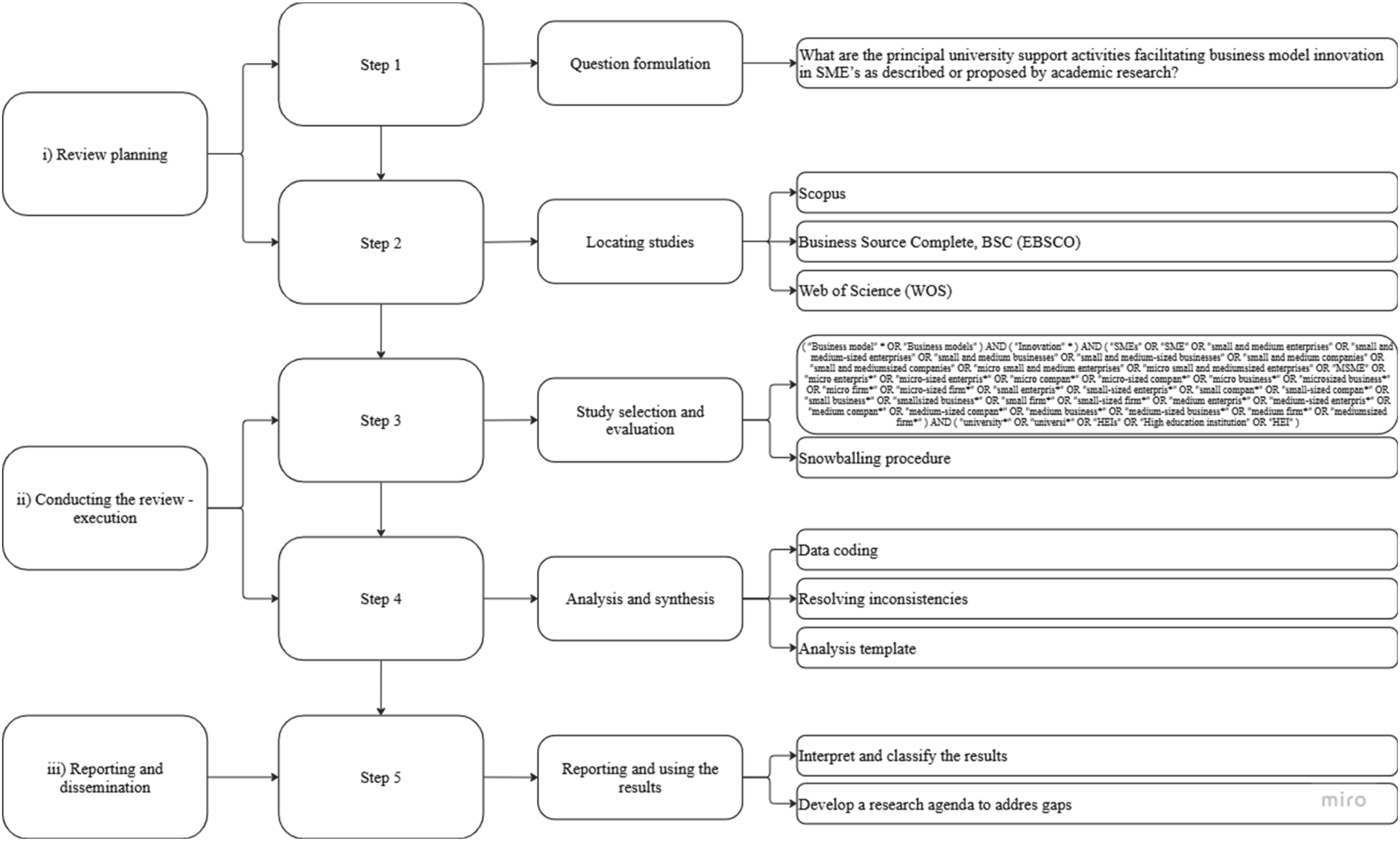
During the review planning phase, a literature searching was conducted to explore university support for BMI in SMEs. This preliminary search highlighted the relevance of the topic for enhancing SME performance. However, the concepts of university support and BMI were generally treated as separate or disaggregated in the literature. While related ideas are present in academic papers, they are not explicitly interconnected or thoroughly developed (i.e. they have the ideas in the papers, but it is not explicitly connected and/or developed).
For this study, BMI is defined as ‘designed, novel, and nontrivial changes to the key elements of a firm’s BM and/or the architecture linking these elements’ (Angelshaug et al., 2023; Foss and Saebi, 2017). Regarding the relationship between universities and SMEs is defined as ‘knowledge-related collaboration by academic researchers with non-academic organisations’ (Perkmann et al., 2013), in this case SMEs.
Some literature reviews address university-industry collaboration in relation to SMEs c.f. (Cao et al., 2024; Pereira and Franco, 2022; Zahoor and Al-Tabbaa, 2020), incorporating some aspects of BM and BMI (Lam et al., 2013). However, these studies primarily focus on how university-SME relationships influence activities targeted at improvement and growth, rather than examining into an integrated perspective of BMI. Additionally, other studies examine innovation practices involving firms and universities, proposing various frameworks to support collaboration and explore how universities can participate in ecosystems looking for different working models (Guerrero et al., 2019; J Roncancio-Marin et al., 2022a). Thus, we identified the need for the SLR because the literature does not provide neither cover the literature about university support for the innovation of BM of SMEs.
In the next phase, the databases for the study were selected. The databases Scopus, Web of Science (WOS), and Business Source Complete (BSC, EBSCO) were chosen due to their reputation as the most comprehensive multidisciplinary bibliographic databases. Scopus and Web of Science were selected for their reliability as data sources and their capacity to support in-depth searches (Wang and Waltman, 2016). These databases are also distinguished as some of the largest abstract and citation repositories, covering peer-reviewed literature across various disciplines, including management and business research (Donthu et al., 2021). EBSCO was selected based on its relevance to the topic of BMI and its frequent use in literature reviews on this subject, i.e. (Foss and Saebi, 2017).
Keyword combination.
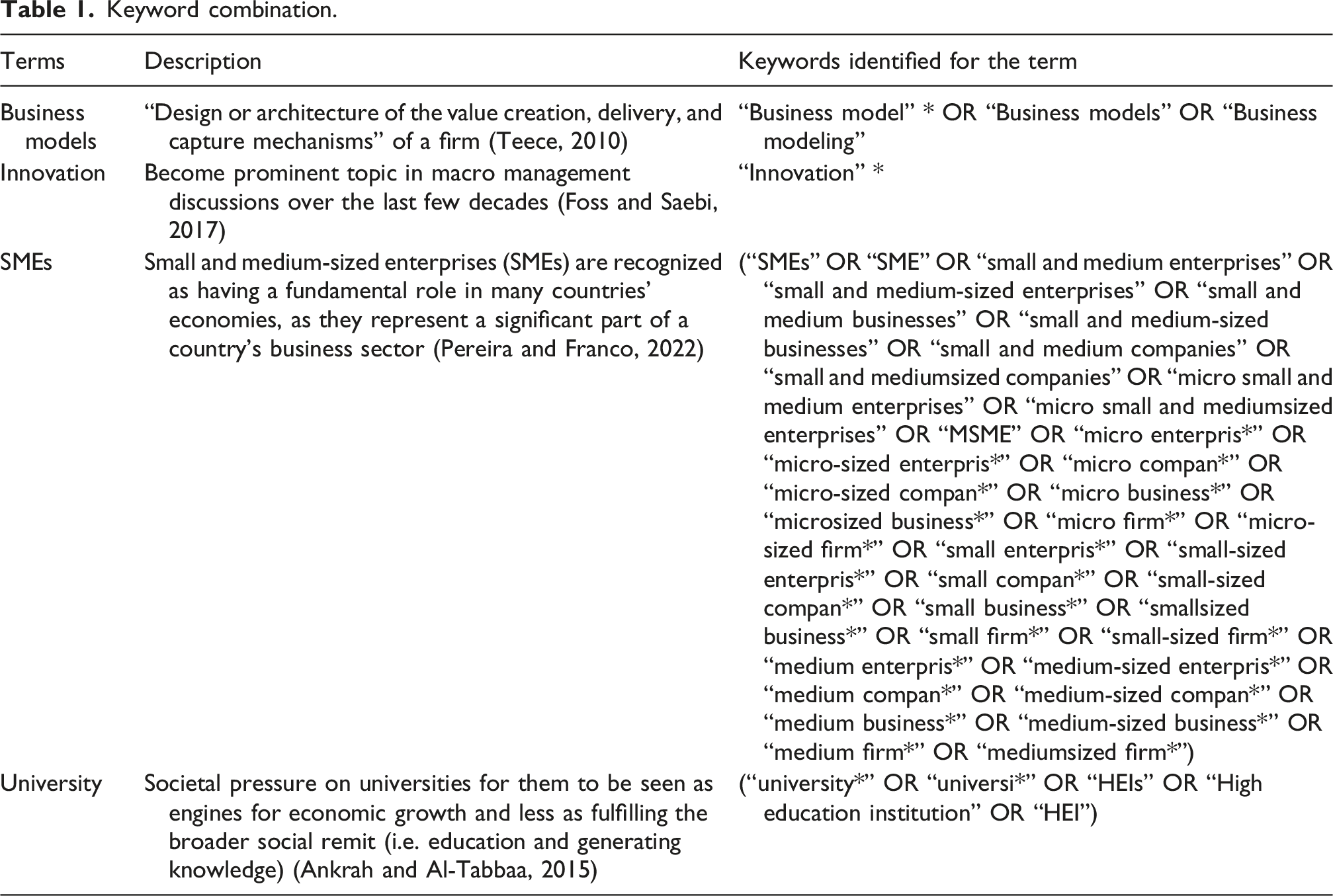
The examination of the documents within the databases was conducted in two distinct phases. The first phase initiated in October 2022, followed by a second phase, which was revised and updated in December 2024. During this process, the databases underwent minor modifications resulting from updates to the number of articles, thereby ensuring the accuracy of the contained information. This verification process involved a meticulous review of titles, abstracts, keywords, introductions, and conclusions, enabling a more comprehensive understanding of the publications.
The publications indicate that the concept and application of BMI have experienced significant development and utilization across various research domains within management, including entrepreneurship, strategy, technology, organizational studies, and marketing, consistent with findings from other studies e.g. (Angelshaug et al., 2023; Foss and Saebi, 2017). As a result, it is apparent that terminologies associated with BMI may vary across these domains, potentially influencing the interpretation of the concept and the scope of the publications involved. In response, a systematic search approach was implemented, in alignment with the objectives of the review.
The initial search generated 117 documents published across the databases, which were subsequently reviewed. Specifically, 14 entries were found in EBSCO, 43 in Scopus, and 60 in Web of Science (WOS). At this stage, we conducted a preliminary review and applied an initial filter to exclude entries that were not journal articles, book chapters or conference papers. As a result, we identified entries as research projects: 2 entries in EBSCO, 7 in Scopus, and 30 in WOS. These entries were excluded from further consideration, ensuring that only journal articles, book chapters and conference papers were reviewed.
Selection criteria.
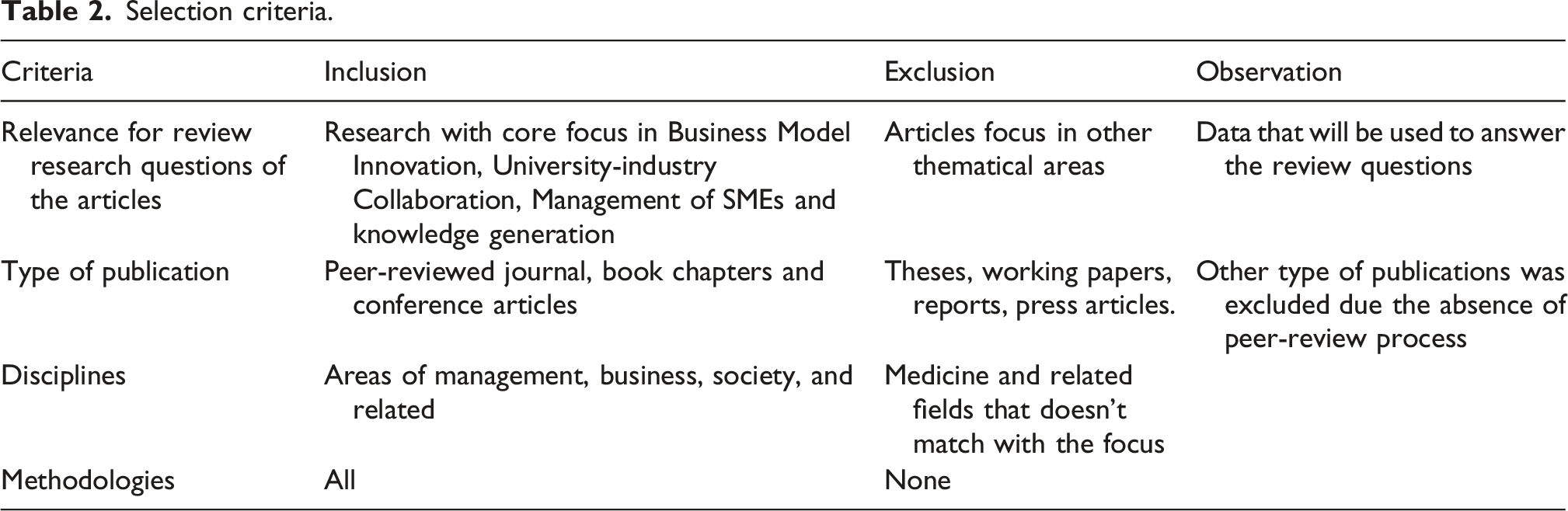
After applying the selection criteria, the sample consisted of 69 articles. At this point, to ensure the accuracy of including only articles relevant to the research area, the final filter was applied, removing duplicates across the databases, and removing other SLR from the data base. The review process began with the database containing the fewest articles. EBSCO had 12 articles, WOS 21, and Scopus 36. The articles from EBSCO were reviewed first, followed by duplicate removal. As a result, the final count was 11 articles from EBSCO, 10 from WOS, and 30 from Scopus. The SLR at this moment had a sample of 51 articles (Figure 2). Summary of review process.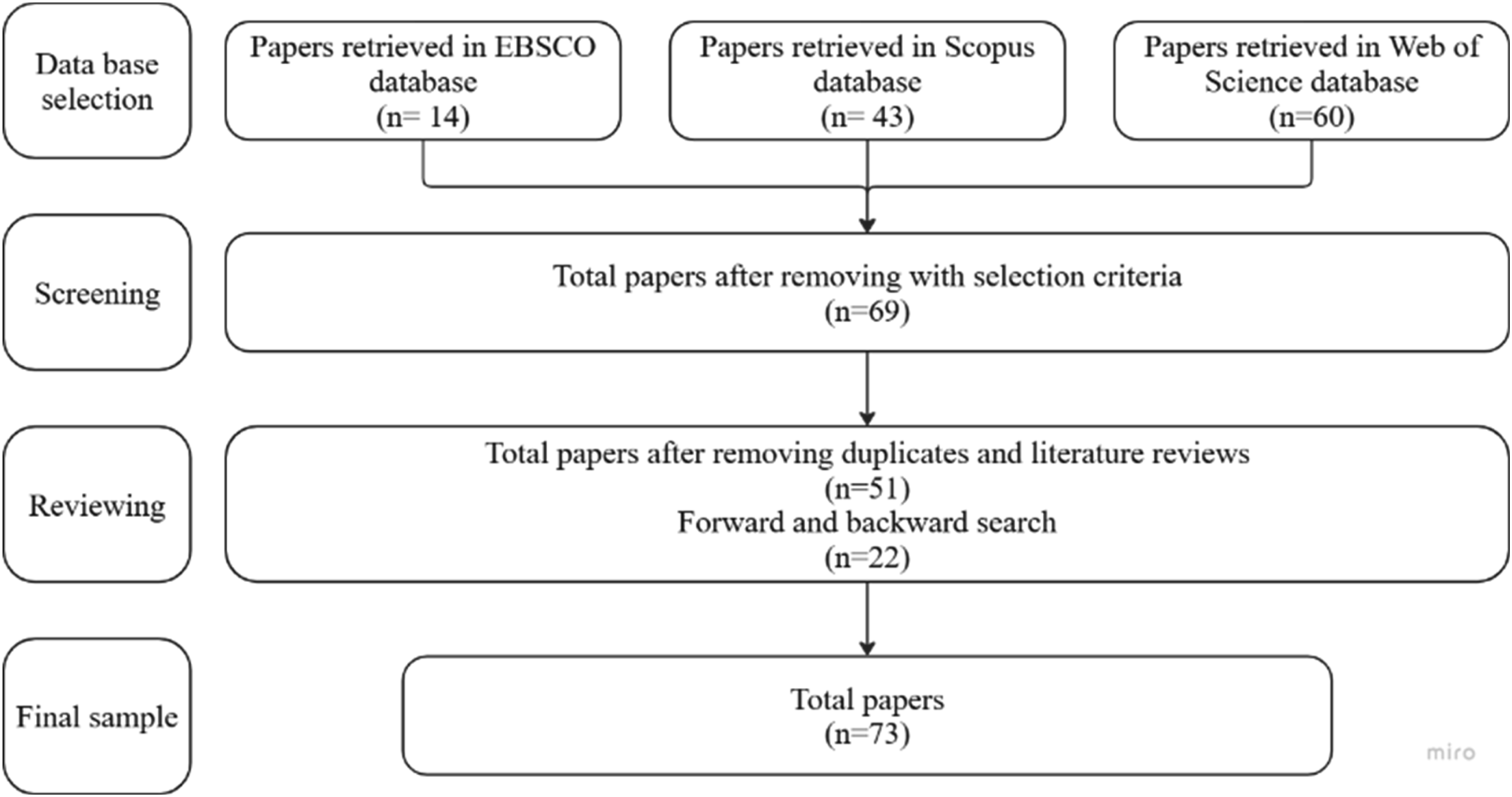
Subsequently, a structured snowballing procedure, as outlined by Wohlin et al. (2022) was conducted to identify additional studies related to university support for the innovation of BMs in SMEs. The procedure started with an initial dataset of the 51 studies, derived from our search and review of the literature in the selected databases. This process began with backward snowball sampling, which involved identifying and reviewing publications cited by the studies in the initial dataset (Wohlin et al., 2022). The same selection criteria applied during the main review process were used to determine the inclusion or exclusion of new publications.
Following this, forward snowball sampling was conducted using the “cited by” through Google Scholar, as recommended by Wohlin et al. (2022) The titles of citing publications were screened to assess their relevance. For studies considered sufficiently relevant, further examination of the title, abstract, introduction, methodology, and conclusion were started. Consistent with Wohlin (2014) guidelines, the backward and forward snowballing searches were repeated iteratively until no additional relevant studies were identified.
This procedure identified 22 additional relevant studies, resulting in a final dataset of 73 studies (see Figure 2).
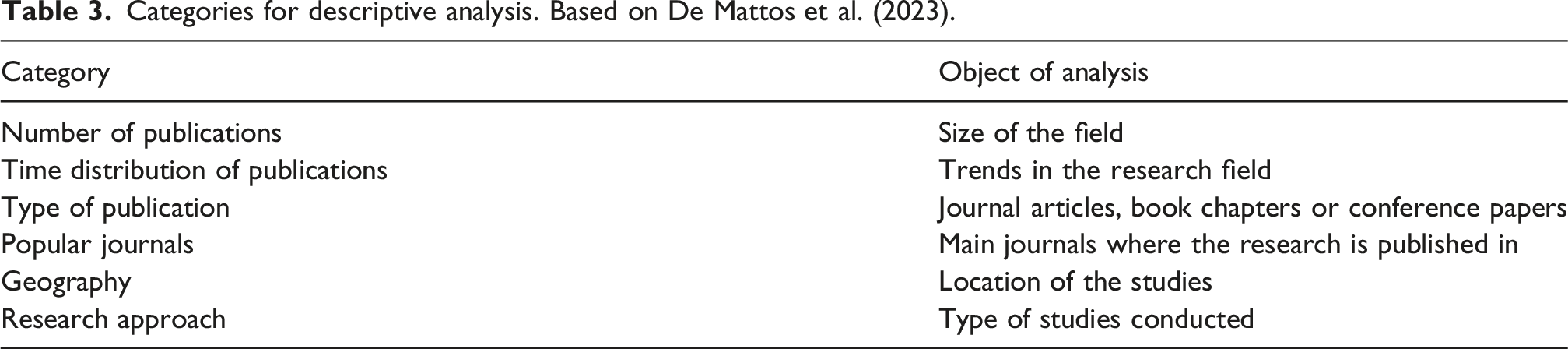
Next phase involved summarizing the evidence and interpreting the findings. This began with a descriptive analysis of the sample, followed by a content analysis of the papers under review. These processes were conducted in alignment with the data analysis framework proposed by Crossan and Apaydin (2010). The literature was first thematically grouped into main categories that were influenced with the focus of the articles, resulting five: (a) SMEs seeks support, (b) University support, (c) Policy action/government or other institution giving support, (d) Incubator or acceleration by universities, and (e) Relation in both ways; targeting to encompass the most common forms of university support for BMI of SMEs and their directionality, focus it as the idea of the supportive activity by university or who is seeking the support. Subsequently, it was organized chronologically to illustrate the evolution of the field.
Categories for descriptive analysis. Based on De Mattos et al. (2023).
For content analysis, we classify the papers inductively, i.e. after reading and analysing the retrieved articles, following the methodology proposed by Mayring (2022). This analysis was started using the dimensions of value within BMs, as conceptualized through the commonly accepted perspectives in BM research: value creation, value delivery, and value capture, c.f. (Foss and Saebi, 2017, 2018; Kraus et al., 2020b; Rayna and Striukova, 2016; Teece, 2010; Wirtz and Daiser, 2018). Consequently, we conduct a more in-depth analysis of the different areas in which the articles appear to be significant, categorizing them accordingly. This approach tries to identify how universities support the BMI in SMEs within the existing body of research. This process involves grouping thematically the publications based on the classification and categories.
Results
Results of the descriptive and the content analysis of the sample are presented, which facilitated the identification of five groups of studies. The research focus centers on exploring the notions of BMI in SMEs and examining how university support has influenced its development.
Descriptive analysis
Descriptive analysis facilitates a deeper understanding of the topic and highlights its evolution over time. Figure 3 illustrates the temporal progression of publications on the interrelation between the subjects, indicating that the first article on the topic appeared in 2001, followed by gradual growth until 2013. This aligns with the development of the fields of BM and BMI (Angelshaug et al., 2023; Foss and Saebi, 2017). After 2013, the volume of publications significantly increased, consistent with the advancement of research in BMs and BMI (Kraus et al., 2020a; Ramdani et al., 2019; Rayna and Striukova, 2016). It is noteworthy, however, that this growth was not linear, as at times, the focus on supportive environments observed the importance of BMI. Furthermore, it explores various methodological approaches, highlighting the necessity for clarification and advancement within these domains, as well as responding to recent calls to action for BMI research area (Zhang et al., 2023). Evolution of publications per year.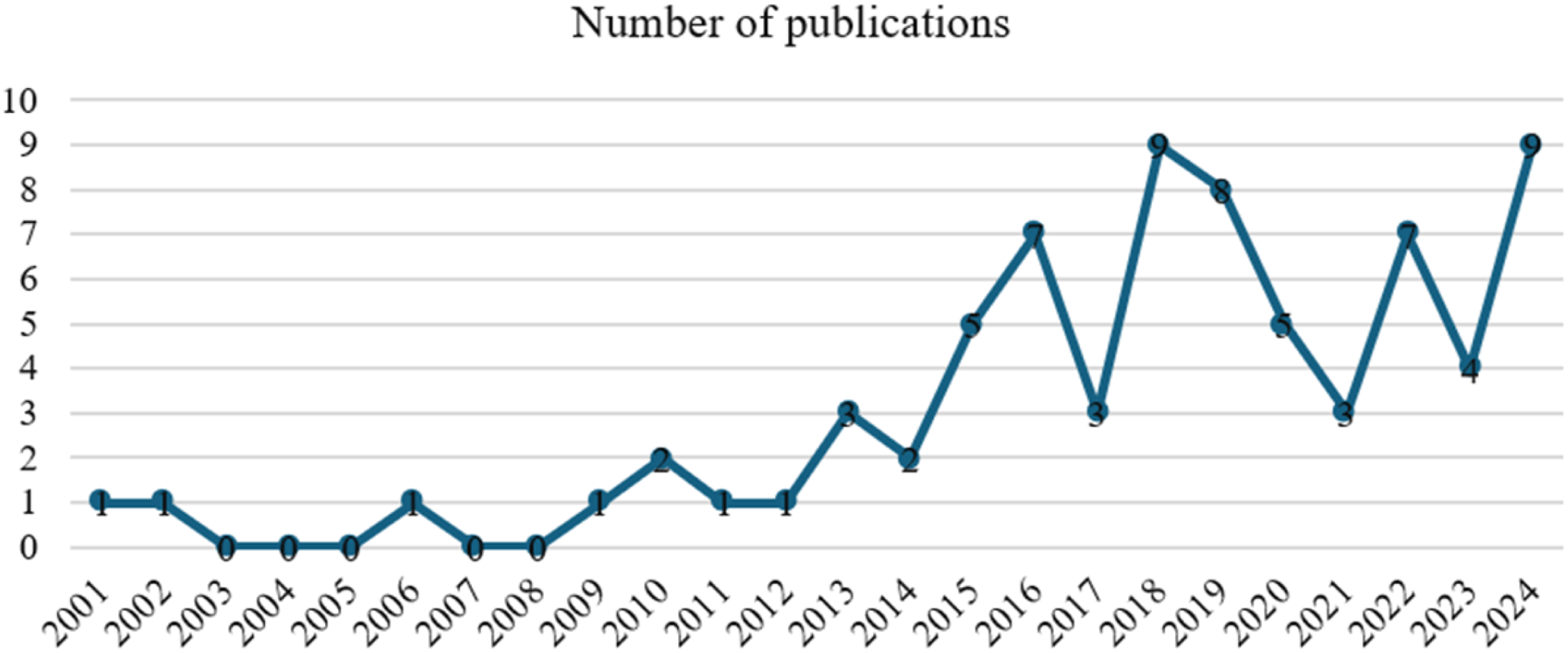
Journals, conferences and book chapters.
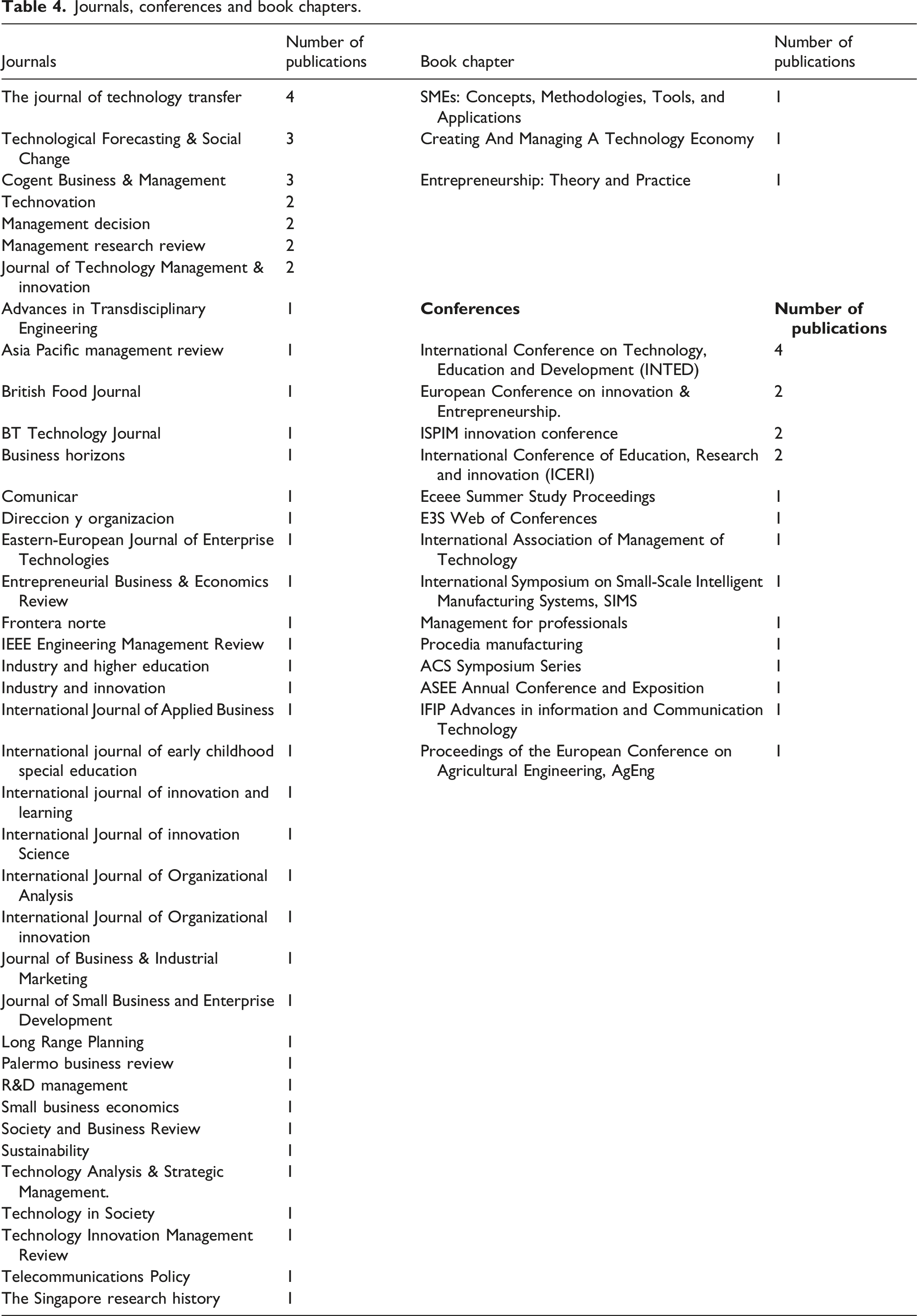
Regarding the methodology employed in the studies, the majority adopt a qualitative approach, comprising 52 studies, which provides a robust analytical foundation. This approach reflects a growing interest in exploring the topic from multiple perspectives and underscores its potential as a promising area for further research and development. 21 studies had a quantitative approach.
Relate to the geographical information, the analysed data primarily pertains to studies conducted in Europe, followed by Asia, America, Africa, and Oceania (See Figure 4). Map of published articles.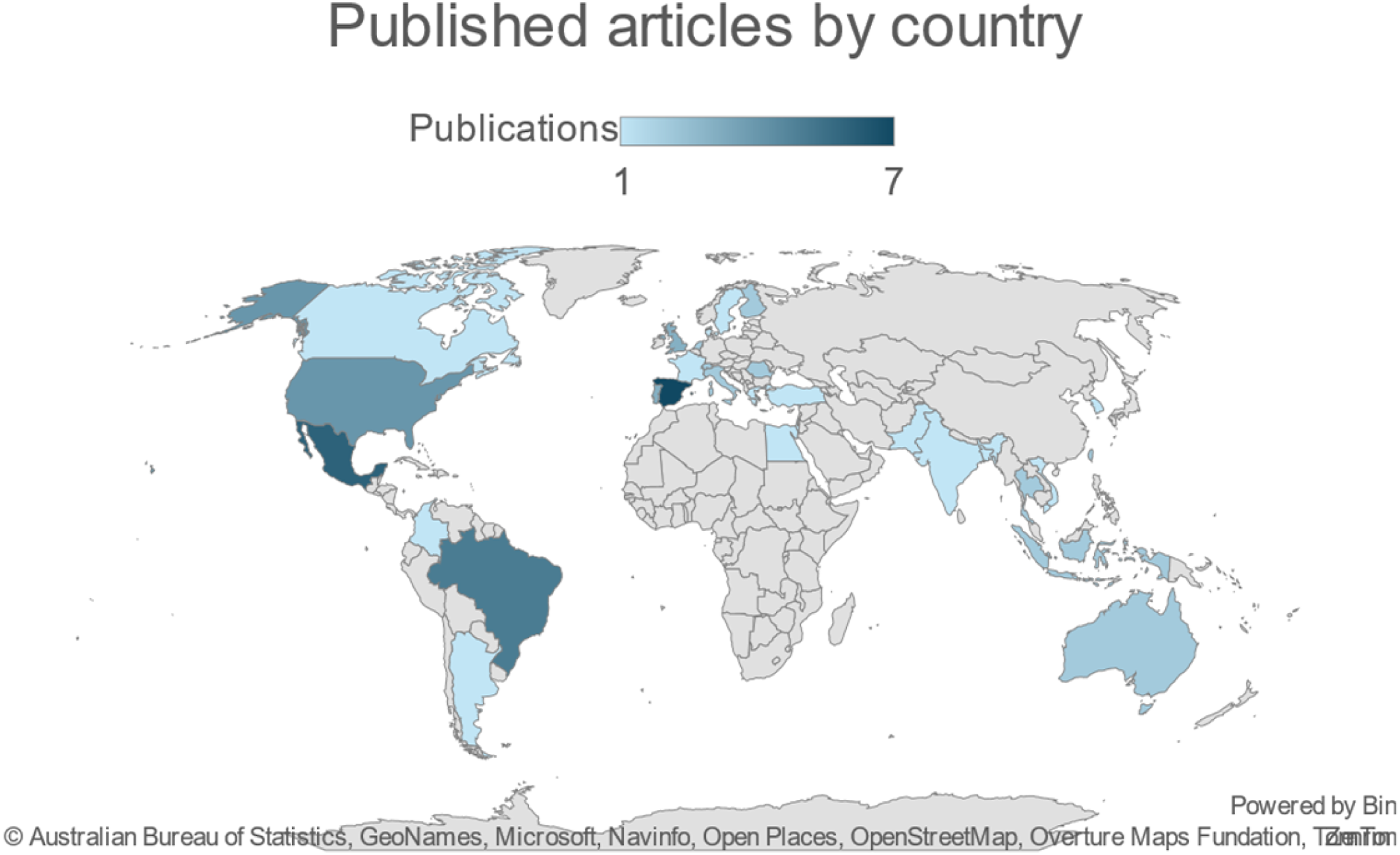
Detailed regional distribution.
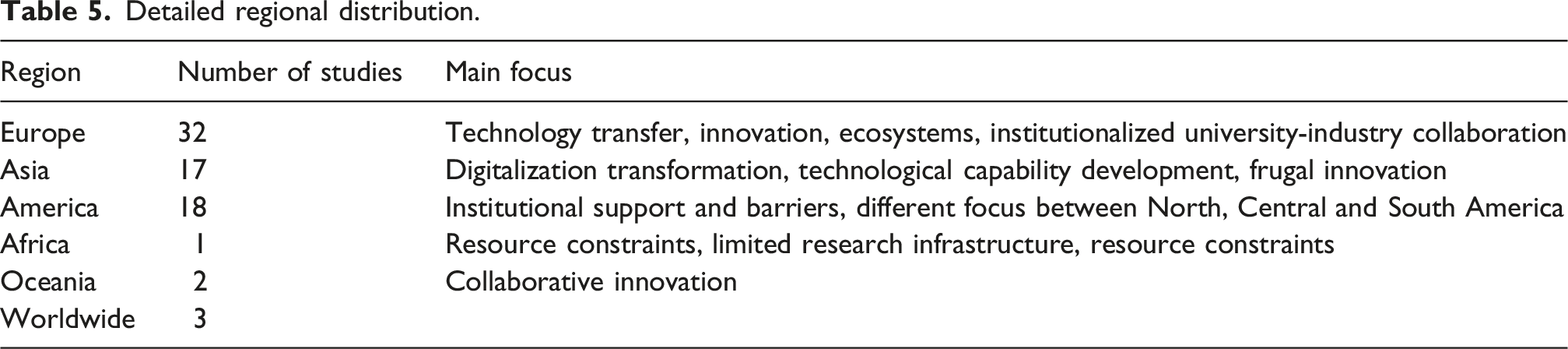
The geographical distribution of the studies relate to the topic reveals a strong concentration in Europe and other high-income countries, while limited attention has been given to Latin America, Africa, and lower middle-income countries. This difference suggests that current knowledge on university support for SME BMI is shaped mainly by contexts with relatively mature innovation ecosystems, stronger institutional support, and major public investment in research and development. In contrast, SMEs in developing economies often face additional structural barriers, including limited financing mechanisms, weak university-industry links, and reduced access to innovation infrastructure.
Content analysis
Involvement between universities and SMEs
Across the reviewed studies, university support mechanisms influence SMEs through interconnected dimensions of value creation, value delivery, and value capture. While these dimensions are analytically separable, the literature suggests they frequently overlap in practice through collaborative learning, ecosystem participation, and innovation processes.
Collaborations between SMEs and universities are essential for fostering trust and strategic competences that lead to successful partnerships and innovation (Sabatini et al., 2022). This is important for promoting innovation and economic growth (Mäkimattila et al., 2015). The relationship is characterized by the transfer of knowledge, collaborative research, and the interchange of resources in both directions, with different implications for academic organizations and SMEs (Bruneel et al., 2010) leading to the creation of value for involved actors.
Universities, as center of research and development, offer significant opportunities to share knowledge and experiences that can drive technological advancements and enhance enterprise practices (Ankrah and Al-Tabbaa, 2015). Collaboration between SMEs and universities can bridge gaps, supporting the development of new products, processes, and technologies (Pereira and Franco, 2022). Joint research projects, involving researchers and SME representatives, address practical problems (Rybnicek and Königsgruber, 2018) and explore new business opportunities (Miller et al., 2014). Such collaboration enhances university research output and provides SMEs access to knowledge and technology, increasing competitiveness (Pereira and Franco, 2022). Universities foster innovation through research activities, qualified R&F Faculty, and the production of innovative graduates for enterprises (Yáñez-Valdés et al., 2023).
Technology transfer offices (TTOs) act as intermediaries, facilitating collaboration between SMEs and universities identifying potential opportunities and joint projects (Asplund and Bengtsson, 2010; Guerrero et al., 2019; Ramos et al., 2009). This ensures that university research is effectively applied to benefit SMEs. However, collaborations face challenges due to differences in organizational culture, priorities, and timelines, which can weaken relationships (Bruneel et al., 2010; Rybnicek & Königsgruber, 2018). SMEs are often agile and innovative (Anwar, 2018) but may lack the resources for in-depth research (Bruneel et al., 2010). Universities have longer research cycles, while SMEs demand timely, market-driven results (Mäkimattila et al., 2015). Clear agreement on responsibilities are essential for effective collaboration (Bruneel et al., 2010).
University-industry collaboration (UIC) participates somehow in fostering BMI, particularly through university support mechanisms. Universities, as centers of knowledge creation and innovation, are strategically positioned to contribute to the development of SMEs’ production systems and growth through formal partnerships (Pereira and Franco, 2023). The bidirectional transfer of knowledge facilitated by mechanisms like technology transfer offices (TTOs), collaborative research centers (CRCs), and science parks enables smaller firms, especially those with limited knowledge capabilities, to benefit from advanced research and innovation (Alexandre et al., 2022). These intermediaries bridge the gap between academic expertise and business needs, offering SMEs a structured avenue to innovation. However, effective UIC requires overcoming cultural barriers and fostering trust (Donelli and Panozzo, 2024), mutual understanding, and effective communication between stakeholders (Rossoni et al., 2023).
An increasing number of enterprises are beginning to implement innovative practices that leverage both internal and external flows of knowledge to explore and exploit innovation in collaboration with commercial or scientific agents (Guerrero et al., 2019). University innovation capabilities are crucial for responding to emergent paradigms and meeting the demands of stakeholders for skilled professionals capable of addressing the challenges of a rapidly changing world, new technological advancements, and reinforced national innovation agendas (Yáñez-Valdés et al., 2023).
Business models and business model innovation of SMEs
The concept of business model presents a novel domain of innovation, expanding traditional domains such as process, product, and organizational innovation, and entailing novel modalities of cooperation and collaboration (Teece, 2010; Zott et al., 2011). A BM delineates a structured configuration of activities developed and implemented with the overarching objective of providing a specific value proposition to the customer (Magretta, 2002; Wirtz et al., 2016). BMs constitute sophisticated systems comprising interconnected components that organizations orchestrate to create, deliver, and capture value (Angelshaug et al., 2023; Foss and Saebi, 2017; Kraus et al., 2020b). It assumes predominant significance in a firm’s trajectory, serving as an outline for value creation, value capture and delivery to customers, with the idea of influencing the feasibility of strategic activities (Teece, 2018).
The dimensions of value within BMs as conceptualized in three widely accepted perspectives in the field of BM are: value creation, value delivery, and value capture (Foss and Saebi, 2017, 2018; Kraus et al., 2020a; Rayna and Striukova, 2016; Teece, 2010; Wirtz and Daiser, 2017). The dimension of value creation is an area of research within BMs and pertains to the processes through which a firm develops its value proposition. This dimension is linked to the BM elements of value proposition, key partners, key activities, and key resources, as outlined by Osterwalder & Pigneur (2010).
Another significant dimension recognized in the academic literature is value delivery, which refers to the mechanisms through which firms interact with customers to provide the value proposition (Albats et al., 2023; Argote et al., 2021; Foss and Saebi, 2017; Sjödin et al., 2020). This dimension is associated with the BM elements of customer relationships, customer segments, and channels Osterwalder & Pigneur (2010).
The final value dimension, value capture, identifies how a firm generates revenue while managing the costs associated with value creation and value delivery, identifying the BM elements of cost structure and revenue structure (Osterwalder and Pigneur, 2010).
As stated by Foss and Saebi (2017), BMI entails “designed, novel, nontrivial changes to the key elements of a firm’s BM and/or the architecture linking these elements.” Recognized as essential for SMEs to maintain competitiveness and foster growth, the innovation of BM becomes important for adapting to shifting market dynamics and technological advancements (Albats et al., 2023). Concurrently, the ongoing challenge for SMEs is in the development and enhancement of skills to effectively manage and leverage new processes and technologies, facilitating BMI (Sabatini et al., 2022). For this study related to the conceptualization is BMI as an organizational change process, as an outcome, and the identification of its consequences (Foss and Saebi, 2018; Wirtz and Daiser, 2018).
BMI occurs when a firm modifies or improves at least one of these value dimensions in accordance with its different components. Such innovation is contingent upon the nature and scope of the changes made (Abdelkafi et al., 2013; Foss and Saebi, 2017; Teece, 2010).
Conceptualization and classification of the papers against the background of how universities support the business model innovation of small and medium-sized enterprises
Insights regarding the university support to innovate SMEs BM.
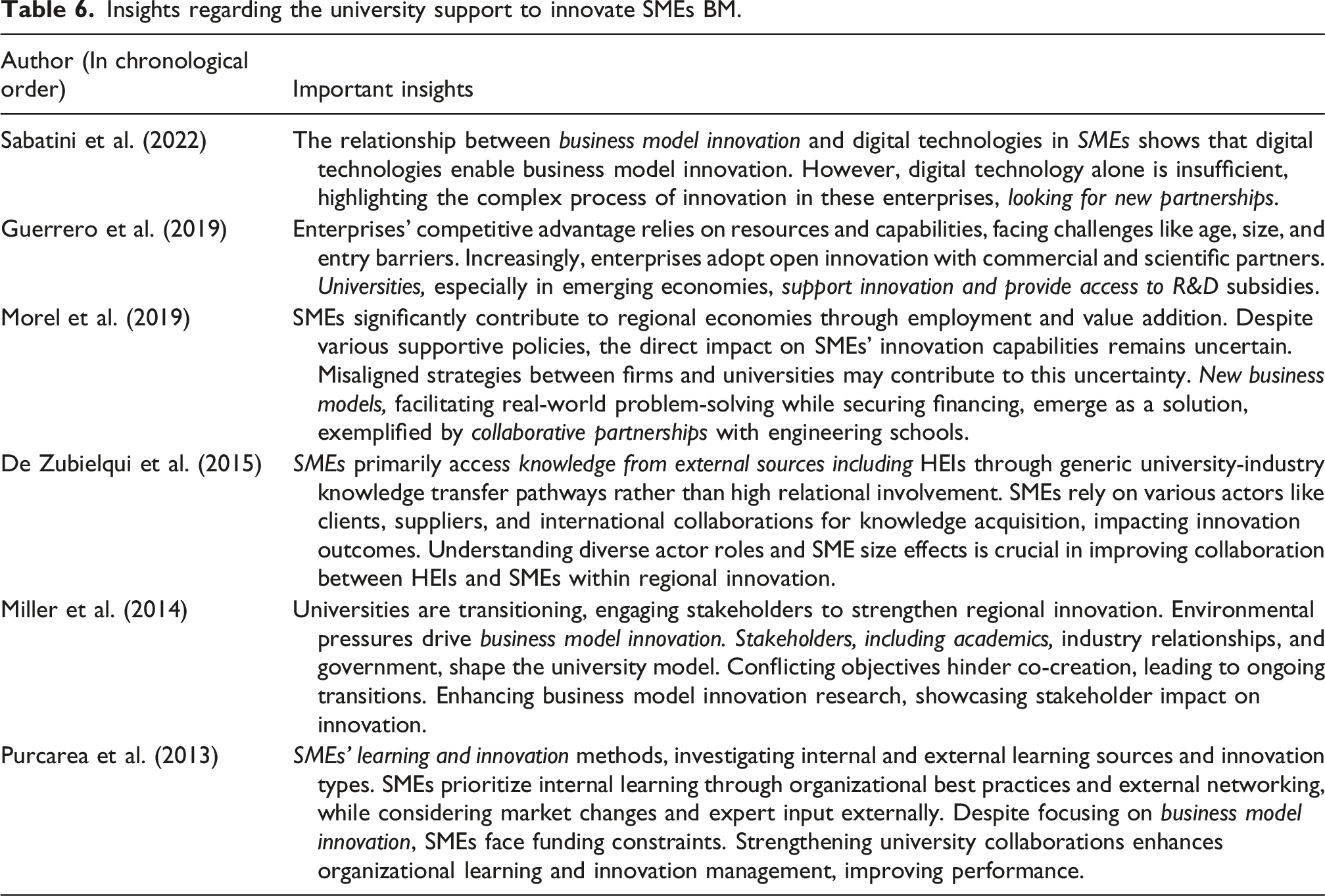
Beyond the insights founded, the reviewed studies expose recurring thematic areas in which universities support SME business model innovation. These include digital transformation and Industry 4.0 adoption, sustainability innovation, entrepreneurship and managerial capability development, technology commercialization, product and service innovation, and knowledge transfer activities. These thematic areas demonstrate that university support for business model innovation of SMEs extends beyond technological development and increasingly involves organizational learning, strategic adaption, and ecosystem building.
Digital transformation emerged as a significant theme, particularly in studies examining data analytics, digital technologies, and technology adaptation processes supporting SMEs’ business model innovation. Sustainability innovation focus on circular economy approaches, environmental innovation, and sustainable entrepreneurship ecosystems. Other studies emphasize entrepreneurship education, managerial training, and organizational learning as mechanisms for strengthening SMEs’ adaptive and innovative capabilities. These areas demonstrate that university support extends beyond traditional technology transfer activities and encompasses strategic adaptation, ecosystem participation, organizational learning, and capability development associated with business model innovation processes.
Identified groups through content analysis
Mechanisms of value of the selected papers on the SLR.
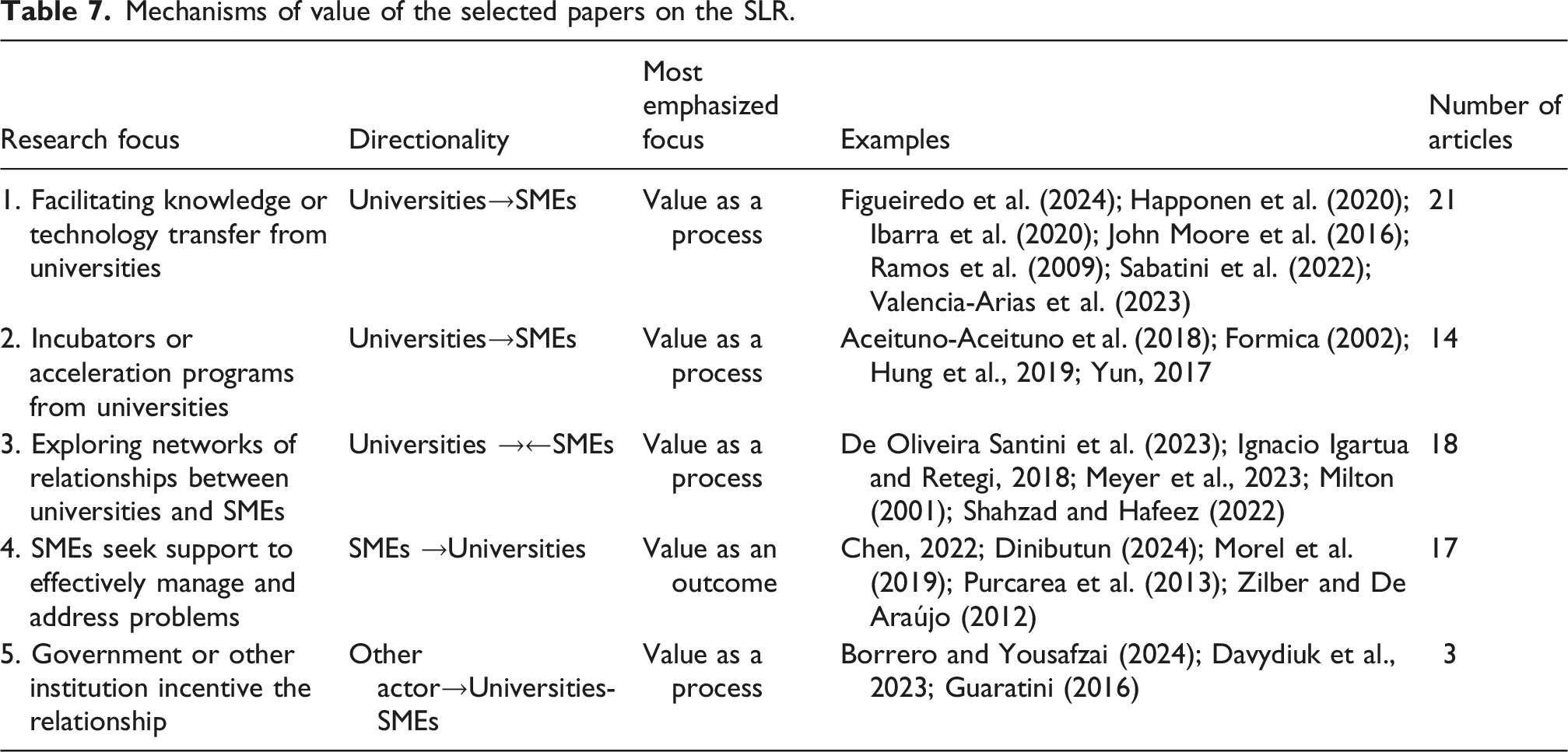
The relationship between the BM focus was categorized using the framework proposed by Foss and Saebi (2017). This identifies BMI as both a process and as an outcome. As a process, BMI encompasses the activities and steps organizations undertake to rethink, redesign, or create new BM. It involves systematically exploring opportunities and addressing challenges to deliver, create, and capture value in innovative ways. As an outcome, BMI represents the tangible result of the innovation process, manifested in a new or significantly improved BMs. This reflects how an organization delivers value to its customers and captures value for itself within a competitive environment.
When considering the main university support activities facilitating BMI in SME´s, an examination of the dataset reveals that such activities can be categorized into five overarching themes or areas of influence: (a) Facilitating knowledge or technology transfer from universities; (b) Incubators or acceleration programs from universities; (c) Exploring networks of relationships between universities and SMEs; (d) SMEs seek support to effectively manage and address problems; and (e) the government or other institution incentive the relationship.
Viewing value as a process highlights the dynamic and evolutionary nature of BMs, emphasizing their design, implementation, an adaptation over time (Foss and Saebi, 2018). This perspective involves deliberate modification in response to internal or external triggers (Foss and Saebi, 2017). In contrast, viewing value as an outcome conceptualizes the BM as a static configuration of a firm’s activities and resources, a snapshot of its value architecture at a given point in time, resulting from strategic choices and design decisions that emphasize structure over dynamics (Foss and Saebi, 2017).
Facilitating knowledge or technology transfer from universities. (Value as a process)
Facilitating the transfer of knowledge and technology from universities to SMEs involves numerous activities. When these activities are well-executed, it yields positive results and foster innovation in the BMs of enterprises, also creating new value for it, especially in the value creation dimension (Albats et al., 2023). Collaborative projects, which involve partnerships between universities, higher education institutes, and SMEs, play a crucial role on it (Mäkimattila et al., 2015). These projects focus on developing, applying, and piloting tools within individual companies’ processes (John Moore et al., 2016). Once solid collaboration is established, technology transfer offices can provide substantial support (Asplund and Bengtsson, 2010).
To overcome the barriers and challenges that impede the effective transfer of knowledge, various efforts are required from the actors responsible for organizations as well involved stakeholders (Bruneel et al., 2010; Syed et al., 2024). Through different strategic initiatives and supportive policies, the capacity of the knowledge and technology generated by universities can be transferred to enhance and support the innovation and competitiveness of SMEs. This approach underscores that these responsibilities must be part of their societal and economic functions, facilitating the management of relationships between SMEs, policymakers, and academia for effective adoption (Borrero and Yousafzai, 2024).
Mechanisms of collaboration between universities and SMEs can significantly influence and enhance the interaction through the development of research and development projects. These collaborations serve as a source for generating new ideas, initiating new projects, and fostering scientific growth for the actors (Guaratini, 2016). This is particularly important in emerging economies, where governments have instituted subsidies to promote enterprise innovation through mandatory university partnerships (Guerrero et al., 2019). These efforts aim to foster the co-creation of knowledge and innovative solutions, facilitating the acquisition of various technologies that can support the BMI, and ultimately create, deliver, and capture value for SMEs, thereby enhancing their market competitiveness (Latifi et al., 2021).
Technology transfer offices (TTOs) of universities have a role in supporting the innovation of BMs of SMEs by managing and facilitating the transfer of technology and knowledge (Guerrero et al., 2019). Involvement with TTOs and university collaborative networks entails interaction among organizational structures of universities (e.g., researchers, research groups, faculties, and incubators) and firms (e.g., teams, departments, subsidiaries, and entire organizations) for specific collaborative purposes such as developing new products, processes, and technologies, training human resources, and sharing knowledge (Baier-Fuentes et al., 2021). This underscores the importance of TTOs in ensuring the correct transfer of technology or knowledge, ultimately translating it into market-ready products or services for SMEs (Asplund and Bengtsson, 2010).
The creation of diverse ecosystems and robust innovation networks, which include universities, SMEs, and other ecosystem participants, is important for knowledge and technology transfer (Lingens, 2023). These ecosystems foster collaboration and knowledge exchange, providing SMEs with access to various resources and experiences. Universities play a role in social, economic, and technological development (Ivascu et al., 2016). The interplay between complementary and substitution effects in pursuing universities’ three missions (teaching, research, and knowledge transfer and technology commercialization) necessitates strategic decisions by university managers and policymakers participating in the ecosystem (Guerrero and Menter, 2024). Fostering appropriate innovation ecosystems significantly contributes to the innovation of SMEs’ BMs (Guerrero et al., 2019).
Facilitating knowledge and technology transfer from universities to SMEs is a valuable process that supports innovation and competitiveness by bridging academic research with practical business needs. Universities act as knowledge generators, and SMEs, with their flexibility and market orientation, can translate this into tangible products and services. In terms of value creation, technology transfer provides SMEs with access to advanced research, intellectual property, and specialized expertise that they could not easily develop in-house This process is influenced by the need to explore opportunities and address the challenges associated with innovating SMEs BMs, using different processes to reach it.
Value delivery occurs through collaborative mechanisms such as licensing agreements, spin-offs, consultancy, or joint R&D projects, enabling SMEs to integrate and adapt new technologies into their BMs. Finally, value capture is realized when SMEs successfully commercialize innovations, gaining competitive advantage, increasing revenue, and contributing to regional economic growth, while universities benefit from industry partnerships, funding opportunities, and enhanced societal impact. This cycle makes technology transfer not just a transactional exchange but a strategic process of shared value generation.
Incubators or acceleration programs from universities. (Value as a process)
University-based incubators and acceleration programs have emerged as interesting platforms for bridging gaps in innovation and fostering the development of novel BMs. These programs demonstrate how university training can serve as a robust foundation for creating diverse programs and entrepreneurial projects (Aceituno-Aceituno et al., 2018). Such initiatives integrate various resources, including academic expertise, specialized training, and collaborative ecosystems, to not only facilitate the establishment of SMEs but also enhance the adaptability and competitiveness of their BMs in dynamic markets. These types of resources and activities could influence the value creation dimension and involve the participation of enterprises, serving as a process for innovating the BMs of SMEs.
A significant contribution of university-based incubators identifies in their ability to connect theoretical knowledge with practical application. Universities can act as open innovation centers by embracing and refining novel ideas generated through collaborative research involving students and faculty (Ankrah and Al-Tabbaa, 2015). This approach not only enriches the academic experience but also drives the creation and growth of enterprises through actionable strategies (Formica, 2002). By fostering an environment of innovation, universities provide a productive ground for experimental projects that serve as foundations to new firms.
Structured acceleration programs within universities often guide aspiring entrepreneurs through critical phases of business development. These programs typically incorporate tailored mentoring frameworks, offering participants an opportunity to test and validate their business ideas with reduced risk. This process also enables entrepreneurs to refine their strategies based on actionable feedback from mentors and peers, thereby enhancing the viability of their attempts (Keane et al., 2018). Such programs are helpful in preparing future managers with the tools and insights necessary to navigate the complexities of competitive markets effectively (Brown and Frame, 2018).
The role of network creation facilitated by university programs is particularly important. These programs promote collaboration among emerging enterprises, established companies, and academic researchers, fostering an effect that enhances innovation (Formica, 2002). highlighting that university incubators serve as pivotal hubs where SMEs can access diverse perspectives and build partnerships essential for scaling their innovations. By creating opportunities for interaction and exchange, these networks enable SMEs to leverage collective expertise and resources, setting the base for growth and innovation.
Furthermore, the emphasis on collaborative ecosystems within these programs underscores their multifaceted approach to enterprise development. University-based initiatives provide platforms for knowledge sharing, capacity building, and strategic alliances. These elements collectively strengthen the entrepreneurial ecosystem, ensuring that emerging enterprises are better positioned to succeed in a competitive global market. Through such integrated efforts, universities solidify their role as catalysts for innovation and economic development.
Incubators and accelerators support SMEs and startups in a structured processes that create, deliver and capture value. They provide access to academic research, mentorship, funding, and facilities, enhancing innovation capacity. Value is delivered through training, networking, and tailored support, helping SMEs refine BMs, scale and connect with investors or partners. Value is captured when SMEs bring innovative products or services to market, generating profits, jobs, and competitive advantage, while universities gain industry links, reputation and potential revenue. Overall, these programs act as catalysts for translating knowledge into economic and societal impact.
Exploring networks of relationships between universities and SMEs. (Value as a process)
Identifying potential partners holds principal significance in business development. To maintain competitiveness, SMEs must undertake a transformation of their BMs (Albats et al., 2023) this could be seen as a process due the different necessary activities for influencing the innovation of it. Often confronted with the inherent challenges of their size, SMEs frequently find it important to engage in collaborative projects with external entities (Mäkimattila et al., 2015). Similarly, universities emerge as pivotal entities within the innovation ecosystem. However, the establishment of fruitful partnerships between SMEs and universities is hindered by a notable lack of awareness within SMEs regarding university programs that can offer support, as well as the requisite procedures for accessing such programs (Pereira and Franco, 2022).
SMEs engaging with universities and research institutes are likely to acquire knowledge through conventional, tangible pathways of university to industry knowledge transfer, such as published research findings and the recruitment of new graduates (Miller et al., 2014). Moreover, universities possess the capacity to foster various forms of non-commercial knowledge exchange, even in the absence of advanced innovation resources, by leveraging the specific human capital within the university community, derived from activities aimed at assisting others (J Roncancio-Marin et al., 2022a).
To enhance collaboration, universities play a role by bridging academia and industry, converting intellectual assets into viable knowledge and facilitating enterprises in accessing external resources like funding and expertise (Oliveira and Ramos, 2013). Collaboration with national or international organizations significantly impacts innovation efforts through partnerships like suppliers, clients, and educational institutions (Figueiredo et al., 2024).
Networks between universities and SMEs foster mutual value creation, delivery and capture. Universities contribute research, talent, and infrastructure, while SMEs offer market knowledge and entrepreneurial agility, generating innovation synergies, creating value. Value is delivered through collaborative projects, industry engagements, joint trading, and knowledge sharing activities, ensuring research is applied to real challenges. Value is captured when SMEs gain competitive advantage and growth, and universities benefit from applied research, graduate employability, and regional influence. These networks build trust and co-development, supporting sustainable innovation ecosystems that extend benefits beyond individual partnerships.
SMEs seek support to effectively manage and address problems. (Value as an outcome)
Although SMEs possess the potential for innovation, they face various challenges that hinder their ability to manage and capitalize on innovative opportunities. Through an understanding of key antecedents, mediators, moderators, and outcomes, it becomes evident that innovation is a complex process involving diverse mechanisms (Zahoor and Al-Tabbaa, 2020). SMEs often face risks and organizational inertia, which hinder their adoption of new processes, methods, and experimentation. This concern extends to the organizational learning, emphasizing the importance for SMEs to strengthen their collaboration with universities, showing that only small number of SMEs rely on universities and educational institutions for knowledge acquisition (Purcarea et al., 2013).
A lack of awareness in managing BMI in SMEs raises concerns about leadership suitability for embracing innovation processes (Sabatini et al., 2022). Cultivating a culture of learning and improvement enables SMEs to navigate innovation challenges, with entrepreneurship education promoting innovation and dynamism (Dinibutun, 2024). Workshops and seminars could serve as valuable platforms for knowledge acquisition and idea generation among business owners, intermediaries play a pivotal role in shaping problem solution and identities in BMI and managing externalities in capturing social and economic value (Baier-Fuentes et al., 2021; Guerrero et al., 2021).
It is important to recognize the significance of managing the problems and challenges associated with the development of innovation. This underscores the necessity of collaborative initiatives and support mechanisms aimed at empowering SMEs to effectively manage these challenges and enhance their innovation capacities (Guo et al., 2017). Additionally, organizations responsible for creating a conducive environment for SMEs entrepreneurship should focus on providing greater access to global markets, lowering opportunity costs, and supporting collaboration and innovation in an increasingly connected world (Ross and Blumenstein, 2015).
When SMEs seek support, value rests in enhanced resilience, efficiency, and innovation. Value is created through external expertise, resources or partnerships offering tailored solutions to operational or strategic challenges. Delivery occurs via advisory services, technological tools, training, or collaborative problem-solving, enabling real time improvements. Value is captured when SMEs achieve measurable outcomes such as cost reduction, productivity gains, stronger market positioning, or sustained growth. This outcome-driven process helps SMEs overcome immediate challenges while building long term capabilities for competitiveness and sustainability.
The government or other institution incentive the relationship. (Value as a process)
Governments and other institutions have an important role in promoting innovation in SMEs by facilitating connections with businesses, universities, and government bodies, thereby enhancing access to knowledge, technology, funding, and subsidies (Guerrero and Urbano, 2017). Government agencies should offer different services to SMEs, allowing data analysis and others without the high costs of employing data scientists, with universities ensuring data protection (Falahat et al., 2023). Entrepreneurs cannot work in isolation; ecosystems are vital for acquiring resources, knowledge, and capabilities necessary for social value creation (Diaz Gonzalez and Dentchev, 2021).
Financial and institutional incentives emerged as important mechanisms for fostering university-SME collaboration. Public support instruments include R&D subsidies, innovation, innovation vouchers, tax incentives, and public-private partnerships schemes (Alexandre et al., 2022). The literature also suggests that institutional and financial support help SMEs develop absorptive capacities necessary to engage effectively with universities.
Government regulations and institutional frameworks also shape the effectiveness of university-SME collaborations by influencing funding accessibility, intellectual property management, administrative procedures, and innovation incentives (Guerrero and Urbano, 2017). Supportive policy environments reduce barriers to collaboration and enhance SMEs’ capacity to participate in business model innovation related activities. Conversely, bureaucratic rigidity and limited institutional coordination may discourage long term collaborative engagement.
The importance of government support appears significant in emerging and developing economies, where SMEs often face limited access to private investment, weak innovation ecosystems, and insufficient research infrastructure (Arocena and Sutz, 2021). In these contexts, universities frequently operate as intermediaries connecting SMEs with public innovation systems and external funding opportunities (Diaz Gonzalez and Dentchev, 2021).
Various mechanisms exist to reduce the costs associated with research and development, which are crucial for projects aimed at democratizing development and access to manufacturing innovation tools for small and large companies, universities, institutes, and entrepreneurs (Beckmann et al., 2016). Compromising on research is considered a threat to overall development, encompassing both business and social progress (Alam et al., 2020). Given the importance of open innovation in transforming administrative and academic processes, it is anticipated that research proposals will be consolidated in this direction. This consolidation aims to enhance knowledge construction, analytical capacity, and the incorporation of new approaches and BMs that benefit society. Consequently, it is expected to foster new ways of innovating and transferring knowledge continuously and differentially (Valencia-Arias et al., 2023).
SMEs must align their innovation strategies with national innovation support policies disseminated through institutions, for this, strategic alliances can also provide significant support (Gupta et al., 2023). While these entities offer appropriate opportunities and support, knowledge about university-industry collaborations in lower and middle-income economies remains limited, particularly in regions where research resources and research and development are scarce (JJ Roncancio-Marin et al., 2022b). Discovering BMI requires considering the influence of multiple stakeholders to see the innovation of SMEs business models as a process, influencing the value creation dimension. The development and refinement of BMI research can be enhanced by using stakeholder constructs, which illustrate the impact of various stakeholders’ power and influence on the topic (Miller et al., 2014).
Governments and other institutions fostering university-SME relationships drive value creation, delivery and capture. Value is created when policies, funding or tax incentive lower collaboration barriers, enabling SMEs to access academic expertise and research. Delivery occurs through structured programs such as innovation initiatives, R&D grants, or public-private platforms that facilitate knowledge, resource, and technology exchange. Value is captured when SMEs develop innovative products, enhance competitiveness, and expand markets, while government and institutions gain stronger innovation ecosystems, economic growth, and societal impact. As a process, invectives act as catalysts, aligning actors to make collaboration feasible and sustainable.
Discussion
This article aims to understand how universities support the BMI of small and medium-sized enterprises, as described or proposed in academic research, identifying five predominant mechanisms and/or areas of influence (Figure 5): (a) Facilitating knowledge or technology transfer from universities; (b) Incubators or acceleration programs from universities; (c) Exploring networks of relationships between universities and SMEs; (d) SMEs seeking support to effectively manage and address problems; and (e) Government or other institutional incentives promoting the relationship. University support activities for BMI of SMEs.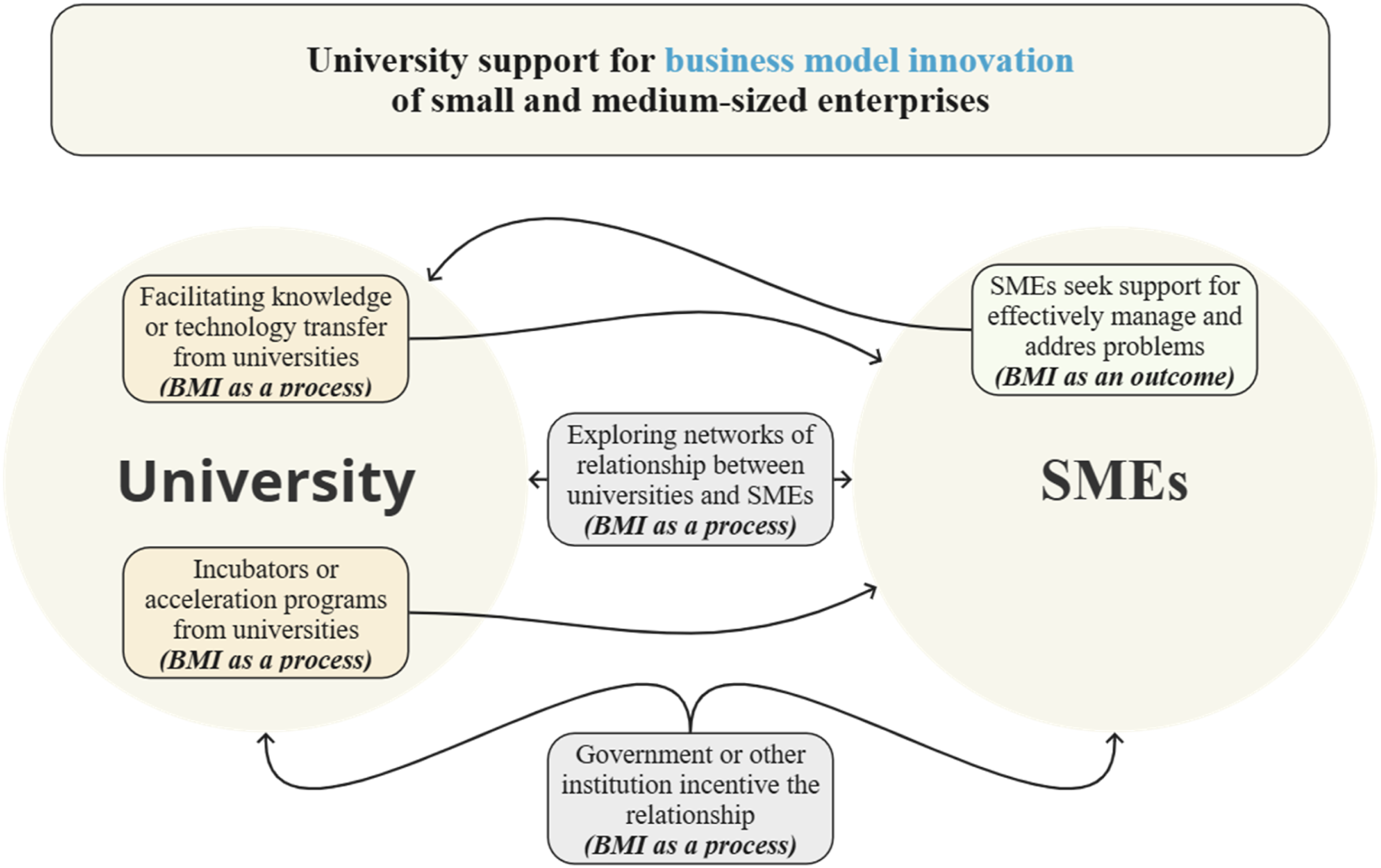
This study analysed 73 scientific articles selected based on inclusion-exclusion criteria and filters. Five primary areas of interest emerged from the analysis regarding university support for BMI of SMEs. Some articles focus on university-industry collaboration with SMEs, i.e. (Happonen et al., 2020; Milton-Smith, 2001; Morel et al., 2019) and the specific topic of BMI in SMEs, i.e. (De Oliveira Santini et al., 2023; Figueiredo et al., 2024; Ibarra et al., 2020). Despite the relevance of both topics, they have rarely been addressed jointly in the literature c.f (Cao et al., 2024; Pereira and Franco, 2022). Some literature explores systemic approaches to fostering the innovation of BMs of SMEs, emphasizing the importance of an integrated system that influences various dimensions of innovation i.e. (Borrero and Yousafzai, 2024; Falahat et al., 2023; Shahzad and Hafeez, 2022).
In terms of publication trends, economics, business and management journals show increasing interest. This indicates a growing recognition of its importance for advancing both fields independently and through collaborative projects. Such efforts could enhance understanding and drive innovation in BM for SMEs, while also encouraging universities to adopt more diverse and impactful engagement strategies. Some studies highlight the potential for significant advancements on this (De Oliveira Santini et al., 2023; Happonen et al., 2020; Zilber and De Araújo, 2012).
Universities play an important role in both the process and outcomes of BMI (Albats et al., 2023; J Roncancio-Marin et al., 2022a; Wirtz and Daiser, 2018). This support is particularly important in areas such as value creation, value delivery, and value capture. As a dynamic and ongoing process, BMI refers to the continuous activities undertaken by organizations to rethink and improve their BMs (Angelshaug et al., 2023; Kraus et al., 2020b). Universities contribute to this process by providing SMEs with access to the latest research, tools (Hero et al., 2021), and methodologies that can guide strategic thinking and foster innovation (Guerrero et al., 2019; Hakami et al., 2022). Workshops, seminars, and various incubation programs led by universities offer SME owners frameworks for experimenting with new concepts and ideas for BMI, allowing them to test hypotheses and iterate on different approaches (Alexandre et al., 2022).
Value creation process and its outcomes are supported, particularly in the development of new products, services, or commercial activities (Purcarea et al., 2013) from universities. In doing so, SMEs can be equipped with the necessary skills and knowledge to rethink how they create value for customers, improve operational processes, and adapt to changing market demands (Aceituno-Aceituno et al., 2018).
In value delivery dimension, universities can support the process by facilitating collaboration with various stakeholders, including industry experts, researchers, and students (Yáñez-Valdés et al., 2023). This collaboration fosters the generation of practical knowledge, which can assist SMEs in improving their mechanisms for delivering value (Bouwman et al., 2019). Universities usually provide access to technological infrastructure, expertise in the value chain, and market research, enabling the development of more efficient, scalable, and customer-oriented delivery systems (Lam et al., 2013; Milton-Smith, 2001). Universities can assist SMEs in experimenting with different components of their BMs, thereby fostering innovation in real settings. This experimentation can contribute to refining the value delivery strategy (Happonen et al., 2020). The ability to adapt and refine strategies with the support of research outcomes is important for BMI. Through active and practical iterative feedback cycles, universities contribute to the continuous evolution of value delivery aspects and supportive environments, ensuring that these strategies remain relevant and competitive (Guerrero et al., 2021; Ibarra et al., 2020).
In the dimension of value capture, universities can assist SMEs in understanding the financial challenges of their BMs by providing advisory support in areas such as pricing strategies, cost structure, and scalability (Euchner and Ganguly, 2014). The culmination of these efforts can drive the successful implementation of BMI, with universities playing a role in shaping this process through their various supportive activities (Sjödin et al., 2020).
BMI as an outcome aligns with the tangible changes that occur when SMEs successfully implement innovations, enhancing their capacity to create, deliver, and capture value (Argote et al., 2021). During the innovation process, the outcomes can manifest as new product offerings, revenue streams, or market segments that were previously unexplored (Morel et al., 2019). Some initiatives, led by universities, can be viewed from an ecosystem perspective, connecting various stakeholders that facilitate growth and the creation of networks. This, in turn, can lead to access to supportive funding and the expansion of operational scope (Lingens, 2023).
As SMEs frequently face financial constraints that limit their ability to invest in experimentation, research collaboration, and long term innovation initiatives. These limitations are relevant for BMI, which often requires organizational restructuring, capability development, and technological adaptation. University collaboration may partially mitigate these constraints by facilitating access to external funding opportunities, subsidized research infrastructure, technical expertise, and publicly funded innovation programs.
By examining the interplay between technological advancements, digital transformation, entrepreneurial alertness, and collaborative frameworks, universities can design targeted support programs that empower SMEs to succeed in competitive markets (Cosenz and Bivona, 2021). Cultivating a culture of innovation, sustainability (Addy et al., 2025), and strategic adaptation is critical for SMEs to overcome challenges, capitalize on opportunities, and contribute to regional economic growth (Anwar, 2018), with the influence to suggest policy action.
Universities are key enablers of innovation and growth, offering unique expertise, research capabilities, and access to capacity that SMEs often cannot develop in-house. By clearly defining their role as providers of knowledge, skills, and resources, universities help bridge the gap between academic research and practical business needs. SMEs, in turn, benefit from this support to overcome resource constraints, accelerate innovation, and enhance competitiveness. This relationship is important because it fosters collaboration, drives regional economic development, and ensures that both academia and industry create, deliver and capture value together.
Concluding remarks and avenues for further research
This paper has presented a systematic literature review of research on how universities support the BMI in SMEs. The study seeks to address this gap by demonstrating the connection between university support and SMEs’ for BMI. In doing so, it proposes a framework to guide future research and inform practical applications, thereby generating benefits for both SMEs and universities. Moreover, it identifies key areas that warrant further investigation to strengthen collaborative efforts. Given the fragmented nature of the existing literature, this review contributes by identifying, systematizing, and synthesizing relevant research into five thematic groups, which are illustrated in Figure 5. These groups are discussed in detail, alongside key ideas within the field. Additionally, we provide an overview of the current state of empirical research, emphasizing its methodological contributions to advancing the field.
This study advances the literature by developing and integrative analytical framework that connects university-SME collaboration mechanisms with business model innovation dimensions. Distinct to prior review that focused primarily on university-industry collaboration or SME innovation independently, this review conceptualizes universities as multidimensional actors supporting SME BMI through knowledge transfer, ecosystem development, capability building, and institutional facilitation.
From a theoretical perspective, the review distinguishes itself from previous studies on SME-industry collaboration c.f. (Cao et al., 2024; Pereira and Franco, 2022), by focusing specifically on the BMI dimension within SMEs. Existing studies reveal a lack of research at the intersection of university-industry collaboration and BMI for SMEs (Lam et al., 2013). While no comprehensive literature addresses this intersection, some emerging studies highlight areas of development (Ganzarain et al., 2016; Ibarra et al., 2020; Igartua et al., 2016), particularly through empirical studies that influence the evolution of this research field. However, the literature remains limited in scope, as highlighted by (Igartua et al., 2018).
From a practical perspective, this study identifies features and pathways through which universities could effectively support the BMI in SMEs. Our findings suggest that such collaboration is possible, conditional upon mutual interest and commitment. These insights can inform decision making processes aimed at fostering connections between stakeholders, generating improved outcomes in collaborative environments. The findings are also valuable for policymakers, offering strategies to design effective mechanisms for promoting university-SME partnerships, thereby advancing SME business models.
Such efforts could enhance understanding of the collaborative environments that shape SME BMs, while also supporting actionable strategies to advance the field. By concentrating on the BMI aspect, the review provides a deeper understanding of the current state of research, highlighting key developments, empirical findings, and gaps that remain underexplored in the existing literature. Orienting SMEs to leverage university or research center resources could catalyse new thematic areas and promote business model innovation.
Supplemental material
Supplemental Material - How do universities support the business model innovation of small and medium-sized enterprises?
Supplemental Material for How do universities support the business model innovation of small and medium-sized enterprises? by Franco Arandia Arzabe in Industry and Higher Education
Footnotes
Acknowledgements
The author expresses gratitude to the reviewers who helped clarify parts of the text before submission. A special thanks to the professors and researchers from the Department of Design Sciences, Division of Innovation at Lund University for providing additional feedback on the article.

Consent to participate
This article does not contain any studies with human or animal participants.
Funding
The author disclosed receipt of the following financial support for the research, authorship, and/or publication of this article: This work was supported by the agreement between Sweden and the Universidad Mayor de San Simón with the Research Cooperation Programme “Strengthening Institutional Research Capacities in Universidad Mayor de San Simon 2021-2025” Swedish International Development Cooperation Agency-SIDA Contribution No.13486. The funding is for contribute to advance universal knowledge and develop postgraduate studies in science in order to join scientific research, technological development, and innovation activities.
Declaration of conflicting interests
The authors declared no potential conflicts of interest with respect to the research, authorship, and/or publication of this article.
Data Availability Statement
The datasets generated during and/or analyzed during the current study are available from the corresponding author on reasonable request.
Supplemental material
Supplemental material for this article is available online.
References
Supplementary Material
Please find the following supplemental material available below.
For Open Access articles published under a Creative Commons License, all supplemental material carries the same license as the article it is associated with.
For non-Open Access articles published, all supplemental material carries a non-exclusive license, and permission requests for re-use of supplemental material or any part of supplemental material shall be sent directly to the copyright owner as specified in the copyright notice associated with the article.
