







Abstract
As they pursue long-term viability and social impact, higher education institutions (HEIs) must navigate increasingly dense networks of interconnected stakeholders. To build effective relationships, these actors must be systematically identified, analyzed, and engaged, not treated ad hoc. Only then can genuine value co-creation emerge between academia, government, industry, and society. However, stakeholder mapping in higher education often relies on arbitrary scholarly judgments. This is problematic: for HEIs to perform sustainably, stakeholder analysis must be built into strategic management and explicitly tied to long-term institutional objectives and stakeholders’ actual positions in the ecosystem. We address this concern with a structured approach that identifies and ranks HEI stakeholders by their systemic roles and alignment with strategic goals. Our results show that many strategic stakeholders are external: government, society, and industry are critical, with the media as an active intermediary and amplifier. Internally, the most salient stakeholder is HEI management, underscoring its power—and responsibility—to steer policies that shape relationships with all other actors. By clarifying who matters most, why, and how, our analysis of stakeholder salience advances strategic management in higher education, enhancing the transparency and sustainability of value creation and capture across the HEI ecosystem.
Keywords
Introduction
The conceptual foundations of higher education institutions (HEIs) and stakeholder analysis emerged in the mid-1990s. Early research concentrated on the societal role of HEIs and their contribution to sustainable development, notably through the “triple-helix model,” which aims to strengthen collaboration among government, academia, and industry. This work subsequently highlighted stakeholder engagement as a key driver of innovation in higher education (Chugh et al., 2023; Kushnir and Yazgan, 2023; Pharaoh and Visser, 2024; Ristad et al., 2024; Syed et al., 2024). HEIs are now increasingly involved in cooperative and accountable relationships with stakeholders who articulate specific expectations (Wilson et al., 2024; Al-Amri et al., 2020). Such collaboration is required not only by accreditation bodies but also by initiatives to harmonize European standards for HEIs (European Commission, 2024).
To date, scholarly work has focused on stakeholder expectations and requirements (Larrán Jorge, López Hernández and Calzado Cejas, 2012; Sheila et al., 2021), stakeholder satisfaction (Abidin, 2015; Abidin, 2021; Pan et al., 2022), and stakeholder roles, especially within quality assurance systems (Li et al., 2021; Beerkens and Udam, 2017; Asiyai, 2015). Stakeholder engagement has received particular attention because of its link to decision-making processes in HEIs (Beerkens and Udam, 2017; Sheila et al., 2021; Syed et al., 2024). In addition, researchers have specifically examined how stakeholders are identified and categorised (Burrows, 1999; Jongbloed et al., 2008; Mainardes et al., 2012; Savga et al., 2018).
Over the past 25 years, scholarly interest in HEI stakeholders has increased substantially, with evidence of a rising number of publications and higher average citation rates (Syed et al., 2024). Nevertheless, comprehensive instruments for stakeholder analysis remain scarce. The field is further marked by strong geographical concentration: most studies originate from Western contexts, especially the USA and the UK, while many other regions are still marginally represented (Syed et al., 2024). Although the management literature offers numerous stakeholder classifications (Ackermann and Eden, 2003; Carroll, 1989; Clarkson, 1995; Freeman and Reed, 1983; Johnson and Scholes, 1999; Friedman and Miles, 2002; Mitchell et al., 1997), only Mitchell et al.’s (1997) stakeholder salience framework has been applied in HEIs (Grudowski and Szefler, 2015; Leisyte and Westerheijden, 2014; Logermann and Leišytė, 2015). This framework ranks stakeholders according to the power, legitimacy, and urgency of their claims in relation to a focal institution. To our knowledge, no other systematic attempts have been made to prioritize stakeholders, particularly by incorporating stakeholder interdependencies alongside an HEI’s strategic objectives. This article responds to this gap by introducing a systematic stakeholder analysis approach tailored to higher education—the Methodology of Identification of Strategic Stakeholders (MISS®; Sławik, 2017)—and by proposing a new stakeholder classification that supplements Mitchell et al.’s (1997) framework.
The paper seeks to identify and rank stakeholders of a higher education institution (HEI) by applying MISS® (Sławik, 2017) to a specific university, thus providing an initial test of the method in a higher education setting. This pilot study focuses on the Jagiellonian University (JU) in Kraków, Poland. It mainly reflects the perspectives of internal stakeholders to address the following research questions, which relate to major challenges in strategic management in higher education: (1) who the stakeholders of JU are (internal/external), (2) how stakeholders mutually influence JU’s strategic objectives, and (3) which stakeholders are strategic and how they affect JU.
Our proposed approach broadens the notion of stakeholder salience beyond generic stakeholder attributes. Its main innovation, however, lies in how it is applied methodologically. As a structured, step-by-step procedure, MISS® surpasses existing stakeholder identification and prioritization techniques by integrating stakeholder interdependencies with strategic objectives. It anchors stakeholder salience directly in institutional strategic priorities rather than basing it solely on stakeholder characteristics. Furthermore, stakeholder salience is derived from stakeholders’ systemic functions, as captured in the matrix-based evaluation of direct and indirect relationships, consistent with the principle of interconnected thinking (Vester, 2007).
The article is structured into four main sections. Following the introduction, a literature review on the different types of HEI stakeholders is presented. This is followed by a description of the research method and the MISS® tool. The subsequent section reports the study’s findings. The final part offers a discussion and outlines practical implications, research limitations, and conclusions.
Identification of HEI stakeholders
The stakeholder perspective in strategic management is considered a central concept in the governance of HEIs (Mfecane et al., 2022). Freeman’s widely cited definition describes a stakeholder as ‘any group or individual who can affect or is affected by the achievement of the organization’s objectives’ (Freeman, 1984: p. 46). Because stakeholders are able to shape an organisation’s goals, they warrant significant consideration.
Friedman and Miles (2006) propose that any organisation and its context should be understood as a constellation of stakeholders whose needs, interests and perspectives must be managed. Stakeholder management entails identifying stakeholder groups, determining the relative significance of each group, evaluating the extent to which their needs and expectations are being satisfied, and adapting strategies to align with stakeholder interests (Freeman, 1984). These four stages of stakeholder management are equally applicable to higher education institutions (HEIs) and have proven useful for anticipating how stakeholders might act and react to various issues, as well as for crafting effective strategies to manage these individuals and groups (Burrows, 1999). This is particularly relevant because, in striving for long-term sustainability, HEIs are confronted with an expanding and increasingly complex set of stakeholder groups (Mampaey et al., 2019). In addition, HEIs have for some time been compelled to reflect on their societal role and reassess their relationships with their stakeholders (Jongbloed et al., 2008).
Numerous studies that seek to identify HEI stakeholders propose either short or extensive lists of stakeholder groups. Short lists with up to three stakeholder categories are put forward by Abidin (2015), Logermann and Leišytė (2015), Degtjarjova et al. (2018), Muyaka et al. (2020) and Mfecane et al. (2022). These authors typically identify students, academic staff, and support staff, all of whom are internal stakeholders. In contrast, Burrows (1999) develops a substantially longer catalogue of possible stakeholders, encompassing governing bodies (e.g. government), administration (e.g. management personnel), employees (e.g. academic and support staff), clients (e.g. students, parents), suppliers (e.g. firms, alumni), competitors (e.g. other HEIs), donors (e.g. industry, NGOs), communities (e.g. local residents, school systems), government regulators (e.g. state financial aid agencies), non-governmental regulators (e.g. NGOs, accreditation organisations), financial intermediaries (e.g. banks) and joint venture partners (e.g. consortia). Mainardes et al. (2012) provide an even more comprehensive enumeration of 21 stakeholder groups, including: students, teaching staff and/or researchers, employers, partner companies in research and development, government/accreditation agencies, the municipality where the HEI is located, ancillary staff, other HEIs, the local community, secondary schools, students’ families, actors engaged in research and development, society at large, senior HEI leadership, professional suppliers, private investors, associations, former students, scientific communities, the European Union and international students. This list orders stakeholders according to their perceived importance. To construct it, Mainardes et al. (2012) conducted a case study of a Portuguese HEI, using in-depth interviews in which respondents ranked stakeholders from the most to the least important.
HEI stakeholder groups identified in the course of a literature review.
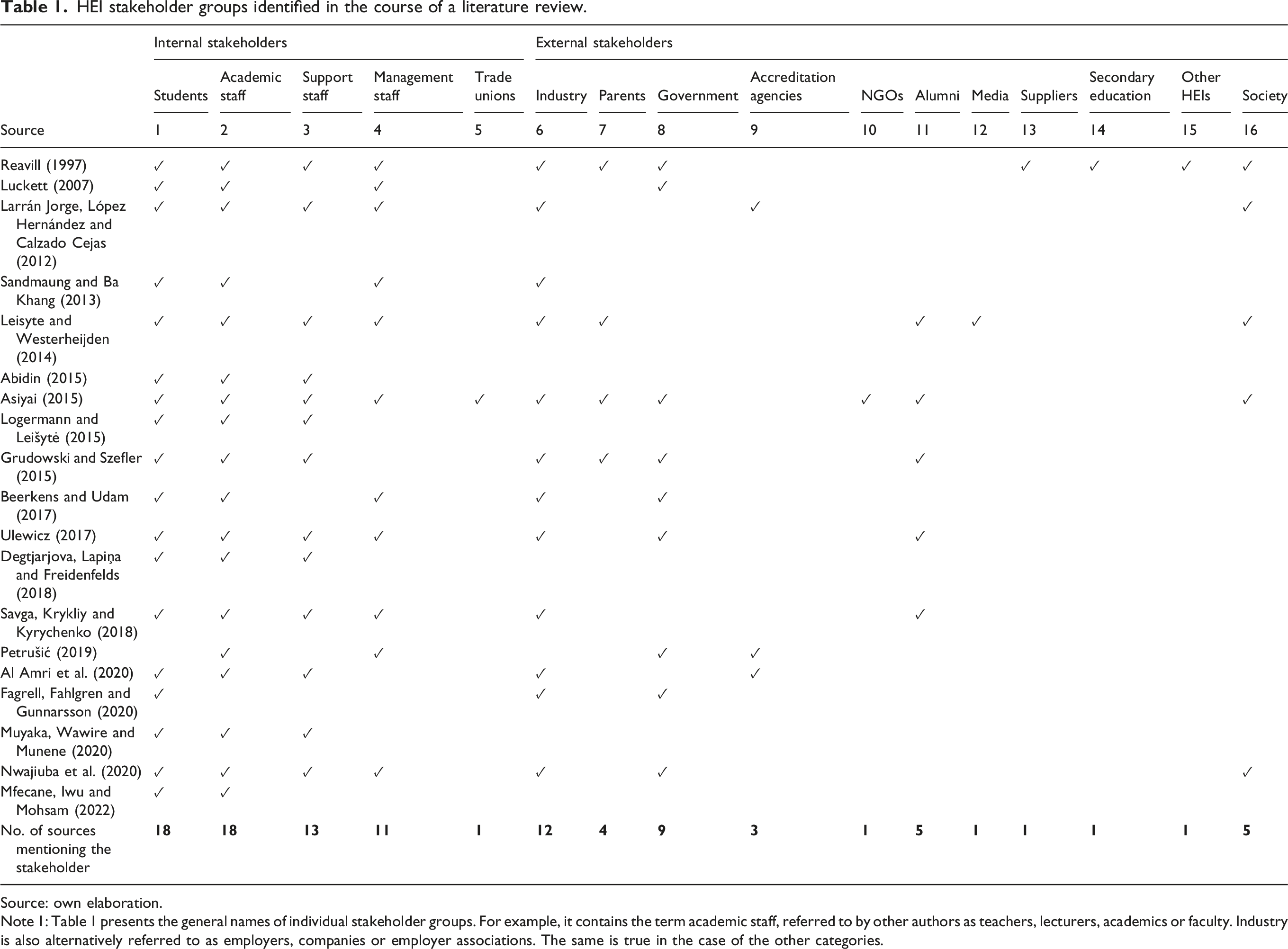
Source: own elaboration.
Note 1: Table 1 presents the general names of individual stakeholder groups. For example, it contains the term academic staff, referred to by other authors as teachers, lecturers, academics or faculty. Industry is also alternatively referred to as employers, companies or employer associations. The same is true in the case of the other categories.
The literature review shows that students and academic staff are the HEI stakeholder groups most commonly identified. Support staff, managerial personnel, and employers are mentioned somewhat less frequently. For instance, Grudowski and Szefler (2015), as well as Marshall (2018), indicated students as the primary stakeholders of HEIs. Conversely, Jongbloed et al. (2008) and Mainardes et al. (2012) argue that the key stakeholders are students, academic staff, and industry. As presented in Table 1, the stakeholder categories least often cited in the analysed studies include trade unions, NGOs, the media, suppliers, secondary education, and other HEIs.
Stakeholders of HEIs can be classified as internal or external, individual or collective, and academic or non-academic (Mainardes et al., 2012). Among these, the internal–external distinction is the one most frequently employed in the literature (EURASHE, 2015; Fagrell et al., 2020; Savga et al., 2018; Ulewicz, 2017) and is the classification used in this article.
In many studies, the approach used to select stakeholders is not clearly described (e.g., Abidin, 2015; Degtjarjova et al., 2018; Nwajiuba et al., 2020). In contrast, some research projects deliberately design their stakeholder selection to ensure the inclusion of various groups (e.g., students, staff, employers; Al-Amri et al., 2020; Fagrell et al., 2020; Muyaka et al., 2020). Additionally, several studies draw on the stakeholder typology proposed by Mitchell et al. (1997) (e.g., Logermann and Leišytė, 2015; Savga et al., 2018).
Methods
Research design
This research uses a qualitative design within an interpretative paradigm and a case study strategy (Yin, 2009). This allows collection of in-depth data and acknowledges participants’ subjective views and the complexity of their context (Saks and Allsop, 2007). This is crucial for identifying the HEI’s stakeholders and understanding its ecosystem through individuals’ perceptions. The case study followed several stages: formulating research questions, selecting the case, collecting and analysing data, and comparing findings with the literature (Yin, 2009).
In this article, the research problem concerns the reciprocal influences among the HEI’s stakeholders and how these, in turn, affect the institution’s strategic objectives. On this basis, three research questions were developed:
What stakeholder groups exist in the university ecosystem?
How do stakeholder groups a) influence one another and b) impact the achievement of the university’s strategic goals?
Who comprise strategic stakeholder groups and how do they influence the university?
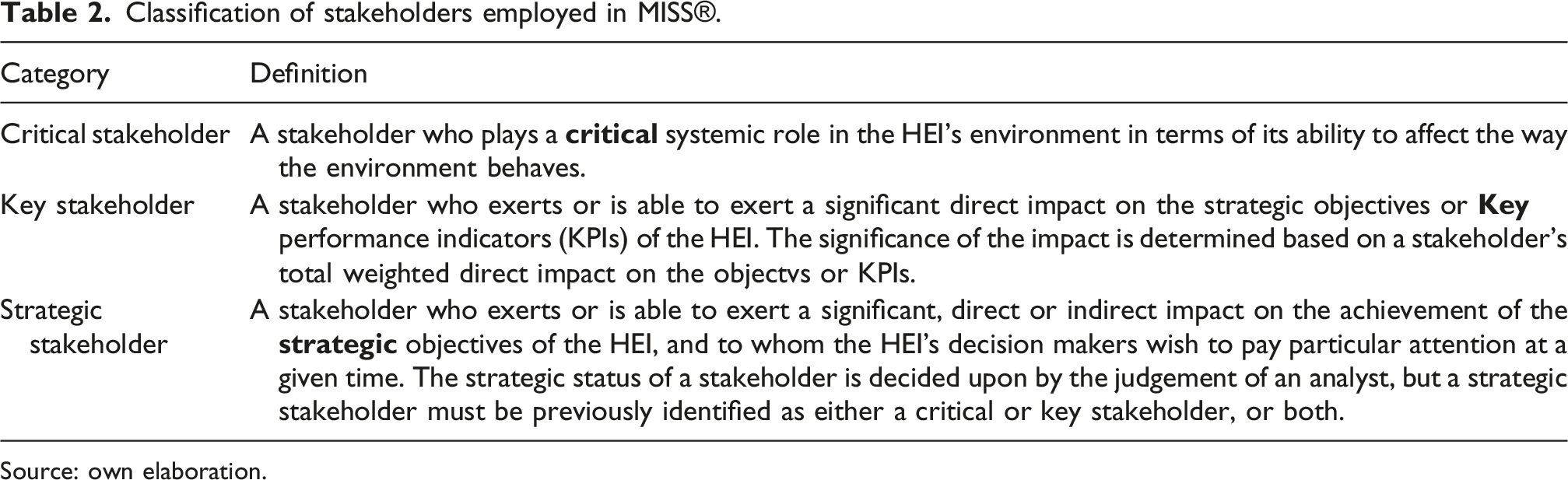
We use the MISS® method (Sławik, 2017) for data collection and analysis. MISS® is a systematic framework for identifying an organisation’s strategic stakeholders and examining how actors involved in intra- and inter-organisational processes—especially decision-making—perceive them. It serves as both an analytical procedure and a toolkit for environmental scanning, quantifying stakeholders’ mutual impact, and assessing their influence on strategic goals. Figure 1 shows the step-by-step process and its link to our research questions. The framework offers an original stakeholder classification (Table 2; Sławik, 2017), enabling MISS®-based cognitive stakeholder maps to reveal who an HEI’s crucial, key, and strategic stakeholders are. It should be pointed out that the method has been validated and used in business organisations (Sławik, 2013; Sławik, 2018; Cholewa, 2024; Masłoń, 2024)
1
, its application to HEIs is novel. Steps of the MISS® procedure Source: own elaboration. Classification of stakeholders employed in MISS®. Source: own elaboration.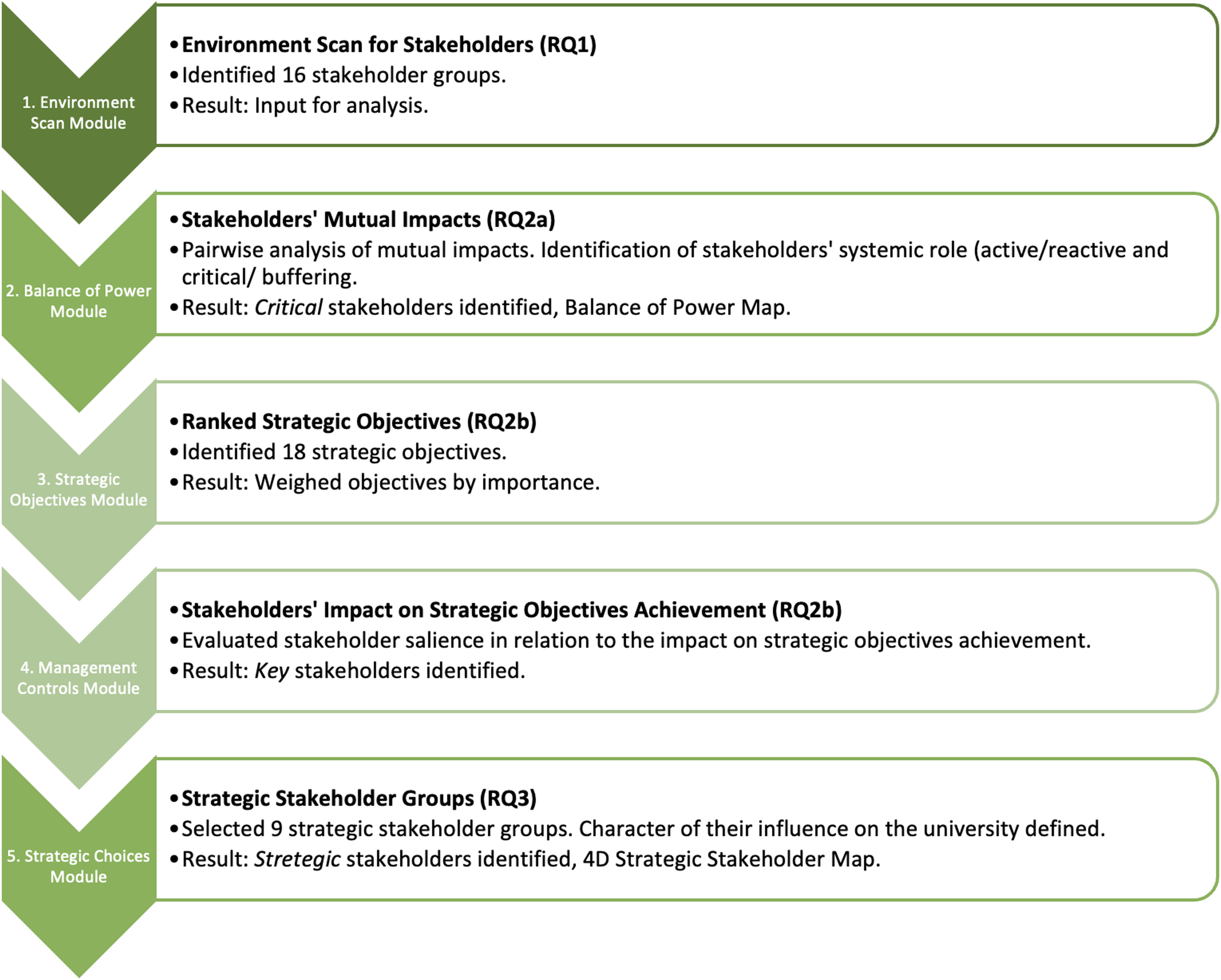
To enhance research reliability and user-friendliness, MISS® has been digitised and implemented as a web application (URL address hidden). This digital format allows the analysis (or its individual phases) to be repeated and adjusted in response to changes in the ecosystem and the internal conditions of the university. This adaptability makes the method particularly appropriate for supporting stakeholder analysis in the management of HEIs. In addition, it allows an HEI’s strategic institutional objectives to be linked and prioritised across both internal and external stakeholder groups, a process Patterson (2001) identified as crucial.
The research design focuses on in-depth analysis, capturing a wide range of internal stakeholder perspectives, and fostering agreement within a single institutional setting. It gives precedence to analytical precision and the structured use of the method to maintain consistency throughout the analysis. Consequently, the study does not seek to generalize its results to other research environments; instead, it aims to demonstrate the procedural reliability of MISS® and to highlight the method’s wider significance and potential use for HEIs.
Case description
Our research focuses on the Jagiellonian University (JU) in Kraków, Poland, which belongs to Una Europa—an alliance of 11 prominent European research universities. Una Europa’s mission is to establish a shared inter-university framework, which provides the essential context for our examination of HEI stakeholders.
The JU is one of Poland’s top universities, giving it strong international visibility and research competitiveness. For 2020–2026, it has been awarded the “Excellence Initiative – Research University” status by the Polish Ministry of Science and Higher Education. This initiative requires clearer strategic objectives, including a redesign of leadership and management, the adoption of strategic management methods, and a reassessment of stakeholders and their interactions to improve internal effectiveness. These measures are expected to strengthen the university’s position in national and international research (Jagiellonian University, 2019).
Data collection
Data were gathered through focus group interviews (FGIs), during which four employees from the focal HEI were invited to conduct stakeholder mapping and assess stakeholder salience using MISS®. Participants were deliberately chosen according to the following criteria: they occupied different levels in the organisational hierarchy (including one member of the top management team) and were at different stages of their academic careers; they were involved in research, teaching, and managerial responsibilities, including participation in strategic university development initiatives, and they also possessed prior managerial experience in industry; and they differed with respect to gender, age, and organisational tenure. This heterogeneity among FGI participants enabled the inclusion of a wide range of perspectives. At each step of the MISS® procedure, the evaluations and corresponding decisions were reached by consensus within the focus group. The small-N sample is consistent with the exploratory, interpretative character of the study and its emphasis on the preliminary validation of MISS® in a higher education setting.
Results
This section reports the findings, organized in line with the study’s research objectives. Each subsection sequentially focuses on a single objective. To ensure transparency and reproducibility, the Appendix contains detailed technical information on the MISS® modules, including the algorithmic workflow, core formulas, and computational procedures.
Stakeholder groups in the university ecosystem (RQ1)
Jagiellonian University stakeholder groups.
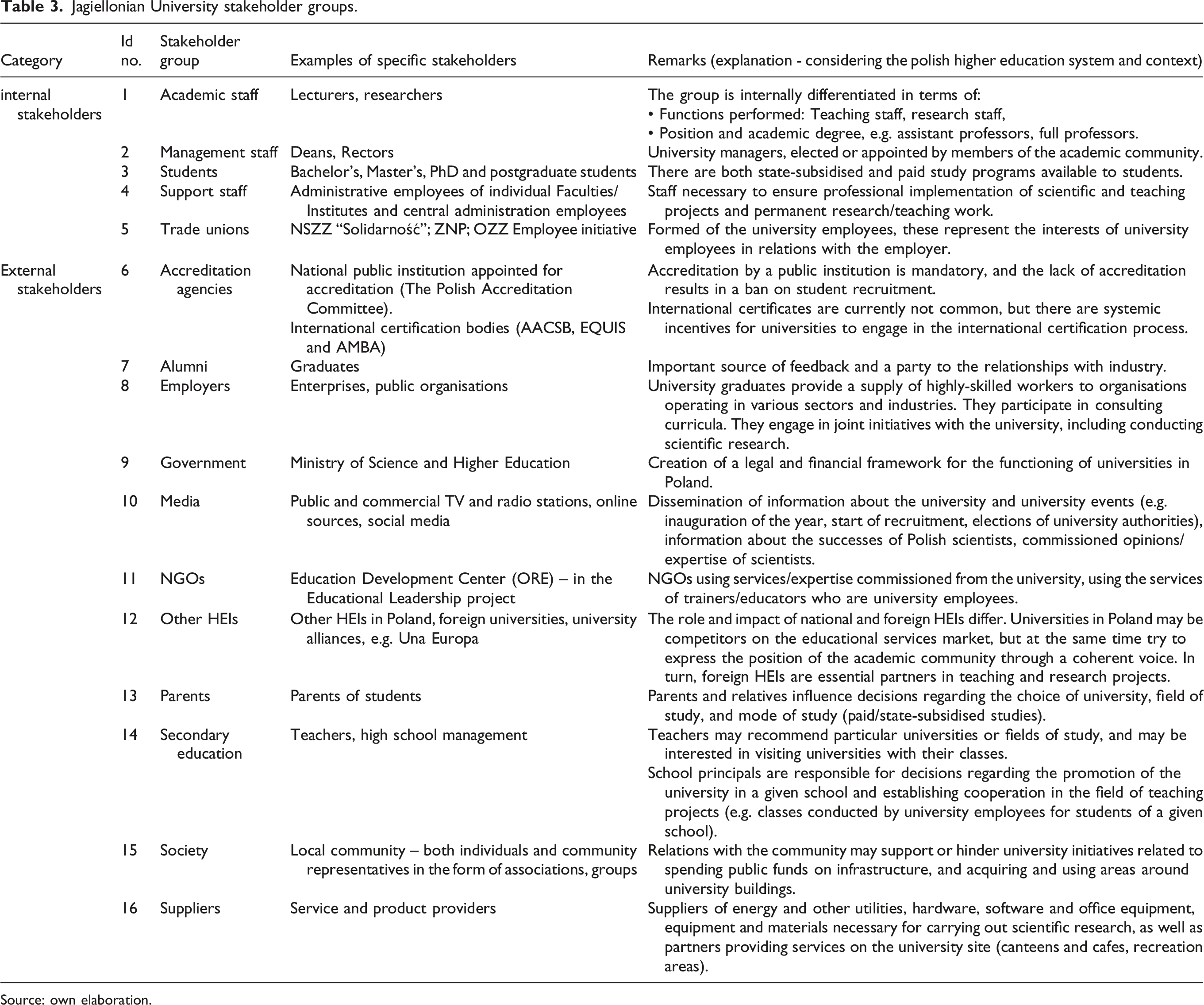
Source: own elaboration.
Stakeholders’ systemic roles based on their mutual impacts (RQ2a)
In this phase, mutual direct impacts among stakeholders were assessed through pairwise comparisons to determine each stakeholder’s role in the JU ecosystem across four dimensions: active, reactive, critical, and buffering. A four-point scale was used (0 = no impact, 1 = low, 2 = medium, 3 = high). This MISS® Balance of Power module shows the overall direct influence of stakeholder groups on the university ecosystem and their combined effect. Pairwise results are presented in an influence matrix (Figure 2), with stakeholder groups critical to the ecosystem shown in bold and shaded grey. The systemic roles of all stakeholders appear in the Balance of Power Map (Figure 3), and Figure 4 offers an overall interpretation of the cognitive stakeholder maps visualising the MISS® results. Matrix of influence of stakeholders in the JU ecosystem Source: own elaboration. Balance of Power Map of stakeholders in the JU ecosystem. Source: own elaboration. Interpretation of cognitive stakeholder map. Source: own elaboration.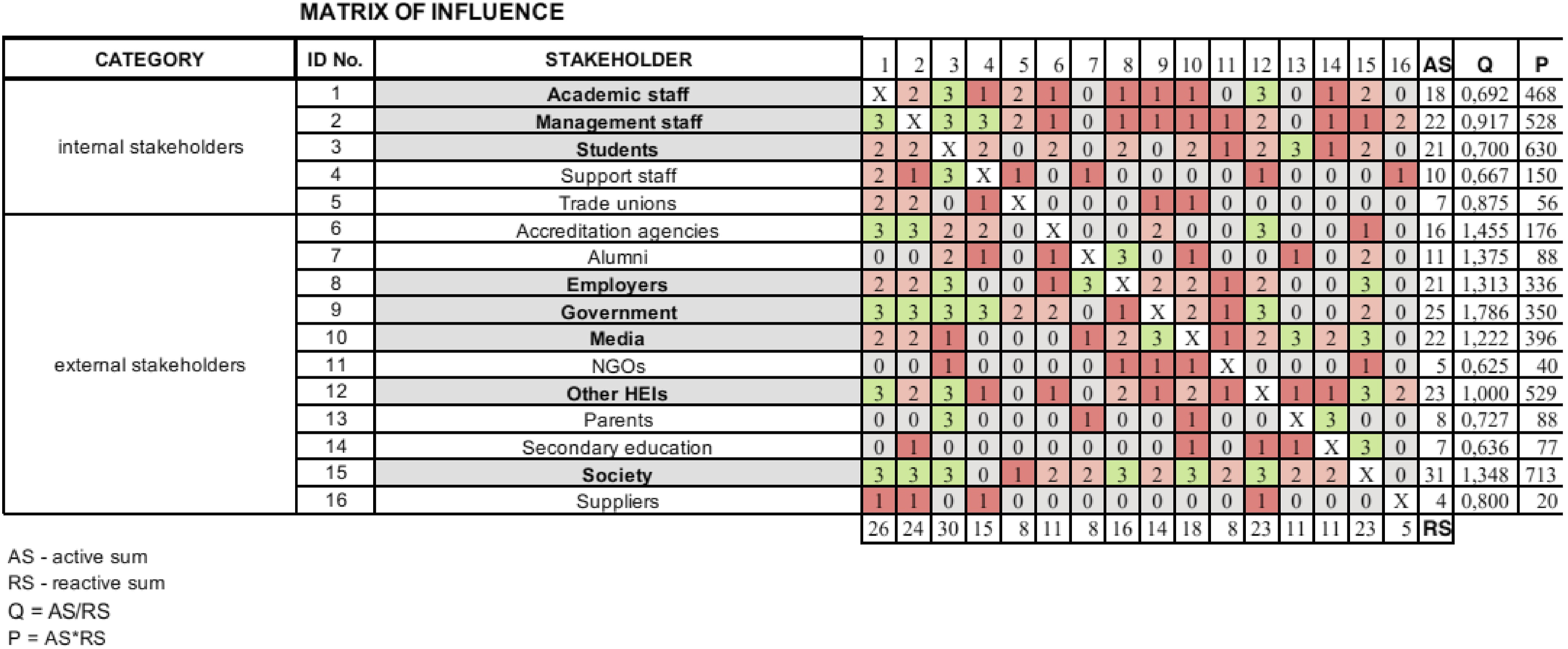
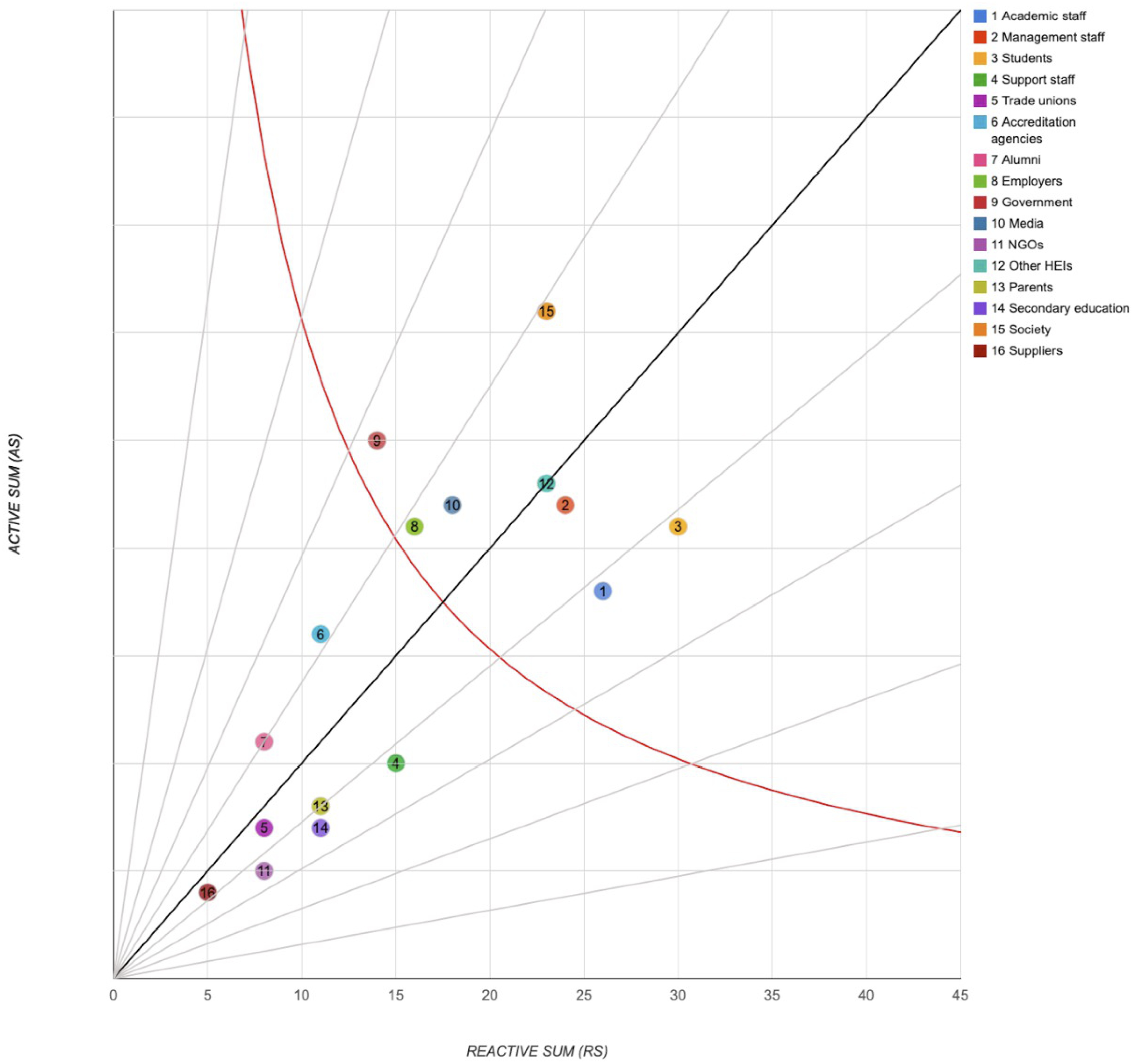
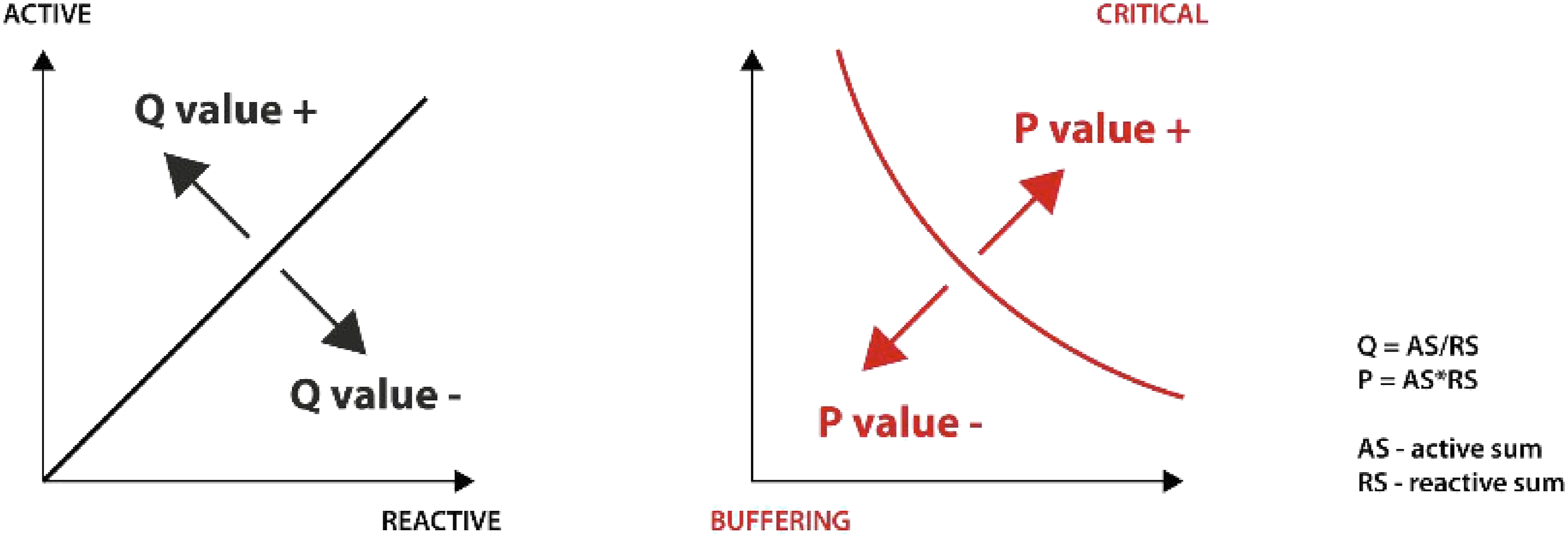
Active stakeholders operate like levers, while reactive stakeholders act like sensors. Critical stakeholders are capable of initiating major shifts in the ecosystem; active ones may introduce instability, whereas reactive ones provide early warning signals. In the JU ecosystem, the government plays an active role; academic staff and students are reactive; and management, other HEIs, media, employers, and society occupy neutral positions. Society, however, is close to becoming active.
Stakeholder impacts on the achievement of the university’s strategic goals (RQ2b)
In the next stage, to assess how the identified JU stakeholder groups influence the achievement of the university’s strategic goals, we asked FGI participants to evaluate 18 strategic objectives derived from the document “The Jagiellonian University, 2021 Strategy” (2021). First, the participants ranked these goals in terms of importance using the following scale: 1 – important, 2 – very important, 3 – crucial. The assigned ranks were then converted into numerical weights. The resulting prioritisation of JU strategic goals is shown in Figure 5. Strategic goals of Jagiellonian University.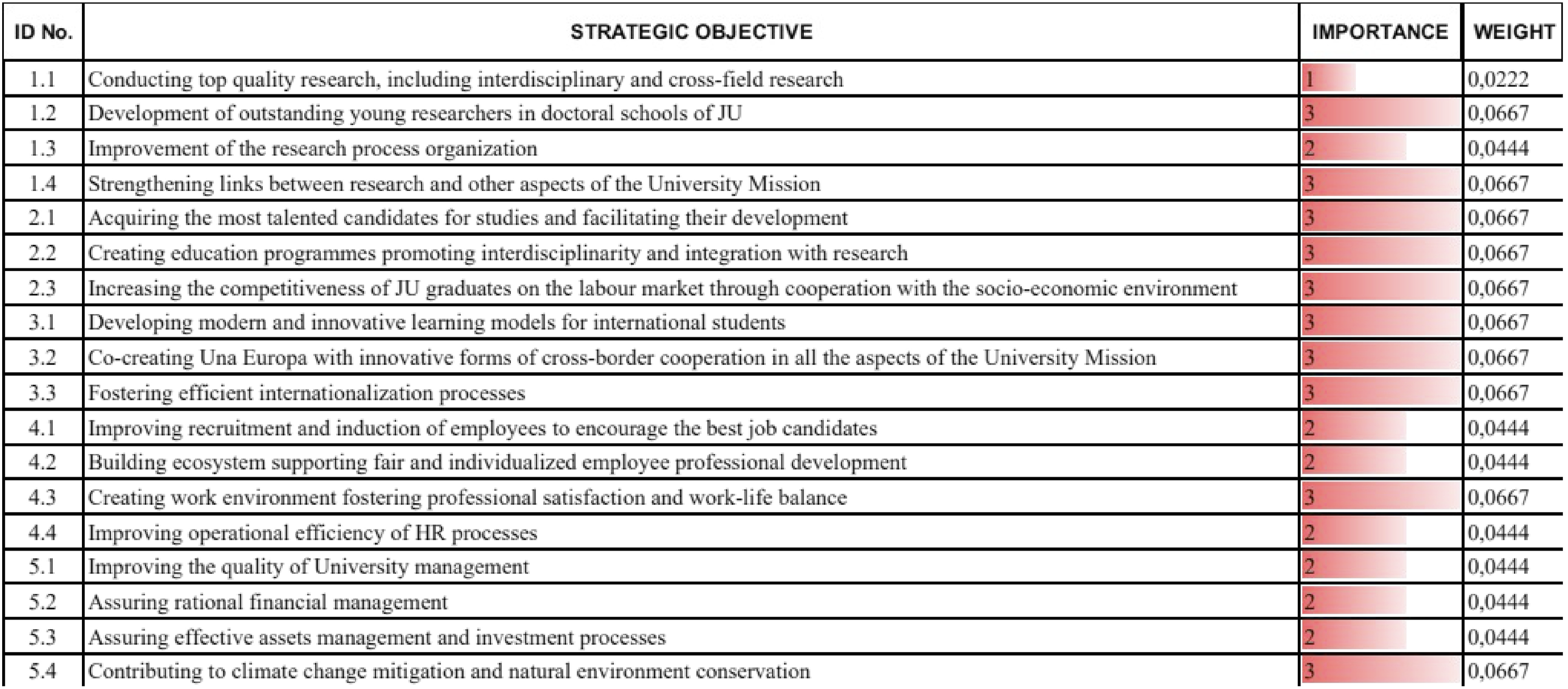
Drawing on the ranking, the salience of stakeholder groups was assessed in relation to the university’s strategic objectives (Management Controls module in MISS®). This assessment was carried out by evaluating the direct influence of each stakeholder group on each strategic objective. A four-point scale was applied to rate the direct impact, where 0 indicates no impact, 1 – low impact, 2 – medium impact, and 3 – high impact. The scores provided by participants were then multiplied by the previously assigned weight of each strategic objective. For every stakeholder group, the total weighted direct impact across all objectives (TWI) was computed. The results of this evaluation are presented in the key stakeholder matrix (Figure 6). Matrix of the JU stakeholders’ influence on strategic goals. Source: own elaboration.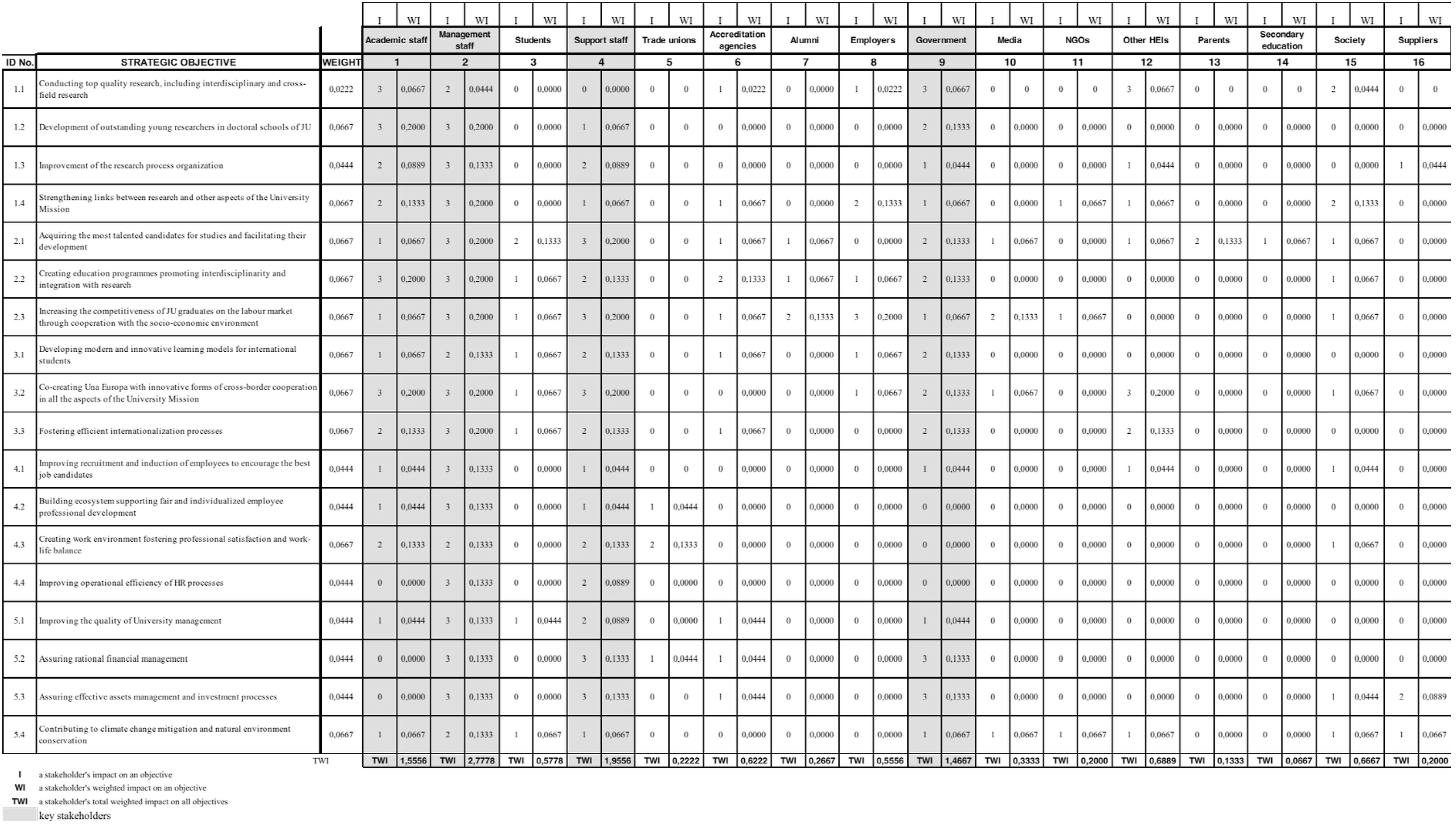
Groups whose TWI value exceeds the sample mean (0.7681) are regarded as particularly important for achieving the university’s strategic goals. The main stakeholder groups identified are: academic staff, management staff, support staff, and government. These groups are shown in bold and shaded in grey in Figure 6.
University strategic stakeholder groups and the character of their influence (RQ3)
In the final phase of the MISS® analysis (Strategic Choices module), the stakeholder groups deemed strategically significant for JU’s performance and long-term viability were identified. Participants selected these groups from a pool that included only those stakeholders that either fulfill a critical function in the ecosystem or have an above-average influence on strategic objectives (key stakeholders), or both (i.e., the union of the set of critical stakeholders and the set of key stakeholders). This pool is generated by algorithms embedded in the MISS® software. All nine stakeholder groups in this set were regarded by participants as strategic stakeholders.
Across the nine groups, participants highlighted external stakeholders—such as employers, government, media, other higher education institutions, and the broader society—as strategically important for JU’s long-term business model and sustainability. Internal stakeholders, including academic staff, management, students, and support personnel, were seen as essential for putting the strategy into practice. This combination of strategic and operational viewpoints underscores the critical role of stakeholders within the ecosystem. Achieving sustainability and broader systemic transformation depends on effective operational performance.
Finally, the character of the strategic stakeholder groups’ influence on the university was defined using the following scale: definitely positive; more/more often positive than negative; neutral; more/more often negative than positive; definitely negative; or the nature of the influence cannot be determined (since it is unknown or too changeable) (see Figure 7). Nature of strategic stakeholder group influence.
The strategic university stakeholder groups are presented on a 4D Strategic Stakeholder Map (Figure 8), which constitutes the final outcome of the stakeholder mapping process. This map displays, for each strategic stakeholder group, the following parameters: its systemic role with respect to the active/reactive and critical/buffering dimensions (indicated by its position relative to the straight black line and the red curve); the importance of its direct influence on the strategic objectives (represented by bubble size); and the type of its impact on achieving those strategic objectives (indicated by bubble colour). 4D JU strategic stakeholder map. Source: own elaboration.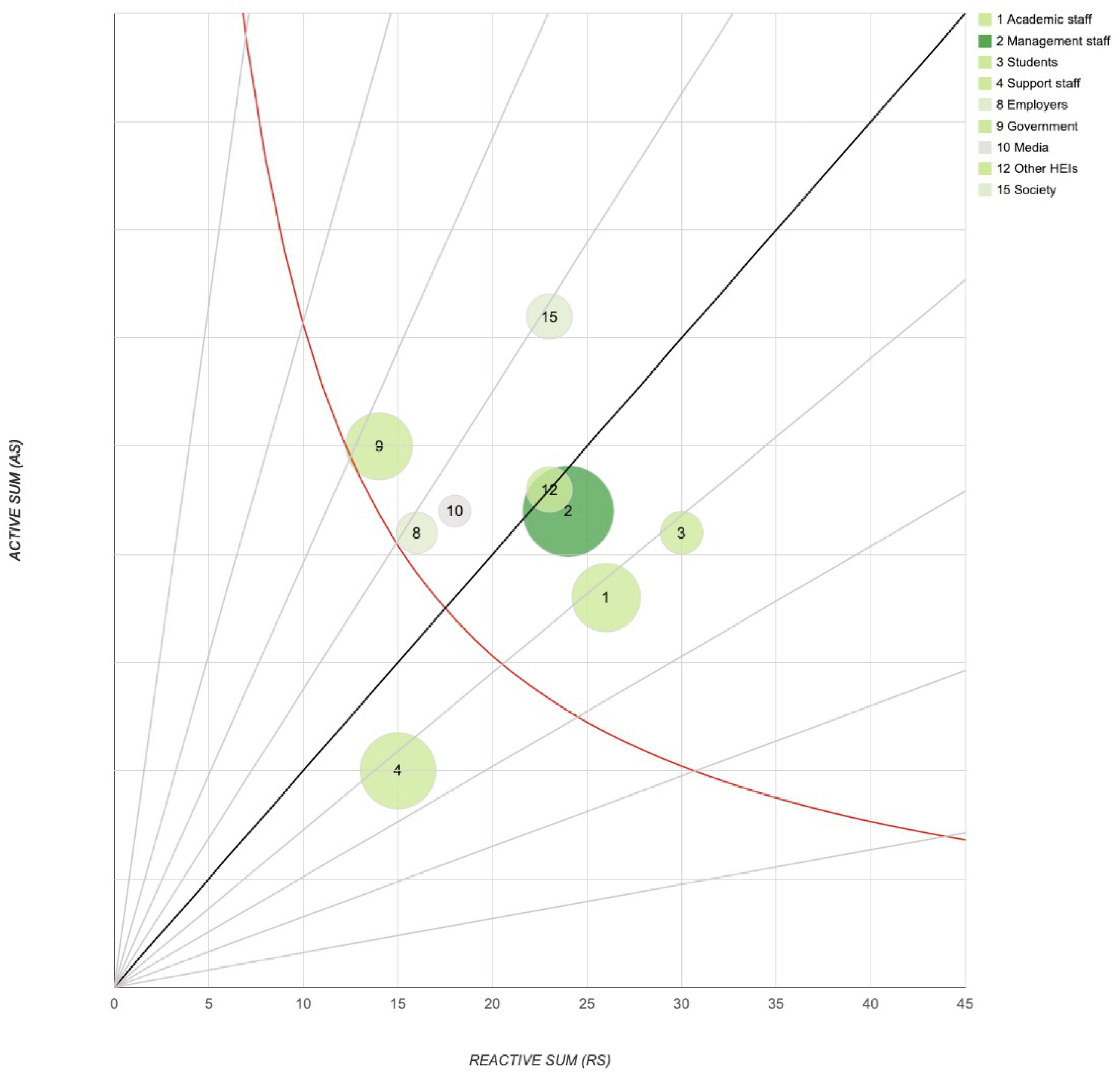
Discussion
Universities have been debated for over a century, with scrutiny intensifying as HEIs expand and diversify worldwide. Contemporary views emphasise educational technology, off-campus activities, and broad access to undergraduate study, all of which are reshaping academic life. Ongoing societal change and the redefinition of the university’s role (Stenvall-Virtanen, 2023; Tight, 2023; Wilson et al., 2024) underscore the need for strategic management. While some see this as conflicting with traditional scholarship, strategic management is especially vital for the 5th generation Stakeholder University (Wilson et al., 2024), enabling collaboration, competition, and sustainable practices (Sharrock, 2012). To realise the Stakeholder University model in practice, it is vital to develop methods and tools that facilitate managing with and for stakeholders. This paper presents one such method.
The paper presents a novel digital approach to classifying and prioritising stakeholders in the HEI ecosystem. By evaluating stakeholders’ impact, we reassess their capacity to influence the organisation’s performance and value creation. Our method quantifies stakeholder impact clearly and measurably to improve and balance value creation and value capture in the HEI ecosystem. Our framework differs conceptually and methodologically from existing models, especially Mitchell et al.’s (1997) theory of stakeholder identification and salience, widely used in HEI research. While Mitchell et al. (1997) defines stakeholder salience qualitatively through managers’ perceptions of power, legitimacy, and urgency in separate dyadic relationships, MISS® adds a complementary, quantitative dimension. Rather than relying only on senior decision-makers’ perceived attributes, MISS® incorporates multiple perspectives (e.g., different internal stakeholders, as in this case study). It quantifies stakeholder importance by measuring mutual, interdependent effects across the entire ecosystem, moving beyond isolated dyads. MISS® also links these network influences directly to the organization’s strategic performance objectives, classifying stakeholders by their systemic impact and contribution to strategy implementation rather than by generic attributes alone. Thus, our approach complements Mitchell et al.’s (1997) framework as an upstream step in comprehensive stakeholder analysis and introduces a distinct rationale for strategic stakeholder management in HEIs. The proposed approach also responds to the current demand for large-scale research on HEIs, as there is a need to rethink stakeholder relationships, including aspects such as risk mitigation, trust-building, and the implementation of incentives that foster effective stakeholder engagement (Li et al., 2021). Our research contributes data from a geographically and culturally underrepresented context to the existing literature on stakeholder analysis (Syed et al., 2024). Our findings may also apply to medium-sized and large European universities, which, despite differences in size and stakeholders, face similar strategic management challenges, as shown by recent work in the Una Resin project (European Commission, 2024).
As indicated by Burrows (1999), the initial step in stakeholder management is to identify and classify stakeholders. Carrying out this step was the primary objective of our research. In relation to the first research question, we identified 16 stakeholder groups within the local university ecosystem (Table 3). With regard to the second research question, our findings reveal the extent of reciprocal influence among these stakeholders and their systemic functions in the examined ecosystem (Figure 3). For instance, the government—formally the owner of public HEIs and their assets, while also acting as supervisor, regulator, and investor (capital provider)—is regarded as the most active and crucial stakeholder in the ecosystem. This highlights HEIs’ strong reliance on legal regulations that affect both public and private institutions across the national higher education landscape.
Our study also clearly highlights the direct influence and strategic relevance of internal decision makers on HEI performance (management staff, primarily faculty deans). They are assigned a critical but reactive role and exert the strongest positive influence on achieving HEI objectives, and are thus seen as key stakeholders (Figure 6). In light of demographic shifts in Europe, it is essential to consider students—who are viewed as a critical yet reactive stakeholder group—within a broader, international framework. This requires promoting diversity and inclusion with respect to, among other factors, generations, cultures, social backgrounds, and gender.
The findings highlight the media, alongside institutional PR, as key network actors shaping market visibility. Their influence is varied and cannot be reduced to simply positive or negative, underscoring the media as crucial, proactive participants in the ecosystem. HEIs should therefore work with a wide range of media outlets as vital intermediaries between academia and the public to build more sustainable relationships with this core external stakeholder that academia is meant to serve. Because society funds public HEIs through tax revenues in our context, this reinforces the need for a stronger mutual commitment from HEIs through direct engagement with societal challenges. Our conclusions align with Mampaey et al. (2019), who document the diversity and complexity of HEI stakeholder groups.
After identifying the strategic stakeholders in the focal HEI ecosystem, the study addresses the third research question (Figure 8). The findings show that both internal stakeholders (academic, management, support staff, and students 2 ) and external stakeholders (society, government, employers, media, and other HEIs) are crucial to institutional sustainability and performance. Building an effective, evolving, and sustainable HEI ecosystem therefore requires concurrent systemic transformation and operational improvement. Strategic external stakeholders help reshape HEIs’ business models and strategic directions, while strategic internal stakeholders drive implementation by setting priorities and allocating resources along the value chain.
The results presented may be specifically shaped by the systemic context in which the analyzed university functions, as well as by its own particular characteristics. A key factor among these is the regulatory environment. JU is a public HEI, which accounts for the strategic importance of the government and its various executive agencies, and requires a higher level of accountability to society as a whole. JU operates within the European Higher Education Area (EHEA), which stipulates, for example, that quality assurance in education must take into account the needs and expectations of students, labor market actors, society, and other stakeholders (EURASHE, 2015). JU is also part of the Una Europa alliance, which highlights the strategic importance of other HEIs, especially those abroad. The strategic role of industry stems from the fact that JU, as one of the largest universities in Poland in terms of the number of students (37219 3 ), serves as a crucial supplier of knowledge workers to the labor market. Additionally, it is generally obliged to collaborate with the socio-economic environment in designing, implementing, and improving study programs, which is one of the criteria for program evaluation by the Polish Accreditation Committee (2025). 4
The study enhances understanding of how strategic objectives and systemic transformations are connected to the roles of individual actors within the HEI ecosystem. Accordingly, it can be positioned within the stakeholder management stream of research highlighted in the recent review by Syed et al. (2024). As Burrows (1999) argues, a thorough stakeholder analysis can support the anticipation and management of stakeholders’ diverse reactions to a range of issues, thereby enabling HEIs to formulate more effective strategies in response to major societal challenges. The MISS® analysis can be appropriately and effectively implemented in other HEIs, as it offers a general mapping framework that facilitates the comprehension of stakeholder structures and their interrelationships.
Our results align with the Una Resin project (European Commission, 2024) in Una Europa, which examines narratives among stakeholder groups at eight European universities. The project recommends revising university regulations to better support teamwork and interdisciplinary collaboration, positioning JU as a key neutral stakeholder. It highlights strategic stakeholder mapping, aligned with institutional goals, as a way to strengthen cooperation among HEIs and foster interdisciplinary work. Clearer stakeholder roles can help translate needs into practice and improve HEIs’ systemic effectiveness. Una Resin also identifies citizen engagement as a major challenge, calling for a reassessment of strategies across locations.
Practical implications
Our study shows the importance of identifying and prioritizing stakeholders when setting or reassessing HEIs’ strategic direction, given the interconnectedness and mutual dependence of stakeholder groups. MISS®, as both an analytical procedure and a toolkit, offers a pragmatic approach that enables HEIs to pursue their strategic goals sustainably by (1) assessing the relative salience of stakeholder groups, (2) identifying which groups are strategically critical for achieving institutional objectives, and (3) developing and managing relationships with these key stakeholders through collaboration, coopetition, consultancy, or their inclusion in collegial governance. While universities have long ensured strong internal stakeholder representation in collegial bodies, the sustainable management of HEIs now increasingly demands closer, more participatory engagement with external stakeholders.
MISS® offers a comprehensive analytical toolkit that enables higher education institutions (HEIs) to put the World Bank’s STEER 5 framework into practice (Arnhold and Bassett, 2021). When MISS® is embedded in routine institutional processes, HEI leadership can actively advance STEER’s emphasis on efficiency by aligning institutional policies with the needs of the broader ecosystem and directing resources more strategically. In addition, using this approach can support adaptive governance and long-term resilience planning by helping institutions foster trust, anticipate how different stakeholders may react in times of crisis, and reduce systemic risks within rapidly changing educational contexts.In particular, recognizing how stakeholders depend on one another deepens the strategic management insights of HEIs and supports more informed resource allocation. By applying stakeholder mapping, policies can be more effectively tailored to meet ecosystem requirements. For instance, governments, acting as key strategic stakeholders, reflect a broader shift in HEIs toward engaging external actors in their activities and events, signaling a deliberate strategic orientation. For institutional leaders and academic staff, alignment with this approach may include investing in high-quality commercial training to support ongoing professional development.
Furthermore, universities are increasingly confronted with the challenge of citizens taking a more active role in decision-making, alongside a generational shift in expectations. MISS® makes it possible to clearly detect shifts in the significance and functions of specific stakeholder groups, thereby creating a foundation for strategic and operational adjustments. For instance, a rise in citizens’ influence at the strategic level may prompt universities to intensify efforts to build and strengthen relationships with them. At the operational level, this may translate into more action research (Bogacz-Wojtanowska et al., 2019) and expanded collaboration projects with industry or NGOs, such as the Campus Living Lab initiative at Jagiellonian University 6 .
While our approach offers numerous advantages, we also recognise the challenges that HEIs may encounter when implementing it. The primary concern is the potentially low engagement of key strategic stakeholder groups in activities designed to realise strategic objectives. To enhance their involvement, we suggest fostering trust and offering appropriate incentives (Li et al., 2021), alongside prioritising effective communication, partnership, and ongoing dialogue.
Drawing on the configuration of strategic stakeholders observed in our focal case, as well as the key features of the method, we can derive the following recommendations for top management teams in HEIs: • Involve government bodies and other public stakeholders in a structured dialogue to ensure funding priorities are aligned with societal expectations. • Enhance partnerships with industry and civil society by jointly designing curricula and conducting participatory research that generates societal benefits, including advancing the SDGs. • Develop collaborative advantages with other HEIs by engaging in coopetition and forming strategic partnerships. • Strengthen internal governance capabilities by acknowledging the key responsibility of HEI leadership in managing and aligning relationships with stakeholders. • Use the media as a key intermediary to shape reputation and share the institution’s accomplishments. • Strengthen the resilience of HEIs by identifying key strategic stakeholders and involving them proactively in the institution’s development processes. • Conduct regular reviews of stakeholder mapping and analysis to confirm that the findings remain accurate in changing environments.
These recommendations can be turned into specific managerial choices and measures by carrying out systematic, in-depth stakeholder mapping, followed by a more detailed examination of key strategic players. This kind of strategic alignment should be regarded as a necessary, albeit not sufficient, prerequisite for effective stakeholder value co-creation within an HEI’s ecosystem.
Limitations and future research directions
This research includes several limitations that need to be taken into account when interpreting the results. First, it is based on a single case and should be regarded as an initial validation of MISS® in a higher education setting, which constrains the extent to which the findings can be generalized. At best, our results support analytical generalization, meaning they may be relevant to other, comparable contexts or contribute to refining or extending theoretical propositions, rather than forecasting outcomes for a wider population (Yin, 2009). At the same time, the transparent procedures built into MISS® strengthen the study’s dependability and render the analytical steps traceable.
Second, the small sample size and reliance on a single focus group with consensus-based evaluation may have fostered groupthink, since the push to agree could have muted dissenting opinions or alternative readings. As a result, the findings may capture a negotiated compromise rather than entirely independent judgments. However, this approach also reflects how decisions are often made in practice within hierarchical, centralized institutions, including many universities.
Future studies could seek to capture the perspectives of a wider range of stakeholders within a single HEI by conducting several MISS® analyses and comparing their results. Applying MISS® across HEIs from different national systems, cultural contexts, development stages, and levels of resource availability is likewise recommended. From a practical standpoint, piloting MISS® in strategically allied HEIs may help align institutional goals and enhance operational effectiveness. It is also worthwhile to investigate how stronger stakeholder involvement can contribute to the achievement of universities’ strategic objectives.
Conclusion
Effective stakeholder management is vital for contemporary HEIs, particularly in tackling societal issues. MISS® provides a sophisticated, systemic framework for identifying stakeholders and determining their salience, enhancing current approaches used in higher education. It supports environmental scanning, analyses stakeholders’ functions, and examines their influence on HEIs’ strategic objectives, thereby pinpointing key strategic stakeholder groups that are crucial for institutional performance and long-term sustainability. This method reflects the university’s complex operational context and the difficulties of defining and evaluating numerous goals (Patterson, 2001), while also offering a clearer understanding of stakeholder interdependence. It supports HEIs’ strategic management by fostering dialogue that drives positive change and by enabling transformational conversations within strategic planning processes (He and Oxendine, 2019).
Our research enables an in-depth analysis of stakeholders, improving insight into the HEI ecosystem and informing strategic decision-making in higher education policy and management. This advanced mapping promotes transparency and the sustainable co-creation of value within HEI strategies.
Footnotes

Funding
The authors received no financial support for the research, authorship, and/or publication of this article.
Declaration of conflicting interests
The authors declared no potential conflicts of interest with respect to the research, authorship, and/or publication of this article.
Data Availability Statement
The data that support the findings of this study are available from the corresponding author upon reasonable request.