






Abstract
This article seeks to examine how interactions within multi-actor systems of governance influence the co-creation of public value in the implementation of policies to address gender-based violence in a rural district of Tanzania. Using a framework of complex adaptive systems, we test the extent to which relations among different actors determine outcomes of collaborative governance in settings of high policy complexity. Our mixed-methods case study incorporated data from key informant interviews, surveys, focus group discussions and a review of documentary evidence. Our findings show that adaptive leadership and processes of reflective learning are critical to achieving effective patterns of collaboration and improving outcomes of policy implementation. In particular, application of the reflective learning approach by a local NGO resulted in iterative processes of learning, continuous mechanisms for feedback and extensive decentralization of decision-making. These adaptations increased community capacity for self-regulation, improved mechanisms for accountability and enhanced local ownership of interventions to address gender-based violence. The paper also demonstrates that outcomes of policy implementation arise from nonlinear processes of mutual adaptation and collaborative problem-solving among diverse stakeholders, rather than solely from directives originating at the top of the policy system. The authors contribute to the literature on collaborative processes of co-creation of public value, and confirm the capacity of adaptive systems of network-based governance to produce substantially more responsive and context-appropriate outcomes of policy implementation for complex social conditions of development. This experience also provides valuable lessons for policymakers and practitioners of development.
Keywords
Introduction
Issue linkage in policy problems has been hugely realized ever since the beginning of the century. As such, governments acting independently may not have adequate capacity to address them (Bryson et al., 2015). On the other hand, markets cannot be relied upon to address wicked policy problems (Bannink et al., 2024; Sidha and Amuomo, 2023). In addition to the government and market, there is also civil society, which has been referred to as the third sector by Zimmer (2010), currently playing a significant role in both policy advocacy and implementation. While cooperation is desirable, it is not without challenges. In their seminal writing, Pressman and Wildavsky advised governments to develop policies with minimal dependency for implementation outside the coordination agency (Pressman and Wildavsky, 1984). This study applies the case of gender-based violence policy implementation in Pangani district to understand the challenges of joint action complexity and the promotion of collaborative governance.
Tanzania’s governance landscape is shaped by a dynamic interaction between state institutions, civil society organisations (CSOs), and local communities (Marijani, 2022). Although the reforms of decentralisation have aimed to improve participatory governance, they have been hindered by systemic issues, such as low institutional capacity, inefficiencies within bureaucracies, and continued top-down policymaking (Faguet, 2014). Consequently, the inclusive governance commitment often fails to materialize, and marginalized communities struggle to shape policies that have a direct impact on their lives.
To address these governance challeges, CSOs have played a crucial role in building community resilience, promoting gender justice, and fostering a sense of local responsibility (Rusfiana and Kurniasih, 2024). Nevertheless, the collaboration of the CSOs, government agencies, and community actors is not easy. The differences in interests, power imbalances, and limitations of the restrictive policy environment spark conflict during the collaborative governance process. Although the law in the country has formal mechanisms of responding to gender-based violence (GBV), like the Sexual Offences Special Provisions Act (1998) and the Law of the Child Act (2009), the law is not consistently enforced, and it requires reinforcement at the grassroots level. The overlapping of institutional inefficiencies, socio-cultural obstacles, and policy limitations presents the complexity of coordinating state and non-state actions towards a common goal.
This complexity is best illuminated in Pangani District, where UZIKWASA operates. The socio-economic weaknesses of the District, along with the long-standing gender imbalances, necessitate new strategies that transcend the traditional governance framework. The Reflective Learning Approach (RLA) of UZIKWASA helps resolve these issues by providing adequate support for collaborative leadership, joint development of solutions, and continuous discussion between community members and local leaders. In contrast to traditional interventions, which introduce externally designed interventions, UZIKWASA supports a learning and reflection process of iteration, allowing stakeholders to negotiate the complexities of joint action and facilitate locally owned change.
In this paper, the work by UZIKWASA is placed in the context of the wider governance and policy framework in Tanzania, and how the barriers to effective collaboration within the organisation’s model are addressed. By exploring the mechanisms that enable and constrain joint action in local governance, the paper contributes to a deeper understanding of how civil society can catalyse sustainable development and public value co-creation in contexts of institutional and social complexity. It lends itself to the question of (a) situational variables that promote or undermine CSO-Government partnerships, (b) effective mechanisms and processes for bringing together diverse groups to address wicked policy problems, and (c) strategic capabilities that enable communities, governments, and CSOs to collaborate for a common good.
Complex Adaptive Systems (CAS) theory in collaborative governance
This study adopts the Complex Adaptive Systems (CAS) Theory to examine how the quality of networked organisations and institutions can be improved. CAS has been selected due to its robust analytical framework, which can be used to understand policy implementation, governance, and multi-sectoral/agency collaboration in uncertain and highly dynamic environments (Lansing, 2003; Onik et al., 2017). The theory was first adopted in complexity sciences but has since been used in other natural and social sciences (Eidelson,1997; Onditi et al., 2021), where adaptability, interconnectedness, and self-organisation of different actors operating within a system need to be emphasised (Schneider and Somers, 2006). The key element of the CAS theory is that it develops the notion that the results of policies can be attributed to the interactions of various agents, not exclusively to highly publicized top-down instructions (Holland, 1995; Stacey, 2011). This description provides a broader scope of policy outcomes compared to those proposed by linear models of governance and policymaking.
The application of the CAS theory to policy implementation and collaborative governance in the African context is a novel contribution. More so when the theory is implemented on a case study that is a multi-sectoral response to gender based violence (GBV). The authors apply the CAS theory in the UZIKWASA Reflective Learning Approach (RLA) in Tanzania, where UZIKWASA has partnered with NGOs to support the government in addressing the issue of gender-based violence in Pangani District. We will use this theory to provide a nuanced example of how various stakeholders transform, connect, and co-evolve in response to the issue of governance. CAS theory will also help in explaining the complexities of government–nonprofit partnerships in a broader context.
Key principles of complex adaptive systems theory
In studying governance-related issues or implementing policies, CAS theory provides important principles that can be applied. These key principles include:
Nonlinearity and feedback loops
Traditional policy models applied in governance studies often focus on cause-and-effect relationships. However, proponents of CAS theory, such as Gerrits and Marks (2017), argue that governance processes are nonlinear. They suggest that in nonlinear processes, feedback loops can lead to disproportionately large effects from small, even insignificant changes (Rozum and Albert, 2022). If applied to GBV interventions, the effectiveness of such policies will depend on the dynamic feedback and iterative learning between local governance structures, civil society organisations, and the affected communities.
Self-organisation and decentralised governance
Kauffman (1993) particularly emphasizes the principles of decentralized governance and self-organization. He argues that governance actors, rather than being strictly controlled by a central authority, tend to adapt organically. His argument is indeed justified, especially when considering the challenges of implementing policies using the top-down approach due to governance fragmentation and bureaucratic rigidity.
Emergent properties in governance
Another key principle of CAS is the emergent properties in governance. Proponents of this principle argue that governance outcomes are emergent, meaning they arise not only from predetermined plans but also from the collective interactions of system components (Kreienkamp and Pegram, 2021; Meek, 2010). Emergent priorities play a vital role in learning about policy implementation because they not only analyze but also provide an explanation for the varying degrees of success achieved despite the same policies being applied in different places.
Adaptive capacity and institutional learning
The question of adaptive capacity in policymaking, particularly in a complex environment, has been aptly described in the work by Plummer and Armitage (2007). The authors claim that the sustainability of implementing policies requires stakeholders to make relevant adjustments in response to ongoing changes continually. CAS theory emphasizes that learning, reflexivity, and institutional flexibility are essential when implementing policies aimed at addressing complex social problems (Bullock et al., 2022). The applicability of adaptive capacity to our study lies in the fact that the RLA of UZIKWASA is structured based on iterative reflection. They are the sessions, during which NGOs and local leaders exchange information, evaluate the situation, and adjust their interventions according to the real-time comments.
CAS theory in policy implementation: A governance perspective
The CAS theory exemplifies the dynamism of policy trade-off, multi-actor process, and emergent decision-making in the governance systems where the theory has been embraced. Studies by Northam (2014) and Munro et al. (2020) established that it is easy to understand why, in complex environments, traditional bureaucratic models tend to struggle with efficiency. Such complex environments include dealing with interventions towards GBV, which is a core theme of this study. Indeed, there is often a serious challenge in coordinating many GBV policies due to rigid institutional mandates that are not designed to accommodate the realities of multi-sectoral collaboration, which tend to be dynamic in nature. Thus, in adopting CAS, stakeholders have an alternative of using adaptive governance models that can embrace rather than resist complexity. In addition, the implementation of policies in most cases is characterised by power asymmetries. Moreover, in developing countries where unequal power dynamics exist between CSOs, governments, and donors, this leads to implementation failures. Therefore, applying CAS theory helps to illustrate how network-based governance and distributed leadership can avoid power imbalances.
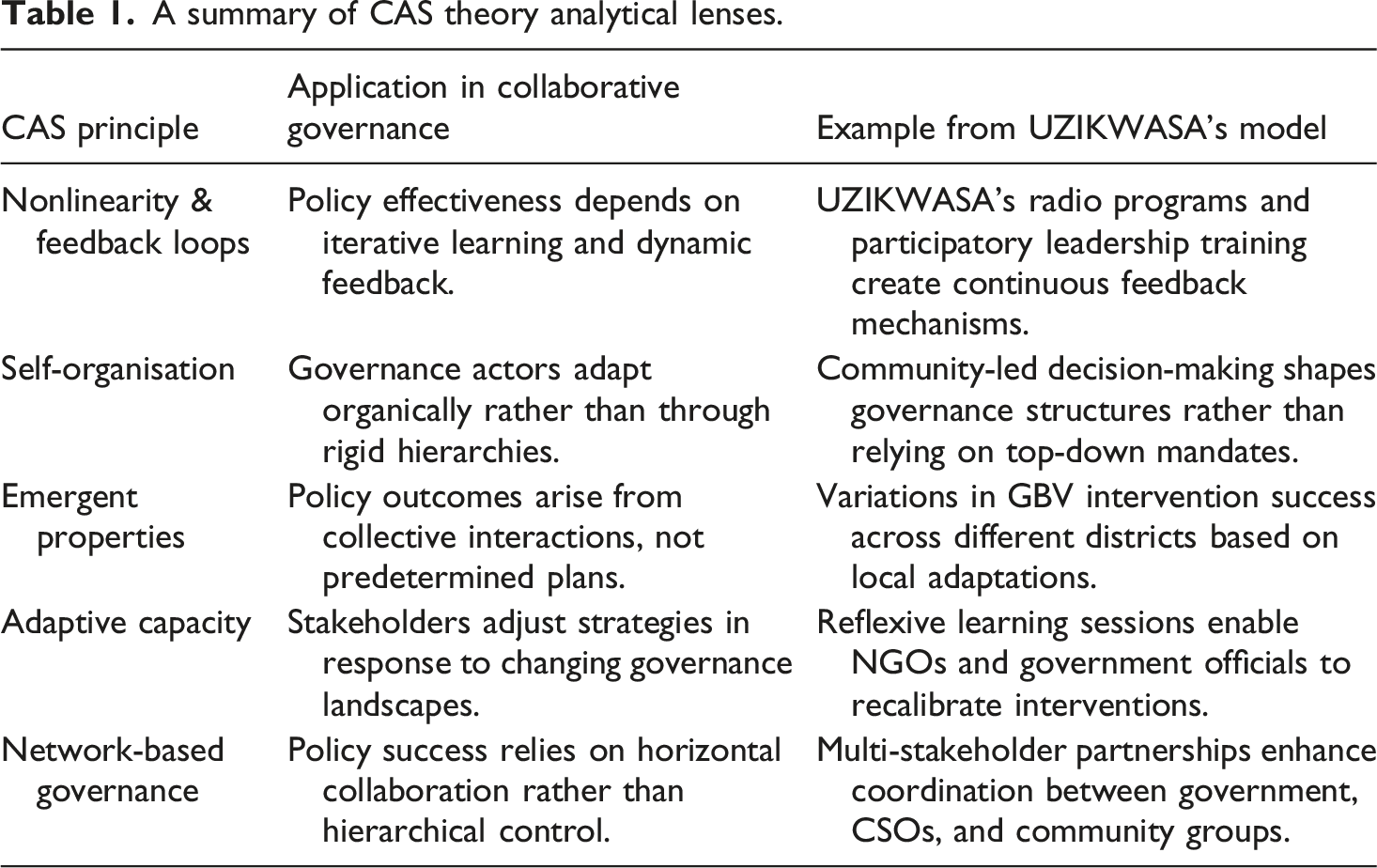
A summary of CAS theory analytical lenses.
Methodology: A mixed-method approach
The present study employed a mixed-methods case study design, which combined both quantitative and qualitative research methodologies for data collection and analysis. The mixed-methodology approach has been chosen because it is the only approach that is adequately applicable to a Complex Adaptive Systems (CAS) analysis, where it is possible to quantify widely spread patterns using surveys while still accessing the emergent, qualitative subtleties of stakeholder interactions and adaptations. Appreciative Inquiry and Participatory Learning were philosophically applied in the study, directly influencing the development of data collection methods, including Focus Group Discussion guides designed to stimulate a positive change narrative and community capacity narratives as a means of co-learning. Such a synergistic design enabled the conduct of comprehensive research, with quantitative data determining what actually occurred, and a qualitative approach explaining how and why it developed, given the complexity and adaptive nature of collaborative governance processes.
The case study centred on UZIKWASA’s Reflective Learning Approach (RLA) as a model for fostering social change. The methodological framework was informed by Appreciative Inquiry and Participatory Learning, ensuring inclusive engagement with diverse stakeholders and capturing the nuanced impacts of the program. Data for this study were derived from both primary and secondary sources. Secondary data collection involved an extensive review of key program documents, including program proposals, logical frameworks, progress reports, case studies, monitoring and evaluation (M&E) reports, records from law enforcement and judicial institutions, and previous research studies relevant to the intervention.
We use CAS as an analytical model to interpret empirical trends in Pangani, only, in order to avoid confusing a diagnostic theory with a prescriptive intervention. We conceptualised CAS concretely in five principles, as shown in Table 1.
Primary data were collected using a combination of surveys, key informant interviews (KIIs), focus group discussions (FGDs), and direct observations. Quantitative data were gathered through structured questionnaires administered to program beneficiaries across 17 of the 33 villages in Pangani District. The purposive selection of villages ensured representation of diverse demographic groups, including urban and rural populations, agriculturalists, pastoralists, and fishing communities. The sample size was determined using Cochran’s formula for finite populations, yielding a target of 385 respondents. A total of 368 questionnaires were completed, achieving a 95.6% response rate. The age distribution of respondents ranged from 15 to 83 years, with a mean age of 43.
For qualitative data, KIIs were conducted with UZIKWASA staff, partner organisations, government officials, and community members. FGDs targeted specific groups, including couples, boda-boda riders, and adolescents, to facilitate in-depth discussions on program impacts and perceptions.
Quality control of quantitative data was thoroughly conducted, and data were analyzed using SPSS v24. The data was disaggregated by gender, geographical location, and age. Analysis methods involved coding, data cleaning, percentages, generation of frequency distributions, and cross-tabulations as a way of determining trends and relationships. KIIs and FGDs provided qualitative data, which were transcribed verbatim and analyzed using the thematic analysis method. To match the research questions of the study, a coding framework was created that was used to categorize the emerging themes. The methods helped to determine that there were familiar patterns, perceptions, and narratives that were identified, and gave more insight into the effectiveness of the interventions by UZIKWASA.
Ethical compliance was upheld in the study. Participants received informed consent after they had been informed about the objectives of the study, the procedures, and their rights as respondents. In the case of a minor who took part in FGDs, the consent of a parent or a guardian, as well as child assent, was required. Anonymisation and limited access to the information that was collected ensured confidentiality and data security. The respondents were free to participate, though, and they could stop at any point without any consequences. Since some of the issues covered (gender-based violence and climate change) were sensitive, data collection was done in a way that emphasised respect, cultural sensitivity, and psychological well-being.
Gender based violence policy and legislative landscape in Tanzania
Tanzania has an effective policy and legislative framework of GBV, which comprise: the National Strategy of Gender Development (NSGD), (Government of Tanzania, 2005), the National Plan of Action to Combat Violence against Women and Children (NPA-VAWC) (Government of Tanzania, 2001), the Gender and Women Empowerment Policy (2019), (Government of Tanzania, 2019), the Sexual Offenses Special Provisions Act (1998) It is a definite sign of the efforts of the country to achieve gender equality and sustainable development.
The then President of Tanzania, Jakaya Kikwete, has made a public appeal to include GBV in the Millennium Development Goals in the country. In the same manner, the Poverty Reduction Strategy Papers (PRSP) of Tanzania have enumerated violence against women as one of the pointers of poverty, a characteristic scarcely seen with PRSPs of other nations. There has been some improvement in the Tanzanian law in the prevention and punishment of the crimes of GBV. For instance, the Sexual Offences Special Provisions Act of 1998 poses severe penalties for sexual violence offenders.
Recent institutional reforms in government also point to promising paths toward responding to and preventing GBV. For example, each ministry has a gender focal point, and the Ministry of Community Development, Gender, and Children has initiated efforts to train these focal points on how to mainstream gender into their ministry work plans and budgets. Notably, the Inspector General of the Tanzanian Police Force, Saidi Ali Mwema, has instituted reforms to make the police more accessible to the community and more responsive to its needs. Out of this initiative, the Tanzania Police Female Network (TPFNet) was established, along with the creation of gender desks to address cases of GBV at police stations (Betron, 2008).
Despite all these efforts and frameworks, gaps persist in the country’s legal system. In particular, domestic violence is only minimally addressed in The Law of Marriage Act—although without specified penalties—and through the penal codes on general violence and assault. No law exists against domestic violence, specifically. Additionally, many children are being left with grandparents while their parents go to towns to look for work, thus increasing their vulnerability to Sexual Exploitation and Abuse of Children (SEAC). Cases of SEAC targeting male children are on the rise in Tanzania.
Cases of GBV remain a significant concern in Pangani District (Lwoga, 2017). This high level of GBV in the District has been attributed to various factors, including poverty, cultural beliefs, and a high dependence ratio that hinders reporting of cases, especially when the perpetrator is a breadwinner, child abandonment, and low literacy levels. To address these problems, the government partnered with a local NGO, UZIKWASA, to respond to gender-based challenges in the District. The NGO convinced the GBV consortium to adopt an adaptive capacity and institutional learning approach to development, which they named the reflective learning approach. Some of the principles of RLA include participatory governance, responsive leadership, transparency, and inclusion. Over the last decade, several government and community leaders have received training on the RLA principles and approaches. A multimedia forum is another tool that has been employed by the organisation to initiate debate on social change in Pangani. Various research has been carried out on the various issues of UZIKWASA programs. There is limited information, though, on how the RLA strategy embraced by UZIKWASA and its partners in Pangani facilitates collaborative governance.
Overview of UZIKWASA’s model and strategies
The Reflective Learning Approach (RLA) offered by UZIKWASA is a participatory framework that gives local leaders and communities empowerment to solve their governance challenges, gender justice, and climate resilience (Chami and Mjema, 2024). The strategy encourages self-reflection, critical discussion, and taking action together using a combined set of interventions, which are outlined below.
Enhancing community engagement through participatory radio programs
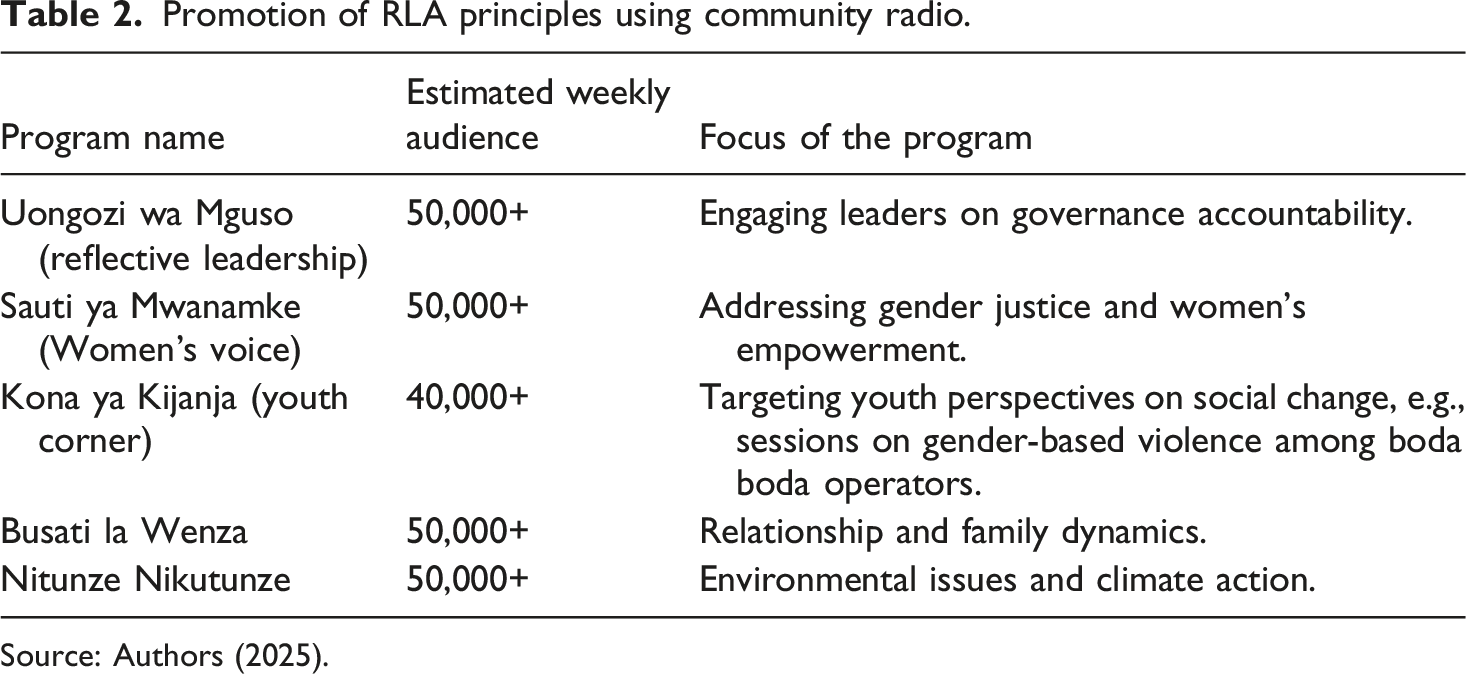
Promotion of RLA principles using community radio.
Source: Authors (2025).
Findings indicate that all these programs are broadcast live, featuring guests, expert discussions, and interactive segments that allow listeners to call in or send SMS messages. This participatory model enhances community engagement, as listeners actively shape discussions by sharing experiences and seeking advice. Data were also collected on community perceptions of the radio programs. Figure 1 illustrates the impact of UZIKWASA’s radio programs based on community perceptions. How discussive are the radio UZIKWASA radio programmes. Source: Authors (2025).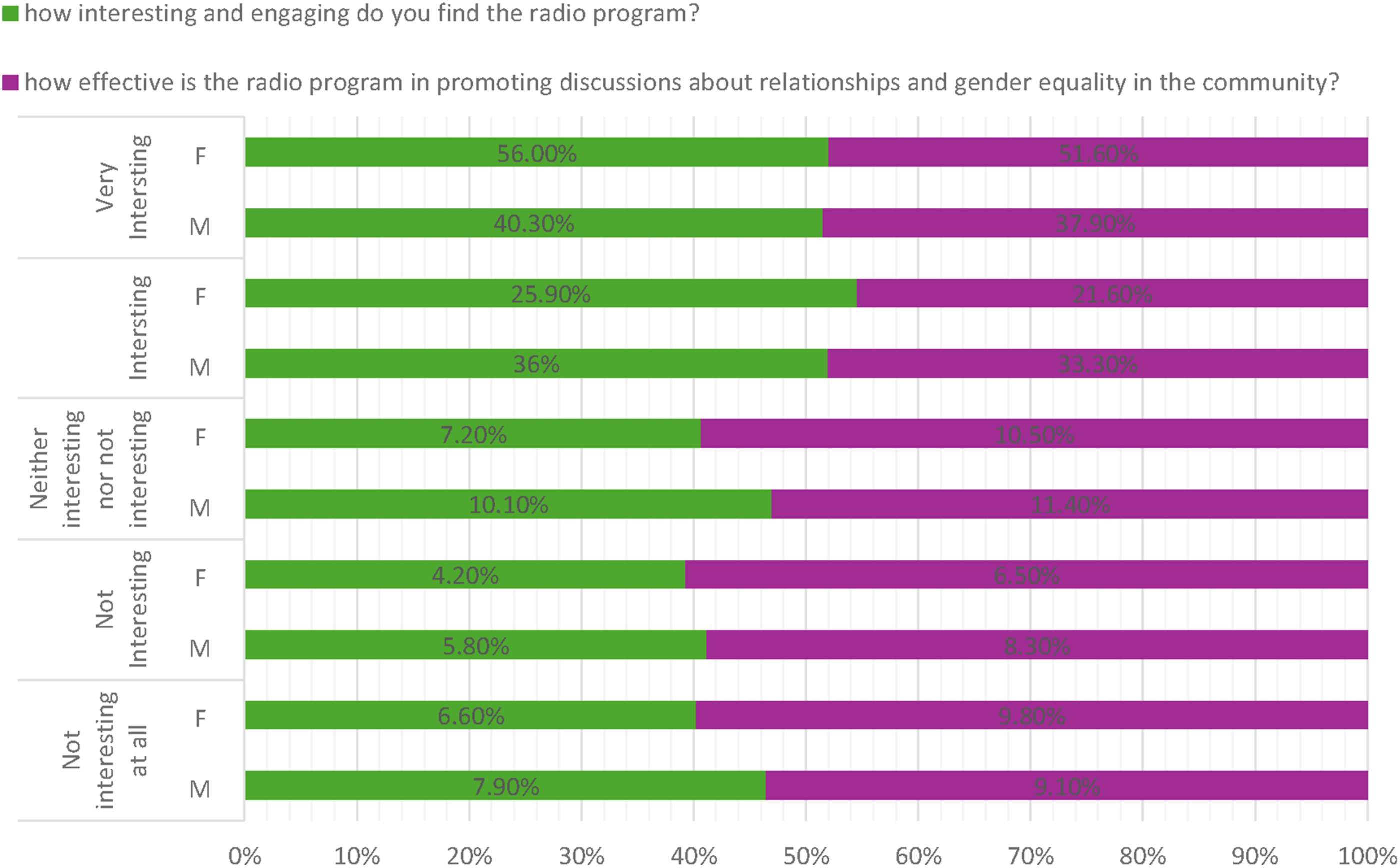
As illustrated in Figure 1, the majority of respondents acknowledged that these programs effectively promoted discussions on relationships and gender equality, with 71.2% of males and 73.2% of females finding the programs either enjoyable or exciting. Furthermore, 81.9% of female and 76.3% of male respondents described the programs as engaging. Qualitative data from community members confirm that UZIKWASA’s radio initiatives have successfully established themselves as effective platforms for social change, as demonstrated by the following sample of verbatim excerpts: The radio discussions have been eye-opening and have encouraged us to talk more openly about gender issues. — Community Leader, Pangani. The guest speakers bring valuable insights and practical advice that we can apply in our daily lives. — Listener, Pangani. UZIKWASA’s radio programs are largely effective in promoting discussions about relationships and gender equality and are well received by the community. — Radio Manager.
Strengthening local accountability through leadership mentorship
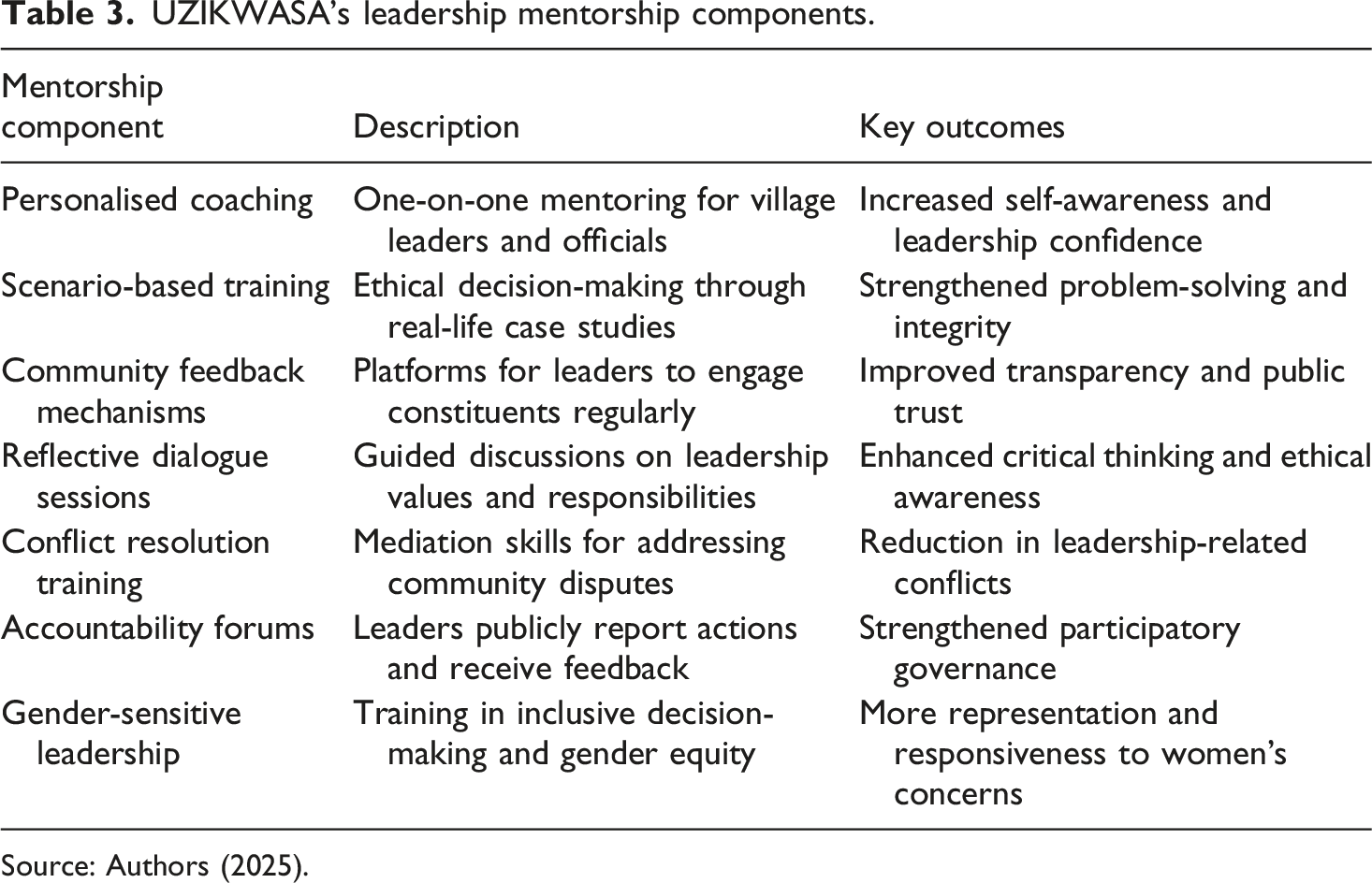
UZIKWASA’s leadership mentorship components.
Source: Authors (2025).
Findings from qualitative data indicate that mentored leaders demonstrate greater responsiveness to community concerns and are more inclusive in their decision-making processes. A survey with community members (Figure 2) highlights the perceived improvement in leadership accountability after mentorship. Perceived improvement in leadership accountability. Source: Authors (2025).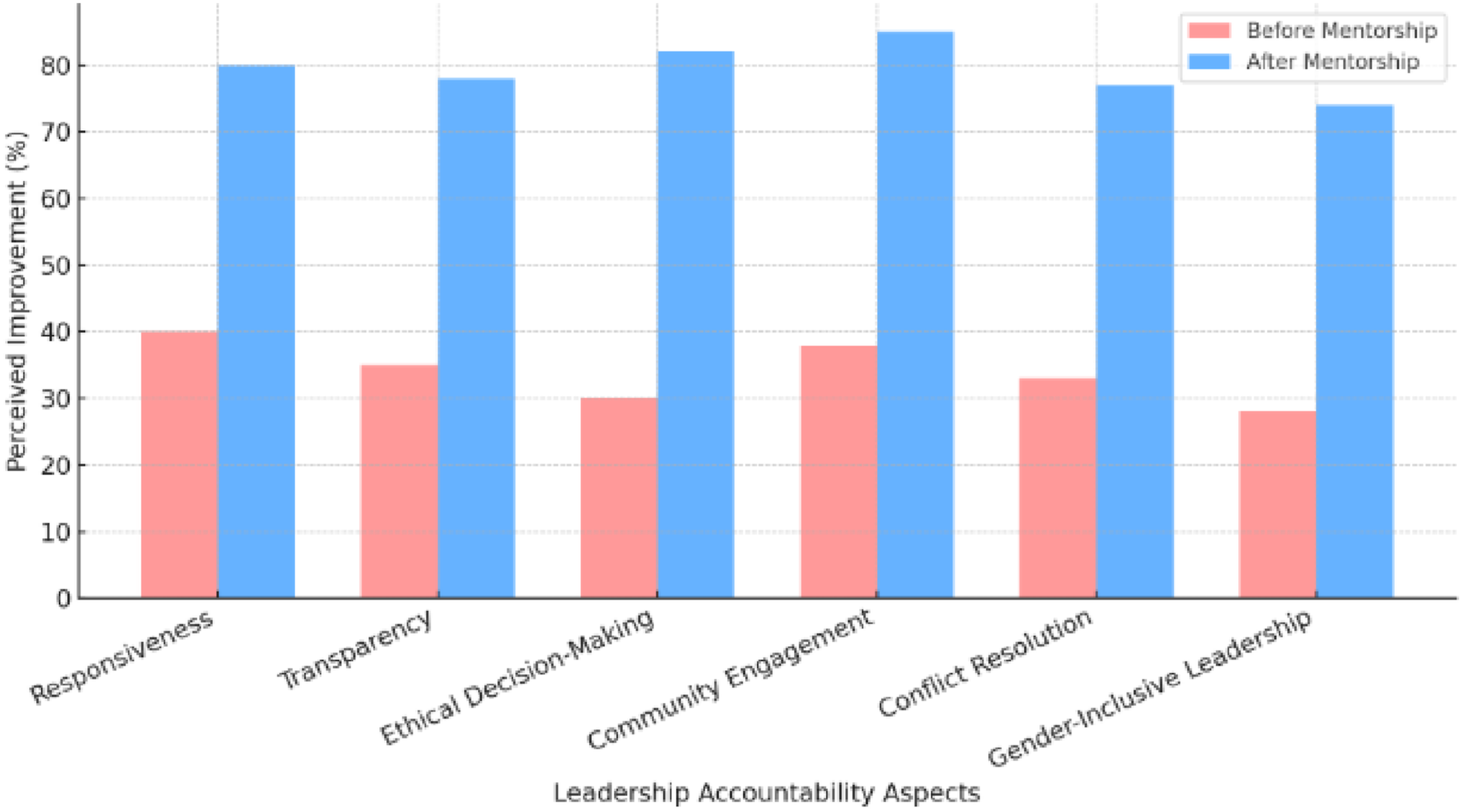
Community voices further emphasise the transformation observed: Before, our village leaders made decisions without consulting us. Now, they engage the community and explain their decisions. — Community Member, Pangani. The mentorship helped me understand that leadership is about listening and working with the people, not just giving orders. — Mentored Village Leader.
As demonstrated by the data above, UZIKWASA’s leadership mentorship model has been instrumental in building a culture of accountability, reinforcing participatory governance, and bridging the gap between leaders and their communities.
Grassroots dialogue and social change initiatives
RLA dialogue sessions.
Source: Authors (2025).
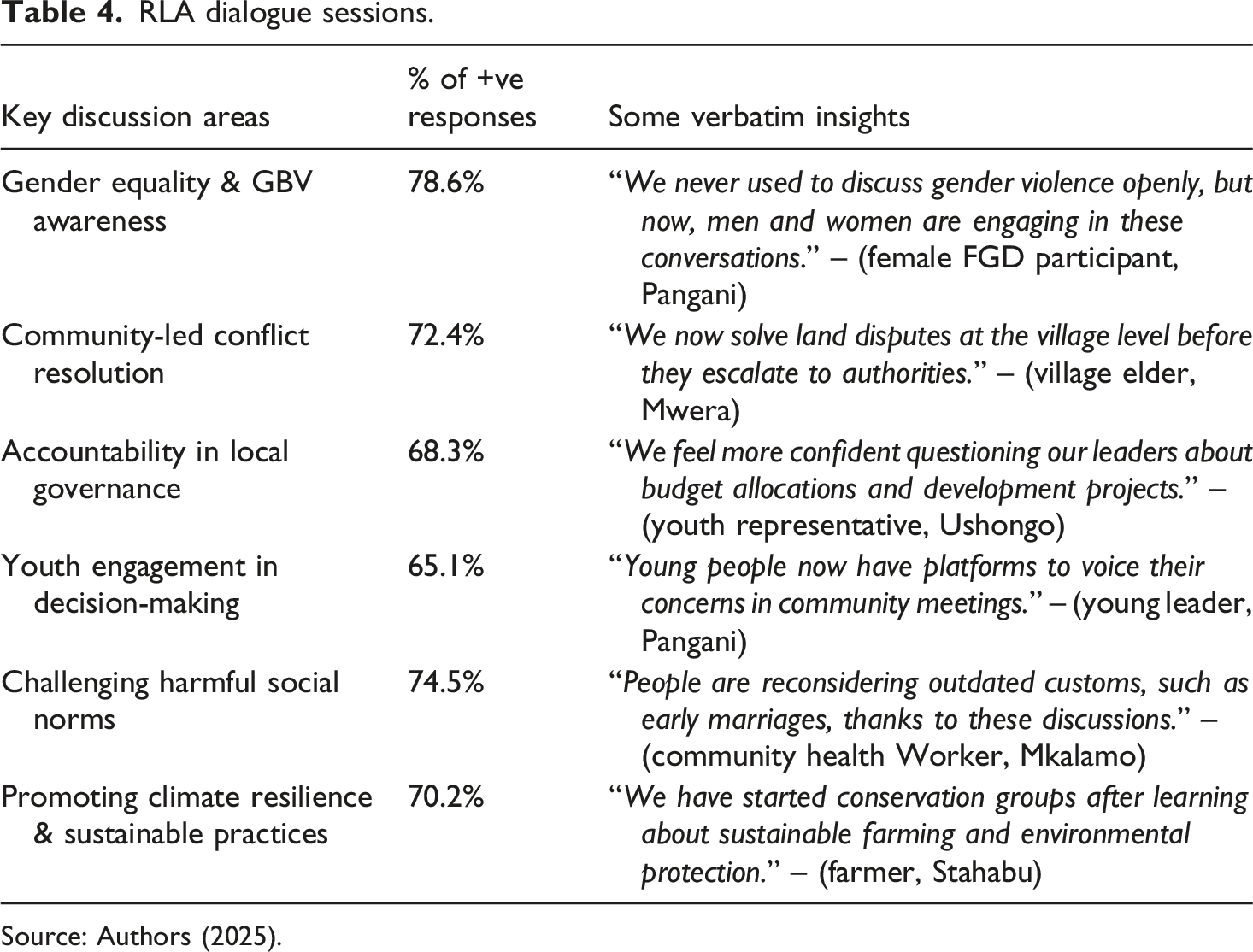
Findings show that the dialogues are conducted at village, ward, and district levels, bringing together community members, local leaders, and institutional representatives to address pressing social issues. UZIKWASA employs trained facilitators who guide discussions using case studies, real-life scenarios, and problem-solving exercises. In the case of the UZIKWASA project, the participatory leadership training and radio programs provide continuous feedback mechanisms. This means local leaders can modify their approaches to reflect on the responses from the community.
The bar graph in Figure 3 illustrates the percentage of respondents who reported positive community transformation in key areas following participation in UZIKWASA’s grassroots dialogue sessions. Perceived effectiveness of the dialogue sessions. Source: Authors (2025).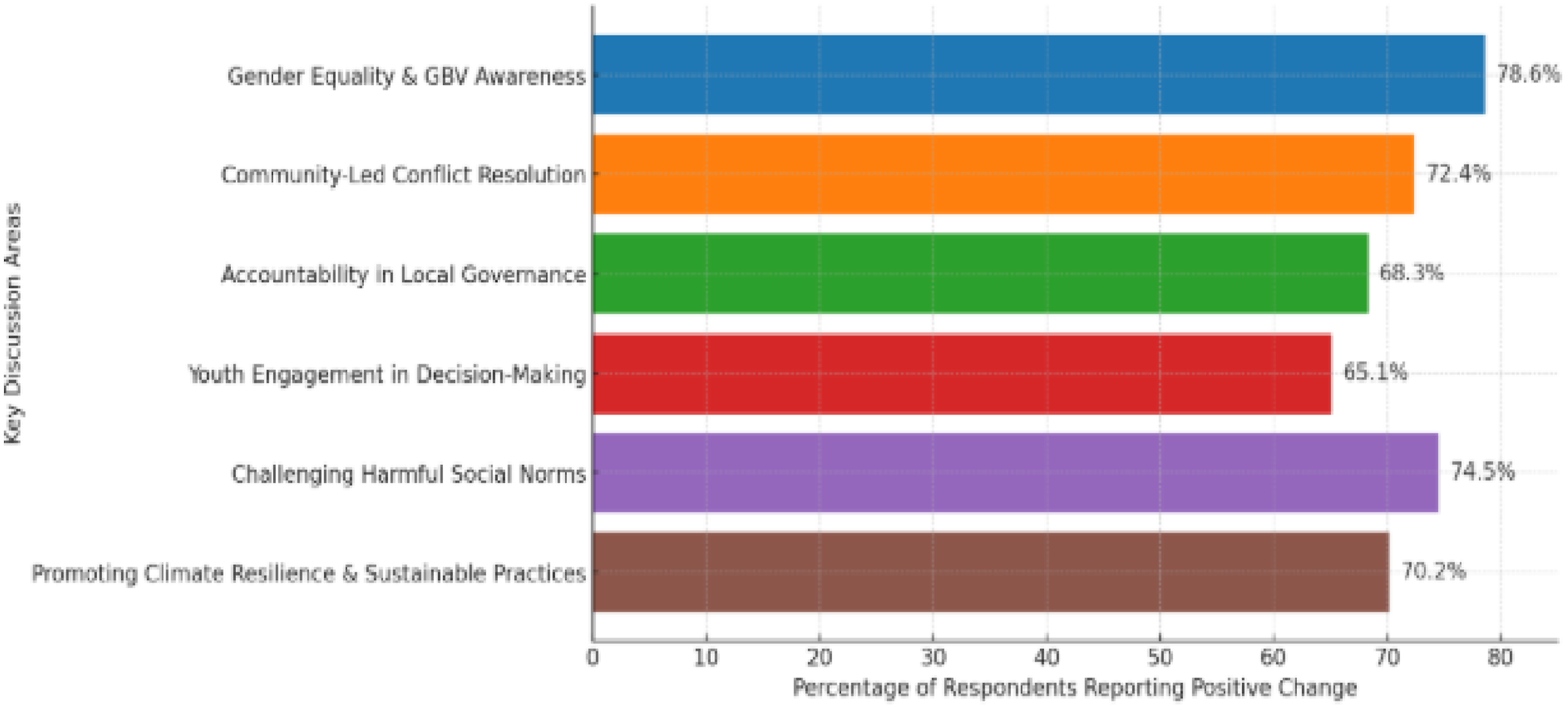
The qualitative insights strengthen the results in Figure three. For instance, regarding empowering women and youth, many participants credited the dialogues with increasing women’s and youth participation in leadership. One Village Chairperson said, “Before, women rarely spoke up in public meetings. Now, they challenge unfair decisions and demand accountability.” On breaking the silence on Gender-Based Violence (GBV), qualitative insights revealed that communities now openly discuss and report GBV cases, shifting from a culture of silence to action. As explained by one male FGD participant in Ushongo: “The dialogue sessions helped my sister get justice. People now report cases instead of hiding them.” Regarding holding leaders accountable, qualitative data shows that community members are more willing to question leaders about service delivery and budget transparency. One youth leader from Mwera said, “The District Commissioner was shocked when we asked for details on project funds—before, no one dared to ask.”
Integration with local authorities: Lessons from multi-sectoral collaboration
UZIKWASA strategically collaborates with local government institutions to institutionalise reflective learning and participatory governance. This collaboration fosters an integrated approach to addressing community challenges and ensures that reflective learning is embedded within local governance structures. The key aspects of this integration include joint training sessions with government officials and policy dialogue forums that align local development strategies with community needs. If applied to our case study, we see that UZIKWASA’s interventions are mostly successful because they stem from community-led decision-making. This angle enables a bottom-up approach by CSOs and local leaders to build governance structures on the basis of the national instructions only.
Perceived impact of multi-sectoral collaboration.
Source: Authors (2025).
Nonetheless, if we use our case study of Pangani, we will still record different results in other districts even if we implement identical policies. This situation can be attributed to localised factors such as cultural dynamics, adaptations in leadership structures, and the nature of community engagement strategies.
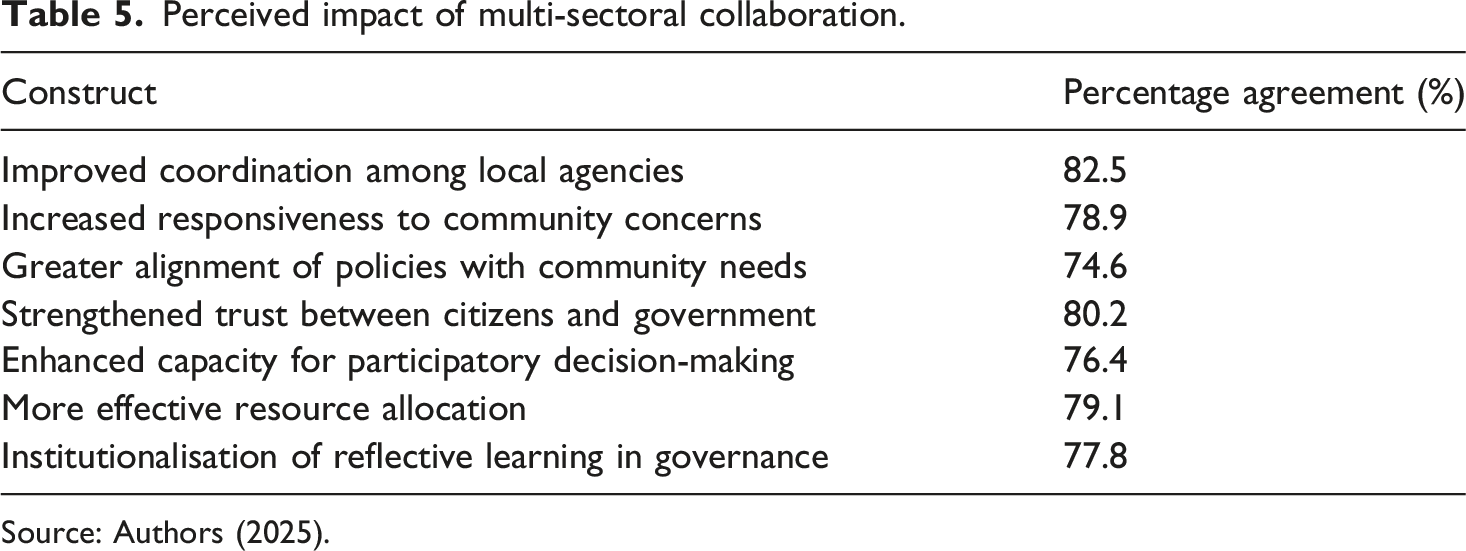
As illustrated in Figure four, respondents overwhelmingly acknowledged that UZIKWASA’s collaboration with local authorities significantly improved governance processes. The highest-rated outcome was improved coordination among local agencies (82.5%), followed closely by strengthened trust between citizens and government (80.2%). These findings highlight the crucial role of multi-sectoral partnerships in ensuring governance efficiency and inclusivity (Figure 4). Perceived impact of multi-sectoral collaboration. Source: Authors (2025).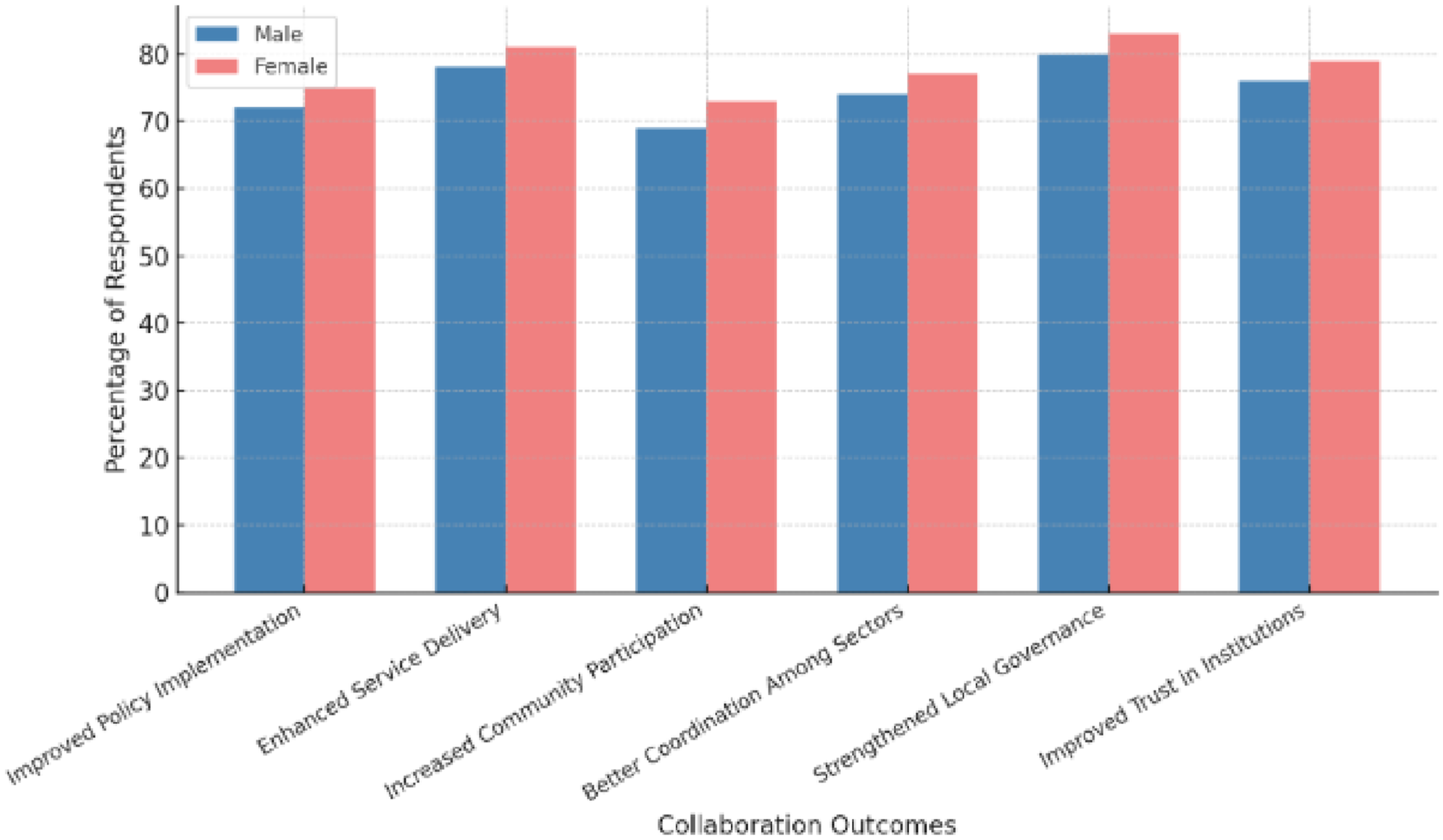
Qualitative findings further reinforce these quantitative insights. Many local officials expressed appreciation for the structured engagement facilitated by UZIKWASA, citing improved communication and cooperation between government and communities. A district officer reflected: Before UZIKWASA’s interventions, community engagement in governance was minimal. Now, we see more participation in decision-making, and people feel their voices matter. (District Officer, Pangani)
Similarly, a village leader noted the practical benefits of joint training sessions: These sessions helped us understand our roles better and made collaboration between village leaders and government officials more effective. (Village Leader, Pangani)
Community members also acknowledged the positive impact of these collaborative efforts. One resident described how the policy dialogue forums had led to tangible improvements in service delivery: Through these discussions, local leaders finally acted on our long-standing concerns about health services. The clinic now operates with better efficiency. (Community Member, Pangani
Although the literature of implementation is rich with examples of successful centrally-led programmes in situations where there is a high level of political support and enforcement, the top-down rollouts frequently depend on organisational integrity and apparent leadership to implement the policy into practice. Hudson et al. (2019) demonstrate that the implementation gaps are closeable in the case of the presence of political sponsorship, strong remit, and institutional routine, policy support programs, and the models of delivery units. Similarly, empirical investigations of large-scale top-down programs indicate that managerial sense-making and dedicated leadership mediate the faithfulness and gainfulness of implementation, especially in health systems. The Pangani case is not a reflection of the mentioned contexts. Instead of relying on hierarchy enforcement, change was negotiated through iterative, reflective processes and horizontal interaction under the guidance of UZIKWASA. This is to indicate that in areas where there is a low state capacity and enforcement, or where legitimacy is not unified, the quick profits that top-down designs suggest might not be achieved. Other more adaptive processes, like the Reflective Learning Approach (RLA), that are being demonstrated in Pangani will produce local long-term sustainability.
However, the other paradigm, the participatory paradigm, has been hailed as a paradigm of inclusion and local ownership, yet the empiriographical literature documents failure when there is failure on superficial participation, inability of resources, and perversity of power. The example of participation-in-design projects has been analysed using case studies, which identify situations in which tokenism and implementation lapses were created by the well-intended participation in the absence of institutional support and actual capacity building. Likewise, research on health systems recognises the lack of trust, the outline of role and organisational limitations as common obstacles to meaningful community engagement. In Pangani, however, through RLA, capacity-building (mentorship, radio feedback, and facilitated dialogues) plus structured reflection were done, leading to quantifiable behaviour change and new accountability practices. This situation implies that participatory approaches require institutionalised reflective processes and investment to prevent the usual traps that are reported in the literature; when conceived with clear learning cycles and facilitation, participation may be transformed into something more than a rhetoric to generate long-term emergent governance results. The following section will discuss the implications of these findings, their alignment with existing literature, and recommendations for scaling UZIKWASA’s model in similar socio-political contexts.
Discussion
This study highlights UZIKWASA’s Reflective Learning Approach as a transformative model with the potential to strengthen collaboration between civil society and public institutions to enhance community resilience. The Reflective Learning Approach fosters participatory leadership, aligning with theories of collaborative governance (Ansell and Gash, 2008) and adaptive leadership (Heifetz et al., 2009), both of which emphasise iterative learning and collective problem-solving. By facilitating trust-building, enhancing joint decision-making, and promoting sustained engagement, UZIKWASA’s model reinforces prior empirical findings on the role of community-centred leadership in governance (Fung, 2015; Gaventa, 2006). This structured, reflective component distinguishes it from conventional participatory models that often lack systematic learning mechanisms.
CAS synthesis
With the above operationalisation, the Pangani case has signatures of a number of CAS principles. To begin with, nonlinearity and feedback loops can be observed when community radio programmes and one reflective intervention (a leadership mentorship cycle) resulted in the measurement of changes in discussion norms and reporting behaviour (see Figures 1 and 3). These minor and repeated contributions generated significant normative responses at par with CAS explanations of disproportionate responses to small perturbations. Second, self-organisation can be seen in the case of the village-driven dispute resolution and reporting practices with no new district instructions - local actors redefined the governance routines to suit their circumstances. Third, emergent properties created as new accountability forums and hybrid forms of governance that were not initially intended within the original logical structure of UZIKWAS: all these were the products of repetitive interaction among leaders, radio audiences, and mentors. Fourth, there was adaptive capacity and institutional learning, which could be followed in the formal RLA cycles: documented cases of the mentoring feedback, which prompted procedural changes, reflect institutional reflexivity. Lastly, network-based governance is justified by quantitative indicators of better inter-agency coordination (Table 5) and qualitative testimony in horizontal resource and information flows. Combined, the above trends suggest that RLA enabled co-creation, which created the requisite interaction at the micro-level that created systemic change.
Participatory governance and social accountability
A key finding of this study is the role of interactive media platforms, particularly radio programs, in fostering deliberative engagement and social accountability. The platforms are deliberative spaces that allow the marginalised groups, particularly women and young people, to participate in the governance debate. This scenario is in line with empirical research that proves the strength of participatory communication in terms of civic agency and political efficacy (Carpentier, 2011; Waisbord, 2018). The fact that the number of people who are confident enough to challenge leaders and seek transparency has been on the rise indicates that the sites bring about a sense of ownership to the processes of governance. Other researchers have conducted similar research in sub-Saharan Africa and have observed that social accountability programs in radio stations can strengthen participatory governance by increasing the voice of the community. The model of UZIKWASA builds on this strategy and introduces structured reflection, which will guarantee the community is not just involved in the process occasionally but regularly.
The effectiveness of the strategy of UZIKWASA highlights the possibility of media as a means of accountability in governance. Contrary to the traditional frameworks of participation, where there is the need to meet face to face through direct town halls, this method uses interactive and multimedia techniques to institutionalise reflective learning as a component of governance systems. This indicates that the introduction of media-based deliberation as a governance instrument can increase the responsiveness of the community, and this can make the processes of decision-making more inclusive.
Co-production of public goods and services
The paper explains that iterative reflection, leadership mentorship, and interactive multimedia are some of the primary mechanisms that can be used to enhance co-production in governance. These processes are consistent with the co-production theory of Ostrom (1996) that highlights the importance of mutual interaction between the state and non-state actors. A comparative study against the empirical studies on participatory development (Bovaird, 2007; Joshi and Moore, 2004) shows that the model of UZIKWASA introduces an element of structured reflection that is not seen in the traditional models of participation, which tend to focus on short-term participation, rather than long-term capacity-building.
Besides, leadership mentorship becomes an important facilitator of long-term participatory governance. This observation corresponds to the studies of leadership development in decentralised governance (Sotarauta and Beer, 2021), which focus on the importance of place-conscious leadership training in promoting the sense of accountability and institutional strength. The systematic process of mentorship in the model of UZIKWASA implies that the sustainable changes in the sphere of governance will not be possible without the long-term leadership development programs, but the short-term civic participation programs.
Empowering territorial cohesion with locally sedded governance
In addition to the idea of participatory governance, the study also gives an idea of territorial cohesion, which is the ability of governance structures to promote equitable development of regions. The model of UZIKWASA represents the Place-Based Development Theory according to which the intervention of governance needs to be participatory and locally situated, culturally sensitive, and anchored in the community (Barca et al., 2012). Focus on reflective leadership mentorship, grassroots discussion, and incorporation of traditional forms of governance aligns with the current governance literature that disapproves of one-size-fits-all government (Rodriguez-Pose and Storper, 2020).
The results show that mentorship programs are a handy way of improving accountability and inclusiveness in leadership, which supports arguments that place-conscious leadership enhances better governance (Healey, 2006). The systematic encounters also exemplify the transformational potential of community-based social change, in which the knowledge is created using real-life experiences instead of the models imposed by the outside world (Gaventa, 2006). The greater readiness of the residents of a community to change the harmful social norms, which is witnessed in this research, underscores the success of place-based interventions to change ingrained cultural behavior.
These contradictions put Pangani in a conditional typology of the implementation pathways: top-down models may introduce rapid, consistent change, including the concentration of enforcement and organisational capacity, but may be weak in their ability to produce legitimacy or local fit; purely participatory models may be empowering but may be ineffective in many cases. The RLA by Pangani has overcome these flaws by establishing systematic feedback cycles that promote adaptive capacity and emergent governance without losing local ownership. This mixed consequence reverberates the demand by Hudson et al. (2019) for policy support customisation to system context and the understanding of the centrality of managerial interpretation in top-down processes by Uvhagen et al. (2018). It overcomes the typical limitations of participatory approaches reported by Valladares, among others. RLA-style mechanisms should be seen by policymakers, however, as context-sensitive complements to, and not substitutes for, enforcement capacity-enhancing reflection, facilitation, and resourcing to transform participation into long-term implementation benefits.
Theoretical and practical implications
This paper provides an empirical roadmap for operationalising the CAS theory in governance research. The findings extend the understanding of collaborative governance by demonstrating how reflective learning enables sustainable partnerships. The study provides empirical validation for adaptive leadership theory in decentralised governance settings, showcasing its role in building resilience through iterative learning (Uhl-Bien and Arena, 2018).
Additionally, the findings illustrate the Complexity of Joint Action (Vagen and Huxham, 2005) by highlighting the interdependence of governance actors in driving systemic change. The multi-sectoral collaborations facilitated by UZIKWASA reflect principles of collaborative advantage, where actors from different sectors bring complementary expertise to address complex social issues (O'Toole, 1997). Such results are aligned with the cross-sector partnership literature, which highlights the fact that action taken by local agencies leads to increased governance responsiveness (Agranoff and McGuire, 2003; Bryson et al., 2017).
Policy and practice recommendations
In practice, these results indicate that institutionalisation of reflective learning mechanisms can help policymakers and practitioners to improve participatory governance. Development of leadership mentorship, structured discussions, as well as interactive media can have a significant effect in enhancing cooperation between state and non-state actors. Besides, the flexibility of the UZIKWASA strategy implies that other contexts with governance and resilience issues also replicate such models.
Considering that the focus on decentralisation and citizen-driven governance is gaining momentum, future governance models must accommodate reflective leadership models that go beyond ritual participation. Such results support the significance of context-based governance solutions and prove that long-term social change is more probable when participatory processes are appropriately integrated into local leadership systems.
Conclusion
This study concludes that the successful implementation of policies to address gender-based violence in complex systems of governance depends on the collaborative creation of shared value through adaptation and continuous learning. Using principles of complex adaptive systems, we demonstrate that policy outcomes arise not from rigid, top-down mandates, but from dynamic interactions among civil society organizations, governmental agencies and local communities. Our experience with the reflective learning approach of UZIKWASA illustrates how processes of decentralized decision-making, iterative learning and continuous feedback contribute to increased capacity for community resilience, greater local control and transformation of patterns of governance. Overall, our results confirm the critical importance of adaptive, network-based systems for achieving sustainable patterns of social change and improving the effectiveness of policy implementation in complex social settings.
The results also highlight the importance of incorporating responsive policymaking, in which local responsiveness and flexibility are emphasised instead of fixed planning. Institutionalisation of processes that allow the development of network-based governance and reflective learning would enable policymakers to overcome the problems of power gaps and bureaucracy that are usually obstacles to the effective implementation of policy. In addition, the authors emphasize the strengths of incorporating leadership mentorship and participatory media platforms into governance practices. This approach will support a participatory decision and empower communities.
The current case study points to the example of the successful implementation of GBV policy in Pangani as the outcome of recurrent interactions between the civil society, governmental actors, and communities, instead of the centrally placed dictates. This action can facilitate a participatory decision and strengthen the voices of communities. Locating the empirical data on the dimensions of a CAS signals: (1) nonlinearity small, iterative interventions (radio programs, individual cycles of mentorship) created disproportionate changes in norms and reporting behaviours; (2) self-organisation horizontal linkages created better coordination and resource circulation; (3) emergence new accountability forums and norms of reporting were created but not planned; (4) network-based governance horizontal linkages created better coordination and resource flow. These recommendations support the view that to achieve long-lasting GBV results, policymakers should invest in institutionalised reflective mechanisms, real-time feedback mechanisms, and the ability to make decentralised decisions, rather than relying solely on top-down mandates. Whether scaling RLA can maintain its locally emergent advantages or scaling may lead to the reintroduction of rigidity, this question should be tested in future research.
Footnotes

Funding
The authors received no financial support for the research, authorship, and/or publication of this article.
Declaration of conflicting interests
The authors declared no potential conflicts of interest with respect to the research, authorship, and/or publication of this article.