







Abstract
Two new aromatic dichloro monomers, 4,4′-bis(4-chlorophenylsulfonyl) diphenyl sulfide and 4,4′-bis(4-chlorophenylsulfonyl) dithiophenoxy benzene were synthesized and characterized by infrared and 1H-NMR. A series of processable poly(ether sulfone)s were prepared by nucleophilic substitution reaction of new dichloro compounds with commercially available aromatic diols. The poly(ether sulfone)s were characterized by infrared, X-ray diffraction, thermogravimetric analysis, differential scanning calorimetry, solubility and solution viscosity. These poly(ether sulfone)s are readily soluble in polar aprotic solvents. The improved solubility in common organic solvents is due to the presence of flexible ether, thioether and sulfone groups in a polymer backbone. These poly(ether sulfone)s exhibit good thermal stability and the 10% weight loss temperature ranged from 407 to 464 °C under N2 atmosphere. The X-ray diffraction patterns revealed that all these polymers are partially crystalline in nature.
Keywords
Introduction
Poly(phenylene oxide) (PPO), poly(phenylene sulfide) (PPS) and poly(ether sulfone)s (PES)1–5 are among the most important classes of high-performance engineering thermoplastics with a good combination of thermal, electrical, chemical and mechanical properties.6–9 These materials are widely used in the electrical, electronics, aerospace and automotive industries.10–12 As the extent of the aromatic rings in the polymer backbone increases, the corresponding polymer generally shows decreased processability. 13 A number of efforts have been made to improve the processability without sacrificing thermal stability, the most effective method being incorporation of flexible groups into the polymer backbone.14–16
The PES are generally synthesized by step-growth polymerization of activated dihalo or dinitro monomers with bisphenoxides by nucleophilic aromatic substitution reaction. The sulfone group is effective in activating aryl halides towards nucleophilic displacement and are useful in the preparation of PES.17,18 Although PES are well known high-performance polymers (e.g. Udel®), much information on the structure-property relationship in poly(ether sulfone)s is not available in the literature due to difficulty in the synthesis of dichloro compounds containing sulfone and thioether linkages.
The objective of the present study was to investigate the effect of introducing flexible ether, thioether and sulfone groups into the PES backbone. A series of novel PES were synthesized from new aromatic dichloro monomers and commercially available aromatic diols. The properties of these new processable PES were investigated.
Experimental
Materials
4-Chlorobenzenesulfonylchloride, diphenylsulfide, 1,4-dichlorobenzene, thiophenol, 4,4′-dihydroxy diphenylsulfide (DHDPS), 1,5-dihydroxynaphthalene (DHN), bisphenol-A (BA), 1,3-dihydroxy benzene (DHB), were used as received. N-methyl-2-pyrolidone (NMP), N,N-dmethylformamide (DMF), dimethylsulfoxide (DMSO), tetrahydrofuron (THF), pyridine (Py) and dichloromethane (DCM) were distilled and dried before use.
Measurements
Infrared spectra (KBr) were obtained on a Nicolet 350 and 1H-NMR spectra were recorded on a Bruker 300 MHz instrument. Thermogravimetric analysis (TGA) and differential scanning calorimetry (DSC) were preformed on a TA Instrument (Model SDT Q600) at a heating rate of 20 °C min−1 in a nitrogen atmosphere. X-ray diffractograms were obtained on analytical-model: X′per PRO using CuKα radiation. Inherent viscosities were determined at a concentration of 0.5 g dL−1 in NMP.
Synthesis of 1,4-bis(phenylthio)benzene (III)
A 100 mL three-necked, round-bottomed flask fitted with a magnetic stirrer, nitrogen inlet, Dean-Stark trap and condenser was charged with a mixture of thiophenol (4.4 g, 0.04 mol), potassium carbonate (5.5 g 0.04 mol), toluene (30 mL) and NMP (50 mL). The reaction mixture was heated to 140 °C until all the water formed was azeotropically removed from the reaction mixture. The temperature was raised to 160 °C and toluene was removed. The reaction mixture was cooled to 40 °C, 1,4-dichlorobenzene (2.6 g 0.018 mol) was added, the reaction mixture was heated at 180 °C for 12 h. The reaction mixture was poured into water and precipitated white solid was collected by filtration. The product was washed with 10% NaOH solution and water. The product was recrystallized from methanol and dried under vacuum to afford 4.7 g of white crystals (III). Yield: 88%.
Synthesis of monomers
4,4′-Bis(4-chlorophenylsulfonyl) diphenyl sulfide (II) and 4,4′-bis(4-chlorophenylsulfonyl) dithiophenoxy benzene (IV)
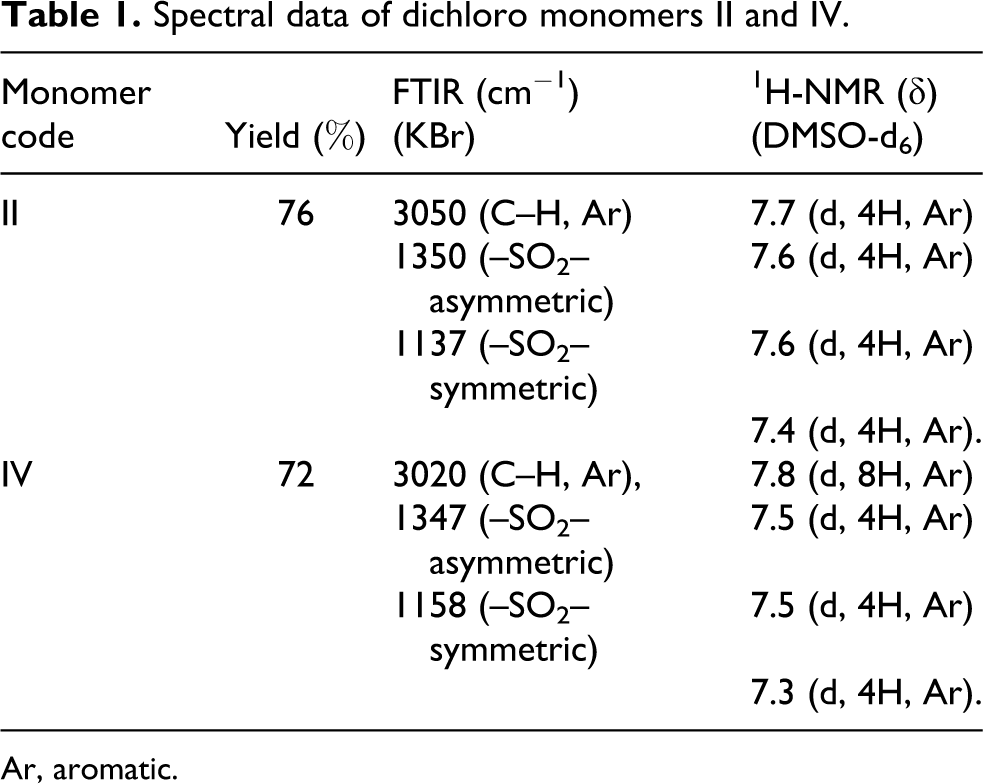
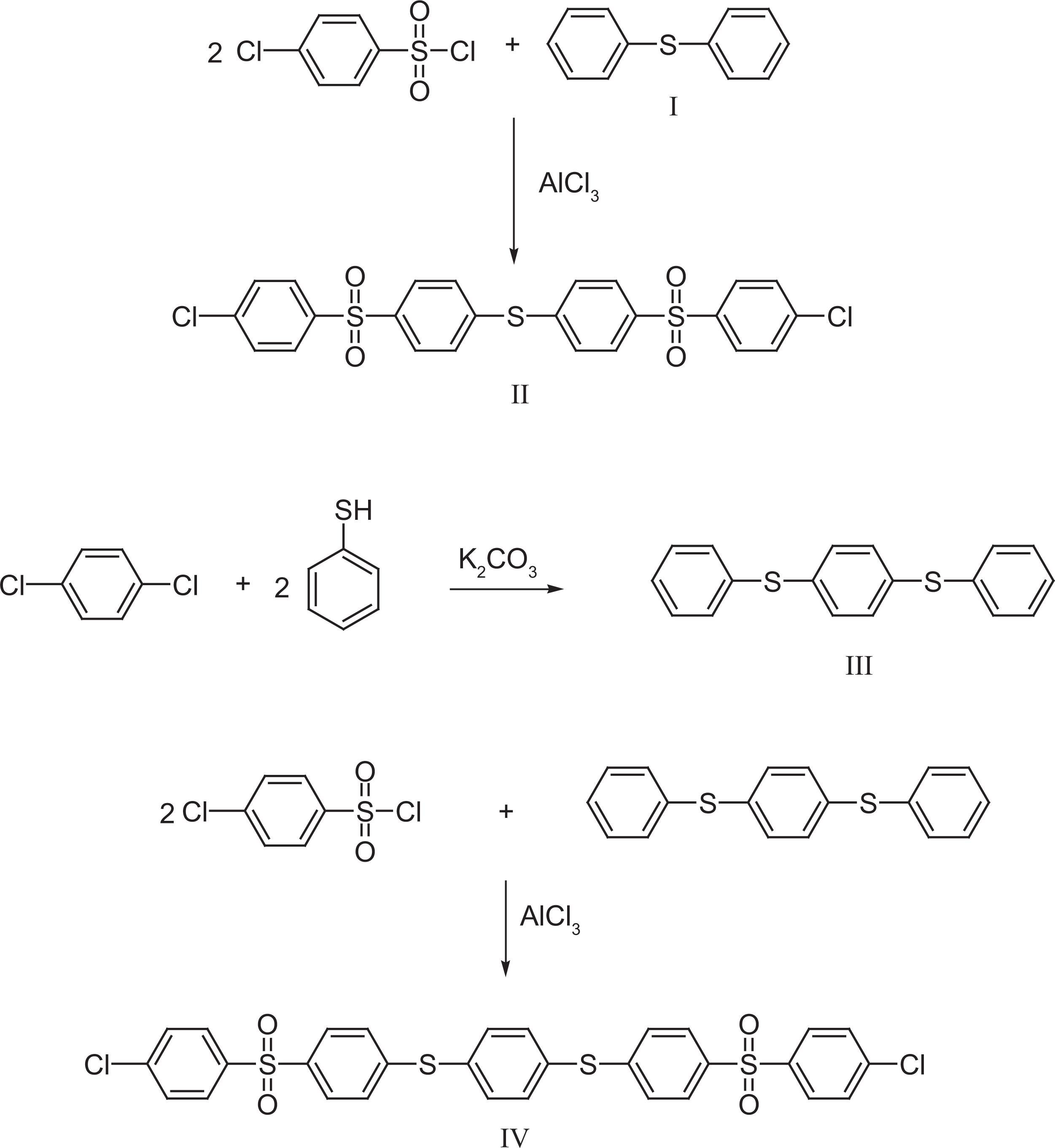
The monomers II and IV were prepared by the reaction of 4-chlorobenzene sulfonylchloride with 1,4-bis(phenylthio)benzene and diphenylsulfide respectively. To a 100 mL round-bottomed flask was added 4-chlorobenzene sulfonylchloride (21 g, 0.1 mol) anhydrous aluminium chloride (20 g, 0.15 mol) and DCM (40 mL). Then, a solution of 1,4-bis(phenylthio)benzene (13.25 g, 0.045 mol) in DCM (30 mL) was added dropwise with stirring over a period of 1 h under a nitrogen atmosphere. After complete addition, the reaction mixture was refluxed for 24 h. The mixture was poured into 10% aqueous HCl and the precipitated product was collected by filtration, washed with 10% NaOH solution, water and dried. The dichloro monomer II was prepared by a similar procedure using diphenylsulfide instead of 1,4-bis(phenylthio)benzene. The two dicholoro monomers II and IV were characterized by IR and 1H-NMR (Table. 1). Elemental analysis: monomer II, C: 53.1%, H: 3.2%, S: 18.1%; monomer IV, C: 56.2%, H: 2.9%, S: 19.6%.
Spectral data of dichloro monomers II and IV.
Ar, aromatic.
Synthesis of polymers
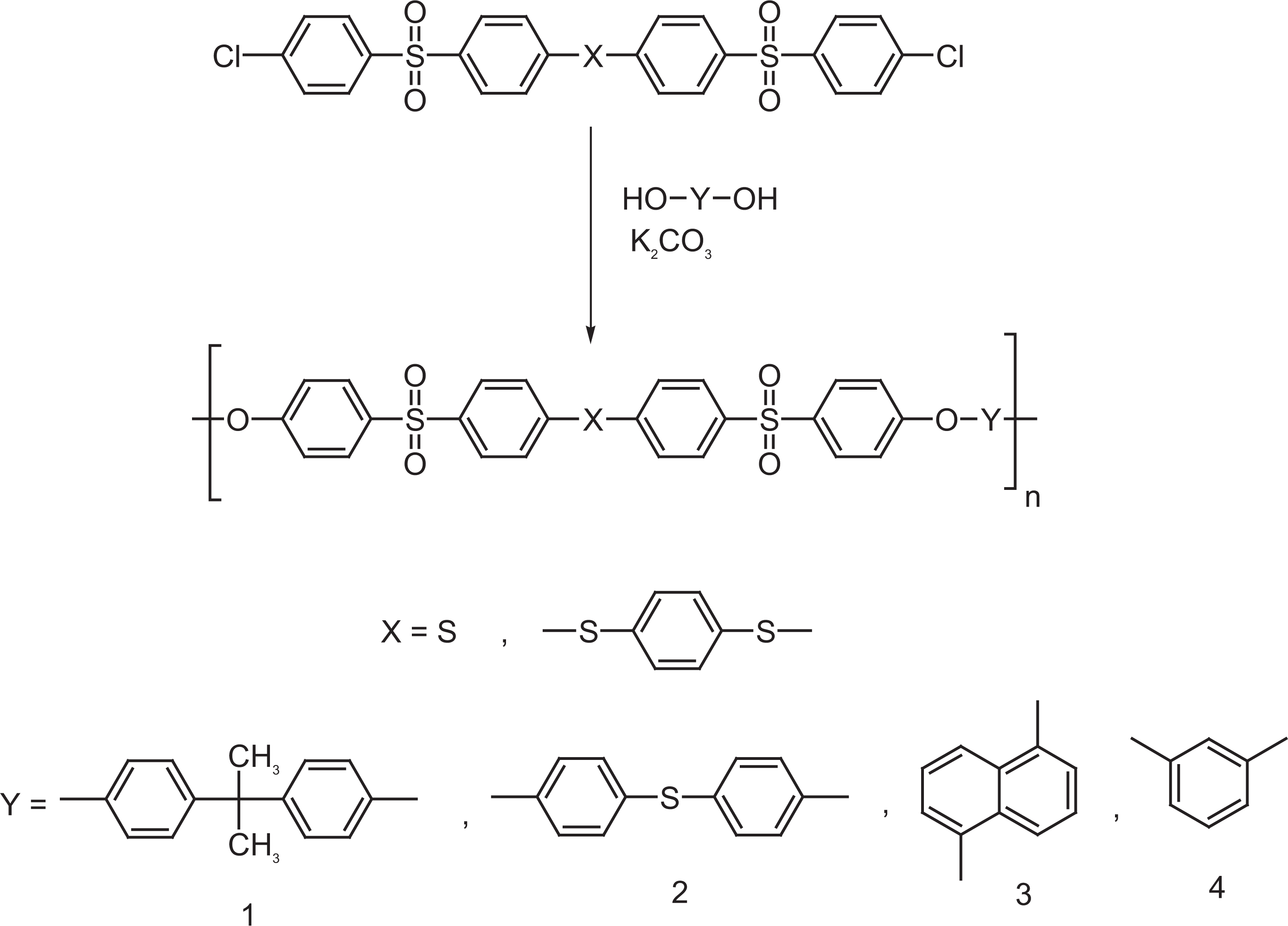
Poly(ether sulfone)s (PES-1 to PES-8) were prepared from monomers II and VI by nucleophilic displacement of chloro group by bisphenolate ions (see scheme 2 below). A typical procedure adopted is given below. Dry NMP (15 mL) and toluene (25 mL) were added to a mixture of 4,4′-dihydroxy diphenylsulfide (0.21 g, 0.0013 mol) and potassium carbonate (0.39 g, 0.0028 mol). The reaction mixture was heated at 140-150 °C in a nitrogen atmosphere for 4 h, while removing the water azeotropically. After complete dehydration, the temperature was raised to 160 °C and the remaining toluene was removed. The system was cooled to 100 °C and monomer IV (0.84 g, 0.0013 mol) was added. The mixture was stirred at 100 °C for a further period of 10 h under a nitrogen atmosphere. The mixture was allowed to cool and poured into water and the precipitated polymer (PES-6) was filtered, washed with water and methanol and dried in vacuum at 100 °C.
Results and discussion
Monomers synthesis and characterization
The compound 1,4-bis(phenythio)benzene (III) was prepared from 1,4-dichlororbenzene and thiophenol under an N2 atmosphere at 180 °C for 12 h. The sulfone-activated dichloro monomers II and IV was prepared by the Friedel-Craft’s sulfonation reaction of 4-chlorobenzene sulfonylchloride with the corresponding 1,4-bis(phenylthio) benzene (III) or diphenylsulfide (I) in the presence of AlCl3 under a nitrogen atmosphere in dichloromethane (Scheme 1).
The Fourier transform infrared (FTIR) spectrum of monomers II and IV (Figure 1) showed a characteristic absorption at 3020 cm−1 (C-H stretching, aromatic), 1347 and 1158 cm−1 (-SO2- asymmetric and symmetric stretching). The 1H-NMR spectra of monomer II and IV are given in Figures 2 and 3, respectively. The 1H-NMR spectrum of monomer II showed absorptions at δ 7.8 (d, 8H, Ar), δ 7.5 (d, 4H, Ar), δ 7.5 (d, 4H, Ar) and δ 7.3 (d, 4H, Ar). The peaks at δ 2.5 and 3.5 were due to DMSO and water in DMSO-d6. The FTIR and 1H-NMR were in accordance with the proposed structure of the monomers (Table 1).
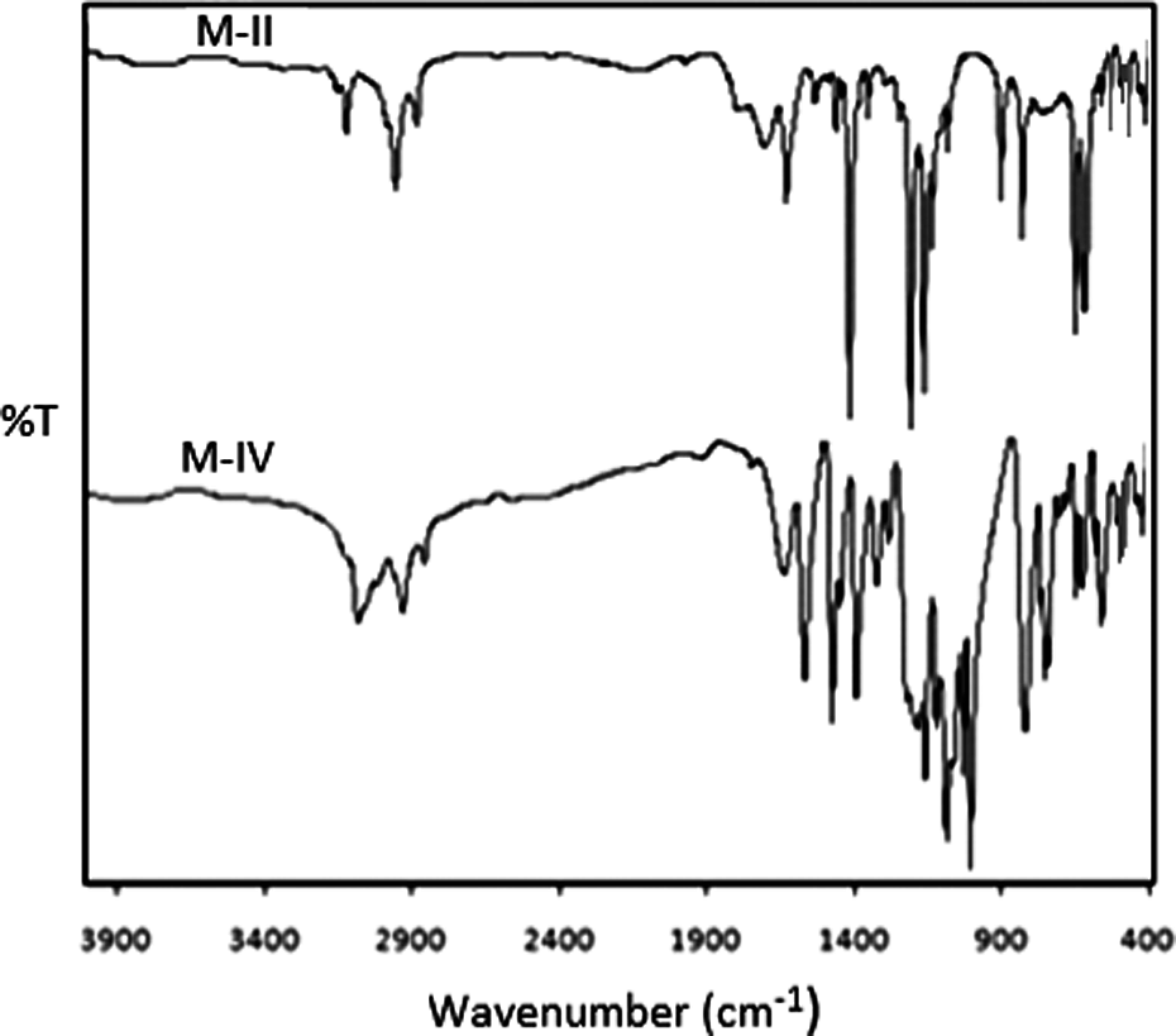
FTIR spectra of monomers II and IV.
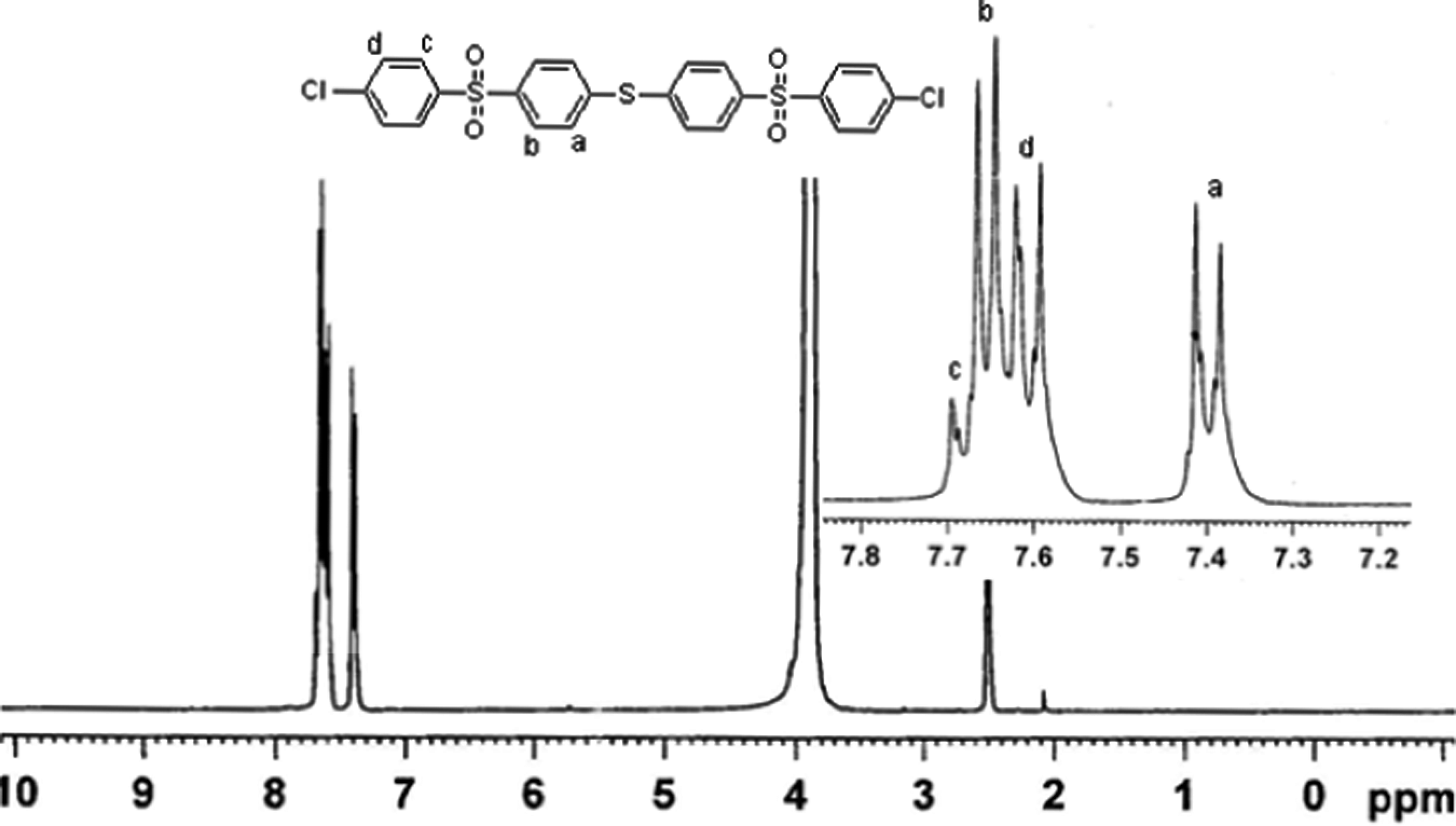
1H-NMR spectrum of monomer II.
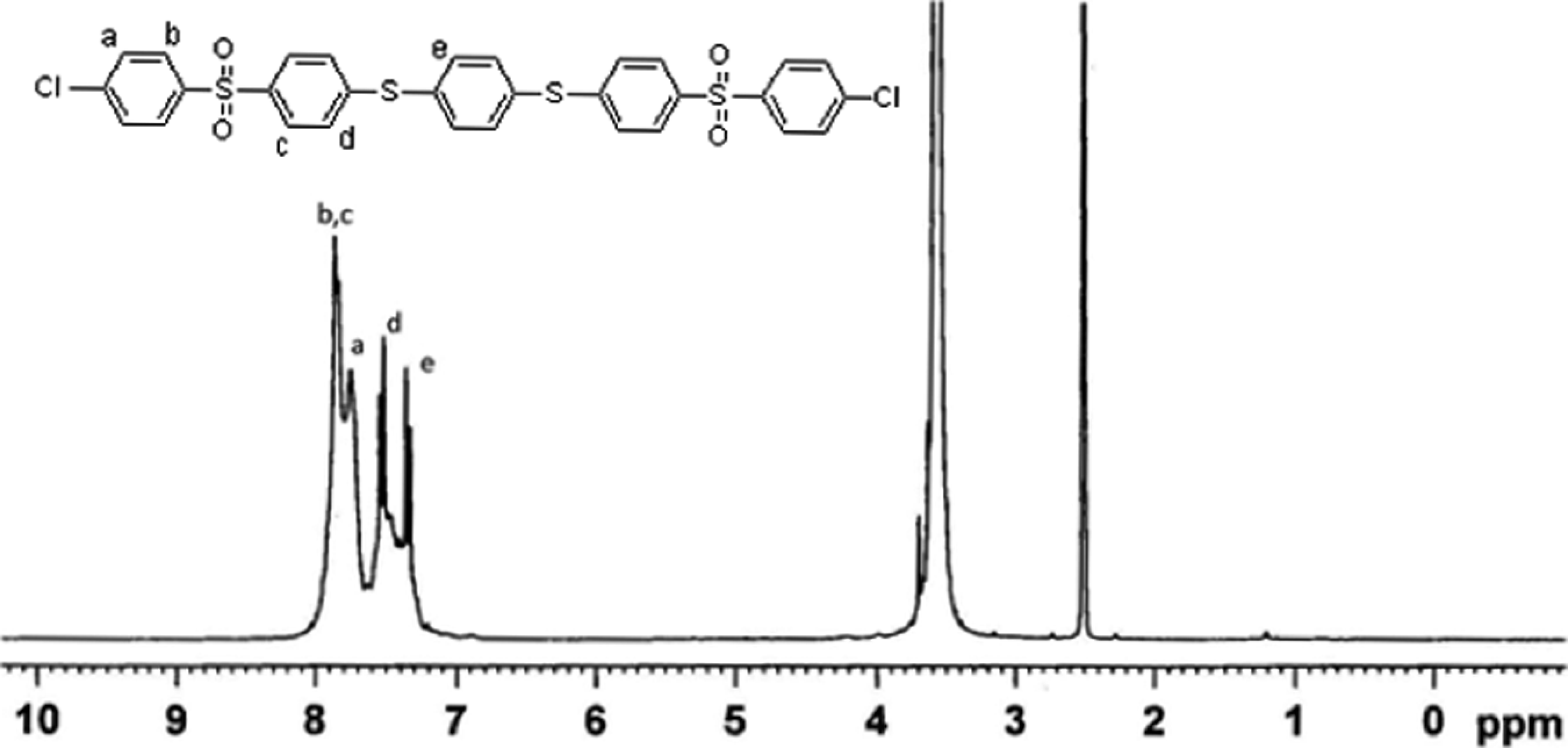
1H-NMR spectrum of monomer IV.
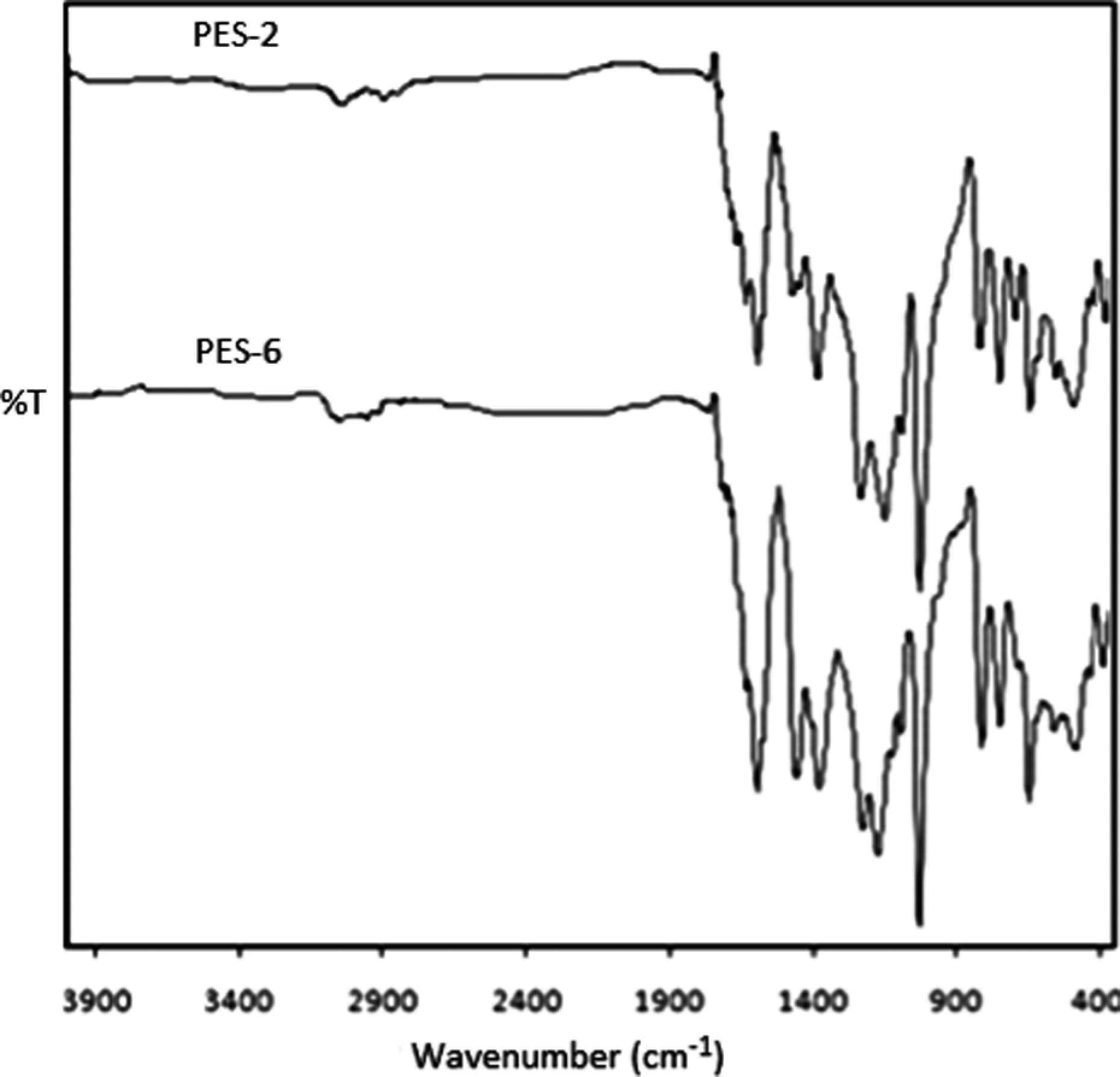
FTIR spectra of PES-2 and PES-6.
Synthesis and characterization of poly(ether sulfone)s
Poly(ether sulfone)s from sulfone group-activated dichloro monomers were prepared using structurally different aromatic diols with flexible linkages such as isopropylidine, thioether, ether and sulfone linkages. The physical and chemical properties of the polymers were highly dependent on the chemical structure of the repeating units of the polymer backbone.
The chemical structure of the repeating unit in eight poly(ether sulfone)s (PES-1 to PES-8) is shown in Scheme 2. All polymerization reaction proceeded homogeneously in solution without precipitation. The inherent viscosities of PES are shown in Table 2. The inherent viscosity of the polymers measured in NMP at 30 °C were in the range of 0.38 to 0.48 dL g−1. The inherent viscosity values indicate that all the polymers obtained from chloro displacement reaction were of high molecular weight.
Preparation of poly(ether sulfone)s.
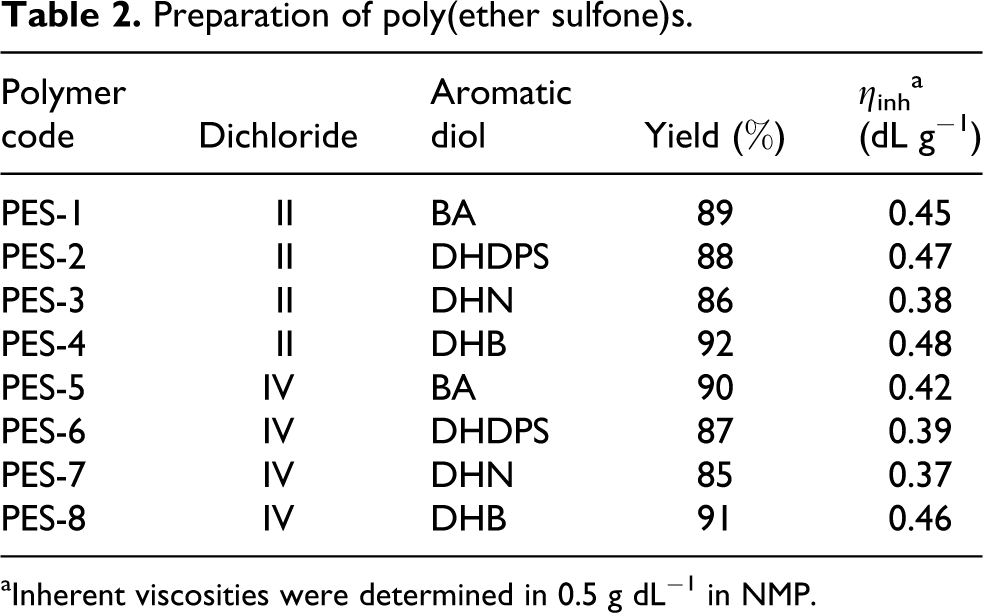
aInherent viscosities were determined in 0.5 g dL−1 in NMP.
The FTIR spectra of PES-2 showed absorption at 1382 cm−1 (-SO2- asymmetrical stretching), 1147 cm−1 (-SO2- symmetrical stretching) and 1232 cm−1 (Ar-O-Ar stretching). Similarly, FTIR spectra of PES-6 showed absorption at 1378 cm−1 (-SO2- asymmetrical stretching), 1137 cm−1 (-SO2-symmetrical stretching) and 1225 cm−1 (Ar-O-Ar stretching). The appearance of strong absorption of aryl ether(Ar-O-Ar) group confirm the displacement of the chloro group by phenoxide moiety. The 1H-NMR spectra of polyethersulfones (PES-2 and PES-6) showed absorption at 7.0-7.7 δ due to aromatic protons. The disappearance of signal at 7.6 δ (PES-2) and 7.5 δ (PES-6) and appearance of signal at 7.0 δ indicate the displacement of the chloro group and formation of aryl ether linkage.
Solubility characteristics
The solubility characteristics of the poly(ether sulfone)s are shown in Table. 3. A 5% solution was taken as criteria for solubility. All poly(ether sulfone)s were readily soluble in dipolar aprotic solvents such as NMP, DMF and DMSO. With the exception of PES-3 and PES-7 all poly(ether sulfone)s were soluble in pyridine on heating, Polymers PES-3 and PES-7 had limited solubility in pyridine, which was due to the presence of naphthalene moiety in the polymer backbone. All poly(ether sulfone)s showed improved solubilities due to the presence of sulfone and thioether groups in addition to the ether group in the polymer backbone. The incorporation of flexible linkages into the polymer backbone decreased the chain symmetry leading to increased solubility.
Solubility of poly(ethersulfone)s in various organic solvents.
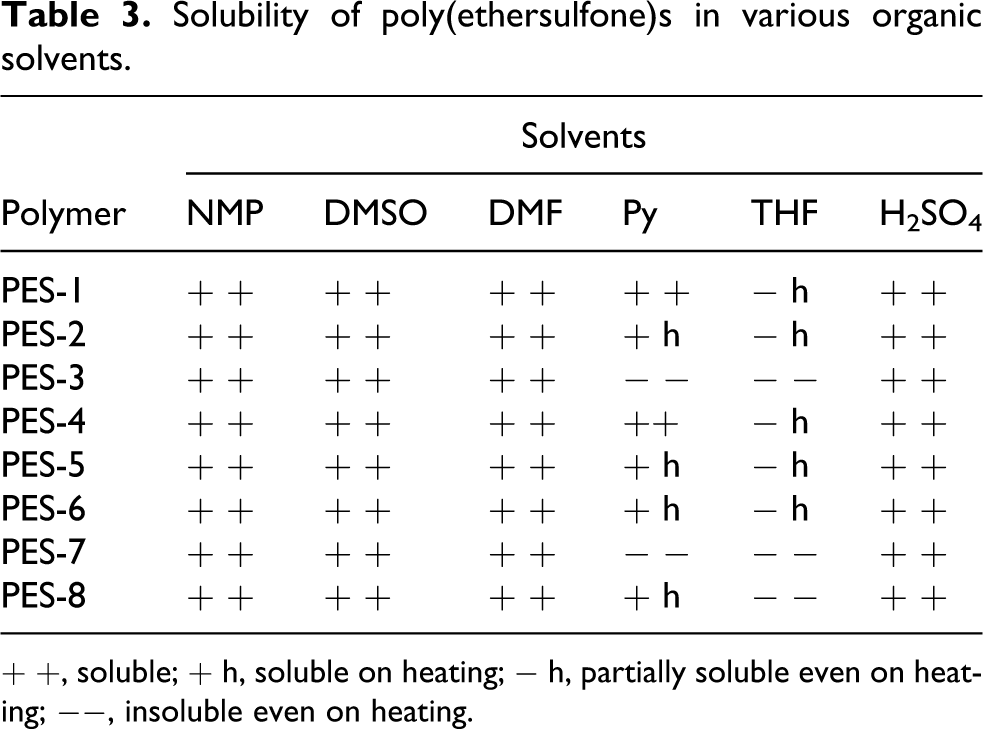
+ +, soluble; + h, soluble on heating; − h, partially soluble even on heating; −−, insoluble even on heating.
Thermal properties
Thermal properties of the poly(ether sulfone)s were evaluated by TGA and DSC (Table 4). The 10% weight loss temperature ranged from 407 to 464 °C in a nitrogen atmosphere (Figure 5). The DSC thermogram of these poly(ether sulfone)s showed a broad exothermal peak due to the degradation of the poly(ether sulfone)s in the temperature range 560 to 610 °C. The endotherm corresponding to the crystalline melt temperature was not observed for any of the poly(ether sulfone)s as these polymers are amorphous. The glass transition temperatures (Figure 6) were in the range 195 to 200 °C.
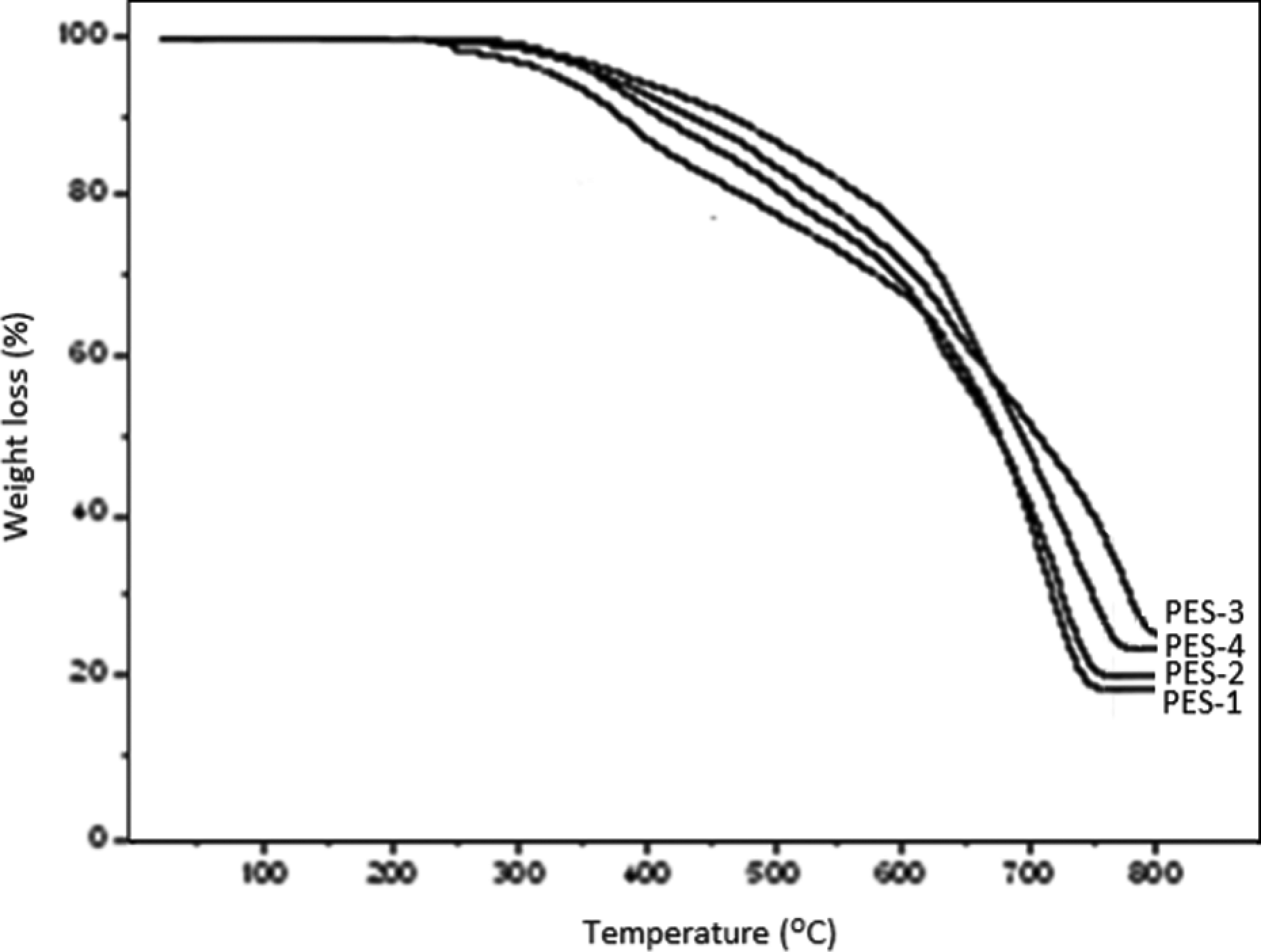
TGA curves of PES-1 to PES-4.
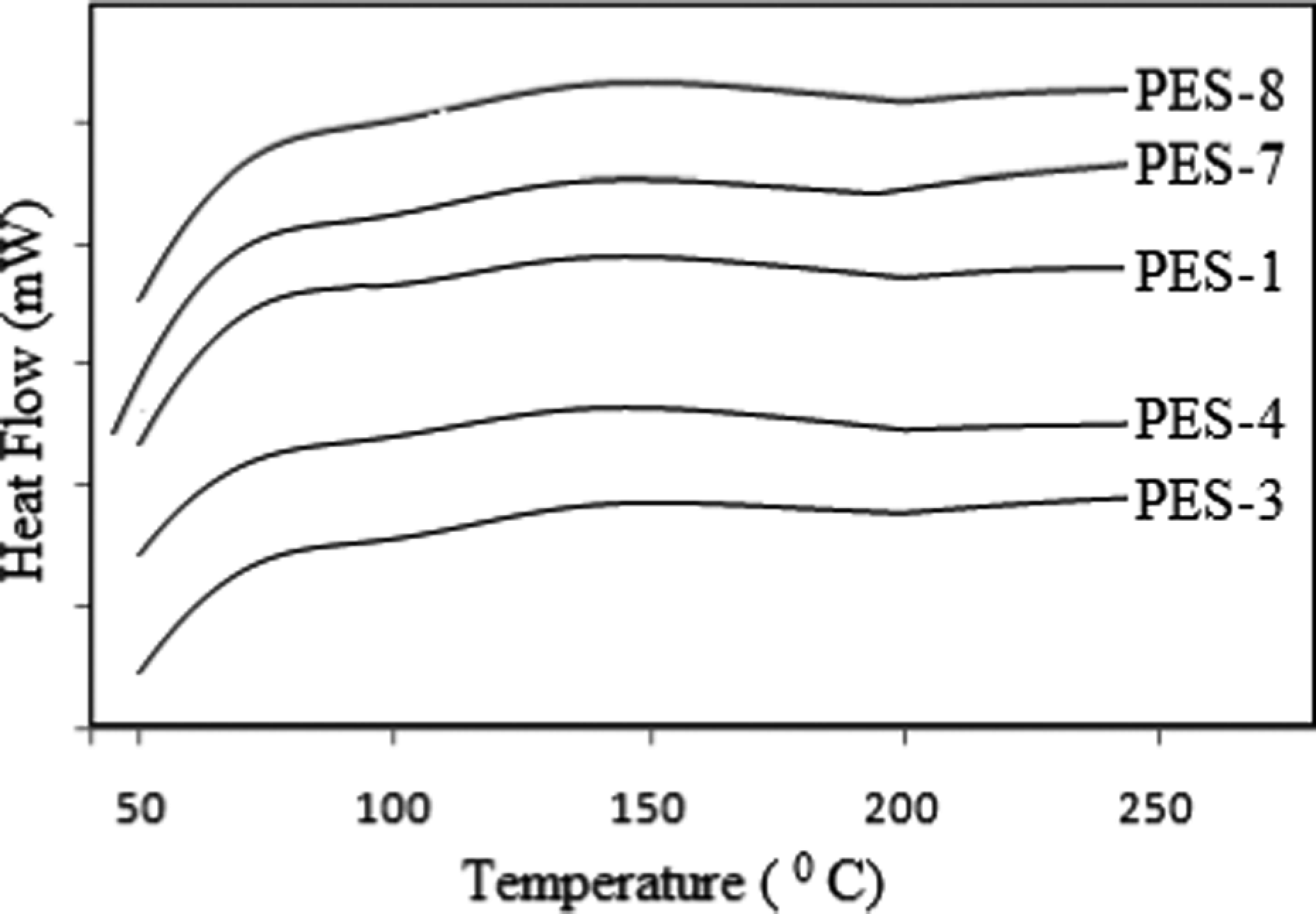
DSC curves of PES.
Thermal properties of poly(ethersulfone)s.
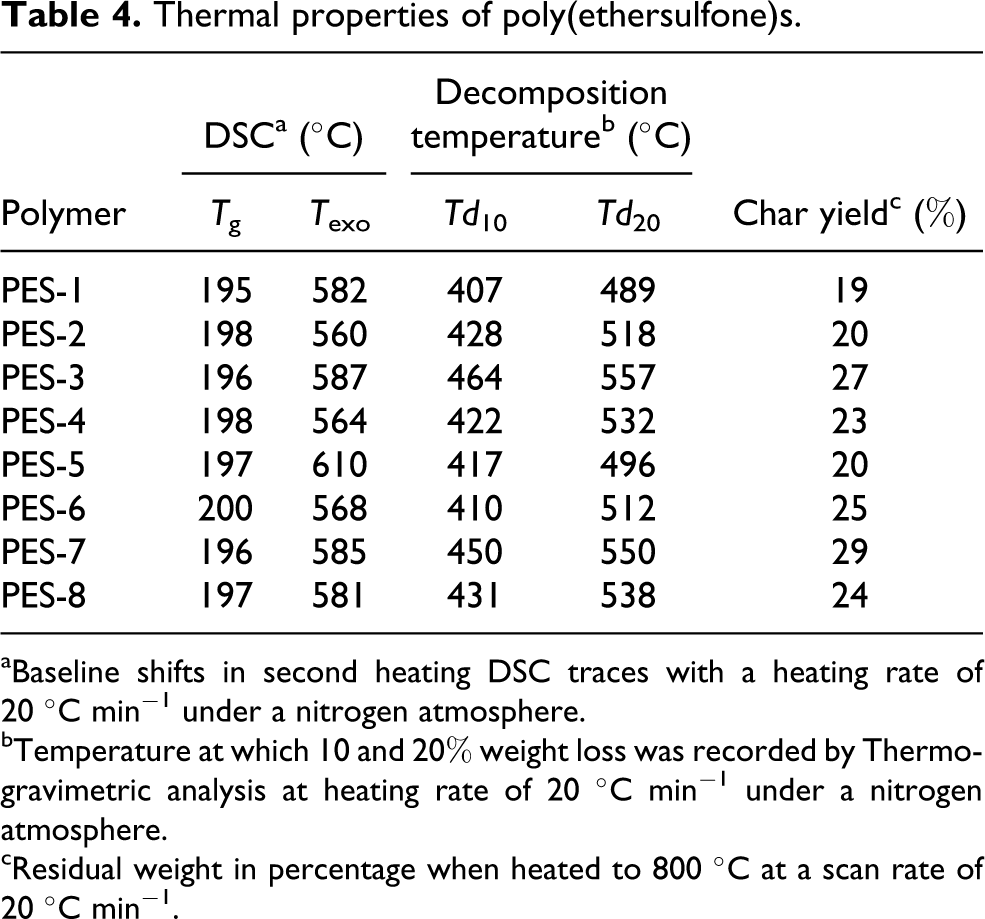
aBaseline shifts in second heating DSC traces with a heating rate of 20 °C min−1 under a nitrogen atmosphere.
bTemperature at which 10 and 20% weight loss was recorded by Thermogravimetric analysis at heating rate of 20 °C min−1 under a nitrogen atmosphere.
cResidual weight in percentage when heated to 800 °C at a scan rate of 20 °C min−1.
X-Ray diffraction
The crystallinity of the poly(ethersulfone)s was examined by powder XRD technique. The X-ray diffraction patterns PES-2 and PES-6 are shown in Figure 7. The X-ray diffractograms of poly(ethersulfone)s showed a peak around 20° (2θ) which indicated the molecular ordering or crystallinity. The crystallinity results from chain to chain interactions due to the presence of polar sulfone groups in the polymer backbone.
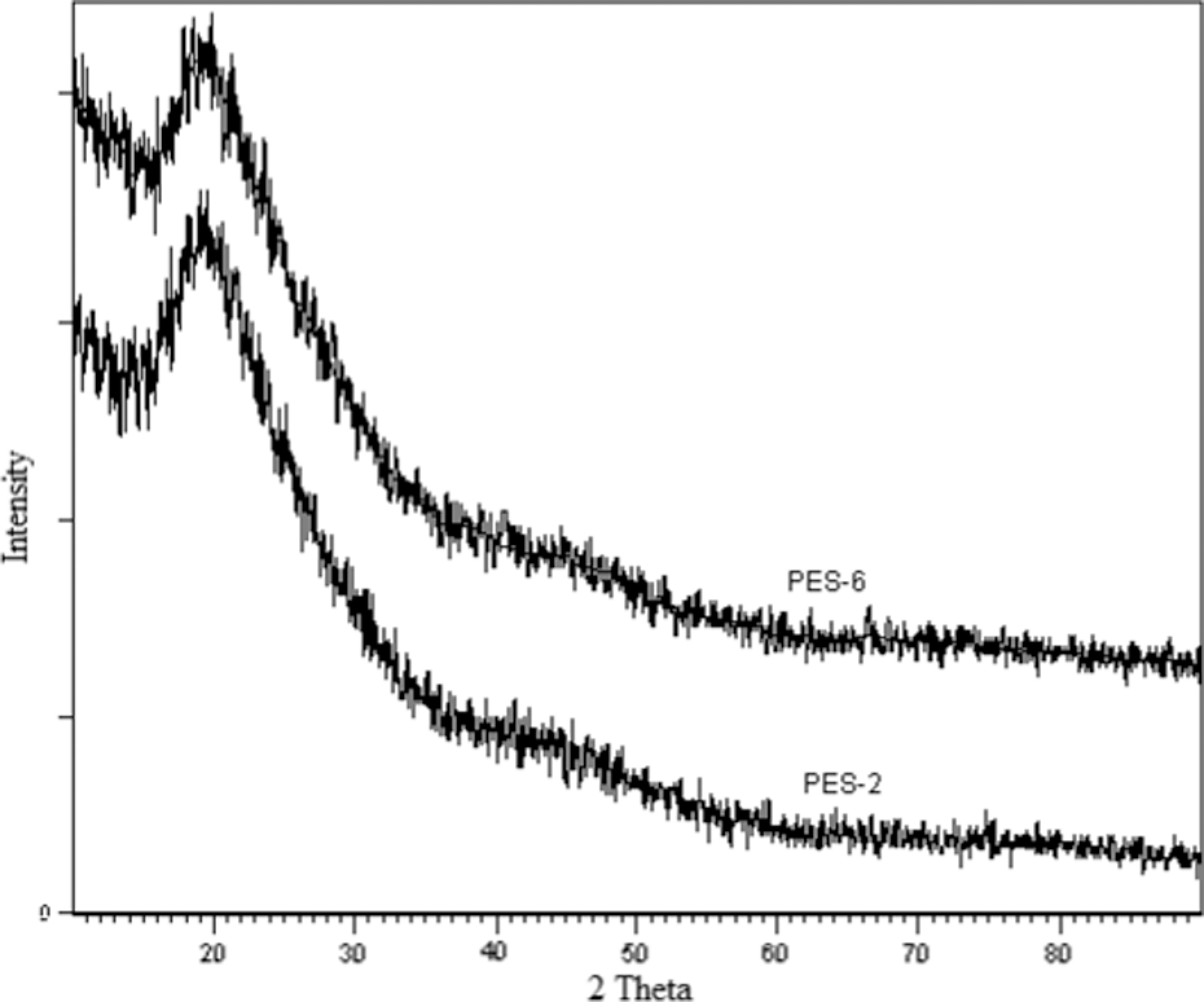
X-ray diffractograms of PES-2 and PES-6.
Conclusions
A series of high molecular weight poly(ethersulfone)s with ether, thioether and sulfone linkages were synthesized by nucleophilic substitution reaction of two new dichloro compounds with several aromatic diols. All the poly(ethersulfone)s were readily soluble in dipolar aprotic solvents. XRD patterns indicate that these polymers were partially crystalline. All poly(ethersulfone)s showed high Tg values and excellent thermal stability. These poly(ethersulfone)s can therefore be considered as potentially promising high performance polymers.