







Abstract
To improve the tribological properties of bismaleimide (BMI) resin, silicon dioxide nanoparticles with imino and terminal functional amino groups were prepared through a sol–gel process to form a novel SiO2-NH2 hybrid. The as-prepared hybrid was then applied as a modifying agent for the BMI matrix to obtain SiO2-NH2/BMI composites. Compared to those of pure BMI resin, the volume wear rate and friction coefficient of the SiO2-NH2/BMI composites decreased significantly, while the wear mechanism changed from fatigue (BMI) to adhesive (SiO2-NH2/BMI) wear. This improvement in the tribological properties of the SiO2-NH2/BMI composites was attributed to the appropriate SiO2-NH2 added content, which endowed the BMI with excellent mechanical and thermal-resistant properties. Thus, the SiO2-NH2/BMI composites could resist the external load and excessive heat during the friction process.
Introduction
Nanotechnology has attracted extensive attraction in recent decades and has been widely used in sensor, catalysis, electronics, aerospace, medical, and other fields. 1 Moreover, owing to their high specific surface area, light transmittance, and low manufacturing cost, nanoparticles can be used as modifiers to improve the overall performance of a resin matrix. 2,3 In addition to these advantages, silicon dioxide nanoparticles (nano-SiO2), which have been widely used for several years, exhibit unique anti-wear, antifriction, high load-bearing capacity, and other excellent characteristics. 4 –6 Therefore, nano-SiO2 can be used as a good inorganic phase to improve the mechanical, thermal, toughness, and tribological properties of many resins. 7,8 However, nano-SiO2 display a high surface energy, limited organic phase compatibility, and poor lipophilicity, 9,10 and thus, they have a strong tendency to agglomerate in a resin matrix. It is therefore necessary to improve the lipophilicity of nano-SiO2 to improve their potential as modifiers in organic resins.
There are many methods to prepare nano-SiO2, the most common being reverse microemulsion, flame synthesis, high-temperature flame decomposition of metal-organic precursors, and the sol–gel process. 11 –13 Among them, the latter method is a relatively convenient method to form pure and homogenous products under relatively mild conditions and can thus be utilized to produce silica, glass, and ceramic materials. 14 Furthermore, this method has some unique advantages: (i) solid materials with uniform chemical properties can be produced from the precursor, (ii) the process does not require high temperatures, (iii) the toxicity of the by-products is relatively low, and (iv) the product is a good combination of inorganic and organic phases. 15,16 Nano-SiO2 obtained by the sol–gel method have been widely reported, suggesting good application in the field of material preparation. 17 During the sol–gel process, silicon alkoxides (e.g. tetraethyl orthosilicate (TEOS) and tetramethyl orthosilicate) are used as precursors, whereby –M–O–M– oxide bridges between the organic and inorganic matrices can be created. In addition, nano-SiO2 possess active organic terminal groups, which can be reacted with organic resins to form a uniform matrix. 18,19 These characteristics make nano-SiO2 good resin additives.
Bismaleimide (BMI) resin is a traditional thermosetting resin that exhibits outstanding mechanical properties, 20 a high glass transition temperature, 21 and excellent corrosion resistance. Therefore, this material has been widely used in numerous applications such as printed circuit boards, 22 aerospace, 23 and high-performance composites. 24 However, owing to its high cross-linking density, BMI cured resin exhibits some deficiencies 7,25 such as high melting point and curing temperatures, 26 high brittleness, 27 and low adhesion, 28 which greatly restrict its application range. Therefore, it is necessary to find suitable methods to resolve these deficiencies so that the application of BMI resin can be further extended. 29,30 Nanoparticle blending is a simple and effective method for BMI resin modification. 31 –33 The key to this method is the identification of a suitable nanoparticle modifier that exhibits good organic phase compatibility, with the aim to provide the BMI with new properties and modify its curing process.
In this study, a novel nano-SiO2 hybrid comprising imino and terminal amino groups (SiO2-NH2) was prepared through the sol–gel method, with the siloxane coupling agent N-(2-aminoethyl)-3-aminopropyltrimethoxysilane (KH-792) and TEOS as the raw materials. The chemical structure of the as-prepared SiO2-NH2 hybrid was characterized by Fourier transform infrared (FTIR) and proton nuclear magnetic resonance spectroscopy. The SiO2-NH2 hybrid was then used as a modifier in BMI resin to form SiO2-NH2/BMI resin, whereby the terminal amino groups in SiO2-NH2 reacted with the double maleimide functional group in BMI. The added SiO2 highly improved the overall properties of the SiO2-NH2/BMI resin. The curing characteristics and thermal properties of the SiO2-NH2/BMI materials were measured and the effect of SiO2-NH2 on the mechanical and tribological properties of SiO2-NH2/BMI was also investigated. This study aims to provide a new method for the development of a high-toughness resin that can be used in the aerospace field.
Experimental methods
Materials
Industrially pure BMI prepolymer and diallyl bisphenol A (viscous transparent liquid; >95 wt% purity) were provided by Honghu Shuangma New Material Technology Co. Ltd (Hubei, China). Analytically pure silane coupling agent N-(2-aminoethyl)-3-aminopropyltrimethoxysilane (transparent liquid; KH-792; >99 wt% purity) was provided by Shandong Yousuo Chemical Technology Co. Ltd (Shandong, China). All the other reagents and solvents, including TEOS, chlorhydric acid, ethanol, and acetic acid (Tianjin Fuchen Chemical Reagents Factory, Tianjin, China), were used as received without further purification.
Preparation of SiO2-NH2
SiO2-NH2 was synthesized through the sol–gel process (Figure 1). Thus, TEOS and KH-792 (4:3 ratio) were added into a 100-mL three-necked flask equipped with a stirring paddle, thermometer, and tunnel. Distilled water and ethanol were then added and the mixture was stirred at 60°C for 6 h until a viscous transparent liquid was obtained. The liquid was then placed in a 50°C vacuum drying oven for 12 h to completely remove the solvent. Finally, the resultant product was ground into nanometer-size powder, using a four ball mill, to afford SiO2-NH2.
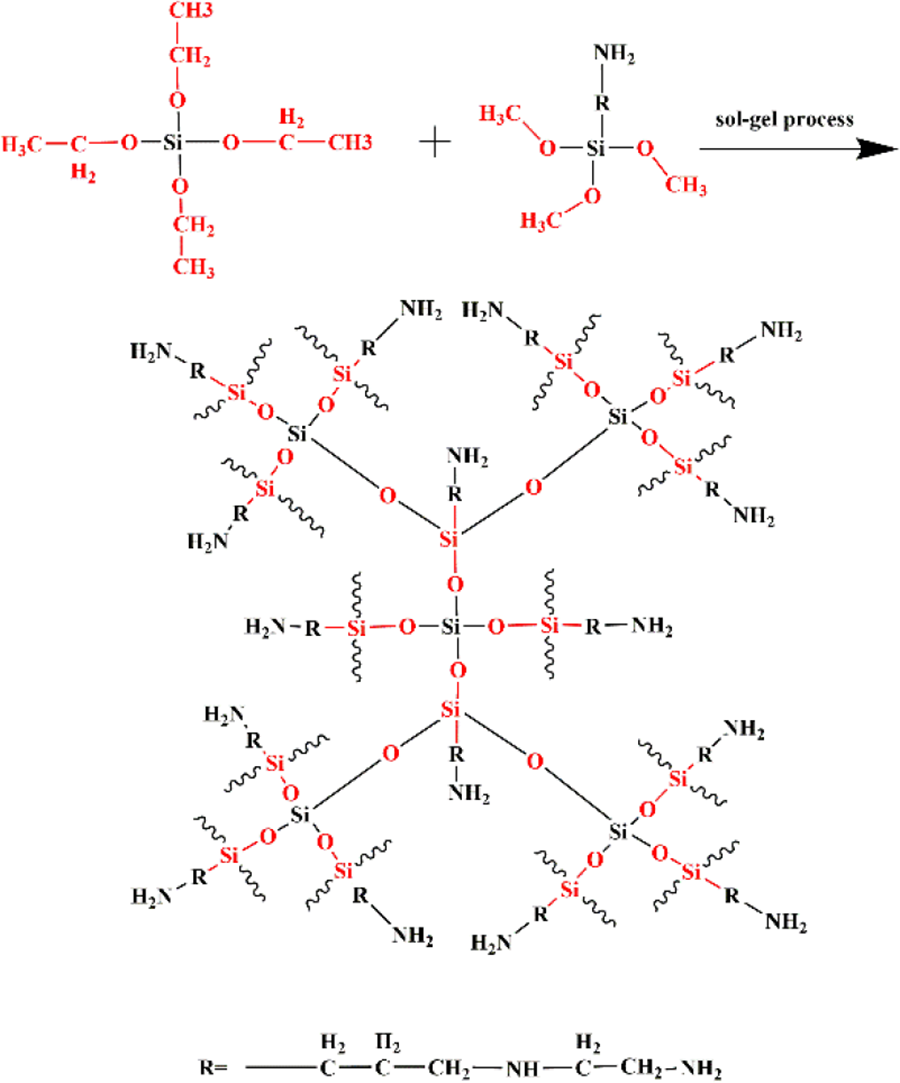
Preparation of the SiO2-NH2 hybrid.
Preparation of the SiO2-NH2/BMI resins
The SiO2-NH2 and SiO2-NH2/BMI resins were prepared through a casting method (Figure 2). Thus, BMI and diallyl bisphenol A (4:3 mass ratio) were mixed in a glass beaker at 150°C. SiO2-NH2 (content: 0.0, 2.0, 4.0, 6.0, 8.0, and 10.0 wt% BMI) was then added into the BMI and heated at 150°C, until each mixture was completely melted, to form the corresponding prepolymers. The prepolymers were then poured into a preheated mold with a release agent and then degassed for 40–50 min in a 120°C vacuum drying oven to expel air. Finally, the mixtures were cured by treatment at 120°C/2 h + 140°C/2 h + 180°C/4 h, with the subsequent post-curing process at 200°C/2 h.
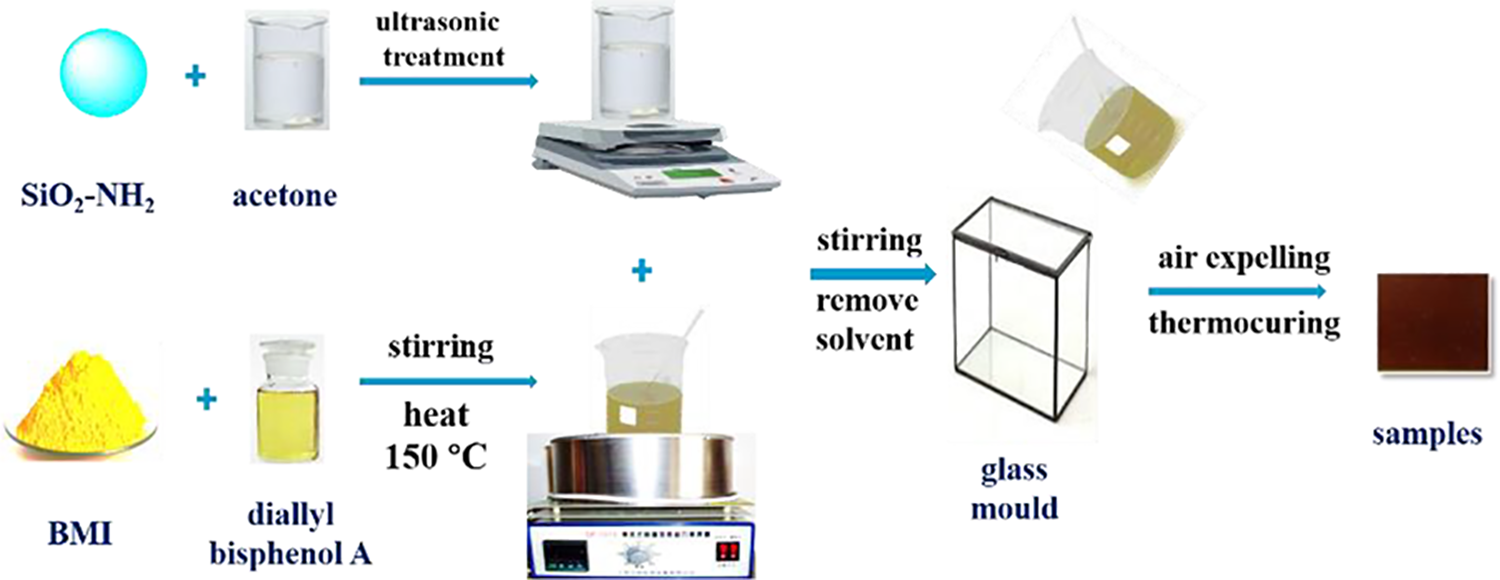
Preparation of the SiO2-NH2/BMI composites. BMI: bismaleimide.
Measurements
FTIR spectroscopy
FTIR (PerkinElmer-283B, Waltham, Massachusetts, USA) was used to determine the chemical structures of SiO2-NH2 and the SiO2-NH2/BMI composites. The samples were pressed into potassium bromide pellets and scanned in the range of 400–4000 cm−1.
X-ray photoelectron spectroscopy analysis
To characterize the surface chemical elements of SiO2-NH2, X-ray photoelectron spectroscopy (XPS) analysis was performed using an Al Kα X-ray source, with 200 W power, under a vacuum of 1027 Torr.
Thermogravimetric analysis
The thermal stabilities of the BMI resin and SiO2-NH2/BMI composites were measured on a TGA Q50 (TA Instruments, New castle, Delaware, USA) at a heating rate of 20°C min−1 under nitrogen atmosphere.
Differential scanning calorimetry
Differential scanning calorimetry (DSC) data of the BMI resin and SiO2-NH2/BMI composites (TA Instruments, New castle, Delaware, USA) were attained at a heating rate of 15°C min−1 under nitrogen atmosphere.
Mechanical properties
The impact and flexural strengths of the BMI and SiO2-NH2/BMI resins were measured according to GB/T2571-1981. At least five samples were tested for each material of different proportions, and each sample was tailored to the dimensions 50 ± 0.02 × 7 ± 0.02 × 4 ± 0.02 mm3.
Friction and wear tests
An MM-200 was used to measure the friction and wear properties of the materials at room temperature, according to GB3960-83 (Chinese standard; accuracy ±5%). The steel rings and materials were polished with sandpaper (900#) and cleaned with acetone before each test. The friction coefficient was measured at <196 N at a test time of 120 min, while the wear rate was measured with an electronic balance with an accuracy of ±0.0001 g.
Scanning electron microscopy
The surface morphology of the fractured surface and the wear surfaces of the BMI and SiO2-NH2/BMI resins were observed with an S-3400NⅡ scanning electron microscope (Hitachi, Tokyo, Japan) at room temperature.
Results and discussion
Synthesis and characterization of SiO2-NH2
The SiO2-NH2 FTIR spectrum is shown in Figure 3. The peaks at 3351 and 1610 cm−1 were assigned to the NH2 stretching and bending vibrations, respectively, suggesting the presence of NH2 groups. Additionally, the band at 1030 cm−1 and peak at 772 cm−1 were assigned to Si–O and Si–C stretching vibrations, respectively. Finally, the band at 1475 cm−1 indicated the presence of the –CH2– group. These results confirmed that SiO2-NH2 was successfully synthesized.
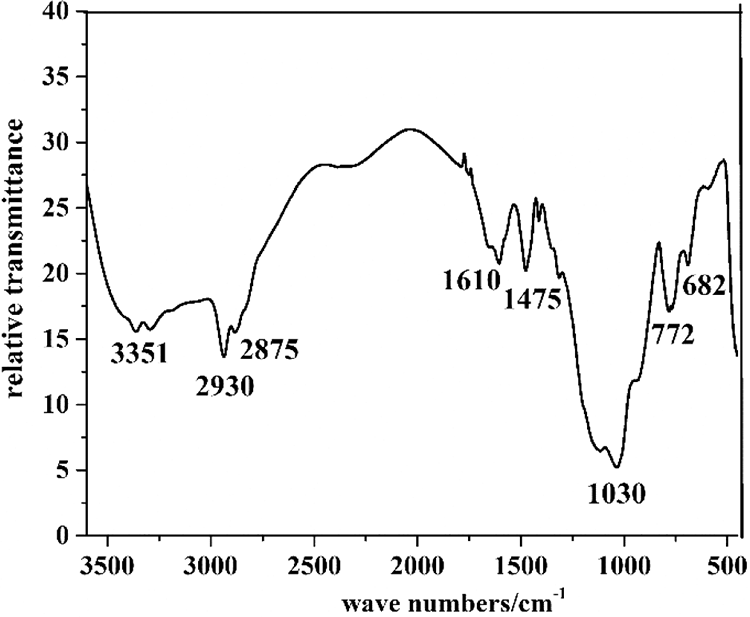
SiO2-NH2 FTIR spectrum. FTIR: Fourier transform infrared.
Figure 4 shows the survey scans and primary peak distribution of SiO2-NH2. The bending energy peak at 284.06 eV was assigned as the O 1s peak, while a C 1s peak was observed at 530.16 eV. Additionally, the bending energy peaks at 150.92 and 101.74 eV were assigned as Si 1s and Si 2p peaks, respectively, while the bending energy peak at 397.62 eV was assigned as the N 1s peak. The presence of the elements nitrogen and silicon were attributed to grafting of the –NH– and –NH2 groups from KH-792 on the SiO2-NH2 surface. These results confirmed that more functional groups were grafted onto the SiO2-NH2 surface. Through the high-resolution XPS spectra of C 1s, O 1s, Si 2p, and N 1s, more information about the properties of SiO2-NH2 surface functional groups could be obtained (Figures 5 to 7).
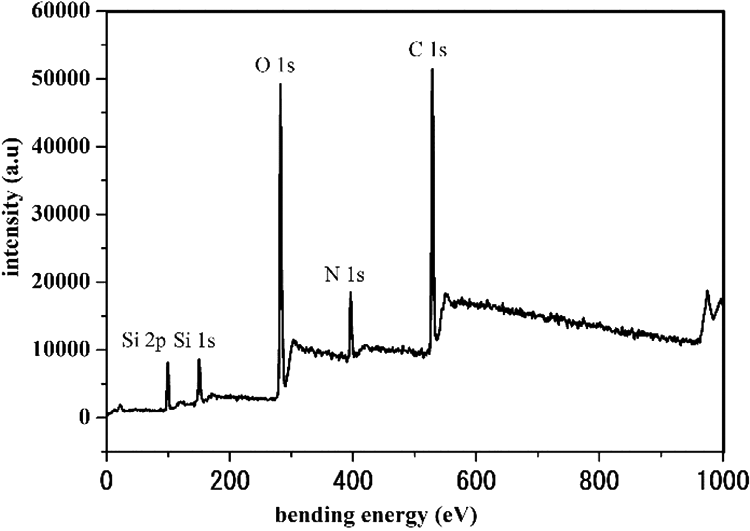
XPS main peak spectrum of SiO2-NH2. XPS: X-ray photoelectron spectroscopy.
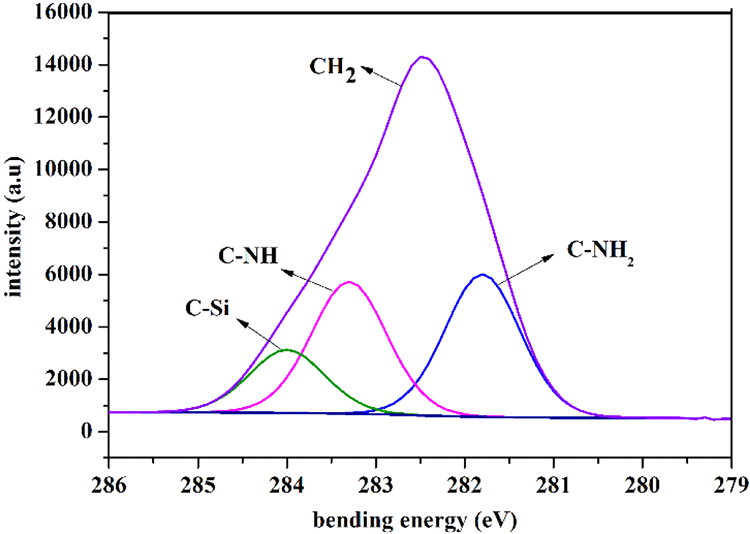
C 1s XPS spectrum of SiO2-NH2. XPS: X-ray photoelectron spectroscopy.
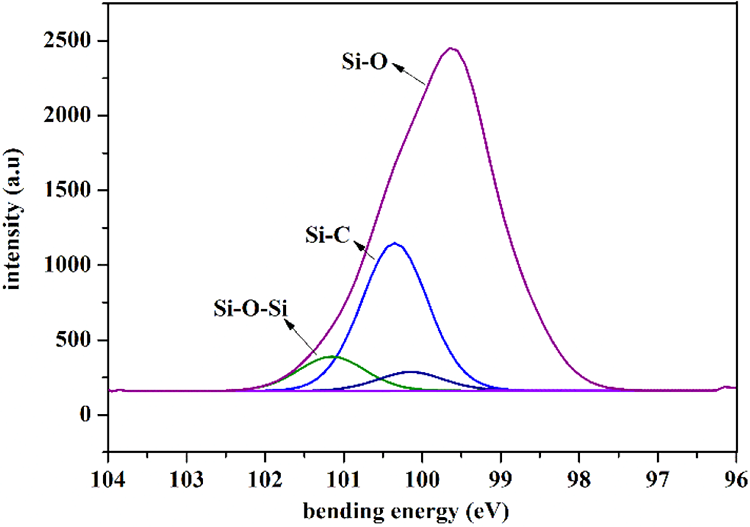
Si 2p XPS spectrum of SiO2-NH2. XPS: X-ray photoelectron spectroscopy.
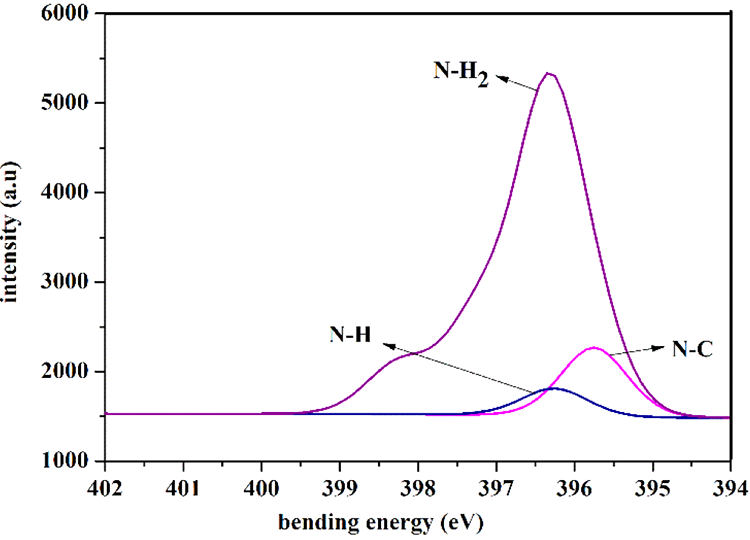
N 1s XPS spectrum of SiO2-NH2. XPS: X-ray photoelectron spectroscopy.
Figure 5 shows the C 1s XPS spectrum of SiO2-NH2. The C 1s peak could be divided into four main fitting curve peaks, with the main peak at 282.49 eV assigned to the carbon atom of the –CH2– group and that at 284.12 eV to the C–Si carbon produced by KH-792. Additionally, the peak at 283.30 eV corresponded to C–NH2, while that at 283.32 eV was due to the C–NH2 carbon.
Figure 6 shows the Si 2p XPS spectrum of SiO2-NH2, wherein the three main peaks of different binding energies represent the three chemical states of silicon. Thus, the bond energy at 99.63 eV was assigned to the bond between Si–O and SiO2-NH2, while that at 100.33 eV was assigned to the bond between silane and Si–O–Si. In addition, the peak at 102.95 eV was attributed to the presence of Si–C on the SiO2-NH2 surface. These observations further confirmed the presence of SiO2-NH2 and –NH– on the SiO2-NH2 surface after the reaction.
Figure 7 shows the N 1s XPS spectrum of SiO2-NH2. The N 1s peak could be divided into three main fitting curve peaks, whereby the peaks at 396.32 and 396.30 eV were respectively assigned to the N–H2 and N–H nitrogen atoms, attributed to the KH-792 –NH2 and –NH– groups on the SiO2-NH2 surface, respectively. Finally, the peak centered at 395.73 eV was assigned to the N–C nitrogen atoms. These results further indicated the presence of –NH2 and –NH– groups on the SiO2 surface after modification.
Thermal properties of the SiO2-NH2/BMI composite
The curing characteristics of the pure BMI and SiO2-NH2/BMI (6.0 wt% SiO2-NH2) resins were next studied by DSC at a heating rate of 15°C min−1 (Figure 8). Both BMI and the SiO2-NH2/BMI composite displayed a minimum heat absorption peak at approximately 125°C, indicating that the melt temperatures of BMI and SiO2-NH2/BMI are similar. On the other hand, thermal polymerization of SiO2-NH2/BMI occurred at 137°C and reached a maximum at approximately 257°C, while that of pure BMI occurred at a higher temperature of approximately 171°C and reached its maximum at approximately 256°C. These results indicated that the addition of SiO2-NH2 significantly reduced the curing temperature of the SiO2-NH2/BMI composite. The chemical reaction during the curing process of the materials was also elucidated: at the beginning of the curing process, the thermal processes of BMI and SiO2-NH2/BMI are similar. With the increase in curing temperature, the C=C bond in BMI begins to react with the –NH2 groups in SiO2-NH2 to form a cross-linked structure. Thus, a significantly lower thermal curing temperature is required for the SiO2-NH2/BMI composite compared to that of the BMI resin. This decrease in curing temperature increases the potential for the industrial application of the SiO2-NH2/BMI resin.
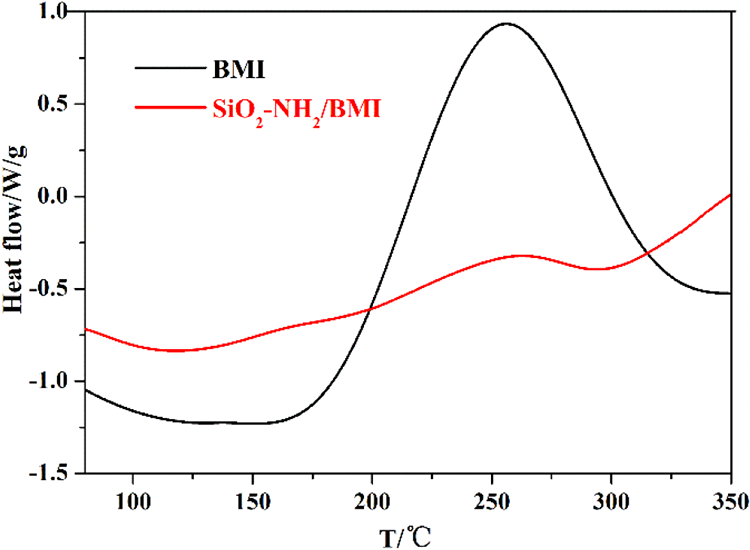
DSC curve of the SiO2-NH2/BMI composites comprising 6.0 wt% SiO2-NH2. DSC: differential scanning calorimetry; BMI: bismaleimide.
The thermogravimetric analysis (TGA) results of the pure BMI and SiO2-NH2/BMI (6.0 wt% SiO2-NH2) resins are shown in Figure 9. The SiO2-NH2/BMI composite exhibits an initial decomposition temperature of approximately 432°C, which is much higher than the 399°C observed for the pure BMI resin. In addition, the char yield of the SiO2-NH2/BMI composite at 800°C was 35.6%, a value 21.9% higher than that of the pure BMI resin (29.2%). This high carbon yield can be used as an important indicator to directly describe the thermal stability of the composite materials. Hence, it can be inferred that the addition of SiO2-NH2 can significantly improve the thermal stability of the SiO2-NH2/BMI composite, owing to the molecular cavity of the Si–O–Si structure. Additionally, the –NH2 group can improve the compatibility between SiO2 and the matrix and effectively combines the hybrid SiO2-NH2 with BMI through chemical bonding. Thus, the thermal stability of the SiO2-NH2/BMI composite is further improved.
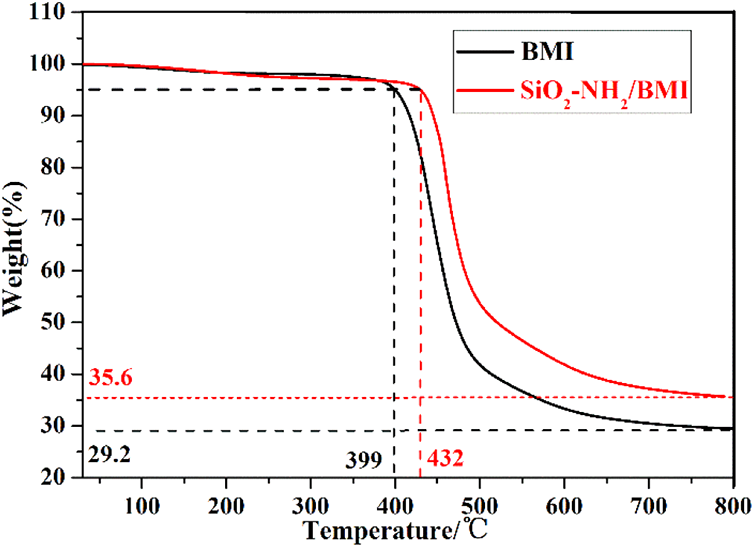
TGA curve of the SiO2-NH2/BMI composites (6.0 wt% SiO2-NH2). TGA: thermogravimetric analysis; BMI: bismaleimide.
The derivative thermogravimetric analysis (DTG) results of the pure BMI and SiO2-NH2/BMI (6.0 wt% SiO2-NH2) resins are displayed in Figure 10. The curve shapes of the two materials are similar, indicating that the addition of SiO2-NH2 does not significantly change the decomposition mechanism of BMI. However, the peak strength of the SiO2-NH2/BMI curve is much lower than that of the pure BMI resin, attributed to the enhanced thermal stability of the SiO2-NH2/BMI composite. Nevertheless, the initial thermal degradation temperature of SiO2-NH2/BMI (461°C) is higher than that of pure BMI (429°C). These results, obtained from the DTG curves, all proved that the SiO2-NH2/BMI composite exhibits better thermal stability than the pure BMI resin and are consistent with the DSC results.
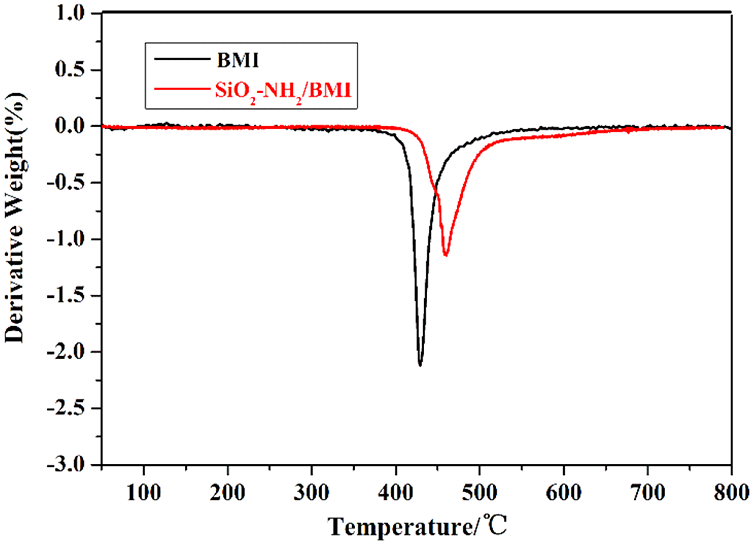
DTG curves of the pure BMI and SiO2-NH2/BMI (6.0 wt% SiO2-NH2) resins. DTG: derivative thermogravimetric analysis; BMI: bismaleimide.
Mechanical properties of the materials
A plot of the impact strength as a function of the SiO2-NH2 content in the SiO2-NH2/BMI composites is shown in Figure 11. The figure reveals that the addition of SiO2-NH2 influences the impact strength of the SiO2-NH2/BMI composites. Thus, as the added amount of SiO2-NH2 gradually increased, the impact strength of the SiO2-NH2/BMI composites continued to increase steadily. When the SiO2-NH2 content was 6.0 wt%, the impact intensity reached its maximum of 17.69 kJ m−2, a 52.9% increase over that of the pure BMI resin (11.57 kJ m−2). However, with further addition of SiO2-NH2 (≥8.0 wt%), the impact strength of the SiO2-NH2/BMI composite began to decrease slightly, indicating that the optimal addition amount of SiO2-NH2 was 6.0 wt%.
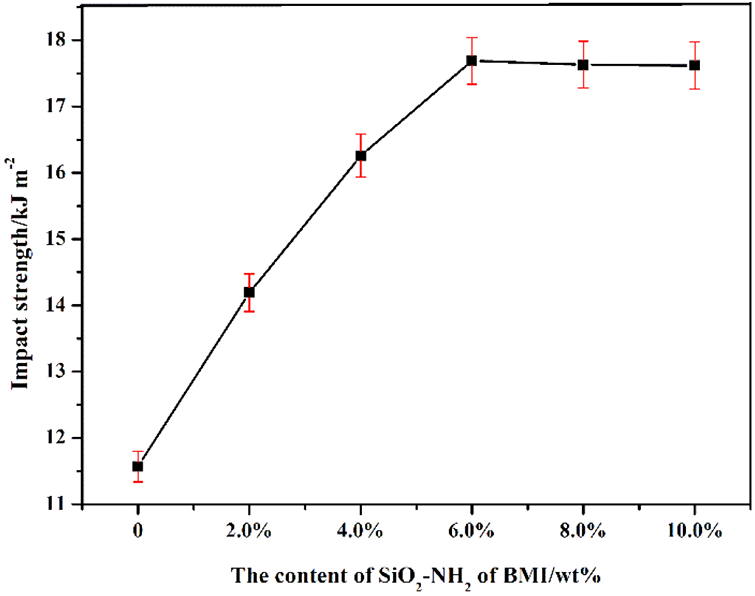
Impact strengths of the SiO2-NH2/BMI resins with different SiO2-NH2 contents. BMI: bismaleimide.
The flexural strengths of the SiO2-NH2/BMI composites with different SiO2-NH2 loadings were also measured (Figure 12). The results revealed that the influence of the different SiO2-NH2 weight contents on the flexural strength of the SiO2-NH2/BMI composites was similar to that observed for the impact strength. Thus, when the SiO2-NH2 loading increased to 6.0 wt%, the flexural strength of the SiO2-NH2/BMI composite also reached its maximum value of 161 MPa, a 28.3% increase over that of the pure BMI resin (125 MPa). This increase in flexural strength was attributed to the cross-linked structure formed by the reaction of SiO2-NH2 with BMI. However, as was observed with the impact strength, with a further increase in the SiO2-NH2 content (≥8.0 wt%), a decrease in the flexural strength of the resultant SiO2-NH2/BMI composite was observed. This deterioration in the mechanical properties may be caused by the excessive cross-linking structure between BMI and SiO2-NH2, as well as SiO2-NH2 agglomeration.
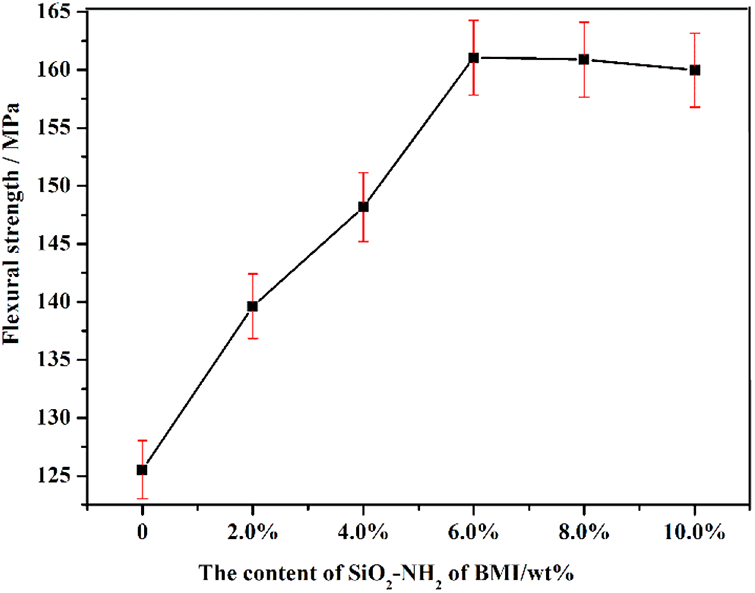
Flexural strength of the SiO2-NH2/BMI resins with different SiO2-NH2 contents. BMI: bismaleimide.
To further elucidate the fracture characteristics of the materials, the fracture surfaces of the BMI and SiO2-NH2/BMI (6.0 wt% SiO2-NH2) resins were next observed by scanning electron microscopy (SEM; Figure 13). After the addition of SiO2-NH2, the fracture aspect ratio of the SiO2-NH2/BMI composite was lower than that of the BMI resin, and many filamentous morphologies could be observed in the former. This phenomenon also indicated the toughening of the SiO2-NH2 in the BMI resin. One possible explanation is that at the appropriate content, the added SiO2-NH2 can effectively react with the C=C bonds in BMI to afford the SiO2-NH2/BMI composite in homogeneous phase.
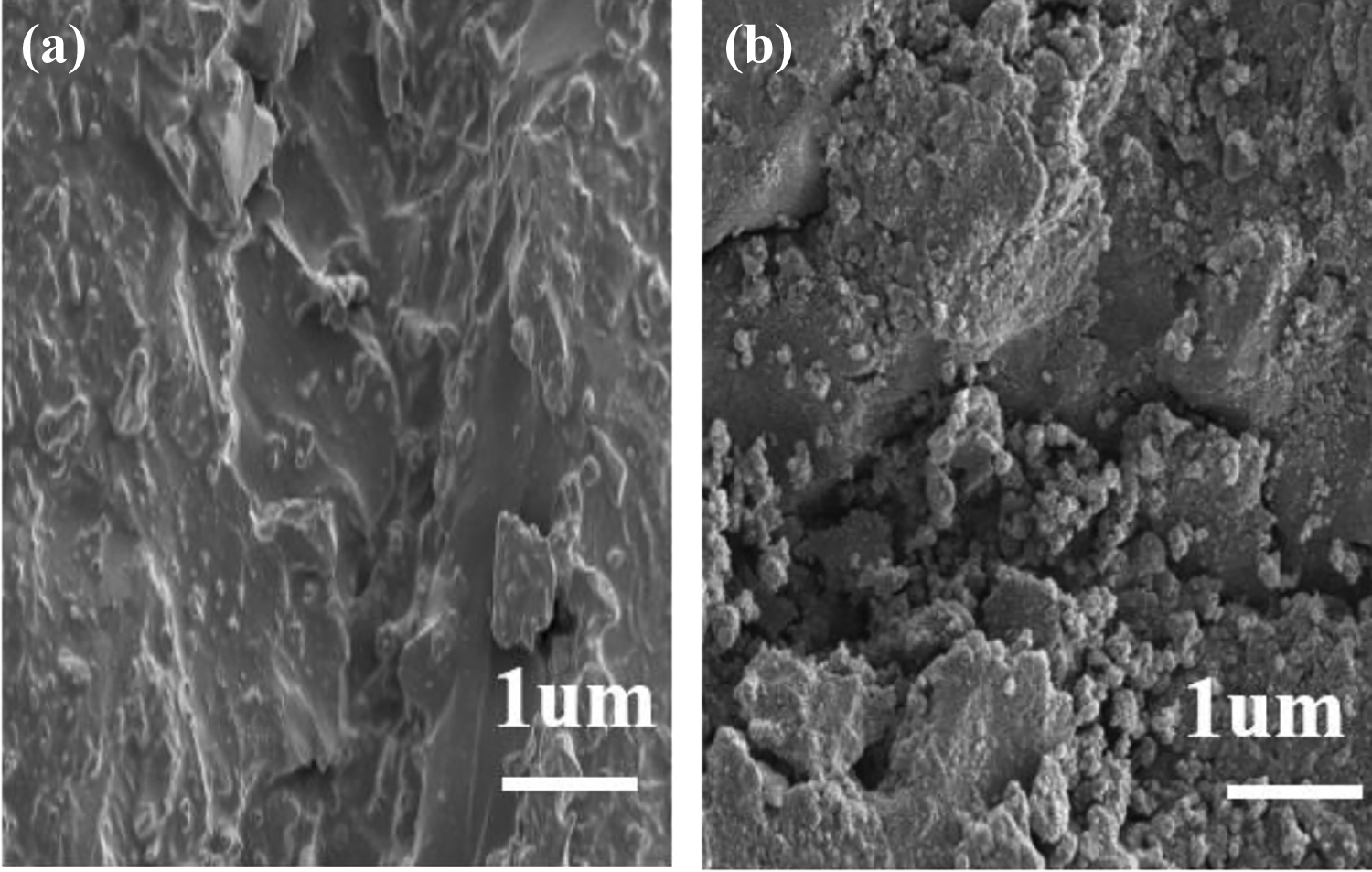
Scanning electron micrographs of the fracture surfaces of the (a) BMI and (b) SiO2-NH2/BMI (6.0 wt% SiO2-NH2) resins.
The FTIR spectra of the SiO2-NH2/BMI reaction processes under different curing temperatures are displayed in Figure 14. At a curing temperature of 150°C, the two relatively significant absorption peaks at 1041 and 1707 cm−1 were assigned to the characteristic peaks of the C=C double bond and C=O stretching vibration in the BMI resin, while the absorption peak at 1610 cm−1 was due to the NH2 bending vibrations. These data indicated that at the initial stage of reaction, the BMI resin system did not react with SiO2-NH2. However, with the continuous rise in temperature, these peaks gradually weakened and completely disappeared when the temperature reached 220°C. In addition, with the increase in temperature, the characteristic C–O–C peak at 1164 cm−1 began to increase gradually. This confirmed that with the increase in temperature, the NH2 group in SiO2-NH2 began to react with the C=C in BMI, and finally formed a uniform and stable system at 220°C. This homogeneous phase endowed the SiO2-NH2/BMI composite with a moderate cross-linked network structure, which reduced the total free volume. Thus, chain segment movement was restricted, and the flexibility of matrix control could be effectively reduced. We therefore concluded that the use of the appropriate SiO2-NH2-to-BMI ratio greatly enhanced the mechanical properties of BMI.
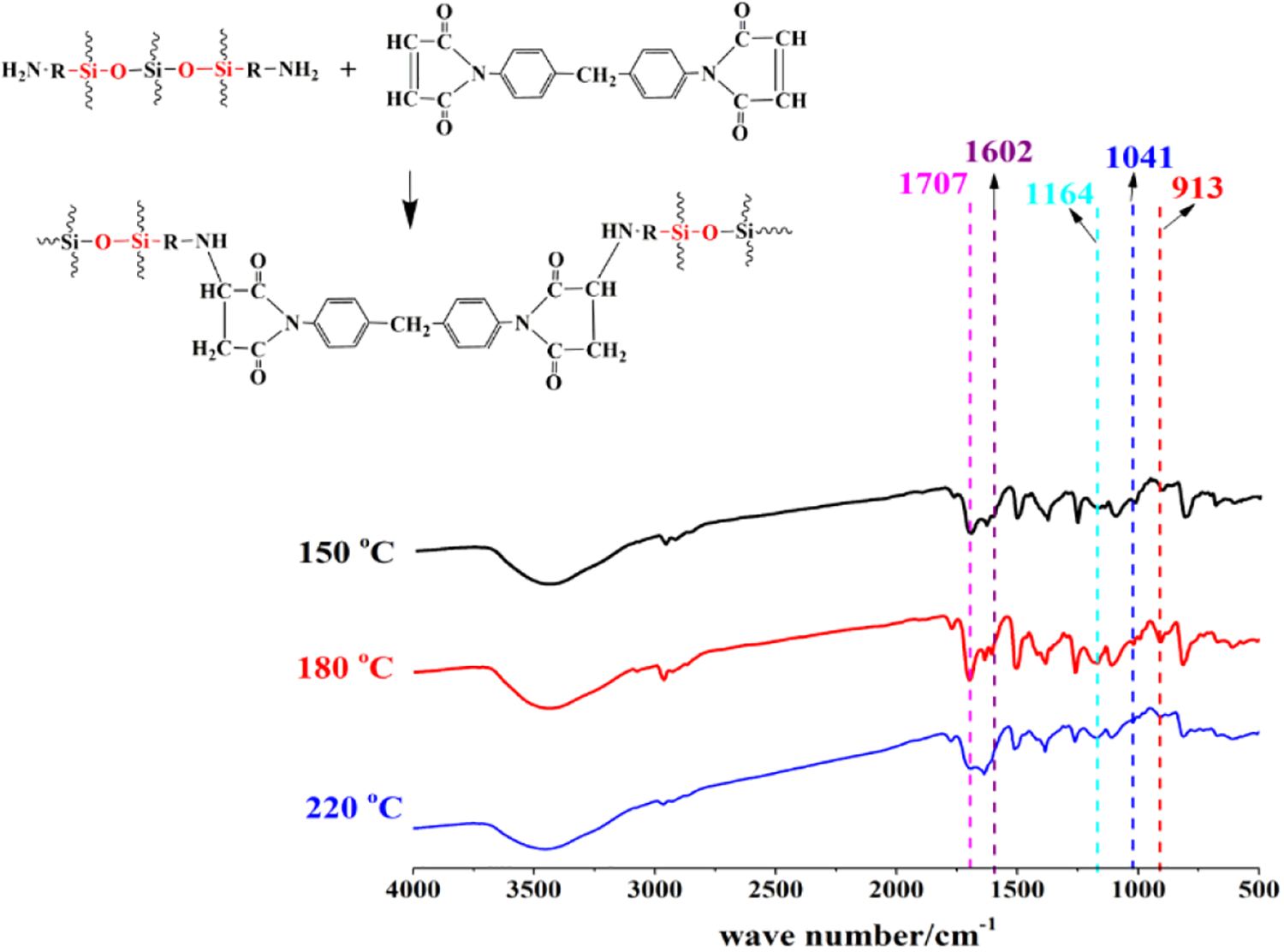
FTIR spectra of the SiO2-NH2/BMI (6.0 wt% SiO2-NH2) resins formed under different curing temperatures. FTIR: Fourier transform infrared; BMI: bismaleimide.
Tribological properties of the materials
The friction coefficients and sliding times of the composites with different SiO2-NH2 contents are shown in Figure 15. The results revealed that SiO2-NH2 addition reduced the friction coefficient of the SiO2-NH2/BMI composites. It also reduced the formation time of the conversion films on the SiO2-NH2/BMI composites with different SiO2-NH2 loading to <20 min. Moreover, when an SiO2-NH2 content of 6.0 wt% was employed, the stable friction coefficient of the resultant SiO2-NH2/BMI composite reached the optimal value (0.347), which was 23.4% lower than that of pure BMI (0.453). These results indicated that with the appropriate SiO2-NH2 added content, a uniform deformation film formed during the wear process. The friction coefficient of the SiO2-NH2/BMI composites with different SiO2-NH2 contents showed a tendency to first increase and then decrease gradually before 20 min. This can be explained by the tribological process of the matrix: at the initial stage of the friction process, only a few convex points on the surface of the grinding ring are in contact with the SiO2-NH2/BMI surface. Thus, the friction force is mainly due to the plough cutting force between the composite wear surface and grinding rings. Therefore, at this stage, the friction coefficient is relatively low. Such friction behavior eventually generates a large amount of heat, which results in a sharp rise in the surface temperature of the materials. This causes the surfaces of these materials to become soft and exhibit viscoelastic behavior, while the load on the materials further increases the friction between the resin material and grinding ring. After this stage, the friction surface of the composites produces a thin and uniform transfer film, and the friction coefficient of the material becomes more stable.
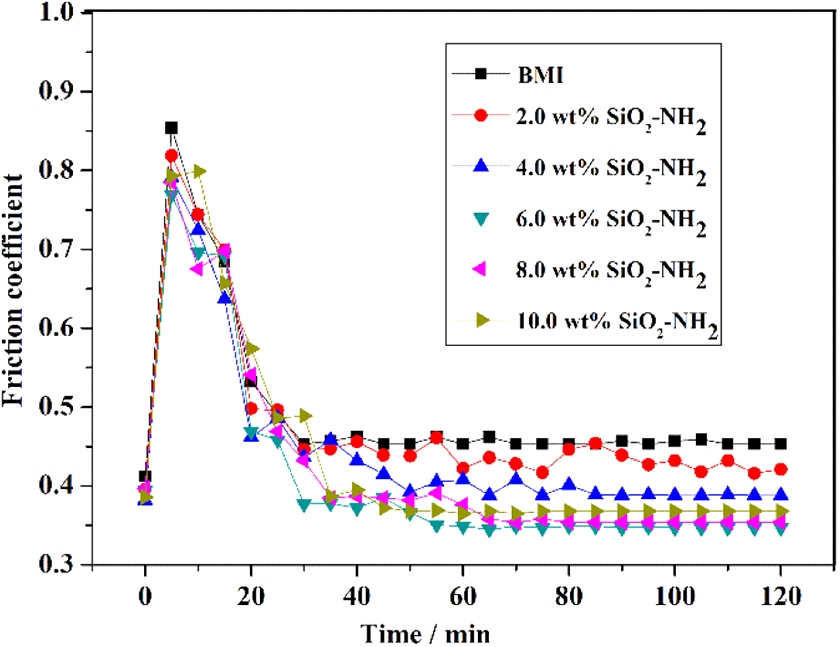
Friction coefficient of the SiO2-NH2/BMI resins with different SiO2-NH2 contents. BMI: bismaleimide.
Figure 16 shows the wear rates of the composites with different SiO2-NH2 contents. The plots reveal that for contents in the range of 0–6 wt%, the wear rate of the SiO2-NH2/BMI composites decreased with increasing SiO2-NH2 content. Indeed, when the SiO2-NH2 content was 6.0 wt%, the lowest wear rate of approximately 4.1 × 10⁻⁶ mm3 (N m)−1 was observed, a value that is 48.1% lower than the 7.9 × 10⁻⁶ mm3 (N m)−1 observed for the pure BMI resin. However, when the SiO2-NH2 content was further increased to ≥8.0 wt%, the composite wear rates exhibited an increasing trend. This phenomenon was attributed to the appropriate SiO2-NH2 content in the BMI. Thus, the optimal content substantially increases the heat-resistant performance while maintaining the good mechanical properties of the SiO2-NH2/BMI composites. Indeed, the excellent wear resistance of the SiO2-NH2/BMI composites benefits from their improved thermal performance, which improves the heat resistance of the SiO2-NH2/BMI composite and effectively prevents thermal damage in the wear process. The good mechanical properties also endow the composites with a better ability to resist the external load during the friction process. However, when the SiO2-NH2 content is excessive, the composites begin to form an over-cross-linked structure, while SiO2-NH2 aggregation in the resin results in internal defects that decrease the thermal resistance and destroy the tribological properties of the composites. Therefore, we concluded that the appropriate SiO2-NH2 content endowed SiO2-NH2/BMI with good tribological properties.
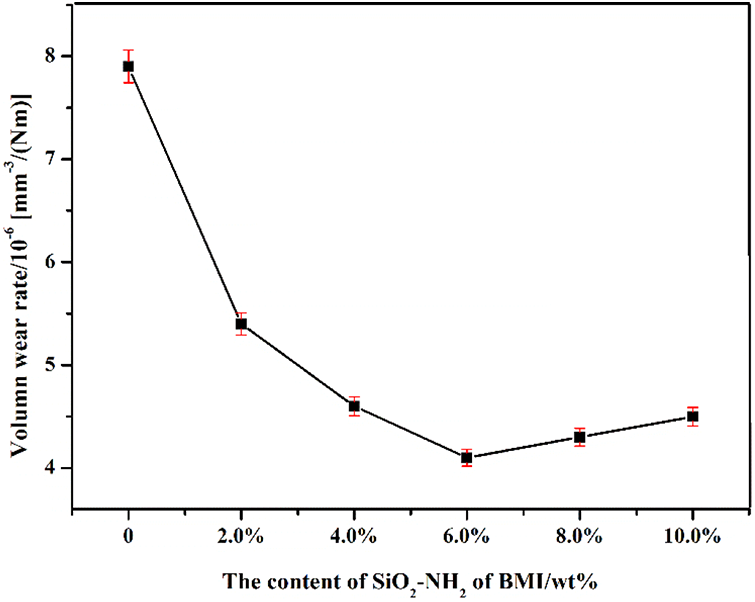
Volume wear rate of the SiO2-NH2/BMI resins with different SiO2-NH2 contents. BMI: bismaleimide.
To verify the above conclusions, the wear surface morphology of the SiO2-NH2/BMI composite filled with 6.0 wt% SiO2-NH2 and the pure BMI were next observed by SEM to study the wear mechanism (Figure 17). For the BMI resin (Figure 17(a)), the wear surface displayed significant cracks, damage, and peeling attributed to fatigue wear, indicating that the wear resistance of the BMI resin to steel ring sliding was very limited. Conversely, the wear surface of the SiO2-NH2/BMI composite filled with 6.0 wt% SiO2-NH2 (Figure 17(b)) was significantly improved, presenting a more uniform morphology with a small amount of debris attributed to adhesive wear. These results were in agreement with our previous results, confirming that the proper SiO2-NH2 content (6.0 wt%) greatly increased both the heat-resistant and mechanical properties of the SiO2-NH2/BMI composites. Thus, at the optimal content, the SiO2-NH2/BMI resin exhibited better resistance to friction-generated heat and enhanced ability to withstand additional loads during the wear process.
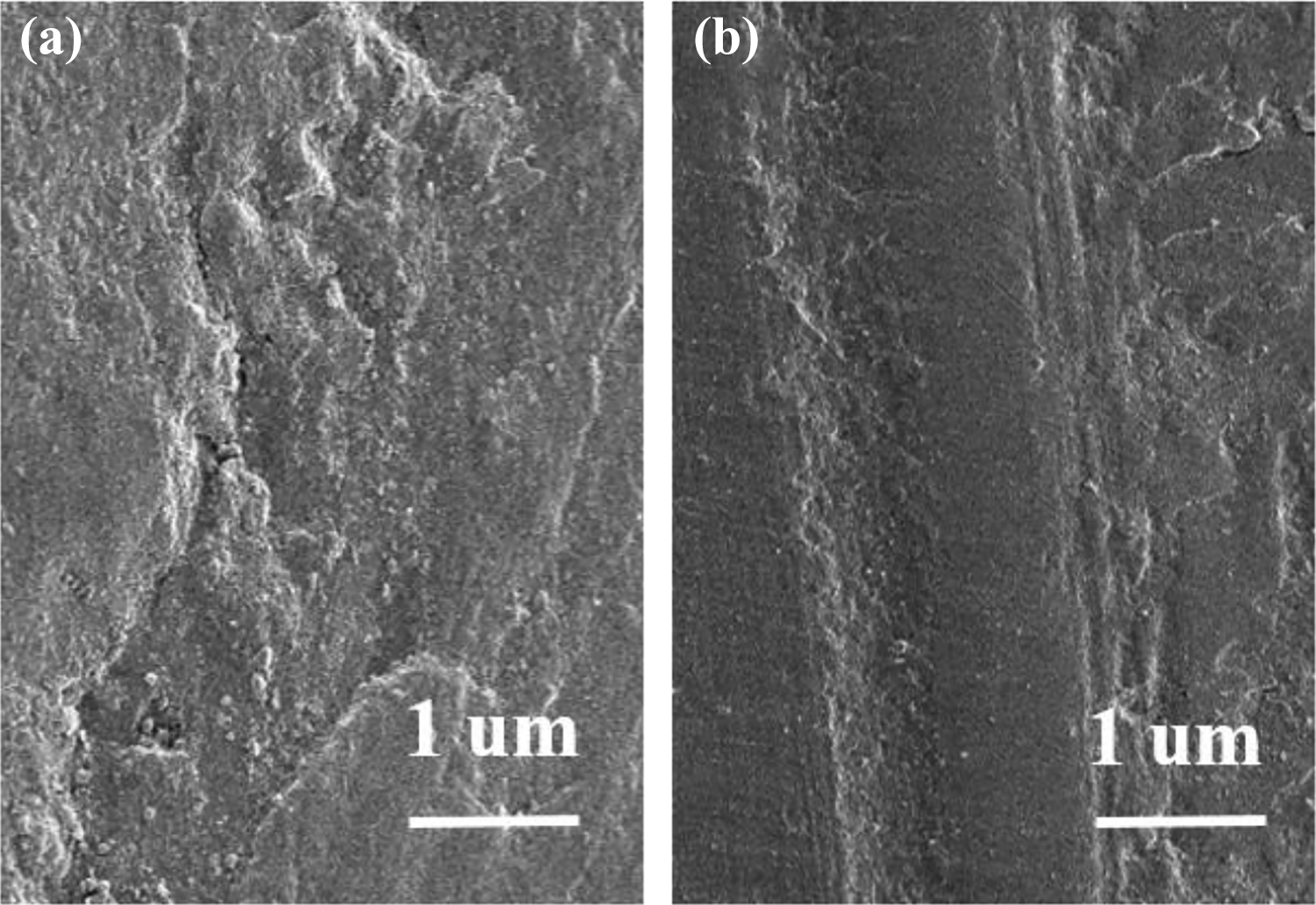
Scanning electron micrographs of the resin wear surfaces of the (a) pure BMI and (b) SiO2-NH2/BMI (6.0 wt% SiO2-NH2) resins. BMI: bismaleimide.
Conclusions
A novel amino-containing SiO2 hybrid (SiO2-NH2) was synthesized through a convenient sol–gel process based on the reactive amino-containing silane coupling agent KH-792 and TEOS. The results revealed that the SiO2-NH2/BMI composites possessed a higher meltdown and lower thermal polymerization and onset decomposition temperatures than those of the pure BMI resin. Moreover, the composite with 6.0 wt% SiO2-NH2 presented maximum flexural (161.06 MPa) and impact (17.69 kJ m−2) strengths, which were respectively 28.3% and 52.9% greater than those of the BMI resin. This 6.0 wt% composite also exhibited the lowest wear rate of only 4.1 × 10⁻⁶ mm3 (N m) −1, which was 48.1% lower than that displayed by the pure BMI resin. The wear mechanism of the SiO2-NH2/BMI composites transformed from the adhesive wear of the BMI pure resin to abrasive wear. These results confirmed that the proposed SiO2-NH2/BMI composite with 6.0 wt% SiO2-NH2 displays excellent thermal, mechanical, and tribological properties, which could be further developed and utilized under the adverse conditions observed in the aerospace field.
Footnotes
Declaration of conflicting interests
The author(s) declared no potential conflicts of interest with respect to the research, authorship, and/or publication of this article.
Funding
The author(s) disclosed receipt of the following financial support for the research, authorship, and/or publication of this article: This work was financially supported by the Science and Technology Project Foundation of Xi’an (no. 2020KJWL18) and the National innovation and entrepreneurship program of China for college students (no. 201711080002).
