







Abstract
Searching for outstanding films with high temperature resistance has sparked fierce interests in the electronics industry. In this study, a novel high-temperature-resistance phthalonitrile end-capped polyarylene ether nitrile (HTR-PEN-Ph) film was fabricated via cross-linking reaction, applying two different curing programs as contrast. The fabricated HTR-PEN-Ph films were verified through FTIR, gel content test to be confirmed the cross-linking reaction. Then thermal results elucidated that PEN-Ph films treated with two-stage curing program possessed a superior glass transition temperature (T g ) in comparison with untreated one, increasing by 165–270°C. Besides, an evident increment of 5 wt.% decomposition temperature (T 5% ) was seen from the HTR-PEN-Ph film, which was 27–43°C higher than the untreated one. Furthermore, the HTR-PEN-Ph films exhibited notable dielectric stability over 300°C and mechanical properties after the two-stage curing program. Based on these satisfactory results, this study is of great potential to be applied in the field of industrial manufacture to fabricate a range of high-performance films.
Keywords
Introduction
With the rapid development in science and technology, the demand for special polymer materials for use in electronic applications, automobile, aviation, and mechanical industries has significantly increased.1-8 At present a series of polymer materials, such as phenylene sulfide, polysulfone, polyimide, and liquid crystal polymer with excellent properties 9-12 like high temperature resistance, corrosion resistance, high mechanical strength, and good electrical properties has been reported. Polyarylene ether nitrile (PEN), a special thermoplastic resin, exhibits excellent heat resistance, chemical corrosion resistance, flame retardancy, fluorescence properties, and mechanical properties.13-17 Although traditional PENs show high glass transition temperatures (T g ) in the range of 160–250°C, they cannot be used in high-temperature environments above 300°C. In an attempt to obtain a higher temperature resistance of PEN, we used a method which converted the polymer from a linear structure to a three-dimensional network structure. Generally, the alkenyl,18,19 alkynyl,20, 21 methyl, 22 epoxy, 23 nitrile,24,25 and phthalonitrile 26 groups are used for crosslinking reactions of thermoplastic polymers. For traditional PEN, the nitrile group on the side of the molecular chain was a unique crosslinking reaction site. However, owing to the steric effect, the nitrile group on the side of the molecular chain needed to undergo a crosslinking reaction at temperatures above 320°C and in the presence of the catalyst. A crosslinkable PEN in which the polymer chain was terminated with phthalonitrile (PEN-Ph) has been previously developed.14,15 In this type of PEN-Ph, the mechanisms of the crosslinking reaction mainly include the following two aspects. First, the phthalonitrile group at the ends of the chain had a much stronger ability to undergo a crosslinking reaction; second, the nitrile groups on the side of the polymer chain underwent a crosslinking reaction at a higher temperature, thus forming crosslinking points such as phthalocyanine, triazine, and isoindoline rings; therefore, the thermal performance of the PEN-Ph material was significantly improved.
However, the crosslinking reaction between the side nitrile groups of PEN and PEN-Ph was difficult without a catalyst. Many scientific studies have discussed the influence of different catalysts on the crosslinking reaction of phthalonitrile groups. For example, Burchill 27 studied organic amines and ammonium organic acids, and Meng F 28 studied the impact of zinc chloride on the crosslinking reaction of PEN. The addition of catalysts still presented some problems, such as dispersibility of catalysts and system insulation. In this work, only the reaction parameter was adjusted without using any catalyst to improve the performance of the PEN-Ph. During the solid-phase chemical reaction process, the chemical reaction rate is slow if the reaction temperature is significantly low. In contrast, if the reaction temperature is considerably high, the chemical reaction rate is too fast to control and leads to the decomposition of molecules. Therefore, it is necessary to explore the effect of crosslinking reaction in different curing programs on performance.
At the present work, we adopted a simple solution casting method combined with a solid-phase chemical reaction technology without catalyst to improve the T g of PEN-Ph and investigated the mechanisms for enhancing T g . In this study, a novel high-temperature-resistant polyarylene ether nitrile terminated with phthalonitrile (HTR-PEN-Ph) film was produced. To improve thermal properties, particularly T g , the PEN-Ph film was utilized in different curing programs to promote the efficiency of the crosslinking reaction. Both the single-stage and two-stage curing programs were studied in detail. The specific process parameters were determined, which could provide a basic theory and operation basis for large-scale processing of crosslinked HTR-PEN-Ph films with excellent T g .
Materials and methods
Materials
Hydroquinone (HQ, 99%), biphenyl (BP, 99%), 2,6-dichorobenzonitrile (DCBN, 95%), potassium carbonate (K2CO3, 99%), toluene (99.9%), and N-methyl-2-pyrrolidone (NMP, 99%) were purchased from Kelong Reagent Co., Ltd., Chengdu, China. 4-Nitrophthalonitrile (purity 99%) was purchased from Alpha Chemicals Co., Ltd., Dezhou, China. All the chemical reagents were used without further purification.
Synthesis of the PEN-Ph
PEN-Ph was prepared in our lab by referencing the relevant literature.15,29 Figure 1 shows the schematic illustration of synthesis of PEN-Ph. Polyarylene ether nitrile terminated with phthalonitrile was synthesized via nucleophilic aromatic substitution polymerization as depicted in Figure 1. In the first step: BP (0.328 mol, 61.7 g), HQ (0.08 mol, 8.8 g), and DCBN (0.4 mol, 68.8 g) were mixed in a 500-mL three-necked round-bottom flask equipped with a Dean Stark trap, a condenser, and a mechanical stirrer with 150 mL NMP and 50 mL toluene. During the course of the reaction, K2CO3(0.8 mol, 66g) was added into three-necked round-bottom flask for several times. After the water-toluene azeotrope distilled off, the reaction mixture was heated to 200°C for about 2 h. In the second step: when the mixture cooled to about 80°C, 4-nitrophthalonitrile (0.04 mol, 6.92 g), K2CO3(0.072 mol, 10 g), and NMP (50 mL) were added into the three-necked flask. The mixture was heated at about 80°C for 5 h. After cooling to 25°C, the mixture was poured into 1000 mL dilute HCl solution for 24 h, and then alcohol was used to rinse all the remaining solvent and monomers, after which the mixture was dried overnight at 100°C. Schematic illustration of synthesis of PEN-Ph.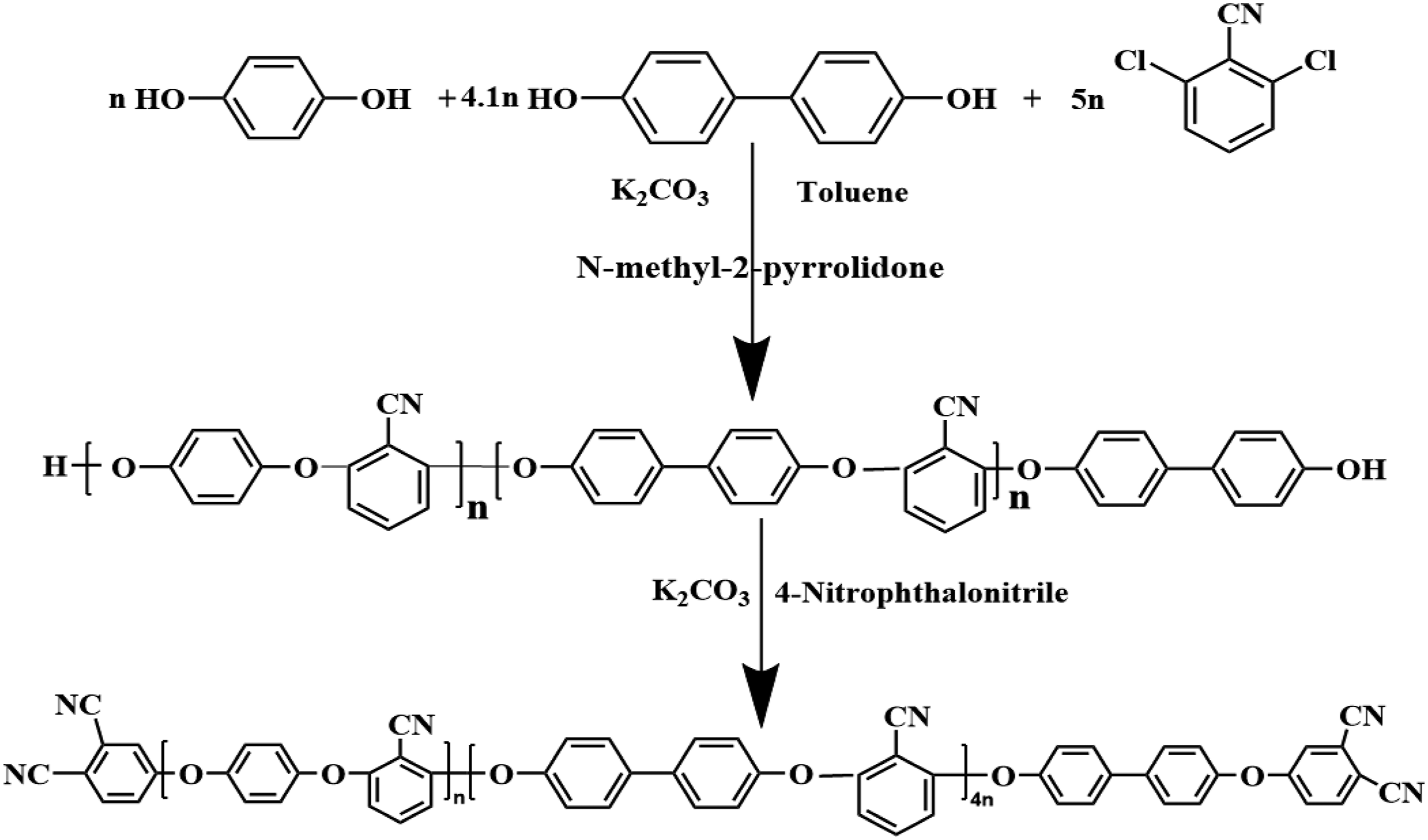
Preparation of PEN-Ph Films
PEN-Ph films were prepared by solution casting method. The purified PEN-Ph powder (4 g) was added to a three-necked flask and completely dissolved in NMP (15 mL) solvent for heating and refluxing. The solution was then poured into a clean glass plate to obtain the film, which was dried in an oven at temperatures of 80°C, 100°C, 120°C, and 160°C for 1 h each, and then at 200°C for 2 h. Finally, the film was cooled to 25°C. The sample without any curing programs treatment is marked as #0.
Preparation of HTR-PEN-Ph Films
HTR-PEN-Ph films can be obtained using the two different curing programs, as shown in Figure 2. For the single-stage curing program, the PEN-Ph films were cured at 360°C for 1 h, 2 h, and 3 h, respectively, which were marked as #1, #2, #3, and these samples were collectively called HTR-PEN-Ph-S. Similarly, PEN-Ph films at the two-stage curing program, the specific procedure was first modulated to 320°C for 8 h, then increased to 360°C, and maintained for 1 h, 2 h, and 3 h, respectively, were named as #4, #5, #6, and these samples were collectively called HTR-PEN-Ph-T. Preparation of HTR-PEN-Ph films in different curing programs with specific parameters.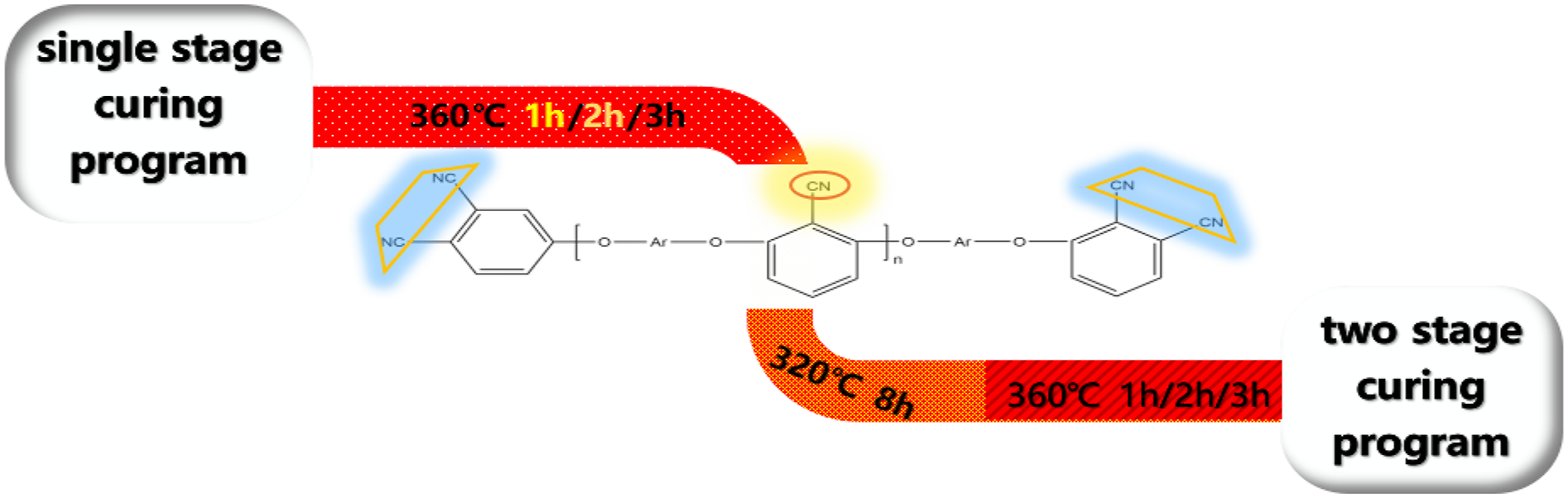
Characterizations
The chemical structure was characterized using an FTIR spectrometer (Thermo Fisher Nicolet Is 10; Waltham, Massachusetts, USA), in ATR mode over the wavelength range of 400 and 4000 cm−1. The relative molecular weight and molecular weight distribution of the polymers of PEN-Ph were measured by gel permeation chromatography (GPC, Breeze 2 HPLC system, Waters, USA), with tetrahydrofuran as the eluent and the M W was expressed in PS-equivalents. The gel contents of all samples were tested by Soxhlet extraction with NMP as the solvent. The thermal properties of all samples were determined using a TA Instrument differential scanning calorimetry (DSC)-Q100 instrument with a heating rate of 10°C/min from 40°C to 350°C under a nitrogen flow rate of 50 mL/min. Additionally, a TA Instrument of dynamic mechanical analysis (DMA)-Q800 was used to characterize the thermal properties from 90°C to 450°C at 5°C/min in a nitrogen atmosphere and in tensile model (The sample dimensions were 12 mm × 5 mm × 0.045 mm). A thermal gravimetric analysis (TGA)-Q50 instrument was used to test the thermal stability from 25°C to 600°C at a heating rate of 10°C/min under nitrogen protection. The universal testing machine (Xin Sansi-CMT6104) tests the mechanical properties of the films. Each film sample was cut out of 5 strips with a size of 1 cm×10 cm, and tested at a tensile rate of 5 mm/min. Scanning electron microscope (SEM, JEOL-JSM 5900LV) was used to study the microstructure of the films under an acceleration voltage of 20 Kv and samples were brittle fractured with liquid nitrogen before the test. Dielectric-temperature measurements were performed from 40°C to 350°C at 1 kHz using a WK6500P LCR meter (Wayne Kerr Company, Britain) and a temperature controller (Sanqi Electronic, Changsha, China). Dielectric measurements were performed utilizing the same instrument and the frequency ranged from 100 Hz to 1 MHz at an alternating voltage (AC) of 1.0 V.
Results and Discussion
The crosslinking process for the HTR-PEN-Ph polymer is schematically shown in Figure 3. Notably, PEN-Ph had a linear structure before passing through curing programs. However, when cured at high temperature, the nitrile group on the side of the molecular chain and nitrile group at the end of the molecular chain had the potential to form a network structure,
30
such as phthalocyanine, triazine, and isoindoline rings. In this study, the isoindoline ring network was mainly generated, as demonstrated by the FTIR data discussed below. Schematic diagram of the conversion from PEN-Ph to HTR-PEN-Ph films.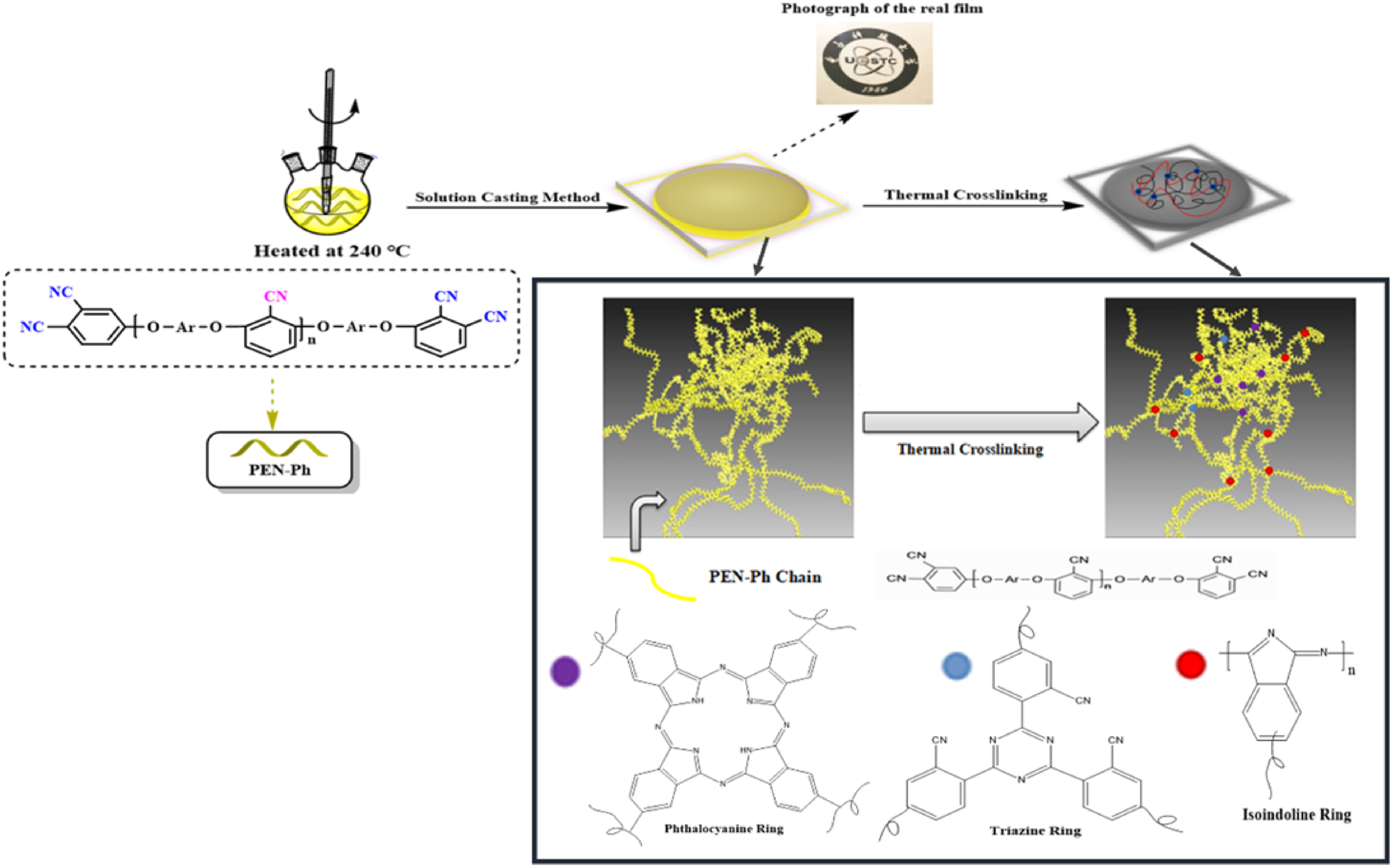
Performance for PEN-Ph Films
The molecular weight of the PEN-Ph was measured by GPC. The weight-average molecular weight (Mw) was 30,962 g mol−1, and the number-average molecular weight (Mn) was 16,218 g mol−1. The gel content used by Soxhlet extraction was 0%, indicating that the crosslinking reaction did not occur at 200°C. In addition, the thermal, mechanical, and structural properties of pure PEN-Ph film were shown in Figure 4. The DSC results in Figure 4(a) showed that T
g
was approximately 180°C and Figure 4(b) showed that T
5%
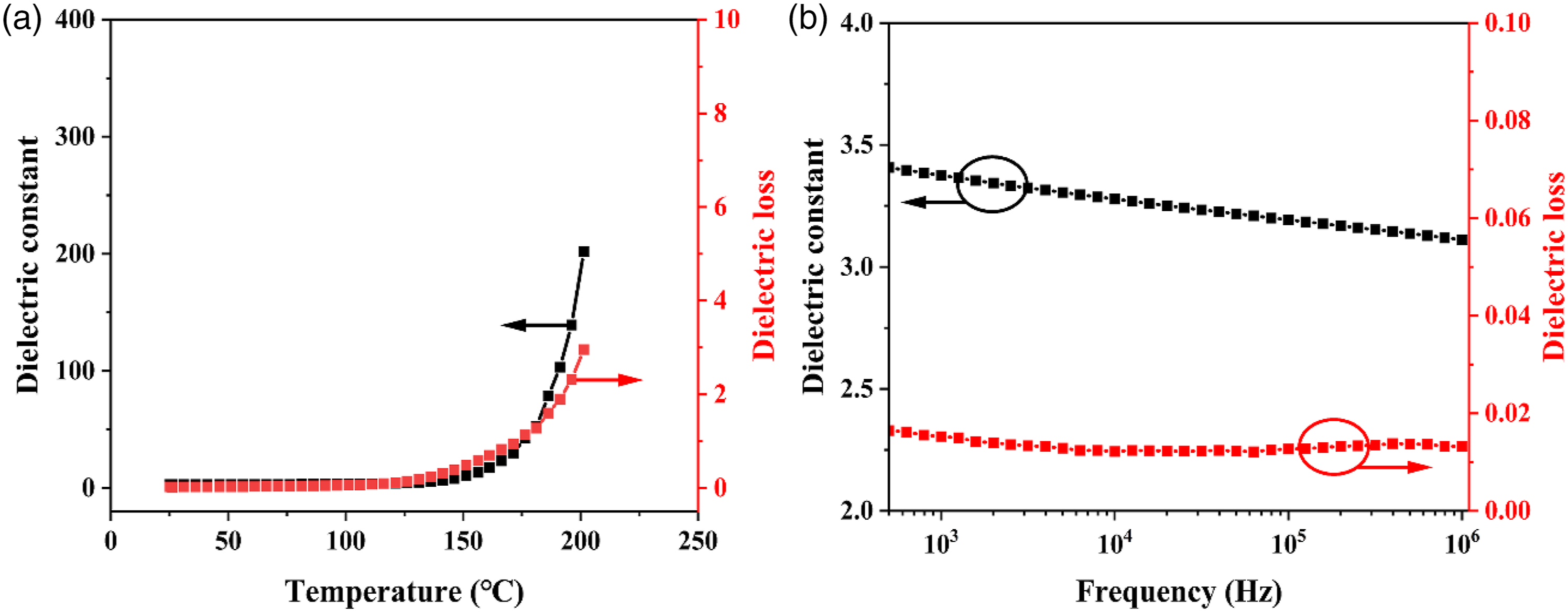
was 478°C. From Figure 4(c), tensile strength was approximately 110 MPa and the elongation at break was 7%. Figure 5(a) displayed the dielectric properties with the change in temperature from 50°C to 300°C at 1 kHz, and the transition point can be inferred from the figure, which corresponds to the T
g
of the polymer. The dielectric constant and loss increased abruptly when the external temperature approached T
g
, which was close to 200°C. Figure 5(b) showed that the dielectric constant of the PEN-Ph film was approximately 3.5 at 25°C and had a low dielectric loss about 0.015. Thermal and mechanical properties of PEN-Ph films. (a) DSC. (b)TGA. (c)Stress-strain. The dielectric properties of PEN-Ph films. (a) Dielectric constant and loss versus Temperature. (b) Dielectric constant and loss versus Frequency.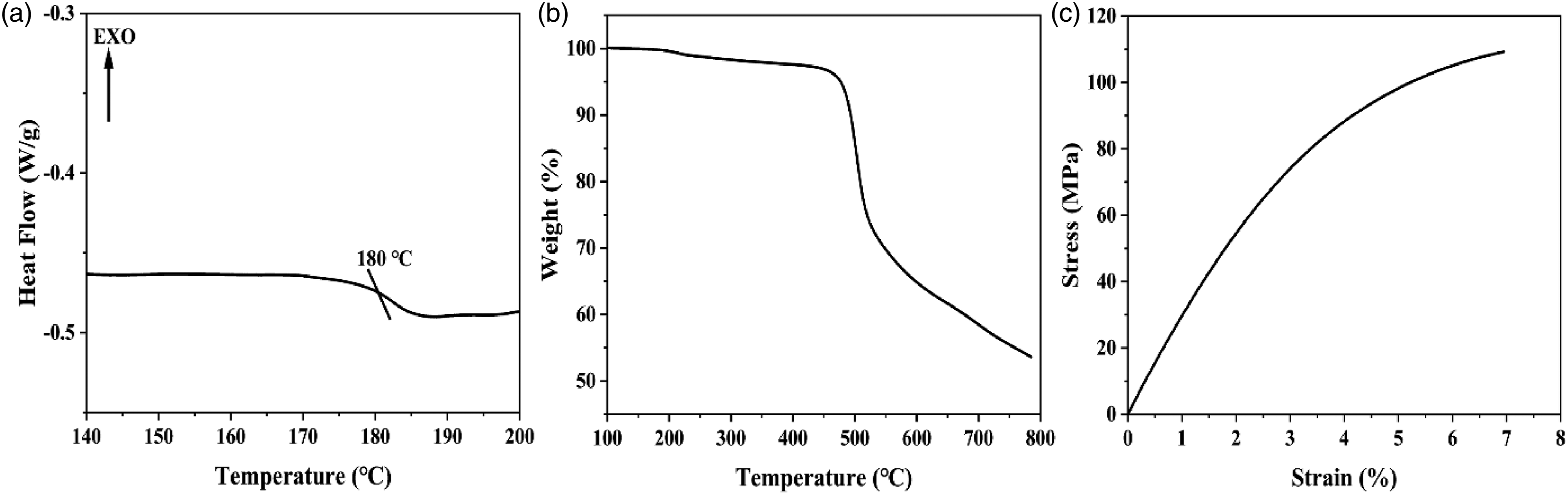
Single-stage Curing Program for HTR-PEN-Ph-S Films
Figure 6 shows the FTIR spectra of the samples 0#, 1#, 2#, 3#, and we can see that the characteristic stretching band appeared at around 2230 cm−1 was assigned the -CN group. Three sharp and strong characteristic absorption bands at 1594 cm−1, 1500 cm−1, and 1460 cm−1 were assigned to skeleton vibration of benzene rings. The absorption band emerges at 1245 cm−1 was clearly observed, which is attributed to skeleton vibration of ether. A new peak at 1740 cm−1 appeared and was the isoindoline deformation rings.30,31 It means that the linear structure has transformed into three-dimensional network structure successfully,
32
when cured 2 h and longer time after the single-stage curing program. The typical FTIR spectra of PEN-Ph films and HTR-PEN-Ph-S films in the single-stage curing program with different curing time.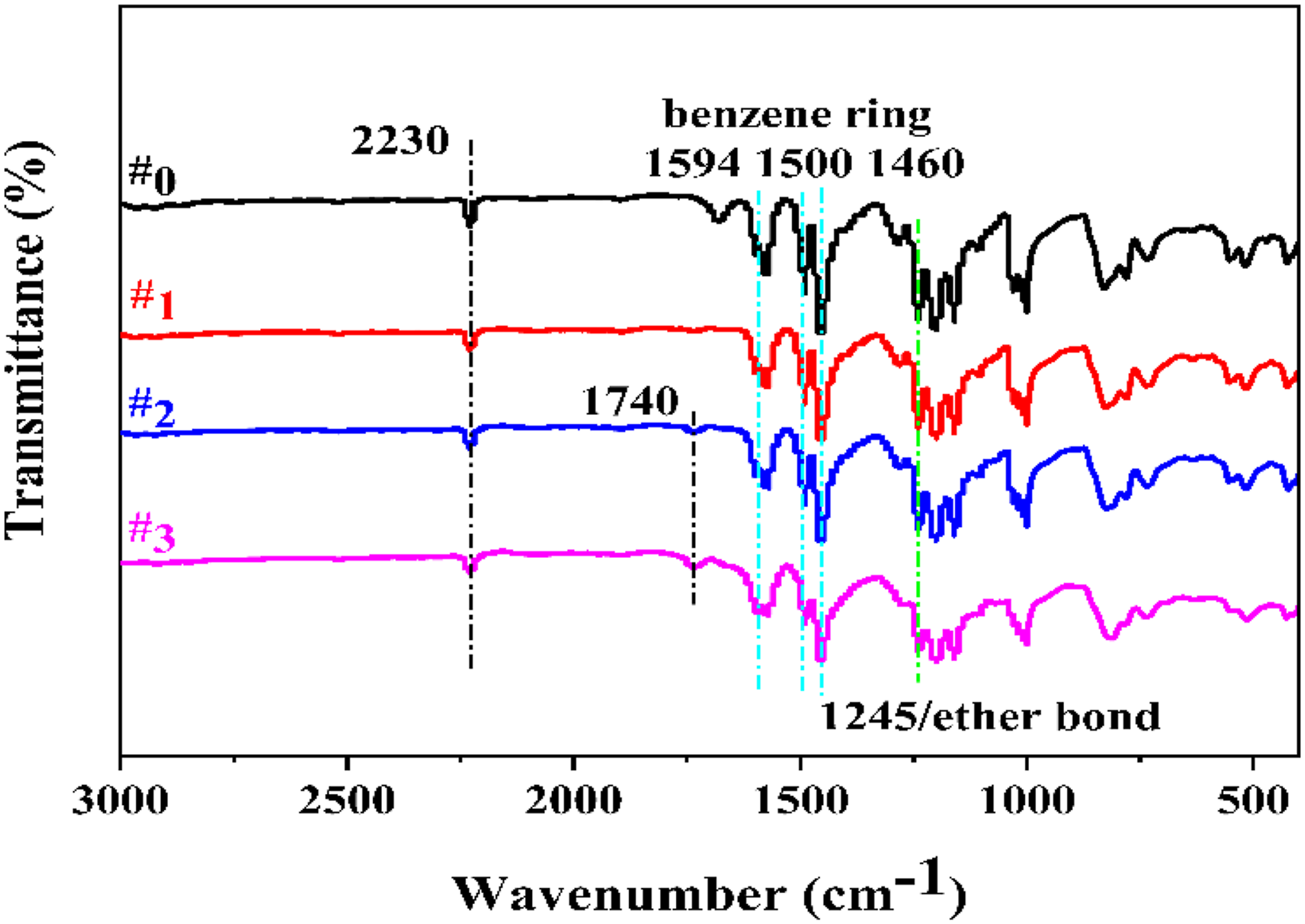
Figure 7 displays the thermal properties of samples #1, #2, and #3. In Figure 7(a), the DSC curves do not show an obvious step in the heat capacity indicating a glass transition. It might be that either the T
g
of samples exceeded the detection temperature range of DSC, or the relaxation time of the chain segment movement was much greater than the observation time that the device could detect, or the glass transition was too broad, making it difficult to show the chain segment movement during the observation time. Thus, DMA was used to test the T
g
and the tan-delta maximum in Figure 7(b) gave the T
g
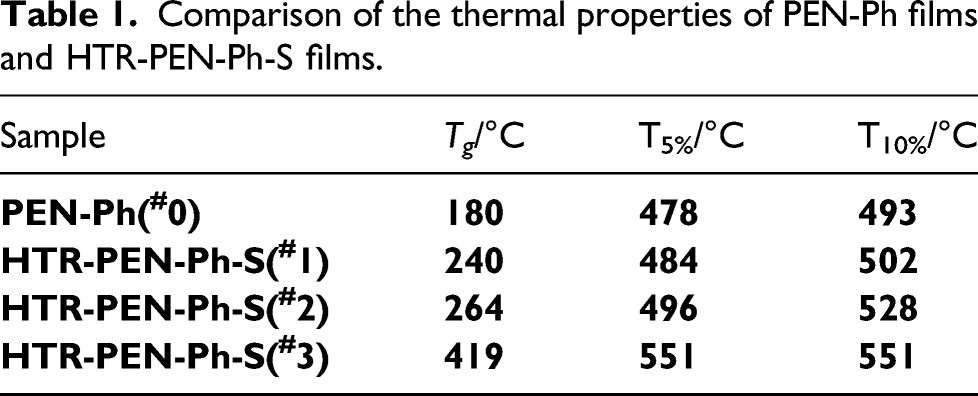
clearly as 240°C, 264°C, and 419°C, for samples #1, #2, and #3, respectively. The TGA results were summarized in Figure 7(c) and Table 1. When the solid-state reaction time increased, the T
5%
of samples increased from 478°C to 515°C, T
10%
of samples increased from 493°C to 551°C, and the carbon residual rate increased from 63% up to 84% at 600°C. Additionally, Figure 7(d) showed the E’ (storage modulus) data in detail. When the samples passed through the single-stage curing program and the heating time was less than 3 hours, the storage modulus of the HTR-PEN-Ph-S films rapidly decreased before 300°C. Specifically, sample #1 decreased sharply at 235°C, and #2 at 260°C. Additionally, the leathery state appeared after 235°C and 260°C, which was consistent with the T
g
. However, sample #3 was still in the glassy state with a modulus of more than 800 MPa up to 350°C. Therefore, these results indicated that the HTR-PEN-Ph-S films, especially for #3, had the best thermal properties, which could meet the needs of high-temperature fields above 300°C. Thermal properties of HTR-PEN-Ph-S films. (a) DSC. (b) Tan Delta-Temperature. (c) TGA. (d)Storage Modulus-Temperature. Comparison of the thermal properties of PEN-Ph films and HTR-PEN-Ph-S films.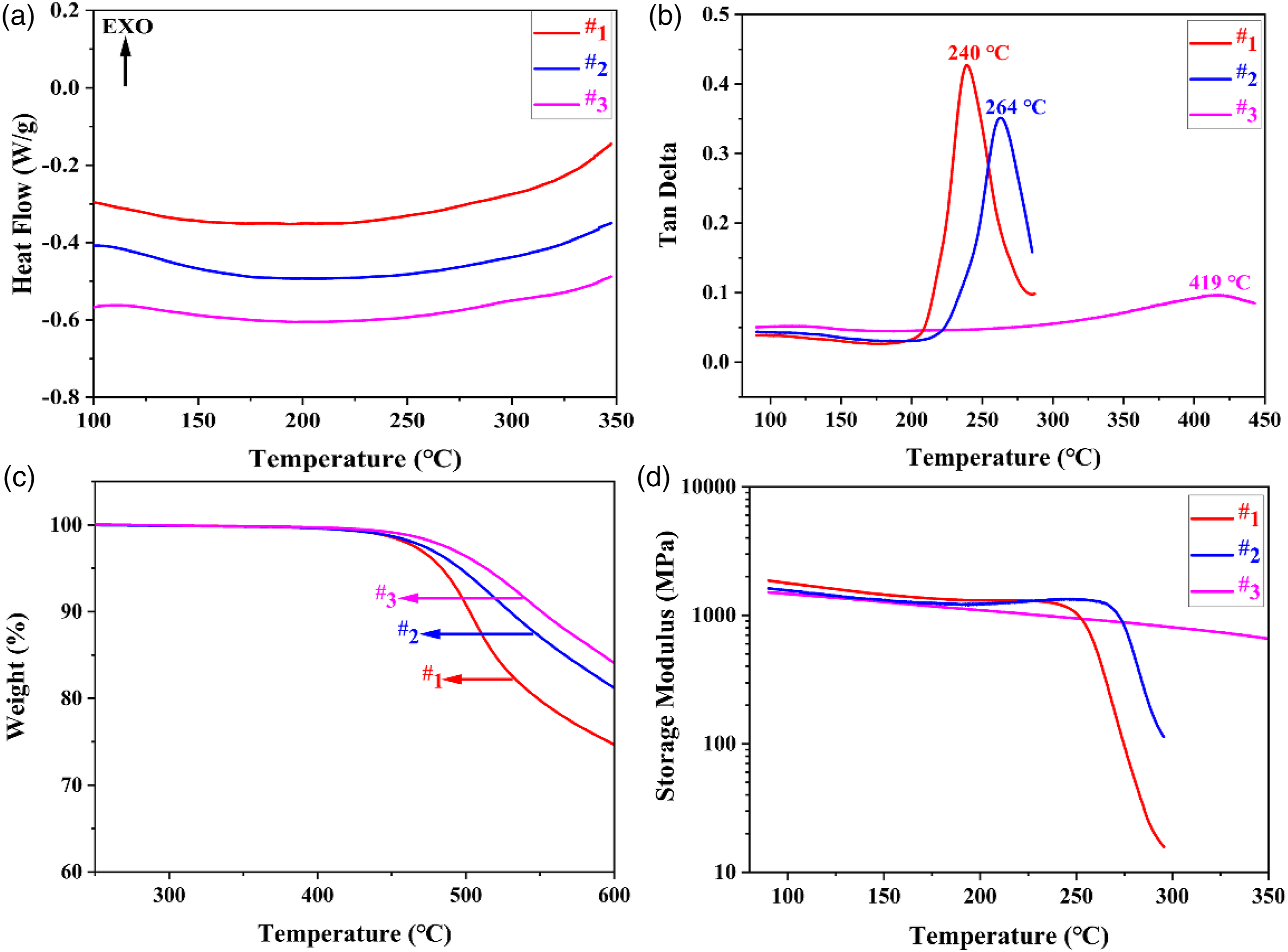
To further investigate the effect on the crosslinking reaction in the single-stage curing program, the gel content of HTR-PEN-Ph-S films was measured by Soxhlet extraction with NMP as the solvent, which can reflect the crosslinking degree of the polymers.
32
It can be seen in Figure 8 that HTR-PEN-Ph-S films were 96.55%, 97.35%, and 97.51%, respectively, indicating that the gel content improved gradually and the crosslinking reaction proceeded to a higher degree. But it is worth noting that although the gel content difference between #2 and #3 is very small, only 0.36%, the difference in T
g
is very large, about 155°C. Therefore, it could be concluded that the specific curing parameters of #3 may correspond to the state of tightest molecular chain entanglement. Gel-contents of HTR-PEN-Ph-S films after the single-stage curing program with different curing time.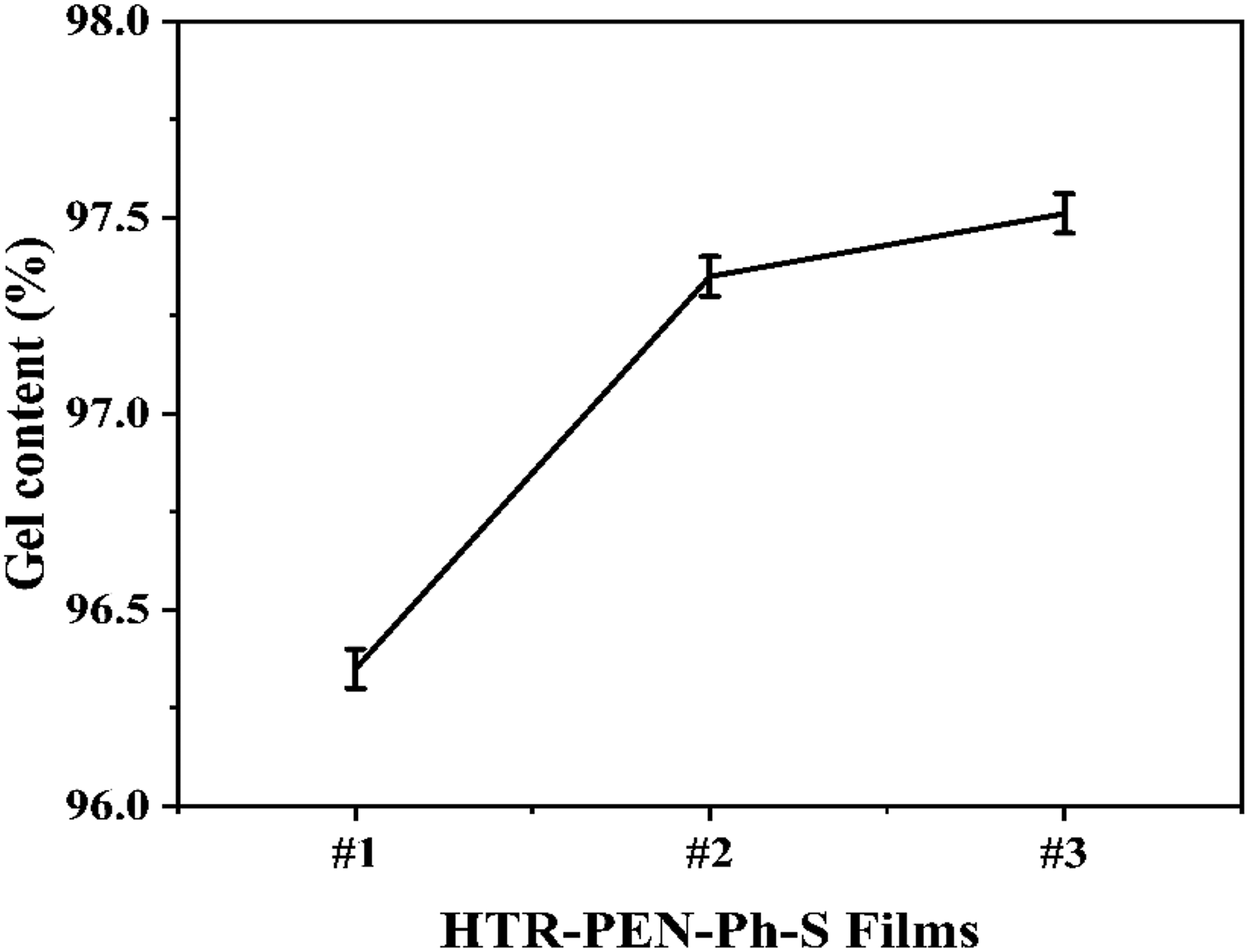
Figure 9 shows the mechanical properties of HTR-PEN-Ph-S films. As shown in Figure 9(a), the tensile strength decreased from 125 MPa to 34 MPa with increasing curing time in the single-stage curing program. Compared with the PEN-Ph films, it can be seen that the tensile strength of HTR-PEN-Ph-S was little changed when maintained for 1 h or 2 h in the single-stage curing program, but it dropped sharply after staying for 3 h. Besides, the elongation at break in Figure 9(b) also decreased from 7.5% to 1%. The sample #3 (T
g
= 419°C) had the lowest tensile strength (34 MPa) and elongation at break (1%) so that the film was very fragile and could not be used in many high-temperature and high-strength fields. Therefore, it can be inferred that HTR-PEN-Ph-S films prepared by the single-stage curing program has excellent thermal properties at the expense of mechanical properties. The reason may be that the split-second high-temperature and durable curing time lead to excessive crosslinking without control and some small molecules in this material decomposed and produced voids, resulting in a sudden drop of mechanical properties. Thus, an appropriate crosslinking reaction rate could effectively regulate the thermodynamic and mechanical properties of thin films. The mechanical properties of HTR-PEN-Ph-S films. (a) Tensile strength. (b) Elongation at break.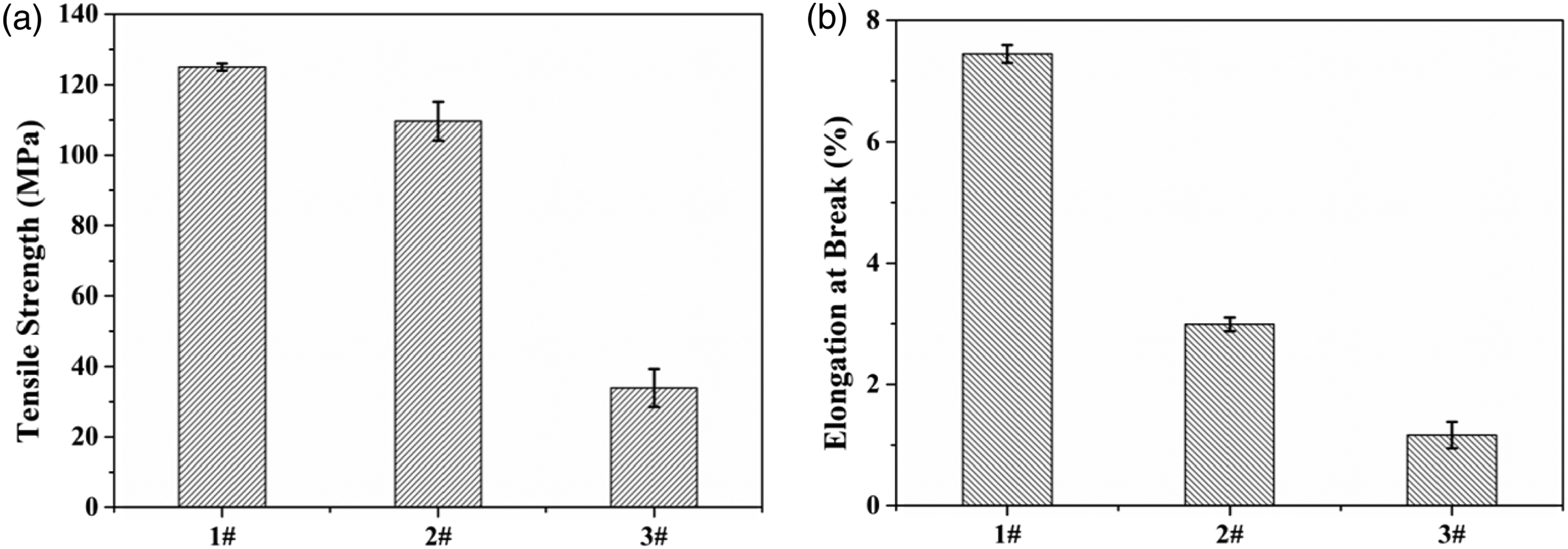
The dielectric properties of PEN-Ph were affected by the degree of the crosslinking reaction to some extent, because the carbon atoms and nitrogen atoms in the nitrile group were connected through the carbon and nitrogen triple bond, and the nitrile group was a very strong electron absorption group as a potential crosslinking site. Figure 10(a) showed details about the dielectric properties with the change in temperature from 50°C to 350°C at 1 KHz. The transition point can be inferred from the figure, which corresponds to the T
g
of the polymer. The dielectric constant and loss increased abruptly when the external temperature approached the T
g
of HTR-PEN-Ph-S films. The macromolecular chains were usually activated around the T
g
, which led to an increase polarization in the system.
33
By increasing the curing time at single-state curing program, the inflection points of the dielectric constant and dielectric loss shifted to a higher temperature, 260°C, 280°C, and 320°C for samples #1, #2, and #3, respectively. From Figure 10(b), dielectric constants of HTR-PEN-Ph-S films increased compared with sample #0 (3.5), the values for samples #1, #2, and #3, were 4.5, 4.25, and 3.75, respectively. In addition, we found that the dielectric constant of HTR-PEN-Ph-S films decreased with increasing curing time, because the nitrile group declined and was used to transform network structure in the crosslinking reaction. Additionally, all samples have little dependence on the frequency. Figure 10(c) also showed a low dielectric loss and its value was lower than 0.015. The dielectric properties of HTR-PEN-Ph-S films. (a) Dielectric constant and loss versus Temperature. (b) Dielectric constant and loss versus Frequency.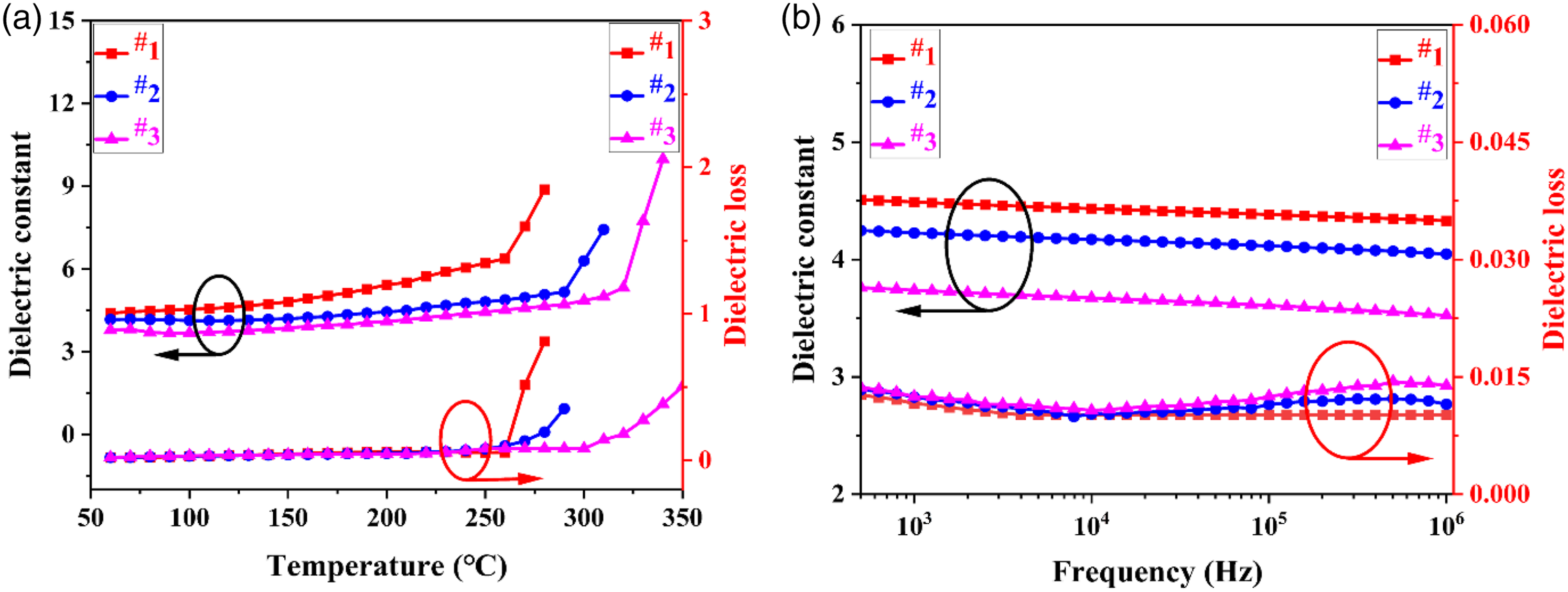
Figure 11 shows the SEM images to investigate the microscopic morphology of PEN-Ph and HTR-PEN-Ph-S films. The PEN-Ph film without heat treatment had a smooth and compact fracture surface, from which no pores and cracks could be observed (Figure 11(a)). Figures 11(b)-(d) showed the crosslinking sectional SEM images of HTR-PEN-Ph films after staying at single-stage curing program with different time, which exhibited a homogenous phase, and the fracture surface gradually became coarse as the curing time increased; the reason for the coarse fracture surface was that the sudden increase in high temperature, maintained over a durable time, leading to the rapid decomposition of the relatively small molecules in the sample. Additionally, the crosslinking reaction occurred uncontrollably; therefore, the section of samples became gradually rough, which was consistent with the mechanical properties regular. The SEM images of PEN-Ph and HTR-PEN-Ph-S films (a) #0 (b) #1 (c) #2 (d) #3.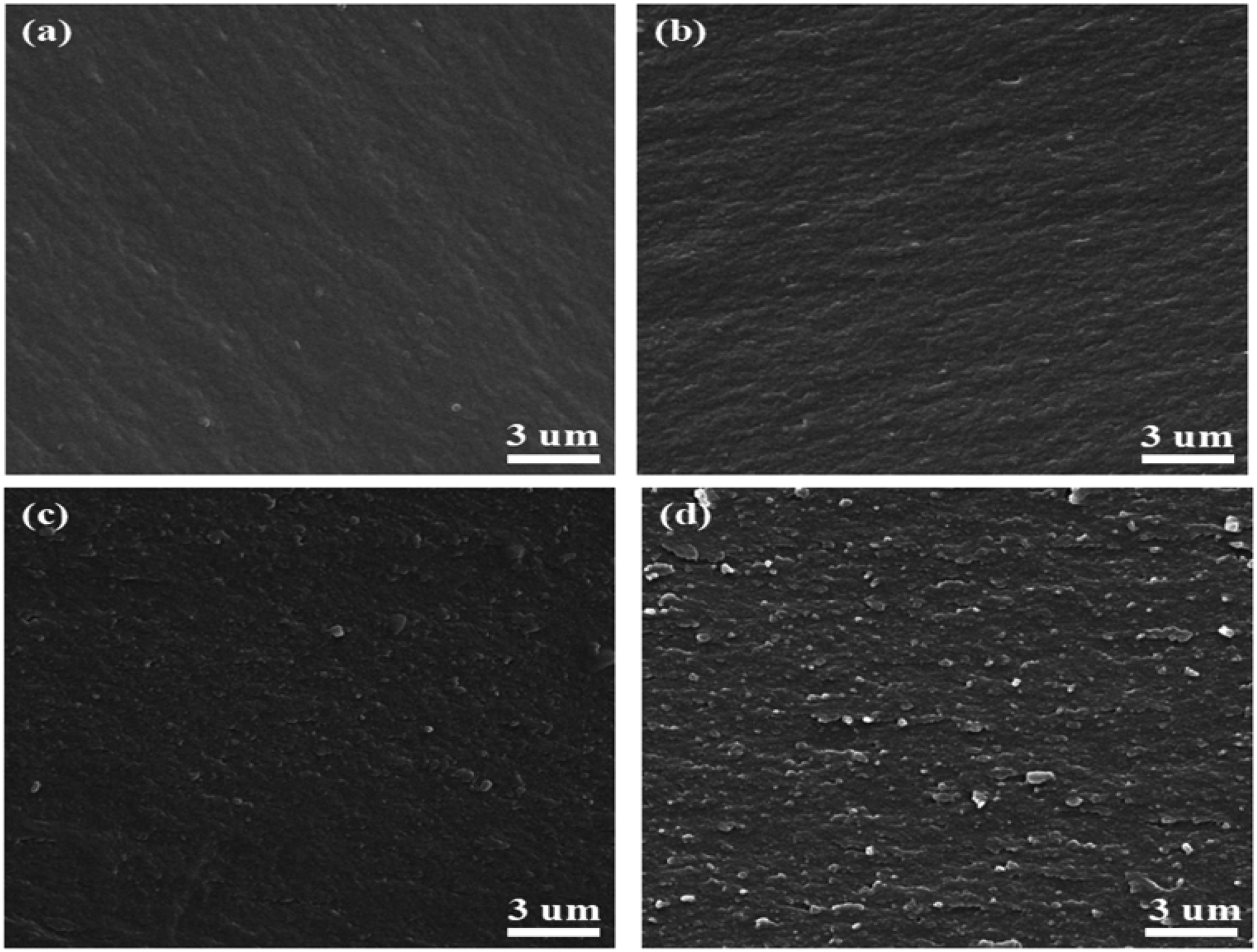
Two-stage Curing Program for HTR-PEN-Ph-T Films
Figures 12(a) and (b) shows the FTIR and DSC of samples #4, #5, and #6. These results were almost similar with HTR-PEN-Ph-S films, but the only difference is that the films after the two-stage curing program all formed isoindoline rings. Therefore, we can conclude that the degree of crosslinking reaction is higher. The DMA test was performed to find the accurate T
g
, which was 345°C, 412°C, and close to 450°C, respectively, for samples #4, #5, and #6 (Figure 12(c)). It is worth nothing that the T
g
has exceeded partial polyimides9,10 and polyether ether ketone34,35 films. These results indicated that films with ultrahigh T
g
had been made successfully. As shown in Figure 12(d), the gel contents of HTR-PEN-Ph-T films were from 98.31% up to 99.81% with the curing time increasing in the two-stage curing program and were higher than the HTR-PEN-Ph-S films. Figure 12(e) showed the TGA curves of HTR-PEN-Ph-T films, with the detailed data listed in Table 2. Specifically, the T
5%
of samples increased from 478°C to 520°C and T
10%
increased from 493°C to 561°C as the curing time increased, and the carbon residual rate also increased from 63% up to 85% at 600°C. Compared with the single-stage curing program, the two-stage curing program for crosslinking reaction was better. For example, compared with PEN-Ph staying 1 h in the single-stage curing program and 1 h in the two-stage curing program at 360°C, the former T
g
only increased 60°C, T5% increased slightly by 6°C and T10% increased by 9°C. However, the T
g
of latter was greatly increased by 165°C, T5% by 27°C and T10% by 47°C. Furthermore, the gel contents of two types curing programs were very high, but it could be up to 99% after two-stage curing program. Figure 12(f) displayed the E′ data. When films passed through the two-stage curing program, the storage modulus of HTR-PEN-Ph-T films decreased from higher than 1000 MPa–400 MPa as temperature increased. Specifically, sample #4 decreased sharply at 320°C, and #5 at 380°C. Therefore, the rubbery state occurs at higher temperatures than these. However, sample #6 did not find the obvious decreased point before 400°C, thus it was still in a glass state. In summary, the film prepared by the two-stage curing program has excellent thermal properties and crosslinking degree than single-stage curing program. The typical FTIR spectra (a), DSC curves (b), Tan Delta-Temperature (c), Gel content (d), TGA curves (e), and Storage Modulus-Temperature (f) of HTR-PEN-Ph-T films. Comparison of the thermal properties of PEN-Ph films and HTR-PEN-Ph-T films.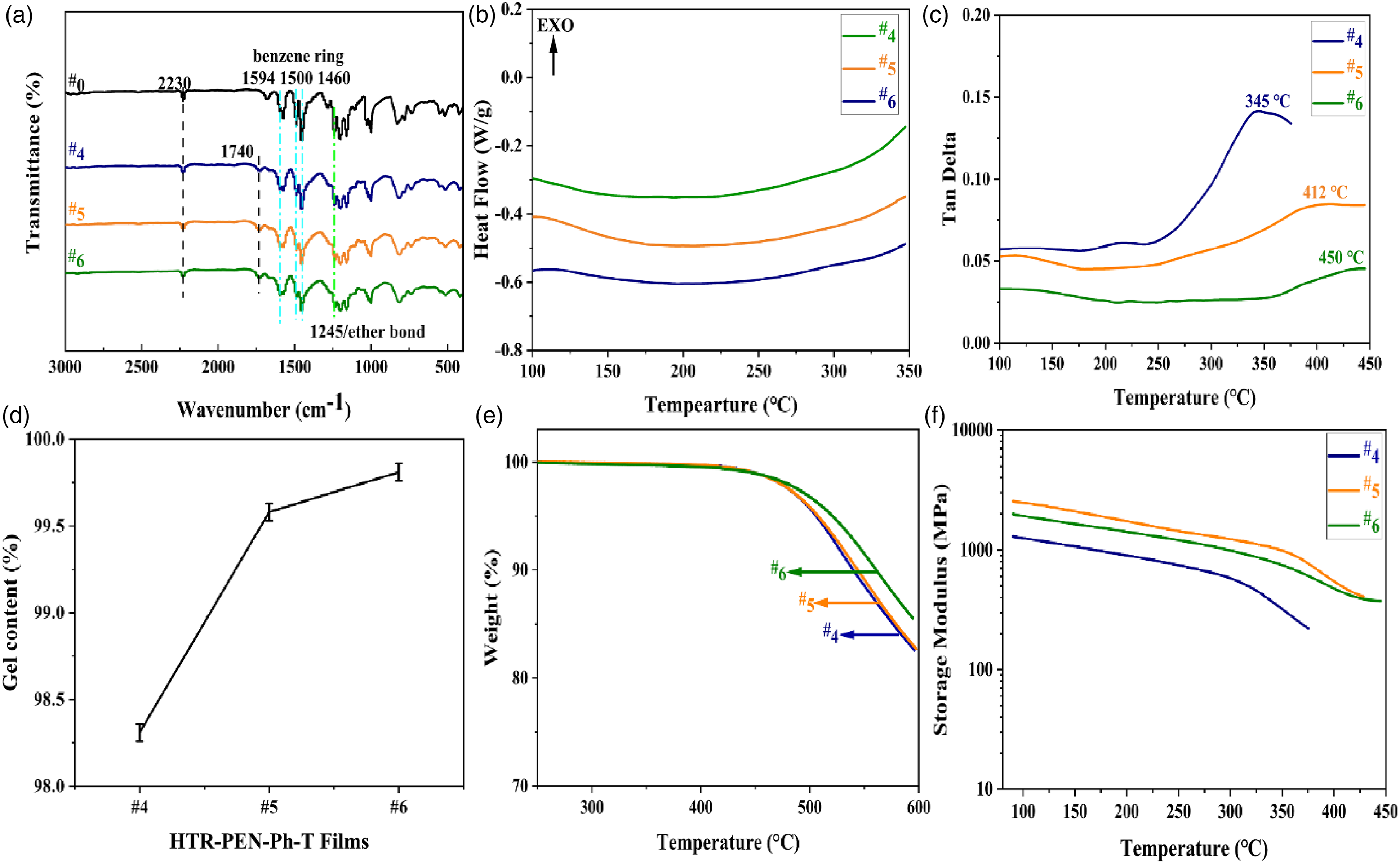
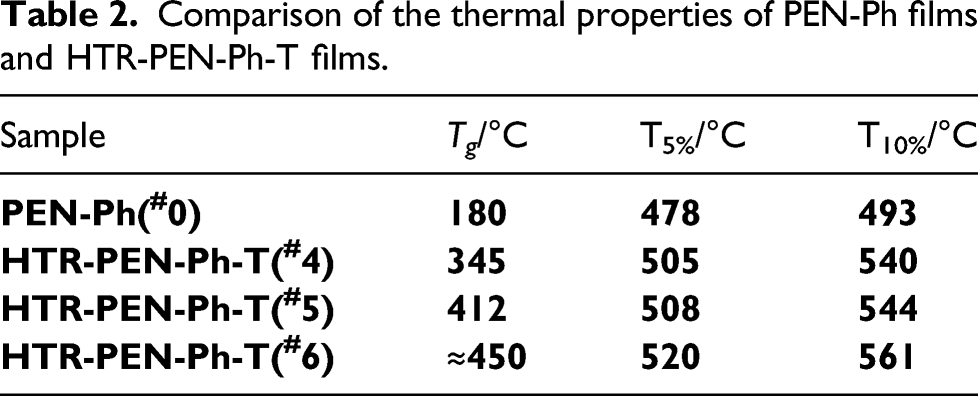
Figure 13 shows the mechanical properties of HTR-PEN-Ph-T films. The tensile strengths of samples #4, #5, and #6 were 88.5 MPa, 40.0 MPa, and 39.0 MPa, respectively, and the elongation at break gradually decreased from 5% to 1%, as shown in Figures 13(a) and (b). Compared with PEN-Ph, the mechanical performance, especially the tensile strength, have decreased after the two-stage curing program. However, sample #4 exhibited the best mechanical properties of all HTR-PEN-Ph-T films, with a tensile strength of 88.5 MPa and an elongation at break of 5%. In contrast, when the curing time was increased to 2 h, 3 h, or longer, the tensile strength was reduced by 50%. This may be due to the high degree of crosslinking, resulting in brittleness. Mechanical properties of HTR-PEN-Ph-T films. (a) Tensile strength. (b) Elongation at break.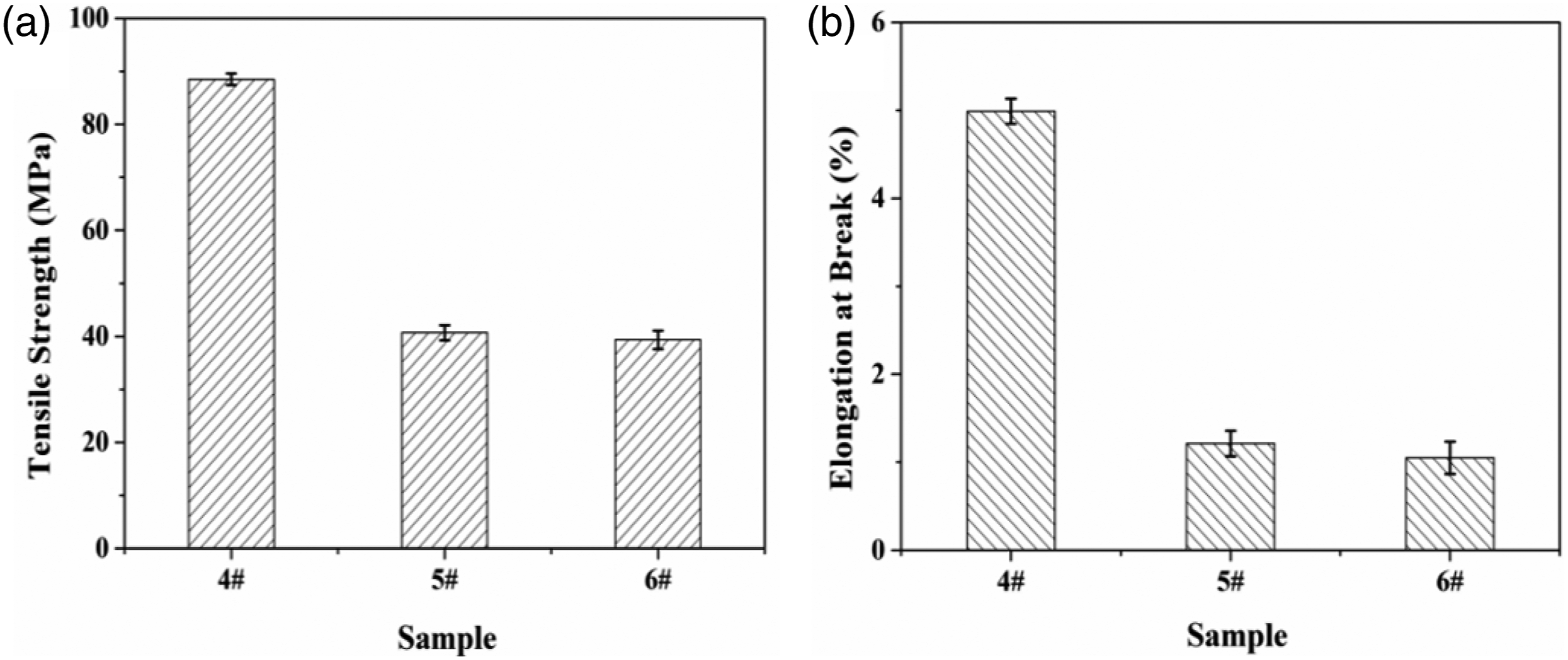
Figure 14(a) displays the dielectric constants and loss of HTR-PEN-Ph-T films as a function of temperature from 40°C to 350°C at 1 KHz. It was observed that the dielectric properties were relatively stable with respect to temperature before the turning point temperature. When the temperature exceeded the turning point, for example at 310°C, 335°C and more than 350°C, the dielectric constant and dielectric loss showed an abrupt increase. This can be explained by the enhancement of molecular motion with the increase in temperature.36,37 Figure 14(b) shows the dielectric constant and dielectric loss of HTR-PEN-Ph-T films as a function of frequency. It exhibited low and relatively stable dielectric loss after the two-stage curing program. Moreover, the systems showed stable dielectric constant over a wide frequency and temperature range. Compared with HTR-PEN-Ph-S films, the dielectric constant was lower, for examples, samples #4, #5, and #6 were 4.25, 4.08, and 3.71, respectively. The cause may be owing to the increased nitrile group consumption with the increased curing time and the augmented crosslinking degrees. Most importantly, samples #4, #5, and #6 had low dielectric loss approximately 0.014, which was very useful for microelectronic application. Notably, the dielectric properties of samples #4, #5, and #6 showed more stable than samples #1, #2, and #3. This may be attributed to a higher crosslinking density, resulting in hindered movement of the molecular chain. The dielectric properties of HTR-PEN-Ph-T films. (a) Dielectric constant and loss versus Temperature. (b) Dielectric constant and loss versus Frequency.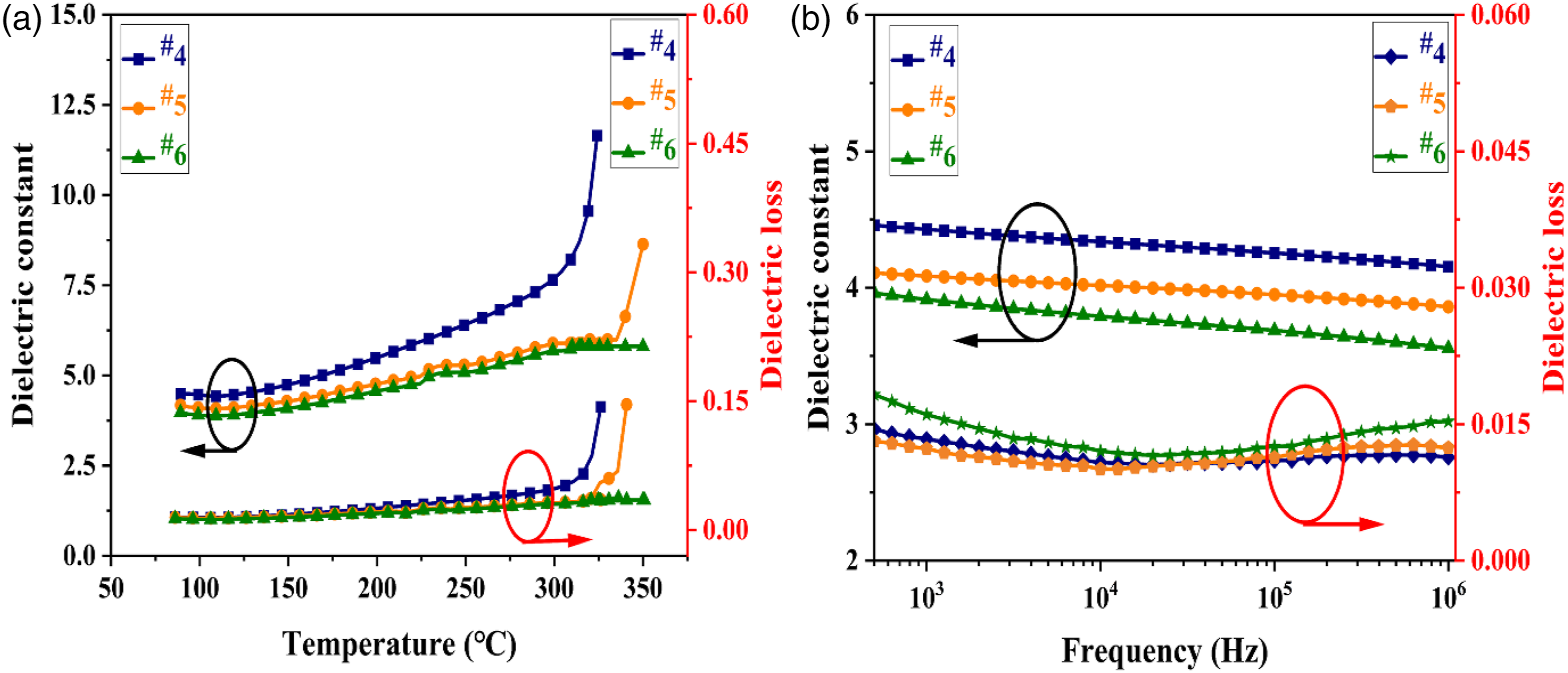
The morphology of polymers can reflect their properties. The fracture surface morphologies of the PEN-Ph resin and HTR-PEN-Ph-T films were observed by SEM. The PEN-Ph resin had only one phase and the fracture surface were smooth and homogenous as shown in Figure 15(a). After treating by two-stage curing program, it still showed a smooth and compact surface (Figures 15(b)-(d)) and was not accompanied by many small particles compared with HTR-PEN-Ph-S films after the single-stage curing program (Figures 11(b)-(d)). This may be attributed to the two-stage curing program that caused the PEN-Ph films to have a gradual heating process, which is different from the instantaneous heating of the single-stage curing program, which lead to the resin to be directly carbonized or excessively crosslinking. Therefore, the surfaces of HTR-PEN-Ph-T films were smooth and compact. The SEM images of PEN-Ph and HTR-PEN-Ph-T films (a) #0 (b) #4 (c) #5 (d) #6.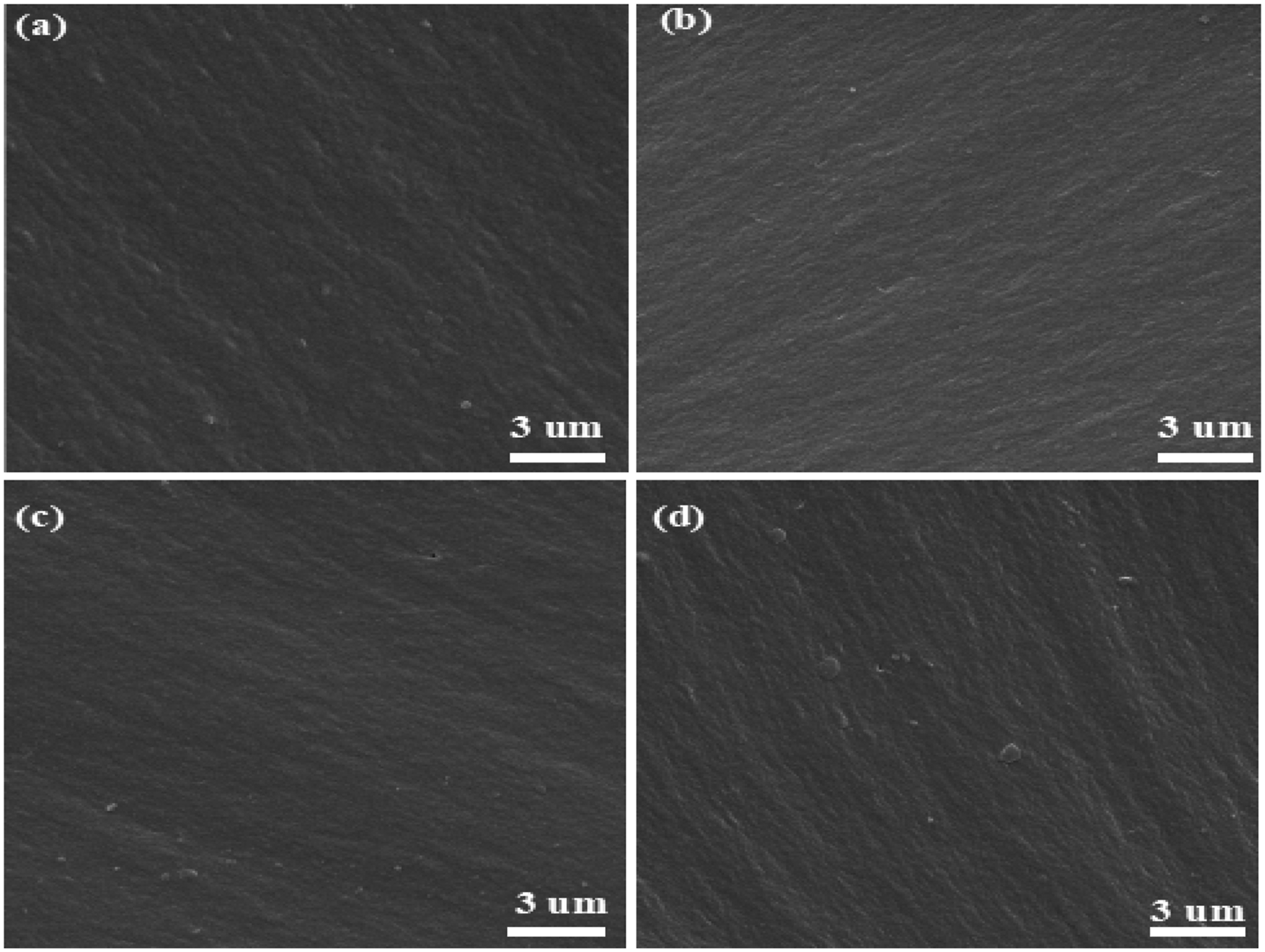
Conclusions
In this work, the high-temperature-resistant crosslinkable film based on polyarylene ether nitrile terminated with phthalonitrile films HTR-PEN-Ph was prepared successfully via altering curing programs. The structural, morphology, gel-content, thermal, mechanical, and dielectric properties of the prepared HTR-PEN-Ph films were studied in detail. The main conclusions are: HTR-PEN-Ph-T films prepared by two-stage curing program was characterized by TGA and DMA to confirm the great thermal properties, which the T g reaches a range of 345–450°C and T5% is up to 520°C; PEN-Ph film is transformed into a thermosetting material with isoindoline network after high temperature treatment and its gel-content is up to 99.81%; the dielectric properties have good stability during temperature changes and remain relatively stable before 300°C and the morphology is smooth and compact. In particular, sample #4 has a high T g (345°C) with good tensile strength (88.5 MPa), stable dielectric property at high temperature (over 300°C), and low dielectric loss (0.014), which is suitable as a high-temperature-resistant films material and provide a theoretical parameter basis for the industrial manufacture.
Footnotes
Declaration of conflicting interests
The author(s) declared no potential conflicts of interest with respect to the research, authorship, and/or publication of this article.
Funding
The author(s) disclosed receipt of the following financial support for the research, authorship, and/or publication of this article: This work was supported by the National Natural Science Foundation of China (Nos.52073039, 51903029, and 51773028) and the Major Special Projects of Sichuan Province (2019ZDZX0027 and 2019ZDZX0016).
