







Abstract
Previous studies on linear epoxy (bisphenol A epoxy) resin/benzoxazine composites showed that with the addition of epoxy (EP) resin, the resulting copolymers exhibited an increased glass transition temperature (Tg) (Tg reached a maximum value at a specific content), improved flexural strength, lower heat resistance, and reduced tensile strength. Herein, branched EP resin (AG-80)/benzoxazine copolymers featuring novolac (N-box) and siloxane (Si-box) chains were prepared without any external curing agent. In both systems, the EP resin endowed the copolymers with an increased crosslinking density; however, Tg continued to increase with increasing EP content. In addition, the heat resistance of the copolymers gradually enhanced. Different types of benzoxazines have various effects on the properties of copolymers. In terms of mechanical properties, AG-80/N-box copolymers exhibited brittle fracture characteristics; with increasing EP content, the flexural strength of the copolymer decreased while the tensile strength increased. AG-80/Si-box copolymers exhibited ductile fracture characteristics, with gradual increases in flexural and tensile strengths. Furthermore, with increasing EP content, the molecular chain migration ability and network homogeneity of the AG-80/N-box copolymers decreased gradually. Alternatively, in the case of the AG-80/Si-box copolymers, the molecular chain migration ability remained unchanged and network homogeneity improved. Hence, the developed copolymers can be used as resin matrices for the fabrication of advanced composites.
Introduction
Benzoxazines are a relatively new class of thermoset materials synthesized from phenols, primary amines, and formaldehyde, which homopolymerize via a ring-opening reaction without the aid of hardeners or catalysts.1–4 These materials have been widely used in the aerospace, electronics, and automotive industries as matrices in high-performance composite materials owing to their outstanding properties, such as good heat resistance, excellent dimensional stability, low dielectric constant and water absorption, and absence of volatile production during polymerization.5–9 Nevertheless, benzoxazines also have drawbacks, such as brittleness, insufficient glass transition temperature (Tg), and limited mechanical strength.10–12
To improve these properties, the preparation of polymer alloys and copolymerization are good approaches.7,13,14 As one of the most widely used thermosetting resins, epoxy (EP) resin is often used as a matrix in polymer alloys owing to its good chemical stability, processability, and mechanical properties.15–20 The incorporation of EP in polybenzoxazine could lead to the manipulation of the crosslinked structures of polymer alloys as the phenolic groups of the ring-opened benzoxazine react with the EP groups of the EP resins.21–24 Additionally, the two resins in the alloy can be crosslinked independently, and the final product forms an interpenetrating network polymer (IPN), which is also beneficial for improving the properties of the composite materials.
Existing studies have shown that without adding EP curing agents such as 4,4′-Diaminodiphenylmethane (DDM), copolymer alloys prepared using EP resins and low- or high-molecular-weight benzoxazines show significantly improved flexural strength25–27 and increased Tg that will reach a maximum value at a certain EP content.25,27–30 However, with increasing EP content, the heat resistance and tensile strength of the composite materials gradually reduced.26,30,31
However, these studies and conclusions are concentrated on linear EP resins (such as bisphenol A EP resin).25–31 When branched EP resins copolymerize with benzoxazines, 32 it is conceivable that the formed physical crosslinked structure will be completely different from that of the linear EP matrix and its molecular chain IPN structure will also be different. Hence, it can be believed that the performance of the polymer alloy will be different from those of linear EP resins; moreover, there have been few reports on this.
Simultaneously, the influence of benzoxazines resins with different main-chain structures on the properties of polymer alloys is also worth examining. In this study, linear novolac and siloxane structures were introduced into a benzoxazine resin and copolymerized with branched EP resin (AG-80, illustrated in Figure 1). The performance improvement of the polymer alloys was investigated, and it was found that their performance was significantly different from those of linear EP resins. Chemical structures of N-box, Si-box, and AG-80 EP resin.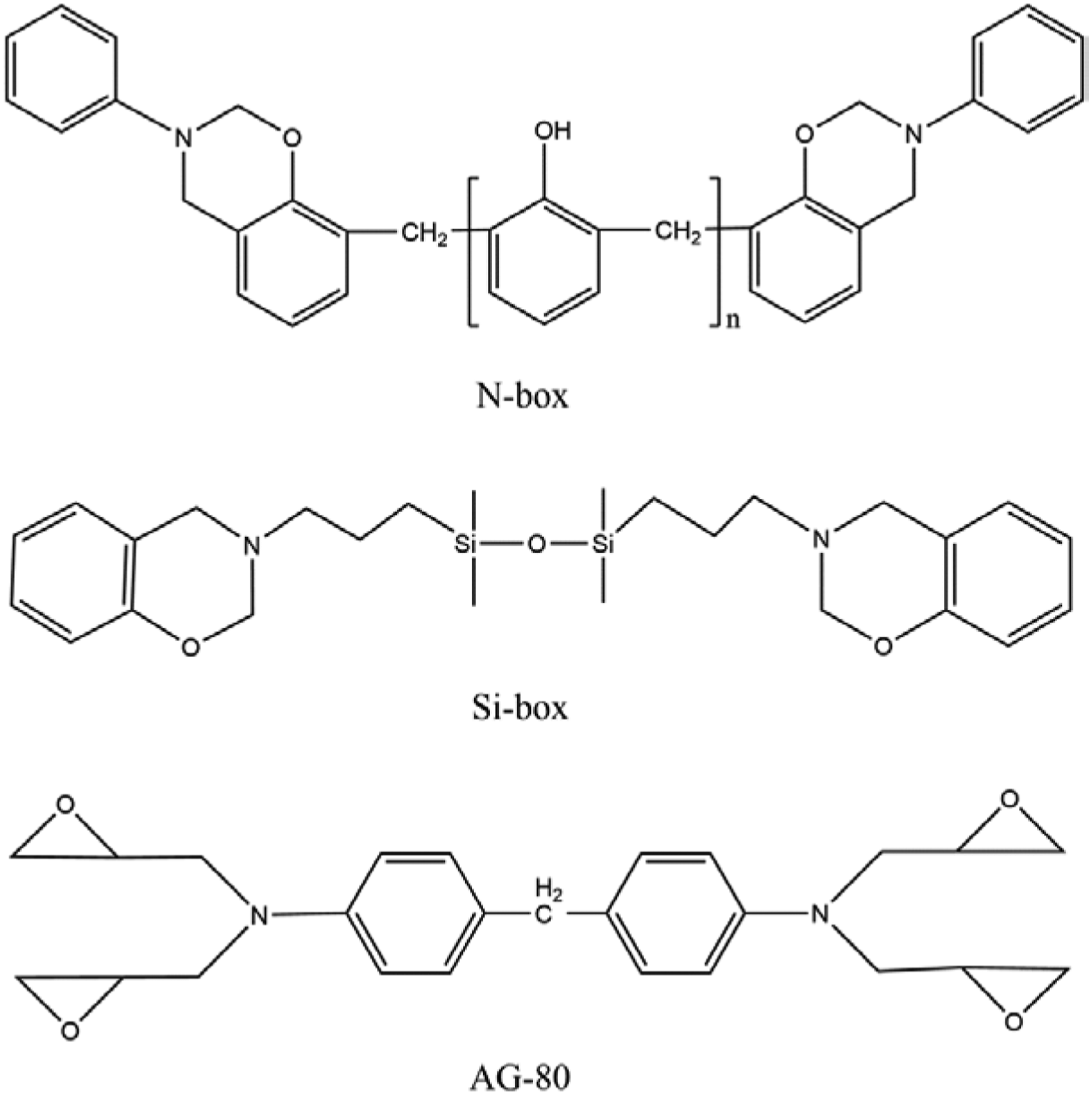
Experimental
Materials
Benzoxazine resins containing linear novolac and siloxane structures were prepared in the laboratory and named N-box (low molecular weight) and Si-box, respectively. EP resin (AG-80, epoxy value ≥0.80) was purchased from Shanghai Huayi Resin Co., Ltd. 4,4-Diaminodiphenylsulfone (DDS) was purchased from Shanghai Titan Scientific Co., Ltd. The structures of benzoxazines and EP resin are shown in Figure 1.
Preparation of the N-box and Si-box
Si-box: A solution of 1,3-bis(3-aminopropyl)-1,1,3,3-tetramethyldisiloxane (24.8 g, 0.1 mol), phenol (18.8, 0.2 mol), and paraformaldehyde (12 g, 0.4 mol) in toluene (300 mL) was stirred under reflux at 90°C for 6 h. The mixture was washed with 4% sodium hydroxide solution and deionized water until neutral. The product was obtained after rotary evaporation.
N-box: A solution of phenol (16.92 g, 0.18 mol) and formaldehyde solution (∼0.09 mol) was stirred under reflux at 100°C for 1.5 h. Then, toluene (50 mL), aniline (16.74 g, 0.18 mol), and paraformaldehyde solution (∼0.36 mol) were added. The mixture was stirred under reflux at 90°C for 6 h. The solution was washed several times with deionized water. The product was obtained after rotary evaporation.
The synthetic route is shown in Figure S1. FT-IR, 1H-NMR, and 13C-NMR spectra of N-box are shown in Figures S2–S4. FT-IR, 1H-NMR, and 13C-NMR spectra of Si-box are shown in Figures S5–S7.
Preparation of the copolymers
N-box and AG-80 epoxy resins in various weight ratios (N-box/EP = 1:7, 2:6, 3:5, 4:4, and 6:2 wt:wt) were mixed in a flask via mechanical stirring at 90°C for 60 min to ensure that the resins were evenly mixed. Then, the mixtures were deaerated in a vacuum and poured into open molds, and cured at 120°C, 150°C, and 180°C for 2 h each and 200°C for 4 h. As a comparison, a sample with a weight ratio of (epoxy and DDS)/N-box = 4/4 [weight ratio (42.5 + 7.5)/50] was also prepared similarly (in theory, the EP group could completely react with all of the oxazine rings and amine groups). Apart from the sample with a 6:2 ratio of resins, the resins exhibited good curing.
The Si-box and EP resin copolymers were prepared via a procedure similar to that of N-box in weight ratios of 1:9, 2:8, 3:7, and 5:5 (wt:wt).
Characterization and measurements
Fourier-transform infrared (FTIR) spectra were recorded on a Nicolet 6700 FTIR spectrometer (Thermo Fisher, USA) over a wavelength range of 4000–400 cm−1.
Dynamic mechanical analysis (DMA) tests were conducted on TA Instruments DMA Q800 (USA) apparatus in three-point bending mode between −50°C and 400°C at a frequency of 1 Hz and heating rate of 5°C/min. The dimensions of the samples were (50 ± 0.02) mm × (12 ± 0.02) mm × (3 ± 0.02) mm.
The curing behavior of the copolymers was monitored using differential scanning calorimetry (DSC; Diamond) operated in a nitrogen (N2) environment, and the samples were scanned at a heating rate of 10°C/min.
The thermal stability of the copolymers was measured through thermogravimetric analysis (TGA) on an SDT Q600 (TA, USA) instrument at a heating rate of 10°C/min from 25°C to 1000°C under a N2 atmosphere.
Tensile and flexural properties were measured according to the GB/T2567-2008 standard using a CMT 4204 (China) universal testing machine operating at a rate of 2 mm min−1. Results are reported as an average of five measurements for each sample.
The fracture surfaces after tensile testing were measured using a scanning electron microscope (SEM, S-4800, JEOL, Japan) operating at a voltage of 15 kV.
Results and discussion
N-box and AG-80-mixed resin system
Curing behavior analysis
The curing behavior of a mixture of N-box and AG-80 resin was analyzed through DSC and FTIR spectroscopy. The FTIR results are shown in Figure 2, revealing that the spectra of N-box and AG-80 resin show characteristic peaks of oxazine rings at 943 cm−1 and the expected peak of the epoxide group at 906 cm−1.33,34 The copolymer with the N-box/AG-80 = 4:4 ratio and its cured product were also characterized by FTIR. The corresponding absorption peaks disappeared in the spectrum of the cured product, indicating that the resin was completely cured. Moreover, in the comparative sample (AG-80+DDS)/N-box = 4:4, in addition to the characteristic absorption peaks of the EP group and oxazine ring, the characteristic symmetrical stretching vibration absorption peak of the sulfone group was also observed at 1144 cm−1,
35
indicating the successful preparation of the three-phase system. FTIR spectra of AG-80, N-box, N-box/AG-80 = 4:4, (AG-80+DDS)/N-box = 4:4, and cured N-box/AG-80 = 4:4.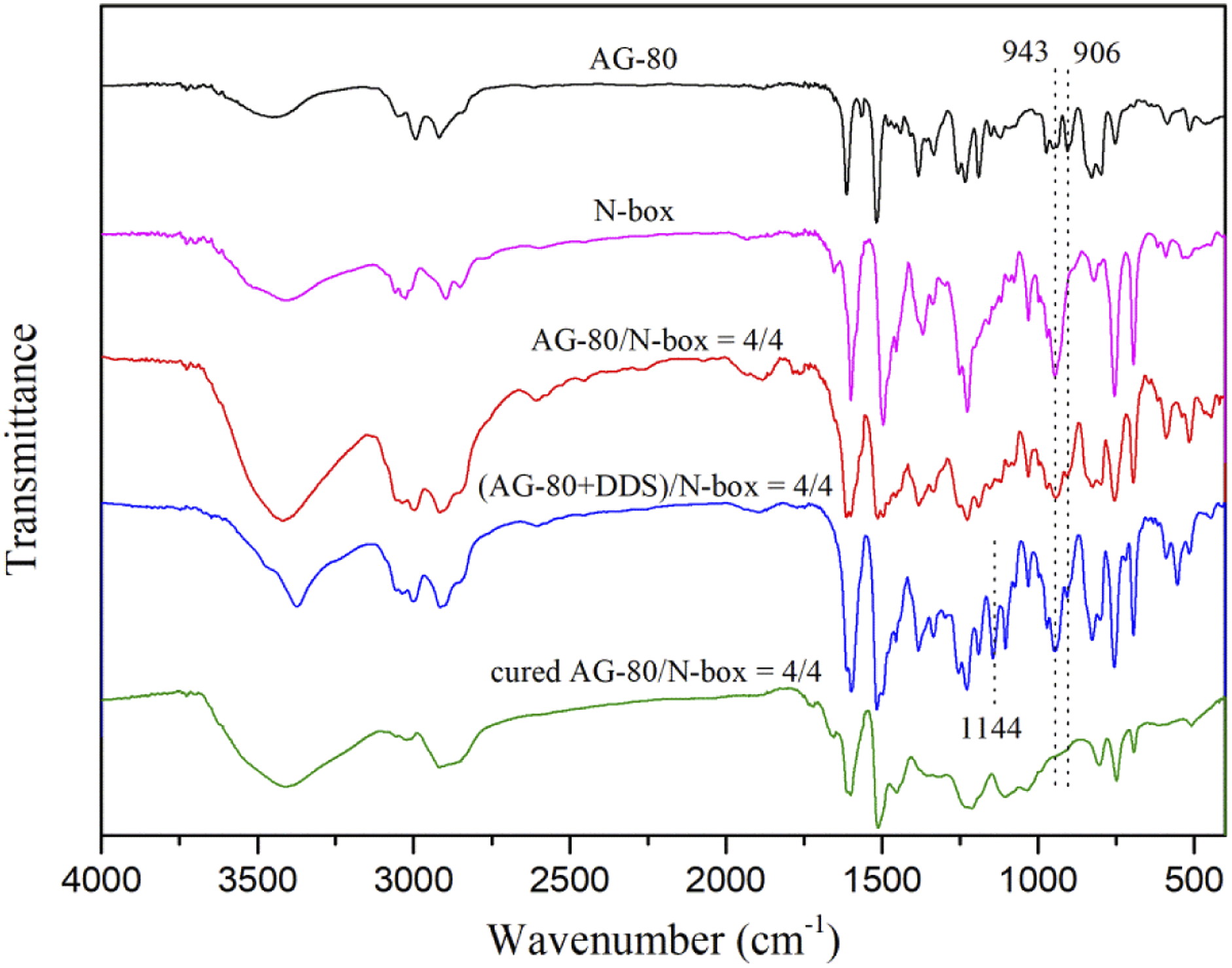
The polymerization behavior was also studied through DSC testing, as shown in Figure 3, and the characteristic data were summarized in Table 1. The benzoxazine monomer exhibited only one exothermic peak at 222°C. Upon increasing the EP concentration, the exothermic peak gradually shifted to a higher temperature range due to the dilution of the EP monomer,26,27 which led to a delay in the polymerization reaction. Simultaneously, it was found that at an EP ratio of 1/4, the curing peak began showing a doublet of peaks. In particular, when the EP content increased, a prominent doublet of peaks appeared. The first exothermic peak corresponded to the thermal ring-opening polymerization of benzoxazine and the reaction of the ring-opened benzoxazine with some of the EP resin; the latter peak was attributed to the further reaction between residual EP and phenolic hydroxyl groups.
36
Notably, in the comparative sample, when DDS was added, although there was a doublet of peaks, the peak temperature was significantly lower and the shape wider, indicating that the addition of DDS promoted the curing of the system. As an EP curing agent, DDS not only reacts with EP but also with benzoxazine.37,38 Additionally, with a further increase in the EP content (such as AG-80/N-box = 6:2), benzoxazine was insufficient to cure the EP resin. The huge exothermic peak at high temperatures could be mainly attributed to the self-polymerization of EP, which made it difficult to form good cured products. DSC curves of various weight ratios AG-80/N-box copolymers. Characteristic DSC temperature data of the copolymers.
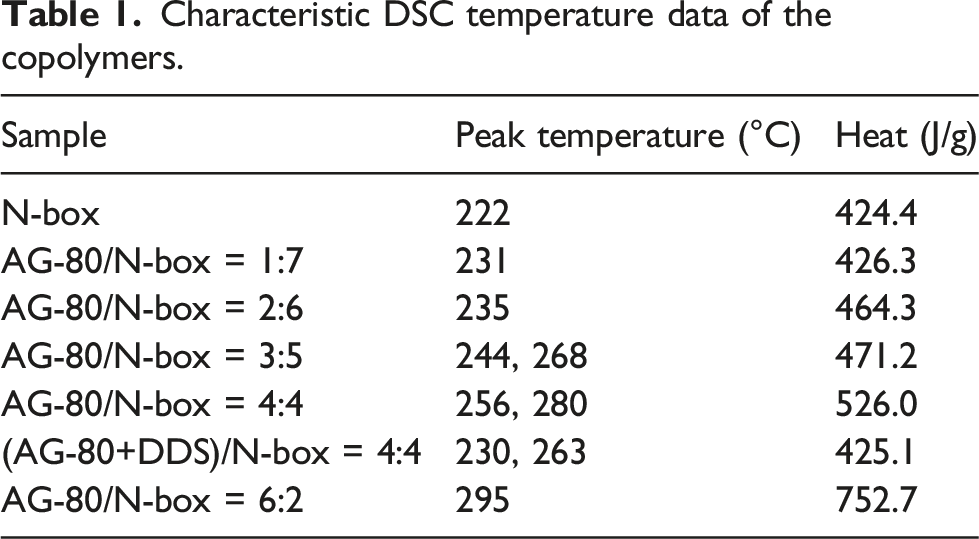
However, with an increase in the EP resin content, the exotherm of the system continued to increase, and there was no maximum exotherm at a certain EP content as in the bisphenol A epoxy/benzoxazine copolymer system. 30 This also reflected the difference between the branched EP and the linear EP resin (such as bisphenol A EP) when copolymerized with benzoxazine.
Thermal properties
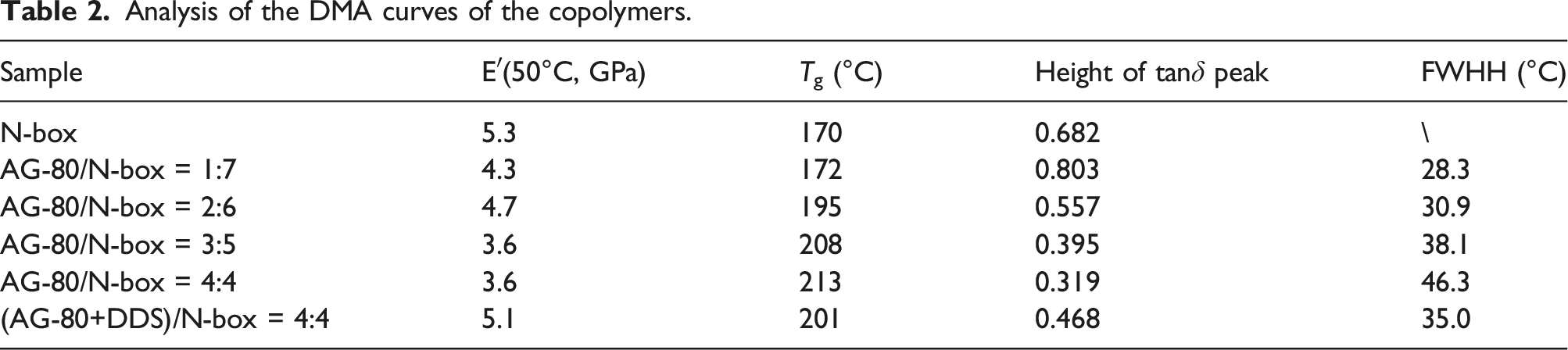
DMA measurements of the N-box/AG-80 copolymers were conducted, with the results shown in Figure 4 and Table 2. It can be clearly observed that the tanδ peaks of all samples had a singlet peak appearance, indicating that the polymer eventually formed a good homopolymer without detectable phase separation. Moreover, upon increasing the EP content, the Tg values of the copolymers gradually increased, the height of the tanδ peak gradually decreased, and the full width at half height (FWHH) gradually broadened. The increase in the Tg values indicated that the introduction of EP increased the crosslinking density of the samples,
25
which significantly improved the Tg values of the benzoxazine resin. The decrease in the tanδ peak height indicated that as the proportion of EP in the sample increased, the molecular chain mobility of the resin gradually decreased upon heating.39,40 A decrease in the height is associated with lower segmental mobility and fewer relaxing species, which corresponded to the DSC results. With an increase in the EP content, the mobility of the chain segment decreased and the exothermic peak of the sample gradually changed from a singlet to a doublet peak. Additionally, gradual broadening of the tanδ peak with increasing EP content was attributed to the decrease in the degree of network homogenization of the samples.39,41 Compared with the single-phase system of neat benzoxazine, the addition of EP obviously reduced the network homogeneity of the material. Furthermore, compared with the AG-80/N-box = 4:4 sample, the reference sample containing DDS exhibited a lower Tg value and a higher tanδ peak height, proving that the crosslinking density of the system decreased and the chain mobility was enhanced. This can be attributed to the presence of DDS. As a three-phase system, DDS simultaneously reacts with EP resin and benzoxazine.37,38 Compared with the two-phase system comprising EP resin and benzoxazine, the crosslinking reaction of DDS affected the self-polymerization of benzoxazine, extended its molecular chain length, and destroyed the tight crosslinking structure between EP and benzoxazine, thus reducing the network density of the system. Curves of (a) E′ and (b) tanδ as a function of temperature for various weight ratios AG-80/N-box copolymers. Analysis of the DMA curves of the copolymers.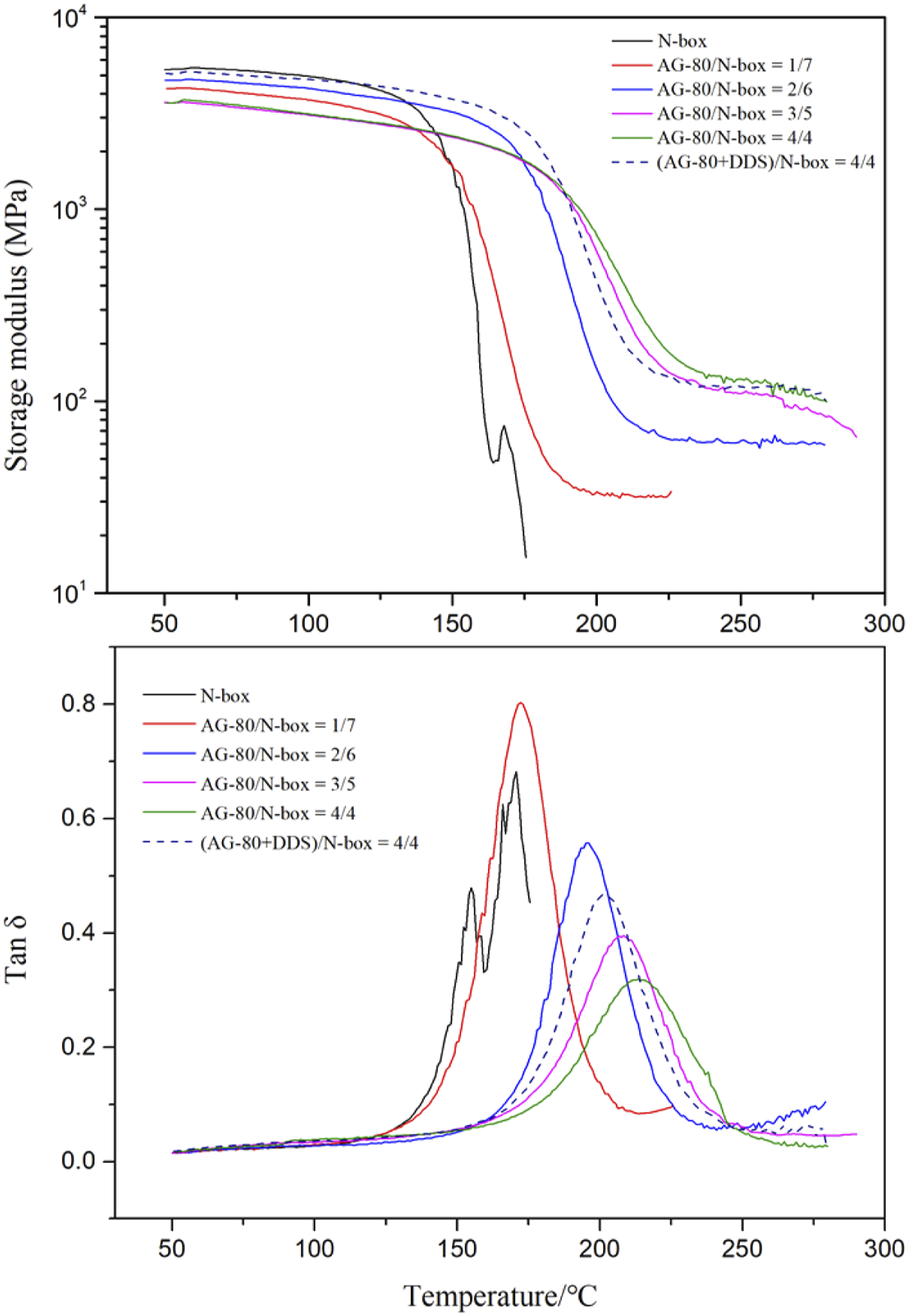
Moreover, unlike linear EP (such as bisphenol A) and benzoxazine resins,25,27–30 the Tg value of the AG-80 epoxy and benzoxazine copolymer did not reach a maximum at a specific EP content.
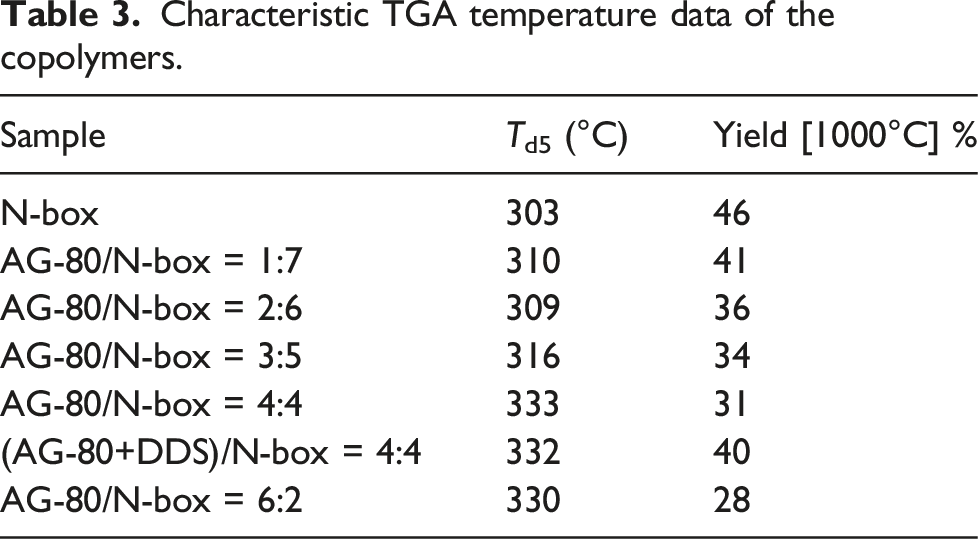
The thermal stability of the N-box/AG-80 resin copolymers was investigated using TGA, with the results shown in Figure 5 and Table 3. Figure 5 shows that as the EP content increased, the Td5 decomposition temperature of the copolymer gradually increased and the carbon residue rate at 1000°C gradually decreased. Unlike the copolymerization of bisphenol A epoxy and benzoxazine resins, the Td5 decomposition temperatures of the copolymers gradually decreased with increasing bisphenol A epoxy content,26,30,31 which could be attributed to two reasons. The first reason is that there are more benzene rings in the structure of the AG-80 epoxy resin, which enhances the heat resistance, and the second reason is that due to the branched structure of the AG-80 epoxy resin and a higher epoxy value, tighter crosslinking than that of bisphenol A epoxy resin could be formed to better stabilize the network structure of the polymer product.
42
TGA curves of various weight ratios AG-80/N-box copolymers. Characteristic TGA temperature data of the copolymers.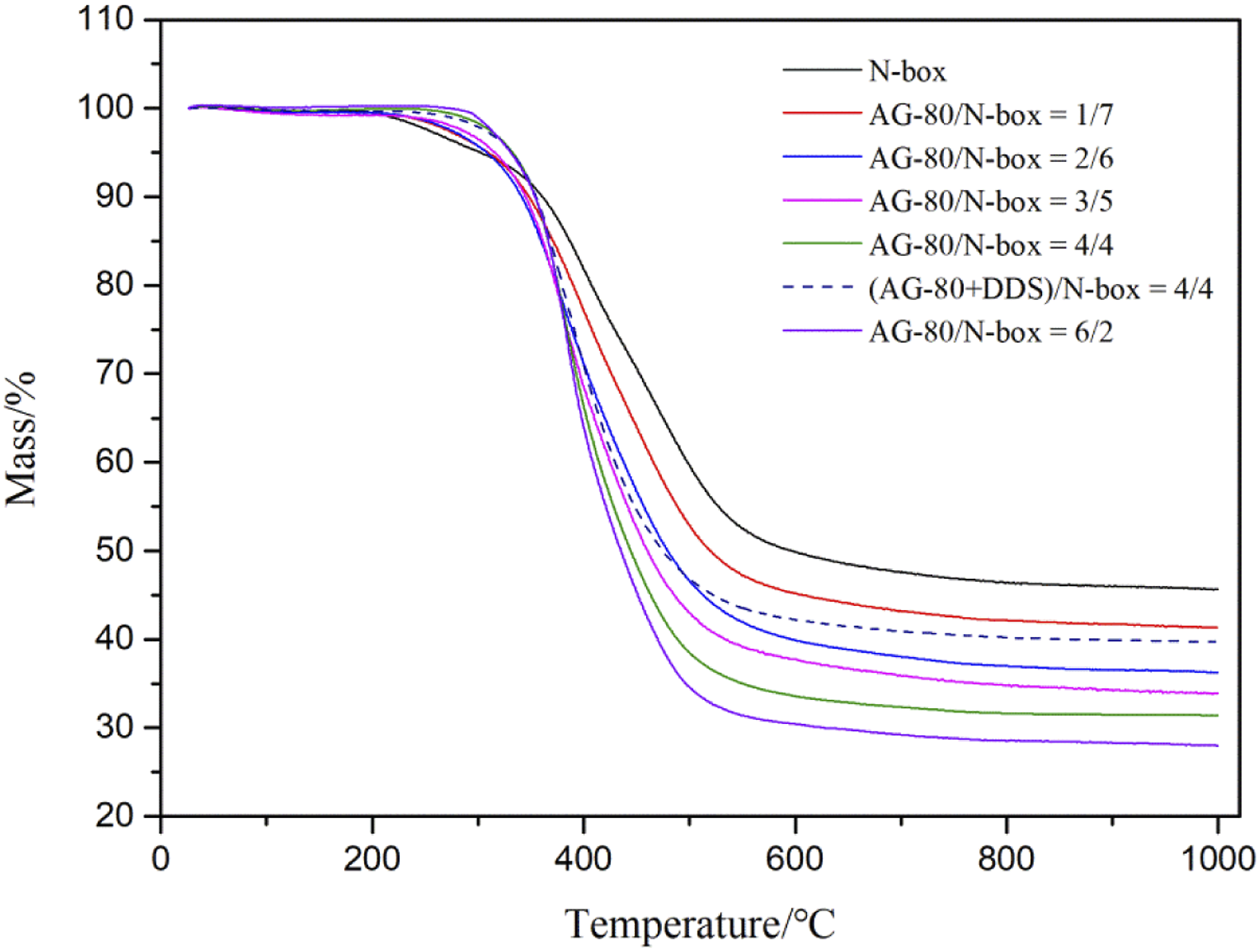
Mechanical properties of the AG-80/N-box copolymers
Tensile and flexural properties of the copolymers.
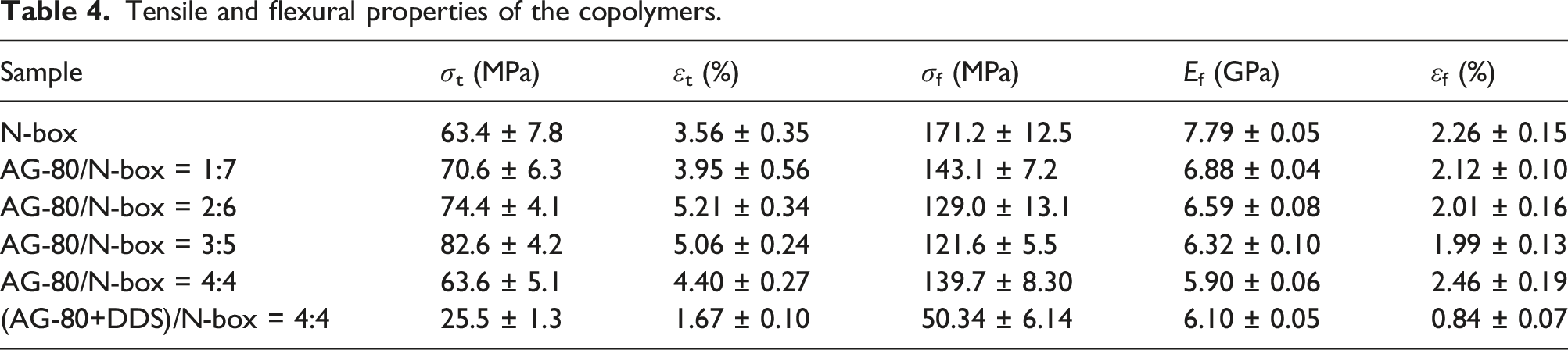
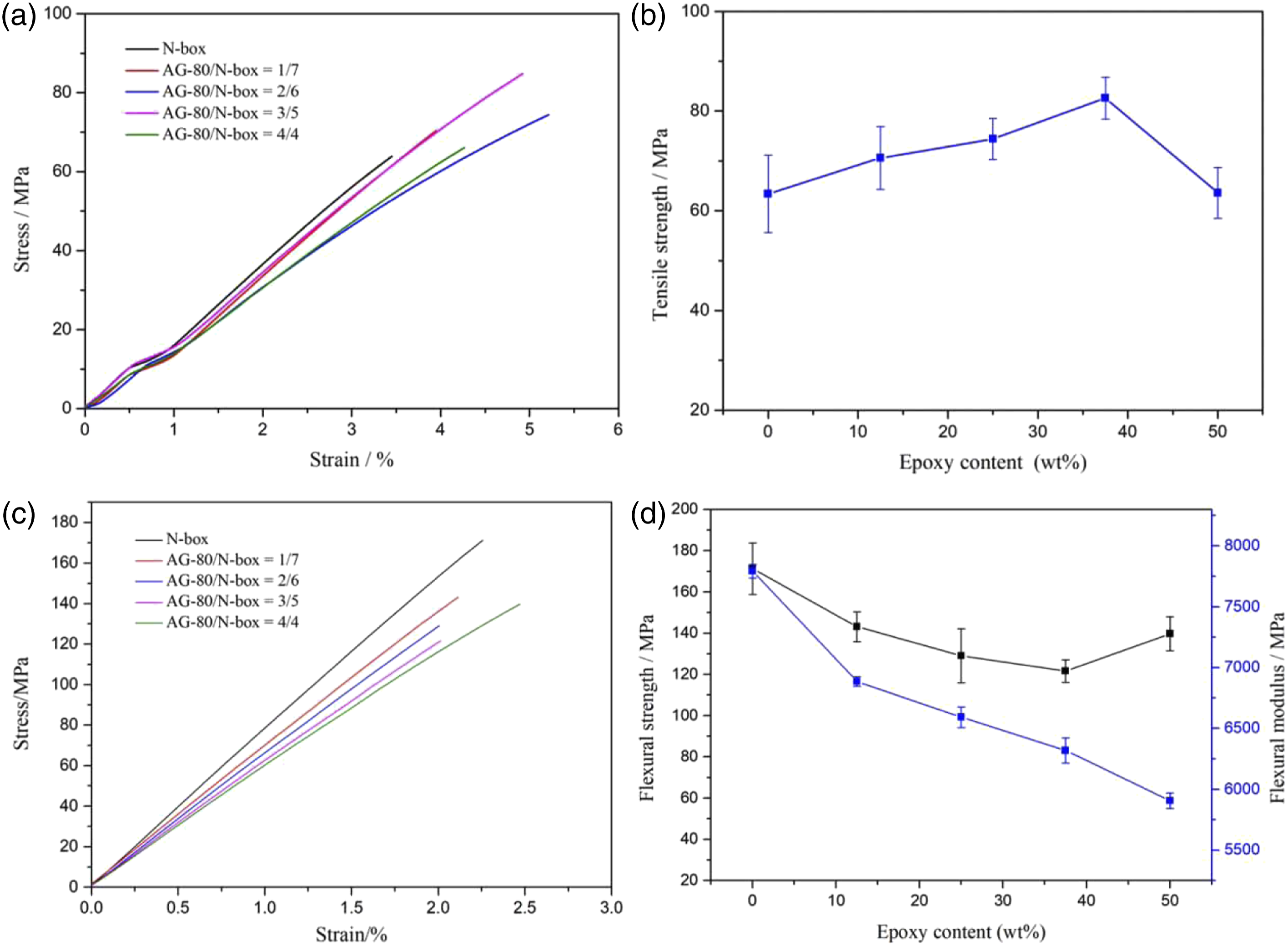
(a) Tensile and (c) flexural stress–strain curves; (b) tensile and (d) flexural properties of neat N-box and the AG-80/N-box copolymers.
However, the reference sample containing DDS exhibited very low tensile and flexural strength, indicating that the introduction of DDS had a negative effect on the performance of the AG-80/N-box copolymer material.
To understand the enhancement mechanism of EP resin on the copolymers, SEM was used to observe the morphology of the fracture surfaces after tensile testing (Figure 7). The fracture surface of the neat benzoxazine resin was relatively flat and smooth, and the cracks extending in the same direction were terraced, with no apparent protrusions and scattered small cracks. However, with the incorporation of EP resin, the surface became rough, cracks began to deviate and branch widely, and protrusions appeared. Upon a further increase in the EP content, the fracture surface became more irregular and the smooth area significantly reduced. In particular, when the EP content was 37.5%, there were almost no smooth areas in the section. Instead, there were a lot of small cracks and gullies. SEM images of the tensile fracture surfaces of neat N-box and the AG-80/N-box copolymers.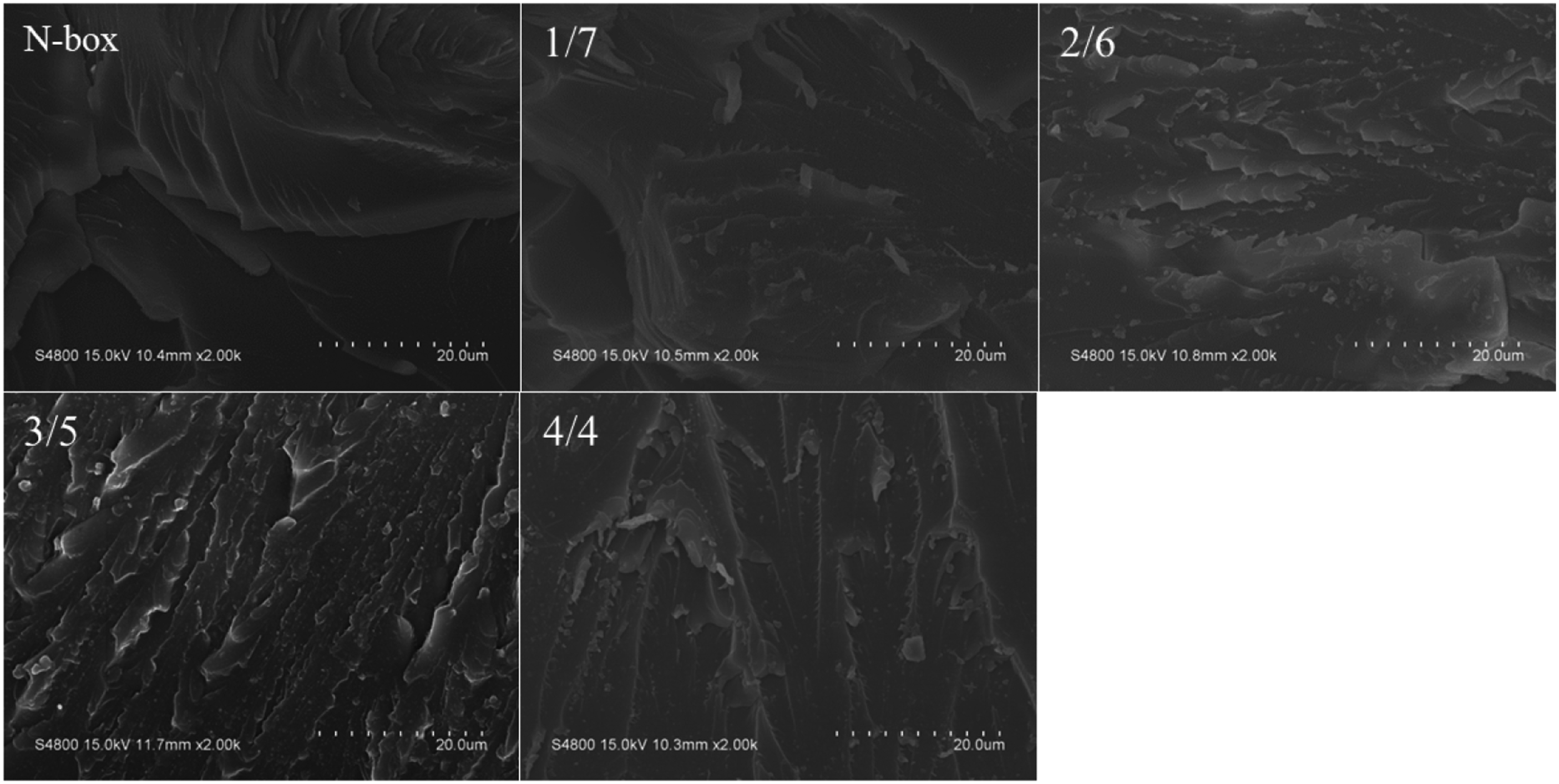
Consistent with the previous analysis, the introduction of branched AG-80 epoxy promoted the formation of a tighter resin structure, which withstood more significant stress and dissipated more fracture energy through the fracture of the network structure. The appearance of protrusions, numerous ravines, and small cracks on the fracture surface was sound proof of these phenomena.
Si-box and AG-80 mixed resin system
Structure and curing behavior
Fourier-transform infrared spectra of the neat Si-box and AG-80/Si-box samples are presented in Figure 8. The characteristic absorption peak of the oxazine ring of Si-box was observed at ∼928 cm−1, while the distinct absorption peak of the EP group of the resin was observed at 906 cm−1. The two values were relatively close; hence, there was no apparent doublet peak in the spectrum of the copolymer between 900 cm−1 and 930 cm−1. Nevertheless, at ∼3449 cm−1 and 1050 cm−1 (attributed to EP and benzoxazine, respectively), with the addition of AG-80 EP, all the copolymers exhibited distinct absorption peaks, which proved that the EP was indeed successfully incorporated into the benzoxazine resin. Additionally, in the range of 1700–1400 cm−1 in the FTIR spectra, it could be observed that with an increase in the EP content, compared with the area of the characteristic absorption peak of benzoxazine at ∼1583 cm−1, the areas of the absorption peaks of EP resin at ∼1518 cm−1 and 1613 cm−1 also gradually increased. This confirmed that the EP resin was successfully mixed with the benzoxazine resin in the given ratios. FTIR spectra of the neat Si-box and AG-80/Si-box resins.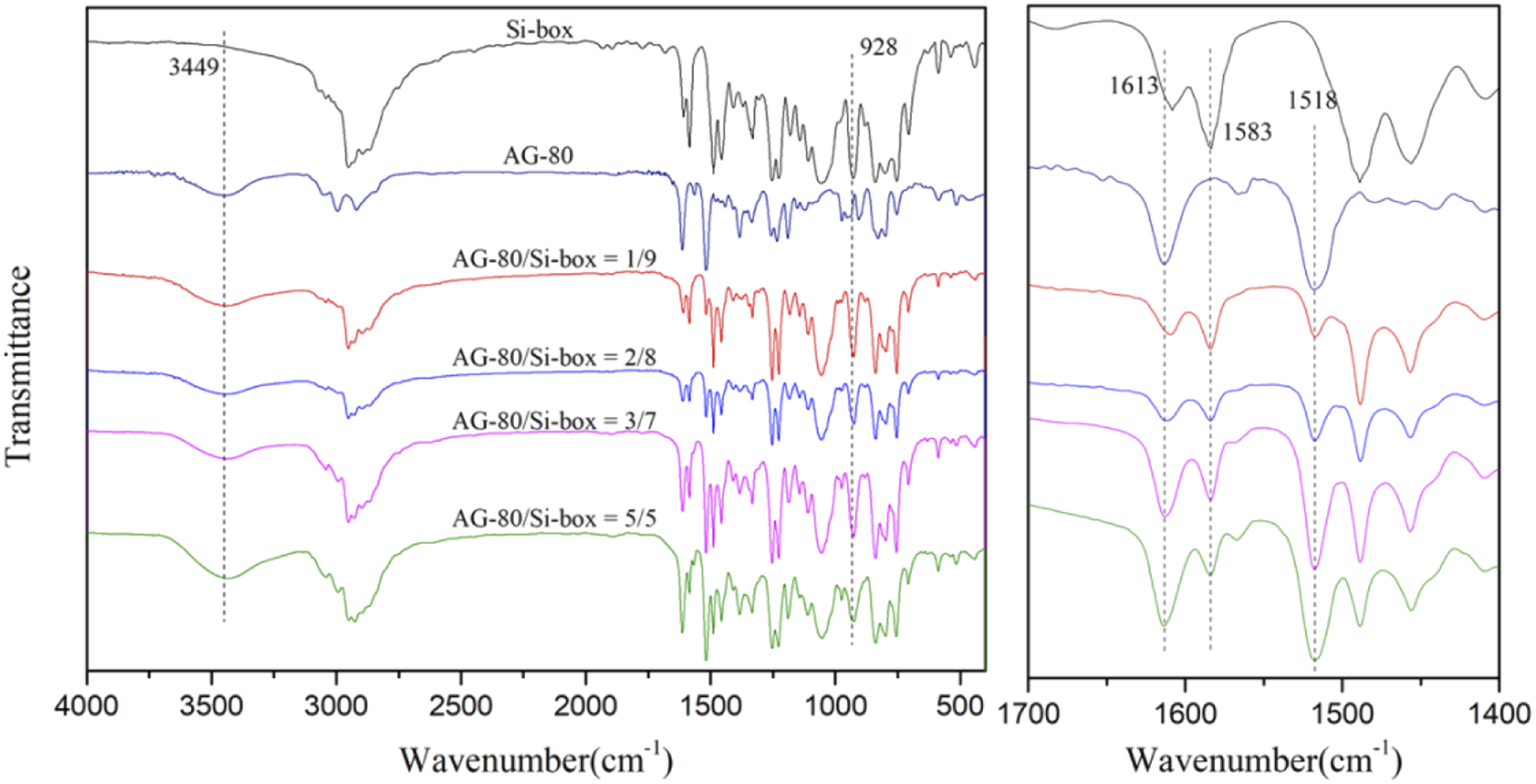
The polymerization behavior was also studied through DSC tests, with the results shown in Figure 9 and Table 5. As the epoxy content increased, the exothermic peak gradually shifted to a higher temperature range; however, the overall change was insignificant (from 229°C to 237°C). Notably, unlike the bimodal exothermic peaks of the N-box/AG-80 epoxy copolymers, the Si-box and Si-box/AG-80 copolymers exhibited only one exothermic peak, which can be attributed to the flexibility of the siloxane segment in Si-box. Owing to its good toughness or good segment migration ability, the ring-opening curing of the Si-box and the reaction of EP and benzoxazine could be completed simultaneously without significant delay. However, owing to the low viscosity and good molecular chain mobility of Si-box,45,46 the addition of EP resin did not significantly dilute the benzoxazine monomer, showing that there was not much change in the temperature of the exothermic peak of the copolymers. DSC curves of various weight ratios AG-80/Si-box copolymers. Characteristic DSC temperature data of the copolymers.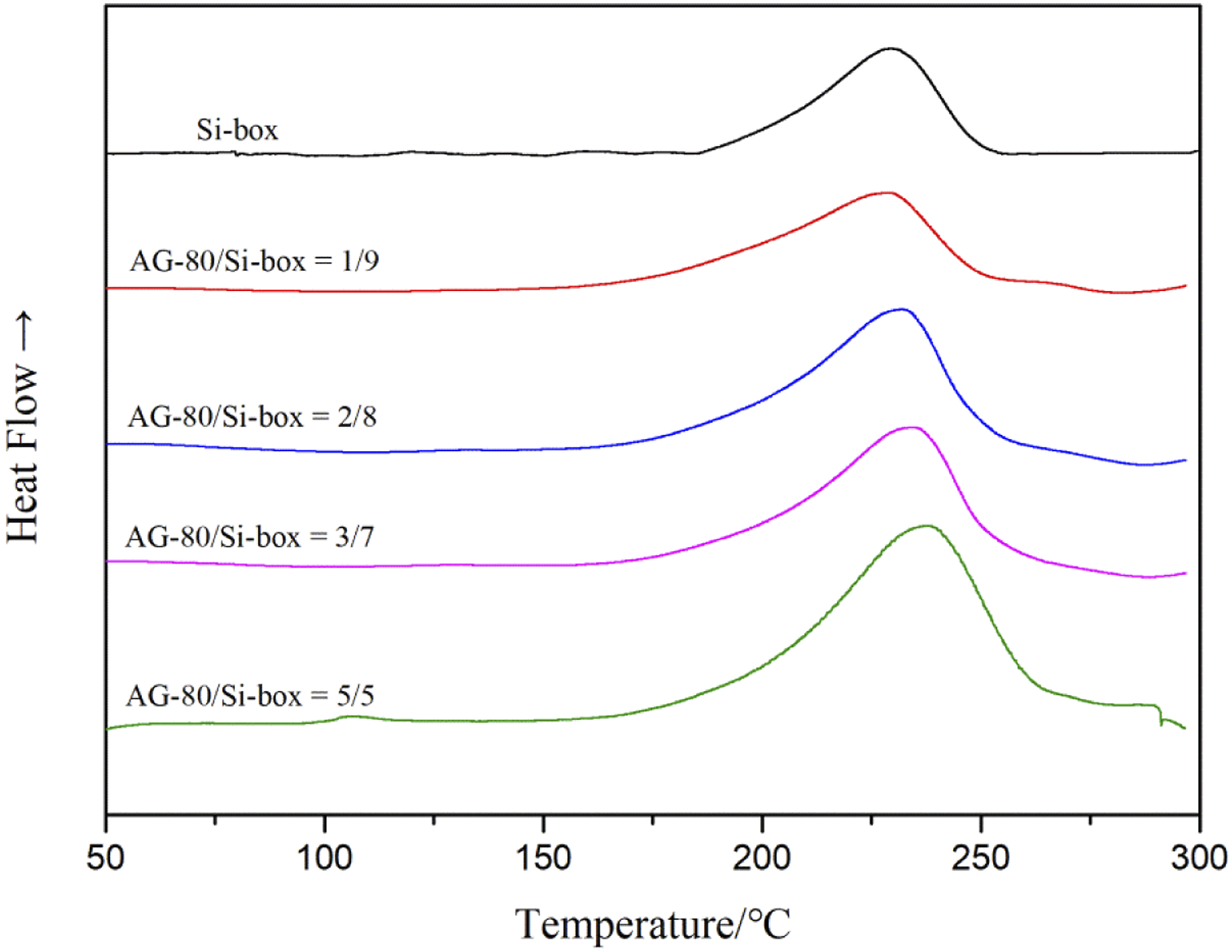
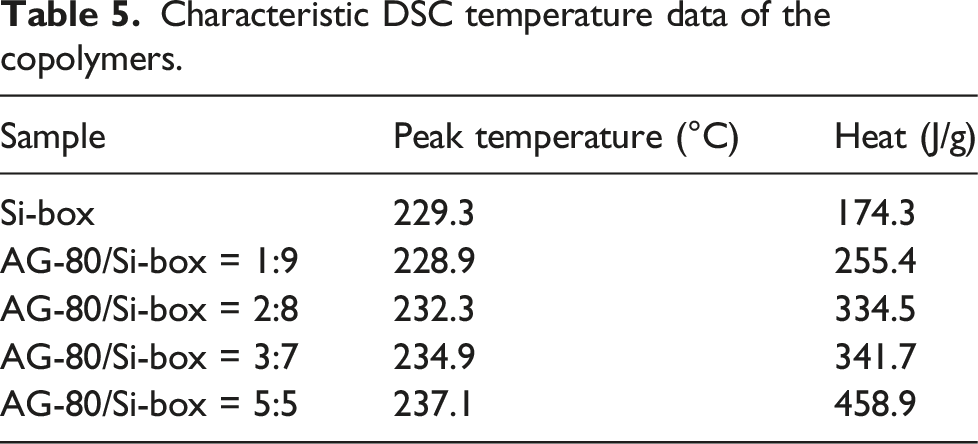
Similarly, unlike traditional linear EP/benzoxazine systems, 30 the exothermic heat of the Si-box/AG-80 copolymer system gradually increased with increasing EP content and did not show a maximum value at any particular content.
Thermal properties
The dynamic mechanical properties of the Si-box/AG-80 copolymers were also investigated, as shown in Figure 10 and Table 6. Similar to the N-box/AG-80 copolymer system, the tanδ peaks of all copolymers also appeared as singlet peaks, indicating that Si-box and the AG-80 EP resins were uniformly copolymerized without phase separation. Additionally, from the specific data shown in Table 6, it can be observed that as the EP content increased, the Tg values of the copolymers gradually increased and the height of the tanδ peak was essentially unchanged; however, the FWHH gradually decreased. Tanδ curves as a function of temperature for the AG-80/Si-box copolymers. Analysis of the DMA curves of the copolymers.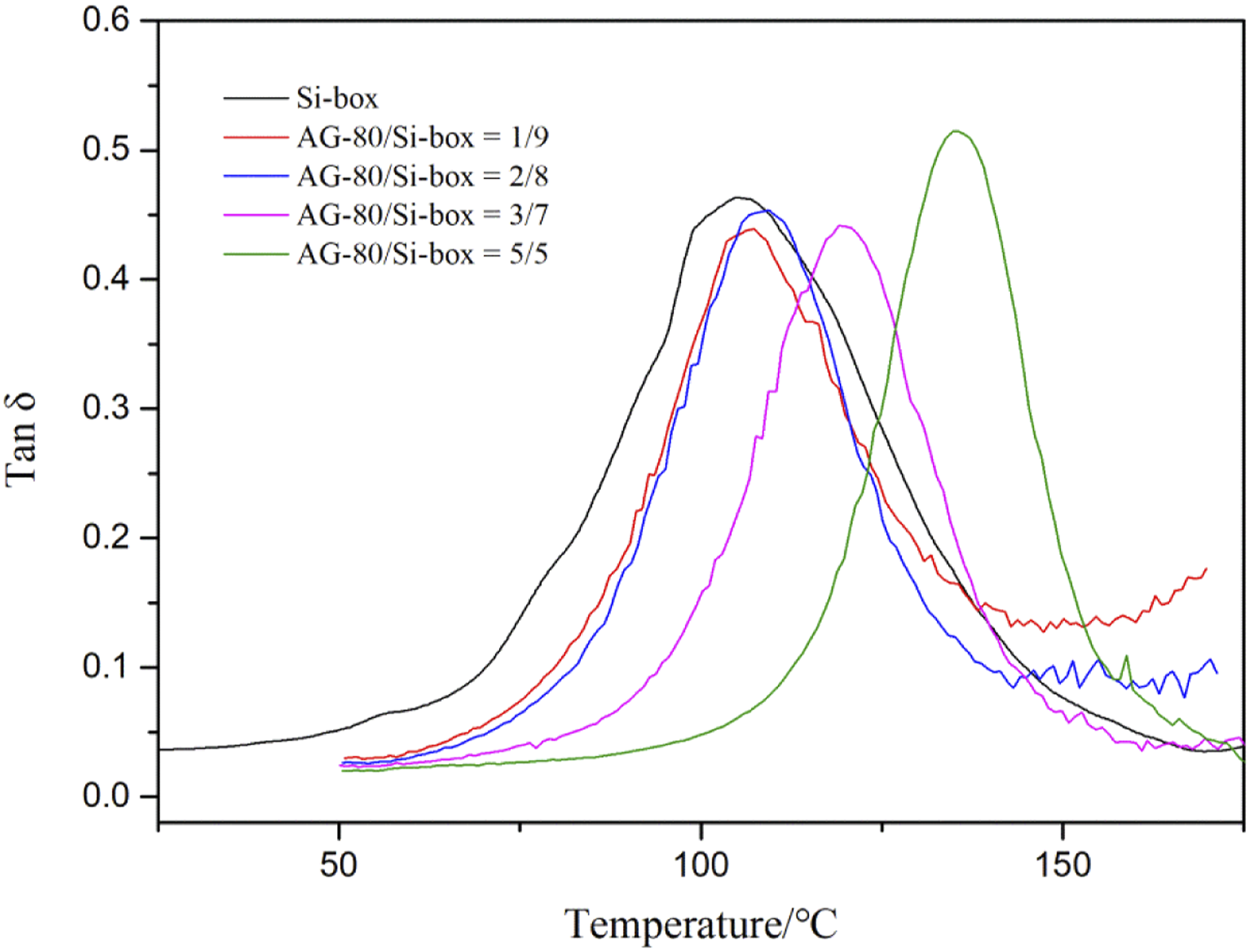
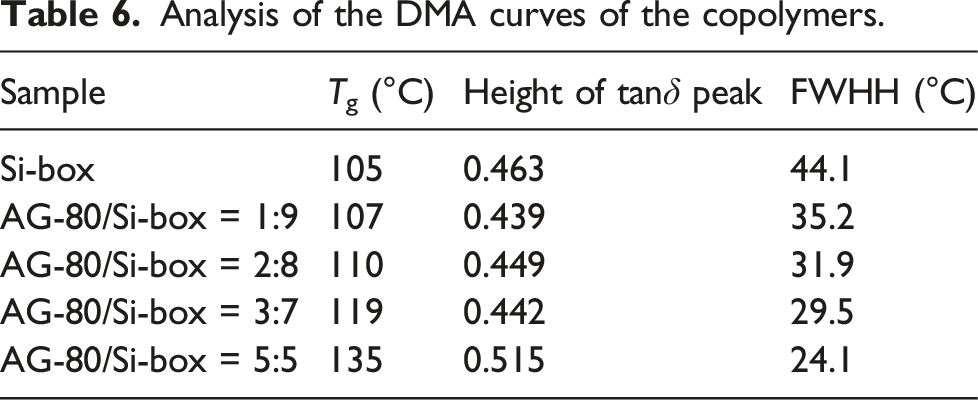
Similar to the N-box/AG-80 copolymer system, the introduction of EP resin also increased the crosslink density of the Si-box and EP copolymer samples, which increased their Tg values. In contrast, the height of the tanδ peak did not decrease, remaining essentially unchanged, which could be attributed to the excellent flexibility (molecular chain mobility) of the Si-box. Despite the addition of EP, there were still many loose substances in the resin and the mobility of the molecular chain did not change much, which was consistent with the previous DSC results. With a continuous increase in EP content, the exothermic peak of the sample was always observed as a singlet.
However, the FWHH of the tanδ peaks gradually decreased with increasing EP content, indicating that the degree of network homogenization of the copolymerized samples steadily increased. This is contradictory to what was observed for the N-box/AG-80 copolymer system, indicating that the networks formed by the copolymerization of the rigid benzoxazine or flexible benzoxazine with EP were entirely different.
The thermal stability of the Si-box/AG-80 resin copolymers was investigated using TGA, and the results are shown in Figure 11 and Table 7. As the EP content increased, the Td5 decomposition temperature of the copolymer gradually increased and the carbon residue rate at 1000°C gradually decreased. This trend was consistent with the changes observed in the case of the N-box/AG-80 copolymer system. TGA curves of various weight ratios AG-80/Si-box copolymers. Characteristic TGA temperature data of the copolymers.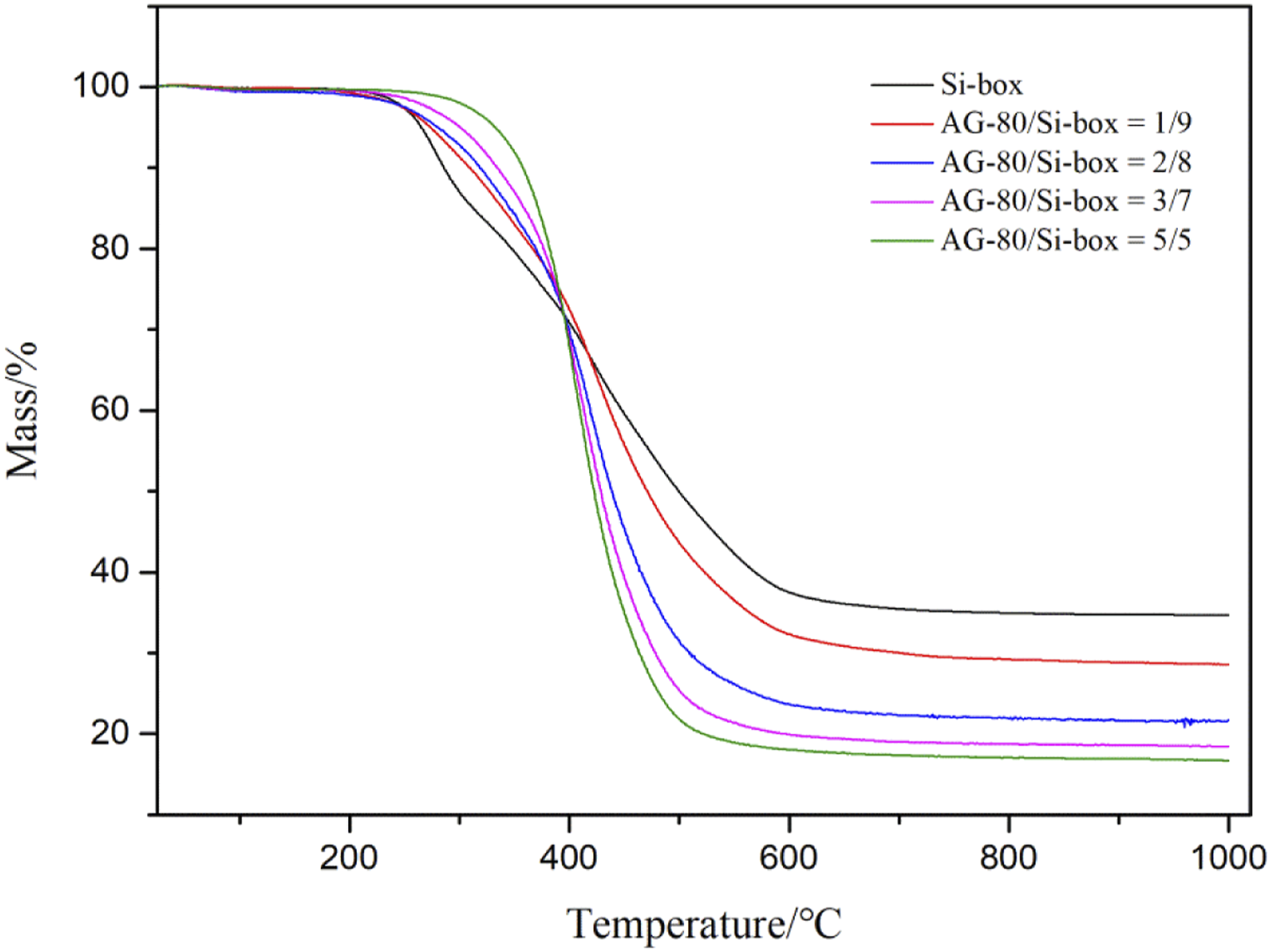
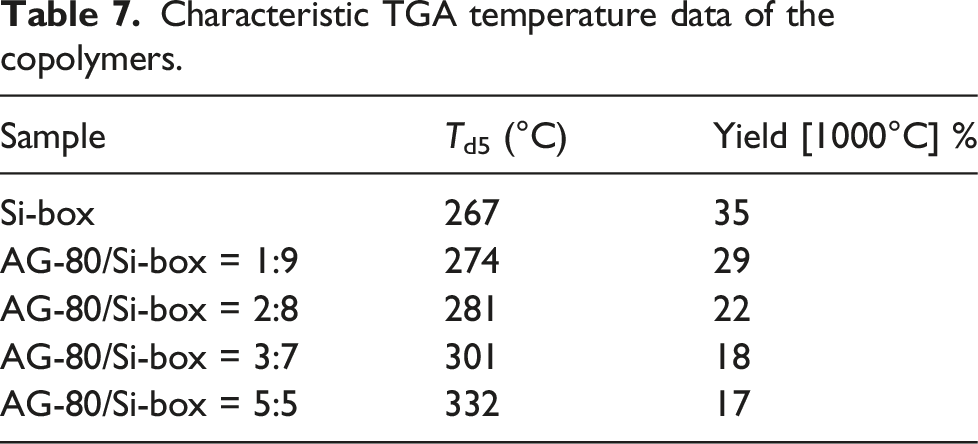
However, this observation was different from the case where the Td5 decomposition temperature of the bisphenol A epoxy resin/benzoxazine system gradually decreased with increasing EP content, as detailed in previous studies.26,30,31 The reasons behind this are also similar to those observed in the case of the N-box/AG-80 copolymer system. First, the structure of the AG-80 EP resin featured more benzene rings, which improved its heat resistance. Second, the branched AG-80 epoxy resin formed tighter crosslinks than the bisphenol A epoxy resin in the copolymerization system, enabling better stabilization of the polymerized structure. 42
Mechanical properties of the AG-80/Si-box copolymers
Tensile and flexural properties of the copolymers.


(a) Tensile and (c) flexural stress-strain curves; (b) tensile and (d) flexural properties of neat Si-box and the AG-80/Si-box copolymers.
Upon increasing the epoxy content, the flexural strength gradually increased. When the EP content was 50%, the maximum value (126.3 ± 0.9 MPa) was observed and the flexural modulus also increased. Simultaneously, the tensile strength first increased and then decreased, reaching the maximum value (74.6 ± 0.5 MPa) at an EP content of 30%, ∼37% greater than that of neat benzoxazine (from 63.4 to 82.6 MPa).
It is worth noting that the changing trend of the mechanical properties of the AG-80/Si-box copolymers was not only different from that of the traditional bisphenol A epoxy resin/benzoxazine copolymer system (as the EP content increases, the flexural strength increases and the tensile strength gradually decreases), but also different from the AG-80/N-box copolymer system (with an increase in EP content, the flexural strength first decreases and then increases as well as the tensile strength first increases and then decreases). There are many possible reasons for this. In terms of flexural strength, owing to the excellent flexibility (molecular chain migration ability) of Si-box, the EP and benzoxazine copolymerized well and the branched AG-80 epoxy resin copolymerized with benzoxazine to form a more tightly crosslinked chemical structure. When all the samples exhibited good toughness, adding relatively rigid EP chains and the tighter crosslinks helped to increase the strength of the materials. This was also confirmed by the significantly increased flexural modulus and gradually decreased elongation at break observed with an increase in the EP content.
Similarly, in terms of tensile strength, the branched, tightly crosslinked network structure between the EP and benzoxazine could withstand more stress. With an increase in EP content, the strength increased gradually. At an EP/oxazine weight ratio of 5:5, the number of reactive EP groups exceeded the number of oxazine groups, reducing the strengthening effect of the EP resin.
The fracture surface morphology after tensile testing was observed via SEM, with the results shown in Figure 13. No significant protrusions were observed on the fracture section of any AG-80/Si-box copolymers, which was significantly different from the tensile fracture sections of the AG-80/N-box copolymer system. The fracture surface of the neat benzoxazine resin was relatively flat and smooth. However, with increasing EP content, the texture of the fracture surface gradually became rough and the number of broken particles gradually increased, indicating that the fracture mode of the copolymers gradually changed from flexible to rigid fracture, which was also consistent with the tensile testing results. SEM images of the tensile fracture surfaces of the neat Si-box and AG-80/Si-box copolymers.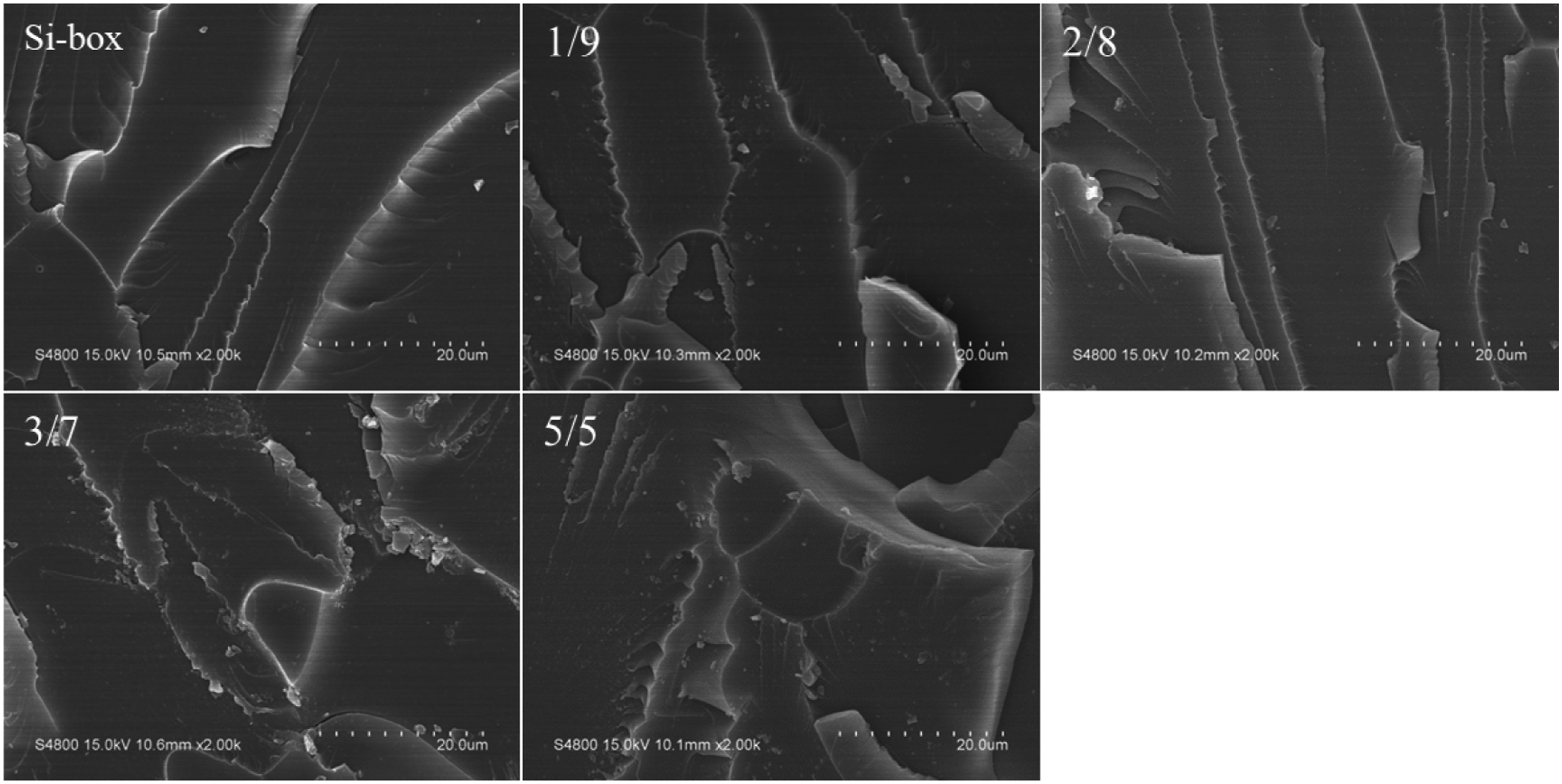
Conclusion
Branched EP resin (AG-80)/N-box copolymers featuring novolac chains and AG-80/Si-box copolymers featuring siloxane chains were successfully prepared without any external curing agent. In both the systems, the introduction of AG-80 EP shifted the exothermic peak temperature of the copolymer to a higher temperature and the exothermic heat continued to increase with increasing EP content. The DMA results revealed that the copolymerization of the EP resin and benzoxazine increased the crosslinking density of the copolymers, and with an increase in the EP content, the Tg of the copolymers also increased continuously; however, with increasing EP content, the molecular chain migration ability and the degree of the network crosslinking homogenization of AG-80/N-box copolymers decreased. Alternatively, in the Si-box system, the molecular chain migration ability remained essentially unchanged and the degree of network crosslinking homogenization improved. It can be observed from the TGA results that the heat resistance of all copolymers increased with increasing EP content. Furthermore, in terms of mechanical properties, for the different benzoxazines used, the AG-80/N-box copolymers exhibited brittle fracture characteristics. With increasing epoxy content, the flexural strength of the copolymer decreased while the tensile strength increased, achieving the highest tensile strength of 82.6 MPa, representing an improvement of 30.3%. In the Si-box system, the composite material exhibited ductile fracture characteristics, the flexural strength gradually increased, and the tensile strength also steadily increased, with the highest value of 74.6 MPa, representing an improvement of 36.9%. The results are very different from the previous research on the linear bisphenol A EP/benzoxazine systems. Thus, the copolymers developed in this study show good application prospects owing to their excellent mechanical and thermal properties.
Supplemental Material
Supplemental Material - Study on properties of copolymers based on different types of benzoxazines and branched epoxy resins
Supplemental Material for Study on properties of copolymers based on different types of benzoxazines and branched epoxy resins by Lele Liu, Fan Wang, Yaping Zhu and Huimin Qi in High Performance Polymers
Footnotes
Declaration of conflicting interests
The author(s) declared no potential conflicts of interest with respect to the research, authorship, and/or publication of this article.
Funding
The author(s) disclosed receipt of the following financial support for the research, authorship, and/or publication of this article: This work is supported by the Fundamental Research Funds for the Central Universities (50321041918013, 50321041917001).

Supplemental Material
Supplemental material for this article is available online.
References
Supplementary Material
Please find the following supplemental material available below.
For Open Access articles published under a Creative Commons License, all supplemental material carries the same license as the article it is associated with.
For non-Open Access articles published, all supplemental material carries a non-exclusive license, and permission requests for re-use of supplemental material or any part of supplemental material shall be sent directly to the copyright owner as specified in the copyright notice associated with the article.
