







Abstract
9,10-Dihydro-9-oxa-10-phosphaphenanthrene-10-oxide-N-Aminoethylpiperazine (DOPO-AEP), a phosphorus and nitrogen intumescent flame retardant curing agent was prepared by using acetonitrile as solvent using 9,10-dihydro-9-oxa-10-phosphaphenanthrene-10-oxide (DOPO) and N-aminoethylpiperazine (AEP) as raw materials. The structure of the flame retardant curing agent DOPO-AEP was analyzed Fourier Transform Infrared Spectrometer (FTIR), Nuclear Magnetic Resonance (NMR) and Electrospray Ionization Mass Spectrometry (ESI-MS), and the synthesis method of the target product was determined. In addition, the content of char residue was determined by thermogravimetric analyzer, and its thermal properties were comprehensively explored, and based on the obtained results, the curable epoxy resin was selected to prepare DOPO-AEP/EP flame retardant composites. According to the amount of DOPO-AEP added product, different proportions of DOPO-AEP/EP flame retardant composites were prepared, and the actual impact of flame retardant properties and mechanical properties of epoxy resin in different proportions was explored. When the content of DOPO-AEP is 35%, the limiting oxygen index of DOPO-AEP/EP reaches 29.9, which has a significant increase compared with the limiting oxygen index of pure epoxy resin of 19.8, but compared with the content of DOPO-AEP of 30%, the limiting oxygen index of DOPO-AEP/EP is 28.7, and there is no significant increase change. Comprehensive analysis shows that when the component content of DOPO-AEP is 30%, the flame retardant system has a tensile strength of 29.0 MPa, an impact strength of 4.5Kj/m2 and a flexural strength of 73.9 MPa, and its limiting oxygen index is as high as 28.7, and the comprehensive performance of the system is the best. By testing the surface morphology of the flame retardant composites after combustion by SEM, it was found that a dense char layer was formed on the surface of the epoxy resin cured char residue and foamed obviously, indicating that the flame retardant curing performance of DOPO-AEP was good.
Keywords
Introduction
Epoxy resin (EP), as one of the most representative thermosetting polymers, has motivated a worldwide interest due to its outstanding advantages such as excellent chemical corrosion resistance, remarkable dimensional stability and good adhesion, excellent electric insulating property, and low manufacturing cost; therefore, it has been extensively employed in various fields such as aerospace, laminates, coatings, adhesives, and encapsulations.1–6
Although epoxy resin is widely used in the civil field due to its excellent processing performance, excellent physical properties, low curing shrinkage, and low cost, its flame retardant and fire retardant performance is poor, with the limiting oxygen index only about 19.8%, and it is easy to produce smoke when burning, and death by smoke suffocation and death by inhalation of toxic gases is one of the important causes of death in fire.7–9 Therefore, how to improve the flame retardant performance of epoxy resin and reduce the release of harmful gases have become a research hotspot.
Based on the existence of halogen elements, flame retardants are usually divided into two types: halogen-containing and halogen-free, among them, the former has excellent flame retardant effect, so it is currently more commonly used, but it should be noted that this kind of halogen-containing flame retardant materials usually form a large amount of smoke in the process of flame retardant, accompanied by various toxic corrosive gases, which will cause great secondary harm to the nearby environment, so it has been gradually banned; Halogen-free flame retardants can effectively promote the formation of stable expanded coke layer, inhibit the continuous thermal oxidation reaction of the substrate, and increase the thermal degradation temperature, mass loss temperature and coke generation of the curing system. Flame retardants can also be divided into two types: reactive flame retardants and additive flame retardants, although the additive flame retardants are relatively cheap, but there are problems with compatibility, interface and dispersion, which greatly affects the mechanical properties of the material itself; Although the reactive flame retardant is slightly expensive, the elements contained in it are not easy to migrate and not easy to seepage, have excellent and permanent flame retardancy, have almost no effect on the performance of polymer materials, and have good thermal stability.
The co-action of phosphorus, nitrogen and boron in the char formation and radical quenching was the major factor in the improved f lame retardancy. Apparently, these FRs can significantly improve the f ire safety of EP thermosets, but their synthesis was complicated and involved the usage of abundant organic solvents and petroleum chem icals. In addition, the common phosphorus-containing FRs usually impart flame retardancy to EPs at the expense of mechanical properties and thermal stability due to their plasticizing and catalytic decomposi tion effects. 10
Therefore, in order to solve the high requirements, low cost and high efficiency of the mechanical properties and flame retardant properties of epoxy resin materials in production, industry and other fields, a halogen-free reactive flame retardant epoxy resin curing agent can be designed and introduced into the epoxy resin, which can not only play the role of cross-linking curing, but also achieve efficient flame retardant effect.
In this study, DOPO-AEP, a phosphorus and nitrogen intumescent flame retardant curing agent was prepared with acetonitrile as solvent using 9,10-dihydro-9-oxa-10-phosphophenanthrene-10-oxide (DOPO) and N-aminoethylpiperazine (AEP) as raw materials. A series of flame retardant epoxy resin composites DOPO-AEP/EP were prepared by applying them to the flame retardant and curing of bisphenol A epoxy resin, and the flame retardant properties, thermogravimetric properties, tensile strength, impact strength, bending strength and char residue morphology of the composites were studied.
Experimental
Material
9,10-dihydro-9-oxa-10-phosphaphenanthrene-10-oxide, analytically pure, Jiangsu Poster Chemical Technology Co., Ltd; N-Aminoethylpiperazine (AEP), analytically pure, Shanghai Maclean’s Biochemical Technology Co., Ltd; Acetonitrile, carbon tetrachloride, analytically pure, Tianjin Fuyu Fine Chemical Co., Ltd; M-phenylenediamine (MPD). Analytical pure, Tianjin Damao Chemical Reagent Factory.
Synthesis of DOPO-AEP
Add 30 mL of acetonitrile, 1.29 g (0.01moL) of N-aminoethylpiperazine, and 4.54 g (0.021moL) of DOPO to a 100 mL three-mouth flask equipped with a condensation reflux device, stir to dissolve, and dissolve under ice bath conditions (<15°C), 3.38 g (0.022 mol) of CCl4 was added dropwise, and the system was heated to 30°C after dropwise addition (about 60 min), and the reaction was carried out for 1 hour. After 1 h of reaction, the temperature will be raised to 60°C and the holding reaction will continue for 4 h. The reaction was stopped, reduced to room temperature, filtered and washed with acetonitrile for 3 times, and vacuum dried at 80°C for 12h to obtain a white solid powder that was DOPO-AEP. The equation for the preparation reaction is shown in Figure 1. DOPO-AEP reaction equation.
Preparation of DOPO-AEP/EP flame retardant epoxy resin composites
At 60°C, MPD and E−44 are mixed to a transparent state, AEP-DOPO is added to mix and evenly vacuum defoam, and when the solution is free of bubbles, it is injected into the pre-heated PTFE mold, solidified at 60°C for 20 min, 80°C for 2 h, and 150°C for 3 h and 40 min, and then naturally lowered to room temperature, and the sample is taken out for polishing to ensure that the sample size is consistent, and the flame retardant epoxy resin composite material is prepared.
E-44 halogen-free flame retardant epoxy system.
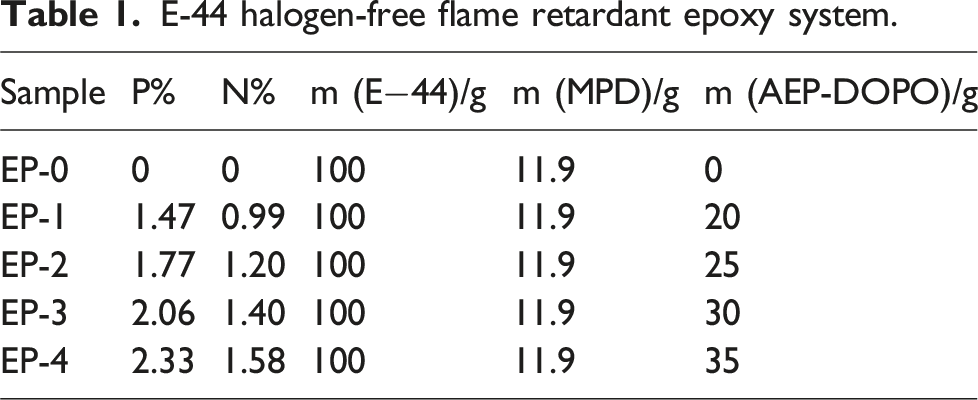
Measurements
The functional group of the compound were analyzed with Fourier infrared spectrometer (NEXUS-470). The KBr tableting method was used to comprehensively characterize the obtained synthetic products.
1H NMR, 31P NMR and 13C NMR were analyzed with a nuclear magnetic resonance spectrometer (Bruker DMX) using D2O as the solvent
Relative molecular of the compound was analyzed with Mass spectrum (Thermo Scientific)
The STA 449C comprehensive thermal analyzer of NETZSCH Instrument Manufacturing Co., Ltd Was used for thermal performance analysis, the temperature range was 50∼800°C, the heating rate was 10°C/min, and the test was carried out under air atmosphere.
The tensile strength is tested by an electronic tensile machine. The tensile speed is 10 mm/s, and the tensile strength is calculated according to equation (1): σt——Tensile strength in megapascals (MPa); P——Breaking load in Newtons (N); b——Specimen width in millimeters (mm); h——Specimen thickness in millimeters (mm)
The bending test was carried out in a three-point bending mode on a CMT6104-type electronic universal testing machine. Each sample was tested five times, and the average results were taken.
The GT-7045-MDL digital impact testing machine of High-speed Railway Technology Co., Ltd Was used to test according to the national standard GB/T2567-2008, and the impact velocity of the pendulum impact specimen was 2.9 m/s. The formula for calculating impact strength (2) is: σκ- Impact strength (KJ/m2); A- The work expended to break the specimen (J); b- Specimen notch width (mm); d- Specimen notch thickness (mm)
In the course of the study, the test was carried out based on the ASTM D-2863 standard by using the JF-3 oxygen index tester produced by Nanjing Jiangning Analytical Instrument Factory. Sample size 100 mm × 4 mm×2 mm. Formula for Limiting Oxygen Index (3):
The Burning morphology of composite materials were characterized with Scanning electron microscopy (S-3400N, Hitachi)
Results and discussion
Figure 2 shows the infrared spectra of DOPO, AEP and DOPO-AEP, as shown in Figure 2, 914 cm−1 is the P-H bending vibration absorption peak on the raw material DOPO, and 1641 cm−1 is the N-H stretching vibration absorption peak on the raw material AEP.
11
2975 cm−1,2730 cm−1 is the expansion and contraction vibration absorption peak of C-H on methylene; 1598 cm−1, 1456 cm−1 is the C = C expansion vibration absorption peak on the aromatic ring, 1444.70 cm−1 is the CH2 variable angle vibration absorption peak, 995 cm−1 is the P-N bending vibration absorption peak, 1108 cm−1 is the P = O expansion vibration absorption peak, 760 cm−1 is the P-C expansion and contraction vibration absorption peak, 717 cm−1 is the CH2 out-of-plane bending vibration absorption peak.12,13 It was proved that the P-H bond disappeared compared with the raw material DOPO, and the N-H bond disappeared compared with N-aminoethylpiperazine, and the P-N bond was formed to produce DOPO-AEP. The preliminary results showed that the preparation of DOPO-AEP was successful. Infrared spectra of DOPO, AEP, and DOPO-AEP.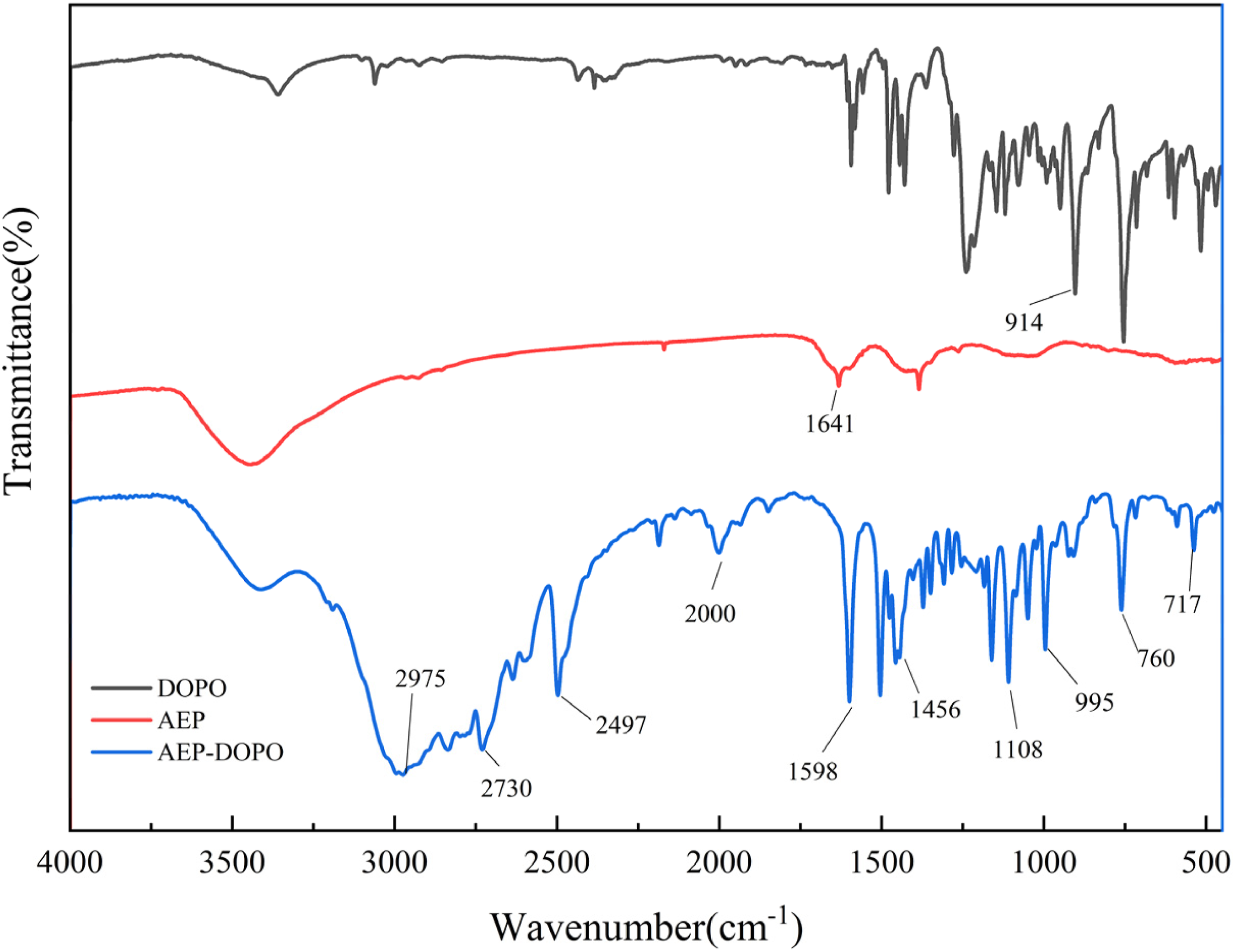
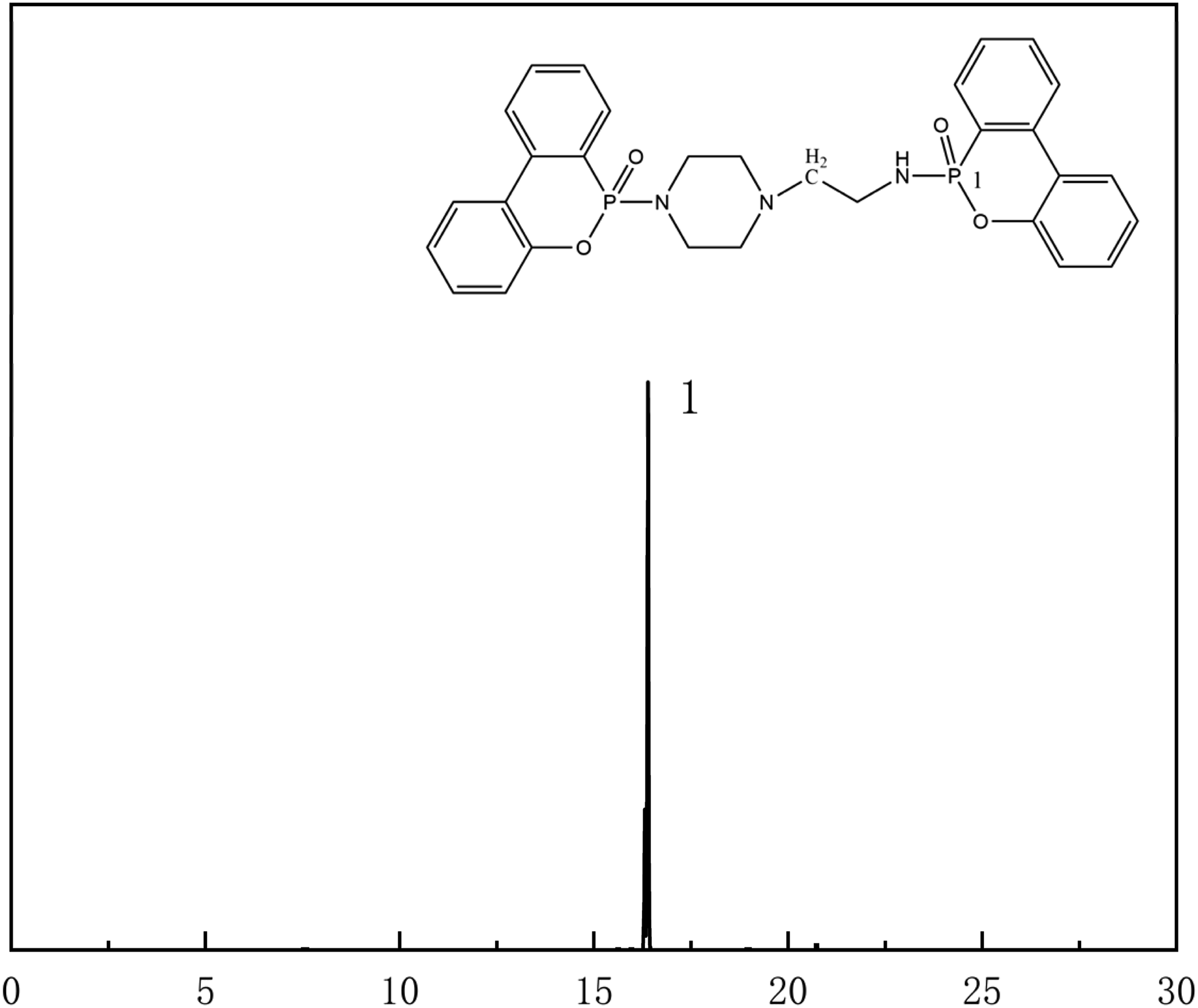
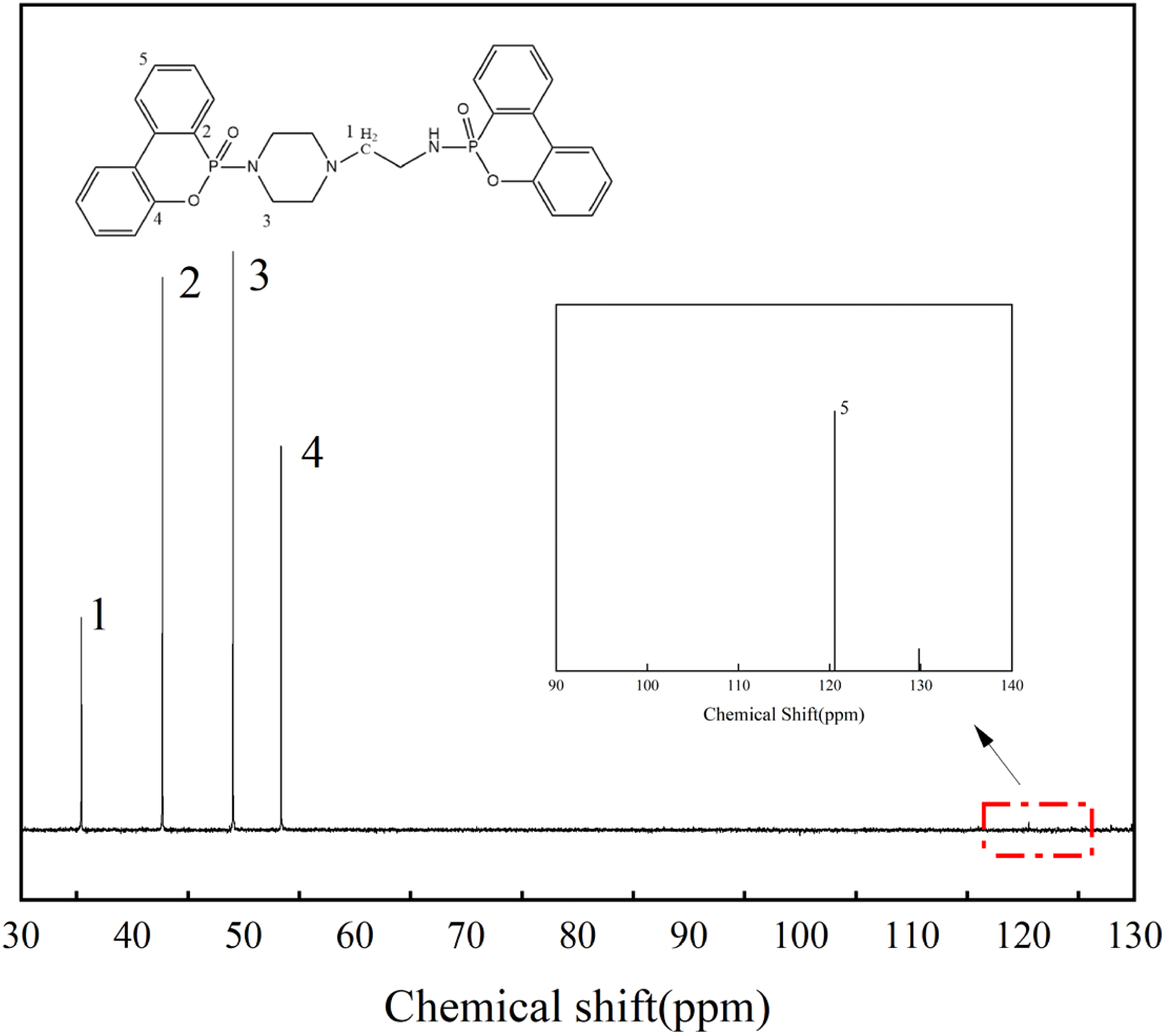
Figure 3 shows the NMR hydrogen spectrum of DOPO-AEP, with a chemical shift (ppm) of about 1.8 attributed to H on -CH2 on a ring of nitrogen-containing elements, a chemical shift of about 2.6 attributed to H on -CH2 attached to nitrogen-hydrogen bonds, a chemical shift of about 3 attributed to H on -CH2 attached to a ring of nitrogen-containing elements, and a chemical shift of about 3.3 attributed to H on N-connected to P. The chemical shift at 7-8 ppm is attributed to the phosphaphenanthrene ring, indicating that the DOPO framework is still preserved. At the same time, the resonance of P-H at 8 ppm from DOPO completely disappeared. Figure 4 shows the NMR phosphorus spectrum of DOPO-AEP, with a chemical shift of about 16 attributed to the phosphaphenanthrene ring, indicating that the DOPO framework is still preserved. Figure 5 shows the NMR carbon spectrum of DOPO-AEP, with a chemical shift of about 35.4 attributed to C-H, a chemical shift of about 42.7 attributed to C-P, a chemical shift of about 49.1 attributed to C-N, and a chemical shift of about 120.5 attributed to carbon on biphenyls. Consistent with the structural formula of the target product, the NMR spectra further demonstrated the success of the preparation of DOPO-AEP. NMR hydrogen spectra of DOPO-AEP. NMR phosphorus spectra of DOPO-AEP. NMR carbon spectra of DOPO-AEP.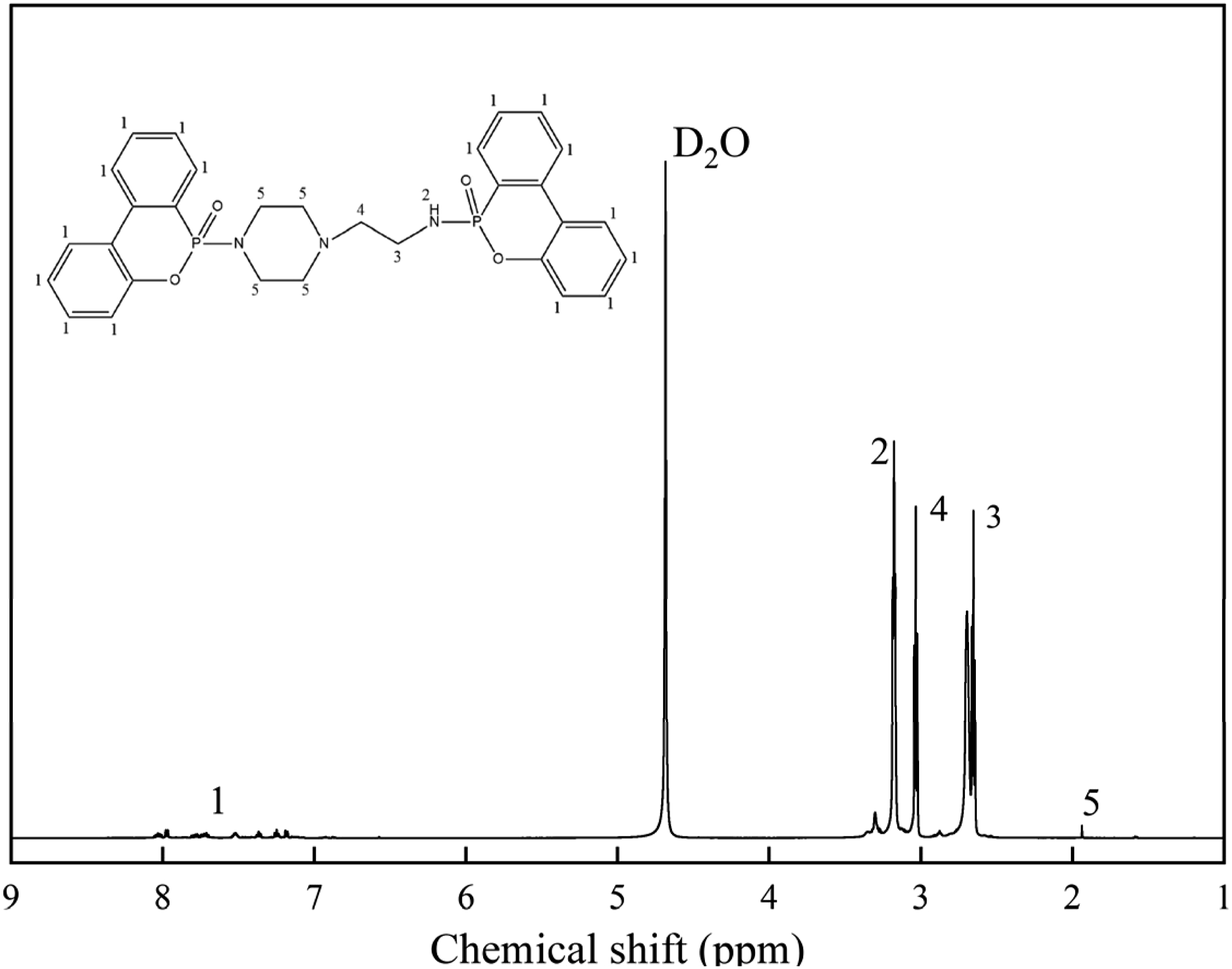
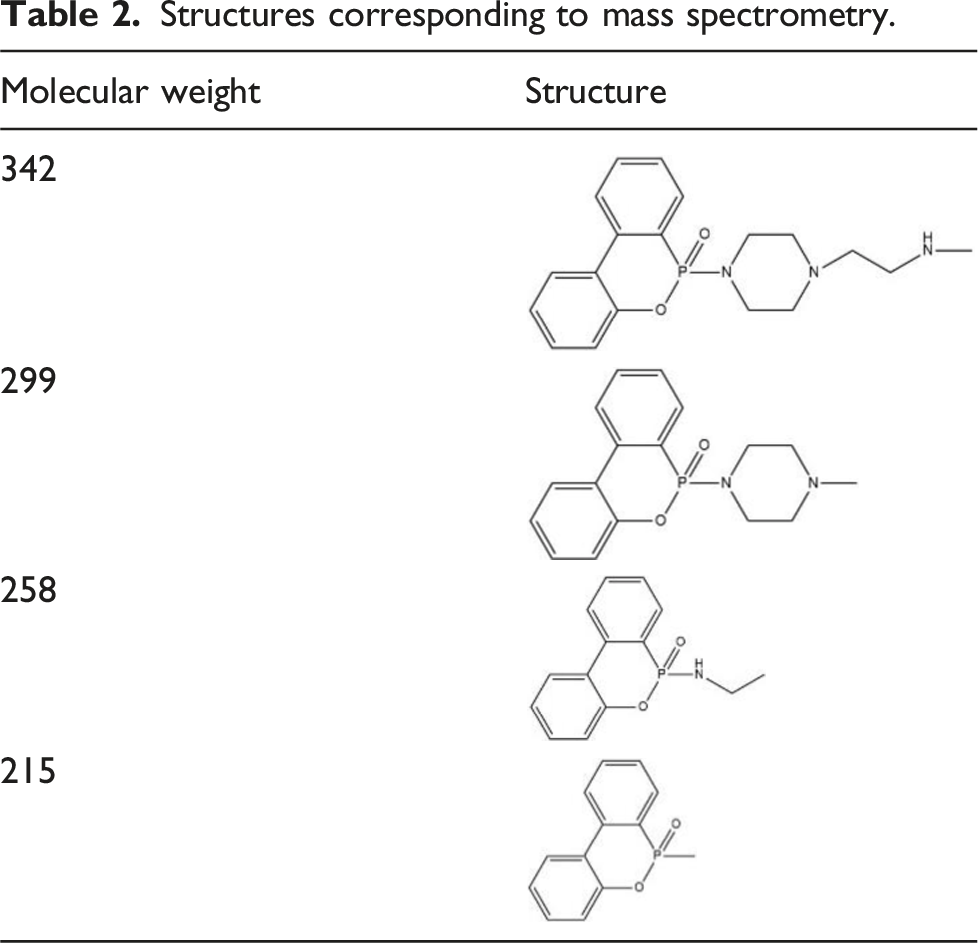
ESI-MS represents the various molecular ions and fragment ions with positive charge that are actually formed during the bombardment of high-speed electron flow in the high-vacuum system, and the mass and overall structure of the sample molecules can be obtained by analyzing the ratio m/z between mass m and charge z. Figure 6 shows the DOPO-AEP mass spectrum, which can be observed as m/z = 342, 299, 258, 215, matching the four structures, as shown in Table 2 above. The mass spectrometry results were consistent with the theoretical values, and the combination of infrared spectrogram and nuclear magnetic resonance hydrogen spectra confirmed that the designed structure DOPO-AEP had been successfully prepared. Mass spectra of DOPO-AEP. Structures corresponding to mass spectrometry.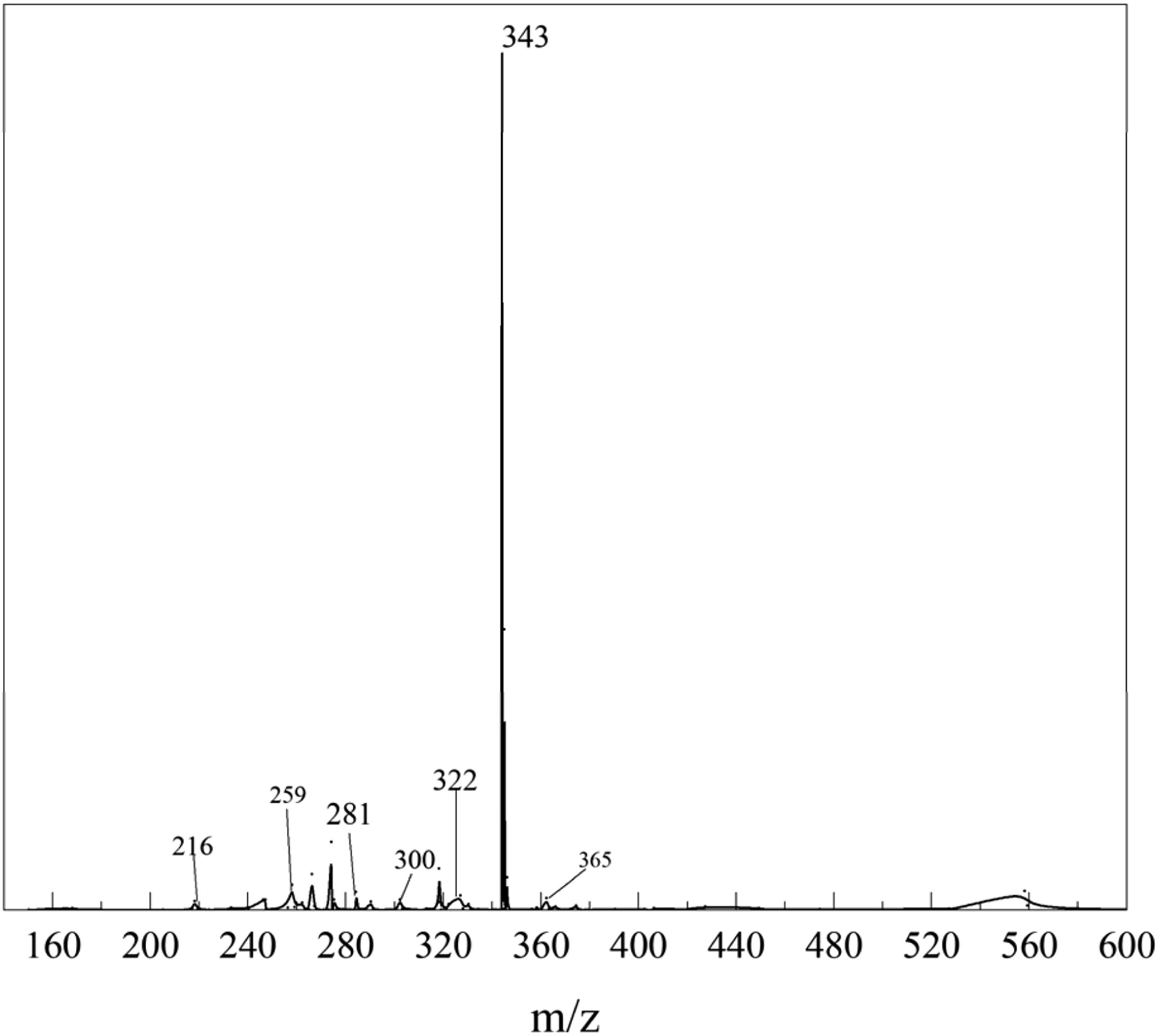
Thermal stability of DOPO-AEP/EP composites
The TG curves of DOPO-AEP and epoxy resin composites are shown in Figure 7. The characteristic values of the TG curve depicted in Figure 7 are presented in Table 3. T5% represents the weight loss temperature of the corresponding decomposition of 5%. It can be seen that the initial decomposition temperature of the epoxy resin is 300°C, and it goes through two decomposition stages (250-400°C and 400-600°C, respectively).14,15 At 700°C, 1.9 wt% char residue remains. The T5% value of EP-1 was lower than that of pure EP, and gradually decreased with the increase of DOPO-AEP content. These phenomena may be due to the early degradation of DOPO due to the breaking of weak bonds such as O = P-O- and P-N.
16
With the increase of DOPO-AEP content of flame retardant curing agent, the char residue value increased from 1.9% to 5.5%. The final decomposition temperature increased from 610°C to 760°C, indicating that the addition of flame retardant curing agent increased the decomposition temperature of epoxy resin composites and significantly increased the char residue rate. This is due to the fact that the polyphosphoric acid produced during the resin decomposition process stimulates EP degradation in the early stages of heating to form enough coke that the phosphorus-rich char layer can cover the surface of the burning material and prevent further decomposition within the curing system.
17
The results show that the flame retardant curing agent DOPO-AEP has a good charring effect, which is of great significance for the flame retardant performance of the matrix material. TG curves of DOPO-AEP and epoxy resin composites. Thermogravimetric properties of epoxy resins cured with different phosphorus contents.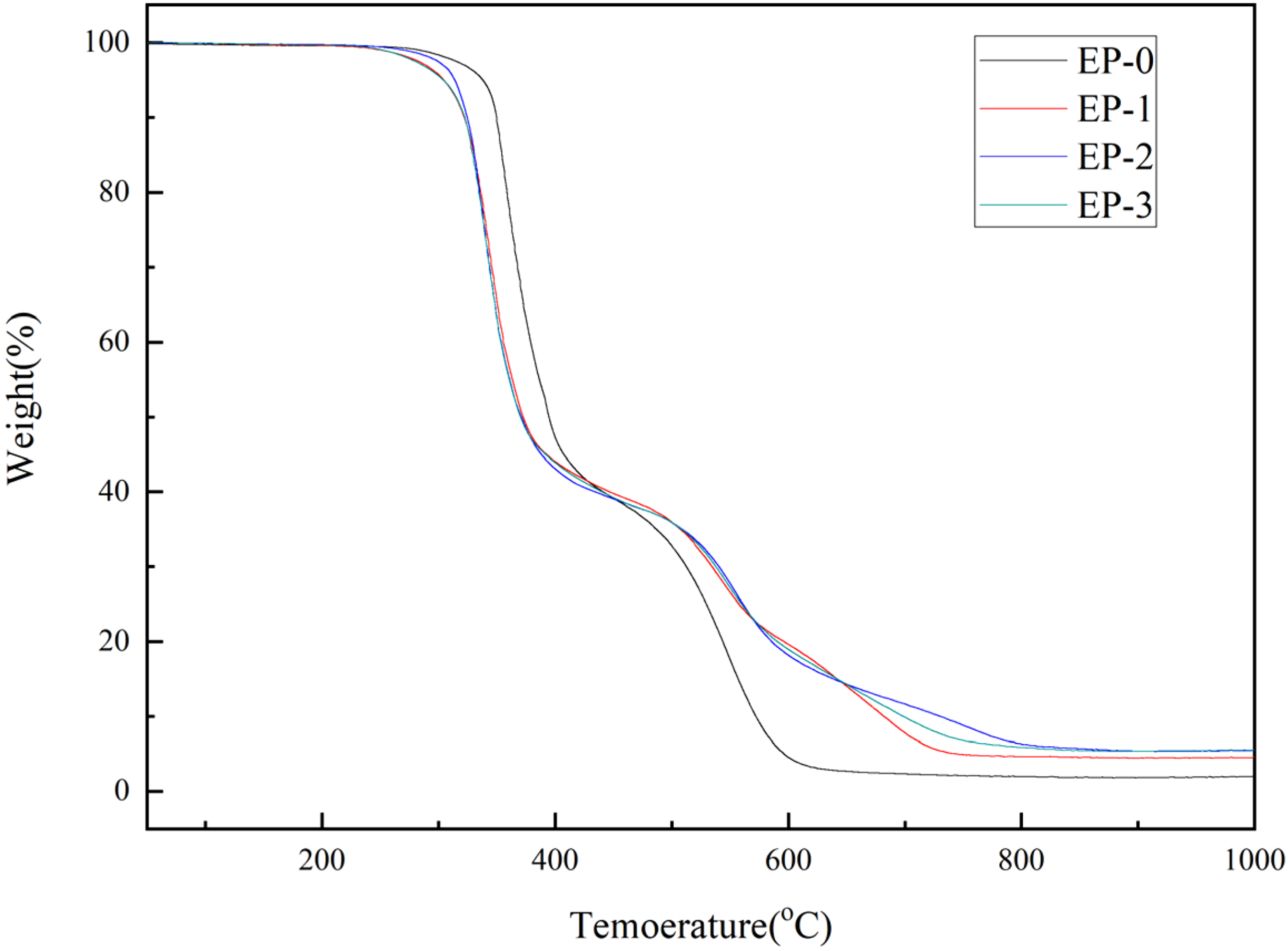

Mechanical properties of DOPO-AEP/EP composites
As shown in Figure 8, the increase in the content of DOPO-AEP, a flame retardant curing agent, will change the tensile strength of the epoxy resin composite. EP-4 is a flame retardant curing agent, DOPO-AEP, with a component content of 35%, and its tensile strength is 24.5 MPa, which is significantly lower than that of EP-0 pure epoxy resin of 69.3 MPa. The results show that the tensile strength of epoxy resin composites decreases gradually with the increase of flame retardant curing agent content. Tensile strength of DOPO-AEP/EP composite splines with different ratios was tested.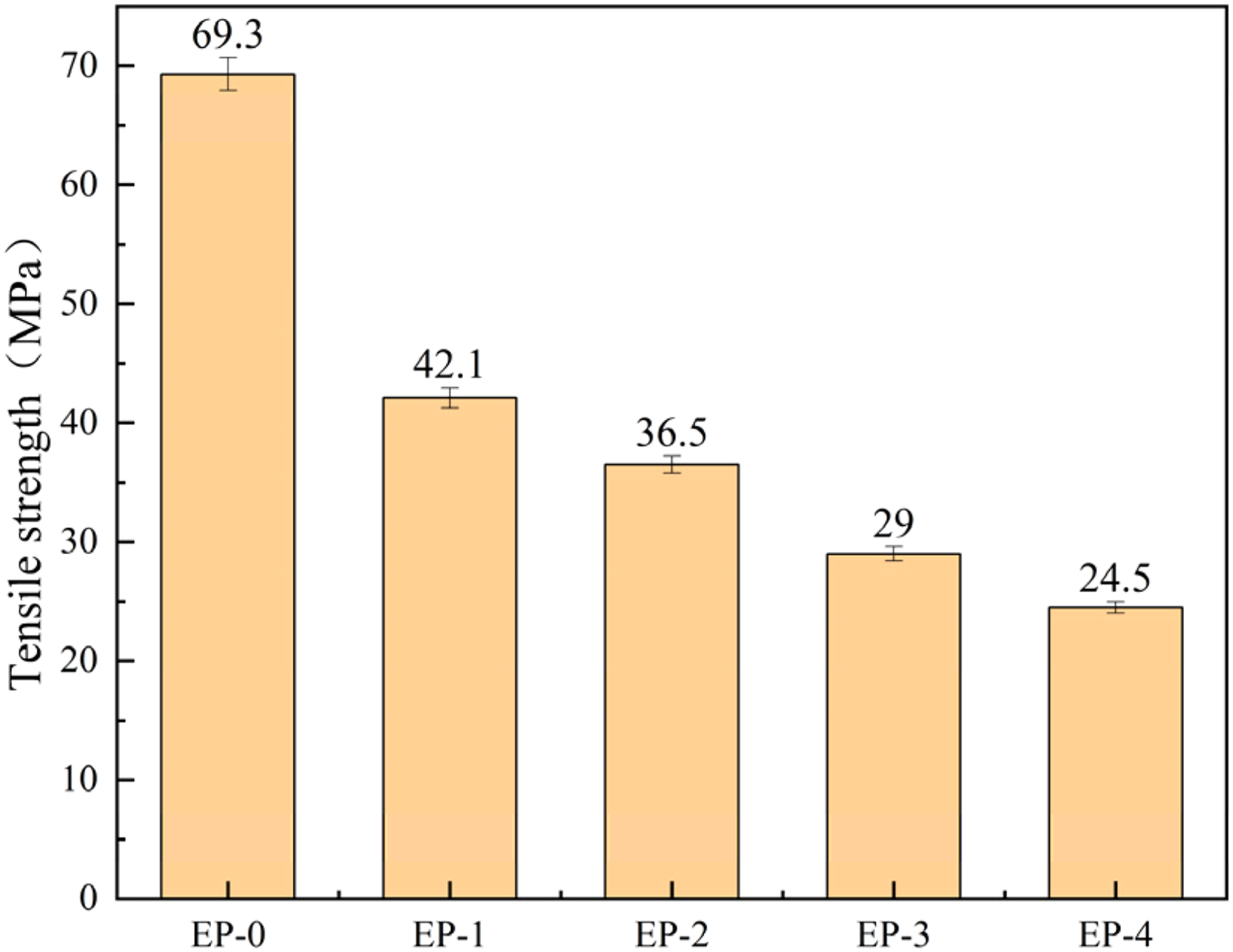
As shown in Figure 9, the increased content of DOPO-AEP, a flame retardant curing agent, will change the flexural strength of epoxy resin composites. When the component content of flame retardant curing agent DOPO-AEP is 35%, its flexural strength is 72.5 MPa, which is significantly lower than that of pure epoxy resin is 120.9 MPa. However, when the component content of DOPO-AEP is 30%, its flexural strength is 73.9 MPa, which has no significant decrease. It shows that with the increase of the content of DOPO-AEP component of flame retardant curing agent, the flexural strength of epoxy resin composites decreases, but the downward trend gradually slows down. Test the flexural strength of DOPO-AEP/EP composite splines with different ratios.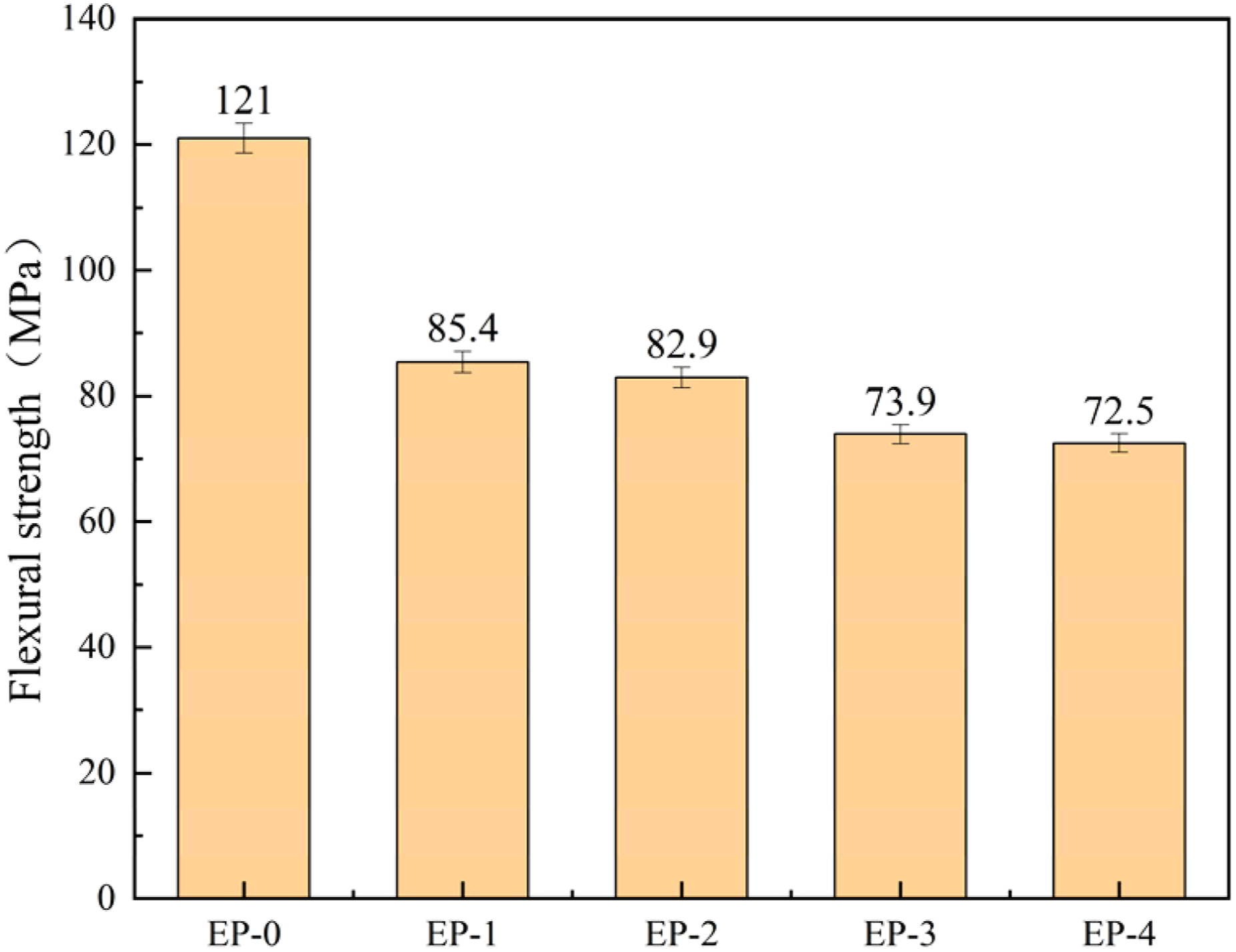
As shown in Figure 10, the impact strength of the epoxy resin composite material is changed as the content of DOPO-AEP component of the flame retardant curing agent increases. When the content of DOPO-AEP component of flame retardant curing agent is 35%, its impact strength is 4.1Kj/m2, which is 17.3Kj/m2 relative to that of pure epoxy resin, which is significantly reduced, but when the content of DOPO-AEP component content of flame retardant curing agent is 30%, its impact strength is 4.5Kj/m2, which has no significant decrease. It shows that with the increase of the content of DOPO-AEP component of flame retardant curing agent, the impact strength of epoxy resin composites decreases gradually, and the downward trend gradually slows down. Impact strength test of DOPO-AEP/EP composite splines with different ratios.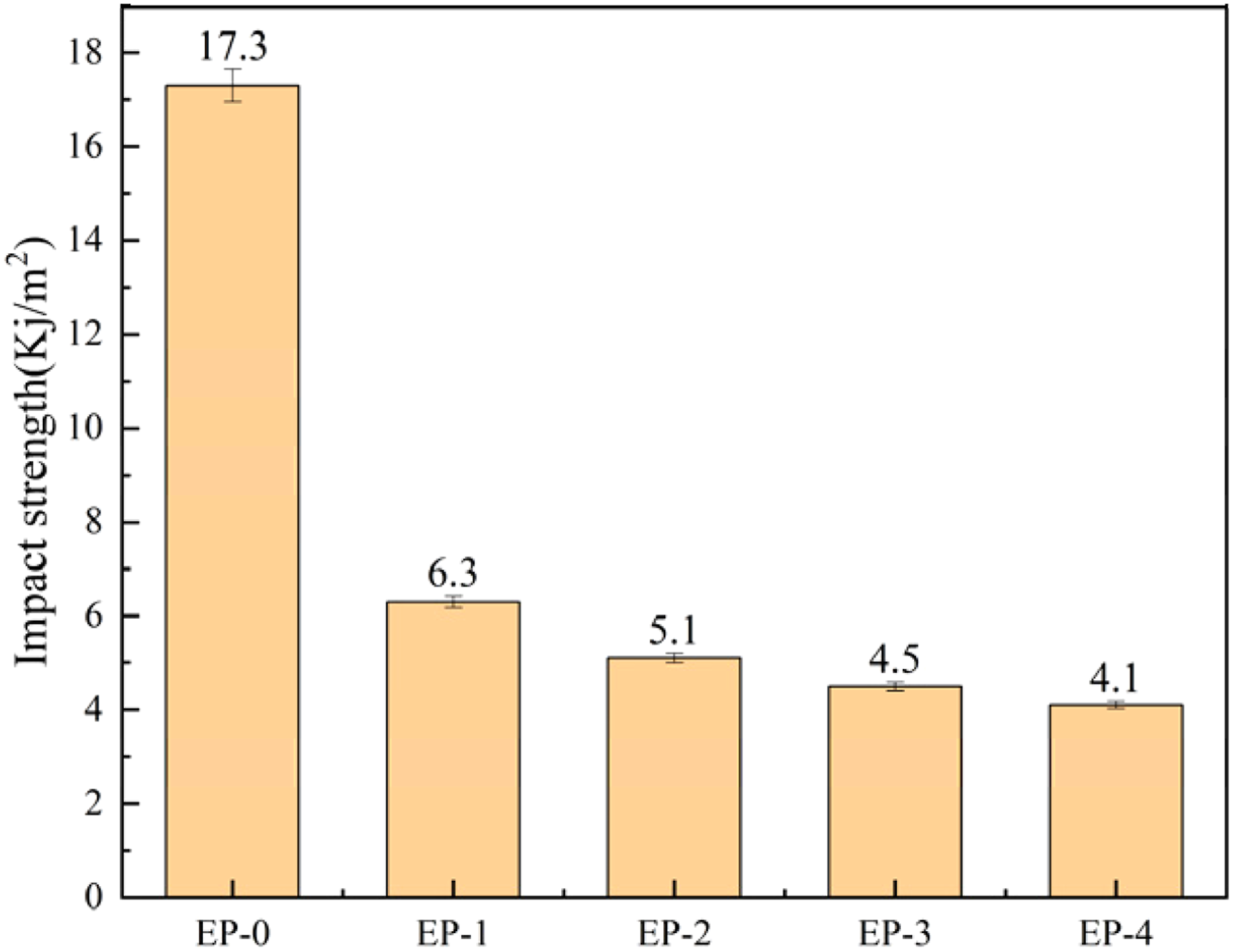
Compared with pure EP, the mechanical properties of DOPO-AEP/EP flame retardant composites decreased slightly, and the tensile strength and impact strength of the flame retardant system showed a trend of rapid decline and slow decline with the gradual increase of DOPO-AEP. When the mass fraction of phosphorus is 2.06%, the tensile strength and impact strength reach 29.0 MPa and 4.5Kj/m2, respectively, and the mechanical properties are the best. The decline in mechanical properties is due to the fact that the compatibility of DOPO-AEP solid particles in epoxy resin is not good enough, and some of the solid particles act as fillers when curing 18 ; With the curing, the viscosity of the system is increasing, and the intermolecular contact becomes very difficult, so the cross-linking density of epoxy resin decreases, resulting in the decrease of its mechanical properties.
Flame retardant properties of DOPO-AEP/EP composites
Limiting oxygen index of DOPO-AEP/EP composites.
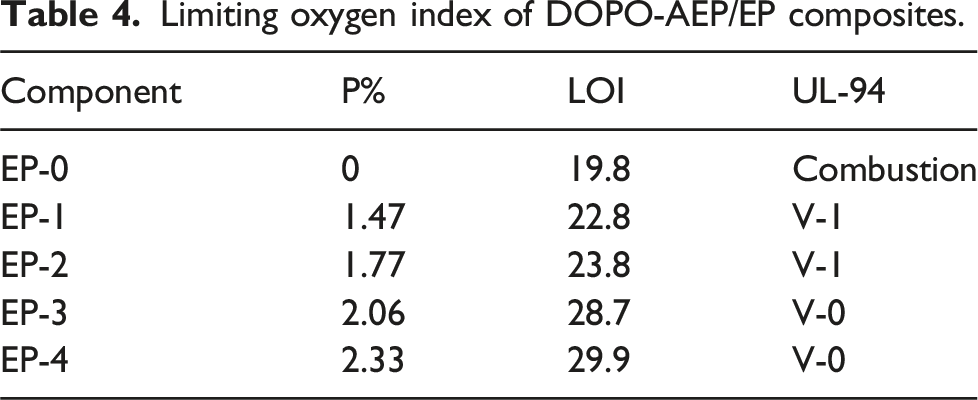
Through the observation of Tables 4, it can be found that after curing the pure epoxy resin by using MPD curing agent, the actual LOI can only reach 19.8, which is a flammable material, and after adding DOPO-AEP, the effective improvement of the epoxy resin LOI can be realized, and when 20 copies have been added, the actual flame retardant performance can be increased to 22.8, and the oxygen index of the epoxy resin will continue to improve when the flame retardant DOPO-AEP is continued to be increased. 19 The reason for this change is that phosphorus and nitrogen can maintain synergy, and then wrap the surface of the polymer system with various non-combustible gases formed during combustion, and enhance the flame retardancy of epoxy resin after expansion and foaming.
The vertical burn test (UL-94) is commonly used to evaluate the upward combustion characteristics of polymers. The results showed that the flame retardancy of the cured EP resin increased with the increase of P content, and when the P content exceeded 2.06 wt%, it reached the UL-94 V-0 rating. The results showed that the flame retardant DOPO-AEP had good flame retardant properties for the epoxy resin system. Considering the mechanical and flame retardant properties of DOPO-AEP/EP EPOXY resin composites, it was determined that the tensile strength of EP-3 flame retardant resin with P content of 2.06 wt% was 29 MPa, the impact strength was 4.5 Kj/m2, the LOI value was 28.7%, and the UL-94 grade was V-0.
Characterization of char layers in DOPO-AEP/EP composites
SEM was used to characterize the surface morphology of epoxy composites after combustion, as shown in Figure 11. 1) EP-0; 2) EP-1; 3) EP-2; 4) EP-3; 5) EP-4; It can be seen from the figure that the surface of the char residue after EP-0 combustion is very smooth, and there is no dense expansive char layer. Through the addition of flame retardant curing agent DOPO-AEP, a dense and complete expanded char layer is formed on the surface of the burned residual char, which effectively prevents the further combustion of epoxy resin and plays a flame retardant effect. When we add 35% flame retardant to EP, the surface morphology of the cured char residue will change significantly, followed by the formation of a large number of unevenness and particulate matter.
20
Combined with the observation results obtained by scanning electron microscopy, the addition of DOPO-AEP flame retardant curing agent can make a huge change in the surface morphology of epoxy resin composite char residue. The results show that with the gradual increase of the amount of DOPO-AEP, the denser the char layer formed after combustion, and the more the number of expanded bubbles on the surface, which indicates that the synergistic effect of P and N in our synthetic flame retardant curing agent has played a good role, and the N element releases non-combustible gas to dilute the O2 in the air on the surface of the matrix and the combustible gas decomposed by heating, reduces the oxygen concentration and combustible gas concentration, and the P element forms metaphosphoric acid or polyphosphoric acid dehydrated into charcoal. At the same time, the dense char layer formed by expansion foaming can isolate the transmission of oxygen and heat, making the flame retardant effect more significant. SEM image of DOPO-AEP/EP after combustion.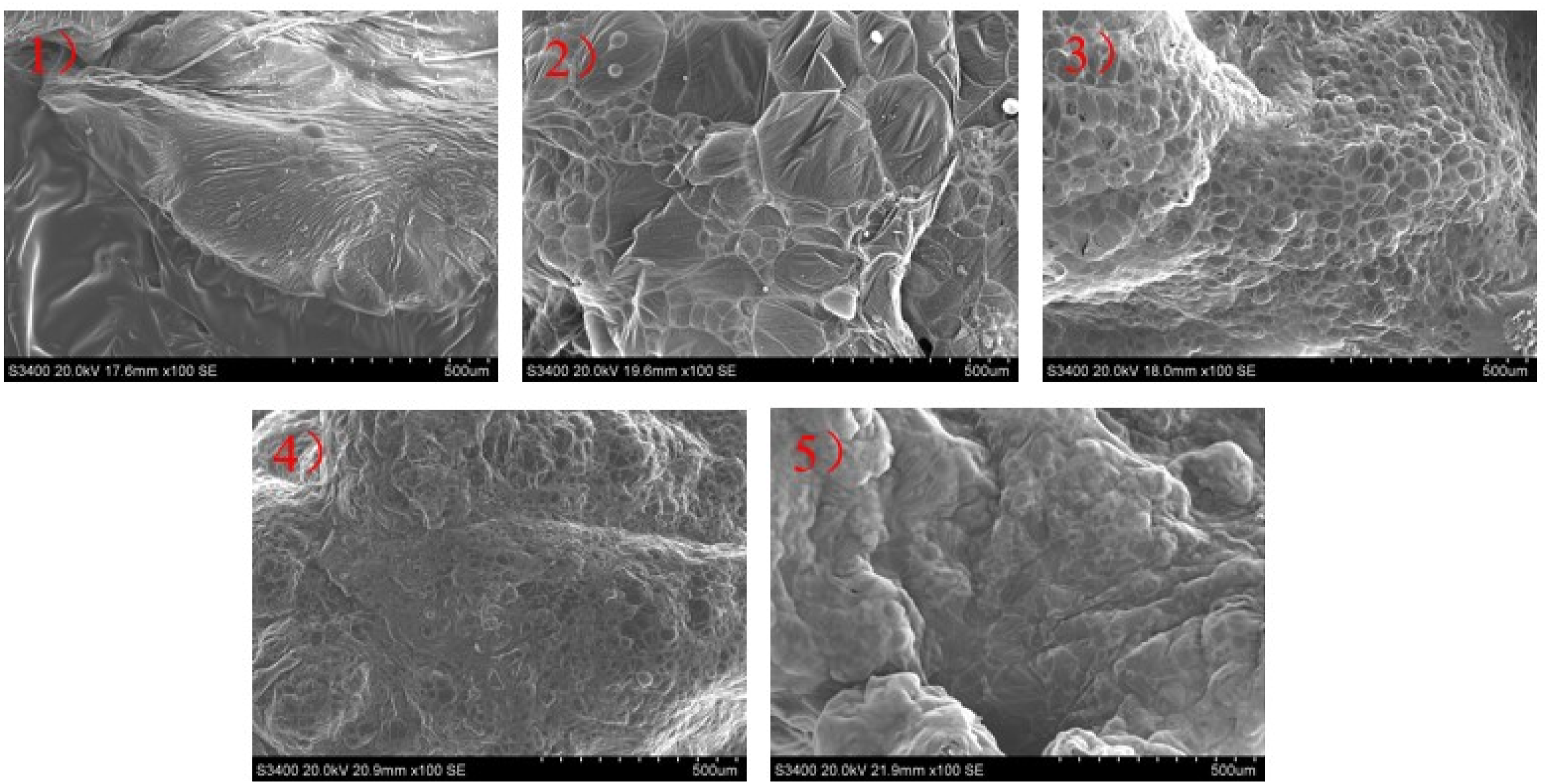
Conclusion
AEP-DOPO, a phosphorus and nitrogen intumescent flame retardant curing agent, was prepared by using 9,10-dihydro-9-oxa-10-phosphophenanthrene-10-oxide (DOPO) and N-aminoethylpiperazine (AEP). A series of DOPO-AEP/EP flame retardant epoxy resin composites were prepared with AEP-DOPO and MPD as curing agents. The results of TG analysis showed that the addition of flame retardant curing agent increased the decomposition temperature of epoxy resin composites, significantly increased the char residue rate, and the flame retardant effect became better and better. The phosphorus content of DOPO-AEP/EP composites was 2.33%, and the LOI reached 29.9, which was significantly higher than that of 22.8 when the phosphorus content was 1.47%, and the phosphorus content was V-1 to V-0 under the UL-94 test. The comprehensive analysis showed that under the same system conditions, after adding 30% flame retardant, the phosphorus content was 2.06%, the tensile strength of the system was 29.0 MPa, the impact strength was 4.5Kj/m2, and the flexural strength was 73.9 MPa, and the mechanical properties of the system were the best. SEM technology was used to characterize the surface morphology of epoxy composites after combustion, which could protect the underlying matrix from heat and combustibles, and showed good flame retardant effect.
Footnotes
Declaration of conflicting interests
The author(s) declared no potential conflicts of interest with respect to the research, authorship, and/or publication of this article.
Funding
The author(s) disclosed receipt of the following financial support for the research, authorship, and/or publication of this article: This work was supported by the Basic Research Funds for Colleges and Universities of Liaoning Province (No. LJ212410149019).

Data availability statement
Data sharing not applicable to this article as no datasets were generated or analyzed during the current study.