







Abstract
Keywords
Introduction
Integrating ICT into library services has been an ongoing process shaped by historical developments, technological advancements, and evolving user needs. The roots of this integration can be traced back to the mid-20th century when libraries began experimenting with early computing technologies to automate routine tasks such as cataloging and circulation. These initiatives laid the groundwork for the digitization of library collections and the emergence of digital libraries in the late 20th and early 21st centuries (Dhokare and Gaikwad, 2020).
Against this backdrop, academic libraries have become focal points for innovation and experimentation in harnessing ICT to meet the evolving needs of their users. From digital repositories and online learning platforms to virtual reality experiences and research data management services, libraries are continuously expanding their offerings to support teaching, learning, and research in the digital age (Moyo, 2004; Mhlongo et al., 2023). However, challenges persist, particularly in resource-constrained environments where infrastructure and funding limitations hinder the full realization of digital library initiatives. In response, innovative solutions have emerged, drawing inspiration from successful implementations elsewhere. Countries like South Korea and Singapore have set exemplary standards in digital library development, leveraging government support, public-private partnerships, and advanced technology infrastructure to create world-class digital repositories (Swaminathan, 2024)).
Solutions that have proven effective include the establishment of institutional repositories, collaborative digitization projects, and the adoption of open access policies. By harnessing the collective expertise and resources of academia, government, and industry, these initiatives have expanded access to scholarly content while promoting knowledge sharing and preservation. In Uganda, initiatives such as the Consortium of Uganda University Libraries (CUUL) have played a pivotal role in advancing digital library services. Through collaborative efforts among academic institutions, CUUL has facilitated resource sharing, capacity building, and technology adoption, thereby enhancing the collective impact of university libraries nationwide (Kiwelu et al., 2023).
Notwithstanding the advancements, disparities in ICT infrastructure and digital literacy persist, pose challenges to equitable access and inclusivity. Addressing these challenges requires a multifaceted approach, encompassing policy interventions, capacity building initiatives, and strategic investments in ICT infrastructure. By harnessing the transformative power of ICT, university libraries in Uganda and beyond can continue to evolve as dynamic hubs of knowledge creation, dissemination, and innovation (Ehimuan et al., 2024). Despite the strides made in the integration of ICT in library services, significant disparities in infrastructure and digital literacy persist across regions, posing formidable challenges to achieving equitable access and inclusivity. In Uganda, as in many other parts of Sub-Saharan Africa, limited access to reliable electricity, internet connectivity, and modern computing devices remains a barrier to fully leveraging digital resources in university libraries. Additionally, uneven levels of digital literacy among library users further exacerbate disparities, as marginalized communities struggle to navigate digital interfaces and capitalize on the wealth of information available online (UNESCO, 2023).
Addressing these challenges demands a comprehensive approach that extends beyond mere technological investments. Policy interventions play a crucial role in setting the agenda for ICT development in libraries, guiding resource allocation, and fostering collaboration among stakeholders. Governments and educational institutions must prioritize ICT infrastructure development, allocating sufficient funds for the procurement of hardware, software, and internet connectivity. Furthermore, policies should prioritize digital literacy training programs to equip library staff and users with the skills needed to harness ICT effectively (Hinostroza, 2018). Capacity building initiatives are essential to empower library professionals with the knowledge and skills required to integrate ICT seamlessly into their workflows. Training programs, workshops, and seminars on digital library management, information retrieval systems, and digital preservation techniques can enhance the competencies of librarians, enabling them to deliver high-quality services in a digital environment. Collaborative efforts with international organizations and academic institutions can facilitate knowledge exchange and best practice sharing, enriching the expertise of library professionals in Uganda and beyond (Ike, 2023).
Statement of the problem
ICT in university libraries hold immense promises for enhancing service delivery. However, the actualization of these benefits is often hindered by a disconnect between the anticipated advantages of ICT applications and the reality of service delivery in libraries. Users frequently encounter challenges such as inconsistent access to digital resources, insufficient support for navigating collections, and limited guidance in effectively utilizing ICT tools for research and learning. These obstacles not only degrade the user experience but also impede the full potential of ICT applications in library services (Ndanwu et al., 2016).
These multifaceted challenges necessitate an assessment of ICT application utilization in libraries and its impact on service delivery quality. Addressing these challenges and identifying opportunities for improvement is crucial for academic libraries to better support research, teaching, and learning endeavors in today’s digital age. This study therefore sought to evaluate how ICT applications can effectively improve accessibility to digital resources, streamline administrative tasks, and enhance the overall user experience in libraries.
Main objective
To propose a framework for ICT applications in enhancing library service usage in university libraries.
Research questions
(i) What is a framework. (ii) What are the variables that should consist an ICT framework for library usage.
Literature review
Theoretical review
The theoretical frameworks not only help guide the investigation but also explain the adoption, usage, and impact of ICT within library systems. Below is a theoretical review of the key models and theories that underpin this study.
Unified theory of acceptance and use of technology (UTAUT)
The UTAUT framework as shown in Figure 1 was developed by Venkatesh et al. (2003), is one of the most influential models for understanding the adoption and use of technology. It integrates elements from eight prominent technology acceptance models, including the Technology Acceptance Model (TAM), the Theory of Planned Behavior (TPB), and the Motivation Model (MM). The model explains how various factors influence technology adoption behavior among users. Core Constructs of UTAUT include.
The variables in Figure 1 are explained in relation to the application of ICTs in the enhancement of service delivery; Performance Expectancy: This refers to the degree to which an individual believes that using the system will improve job performance. In the context of university libraries, this relates to the benefits users expect from using ICT systems, such as quicker access to resources, better search functionalities, and enhanced research tools. UTAUT model (Venkatesh et al., 2003).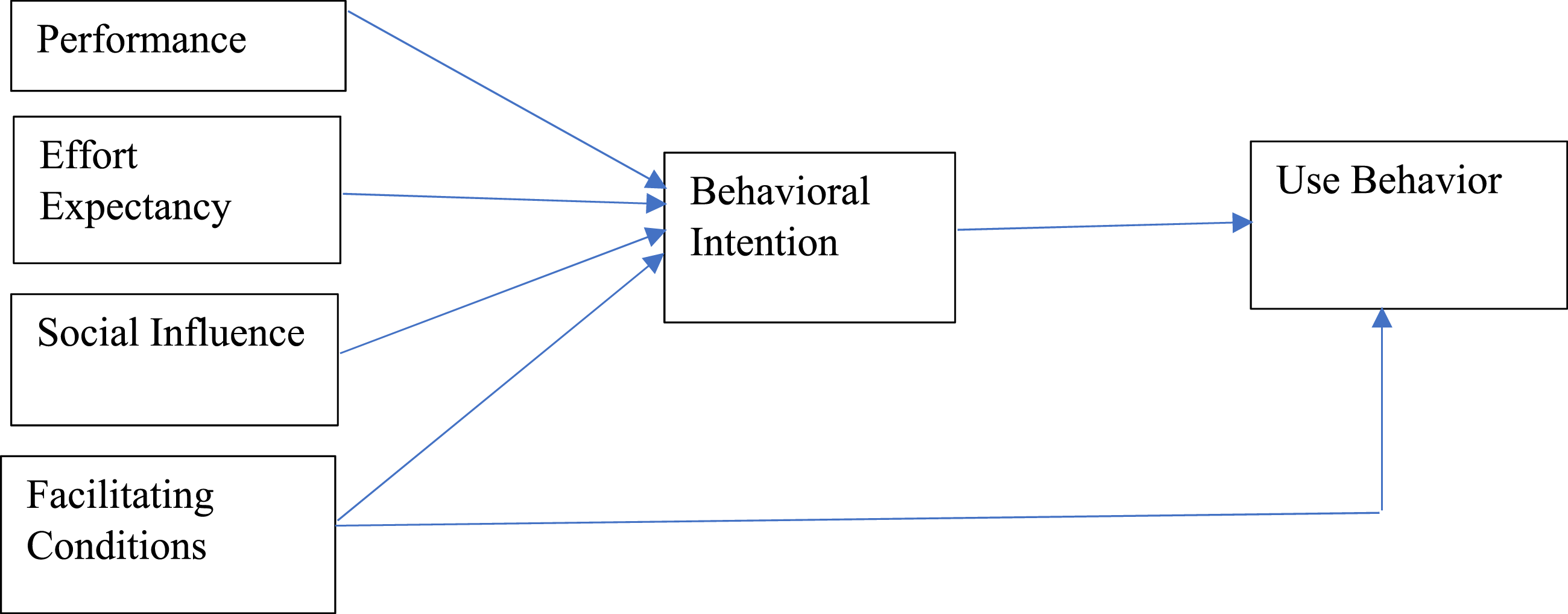
Effort expectancy
It is a construct that refers to the perceived ease of use of a technology. In university libraries, this encompasses the user-friendliness of ICT tools such as online catalogs, digital repositories, and library management systems. A system that is easy to navigate and use is more likely to be adopted by students and faculty alike.
Social influence
This reflects the degree to which an individual perceives how important others believe they should use the new system. In university libraries, this may relate to the influence of peers, faculty, or academic networks in encouraging or pressuring the use of digital tools and services.
Facilitating conditions
This refers to the resources and support available to help users adopt the technology. For university libraries, it includes access to necessary infrastructure (like reliable internet, computer labs, and technical support), training programs for users, and access to help desks or librarian assistance.
UTAUT shown in Figure 1 has proven effective in explaining technology adoption across various fields, and it is highly applicable to understanding how library users (students, faculty, and staff) interact with and adopt ICT tools in a university setting. The theory suggests that for successful ICT integration in university libraries, a focus on improving perceived benefits, ease of use, social influences, and facilitating conditions is essential.
SERVQUAL (service quality)
SERVQUAL framework displayed in Figure 2 is a well-established service quality model developed by Parasuraman et al. (1988), and it is widely applied in the context of customer satisfaction and service evaluation. The model is based on the premise that service quality is determined by the gap between customer expectations and their perceptions of the service delivered. In the case of university libraries, SERVQUAL helps measure the quality of library services based on five key dimensions. SERVQUAL framework (Parasuraman et al., 1988).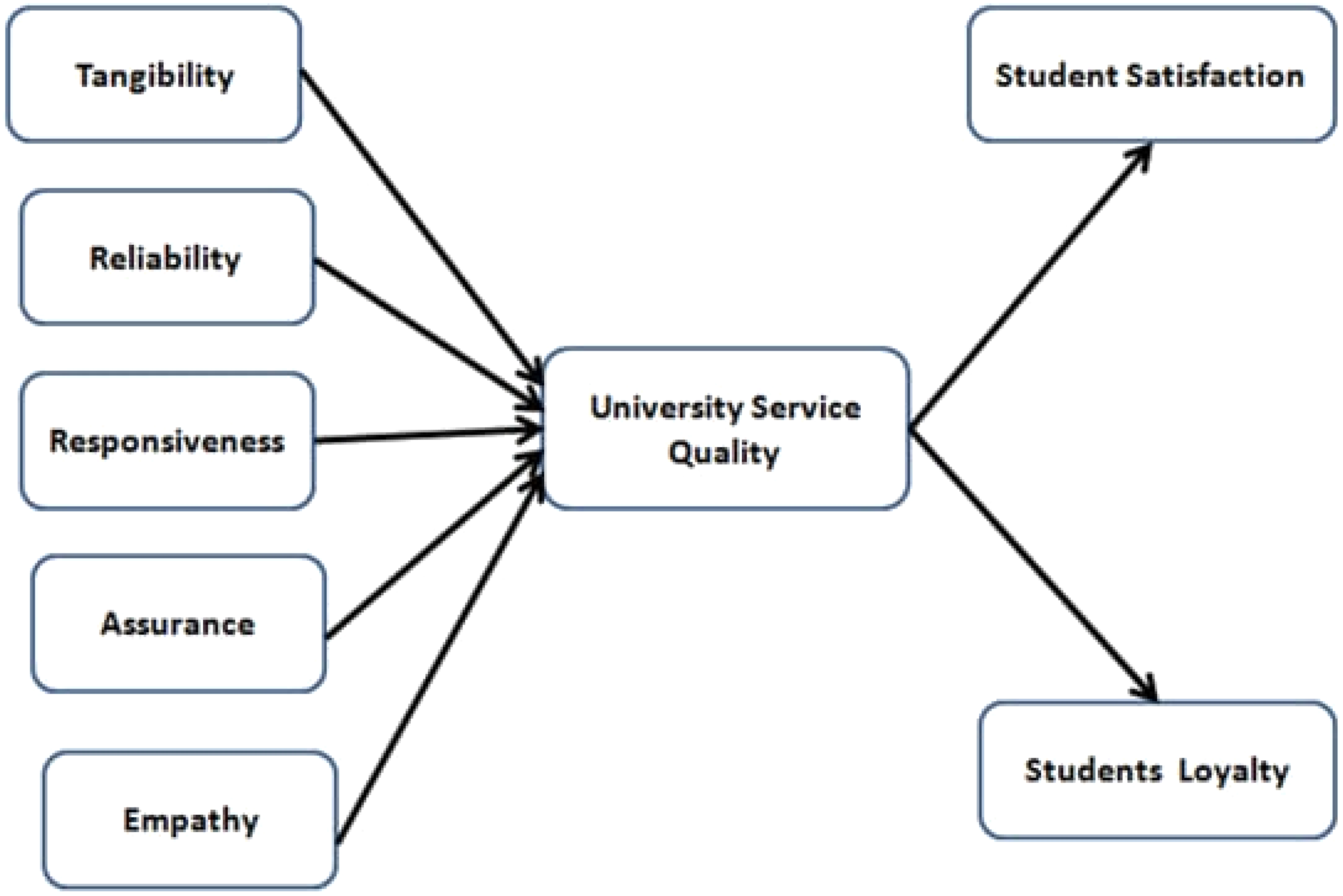
Tangibles
The physical facilities, equipment, and appearance of personnel. In a digital context, this could refer to the quality of the digital infrastructure, online interfaces, the design of library websites, and the availability of digital resources such as e-books and journals.
Reliability
The ability to perform the promised service dependably and accurately. For university libraries, reliability may encompass the availability and functionality of online resources and library systems, ensuring that users can always access the content and services they need.
Responsiveness
The willingness to help users and provide prompt service. This dimension can reflect the library’s ability to quickly address user queries, respond to technical issues, or provide assistance in accessing digital resources.
Assurance
The knowledge and courtesy of employees and their ability to inspire trust and confidence. For ICT services in university libraries, this refers to the library staff’s competence in providing technology support, troubleshooting issues, and training users to effectively navigate the digital systems.
Empathy
The provision of personalized attention to users. In a university library setting, empathy might be reflected in tailored user support, where library staff can assist students and faculty based on their unique needs and academic goals, especially when using digital resources.
By applying SERVQUAL variables in Figure 2, university libraries can assess the quality of their ICT services and identify areas for improvement to ensure a positive user experience. The SERVQUAL dimensions align well with the factors that drive the adoption and continued use of ICT tools and services, which makes it a complementary framework to UTAUT in this context.
Technology acceptance model (TAM)
The Technology Acceptance Model (TAM), developed by Davis (1989), is another crucial theory often applied to ICT adoption. It posits that perceived ease of use and perceived usefulness are the two key factors that influence users’ decisions to accept and use a technology. Perceived Usefulness: The degree to which a person believes that using a particular system would enhance their job performance. In the case of university libraries, this could relate to whether students and faculty perceive library ICT tools (such as digital databases, e-books, and search engines) as useful for their academic work. Perceived Ease of Use: The degree to which a person believes that using a system will be free of effort. This factor directly relates to how easy it is for library users to navigate and use the library’s digital systems. If a user finds the library’s digital platform easy to use, they are more likely to adopt it. The development of a digital framework must encompass various dimensions, including but not limited to infrastructure, user education, service delivery, and continuous evaluation, to ensure that libraries effectively meet the evolving demands of their users.
Framework variables for ICT application to enhance library service usage in university libraries based on user needs
The development of a digital framework must encompass various dimensions, including but not limited to infrastructure, user education, service delivery, and continuous evaluation, to ensure that libraries effectively meet the evolving demands of their users.
Infrastructure development
The foundation of any effective digital framework is robust ICT infrastructure. University libraries must invest in high-speed internet connectivity, modern computer systems, and reliable software solutions to facilitate seamless access to digital resources. As noted by Anasi et al., the adequacy of ICT resources is crucial for effective service delivery in university libraries (Anasi et al., 2018). Furthermore, libraries should ensure that their digital platforms, including websites and online catalogs, are user-friendly and accessible, as highlighted by Hamdani et al., who emphasize the importance of website quality on user satisfaction (Hamdani et al., 2022).
User education and training
In order to maximize the benefits of ICT, libraries must implement comprehensive user education programs. These programs should focus on developing users’ digital literacy skills, enabling them to navigate and utilize library resources effectively. A study by Nunekpeku emphasized the necessity of educating library users to overcome challenges in accessing automated services (Nunekpeku, 2019). Additionally, regular workshops and training sessions for both users and library staff are essential to keep them updated on the latest technological advancements and best practices in information retrieval.
Service delivery enhancement
The digital framework should prioritize enhancing service delivery through the integration of ICT tools. This includes the implementation of online reference services, virtual consultations, and the use of chatbots to assist users in real-time. The employment of modern digital technologies in library operations can significantly improve user satisfaction and engagement. Moreover, libraries are supposed consider developing mobile applications to provide users with convenient access to library services and resources from their smartphones (Wanyonyi et al., 2018).
User-centric design and feedback mechanisms
A user-centric approach is vital in designing library services. Libraries should actively seek user feedback to understand their needs and preferences better. This can be achieved through surveys, focus groups, and usability testing of digital platforms. The assessment of user satisfaction is crucial for inclusive library management and marketing (Obinyan, 2021). By incorporating user feedback into service design, libraries can ensure that their offerings are relevant and meet the expectations of their patrons.
Continuous evaluation and improvement
The digital framework must include mechanisms for continuous evaluation and improvement of library services. Libraries should establish key performance indicators (KPIs) to assess the effectiveness of ICT applications and user satisfaction levels. Regular audits of digital resources and services can help identify areas for enhancement and ensure that the library remains responsive to changing user needs (Kelvin et al., 2012). Additionally, engaging with library associations and professional bodies can provide valuable insights into emerging trends and best practices in academic librarianship.
Collaboration and partnerships
Collaboration with other academic institutions, technology providers, and library associations can enhance the effectiveness of the digital framework especially libraries who explore partnerships to share resources, expertise, and best practices in ICT implementation. For example, most university and other tertiary institutions in Uganda are under the Uganda Consortium of Uganda University Libraries (CUUL). In addition to collaborations, librarians need to be proficient in ICT applications to meet the information needs of their communities effectively (Ubogu, 2022). Also, by collaborating with ICT experts, libraries can develop customized solutions that cater to their specific user demographics.
Marketing and awareness campaigns
In order to increase awareness and usage of library services, libraries should implement marketing strategies that highlight the benefits of ICT resources. The marketing strategies may include promotional campaigns, open days, and exhibitions showcasing digital services and resources offered in the library for optimal use. Well-designed marketing plans the library itself focusing on user needs can significantly improve library service delivery. Engaging users through social media and other digital platforms can also enhance visibility and encourage greater participation in library programs (Edewor et al., 2016).
Addressing accessibility and inclusivity
In Farooq et al. (2019) the digital framework must prioritize accessibility to ensure that all users, including those with disabilities, can benefit from library services. This would involve providing assistive technologies and ensuring that digital platforms comply with accessibility standards. Service quality and creating an inclusive environment foster a sense of belonging and attracts a diverse user engagement.
Integration of emerging technologies
Furthermore, the incorporation of emerging technologies such as artificial intelligence (AI), machine learning, and data analytics can further enhance library services as indicated in Kato et al. (2021). The technologies incorporated could be used to personalize user experiences, recommendations of resources based on user behavior and streamline library operations. The understanding of technological aspects of digital library resources is vital for user satisfaction. Libraries should continuously explore innovative solutions to stay ahead in the rapidly evolving digital landscape.
Strategic planning and policy development
The successful implementation of the digital framework requires strategic planning and policy development. Libraries must establish clear objectives and guidelines for ICT integration that align with the overall mission of the university. This includes developing policies for resource allocation, staff training, and user engagement. Kelvin et al. (2012) in his findings of a study done in Nigeria indicated that effective planning can outline steps for successful ICT implementation, ensuring that all stakeholders are aligned with the library’s goals.
A digital framework for ICT application in university libraries should encompass infrastructure development, user education, service delivery enhancement, user-centric design, continuous evaluation, collaboration, marketing, accessibility, integration of emerging technologies, and strategic planning. By addressing these critical areas, university libraries can significantly enhance service usage and meet the diverse needs of their users in the digital age.
The effectiveness of the proposed framework in enhancing ICT usage in university libraries
Digital frameworks are evaluated through user feedback, performance metrics, user satisfaction, service delivery, librarian competencies, and the overall impact on library operations in relation to the specific library’s information access and retrieval goals.
User satisfaction and engagement
The primary indicator of a digital framework is user satisfaction. Research indicates that user satisfaction is closely tied to the quality of digital library services. This is because user satisfaction significantly influences the loyalty and continued use of digital libraries. Therefore, by implementing user feedback mechanisms, such as surveys and focus groups, libraries can gauge user perceptions of the digital services offered. This aligns with the findings of Cox and Brewster, which highlight the importance of libraries evolving from mere information storage rooms to service-oriented organizations that prioritize user needs (Cox and Brewster, 2020).
Service delivery improvement
Furthermore, any framework’s success is evaluated through improvements in service delivery. Ahmed and Sheikh in their research found out that higher levels of ICT competencies among library staff correlate with enhanced library services (Ahmed and Sheikh, 2020). This indicates that by providing ongoing training and support for librarians and users as a whole, libraries can ensure that its staff are equipped to utilize ICT effectively, thereby improving service quality Furthermore, the integration of innovative technologies can lead to more efficient library operations and better user experiences.
Librarian competencies and training
However, ICT competencies of librarians as emphasized by Ubogu should also be put into consideration. Librarians must possess adequate ICT skills to meet the information needs of their communities effectively (Ubogu, 2022). Continuous professional development programs that prioritize and advocate for regular trainings of Librarians to enhance their ICT skills are a must. These trainings not only improve service delivery but also boost librarian confidence in using technology, which can positively affect user interactions with library services.
Accessibility and inclusivity
The accessibility and inclusivity of a framework as discussed by Anasi et al. bridges digital gaps and promotes equitable access to information (Anasi et al., 2018). By ensuring that all users, including those with disabilities have access electronic resources, libraries can foster a more inclusive environment. This aligns with the recommendations from Umeozor and Ibegwam, who stress the importance of adopting internet technologies to enhance service delivery (Umeozor and Ibegwam, 2022).
Continuous evaluation and adaptation
Libraries that establish performance metrics to evaluate their digital systems enable them to continually improve their services based on user feedback. Cox emphasizes the need for libraries to reposition themselves as partners in institutional success, focusing on student outcomes and research productivity (Cox, 2018). By aligning library services with the broader goals of the university, libraries demonstrate their value and relevance, thereby enhancing user engagement and satisfaction.
Similarly, frameworks through user satisfaction, service delivery improvements, librarian competencies, accessibility, continuous evaluation, and alignment with institutional goals is evaluated. Therefore, focusing on these dimensions, libraries ensure that their ICT initiatives are impactful and responsive to the needs of their users.
Research methodology
Research design
The study used the descriptive survey research methodology. The approach was appropriate for research of this kind that involves university libraries dispersed across a large geographic area. A generalization of the results from the sampled population to the complete population was possible thanks to the procedure, which made it possible to apply the data gathering tool independently and simply.
Study population
A population is any collection of organizations, individuals, or things that share traits and satisfy the requirements established by the respondents in order for them to supply the information (Hu, 2014). The total target population of the study was 164 respondents who comprised of library personnel and student leaders in the four universities under study. This target population was deemed sufficient since they (respondents) were considered to be more knowledgeable about the current situation of their libraries in relation to the variables under study.
Sampling techniques
Simple random sampling was used to select student leaders. Simple random sampling was used in order to give respondents (student leaders) equal chances of participating in the study. The researcher also used purposive sampling to select library staff personnel who were believed to be having knowledge about the study variables. Purposive sampling involves selecting individuals known to meet certain clear criteria (Amin, 2005). The researcher therefore purposively targeted a group of people believed to have knowledge that was relevant regarding the variables under study. The multistage selection approach of purposive sampling was used to choose every respondent from the real population.
Sample size
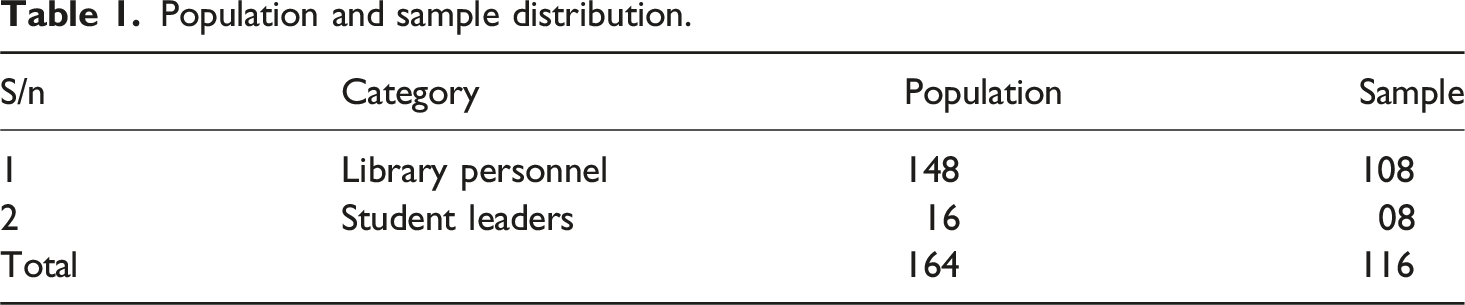
The sample size of the study was 116 respondents and these comprised of library personnel and student leaders in the four universities under study. The library personnel were used in this research since library staff members are directly involved in the use of information and communication technologies to improve library service delivery. The sample size was calculated proportionally from each library using Sloven’s formula as follows:
Sample size, is given by.
Determination of the sample size
The determination of the library personnel and student leaders sample size relied on Sloven’s formula.

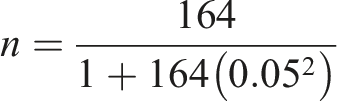
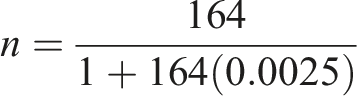
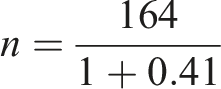
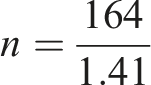
A sample of 116 respondents comprising of 108 library personnel and 08 student leaders in equation (1) was determined proportionally using Sloven’s formula.
Data collection instruments
Data collection instruments refer to the tools used to collect data. This included the questionnaire (Hu, 2014).
Questionnaire
Structured questionnaires were used by the researcher to collect data from the respondents in the four selected universities under study. A structured questionnaire is a document that consists of a series of standardized questions with a predetermined framework that sets the precise language and sequence of the questions (Amin, 2005). The questionnaires were considered ideal for collecting data from a sizable sample.
Findings
Automatic linear modelling (ALM)
Automatic linear modelling.
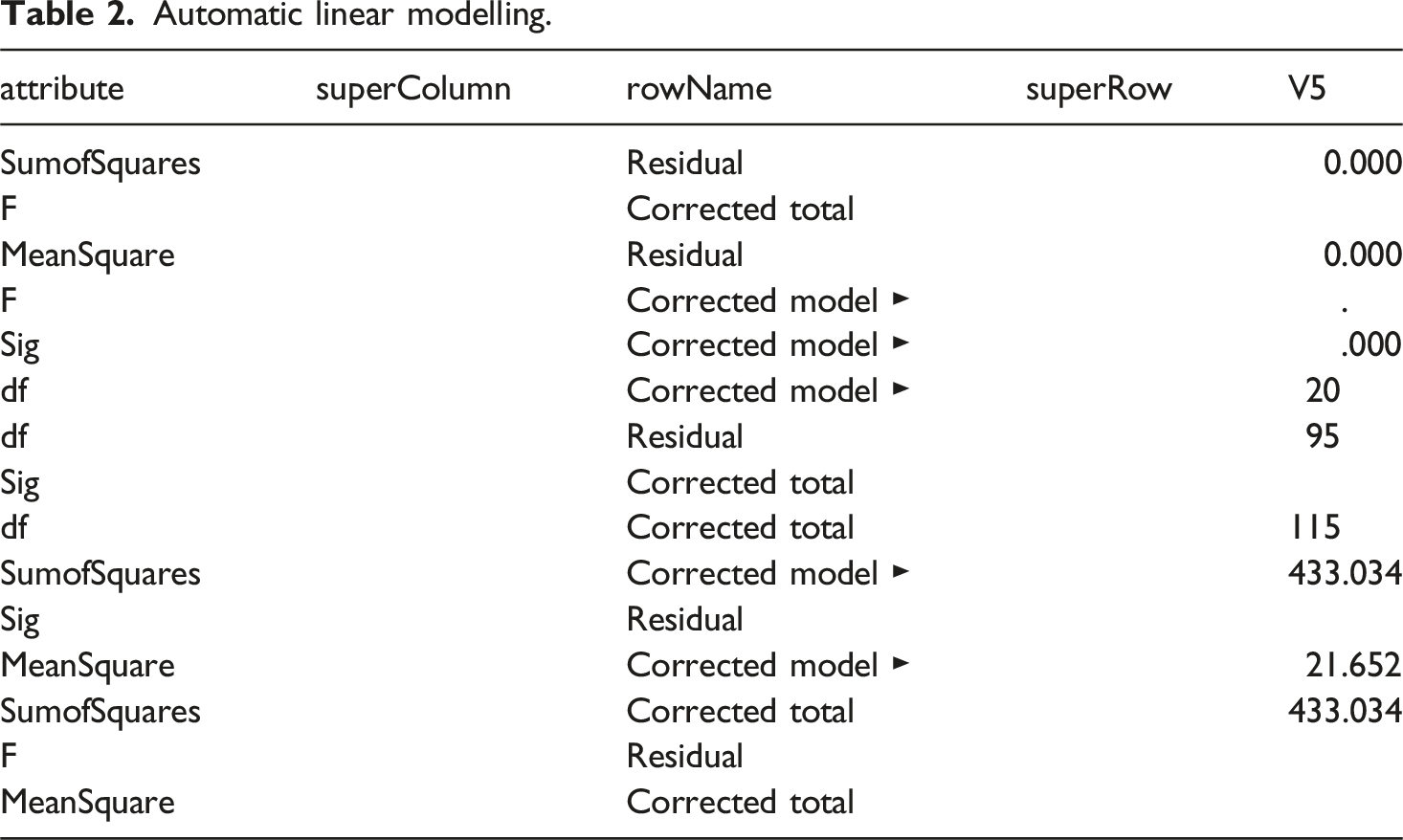
The ALM process focused on predicting user satisfaction with the use of ICTs included a comprehensive analysis of 116 records, ensuring a complete dataset with no exclusions. The main objective was to create a standard predictive model that would effectively identify significant factors influencing user satisfaction.
Data preparation was automated to streamline the process, and a 95% confidence level was set to ensure the reliability of the results. The model selection employed a forward stepwise method, which allows for a dynamic approach in identifying predictors based on their statistical significance. Specifically, predictors were included if they had p-values less than 0.05, while those with p-values greater than 0.1 were removed from the model. This ensures that only the most relevant variables are retained, leading to a more precise understanding of user satisfaction. The training summary indicates that linear models were utilized, confirming the model’s classification nature. The random seed value set at 54,752,075 provides reproducibility for future analyses.
The predictors identified in the model V3, Background Quality, and V5 represent key variables that were deemed significant in relation to user satisfaction.
The therefore used the approach in this analysis not only establishes a framework for understanding the determinants of user satisfaction with ICTs but also provides a methodological basis for future enhancements in library services and resource availability.
Model validation
The analysis of predictor variables in Figure 3 reveals varying degrees of importance in relation to user satisfaction with ICTs in the library. Photocopying machines are noted as the least influential factor, with an importance score of 0.0013, indicating that their availability does not significantly impact user satisfaction. In contrast, the importance of adequate investment in ICT infrastructure is slightly higher at 0.0178, emphasizing its role in enhancing library services. Printers and scanners follow closely, with a score of 0.0213, suggesting that while they are useful, their availability alone is not a strong determinant of satisfaction. The impact of ICTs on overall quality of service scores a bit higher at 0.0234, reflecting a positive correlation with user perceptions of service effectiveness. Regular training as a proposed strategy shows a higher importance score of 0.0273, suggesting that training initiatives may improve user engagement and satisfaction. Predictor importance analysis.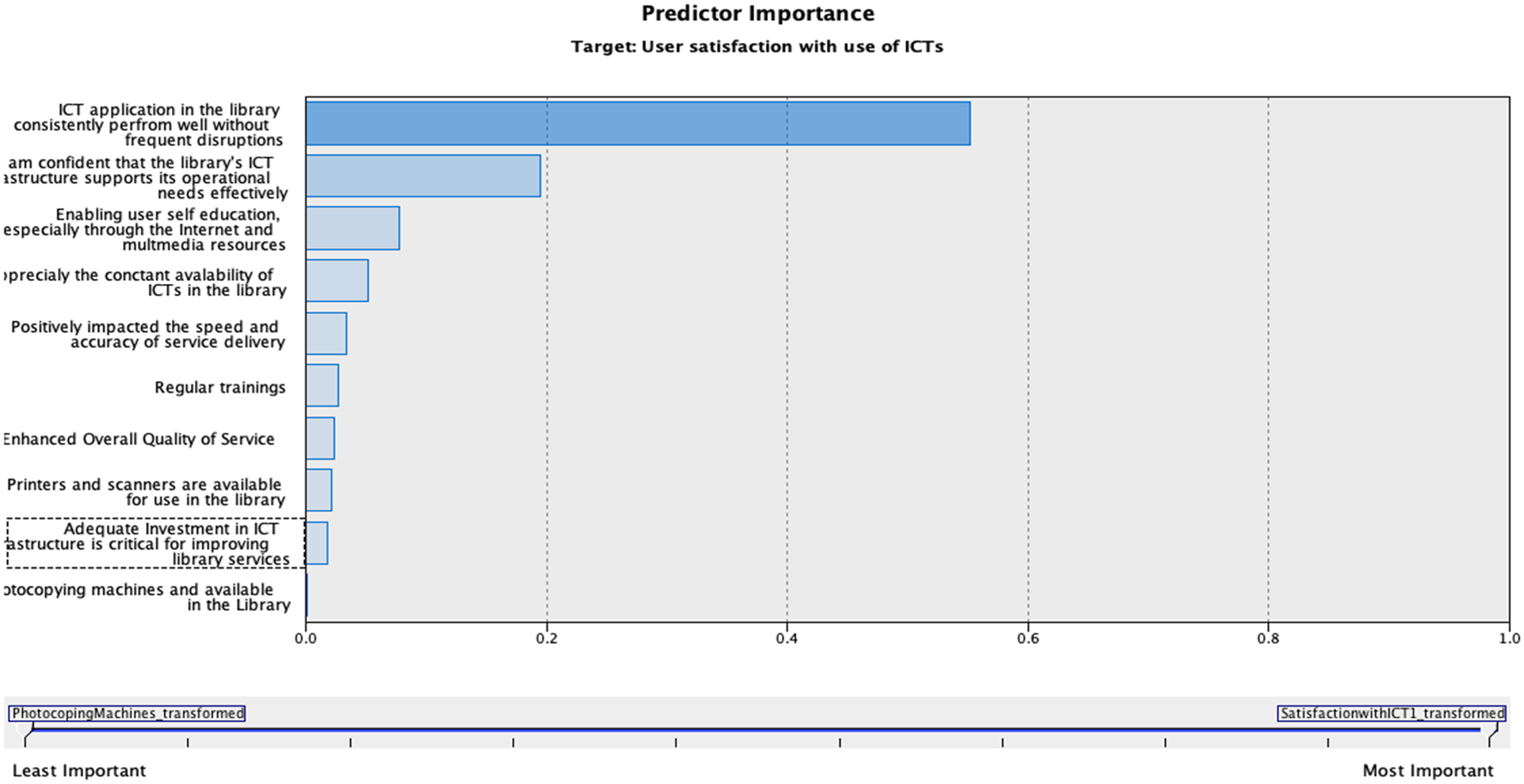
The positive impact of ICTs on the speed and accuracy of service delivery also shown in Figure 3 is rated at 0.0332, indicating that users recognize the efficiency brought by these technologies. Satisfaction regarding the constant availability of ICTs is even more significant at 0.0516, demonstrating that consistent access plays a crucial role in user satisfaction. Further emphasizing the importance of user perceptions, the belief that the library’s ICT infrastructure effectively supports its operational needs scores 0.1947, highlighting its relevance in user evaluations. The highest importance is attributed to the performance of ICT applications in the library, with a substantial score of 0.5522, indicating that reliable and efficient ICT services are fundamental to user satisfaction. This analysis underscores the complexity of factors influencing user experiences and the critical role of technology reliability in library settings.
The data in Figure 4 highlights several predictor variables related to user satisfaction with ICT applications in the library. The variable “SatisfactionwithICT1_transformed” has the highest value, indicating that the consistent performance of ICT applications without frequent disruptions is a major contributor to user satisfaction. Following closely is “SatisfactionwithICT3,” which reflects users’ confidence in the library’s ICT infrastructure supporting its operational needs effectively. Other notable predictors include “Perceived Benefits8,” emphasizing the role of self-education through internet and multimedia resources, and “SatisfactionwithICT4_transformed,” which addresses the importance of the constant availability of ICTs. The impact of ICT on service delivery speed and accuracy is also acknowledged, albeit with a lower influence compared to the top predictors. Training initiatives, represented by “ProposedStrategies1_transformed,” are identified as essential for enhancing user satisfaction, alongside the availability of printers and scanners. Overall, adequate investment in ICT infrastructure emerges as a critical factor for improving library services. The presence of photocopying machines is noted, but it ranks lower in importance, suggesting a need for broader ICT enhancements to elevate user satisfaction further. Effects for user satisfaction with use of ICTs.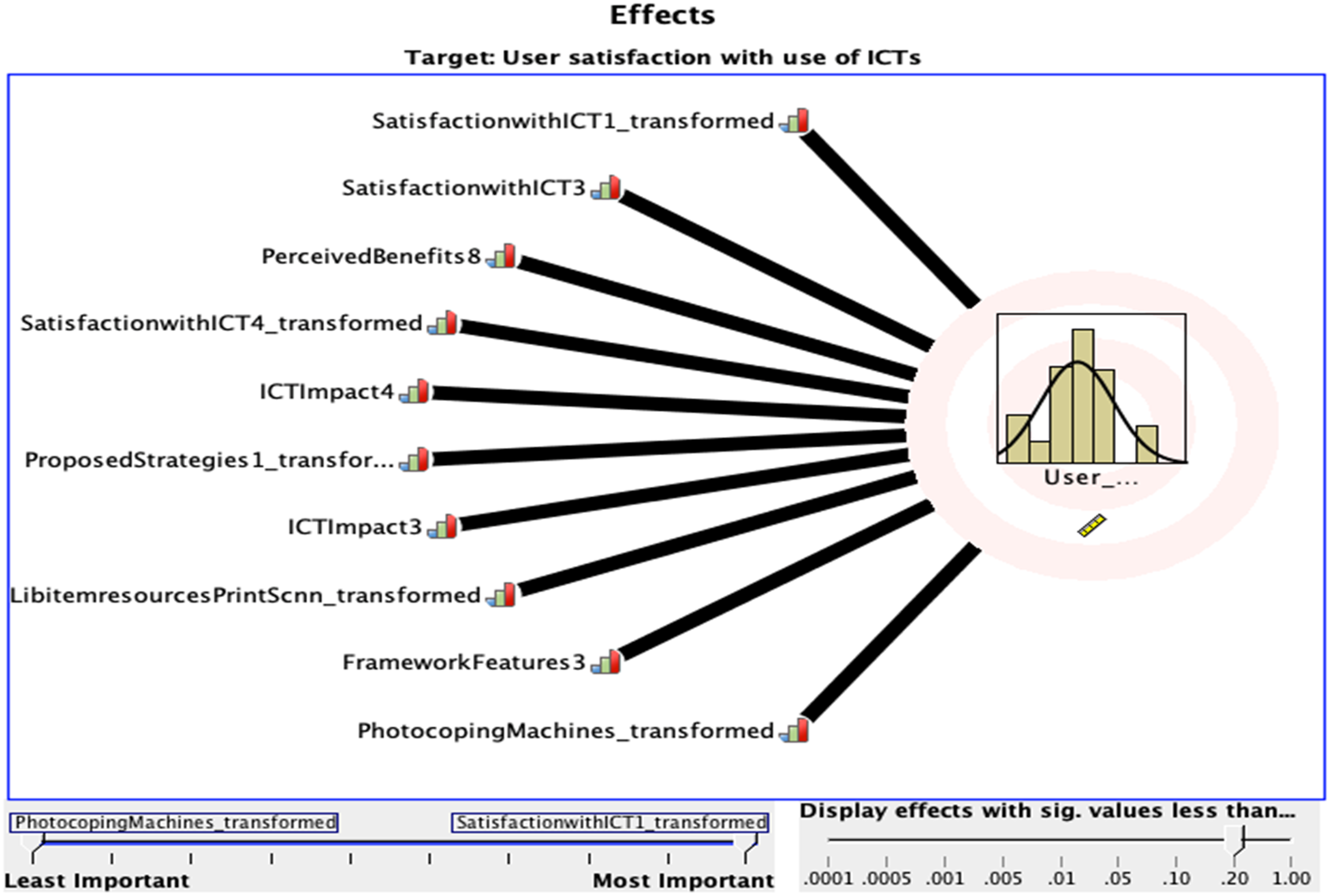
Model validation of the integrated framework
The Integrated Framework shown in Figure 5 adopted from both UTAUT and SERVQUAL accurately represents the relationships and factors influencing user satisfaction with ICT services in libraries. In this study, the Automatic Linear Modeling (ALM) was employed to validate the model and assess how well the identified predictors contribute to explaining user satisfaction. Integrated framework.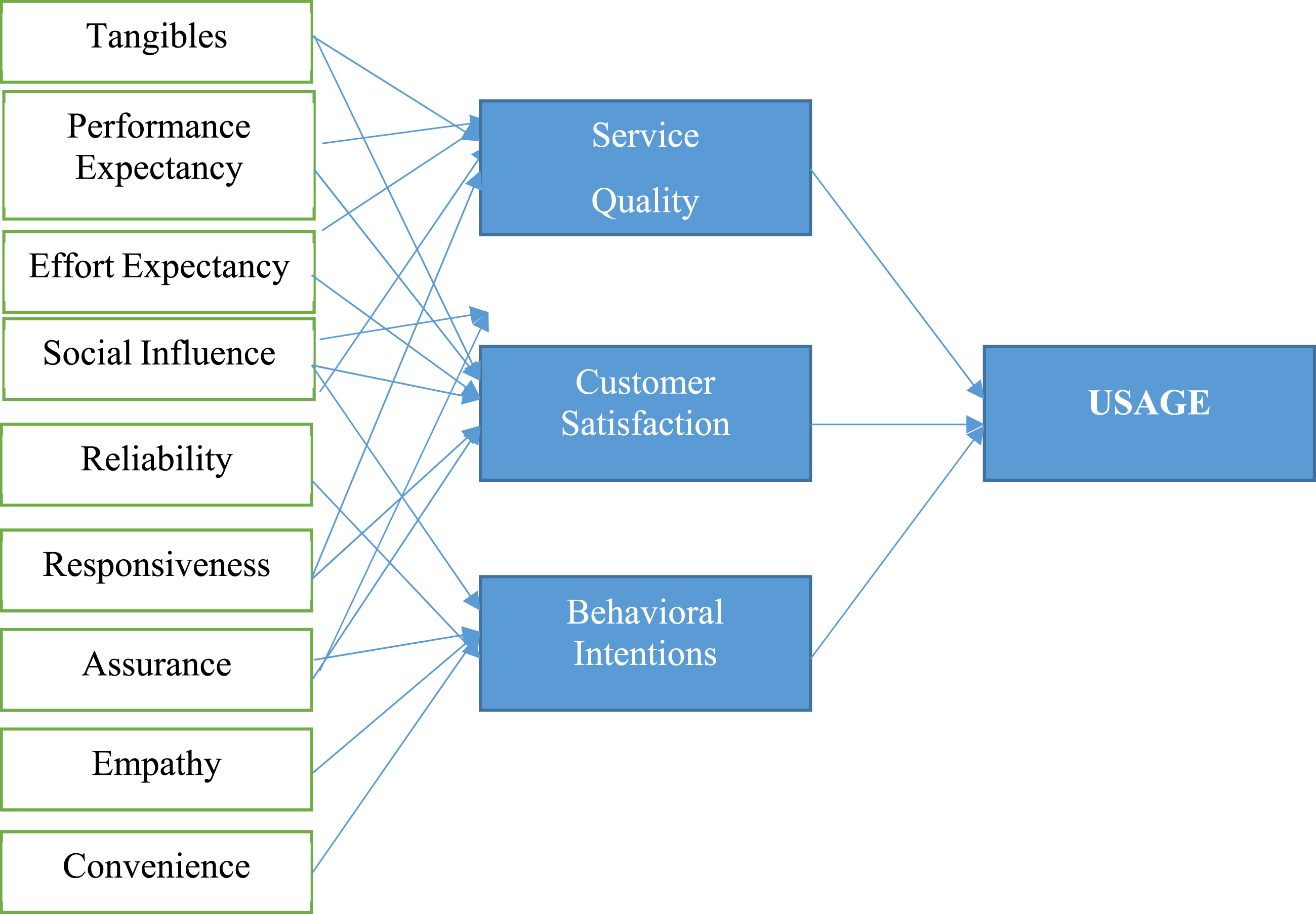
Model fit and significance
The first step in validating the integrated framework in Figure 5 was to assess the overall fit of the model. The corrected model sum of squares was found to be 433.034, and the mean square was calculated at 21.652, which indicates that the model has effectively captured the variability in user satisfaction. The F-value for the corrected model suggests that the predictors included in the model explain a significant portion of the variation in user satisfaction, improving upon a mean-only model.
Additionally, the significance level (p-value) for the corrected model was 0.000, indicating that the model’s fit is statistically significant. This suggests that the predictors used in the model, including ICT infrastructure, availability, training programs, technical support, and performance expectancy, meaningfully contribute to explaining user satisfaction with ICT services in libraries.
Predictor variables and their impact
One of the key components of the ALM validation process was identifying the most important predictors of user satisfaction and their relative influence. The analysis highlighted several variables that were strongly associated with user satisfaction, confirming the validity of the integrated UTAUT and SERVQUAL framework. The most influential predictor in the ALM results was ICT application performance, with an importance score of 0.5522. This strongly supports the performance expectancy construct in the UTAUT framework, as well as the reliability dimension in the SERVQUAL model. It emphasizes that users prioritize reliable and efficient ICT services, which aligns with the model’s premise that the quality and functionality of technology directly impact user satisfaction.
The ICT infrastructure’s ability to support operational needs was another significant predictor with an importance score of 0.1947. This validates the facilitating conditions construct in the UTAUT model, which asserts that the availability of proper infrastructure plays a critical role in users’ acceptance and satisfaction with technology. Furthermore, this finding aligns with the assurance dimension in SERVQUAL, highlighting that users’ confidence in the library’s ICT resources is crucial for their satisfaction.
Consistent availability of ICT resources also emerged as an important predictor, with an importance score of 0.0516. This underscores the SERVQUAL dimension of accessibility, which relates to the availability of technology, and confirms the UTAUT emphasis on the role of facilitating conditions in enhancing user satisfaction.
The analysis also found that technical support (with a strong correlation of 0.605) and training programs (with a score of 0.282) were significant predictors of user satisfaction. These findings align with the assurance and responsiveness dimensions in SERVQUAL, as well as the social influence and facilitating conditions in UTAUT. They suggest that when users have access to adequate support and training, their satisfaction with ICT services increases.
Model robustness and reliability
To ensure the robustness of the integrated model, a forward stepwise method was employed to select only the most statistically significant predictors. This method removed less impactful variables, ensuring that the final model was both parsimonious and reliable. The ALM results indicate that the retained predictors significantly influence user satisfaction, and the model effectively captures the relationships between ICT service quality and user satisfaction.
Additionally, the analysis confirmed that the model’s performance was consistent across different subsets of the data, further strengthening its reliability. The use of a random seed in the ALM ensures that the model is reproducible, which is essential for future validation studies and ensures the generalizability of the findings.
Implications for library ICT services
The findings from the model validation process provide actionable insights for improving library ICT services. Based on the validated predictors, several key strategies can be recommended to enhance user satisfaction: The results emphasize the critical role of investing in reliable ICT infrastructure, suggesting that libraries should prioritize maintaining and upgrading their ICT resources to ensure high performance and reliability. This is vital because users’ satisfaction is closely tied to the functionality and consistency of these resources. In addition to infrastructure, increasing the availability of ICT resources, such as computers, printers, and internet access, is essential. Ensuring consistent access to these resources can significantly enhance user satisfaction by minimizing downtime and providing uninterrupted service.
Furthermore, enhancing training and technical support services is crucial to improving user satisfaction. By offering ongoing user education and responsive support, libraries can ensure that users are able to fully utilize ICT resources and feel confident in their use. Additionally, the model’s validation underscores the importance of user-centric ICT strategies that prioritize performance expectancy and user perceptions. Libraries should focus on strategies that improve the quality and functionality of their ICT services to meet users’ evolving needs, ensuring that users find the services both useful and reliable.
Conclusion: Validity of the integrated model
The validation process, particularly through Automatic Linear Modeling (ALM), has confirmed the robustness and relevance of the integrated UTAUT and SERVQUAL framework for predicting user satisfaction with ICT services in libraries. The model accurately reflects the significant predictors of user satisfaction, including ICT infrastructure, technical support, training programs, and the performance of ICT applications. The findings from this analysis not only validate the model but also provide a clear framework for improving library services by focusing on the most influential factors affecting user satisfaction.
By confirming the relationship between ICT service quality and user satisfaction, this model provides valuable insights for library management, offering a pathway to enhance ICT resources through user trainings and support systems, ultimately improving the overall user experience.
Footnotes

Funding
The authors received no financial support for the research, authorship, and/or publication of this article.
Declaration of conflicting interests
The authors declared no potential conflicts of interest with respect to the research, authorship, and/or publication of this article.