







Abstract
Utilisation of high carbon alcohols in diesel engines as fuel is gaining importance among researchers because of its better fuel properties that are compatible with mineral diesel. The present study utilises two such alcohols namely octanol and decanol along with diesel and biodiesel derived from lemongrass. Two ternary blends, 50% by volume of diesel – 30% by volume of biodiesel – 20% by volume of octanol, and 50% by volume of diesel – 30% by volume of biodiesel – 20% by volume of decanol, were prepared, and different engine characteristics were analysed and compared with both neat diesel and biodiesel operation. Results indicated that peak cylinder pressure lowered with the ternary blend. Peak heat release rate was higher for octanol blend. When compared with octanol blend, 2.5% higher brake thermal efficiency was observed for decanol blend. However, still, the brake thermal efficiency was 3.5% lower than the diesel operation. The oxides of nitrogen emission for decanol blend were 4% lower than octanol blend. In general, smoke emission was lower for higher alcohol blends in comparison with the binary blend operation. Among the higher alcohol blends, octanol portrayed a 15% lower smoke opacity. Both the hydrocarbon emission and the carbon monoxide emission increased with higher alcohol blends. The study revealed that 1-decanol could be a potential fuel candidate for diesel engines operating with biomass-derived lemongrass oil biodiesel.
Introduction
Diesel engines were widely preferred in the fields of automotive sectors, farming, industry and power generation units owing to their improved fuel economy, reliability, long life and less maintenance. 1 Fuel is crucial to any tactical plan for economic progress and security of a country. With the rise in population, there is a constant increase in the per capita energy consumption of developing countries. India imports about 80% of the total crude oil requirement. In specific, the current demand for crude oil in India is 195.5 million tonnes per year, while only 36.9 million tonnes were domestically produced. 2 This huge amount of crude oil imports implicit economic cost in the form of budget deficits. An estimate by Kumar et al. 3 reveals that even a 5% replacement of petroleum-based fuel by biofuel can help India to save Rs. 4000 crores per year in foreign exchange. Fossil fuels are derived from minimal resources and their distributions are limited in certain areas of the world, which makes them expensive. Aside from the problem of shortage of petroleum products and higher costs, there is growing concern of pollution. 4 Continues agglomeration of greenhouse gases (GHG) from the engine exhaust into the atmosphere is another reason for developing alternative fuels. Vegetable and animal oil can be an excellent alternative to diesel; however, its usage in diesel engine needs little modification in existing engine infrastructure owing to its low volatility, large molecular mass and high kinematic viscosity. 5
Biofuels have the potential to completely or partially replace diesel fuel as the properties are much closer to mineral diesel. Extraction of liquid biofuels from renewable biomass sources provides appealing solutions for lowering GHG emissions, reducing the dependency on foreign oils, strengthening agricultural and rural economics and increasing the sustainability of global public transportation. 6 Biofuel demand is predicted to be highest for Organisation for Economic Co-operation and Development (OECD) countries over the next decade, but non-OECD countries will account for 60% of global biofuel demand by 2030 and nearly 70% by 2050, with India, China and Latin America leading the way. The quest for biomass-derived fuel has the primary advantages of being renewable, highly oxygenated, non-toxic, biodegradable, low sulphur content and have high cetane number property. However, the main barriers to biofuel use are high viscosity and low calorific value property. 7 There are several technologies adopted to overcome this issue, few are, fuel reformulation, preheating, thermal cracking, transesterification and so on. Among these, the transesterification process is commonly used because of its economic viability and reduces the fuel viscosity while also bringing properties of the fuel closer to diesel. 8 Biodiesel obtained through the transesterification process can be utilised in diesel engine applications with no or little modifications in the engine infrastructure. 9 Gupta et al. 10 suggested in their study that biodiesel from non-edible feedstock could be a great alternative to diesel. A significant advantage of biodiesel over diesel is that it contains molecular oxygen, which is not present in diesel, followed by similar cetane number and better lubricity. 11 Experimental studies by Kumar and Kumar, 12 Kumar et al. 13 and Chandel et al. 14 suggest the compatibility of biodiesel in diesel engines.
In the present study, lemongrass a high biomass crop was chosen as a source for biofuel extraction. Lemongrass is considered as a fast-growing perennial grass that smells such as lemon as it has citral as a chief constituent. It is generally tall and reaches a height of around 1.5 m. 15 Lemongrass is cultivated in many parts of India such as Kerala, Tamil Nadu, Karnataka and also foothills of Sikkim and Arunachal Pradesh and may favor easy availability. Lemongrass is primarily grown for its oil, which has a variety of medicinal and cosmetic applications. 16 In recent times, lemongrass is explored as biofuel enhancing its worth even more. Due to the high-value oil content of the biomass, the production cost is significantly reduced. 17 Alagumalai 18 utilised lemongrass oil (LGO) in a single cylinder diesel engine under premixed charge compression ignition mode to study the combustion characteristics. The results portrayed a shorter ignition delay period for neat and premixed LGO. LGO operation resulted in lower peak gas pressures and heat release rate (HRR). Sathiyamoorthi and Sankaranarayanan 19 studied the influence of antioxidant additives viz., butylated hydroxyanisole (BHA) and butylated hydroxytoluene (BHT) on diesel engine characteristics when fueled with LGO/diesel blends. The antioxidants were individually dissolved in a mixture of LGO25 blend at 500, 1000 and 2000 ppm concentrations. The NOx (oxides of nitrogen) emission got lowered with increasing antioxidant concentration, while the smoke emission showed a reverse trend. Finally, they suggest BHA as a better antioxidant than BHT pertaining to better combustion and emission characteristics. Sathiyamoorthi and Sankaranarayanan 20 in another study utilised LGO25 along with low concentration ethanol (2.5% and 5%). The peak cylinder pressure (PCP) and HRR both increase with ethanol blend. With respect to emission characteristics, NOx and CO2 (carbon dioxide) increases, while smoke emission decreases with ethanol blends. The engine operated with ethanol blend showed better BTE (brake thermal efficiency) than baseline diesel and LGO. Venkatesan et al. 21 studied the influence of carbon nanotube (CNT) addition to diesel/lemongrass oil biodiesel (LGOB) blends. They found that the CCI (Calculated Cetane Index) and LHV (low heating value) increased with the addition of CNT which increased the combustion duration resulting in a reduction in smoke emission and a marginal increase in NOx emission. Kotaiah et al. 22 preheated LGOB20 at 60°C and utilised it in a diesel engine and compared the results with baseline diesel and LGOB20. They found that the BTE of the engine was higher for preheated LGOB20 because of its improved atomisation characteristics due to preheating. The smoke, HC (hydrocarbon) and CO (carbon monoxide) emission decline, while NOx emission got aggravated with preheated LGOB operation.
Higher alcohols are another potential alternative fuels that are researched widely in recent times as an additive for diesel or biodiesel. Usually, the calorific value, cetane number and oxygen content are dependent on the number of carbon atoms present in the alcohols. As the carbon atoms move up, both the calorific value and the cetane number increase while the oxygen content of the alcohol decreases. Some distinctive advantages of high carbon alcohols over low carbon alcohols (methanol and ethanol) are higher CCI and LHV, better blend stability and less hygroscopic nature. The present study makes use of two high carbon alcohols viz., 1-octanol and 1-decanol as blend components with diesel and LGOB. In recent times, the ternary blend phenomena with diesel–biodiesel–alcohol attracted the attention of researchers because it provides better blend stability, inexpensive, simple and doesn’t require major changes in the engine hardware settings. A review by Rajendran 23 suggests that when biodiesel is used along higher alcohols could be an efficient method to improve the performance and emission characteristics of diesel engines. Atabani et al. 24 recommended ternary blends of diesel–biodiesel–butanol instead of binary blend of diesel–biodiesel as the properties such as viscosity and density improved with higher alcohol addition. Also, they found that cold flow properties were also in the acceptable range with ternary blends. So far, only a few studies have explored 1-octanol and 1-decanol in diesel engines either as a straight fuel or in blended forms, with promising results.
Recently, the use of 1-octanol with diesel and biodiesel has been widely studied in diesel engines since it has better autoignition characteristics and calorific value than methanol and ethanol which is more suitable for a gasoline engine. Ashok et al. 25 studied the influence of adding n-octanol to biodiesel from 10 to 50% by volume. It has been observed that the BTE increases with a higher fraction of n-octanol in the blend up to 30% by volume. The authors report that n-octanol bends reported lower NOx emission due to the cooling effect of alcohol; however, CO and smoke emission aggravated with n-octanol blends. Nanthagopal et al. 26 performed a comparative study on the influence of n-pentanol and n-octanol with Calophyllum inophyllum methyl ester (CIME) up to 30% by volume. Their study reveals that mixing of 30% by volume of n-pentanol and n-octanol increased the BTE of the engine by 3.6% and 8.9% when compared with baseline CIME. The combustion characteristics of higher alcohol blends were better than neat CIME operation owing to the better calorific value of the blend. Devarajan et al. 27 analysed the diesel engine characteristics with n-octanol as oxygenated additive up to 30% by volume with mustered oil biodiesel. In their results, they observed that blending n-octanol to the biodiesel shortened the ignition delay period and lowered the PCP and HRR. The BTE of the engine ameliorates with the blends of biodiesel/n-octanol. Higher calorific value and cooling effect of n-octanol were responsible for lower NOx. Sharbuddin Ali et al. 8 conducted a comparative analysis between di-n-butyl ether (DNBE), 1-octanol and 2-ethyl 1-hexanol as an oxygenated additive to waste cooking oil methyl ester/diesel blends. Results reveal that 1-octanol produced the highest NOx and lowest smoke emission among oxygenates. 1-octanol possesses the highest BTE when compared with the other two oxygenates; however, all the ternary blends shown inferior BTE when compared with diesel operation. Damodharan et al. 28 blended n-octanol with waste plastic oil by 30% by volume and utilised in an agricultural diesel engine with small engine modifications viz., injection timing and intake air dilution by exhaust gas recirculation (EGR). They found that the engine operated at retarded injection timing and minimum EGR rate was capable of reducing both NOx and smoke emission with equivalent BTE compared to baseline diesel operation.
Lately, 1-decanol, a 10 carbon straight chain alcohol, has received much importance due to some distinguishing advantages over 1-octanol. Its higher cetane number and calorific value than 1-octanol could enhance the autoignition property and could be beneficial in boosting engine performance. It can also provide better and long-term stability than 1-octanol owing to its more hydrophobic nature. Rajasekaran et al. 29 evaluated the influence of 1-decanol inclusion to diesel/low-density polyethylene oil blends. It is observed that 1-decanol in the ternary blend acts as a cetane improver and results in a shorter ignition delay period. Both NOx and smoke opacity lowed with the ternary blend with a marginal increase in BTE when compared with the binary blend. Ashok et al. 30 made a comparative study between hexanol and decanol, which was used as an oxygenated additive to diesel/CIME blend. It is noted that decanol addition has shown prominent results in terms of emission and performance characteristics when compared with hexanol. Also, the PCP and HRR improved with decanol blends. Nanthagopal et al. 31 blended decanol with diesel and biodiesel in the interval of 10% by volume up to 40% by volume. In the course of blend preparation, diesel volume is fixed at 50% by volume, whereas the biodiesel proportion was varied with decanol. The experimental result reveals that smoke, HC and CO emission lowered with a higher concentration of decanol in the blend while NOx emission got aggravated. The peak pressure and HRR increase with a higher decanol fraction. Finally, they concluded that a 40% decanol blend provides better engine performance and emission. Devarajan et al. 32 conducted experiments with decanol and di-tert-butyl peroxide as additive papaya seed biodiesel/diesel blends. The PCP and HRR shoot up with the ternary blends. The tailpipe NOx emission was lower for n-decanol blend. On the other hand, smoke, HC and CO emissions for n-decanol blend were on higher side. Adhinarayanan et al. 33 carried a comparative study between 1-decanol and DNBE, which was used as an oxygenated additive for diesel/LDPE blends. When compared with the DNBE blend, NOx emission was 13% lower for decanol blend. However, smoke, HC and CO emission were moderately high.
Novelty of the present study
From the comprehensive literature survey about biodiesel with alcohols, it could be inferred that a comparative study on the effects of higher alcohols on viz., 1-octanol and 1-decanol have never been explored in conjunction with LGOB. Utilising alcohols as oxygenated additives not only supports combustion but also capable of reducing the aromatic and sulphur content of the blend. The present study provides a vis-à-vis study that compares and examines two high carbon alcohols namely 1-octanol and 1-decanol as an additive to diesel/LGOB blends. Although 1-octanol and 1-decanol are primarily added with a purpose to increase the calorific value and to decrease the density of the ternary blends, their use as a bio-alcohol additive to diesel/LGOB could be a useful and effective approach to improve the exploitation of both biomass-derived LGO and alcohol. The broad goal of the present investigation is to substitute 50% by volume of diesel with 30% by volume of biomass-derived LGOB and 20% by volume high carbon alcohols, with specific goals of comparing the influence of blending two higher alcohols with diesel and LGOB (D50-LGOB30-OCT20 and D50-LGOB30-DEC20) on diesel engine combustion, performance and emission characteristics.
Materials and methods
Feedstock collection and extraction of raw LGO
Lemongrass, botanically known as Cymbopogon flexuosus, is a member of the Poaceae family. The feedstock (lemongrass) used in this present study was collected from the coastal region of Chidambaram, Tamil Nadu. The collected lemongrass plant leaves were washed to remove external bodies such as sand and dirt. The essential oil from lemongrass plant is extracted using a steam distillation process. As indicated in the literature, steam distillation is the most sought route to extract the essential oil from lemongrass plant feedstock because it is less expensive and generates organic solvent-free products. Figure 1 portrays the schematic setup of the steam distillation unit. It contains steam generator unit, where the water temperature is raised by heating process up to the boiling point to produce steam. Then the dry steam is passed through the plant material where the aromatic compounds are released from the plant materials in the form of vapors. Later, the vapor emanating from the reactor is taken to the condenser unit where condensation occurs. At last, the condensate is allowed to settle down in a separator unit where the essential oil settles at the top and water at the bottom owing to their density difference. The essential oil is filtered to remove solid materials, if any. In the present study, for per kg of resource, 2% of oil was extracted and the time required for oil extraction was 1 h 45 min. The main elements of LGO are citral, limonene, myrcene, farnesol, nerol, neral, terpineol, geranyl acetate, methyl heptenone, dipentene and geraniol. 19
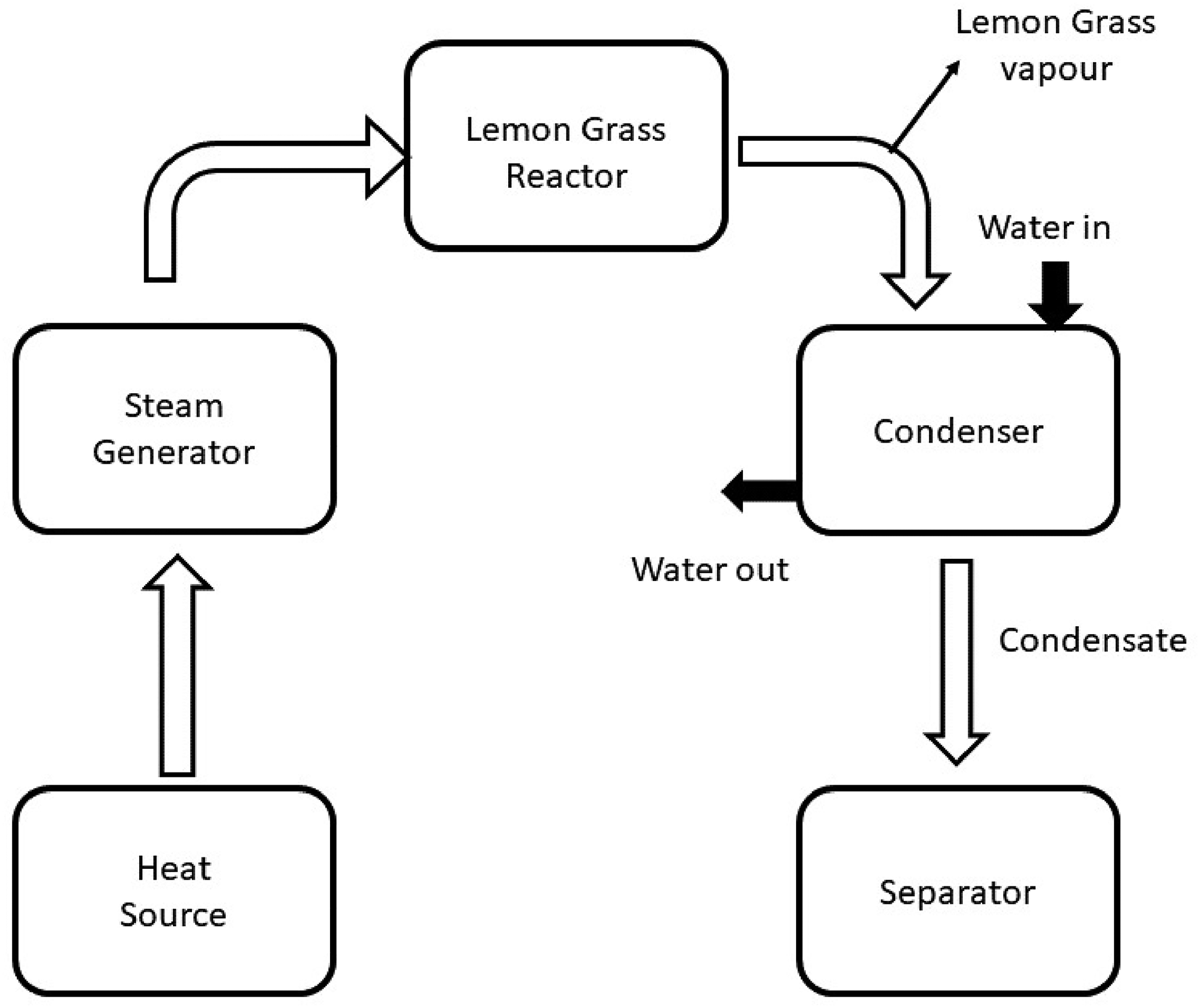
Schematic layout of steam distillation unit.
Transesterification process
Transesterification, a conventional method used for biodiesel production, is utilised in the present work. The transesterification process adopted in this study was carried out at the same laboratory and at the same operational conditions as reported in Sharbuddin Ali and Swaminathan.
8
The essential oil is heated up to 65°C. The methanol and sulphuric acid are used as catalysts and they are mixed well in a mixer before it is sent into the esterification reactor. Later, the essential oil and the catalytic mixture are sent to a reactor that is maintained at a temperature range of 65–75°C for esterification reaction to take place. The products of esterification were allowed to cool in a settling tank up to 40°C. The esterified oil settles to the bottom of the tank, while the methanol–water mixture is taken away from the upper layer and transported to the distillation column for separation of methanol from the mixture for recycling and reuse. Later, the esterified oil along with the mixture of potassium hydroxide and methanol is taken to a transesterification reactor that is maintained at 60°C. The transesterified products are taken to another separator column where the biodiesel is settled down and methanol mixture is taken away from the upper layer and again transported to the distillation column for methanol separation and reuse. The biodiesel left behind is washed several times to get pure biodiesel. The overall transesterification reaction is given by three consecutive and reversible equations
34
as shown below:
Triglyceride (TG) + ROH ↔ Di glyceride (DG) + RCOOR1 Di glyceride (DG) + ROH ↔ Mono glyceride (MG) + RCOOR2 Mono glyceride (MG) + ROH ↔ Glycerol + RCOOR.
The products of the reaction are the biodiesel itself and glycerol. Table 1 shows the physical properties of the test fuels, and Table 2 gives a comparison of physical properties of the extracted crude oil and biodiesel.
Physical properties of the test fuels.
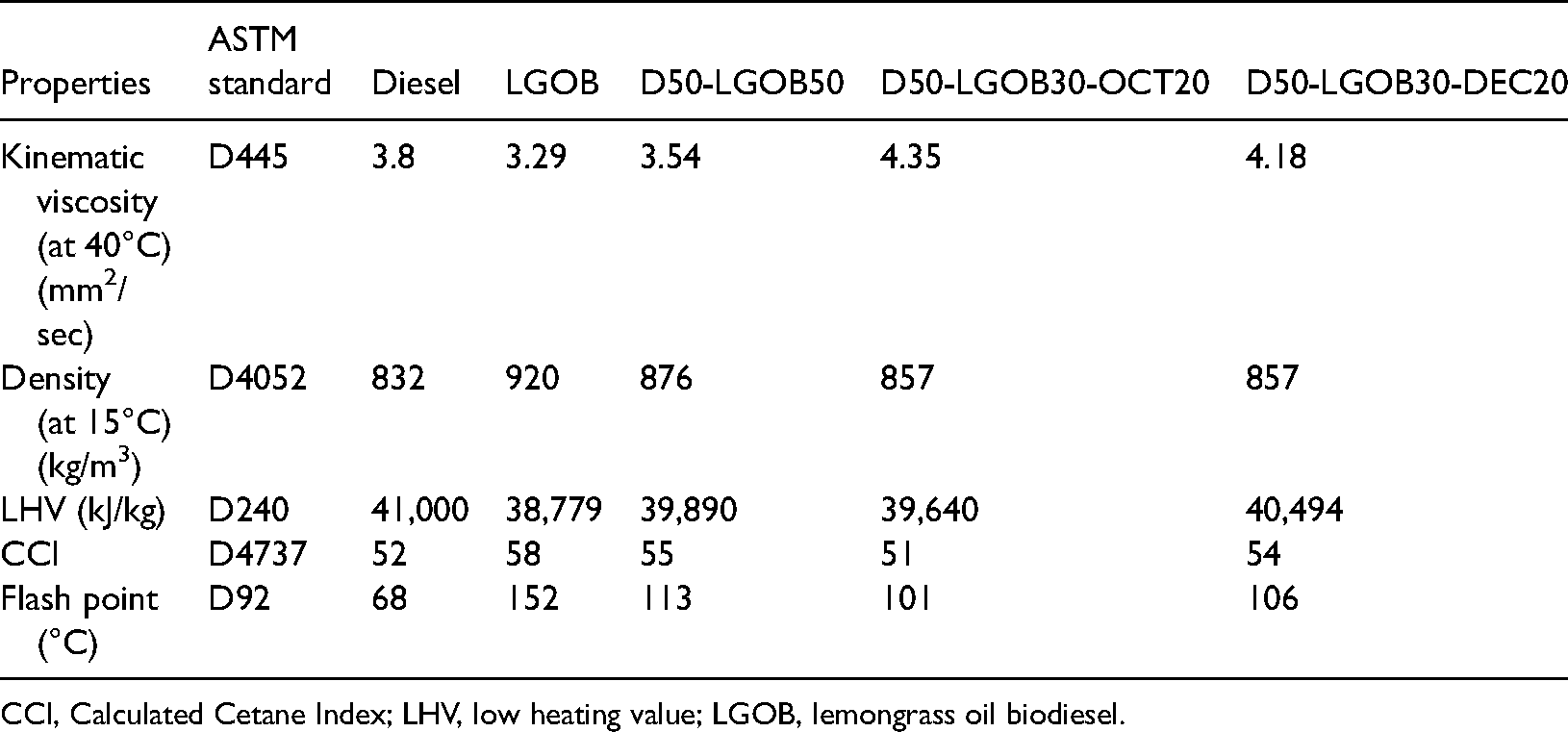
CCI, Calculated Cetane Index; LHV, low heating value; LGOB, lemongrass oil biodiesel.
Comparison of physical properties of the extracted crude oil and biodiesel.
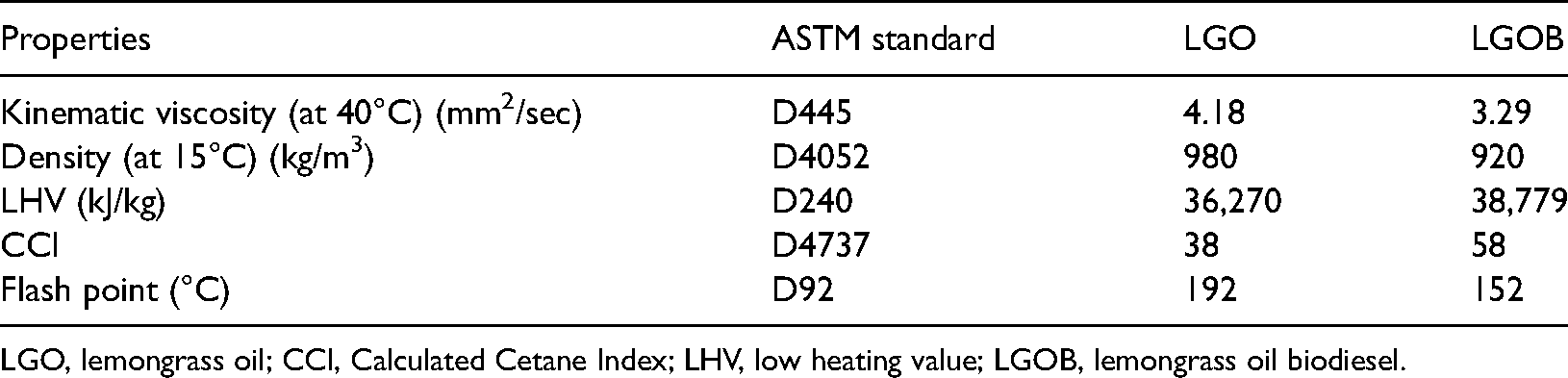
LGO, lemongrass oil; CCI, Calculated Cetane Index; LHV, low heating value; LGOB, lemongrass oil biodiesel.
Test engine and facilities
Experimental studies were conducted in a naturally aspirated, water-cooled, constant-speed, single-cylinder, four-stroke, light-duty, stationary, direct injection, diesel engine. The layout of the engine with the instrumentation attached is shown in Figure 2. Figure 3 shows the photographic view of the experimental setup. The specifications of the engine were provided in Table 3. Kirloskar is a well-known Indian manufacturer of farm machinery, transportation vehicles and small- and medium-sized commercial products. In specific, this Kirloskar engine was selected for the present study because this engine is commonly used as a pumping device for enhancing irrigation facility during non-rainy seasons, thus representing a larger number of engines in India. An estimate shows that in India about 6 million metric tonnes of diesel were consumed in the agricultural sector that comes around 8.55% of total diesel consumption and it is expected to increase in future. This high amount of diesel consumption suggests that a significant number of farmers are vulnerable to hazardous emission from diesel engine exhaust.
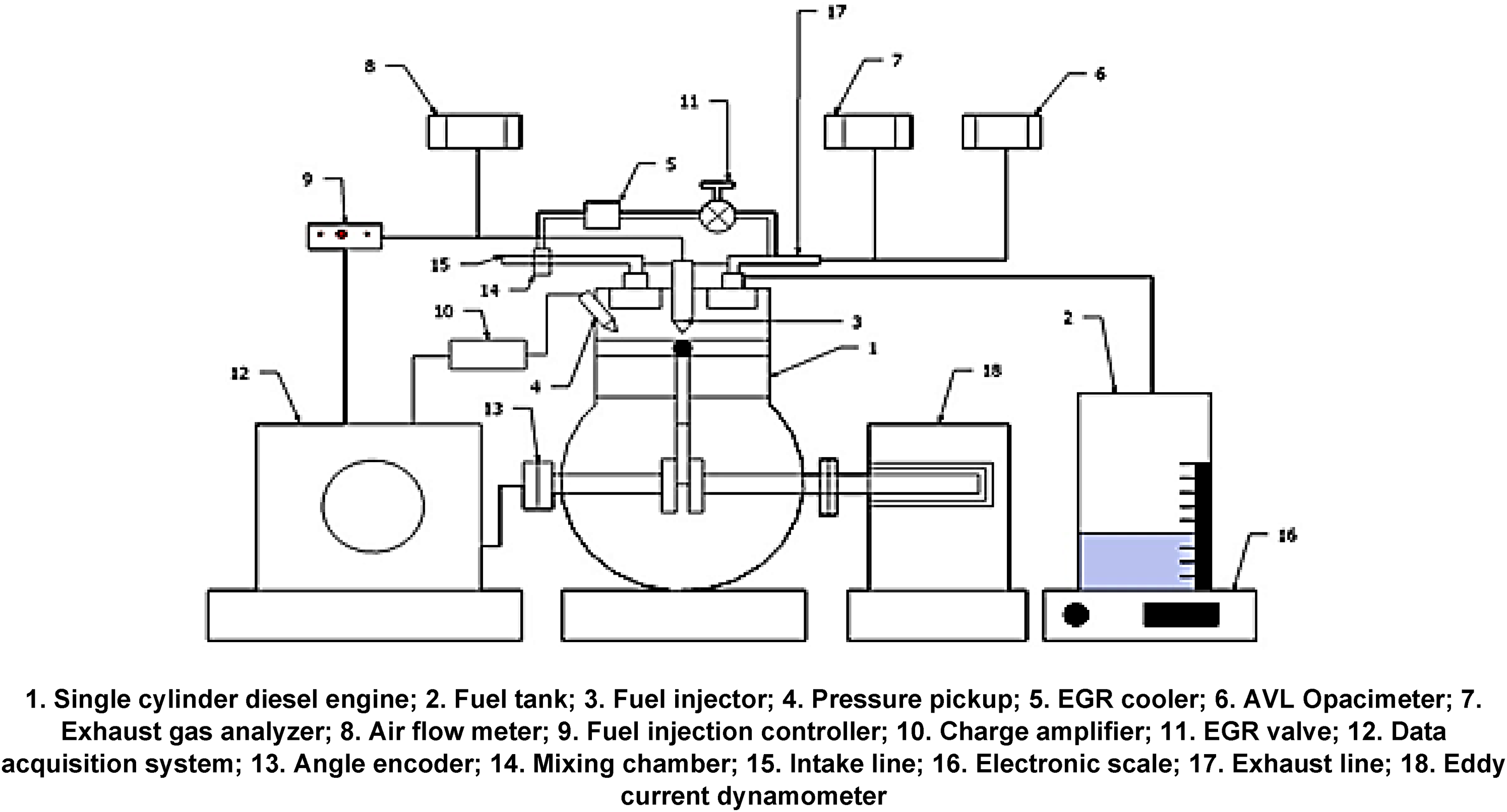
Schematic layout of the experimental setup. (1) Single cylinder diesel engine; (2) Fuel tank; (3) Fuel injector; (4) Pressure pickup; (5) EGR cooler; (6) AVL Opacimeter; (7) Exhaust gas analyzer; (8) Air flow meter; (9) Fuel injection controller; (10) Charge amplifier; (11) EGR valve; (12) Data acquisition system; (13) Angle encoder; (14) Mixing chamber; (15) Intake line; (16) Electronic scale; (17) Exhaust line and (18) Eddy current dynamometer.
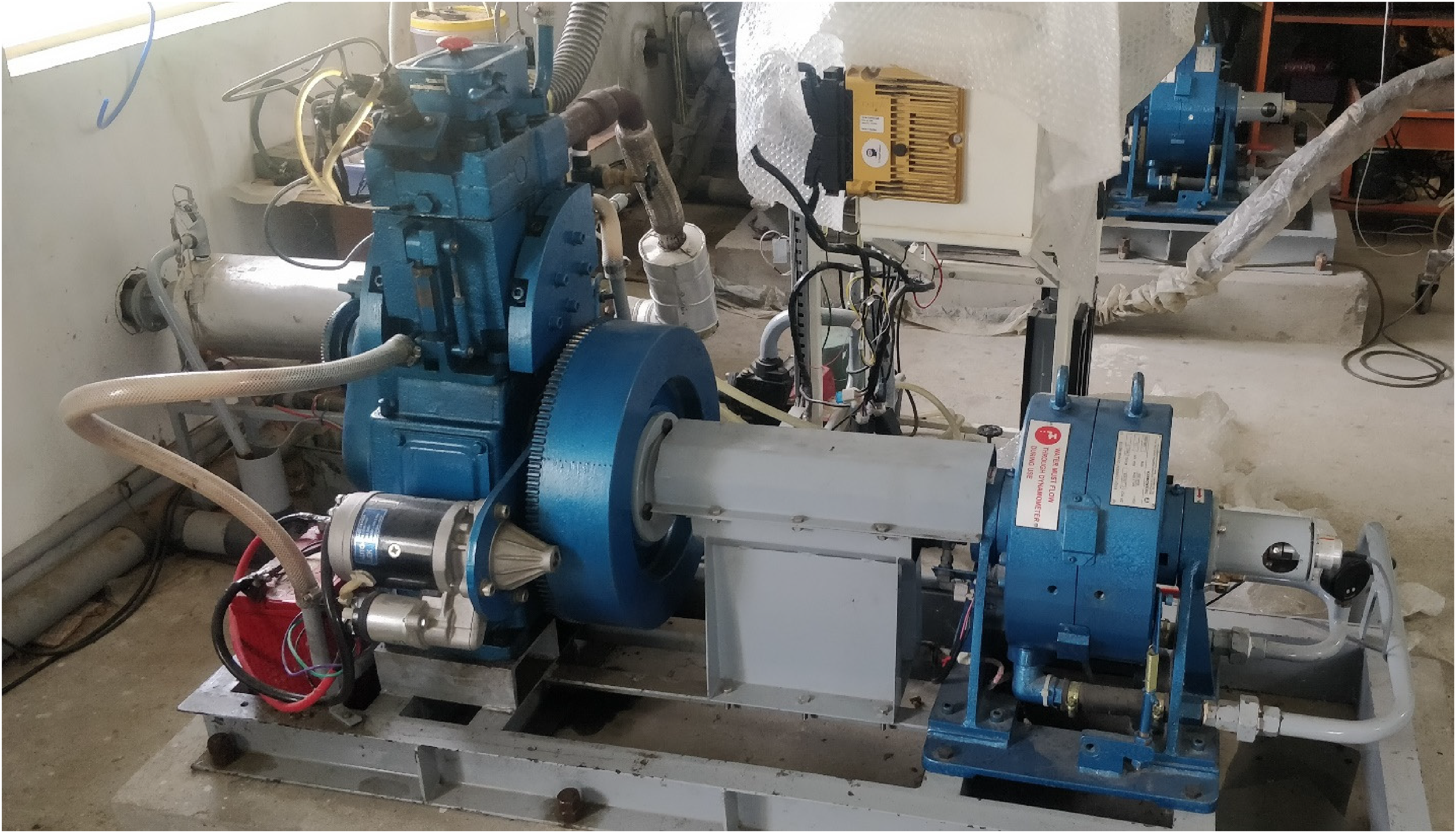
Photographic view of the experimental setup.
Engine specifications.
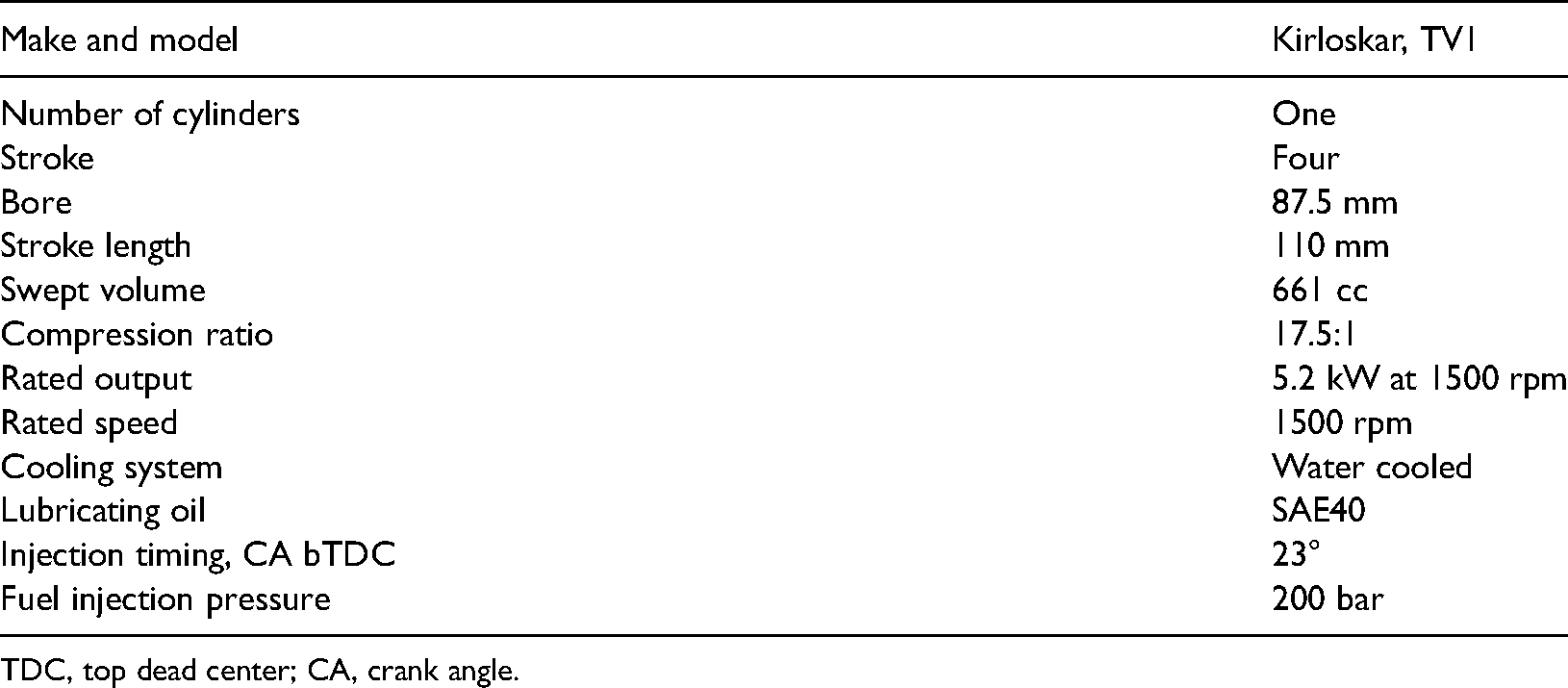
TDC, top dead center; CA, crank angle.
The engine is coupled with an Eddy current dynamometer via a universal propeller shaft for loading intent. The sensors were mounted at suitable locations and their cables are connected to the engine test panel to display the measured engine torque and speed, which is used to deduce the brake power. Combustion analysis of the engine involves tracking the pressure history of the combustion process for every crank angle (CA). The pressure and top dead center (TDC) signals were captured employing a high-speed digital data acquisition system that is then digitally stored in a computer. An AVL Digas 444 Exhaust gas analyzer was used to measure the engine’s exhaust emissions. The concentrations of NOx, HC and CO were estimated from the sample trapped in the analyzer. The smoke emission was measured using an AVL 437C smoke meter. This device is capable of measuring raw exhaust before the exhaust enters the diesel particulate filters. Table 4 presents the range, accuracy and resolution of measured instruments.
Range, accuracy and resolution of the instruments.
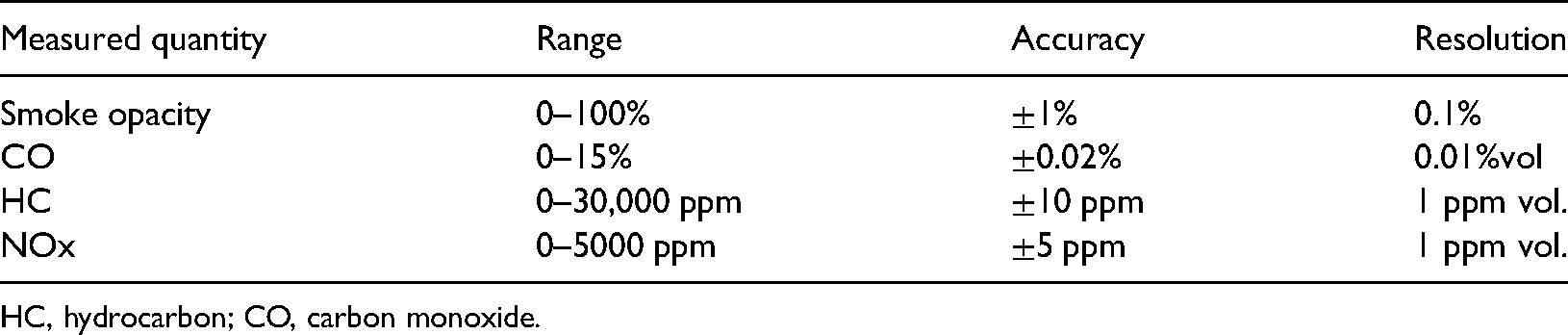
HC, hydrocarbon; CO, carbon monoxide.
Test procedure
In this study, 1-octanol, an eight carbon chain alcohol and 1-decanol, a 10 carbon chain alcohol were obtained from Merck Millipore, Mumbai, India. Two ternary blends were devised by utilising 1-octanol and 1-decanol along with mineral diesel and LGOB at a concentration of D50-LGOB30-OCT20 (50% by volume of diesel + 30% by volume of LGO biodiesel + 20% by volume of octanol) and D50-LGOB30-DEC20 (50% by volume of diesel + 30% by volume of LGO biodiesel + 20% by volume of decanol). Furthermore, a binary blend was prepared with diesel and LGOB at a concentration of D50-LGOB50. All the test blends were stable, and no phase separation was observed even after one week. The physical appearance of the test blends is shown in Figure 4. However, before the commencement of the experimental trials, the blends were mixed with a help of a stirrer to confirm homogeneity. The influence of higher alcohols was studied with D50-LGOB50 blend and pure diesel and LGOB.
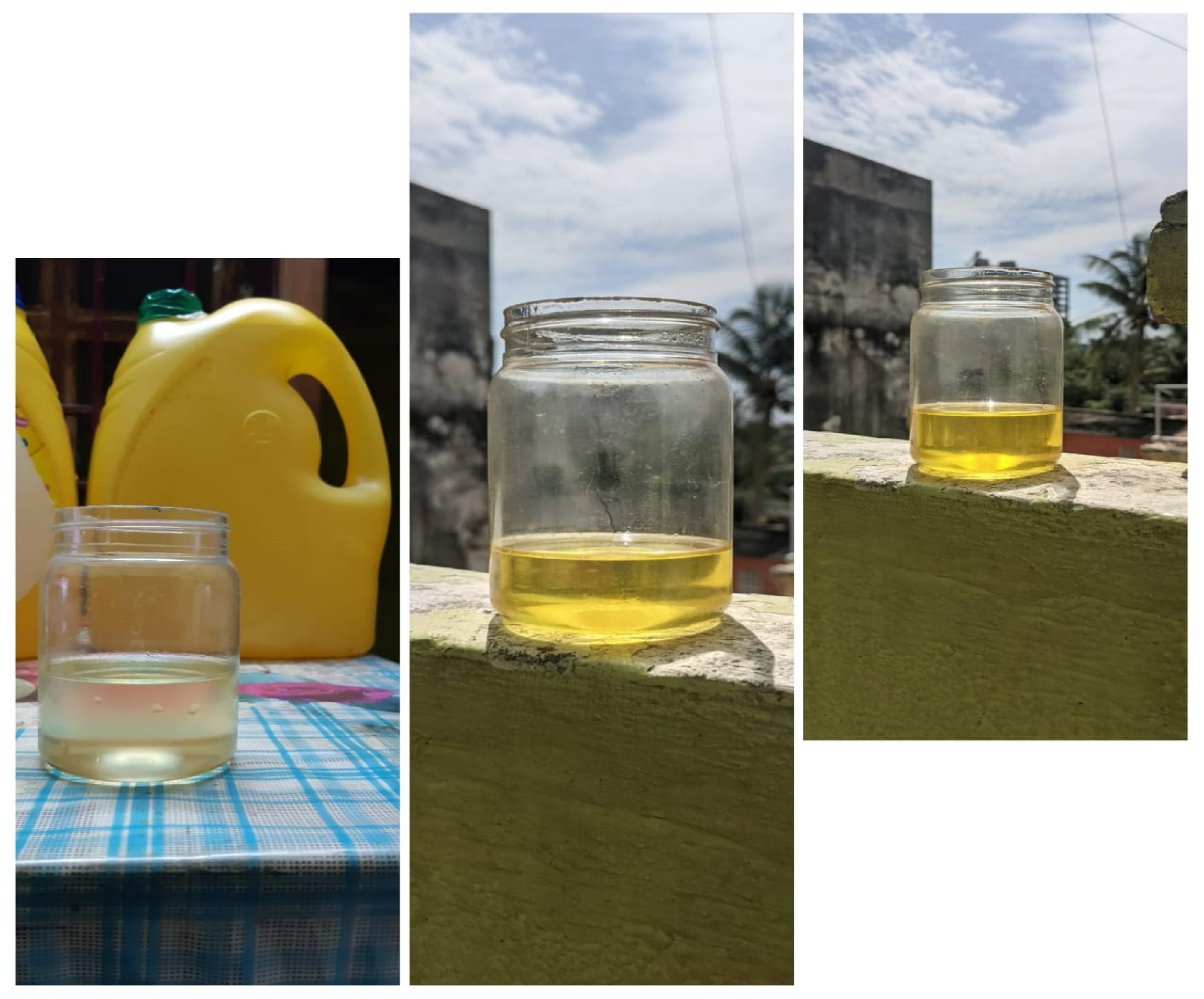
Physical appearance of LGOB (left), D50-LGOB30-OCT20 blend (middle) and D50-LGOB30-DEC20 blend (right).
The experiments were performed at different brake mean effective pressures of the engine from low load to full load. All the trials were performed at steady state conditions. The engine was run at standard operating injection timing and pressure of 23° bTDC and 200 bar throughout the study. Experiments were repeated two times per trial, and the average value is reported in the study. The standard deviation for diesel, LGOB, D50-LGOB50, D50-LGOB30-OCT20 and D50-LGOB30-DEC20, was presented in Table 5. At first, the engine was ran with mineral diesel, LGOB and D50-LGOB50 blend to record baseline data. Later, the engine was operated with the ternary blends at same conditions, and the results were compared and discussed with baseline fuels.
Standard deviation table for measured parameters (number of replicates = 2).
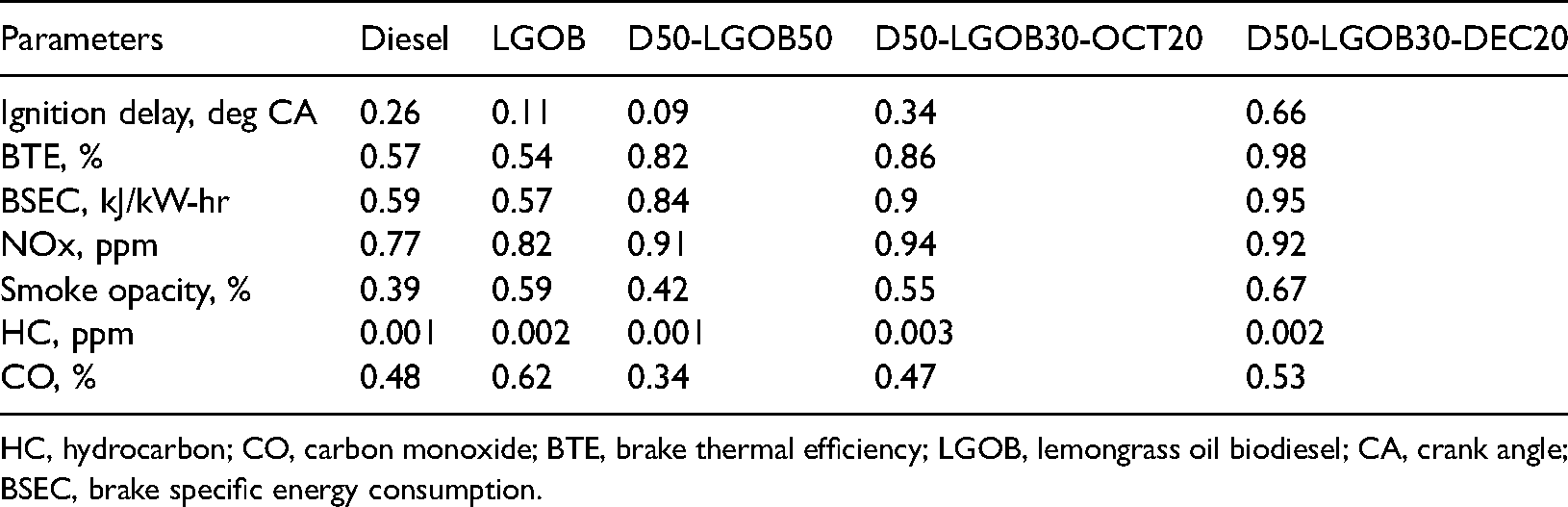
HC, hydrocarbon; CO, carbon monoxide; BTE, brake thermal efficiency; LGOB, lemongrass oil biodiesel; CA, crank angle; BSEC, brake specific energy consumption.
Results and discussion
Table 6 provides a comparison of the results of the present study with the other investigations that utilised LGO biodiesel and oxygenates viz., octanol and decanol in diesel engines.
Comparison of results of the present study with the other investigations that utilised lemongrass oil biodiesel and oxygenates viz., octanol and decanol in diesel engines.
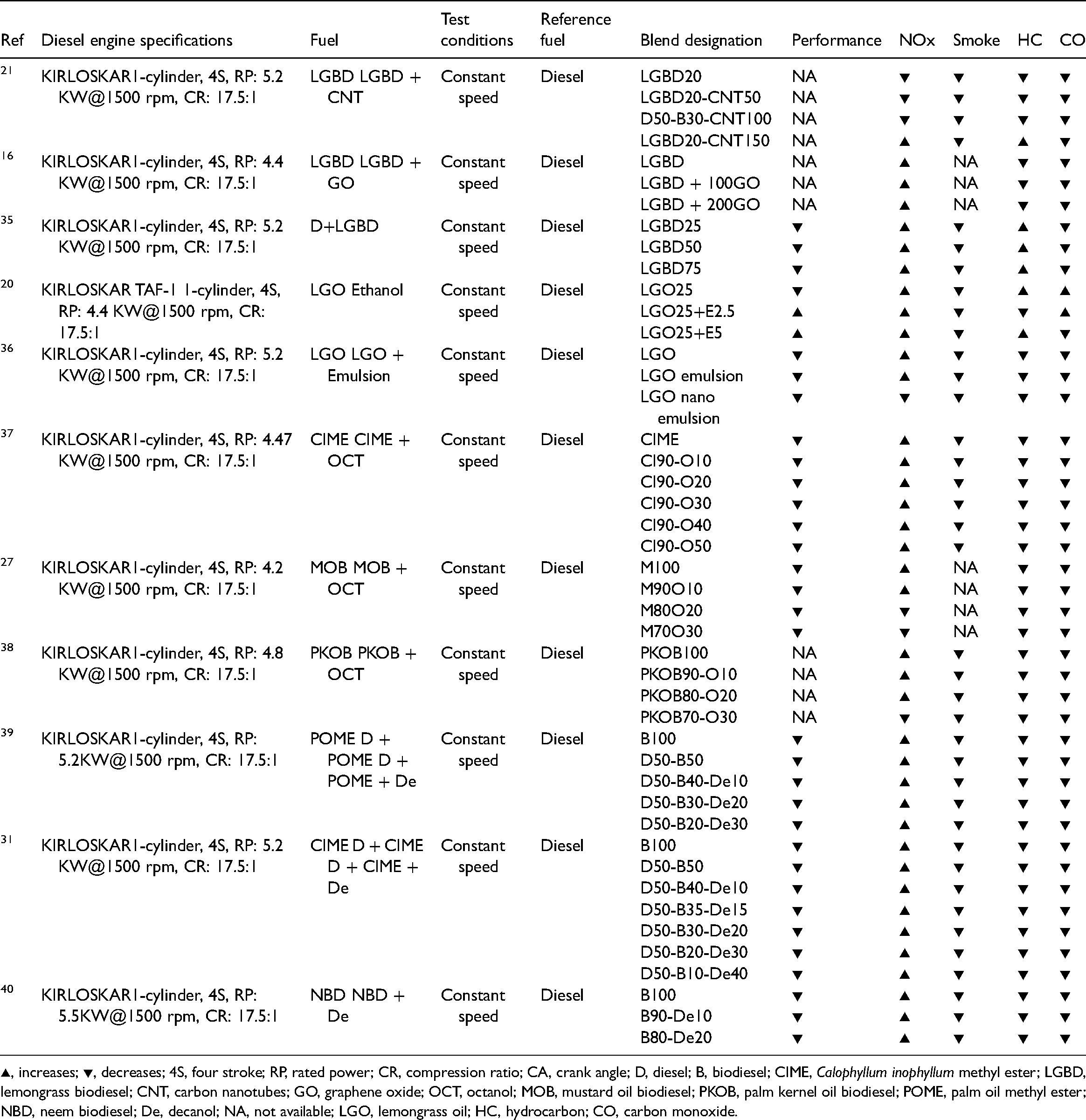
▴, increases; ▾, decreases; 4S, four stroke; RP, rated power; CR, compression ratio; CA, crank angle; D, diesel; B, biodiesel; CIME, Calophyllum inophyllum methyl ester; LGBD, lemongrass biodiesel; CNT, carbon nanotubes; GO, graphene oxide; OCT, octanol; MOB, mustard oil biodiesel; PKOB, palm kernel oil biodiesel; POME, palm oil methyl ester; NBD, neem biodiesel; De, decanol; NA, not available; LGO, lemongrass oil; HC, hydrocarbon; CO, carbon monoxide.
Combustion analysis
Ignition delay period
Ignition delay period is a critical factor that influences the combustion characteristics. The time difference between the start of injection and the start of combustion (SOC) is referred to as the ignition delay. The ignition delay period depends on two factors 1) physical delay period and 2) chemical delay period. The physical delay period is determined by the viscosity and density of the fuel, whereas the chemical delay period is determined by the combustion chamber pressure and temperature, as well as the swirl ratio and fuel properties. 1 The ignition delay of the test fuels from low load to maximum load is shown in Figure 5. It varies from 20.63 to 19.28 °CA, 20.14 to 18.66 °CA, 20.88 to 19.04 °CA, 20.61 to 18.91 °CA and 21.08 to 19.4 °CA for the diesel fuel, LGOB, D50LGOB50, D50LGOB30DEC20 and D50LGOB30OCT20, respectively, from low load to maximum load. Generally, the ignition delay period decreases as engine load increases and can be attributed to the higher gas temperatures that improve the air–fuel mixing. LGOB operation resulted in the shortest ignition delay period when compared with other tested samples. This is because of better autoignition characteristics due to the higher cetane index property of the biodiesel that requires lesser time for the SOC. Among the ternary blend, octanol blend portrayed a longer ignition delay period compared to decanol blend due to its inferior cetane index property and higher latent heat of vaporisation. 41 Lower cetane index property of a fuel deteriorates the evaporation rate, ending up in an increased ignition delay period.
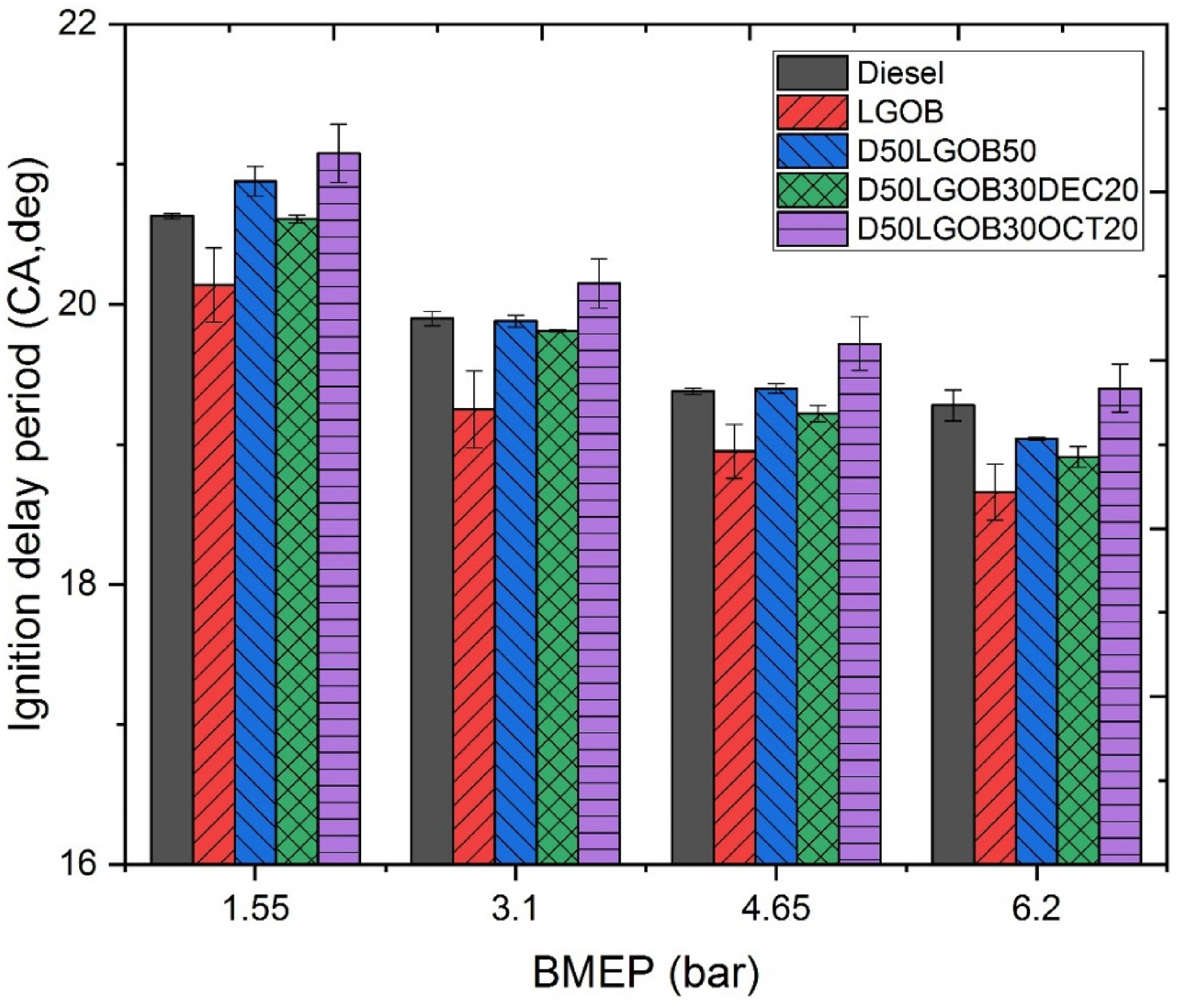
Ignition delay period of the test fuels from low load to maximum load.
Mass fraction burnt
The mass fraction burnt (MFB) describes the amount of fuel burned during a combustion cycle. Figure 6 depicts the MFB of the fuels as a function of CAs. The CA that corresponds to 50% of MFB is known as CA50, which is an important measure for rating the combustion process. The CA50 for the diesel fuel, LGOB, D50LGOB50, D50LGOB30DEC20 and D50LGOB30OCT20 at maximum load occurs at 5.688 °CA aTDC, 5.02 °CA aTDC, 5.354 °CA aTDC, 5.428 °CA aTDC and 5.369 °CA aTDC, respectively. Among the ternary blends, the CA50 for octanol blend occurred before decanol blend since, octanol has better oxygen content and higher laminar burning velocity than decanol, resulting in faster octanol blend burning rates. 42 In addition, an increased fraction of combustible mixture prepared during the ignition delay could have contributed to the cause.
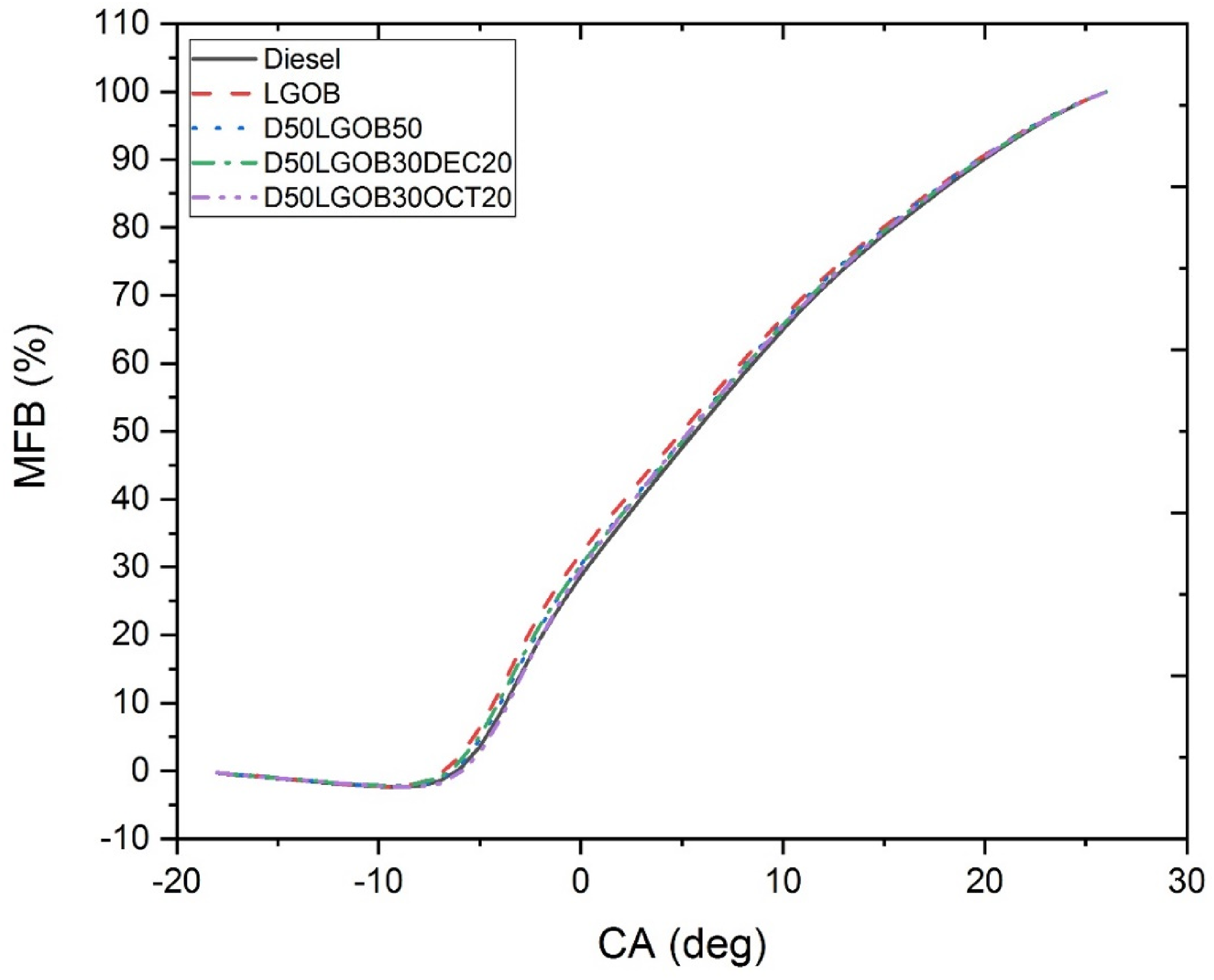
Mass fraction burnt versus crank angle at maximum load.
In-cylinder pressure versus CA
The pressure measurements inside the engine cylinder provide insight into the thermodynamic processes during combustion and the engine power that is delivered. Figure 7 shows the in-cylinder pressure traces at various CA positions at maximum load. The maximum in-cylinder pressures for diesel fuel, LGOB, D50LGOB50, D50LGOB30DEC20 and D50LGOB30OCT20 blends were observed to be at 72.29, 73.67, 73.15, 72.39 and 71.96 bar, respectively. The LGOB operation showed the maximum PCP when compared with the other test samples that are primarily because of earlier SOC and its higher autoignition characteristics that expedite the combustion process. Higher alcohol blends have shown lower PCP than the D50LGOB50 blend which can be corroborated due to the high viscous property of the ternary blends that deteriorates the atomisation and blending characteristics. The in-cylinder gas pressure for octanol blend was noted to be the lowest due to the lower energy content and poor atomisation characteristics of the octanol. 43 Ashok et al. 44 in their work reported that peak pressure is highly dependent on the energy content of the fuel.
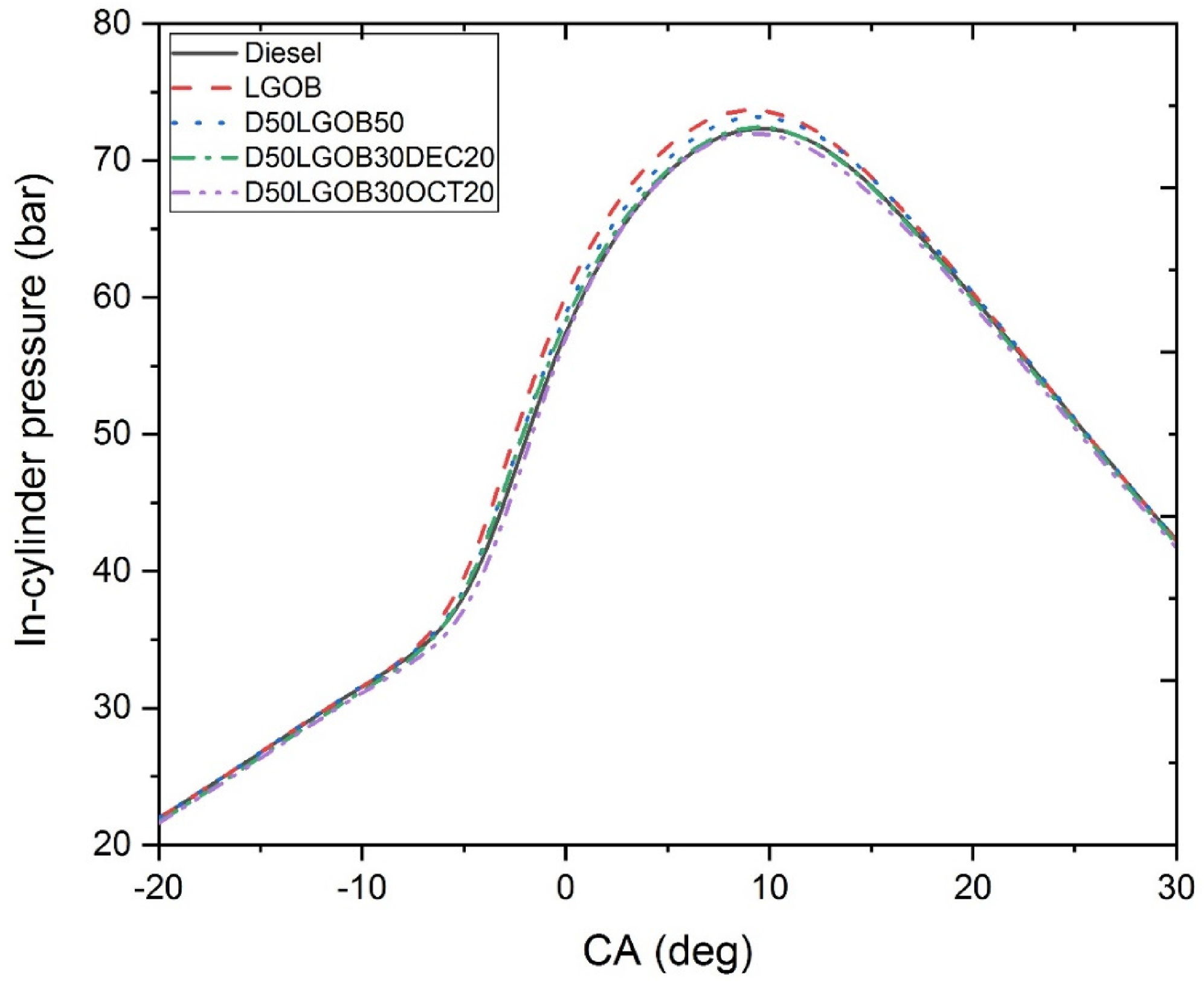
In-cylinder pressure versus crank angle at maximum load.
Heat release rate versus CA
The HRR data help to understand the combustion phenomenon occurring in the combustion chamber of an internal combustion engine. The changes in HRR of the fuels with respect to the CA at maximum load and at 1500 rpm are shown in Figure 8. The peak value of HRR for the diesel fuel, LGOB, D50LGOB50, D50LGOB30DEC20 and D50LGOB30OCT20 blends is 40.1, 42.24, 41.32, 40.32 and 43.87 J/°CA, respectively. When compared with baseline diesel, HRR for LGOB increases, which is primarily because of better inborn oxygen content present in the biodiesel along with the higher degree of mass of fuel burnt at CA50 as evident from Figure 6. In comparison with decanol blend, the peak HRR for octanol blend increased. This higher HRR peak for octanol blend can be attributed to the increase in fuel reactivity in the mixture and subsequent increase in the mass of fuel burning during the uncontrolled combustion phase. Also, higher oxygen content, inferior cetane index and longer delay period of the octanol, result in combustion that is primarily premixed rather than diffusion. 45 This trend is in accordance with Nour et al. 46 where higher HRR peaks were observed for butanol blend than other higher alcohol blends. The authors claim that a longer ignition delay period of lower alcohol was responsible for the higher spike.
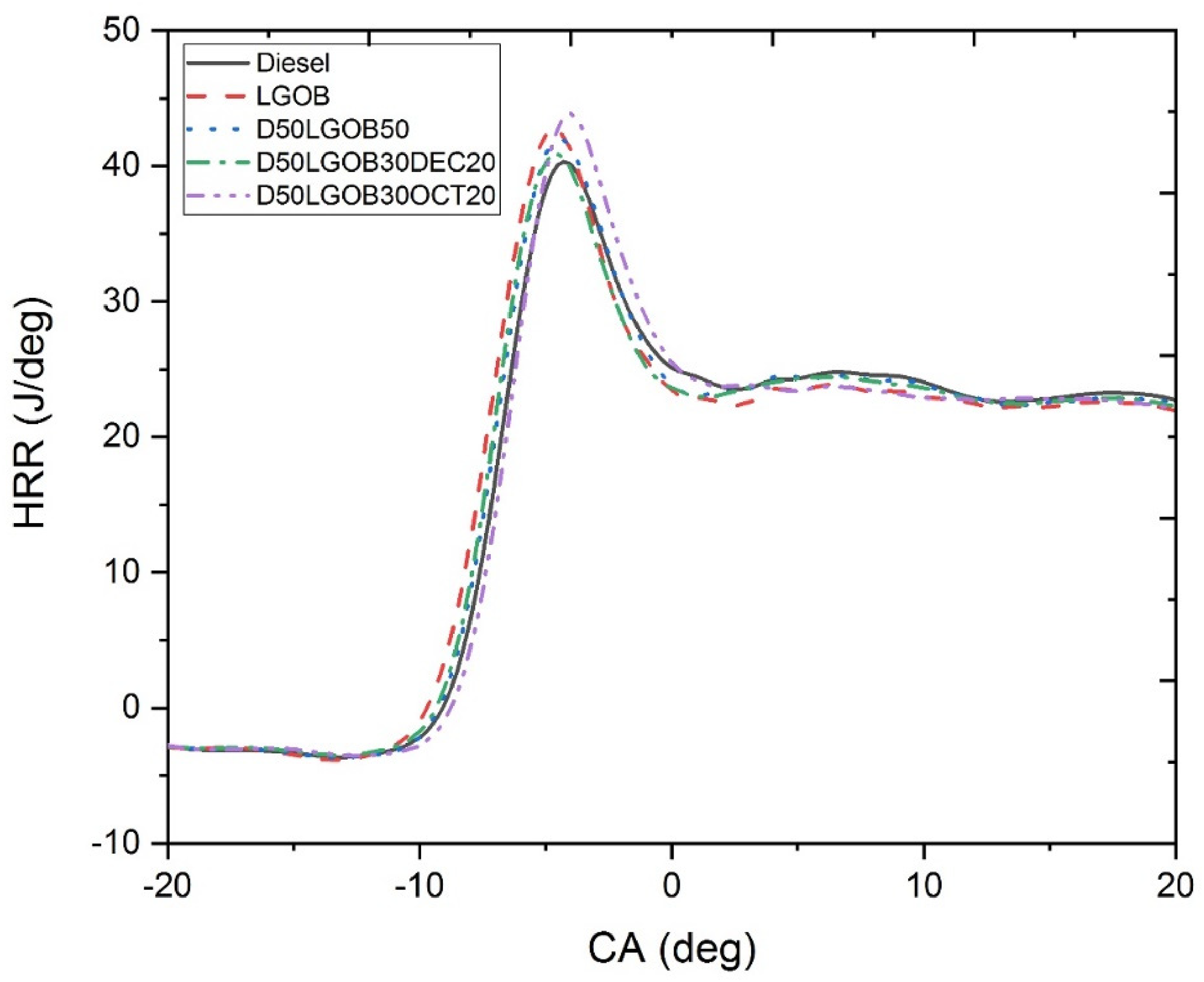
Heat release rate versus crank angle at maximum load.
Performance analysis
Brake thermal efficiency
The BTE is the measure of ability of fuel’s chemical energy conversion to work. Figure 9 illustrates the variation of BTE for the fuels from low load to full load. It varies from 17.33 to 31.22%, 15.61 to 27.88%, 15.85 to 28.51%, 16.64 to 30.07% and 16.51 to 29.30% for diesel, LGOB, D50LGOB50, D50LGOB30DEC20 and D50LGOB30OCT20 blends, respectively. The higher BTE with increase in engine load is expected due to increased fuel demand to produce higher brake power. Among the tested samples, diesel operation exhibited the highest BTE, which is primarily because of better LHV compared to other fuels. Biodiesel exhibited the lowest BTE owing to its higher density property due to which the pump has to supply additional fuel to sustain the equal energy input to the engine. The D50LGOB50 blend displayed better BTE than baseline LGOB because of the existence of diesel which compensates the lower LHV of the LGOB. The maximum BTE of 30.07% has been obtained for D50LGOB30DEC20 blend, which is 7%, 5% and 2.5% higher than that of LGOB, D50LGOB50 and octanol blend, respectively. However, the BTE was still 3.5% lower than baseline diesel fuel. The higher BTE of decanol blend than other test blends can be corroborated to higher energy content. Another reason for the high BTE for decanol blend could be due to the reduction of heat losses with the decreasing temperatures at the beginning of combustion. 47 Ashok et al. 30 in their work remarked that a higher calorific value of high carbon decanol than low carbon hexanol was responsible for higher BTE.
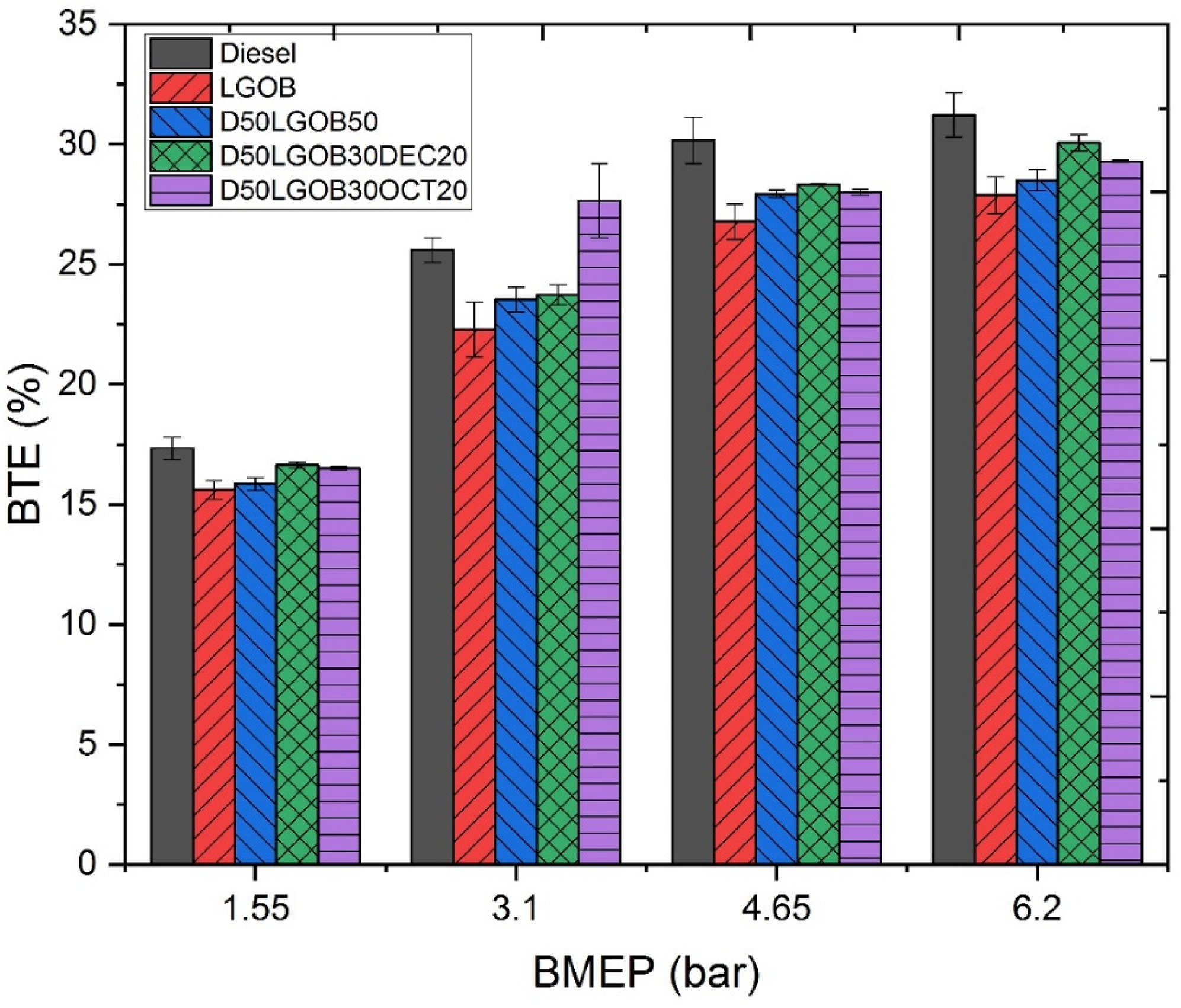
Brake thermal efficiency of the test fuels from low load to maximum load.
Brake specific energy consumption
The energy consumed per unit power produced taking calorific value into account is termed as brake specific energy consumption (BSEC). Figure 10 illustrates the variation of BSEC for the fuels from low load to maximum load. It varies from 20,775 to 11,530 kJ/kW-hr, 22,583 to 12,913 kJ/kW-hr, 22,718 to 12,628 kJ/kW-hr, 21,639 to 11,972 kJ/kW-hr and 21,800 to 12,287 kJ/kW-hr for diesel, LGOB, D50LGOB50, D50LGOB30DEC20 and D50LGOB30OCT20 blends, respectively.
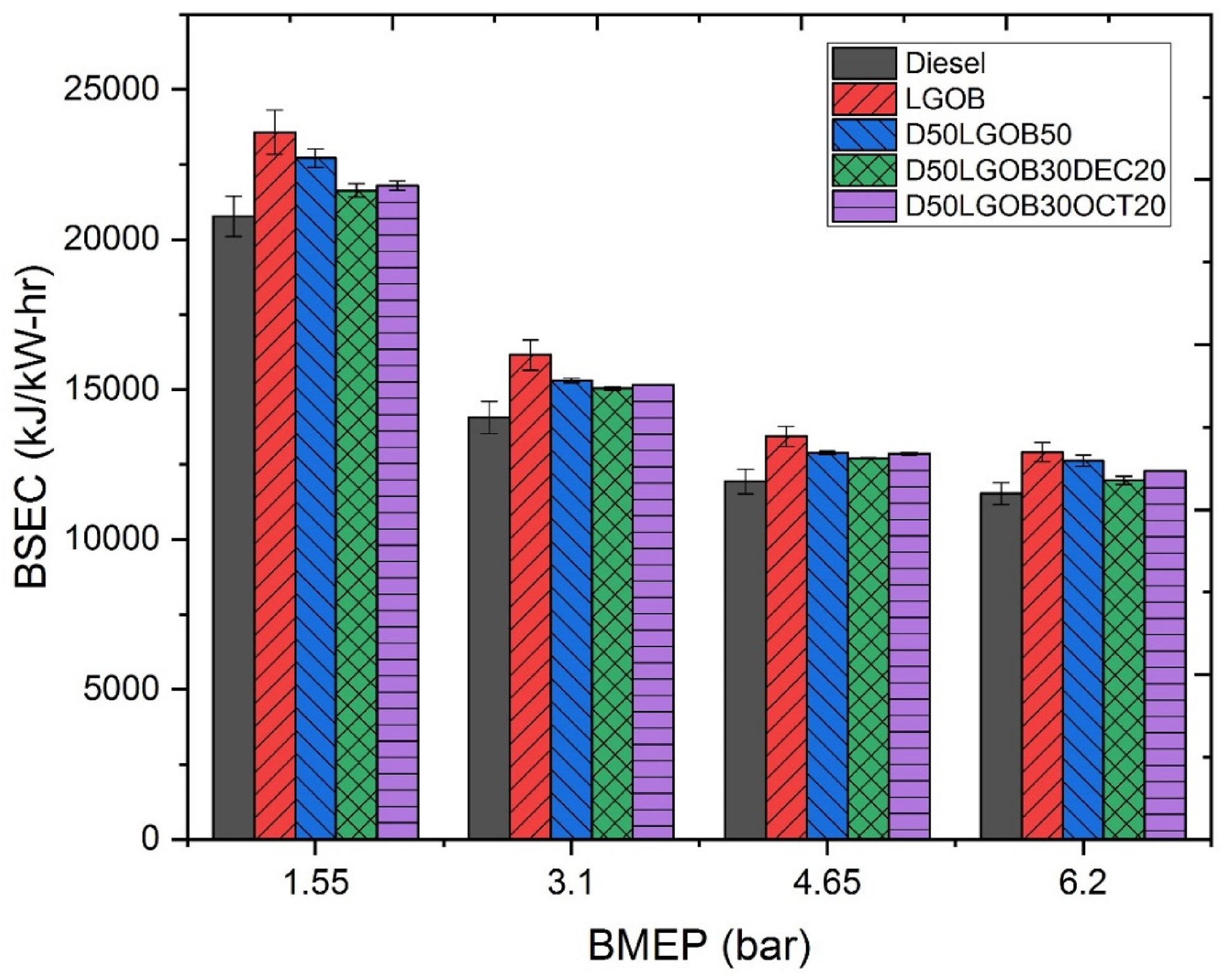
Brake specific energy consumption of the test fuels from low load to maximum load.
Among the test fuels, diesel portrayed the lowest BSEC that may be corroborated by its higher heat content. The BSEC for LGOB increased by 11% at maximum BMEP in comparison with diesel due to inferior LHV and higher density property. It is well-known fact that the injector discharges the same amount of fuel regardless of blend with respect to time. As a result, the volume of denser fuel injected will be greater, resulting in increased fuel consumption. 42 From Table 1, it is evident that the LGOB has the highest density property; therefore, its highest BSEC is expected from the aforementioned statement. The BSEC decreased by 2% for D50LGOB50 blend when compared with LGOB operation this occurred due to indemnify the diminishment of LHV of the biodiesel by diesel. Furthermore, modified fuel blends with higher alcohols lowered the BSEC owing to the superior ignition quality of the blends due to higher alcohol addition as well as lower density property of the ternary blends when compared with the binary blend. 48 Among the ternary blends, the BSEC value for the octanol blend was slightly higher than decanol blend. This is because of longer ignition delay period caused due to lower cetane index value of the blends due to octanol addition which allows more fuel inside the combustion chamber to generate equal brake power output. 49
Emission analysis
NOx emissions
The oxides of nitrogen from the engine exhaust are primarily depend on the gas temperature, gas residence time and oxygen availability. The oxygen content in the fuel plays an important role in NOx emission pattern as the residence time is insignificant in a constant speed engine. Figure 11 illustrates NOx emission at different BMEP for all the test fuels. It varies from 424 to 1642 ppm, 442 to 1651 ppm, 439 to 1639 ppm, 437 to 1626 ppm and 457 to 1694 ppm for diesel, LGOB, D50LGOB50, D50LGOB30DEC20 and D50LGOB30OCT20 blends, respectively, from BMEP of 1.55 to 6.2 bar. In general, with the increase in the engine load, NOx emissions tend to increase, which can be corroborated by the higher combustion pressure and temperature. The highest NOx emission was recorded with LGOB operation. This is due to the fact that earlier SOC due to higher LGOB cetane index value leads to higher in-cylinder pressure and flame temperature, which favours thermal NOx formation. 50 When compared with neat biodiesel operation, NOx emission suppressed with D50LGOB50 blend owing to lesser oxygen fraction in the blend due to replacement of 50% by volume of biodiesel with diesel. NOx emission for octanol blend was significantly higher than the decanol blend. For example, at maximum load, it showed 4% higher NOx emission, which can be attributed to the low cetane index property of octanol that gives rise to longer ignition delay periods that resulted in rapid combustion of fuel accumulated during this delay period creating a positive environment for NOx formation, thus experiencing higher NOx in the exhaust. 51
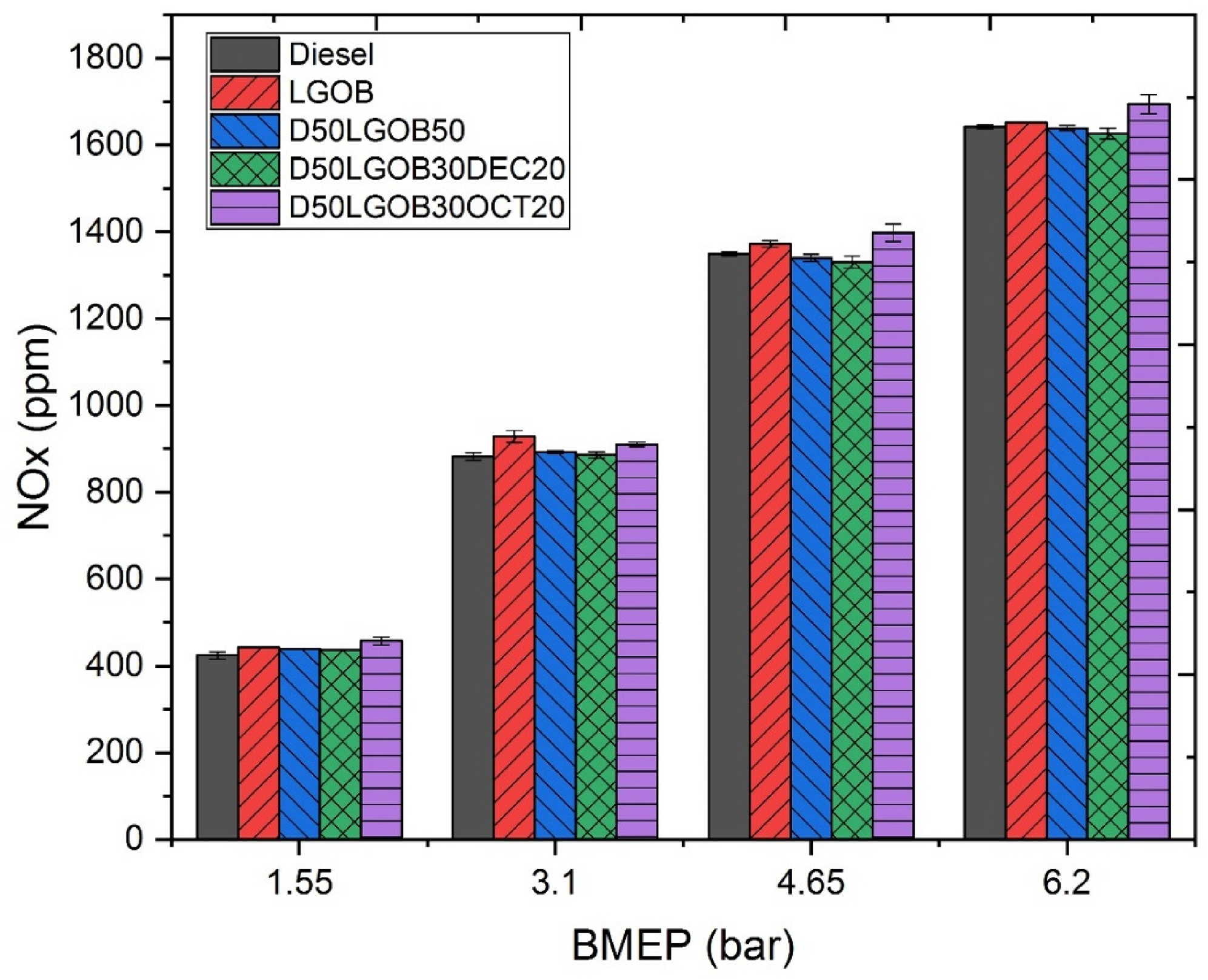
NOx emission of the test fuels from low load to maximum load.
Smoke opacity
Smoke emission in the diesel engine exhaust is mainly formed due to the accumulation of excess fuel in the engine cylinder that creates fuel-rich hotspots and increases the chances of smoke formation. Also, the oxygen content of the fuel, atomisation and air–fuel mixing are some other factors that play an important role in smoke formation.
Figure 12 depicts the smoke opacity of the tested fuels at different BMEP. It varies from 14.3 to 60.3%, 66.6 to 88.7%, 39.5 to 74.3%, 24.5 to 59.7% and 21.3 to 50.6% for diesel, LGOB, D50LGOB50, D50LGOB30DEC20 and D50LGOB30OCT20 blends, respectively, from low load to full load condition. In general, smoke opacity increases with the engine load and can be attributed to the high fuel–air ratio at higher engine loads which promotes soot formation. LGOB has the highest smoke emission among the test fuels and it occurred due to high-density property of the biodiesel and less time available for air–fuel mixture due to shorter ignition delay period. Better smoke opacity values were obtained for the D50LGOB50 blend when compared with pure biodiesel which can be attributed to better energy density of the blend that improved the combustion quality. The smoke opacity is significantly reduced with higher alcohol addition which is primarily due to high concentrations of free radicals present in the alcohols which limit the progression of nucleation and aromatic rings thereby reducing the smoke emission. 52 The smoke opacity of octanol blend was found to be the least and can be corroborated to lower carbon content of octanol over decanol. Also, octanol has better oxygen concentration that could have supported soot oxidation. 53
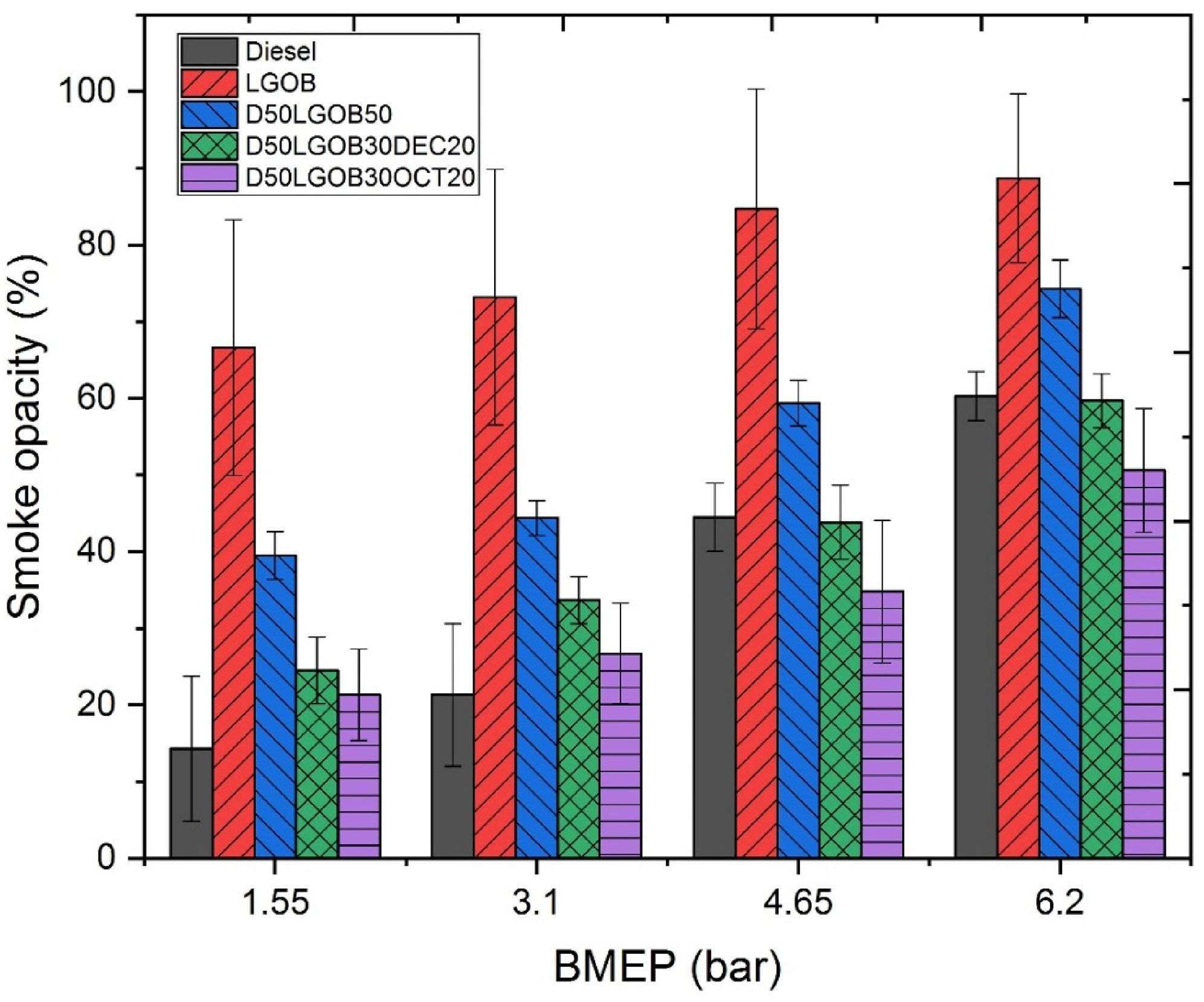
Smoke opacity of the test fuels from low load to maximum load.
Hydrocarbon emissions
The factors such as improper air–fuel mixing, admission of excess fuel inside the cylinder and poor air entrainment process aggravate HC emission in the exhaust pipe. The HC emission for the tested fuels is illustrated in Figure 13. The HC emission varies from 22 to 56 ppm, 18 to 43 ppm, 19 to 52 ppm, 34 to 64 ppm and 31 to 59 ppm for diesel, LGOB, D50LGOB50, D50LGOB30DEC20 and D50LGOB30OCT20 blends, respectively, from low load to maximum load. As the engine load increases, the HC emission also tend to increase which is mainly because of the increase in fuel to air ratio that could have caused a reduction in combustion efficiency. When compared with LGOB operation, D50LGOB50 blend portrayed higher HC emission which might be due to the negative effect of diesel addition where the ignition delay period apparently increases which could contribute to rich fuel hotspots thus resulting in slightly higher HC emission. 54 The higher alcohol blends showed higher HC emission than binary blend owing to the high viscosity of decanol and octanol which leads to inferior fuel atomisation characteristics with larger fuel droplets resulting in inadequate air–fuel mixing timing leading to incomplete combustion and higher HC emission. 50
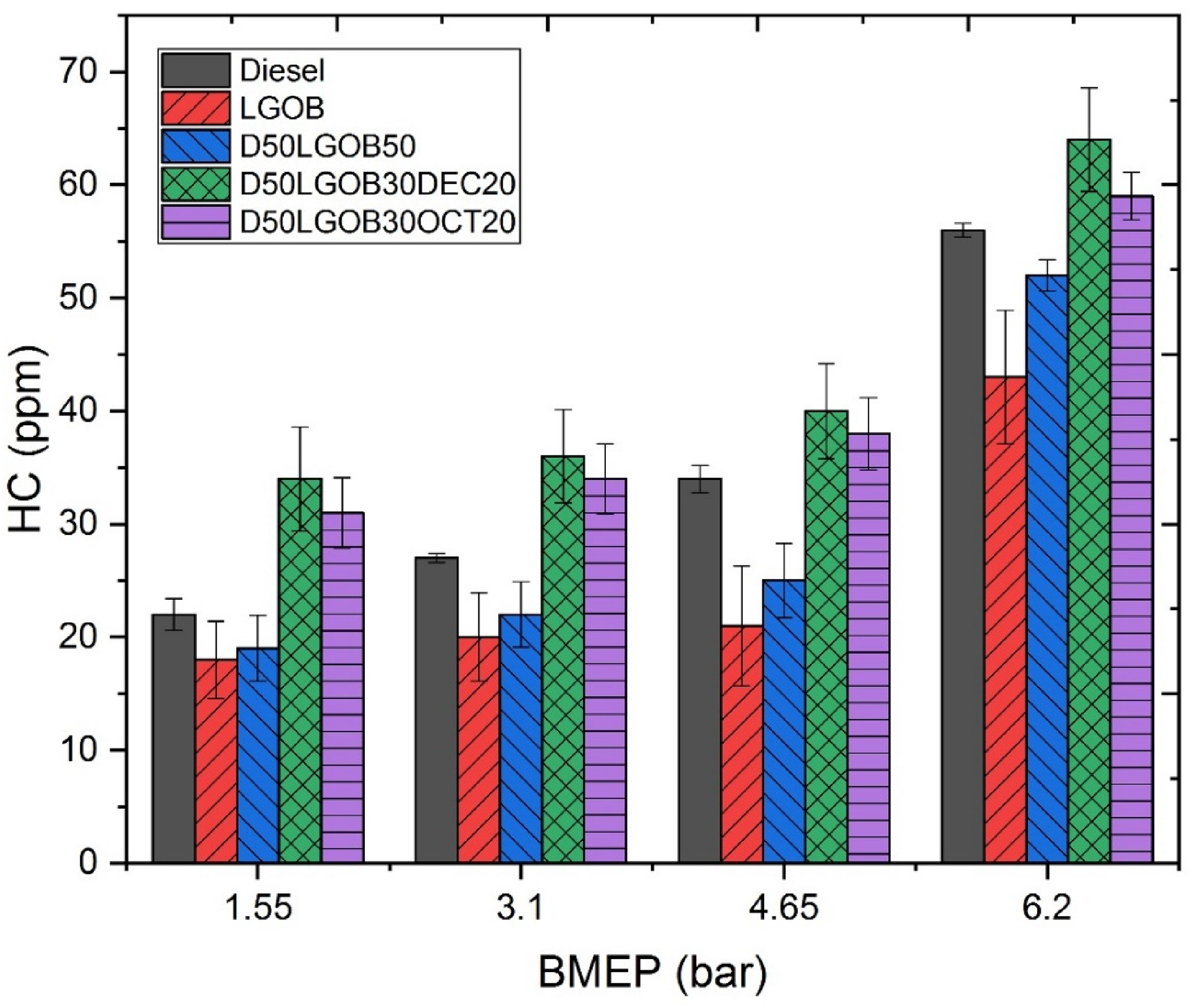
Hydrocarbon emission of the test fuels from low load to maximum load.
Carbon monoxide emissions
The variation CO emission from low load to full load for the test fuels is shown in Figure 14. It varies from 0.001 to 0.053%vol, 0.039 to 0.107%vol, 0.022 to 0.086%vol, 0.047 to 0.151%vol and 0.037 to 0.145%vol, and for diesel, LGOB, D50LGOB50, D50LGOB30DEC20 and D50LGOB30OCT20 blends, respectively. The CO emission increases as the engine load increases. This is because of the low air–fuel equivalence ratio at higher engine loads that lowers the oxygen concentration inside the engine cylinder thus diminishing CO oxidation. One would have expected that the higher alcohol addition will result in lesser CO emission but in the present investigation contrasting results were observed. This is attributed to the higher kinematic viscosity property of the blends that helps cavitation in the injector nozzle and thus increases the fuel injection with large Sauter diameter fuel droplets which affects complete combustion that results in higher CO emission. 55 Octanol blend portrayed lower CO emission than decanol blend which may be due to lesser carbon and higher oxygen content in the molecular structure of octanol that favours oxidation.
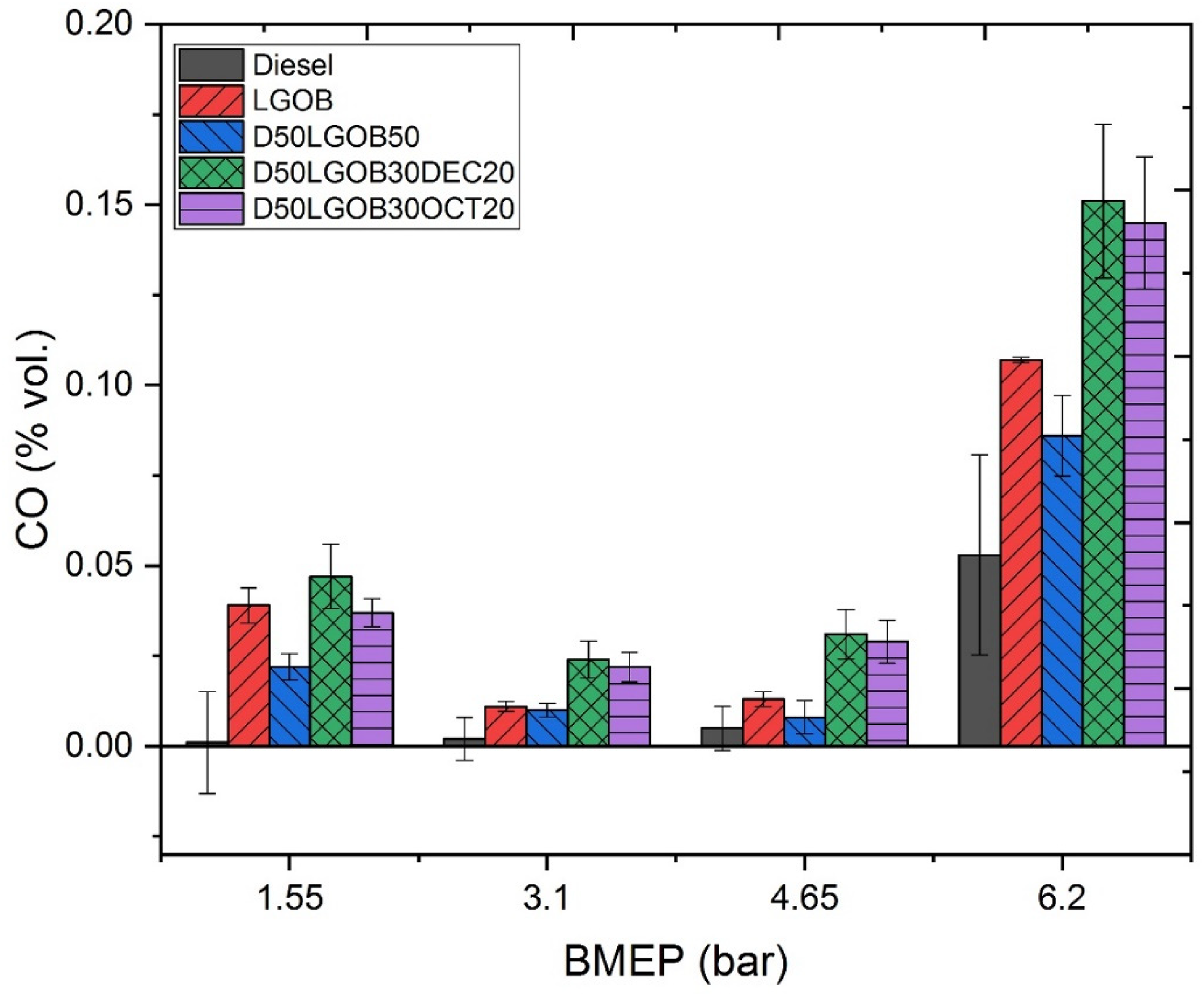
Carbon monoxide emission of the test fuels from low load to maximum load.
Conclusions
The present investigation is intended to make a comparative assessment on the effect of 1-octanol and 1-decanol to diesel/LGOB blends on combustion, performance and emission characteristics of a direct injection diesel engine. Two ternary blends were prepared containing 50% by volume of diesel, 30% by volume of LGOB and 20% by volume of higher alcohols, and the following experimental results were drawn from the investigation with respect to D50-LGOB50 blend, neat diesel and LGOB.
When compared with the binary blend, the ignition delay period was shorter for decanol blend and longer for octanol blend. PCP reduced with higher alcohol addition to diesel/LGOB blends. BTE of the engine improved with higher alcohol addition to diesel/LGOB blends. However, still the efficiency was lower than baseline diesel. When compared with binary blend, NOx emission was lower for decanol blend. However, it aggravated for octanol blend operation. The smoke opacity for higher alcohol blend operation was lower when compared with other baseline fuels. Among the higher alcohol blend, octanol blend portrayed the lowest smoke emission. Both HC and CO emission aggravated for higher alcohol blends.
It is concluded from the study that 1-decanol could be a potential fuel candidate for diesel engines operating with biomass-derived LGO biodiesel.
Future research directions
In order to increase the efficiency of the engine, studies on cetane improvers can be explored.
Operating parameters such as injection timing, compression ratio, fuel injection pressure and EGR rate can be varied and optimised to achieve better performance and lower emissions.
Particulate matter study can be carried out to learn the effects of octanol and decanol.
Exergoeconomic and exergoenvironmental analyses can be carried out.
Footnotes
Declaration of conflicting interests
The authors declared no potential conflicts of interest with respect to the research, authorship, and/or publication of this article.
Funding
The authors received no financial support for the research, authorship and/or publication of this article.
