







Abstract
An escalating amount of urban waste poses a significant threat to the sustainable growth of cities. Therefore, a waste-sorting policy is crucial for the advancement of humankind. The implementation of a waste-sorting policy relies heavily on public participation to ensure effective governance. This study examines public participation in urban waste-sorting by mining more than 580,000 microblog texts related to waste-sorting from 2012 to 2022, using data from Sina Weibo, China's leading social media platform. My findings indicate that (1) residents’ attention to and support for mandatory waste-sorting policies varies by region; (2) widespread public interest stimulates publicity, education, and commercial entertainment related to waste-sorting policies and investment in thematically related sectors; (3) residents in regions with high education and income levels are more likely to generate waste and pay greater attention to waste-sorting policies; and (4) the promotion of waste-sorting policies affects knowledge dissemination. This study combines textual analysis and econometric techniques to offer a fresh perspective on the significance of public participation in promoting waste-sorting policies. It serves as an invaluable resource for governments to implement waste-sorting policies.
Introduction
Economic development, population expansion, and rapid urbanization have led to a dramatic increase in municipal solid waste (MSW) in China. 1 The unreasonable management of MSW results in severe air, soil, and groundwater contamination, negatively affecting urban ecology, the environment, and public health. 2 Solving the garbage siege issue is an imminent challenge in urban environmental management. As a result, some scholars have proposed the 3R principle namely, reducing, reusing, and recycling.3,4 Subsequently, a waste management hierarchy was also proposed.. 5 The five stages of the waste management hierarchy are prevention, reuse, recycle, recovery, and disposal. 6 These two principles have become the consensus of countries worldwide for sustainable waste management. Effective waste sorting is the vital basis of the 3R principle and Waste Management Hierarchy. From a direct perspective, the MSW structure will be optimized by sorting, which will help increase the amount and proportion of MSW that can be reused and improve the recycling efficiency due to higher purity. Further, the publicity and implementation process of waste-sorting regulations can help residents improve environmental awareness to some extent, which may indirectly reduce the original MSW production.
Therefore, an increasing number of countries, especially developed nations, have become aware of the importance of waste sorting and have begun to take more actions to regulate waste disposal. For example, since 2000, Japan has implemented the Container and Packaging Recycling Law, and a portion of plastic and paper containers and packaging are being recycled. 7 The United States enacted the Resource Conservation and Recovery Act, and different cities established their laws and regulations based on the same. 8 Notably, the promulgation and implementation of the waste-sorting policy seem to have greatly improved the efficiency of waste recycling. Regions can achieve win–win economic benefits and environmental performance by turning waste into resources.
However, China lags far behind in the sorting and recycling of MSW, even though it is facing a severe threat of garbage siege. In 2021, China's total annual domestic waste production reached 235 million tons, second only to that of the United States. However, China's annual per capita domestic waste production is only 0.166 tons, far below the world average of 0.3 tons per year,according to World Bank. Foreseeably, China's per capita domestic waste production will continue to rise annually as the economy grows, the penetration of urbanization increases, rural living standards improve, and productive activities increase. The strictest mandatory waste-sorting policy was enacted in Shanghai in 2019. 9 This sparked much debate among residents, marking China's entry into the era of mandatory waste sorting. As early as 2012 (Figure 1), China's voluntary waste-sorting policy has been embryonic but with little success, including only cans, plastic bottles, and paper that can be quickly collected and easily sorted by residents.
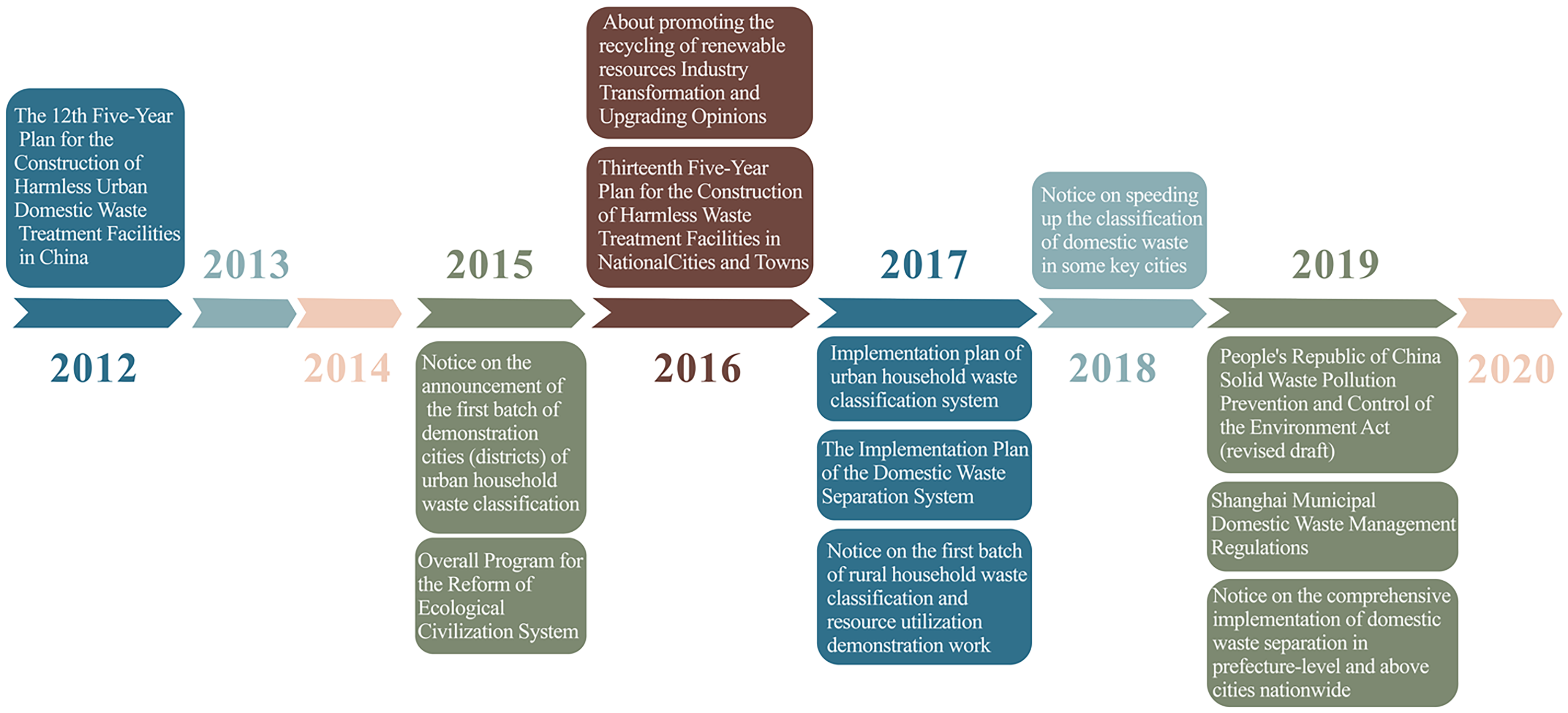
Timeline of waste-sorting-related policies in China. Source: Compiled by the author.
Public attention is essential for policy impact in the area of waste-sorting policy. This is because residents are not only the most widespread implementers of waste sorting but also the beneficiaries of policy implementation. As the ultimate implementers of policy, public disapproval, or even resistance to policy, can lead to unsustainable and ineffective policy implementation. 10 Therefore, clarifying the characteristics of the public response to waste-sorting policies is essential to ensure that the policies are effective.
The reasons for mandatory waste sorting in China have been widely debated, mainly because a mandatory policy approach would completely change the habits of Chinese residents in mixing their garbage. Specifically, the requirements for waste-sorting are high and the classification is tedious, which is a significant challenge for China's traditional waste-sorting habits. In addition, public opinion is rapidly expanding in the Internet era, fueled by the new media's pursuit of hotspots. 11 There are apparent differences in residents’ attitudes, with some considering it a good measure to protect the environment and many considering this method of waste-sorting too cumbersome and inconvenient to change their habits. Public acceptance is of great significance for the smooth implementation of policies. 12
Public acceptance plays a crucial role in ensuring the smooth implementation of policies. 10 Additionally, enhancing public participation in environmental governance at the regional level can directly or indirectly contribute to effective environmental management and governance.12–14 The level of attention residents give to waste-sorting and recycling policies directly impacts their sensitivity towards these policies and their subsequent adherence to the corresponding guidelines. It is worth noting that some cities and rural areas in China have not yet fully enforced waste-sorting policies.
Furthermore, waste-sorting policies have not yet been fully implemented in many developing countries or specific regions within these countries. Exploring the level of attention and influential factors related to the mandatory waste-sorting policy in various regions is crucial for enhancing the policy promotion strategies, increasing residents’ awareness, fostering greater participation, and ultimately improving waste-sorting performance. Although scholars have used questionnaires and other forms to measure residents’ attention and attitudes toward waste-sorting policies, the questionnaire method is inflexible, easily misunderstood, and difficult to distribute; therefore, it cannot comprehensively cover the overall regional residents’ attitudes toward waste-sorting.
Therefore, to accurately measure the level of residents’ concerns and attitudes toward waste-sorting policy at the regional level and to explore the influencing factors and paths, this study attempts to address the following major question: ‘What are the factors influencing residents’ attitudes toward waste-sorting and its implementation, and how do these factors vary across regions?’. In addition, this paper also gives a brief discussion about influencing factors and pathways of changes in residents’ attitudes to make this article more comprehensive.
This research endeavor will contribute to a comprehensive understanding of waste management policies and provide valuable insights for improving waste-sorting initiatives. By identifying the key factors that influence residents’ attitudes and examining regional variations, this research has implications for developing targeted strategies and interventions to enhance waste-sorting practices and promote a more sustainable waste management system.
This study adopts a comprehensive methodology to address the research questions. Initially, a vast dataset of 587,700 microblog texts, obtained through text mining techniques, is analyzed to assess the public's emotional attitudes toward waste-sorting. Subsequently, the LDA topic model is employed to extract and depict the prominent topics of public concern, capturing the evolving trends in residents’ attitudes. Furthermore, structural equation modeling is utilized to conduct path analysis, with a specific focus on examining how regional education levels influence residents’ attention to waste-sorting. By integrating these methodologies, this research aims to uncover the underlying factors that shape residents’ attitudes and elucidate the specific pathways through which regional education levels impact waste-sorting concerns.
This study offers significant contributions. It surpasses conventional questionnaire-based research methods by utilizing extensive data mining techniques to analyze the dynamics of residents’ concerns and attitudes toward waste-sorting. Additionally, the application of the LDA topic model allows for the identification of key concerns among residents, providing insights into the strengths and weaknesses of the existing waste-sorting policy. Moreover, my analysis investigates the influence of socioeconomic development factors across different regions on residents’ waste-sorting concerns, offering valuable insights into the level and pathways of influence. Lastly, this research uniquely combines big data technology with qualitative and quantitative analysis, facilitating a comprehensive exploration of the field of urban environmental governance.
The remainder of this paper is organized as follows. In Section 2, the relevant literature is reviewed, and in Section 3, the variables, data sources, and models are discussed. In Section 4, this paper presents the results of the LDA and econometric models. Section 5 presents the conclusions and policy recommendations.
Literature review
Effectiveness of waste-sorting policies
The existing waste-sorting policies are mainly divided into voluntary and mandatory policies.
Some scholars show that voluntary policies cannot effectively restrain residents’ free-riding behavior, so they have little influence on their practices. 15 However, some scholars believe that market signals can be used to regulate the behavior of companies and individuals and to encourage the public to take the initiative to reduce environmentally damaging activities. 16 For example, an empirical study on solid waste management in Mumbai showed that local governments and citizens need to develop a sense of shared interest to achieve a win–win situation through proactive public separation behavior. 17 Another study revealed that voluntary environmental policies are much less costly and more beneficial to the sustainable development of society than mandatory environmental policies. 18 Scholars’ opinions vary in discussions of mandatory waste-sorting policies. Some scholars do not approve of mandatory waste-sorting policies at all, arguing that they are likely to lead to a proliferation of contrary behaviors after the system disappears. 19 In contrast, some scholars argue that the effects of mandatory policies have limitations and are not significant in some cases. For example, studies have shown that the impact of institutional factors on waste-sorting varies significantly across regions and industries in Italy. 20 In U.S. cities and towns with populations over 25,000, penalties have a positive impact on participation rates in waste-sorting. 21 Worse, without oversight, coercive policies can even lead to more illegal behavior. 22 However, some scholars have reported contrary findings, showing that mandatory waste-sorting policies work well. Single-use plastic bags are banned on Malaysian college campuses, and the behavior is so ingrained in college students’ attitudes that they voluntarily continue their behavior even after being away from campus for a long time. 23
The important role of public concern in environmental policy
As the government continues to improve the local ecology and transparency of environmental information, an increasing number of public members choose to reflect their views on environmental issues through relevant platforms. 24 Public attention has become an important and indispensable force in the process of eco-environmental protection. Public attention plays an important role in enhancing the green environment and environmental performance, and scholars have focused on, among other things, electricity price-setting, wastewater treatment performance, haze control, and solid waste management.24–26 For example, some scholars analyzed the time-varying characteristics, seasonal features, and mechanisms of residents’ sentiments toward electricity-pricing policies based on 149,500 tweets using natural language processing methods. 13 Then, some discussed public concerns regarding wastewater treatment performance. 27 Meanwhile, some papers analyzed the driving role of public participation in air pollution control and explored the mechanisms, characteristics, and evolutionary paths behind government-directed public attention. 14 Other scholars analyzed public opinion on pollutants such as carbon dioxide and solid waste.24,25 Scholars have viewed research on performance related to waste-sorting policies differently.
Public opinion analysis methods as a new way to reflect public concerns
Public opinion analysis refers to deep thought processing and the analysis of public opinion on a specific issue to obtain relevant conclusions according to the needs of that issue. Most scholars widely use public opinion analysis because of its ability to detect public sentiment, understand public opinion, and predict trending issues. In the current research, public opinion analysis is divided into two levels: macro and micro. Among them, the macro level mainly discusses the collective reaction of the public at national, provincial, and municipal levels when facing a certain policy shock. For example, the results of a questionnaire study conducted by scholars to increase the knowledge of Greek citizens on the mitigation actions taken by climate change show that citizens are not particularly satisfied, mainly with the actions taken by authorities in response to climate change. To motivate citizens to participate in such actions in the future, the relevant government agencies will need to increase their participation and significantly improve their actions in terms of reducing industrial and commercial pollutant emissions, the level of citizen protection and information provision, and public awareness and education on climate change. 28 At the micro level, some scholars have studied questionnaire data collected by Bike PGH, an organization in Pittsburgh. The results suggest that as the public interacts more with self-driving cars, their attitudes toward technology are more likely to be positive. Therefore, this study suggests that policymakers should provide opportunities for the public to have experiences interacting with AVs. 29
Public opinion analysis has undergone a booming developmental phase. In the social sciences, for example, public perceptions of a social event are traditionally reflected through structured email and telephone interviews.30,31 Undoubtedly, the experimental survey method has some advantages, such as its representativeness to the general population and its effectiveness in addressing focused questions. However, the experimental survey method also has some limitations that cannot be ignored, including lack of time scale, sampling bias, intensive labor, financial costs, low return rate, and limited room for free expression. 32 For example, scholars used a national telephone survey to examine public perceptions of the spatial nature of unconventional oil and gas development. 33 However, the study reports that the method faces problems regarding high time and financial costs, limited data, and unrepresentative samples.
With the Internet boom, social media has become an excellent platform for public attitude analysis as a huge source of unstructured data with direct opinions and emotional content. 34 Over the past few decades, social media-based opinion analysis has been conducted in various fields, including social sciences,35,36 politics,37,38 education, 39 medical science, 40 marketing, 41 traffic, 42 finance, 41 knowledge sharing, 43 and contingency management.44,45 With the advancement of computer network technology, big data mining and machine learning have come into the vision of scholars. It has been compared with the traditional method of measuring the intensity of online public opinion through search volume. 46 Scholars used “haze” as a predefined search term, measured by the number of posts, likes, retweets, and comments obtained by the Sina Weibo crawler. In addition, experts mined over 10.54 million blogs related to haze from 2013 to 2017. 14 LDA was used to explore the popular topics of public concern and the characteristics and evolution trends of public concern and government propaganda. In addition, other scholars have used machine learning to perform sentiment analysis on mined big data texts, that is, to achieve manual coding of text content as positive, neutral, and negative, and explore the clustering results of LDA topic models under different sentiment attitudes based on the results of sentiment analysis, as a way to explore the reasons for residents’ different attitudes toward waste-sorting. 24
Public concern in waste management has been a subject of investigation in numerous studies. However, there are two notable gaps in the existing literature. Firstly, most studies have relied on questionnaires to examine public concerns while only a few scholars have utilized big data mining techniques to collect data from social media platforms. Moreover, these studies have not incorporated natural language processing techniques to analyze the sentiment of textual data and provide analytical support for empirical research. Secondly, although some studies have explored the textual analysis of mandatory policies on social media platforms, there is a lack of research that examines both mandatory and nonmandatory policies within a unified framework for discussion.
In a country like China, where both types of policies have been implemented before and after, it remains unclear whether and how public attitudes have significantly changed. While several studies have investigated the factors influencing public attention, empirical data has not yet elucidated the underlying communication pathways.
This study aims to fill these gaps by adopting a combined approach of textual analysis and statistical studies. It will examine both compulsory and noncompulsory waste-sorting policies within a unified framework, aiming to explore the mechanistic pathways that influence public attention.
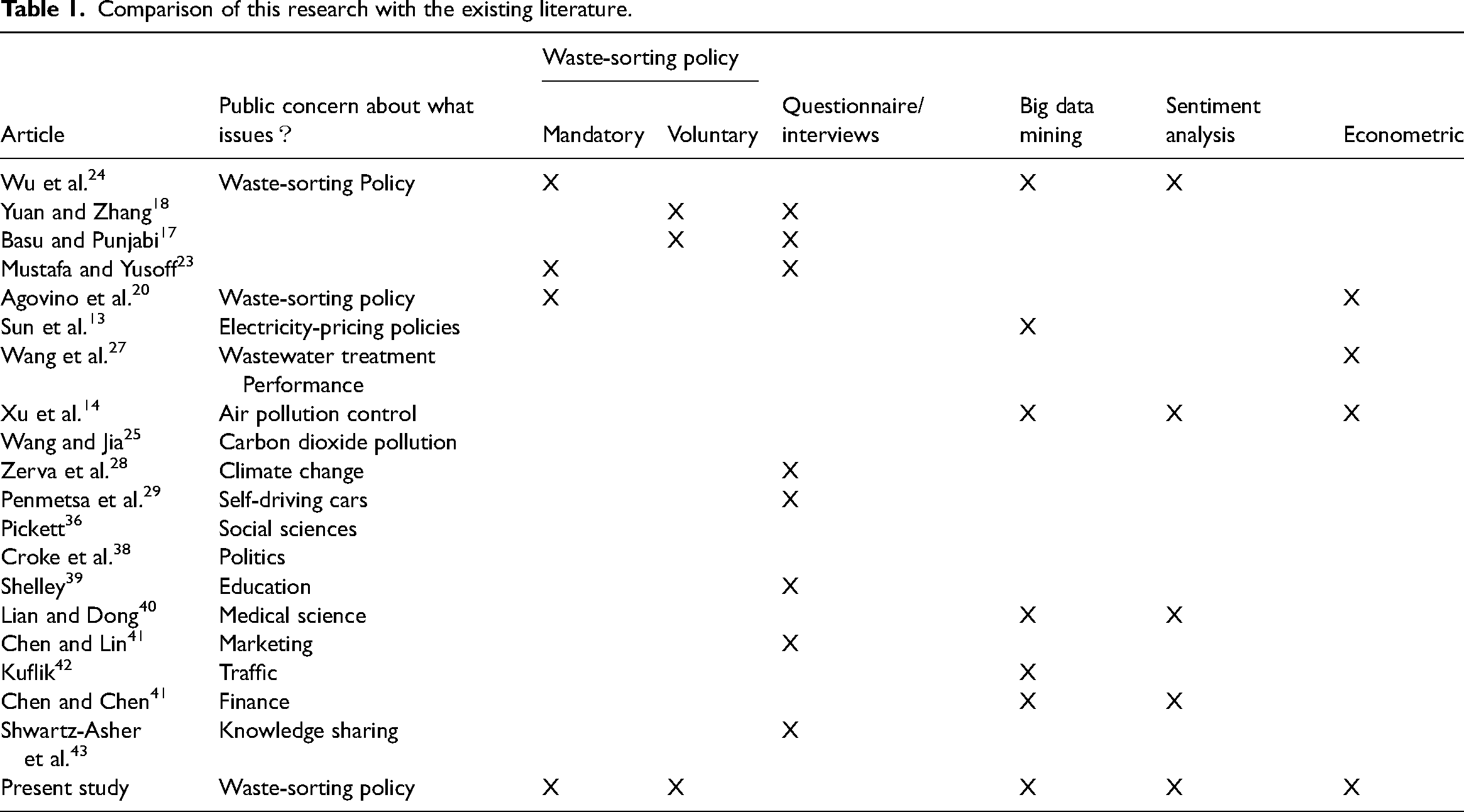
As shown in Table 1, this study adopts an integrated approach combining text analysis and statistical research, simultaneously examining both mandatory and nonmandatory waste sorting policies to explore the mechanisms influencing public attention. In contrast, most previous studies have primarily relied on questionnaire surveys without leveraging big data mining and natural language processing techniques, nor have they compared mandatory and nonmandatory policies within a unified framework. Through this comparison, this research offers a fresh perspective and a more comprehensive analytical methodology to the field of waste management policies.
Comparison of this research with the existing literature.
Methodology
In China, the waste segregation policy has changed from voluntary to mandatory. Many scholars argue that mandatory policies tend to arouse resentment among residents, leading to a surge in contrary behavior after the policy disappears. 19 However, since the implementation of the policy, Chinese residents have become more supportive of it. In this study, big data text mining is used to examine changes in residents’ sentiments that describe the psychological state behind this change.
Definition and measurement of the public opinion of the waste-sorting regulation
This study is based on Sina Weibo, the world's largest Chinese social media platform. As of November 2020, Weibo has 523 million active monthly users. The textual data from Sina Weibo reflects residents’ sentiments toward the policy. 13 In this study, the dependent variable is the absolute value of residents’ positive attitudes toward waste-sorting. The data acquisition steps used in this study are illustrated in Figure 2.
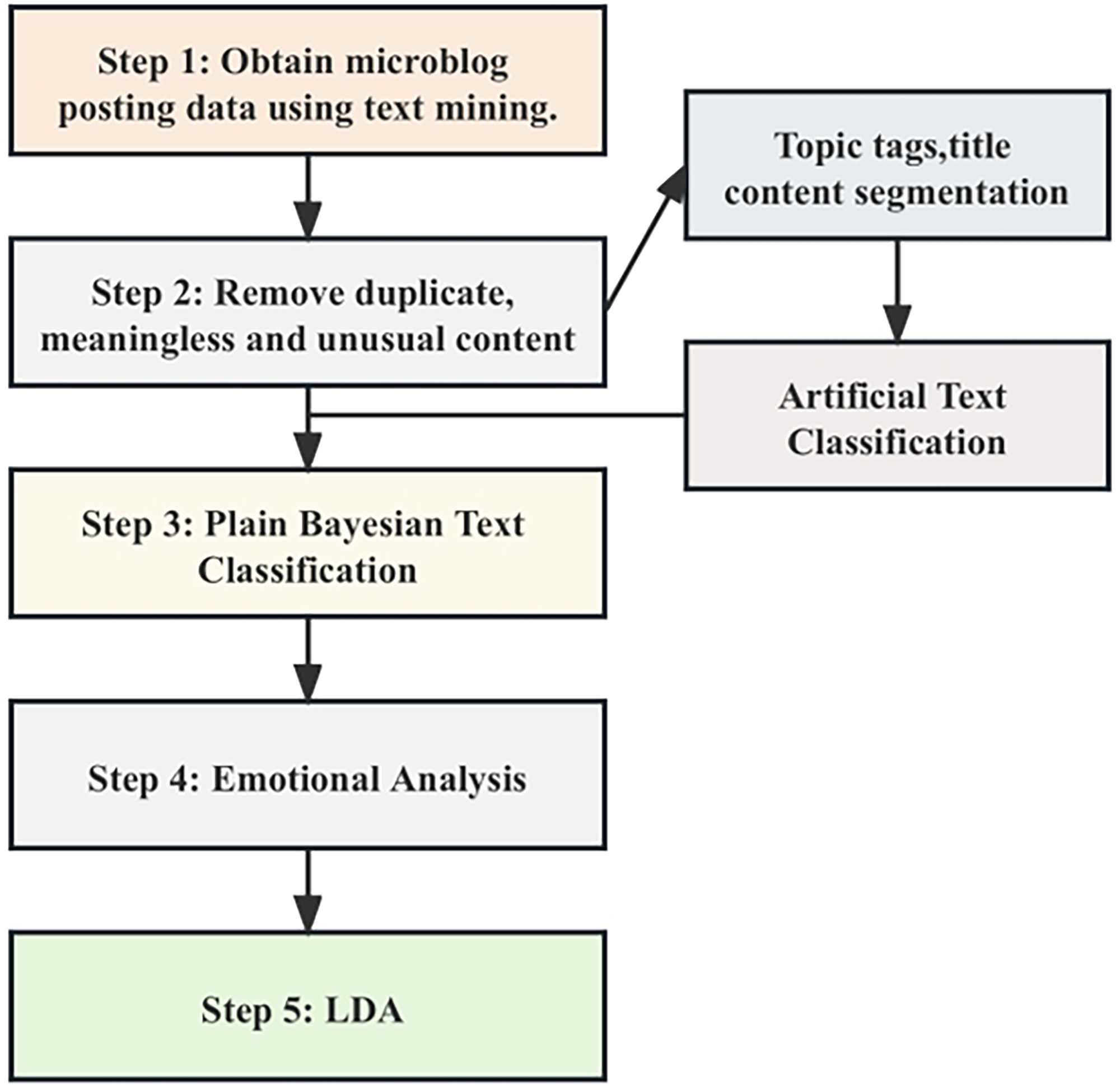
The flow of text data processing. Source: Compiled by the author.
Data description
I wish to explore the influencing mechanisms behind the concerns of residents in different regions, the pioneering factors that influence the concerns of residents, and the regional characteristics that influence the concerns of residents. For example, the level of economic development, education level, and population density, impact the residents, and the study of this issue can help the government determine the influence mechanism behind the mandatory waste-sorting policy. This study addresses several issues in this section. First, this study investigates the factors influencing residents’ concerns about waste-sorting. Secondly, this study conducts a path analysis of public concern influence mechanism based on structural equation modeling to understand the role of education in concern path and intensity. The structural equation modeling is done by STATA 16.0 to estimate and robustness check.
The main factors influencing environmental policies that affect public participation are education level, income level, population density, environmental infrastructure construction, and technology development level.53–56
Therefore, based on existing studies, I propose that public participation may be influenced by factors such as educational level, regional economic development level, waste removal volume, per capita investment in urban sanitation, population density, and technological development level. My explanatory variable is the general public concern (concern), which is measured by the number of posts by “ordinary netizens” and the public concern (y) about the topic of “waste-sorting” (see the definition and measurement of the public opinion of the waste-sorting regulation section for the definition of public concern). The explanatory variable is the level of higher education (hedu), expressed as the proportion of the population in the region that has received a bachelor's degree or higher. The control variables include the level of environmental investment (invest), population density (population), and technological development (technology). The level of environmental investment is expressed by the lag period of per capita investment in amenities and sanitation in the region. The population density is expressed as the logarithm of the number of residents per unit of administrative area. The level of science and technology development is expressed as the ratio of investment in science and technology to the general fiscal expenditure.
The data were obtained from the official websites of the Ministry of Housing and Construction of China, the China Statistical Yearbook, and the China Environmental Statistical Yearbook. I selected 30 provincial administrative units in China for this study (Hong Kong, Macao, Taiwan, and Tibet are not considered for the time being due to the lack of data), and the data are selected for the years from 2012 to 2020. The basic statistical values of the dependent and explanatory variables are presented in Table 2.
The definition and statistic results of variables.
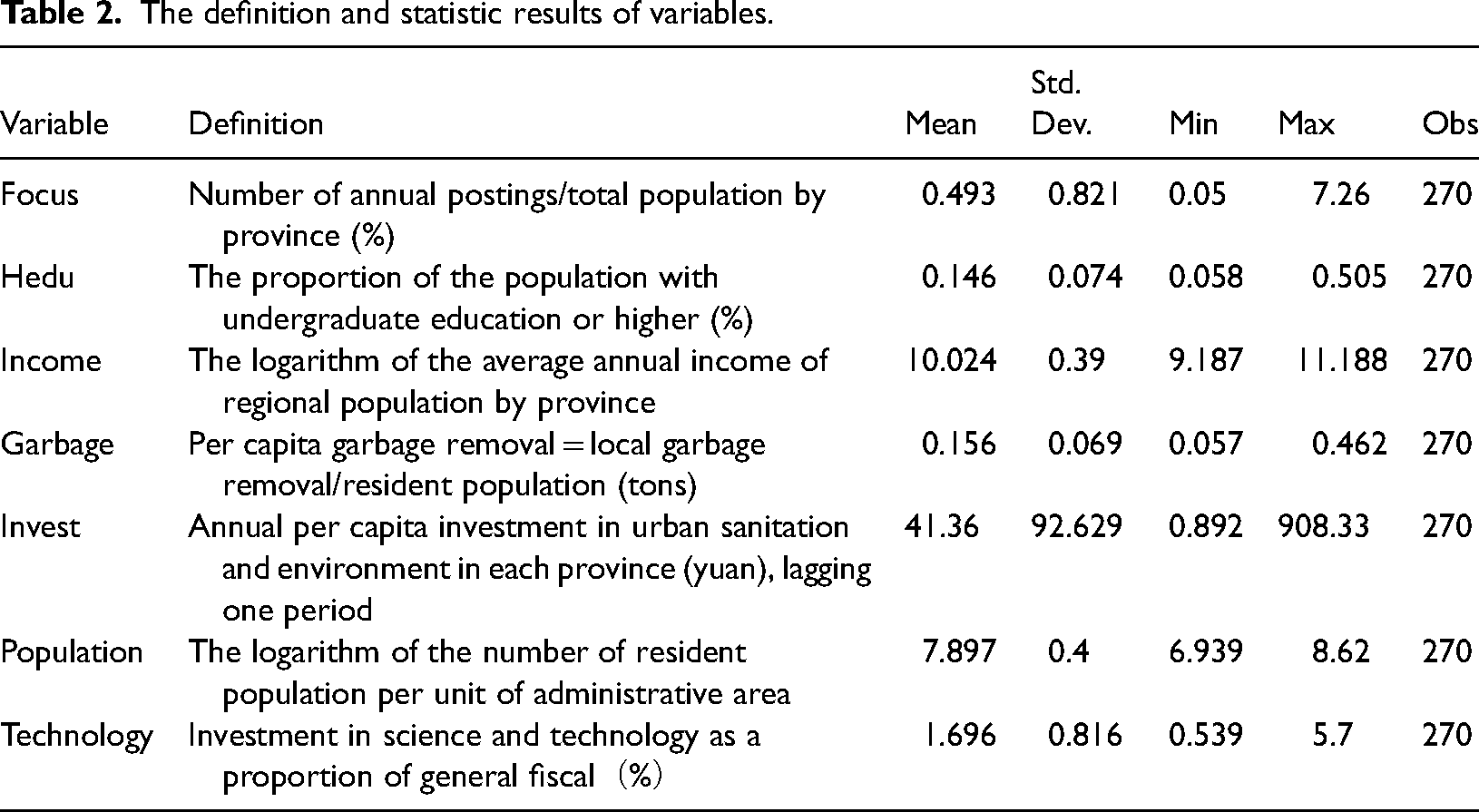
Table 2 provides a summary of variables along with their definitions and statistical results. The variables include Focus, Hedu, Income, Garbage, Invest, Population, and Technology. The table presents the mean values, standard deviations, minimum and maximum values, and the number of observations for each variable.
Results and discussion
Characteristics of public concern
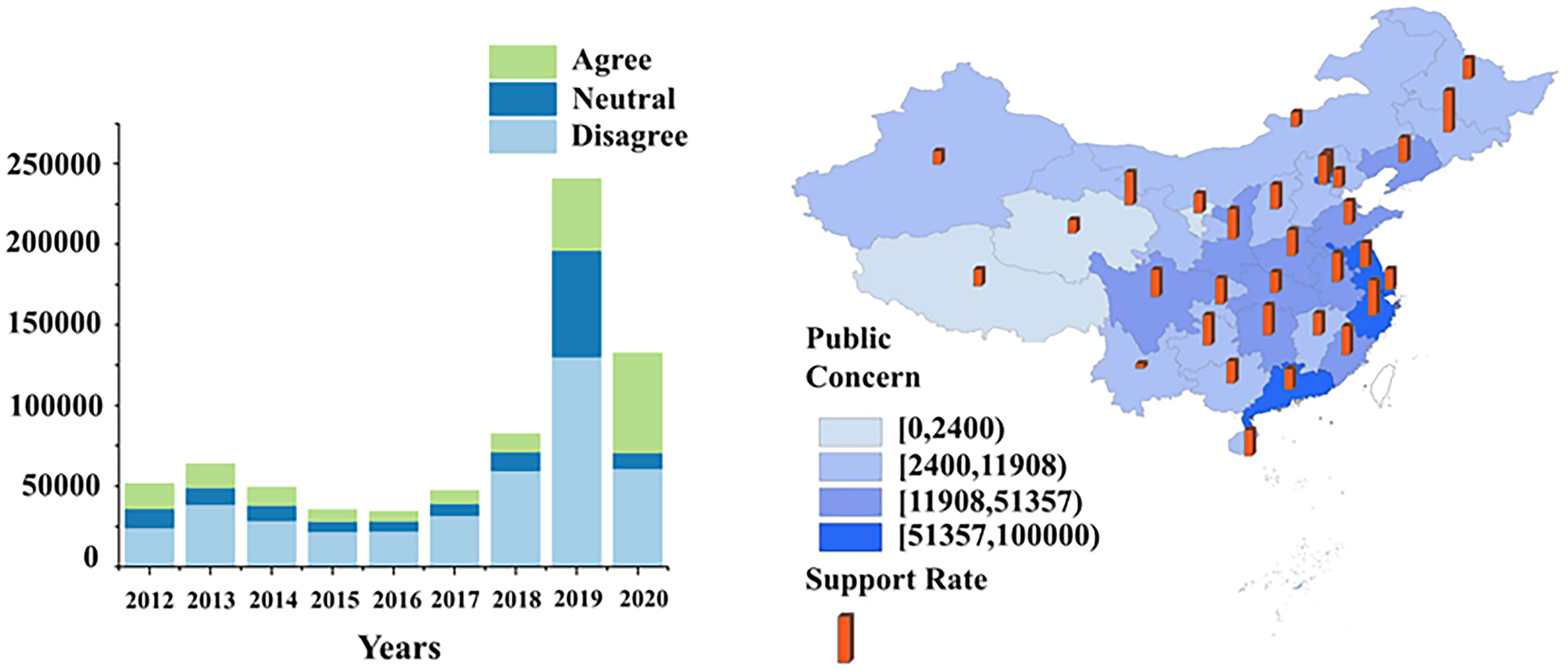
The image description depicts the temporal trend of public attention and support for waste-sorting. The left bar stacked graph in Figure 3 shows the temporal trend of public attention. The light blue bar represents the number of negative public-sentiment tweets, the dark blue bar represents the number of neutral public-sentiment tweets, the apple green bar represents the number of positive public-sentiment tweets, and their sum represents the public's attention level in that year. The study period is from January 2012 to December 2020. The images reveal an increase in residents’ attention and support and illustrate regional disparities, detailed analysis and discussion are as follows.
Temporal and spatial characteristics of public attention on waste-sorting. Source: Compiled by the author.
Residents’ attention and support increased after the promulgation of the mandatory waste-sorting policy in 2019.
Although there is a correlation between the enactment of mandatory waste-sorting policy and public attention and support for waste-sorting, the mandatory waste-sorting policy directs public attention to “waste-sorting” and the specific guidance mechanism is unclear. I further discuss this issue in the empirical analysis. The specific reason may be that with the increase in publicity and education, residents’ environmental awareness and awareness of the importance of waste-sorting have increased. Thus, their support has increased.
The map on the right side of Figure 3 represents the regional heterogeneity of public concern in the middle. The blue fill indicates the total number of microblogs posted by the public in each province related to waste-sorting. The darker the color, the higher the public's attention on waste-sorting. The study period spans from January 2012 to December 2020. The orange bar graph represents the overall level of support from residents in each province, with taller bars indicating higher percentages of support. The study period is from January 2012 to December 2020. The developed eastern coastal regions have a higher level of concern while the inland provinces have a relatively lower support rate. 57 This may be because the economic and educational levels of the coastal regions are relatively developed, and the residents have a deeper knowledge and understanding of waste-sorting, they understand the benefits of waste-sorting policy for the environment and their interests and support it. 58
Sentiment analysis of residents’ positive attitudes
This study introduces the LDA topic model to analyze the mechanisms of generating negative and positive emotions among residents. Because residents’ neutral emotions are relatively objective, this study did not analyze residents’ neutral emotion topics.
13
(1)
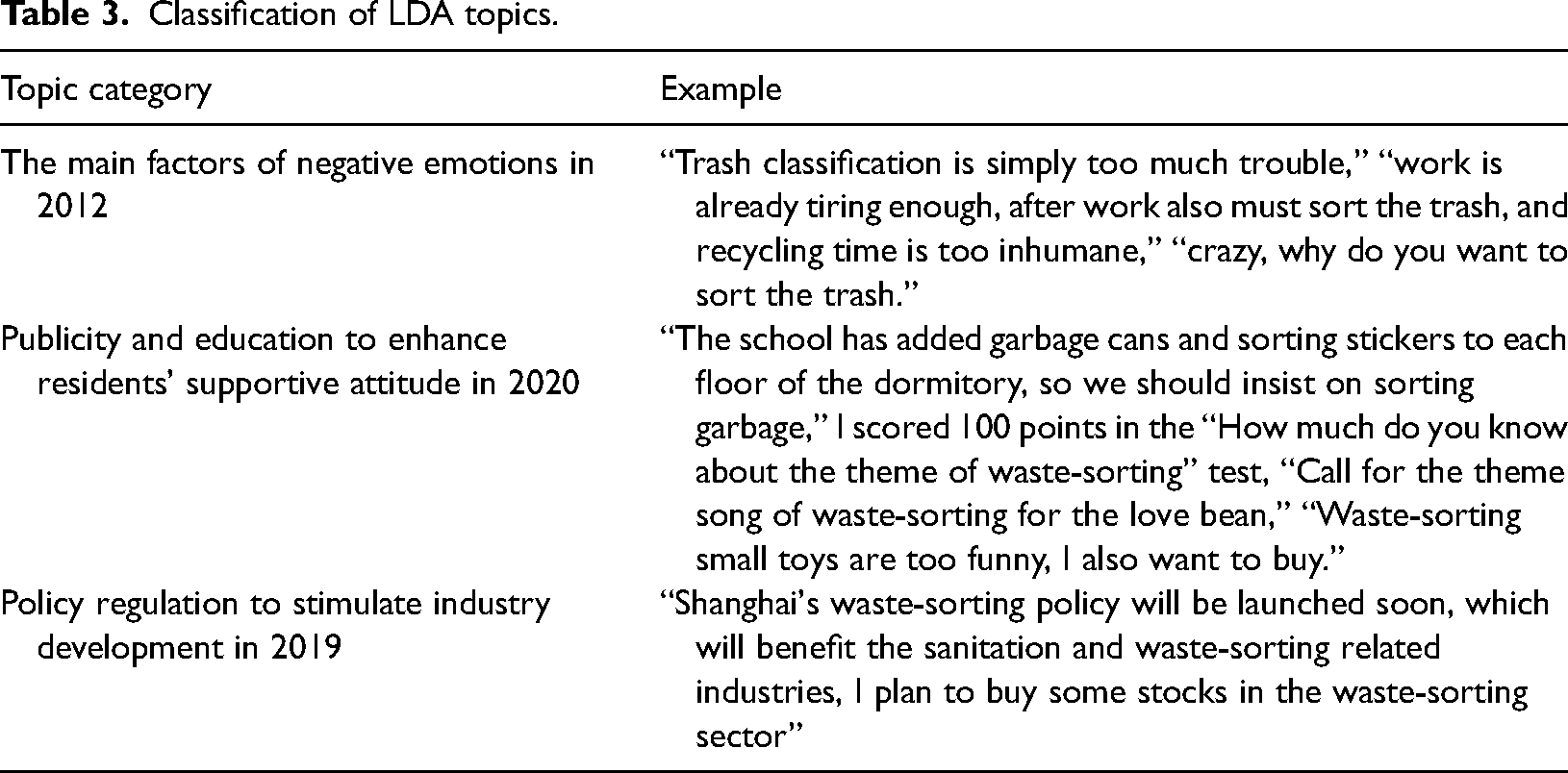
At the beginning of the mandatory policy, residents were more interested in it from their perspective. Residents strongly reflected on the introduction of the mandatory waste-sorting policy, as it can be seen in the first row of Table 3 and Figure 4(a), where “crazy,” “too difficult,” “troublesome,” and “tired” all directly reflect the residents’ negative feelings toward the introduction of waste-sorting. The negative sentiments of residents toward the implementation of waste-sorting are directly reflected in the rows of “crazy,” “too difficult,” “trouble,” and “tired.” In contrast to voluntary waste-sorting, the introduction of mandatory waste-sorting was not initially accepted by the majority of residents, which is consistent with the results of a large data analysis.
24
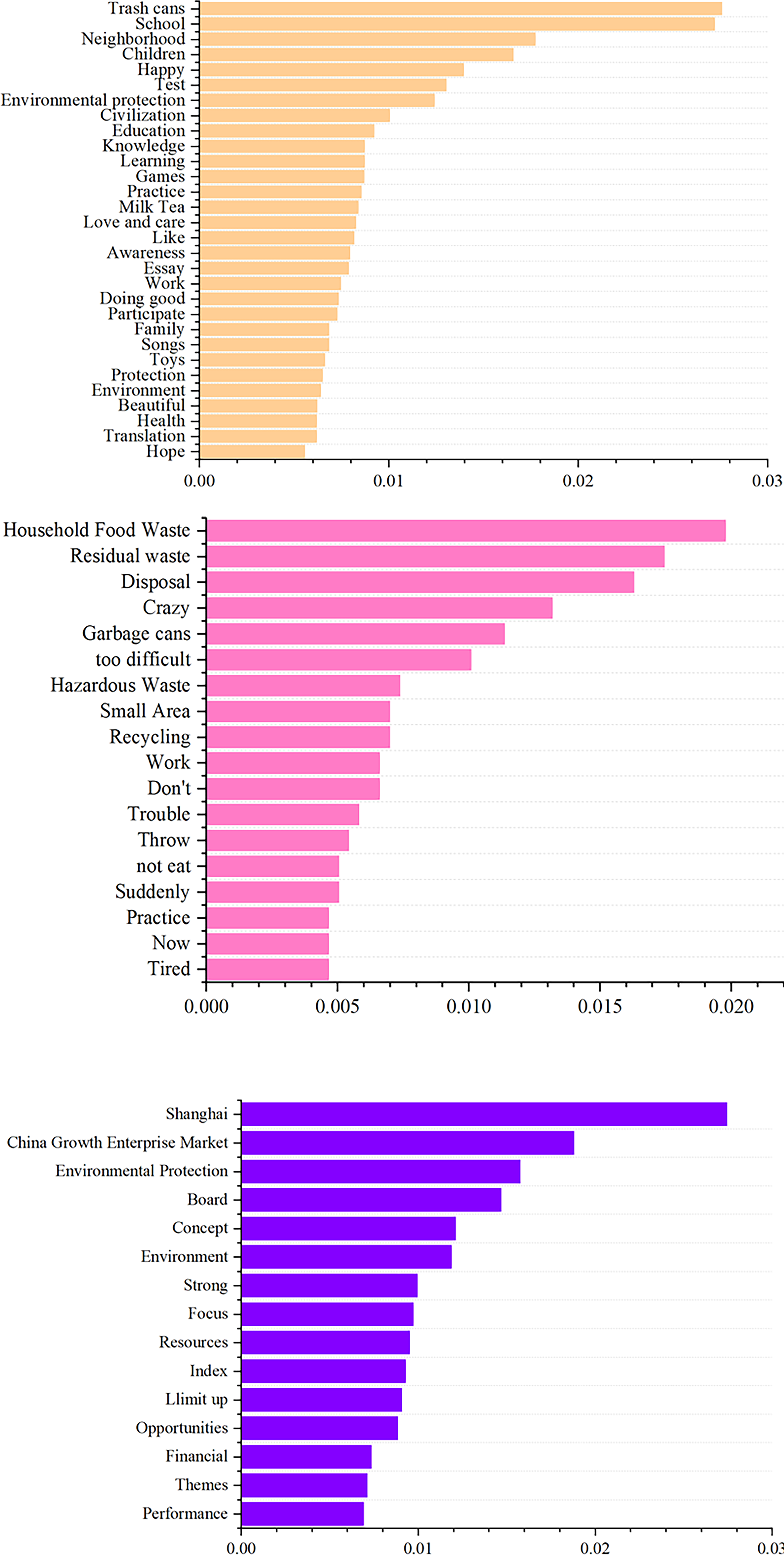
LDA topic classification. (a). The main factors of negative emotions in 2012. (b). Publicity and education to enhance residents’ supportive attitude in 2020. (c). Policy regulation to stimulate industry development in 2019. Source: Compiled by the author.
Classification of LDA topics.
With the gradual promotion of the waste-sorting policy, the knowledge of waste-sorting has been popularized and widely disseminated in communities, schools, and networks, which has led to the improvement of residents’ awareness, knowledge, and ability of waste-sorting. The slow progress of waste-sorting in many countries is because most residents do not have a clear understanding of waste-sorting and do not understand the work of waste-sorting; therefore, popularizing the knowledge of waste-sorting is an important step in its promotion. Therefore, the government should continue to expand publicity and provide comprehensive guidance to residents to expand the popularity of waste-sorting knowledge and achieve the purpose of waste-sorting and disposal at the source.
59
It can be seen from the second row of Table 3 and Figure 4(b) that in the community, environmental education targeting the knowledge related to domestic waste-sorting has been carried out to make residents aware of the practical significance of domestic waste-sorting on environmental protection, forming a social consensus and mass foundation for domestic waste-sorting, expanding the scope and extent of public participation, and reducing the difficulty of implementing the domestic waste-sorting system; in schools, different environmental education knowledge systems are designed according to students at different stages, and environmental knowledge and concepts related to domestic waste-sorting are integrated into campus culture to train school students to develop knowledge and theories of domestic waste-sorting, operation techniques and environmental protection concepts; on the Internet, the “How much do you know about the theme of waste-sorting” test and the creation of songs related to waste-sorting have increased the residents’ attention to waste-sorting and increased the popularity of waste-sorting, and the residents’ positive feelings toward waste-sorting while having fun. In general, with the gradual implementation of the waste-sorting policy, from the initial heated debate on the introduction of the waste-sorting policy in Shanghai to the adaptation to the implementation of the policy in Beijing, the residents’ attitudes have eased and improved, and they have gradually understood and accepted the policy.
(2) (3)
The accessibility of waste-sorting facilities has been one of the most important factors influencing residents’ willingness,
60
including improving the quantity and quality of recycling facilities and optimizing the visual design of recycling facilities.
61
As shown in Figure 4(a), residents perceive the convenience of implementing waste-sorting facilities as insufficient compared to before waste-sorting: first, the total number of bins has become less, and there is no longer one bin everywhere as before, but only one waste-sorting station in a large area. Second, the perception of the categories of garbage cans is not clear. Residents are confused about the standard of waste-sorting and cannot distinguish between “dry garbage” and “wet garbage.” Specifically, cups of milk tea, cups, pearls, milk tea, plastic bags, and straws are all garbage; takeaway, box packaging, dishes, chopsticks, and spoons, are all garbage. Furthermore, residents were uncomfortable with the restrictions on garbage drop-off times, believing that they did not coincide with their living and working hours, and were not conducive to putting their garbage out. These problems were solved after the enactment of the Shanghai waste-sorting system, as shown in Figure 4(b). The quantity and quality of waste-sorting equipment and facilities have been improved; new garbage cans are sorted and colored, so residents can easily identify and deliver them. The problem of inconvenient delivery time is also solved.
In terms of industry-related aspects, from the third row of Table 3 and Figure 4(c), it can be seen that “GEM,” “environmental protection,” “plate,” “strong,” and “stop” can be seen under the influence of the implementation of the policy of waste-sorting. Investors pay attention to waste resource recovery-related theme sectors, and the financial market response is strong. Furthermore, government environmental regulation has a significant impact on the industry, which has led to the development of the industry chain and the formation of a government-led, market-operated, and nationwide participatory waste resource recovery system. Some scholars found that the widespread public attention caused by the hazing policy significantly influenced the investment behavior of individuals, which resulted in the reallocation of industrial capital and facilitated the promotion of environmental governance financing.
62
This study provides evidence from big data mining public opinion analysis that the public attention caused by the waste-sorting policy influences investors’ decision-making behavior. This provides a good financing environment for the waste-sorting industry.
Processes and mechanisms of education's influence on concern
The education level stimulates public attention through direct and indirect paths. First, education level directly affects public attention, with a highly significant coefficient of 4.4. This direct effect is higher than the indirect increase in public attention caused by the effect of education level on per capita income and the amount of garbage (the path coefficients of *, **, and *** are significant at the 10%, 5%, and 1% levels, respectively). This indicates that the contribution of education level to public attention is greater. This is consistent with the results of other studies.
11
The specific reason for this may be that with the increase in publicity and education, residents’ environmental awareness and awareness of the importance of waste-sorting have increased. Thus, their attention and support for it have also increased. Regarding indirect effects, the paths and extent of education level on the increase in public concern showed significant differences, mainly through the three paths (Figure 5):
The largest indirect effect of education level is the apparent increase in per capita income, which stimulates the growth of public attention. Some studies suggest that education level has a direct positive relationship with per capita income,
63
possibly because residents with higher education levels have stronger workability and are better at using work resources to improve their theoretical level and professional confidence, and are prone to have higher incomes while residents with higher incomes are more likely to tweet and express their fears and anger online, compared to low-income people; high-income people talk more about politics, business, and nonprofit organizations topics,
64
so high-income people are more likely to pay attention to waste-sorting policies and have real-time discussions on Weibo, which enhances the number of waste-sorting policy concerns. Both the education level itself, the income level and the garbage volume influenced by the education level significantly contribute to the increase in public attention. The coefficient of the effect of education level on the amount of garbage per capita is 0.53, and the coefficient of the effect of education level on public concern through the amount of garbage per capita is 4.4, which is higher than the effect of economic growth through income per capita (the path coefficient is 0.063). For the nexus of education level, garbage volume level and public concern, the possible reason is that residents with higher education levels are more receptive to new things and more likely to be educated by corporate marketing,
65
buy more new household items and technological products, and thus produce more household garbage, and when the number of household garbage surges, residents will inevitably care about waste-sorting. Some residents have recorded on Weibo that a report titled “White Bones become difficult to reduce garbage” published in China Environment News also mentioned that traditionally people believe that the more educated someone is, the better they do in reducing and classifying garbage. However, research has shown that this is not true. White-collar workers, the elite, commonly known as “white-collar workers” have high income and high education levels, yet they have difficulties in waste reduction. Education level affects public concern by acting on income level and waste volume level (education level, income level, waste volume level, and public concern) with an overall coefficient of 0.063, which is lower than the effect of the first two paths. Some studies have shown that higher-income areas are more likely to emit more household waste.
66
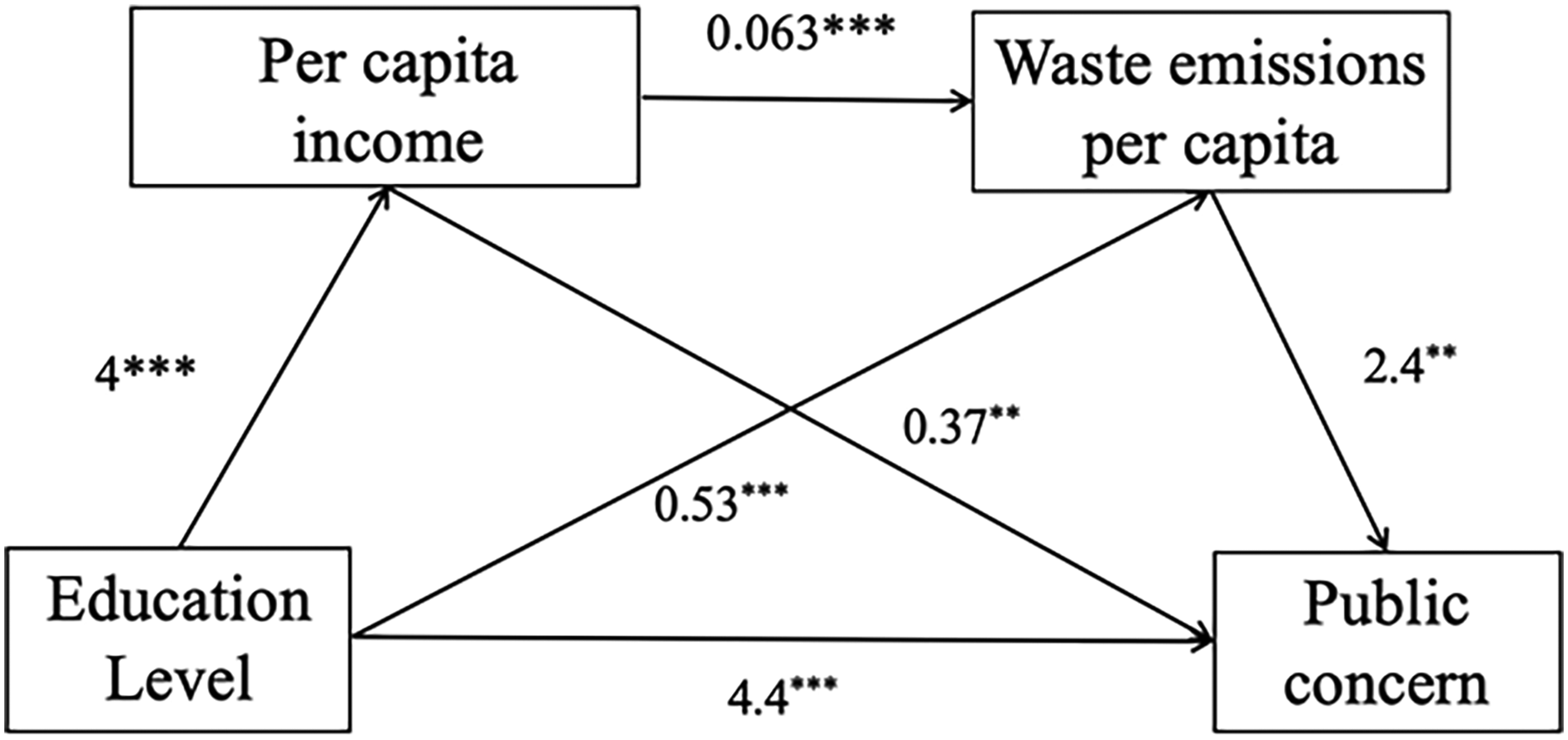
The influential path of education level on public concern. Note: *** is significant at the 1% level. Source: Compiled by the author.
The areas of high concern in China are mainly attributed to the influence of the inhabitants’ level of education, per capita income, and the amount of waste, as revealed by the study results. The northwestern region does not make much of a splash, mainly because of the low level of economic development, low number of job opportunities, low number of high-paying jobs, and the general reluctance of the highly educated population to choose these regions. 67 The higher education level of the regions also has a higher level of concern, as residents’ awareness of the importance of waste-sorting has increased with the increase in education and awareness of the importance of waste-sorting. Therefore, there may be a knowledge spillover effect on waste-sorting. The knowledge spillover process has a chain effect, imitation effect, communication effect, competition effect, drive effect, and incentive effect. 68 In the waste-sorting policy dissemination process, it needs to be popularized and promoted outwardly by high-quality residents with high education and income levels, so that more people know and understand the purpose and meaning of waste-sorting policy implementation. More people take the waste-sorting policy at heart and actively perform waste-sorting behavior.
Discussion and conclusion
In the context of the urgent need to solve the garbage siege, this study analyzed the residents’ attitudes toward garbage classification by using Sina Weibo, and investigated the spatial and temporal patterns. The conclusions of this study highlight the role of waste sorting policies, market incentives, social media engagement, accessible infrastructure, and higher education in promoting sustainable waste management practices.
This article innovatively utilizes big data mining in conjunction with qualitative and quantitative methods to study the impact of waste classification policies. Previous researchers often employed only one approach, such as surveys or LDA analysis, while the mixed research methodology is less common in this field. Furthermore, the article places mandatory and nonmandatory waste classification policies within the same framework, directly comparing changes in residents’ attitudes before and after the policies were implemented. In contrast, most previous studies focused on only one policy perspective. This research focuses on changes in residents’ attitudes, influencing factors, and mechanisms before and after the implementation of mandatory waste classification policies. Unlike current research, it delves into the underlying mechanisms of these effects.
Industrial development and its fundamental role. In terms of industrial development, a mandatory waste-sorting policy has stimulated the development of the waste recycling industry. This can be coupled with certain incentive policies to guide competent enterprises to invest in developing waste resource recovery projects and stimulate market vitality through the private economy. The high Internet enthusiasm brought about by the policy has laid the foundation for a waste resource management system.
Policy regulations and market incentives can synergize to unlock the market potential of waste sorting services, elevating sorting effectiveness and overall resource recovery efficiency. Text mining highlights the willingness of high-income individuals to pay for waste sorting. Thus, it's vital to promote market-driven sorting services for this group, support aspiring enterprises, and develop the entire waste sorting industry chain. This necessitates bolstering public awareness and education, and fostering a market-oriented waste sorting service industry.
The promotion and implementation of social media policies are crucial. Big data analysis reveals that environmental policies can enhance waste recycling efforts through social media. Leveraging social media can increase policy awareness among online users, fostering a “see, know, and do” approach. The internet's majority comprises society's core, making them a key audience for waste sorting policy advocacy. They also play a pivotal role in disseminating information to older adults and children. Enhancing the frequency and impact of social media campaigns can amplify policy promotion, boost environmental awareness, and mitigate domestic waste emissions and improper waste disposal issues.
Providing convenient sorting facilities improved waste sorting. Big data analysis revealed that infrastructure was a common discussion point in both voluntary opposition and mandatory support phases. Residents expressed concerns about facility convenience, including bin quantity, ease of identification, and proximity. After implementing the mandatory policy, separation facilities became clearer and more specific, resulting in a more positive attitude among residents. Some areas had minor negative feedback, indicating the need for ongoing improvements, particularly in convenience and clarity of infrastructure and classification notices.
Higher education is crucial for promoting waste-sorting policies. Research findings demonstrate that education levels impact public awareness through various channels, and regions with higher education rates tend to generate broader knowledge diffusion related to waste sorting. Thus, regional governments can effectively boost waste-sorting policies by enhancing higher education access or attracting educated individuals. Educated residents play a key role in inspiring neighbors to segregate waste and disseminate essential waste-sorting knowledge.
Some of the limitations of this study, that is, the limited age range of the Internet population and the inability to cover most of the aging population, need to be overcome in the future. Future research may focus on exploring the drivers and mechanisms associated with the industrialization of waste, the possibilities and scope for further development of the waste-to-energy industry, and the pathways to achieve this.
Footnotes
Acknowledgements
Heartfelt thanks to my husband, Mr. Zhiwei Zhang, for his immense spiritual, technical, and financial support; and special appreciation to Mr. Zhongzhu Chu, a Ph.D. Candidate at Shanghai Jiao Tong University, for patiently assisting me in revising the paper even during a challenging time of his heartbreak.
Declaration of conflicting interests
The author declared no potential conflicts of interest with respect to the research, authorship, and/or publication of this article.
Funding
The author received no financial support for the research, authorship, and/or publication of this article.
