







Abstract
A pilot-scale bubble column contactor has been utilized for carbon dioxide chemisorption from simulated flue gas in the temperature range 30°C to 50°C. The influence of the most important operating parameters has been investigated. A total of 25 experiments were designed using the response surface methodology (RSM) and were then carried out in the bubble contact column. The results revealed that the liquid volume in the column, the alkaline concentration, and the temperature had a positive effect, while the gas hold-up had a negative effect on the CO2 removal efficiency. A statistical model has been developed using the RSM D-optimal experimental design method. To achieve the highest CO2 chemisorption, several operating conditions have been optimized. The model predicted that the maximum percentage of carbon dioxide removal would be 86.64%, and under the same operating conditions the experimental removal efficiency was 87.12%.
Introduction
Carbon dioxide is considered the main and the most abundant greenhouse gas, with its emissions substantially escalating every year. 1 Consequently, climate change, global warming, acid rain, human and other species health issues result from rising greenhouse gas concentrations in the atmosphere. 2 Effective processes capable of reducing carbon dioxide emissions such as CCS (CO2 Capture and Storage) to achieve the Kyoto Protocols must be applied as preventative measures to mitigate excessive emissions. 1 CCS is “the process involving the separation of carbon dioxide from industrial sources, its transportation to storage sites, and finally, its long-term maintenance”. 3
The technologies used to capture carbon dioxide include various chemical and physical adsorption, unit operations including absorption,4,5 adsorption,6–9 algal sequestration,10,11 membrane separation,12,13 cooling distillation, 14 and chemical absorption.15,16 One of the classical techniques involves calcium looping based on the application of calcium oxide. 17 In recent years extensive research has been carried out developing and testing a wide range of adsorbent materials for CO2 capture18,19 and ranging from adsorbents derived from waste materials 20 to more sophisticated graphene-based adsorbent materials. 21 Several other adsorbents have been tested including biochars, 22 activated carbon, 23 metal organic frameworks, 24 MOFs, and nanomaterials. 25 More recently, hybrid systems are being developed26,27 and processed to comply with real sustainability and meet the concept of a circular economy. The physical absorption of carbon dioxide is evaluated using Henry's law in which CO2 absorbed under high pressure and low temperatures, is released by decreasing the system pressure and raising the temperature. In this method, carbon dioxide can be absorbed without engaging in any chemical reaction.28,29 Whereas chemical absorption consists of reacting carbon dioxide and a chemical solvent to form a weak cationic intermediate compound. This separation method has a relatively high yield in terms of the carbon dioxide captured, and the solvent is usually recovered for reuse by applying heat. 30
One of the most significant concerns in the chemical absorption process is the selection of a suitable solvent. The solvents traditionally used in chemical absorption can be divided into organic and inorganic groups, each of which has advantages and limitations. Organic solvents mainly include ammonia,14,31,32 amine salts,33,34 amines, e.g., monoethanolamine (MEA), diethanolamine (DEA), and methyldiethanolamine (MDEA)28,35,36 and amino acids, e.g., L-alanine, taurine and sarcosine. 37 Donaldson and Nguyen 13 examined the reaction between the first, second and third types of amines with carbon dioxide and showed that triethylamine had less catalytic activity and acted as a weak base producing free OH. Sakwattanapong et al. 30 explained the limitations of utilizing amines for CO2 capturing as a function of the reboiler heat duty (RHD) and showed that MEA required the highest RHD, followed by DEA and MDEA. Song et al. 38 studied the CO2 absorption-desorption cycles into-and-from the aqueous potassium salts of sixteen amino acids and found that the net cycle capacity and faster CO2 desorption rates were functions of the intermolecular distance between the amino functional group, the carboxyl groups and the bulkier substituted ones.
The most common inorganic solvents for CO2 capturing are alkaline solutions such as ammonia, potassium carbonate, potassium hydroxide and others to a lesser extent. Qin et al. 31 used ammonia as the carbon dioxide absorbent and achieved a higher CO2 absorption rate along with increasing ammonia concentration and temperature. Experiments proved that the CO2 reaction with ammonia and water was much slower than some amine systems such as MEA, piperazine (PZ) and diethylenetriamine (DETA). The study by Puxty et al. 32 on ammonia as a chemical absorbent of carbon dioxide lead to the higher adsorption capacity and lower adsorption rate compared to those of MEA. Herskowits et al. 39 applied sodium hydroxide solutions to capture carbon dioxide in a two-phase impinging jet absorber. Knuutila et al. 40 proved that the low solubility of the alkaline salts in water caused more limitations to mass transfer and subsequently a lower reaction rate; which is one of the debatable points against utilizing these types of solvents. Peng et al. 4 compared the absorption performance of amine solution, ammonia solution and, alkali solution as three common types of absorbents in terms of system corrosion, absorbent renewability, capturing efficiency, operating cost and, CO2 absorption capacity. Whereas the bubble column is one of the essential reactors for slurry (liquid-gas-solid) reactions, it is used for the chemisorption processes. The simple structure, high heat and mass transfer rates, low maintenance cost, and high efficiency suggested these three-phase reactors were the most important ones both on industrial and the laboratory scales. Chen et al. 41 found that gas bubble size and distribution were intensively affected during the physiochemical absorption of carbon dioxide in alkaline solution. Li et al. 42 investigated CO2 chemisorption by Mg(OH)2 solution in the bubble reactor column. To study the absorption performance, they evaluated several determining operating parameters, which included the concentration of the alkaline solution, the inlet gas flow velocity, and the operating temperature. Han et al. 43 captured the CO2 by Ca(OH)2 solution in a Pyrex reactor and this study revealed that the CO2 absorption capacity of the absorbent decreased by increasing the concentration of calcium hydroxide. Darmana et al. 44 proposed a 2-D mathematical model by taking into account the full evolution of the hydrodynamics and all chemical components involved in the reaction of CO2 with the alkaline NaOH solution in the bubble column reactor.
Chen et al. 41 utilized sodium hydroxide solution in a bubble column reactor for CO2 chemisorption. Moreover, a Taguchi experimental design method was used to acquire the optimized conditions for the pH of the solution, gas flow rate, liquid flow rate, and temperature. Whereas K2CO3/KHCO3 like Na2CO3/NaHCO3 could capture CO2 in the low-temperature range (125°C–225°C) even if the CO2 gas pressures were in the range of 0.1 bar to 30 bar in the post-combustion to pre-combustion zones. 45 Consequently, in the present study, a pilot bubble column reactor has been utilized for the chemisorption of carbon dioxide by KOH solution. One of the major concerns in using KOH for CO2 capturing was the more promising aspects of potassium carbonate production in comparison with sodium carbonate–from NaOH absorption. 46 Furthermore, the produced K2CO3 and KHCO3 could be used as a dry fire-fighting agent and fertilizer, respectively. The novelty of this work lies in using a pilot-scale slurry reactor and proving its long-term feasibility to absorb CO2 from simulated flue gas. The effect of operating parameters, including the alkaline concentration in the column, CO2 gas hold-up, operating temperature, and the liquid volume considering the carbon dioxide capturing efficiency have been investigated.
Statistical modeling
Response surface methodology (RSM) optimisation
The experimental design is by the RSM-D-Optimal method to study the influence of the operating parameters on the CO2 capturing yield. Moreover, a quadratic polynomial regression model was developed to forecast the interactions of the various parameters on the CO2 chemisorption as follows:

The statistical significance of the variable parameters can be assessed using the analysis of variance statistical package (ANOVA). Moreover, the suitability of the model can be examined by the lack of fit analysis and the determination coefficient value R2.
CO2 chemisorption theory
The chemisorption theory of gases indicates several sequential physical/chemical steps. It commences with physical absorption of the gas (CO2 in this study) in the liquid (the alkaline solution in the present study)46–49 shown in equation (2):



Materials and methods
In this study, a slurry bubble column reactor with a height of 2.57 m and an inner diameter of 15 cm along with a gas distributor with 98 pores with a size of 4–5 µm at the bottom of the column used. The column is equipped with a temperature thermocouple and the concentration of carbon dioxide at the inlet gas flow is balanced with nitrogen. The inlet gas flow rate was controlled in the range of 1–3 L/min to obtain a gas hold-up of 1–4 cm in the column. The CO2 concentration of the outlet gas was measured by a carbon dioxide detector manufactured by Kimo Company, France, model AQ 110, and was determined at specified time intervals. The process schematic of the CO2 absorption pilot plant using KOH is presented in Figure 1 showing the slurry bubble column, the gas sparger and the CO2 and nitrogen cylinders.
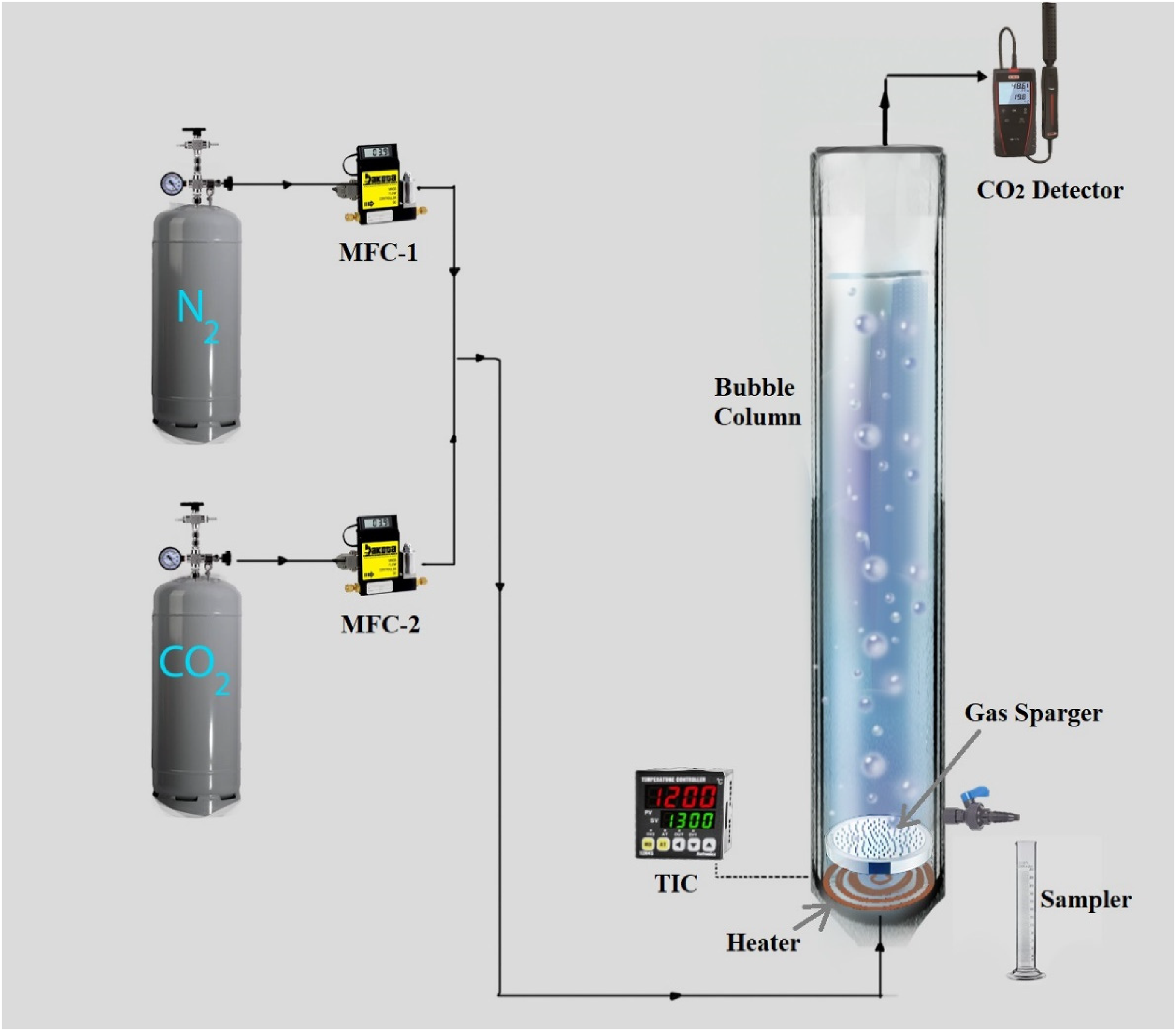
Process schematic of the CO2 absorption pilot plant using KOH.
Design of experiment
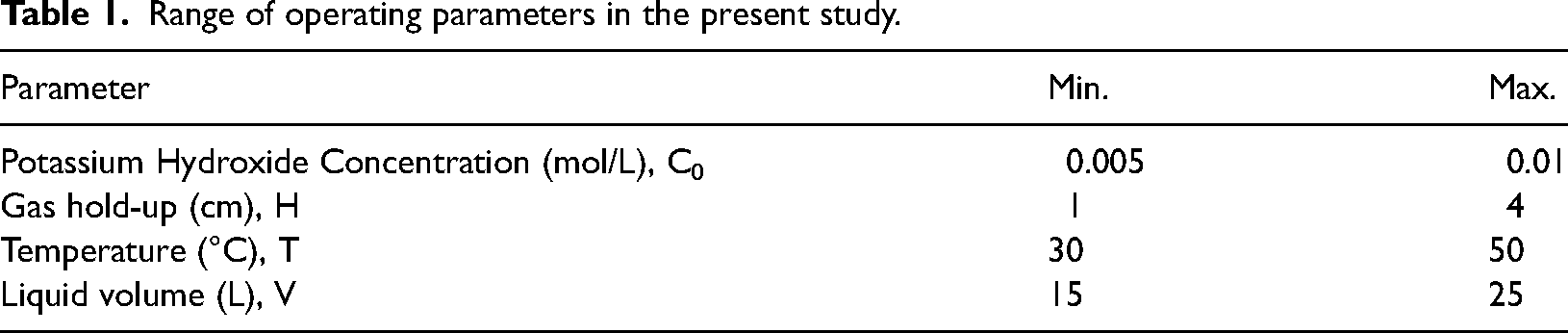
The impact of effective parameters including the volume of the alkaline solution inside the column, gas hold-up (in terms of increasing height inside the tower), the KOH solution concentration and operating temperature have been investigated. The experimental conditions are summarized in Table 1.
Range of operating parameters in the present study.
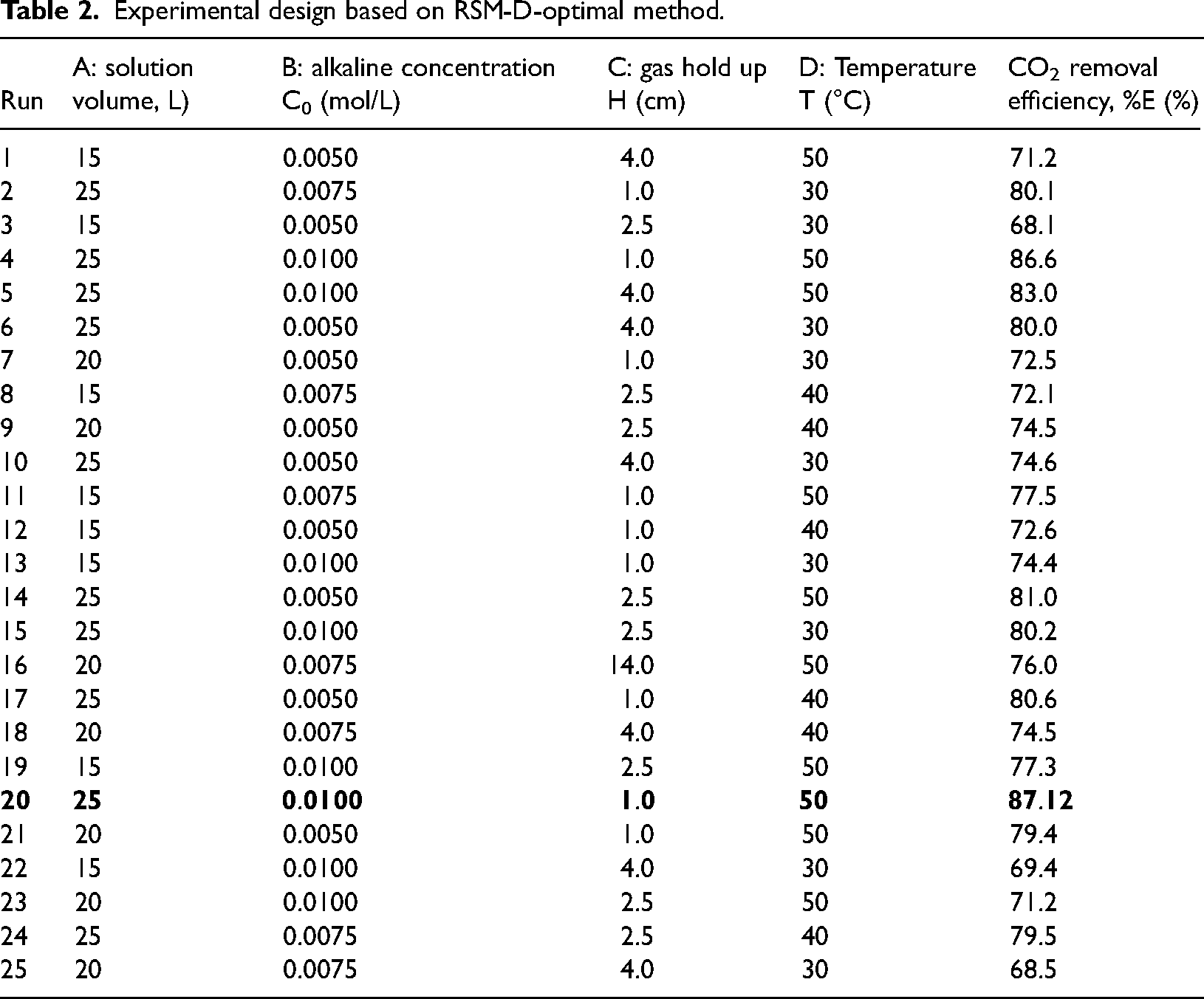
The experiments were designed based on Design-Expert program 8.0.5 trial version. Table 2 presents the values of the independent numerical variables for every run in the present study.
Experimental design based on RSM-D-optimal method.
The CO2 removal efficiencies were determined based on the following equation at the end of the 30 min column operation:
Results & discussion
To study the chemical and physical absorption processes for CO2 removal in the bubble column reactor, the effect of process operating parameters including the concentration of the alkaline solution, gas hold-up, volume of fluid inside the tower and operating temperature have been investigated.
Effect of the alkali concentration on the CO2 removal efficiency
The absorption efficiency of CO2 increases as the concentration of the KOH solution, Co, increases. The general trend is shown in Figure 2 the model curve showing the trend in how the CO2 removal efficiency increases with increasing alkali solution concentration. The experimental design of experiment (DOE) point relating to increasing C0 is presented.
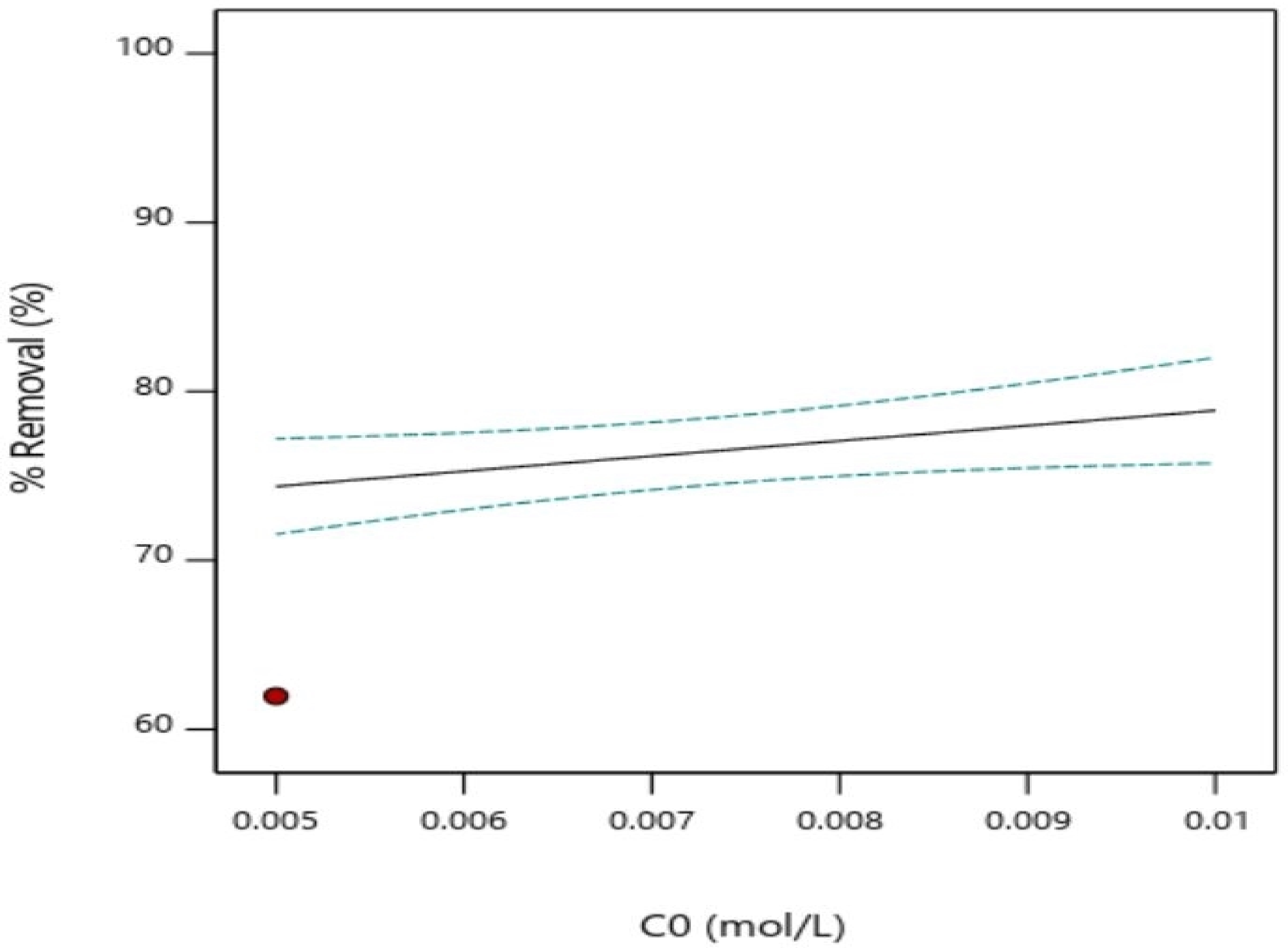
Effect of the alkali solution concentration, B:C0, on the CO2 removal efficiency, %E, predicted by DOE software model. Fixed conditions: V =20 L; H=2.5 cm; T=40°C.
The DOE point relating to increasing C0 is presented.
However, improving the absorption efficiency by increasing the concentration of the chemical solution is not a definite prospect, since it also relies on other kinetic factors such as reversible equilibrium and the mass transfer process in the gas-liquid reaction phase. Regarding the chemical dynamics, increasing the alkaline concentration causes the reaction (equation 2) to move in the right direction, which improves the reaction rate and elevates the CO2 absorption efficiency. In Figure 3, the influence of alkaline solution concentration is illustrated for one set of fixed conditions, namely, V = 20 L; H = 2.5 cm; T = 40°C.
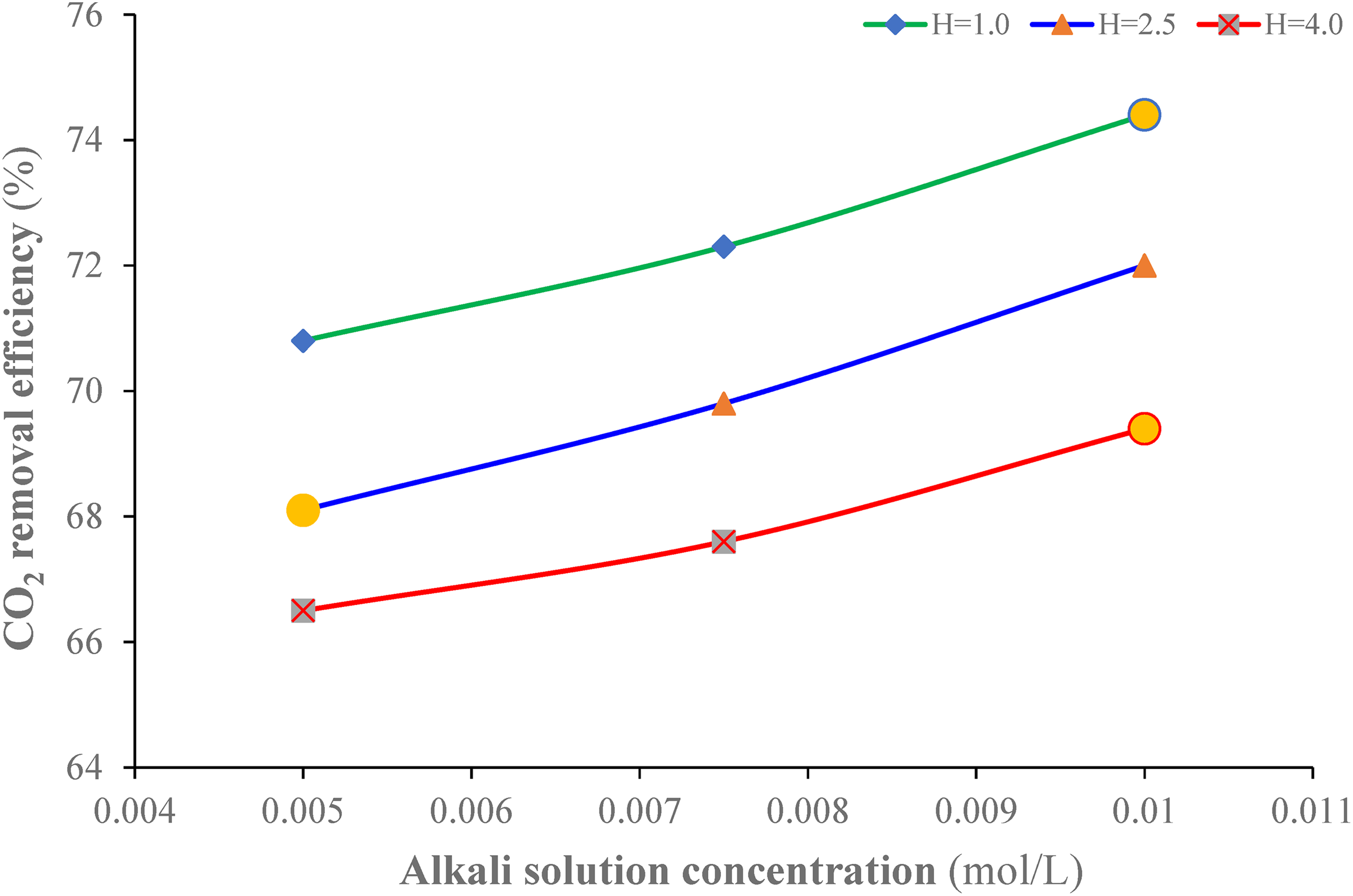
CO2 removal efficiency (%E) with alkali concentration (T = 30°C, liquid volume = 15 L).
The figure shows the effect of alkali concentration on the CO2 removal efficiency at three hold-up values of 1.0, 2.5 and 4.0 cm and their removal efficiency values at a liquid volume of 15 L and a temperature of 30°C. The points surrounded by a circle are the experimental data values and the remaining points are model generated values. Further correlations are shown in the Supplementary data file by Figures S1 and S2 for the effect of alkaline solution concentration data values at 40°C and 50°C, respectively.
Effect of the gas hold-up on CO2 removal efficiency
In the present investigation, the effect of gas flow rate on CO2 chemisorption removal has been examined by controlling the gas hold-up in terms of the liquid volume rising in the column. The single experimental point for the data in Figure 4 is shown on the solid line model plot and the two outliers are the +/−5% limits. The fixed conditions for the model output in Figure 4 are C0 = 0.0075 mol/L; V = 20 L; T = 40°C.
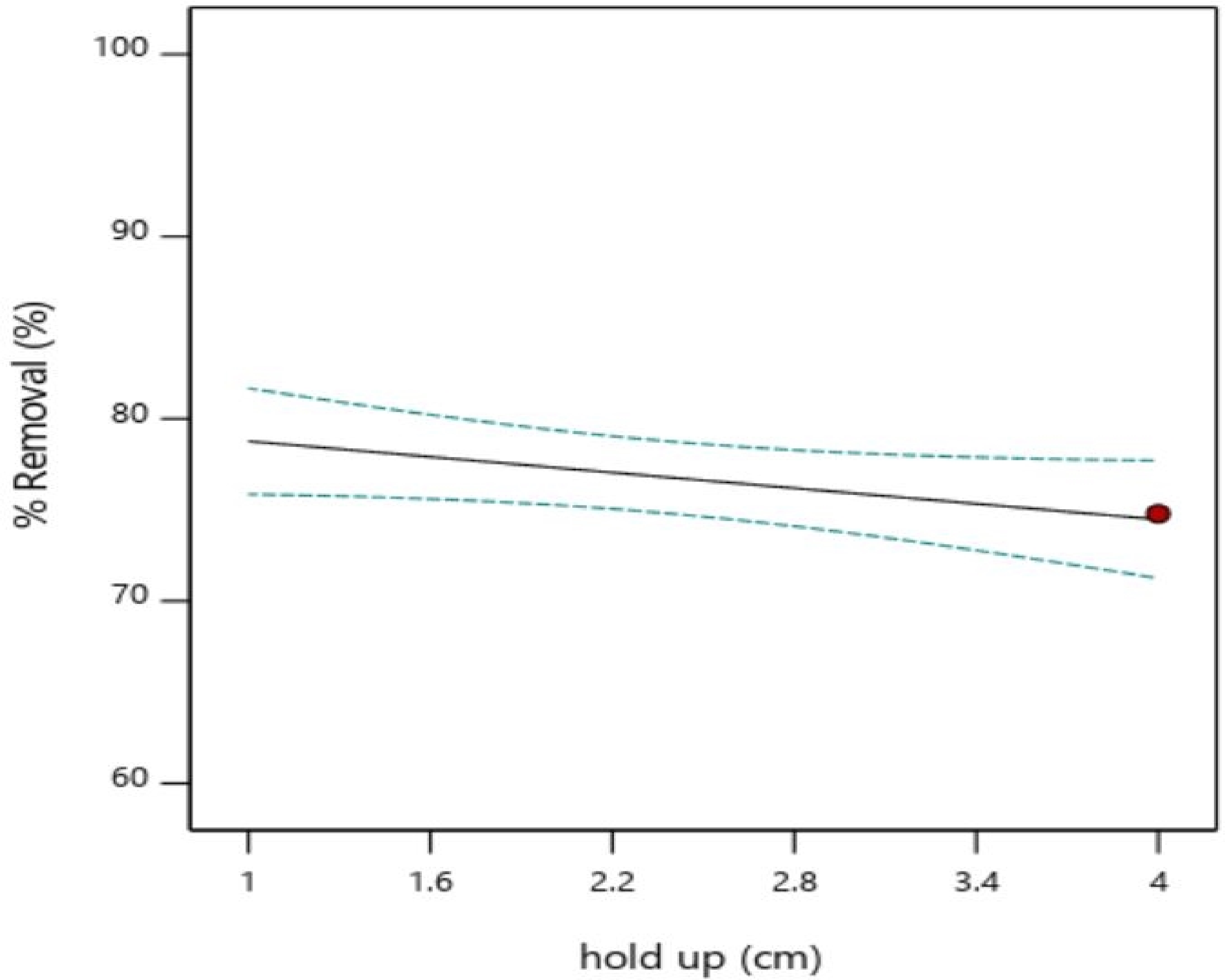
The effect of gas hold-up, H, on the CO2 removal efficiency, %E, predicted by DOE software model. Fixed conditions: V = 20 L, C0 = 0.0075 mol/L; T = 40°C.
As seen in Figure 5, by increasing gas hold-up from 1cm to 4cm, the removal efficiency of CO2 was decreased. The higher gas hold-up leads to a decrease in the residence time of reactants in the column. The results suggest that chemical reaction was a more critical step in the CO2 capturing process and carbon dioxide solubility in water, as well as KOH ionization, but were not rate or capacity limiting steps for CO2 chemisorption.
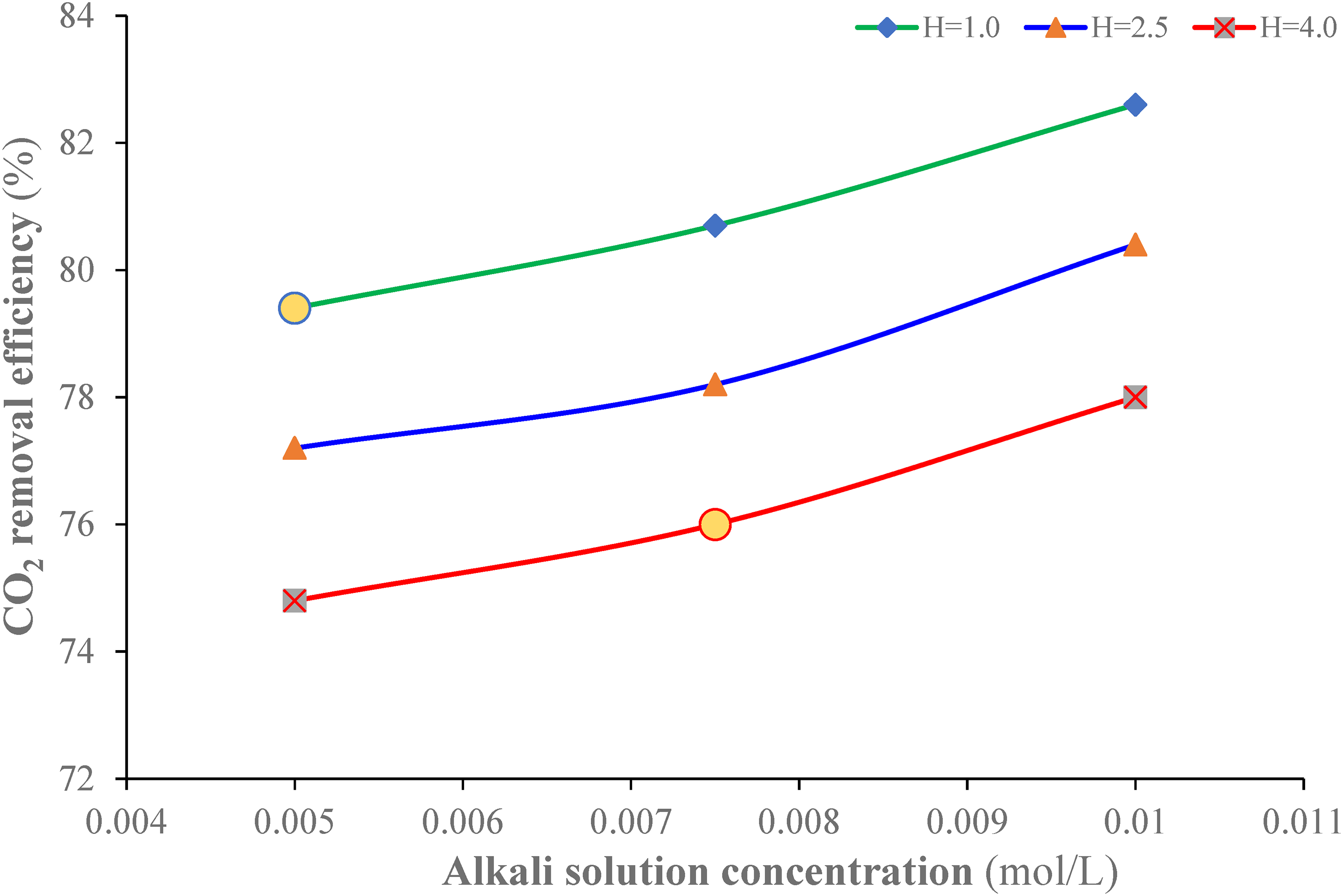
CO2 removal efficiency (%E) with alkali concentration (T = 50°C, Liquid volume = 20 L).
Further, correlations are shown in the Supplementary data file by Figures S3 and S4 for the hold-up data values at 30°C and 40°C respectively. As seen in the figures, by increasing gas hold-up from 1 cm to 4 cm, the removal efficiency of CO2 was decreased at all temperatures.
Effect of operating temperature on the CO2 removal efficiency
To study the influence of parameters on the adsorption performance, the experiments took place at three different temperatures of 30, 40, and 50°C. The results showed that increasing the temperature was an effective way to improve the absorption efficiency as represented by Figure 6.
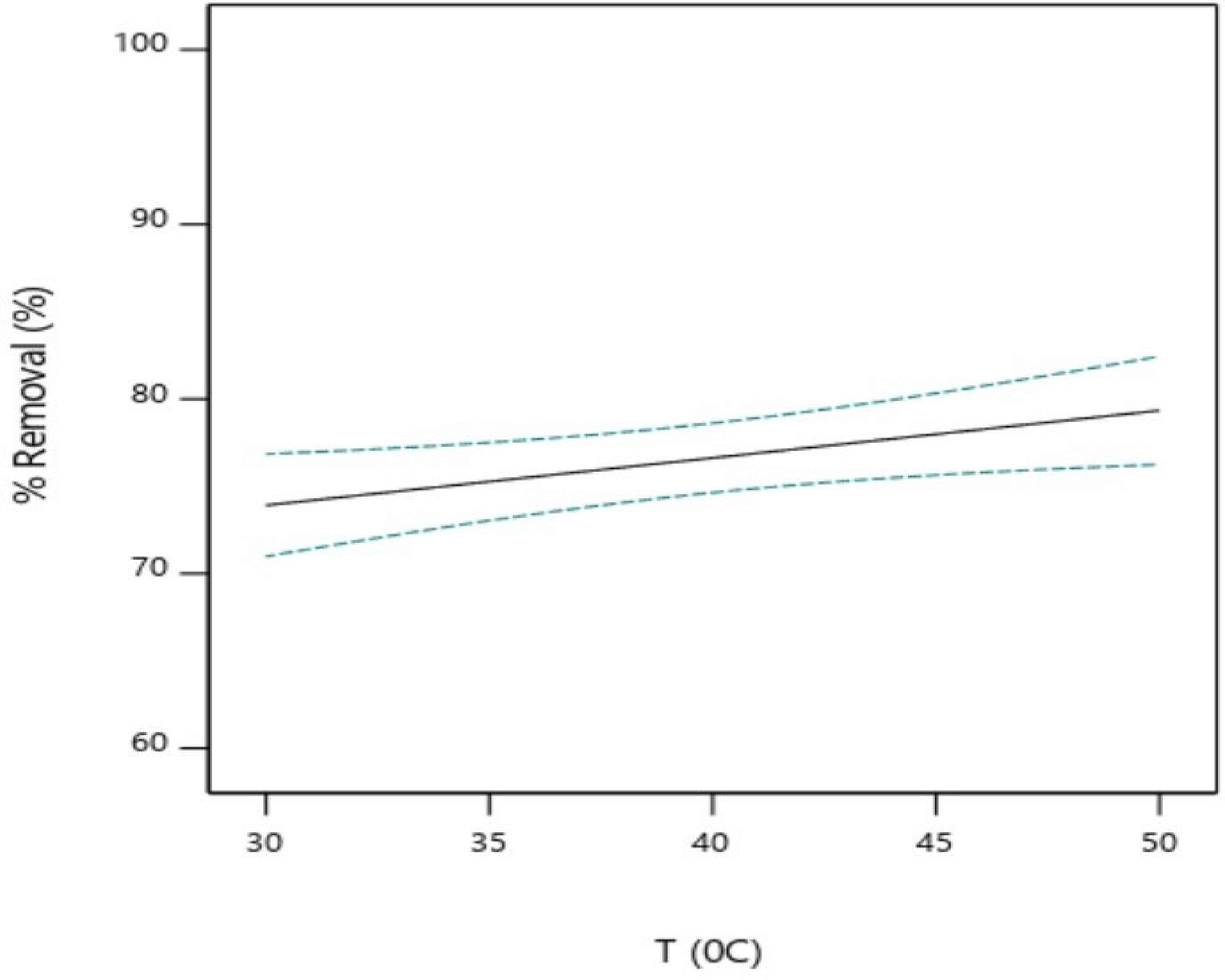
Effect of temperature, T, on the CO2 removal efficiency, %E, predicted by DOE software model. Fixed conditions: V =20 L; C0 = 0.0075mol/L; H = 2.5cm.
As the temperature increased, the dissolution rate of KOH and the chemical reaction rate increased, but the physical absorption of CO2 in solution decreased. This stage of the project revealed that the chemical reaction is more effective than physical absorption process of CO2 in the alkaline solution.
The fixed conditions for this study in Figure 6 were C0 = 0.0075 mol/L; H = 2.5 cm; V = 20 L. The effect of the three temperatures on the removal of CO2 and alkali concentration is shown in Figure 7.
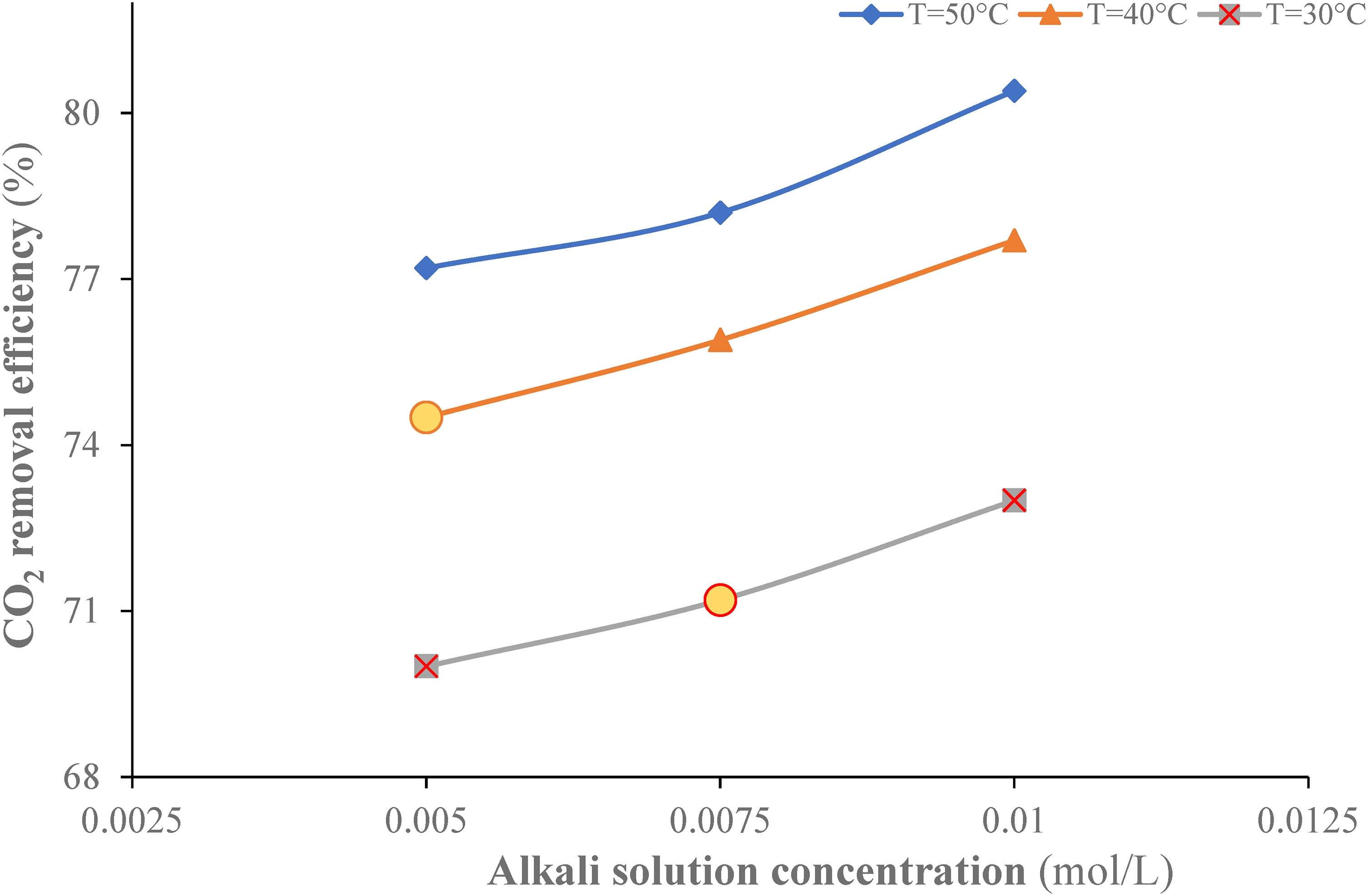
Effect of alkali concentration, C0 (mol/L) on CO2 removal efficiency (%E) with different temperatures V = 20; H = 2.5 cm.
As expected from the model output there is an increase in efficiency with increasing temperature. The figure does suggest that there is a fractional difference in the removal efficiencies going from 30°C to 40°C and then from 40°C to 50°C. The relative removal efficiencies appear to decrease in the higher temperature range. This may be due to an increase in the rate of the reversible reaction 2. Two other sets of results showing the influence of temperature are presented in Figure S5 and S6 in the Supplementary information.
Effect of fluid volume on the CO2 removal efficiency
To evaluate this parameter, liquid amounts of 15, 20, and 25 L were examined. It was found that as the fluid volume rises, the gas hold-up time in the column is increased, causing a faster chemical reaction and a better absorption performance.
The increasing trend in % removal efficiency with increasing solution volume predicted by the model is shown in Figure 8 under the fixed conditions: C0 = 0.0075 mol/L; H = 2.5 cm; T = 40°C.
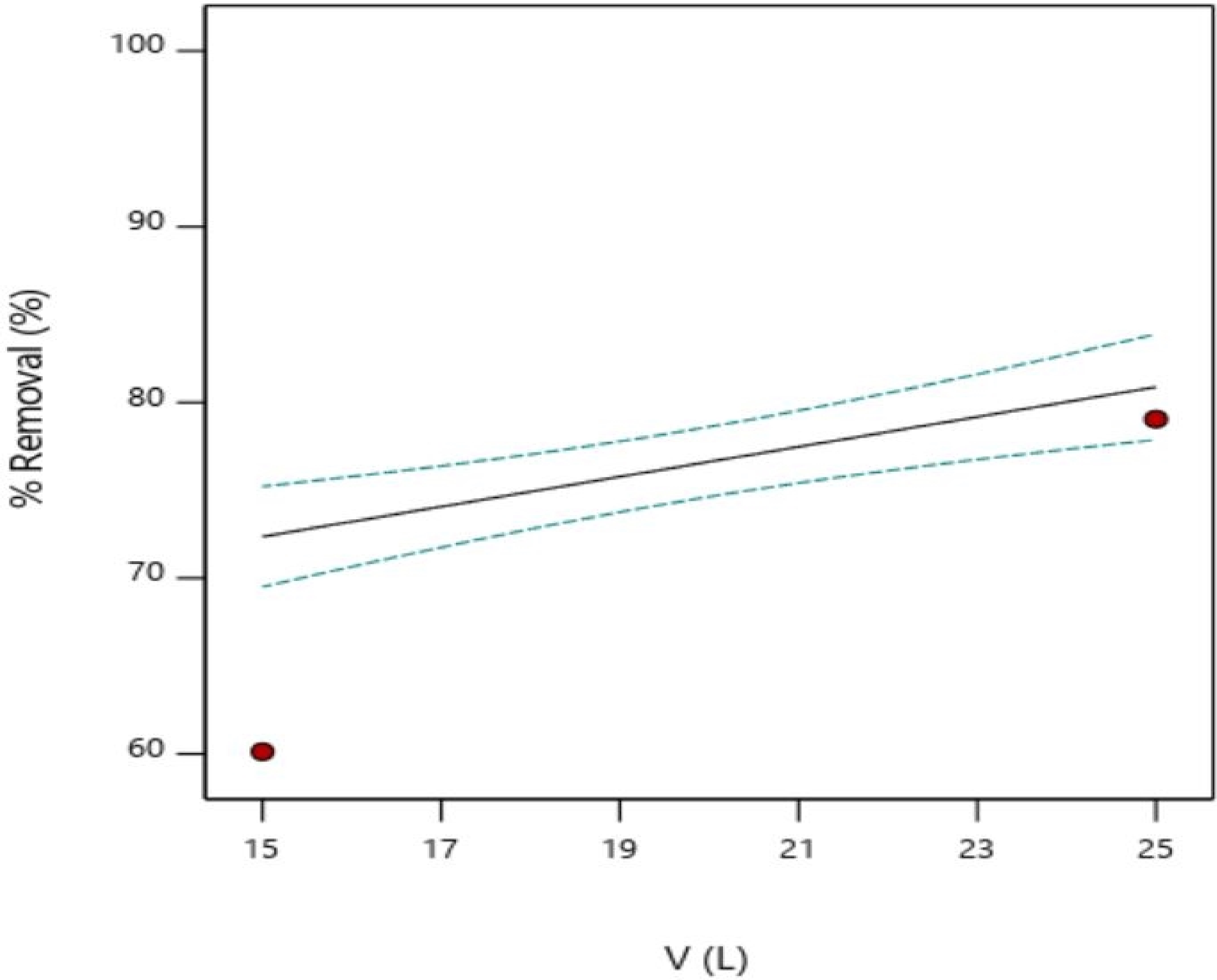
Effect of the fluid volume parameter on the CO2 removal efficiency, %E, predicted by DOE software model. Fixed Conditions: C0 = 0.0075 mol/L; H = 2.5 cm; T = 40°C.
The effect of the liquid volume variation on the removal of CO2 and temperature is shown in Figure 9. As expected from the model output there is an increase in efficiency with increasing liquid volume. The figure shows the three temperature plots at the three volumes and the relationship with volume looks almost linear – the volume differences in both cases – from 15 L to 20 L and then from 20 L to 25 L are both 5 L suggesting a close to linear dependence on volume. The fixed conditions are C0 = 0.0075 mol/L. H = 2.5 cm. One other set of results showing the effect of different volumes on the removal efficiency is presented in Figure S7 in the Supplementary information under conditions: C0 = 0.0050 mol/L; H = 1.0 cm. Another other set of results showing the effect of alkali concentration on the removal efficiency is presented in Figure S8 in the Supplementary information under conditions: T = 50°C; V = 25 L.
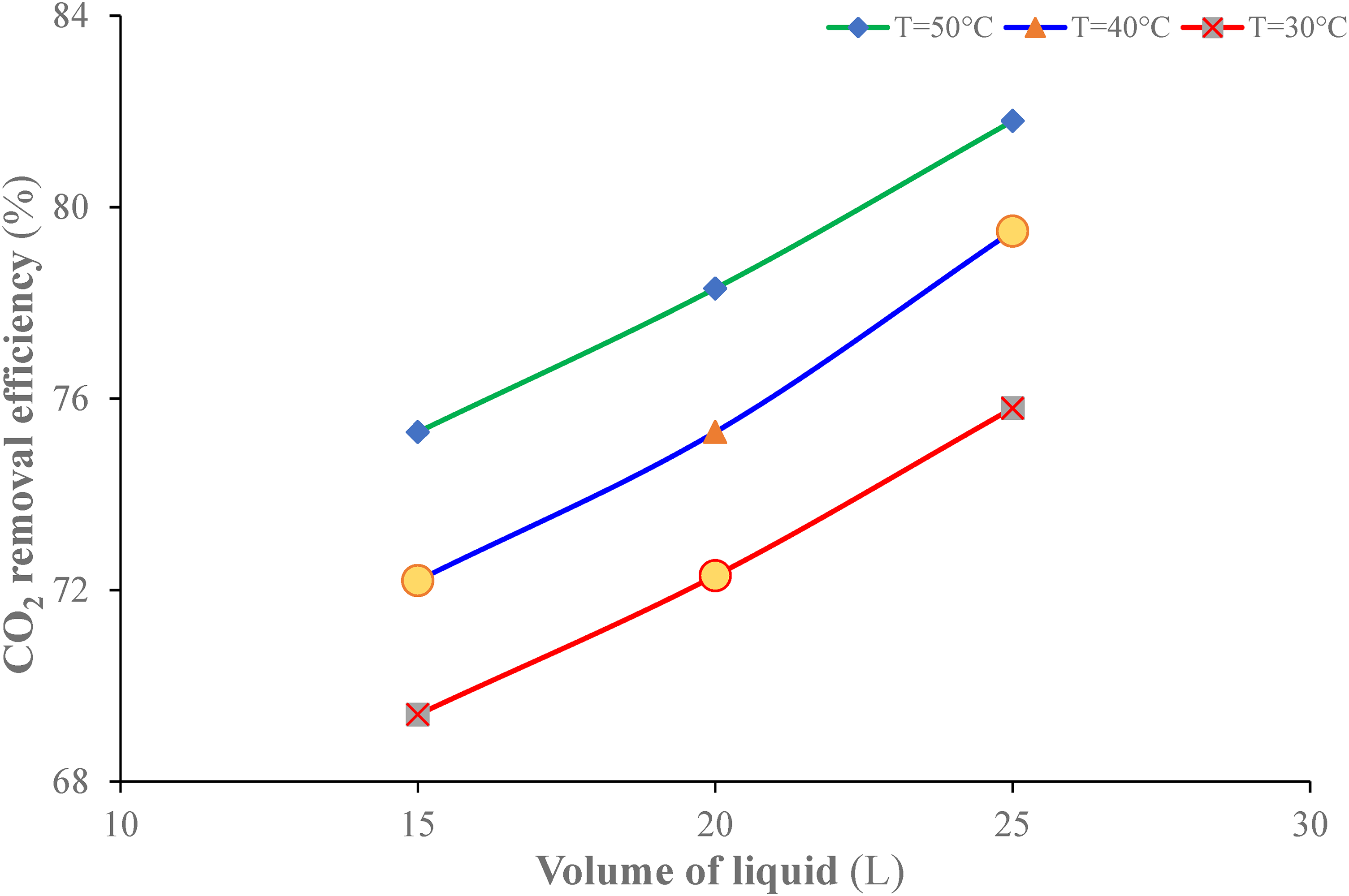
CO2 removal efficiency (%E) with temperature at different liquid volumes (C0 = 0.0075 mol/L, H = 2.5 cm).
The effect of the volume variation on the removal of CO2 and temperature is shown in Figure 9. As expected from the model output there is an increase in efficiency with increasing liquid volume. The figure shows the three temperature plots at the three volumes and the relationship with volume looks quite linear – the volume differences in both cases – from 15 L to 20 L and then from 20 L to 25 L are both 5 L suggesting a linear dependence on volume. The fixed conditions are C0 = 0.0075 mol/L. H = 2.5 cm. One other set of results showing the effect of different volumes on the removal efficiency is presented in Figure S7 in the Supplementary information under conditions: C0 = 0.0050 mol/L; H = 1.0 cm. Another other set of results showing the effect of alkali concentration on the removal efficiency is presented in Figure S8 in the Supplementary information under conditions: T = 50°C; V = 25 L.
Statistical modeling
Development of the quadratic equation
A quadratic equation has been developed to investigate the influence of operating parameters on the CO2 absorption process. The equation enables us to predict the effect of the parameters either individually or in terms of their interaction with one another. The negative coefficients indicate the decreasing effect of the parameters on the removal of carbon dioxide, and the positive ones indicate the positive effect. The general form of the equation is expressed as:
ANOVA analysis results for the quadratic model.
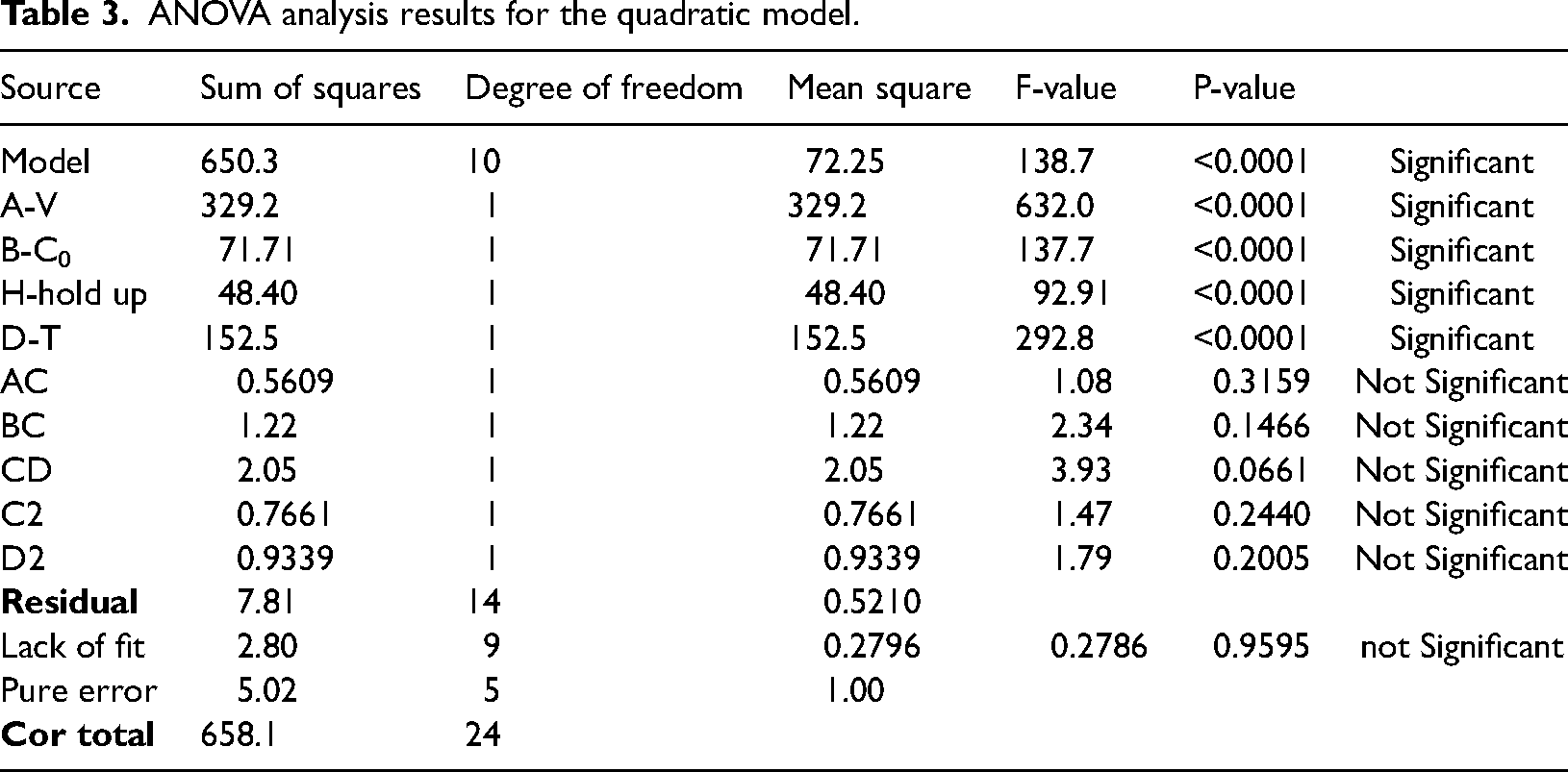
The Adequate Precision tool determines the signal-to-noise ratio, and this ratio is above 4 and a precision fitting of 42.04, which indicates the presence of a suitable signal for the model. The agreement between the experimental data result values and the model predicted values are shown in Table 4 and comprise four terms, namely, the standard deviation, the adjusted R2, the Predicted R2 and the adequate precision values.
The modified regression terms for the model.
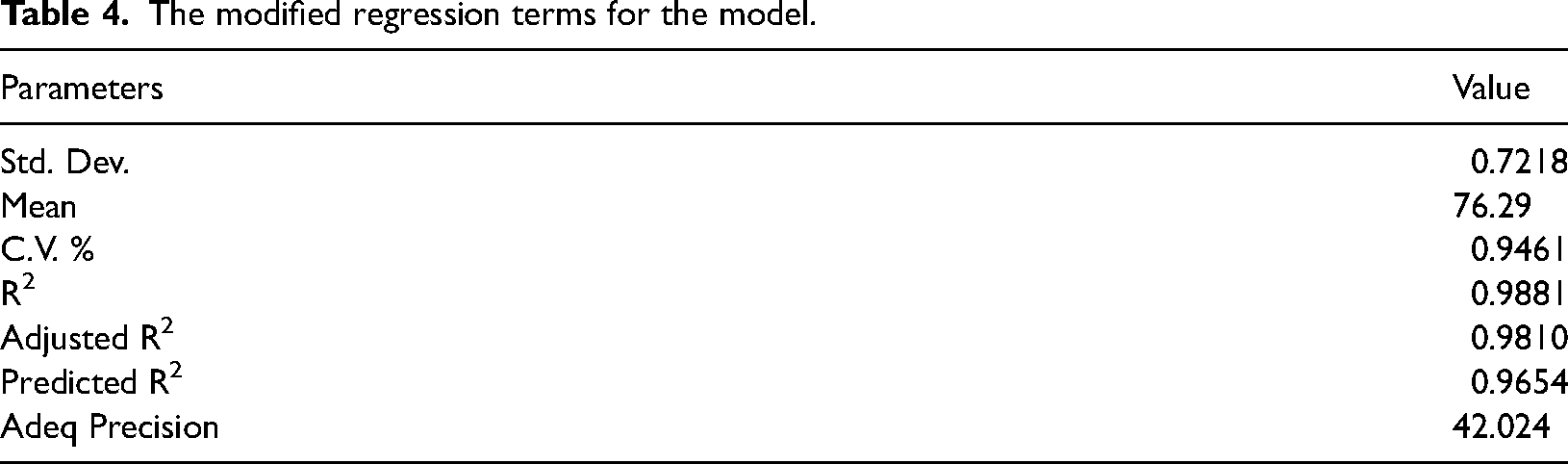
Table 4 and Figure 10 illustrate that there is a satisfactory correlation for the experimental and the optimized models’ predicted data values of the CO2 removal yield with a very high correlation value of R2 = 0.9881.
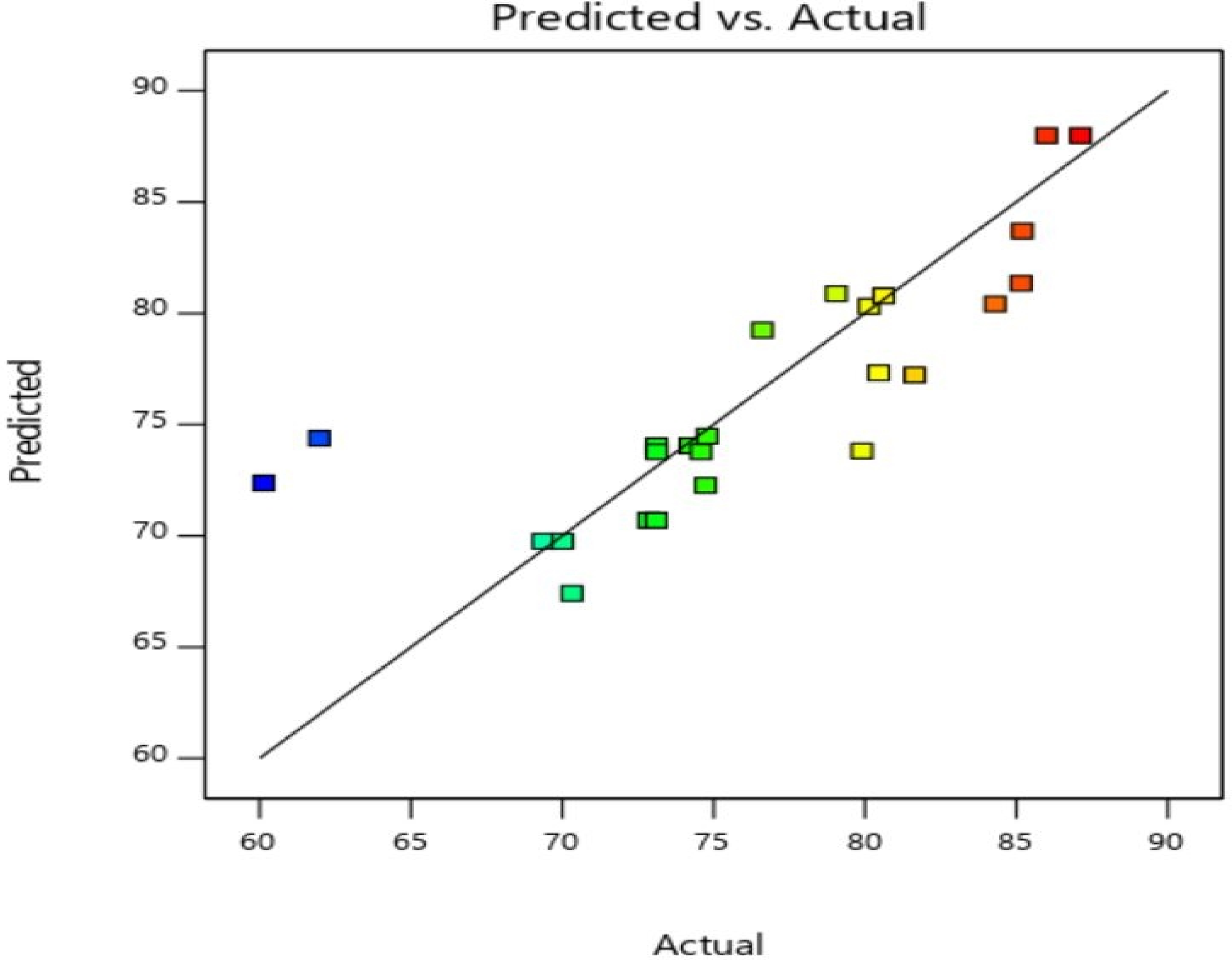
CO2 removal percentage (actual vs. model prediction).
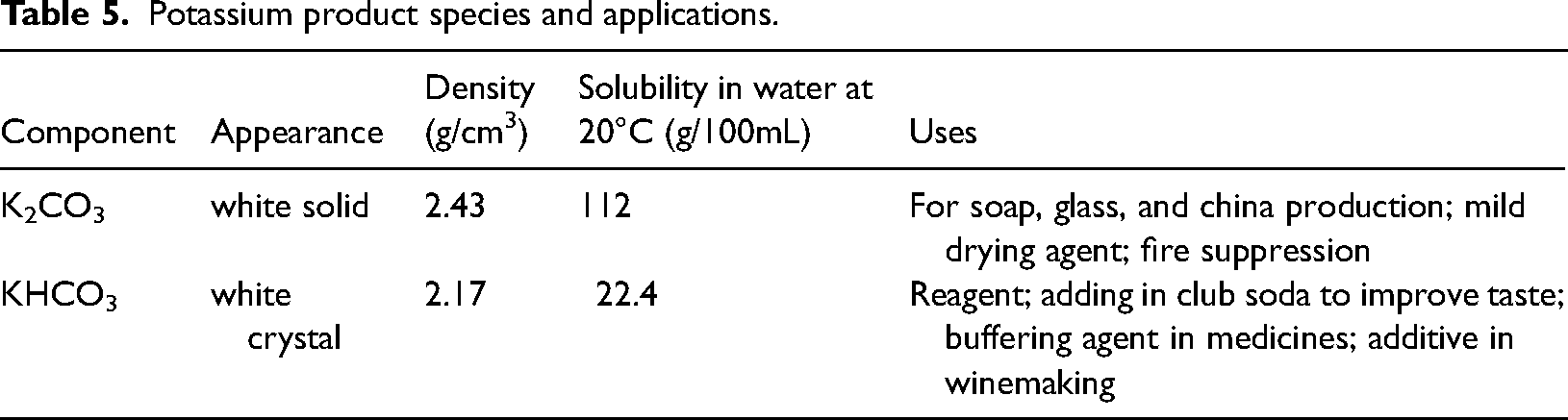
Potassium product species and applications.
Interaction effect of operating parameters on the CO2 removal yield
The three-dimensional outputs presented in Figures 11 to 13 show the response level of the quadratic polynomial equation with consideration of two fixed and two variable parameters.
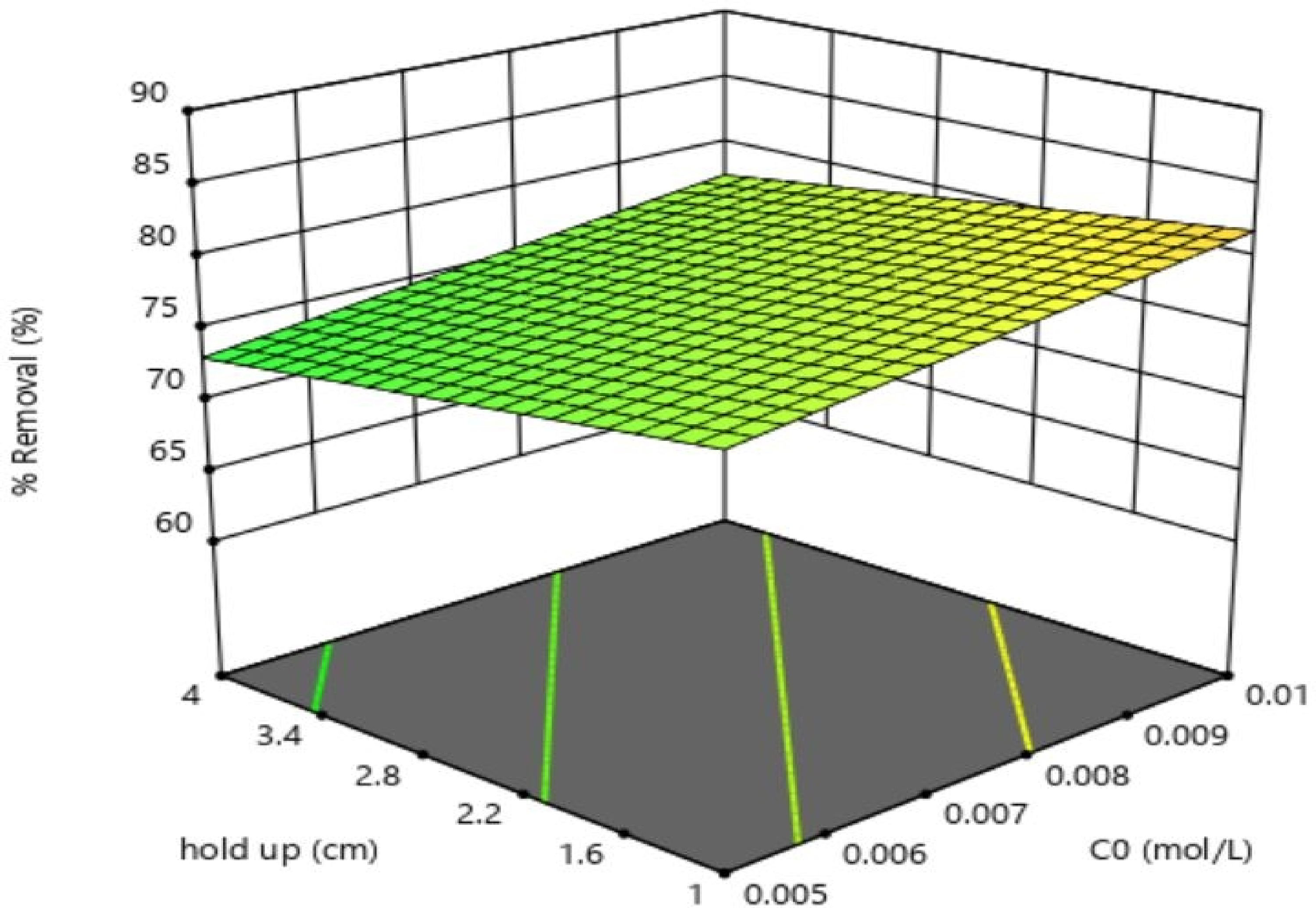
The effect of interaction between gas hold-up and alkaline solution concentration parameters on the CO2 removal efficiency.
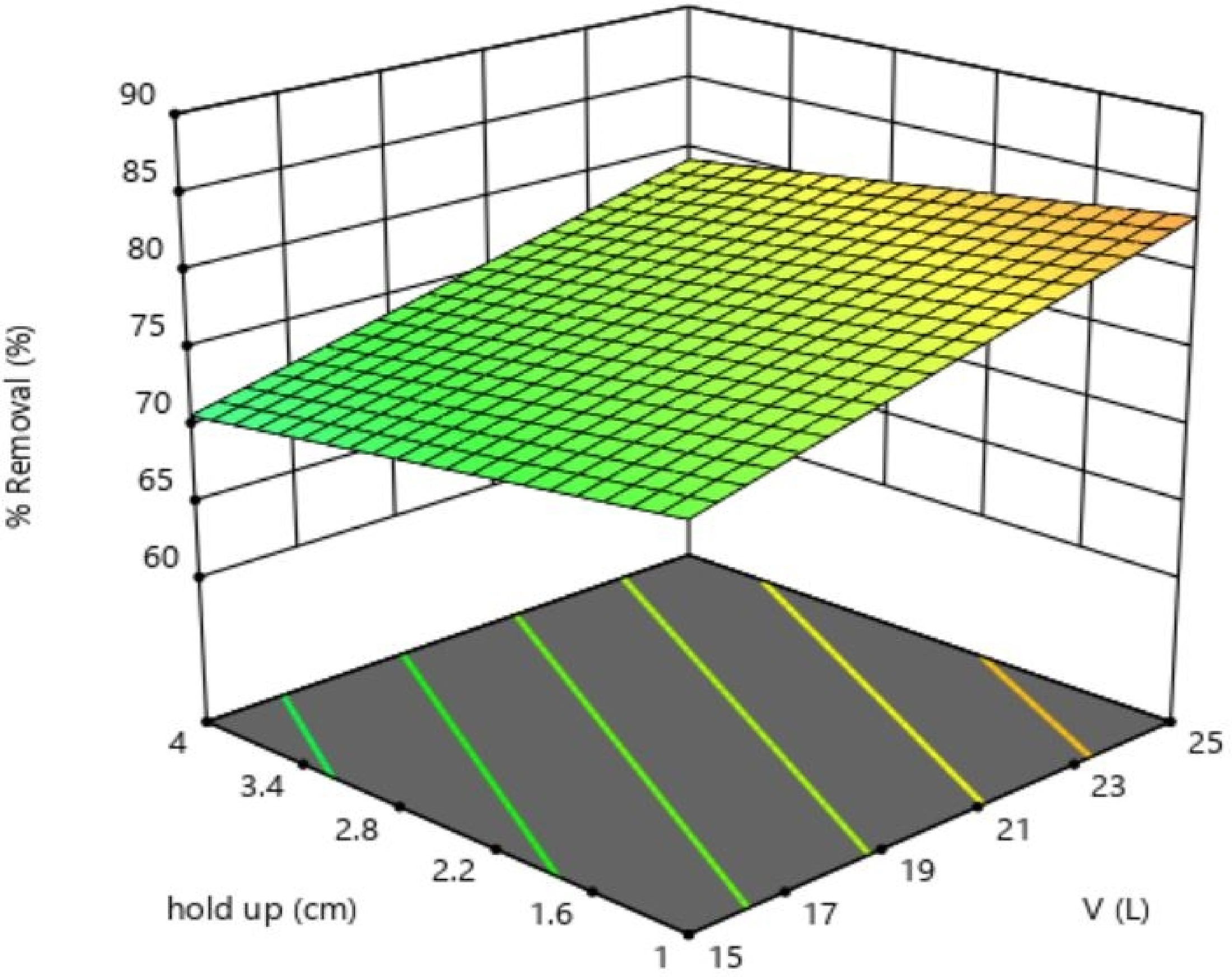
The effect of interaction between gas hold-up and fluid volume parameters on the CO2 removal efficiency.
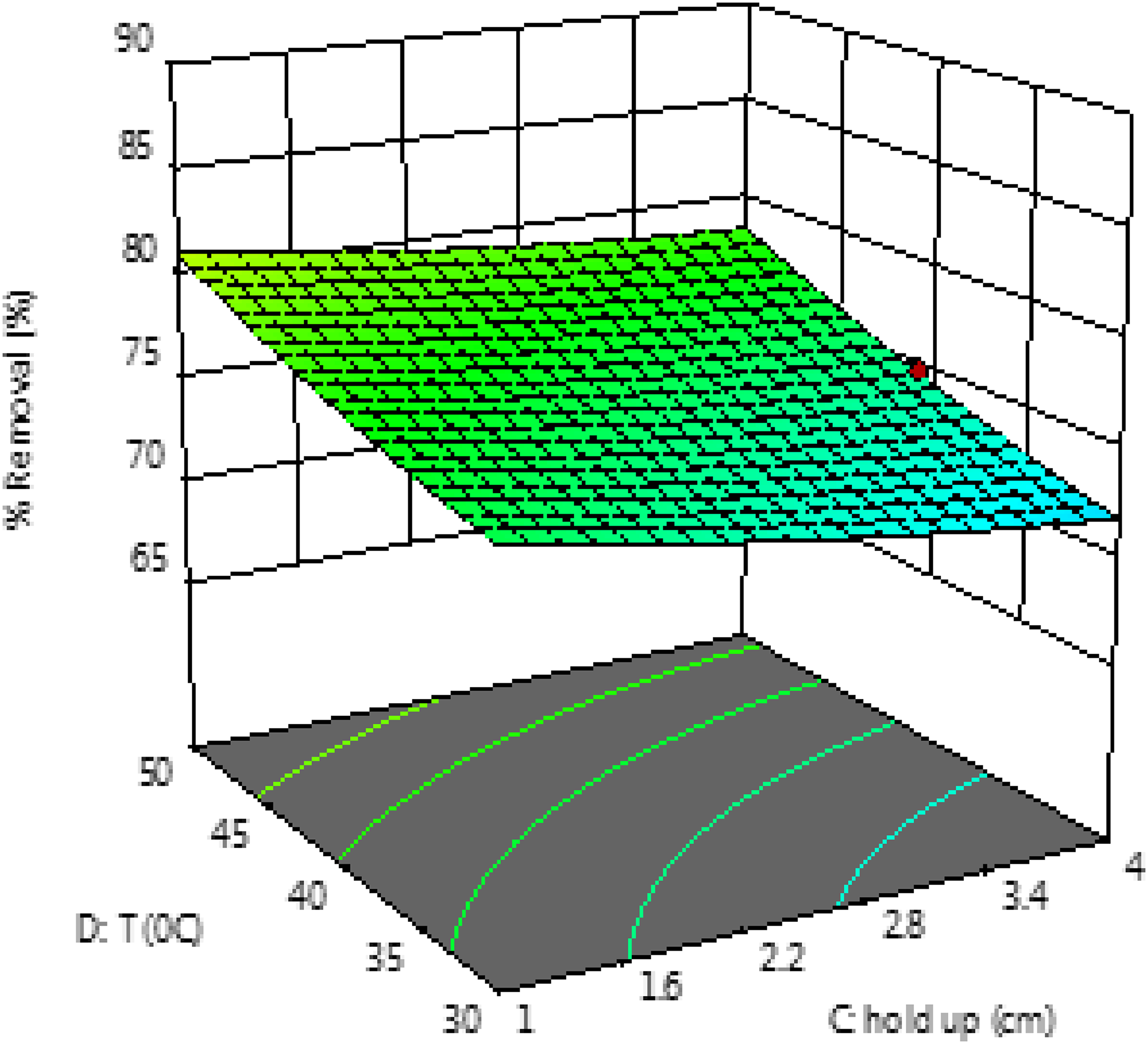
The effect of interactions between operating temperature and gas hold-up parameters on the efficiency of CO2 removal.
In these graphs, the effect of the gas hold-up, temperature, alkaline solution concentration, and fluid volume have been investigated. These results demonstrate that the percentage of CO2 removal has increased in the case of a low gas hold-up. Moreover, the interactive effect of gas hold-up on the CO2 removal yield was relatively small and could be neglected. For a change in operating conditions - with rising temperature, an increasing concentration of the alkaline solution, and increasing the volume of fluid in the column, the yield of CO2 removal increased.
Experimental optimization
The empirical optimization of the process parameters in the pre-specified range was undertaken to achieve the maximum CO2 removal. The optimization results showed that the maximum percentage of carbon dioxide removal is 86.64%, which was performed for the fluid volume equivalent to 2 5 L, 0.01 M concentration, a gas hold-up of 1 cm, and at a temperature of 50°C. This result is shown in Figure 14. Under these operating conditions, experiments conducted resulted in a CO2 removal efficiency of 87.1%, and an error of 0.48% compared to the model value revealed the reliability of the driven model.
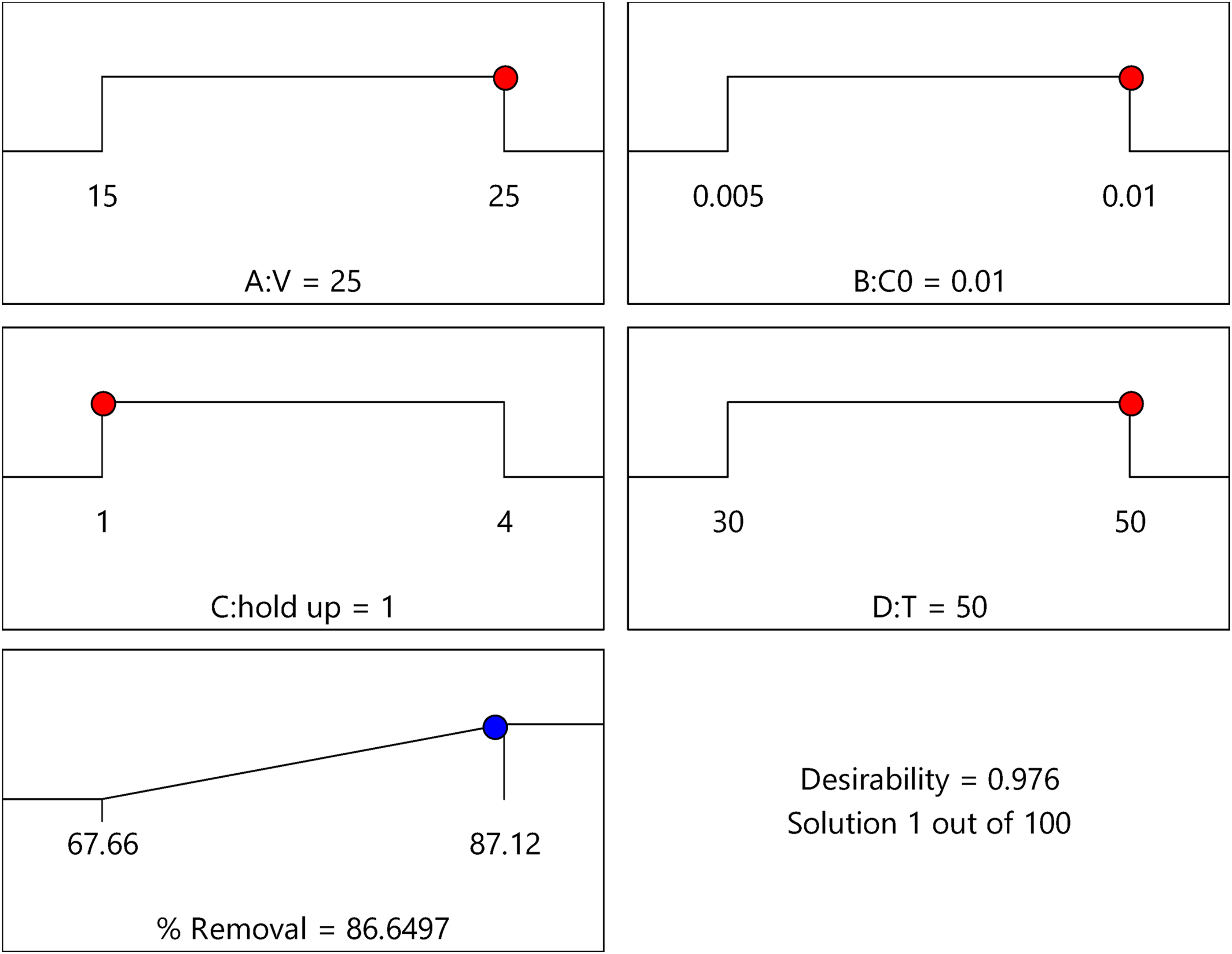
The operating parameters are at the optimal point.
Product output opportunities
In this research, the major goal is to eliminate the CO2 from the flue gas of an industrial stack. In this venue, no KOH recovery either exists or is in order. In other words, the KOH is dissociated into K+ and OH− where the K+ interacts with the HCO3− and CO3−2 so that KHCO3 and K2CO3 shall precipitate. Thus, there are no KOH species to recover and the potential products and their applications from this CO2 stripping process are shown in Table 5.
Moreover, with the change of dissolved CO2 concentration in the solution as well as change of the solution temperature (i.e., exothermic reactions) different products are formed. Ultimately, since the inlet CO2 concentration is kept high, the process most probably acts reversibly. It is noteworthy that, the irreversible signs indicated in equations (2) and (3) are for the precipitation interactions.
Conclusion
A bubble column reactor was successfully designed to investigate the effects of the process operating parameters, such as fluid volume inside the tower, gas hold up, alkaline solution concentration, and temperature for chemical/physical absorption of CO2. The excellent correlation between the model prediction and the experimental results was presented in Figure 6. The optimal experimental conditions of CO2 removal by an alkaline slurry of potassium hydroxide have been achieved. The design of the experimental approach was carried out using the RSM-D-Optimal method to predict optimal CO2 removal conditions and investigate the interaction effects of the process operating parameters. The results proved that CO2 removal efficiency was enhanced by increasing the volume of fluid in the column, increasing the concentration of absorbent and the temperature in the low gas hold-up region. Increasing the temperature improved the dissolution of KOH. The results of the optimization study were in excellent agreement with the experimental validation results.
On the other hand, carbonate sediments, which reduce the alkalinity of adsorbent, are subsequently created, and by increasing the concentration of the absorbent, the amount and rate of carbonate sedimentation also increased. The slurry in the tower became covered by sediment, which in turn, reduced the removal efficiency. With a rise in the volume of fluid inside the tower, the time of CO2 gas storage in the slurry and, consequently, the chemical reaction rate increases. Thus, the removal efficiency is higher because the volume of fluid increases according to the capacity of the tower. On the other hand, changes in the gas hold-up do not have a significant effect on removal efficiencies. Investigating the amount of CO2 converted to carbonate with the analysis of the residual fluid in the column is on the next agenda of this research team.
Supplemental Material
sj-docx-1-eae-10.1177_0958305X241230944 - Supplemental material for Post-combustion CO2 capturing by KOH solution: An experimental and statistical optimization modeling study
Supplemental material, sj-docx-1-eae-10.1177_0958305X241230944 for Post-combustion CO2 capturing by KOH solution: An experimental and statistical optimization modeling study by Shokooh Ghavamipour, Leila Vafajoo, Gilava Pourhossein, Prakash Parthasarathy and Gordon McKay in Energy & Environment
Footnotes
Declaration of conflicting interests
The authors declared no potential conflicts of interest with respect to the research, authorship, and/or publication of this article.
Funding
The authors of this manuscript would like to express their gratitude to the INSF for partially funding this research work under contract number 98018784.

Supplemental material
Supplemental material for this article is available online.
Correction (March 2024):
Second affiliation in this article has been updated.
Appendix
References
Supplementary Material
Please find the following supplemental material available below.
For Open Access articles published under a Creative Commons License, all supplemental material carries the same license as the article it is associated with.
For non-Open Access articles published, all supplemental material carries a non-exclusive license, and permission requests for re-use of supplemental material or any part of supplemental material shall be sent directly to the copyright owner as specified in the copyright notice associated with the article.
