







Abstract
The United States is classified as “insufficient” by the climate action tracker (CAT), indicating a lack of progress in addressing crucial environmental concerns. This highlights the inadequacy of current policy measures, especially in achieving the sustainable development goal (SDG) 13. In view of this, the present study examines the impact of public climate attention, financial regulations, and energy policy uncertainty on the load capacity factor in the United States. The quarterly data spanning from 2004 to 2021 has been analyzed by employing a unique bootstrap rolling window Granger causality test. The findings confirm that an increase in public climate attention and financial regulations positively affects the load capacity factor, indicating an improvement in environmental quality. Further, it was found that an increase in energy policy uncertainty negatively affects the load capacity factor, indicating environmental degradation. The study highlights policy implications to support the United States in achieving SDG 13.
This is a visual representation of the abstract.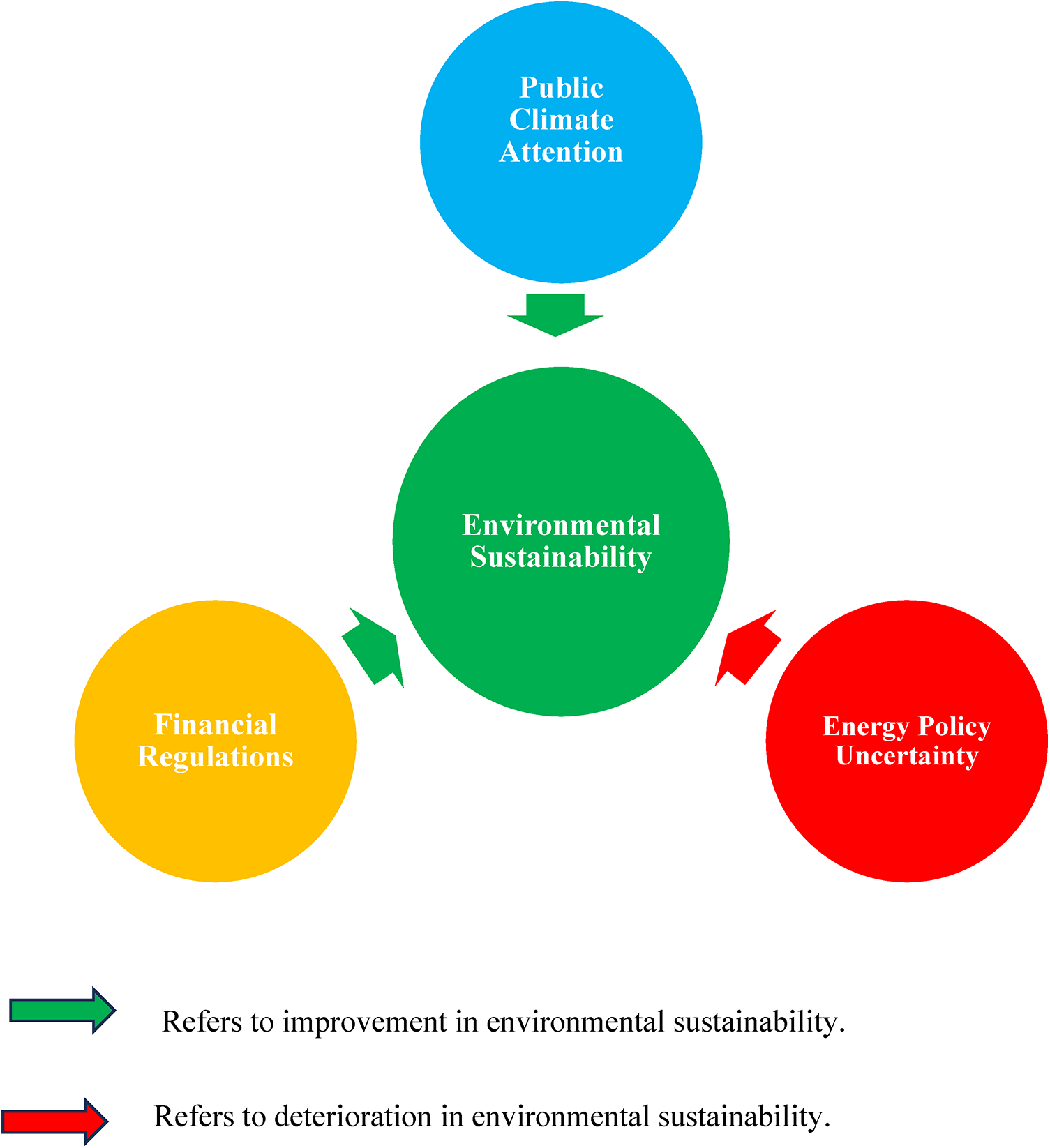
Introduction
Recently, the last few decades have been the most talked about when it comes to climate change and the issue has caught the attention of the academicians, researcher community, and the policy makers. Many studies point up the fact that human activities are among the biggest factors leading to climate changes which are harmful not only to the people of the present but also to those of the future.1,2 Rising levels of greenhouse gas emissions (GHGs) raise worries about the future of climate on a multitude of fronts.3,4 However, if we do not start taking urgent action to put in place green solutions, we may be heading into a potential environmental catastrophe.5,6 Man-made activities such as burning fossil fuels, deforestation, farming, and waste management are the main factors worsening environmental change, both in ecosystems and human health and well-being. 7
Despite the global prevalence of environmental issues, it is noteworthy that the United States is significantly impacted by these challenges. Presently, the nation is grappling with a multitude of issues, including climate change, water pollution, air pollution, water scarcity, and other related concerns. Additionally, it is worth noting that the United States holds the distinction of being the second-largest carbon emitter globally. According to the most recent evaluation on air pollution carried out by the American Lung Association, around 4 out of every 10 individuals, equivalent to approximately 135 million people, presently reside in regions characterized by air quality that is both harmful and contaminated. In addition, research published in August 2022 by California's State Water Resources Control Board stated that over one million individuals in the Western state are at risk of developing chronic health issues due to the consumption of drinking water that contains hazardous amounts of pollutants including arsenic and nitrate. Thus, despite the alarming situation, policy measures taken by the US government are not sufficient to tackle environmental issues. 8
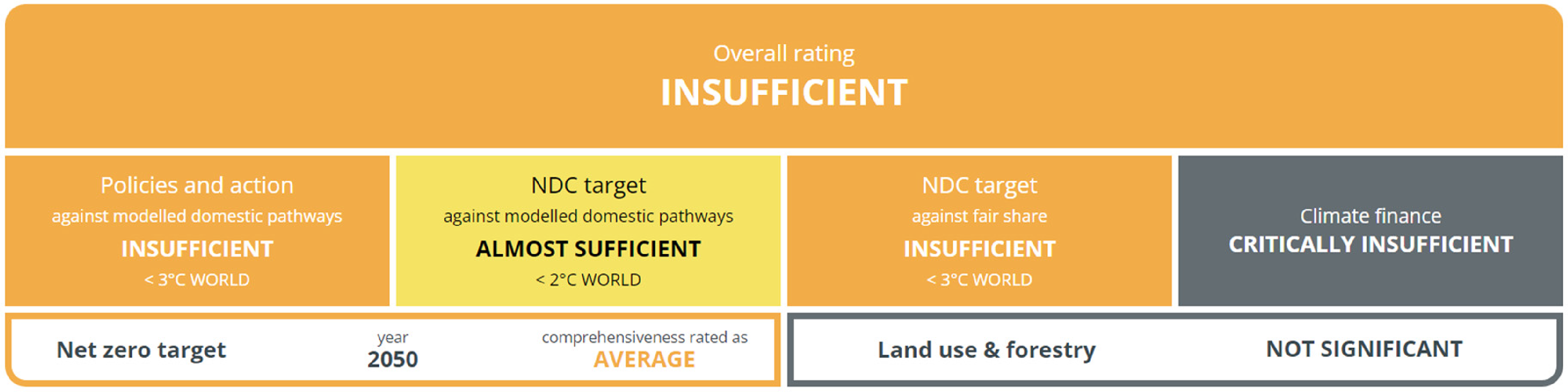
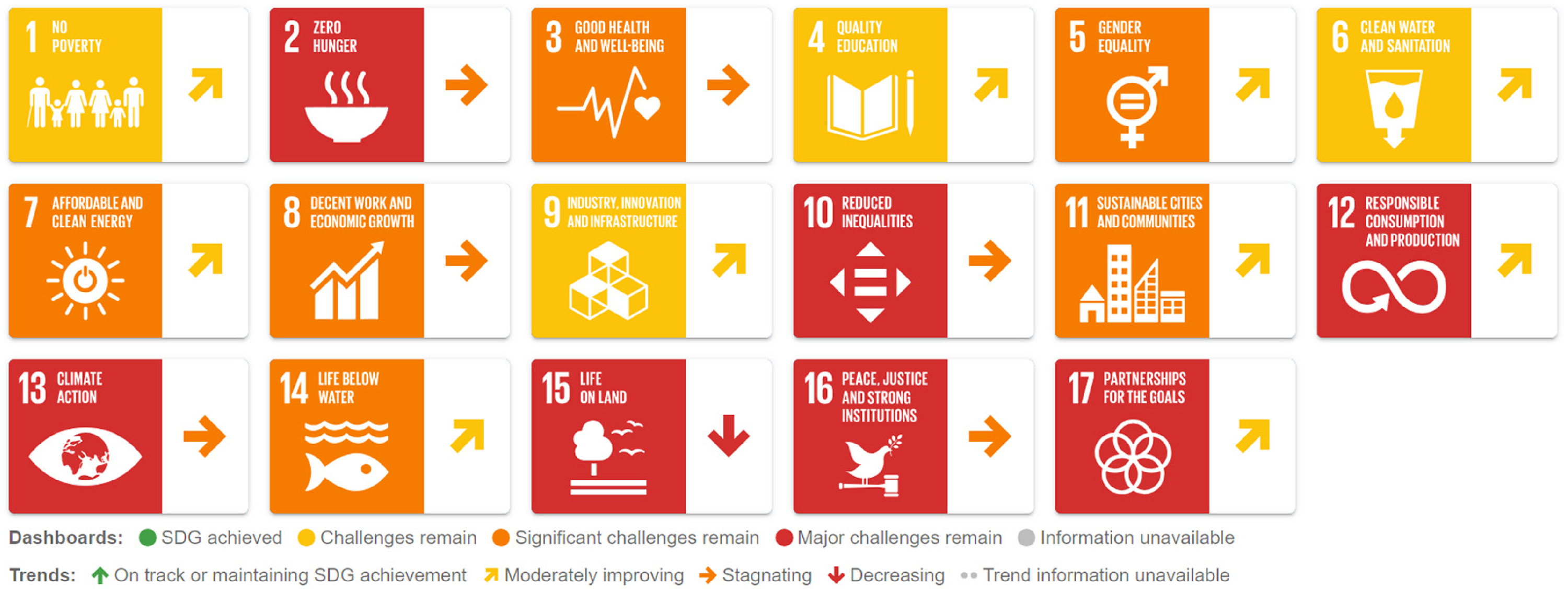
A recent survey reveals that majority of Americans believe that the federal government is insufficiently addressing crucial environmental concerns. In general, 58% of adults in the United States believe that the federal government is not taking sufficient measures to safeguard air quality. On the other hand, 31% believe that the federal government is adequately addressing this matter while only 11% of individuals express the extent to which actions being taken by the government were more than adequate. 9 The authenticity of the survey can be verified based on Figure 1(a) where the climate action tracker (CAT) labelled the USA's climate policies and actions as “insufficient.” Additionally, the reliability of these facts can be further confirmed by Figure 1(b) from the sustainable development goals (SDGs) report, which also indicates that USA's climate actions and plans are stagnant. This implies that the current policies and action plans taken by the US government are insufficient, necessitating further investigations to devise innovative policies and measures to achieve SDGs, particularly SDG 13.
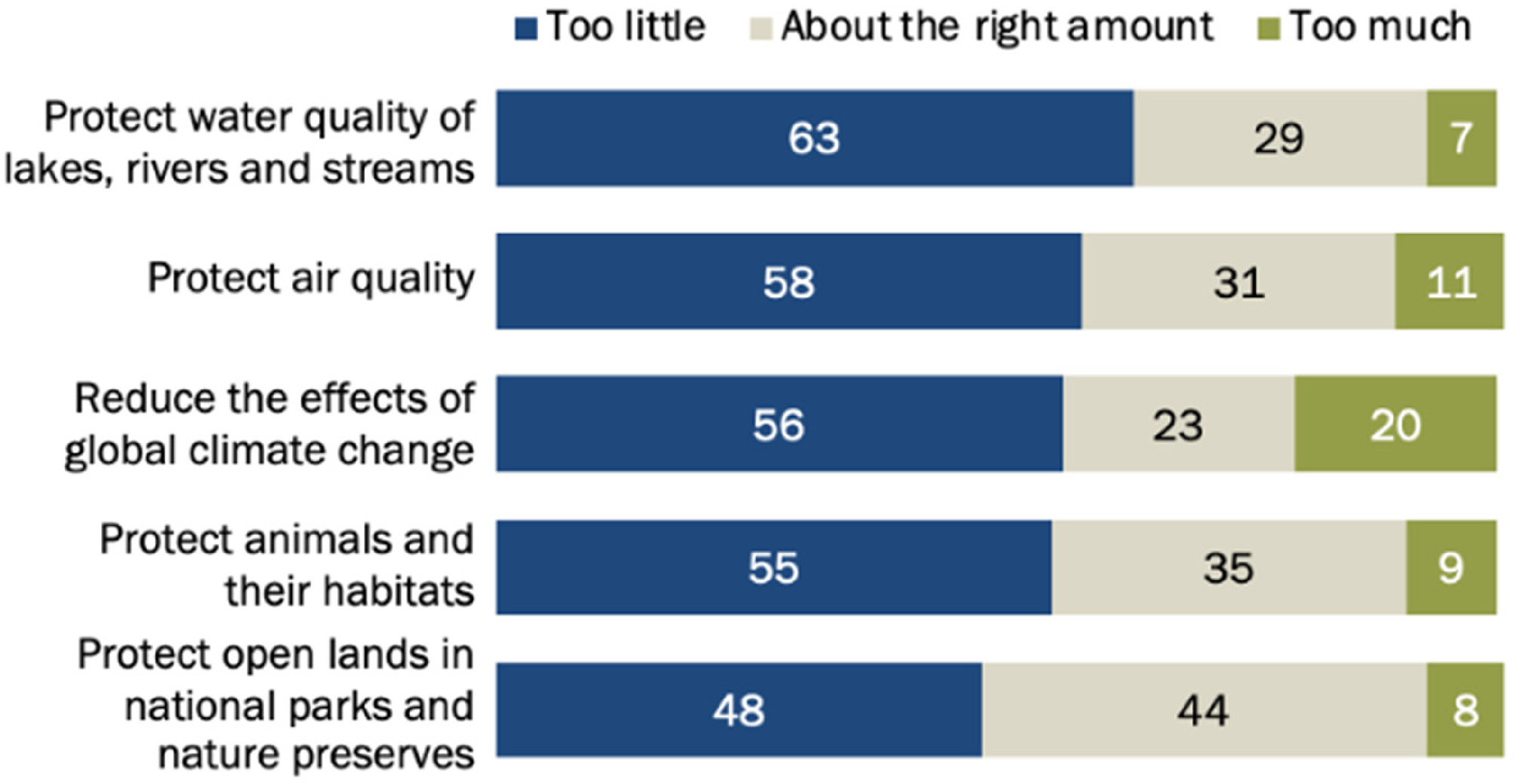
US federal government environmental management. Source: Pew Research Center. Note: https://www.pewresearch.org/science/2023/06/28/3-majorities-of-Americans-say-too-little-is-being-done-on-key-areas-of-environmental-protection/. (a) USA environmental policies and actions status. Source: Climate Action Tracker. Note: https://climateactiontracker.org/countries/USA/. (b) Sustainable development goals report. Note: https://dashboards.sdgindex.org/profiles/united-states.
Previous studies on environmental sustainability explored various factors, which significantly affect sustainability. However, there is a literature gap on how public climate attention (PCA), financial regulations, and energy policy uncertainty (EPU) affect environmental sustainability measured by the load capacity factor (LCF).
The carbon emissions have a substantial influence on climate change10–12 and have garnered considerable public attention within the United States. Scientific research and educational initiatives play an important role in public understanding of the relationship between human activities and atmospheric quantities of carbon dioxide (CO2). The media coverage plays a crucial role in shaping public opinion, raising awareness, and creating an informed and engaged citizenry capable of contributing to meaningful environmental solutions. When citizens are well-informed and concerned about climate change, they are more likely to support discussions and policies focused on climate mitigation, especially those aimed at reducing CO2 emissions. In view of the existing studies, we find that there are really noticeable gaps within the literature regarding climate attention and environmental quality association, particularly within the United States, which is the second-largest emitter of carbon in the world.
Besides that, financial regulations in the United States mostly shape the consciousness and worries of the public on climate problems. External factors including regulatory change, public acceptance and media pressures can influence corporations to give greater consideration to ESG dimensions in their investments.2,13,14 In the long term, ESG- focused investing that gives priority to these issues could further encourage long- term investments and may also promote public awareness of climate change related issues. This may result in filling in the gaps for existing financial regulation requiring the disclosure regarding both the risks and their management associated with the climate, thereby creating a start to a sustainable financial system. 15 To motivate corporations to adopt environmentally friendly practices, the government can play an important role in implementing incentives to promote green funding. Some of these incentives can come in forms such as tax breaks, subsidies, grant for projects that demonstrates significant environmental benefits. Furthermore, governments can directly fund research and development in sustainable technologies, making it more attractive for businesses to innovate in areas like waste reduction, sustainable materials, and low-emission products. These are some of the methods that government can consider accelerating the shift toward a greener economy by making sustainability a viable and attractive option for businesses. A recent study by Saqib et al. 16 points out that the stability of the financial system, threatened by climate risks has spurred regulatory bodies to enact legislative changes to mitigate these risks. The involvement of the government is often driven by public pressure, have significant power to shape financial regulations to strengthen environmental protections to improve rigor of regulatory frameworks. Lastly, the potential economic impacts of climate change could lead to greater scrutiny on financial legislations and elevate public involvement surrounding environmental issues.
Our study contributes to the existing body of literature in several important ways. Firstly, we emphasize the importance of identifying key drivers of ecological quality, which aids in developing effective ecological strategies for achieving the SDGs. Secondly, we conduct a comprehensive empirical investigation focused on the United States, the world's second-largest carbon emitter. Thirdly, to the authors’ best knowledge, this is the first study to explore the impact of PCA, financial regulations, and EPU on environmental sustainability in the USA. Additionally, we construct a PCA index using Google Trends data on phrases like “climate change,” “greenhouse gas emissions,” “environmental degradation”, “threat of pollution to human life,” and “preservation of ecology,” following Dang et al. 17 Furthermore, this study measures environmental sustainability using the LCF. As discussed by Alola et al., 18 the LCF provides a comprehensive understanding of environmental sustainability by considering both demand and supply aspects, unlike metrics that solely examine CO2 emissions or ecological footprints. By employing the Bootstrap subsample rolling window Granger causality technique, we improve upon the traditional Granger causality method. This improvisation allows us to provide deeper insights into causal pathways that conventional approaches might overlook, contributing to a more comprehensive understanding of the relationships studied in this research. Often time, developing economies imitate measures similar to those of advanced countries such as the United States, the findings of our study could benefit both the United States and the global community. Overall, our study deepens the understanding of the complex relationships associated with climate change and offers valuable policy recommendations that could assist the United States in achieving SDG13. Since developing economies often measures similar to those of advanced countries like the United States, the findings of this study have potential benefits for both the United States and the global community. Overall, this academic endeavor deepens the understanding of complex relationships related to climate change and provides important policy recommendations that could help the United States achieve SDG 13, underscoring the significance of informed and collaborative efforts in safeguarding the environment.
We structured the study as follows: the second section chapter discusses literature review and underpinning theory, third section discusses data and methodology, fourth section chapter discusses results and discussion and finally fifth section discusses conclusion, policies, and limitations of the study.
Theoretical framework and literature review
The study aims to investigate the impact of PCA, financial regulations, and energy policy uncertainties on the LCF. This section elucidates the theoretical underpinnings and empirical studies relevant to the proposed variables.
Theoretical framework
The paper aims to explore the influence of PCA and financial regulations and energy uncertainty policy on the LCF a proxy of environmental sustainability. We backed the investigation based on theoretical underpinning of sustainable development theory. 19 This theory argue that socio-economic wellbeing can be achieved without hurting environmental sustainability. The theory focuses on the connection of the economy, ecology, and society. 19 Embedding PCA into the scope of SDT, play a major role and extend the scope of SDT theory, climate attention of people significantly leads to improvement in sustainability of the environment, climate attention, awareness forces policy makers to take measures to save ecology and encourage sustainable investment.20,21 Greater public understanding toward environmental sustainability guides an increase in loyalty toward green consumption products and green projects or investments; hence, guiding the decisions of the policymakers to implement regulations toward the promotion of clean production processes and clean energy projects.22–24
Financial regulations encourage initiatives that are environmentally friendly initiatives, closely linked to sustainable development theory (SDT). Financial regulators establish rules that promote sustainability and impose penalties for carbon emissions. 25 Nowadays, firms must demonstrate their environmental scores to ensure they contribute to growth without harming future generations. 26 Currently, financial regulators have introduced various financial instruments that exclusively finance environmentally friendly projects.7,27 One example of such instruments is green bonds, which finance renewable energy projects, significantly enhancing environmental sustainability. Regulators ensure that green bonds are used for projects that promote sustainability. 28 Hence, financial regulations promote sustainable projects for both current and future generations, ultimately improving environmental sustainability. Finally, uncertainty in energy policy has the potential to further heighten the overall complexity level that influences industry behavior and investment patterns in the energy sector. Thus, shifting policy priorities and improvements in the technology domain really dictate the kind of landscape that would be available to the energy producers and consumers that impact efforts made in the trajectory of energy transition. Understanding the interactions and feedback between these dimensions would be essential in devising effective strategies to the challenge of climate change. 29
Empirical studies
Public climate attention and environmental sustainability
Environmental damage is a multifaceted problem that involves the participation of three main groups: the public, organizations, and government bodies. The public's growing concern for environmental issues reflects a strong inclination toward protecting the environment. PCA refers to the level of awareness, involvement, or concern that the general public has regarding climate change issues. This perception and attitude toward climate change are likely influenced by media coverage, education, advertising, and extreme weather events. 30
The increasing interest in environmental quality can have a powerful impact via individuals’ demonstration and collective action. This is expected to impact and increase overall environmental awareness and conservation efforts among many more people who would be actively involved in environmental issues. Moreover, with the likely influence of the growing public awareness in regard to the environmental issues, the business practices in the environment will be influenced. This is evident from a study undertaken by Fauzan and Azhar, 31 which points out the existence of a positive relationship between environmental concern toward the public and environmentally friendly product purchase. Besides, public awareness is increasing over environmental issues. As a result, governments are under pressure most of the time to form more stringent laws relating to the protection of the environment and making compulsions for its enforcement. 32
Financial regulations and environmental sustainability
Financial regulations (FR) consist of rules and standards established by governmental organizations or regulatory authorities to supervise and regulate the financial activities of individuals, organizations, and markets. Few studies have explored the connection between financial regulations and environmental sustainability. Research by Shahzad et al. 33 indicated that financial regulations contributed to an increase in the ecological footprint from 1996Q1 to 2019Q4. While in contrast, Xu et al. 34 applied bounds testing based ARDL approach in Brazil and they find that financial regulations positively effect to LCF. Similarly, Kihombo et al. 35 carried a study in West Asian and Middle East economies, they analyzed data ranging from 1990 to 2017 and they find that financial regulations significantly reduce ecological footprints. Also, Ulucak et al. 36 analyzed association between financial regulations and ecological footprints using annual data ranging from 1974 to 2016, using ARDL and DOLS methodologies, their findings confirm that financial regulations negatively effect to ecological footprints. In addition, Kihombo et al. 35 also carried a study in India, they used annual data from 1970 to 2018 and sued nonlinear ARDL approach, they find that financial regulation significantly improves environmental quality. However, mixed results in the existing literature regarding the linkage between financial regulation and sustainability required more depth investigations for the generalization of the findings.
Energy policy uncertainties and environmental sustainability
EPU was characterized by the unpredictability of governmental regulations and incentives related to energy production and usage, significantly impacts environmental quality. This uncertainty, particularly regarding government support for renewable energy, acts as a barrier for investors, diminishing their willingness to fund renewable energy projects and thereby slowing the transition away from fossil fuels. Delays in implementing environmental legislation may result in higher pollution levels and postponed technical progress. Because of policy uncertainty, the importance of long-term sustainability tends to be overshadowed by the dominance of short-term advantages. Lack of innovation is impeding the growth of sustainable energy. Corporations continue to rely on fossil fuels due to a lack of clearly defined standards, worsening pollution and climate change challenges. According to Chu et al., 29 policy uncertainty improves environmental quality in G7 economies. While in contrasts, Assamoi and Wang, 37 also discovered that reducing policy uncertainty enhances environmental quality. Shabir et al. 38 conducted a study in 24 advanced and emerging economies and discovered that policy uncertainty worsens the environment. Policy uncertainty, according to Xue et al., 39 is also a hazard to the environment. We find that, there is a paucity of research on the relationship between EPU and sustainability, and the existing studies yield mixed findings. Further investigation is necessary to enhance the generalizability of these findings.
Contribution to literature
We discovered some gaps in the literature after conducting a thorough evaluation of studies on environmental sustainability. (a) Most previous studies investigated various factors affecting environmental quality such as energy consumption, globalization, population, financial development, economic policy uncertainty, and so on, but they ignored the impact of PCA, financial regulations, and EPU on environmental sustainability, specifically concerning the United States. (b) Earlier research used ecological footprints or CO2 emissions as proxies for environmental sustainability but disregarded the LCF, which contains relatively more information on environmental sustainability. (c) Most prior researchers used traditional econometrics approaches such as the ARDL approach, GMM method, Granger causality, and others, but these methodologies are incapable of accounting for nonlinear impact, even though real series exhibit nonlinear features.
As a result, this study fills a vacuum in the literature by investigating the impact of PCA, financial regulations, and EPU on environmental sustainability (as measured by the LCF) using a unique non-parametric bootstrap rolling window (BRW) subsample Granger causality test and contributes to literature from various perspectives.
Data and methodology
In order to understand the impact of PCA, financial regulations, and EPU on LCF, we use quarterly data ranging from 2004Q1 to 2021Q4. We measure PCA through the development of an index following the methodology outlined by Dang et al. 17 This index was created using keywords extracted from Google Trends data. The selected keywords include “climate change,” “greenhouse gas emissions,” “environmental degradation,” “threat of pollution to human life,” and “preservation of ecology”. These keywords were chosen because they represent key aspects of public concern and discourse related to climate change. “Climate change” is a broad term encompassing various environmental changes and impacts. “Greenhouse gas emissions” highlight a significant contributor to climate change. “Environmental degradation” underscores the decline in environmental quality due to human activities. “Threat of pollution to human life” emphasizes the tangible risks posed by pollution to human health. “Preservation of ecology” refers to the broader goal of maintaining and safeguarding natural ecosystems. Together, these keywords cover different facets of public attention toward climate issues, including the causes, effects, and efforts for mitigation and preservation.
Furthermore, we calculate the LCF as biocapacity/ecological footprint following Agila et al. 40 It is also worth noting that the data has been transformed into quarterly following. 41 To ensure the accuracy and consistency of estimations, all the variables deployed have been transformed into natural logarithms. Table 1 presents comprehensive details of the variables, including data sources, variable measurements, and abbreviated forms. Moreover, for analysis purposes, we utilized R language and EViews software.
Variable source and measurement.
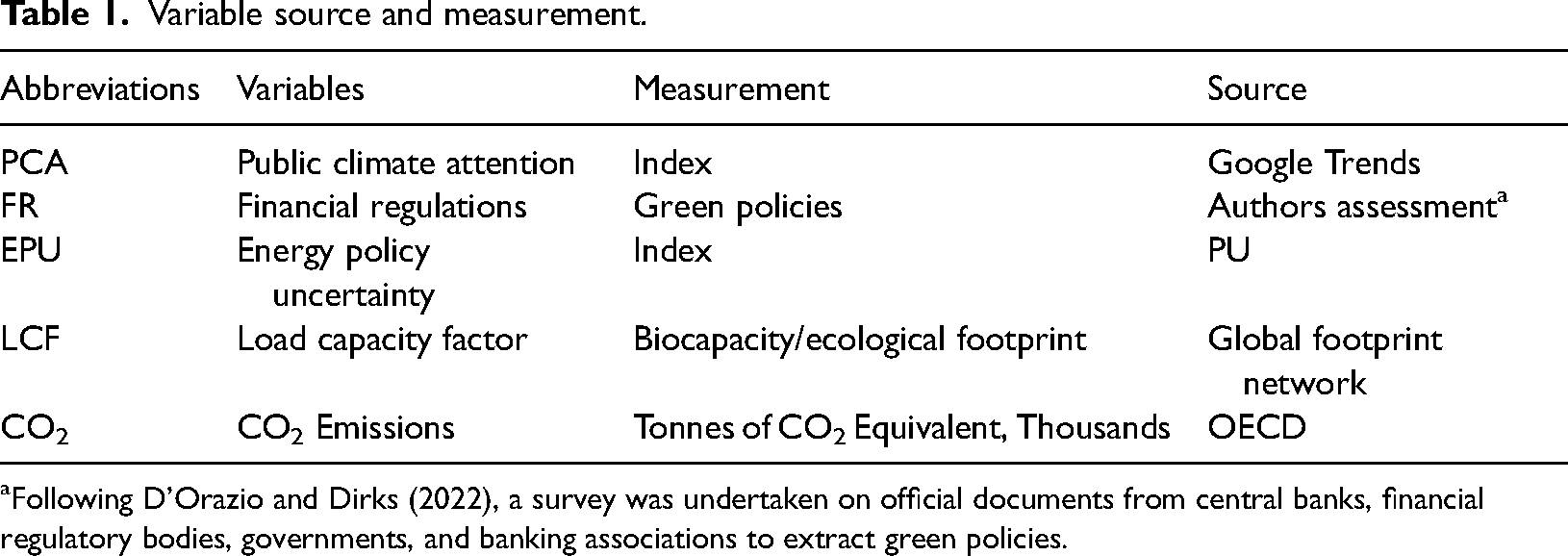
Following D’Orazio and Dirks (2022), a survey was undertaken on official documents from central banks, financial regulatory bodies, governments, and banking associations to extract green policies.
Methodology
Bootstrap full-sample Granger causality test and parameter stability test
Previous studies deployed the conventional Granger causality tests such as Sims et al.
42
and Toda and Phillips43,44 that use standard test statistics in the form of the likelihood ratio (LR) and Lagrange multiplier (LM). However, the presence of structural changes that are inherent in the time series data may render the standard asymptotic distributions inefficient.
45
To overcome these limitations, Toda, and Yamamoto
46
augmented the VAR models with I (1) variables for the Wald test to achieve the standard asymptotic distribution. Shukur and Mantalos
47
convincingly demonstrated that the modified Wald test of Toda and Yamamoto
46
also suffers from sample size bias that can only be mitigated by the residual bootstrap method based on modified LR statistics.
48
Therefore, the study deployed a bootstrap full-sample causality test based on modified LR statistics and the bivariate VAR(p) process is specified as follows.

However, the precondition for the validity of the bootstrap full-sample causality test is the constancy of the parameters in both the short and long run as posited by Balcilar and Ozdemir. 49 The result of a sample becomes invalid and unstable in the presence of structural changes. Thus, the study unravels the stability of the parameters of short run with the aid of Sup-F, Mean-F, and Exp-F, respectively.50–53
Bootstrap rolling window Granger causality
As the full-sample Granger causality test is not sufficient to find the causality within subsamples, it is necessary to employ the BRW Granger causality test propounded by Belcilar et al. 48 This test can produce accurate estimates of the parameters that are representative of the model among the subsample periods. It can also trace structural changes by overcoming the limitations of pre-testing bias and subjective judgment of the full-sample method. 54 The BRW Granger causality test disaggregates the samples into subsamples thereby selecting a given rolling window so that both the probability and LR statistics values of the BRW can be deployed to detect and establish a causality relationship among the subsamples.55–57
Currently, various events such as geopolitical tensions (US–China, Russia–Ukraine, China–Taiwan, Iran–Israel), the recent pandemic (COVID-19), and the current global energy crisis have changed economic and social landscapes, thereby creating nonlinearities among the macroeconomic variables. 41 Consequently, conventional methods such as VECM, ARDL, Granger causality, and other cointegration-based approaches are unable to sufficiently accommodate the effects of these events in the form of nonlinearities. Thus, the BRW approach is particularly suitable due to its non-parametric nature, efficiently accommodating the nonlinearities generated by the aforementioned key events and the time-varying association among the proposed variables.
Results and discussion
Prior to exploring the time-varying relationship between PCA, financial regulations, EPU, and LCF, we conducted an initial analysis of the foundational characteristics of the mentioned variables, as delineated in Table 2. The data analysis reveals that CO2 emissions have the highest average of 15.524, followed by LCF at 3.413 and PCA at 3.315. Conversely, FR has the lowest average at 1.528, closely followed by EPU at 1.110. LCF exhibits the highest volatility among the variables, while FR demonstrates the least volatility compared to others. Moreover, all variables LCF, CO2, PCA, and EPU exhibit negative skewness and positive kurtosis, indicating a prevalence of lower values in their distributions. However, FR stands out with a skewness value of 1.289. Additionally, the Jarque and Bera 58 test reveals that FR and EPU are not normally distributed, whereas PCA, LCF, and CO2 emissions follow a normal distribution. Since parametric methods may not provide accurate inference due to the non-normality of FR and EPU, a non-parametric approach, such as the BRW Granger causality analysis, is employed, considering the nature of the series.
Descriptive statistics.
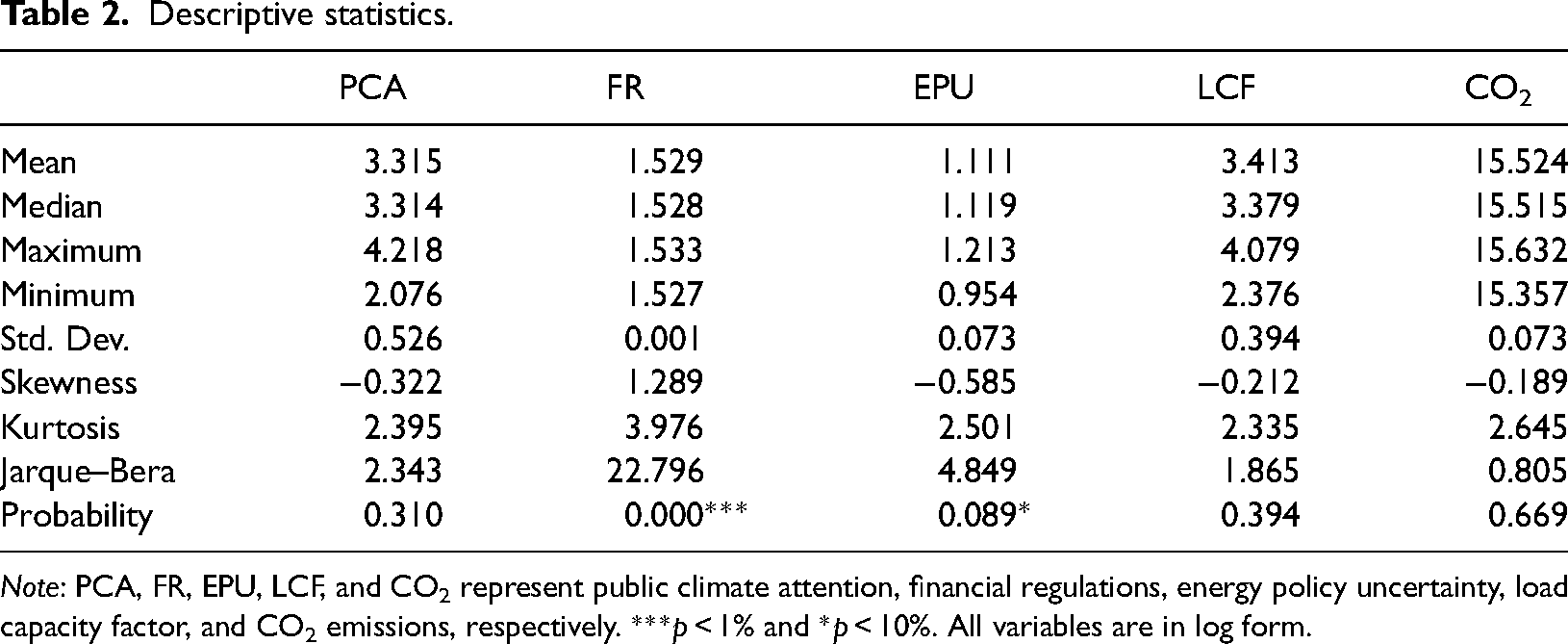
Note: PCA, FR, EPU, LCF, and CO2 represent public climate attention, financial regulations, energy policy uncertainty, load capacity factor, and CO2 emissions, respectively. ***p < 1% and *p < 10%. All variables are in log form.
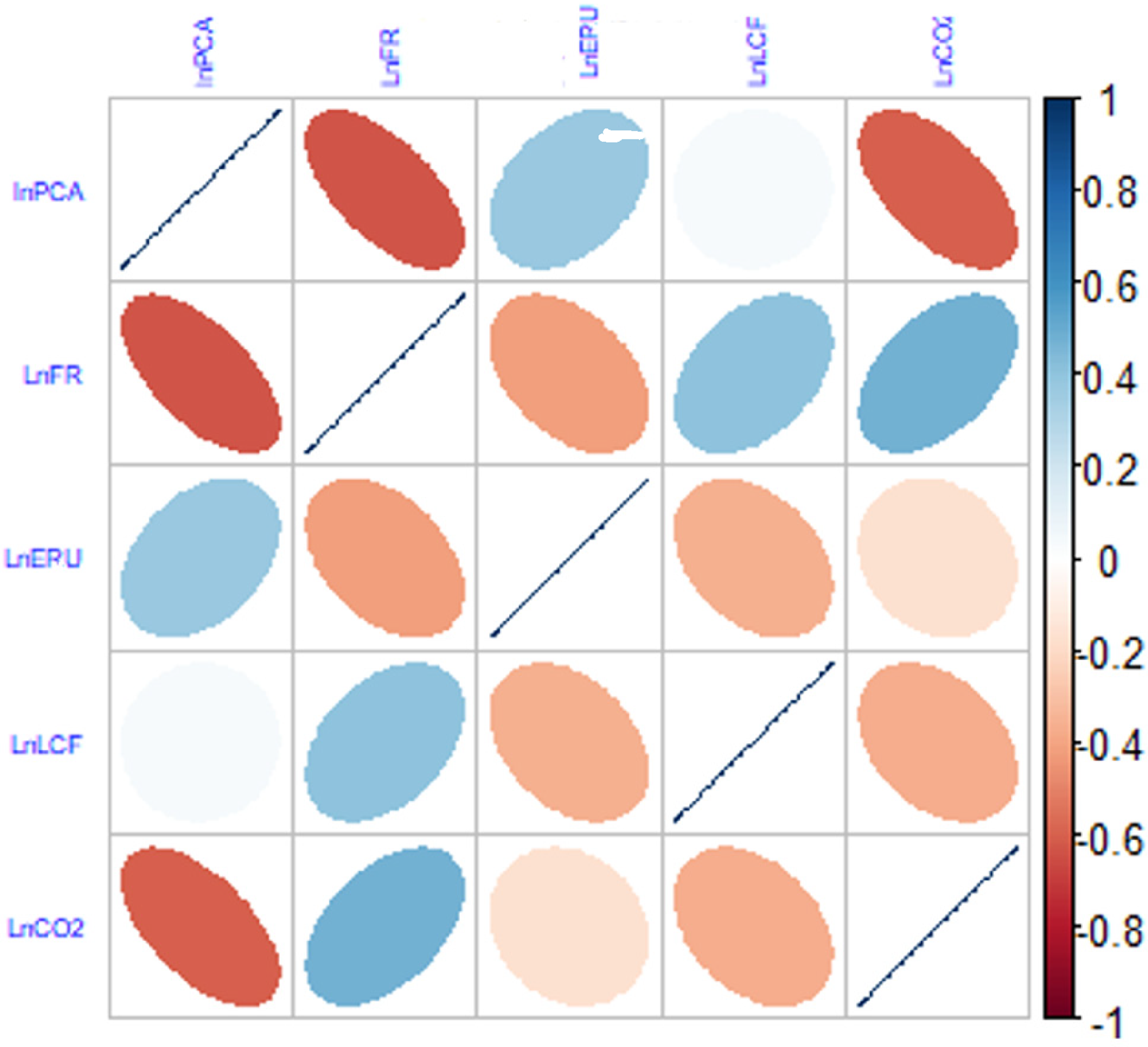
Figure 2 presents the correlation results. These indicate a positive correlation between PCA and LCF, as well as between FR and LCF. However, an inverse correlation is observed between EPU and LCF, suggesting that increasing uncertainty in energy policy has a detrimental effect on environmental quality, thus deterring the LCF.
Correlation graph. Note: PCA, FR, EPU, LCF, and CO2 represent public climate attention, financial regulations, energy policy uncertainty, load capacity factor, and CO2 emissions, respectively.
To ensure the stationary properties of the series deployed as the starting point of empirical analysis, the study utilized both Dickey and Fuller 59 and Phillips and Perron 60 unit root tests (refer to Table 3). The results of the ADF test indicate that all variables are stationary at first difference I(1), with significance levels of 10%, 5%, and 1%. However, the PP test suggests that most variables are non-stationary at I(0), except for LCF which is stationary at I(0), while the remaining variables become stationary at I(1). Thus, the variables exhibit mixed order of integration that is, I(0) and I(1) orders.
Unit root test.
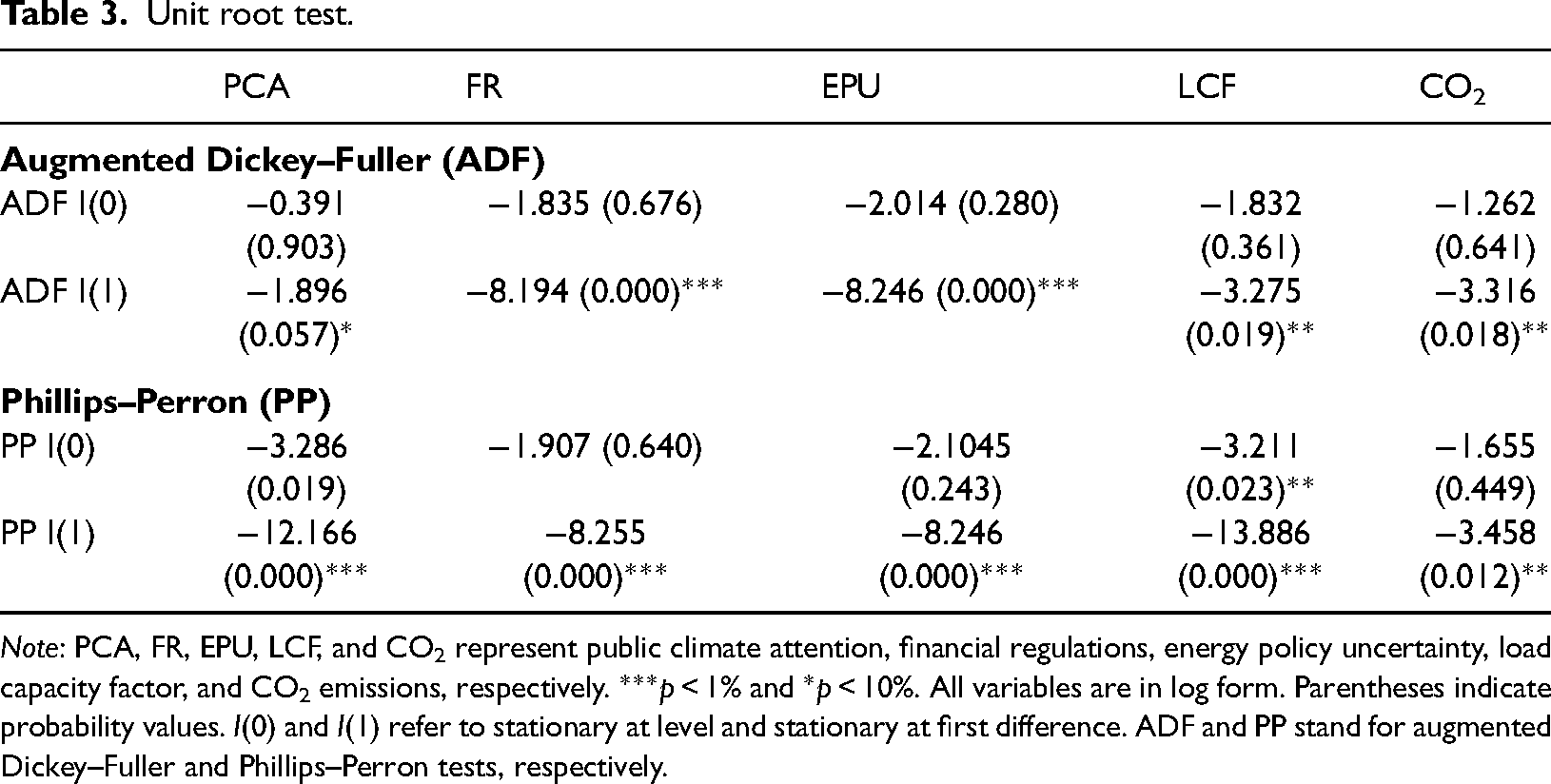
Note: PCA, FR, EPU, LCF, and CO2 represent public climate attention, financial regulations, energy policy uncertainty, load capacity factor, and CO2 emissions, respectively. ***p < 1% and *p < 10%. All variables are in log form. Parentheses indicate probability values. I(0) and I(1) refer to stationary at level and stationary at first difference. ADF and PP stand for augmented Dickey–Fuller and Phillips–Perron tests, respectively.
After analyzing the stationary properties of the series, the study conducted a full-sample bootstrap Granger causality test. The findings, presented in Table 4, indicate bidirectional causality between PCA, FR, EPU, and LCF. Additionally, there is bidirectional causality between PCA, FR, EPU, and CO2. These findings suggest that the variables significantly influence each other.
Full sample Granger causality.
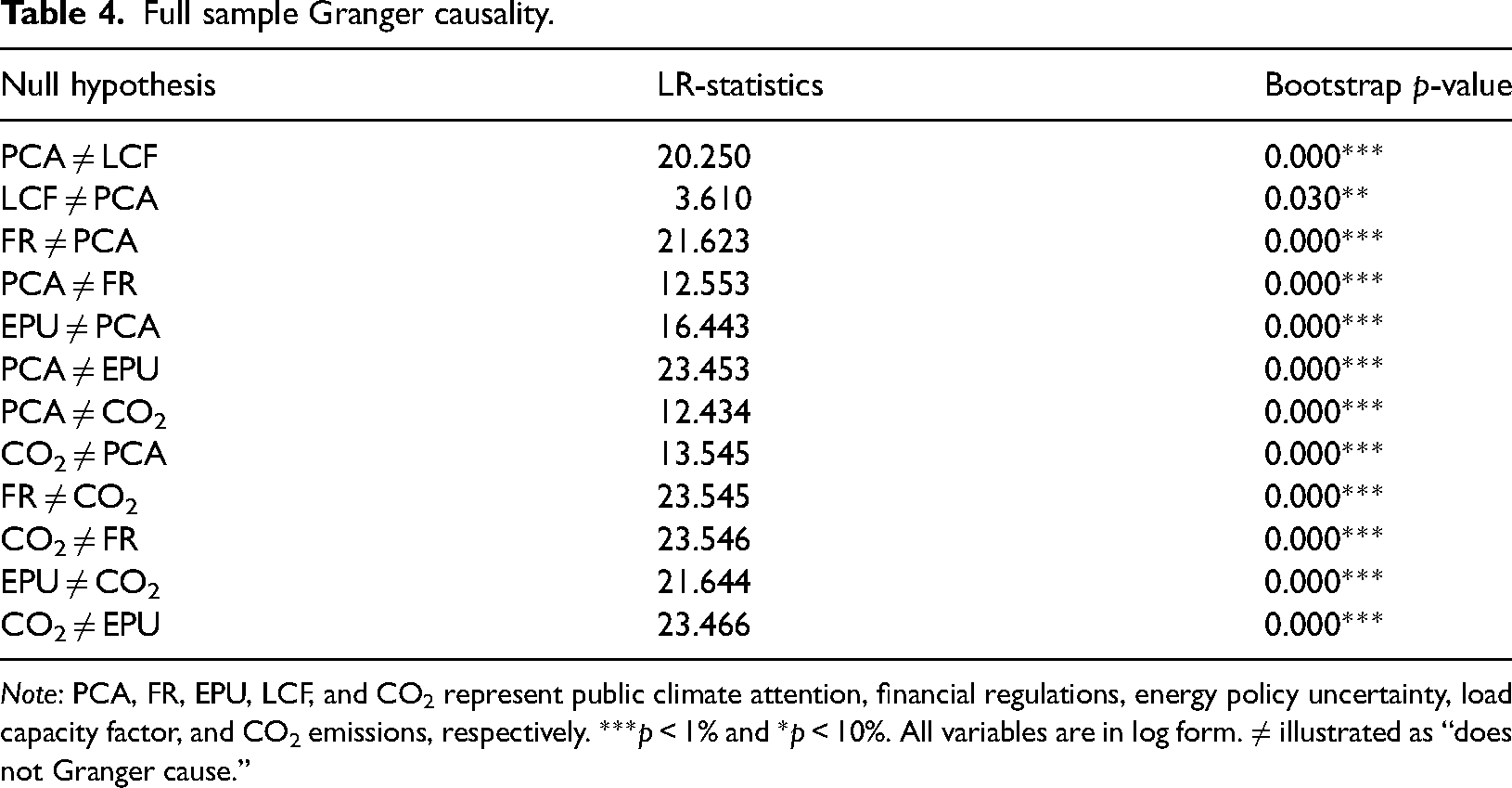
Note: PCA, FR, EPU, LCF, and CO2 represent public climate attention, financial regulations, energy policy uncertainty, load capacity factor, and CO2 emissions, respectively. ***p < 1% and *p < 10%. All variables are in log form. ≠ illustrated as “does not Granger cause.”
Various studies have found that full-sample bootstrap Granger causality does not yield accurate findings in the presence of structural breaks and sudden events, such as the current pandemic and geopolitical tensions among major world economies like the USA. 41 To address this issue, our study further investigates the stability of the parameters calculated through full-sample causality tests. The results of parameter stability are presented in Table 5. To check the instability of the parameters we use supremum likelihood ratio (Sup-LR), mean likelihood ratio (mean-LR), and exponential likelihood ratio (Exp-LR) tests.50,51 Similarly, the study checks the long-run stability of the model using the Lc test, “Nyblom statistics” as posited by Kartal et al. 57 but propounded by Nyblom 52 and Hansen. 53
Parameters stability.
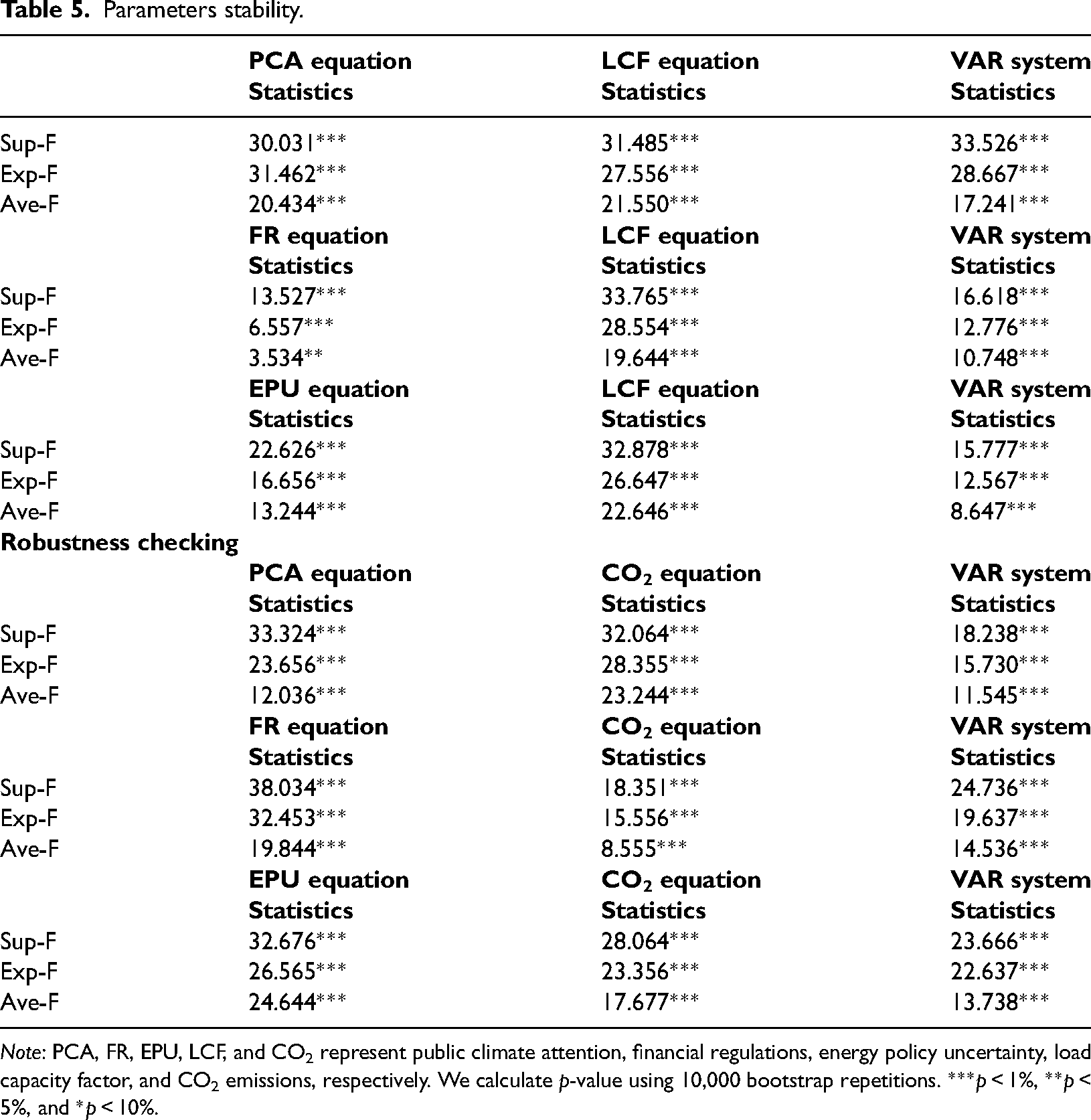
Note: PCA, FR, EPU, LCF, and CO2 represent public climate attention, financial regulations, energy policy uncertainty, load capacity factor, and CO2 emissions, respectively. We calculate p-value using 10,000 bootstrap repetitions. ***p < 1%, **p < 5%, and *p < 10%.
Results from Table 5 showed that the null hypotheses of parameter consistency in all the equations; LCF, CO2, PCA, FR, and EPU have been rejected at either a 1% or 5% level of significance. Similarly, Nyblom statistics reject the null hypothesis of long-run parameter consistency in all the equations at either a 1% or 5% level of significance. This implies that findings obtained from the full sample bootstrap Granger causality are not reliable. To overcome the shortcomings of the full sample bootstrap Ganger causality, the study employed a BRW Granger causality, and the results are depicted in Figures 3 to 5.
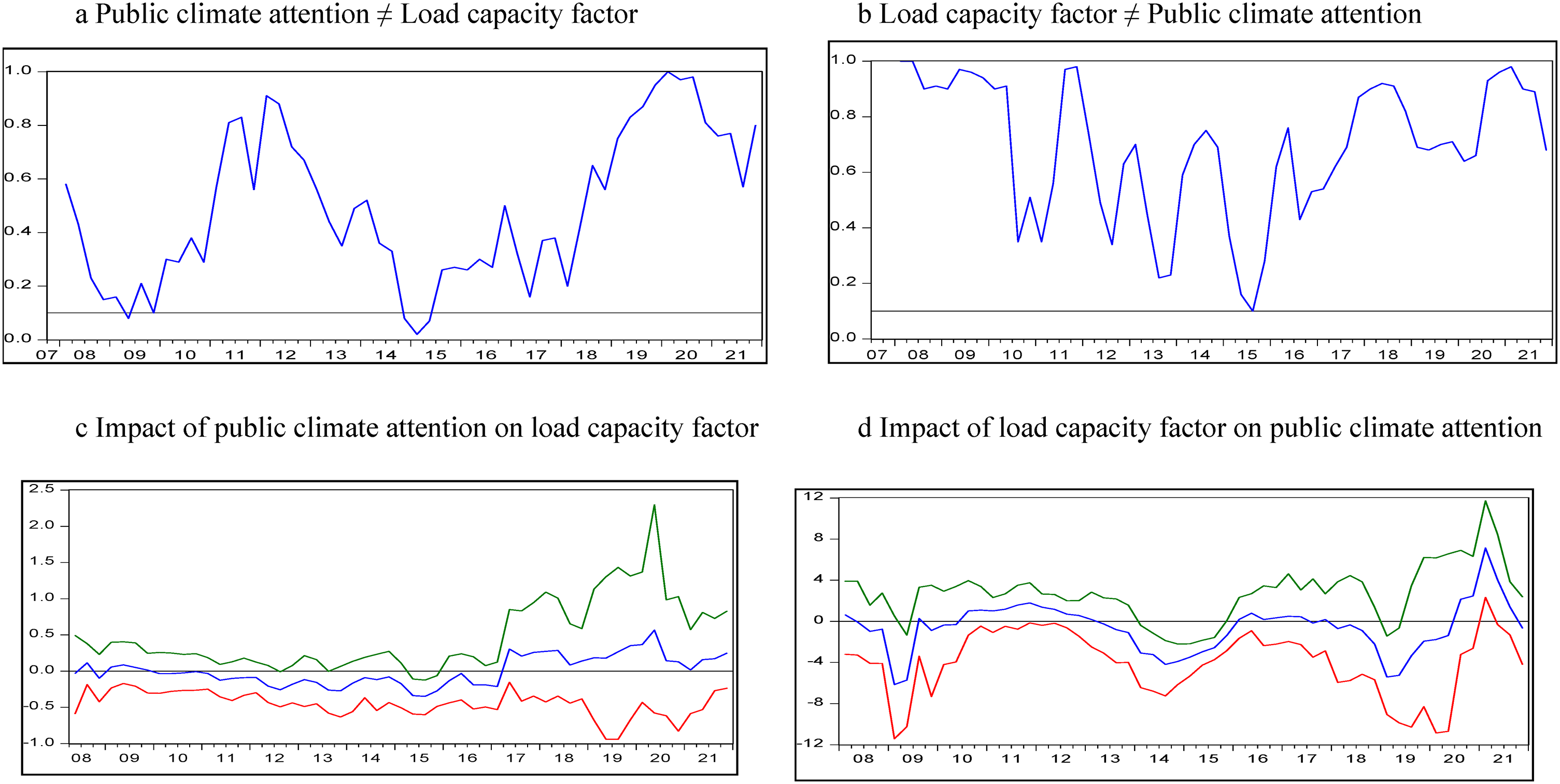
Impact of public climate attention, financial regulations, energy policy uncertainty on load capacity factor: (a) public climate attention ≠ load capacity factor; (b) load capacity factor ≠ public climate attention; (c) impact of public climate attention on load capacity factor; (d) impact of load capacity factor on public climate attention.
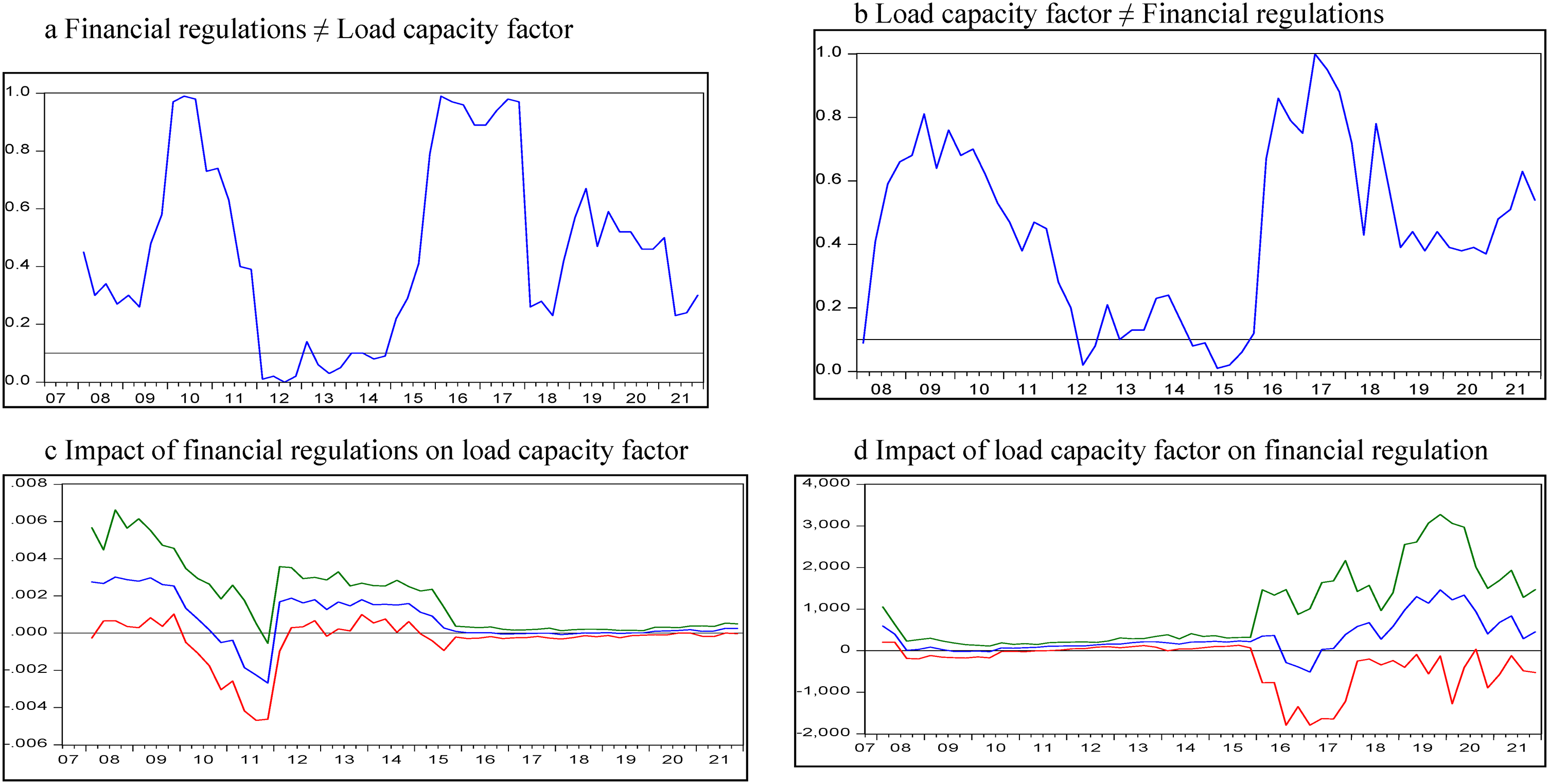
Impact of public climate attention, financial regulations, energy policy uncertainty on load capacity factor: (a) financial regulations ≠ load capacity factor; (b) load capacity factor ≠ financial regulations; (c) impact of financial regulations on load capacity factor; (d) impact of load capacity factor on financial regulation.
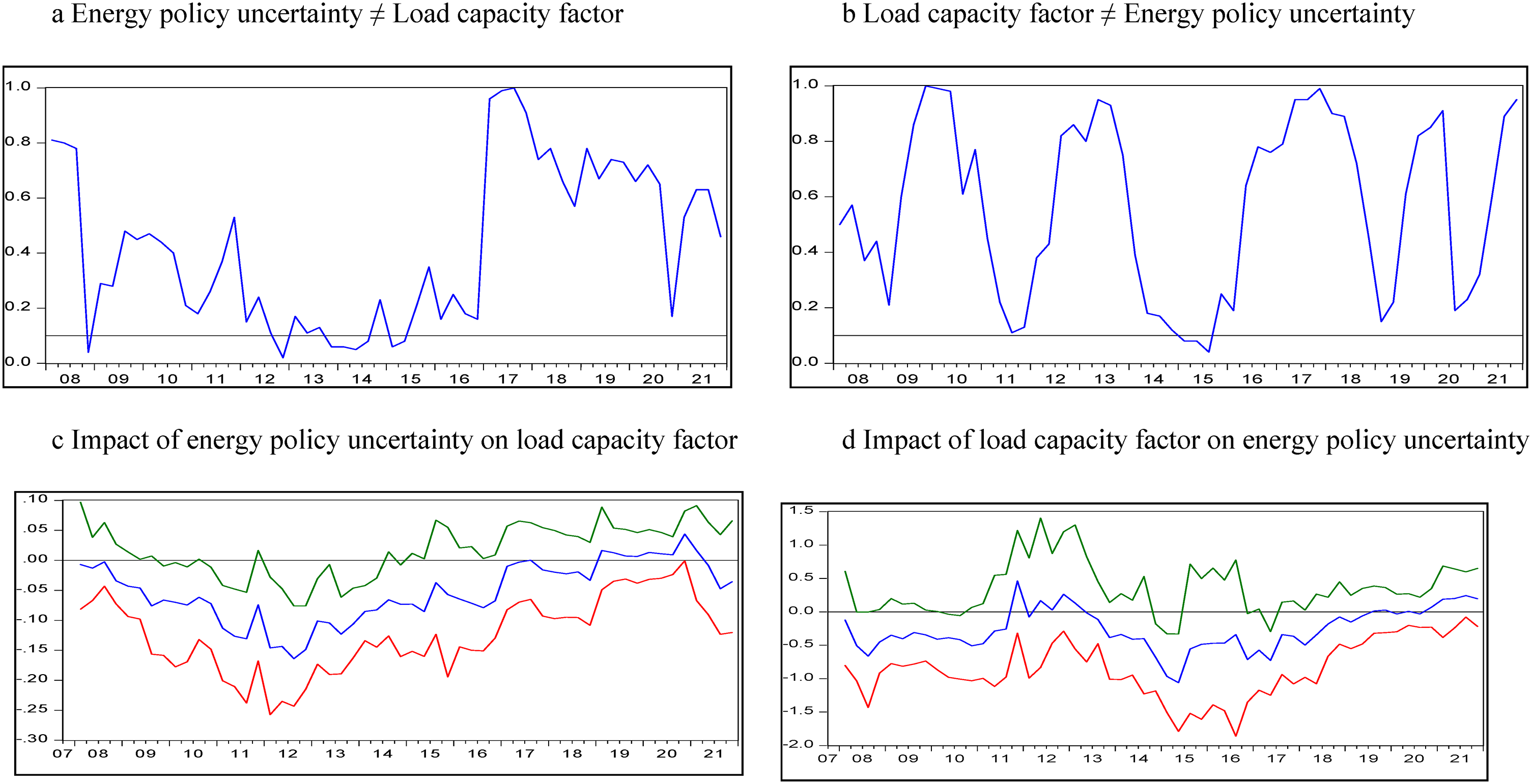
Impact of public climate attention, financial regulations, energy policy uncertainty on load capacity factor: (a) energy policy uncertainty ≠ load capacity factor; (b) load capacity factor ≠ energy policy uncertainty; (c) impact of energy policy uncertainty on load capacity factor; (d) impact of load capacity factor on energy policy uncertainty.
Figures 3 to 5 present the plots depicting the bootstrap p-values of the rolling test statistics and the effect of PCA, financial regulations, and EPU on LCF. Figures 3 to 5(a) and (b) illustrate the bootstrap p-values of the rolling test statistics assessing the null hypothesis that PCA, financial regulations, and EPU do not Granger-cause LCF and vice versa. Meanwhile, Figures 3 to 5(c) and (d) show the impact of PCA, financial regulations, and EPU on the LCF. Moreover, blue, green, and red lines refer to sum of coefficients, upper bound and lower bound, respectively.
The findings depicted in Figure 3(a) and (b) indicate a unidirectional causal relationship, specifically from PCA to LCF at a significance level of 10%. Figure 3(c) and (d) demonstrates a positive relationship between PCA and LCF. These findings align with the studies of Newig, 61 Short, 62 Bakaki and Bernauer, 63 Ramírez et al., 64 and Khatibi et al., 65 which stated that environmental awareness significantly drives policymakers’ decision toward sustainability which ultimately improves environmental quality. PCA significantly improves environmental quality in several ways. Environmental education motivates people to adopt environmentally friendly practices in their daily lives. For example, instead of using private transportation, educated individuals opt for public transport. Climate awareness among the public compels governments to devise nature-friendly policies, including promoting clean production practices, renewable energy sources, and green investment in infrastructure. Moreover, as climate awareness increases, consumers increasingly purchase products that adhere strictly to environmental sustainability standards and show loyalty to companies that follow green practices. In view of this, the findings can be justified by the fact that the public in the United States is environmentally conscious. A recent study by Blazina 66 revealed that 69% of Americans support government actions toward environmental sustainability. Specifically, 69% of respondents favored the United States taking steps to achieve carbon neutrality by 2050, a goal emphasized by President Joe Biden early in his administration. Moreover, 67% of participants expressed a preference for alternative energy sources like renewable over conventional options such as coal, natural gas, or oil.
Figure 4(a) and (b) illustrates a bi-directional causal link between financial regulations and LCF, significant at the 10% level. Moreover, Figure 4(c) highlights a significant increase in LCF due to financial regulations, while Figure 4(d) indicates a positive influence of LCF on financial regulations. These align with the studies of Weber, 67 Cigu et al., 68 and Odugbesan et al. 69 who found that policies imposed by financial institutions significantly drive sustainability. Financial regulations, like carbon pricing, make polluting activities expensive, while green policies offer subsidies and tax breaks for sustainable choices. This creates a financial incentive for businesses and individuals to shift toward eco-friendly practices. We can further support our findings with practical policy steps taken by the US government. For example, a recent report from the World Economic Forum (2019) a indicates that the United States leads in promoting green financial policies and products, such as green bonds. In 2018 alone, the United States issued $118.6 billion worth of green bonds. Additionally, the aggregate value of managed assets in the United States employing sustainable strategies experienced significant growth, increasing from $8.7 trillion in early 2016 to $12 trillion in early 2018, marking a notable 38% rise. b Furthermore, a recent report by Bloomberg (2023) c demonstrates that among G20 economies, the USA ranks highest in the implementation of green policies. d
Figure 5(a) and (b) illustrates a bi-directional causal relationship between EPU and LCF. Figure 5(c) indicates a negative impact of EPU on LCF, while Figure 5(d) demonstrates a similar negative effect of LCF on EPU. Yao et al. 70 and Wei et al. 71 also find that energy uncertainty leads to environmental degradation. EPU can deter investments in clean energy technologies and infrastructure, as investors may hesitate due to uncertainty about future energy policies and regulations. This hesitation could perpetuate reliance on fossil fuels, impacting the environment. Moreover, ambiguity in energy policies and environmental regulations contributes to EPU, creating challenges for businesses and consumers in planning and investing in sustainable energy solutions. Additionally, EPU can discourage companies from investing in research and development for renewable energy technologies, slowing down innovation and the transition to cleaner energy sources. The on-going energy crisis in the USA, coupled with a decline in investments in renewable energy, is contributing to the worsening environmental conditions in the country. e ,f,g
Summarizing our findings, we observe that PCA and financial regulations improve environmental quality, whereas EPU degrades the environment. Additionally, we note that the impact of these variables on environmental sustainability varies over time, influenced by factors such as policy shifts, technological advancements, and changes in public awareness of environmental issues, including initiatives like the Paris Agreement on climate and SDGs.
Robustness checking
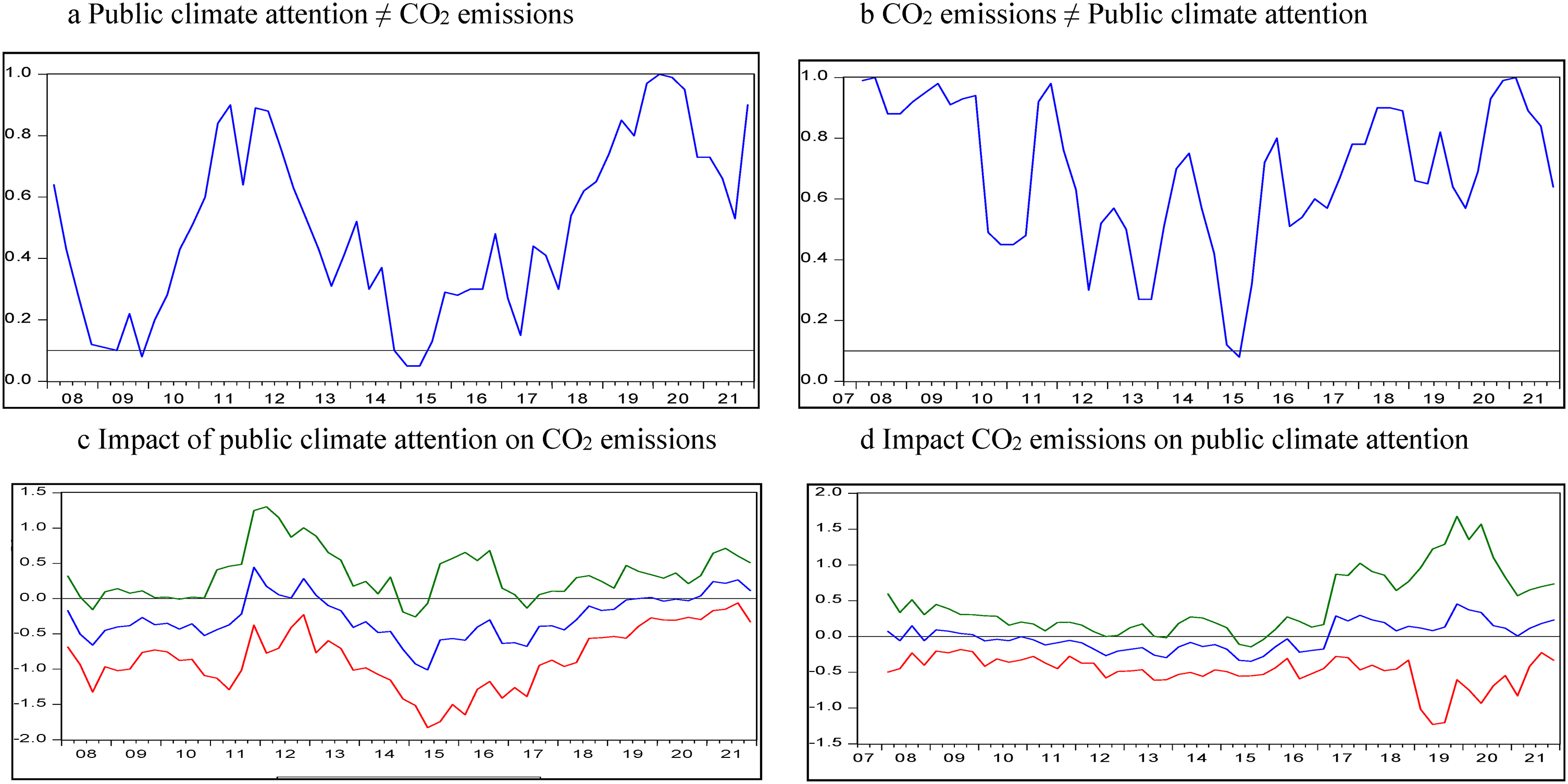
We further investigated the robustness of our findings by using CO2 emissions as another proxy for environmental sustainability instead of the LCF. Figures 6 to 8 depict the plots showing the bootstrap p-values of the rolling test statistics and the effect of PCA, financial regulations, and EPU on CO2 emissions. In Figures 6 to 8(a) and (b), the bootstrap p-values of the rolling test statistics are shown, evaluating the null hypothesis regarding whether PCA, financial regulations, and EPU Granger-cause CO2 emissions, and vice versa. Meanwhile, Figures 6 to 8(c) and (d) display the effect sizes, indicating the impact of PCA, financial regulations, and EPU on CO2 emissions. Figure 6(a) and (b) indicates bidirectional causality between PCA and CO2 emissions; whereas Figure 6(c) and (d) demonstrates that PCA reduces carbon emissions, with CO2 emissions having a negligible effect on PCA. Additionally, Figure 7(a) and (b) reveals bidirectional causality between financial regulations and CO2 emissions, while Figure 7(c) suggests that financial regulations decrease carbon emissions, and Figure 7(d) indicates that CO2 emissions have a negligible effect on financial regulations. Furthermore, Figure 8(a) and (b) illustrates bidirectional causality between EPU and CO2 emissions, with Figure 8(c) showing that EPU positively increases CO2 emissions, and Figure 8(d) indicating that CO2 emissions have a negligible effect on EPU. Overall, we observe a time-varying negative effect of PCA and financial regulations on CO2 emissions, and a positive effect of EPU. Moreover, our findings align with those in Figures 3 to 5, suggesting their reliability for decision-making purposes.
Impact of public climate attention, financial regulations, and energy policy uncertainty on CO2 emissions: (a) public climate attention ≠ CO2 emissions; (b) CO2 emissions ≠ public climate attention; (c) impact of public climate attention on CO2 emissions; (d) impact CO2 emissions on public climate attention.
Impact of public climate attention, financial regulations, and energy policy uncertainty on CO2 emissions: (a) financial regulations ≠ CO2 emissions; (b) CO2 emissions ≠ financial regulations; (c) impact of financial regulations on CO2 emissions; (d) impact of CO2 emissions on financial regulations.
Impact of public climate attention, financial regulations, and energy policy uncertainty on CO2 emissions: (a) energy policy uncertainty ≠ CO2 emissions; (b) CO2 emissions ≠ energy policy uncertainty; (c) impact of energy policy uncertainty on CO2 emissions; (d) impact of CO2 emissions on energy policy uncertainty.
Conclusion
To conclude, the SDGs report confirms that the USA's status as an achiever of the SDGs, particularly in SDG 13, is stagnant, reflecting the inadequacies in current policies and actions to address environmental issues. It stresses the necessity for additional research to tackle these lacks. As a response to this urgency, we investigate the influence of PCA, financial regulations and energy policy uncertainty on LCF in the United States. We utilize the novel BRW Granger causality approach to utilizing quarterly data from 2004 to 2021 period. The findings of this study suggest that a rise in PCA and financial regulations increase LCF, implying an improvement in environmental quality. Furthermore, our results demonstrate that an increase in EPU results in a decrease in LCF, indicating environmental degradation.
Policy implications
As illustrated, PCA can positively drive sustainability. We argue that policymakers should prioritize transparent environmental decision making by enabling accessible information and mechanism for public input to foster public trust and policy effectiveness. As such, policymakers should consider a more inclusive approach to empower communities to be more involved in environmentally sustainable efforts. Furthermore, financial regulations have potential to adopt green credit policies as a key strategy to advance environmentally sustainable efforts. These strategies would prompt banks to raise their environmental standards while increase lending to businesses operating in low-carbon economy. It is essential for banks to explicitly state in their guidelines a preference for financing organizations that steadily reveal their environmentally friendly strategies and performance. Such a directive would motivate corporations to prioritize sustainability, understanding that conformity with these guidelines facilitates loan approval. Moreover, uncertainties related to energy policy contribute to increased carbon emissions. To address this, the US government should establish stable and consistent energy prices, particularly for sustainable and clean energy sources. This initiative would incentivize the adoption of clean energy across various sectors, including energy generation, manufacturing, and transportation, resulting in reduced carbon emissions and bolstering investor confidence in the clean energy sector.
Limitations of the study
The study entails several limitations. Firstly, it confines its scope to the United States exclusively. Future investigations should encompass a more expansive array of nations, comprising both developed and developing economies, to ascertain the generalizability of findings across diverse socio-economic contexts. Secondly, the construction of the PCA index relies solely on a restricted set of five Google Trend keywords. Subsequent research endeavors could broaden the scope by incorporating a more extensive array of keywords, thereby capturing a more comprehensive spectrum of public attention toward various climate-related issues. Lastly, the analytical approach is confined to bivariate analysis. Future studies should endeavor to augment the rigor of findings through the adoption of multivariate frameworks, thereby accounting for potential confounding variables and enhancing the robustness of conclusions drawn.
Highlights
The climate action tracker labels USA climate policies and actions as “insufficient.”
The USA has not significantly achieved SDG 13, which pertains to climate actions.
Public climate attention improves environmental quality.
Financial regulations improve environmental quality.
Energy policy uncertainty deteriorates environmental quality.
Footnotes
Abbreviations
Declaration of conflicting interests
The authors declared no potential conflicts of interest with respect to the research, authorship, and/or publication of this article.
Funding
The authors received no financial support for the research, authorship, and/or publication of this article.
