






Abstract
The increasing discharge of dye-contaminated wastewater from textile and chemical industries poses serious environmental concerns due to the toxicity, persistence, and poor biodegradability of synthetic dyes such as methylene blue (MB). Conventional dye removal techniques often suffer from limited efficiency, high operational costs, and environmental drawbacks. In this study, a novel bio-based adsorbent, maleated carboxymethyl starch (M.CMS), was developed through surface functionalization of carboxymethyl starch via esterification with maleic anhydride, introducing maleate and additional carboxyl (–COOH) functional groups onto the starch backbone. This specific surface modification increases the density of negatively charged adsorption sites and enhances the interaction between the adsorbent surface and cationic dye molecules. The synthesized material was characterized using FT-IR spectroscopy, X-ray diffraction (XRD), thermogravimetric analysis (TGA), and scanning electron microscopy (SEM), confirming successful maleate grafting, reduced crystallinity, and increased surface roughness. Batch adsorption experiments were performed to evaluate MB removal under varying conditions of pH, temperature, dye concentration, contact time, and adsorbent dosage. The modified M.CMS exhibited a high removal efficiency of 98.2% within 20 min for a 20 ppm MB solution at neutral pH, significantly outperforming unmodified Carboxy Methyl Starch (CMS). Adsorption kinetics and equilibrium data followed the pseudo-second-order kinetic model and Langmuir isotherm, indicating monolayer chemisorption. Thermodynamic analysis revealed that the adsorption process is spontaneous and endothermic, with improved performance at elevated temperatures. The enhanced adsorption mechanism is primarily attributed to electrostatic interactions and hydrogen bonding between the maleate/carboxyl functional groups of M.CMS and MB molecules. These results demonstrate that the surface-modified starch biopolymer is a cost-effective, biodegradable, and highly efficient green adsorbent with strong potential for scalable wastewater treatment applications, particularly for the removal of cationic dyes.
Keywords
1. Introduction
Water pollution remains a critical global challenge, with substantial volumes of contaminated water being released into the environment annually, posing significant threats to ecological systems. The primary contributors to this pollution are industrial and non-industrial effluents, as well as untreated municipal waste, which contain a variety of harmful substances such as toxic chemicals, dyes, and heavy metals. Such types of wastes and effluents consists of various kinds of harmful and toxic elements in the form of dyes and heavy metals. These pollutants are capable of creating serious ecological and, hence, human health impairment.1,2 Because of rapid growth in petroleum, cosmetics, printing, textile, painting, dyeing, and paper industries in recent decades, enormous amounts of colored water have been produced. 3 This trend is particularly of concern in view of the environmental and health implications that may be associated with the discharge of such effluent.4,5 Dye is a toxic chemical capable of imparting a characteristic coloration to water in the event of its release into the aquatic environment. Even the low threshold of 1.0 mg/L dyes in water gets rated as not suitable for human use, meaning that possible health effects are taken seriously. Rather large quantities of various harmful dyes produced by different industrial activities have been detected in effluents, cumulatively adding up to roughly 0.7 million tons of dyes annually. The huge amounts of harmful dyes pose a serious threat to environmental and human life, and serious measures are needed immediately in order to meet this challenge. 6 Besides toxicity and carcinogenicity, many dyes are also non-biodegradable, and so their detrimental impact on the environment is enhanced. The fact that these dyes are non-biodegradable indicates that they are capable of persisting in the natural environment for extended periods, where they might indeed be inflicting permanent damage on ecosystems and chronic exposure hazards to human health.7,8 The dyes in an aqueous system have certain problems in inducing several health defects, such as skin irritation, cancer, genetic mutation, cardiovascular disease, and allergic and other heart disorders.
Advanced methodologies for the removal of toxic chemicals, mainly dyes, from contaminated water have been adopted. In this regard, consideration has been given to physical, chemical, and biological procedures. Ozonation, photocatalysis, adsorption, coagulation/flocculation, membrane filtration, chemical precipitation, and chemical oxidation/reduction are some of the involved processes.9,10 Advanced methodologies using these approaches provide a more advanced platform in the war against water pollution and become valuable in facing the challenges of new emerging contaminants. Researchers are also finding ways to treat it with techniques that would be inexpensive, non-polluting, and efficient. Adsorption is far better in relation to other methods. These include inexpensiveness, ease of application, and greater efficiency. Moreover, adsorption is distinguished by its environmental friendliness, wide applicative scope, 11 low generation of secondary pollutants, and recoverability of the adsorbed dyes from residual products either.12,13 Methylene Blue (MB) belongs to polycyclic aromatic chemicals, which have a quaternary ammonium cation with such a complicated and stable molecule structure. With exposure to this dye, serious health effects can be ranged from jaundice to cyanosis, higher pulse rate, and even paralysis of limbs. Therefore, long-term exposure to MB imposes potential risks that demand thorough consideration and suitable safety measures as well.14,15 Recently, for the removal or cure of MB dye, several adsorbent materials have been utilized. 16 These include microplastics, Silver-Metal organic framework (Ag-MOF) nanosheets, cobalt oxide nanoparticles, Aniline/Polyvinyl alcohol-CopperNickel (PANI/PVA-CuNi) composite, polymerized poly N-isopropylacrylamide (PNIPAM) microgels, bassorin hydrogel, and polyvinyl alcohol/Cellulose (PVA/C) composite.17,18 Among all, the microplastics illustrated the highest removal rate with 91-95%. On the other hand, the Aniline/Polyvinyl alcohol-CopperNickel (PANI/PVA-CuNi) composite follows at 94% removal rate.19,20 While in the case of Silver-Metal organic framework (Ag-MOF) nanosheets and bassorin hydrogel, the removal efficiencies were 90.7% and 84.3%, respectively, in another study, 21 the highest removal efficiency was exhibited by the cobalt oxide nanoparticles, at about 88%, followed by polymerized poly N-isopropylacrylamide (PNIPAM) microgels with a removal efficiency of 80%. The cobalt oxide nanoparticles and polymerized poly N-isopropylacrylamide (PNIPAM) microgels demonstrated removal percentages of 88 % and 80 %, respectively, among these, the lowest removal efficiency belonged to polyvinyl alcohol/porous carbon (PVA/C) composite, that is, 64.5%. 22 However, they discovered later that they were not that efficient in the removal of MB since their removal efficiencies were not considerably significant.
Recent studies have demonstrated that the functionalization of starch biopolymers significantly enhances their adsorption performance for dyes such as Methylene Blue (MB), 23 many existing systems still suffer from limitations such as low adsorption capacity, slow adsorption kinetics, high synthesis cost, and limited environmental sustainability. In particular, several synthetic adsorbents and nanomaterials require complex preparation routes and may generate secondary environmental concerns. Therefore, there remains a pressing need to develop environmentally benign, cost-effective, and highly efficient bio-based adsorbents for dye-contaminated wastewater treatment. Starch-derived materials are promising candidates due to their natural abundance, biodegradability, and non-toxicity; however, their practical application is often restricted by limited surface functionality and insufficient adsorption efficiency. To address these limitations, this study introduces a novel maleated carboxymethyl starch (M.CMS) adsorbent synthesized via catalytic esterification of carboxymethyl starch with maleic anhydride. The introduction of additional carboxylic functional groups enhances the surface reactivity of the material, thereby improving its affinity toward cationic dye molecules such as methylene blue. The synthesized material was systematically characterized and evaluated for its adsorption performance under different operational conditions.
Comparative assessment of conventional wastewater treatment technologies and the proposed M.CMS adsorption system for MB removal.
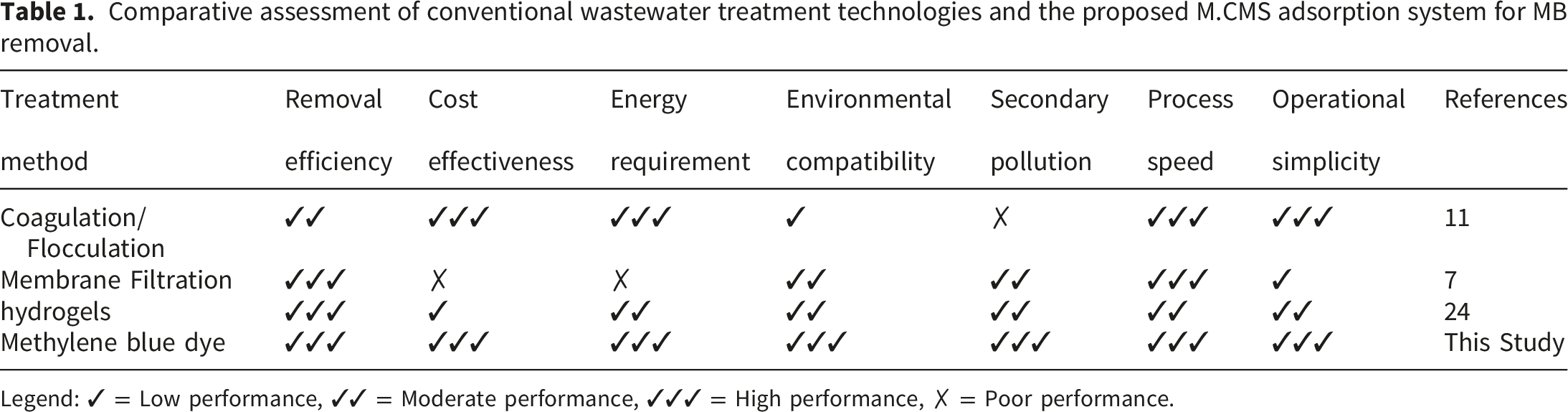
Legend: ✓ = Low performance, ✓✓ = Moderate performance, ✓✓✓ = High performance, ✗ = Poor performance.
The development of a M.CMS biopolymer adsorbent through a simple and effective chemical modification strategy designed to enhance dye adsorption performance. Unlike conventional starch-based adsorbents, the incorporation of maleic anhydride introduces additional carboxylic functional groups that significantly improve the surface reactivity and adsorption affinity toward cationic dye molecules. The proposed modification not only increases the density of active adsorption sites but also alters the structural properties of the material, leading to improved adsorption efficiency and faster adsorption kinetics. Furthermore, this work provides a comprehensive evaluation of the adsorption behavior of M.CMS through detailed kinetic, isotherm, and thermodynamic analyses, offering deeper insight into the adsorption mechanism. Environmentally enhanced functionalization, rapid adsorption performance, and environmentally sustainable characteristics distinguishes this material from previously reported starch-based adsorbents and highlights its potential for practical wastewater treatment applications. The key contributions of this study are summarized as follows:
The remainder of this paper is organized as follows. Section 2 describes the materials used, synthesis procedure, and characterization methods for the preparation of M.CMS. Section 3 presents the experimental methodology and adsorption studies conducted to evaluate the performance of the adsorbent under various operating conditions. Section 4 discusses the results and provides a detailed analysis of the structural, morphological, and adsorption behavior of the synthesized material. Finally, Section 5 summarizes the main findings of the study and highlights the potential applications of the developed adsorbent in wastewater treatment.
2. Materials and method
2.1. Materials
Carboxymethyl starch (CMS, ≥99%), maleic anhydride (MA, ≥99%), sodium hydroxide (NaOH, ≥99%), pyridine (Pyridine, ≥99%), N,N-dimethylformamide (DMF, ≥99%), hydrochloric acid (HCl, ≥99%), acetone, methylene blue (MB, ≥99%), and ethyl alcohol were procured from Sigma-Aldrich. All reagents were of analytical grade and were used as received, without any further purification.
2.2. Synthesis of M.CMS
M.CMS was synthesized through an esterification reaction between CMS and MA. This modification strategy was adopted to introduce additional carboxylic functional groups onto the starch backbone, thereby enhancing its surface reactivity and adsorption capability toward cationic dye molecules.
The reaction was carried out in a nitrogen-purged flask to minimize unwanted side reactions and oxidative degradation of the polysaccharide. Initially, 1.0 g of CMS was dispersed in 30 mL of DMF and heated to 90 °C under continuous stirring at 500 rpm until a homogeneous solution was obtained. DMF was selected as the reaction solvent because polar aprotic solvents are known to facilitate the dissolution of polysaccharides and enhance the reactivity of maleic anhydride during esterification reactions with hydroxyl-containing polymers. Subsequently, 5.49 g of maleic anhydride dissolved in 10 mL of DMF was gradually introduced into the reaction mixture, followed by the addition of 5 mL pyridine, which acted both as a catalyst and a base. Pyridine promotes nucleophilic substitution by activating hydroxyl groups and facilitating the ring opening of maleic anhydride during esterification reactions. The addition of reagents was completed within approximately 9 minutes.
The reaction mixture was then maintained at 90 °C and stirred continuously for 9 hours to ensure sufficient interaction between CMS and MA and to achieve an adequate degree of substitution. Reaction temperatures within the range of 80–100 °C have been widely reported as suitable for starch esterification reactions because they promote effective functionalization while minimizing degradation of the polysaccharide backbone. The selected reaction time was chosen to allow adequate grafting of maleate groups onto the CMS structure. During the reaction, the solution gradually changed to a brownish color, indicating the successful maleation of CMS. After completion of the reaction, the product was recovered by precipitation and purification. The reaction mixture was centrifuged at 3000 rpm for 8 minutes to separate the modified polymer from the reaction medium.
The resulting precipitate was washed three times with acetone and deionized water to remove residual reagents, including unreacted maleic anhydride, pyridine, and remaining CMS. Any residual acetone was subsequently removed by washing with ethyl alcohol. Finally, the purified M.CMS was dried in a vacuum oven at 40 °C for 24 hours. The dried product was ground into a fine powder using a mortar and pestle and stored in a sealed container for further characterization and adsorption experiments. The entire synthesis process is schematically outlined in Figure 1. Synthesis of M.CMS.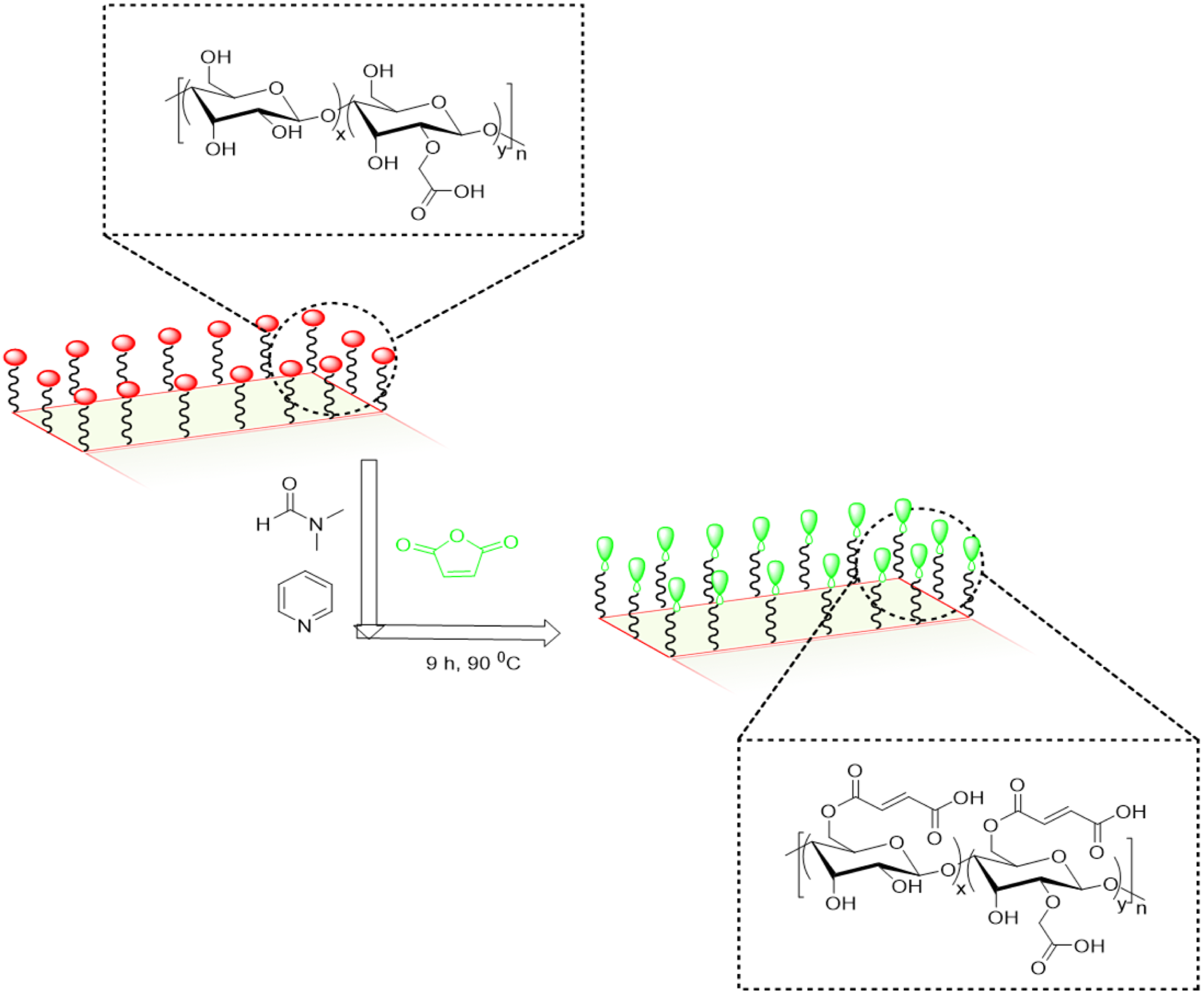
2.3. Characterization
A series of modern characterization techniques were employed to investigate the chemical composition, structural properties, and performance of the CMS and M.CMS samples. The crystalline structure of M.CMS was analyzed using X-ray diffraction (XRD) with a XPert PRO diffractometer, employing Cu Kα radiation (λ = 1.54 Å). To identify functional groups and confirm chemical modifications, Fourier-transform infrared (FT-IR) spectroscopy was performed using a DW-FTIR-510A/520A instrument, applying the KBr pellet method. The surface texture and morphology of both CMS and M.CMS were examined via scanning electron microscopy (SEM) with an SU-8010 system, equipped with an Oxford X-max80 detector (Hitachi Ltd.), and representative micrographs were recorded for each sample. Thermal stability and decomposition behavior were assessed using a Q50 thermogravimetric analyzer (TGA). Solution pH was monitored with an LLC-AI501 PH700 pH meter, while MB concentrations in the solutions were quantified using a U2020 spectrophotometer. For solid-liquid separation during the experiments, an 80-1C centrifuge was utilized.
The specific surface area and pore characteristics of the synthesized materials were determined using the Brunauer-Emmett-Teller (BET) method based on nitrogen adsorption-desorption isotherms. The BET theory assumes multilayer adsorption of gas molecules on the surface of the adsorbent and is widely used to estimate the accessible surface area of porous materials. The linear form of the BET as follows:


3. Application
A batch adsorption experiment was conducted to evaluate the practical applicability of M.CMS as an adsorbent for dye removal from aqueous solutions. MB was selected as the model dye for this study. A stock solution of MB was prepared by dissolving 0.1 g of dye in 1 L of distilled water. Working solutions of different concentrations were then obtained through appropriate dilution of the stock solution. The concentration of MB in each solution was determined using a U2020 UV-V is spectrophotometer at a wavelength of 665 nm, ensuring accurate and reliable quantification of dye concentration. The overall experimental procedure used in this study is illustrated in Figure 2. Protocol for the MB solutions preparation, dilution and concentration measurements.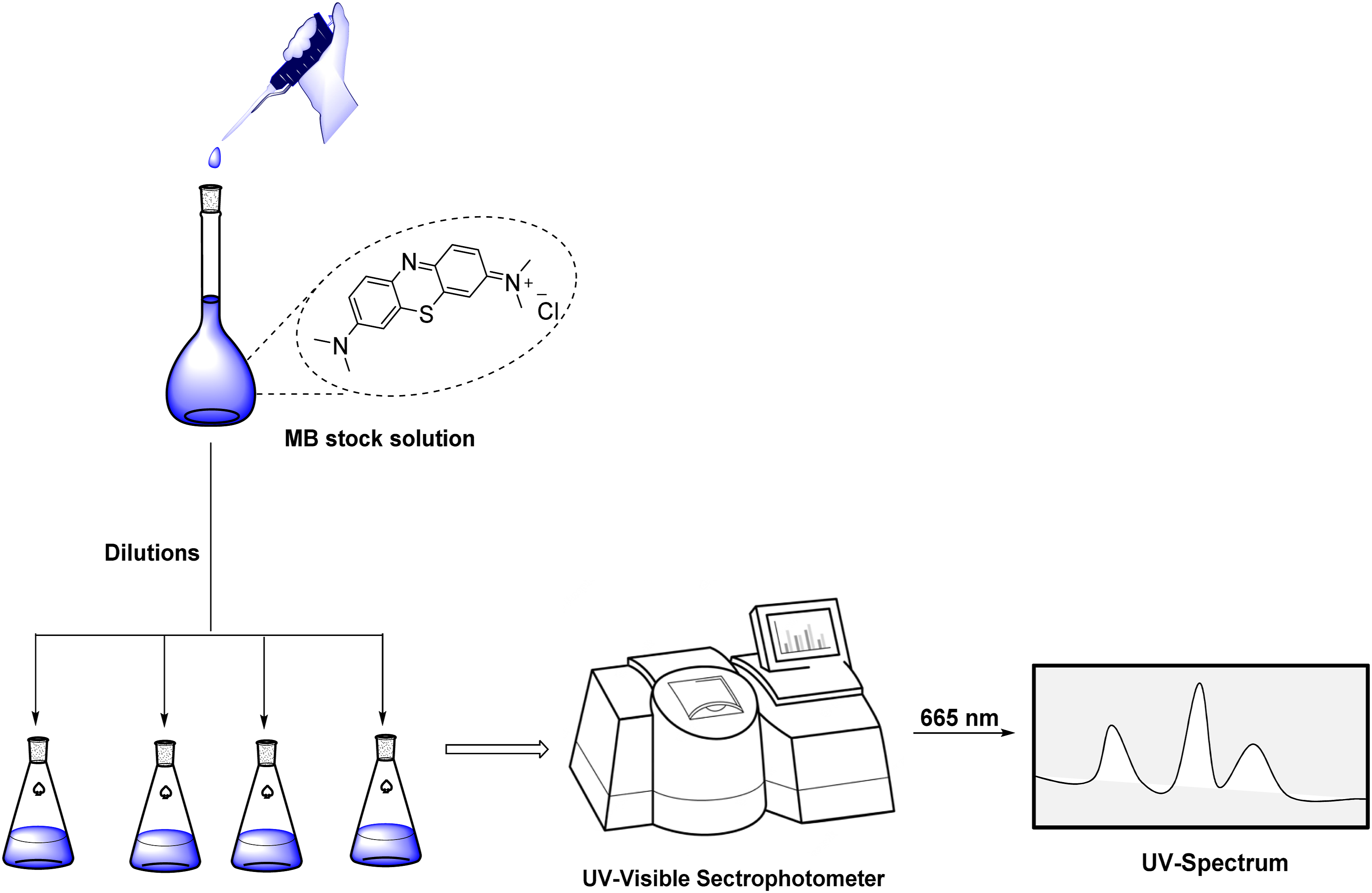
To systematically evaluate the adsorption performance of M.CMS, batch adsorption experiments were performed by varying one experimental parameter at a time while maintaining the other conditions constant. All batch adsorption experiments were conducted in triplicate (n = 3) under each experimental condition to ensure reproducibility and reliability of the obtained data. The reported adsorption efficiency and adsorption capacity values represent the mean of three independent experiments, and the corresponding standard deviations were calculated and included where applicable. The investigated parameters included solution pH
The dye removal performance was evaluated using two basic metrics: the removal efficiency and the equilibrium adsorption capacity. The percentage removal of MB, denoted as 
The amount of dye taken up by the adsorbent at equilibrium, 



The Langmuir separation factor, which indicates whether adsorption is favorable, was calculated by:



The Temkin model was applied to account for adsorbate–adsorbent interactions:





A positive 
A positive 
This establishes the relationship between the equilibrium constant (
4. Results and discussion
4.1. Maleation modification
The modification of CMS with maleic anhydride was carried out through a ring-opening esterification reaction to introduce additional functional groups onto the polymer backbone. In this reaction, the hydroxyl groups of CMS act as nucleophiles and attack the electrophilic carbonyl carbon of maleic anhydride, leading to the opening of the anhydride ring and the formation of ester linkages on the starch chains. The reaction can be represented as:
During this process, one carbonyl group of maleic anhydride forms an ester bond with CMS, while the second carbonyl group remains as a free carboxylic acid (–COOH). As a result, additional carboxylic functionalities are introduced onto the CMS structure, increasing the density of negatively charged sites on the polymer surface.
The reaction was performed in N, N-dimethylformamide (DMF), which promotes homogeneous dispersion of CMS and facilitates the reaction, while pyridine acts as a catalyst and proton acceptor to enhance the esterification process. The incorporation of maleate groups modifies both the chemical and structural properties of CMS. Chemically, the newly introduced carboxyl groups improve the interaction capability of the material with cationic dye molecules such as methylene blue through electrostatic attraction and hydrogen bonding. Structurally, the substitution disrupts the native hydrogen-bonding network of starch, reducing crystallinity and promoting a more amorphous structure with greater accessibility of active adsorption sites. A schematic representation of the maleation reaction and the formation of M.CMS is shown in Figure 1.
The synthesis of M.CMS was conducted in an alkaline medium using DMF as the reaction solvent. Under these basic conditions, maleic anhydride (MA) undergoes ring opening, generating reactive carboxyl-containing species that can couple with the hydroxyl-bearing backbone of carboxymethyl starch. As a result, additional carboxylic functionalities are introduced onto the starch framework, which is the key chemical change expected from maleation. The successful formation of M.CMS was then supported through multiple characterization techniques. FT-IR spectroscopy was used as the primary tool to confirm the chemical modification by comparing the functional groups in CMS and M.CMS. The FT-IR spectra shown in Figure 3 compare the functional group characteristics of CMS and M.CMS, providing insight into the chemical modifications undergone during the synthesis process. In the CMS spectrum, the prominent band at 3230 cm-1 corresponds to the O–H stretching vibration, typical of the hydrogen-bonded hydroxyl groups in starch. The absorption around 1643 cm-1 indicates the presence of carbonyl groups (C=O stretching), and the peaks at 1035 cm-1 and 1159 cm-1 are associated with C–O stretching vibrations from the glucose ring and ether linkages, respectively.
25
These features are characteristic of the unmodified carboxymethyl starch structure. Upon modification with maleic anhydride to form M.CMS, several significant changes are observed. New peaks at 1726 cm-1 and 1564 cm-1 appear, which are attributed to C=O stretching from carboxylic acid groups and C=C stretching from the maleate functionalization, respectively. These new bands confirm the successful introduction of maleic anhydride-derived groups, including carboxyl and unsaturated functionalities, onto the starch backbone. Additionally, the shift of the O–H stretching band from 3230 cm-1 to 3234 cm-1 and the C–H stretching vibration at 2926 cm-1 further supports the modification. The presence of these new peaks in M.CMS indicates that the maleation process effectively altered the chemical structure of CMS, introducing additional reactive groups such as carboxyl and unsaturated bonds, which are likely to enhance the material’s adsorption properties for various applications, such as wastewater treatment. These spectral differences between CMS and M.CMS are clear confirmation of the chemical modification and the successful maleation reaction. FT-IR spectra of CMS and M.CMS.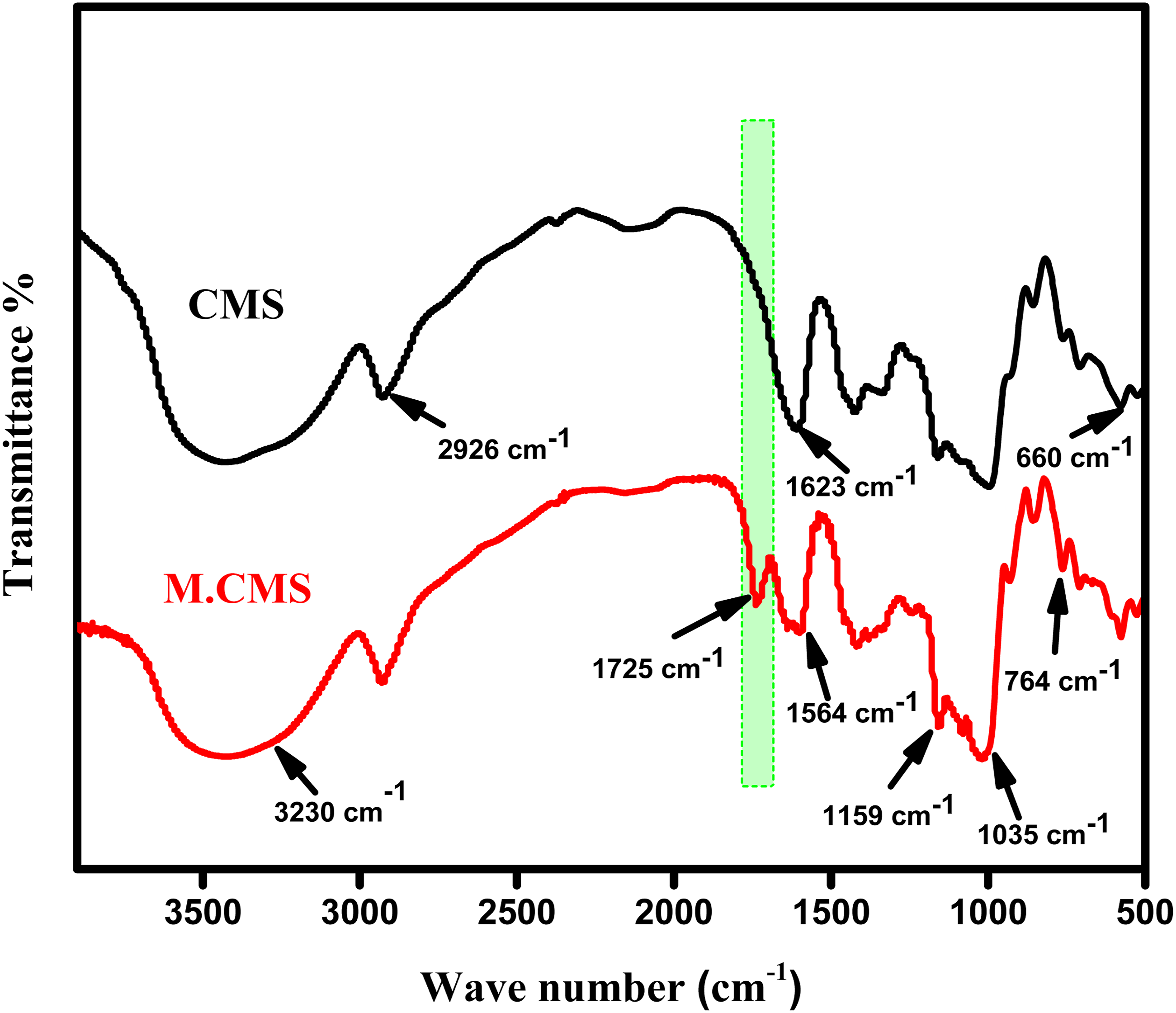
X-ray diffraction (XRD) analysis was conducted on powdered samples of CMS and M.CMS to investigate their crystallinity and understand the impact of maleation on their structural properties, which are critical for their potential as adsorbent materials. The XRD pattern of CMS revealed a crystalline structure, with distinct diffraction peaks observed at 2θ values of 15.2°, 17.6°, 22.6°, and 31.3°, confirming the crystalline nature of the material as shown in Figure 4. These characteristic peaks are typical of starch-based materials and indicate a well-ordered molecular arrangement, as well as the presence of intermolecular hydrogen bonds, as noted by.
26
The crystalline structure of CMS is indicative of regular molecular packing and a stable arrangement that limits the available surface area for adsorption. XRD patterns of CMS and M.CMS.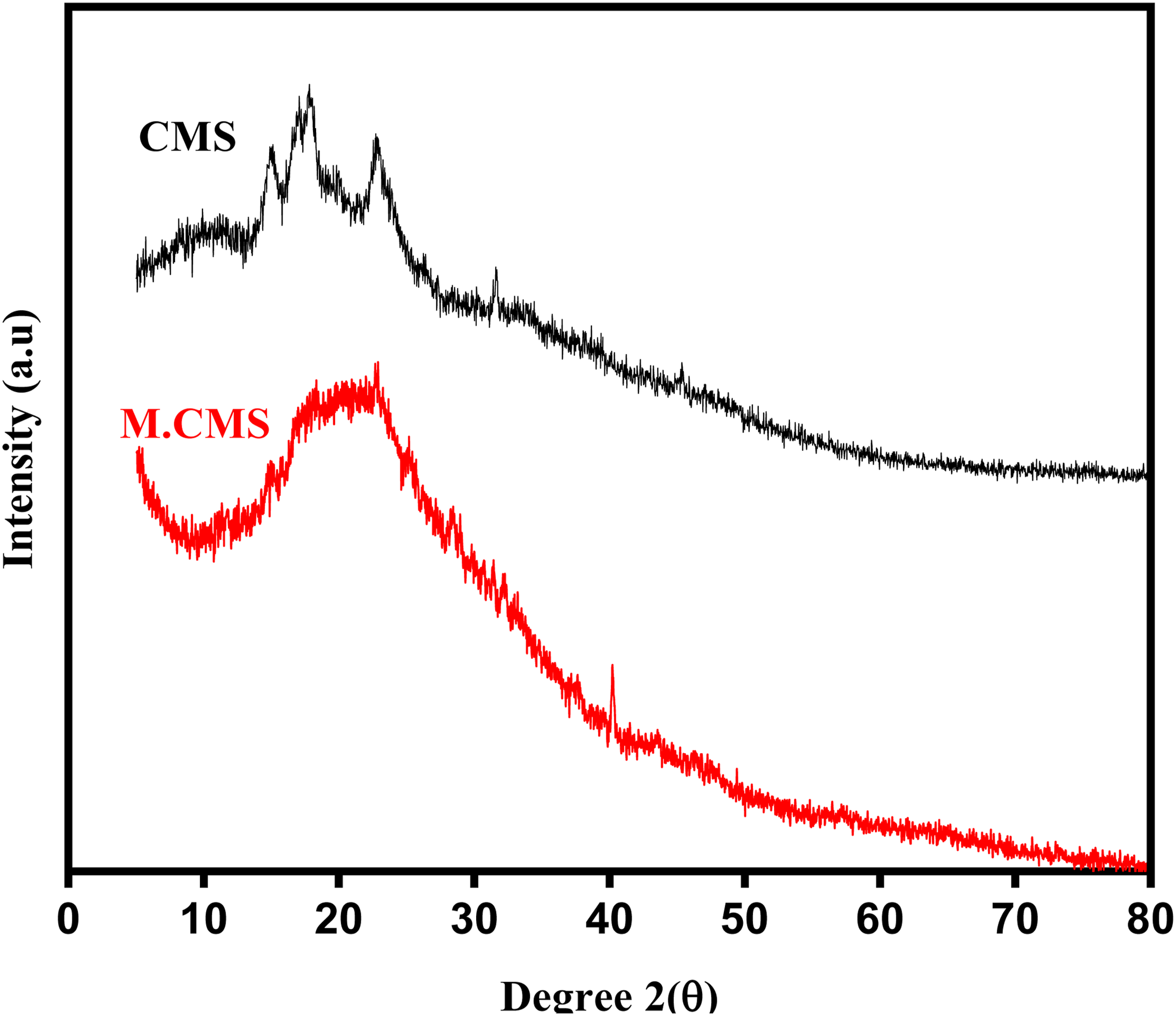
In contrast, the XRD pattern of M.CMS exhibited a significant reduction in crystallinity, with the sharp diffraction peaks typical of the crystalline form being replaced by a broad hump centered between 2θ ≈ 20° and 25°. This broad peak indicates the amorphous nature of M.CMS, suggesting that the maleation process the introduction of maleic anhydride to the starch backbone disrupted the original crystalline order of CMS. The reaction with maleic anhydride substitutes hydroxyl groups on CMS with maleate groups, which in turn disrupts the intramolecular hydrogen bonds, leading to the breakdown of the crystalline lattice. This structural transformation is consistent with findings by, 27 where the breakdown of crystallinity in starch-based materials was attributed to chemical modifications, such as maleation, which increased their amorphousness and structural flexibility.
Previous studies, such as those by 28 and, 29 have highlighted that the amorphous nature of materials, like M.CMS, generally enhances their adsorption capabilities compared to crystalline materials. This enhancement in adsorption efficiency is primarily due to the increased surface area and the availability of more active sites for interaction with adsorbates. The higher surface area and greater surface roughness of M.CMS offer more reactive sites, which facilitate better adsorption, particularly for pollutants in wastewater treatment applications. As 30 pointed out, the amorphous structure increases the number of accessible active sites, enhancing the adsorption efficiency of the material.
Similarly, 31 reported that succinylated starches, which were also amorphous, exhibited improved adsorption characteristics, emphasizing the significant role of structural modifications in enhancing the adsorption properties of starch-based materials. In line with these studies, the XRD results of M.CMS confirm that the maleation process has successfully converted the crystalline CMS to an amorphous form, which is expected to significantly enhance its performance as an adsorbent material. The reduced crystallinity and increased surface area of M.CMS are anticipated to contribute substantially to its effectiveness in adsorbing pollutants, making it a promising candidate for use in wastewater treatment applications.
The thermal stability of a material provides important insights into its ability to withstand high temperatures during adsorption-desorption cycles. Thermogravimetric analysis (TGA) is a widely used technique for determining the degradation temperature and thermal stability of substances, which is crucial for understanding how the material will perform in real-world applications. According to 32, TGA offers critical information about a material’s mass loss at various temperatures, shedding light on its thermal behavior. As shown in Figure 5(a), the TGA curve of CMS reveals that the material undergoes a single degradation step between 285°C and 310°C, primarily due to the breakdown of C–O–C bonds within the starch structure. This is characteristic of starch-based materials, where ether linkages (C–O–C) in the polysaccharide chains degrade at elevated temperatures, leading to significant mass loss. The sharp weight loss observed in this temperature range indicates the thermal instability of CMS under these conditions. The TGA data suggests that CMS remains thermally stable up to approximately 285°C, after which it begins to degrade rapidly, typical for many polysaccharides. (a) TGA and (b) DTG analysis of CMS and M.CMS.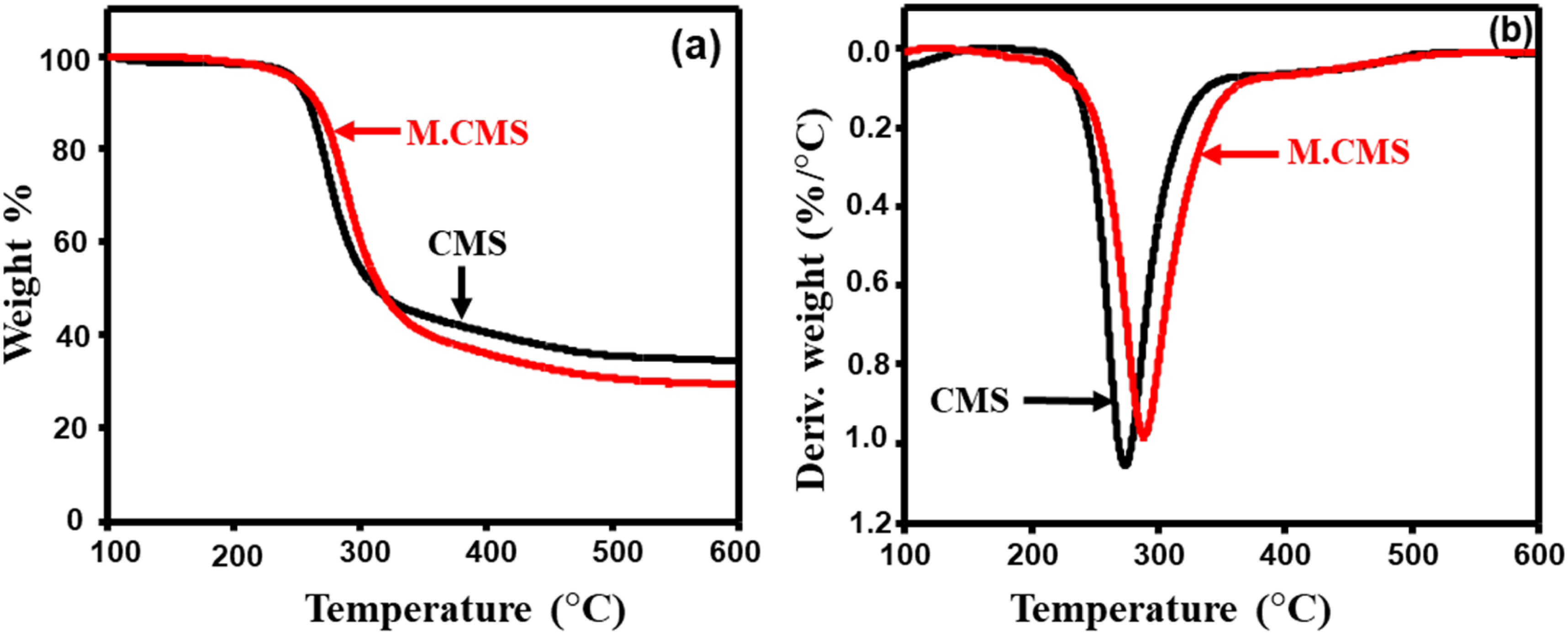
The Differential Thermogravimetric (DTG) curve of CMS in Figure 5(b) provides a more detailed view of the rate of mass loss as a function of temperature. The DTG curve shows a distinct peak around 283°C, representing the temperature at which the maximum rate of mass loss
Regarding adsorption performance, the thermal stability of the adsorbent is crucial, as materials with higher thermal stability can retain their adsorption sites and structural integrity at higher temperatures, leading to improved adsorption capacity over multiple cycles. The TGA results suggest that M.CMS can withstand a broad temperature range before degradation begins, making it suitable for applications involving multiple adsorption-desorption cycles in water treatment. Additionally, the degree of substitution (DS) of carboxymethyl groups in M.CMS plays a significant role in its thermal stability, as higher DS values tend to lower the material’s thermal stability by promoting easier decomposition. 33 However, M.CMS maintains good thermal stability, which allows for.
Figure 6 shows the BET analysis obtained from nitrogen adsorption-desorption measurements, illustrating the relationship between BET plot of CMS and M.CMS showing P/[V(P0−P)] versus relative pressure (P/P0).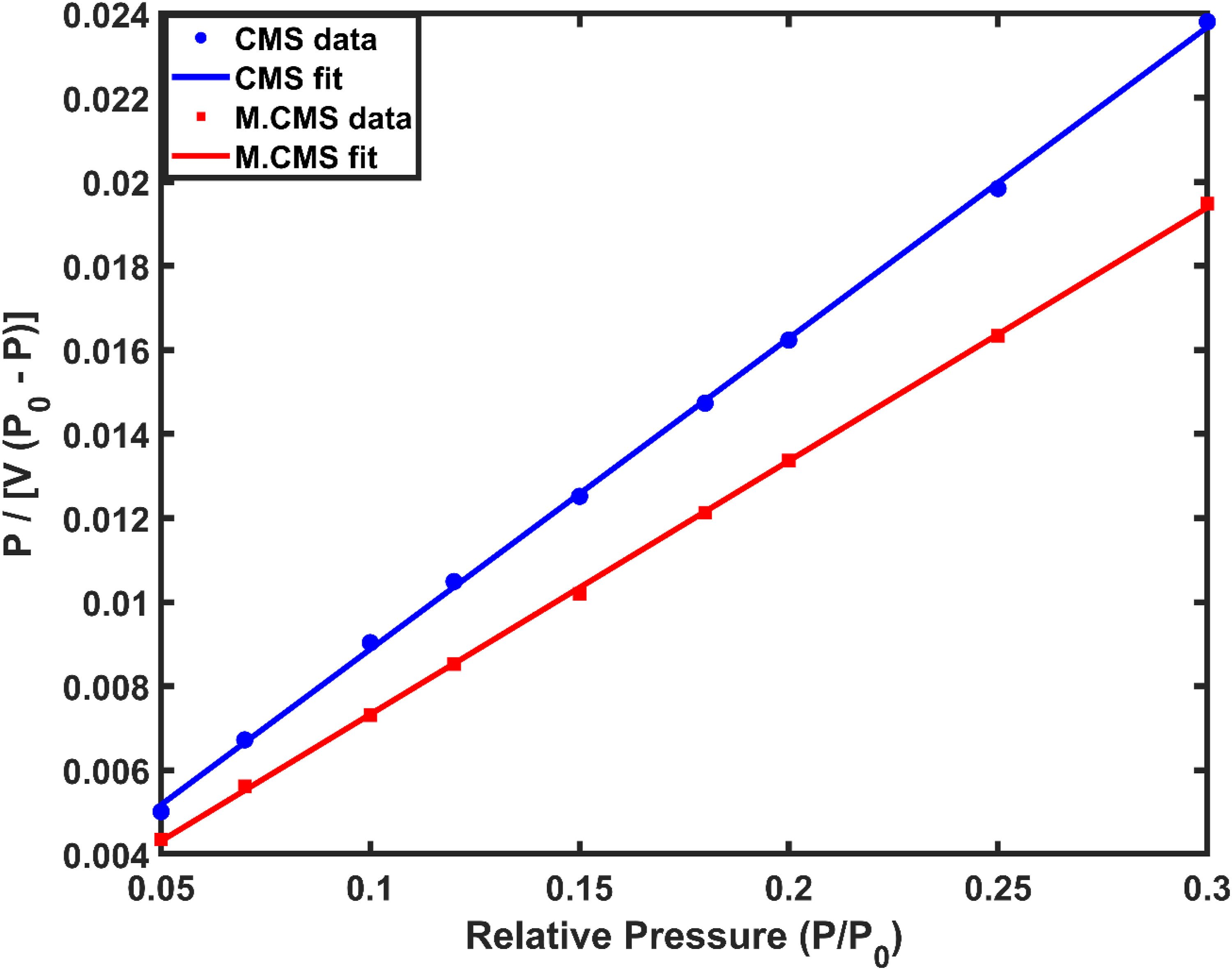
The point of zero charge Point of zero charge analysis of CMS and M.CMS.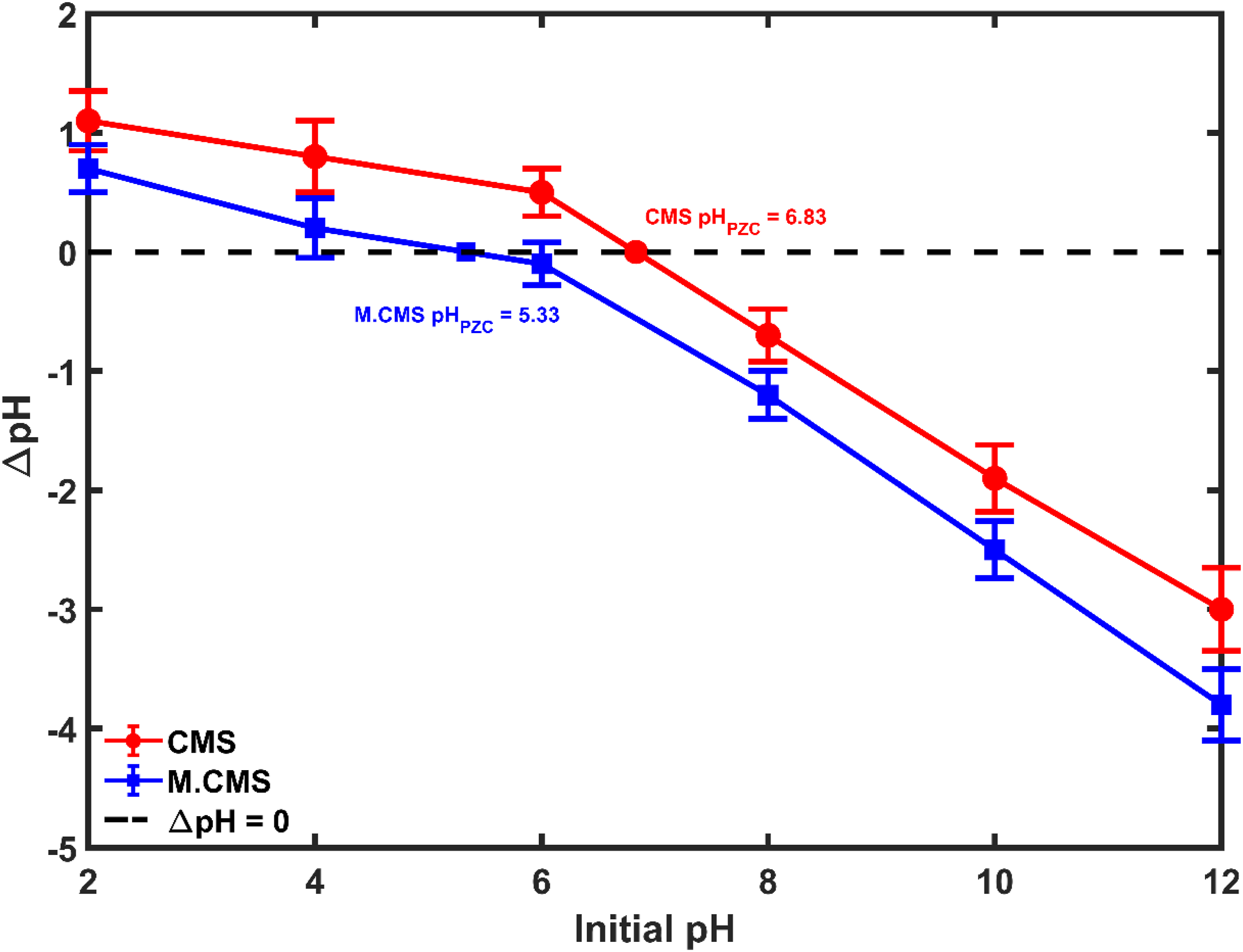
This study focused on the adsorption of the cationic dye MB, where the electrostatic attraction between the negatively charged surface of M.CMS and the positively charged dye molecules enhances adsorption. However, as highlighted by,
13
M.CMS’s surface charge would lead to electrostatic repulsion with anionically charged dyes such as Congo Red or Methyl Orange, reducing their adsorption capacity. While electrostatic repulsion limits anionic dye adsorption, it could still occur under certain conditions, such as at low pH where the surface charge density is reduced or through other interactions like hydrogen bonding. The IEC of CMS and the modified material M.CMS was determined using acid–base titration to evaluate the density of exchangeable functional groups present on the polymer matrix. The results obtained from three experimental replicates are presented in Figure 8, the IEC of CMS and M.CMS as the average of three independent measurements (mean ± standard deviation), providing a more statistically appropriate representation of the experimental results. The unmodified CMS exhibited an average IEC value of 1.80 ± 0.10 meq g-1, whereas the modified M.CMS showed a significantly higher IEC value of 3.60 ± 0.10 meq g-1, representing approximately a two-fold increase after maleation. This substantial increase in IEC confirms the successful incorporation of additional ionizable carboxylic acid functional groups onto the starch backbone during the maleation process. The higher IEC of M.CMS indicates a greater density of exchangeable active sites, which enhances its ability to interact with positively charged species such as methylene blue through ion-exchange and electrostatic attraction mechanisms. The relatively small standard deviation values further demonstrate the good reproducibility and reliability of the measurements. Overall, the enhanced IEC of M.CMS directly supports its improved adsorption performance compared with pristine CMS. IEC analysis of CMS and M.CMS.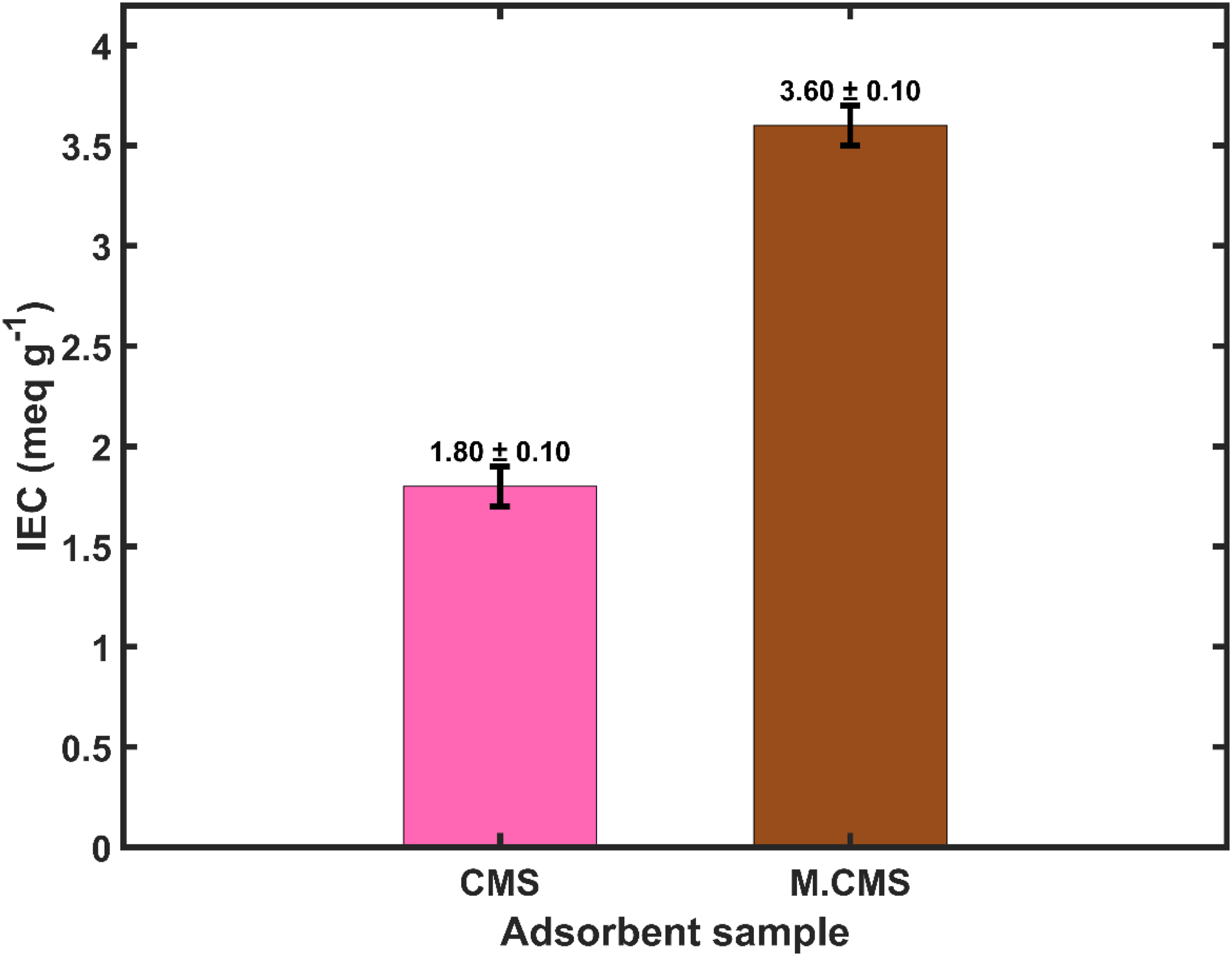
The SEM micrographs of CMS and M.CMS are shown in Figure 9(a) and (b), respectively, illustrating substantial differences in their surface structures. CMS granules (Figure 9(a)) possess a relatively smooth surface with polygonal particles, some of which are slightly indented or uneven.
34
This smooth surface leads to a relatively lower surface area, thus limiting the number of available adsorption sites for the removal of contaminants. The particle size distribution histogram in Figure 9(c) was constructed by measuring 100 individual CMS particles from SEM micrographs using ImageJ software. The results reveal that most CMS particles range between 6–12 µm, with fewer particles in the larger size bins, extending up to 30 µm. The smooth texture of CMS restricts its adsorption capacity, as fewer adsorption sites are available due to the low surface area. Morphology and Particle size distribution. (a-c) CMS and (b-d) M.CMS.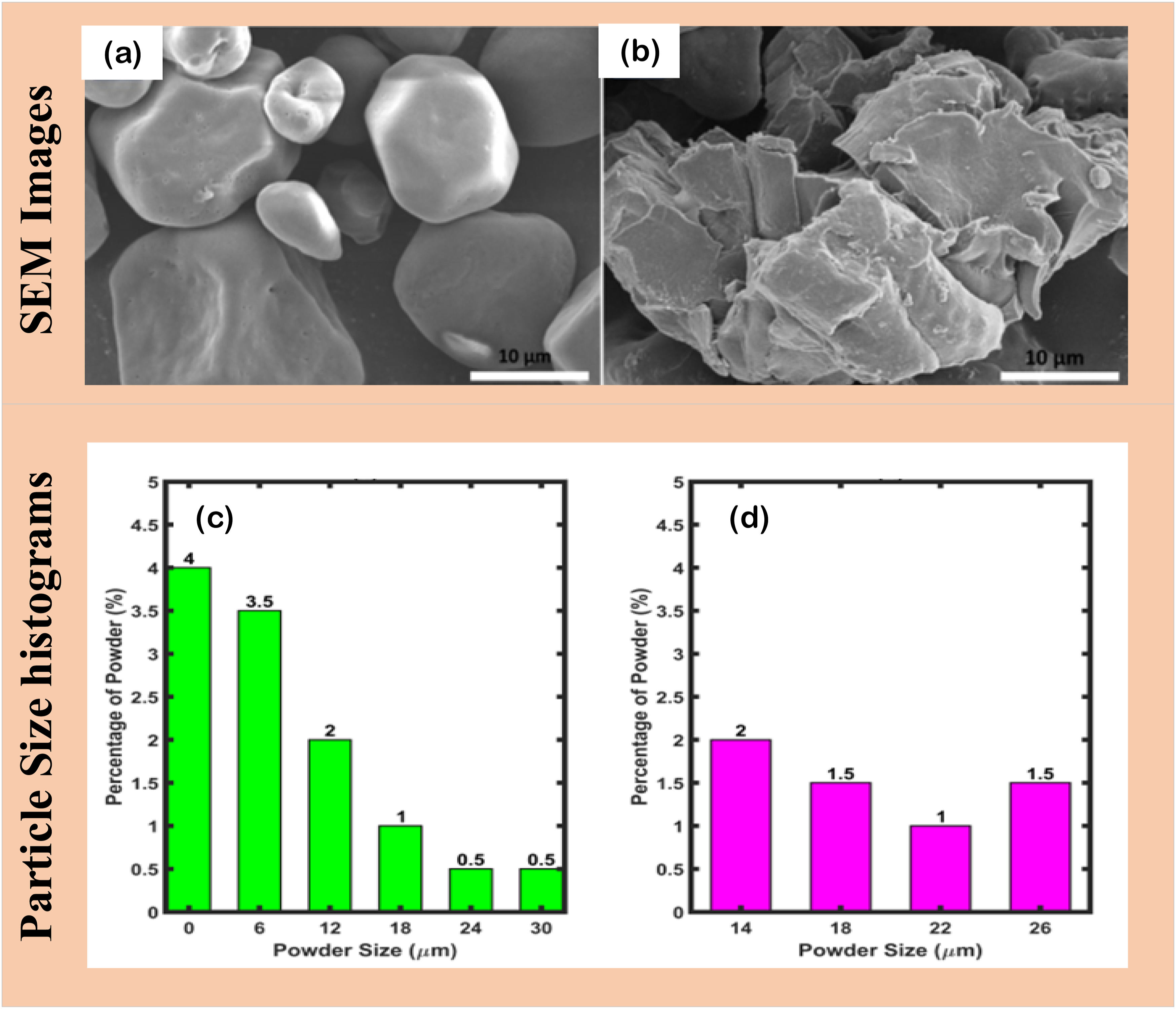
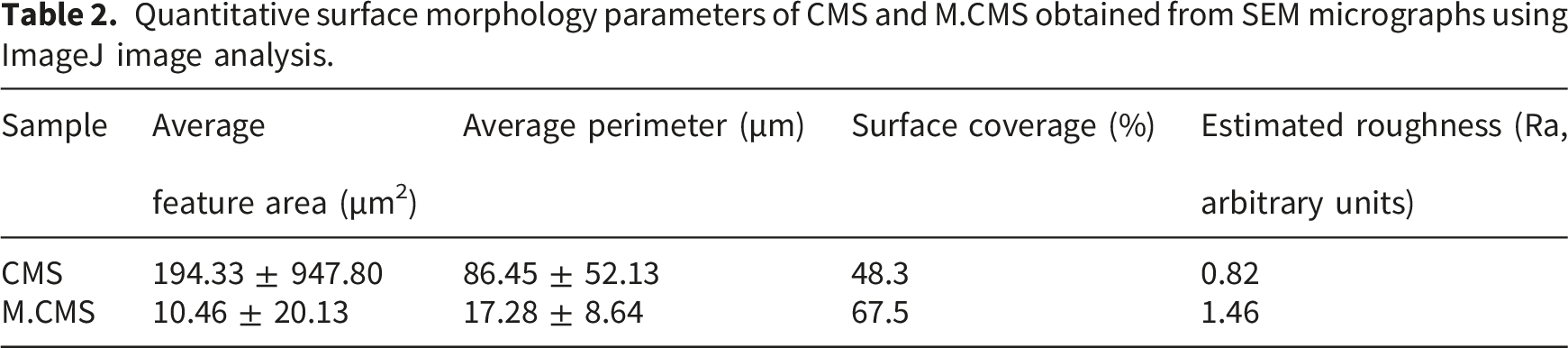
In contrast, M.CMS granules (Figure 9(b)) exhibit a much rougher and more irregular texture, with visible cracks, grooves, and crust-like regions. This dramatic change in surface morphology is the result of the reaction with maleic anhydride, which disrupts the original CMS structure, imparting a more amorphous and heterogeneous surface. As a result, the surface area of M.CMS is significantly enhanced, providing a much larger number of available adsorption sites. The particle size distribution histogram in Figure 9(d) was generated by measuring 100 individual M.CMS particles from SEM micrographs using ImageJ software. The results show that M.CMS particles are generally larger, with the size distribution concentrated around 14–18 µm, extending up to 26 µm. The rough texture of M.CMS creates additional active sites and irregularities, which improve the interactions with dye molecules.
The roughened surface morphology and the creation of additional adsorption sites significantly boost the adsorption capacity of M.CMS compared to CMS. These structural modifications are particularly advantageous in wastewater treatment applications, where the adsorption of contaminants like dyes requires a large surface area and a high number of active sites for effective removal. Therefore, while CMS offers limited adsorption potential due to its smooth surface, the coarse and fractured texture of M.CMS results in a considerable increase in adsorption efficiency, making M.CMS more suitable for dye removal and wastewater treatment applications, as highlighted by. 35
Quantitative surface morphology parameters of CMS and M.CMS obtained from SEM micrographs using ImageJ image analysis.
4.2. Effect of experimental parameters on MB adsorption by M.CMS
The adsorption performance of both CMS and M.CMS is strongly influenced by the pH of the solution because pH affects the surface charge of the adsorbent and the ionization state of its functional groups, which govern the electrostatic interactions with MB molecules. As shown in Figure 10(a), the removal efficiency of M.CMS increased significantly from approximately 29% at pH 4 to about 98% at pH 7, indicating a strong dependence on pH. In contrast, CMS exhibited considerably lower adsorption efficiency, increasing from about 18% at pH 4 to around 64% at pH 7. At lower pH values, the high concentration of H+ ions competes with the cationic MB molecules for the available adsorption sites,36,37 thereby reducing dye uptake on the adsorbent surface.38,39 As the pH increases, the concentration of H+ ions decreases and the functional groups such as carboxyl and hydroxyl groups on the adsorbent surface undergo deprotonation, generating negatively charged sites. These negatively charged sites enhance the electrostatic attraction between the adsorbent and the positively charged MB molecules, resulting in higher adsorption efficiency. The optimal adsorption performance was observed around pH 7, where M.CMS achieved nearly 98% removal efficiency, whereas CMS reached only about 64%. The significantly higher efficiency of M.CMS is attributed to the presence of additional carboxylic functional groups introduced during the maleation process, which provide more active binding sites for MB adsorption.
40
When the pH was further increased to 8 and 9, a slight decrease in removal efficiency was observed for both adsorbents. This decrease may be associated with the presence of excess OH- ions, which can interfere with dye transport and compete with MB molecules for adsorption site.
41
Although the adsorption efficiency increases from acidic to neutral conditions and reaches a maximum near neutral pH, with M.CMS consistently outperforming CMS due to its enhanced surface functionality. Change in adsorption behavior with respect to (a) pH and (b) concentration of dye solution.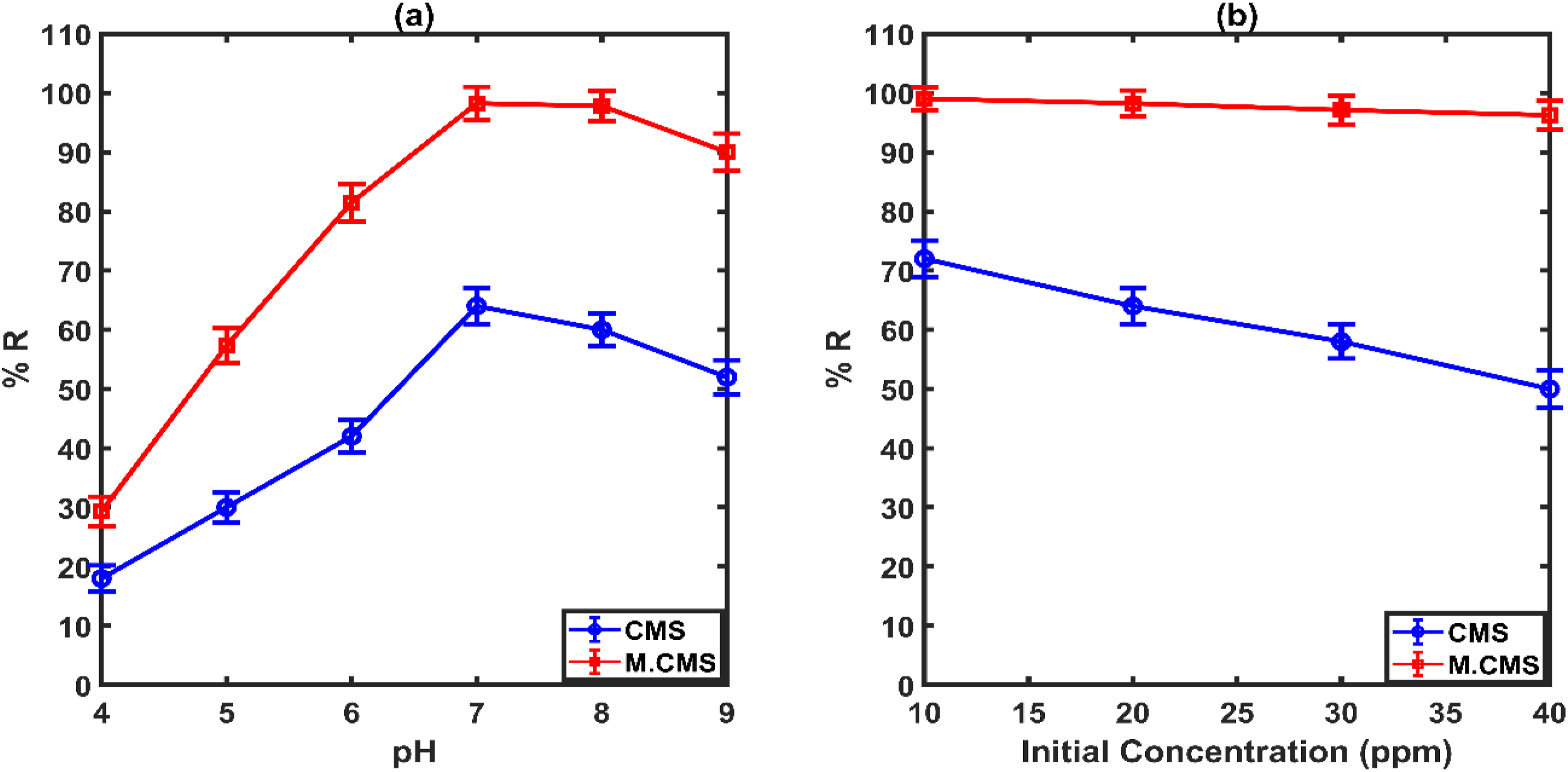
Figure 10(b) shows the effect of the initial MB concentration on the adsorption behavior of both CMS and M.CMS. As the initial dye concentration increased from 10 ppm to 40 ppm, the removal efficiency of M.CMS remained very high, decreasing only slightly from approximately 99% to about 96%, indicating the strong adsorption capacity of the modified adsorbent. In contrast, CMS showed a more pronounced decrease in removal efficiency, dropping from about 72% at 10 ppm to nearly 50% at 40 ppm. This trend occurs because increasing the initial dye concentration raises the number of MB molecules present in the solution, while the number of available adsorption sites on the adsorbent surface remains constant. Consequently, the dye molecules compete for a limited number of active sites, resulting in a reduction in the percentage removal at higher concentrations. The much smaller decrease observed for M.CMS suggests that the modified adsorbent possesses a greater number of active adsorption sites and stronger interaction with MB molecules compared to unmodified CMS. These results clearly demonstrate that maleation significantly enhances the adsorption performance of CMS, enabling M.CMS to maintain high removal efficiency even at elevated dye concentrations. Similar concentration-dependent adsorption trends have been reported in previous studies involving methylene blue adsorption using different adsorbent materials. 42
Figure 11 shows a comprehensive comparison of the adsorption performance of CMS and M.CMS for the removal of MB under different experimental conditions. The figure is divided into three panels, each representing the influence of a specific parameter on adsorption efficiency. Figure 11(a) the effect of adsorbent dosage on the removal efficiency of MB using both CMS and M.CMS. As the adsorbent dose increased from 5 mg to 20 mg, the removal efficiency improved for both materials. For M.CMS, the removal efficiency increased slightly from approximately 96% to about 99%, indicating that even a small amount of the modified adsorbent is highly effective for dye removal. In comparison, CMS exhibited lower removal efficiency, increasing from about 82% to nearly 88% within the same dosage range. The increase in removal efficiency with increasing adsorbent dosage is mainly attributed to the availability of a larger number of active adsorption sites and increased surface area, which enhances the probability of interaction between the dye molecules and the adsorbent surface. The consistently higher performance of M.CMS compared with CMS confirms that maleation introduces additional functional groups that significantly enhance the adsorption capacity of the material. Similar trends have been observed in other studies such as,
43
demonstrated that fruit peel waste was effective in removing MB, and44,45 achieved similar results using grape-leaf waste as an adsorbent. Comparison of the adsorption performance of CMS and M.CMS for MB removal (a) effect of adsorbent dosage on the removal efficiency (b) effect of contact time on MB removal efficiency; and (c) three-dimensional comparison of adsorption capacity and removal efficiency for CMS and M.CMS under identical experimental conditions.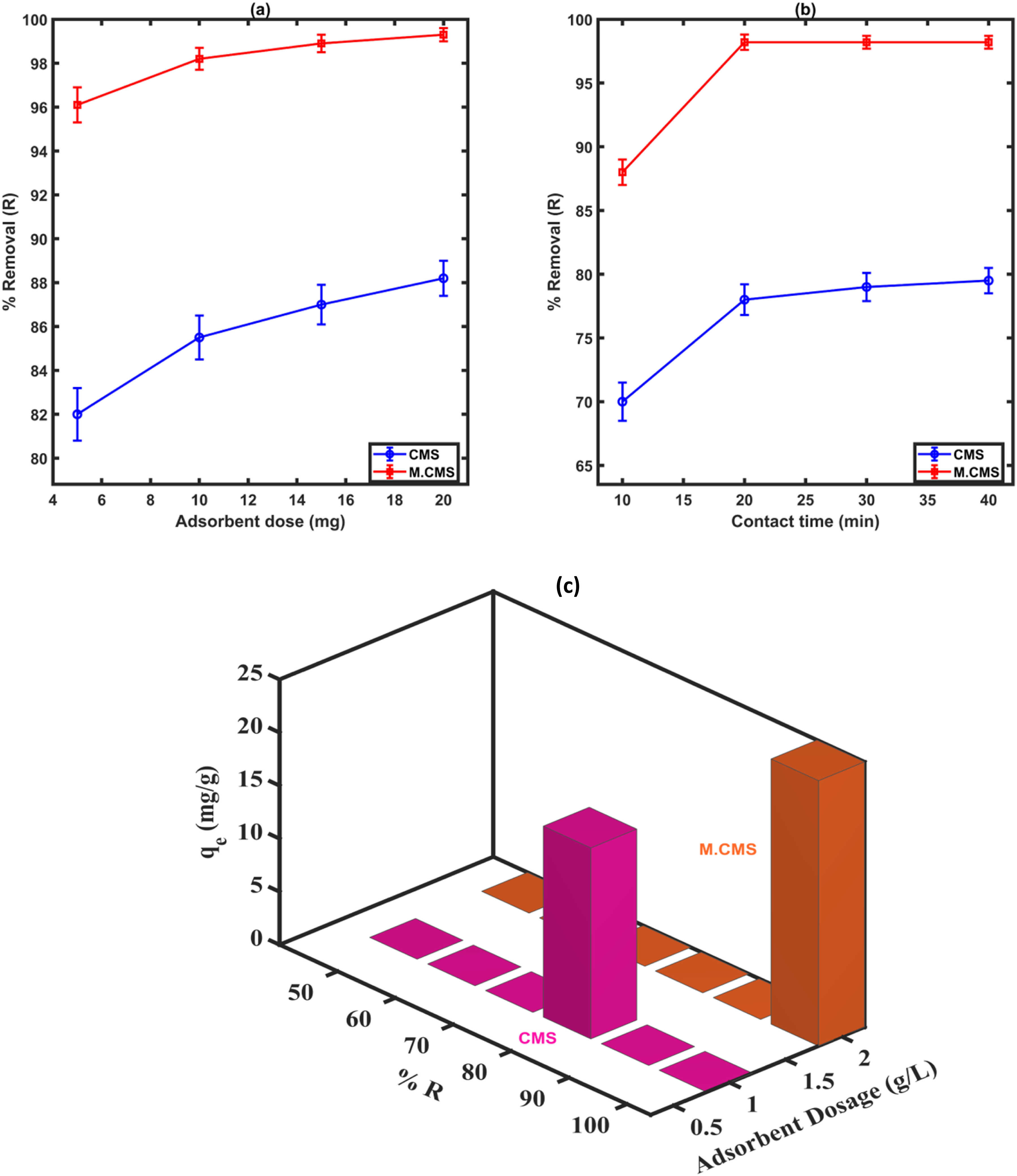
Figure 11(b) the influence of contact time on the adsorption process. As the contact time increased from 10 min to 40 min, the removal efficiency increased for both adsorbents. For M.CMS, the removal efficiency increased rapidly from about 88% at 10 min to nearly 98% at 20 min, after which it remained almost constant, indicating that adsorption equilibrium was reached within approximately 20 minutes. In contrast, CMS showed a slower adsorption rate, increasing from approximately 70% at 10 min to around 79% at 40 min. The rapid increase observed during the initial stage is due to the presence of a large number of vacant adsorption sites on the adsorbent surface, allowing rapid dye uptake. As the adsorption process progresses, the number of available sites decreases, resulting in a slower increase until equilibrium is reached. 24 The faster adsorption kinetics of M.CMS further demonstrate the beneficial effect of chemical modification in enhancing the interaction between the adsorbent surface and MB molecules.46,47
In Figure 11(c) shows, a direct comparison of CMS and M.CMS under identical experimental conditions. The results clearly indicate that M.CMS exhibits significantly higher adsorption capacity and removal efficiency compared to CMS. While CMS shows relatively moderate adsorption performance, M.CMS demonstrates a substantially higher adsorption capacity, which can be attributed to the presence of additional carboxyl functional groups introduced during the maleation process. These functional groups increase the number of active adsorption sites and strengthen the electrostatic interaction between the negatively charged adsorbent surface and the positively charged MB molecules. This comparison highlights that the chemical modification of CMS significantly improves its adsorption efficiency, making M.CMS a more effective adsorbent for dye removal applications.27,48
4.3. Thermodynamic, kinetic and isothermal modeling
Figure 12 shows a detailed analysis of the effect of temperature on the adsorption of MB by M.CMS and its thermodynamic implications. In Figure 12(a), the relationship between temperature and adsorption efficiency (% R) is shown, demonstrating a clear increase in removal efficiency as the temperature rises from 295 K to 330 K. Specifically, the removal efficiency increases from 98.2% to 98.6%, indicating that the adsorption process becomes more effective at higher temperatures. This positive temperature dependence suggests that the adsorption of MB on M.CMS is endothermic, where the higher temperature facilitates the mobility of MB molecules, enhancing the interaction between the dye molecules and the adsorbent surface. This behavior is consistent with other studies in the literature, where similar temperature-dependent trends were observed for various adsorbent materials used in dye removal, highlighting the importance of temperature in optimizing adsorption processes. (a) Effect of temperature and (b) thermodynamic evaluation for MB adsorption onto M.CMS.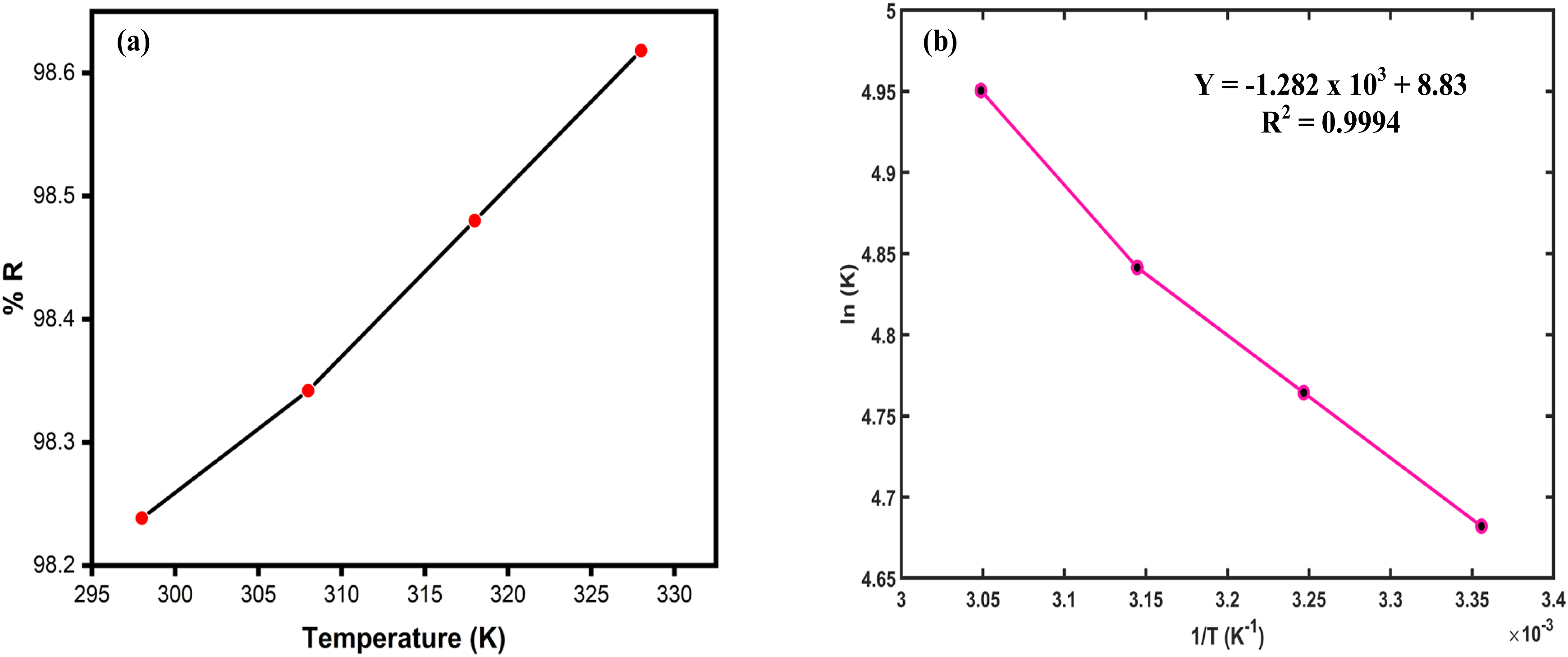
In Figure 12(b), the Van’t Hoff plot is presented, where ln (K) (the natural logarithm of the equilibrium constant) is plotted against 1/T (K-1) with a high correlation coefficient (R2 = 0.9994). The negative slope observed in this plot further supports the endothermic nature of the adsorption process. According to the Van’t Hoff equation, a negative slope indicates that as the temperature increases, the adsorption capacity of M.CMS for MB increases, confirming that the process is spontaneous and temperature sensitive. This thermodynamic evaluation, indicated by the decrease in ln K with increasing temperature, is characteristic of processes where elevated temperatures reduce the energy barrier for adsorption and increase the affinity between the dye molecules and the adsorbent. The findings of this study are consistent with the general understanding of adsorption being more efficient at higher temperatures, as higher temperatures facilitate greater interaction between adsorbate and adsorbent.
Thermodynamic parameters for MB adsorption onto M.CMS.
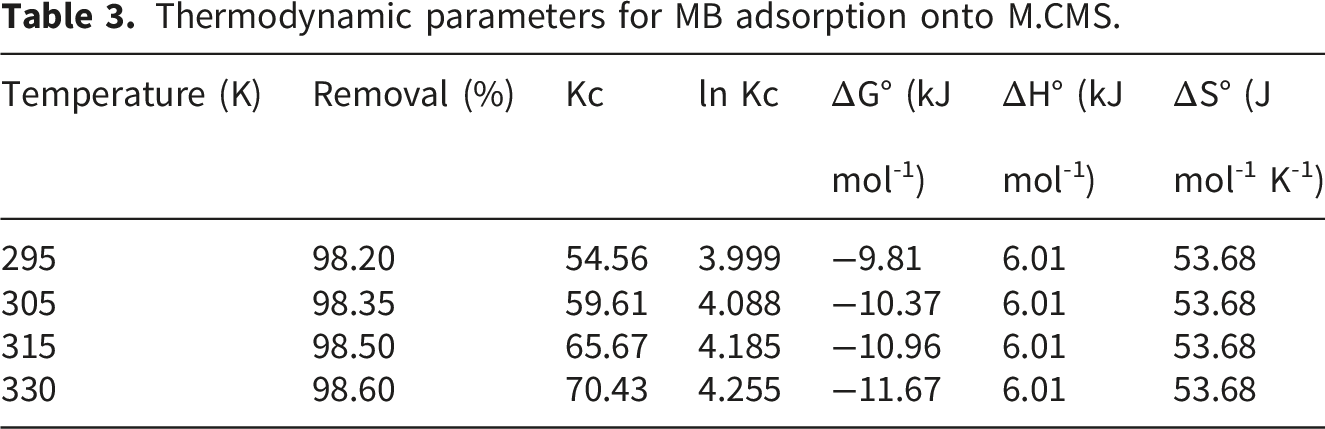
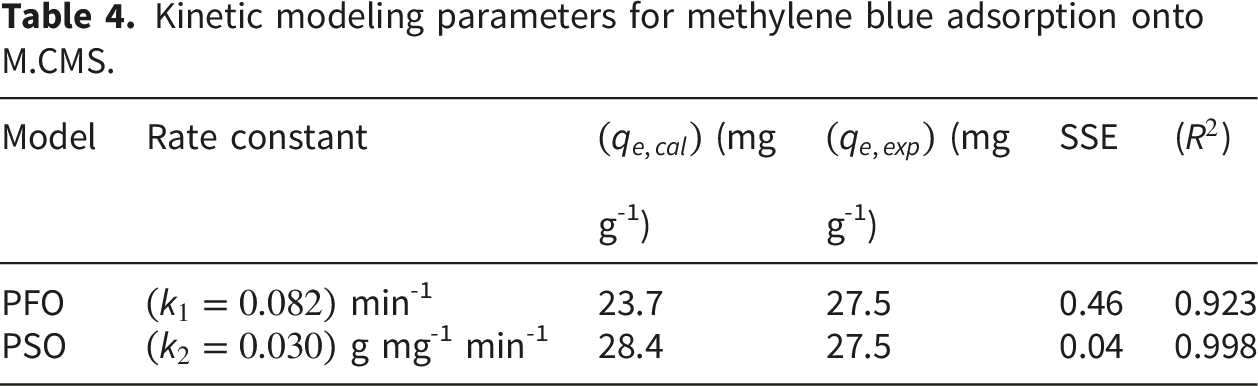
Figure 13(a) shows the pseudo-second order (PSO) kinetic model, which was used to describe the adsorption behavior of M.CMS for MB. The plot shows a linear relationship between t/qt vs. t, yielding a high correlation coefficient (R2= 0.998), indicating that the adsorption process follows the pseudo-second-order kinetics. This suggests that the rate-limiting step in the adsorption is primarily controlled by chemisorption, involving the sharing or exchange of electrons between the adsorbent and the dye molecules. The equilibrium uptake ( Agreement of (a) PSO, (b) Langmuir, (c) Freundlich and (d) Temkin models to the experimental data.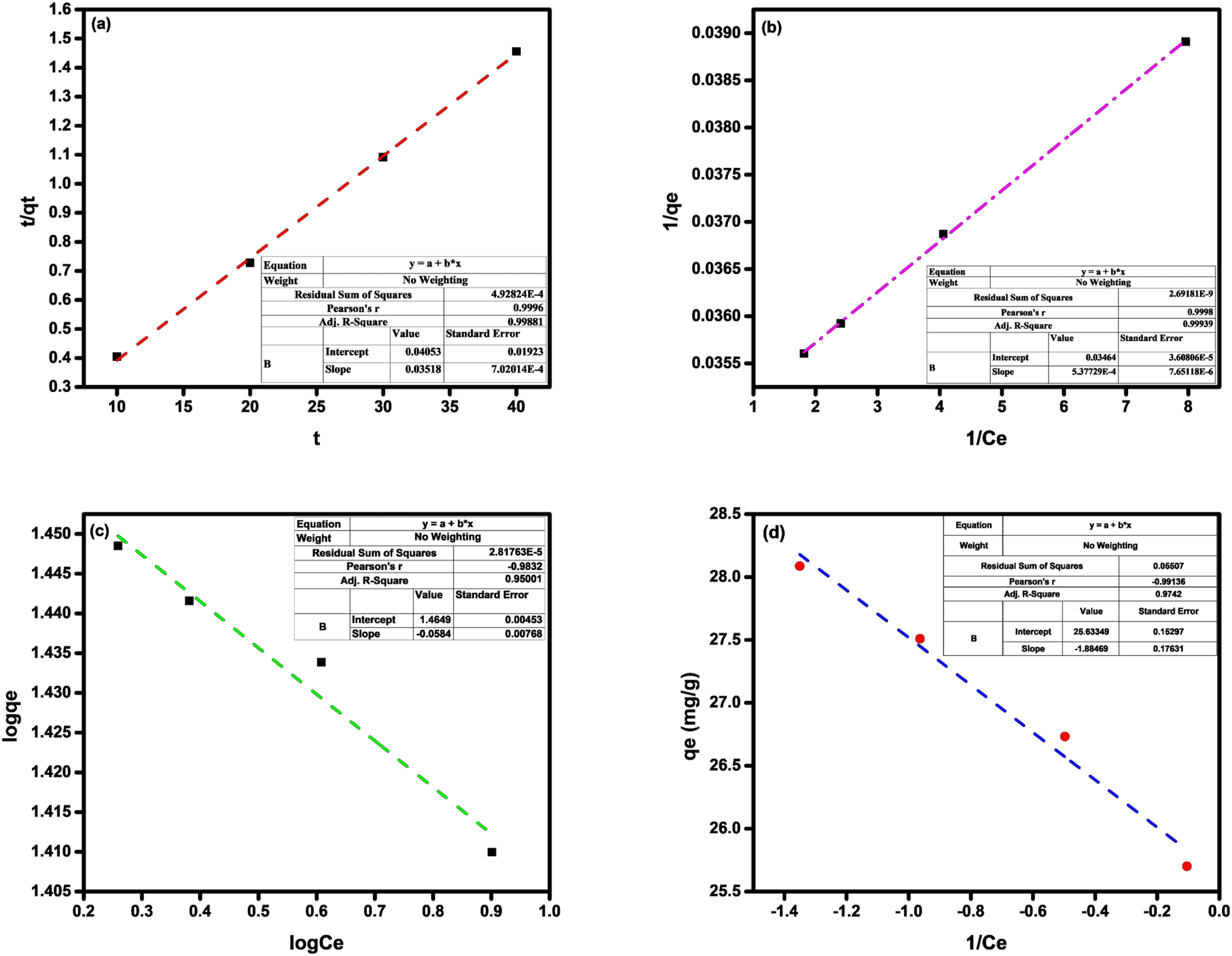
Figure 13(b) shows the Langmuir isotherm model for MB adsorption on M.CMS, which best fits the experimental data with a R2 value of 0.999, indicating a high degree of linearity. This suggests that the adsorption follows a monolayer adsorption mechanism, where MB molecules are adsorbed onto a uniform surface of M.CMS with no interaction between adsorbed molecules. The separation factor
Figure 13(c) shows the Freundlich isotherm model, which provided an R2 value of 0.950, indicating a reasonable fit. This model suggests that adsorption takes place on a heterogeneous surface with varying adsorption energies. The Freundlich constant
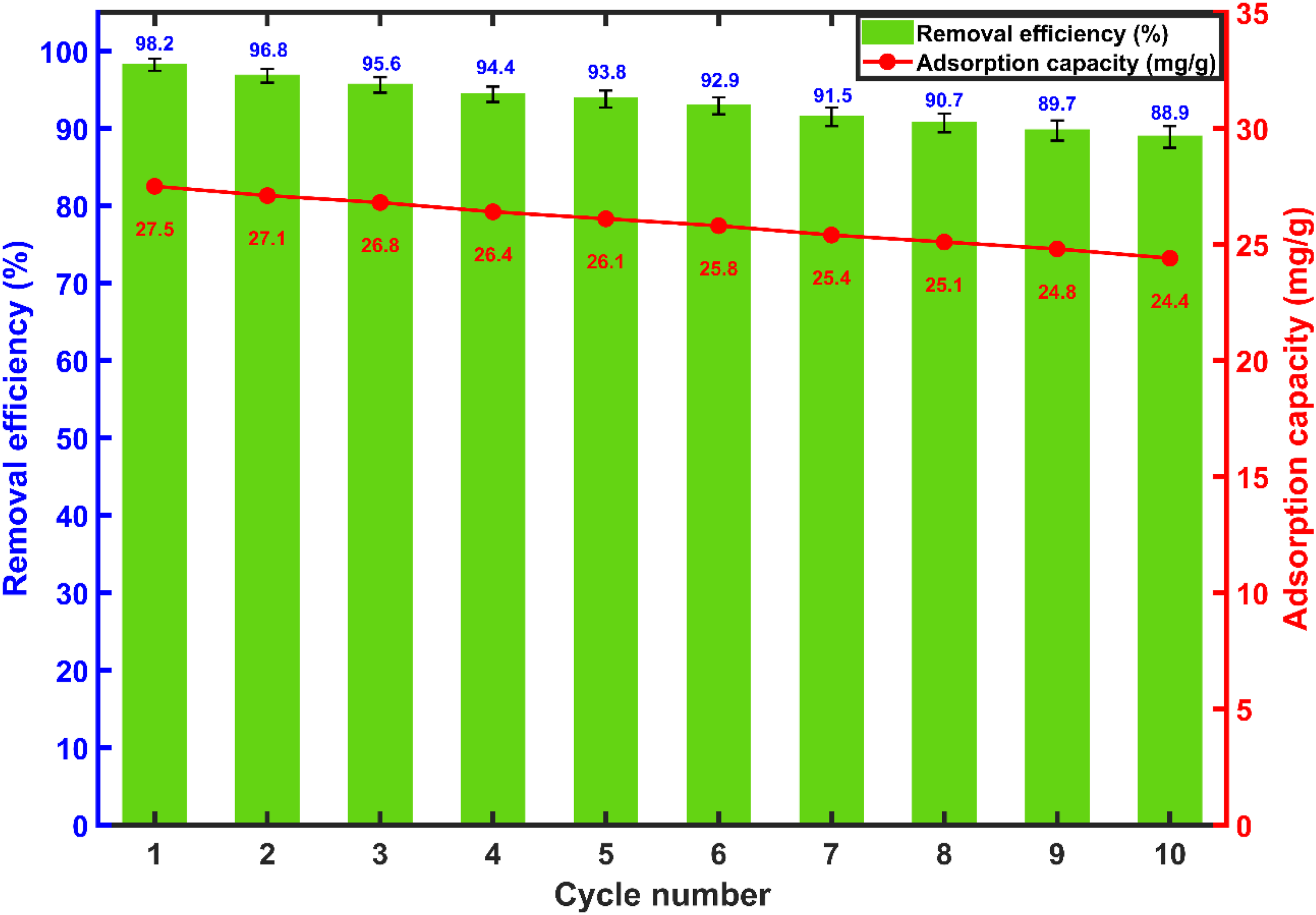
The regeneration and reusability performance of M.CMS was evaluated over ten consecutive adsorption desorption cycles to assess its practical applicability as a reusable adsorbent for MB removal. As shown in Figure 14, the removal efficiency gradually decreased from 98.2% in the first cycle to 88.9% in the tenth cycle, while the adsorption capacity decreased from 27.5 mg g-1 to 24.4 mg g-1, corresponding to an overall loss of approximately 9.5% in removal efficiency and 11.3% in adsorption capacity after ten cycles. The slight but progressive reduction in adsorption performance can be attributed to incomplete desorption of MB molecules and partial occupation of active sites after repeated regeneration. The adsorption mechanism mainly involves electrostatic attraction and hydrogen bonding between the negatively charged carboxyl groups of M.CMS and the cationic MB molecules. During adsorption, the deprotonated carboxylic groups interact with MB cations according to the ion-exchange mechanism: Regeneration and reusability performance of M.CMS during 10 consecutive adsorption-desorption cycles for methylene blue removal.
Additionally, hydrogen bonding occurs between hydroxyl groups of M.CMS and nitrogen-containing functional groups of MB:
During regeneration with acid (HCl), protonation of the carboxylate groups weakens the electrostatic interaction and promotes dye desorption:
However, repeated adsorption desorption cycles may cause partial hydrolysis or deactivation of the maleate-functionalized active sites and minor structural deformation of the polymer matrix, leading to reduced adsorption performance. Despite this gradual decrease, M.CMS retained more than 88% removal efficiency after ten cycles, demonstrating excellent regeneration ability, structural stability, and strong potential for repeated wastewater treatment applications.
Kinetic modeling parameters for methylene blue adsorption onto M.CMS.
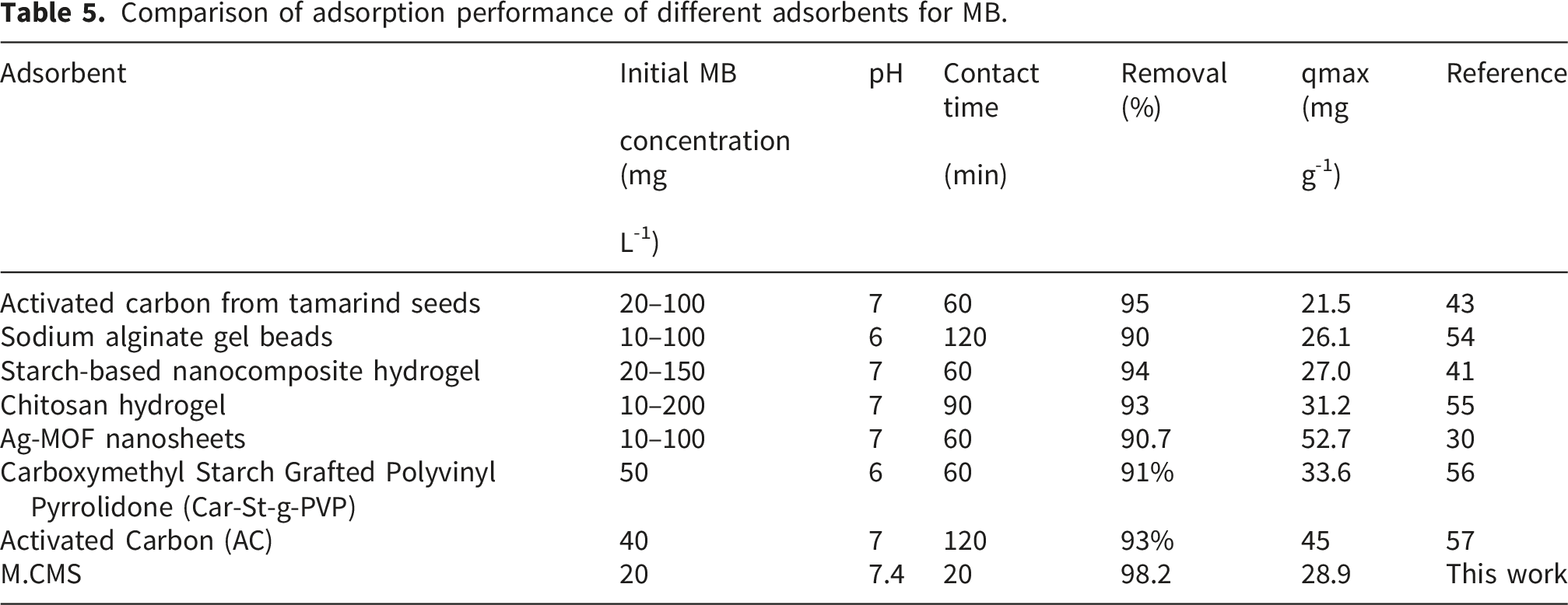
Comparison of adsorption performance of different adsorbents for MB.
Regeneration and reusability performance of M.CMS during adsorption-desorption cycles.
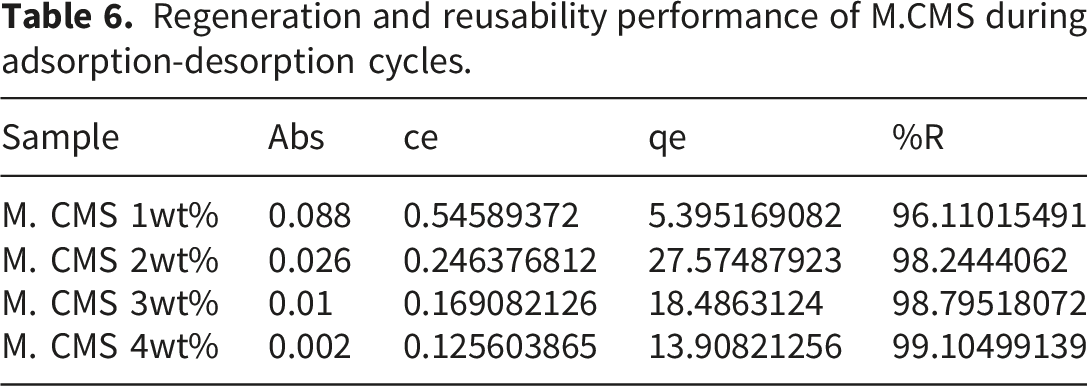
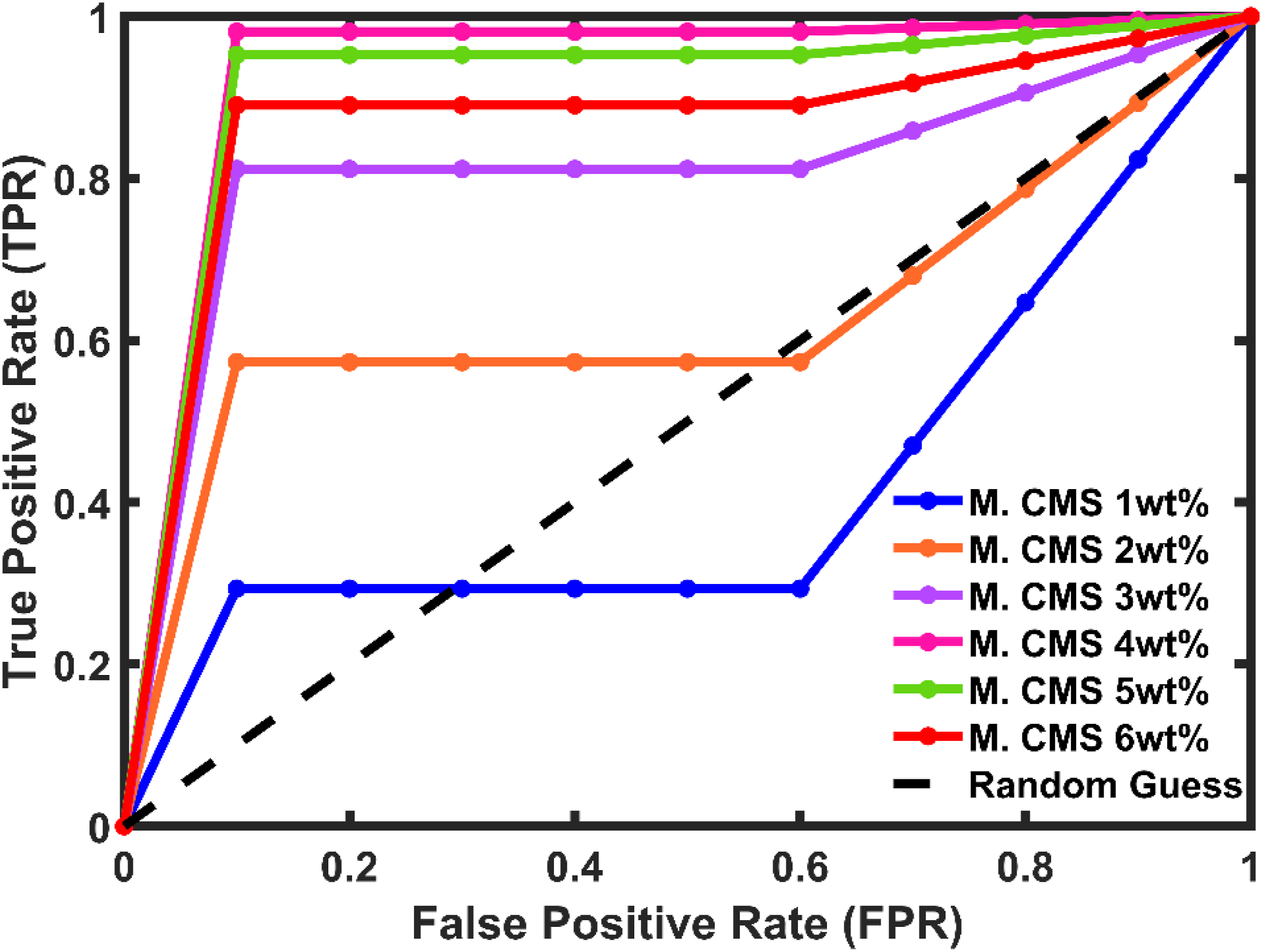
Figure 15 shown the Receiver Operating Characteristic (ROC) curve of various M.CMS samples with varying concentrations from 1wt% to 6wt%. The M.CMS 1wt% curve shows the lowest TPR at a given FPR, implying that lower concentrations of M.CMS lead to suboptimal adsorption behavior, whereas the curves for M.CMS 3wt%, 4wt%, and 5wt% show intermediate performance. The step increase in TPR at low FPR for higher concentrations of M.CMS such as 5wt% and 6wt% highlights the material’s higher adsorption efficiency at higher concentrations, making it more effective for wastewater treatment and pollutant removal applications. This behavior correlates with the electrostatic mechanism and the charge density of the material. As the concentration increases, the surface charge density increases, enhancing the electrostatic interactions between M.CMS and the adsorbates, leading to higher adsorption performance. The effect of ionic strength and ionization behavior in this context can be quantitatively explained using the degree of ionization ( ROC curve.

4.5. Adsorption mechanism
The adsorption of MB by M.CMS occurs through two primary interaction mechanisms such as hydrogen bonding and electrostatic attraction. These interactions are fundamental to the adsorption efficiency and the overall performance of M.CMS in removing MB from aqueous solutions, making it highly relevant for applications such as water treatment and dye removal.
The first mechanism, hydrogen bonding, involves interactions between the lone-pair electrons on the nitrogen atoms of MB and the hydroxyl and carboxyl groups present on the M.CMS surface. As depicted in Figure 16, the amine groups (particularly the nitrogen atoms) in MB can act as hydrogen bond acceptors, while the hydroxyl and carboxyl groups of M.CMS serve as hydrogen bond donors. This leads to the formation of hydrogen bonds, providing multiple contact points between MB molecules and the M.CMS surface, which enhances the retention of the dye molecules and strengthens the adsorption process. The hydrogen bonding mechanism has been widely observed in similar studies, such as that by,
54
demonstrated the feasibility of this mechanism in polymer-based adsorbents like sodium alginate gel beads for MB adsorption. Schematic illustration of the proposed interaction mechanisms of hydrogen bonding and electrostatic attraction involved in methylene blue adsorption onto M.CMS.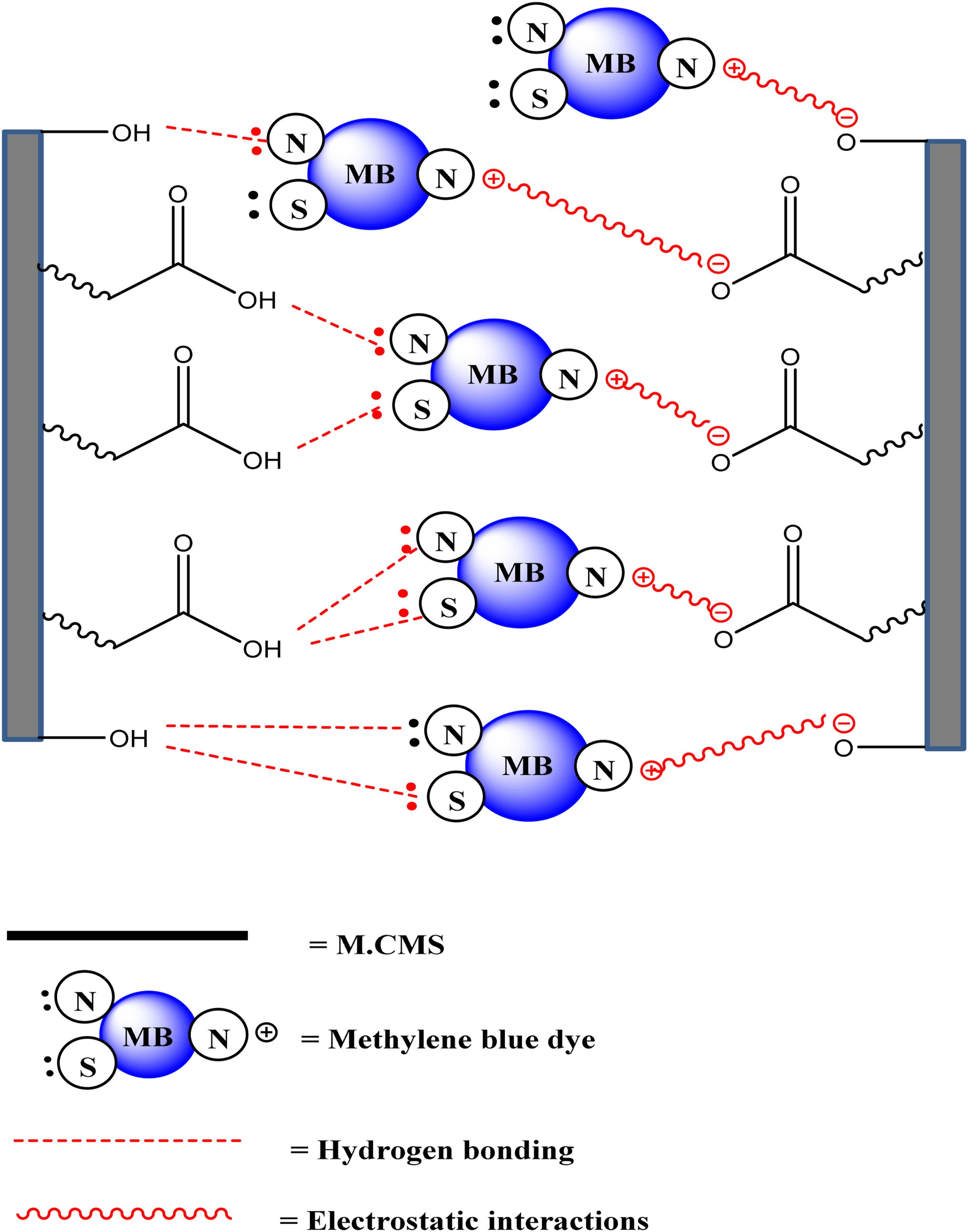
The second mechanism, electrostatic attraction, is driven by the ionization of functional groups on the surface of M.CMS, which generates negatively charged sites, particularly carboxylate ions. On the other hand, MB molecules remain positively charged due to their cationic nitrogen centers. The resulting attractive forces between the negatively charged sites of M.CMS and the positively charged regions of MB facilitate the adsorption of MB onto the surface of the polymer. This type of charge-driven interaction has been well-documented in various studies, including, 55 where chitosan-based hydrogels were employed for MB removal, highlighting the effectiveness of electrostatic interactions in cationic dye adsorption. Furthermore, 58 emphasized that the pH-dependent ionization state of the adsorbent surface influences the dominance of either hydrogen bonding or electrostatic attraction in the adsorption process. At different pH values, the surface charge of M.CMS may change, thereby altering the relative contributions of each mechanism.
4.5. Future prospective
The successful removal of MB by M.CMS demonstrates its significant potential for future applications in water treatment. Technology could be particularly valuable in industries associated with water pollution, where it could be used to treat wastewater before being discharged into the environment, helping to reduce pollution levels and protect aquatic life. Beyond MB, M.CMS has shown promise in removing other types of dyes, such as reactive and acid dyes, which are commonly found in textile industry wastewater a major contributor to water pollution. This makes M.CMS a potential solution for textile industries seeking more sustainable wastewater treatment options.
In addition to dyes, M.CMS could be effective in adsorbing a broad spectrum of contaminants, including organic pollutants and heavy metals, making it a versatile material for environmental cleanup efforts. Its ability to remove MB, a dye with medical applications in tissue staining during surgeries, further highlights the potential of M.CMS in addressing medical waste issues. The application of M.CMS could play a critical role in improving environmental quality, particularly in areas affected by industrial pollution. However, the effectiveness of M.CMS in real-world conditions still requires further investigation. Future studies should focus on improving the physicochemical properties of M.CMS through structural modifications and optimization of synthesis conditions. Moreover, regeneration and reusability should be systematically assessed through multiple adsorption-desorption cycles to evaluate the material’s operational stability and economic feasibility for large-scale applications. This will help determine whether M.CMS can maintain its adsorption capacity over time and how it can be regenerated for continuous use.
Furthermore, the performance of M.CMS in real wastewater matrices, which contain a complex mixture of contaminants (e.g., salts, oils, and organic compounds), should be evaluated. Understanding how M.CMS interacts with these complex matrices will provide valuable insights into its practical applicability for large-scale wastewater treatment and pollution control. The future research directions outlined above will provide a solid foundation for establishing M.CMS as a sustainable and scalable adsorbent for environmental pollution control, ensuring its widespread applicability in water treatment systems worldwide.
5. Conclusion
This study investigates the potential of M.CMS as an effective adsorbent for the removal of MB dye from aqueous solutions. The main objective was to explore the adsorption performance of M.CMS and analyze its adsorption kinetics and isotherm behavior to better understand its efficiency and suitability for water treatment applications. The findings of the study demonstrate that M.CMS exhibits high adsorption capacity for MB, with pseudo-second-order kinetics and a good fit to the Langmuir isotherm model, suggesting monolayer adsorption on a homogeneous surface. The material’s TGA confirmed its thermal stability, which is crucial for its long-term use in practical applications. In terms of practical implications, the high adsorption efficiency of M.CMS under optimized pH, contact time, adsorbent dosage, and temperature conditions highlights its potential for wastewater treatment applications, particularly for the removal of cationic dyes such as methylene blue. The adsorption process followed pseudo-second-order kinetics and the Langmuir isotherm model, indicating chemisorption and monolayer adsorption behavior. The thermal stability of M.CMS further supports its potential applicability as an effective and sustainable adsorbent for dye removal.
Footnotes

Author contributions
Sumbal, Fazal Haq, Mehwish Kiran: Conceptualization, Methodology, Software, Visualization, Investigation, Writing- Original draft preparation. Arshad khan, Yakai Feng: Data curation, Validation, Supervision, Resources, Writing - Review & Editing. Mohit Bajaj, Ievgen Zaitsev: Project administration, Supervision, Resources, Writing - Review & Editing.
Funding
The authors received no financial support for the research, authorship, and/or publication of this article.
Declaration of conflicting interests
The authors declared no potential conflicts of interest with respect to the research, authorship, and/or publication of this article.
Data Availability Statement
The datasets used and/or analyzed during the current study available from the corresponding author on reasonable request.