







Abstract
The transition of the Stomatology Clinic into the Department of Maxillofacial Surgery at the Medical Academy Carl Gustav Carus in Dresden shows how healthcare evolved in East Germany after the Second World War. Founded in 1954 to tackle medical staff shortages, the department grew and specialised over time, becoming a key hub for surgical dentistry in Saxony. Through structural changes, it became a semi-autonomous unit, emphasising patient care and research. By 1983, it evolved into a full Section of Stomatology, streamlining care and training, enhancing expertise and promoting collaboration. Overall, this transformation reflects a significant shift in dental healthcare and academic leadership, shaping surgical dentistry in the region.
Introduction
The development of maxillofacial surgery and stomatology in Dresden reflects the historical dynamics of a medical institution within the context of societal and political changes. From its beginnings in the early twentieth century to its establishment as an independent department at the Medical Academy Carl Gustav Carus, the history is characterised by compromises, setbacks and adaptability within a dictatorship.
This text illuminates the journey from the Maxillofacial Surgery Clinic of the Dresden-Johannstadt Municipal Hospital through the founding of the Medical Academy to its transformation into the Clinic and Polyclinic for Maxillofacial Surgery and Surgical Stomatology. The development of the institution is examined and presented using available books, theses and original archival sources from the University Archives of the Dresden University of Technology, Branch of the Medical Faculty Carl Gustav Carus (UA TUD-MF).
The maxillofacial surgical clinic of Dresden-Johannstadt Municipal Hospital
The Maxillofacial Surgical Clinic of Dresden-Johannstadt Municipal Hospital looked back on a history spanning over four decades until its final dissolution and integration as a surgical inpatient department into the Stomatology Clinic of the Medical Academy Carl Gustav Carus on 20 May 1963. Dresden-Johannstadt Municipal Hospital was opened on 2 December 1901, 1 as a direct consequence of the rapidly increasing urban population and the resulting deterioration of healthcare services at Dresden-Friedrichstadt Hospital, to relieve its burden. 2 During this time, it built a reputation that few comparable institutions in East Saxony could match. 2 The first demands for the establishment of dental clinics in the Dresden urban area arose in the early twentieth century. One of the first advocates for these demands was Hans Päßler (1868–1938), 3 an internist working at Friedrichstadt Hospital. 4 He was also among the first from Dresden's medical community to advocate for the creation of positions for dentists at the two major hospitals, 3 Dresden-Friedrichstadt and Dresden-Johannstadt. 5 Päßler derived his advocacy for dentistry from his research on the correlation between chronic infectious diseases of the oral cavity and diseases affecting the entire organism. 3 Based on this research, he developed the theory of focal infection, attributing to the diseased oropharyngeal system the role of a chronic focus of infection. 6 Hans Päßler submitted a proposal to establish dental departments at the two major municipal hospitals to the Dresden City Council in 1912. Finally, later that year, the proposal was approved. 7
Due to limited spatial capacities, the plans initially envisioned establishment by 1915, 2 but the outbreak of First World War and the resulting personnel and financial constraints further delayed the establishment of the departments. It was only during the Weimar Republic (Germany's democratic government from 1918–1933) that their establishment could finally be realised. The establishment at Johannstadt Hospital took place on July 1921, in the premises of the ‘Central Bathhouse’, 8 marking a significant first step in expanding the medical treatment spectrum. 9 This facility, referred to as the ‘Dental Station’ occupied only the attic of the building. 2
From the outset, the clinic was led by maxillofacial surgeon Johann Alexander Vogelsang (1890–1963). 1 The equipment at this early stage of the station was limited to one treatment room with two treatment chairs. In this restricted framework, patients were treated on an outpatient basis three days a week. 2 Initially, the staff consisted of only one nurse and Vogelsang. 1 The state of minimal space at the station can be seen as a direct result, leading to increased workload for Vogelsang. The absence of a dedicated ward led to the compromise of providing patient care on other ward specialties within the hospital. 10 Vogelsang criticised this inherent problem of limited space from the beginning and, as early as October 1926, called for the relocation of the dental station to a more central location within the hospital and the expansion of treatment rooms. 8 This demand included providing a larger main treatment room, setting up a treatment room allowing horizontal patient positioning and establishing a dedicated ward. 11 While this carefully crafted plan was fundamentally agreed upon by the clinic management, the establishment of a standalone unit for maxillofacial trauma patients was not realised due to underestimated patient numbers.
The collapse of the financial and stock markets in the United States in the early 1930s also manifested in the German Reich, leading to a continuous wave of inflation. The precarious socioeconomic circumstances of the Great Depression also resulted in the abandonment of all planned investments at Dresden-Johannstadt Municipal Hospital and ultimately culminated in the temporary closure of the clinic in April 1932. 12 It was not until a year later, in May 1933, that all hospital wards resumed their usual operations. Parts of the planned ward expansions before the financial-induced closure could finally be carried out in 1934, resulting in a significantly larger treatment room with two treatment chairs and a changing area for the Dental and Maxillofacial Clinic on the third floor of House eight. However, the establishment of a dedicated ward necessary for adequate maxillofacial surgical patient care was not realised.
The bombing raids of February 1945, did not spare Dresden-Johannstadt Municipal Hospital, severely damaging the structure of the dental and maxillofacial clinic, 13 necessitating a temporary relocation to a small area of the Department of Internal Medicine. 7 Approximately 50% of the hospital was destroyed. 13 After the end of Second World War, Dresden underwent initial rubble clearance efforts and projects to rebuild infrastructure and essential urban facilities. As part of the hospital's reconstruction, the Maxillofacial Surgical Clinic was able to return to its original building in December 1945, resuming patient care. Innovations in the ward's equipment included a dedicated aseptic operating room for major jaw operations and an additional treatment chair, bringing the total to three chairs. 11 The dedicated ward, demanded since the mid-1920s, could finally be realised under new clinic leadership at the beginning of 1946. 7
In the early post-war years, the clinic's treatment spectrum was primarily characterised by the rehabilitation of facial war wounds. However, this focus was quickly expanded to include a wide range of other treatments. In addition to maxillofacial surgery, emphasis was also placed on prosthetic and conservative patient care, as well as care for hospital staff. 7 These new treatment tasks led to an expansion of the staff through the employment of assistants. In addition to this personnel component, an increase in the number of beds from 14 to 19 in 1948 was also necessary. 14 Thanks to its reputation, the Maxillofacial Surgical Clinic was the leading institution for tumour operations in the jaw and facial area for the districts of Cottbus, Dresden and Chemnitz in the early 1950s. In 1951, there was a further expansion of the ward. This expansion was made possible by utilizing the unused attic space in House eight, resulting in a total of 30 beds being available. 15 Another milestone in the clinic's development was the acquisition, at Vogelsang's instigation in 1953, of an operating table with an integrated oil pump. 16 It is thanks to Vogelsang's tireless efforts that the Maxillofacial Surgical Clinic was able to profile itself in the post-war years through adequate maxillofacial surgical patient care, laying the foundation for its later integration as a surgical inpatient department of the Stomatology Clinic of the Medical Academy Carl Gustav Carus.
The 42-year history of the Dental and Maxillofacial Clinic officially ended on 20 May 1963, with its final subordination to the regulations of the Medical Academy Carl Gustav Carus. 17
The establishment of the medical academy Carl Gustav Carus
Since its inception in 1949, the German Democratic Republic (GDR) faced the formidable challenge of maintaining its healthcare system. This issue emerged in the early post-war years due to a shortage of medical professionals, stemming from both the direct impacts of the war and the migration of doctors from the Soviet-administered zone to the zones controlled by the Western Allies. This trend persisted even after the establishment of both German states and became particularly evident during periods of high medical demand within the GDR territory. The strained healthcare system prompted the government to prioritise and accelerate healthcare development as early as July 1950. 10 Initially, this was addressed by increasing the number of medical students at existing faculties in Leipzig, Berlin, Jena, Greifswald, Halle and Rostock. 18 While universities managed to exceed these planned increases by 1953, existing capacities, especially concerning future needs, were deemed insufficient. 12
Consequently, it was recognised that further expansion of the healthcare system could only be achieved through the establishment of new medical academies. 19 On 6 August, 1953, the Council of Ministers of the GDR decided to establish four Medical Academies initially, located in Berlin (Buch), Erfurt, Frankfurt (Oder) and Magdeburg. 12 Dresden was not included in this decision due to the lingering effects of Second World War's destruction. The city was still engaged in rebuilding established university facilities, making the idea of a new institution particularly challenging. 18 Karl Thomas, the then Medical Director of Dresden-Johannstadt Municipal Hospital, learned of the decision to establish new Medical Academies on 7 August 1953, during a meeting of medical directors from major hospitals in Berlin. 6 Upon his return to Dresden, Thomas proposed the establishment of a Medical Academy in Dresden to Albert Bernhard Fromme (1881–1966) (Figure 1), a surgeon at Friedrichstadt Hospital, Wilhelm Crecelius (1898–1979) (Figure 2), an internist at Johannstadt Municipal Hospital, as well as to the Mayor of Dresden, 1 Walter Weidauer (1899–1986). 6
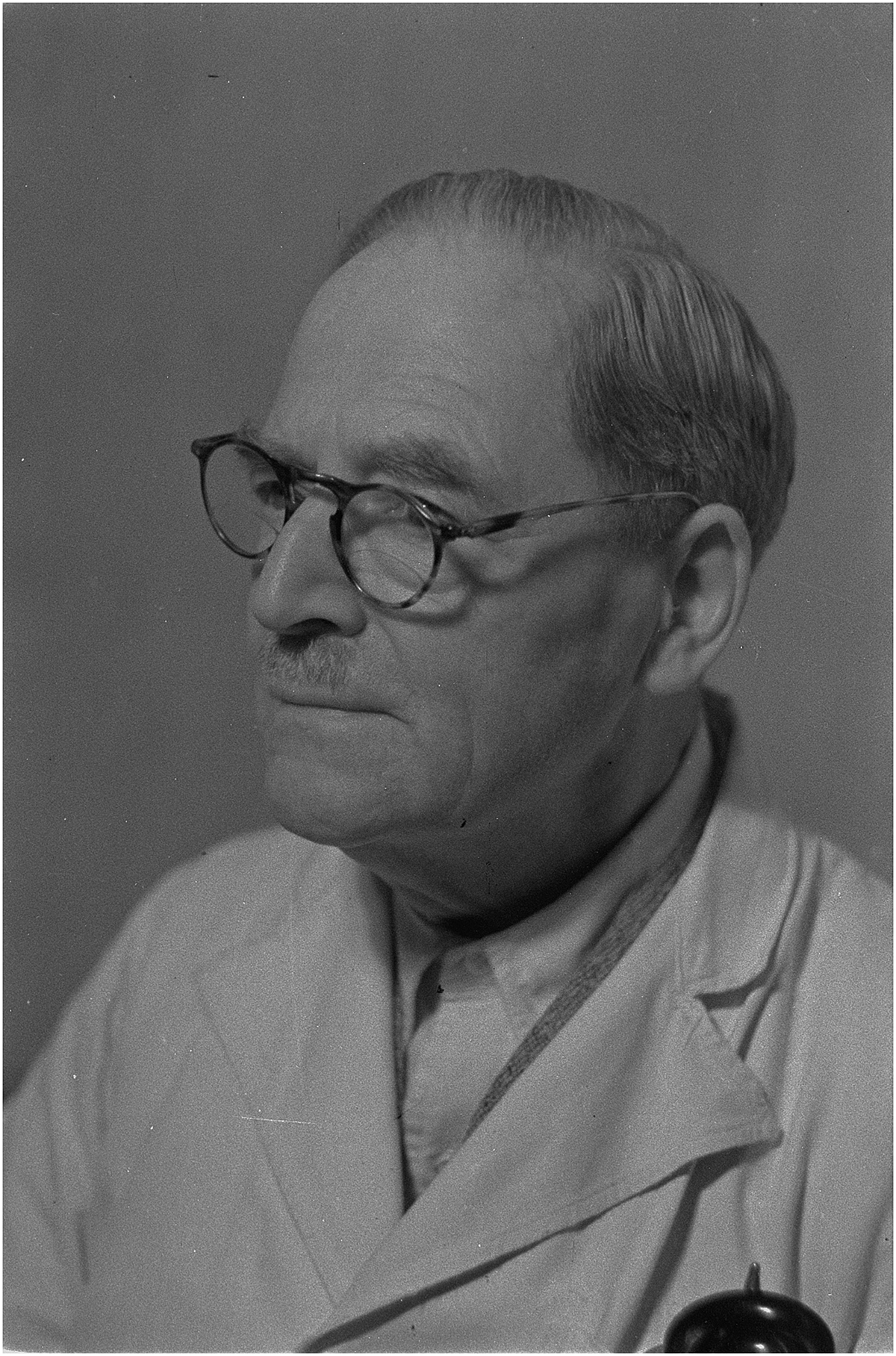
Albert Bernhard Fromme, 1954.
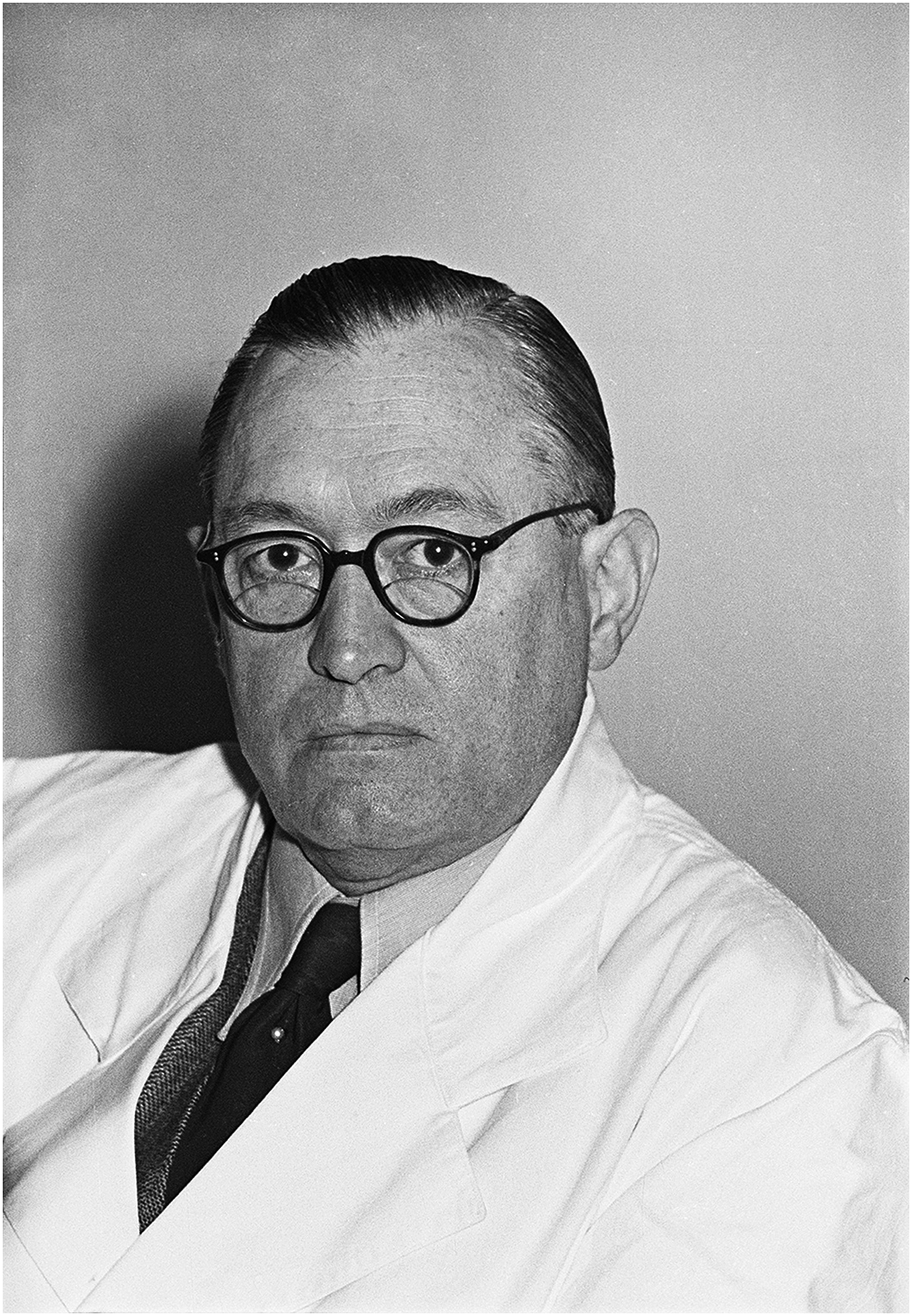
Wilhelm Crecelius, 1952.
Thanks to the dedicated efforts of these individuals, Dresden succeeded in securing the establishment of a Medical Academy, leading to the abandonment of Frankfurt (Oder) as a potential site. On 19 August 1953, Crecelius and Fromme presented their arguments for Dresden's candidacy at the State Secretariat for Higher Education and the Ministry of Health in Berlin. 1 They highlighted Dresden's 200-year history of medical education, the academic achievements of its physicians, and their rich teaching experience. The beginnings of medical education in Dresden date back to the mid-eighteenth century. In 1748, the ‘Collegium medico-chirurgicum’ was established as a training institution for military surgeons and barber-surgeons to impart basic medical knowledge. As early as 1786, the first lectures in the field of dental surgery were also held there. The institution continued to evolve academically and was transformed into a Medical Academy by King Friedrich August I of Saxony (1750–1827) in 1815. It existed until 1864. Additionally, they emphasised the potential for interdisciplinary cooperation with the local Technical University.
Crucially, Fromme pointed out that there was no opportunity for medical education in the southeastern region of the GDR, highlighted the large catchment area for patients (the two major hospitals, Friedrichstadt and Johannstadt, had a combined capacity of approximately 4000 beds at that time), 1 and proposed that students should come from the surrounding area to facilitate accommodation cost savings. Fromme also noted that Dresden was particularly suited due to the technical and spatial capacities of the ‘Institute for Dental Education’ (Figure 3), which would become available from 1954 onwards. 20 These arguments led to the approval of the plan by the Ministry of Health and the State Secretariat to train 100 physicians and 200 dentists in Dresden.
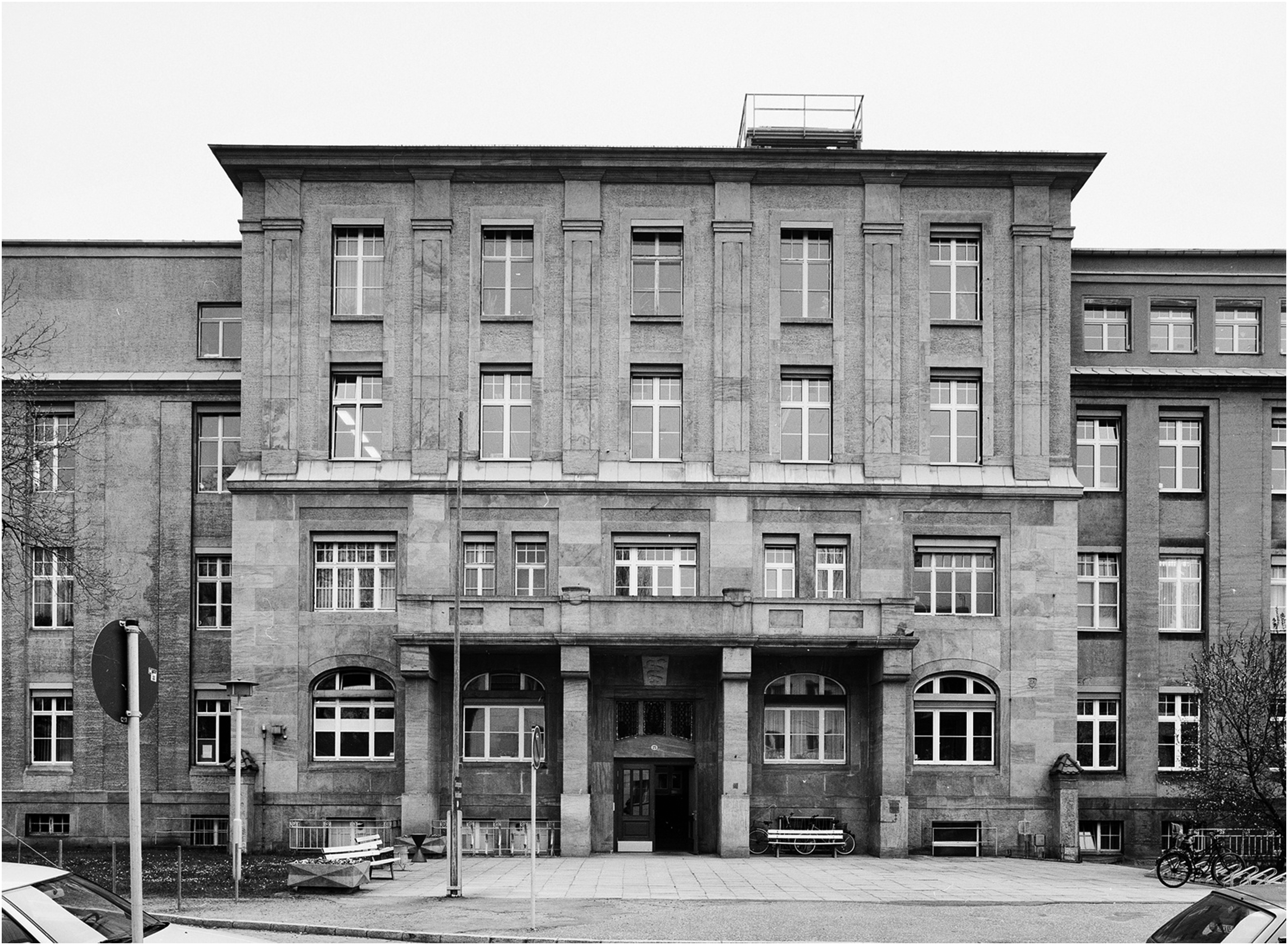
The building of the former institute for dental education, in which the clinic and polyclinic for stomatology has been housed since 1954.
The semi-autonomous department of surgical stomatology and maxillofacial surgery
The Clinic and Polyclinic for Stomatology was established as a structural and organisational entity at the Medical Academy Carl Gustav Carus on 7 September 1954. Initially, the institution was led by a director who had full authority. Until August 1963, this position was held by the maxillofacial surgeon Karl Jarmer (1898–1983). Following Jarmer's retirement, 18 Gerd Staegemann (1927–1995) assumed the position on September 1964. 21 Given the diverse specialisations within dentistry, with maxillofacial surgery serving as a nexus between general medicine and dentistry, a restructuring of the leadership structure was deemed necessary in 1964. 22 Director Gerd Staegemann advocated for the reorganisation of the clinic's structure, following the model of the clinic in Rostock. Despite the strong centralisation of university politics in the GDR, different leadership models existed within the Stomatology Clinics. At this academy site, there were five semi-autonomous departments, each headed by a departmental leader who enjoyed full autonomy in professional matters but was subordinate to the clinic director in economic matters. These semi-autonomous departments were categorised under the nomenclature of ‘Semi-autonomous Department’ by the State Secretariat for Higher and Specialised Education of the GDR.
In Staegemann's initial concepts, alongside the Department of Maxillofacial and Facial Surgery, there were plans for the Department of Conservative and Paediatric Stomatology, the Department of Prosthetic Stomatology, the Department of Orthodontic Stomatology and the Department of Periodontology. Each of these departments was to be headed by a leader, with overall leadership of the Clinic and Polyclinic for Stomatology remaining under the director. An updated plan presented to the senate in spring 1964 proposed three semi-autonomous departments. 23
Following approval by the Senate of the Medical Academy Carl Gustav Carus Dresden and confirmation by the State Secretariat for Higher and Specialised Education, these changes were implemented. 24 In March 1964, the semi-autonomous Department of Surgical Stomatology and Maxillofacial Surgery, Prosthetic Stomatology, Orthodontic Stomatology and the Department of Conservative Stomatology and Paediatric Stomatology were established. Following the first major restructuring of the organisational form of the Stomatology Clinic at the Medical Academy Carl Gustav Carus Dresden after its founding, the Department of Surgical Stomatology and Maxillofacial Surgery was divided into inpatient and outpatient sections and organised as a semi-autonomous department overall.
The development of a full professorship
After the establishment of the Department of Maxillofacial and Facial Surgery as a semi-autonomous structure within the Stomatology Clinic, further restructuring was required due to the third university reform implemented in 1967 during the VII Congress of the Socialist Unity Party of Germany.
This reform aimed to enhance the efficiency of the healthcare system, improve staff working conditions and increase research potential. 25 These changes also impacted the Department of Maxillofacial and Facial Surgery. Alongside the prevalent structure in Dresden with semi-autonomous departments and a central chair, held by Staegemann, there existed another model in the GDR, where each department within the Stomatology Clinics of university institutions had its own chair. Staegemann emphasised the importance of departmental subdivisions, stating, ‘Given the current scope of tasks in a Stomatology Clinic, it is hardly reasonable for a single leader to meet all demands alone’. However, he insisted that all semi-autonomous departments and their leaders must be overseen by a clinic director. While maintaining the structure, it was proposed to expand the three existing departments to include two more (the Department of Orthodontic Stomatology and the Department of Periodontology), and each departmental leader would be supported by a deputy director for research, education and organisation. Furthermore, departmental leaders were to be appointed as associate professors. 26 A revised proposal presented to the Senate of the Scientific Council on July 1971, suggested that the Department of Surgical Stomatology and Maxillofacial Surgery should have its own chair. 27 The Senate approved this proposal, but personnel matters were deferred until the Ministry for Higher and Specialised Education of the GDR issued a central regulation for clinic structures. 26
Following the absence of central regulation, the Senate approved the implementation of the plan in December 1971. However, confirmation of departmental leaders was only completed by the Senate of the Scientific Council in early December 1972. Wolfgang Seela (1929–2020) was confirmed as the head of the Department of Surgical Stomatology and Maxillofacial Surgery. 28
On 23 January 1975, the Senate approved the creation of a full professorship for Surgical Stomatology and Maxillofacial Surgery at the Medical Academy Carl Gustav Carus Dresden. Wolfgang Seela was appointed as Professor of Surgical Stomatology and Maxillofacial Surgery in September 1976. 29 This marked the establishment of the first professorship in Maxillofacial Surgery at the Medical Academy, representing a significant step towards promoting teaching and research.
From department to clinic and polyclinic for maxillofacial and surgical stomatology
Following the establishment of a professorship in maxillofacial surgery on 1 September 1976, further structural development was needed. The need for a unified organisational structure and its further development was discussed in the mid-1970s. The leadership of the GDR focused on the overall organisation of university institutions in the country.
The introduction of sections at universities was a central goal to create a simpler structure and ideologically differentiate from West Germany. At the Medical Academy Dresden, the proposal for the formation of a Stomatology Section was discussed during the Senate meeting on 19 November 1981. 30 The final version of the regulations for the Stomatology Section of the Medical Academy Carl Gustav Carus Dresden was academically confirmed on 15 February 1983. The renaming and restructuring of the Clinic and Polyclinic for Stomatology into the Stomatology Section took place on 9 March 1983, as part of a ceremonial event.
The Clinic and Polyclinic for Maxillofacial and Surgical Stomatology assumed full patient care responsibilities in its field for the Dresden district, as well as providing observational training for all dental specialists in training in the Dresden district. 31
Research and patient care
In the GDR, the medical application of cryotherapy began in Dresden. The Department of Maxillofacial and Facial Surgery played a significant role in researching the application of temperatures ranging from −24°C to −180°C on soft tissue, leading to the establishment of the Research Community for Experimental and Applied Cryomedicine in the Head and Neck Area in November 1967. 32 Alongside physicians and dentists from the Department of Maxillofacial and Facial Surgery, the Otolaryngology Clinic and the Ophthalmology Clinic were also involved. 32 A 1971 report on the results of the Research Community of Cryomedicine emphasised that the GDR had gained a scientific lead in this field compared to the global standard. 32 However, this was repeatedly hindered by material shortages and misguided planning policies, causing them to gradually lose their leading position. The Department of Maxillofacial and Facial Surgery closely collaborated in the development of new technologies later used in patient care for treating papillomas and haemangiomas. Cryotherapy for treating oral cavity tumours became routine. Other areas of research into patient care included temporomandibular joint traumatology, temporomandibular joint disorders such as luxations and disc disorders, elucidation of anatomical structures and as well as of pathogenic mechanisms. 14
Under Vogelsang, the clinic had a capacity of 30 beds. 8 However, delayed construction projects unfortunately impaired patient care, while the nature of cases treated shifted from war-related injuries in the head and neck area to the treatment of tumours and trauma particularly resulting from traffic accidents and violent crimes. 14 The number of treated patients also increased. In the meantime, the number of beds used for maxillofacial operations decreased from 0.17 per 10,000 inhabitants to 0.08 per 10,000 inhabitants. 33 It was only by the end of the 1980s that adequate bed capacity was restored.
Conclusion
The historical development outlined in this paper illuminates the evolution of dental and maxillofacial surgery in the context of post-war Germany, particularly in the GDR. The establishment of the Maxillofacial Surgical Clinic at Dresden-Johannstadt Municipal Hospital in 1921 marked a turning point in the development of dental care and reflected the increasing recognition of oral health as an integral component of general well-being.
Led by pioneers such as Johann Alexander Vogelsang and Hans Päßler, early efforts aimed to integrate dentistry into medical practice, laying the groundwork for subsequent advancements. The founding of the Medical Academy Carl Gustav Carus in Dresden in 1954 was a milestone in medical education and institutional development, responding to the urgent need for health infrastructure in the post-war period. This initiative addressed not only the shortage of medical personnel but also fostered a cooperative environment conducive to interdisciplinary research and innovation. The subsequent restructuring of the Stomatology Clinic into semi-autonomous departments illustrated a strategic shift towards decentralised administration, reflecting a nuanced approach to administrative oversight within the socialist framework.
The Department of Surgical Stomatology and Maxillofacial Surgery within the Stomatology Clinic marked a turning point towards specialised care, elevating dental surgery to the forefront of academic discourse. The appointment of Wolfgang Seela as a professor underscored the institutional commitment to scientific inquiry and professional development. Furthermore, the transition from a department to a section within the broader institutional framework of the Medical Academy reflected a paradigmatic shift towards greater cohesion and integration. By consolidating patient care and educational initiatives under a unified administrative umbrella, the Stomatology Section positioned itself as a facility of excellence in dental and maxillofacial surgery, serving as a hub for clinical practice and scientific investigation. The historical development outlined in this paper highlights the dynamic interplay between institutional development, professional specialisation and scientific inquiry in shaping the landscape of dental and maxillofacial surgery in post-war Germany.
By tracing the evolution of key institutions and notable figures, this narrative offers valuable insights into the broader socio-political forces that have driven health reform and innovation in the GDR. Looking ahead, it is essential to build upon these foundational achievements and foster a culture of collaboration and excellence that ensures the continued advancement of dental and maxillofacial surgery for future generations.
Footnotes
Acknowledgements
Prof. Matthias Schneider initiated the idea for engaging with the topic. Stephanie Müller supervised the archive search.
Author contributions
The author conducted the data collection, data management and writing.
Consent of publication
Consent for the publication of the images has been obtained.
Data availability
The datasets generated during and/or analysed during the current study are available from the corresponding author on reasonable request.
Declaration of conflicting interests
The author declared no potential conflicts of interest with respect to the research, authorship and/or publication of this article.
Funding
The author received no financial support for the research, authorship and/or publication of this article.
