







Abstract
The research is designed to identify the challenges and constraints obstructing small-scale industries’ (SSIs) performance. Questionnaires, interviews and focus group discussions were employed for data collection. Both descriptive and inferential data analyses were employed. Primarily, the study identified challenges as a combination of financial, marketing, working places, technology and internal management, and a combination of government and infrastructure challenges and constraints in descending order of severity. Together, they explained the predicted SSIs’ performance to the variance of 72.056%, whereas the remaining 27.944% of the variance was not explained by these identified sets of challenges in this particular study. Statistically, all the identified sets of challenges were significant at a 5% level. Of the identified challenges, the combined finance-related challenges were prioritised and contributed the highest influence (61.94%) variance, followed by the combined marketing-related challenges (54.61%), and other challenges and constraints were held constant. Combined working and selling outlets and technology-related challenges significantly influence (46.38%) and (33.64%) variance, respectively. Likewise, combined internal management-related challenges significantly freeze the growth of SSIs’ performance at (31.03%) variance. The combined government- and infrastructure-related challenges were found to be the least significant influencers (21.81%) in this particular study.
Background of the Study
Improving challenges and constraints from small-scale industries’ (SSIs) development has a positive link with economic and export growth, rural development, employment generation and poverty reduction (Ageba & Amha, 2006; ILO, 2008, cited by Belay, 2015; Richardson et al., 2004). In the contemporary era, SSIs are predominantly established as a means of advancing indigenous skills, resources and innovations to sustain industrial development (ILO, 2008). It is credible that SSIs perform a significant noteworthy in the formation of employment and income generation for a large population (Simeon & Lara, 2009). Likewise, Wolfenson (2007) found in his result that SSIs are acknowledged as a central share of economic development and an influential constituent to take a country out of the vicious poverty problem.
Despite their huge contributions, SSIs’ growth performance in urban and rural areas is yet not satisfactory and is unable to bring sustainable job generation (ILO, 2003). Confirmed that the growth rate achieved by SSIs at various places is relatively low, due to a series of external and internal challenges. For instance, Liedholm (2001) found in his result that in some African countries such as Botswana, Malawi, Zimbabwe and Kenya, SSI growth rates ranged from 19.3% to 22.8%, while it was 34.8% for Kenya. Tegeene and Mulat (2004) also confirmed that in a large society, SSIs were acknowledged as marginalised and fruitless institutions.
In Ethiopia, despite the huge number of work opportunities created in the form of SSIs, the sectors have been developed below capacity. On this line, the growth rate of urban unemployment in Ethiopia was 17.5%, with an escalating urban labour migration at a sustained annual pace of 2.5%, Ethiopian Ministry of Finance and Economic Development (MoFED, 2012). The same year, the World Bank report acknowledged an increasing rate of unemployment and poverty among household heads in urban areas. On the other side, the majority of SSIs were in the survival stage with no change (Mulat et al., 2016). Implied SSIs are unable to grow, and even others remain to be at survive since startup. The finding of Mulu (2007) astonishingly stated that out of 1,000 SSIs in Ethiopia, 69% of them were not growing. And even in the capital city, Addis Ababa, 75.6% of SSIs were unable to grow at all since startup, and merely 21.9% of them added workers (Habtamu et al., 2013; Paul & Wasihun, 2010).
Even so, since the increase in SSIs’ size is often associated with an increase in economic efficiency, most SSIs are prone to a different set of bottlenecks that impede the potential attribute of SSIs to economic growth and employment generation. Thus, this study aimed to understand the indispensable provision and development strategies for SSIs by identifying challenges and constraints that limit the development of SSIs’ performance.
Statement of the Problem
In Ethiopia, supporting the SSIs has not been optional; rather, it is a basic strategic instrument for employment creation and the foundation for long-term development objectives. Because, in Ethiopia, like in other developing countries, the unemployment rate among the fruitful young group has worryingly amplified frequently. But contrary to this, the success of the SSIs is still below expectations, which demands a thorough investigation. For instance, CSA (2013) reported that the urban unemployment rate in Ethiopia in 2012 was 17.5%, which became a threat to the country. This is a worthwhile number. Therefore, the unemployment levels, especially among the young, need to be tackled by improving the expansion of SSIs to form jobs among unemployed young groups. In line with this, the Oromia Regional State of Ethiopia is greatly challenged by many unemployed individuals, which account for 39.1% of the total unemployment rate in the country (FMSEDA, 2011). Besides, Oromia’s regional state is the most populous in the country, with an 18.2% unemployment rate. Like other SSIs in the nation, in this region, the SSIs were confronted with many challenges, which restrained their success. The unemployment growth rate and the plausible potential attributes of SSIs to deter the difficulties encourage interest in the study of the challenges and constraints that limit SSIs’ performance.
Even though there are a large number of industries in this region, to my knowledge, there is no sufficient, organised and recently affirmed data revealing the direction and longitudinal changes in SSIs’ growth. Confirmed that Zewde et al. (2002) quantified that the literature on small-scale sectors in Ethiopia is insufficient in general.
Another plausible reason to commence this study in the Shashemane and Adama towns of the Oromia regional state was merely little or limited graduation in SSIs. As well, the failure rate was 53% between 2011 and 2019 (Oromia regional small-scale sector agency, 2021). Thus, the challenges and constraints that faced SSIs have been good research gaps. Unambiguously, these point out the presence of a researchable gap in the area, which calls for a solution. Therefore, the researcher was inspired to identify the most important challenges and constraints agonising the growth of SSIs and attempted to see the prevailing statistically significant variances. Finally, the study was designed to figure out the main reason why SSIs were aborted to generate sustainable job opportunities and are not fully fledged as projected.
Review of Related Literature
This section reviews and presents prior research works of others on challenges that freeze the growth of SSIs’ performance in Ethiopia and other countries in general, and Shashemane and Adama towns of the Oromia Regional State in particular. This is to help to realise the existing nature of SSIs and the challenges that affect the growth of SSIs’ performance.
Major External and Internal Challenges Influencing SSIs
In these complex and dynamic economic business environments, it is better to understand, acknowledge and manage properly all the activities that can generate value in the industry’s life (Fillaili et al., 2011). Until industries overcome a set of challenges and constraints, they will continue contributing less to the economic development of a nation. For instance, Gilbert et al.’s (2006) findings stated that to help improve small-scale sector growth, be sure of the factors responsible for those actions. Thus, the Ethiopian government has been giving due attention to the expansion and development of SSIs as a strategy for poverty alleviation and employment creation. But government policy has never been successful in identifying and addressing the critical issues that encourage the graduation of SSIs.
Thus, if the decisive challenges and constraints of small-scale sectors have not been identified, then it could be difficult to provide information for policymakers and/or decision-makers.
External Working Premises and Selling Outlets-Related Challenges
Business location advantage is a decisive factor for the sales and earnings of industries in the business environment (Rolfe, 2010). Thus, working spaces and selling outlets are vital sources of competitive advantage that cannot be copied or imitated by any other competitors. Olawale and Garwe (2010), reported that poor locations and working spaces have a negative influence on the growth of a firm.
SSIs experienced a deficiency in working and selling outlet premises. For instance, the study by Muchie and Bekele (2009) disclosed that starting businesses in SSIs have already been prohibited from the advantages of land provision and the land lease system significantly. This is because working space acquisition and transaction cost has become beyond the capacity of SSIs, particularly.
In conclusion, working places and selling outlets-related challenges are generally accompanied by the absence of own premises, absence of own land and unsuitability of current working premises were recognised as the key challenges that constrain the growth of small industries (Admasu, 2012; Assefa et al., 2014).
External Finance-Related Challenges and Constraints Confronting SSIs’ Growth
It is not unusual that business development significantly depends on sources of finance. Rachel (2009) observed in his finding that finance helps young industries to solve their initial working capital constraints. Access to sources of financial constraints is the foremost challenge and constraint for the rapid growth and development of businesses. Njanja et al. (2012) conveyed that insufficient working capital and financial sources are top bottlenecks for SSIs. This implies that banks and other lending institutions are hesitant to offer loans to small industries without securing the required collateral. Because of inadequate financial sources, SSIs are obliged to use their savings as financial sources to launch and/or expand their business activities. Gilbert et al. (2006) acknowledged that there is a positive significant connection between external sources of finance and small industries’ growth. Similarly, Eveliina and Labinot (2011) and Ishengoma and Kappel (2008) noticed that sectors with access to external finance had grown more than agitated ones.
External Marketing-Related Challenges Faced by SSIs’ Performance
Assefa et al. (2014) and Paul and Rahel (2010) found that marketing-related challenges are acknowledged as the central bottlenecks for the growth performance of SSIs in Ethiopia. Besides, some SSIs have limited product designs to diversify and modify their products (Assegedech, 2004). The inability to product diversity due to a lack of experience and skills in small firms encourages the excess of the market with similar products. Usually, scant demand/market and the inability to sell their products and services are resulted due to limited product diversification and modification problems, which are the most severe difficulties that hold back SSIs’ growth performance in Ethiopia (Ageba & Amha, 2006).
The CSA (2003) report presented that out of the total established firms, 48% of them have been exposed to demand shortage problems. Admasu (2012) educated that market-related challenges have come to existence due to poor relationships with similar and other industries, interrupted marketing channels, irregular exhibitions, unfair trade and other display centres.
External Government Provision and Legality-Related Challenges
Government provision and legality-related challenges confronted SSIs at every stage of their life span. Although SSIs have received support from the government at any stage, there has been insufficient government support as SSIs have demanded (Aynadis & Mohammednur, 2014). This confirmed that SSIs’ growth performance is not free from government influence throughout their lifespan.
Nowadays, many countries’ leaders framed various strategic programmes, intended at promoting and expanding the SSIs’ sector to bring sustainable development (Admasu, 2012). However, the intention of strategic programmes has not appropriately come to the ground, and as such, the effect of these strategic programmes ought not to be seen on SSIs’ performance. Because some government bodies lacked plausible commitment, transparency and regular linkage with SSIs’ operators.
External Technology-Related Challenges Met SSIs’ Performance
Technology-related challenges have been restricted to pieces of equipment, machinery and operator skills and techniques (Beck & Levine, 2003). The inadequate access to suitable and appropriate technology has imposed severe harm on SSIs’ performance (Liedholm & Mead, 1992; YU, 2002; Watson & Everett, 1999). To ensure the effective utilisation of accessible local resources, technology-related equipment should be reliable. For instance, in Ethiopia, the CSA reported that 29% of the small sector failed due to machinery failure (CSA, 2003).
Internal Management-Related Challenges Affecting SSIs’ Performance
Njanja (2012) dictated that internal forces found within an industry limit management’s decision ability to run the business proficiently. Internal challenges impose difficulties on the features and performances of industries, which changes marketing decisions. Njanja (2012) added to his finding that the performance of SSIs’ growth fundamentally relied on the knowledge and skills of management. Although internal management-related challenges are part of the internal environment forces, including management knowledge and competencies that impose severe constraints, they are controllable factors by the owner/manager of the firm. Bekele and Worku (2008), in their findings, exhibited that internal management-related challenges were one of the severely influencing challenges of SSIs’ growth. Within the same study token, Eshetu and Zelke acknowledged that 54% of small-scale sectors’ futility originated from poor managerial experience and skills.
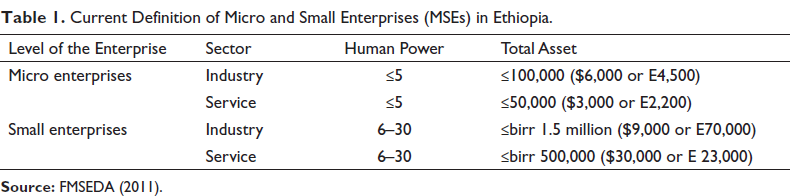
Current Definition of Micro and Small Enterprises in Ethiopia (2010/2011)
The current definition of micro- and SSIs in Ethiopia takes into calculation human capital (i.e., employed labour force, including family labour) and total assets (excluding working buildings) as measurement indicators. This newly revised definition addresses the limitations of the old definition. This definition differently indicates the minimum asset requirement for services and industry. Thus, the industrial sector includes manufacturing, construction and mining sub-sectors, and the service sector includes retail trade, transport, hotel and tourism, information technology and repairs (shown in Table 1).
Current Definition of Micro and Small Enterprises (MSEs) in Ethiopia.
Objectives of the Study
The general objective of the study is to identify the challenges and constraints confronted by SSIs’ development in the Oromia Regional State of Ethiopia.
The specific objectives are
To examine the internal (management-related) challenges and constraints hurting SSIs’ performance; To study the major external (financial, marketing, government, working premises, technological and infrastructure-related) challenges and constraints challenging SSIs’ performance and To prioritise or rank the extent of the estimated influence of each challenge and constraint on the growth performance of SSIs.
Research Hypothesis
H1: Combined internal management-related challenge and constraint has a significant influence on SSIs’ growth performance.
H2: Combined finance-related challenge and constraint has a significant effect on the growth of SSIs’ performance.
H3: Combined marketing-related challenge and constraint has a significant influence on the growth performance of SSIs.
H4: Combined working and sales outlet premises-related challenges and constraints have a significant influence on the success of SSIs.
H5: Combined technology-related challenge and constraint has a significant effect on SSIs’ growth.
H6: The combination of government- and infrastructure-related challenges has a significant influence on the growth performance of SSIs.
Methodology of the Study
Research Design
The study employed both descriptive and explanatory research approaches. The descriptive research approach clearly described challenges and constraints hurting the growing performance of SSIs. The explanatory research strategy was intended to designate, correlate and predict the effects of internal and external challenges and constraints on SSIs’ performance. Both primary and secondary types and sources of data were employed. Questionnaires were developed by the researcher and distributed to 301 respondents.
Data Collection Methods
Both quantitative and qualitative research approaches were used. Five-point Likert-scale questions were constructed and utilised to scrutinise how respondents rate using agree or disagree with the designed five-point scale questions. For the qualitative techniques, semi-structured interviews and focus group discussions were carried out.
Sampling Techniques and Sample Size Determination
The Shashemane and Adama towns from the Oromia Regional State of Ethiopia were purposively chosen because of two concrete reasons: the first reason is that the failure rate in these two towns is high when compared with other Oromia regional towns, and the second reason is that these two towns are more shaking with the high unemployment rate.
To determine sample size, the study utilised Yamane (1967) at a 95% confidence level and a sample error of 5%. The equation is

where n = sample size, N = total population size and
Data Analysis Methods
Both descriptive and inferential statistical tools were employed. Descriptive statistical tools such as mean, percentage, frequency and dispersion (standard deviation) were exploited. The grand mean and standard deviation results aided in ranking or prioritising the influencing extent of each identified set of challenges. In addition, inferential analysis, factor analysis (FA), Pearson correlation coefficient and multiple regression analysis) were also utilised to realise the significant challenge of each constraint on the growth performance of SSIs, which was measured by employment size.
FA was exploited to reduce the hypothesised number of challenges and constraints into condensed and categorised challenges, which are highly correlated.
Multiple regression analysis and Pearson correlation statistical tools were also exploited to compute the relationship between the predictors and the dependent variable.
Furthermore, for assumption-checking purposes, a test of linearity and multicollinearity was employed to check the linearity and collinearity assumptions. An ANOVA test was also employed to check the total summary model fitness.
Measurements of the Dependent Variable
SSIs’ Performance Growth (Yi)
In this study, SSIs’ performance growth was measured in terms of the growth rate of employment size.
Entirely, there is no consensus on the measurement indicator of performance yet. Primarily, performance is quantified in absolute or relative terms, such as growth in sales turnover, total assets and change in employment size. These performance quantifiers are comparatively uncontroversial (Freel & Robson, 2004). But it is hard to obtain reliable time series data on the growth performance of fixed assets and sales volume (which is a better metric of performance). Cooperatively, deducing total sales volume and fixed assets from more than 5–10 years ago could be accurate, but it is folly. Thus, the number of employees’ size is by far the most commonly used measurement proxy. Helpfully, employment size is decisively considered by the policymaker as an important input. In addition, Evans (1987) recommended that the estimations using employment size are similar to those that use sales. Besides, he added that growth in sales and growth in the number of workers are highly correlated.
This study, therefore, used employment size as a quantifier of SSIs’ performance.
The growth rate of the SSIs’ performance is computed following Evan’s (1987) model, that is,
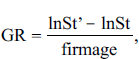
where Gr = growth rate of SSIs’ performance, lnSt’ = is the natural logarithm of current employment, lnSt = is the natural logarithm of initial employment and firmage = age of SSIs. The age of a firm is measured in years, which are measured from the birth of the firm to the time of the survey.
Model Specification
The multiple linear regression analysis was employed to predict the outcome grounded on the value of the predictor.
Regress growing performance of SSIs with the identified set of combined challenges and constraints can be represented as

where Yi = predicted SSIs’ performance growth, X1CFRC = combined finance-related challenges, X2CMRC = combined marketing-related challenges, X3CWRC = combined working premises challenges, X4CTRC = combined technology-related challenges, X5CGIRC = combined government support and infrastructure-related challenges, X6CMgtRC = combined internal management-related challenges, € = is a random variable or error term and β0 is the intercept term. And β1, β2, β3, β4, β5 and β6 are the coefficients associated with each challenge, which measures the growth rate of SSIs’ performance.
Results and Discussions
Internal and External Challenges and Constraints Faced by SSIs’ Growth
Internal Management-Related Challenges and Constraints Hurting SSIs’ Performance
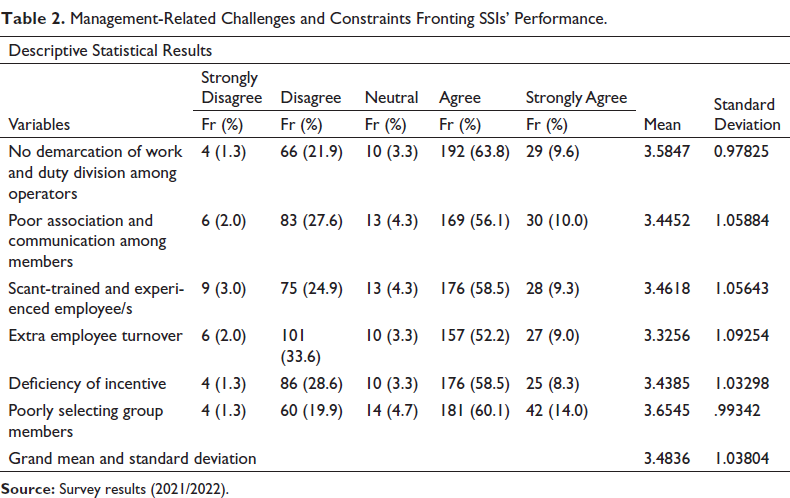
Among internal management-related challenges, the ill-selected group members were the top encounter that delayed the growing performance of SSIs, with a mean score of 3.6545 and a standard deviation of 0.99342. The blurred demarcation of work and duty division among members and the scant well-trained and experienced manager/s were the major internal challenges that oscillated the growth of SSIs with a mean score of 3.5847 and 3.4618 and standard deviation of 0.97825 and 1.05643, respectively. The absence of a well-designed association and communication among members and distorted motivation and drive strategy also hindered the growing performance of SSI, with a mean value of 3.4452 and 3.4385 and a standard deviation of 1.05884 and 1.03298, respectively. The extra employee turnover is the least influencing challenge for SSIs’ performance with a mean of 3.3256 and a standard deviation of 1.09254. Straightforwardly, experiencing extra employee turnover is negatively influencing the growing performance of a firm.
In conclusion, descriptively, the computed grand mean (3.4836) and standard deviation (1.03804) scores have shown internal management-related challenges and constraints, together, significantly agitated the development of SSI. Thus, a large number of respondents confirmed that they agreed with the existing constraints of internal management-related challenges (Table 2).
Management-Related Challenges and Constraints Fronting SSIs’ Performance.
External Challenges and Constraints Fronting SSIs’ Performance
Finance-Related Challenges and Constraints Facing SSIs’ Performance
Finance is one of the critical requirements for starting up, growing and sustaining business firms.
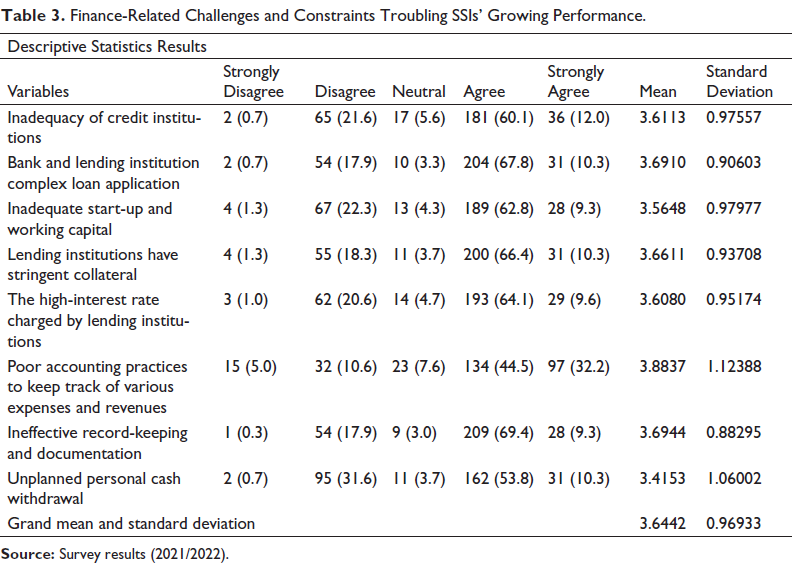
Among finance-related challenges, poor accounting practices to keep track of various expenses and revenue were the most influential challenges faced by the growing performance of SSIs. With a mean score of 3.8837 and a standard deviation of 1.12388. Similarly, poor documentation, complex lending procedures and extraordinary collateral requirements of banks and other lending institutions were also risky for SSIs’ growing performance, with mean scores of 3.6944, 3.6910 and 3.6611 and standard deviations of 0.88295, 0.90603 and 0.93708, respectively. Credit institution inadequacy, high-interest rates charged by lending institutions, and inadequacy of working capital significantly restrained SSIs’ growth, with an average score of 3.6113, 3.6080 and 3.5648 and standard deviations of 0.97557, 0.95174 and 0.97977, respectively. Finally, unintended cash withdrawals were a moderate determinant of SSIs’ performance, with a mean of 3.4153 and a standard deviation of 1.06002.
To sum up, combined finance-related challenges and constraints significantly froze SSIs’ growing performance in the study area, with a grand mean and standard deviation of 3.6442 and 0.96933, respectively. These confirmed that SSIs’ growth is subject to combined finance-related challenges and constraints (Table 3).
Finance-Related Challenges and Constraints Troubling SSIs’ Growing Performance.
Marketing-Related Challenges and Constraints Confronting SSIs’ Performance
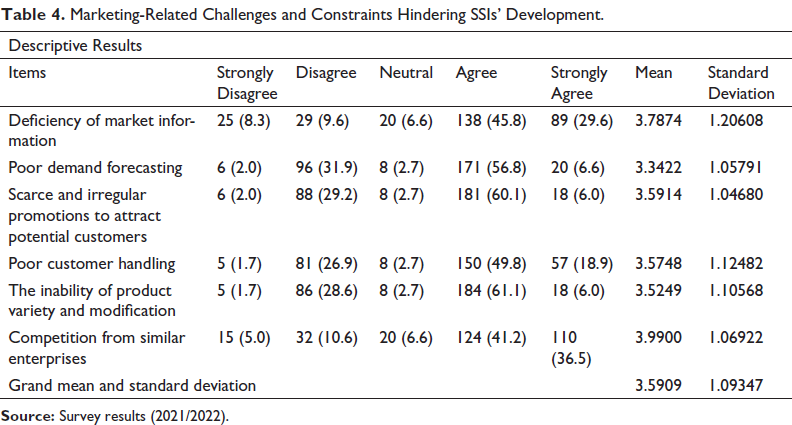
Intense competition from similar firms and deficiency of market information to predict the future demand were the major SSIs’ development troubling obstacles, with a mean and standard deviation of 3.9900 and 3.7874 and 1.06922 and 1.20608, respectively. Tunefully, partaking in an insufficient and irregular promotion to convince and attract potential customers, poor customer services, the inability of product diversity and modification also other SSIs’ performance effects, with a mean and standard deviation of 3.5914, 3.5748 and 3.5249 and 1.04680, 1.12482 and 1.10568, respectively. The inability of demand anticipating was loosely hampering the development of SSIs in the study area, with a mean and standard deviation of 3.3422 and 1.05791, respectively.
To summarise, descriptively, marketing-related challenges and constraints, together, were significantly frustrating the SSIs’ performance, with grand mean and standard deviation scores of 3.5909 and 1.09347, respectively (Table 4).
Marketing-Related Challenges and Constraints Hindering SSIs’ Development.
Working Premise-Related Challenges and Constraints
As illustrated in Table 5, the most influential challenges and constraints hampering the development of SSIs’ performance were inconvenient current working and selling outlets, with a mean score of 3.7608 and a standard deviation of 1.11172. Followed by insufficient working and selling outlets and the absence of own working and selling places, with mean scores of 3.7209 and 3.7176 and standard deviations of 1.25241 and 1.21792, respectively. Finally, with a mean of 3.6113 and a standard deviation of 1.30323, the presence of complex processes in transferring working and selling places was severely influencing the growth of SSIs’ performance.
Came Across Obstacles Related to Working Premises and Selling Outlets Challenges.
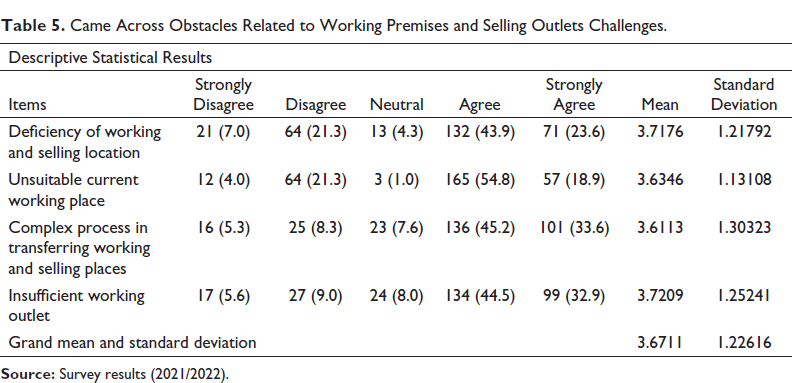
To summarise the descriptive statistical results, with grand mean and standard deviation scores of 3.6711 and 1.22616, combined working premises-related challenges significantly influenced SSI performance in the study area (Table 5).
Infrastructure-Related Challenges and Constraints to SSIs’ Growth
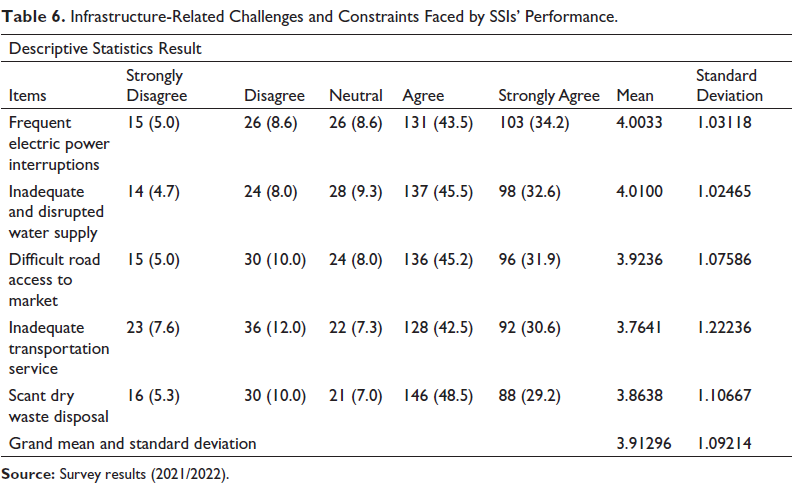
Interrupted electric power and water supply were significantly restraining the SSIs’ growing performance in the study area, with the same mean and standard deviation of 4.000 and 1.03, respectively. Road access difficulty and scanty dry waste disposal arrangements were severely detaining the growth of SSIs, with a mean of 3.9236 and 3.8638 and standard deviations of 1.07586 and 1.10667, respectively. The inadequacy of transportation services in the study area was another barrier to the SSIs’ expansion, with a mean of 3.7641 and a standard deviation of 1.22236.
Descriptively, together, infrastructure-related challenges and constraints were significantly freezing the growth of SSIs in the study area, with a grand mean and standard deviation of 3.91296 and 1.09214, respectively (Table 6).
Infrastructure-Related Challenges and Constraints Faced by SSIs’ Performance.
Government Provision and Legality Challenges to the Growth of SSIs
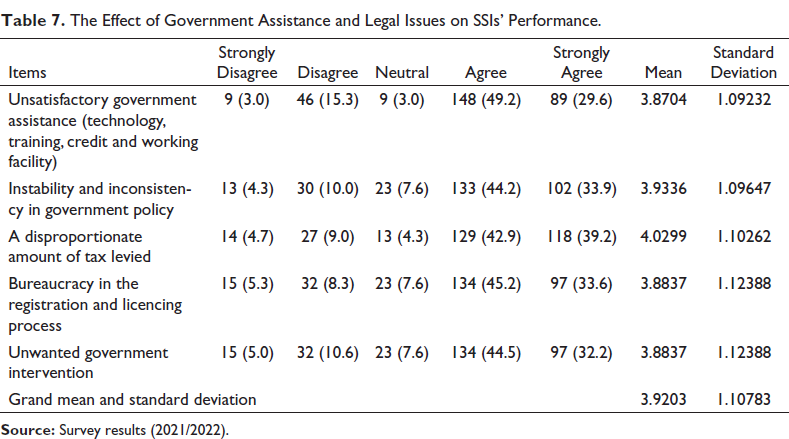
The unreasonable amount of tax levied and inconsistency in government policy and regulations due to frequent political chaos in the study area, with mean scores of 4.0299 and 3.9336 and standard deviations of 1.0262 and 1.09647, respectively, severely trembling SSIs’ performance. Undesirable government intervention and bureaucracy in registration and licencing practices also significantly influence SSIs’ performance, with a mean of 3.8837 and a standard deviation of 1.12388. And the deficiency in government support (in form of technology, training, marketing, credit and workplace services) critically hurdled SSIs’ growing performance with mean scores of 3.8704 and a standard deviation of 1.09232.
To sum up, a grand mean (3.9203) and standard deviation (1.10783) publicised that the majority of respondents in the study area agreed with the threat of combined government provision and policy-related problems (Table 7).
The Effect of Government Assistance and Legal Issues on SSIs’ Performance.
Technology-Related Challenges and Constraints on SSIs’ Growth
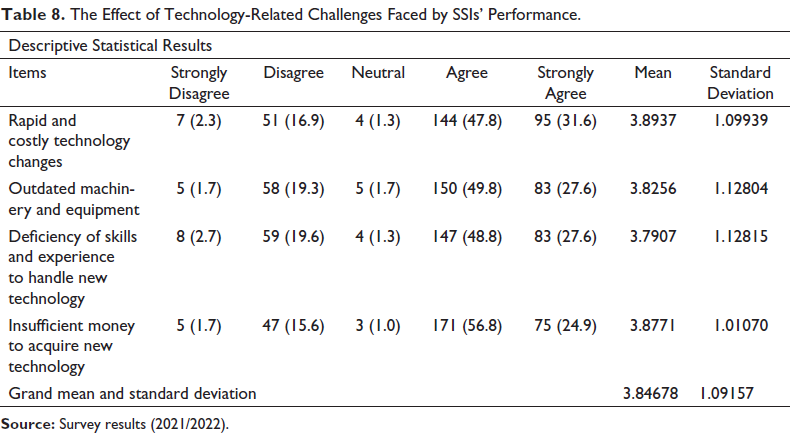
The rapidly changing technology and the deficiency of finance to purchase newly introduced technology have a significant influence on the growth of SSIs’ performance, with respective mean scores of 3.8937 and 3.8771 and standard deviations of 1.09939 and 1.01070. The majority of SSIs in the study area were using outdated and inappropriate machinery and equipment due to insufficient financial resources, with a mean and standard deviation of 3.8256 and 1.12804, respectively. An insufficiency of skills and experiences in selecting and implementing new technology was another barrier, with a mean of 3.7907 and a standard deviation of 1.12815.
In conclusion, the combined incidence of technology-related challenges has a significant influence on SSIs’ growth, with a grand mean and standard deviation of 3.84678 and 1.09157, respectively (Table 8).
The Effect of Technology-Related Challenges Faced by SSIs’ Performance.
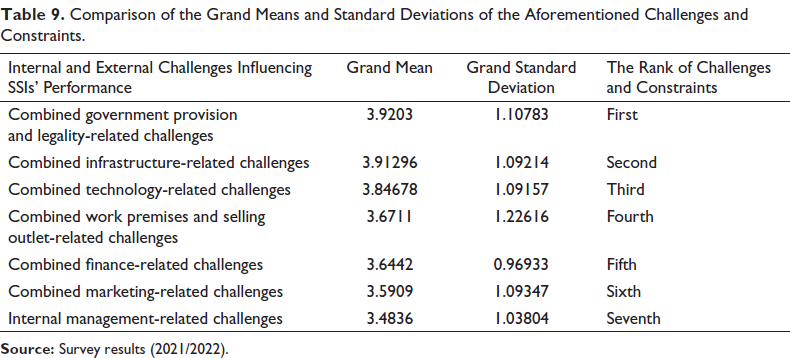
Comparison of the Grand Means and Standard Deviations of the Identified Sets of Challenges and Constraints
All the aforementioned both external and internal challenges and constraints significantly suffer the performance of SSIs. This is not meant that all challenges have equal effects on SSIs’ growth. Using the computed grand mean and standard deviation, each challenge has a different degree of effect. Given that, the combined government provision and legality and infrastructure-related challenges and constraints were placed in the first and second ranks, with a grand mean of 3.9203 and 3.91296 and a standard deviation of 1.10783 and 1.09214, respectively. Combined technology-related, working and selling outlet-related and finance-related challenges and constraints were prioritised as third, fourth and fifth rank, respectively. They are significantly paining the growing performance of SSIs, with a grand mean of 3.84678, 3.6711 and 3.6442 and a grand standard deviation of 1.09157, 1.22616 and 0.96933, respectively. However, combined marketing and internal management-related challenges and constraints were troubling SSIs’ performance moderately compared to others, with a grand mean of 3.5909 and 3.4836 and a standard deviation of 1.09347 and 1.03804, respectively (Table 9).
Comparison of the Grand Means and Standard Deviations of the Aforementioned Challenges and Constraints.
Results of Inferential Statistical Tests
This section presents statistical inference results. To draw conclusions and infer the population, inferential statistical analyses were employed. FA, Pearson’s correlation coefficient and multiple linear regression analysis were employed alongside this statistical tool.
Factors Analysis
Introduction
FA grouping extracts a highly correlated variance from all challenges and clusters them into a similar set of variables, and use these similar sets of variables for further regression analysis.
Factor Analysis Assumption Checking
FA techniques assume some assumptions: linearity (there is a linear relationship), multicollinearity (there is no multicollinearity), collinearity (true correlation between variables and factors) and inculcating relevant variables into analysis.
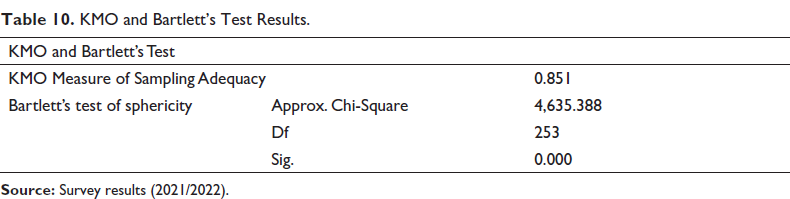
For this study, TKMO value of ‘0.851’ is given in Table 10, which indicates a strong correlation among the variables. This confirmed the plausibility of commencing FA for this particular study because the KMO value is greater than the uaniversal alpha value (i.e., 0.851 > 0.6). Thus, it authorises sampling adequacy, data fitness and collinearity assumptions to initiate FA.
KMO and Bartlett’s Test Results.
Rotated Component Matrixa.
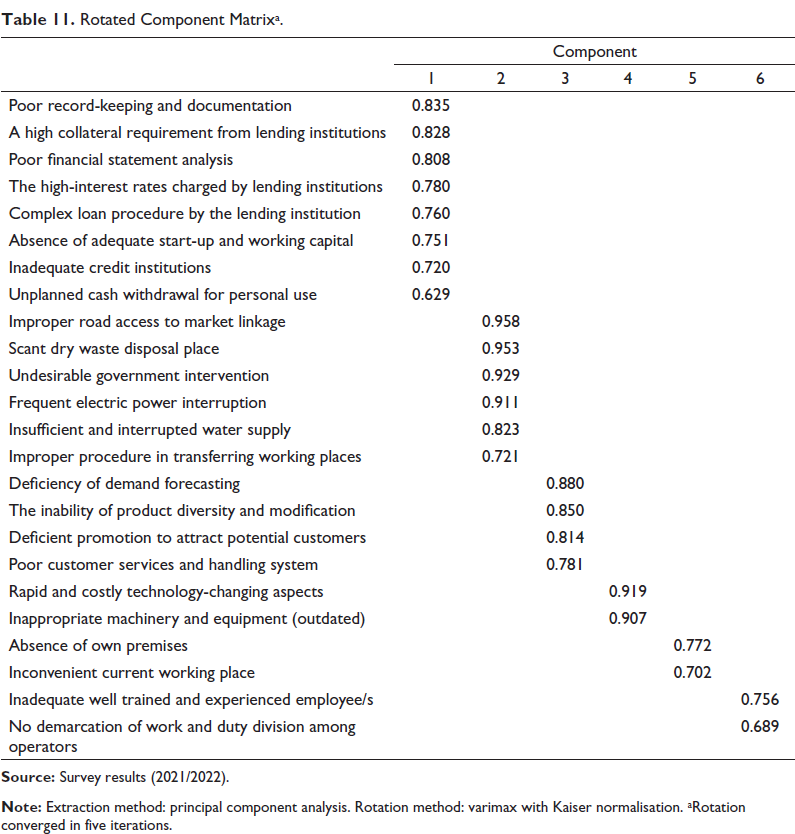
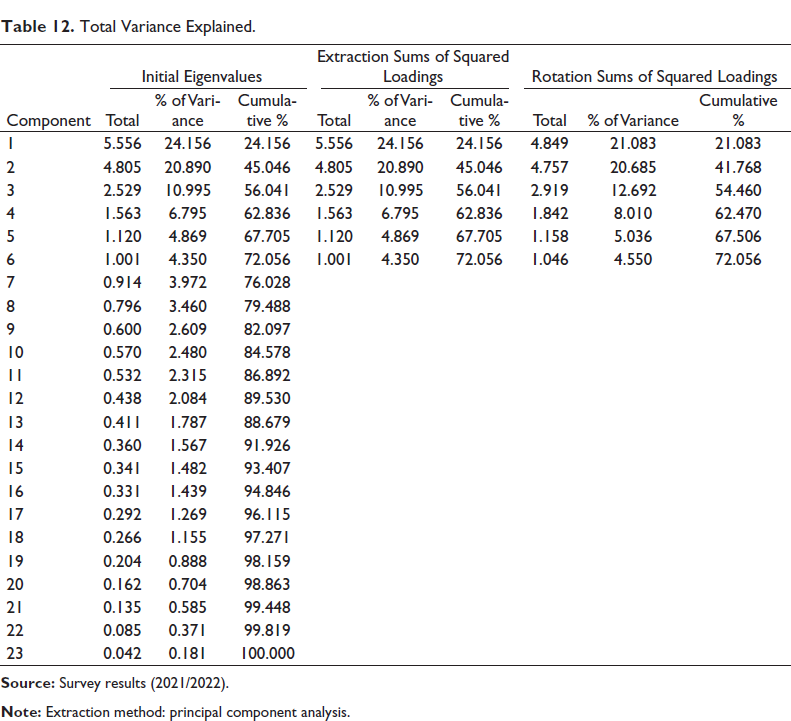
Given that, 23 factors were hypothesised, supposed that influence the growth of SSIs’ performance. Thus, with the aid of the rotated FA matrix, these 23 factors were congregated into 6 highly correlated combined challenges and constraints. Entirely, the suggested 23 challenges are accepted because they have factor loadings of 0.50 and above, so it is rational to consider them (O’Leary-Kelly & Vokurka, 1998).
Total Variance Explained.
Results of Pearson’s Moment Correlation Coefficients
Pearson’s correlation coefficient was utilised to enlighten the association between the independent and dependent variables. It was exploited to test the presence of significant relationships between independent variables and dependent variables. The correlation coefficients could be ranged between –1 and +1 (Cramer & Howitt, 2004, cited in Admasu, 2012). A positive one (+1) represents a perfect positive relation, whereas the –1 value represents a perfect negative relation. And a zero (0) value represents no association.
Along the diagonal matrix in Table 13, each challenge was perfectly correlated with itself, with a correlation value (R = 1). The combined finance-related challenges and constraints have a strong positive association with SSIs’ performance (R = 0.787). Which was a significant association at (p < .05). The outcome denotes that an increase in combined finance-related challenges increases the pressure of severity on SSIs’ growing performance. Likewise, the association of combined finance-related challenges with other challenges is positive and significant (i.e., p < .000). Given that, the association of combined finance-related with marketing-related challenges is (R = 0.634), combined working premises-related is (R = 0.547) and combined technology-related is (R = 0.563). Unlikely, it has a moderate association with a combination of government- and infrastructure-related (R = 0.495) and internal management-related challenges (R = 0.374).
Association Between SSIs’ Performance and Challenges, and the Association Between Factors Factor Relations.
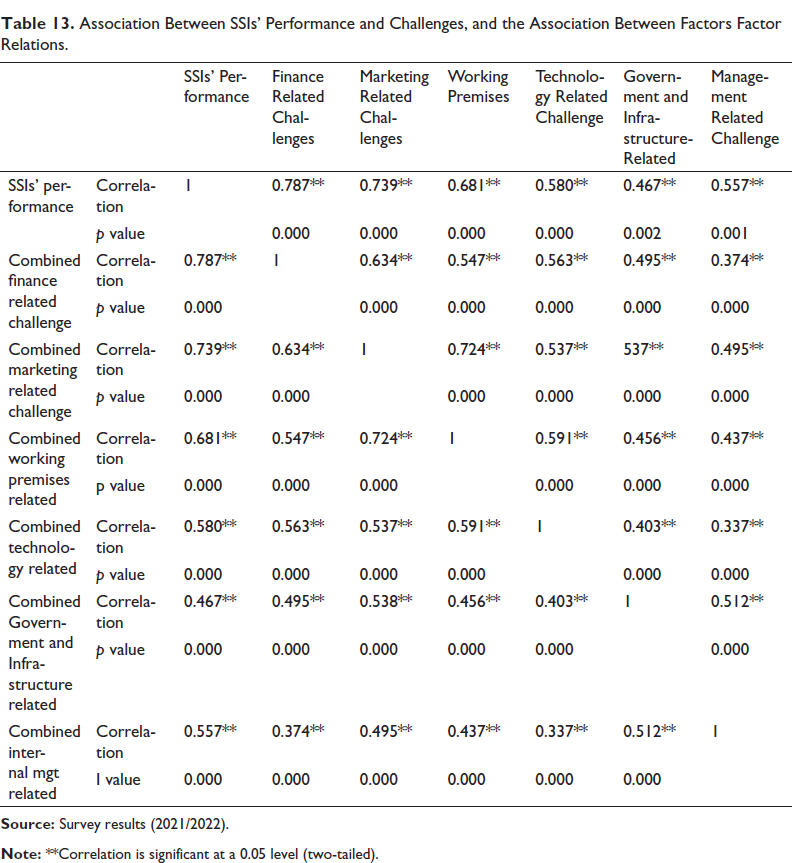
The combined marketing-related challenges have a significant association with SSIs’ performance (R = 0.739, p < .05). It denotes that an increase in marketing-related challenges increases the degree of influence on SSIs’ performance. With others, combined marketing challenges have a positive and significant bond (p < .000). Alike, it has a significant association with a combined working premise (R = 0.724). By the same token, its association with the combination of government- and infrastructure-related challenges is almost similar to that of technology-related challenges with (R = 0.537). To end, the bond between combined marketing-related challenges and combined internal management-related challenges is moderate at (R = 0.495).
Regarding the combination of working and sales outlet premises, the Pearson correlation coefficient revealed that there was a significant and positive association at R = 0.681, p < .05. Combined working and sales outlet premise related challenges have a significant association with technology-related challenges (R = 0.591), and have a moderate correlation with the combination of government and infrastructure (R = 0.456) and internal management-related challenges (R = 0.437).
Pearson’s findings also revealed that the combination of technology-related challenges has a positive and significant association with SSIs’ performance at (R = 0.580, p < .05). With other challenges, it has a moderate correlation with government- and infrastructure-related challenges (R = 0.403). Respectively, it has a weak association with internal management-related challenges, with a Pearson correlation coefficient of (R = 0.337).
The combination of government- and infrastructure-related challenges has a moderate and positive association with SSIs’ performance, with a correlation value of (R = 0.467, p < .05). The correlation between government and infrastructure and internal management-related challenges was significant at a value of (R = 0.512, p < .05).
To end, the bond between internal management-related challenges and SSIs’ performance growth was positive and significant, with a correlation value of (R = 0.557, p < .05). This inferred that an increase in internal management-related challenges increases the severity of pressuring SSIs’ growing performance at a 5% significance level.
In conclusion, all the commonly identified sets of internal and external challenges and constraints, have substantial significant relations. Thus, the findings of this study concluded that all challenges are playing a decisive role in deciding the growth of SSIs’ performance.
Correlation Coefficient R Squared (R2) Results
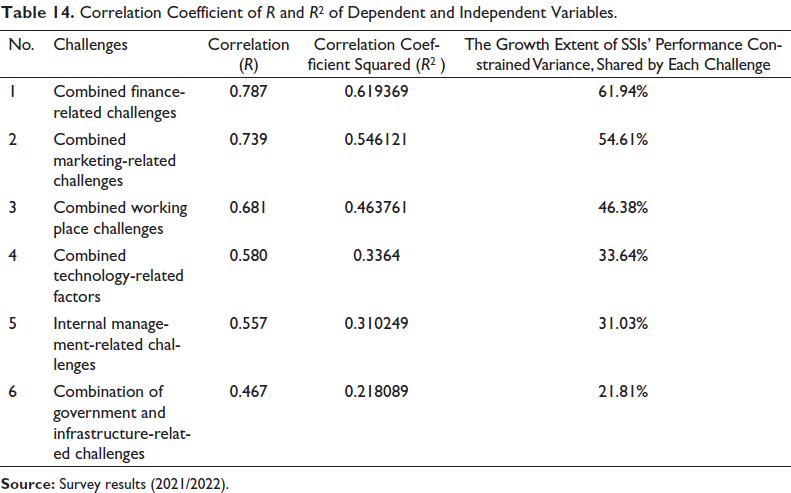
The R2 results indicated the discrepancy shared by each challenge and constraints on SSIs’ performance. Relied upon correlation coefficient squared (R2), combined finance-related challenges shared (61.94%) of variances and marketing-related challenges shared 54.61% of variances. By the same token, combined working and selling places shared 46.38%, technology-related challenges shared 33.64%, internal management-related challenges shared 31.03% and combined government- and infrastructure-related challenges shared 21.81% of the degree of variances to SSIs’ performance, respectively (Table 14).
Correlation Coefficient of R and R2 of Dependent and Independent Variables.
Regression Analysis Statistical Results
The study exploited multiple regression to test the formulated hypothesis, and to predict the significant influence of the identified set of challenges on the growth of SSIs’ performance. The SSIs’ performance was recognised as a dependent variable, which was measured by the employment growth rate. And the predictors (include combined finance-related, marketing-related, working place-related, technology-related, government- and infrastructure-related and internal management-related) challenges and constraints.
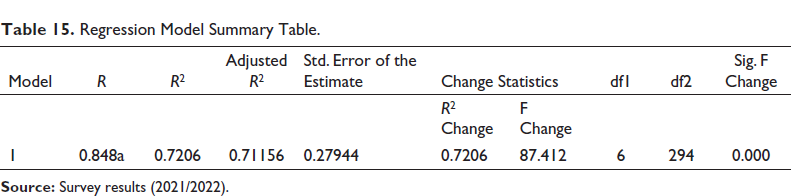
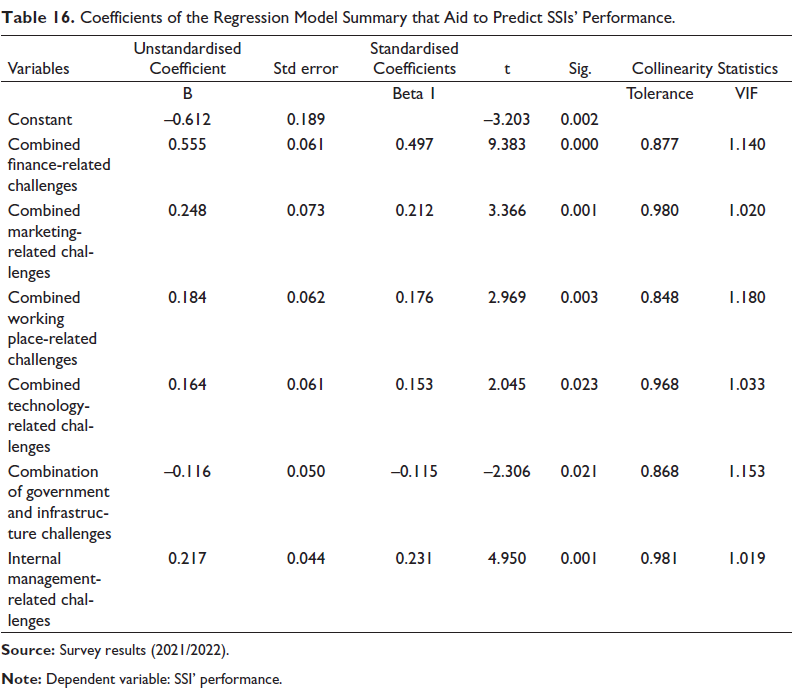
The statistical regression model summary presents the correlation coefficients between the independent variables and the dependent variable (SSIs’ performance; R = 0.848) and R2 (i.e., simply the squared value of R; R2 = 0.72056). Normally, the value of R2 is used to denote the goodness of fit or the degree of variance in SSIs’ performance explained by the identified set of challenges. In this model, the value of R2 is 0.72056, which quantified 72.056% of the variance of SSIs’ performance, and was explained by the identified set of challenges, whereas the remaining 27.944% of SSIs’ performance ought to be explained by other constraints.
The significant value indicated the significant effect of each of the identified sets of challenges, either to accept or reject the H0. If the value is less than or equal to the level of significance (<= 0.05), then it is called significant.
In this study, the coefficients of each of the predictors were quantified by the unstandardised β coefficients, which are indicated under the unstandardised coefficients β column. The summary of the model with unstandardised coefficients of β:

where Yi = predicted variable (SSIs’ performance), X1CFRC = combined finance-related challenges, X2CMRC = combined marketing-related challenges, X3CWRC = combined working premises challenges, X4CTRC = combined technology-related challenges, X5CGIRC = combined government- and infrastructure-related challenges and X6CMgtRC = combined internal management-related challenges.
Given that, the foremost and positively influencing predictor from the identified set of challenges was the finance-related challenge, with a β coefficient of (0.555), followed by the marketing-related ones with a β coefficient of (0.248), the combined internal management-related with a β coefficient of (0.217), working premises with (0.184) and one related to technology with a β coefficient of (0.164). However, the combination of government- and infrastructure-related challenges was negatively troubling the SSIs’ performance, with a β coefficient of (–0.116).
In conclusion, all the identified sets of challenges have a significant influence on the performance of SSIs in the Shashemane and Adama cities of the Oromia Regional State of Ethiopia (Tables 15 and 16).
Regression Model Summary Table.
Coefficients of the Regression Model Summary that Aid to Predict SSIs’ Performance.
Discussions on the Formulated Hypothesis (Hypothesis-Testing)
Descriptively, combined finance-related challenges ranked as the fifth-most severe problem that downcast SSIs’ growth. In line with this, within the findings of Admasu (2012) and Berihun et al. (2009), the finance-related challenges were rated as the second-most significant constraint troubling the growth of SSIs. Descriptively, they listed finance-related challenges as the first limit of SSIs’ performance. In addition, the correlation results of this study confirmed that there was a strong relationship between the predictor and the SSIs’ performance at (r = 0.787, p < .05).
Descriptively, marketing-related constraints are exhibited as the six major problems that constrain the performance of SSIs in this study. And the correlation result also confirmed that there is a strong bond between the predictor and predicted variables at (r = 0.739, p < .05).
Descriptively, the working premises-related challenges were documented as the fourth decisive challenge in the study area. On the contrary, Serawitu (2016) findings accredited working premise challenges as the second-most influencing challenge.
A correlation result of the study showed that there was a strong link between the predictor and SSIs’ growth with (r = 0.681, p < .05).
Conclusions and Recommendations
Conclusion
Using grand mean and standard deviation results, descriptively, the combination of government support and legality-related, infrastructure-related and technology-related challenges and constraints were found to be the top three dominant constraints that determine the growth of SSIs’ performance, respectively. The combined working and selling outlet, finance-related and marketing-related challenges and constraints were also found in the fourth, fifth and sixth rankings that determine the growth of SSIs’ performance, respectively. Last but not the least, internal management-related challenges moderately influenced the growth of SSIs in the study area.
Through inferential statistical (the multiple regression analysis and standardised coefficient) results,: combined finance- and marketing-related challenges and constraints constituted the topmost bottlenecks limiting the growth of SSIs performance. Likewise, combined working and selling outlet places and technology-related challenges were also found to be the fourth-most significant influencing challenges and constraints of SSIs’ performance in the study area, at a 5% level of significance. Internal management-related challenges were moderately influencing the growth of SSIs’ performance. The combination of government- and infrastructure-related challenges was found to be the least influential challenge in this particular study.
Finally, the identified set of challenges and constraints explained the 72.056% variance of SSIs’ performance growth, whereas the 27.944% variance of SSIs’ performance could not be explained by these identified sets of challenges and constraints in this particular study.
Recommendation
This study suggested the following recommendations to policy and strategy design, promoters, researchers and other stakeholders to probably solve these relevant challenges and constraints, which have a paramount effect on the growth of SSIs’ performance.
Financial challenges and constraints: These were paramount bottlenecks for the growth of SSIs’ performance. Since the source of finance for SSIs was restricted to personal savings, to solve this restricted access, the study suggested that the central and regional governments should take the initiative to deal with financial institutions, provide a loan guarantee and loan at a low-interest rate. Facilitating and providing easy access to a source of funds is a better instrument.
Concerning combined marketing-related challenges, The currently existing market is not sufficient and suitable for SSIs’ products. To solve these challenges, the government should initiate additional ease of access to market opportunities through scheming new markets and a network with large and small industries as possible. Plus, the central and regional government executives are also advised to organise and initiate a bazaar and trade fair for SSIs to promote their products. Besides, SSIs are also advised to have product diversity and modification strategies to take a competitive advantage and cope with dynamic demand.
Concerning working and selling outlet premises:, The findings of the study echoed that SSIs experienced a deficiency in their working and selling and inconvenient working places. So, the regional and central administrations should facilitate and provide sufficient and convenient working places for SSIs. Besides, the government ought to establish plausibly a single window system where SSIs can access the services and facilities without any anxiety.
Regarding the internal management-related constraints: Scant trained and experienced management frequently challenged the SSIs’ sectors in the area. Thus, government societies are advised to take an initiative in building the capacity of the operators through steady education and training and in providing proper business development services. Besides, the firm should inculcate in their planning, tasks like experience-sharing with successful industries.
Government support and legality-related issues: To strengthen the SSIs, the government should lessen the tax rate and the stretched bureaucratic chains in getting government services such as registration, licence, business development services and consultation timely. Besides, the government should design a one-way service rendering system with consistent policies and regulations as possible.
Concerning technology-related challenges and constraints: To improve the competitiveness level, the government has to make easy access to new pieces of machinery and equipment available at an affordable cost to SSIs. Above and beyond this, SSIs ought to look for modern pieces of machinery and equipment to take a competitive advantage over their competitors.
Significance of the Study
At present, in Ethiopia, forming and promoting SSIs has been considered a basic strategic instrument for employment creation and the foundation for poverty reduction and long-term development objectives. Because, in Ethiopia, like in other developing countries, the unemployment rate among the fruitful young group has ominously intensified recurrently, which have been becoming a threat to the country. Contrary to this, the success of the SSIs is still below expectations in the country, which demands a thorough investigation. Therefore, the output of this study provides abundant significant attributes for SSIs’ success by deterring and identifying the challenges and constraints, which restrained their growth, in order to improve the expansion of SSIs to form jobs among unemployed young groups and long-term economic development objectives.
In sum, this study offers plausible potential significant attributes to policy and strategy design, promoters, researchers and other stakeholders to probably solve these relevant challenges and constraints, which hav a paramount effect on the growth of SSIs’ performance in the country.
Footnotes
Declaration of Conflicting Interests
The authors declared no potential conflicts of interest with respect to the research, authorship and/or publication of this article.
Funding
The authors received no financial support for the research, authorship and/or publication of this article.
