







Abstract
Given the havoc of the worldwide coronavirus disease-2019 (COVID-19) pandemic on the older population, this article outlines a positive ageing framework for understanding and assuaging the havoc. Positive ageing follows the dual ageing ethics of living positively for self (maintaining health and functional independence) and for the betterment of others (other individuals and society at large). However, it suffers from the pandemic because the pandemic exacerbates ageism, impedes vaccine uptake and erodes social networks that have been an important resource and source of human connectedness and support for elders. The suffering thus amplifies the havoc of the pandemic on elders’ physical, psychological and social health. Preventing that suffering and advancing positive ageing, possibly by cultivating social networks and through social reforms to harness the silver demographic dividend of older workers for post-pandemic national recovery, are advisable, considering extant and emerging research evidence.
Keywords
COVID-19 Pandemic and Positive Ageing 1
The coronavirus disease-2019 (COVID-19) outbreak was declared a global pandemic by the World Health Organisation on 11 March 2020. By the end of December 2022, confirmed cases worldwide totalled 631.3 million with a death toll of 6.7 million (
In the first part of the article, we present a dramaturgical model of the pandemic to provide a temporal framework and link it to the parallel outbreak of ageism and the question of why COVID-19 vaccine hesitancy has been so high among some elders. The purpose is to draw out some of the features of the pandemic, a bio-medical disaster, from the experiences of elders, a high-risk group. For this purpose, we also discuss who elders are from a historical perspective. Whilst their three years of negative experiences in the pandemic may not be unique, they carry particular significance because three years for them are a relatively large share of life remaining in old age, large than in young age when there will be more time to recover from the experience and compensate for lost opportunities. This leads to the second part of the article, in which we discuss key features of positive ageing, namely, its dual ageing ethics, the theoretical importance it places on social network cultivation, and its potential contributions to post-pandemic national recovery through social reforms to harness the silver demographic dividend of older workers.
COVID-19 Pandemic
Pandemic as Drama
Like previous pandemics and major epidemics in human history, the COVID-19 pandemic has its starting point in the pathogen, which calls the tune at each and every turn. Human science at its best may shorten the response latency through international data sharing and research collaboration. A salient feature of the current pandemic is the rapidity of viral mutations that undermine human responses and the efficacy of public health measures to prevent and control the disease. Since the earliest available SARS-CoV-2 viral genomes were collected from patients in December 2019, no fewer than four variants of major concern, from Alpha to Delta, have appeared within a year. Just as the mutations seemed to have stopped and no more variant of concern has appeared for the subsequent 12 months, Omicron appeared in samples collected in November 2021. Understanding the pandemic trajectory would help clinicians and health policymakers better craft a response to COVID-19 today and to the future epidemics that will inevitably come (Hanson & Small, 2022).
The trajectory of pandemics and major epidemics in human history is like a drama playing out in four acts (Markel, 2007; Rosenberg, 1989): Act 1: Progressive revelation; Act 2: Managing randomness; Act 3: Negotiating public response; Act 4: Subsidence and retrospection.
In the first Act of the COVID-19 pandemic drama, authorities were reluctant to acknowledge or accept that an epidemic was happening. However, as the sick kept turning up at hospitals and dead bodies piled up, the truth was progressively revealed through social media and the internet (Chaurasia & Ghose, 2023). The truth demanded an explanation of the seeming randomness of what was happening. Why have some particular individuals but not others been infected, and why would some recover while others would perish among those infected? In this second Act of the pandemic drama, a mixture of scientific explanations, conspiracy theories and scapegoating allegations have been proposed, and many have quickly become popular topics of misinformation and fake news (Gonzalez, 2023). Some of these have been selected by particular jurisdictions, which have defined policies and measures to be taken by authorities, moving the drama into Act #3. The public policy and ethical choices are whether to put saving lives above keeping business as usual or vice versa. Compulsory wearing of face masks, social distancing, restrictions on social gatherings and visitation, testing to identify infected cases and committing them to quarantine and other draconian measures, such as locking down whole neighbourhoods with infected cases would help save lives. However, these measures would disrupt businesses, supply chains, and normal living. The dilemma has been variously described as prevention/control versus personal freedom/business as usual or COVID-zero versus coexistence with COVID (Zhang et al., 2021). Internationally, the dilemma has become a contest for global leadership in the fight against the pandemic (Zhao, 2021).
Had the pandemic subsided quickly, the particular measures adopted would have been more bearable. However, it hasn’t. The measures become harder and harder to justify or repeat, and pandemic fatigue spreads (World Health Organization, 2020). The availability of vaccines, far from being the instant saviour that the public has been initially led to believe, has been met by hesitancy that effectively prolonged the time to raise vaccination to community-wide immunity levels. Even among populations with community immunity, new and more infectious virus mutants appeared to restart the tug of war. The virus and its mutations have continued calling the tune, and human science seems pitifully powerless dancing to the tune, unable to overtake the virus in the race for prevention or control. The time gaps between consecutive waves of the pandemic outbreak have been too short to allow societies to sufficiently recover before being thrown into disarray by another outbreak caused by a new virus variant.
At the time of this writing (January–February 2023), the fourth Act of the pandemic, in which the pandemic is supposed to have subsided and society has begun retrospection exercises, is not yet in sight. However, some jurisdictions have relaxed or removed all measures of pandemic prevention and control in the race to stimulate economic activities. An editorial published in Lancet warned that ‘The pandemic is far from over’, citing, among other issues, the plight of older persons due to their low vaccine uptake and other factors (Lancet, 2023). On top of all that, the troublesome post-viral condition, known as long COVID, may be present in as many as 10% of infections (Davis et al., 2023).
No age groups are spared of COVID-19 infections, but elders are at a higher risk of infection and death (Girdhar et al., 2020; Le Couteur et al., 2020). Studies published before October 2020 have already found various adverse impact on older adults indicating the presence of psychological symptoms, exacerbation of ageism, and physical deterioration (Lebrasseur et al., 2021). The stories of and about elders that continue to emerge are disturbing. The rates of elder death from infection are much higher than the global average (Esmaeili et al., 2023). Elder abuse, such as financial scams and family violence or neglect, has increased. During the prevention and control phase of the pandemic, the elders, like most other citizens, suffer from the cancelation of medical consultations, social distancing, home isolation, restriction on visitation, quarantine and lockdown (Su et al., 2022). These restrictions have been repeated and maintained over long periods. Many elders succumb to the enduring test and many more suffer from prolonged social isolation and deprivation of social support (Lazzari & Rabottini, 2022). Those who live in rest homes were segregated inside and subject to cross-infections. Many would never see their loved ones again.
Alongside these disturbing stories are heroic anecdotes of retired physicians, nurses, scientists and researchers returning to help society fight against the pandemic (Petretto & Pili, 2020). Although under-studied, these anecdotes are a reminder of the elders’ vitality, as elaborated in the second part of the article (Positive ageing).
Who Are Elders?
The conventional chronological age for demarcating between elders and younger persons is 65 years (UN, 2019), although the previous threshold of 60 years is still used in some quarters. Using this convention, some authors segment the population of elders into young-old (age 65–74), old-old (age 75–84) and oldest-old (age 85 and above). In 2022, there were over 760 million elders or 9.6% of the global population. The majority (64%) are young-olds, the so-called first-wave boomers born in the first decade of the post-Second World War baby boom. Their large number was due to two main factors. The first was a surge in new births when men returned from the war and couples promptly started (or restarted) raising families to make up for fertility delayed by the war. The second factor was that most new-borns have survived and are living to old age.
Historically elders have been a principal player in a demographic revolution that has changed the world and contributed to global recovery from Second World War. The revolution began when the first-wave boomers, men and women, came of age and entered the labour force in huge numbers year after year. The growth of the working-age population boosted labour income. When this was coupled with workers’ strong incentives to accumulate assets to provide for children’s education and in preparation for their longevity, savings increased and this provided funds for investment and accelerated economic growth in many parts of the world. The resultant demographic dividend is also called the second demographic dividend to differentiate it from the first, smaller dividend due to the earlier demographic transition from a largely rural agrarian society with high fertility and mortality rates to a predominantly urban industrial society with low fertility and mortality rates (Lee & Mason, 2006). Elders have played their part in post-war economic growth and national development (Bloom et al., 2003; Navaneetham & Dharmalingam, 2012).
Sadly, as the baby boomers approach an older age, they are squeezed out of their regular jobs into abrupt (rather than gradual) retirement or a job market offering only odd jobs. That would mean 20 long years without a regular income, except for the relatively few who manage to keep their jobs or ease out retirement in relative comfort. The majority dread what retirement would bring, not only the prospect of financial hardship but also becoming disengaged from co-workers and society in their long retirement (Gibaldi, 2013; Graebner, 1980). Modern society wastes an otherwise productive and experienced labour force and turns it into a social burden instead. Estimates in Australia indicate that if 5% more people aged 55 or older were employed, this would add AUD$4,800 million to the national economy annually (World Health Organization, 2021).
Pandemic Exacerbates Ageism
Butler (1975) coined ‘age-ism’ to bring attention to systematic stereotyping and discrimination against people because they are old, just as racism and sexism accomplish this for colour and gender. He has subsequently published several more elaborate definitions of the term, of which the tripartite one is the most suitable for present purposes (see Iversen et al., 2009, for a comprehensive review of Butler’s and over twenty other definitions of ageism). Three facets of ageism have contributed to the ‘transformation of ageing from a natural process into a social problem in which the elderly individual bears the detrimental consequences’ (Butler, 1980, p. 8). They are:
Prejudicial attitudes toward the aged, old age, and the ageing process. In social psychological terms, prejudice includes affect and cognition (stereotypes and beliefs). Importantly Butler pointed out that prejudice is also internalised/embodied by elders and partly responsible for their negative self-image as being frail, vulnerable, and no longer useful. We shall call this ’self-ageism’ to distinguish it from ageism held by others. The latter may take various forms ranging from well-meaning over-protective/compassionate ageism to patronising over-protective ageism and outright hostile ageism. Discriminatory practices against elders in employment and other social roles. Institutional practices and policies which unintentionally perpetuate stereotypic beliefs about elders and undermine their quality of life and personal dignity.
The World Health Organization’s (2020) definition of ageism is essentially the same as Butler’s (1980).
Ageism predated the COVID pandemic and even Butler’s (1975) seminal paper. According to global data gathered before the pandemic, one in two individuals held ageist attitudes towards older persons. A systematic review of studies showed that in 85% of studies, age determined who received certain medical procedures for treatment (World Health Organization, 2021). Ageism is not new but has been exacerbated by the pandemic (Ayalon et al., 2021). A comparative study of Australia, the United Kingdom and the United States has shown that despite their divergent policies, public responses to lockdowns and other measures commonly cast older adults as a problem to be ignored or solved through segregation (Lichtenstein, 2021). The pandemic outbreak inflames existing ageism and causes concern to gerontologists and healthcare providers (Harper, 2021). At the World Economic Forum held in October 2020, Akinola (2020) warned that the pandemic ‘has worsened ageism’.
In the beginning phase of the pandemic, when intensive care units (ICUs) were rapidly overwhelmed by large numbers of infected patients, difficult decisions must be made on who should be admitted (to be saved) and who should be left on the ward (to die). There were widespread reports that in triage decision-making, chronological age was used against older patients in favour of younger patients (Anderson & Philpot, 2022; Fjølner et al., 2022). It would be unfair to attribute these life-or-death decisions solely to institutional ageism, because pragmatic and utilitarian considerations are inevitably involved in allocating scarce ICU resources. Why spend resources on saving and nursing a 70-year-old patient back to health when a smaller amount of the resources would be enough for a 40-year-old patient? Even if saving and nursing them would cost the same, why spend it on the older patient only to live for another 10 years when the younger patient would live for another 40 years, long enough for him/her to continue working and bringing up the family? Such cost-effectiveness, distributive justice and elder sacrifice for intergenerational equity considerations have their rightful place in triage decision-making and cannot be dismissed, especially during the pandemic that overwhelms public health systems (Faggioni et al., 2021; Harper, 2020). Nevertheless, the fact is that older patients are prioritised to die because they are old.
As the pandemic gets caught in Act #3 and drags on, reports of ageism continue to appear in individual publications (e.g., Ayalon et al., 2021) and entire special issues of journals (e.g., Levy & Lytle, 2022). There is a surge in hate speech, intergenerational resentment, and human rights violations (Levy et al., 2022; Meisner, 2021); in the US, stigmatising and blaming elders are often generalised to Asian Americans (Huang et al., 2022).
The contemporary world may not remember the historical role of elders in post-war recovery, but it would readily recognise elders as a ‘problem’ through such demographic constructs as ‘population ageing’ and ‘elder dependency ratio’. They are meant to be descriptive. However, they have unfortunately acquired negative connotations, partly because the keywords ‘ageing’ and ‘dependency’ imply negativity and partly because of their promulgation by what Katz (1992, 2022) has called ‘alarmist’ demographers. An ageing or aged population conjures up disturbing images of the soaring costs of pension and elder medical and social care. Similarly, the elder dependency ratio problematises the presence of elders in the population.
The alarmist demography carries a sobering warning that societies should face up to challenges in a world steadily ageing with increasing elder dependency. It is, however, flawed in using chronological age to set the value of the old-age threshold because chronological age no longer accurately captures the main characteristics of population ageing. Thus, not all older persons are dependent and frail, much less of the young olds who have turned 65 only in recent years. As Šídlo et al. (2020) have shown, over time and space, the old age threshold cannot simply be seen in fixed terms as the number of years already lived (chronological age). The number of years remaining in life is a much more important indicator regarding ageing (Howdon & Rice, 2018; Sanderson & Scherbov, 2010). Older persons of similar age are often lumped together as if they are all dependent, thereby overlooking elder diversity and exaggerating the size of the problem (Kornadt et al., 2021; Wahl et al., 2022). A prospective study of the economic burden of ageing in 2030 shows that the burden should be no greater than the economic burden associated with raising large numbers of baby boom children in the 1960s. The real challenges of caring for elders in 2030 will require improving payment and insurance systems for long-term care, utilising advances in medicine and behavioural health to keep elders as healthy and active as possible, making elder care more accessible, and building a more inclusive society for all ages (Knickman & Snell, 2002).
Vaccine Uptake and Hesitancy
Despite major advances in vaccination over the past century, vaccine-preventable illnesses have reappeared from time to time due to low vaccine uptake. The recurrent situation has prompted the World Health Organisation to declare vaccine hesitancy a major threat to global public health with dire consequences for individuals, health systems and the economy. Vaccine hesitancy, that is, delay in uptake or outright refusal of vaccination, has been the subject of many studies, leading to powerful explanatory models, yet vaccination programmes have repeatedly failed to translate the findings into effective practice.
Surveys of COVID-19 vaccine uptake show that in 2020–2021, uptake rates varied enormously worldwide, from over 80% to under 30%. Examples of the higher end are Brazil, Canada, China, Costa Rica, Denmark, Ethiopia, Honduras, Malaysia, Mexico, Nepal, Niger, Rwanda, Sierra Leone, Tunisia, Uganda and Vietnam; those of the lower end are Algeria, Bahrain, Cameroon, Egypt, Jordan, Haiti, Lebanon and Russia (Sallam et al., 2022). For many elders, vaccine hesitancy has led to tragic consequences. In Hong Kong, up to the end of 2021, COVID-19 infections and deaths were near-zero, mainly due to the success of pre-emptive COVID-zero public health measures. Unfortunately, responsible officials should have used the time to raise the vaccination rate among at-risk older groups through personal outreach and other effective programmes instead of over-relying on impersonal commercials. As a result, the vaccination rate remained dangerously low like a time bomb, which set off in early 2022 at the Omicron outbreak. Deaths surged to 6,000 in three months and over 9,000 by the end of June 2022. These figures, expressed as 100,000 of the population, were the highest worldwide (Taylor, 2022). Most deaths were people aged 70+ years (88%), although their numbers were less than 13% of the total population. Their tragic situation was partly attributable to their high vaccine hesitancy rate (20%, compared to 7% of those aged 12–69 years (Wong et al., 2022).
A theoretical model of elder vaccine hesitancy can derive from the emergent literature dealing with vaccine hesitancy in the general population (e.g., Hwang et al., 2022). An exceptionally systematic review of 37 studies of vaccine hesitancy in the general population published between 2020 and 2022 has identified the five most predominant predictors of vaccine hesitancy (Pires, 2022). They are: a lower perceived risk of getting infected, not being vaccinated against influenza, lower perceived severity of COVID-19 infection, lower institutional trust, and stronger beliefs that the vaccination would cause side effects or be unsafe.
It is unclear from Pires (2022) how the big five may organise into one or more clusters. The social psychological concepts of attitude and self provide two organising principles: An attitude of complacency: ‘I have never received any flu jabs, and I have been ok; The pandemic is no more serious than a seasonal flu; I won’t be infected; The government is exaggerating the situation’, and a self-image of vulnerability that focuses on harms to self: ‘I’m not strong enough against the side effects of the vaccine; I’ll be harmed before getting any benefit from it; The vaccines have all been rushed out by drug companies and cannot be trusted’.
Attitudinal complacency relates to the pandemic, self-vulnerability relates to vaccines, and both involve institutional mistrust. They overlap with the factors of vaccine hesitancy in the COVID-19 Vaccine Hesitancy Scale developed by Kotta et al. (2022) and are consistent with psychological processes of vaccination in the health belief model (Mercadante & Law, 2021) and the theory of planned behaviour (Fan et al., 2021). Of the two, self-vulnerability is particularly useful for understanding why vaccine hesitancy is high among some elders.
An individual’s complacent attitude may simply reflect population complacency, which would emerge when cases of infection or death are relatively few, such as at the beginning of a particular wave of outbreak and its end phase, or when pre-emptive non-vaccination measures of pandemic prevention and control are succeeding (Tian et al., 2020; Wong et al., 2022). Pires’ (2022) findings call attention to the added impact of a person’s past experience of refusing flu vaccination, which would predispose the person to discount any information favouring the adoption of a new, contrary behaviour (accepting COVID-19 vaccination). The added impact would not be stronger among elders than younger persons because they have been regularly targeted in past flu vaccination campaigns and would have become accustomed to accepting flu vaccines. For this reason attitudinal complacency as a driver of COVID-19 vaccine hesitancy may actually be less relevant to elders.
The impact of self-vulnerability on vaccine hesitancy in the general population is evident from studies showing that people with negative self-views are less willing to use infection-prevention measures (Stuppy & Smith, 2023). Among community-living elders, those who are vaccine hesitant most commonly report ‘Not feeling in good health’ and ‘Worry about vaccine side effects’, suggesting that the impact of self-vulnerability is especially pertinent to elders (Zhang et al., 2022). The impact can be traced to societal/cultural ageism that stereotypes elders as vulnerable and frail (Cuddy et al., 2005; Hummert et al., 1994). Societal/cultural ageism works insidiously through its embodiment in elders’ own negative self-ageism and the over-protective ageism held by significant others. Self-ageism amplifies the vulnerability of self, and hence its impact on vaccine hesitancy. Over-protective ageism would lead concerned relatives, even health professionals, to discourage elders from vaccination because they want to protect them from risking their lives.
Attitudinal complacency and self-vulnerability are psychological processes. Reinforcing these processes are anti-vaccination narratives and other conspiracy theories that are propagated through the media (Germani & Biller-Andorno, 2021; Raza et al., 2023). Vaccination barriers due to transport problems to vaccination stations and long hours of waiting are another community-level factor that also affect vaccine hesitancy, which is especially problematic for older persons who rely on wheelchairs or require carers’ assistance.
As societies rush off to recover from the pandemic disruption and compensate for lost time and opportunities, elders are likely to be left behind. Positive ageing suggests that they should think and act positively instead of playing the role of the weak and pitiful, waiting for others to come to their aid.
Positive Ageing
At the core of positive ageing is dual ageing ethics promoting positive living in old age for the betterment of self and others (other individuals and society at large). The elders would translate the ethics into daily life through their social networks of significant others, supported by inclusive institutional policies and practices that maintain them as a social resource rather than reduce them to a social burden. Through positive ageing the elders live life to the full in old age, and likewise for younger generations when they become old. These seminal ideas emerged from the conference ‘Rediscovering the Elderly: Choices and Opportunities for Older and Younger Generations in an Ageing World’, a multi-ethnic gathering of researchers, community people and government officials held at the Victoria University of Wellington, New Zealand, in December 1996 (Ng et al., 1998). They have since contributed to developing the New Zealand Positive Ageing Strategy (2001) (see also Davey & Glasgow, 2006). Below we summarise these ideas and their development in research and theorising. Other positive ageing perspectives will also be introduced.
Dual Ageing Ethics: Ageing Positively for Self and for Others
Contrary to myths, new brain cells can be born even in old age (neurogenesis), and brain circuits are not hard-wired or fixed but can rewire in response to lifestyle (brain plasticity)(Blagosklonny, 2021; Faria, 2015). Neurogenesis and brain plasticity combine to assure humans that we are endowed with adequate intellectual power to live to old age. Nevertheless, with increasing age, the human sensory system becomes less sensitive, the perceptual-cognitive system less sharp, and the motor system less agile. Skins begin to wrinkle, hairs lose their colour and bodies shorten. Reproductive urges wane and bladder control loosens. The social circle is shrinking, and old friends and relatives are dying. These visible and subjectively felt signs bring about a sense of nearing death, and elders begin to guess how much time remains to live, pondering what to do with it (Carstensen, 2021; Kotter-Grühn et al., 2016). Positive ageing would advise accepting the limitations of old age and resolving to live out old age positively. This is not to oblige people to regard themselves as ageless individuals, forever dynamic, healthy and good-looking, but to accept gracefully the human conditions associated with old age without losing heart. Such positive priming of attitudes towards ageing would have beneficial effects relative to negative priming (Stock et al., 2017). A similar positive attitude to old age and to life more generally has been articulated by Cicero (44 bc):
… my old age sits light upon me…, and not only is not burdensome, but is even happy. For as Nature has marked the bounds of everything else, so she has marked the bounds of life. Moreover, old age is the final scene … in life’s drama, from which we ought to escape when it grows wearisome and, certainly, when we have had our fill.
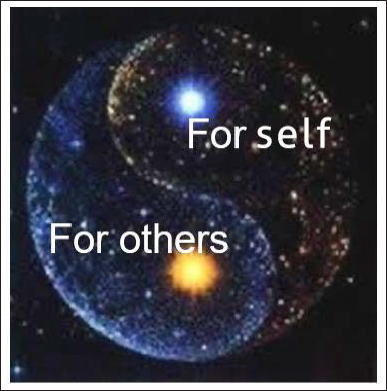
Positive ageing research (Ng et al., 2006, 2011) has been richly informed by positive psychology and successful ageing. Positive psychology (Seligman, 2002) attempted to correct a negativity bias in psychology that over-emphasised human deficiencies, developmental decline and repairing failures in life to the relative neglect of human flourishing, developmental growth and building of better qualities of life. Theorising in positive ageing acknowledges the reality of negativities and attempts to uncover how elders may age with vitality and growth. In this sense, positive ageing is the positive psychology of ageing (Ranzijn, 2002; Worth, 2022). Its scope, however, is broader than self-centred ageing for the personal well-being of the sort envisioned in positive psychology. It is also concerned with other-centred ageing through social engagement/participation for the betterment of others and society. The self-other dual orientations are evident in older adults’ conceptions of positive ageing and life stories (Chong et al., 2006; Gergen & Gergen, 2001; Ng et al., 1998). In a sense, they simply reflect the ways of Heaven and Earth operate, as depicted in the Book of Changes (I Ching) (see also Figure 1):
‘Heaven moves with incessant vitality, Earth holds the world with selfless virtues; likewise, humans of noble character hold fast to self-reliance, cultivating inner strength, as well as devote themselves to the social betterment of others’. 4
The dual ageing ethics is also a prime feature of Rowe and Kahn’s (1987, 1998) three-dimension model of successful ageing, incorporating ideas from healthy ageing, active ageing and productive ageing. The elders’ health, subdivided by the authors into avoiding disease/disability and maintaining high physical/cognitive function, is crucial to successful ageing. However, for ageing to be successful (not just usual ageing), 5 these two self-oriented personal concerns must also couple with a third other-oriented factor called engagement with life. In positive ageing research and theorising (Ng et al., 2006, 2011), the other-oriented or social factor is expanded into two separate factors, one concerning work-related productive participation (paid or unpaid) and another with social-emotional participation of loving and caring for family, friends, neighbours and former classmates and workmates (see also Peng & Fei, 2013; Yeh et al., 2013).
Each factor of the four-factor model of positive ageing generated by dual ageing ethics is measured by four to five items. A longitudinal study based on interviews with a large Hong Kong Chinese sample of 40 to 74-year-olds confirmed the four-factor model and, one year later, replicated the model. Pairwise correlations were all positive; the one between the two self-factors were stronger than any other pair, suggesting a second-order general factor of personal health that was later confirmed (Ng et al., 2011). The results reverse the relative complexity between self and other-centred factors of the successful ageing model. In the positive ageing model, the self-centred factors of disease/disability prevention and functional maintenance may be considered one health factor, whereas the single other-centred factor of engagement with life has clearly become two. Thus, the dual ageing ethics to which both models of ageing adhere not only distinguish them from the positive psychology of ageing, but also further distinguish positive ageing from successful ageing based on the relative complexity between self and other-centred factors. The greater complexity of other-centred positive ageing gels with the emergence of positive gerontology, shifting research focus from disengagement to social involvement (Johnson & Mutchler, 2014).
The positive ageing model consolidates relevant ageing literature through its four factors. Its guiding principle of dual ageing ethics serves to integrate the four factors. As a result, the model has a certain degree of theoretical coherence, not merely an assemblage of ideas that may be put together under positive ageing as an umbrella term of convenience. A comprehensive discussion of these ideas (active ageing, effective ageing, healthy ageing, optimal ageing, positive ageing, productive ageing, robust ageing, successful ageing, usual ageing, and ageing well) based on the scoping review methodology is available from Pocock et al. (2023). The review considers emic and etic perspectives and draws attention to wider structural environments to stimulate real-world change.
Cultivating and Maintaining Social Networks for Positive Ageing
An older person’s social network of significant others is a social relational context in which the others connect to the older person and each other through mutual trust, goodwill and a sense of shared identity. It brings them together to co-produce and exchange a range of psychological and social supports. 6 Within the interactive and reciprocal network, the older person would receive support to buffer against stress and reduce personal loneliness and isolation; he/she would also actively provide support for the betterment of others, thus fulfilling the second part of the dual ageing ethics. Furthermore, the ability to reciprocate would enhance a sense of social worth and consequently enhances mental health over and beyond avoiding diseases/disabilities and maintaining functional independence. As the older person is a member of not one but multiple networks, these networks offer a range of social roles or niches to meet varying needs of belonging and identity. For some older persons, family is most important; for others, their friends, neighbours or former workmates may be more important. All these functions make social networks a powerful resource and source of human connectedness for positive ageing, in addition to being a source of support (Liu, 2019). This very human connectedness and resource for positive ageing has suffered from the pandemic, thus afflicting elders. Elders’ positive ageing, incorporating the maintenance of physical and social life, thus erodes with COVID-19 raging worldwide (Ekoh et al., 2022; Elliott et al., 2022). Boosting or restoring elders’ positive ageing is necessary to terminate the pandemic affliction.
It is rare for an older person to be ‘born’ into social networks; more often than not, time and effort would be required to cultivate and maintain them so that the networks are not only accessible but accessible in ‘good condition’. The effort spent would also keep the older person actively and meaningfully connected with significant others. Accordingly, Ng et al. (2006) proposed that the proactive cultivation of social networks and regular efforts to maintain them would be the key to positively ageing. A longitudinal survey showed that the cultivation of social networks measured in wave one of the surveys predicted significantly all four factors of positive ageing in wave two (Chong et al., 2012). Its predictive power was much larger than the significant prediction based on social network availability. In a controlled study of the diurnal rhythm of salivary cortisol among healthy older adults, participants who have previously spent more time and effort in network cultivation tended to exhibit cortisol profiles with a greater CAR (cortisol awakening response) and a more pronounced diurnal decline than their counterparts who have spent less time and effort (Lai et al., 2012). This diurnal profile is stronger among healthy elders (Lai et al., 2017) and, interestingly, more like that exhibited in younger people, implying that cultivation of social ties may serve to ‘rejuvenate’ the diurnal cortisol profile in older adults and hence physiologically prepare them to adapt to social stress (Lai & Lee, 2019).
The particularly important role of network cultivation in positive ageing gels with socioemotional selectivity theory (Carstensen, 2021), which attributes special benefits to social ties in which older adults have invested their time and efforts in cultivating and maintaining. The proactive orientation supplements the selective optimisation with compensation model of old age adaptation (Heckhausen & Schulz, 1993), which is long on reactive strategies (emphasising how people can adapt to losses successfully) but short on proactive strategies for the cultivation and maintenance of resources for ageing (Ouwehand et al., 2007).
The role of social networks goes beyond the positive ageing of individual older persons. Social networks also lay the foundation for social capital. This foundation was evident from one of the first studies that used the concept of social capital to explain how a community succeeded in improving its recreational, moral and economic conditions (Hanifan, 1916). The author attributed the power of social capital to the ‘good will, fellowship, mutual sympathy and social intercourse among a group of individuals and families who make up a social unit’ (p. 130). The term ‘social unit’ here can be interpreted as a social network. Similarly, Lake and Huckfeldt (1998) have pointed out that social capital grows in personal networks.
As a community-level concept, social capital and its various subtypes (bonding, bridging and linking social capitals) are more suitable than the social network concept for understanding community development and how a community may recover from decline or disasters (Putnam, 1993, 2000). For this reason, social capital is a more attractive analytic tool to the World Bank and other multilateral institutions interested in community projects such as eradicating poverty (Prakash, 2010). For similar reasons, social capital rather than the social network has been frequently used in recent studies of how communities respond to and recover from the COVID-19 pandemic (e.g., Samutachak et al., 2023). A survey of seven European countries has found that a one-standard-deviation increase in social capital led to between 14% and 34% fewer COVID-19 cases per capita accumulated from mid-March until the end of June 2020, as well as between 6% and 35% fewer excess deaths per capita (Bartscher et al., 2021). The benefits of social capital, we submit, are derived from the same human bonds and relational trust, good will and common identity hatched out of social networks.
Conclusion
According to the dramaturgical model of pandemics presented in the first part of the article, during and after a pandemic, it would be an opportune time for retrospection so that future generations would be wiser and better prepared should another pandemic strike again. The present article contributes to the retrospection by highlighting problems and remedies from the perspective of elders, aided by the model of positive ageing. A principal problem from elders’ perspective is raging ageism in its multifarious forms, ranging from hate speech, intergenerational resentment, and human rights violations to triage decisions of scarce ICU resources and the insidious impact of self-ageism and over-protective ageism on elders’ vaccine hesitancy. Another problem, through the lens of positive ageing research and theorising, is disruption to social networks that are a principal source of human connectedness, resources and support for ageing positively.
Now that social distancing and similar other draconian measures under COVID-zero have been relaxed or lifted in most jurisdictions, elders are no longer caught in the bind of having to choose between avoiding infection (social distancing) and its adverse consequences (Richter & Heidinger, 2020; Sit et al., 2022). It behoves elders and their significant others to reactivate or foster social networks for positive ageing, not only in the narrow sense of ageing well for self and other individuals but also in the broader sense of ageing well for post-pandemic community recovery.
At the outbreak of COVID-19, many older people in Italy attracted media attention for their civic spirit and altruistic services in helping society to fight against the pandemic: ‘retired physicians and nurses’ came back to work, ‘retired scientists and researchers’ came back to work (Petretto & Pili, 2020). More generally, many elders are fit enough for part-time or full-time work, not merely ad hoc voluntary services. Although they are displaced into retirement, positive ageing reaffirms and upholds their potential work capacity. Those societies that can harness the potential and mobilise employers’ collaboration would revive this considerable labour force to produce the third demographic dividend, much as elders in their more youthful years had produced the second demographic dividend.
This third demographic dividend has been estimated for Japan, where the working-age population (15–64 years old) expectedly dwindles from 77.3 million in 2015 to 45.3 million in 2065 (Ogawa et al., 2021). Longitudinal survey data collected between 2007 and 2015 indicate that the untapped work capacity in Japan is 4.12 million for persons aged 60–79. These statistics then connect to the system of National Transfer Accounts, and the results show that the increase in real GDP for 2015 would vary from 3.2% to 6%, depending on various labour income scenarios. It behoves governments and businesses to work together to use the third demographic dividend to avert the dire economic consequences of population ageing, which are due to short-sighted and ageist policies and employment practices that should be reformed. The Japanese government, for example, has announced a plan that will require all employers to keep their employees on the payroll until they reach the age of 70 if the latter wish to stay on. Employers can choose among seven measures such as abolishing the retirement age, extending the retirement age to 70, and introducing older employees to jobs in other firms (Ogawa et al., 2021; see also UN, 2019).
Alternative reform strategies can be envisioned (ESCAP, 2022; Fried, 2016; Kikkawa & Gaspar, 2022; Roy & Barua, 2023). If one likens the current post-pandemic recovery situation to the post-Second World War situation, the world stage is set for elders to age positively for economic recovery. This stage would require reform in institutional policies and practices for greater inclusiveness toward elders in mainstream society. The huge task of post-pandemic community recovery may hopefully become a catalyst for social reform.
Footnotes
Acknowledgements
The authors acknowledge comments on an earlier version of the article provided by U. Kim, B. Lam, H. Lo, S. S. Tam and E. Tong.
Declaration of Conflicting Interests
The authors declared no potential conflicts of interest with respect to the research, authorship and/or publication of this article.
Funding
The authors received no financial support for the research, authorship and/or publication of this article.