







Abstract
Dr Neera Desai personified combination of both theory and praxis in women’s studies that sees itself as an academic discipline to improve women’s status through knowledge construction, teaching and training, documentation, research, and action. She founded Centre for Rural Development (CRD) in SNDT Women’s University, Mumbai to take the learning of women’s studies to transform women’s reality through feminist activism. CRD began its work among rural women in Udwada village of Paradi Taluka in Valsad District of Gujarat by baseline survey to identify the needs of the community. Economic programmes were initiated along with consciousness raising on reasons of subordinate status of women. Involvement of women’s rights activists and women’s studies scholars ensured dialogues on vision, mission, goals, objectives methods of mobilisation and issues to be taken up by the CRD. The interface between macroeconomic changes in the post reform period after 1991. The new industrial belt established in South Gujarat took away young women as industrial workers. In 2013, the SNDTWU authorities decided to give away the CRD to a corporate house to administer as a Corporate Social Responsibility. Nevertheless, women workers and office bearers of the CRD, mentored by Neeraben continue to be active in the development sector as trainers, CBOs, consultants, researchers, writers, elected women representatives in local self-government bodies, social workers in CSR activities and continue to uphold the ethos of CRD. Now they talk in terms of gender sensitisation, practical and strategic gender needs, gender planning and gender budgeting.
Keywords
Introduction
Dr Neera Desai (hereafter Neeraben) was acutely aware of the dialectical relationship between ‘pedagogy’ and ‘praxis’, vis-à-vis the ‘women’s question’. This had been a concern shared by the pioneers of Women’s Studies (WS) in India. In her first book, titled Women in Modern India, which was based on her Master’s thesis, in the first edition published in 1957, Neeraben had advocated an
….energetic campaign for exposing reactionary outlooks and ideologies which aim at perpetuating women’s subjection is the supreme need of liberation movement of Indian women. (Desai, 1987, p. 294)
The need to study women’s issues in academic institutions and to conduct research based on experiential material and affirmative action had begun to be discussed among Indian WS scholars by the early 1980s. In their review of the state of the art in women’s studies researches from 1975 to 1988, jointly written with this author, Neeraben stated,
What is crucial about the stance of women’s studies in India is that it is both an academic exercise and action. As an academic study it enriches the discipline and provides entirely new perspective to analyse situations… As a movement it emphasises the need of providing material basis for equality and independence of women does the quote end here?… The evolving discourse on this subject has proved to be fruitful for activists, academics, researchers, policy planners and many in the UN system. (Desai & Patel, 1989, p. xi)
Research and Action: Establishing Links
It is against this backdrop that this paper aims to critically reflect on women’s development initiatives in Udwada and the surrounding villages of Pardi Taluka, South Gujarat initiated in 1979 by Neeraben, Head of Sociology Department and the founding Director of the Research Centre for Women’s Studies. In fact, she continued working with the project even after her retirement as the Honorary Director of the Centre for Rural Development (CRD) founded by her in 1981 and which was affiliated to SNDT Women’s University, Mumbai in 1985.
When Neeraben established the Research Unit for Women’s Studies (RUWS) in 1974 in SNDT Women’s University, she had clearly visualised action as an integral component of all programmes. In an autobiographical article she averred, the need for action and intervention is paramount and constantly bothers the mind. For a person who has been nourished in the phase of struggle for liberation from colonial rule, it is difficult to remain away from action. Thus the dilemma of tight-rope walking between academic pursuits and active participation in transforming the iniquitous social structure continues (Desai, 1995, p. 243).
In 1975, when UGC decided to sponsor the unit, RUWS became the Research Centre for Women’s Studies (RCWS). As its founder Director, Neeraben defined WS as an academic discipline with five arms namely research, documentation, teaching, training and action. Women’s studies as an academic discipline started with the premise that women had a subordinate status in our society and the knowledge-base created by WS should be used for the empowerment of women. Thus, WS was seen to have a transformative potential in terms of changing the gender-based power relations. In Neeraben’s words,
research, teaching and action are closely linked. Teaching material, understanding of complexities of the problem and perspective are provided by research, while communication of new ideas generating attitudinal change and feedback for research are areas in which teaching reinforces research. Education being considered an instrument of social change, it is presumed that through research and teaching initiators of change will be created. (Desai, 1982a, p. 1)
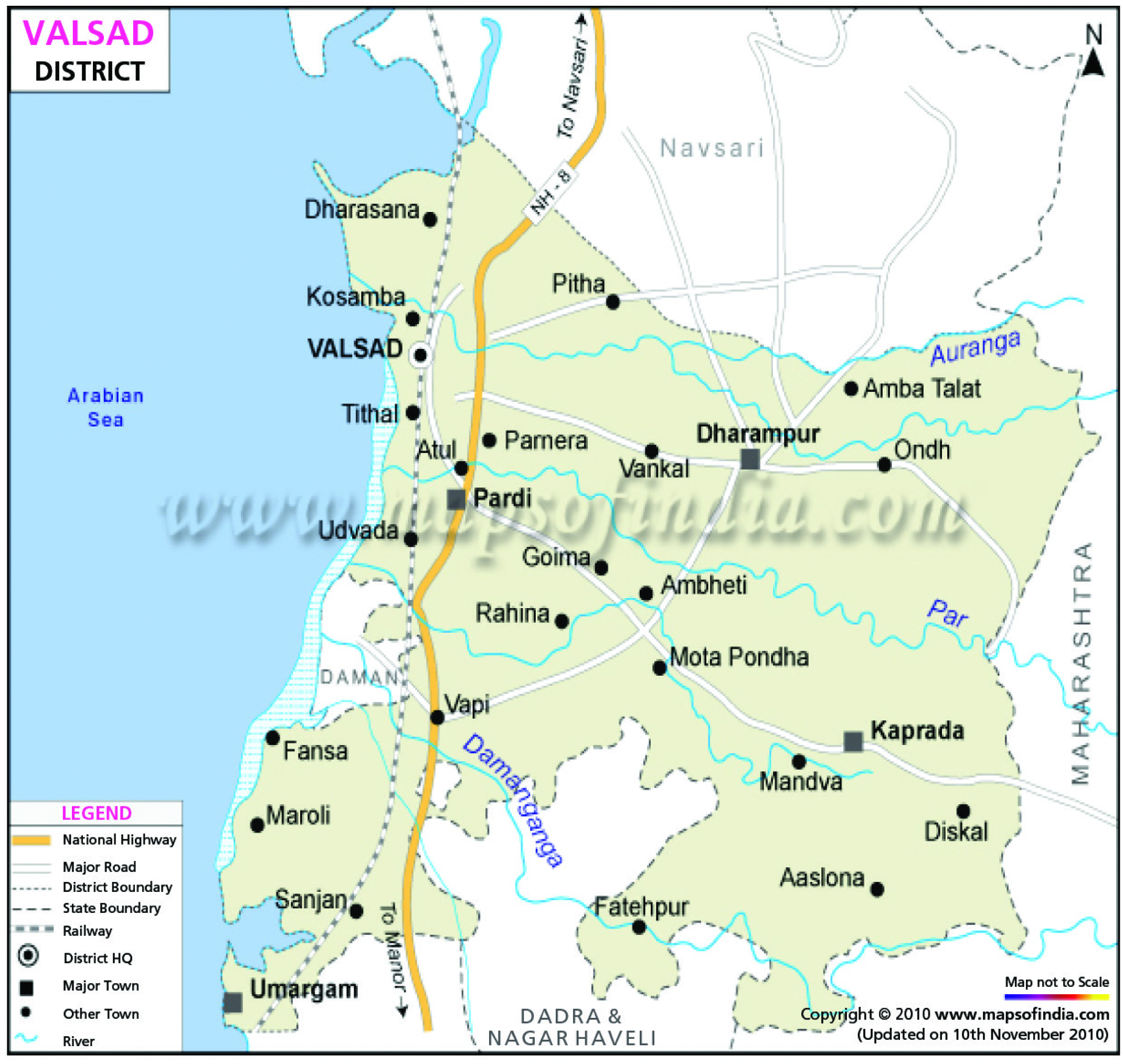
Taking feminism to rural women was a dream nurtured by Neeraben. In 1976, she decided to reach out to the rural community of South Gujarat. She sought to do this along with MA students of Sociology at Smt. Nathibai Damodar Thakersey Women’s University (SNDTWU), Mumbai, the department she was heading at that time. The work began with a baseline study in villages near Udwada in Pardi taluka of Valsad district. She dedicated 25 years of her life for the socio-economic and political development of women in the region. Along with her colleague, Kumud Shanbag, she travelled from Mumbai to Udwada—a distance of 188 km by train—on a regular basis to build the centre, conduct action research, launch income-generation programmes, organise awareness generation activities. This involved government clearance from district/tehsil authorities and interaction with the local staff and volunteers working on different projects. The activities of the CRD were focused mainly on eight villages of Pardi taluka namely Kalsar, Kikarla, Kolak, Motwada, Palsana, Orwad, Ratlav and Udwada.
Demographic Profile of Pardi Taluka, Valsad District
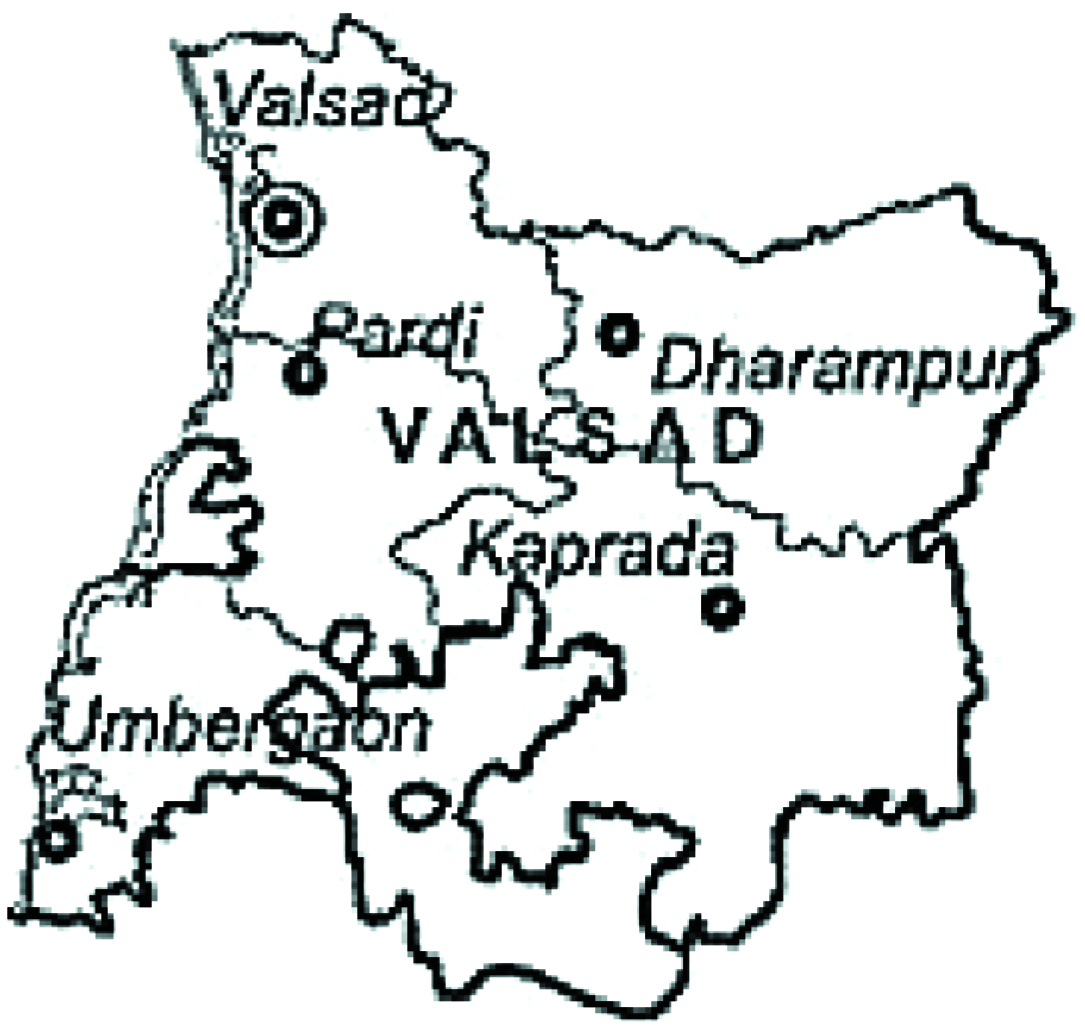
Valsad district is situated at the southernmost tip of Gujarat, near the gulf of Khambhat in the Arabian Sea. There are five talukas (sub-divisions) in Valsad district, Pardi is one of them. The Pardi taluka is important due to the Vapi Industrial Estate located there which produces chemicals, textiles, horticulture-based products and paper. The region is popular for the production of Alphonso mangoes, chiku, guava, bananas, papaya and berries. The population of Pardi comprises 5.2 lakh people, of whom about 2.8 lakh (54 per cent) are male and about 2.4 lakh (46 per cent) are female. Thus, the overall sex ratio of the taluka is 857, which is attributed to the in-migration of a male workforce to the industrial zones located in the taluka. The child (0–6 years) population of Pardi taluka is 12 per cent, among them 53 per cent are boys and 47 per cent are girls. Thus, the child sex ratio of the taluka is 886 which signifies a deficit of daughters and is a cause for serious concern. The caste composition of the taluka is as follows: 65 per cent belong to the general castes, 2 per cent are from the Scheduled Castes and 33 per cent are from the Scheduled Tribes. Thus the tribal population in Pardi is considerably high as compared to the national average of 7 per cent. There are about 1.2 lakh households in the sub-district and the average family consists of four persons. The majority of the population—nearly 58 per cent (about 3 lakh)—lives in urban Pardi sub-district and 42 per cent (about 2.2 lakh) population live in rural parts of the Pardi sub-district.
The female literacy rate was 82 per cent and the work participation rate of women was 21 per cent according to the 2011 Census. 1 Only 14 per cent and 7 per cent of the total female population in the Pardi taluka are classified as main and marginal workers, respectively. Women in the rural areas of Pardi taluka collect fuel, fodder, water, forest produce; look after livestock, cultivate seasonal vegetables and fruits in the kitchen gardens and perform innumerable agrarian chores. Their unpaid family labour is not reflected in Census figures and they are classified as ‘non-workers’ and 70 per cent of the total female work force in the Taluka is classified as ‘non-workers’ by the Census.
In 1980, when Neeraben started work in this taluka, women were predominantly into rice cultivation and the literacy rate was approximately 50 per cent in the urban part. The sex ratio among the tribal population such as Dhodias, Konkanas, Halpatis, Dublas and Naikas was favourable (Desai, 1979). Among upper caste Hindus, the custom of dowry was largely prevalent and rich married Hindu men in the region used to enter into ‘Maitri Karar’ (‘friendship contract’) with much younger educated women and treated them as co-wives (Kapoor, 2013). Forty years later, in the 21st century, there is an addition of ‘Seva Karar’ in which an ageing man enters into a contract with a middle-aged woman who agrees to look after him. Both the practices are resorted to in circumvention of the Hindu Marriage Act, which allows only one wife to a man and under which polygamy is punishable.
Ideological Background of Neeraben’s Intervention in Pardi Taluka
In her first book published in 1957, Neeraben referred to the Constitution of India as ‘a great proclamation that could be actualized only by a very stern, active, ceaseless and conscious struggle guided by a very clear and comprehensive perspective’ (Desai, 1987, p. 9).
Thirty years later, she was consistent in her world-view when at the ‘End of the Women’s Decade Declared by The United Nations’, she stated that the ‘struggle for establishing gender justice is a long haul and requiring solidarity, support and constant evaluation of the situation’ (Desai, 1988b, p. x).
The perspective with which CRD was developed by Neeraben had its moorings in the development discourse of that period, which was marked by a critique of trickle-down theory and need for women’s agency (Patel & Desai, 1985). She expressed her views in the following words:
the most crucial role of development should be the creation of a non-exploitative society based on egalitarian values where each individual has access to those resources which will enable them to realize their full human potential. Thus it has been recognized that women have to become beneficiaries and agents of development in all core sectors like education, health, employment, agriculture, rural development and industry. (Desai, 1987, p. 2)
In a similar vein, in an evaluation report of implementation of government programmes for poor women in South Gujarat, she laid stress on the urgent need of developing grass-roots organisations and use of multimedia to reach out to the community (Desai, 1988c, p. 15). She had a strong concern for the problems faced by both rural and urban women. Commenting on media portrayal of women she did not mince words while observing that ‘They do not visualise the necessity of imparting information on subjects like improving agriculture, better care of cattle, development and modernization of skills in teaching, office work, management, etc.’ (Desai, 1975, p. 38).
Neeraben’s views resonate the standpoint of Ester Boserup who criticised the policy makers for perceiving women as beneficiaries of the economy, not as agents of development. Boserup emphasised that women’s needs and interests needed to be integrated into the economic development processes (Boserup, 1970). This reasoning was popularly known as the ‘Women in Development’ (WID) approach and became a motivating force for Neeraben who was also associated with the research undertaken for the Committee on the Status of Women in India (CSWI) appointed by the Government of India in 1971. 2 All those who contributed to its report Towards Equality (1974) were influenced by this theoretical framework informed by WID, that development processes had by-passed women and there was a need to bring women back from the margins of development to centre stage. She was at the same time aware of the challenge involved in taking on this task.
In her paper submitted to the CSWI, Neeraben reported:
Twenty five years of independence has highlighted the fact of coexistence of two value systems. Many women are, therefore at a loss to decide which value system they should follow. The socialization process encourages the value of docility, submissiveness, self negation and self-effacement. The modern education and outside participation require the development of individual initiative and at times need to challenge the authority. (Desai, 1973, p. 3)
Neeraben was an active participant in debates and discussions that critiqued mainstream, elitist and status quoist education (Desai & Gogate, 1970). She was impressed with Paulo Freire’s concept of ‘Critical Consciousness’ among the oppressed masses that enables them to perceive socio-political oppression and economic exploitation and to take action against the unjust and repressive forces. As an educationist Neeraben was explicitly involved in action for equity and justice. Freire’s ideas and his books, especially Pedagogy of the Oppressed provided a vision of social transformation to her. 3 Ivan Illich (1971), another powerful ideologue and educationist who influenced Neeraben, started with the premise that the poor have always been powerless but through conscientisation can empower themselves to fight against an unjust order. The women’s movement adapted the ideas of Freire (1970) and Illich (1971) to evolve a concept of ‘Consciousness Raising’, that is, a process to identify reasons for subordination and subjugation, so that women could interrogate the nature of patriarchal control over women’s sexuality, fertility and labour. This exercise undertaken in a non-threatening environment helps women to shed their fears, phobias, prejudices, biases internalised due to patriarchal baggage and to emerge as empowered human beings. Neeraben applied this method in the activities of CRD.
This was predicated upon the emergence and evolution of a feminist consciousness. Keeping this in mind, Neeraben raised the question:
what role does consciousness play in transforming society? In short, the effort is to look for links between ideology and practice, feminism and feminist movement and to understand whether obvious links and one-to-one connections exist. (Desai, 2006, p. 15)
Intervention and Perspective for CRD
Neeraben’s perspective for CRD was shaped by the findings of the voluminous report Towards Equality which, on its release, became a rallying point for all developmental interventions concerning women in India throughout the late 1970s and 1980s. The shocking description of Indian women’s reality, manifested in a declining sex ratio, very high rates of female mortality and morbidity, the marginalisation of women in the economy and discriminatory personal laws were some of the major highlights of the report. The same reality was reflected in the lives of women in Pardi taluka. A major consequence of the report was a policy decision taken by the principal research body, the Indian Council of Social Science Research (ICSSR), to provide financial support to scholars willing to conduct research into problems faced by women, especially those living in poverty. Neeraben got financial support from the ICSSR to conduct a Base Line Study of Demographic, Socio-economic and Cultural Profile of Pardi Taluka. She was also clear about her priorities that CRD would concentrate on women from the poverty ridden groups.
The understanding was that CRD would undertake the education of women and generate awareness around women’s issues; provide institutional support to women in economic, social and psychological distress; improve their overall and reproductive health status; create employment opportunities; enhance their negotiating skills in family and community life; give them the confidence to take an active part in political processes both as voters and candidates in Panchayati Raj Institutions; and plunge into activism based on collective wisdom (Desai, 1982a, 1982b).
According to Neeraben, the perspective on which rural social action was initiated by SNDT Women’s University, Mumbai was (i) to bring scientific awareness about the exact social situation, (ii) to provide skill training for varieties of jobs both traditional and non-traditional so that rural men and women can be better equipped for earning livelihood. The major approach here has been to utilise local talent/resources and develop them. To prepare and disseminate reading and audio visual material to conscietize both the rural and academic community so as to locate real causes underlying problems of rural people and prepare them to strive to address them through collective action (Desai, 1983, p. 42).
With this perspective, Neeraben started a rural development centre in Udwada village of Pardi taluka. In 1978, Neeraben and her team of students from the Department of Sociology of SNDTWU conducted a rapid rural appraisal to determine the practical and strategic gender needs of women in the area. They visited different households in Udwada and surrounding villages. These visits gave them main information on the socio-economic and caste compositions, lifestyle and occupational profile of the people of the area. They also observed the labour processes of women belonging to different caste groups and tribes. For need assessment of women in the villages, they prepared a questionnaire for the base line survey to cover socio-economic, health and employment issues. The students conducted the field survey, and completed coding and tabulation. Neeraben had focus group discussions with the students involved in this research survey to capture the nuances. The situational analysis helped in deciding the priority areas for intervention by the CRD. She decided to mentor local women to take leadership roles. She stated:
It was felt desirable that local persons with leadership qualities be identified to work in various fields and training provided to them both in the skills needed as well as on the overall perspective of the rural programme. (Desai, 1983, p. 2)
The main concerns of CRD centred on the following issues:
Men outnumbered women in the Pardi taluka, as in most parts of India. There was strong son preference here. Women who were unable to produce a son had to undergo repeated pregnancies. Women who were unable to produce a child—widows, unmarried, divorced and deserted women—faced neglect, ridicule and discrimination in the family and community. The majority of women in the village got through life in a state of nutritional stress—they were anaemic and malnourished. Girls and women faced nutritional discrimination within the family, eating last and the least. In fact, the tribal women in the villages were called dubla (meaning ‘weak/thin’ in Gujarati). Most of the village women had little control over their own fertility and reproductive health. Experiences of excesses during Emergency rule (June 1975 to March 1977) had made them suspicious of the family planning programme. There were several rumours mixed with horror stories about male and female contraceptives. The literacy rate was lower among women as compared to men. Far fewer girls than boys got to school, especially among SC and ST communities. When girls were enrolled even among Other Backward Castes, many of them dropped out of school. Women’s work was undervalued and unrecognised. Women worked longer hours than men and carried the major share of household and community work, which was unpaid and invisible. After ‘women’s work’ such as tailoring and snack making was professionalised, it was seen that men practically developed a monopoly on these. In the pre-industrialisation period in South Gujarat, tailoring and snack making were activities done solely by women at the household level, mostly for family members. It was only after 1960 when industrial clusters flourished, both these activities became commercially viable due to demand from migrant workers flocking to new industries and the development of the diamond industry. With technological upgradation in tailoring (when the hand-machine was replaced by electric tailoring and embroidery machines) and improvement in kitchen appliances productivity in both economic activities vastly increased. Moreover, due to new demands for readymade garments and processed food from the migrant workers in the industrial belt, tailoring and food production became commercially viable. Local men found new opportunities for income earning. As a result women were pushed into domestic work, subsistence agriculture, kitchen gardening and animal care for milk production. Thus sexual division of labour came into play ensuring that women ended up having to prioritise unpaid domestic work and subsistence agriculture over paid work from pottery and fish vending. This happened with the majority of women of the potter and fisher folk communities. Women generally earned a far lower wage than men doing the same work, despite the Equal Remuneration Act of 1976. In none of the villages did women and men earn equal wages in agriculture. The majority of women workers were in the unorganised sector, barely managing to get subsistence wages. Women were under-represented in governance and decision-making positions in the whole of South Gujarat. Except for the District Commissioner—who was a woman—no other officer at the taluka or district level was a woman. There was a total aversion to imparting skills to women and girls among the officers of the Industrial Training Institute who believed that instruments were phallic symbols and women handling instruments/machines would pollute them. This they believed would result in major calamities. Women were also legally discriminated against in land and property rights under the prevailing customary laws. Most women in the villages did not own property in their own names and did not get a share of parental property. The custom of dowry was practiced among Anavil Brahmins. Most of the women had faced violence inside and outside the family throughout their lives. Casteism, communalism and ethnic chauvinism institutionalised violence against Dalit, religious minority and tribal women (see Neera Desai, 1979).
With these pointers, a road map for further activities was charted out by Neeraben and her team keeping in mind the fact that,
in the present context, gender subordination, the need to change consciousness is recognized as a prime necessity. In fact conscientisation of women about their unequal status, rights, social spaces has been one of the important items of feminist activism. (Desai, 2006, p. 21)
Support System for CRD in Udwada
The Collector of Valsad district was sensitive to women’s concerns and the village Panchayat also welcomed the idea of the CRD initiative of SNDTWU under the leadership of Neeraben. They decided to give a plot of land to construct an activity centre. A freedom fighter from Udwada who resided in Mumbai volunteered to allow CRD to use her bungalow till SNDTWU got its own office built. First, all members of the CRD undertook awareness generation programmes/activities among women through film screenings, meetings and workshops on health, education and legal rights of women. The participants would sit in a circle, begin the meetings with songs based on folk tunes from Gujarat and share/exchange news about women’s lives in their villages. The discussion would revolve around alcoholism among men, domestic violence, street harassment of girls and women, the problem of commuting faced by high school and college girls as they had to travel to cities such as Vapi, Navsari, Valsad and Surat by state transport or railways. The women would get extremely excited while giving vivid descriptions of the wealth and luxury enjoyed by smugglers in the area and the craze for imported goods such as cosmetics, perfumes, garments, toys, electronic goods, wrist watches, etc. being sold by members of the fishing communities involved in smuggling in the coastal lines. Many of them also volunteered to take SNDTWU MA students to buy smuggled goods! The students reported this to Neeraben and she clearly told every one of them that the mission of the CRD was empowerment of women, not the spread of hedonism or consumerism. Neeraben also made it clear that CRD would work for all women from the area irrespective of their caste, class, religious and ethnic backgrounds. Thus, women from caste Hindu, Dalit, tribal and minority communities got associated with CRD.
Dalit and tribal women from the villages, who were mainly agricultural workers, managed to get regular work during four months of the monsoon season. During the remaining eight months they faced acute economic hardship due to irregular casual work. They were illiterate and knew only agricultural tasks. A study of the local situation with regard to the supply of raw material and demand for finished goods revealed that an income-generating activity for the manufacture of clean, pure masalas (spices) such as turmeric, chili, cumin, coriander and ginger powder was viable. Hence, the CRD decided to start a masala-making unit in Udwada. Here, they also faced caste-based prejudices which were overcome after a series of meetings and workshops to ‘unlearn casteism…’. Neeraben reflected, ‘The Udwada experience has confirmed the persistence of caste prejudices and hierarchical interactions. Theses biases can be eliminated through practice and conscious efforts’ (Desai, 1985, p. 7).
Inspired by CRD’s activities and Neeraben’s warm and amiable nature, several institutions in the SNDTWU encouraged their students and teachers to conduct their extension activities with the Centre. Thus the SVT College of Home Science, Mumbai, placed its student-interns to run balwadis (nurseries) and improve the quality of services rendered by the ICDS Integrated Child Development Scheme centres in Pardi taluka. Students and teachers from the Department of Post Graduate Studies and Research conducted nutrition awareness programmes for community-based organisers (CBOs) and PV Polytechnique of SNDTWU, Mumbai, imparted skill training to adolescent girls and women through their training programmes.
Opposition from Vested Interests
The moment the economic programme involving rural women was launched, the local businessmen who controlled the supply of raw material, the labour market and markets became uneasy. They were paying below subsistence wages to their workers, selling adulterated masalas and thriving in their business by bribing petty officials from the Food and Drug Control Office. First of all they tried to scare women joining the CRD by threatening them with dire consequences if their own business interests were affected. When women showed their firmness to continue working for the masala unit of the CRD, they began negotiating with the women that CRD should sell its products to the local businessmen and that to reduce the cost of production adulteration should be adopted by mixing wood powder (which is thrown away by carpenters as waste) in spices like dhania–jeera powder, chili powder and turmeric powder. This was vehemently opposed by the women in CRD. Neeraben reported this scandalous behaviour of the local businessman to the District Commissioner and conveyed the information that the wholesalers had ganged up with the businessmen to kill the CRD’s masala project. With timely intervention by the District Commissioner, new markets for masalas were found in the cities. As CRD’s masalas were pure, prepared in a clean and hygienic manner and were of good quality, the CRD managed to get a loyal clientele.
Neeraben’s determination to work in the midst of multifaceted challenges during the first four years is reviewed in her own words:
Four years of working in rural areas has provided pay offs in terms of understanding dynamics of rural society and reinforcement of the determination to work for this society which needs all attention and concern because it is deprived not only of the necessities but has no exposure to options available. (Desai, 1983, p. 54)
Consciousness Raising and Changing the Mindset
According to Neeraben, ‘the women’s movement is the organized effort to achieve a common goal of equality and liberation of women and it presupposes sensitiveness to crucial issues affecting the life of women’ (Desai, 1988a, p. ix). In discussions with rural women in Gujarati, Neeraben would reiterate, ‘Consciousness is socially constructed. “Boldness”, “aggressiveness”, “coyness”, “self-effacement” and many other personal qualities are culturally constructed’ (Desai, 2006, p. 24). Right from the beginning challenging patriarchal mindsets and changing attitudes towards women and girls were central concerns of the CRD. Regular workshops, training programmes and talks, slide shows and film screenings were organised in collaboration with women rights activists from Vadodara, Ahmedabad, Surat, Valsad and Mumbai. VHS versions of films made by feminist documentary makers on sex selection, violence against women, laws for women, portrayal of women in the media, land rights for women and tribal women’s rights to forest resources were screened and discussed. Films produced by CENDIT were borrowed from the RCWS library. These were shown without the sound turned on so that a running commentary in Gujarati could be given. VHS of ISRO series in Gujarati by Ms Dinaz Kalwachwala titled Nari tu Narayan (Women, you are blessed) which covered several issues taken up by the women’s movement in India and a series on ‘Women and Law’ were widely used for discussion in the villages. Dinaz supported CRD’s activities by sharing media resources. Members of the Medico Friends Circle were invited to conduct periodic training for health workers, and legal literacy programmes were organised. Sixteen issues of Narimukti were also widely used as these contained a series of articles deconstructing patriarchy, profiles of women in different walks of life, translations of articles by Vina Mazumdar (on women in education) Leela Dube (on the socialisation of girls in India) and Sardamoni (on women’s work in agriculture and the household), film reviews, poems by Joy Deshmukh, Alice Walker, Maya Angelou, book reviews and original articles in Gujarati.
In 2008, while reminiscing on the activities of CRD, Neeraben recalled that, ‘While pressing for better working conditions of peasant women, issues like wife-beating, alcoholism, dowry and sexual harassment from upper castes were also given attention’ (Desai, 2008, p. 26). She endorsed the following statement of Amartya Kumar Sen and often quoted him in the training workshops of CRD:
The systematically inferior position of women inside and outside the household in many societies, points to the necessity of treating gender as a force of its own in development analysis. The economic hardship of woman-headed households is both a problem of female deprivation and of family poverty. Furthermore, females and males in the same family may well have quite divergent predicaments, and this can make the position of women in the poorer families particularly precarious. To concentrate on family poverty irrespective of gender can be misleading in terms of both causation and consequences. (Sen, 1987, p. 3)
Due to the credibility Neeraben enjoyed, professionals such as doctors, lawyers, writers, theatre personalities, artists, teachers and government officers readily volunteered to be resource persons for the ongoing activities of the centre.
Establishment of the Training Centre in 1988
Over the years Neeraben was able to raise funds from UNICEF, UNESCO, NORAD and the Government of Gujarat for the wide range of activities undertaken by the CRD. NORAD gave funds to construct a training centre for women in Kikarla village. During the 1980s, this centre was throbbing continually with workshops for anganwadi, balwadi and village health workers, women volunteers and CBOs. Capacity building and skill training programmes conducted by the CRD became extremely popular in South Gujarat. After the 73rd and 74th amend-ments in the Constitution of India in 1994, CRD also started training workshops for women elected under reserved seats in the panchayati raj institutions. This encouraged many CBOs of CRD to contest elections to the village council. In these workshops along with governance issues, the participants were drawn into discussions about the declining sex ratio, combating violence against women, Constitutional guarantees and the legal rights of women, along with their reproductive rights. The resource persons used video films, slide shows, posters, audio cassettes, flash cards, flip charts, flannel boards, play scripts, story books, songs, educational kits, puppets and case studies to stimulate discussions. As income-generating activities, skill training programmes in block printing, bag-folder-quilt-making, batik printing and ‘tie and dye’ processing of cloth material were organised. Once women were trained in the purchase of raw material, in cost–benefit analysis and in the marketing and sale of their products they were organised under the Kalyani Cooperative Society of Women. Its work centre and office were rented right opposite Udwada Railway Station. This facilitated networking with women activists of Mumbai and several other cities of Gujarat.
Neeraben understood that it was important to take up the day-to-day survival issues of women along with long-term strategic needs of the women’s movement. While analysing CRD’s action agenda, she noted that
It is not possible to organise women unless some programme of immediate economic benefit is taken up, the welfare work taken up by women’s organizations more recently … does not make women aware of the underlying malaise and is not able to develop a genuine women’s movement. (Desai, 1983, p. 24)
Kalyani trained women in the craft of block printing and bag making. A group of women from Kalyani would visit wholesale markets in Mumbai to buy cloth for printing and for bag production. Kalyani used to get regular orders for bags, block printed cloth material, folders, purses, shoe pouches from all over India as a result of the publicity done by RCWS. It also managed to get a couple of big orders from Japan, USA and for mega events at the SNDTWU.
Dialogue between WS and the Women’s Movement
CRD provided a platform for dialogue among women’s rights activists and women’s studies scholars, facilitated by the ongoing action programmes with rural women. In the early 1980s, CRD conducted several empirical and experimental evidence-based studies through participatory action research focusing on household strategies of women living in poverty, to focus on the survival struggles of women heads of households who were single, divorced, deserted or widowed; prepared background papers for the Shramshakti Report (Government of India, 1988b) based on the work and findings of the Commission on Women in the Unorganised Sector and, for the National Perspective Plan for Women (1988) prepared by the Government of India. Papers were also prepared on the social construction of the girl child, and the impact of globalisation on rural women in Pardi taluka. It was a time when participatory action research and subaltern studies were gaining ground in the field of social sciences and Neeraben collaborated with Gujarati-speaking activists in the women’s movement, namely Trupti Shah, Shiraz Bulsara, Vibhuti Patel, Bakulaben Ghaswala and Sonal Shukla for need-based research for CRD. These reports were published in the Gujarati quarterly Narimukti during 1986–1996 (Desai, Patel & Shukla, 1986–1996). This process facilitated the interaction of women’s studies and the women’s movement and created a long-term bond between the two. Hence, women’s studies centres and women’s rights organisations started involving each other in their activities and gatherings (Government of India, 1988).
Neeraben was sensitive to the dynamics of social movements which in turn shaped individuals, their life and consciousness. This process, she observed,
not merely makes one conscious of discrimination, oppression, injustice but also allows us to envision possibilities of alternative lifestyles, in viewing relationships, creating new norms, building new identities, new concerns. (Desai, 2006, p. 24)
In the first National Conference of Women’s Studies in 1981 hosted by the RCWS, SNDTWU, a wide variety of issues were discussed by activists, researchers, academicians and policy makers. These included the developmental process which bypassed women, the gender bias in textbooks, sexism in the media, gender blindness in science and technology, legal reforms, health needs of women and violence against them (rape, domestic violence and prostitution). The general consensus among the participants—both women and men—was that WS was pro-women and not neutral. The perspective was that WS should build a knowledge base to empower women by pressing for change at the policy level. This would go along with curriculum development to address and critique gender blindness as well as gender bias within mainstream academia, to create alternative analytical tools and visions along with advocacy for women’s developmental needs in the economy and in society. This Conference started a new trend which resulted in women activists being invited, as resource persons and participants to academic seminars, consultations and training workshops (Desai & Patel, 1990).
Activist Researchers
During the 1980s an increasing number of women’s rights activists became involved in CRD either as independent researchers, consultants, trainers and resource-persons for seminars and workshops—or as guest faculty members for mass communication or government training. Women’s studies scholars from Gujarat also made valuable contributions by translating creative work such as essays, poetry and short stories in Gujarati. Rigorous research on the land rights of women, women in governance girls and girlhoods, changes in the occupational structure was conducted by scholars actively involved with CRD. Arthat, an academic quarterly published by the Centre for Social Studies, brought out a special number on women in which scholars contributed research-based papers (Patel & Shah, 1985). A collective that emerged around CRD also helped with extremely labour-intensive data collection for the Shramshakti Report (1988). They also filled up hundreds of lengthy schedules sent by SEWA’s founder and then Rajya Sabha member Ela Bhatt, Chairperson of the Committee for Self Employed and Unorganised Sector Women that was assigned the task of preparing a voluminous report with use of quantitative and qualitative research methodologies. Later on when the report came out in English, a group of eight (Neera Desai, Vibhuti Patel, Sonal Shukla from Mumbai; Ila Pathak from Ahmedabad, Trupti Shah from Vadodara; Kalpana Shah and Amrapali Desai from Surat; Bakulaben Ghaswala from Valsad) got together to translate the report into Gujarati, with each taking responsibility for one chapter. This team of activist-researchers worked closely also for the publication of Narimukti, and met regularly either in the Kalyani Cooperative Society of Women, Udwada, or at the Kikarla Training Centre. Neeraben acted as the link between the local team of the CRD and women’s organisations such as the Ahmedabad Women’s Action Group in Ahmedabad, Astitva in Valsad, Sahiyar in Vadodara and Vacha in Mumbai.
The dual aspect of theory and praxis or academic exercise and action in WS has been articulated by a past president of the Indian Association of Women’s Studies (IAWS) as follows:
Women’s studies provide contextualisation of knowledge in the process of both understanding and changing women’s reality. As a movement it emphasizes the need for providing material basis for equality and independence of women. (Krishnaraj, 1986, p. 7)
This approach accepts the dual role of WS as a discourse and as a movement. There have been critics of this approach who think that if WS has to be a part of the educational system, it should retain develop and the dispassionate features of rigorous intellectual activity and objectivity. But CRD countered this argument and stressed that rigour can be retained even if women’s studies adopt an interventionist approach. The contact with the ground reality provides insights, which may not be obtained by sitting in a ‘distant’ university location. WS has consistently sought to address the gap between educational institutions and the community.
Special Needs of Women-headed Households
In women’s studies, we are repeatedly told that in the peaceful areas of India, 1/10th of the households are headed by divorced, deserted and single women. In fact, in our country, in conflict-prone areas, over 30 per cent households are headed by women (WHHs). In these, women shoulder the main economic responsibilities, including house hunting. Even if they have money, they face hurdles while looking out for a rented place or a house on an ownership basis or for setting up a business or economic enterprise. The households headed by women tend to be poorer than male-headed households. Hence, CRD gave special attention to the needs and demands of WHHs. In all of its researches, action programmes, educational material, policy recommendations, CRD gave special attention to the health, educational, housing and employment needs of widows, deserted, divorced and single women. Even while counselling parents, in-laws and community workers, the special needs of WHHs were emphasised in the negotiations. Under the leadership of the Director of CRD, Professor Veena Poonacha, between 2002 and 2011, self-help groups (SHGs) were formed for the poorest of the poor women in the region (Poonacha, 2008).
Methods of Functioning of CRD
Most of the women who came to be associated with Neeraben and CRD were averse to authoritarian structures—be they within the family, educational and religious institutions or society at large. This stemmed from the realisation that these entities did not allow women to engage in critical thinking nor a space to grow as independent, cerebral and politically conscious human beings. Hence, a clear approach was developed to encourage members of the centre to articulate their thoughts and establish close working relationships based on collective decision-making processes. Initially, this method proved very effective in creating a new cadre of women who were intellectually enlightened, politically articulate, well informed and supportive to each other within small groups. They produced documents, position papers, manifestoes, pamphlets and reproduced documents from the women’s liberation movements in other parts of India which had a direct bearing on their situation. There was a tremendous urge to reach out to more and more like-minded women. The meetings attracted people throbbing with new ideas, who engaged in charged polemics on a wide range of local, national and global issues, even as they reflected a deep concern for the immediate problems of women. Participants in these meetings believed that women’s issues needed to be taken up on a day-to-day basis and patriarchal power needed to be challenged in both the ‘personal’ and ‘political’ spheres of life (Desai, 2002). They simultaneously started work to support individual women. At the same time, they were keen and committed to maintaining political autonomy and their organisational identity. These groups kept in touch with others by circulating leaflets in Gujarati. Their gatherings were multi-class and multi-caste. Women pursuing different occupations—right from agricultural labourers, industrial working class women, students, teachers, journalists, writers, researchers and white collar employees shared their experiences and put forward their demands.
After 2001, due to her deteriorating health and old age Neeraben could not visit CRD. Till she passed away in 2009, I, as member of the core team of CRD, met her regularly at her residence and sought her advice.
The Impact of Macroeconomic Processes
By the late 1960s, Neera Desai realised that gross national product as a unidimensional measure of economic development could not explain the phenomenon of an increasing feminisation of poverty. While criticising the mainstream macroeconomic policy, both Neera Desai and Maithreyi Krishnaraj stated that
… the policy of economic development which relies heavily on high technology, multinational collaborations, export promotion and encouragement to private sector paves the way for a higher degree of concentration of capital and extremely exploitative relations of production having serious implications for women. (Desai & Krishnaraj, 1985, p. 45)
This is precisely what happened in the post 1991 era in India which had major implications for CRD’s activities in Udwada. After the wave of economic globalisation swept the region with neo-liberal policies initiated in 1991, most of the economic programmes of CRD received a major setback. The new industrial belt established in South Gujarat took away young women as industrial workers. In 2013, the SNDTWU authorities decided to give away the CRD to a corporate house to administer as a Corporate Social Responsibility. The responsibility for the training centre, balvadis, SHGs and women’s cooperatives, was transferred to the corporate house by CRD which then withdrew from rural development work in South Gujarat. Nevertheless, women workers and office bearers of the CRD, mentored by Neeraben continue to be active in the development sector as trainers, CBOs, consultants, researchers, writers, elected women representatives in local self-government bodies, social workers in CSR activities and continue to uphold the ethos of CRD. Now they talk in terms of gender sensitisation, practical and strategic gender needs, gender planning and gender budgeting.
Conclusion
While working for CRD, Neeraben was driven by her commitment to develop and evolve new leadership among women which would work towards social transformation. In her preface to the second edition of her book, Women in Modern India, first published in 1957, she stated,
Indian womanhood is at cross roads. The path of real emancipation is indeed perilous. However, we bring this book to a close with the confident hope that Indian womanhood will project the historically needed leadership. (Desai, 1957, p. 294)
Neeraben’s initiatives in CRD were marked by honesty of purpose and commitment, empathy for the marginalised sections and a feminist worldview. To her,
The women’s movement is the organized effort to achieve a common goal of equality and liberation of women and it presupposes sensitiveness to crucial issues affecting the life of women. (Desai, 1988a, p. ix)
In the beginning, when none of her colleagues came forward to join her on her visits to South Gujarat, she would sing Tagore’s song ‘Ekla Cholo re’ (Let us go alone!) and proceed to the railway station to board a train. Once Kumud Shanbag joined her, Neeraben’s enthusiasm was enhanced manifold. Both senior citizens would also venture travelling to Udwada by train without making a reservation. But their friendly manner would ensure them seats in the II class unreserved and over-crowded compartment of the long-distance train and during their journey over the next four hours their co-passengers would get a crash course in women’s studies. Many of them ended up becoming sympathisers of CRD.
CRD’s training programmes for women emphasised Constitutional guarantees and legal remedies as Neeraben maintained that
In the women’s studies movement, creating awareness about the existing legal system has been an accepted genre of work. Most of the camps and programmes of awareness-raising have an integral component of legal literacy. In fact these are the sessions which provoke articulation from otherwise quiet participants. Various groups have tried to present information material on the legal position of women, highlighting most relevant clauses of the law. (Desai, 1986)
CRD generated valuable learning resources along with being a service provider. Interventions by the CRD helped the rural women to face the day-to-day survival issues and enriched the quality of data and analytical rigour reflected in base line papers prepared for the Shramshakti Report (1988) and the National Perspective Plan for Women (1988). Sustained work with rural women over 25 years (from 1976 to 2001) by Neeraben and her core team make a convincing case in support of feminist pedagogy and the need for conceptualisation, keeping in mind local sensibilities and envisioning intervention strategies. This critical thinking is reflected in Neeraben’s last and extremely valuable publication Feminism as Experience—Thoughts and Narratives. The life and work of earlier feminists in Western India has a strong bearing on her own involvement in CRD. She encouraged so many women-encompassing four generations to emerge as leaders in various spheres through the Women’s Leadership Programmes for Community Development and Capacity Building Workshops for Women in Decision Making and PRIs, ‘Legal Literacy classes’, and sessions on ‘Demystification of family laws and customary laws’. She remained involved with the counselling of women survivors of domestic violence, dowry harassment, rape and sexual harassment to help them rebuild their shattered lives. Displaying tremendous courage of conviction and self-confidence in the path she had chosen, she made women around her also feel more secure. Her mild-mannered, respectful and courteous interaction with her colleagues, combined with principled positions and paying attention to long-term strategies made all those who came in contact with her, her lifelong supporters. That is why and how a resident of Mumbai managed to develop a sustainable rural development programme and expand its spheres of activity continuously for three decades in the rural hinterland of Gujarat.
In March 1985, at the end of the National Conference on Women’s Movement in India, hosted by the Research Centre for Women’s Studies to mark the end of the UN Decade on Women, as an organiser Neeraben concluded her speech in these words, ‘the struggle for establishing gender justice is a long haul and requiring solidarity, support and constant evaluation of the situation’ (Desai, 1988a, p. ix). The experiences of CRD proved this. Nevertheless, she retained and reflected an eternal optimism about the women’s liberation movement, maintaining that
in spite of various hurdles, Indian women, through their own strengths, collective struggles, the support of sensitive human rights activists and some enabling policies have moved towards gender equality. Though the path is long and full of challenges, the journey will have to continue. (Desai & Thakkar, 2001, p. 199)