







Abstract
This study examines the roles emerging human resource management (HRM) plays in enhancing employee commitment to the organization from the perspective of social exchange theory (SET). In this relationship, HRM roles represent the mechanisms through which managers’ actions, behaviours and HRM procedures affect employees’ commitment to the organization. A self-administered questionnaire survey was employed for data collection from a sample of 217 respondents drawn from front-line employees working in private commercial banking organizations in Bangladesh. Using structural equation analysis, the results indicated a significant and positive influence of the roles of emerging HRM, namely, procedural justice, organizational communication, empowerment, employee development and participation as determinants of employee commitment to the organization. In this study, the five-dimensional emerging HRM roles had a positive relationship with employee commitment to the organization. Thus, organizations and their top management should have interest in, and nourish, a supportive HRM environment, and must provide a strong priority to HRM through which they will demonstrate their commitment to open communication, empowerment, participation, investment in employee development and a just environment to get employee commitment in a long-lasting, high-quality commitment-focused relationship.
Introduction
Contemporary human resource management (HRM) has been increasingly seen as a source of competitive advantage and contributing to the existence of organizations in the current complex and volatile environment (Kazlauskaite & Buciuniene, 2008). In examining these contributions, research has focused on ways of fostering and enhancing commitment among employees and the suggestion has been made that organizations need a committed workforce to create and sustain good performance for the organization (Acar, 2012; Kim & Brymer, 2011; Paré & Tremblay, 2007). Extant literature had already documented that employee commitment is strongly and positively related to positive employee outcomes in an organization (Cohen, 1991; Mathieu & Zajac, 1990; Meyer, Stanley, Herscovitch & Topolnytsky, 2002). Employee commitment has been seen as greatly influencing organizational performance (Pathardikar & Sahu, 2011; Stites & Michael, 2011).
Therefore, similar inferences can be drawn with respect to Bangladeshi banking employees in that their high commitment would not only result in improved banking services but also become a source of competitive advantage. The need for this level of commitment is further confirmed by the suggestion of local researchers that the country’s growing banking sector requires highly skilled and committed manpower to undertake the vast array of tasks in a strongly competitive operating environment (Mahmud & Idrish, 2011; Newaz & Zaman, 2012). Despite the fact that Bangladeshi private commercial banks (PCBs) are receiving increased attention of both local and foreign investors (Bhuia & Baten, 2012) and are contributing greatly to the economy (Hossain, 2012; Rahman & Rahman, 2013), PCBs are currently not effective enough in developing a committed workforce with whom they can enjoy a long-lasting relationship (Newaz & Zaman, 2012; Rahman & Iqbal, 2013). More importantly, local researchers have shown that PCBs should be able to influence employee attitudes, behaviours and performance to promote bank success (Islam, 2012; Rahman & Iqbal, 2013). In this respect, identifying how HRM can impact employees by imparting them with new and emerging roles and create strategies and practices helping the organization to survive in an increasingly competitive world through creating a highly committed workforce for the organization is critical.
Researchers have agreed that employee attitudes that are reflected in a high level of commitment benefit the organization by creating a long-term relationship with the organization (Landsman, 2008). Employee attachment to the organization depends on a high- quality employee–organization relationship, which is often the result of HRM practices (Kehoe & Wright, 2013). Schuler, Dolan and Jackson (2001) identified four HRM roles, namely, proper communication, special processes for maintaining procedural justice, empowerment practice and employee development programmes within organizations that are expected to build high-quality relationships. Therefore, the new roles of HRM and employee commitment can be seen as being interconnected.
Hence, the argument has been made that such HRM roles may affect the commitment of employees and reinforce their relationships with the organization as well. However, relatively little empirical work has been done on emerging HRM roles and their effects on employee outcomes with the exception of Tzafrir, Baruch and Dolan (2004) who studied the consequences of emerging HRM roles for building and developing employees’ trust in their managers. The aim of this current study is to empirically test the roles of emerging HRM on building and maintaining employee commitment to their organization. Within this framework, HRM roles represent a way of affecting employee commitment to their organization. More specifically, HRM roles depict the mechanisms through which managers’ actions and behaviours in managing human resource (HR) facilitate the creation of a highly committed workforce.
Along with the emerging HRM roles that Tzafrir et al. (2004) identified, the present study examines the effects of five roles of communication, namely, procedural justice, empowerment, training, development and participation on employee commitment. Because participation has had research support for influencing employee commitment (Zopiatis, Constanti & Theocharous, 2014), including it as an emerging HRM role seems essential in the present model. Therefore, the present study follows the roles of emerging HRM that Tzafrir et al. (2004) developed and adds participation to examine their relationship in building commitment among employees in the banking organizations of Bangladesh.
Review of Literature
The conceptual support for the impact of emerging HRM roles on employee commitment can be explained through the lens of the social exchange theory (SET). Social exchange theory explains how organizations are engaged in exchange processes to achieve employee commitment (Gould-Williams & Davies, 2005). HRM researchers have found that employees view HRM as indicative of the personification of the organization’s commitment to them (Wayne, Shore & Liden, 1997). Employees reciprocate their perceptions accordingly by means of their own commitment to the organization (Whitener, 2001). This line of argument is consistent with the relational model of SET, demonstrating that HRM as organizational action generates greater commitment from employees (Tzafrir et al., 2004).
Following the logic of SET, this article posits that HRM roles in terms of procedural justice, empowerment, communication, development and participation might have the potential to make employees feel truly valued and inclined to reciprocate by demonstrating positive work attitudes such as commitment. In addition, this article includes these HRM roles as social exchange variables that generate the exchange relationship between organization and employee work attitudes. Thus, in developing a theoretical foundation, this research has chosen SET believing that HRM roles have the likelihood to establish high-quality relationships with the employees by means of increasing their commitment to the organization.
Empirical studies indicate that procedural justice is significantly related to employees’ organizational commitment (Poon, 2012; Supriyanto, 2013). Procedural justice centres on the fairness of the procedural methods used in decision-making in the organization. According to Rhoades and Eisenberger (2002), fairness in decisions with respect to perceived organizational support (POS) has a positive influence on organizational outcomes and job-related attitudes by indicating a concern for employees’ welfare. Employees perceiving a low level of procedural justice may feel that an imbalance exists in the exchange between organizations and themselves (Aryee, Walumbwa, Mondejar & Chu, 2013), in that the organizations do not accurately consider their values and contributions. In contrast, employees who experience a higher level of procedural justice may reciprocate with exhibiting more beneficial attitudes to organizations (Colquitt, LePine, Piccolo, Zapata & Rich, 2012).
Likewise, power is also an integral part of SET and understanding how employees perceive their authority in an organization determines the level of their positive attitude towards the organization (Ertürk & Vurgun, 2015; Liu, Bartram, Casimir & Leggat, 2014). A meta-analysis has also reported that employees feel obligated to reciprocate empowerment, a beneficial work arrangement, with increased loyalty and continued employment (Seibert, Wang & Courtright, 2011).
Similarly, open and honest communication is an effective tool in improving exchanges between two parties, as well as an important element of sharing information (Chao, Yu, Cheng & Chuang, 2013; Yeniyurt, Henke & Yalcinkaya, 2014). As employee–organization working relationships develop, depending on the employment conditions, positive or negative changes are expected in the extent of open and honest communication. In turn, such changes in the extent of open and honest communications are expected to engender changes in employee attitudes towards building attachment with the organization.
Moreover, social exchange research asserts that employees develop exchanges for getting support from the organization and that the type of exchange relationship predicts workplace motivation, attitudes and behaviour (Kuvaas & Dysvik, 2009). For example, organizations investing in and supporting employee development are more inclined to elicit employee perceptions of a valuable relational exchange (Caballero, 2007). Because general training increases employees’ competencies (Dymock, Billett, Klieve, Johnson & Martin, 2012), development-oriented practices appear to elevate employees’ emotional attachment to their organization (Newman, Thanacoody & Hui, 2011). Indeed, employees are more satisfied with their jobs, more effectively committed to the organization and less likely to leave when they perceive that their employer is committed to developing their skills and competencies (Fallon & Rice, 2015).
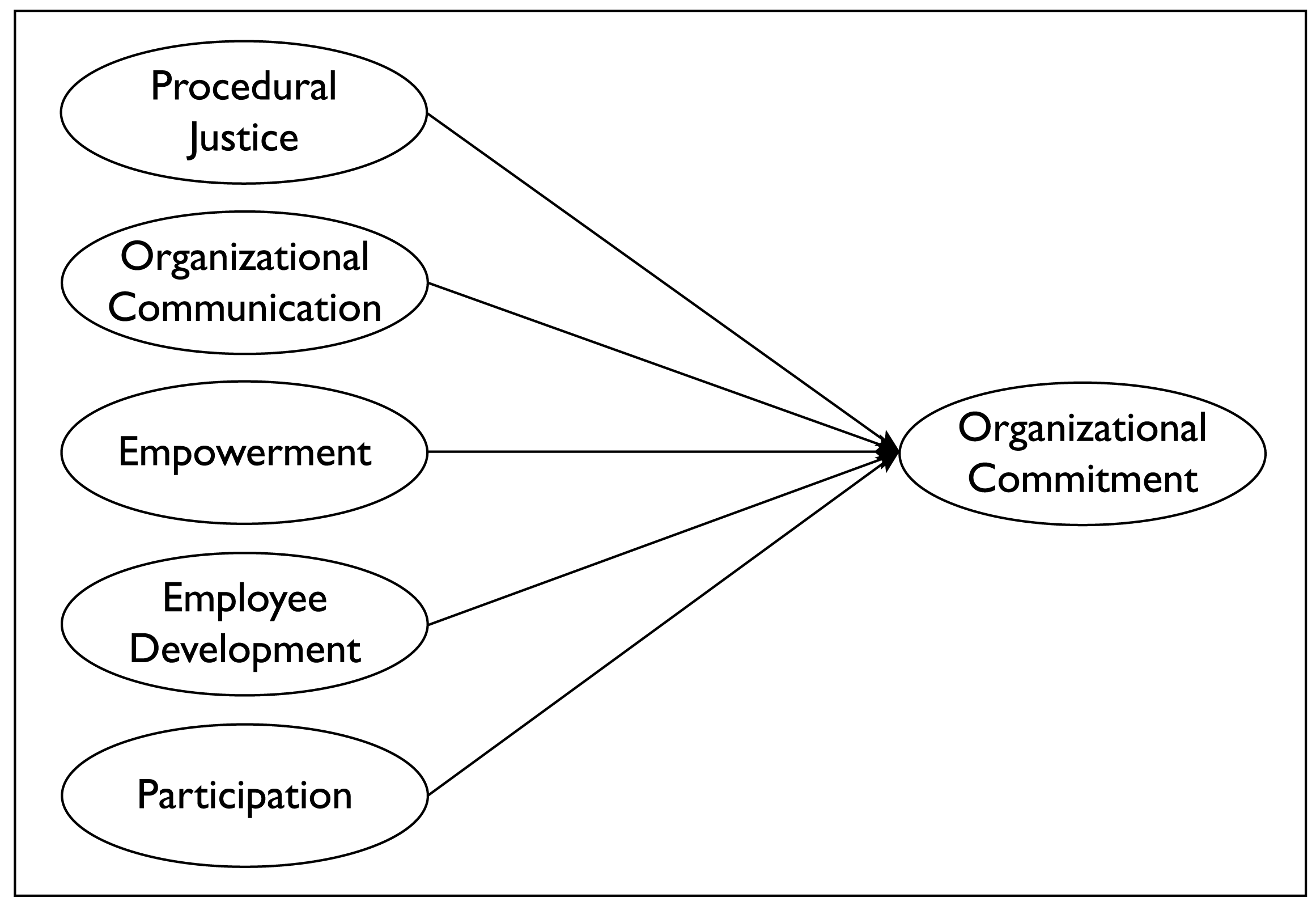
Furthermore, participation as an element of HRM induces a sense of psychological obligation in employees who being valued by the organization, then reciprocate by displaying a high level of organizational commitment and performance, which ultimately leads to better performance for the firm as a whole (Kehoe & Wright, 2013; Kim & Wright, 2011). Hence, considering the relationship among HR roles and SET, so far discussed above, the effect of HRM roles on employee commitment can be taken as granted. Figure 1 represents the relationship between HRM roles and employee commitment.
Organizational commitment has been widely studied in both management and organizational behavioural research (Meyer et al., 2002). Prior researchers have recognized commitment to organization as an important construct in the making of the employee–organization relationship (Loi, Hang-Yue & Foley, 2006). Committed employees identify themselves with the organization and demonstrate more willingness to work for its achievement and higher interest in remaining with the organization (Mowday, Steers & Porter, 1979). As such, Allen and Meyer (1996) defined organizational commitment as a psychological link between the employee and the organization so that the employee would be less likely to voluntarily leave the organization. Supporting this notion of organizational commitment, Cole and Bruch (2006) defined organizational commitment as the individual’s emotional attachment to and involvement in an employing organization.
Researchers have focused on three dimensions of organizational commitment including affective, continuous and normative commitment (Allen & Meyer, 1996). Affective commitment is based on an individual’s emotional attachment to the organization. Continuance commitment measures the cost–benefit analysis of leaving an organization. An employee continues a relationship with the organization to get returns from the organization. Finally, normative commitment reflects an individual’s feeling of his moral obligations or responsibility to remain with an organization. This study considers affective commitment as organizational commitment because it is approached as organizational commitment in most commitment studies (Meyer et al., 2002). Moreover, affective commitment is likely to be more consistently associated with constructive attitudes and behaviours than continuance and normative commitment (Grant, Dutton & Rosso, 2008). Hence, the belief is that the emotional attachment between employee and the organization or to say in other way affective commitment of an employee to the organization makes it more likely that employee will reciprocate with a high level of exchange relationship in the organization.
Prior literature has emphasized the importance of positive organizational action such as HRM for increasing the level of commitment (Bal, Kooij & Jong, 2013; Nishii, Lepak & Schneider, 2008). In line with this argument, further assertion can be made that employee perceptions of HRM roles in terms of procedural justice, empowerment, communication, development and participation will be helpful in managing employee attitudes directed positively towards organizational achievements. Organizational attempts to manage employees through ensuring fairness in procedures, giving authority to employees, recognizing employee importance by making proper communication with them, making employees more valuable by developing their potential and allowing their concerns to be reflected in decision-making affecting them clearly indicate the honest desires of an organization in shaping employee attitudes are favourable to accomplishing the organization’s goals. Therefore, commitment as an employee attitude is found to be impacted by HRM mechanisms, and these impacts might be related to both employee and organizational performance; people make sense of the HRM they experience, and this sense-making might influence their responses in terms of commitment (Kehoe & Wright, 2013).
Procedural justice refers to the degree to which the rules and procedures are properly followed as specified by policies (Milkovich & Newman, 1996). Through following justice in procedure, an organization shows proper respect to its employees and gives them dignity by providing them with adequate information regarding procedures (Cropanzano & Greenberg, 1997). Hence, procedures in action are seen as being equally important to the actual outcomes of those actions (Tyler & Bies, 1990). Researchers have shown that procedural justice is significantly and positively related to job satisfaction and organizational commitment (Jahangir, Akbar & Begum, 2006; Tremblay, Cloutier, Simard, Chênevert & Vanderberger, 2010). Likewise, HRM practices as organizational actions are highly considered during the evaluation process in terms of procedural justice as justice in HRM-related decision-making has strong effects on employee attitudes and behaviours (Kuvaas, 2008). Additionally, based on SET, procedural justice can be conceptualized as a cognitive process through which an organization values fairness in treating employees, which may be reciprocated by employee commitment to the organization. Hence, the assumption can be made that following justice in HRM, organization can ensure fairness in employee management, which in turn will facilitate the enhancement of employee bonds with the organization.
In the same way, organizational communication helps determine an employee’s self-definition as a member of the organization (Postmes, Tanis & De Wit, 2001) and instils a sense of ownership in employees (Soupata, 2005). In doing so, communication reflects the organizational attempt to value employees in that organization (Tzafrir et al., 2004). Additionally, an organization helps its employees gain general and firm-specific knowledge through communication, which in turn indicates its willingness to invest in employees (Tzafrir et al., 2004). Thus, sharing information through communication can raise the level of employee commitment to the organization (Paré & Tremblay, 2007) and impact the relationship commitment among employees positively (Park, Lee, Lee & Truex, 2012). Accordingly, this exchange process leads to an atmosphere of openness and confidence, which may consequently generate greater employee attachment to the organization. Therefore, communication that bases HRM can be seen as a commitment enhancing strategy of employee management in the organization.
Equally, empowerment in an organizational context can be viewed as a process to inculcate power to the employees to enhance their sense of feeling of personal power (Fox, 1998). Through an empowering process, organization diffuses the decision-making power to lower levels, which consequently enriches employee encouragement to work for the organization (Liden, Wayne & Sparrowe, 2000; Tzafrir et al., 2004). In addition, empowerment is also viewed as a motivational strategy that makes employees feel enabled not delegated to (Gardner, Wright & Moynihan, 2011). In an organization, empowerment is reflected in HRM practices such as enabling and motivating employees through delegation of decision-making, thereby creating opportunities for performing jobs (Kazlauskaite, Buciuniene & Turauskas, 2011) and facilitating the development of their commitment to the organization (Brunetto et al., 2012).
Moreover, employee development increases employability for the individual employee (Galunic & Anderson, 2000) and is expected to create a sense of certainty, enhance potentiality, security and commitment to the organization (Benson, 2006). Thus, investment in training and development can be viewed as clear evidence of a commitment creation mechanism. Employee satisfaction with development opportunities in general is related to organizational commitment (Costen & Salazar, 2011; Tansky & Cohen, 2001). Ashar, Ghafoor, Munir and Hafeez (2013) show the significant positive association of training perceptions with affective commitment. Therefore, a positive relationship between employee development and employee commitment can be predicted.
A similar view can be taken for employee participation that may influence the employee–organization relationship more positively. Locke and Schweiger (1979) defined employee participation as a process whereby the organization shares employee concerns in decision-making with individuals whose hierarchical positions are unequal or indistinguishable and thereby recognizes employee involvement in the organization. Strauss (1998) referred to participation as a process allowing employees to exert some influence over their work and the conditions under which they work, and, in doing so, employees develop their relationship with the organization. Through such influencing process, participation helps employees become committed to attaining organizational goals (Abdulkadir, Isiaka & Adeboyin, 2012; Armstrong, 2012). As a corollary to this view, Ashar et al. (2013) and Zopiatis et al. (2014) found that participation is a determinant of affective commitment of employees. Thus, facilities leading to the management of employees through participation make those employees more organization oriented and committed.
Objectives
The main objective of this study is to investigate the influences of HRM roles on employee commitment to the organization. In achieving so, the study will examine the influence of (i) procedural justice on employee commitment to the organization, (ii) organizational communication on employee commitment to the organization, (iii) empowerment on employee commitment to the organization, (iv) employee development on employee commitment to the organization and (v) participation on employee commitment to the organization.
Rationale of the Study
Adding to Tzafrir et al.’s (2004) proposition that the design as well as the products of HRM would affect employee attitude (perceptions of trust), this study aims to provide empirical evidence that these HRM roles will have consequential effects on another employee attitude, that of commitment. The evidence will further support the concept that the most important factor with regard to HRM is its relationship with affective organizational commitment (Kehoe & Wright, 2013). The key HRM roles influencing employee commitment to the organization are examined in this study. The viewpoint is that employee commitment will be higher if perceived fairness in procedures, open communication, empowerment, employee development and participation are found to exist in the organization. This notion is tested in the banking organizations of Bangladesh.
Banks in Bangladesh constitute the core of the country’s organized financial system (Mahmud & Idris, 2011) having 95 per cent of the financial sector’s total assets (Ahmed, 2012). The banking sector of Bangladesh is relatively large with respect to the overall size of its economy with about 26.5 per cent of GDP, and foreign investors are increasingly interested in grabbing this sector (Bhuia & Baten, 2012). To meet growing demands, the Bangladesh government will permit the opening of new banks, as 45 per cent of the population still remains unbanked (Bangladesh Bank, 2012). Therefore, this rising sector necessitates a unique manpower that is capable of and committed to satisfying the diversified financial needs of a potentially huge number of clients (Mahmud & Idrish, 2011). Rahman and Iqbal (2013) noted banking is a dynamic profession involving challenges, hard work, prestige and reputation. Every year a number of brilliant and highly qualified graduates choose careers in the PCBs that should further ensure the quality of banking service. Moreover, the banking sector has become the first choice of career development of the new generation (Ahmed & Uddin, 2012; Islam, Mohajan & Datta, 2012). The challenge for the banking sector is managing the talented and dynamic workforce to create motivation and commitment to successfully attain continual superior performance from them.
Although the banking sector has emerged as an attractive career field, this sector now suffers from demotivation, dissatisfaction and low commitment, which will lead ultimately to the eventual loss of talented employees due to the absence of proper HRM strategies (Majumder, 2012). The role of people in banks is more explicit because banking organizations are service-oriented, the creators and providers of which are people (Islam, 2012). Human resource management should focus not only on the people involved but also on the conditions and relationships with which they work. Based on a case study of the Bangladesh Bank, Islam (2012) found that HR practices could generate higher performance of the employees of the banks, which, in turn results in raising the output and creating inspiration for employees. Hence, employee commitment can be considered as a key driver for improving employee morale and leading them to become more attached with the organization over the long term. Because local scholars are concerned about practicing proper HRM to generate higher levels of employee commitment, the present study adds to the existing knowledge in suggesting how HRM can influence employee commitment. In this respect, this study examines the role HRM plays in positively influencing employee commitment to the organization.
Methods and Procedures
Sample and Statistical Procedures
The primary participants of this study were the front-line employees working in private commercial banking organizations in Bangladesh. A self-administered questionnaire survey was employed for data collection. The sampling method employed in this research was judgemental purposive sampling. Furthermore, in this research, the drop-off and pick-up (DOPU) technique was employed. The questionnaires were distributed through this method to the respective bank HR divisions that were willing to distribute the questionnaire to their prospective respondents. A total of 500 questionnaires were distributed, and 245 questionnaires were returned. Of the total of 245 questionnaires received, 28 were removed because of incompleteness. In total, 217 questionnaires were used, comprising a response rate of 43.4 per cent, which was considered sufficient for data analysis. In the context of Bangladesh, earlier researchers had found 29 per cent response rate (Rubel & Kee, 2015).
Measures
In this study, five HRM roles were employed as independent variables, and four roles (procedural justice, empowerment, organizational communication, employee development) were taken from Tzafrir et al. (2004). A four-item scale was used to measure procedural justice, whereas a three-item scale measured empowerment. Organizational communication was measured with a four-item scale for which respondents stated how much they agreed with the statements provided. Employee development comprised only a two-item scale. Participation was measured using three items adapted from Allen, Shore and Griffeth (2003). The dependent variable, employee commitment to the organization, was measured utilizing a scale that Gould-Williams and Davies (2005) employed. A five-point Likert-type scale with responses ranging from (1) ‘strongly agree’ to (5) ‘strongly disagree’ was employed to assess the respondents’ opinions on all variables.
Analysis
The Statistical Package for the Social Sciences was employed for data entry, data cleaning, missing value calculations and descriptive analysis. For data analysis, this study used the Smart PLS M2.0 software. Due to the self-reported nature of the data, a probability of common method variance (CMV) existed. The Harman single-factor test was performed to ascertain the magnitude of this potential problem. Podsakoff and Organ (1986) commented that CMV is problematic if a single latent factor accounts for the majority of the explained variance. In the current study, the un-rotated factor analysis showed that the first factor accounted for 40.3 per cent of the total 72.2 per cent variance of the five factors, and thus CMV was not a serious threat.
Sample Profile
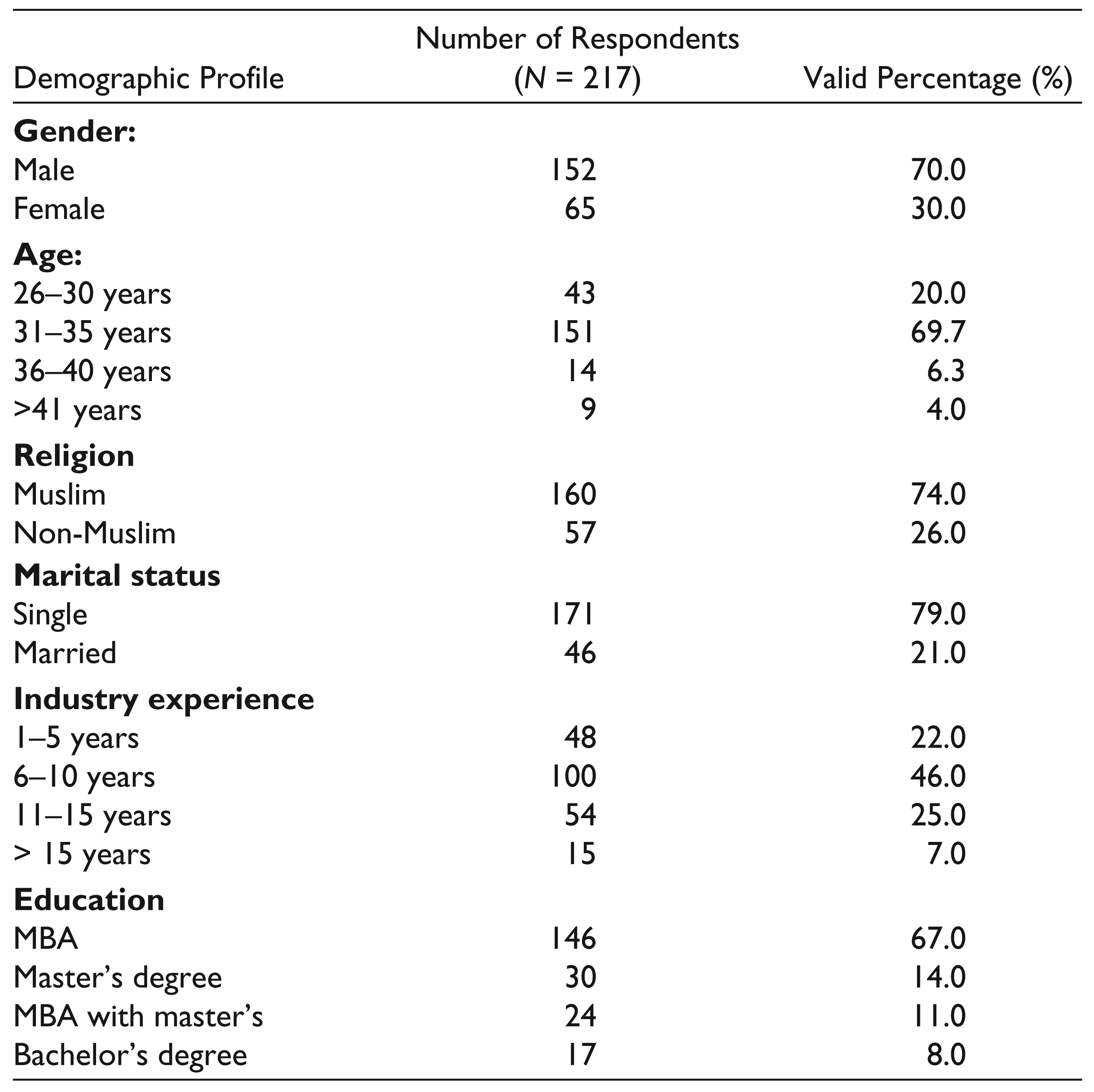
Of those who completed the survey, 70 per cent were male, while 30 per cent were female. Respondent age ranged from 30 to 55 years, with a majority in the age group of 36–40 (44.4 per cent). A majority (74 per cent) of the respondents were Muslim. More than three-quarters of the respondents were married (79 per cent). Regarding education, more than two-thirds of the respondents (67 per cent) had a MBA degree followed by a Master’s degree (14 per cent), MBA with Master’s (11 per cent) and Bachelor’s degree (8 per cent). The average experience of the respondents in the industry was almost 11 years (SD = 3.83) (see Table 1).
Demographic Information about the Respondents
Measurement Model
Convergent validity was assessed to support construct validity that indicates all items measure the construct that they supposed to measure (Hair, Black, Babin & Anderson, 2010). Hair et al. (2010) recommended that the factor loadings, composite reliability (CR) and average variance extracted (AVE) must be calculated in assessing convergent validity. According to Hair et al. (2010), the loadings (the item reliability on the construct) for all items in this study were found significant as the suggested value of 0.5 was surpassed. The AVE reveals the total amount of variance in the items accounted for by the latent construct. In the present study, these ranged from 0.687 to 0.960, above the suggested value of 0.5 by Hair et al. (2010). Composite reliability values portray the degree to which the indicators specify the latent construct. Composite reliability for the present study ranged from 0.855 to 0.959 (see Table 2), above Hair et al.’s (2010) proposed cut-off value of 0.7.
Results of the Measurement Model
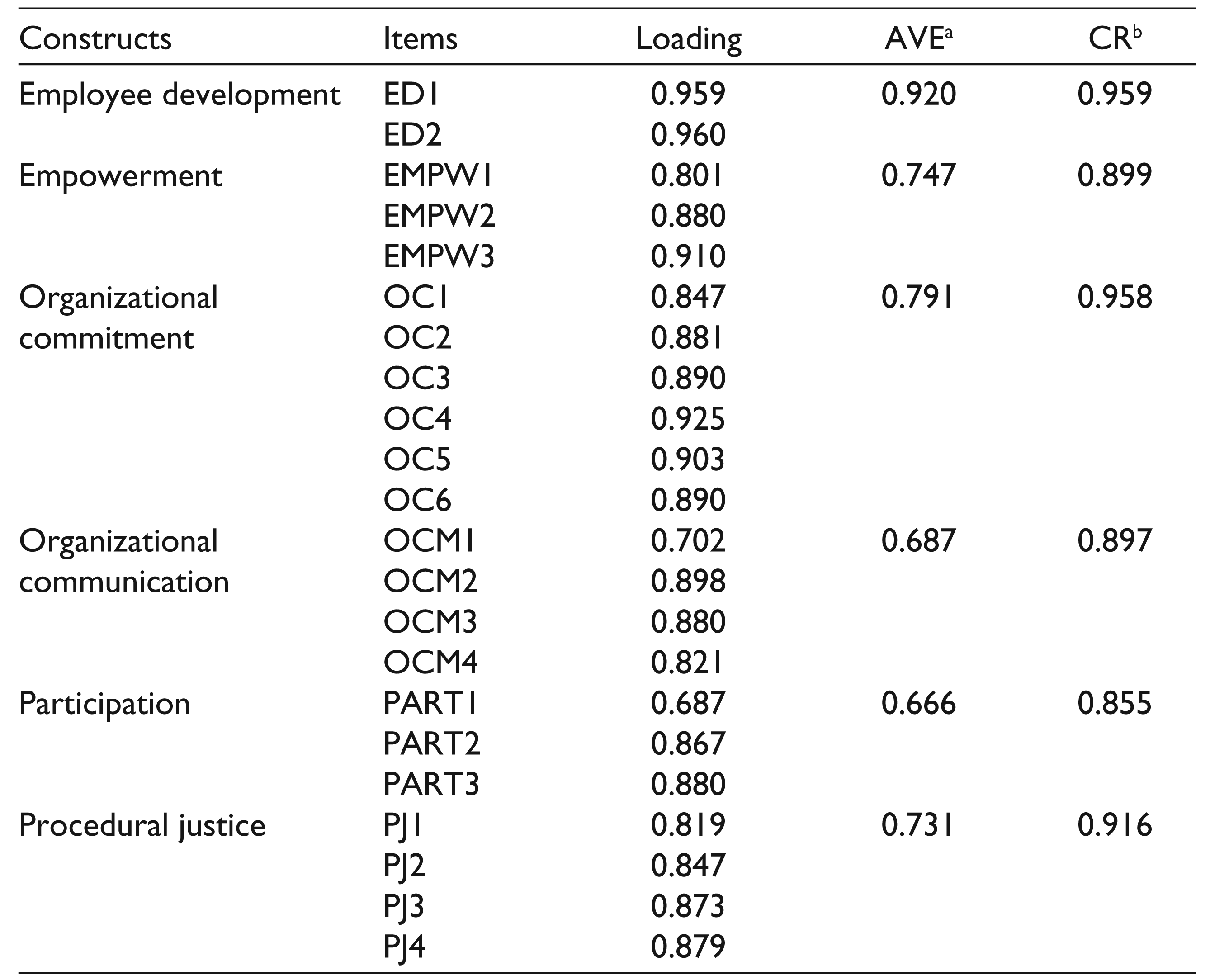
b Composite reliability (CR) = (square of the summation of the factor loadings)/ {(square of the summation of the factor loadings) + (square of the summation of the error variances)}. Output from the analysis results.
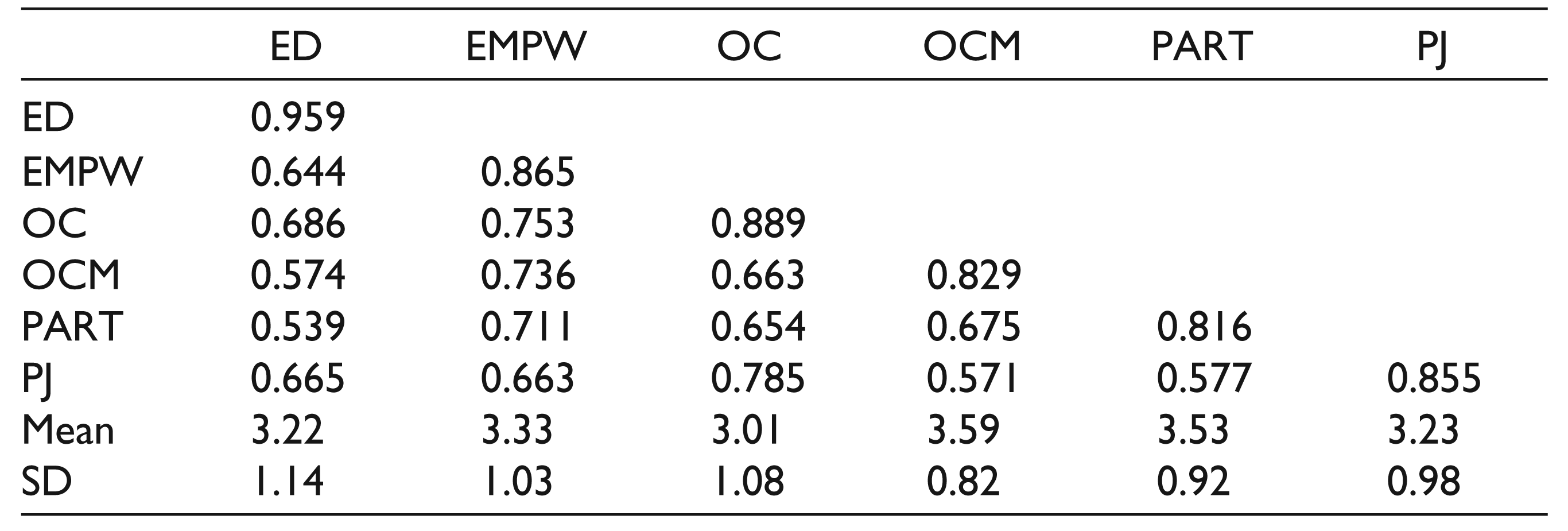
Next was the assessment of the discriminant validity, which measures the degree to which a measure reflects some other construct. Discriminant validity is shown by low correlations between the measure of interest and the measures of other constructs (Cheung & Lee, 2010). In this regard, Fornell and Larcker (1981) suggested that if the square root of the AVE surpassed the inter-correlations of the construct with the other constructs, discriminant validity was indicated. The present measurement model exhibited satisfactory discriminant validity (see Table 3).
Structural Model
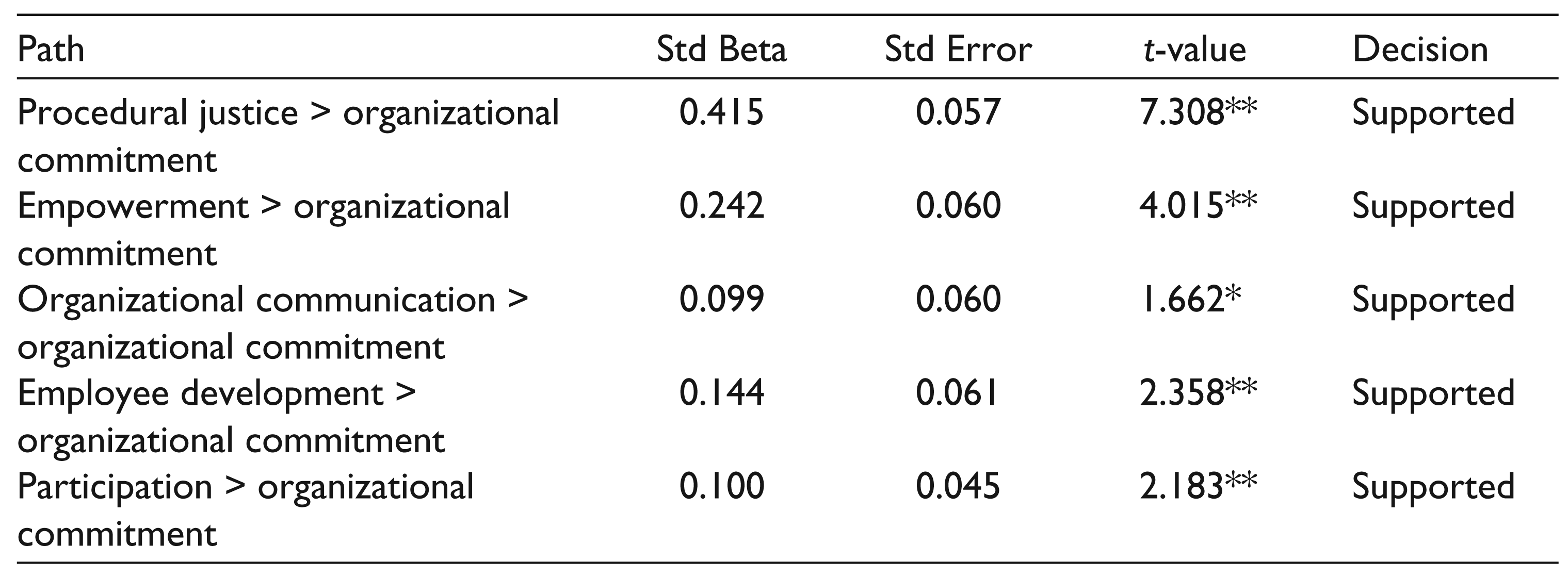
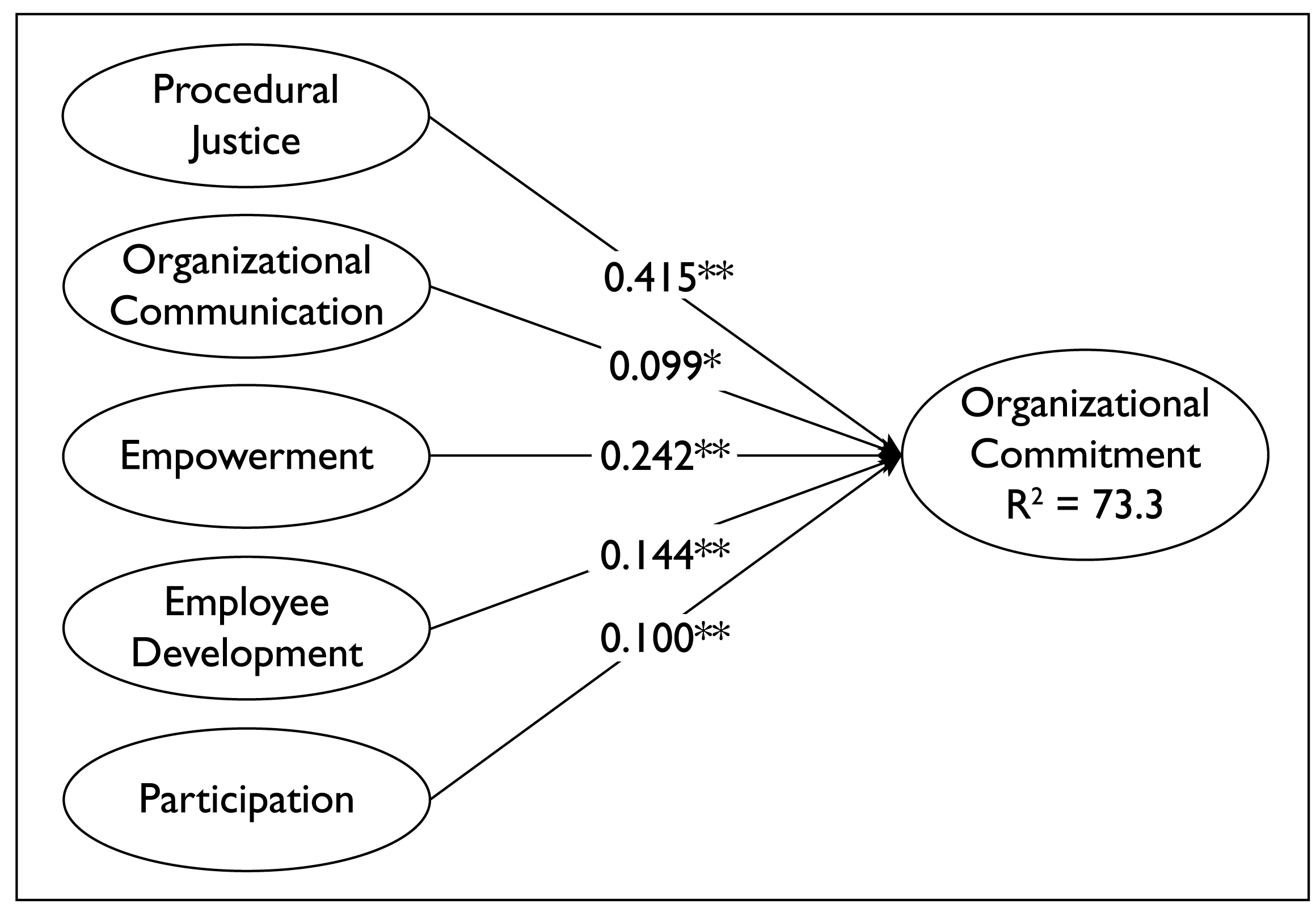
The structural model explains the relationships of the constructs developed for the research model. The goodness of the theoretical model is ascertained by the variance explicated (R2) of the endogenous constructs and the significance of all path estimates (Chin, 2010). Both the R2 and the path coefficients denote how well the data support the proposed model (Chin, 2010). This study explained 73.3 per cent variance of employee commitment by five roles of emergent HRM. Table 4 shows the outcome of the structural model. Both procedural justice (β = 0.415, p < 0.01) and empowerment (β = 0.242, p < 0.01) were related to employee commitment. Organizational communication (β = 0.099, p < 0.05) was significantly related to employee commitment. Furthermore, both employee development (β = 0.144, p < 0.1) and participation (β = 0.100, p < 0.1) were significantly related to employee commitment as well. Thus, the findings revealed that the five roles of emerging HRM had positive influences on employee commitment, which were posited in this study.
Discriminant Validity of the Constructs
Furthermore, the blindfolding technique was also employed to compute the predictive relevance (Q2) of the model fit. The Q2 measures how suitably the model restructures the observed values and its parameter estimates (Chin, 2010). A model with a Q2 larger than zero shows that the model has the criteria necessary for predictive relevance. Using an omission distance of 7, the study obtained a cross-validated redundancy Q2 of 0.213 for organizational commitment, which was considered to have predictive relevance based on the suggestion of Fornell and Cha (1994).
Structural Model (Path Analysis) Results
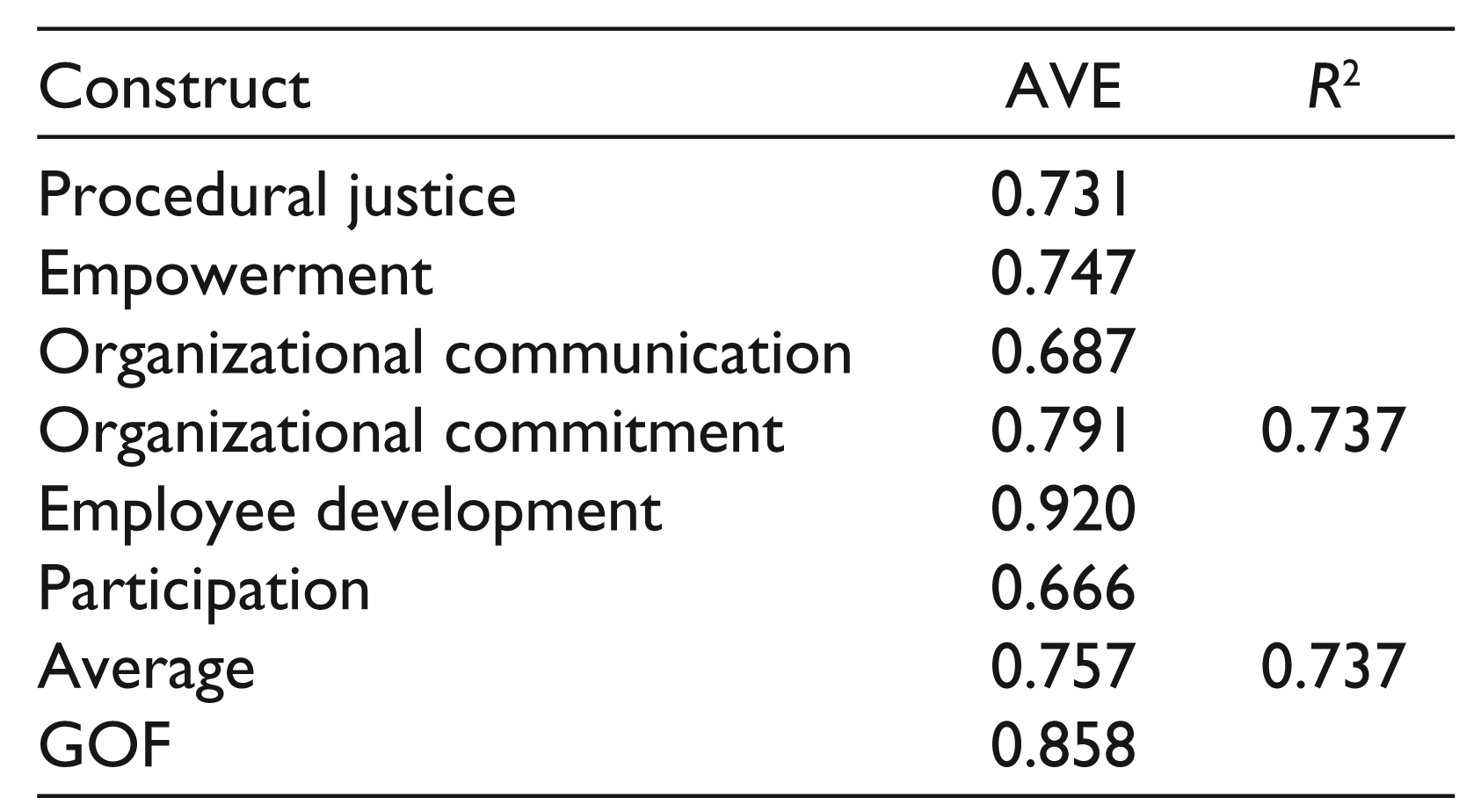
The goodness of fit (GoF) of the model was also computed to measure the performance of the model. Using the guidelines of Wetzels, Odekerken-Schröder and Oppen (2009), this study assessed GoF values to determine whether the criteria values for global confirmation of the partial least square (PLS) model were present. In this study, the GoF value of 0.858 exceeded the cut-off value of 0.36 for a large effect size of R2. As such, the model had a superior power of estimation with respect to baseline values (GoF small = 0.1, GoF medium = 0.25, GoF large = 0.36) (Table 5).
Discussion
This study investigated the effect of HRM roles from the perspective of SET on the commitment of bank employees to their organizations in Bangladesh. In this respect, this study examined the relationships among organizational communication, procedural justice, empowerment, employees’ development and participation and employee commitment to the organization. The results of the PLS-structural equation modelling (SEM) analysis showed that the effect of the HRM roles on employee commitment had significant positive results. Early researchers had examined commitment as an outcome of HRM. This study examined commitment as an outcome of the roles of emerging HRM, which explains that, when an organization promotes communication, empowerment, fair process, employee participation and development in their HRM strategies, the organization can generate employee commitment.
Goodness of Fit (GoF)
Thus, this study offered an additional approach to studying the commitment phenomena in the organization–employee relationship context. Social exchange theory (SET) was utilized for combining several HRM roles influencing employee commitment into an integrated model portraying that employees’ commitment is a product of organizational communication, procedural justice, empowerment, employees’ development and participation. The results of the study provided realistic support for the proposed model. Each variable contributed an important role in the development of employee organizational commitment. Our findings added to Tzafrir et al.’s (2004) suggestions that the roles of emerging HRM influence employee attitudes.
Present results provided strong support suggesting that procedural justice has a positive and significant influence on organizational commitment. These findings were consistent with those of Najafi, Noruzy, Azar, Nazari-Shirkouh and Dalvand (2011) who reported on the strong relationship between procedural justice and commitment. Moreover, Rubel and Kee (2015) found a strong relationship between perceived fairness and commitment. The findings in the current study added to the body of knowledge suggesting that procedural justice tends to affect employee attitudes (trust in managers, organizational commitment, and intention to quit) (Crow, Lee & Joo, 2012; Tzafrir et al., 2004). In relationship to the study’s findings, banking organizations should practice consistent and rational procedures because employee perceptions of procedural justice and of procedural fairness can increase their level of commitment to the organization. The bank employees of Bangladesh have consistently shown the importance of procedural justice in organizational efforts to manage them (Figure 2).
The findings stressed the importance of fostering a climate of good organizational communication because such communication is directly associated with enhanced employee commitment to the organization. The findings of the current study supported Zeffane, Tipu, and Ryan’s (2011) arguments that trust and commitment do not just happen; they are forged and maintained through effective communication. Open communication in organizations reduces the fear of the unknown effects of change, reduces anxieties stemming from ambiguity and enhances a feeling of belonging to an organizational community (Tzafrir et al., 2004). Park et al. (2012) also discussed the significance of open communication for promoting organizational commitment. Thus, the present findings were analogous to the results of prior studies. In the context of Bangladesh banking organizations, Rahman and Iqbal (2013) had asserted that constant communication to the employees facilitates the following of the roles or processes of the organization and in maintaining favourable relationships with their co-workers. The present study affirmed that organizational communication aids bank employees in feeling more committed to and being strongly related with the organization.
The results showed that employee empowerment impacts commitment positively. They indicated that through the process of empowerment, employees feel higher levels of task authority and worthiness, which have consequential effects on their attachment with the organization. Laschinger, Finegan and Wilk (2009) had suggested a positive correlation between empowerment and commitment. The findings corresponded with Song, Kim and Kolb’s (2009) description of highly empowered employees who are highly committed employees. A rational justification of these findings could be that through the empowerment process, bank employees may feel they are worthy of banking performance and this sense of being important will strengthen their bonds with the employing organization. Therefore, the conclusion can be made that perceived empowerment positively influences bank employee commitment to the organization.
The findings of the present study also supported the conclusion that employee development is positively related to employee commitment. This finding supported the results of Allen and Shanock (2013) who found that perceptions of organizational support influence organizational commitment. As such, employee development is considered an important element of organizational support because such development makes work for employees employable and makes them fit for future career progress. Employees reciprocate such organizational concern for employee well-being through increased commitment. Newman et al. (2011) also have provided strong support for the viewpoint that investment in employee development is positively related to their attachment with and involvement in the organization. Employee development activities are seen as employee benefits from the organization and are positively related to organizational commitment (Benson, 2006). Thus, the findings of the present study were consistent with these prior studies. Corroborating these findings and SET, bank employees of Bangladesh have shown a positive linkage between training and development and employee commitment, explaining that bank employees reciprocate banking organization’s investments in developing employee potential through their enhanced commitment to such an organization.
The present findings were also in congruence with the finding that participation is positively related with employee commitment. Previously, Bhatti and Qureshi (2007) had shown the positive effect of participation on employee commitment. The present findings further confirmed this relationship. The positive relationship between participation and commitment in the study imparted credence to previous findings that bank employees value the opportunity to participate in decisions affecting them. The present findings drawn from this survey of the bank employees of Bangladesh had shown that, when their constructive participation in decision-making is encouraged and practiced, in exchange, participative employees would have a more pronounced high attachment with the organization.
This study looked at the effect of the emerging HRM roles. The findings authenticated the validity of impacts of these variables on commitment and provided a better understanding of the phenomenon and the process of building organizational commitment through combining several HRM roles into a single framework. The findings of this study have important implications with respect to commitment and the HRM literature.
Based on the findings of this current study, employees exchange commitment reciprocates organizational support for them through the intangible processes of procedural justice, empowerment, organizational communication, employee development and participation. In the context of SET, these support practices provided by the organization to the employees result in a high level of commitment to the organization. Thus, a process of mutual exchange between an organization and its employees exists. Exchange encounters may be of a positive or a negative nature, increasing or diminishing commitment in organizations based on employee perceptions of the communication process, feelings of justice, empowerment, participation and development opportunity. Moreover, using SEM-PLS, the study results delineate a predictive relationship among HRM roles and employee commitment. Considering SET and the results obtained from SEM-PLS employed in this study, the further claim can be made that HRM roles and employee commitment are significantly interconnected.
Identifying HRM roles that influence employee commitment to an organization hold the key to help banking organizations in Bangladesh enhance the possibility of creating proper employee management strategies that will have favourable consequential impacts on building long-term employee organizational relationships and improved banking performance through well-managed HR in the future. Moreover, because local evidence provides better support for actions, the present study findings are expected to provide guidelines to the other service-oriented organizations in relationship to HRM roles and their effects on employee commitment. Because employees are at the heart of a service organization, this study is further a testimony to the belief that HRM roles constitute predetermined factors of employee commitment to quality services that may create and extend customer satisfaction.
From the global research perspective, the vitality of employee commitment for organizational achievement has already been established. From the local research on the linkage between employee commitment and banking performance in Bangladesh, the role of committed workforce is identified. Hence, this study contributes to the examination of mechanisms through which management, practitioners or organization leaders can boost employee commitment to an organization. In this attempt, the impact of HRM is well-recognized. In line with this, this study explores a new avenue for enhancing employee commitment by identifying the role HRM plays in management actions, behaviours and HRM procedures.
While the present research is expected to contribute to the understanding of the effects of emerging HRM roles in building employee commitment, the study has several limitations that must be noted. The use of a small sample from a specific industry utilized in this study could not generate findings of a general nature across multiple industries. Hence, future study may use a large sample from different industry settings to achieve more generalizable results. The study used a single informant group that has the potential to raise common method variance problem. However, the study used techniques to reduce common method variance and showed insignificant method variance. Finally, because prior study has identified individual differences with their moderating effects on commitment (employee tenure: Wright & Bonett, 2002; locus of control: Aube, Rousseau & Morin, 2007), future research should incorporate these variables into the model. As researchers are still examining the mechanisms that work in the relationship between HRM and employee commitment, exploring the effects of HRM roles on commitment might show a good path for future research.
Conclusons
This study supports the notion that the consequences of HRM practices have an impact on employee involvement and attachment with the organization. The study provides evidence that employees reciprocate positive organizational concerns for them communicated through the new HRM roles of open and just environments, open communication, belief in employee power, developing their potentialities and valuing themselves through participation by an increased level of employee commitment to the organization. Human resource managers can play an important role in devising HRM policies and procedures that are visible for developing employee attachment with the organization. Organizations and their top management should have an interest in, and nourish, a supportive HRM environment, and, thus, must provide strong priority to HRM practices through which they will demonstrate their commitment to open communication, empowerment, participation, investment in employee development and a just environment to get employee commitment for a long-lasting, high-quality exchange relationship.
Footnotes
Acknowledgements
The authors are grateful to the anonymous referees of the journal for their extremely useful suggestions to improve the quality of the article. The usual disclaimers apply.