







Abstract
The purpose of the paper is to review the diversified extant literature on the sharing economy using bibliometric analysis and theories, characteristics, context, and methodologies (TCCM) framework to summarize multiple diversified studies under one paper which provides not only insights into previous work but also benchmarks the evolution of this concept and its future scope. The study adopted the integrated research methodology based on the bibliometric and TCCM analysis. Bibliometric analysis is conducted through the following techniques: citation analysis, co-citation analysis and co-occurrence of keywords with the help of R-based bibliometrix and VOSviewer open-source software whereas the TCCM framework classified the literature into the following categories: theory, characteristics, context and methodology. Based on the bibliometric analysis of 846 research articles retrieved from the Scopus database for the period of the last ten years (2010–2020), the study found the most prominent authors, studies, journals and countries in the area of the sharing economy along with the most co-cited authors and journals. The theories prominently used in this area are clustered into six relevant themes which include communication and informational theories, socio-psychological theories, organizational level theories, research methodology-based theories, business economic theories, technological acceptance-based theories whereas outcome variables (consumer intention, experience, repeat purchases, satisfaction and loyalty) and their antecedents are also investigated in this study. This article makes recommendations for future research that will aid in the direction of further research into areas that are currently under-represented in the journal as well as new topics that are expected to grab the attention.
Introduction
The beginning of the Industrial revolution 4.0 changed the dynamics of how we are connected and the process of information sharing. During this phase of digitalization, our society has witnessed various revolutionary business ideas and innovative processes as a result of the internet and the internet of things. The term ‘internet of things’ refers to the overall network of interconnected devices as well as the technology that makes it possible for devices to communicate with one another and with the cloud (Kumar et al., 2019). From a similar perspective, the concept of a sharing-economy has drawn the attention of researchers, academicians and businesses over the past few years (Zhang et al., 2019). The word ‘Sharing economy’ has been interchangeably used by researchers as collaborative consumption (Botsman & Rogers, 2010; Hamari et al., 2016; Perren & Grauerholz, 2015), access-based economy (Bardhi & Eckhardt, 2012), peer-to-peer economy (Witt et al., 2015), crowd-based capitalism (Sundararajan, 2016), gig economy (Mulcahy, 2016), platform economy (Alstyne et al., 2016) and the mesh economy (Gansky, 2010). The term ‘sharing economy’ was first cited in 2008 and stands for collaborative consumption comprised of the activities of sharing, renting and exchanging resources without ownership (Lessig, 2008). Since the last decade sharing economy has been extensively studied across various domains and contexts starting from accommodation sharing and hospitality (Oskam & Boswijk, 2016), ride sharing (Eckhardt et al., 2019; Wang et al., 2019b), co-working space (Garrett et al., 2017), fashion and apparel sharing (Jain & Mishra, 2020), crowdfunding (Koch & Siering, 2019), etc. These services are based on customer-to-customer networks (Qu et al., 2022; Yang & Xia, 2021) facilitated and integrated by community-based web services or meditated by business-to-consumer (B2C) business models (Grondys, 2019; Hamari et al., 2016). Considering the widespread interest and attention of scholars and practitioners, a proper understanding of the development and progression of this concept is necessary to investigate its scope across the various disciplines and domains. Hence, the concept of the sharing economy must be systematically explored to obtain any practical knowledge that would be beneficial for both businesses and academia. The present study is an effort towards that path. Because of a plentitude of sharing economy literature and its ever-increasing relevance in terms of customer participation and engagement, it is the need of the hour to conduct a systematic in-depth comprehensive analysis to simplify such a diverse concept into a concise and holistic perspective. In the past, various researchers have addressed this gap and conducted different literature review techniques both quantitative and qualitative to identify themes, patterns, characteristics, relationships and outcomes of this phenomenon (Boar et al., 2020; Cheng, 2016; Hossain, 2020). The qualitative literature reviews conducted so far primarily focused on the thematic clusters (Altinay & Taheri, 2019; Camilleri & Neuhofer, 2017) and business models of the sharing economy (Cohen & Kietzmann, 2014; Richter et al., 2017). However, these reviews focused on the limited sample of studies and themes associated with the phenomenon of the sharing economy (Kraus et al., 2020). These concerns can be dealt with quantitative bibliometric techniques that scrutinize the trends of the literature statistically and critically concerning many studies and publications (Batistič & der Laken, 2019). Few bibliometric studies were carried out in the area of the sharing economy in the past (Sainaghi et al., 2020) that provide important insights into the literature on the sharing economy. Based on the insights given by the prior literature reviews, we adopted an integrative approach of quantitative and qualitative review techniques. To the best of our knowledge, none of the prior studies have investigated the area of the sharing economy in such a comprehensive manner by integrating the bibliometric analysis and the theory, characteristics, context, and methodologies (TCCM) analysis. Consequently, the present study aims to provide the future research direction through the rigorous process of bibliometric and TCCM analysis of the sharing economy literature while attempting to answer the given research questions:
RQ1: How the field of the sharing economy has progressed over the decade and identify the most cited studies?
RQ2: Which articles, authors and countries are the most influential and responsible for the progress of the field and to identify the themes in the area of the sharing economy?
RQ3: Which theories, characteristics, context and methodologies are prevailing in the sharing economy literature?
The current study provides a comprehensive and integrated literature framework while addressing the above research question. The next section of the study is comprised of a brief literature review of the sharing economy followed by research methodology and results. At last, the authors discussed the implications and directions for future research direction.
Literature Review
The evolution of the internet and digitalization not only reformed business models but also contributed to changes in consumer consumption patterns. Most traditional businesses are based on ownership, contrary to that sharing economy business models provide access and usage of products and services rather than ownership (Puschmann & Alt, 2016). These business models are not limited to any specific area; rather it has diversified across a wide range of business domains ranging from ridesharing (Uber, Lyft), crowdfunding (Kickstarter, Indiegogo), house renting and couch surfing (Airbnb), talent sharing (TaskRabbit, Liveperson), agriculture (Landshare), food sharing (Olio, Eat with), entertainment (Napster), equipments and tools (Trringo, Myshed), apparel (Tulerie), etc.
The literature on the sharing economy is scattered across different disciplines and contexts. The technological perspective of this phenomenon is also well explained by various researchers (Frenken & Pelzer, 2020). Legal and regulatory perspectives of the sharing economy are also discussed in the literature (Park, 2019). Previous literature examined the impact of the sharing economy across the various industrial sectors such as hospitality and tourism (Akbar & Tracogna, 2018; Ginindza & Tichaawa, 2019; Zervas et al., 2017), transportation sector (Shaheen et al., 2016; Standing et al., 2019), retailers (Grimmer & Vorobjovas-Pinta, 2019), supply chain and logistics (Gupta & Ivanov, 2020). The sustainable perspective and practices followed by this phenomenon and its effect on the environment are also investigated in various studies (Boar et al., 2020; Martin, 2016; Ek Styvén & Mariani, 2020). Some studies in the context of the sharing economy also focused on the employment issues and address different workforce opportunities and challenges (Mhlanga, 2020) whereas the sharing economy from the perspective of entrepreneurship is also included in the literature (Huarng, 2018; Richter et al., 2017). From the perspective of consumer behaviour, researchers explored determinants and motivating factors to participate in the sharing economy and their post-purchase behaviour such as satisfaction and loyalty (Akhmedova et al., 2020a; Boateng et al., 2019; Möhlmann, 2015). The marketing approach described this phenomenon as a threat to the basic institutions and beliefs of the market, that is, firms, consumers, value propositions, society, marketing innovations, branding, society (Eckhardt et al., 2019) and its widespread popularity owing to the advancements in the internet (Belk, 2014) and progress in different communication informational technologies. Apart from the different perspectives and contexts some studies defined sharing economy as an umbrella concept that includes the integration and classification of different models and diverse concepts of the sharing economy (Mont et al., 2020; Muñoz & Cohen, 2017, 2018; Puschmann & Alt, 2016; Sutherland & Jarrahi, 2018). But still, none of the studies so far to the best of our knowledge integrated the approaches of bibliometric and TCCM analysis to review the phenomenon of the sharing economy.
Research Methodology
Data Collection
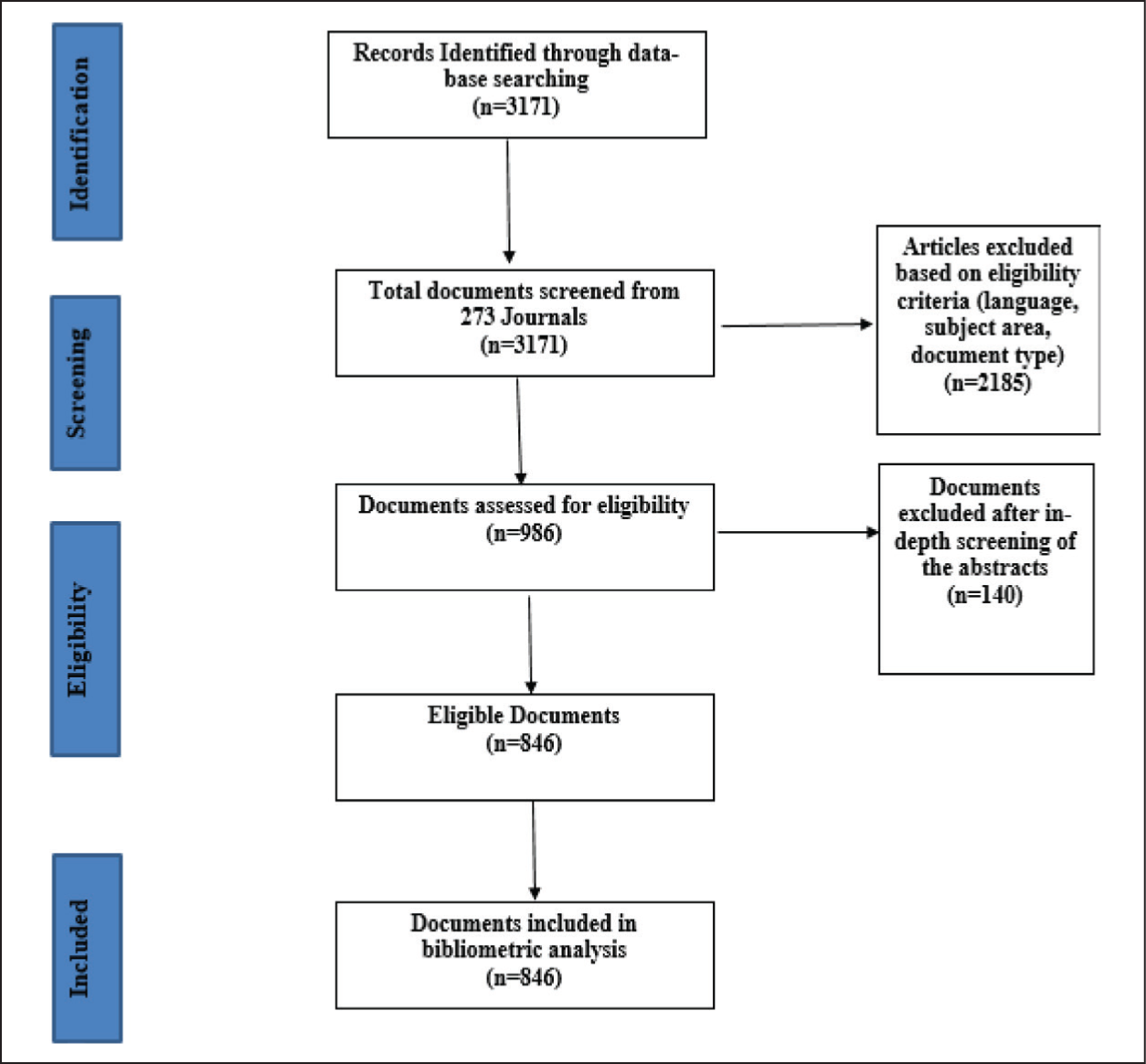
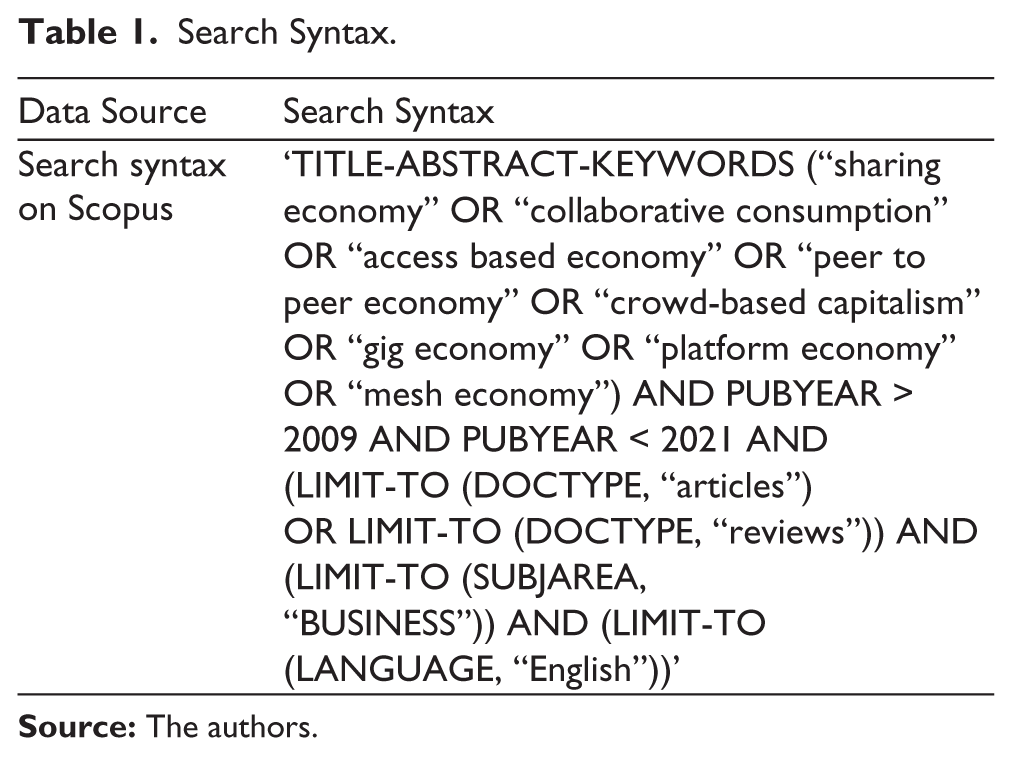
The Scopus database is used to retrieve data for the study, the largest and most robust database that has been used widely by numerous scholars in various disciplines for bibliometric analysis (Zhu & Liu, 2020). The keywords relevant to the study, that is, ‘sharing economy’, ‘collaborative consumption’, ‘access based economy’, ‘peer to peer economy’, ‘crowd-based capitalism’, ‘gig economy’, ‘platform economy’ and ‘mesh economy’ has been used to retrieve the data for Scopus data base as given in Table 1. Further, the PRISMA diagram was used to illustrate the selection strategy of records highlighting all the inclusion and exclusion criteria used to filter the collection suggested by Liberati et al., (2009) as depicted in Figure 1. The search category filter of Scopus was applied to restrict the articles only to the domain of ‘Business, Management, and Accounting’ from the year 2010 to 2020 to review the phenomenon of the sharing economy from the perspective of business and management only. The reason for choosing 2010 as the beginning year for the research lies in the fact that the concept of the sharing economy gained popularity after the seminal book written by Botsman and Rogers (2010). Moreover, considering the author’s proficiency in the language, the papers written only in the English language were included for this review. The search syntax given in Table 1 used to retrieve data resulted in 3,171 documents and further with a search filter limited to ‘English’ language and document type as ‘articles or reviews’ resulted in 2,037 documents. The search was further limited to the subject type ‘Business, Management, and Accounting’ which narrowed down the results up to 986 documents. In the last stage of data filtering, the authors thoroughly reviewed the abstracts to exclude the irrelevant documents from the data set and this in-depth screening of the abstracts resulted in a total of 846 documents.
Search Syntax.
Research Design
The above-mentioned research questions are addressed through a thorough bibliometric and TCCM analysis. Bibliometric analysis is an important instrument for evaluating and analysing the quality and impact of the research output (Martínez et al., 2015) as well as establishing the relationship between the two articles in terms of numbers of citations and the frequency with which both are co-cited together (Fahimnia et al., 2015). The methodology adopted in this study is in line with the guidelines given by Dzikowski (2018), and the following bibliometric techniques are followed in the study: citation analysis, co-citation analysis and co-occurrence of keywords. The first bibliometric approach used in the study is citation analysis which compares various facets of a research area, such as output in terms of publications each year, leading authors, prominent journals and countries (Mas-Tur et al., 2020; van Raan, 2004). Co-citation analysis, which analyses the link between two cited studies, is the next approach adopted in this review (Taticchi et al., 2010). In a co-citation web, two studies are said to be co-cited when the third study concurrently cites them (Pilkington & Meredith, 2009; Small, 1973). According to Van Eck and Waltman (2014), the stronger the co-citation between two studies, the more often they are cited together, and studies that are graphically co-cited are closely linked under a common cluster of themes. The third technique, the co-occurrence of keywords measures the frequency of commonly used words in the article. The co-occurrence analysis analyses the co-occurrence of words in a bibliographic collection, and the words that appear together often have something in common, so they form a ‘thematic cluster’ (Su & Lee, 2010). Furthermore, to address the gap in the literature and to suggest the future direction of the research area, TCCM analysis has been adopted (Knight et al., 2004). TCCM analysis splits the literature into the following categories: TCCM. In this study, R-based bibliometrix open-source software is used along with the VOSviewer for the graphical visualization of the maps.
Results
The findings of the citation analysis, co-citation analysis and co-occurrence of keywords are given in this section by adopting the rigorous approach of bibliometric analysis.
Citation Analysis
This is a basic statistical approach of bibliometric analysis which displays the following results under the subheadings of general summary, the number of publications per year, most cited studies, leading authors, prominent journals and most influential countries from the context of studies conducted in the research area of the sharing economy.
General Summary
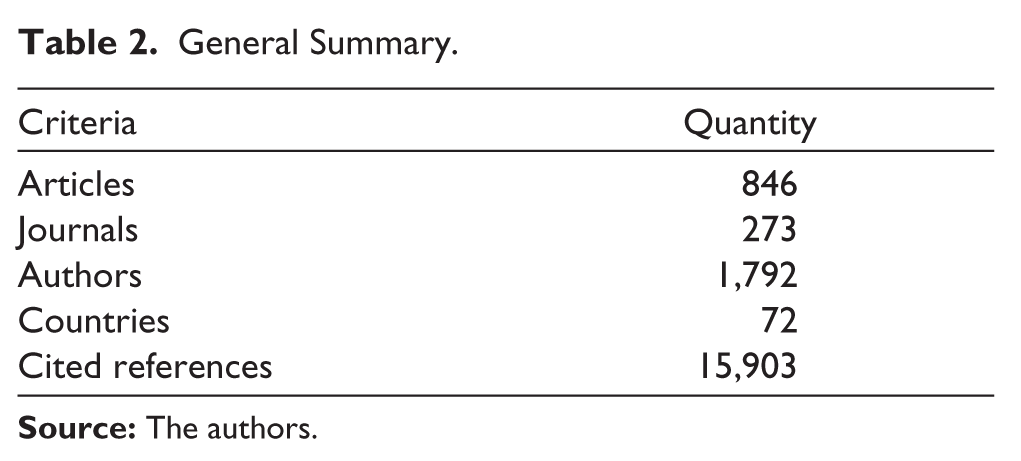
This section deals with the total number of articles, journals, authors and countries that are taken into consideration for this review. A total of 846 studies in 273 reputed journals contributed by 1,792 authors from 72 countries with total cited references of 15,903 are reviewed in this study as shown in Table 2.
General Summary.
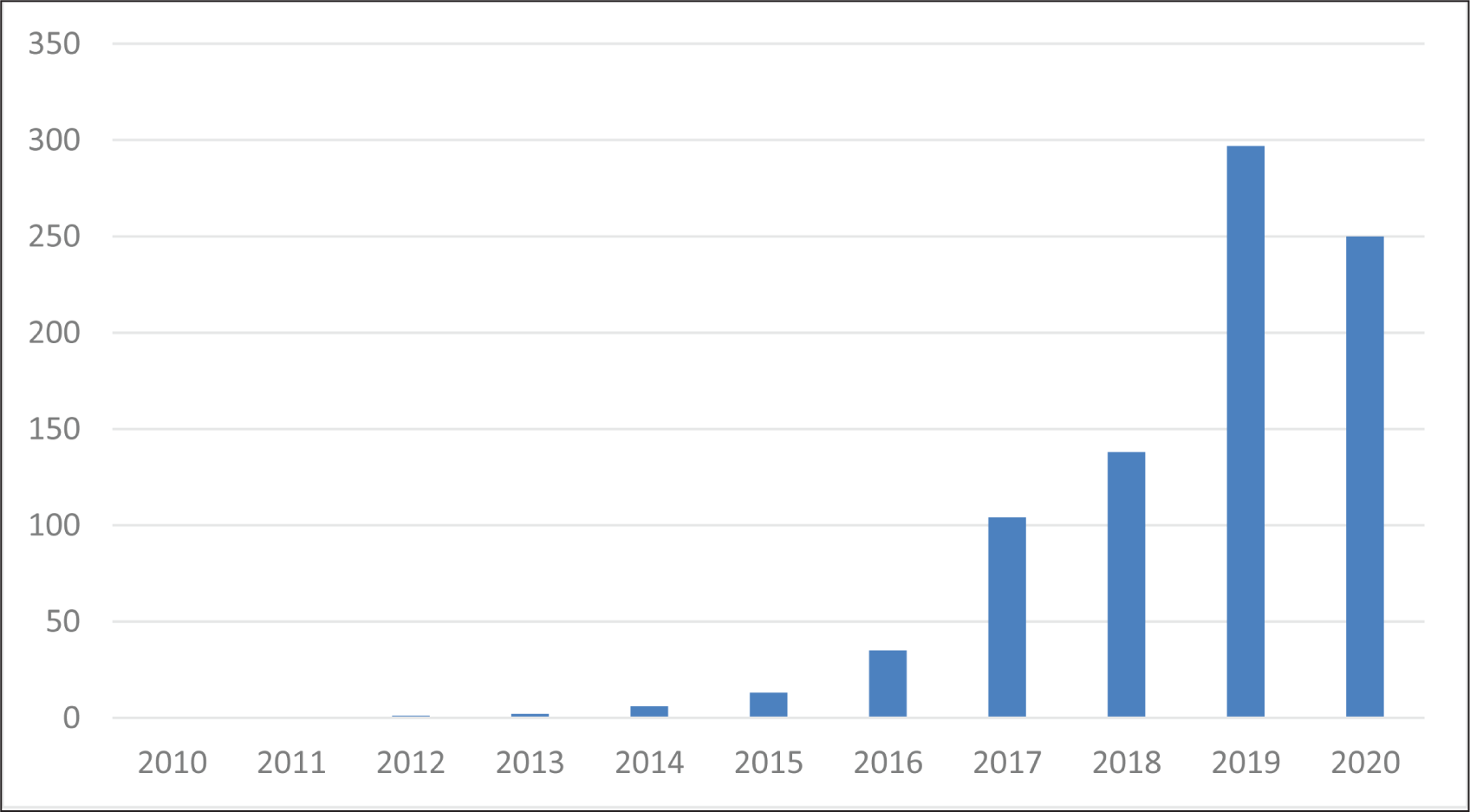
The Number of Publications per Year
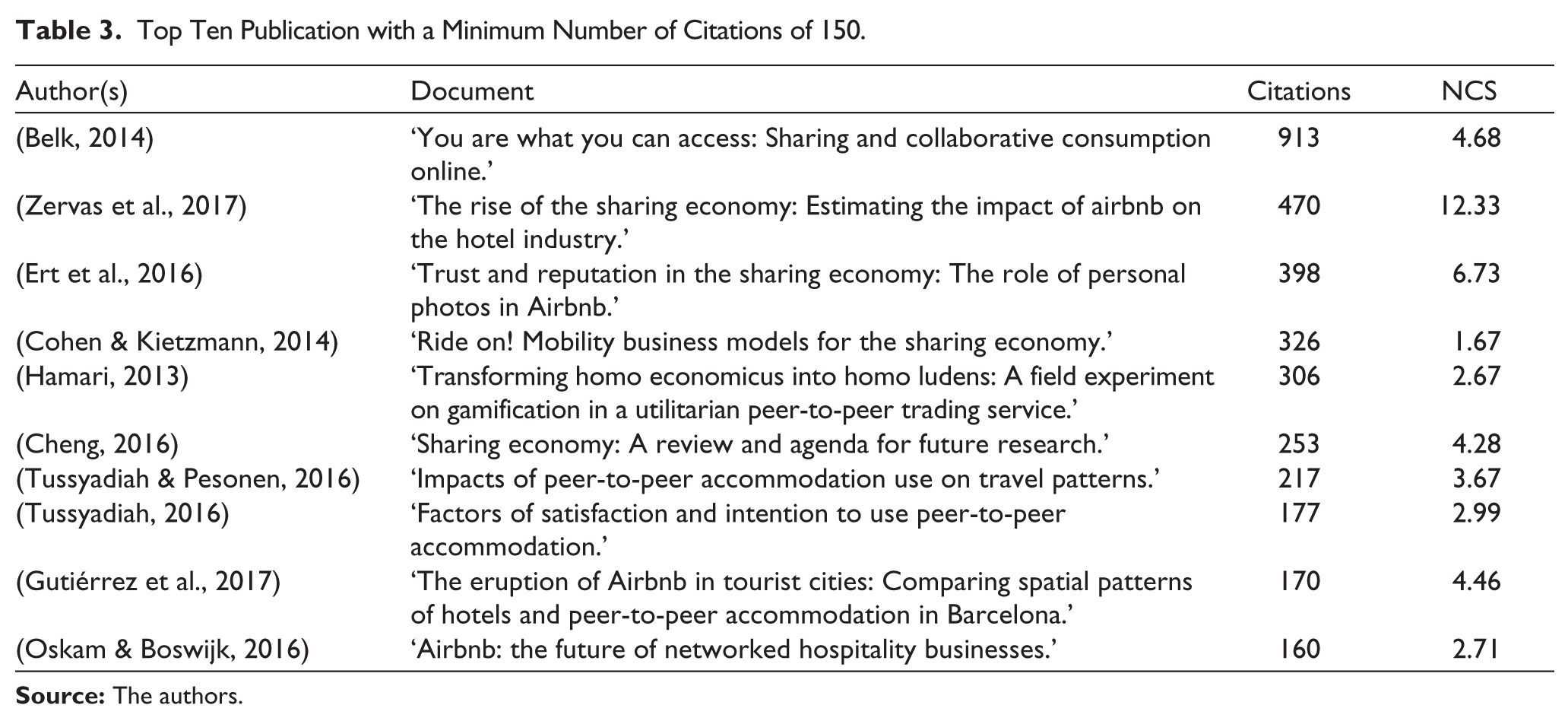
As shown in Figure 2, the highest number of publications was in the year 2019, that is, 297 publications. The trends in the number of publications can be divided into two stages: first from 2010 to 2014, which consists of only 9 publications, and the second stage from 2015 to 2020 in which the number of publications skyrocketed to 837 within the time framework of 6 years. Some of the seminal papers during the second stage include the paper authored by Zervas et al. (2017) which investigates the impact of Airbnb on the traditional hotel industry, and Ert et al. (2016) which focused on the trust and reputation in the sharing economy.
Top Ten Publication with a Minimum Number of Citations of 150.
Most Cited Studies
The top 10 publications with a minimum number of 150 citations are placed in ascending order as shown in Table 3. The most cited article authored by Belk (2014) is cited 913 times so far with a normalized citation score (NCS) of 4.68. This conceptual paper primarily focused on the evolving nature of the sharing economy, its relevance in the current scenario, and how it impacts the traditional business models. The article focused on the evolving and disruptive nature of this phenomenon, hence receiving a large number of citations. Moreover, NCS of these studies have also been mentioned in Table 3. NCS is calculated with the formula given below:
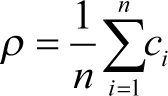
Here, n is the total number of articles in the area of paper i, and ci stands for the number of citations for paper i. The NCS for paper i is then obtained by dividing the citation count of paper i by the average number of citations in the field of paper i (Bornmann & Haunschild, 2016).
Most Distinguished Authors
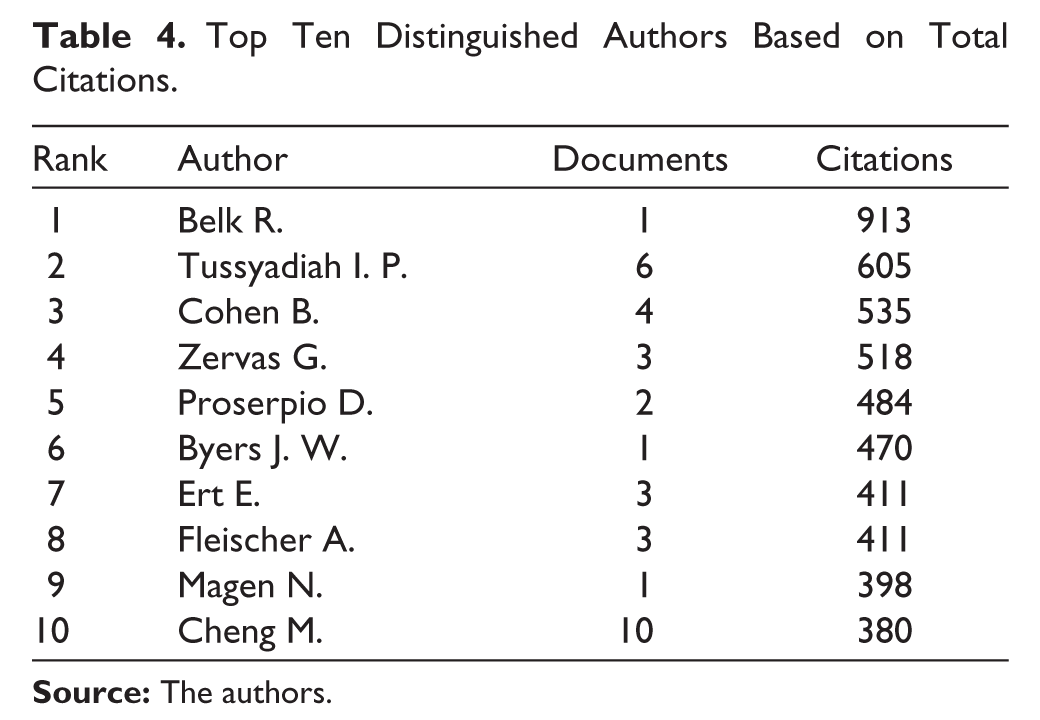
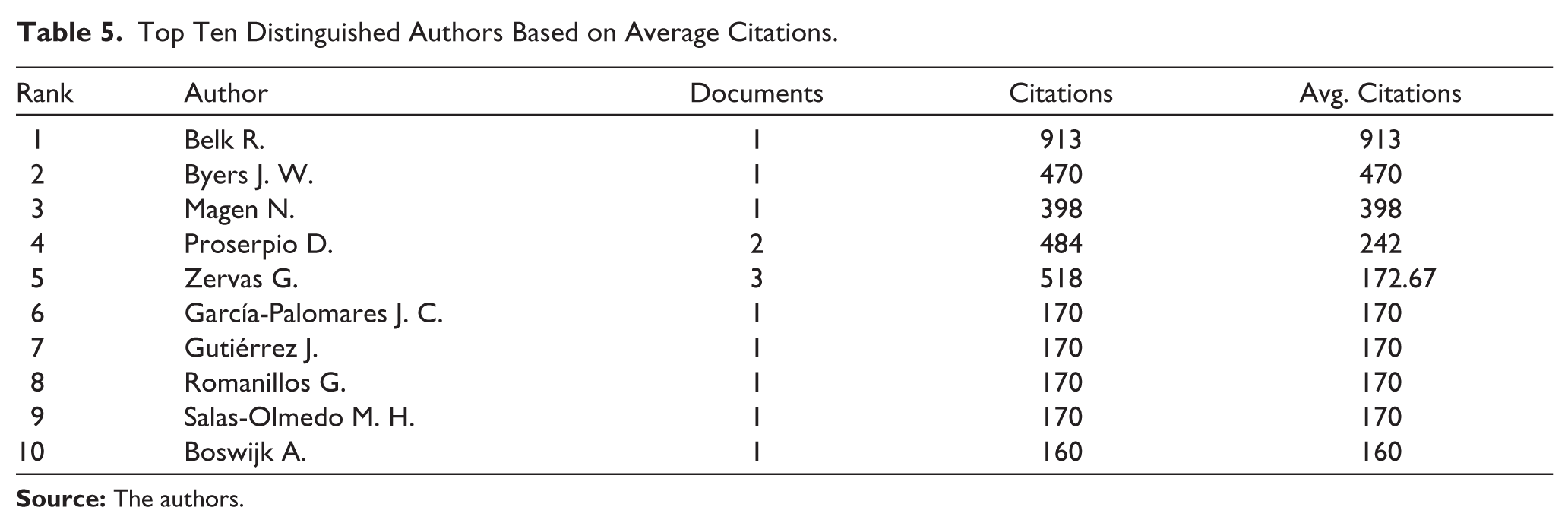
The top prominent authors in the area of the sharing economy are discussed here. The most distinguished authors are ranked based on the number of citations and the number of average citations received by them, that is, both the number of documents and citations are considered. Based on the total number of citations received, Belk R. and Tussyadiah I. P. are the most distinguished authors with 913 and 605 citations (Table 4), respectively, but as per the average citations received per article Belk R. and Byers J. W. are the most distinguished authors with 913 and 470 average citations, respectively (Table 5). The reason for using the number of citations as a metric for the current study is that it is applied in bibliometrics as an approximate measure of scientific quality, particularly in the case of individual researchers, rankings of universities and institutions (Weingart, 2005) or simply for judging the impact of publications and authors (Ellegaard & Wallin, 2015; Frandsen & Rousseau, 2005).
Top Ten Distinguished Authors Based on Total Citations.
Top Ten Distinguished Authors Based on Average Citations.
Most Distinguished Journal
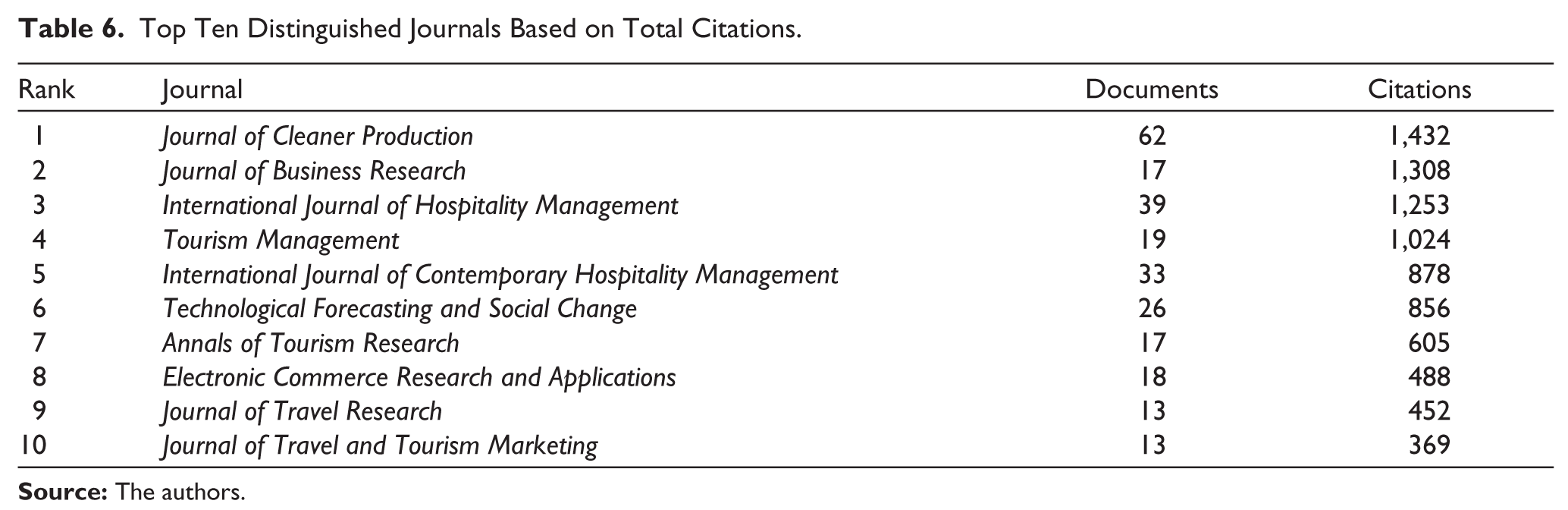
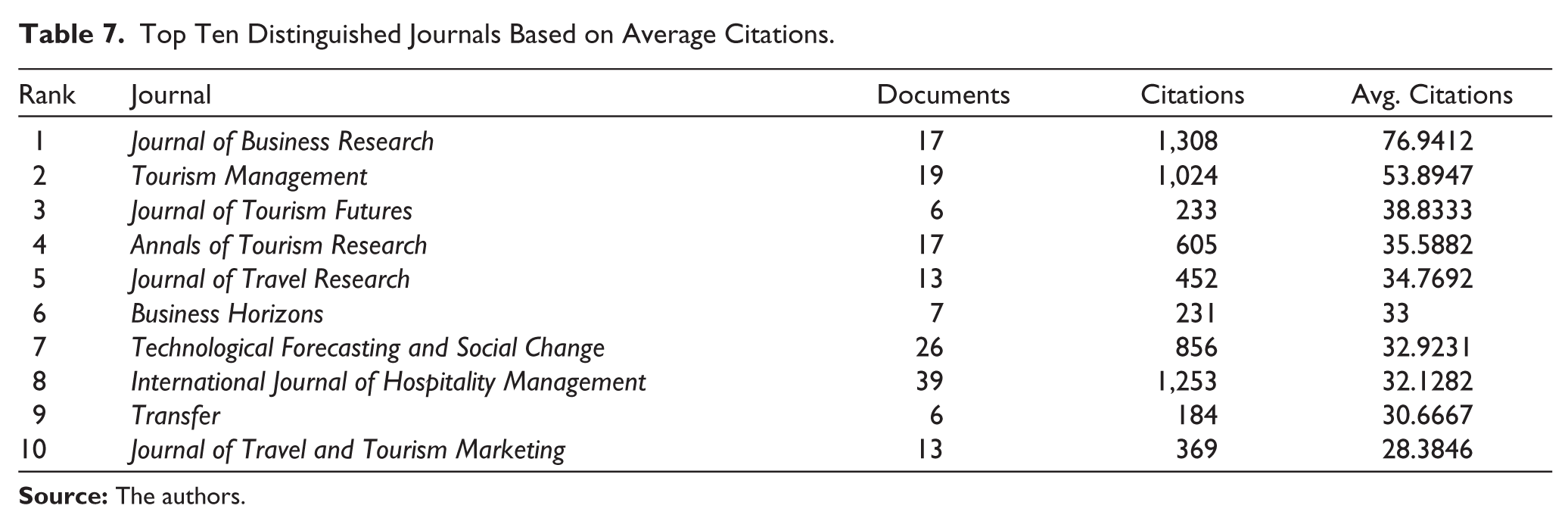
This part of the study briefly discussed the most influential journals in the area of the sharing economy. In the terms of total documents published and total citations, the Journal of Cleaner Production is the top-ranked journal with 62 documents published and (Table 6), whereas in terms of average citations received, the Journal of Business Research is at the top with the average citations of 76.9412 (Table 7).
Top Ten Distinguished Journals Based on Total Citations.
Top Ten Distinguished Journals Based on Average Citations.
Most Distinguished Countries
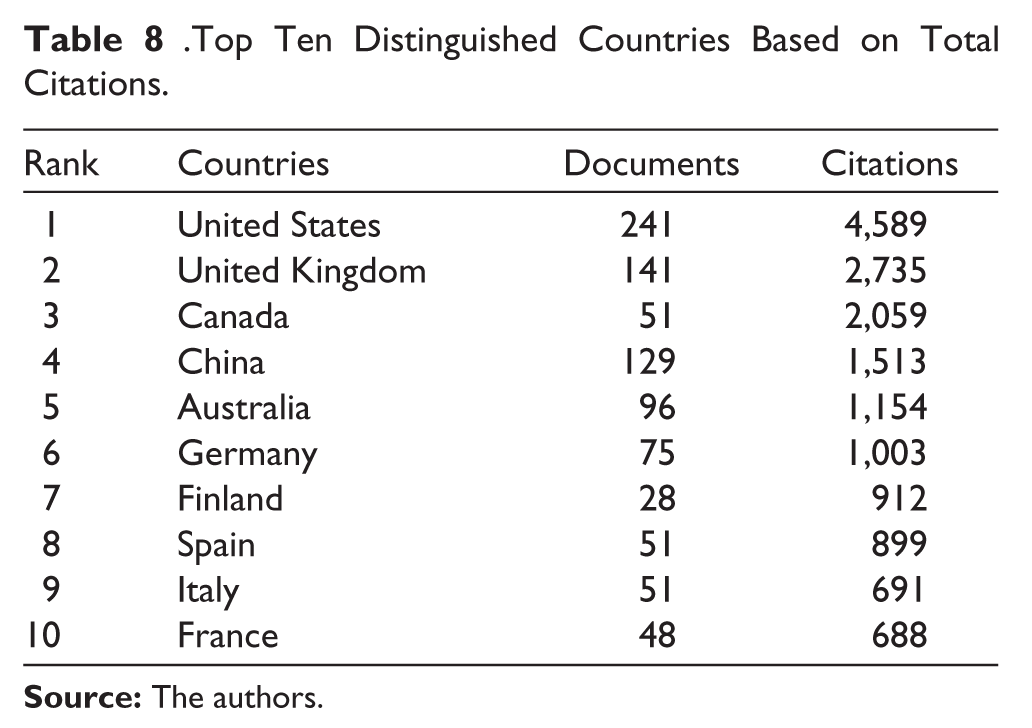
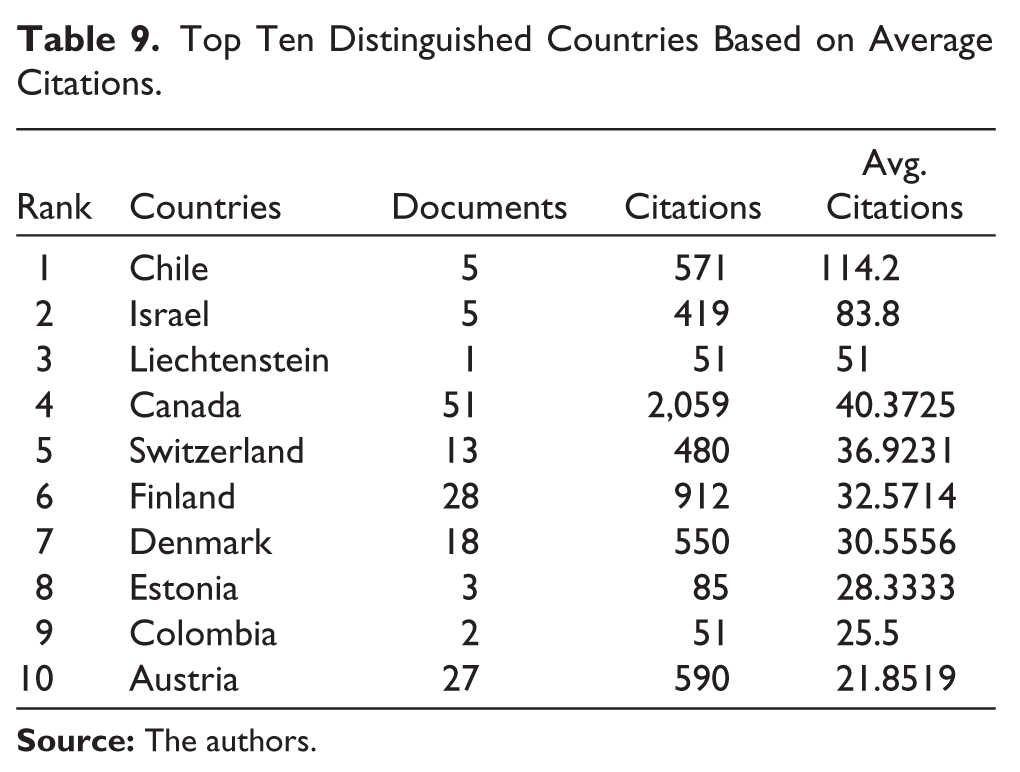
This subsection of the study highlights the most prominent countries which have contributed the highest cited work in the literature on the sharing economy. Total of 4,589 citations with 241 documents, the United States is the highest contributor followed by the United Kingdom and Canada with 2,735 and 2,059 citations, respectively (Table 8). In the terms of average citations received, Chile is ranked at the top with an average number of citations of 114.2 followed by Israel with 83.8 average citations (Table 9). The other countries included in the list are Liechtenstein, Canada and Switzerland with average citations of 51, 40.37 and 36.9, respectively.
Top Ten Distinguished Countries Based on Total Citations.
Top Ten Distinguished Countries Based on Average Citations.
Co-citation Analysis
This section includes the co-citation analysis of authors and journals in the domain of the sharing economy. The networks and clusters are visually depicted through the bibliometric software VOSviewer 1.6.14.
Co-citation Analysis of Authors
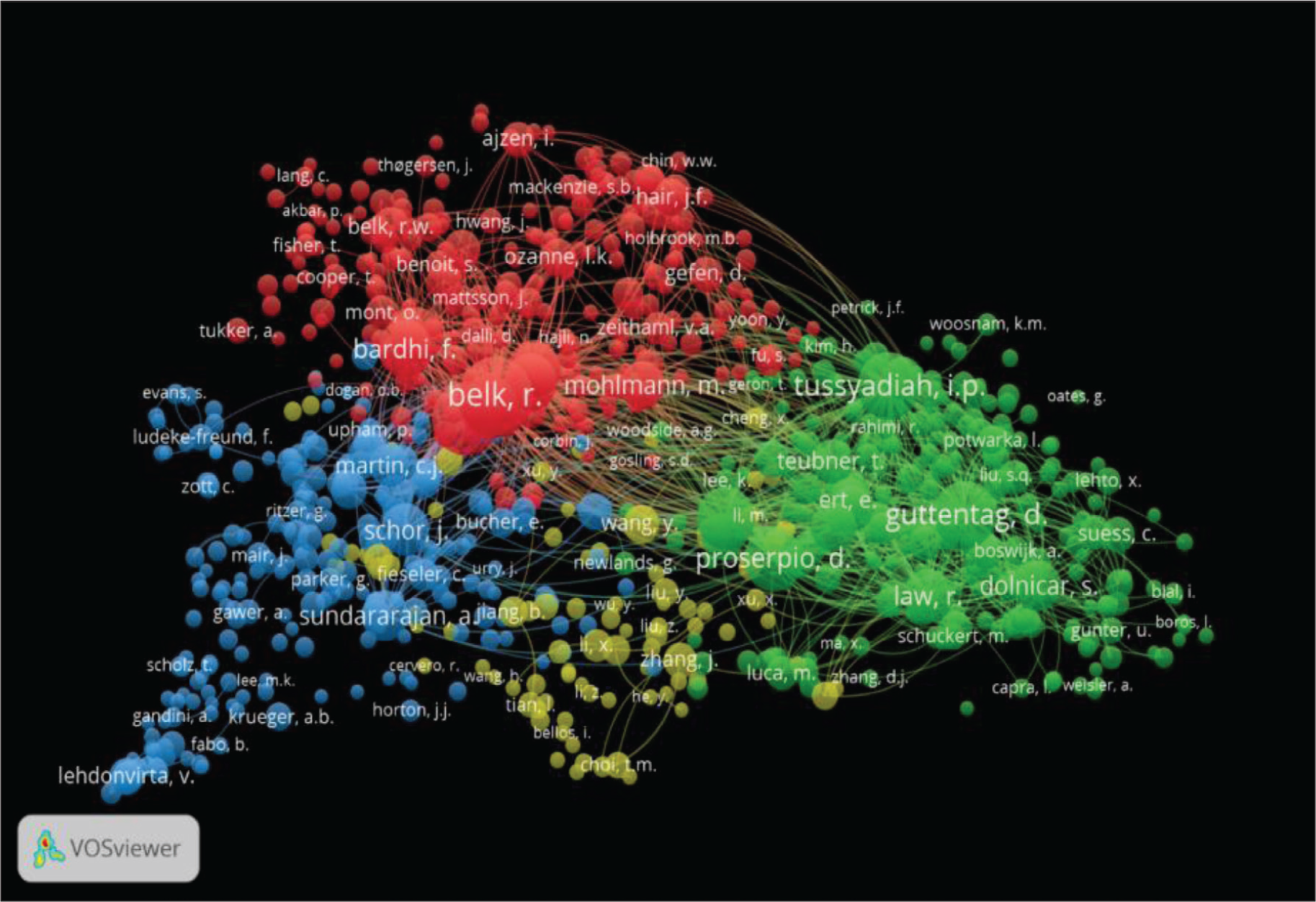
From the analysis of a total of 846 publications, 43,532 pairs of authors are co-cited in the area of the sharing economy. This huge number of co-cited authors was narrowed down by applying the filter of the minimum number of 20 citations as a default setting in the software and resulted in 787 authors. The sizes of the nodes as shown in Figure 3 indicate the frequency of the authors co-cited with others. The link between two nodes is shown in the form of curve lines, these lines depict the association between two authors. The most frequently co-cited author is Belk, having co-citations of 554 with the number of links at 780, which means that the author is co-cited with 780 other authors in the area of the sharing economy. The other topmost co-cited authors in this area are Botsman, (449 co-citations; 782 links), Guttentag (394 co-citations; 744 links), Tussyadiah,. (390 co-citations; 736 links) and Proserpio, (359 co-citations; 772 links). These authors have immensely contributed to the literature on the sharing economy.
Co-citation Analysis of Journals
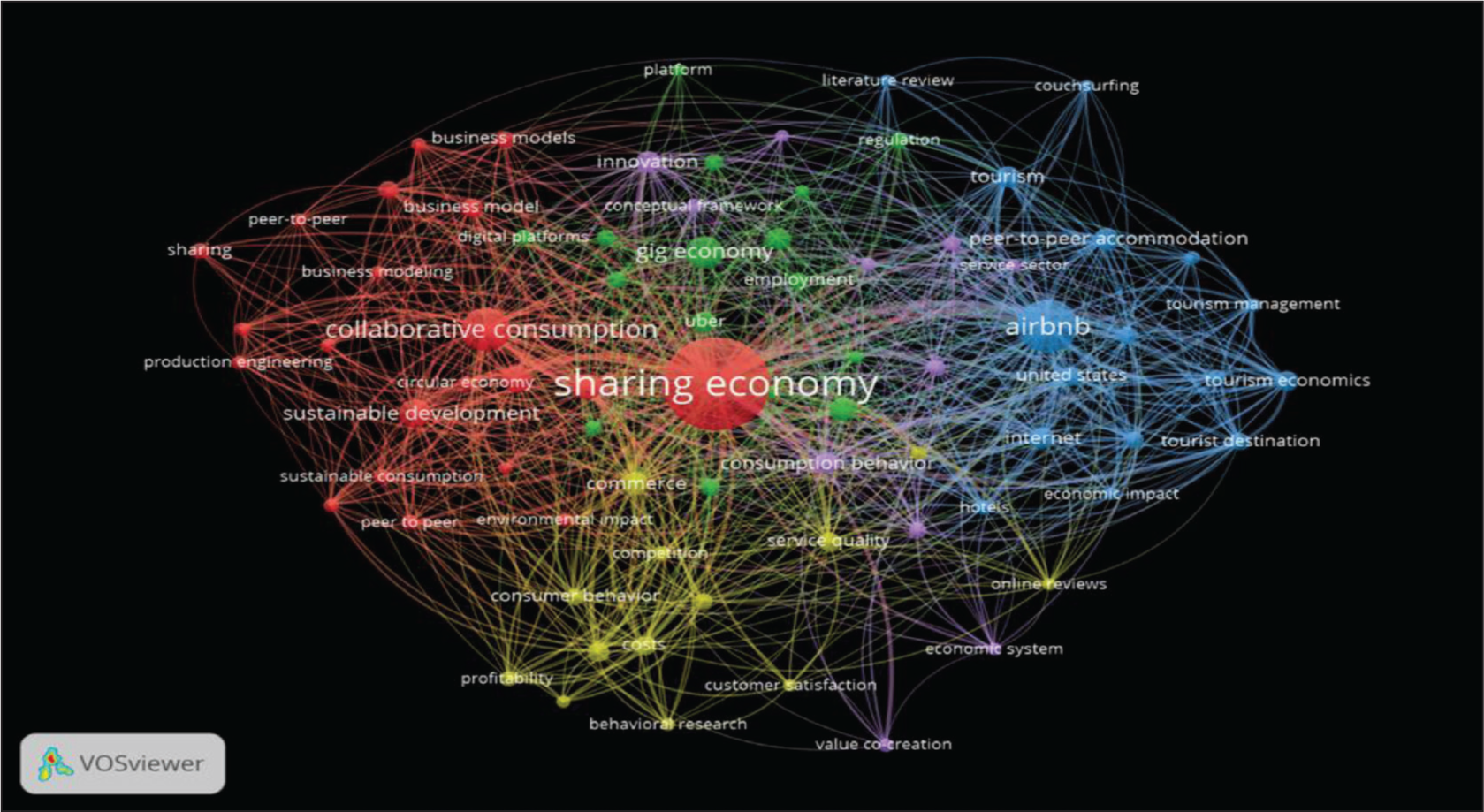
A total of 35 journals were identified and clustered into four groups having minimum citations of 120 (Table 10). The highly co-cited journals in the area of the sharing economy are represented by the larger nodes as shown in Figure 4, which includes the following journals: Tourism Management, International Journal of Hospitality Management, Journal of Consumer Research, Journal of Business Research, Current Issues in Tourism, and Journal of Marketing.
Clustering of Most Frequently Co-cited Journals.
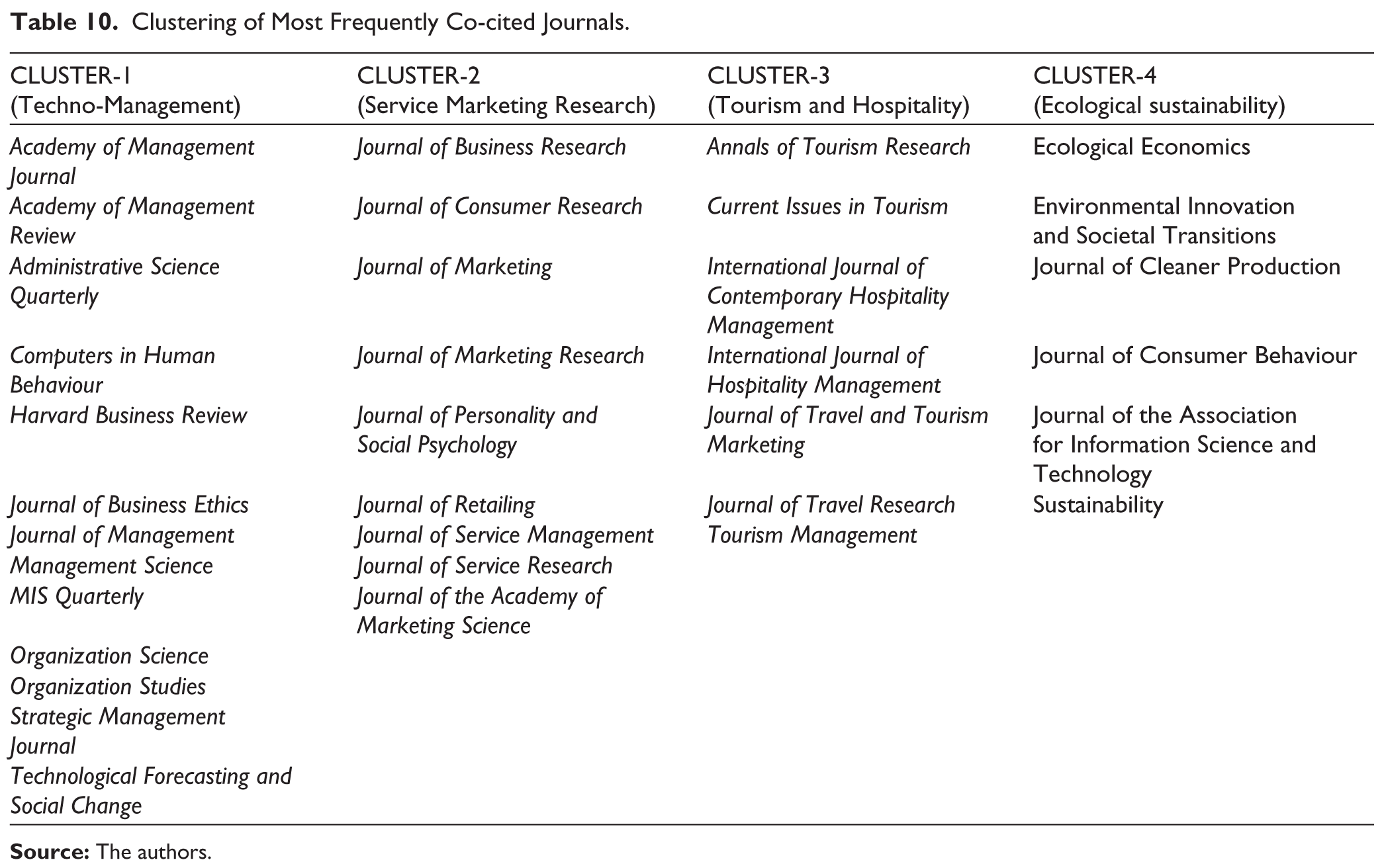
The first cluster includes the set of 13 journals related to the field of technology management shown in Table 10. This cluster reflects the importance of sharing economy in the techno-management domain. The second cluster is comprised of nine journals related to the field of service marketing research. This cluster highlights the significance of the sharing economy in the domain of service marketing. The third cluster which is comprised of seven journals in total is concerned about the role of the sharing economy in the tourism and hospitality industry. The fourth cluster is comprised of six journals. It primarily focused on the environmental issues and sustainability goals of the sharing economy and its impact on the environment and society. These four clusters shown in Table 10 highlight the broader areas of research in the domain of the sharing economy.
Co-occurrence of Keywords
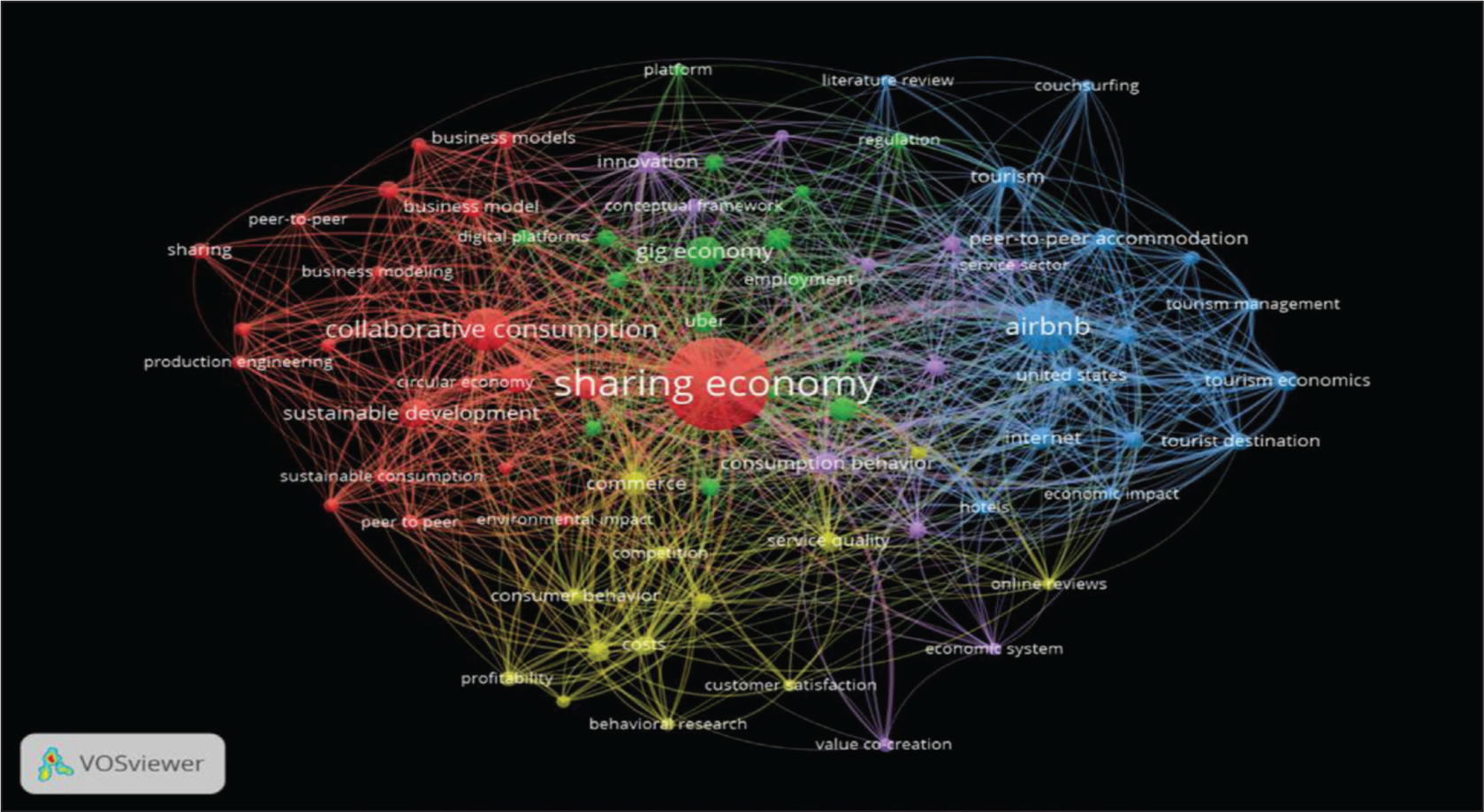
In this section, most frequently words appeared in abstract and author keywords are analysed. The filter of a minimum 10 number of occurrences of keywords is used to narrow down a large number of inconsequential keywords from the data set. The most repetitive keywords found in the literature are: ‘sharing economy’, ‘Airbnb’, ‘collaborative consumption’, ‘sustainable development’, ‘trust’, ‘innovation’, ‘peer-to-peer accommodation’, etc. as also shown in Figure 5. The other propitious keywords which have potential to define the future research direction of the sharing economy includes: ‘regulation’, ‘travel behaviour’, ‘value co-creation’, ‘disruptive innovation’, ‘customer satisfaction’ ‘technological forecasting’, among various others. These keywords reflect the insights into the literature on the sharing economy and how these keywords shape the various concepts and principles of this domain.
Thematic Mapping
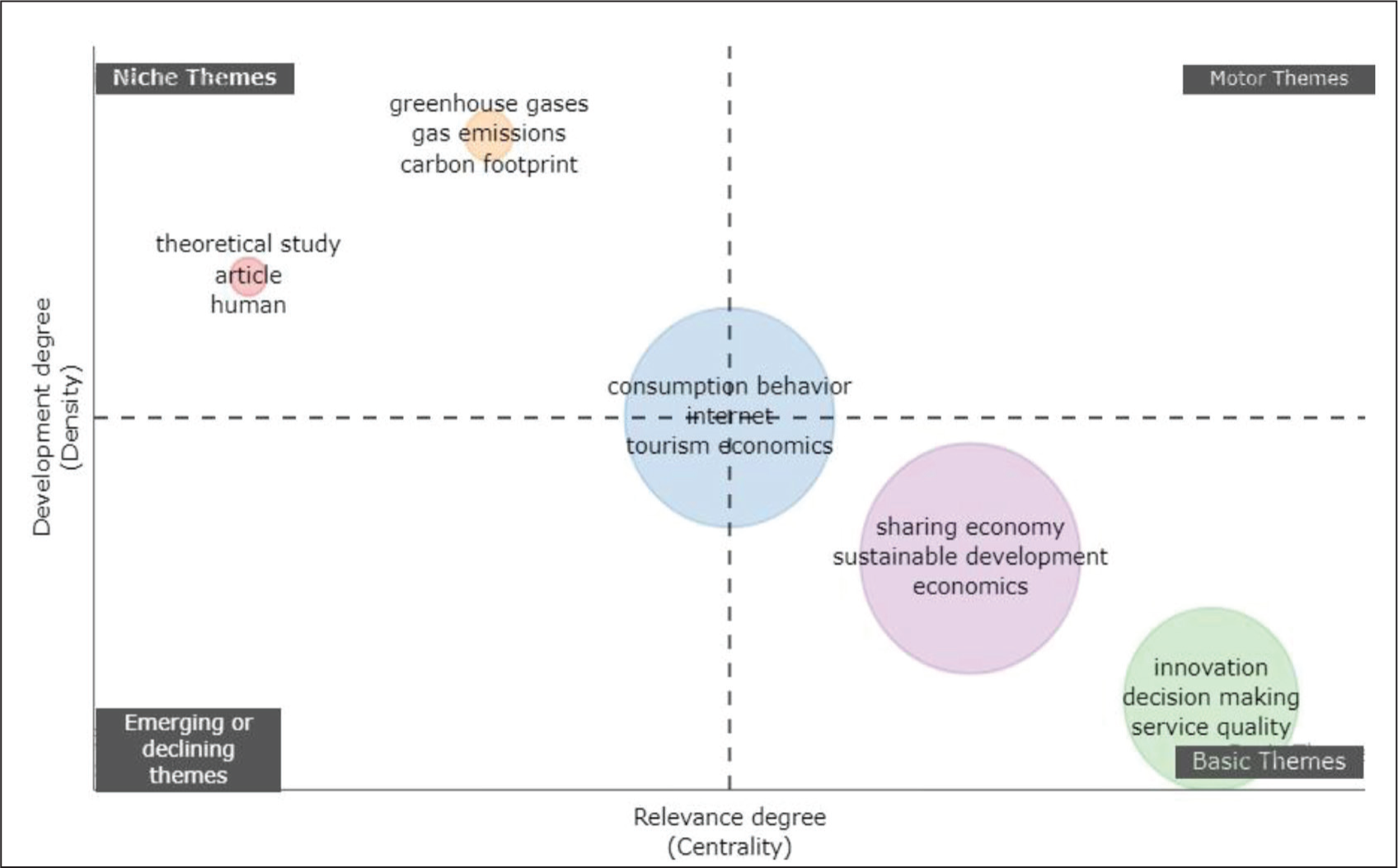
Thematic clustering of the author’s keywords, which they provide throughout the publishing process, is shown in Figure 6. This analysis allows finding subgroups of strongly linked terms, where each subgroup corresponds to a centre of interest or a given research theme/topic of the analysed collection (Aria et al., 2020). Using centrality and density measures, clusters of topics are plotted on the strategic or thematic map. Based on the clustering technique, these keywords are grouped into several categories. The two variables, centrality and density, are used to understand the four clusters in the picture. While density measures the internal strength of the network, centrality reveals how involved a network is with other networks (Cobo et al., 2018). The centrality and density of a topic in the study field serve as indicators of its importance, and density may be used to gauge a topic’s development in the relevant literature. The well-developed important theme is represented by the upper-right quadrant (i.e., motor themes), which is characterized by both high centrality and density. No relevant topic falls under this quadrant which indicates that the phenomenon of the sharing economy is still in its evolving in nature and has the potential to grow in the future (Pandita et al., 2021). Since the upper left quadrant (i.e., niche themes) includes highly-dense themes with insignificant external connections with the other relevant topics, so it is of little relevance to the researchers (low centrality) (Della Corte et al., 2019). This section includes greenhouse gases, gas emissions and carbon footprints which are a well-developed area but at the same time are of little relevance in the context of the sharing economy that too from the business and management perspective. The low density and low centrality themes are represented by the bottom left quadrant (i.e., emerging or declining themes). Tourism economics and consumer behaviour are shifting towards these quadrants. Sustainable development, economies, decision-making, innovation and service quality in the context of the sharing economy fall under the bottom right quadrant (i.e., Basic themes). These themes are characterized by high centrality and low density means these topics are highly relevant in the context of sharing economy and have a high potential in the future as these topics represent a low degree of development.
TCCM Framework
This section highlights the research gaps and future research avenues in the area of the sharing economy by conducting a TCCM analysis as proposed by Paul & Rosado-Serrano, (2019). The TCCM framework is used to point out the gaps in knowledge and suggest the future research direction to the academicians and researchers (Bhaiswar et al., 2022; Kyrousi et al., 2022; Roy Bhattacharjee et al., 2022). Theory development is represented by T, C stands for context, C represents characteristics and M represents methodology in the TCCM framework. The summary of all the papers could be used to build a theory and show where future research should go in terms of theory building, antecedents and outcome. This framework can also be used to make new ways to measure outcome variables and tools for analysing them (Singh et al., 2020). In a spreadsheet, publication year, article title, source, area of the article, findings, research methodologies, the theoretical foundations of different articles, the context of the study and the characteristics of the sharing economy based on outcome variables and their antecedents were recorded by the authors to conduct the analysis. The same procedure is followed by various researchers in the past (Roy Bhattacharjee et al., 2022; Singh et al., 2020; Singh & Dhir, 2019). Bibliometric analysis, on the other hand, is concerned with the quantitative parameters of the research areas such as number of citations, co-citations and number of year-wise publications, whereas other qualitative aspects of the literature review such as models and theory development, characteristics, constructs and methods are not addressed by the said analysis. To overcome these limitations in our study and to have a broader view of the emerging concepts of the sharing economy, the TCCM framework is.
Theory Development
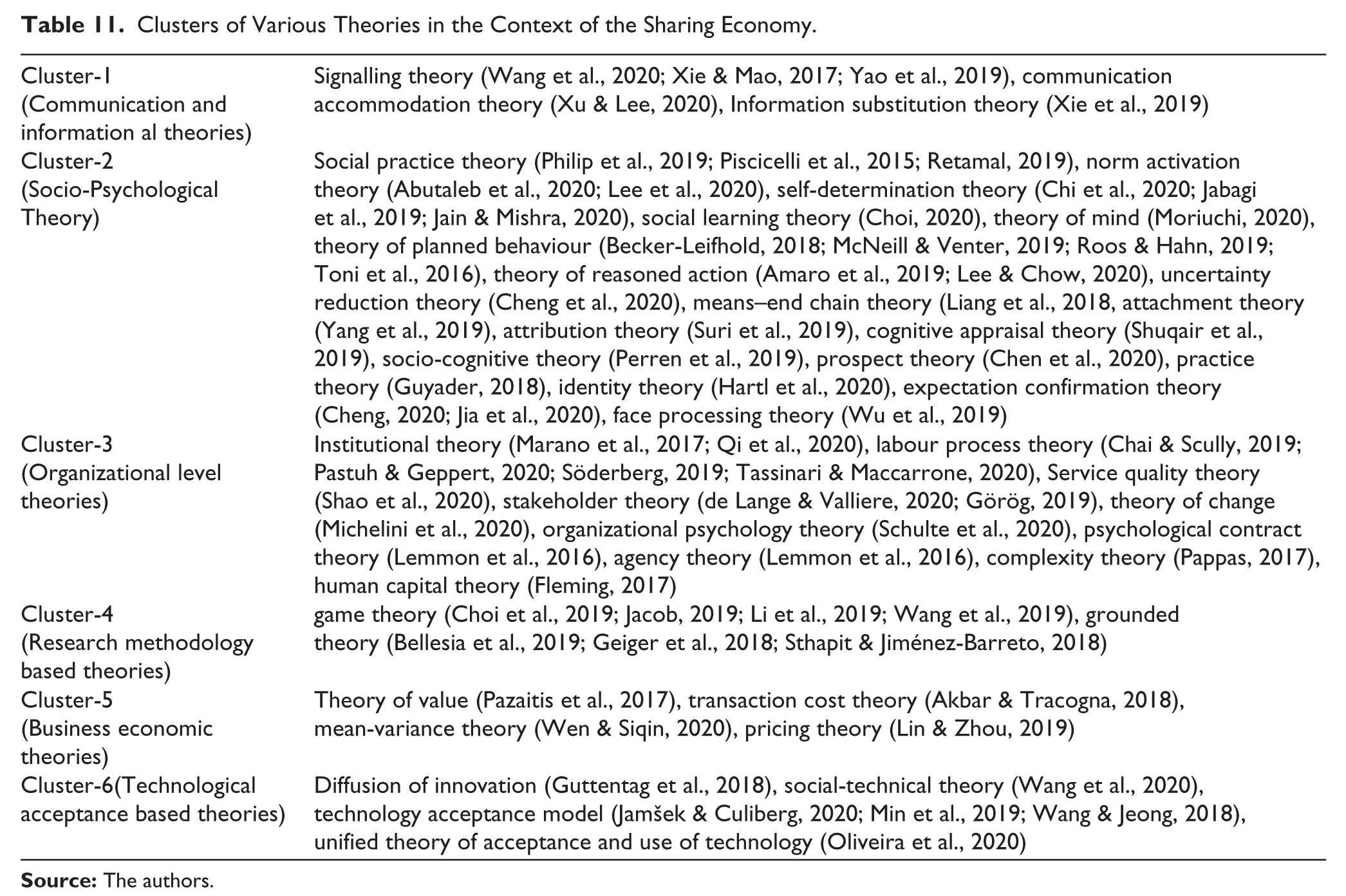
The most widely used theory in the context of the sharing economy is the construal level theory (Frechette et al., 2020; So et al., 2019), which investigates the effect and relationship between various psychological constructs on behavioural intention to adopt and participate in these activities and is followed by the social exchange theory (Boateng et al., 2019). Through brain-storming sessions and discussions by the authors, the most prominent theories in the domain of the sharing economy are identified and represented in various clusters based on the common attributes of the theories as given in Table 11. Theories have been clustered manually as suggested by various authors (De Keyser & Kunz, 2022; Singh & Dhir, 2019). The first theoretical cluster formed is related to the communication and informational theories in the context of the sharing economy which signifies the role of communication in various behavioural aspects. The second cluster focused on the psychological aspects such as behavioural intention to adopt these services and post-purchase evaluation processes. The third cluster primarily focused on the organizational level theories such as issues related to labour forces and organizational behaviour. The fourth cluster consists of two theories, that is, game theory and grounded that are used by the researchers as a part of their research methodology whereas the fifth cluster focused on the economic values such as pricing mechanism and the value of money, and the sixth cluster defined the technological adoption processes in the context of the sharing economy.
Clusters of Various Theories in the Context of the Sharing Economy.
Characteristics
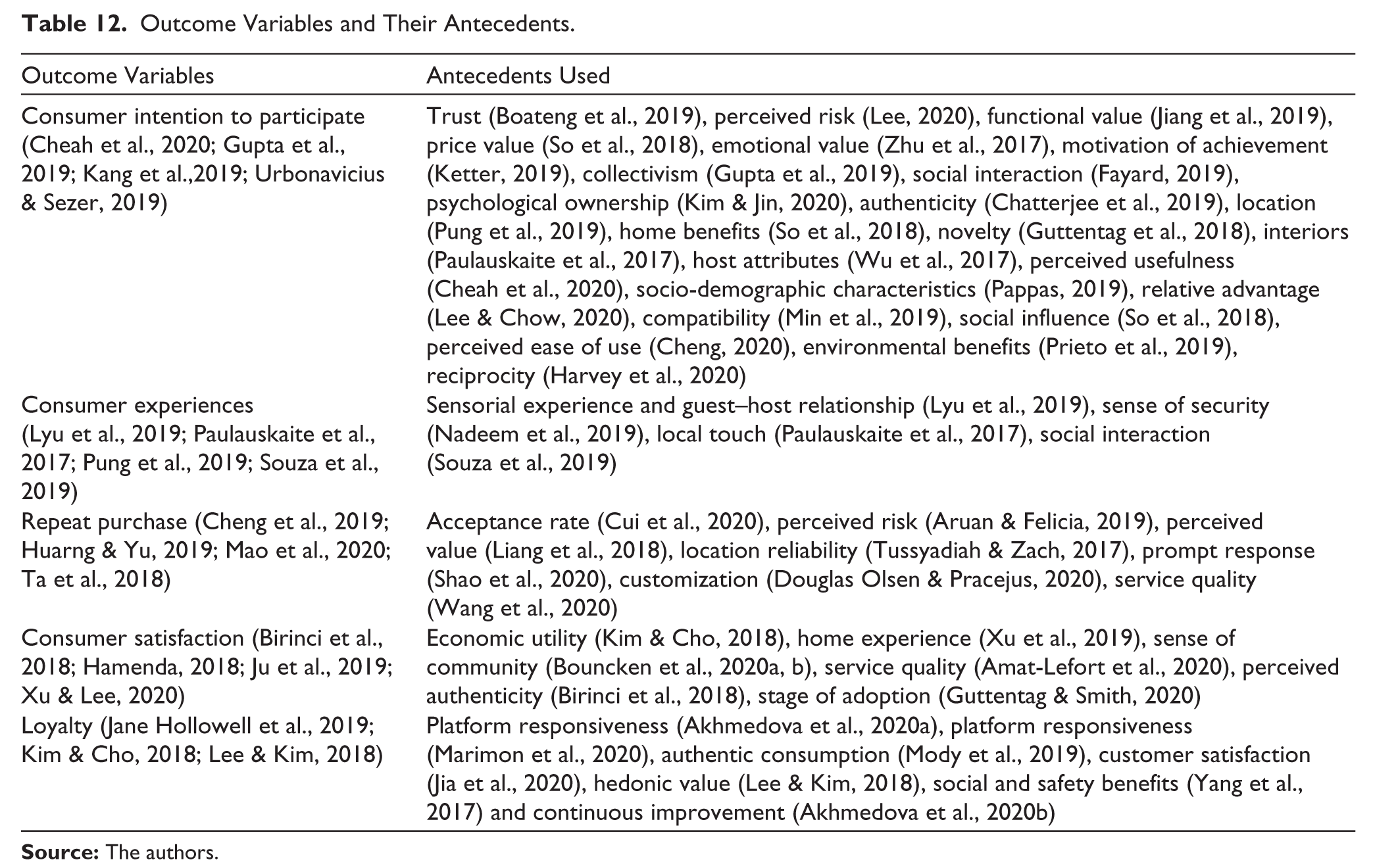
In this section, various outcome variables/dependent variables and subsequently, their antecedents studied in the previous literature are explored. Total five major outcome variables are identified including consumer intention to participate (Cheng et al., 2020), consumer experiences (Pappas, 2019), repeat purchase (Birinci et al., 2018; Mao & Lyu, 2017), consumer satisfaction (Xu & Lee, 2020) and loyalty (Jia et al., 2020). Outcome variables with their respective antecedents are given in Table 12. The majority of the studies are inclined towards consumer perspectives such as motivations for the consumer to participate in these activities and their post-consumption patterns. In the future, detailed studies related to consumer decision-making and choice sets for sharing services can be explored. Other stakeholders directly involved in the phenomenon of the sharing economy such as platforms, service providers and regulatory bodies, and their evolving roles should be the centre of attention in future research studies.
Outcome Variables and Their Antecedents.
Context
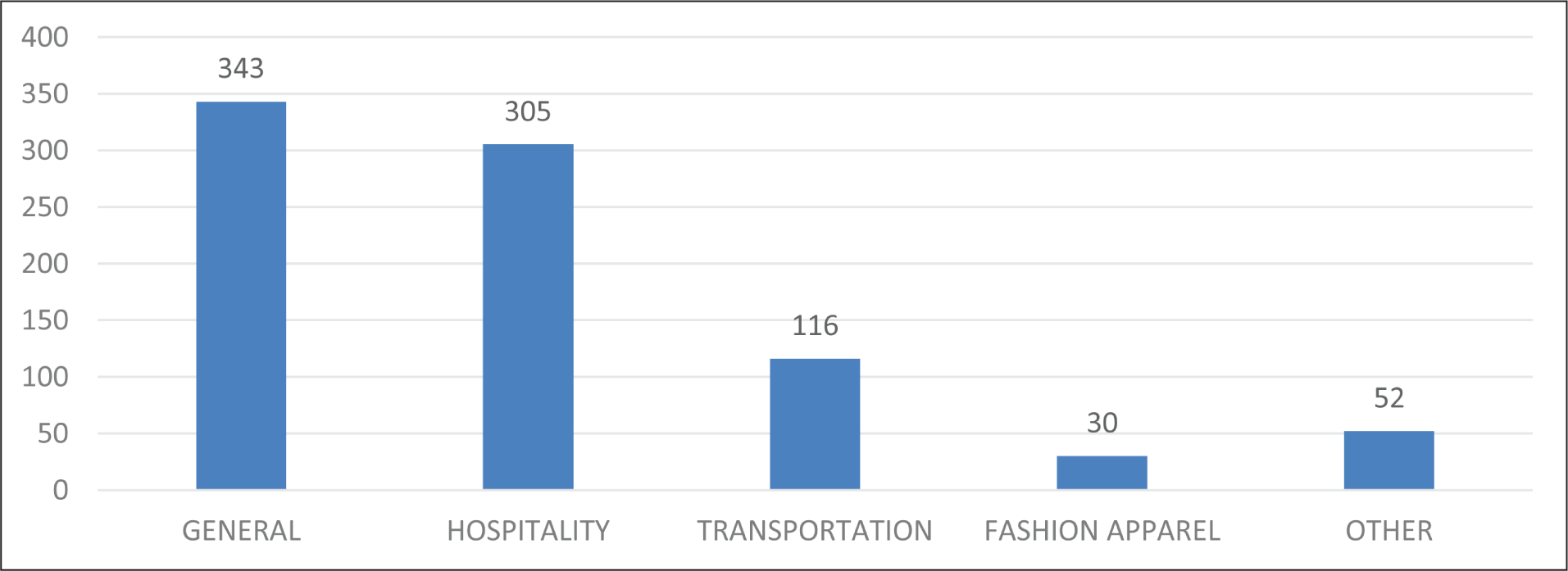
The literature on the sharing economy is scattered across different domains and contexts. The majority of the studies are conducted in the context of the hospitality and transportation sector. Out of the total number of 846 articles, 421 articles primarily focused on these two sectors constituting 49.76% of the total studies. General studies include a broader perspective of the concept without specifying any industry and domain. Most of these studies include conceptually based articles exclusively studying the various concepts of the sharing economy rather than specifying any particular domain and constitute 343 articles. A total of 30 studies are conducted on fashion apparel sharing. The other includes studies in the context of peer-to-peer food sharing, parking spaces, agricultural land, consumer durables, crowdfunding, healthcare, equipment, co-working, toys, shipping and logistics. A total of 52 studies are conducted in these contexts; representing the small segment of the literature shown in Figure 7. Hence, there is an opportunity to conduct future studies in these contexts.
Methodology
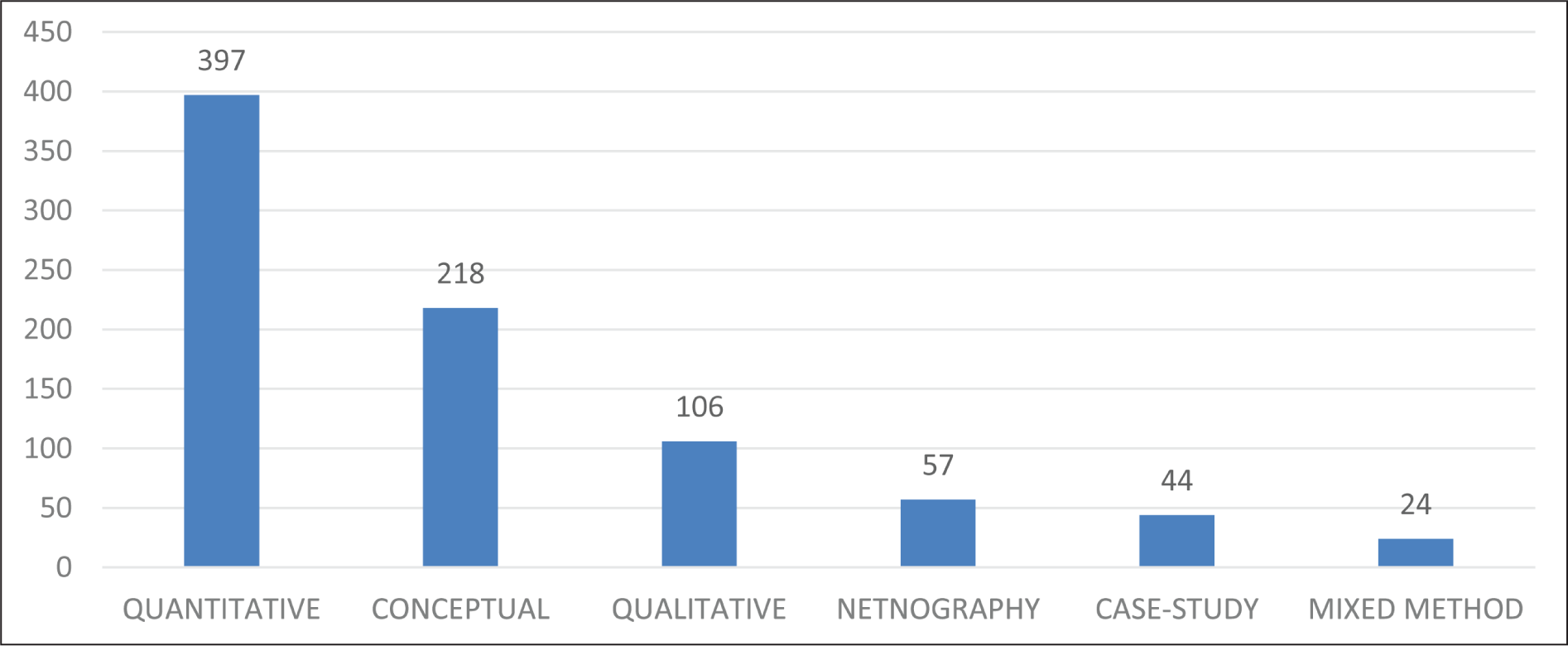
Quantitative methodology is widely used in the literature consisting of 397 total papers representing 46.9% of the total studies followed by the conceptual and qualitative methodology with 218 (25.7%) and 106 (12.5%) papers, respectively whereas the mixed-method approach, case-study approach and netnography are represented by 24 (2.8%), 44 (5.2%) and 57 (6.7%) number of articles, respectively. The quantitative analysis is conducted through structural equation modelling (Chi et al., 2020; Jain & Mishra, 2020), regression analysis (Chen et al., 2020a; Frechette et al., 2020; Xie et al., 2020); central tendencies (Chang & Sokol, 2020), fractal analysis (Celata & Romano, 2020), numerical analysis (Tan et al., 2019) and correlation analysis (Ginindza & Tichaawa, 2019; Gutiérrez et al., 2017). The qualitative analysis is primarily carried out through in-depth interviews (Alrawadieh et al., 2020; Cheng et al., 2020) and in some cases further analysed through the grounded theory approach (Geiger et al., 2018). As evident from Figure 8, only 24 mixed approach-based studies (2.8%) so far are conducted in the domain of the sharing economy, which provides both opportunity and challenge for the researchers to explore this phenomenon with the said methodology.
Discussions and Conclusion
The current research adds to the understanding of the sharing economy’s most recent intellectual frameworks, which are based on the academic contributions from influential publications. This is accomplished by providing a systematic assessment of the most important academic achievements in this field and establishing the connections between them. Moreover, the current study provides a comprehensive overview of the relevant areas of the sharing economy. The citation trend of recent sharing economy publications helps to understand how this research area has evolved. This study attempts to analyse the area of the sharing economy from a broader perspective through the lens of bibliometric analysis and the TCCM framework. A total of 846 articles from 273 journals listed in the Scopus database are considered for this rigorous analysis. The first two research questions are addressed through descriptive analysis, citation analysis, co-citation analysis and co-occurrence analysis. The work by Zervas et al. (2017), which examines the effect of Airbnb on the conventional hotel business, and the paper by Ert et al. (2016), which concentrated on trust and reputation in the sharing economy, are two of the important publications during the second stage. Both of these studies are included among the top three papers in Table 3. These ground-breaking publications from the second stage have enhanced the amount of articles produced in the subject by bringing the sharing economy to the attention of academics and researchers. In terms of both the highest number of documents and number of citations, the Journal of Cleaner Production is the most prominent journal with 62 documents and 1,432 citations whereas in the terms of the average citation received journal of business research is the most influential journal with the highest average citations of 76.9412. In terms of co-citation analysis Belk, and Botsman, are the most frequently co-cited authors with 554 and 449 co-citations, respectively and Tourism Management and International Journal of Hospitality Management are the most frequently co-cited journals in the area of the sharing economy. The journals are also clustered based on various themes and a total of four themes are developed. Results of the co-occurrence analysis found ‘sharing economy’ and ‘Airbnb’ the most repetitive keywords and the other prominent keywords highlighted in the analysis are ‘collaborative consumption’, ‘sustainable development’, ‘trust’, ‘innovation’, ‘peer-to-peer accommodation’ etc. These keywords also denote the emerging concepts within the domain of the sharing economy. The third research question is addressed through the TCCM analysis and the most applied theories in the context of the sharing economy are construal level theory and social exchange theory.
Limitations and Future Research Directions
Despite the substantial outcomes and findings from the bibliometric analysis, this study has few limitations which at the same time provide future research avenues for academicians. The results of the bibliometric analysis are based on the most cited articles, journals, countries, keywords, etc. as highly cited studies are presumed to be prominent and valuable. But it is not true in all cases, few new innovative less cited studies might lose their worth and contribution to a particular field because of the methodology used in the bibliometric analysis. Hence it is recommended to conduct the bibliometric analysis at least after every five years. To avoid the duplication of the studies, a single database is used to retrieve the articles in the present study which limits the contributions of many important studies in the current field of research. Future research can incorporate other databases or combinations of two or more for conducting the bibliometric analysis. Moreover, comparative bibliometric studies of the eminent journals with less renowned journals can be conducted simultaneously to investigate the point of disparities between them.
Footnotes
Declaration of Conflicting Interests
The authors declared no potential conflicts of interest with respect to the research, authorship and/or publication of this article.
Funding
The authors received no financial support for the research, authorship and/or publication of this article.