







Abstract
Small businesses use social media (SM) platforms as efficient tools for enhancing their consumer interactions. While there has been extensive research on the use of SM by micro, small and medium enterprises (MSMEs), an in-depth bibliometric analysis of the subject was missing. This bibliometric study aimed to explore the trends and patterns in the research on SM usage by MSMEs. A total of 994 articles published between 2004 and 2024 were examined. Performance analysis identified S. Y. Lee and Y. Sun as the most prolific authors, while Public Relations Review and Industrial Marketing Management emerged as the leading journals. The United States, United Kingdom and China contributed the highest number of publications, with Griffith University (Australia) ranking as the top institution in terms of research output. Scientific mapping techniques were used to delineate key themes, co-authorship networks, co-citations and the top 15 most influential references in this field. The analysis identified seven key research themes, including Twitter, innovation culture, inside sales performance, affordances, functional brand image, socialization-oriented SM and literature review. Additionally, results of prominent research articles in this domain over the last 10 years were synthesized to outline future research agendas. The value of this study lies in collating disparate data to help practitioners and policymakers understand how SM platforms improved the operational effectiveness of MSMEs. The results and implications of this study provided useful insights for both academicians and practitioners.
Introduction
Social media (SM) plays a pivotal role in the growth and expansion of micro, small and medium enterprises (MSMEs) in the rapidly changing business scenario (Miniesy & Fakhreldin, 2023). With 4.95 active users worldwide (Statista, 2023), SM has been aggressively advocated as a crucial MSME tool for marketing and brand communication (Chatterjee & Kar, 2020). Communication through digital media facilitates lead generation, boosts sales, fosters consumer engagement, enhances customer understanding, solicits feedback and addresses complaints/queries (Chauhan & Mehra, 2023; Singh, 2022). Maintaining a robust SM presence with frequent updates and public posts, therefore, has become crucial for marketing strategies of small businesses to remain relevant in customers’ minds and uphold a positive brand reputation (Wang et al., 2016).
The advent of SM or digital media, along with widespread access to the internet, has not only disrupted the existing order but also democratized the realms of marketing and commercial communication (Chauhan & Mehra, 2024; Pandey et al., 2020; Sidhu & Saini, 2022). Today, small firms are increasingly capable of selling digitally through the same platforms used by prominent firms (Syaifullah et al., 2021). Smaller businesses can not only take advantage of digital media to create more emotional relations with customers but also can easily connect with their audience by offering an update and receiving timely feedback (Kanth & Prasad, 2023).
The progressive advancement of digital technologies has resulted in a fundamental change in the methods by which small and medium enterprises (SMEs) engage in sales (de Mattos et al., 2023). SM technologies, search engine marketing and online analytics have fundamentally transformed the process of cross-cultural selling, particularly in the context of multinational transactions (Gong & Ribiere, 2021). The availability of extensive Web data and a precise understanding of client culture enable salespeople to strategically align their strategy with the targeted audience (Zhou & Charoensukmongkol, 2023); companies utilizing digital media had a significant decrease in their service costs, ranging from 40% to 60% (see Fraccastoro et al., 2021).
While extant research has significantly highlighted the use of SM by MSMEs, our research found a notable absence of bibliometric review papers in this area. There is a lack of information on prominent researchers, universities, countries, journals and collaborations related to this field. Further, knowledge is scant regarding the significant research themes in this area and a list of highly cited papers. Therefore, based on our current understanding, this article is the first to provide a detailed assessment of the MSME pathway by exploring the last 20 years of research on the use of SM by MSMEs, incorporating both quantitative and qualitative measures of bibliometric analysis (BA). Given this backdrop, our study endeavours to answer the subsequent questions with regard to the use of SM by MSMEs:
RQ1: What is the annual trend of publication from 2003–2024? RQ2: Which authors, institutes, countries and journals have contributed most to this field? RQ3: What are the various publication- and citation-related matrix related to this research area? RQ4: Which are the highly cited articles in this research domain? RQ5: What are the main themes studied in this research area? RQ6: What is the future research agenda in this domain?
This article is structured as follows: First, it describes the methodology adopted for conducting the BA (this includes the search strategy, the process of data filtering and the software employed in this research). Subsequently, it analyses the outcomes of the performance analysis and science-mapping approaches used in the investigation. After the analysis, the article elucidates the top-cited articles in this domain. Finally, it concludes with a detailed discussion followed by an implication section, future research agenda section and the limitations section.
Methodology
Search Strategy and Data Collection
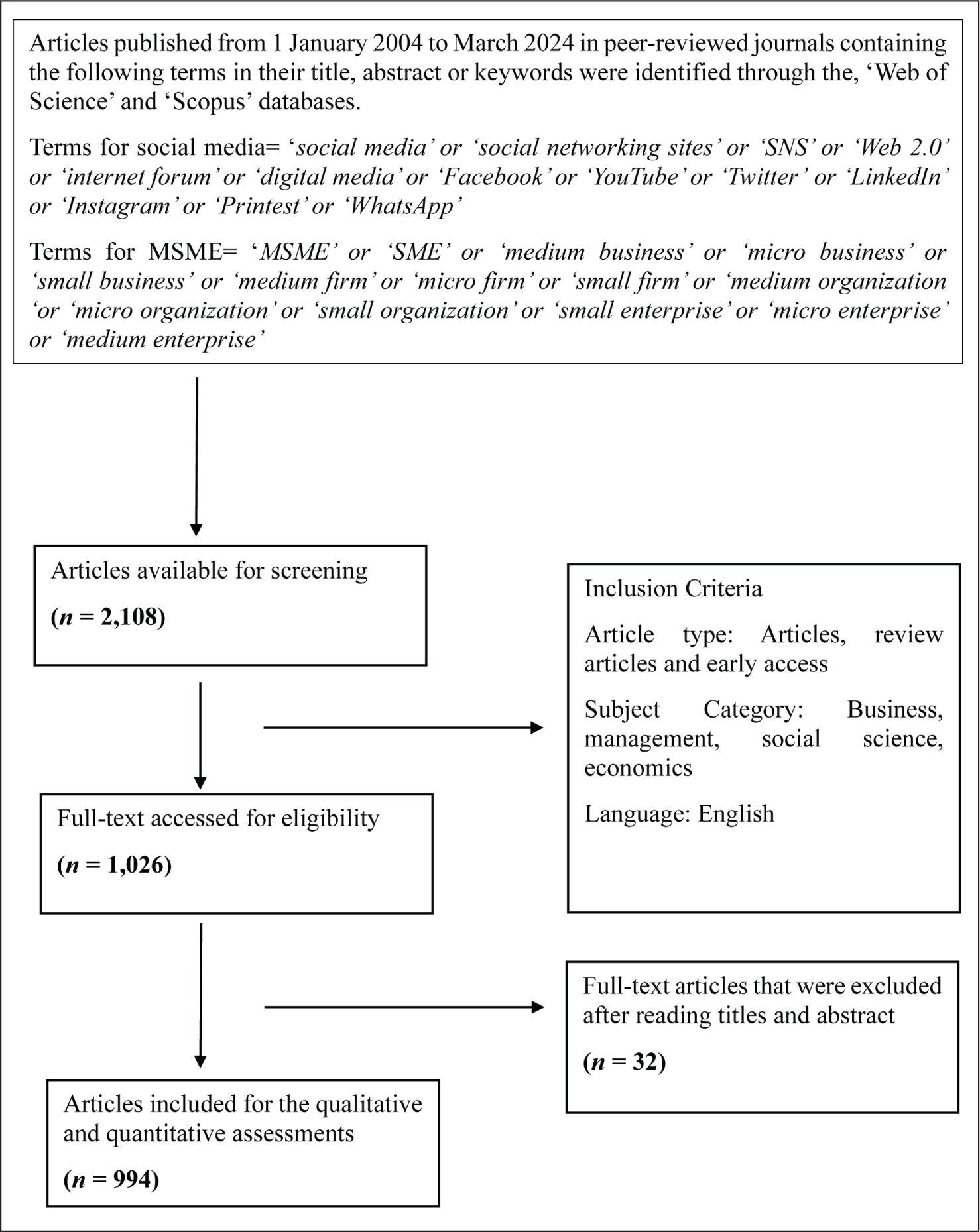
The selection of papers considered for this bibliometric review adhered to the rules established by Moher et al. (2009), popularly known as the PRISMA guidelines (see Figure 1). Web of Science (WoS) and Scopus research repositories were used to select the papers for analysis. The authors used the terms and criteria mentioned in Figure 1 to include all relevant articles related to the selected topic.
Data Screening
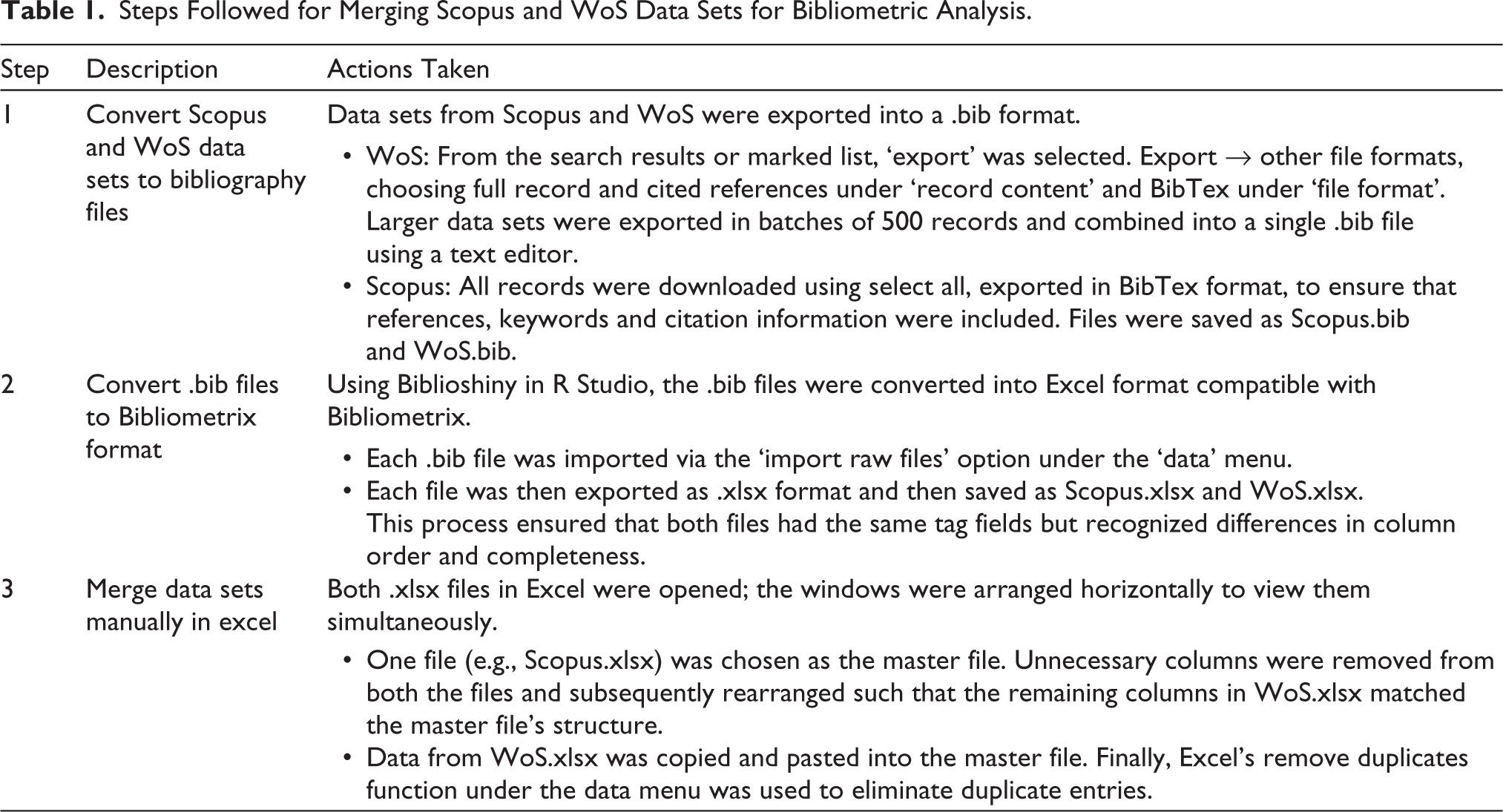
A list of 2,108 publications was obtained from the WoS and Scopus database in March 2024. To integrate the data sets from WoS and Scopus, we adopted a systematic three-step process outlined by Caputo and Kargina (2022). These steps are explained in Table 1. The selection conditions were restricted to academic publications, including articles, review articles, early access and conference papers. The publications were selected on the basis of novelty and a rigorous peer review process. Additionally, the ‘business’, ‘management’, ‘social science’ and ‘economics’ categories were selected since they comprised the majority of the MSME literature. The time span of the research was restricted to 20 years (from 2004 to 2024). Only publications in the English language were considered. The eligibility criteria resulted in 1,026 articles. In the next step, the ‘title, abstract and keywords’ of the residual articles were examined; 32 research articles were deemed irrelevant to the present area of research. In the final phase of inclusion and exclusion, 994 papers were selected for the analysis. To verify the reliability of the reviewers, two independent reviewers conducted the screening process to ensure objectivity and minimize selection bias. Any discrepancies in article inclusion were resolved through discussion and consensus, with a third senior researcher providing final adjudication when needed.
Steps Followed for Merging Scopus and WoS Data Sets for Bibliometric Analysis.
Bibliometric Analysis
Experts and scholars are, in general, confounded when confronted with a vast amount of information in a particular field (Donthu et al., 2021). In this context, BA, which is an exhaustive overview of the massive collection of academic writings (Sharma & Tiwari, 2024), provides a tangible solution. It compiles and evaluates prior research to produce a tabular and graphic representation of the main contributors and themes within a given subject (Donthu et al., 2021). Using both performance mapping and science-mapping (Donthu et al., 2021) techniques, BA traces highly cited articles, contributing countries, institutions and authors (Sharma & Tiwari, 2024) in a specific field. While performance mapping explores the ways in which different stakeholders, researchers, institutes, publications and countries contribute to the body of knowledge on a particular area, science mapping maps the connections between various components of a research project using a range of approaches such as citation analysis, co-citation analysis, bibliographic coupling and co-word and co-authorship analysis. This article employs both sets of methodologies to offer a thorough assessment of the subject matter.
Software Used
BA is conducted using software programmes such as VOSviewer, RStudio, Pajek, Gephi, BibExcel, CiteSpace and MS Excel. This study employed the BibExcel and HistCite techniques to conduct the performance analysis. While BibExcel conducts vast bibliometric operations by seamlessly connecting with other applications, such as Pajek, Excel, SPSS and more, HistCite performs both qualitative and quantitative analysis integrating large amounts of information. Finally, the CiteSpace application was used for conducting thematic examination and generating visual representations of the results. These applications served to extract the most significant clusters, the significant references with the most intense citation bursts and a timeline view of the clusters.
Results of Performance Analysis
Global Publication Trend of Articles
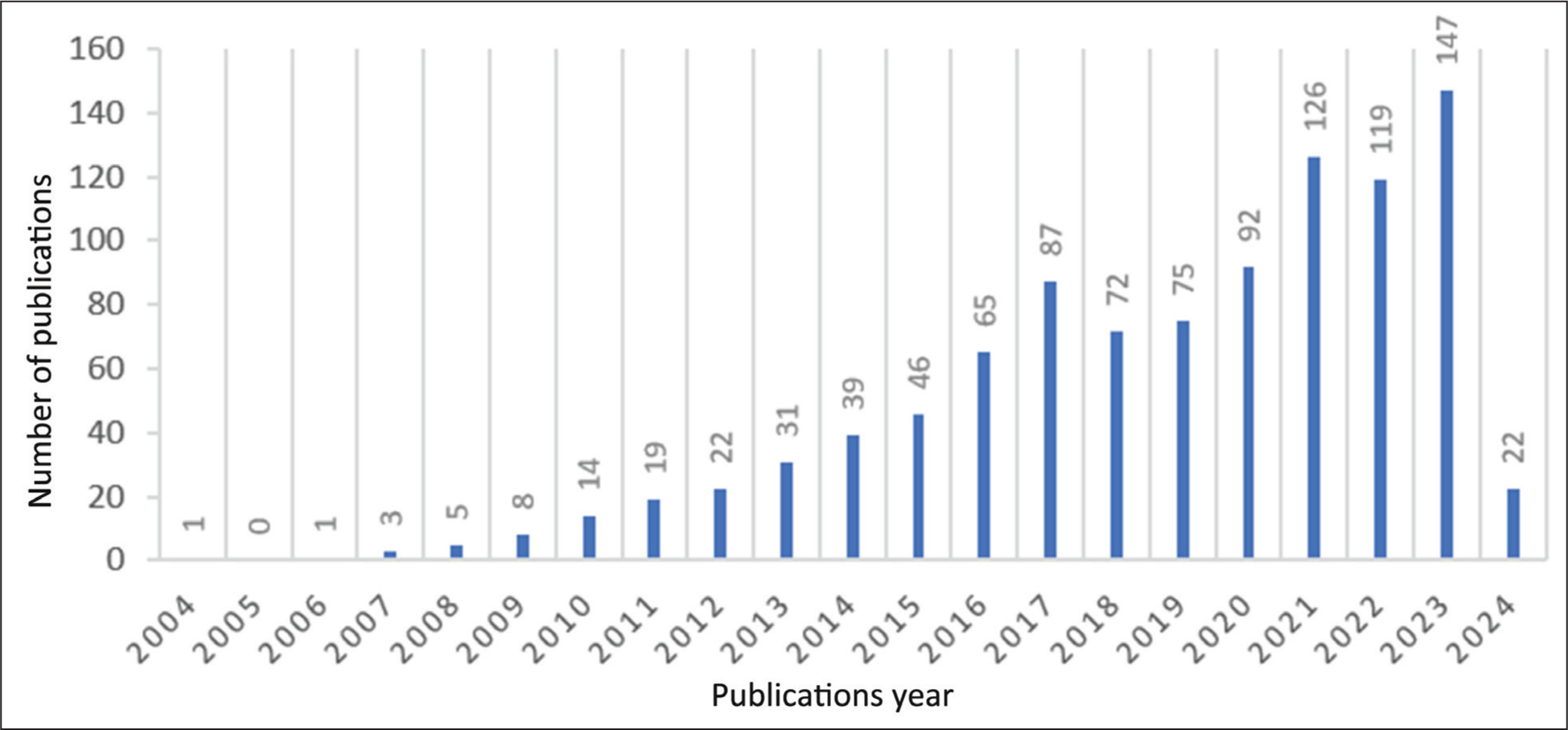
Figure 2 illustrates the yearly publication patterns of the articles related to the usage of SM as the mode of communication by MSMEs from 2004 to 2024. Publications, it was revealed, increased progressively from 2010 onwards. The surge experienced a steady increase at the beginning of 2013, reaching its highest point with 147 articles in 2023, demonstrating the growing acknowledgement of the crucial role of SM in building useful strategies for MSMEs. The increased interest was likely a reflection of the expanding influence of SM marketing, highlighting the importance of online platforms in today’s business environment.
Performance Analysis of Authors
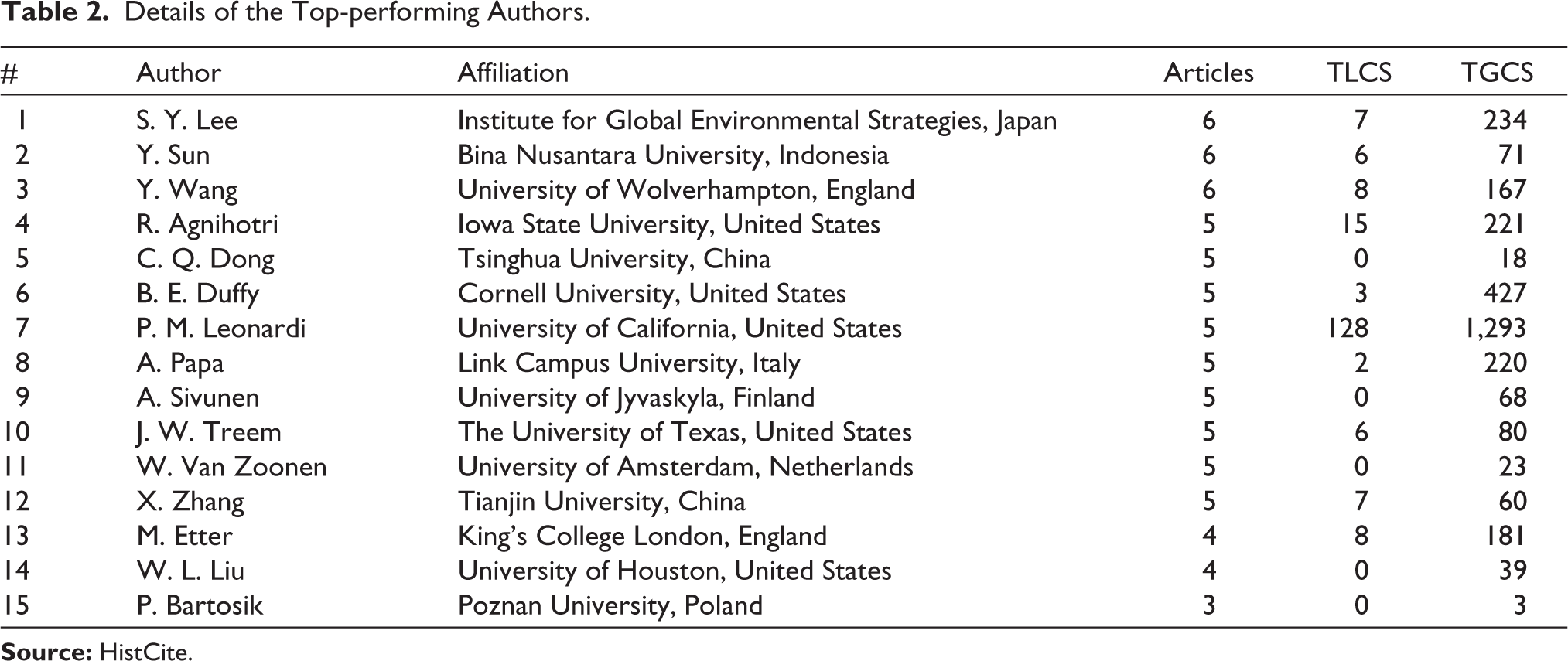
Table 2 displays the leading authors ranked by the quantity of research papers written on the use of SM by MSMEs. S. Y. Lee from the Institute for Global Environmental Strategies (Japan), Y. Sun from Bina Nusantara University (Indonesia) and Y. Wang from the University of Wolverhampton (England) tied for the first position with six publications each. R. Agnihotri from Iowa State University (United States) and B. E. Duffy from Cornell University (United States) demonstrated a remarkable equilibrium between the number of research papers authored by them and their total local citation score (TLC) and total global citation score (TGC) scores.
Details of the Top-performing Authors.
Performance Analysis of Journals
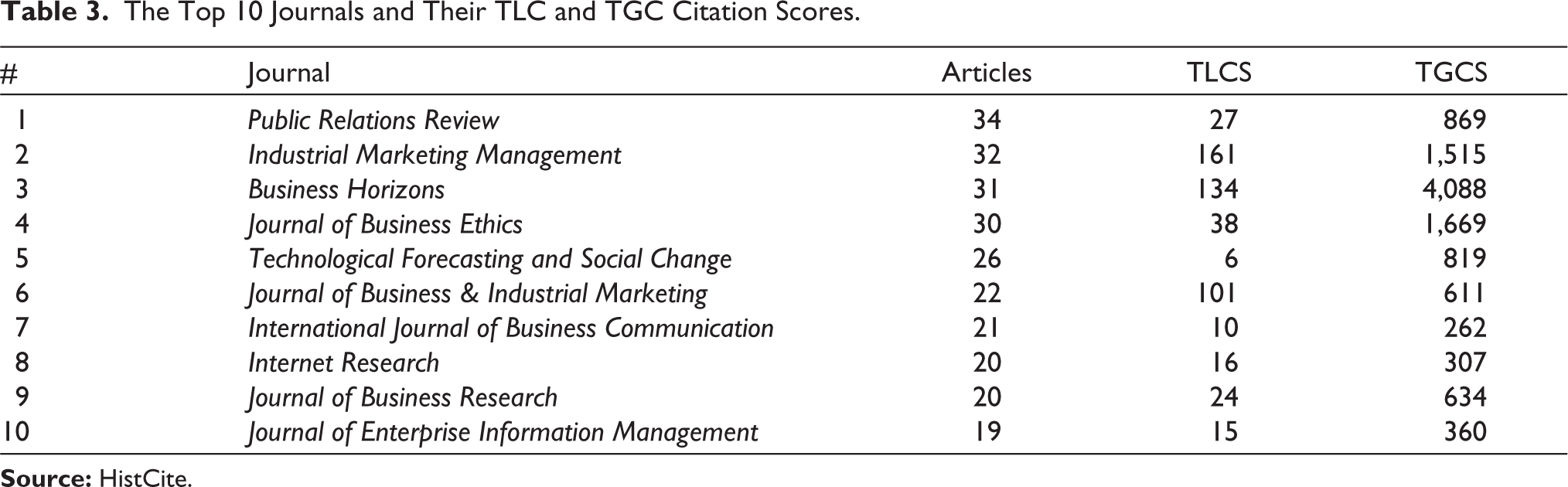
Table 3 reveals the journals based on the quantity of studies published on social media and MSMEs. The Public Relations Review journal and the Industrial Marketing Management journal were ranked first and second, respectively, with 34 and 32 articles followed by The Journal of Business Ethics and Business Horizons. Most journals listed in Table 3 are classified under A* or A category journals by the Australian Business Dean Council (ABDC), signifying the presence of MSME research in high-impact journals.
The Top 10 Journals and Their TLC and TGC Citation Scores.
Performance Analysis of Countries
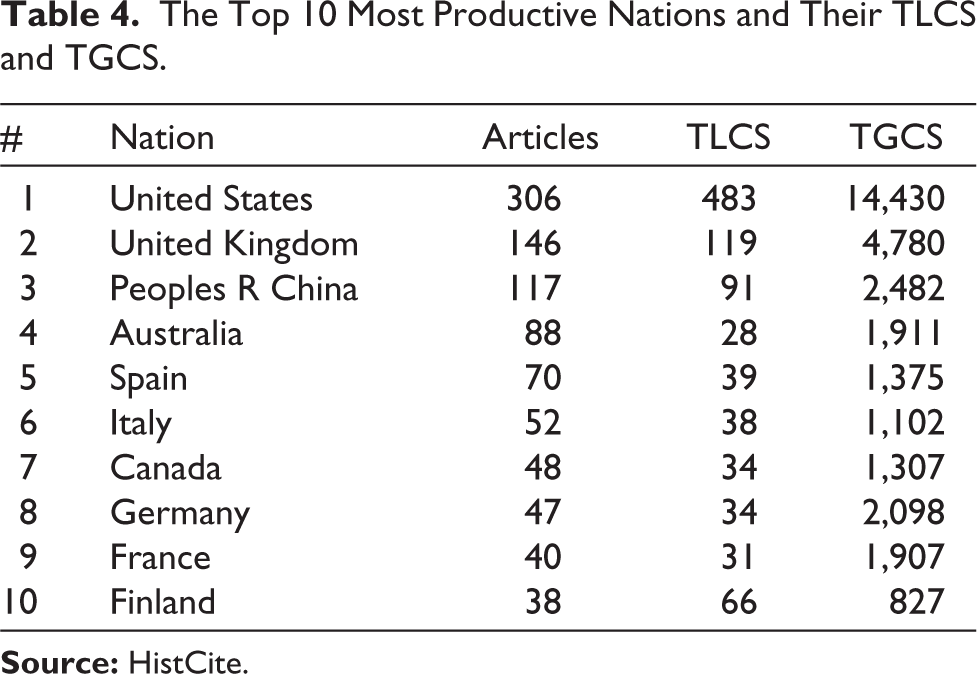
Table 4 lists the order of the country-wise publications that contributed to the use of SM by MSMEs. The United States, with 306 articles, made a substantial contribution to the field, followed by the United Kingdom, with 46 articles. Significant representation was observed from China (117), Australia (88) and Spain (70), demonstrating the global interest and diverse geographical participation in the investigation of SM usage by MSMEs. This comprehensive overview underscored the worldwide interest and concern surrounding the understanding of how SM influences the communication tactics of MSMEs.
The Top 10 Most Productive Nations and Their TLCS and TGCS.
Performance Analysis of Institutes
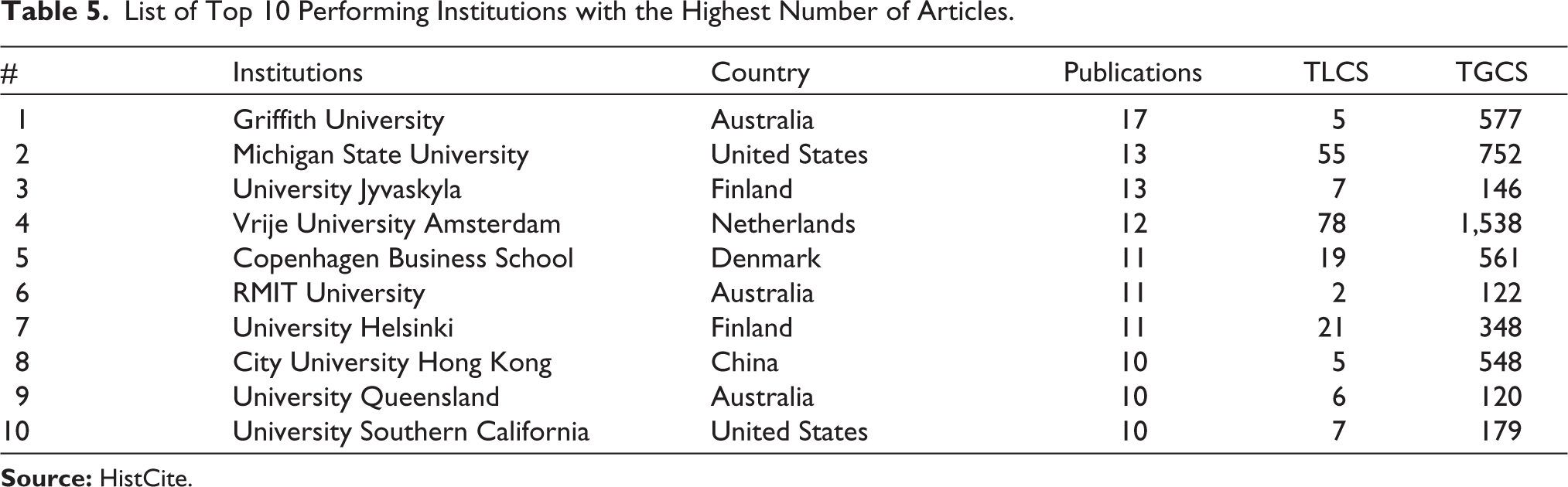
Table 5 lists the rankings of institutions in terms of the number of articles authored by each institution regarding the use of SM by MSMEs. Griffith University (Australia) leads the list with 17 articles, followed by the University of Jyvaskyla in Finland and Michigan State University in the United States with 13 publications each. Vrije University Amsterdam (Netherlands) is positioned fourth with 12 publications in the area. The inclusion of universities from several nations at the top of the list shows the global research endeavours in investigating how MSMEs employ SM for communication objectives.
List of Top 10 Performing Institutions with the Highest Number of Articles.
Publication-related Metrics
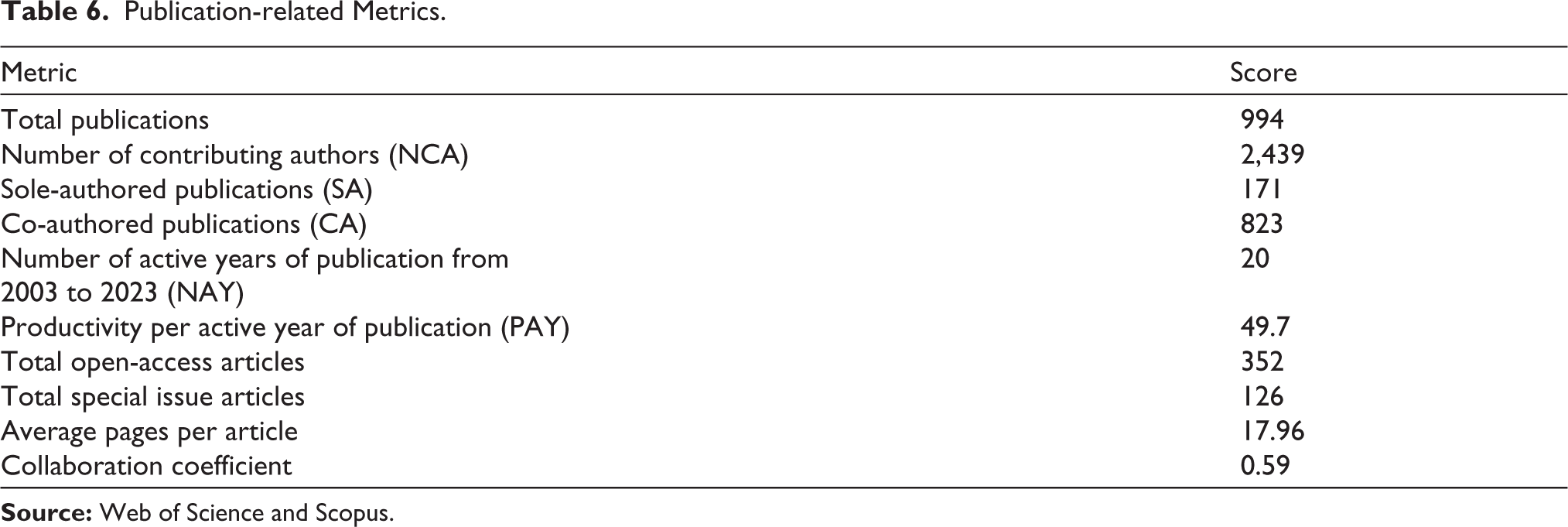
Table 6 provides the details regarding miscellaneous publication-related metrics of published articles related to this field. Between 2004 and 2024, 994 articles were published in this domain. The data reveal a trend towards collaboration in terms of authorship, with 823 co-authored publications and 171 solo-authored publications. This demonstrates that there is a diverse and active academic community that is active in contributing to the MSME and SM discourse. The productivity per active year of publication, a measure of the average measurement of the number of articles produced all year long, was 49.7.
Table 6 also addresses issues relating to accessibility and thematic focus. There were 352 open-access articles, indicating a strong commitment to the dissemination of knowledge, and 126 articles contributing to special issues, demonstrating a concentrated exploration of specific themes. The average length of an article was 17.96 pages, indicating the extent of the research that was conducted for each publication. The collaboration coefficient [1 − (total publications / number of contributing authors)] was 0.59, indicating a moderate level of collaboration with a tendency towards a higher rate of collaboration.
Publication-related Metrics.
Citation-related Metrics
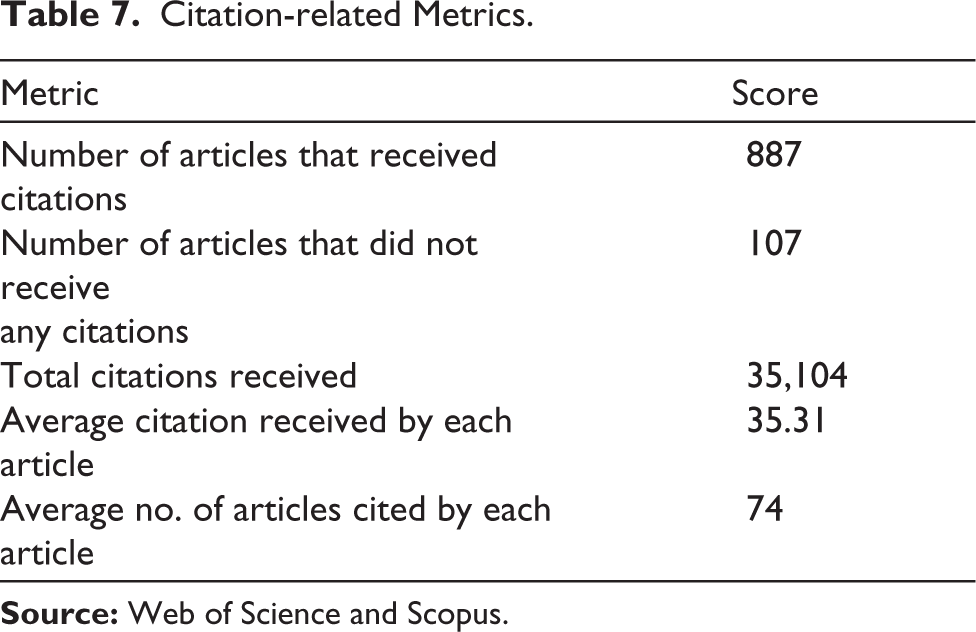
Table 7 shows the impact and recognition of articles centred around the use of SM by MSMEs. An aggregate of 887 articles have been cited, which highlights the academic influence and engagement with this body of work; 107 articles have not yet been cited. The citation count is a substantial 35,104. Considering that each article received an impressive average of 35.31 citations, it is clear that the research conducted in this field carries a substantial amount of influence, attracting the attention of other academics and making a contribution to the larger academic discourse. Furthermore, the average number of articles cited by each article (74) indicates a rich interconnectedness within the literature. This highlights the depth of engagement within the domain of MSME and SM use.
Citation-related Metrics.
Results of Science Mapping
Co-citation Analysis
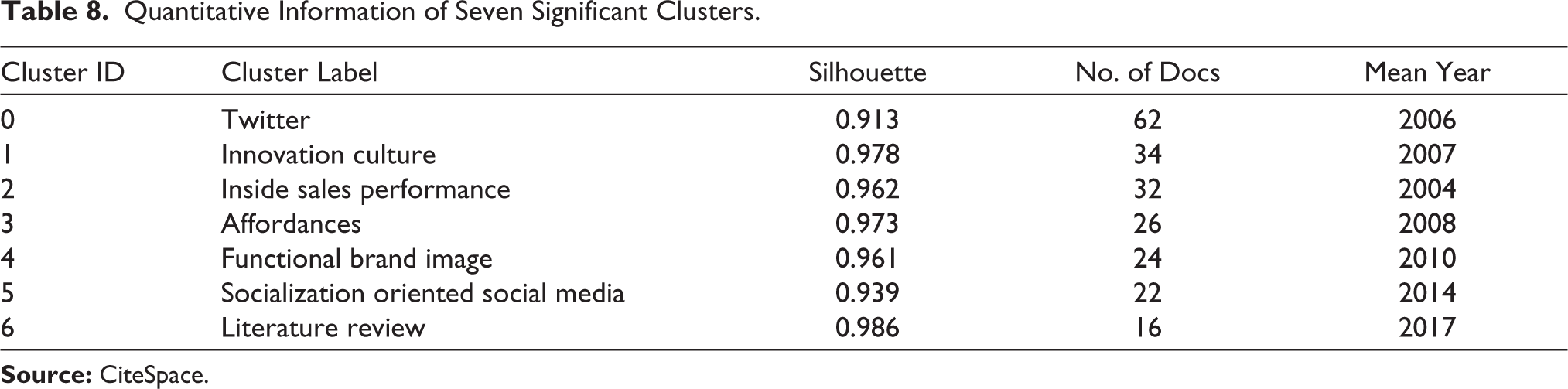
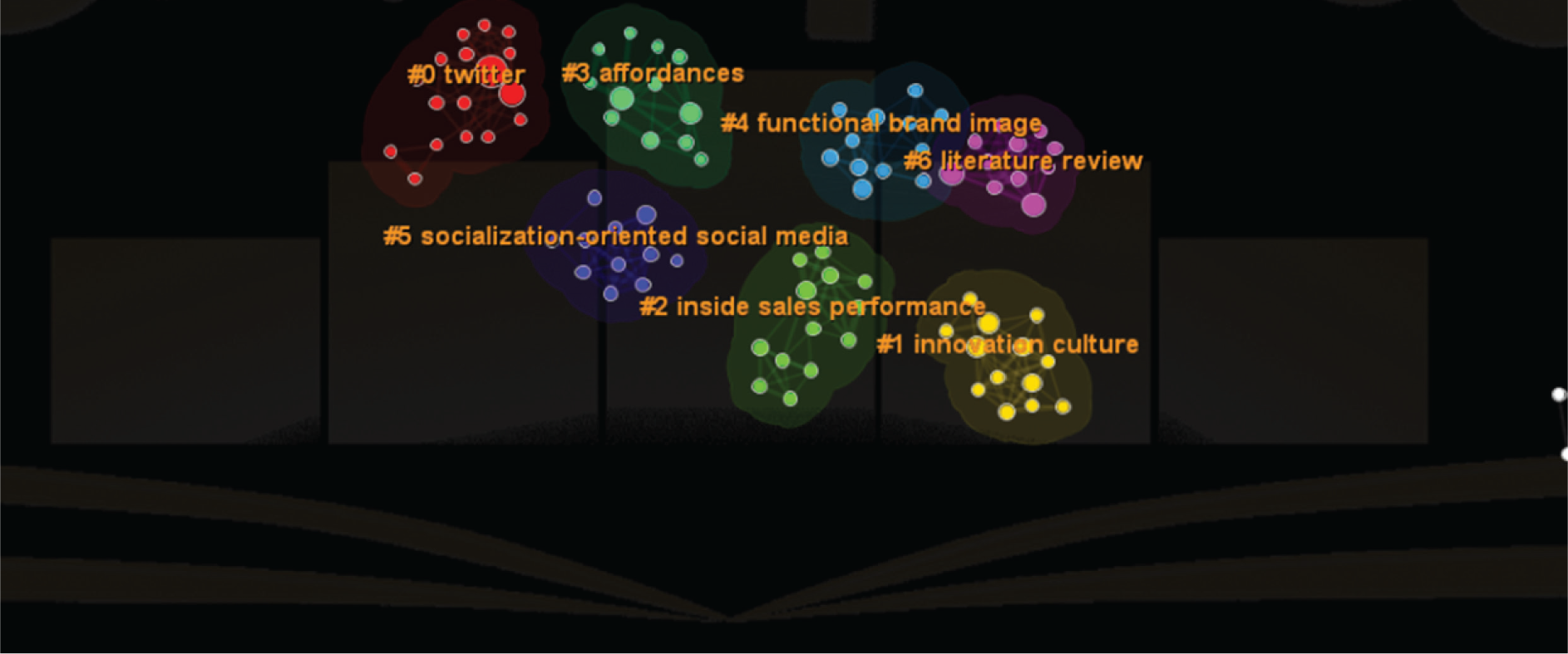
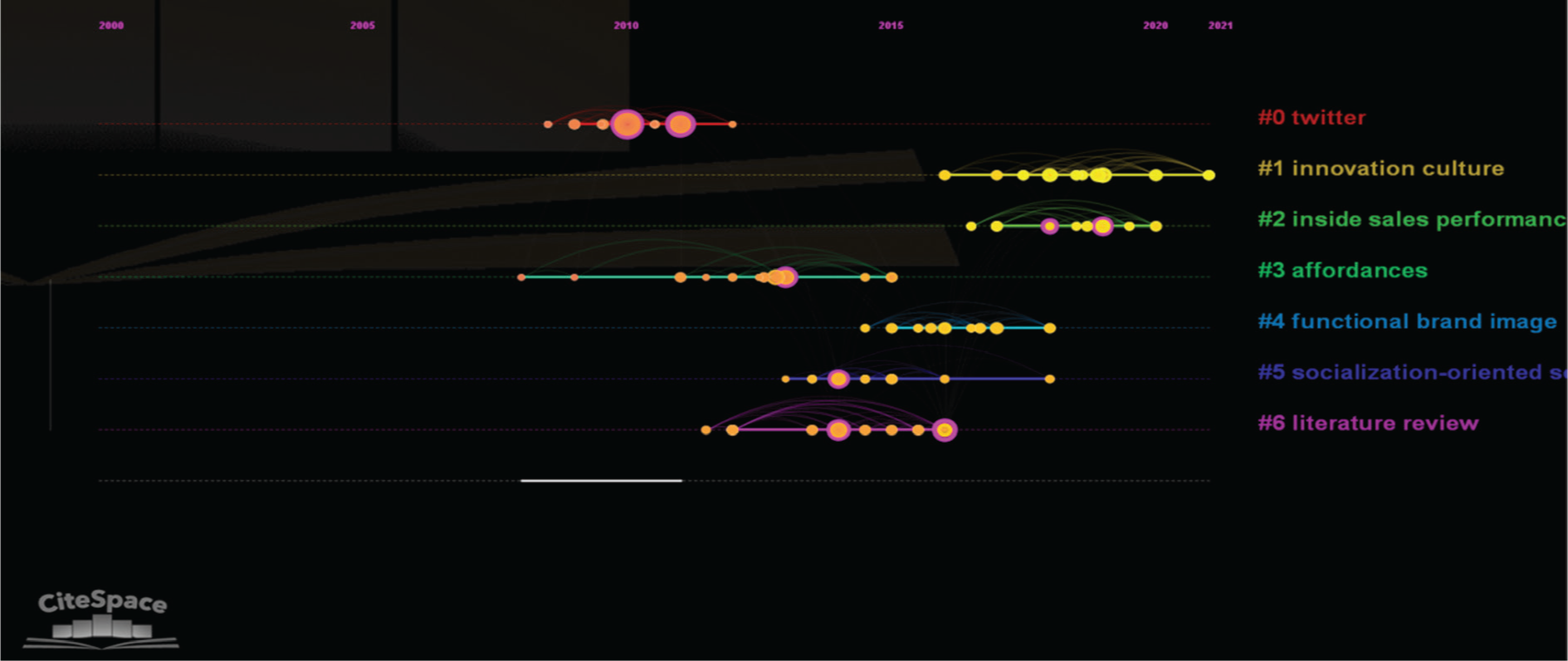
The co-citation network analysis was conducted using the CiteSpace software (Version 5.8.R3). Seven major clusters/themes of this research were identified: Twitter, innovation culture, inside sales performance, affordances, functional brand image, socialization-oriented SM and literature review (see Table 8 and Figures 3 and 4 for cluster and timeline views). Chen (2006) explained the basis of cluster formation in CiteSpace. Clusters were formed based on the structural and temporal properties of co-cited references, ensuring each represented a distinct intellectual domain. Structural properties referred to how co-cited references connected in the network, forming clusters through citation linkages, while temporal properties captured the evolution of citations over time, highlighting emerging trends. The log-likelihood ratio (LLR) algorithm labelled the clusters, while modularity and silhouette scores validated their coherence and distinctiveness.
Quantitative Information of Seven Significant Clusters.
Brief Description of Each Cluster
Cluster 0: Twitter
With several million active users, Twitter emerged as the popular SM forum, enabling companies to authenticate and share their goods and services information with a worldwide audience (Kumar & Nanda, 2023). It fostered passive consumption of content rather than active participation (Kumar & Nanda, 2023) for generating electronic word of mouth (Zhang et al., 2011) and effective marketing (Jung & Jeong, 2020). It provided users opportunities to market their goods and promote their company (Kumar & Nanda, 2023) and served as an exceptional news source for businesses (Fischer & Reuber, 2011) and also a medium to gather the opinions and feedback of customers on product, brand, business or service (Misopoulos et al., 2014). Although once used for interpersonal communication, it has now evolved into a means to disseminate marketing updates and links with proper engagement with customers (Drummond et al., 2020). Twitter has been successfully used by several small companies, to enhance brand recognition and foster more interaction and engagement with their audience (Komodromos, 2017).
Cluster 1: Innovation
SM platforms act as dynamic tools of innovation and knowledge creation, enabling employees to share their ideas with each other (Asma & Afreen, 2022; Mehra et al., 2024). SM platforms are used by SMEs to evolve innovative ways of interacting with their customers, thereby indirectly strengthening brand image (Jones et al., 2015; Zhou & George, 2003). Innovative SM strategies help organizations to advertise their unique products or services to their target audience, which helps them to establish a distinguished identity in the marketplace (Voorveld, 2019). Bauer and Lasinger (2014) claimed that SM innovative communication strategies help small firms conduct their crowdfunding activities. According to Mendes Da Silva et al. (2024), SM helps small firms receive immediate feedback, which helps small retailers to promptly adjust their research and development activities to innovate more rapidly. The SM forums also support retailers in employing innovative marketing strategies such as live product launches, influencer promotions and aggressive online campaigns, to attract consumers and enhance market visibility (Kwon et al., 2021).
Cluster 2: Inside Sales Performance
By utilizing SM, MSMEs are able to use targeted market strategies, thereby reducing the amount of money spent on marketing (Scuotto et al., 2017; Ur Rahman et al., 2020). According to Ainin et al. (2015), use of SM by MSMEs positively impacts their performance by increasing sales volume and sales inquiries. Rodriguez et al. (2015) found that the use of customer relationship management (CRM) positively influences client orientation, thereby improving sales performance (see also Al-Surmi et al., 2020; Brito et al., 2022; Fatima & Ali, 2023) even as Ahmad et al. (2018) found little relationship between the two variables . Therefore, findings are mixed regarding the relationship between the use of SM and firm performance.
Cluster 3: Affordances
MSMEs are increasingly leveraging SM as a vital communication tool due to its extensive user base and cost-effectiveness (Chatterjee & Kar, 2020). Platforms such as Facebook, Twitter and Instagram enable small businesses to economically connect with their target audiences, fostering engagement and enhancing brand visibility (Sedalo et al., 2022). Beyond external communication, SM serves as an affordable channel for internal interactions, with businesses relying on public SM platforms to facilitate work-related and social exchanges among employees (Chauhan, 2023). These platforms support seamless communication, allowing employees to collaborate effectively with managers and peers, thereby improving task performance and overall workplace cohesion (Chatterjee & Kar, 2020). Furthermore, SM analytics tools help businesses gain valuable customer insights, allowing them to refine their strategies (Tolstoy et al., 2023). The interactive nature of SM fosters real-time feedback, helping MSMEs adapt quickly to changing market trends (Vanninen et al., 2022).
Cluster 4: Functional Brand Image
SM forums have a positive impact on an employer’s brand image (Nawi et al., 2022). SM forums offer a pathway to foster a lively engagement between MSMEs and their potential customers (Perrigot et al., 2012). This engagement provides MSMEs with a unique opportunity to directly connect with their audience, building trust and transparency (Miniesy & Fakhreldin, 2023). Regular and effective communication on SM sites helps a business to present its uniqueness, genuine values, quality products and services, which in turn develops an appealing and unquestionable brand image (Eid et al., 2020). Furthermore, the interactive nature of social media allows MSMEs to actively shape customer perceptions through posts, comments and live interactions, creating a dynamic and responsive brand presence (Miniesy & Fakhreldin, 2023). Moreover, the real-time nature of customer communication on SM allows MSMEs to address customer issues instantaneously (Miniesy & Fakhreldin, 2023). This prompt responsiveness leads to an enhanced customer impression of the brand, contributing to the business’s goodwill and long-term loyalty (Ananda et al., 2017). Finally, MSMEs can articulate a forceful and consistent brand identity for their businesses through the digital branding aspects of social media, such as logos, colour schemes and messages (Elikan & Pigneur, 2019). The visual elements, when consistently applied across platforms, help to reinforce the business’s identity and make it more recognizable (Nawi et al., 2019).
Cluster 5: Socialization-oriented SM
Studies by Kromidha and Robson (2021) and Buyukbalci et al. (2024) highlight how small businesses benefit immensely from SM, especially in creating local and worldwide market segments, otherwise impossible through the traditional media. The use of captivating visuals such as photographs, video clips and postings (Nadkarni & Prügl, 2021) humanizes the interactions (Drummond et al., 2020), making it possible for MSMEs to share their brand story (Choi, 2023; Kemp et al., 2021). Social media also allows MSMEs to have direct contact with their audiences through comments, direct messages and engagement tools that enable MSMEs to engage in ongoing dialogues with customers, address their queries, solve their problems and collect feedback (Schaupp & Bélanger, 2014; Sinha & Fukey, 2021). This form of socialization by the MSMEs led to greater trust building with their target consumers and to learn what they require in terms of product specifications (Rajkovic et al., 2021).
Cluster 6: Literature Review
The literature review reveals a rich pool of studies on SM and its role in contemporary MSMEs. Academic research extensively focuses on how MSMEs employ platforms for consumer interaction, product advertising and brand creation. Literature review themes were found mostly on B2B marketing, digital marketing, sales and MSME performance (see Jadhav et al., 2023; Tiwary et al., 2021; Wardati & Mahendrawathi, 2019).
Content Analysis of 15 Most-cited Articles of This Field
Table 9 displays the 15 most cited articles in this field from 2004 to 2024. Articles are arranged in a descending order based on the citations they received. Along with citations, Table 9 also provides details of their author, the theory used in the study, details of the sample size, the country in which the study was conducted, the type of study and the journal in which the study was published.
Top 15 Highly Cited Articles.
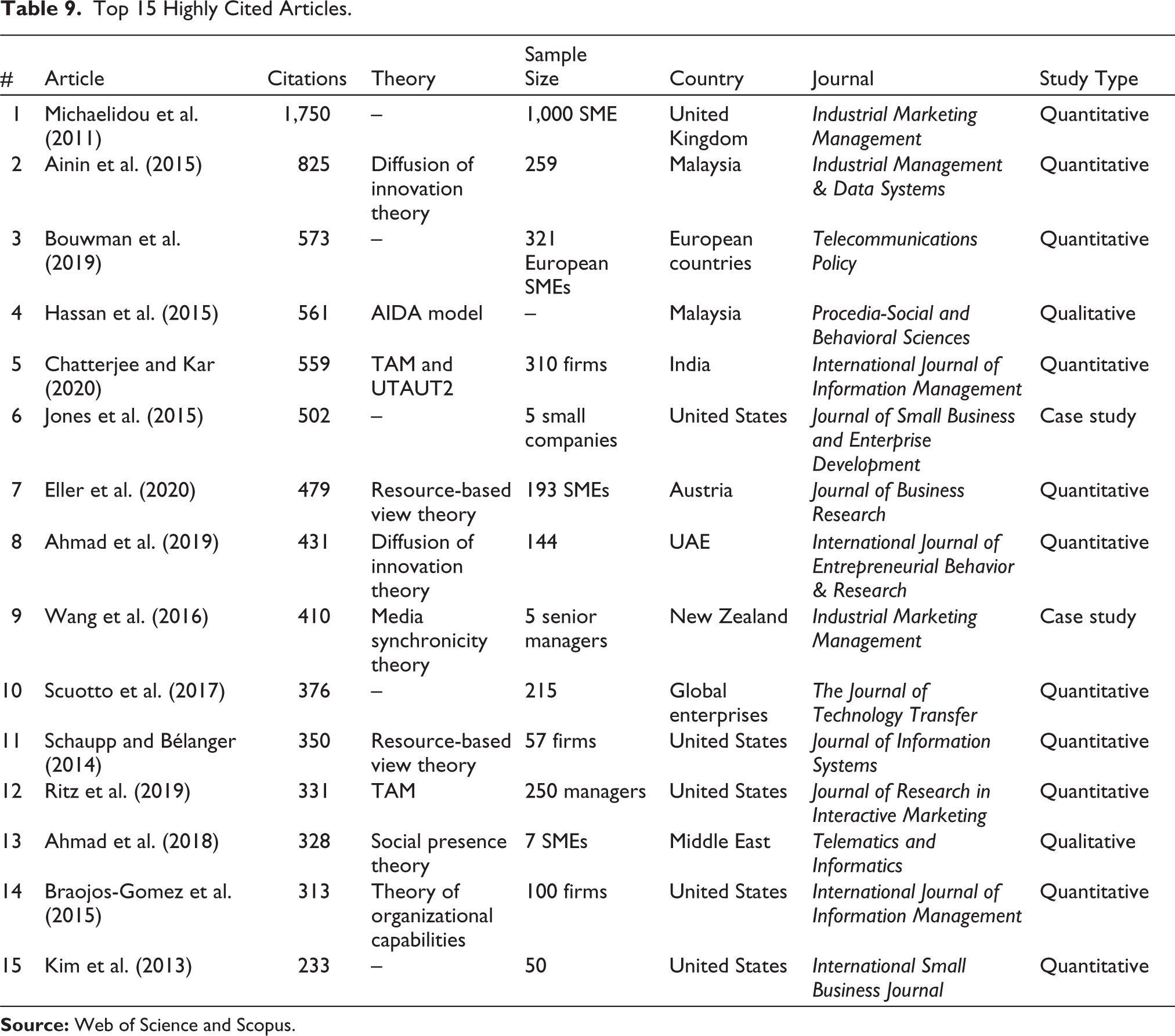
The most cited article in the data set, with 1,750 citations, was authored by Michaelidou et al. (2011). This study provides a detailed discussion on the current practices and the challenges faced by MSMEs in adopting social media. Specifically, it investigated the SM marketing strategies employed by several UK-based business-to-business (B2B) SMEs, shedding light on the reasons behind resistance to adoption and the potential benefits for these enterprises. Ainin et al. (2015), with 825 citations, ranked as the second-most-cited article. Leveraging diffusion innovation theory, this research examined the factors influencing SM usage among SMEs and evaluated its impact on performance outcomes. The study focused on Malaysian SMEs’ adoption of Facebook, demonstrating its positive influence on financial performance indicators, thereby offering practical implications for social media utilization in small and medium businesses.
The article by Bouwman et al. (2019) has been cited over 573 times and focuses on European SMEs. This study explored the relationship between innovative business model practices and organizational performance in the context of digitalization, emphasizing the role of SM in driving business success. Hassan et al. (2015), with 561 citations, proposed a strategic framework based on the AIDA model for small businesses. Conducting a qualitative study in Malaysia, the authors developed an actionable SM strategy, tailored to small business entrepreneurs, thereby positioning this work as a valuable reference for practitioners in the field. The work of Jones et al. (2015), with 502 citations, explored the effects of SM on SMEs through five case studies involving small US-based companies. The authors highlighted how SM enhanced the CRM of MSMEs and how it transformed their operations.
Another highly cited paper in this domain was by Eller et al. (2020), which adopted a resource-based view to analyse the effects of digitalization on SME performance. The research examined the antecedents, effects and challenges experienced by SMEs in the integration of SM tools in their marketing processes. Ahmad et al. (2019) conducted a quantitative study on SMEs in the UAE, which has garnered 431 citations. This research examined the adoption and effects of SM on business operations, providing empirical evidence from a rapidly developing market. Wang et al. (2016), with 410 citations, analysed the impact of SM capabilities on B2B communication and performance in SMEs. By conducting four case studies in New Zealand, the authors demonstrated how SM applications facilitated improved communication and business outcomes in B2B settings.
Scuotto et al. (2017) focus on the role of social networking sites in enhancing small business absorptive capacity and subsequent innovation performance. Their study, cited 376 times, underscores the significance of SM in fostering business innovation in small enterprises. The work by Schaupp and Bélanger (2014), cited 350 times, investigates the antecedents of SM usage and its value dimensions for SMEs. Through quantitative analysis, they reveal how SM contributes to small business growth and customer engagement. Ritz et al. (2019), with 331 citations, studied 250 small-scale businesses in the United States using the TAM model. Their findings highlight the success rates of digital marketing strategies, offering a practical framework for MSMEs to optimize their digital presence. Lastly, Kim et al. (2013) explored the impact of Web 2.0 technologies on 50 US-based SMEs, earning 233 citations. Their study highlights the transformative potential of Web technologies for SMEs and their role in enhancing business performance, rounding out the top 15 most-cited studies in this domain.
Discussion
SM has emerged as a widely used and highly effective communication tool for MSMEs to engage with their target audience. While this topic holds significance and practical relevance in the current business era, it remains underexplored in terms of comprehensive literature analysis. To address this gap, the present study conducted a bibliometric analysis of 994 scholarly articles using performance analysis and science-mapping techniques.
There has been a substantial increase in scholarship on the usage of SM as being significant by MSMEs. This work, therefore, may be of considerable interest to these scholars to comprehend the role of SM in MSMEs space. This study cites eminent authors such as S. Y. Lee and Y. Sun, who have made noteworthy contributions towards the advancement of the concept. Additionally, it lists the 10 most-prestigious journals which have the highest volume of publications in this area, providing scholars a ready reckoner in terms of the available literature in the field.
SM usage in MSMEs was employed primarily for building public relations and conducting marketing activities. This could probably explain the presence of two high-tanking journals in this arena: Public Relations Review and Industrial Marketing Management. It is also noteworthy that a significant proportion of the research was conducted in industrialized nations. The United States alone contributed almost 31% of the 994 publications. This should be a clarion call to researchers working in lower-middle income (especially non-Western) nations to start investigating the role of culture and communication in MSME digital communication strategies.
Almost all the work has emerged from the scholars in high-ranking universities of industrialized nations such as Australia, the United States, Finland and the Netherlands. Researchers seeking to conduct a study on this topic should seek guidance from experts affiliated with these institutes to ensure accurate research direction and advancement. Scholars from lower-middle income and underdeveloped nations may like to collaborate with these esteemed institutions to further examine the use of SM by MSMEs. An analysis of co-authorship data shows a high level of collaboration between institutions and diverse nations; partnerships across nations therefore would enhance the universality of the outcomes.
To identify key themes within this body of literature, the study utilized CiteSpace software, which revealed seven major research clusters. These clusters were determined based on the total modularity value (Q = 0.7775) and silhouette score (S = 0.9165), ensuring a high level of validity in the clustering process. Additionally, the study analysed the top 10 most-influential references that experienced notable citation surges, providing insights into the intensity and duration of their impact. These frequently cited sources serve as foundational references, guiding future scholars in understanding the predominant topics and methodological approaches in this field.
This study findings highlight several counter-intuitive findings, which are discussed in the following paragraphs. Specifically, while SM is widely assumed to be a democratizing tool for MSMEs globally, our analysis reveals that the majority of research on this topic is concentrated in industrialized nations, with lower-middle income economies significantly under-represented. This contradicts the common perception that digital platforms offer equal opportunities across regions.
Furthermore, despite the emphasis on engagement and customer interaction in SM literature, our findings indicate that MSMEs predominantly use SM for public relations and marketing rather than interactive communication or innovation. This suggests a gap between theoretical expectations and practical applications, highlighting an area that requires further exploration.
These counter-intuitive findings underscore the need for more diverse research perspectives, particularly from under-represented regions and call for further investigation into the practical constraints that shape MSME digital strategies. We believe these additions strengthen the discussion and effectively address your concern.
Conclusion
Theoretical Implications
This article is the first to conduct a BA on the usage of MSME tools by the MSMEs within the time span of 2004–2024. The performance analysis of the articles offers useful insights to academicians regarding the prominent journals, authors, countries and institutions in this field. This information can be utilized by researchers to identify authors and journal articles that can be incorporated into their research. Further, the science-mapping study contributes to the prevailing literature by highlighting the most significant themes that have been studied in this field. In this context, five of the most significant clusters, namely (a) Twitter, (b) innovation culture, (c) inside sales performance, (d) affordances and (e) functional brand image, were identified that could be incorporated by future researchers working in the field. Twitter highlights MSMEs’ platform-specific engagement for brand awareness. Innovation culture underscores SM’s role in fostering adaptability. Inside sales performance emphasizes digital sales strategies for conversions. Affordances reflect how MSMEs leverage platform features for marketing. Functional brand image shows SM’s impact on trust and loyalty. The appropriateness of clusters was assessed using the ‘Silhouette score’ and ‘modularity’ criteria. Additionally, the cluster timeline approach elucidates the historical progression of this research area by showcasing the field’s expansion and success across the years. This historical perspective provides valuable insights into the progression and advancement of this field, aiding scholars in understanding the trajectory of the field. The collection of facts offered by this study provides handy repository to scholars. It enables them to conveniently access noteworthy contributions, which can help them to further develop existing knowledge. In short, by providing comprehensive insights into journals, authors, themes and trends, this article serves as the foundation for future studies, critical examination and advancements in this field.
Practical Implications
An examination of past research on the usage of SM tools by MSMEs using bibliometric analysis provides valuable insights into the dynamic field of business and management. First, the research uncovers the most influential and highly referenced papers in this field, highlighting significant patterns and established corporate practices. Managers can refer to these insights to implement tested communication strategies. For instance, studies on viral marketing campaigns have shown how small businesses successfully use Instagram reels to enhance brand visibility without high advertising costs. Furthermore, the clusters identified through scientific mapping highlight strong justifications for MSMEs to embrace SM as a communication tool. These clusters offer insights into various advantages, such as promoting innovation, providing a cost-effective communication method, boosting sales performance, strengthening brand image and fostering audience engagement. For example, small fashion brands on Instagram have leveraged user-generated content to build community-driven marketing, reducing reliance on traditional advertisements. The bibliometric study’s citation patterns and network analysis reveal prominent scholars and thought leaders in this discipline. Managers should consider collaborating with these experts for partnerships and deeper industry insights. A notable case is how small tech startups collaborate with academic researchers on LinkedIn to refine digital marketing strategies. In short, this bibliometric analysis of SM usage by MSMEs equips managers with crucial information to enhance and streamline their strategies. To maintain a competitive advantage in the evolving corporate communication landscape, MSME managers should stay updated on trends and adopt proven strategies. For example, food-based MSMEs have successfully used influencer partnerships on Instagram and YouTube to drive local and international brand recognition.
Future Research Agenda
Future research on MSMEs’ digital marketing should analyse the role of cutting-edge technology such as artificial intelligence (AI) and algorithm-based communication. MSMEs’ utilization of AI for SM communication is currently a popular subject of investigation and analysis. AI operates in various manifestations, including machine learning, data mining, text mining, neural networks, big data and robotics. In addition, future studies should focus on how MSMEs use AI for personalized communication on various SM forums. The existing research on AI-enabled communication activities is extensive. However, there is limited research specifically focused on AI-enabled marketing practices in small businesses. Therefore, conducting a future study on this topic can significantly impact the fate of SMEs by enabling them to adopt and leverage recent technologies to enhance their business
Future studies on the topic of MSMEs’ usage of SM tools could examine the implementation of machine learning–driven SM communication strategies. More precisely, future researchers can explore how small firms utilize data to drive decision-making. They can also examine how small firms employ chatbot technology for interactive communication and customer engagement. Moreover, upcoming studies can conduct comparative studies to find the most effective SM platform through which MSMEs should communicate to facilitate customer co-creation and involvement. Research can also be conducted on how SMEs can utilize SM platforms to gather customers’ comments and responses. Potential areas for further research include exploring the utilization of chatbots, text mining, information processing and brand development on digital media communication platforms specifically for SMEs. Research could be undertaken to examine the impact of influencer communication through SM on the competitive advantage of small firms in the context of technology-driven marketing.
In addition, future researchers should also prioritize examining the financial, technological and attitudinal factors that influence SMEs in adopting and implementing digital communication technologies in their firms. Future studies should focus on exploring the role of SM communication in customized marketing, location-based marketing, search marketing, app-based marketing and push-notification marketing in the context of mobile marketing. Furthermore, investigations should be carried out to examine the specific abilities and knowledge that marketers of SMEs need in order to apply digital communication strategies effectively. Studies may be conducted to analyse the impact of government schemes and policies that incentivize SMEs to embrace digital platforms to connect with their target audience.
Limitations
While the approaches used in this study to conduct bibliometric analysis offer valuable insights, it is crucial to acknowledge the shortcomings of this article. Although this bibliometric analysis study used data from the WoS and Scopus databases, it is worth mentioning that analysing data sets from other databases might generate different outcomes, especially when considering co-citation network analysis. Moreover, the current analysis focused primarily on the articles that were published within the fields of business and management. Subsequent investigations may incorporate articles from diverse disciplines. Finally, the study could have benefitted from a detailed content analysis; presently, only the abstract and the findings sections of the select literature were scanned. Therefore, by integrating in-depth content analysis with these methods, it is possible to achieve a more thorough and profound comprehension of this research area.
Footnotes
Declaration of Conflicting Interests
The authors declared no potential conflicts of interest with respect to the research, authorship and/or publication of this article.
Funding
The authors received no financial support for the research, authorship and/or publication of this article.