







Abstract
The research on ‘climate-related financial risks’, still in its infancy, is gaining momentum as businesses and investors are becoming increasingly aware of the heightened risks posed by climate change and the importance of environmentally sustainable activities. The present study brings out a synthesis of the literature on climate risk in the financial sector for the period ranging from 2010 to 2023. Using bibliometric tools such as citation, co-citation, keyword co-occurrence analysis and other network analysis, the study aims to examine the trend of the research domain; influential aspects (sources, affiliations, articles and topics); prominent themes; intellectual and conceptual structures; and collaboration among researchers, universities and countries. The study enhances the understanding of ‘climate-related financial risks’, aiding policymakers, regulators and future researchers in incorporating various elements of the financial system while assessing the impact of climate change on financial stability.
Keywords
Introduction
Climate change is a looming threat to the stability of the economy, society, agriculture and livelihoods worldwide (IPCC, 2023). There are numerous impacts of climate change, and the key ones are extreme temperature, drought or deluge, sea-level rise and extreme weather events. All these adversely affect lives, livelihoods and the overall economy.
Climate change is not restricted to the society and economy but poses a potential risk to financial stability. Climate change risk is increasingly worrying participants in the financial markets and policymakers, as this risk could destabilize the economy, adversely affect corporate performance and erode financial asset value (Hong et al., 2020; Stroebel & Wurgler, 2021). Climate change, being unpredictable, causes extreme and erratic weather events that threaten the financial system’s stability. Recently, significant attention has been given to how climate risk affects the financial system (Rubtsov et al., 2021). The existing literature has documented strong evidence of financial risks emanating from climate change today and in the coming years.
In the financial sector and general economy, ‘climate-related financial risks’ are commonly divided into physical and transition risks (Financial Stability Board, 2015; Network for Greening Financial System, 2022). Physical risk is the direct impact of climate change on the economy and business, adversely affecting the value of financial assets. Physical risk is further divided into two types: acute and chronic risks. Acute risk is related to climate-change-induced events that hit the economy immediately. The key acute risks are storms and hurricanes, floods, heatwaves, droughts and precipitations, which can destroy factories, supply chains and houses. All these events adversely affect corporate financial performance and quickly reduce household income. Chronic risk is related to gradual changes in the Earth’s system, such as sea-level rise and an increase in temperature, which can adversely affect agriculture productivity (in high-temperature regions), erode land value and cause migration, consequently adversely affecting businesses. Researchers have studied the impact of chronic risk, a type of physical risk, on the credit risk of corporate and household loans (Dafermos et al., 2018), bank loan values (Hosono et al., 2016) and the cost of equity capital (Huynh et al., 2020).
Transition risks emerge from transitioning from a carbon-intensive to a low-carbon-emitting economy. These risks are related to changes in policies and regulations, reputation, declining cost of low-carbon technology and market risks. The transition to a green economy can disrupt economic and financial stability (Van der Ploeg & Rezai, 2020). Policy and regulations (e.g., carbon price) are the most prominent risks as governments worldwide are increasingly stringent on carbon-intensive businesses (van Benthem et al., 2022). Other transition risks include technological changes and a company’s reputation (Semieniuk et al., 2021). Reputation risks relate to consumers’ concern with corporations causing climate change, and they move away slowly and sometimes suddenly from carbon-intensive products or services. For high-carbon corporations, protection costs against downside tail risks increase proportionately when public attention to climate change peaks (Ilhan et al., 2021). Technology risk is related to the declining cost of adopting low-carbon technology (e.g., electric vehicles), which threatens the competitiveness of high-carbon technology (e.g., combustion vehicles). Market risk is associated with a change in the market’s preference for low-carbon products and services while shunning carbon-intensive products and services.
Transition risk can also be rapid and may adversely affect financial institutions exposed to sectors of carbon-intensive assets—for example, the highly carbon-intensive fossil fuel sector (Rogelj et al., 2018). The impact of transition risks on financial institutions and the whole financial system has been a focus among researchers (Nieto, 2019). Researchers have found that carbon-intensive companies carry a higher credit risk (Van der Ploeg & Rezai, 2020).
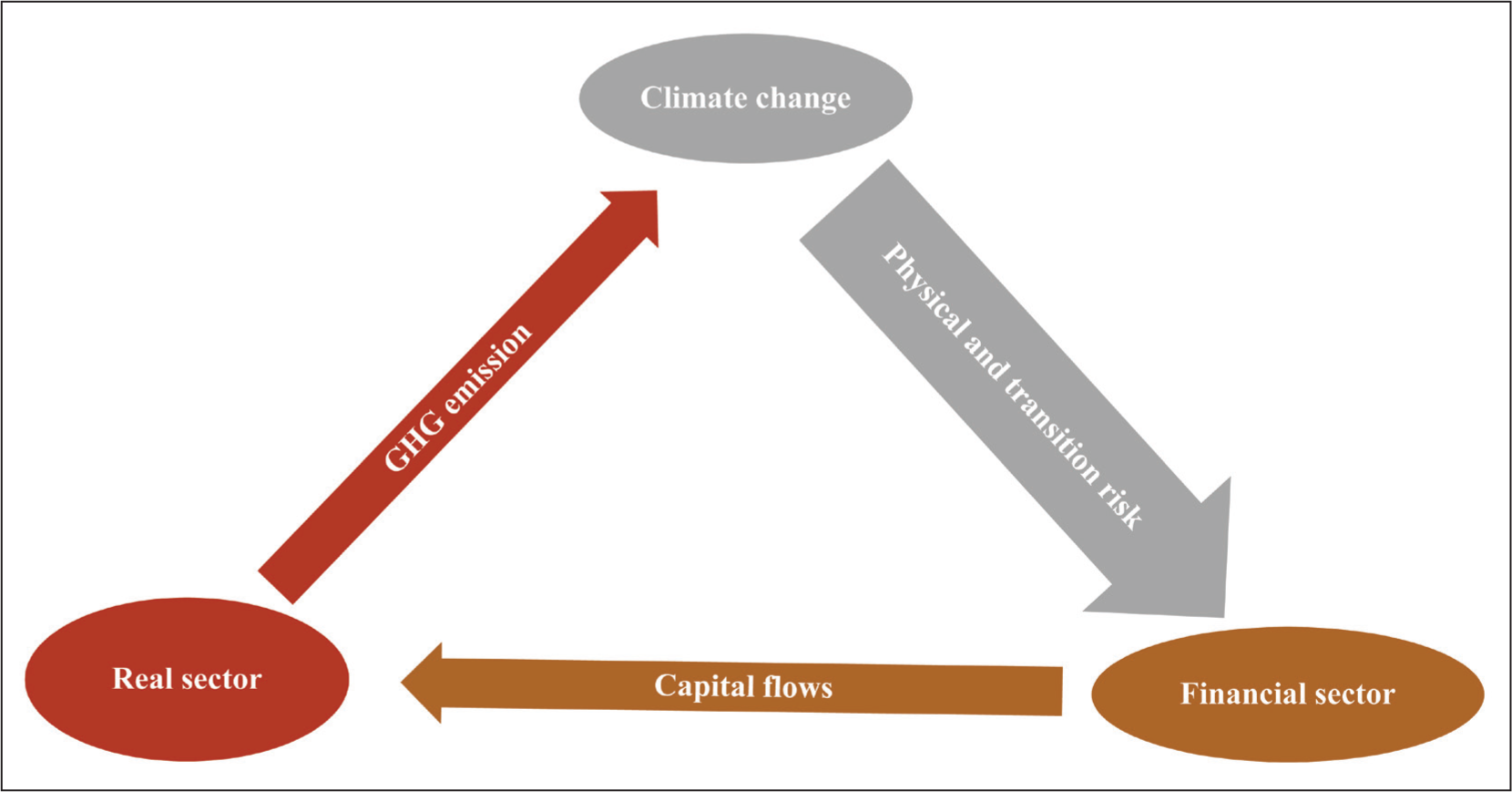
Scholars have examined climate change’s both physical and transition risks on financial stability (Battiston et al., 2021). Investment professionals are more concerned about transition risks, policy and technology risks in particular than physical risks (Krueger et al., 2020) as they believe that physical risk would materially affect financial performance in the long term. Figure 1 explains the relationship between financial and real sectors and climate risk. The financial sector provides capital to the real sector, which emits greenhouse gases (GHG), resulting in climate-induced physical and transition risks for the financial sector. The financial sector can mitigate the climate change risk by decarbonizing itself, which will lower GHG emissions, resulting in a gradual decline in the climate change risk in the long term. However, the lock-in impact of the quantum of GHG in the atmosphere 1 and the continuation of high-carbon-intensive assets will adversely affect the financial sector, particularly through climate-induced extreme weather events.
After the Paris Agreement, climate risk and its effect on financial stability have become a crucial topic for the policy debate and a growing concern for market participants (Bank of England, 2019; Carney, 2015). The effects of climate change on an economy have drawn more attention from international supervisory bodies and regulators (Financial Stability Board, 2015).
This study strives to provide a focused literature review on climate risk in the financial system. To encapsulate the essence of the literature on climate risk in the financial system, the study addresses the following research questions:
RQ1: What are the publication trends and influential aspects (sources, affiliations, articles and topics) of the literature base? RQ2: What is the intellectual structure of the ‘climate-related financial risks’ research community? RQ3: What are the major themes of the ‘climate-related financial risks’ literature, and how has this field evolved?
Despite rising interests in climate change in the financial system in recent years, the understanding of the discipline is limited. After the Paris Agreement in 2015, researchers, particularly in high-income economies and China, conducted extensive research that offered critical insights into climate finance.
Researchers have undertaken bibliographic studies on climate or green finance. However, all literature reviews are broad, and little research has been conducted on climate change risks in the financial system. This study can help understand the overall trend of this research domain by analysing the growth patterns over the years, influential aspects, prominent themes, conceptual structure and collaboration among authors, universities and countries with the help of network analysis and scientific mapping methods, in contrast to traditional literature reviews.
The remaining article is marshalled as follows: the second section discusses the data description and the methodology used; the third section presents the results of the bibliometric analysis, followed by the fourth section, which discusses the overall findings and provides the future research direction; the fifth section concludes the study.
Data Description and Methodology
Bibliometric analysis is a widely used mathematical and statistical technique applied to explore a particular literature based on bibliographic information (Bashar et al., 2021; Singh & Dhir, 2019). It helps to examine the overall trend of a research domain, such as growth patterns over the years, influential aspects, themes and conceptual structures, using various scientific mapping methods (Cobo et al., 2011; Kumar et al., 2021; van Raan, 2005). The present study employs bibliometric tools such as citation, co-citation and keyword co-occurrence to comprehend the major trends and structures of the climate risk research domain.
The first step for bibliometric analysis is to locate the relevant articles for the study. It involves deciding the search databases, terms, phrases, strings and criteria. Scopus and Web of Science citation databases are used as search engines to cover many articles from high-quality journals (Gorraiz & Schloegl, 2008; Mongeon & Paul-Hus, 2016). Different terms and phrases are used to create a string for the literature search. The articles were searched in both databases using the following keywords: ‘carbon risk’ or ‘climate change risk’, ‘climate-related financial risk’, ‘climate risk’ or ‘climate policy’, ‘climate regulation’ or ‘carbon pricing’ or ‘carbon tax’. Further, the articles to be included were filtered based on the year of publication (2010–2023), language (English), source type (journals) and document type (articles). Our literature review on climate change is limited to the financial system, not the broader economic system. This gave us an initial pool of 4,830 articles.
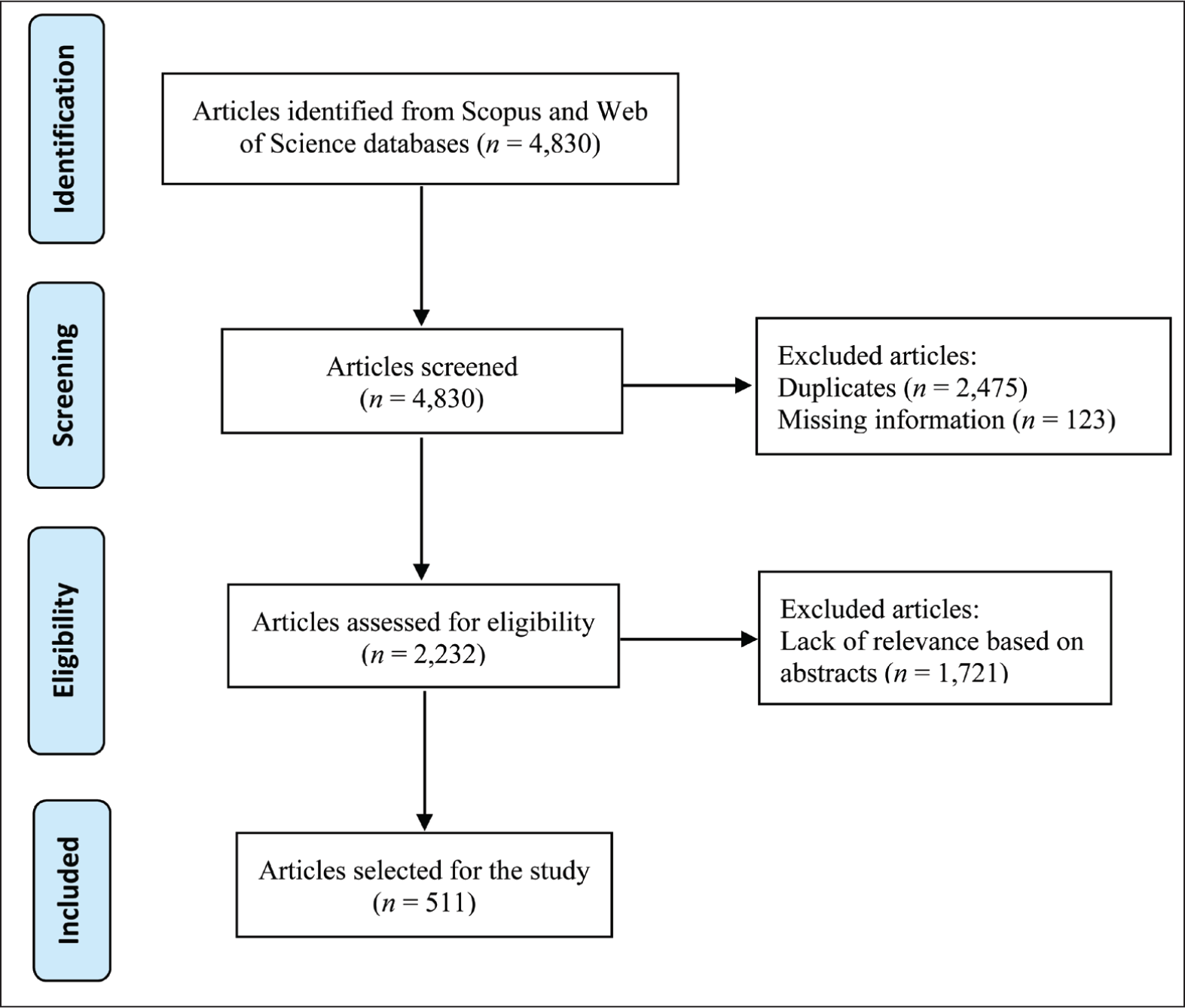
The inclusion and exclusion process to select the relevant articles for bibliometric analysis was performed using PRISMA guidelines (Moher et al., 2010). The four steps used for the inclusion of articles for the analysis as guided by the PRISMA approach are shown in Figure 2. Out of the 4,830 identified articles from both databases, the initial screening led to excluding 2,475 articles due to duplication and 123 articles due to missing information. Further, the remaining 2,232 articles were screened for eligibility based on the title and abstract. At this stage, 1,721 articles were excluded due to lack of relevance, giving a final tally of 511 articles selected for bibliometric analysis.
PRISMA Approach Flow Diagram for Sample Selection.
To synthesize the literature, bibliometric citation analysis techniques such as publication trends across time and countries, citation analysis, co-citation analysis, keyword co-occurrence analysis and thematic analysis were used to present the descriptive, influential aspects as well as the intellectual, social and conceptual structure. We used the Biblioshiny package 2 from the R Studio in the study.
Results
Descriptives
The 468 articles identified were analysed to determine publication trends across time and geographical location, prominent sources of publications, prominent articles, most frequently used keywords and their growth in the present study period.
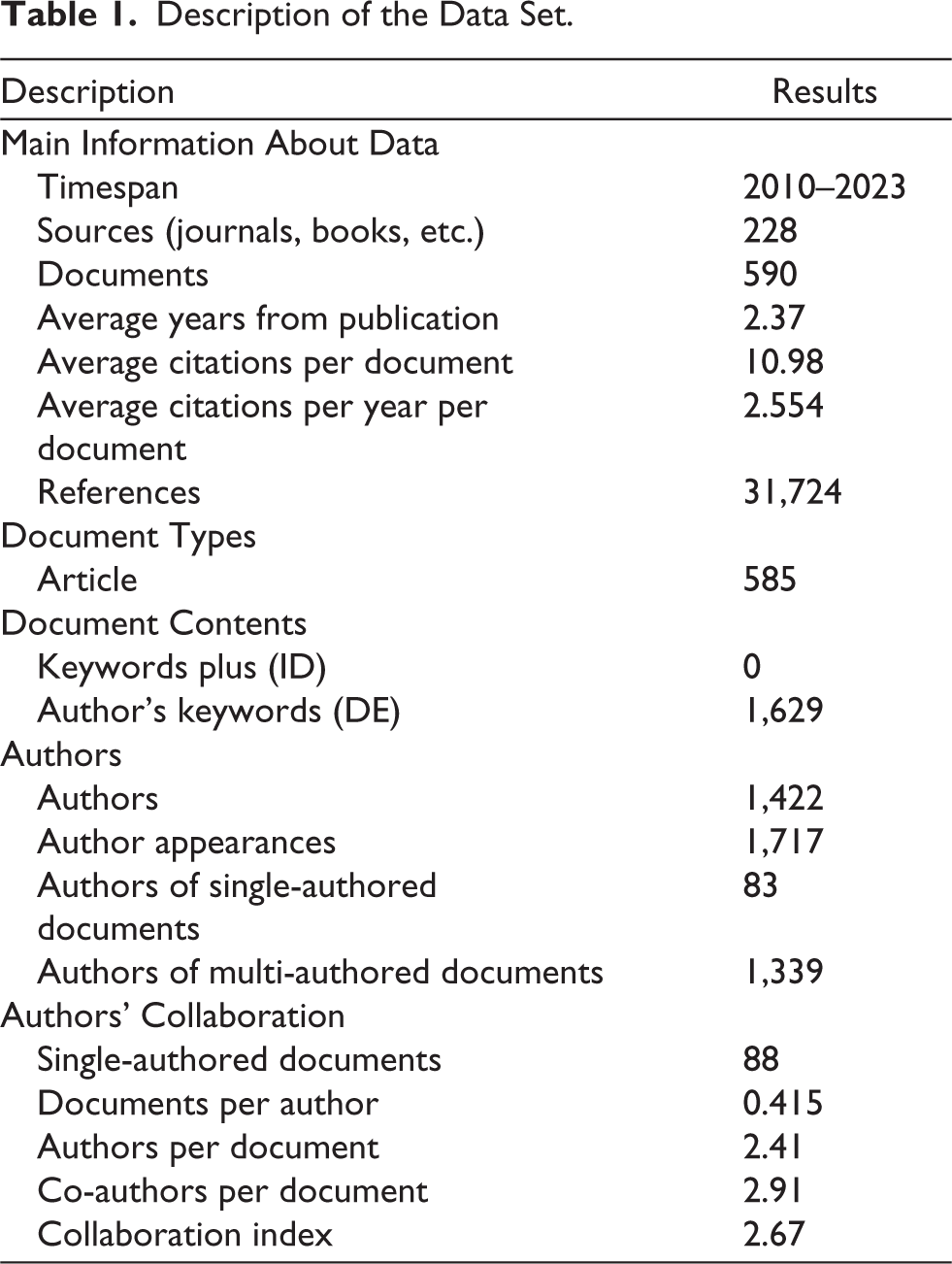
Table 1 describes the selected data set and its characteristics. The documents were published in 228 sources with an average citation score per document of 10.98 and a collaboration index of 2.67, indicating the prominence of the topic and substantial collaboration among researchers from this field.
Description of the Data Set.
The timespan of publication of the selected articles was taken from 2010 to November 2023, as presented in Figure 3. As shown in Figure 3, the publications related to ‘climate-related financial risks’ have increased over the years, highlighting an increasing trend, with ~80% of the articles published in recent years (2020-2023), indicating increased interest in ‘climate-related financial risks’ and related themes following the Paris Agreement in 2015 and COP26 in Glasgow in 2021. The Paris Agreement was an important milestone in climate change action as 194 countries voluntarily signed an agreement to limit the earth’s temperature by 2°C by 2050. In Glasgow, several financers voluntarily and collectively announced that they would take measures to decarbonize their financial assets. For example, the Glasgow Financial Alliance for Net Zero was formed, in which 160 financial companies managing $70t declared to support the Paris Agreement goals (UNFCC, 2021). The year 2022 had a peak, with ~35% of the articles published in this year. An increase in the frequency of climate-related extreme weather events and a slew of measures by private financers to mitigate climate change risks in 2021 prompted academicians to research this emerging area. In addition, several policies and regulatory measures on climate change by governments and financial regulators worldwide have led researchers to study this emerging field.
Publication Trend Across Time.
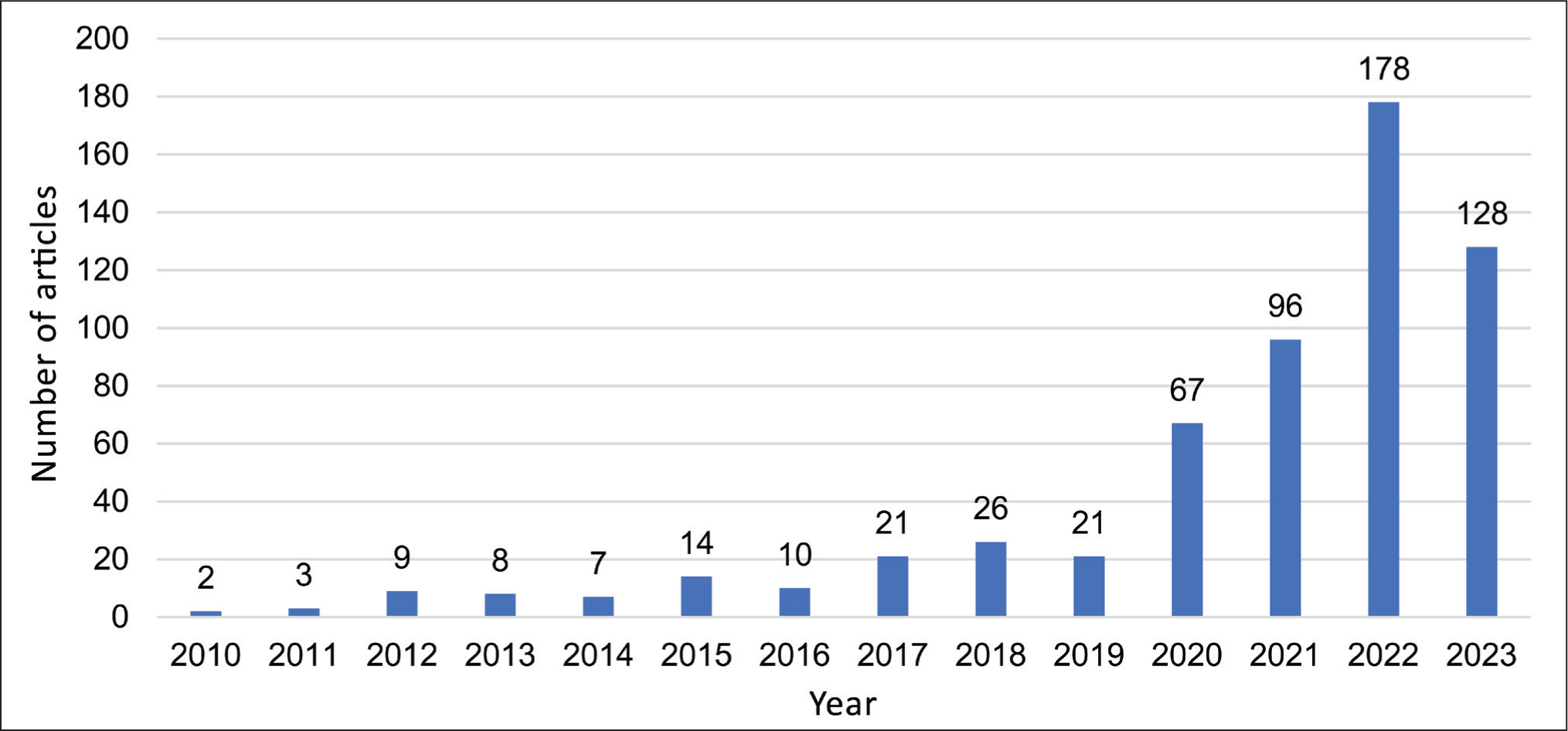
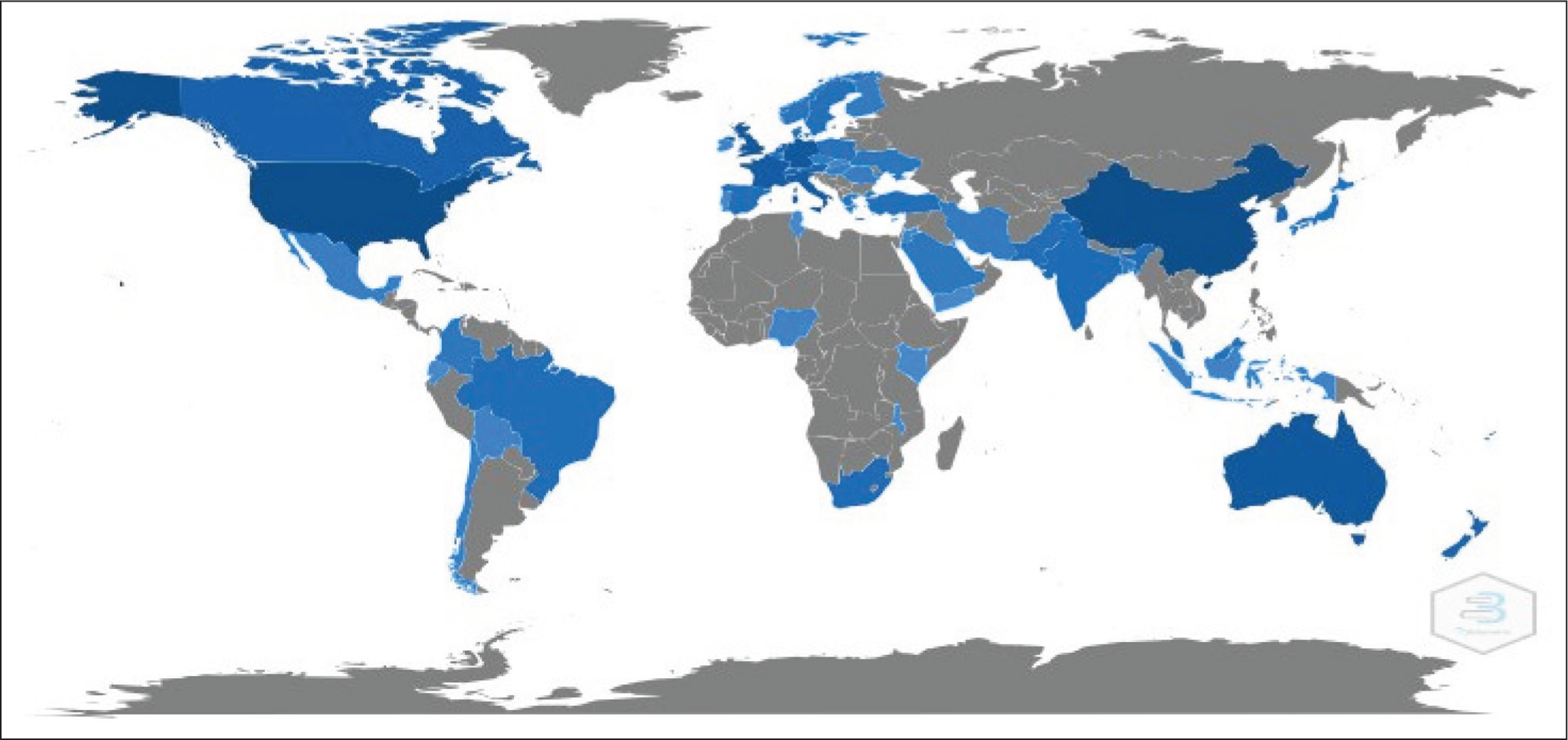
Figure 4 shows the publication trend across the geographical location. The countries with the darkest blue colour have the maximum number of publications, while the brightest blue colour signifies countries with the minimum number of publications. Thirty-two countries have contributed to the research on climate risk, with China (289) being the most prominent contributor, followed by the United States (282), the United Kingdom (122), Australia (120) and Germany (117). High-income nations have been the key contributors to this body of knowledge. Apart from China, other emerging economies that have contributed to the publications are India (23), Brazil (18) and Pakistan (18). Policymakers and regulators in Europe, the United Kingdom and China have taken several measures to decarbonize their economies, including the financial sectors; these actions are reflected in many publications from these countries. The number of publications increased sharply in the United States after the new government announced several policies to transition its economy. The notable measures are the Inflation Reduction Act (IRA) in 2022, which includes a large-scale investment in low-carbon technologies (US Department of the Treasury, 2023); the signal from the US Securities Exchange Commission to consider climate-related disclosure in financial reporting (US Securities and Exchange Commission, 2021); and the publication of the ‘Climate-related Financial Risk’ report by the Financial Stability Oversight Council (FSOC) in 2021 (FSOC, 2023).
Countries’ Scientific Contribution.
Influential Aspects
Sources
The 511 articles are published in 228 journals. Table 2 presents the most prominent journals (top 20) based on the number of published articles. Also, it shows the total citations and h-index, which helps assess the quality of the journals (Naeem et al., 2022). Citations tell the articles’ relevance, while the h-index assesses the impact of a source as it considers both the number of articles published in a journal and the citations of articles in a journal (Egghe, 2008a, 2008b). The most prominent source is the Journal of Cleaner Production, with 38 articles, the highest h-index of 15 and a total citation of 539. A key fact here is that the publication of climate-risk-related articles in this journal is quite recent, that is, from 2015 onwards, and still, the journal holds the first rank. The second on the list is the Finance Research Letters journal, with 32 articles published since 2011 with 77 citations and an h-index of 5. Energy Economics holds the third position with 28 articles, the highest number of citations (558) and an h-index of 11. This highlights the emerging association between climate risk and the financial sector.
Most Relevant Sources.
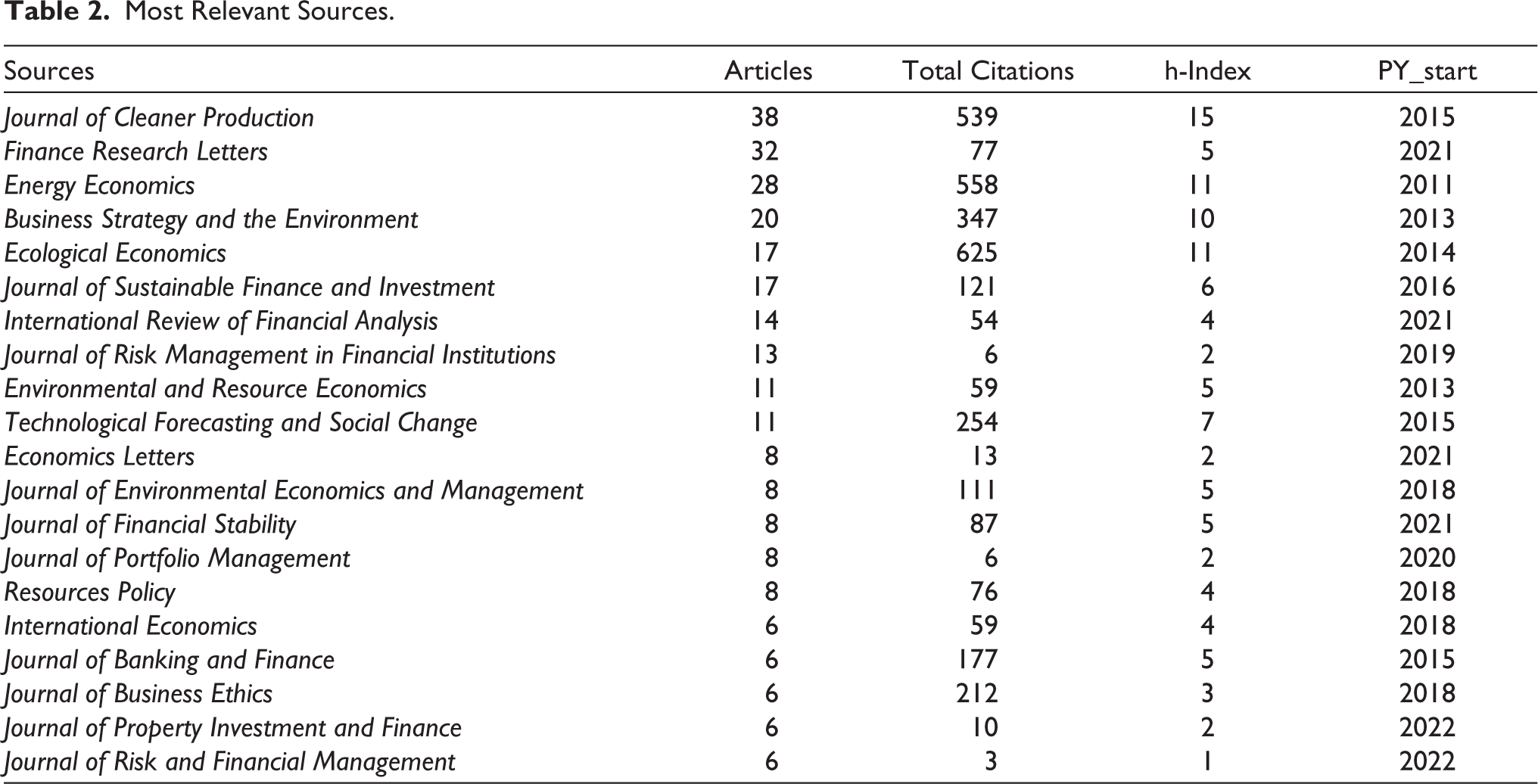
Figure 5 presents the growth of the top five sources over time. It shows that none of the top journals published articles on climate risk in 2010, and the significant increase can be seen after 2015, reiterating the Paris Agreement in 2015 on climate change as a game changer for this field of study. Energy Economics and Journal of Cleaner Production have shown a steady growth over the years and remain at the top (first and third) positions, while Financial Research Letters has grown substantially in a very short period.
Source Growth.
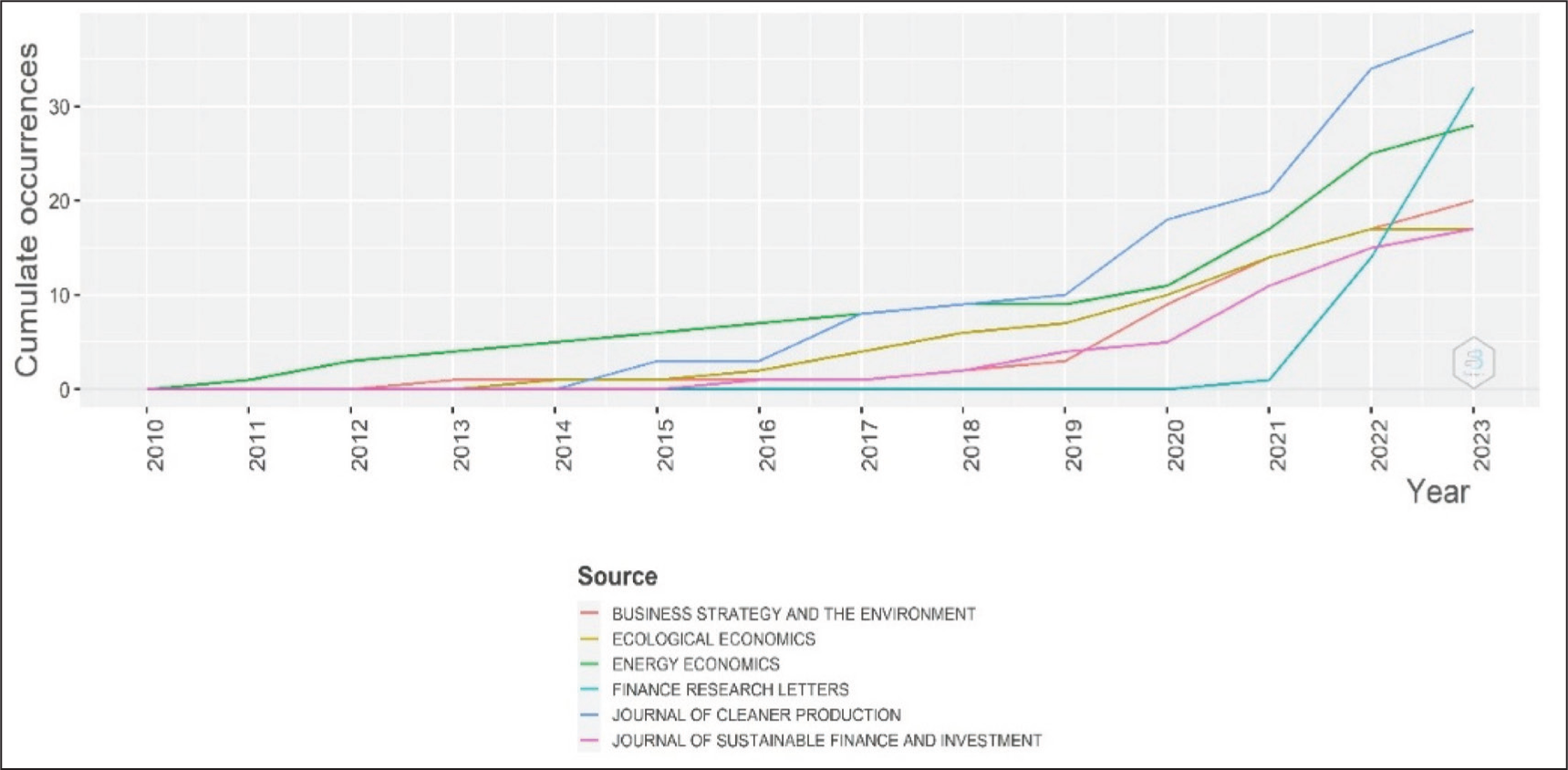
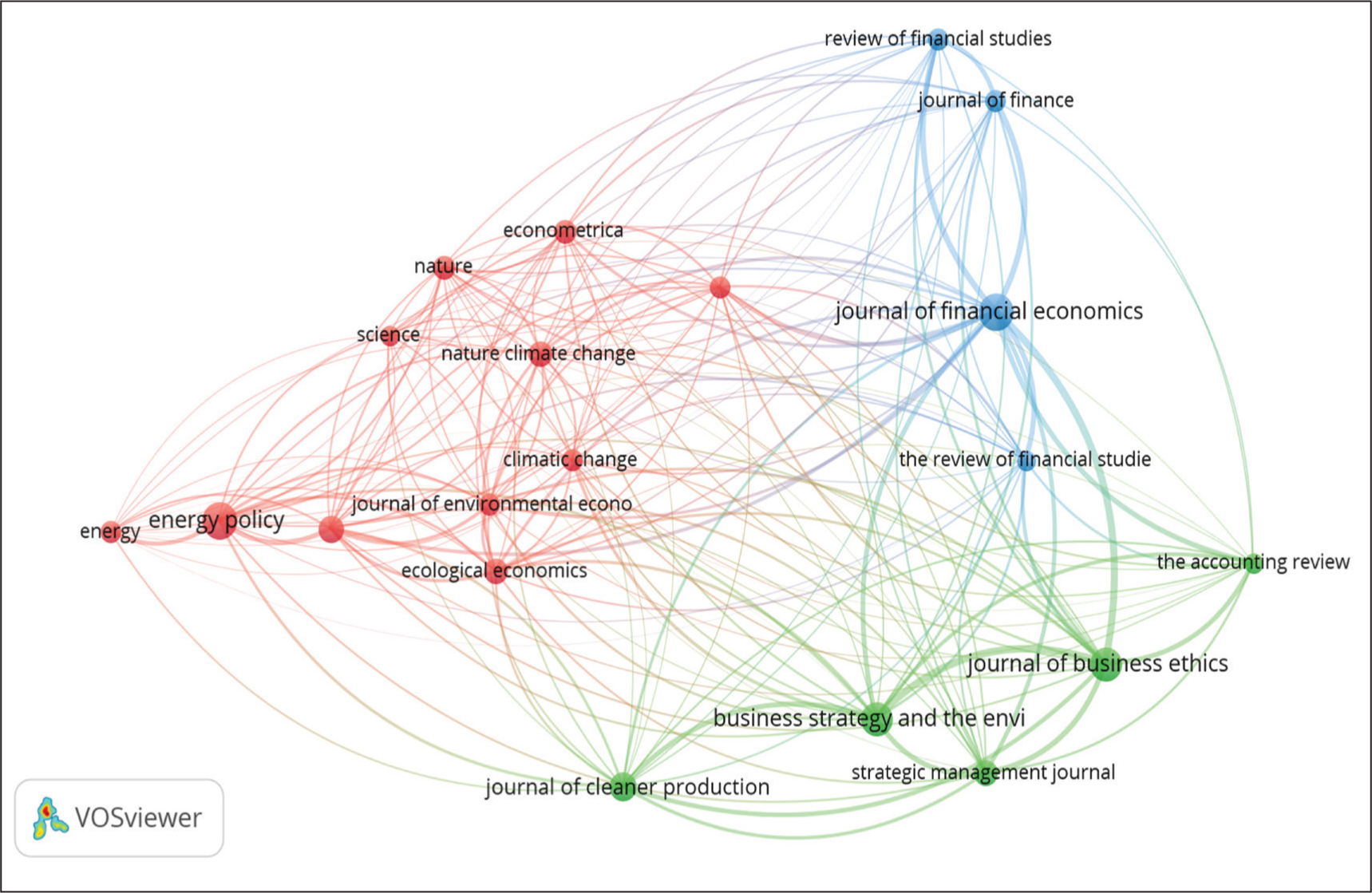
Figure 6 shows journal co-citation analysis, which helps to locate the major disciplines of a research field based on the clusters formed. The network is formed with 20 sources having a minimum of 90 co-citations. Cluster 1 (red) comprises 11 energy, climate and environmental journals co-cited together. While climate change is a branch of the environment, the energy sector emits maximum GHG, resulting in climate change. The strong relationships between these three areas contribute to high co-citation. Cluster 2 (blue) presents the finance, economics and accounting journals, with the Journal of Financial Economics being the prominent one. These three areas are closely related, forming a co-citation cluster. The third cluster (green) consists of five journals from the business and management discipline. The network reveals the interdisciplinary nature of the research field, with environmental studies, natural resources, business, management, finance and accounting as the predominant disciplines.
Journal Co-citation Analysis.
Authors
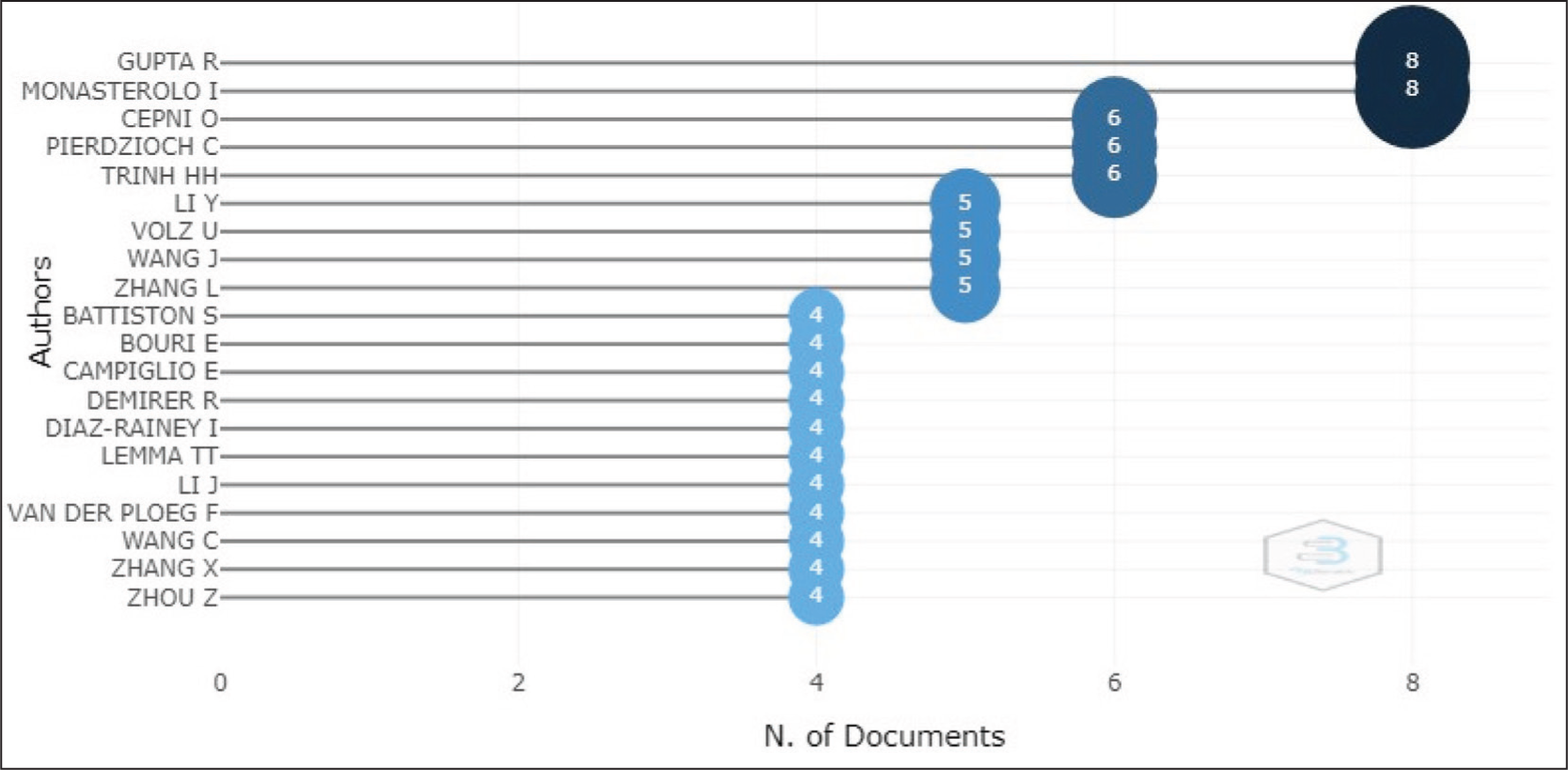
The most prolific authors are the top contributors to a field of study and are identified based on the number of publications and citations (Kumar et al., 2021). Figure 7 illustrates the prominent authors based on the number of articles published. Gupta and Monasterolo are the most distinguished authors with eight articles, followed by Cepni, Pierdzioch and Trinch with six articles, and Li, Volz, Wang and Zhang with five articles. One of the most important papers co-authored by Gupta is ‘Return Volatility, Correlation, and Hedging of Green and Brown stocks: Is There a Role for Climate Risk Factors?’ which highlights that climate risk could make carbon-intensive energy stocks more volatile (Li et al., 2023). The correlation between green-brown stock returns and climate risk weakens in the long run. Monasterolo contributed to this field with the influential research article ‘Climate Change and the Financial System’ (Monasterolo, 2020). The result of the paper shows that climate risk can be materialized soon for a wide range of investors for various asset classes, and it can also change financial risk positions.
Most Relevant Authors.
However, to study the authors’ impact, Figure 8 shows the authors’ ranking per h-index (calculated based on the number of publications and citations). Monasterolo is the most impactful author, with the most publications and citations. The most cited paper co-authored by Monasterolo is ‘A Climate Stress Test of the Financial System’. The paper’s key finding was that investors’ equity portfolios are vulnerable to climate policies as they are exposed to high-carbon-intensive sectors. The paper introduced a scientific approach to integrating forward-looking and uncertain climate risks in financial risk management.
Most Impactful Authors.
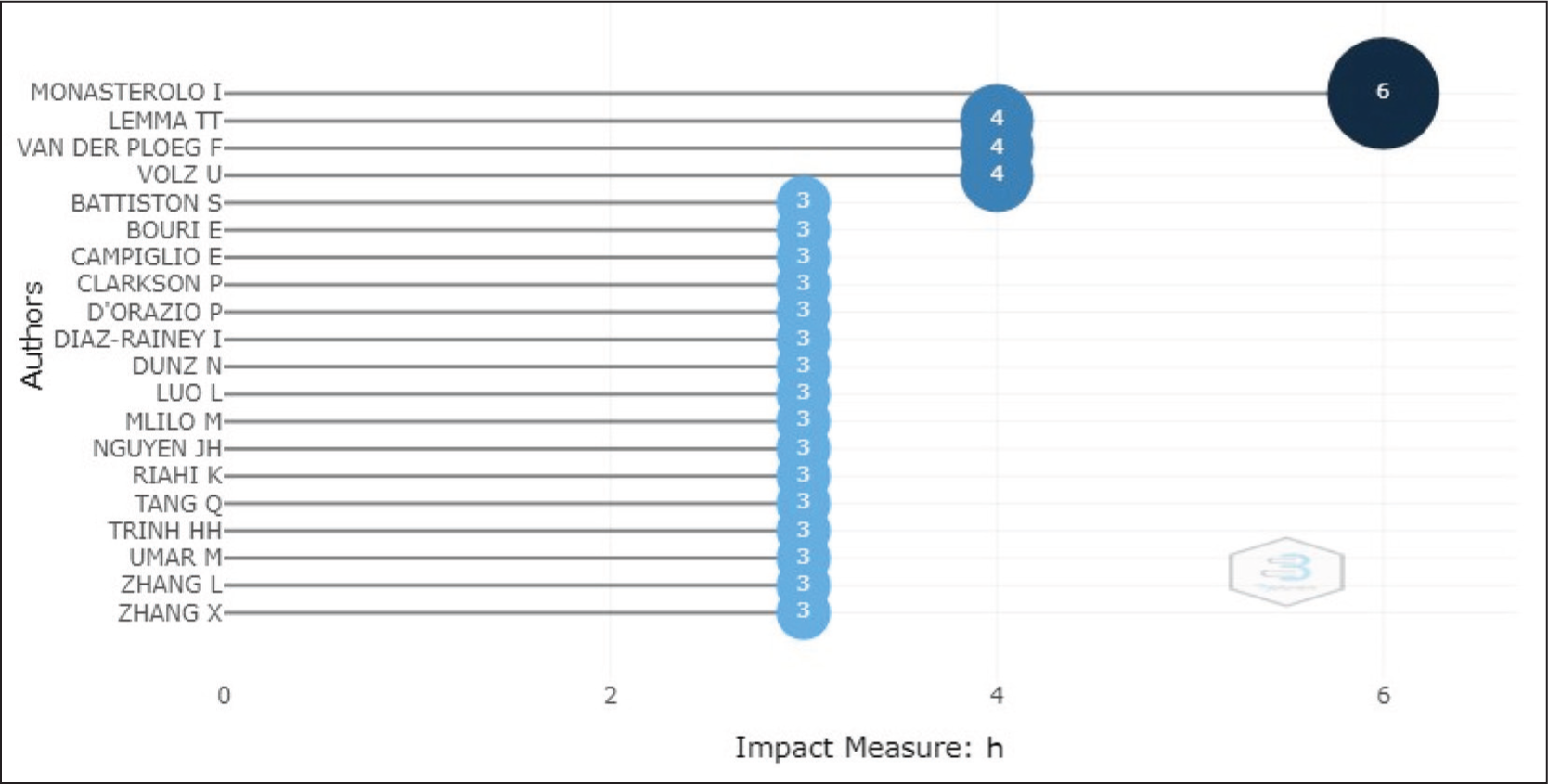
Volz, Lemma and Van der Ploeg are in the second position with an h-index of 4, signifying their impact in terms of citations. One of the influential papers, co-authored by Volz, is ‘Low-carbon Transition Risks for Finance’ (Semieniuk et al., 2021). The study delved into the impact of the transition to a low-carbon economy on financial stability through sudden changes in asset prices, credit risks and the creation of bubbles in rapidly growing low-carbon industries. ‘Corporate Carbon Risk, Voluntary Disclosure, and Cost of Capital: South African Evidence’ is one of the most cited papers of Lemma et al. (2019). The paper examines the interrelationship between climate-related transition, risk, voluntary disclosure and investors’ expected return within South Africa. One of the most influential papers of Van der Ploeg is ‘Macrofinancial Risks of the Transition to a Low-carbon Economy’ (Campiglio & Van der Ploeg, 2022). The paper’s finding suggests that a rapid and inorganic green economic transition can disrupt financial and non-financial firms, attributed to an increase in stranded assets and default rates and higher volatility of financial asset prices.
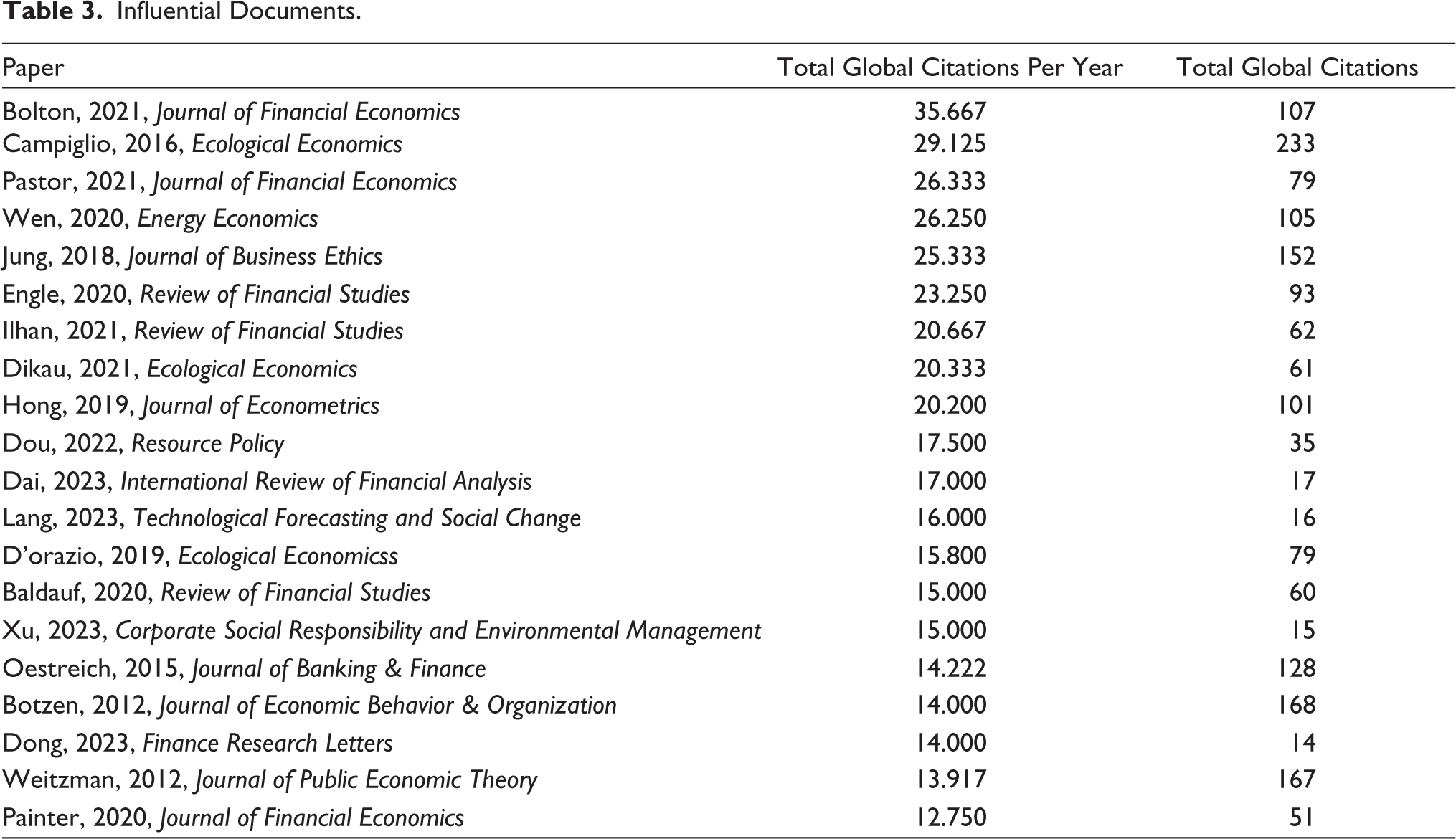
Documents
Table 3 shows how the most influential documents are ranked based on their total global citations per year. The local and global citations of documents help identify the most prominent papers and how a field of study is being researched and expanded (Naeem et al., 2022). The article ‘Do Investors Care About Carbon Risk’ (Bolton & Kacperczyk, 2021) has been at the top with 107 global citations. The finding was that investors were expecting higher returns from carbon-intensive stocks. Further, the article ‘Climate-related Risks in Financial Assets’ (Campiglio et al., 2022) studies the impact and transmission channels of climate-related risks on financial asset prices. Most top-ranking documents are based on climate or associated risks and how they can affect financial asset prices or lead to financial instability. These papers identified new research areas, such as the vulnerability of financial assets to climate change, regulatory measures to manage climate risks and designing new financial instruments to mitigate climate risks.
Influential Documents.
Keywords
An analysis of the frequency of the keywords used in the articles has been presented in the word cloud in Figure 9. It provides insights into the most popular words used by authors and themes and sub-themes of the literature base. The word cloud shows the frequency of the words indicated by the size of the word. ‘Climate policy’ appeared 48 times, followed by ‘climate risk’, ‘carbon tax’, ‘carbon risk’, ‘carbon pricing’, ‘ESG’, ‘carbon emission’, ‘sustainability’, ‘credit risk’, ‘financial stability’ and ‘stranded assets’. Apart from climate-change-related terms, financial terms such as ‘credit risk’, ‘risk management’, ‘financial stability’, ‘stranded assets’ and ‘corporate governance’ are also visible. The word cloud graphics shows that researchers in this field are exploring themes related to climate change risks.
Word Dynamics.
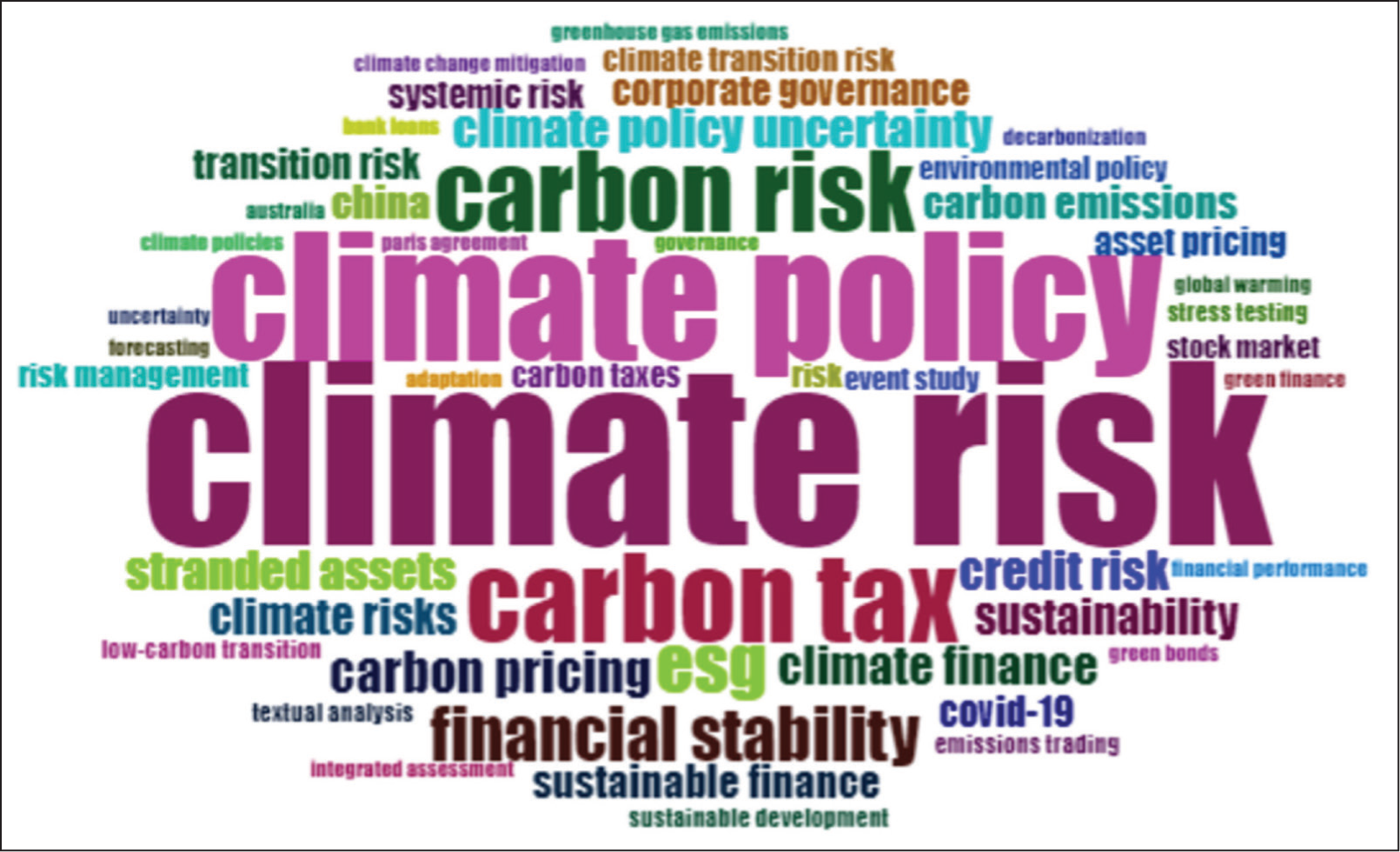
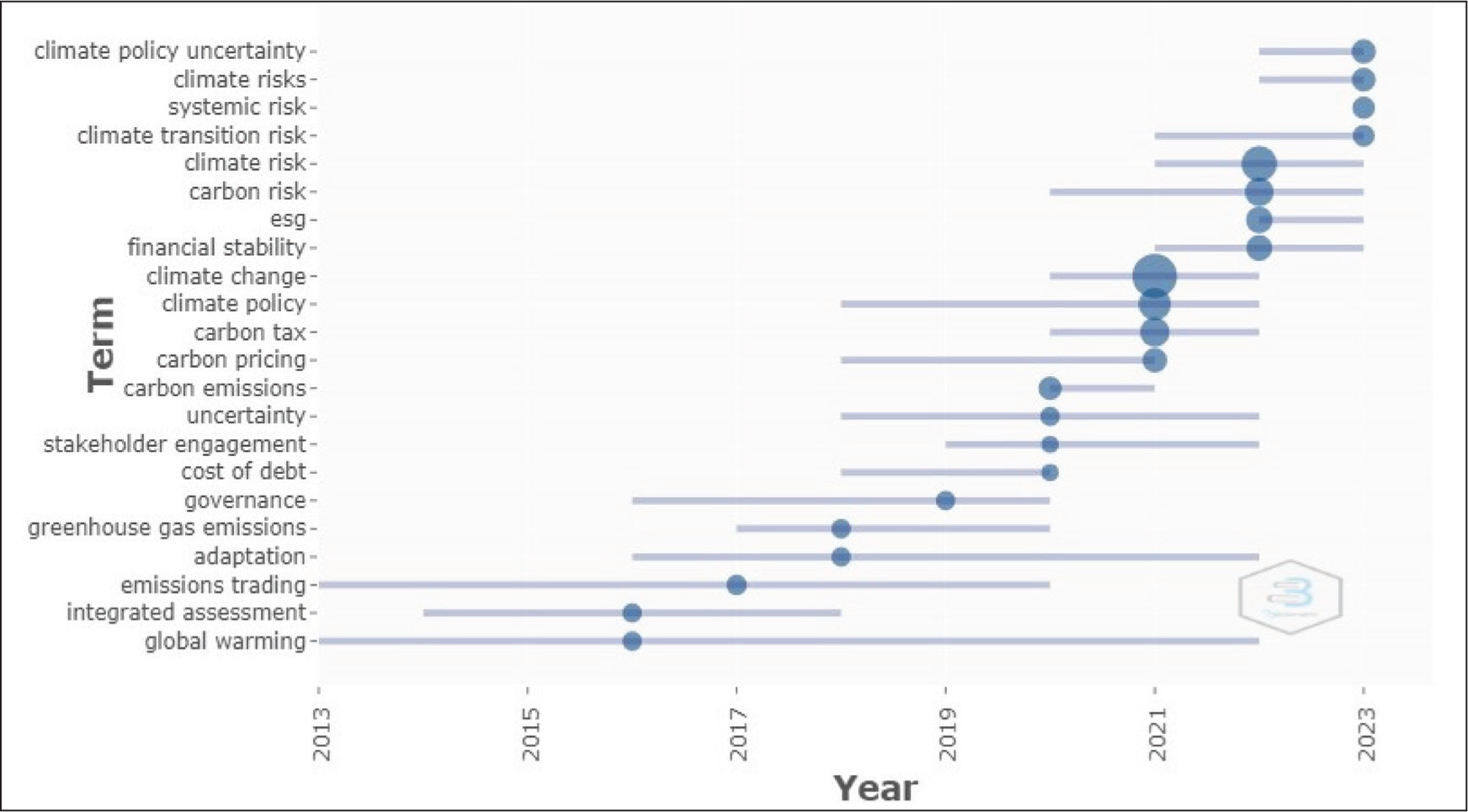
Figure 10 shows the evolution of terms on a two-dimensional scale with the cumulative value of occurrence of the keywords on the vertical axis and year on the horizontal axis. The 10-year trend of words reveals some interesting patterns. Emission trading has been the key research topic among researchers from 2013 to 2020. After the Paris Agreement in 2015, other themes emerged, such as adaptation, governance, climate finance, climate policy, GHG and governance. After the Bonn COP agreement in 2017, the private sector and ‘carbon tax’ and ‘carbon risk’ gained prominence in literature. As climate change is widely discussed among lenders, investors and financial regulators, credit risks and financial stability have also gained traction in the literature. In the 2021 Glasgow COP agreement, the financial sector announced several measures to support climate actions that led to the emergence of other trends, such as ESG and climate risk, that became prominent in the financial sector. The launch of several ESG funds and the development and acceptance of ESG ratings brought academicians to study ESG and climate risk. The emergence of the ‘financial stability’ term signals financial regulators to take appropriate interventions to manage ‘climate-related financial risks’.
Word Growth.
Intellectual Structure
Figure 11 shows the author co-citation network comprising 45 authors filtered based on a minimum of 27 citations. The nexus created using VOSviewer software helps understand the intellectual structure and major themes/sub-fields based on the similarity among authors’ work. Figure 11 displays three clusters, with authors having similar references shown together. Three major themes emerged from the intellectual structure: (a) macro-financial risks of climate change (green); (b) the impact of climate change risks on asset prices (blue); and (c) corporate financial decisions concerning climate change risks (red). Theme 1 (green) is related to financial instability emanating from climate risks, as these risks have the potential to destabilize the financial system through various transmission channels, including gross domestic product, government debt and labour market (BIS, 2021). Theme 2 (blue) is related to the impact of climate change on the value of financial assets, including equity, debt and commodities. An increasing body of evidence suggests that climate change can affect asset prices through its adverse impact on the financial health of corporations, households and the economy (NGFS, 2019). Theme 3 (red) is related to the reaction of corporations concerning their financing and investment decision-making. Climate change alters corporate capital structure, financial strategy and capital budgeting decisions.
Author’s Co-citation Analysis.
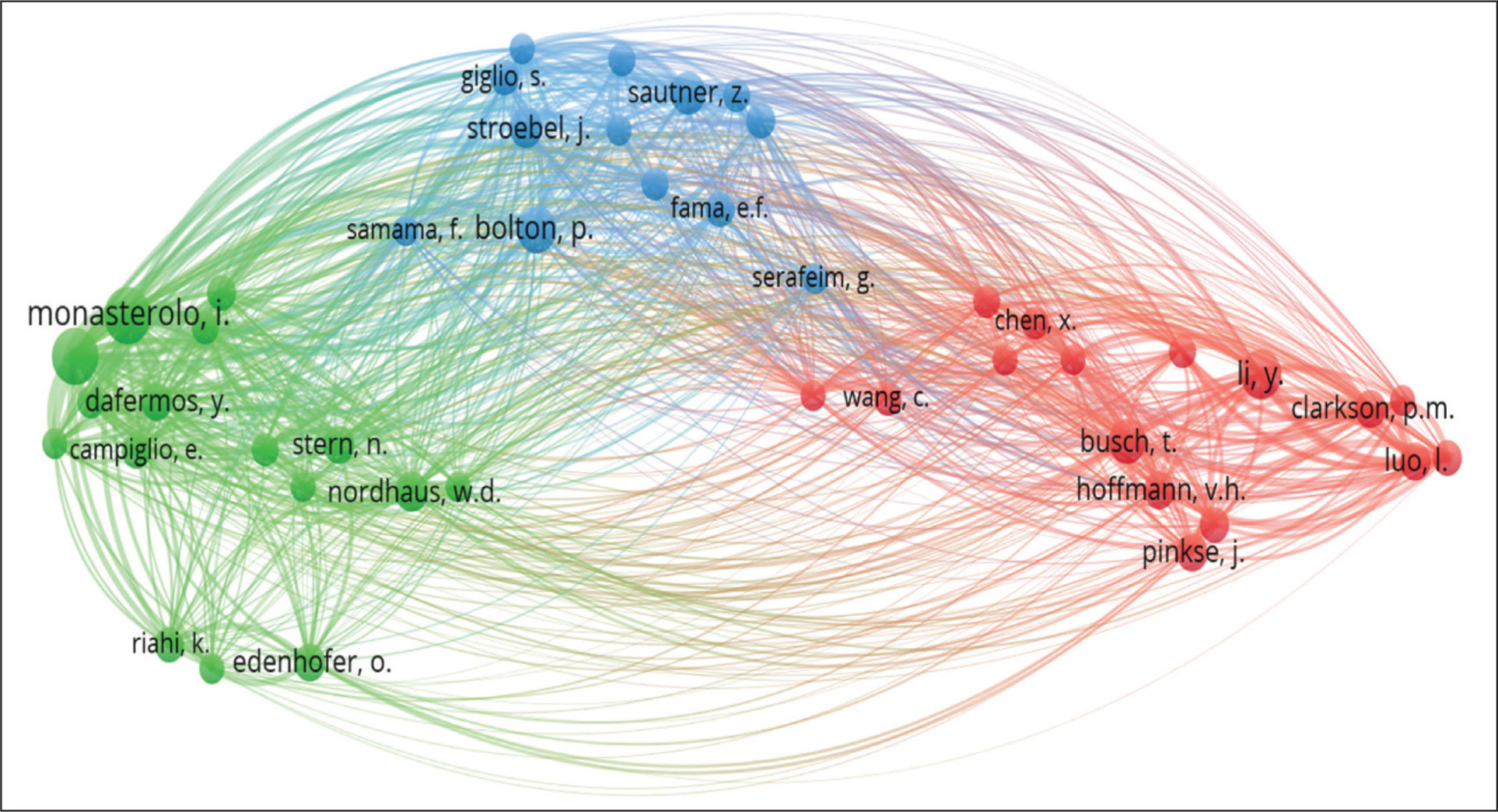
In Cluster 1 (green colour), Monasterolo is found to be the most prominent author with the highest linkages with other authors. The second most influential author is Bolton, who has enriched the study of climate change risks associated with the financial system. The authors in the first cluster focused on climate change risks concerning financial regulation, the financial system and the banking sector. In the second cluster (blue colour), Bolton, Samama and Stroebel are the most prominent researchers in exploring the impact of climate change on financial asset prices. At the same time, the major theme in the third cluster (red colour) is non-financial corporates’ reaction to climate change risks. The prominent authors in this cluster are Hoffmann, Pinkse and Busch.
Conceptual Structure
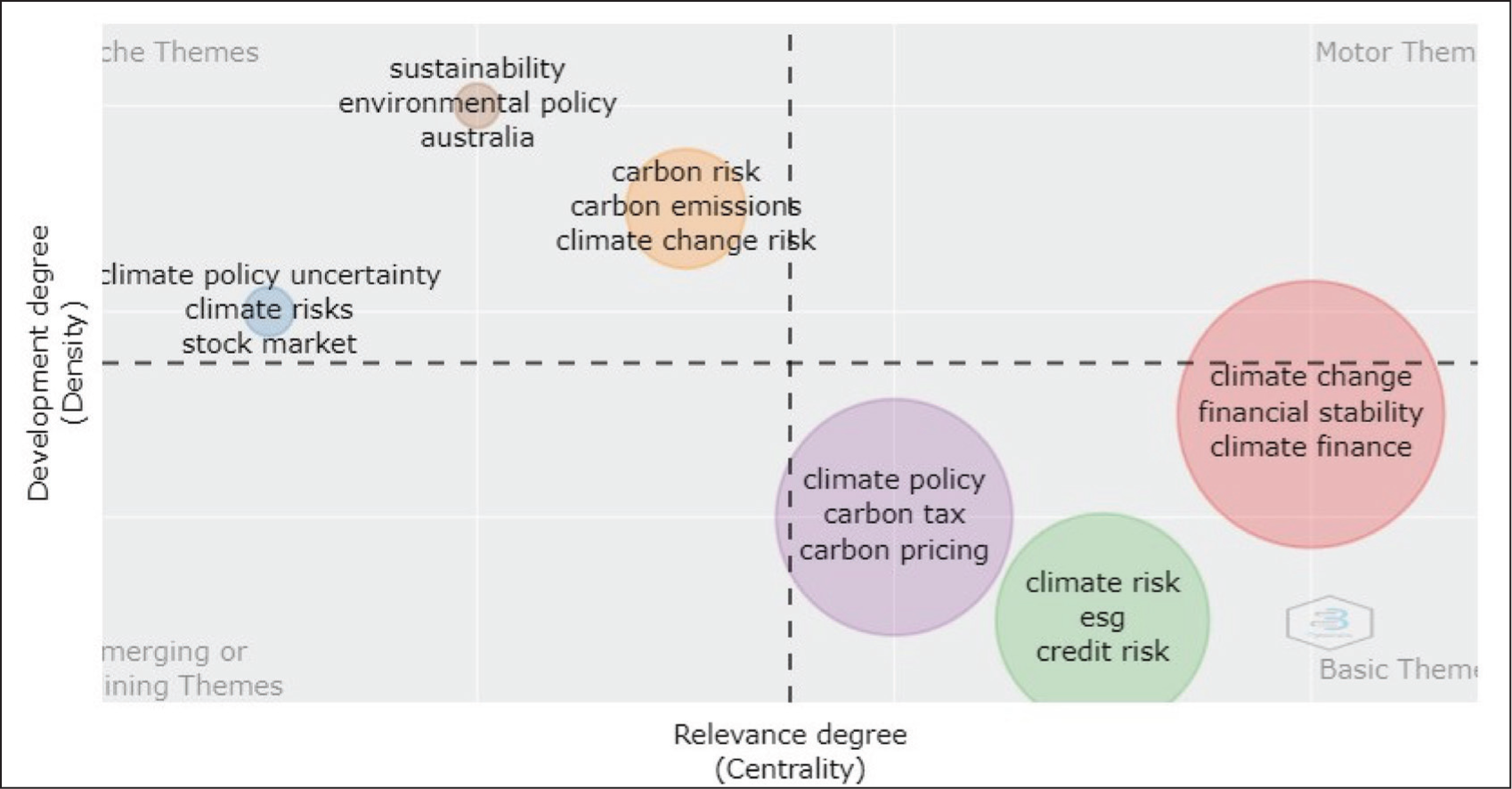
The thematic analysis identifies keyword clusters on a two-dimensional plot having centrality (relevance degree) and density (development degree) as the two dimensions (Cabo et al., 2011). Based on the co-word analysis, the thematic map shows the keyword clusters in four quadrants, illustrating the literature base’s themes classified as relevant and centrality. In Figure 12, three themes—climate change, financial stability and climate finance, in the lower right quadrant—are the basic themes with high centrality but lower density. These basic themes signal important but not well-developed areas, allowing further research. Sustainability and environmental policy are in the upper left quadrant, indicating that these terms are well-developed niches of marginal importance. Climate risks, climate policy uncertainty and stock market are in the lower left quadrant. This quadrant shows emerging or declining themes. Carbon risk/carbon emission and climate change risks are emerging themes expected to move towards the basic theme quadrant.
Thematic Analysis.
Social Structure
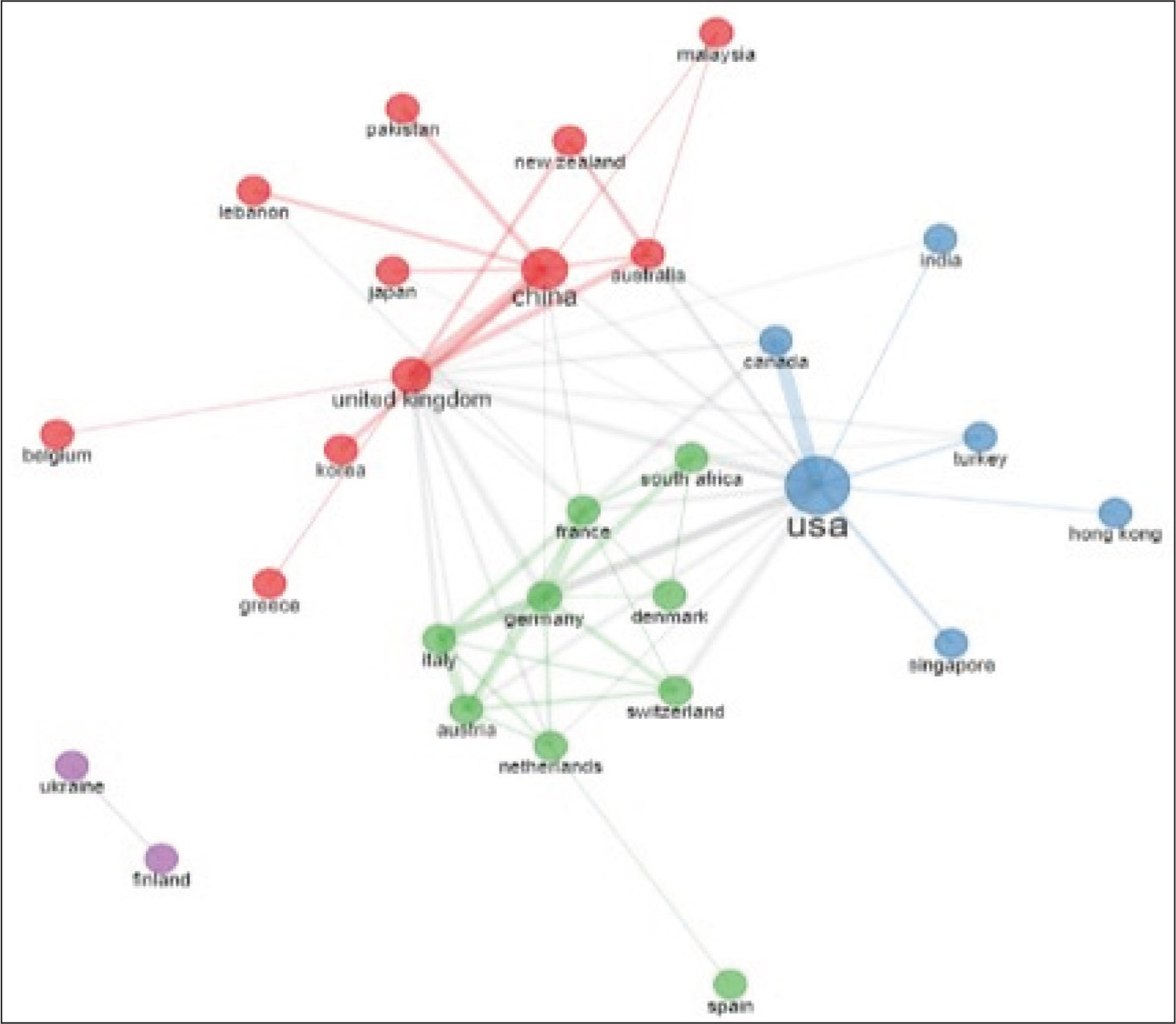
Collaborations among authors, institutions and countries of the authors analyse the social structure of a research field. Figure 13 presents a network based on geographical distribution and collaboration among countries. Different clusters formed in the network have been analysed to study the diversity of the knowledgebase. The red cluster is dominated by the United States, which strongly collaborates with Canada, France, Singapore, Hong Kong and India. It is not surprising to see that the United States dominates the red cluster, given the number of publications on ‘climate-related financial risks’ in the country (see the ‘Descriptives’ section). China and the United Kingdom dominate the green cluster in association with Australia, Japan, New Zealand and Belgium. There is a strong association between the United Kingdom and China in green finance development, including setting up a United Kingdom-China Green Finance Center, which enhances academic cooperation between the two countries. The third cluster (blue) is led by all the European Union (EU) countries, including Switzerland, Germany, Austria, Netherlands and Spain. The rapid development of a single EU sustainable finance framework that advocates incorporating climate change in financial decision-making by banks and financial institutions across the EU economies strengthens research collaboration between these countries.
Geographic Collaboration Network.
Discussion and Future Research Direction
This study reviewed the literature on ‘climate-related financial risks’ through a bibliometric analysis over the period from 2010 to 2023. We found that the literature on climate change risks has gained prominence after the 2015 Paris Agreement, with 80% of the articles published from 2020 to 2023. The exponential growth in the literature is attributed to the acceptance of climate science in the financial sector and increasing interventions by policymakers and regulators to mitigate climate-related financial risks. High-income nations have contributed the most to this body of knowledge, while China has gained a dominant position in the developing world. The sources of publication highlight the interdisciplinary nature of the research field, with environment, natural resources, business, management, finance and accounting as the predominant disciplines. The most frequently studied topics in the literature are climate risk, climate policy, carbon tax, carbon risk and carbon pricing. Over a period of time, the climate change risk literature has evolved. Climate change risk is no longer restricted to the financial risks of a single asset or financer but is increasingly considered a systemic risk for the financial system. The manifestation of climate change risk as a material risk potentially disrupts the financial system and grabs the attention of financial policymakers and regulators, standard-setting bodies and international financial watchdogs.
Further, the review reveals that publications concerning climate change risks and the financial system revolve around three major themes, that is, macro-financial risks of climate change, the impact of climate change risks on asset prices and corporate financial decisions concerning climate change risks. Potential new areas of work could include climate risk and the capital structure of firms, climate risk and the market valuation of firms, climate risk and the reaction of financial regulators, new financial rules and regulations to mitigate climate risks, etc.
This article can guide future areas of work on climate finance and climate-related financial risk. The emerging topics indicated by our review study are climate change risk, systemic risk, green finance, sustainable finance and financial stability. These highlight the direction of future studies in the climate change domain and the importance it holds in the financial system of the economy. The financial sector’s role is essential in mitigating climate change by diverting capital to the carbon emission–mitigating sector from carbon-emitting sectors. The financial system can make itself climate-resilient by allocating capital towards climate-mitigating activities.
Further, the present study pointed out the absence of studies on climate change risks and financial systems in emerging economies, which are more vulnerable to climate risk than high-income countries. India is susceptible to climate-induced acute, chronic and transition risks as the government rapidly transitions towards a low-carbon economy. Policymakers are developing or signalling stringent policies for carbon-intensive businesses. Financial regulators such as the Reserve Bank of India and the Securities Exchange Board of India have developed measures that indirectly direct regulated entities to integrate climate change in lending and investment decisions. Hence, conceptual and empirical studies can be conducted in the context of lower-middle income countries.
The study used a few keywords that focused on climate change risks and the financial system. Future studies can expand the scope by including more keywords such as the economic system, advanced techniques and software. Also, a systematic review could be captured in further studies to understand better the components of climate risk and its impact on the financial system.
Conclusion
The impact of climate change in today’s world is not limited to society and the overall economy, but it is presented as a significant threat to global financial stability. It is widely recognized that climate change constitutes a systemic financial system risk. Given that climate change is evolving rapidly and there is uncertainty about how and when the risk is materialized, researchers and practitioners need to pay attention. The premise of the present study is to offer insights into the climate change risk and the financial system by conducting an in-depth bibliometric analysis of the literature. The bibliometric analysis reveals the current trends and patterns of the publications on ‘climate-related financial risks’. The study highlighted climate change and financial stability as a new foundation for research.
The uncertainty attached to climate change and the resultant impact on the financial system warrant different tools and approaches that the decision-makers (e.g., financial policymakers and regulators, investors and lenders) need to employ to mitigate climate change risks. The uncertainty distorts the financial system, which makes the role of policymakers and regulators important to intervene. The present study provides a better understanding of ‘climate-related financial risk’ and, hence, would be helpful for policymakers and regulators.
The limitation of the current study can be addressed by expanding the scope of the articles reviewed, incorporating additional keywords and extending the timeframe considered. Also, the PRISMA approach for selecting articles for the bibliometric analysis involves subjectivity. Future studies could use different tools and techniques to overcome the issue of subjectivity in the screening process of the articles.
The alarming climate change risk demands a swift action from policymakers and regulators worldwide. There is a need to identify and measure climate change risks in the financial system and match this to the risk-bearing capacity of different regulated entities. The required changes in the financial system warrant bending policies and regulations, which can help divert the flow of capital to green sectors and protect the real economy and the financial sector against systemic climate change risks.
Footnotes
Declaration of Conflicting Interests
The author declared no potential conflicts of interest with respect to the research, authorship and/or publication of this article.
Funding
The author received no financial support for the research, authorship and/or publication of this article.