







Abstract
The proposition that ‘human beings are egocentric by nature’ has long been a subject of contention. Some scholars posit that humans possess an innate self-centredness, prioritizing their own needs and desires above all else, while others assert that humans harbour the capacity for empathy and compassion towards fellow beings. The divergent perspectives within this discourse, coupled with a heterogeneous body of literature, have necessitated the conceptualization of a nuanced and growth-oriented paradigm known as the ‘quiet ego’. This article presents a comprehensive bibliometric analysis of 210 documents sourced from the Scopus database to elucidate the developmental trajectory of research in the quiet ego domain. The findings reveal a substantial escalation in research output from 2007 to 2022. Using VOSviewer and RStudio’s Biblioshiny tool, this study delineates publication trends and assesses contributions in terms of authorship, journal outlets, institutional affiliations and geographical distribution. Moreover, network analysis techniques are employed to elucidate keyword co-occurrences and collaboration networks among researchers. Thematic evolution and content analysis are employed to identify prevalent topics and themes within the field. Lastly, the article addresses research lacunae and methodological constraints and outlines avenues for future inquiry in the realm of quiet ego research.
Introduction
Two different schools of thought co-existed in the literature on philosophy and psychology. The first school supported the idea that every human being seeks the well-being of others (Kant, 1785; Maslow, 1954; Piaget, 1965). They believed in the idea that humans are social beings. They had endorsed humanism and supported the idea that interpersonal connections are necessary for everyone to evolve into better human beings. On the contrary, others argue that humans are naturally inclined towards their self-interest and prioritize their own desires and needs (Hobbes, 1967; Rand, 1964; Stirner, 1995). Past research studies on the concepts of ‘I’ and ‘ME’ have also demonstrated that people are inherently egocentric and focus primarily on fulfilling their own desires (James, 1890a).
When involvement of the ego is strong in oneself, people’s sentiments of self-worth are always ‘on the line’ (Decharms & Carpenter, 1968; Heppner & Kernis, 2007; Kernis et al., 2000; Ryan, 1982). Extreme focus on self and an exaggerated sense of self-importance, which characterize the noisy ego, are frequently followed by a clamour for attention, acceptance or additional types of affirmations of an individual’s worthiness (Wayment & Bauer, 2008).
According to a concentrated research effort, the egoistical-narcissistic framework has now been established as an underlying structure that governs how one observes and interprets oneself and others. It also explains how this structure filters information and develops a picture of oneself and one’s surroundings (Bauer & Wayment, 2008; Campbell & Buffardi, 2008). High self-esteem and narcissism negatively impact one’s well-being. This led to the need for transcending self-interest and fostering a more balanced and compassionate identity in terms of a novel construct of ‘quiet ego’, as a method for achieving mindfulness, empathy, humility and so on (Wayment & Bauer, 2008). If ego is considered a unidimensional concept, on one end of the line would be screaming or noisy ego and, on the other end, squashed or diminished ego. The quiet ego, which lies in between, emphasizes the need for a balance between these two to achieve healthy functioning.
In psychology, research on the transcendence of ego has taken root in scattered areas (Bauer & Wayment, 2008), including Freud’s model of balancing the ego between the id and the superego (Bakan, 1966; Bauer & Wayment, 2008), balancing self-interest over others, and psychoanalytic theorists, emphasizing awareness and balance in achieving healthy functioning and resolving inner conflicts (Cialdini et al., 1997; Erikson, 1950/1963; Freud, 1989; Horney, 1950; Jung, 1951/1973–1975; Rapaport, 1958; Sullivan, 1953; James, 1890b).
Historically, it has been referred to by different terms such as transcending egotism (James, 1890a), self-transcendence (Takahashi, 2000), transcending self-interest (Ryan & Deci, 2001), transcending the self (Levenson et al., 2001), altruism and gratitude (Snyder & Lopez, 2001).
These ideas have shaped contemporary research on quiet ego, focusing on self-awareness and the balance between self-interest and concern for others (Bauer & Wayment, 2008).
Despite minimal qualitative and quantitative research until the twentieth century, it holds relevance in enhancing one’s well-being, as stated in the existing literature. Interestingly, at the dawn of the twenty-first century, quiet ego has gained acceptance among academics and researchers, with an increase in publications over the last two decades. This surge emphasizes the growing academic interest and the necessity for a bibliometric study to map this growth trajectory.
This is a new area, with limited literature, and bibliometric analysis is a perfect tool for systematically identifying, organizing and visualizing the scattered literature surrounding this concept in order to connect the dots (Doulani, 2021; Guleria & Kaur, 2021). The present study uses bibliometric techniques, such as co-citation analysis, keyword co-occurrence and network analysis, to understand the conceptual structure, collaboration networks and evolution of research themes for establishing conceptual clarity.
This study provides a systematic literature review of highly cited studies of quiet ego and identifies key publications, relevant authors, highlighted trends and collaborative networks. This research would not only add to the existing literature but also aid in identifying the coordination of research collaborations between different nations, contributing authors and affiliated universities.
This review research analysed 210 relevant papers that were published between 1983 and 2022. Biblioshiny in RStudio and VOSviewer software were used to explore the knowledge base of the quiet ego and its related terms, as well as to evaluate bibliographical relationships among these works. Furthermore, as per the author’s understanding, this is the first investigation in the field of quiet ego using a bibliometric technique. The study is focused on addressing the following research questions:
RQ1: What are the trends in publication development and citation patterns in the quiet ego field? RQ2: Who are the most important authors, organizations, countries and journals in this field? RQ3: What are the dominant research themes and trends that have evolved between 1983 and 2022? RQ4: What are the likely implications of this research for the future?
The study employs bibliometric analysis to answer the above questions. The remaining part of the study is structured as follows: the first portion covers the evaluation of the existing literature in this field. Performance analysis and science mapping are highlighted in the second section. The discussion and conclusion, limitations and future research implications are all highlighted in the third section.
Literature Review
Scholarly interest in reducing the ego can be traced back to the founding principles of psychology and philosophy. Advances in positive psychology have recently paved the way for empirical studies on quieting the ego. ‘Many of positive psychology’s interests deal with quieting the ego, notably forgiveness, gratitude, mutual love, courage, responsibility, altruism, and tolerance’ (Wayment & Bauer, 2008).
The need for quietening the ego can be traced back to the tenacious psychological elevation of the ‘Self’, which results in heightened self-esteem and narcissism (a personality trait), further leading to the deteriorating overall well-being of an individual. In order to overcome this, researchers have tried to find out ways to accomplish humility, empathy, compassion, mindfulness and so on. The study of all these constructs leads to the development of the umbrella term ‘quiet ego’.
Quiet ego is a construct that emphasizes values and motives (McAdams, 1995), promoting balanced growth for self and others (Wayment & Bauer, 2017). This concept was first introduced by Bauer and Wayment as a conceptual thread connecting various personality traits and situational mindsets, all centred on transcending self-interest.
The term ‘quiet ego’ was used to define a group of psychological constructs that all lead to the transcendence of egotism (Wayment & Bauer, 2008). All of these constructs have a prolonged theoretical history in psychology and are used in various fields, such as social, personality, developmental, cognitive and clinical psychology (Bauer & Wayment, 2008). A quiet ego reduces the negative effects of self-centredness by lowering the ego’s loudness and letting go of selfish desires (Wayment & Bauer, 2008).
‘Quiet ego is a self-identity that goes beyond egotism and its immediate, short-term lures to include in one’s self-concept others as well as long-term eudaemonic well-being’ (Liu et al., 2021). This definition emphasized that the development of a quiet ego in any individual is going to have a positive impact on one’s well-being. ‘The quiet ego refers to a balanced and growth-oriented self-identity in its stance toward the self and others’ (Wayment & Bauer, 2008). It can also be said that it contributes towards a more compassionate self-identity (Wayment et al., 2015), which demands integrating others into the self by turning down the ego’s volume and cultivating a more flexible perspective of oneself and others. It will further lead to an understanding of ways to inculcate hypo-egoic states.
Bauer and Wayment (2008) identified several qualities associated with quiet ego:
Detached awareness: This quality enables individuals to perceive themselves and others in the present moment with reduced defensiveness. Detached awareness shares similarities with the practice of mindfulness, emphasizing heightened present-moment awareness without attachment to judgements or preconceived notions. Interdependent identity: This trait conceptualizes one’s identity as intertwined with interpersonal connections (Bauer & Wayment, 2008; Wayment et al., 2014). It extends beyond mere imitation of others, emphasizing recognition and respect for inherent similarities among individuals rather than focusing solely on differences. Perspective-taking: Involving the projection of one’s viewpoint onto others (Wayment et al., 2014), perspective-taking entails empathetically placing oneself in others’ shoes. This shift of focus from self to others is pivotal in fostering a quiet ego, as individuals gain insights into alternative perspectives, reducing egocentric tendencies (Davis, 1983). Growth: This quality embodies a prosocial form of personal development, wherein individuals prioritize the cultivation of attributes such as awareness, interdependence and compassion (Bauer & Wayment, 2008), emphasizing on long-term consequences.
These qualities of the quiet ego exhibit interconnectedness, with individuals’ quietness or noisiness influenced by their interpretation of themselves and others through detached awareness, balanced integration of growth and compassionate consideration of others.
Methodology
In order to assess the advancements in the field of quiet ego research, this study employs bibliometric analysis using performance analysis and science mapping.
Performance analysis measures and graphically represents the impact of authors, university and country’s citations on the scientific advancement of a subject area using a variety of variables. The most often used analytical indicators are publications, citations and the h-index (Baier-Fuentes et al., 2019; Koseoglu, 2016).
Science mapping is a technique of bibliometric analysis which incorporates quantitative methods, categorization and information visualization in a manner that recognizes the underlying structure of existing knowledge and interrelationships among particular components of a study area (Hallinger, 2020; Koseoglu et al., 2021; Swami et al., 2021; Zupic & Čater, 2015).
Bibliometric analysis can be carried out using a wide variety of tools. This study used Biblioshiny (Bibliometrix R package) and VOSviewer software, as these programmes combine most of the analyses from earlier software tools (Moral-Muñoz et al., 2020).
Data Preparation and Tools
This study utilized the Scopus database to obtain papers, since it consists of a larger abstract and citation database in terms of journal coverage than other databases, such as PubMed and Web of Science. Also, Scopus has generally been utilized for bibliometric analysis in academic literature (Farooq, 2022).
The term ‘quiet ego’ was coined in 2008 by Wayment, resulting in a scarcity of literature. Yet, this concept is deeply rooted in positive psychology and studied under different terms, having been referred to in the past as ‘transcending self-interest’, ‘transcending egotism’, ‘selflessness’ and ‘egotism’. So, in order to have a bird’s-eye view of this concept surrounding the balance between the interests of ‘self’ and ‘others’, a database has been created for bibliometric analysis using a combination of these terms in the Scopus search. In the first Scopus database search on 20 February 2023, the keyword ‘quiet ego’ OR ‘egotism’ OR ‘transcending self-interest’ OR ‘transcending egotism’ OR ‘selflessness’ was searched in the abstract, title and keywords sections of journals, which resulted in 862 documents (as shown in Figure 1). The document type was restricted to articles, reviews and books. Further excluded were categories of subject areas that were not relevant to the topic under study, such as biochemistry and computer science, leaving 788 documents. Further, as advised by Farooq (2022), papers that were not published in the English language were excluded, and the study proceeded with 709 papers. Then, a systematic selection process was conducted, and all titles and abstracts were thoroughly examined to ensure no papers were overlooked in the publication list (Gölgeci et al., 2022). Two hundred and ten studies were considered valid for analysis after this rigorous screening. The excluded articles lacked a focus on the transcendence of egotism or quieting the ego. The data collection/analysis approach is depicted in Figure 1.
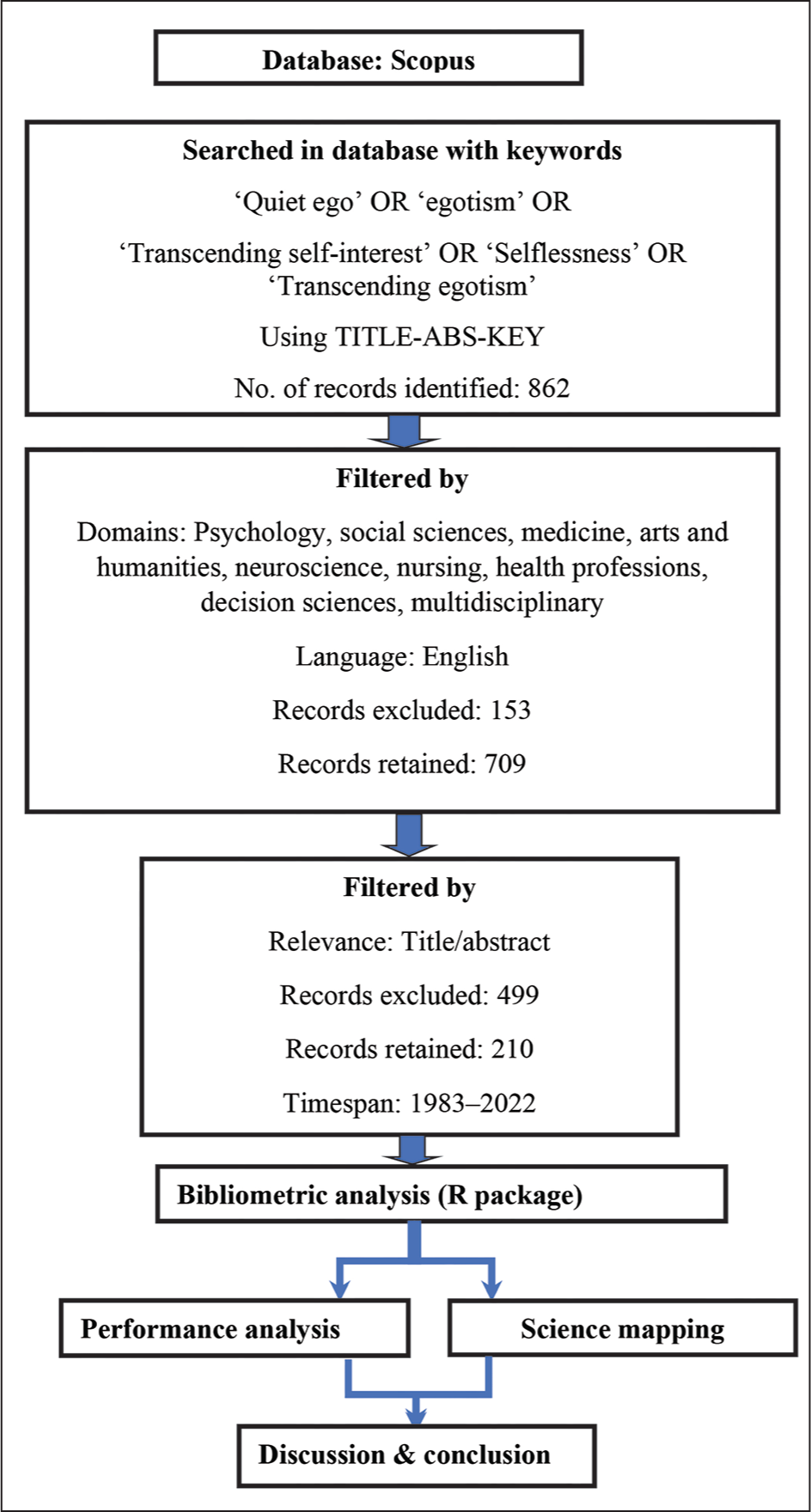
Data Collection/Analysis Approach.
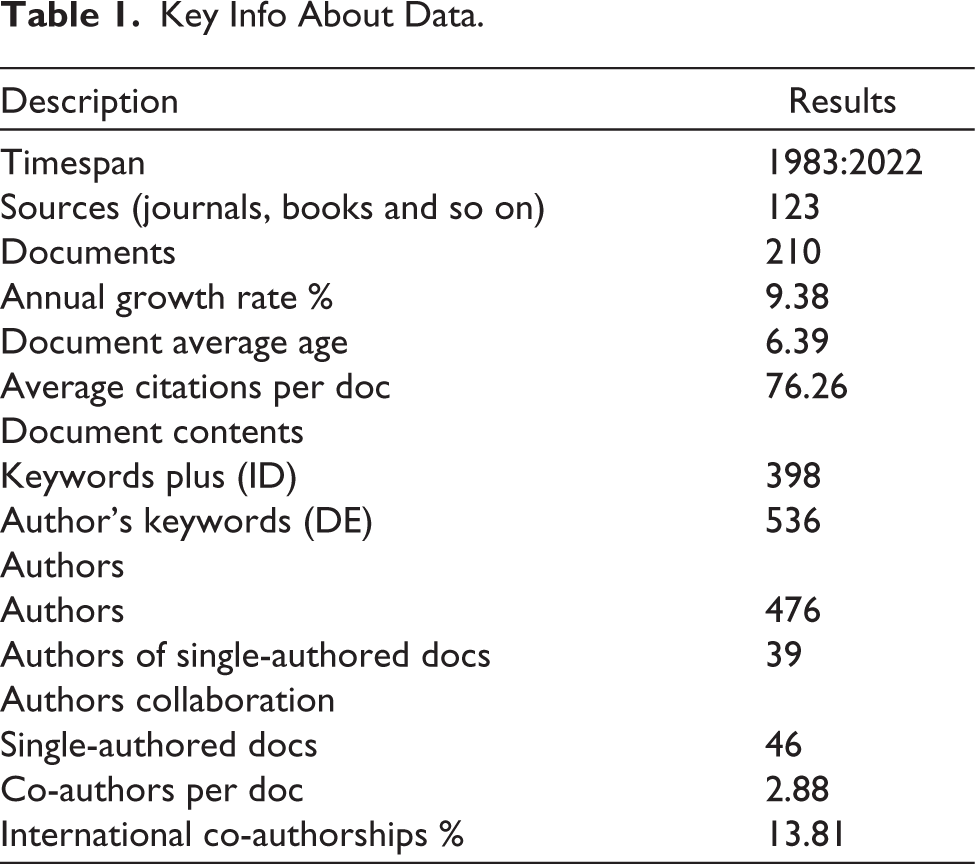
Meta-information of the final data set is presented in Table 1. This dataset is further analysed using the Bibliometrix package of R software and VOSviewer.
Results and Analysis
Annual Trend of Growth and Publication Distribution
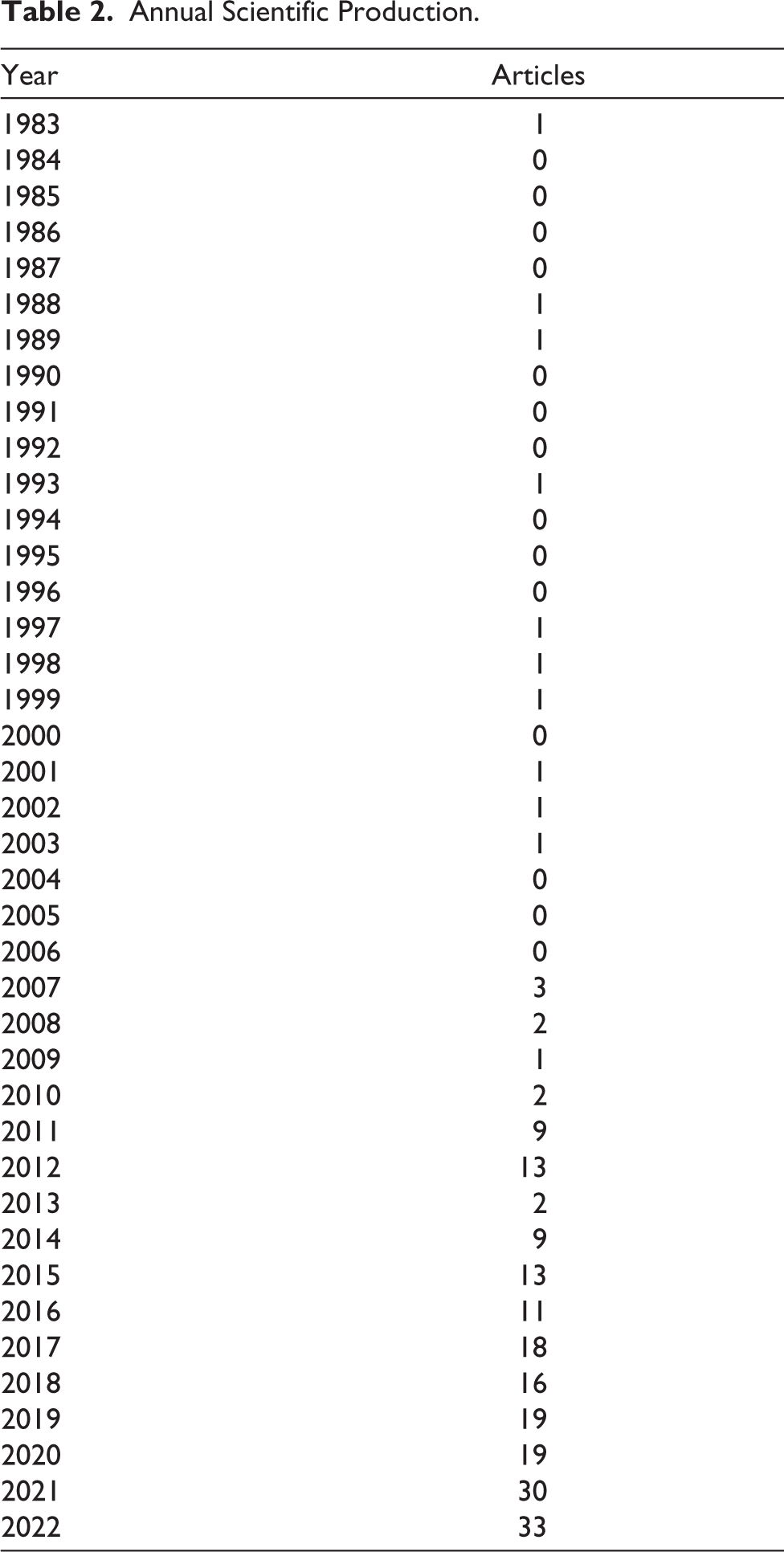
The first publication, ‘Egotism and evaluation in self and other attributions for achievement related outcomes’, by Boski (1983), was cited 16 times. Following that, the publications ceased to be consistent, with one appearing after a pause of 3–4 years, as seen in Table 2. However, thereafter, interest in the field of study began to rise, reaching a peak publication of 33 papers in 2022 (Figure 2), showing a consistently growing curve after 2007 following the introduction of the term ‘quiet ego’. The number of published documents related to this research area increased from 1 in 1983 to 33 in 2022.
Key Info About Data.
Annual Scientific Production.
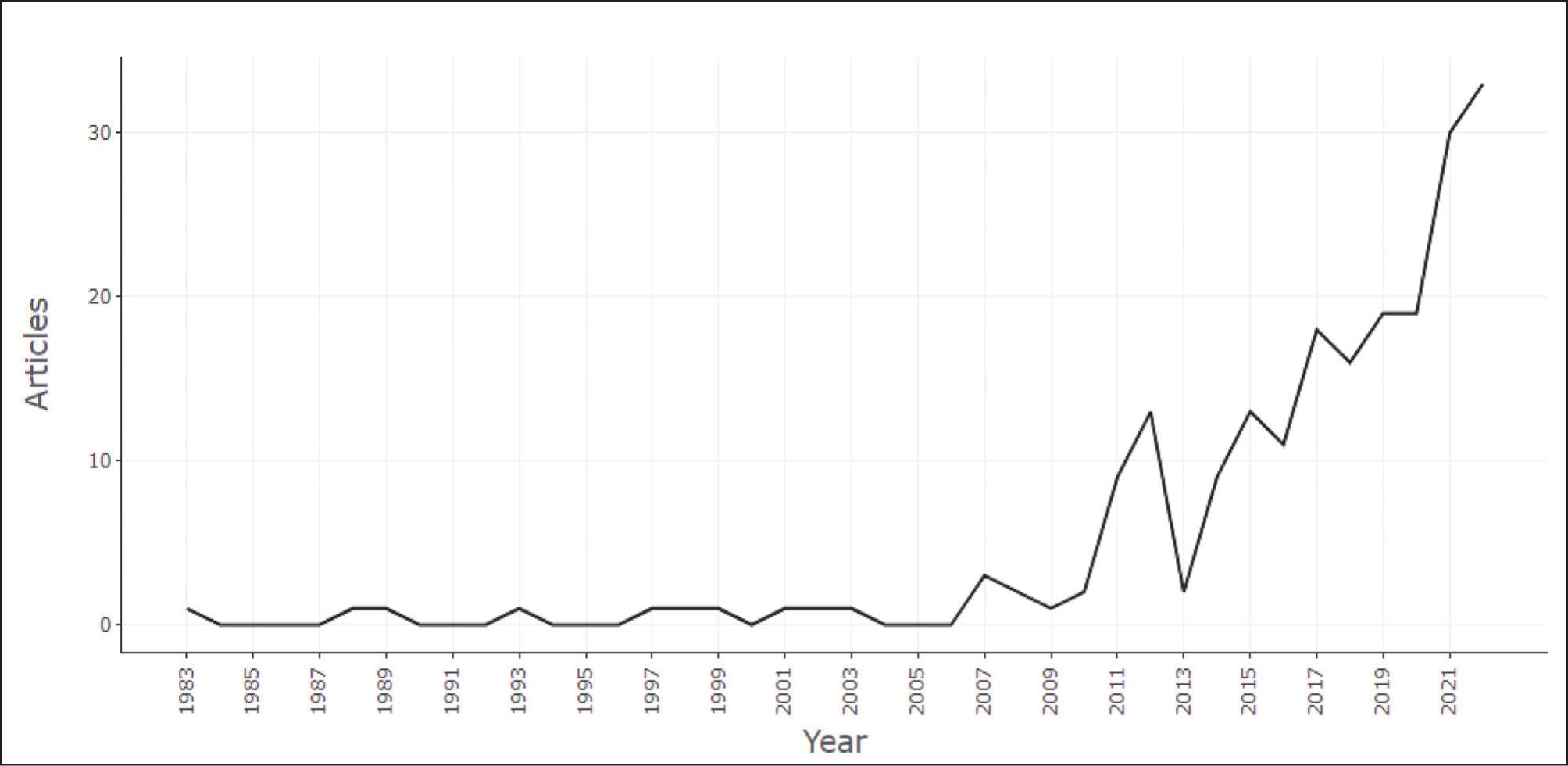
Publication Growth.
Average Citations per Year
Annual total citations of articles from 1989 to 2022 showed an increasing trend, but remained stagnant until 1989 as depicted in Figure 3. From 1989 onward, there was a rapid expansion; however, the declining trend after 2021 may be due to recent publications. The most average citations were in 1997 and 2009, with only two articles having thousands of citations, 37 having hundreds and most having less than 30. Eighteen articles had no citations in the data set. Table 3 reveals the top 20 highly cited research works.
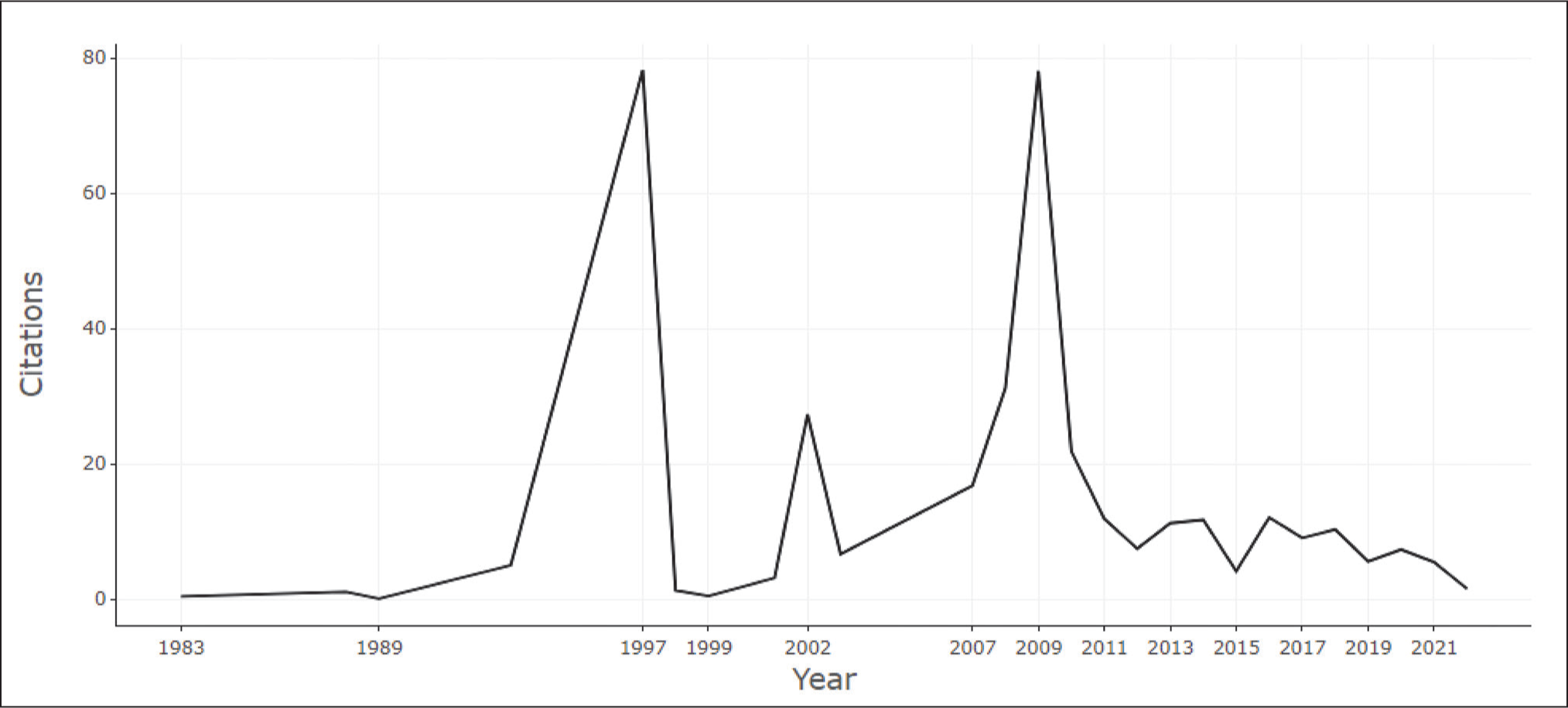
Average Citations per Year.
The count of forward citations for a scientific journal article indicates its influence on the performance of its authors and the prominence of important journals (Goh & See, 2021; Wang et al., 2017).
Twenty Influential Articles.
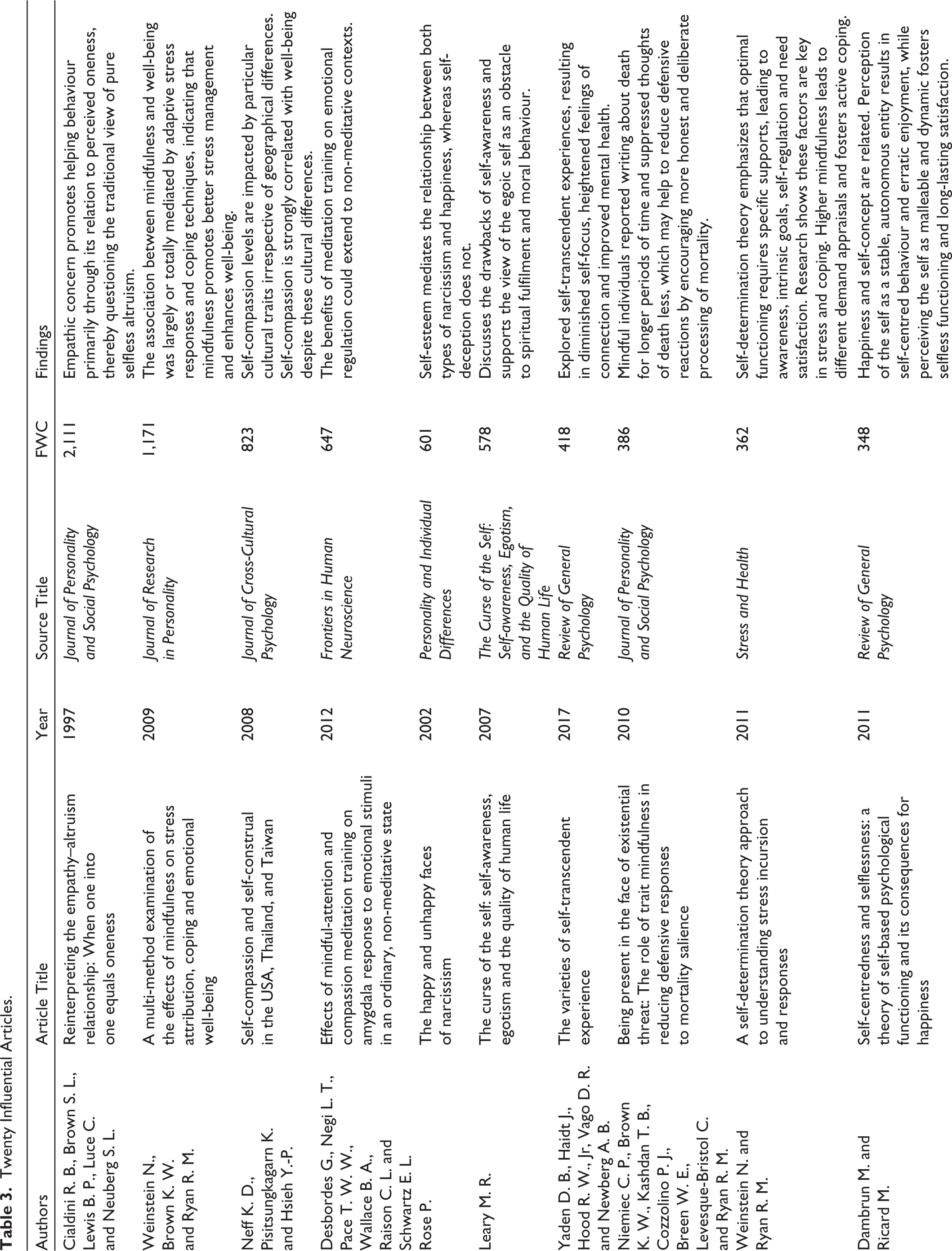
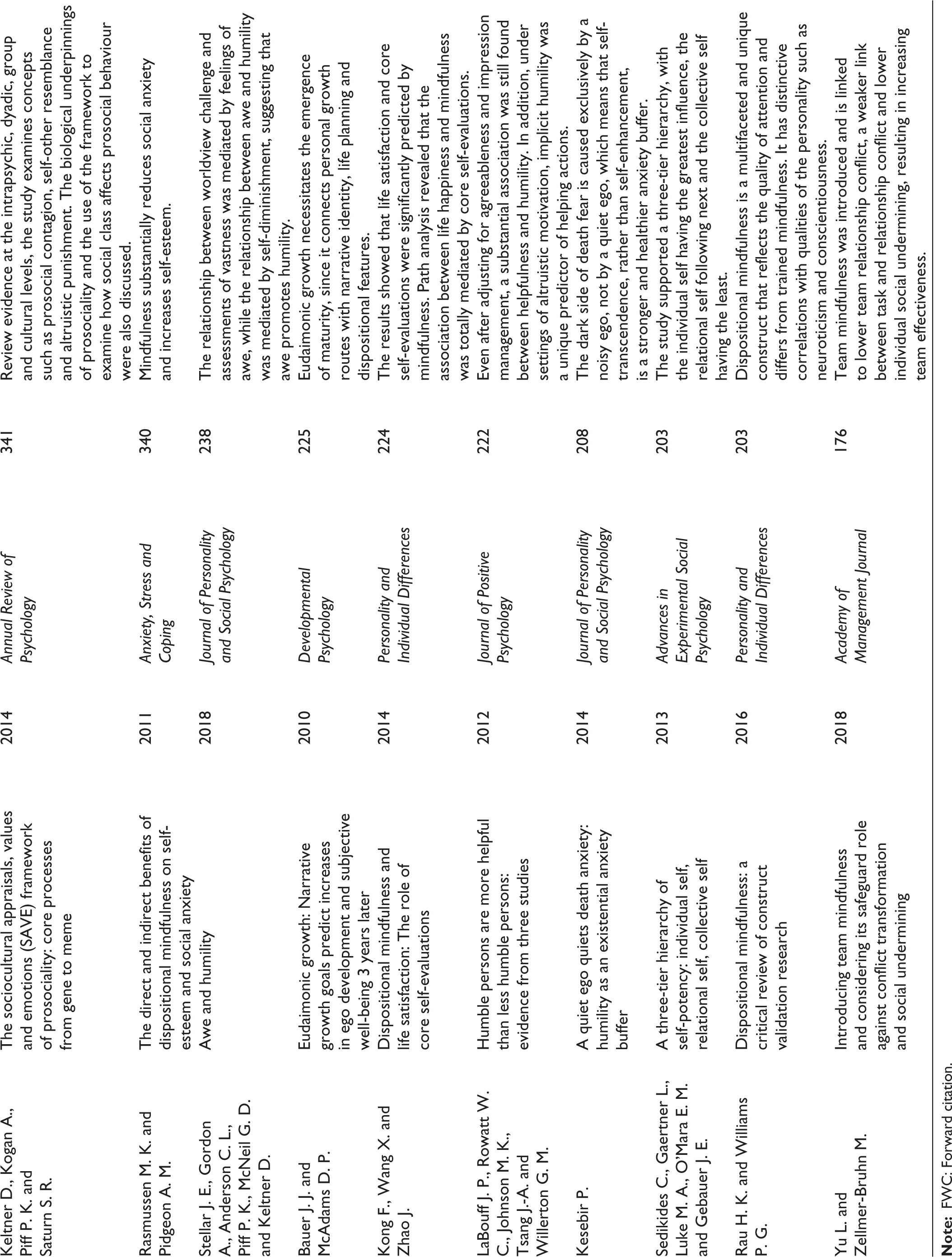
Table 3 reveals the top 20 highly cited research works. Out of these 20 articles, one article is from China (Kong et al., 2014), one from France (Dambrun & Ricard, 2011), two articles show collaboration from the UK and the USA (Sedikides et al., 2013; Weinstein & Ryan, 2011), one from Australia (Rasmussen & Pidgeon, 2011) and the rest of the research articles are from the USA. The most frequently cited paper is ‘Reinterpreting the Empathy–Altruism Relationship: When One into One Equals Oneness’ by Cialdini et al. (1997), which explores the relationship between humility and altruism, later described as traits of the quiet ego. The second most highly cited article is ‘A Multi-method Examination of the Effects of Mindfulness on Stress Attribution, Coping, and Emotional Well-being’ by Weinstein et al. (2009), which emphasizes the importance of transcending egotism and selflessness, a common issue in this research field.
Most Relevant Sources
Figure 4 presents key sources of publications that have influenced research on the quiet ego. The most influential and specialized journal in this area is the Journal of Happiness Studies, followed by Frontiers in Psychology and Mindfulness.
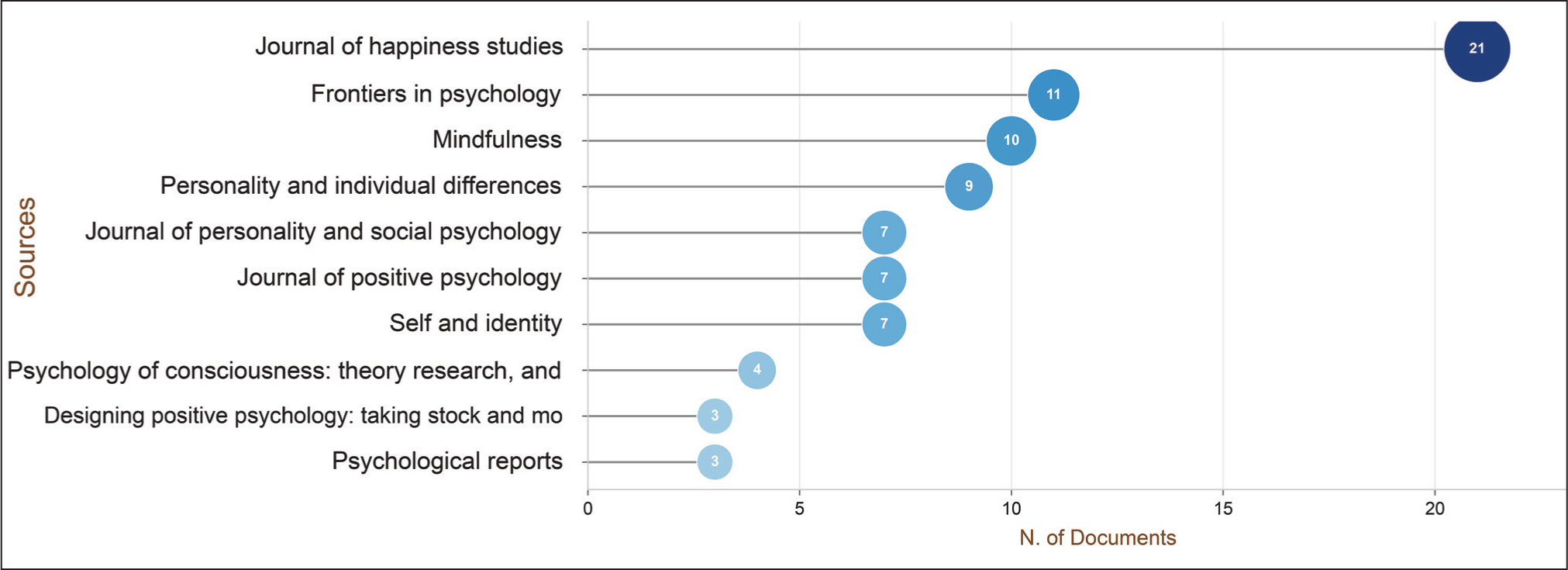
Most Relevant Sources.
Sources’ Production over Time
Figure 5 shows the publishing trends of the top six journals from 1995 to 2022, showing a consistent upwards trend. The Journal of Happiness Studies, for example, saw a steady increase in publications on the quiet ego or related topics, with 21 articles published in 2022.
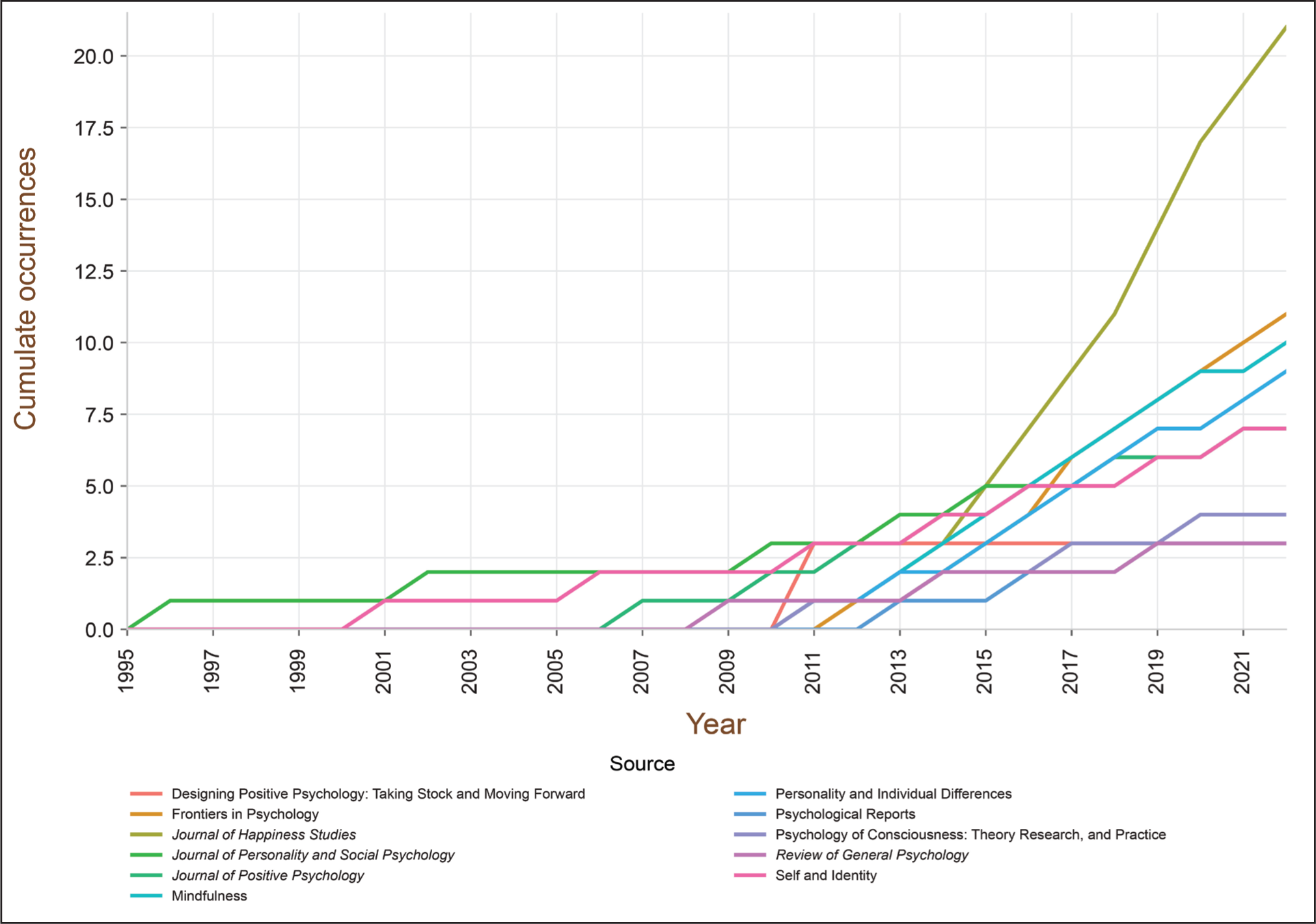
Sources’ Production over Time.
Most Relevant Authors
The representation of the main authors who have influenced research on the quiet ego is depicted in Figure 6. H. A. Wayment from Northern Arizona University is the most significant and influential author who made enormous contributions in this area, with 16 articles published during 2011–2022, as evident from Figures 6 and 7. A large circle represents a greater number of articles, while a denser circle represents a higher number of citations. J. J. Bauer is another prominent author in this field.
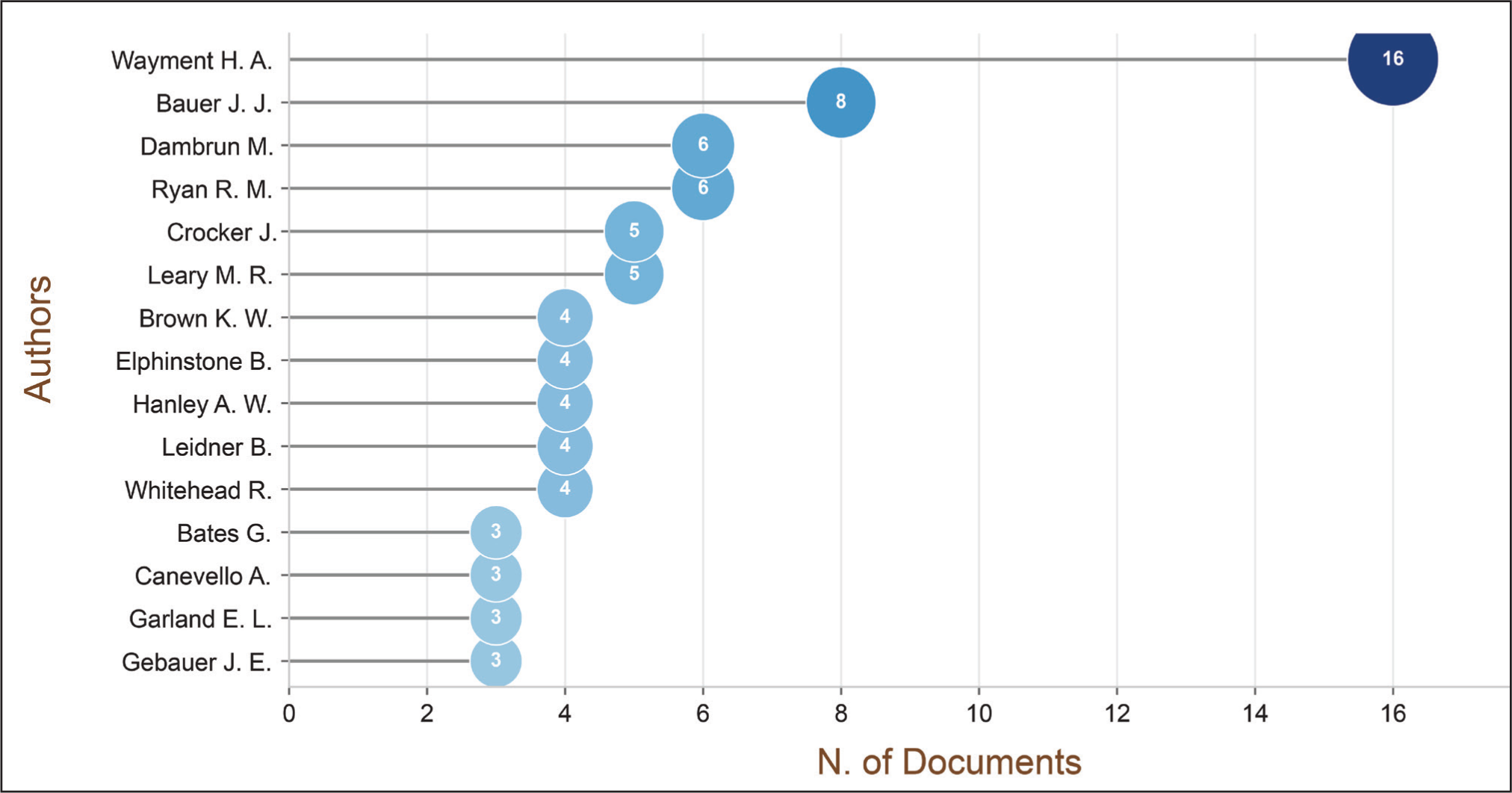
Most Relevant Authors.
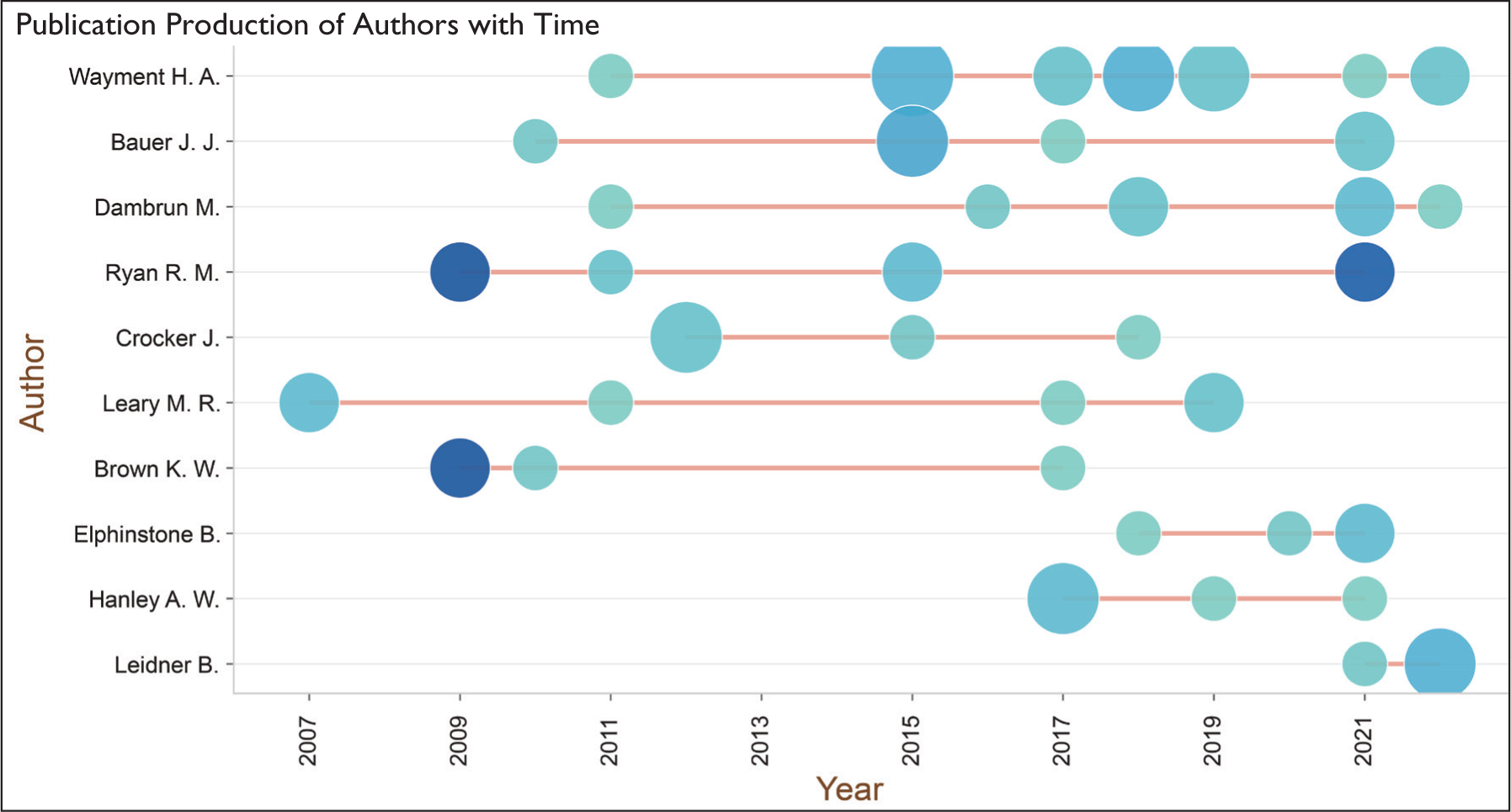
Top Authors’ Production over Time.
In Figure 8, the primary components of three fields (authors’ countries and regions, authors and keywords) and these relationships are depicted using a Sankey diagram, wherein the width of the arrows is proportionate to the flow rate. Three-field plots are constructed for the top 20 authors’ countries and regions, authors and keywords. Figure 8 illustrates the authors’ preferences for keywords. A three-field plot provides a clear image that the maximum number of publications originated from the USA and Australia. Among the keywords, ‘mindfulness’ had the largest node, followed by ‘well-being’, and then ‘quiet ego’.
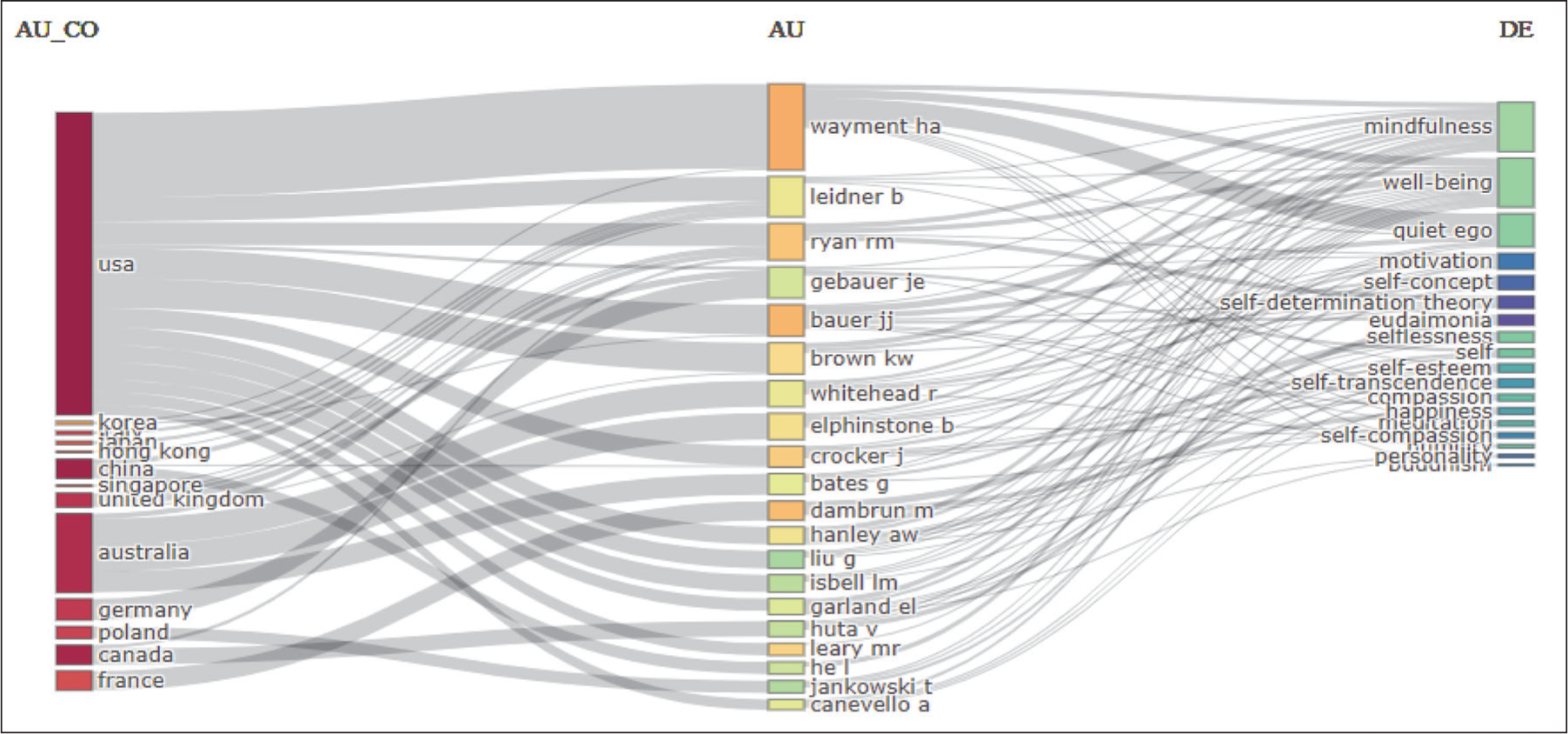
Three-field Plot of Authors’ Countries and Regions, Authors and Keywords.
Most Relevant Affiliations
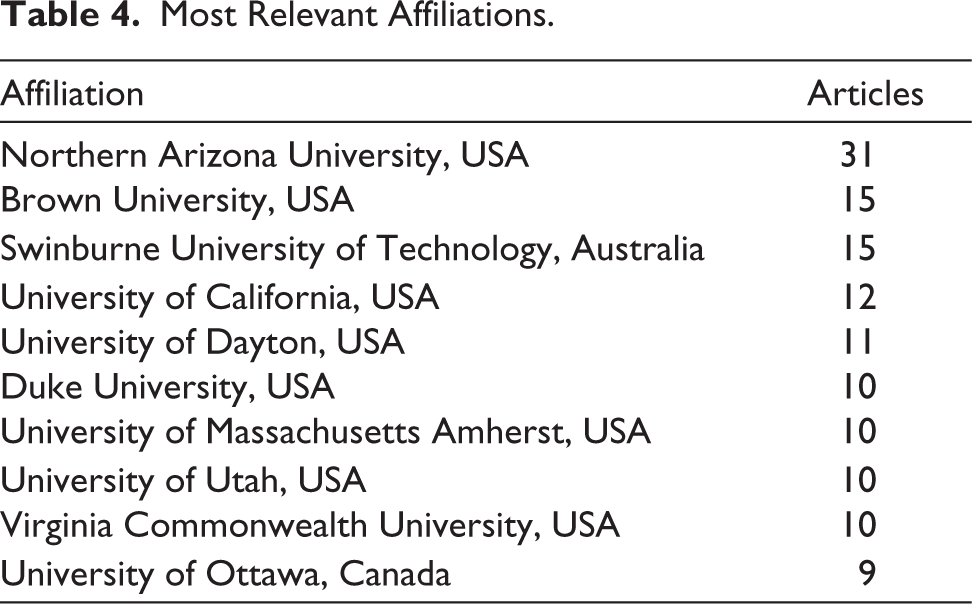
The leading organization contributing to this research field, as shown in Table 4, is Northern Arizona University (USA), with 31 published articles, followed by Brown University (USA) and Swinburne University of Technology (Australia), with 15 published articles each. It is extremely noteworthy that eight of the top 10 affiliated organizations contributing to this research field are United States-based. Australia and Canada are the only other countries that secured a place in the top 10.
Most Relevant Affiliations.
Geographical Scientific Production
The software RStudio extracted the most prolific nations/regions in this research field, as illustrated in Figures 8 and 9. The USA is the most highly productive nation. Figure 8 depicts the total number of publications (210) originating from 29 nations, with the USA having the highest number of publications (67, or 31.90% of the total publications), followed by China (13), Canada (11), Australia (10) and the UK (10). Among the 29 countries, 19 have fewer than 5 publications.
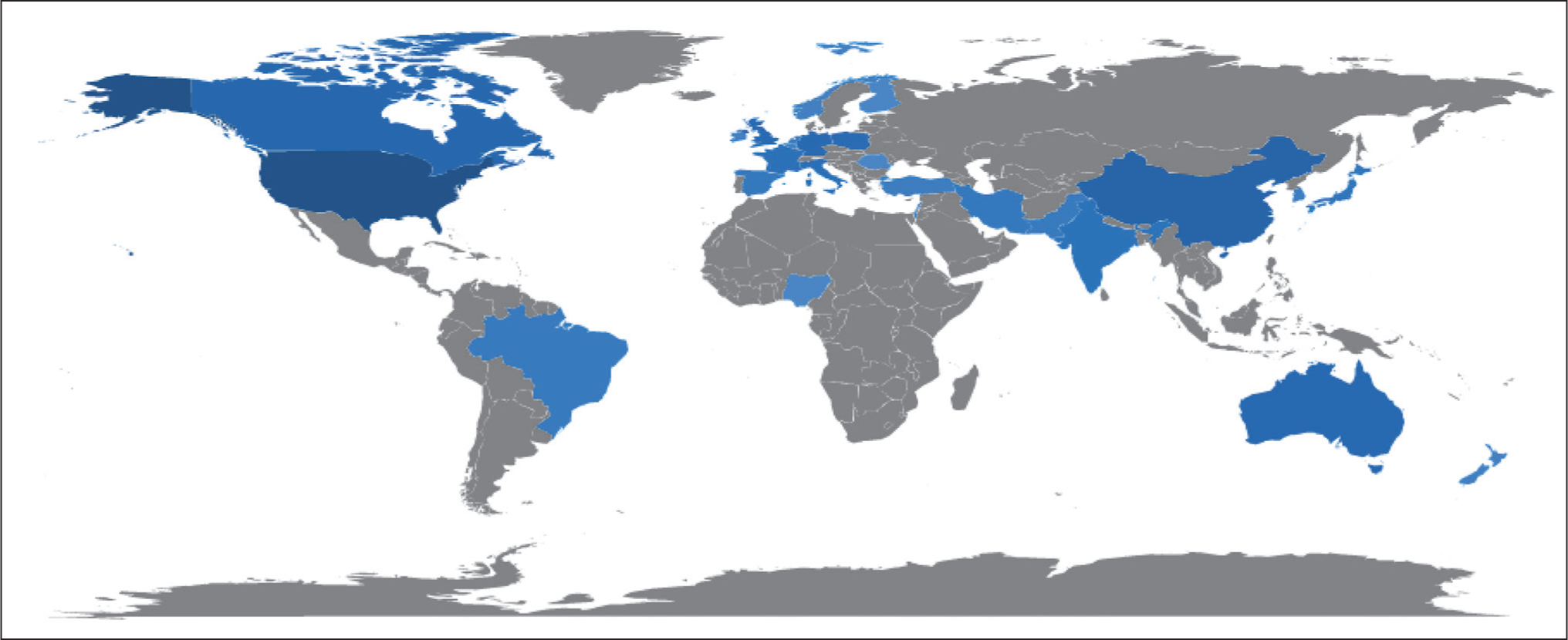
Geographical Production.
Corresponding Authors’ Countries and Regions
Figure 10 indicates that most publications originated from economically developed nations, except China, and that scientific collaboration was strong among developed nations such as the USA, the UK and Germany. Single-country publications were the highest in the USA and China. China was the only Asian nation with the highest interest in this topic. It is also worth noting that 45 articles lacked information regarding their country of origin as per the Scopus database.
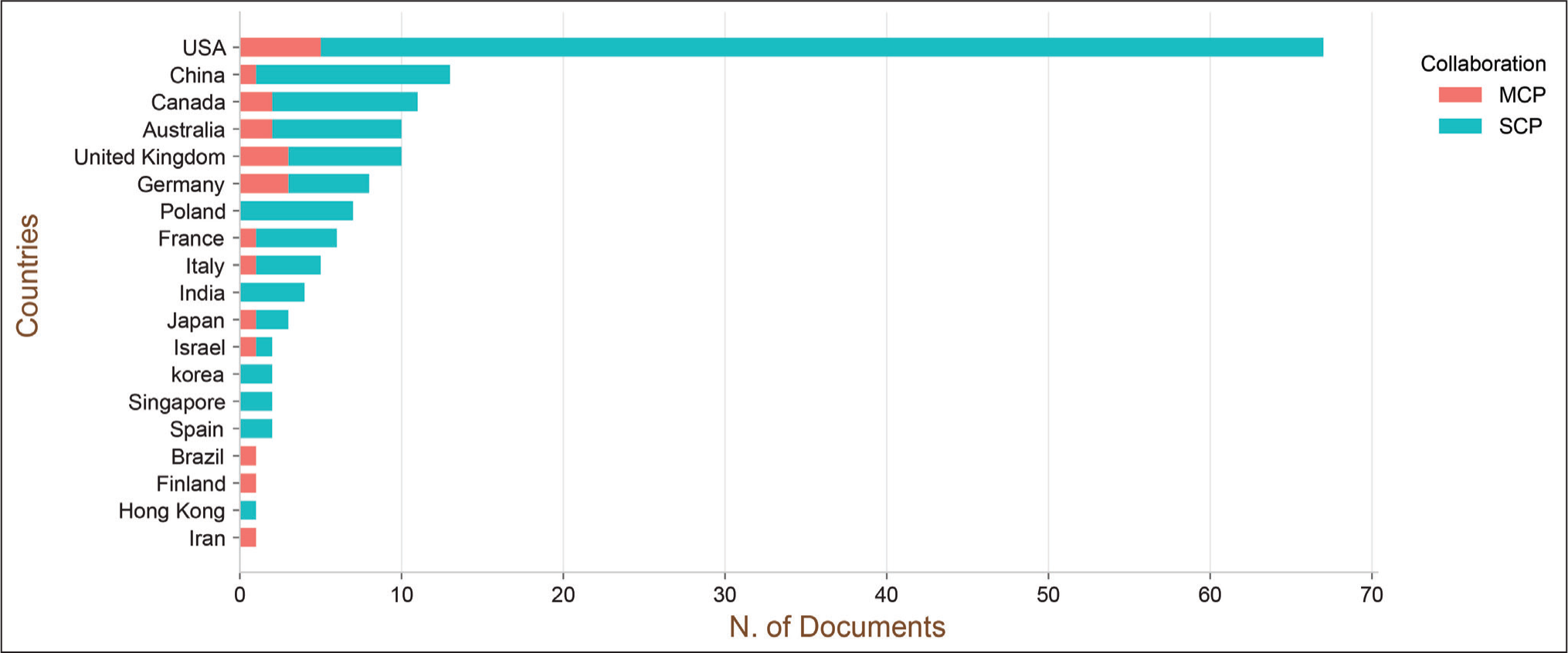
Inter–Intra Collaboration of Various Countries and Regions.
Network Visualization and Content Analysis
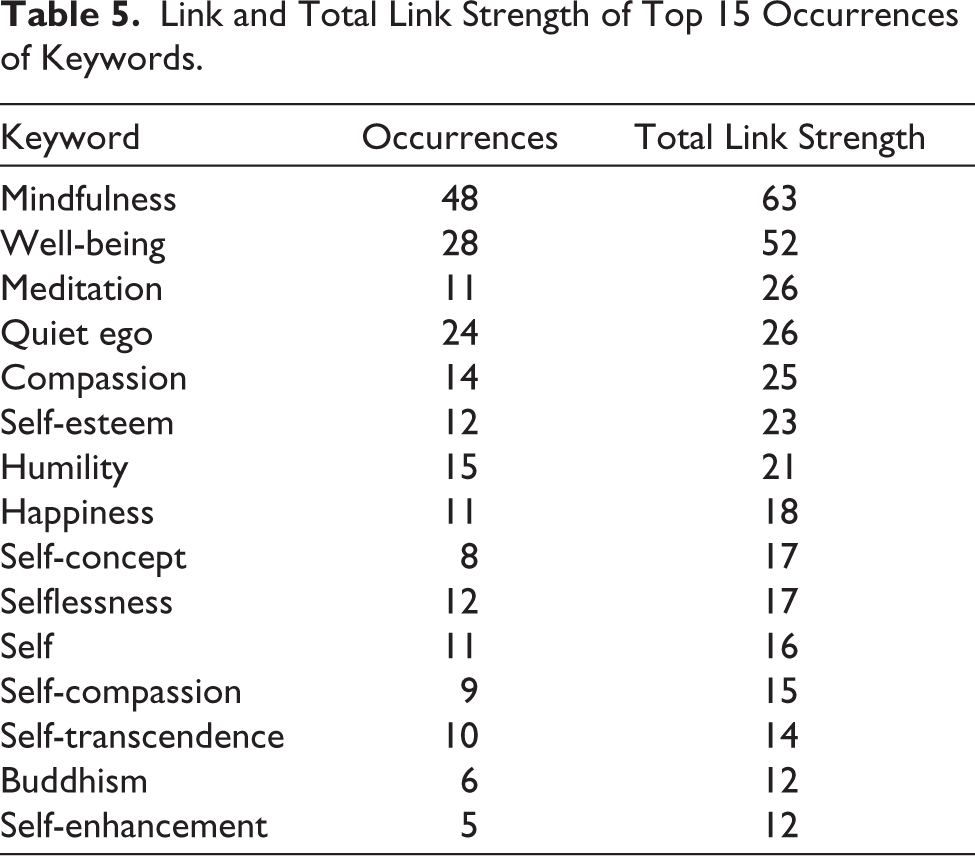
In this section, keyword analysis was conducted on 210 documents using VOSviewer and RStudio, utilizing WordCloud, TreeMap and keyword networks. The study aimed to determine the knowledge base of thematic research work related to the quiet ego. Keyword co-occurrence analysis was conducted using these tools, leading to thematic and trending topics analyses. The strength of each link is denoted by a positive numeric value, signifying the robust relationship between keywords. The total link strength reflects the number of occurrences of a pair of keywords in publications.
Table 5 represents the link strength and total link strength of the top 15 occurrences of keywords.
Link and Total Link Strength of Top 15 Occurrences of Keywords.
RStudio was utilized to visualize the word cloud based on the 40 most frequent authors’ keywords from published articles in this field. A word cloud is a data-mining technique that reveals the most commonly occurring words in a data set, which sheds light on popular subjects and emerging fields of the current study.
WordCloud
Words which are close to the centre represent the subject’s most frequent occurrences. The size of the words and their proximity to the centre are indicators of how frequently the terms are associated with this research study. A word which is positioned farther from the centre and is smaller in size is used less frequently and, thus, has less relevance. The most common keywords observed in Figure 11 are mindfulness, well-being, quiet ego, humility, compassion and so on.
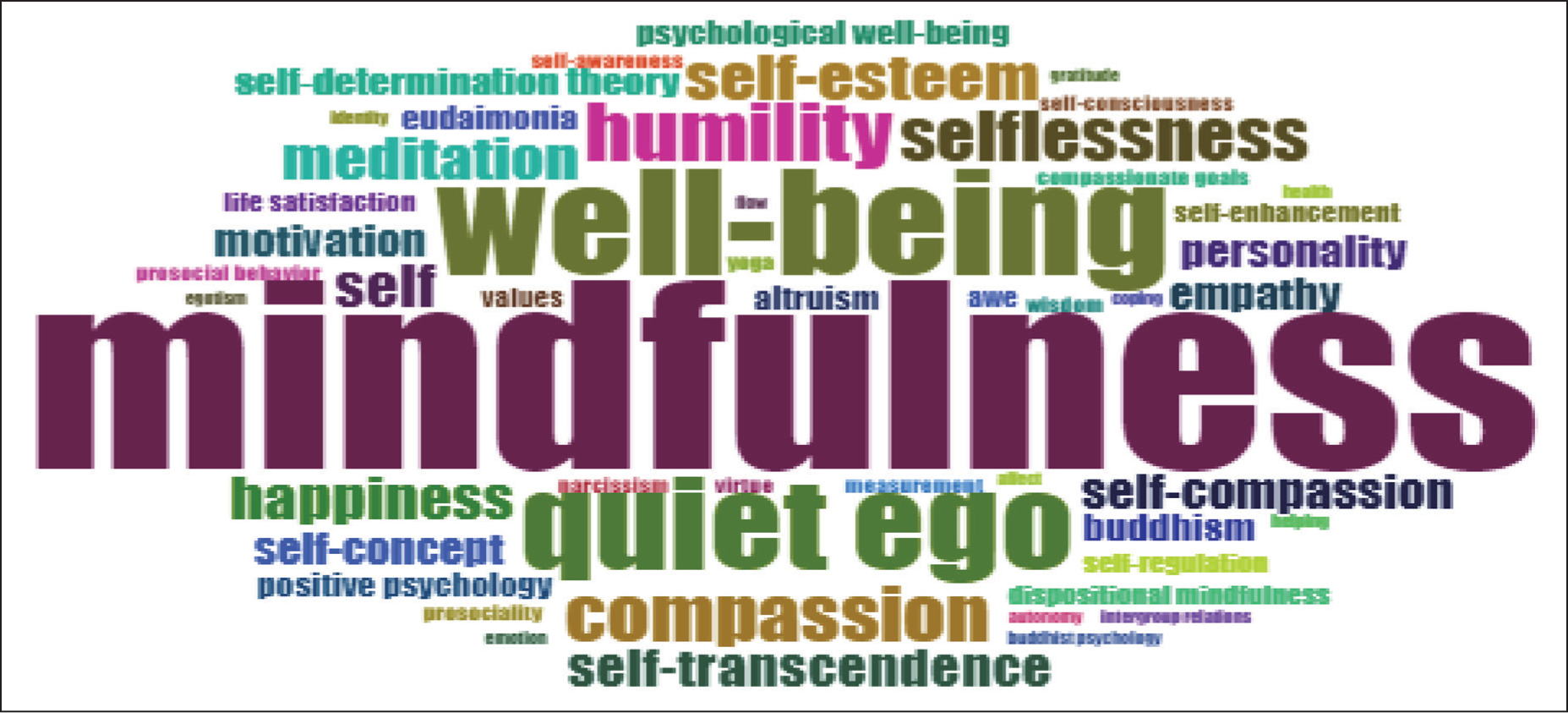
Word Cloud of Top 40 Keywords Using RStudio.
TreeMap
Another data-mining technique used in RStudio is Word TreeMap. It displays the terms most often used in a given data set and thus helps in identifying hot topics in a specific field of research. The frequency and proportion of the top 40 keywords are shown in Figure 12. The most prevalent terms in this research field are ‘mindfulness’ (f = 49/14%), ‘well-being’ (f = 28/8%), ‘quiet ego’ (f = 24/7%), ‘humility’ (f = 15/4%), ‘compassion’ (f = 14/4%) and so on.
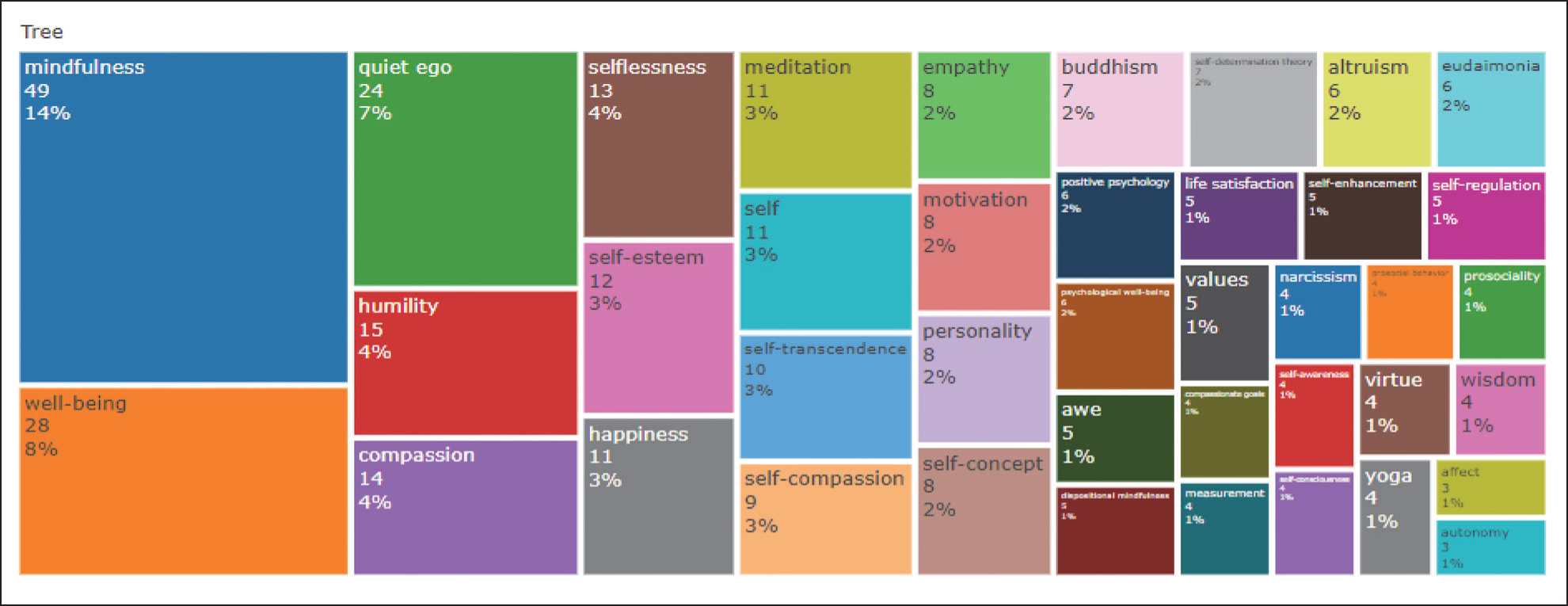
Word TreeMap of Top 40 Keywords Using RStudio.
Analysis of Theme Evolution and Projected Growth in the Quiet Ego Field
Thematic Evolution
Figure 13 describes the thematic evolution in research over three decades, using keywords to illustrate the process. The figure obtained from RStudio shows conversion correlation, evolutionary path and theme evolution, with the importance of themes indicated by line thickness. Different study topics are distinguished by colour, and each node represents a theme, with its size representing the keywords. The direction of evolution in the research theme is represented by the flow between nodes.
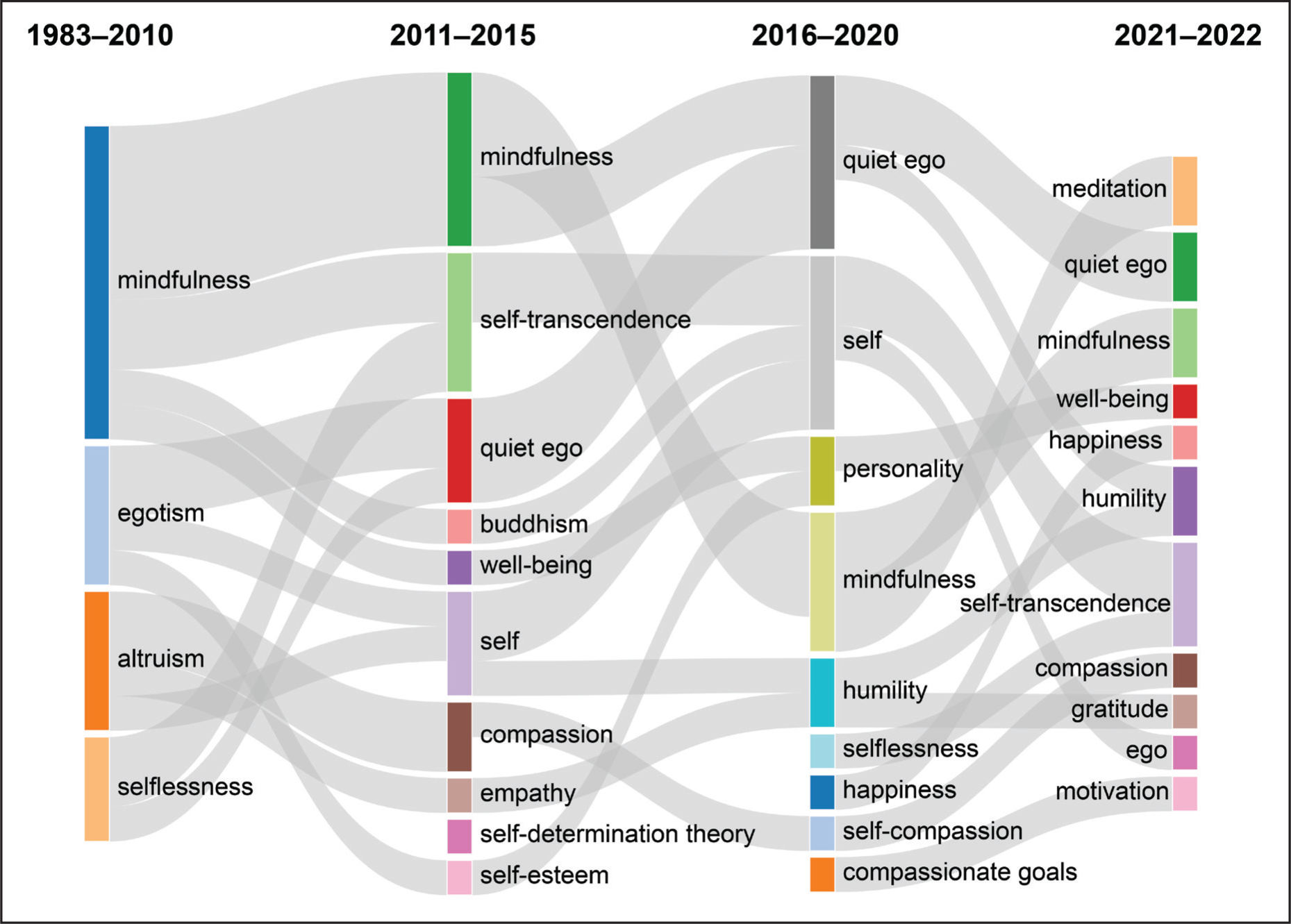
Thematic Evolution of Quiet Ego as a Research Field Using Author Keywords.
Science mapping analyses employ a number of clustering techniques, including Girvan–Newman (edge betweenness), Infomap, Leading Eigenvalues, Louvain, Spinglass and Walktrap (Aria & Cuccurullo, 2017). The Girvan–Newman (edge betweenness) clustering algorithm was used in this study, with time-slice cut points set at 3, and cutting Years 1, 2 and 3 as 2010, 2015 and 2020, respectively. The study period was divided into four phases: 1983–2010, 2011–2015, 2016–2020 and 2021–2022. The longest period, 1983–2010, was considered because during the analysis, it was found that there were very few studies before 2000, with a major focus on egotism and selflessness. These remained hot topics for a certain period. Later, by 2010, altruism and mindfulness were added gradually as additional dimensions in this research area. During the period 2011–2015, the major emerging themes were mindfulness, self-transcendence, quiet ego and well-being. Minor themes such as self, compassion and empathy seem to have emerged from altruism and selflessness. Hot themes appear to be more dynamic and merge with other areas of study. Several fields have progressed over time towards the quiet ego as a developed research field between 2016 and 2022. Over these years, mindfulness and quiet ego remained long-lasting topics.
Content Analysis Using Keyword Co-occurrence
Combining bibliometric analysis with content analysis helps reveal a topic’s various stages and facets, revealing its increasing necessity. Scholars studying both qualitative and quantitative research have gained momentum (Leong et al., 2021; Zaidman-Zait, 2014). Content analysis is aptly defined as ‘The objective, systematic, and quantitative description of the manifest content of communication’ (Berelson, 1952). This section identifies themes or clusters from bibliometric analysis of author keywords, providing a detailed evaluation of the literature in this research field, as shown in Figure 14. It is clearly evident from Figure 14 and Table 5 that ‘mindfulness’, ‘well-being’ and ‘quiet ego’ are the most prominently occurring keywords and major research areas in this field. Also, ‘meditation’ is strongly linked with these keywords, with a link strength of ‘26’.
Using VOSviewer, six distinct keyword clusters were identified and represented by different colours (Figure 14). These clusters depicted themes that form the basis of content analysis. In the database of 210 documents, 536 author keywords were identified, out of which only 38 keywords were found to occur in at least four different articles. The number of links is 173, with a total link strength of 275. Each circle denotes the presence of a certain keyword. A high number of occurrences of any keyword results in larger circles.
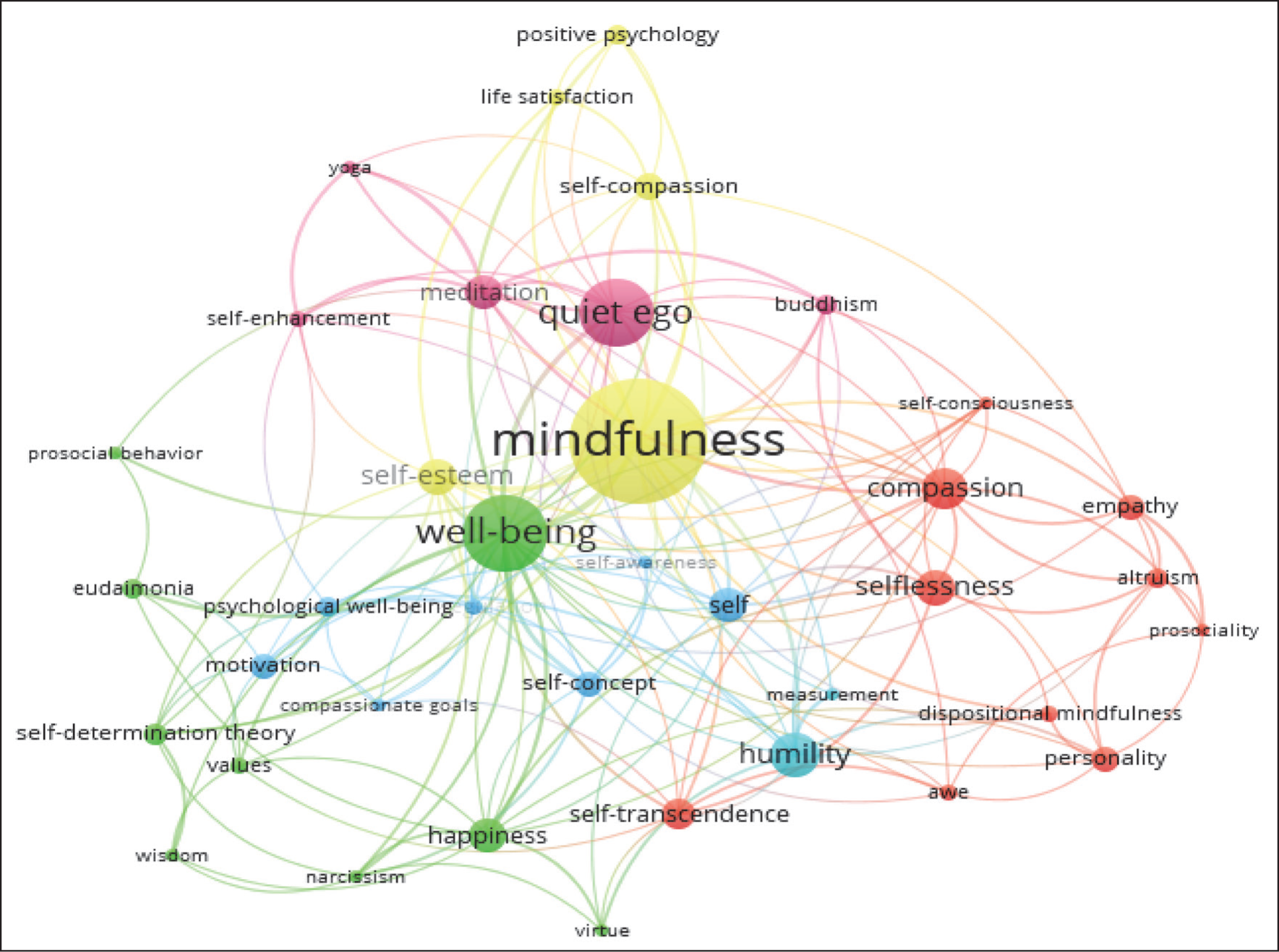
Identified Keyword Cluster (VOSviewer).
The quiet ego literature was analysed using cluster analysis and co-occurrence of keywords to identify six overarching themes (Figure 14). After reaching a consensus among the authors, the themes were named ‘Altruism and Prosocial Behaviour’ (red), ‘Eudaimonic Well-being’ (green), ‘Self-concept’ (navy blue), ‘Mindfulness and Self-compassion’ (yellow), ‘Philosophical Practices and Self-development’ (pink) and ‘Humility’ (sky blue). These clusters are explained below, with elaboration on the main themes emerging from each cluster.
Altruism and Prosocial Behaviour
The first cluster (red colour) consists of 10 items, including altruism, compassion, selflessness, empathy, prosociality, self-transcendence, awe, personality, dispositional mindfulness and self-consciousness. It emphasizes the importance of altruism, compassion and empathy in promoting behaviours that benefit others (DeLury et al., 2020; Eckland et al., 2020; Gouveia et al., 2021). These attributes contribute to the transcendence of self-interest and the balanced growth of both oneself and others (Cialdini et al., 1997; Wayment & Bauer, 2008). They further help in improving one’s relationships with others (DeLury et al., 2020). All these items are integral for having a compassionate identity, which leads to a quiet ego (Wayment & Bauer, 2008).
Eudaimonic Well-being
The second cluster (green colour) consists of nine items, including well-being, eudaimonia, happiness, self-determination theory, values, virtue, wisdom, narcissism and prosocial behaviour. This cluster revolves around the philosophical and psychological understanding of well-being, mainly through the lens of eudaimonia (Bauer & McAdams, 2010). These are basic concepts in positive psychology, emphasizing the importance of living a meaningful life with a definite purpose and aligning it with one’s values (Ryan & Deci, 2001; Seligman, 2011). The component of narcissism has been studied in different contexts of well-being (Giacomin & Jordan, 2016; Rose, 2002; Zuckerman & O’Loughlin, 2009). The quiet ego as a self-identity leads to long-term eudaimonic well-being (Liu et al., 2021), where an individual’s actions are guided by values, wisdom and virtue, rather than the pursuit of external rewards or self-aggrandizement (Wayment & Bauer, 2008).
Self-concept
The third cluster (navy blue colour) consists of seven items, including self, self-awareness, self-concept, self-regulation, compassionate goals, motivation and psychological well-being. It explores psychological processes related to different concepts surrounding the ‘self’ (Hampton, 1993; Sedikides et al., 2013; Westlund, 2003). These attributes of the self are crucial for understanding how individuals perceive themselves and manage their thoughts, emotions and behaviours. Self-concept forms the identity of an individual (Hampton, 1993), while self-regulation involves mechanisms through which individuals regularize their egos to pursue long-term goals (Baumeister & Vohs, 2007; Taylor et al., 2020). An orientation of the self towards others without losing the self and the regulation of egotistic tendencies result in fostering a more humble and grounded sense of self. This resulting mature and balanced concept of the self is the quiet ego (Wayment & Bauer, 2008; Wayment et al., 2015).
Mindfulness and Self-compassion
The fourth cluster (yellow colour) consists of five items, including life satisfaction, mindfulness, self-compassion, self-esteem and positive psychology. It emphasizes on enhancing well-being through practices that cultivate a positive mindset, self-acceptance and emotional resilience (Rybak, 2013). It focuses on the impact of mindfulness practices on psychological well-being, including stress reduction, mental health and greater life satisfaction (Querstret et al., 2020; Valikhani et al., 2020). Mindfulness, self-compassion and self-esteem are deeply associated with the quiet ego (Heppner & Kernis, 2007; Wayment & Bauer, 2008).
Philosophical Practices and Self-development
The fifth cluster (pink colour) consists of five items, including Buddhism, meditation, quiet ego, self-enhancement and yoga. It explores the ethical and spiritual dimensions of psychological practices, particularly those rooted in Buddhist principles. It emphasizes the importance of spirituality, non-attachment and wisdom in promoting ethical behaviour and harmonious living (Baer & Lykins, 2011; Lumma et al., 2020; Vaughan-Johnston et al., 2021). It also explores the concept of the ‘quiet ego’ for personal growth and transcendence (Wayment & Bauer, 2008).
Humility
The sixth cluster (sky blue colour) consists of two items, including humility and measurement. It highlights the critical intersection between humility as a psychological construct and the methodologies used to measure it. Early researchers treated humility as a negative construct and associated it with having low self-esteem, low self-regard, low opinion of self and a feeling of worthlessness (Klein, 1992; Langston & Cantor, 1988), while other psychologists viewed humility as the capability to be free from pride, low self-esteem, aware of one’s flaws and have a sense of self-acceptance (Clark, 1992; Richards, 1992; Tangney, 2000). ‘Humility is the key to progress’ (Templeton, 1997). Humility allows one to have a clear view of the self, admitting strengths and weaknesses (Exline et al., 2004). Humility is closely associated with the quiet ego, highlighting a significant overlap between the two concepts (Exline, 2008; Kesebir, 2014; Wayment & Bauer, 2008).
Research Fronts
Research interest in quieting ego represents core areas of positive psychology. Research interest in the quiet ego field has grown substantially in recent years, with more than 60% of research in the used database published after 2007 (Figure 2). This study identifies various clusters within the knowledge base, covering various concepts and practices.
Clusters such as ‘Altruism and Prosocial Behaviour’, ‘Eudaimonic Well-being’ and ‘Self-Concept’ have received persistent interest in this research field. Continuous interest has been attracted on ‘personality’, ‘altruism’, ‘empathy and ‘concepts related to self’. The clusters ‘Mindfulness and Self-compassion’, ‘Philosophical Practices and Self-development’ and ‘Humility’ represent emerging research fronts. Although the foundational aspects of quiet ego research are well established, several concepts within these clusters have emerged recently and remain less researched and require further exploration. Future researchers need to identify the relationship between self-awareness and self-regulation in the ‘Self-concept’ cluster, which has the potential for further investigation into how these processes interact to reduce ego-driven behaviours and result in developing a quiet ego (Baumeister & Vohs, 2007; Wayment & Bauer, 2008). Self-transcendence, selflessness and prosocial behaviours such as altruism and empathy, which are vital to the ‘Eudaimonic Well-being’ cluster, emphasize the synergy between personal well-being and other-oriented actions (Reginster, 2012; Wayment et al., 2015). These overlaps demonstrate that quiet ego is developed not in isolation, but rather through the integration of many practices and values that build a balanced, less-ego-centric self. Further convergence of mindfulness techniques and self-compassion interventions is gaining popularity, but the nuanced mechanisms by which these practices nurture the quiet ego remain unexplored (Neff & Germer, 2013; Wayment et al., 2015). The ‘Philosophical Practices and Self-development’ cluster includes practices such as meditation, yoga and Buddhist teachings, offering a rich yet relatively untapped domain for understanding how these traditions contribute to the development of the quiet ego in diverse cultural contexts (Kabat-Zinn, 2003; Wayment et al., 2011). Humility, a key trait of the quiet ego, requires further exploration and understanding. Its role in positive psychology, particularly in relation to altruism and eudaimonic well-being, is crucial for promoting prosocial behaviour and personal fulfilment (Tangney, 2000).
Research on the qualities and dimensions of the quiet ego has been conducted in various contexts, but future research should probe the relationship between these concepts and other positive psychological concepts. Although studies on these concepts have been conducted from the psychological perspective, there is still scant research in the organizational context.
Discussion and Conclusion
This study conducted an exhaustive investigation not only on the term ‘quiet ego’ but also of terms with similar meanings used in the past. The data set shows that 60% of the studies were published since 2007, indicating a significant interest in the ‘quiet ego’. Literature analysis over 30 years reveals growth patterns in this topic, reflecting current research dimensions. Using bibliometric analysis approaches, the study assessed the performance of authors, relevant journals, influential papers, key contributing authors, affiliated institutions, thematic map analysis, content analysis and countries indulged in researching these topics.
Research shows a 9.38% annual growth in publications over the past decade, with a significant increase in articles after the term ‘quiet ego’ was introduced in 2007. The researcher conducted citation, co-citation and keyword analyses to better comprehend the knowledge base of this research. To determine geographically collaborating regions, cross-country and co-authorship analyses were also performed. The USA and Australia are among the countries with the most published articles. Considering the institution-to-institution collaboration network, the United States-based Northern Arizona University is the most highly collaborating international institution among developed nations.
The Journal of Happiness Studies is the most influential journal, followed by Frontiers in Psychology and Mindfulness. Thematic analysis revealed that the emerging research is divided into two phases: an early phase, focusing on egotism, selflessness, altruism and mindfulness, and a later phase, in which the major themes include mindfulness, self-transcendence, quiet ego and well-being, while minor themes include self, compassion, humility and empathy.
Based on our co-occurrence analyses of 536 keywords from 210 articles published between 1983 and 2022, the findings suggest that the foundational corpus of research on quiet ego is well established and coalesces around six broad themes, namely ‘Altruism and Prosocial Behaviour’, ‘Eudaimonic Well-being’, ‘Self-concept’, ‘Mindfulness and Self-compassion’, ‘Philosophical Practices and Self-development’ and ‘Humility’. The quiet ego research front is characterized by a dynamic interplay of these established themes and emergent areas of interest. The overlap of concepts across clusters underscores the holistic nature of quiet ego development, while the identification of less-researched areas highlights opportunities for advancing both theoretical and empirical understandings of this construct.
This bibliometric analysis will fill in the research gap and provide a systematic knowledge base to academicians for deepening their understanding and fostering innovative approaches in this research area.
Limitations and Future Research Implications
This article acknowledges several drawbacks, including its reliance on the Scopus database for article extraction, neglecting databases such as Web of Science, Google Scholar and ProQuest, and focusing only on English-language articles. It suggests future research should include data from other databases for more comprehensive results. Additionally, the study could be expanded to include literature in languages.
The study aimed to create a data set for the analysis of the quiet ego and related terms by retrieving research papers from Social Science Citation Index using specific keywords. The results could vary by modifying search databases, indexes, disciplines or keywords. Due to the diversity and pattern in this research domain, the results should be generalized with diligence. The analysis results can be used for future investigations, with researchers extending the study period to provide detailed information on authors’ academic profiles, co-author and inter-country collaborations, and a thorough review of results.
This study explores the theoretical foundation, influencing elements and conceptual structure of the ‘quiet ego’ construct, providing current academics and policymakers with up-to-date information. Research is limited in developing countries, and identifying research fronts is difficult due to their early stages. A thematic framework is identified based on available literature, and replicating similar science mapping attempts will be valuable in further exploring the identified research fronts.
This study provides valuable insights for researchers and offers suggestions for future research, focusing on applicable theories and practices. The analysis reveals key thematic areas and helps researchers connect their areas to these themes, fostering new ideas. International collaboration and shared databases can help gather larger research teams to evaluate performance in developing nations.
This study also has practical applications, particularly in the fields of management, psychology, education, sociology and medicine. By understanding the identified themes, practitioners can design interventions and programmes that cultivate the quiet ego in both individual and organizational contexts. This research is helpful in suggesting policy frameworks and can be used in therapeutic settings to help individuals develop a quiet ego, reducing anxiety and promoting well-being. The study of the quiet ego is a multidisciplinary field that encompasses various personality traits and behavioural skills from various fields, requiring interdisciplinary collaborations to fully understand its diverse nature.
Footnotes
Declaration of Conflicting Interests
The authors declared no potential conflicts of interest with respect to the research, authorship and/or publication of this article.
Funding
The authors disclosed receipt of the following financial support for the research, authorship and/or publication of this article. This work was supported by the ICSSR (Indian Council of Social Science Research) under grant file number RFD/2022-23/GEN/MGT/5.