







Abstract
Kalpak Healthcare Limited (KHL), a large pharmaceutical company in the southern part of India, once faced severe sales force turnover in its Life Branded Medications SBU, popularly called the Branded SBU (B-SBU). It became an issue of highest concern to the top management of KHL; so they appointed a team of consultants from a premier management school in the region to study the issue and recommend possible solutions and strategies. Over a period of 6 months, the consultants conducted extensive research—studying internal company records, analysing the industry and external environment, gathering qualitative data through in-depth interviews (DIs) and focus group discussions (FGDs) among KHL employees and executing a division-wide quantitative survey labelled as Manpower Mood Meter (M3) among the field executives—and finally came up with recommendations.
The case is organized as two independent, successive ones—A and B. Case (A) describes the consultants’ engagement with KHL and ends with them pondering over the types of analyses to be done with the huge volume of data they had collected. Case (B) details the kinds of analyses they actually do and the inferences they draw. The set of recommendations the consultants finally make to the KHL top management is given in the epilogue of the teaching note. The critical value of this case lies in its ability to open up the students’ minds to the dynamic interplay of multiple factors—individual, managerial, organizational, industrial-contextual and historical—that holistically affect a phenomenon like ‘attrition’ in organizations. This could perhaps also be one of those rare cases that makes use of the principles of System Dynamics in a real, applied and combined context of marketing and human resource (HR) management.
Keywords
Discussion/Assignment Questions
If you are one of the consultants, Dr Aurora and Dr Shenoy, in this case, what all analyses would you consider doing with the gathered data, which will help you to systematically develop a reliable and pragmatic set of recommendations for the top management of KHL?
Grounded in your answer to Q. 1 as above:
How severe, in your assessment, is the attrition problem at KHL?
How important do you think is the aspect of sales force motivation for marketing success?
Analyse the current level of motivation of the sales force at KHL.
Critically evaluate the M3 tool developed and as used by the Consultants.
How would you structure the factors causing attrition in KHL: statically and dynamically?
Case (A)
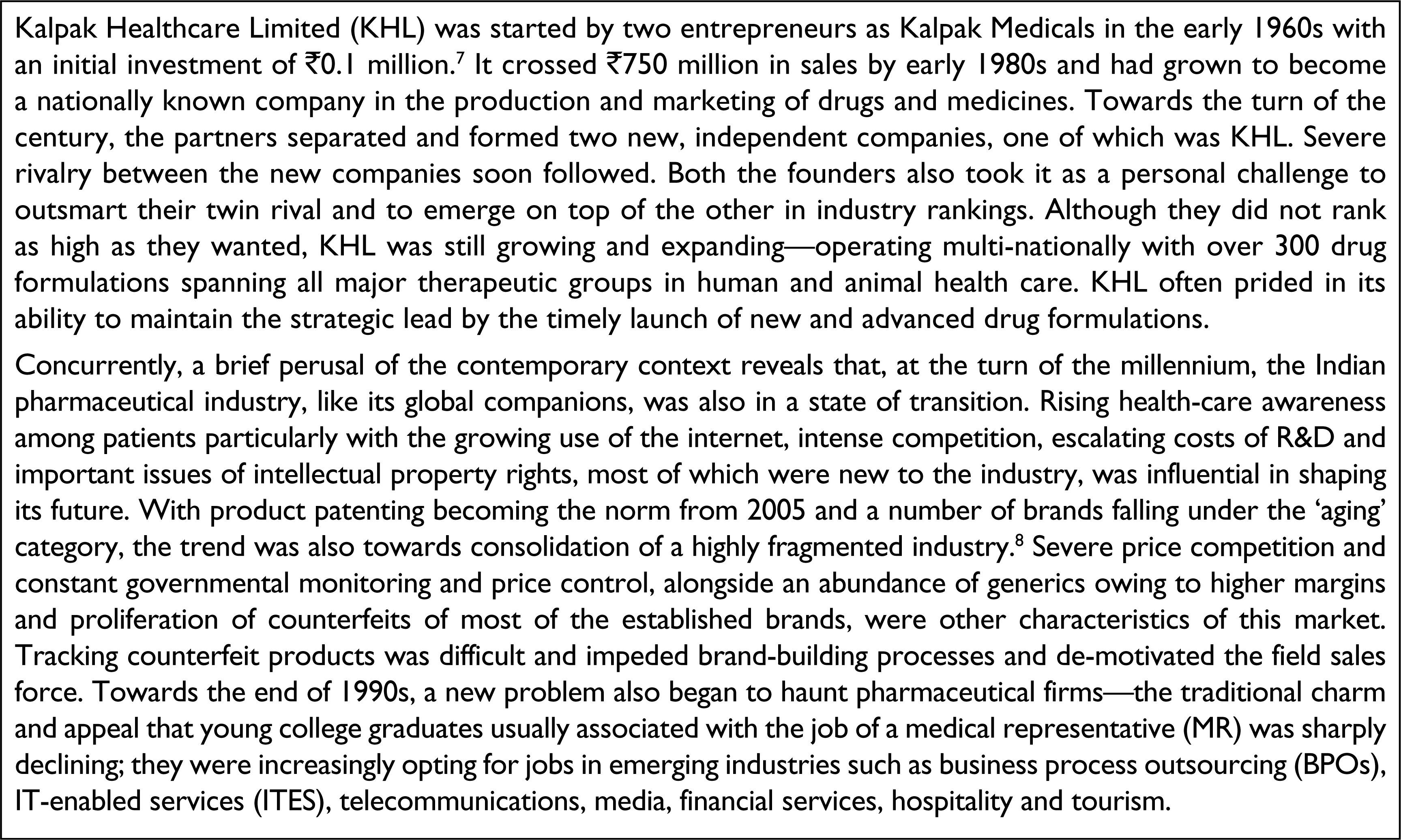
New Year 2005 was just around the corner. Aurora and Shenoy, both faculty members from a leading management institute in South India, realized that they were at a critical juncture in their consulting assignment titled Project Zero-D for the Branded Strategic Business Unit (B-SBU) of Kalpak Healthcare Limited (KHL), a large pharmaceutical company in the region (see Table 1 for a brief note on KHL and its context). ‘We have quite a bit of data on our hands now: qualitative and quantitative’, noted Aurora, the leader of the team. ‘It looks somewhat complex. What we do now will be crucial’; he continued, ‘it could open us to some real problems that this company is facing’. ‘And, we just got less than a month to do that’, observed Shenoy in a cautionary tone.
A Brief Note on Kalpak Healthcare Ltd. and Its Context
Over the past 5 months, as consultants to KHL, Aurora and Shenoy had conducted an extensive study on the issue of sales force attrition in B-SBU—perusing company records, analysing the industry, doing depth interviews of KHL employees and executing a division-wide survey labelled ‘Manpower Mood Meter’ (M3)—to finally arrive at this stage. With 42 per cent of B-SBU field sales force (base 1194) and 71 per cent of its sales managers (SMs) (base 37) less than a year old at KHL, Aurora and Shenoy had realized that sales force attrition was among the most severe problems troubling KHL’s top management and felt that it also held the clue to tackling some of the other adverse happenings there.
KHL: The Company Structure
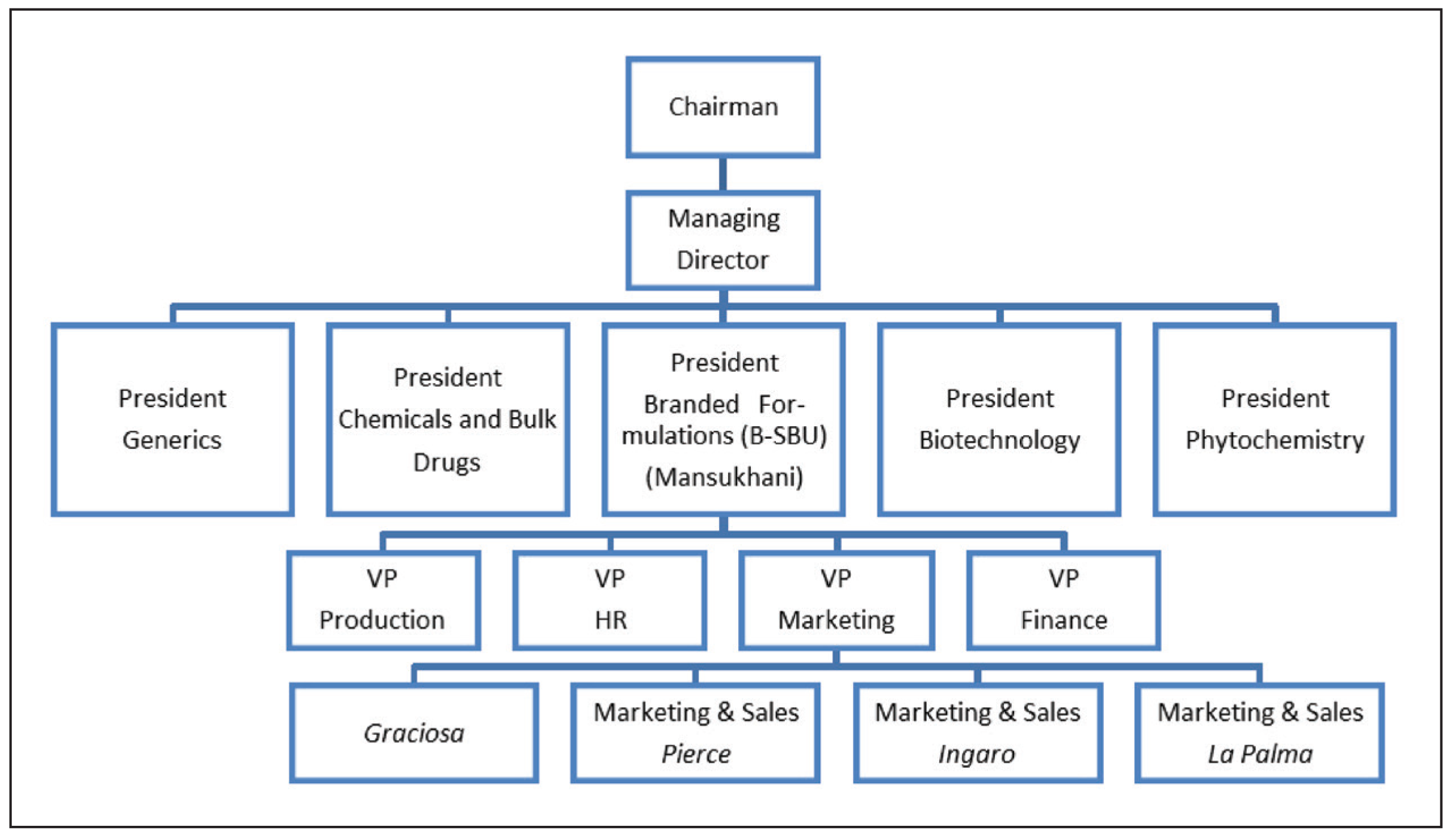
KHL pursued several business interests, each organized to function as a SBU. Towards the end of 2004, there were five SBUs: Life Branded Medications, Generics, Chemicals/Bulk Drugs, Biotechnology and Phytochemistry (natural/herbal medicines). Headed by a president who reported to the managing director, each SBU functioned as an independent profit centre (see Figure 1). Life Branded Medications SBU was popularly called Branded SBU (B-SBU) within KHL to distinguish it from Generics SBU.
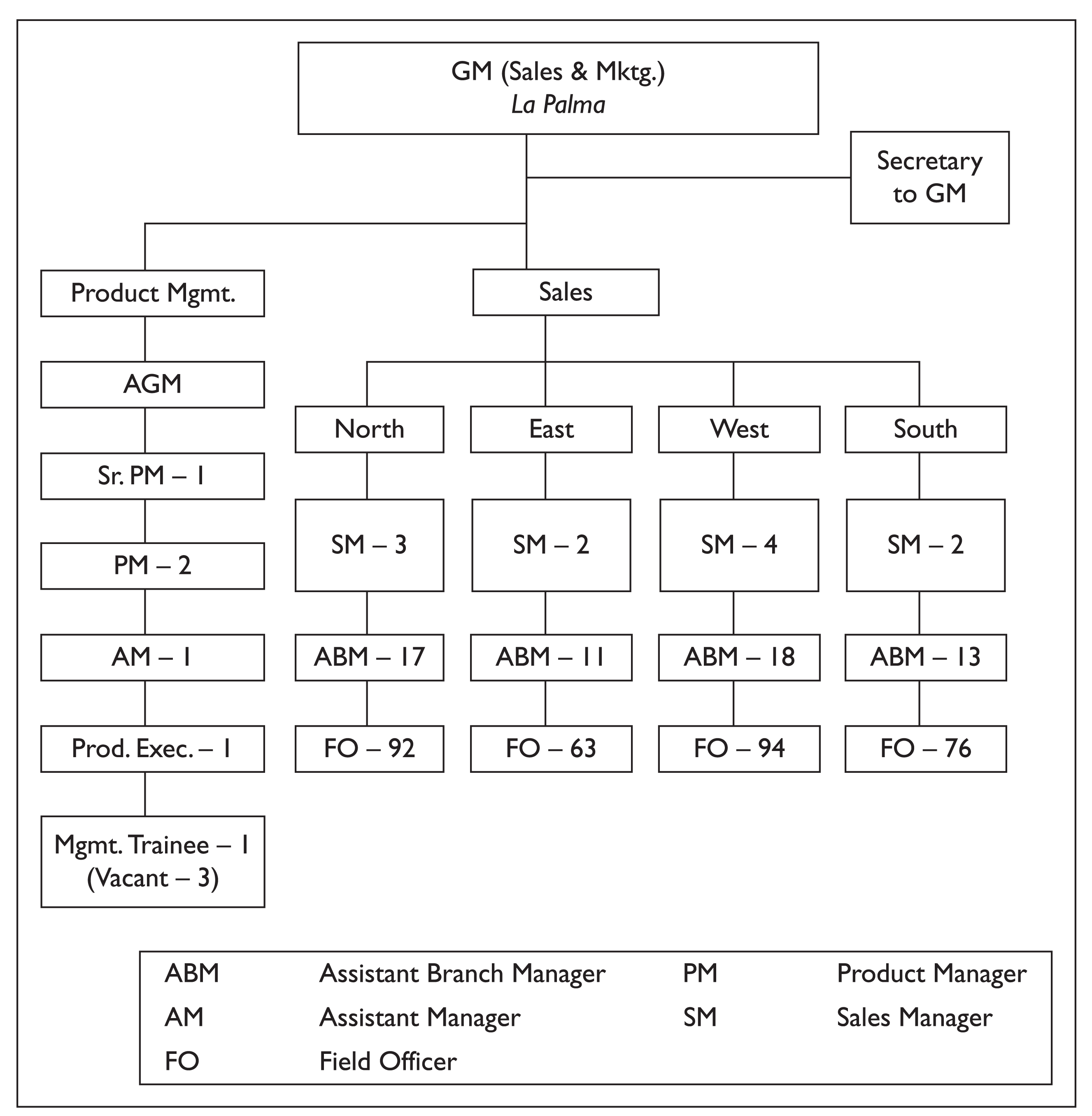
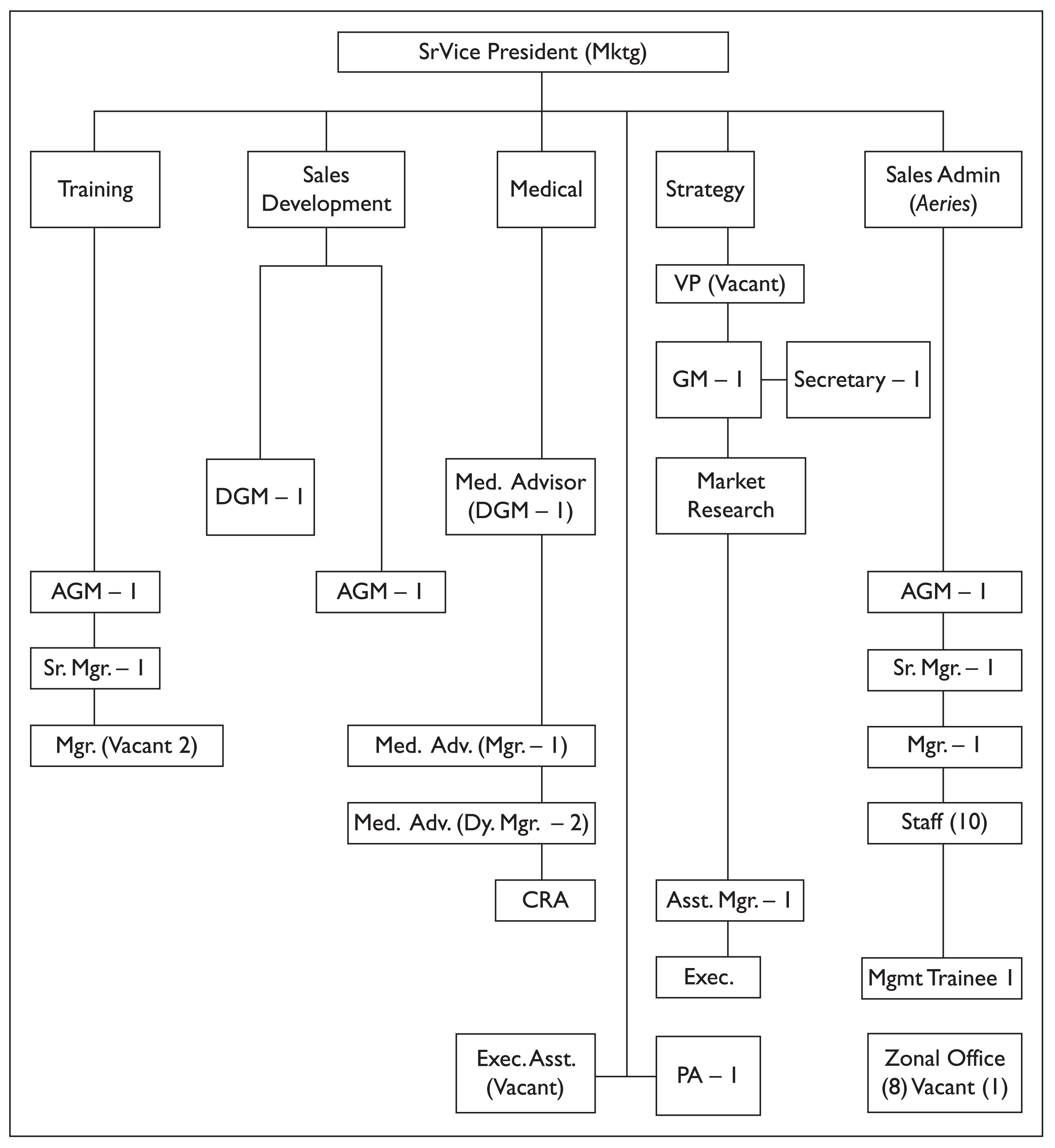
For marketing purposes, B-SBU was further organized into three divisions: La Palma, Pierce and Ingaro, and each division handled management and sales for their group of products. The sales function in each division mainly had three levels: sales manager (SM), assistant branch manager (ABM) and field officer (FO) or medical representative (MR). Figure 2 depicts the organizational structure of marketing and sales of La Palma division in March 2004. Pierce and Ingaro divisions had similar structures. A fourth division called Graciosa developed the strategic marketing initiatives for B-SBU. Consisting of a team of professionals, it looked after sales and marketing training, sales administration (termed ‘Aeries’), sales and marketing strategy development and medical advisory services for marketing (see Figure 3 for its structure).
Project Zero-D
As part of the top management’s pursuit of the company’s mission of attaining a significant position globally in chosen markets, products and services, KHL took a strategic decision at the highest level to invest in a chosen set of its products to build them into megabrands. 1 While megabrands (or blockbusters) were already a global trend in marketing, it suddenly became very important for Indian pharmaceutical firms to move in similar lines owing to product patent issues. 2 Realizing the enormity of the task at hand and the extent of intellectual effort needed to conceptualize the operationalization of their megabrand aspiration, in May 2004, KHL decided to hire a team of consultants from a premier management institute in the region for helping them develop the strategic processes and programme implementation ideas in this regard.
The consulting team consisted of two faculty members, Aurora and Shenoy (henceforth referred to as ‘consultants’), along with a full-time project assistant who took care of the secretarial, data collection and other support needs. Both had PhDs—Aurora was a marketing specialist and Shenoy a behavioural scientist. Both consultants believed strongly in scientific methods of problem-solving and had prior consulting experience. They had also conducted training programmes for the sales force of other pharmaceutical companies. KHL top management believed that such a background of the consultants would enable them to understand the KHL context and the pharmaceutical industry scenario faster and better.
Consultants soon recognized that the quality of field sales force was the critical drag in surging forward on the megabrand road for KHL, its annual manpower turnover ranging between 30 and 40 per cent over the past 3 years. Further, the turnover was higher among senior sales executives and in the marketing teams at the corporate office, something that inadvertently turned out to be a morale buster for front-line field staff and area managers. Since the issue of turnover had been of high concern for the top management of KHL even otherwise, they decided that the consultants would address it first. Project Zero-D (an acronym for Zero Defection) 3 was thus born.
The Consultants’ Work
In the first week of June 2004, the B-SBU chief briefed the consultants on the attrition problem at KHL and defined the scope of their project. 4 Consultants also interacted with the HR head and his team to gather their views on the attrition problem. Following these meetings, the consultants defined Project Zero-D as a comprehensive approach and set of activities involving situation and problem analysis, strategy formulation and process-exercises, aimed at developing implementable action programmes to reduce attrition and build loyalty among employees in the marketing and sales functions of KHL. In addition to using the data already available at KHL, they also planned to collect primary data through quantitative and qualitative approaches, with thrust on the latter, to gain deeper insights into the root causes of the problem and to generate alternative strategies for possible solutions.
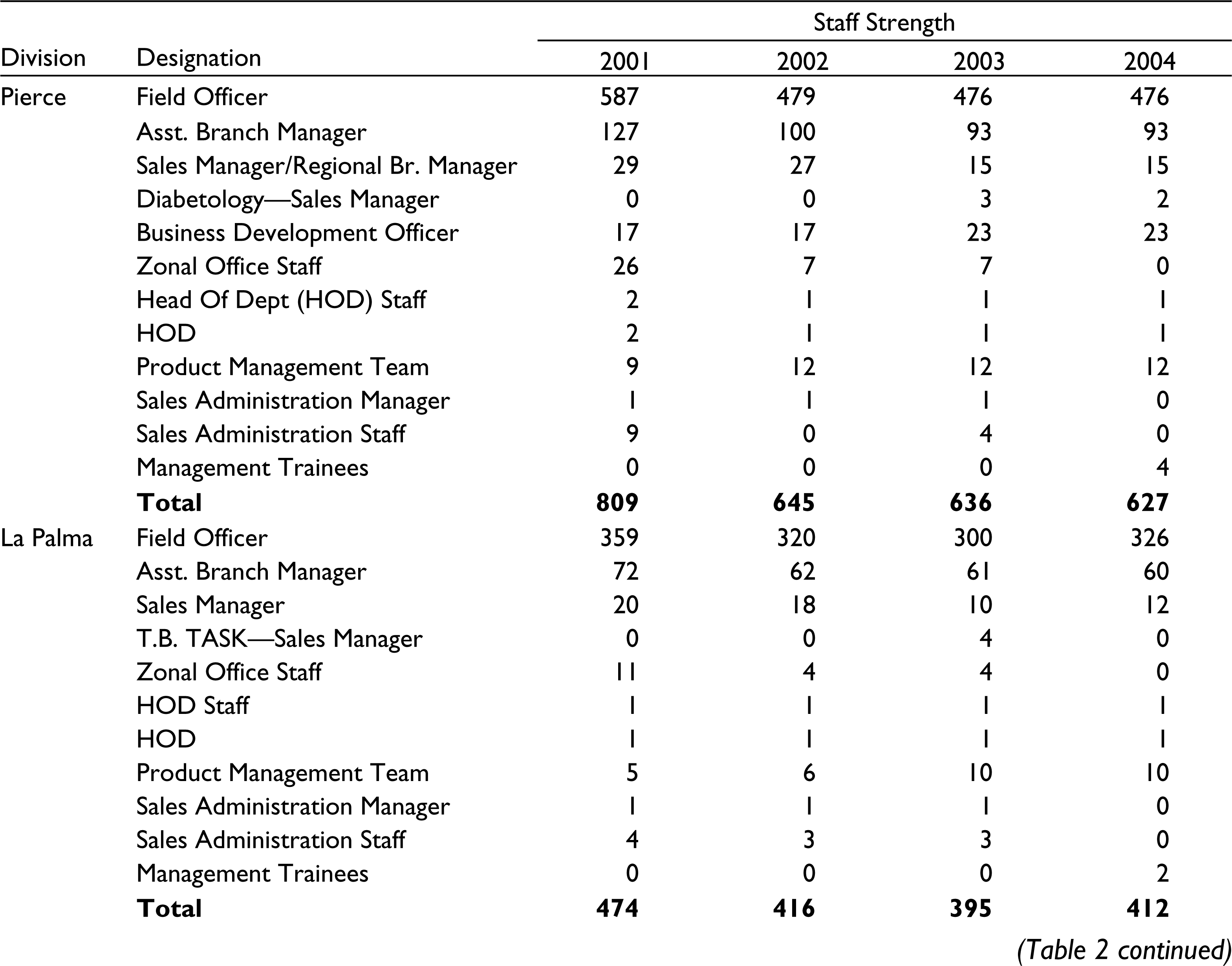
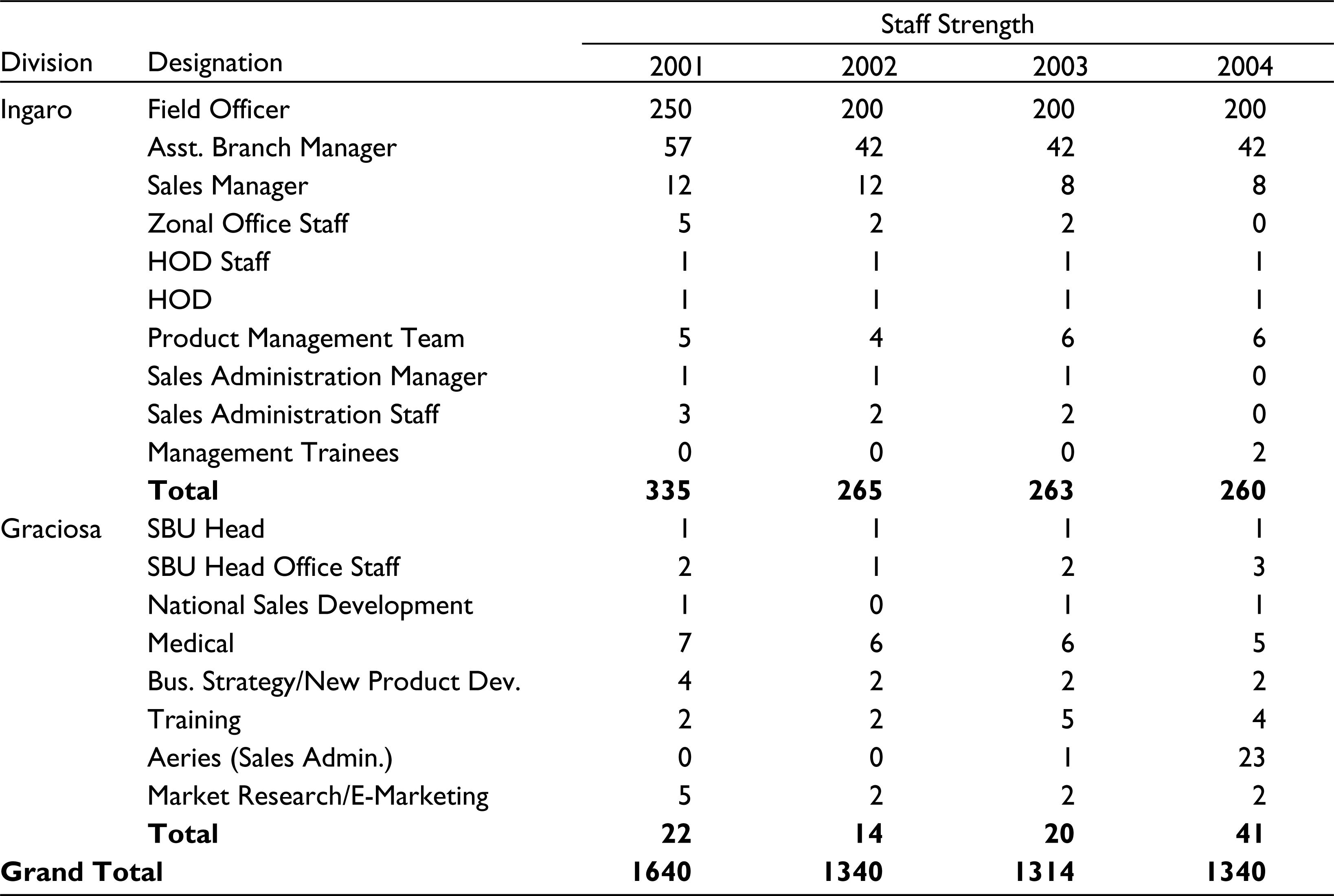
In June–July 2004 they conducted three focus group discussions (FGDs), one each with the HR team, divisional heads and SMs, and followed this with six in-depth interviews (DIs) of selected executives. They also collected extensive internal data from the HR department on sales force staffing and turnover. Table 2 details the staffing in each of the four divisions of B-SBU from 2001 to 2004, and Table 3 gives company data on attrition of sales personnel during 2001–2003.
Staffing in the Four Divisions of B-SBU (2001–2004, each as on 31 December)
Attrition Levels at KHL (2001–2003, each as on 31 Dec)
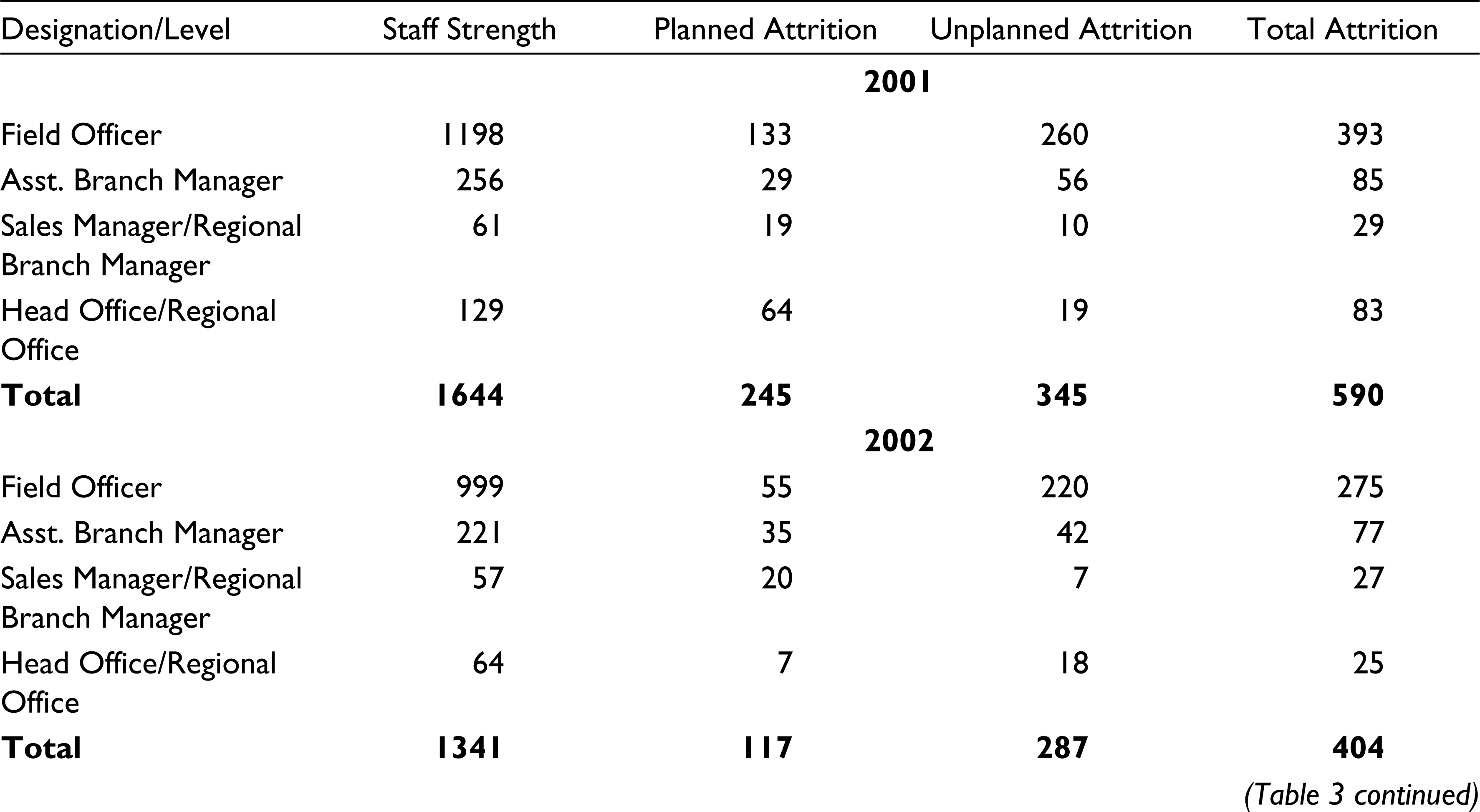
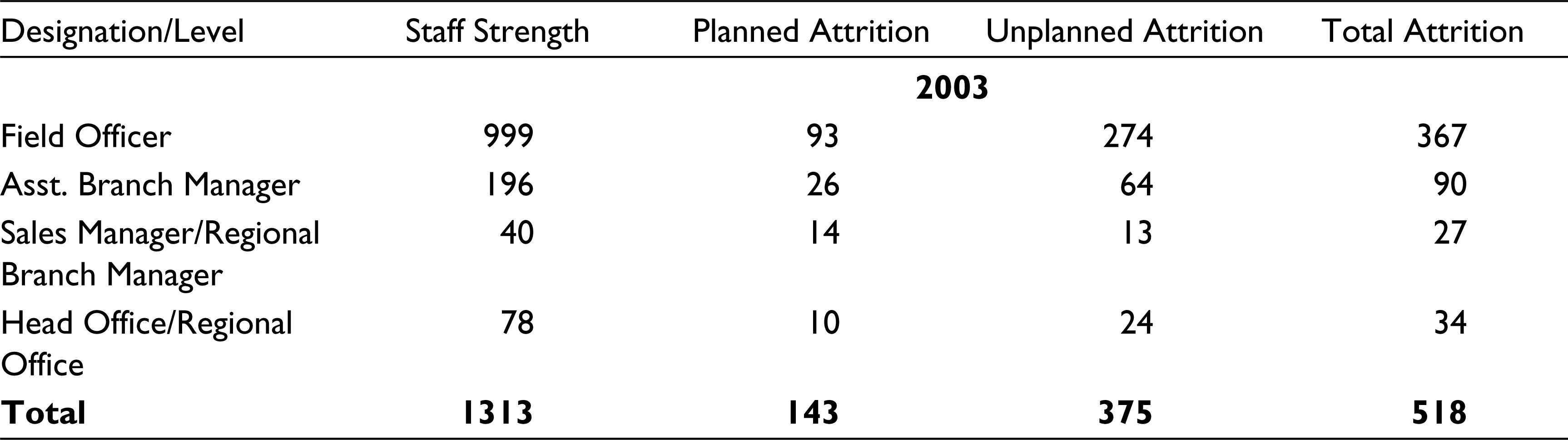
Consultants sensed that the problem of attrition in KHL was a complex affair, complicated by the characteristics of the context and its practices and in particular by the policy of planned attrition followed by the company. The HR head said the following to the consultants:
We regularly ask under-performers to leave the company. It is part of our policy and takes place almost as sales figures arrive for every month. We call it planned attrition. It is different from unplanned attrition which is voluntary turnover; an employee leaving the company on her/his own.
Investigation into the practice of planned attrition led the consultants to narrow down to a cyclical path of influence, which they called the vicious cycle of attrition, comprising elements such as fear/anxiety, job insecurity, unplanned attrition, high-performance pressure, poor performance, increased workload, low self-esteem, unrealistic sales targets and so on.
Micro-dynamics of Attrition at KHL: Sales Pressure
To further decode the attrition dynamics at KHL, Consultants analysed the per cent (%) attrition of field executives (FOs, ABMs, zonal managers and SMs) in the three divisions with a factor that they called ‘sales pressure’. They defined sales pressure felt by an executive during month ‘n’ as the per cent difference between actual sales achieved in month ‘n−1’ and the budgeted sales in month ‘n’ in his zone 5 and wanted to know if the targets set for the sales force were achievable and how difficult they were from month to month. Consultants had hypothesized that primary sales targets set for field executives were unrealistic in most cases, causing poor performance, and resulted in planned and/or unplanned attrition. The wider the gap between actual sales and budgeted targets, the higher the pressure on the executive. Figure 4 depicts the analysis by consultants of attrition and sales pressure for thirty months (from January 2001 to July 2003), and Figure 5 shows the comparative analysis of two geographic zones with high and low attrition levels.
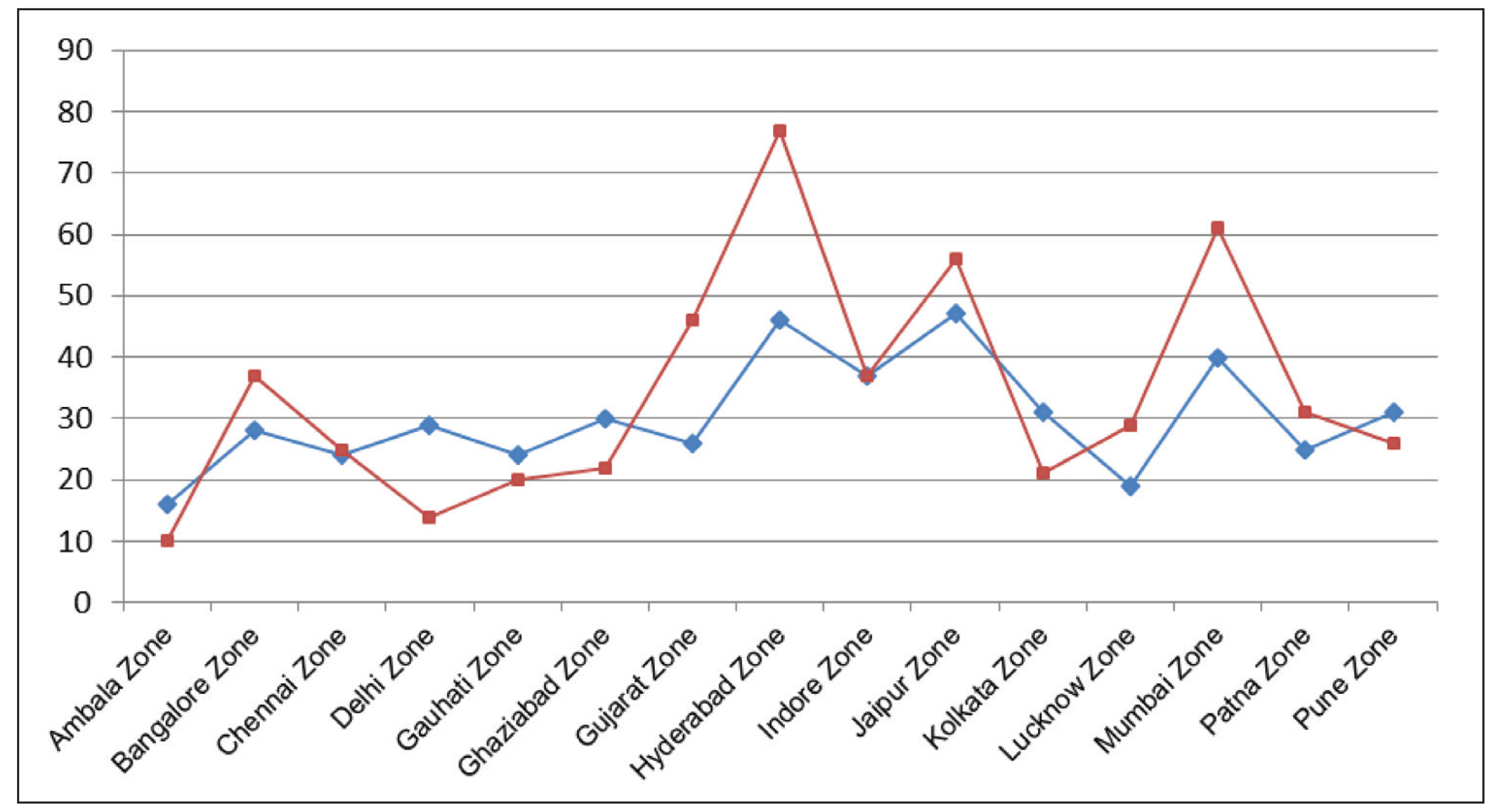
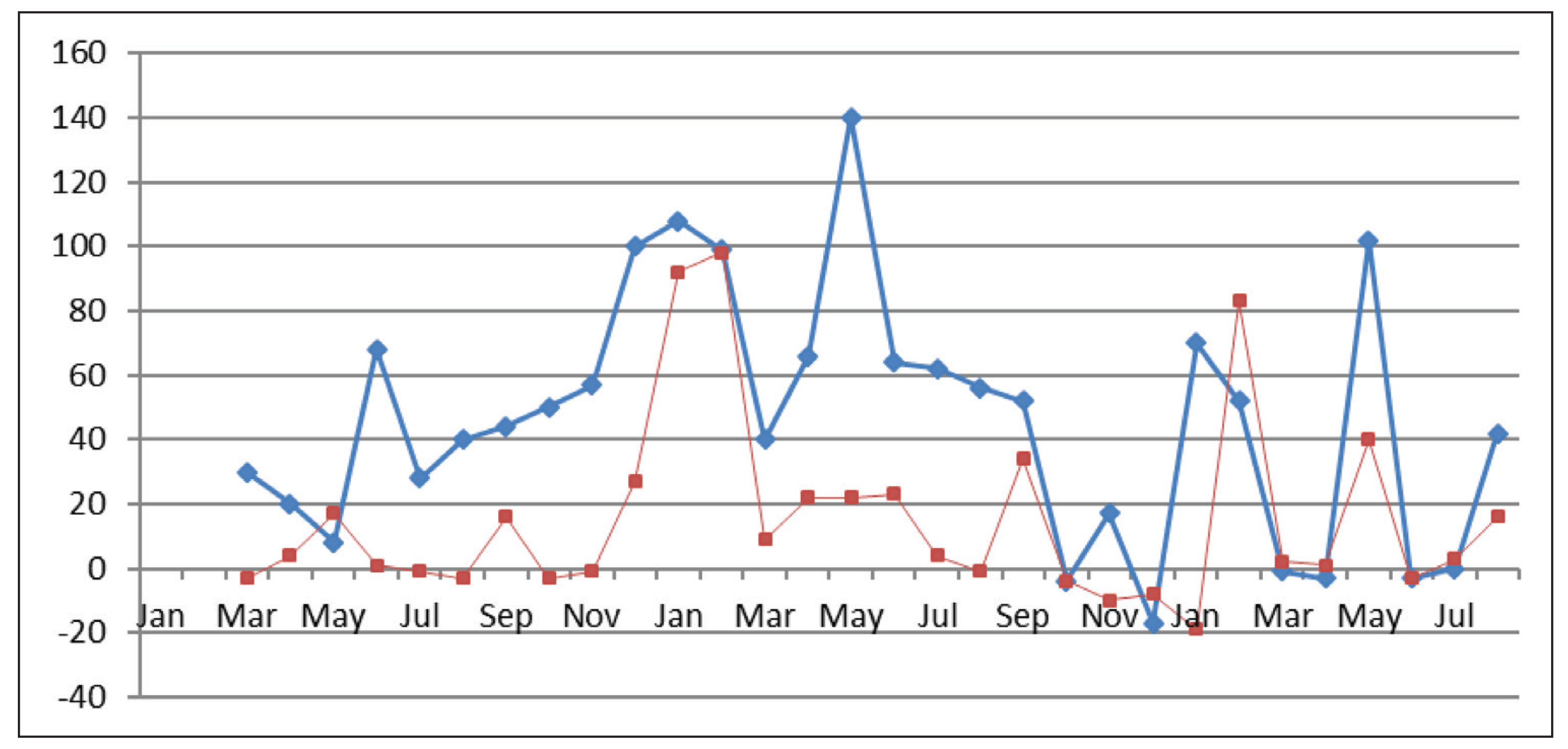
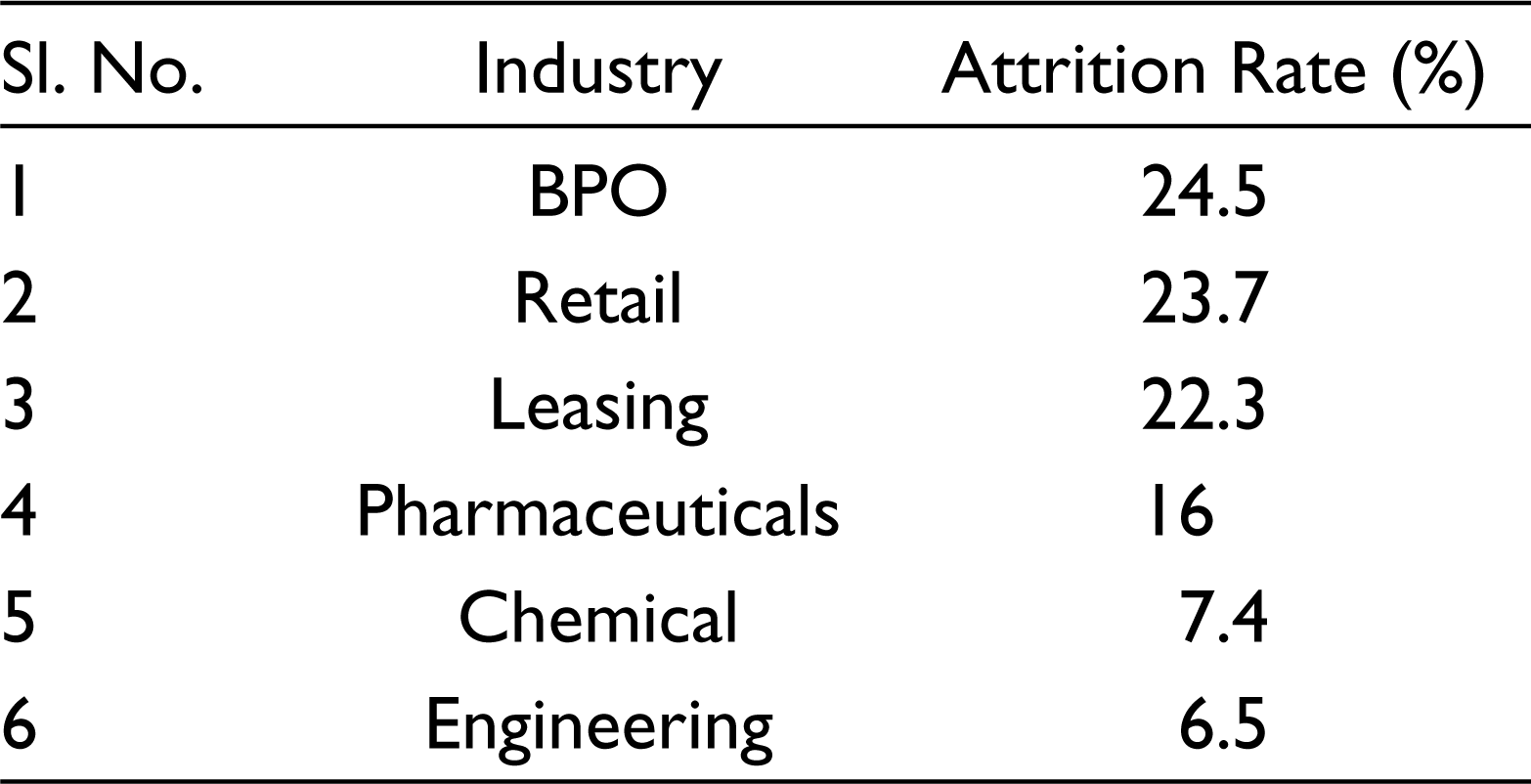
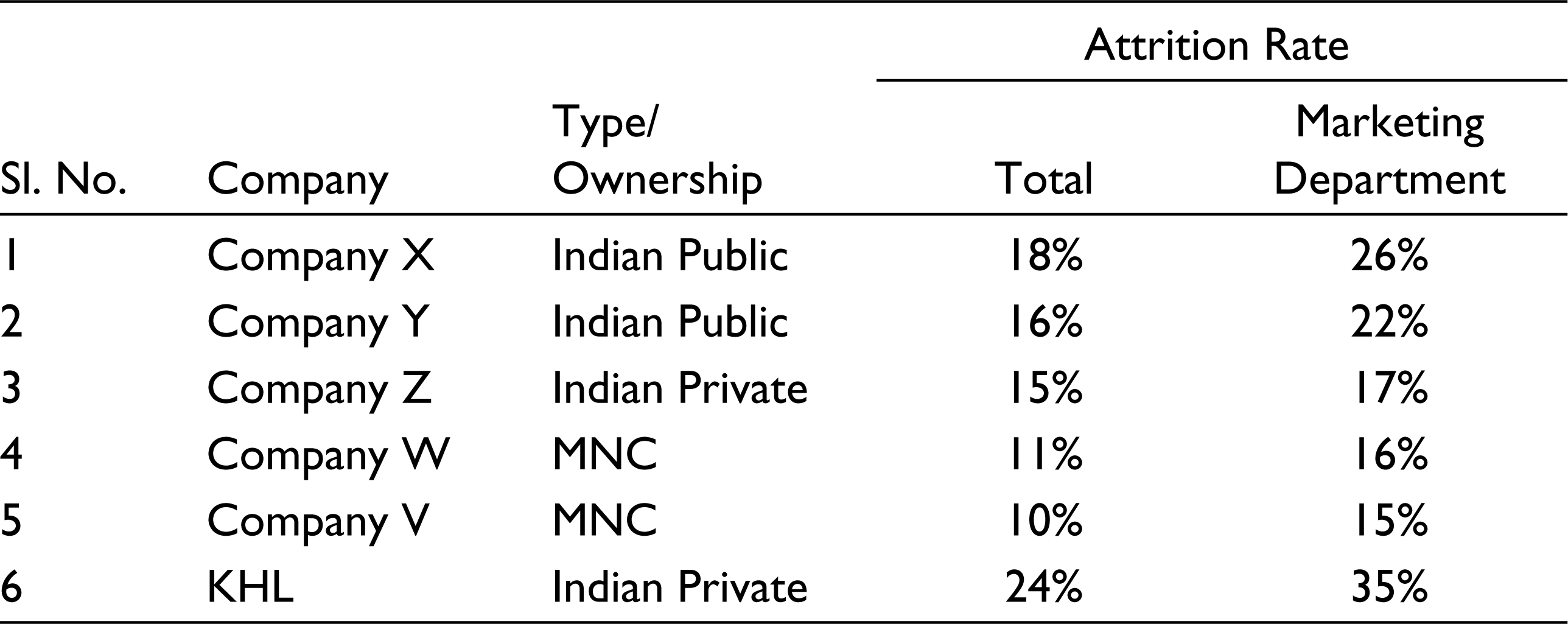
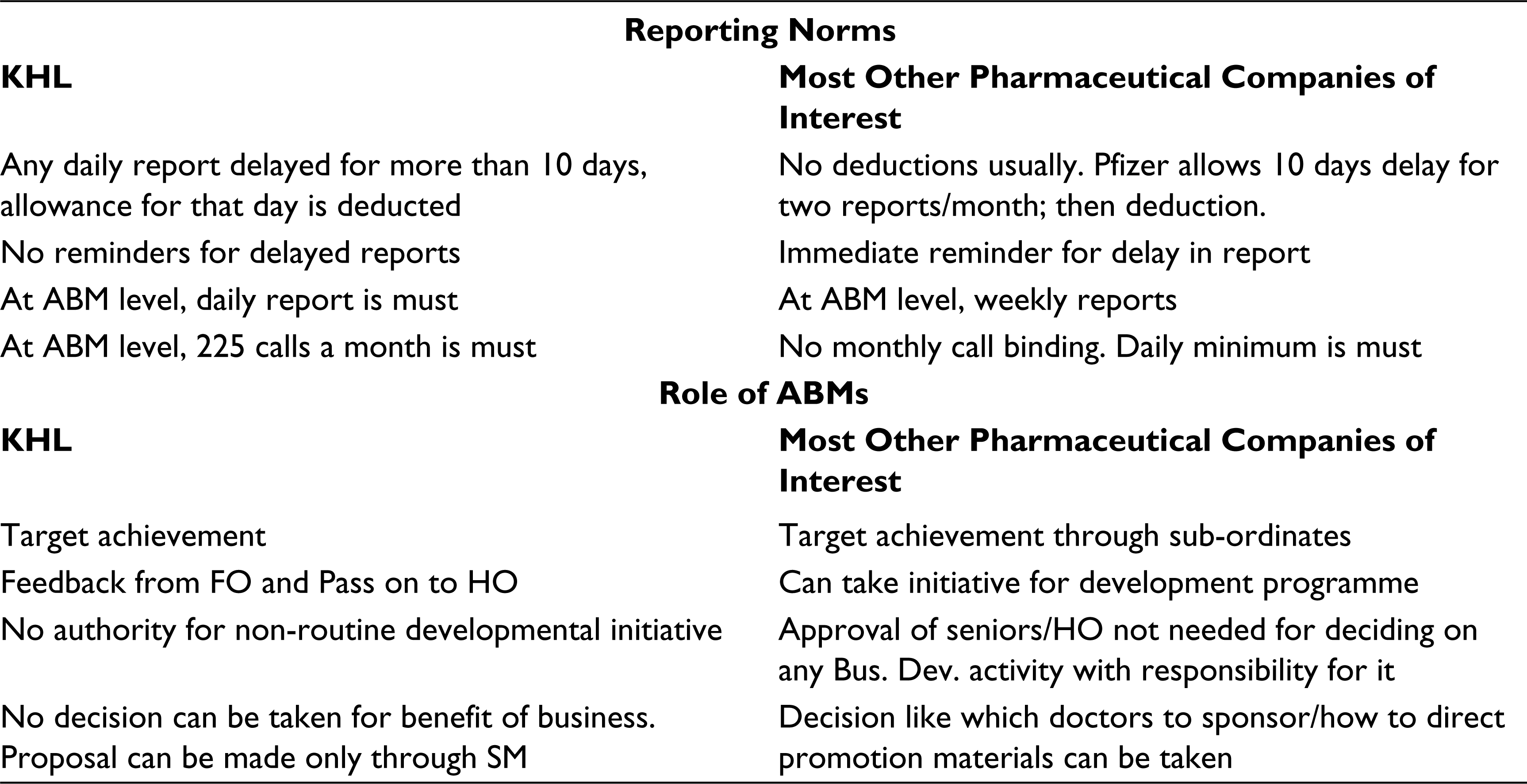
Consultants then gathered data on attrition across Indian industries in general (Table 4) and in competing firms in the pharmaceutical industry in particular (Table 5). They also compiled intelligence on comparative pay packets (Table 6) and sales administration systems of KHL’s competitors (Table 7). Further, they talked to four experts, largely industry association presidents and consultants, on the overall status of the industry and on its current and emerging trends and concerns.
Comparative Data on Attrition across Industries
Comparative Data on Attrition across Pharmaceutical Companies
Comparative Data on Compensation across Pharma Companiesα
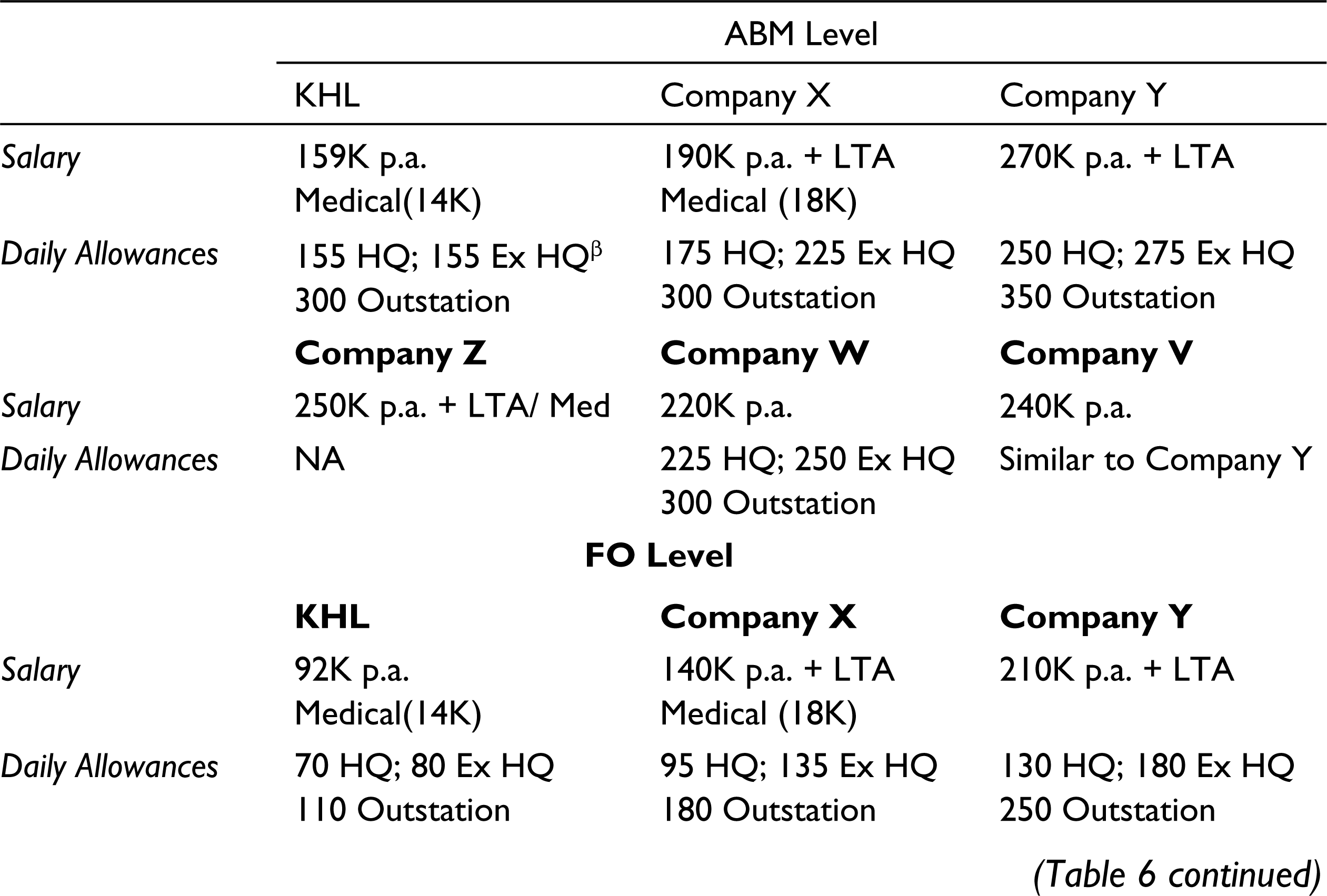
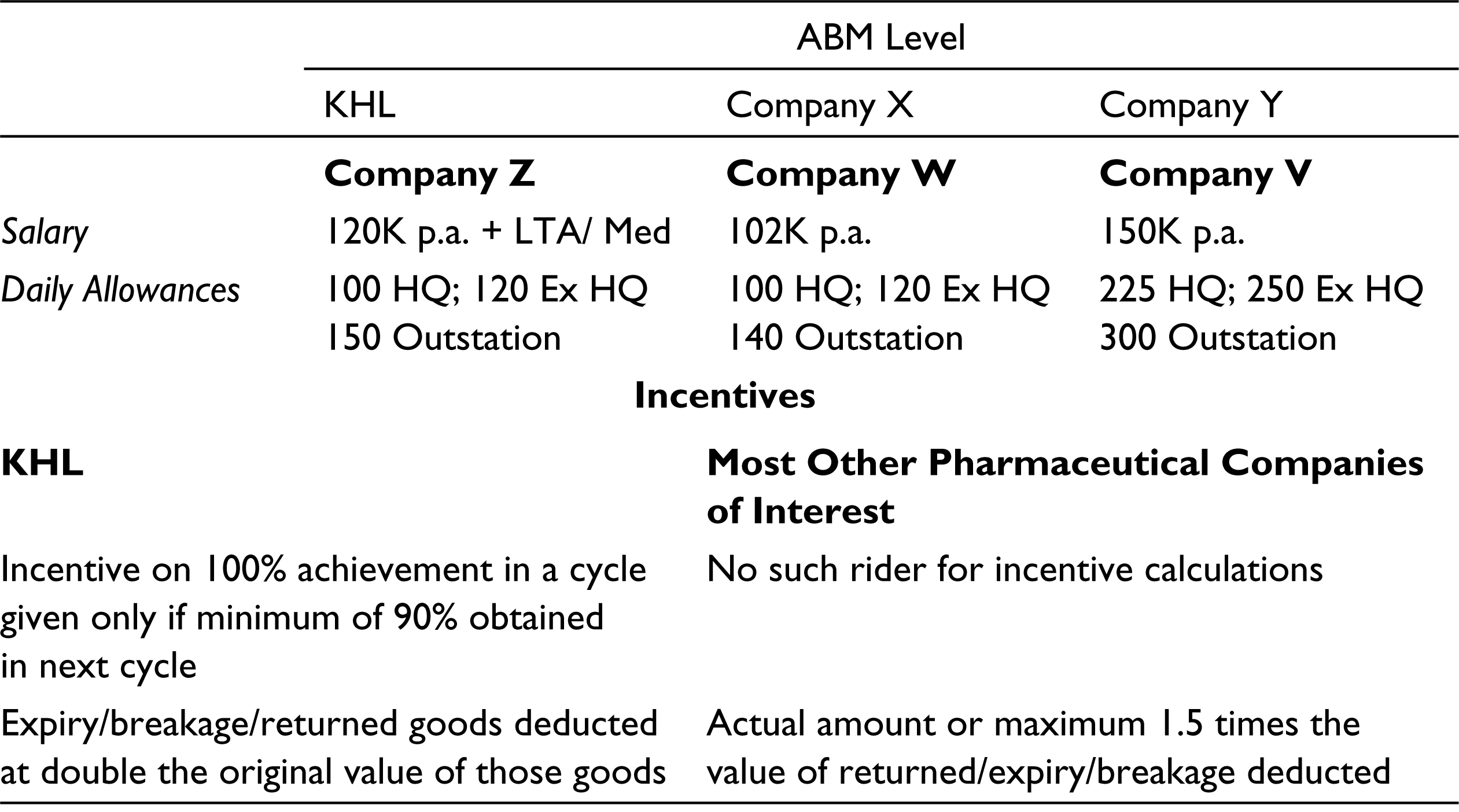
β HQ = Head Quarters, LTA = Leave Travel Allowance.
Sales Administration Systems Comparison
Interim Presentation
Armed with a good deal of data and analysis and the understanding gained from them, and as envisaged in their original consulting proposal, the consultants made an interim presentation for the HR and marketing teams of B-SBU towards the end of October 2004. It enabled both sides to reach an initial agreement on an overall analysis of the problem, and to plan for subsequent phases of the study, involving a quantitative survey (labelled ‘Manpower Mood Meter’—M3) and qualitative research.
Manpower Mood Meter (M3)
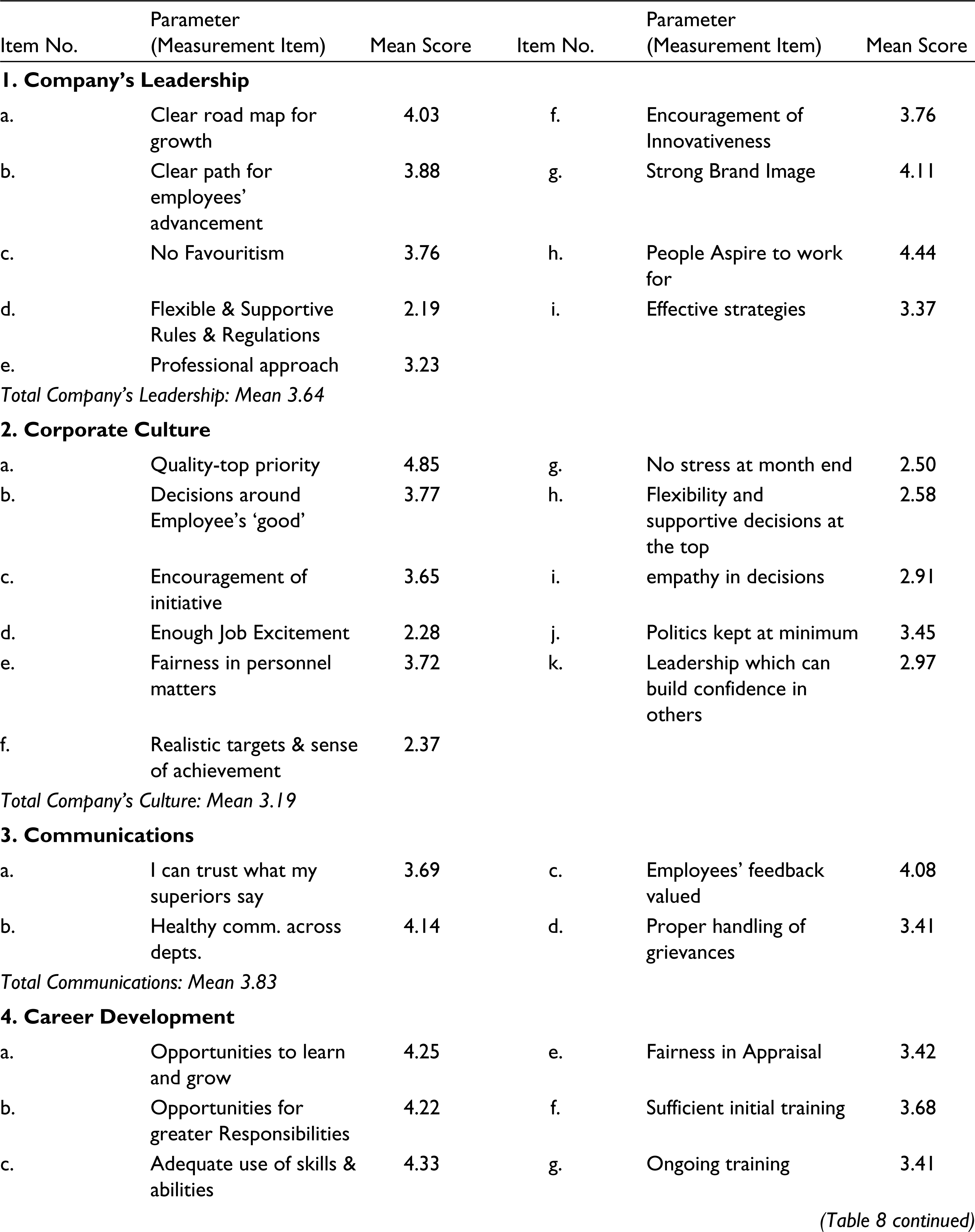
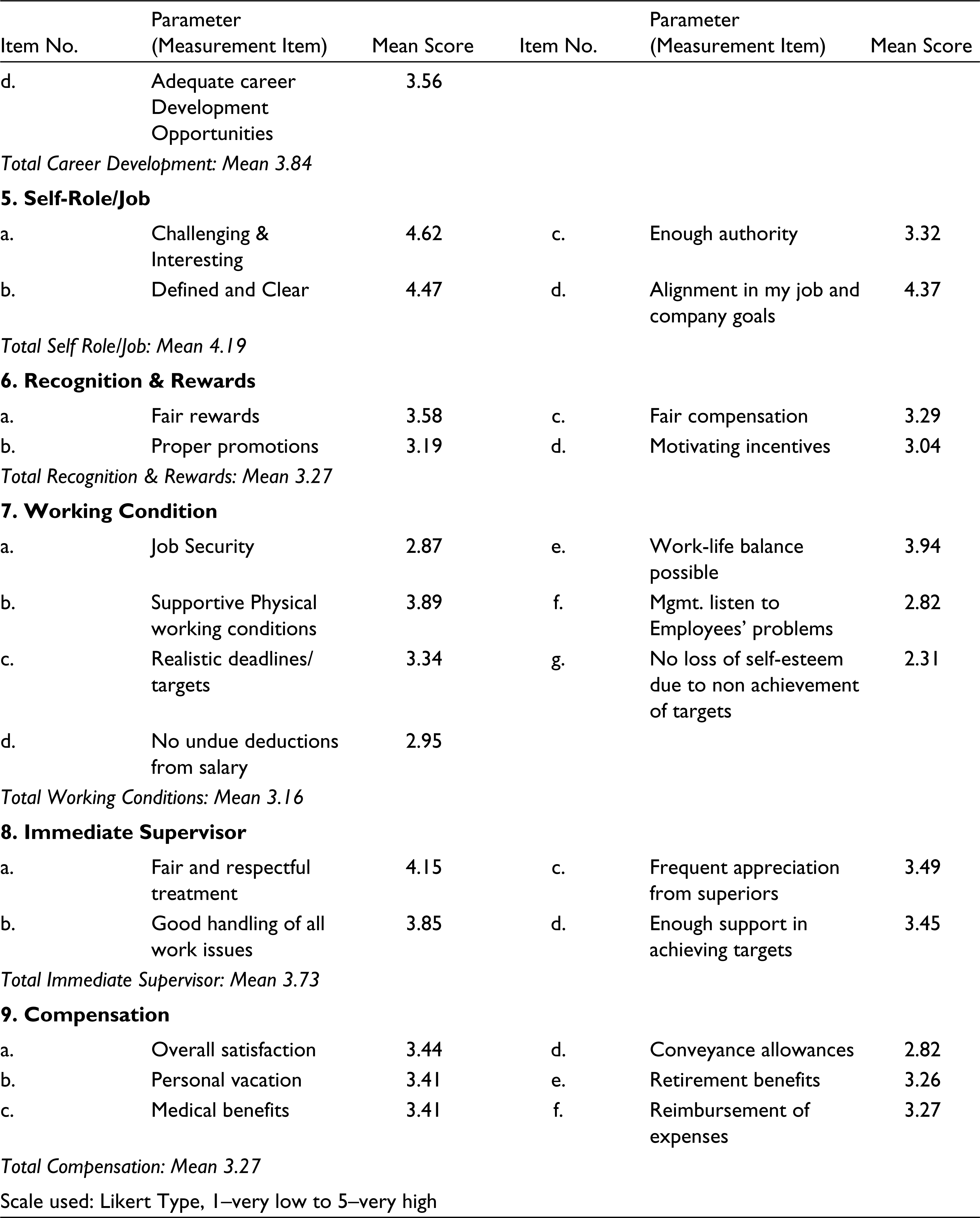
Based on familiarity acquired and understanding developed with the KHL context, consultants used a specific tool, which they called Manpower Mood Meter (M3), to gauge employees’ feelings about and orientation towards their job and the organization and to assess what they felt about their role in and future prospects at KHL. M3 investigated nine aspects or dimensions: company leadership, corporate culture, communications, career development, self-role in the job, recognition rewards, working conditions, immediate supervisor and compensation. See Table 8 for the dimensions and the set of items/statements that assessed each of them.
Consultants first tested M3 with a small sample of fifteen FOs in a pilot study and received seven responses, which confirmed to them that the tool could generate useful data. Following this, during November 2004, they administered M3 in all three divisions of B-SBU and at all levels from SMs to trainee field officers (TFOs) and received seventy-nine responses. Table 8 also contains consultants’ first level of analysis of data obtained through M3 (i.e., item mean scores).
Manpower Mood Meter (Dimensions and Items with Mean Scores)
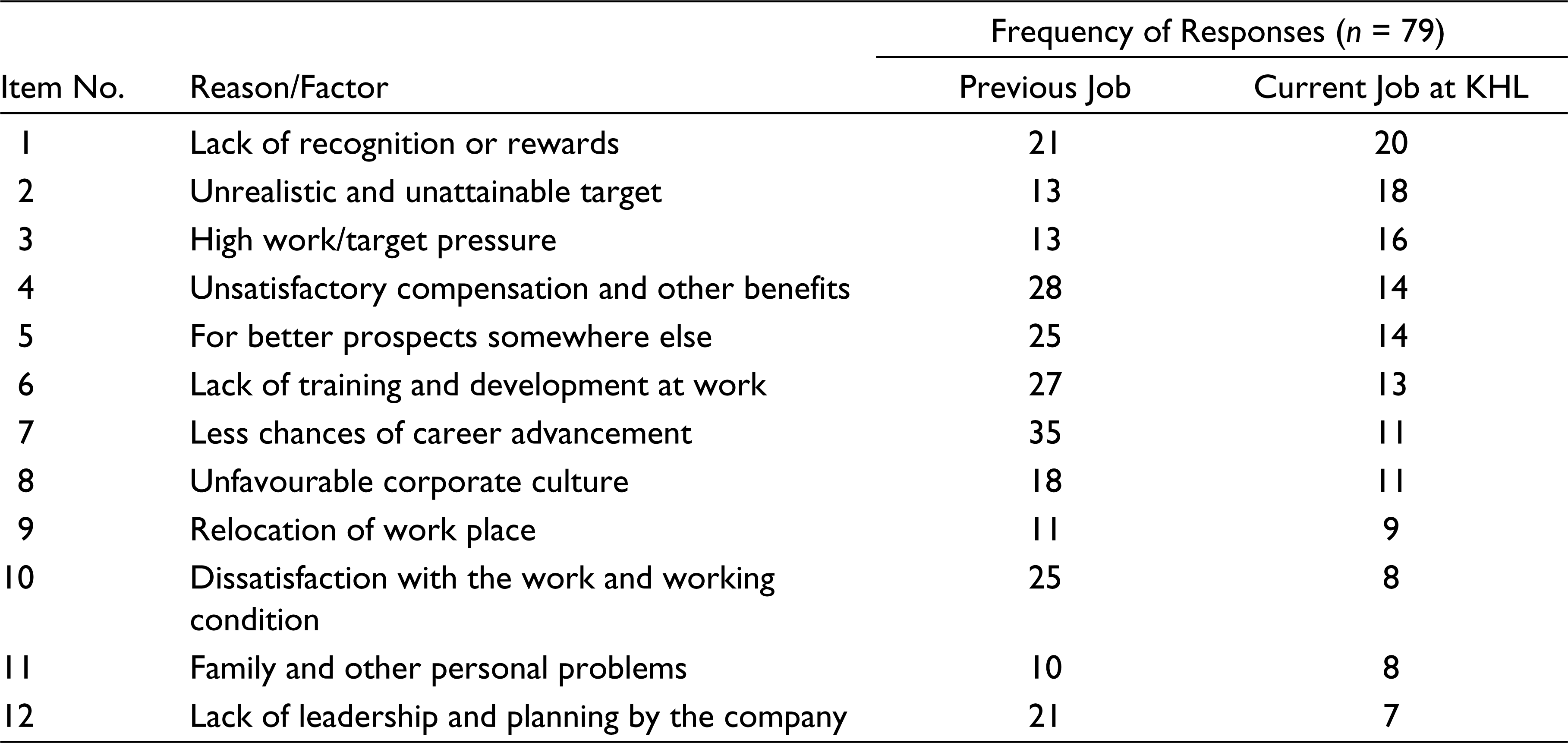
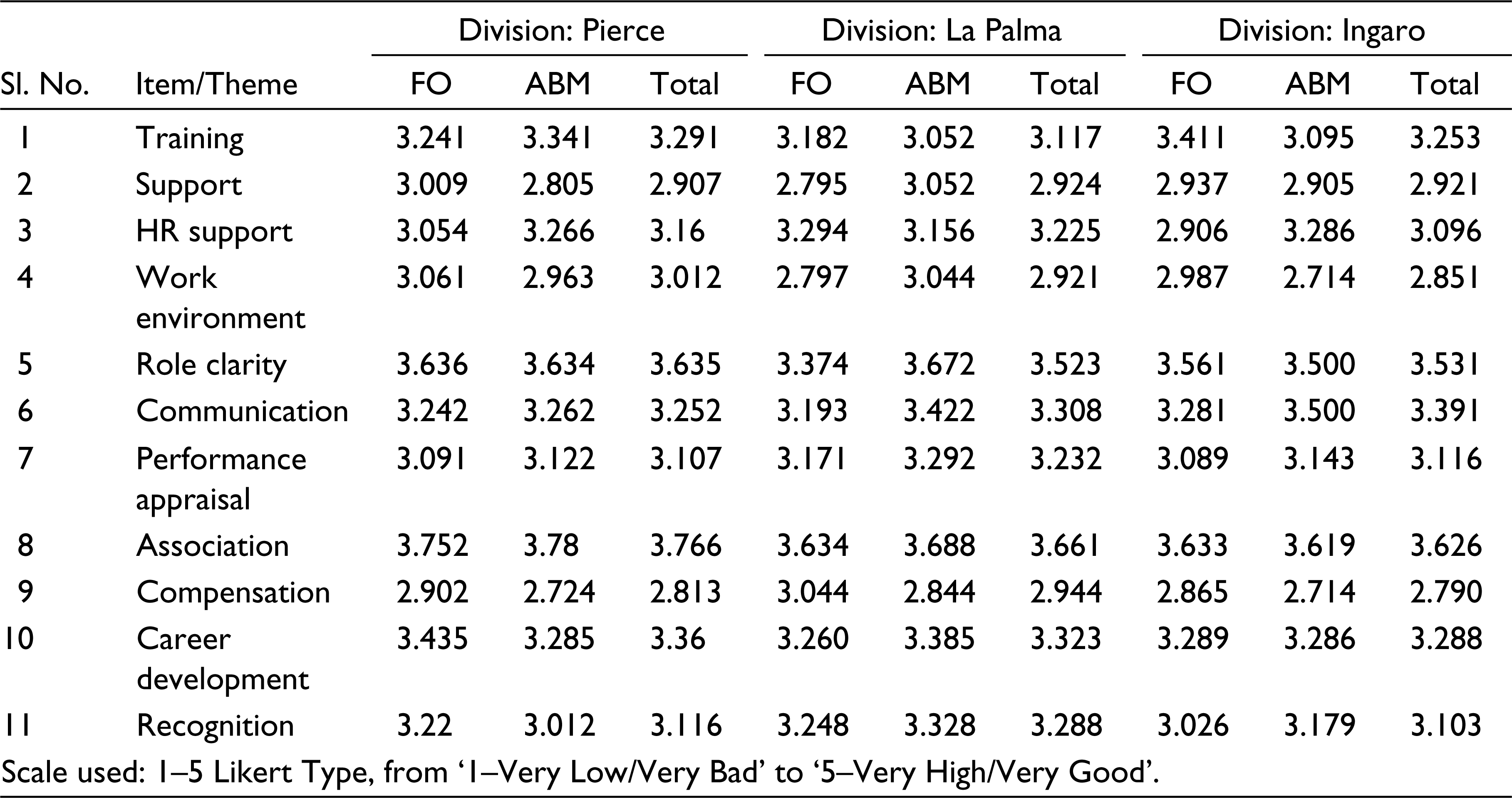
Alongside the M3 study, consultants also attempted to identify key reasons that made people leave KHL. Based on DIs of a select group of managers and others at the head office and company records of exit interviews, they listed twelve possible reasons and asked the field staff of the B-SBU Sales Team 6 to tick every factor which they felt had influenced them to leave their previous job and to separately tick every factor which they felt was prevailing in the KHL context as well that would possibly influence them to leave the current job if they so choose (Table 9 summarizes the findings). Consultants further noticed that an ‘Organizational Climate Survey’, independently conducted by KHL’s own HR Department in 2004 among the FOs and ABMs to examine employee satisfaction on various company practices, could be useful for comparative analysis and validation of their findings and inferences (see Table 10).
Key Reasons for Leaving Job
Organizational Climate Survey 2004 by KHL HR Department
Qualitative Field Study: Depth Interviews and FGDs
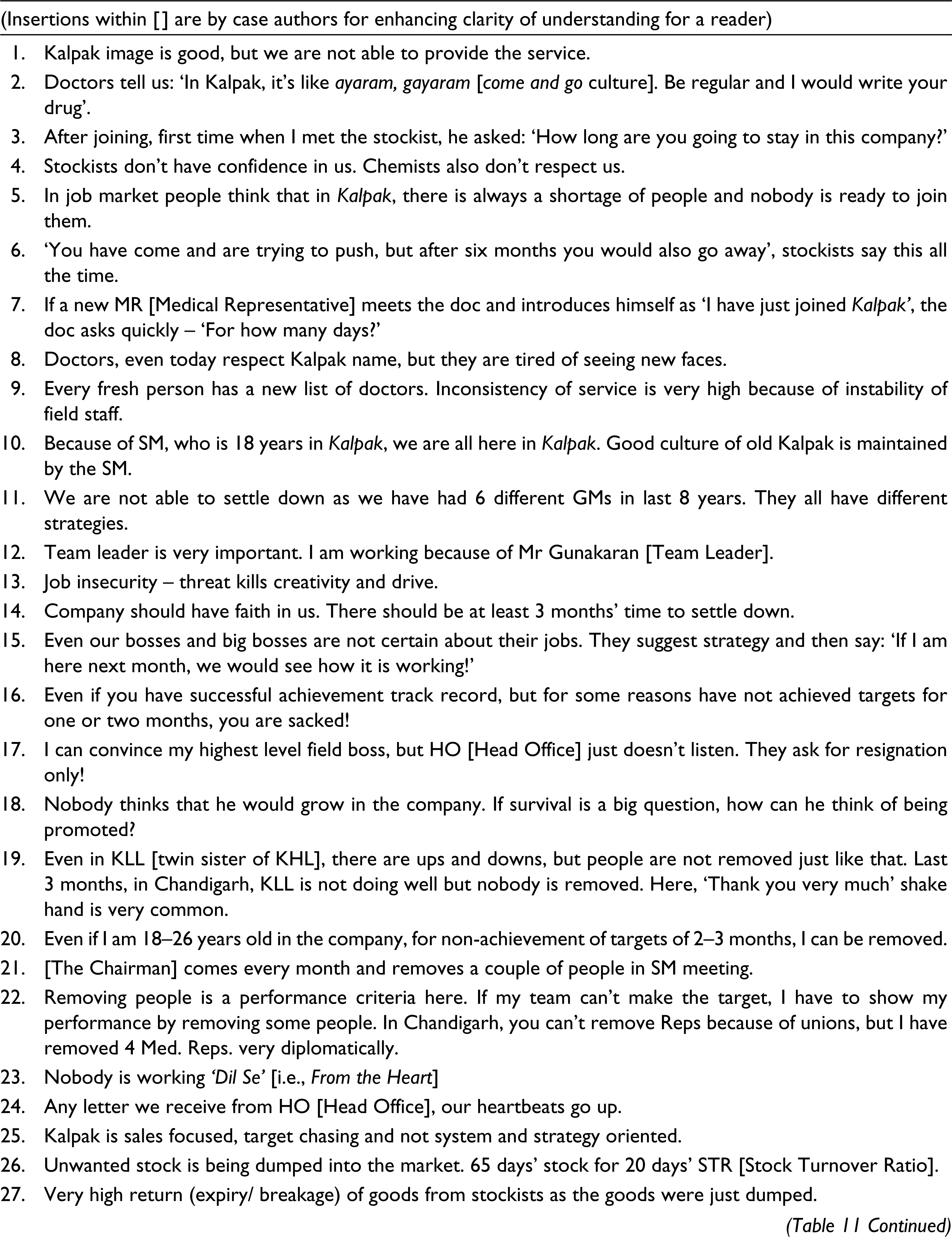
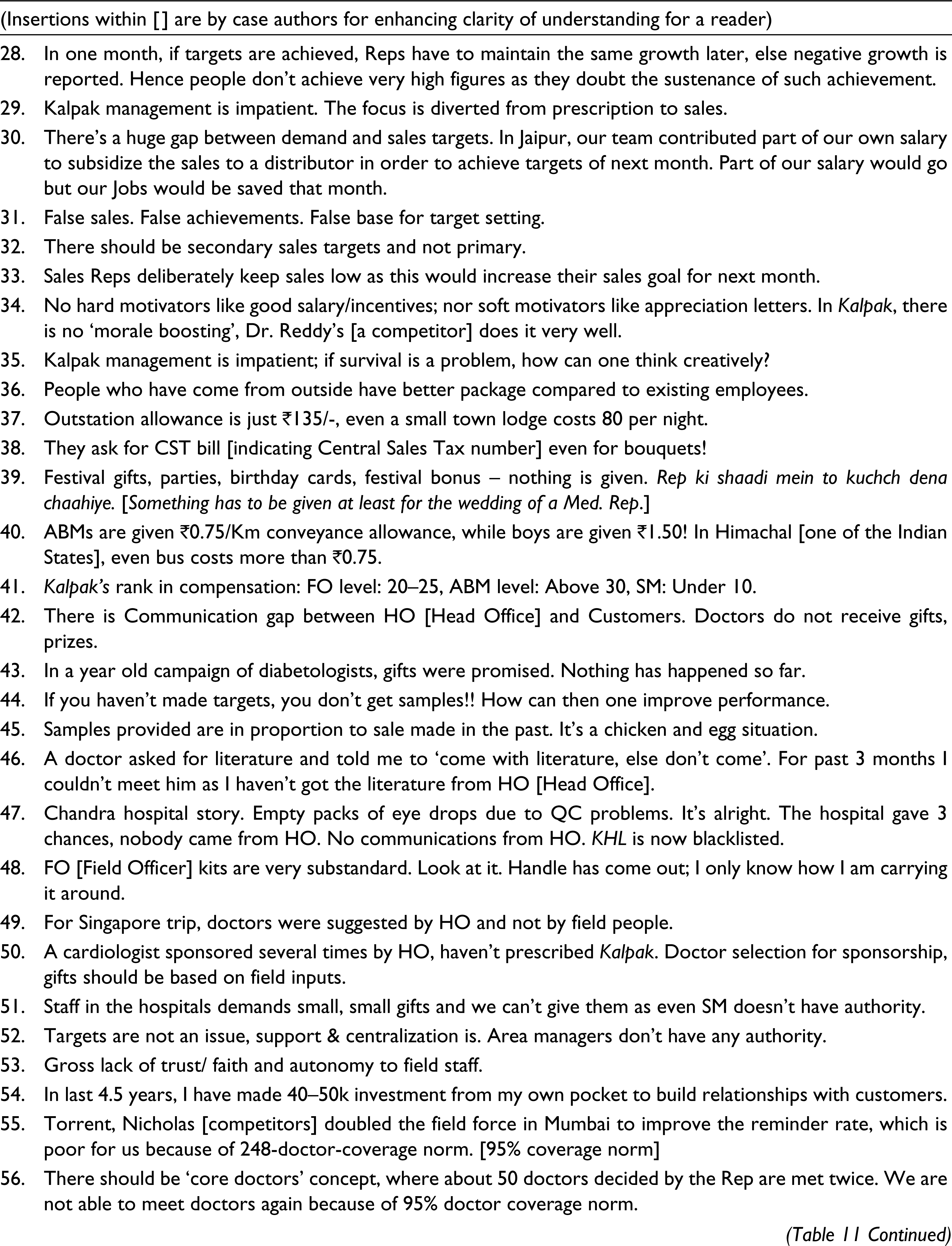
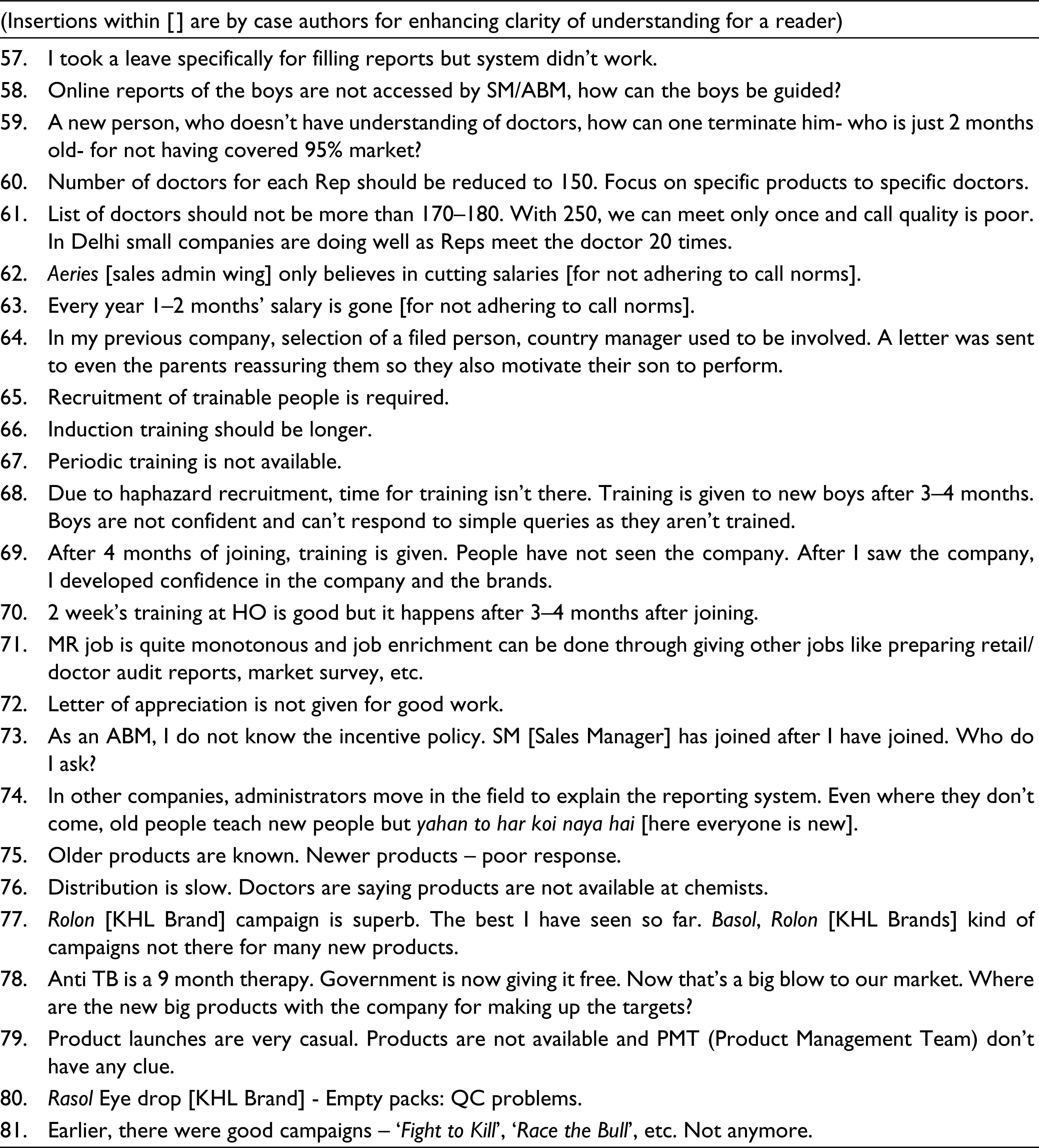
Realizing that they were near to the end of their exploration and eager to dig deeper into the attrition problem, the consultants stepped into the last phase of their study. Following the interim presentation, they had to identify ‘Zones of Interest’ for qualitative data collection from the field staff on the basis of performance and attrition levels, such as ‘high attrition-low sales pressure’, ‘high attrition-high sales pressure’, and so on. The B-SBU marketing team suggested six zones spanning Western, South-central and Northern India and the consultants agreed to this choice. In the second and third weeks of December 2004, they conducted a total of six FGDs and thirty-two DIs with the field force in these zones. Table 11 gives a large set of comments from the extensive qualitative data thus gathered. Many of these comments clearly indicated to the consultants the impact that attrition had on KHL personnel themselves and on their relationships with the customers. They also brought up typical sales force concerns such as HO-field relations, sales organization and decision-making, marketing strategy, marketing service support, call/ reporting norms including issues on newly introduced sales force automation system, compensation, allowances and training.
Illustrative Set of Comments from Qualitative Field Study
Analysis and Recommendations
Aurora and Shenoy felt that they were now in possession of rich and adequate data for analysis. However, they also felt a little overwhelmed by the complexities which the data seemed to present in terms of the qualitative and quantitative options they needed to consider so that their analysis could yield recommendations that the KHL top management would feel worthy of consideration for implementation. With just ‘less than a month’ to do that, their attention, hence, immediately turned towards data analysis and interpretation.
Declaration of Conflicting Interests
The authors declared no potential conflicts of interest with respect to the research, authorship and/or publication of this case.
Funding
The authors received no financial support for the research, authorship and/or publication of this case.