







Abstract
This case looks into an incident that took place in Lahore, Pakistan, in 2017, when Masheer Rai from Fahm-ul-Halal (FUH) company found E120, a prohibited ingredient, on the label of a Sweeter strawberry juice drink bottle. He sent a WhatsApp message that quickly went viral. In response to the message, Rai received a phone call from Taqwa Industries, the juice manufacturer. Rai was told it was a labelling error, but the manufacturer did not have the documents to back the story. The management of both the companies met, but the FUH group was not satisfied with the outcome of the meeting and began contemplating their next move. The case can potentially be a benchmark for understanding the problems of adopting halal certification and ethical conduct in the food industry.
Discussion Questions
Do you think Rai should have spread the message in his social circle with the possibility that it could reach large audiences?
What should be Sweeter’s stance in this matter?
How can Fahm-ul-Halal (FUH) become a sustainable business?
Should FUH become a halal-certifying body?
What can be done to prohibit haram items in Pakistan?
On 23 September 2017, Masheer Rai was returning home after an intense meeting with the management of Sweeter, 1 a popular juice brand based in Punjab, Pakistan. The meeting was called on the behest of the Taqwa Industries (owner of the Sweeter brand) team after Rai had spotted a prohibited ingredient on the label of a Sweeter strawberry drink bottle 2 days earlier. As a consultant to the halal awareness group Fahm-ul-Halal (FUH), Rai subsequently initiated a quickly-spreading WhatsApp message explaining the impermissibility of the juice for Muslim consumption. The meeting was called to clarify Taqwa’s position on the matter. The Taqwa team claimed that the bottle was incorrectly labelled; however, a lack of evidence backing the claim and change of statements from Taqwa led to deep suspicion among the FUH team. The FUH team ruminated on what to do next. This matter was a reflection of some larger issues in the country: halal regulation and the role of watchdogs and accreditation bodies; consumer responsibility in sharing news in the digital age and practising and auditing ethical business conduct where transparency and traceability were difficult.
The Juice Industry in Pakistan
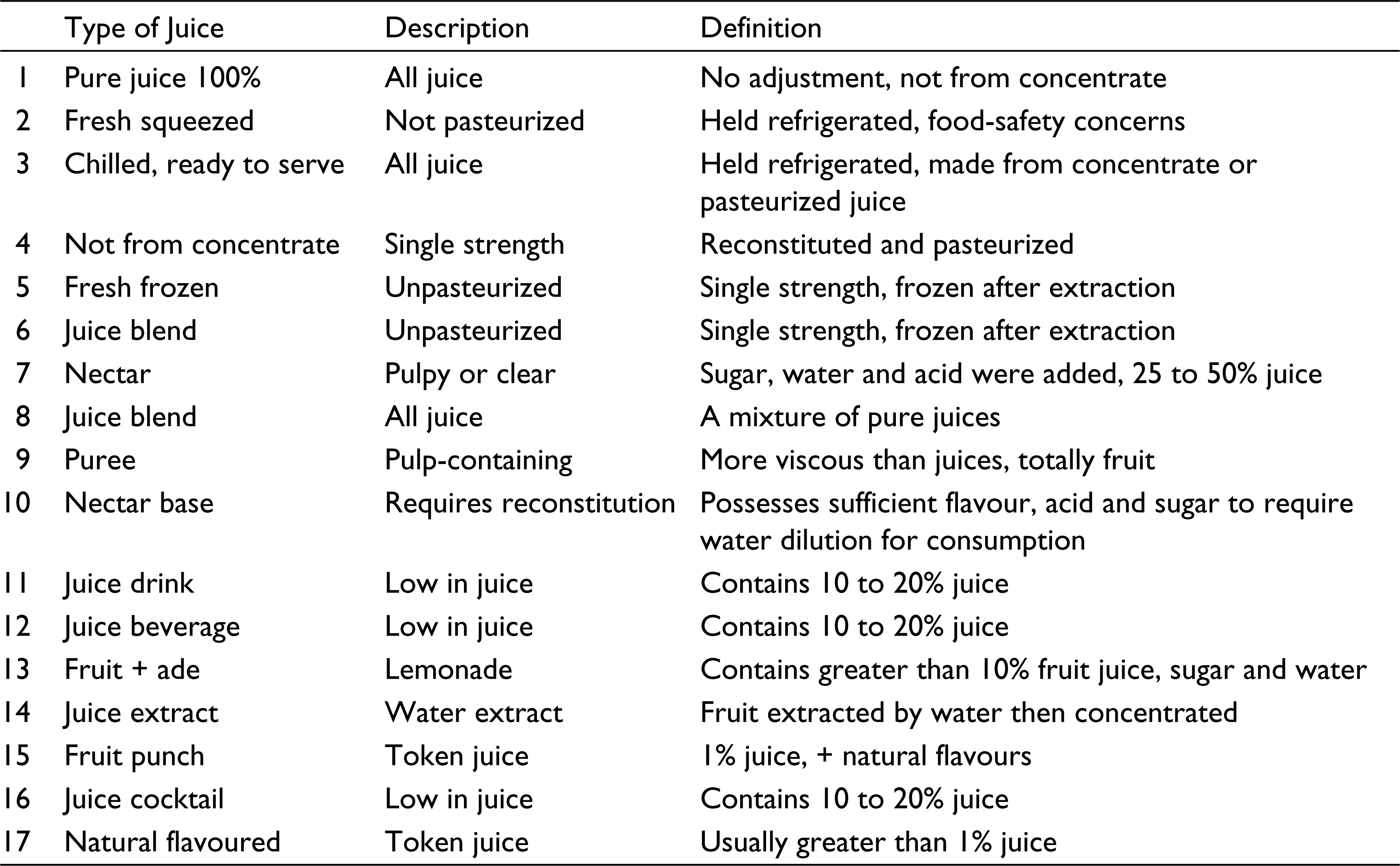
In the marketplace, the juice was understood to be the liquid extracted from natural fruit or some percentage of a drink that would contain such an ingredient (Table 1). Usually, the process of juice extraction was mechanical. Since pulpy fruits yielded dense puree when extracted, the squeeze needed to be diluted with additives such as sugar and water before it was fit for consumption. 2 Moreover, additives needed to be added to reconstitute juice concentrates (the dried form of fruit extract) and those juices that were too sour or bland.
Various Types of Juice.
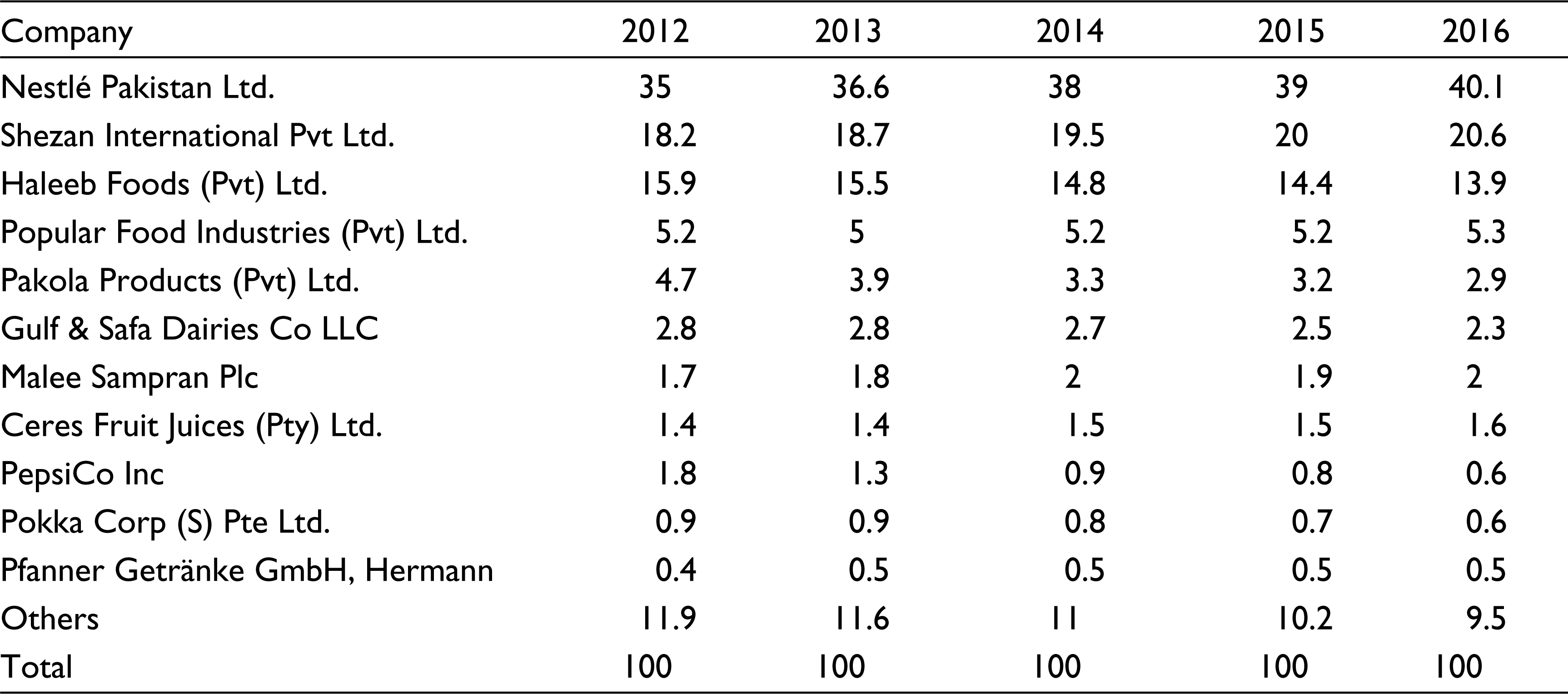
The fruit juice industry in Pakistan was well established. Pakistan had 38 manufacturing units of fruit juices and similar drinks (such as cordials like Rooh Afza) as of 2013. 3 Juice off-trade sales were PKR 58 billion in 2016. Scores of international and national brands competed for market share. Nestlé roughly held a 40% share in juice sales in 2016 (Table 2). 4 Shezan was the top local brand with a sales volume share of 21%. Some of the other top producers included Haleeb, Pakola, Pepsico, Coca Cola, Popular and CitroPak. The juice was also exported; in 2011–2012, the exports revenue was PKR 3.6 billion. 5 Most of the production was based in Lahore, Southern Punjab, Hattar (KPK) and Sindh. About 200 mL and 250 mL tetra packs constituted 70% of the market, while the remaining 30% included half-litre and 1-litre packs.
Company Shares of Off-trade Juice % Volume: 2012–2016 (% off-trade value retail selling price).
Juice in Pakistan had traditionally been popular with the youth. Hotels, hospitals, educational institutional cafeterias and shops in public places were also popular buyers of juices. Pakistan’s hot weather aided in making juice a popular consumer choice in beverages. Although fresh juice had been popular, packaged juice had seen a surge in popularity due to better price, convenience and distribution. 6
Recent trends indicated a rise in juice consumption due to the global move away from unhealthy carbonated drinks. Juices naturally contained vitamins and minerals and were sources of instant energy. However, additives, preservatives, heating during the extraction process and the use of low-quality fruits dampened the nutritional value. There were many players in the industry that were using rotten fruits for production as the better produce was either exported or sold to businesses and end consumers.
Sweeter
Athar Jameel, CEO of Taqwa Industries, founded the corporation nearly 15 years ago primarily as a cooking oil and ghee brand. Since its inception, Taqwa diversified into a range of products, including juice, water, cola, cheese and snacks. However, the juice division had brought Taqwa the most success. It was estimated that 75% of Taqwa sales were from the Sweeter juice brand.
Athar Jameel came up with the idea of Sweeter while inspecting the juices available in the market in 2008, so he thought that it was possible to bring a better product to the Pakistani public. Jameel’s team at Taqwa worked on this project for about 18 months and launched Sweeter in 2009. It was branded as a premium juice available in several flavours such as: orange, mango, strawberry, peach, guava, apple, falsa, red grapes, etc. Differentiating from leading players, Taqwa vowed that its products contained real fruit. Sweeter’s owners produced their own pulp unlike the industry norms except for the citrus-based variants. Taqwa claimed that other manufacturers sourced pulp from suppliers who used stale or soon-to-rot fruits and compromised on the quality of the ingredients. By owning the pulp-making process, the Taqwa management was able to control the quality of fruit that went into the juice. Taqwa mentioned on the Sweeter bottle that the product had real fruit: to promote the idea. Taqwa also wrote ‘Pure Juice’ but was reprimanded for this clause by the Competition Commission of Pakistan and subsequently withdrew the claim. Another important differentiator for Taqwa was their packaging: Sweeter had an attractive, distinguishable PET bottle available initially in 500 mL and later in 250 mL and 1,000 mL. The Taqwa team also applied a premium pricing policy. The main target market for Sweeter was upper-middle-class youth who could afford this high-quality drink. Initially, Taqwa varied the price by flavours ranging from PKR 50 to PKR 110 for a 500 mL bottle. The varying pricing strategy did not sit well with retailers or consumers; hence, all Sweeter drinks were priced at PKR 60 for 500 mL.
Textile Testing International (TTI) and Fahm-ul-Halal
Hamed Lateef was the founder of TTI, a third-party testing laboratory catering to the testing needs of different industries, including textiles, leather, gloves, environment, medical devices, restricted substances and food testing, including pesticide residues and toxicology testing. TTI was launched in 1995 ‘to provide fast, accurate, and cost-effective quality assurance solutions for supporting the buyers and suppliers in bridging the gap between manufacturing and compliance’. 7 Initially starting out as a textile testing laboratory, Textile Testing International changed its name to TTI Testing Labs or (TTI for short) when it expanded to other areas of testing outside textiles. In 2014, Lateef initiated FUH, a project under the auspices of TTI to provide better halal awareness to the Pakistani community. FUH, an independent entity, was housed on the premises of TTI, although it had no involvement in TTI’s affairs. FUH developed out of Lateef’s immense desire to improve halal standards among all stakeholders in the country, which he felt were disorganized, inadequate and inappropriate. FUH’s mandate was to educate consumers, traders and manufacturers about the necessity of abiding by the principles of Islamic Shariah while consuming and manufacturing food. In this sense, FUH was an NGO and served as Pakistan’s first non-profit market watchdog in matters pertaining to the halal production of food. Another objective of FUH was to bring about the same quality of traceability procedures in the halal food industry that TTI had brought about through its testing in other areas such as chemicals and leather. FUH would serve as a long-term consultancy service to food companies to help bring them towards true and sustained Shariah compliance. Lateef thought that current halal food certification did not ensure that company processes were rigorous enough for traceability, nor were one-time annual checks sufficient for long-term halal validation when processes or suppliers of ingredients were changed in between checks. FUH also intended to train client staff so that companies became self-sufficient to address intricate issues relevant to halal food standards. Hence, the consultancy would serve as an additional step to make company processes meticulously Shariah-compliant before companies got halal certified.
The team at FUH included Lateef as chairman, Mufti Wasim Iqbal as Shariah advisor and project lead, Mufti Farhan Tariq as Shariah advisor and Sharjeel Raza as analyst and co-ordinator. The FUH personnel were paid employees. Raza left FUH to pursue a career abroad in early 2017. Soon after, FUH hired food technologist Arif Jamshed. Hamed Lateef had a reputation for being an authority on halal matters in Pakistan, having represented Pakistan abroad, created halal awareness among Pakistanis, and also played a key part in documenting the halal food standards in Pakistan. Mufti Wasim was a religious scholar who specialized in issuing fatwas in line with Islamic jurisprudence. He also had a degree in chemistry. Mufti Farhan was also a religious scholar specializing in Islamic jurisprudence and was transferred from Nafay, an organization that helped businesses become Shariah-compliant. Arif Jamshed held a degree in food sciences from a local public university. Rai, an assistant professor at a local university, served as a voluntary consultant to FUH.
The TTI CEO paid the salaries of FUH staff. There had been discussion on how to make FUH an autonomous body. There were no donors at this point. One option was to charge consultancy fees to clients who needed halal accreditation. However, this was a moot point. Some people believed that carrying out religious obligations and making money out of them was against the spirit of Islam. These people thought that since carrying out any religious duty should be solely for the intention of pleasing Allah (as was the case according to Prophetic traditions), incumbents could not charge for it. People who believed the alternate viewpoint (also quoting the life of pious predecessors) argued that the incumbents carrying out religious duty should be compensated for the time they were putting in for the work, given the fact that they could have used the same time elsewhere to earn a livelihood through some other work. If the incumbents were not compensated, then they would have no means of livelihood. Hence, it would be difficult to retain such people for religious duty as they would work elsewhere. This would create a void in carrying out such obligatory work and leave a gap in fulfilling Allah’s commandment.
The Sensitivity of the Halal Issue
Muslims believed that it was the commandment of Allah to eat halal as declared in their Holy Book, the Quran. Halal was anything permissible according to the Islamic law. In food terms, this meant anything that was free from alcohol, animals not slaughtered according to the Islamic code, forbidden animals, insects apart from locusts, and in some interpretations, all sea creatures apart from fish. The same set of restrictions applied to the processing of food so that it was not contaminated with the aforementioned impermissible items. Haram, or forbidden, was anything that was not halal.
For Muslims, eating appropriately and according to the Shariah was itself considered a form of worship. However, Islam also severely reprimanded believers who partook in unlawful eating. According to a Prophetic narration, the prayers/supplications of a believer were rejected by Allah if he or she consumed a morsel of haram. In a separate hadith, it was reported that the hell-fire was more deserving of the flesh that has been nourished with haram.
Generally, Muslims were particular about eating halal food. Many people within the country believed that Pakistan, being a Muslim country, was safe with regard to food. However, the increased availability of imported food items had brought doubts. As such, halal certification had gained prominence in recent years. The concerned organizations issued such certifications once religious scholars had inspected the procedures and products of companies and judged them to be in line with the Islamic law.
Halal Internationally
According to Pew statistics, the Muslim world population was about 24% in 2017. The global halal market was valued at roughly USD 3 trillion. Trade volume for halal food stood at USD 244 million in 2015. 8 Halal meat constituted 16% of the total world food trade. 9 Pakistan was number nineteen in the world in the export of halal meat, and around 80% of such exports went to the Middle East. 10 Halal, however, included food and Shariah-compliant financing, tourism, cosmetics, etc. Pakistan imported USD 3–4 billion worth of halal goods from Europe, America and the Far East in 2016–2017. 11
Since the turn of the century, a number of international bodies and forums had worked to develop and formalize halal standards. These efforts tried to ascertain Shariah principles regarding halal and maximize international halal trade and awareness. Many of these efforts were marked by annual meetings or exhibitions like SIMIC (The Standards and Metrology Institute for Islamic Countries), OIC Halal Middle East, Foodex Saudi, World Halal Conference, International Halal Management Conference, and International Halal Conference and Expo. Such events were held in different Muslim cities like Kuala Lumpur, Dubai and Istanbul.
The Situation of Halal in Pakistan
Regulatory Bodies
A number of bodies had cropped up in Pakistan to provide a number of services to Pakistani marketers and consumers, like raising halal awareness, branding, helping in research and promoting Pakistani halal food internationally. Pakistan’s main government body responsible for accrediting conformity assessment bodies such as testing laboratories, inspection bodies and certification bodies (including halal certification bodies) was the Pakistan National Accreditation Council (PNAC). PNAC was operated under the government’s Ministry of Science and Technology. PNAC was the world’s first accreditation body that initiated a halal accreditation system in 2012. Conformity bodies that were accredited by PNAC had their certifications acknowledged the world over.
Halal Certification Bodies
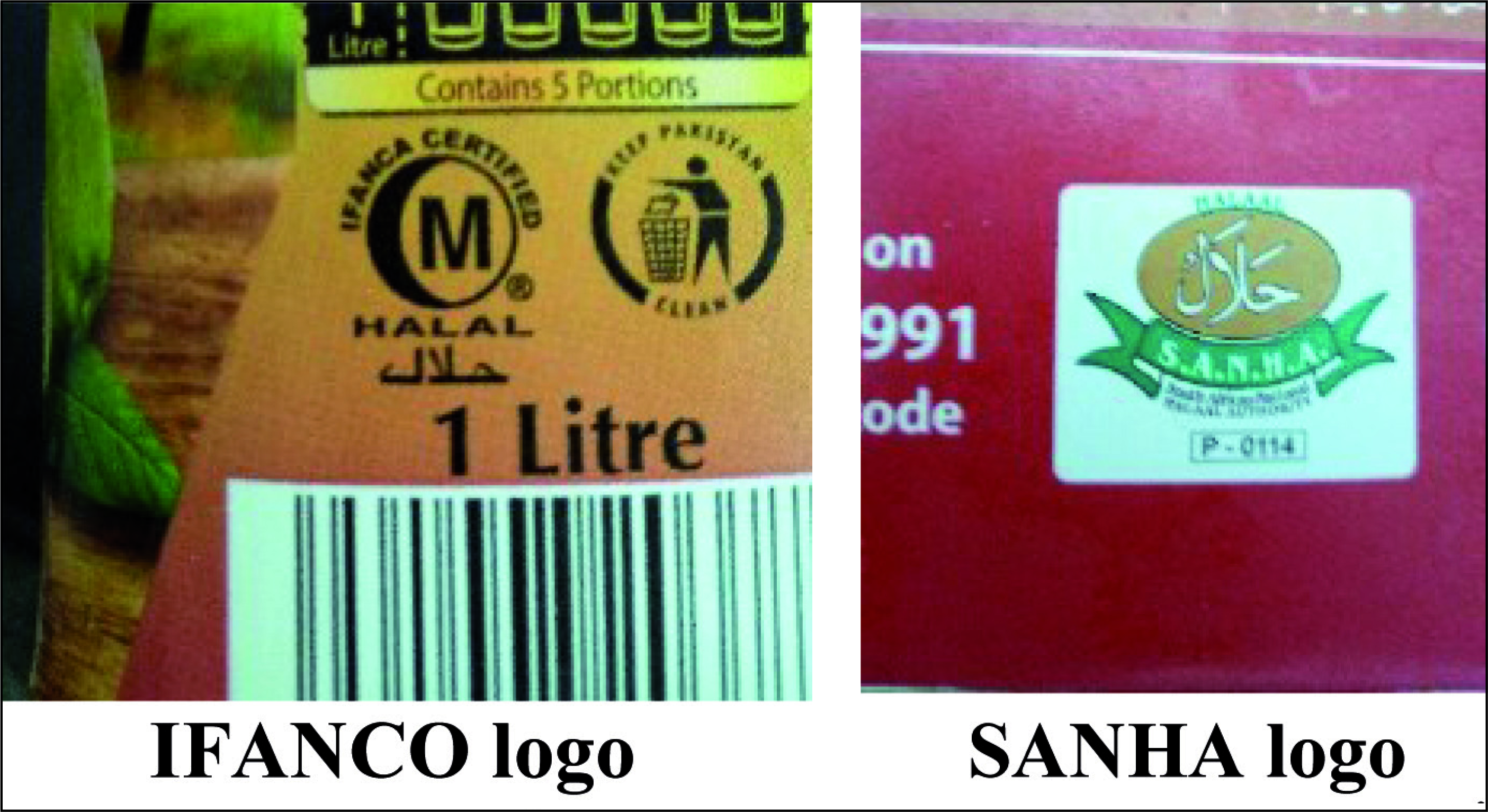
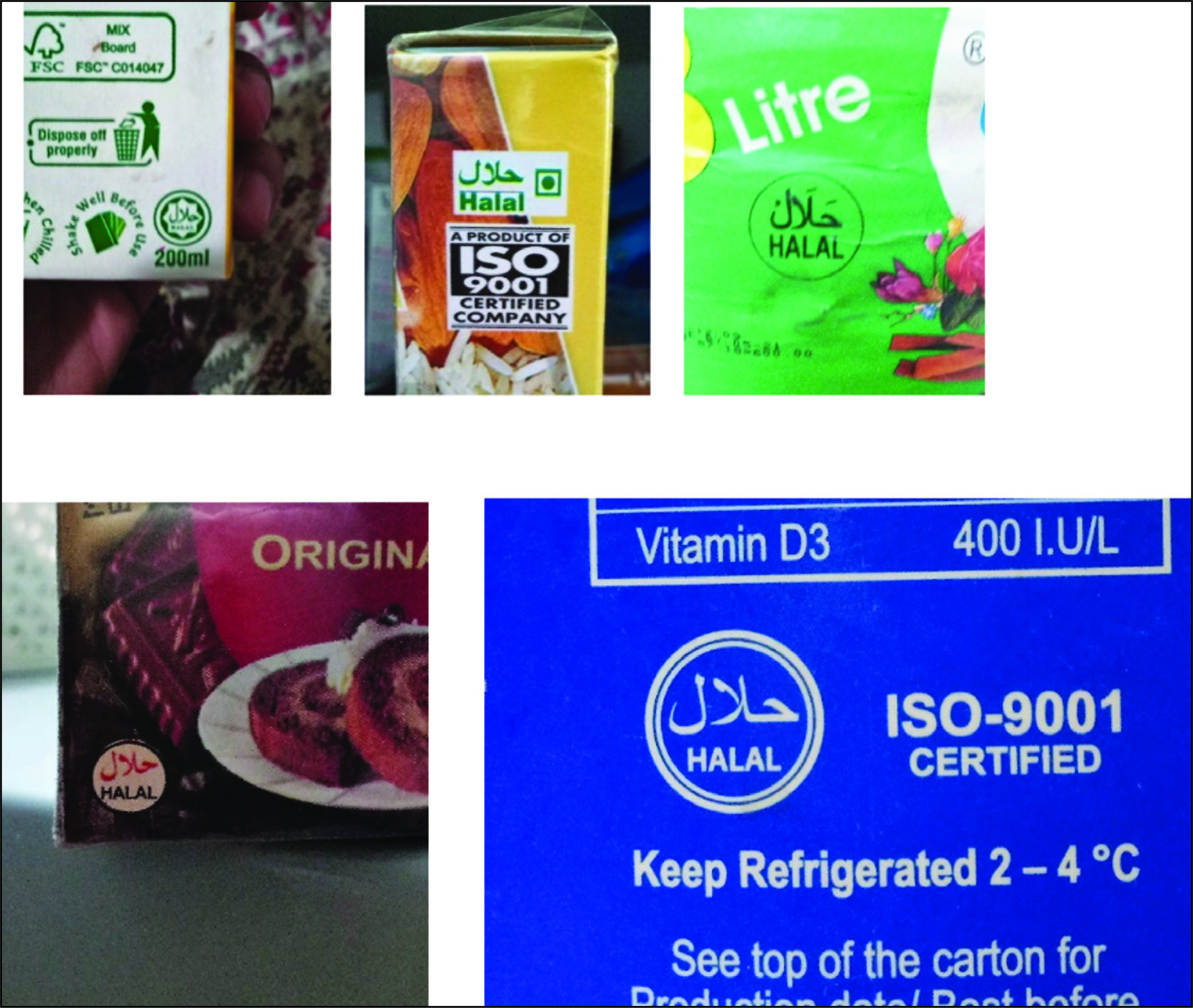
A number of foreign and local halal certification bodies were certifying halal food products in Pakistan. In order to get accredited, these bodies had to apply to PNAC and get their processes audited. Examples of such organizations included international certification bodies like the South African National Halal Authority (SANHA) and the Islamic Food and Nutrition Council of America (IFANCA). The incentive for PNAC-accredited bodies was that it improved their recognition and value compared to non- accredited bodies in front of prospective clients who wanted their products certified. Certifying bodies had their own official logos stamped on products to assure buyers that the products met halal requirements (Figure 1). Other local accredited bodies, such as the Punjab Halal Development Agency, operated at a regional level. However, a number of other certification bodies had not been certified by PNAC and had formed unofficially. Many companies stamped a self-made halal logo on product packaging to add to the chaos that further confused the customers (Figure 2). Big companies such as Nestlé, Pepsi and Haleeb had undergone some sort of halal certification for their goods, but a number of other large and small players were yet to have their products scrutinized.
Recent Halal Issues in Pakistan
A number of issues plagued Pakistan without the implementation of a concrete and enforceable halal food strategy. First, there was a debate on which governmental ministry should actually handle the issue of halal food. The Ministry of Science and Technology held this assignment, although some thought the Ministry of Religious Affairs should take up the task. The former ministry was empowered to create a sub-organization under its wing to specifically address the halal issue. Subsequently, the Pakistan Halal Food Authority was created in 2015 after a bill was passed to establish it, but the body did not start its proceedings until 2 years after its formation. The organization’s role was to promote halal trade and prevent haram imports.
As a result of the lack of halal standards and their implementation, a series of historical events became headline news and crises for the companies in question. In the first such major crisis in Pakistan in 2009, word spread that Lays potato chips contained E631, a flavour enhancer erroneously reported to be derived from pig fat. The issue paralyzed sales for the Frito-lay corporation in the country, a subsidiary of PepsiCo. Lays fought the issue by airing an ad showing the popular nasheed (vocal music style) artist Junaid Jamshed eating and advocating the halal-ness of the brand.
In 2014, Malaysian authorities reported pork traces in Cadbury chocolates. These chocolates were circulated the world over, including Pakistan. No authority in Pakistan took up the issue to verify the allegations or remove the imported goods from the market.
Also, in 2014, McDonald’s Pakistan came into the limelight when one of its chicken suppliers, Husi Food Co, a Chinese company, was caught in a scandal. In the wake of a Chinese government investigation, Husi was shut down for selling expired products. The Pakistani media reacted strongly because McDonald’s was allegedly selling expired products, and there was no evidence about whether the chicken from China was actually slaughtered as per Shariah requirements. However, because of the absence of proper authority, McDonald’s continued without charge, appeasing the public with a claim that it bought its white meat from the Beijing branch of the company rather than the Shanghai one, which was defamed.
In 2015, the Ministry of Science and Technology (MoST) reported 23 imported items that were prohibited according to the Islamic law but were being sold in the Pakistani market. However, nobody had taken responsibility for ensuring that the maligned products be removed from the market. According to one news report, 12 MoST had placed the responsibility of promulgation on the Ministry of Commerce and provincial governments. However, the prohibited items continued to be sold.
Some companies had taken the pre-emptive step of either certifying themselves or claiming that their products were halal before any counter-claim was made. For instance, Unilever, which produced Magnum ice cream, had specifically highlighted that its products were halal after claiming that it was using Belgian chocolate.
Other Halal/Haram Rumors
In addition to specific cases related to brands, the Pakistani marketplace was beset by sporadic shouts of haram by members of the public. Some people, including some religious scholars, declared that gelatin was being mixed in yoghurt that was sold at local milk shops. Many claimed that dead animals were being slaughtered in slaughterhouses and chicken shops. 13 It was also reported that fake stamps were issued to mark the carcasses as halal. Some also claimed that the meat in the market, especially in low-rated hotels and restaurants, included meat from forbidden animals like donkeys and horses. A media report also mentioned that animals were slaughtered against the Pakistan Slaughter Control Act, 1963, which directed slaughter in assigned places before and after veterinary inspection. Eyewitnesses also reported that the name of Allah was not being recited while slitting the throats of animals. Another floating rumour was that the meat used by some private parties was coming from machine slaughter instead of slaughter-by-hand, or the animal was stunned before slaughter. Both these acts were prohibited by the Islamic law.
The Message that Spread Quickly
On 17 September 2017, Rai bought a bottle of strawberry Sweeter on his way to work. He had the habit of inspecting ingredients mentioned on the label of packaged products, and while he had done so with Sweeter’s products earlier, this particular label caught his eye. The second ingredient was E120, and from his seasoned research of studying halal, mushbooh (doubtful), and haram ingredients, Rai knew that E120 was haram. Nevertheless, Rai confirmed his suspicions first through an online search and then discussed it with one of his religious friends. When it was affirmed that the product was unfit for Muslim consumption, Rai sent a WhatsApp message containing a picture of the product’s label and the statement, ‘Sweeter Strawberry juice contains E120, which is produced from beetle insects and is not considered halal by scholars. Pls, share this info with your friends and family’. Rai also tried to find the contact information on Taqwa’s website and Facebook page, but it was a dead end. He also tried calling the hotline number mentioned on the bottle label to confirm the ingredient, but the number was invalid.
The WhatsApp message spread rather quickly. Within a day, Rai was informed by his wife that one of her WhatsApp group affiliates had told her that ‘E120’ was a printing mistake and should have been written as ‘E122’. This associate had a link with the Taqwa CEO. Two days after sending the message, Rai received a call from Mohammad Ahsan, Purchase Officer at Taqwa Industries, who first thanked Rai for being an informed consumer and then told him that Taqwa was using E122 as an ingredient rather than E120. Ahsan then urged Rai to visit the Taqwa head office to clarify the matter. Rai informed Ahsan that he was acting as a consultant to FUH, and the team at FUH would make a collective visit. Eventually, the FUH team proceeded to the offices of Taqwa that afternoon.
The Meeting
The FUH team, comprising Mufti Wasim Iqbal, Mufti Farhan Tariq, Arif Jamshed, and Masheer Rai, met with Taqwa CEO Athar Jameel, Purchase Officer Mohammad Ahsan and Assistant Purchase Officer Atif Javed. CEO Jameel apprised the visitors that ‘E120’ was a labelling error, and it should have been ‘E122’, a textile dye that was halal and used in Pakistan but already banned in a few other countries. Jameel also said that had the ingredient in question actually been E120, he would have recalled the distribution and admitted the mistake. Jameel also told the FUH team that Taqwa had been using E122 since the inception of Sweeter, but the labelling recently changed as per the recommendations of their marketing executive.
Additionally, Jameel advocated returning to the past practice of generic naming of ingredients (e.g., food colour) instead of specifying the exact ingredient (e.g., E122). He thought that the product was deemed more like medicine by specifying the code and may confuse less knowledgeable consumers about what was actually in the drink. Moreover, since competitors like Nestlé were not doing it, Jameel thought he was at a disadvantage. He informed the visitors about the incident in which Taqwa was investigated for stating ‘Pure Fruit’ on the label of their drink some years ago, but a competitor company was not charged for a similar practice until very recently. However, the FUH team argued for this stance and favoured specificity since it was clearer and more transparent to the halal-conscious consumer. The FUH team also thought this would become a source of advantage for Taqwa if they were on board.
Jameel also apprised the visiting team that only 240 crates (twelve bottles per crate) had been distributed in Lahore (the company had distribution throughout Pakistan except for Karachi, where the juice manufacturer had been unable to find a good supplier). Jameel thanked Rai for disseminating the information before the distribution became widespread and created greater panic.
Assistant Purchase Officer Javed informed the visitors that E120 was not available in the Pakistani market as it was banned. This was a fact that, however, needed to be corroborated. Javed told the FUH team the name of Taqwa’s food colour supplier and encouraged FUH to cross-check Taqwa’s account with the supplier. Jameel stated that the team had already communicated with the supplier after this incident to ensure that the ingredient was indeed E122 and requested them to explain the matter clearly to FUH if they came to probe.
Jameel also apprised FUH of their latest cheese products that were not halal-certified but already making decent sales in the Lahore market. Taqwa was also to launch a snack food line soon.
The FUH team then educated the Taqwa management about the importance of halal for Muslim businesses and consumers. According to Shariah, the watchdog group underscored that doing business was incumbent for a Muslim company. Mufti Mahmood mentioned that there was a misconception in Pakistan that, being a Muslim country, everything in the market was halal. On the contrary, most flavours, oxidants, and colours were imported because such local ingredients were of poor quality. Hence, the halal aspect of imported ingredients was yet to be ascertained. Since non-Muslims were generally unaware of Shariah principles, it could be possible that forbidden materials were being used in production. In this regard, suppliers importing the materials may also be culpable.
FUH told the Taqwa CEO how the visiting team was well-equipped to provide complete guidance to Taqwa on halal certification and Shariah compliance. Since businesses were not knowledgeable about the finer points of halal and haram in Shariah and how these could be practised, FUH thought that firms needed the help of organizations that were critically looking at this aspect. FUH also apprised the hosts that some halal certification companies were compromising on halal regulations; as they were running a business, they would certify a company halal without thoroughly checking their processes and ingredients to obtain clientele. Therefore, a non-profit company like FUH could impartially guide a company on where to get the certification.
FUH recommended that the Taqwa team set up a meeting with CEO Lateef at the FUH office. The Taqwa CEO and Purchase Officer seemed to be technologically challenged as they did not have email addresses from which they could send/receive email.
FUH also requested Taqwa for documents related to the purchase of the ingredient in question. At the end of the meeting, the Assistant Purchase Officer, Javed, showed the documents of purchase relating to the food colour. The date on order was prior to the manufacturing date of the disputed drink. This seemed to be fine. E120 was not mentioned, but neither was E122. When questioned about this, Javed said that Raspberry Red was the ingredient Taqwa was using for Strawberry flavour. The purchase order was hand-written, a norm for such purchases, but one which added to the suspicion of the visitors.
FUH CEO Lateef, who was overseas at the time, had already sent a message to his team stating that he wanted the meeting to be held in TTI and not in Taqwa office. Moreover, he also thought that there should be a USD 1,000 charge for the consultancy services of FUH so that the management of Taqwa valued the suggestions of FUH, and it would also be an earning opportunity for FUH to move towards sustainability. However, these were sentiments that the group on-site did not entirely agree with.
After exiting Taqwa’s offices, the FUH group boarded Rai’s car, and mulled over what to do next. Could more be done to ascertain the veracity of Taqwa’s error? Should Rai have spread the message before gaining more information from the company, and if the company simply made an honest error, who would be responsible for the damages incurred? Some parts of the Taqwa perspective were contentious: for instance, while it may have been true that the recent labelling change was an internal decision for Taqwa, Mufti Wasim apprised his team that recent government regulations had demanded that food companies be transparent about the ingredients they used; this point was not brought up in the meeting. The hand-written purchase order would also have to be cross-validated.
Moreover, it was time for introspection: how could FUH become a sustainable business? Another question was, who should judge the culpability or uprightness of a company’s halal status? The FUH team needed to sort out these ethical matters before proceeding further.
Footnotes
Declaration of Conflicting Interests
The author declared no potential conflicts of interest with respect to the research, authorship and/or publication of this article.
Funding
The author received no financial support for the research, authorship and/or publication of this article.