







Abstract
A medical robot (MedBot) is a chatbot developed on AI that provides well-grounded and consistent medical data. AI application to MedBots creates a new direction of possibilities in the healthcare sector as one can be sure that there will be an opportunity to provide a better communication system with patients, a system of processing data, patterns of diagnosis and surgical staff. The present research article analyses the adoption curves of an adopted MedBot to the healthcare system following the Bass diffusion model. The innovation together with the imitation must be applied in the hospitals, must have the capacity to form an S-shaped curve with an innovation coefficient (p = .03) and a coefficient of imitation (q = 0.60). The outcome has achieved the level of 45% in 3 years and 70% in 5 years. This shows the reaction of the user that 85% of the people were able to gain a better truth in the discovery, and 75% had improved truth on how to manage the records of the patrons. The ease of usability, trust of the AI technology and compatibility of the new systems to the existing ones are the significant factors that determine the adoption. The results also give a practical implication to the policymakers and the rest of the stakeholders that have any business in the healthcare sector as to the possibility of MedBots positively impacting how the healthcare is delivered to people and how the progress can be made in accomplishing Sustainable Development Goal 3.
Introduction
Due to the rapid advancements in robotics along with artificial intelligence, the field of healthcare is undergoing a great shift at present. Due to these technological developments, the process of service facility together with medical diagnosis and administrative management has been transformed (Gopal et al., 2019). Medical robots (MedBots) have become an innovative healthcare application as a result of technological advancement. The capabilities of AI systems allow healthcare workers to perform various operations based on the classification of patients and solve health-related problems along with the provision of emotional support and optimisation of hospital processes (Dawoodbhoy et al., 2021). With its potential, MedBots will reduce the waiting times of healthcare as well as the overburdening of healthcare workers, which will allow both improved patient care and an increased satisfaction rate (Wange et al., 2024). The Indian healthcare system requires the blend of smart technologies primarily due to the existence of the continuing issues of overloading in the scope of healthcare and a lack of trained personnel, along with an inability of the population to get expert medical guidance all over the countryside (Kumar, 2023). One of the technologies applied by using AI systems, Bot technology, spreads around the world and is not widely accepted by Indian health facilities. Acceptability barriers are based on the privacy issues of patients and the questions about the reliability and safety of the AI in regard to the medical data and the difficulty in connecting the system integration to the current electronic health records (EHRs) (Arseniev-Koehler et al., 2025). The current study used the combination of the technology acceptance model (TAM) and the Bass diffusion model in examining the problems of adoption interventions between MedBots within the Indian healthcare settings (Alsswey & Al-Samarraie, 2020).
PU, PEOU and trust are other key constructs in TAM since their application is used in the conceptualisation of perceptions of healthcare workers towards technology, as they are the catalysts in their preference for the technology. Bass model tracks the diffusion of innovation over a period by locating adopters in two categories: early technology testers, who are named innovators, and those who align with the behaviour of others and observe the results, who are termed as imitators (Kapur et al., 2020). MedBots’ acceptance level by patients and medical workers is the most important aspect of the popularity of using AI-based healthcare solutions to be the norm of healthcare (Wange et al., 2024). The existing literature considers one of the models, either the TAM model or the diffusion model. Still, they cannot concentrate on how they interact to impact the acceptance of the innovation diffusion frameworks by users (Nezamdoust et al., 2022). Research gaps will be addressed because the research at hand has also correlated the parameters of the TAM model and Bass diffusion model to generate the final framework to measure the MedBot adoption and prove the adoption and prediction of the same in the future. In the analysis, the user perception methods are combined with a market-based approach to the diffusion modelling line of analysis in order to make a complete fit for studying wholesome operations of the digital health consumption. It adds the two together: the small-scale effects of the micro, that is, the individual behaviors, and the large-scale effects of the macro, that is, the trends in adoption, in such a way that it may be read as being appropriate in formulating strategic policymaking and the business planning resolution process. The study helps towards Goal 3 of SDG by demonstrating that AI-based MedBots have the potential to ensure population in need of healthcare gets access to healthcare at a high level, in terms of access and quality delivery thereof, of healthcare at a lower subsidy cost to the underserved population. These two classes, behavioural and diffusion-based, will, by their combination, form a sustainable model, which will demonstrate how MedBots can overcome the issue of healthcare inequalities.
Literature Review
Trust in AI Solutions
Medical practitioners should have faith in AI-driven technologies such as MedBots because they will implement them with special care in the delicate sectors that impact the safety of human life. The role of trust is to act as a mediational factor in the extensions between perceived usefulness and perceived ease of use with behavioural intentions that were on the TAM (Zhang et al., 2023). When healthcare professionals and patients evaluate the utilisation of AI systems in their diagnostic and treatment capabilities, a foundation of trust is essential in securing user acceptance regarding AI-based MedBots (Alqaidi et al., 2024). The three technical reasons are transparency of algorithms, effective performance and dependability of system operation, which enhance the location-specific user trust. Technological efficiency is just part of the trust-building process in healthcare systems because MedBots are enjoyed more when EHR fits well into the clinical workflow and minimises complications in care delivery (Octavius & Antonio, 2021). Trust building is possible to achieve by developing it within the socio-organisational context, which requires proper training programmes, supportive structures and readiness for digital change (van Offenbeek et al., 2024). Medical workers educated on the topic of AI systems and measures of privacy protection instil more confidence in AI tools (Zakaria et al., 2024). Besides good administration and open communication, strong institutions can further reduce the resistance of their staff towards a change in organisations. Successful implementation of early adopters in the real world leads to greater confidence regarding AI systems due to the existence of significant evidence in underserved and rural settings. The amount of trust that individuals place in MedBots is dynamic, and it acts in a variety of ways according to certain circumstances (Tanwar et al., 2020). A majority of healthcare implications in MedBots will need organisations to establish trust by beating excellent technologies as well as prepared organisations.
AI in Healthcare
Integration of artificial intelligence systems and robotic systems in healthcare provides modernisation of medical services. Improved technologies in medicine enable healthcare givers to acquire a higher rate of accuracy in diagnosis and surgeons to gain improved control, and medical administrators are able to achieve improved process of workflow, which also facilitates remote healthcare surveillance. The use of AI by medical institutions and robotics technology to modernise their practice over the last decade is because their use provides efficiency in the operation of healthcare facilities and better patient outcomes (Benmessaoud et al., 2011; Milford, 2024). The combination of the robotic MedBots with AI systems can be used to assist healthcare professionals in automating their work as well as providing them with analysed data that can be characterised as quantifiable. The medical systems enhance patient access by monitoring vital signs and allowing online medical evaluation by means of an interface, which can be used with relative ease by patients. MedBots will also be useful as solutions to the Indian healthcare system since they will fill the gaps in patient care and cover primary medical personnel across the nation (Palos-Sanchez et al., 2021). The adoption of MedBots remains unstable due to the efforts of healthcare providers and regulative organisations, as well as the lack of infrastructure (Jacob et al., 2020). Extensive use of MedBots has been stuck due to the fact that costliness follows the hi-tech aspects of the functionality as well as the issues based on the aspects of accuracy and accountability-related tasks. The early adopters, who experience the positive effects of these technologies, convert into change leaders to wider adoption of these technologies by experiencing better functioning improvement of clinical processes and reduced errors. MedBots are implemented on mobile-front architecture that will be linked to back backend cloud, where it utilises Firebase real-time database systems to enhance their scale of operation in terms of speed and also scale characteristics. The systems enable integration with EHRs that enable the deployment to be done with minor disturbance (Milford, 2024). Advancement in the context of the COVID-19 pandemic is achieved due to AI and robotic technologies that encompass MedBots. These innovations will create themselves as essential healthcare tools for attaining accessibility along with efficiency and high-quality healthcare through digital means because of improved technology and aiding policy frameworks.
PU and PEOU
Perceived usefulness (PU) and perceived ease of use (PEOU) are the two important factors that influence the readiness of healthcare professionals to implement the technologies of AI. The ideas of the TAM establish the perceptions of new technology on the part of healthcare professionals before a decision is arrived at (Davis et al., 1989). PU is one of the ways healthcare professionals measure the usefulness of MedBots in terms of whether they will improve their operational capacities or not. The effectiveness of the operation has several manifestations, such as increased accuracy in diagnosis, easier work with patients and a reduced load on the personnel (Zsarnoczky-Dulhazi et al., 2023). Before healthcare workers accept MedBots in their practice, they have to see certain tangible improvements in the level of patient care, as well as efficiency. The perception value regarding better patient results created by MedBots has a direct influence on whether it will become a normal operational tool. In the view of PU, clinical effectiveness is also central, which describes success in reducing diagnosis and treatment errors (Prastiawan et al., 2021). A significant drop in operating expenses and increased time efficiency is another factor that results in MedBots being more acceptable as far as their perceived usefulness is concerned. The PEOU scale allows the evaluation of MedBot technology according to the ease of its usage by users, establishing the ease of operating the technology due to their perception of its simplicity. The absence of advanced technical expertise among health workers makes them approve of the presence of MedBots in case the gadgets have interfaces that are easy to navigate. The use of PEOU is more supported since it helps to get rid of challenges such as the time needed to train and user dissatisfaction (Caruccio et al., 2024). Healthcare activities also adopt technological systems faster, especially time-sensitive activities, and they learn fast and incorporated into their regular activities with lesser difficulties. To know the adoption of the MedBot system in the healthcare sector, one has to be familiar with PU and PEOU. The adoption of AI-powered technologies is facilitated by the combined effect of the two factors impacting user adoption of these solutions.
Strategy Implication in Branding and Communication
The MedBots that need artificial intelligence to succeed in the medical field perform because of the technical skills of the robots and effective branding strategy coupled with good communication skills with the healthcare practitioners and also with the patients and ordinary citizens. Strategies in developing the branding techniques and the messages of communication are meant to create how MedBots can deliver useful value to healthcare delivery systems and how the stakeholders of adoption can be motivated towards accepting them. The MedBots branding must recognise the three significant advantages of MedBots, namely improved outcomes in diagnosis, enhancement in operational efficiency and affordable healthcare. Branding activities should present MedBots as an important medical tool that complements the efforts of healthcare providers rather than serve as their replacements (Senthil Kumar et al., 2022). There must be communications showing MedBots as collaborative systems that enhance human experience and reduce worker fears of losing their job and loss of power. The message developed on the basis of values should reflect the capabilities of MedBots to improve clinical decisions based on delivering prompt data-driven decisions and at the same time upholding professional medical agency during treatment (Abuhmeidan, 2023). The communication strategy must operate on the building of trust since this strategy must address issues related to the reliability and security of AI systems. The medical device communication strategies must display total MedBot transparency, the abilities to contact the healthcare infrastructure systems and rigid patient information security measures (Niaz & Nwagwu, 2023). The MedBot technology can be best understood when real-life benefits come to this piece of technology in the form of new success stories that compose the early adopter case studies and suggestions. The success stories of the real world help to demonstrate the possibilities and the role of the MedBot so as to turn the uncertain users into the sure implementers of MedBot. It is a significant necessity to correlate branding activities with the medical systems and cultural environments. Implementation of MedBots in different areas will improve further in case the healthcare messages are of local interest in addition to the healthcare policies and demands of patients (Abuhmeidan, 2023). The widespread healthcare systems in the world can be reinforced to embrace the MedBots by specific branding strategies that involve the use of clear messages as well as trust positioning factors, plus culturally competent stories.
Bass Model
Frank Bass created the Bass model in 1969, and the method is called the Bass diffusion model. It is the basis of how to interpret temporal patterns of the adoption of innovations (Mitra, 2019). This model is applied in healthcare organisations in a systematic approach to assessing the spread of MedBots powered by AI within their medical institutions. The model categorises others who accept the new technologies into different categories. One group includes people who allow external forces to make their decisions, and the other group is of followers who make their decisions based on external forces. The regulations of the evaluation behaviours are controlled by the innovation coefficients, whereas adoption parameters are decided by the imitation coefficients in perspective (Kapur et al., 2020). Advanced healthcare providers are the first to use MedBots because they need AI tools that not only increase the accuracy of diagnosis but also become great tools for optimising processes and establishing relationships with people (Pasini et al., 2024). The introduction of MedBots to hospitals occurs due to the possible belief that such machines are useful in the medical workflow process as well as the order management of operations. These hospitals are mostly located in urban areas unless they adopt modern technology in hospital infrastructure. Healthcare organisations use the reporting mechanisms to release their positive descriptions on MedBots, encouraging other providers to adopt the models in the imitation step (Di Lucchio & Modanese, 2024). The MedBots adoption process largely relies on peer social influence and successful feedback from these users who have adopted the technology in the process, as modelled by the Bass model. The technology adoption rate is determined by the imitation coefficient (q), provided that medical personnel attain favourable outcomes with such devices since VICEs disseminate the information to the other members of the medical staff. The pattern of adoption will need a good communications system and programme of implementation studies and trials, which will boost the speed of diffusion. By means of this model, administrators, along with policymakers, can have insights into the predictions on the adoption of MedBots as well as develop implementation strategies to align MedBots in the healthcare segments (Kaharuddin et al., 2020).
Conceptual Framework
This study uses the TAM presented by Davis et al. (1989) to develop its conceptual framework, as shown in Figure 1, as it represents a commonly established model for understanding healthcare technology acceptance behaviours. According to TAM, there are two significant factors on which users base their adoption intentions towards new technologies greatly, and they are referred to as PU and PEOU (Nezamdoust et al., 2022). Within the rationale of the study, trust in AI is considered a part of the essential mediating factors because the decision mechanism of analytical healthcare observations is observed in high-risk conditions. Healthcare professionals think that using MedBots is appropriate due to their assumption that such systems would improve their clinical skills, help with diagnostic work and deliver higher patient outcomes (Saha et al., 2021). PEOU tests the ease of use of MedBots as a healthcare provider adopts them as part of the existing work routine. Healthcare practitioners will rely on PU and PEOU in their predictive capabilities to adopt MedBot, but trust will assist in providing and working around this relationship between the two factors (Nezamdoust et al., 2022; Wange et al., 2024).
Conceptual Framework.
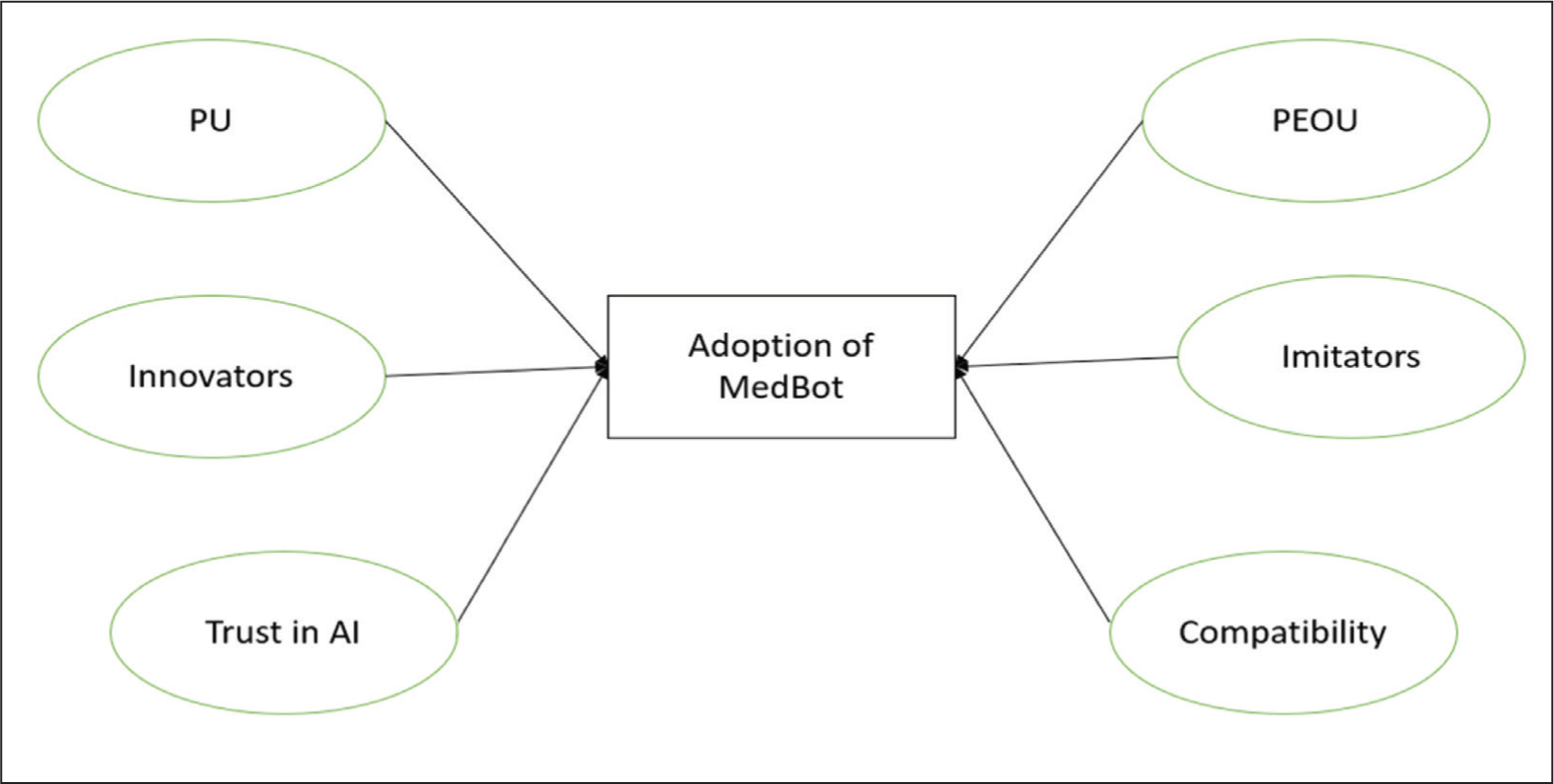
When healthcare providers increase the level of trust by monitoring their activities and relying on the systems to operate reliably and have proper guidance, the placement of the AI systems will be simpler to use and have higher performance outcomes (Bhatt & Vaghela, 2024). The model develops its factors of social influence by realising the ideas of the Bass diffusion model. The early adopters serve as change agents to promote extended MedBot use by sharing their positive experience to the late adopters (Obro et al., 2021). The model combines the elements of trust and diffusion theory and TAM in order to create a model that explains how healthcare workers in India perceive, assess and finally acquire MedBots.
Methodology
MedBot System Development
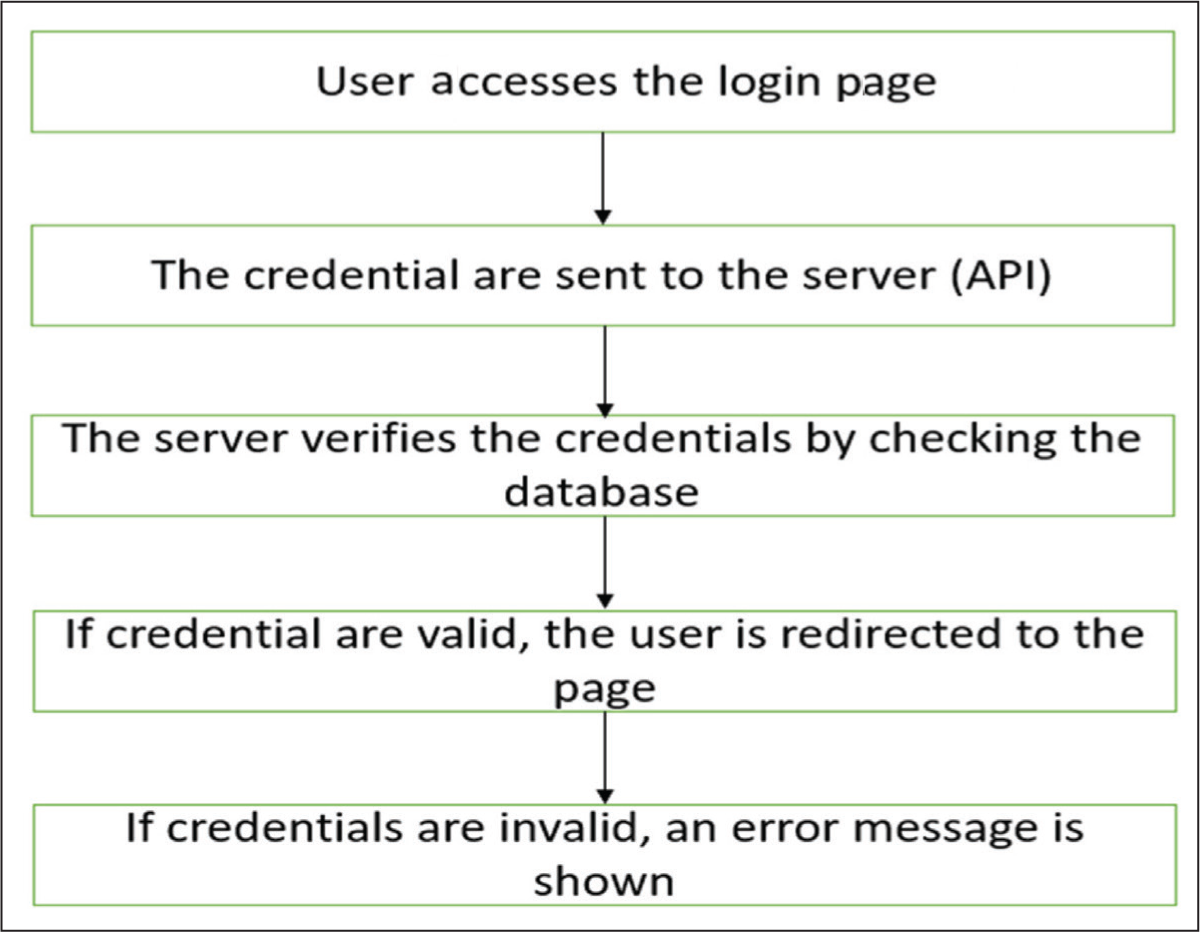
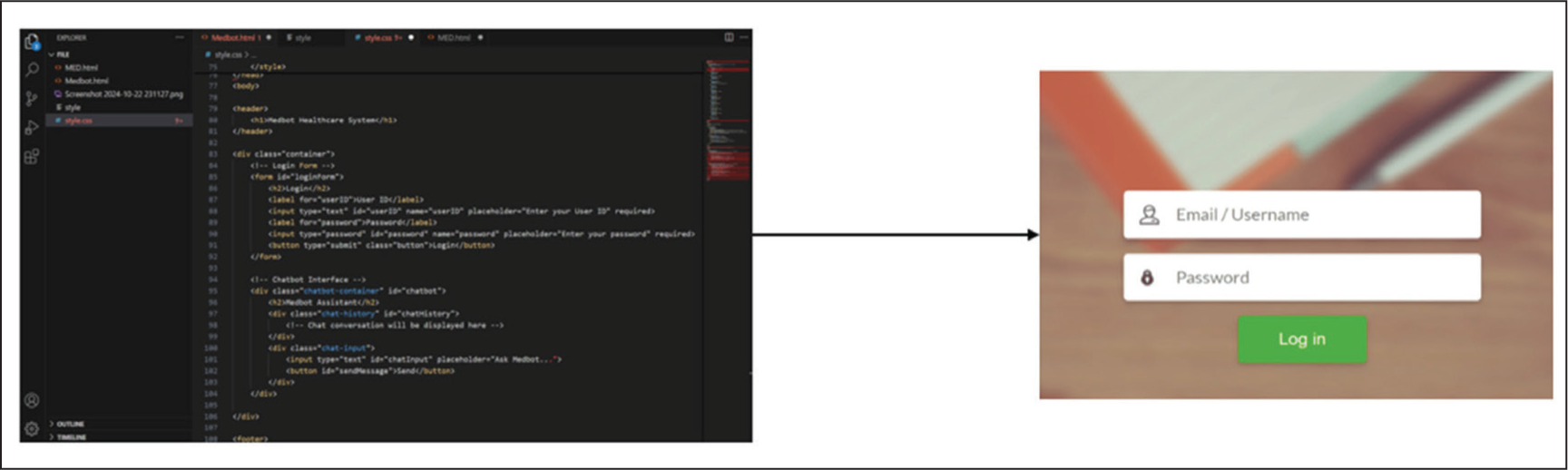
The MedBot system was developed as a priority primarily to meet the demand of the healthcare system in Indian healthcare services, with a special focus on bridging the urban–rural scenario. Various operations of the system meet an entire set of demands among the health personnel and users with availability and usability, and security. Its personalised login page increases the security disposition available to the MedBot platform with the provision of secure operations and effective service to users. The MongoDB database management system has a secured framework to use Web technologies in safeguarding user credentials in the interaction with MedBot (Biradar & Shastri, n.d.). The backend, developed with Node.js, implements APIs that provide user authentication, even though the MedBot solution offers user-friendly functionality to the system. The development of the MedBot system has fulfilled a number of critical stages towards the attainment of this system, which have been shown in Figure 2. The most important part was implementing an HTML and CSS front-end on the page that was going to be used to log in, making it useful and also ensuring the safety of users (Wiredu et al., 2024). The safe procedure of user authentication is shown in Figure 3, where the login page is implemented by using MongoDB to safeguard important user details involving login passwords and facility logs, along with the history of talks (Nuriev et al., 2024).
After the login authentication, the MedBot interface is made available to the user. They are able to access medical record management, ask any healthcare questions and get diagnostic help through the user interface. The developers of this system developed such a platform to respond to the requirements of the Indian healthcare facilities by using such structure that allowed it in various healthcare settings without major challenges. Figure 4 illustrates the above by displaying the system design that is in a position to streamline the user interactions, of the healthcare providers with technology, using well-tended, efficient systems developed as the process, in a straightforward manner (Ragab et al., 2024). The machine has various necessary operation stages. During the user input process, one is able to submit medical queries and support requirements to ensure that the system directs these tasks to the processing of medical inquiries. At the answer retrieval phase, MedBot accesses the information by using AI models and APIs that access trusted healthcare libraries to a large database of answers. The system transforms itself into the generate response operation to restructure the data retrieved into user-usable content, which is able to offer intelligent answers to the users’ needs. The present response stage allows users to get their ready-made answer in a form that is easy to read; hence the interaction cycle is closed. The hierarchical system architecture facilitates healthcare needs, as it has the property of expansion and integration of data features. MedBot is capable of expanding its operations, which enables it to offer the changing healthcare needs of the sector (Wange et al., 2024). MedBot offers an organised approach through which interaction between healthcare providers and patients is as streamlined as possible, and the level of communication and interaction is increased. The discussion of MedBot adoption focuses on appropriate data collection practice along with data privacy laws, since healthcare data requires this. The research respondents employed in this study were those institutions in the healthcare sector and hospitals that had already been operating MedBot.
Process of System Development.
MedBot Development.
System Workflow.

Informed consent was obtained in the research, where research participants were assured of the protection of their individual and health information, which could not be revealed. During the research, all the healthcare privacy rules and regulations were observed, and its ethical procedures were upheld by the hospital. The study is reliable since the ethical principles and practice, as well as the research done in the real healthcare setting, relate the findings to the real situations of patient care.
Data Collection
The implementation of MedBot technology in medical establishments becomes complex since healthcare organisations are required to consider various organisational factors as well as the needs of individuals. An extended questionnaire was used in a purposive sampling to study these dynamics of operations. The instrument was a questionnaire in two major parts. The first part of the questionnaire sought demographic data of the participants that included their professional relationship: patient or healthcare professional and experience time in the healthcare and healthcare institution type. The second component of the research that examined perceived ease of use alongside the trust in artificial intelligence and compatibility of healthcare infrastructure was conducted as a study of key variables regarding the MedBot adoption. Since the beginning of the survey, the participants were asked a series of filter questions that excluded the participants who were not involved in healthcare practices or the medical technology implementation to confirm the quality and relevance of the gathered information. Even then, before proceeding to the survey, the respondents were required to verify themselves as either a patient who had dealt with MedBot in the past or a medical staff or a healthcare representative in charge of making decisions in the future. Medical workers who took part in this study were subjected to purposive selection to identify participants who were familiar with technology and their relation to the research objectives. The research was on the healthcare facilities that were already operating with MedBot or had the systems in the consideration phase, because such organisations were more informed about the system.
The study included various healthcare facilities because the methodology adopted to choose the facilities focused on facilities that provided services in the urban aspect, which had developed in the improvement and growth of digital health infrastructure provision. The decision-making strategy was selected to focus on getting particular information about the adoption behaviour since it did not obtain an abstract perception of an under-engaged medical facility, which was obtained by the online and offline administration of the survey where the data were sampled within the selected research group that regarded both the public and the group of private institutions. In the first 300 surveys done, 240 responses were received in 3 months, which in turn translated into an effective response of 80%. Such a grand gamut of answers received speaks not only of the relevance of the topic under consideration but also of the contribution made by healthcare professionals to creating digital-based services. The questions of ethics were addressed properly. Informed consent was already obtained from all the participants of this study before they proceeded. This adoption model was applicable in that the two types of adopters in the life cycle were distinguished, and the trends that will control MedBot usage were pointed out. The findings of this model contribute to the improvement of not only the level of adoption behaviour but also the successfulness of healthcare operations with the help of MedBots (Paganin et al., 2023).
Sample Questions
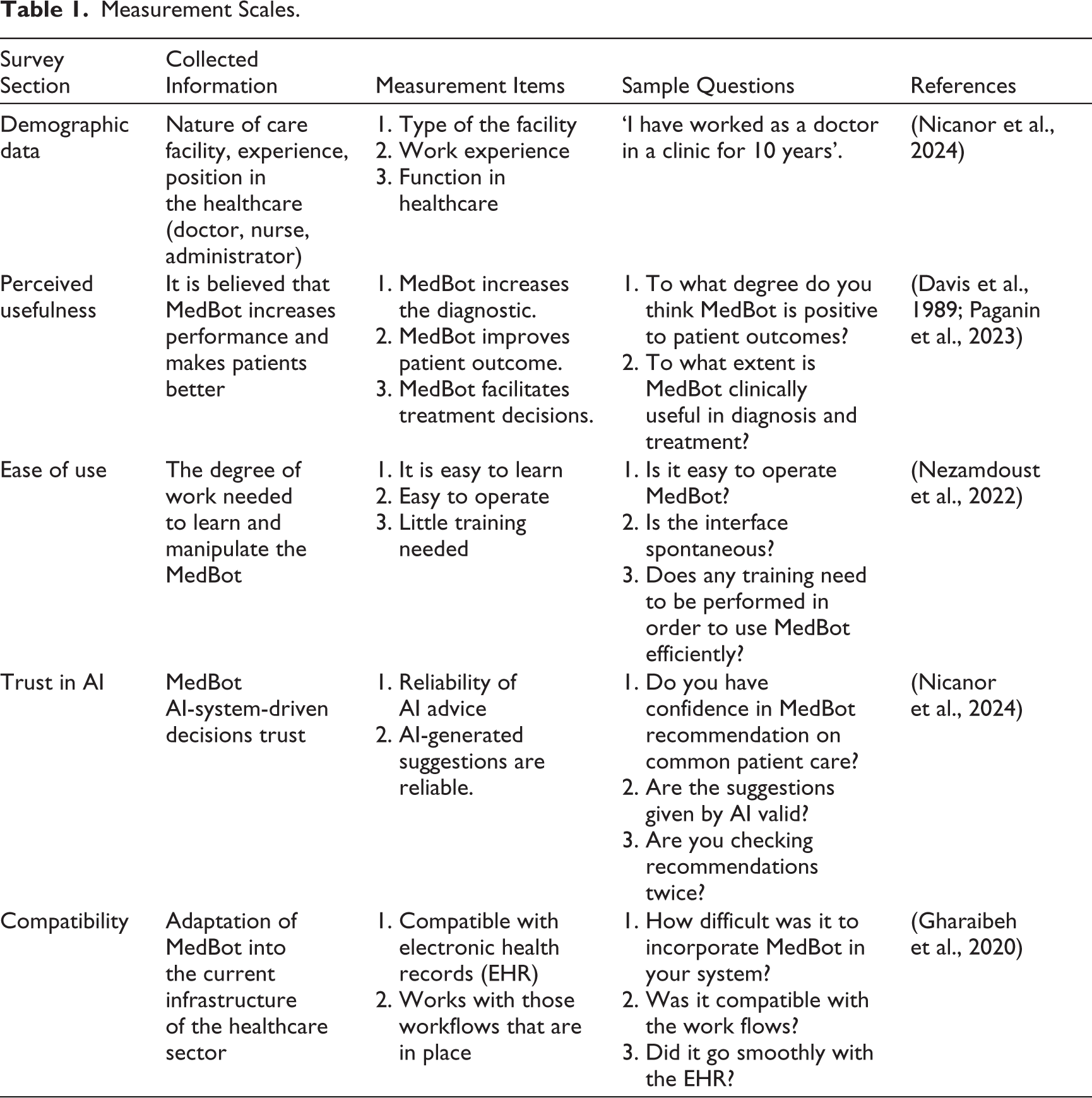
The survey was categorised into two basic items that collected both demographic and factors that influenced the use of MedBot, as indicated in Table 1. The population subgroup of the survey obtained data on the career of the participants, along with the type of user role (doctor, nurse, administrator) and the location of healthcare institutions (urban or rural) and years of working experience. The research variables provided valuable data on the rate of variation that occurred in terms of the acceptance of adoption of MedBot by various respondents. The second part involves analysis of the factors that influence MedBot acceptance. Evaluation of five of the major constructs on perceived usefulness, ease of use, trust in AI, compatibility and administrative support was based on the existent models such as TAM, unified theory of acceptance and use of technology (UTAUT) and AI-specific trust models. The survey respondents agreed that MedBot improves the health outcomes of patients, but has less complicated steps of operation to comply after they are trained and consistent in offering sound care advice, and can be used with EHR systems and help in the reduction of documents and the enhancement of medical records. To help the respondents give sharp views, all the survey questions were evaluated using a 5-point Likert scale that ranged between 1 (strongly disagree) and 5 (strongly agree). Such a systematic approach provided close user perceptual information to enhance insights into how the Indian healthcare professionals would embrace MedBot installations and challenges surrounding them.
Measurement Scales.
Bass Model Application
The Bass diffusion model is used to focus on the MedBot adoption behaviour of Indian health facilities. The MedBot adopters are in two categories, namely the innovators, followed by the imitators who follow what others do as far as decision-making is concerned. The adoption forecasts will occur based on the opinion concerning the coefficient of innovation (p) and the coefficient of imitation (q) (Kang & Park, 2019). The implement process of the Bass model was represented by 240 survey participants who provided their responses to the survey questions, which characterised the professional medical personnel of the urban hospitals and clinics at different periods within 3 months. In analysing the data, a twofold approach has been deployed to overcome the constraint of the time-based information limitation. The duration of use of MedBot by the facility representatives was determined by the responses provided to the questions in the section survey questions. The present adoption rates of the Bass model were used to anticipate future adoption rates by altering the saturation conditions, which were regulated using the current adoption rates. The model collected the number of adopters currently and even the potential total number of adopters, and the time the adopters were adopted. The analysis was performed to determine coefficients of innovation (p) and imitation (q) using non-linear least squares regression. Model validation kept the results trustworthy, and this has become the case depending on quality checks, which consisted of R2 and R MSE. The adoption predictions at the end of 5 years, according to the available data of the study, despite the period of research being 3 months, were made.
Bass Model Formula
The Bass diffusion model is an analysis model that applies the computation of the future rate of innovation adoption. The two categories of adopter groups that the model generates are the innovators and imitators. The rates of adoption are also calculated based on the assumptions of estimating the p (coefficient of innovation) and q (imitation coefficient) through the two basic variables of the model. First of all, some critical variables which will be employed in the primary formula should be defined as follows: f(t): The adoption rate at time t (i.e., the number of new adopters at time t). The indicator F(t) represents the number of adopters that have, up until time t, been experienced cumulatively. The analysis is based on assumption that the potential for the market is 100% and has been defined as variable and labelled as follows:
Mp: Coefficient of innovation (probability of acceptance without any thought to others). q: The power of adoption about the existing adopters. The Bass model takes a mathematical expression in the following way:

This expression allows determining the adoption rate f(t) at time t in both the presence of external forces (p) and within internal social contagion (q). The number of adopters that will occur at time t, also known as F(t), is obtained by integrating the adoption rate over a given time.

The cumulative number of adopters in the preceding time step is denoted as F(t – 1), whereas f(t) is the number of new adopters at time step t. The term ‘market potential’ (M) is assumed hypothetically to be 100% in the case of the Bass diffusion model. It is the highest possible adoption in the specified target group and does not show absolute adoption in the universal adoption of a product. Here, adoption is modelled as a fraction of the theoretically attainable market, the proportion of potentially adopting hospitals, in terms of technology and MedBot eligible healthcare providers, not of total healthcare. Thus, the forecast analysis of adoption depends on 100% saturation, though analysts are supposed to apply such results within a certain market scope. Applied rate of adoption could be controlled due to some factors, such as actual infrastructure and readiness, similar to the policy consideration.
At every time interval, the cumulative number of adopters in the preceding interval is known as F(t n1), whereas new adopters at time interval t are termed f(t). Theoretical Bass model definitions show the value of the market potential to be 100%. The hypothetical value has been used as a concept to demonstrate the maximum number of adopters in the healthcare environment under study. Thus, the forecasted adoption analysis is based on 100% saturation, but analysts are supposed to apply such findings within particular market borders. The actual adoption in a real-life context might be limited due to a number of factors that may include practical infrastructure and preparedness constraints, and policy factors.
Results
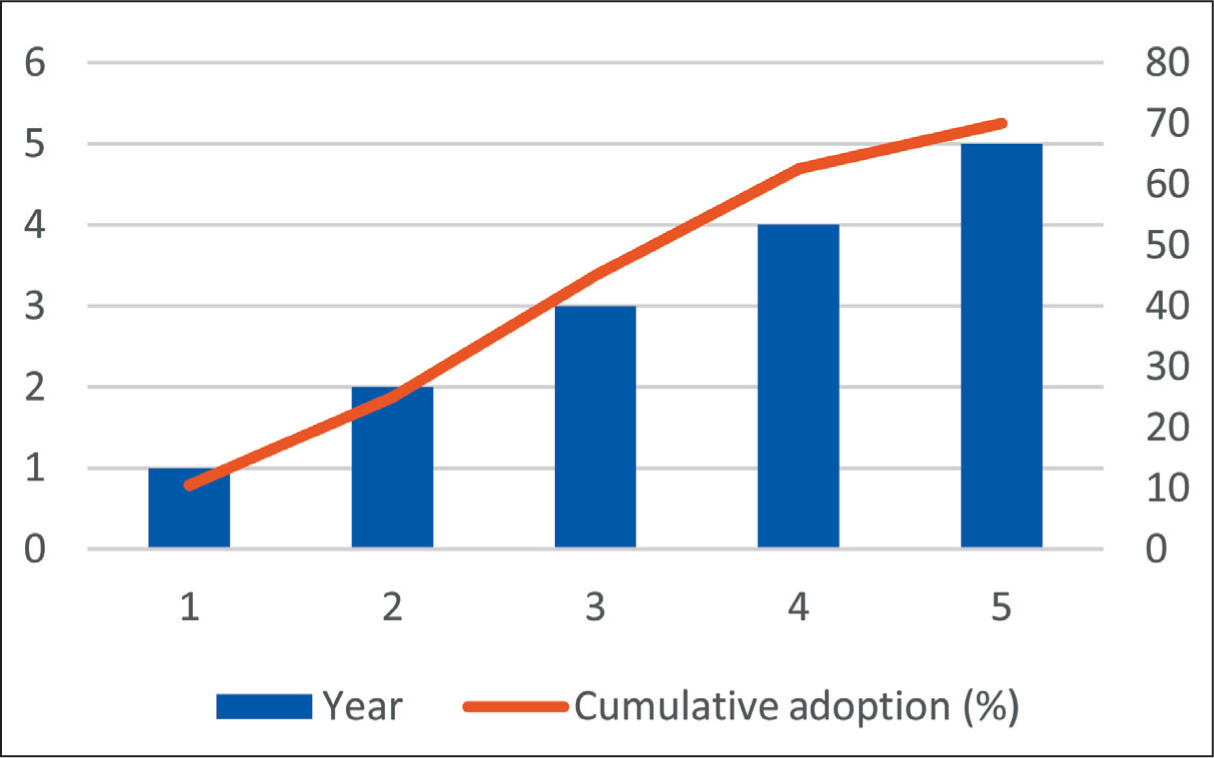
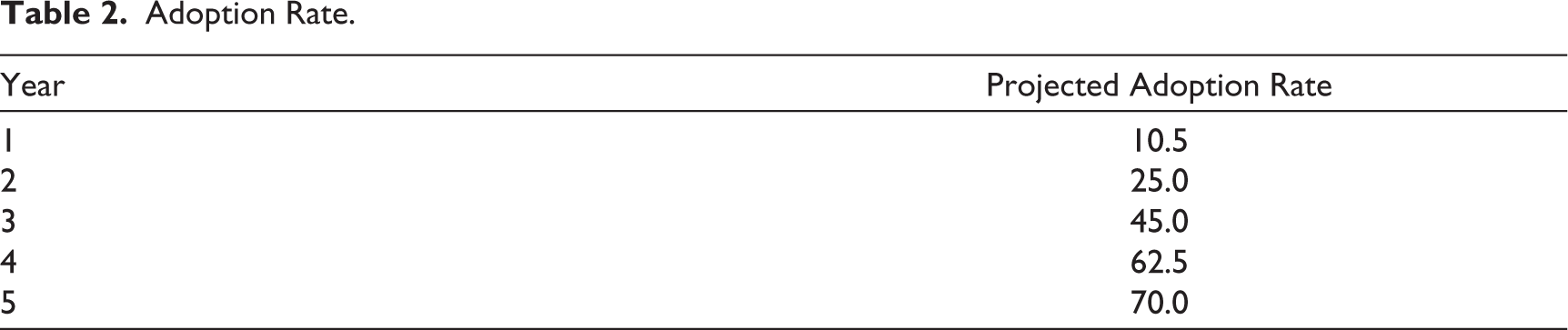
The study findings reveal that use of the MedBot is curving the S shape of the Bass diffusion model, as presented in Figure 5. The coefficient of diffusion was p = .03, and it has been proposed that innovators will most likely be early adopters. Meanwhile, the imitation coefficient (q = 0.60) implies that the imitators were considerably successful in making future acceptance as they are recommended by their peers through social mechanisms. It is evident in social impact, and by the fifth year it is expected that the adoption rate will have attained 70%. The TAM gives valuable conclusions on the adoption factors, with additional factors to perceived usefulness being the ease of use of MedBots in combination with effective training programmes provided by healthcare providers, allowing the users to adopt the technology almost instantly. During the first few years of its lifetime, the users overcame their concerns almost immediately. Compared to the level at which professional trust in machines begins, as scepticism over the reliability of machines, it has shifted to a rising domain of trust as they are noticing improvement in terms of diagnostic accuracy and operational efficiency. Compatibility issues that were initially present have been updated, and now they are resolved on the basis of efficiency and the ability to work effectively with EHRs and diagnostic tools. The Bass diffusion model will yield the adoption rate by taking an average mean of the adoption rate after the first 5 years since the adoption rates are accumulated year by year. The rate of adoption shows that MedBot is fast emerging as one of the primary players in the healthcare delivery market. Hence, it is increasingly being incorporated into the healthcare systems. Table 2 indicates the cumulative level of adoption that has been on the increase over the years.
Five-year Growth of MedBot Adoption as per the Bass Model.
Adoption Rate.
The Bass diffusion model employed in measuring MedBot tested its newness in 5 years, namely the creators and the imitators. The innovator adopters who are the early adopters could adopt the MedBot because they would want to give new technology a go without any external assistance. The success of the inventors and the positive results were also effective to raise the acceptance as with the imitators. It is the shape of the Bass model’s S-shaped curve as it may be observed in Figure 5. Inventors had initially contributed to the slow rate of acceptance in a large extent. This rate of adoption did not increase at once, but the social influence plays an important role of influencing the imitators who started using the MedBot. The results indicate that the MedBot enhanced accessibility, accuracy of diagnosis and development of the staff at the health facility.
Interpretation of Adoption Curve
This article has used the Bass diffusion model to analyse data on MedBot adoption collected in numerous Indian hospitals to learn and forecast the adoption path (Kapur et al., 2020). The process of adoption follows an S-curve pattern according to the Bass model; it displays three important points of the adoption curve, which show a slow adoption period initiated by innovators, a high adoption period resulting in rapid growth due to the influence of the social factors such as favorable experiences and then a complete saturation of the market. The model has estimated two important parameters, namely the coefficient of invention (p) of 0.03 and the coefficient of imitation (q) of 0.60, as shown in Table 3. These criteria highlight the people who have innovated and put technology in place of themselves, and the imitators whose success and observations influence them. Bass model predictions show that there is low adoption at the beginning, but once people start seeing tangible improvements, like the outcome of healthcare as well as efficiency of operation, the adoption accelerates immediately (Saha et al., 2021). The dynamics of effect in the adoption, as shown in Figure 5, have been described, and the visibility path of adoption is shown.
The results in Table 3 are supported by the predictions created by the Bass model. To the healthcare practitioners, MedBot was rather helpful, up to the level of administration and diagnosis tasks. The resulting outcome of such implementation was not only a decrease in the instantaneous levels of paper works but also a rise in the genuine nature of patient record management. According to the users, MedBot was easy and quick to learn, which allowed the transfer of patients to the attention of the healthcare workers. Lack of technical issues in the healthcare institutions made their bot easy to use, and this was one of the reasons where there was a manifested pre-existing uncertainty regarding AI particularly in the rural context. But slowly this was becoming acceptable when doctors were getting a feel of the efficiency of MedBot in terms of patient care and monitoring. Such user experiences were very positive, and this led to assurance of the user in terms of what AI could do in case of healthcare. Some of the facilities had to report some issues in achieving integration with the existing MedBot and the EHR systems, and some of the facilities disclosed a great number of such benefits (Zhou et al., 2019). The compatibility challenges also resulted in the delay of use of the same, but as the system of MedBot improved, there was gradual elimination of such problems. According to the findings of this article, the application of MedBots will be based on the Bass model pattern as, at first, they will accept it at a slow rate and then the acceptance level will increase. The reason behind this will be that the people will be hesitant to use it at the beginning due to its level of ease of usage, compatibility with the system in use within the healthcare sector and trust concerning the AI technology implemented. Survey with users validate that even though MedBot does not take the place of human doctors, it makes comparatively high improvements to diagnostic accuracy and reduces administrative time. However, to achieve a complete market penetration, obstacles have to be mitigated, such as training of the healthcare professionals and simple adoption in the already existing electronic medical record systems.
Bass Model Parameters.

Discussion
This study provides excellent results as to the application of MedBot technology in Indian healthcare industry. The Bass diffusion model shows that it will be adopted by 70% by Year 5, the coefficient of innovation (p) is 0.03 and the coefficient of imitation (q) is 0.60, and that the magnitude of current adoption by innovators will have an incredible effect on the adoption. These findings correspond to the conceptual model of research, due to the attainments of perceived utility and the ease-of-use applications converting into initial adoptions, and the trust in AI and compatibility with the system are indeed more pronounced in the longitudinal form. The theoretical background of the research is the extrapolation of the Bass model used previously to study the digital health technology of a developing economy and the illustration of the fact that the perception of people can be generalised into all-inclusive adoption regardless of their behaviour. The openness to training and informing people about their AI decisions would reduce the resistance against AI and, instead, form the basis of trust in the users. The current article empowers the Bass diffusion model and TAM to consider adoption. However, it does not take into consideration the external impacts such as policy programmes and the uncertainty of the infrastructure. Future research could be involved in any factors related to environment or organisational level.
Footnotes
Declaration of Conflicting Interests
The authors declared no potential conflicts of interest with respect to the research, authorship and/or publication of this article.
Funding
The authors received no financial support for the research, authorship and/or publication of this article.