







Abstract
This paper investigates the effect of receiving employment benefits under the Mahatma Gandhi National Rural Employment Guarantee (MGNREG) scheme on the household’s trust in the local administration and their political participation. The present study is based on primary data collected through a structured schedule from selected districts of Haryana, India. In order to analyse the collected data, the ordered logistic regression method was used. The major findings of the study indicated that MGNREG beneficiaries expressed a lower level of trust and unfavourable attitude towards local administration. They were also found less interested in participating in the village-level meetings. Thus, it appeared that simply being a beneficiary of the MGNREG programme was not adequate to influence public trust in local administration.
Introduction
The existence of any government usually depends on its competence to ensure citizens’ well-being (Evans et al., 2019). Governments often implement different social protection schemes to improve livelihoods by providing monetary and other benefits. These programmes also help individuals build profound social relations (Adato, 2000). Further, numerous scholarly articles pinpointed that social protection benefits helped incumbent politicians win political support (Araújo, 2021; Bardhan et al., 2018; Chau et al., 2021; Conover et al., 2020; De La O, 2013; Deshpande et al., 2019; Galiani et al., 2019; Gupta & Mukhopadhyay, 2016; Kogan, 2021; Manacorda et al., 2011; Nupia, 2018; Zimmermann, 2015; Zucco, Jr., 2013).
Moreover, many empirical studies also support the idea that social protection programmes influence public trust in government or political institutions (Camacho, 2014; Evans et al., 2019; Kumar et al., 2021; Mishra & Attri, 2020). Trust is considered a cornerstone for successfully implementing public policies as it ensures cooperation between the state and citizens (Beshi & Kaur, 2020). It is also a vital element of an effective democratic system (Spiteri & Briguglio, 2018) and promotes good government (Clark & Lee, 2001). A study by Varvarigos and Xin (2015) highlighted that trust was positively associated with economic development and prosperity. However, trust is mainly viewed as an evaluation of the government institutions by citizens’ harmonious to their perception (Yousaf et al., 2016). Accordingly, studies conducted by Hetherington (1998) and Miller and Listhaug (1990) defined political trust as the citizens’ performance assessment of political authorities and institutions based on their normative expectations. It signifies that the functioning of the government is in the preferred way of the citizens. Therefore, governments enjoying higher public trust works more efficaciously and smoothly (Chen & Shi, 2001). Contrary to this, distrust in government can adversely influence the outcomes of public policies, resulting in waste of resources (OECD, 2017). Further, Cooper et al. (2008) argued that excessive trust in government could undermine public accountability and discourage the elected representatives from working for the common good. Nonetheless, social welfare programmes implemented by a state adhering to good governance can enhance public trust (Yousaf et al., 2016).
The Mahatma Gandhi National Rural Employment Guarantee (MGNREG) scheme is a large-scale rural employment generation programme initially rolled out in 200 backward districts of India in February 2006 and further extended to the remaining rural parts of the country by 2008. The MGNREG scheme provides a legal guarantee of 100 days of employment every financial year to adult members of any rural household willing to do unskilled manual work at the statutory minimum wage. This programme aims to enhance livelihood security to low-income families, create durable assets in rural areas through manual labour, strengthen Panchayati Raj institutions and empower socially disadvantaged groups such as women, Scheduled Castes (SCs) and Scheduled Tribes (STs). Further, the uniqueness of this programme manifests in its self-selecting, demand-driven and right-based design and structure. The guidelines of the Mahatma Gandhi National Rural Employment Guarantee Act 2005 (MGNREGA) 1 entitle households to unemployment allowance if the local administration fails to provide work on demand. In addition, it also contains provisions of uniform wages, a ban on the use of contractors and machinery, reserving 33% workforce for women, compensation for delay in payment of wages and worksite facilities of safe drinking water, shade and childcare. The decentralised administrative mechanism is a unique attribute of this programme (Bose & Das, 2018). Local government officials or village council members allocate work among participating households (Jha et al., 2013; Mukherjee, 2017). The MGNREG scheme adopts a people-centric approach in which local administration discuss and plan developmental work to be undertaken under the scheme in village-level meetings (Gram Sabhas). Therefore, the local administration has a high involvement in ensuring proper implementation of the programme at the village level.
The MGNREG scheme is one of the world’s largest social protection programmes, generating 3.89 billion person-days of work for 75.5 million households in the financial year 2020–2021.This programme has garnered huge academic interest due to its size and multi-dimensional implications for rural India. Empirical studies have shown the positive welfare impact of the MGNREG scheme on income, nutritional intake, access to non-financial assets, adolescents’ school attendance, food security, savings and mental health (Deininger & Liu, 2019; Klonner & Oldiges, 2019; Muralidharan et al., 2017; Ravi & Engler, 2015). The evidence of the positive outcome of the MGNREG programme in terms of increased agricultural wages, generating environmental benefits, pacification of Maoist conflict violence, reduction in short-term migration, empowerment of rural women and financial inclusion is also available in earlier studies (Berg et al., 2018; Das, 2015; Dasgupta et al., 2017; Esteves et al., 2013; Pankaj & Tankha, 2010; Saibal, 2017; Singh, 2020). However, some researchers find corrupt practices followed by the local administration in implementing this programme (Afridi et al., 2017; Banerjee et al., 2020; Imbert & Papp, 2011; Mathur, 2017; Niehaus & Sukhtankar, 2013a, 2013b; Ravallion, 2019; Shankar et al., 2011). This study investigates the effect of employment benefits under the MGNREG scheme (an example of a social welfare programme) on rural households’ trust in local administration and their participation in local public affairs.
Review of Literature
A vast body of literature examined the impact of social protection programmes on public trust in government and political institutions. In a seminal study, Camacho (2014) revealed that Peru’s Juntos programme increased the trust of eligible households for institutions directly related to the programme. Julia et al. (2014) observed the political effects of the PNPM Generasi programme in Indonesia. It concluded that the programme increased the household’s satisfaction with the Kabupaten-level government administrative services. Moreover, Li and Wu (2018) found that implementing the New Rural Pension Scheme enhanced individuals’ trust in the central and local governments. Evans et al. (2019) found that cash transfers in Tanzania increased trust in elected leaders. A study conducted by Ghorpade and Justino (2019) observed that the benefits of the Benazir Income Support Programme in Pakistan increased satisfaction of the citizens with the government. Similarly, Kumar et al. (2021) and Mishra and Attri (2020) confirmed that households who benefitted from various government welfare schemes showed greater trust in the state government. In an empirical study using regression discontinuity design, Rios et al. (2020) found that households receiving cash transfer benefits after Tropical Cyclone Winston in Fiji showed higher satisfaction with the government.
Further, the literature also revealed the mixed effects of various welfare policies on political participation. In this context, Desai and Joshi (2014) found that members of the Self-Employed Women’s Association were more likely to attend Gram Sabha meetings and interact with Gram Panchayat members. Dunn (2017) found that the receipt of conditional cash transfers (CCTs) benefits was positively associated with different forms of political participation. This study also indicated that beneficiaries showed higher political interest and trust in political institutions than non-beneficiaries. Further, Kumar et al. (2019) confirmed that the Self Help Group members had a higher likelihood of attending Gram Sabha meetings. Likewise, Schober (2019) found that CCTs increased participation in various political activities such as voting, contacting public officials, community activism and civic engagement. Moreover, de Milliano et al. (2021) found that the beneficiaries of the Livelihood Empowerment against Poverty 1000 programme in Ghana were more likely to participate in community groups and local ceremonies or gatherings.
The present study is a departure from the earlier studies conducted by various scholars as it emphasised assessing the impact of the MGNREG scheme on the trust in local administration and political participation of beneficiaries.
Objectives
The main objectives of the study are as follows:
To examine the effect of participation in the MGNREG scheme on the trust in local administration. To analyse the impact of participation in the MGNREG scheme on local political participation.
Research Methodology
Data Collection
This study is based on primary data collected through a structured schedule. The field survey was conducted between September and November 2020. All households participating in the survey were informed about the purpose of the study. Verbal consent was also taken from the respondents before starting the interview. The survey schedule comprised the information of MGNREG job cardholders about their socio-economic conditions, demographic attributes, perception towards local administration, frequency of attending village meetings and employment status in the MGNREG scheme.
Area of the Study
The geographical focus of this study is the Haryana state. This state is located in the northern part of India between 27°39' and 30°35' North latitude and between 74°28' and 77°36' East longitude. With only 1.4% of India’s geographical area, Haryana forms 2.09% of the country’s population. Out of the total population, 31.2% and 68.8% lives in urban and rural regions, respectively (Census of India, 2011). 2 The rural economy of Haryana is agriculture based, where most households depend on the agricultural sector to sustain their livelihoods. According to the Centre for Monitoring Indian Economy database, the rural unemployment rate in Haryana was 29.47% in the quarter of May–August 2020, which was more than the national average of 11% in India. Given that agriculture is a seasonal occupation and Haryana state faces acute rural unemployment, the effective implementation of the MGNREG scheme becomes crucial for employment creation and better welfare. The MGNREG scheme employed 4.57 lakh households in Haryana with a total outlay of ₹8.03 billion in 2020–2021. The average days of employment provided per household were 33.12 days in 2017–2018, which has increased to 39.31 days in 2020–2021. 3
Sample Selection
The multi-stage random sampling method has been applied to select the final sample from the study area. The sampling was done in four stages, including the selection of districts, blocks, villages and households. Haryana state is divided into six revenue divisions as per government records. A total of six districts, one from each division, was selected randomly at the first stage. Further, one block from each district and one village from each block were randomly selected (see Table 1). In every selected village, a list of households with the MGNREG scheme job cards was compiled from the official website of the MGNREGA. Finally, a sample of 120 households in each village was drawn randomly from the compiled list of job cardholders. The final sample consisted of 720 households. Therefore, 660 households were interviewed. It encompassed 91.66% of the total targeted households. However, responses of 63 households were discarded from the analysis owing to incomplete information provided by the respondents. Hence, the remaining data for 597 households were utilised for final analysis. It represented 82.91% of the original sample.
Survey Framework.

Variable Definitions
This section describes all variables used in the empirical analysis of the study.
Dependent Variables
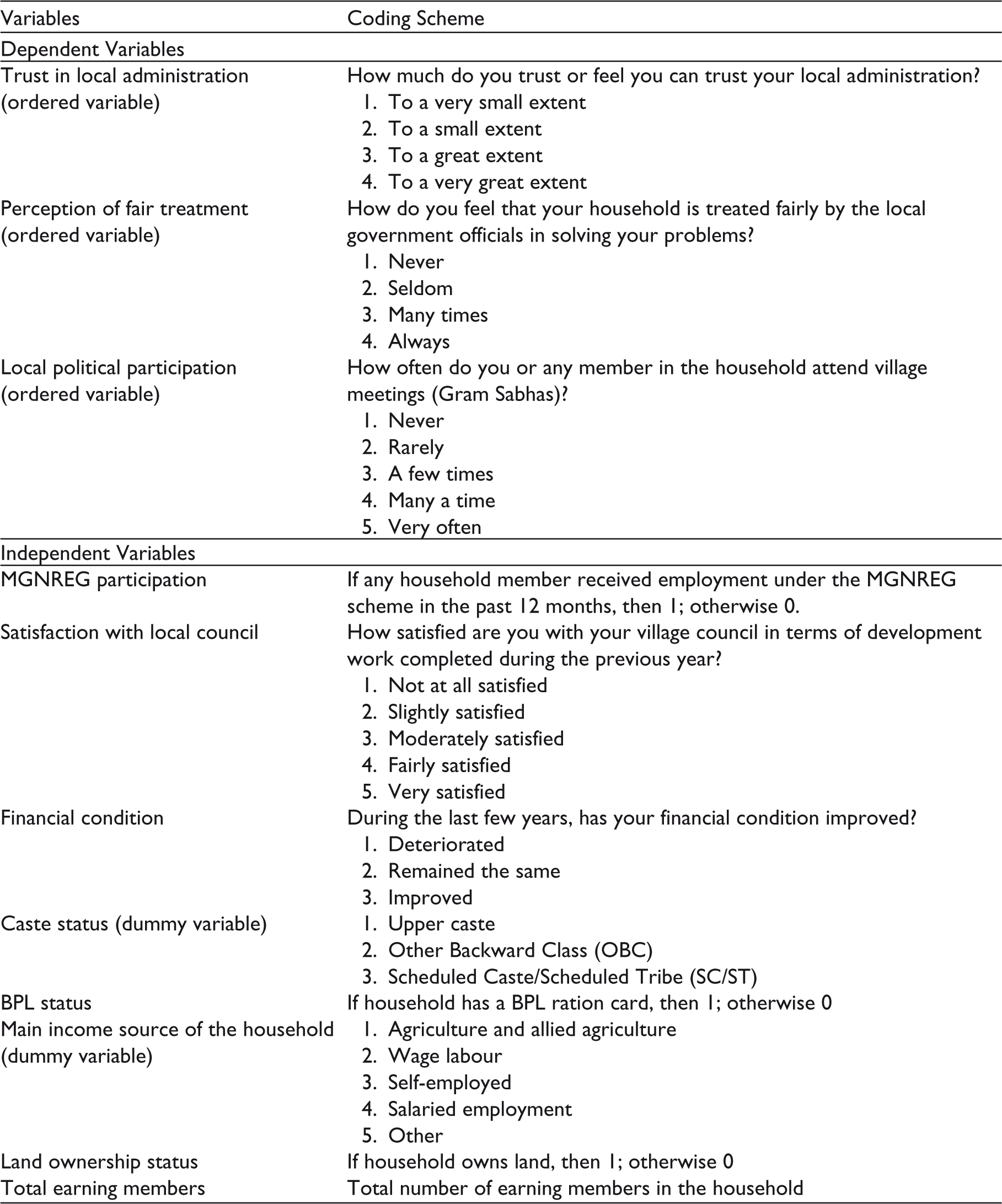
This study consisted of three dependent variables: trust in local administration, perception of fair treatment by local government officials and local political participation. First, trust in local administration was measured by the following question: How much do you trust or feel you can trust your local administration? Second, the perception of fair treatment by local government officials was coded as ‘1’ = Never to ‘4’ = Always. Finally, local political participation was measured as the frequency of attendance at village meetings.
Independent Variables
The primary independent variable in the analysis was MGNREG participation. It was a dichotomous variable for whether any member in the household received employment under the MGNREG scheme in the past 12 months.
This study also used a standard series of control variables. These include satisfaction with the local council, change in the household’s financial condition during the last few years, caste status, Below Poverty Line (BPL) status, main income source, land ownership and total earning members. Table 2 presents the detailed description of all variables used in the study.
Measurement of Variables.
Research Model
This study applied an ordinal logistic regression analysis approach to examine the effect of receiving employment benefits under the MGNREG scheme on the trust in local administration, perception towards local government officials and local political participation. All dependent variables were measured on ordinal scales. The ordered logistic regression model was most suitable for the ordinal nature of the dependent variables (Curini et al., 2012). The basic model for estimating results based on ordered logistic regression is as under:

where
Findings
The main findings are as under:
Figure 1 shows that 51.1% of MGNREGS beneficiary households expressed a very small extent of trust in local administration as compared with 46.81% of non-beneficiaries. It was found that 29.34% of the beneficiary and 28.72% of non-beneficiary households either had a ‘great extent’ or ‘very great extent’ of trust in local administration. Therefore, when the two positive response categories were combined, no apparent difference in the trust level was observed among the MGNREGS beneficiary and non-beneficiary households.
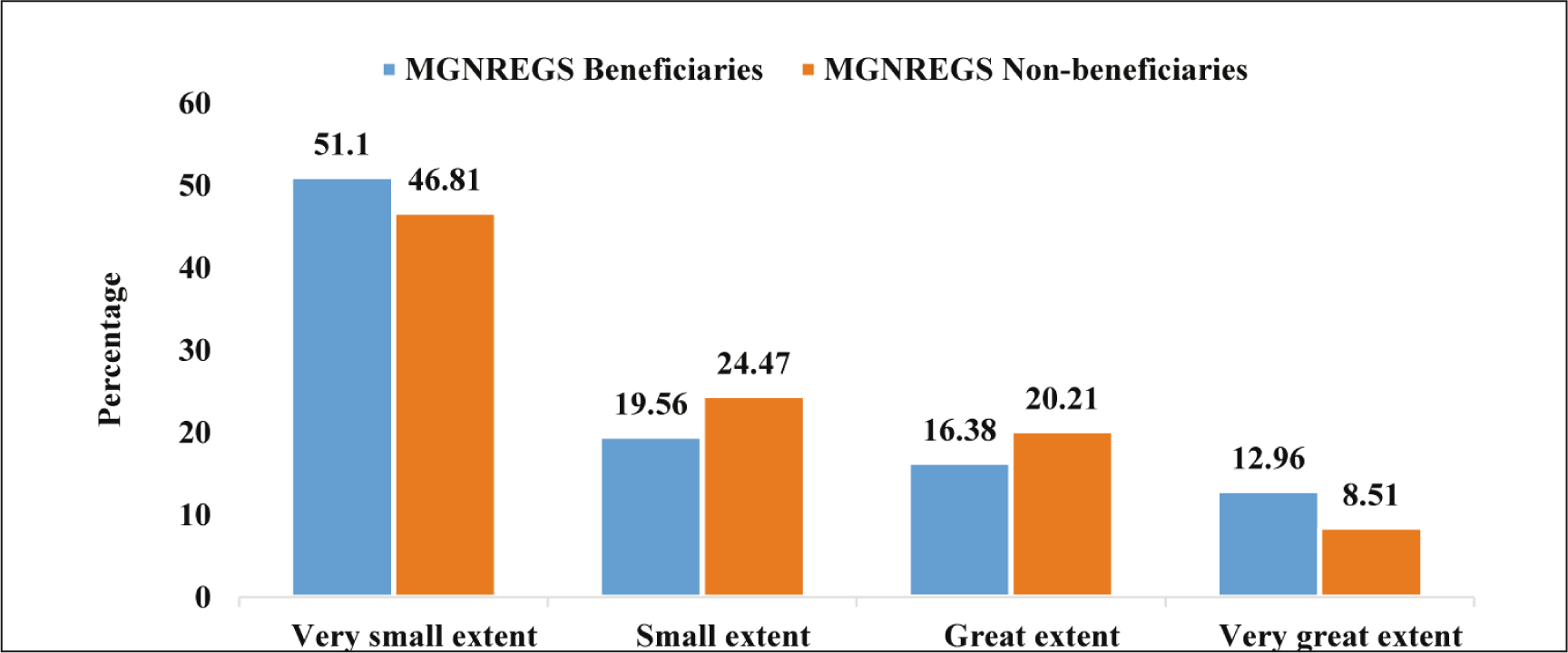
Figure 2 displays that 50.86% of households who received employment under the scheme in the past 12 months opined that they were never treated fairly by the local government officials to solve their problems, and it was more than the proportion of non-beneficiary households. Further, only 26.89% of beneficiary households stated that they were treated fairly ‘many times’ or ‘always’ by the local administration.
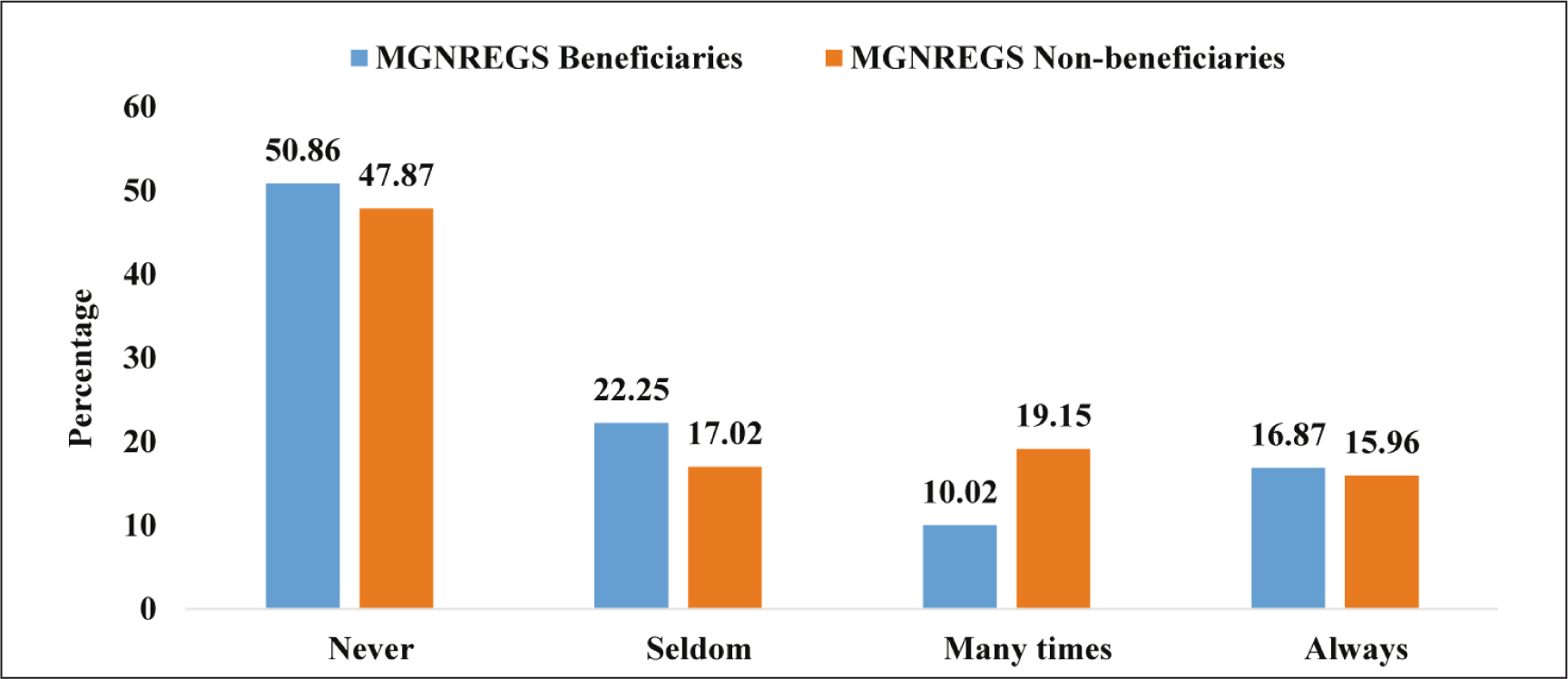
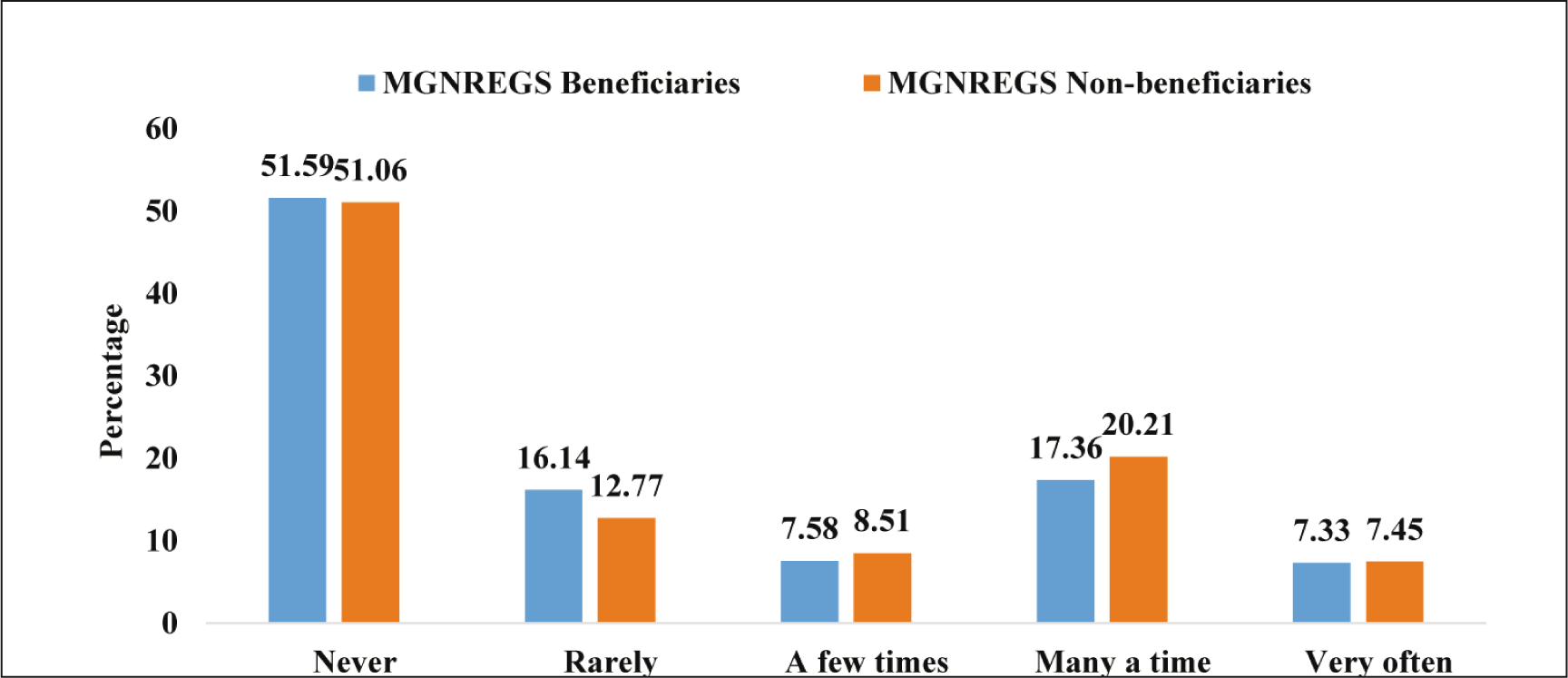
Figure 3 indicates that 51.59% of the MGNREGS beneficiaries never attended the village-level meetings. The frequency of attending Gram Sabha meetings was substantially lower among households that received employment benefits from the MGNREG scheme.
It is seen from Figure 4 that 59.08% of SC/ST households had a very small extent of trust in local administration. Further, 24.39% and 15.31% of upper caste and Other Backward Class (OBC) households showed a very great extent of trust in local administration, which was more than the proportion of SC/ST caste households.
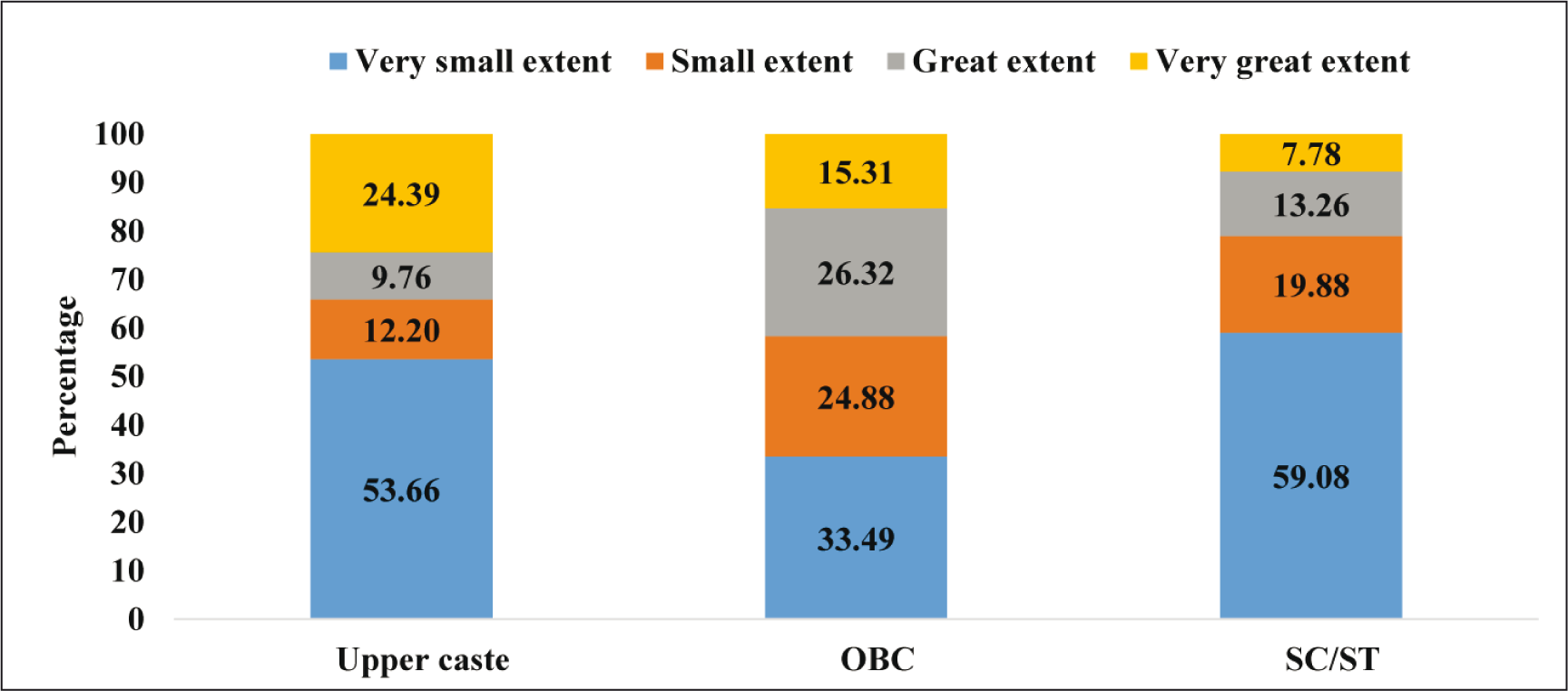
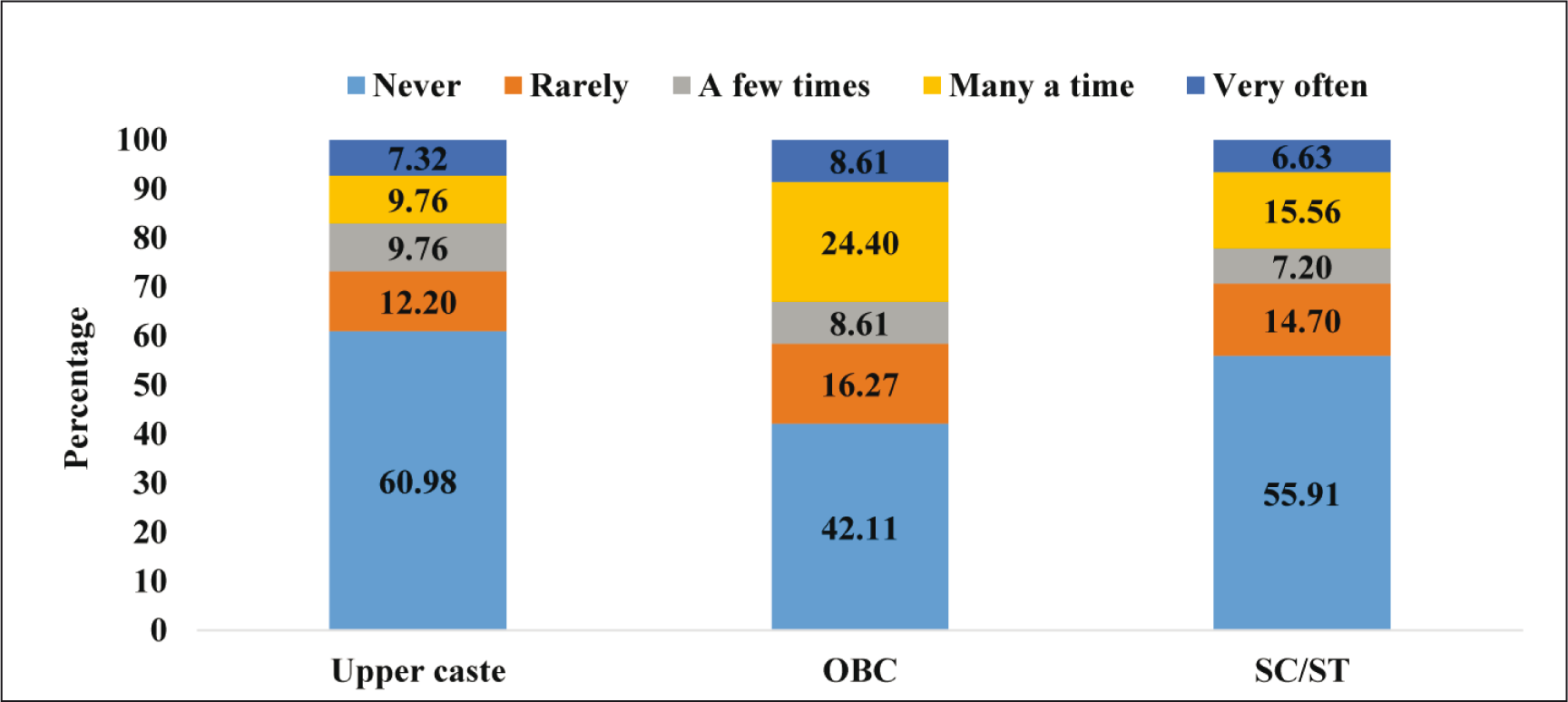
Figure 5 reveals that 55.91% of SC/ST households never attended the Gram Sabha meetings. Further, only 6.63% of SC/ST households said that they very often participate in village-level meetings. The proportion of OBC households was 24.40%, who attended the meetings of Gram Sabha many a time.
Regression Results
Table 3 shows the results of ordered logistic regression that predict the effect of employment benefits under the MGNREG scheme on trust in local administration, perception towards local government officials and local political participation.
Ordered Logistic Regression for Predicting the Effect of Participation in MGNREG Scheme.
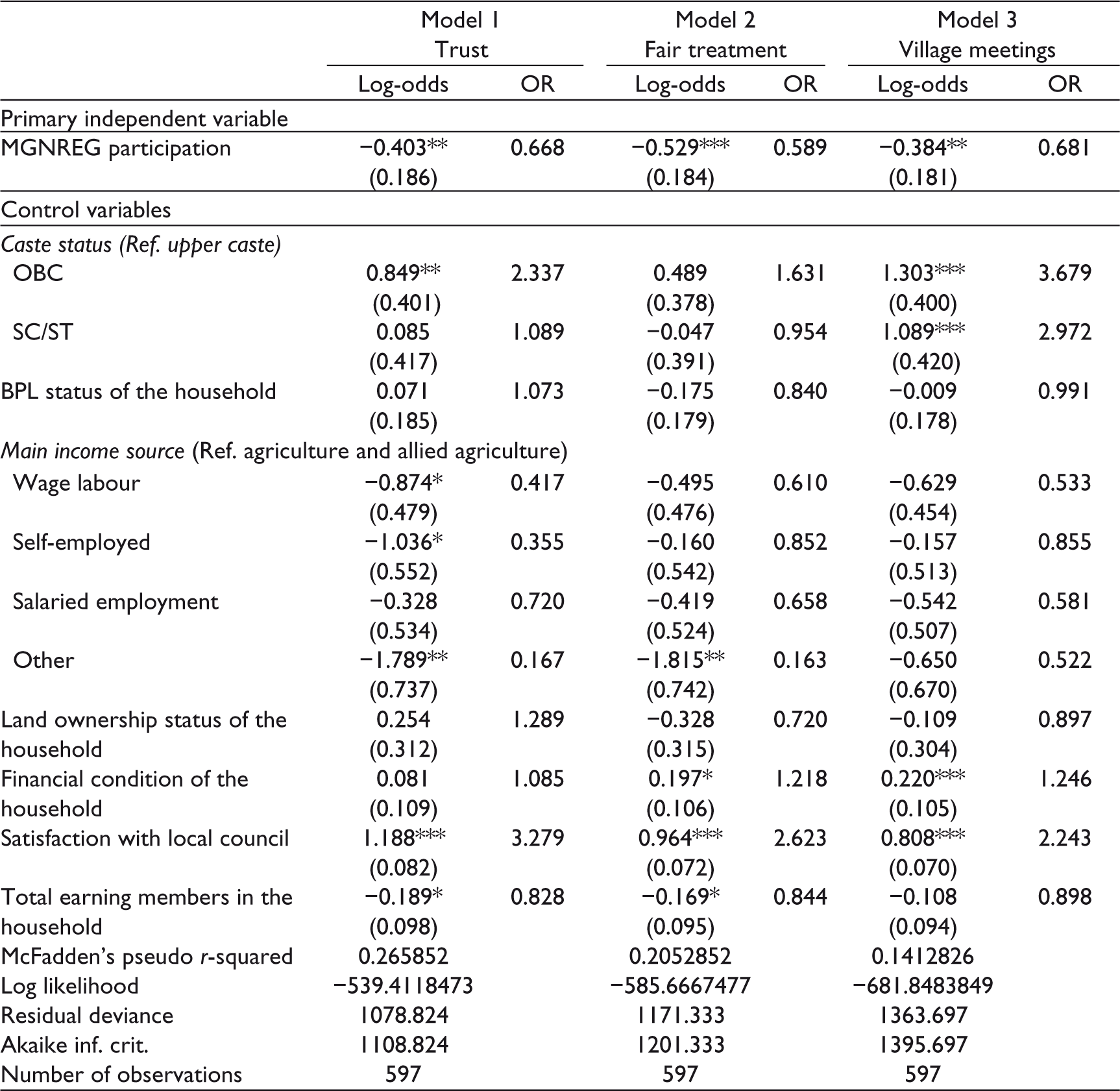
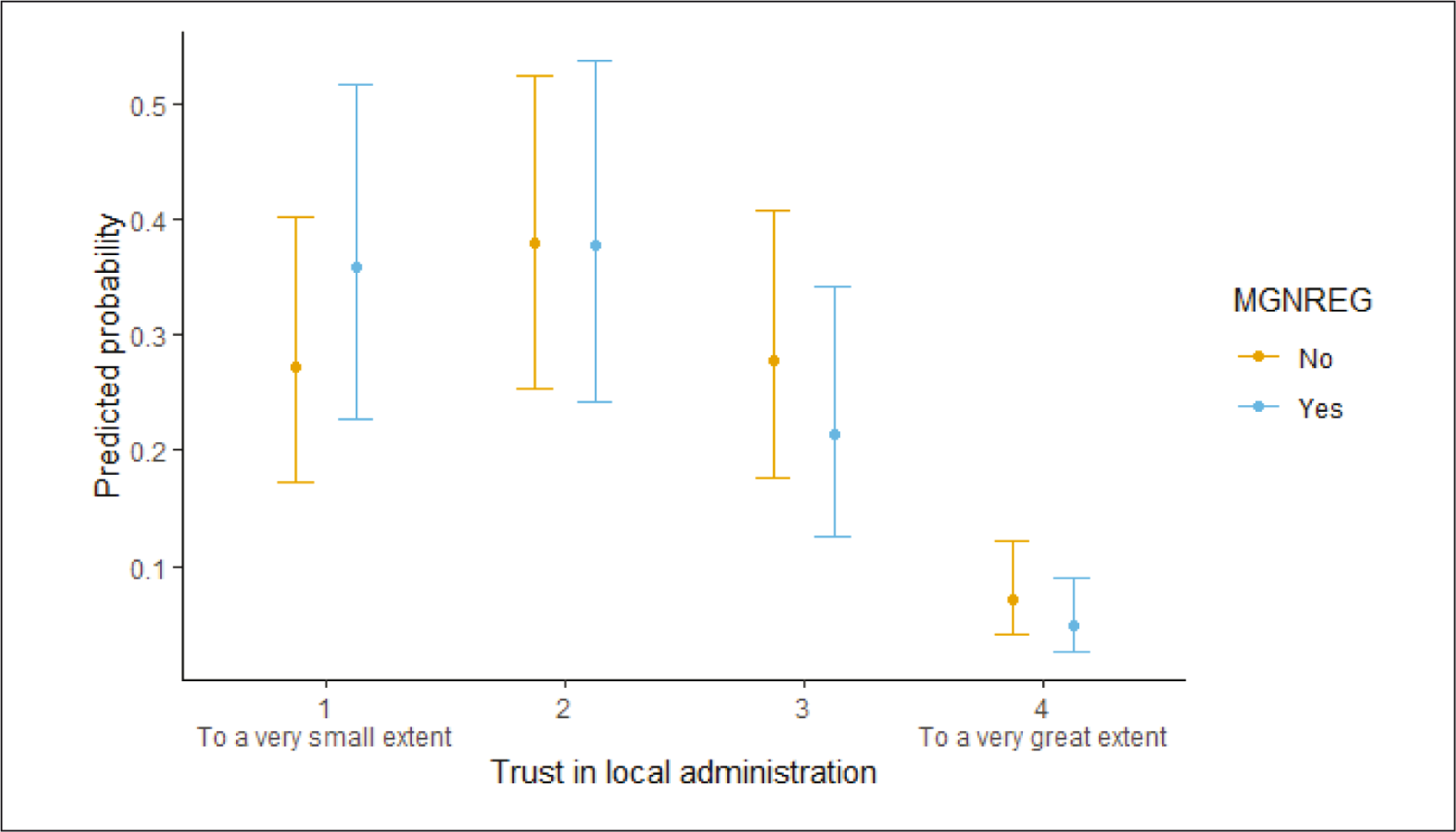
Model 1 estimated the impact of MGNREG scheme participation on trust in local administration. It was found that the MGNREG participation variable showed a negative relationship with trust in local administration (5% level of significance). The odds ratio indicated that households who received employment under the MGNREG scheme had a 33.2% lower likelihood of showing greater trust in local administration than those households not getting employment. This particular finding was against the previous related literature, which showed the positive effect of various social welfare programmes on public trust (Camacho, 2014; Evans et al., 2019; Kumar et al., 2021; Mishra & Attri, 2020). Figure 6 shows that the predicted probability of a very small extent of trust in local administration was 36% for households participating in the MGNREG scheme. It was more than the predicted probability (27%) of non-participating households. Thus, it appeared that simply being a beneficiary of the MGNREG programme was not adequate to influence public trust in local administration.
Further, it was also found that the greater satisfaction of households with the development work carried out by the local council during the previous year increased trust in local administration. Indeed, it was consistent with the findings of previous research, which argued that satisfaction with the local council had a significant and positive impact on public trust (Downe et al., 2013; Han et al., 2019). The results also indicated that variables such as BPL status, land ownership and household’s financial condition were non-significant for trust in the local administration.
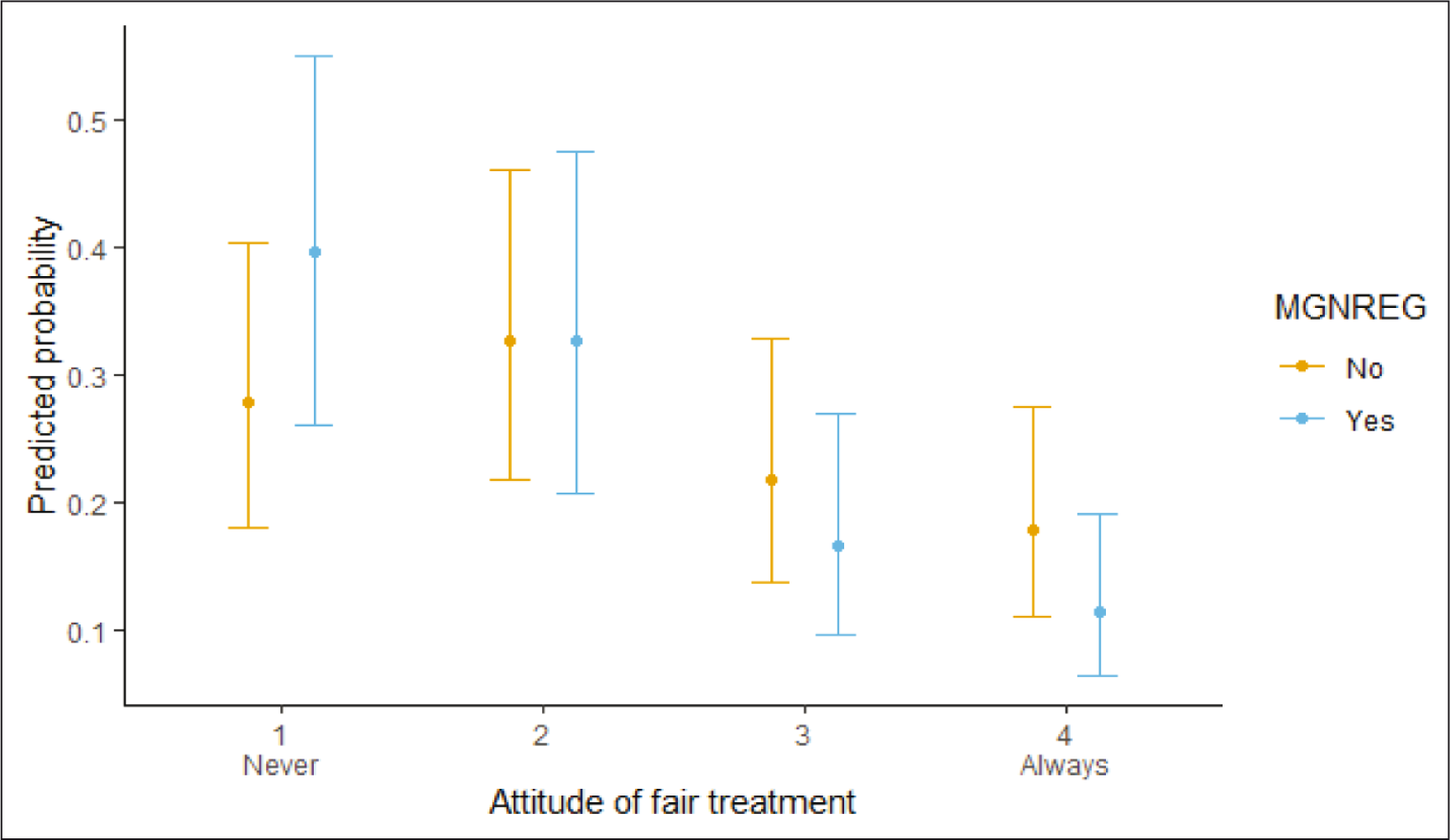
The findings in model 2 indicated that MGNREG beneficiaries had an unfavourable attitude towards local government officials. Figure 7 highlights that MGNREG beneficiary households had a higher predicted probability of asserting that local government officials never treated them fairly in solving their problems.
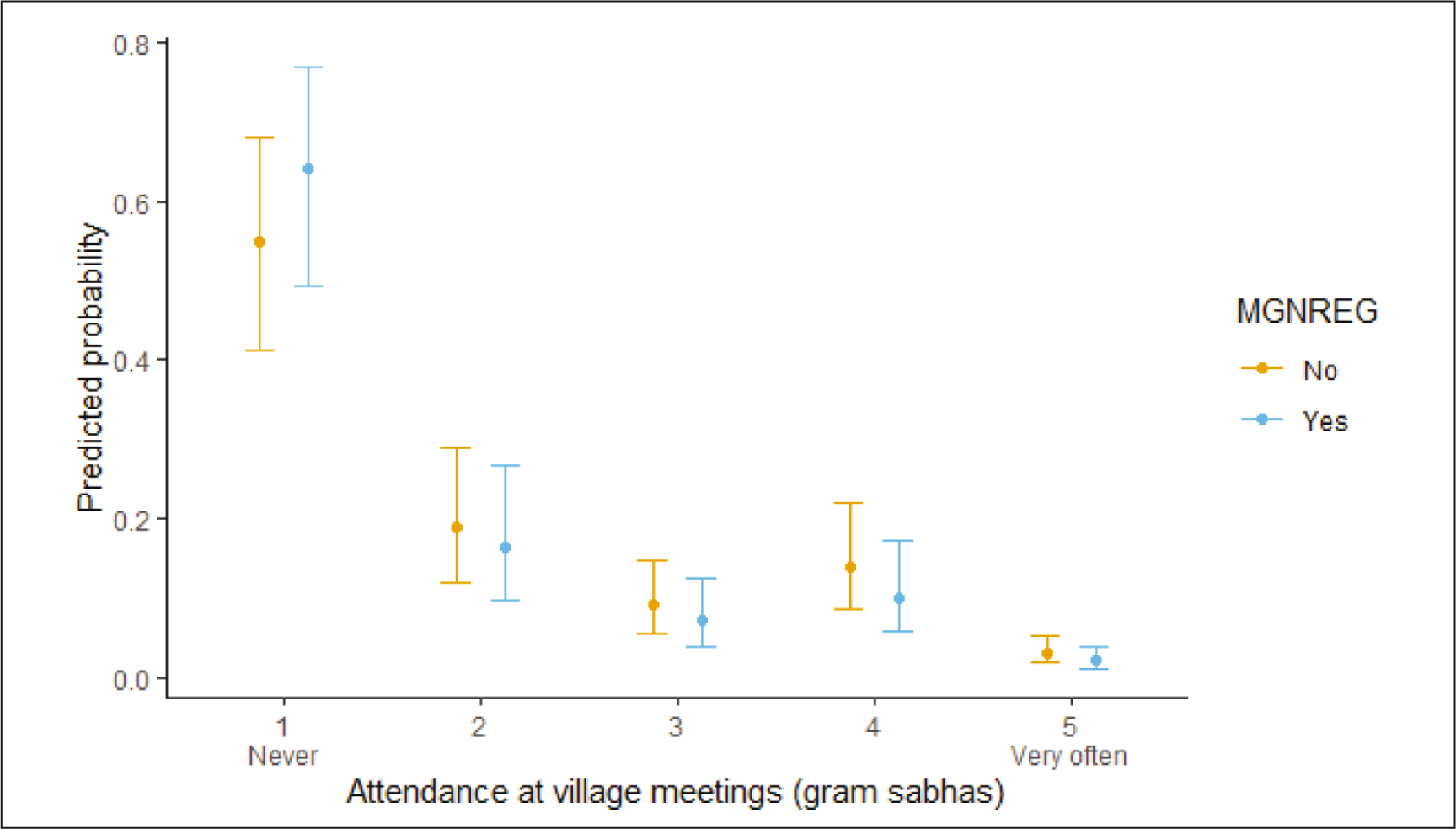
The findings in model 3 revealed a negative effect of receipt of employment benefits in the MGNREG scheme on local political participation. It also signified at a 5% level of significance. The odds ratio indicated that households participating in the MGNREG scheme had 31.9% lower chances of attending village-level meetings. Figure 8 shows that the predicted probability for never attending village meetings was 64% for MGNREG beneficiaries compared with 55% for non-beneficiaries. Previous empirical work also supported that welfare receipts can discourage political participation (Bruch et al., 2010; Mettler & Stonecash, 2008; Swartz et al., 2009). Various control variables such as caste status, household’s financial condition and satisfaction with the local council positively affected the frequency of attending village meetings.
Conclusion and Policy Implications
This study investigated the effect of receiving employment benefits under the MGNREG scheme on the trust in local administration, perception towards local government officials and local political participation. The findings of the study indicated that MGNREG beneficiaries expressed a lower level of trust and unfavourable attitude towards local administration. The participants were also found less interested in attending the village meetings.
In order to make the MGNREG scheme more viable and effective, the following suggestions have been made for the policymakers:
An appropriate and effective grievance redressal system should be evolved uniformly for the whole country so that issues/problems of the participants may be addressed timely. There is an urgent need to create more awareness among the people about the various provisions of the scheme. In order to ensure proper implementation of the scheme, the social audit process should be evolved so that the full transparency and accountability of the MGNREG scheme may be maintained.
Thus, it is hoped that the suggestions mentioned above will help policymakers make this scheme more viable and strengthen the relationship between MGNREG beneficiaries and the local administration.
Footnotes
Declaration of Conflicting Interests
The authors declared no potential conflicts of interest with respect to the research, authorship and/or publication of this article.
Funding
The authors received no financial support for the research, authorship and/or publication of this article.