






Abstract
This article seeks to understand some legal aspects surrounding ‘green shipping’ in India. Pollution caused by ships in their daily operations or when they are scrapped is causing concern world over. That necessitates ways and means of addressing the issue as well as future of greener shipping operations. Coastal shipping has being neglected in India for a long time. We also need adequately comprehend importance of coastal shipping and the role it could play in the economic development of India. This study tries to establish a relationship between ‘green shipping’ and possible growth of coastal shipping in India. Green shipping is the need of the future for providing green and sustainable transport of goods around the Indian coast as well as beyond it. Use of LNG as fuel and advantages India will have in switching over to LNG, international regulations governing LNG ships and their transposition in domestic laws as well as construction, operation and other facilities associated with LNG fuelled ships in India have been sought to be addressed.
Keywords
Introduction
Shipping has been associated with trade for decades as the most reliable and economic way of transporting goods around the globe. It is stating the obvious that rapid pace of globalisation might have not have taken place without growth in shipping keeping pace with it. Shipping industry carries out 90 per cent of the global trade by volume. The global scenario is such that countries are dependent on each other at one level or other. With phenomenal growth in telecommunications, trade has also grown many folds. Still, without shipping, this global trade would just not have been possible.
Although shipping is playing an important role globally in trade, we cannot ignore the adverse environmental impact of shipping. For example, oil spills have often caused havoc in marine life. Moreover, air pollution caused by ships is also one of the major concerns of the global environmental movement. As the shipping industry is growing the problems resulting from it are also rising. For example, ballast water 1 discharged from one region into another may pose serious ecological, economic and health issues due to the various marine species being carried along with ballast water from one region to other. Not only does the operation of ships cause potential threat to environment, but the pollution caused by the scrap yards has also raised a lot of serious human and environmental concerns. Globally, ‘green shipping’ has been accepted as one of the solutions to most of the environmental problems related to shipping and in a wider sense to the global concern for climate change.
This article tries to look into the woes of coastal shipping in India, and green shipping as a future of ship operations—the various ways in which it can be achieved (concentrating more on LNG as fuel alternative) with a look at what sort of legal regulations are needed for its establishment. Also, it tries to determine whether green shipping initiative can be used as a stimulus for the growth of dormant coastal shipping of India.
India and Coastal Shipping
India has 7,500 km of sea coastline and is the seventh largest fishing nation in the world. The coastline alone supports almost 30 per cent of Indian population, besides playing a vital role by virtue of resources, productive habitats and rich marine biodiversity.
India has had a glorious sea-faring practice in the past. In fact, it was one of the leading ship-building countries. Shipyards in Hoogly and Mumbai had thriving shipbuilding businesses. Ironically, this is no longer the case. The growth of Indian coastal shipping has been very slow. In the year 2001–2002, total tonnage carried by Indian coastal shipping was 54 million tonnes. This is comparatively low as compared to other countries such as China which moved 614 million tonnes by coastal shipping in 2000 (Krishnan 2008). In this context it has been aptly observed that:
Out of the 244 vessels in 2003, as many as 149 were non-cargo carrying vessels reducing the effective cargo carrying fleet to 95 vessels of 0.43 million GRT. Also the coastal fleet is old with as many as 65% of the cargo vessels over 15 years old. (Krishnan 2008)
This scenario indicates the need to effectively build our cargo-carrying capacity so as to cater to growing volume of foreign trade.
Woes of Coastal Shipping in India and the Potential Solutions
There seems to be poor infrastructure for coastal shipping. The government policies are also not very helpful. The process of sending goods by sea is a cumbersome process and requires a lot of official clearances. Additional costs involved like that of berth hire, pilot age charges, dock labour charges and local transportation in ferrying goods by sea make the whole exercise costly and time consuming. Many policies are being made by the government of India which are not adequate to address the challenge. Coastal shipping in India needs a boost, a catalyst, an improvement which will change the way things work. The Indian coastline has a large number of industries along with rich mineral deposits like iron ore and bauxite. If the extraction of these minerals is done in an effective manner, the coastal shipping will get a big boost. It will generate a lot of revenue for the government as well as for the Indian investors who invest on such development of coastal shipping.
The Shipping Corporation of India (SCI) operates passenger ships along the coast and to the neighbouring islands. If steps were taken to develop and make these ships more economical and efficient, it could turn into a big industry. For instance, ferries are extensively being used in Europe for commuting as it is cheap and convenient. It is an industry waiting to expand as the coastal cities of India are easily accessible by sea and famous around the world. Attractive cruises and beautiful ships will not only attract tourists, it will help in development of those areas and coastal shipping as well. Government should give some sort of subsidy to the shippers who are willing to run their ships using the green ship methods.
The inland waterways need to be connected to main stream coastal shipping for more effective operations and coverage by coastal trade. The aspect of multimodal trade has to be looked into for linking cities and the whole of the network that can be used for transport of goods; it will include inland waterways, coastal routes, roadways and railways. The development of inland waterways has been in demand in India for some time now. Many of the countries use their inland transportation as a major mode of transport. Bangladesh is one of such countries. The major waterways in India which have been designated as National Waterways are: the Ganga–Bhagirathi–Hooghly system (NW 1), from Allahabad to Haldia (NW 2), the Brahmaputra system in Assam (NW 3), the West Coast canal system in Kerala (NW 4), Kakinada–Pondicherry canals with the Godavari and Krishna rivers (NW 5) and East Coast canal with the Brahmani River (NW 6).
We also need to take recognition of the ship-breaking yard of Alang (Gujarat) as it is one major industry related to shipping. It is one of the biggest ship-breaking yards in the world, and has been causing environmental pollution on massive scale.
Climate Change and Green Shipping
Climate Change
As per the dire predictions of Intergovernmental Panel on Climate Change (IPCC), the level of greenhouse gas emissions (GHG) including CO2 is rising and unless it is drastically controlled, the rising temperatures driven climatic changes will continue to happen in this century. This seems to be especially so since ‘Eleven of the last twelve years (1995–2006) rank among the twelve warmest years in the instrumental record of global surface temperature (since 1850)’. 2 The change of weather pattern is quite evident from the erratic change in climatic condition throughout the word including India. The drought of 2012 in India was the second such drought in four years. It was roughly 20 per cent below the average rainfall in monsoon (Eshelman and ClimateWire 2012). The problem is not only that there are scanty rainfalls but 60 per cent of Indian population is working in the agriculture sector. It is also directly related to crops and food security of future. As such the government needs to plan for such disasters well in advance. Mere prevention does not help solve the problem. Strong steps for long-term impact and improvement of climate condition need to be taken. Many steps like solar power and bio fuel are being taken. The impact of climate change on other countries is more severe. It could help to draw lessons from them. The amount of CO2 concentration that would have normally taken 20,000 years, has already been reached in just 200 years. It is likely to unleash cascading effect if the weather system and earth are not able to cope up with it. It is time when every industry does its part in reducing the GHG emissions.
Pollution caused by ship-breaking yard was reported by Greenpeace. In its recent report, Greenpeace has provided graphic account that the Alang scrap yard presents serious pollution levels:
The sediment and soil levels in the shipyard of the toxic biocide Tributyl tin—a poisonous chemical used in the ship’s antifouling paint—are high enough to warrant classification of the soil and sediment as hazardous wastes under German regulations. Similarly, high levels were found of polycyclic aromatic hydrocarbons, many of which are known carcinogens. (Greenpeace 2001)
Thus, even as India allows ship-breaking since it provides considerable amount of high grade steel as well as employment, the regulatory process needs to take into account the human dimension as well as pollution of fragile coastline.
Climate change has driven many industries to change their operations or operational standards. Shipping industry also needs to make changes to keep up with the environmental cautious world. Green shipping is one of the ways by which pollution from ships can be reduced.
Green Shipping
The idea of promoting ‘green shipping’ is to improve ships, their operations and to cut emissions to the bare minimum. One of the evolving technologies for the future seems to be running ships on LNG. A comparison of emissions from fuel oil and natural gas underscores this aspect (Table 1). 3
Pounds per Billion Btu of Energy Input
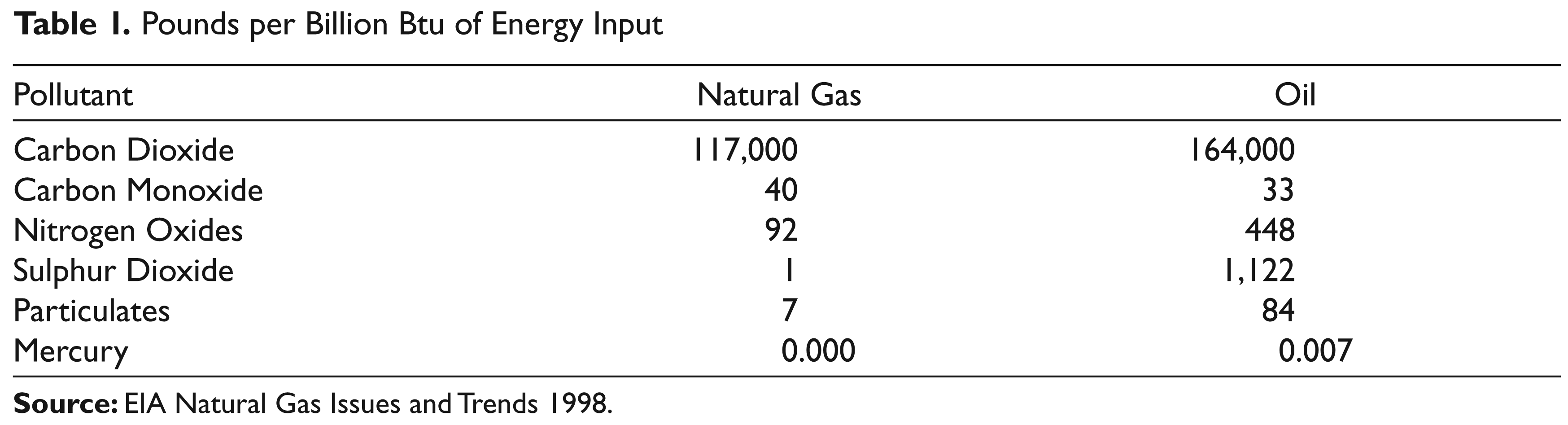
Table 1 shows the emissions by fuel oil and natural gas. It is quite evident from the figures that LNG is a better as well as greener source of energy. The use of LNG could also help in the reduction of GHG emissions in the environment. Another advantage of natural gas over fuel oil is that some harmful pollutants are not emitted from it. One such example is mercury which is causing a threat by entering into water resources as well as resulting in mercury poisoning. The benefits of natural gas have been seen by a lot of other industries and they have started using it as an alternative source of energy. Many of the industries have already innovated with LNG as an alternative fuel source. The automobile industry has modified car engines to run on LNG and have been advancing it more to make it more fuel efficient and eco-friendly. Gas is also being used to generate power using gas turbines. The power sector in India already has numerous such plants in New Delhi and other states.
The ships can be made ‘Green’ by reducing the emission of GHG. Emission of GHG can be reduced on ships in the following ways:
Improving the performance of the ship to make it more fuel efficient. These methods are already in use at present mostly for economic benefits but they are also the basis for emission reduction. If seriously followed it would lead to highly economic and greener ship. Using low sulphur crude oil: One way of reducing SOx emissions is to reduce fuel sulphur content. The fuel sulphur limit has to be reduced from the current 3.5 per cent to 0.5 per cent by 2020 as per IMO, MARPOL.
3
Presently high sulphur fuel is being used at high seas. In Emission Control Areas (ECAs),
4
low sulphur fuel is used. There are two ways of reducing sulphur in fuel oil: one is to reduce sulphur in fuel oil, and the other is to make scrubbers that can give the required SOx emission from the high sulphur fuel. Both of which will cost more than the usual. Refineries need to equip for production of low sulphur fuel and scrubber industries have to keep on innovating their products to keep up with the required emission level. IMO MARPOL Annex VI
5
states that member states can formulate their own rules or declare SOx ECAs. This is a good move but from India’s point of view, the Indian ship owners have to keep up with SOx emission norms. Probably needing to buy scrubbers which will seriously affect cost of ships. Also, as fuel oil will get more sulphur free, its cost will increase. Economically both the ways will affect the Indian ship owners adversely. An alternative of fuel oil, if now invested, could be developed by the time cost of operations goes so high that small ship owners run out of business. Route planning: Route planning has become more and more important nowadays. For planning the passage, the economics of the route is taken into consideration. What includes economics of route? Well, first of all, shortest routes are taken to save on time and fuel. This is good as the less fuel the ship burns lesser will be the emissions from them. The charters generally push the vessels to compete with other liners by transporting cargo in least possible time. This full speed voyage does harm the environment as the ships are taken up to full navigable speeds and maximum amount of fuel burn. Although the competition is good for market to keep the prices down. At what cost is the question. The global warming phenomena has already started and at a faster rate anticipated before. For a future that is clean and green, some steps must be taken to strike equilibrium between this competition pressure and the environment. This can be done by operating the ships on economic fuel consumption speeds. Engine use can be kept to a minimum by taking shortest possible route keeping the weather in consideration. Weather routing: Weather is one of the factors that can affect the passage plan. Bad weather generally means diversion in route to avoid damage to cargo or ship. Although the weather warnings are given well in advance, ships are equipped with latest weather warning system. Yet, there is possibility of improvement in the weather routing. Shipping companies and ships have to work in coordination with the local authorities to know weather conditions in advance to avoid later deviation of route. This will help lessen the fuel consumption and save cost to shipping companies. Also the grounding of ships due to bad weather which have occurred in the past can be stopped. The grounding of MSC Napoli
6
on the coast of UK is evident that although we have advanced weather warning systems accidents still happen. Effective operation of ship: Green shipping does not only include air pollution control but also includes the pollution of the seas that is done by the ships. Although there are provisions for the discharge of garbage and food at sea in the MARPOL, each and every ship should manage the garbage and food stuff properly on board. It is necessary that the crew understands why some of the material cannot be burned in the incinerator or thrown overboard. Garbage disposal has to be optimised in such a way that pollution of water can be stopped. Also on the engine side the bilge tank or the sludge tank should be big enough to avoid disposal at sea. All disposals should be done at shore facilities if situation allows. Engine room leaks should be rectified to reduce the bilge generated. Port state controls should make provisions to implement stricter checks of the engine room leaks. Mostly on old ships or otherwise also leaks are tried to be cleverly disguised by the crew not because they do not want fix it, but because it cannot be fixed on board and needs shore help. The management of the ship has to be made aware of the fact that the rules and regulations which everyone is briefed about before going on board are not only on paper but it is there for a cause. Violations should be punished by personal fines or some sort of suspension. Whole ship staff has to work as a team to abide by the rules and regulations set forth by IMO, which are surely going to become more stringent in the time to come. Material used for shipbuilding: It should be of eco-friendly nature so that when it goes for scrapping, pollution is not caused. The ships must report properly the amount of toxic material carried on board to the Indian authorities. The ship owners should be advised to get rid of the toxic material if they planning to scrap the ships in India Alternative source of fuel: As discussed before the world has started to look for other sources of fuel other than fossil fuel. Other alternatives for fuel have been found from which there is a possibility of harnessing energy. Examples of such sources are wind, hydrogen cells, LNG and solar energy. Renewable sources of energy are more cost effective and environment friendly. Lot of research are being done in this field, but somehow India is lacking in such farsightedness and planning. More effective technology: The consumption on fuel can also be controlled by using better and effective designs for propeller, polishing of propeller, use of good quality anti-fouling paints on the shipside. Another technique which is talked about is air cushioning of the hull. The ship engine has to push hard to move the ship in water which results in consumption of lot of fuel. But by this technology an air cushion will be made between the hull and the water so that the movement of the ship becomes smooth.
The above methods are non-exhaustive. There could be other ways of attaining the objectives of ‘green shipping’ since the shipping is a dynamic industry. It has shown remarkable improvement over years to reach where it is now.
LNG as Alternative for Fuel Oil
LNG
LNG is liquefied natural gas. Natural gas produced from source consists of methane, ethane, propane and heavier hydrocarbons, plus small quantities of nitrogen, helium, carbon dioxide, sulphur compounds and water. LNG takes up only 1/600th of the volume required for a comparable amount of natural gas at room temperature and normal atmospheric pressure. Because the LNG is an extremely cold liquid formed through refrigeration, it is not stored under pressure. The common misperception of LNG as a pressurised substance has lead to wrong understanding of its danger.
LNG-fuelled Ships
Liquefied natural gas is being used in many of the industries as a source of fuel. This switch in fuel mode is because the resulting pollution is not as much as other forms of fossil fuel. In view of the decisive intervention by the Supreme Court of India, a large number of public transport as well as private cars are being driven by CNG in place of petrol and diesel. In Delhi the entire public transport, taxis and three-wheelers have switched to CNG. In fact, it is being claimed that Delhi has one of the biggest eco-friendly public transport service in the world. Since the use of CNG has started, pollution levels in Delhi have sharply come down. In continuation of the green drive, India also needs to consider using LNG in coastal ships. It would not only make the running of the ships cheaper but also boost the Indian coastal trade. If cheaper means of transport is provided to the traders they would like to use the sea route more than the land route. By sea route much more of the goods can be transported in a single ship. The same amount of cargo would require numerous trucks or even trains. Thus it has been pertinently observed that:
Applying natural gas engines will reduce the CO2emissions by 30% and the NOx and particle emissions by 90% compared to burning diesel or heavy fuel oil.
7
These figures show the advantage of LNG ships over fuel oil burning ships. Norway has successfully made world’s first LNG powered ferry. M/V Glutra was built with a LNG engine as per IGC 8 and DNV 9 class.
Range of LNG-fuelled Ships
The range of ships that can be changed or built to run on LNG has to be assessed keeping in mind the technical, construction difficulties and ship design. It has been often questioned on what all sort of ships can LNG be used as fuel. The storage tanks for LNG have to be made under the provisions of the international regulations, but the doubt that arises is whether it is suitable for deep sea ships or just coastal vessels. As the deep sea ships have long routes, more LNG will be required; hence, they will need bigger tanks to store LNG. The problem with bigger storage tank is that cargo space will have to be reduced to accommodate such huge tanks. This will seriously affect the cargo carrying capacity of the ships, which will in turn reduce the earning of the ship. No ship owner would like to reduce the cargo space because it would make the ship less economical and reduce the profit earned from their ships. It is also not right to say that LNG is only effective on coastal ships. New storage tank designs will have to be developed and researched to enable the long route vessel to make their voyages on LNG, because as the new SOx and NOx regulations get more stringent the vessels will need to burn LNG as fuel or use other methods to meet these regulations. It is important and necessary to equip all ships with suitable design to enable them to make their complete voyage on LNG.
LNG can be used as fuel on all types of ships no matter the class or trade of the ship. It will be very beneficial for Ro-Ro, feeder container ships, coastal tankers, coastal bulk carries and passenger ships. As the tank designs are improved more efforts have to be made for using it on long route ships. Such LNG-fuelled ships are already in use around the Norwegian coast. They have proved to be very effective and efficient for coastal shipping. The Indian authorities that will be formed to make regulations for such ships in India need to study the success of the Norwegian LNG-fuelled coastal shipping.
Issues to be addressed for the whole set-up of running ships on LNG are very wide and vast: the whole planning of infrastructure, gas supply meeting the demand at low costs, laws/regulations for operating and running such establishment and ships. The issues to be addressed broadly would be:
Infrastructure including shipyards, gas filling stations, other auxiliary equipment industries. An autonomous body that would make regulations and smooth operation of the above establishments. Law to govern such a body as mentioned above. Laws and guidelines for bunkering such ships. Laws and standards for construction of such ships. Laws and safety guidelines for the operation of such ships. Special laws for ship that would be taking passengers on board. A specialised body that would regulate and check the application of above LNG-fuelled ship laws. Regulations for training and specialising people in the operations of LNG-fuelled ships.
All these issues have to be gone into in great details to make sure the whole framework for LNG-fuelled ships would be effective and operative without unwanted technicalities.
Infrastructure Needed for LNG-fuelled Ships
Shipyards: It is now high time that the infrastructure of shipyards in India need to be assessed. A concerted evaluation procedure has to be formulated to put into place a state-of-the-art facility. It is to be determined what all changes have to be made to the existing shipyards. Once the changes have been finalised, the question of capital has to be dealt with. Capital could be generated from the market or it could be a joint venture of Indian ship owners working with the Government of India. With shipyards, a lot of other ship equipment industries have to be developed which would help in building such ships. Some sort of incentive would be needed to be given to such industry so that more of such industries evolve. This will help in increasing the competition amongst them.
Gas supply: Apart from the shipyards, India also has to develop and increase its gas production. Unfortunately gas production in India is still at a nascent stage. It has been graphically pointed out that:
India’s natural gas production dropped nearly 15 per cent in September ’12 as Reliance Industries eastern offshore KG-D6 field continue to decline. Gas production at 3.36 billion cubic meters in September ’12 was 14.8 per cent lower than 3.95 bcm a year ago. Fields operated by private firms like RIL saw a massive 34.3 per cent drop in output to 1.15 bcm. During April-September, natural gas production was down 12.5 per cent at 21.35 bcm while crude oil output was marginally lower at 19.08 million tonnes as compared to 19.22 million tonnes a year ago. (Times of India 25 October 2012)
Before initiating any talks about LNG powered ships, first generation of gas needs to be substantially increased. The gas producing companies need to be called upon to show comprehensive plan so as to provide the amounts of gas that would be needed to run the venture. The production of gas in India is low and not cheap enough. As such any exercise of switching to LNG is not pragmatic till gas supply is adequately augmented. India had to import 1.25 million tonnes of LNG in 2012; 10 speaks volumes about the status of gas supply in India.
Training of specialised personals: Training of the personnel, both onboard and at the shipyard, is very important. It necessitates specialised training institutions where such training could be imparted. Although the infrastructure establishment would not take a very long time but training of the specialised personnel will be most crucial and would take time.
This could be a very big venture that the government or the private bodies, who would like to take part in it, have to plan each and every aspect in detail with the help of various organs of the government. There would be many industries involved in it. It will take good planning and coordination to make this venture profitable. In fact, countries such as Norway are using this methodology successfully. It is need of the hour that we also start thinking about the neglected coastal shipping in India.
The Petroleum and Natural Gas Regulatory Board Act, 2006
This act provides for fair trade and competition among the entities, registration of entities for LNG, establishment of storage facilities for capacity exceeding the regulated amount and authorisation to entities to lay, build, operate and expand natural gas distribution network. In broad terms the board regulates the distribution, storage and other aspects of petroleum products and natural gas.
The infrastructure of the gas installations has to be made under the provisions of the act. The petroleum and natural gas board would regulate these installations.
Existing International Regulations for LNG-fuelled Ships 11
The present regulations which provide for the standards for LNG-fuelled ship are given in the interim guidelines for gas-fuelled ships, IMO 12 and the IGF code that is still being developed by IMO. It will probably be adopted by 2014.
The preamble of the interim guidelines for gas-fuelled ships provides for international standards for ships, other than ones covered under the IGC code which has natural gas-fuelled engine installations. It provides provisions for arrangement and installation of machinery which are used to propel and power LNG-fuelled ships and are equivalent to oil-fuelled ships in terms of safety, reliability and dependability. It also contains other goal that is meant to be achieved.
The International Code for the Construction and Equipment of Ships Carrying Liquefied Gases in Bulk (IGC code) 13 also provides for the use of gaseous cargo as fuel. Chapter 16 provides for the use of cargo as fuel. But this code is for vessels which carry liquefied gas as cargo.
Classification societies like the ABS, GL and DNV have made regulations for such LNG-fuelled ships inline the IMO interim guidelines for gas-fuelled ships. The regulations of the ABS are the most comprehensive regulations incorporating the IMO guidelines for gas-fuelled ships as well as additional needed criteria not yet specified in the IMO guidelines. The Indian administrations will also have to make regulations in line with the IMO guidelines for the design and construction of the propulsion arrangements, auxiliary power generation arrangements and associated systems for gas-fuelled ships which may be applied to all types of vessel, other than those covered by the IMO IGC code that utilise natural gas as fuel covered by Chapter 16.
SECA and ECA Areas
Oceangoing vessels typically spend 5–6 per cent of their operating time in ECAs. These are areas which have stricter gas emission regulation than the rest of the world. Sulphur Emission Control Areas (SECAs) such as the North Sea and the Baltic, or ECAs have stricter requirements regarding emissions which in time will get stricter:
2015: The maximum sulphur content of fuel oil will be limited to 0.1 per cent for all vessels operating in SECAs/ECAs. 2016: NOx emissions for newly built ships operating in ECAs will also be limited.
A number of other sea areas are expected to introduce similar restrictions on emissions before 2020.
Some Legal Issues to be Addressed While Making Indian LNG Ship Regulations
It is in the wake of the abovementioned discussion that relevant regulations for these ships need to be made as follows:
Environmental concerns: Produce minimum possible air pollution and water pollution. The concentration of green house gases has to be fixed and ships built accordingly. Targeted reduction norms have to be formed which would be need to achieved over a fixed period. The norms should be such that they would keep the process of change a continuous process; the shipyards would continuously strive to achieve the next target norms. Thus, while improving the ships, the technology at the shipyards should also advance. 2011 Amendments to MARPOL Annex VI introduced mandatory measures to reduce emissions of greenhouse gases. The Amendments added a new Chapter 4 to Annex VI on ‘Regulations on energy efficiency for ships’. Safety concerns: As LNG is a highly flammable gas the ships have to be made keeping in mind the safety of crew and passengers. LNG ships have safety provision given in the IGC code but they are for LNG carried as cargo. On LNG-driven ships LNG would be used as fuel. Although the provisions would be almost the same but on LNG-driven ships LNG will be in continuous use which will increase the risk of accidents, thus requiring different provisions and set-up. Accidents like that of Costa Concordia
14
should be kept in mind. Especially on cruise ships, the margin of error is very less; even the slightest negligence of the ships’ staff can cause catastrophic results. All aspects of safety have to be answered, be it structural, technical or operational. People responsible for such accidents should be punished so that the critical operations are not done negligently. Proper law can help in doing it. Public liability: The whole LNG gas set-up which will need gas stations at ports or offshore, could be either near a major port or neighbouring areas. The facility which would be made to hold such high quantity of gas need to be insured for any accident. The owner or the facilitator of the gas stations should provide security which in case of an accident could be liquidated. The principle of ‘absolute liability’ has to be brought in: M.C. Mehta v. Union of India,
15
popularly known as the Oleum Gas Leakage case, was decided by a five-judge bench of the Supreme Court in 1986. The court held that any enterprise that is engaged in an inherently dangerous activity is ‘absolutely’ liable to compensate all those affected by an accident. The key feature of the judgment was the principle of ‘absolute liability’, in which no exceptions (such as an ‘act of God’) are brooked.
As regards the scrap yards, the Supreme Court gave a ruling in 2012 that the Basel convention
16
to be followed strictly for importation of ships to India. As reported by NGO Ship breaking Platform:
Faced with a petition from Indian-based Toxics Watch Alliance, a leading environmental organization, India’s Supreme Court ruled on 30 July 2012 that end-of-life ships containing hazardous materials, such as asbestos or PCBs, must follow the Basel Convention rules on global movements of hazardous wastes. This ruling means that India can no longer accept ships from Europe or the United States. It also means that India must first be notified as to all hazardous materials contained on-board and must approve of ship importation from all sources for scrapping prior to vessel arrival in India. Previous to this decision and despite India being a Party to the Basel Convention, India has long ignored its Basel legal obligations with respect to ships.
17
In fact, the Supreme Court arrived at this decision after objections were made about coming of EXXON VALDEZ 18 to Alang for scrap. The ship was reported to be carrying toxic material.
The above-mentioned instances show the judicial activism of the Indian courts in environmental issues. Thus, the Indian regulation that would be formulated inline of the IGF code needs to be clear and specific. The court will need to play an important role of interpreting the statute when required.
Regulations for Bunkering Operation on LNG-fuelled Ships
Bunkering is process by which fuel is filled up on ships. In case of conventional ships the oil supply barge comes along side and is connected with a flexible hose to the ship that is to be bunkered. In case of LNG ships the safety aspect has to be kept in mind. As conventional ships can receive bunker while at berth and crew on board, similarly in case of LNG ships bunkering has to be done with crew on board and also in some cases passengers on board. The regulations have to be made keeping in mind the safety of all in all possible scenarios.
So, the ways in which bunkering could be done on LNG ship will either be:
Ship-to-ship transfer: Like the conventional bunkering of fuel oil to ship running on heavy fuel oil. Terminal-to-ship: Like present-day cargo loading of oil or gas. Floating barge-, tank- or platform-to-ship: A floating barge or a tank or a small platform stationed in the coastal limits of the port.
With regards to the regulations for the LNG bunkering operations, the standards given by SIGTTO 19 and OCIMF 20 may be looked into. Strict regulations are very important as these facilities which would provide LNG as bunker to the ships will be located at densely populated port areas with various sorts of operations going on.
Statues that Can Provide Guidelines 21
International Bodies
International Maritime Organization (IMO)
The International Maritime Organization (IMO) is a United Nations organisation which looks after the safety, training, pollution prevention and security; so in ordinary terms it could be said it looks after all aspects of shipping. Regulations related to the LNG supply chain are:
The SOLAS 22 convention including requirements for maritime fuels.
The STCW 23 convention including training requirements for crews.
The International Code for Construction and Equipment of Ships Carrying Liquefied Gases in Bulk (IGC code) including requirements for the construction and operation of LNG tanker.
The Interim Guidelines on Safety for Natural Gas-fuelled Engine Installations in Ships.
The International Code of Safety for Ships using Gases or other low Flashpoint Fuels (IGF code); it is still being formed.
International Organization for Standardization (ISO)
The International Organization for Standardisation (ISO) is an organisation that makes international standards for industries, it comprises of national standard bodies. It has Technical Committees which make and develop standards for industries. With regards to LNG ships, important standards are:
Installation and equipment for liquefied natural gas—ship-to-shore interface and port operations
Guidelines for systems and installations for supply of LNG as fuel to ships (currently under development)
Refrigerated light hydrocarbon fluids
Measurement of cargoes on board LNG carriers
International Electro technical Commission (IEC)
The International Electro technical Commission (IEC) is an organisation that prepares and publishes international standards for all electrical, electronic and related technologies which are not covered by the ISO, standards like Electrical Apparatus for Explosive Gas Atmospheres.
Society of International Gas Tanker and Terminal Operators (SIGTTO)
The Society of International Gas Tanker and Terminal Operators (SIGTTO) is an organisation consisting of liquefied gas carrier operators and terminal industries. It specifies and promotes standards for the liquefied gas industries. Related guidelines are:
LNG Ship-to-Ship Transfer Guidelines
Liquefied Gas Fire Hazard Management
Liquefied Gas Handling Principles on Ships and in Terminals
LNG Operations in Port
Oil Companies International Marine Forum (OCIMF)
The Oil Companies International Marine Forum (OCIMF) is an association of oil companies with an interest in the shipment and terminal operation of crude oil, oil products, petrochemicals and gas. Related guidelines are:
Ship to Ship Transfer Guide (Liquefied Gases)
European bodies:
European Commission (EC)
The European Commission (EC) is the institution that proposes laws and also keeps a strict eye on the member nations for the implementation of the said law once it’s passed by the European Parliament and the Council of the EU. The Commission has the power to request one or several European standardisation organisations to draft a European standard; which are then applied by European standardisation organisations, namely, CEN.
European Committee for Standardisation (CEN)
The European Committee for Standardisation (CEN) is an international association that help in development of standards and technical specifications. It is one of the major and the most important organisations that is involved in making and adoption of European standards. Some important standards:
General characteristics of liquefied natural gas and cryogenic materials
Installation and Equipment for Liquefied Natural Gas—Design of Onshore Installations
Installations and equipment for liquefied natural gas—Design and testing of marine transfer systems
Installations and equipment for liquefied natural gas—Design of onshore installations with a storage capacity between 5 t and 200 t
United Nations Economic Commission for Europe (UNECE)
The main focus of the UNECE is to achieve economic integrity among the European states. It is one of the five regional commissions of the United Nations. It also makes provision for LNG supply chain in Europe.
Central Commission for the Rhine (CCNR)
The organisation works to ensure efficient, safe and environmentally friendly transport of the Rhine along with sustainable development. The CCNR cooperates with the UNECE and other river commissions.
Bunkering operations is one of the most important operations in shipping. Slightest mistake can lead to major disasters. That is the reason why it is treated as the most important operation on ships nowadays. It is important to have strict regulations and clear guidelines to prevent any mishap as it could lead to pollution, fire or other hazards.
Advantages of Switching to LNG for India
It will benefit the Indian coastal trade. The coastal trade will be the preferred means of transporting cargo along the coast. The switch from fuel oil to LNG will bring the cost of operation of coastal shipping down. Most of the cargo which is being transported by road or rail will be transported by coastal ships. The maritime agenda 2010–2020 mentions that Ministry of Shipping wants to ‘increase the tonnage under the Indian flag and Indian control and also the share of Indian ships in the EXIM trade’. 24
For facilitating the cargo being shipped, a strong logistics chain 25 is required to carry the cargo from docks to destinations. More efficient logistics system will not only bring in more cargo but also boost the confidence of the traders to transport the goods by coastal shipping. Due to improvement in the coastal shipping, the logistics chains will also develop.
Indian coasts are polluted, which goes almost unchecked. By making all the vessels LNG and making strict laws for foreign vessels the coastal areas can be saved. The maritime agenda 2010–2020 mentions that Ministry of Shipping wants to ‘promote coastal’ shipping as it will help in decongesting our roads and is environment friendly. 26
Indian shipyard developed and adequately equipped with LNG shipbuilding technology will be seen as industry to invest in as it will be producing ships which are the need of the future. Other countries and private shipping companies will need to switch to LNG sooner or later. It will give a competitive edge to the Indian shipyards over foreign shipyards. The maritime agenda 2010–2020 mentions that Ministry of Shipping wants to increase India’s share in global shipbuilding by 2020 to 5 per cent from the present 1 per cent. 27
The coastal trade will bring development to coastal areas; shipyards and ship equipment industries will grow. This will create employment.
If the inland water transport also develop and connect to major ports, the local trade in the area will see radical increase. Also, it will reduce the road traffic and congestions on highways. Promoting use of the inland waterways for cargo movement is also one of the agendas of the shipping ministry for the decade. 28
Tourism industry will grow along the Indian coast. Tourism can also be promoted in the inland waterways. It will bring in a lot of domestic as well as foreign tourists.
One of the long-term benefits of LNG ships could be felt when India starts the extraction of polymetallic nodules from deep sea mining. India has the status of being the pioneer investor with the International Seabed Authority. India registered with International Seabed Authority on 17 August 1987. The contract for exploration for polymetallic nodules in the deep seabed was signed on 25 March 2002. Use of LNG ships will bring down the cost of the mining project and India would not need to depend on foreign ships to transport the minerals from the site to land. It is a very foresighted concept and LNG ship initiatives can make the whole deep sea extraction process more effective and meaningful in future.
Conclusion
The major problems faced by coastal shipping in India are poor infrastructure and government policies. The infrastructure has to be developed. All major or minor ports need to be stepped up to increase their productivity and efficiency. Most of the minor ports lack in cargo equipments. Dredging must be done where required and the navigational safety of the port also looked into. The whole approach of the government towards the Indian shipping industry needs to change.
Another problem with coastal shipping is the cost involved in transporting cargo by ships which is requires a tedious clearance process. This long official process slows things down. As such, the official work has to be streamlined and it should take minimum time for cargo to be cleared. The number of officials could be increased to help this process work effectively. If the Indian government gives incentives or subsidies to LNG-fuelled ships flying the Indian flag, it would give the Indian ship owners advantage over foreign ships. Such incentives can also be planned to reduce the cost of transporting cargo by coastal sea route. If it could be reduced lower than rail or road transport the coastal shipping will flourish. Institution should be established which would study and give techniques to link the sea transport with the road and rail transport. More efficiently these transport modes are synchronised more streamlined the transport industry will be.
For making ‘green’ ships (LNG-powered ships), the shipyards will have to be equipped with the required technology. When the ships start using LNG as a source of fuel the ports will have to be modified and equipped for handling such ships. This will help in developing the infrastructure connected to ports. Equipping shipyards with technology to build green ships will bring in business for Indian shipyards from other countries and private companies. One of the advantages of Indian shipyards over other shipyards will be manpower. This step will not only bring a lot of employment in the shipyards, but also in other industries related to shipbuilding. Even the service sector related to Indian ships will increase.
The effectiveness of LNG powered engines for naval ships could also be considered. But as the operational requirement of naval ships is different from merchant ships the suitability of LNG as fuel on naval ships has to be researched and determined.
The green ship concept is not only about ships running on LNG as fuel but it has a lot of other aspects that have to be carefully looked into when making regulations regarding it. The bunkering of LNG (transfer of LNG to ships) has to be planned well to prevent any sort of mishaps. An authorisation agency which would look after licensing of such facilities has to carefully make regulations which could be stringent but could be easily applied. The policy makers have to do a lot of research along with brain storming to come up with regulations that will be made for the prospective use in future to come. The idea behind it is simple; the application of such regulations needs to be easy but stringent and hard-hitting so that the objective of such regulation can be fulfilled.
The fact that LNG is a flammable gas casts a responsibility on the policy makers to make rules and regulations to make the best and safe use of LNG as fuel. Most other industries have been using LNG in their operations for some time now. No major accidents to life or property have been reported that is worth taking note of. Heavy oil as fuel has always created serious concerns to environment and pollution. Every year many such cases come up where some amount of oil goes into the seas, which over the years has harmed and damaged the environment. The horrific Exxon Valdez oil spills should not be forgotten and efforts should be made to protect the environment for the future generations to come.
The maritime authorities also need to be given more power to control and regulate the coastal shipping. Under close observation of the shipping ministry, it needs to be ensured that implementation of regulations is being done as planned. New regulations would be needed for the LNG powered ships in terms of safety. The facilities which would be required for these ships will need to be flawless as it involves handling of highly flammable gas. Strict rules will help in keeping the whole operation safe and ensure the compliance of the emission regulations. The maritime authorities shall have to take a leading role in keeping a strict eye on the norms and ensure no breach takes place. This will help in reducing the pollution around the coast.
With regards to the pollution caused by the scrap yards, safety of the workmen and the environment has to be given prime importance. Strict penalties should be imposed on companies violating the environment laws. The guidelines issued by Supreme Court of India in Research Foundation for Science v. Union of India 29 should be adhered to.
There has been a lot of concern about Indian economy growing on service sector. This could be one of the ways in which Indian economy can be boosted, large number of jobs will be created and other industries connected to shipbuilding will grow as well. Thus, using the green ship initiative for coastal shipping would result in growth, pollution control as well as substantially boost image of the Indian shipping industry worldwide. It remains to be seen if and when Indian policy makers are ready to stand up to this challenge and technology-driven change to usher into the new era of ‘green’ shipping.